Fire Crystals
Learn what Fire means in crystal work, why people use Fire crystals, and how to choose, cleanse, and use stones like carnelian and sunstone.
Fire, in crystal terms, isn’t about actual flames. It’s the “get moving” element. Heat. Drive. Appetite. Courage. The part of you that starts things and actually finishes them. When someone says they want a Fire stone, they’re usually chasing momentum. Not peace. Not softness. Momentum.
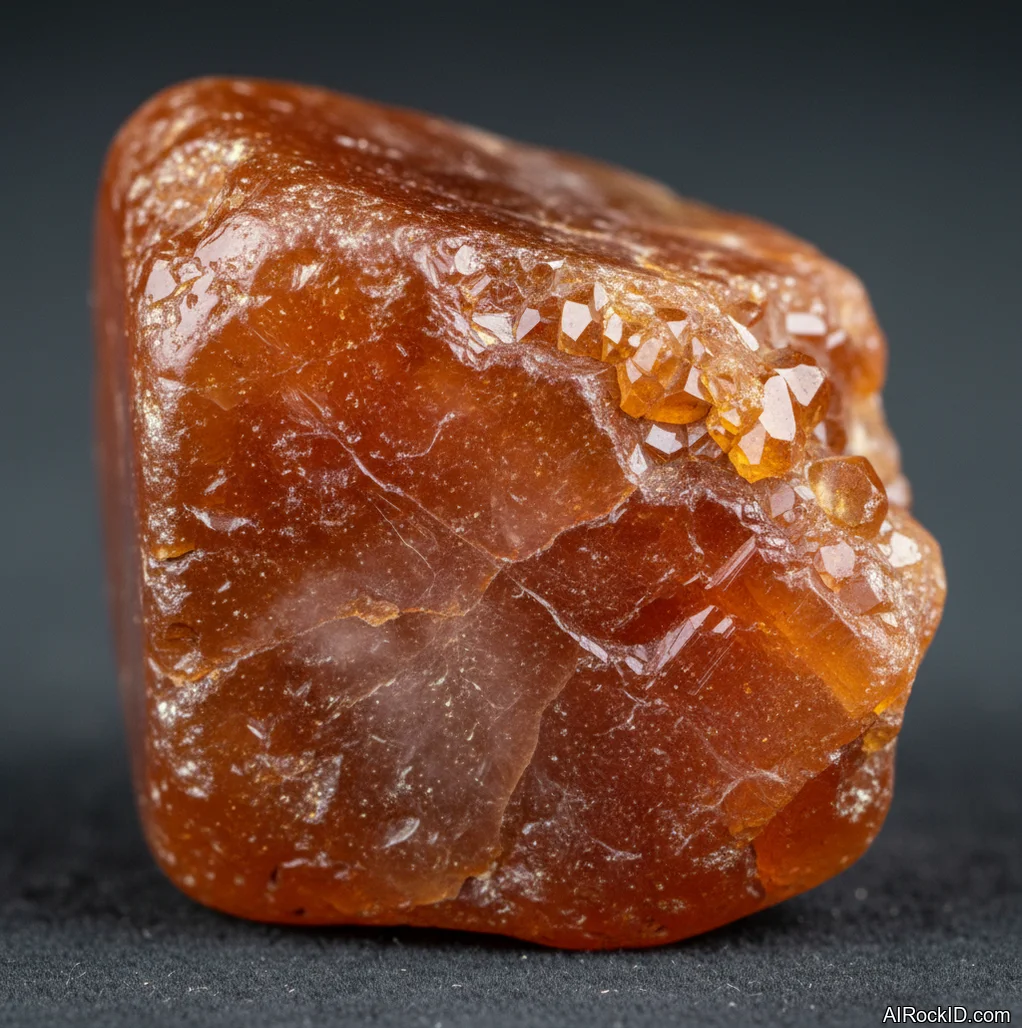
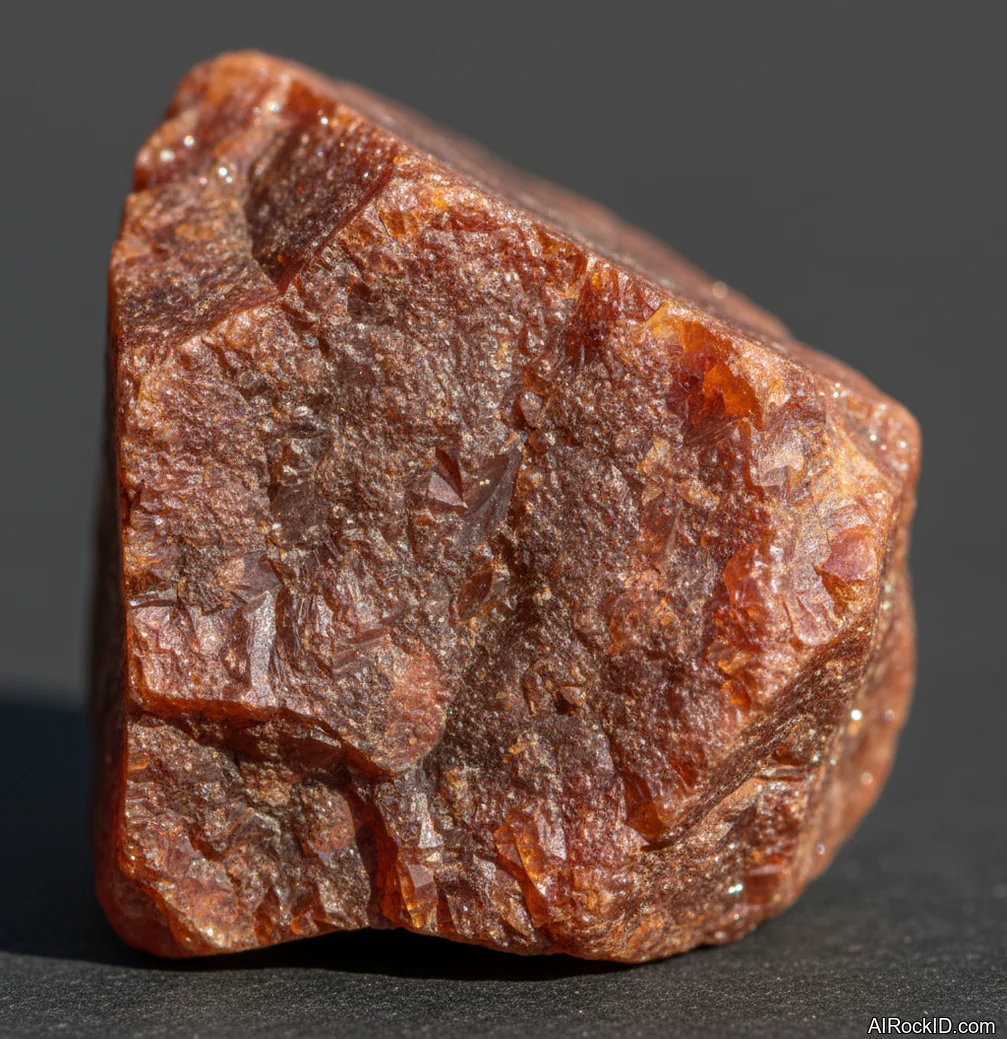
Pick up a good piece of carnelian and you’ll see it. Even when it’s polished, it feels dense for its size, and the color has depth instead of that flat orange you see in dyed agate. Hold it under a lamp and the best pieces glow from inside, like there’s a coal tucked just under the surface. That’s Fire energy in a way people can relate to: warm colors, forward motion, a little bite.
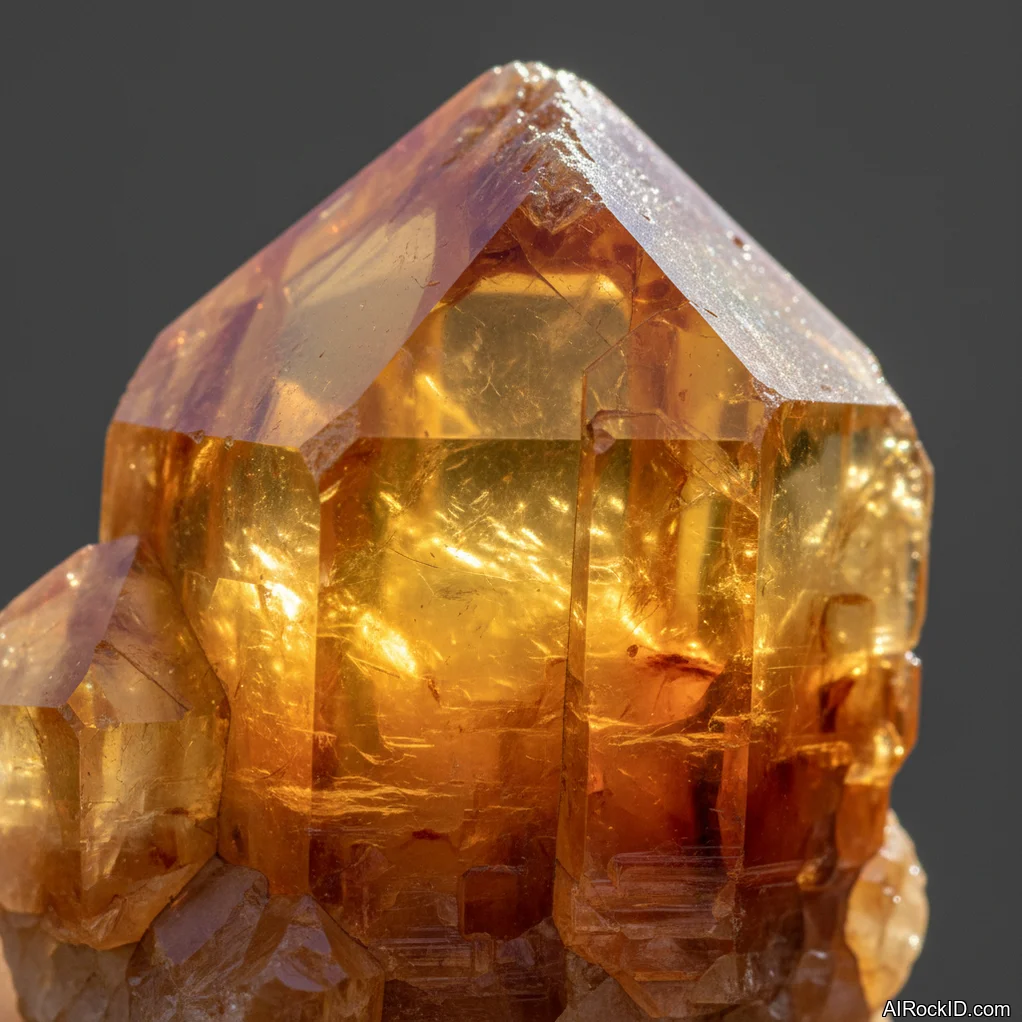
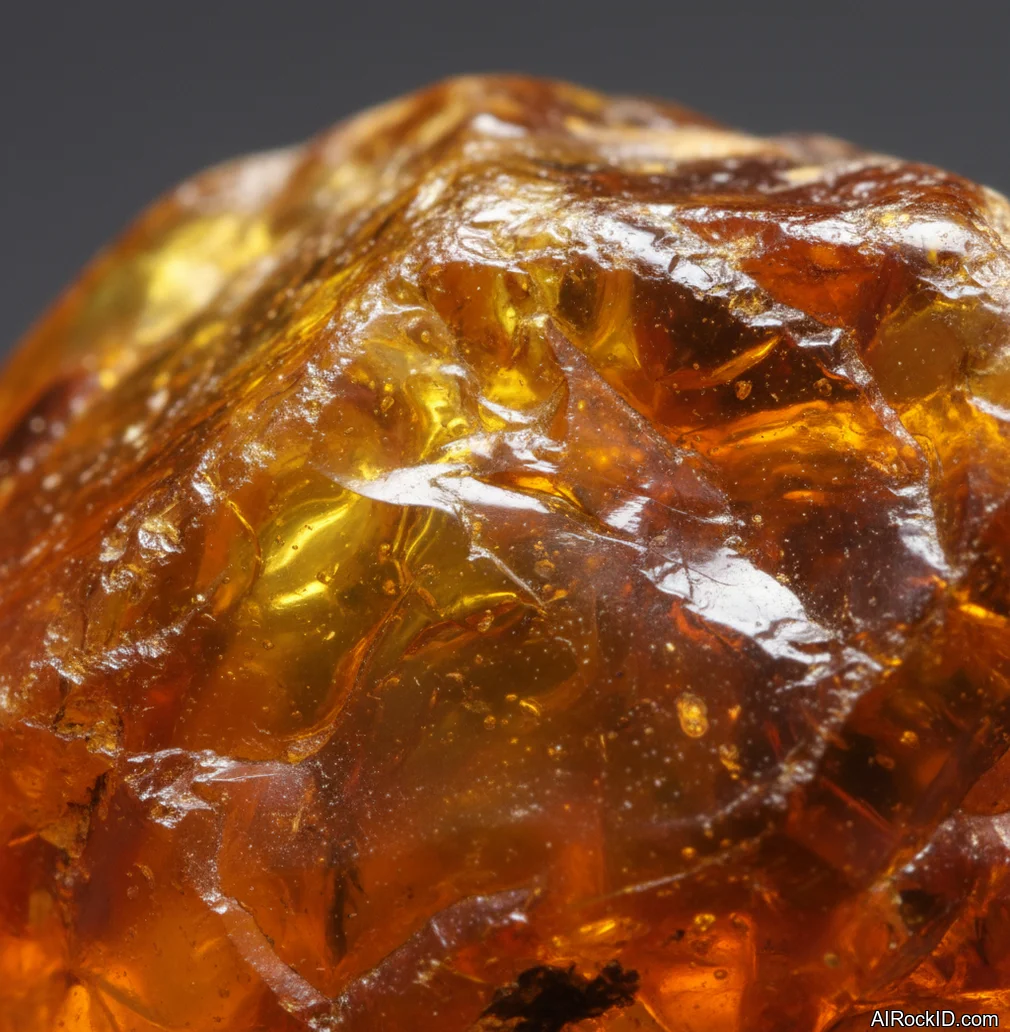
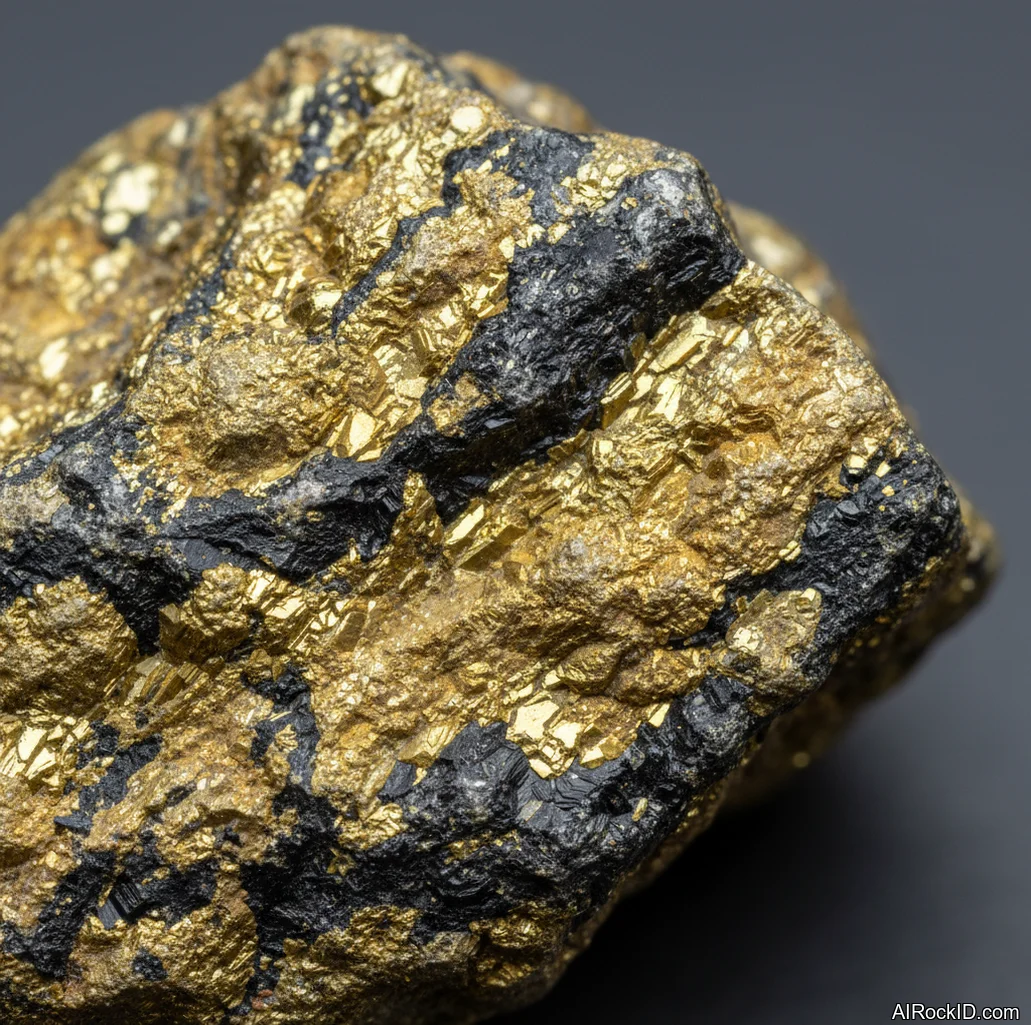
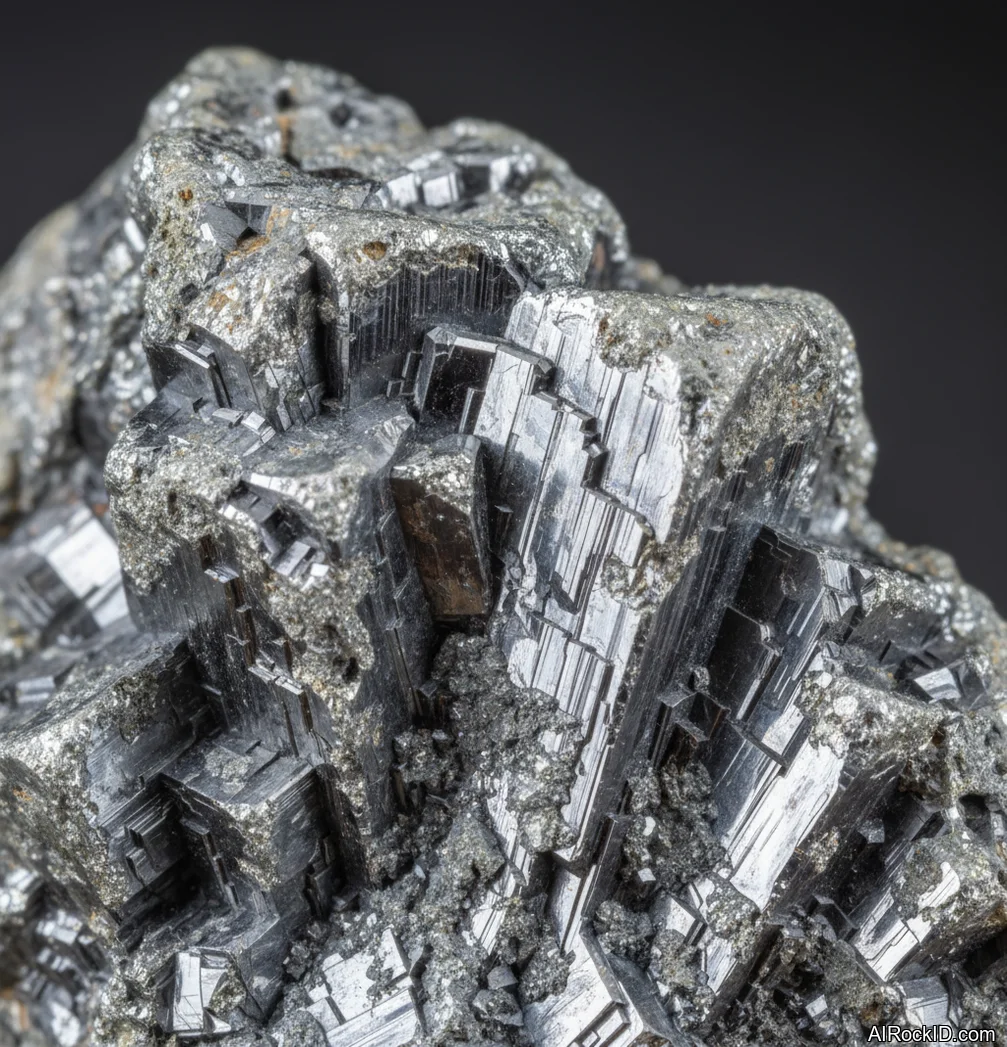
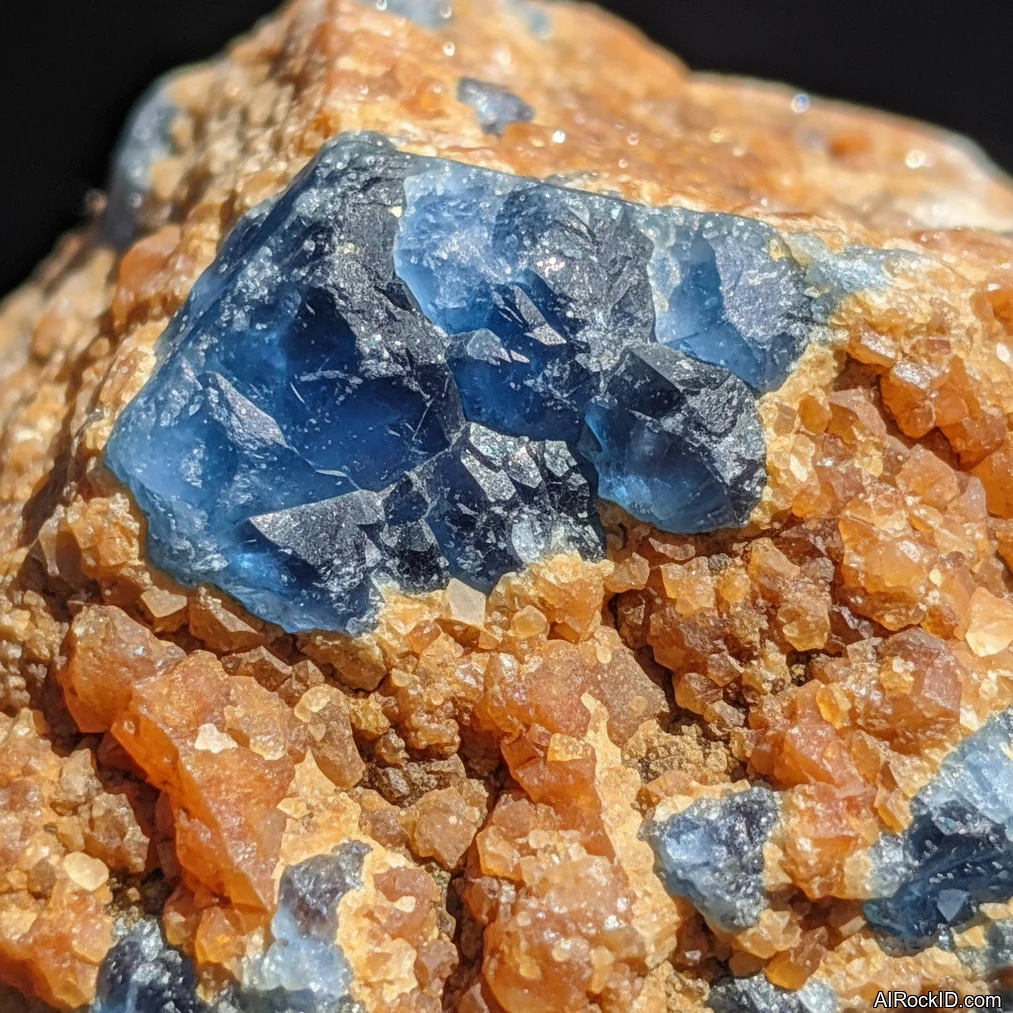
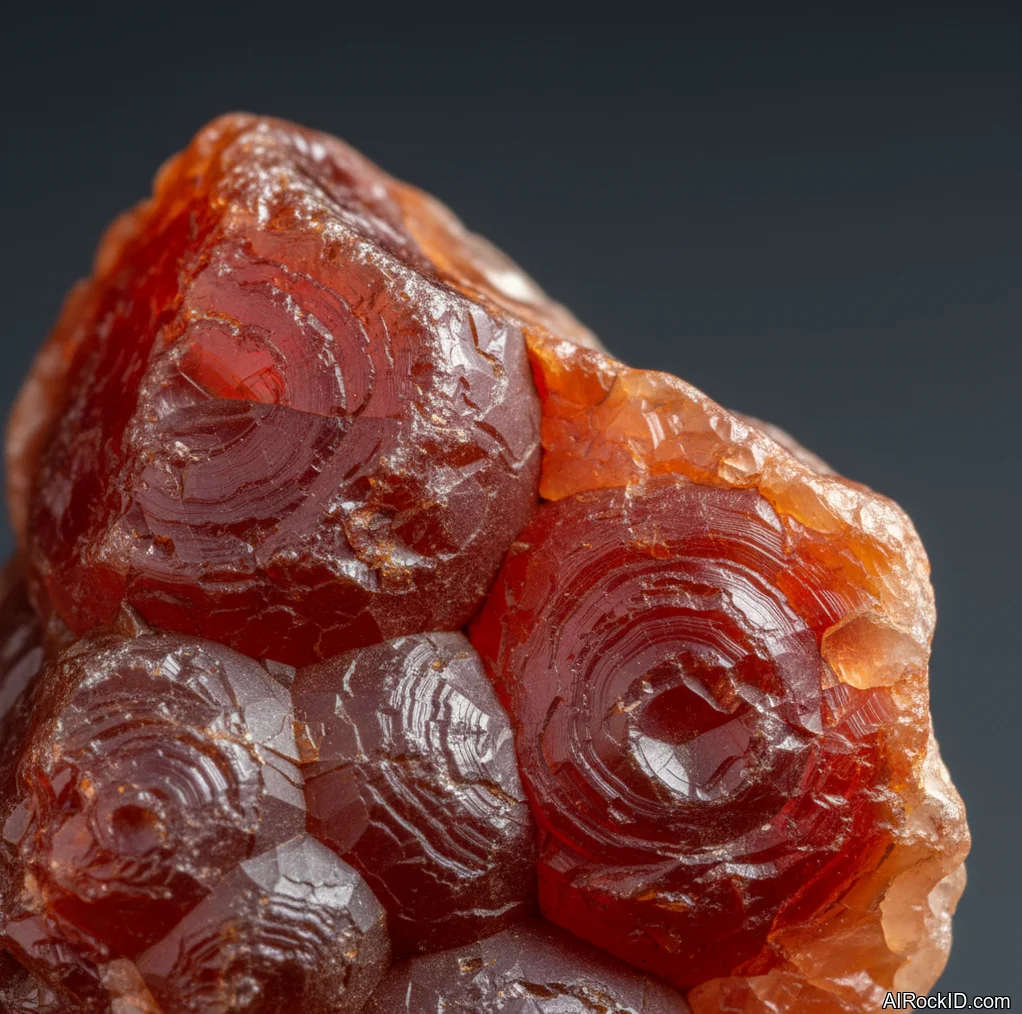
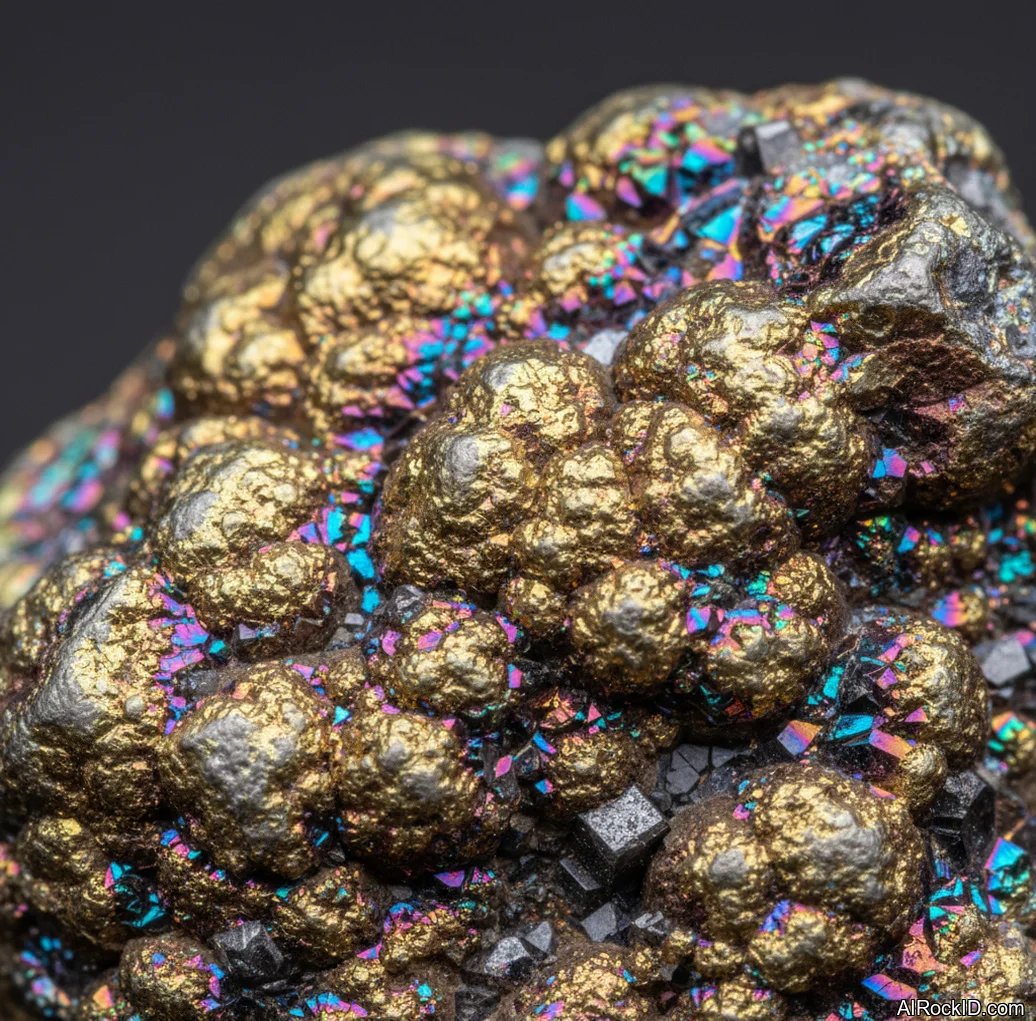
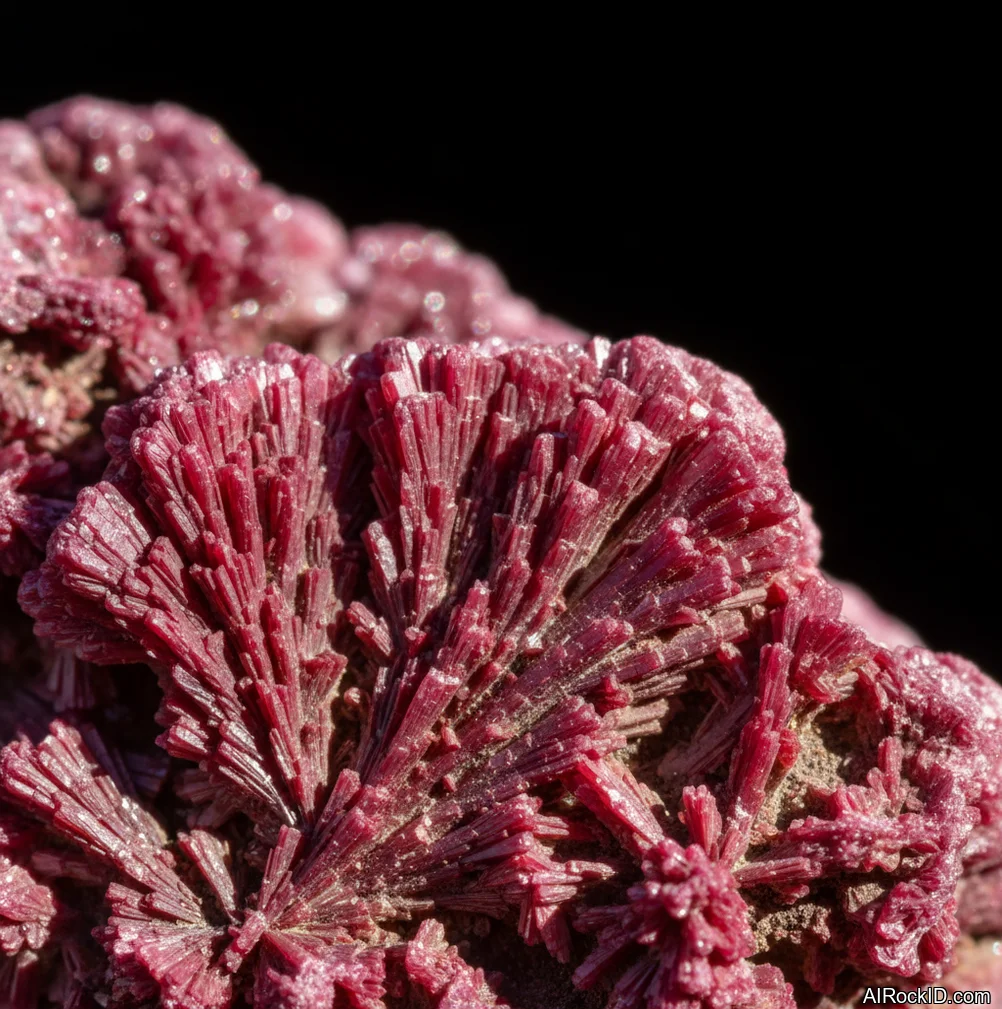
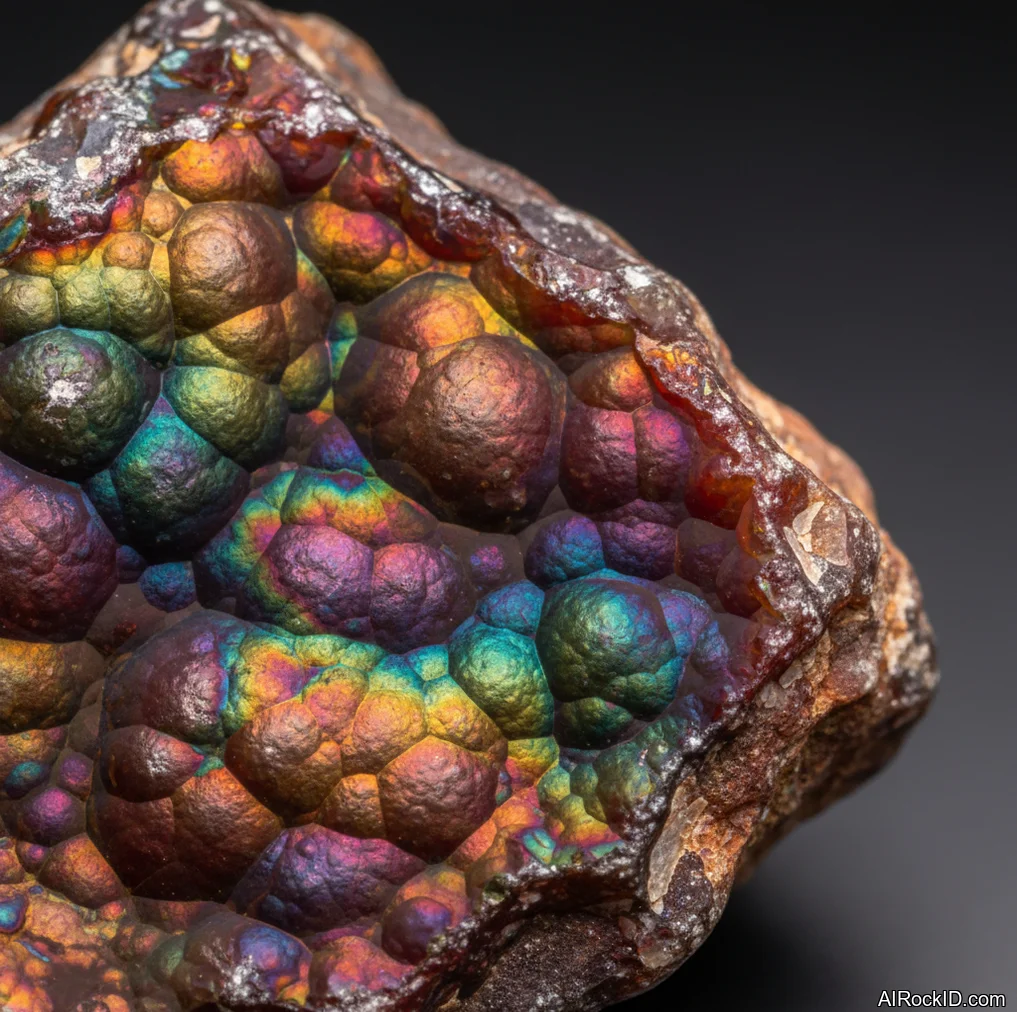
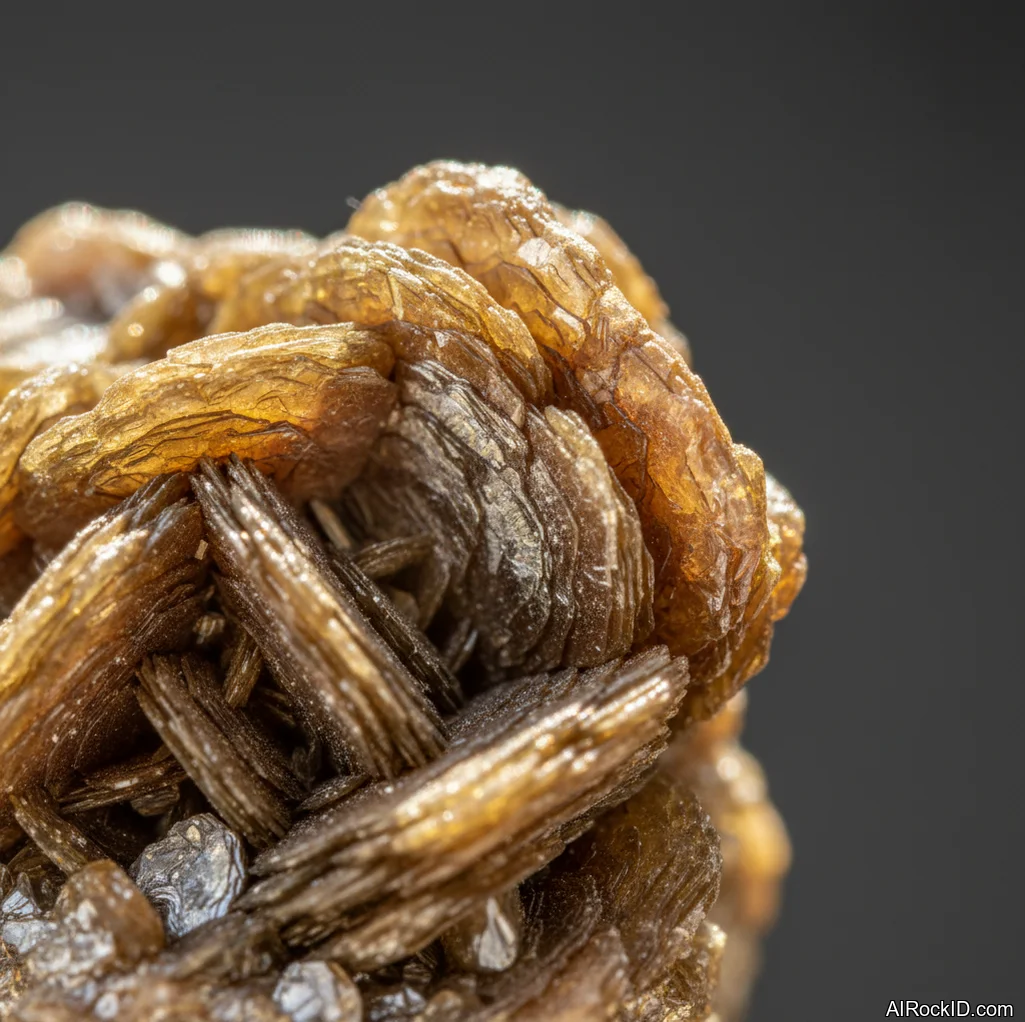
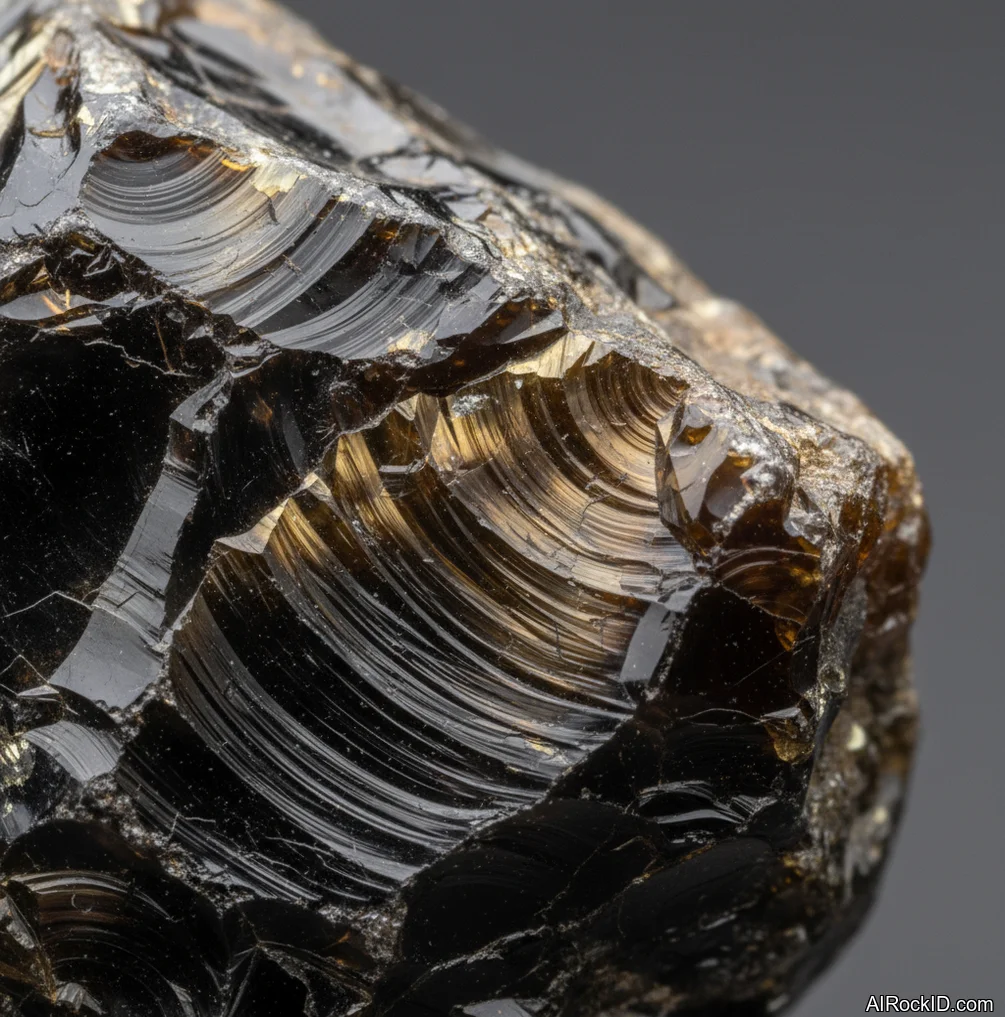
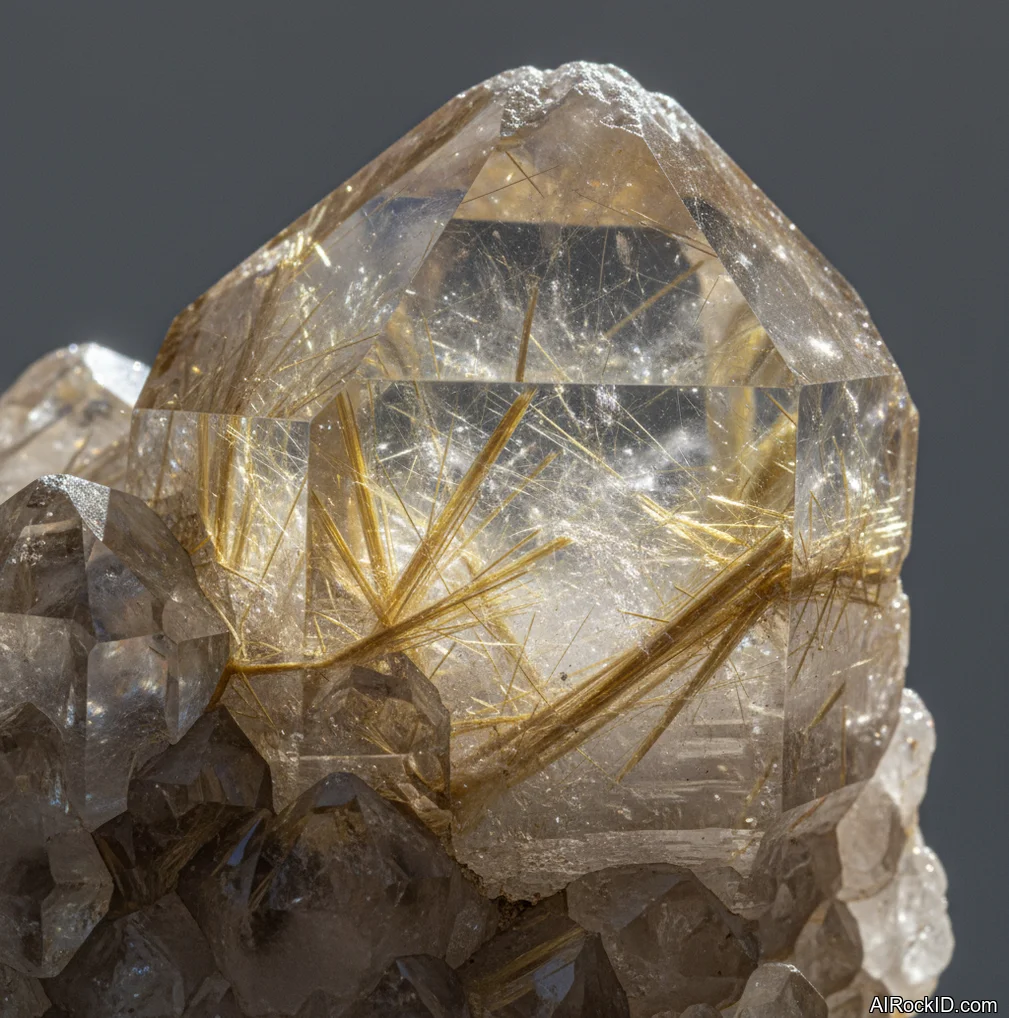
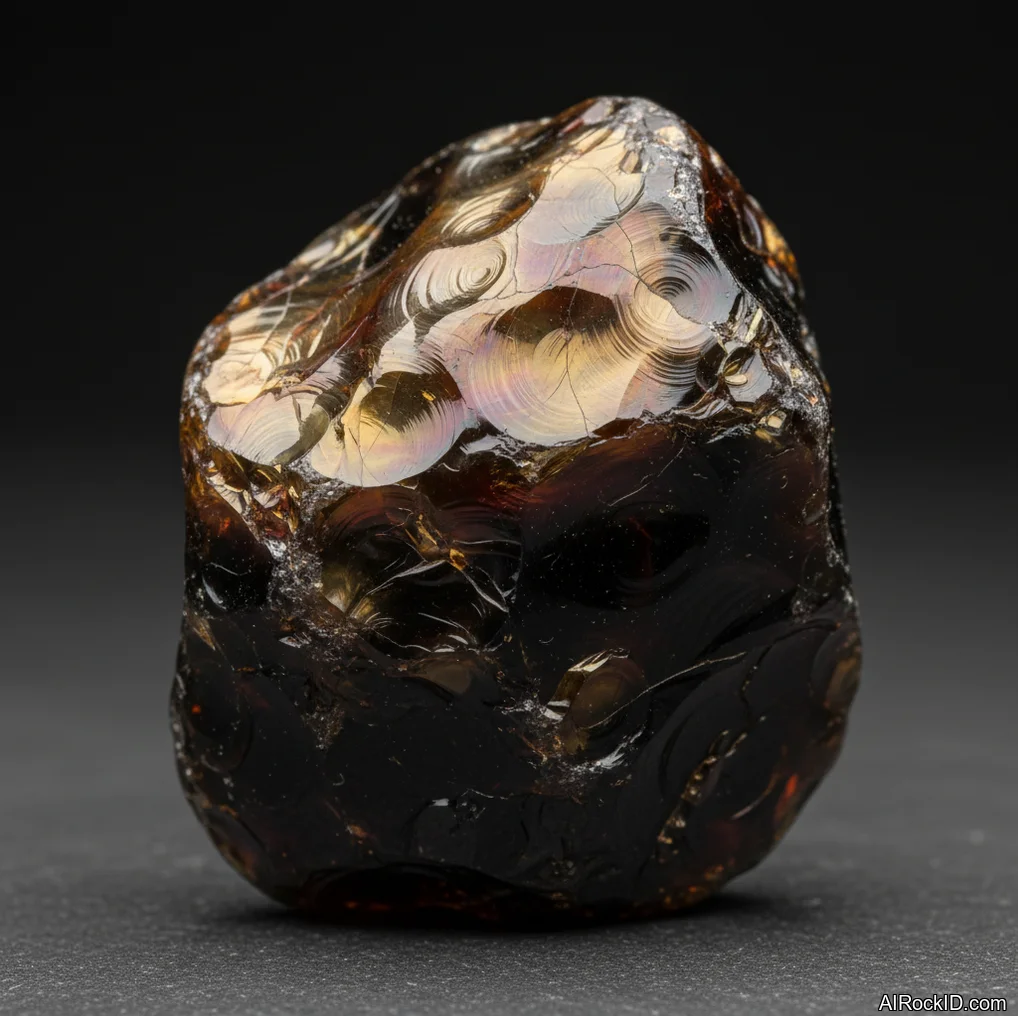
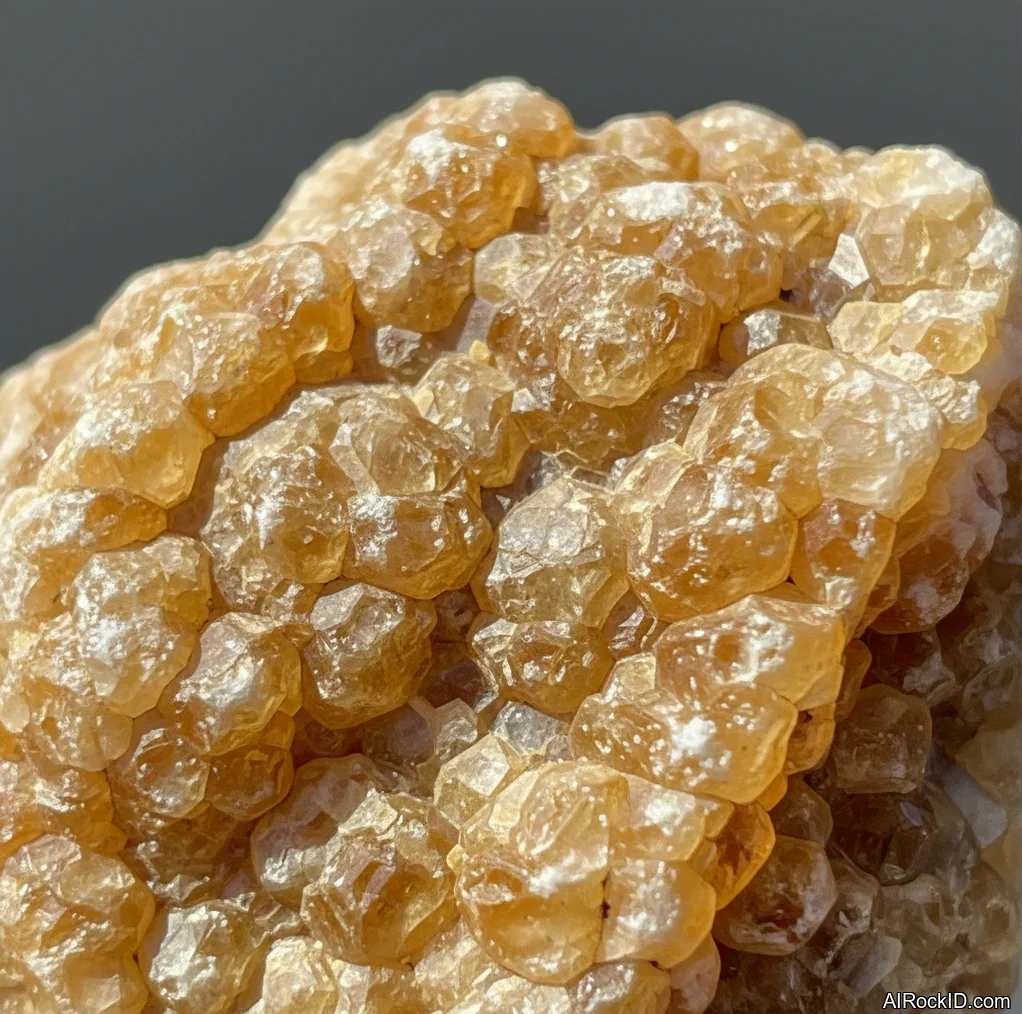
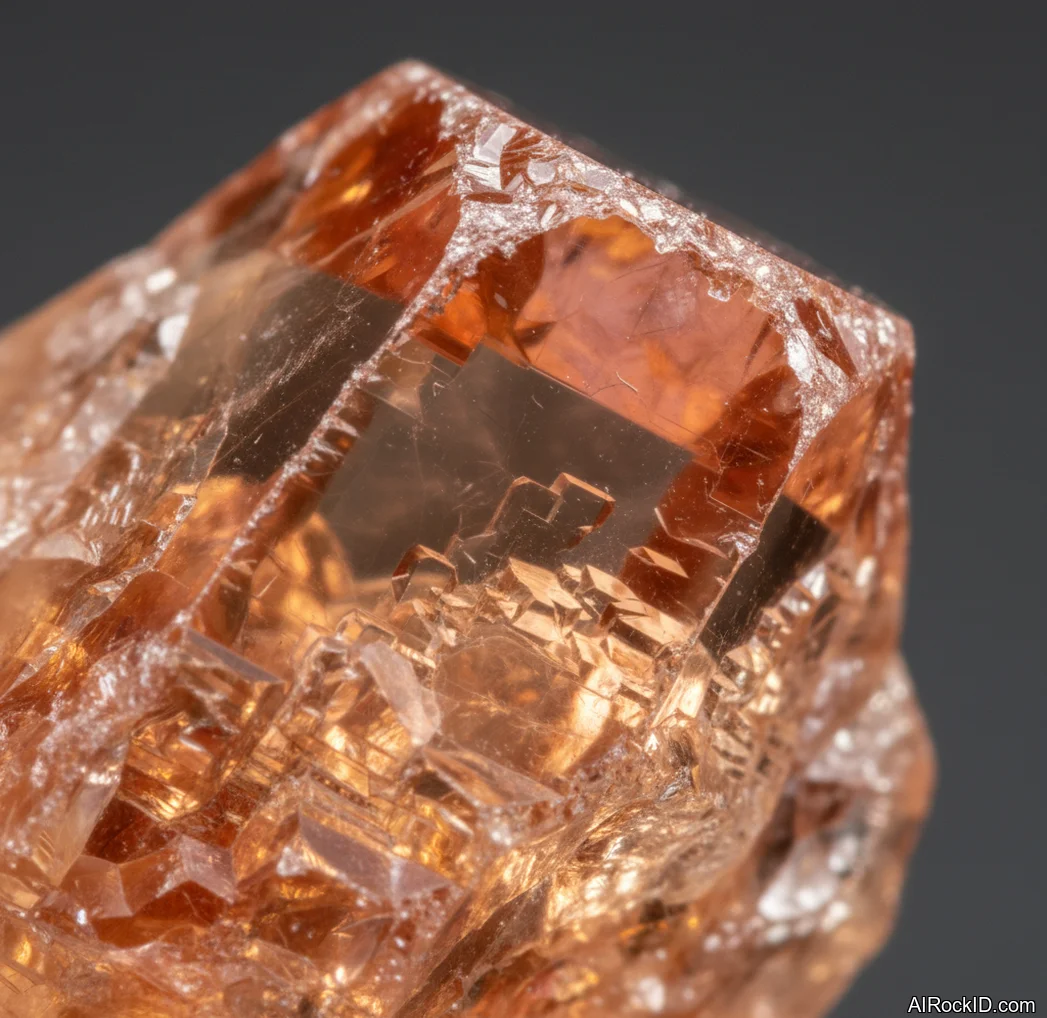
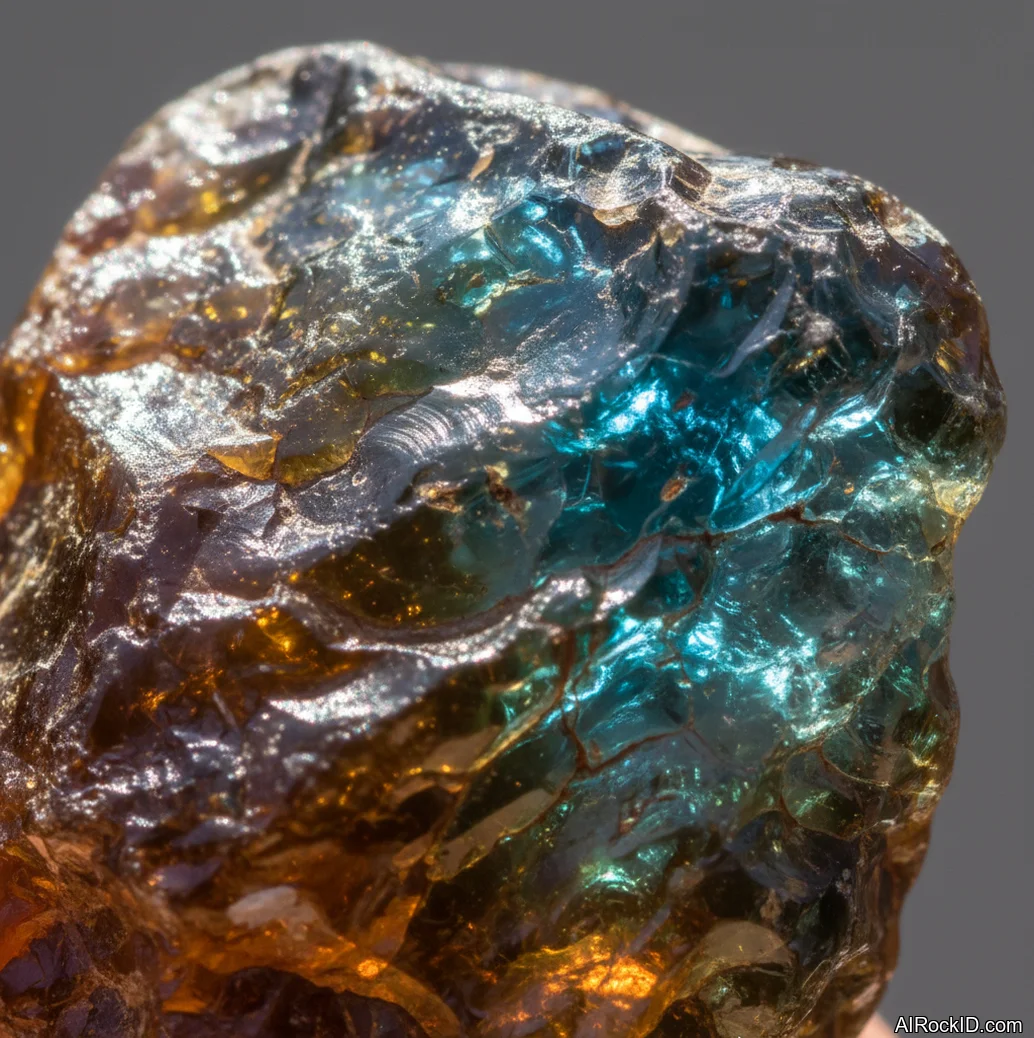
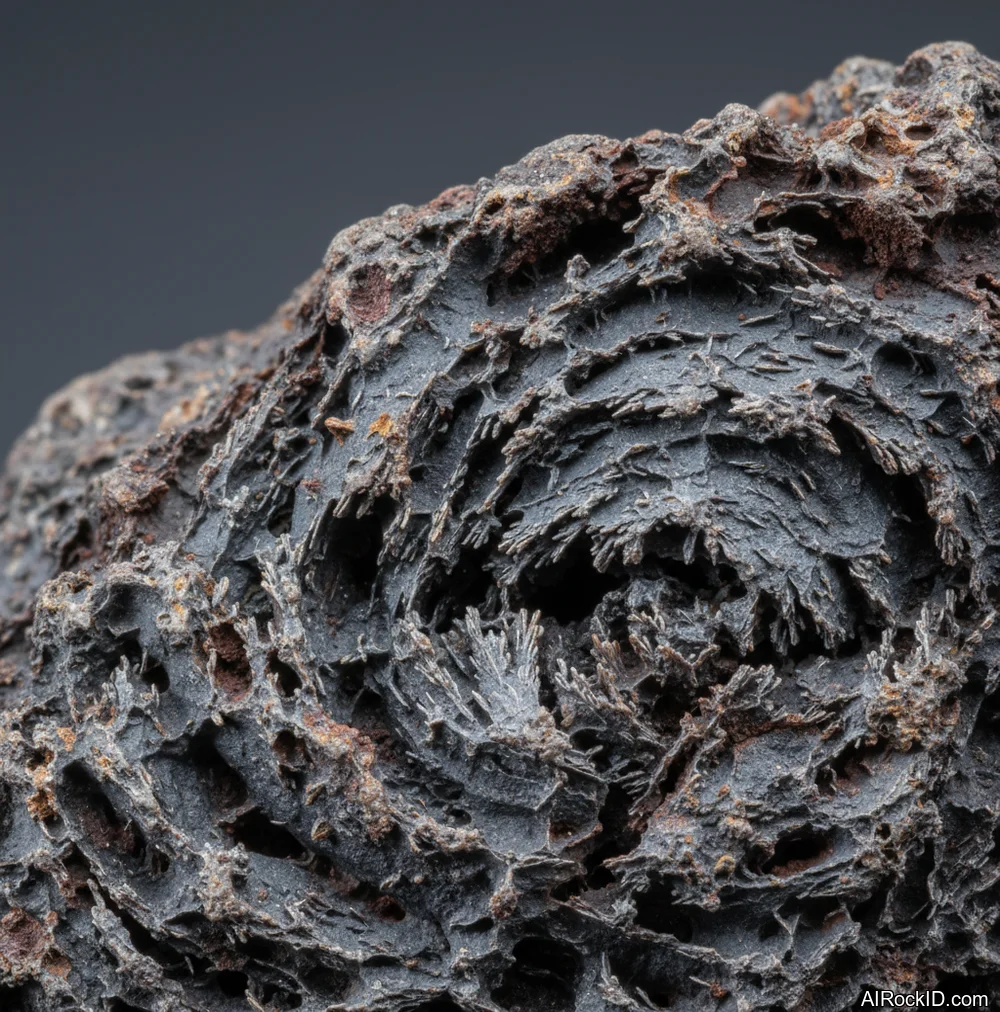
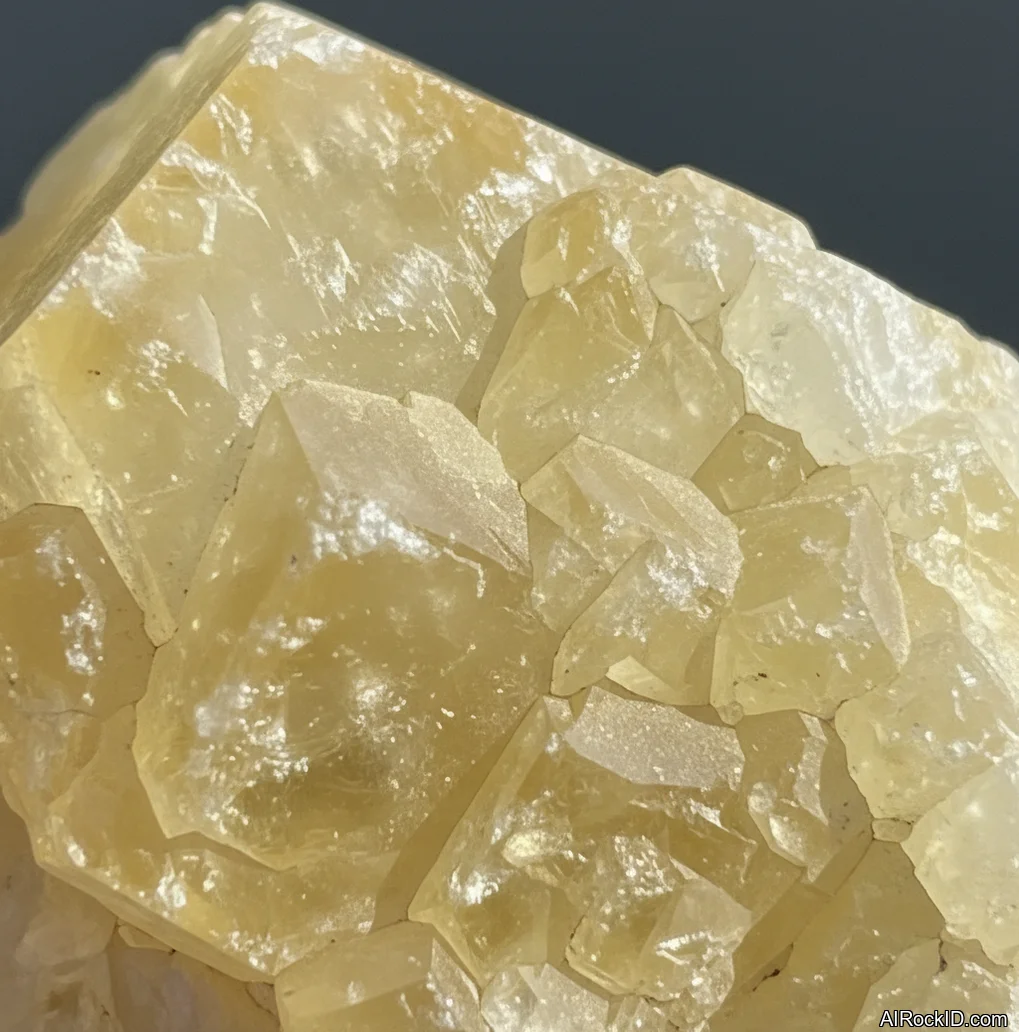
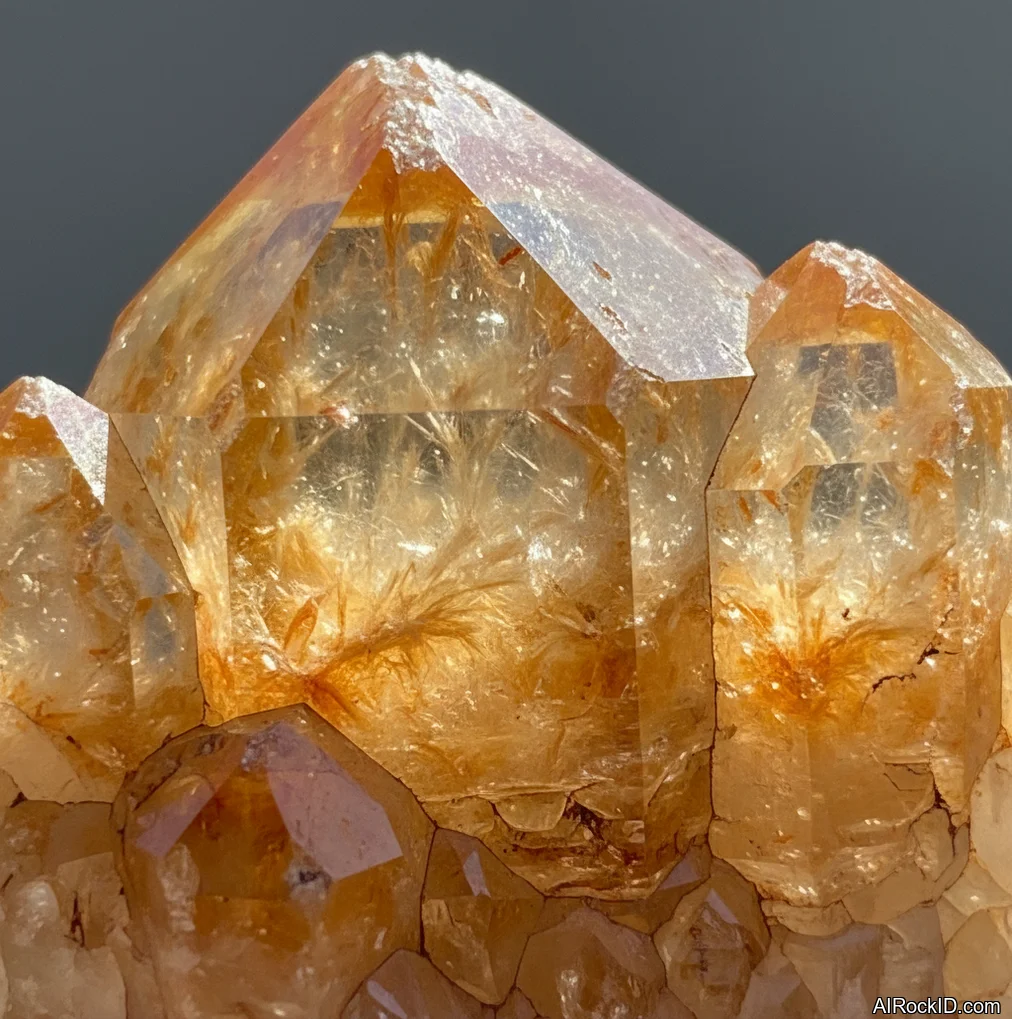
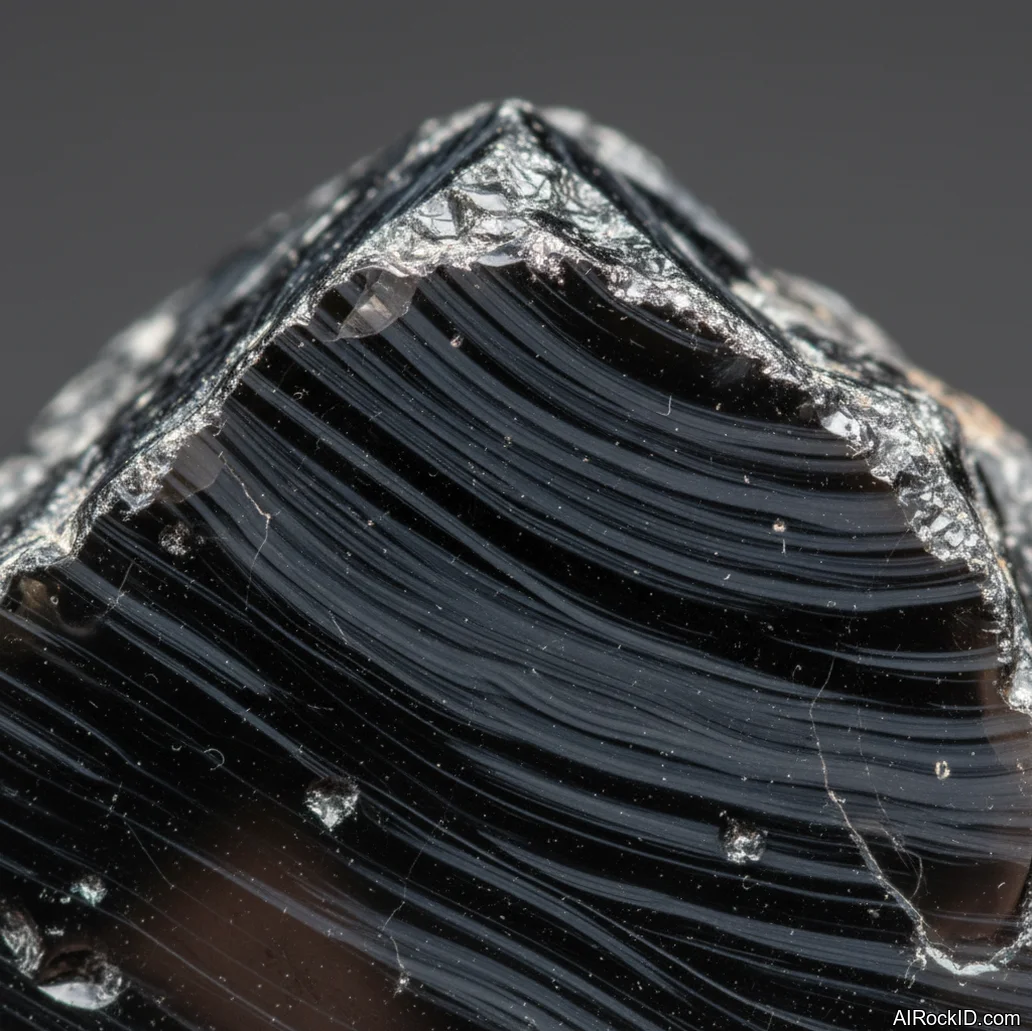
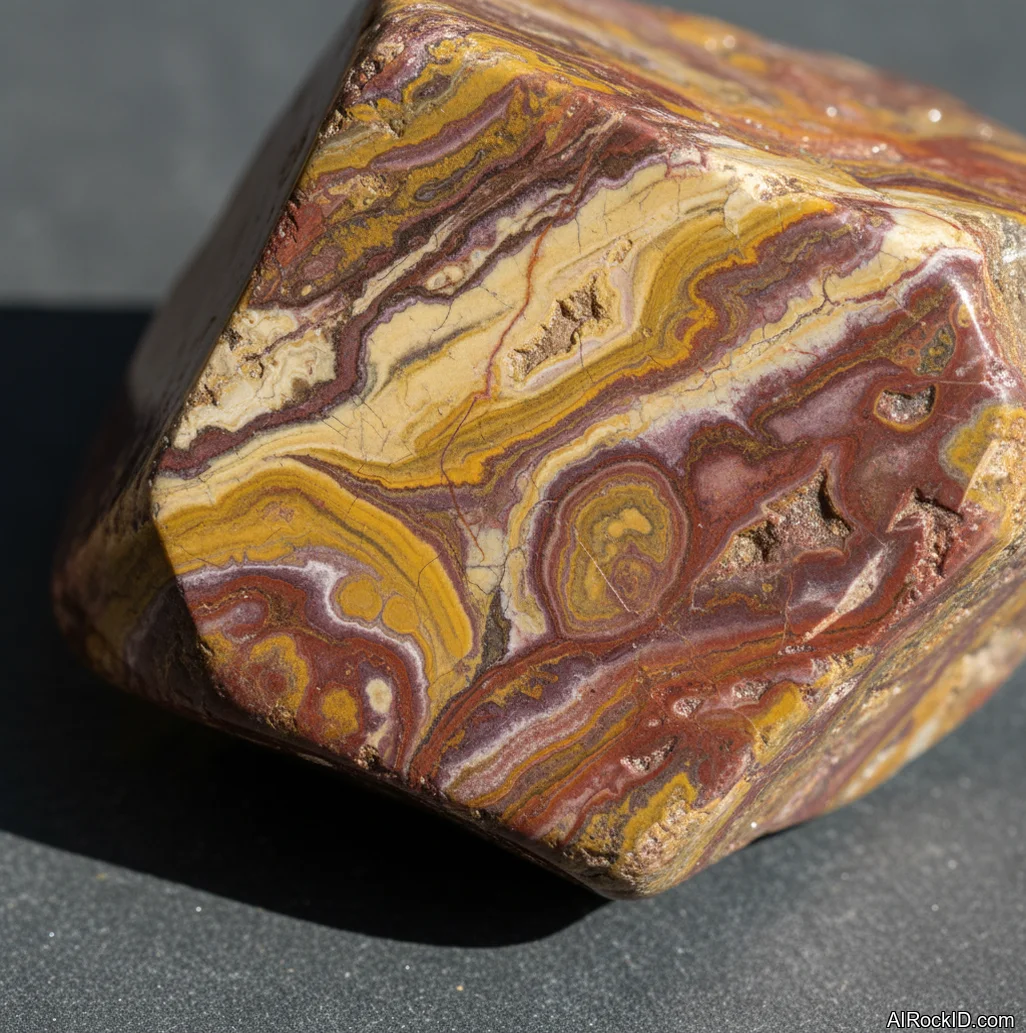
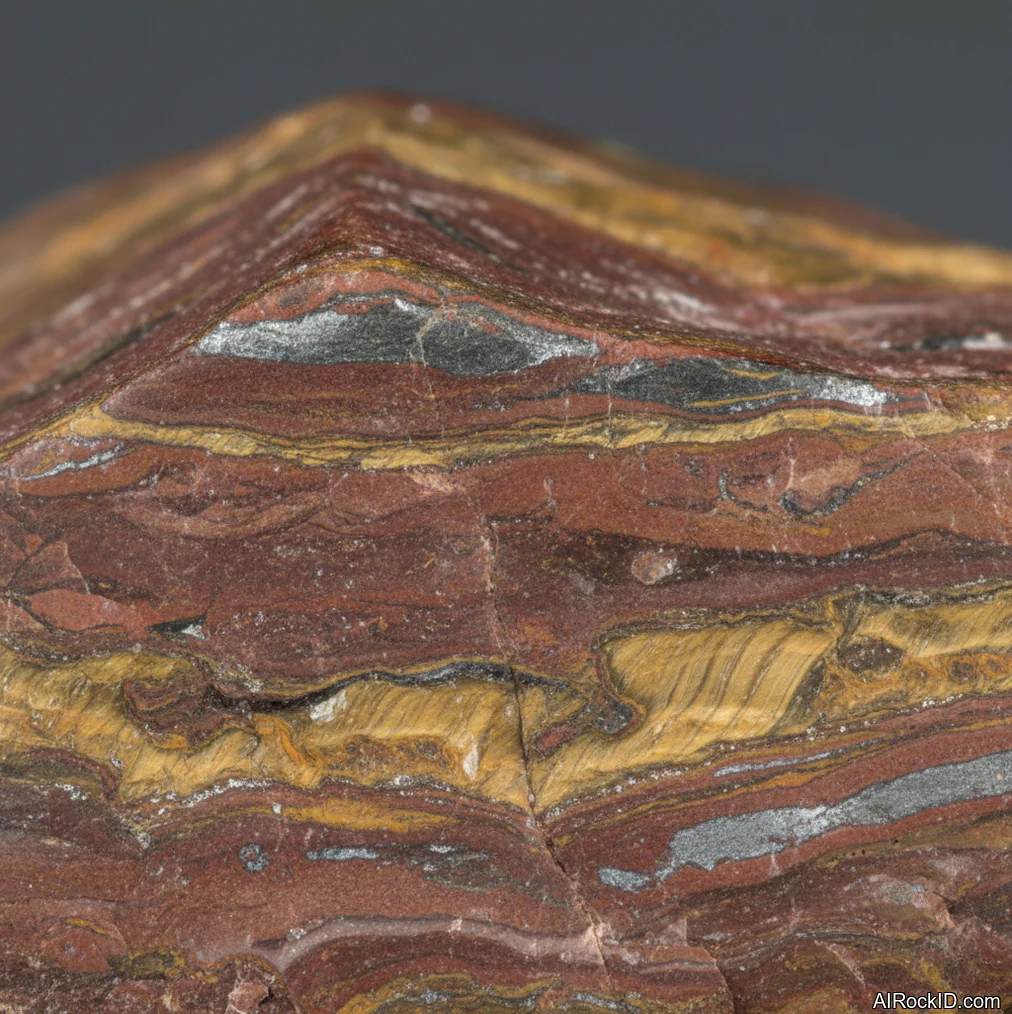
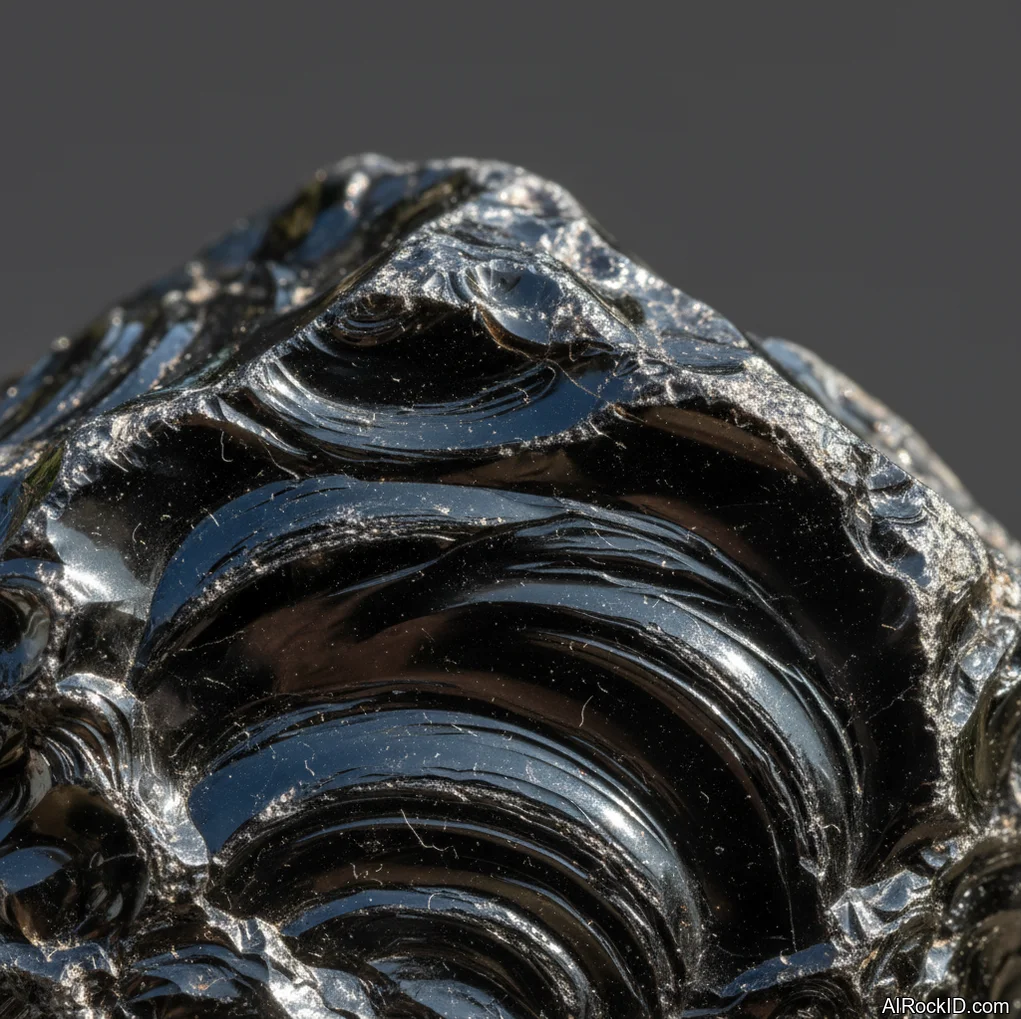
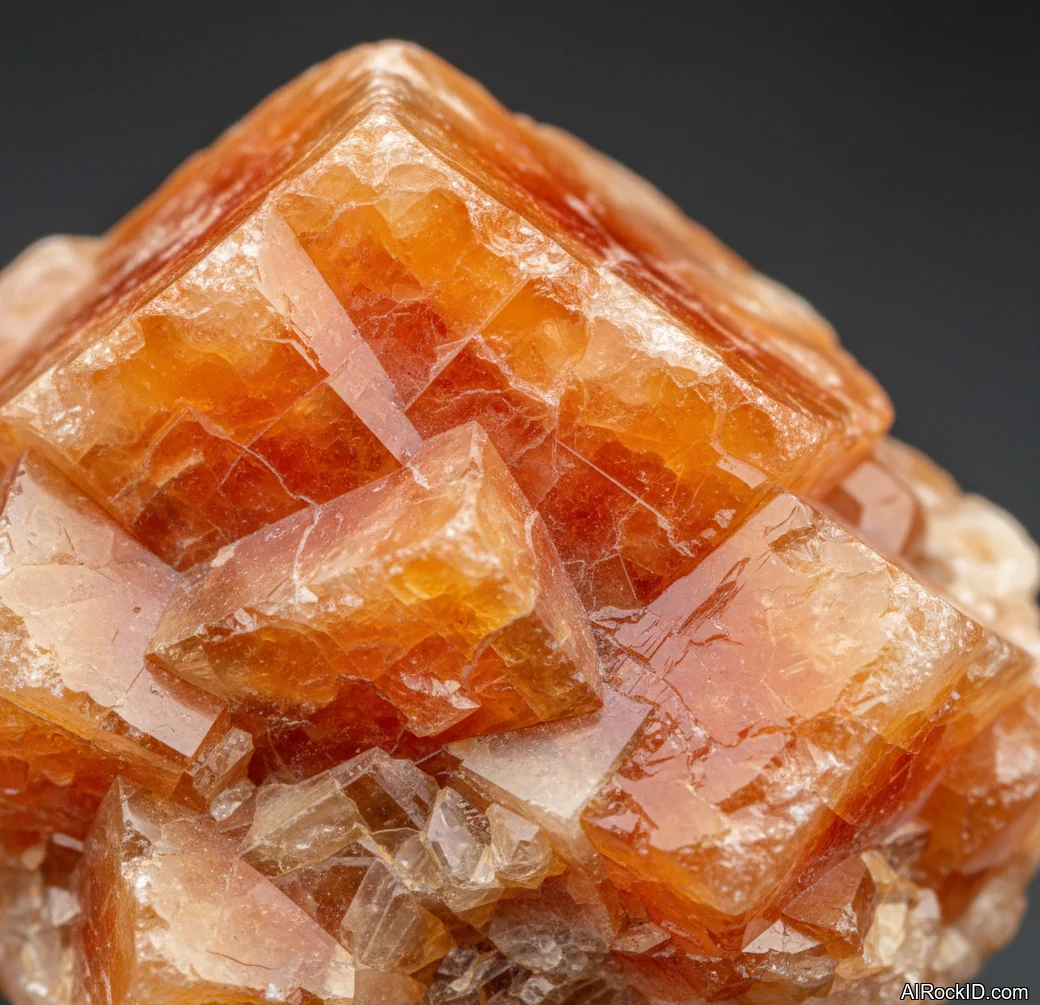
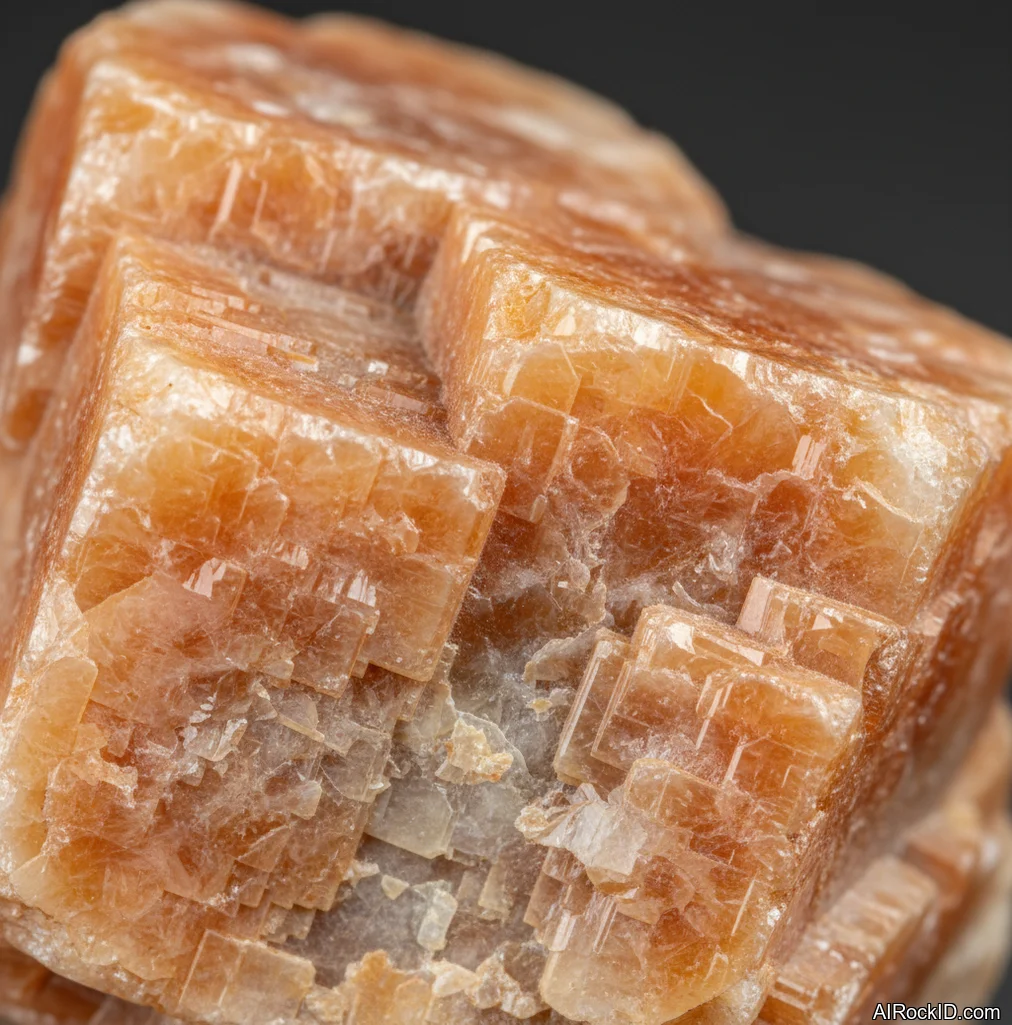
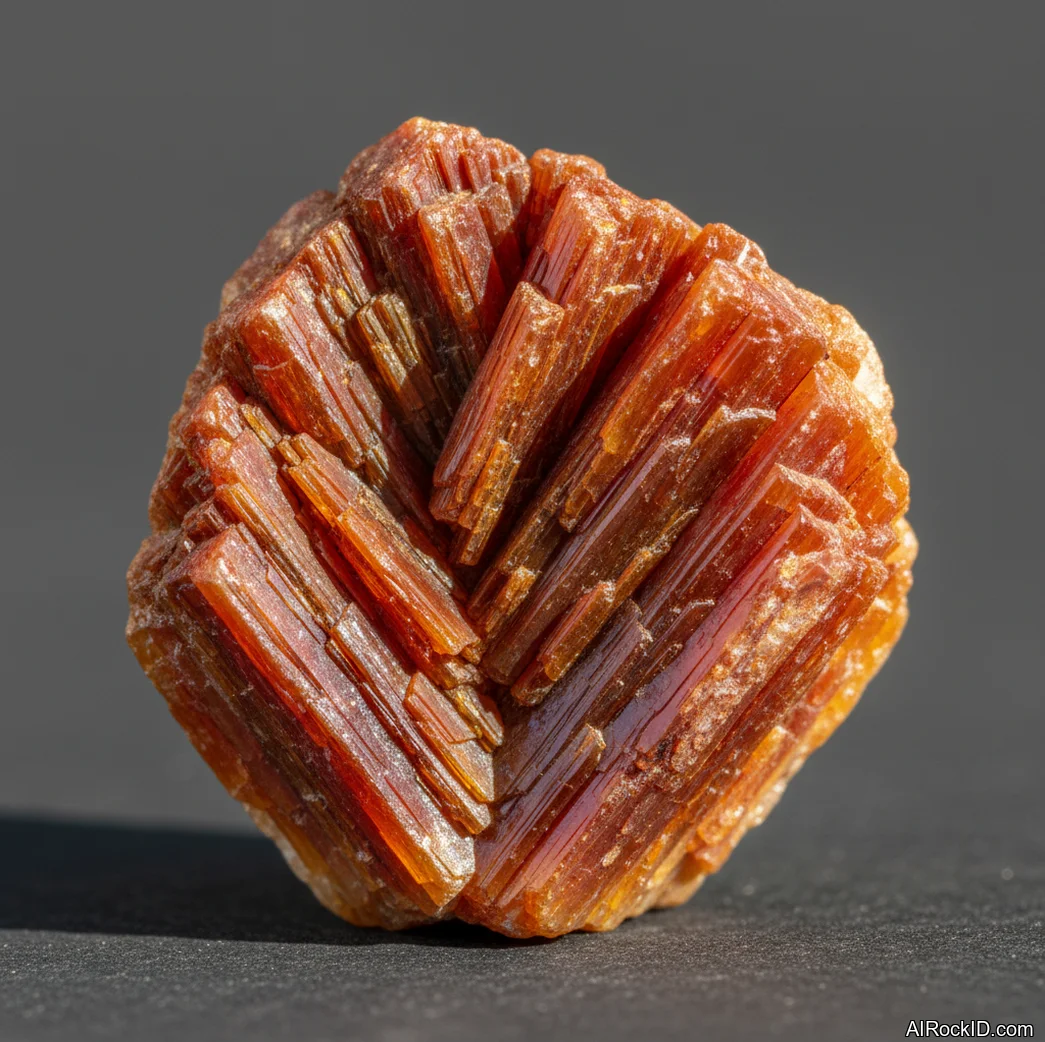
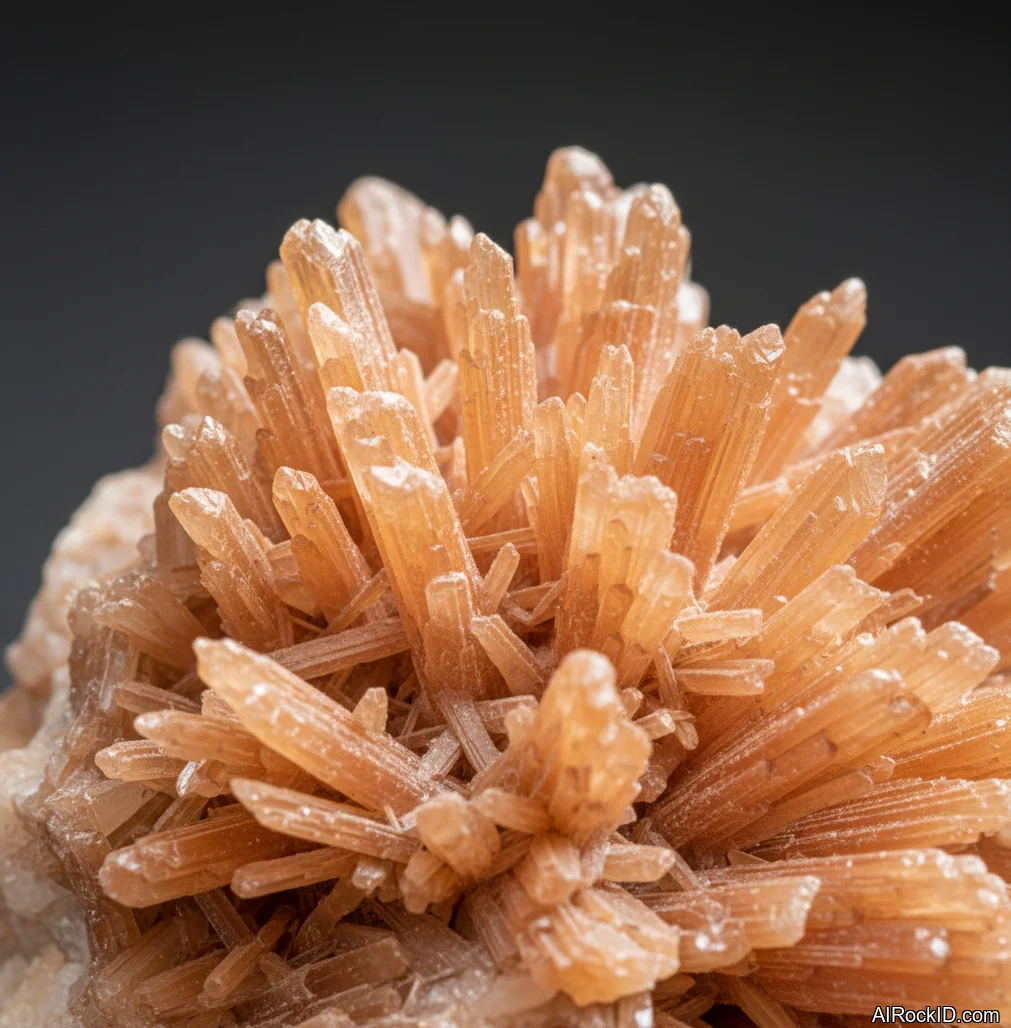
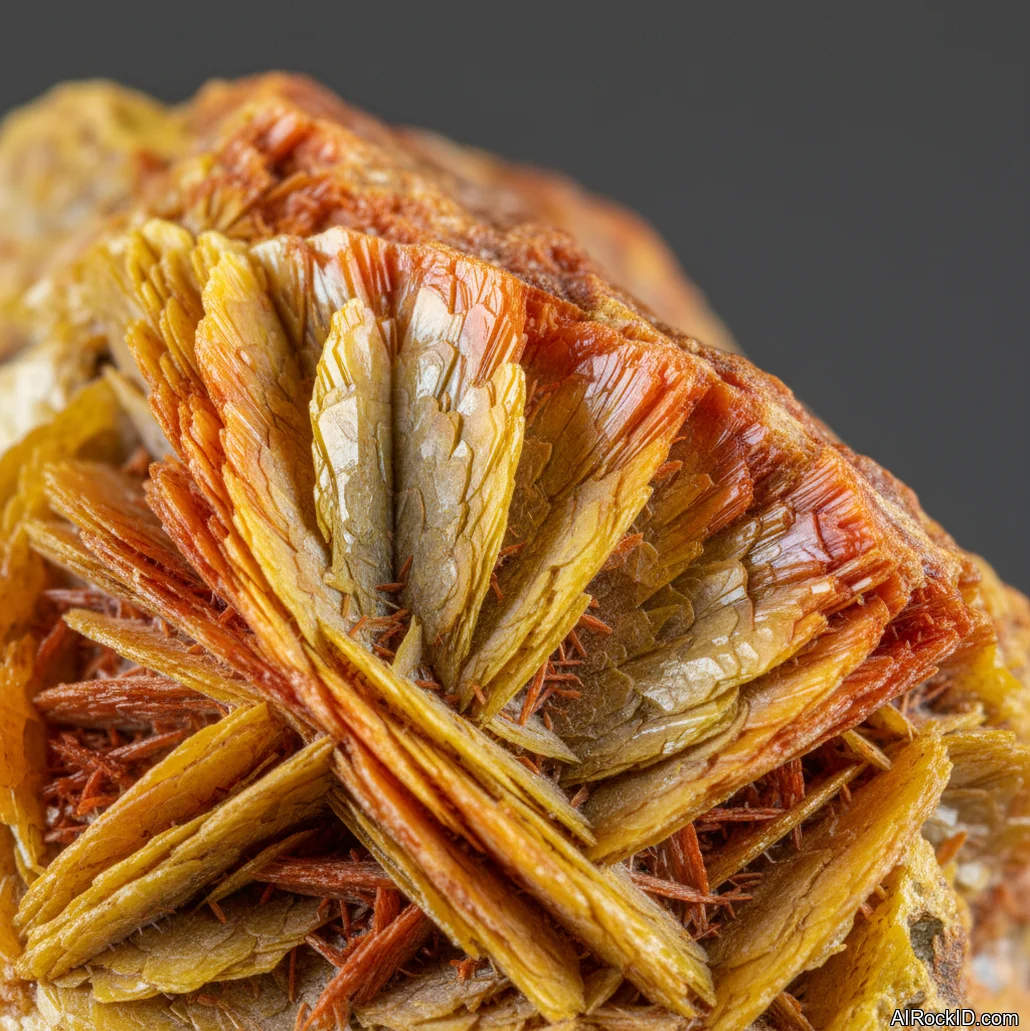
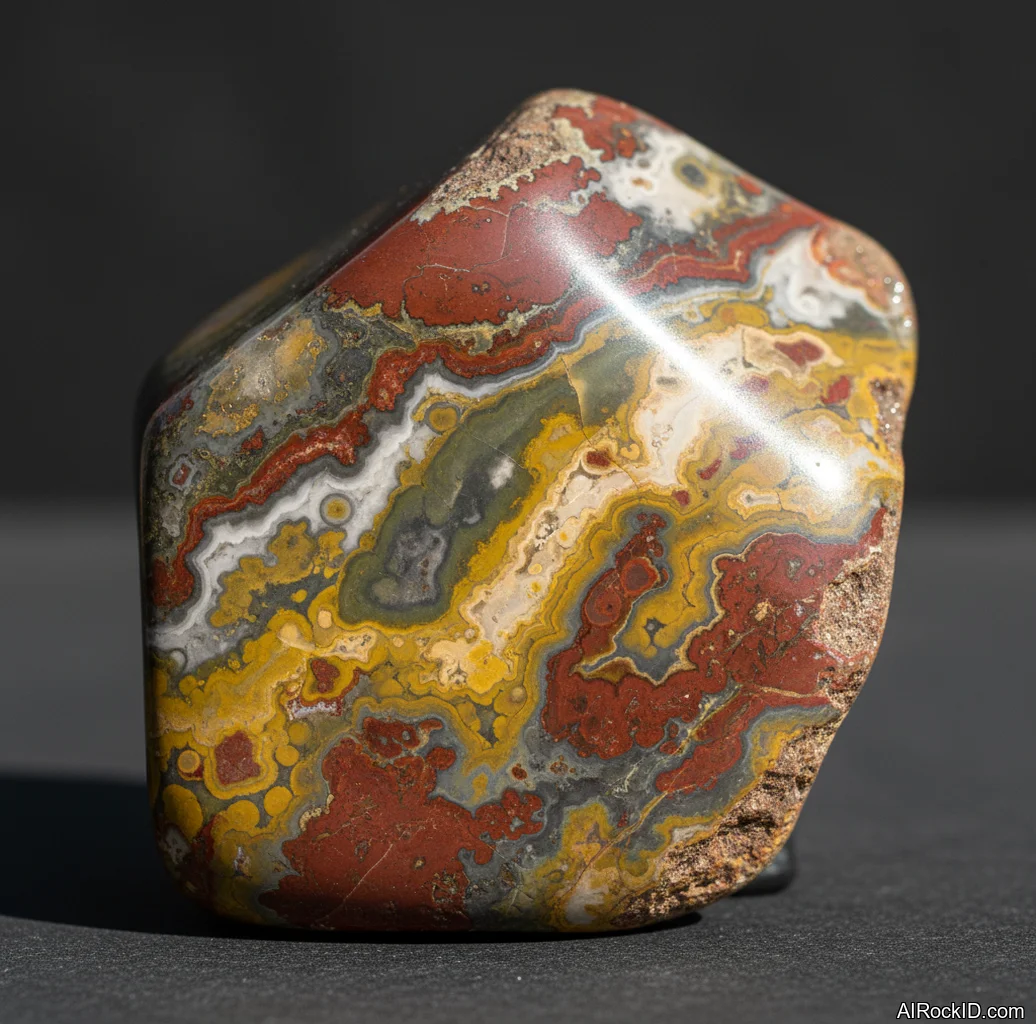
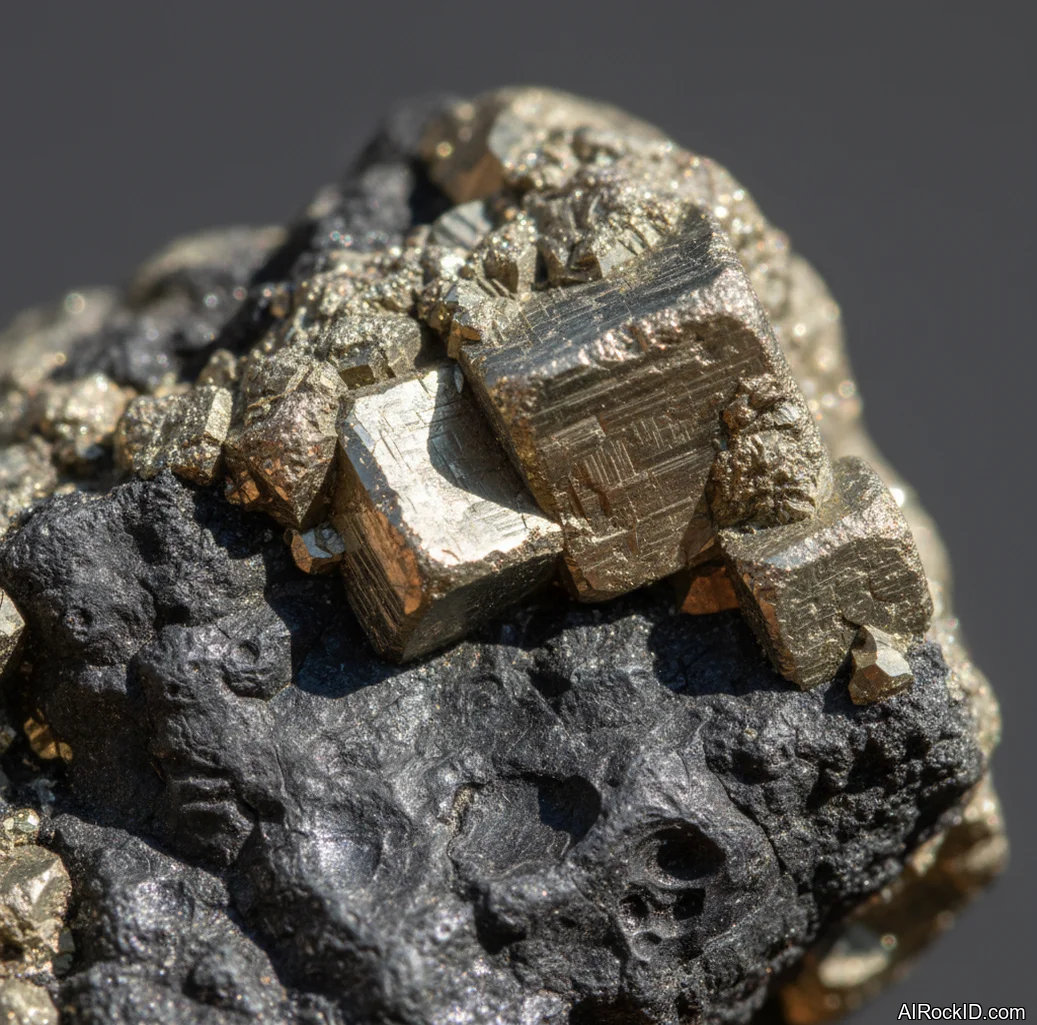
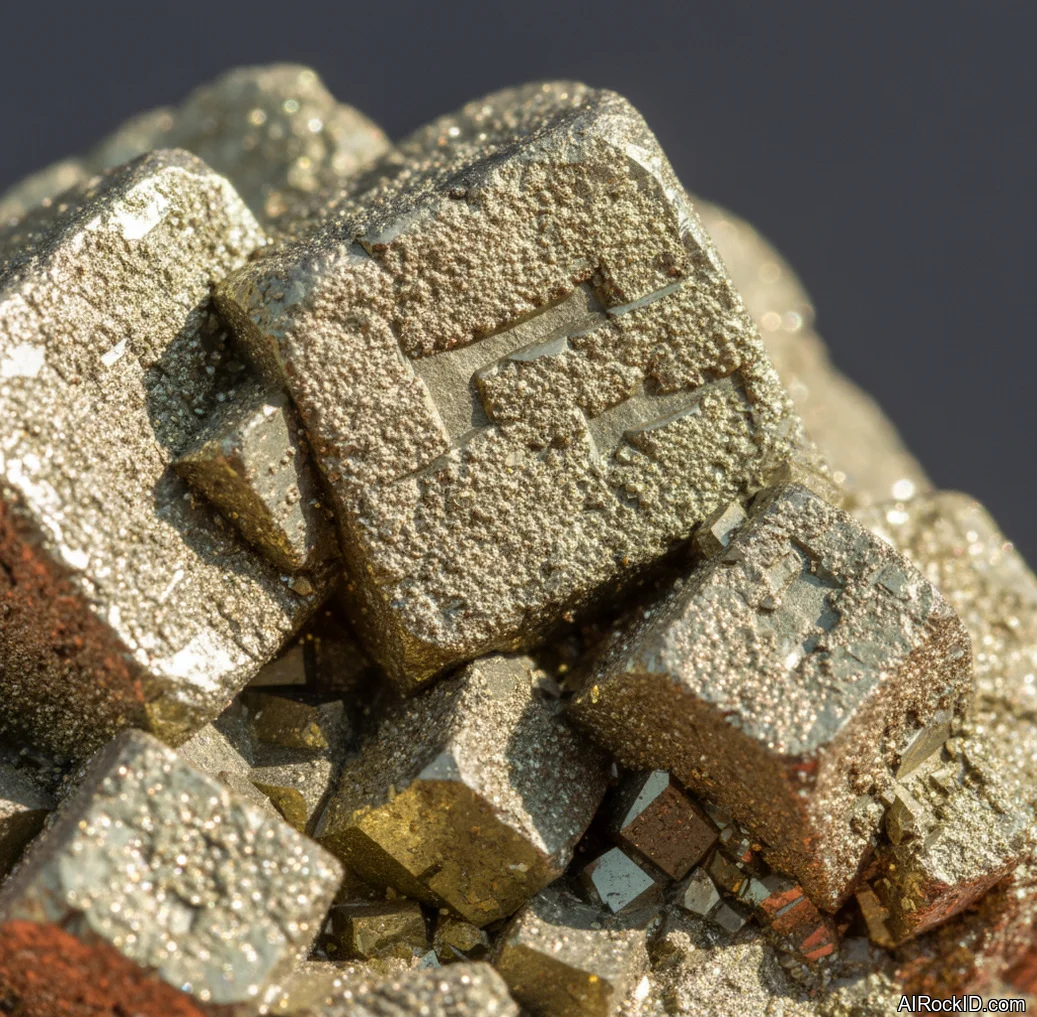
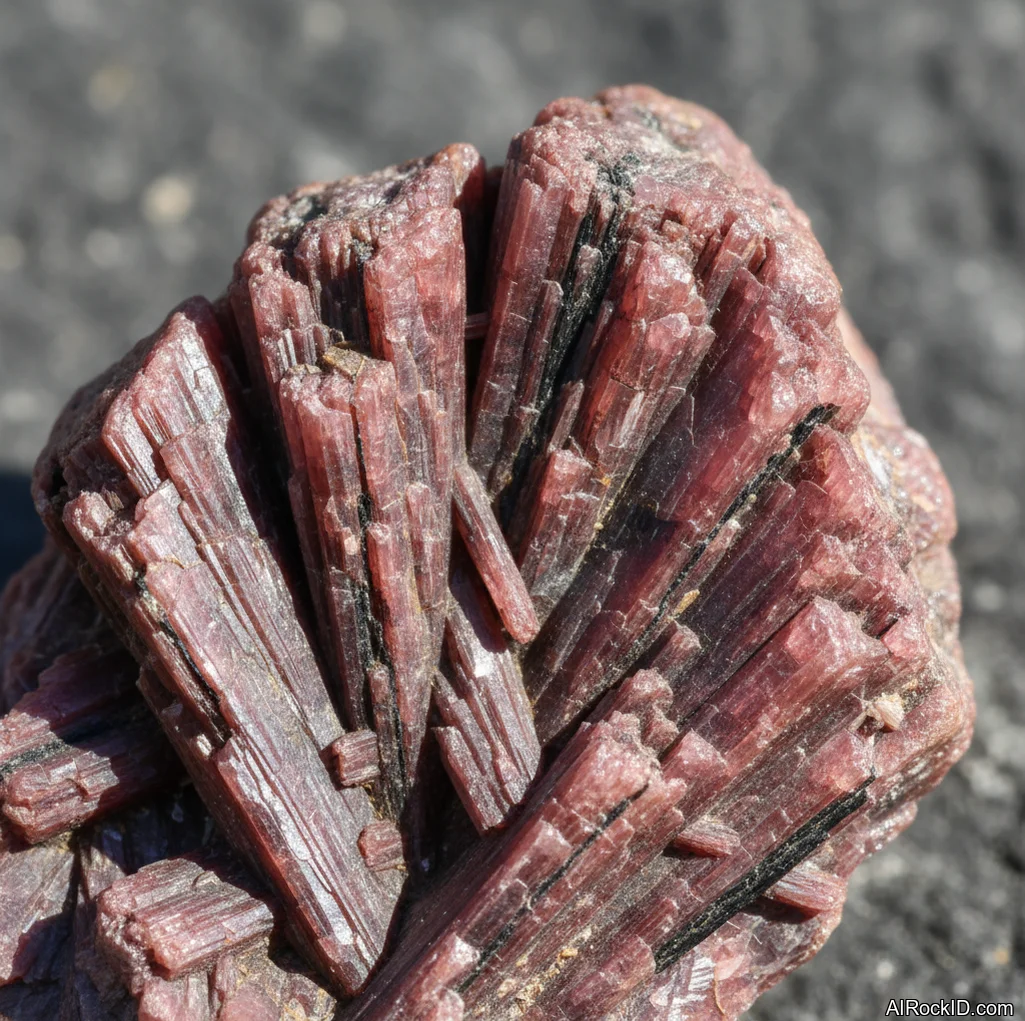
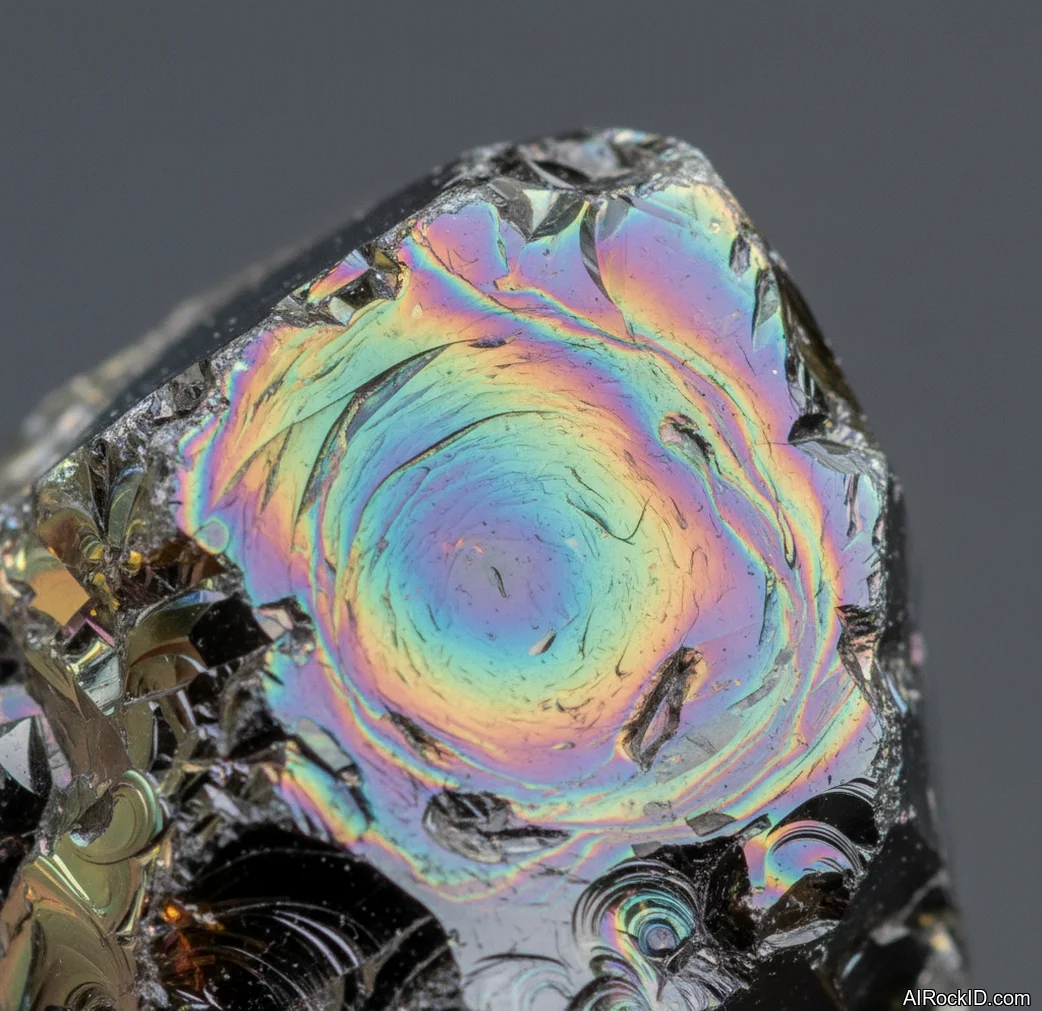
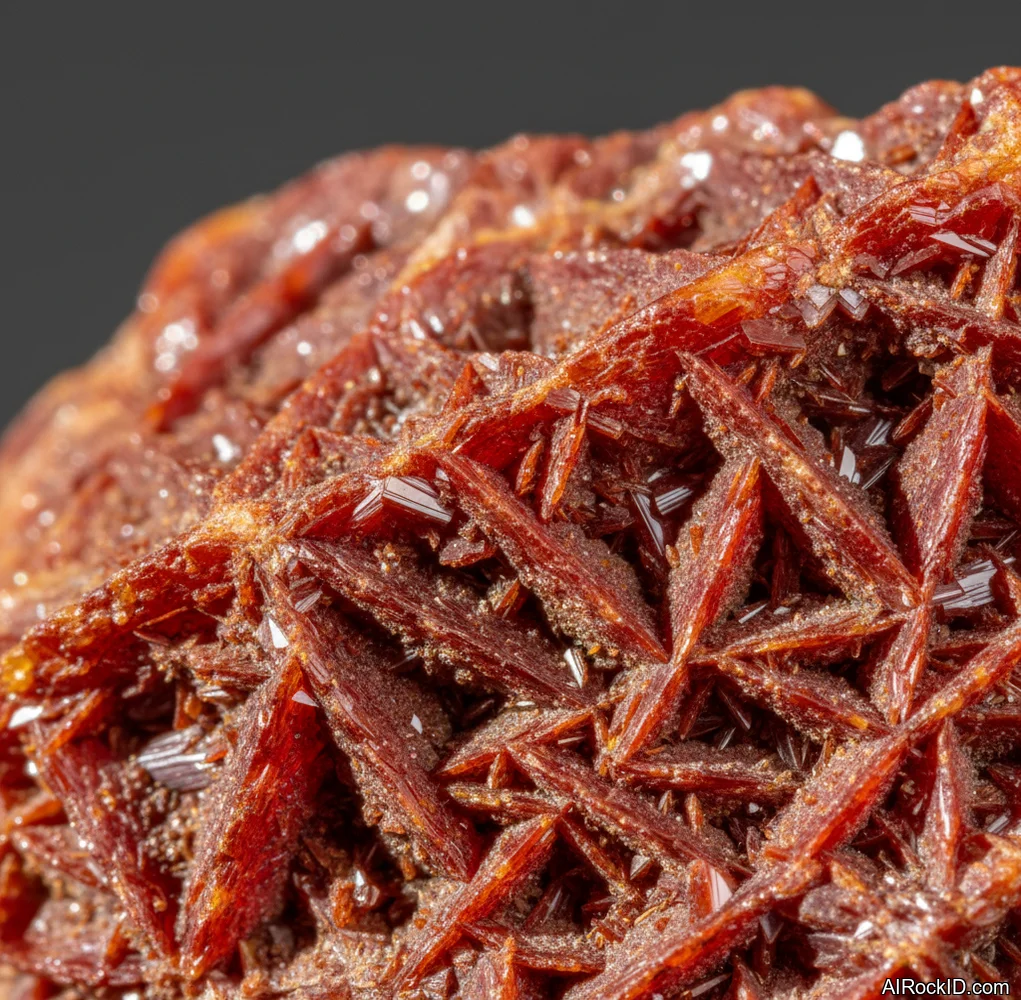
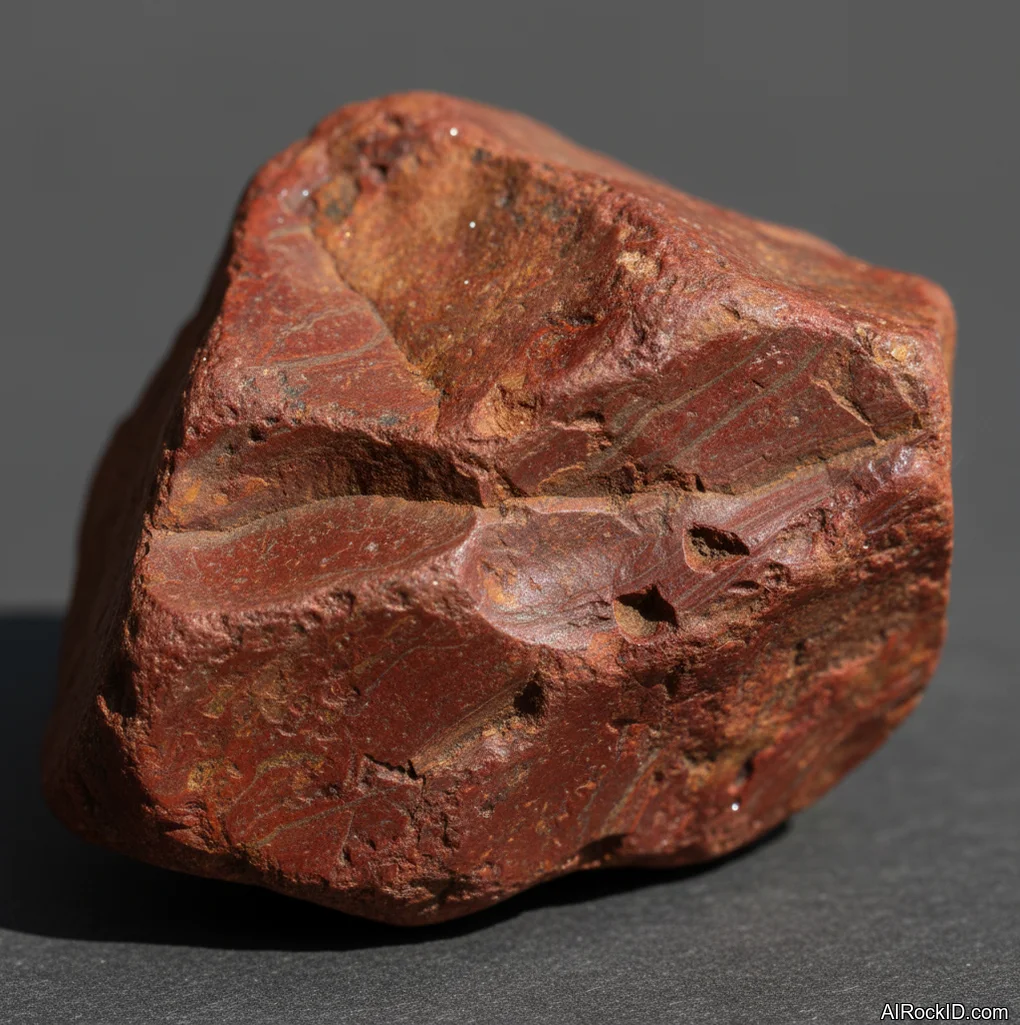
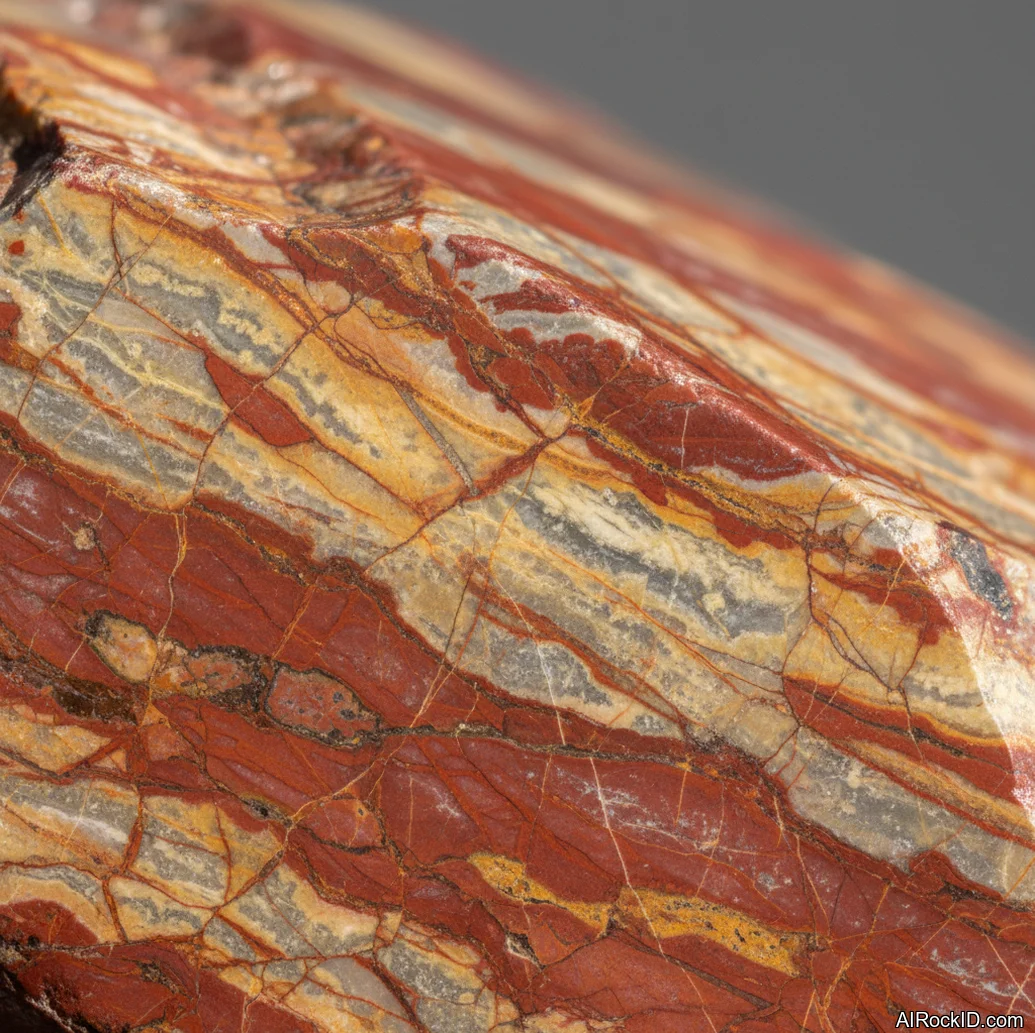
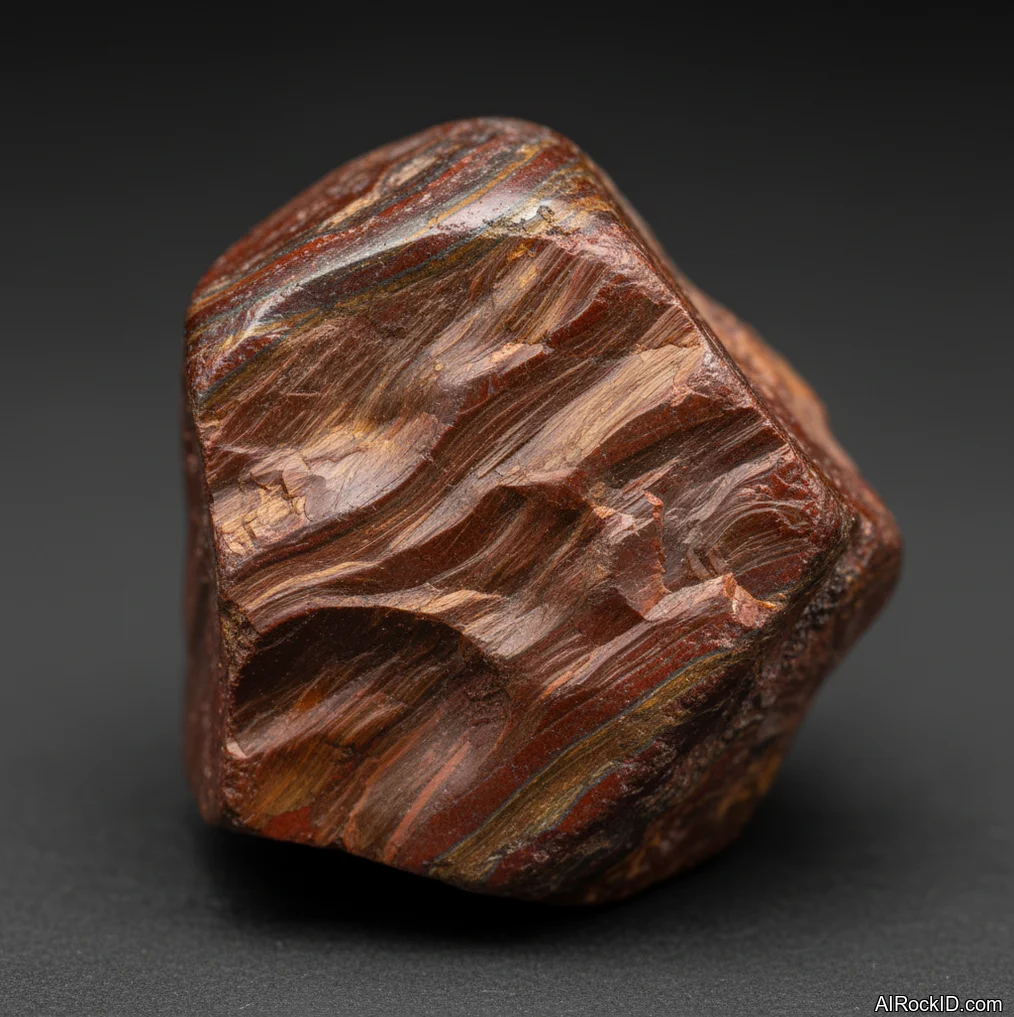
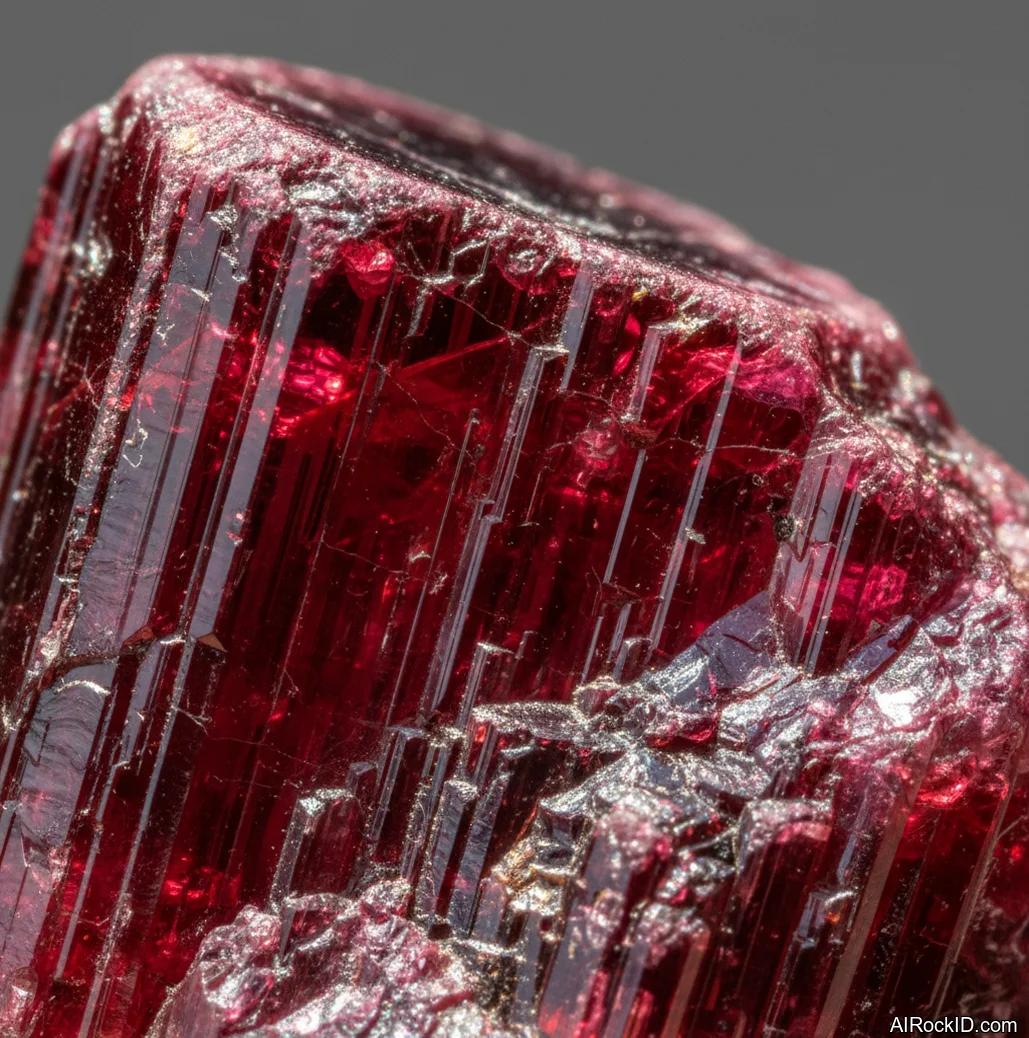
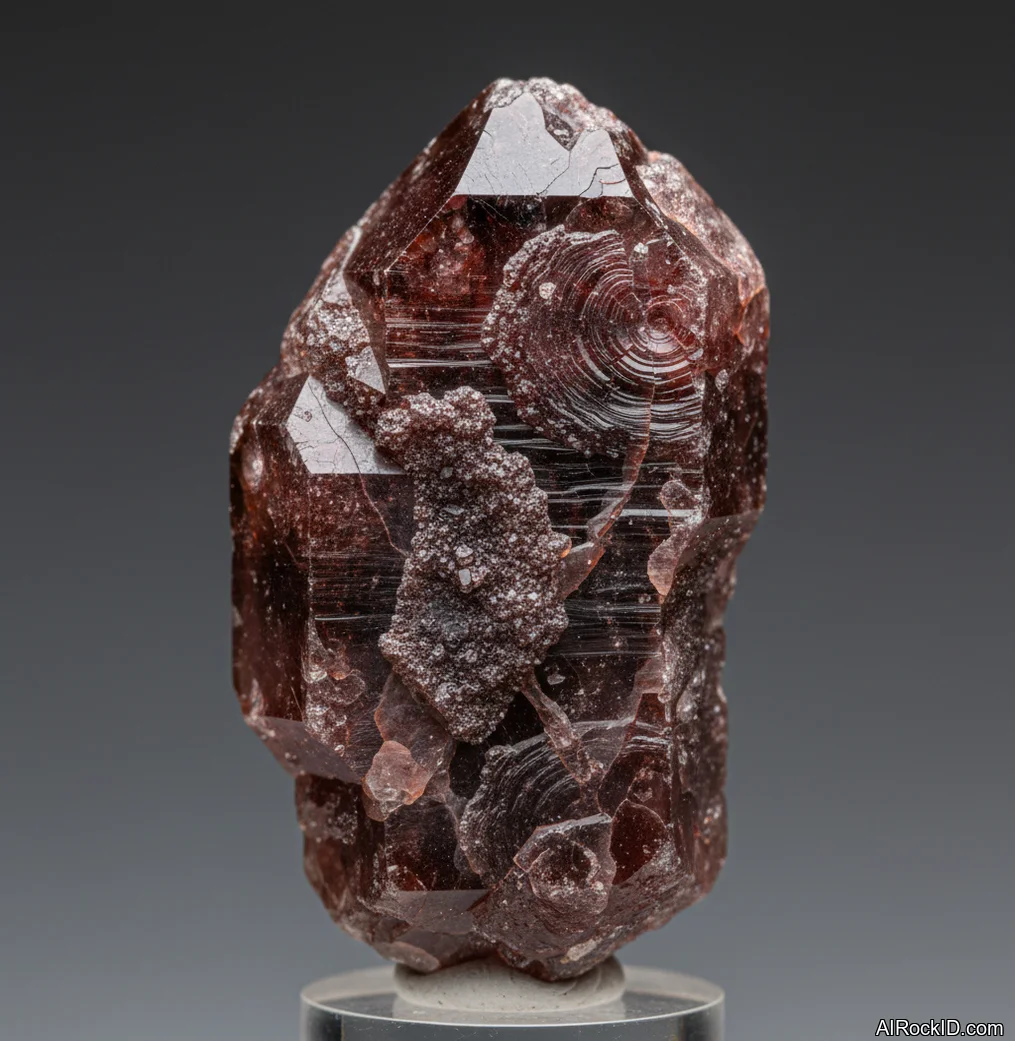
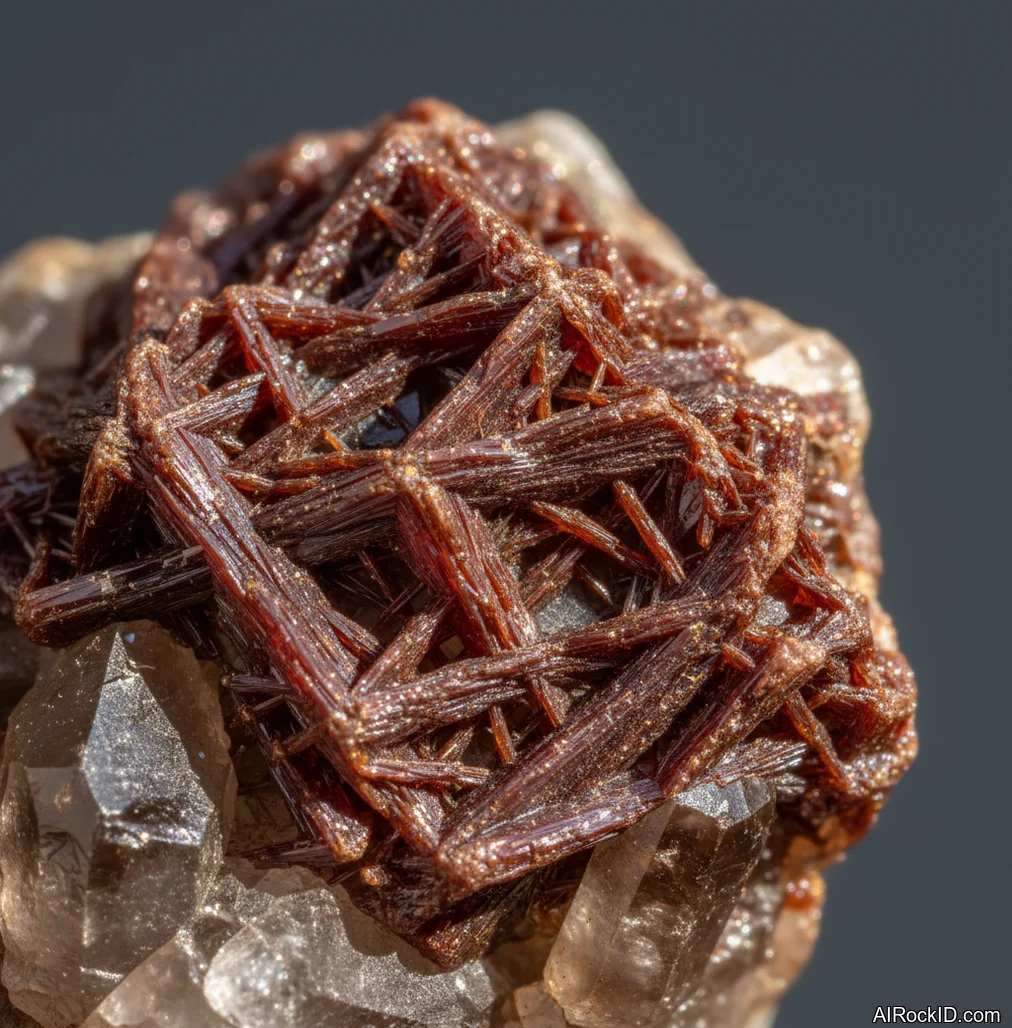
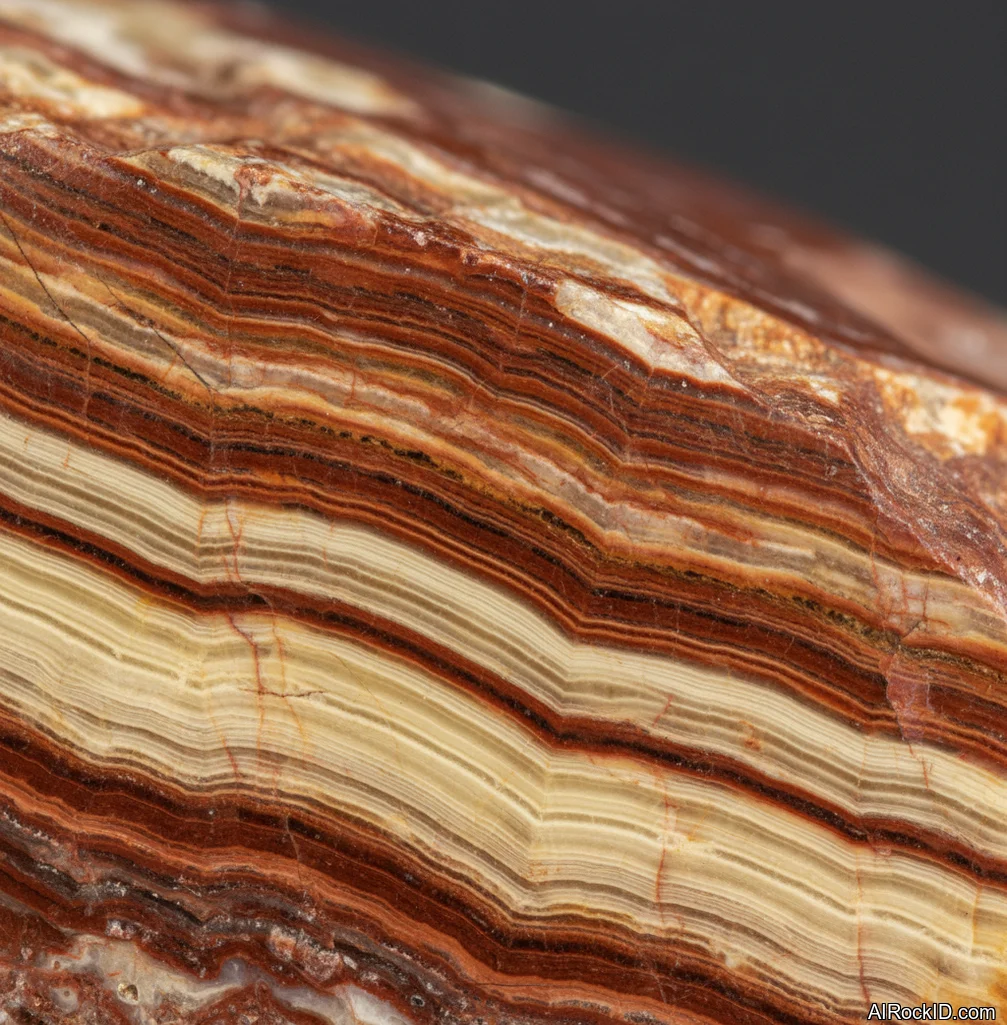
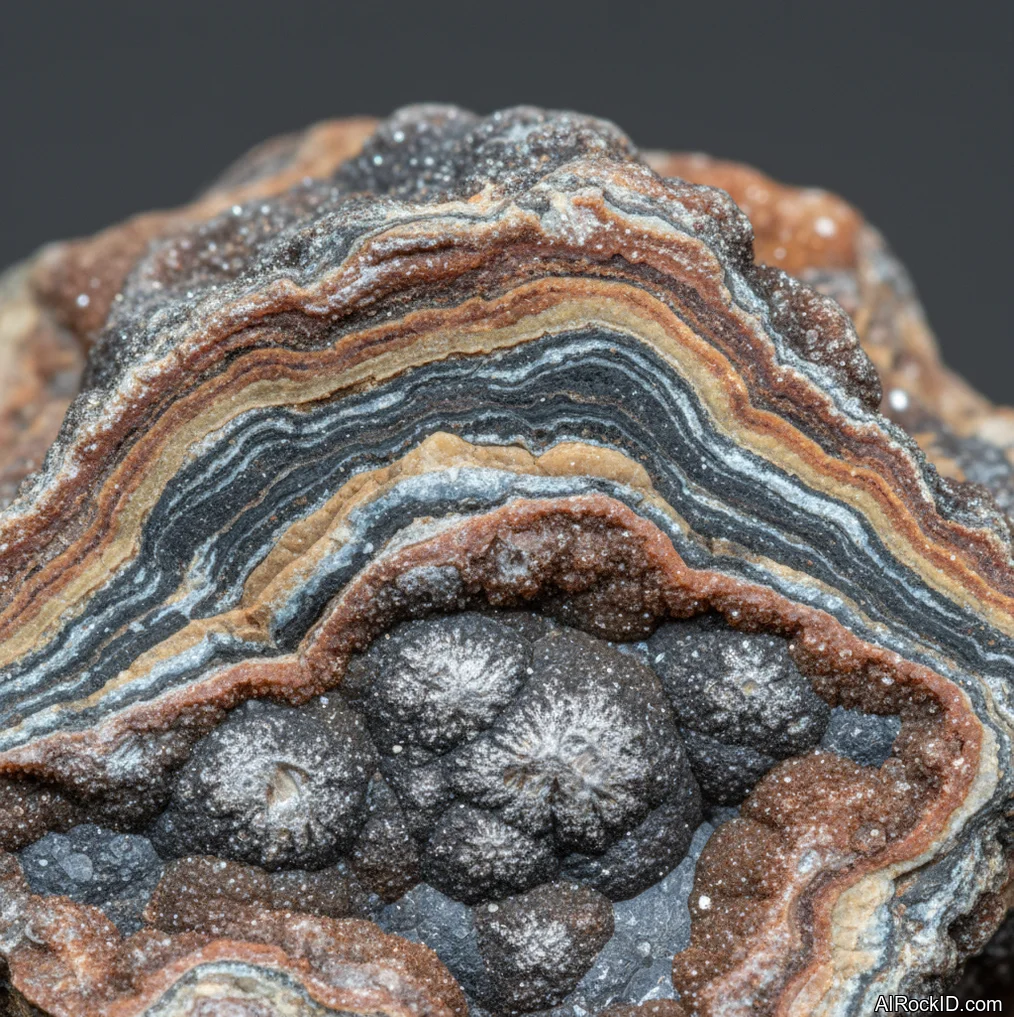
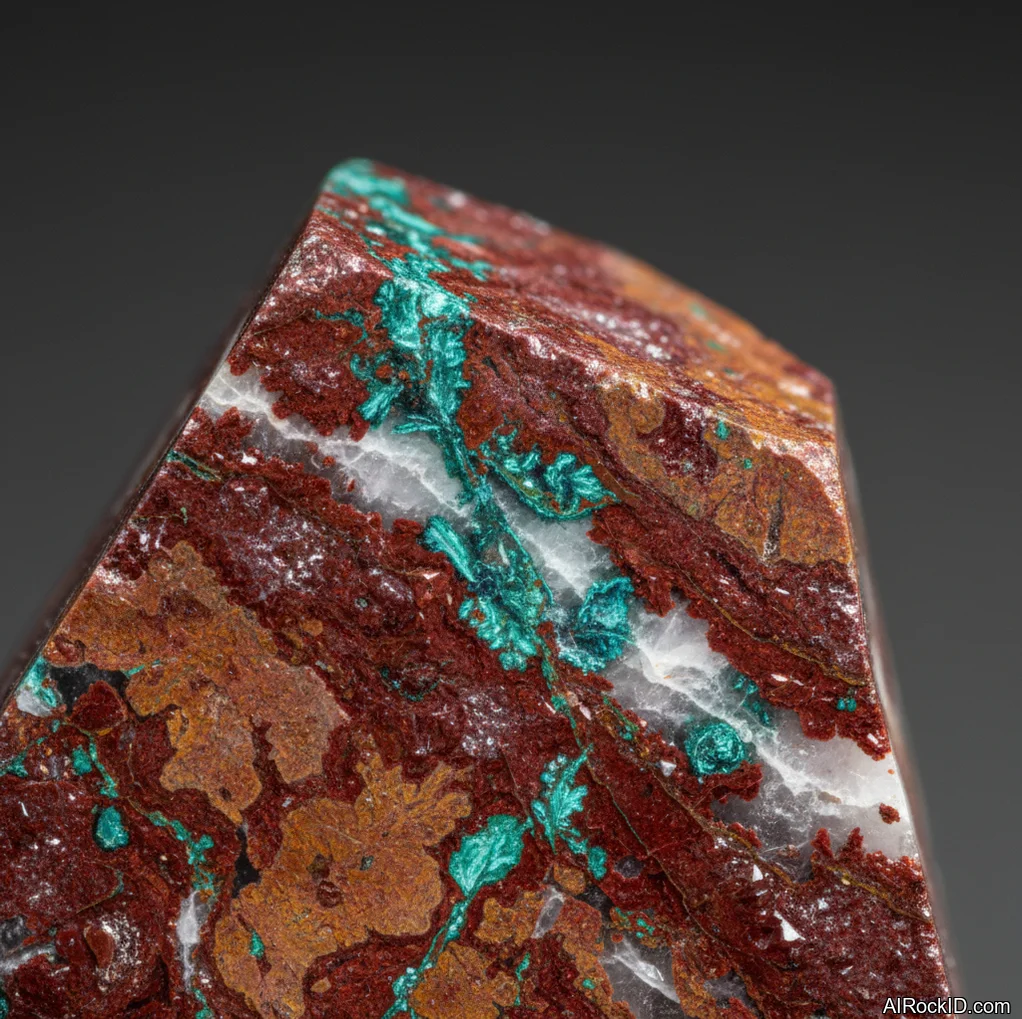
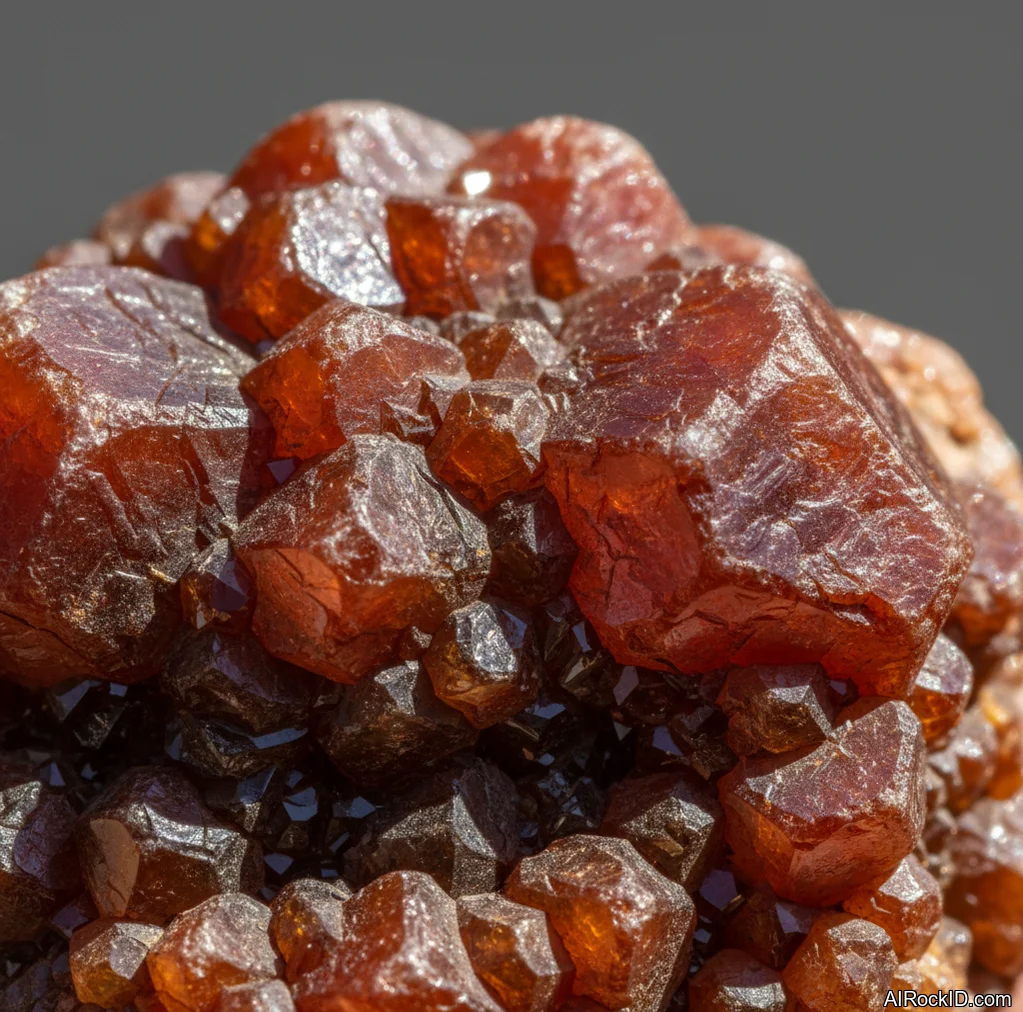
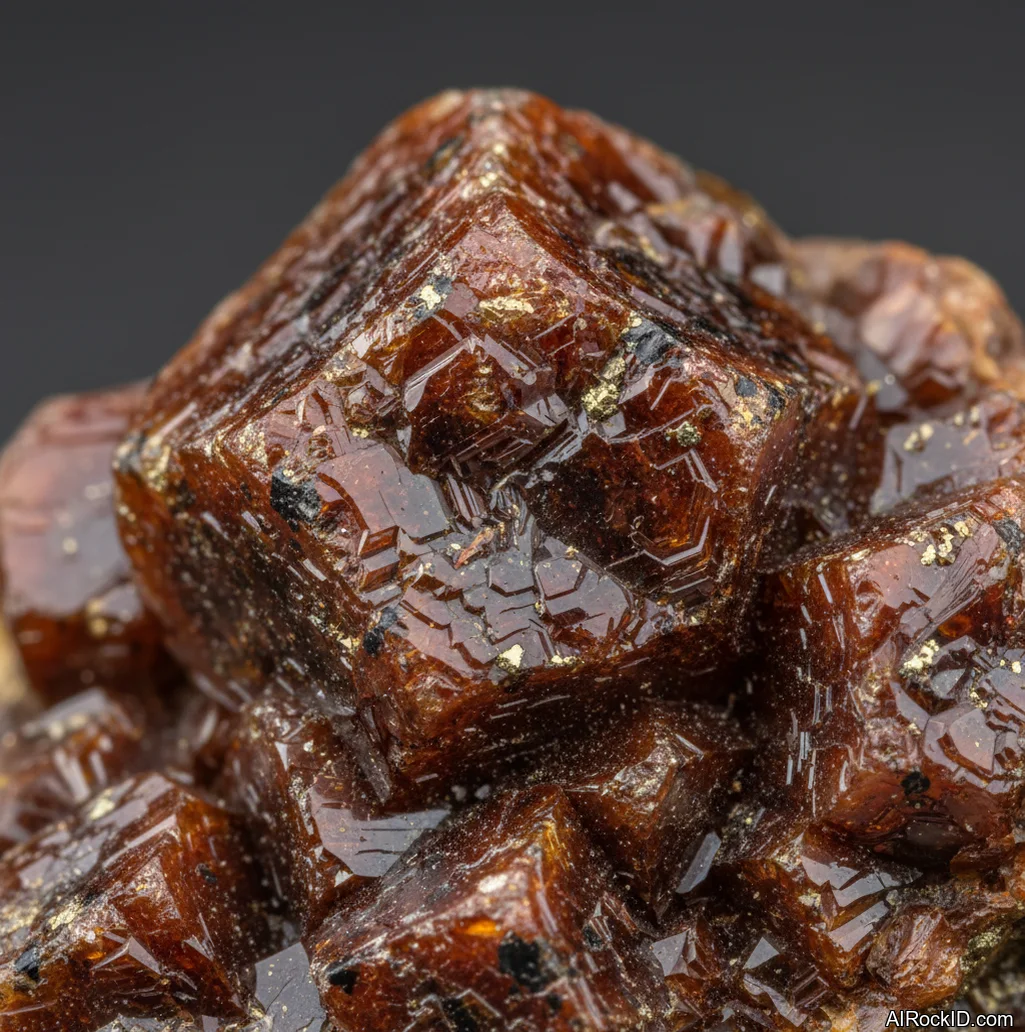
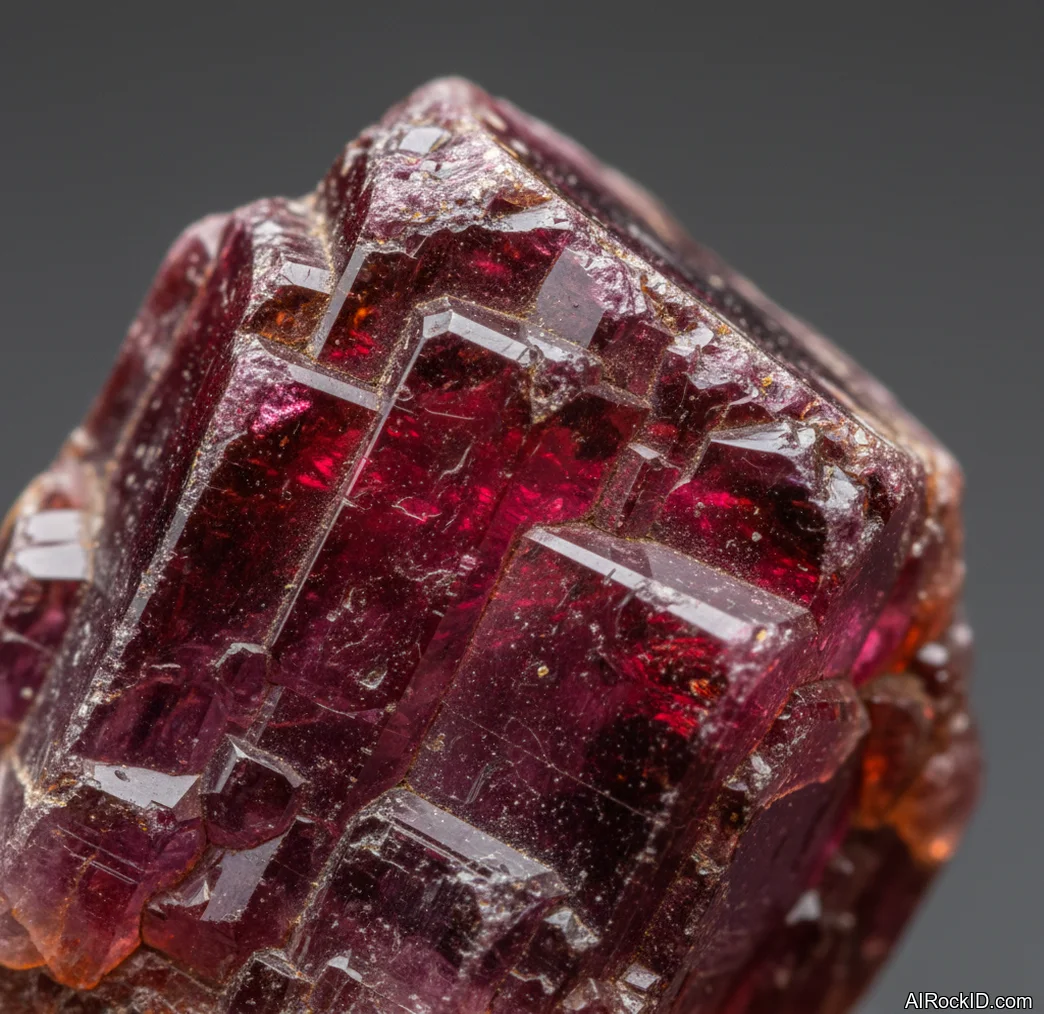
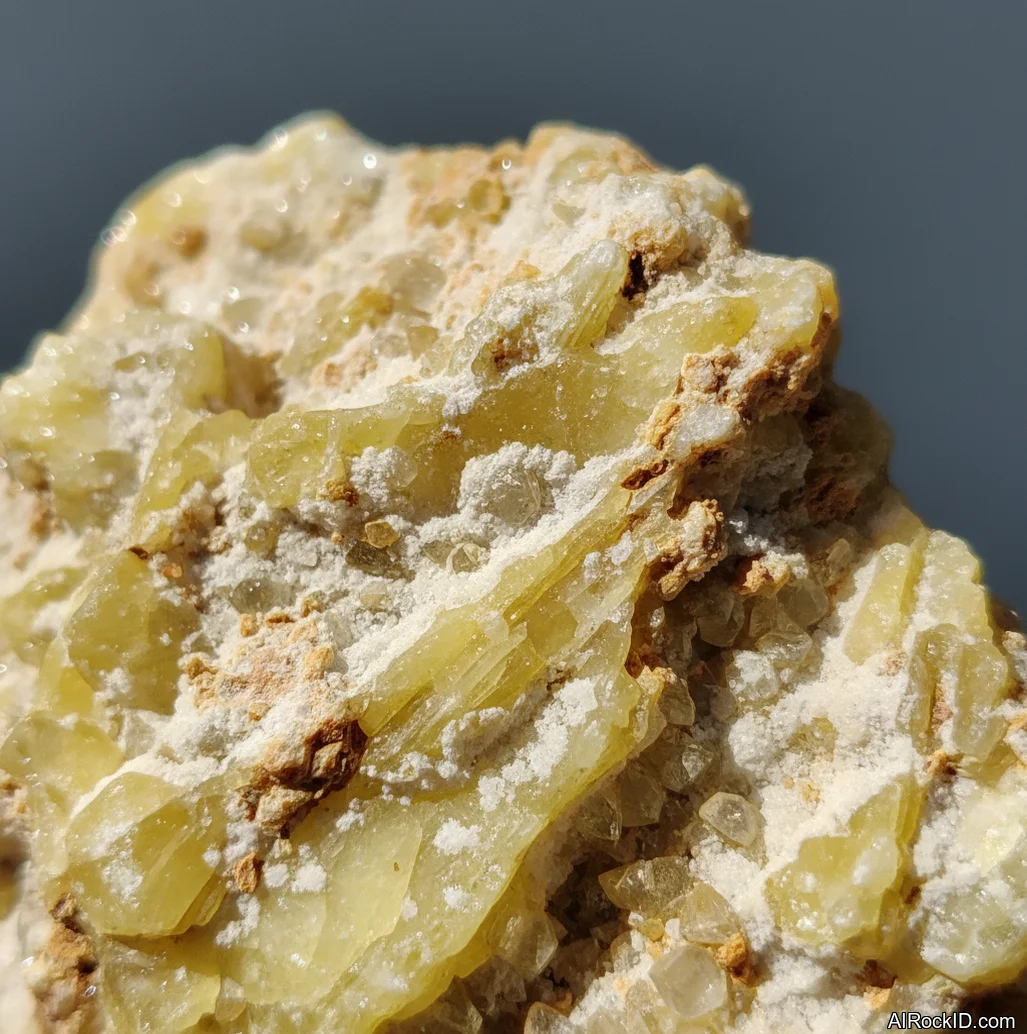
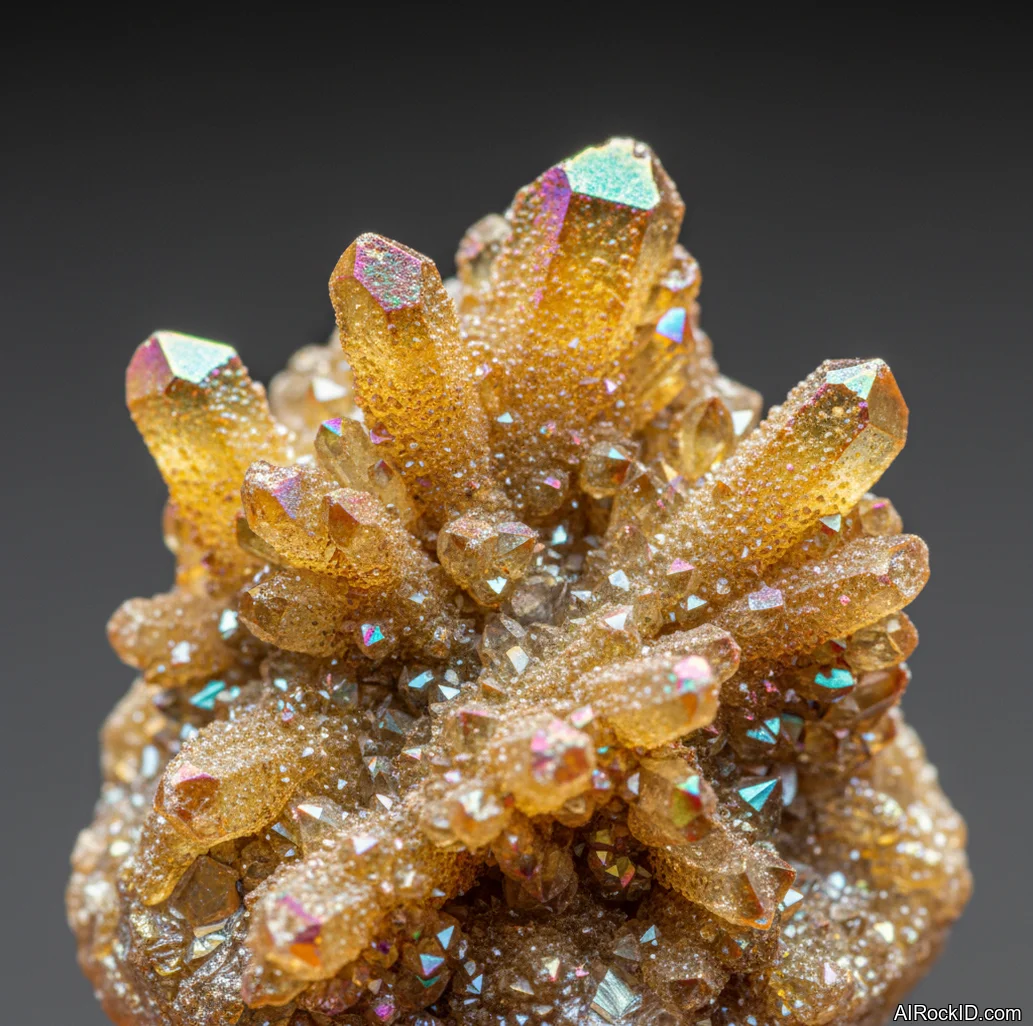
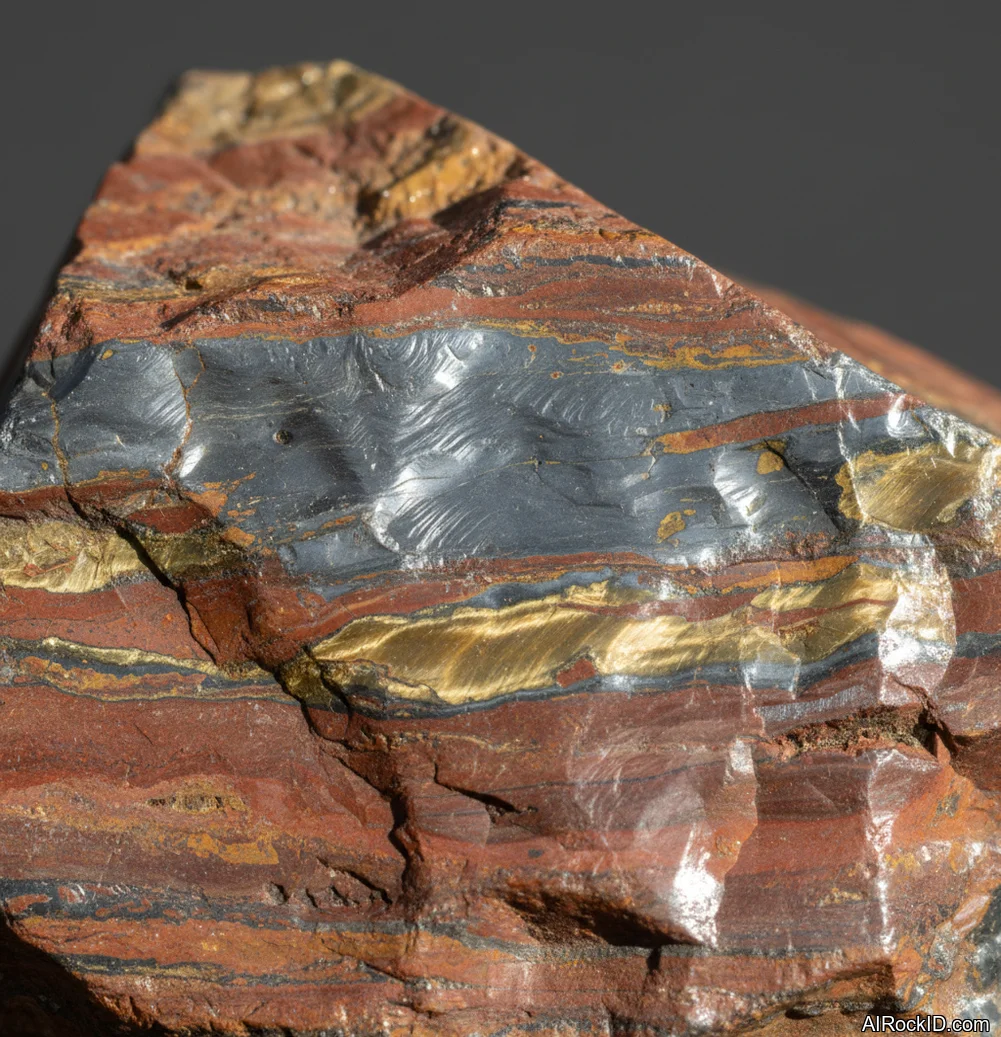
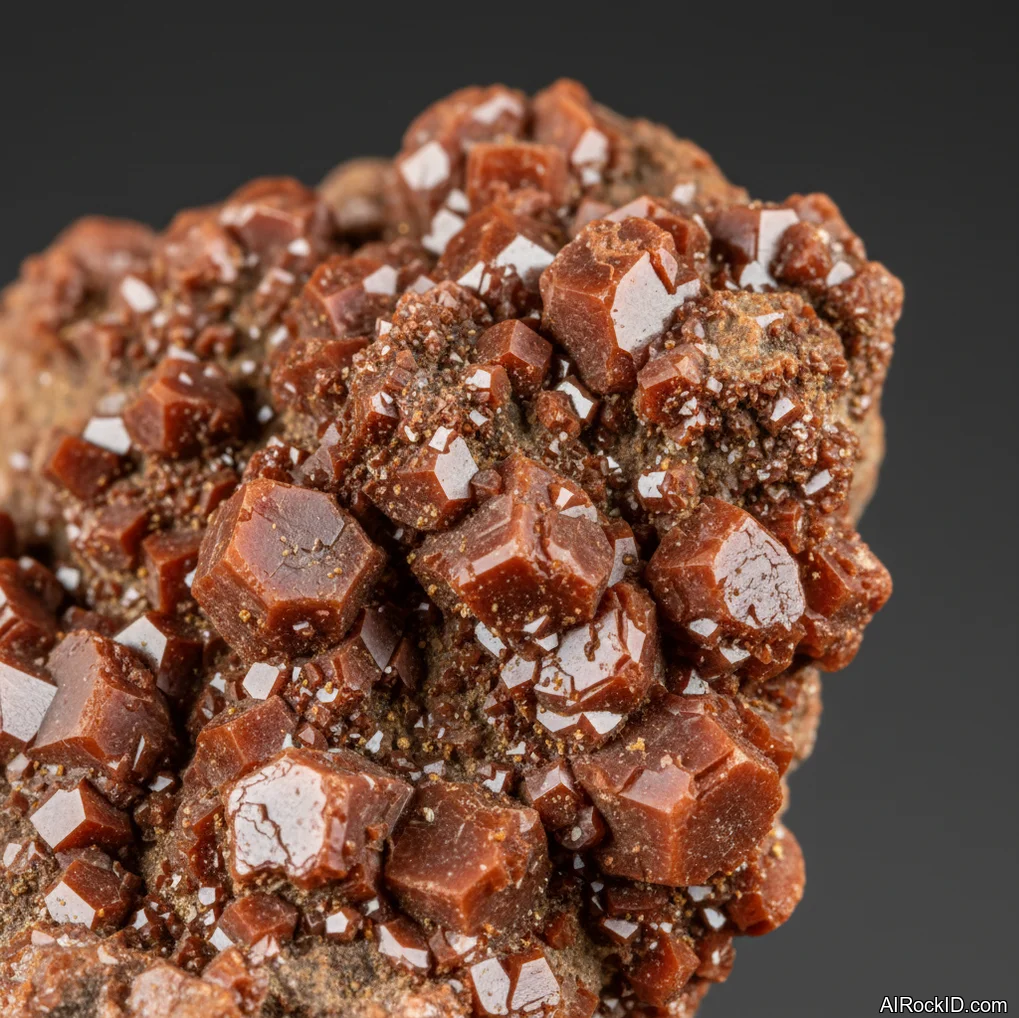
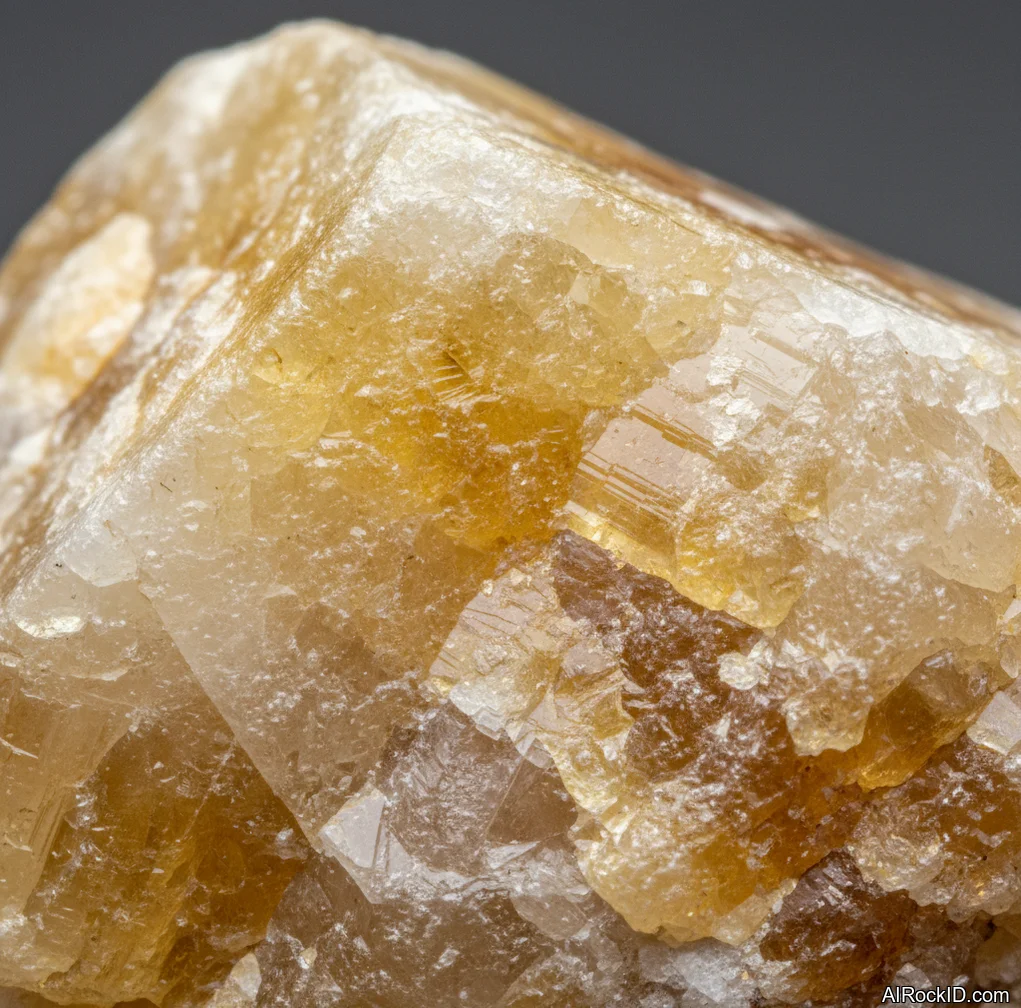
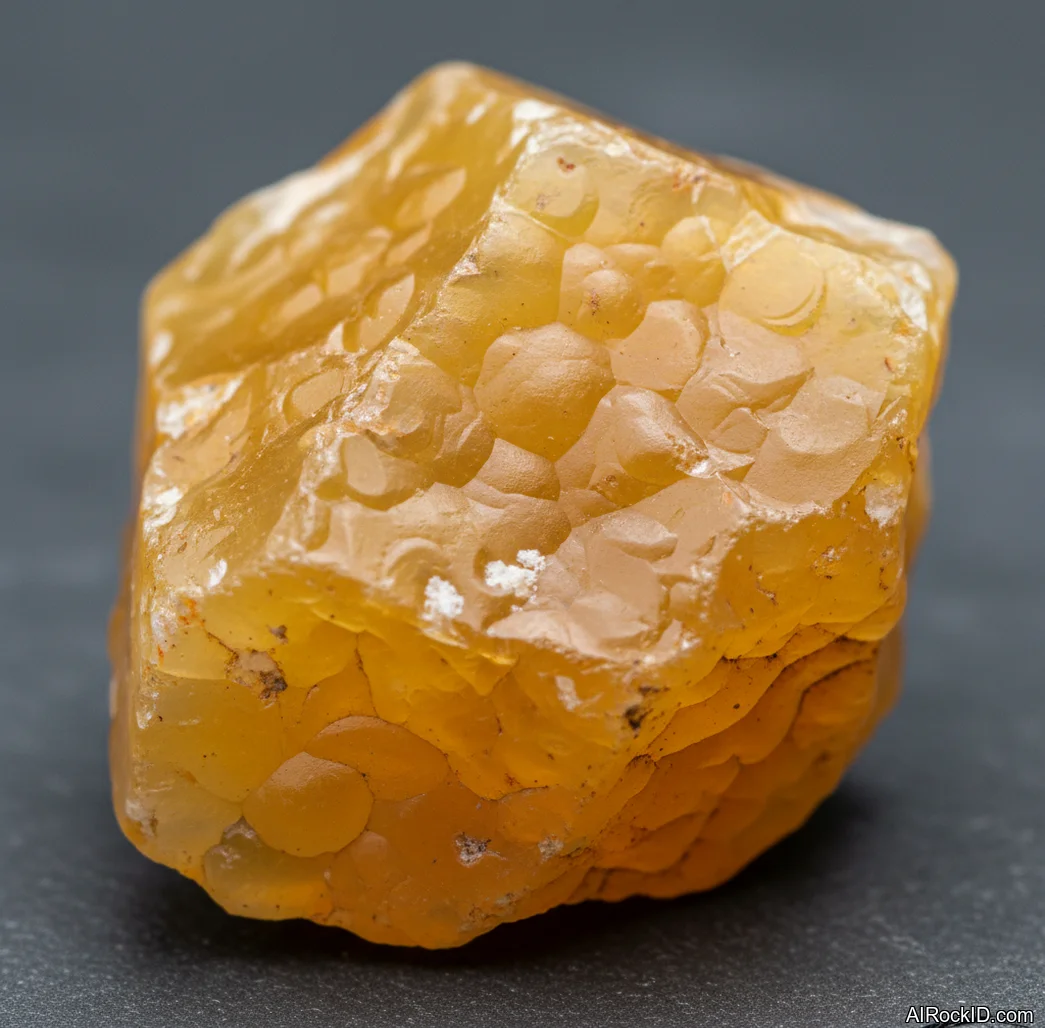
Fire crystals usually fall into a few visual families. Reds and oranges like carnelian, red jasper, garnet, and ruby. Golds and honey tones like sunstone, citrine, and golden calcite. Dark, smoky “engine room” stones like hematite and smoky quartz that still count as Fire because they ground intensity and keep it from turning into chaos. And then there’s the flashy stuff. Labradorite is more “storm” than “flame” to me, but a piece with strong gold and copper flash can scratch that Fire itch for people who want inspiration more than aggression.
So why do people go looking for Fire crystals? Usually it’s one of three situations. First: they’re stuck. Motivation’s low, the to-do list is high, and everything feels like walking through wet sand. Second: they’re rebuilding confidence, especially after a job hit, a breakup, or a long stretch of saying yes to everyone else. Third: they’re trying to keep their spark without burning out. And that last one matters, because Fire can slide into irritability and impulsive choices if you just keep stacking “energizing” stones on top of each other.
Working with Fire stones doesn’t have to be mystical. Put them where friction happens. A small tumbled carnelian in your pocket during a presentation. A chunk of sunstone on your desk where your hand naturally rests. A garnet ring you actually wear when you need follow-through. I’ve also had good results with “paired stones” (simple, but it works): one that pushes and one that steadies. Carnelian with smoky quartz. Sunstone with hematite. Ruby with black tourmaline. The goal is heat with a steering wheel.
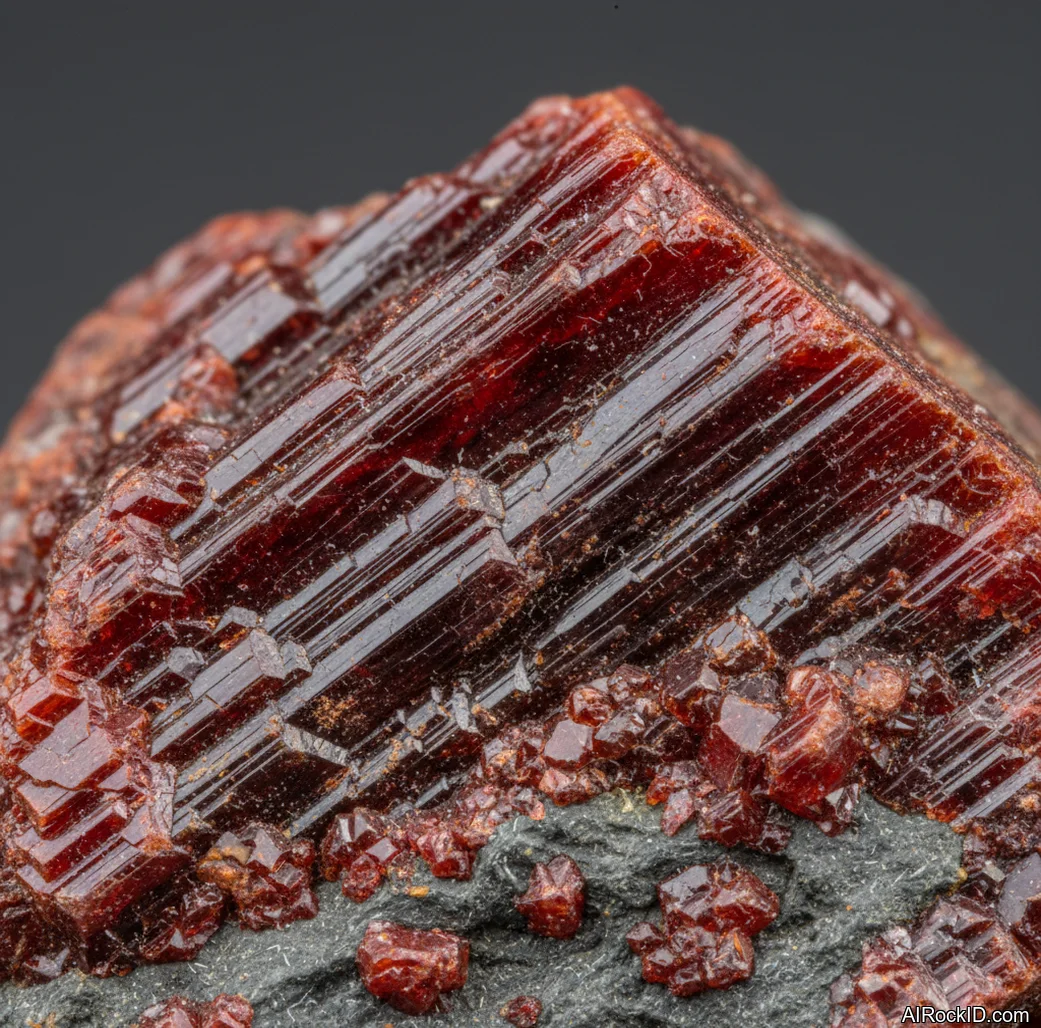
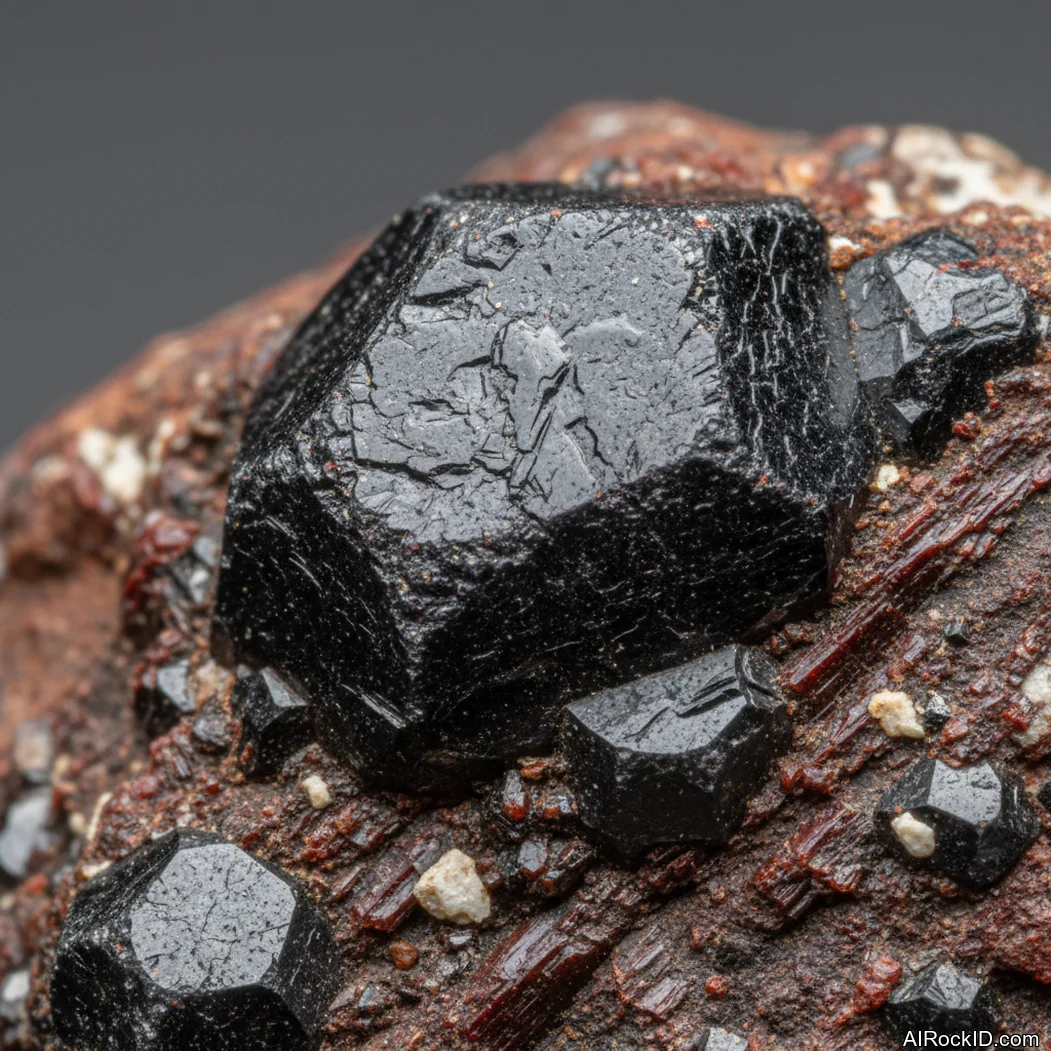
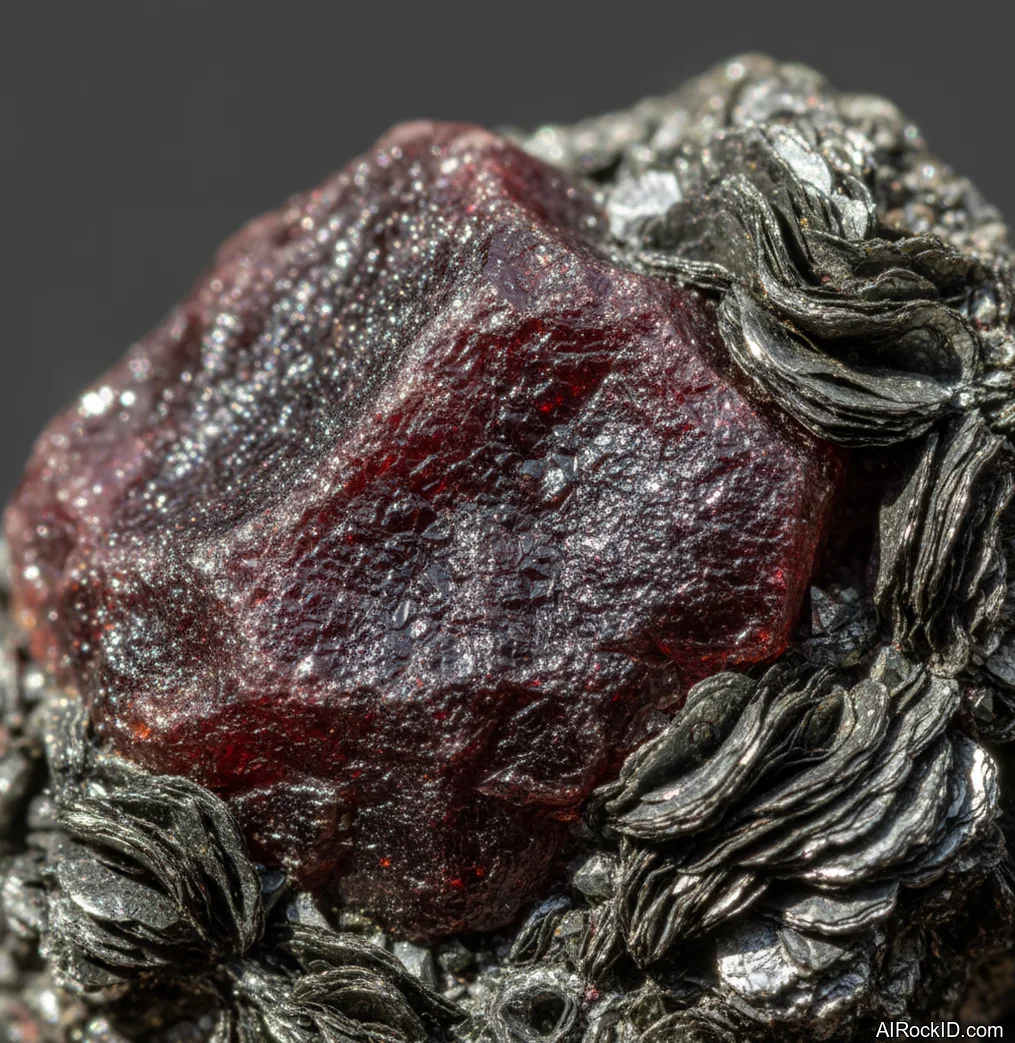
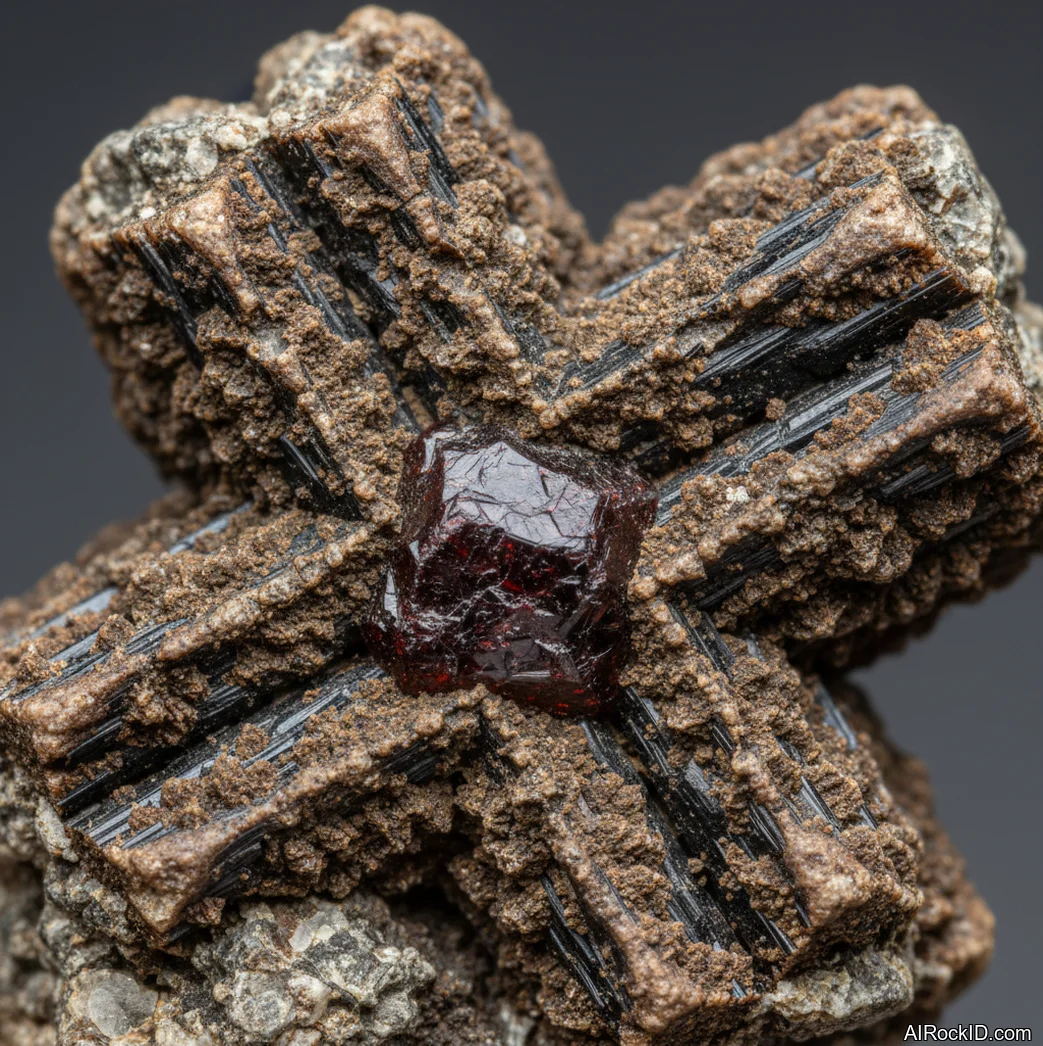
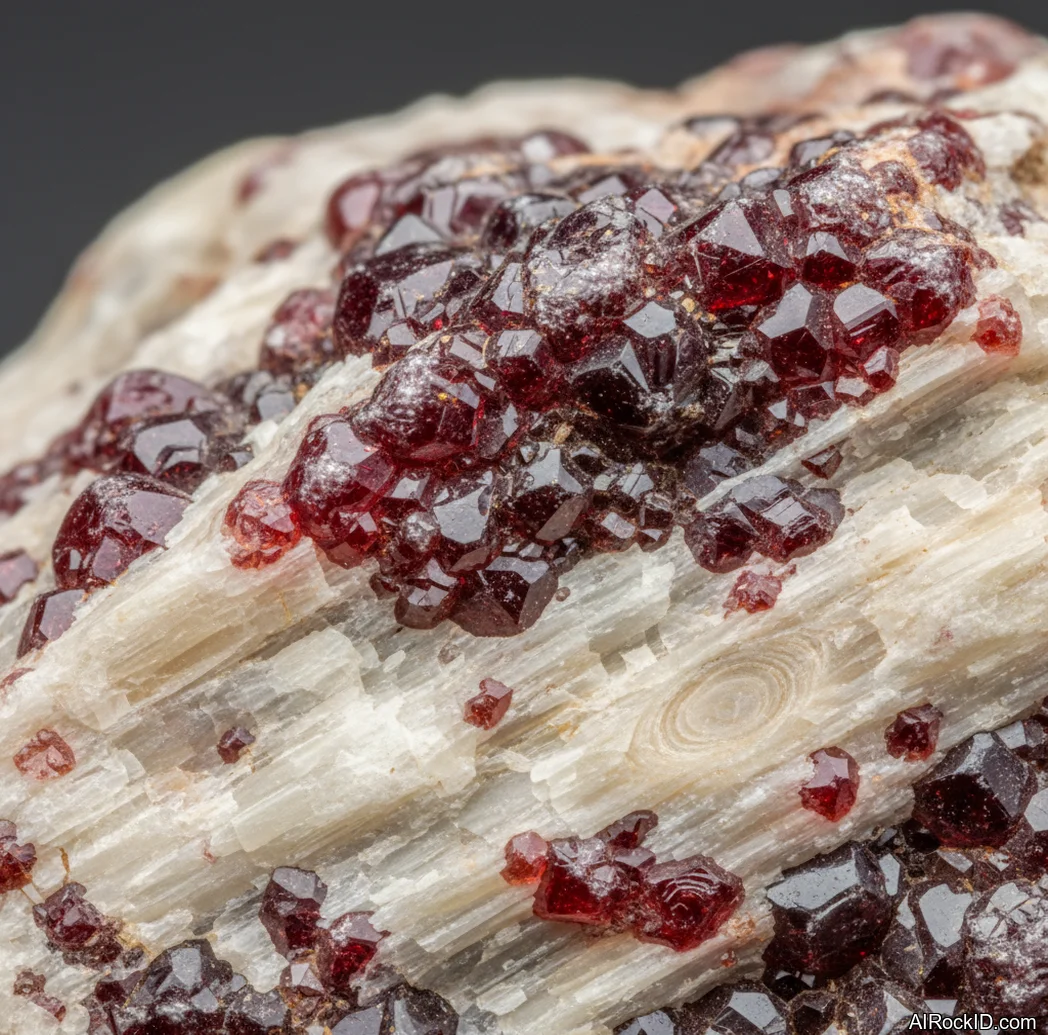
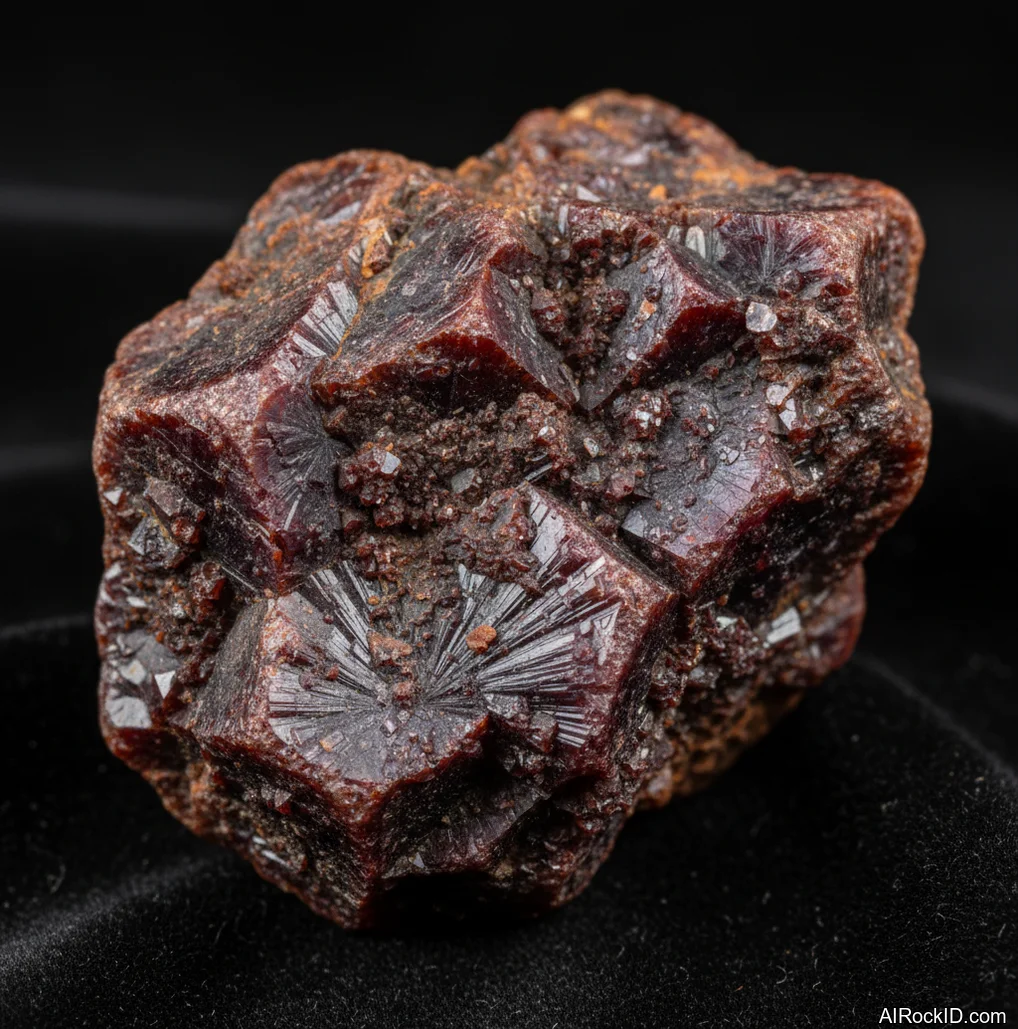
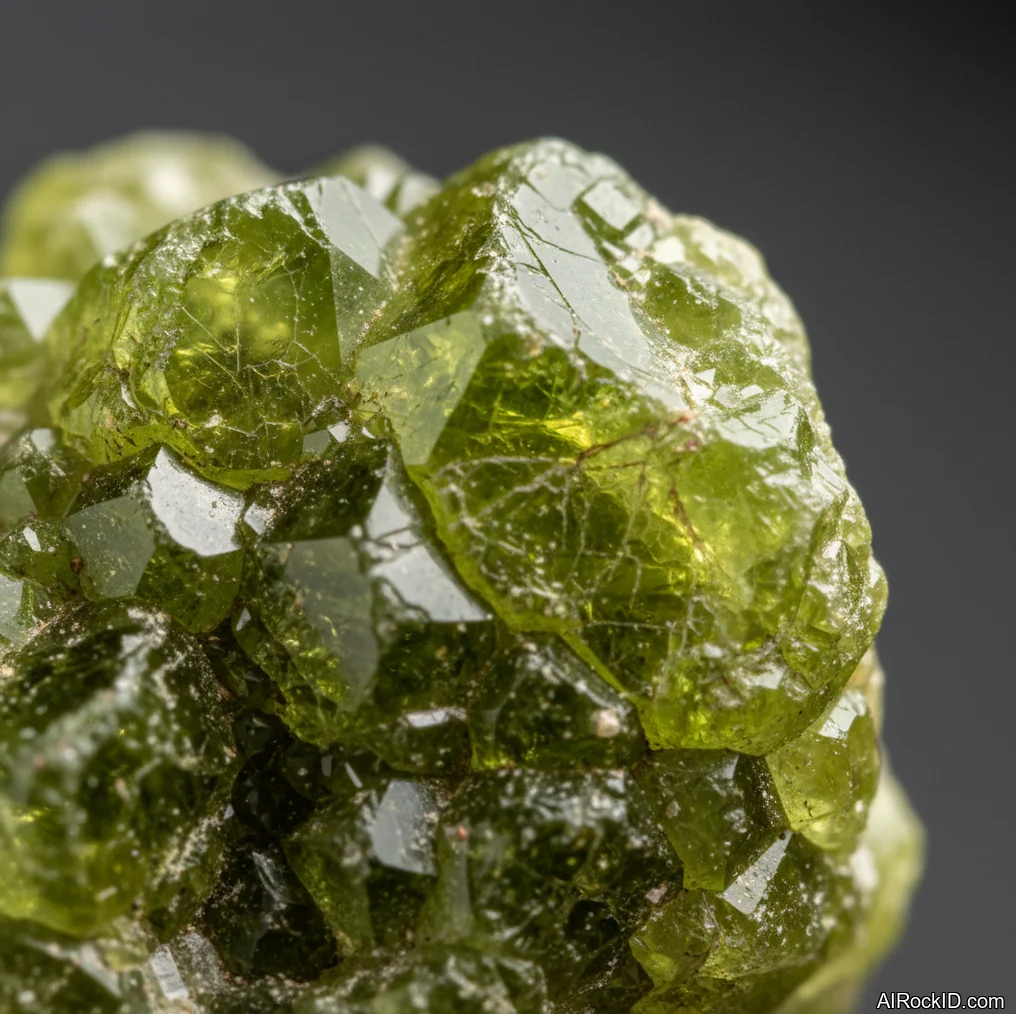
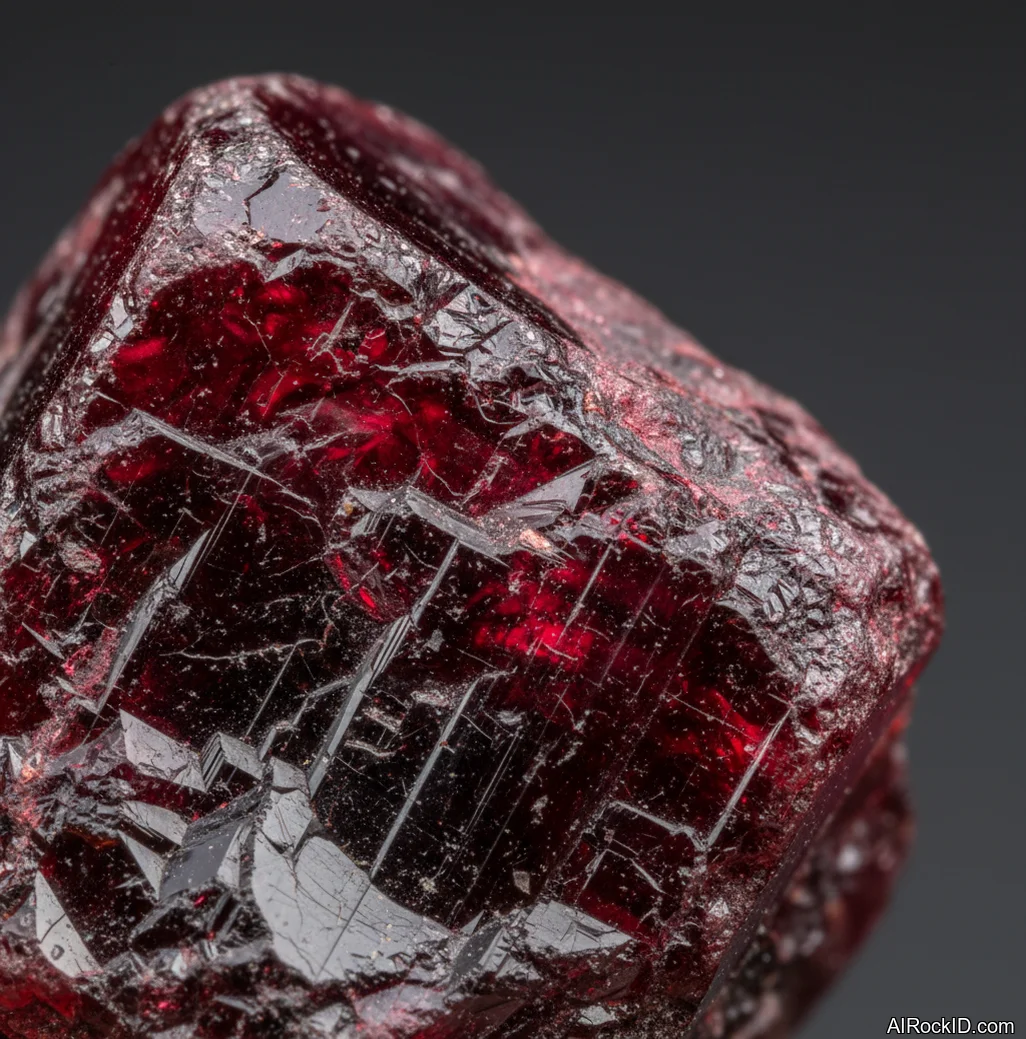
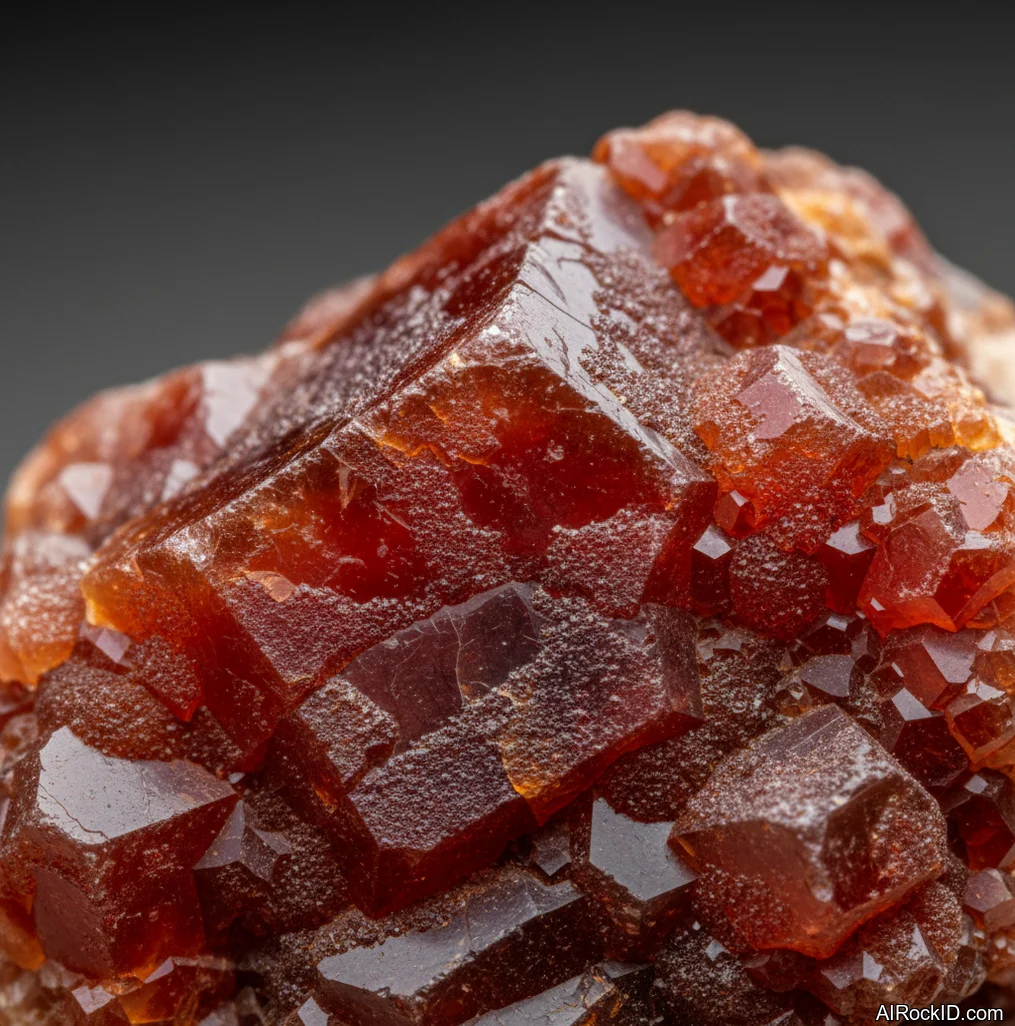
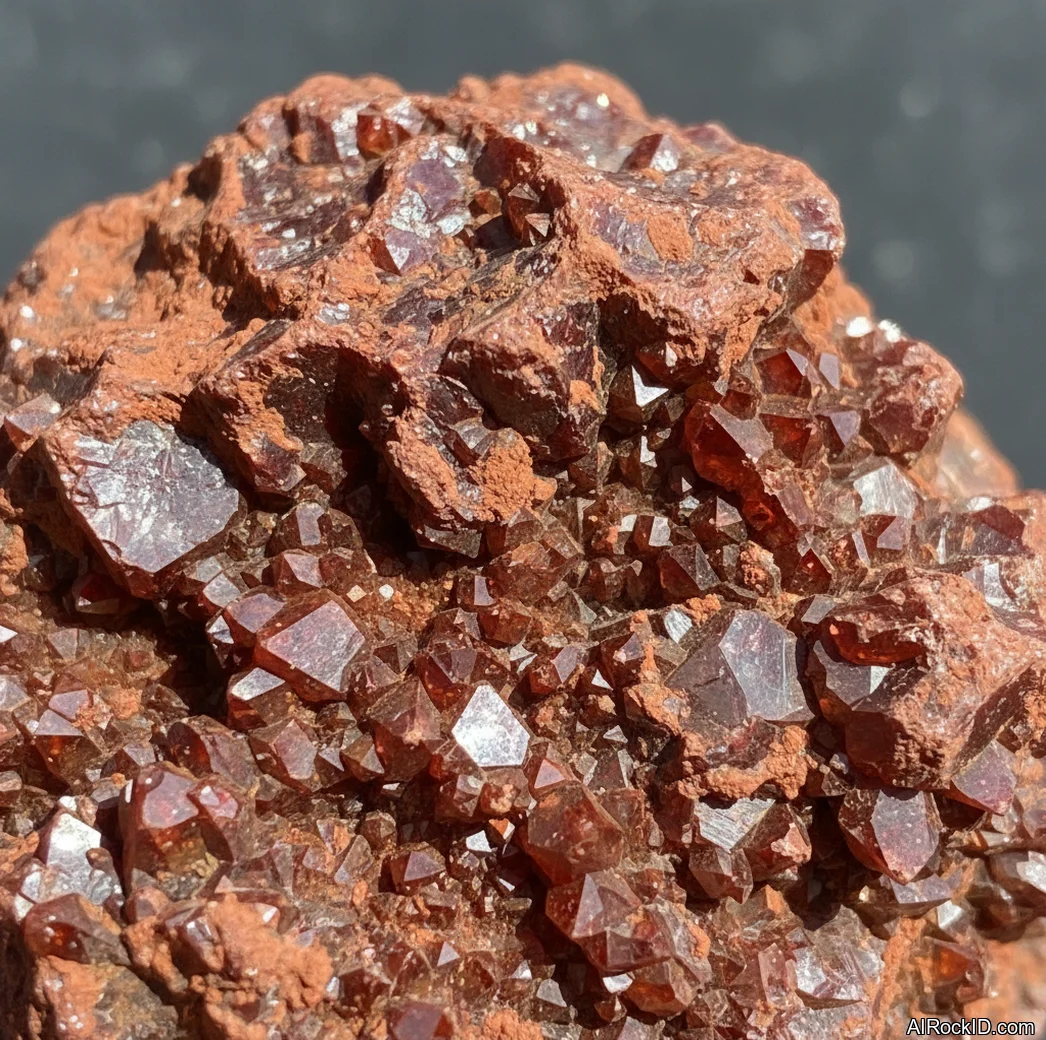
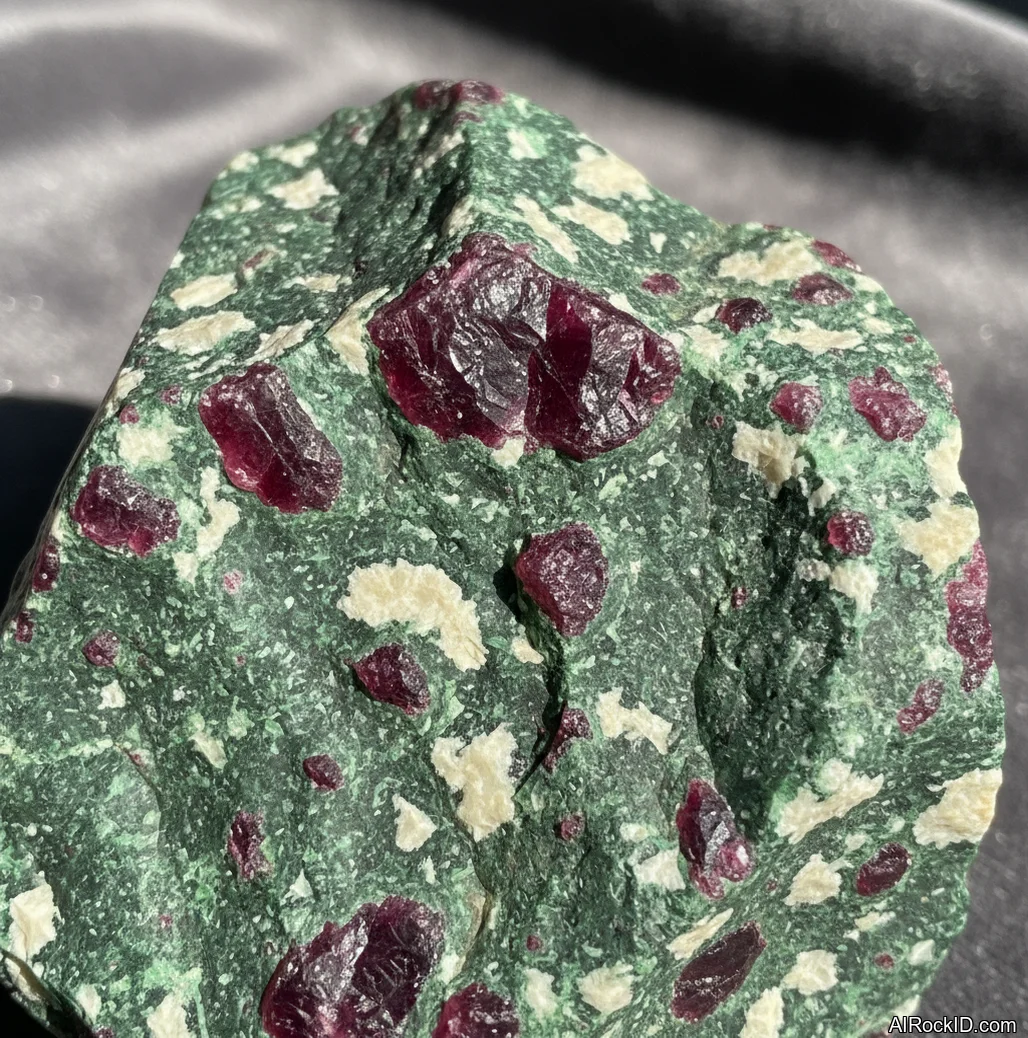
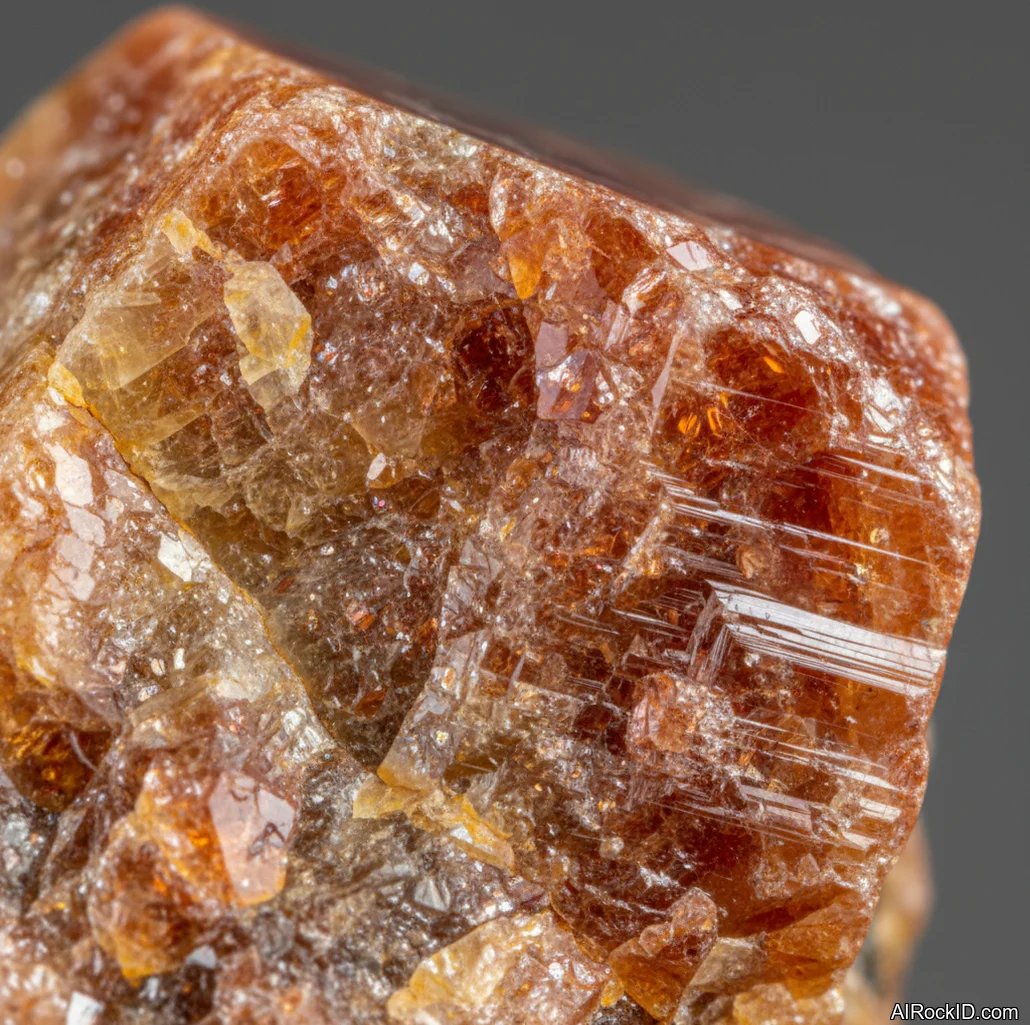
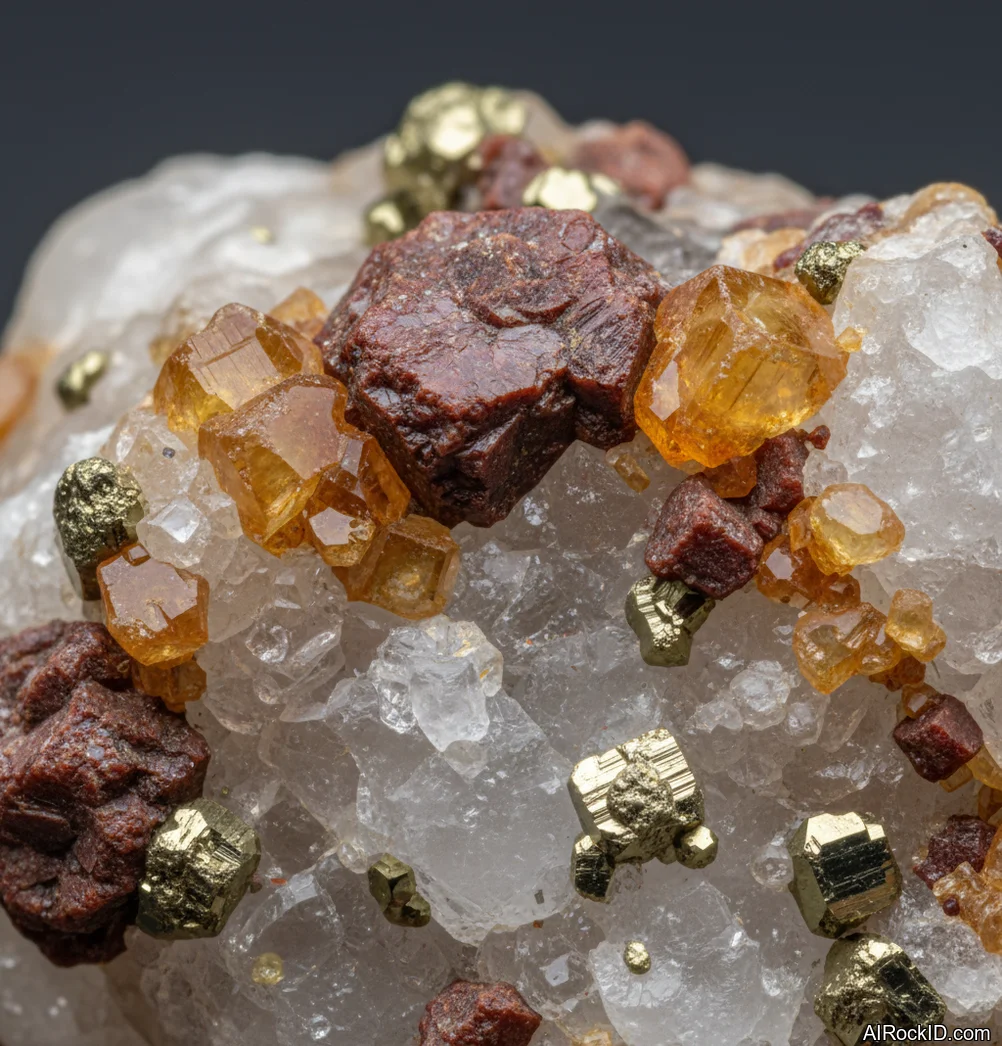
Thing is, surface feel matters too. Raw crystals often hit different than glossy tumbles. A rough garnet in schist has this gritty, honest texture, and those little dodecahedrons catch light in tiny flashes when you turn it. Compare that to a glassy red stone that looks perfect from every angle. Perfect can be a red flag, especially online.
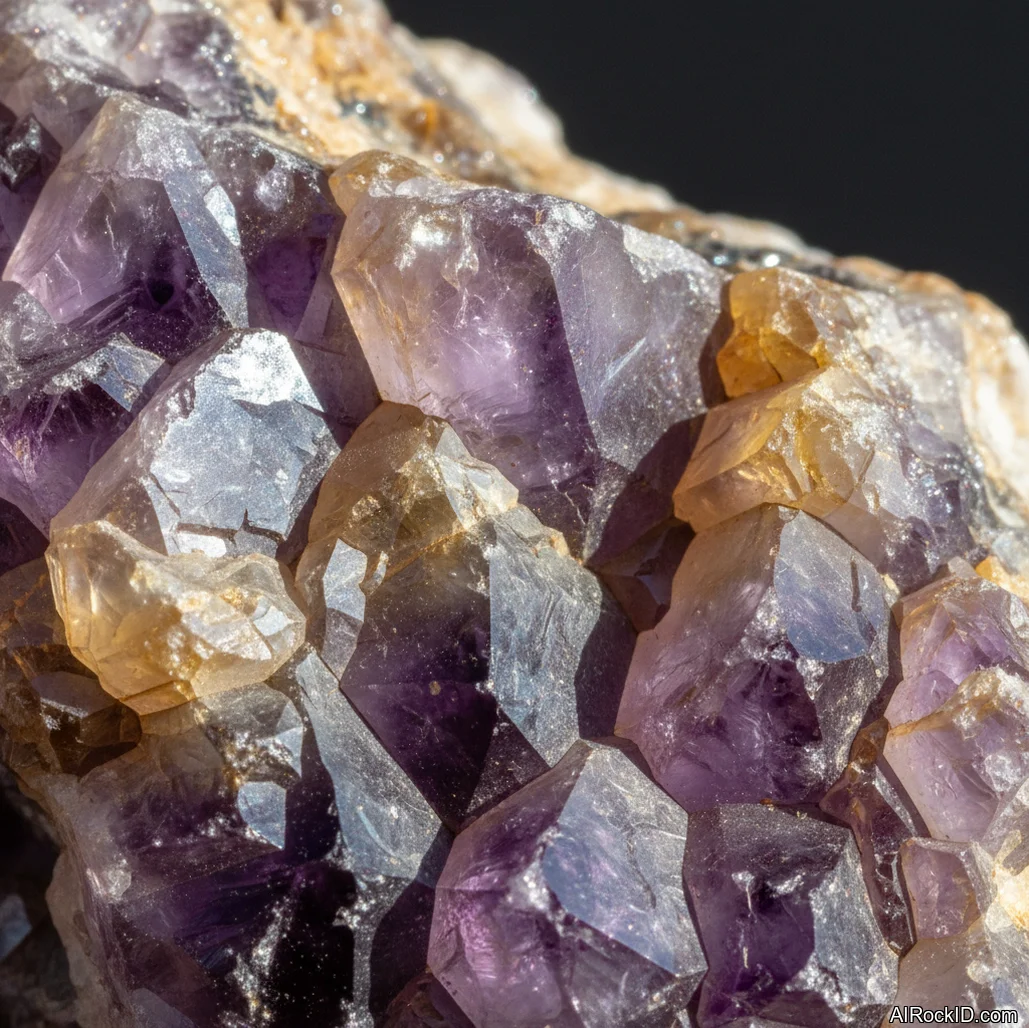
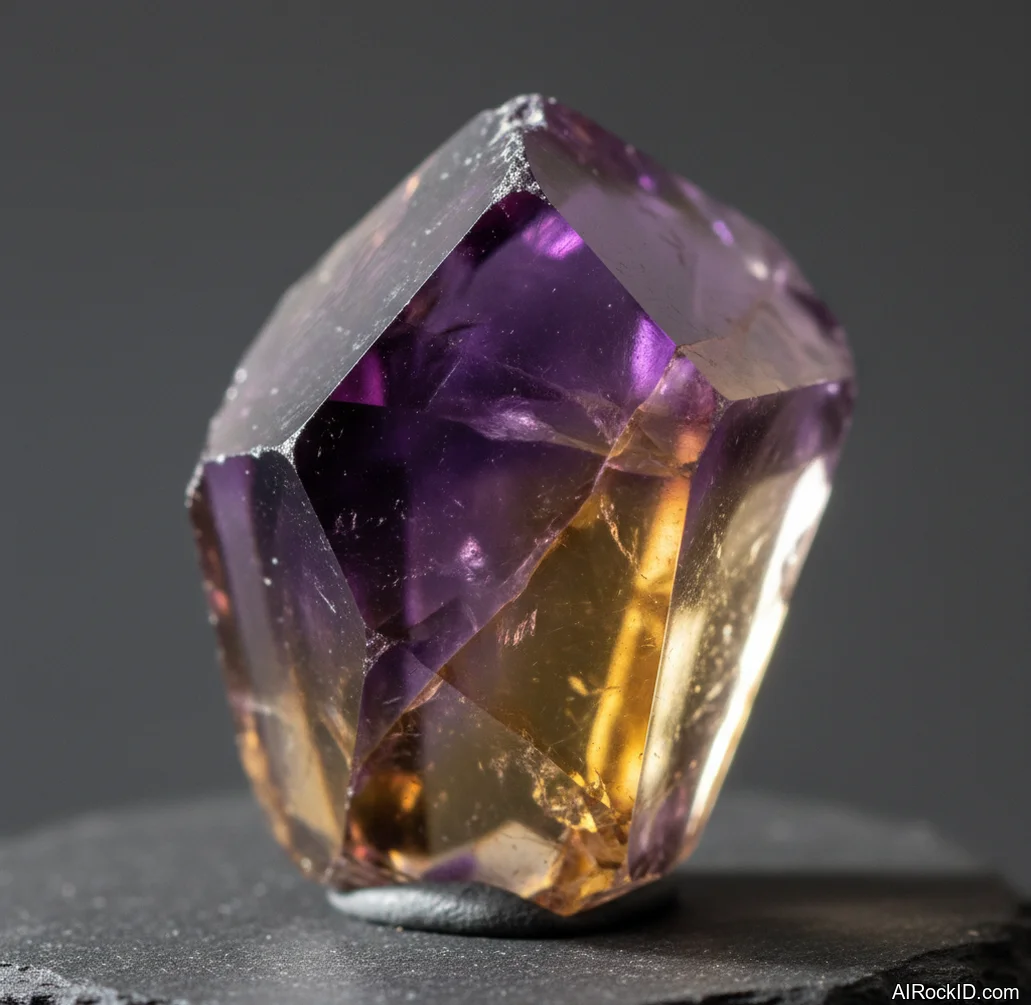
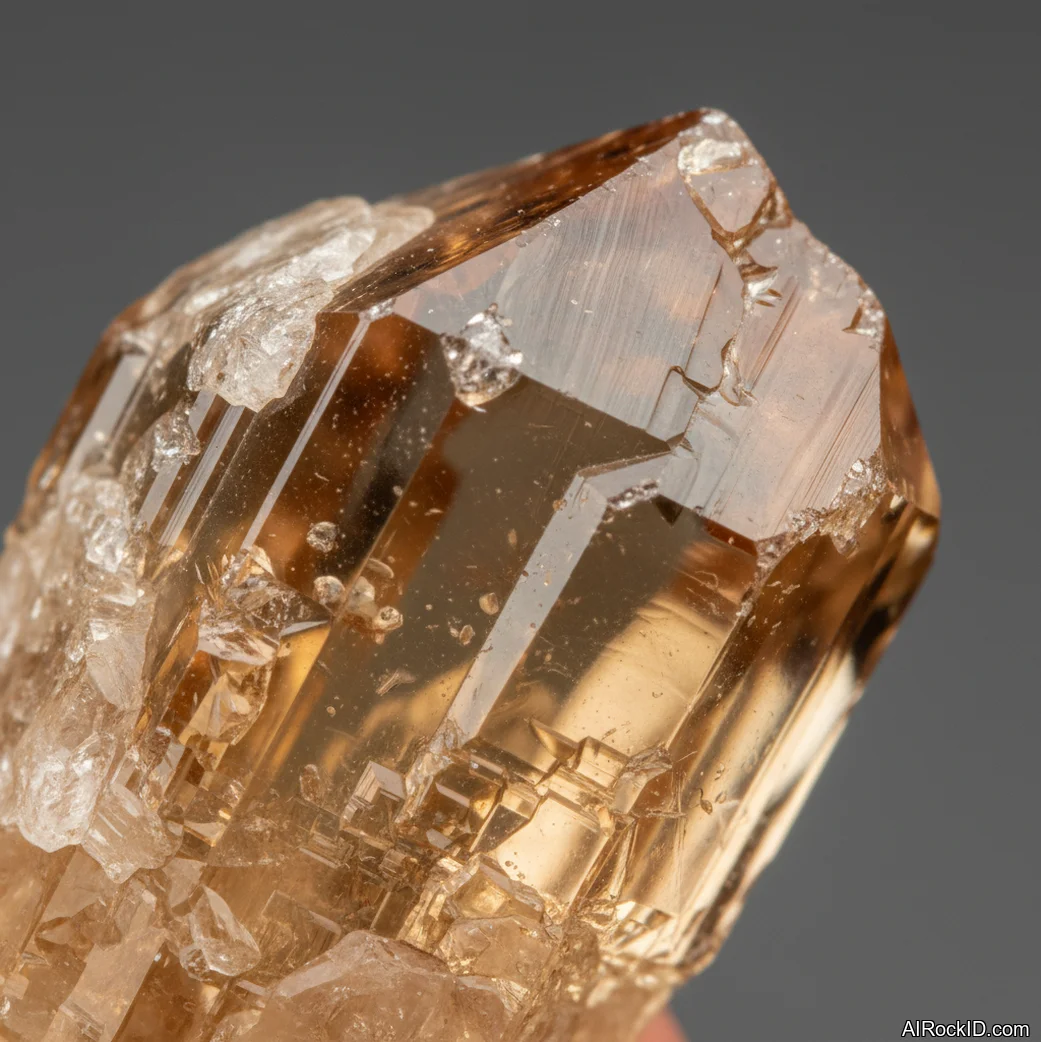
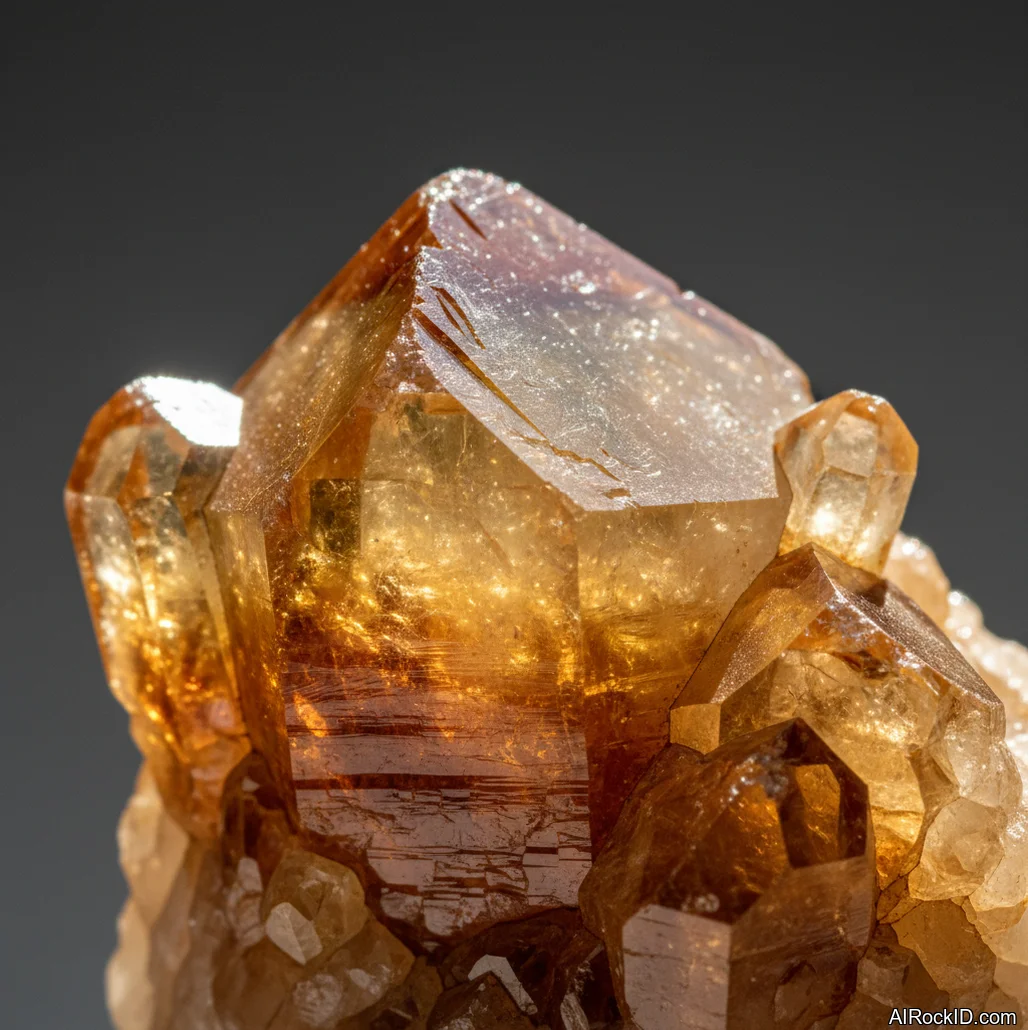
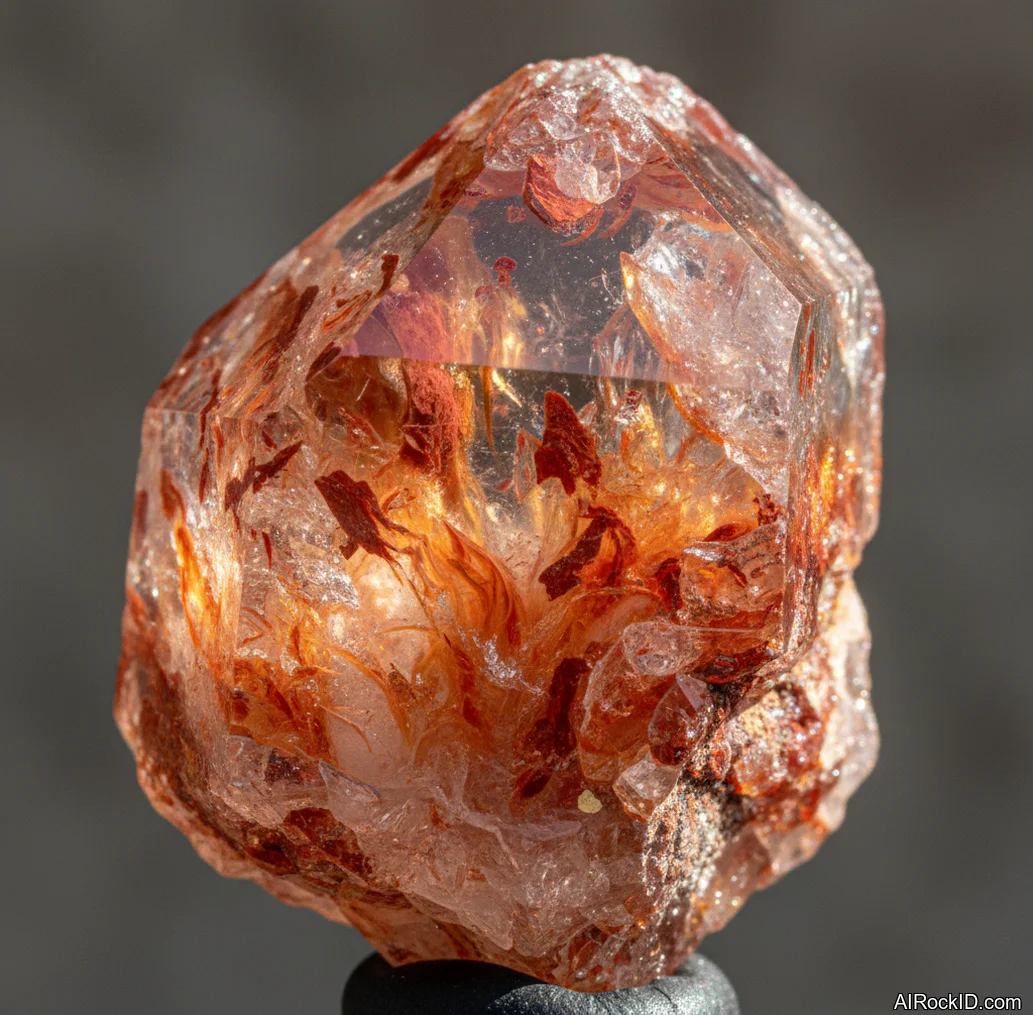
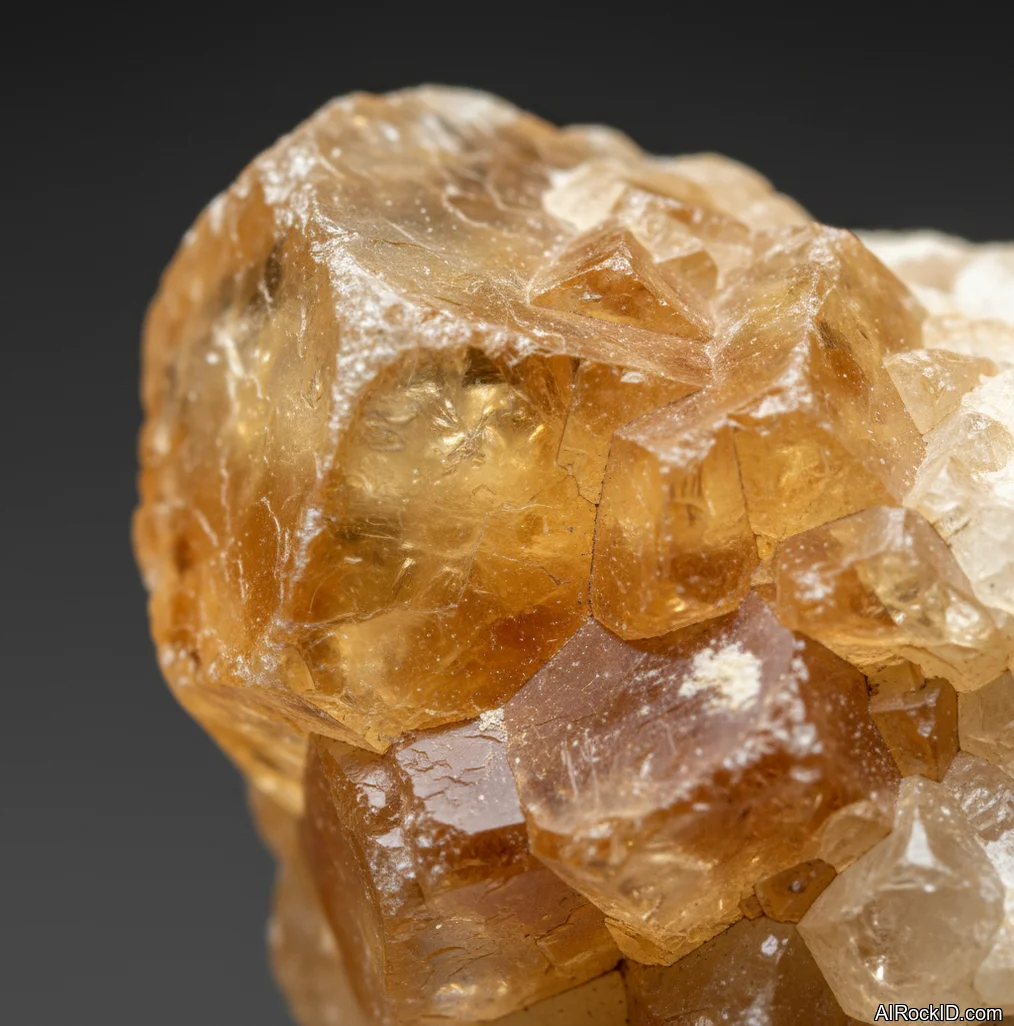
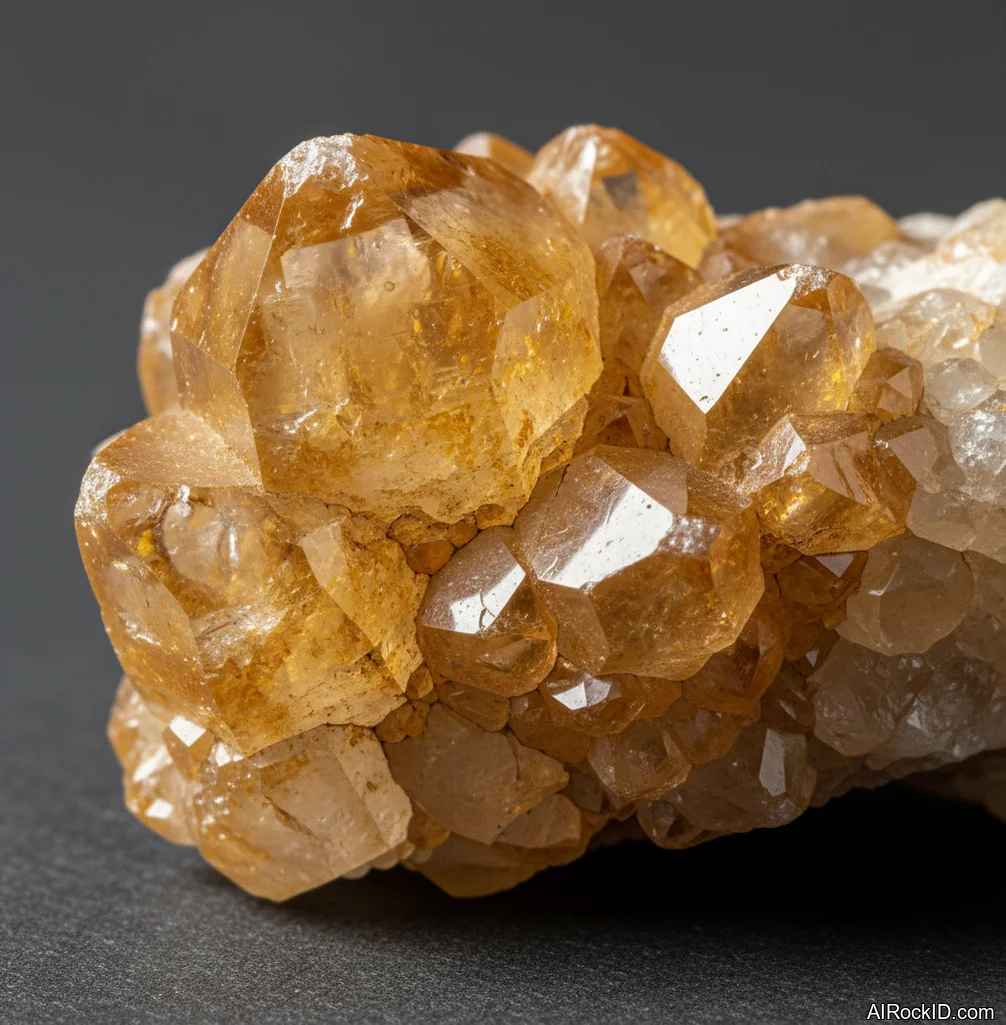
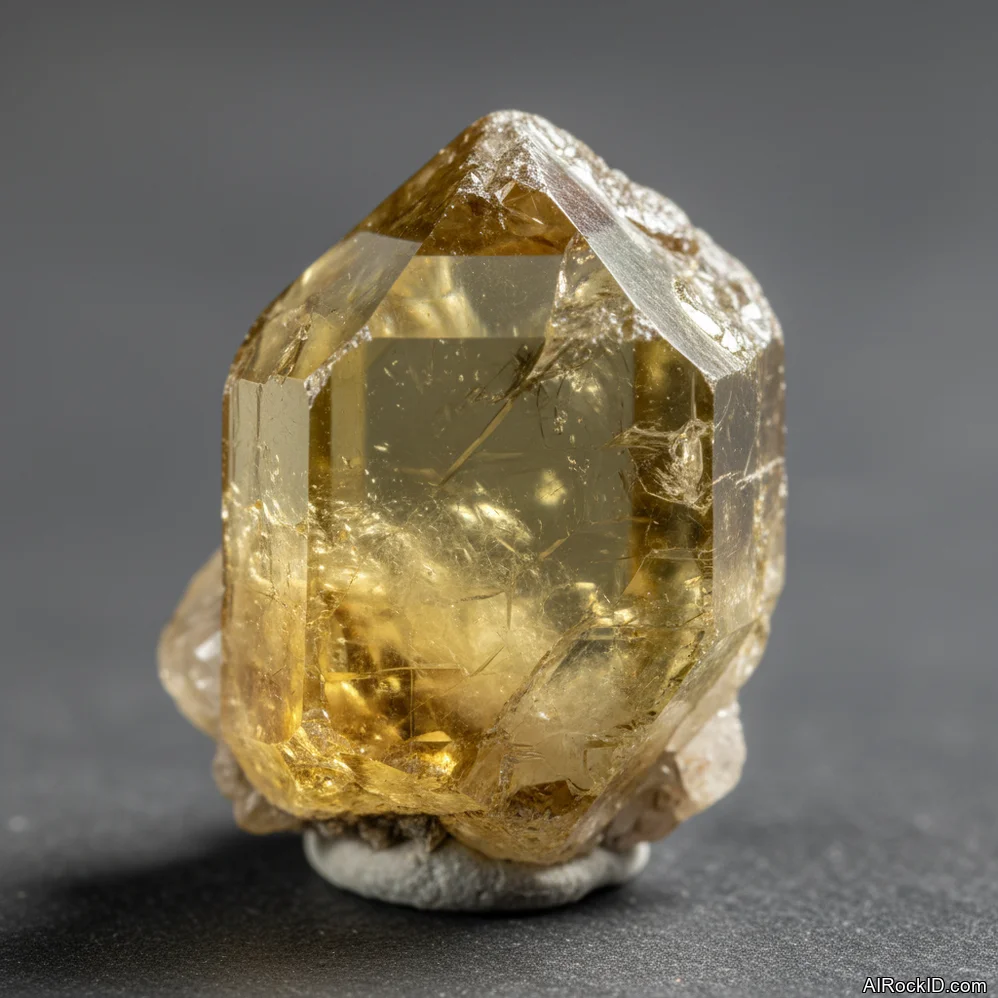
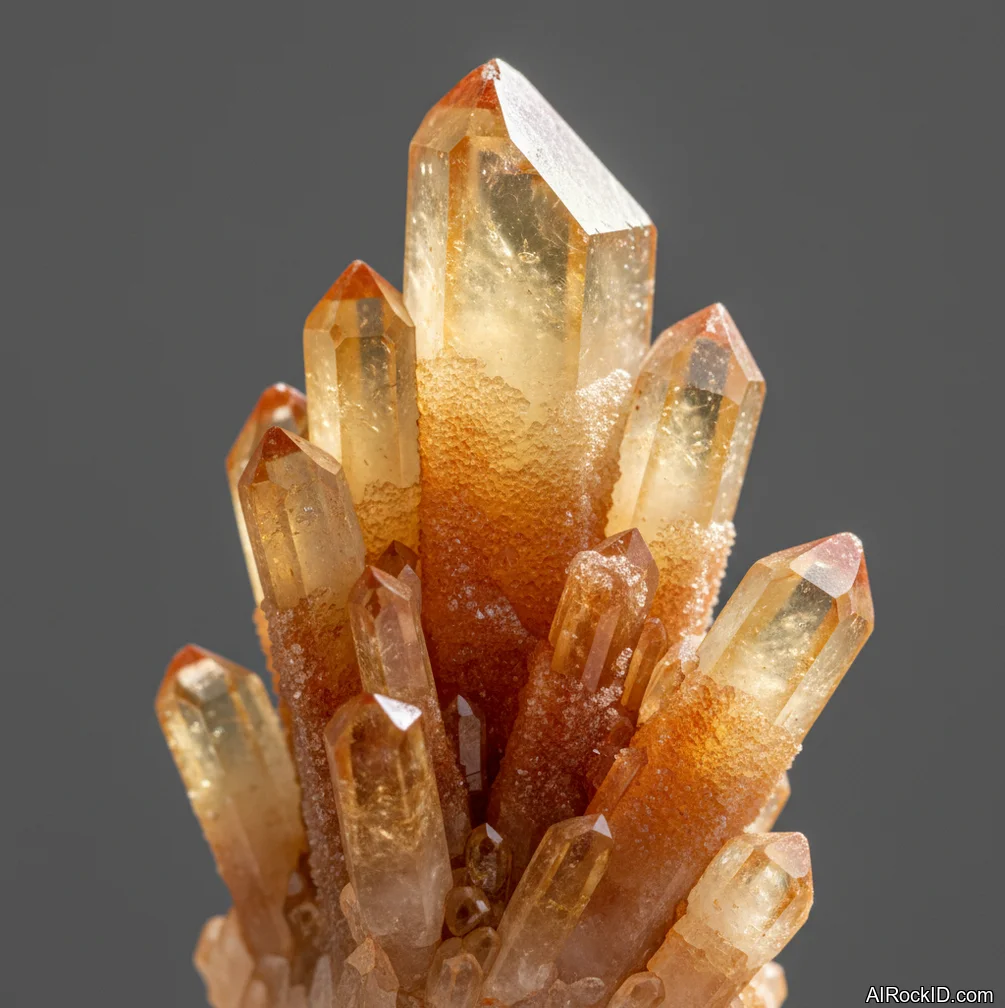
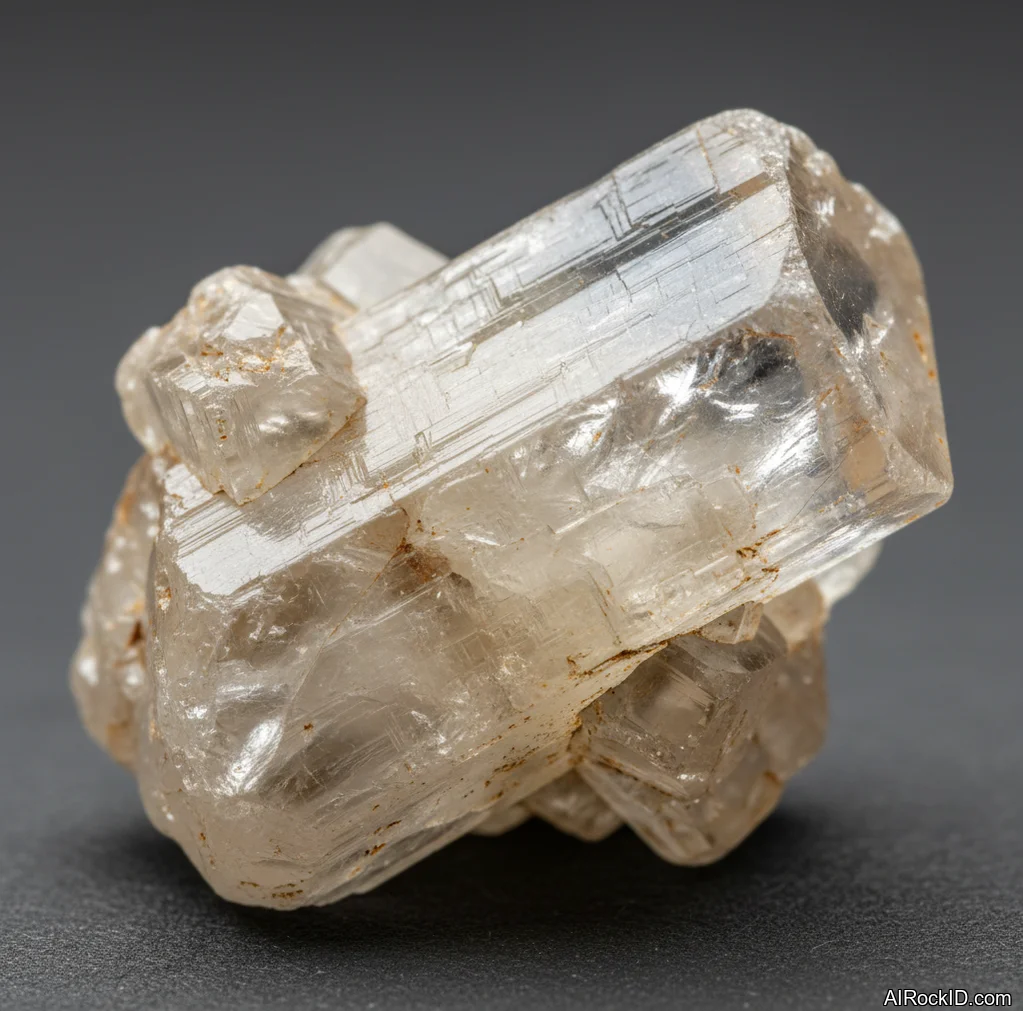
Buying Fire crystals is where people get tripped up. The issue is that the market loves faking the colors. Dyed agate gets sold as carnelian all the time. The giveaway is loud, uniform orange that pools in cracks or around drill holes, plus color that comes off on a cotton swab with rubbing alcohol. Heat treatment gets people too. Citrine is the classic case: a lot of what’s sold as citrine is heat-treated amethyst, and you can usually tell. The color tends to be a burnt orange concentrated at the tips, with a whitish base. Natural citrine usually looks more like pale champagne to smoky honey, and it’s often less dramatic.
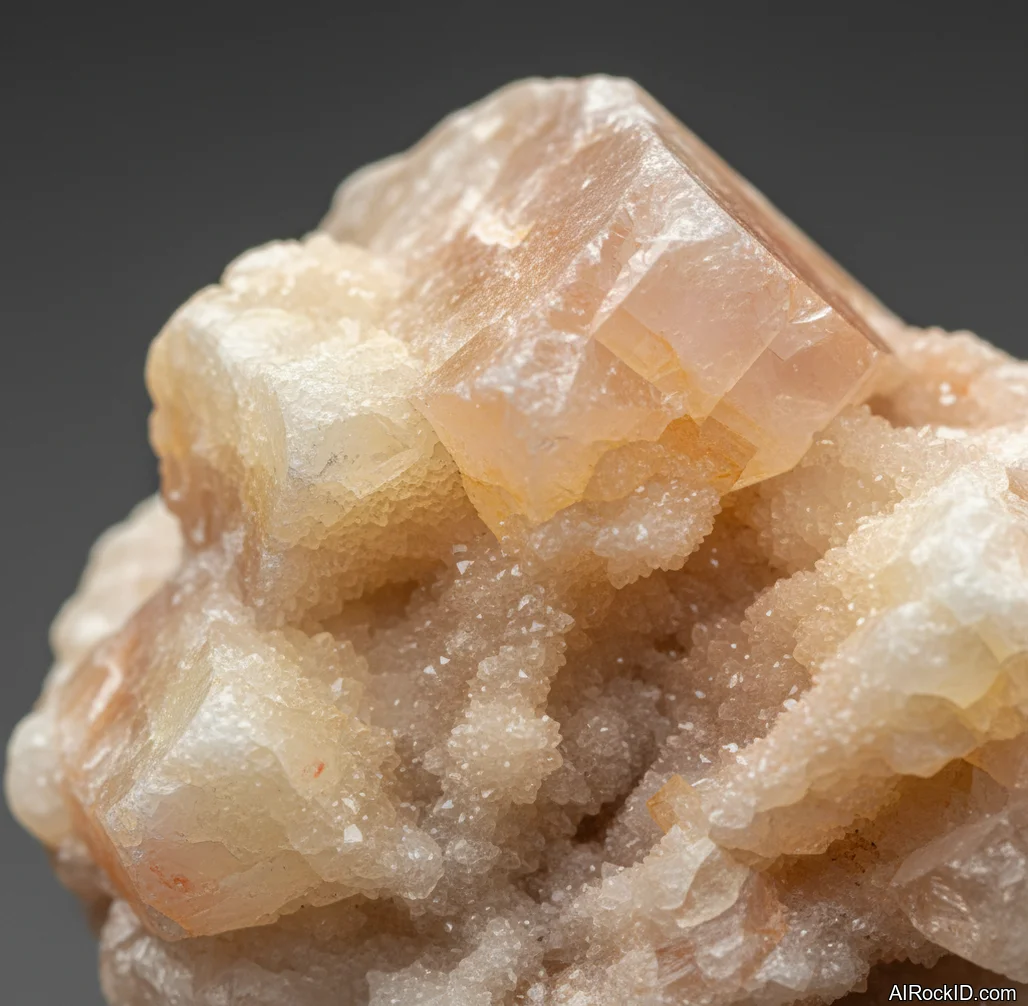
At first glance, sunstone seems simple. But real sunstone has aventurescence, that coppery glitter from tiny platelets inside the feldspar. Tilt it under a point light and the sparkle moves like fine dust in a beam. Some pieces are just peach feldspar with no sparkle, and sellers still label it sunstone. That’s not automatically “bad,” but it’s not the same material, and it shouldn’t cost the same.
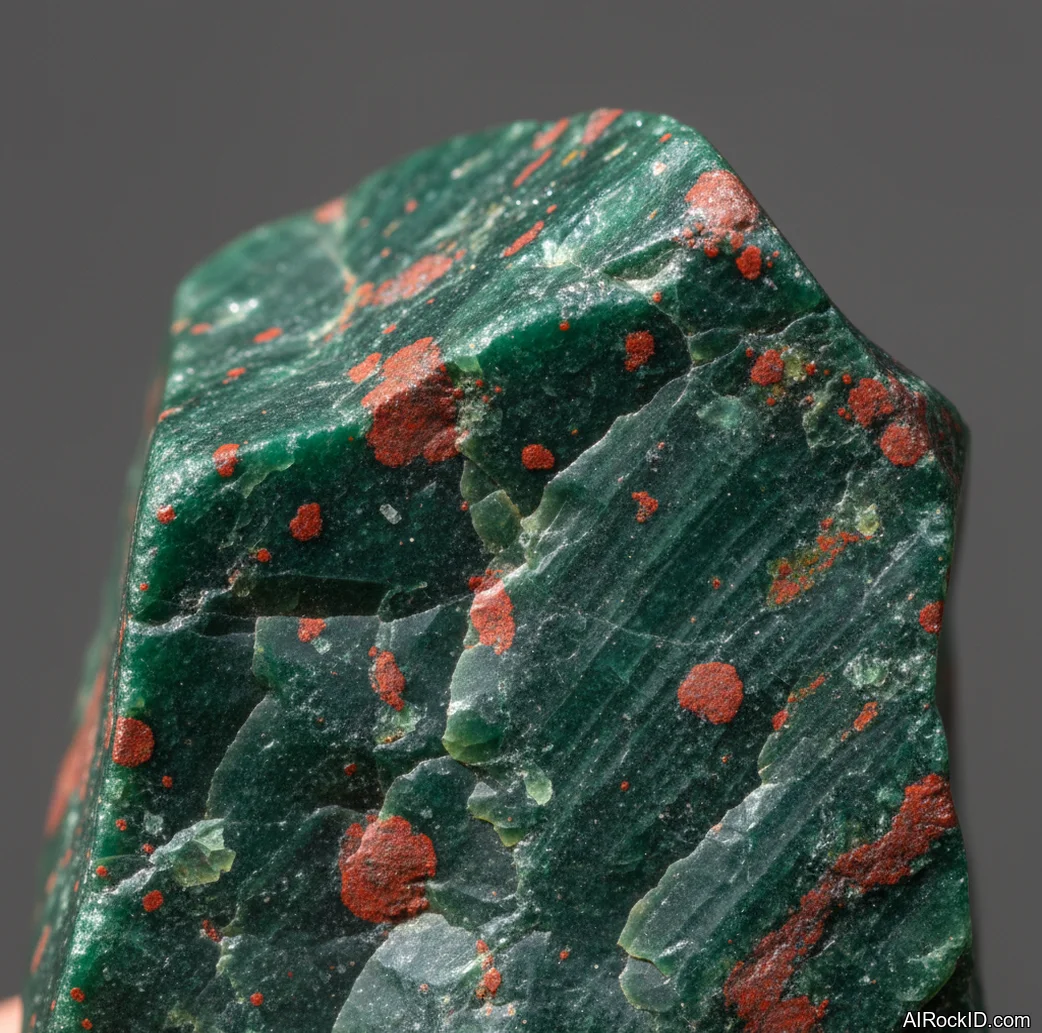
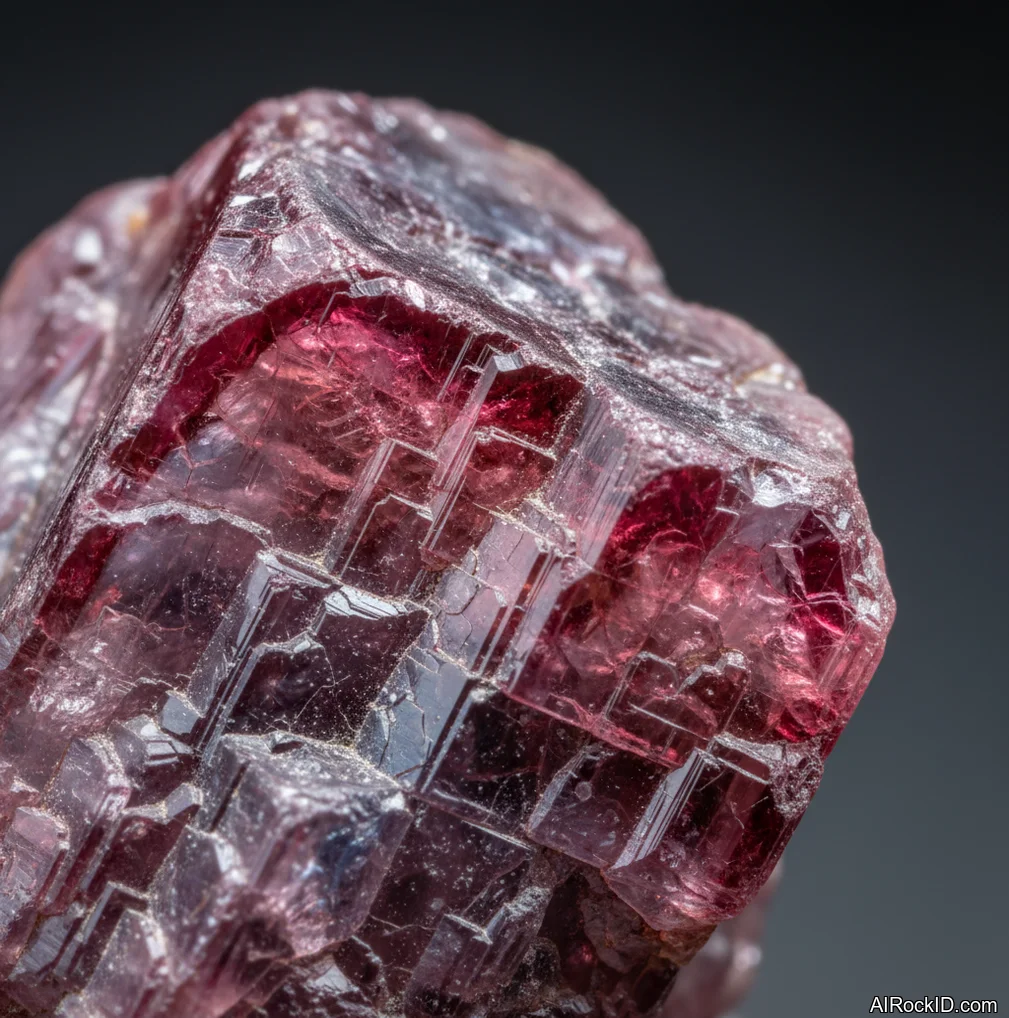
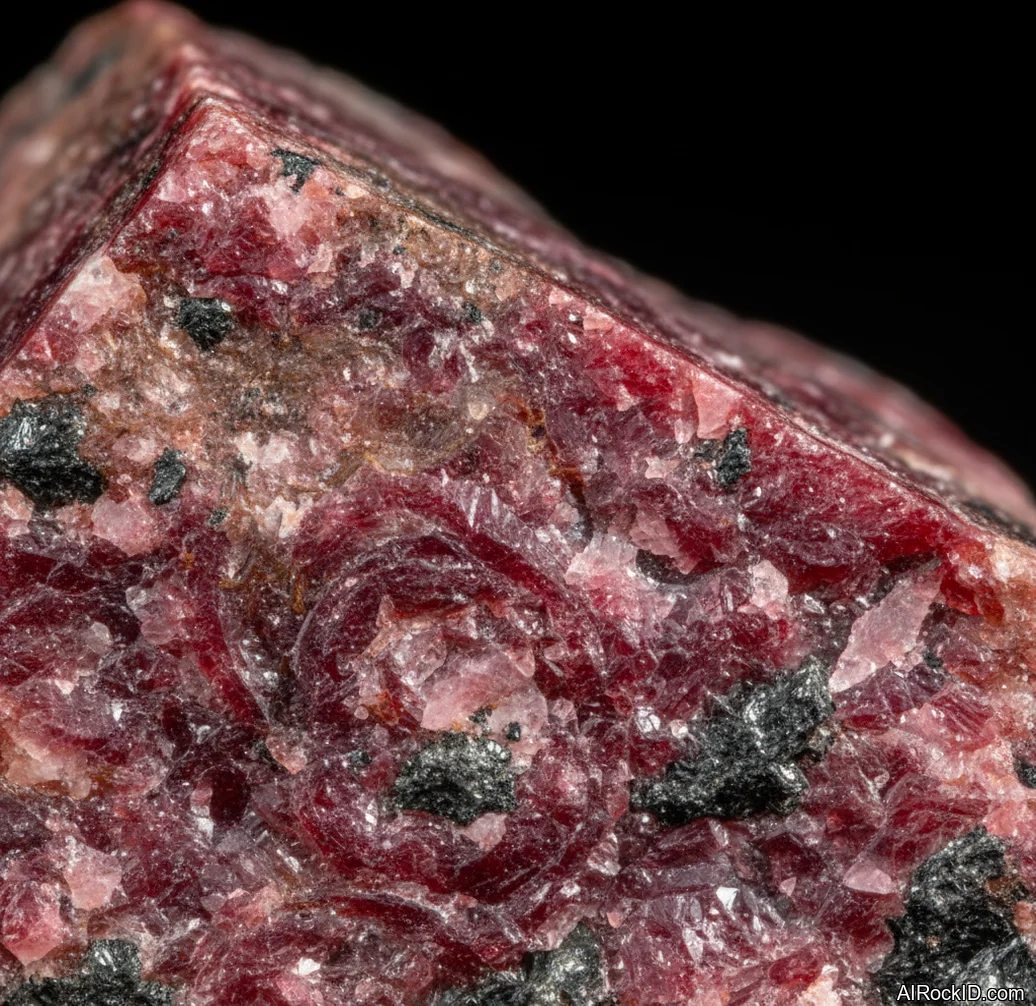
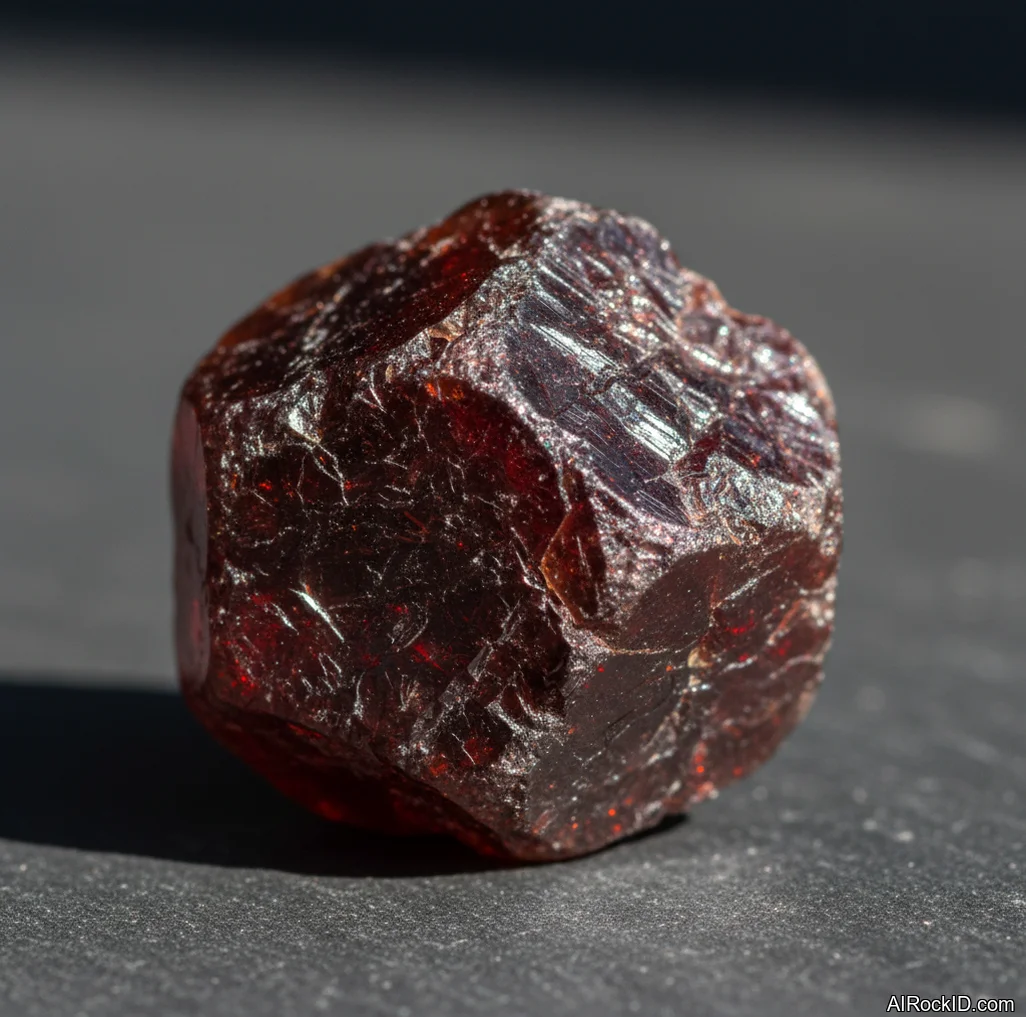
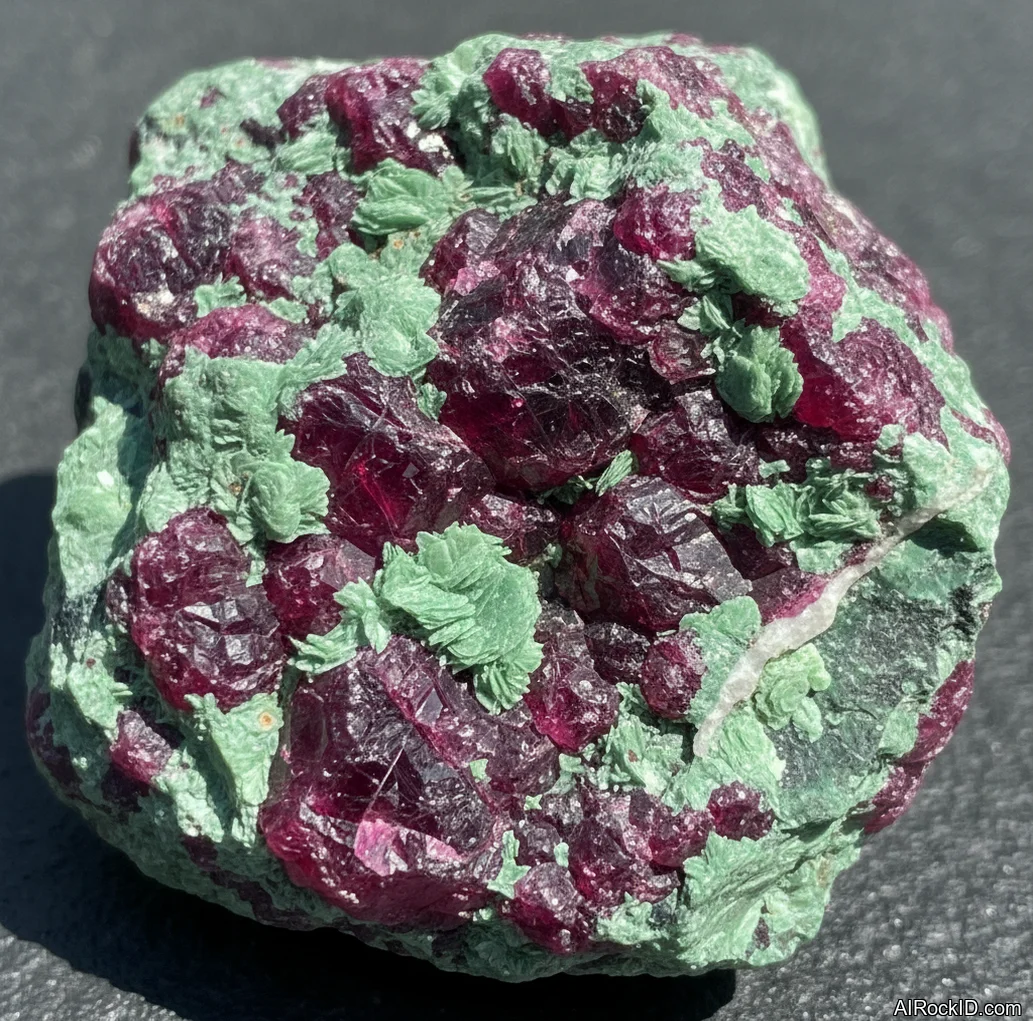
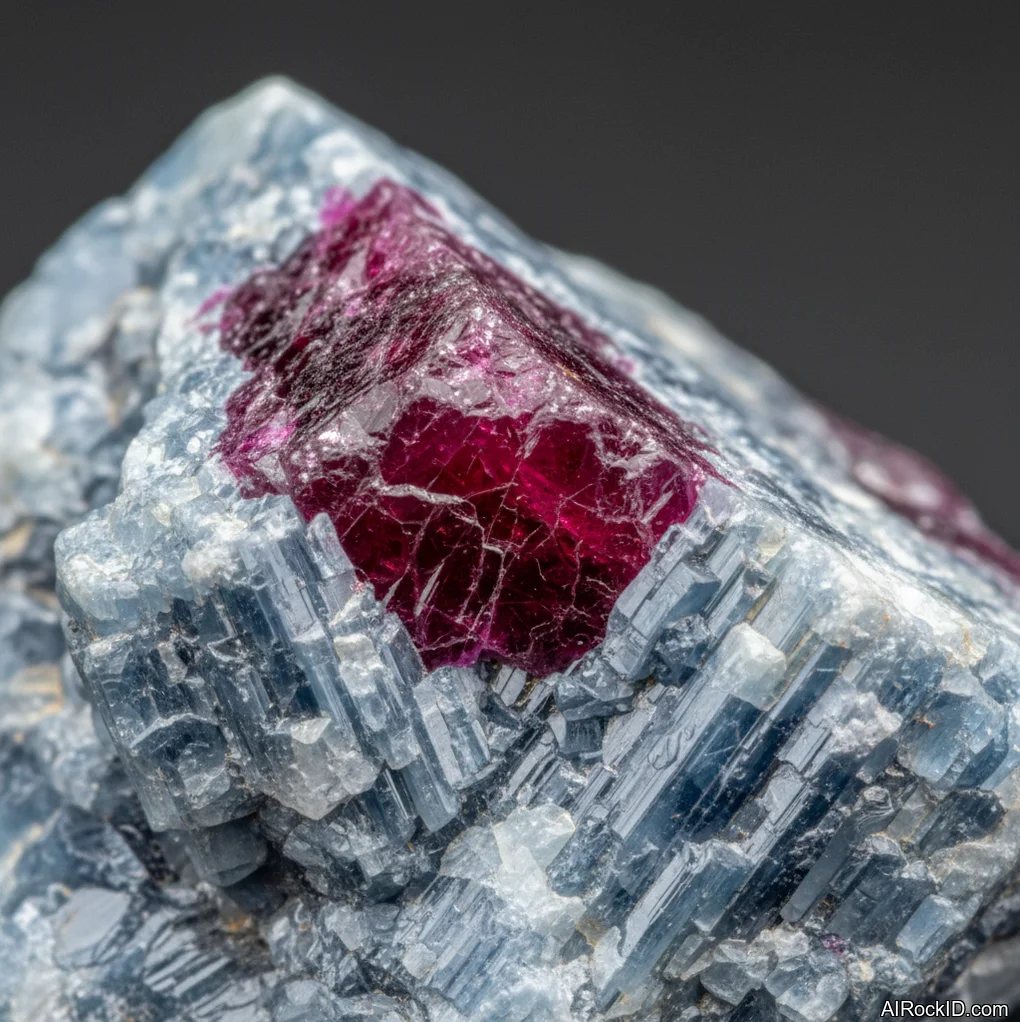
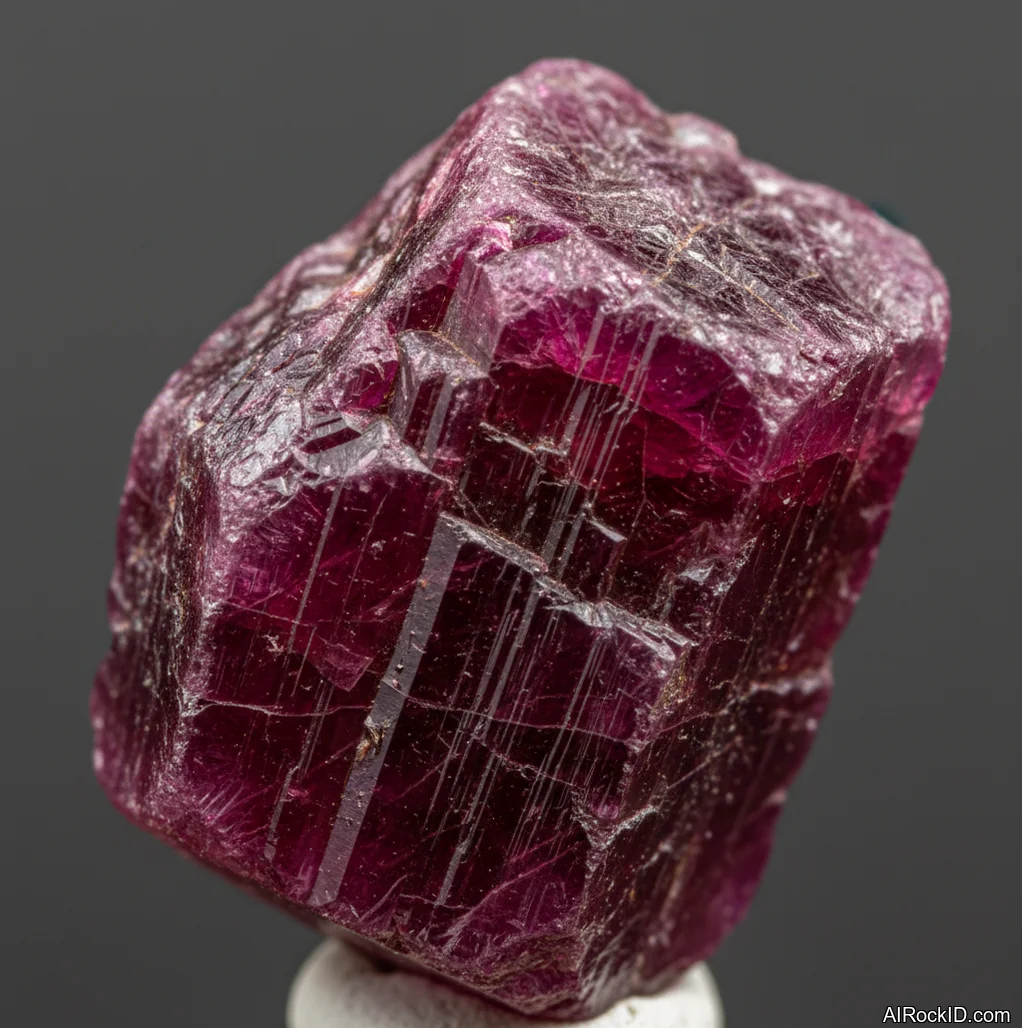
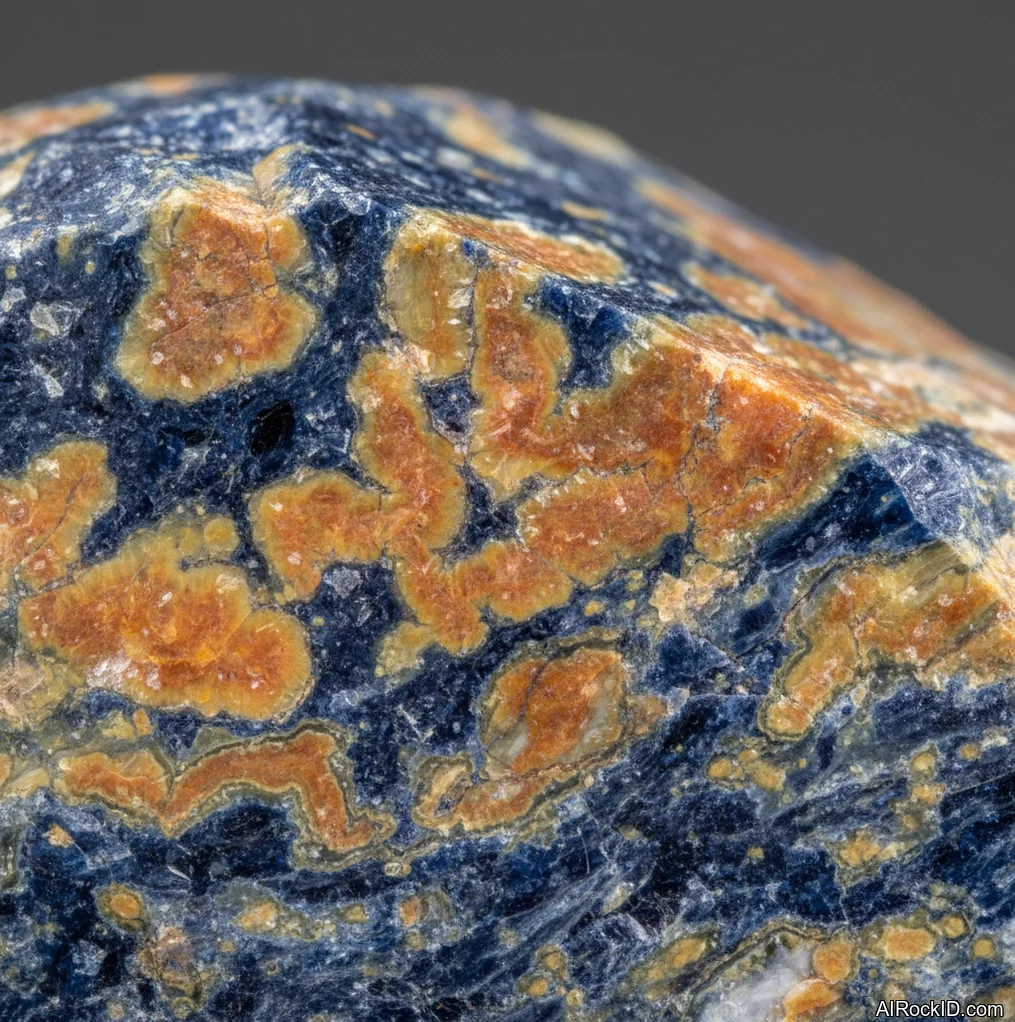
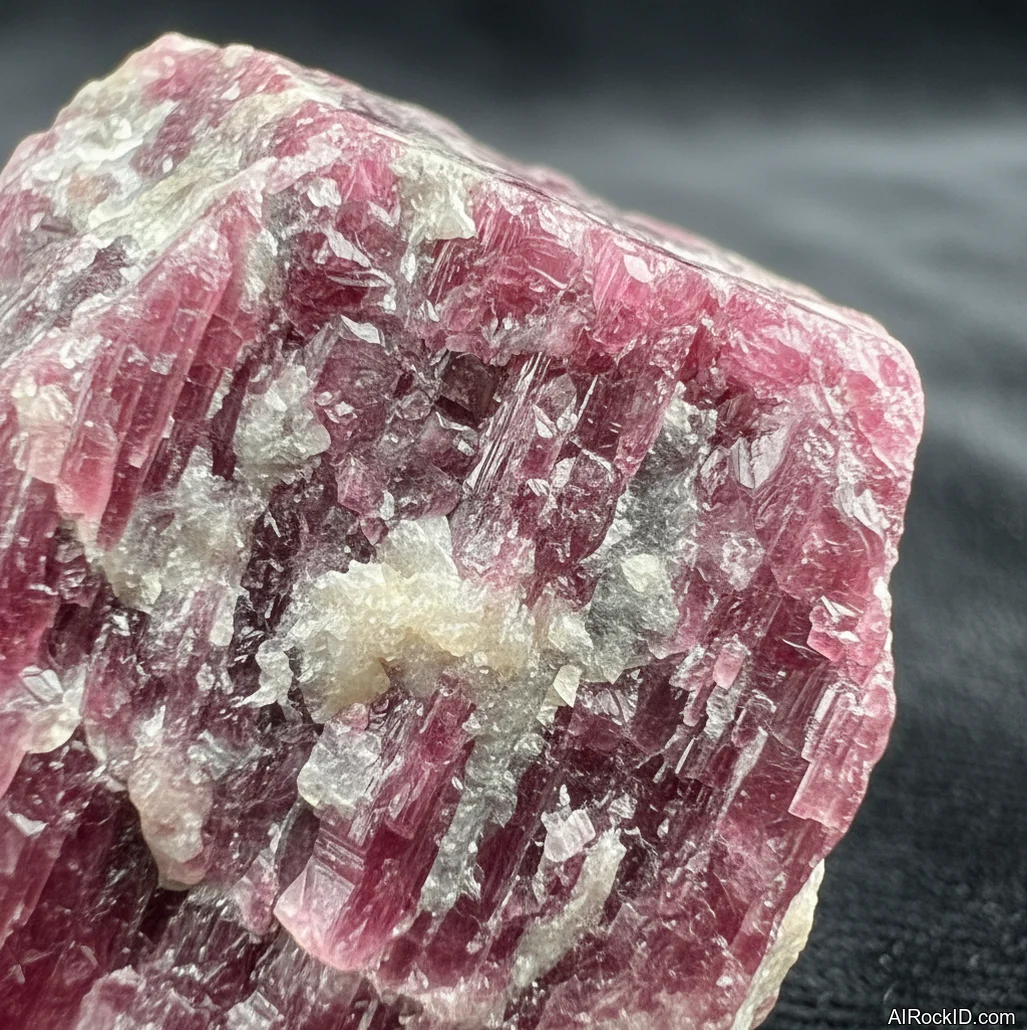
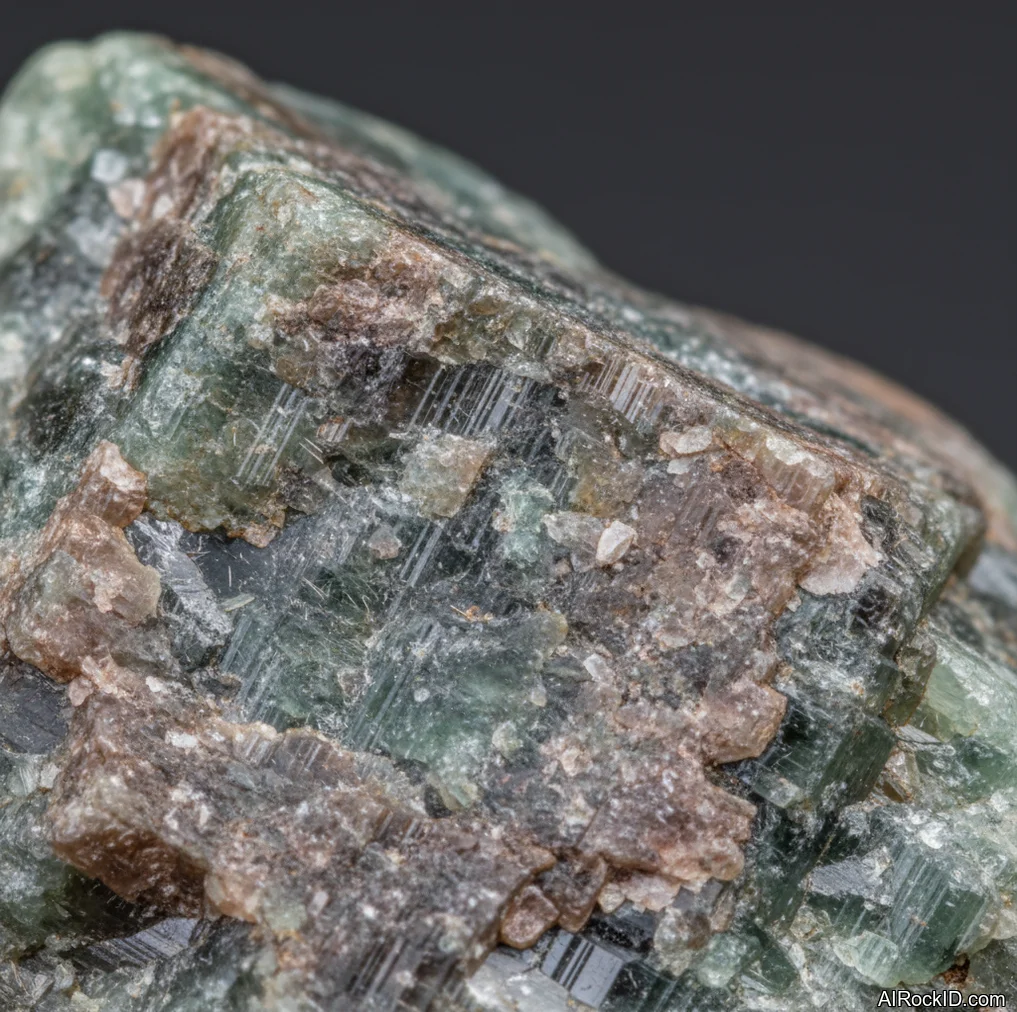
And if you’re shopping for ruby, know what you’re buying. A lot of ruby in zoisite is legit and common, with bright pink-red spots in a green matrix, but the ruby itself is often opaque. Transparent ruby crystals cost real money. Same story with garnet. Deep red almandine garnets can look almost black until you backlight them. Shine your phone flashlight through a thin edge and you’ll see that wine-red come alive.
Care matters with Fire stones because plenty of them don’t actually love heat or sun (funny, right?). Some dyed or heat-treated pieces will fade on a windowsill. Fluorite and calcite can etch from a careless rinse. If you want a simple routine: wipe with a damp cloth, dry it, and store it away from hard quartz points that can scratch softer stones. Mohs hardness isn’t trivia when you’ve watched a favorite polished piece get a permanent haze from bouncing around in a pocket.
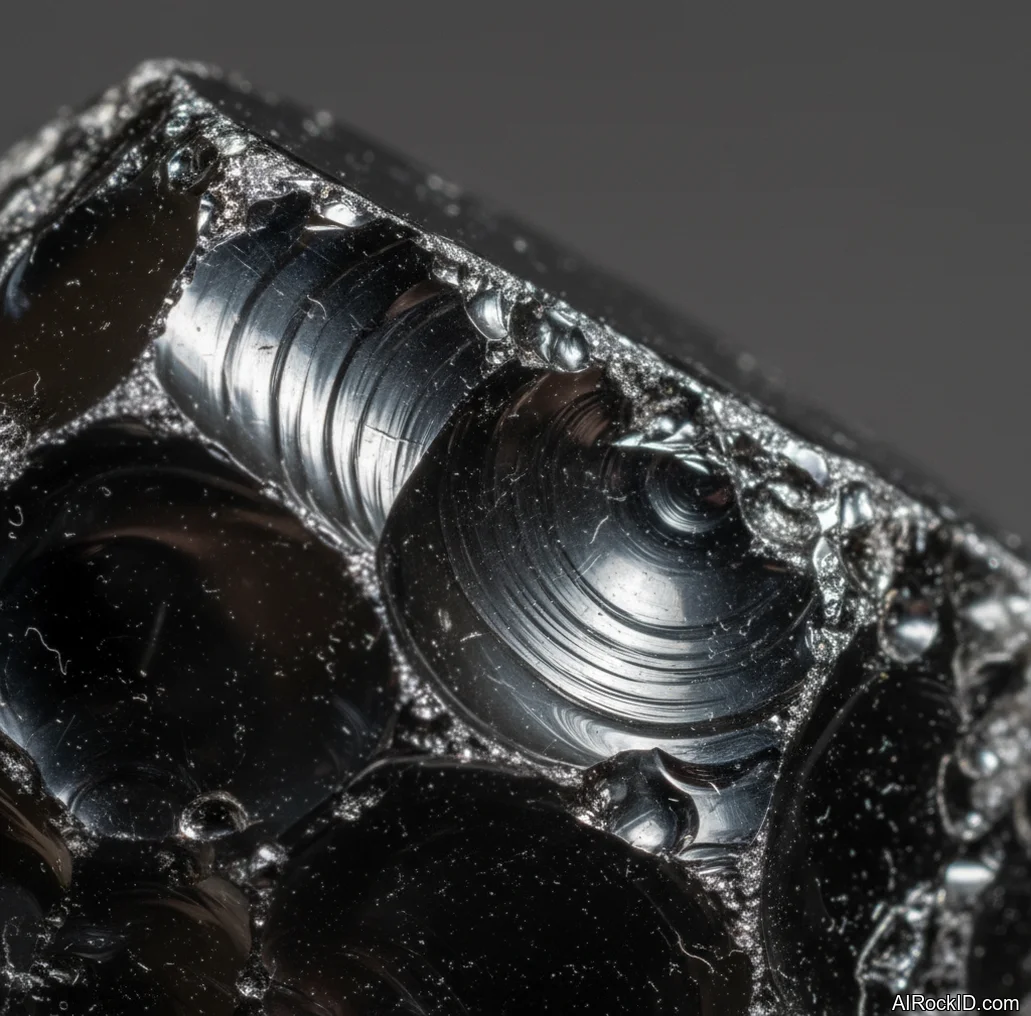
One more practical tip. Fire crystals look best in good light, and buying under bad lighting is how people end up disappointed. Ask for a video tilt under a single light source. Request a photo against a neutral background. And don’t ignore weight. Cheap glass fakes often feel oddly warm and light compared to real quartz, garnet, or hematite. Real stones stay cool in your hand for a while, especially in a cold room.
Fire, done right, is focus and fuel. Not constant intensity. If you want the fast-start vibe, reach for carnelian or sunstone. If you want controlled power, try garnet with hematite. If you want the high-end version of “I’m doing this,” a small ruby piece has a seriousness to it that’s hard to miss once you’ve handled the real thing.
All Fire Crystals (123)