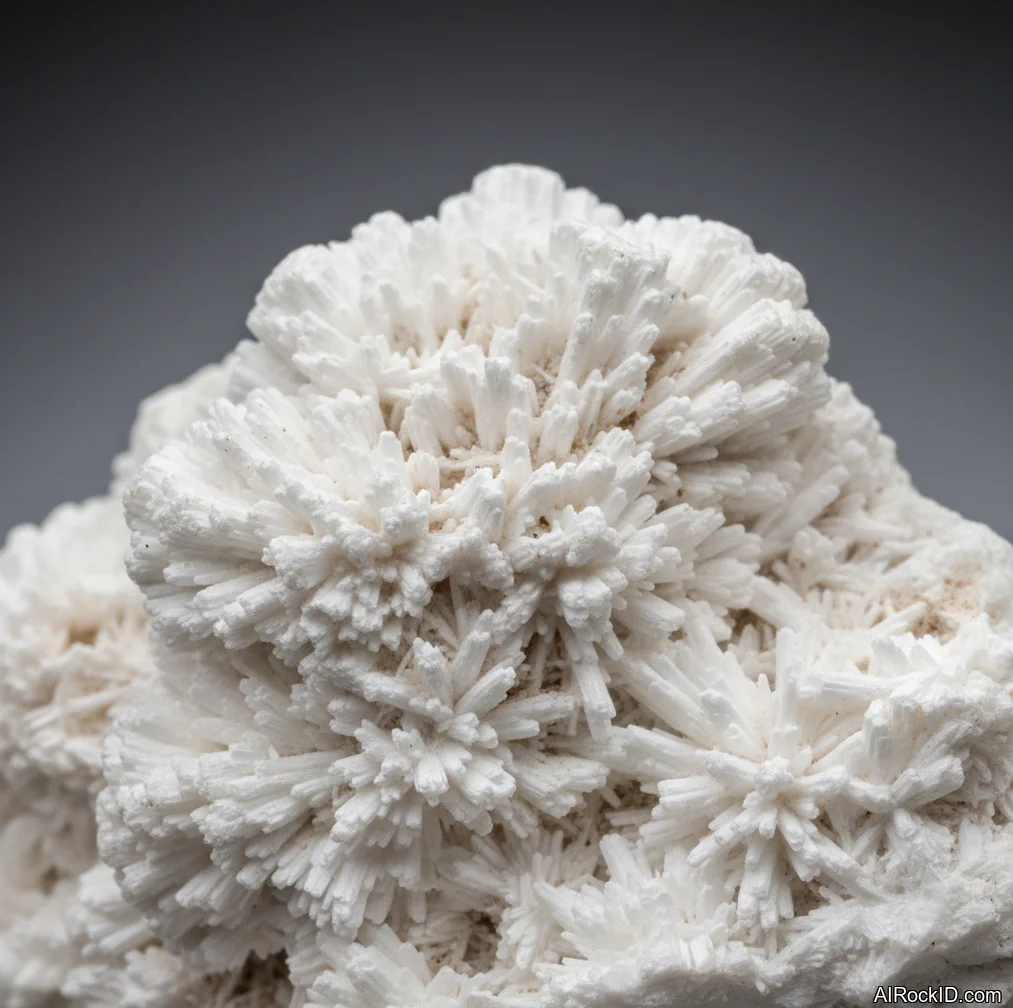
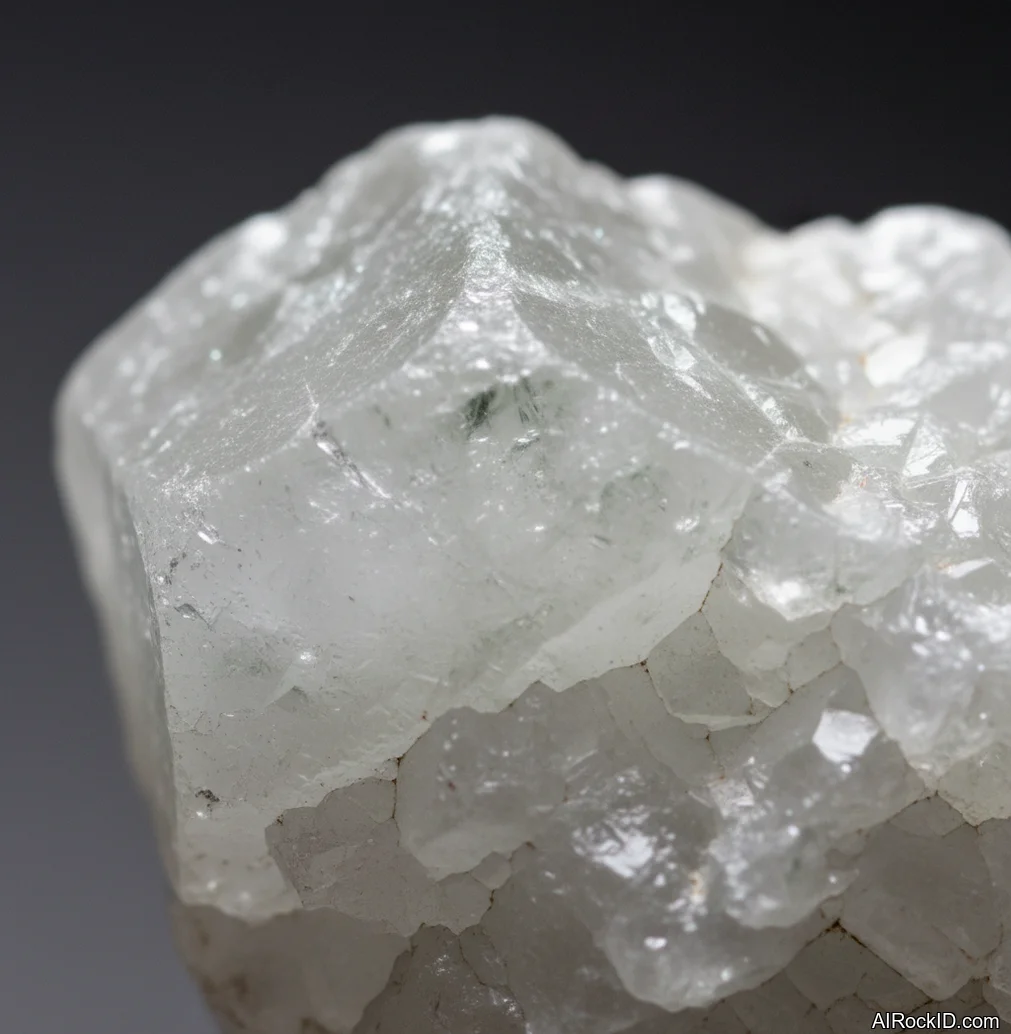
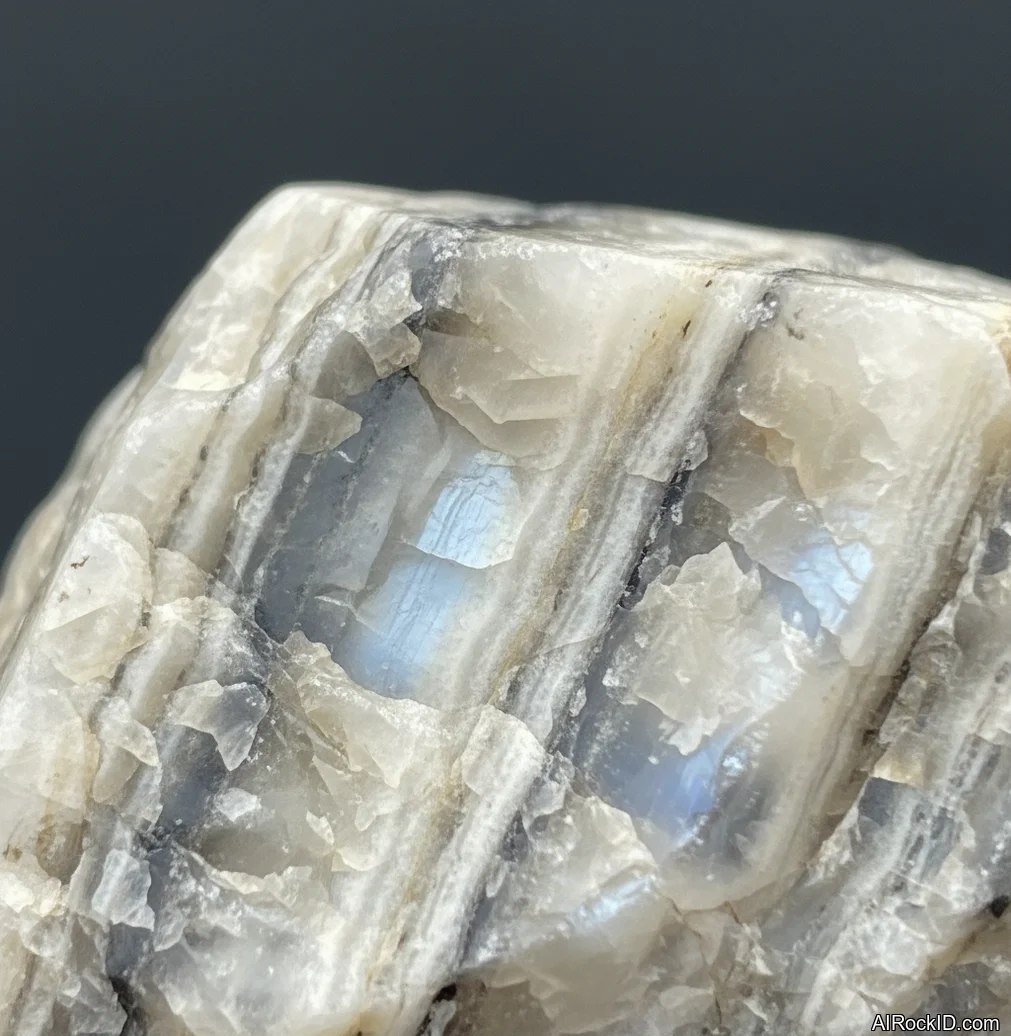
Sleep Crystals
Sleep crystals guide: meanings, properties, and how to use crystals like amethyst and lepidolite to support calmer nights and better Sleep.
Sleep, in crystal terms, isn’t about knocking you out like a pill. It’s the whole setup around bedtime: unwinding, quieting the mental noise, feeling safe enough to let your body drop, and staying there without popping awake at 3 a.m. People chase “sleep crystals” because they want something physical to latch onto, a little anchor for the routine that says, every night, okay, we’re downshifting now. A cool stone on the nightstand won’t cure insomnia on its own. But it can help you build consistency, and consistency is where a lot of real-world sleep improvement actually comes from.
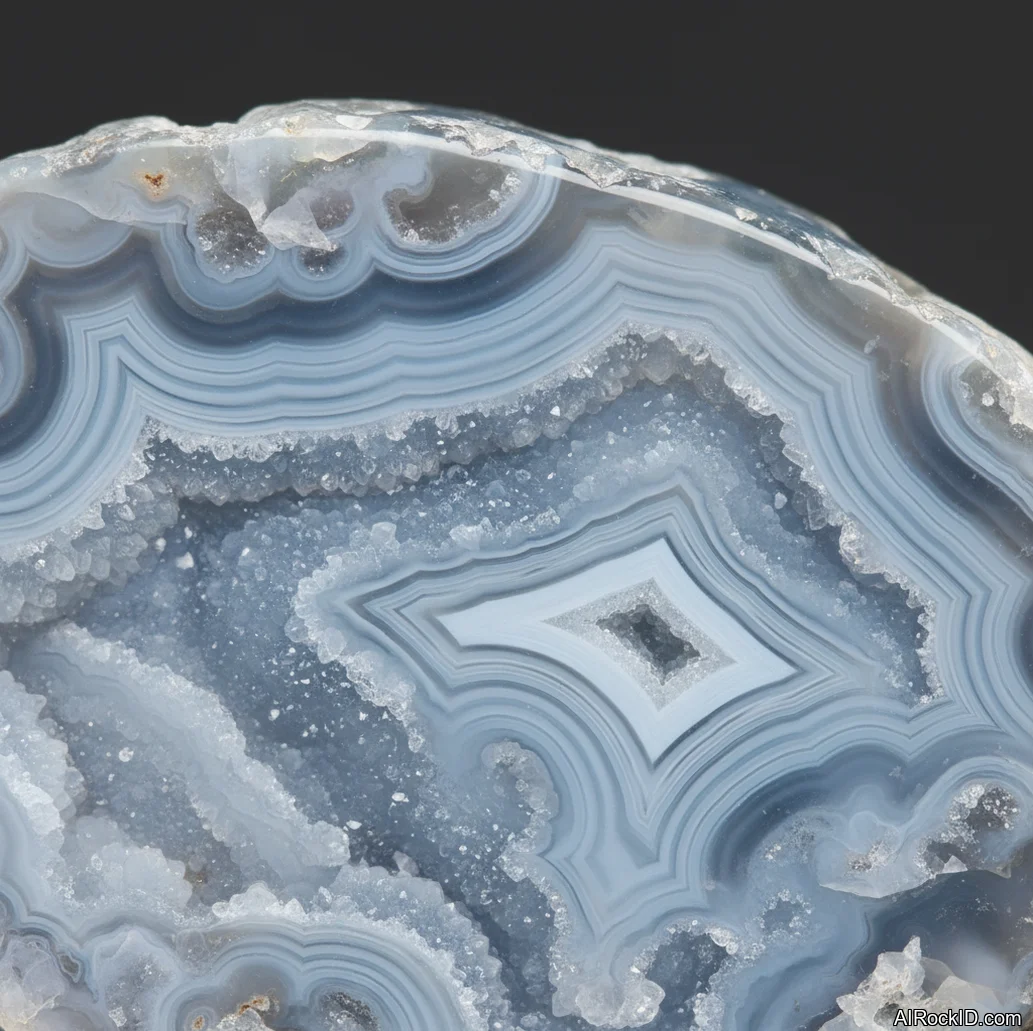
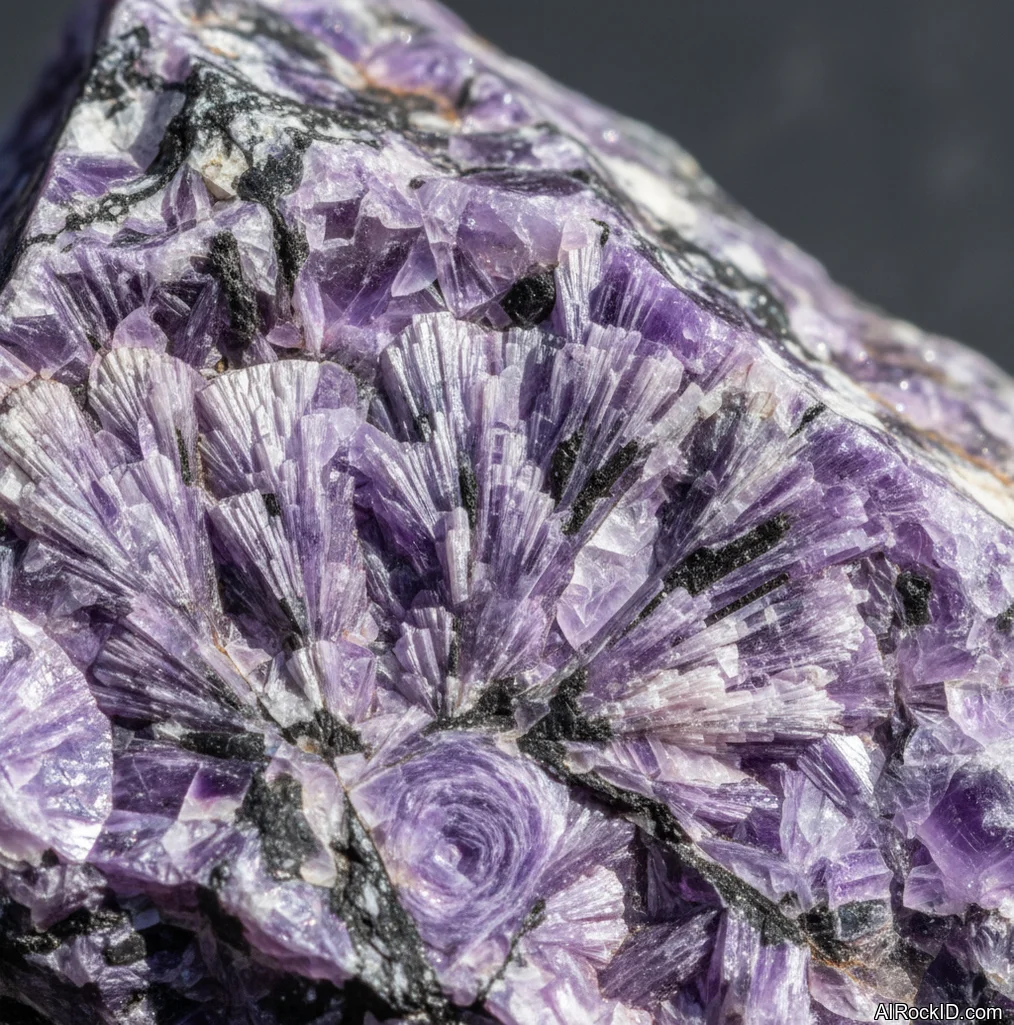
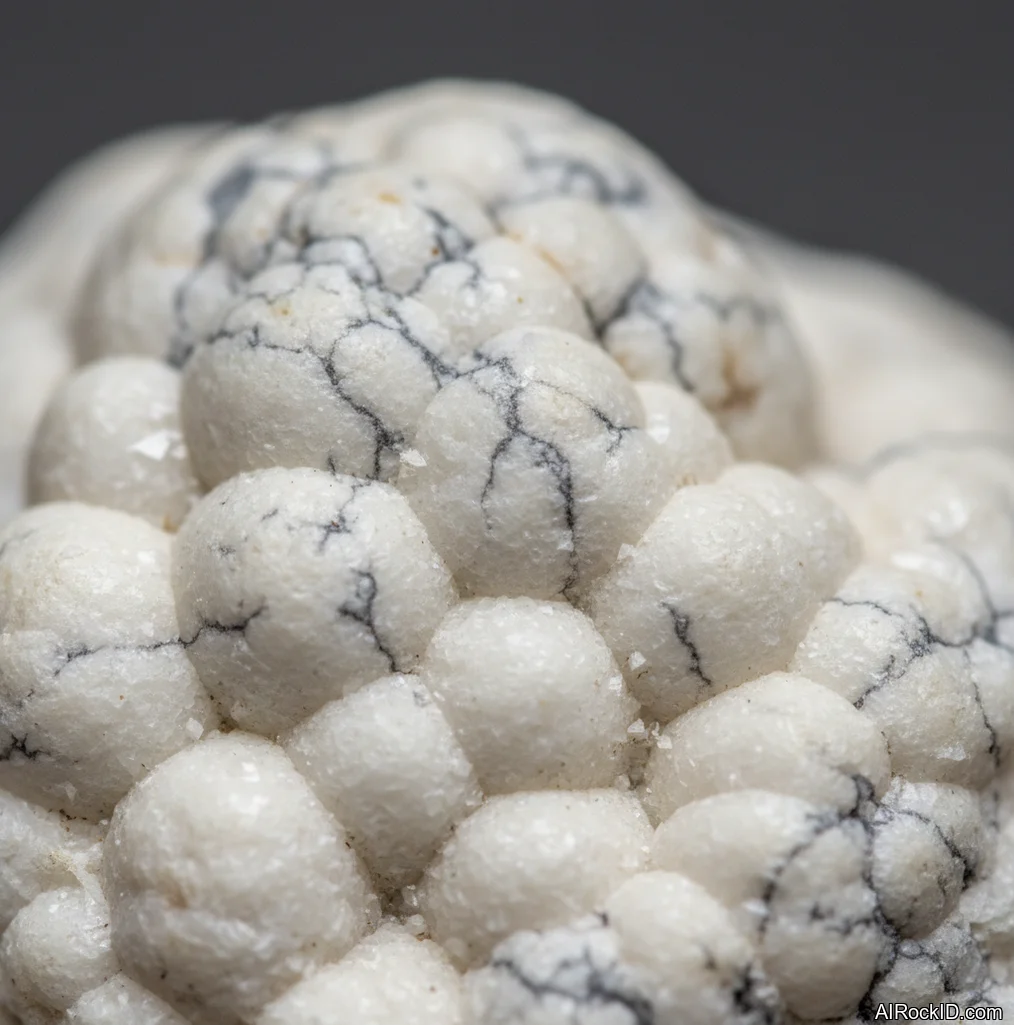
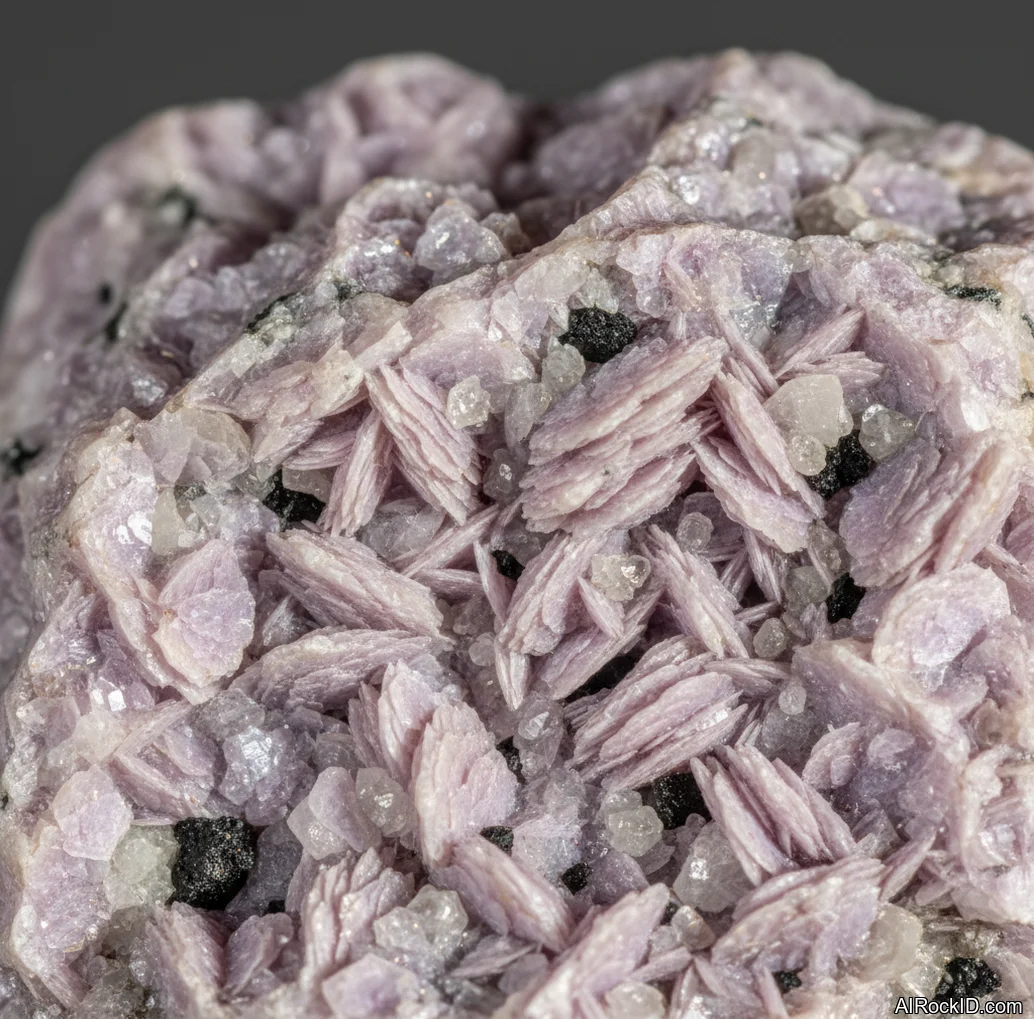
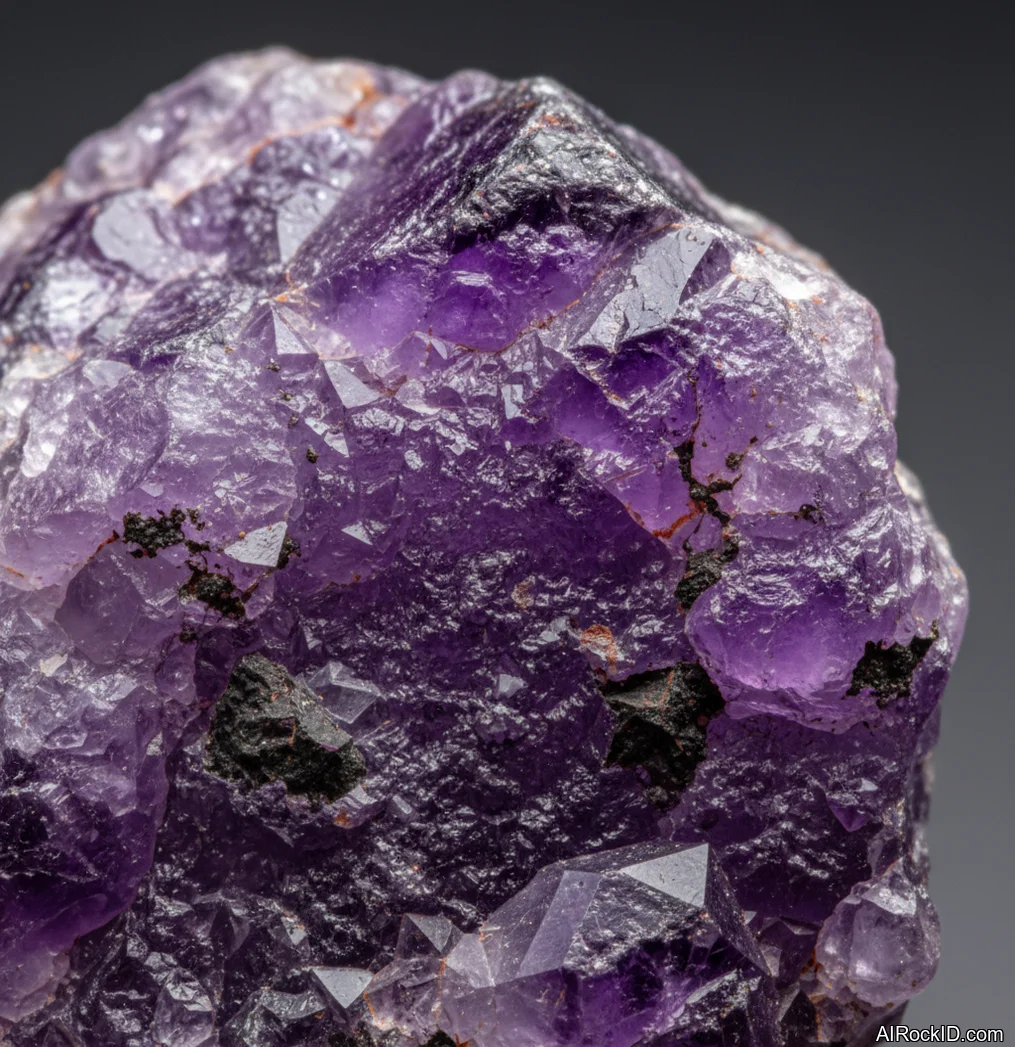
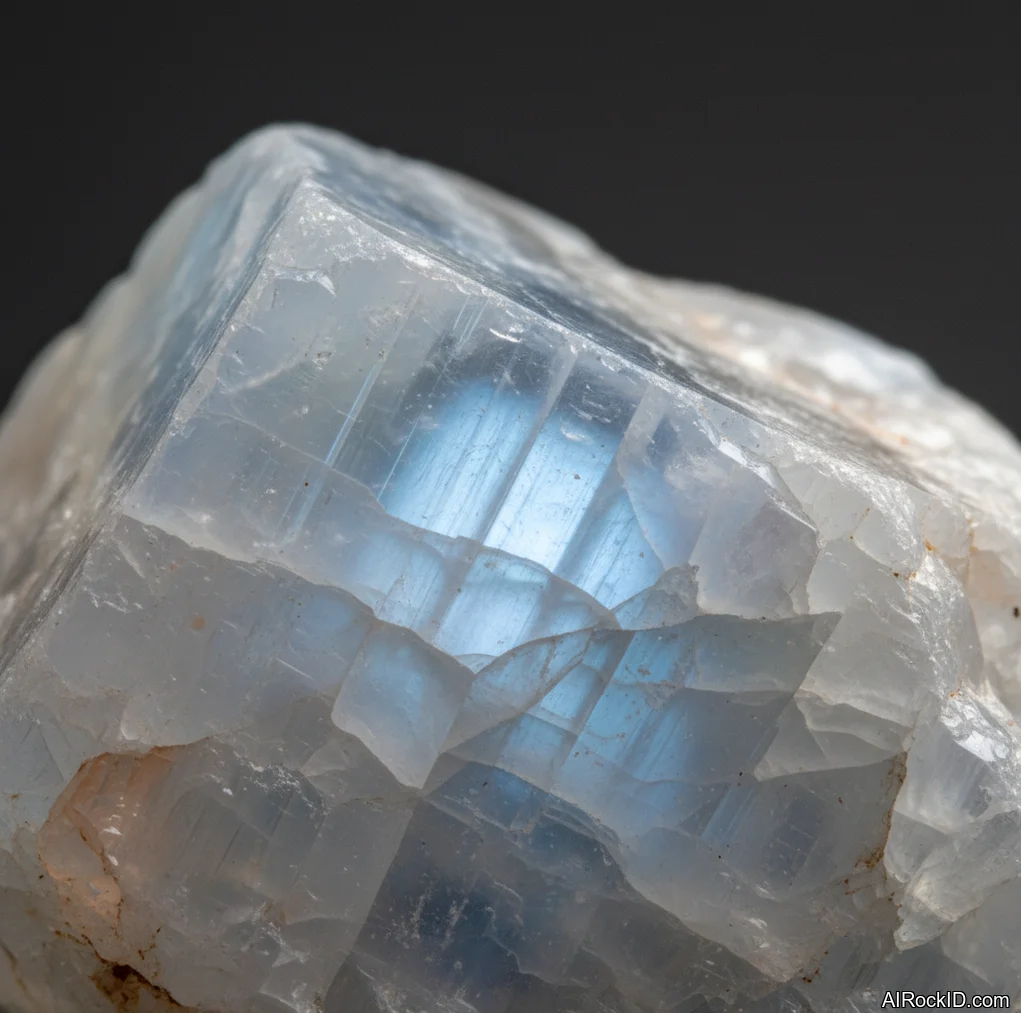
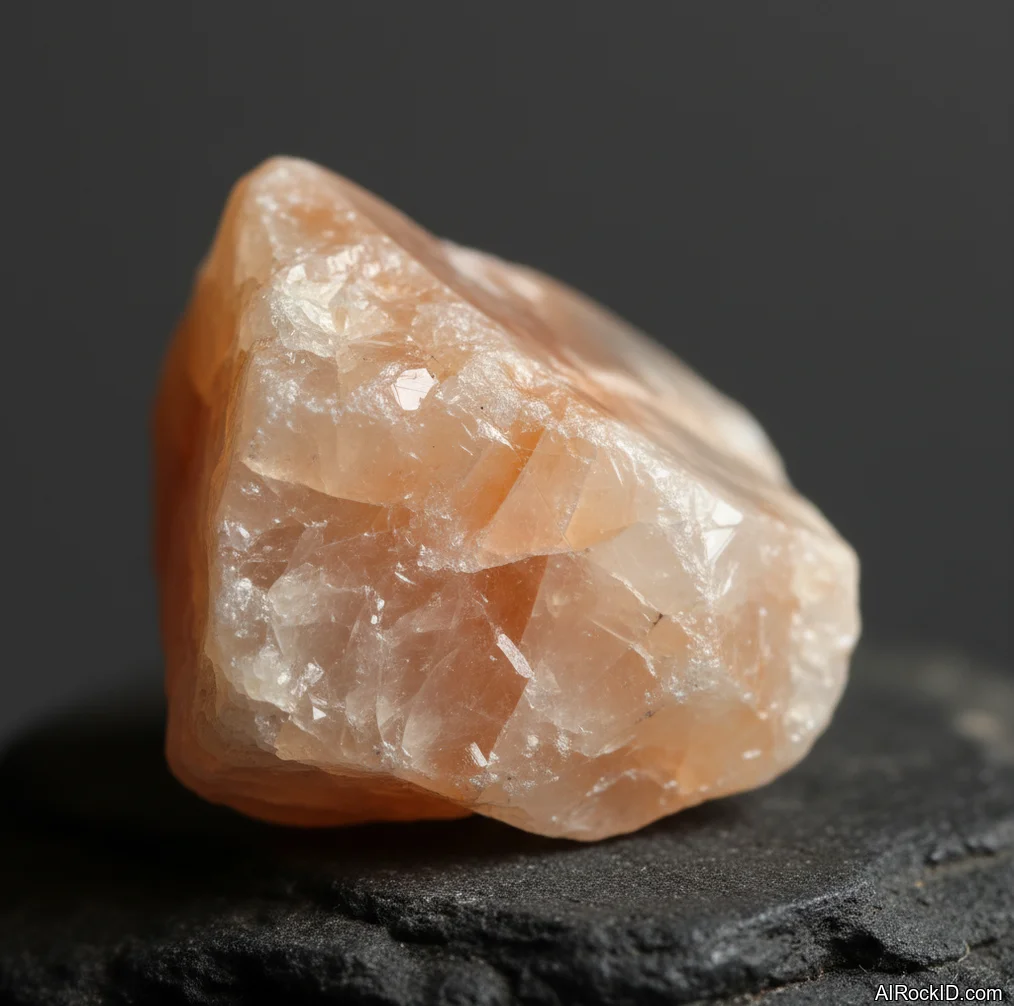
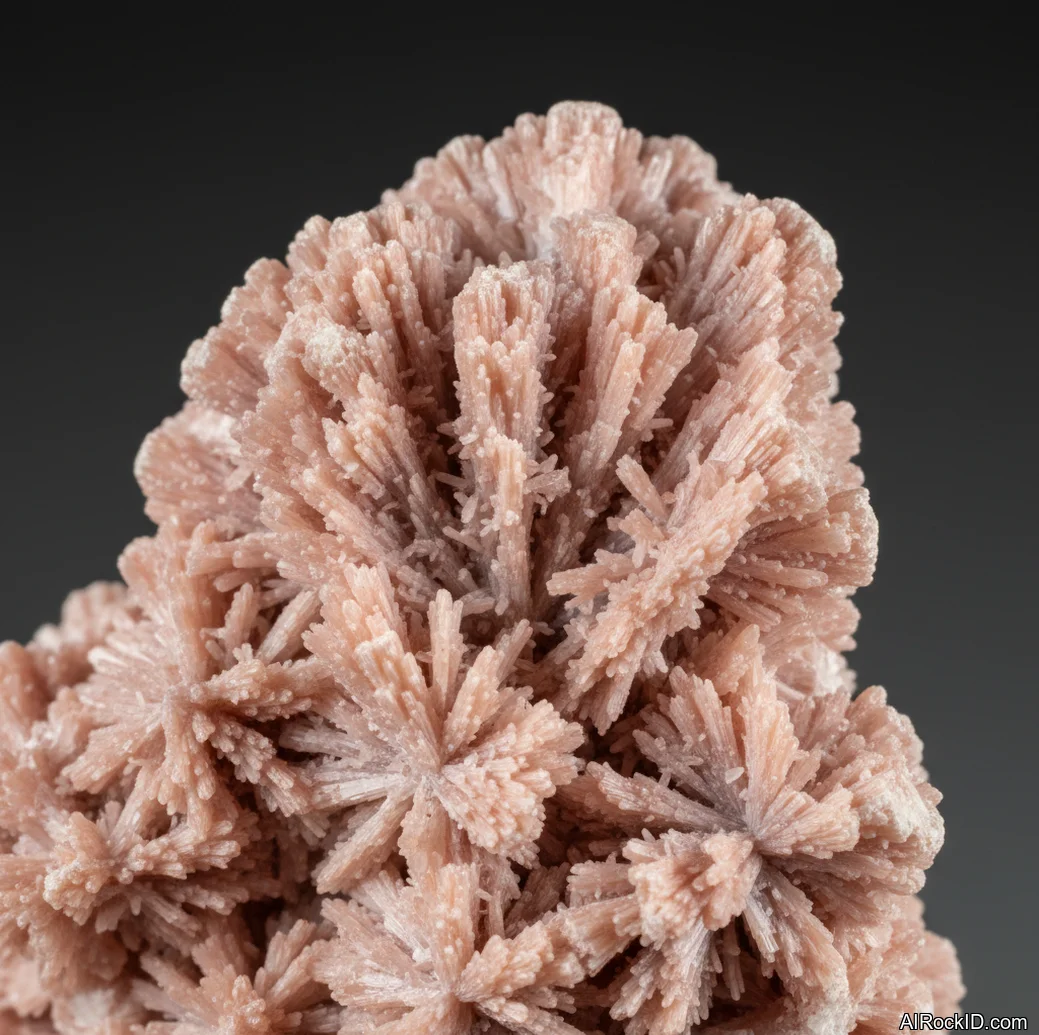
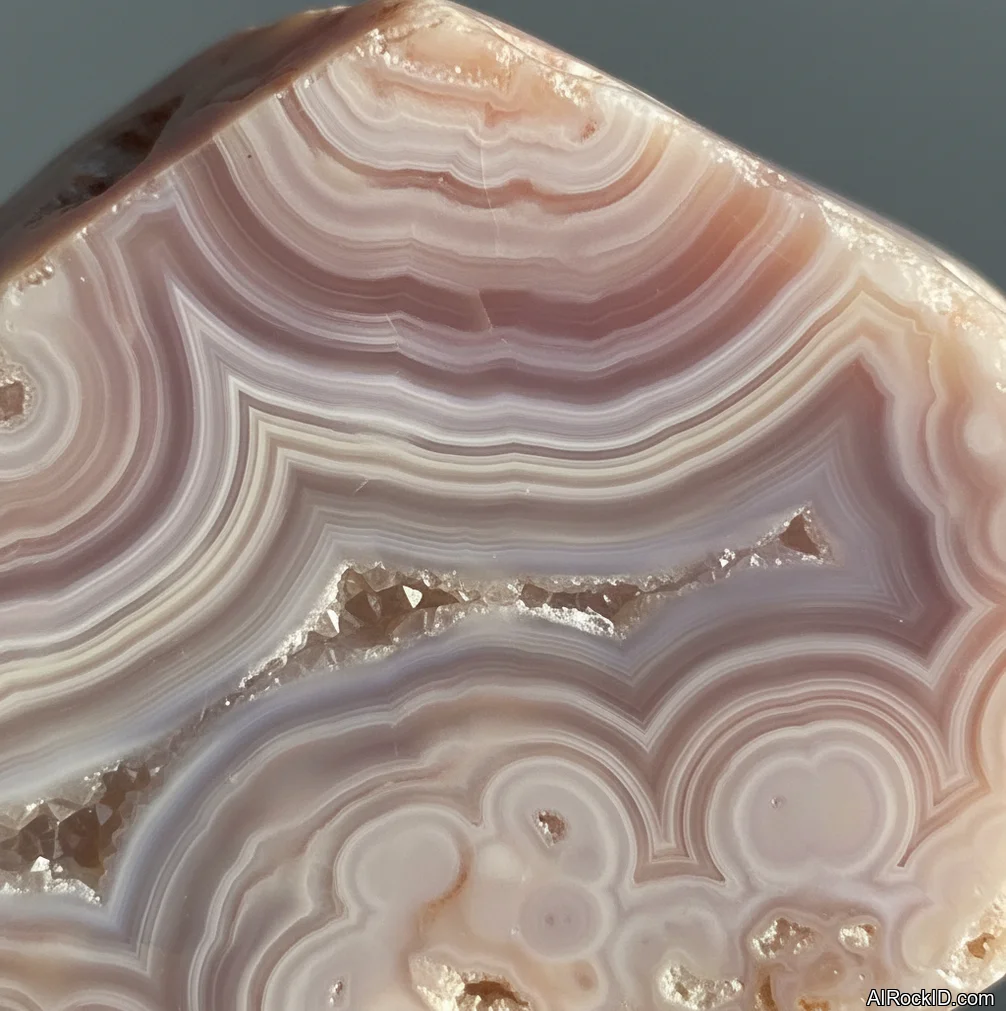
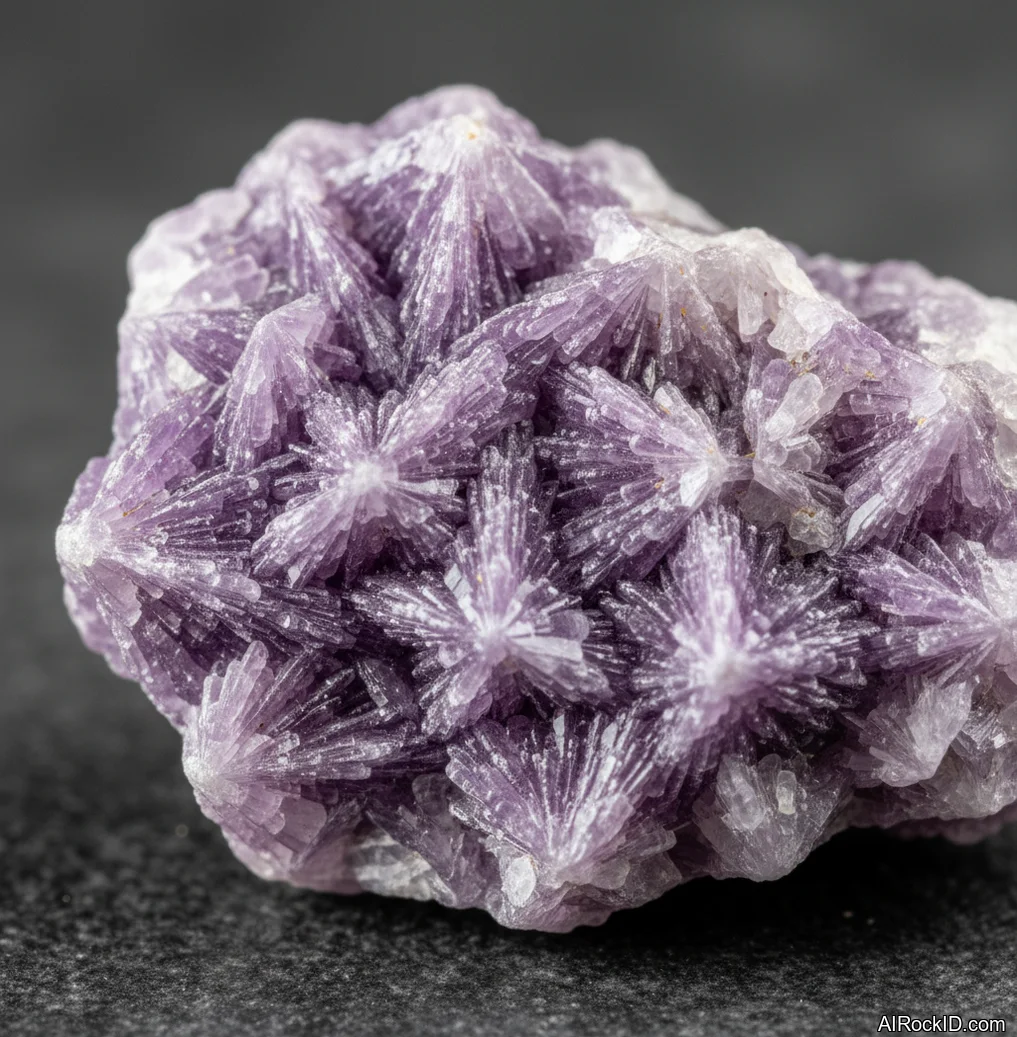
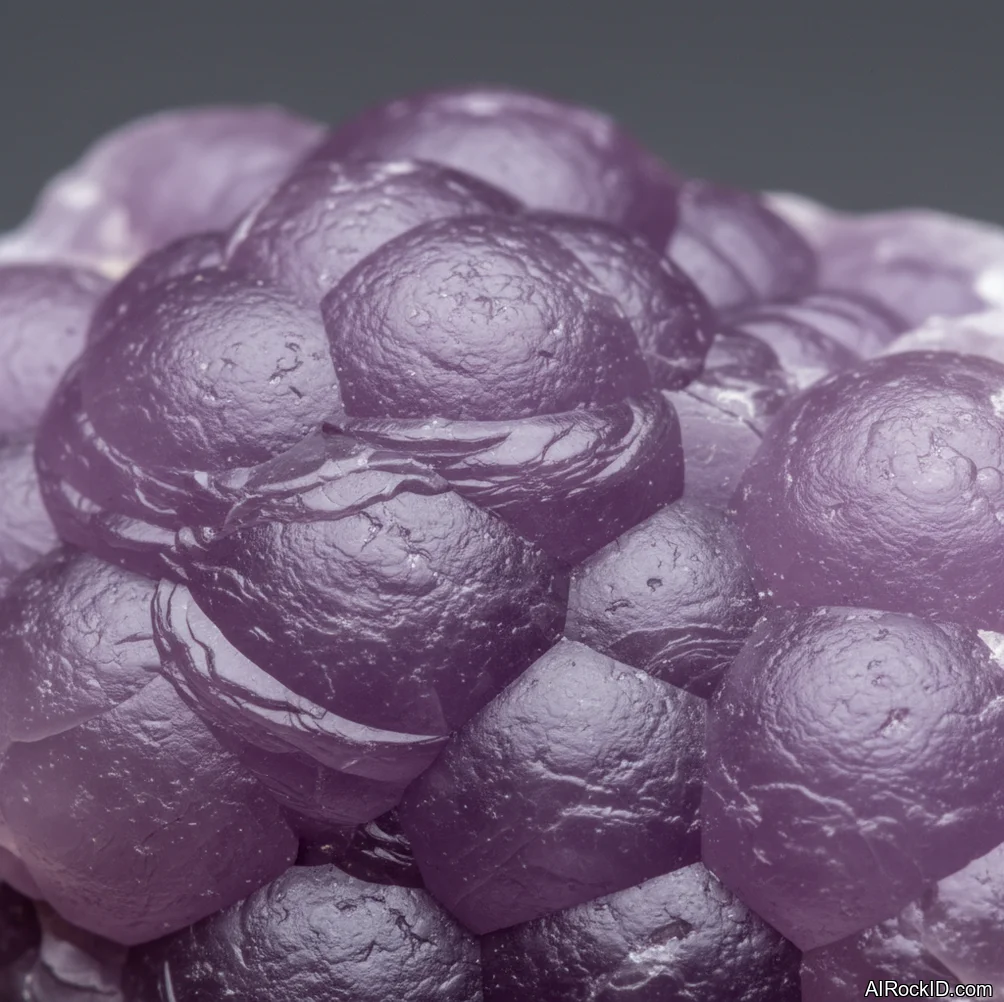
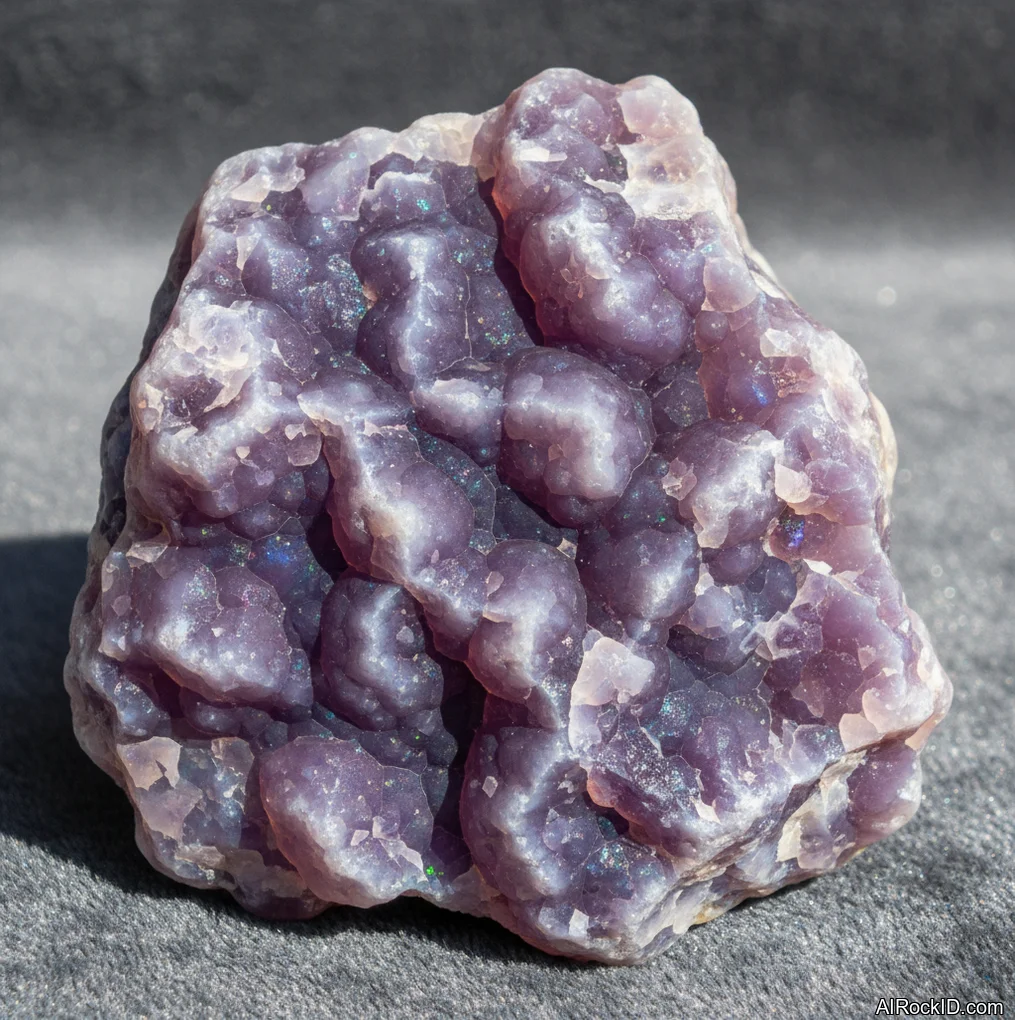
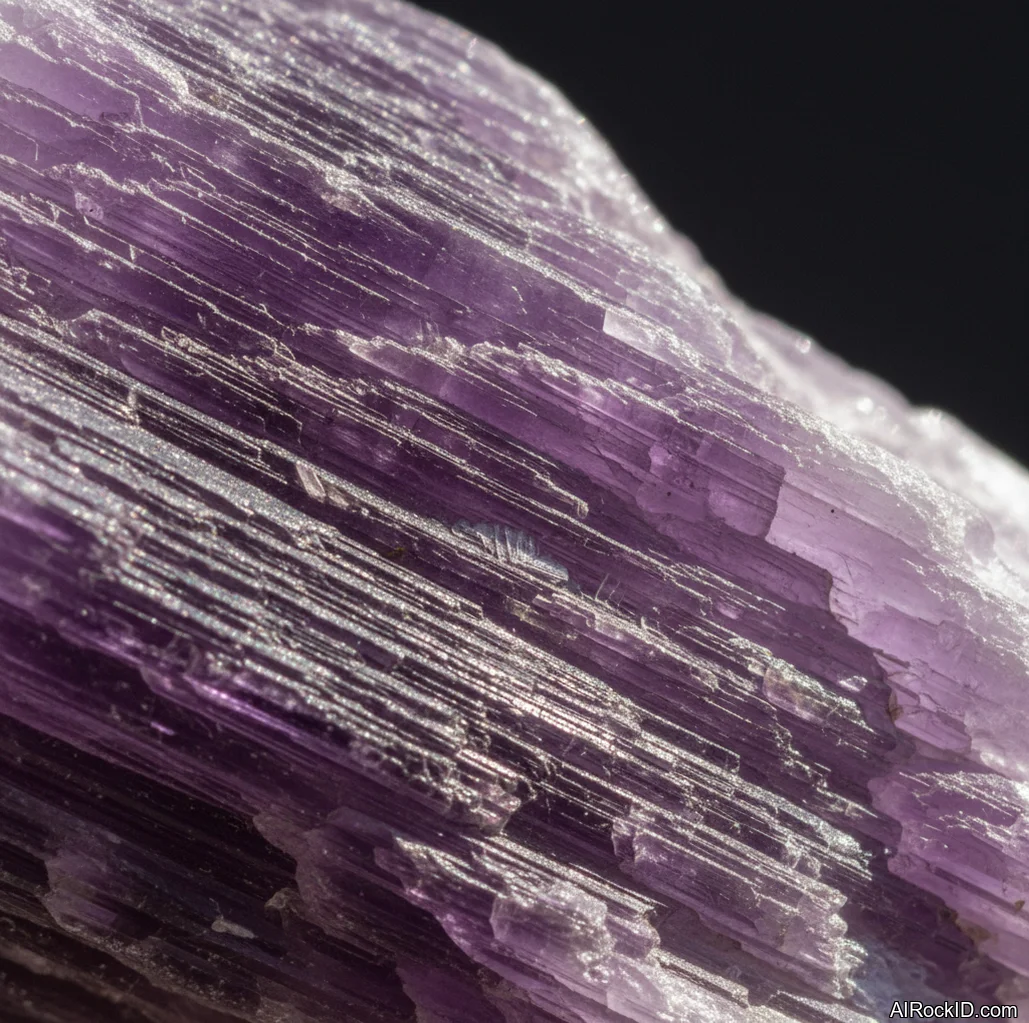
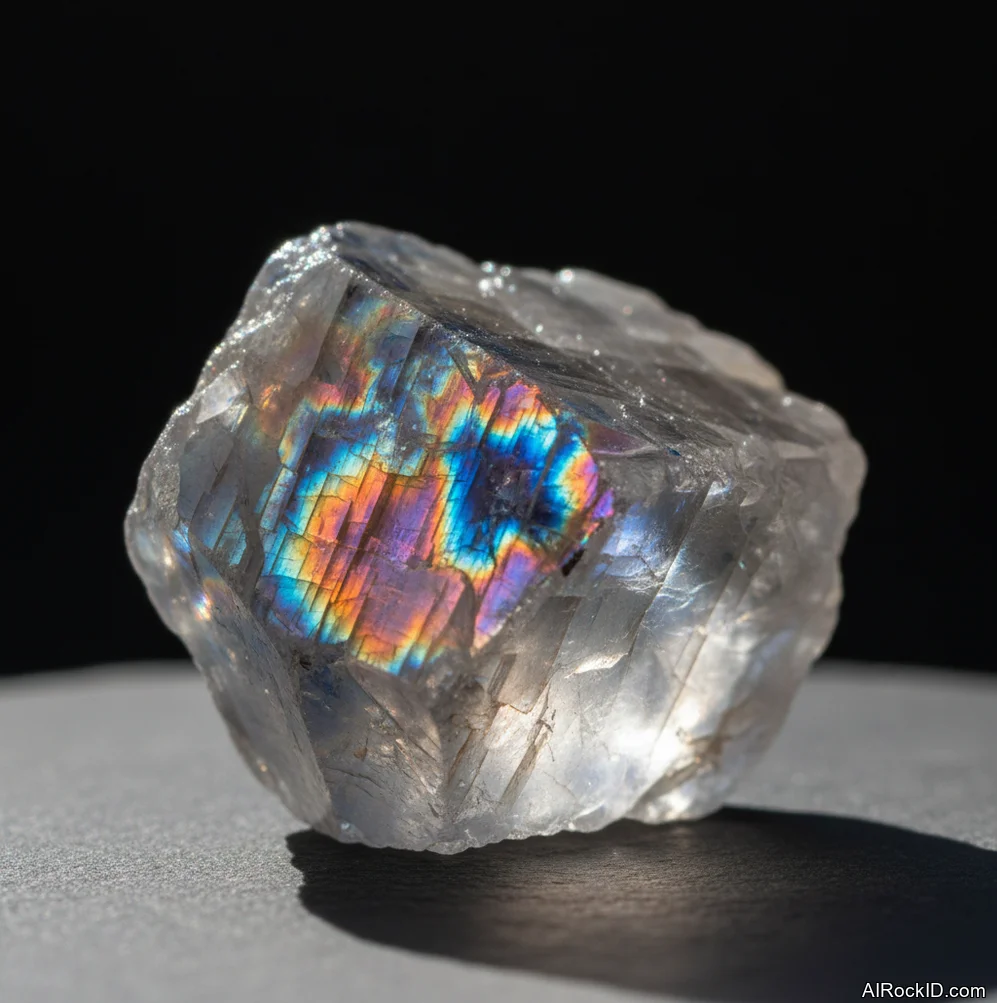
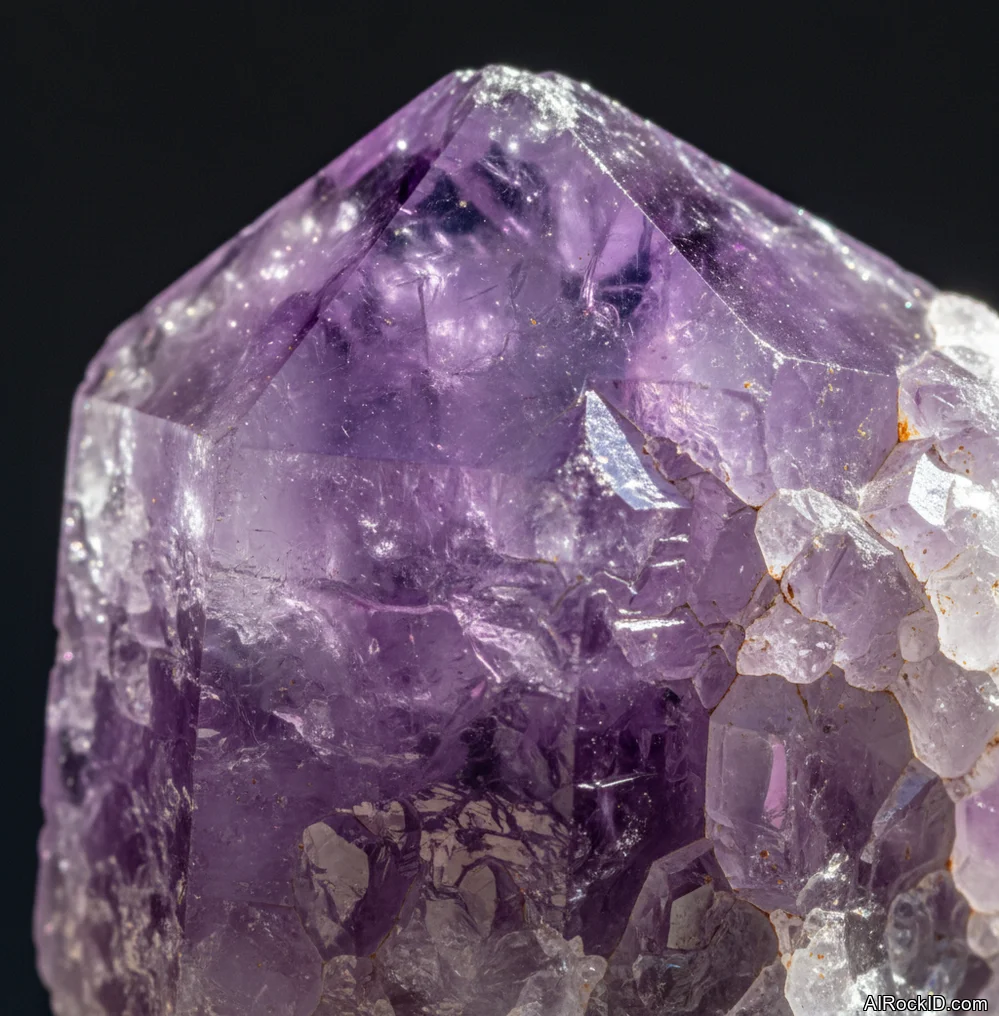
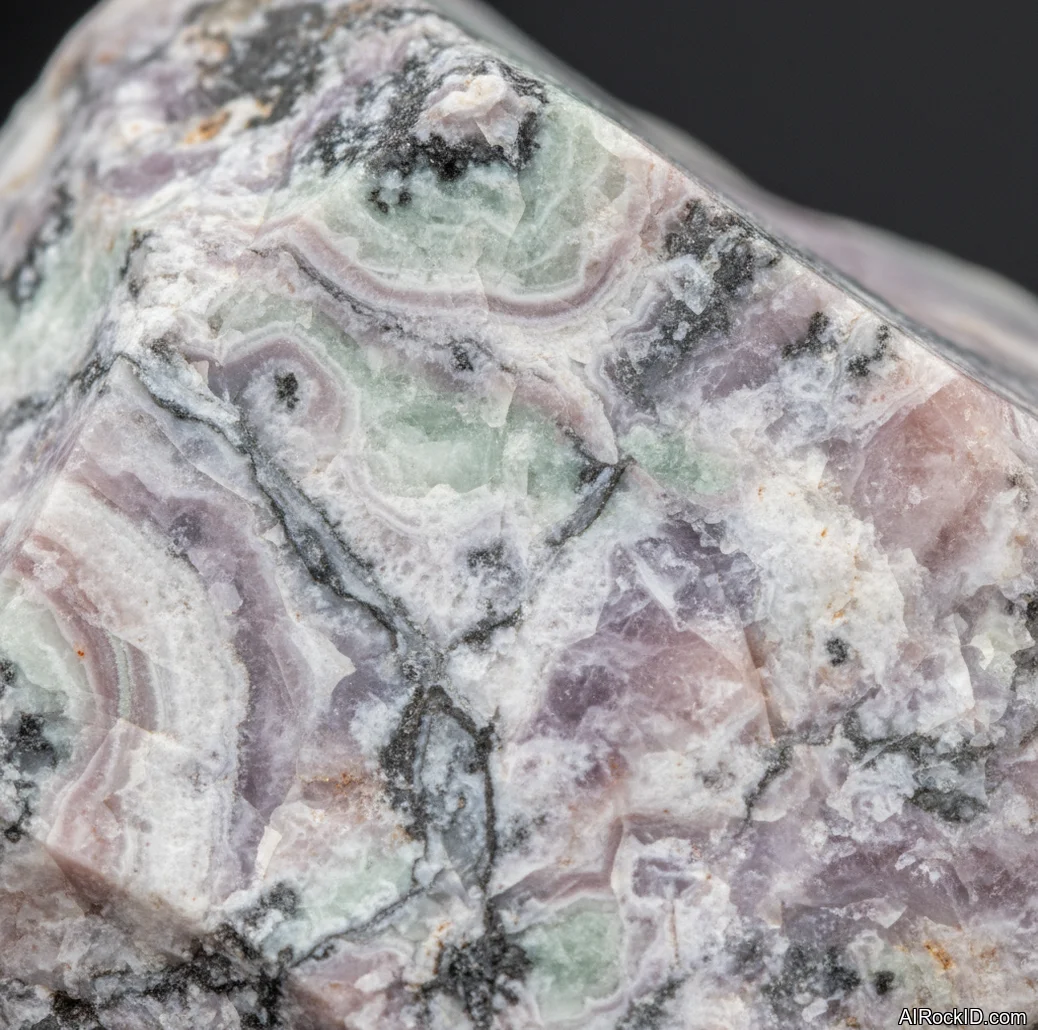
Pick up a piece of lepidolite and you’ll get it. It often feels slightly flaky, like it wants to shed glittery mica layers if you rub it too hard, and it stays cool in the palm longer than you’d expect. That tactile cue matters. Lepidolite, amethyst, howlite, moonstone, selenite, blue lace agate, and celestite are the names I hear most when customers ask for “something for sleep.” And they’re not even similar, physically. Amethyst is usually glassy with crisp edges when it’s natural point material. Howlite’s chalkier and lighter, with those gray spiderweb veins that look like pencil lines.
Why do people go looking for sleep crystals? Usually one of three reasons.
First: racing thoughts. Folks want a stone that feels like a mental dimmer switch, and that’s why amethyst and lepidolite get paired together so often.
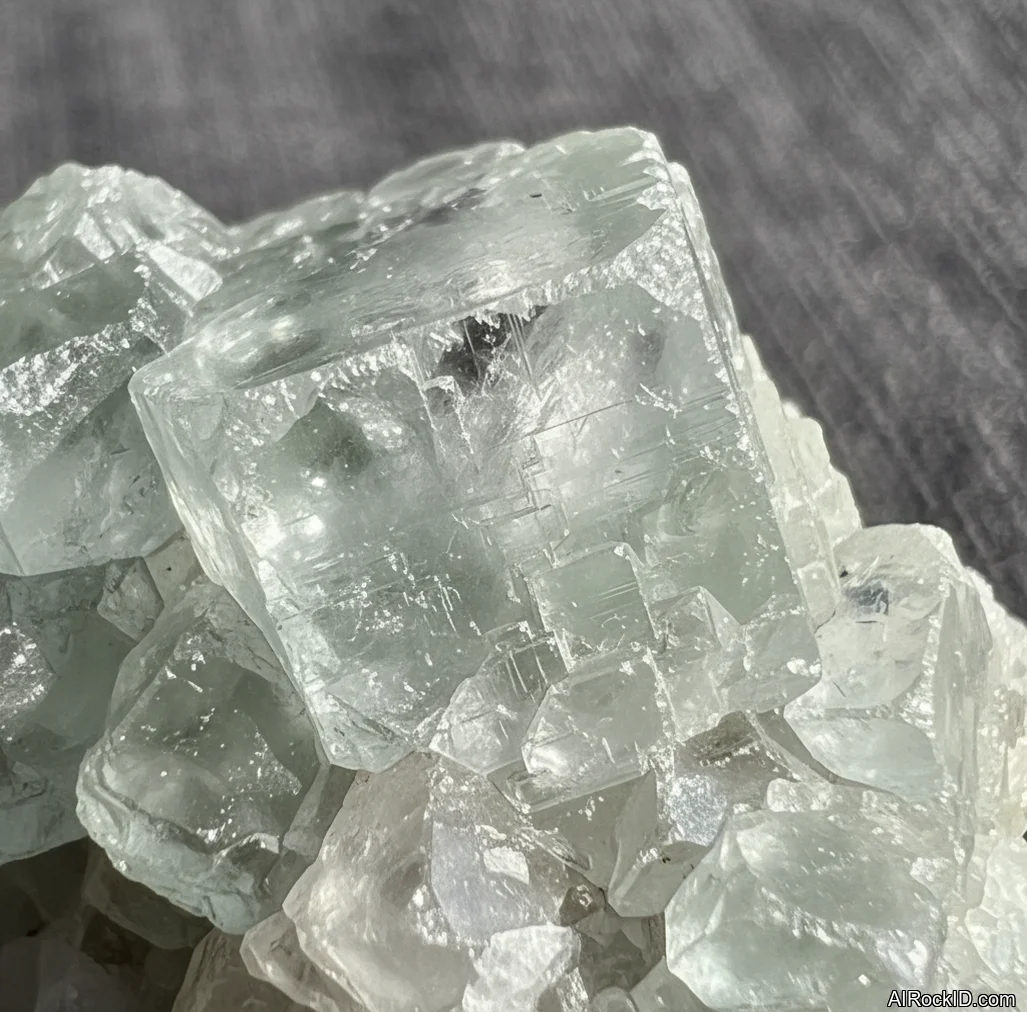
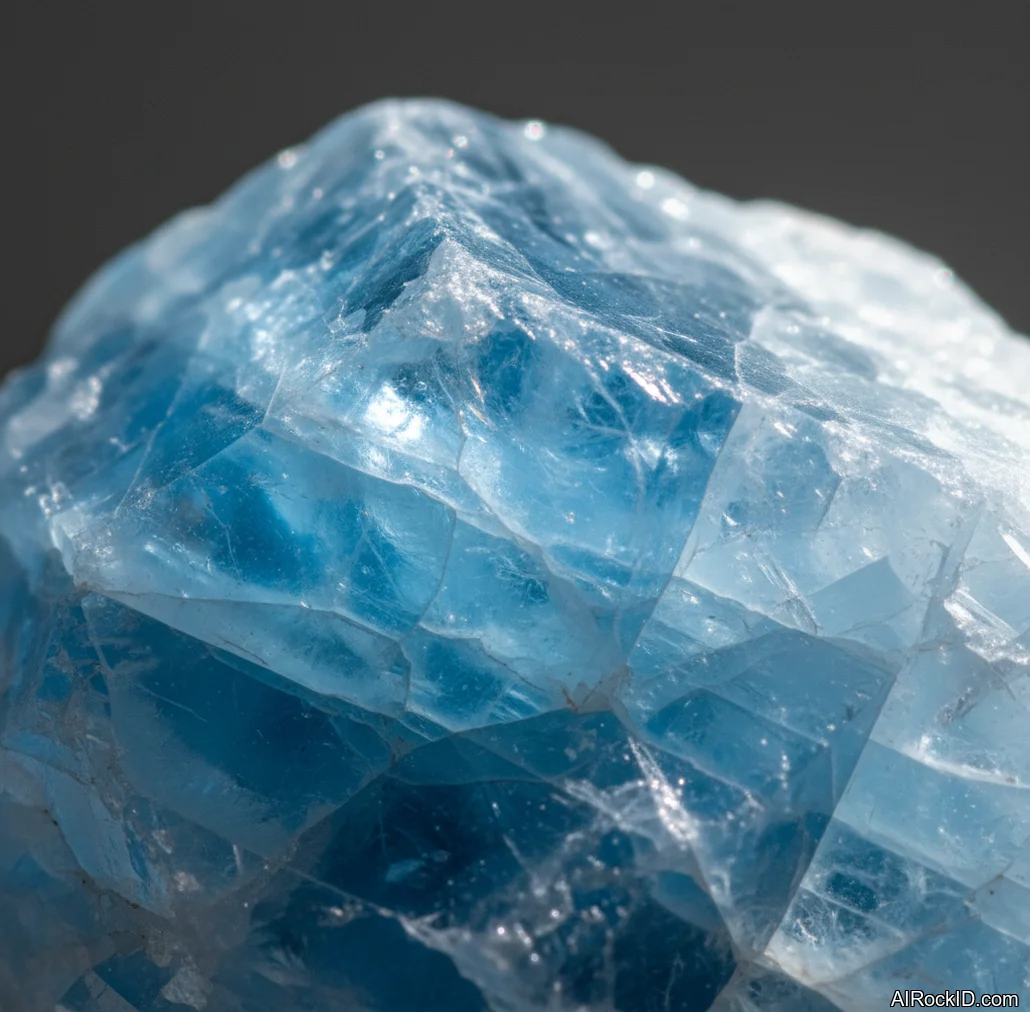
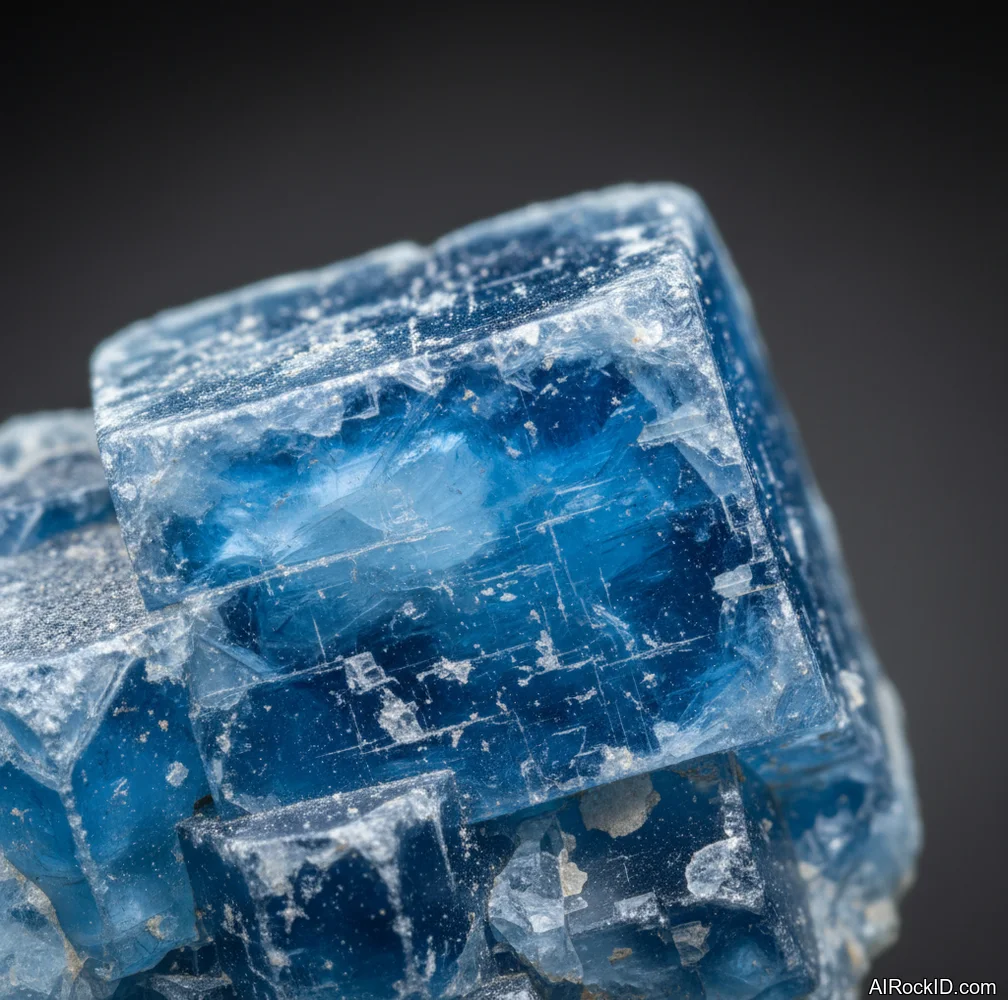
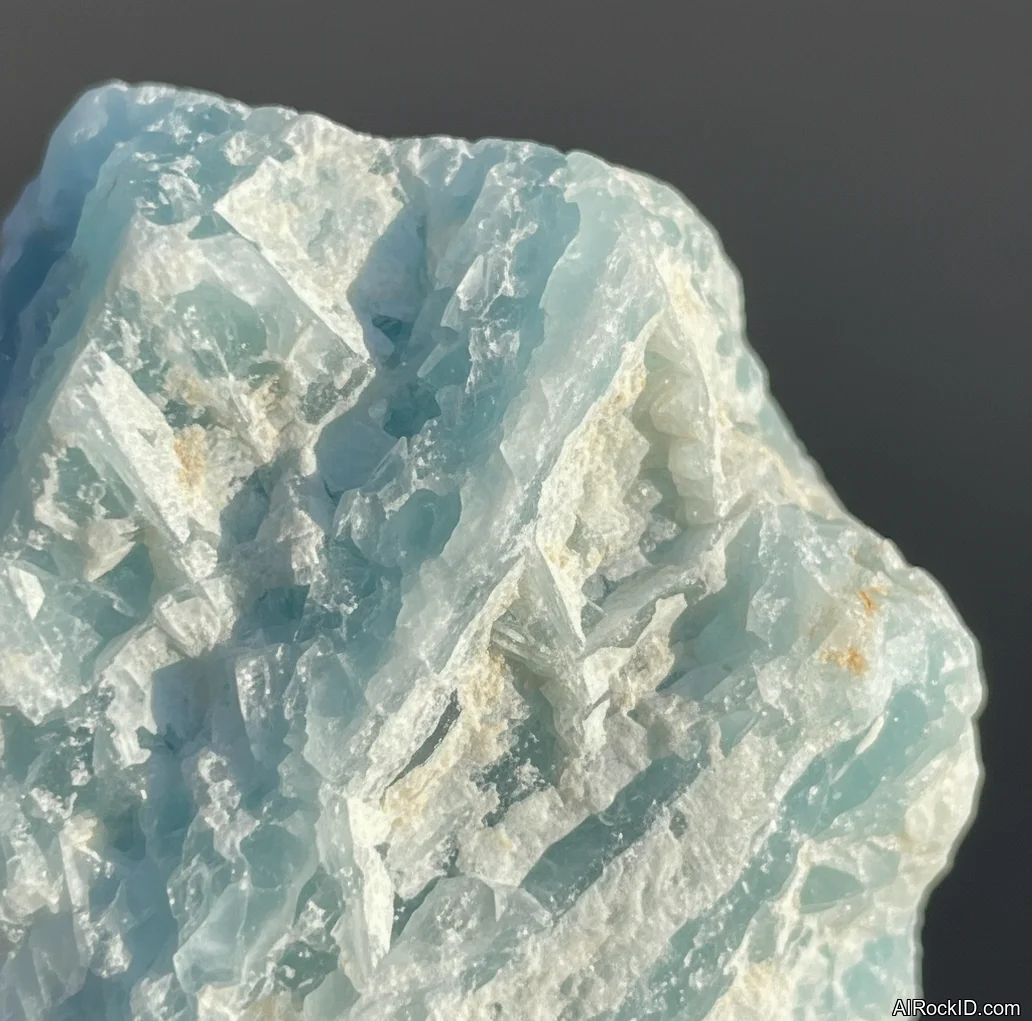
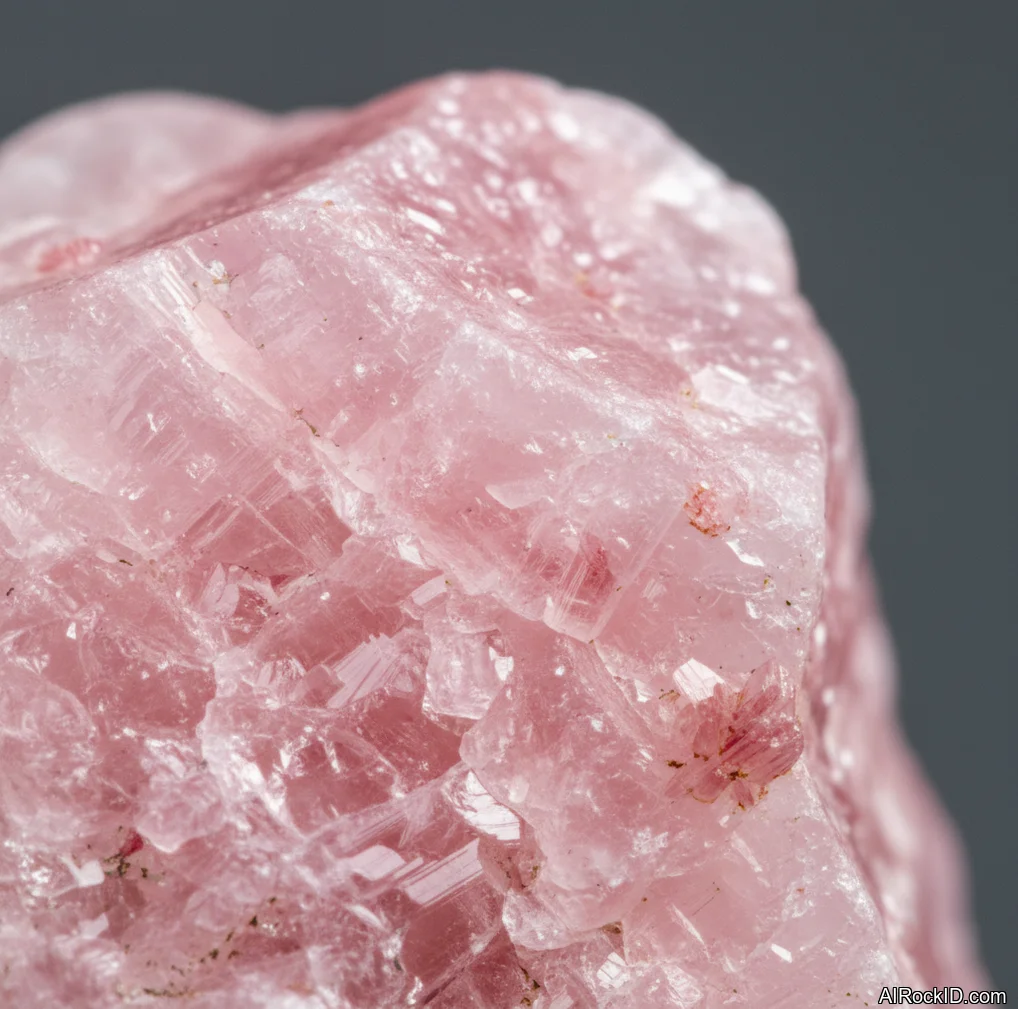
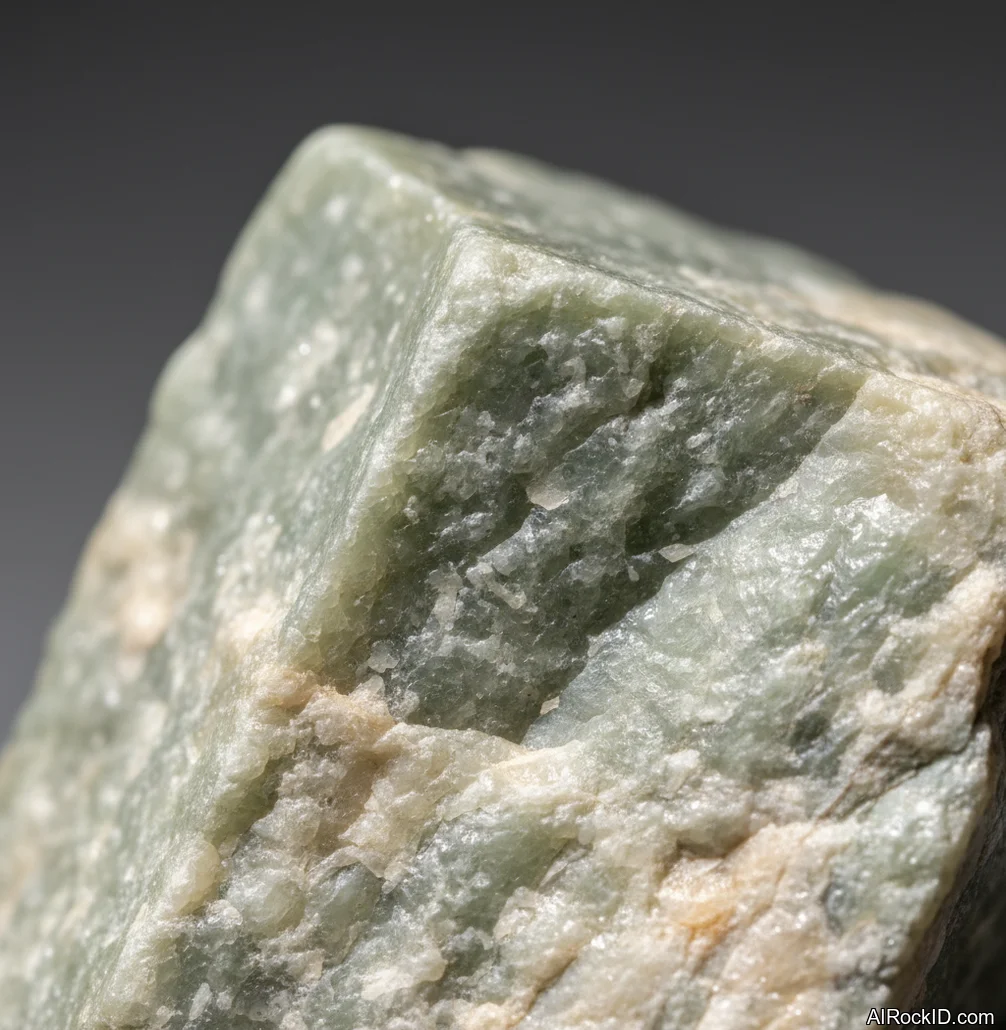
Second: body tension. This is when softer, gentler-feeling stones like blue calcite or blue lace agate show up, because the vibe people want is “loose shoulders, unclenched jaw.” Simple as that.
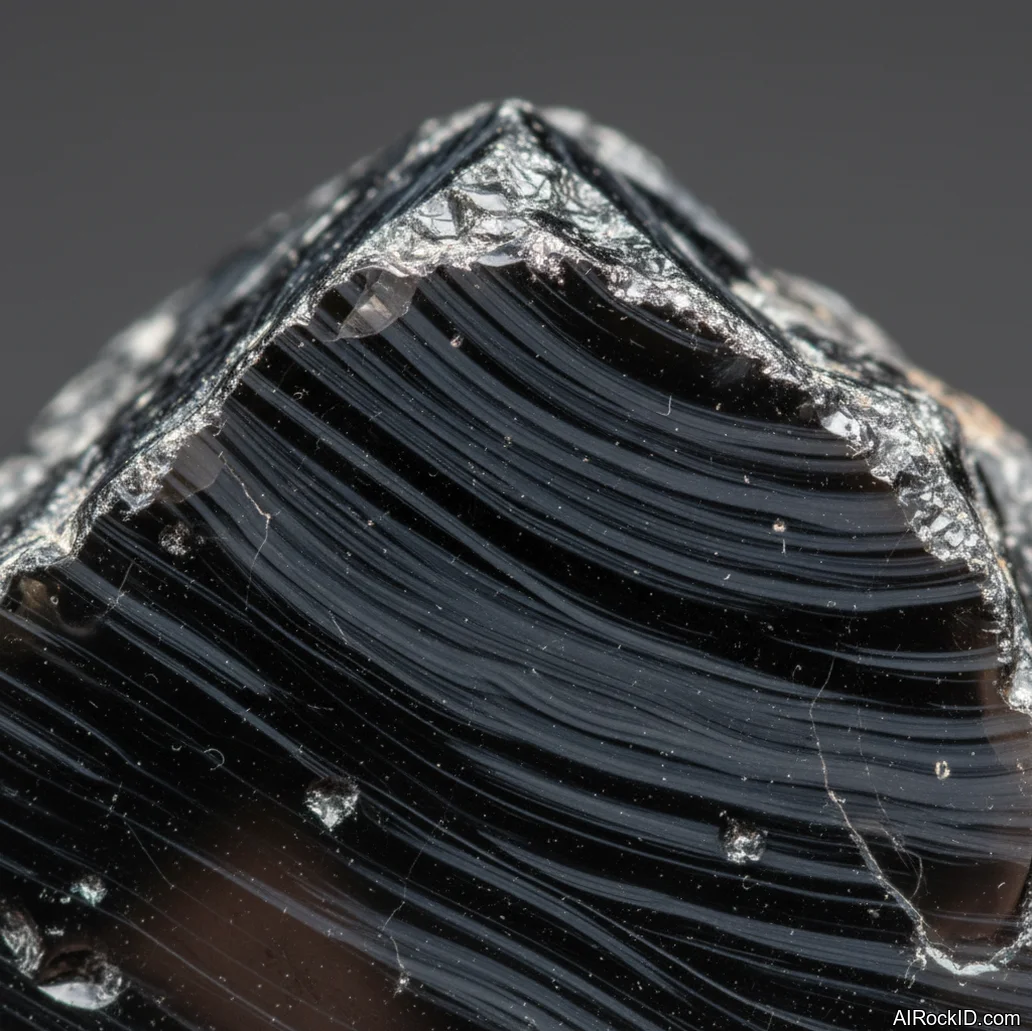
Third: nightmares or restless waking. For that, people reach for moonstone, labradorite, or black tourmaline, not because they’re sedating, but because they’re treated like a boundary stone for the bedroom.
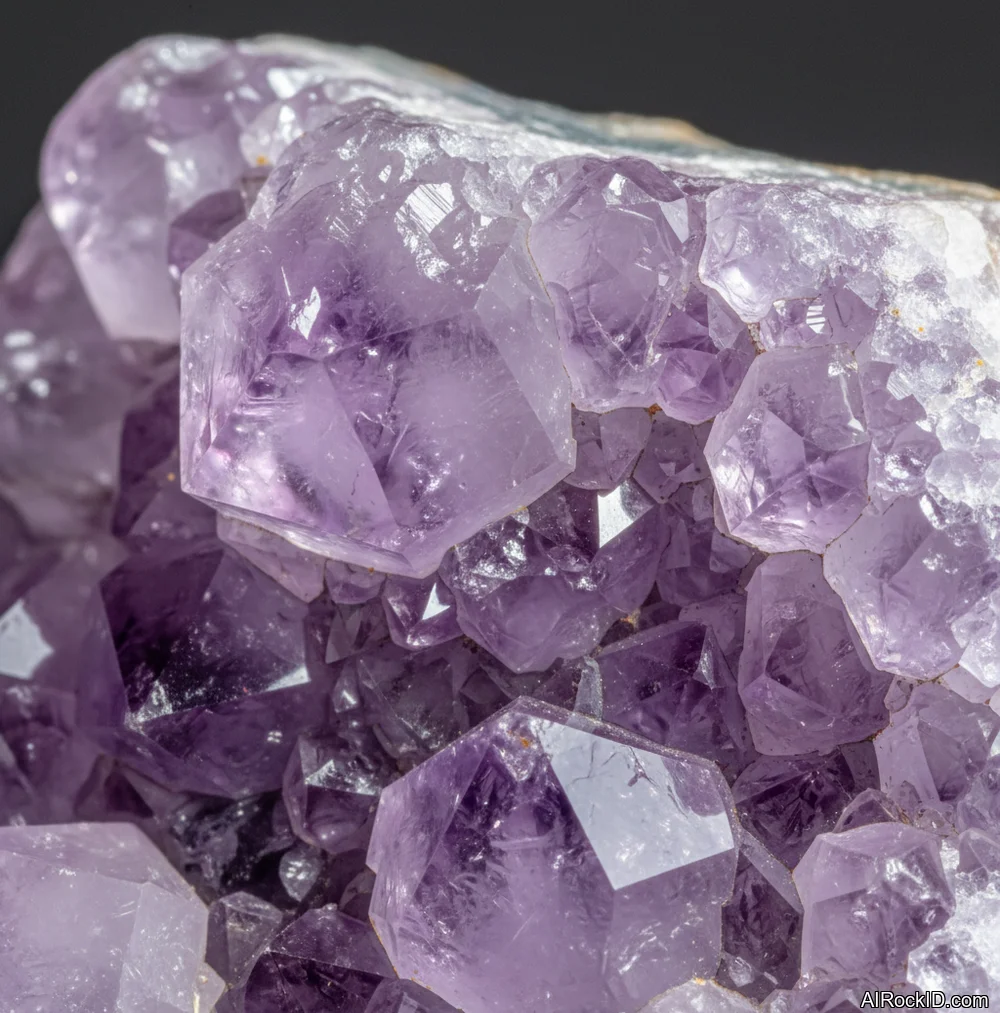
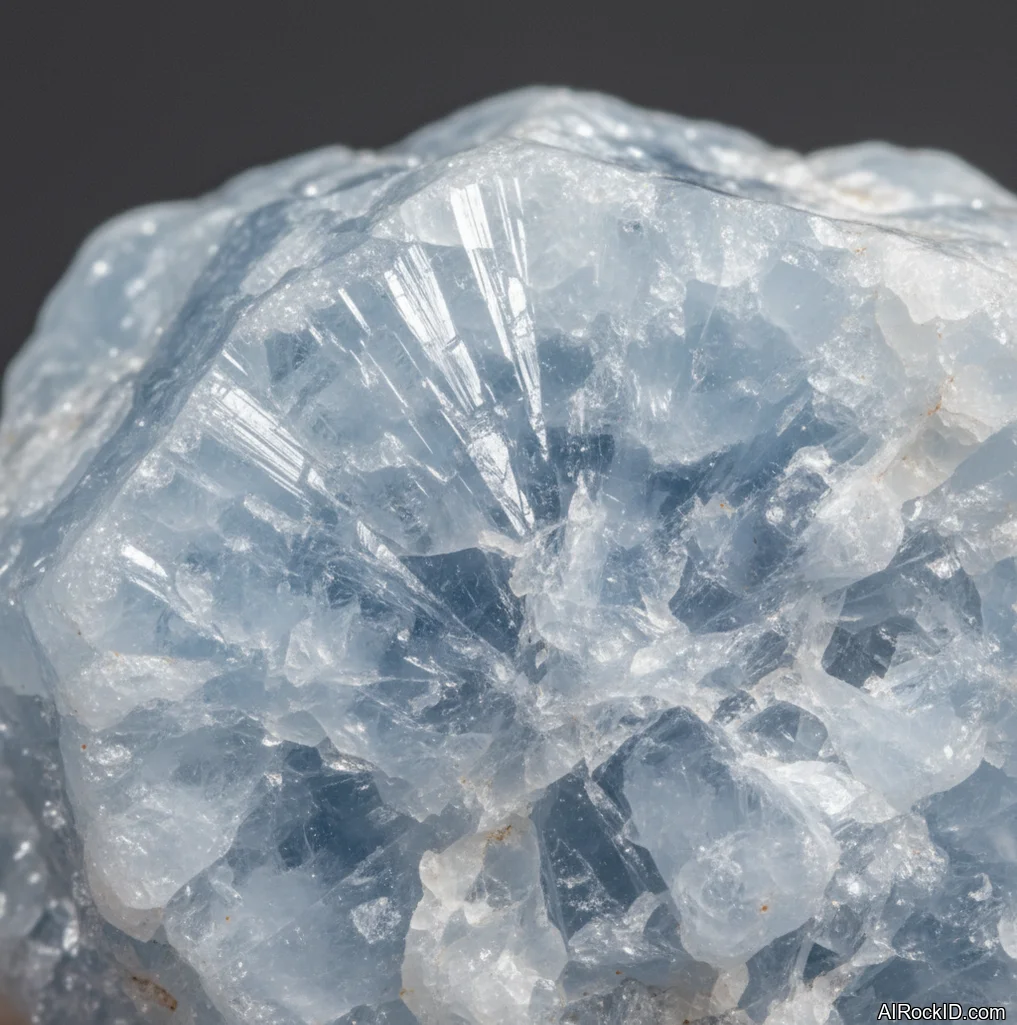
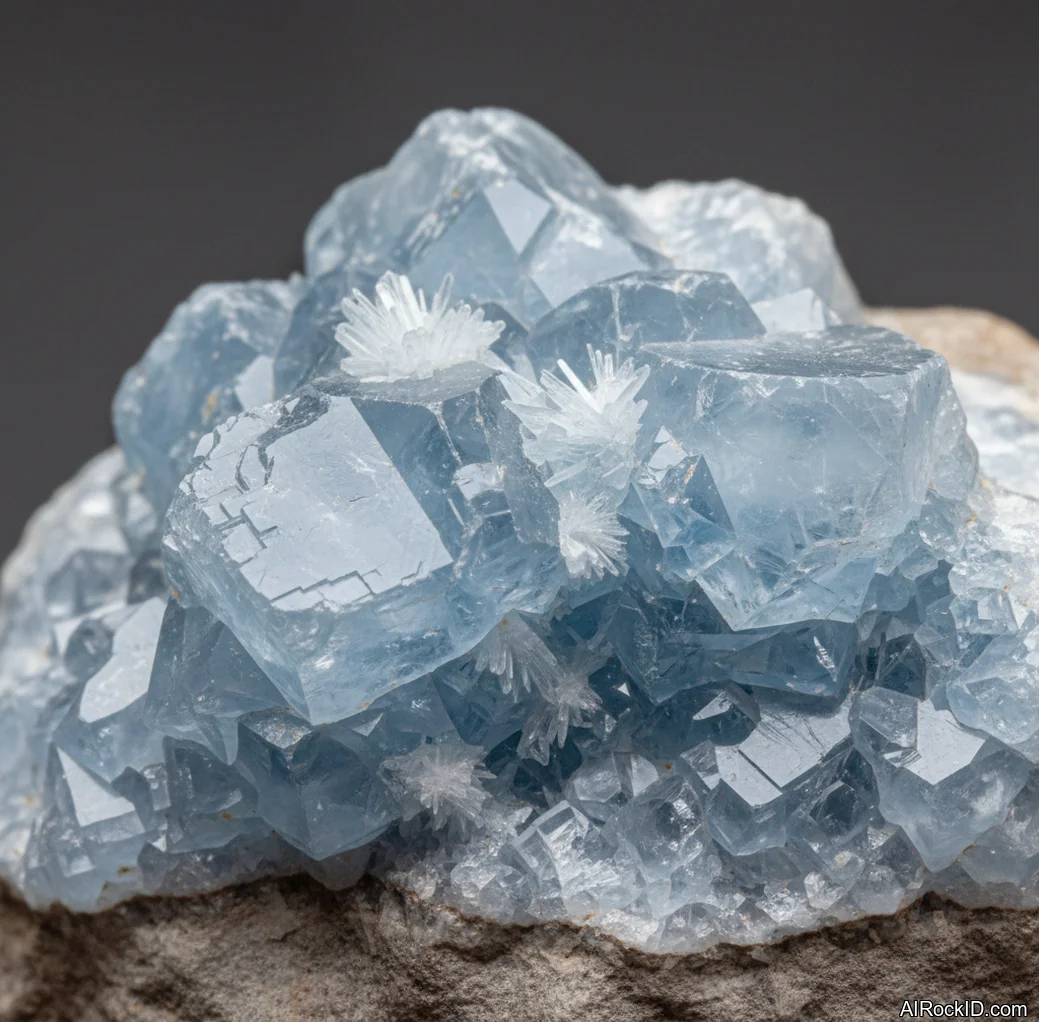
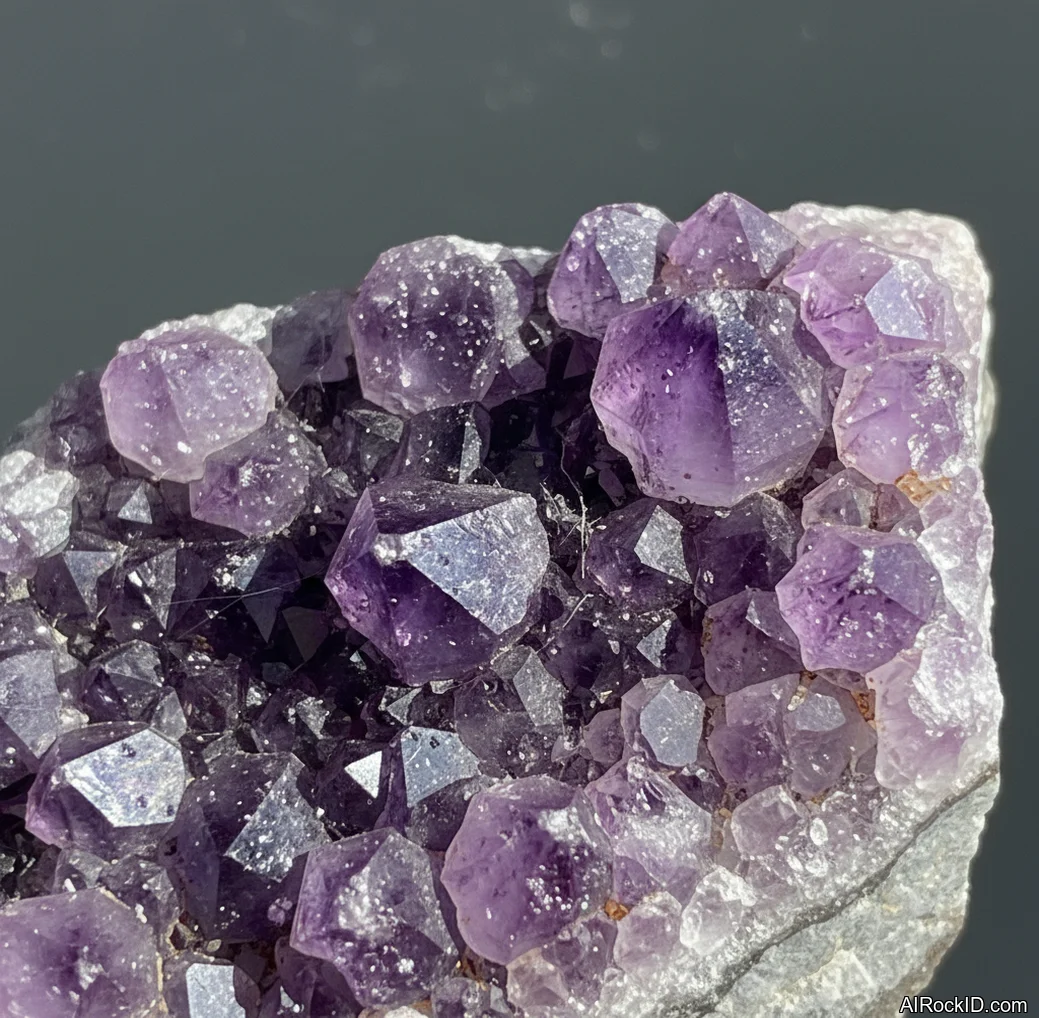
How to use them without turning your bed into a rock pile. Keep it simple. One stone near the pillow, one on the nightstand, and you’re done. A palm stone or tumbled piece of lepidolite is easy because it won’t poke you. A raw amethyst point can be sharp enough to snag fabric or scratch a lacquered nightstand (ask me how I know). If you like pillow placement, go smooth and rounded. If you like the “bedside guardian” idea, a small cluster works, like an amethyst cluster with tight points or a celestite geode with that sugar-crystal sparkle.
Thing is, the real test is whether you’ll actually use it nightly. Make the stone part of the routine: dim lights, put your phone face down, place the crystal where you’ll see it, and do the same 30 seconds of breathing every time. I’ve watched people buy gorgeous pieces and then never touch them again because they didn’t fit their habits. A boring tumbled howlite that lives on the nightstand can do more for your routine than a museum-grade celestite that stays boxed up.
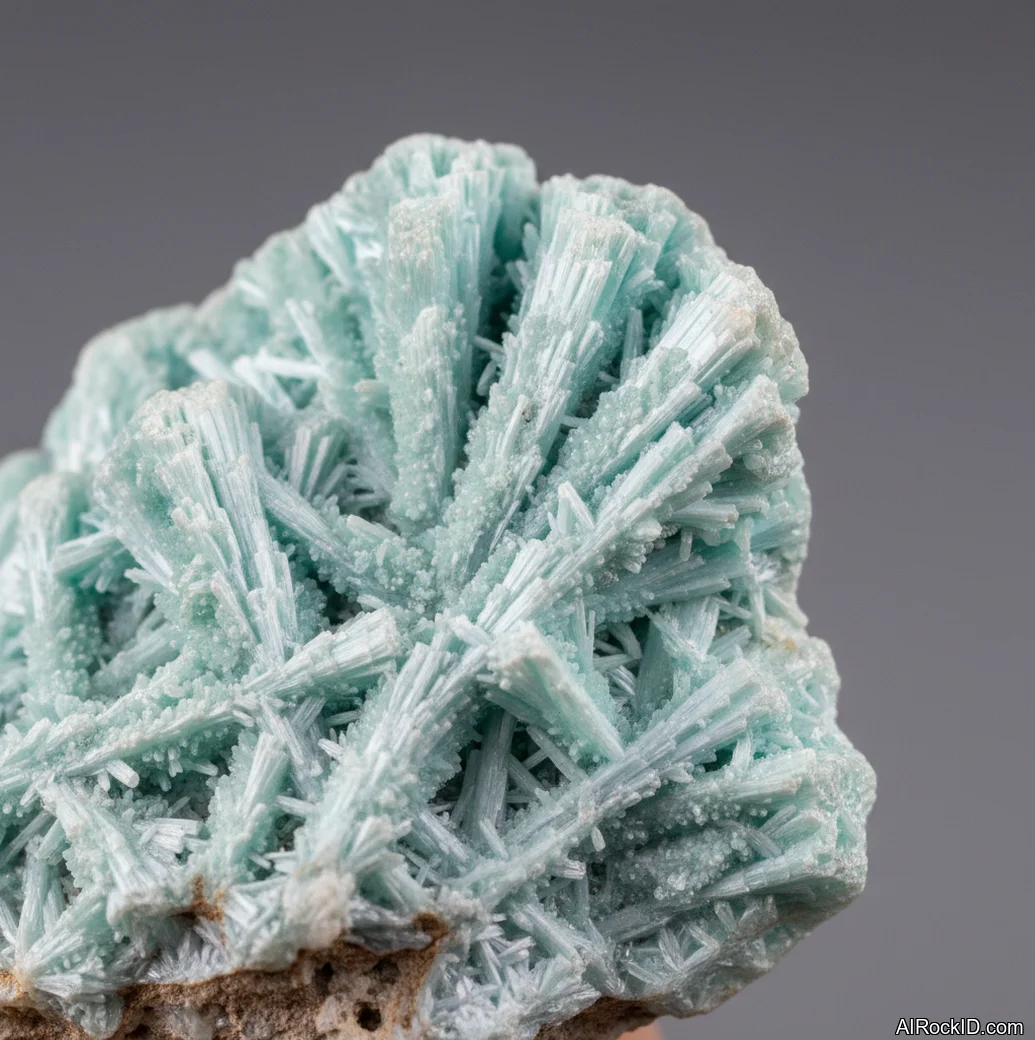
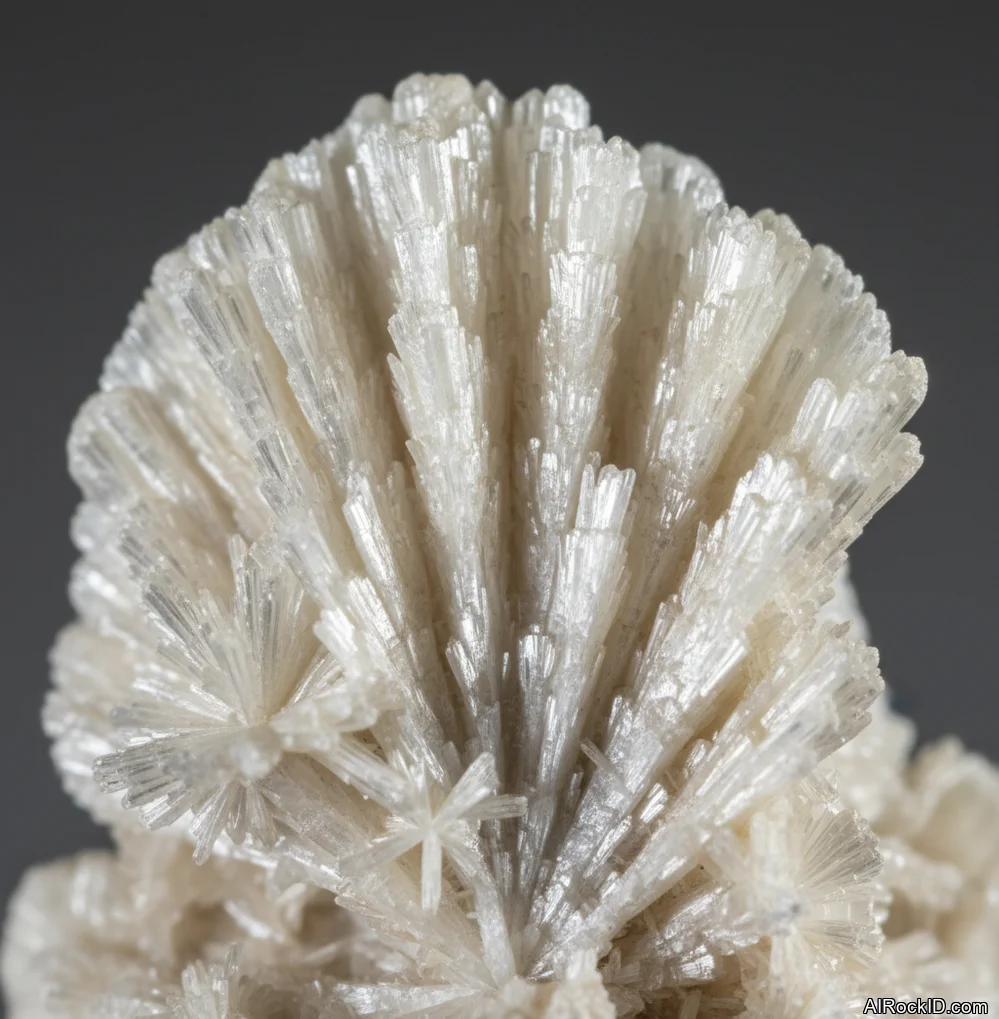
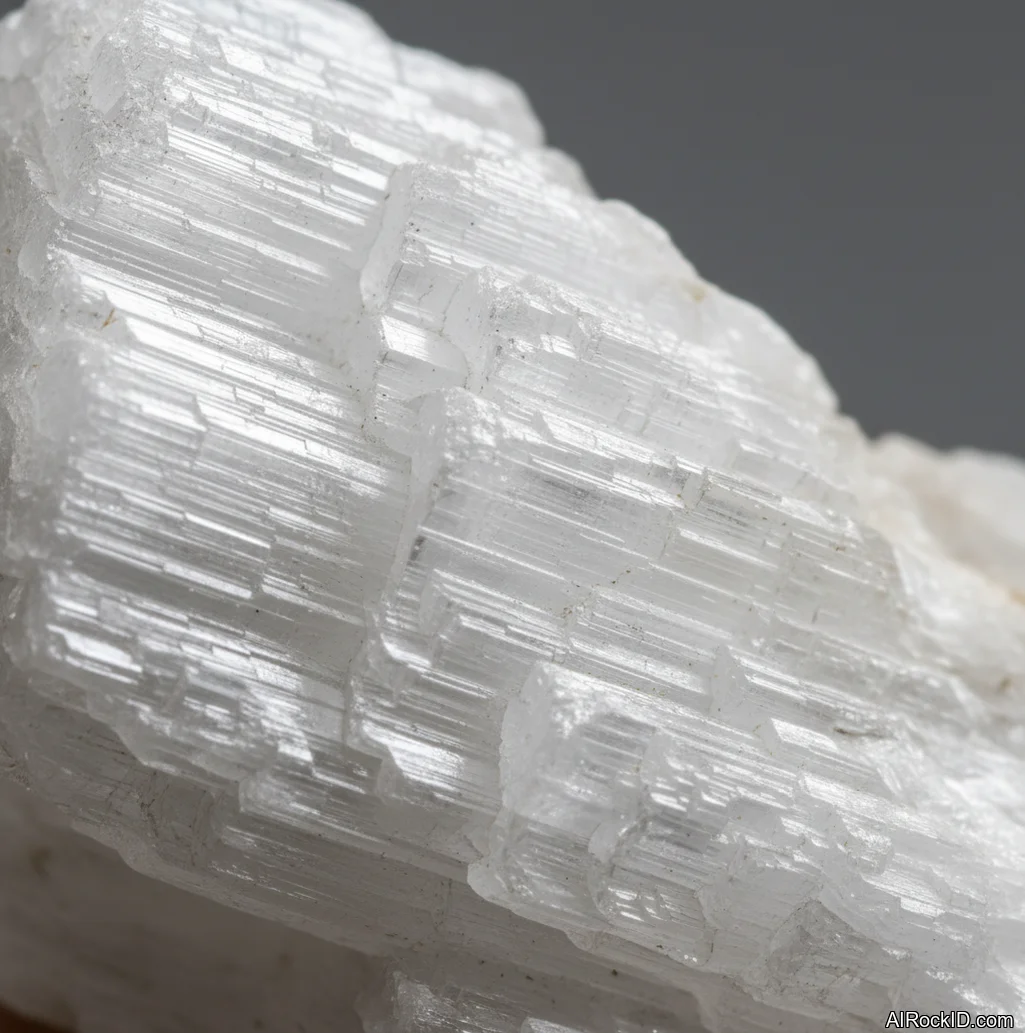
Look, pay attention to what you’re buying, because the sleep category is full of common market swaps. “Howlite” is frequently dyed and sold as turquoise. Real howlite has a matte, porous feel and those gray veins, and the bright robin’s-egg blue stuff often bleeds color if it gets wet. “Selenite” is often satin spar gypsum, which is fine, but it’s not the same habit. Satin spar has that fibrous chatoyancy that looks like a moving stripe when you tilt it under a lamp. True selenite tends to be clearer and forms flat blades. Both scratch easily. If you scratch gypsum with a fingernail, it’ll mark, so keep it away from curious kids and clumsy elbows.
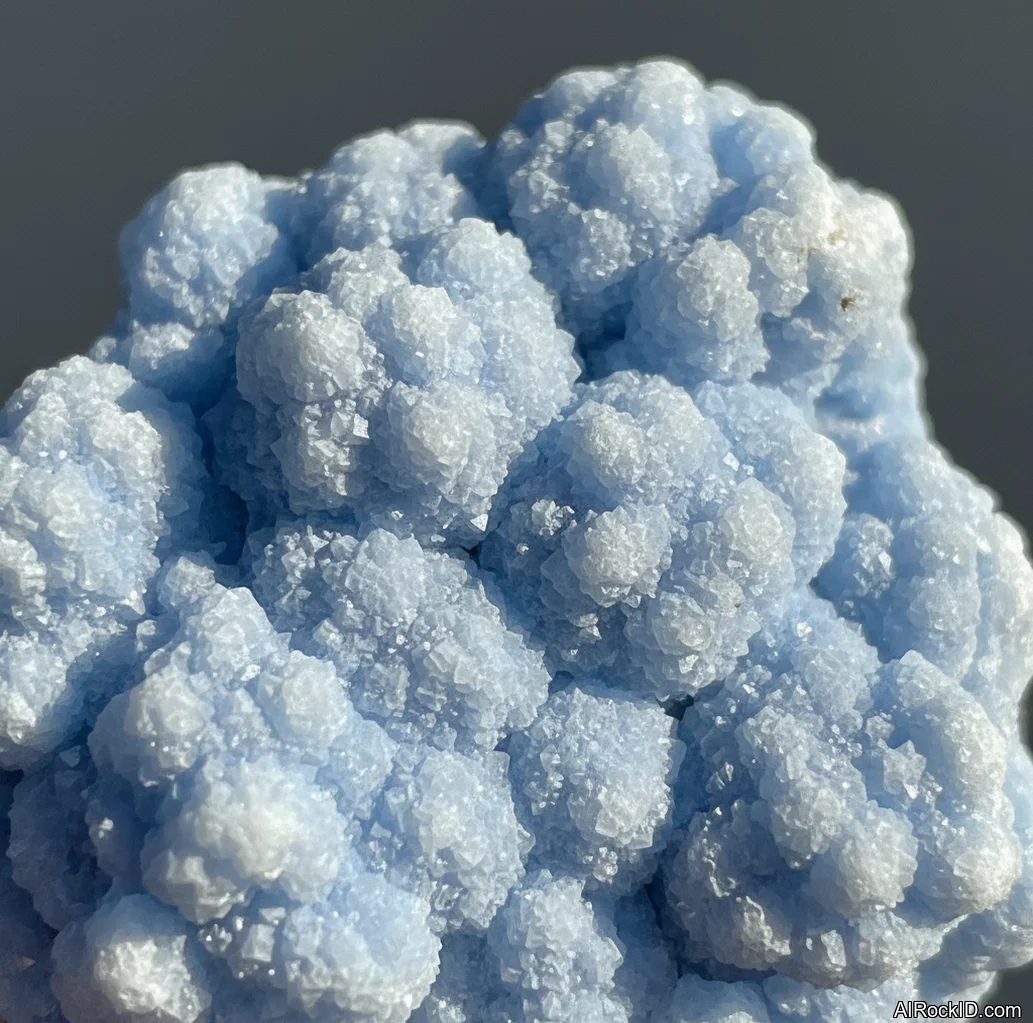
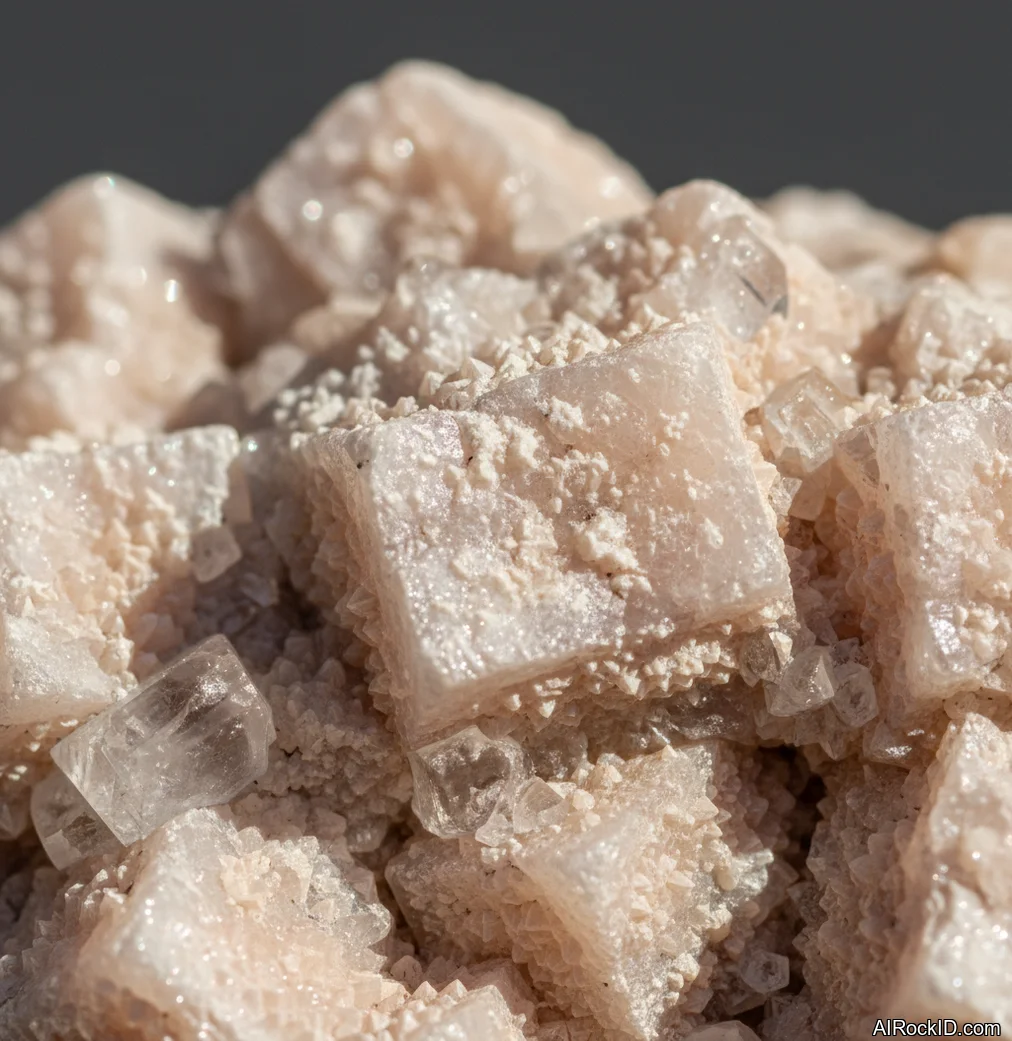
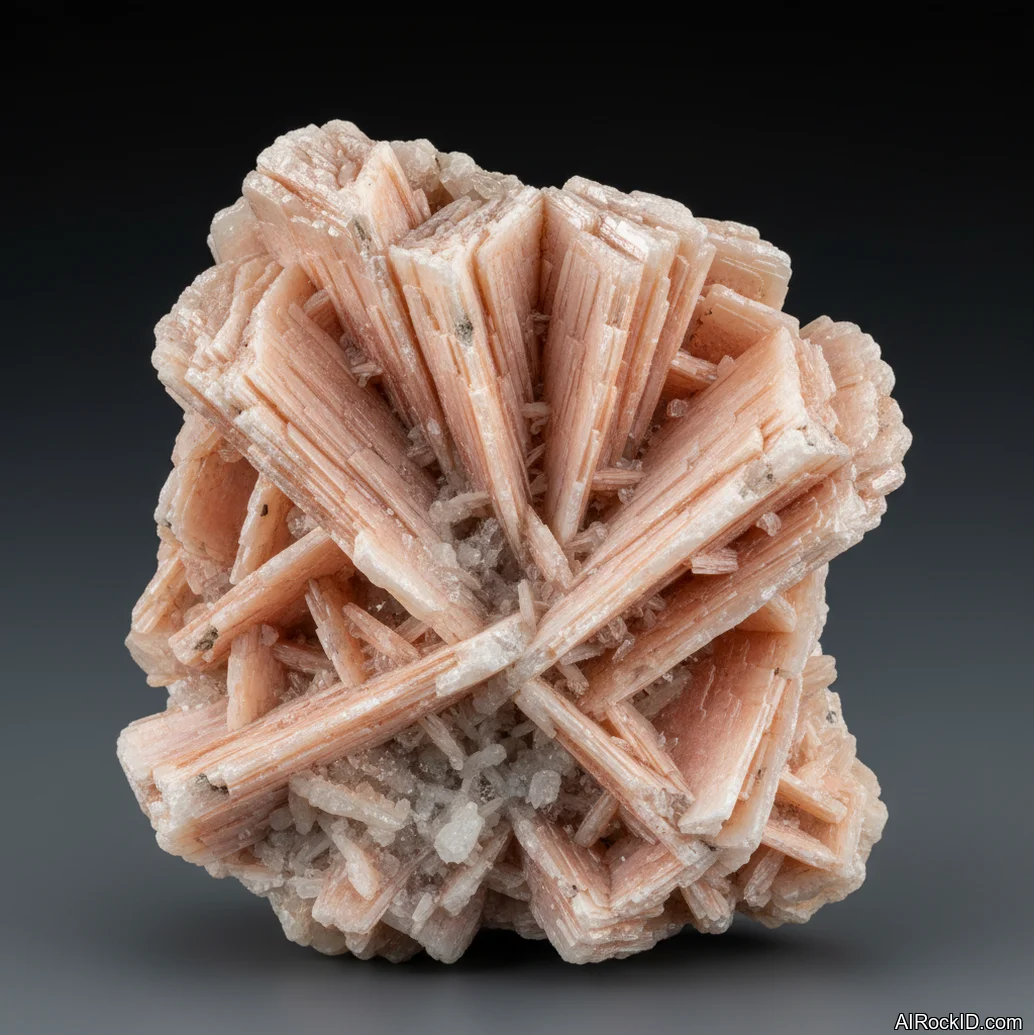
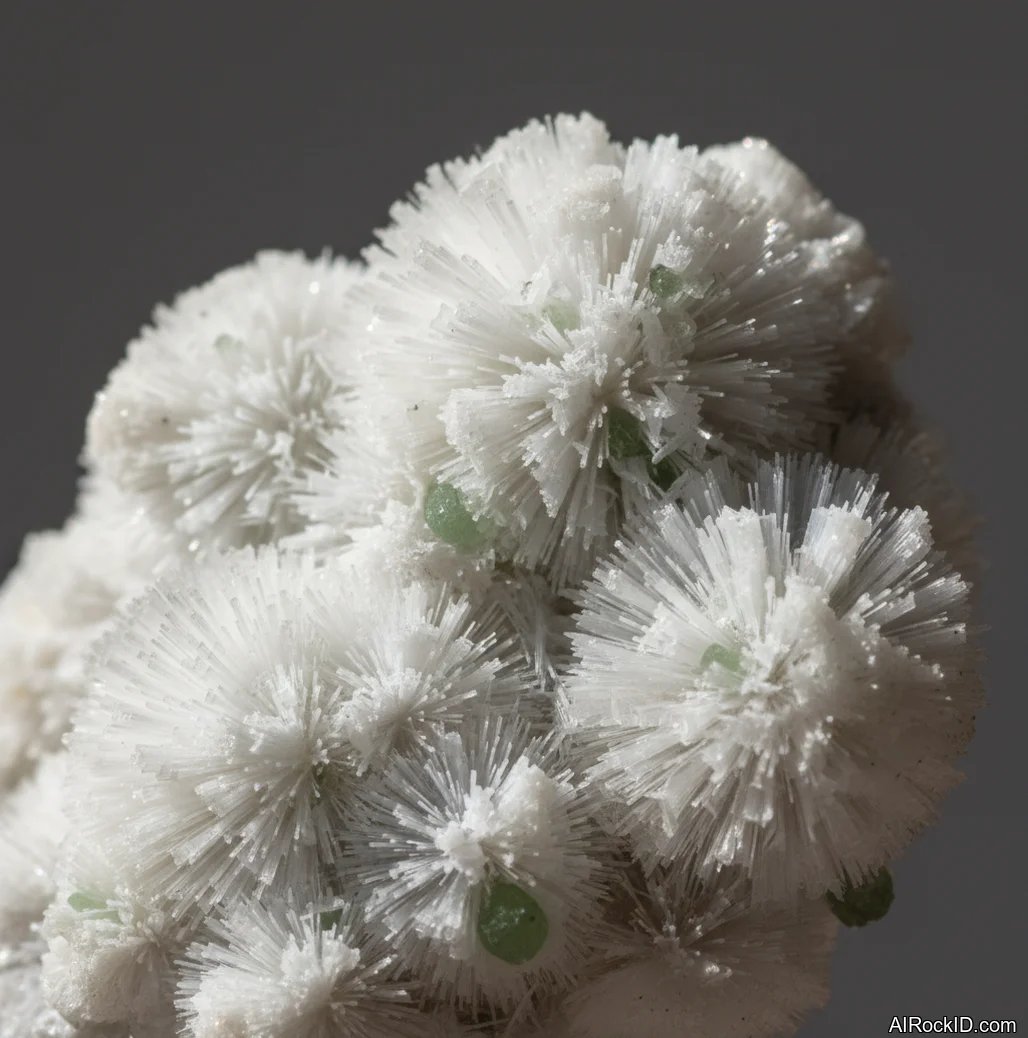
Compared to a lot of other stones, the classic sleep picks are soft or fragile. Celestite is the big one. It’s pretty. But it chips like a cookie, and the dust is not something you want in your bedding. So keep celestite on a shelf or nightstand, not loose in the bed. Lepidolite can shed tiny mica flakes, especially if it’s low-grade material held together with polish. If you’re sensitive to mess, choose a well-finished palm stone or a cabbed piece instead of raw.
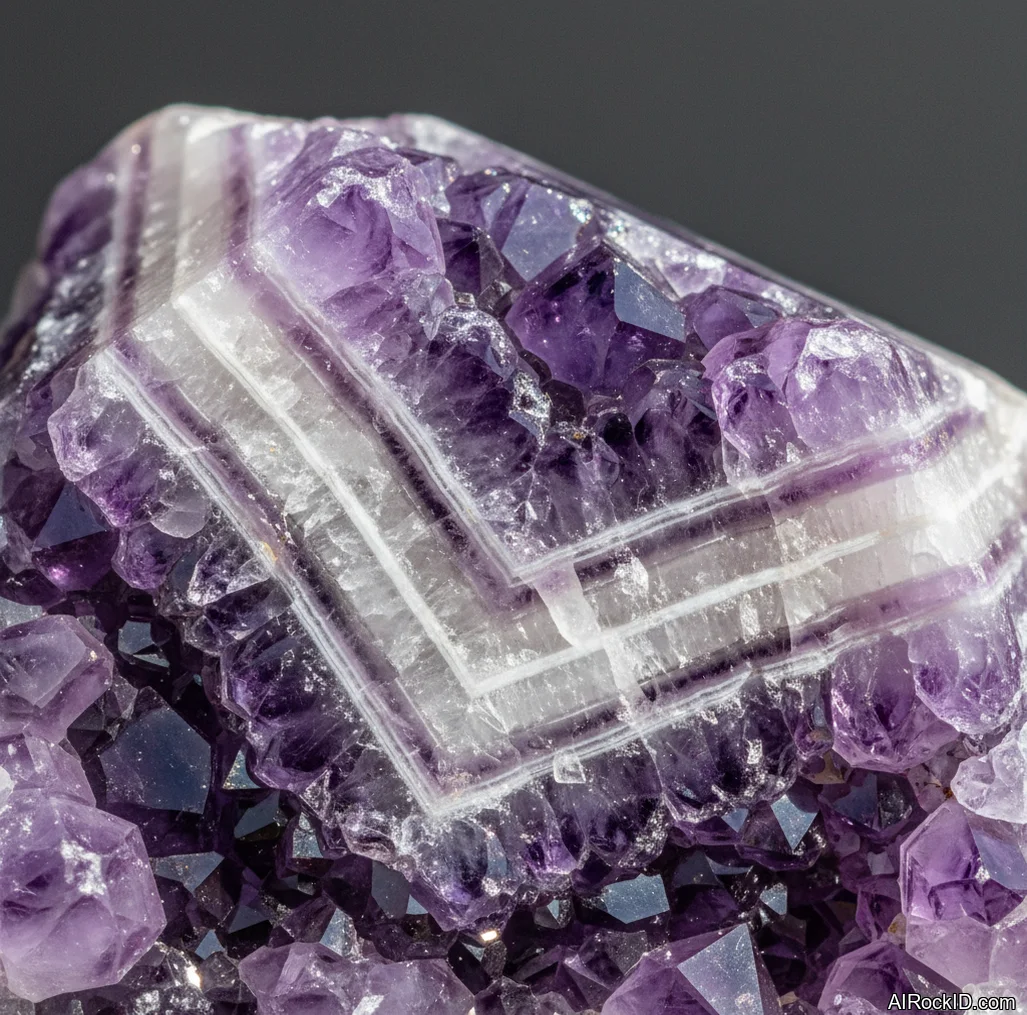
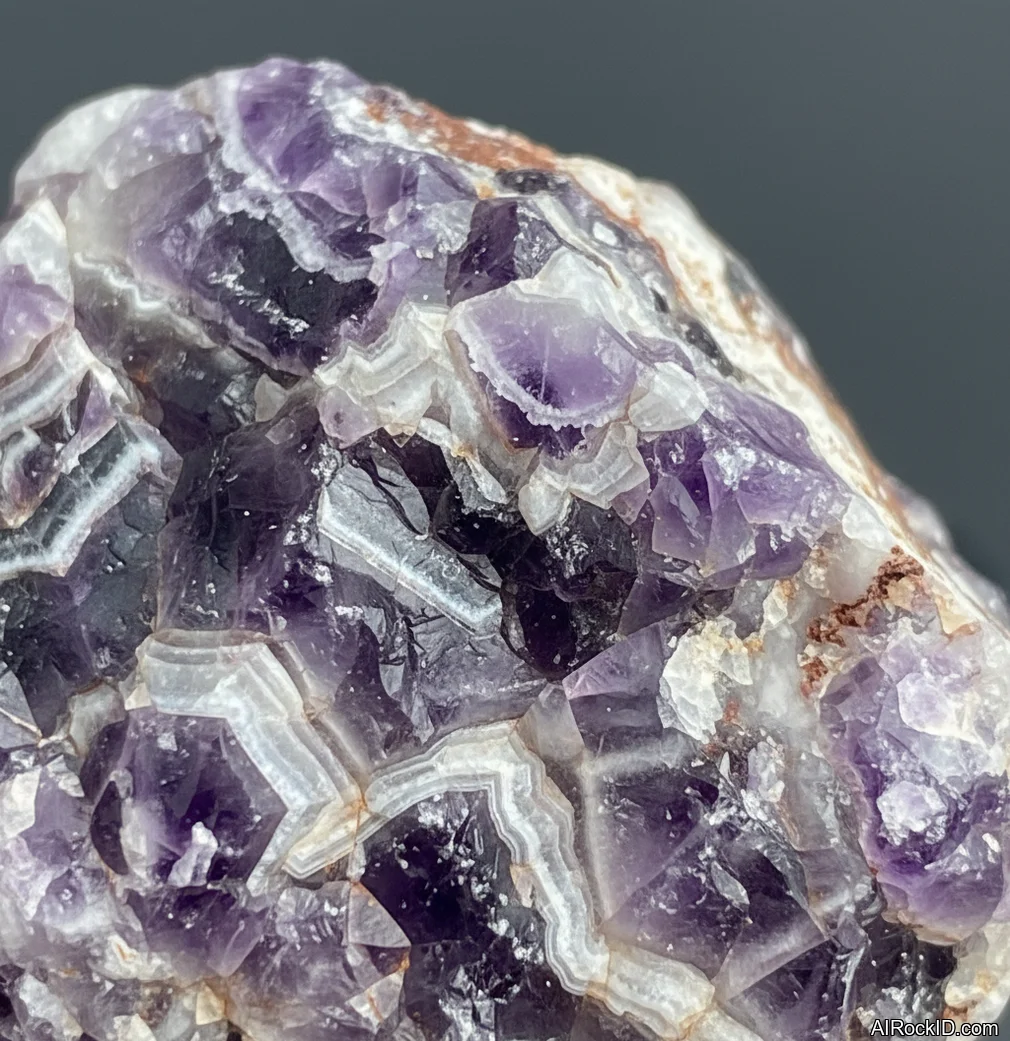
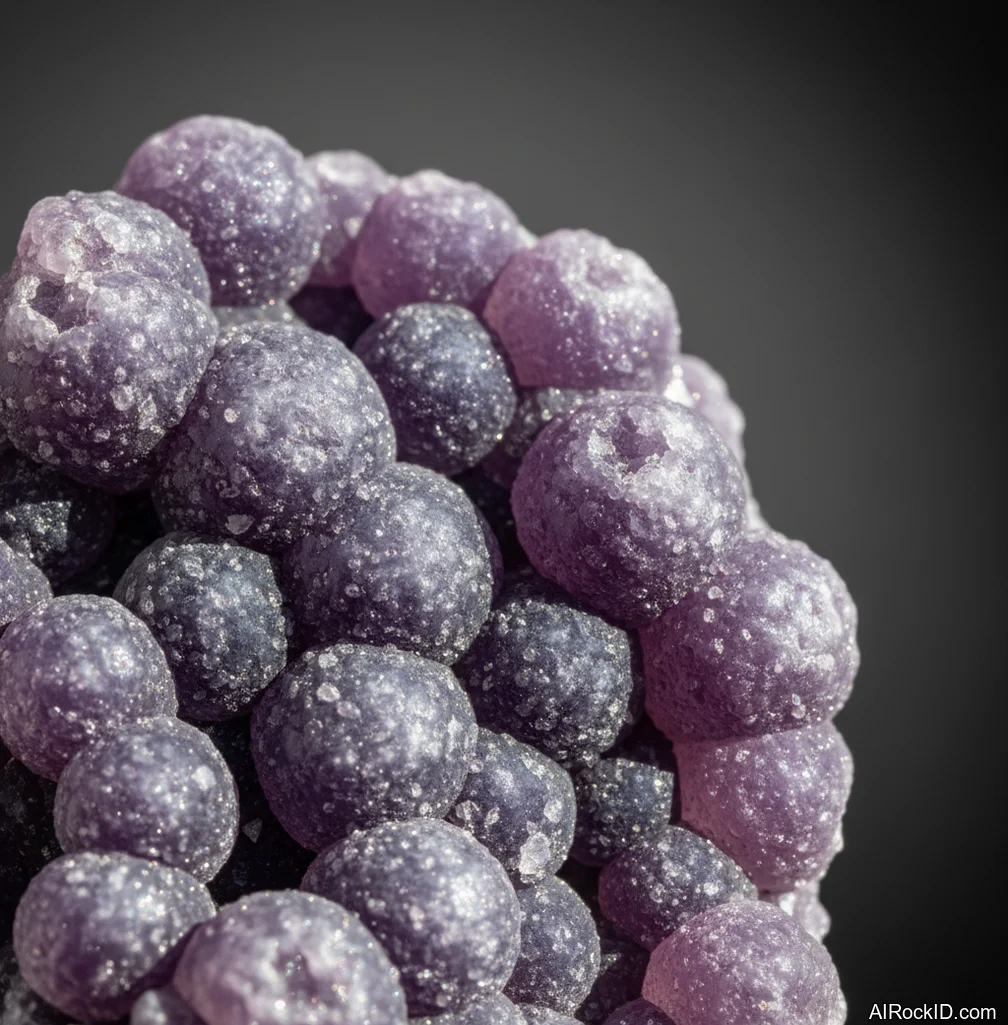
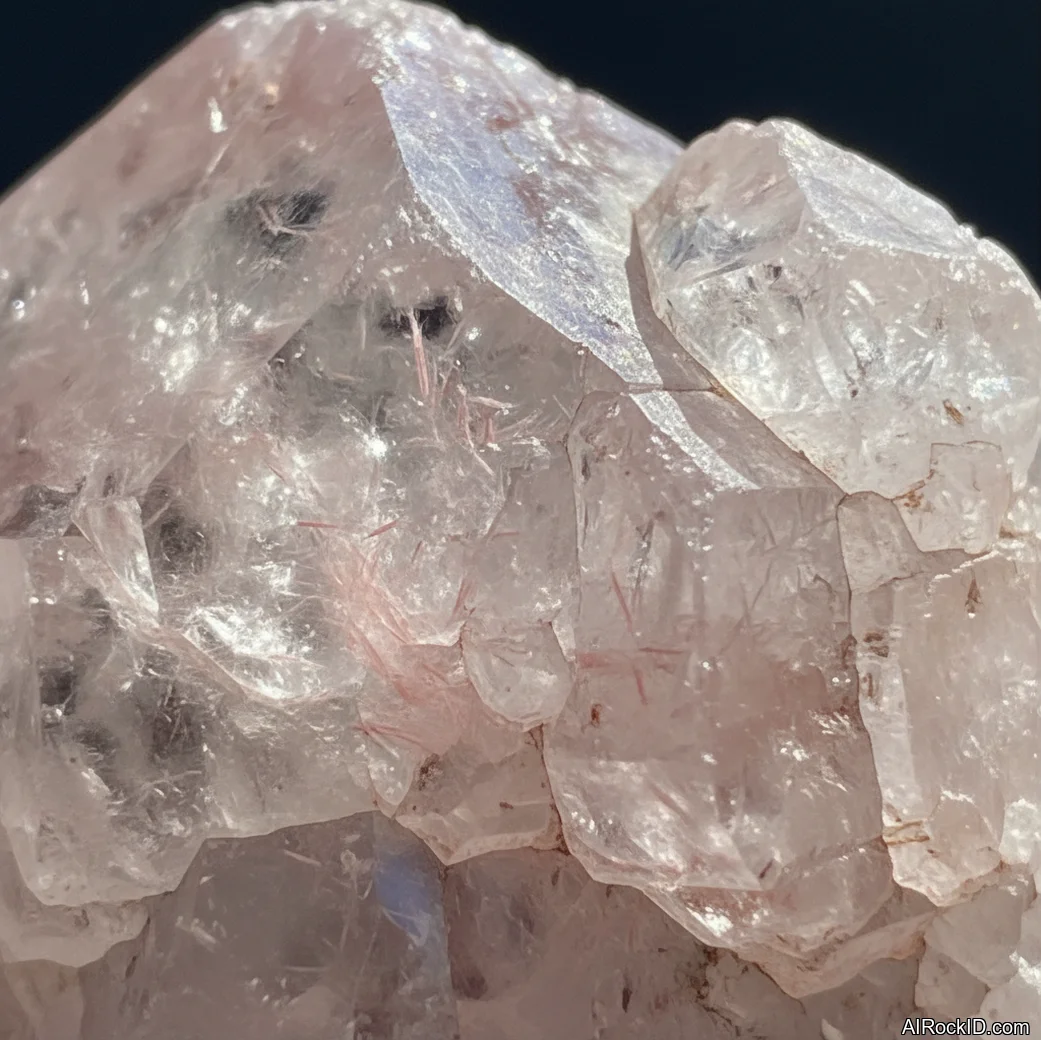
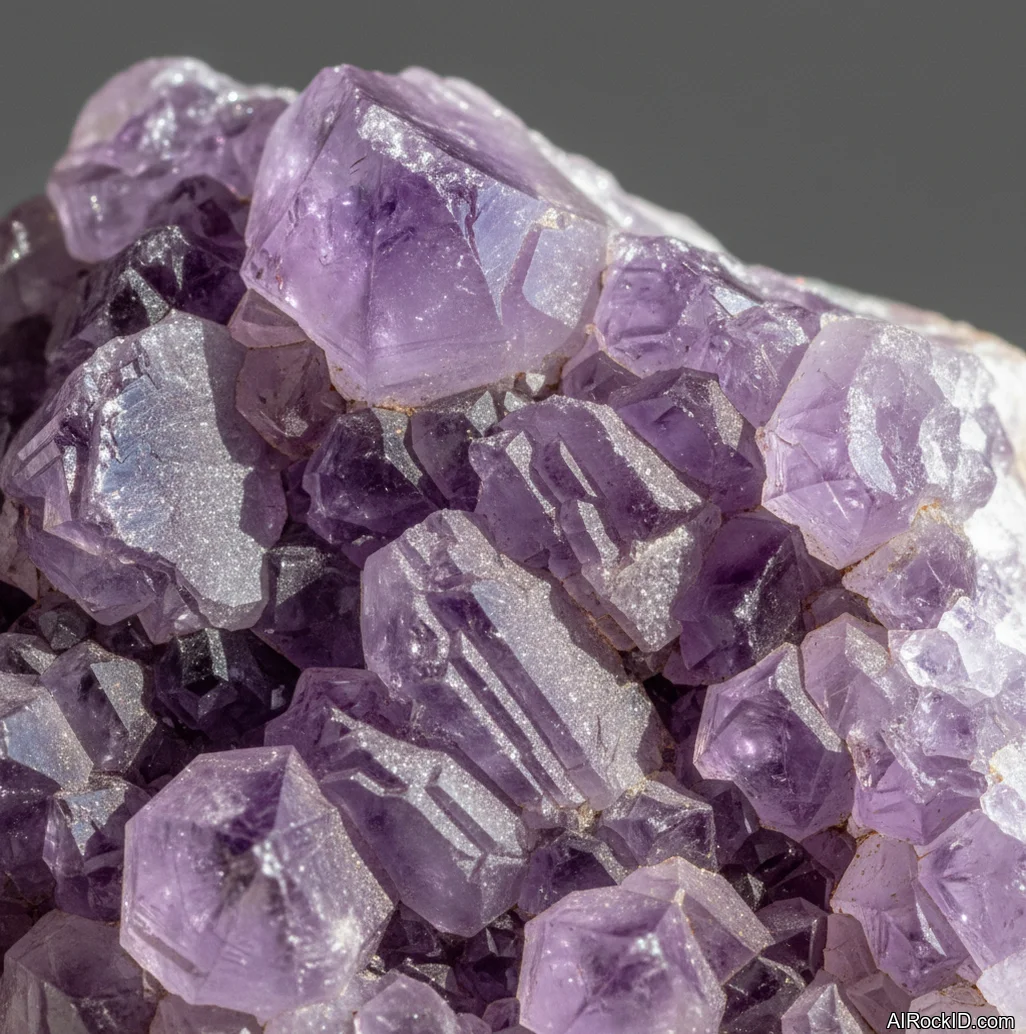
At first glance, amethyst seems foolproof, but collectors learn a buying tip fast: color and origin change the feel of the stone in your hand and the look under warm light. Uruguayan amethyst tends to be deeper purple with tight, small points in clusters. A lot of Brazilian material runs lighter lavender and shows more color zoning. For bedside use, I like a small cluster with a stable base. It doesn’t roll. It catches lamplight. And it feels like a set-it-and-forget-it piece.
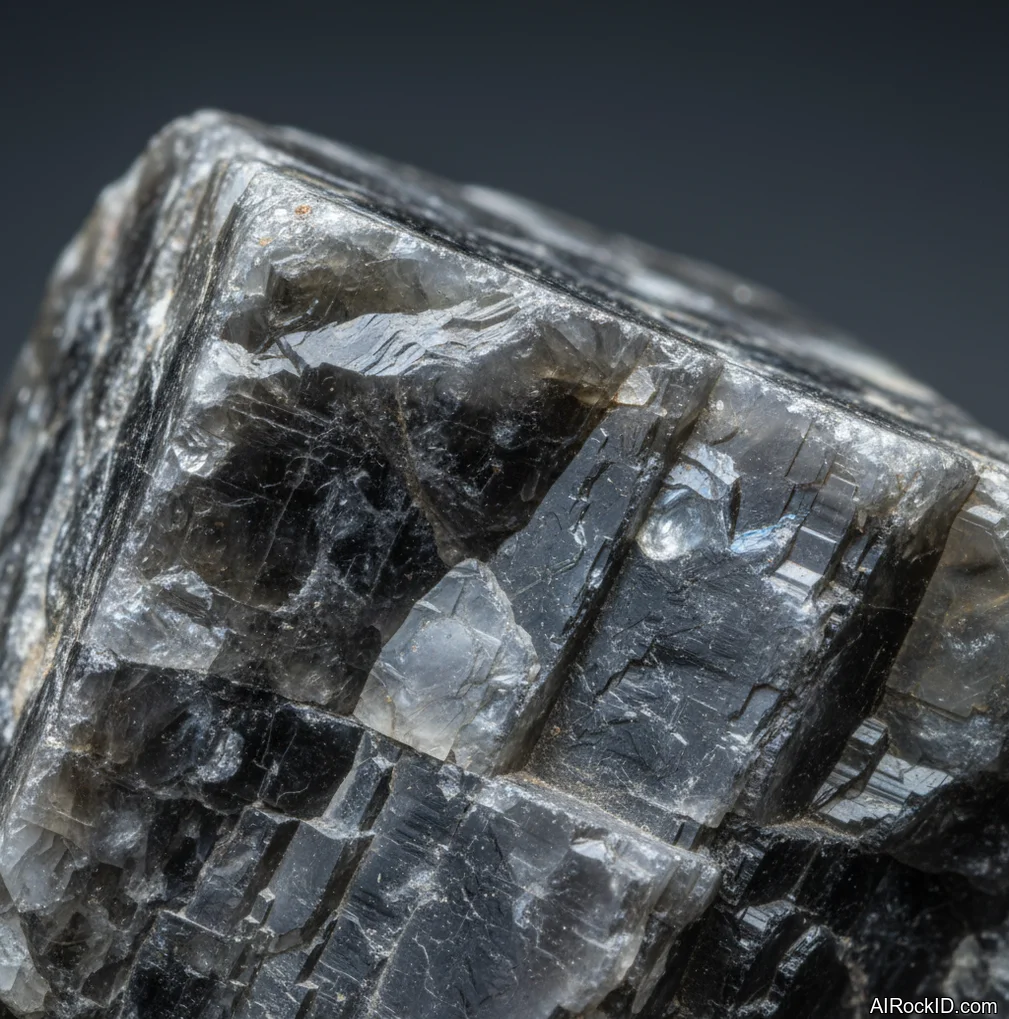
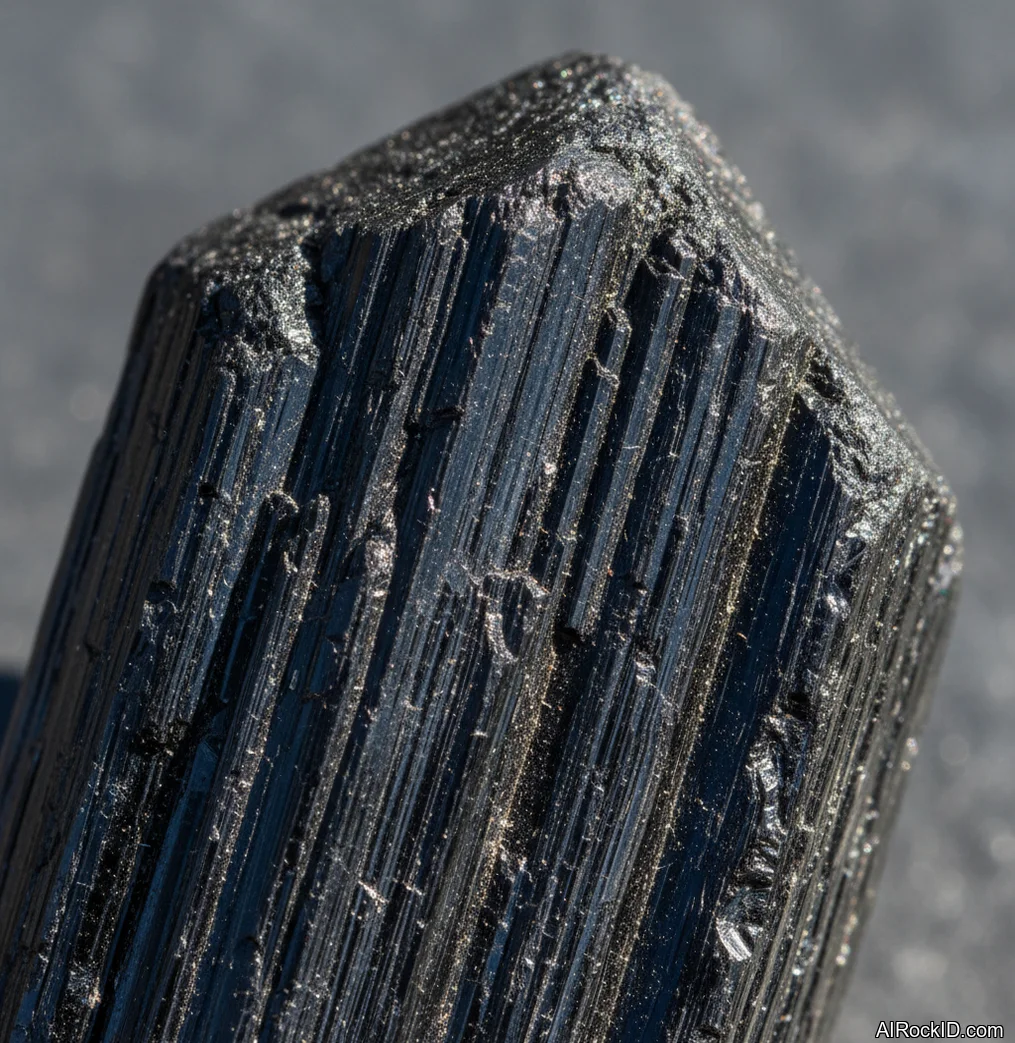
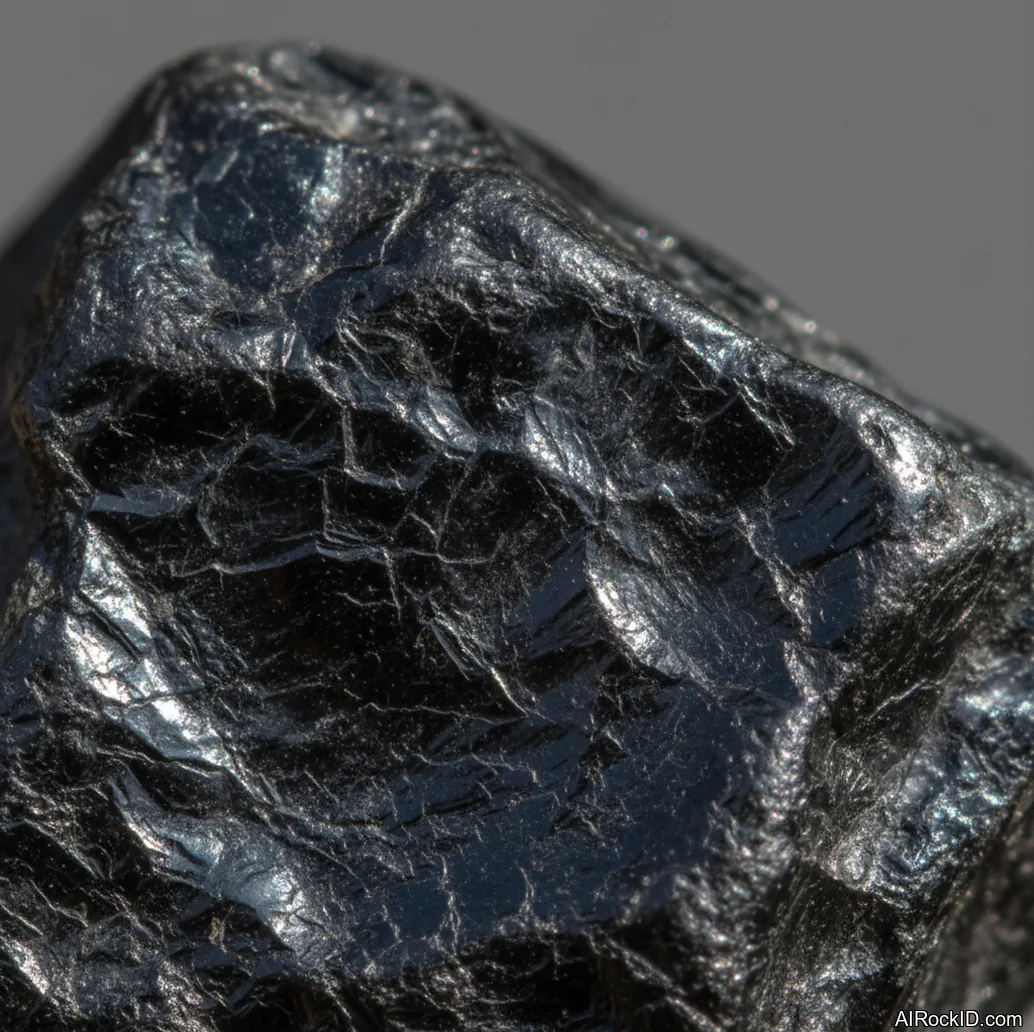
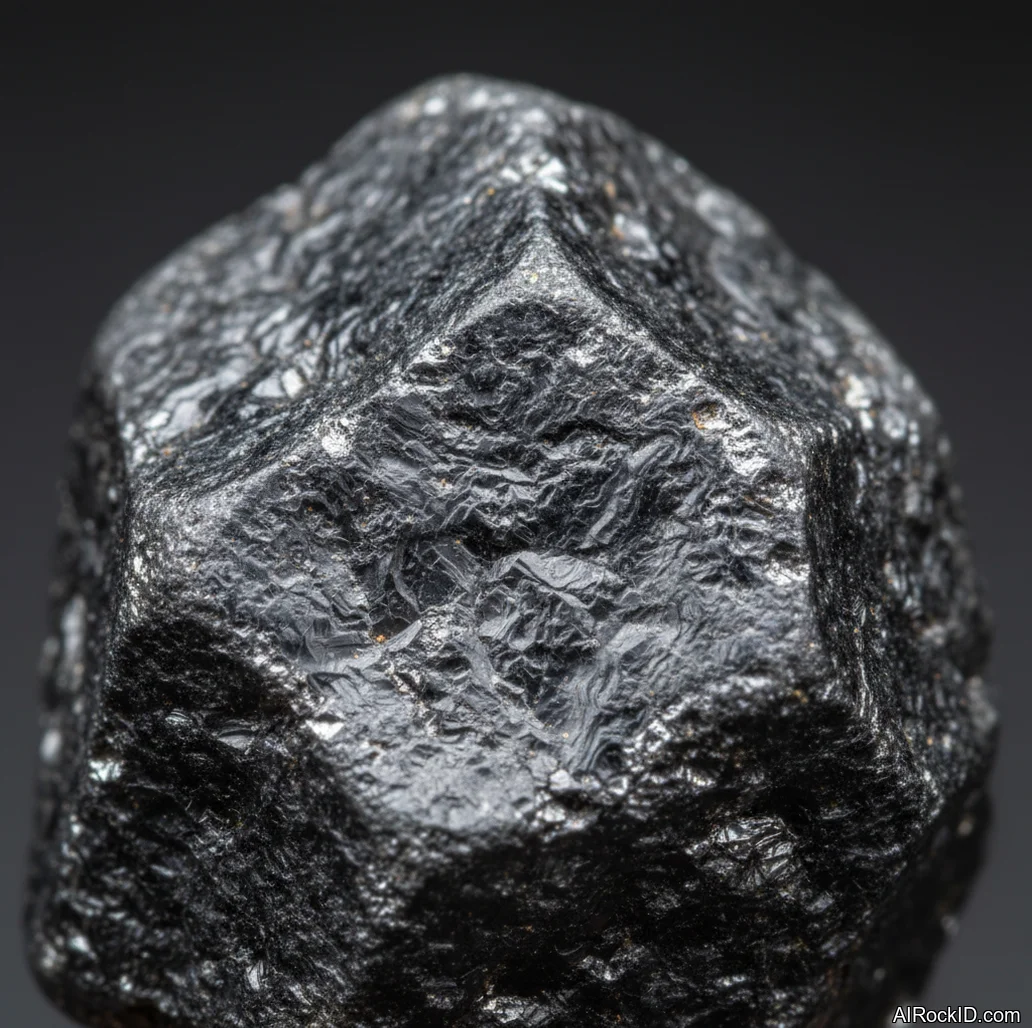
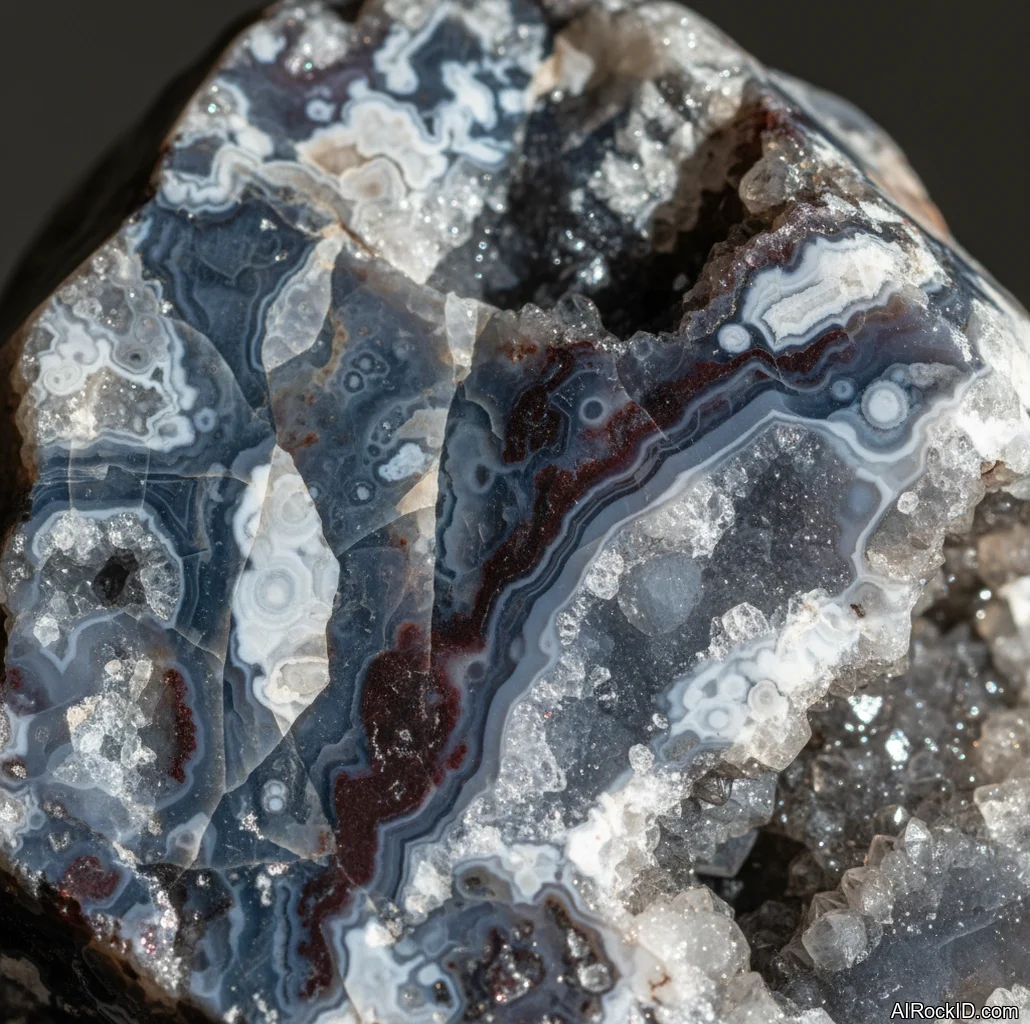
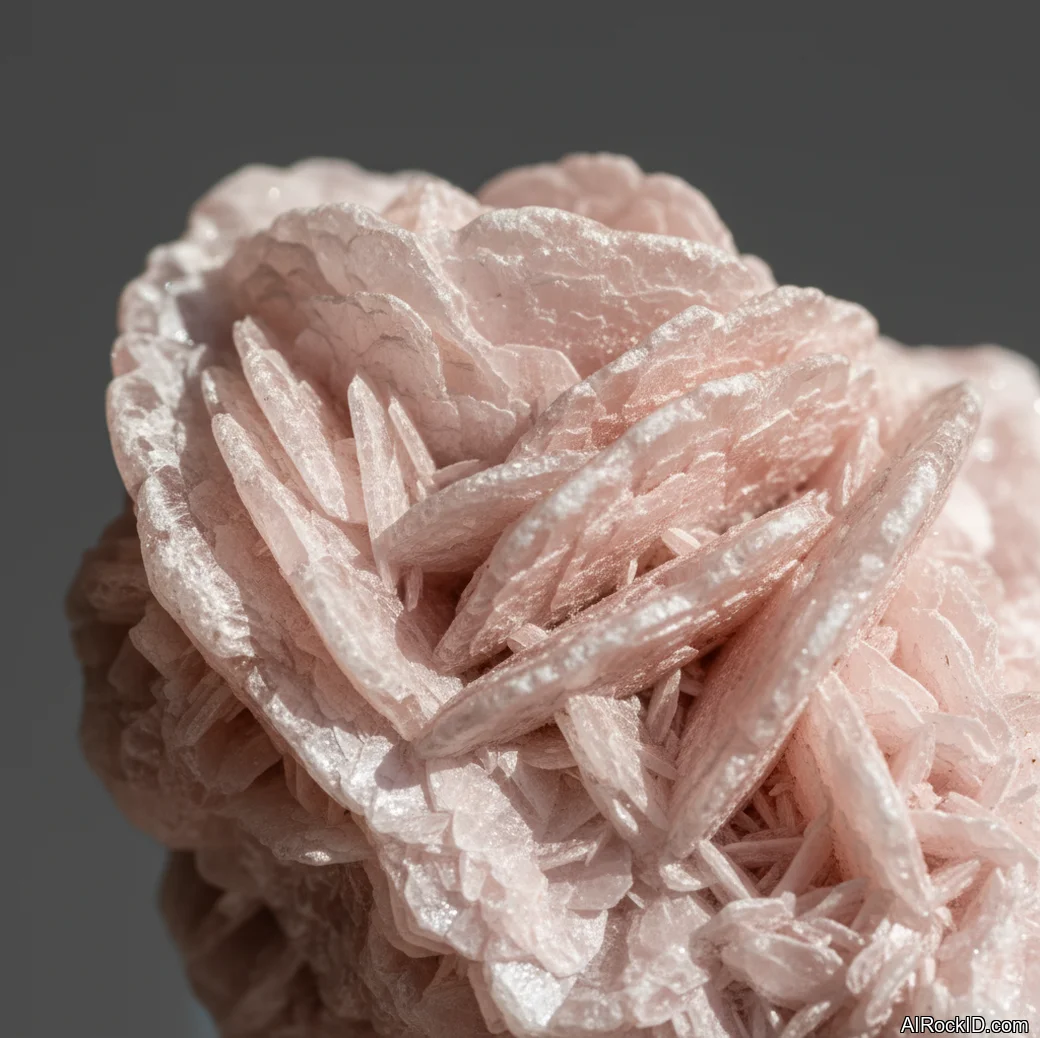
If you want practical pairings, try lepidolite with amethyst for mental quiet, or blue lace agate with moonstone for a softer, bedtime mood. Black tourmaline sits in a different lane. It’s heavy, often striated like corduroy, and people use it more like a grounding bookend to keep the room feeling settled. But size and sharpness matter. Raw tourmaline can have brittle edges, so don’t put it where it can tumble onto hardwood and explode into splinters. (Because yes, that can happen.)
Most dealers will tell you to cleanse and charge, but the everyday truth is you can keep it low-effort. Wipe your stone with a dry cloth. Keep soft minerals away from water. And don’t bake them in sunlight on a windowsill. Amethyst can fade with long sun exposure, and lepidolite’s color can look washed out if it sits in harsh light for months. A drawer or shaded shelf is fine.
Sleep crystals work best when you treat them like tools, not miracles. Pick one that feels good in your hand, won’t shed or chip where you’re using it, and fits your actual bedtime. Build the habit around it. That’s the part that sticks.
All Sleep Crystals (51)