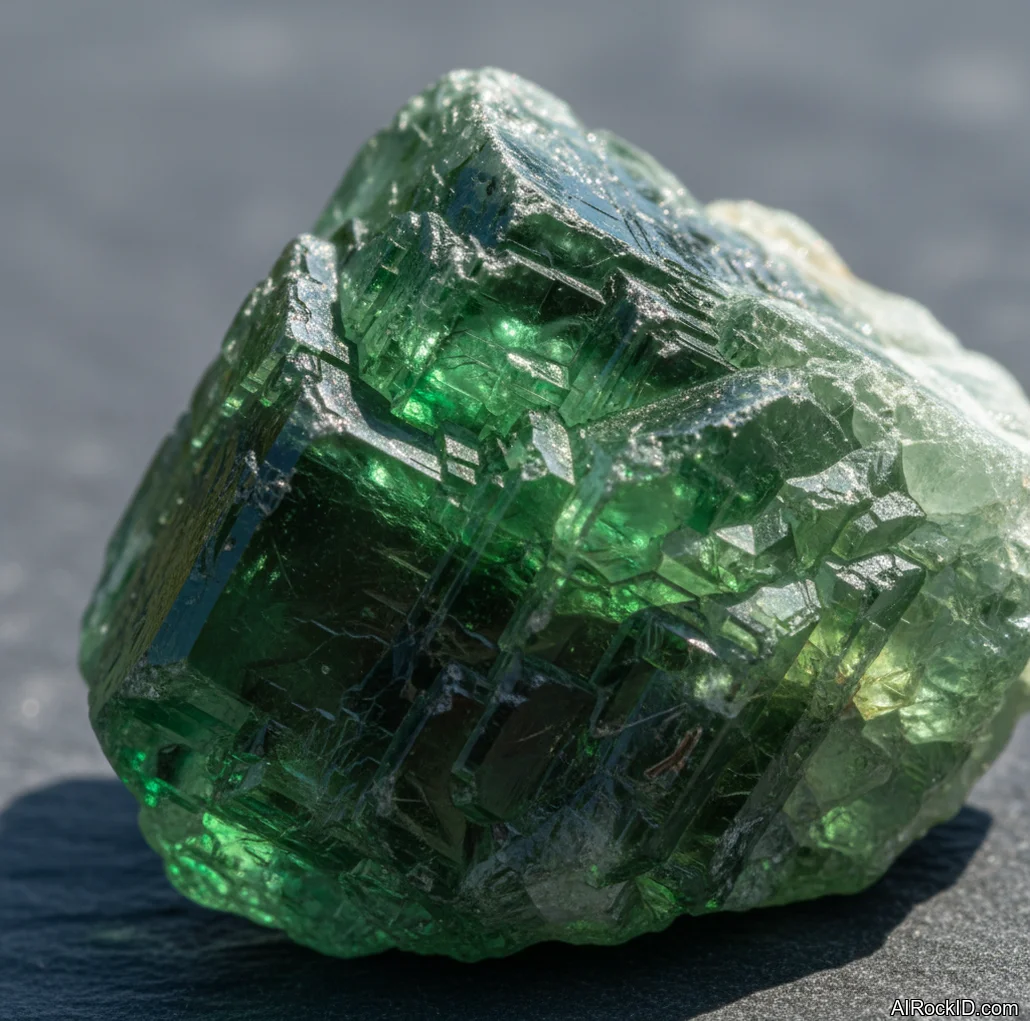
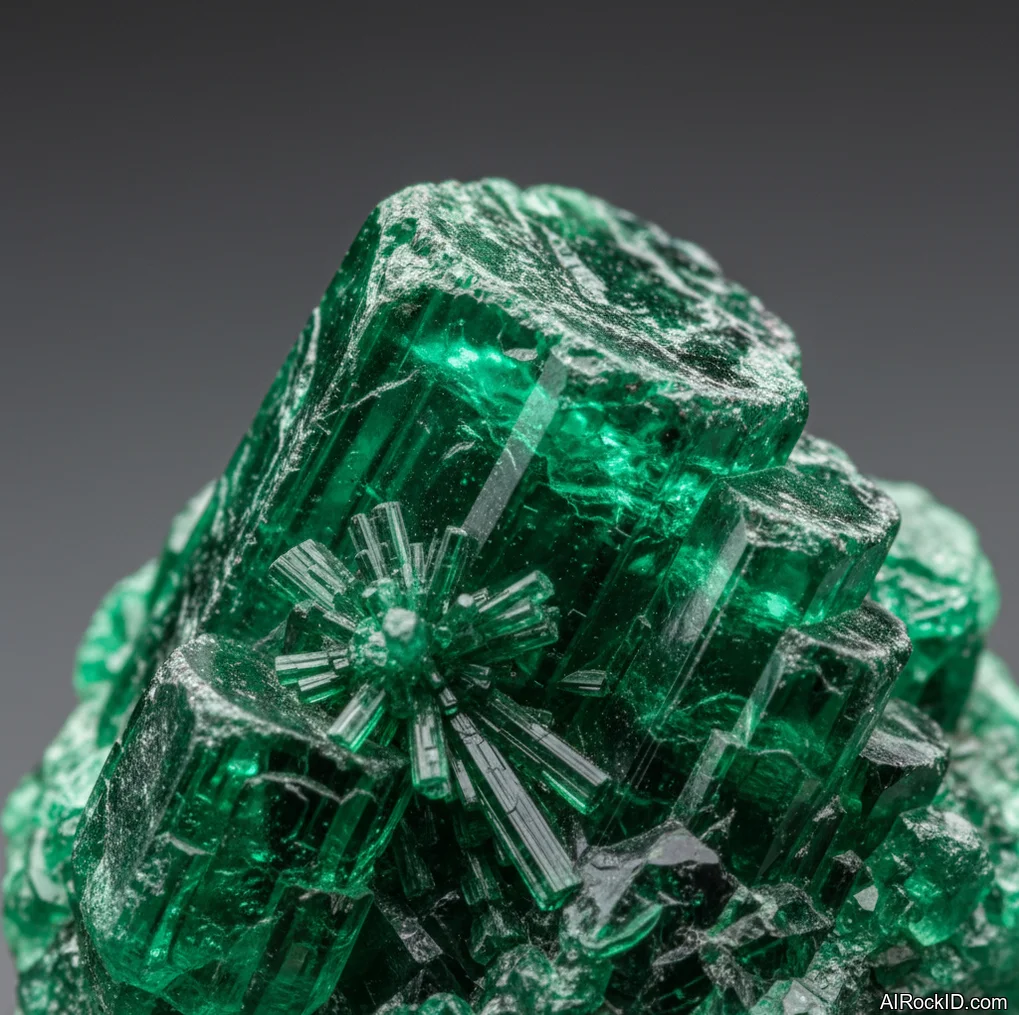
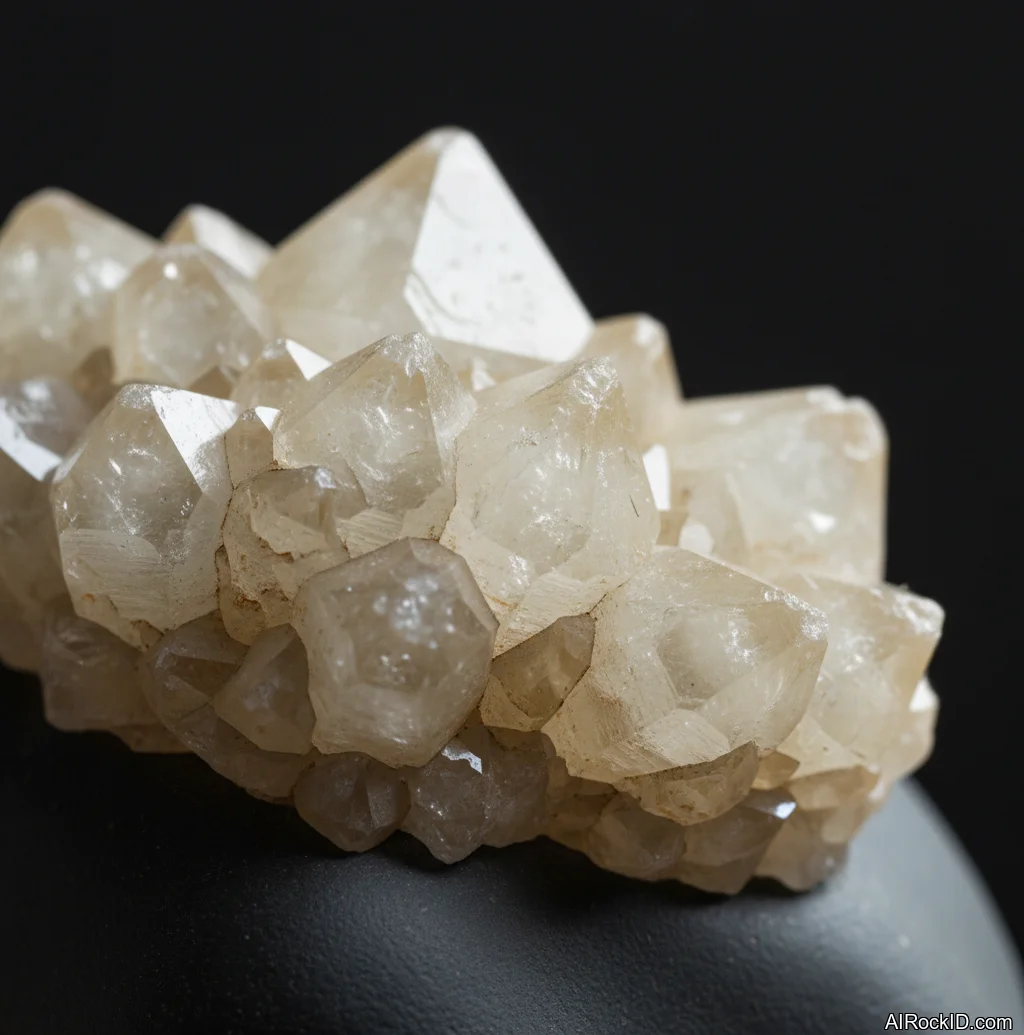
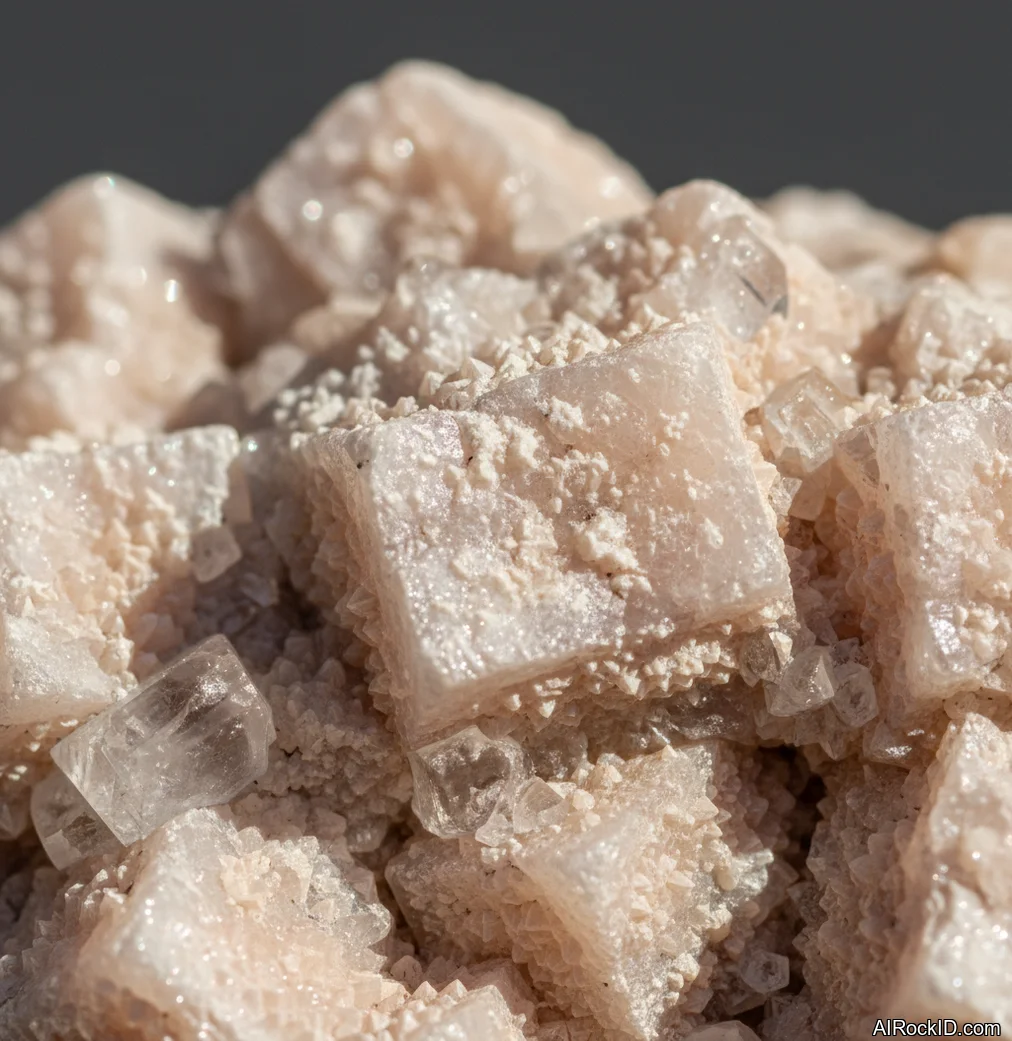
Meditation Crystals
Learn how Meditation crystals are used for focus, calm, and ritual. Explore meanings, buying tips, and top crystals for Meditation practice.
Pick a stone before you pick a technique. That’s the whole trick with meditation crystals. In crystal terms, meditation isn’t about some “special power” hiding in the rock. It’s choosing a piece that helps you settle your body, narrow your attention, and stick with one simple thing long enough that your mind stops chasing every little noise in the room.
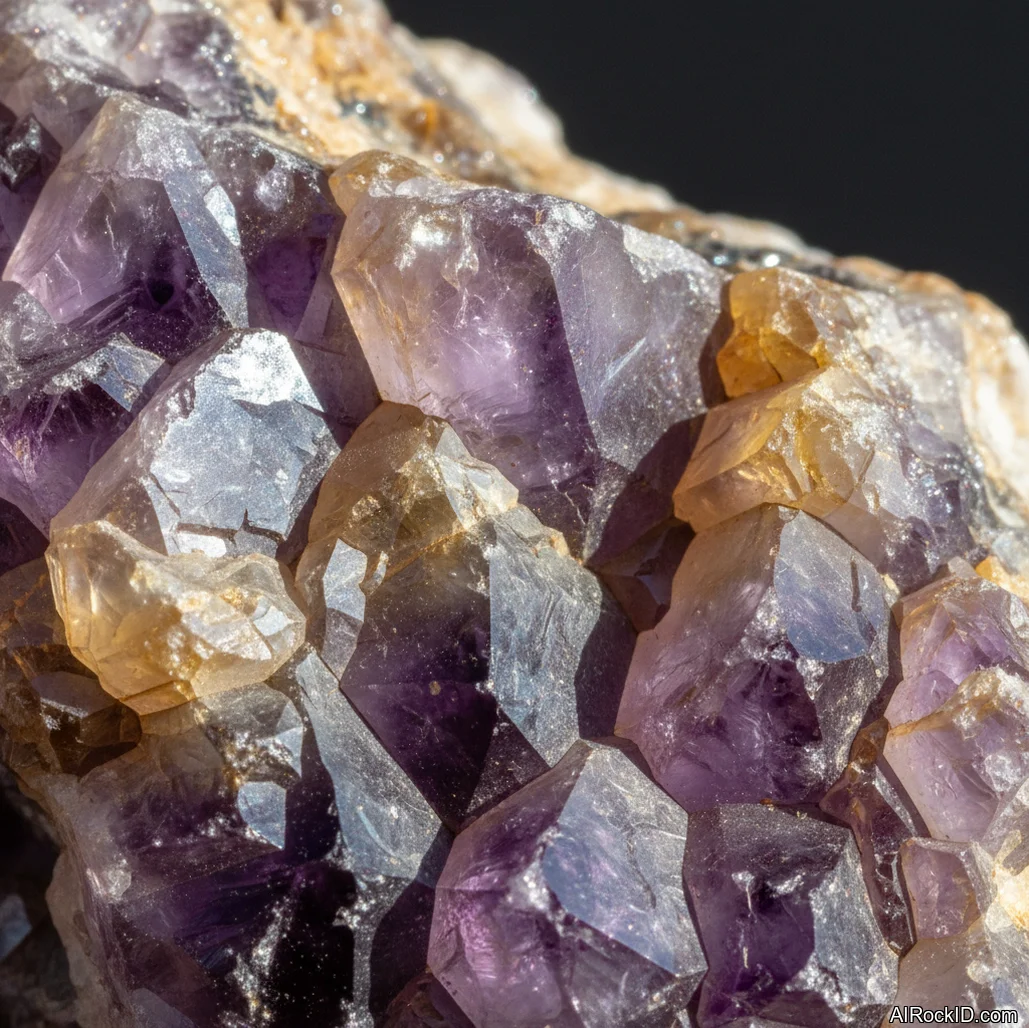
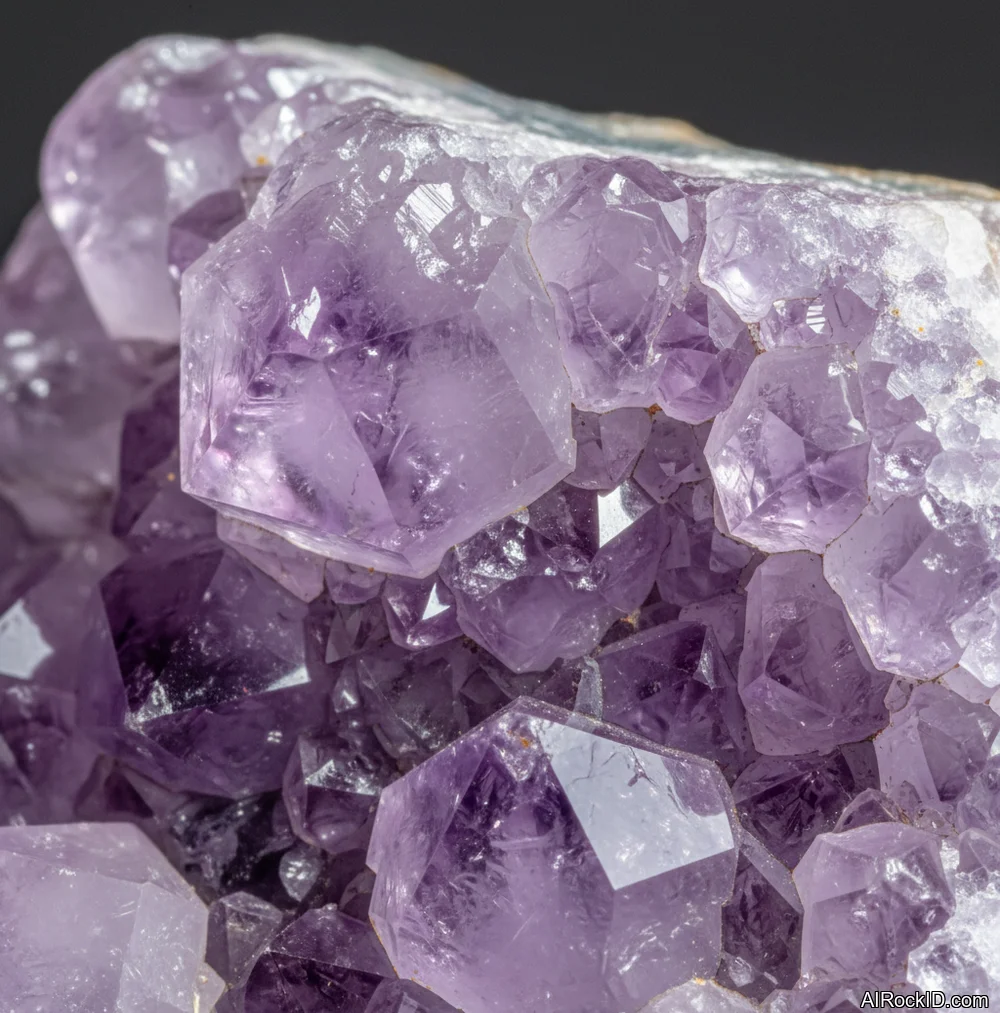
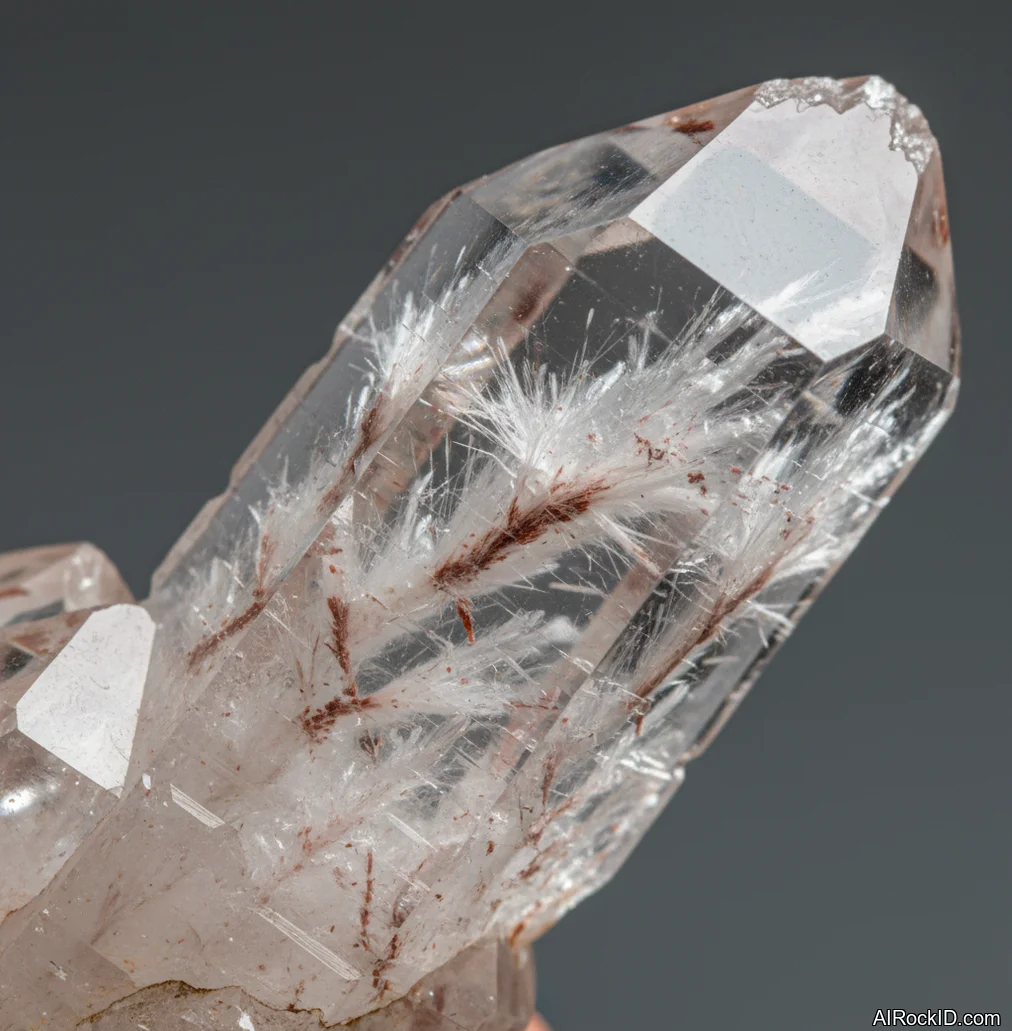
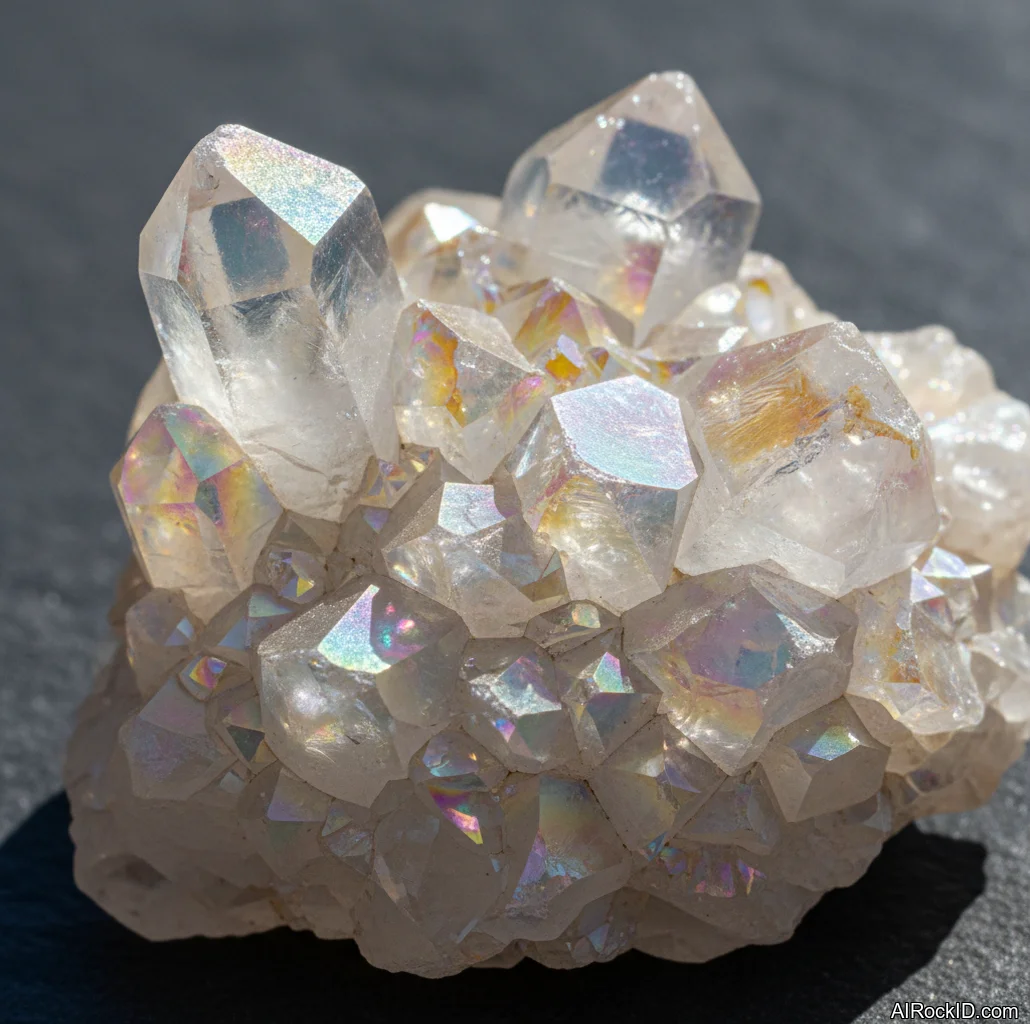
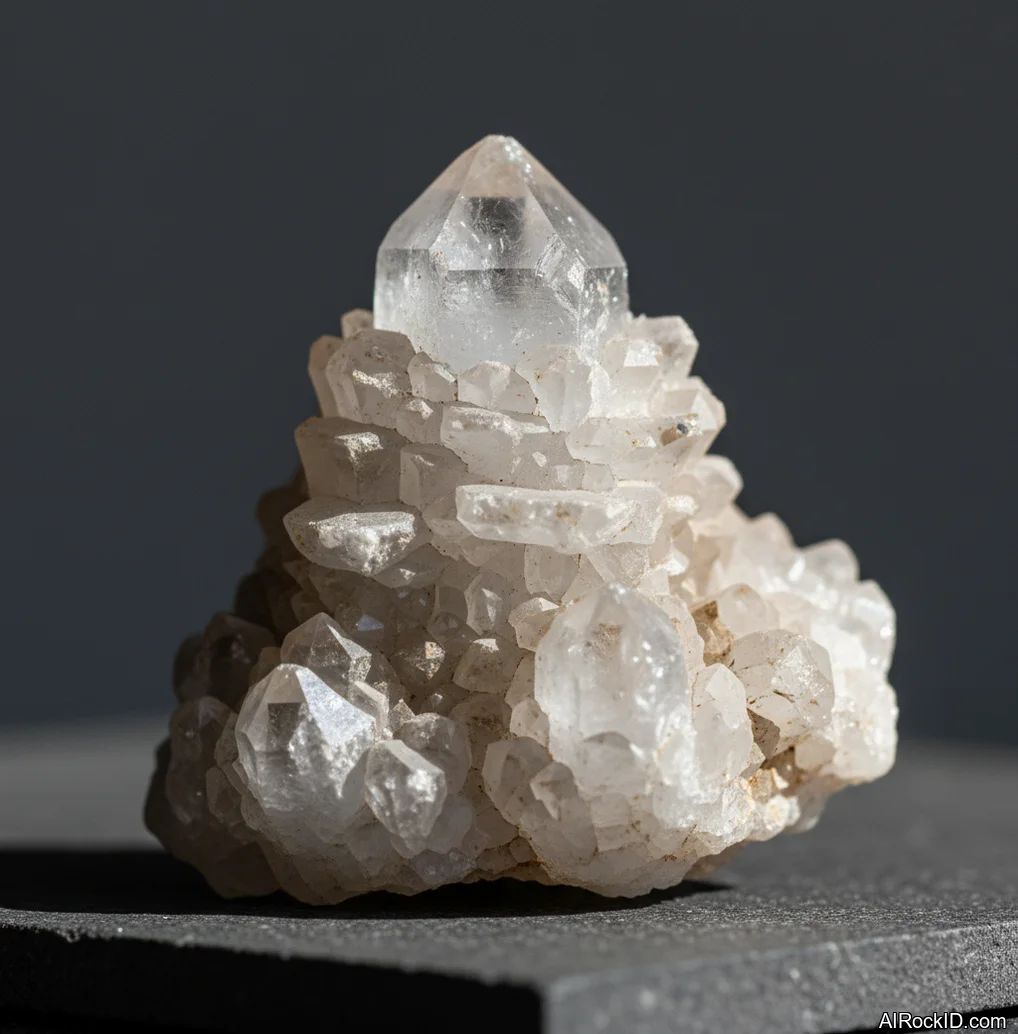
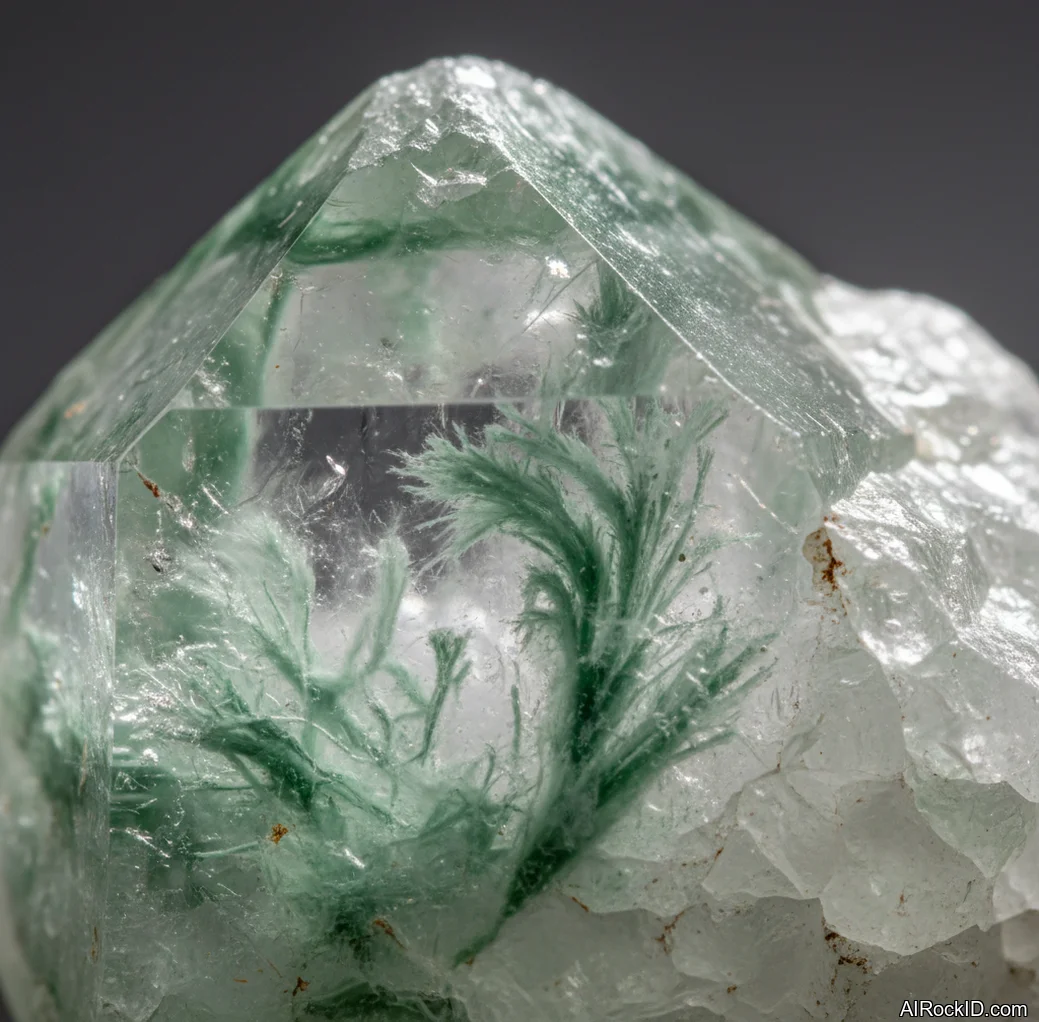
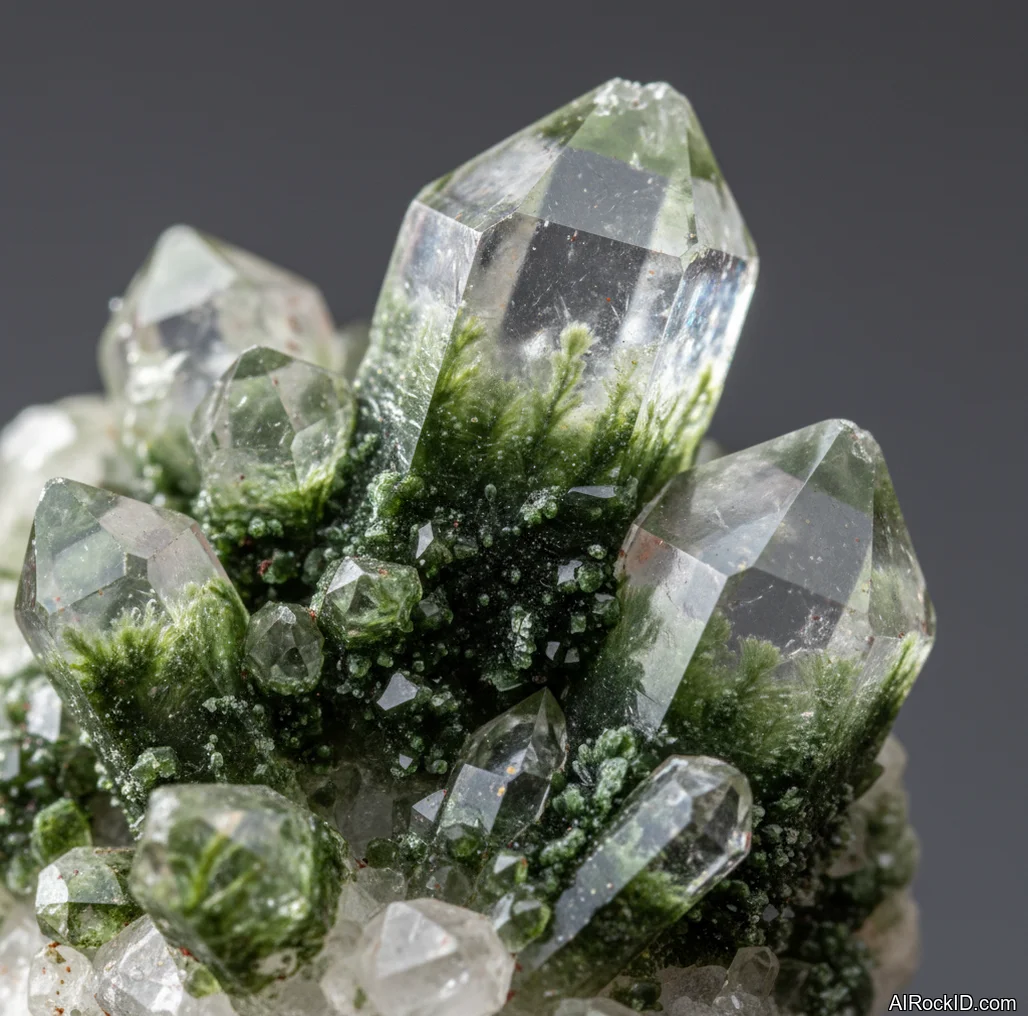
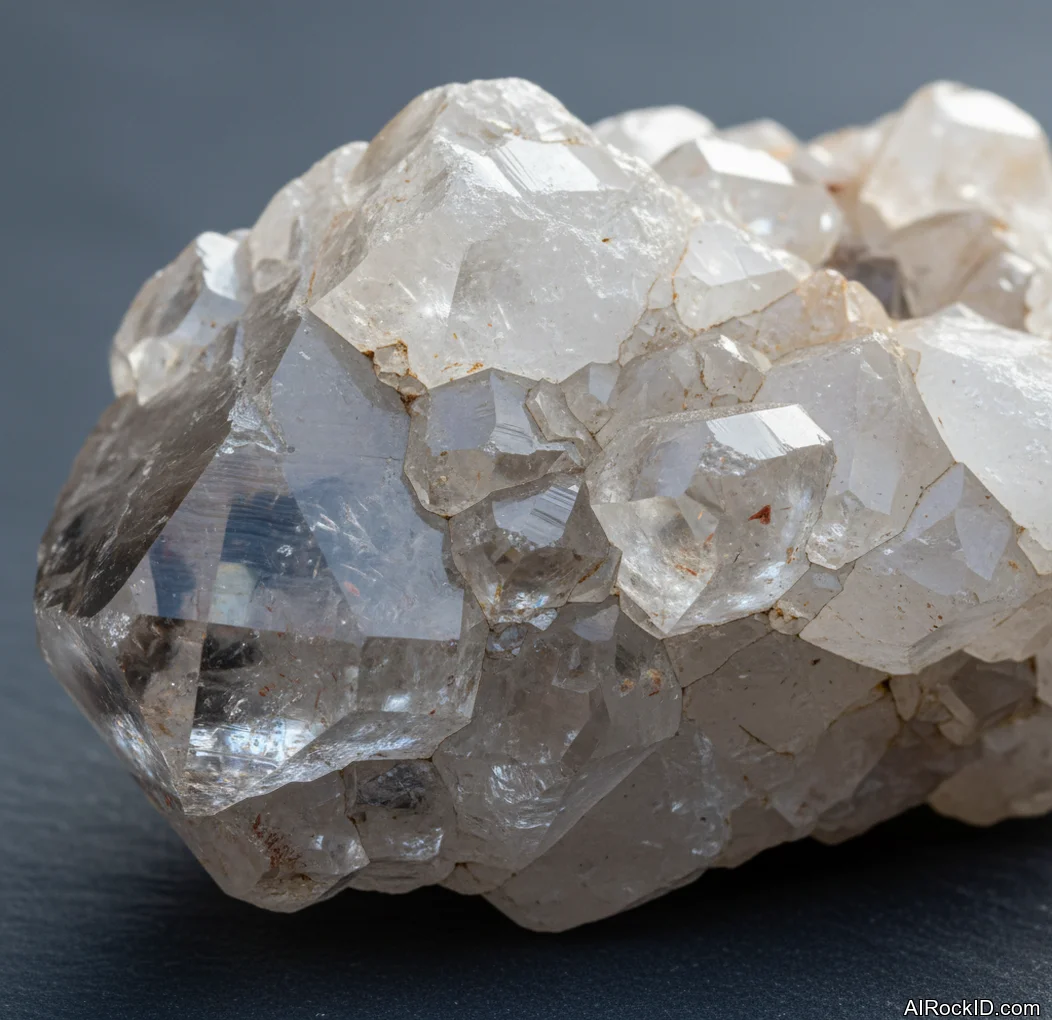
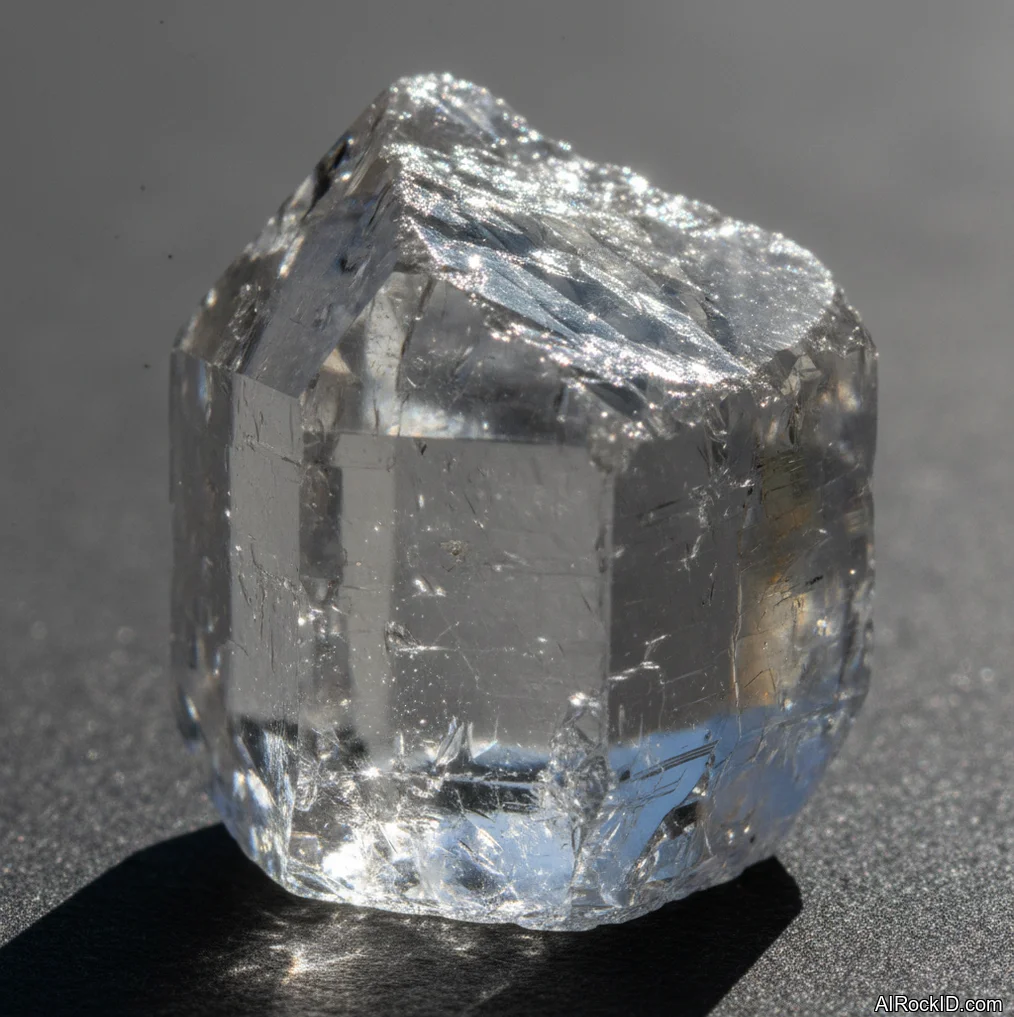
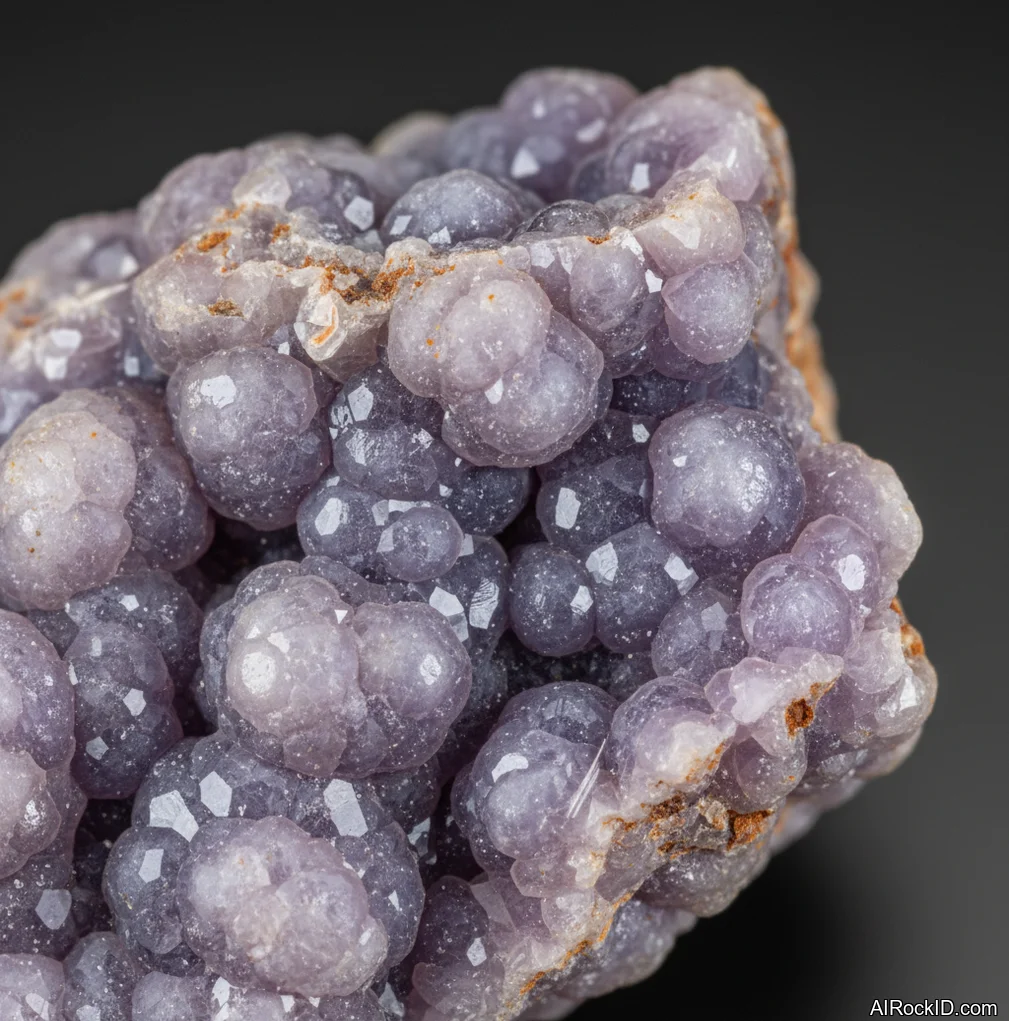
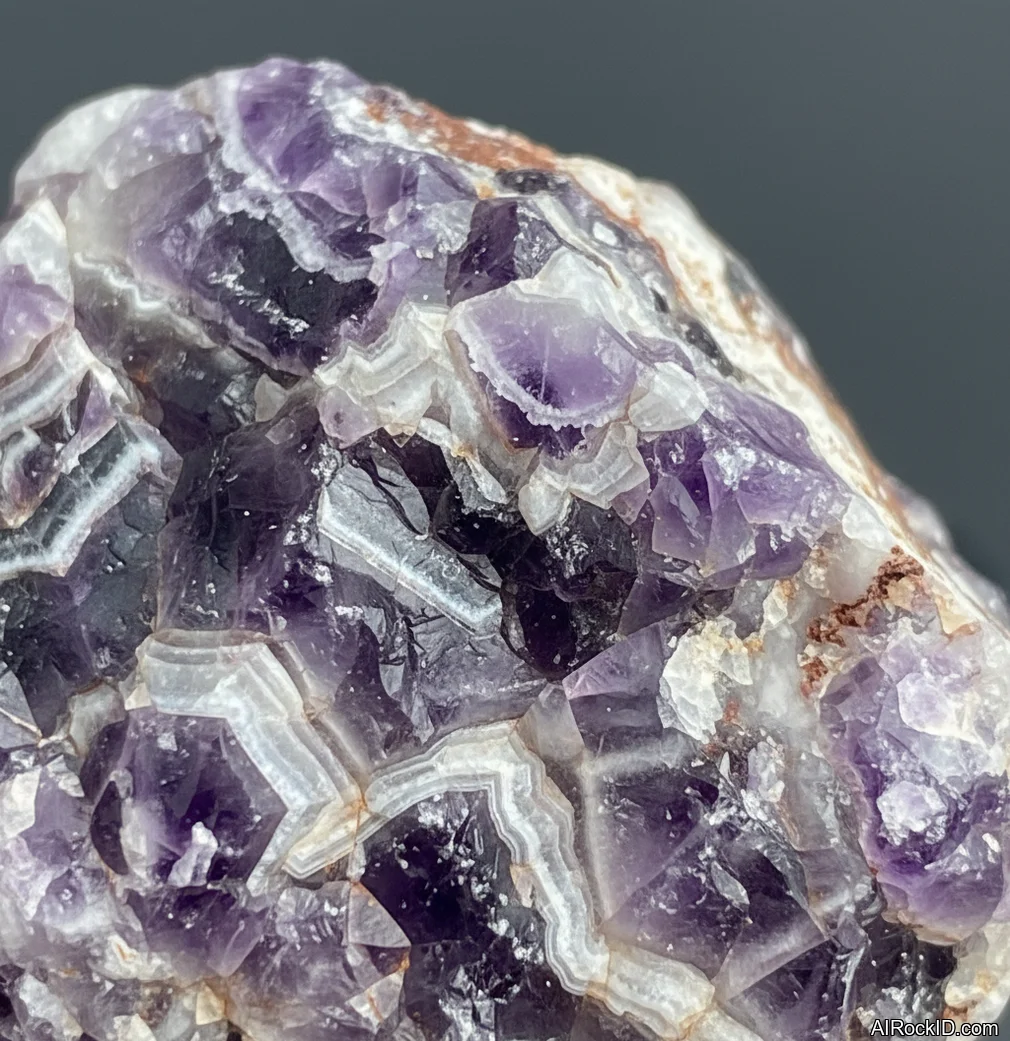
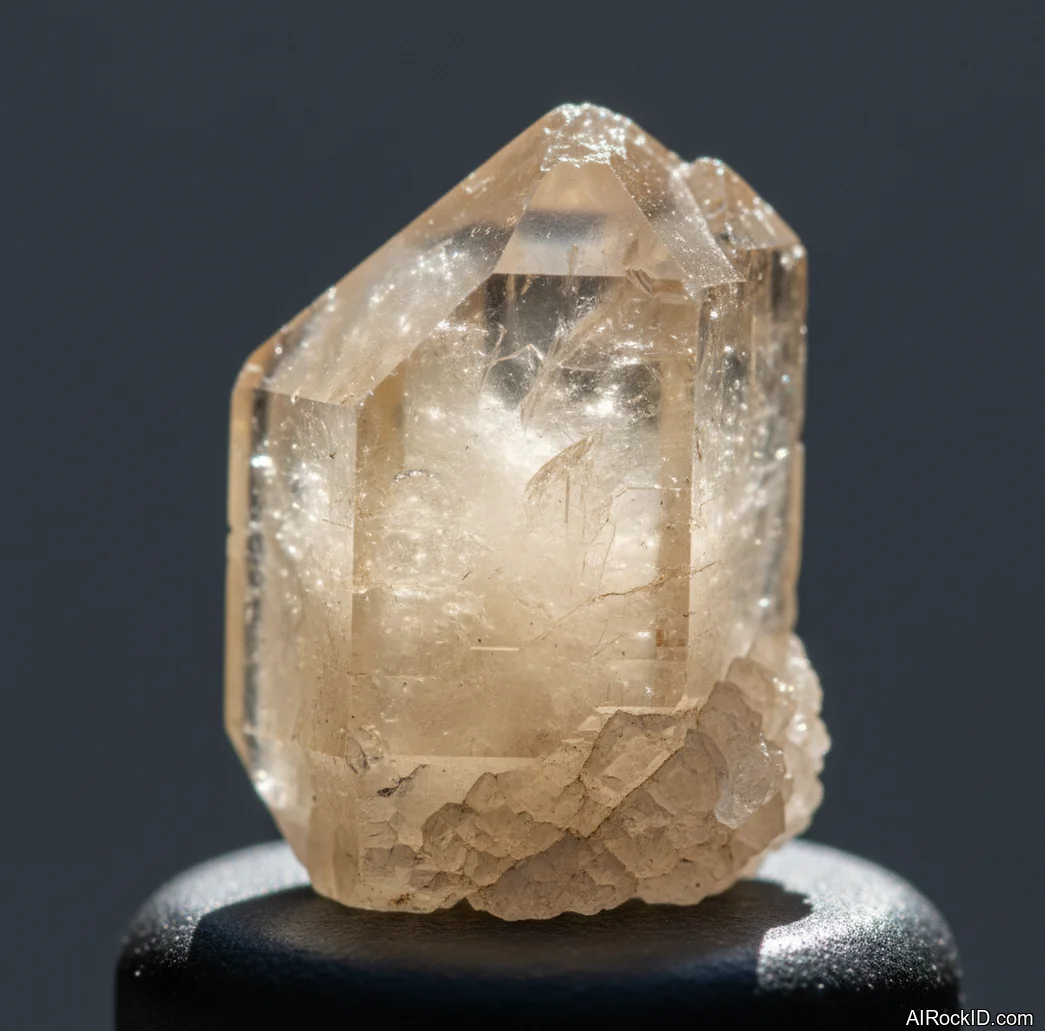
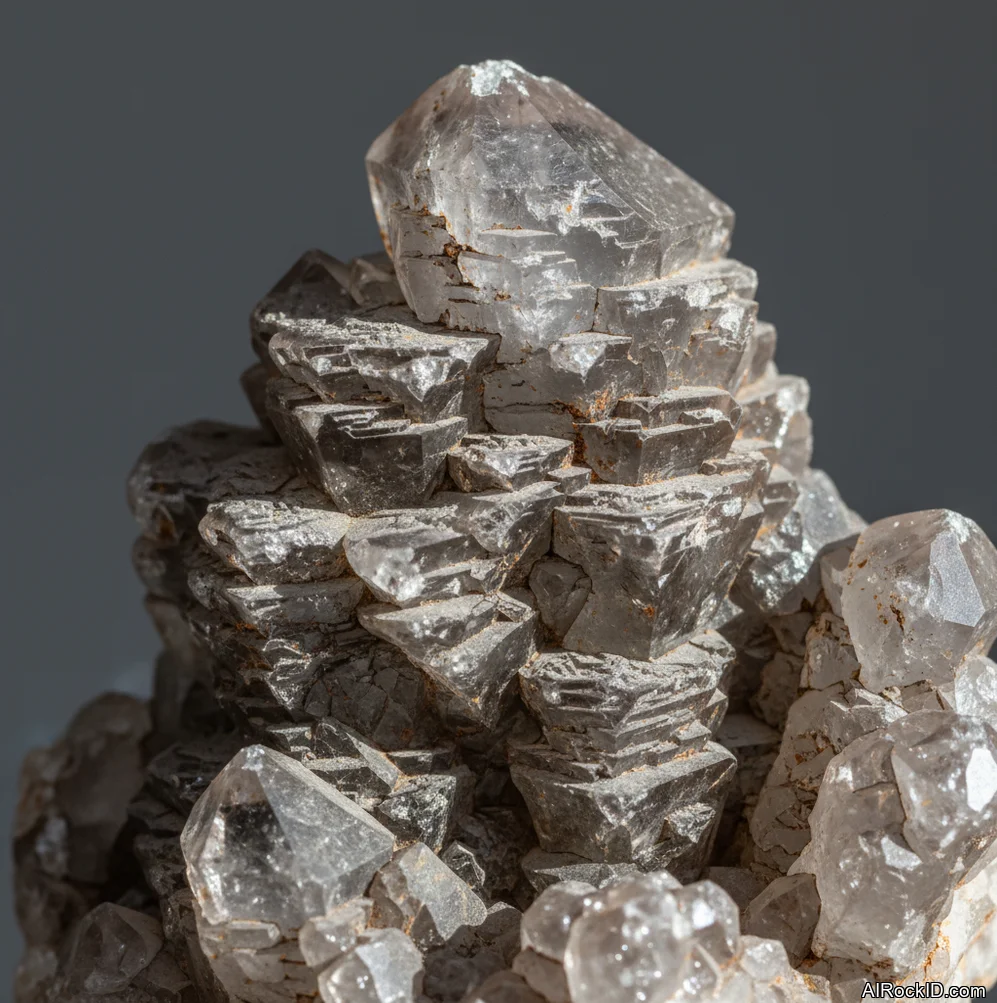
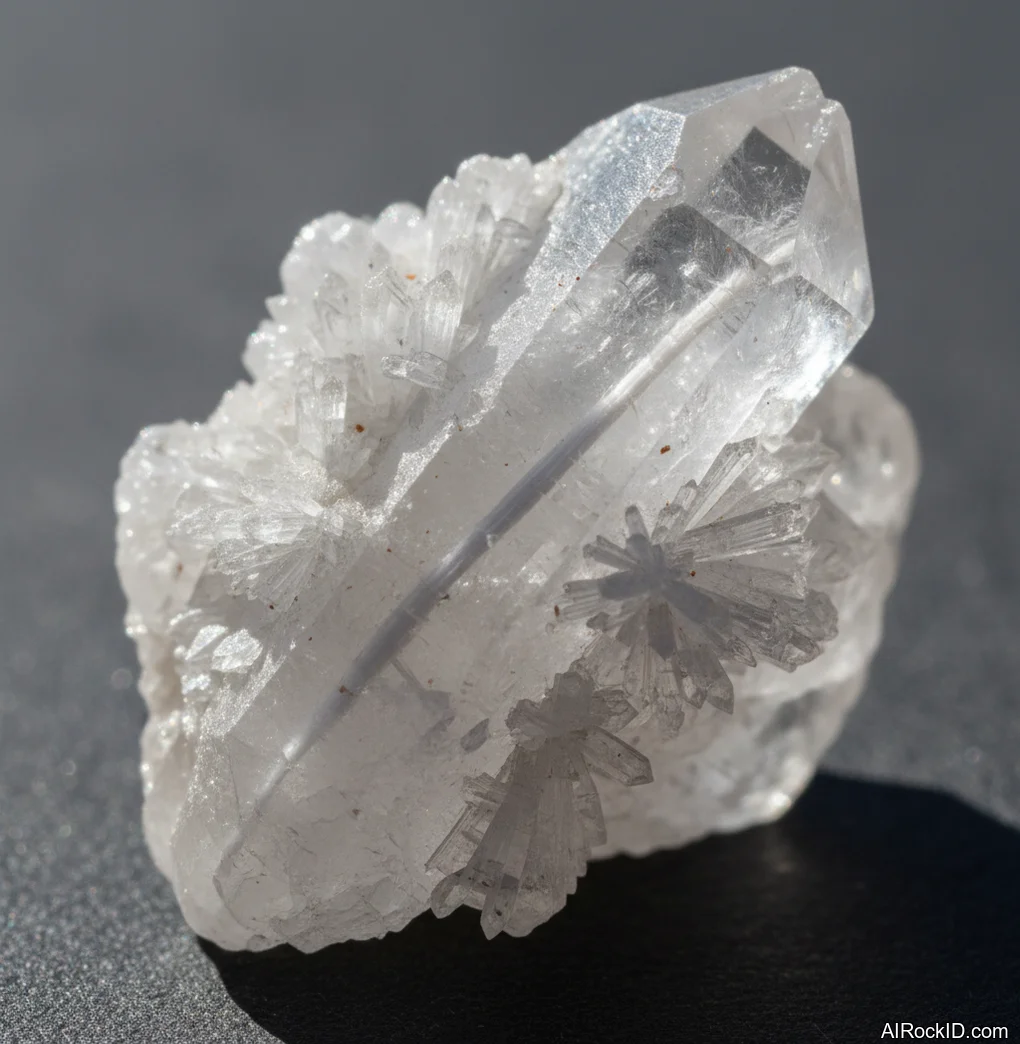
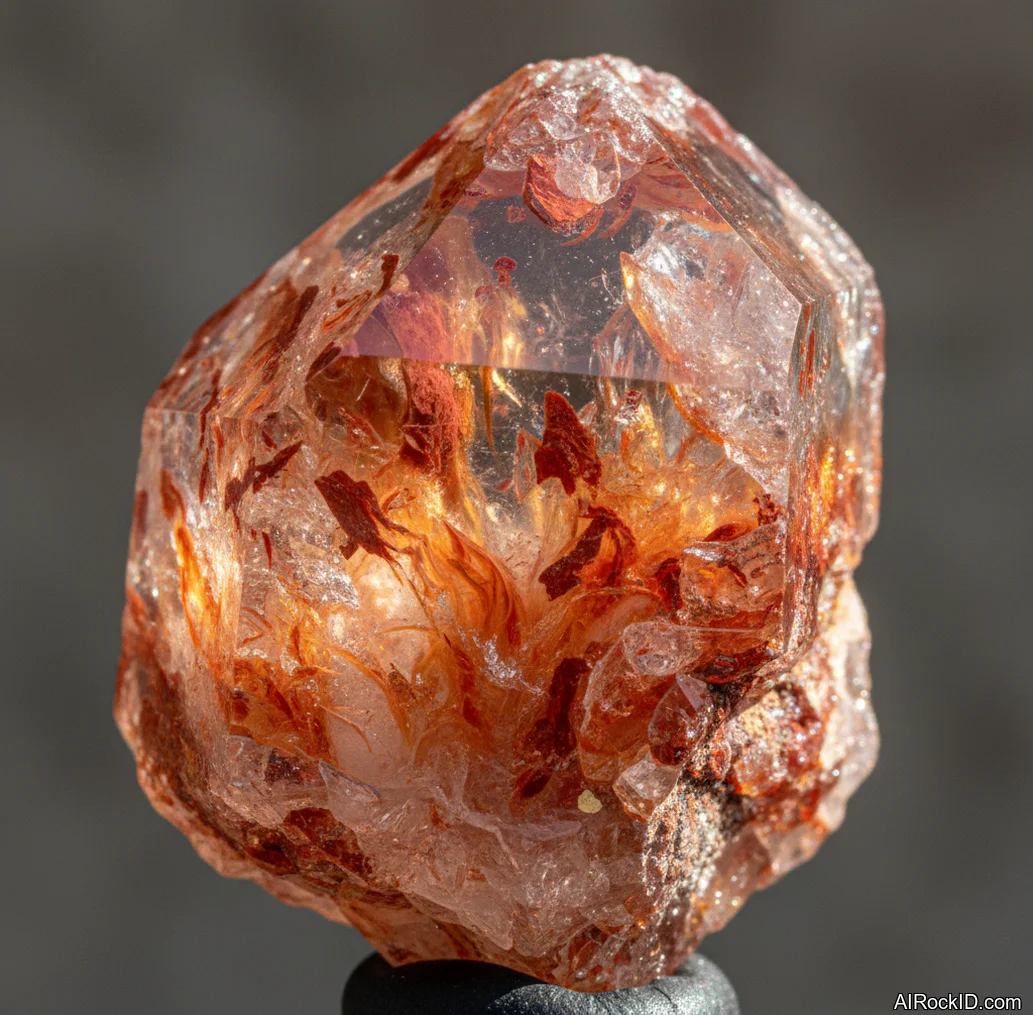
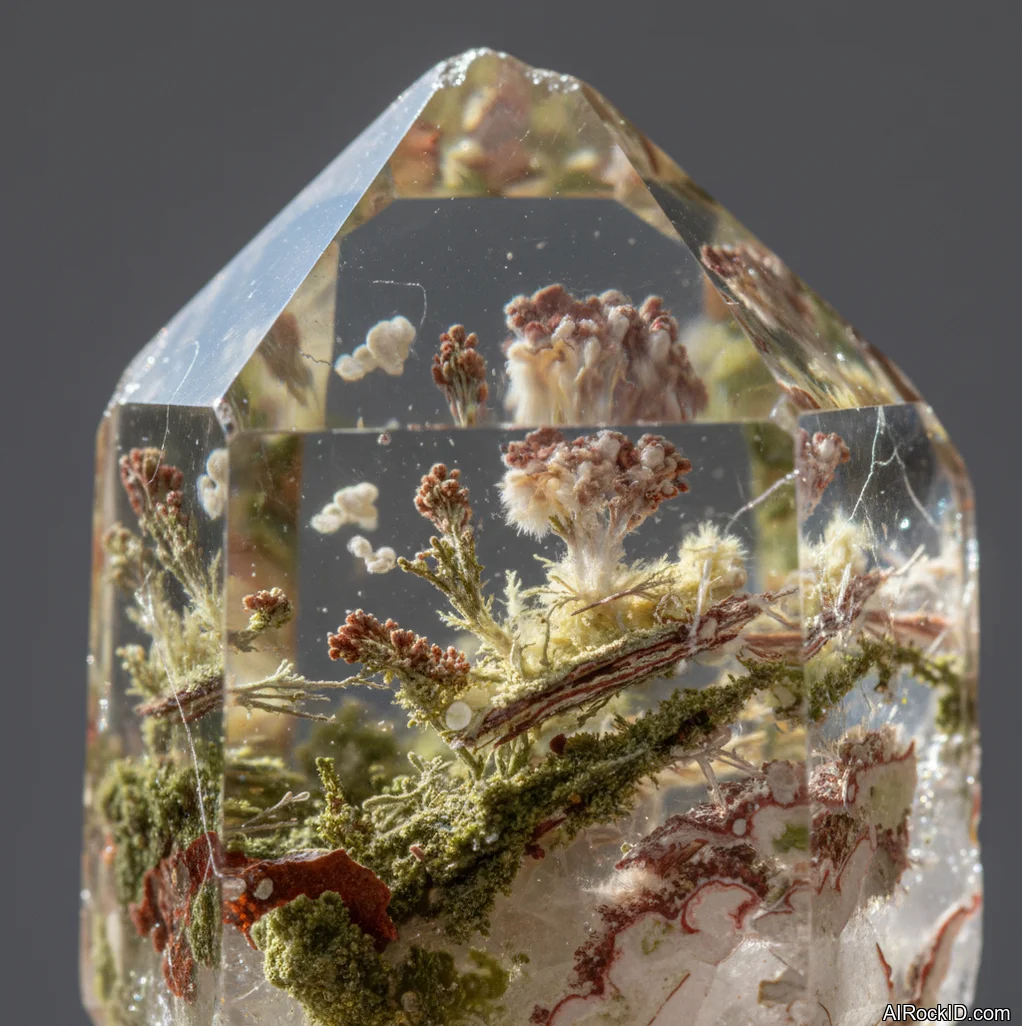
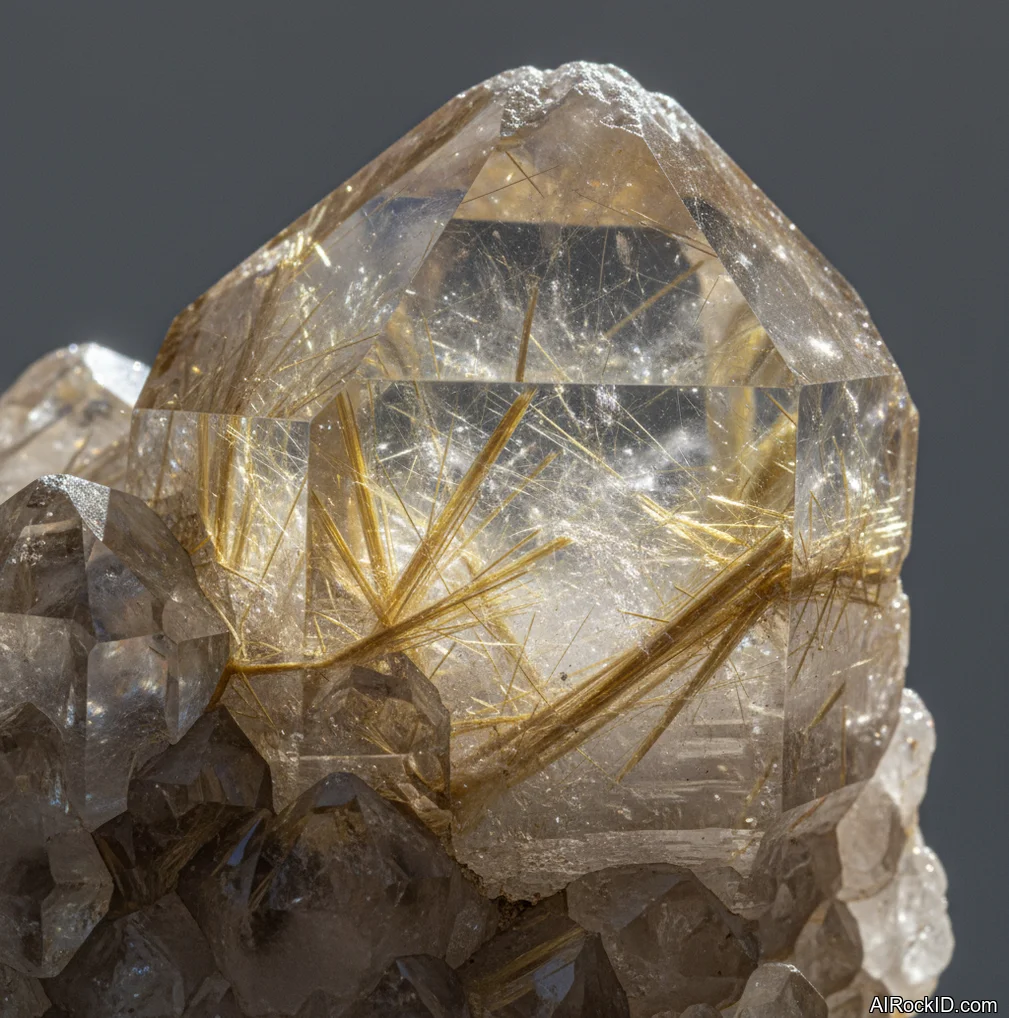
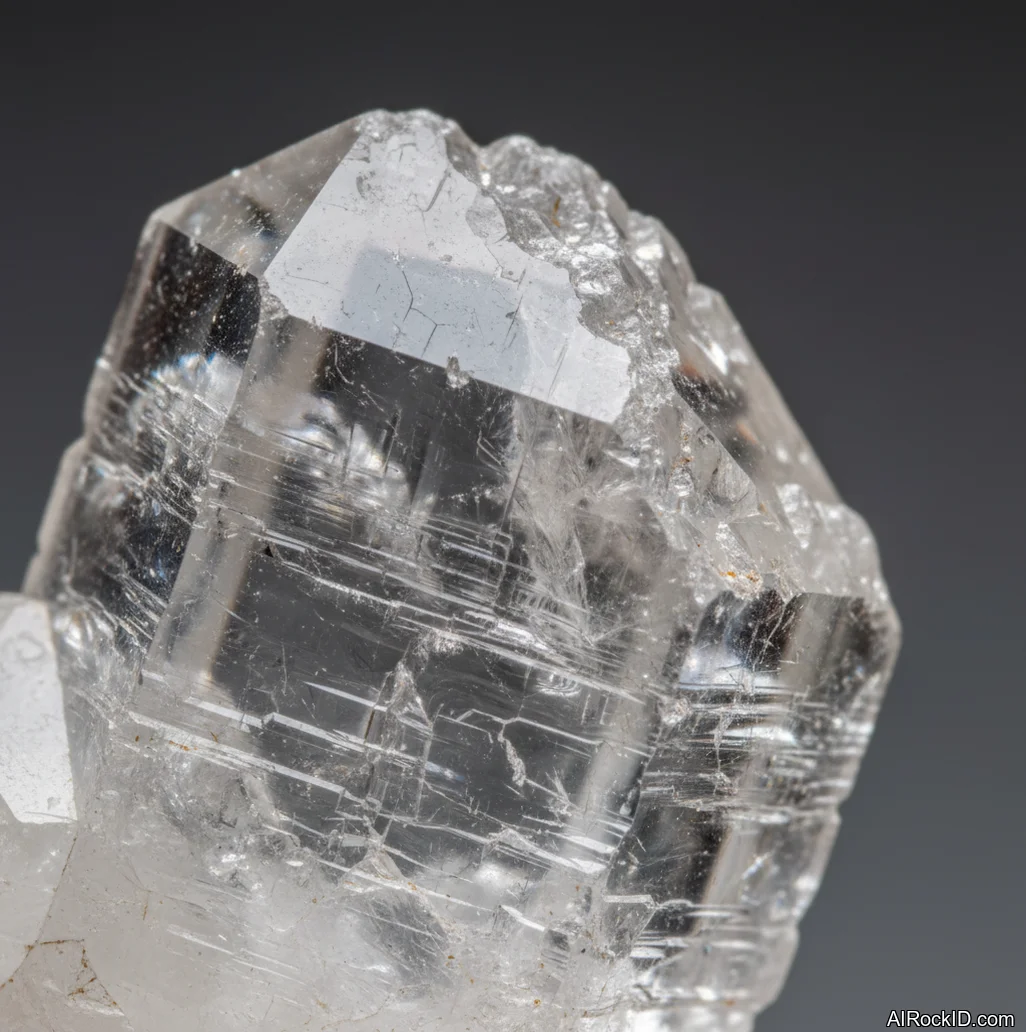
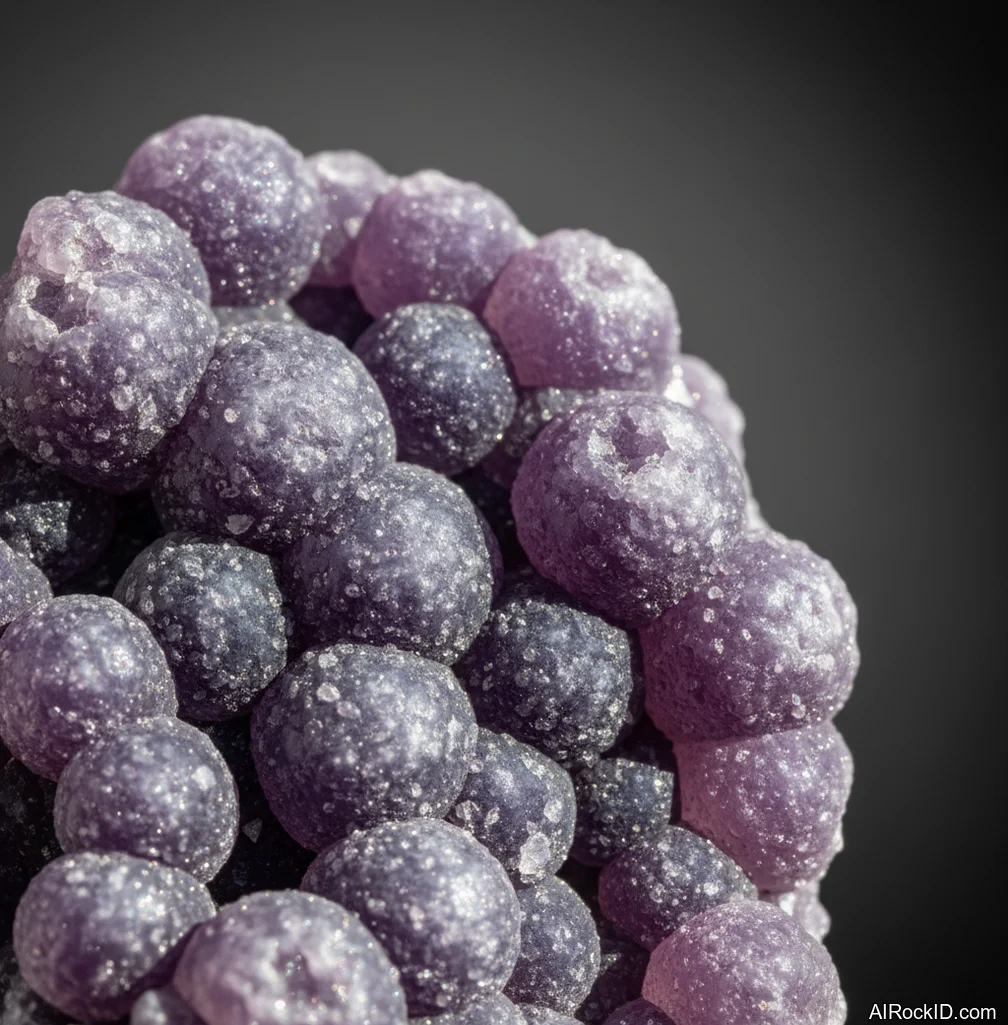
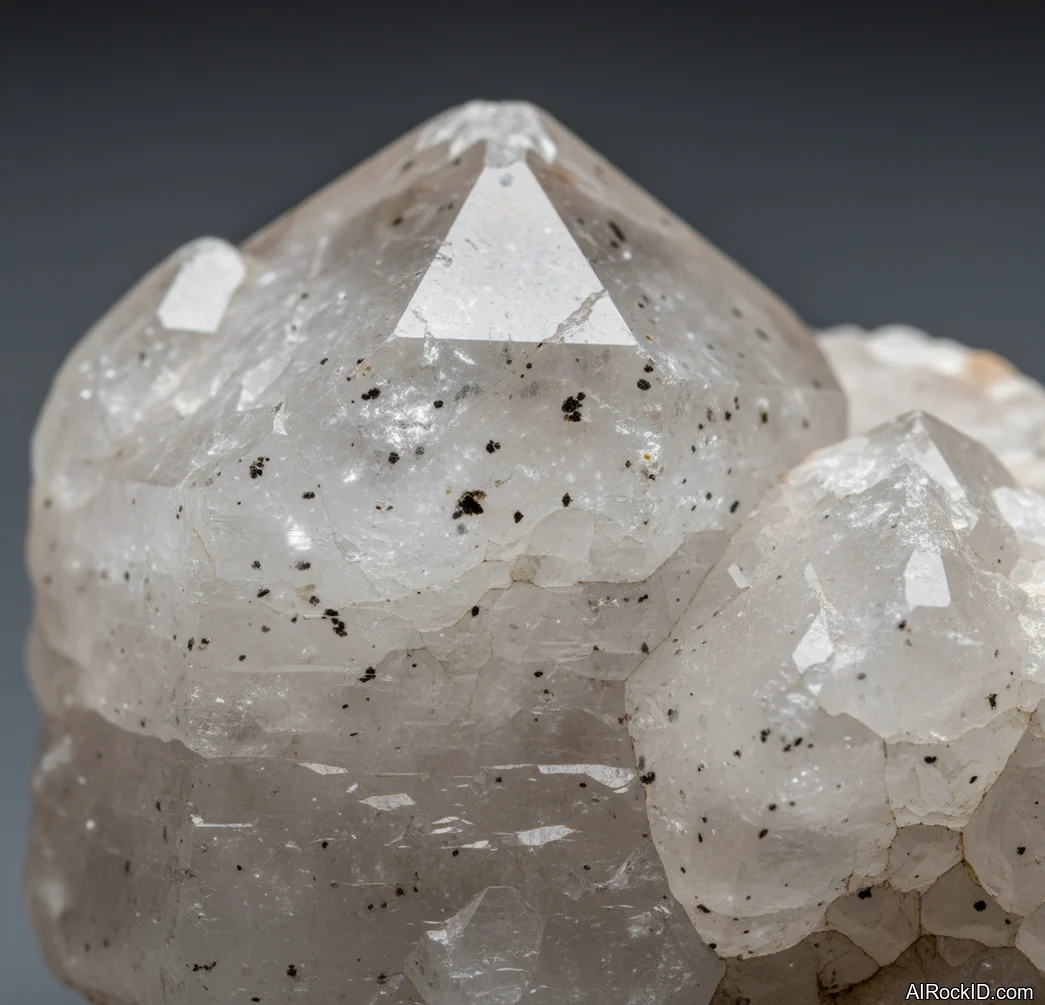
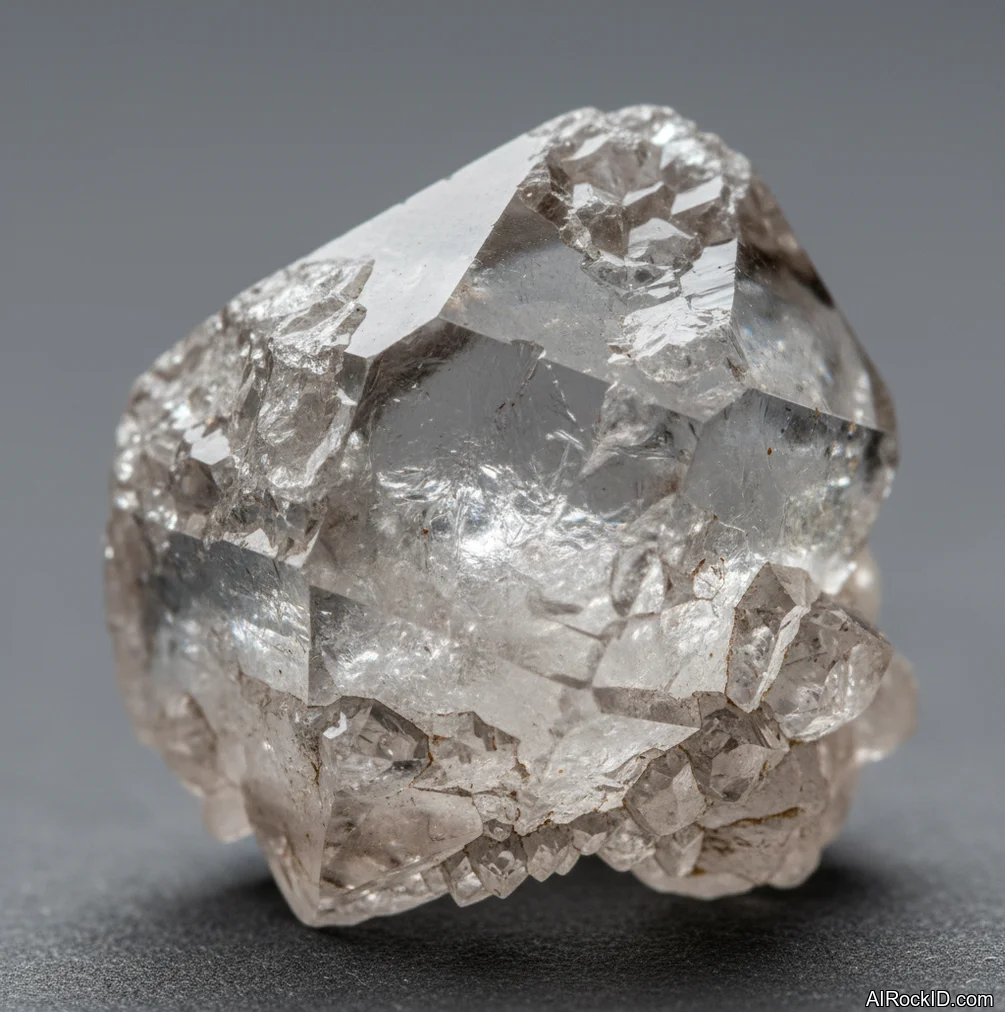
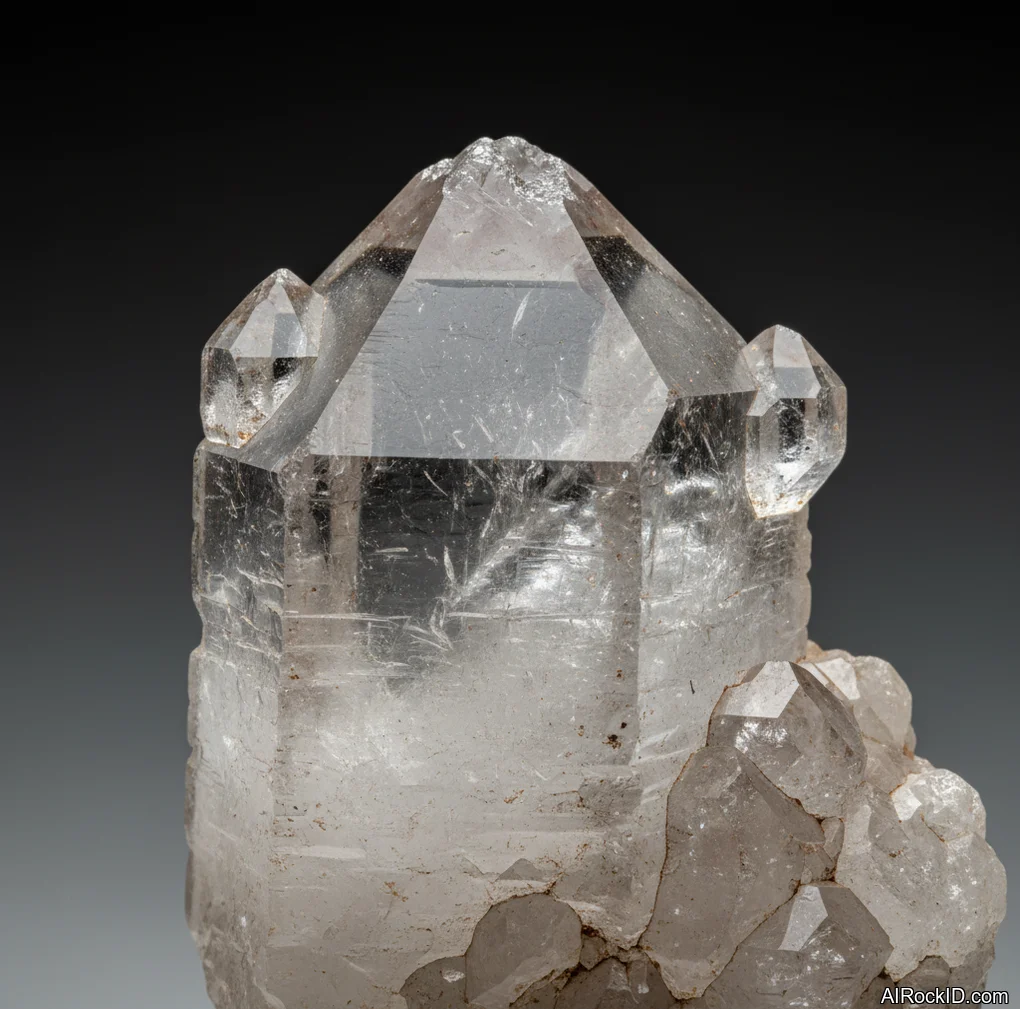
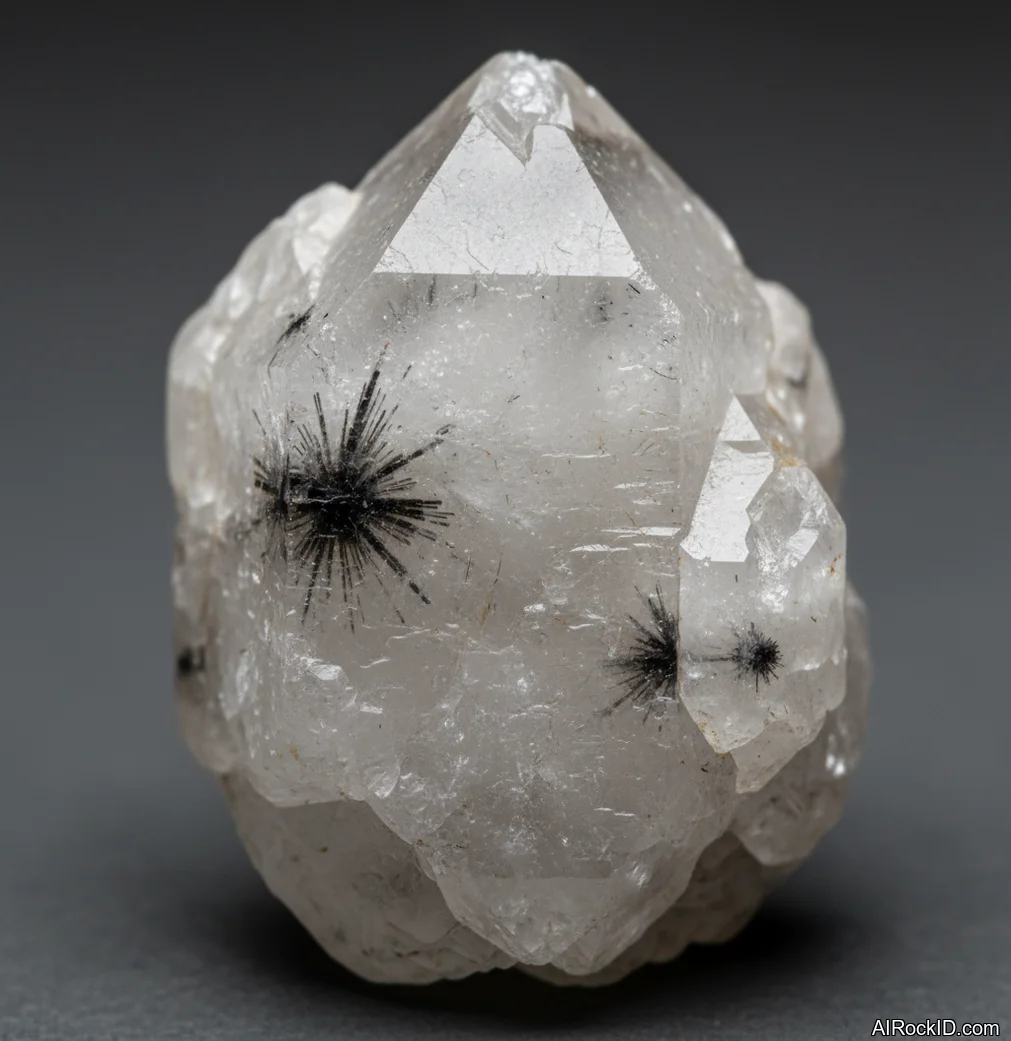
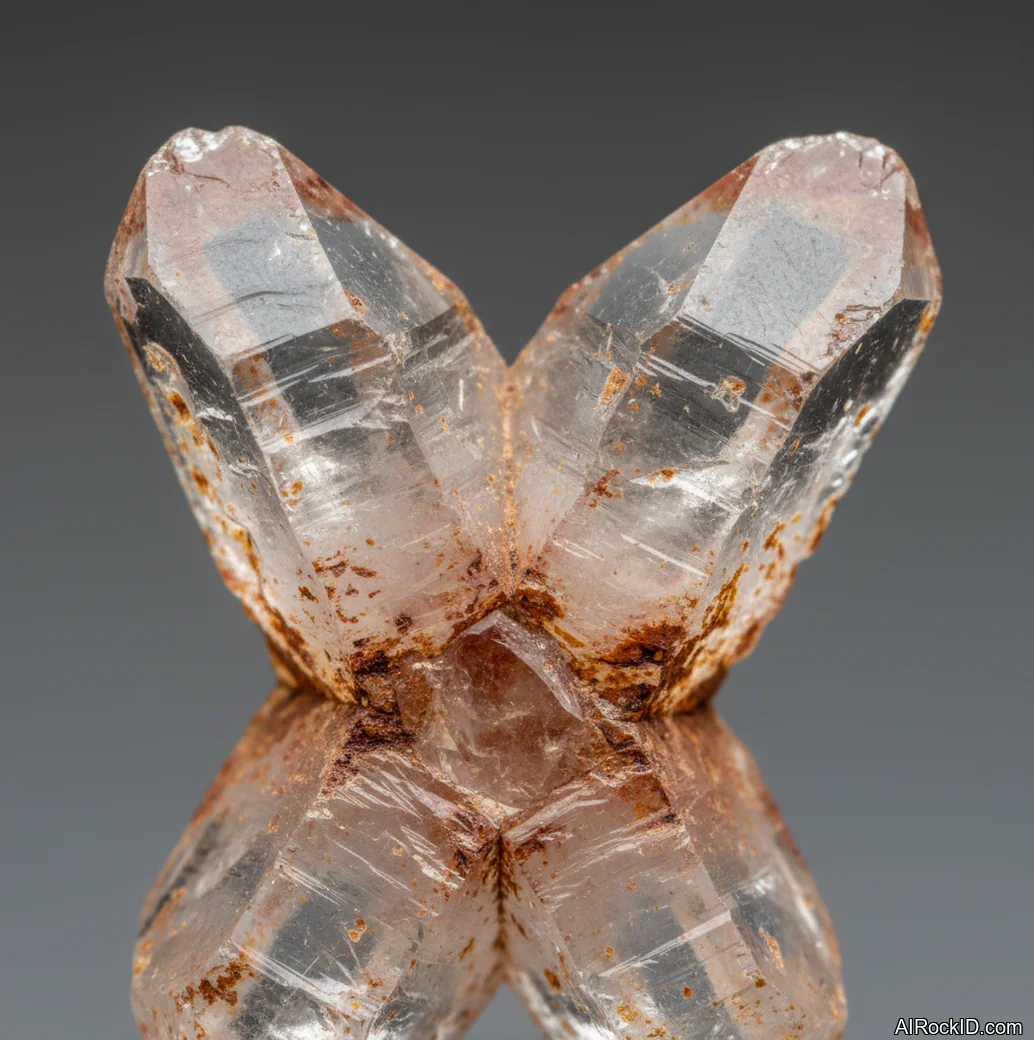
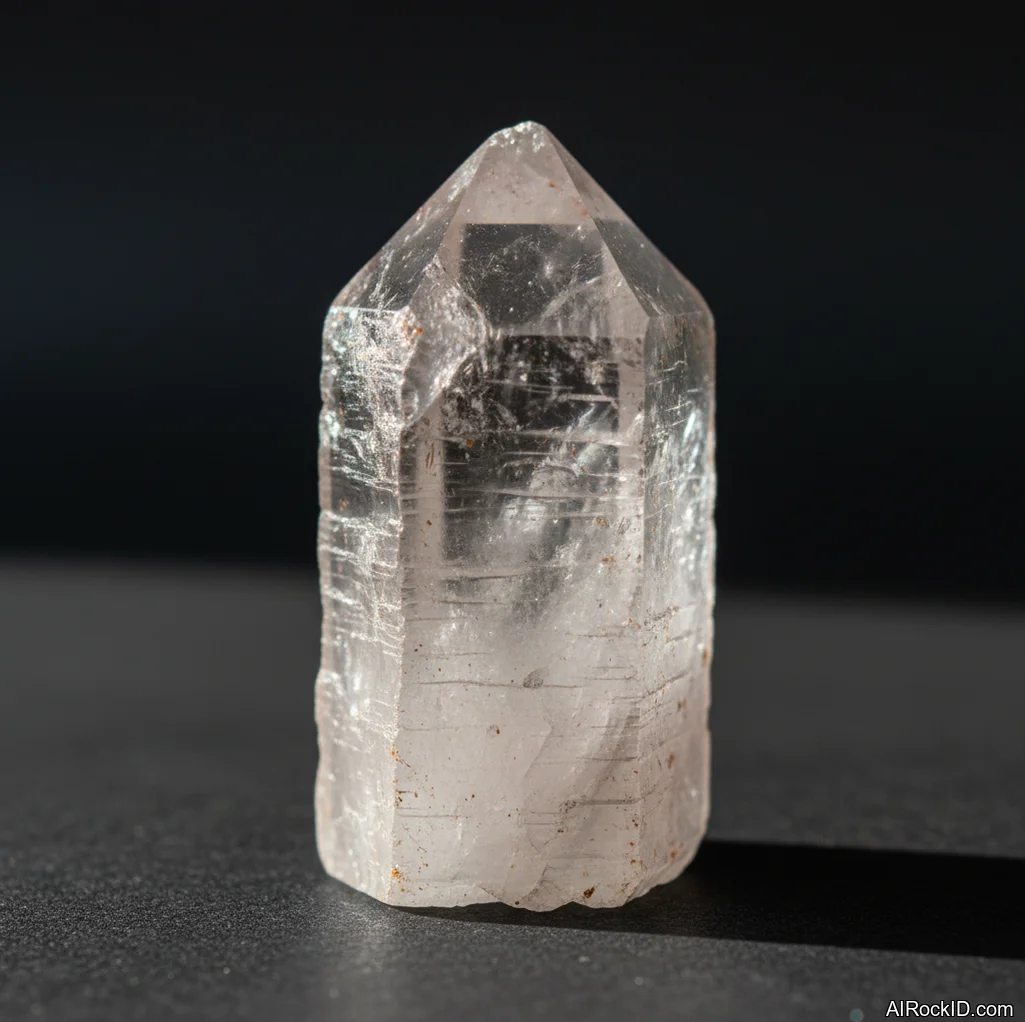
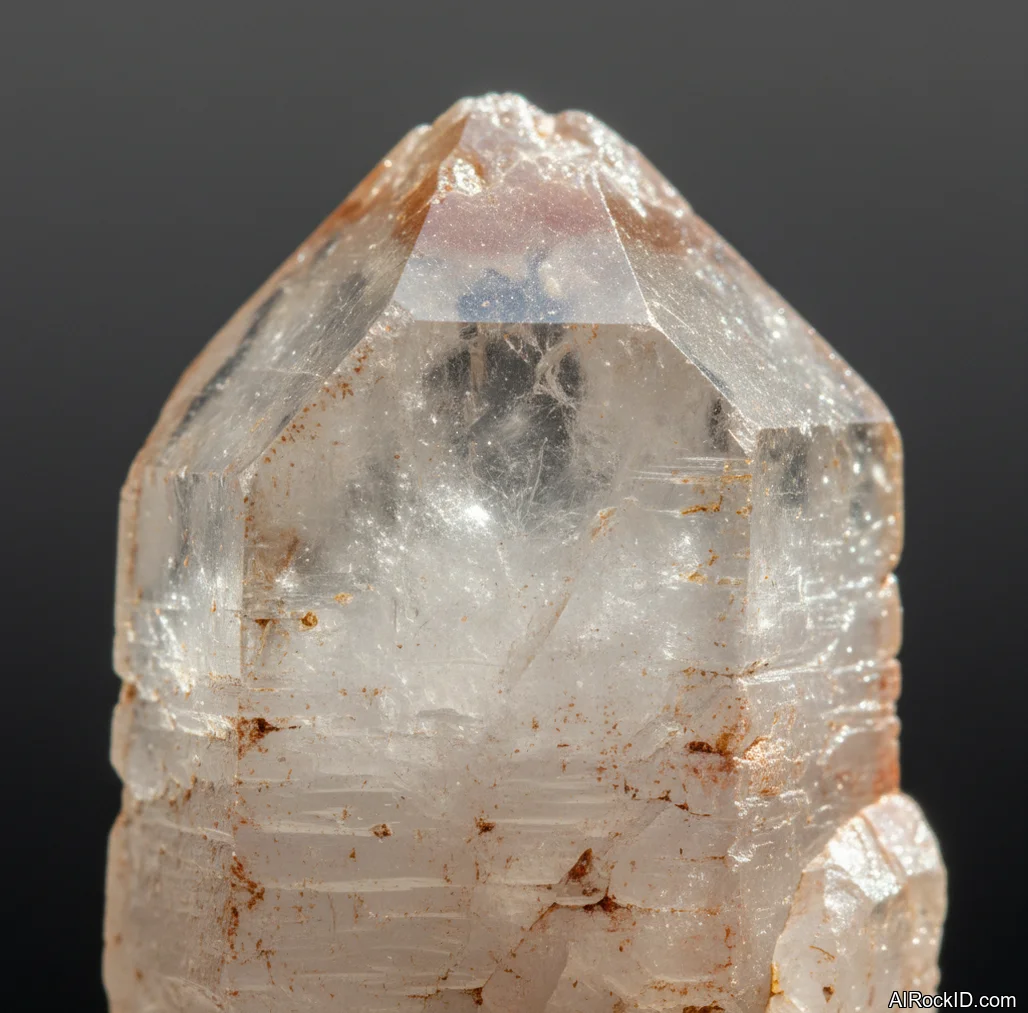
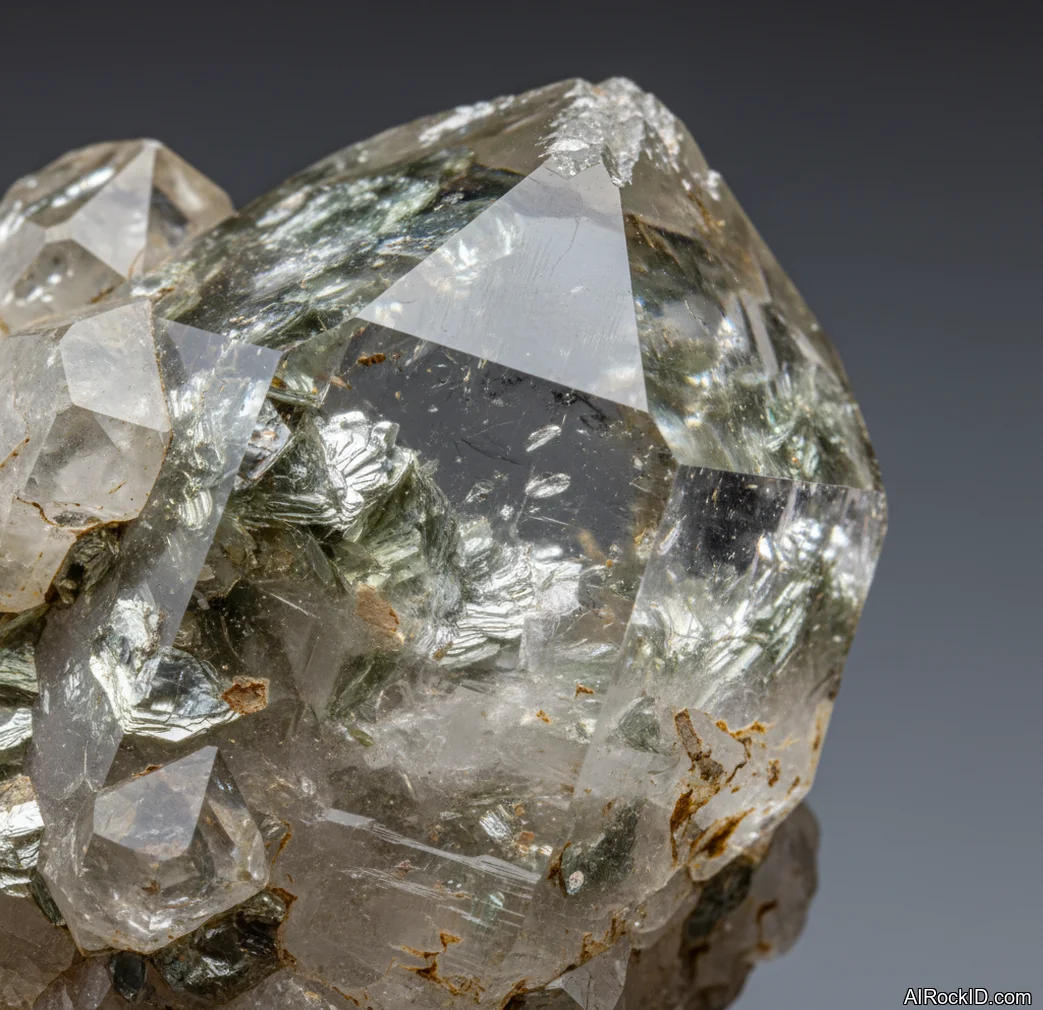
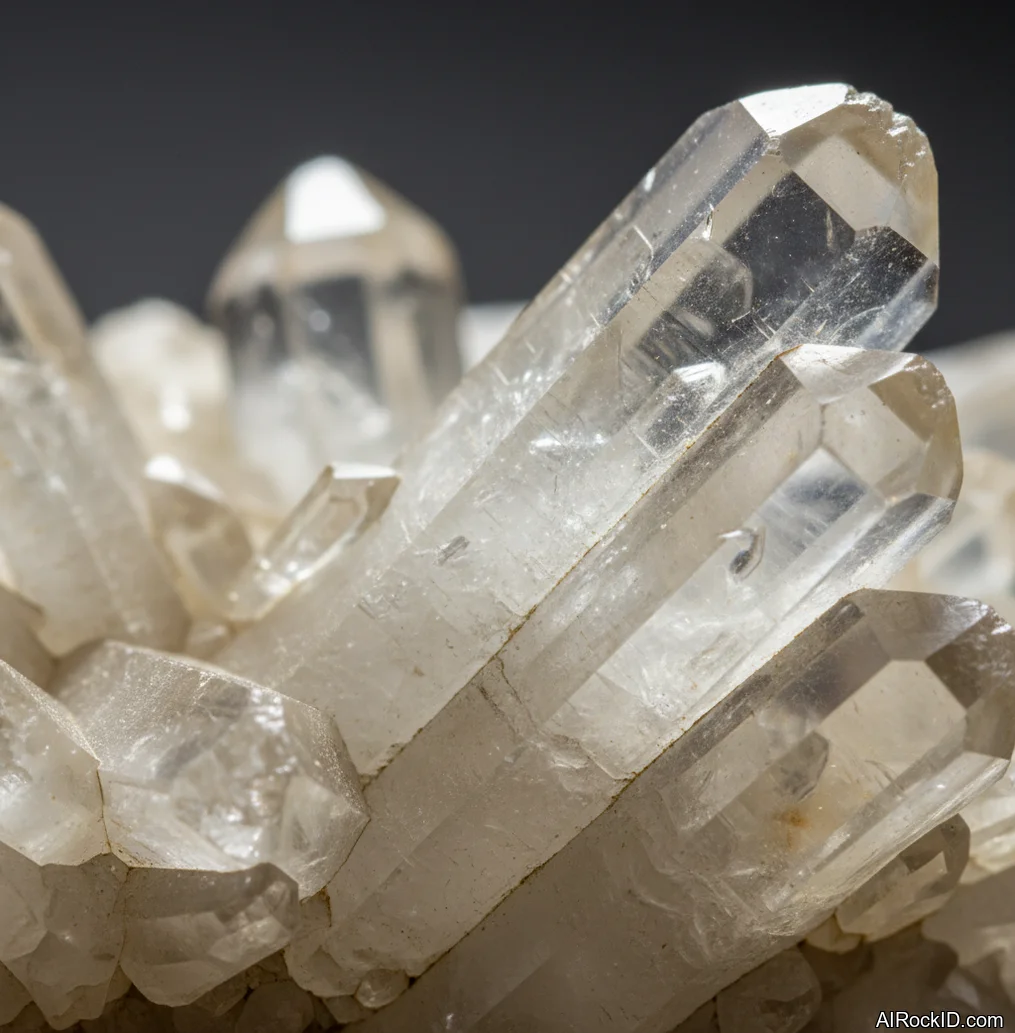
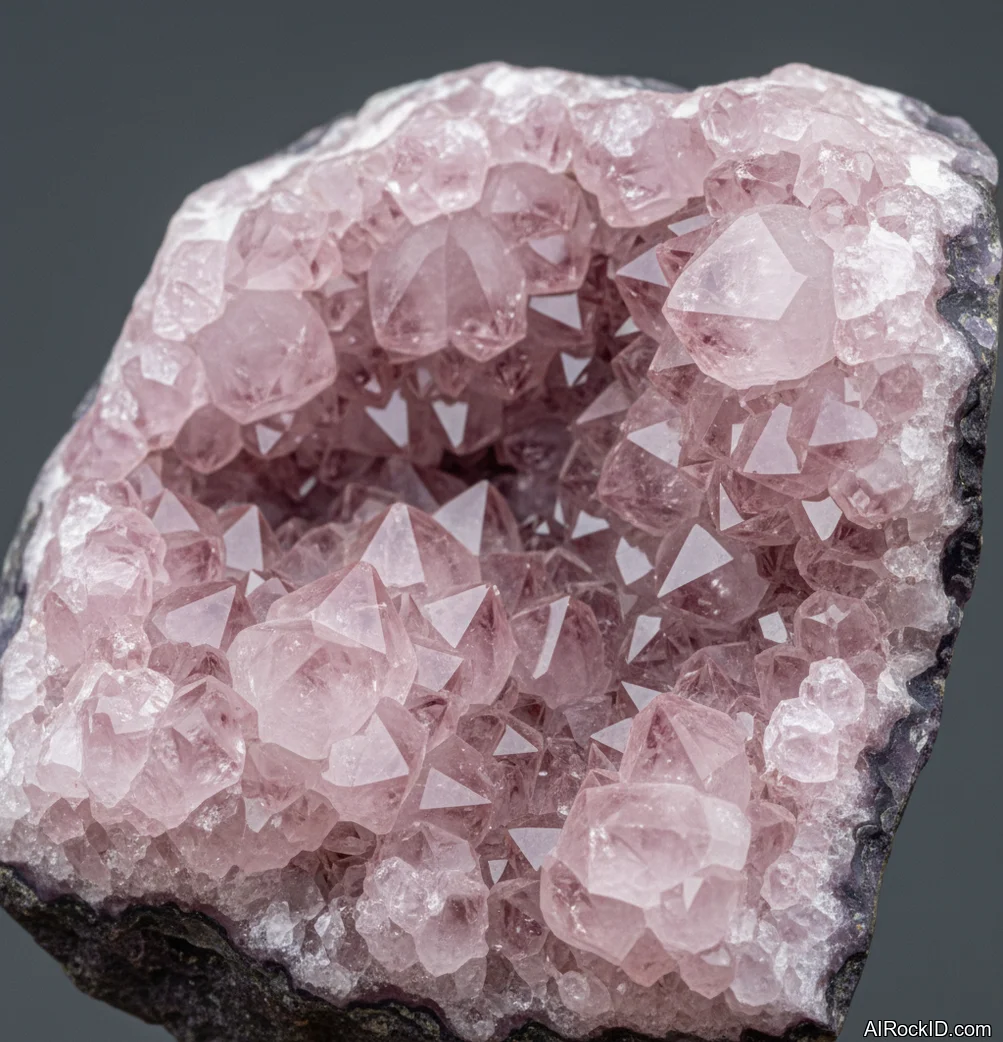
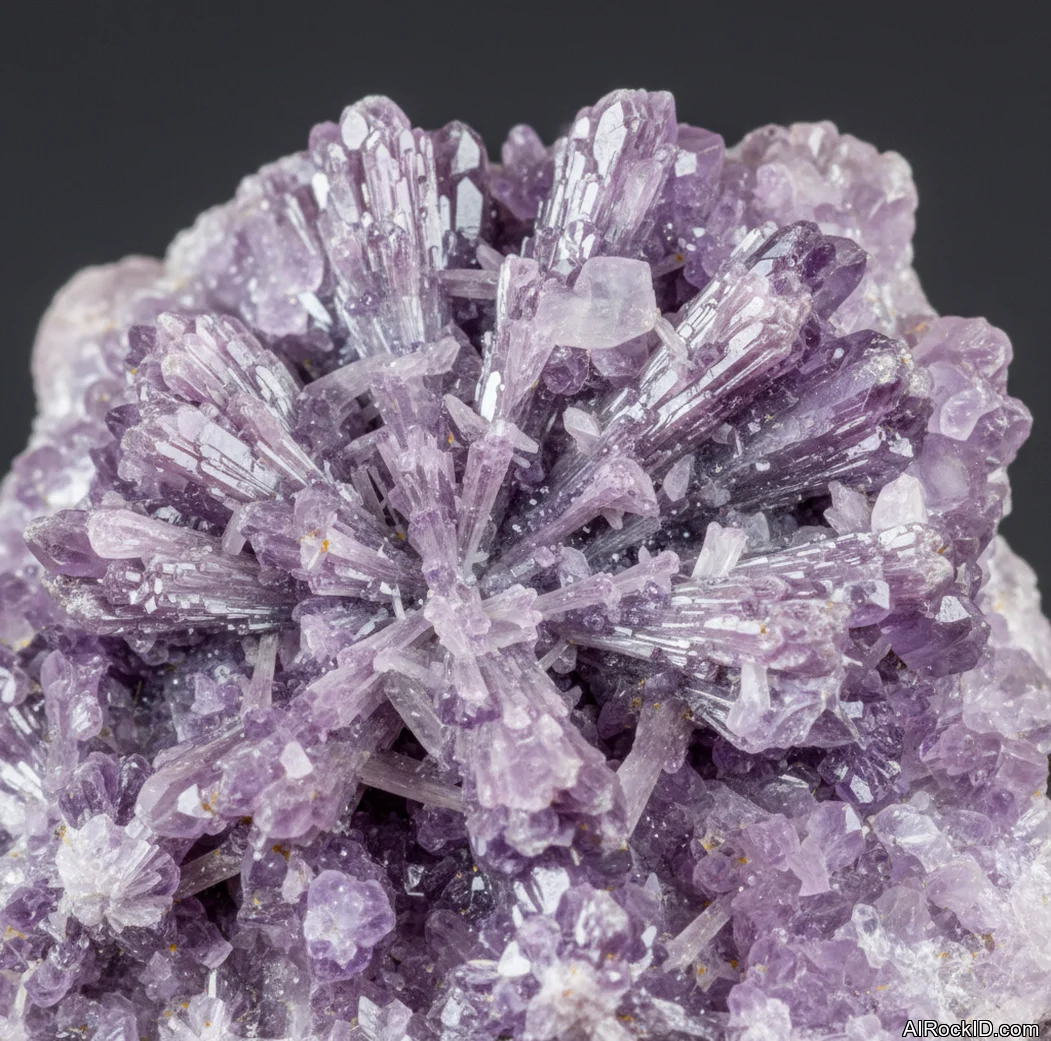
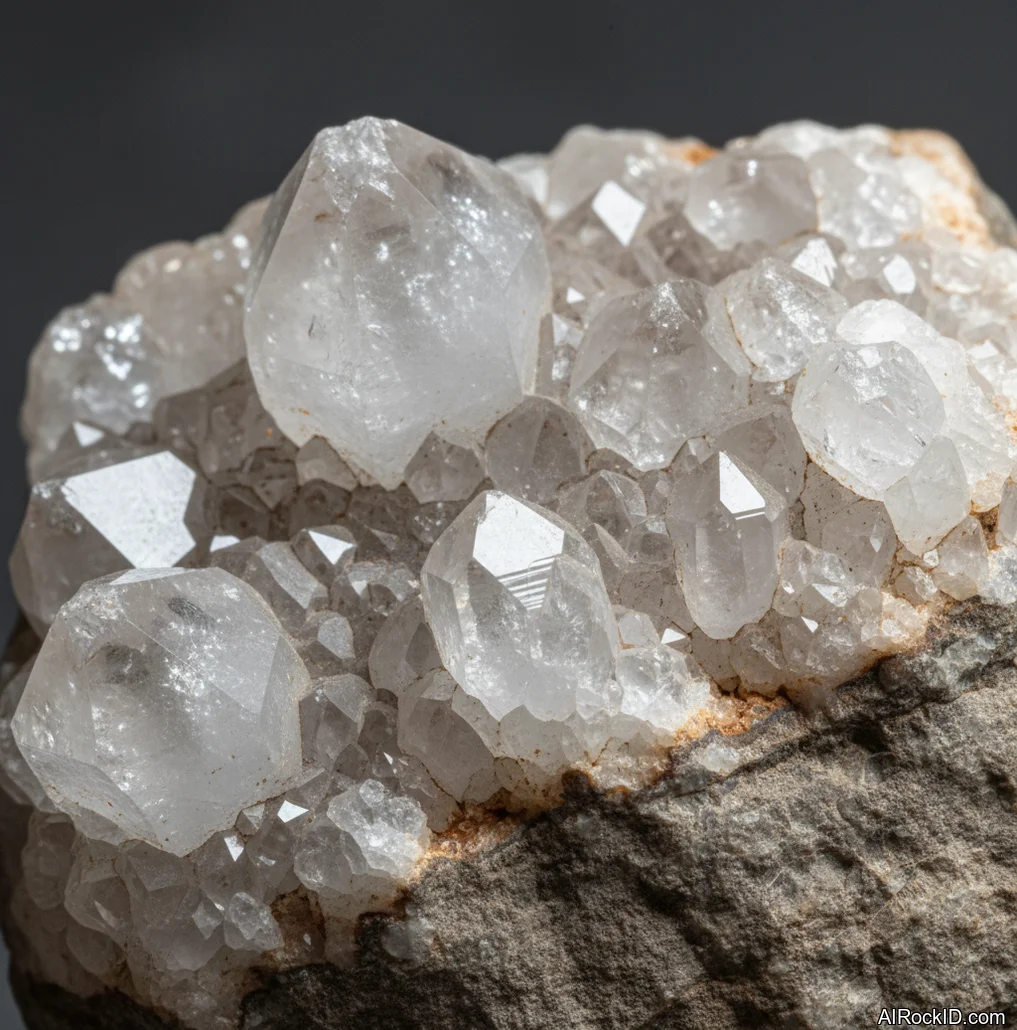
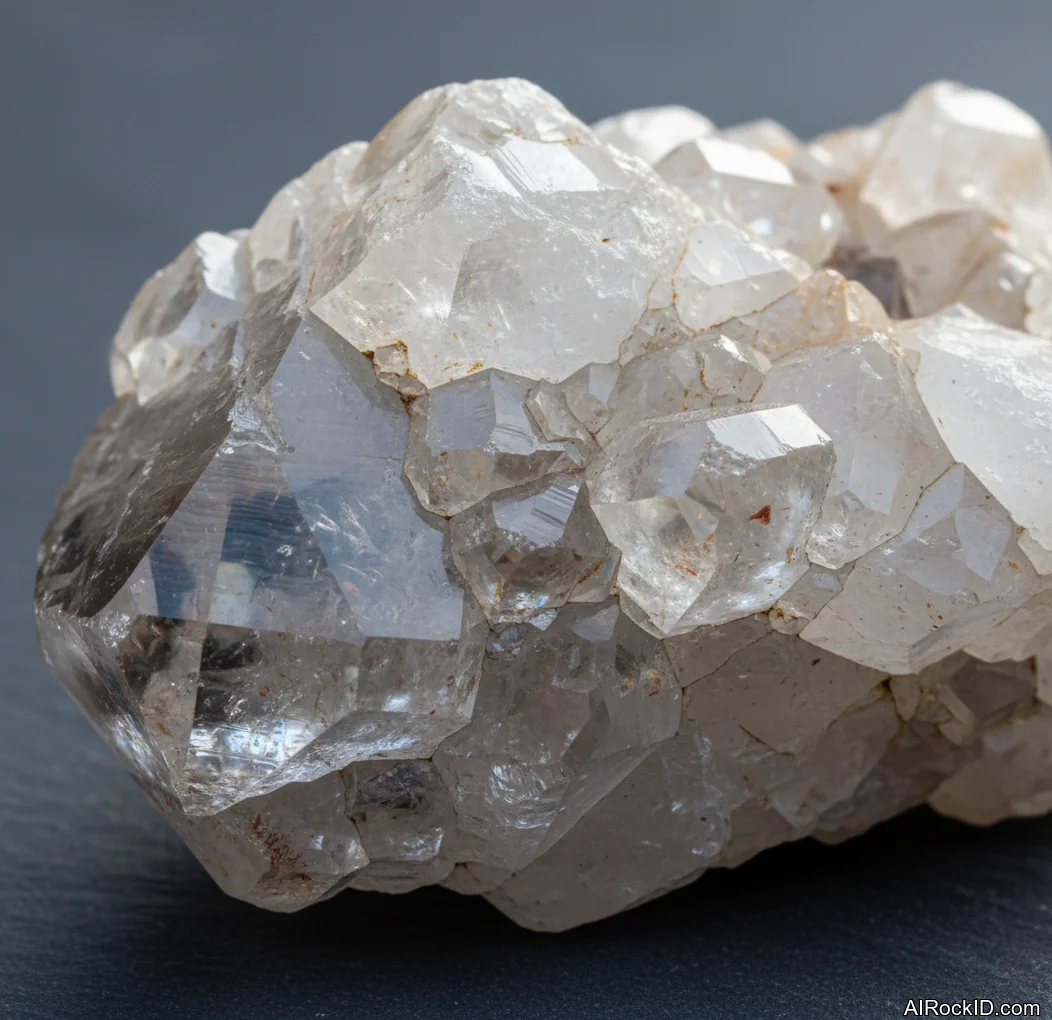
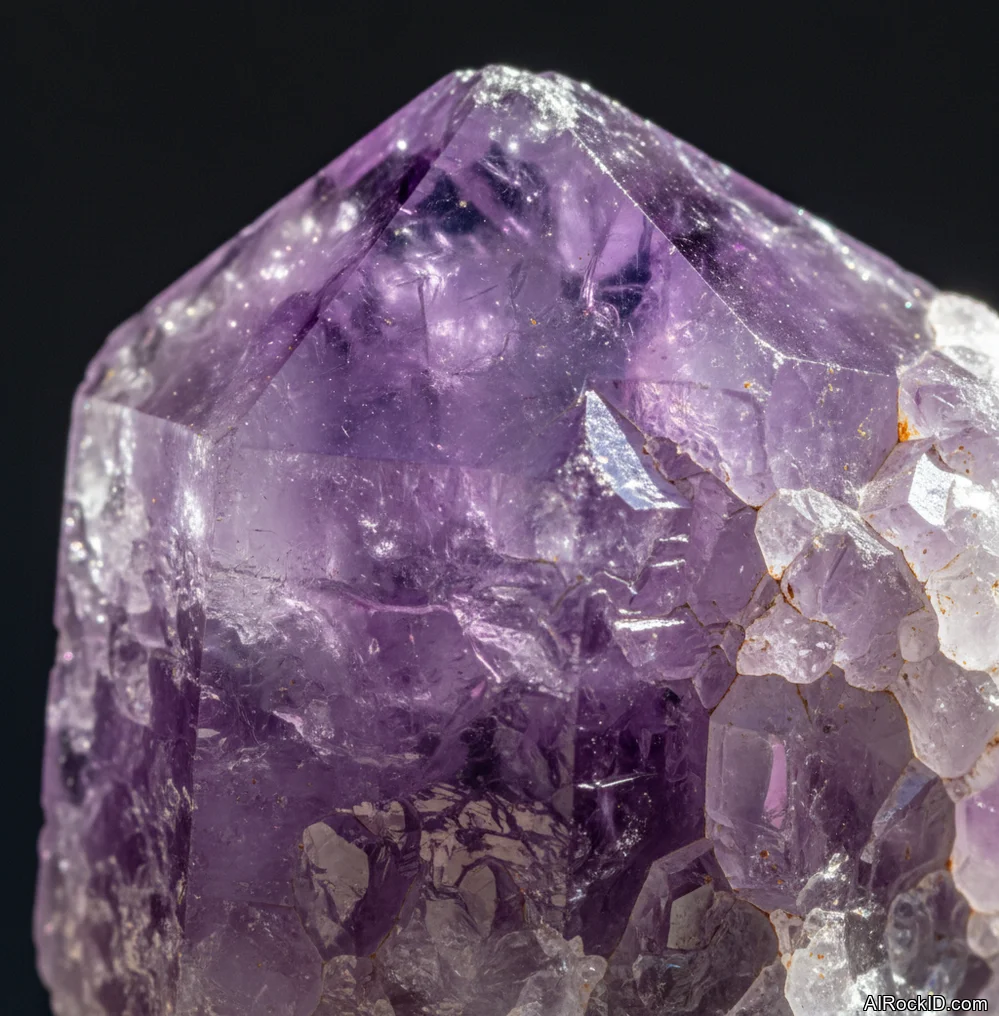
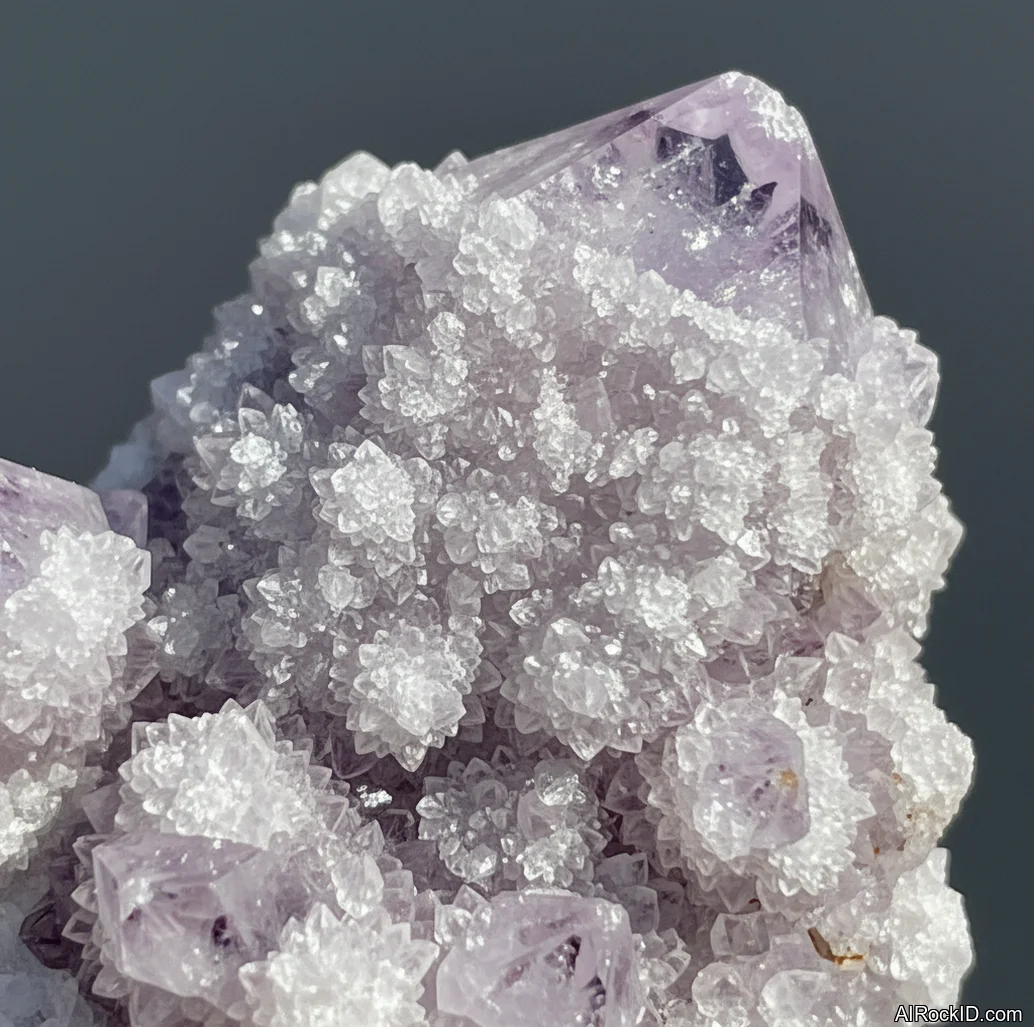
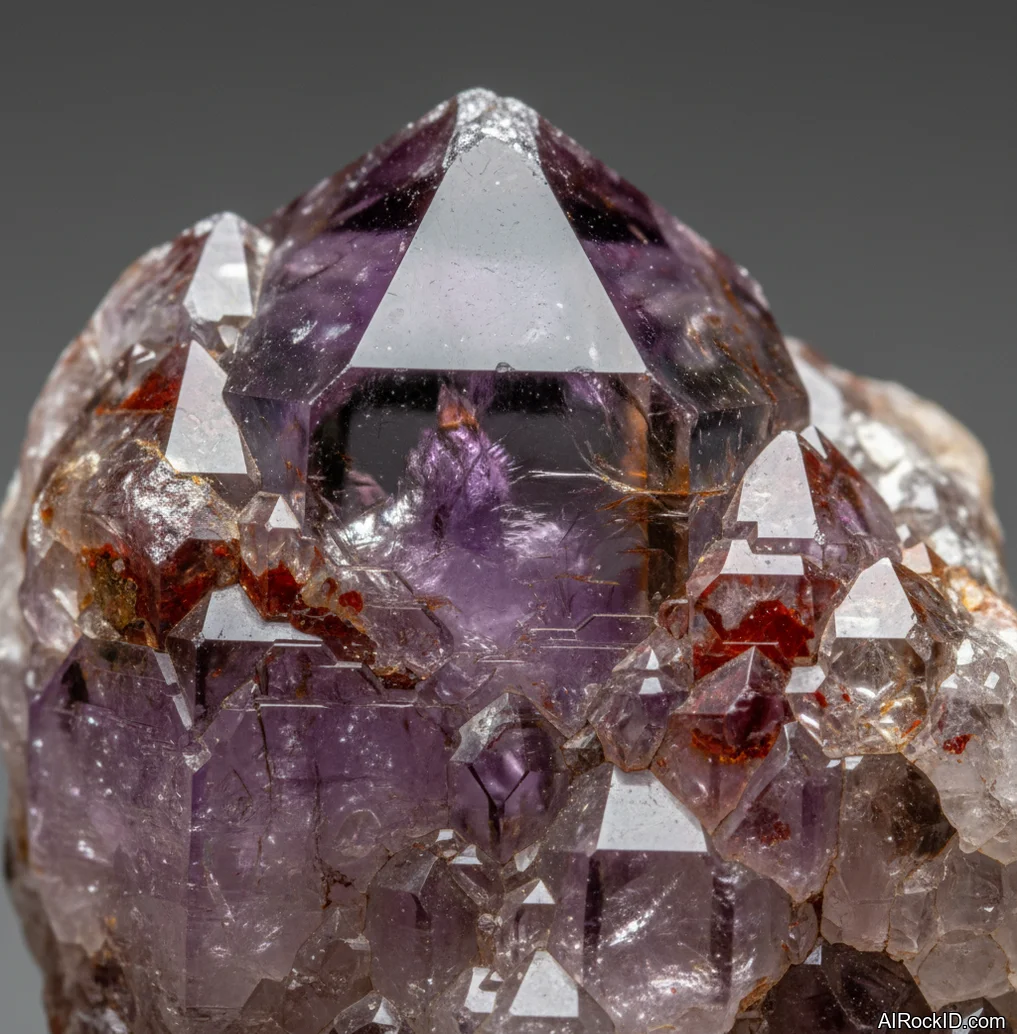
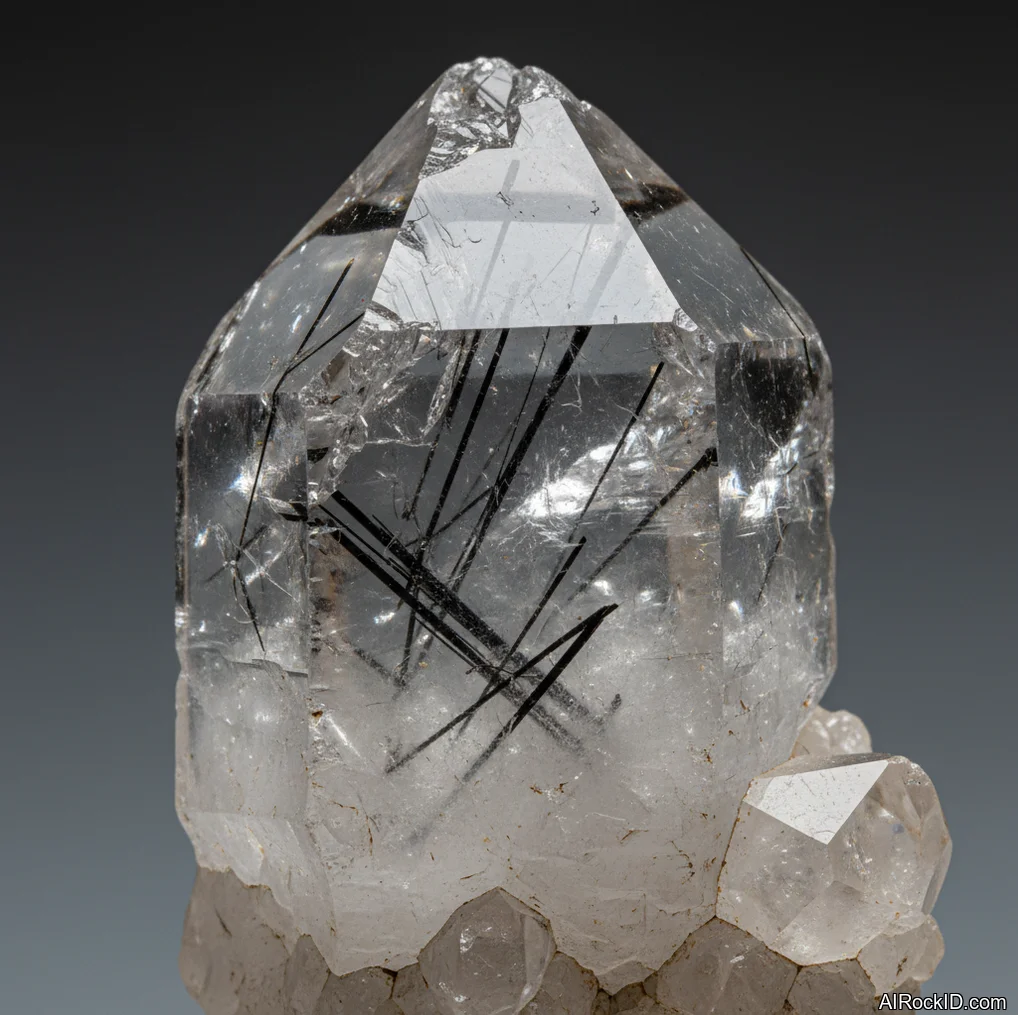
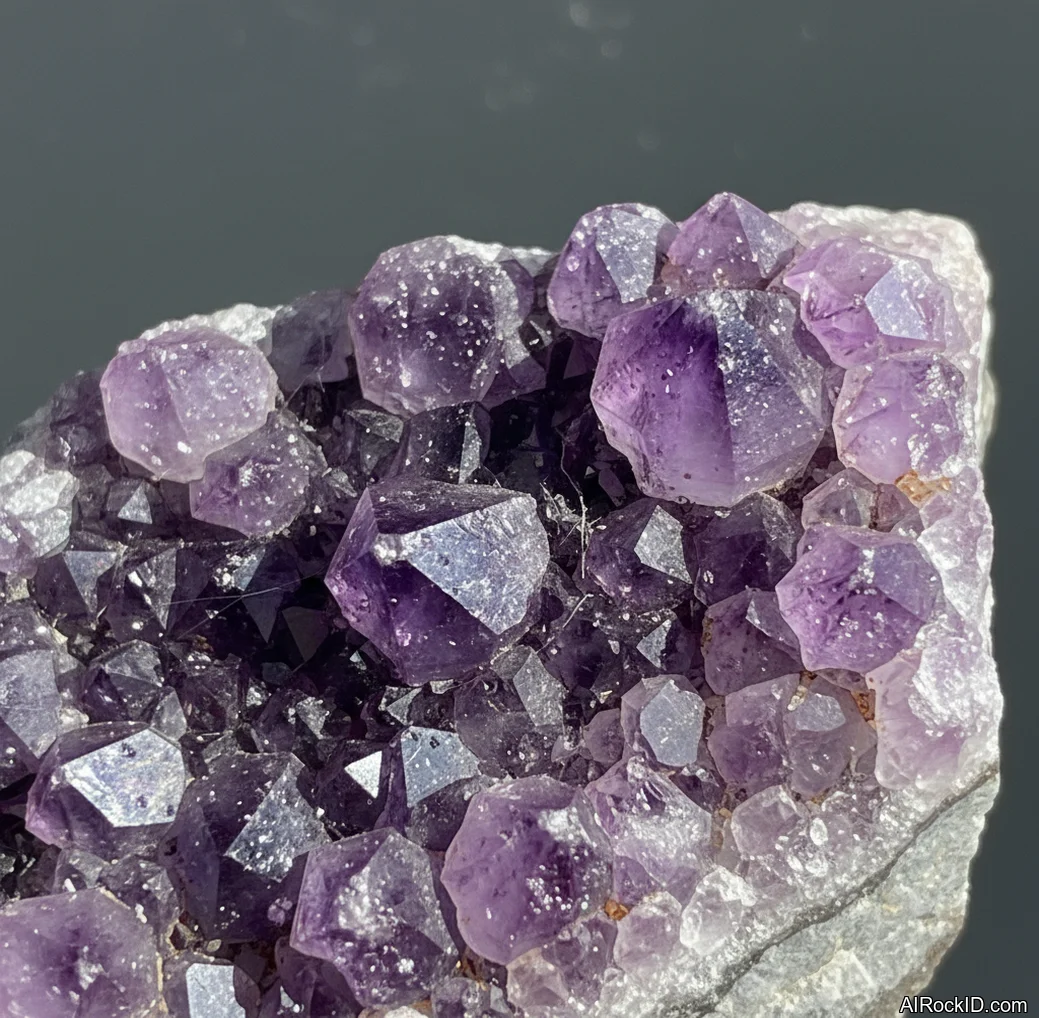
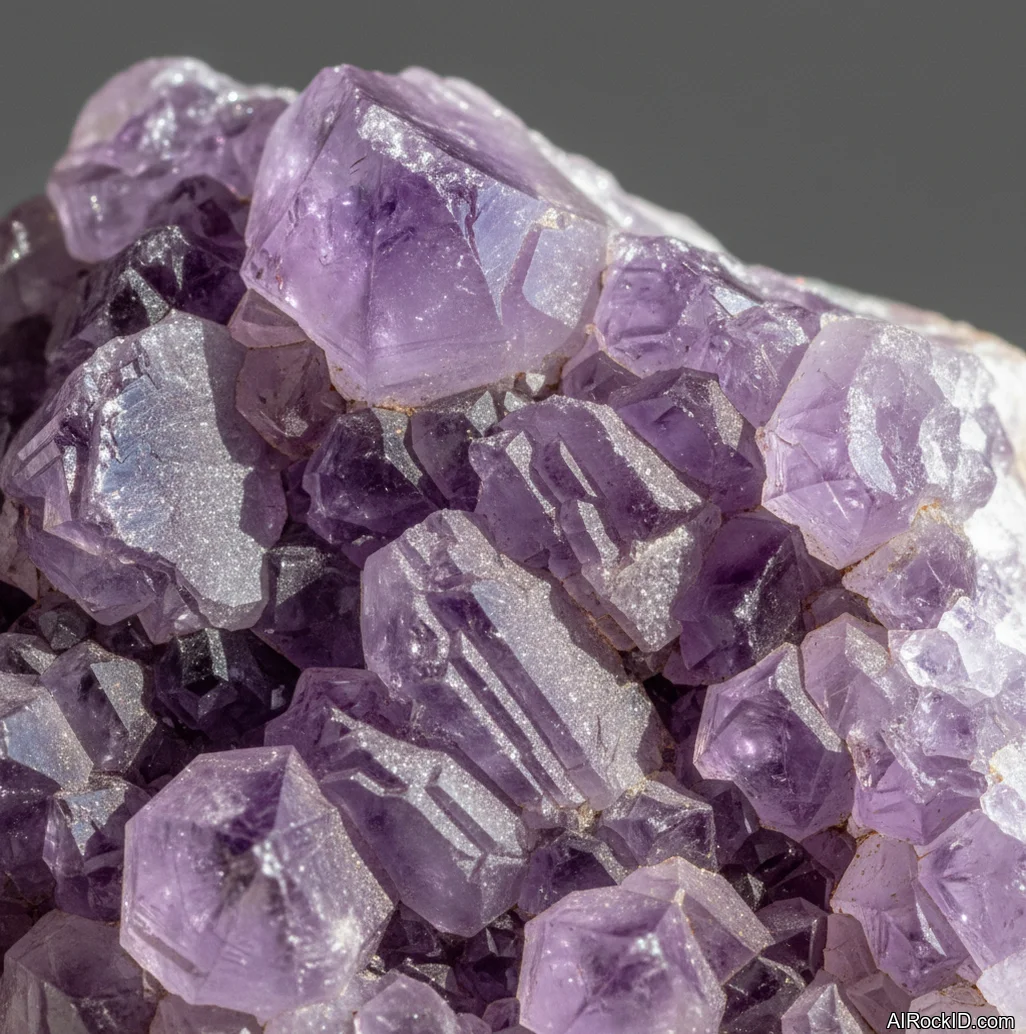
I’ve watched people bounce off meditation because they expect silence on day one. Not happening. A crystal can work like a physical anchor. Cool in your palm. A little weight. Something to look at when your eyes keep wandering (because they will). That’s why clear quartz points and amethyst clusters end up on so many meditation tables. A quartz point gives you an actual direction for your gaze to rest. An amethyst cluster gives you texture, tiny peaks, little details to trace with your eyes until your breathing finally catches up.
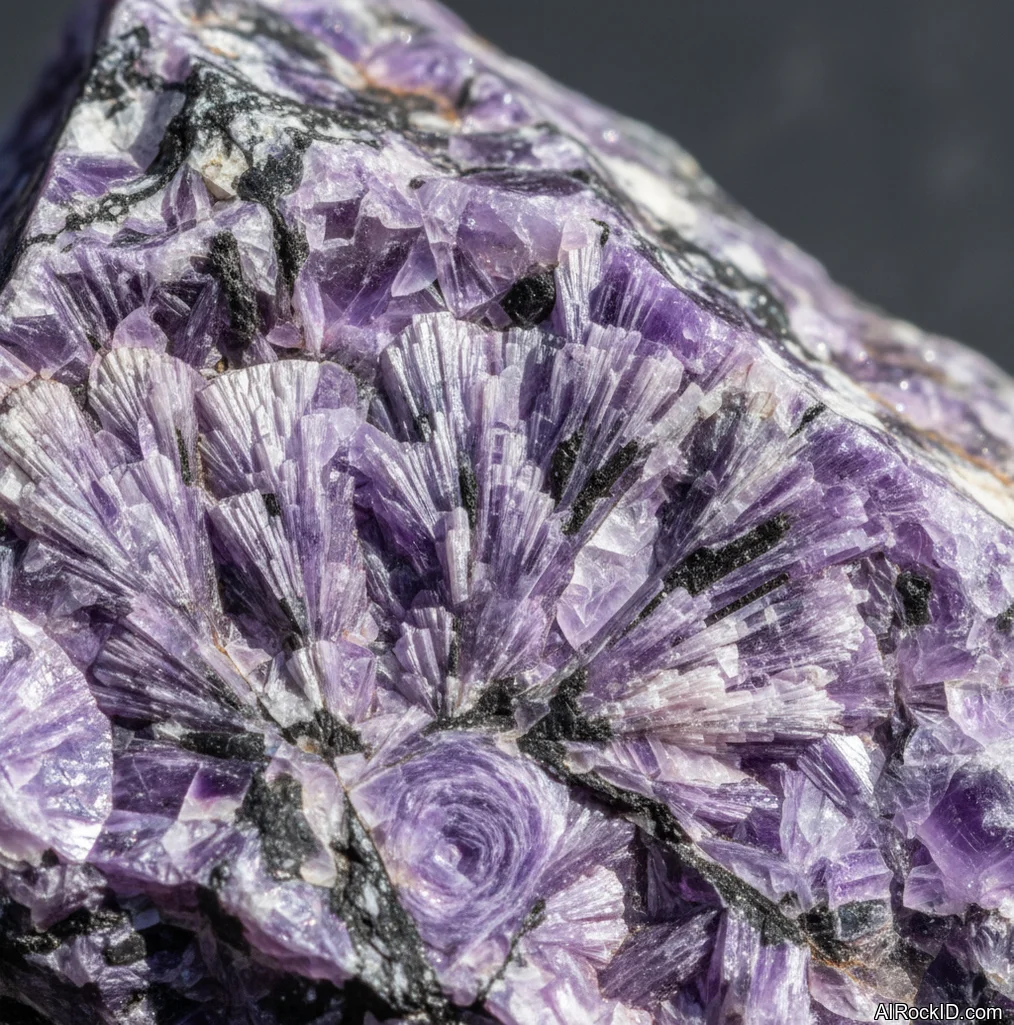
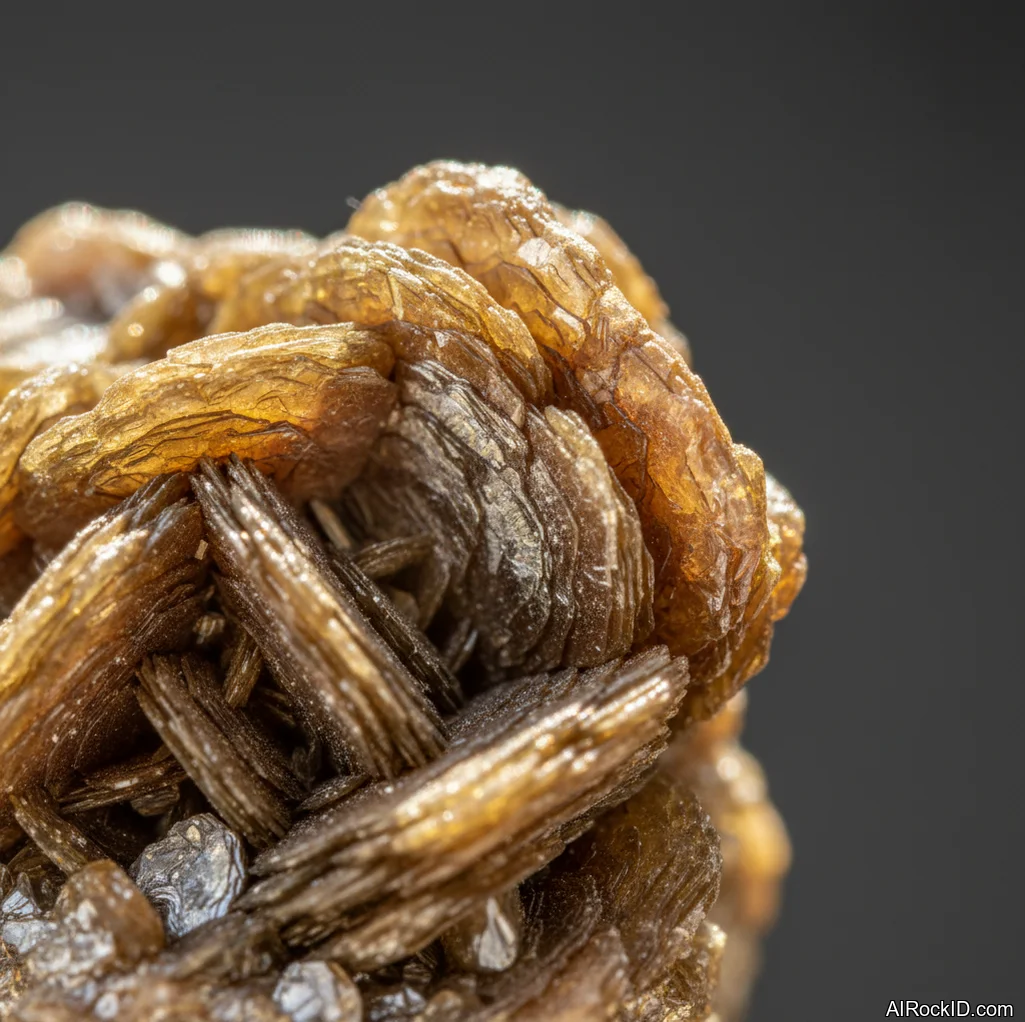
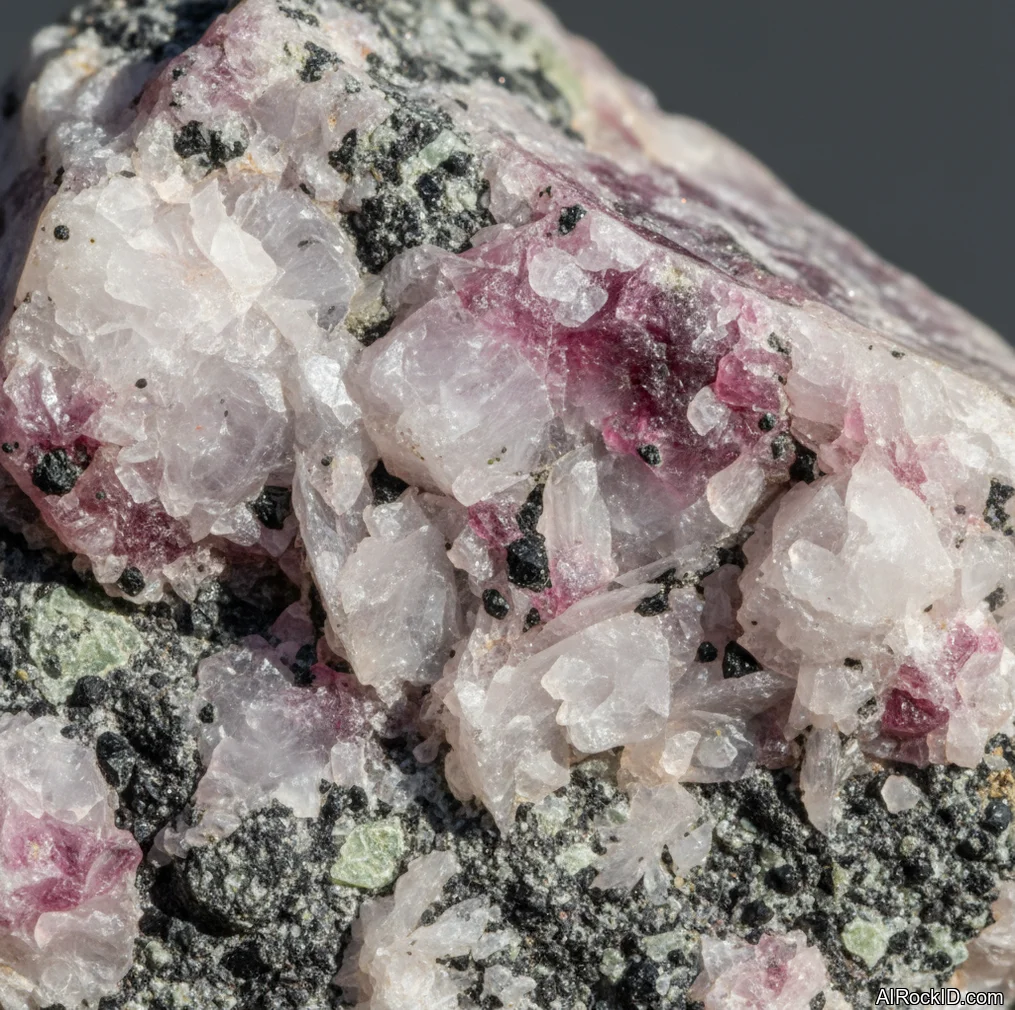
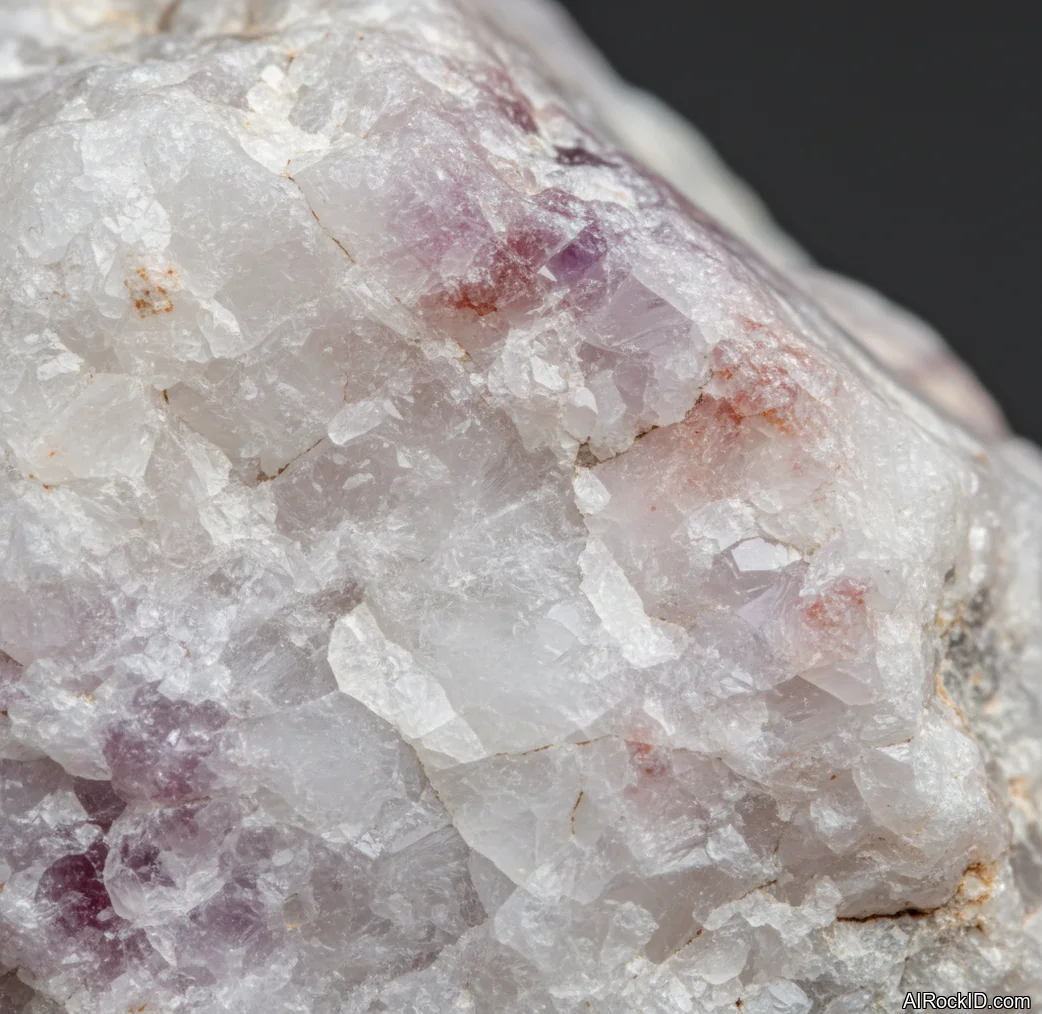
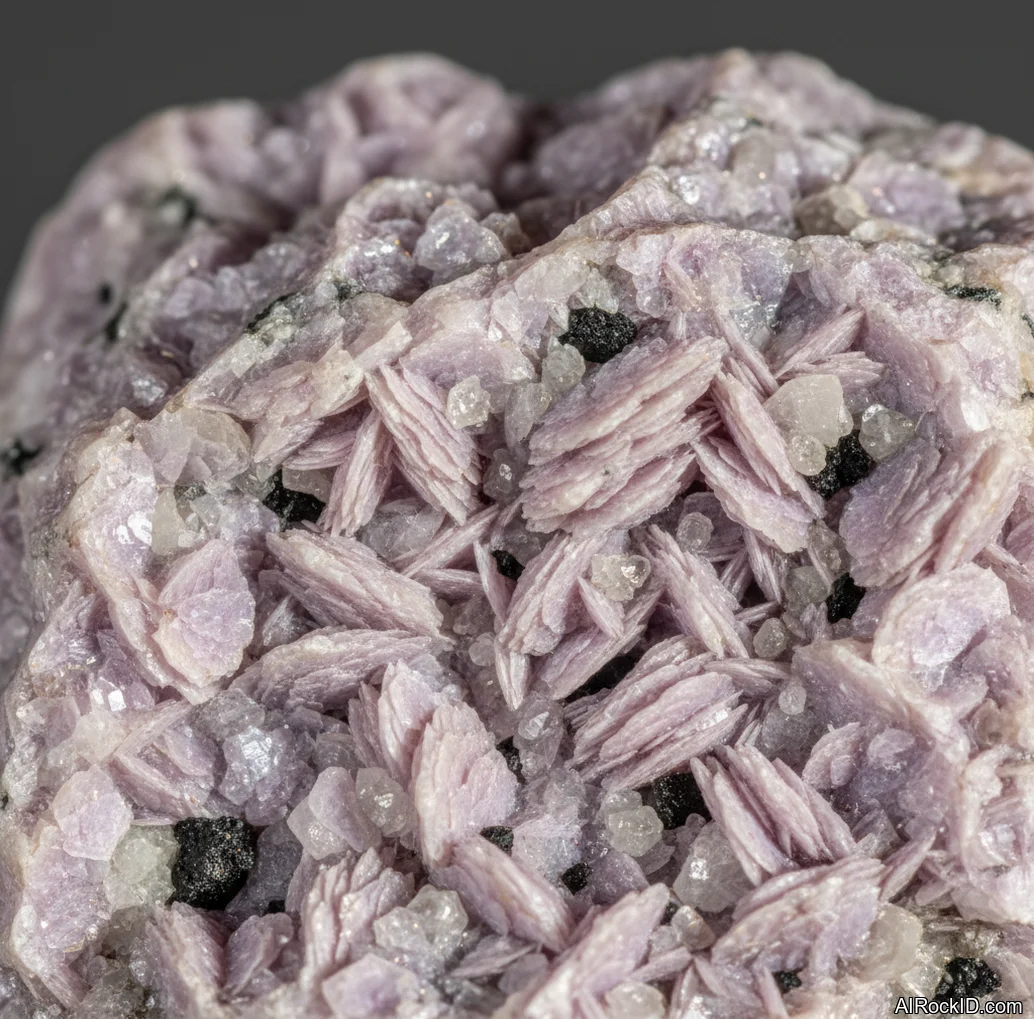
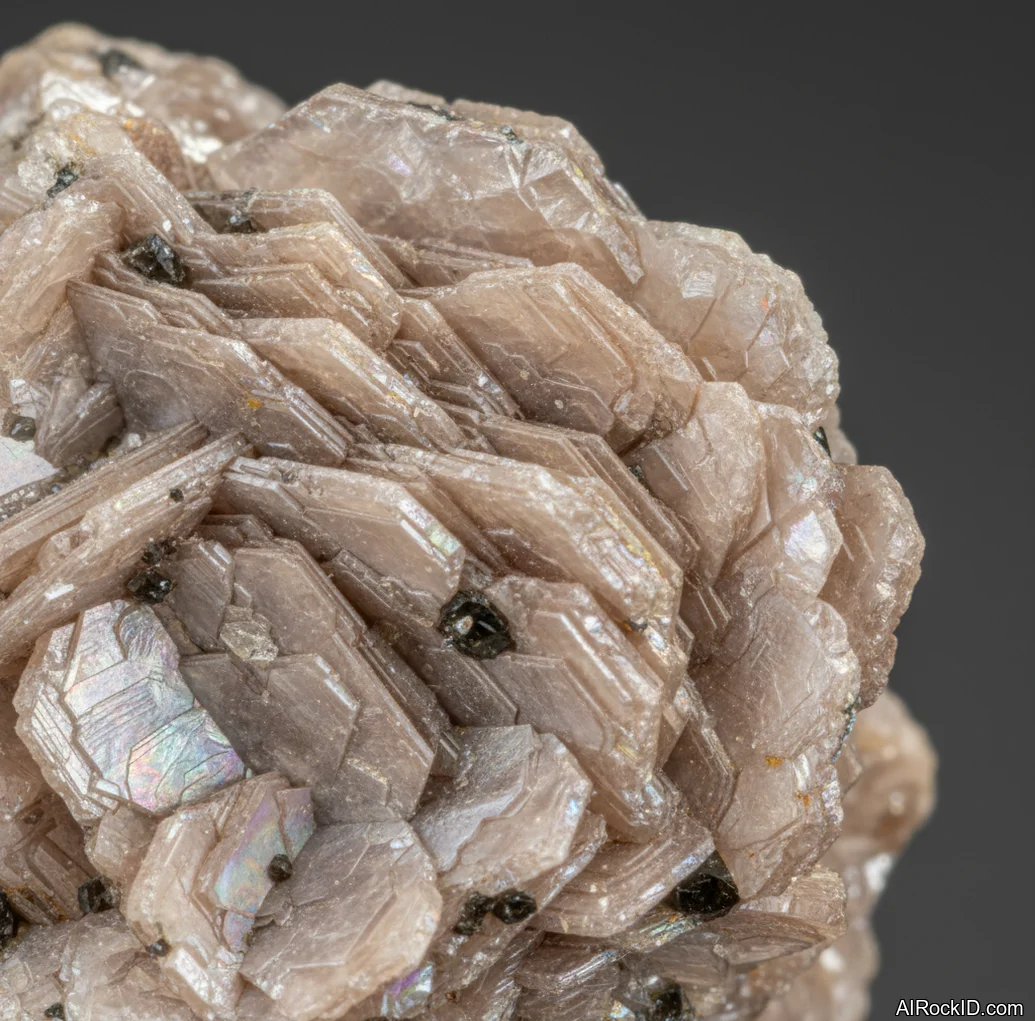
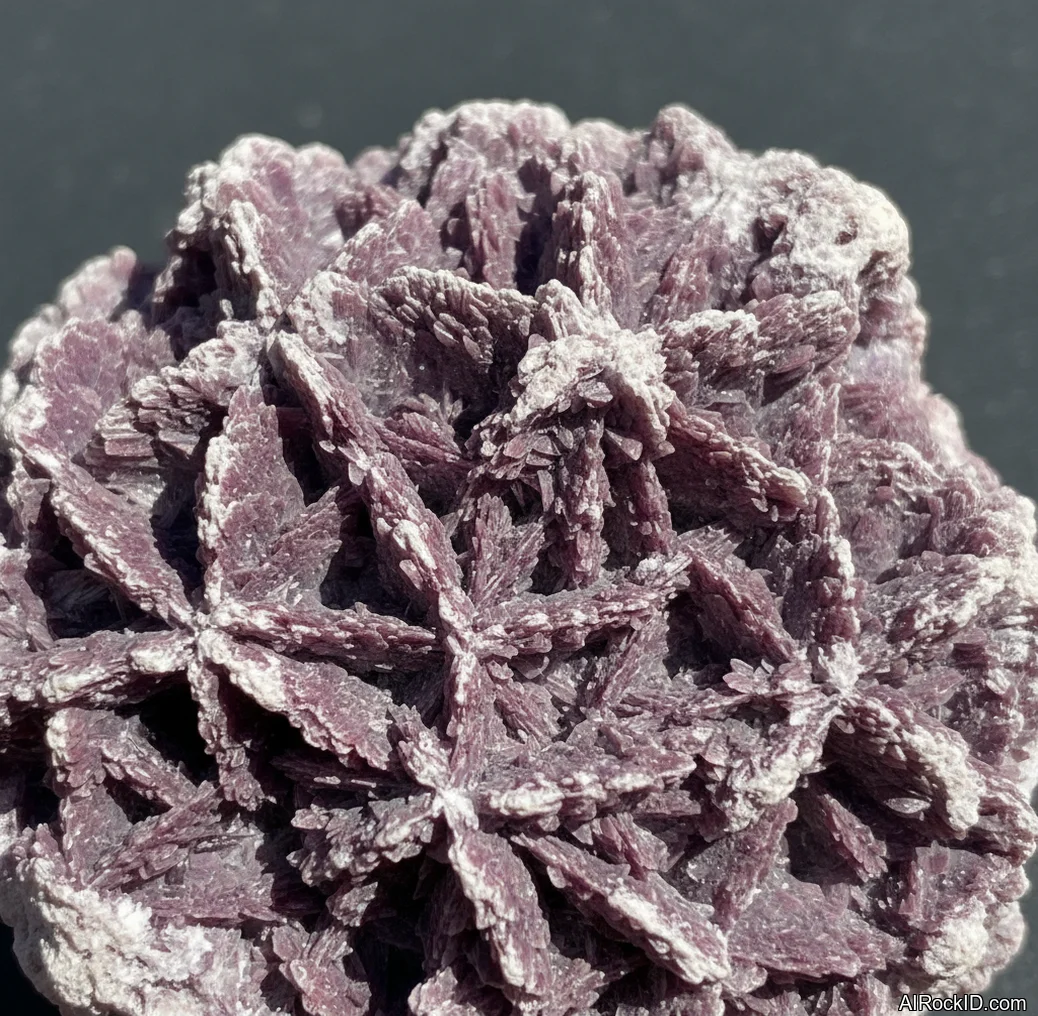
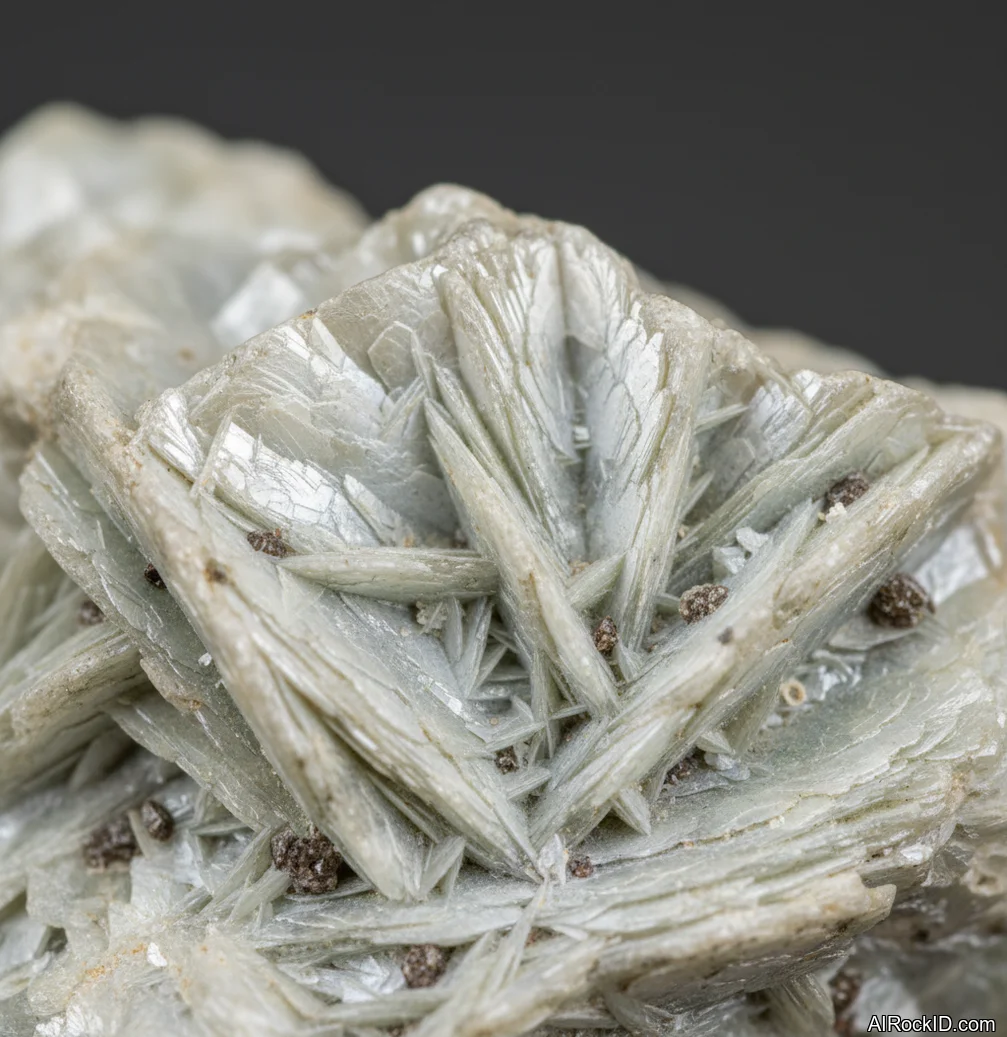
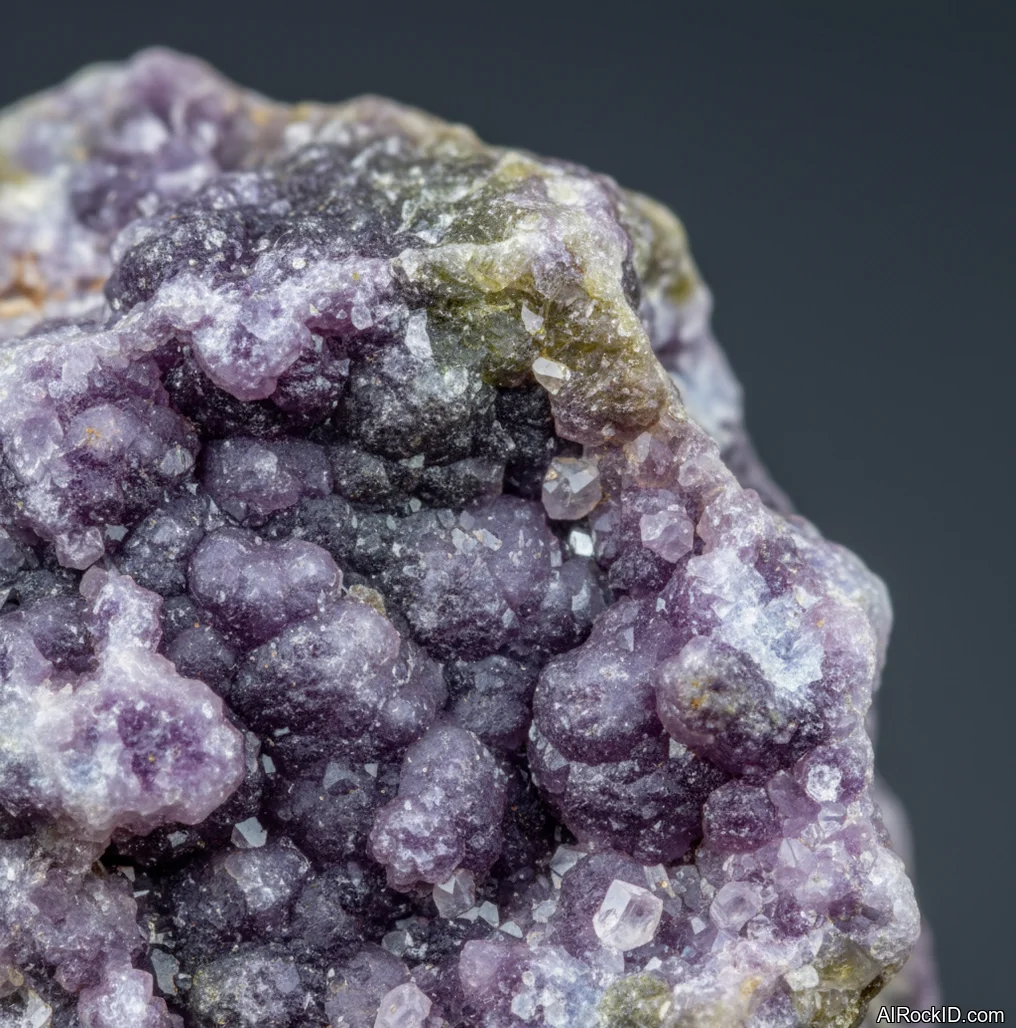
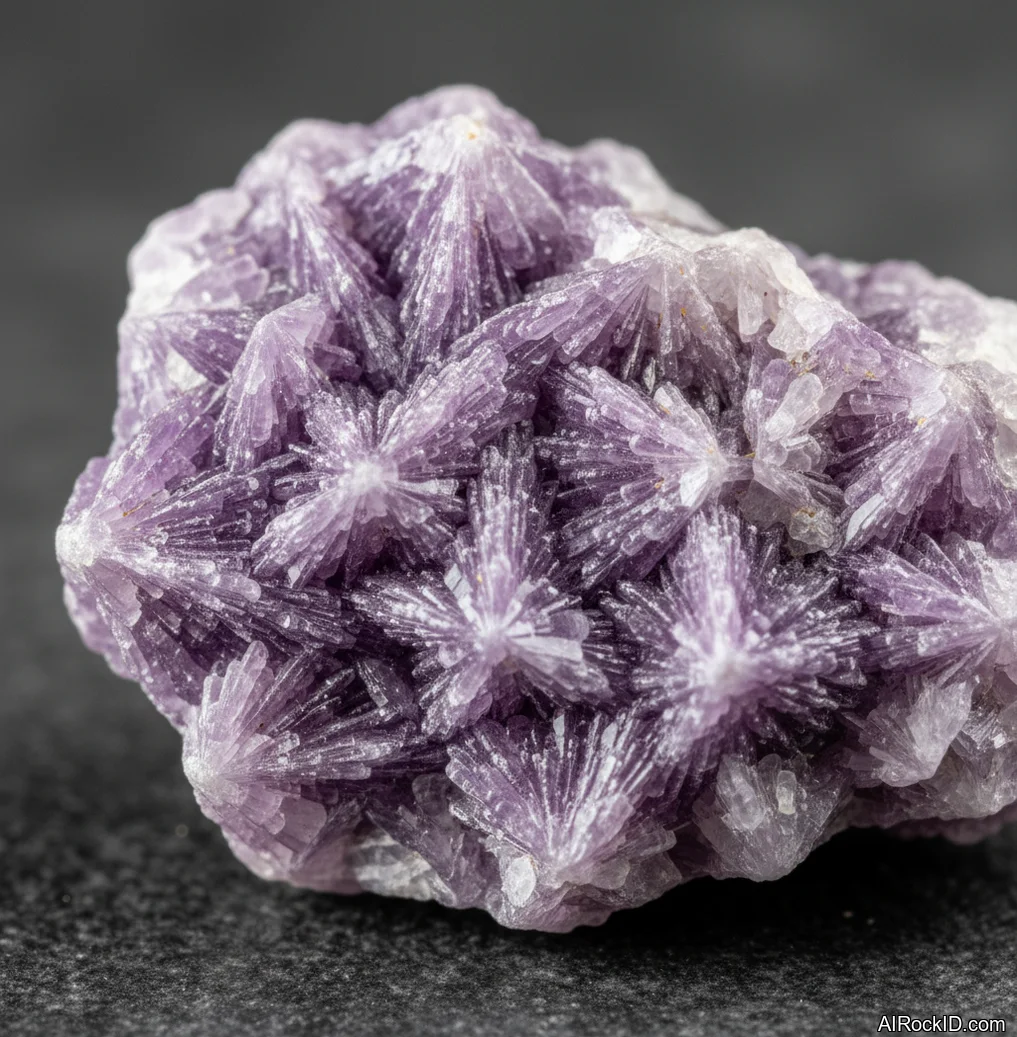
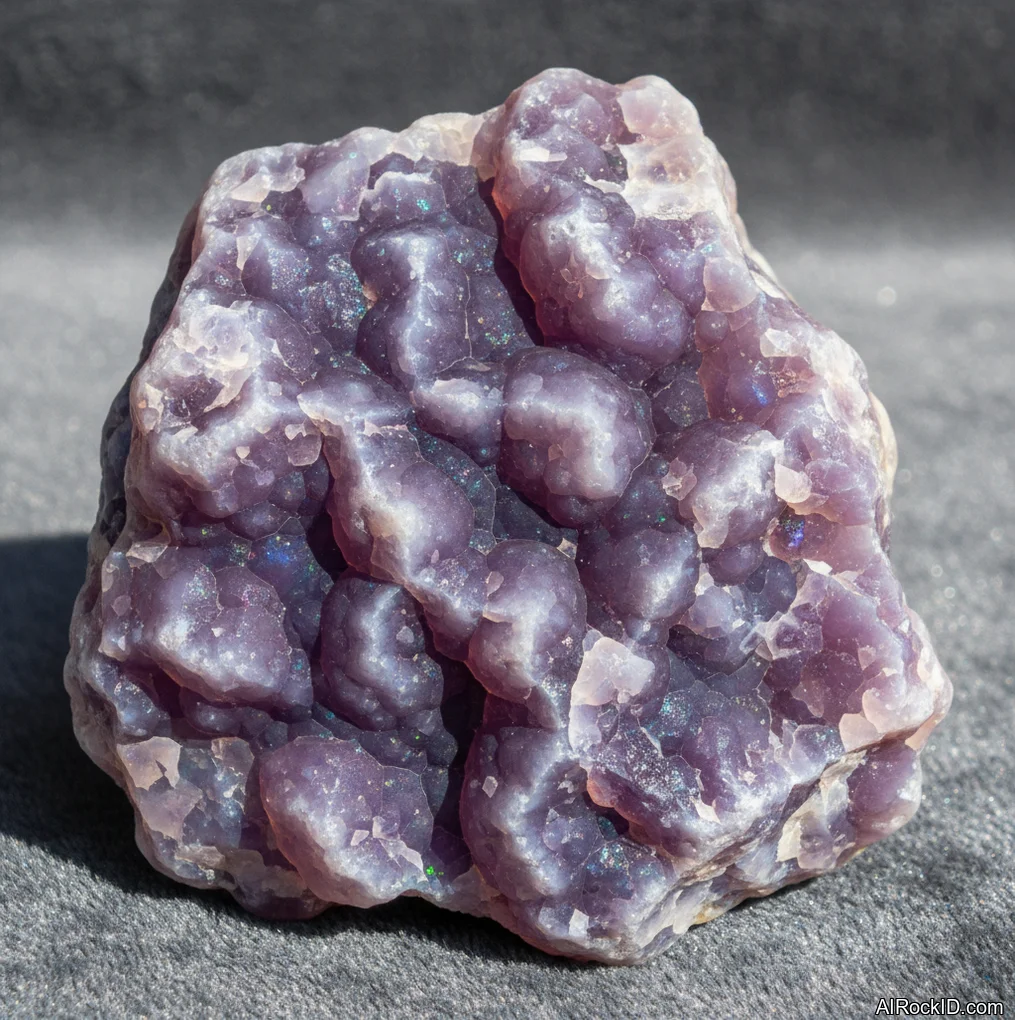
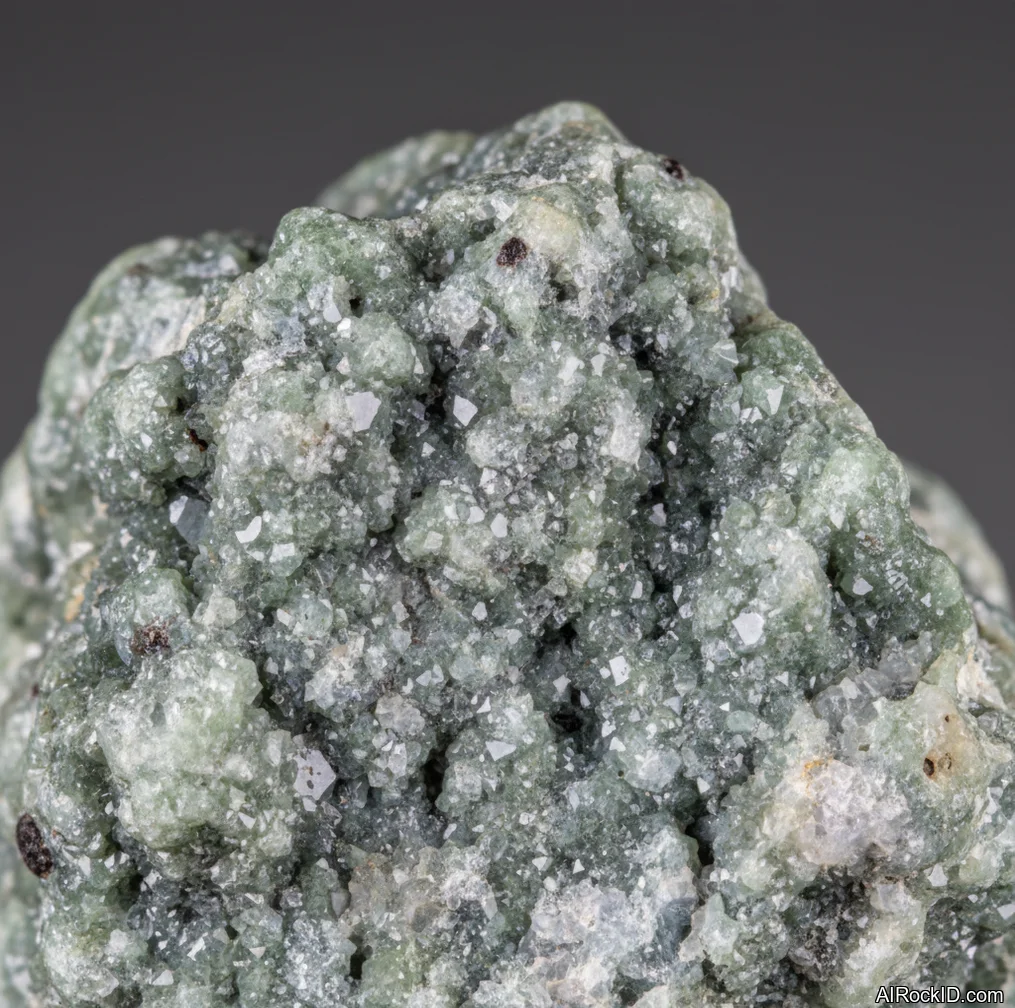
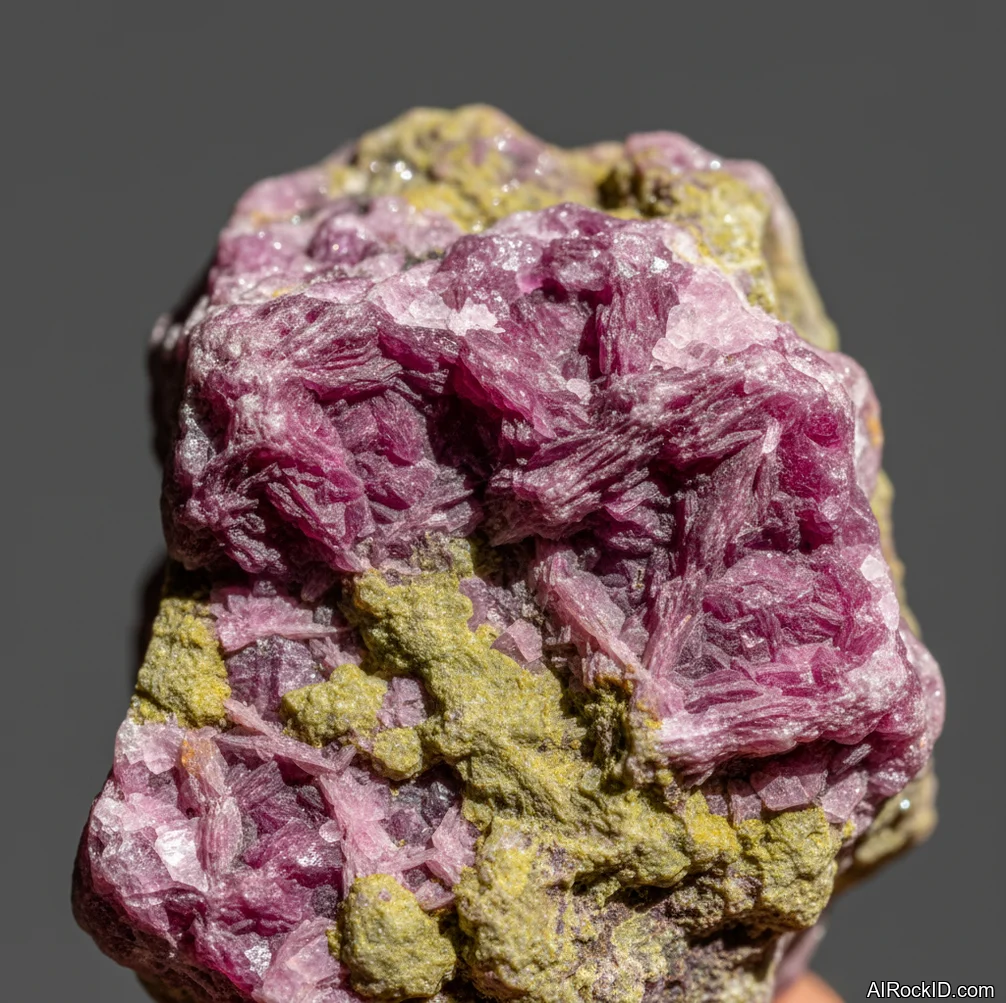
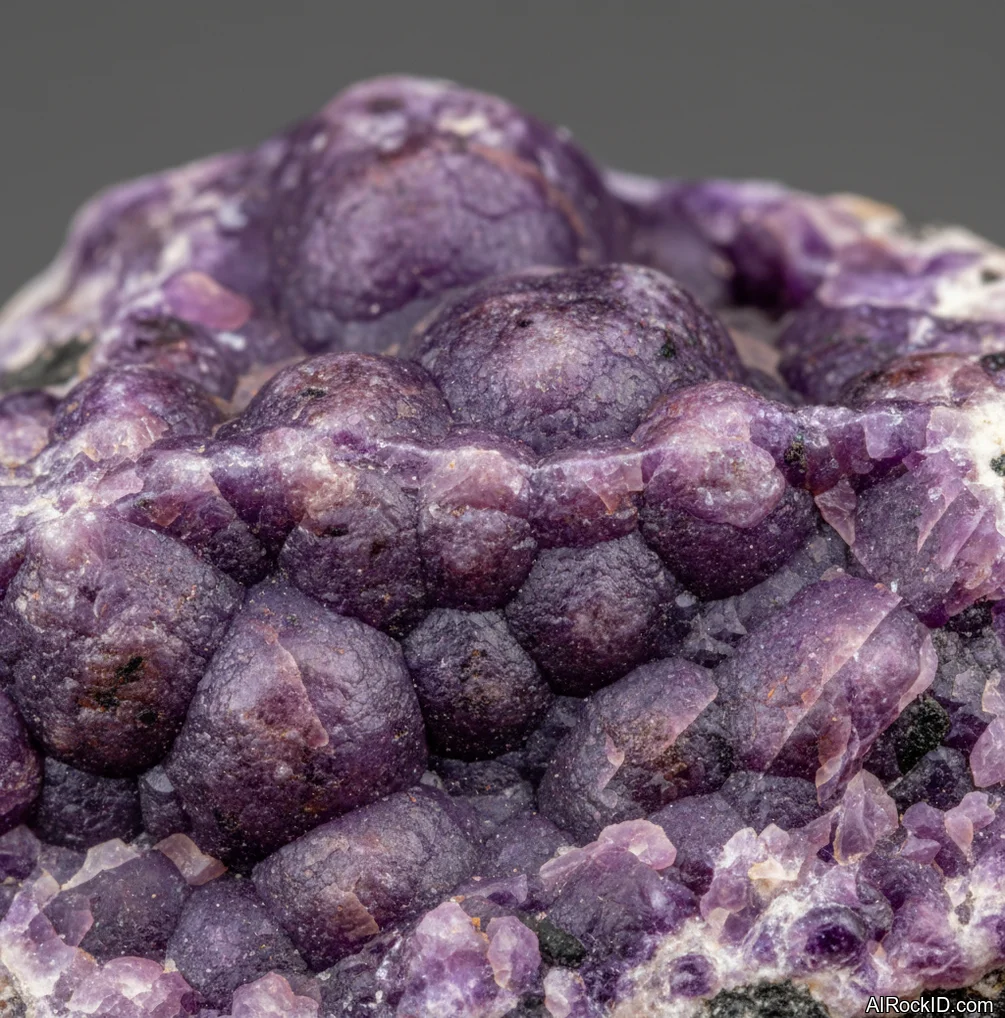
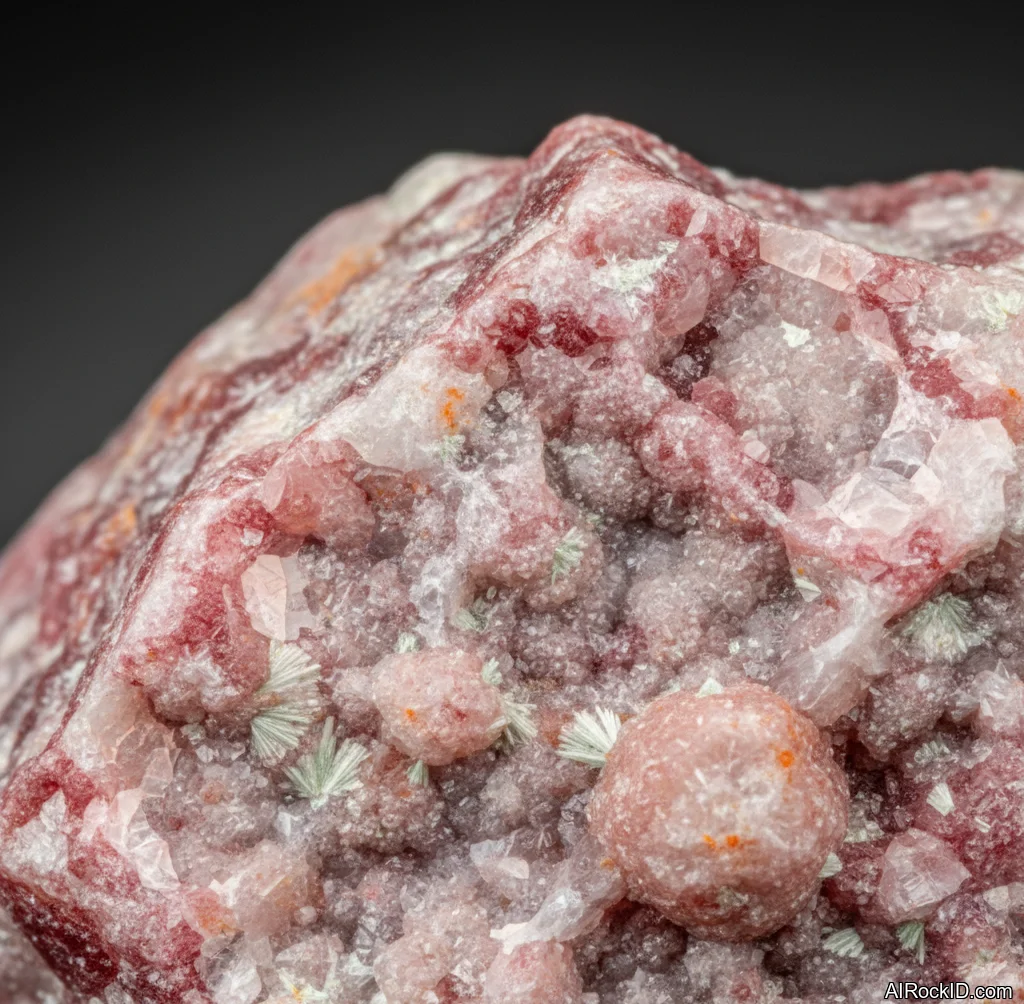
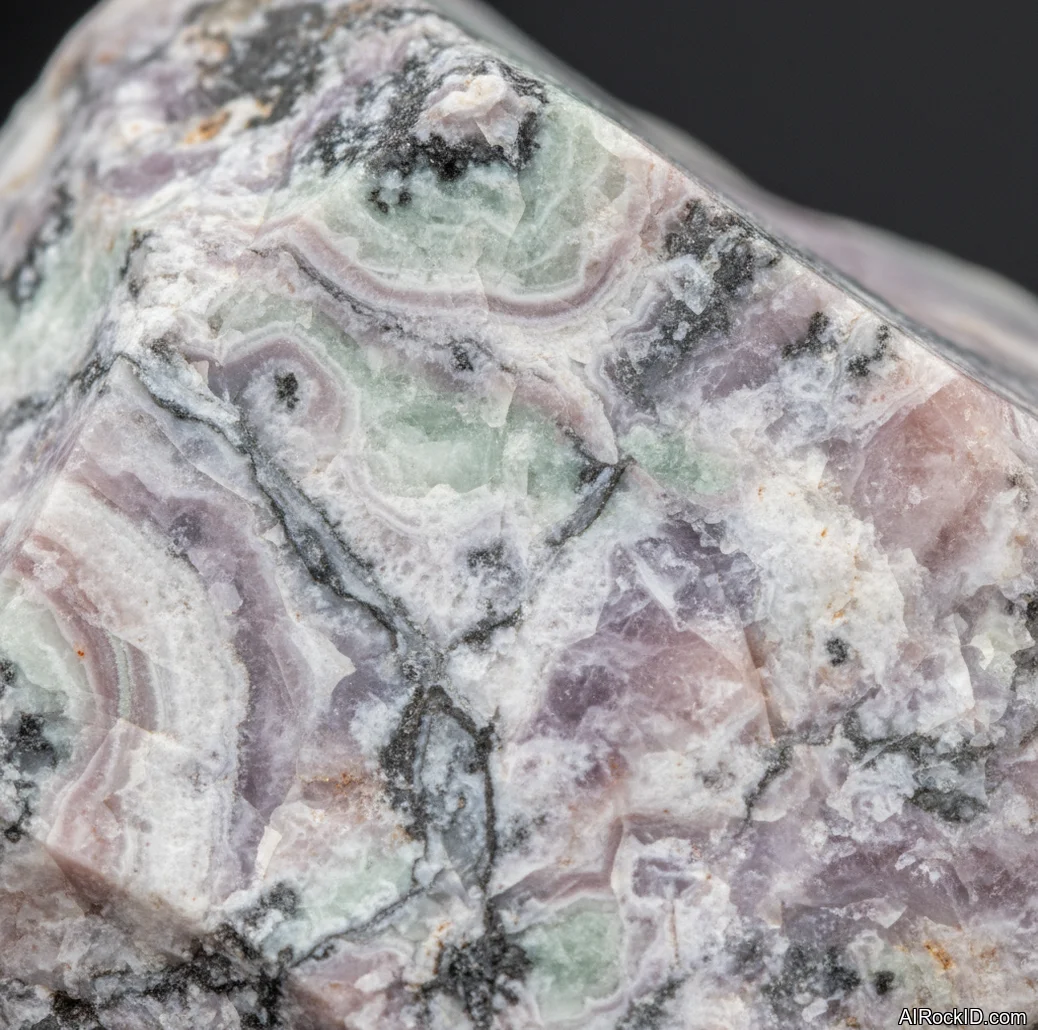
At first glance, “meditation crystals” sounds like one neat category. But it’s really a grab bag of different feels and textures. Lepidolite’s a good example. It looks soft and lilac, but it’s mica, so it has that flaky, glittery sheet structure that catches light when you tilt it. Hold a lepidolite palm stone and you can feel it warm up faster than quartz. And that warmth matters when you’re trying to relax your grip and unclench your jaw.
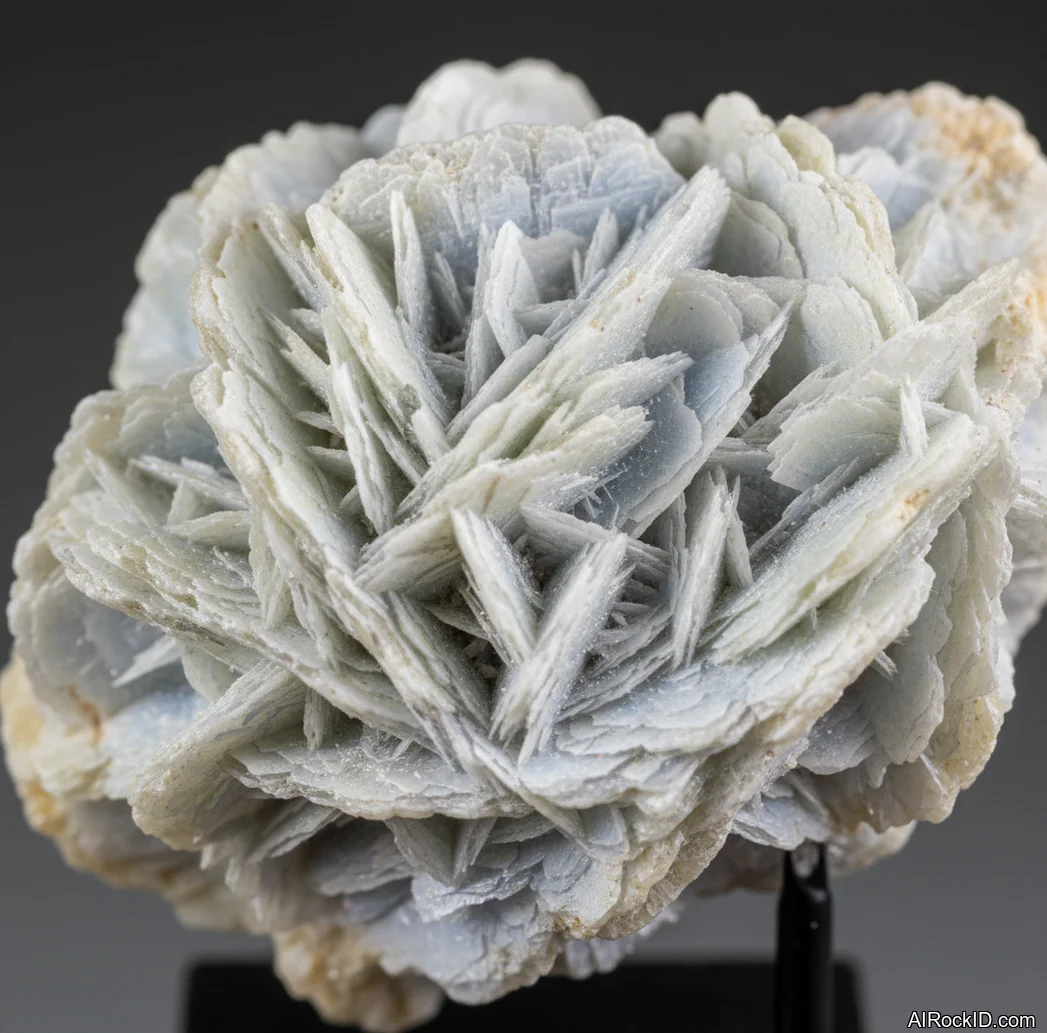
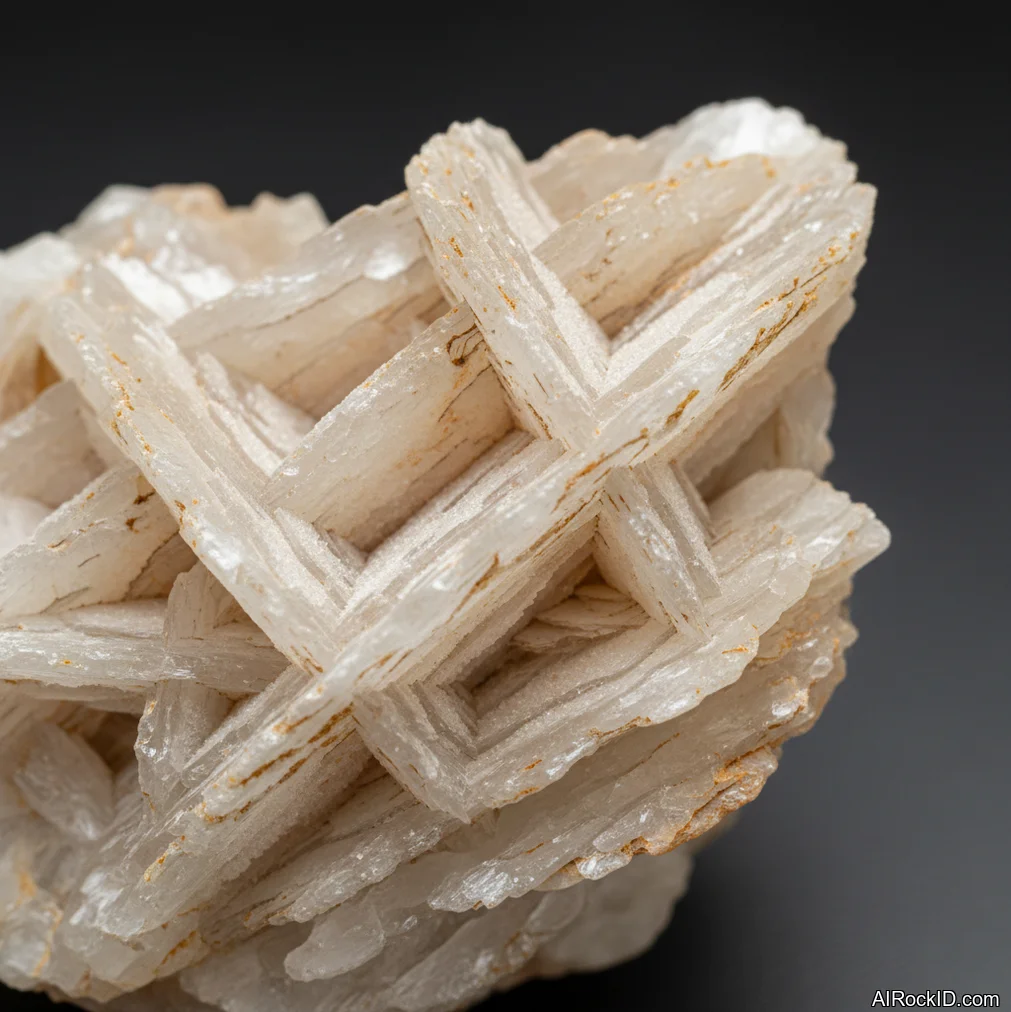
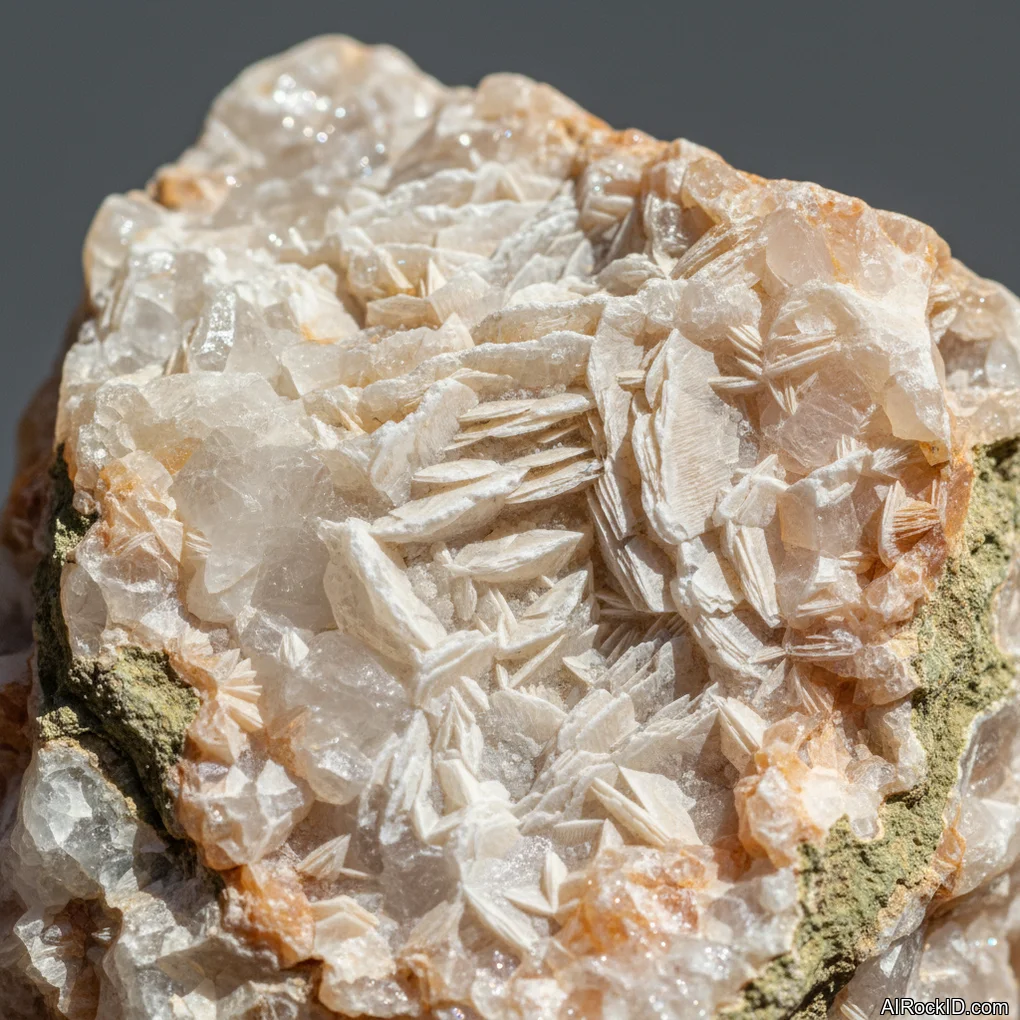
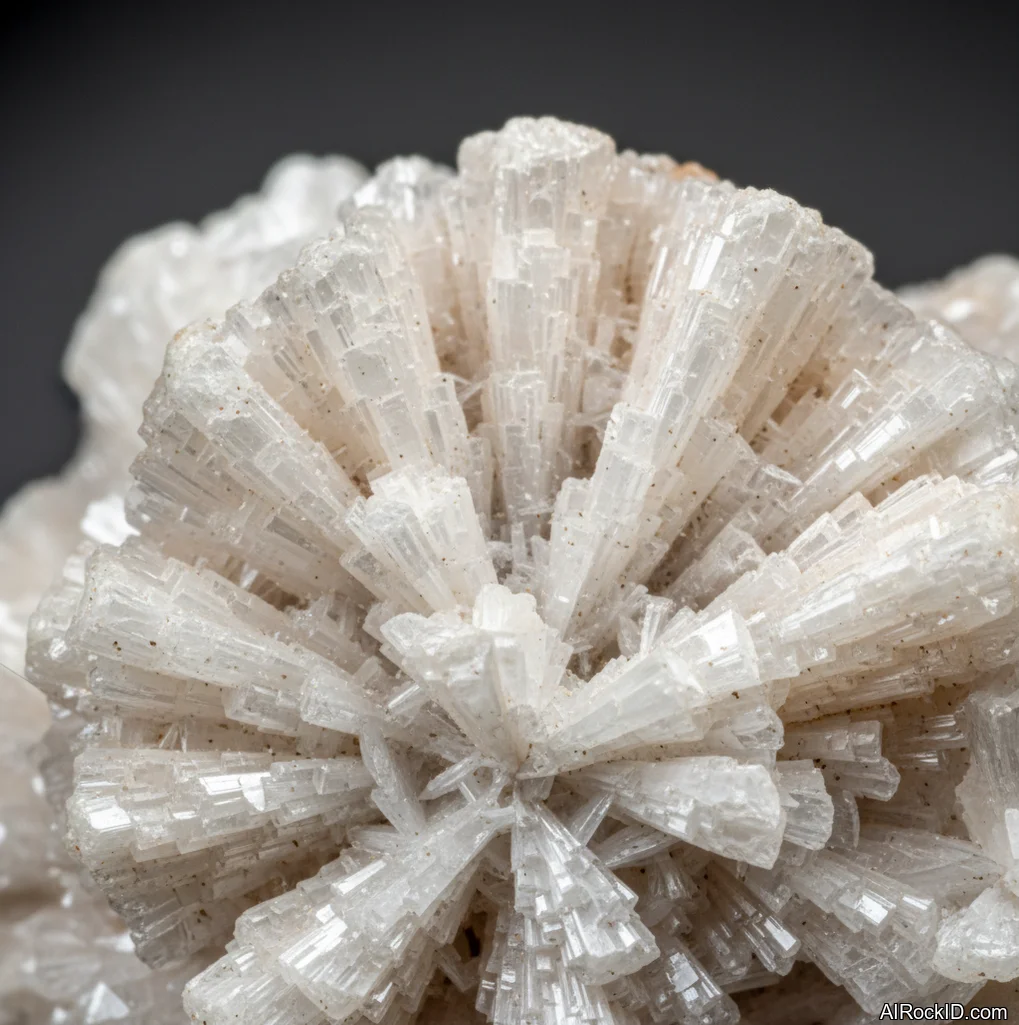
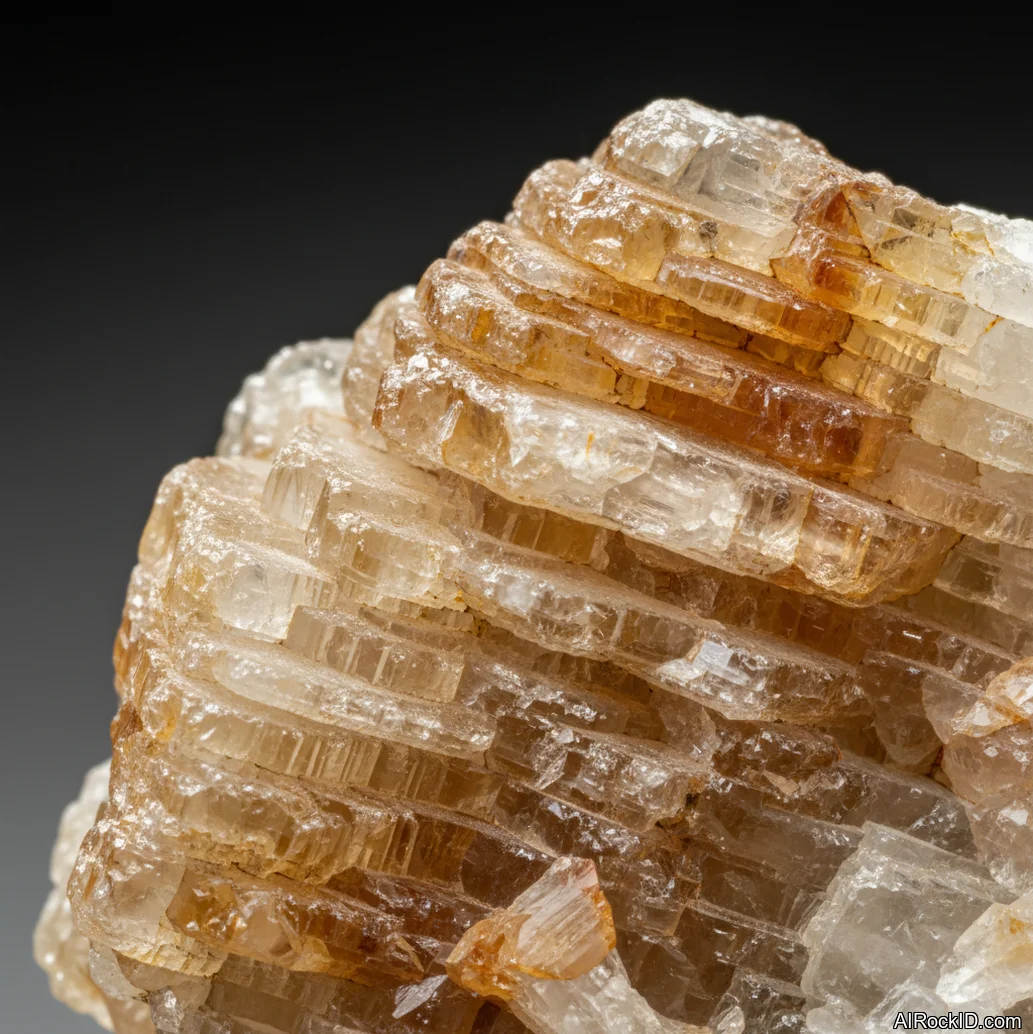
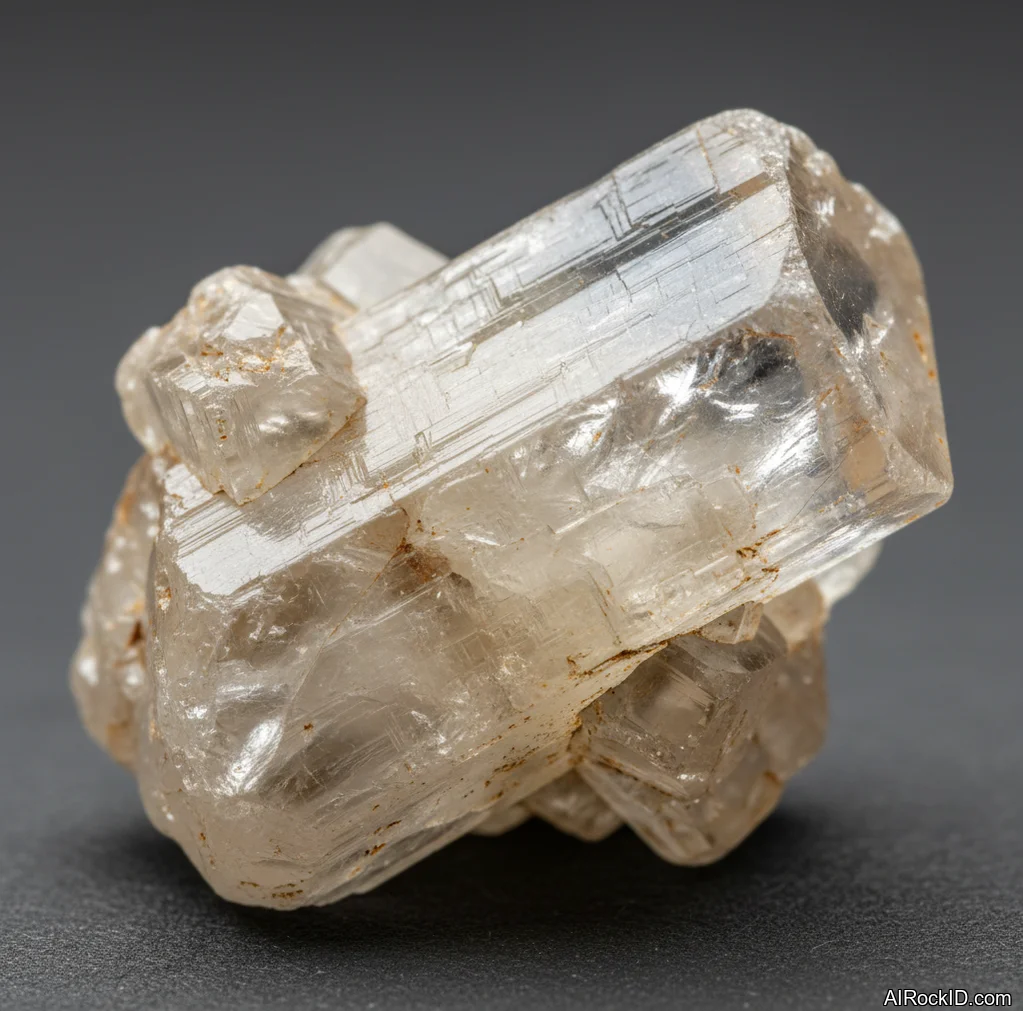
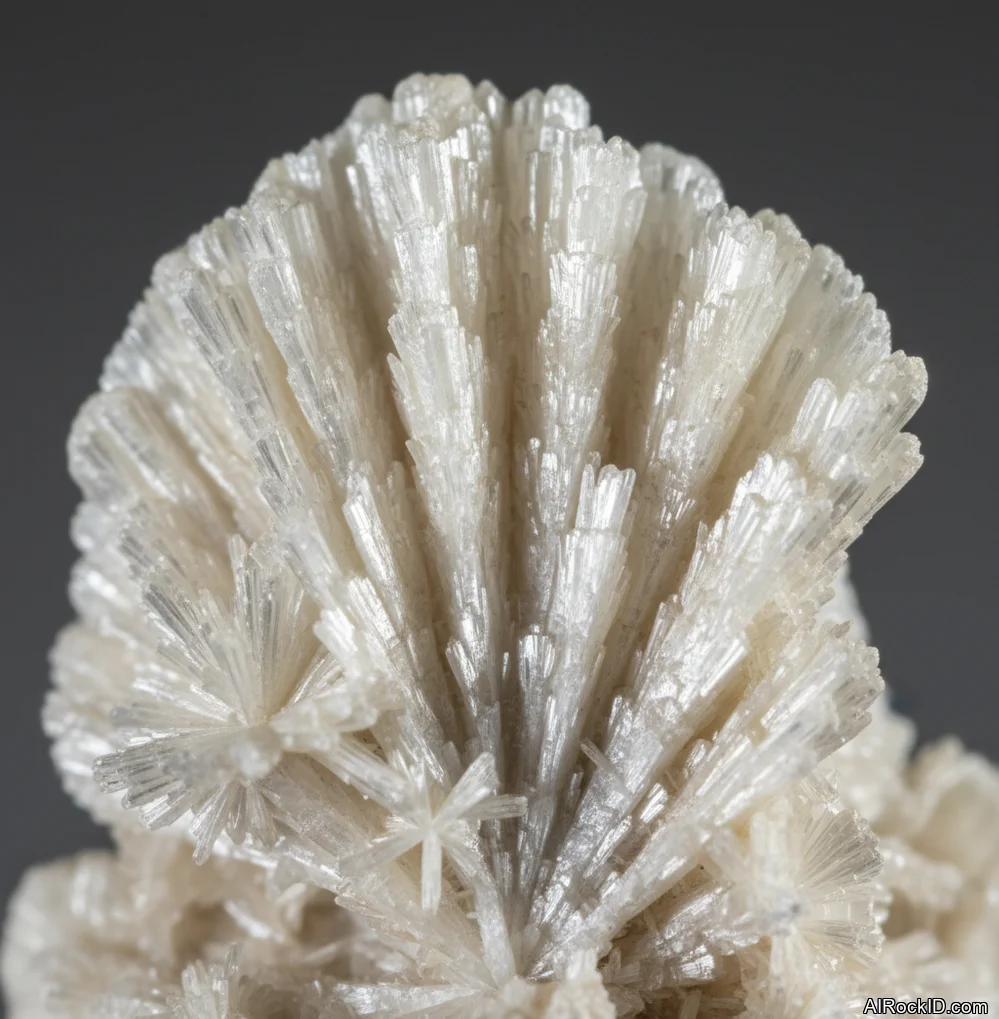
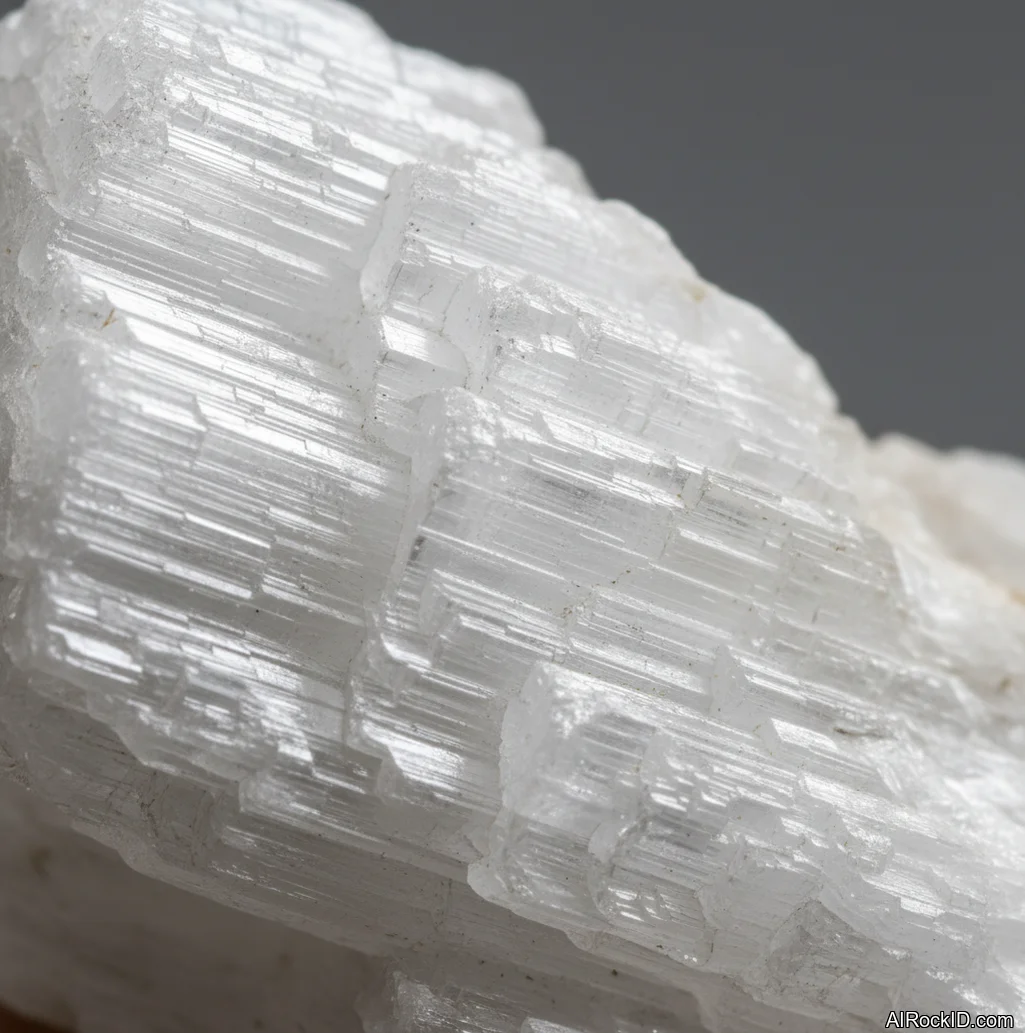
Now compare that to selenite (usually satin spar gypsum sold as “selenite”). It stays cool and feels almost waxy, like a bar of soap that never gets wet. It’s also easy to ding. Gypsum is soft, around Mohs 2, so a key in your pocket will chew it up. I keep my selenite wands wrapped in a cloth sleeve because the edges bruise, and the surface picks up scratches that look like cloudy streaks under a lamp.
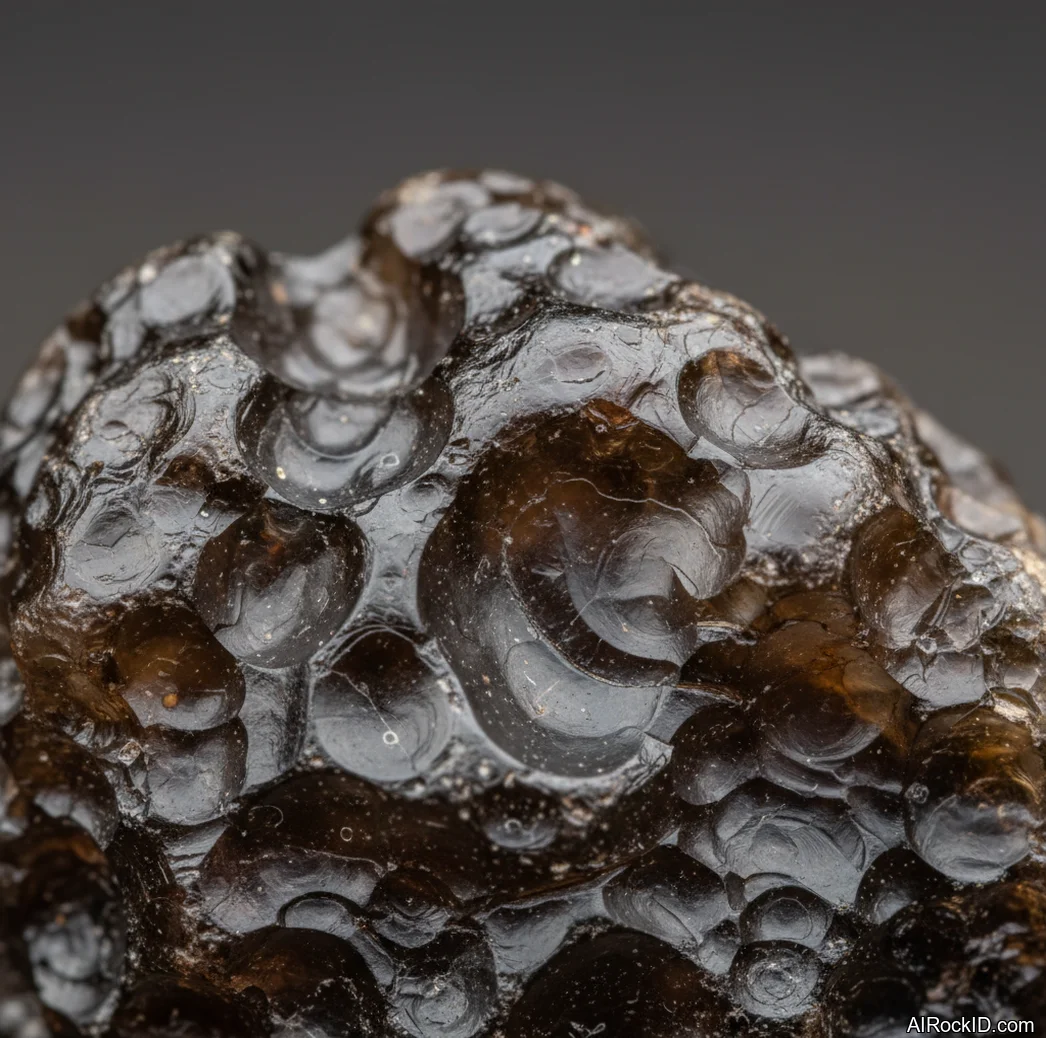
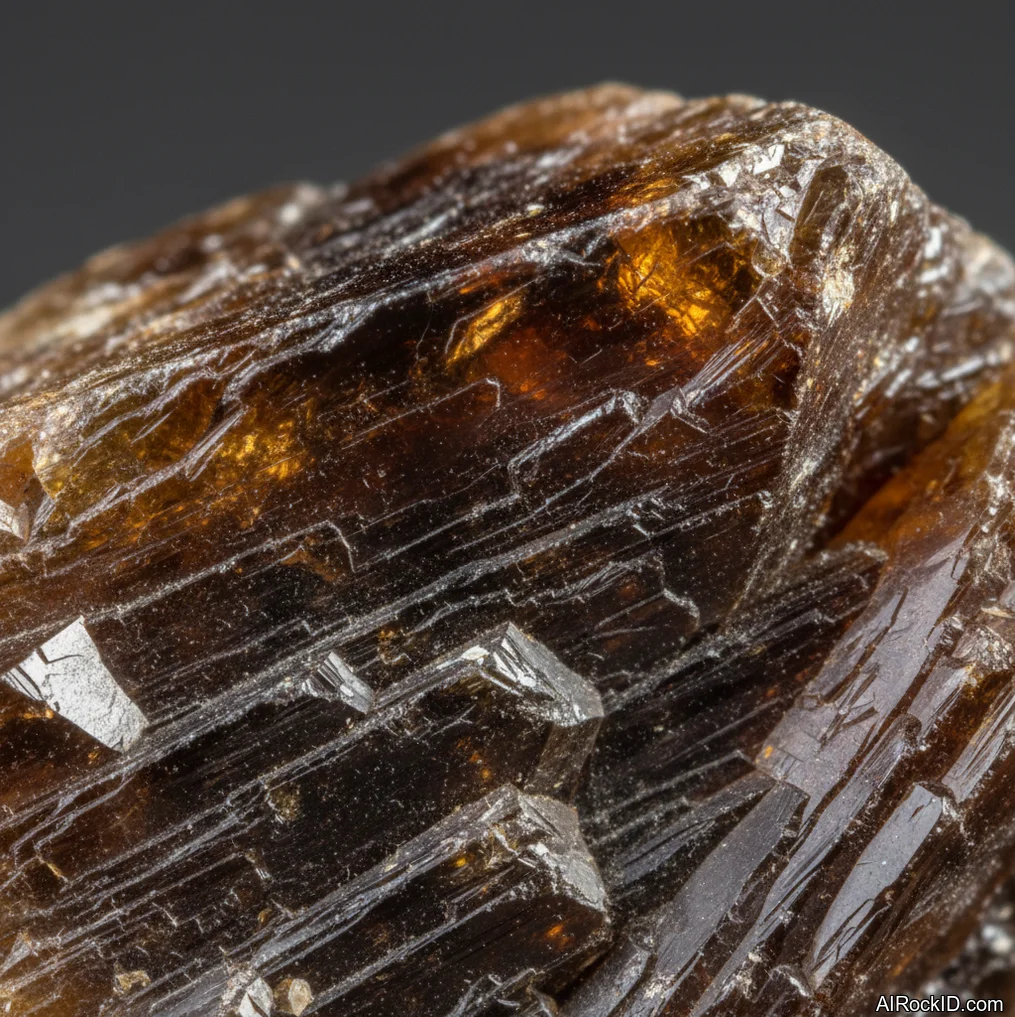
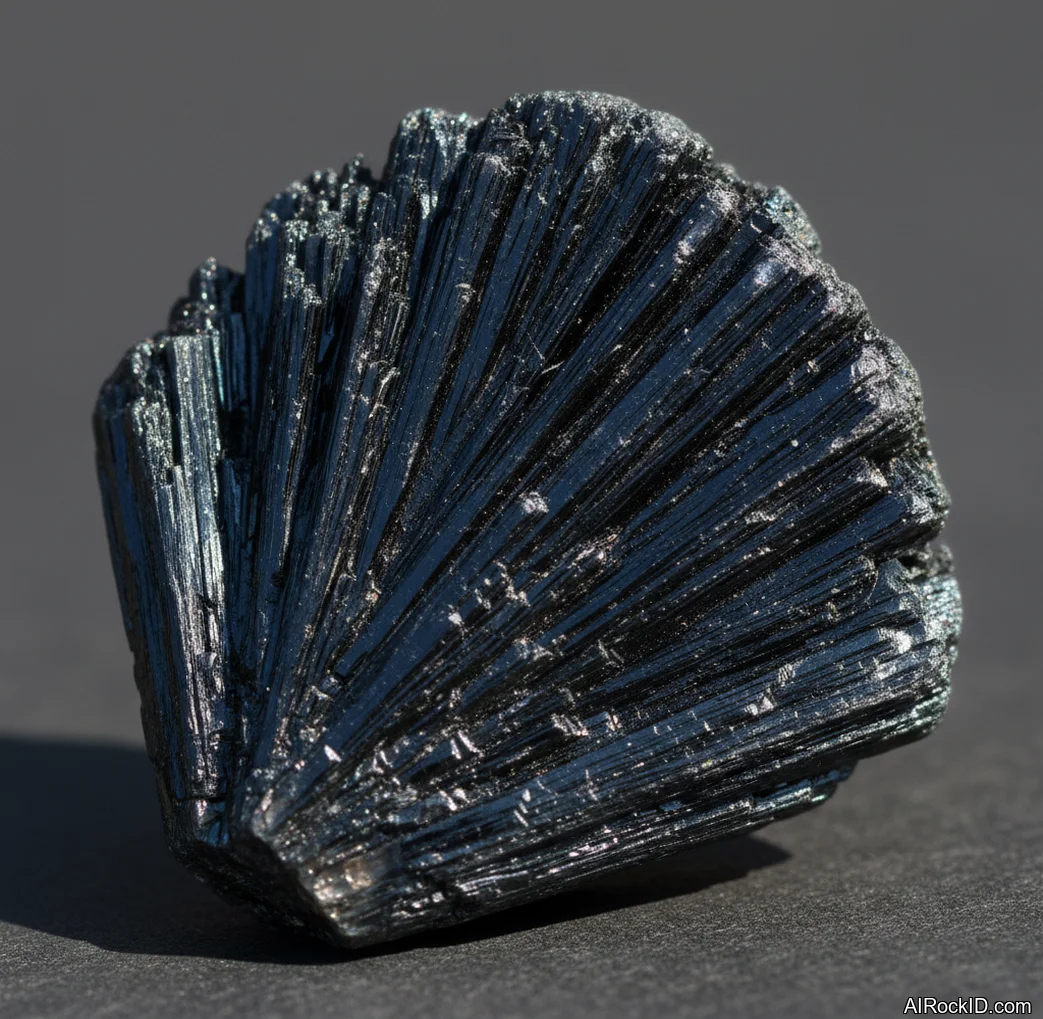
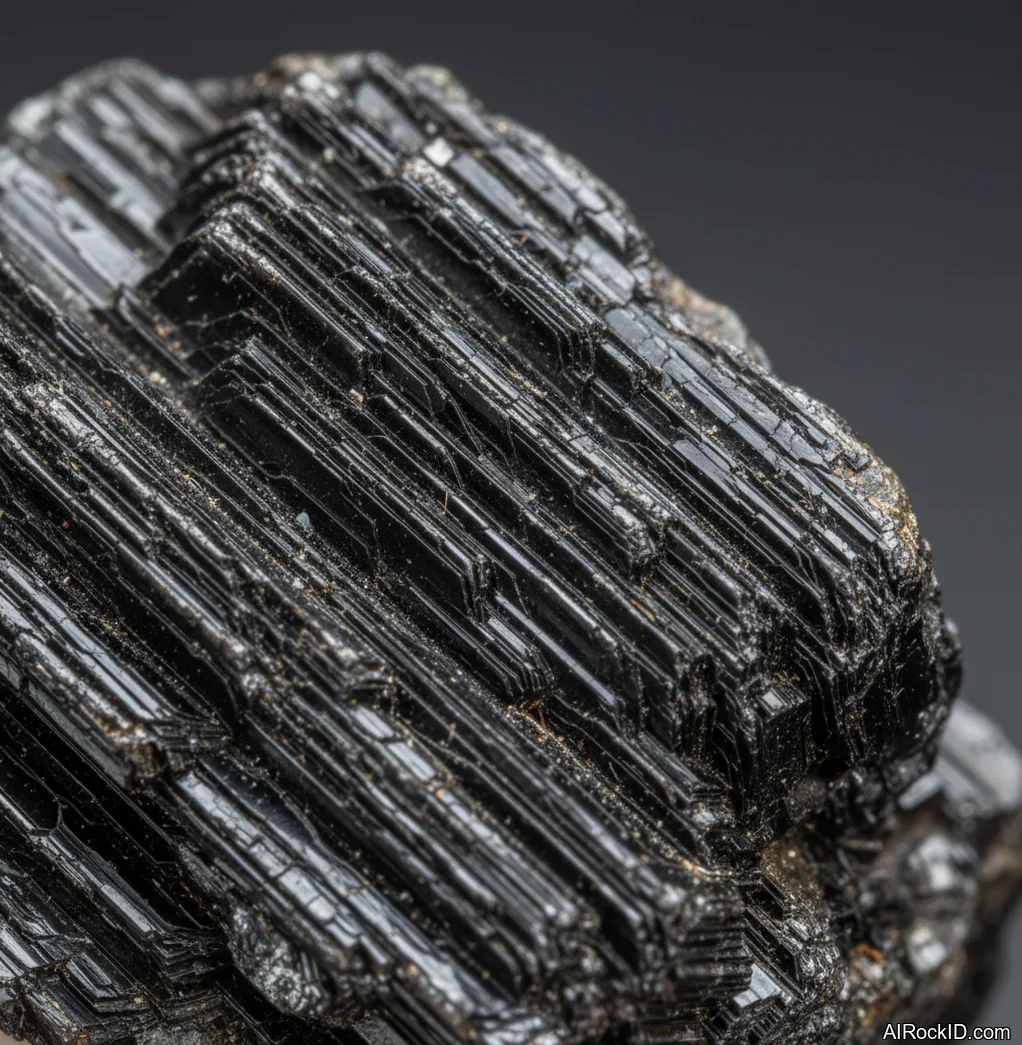
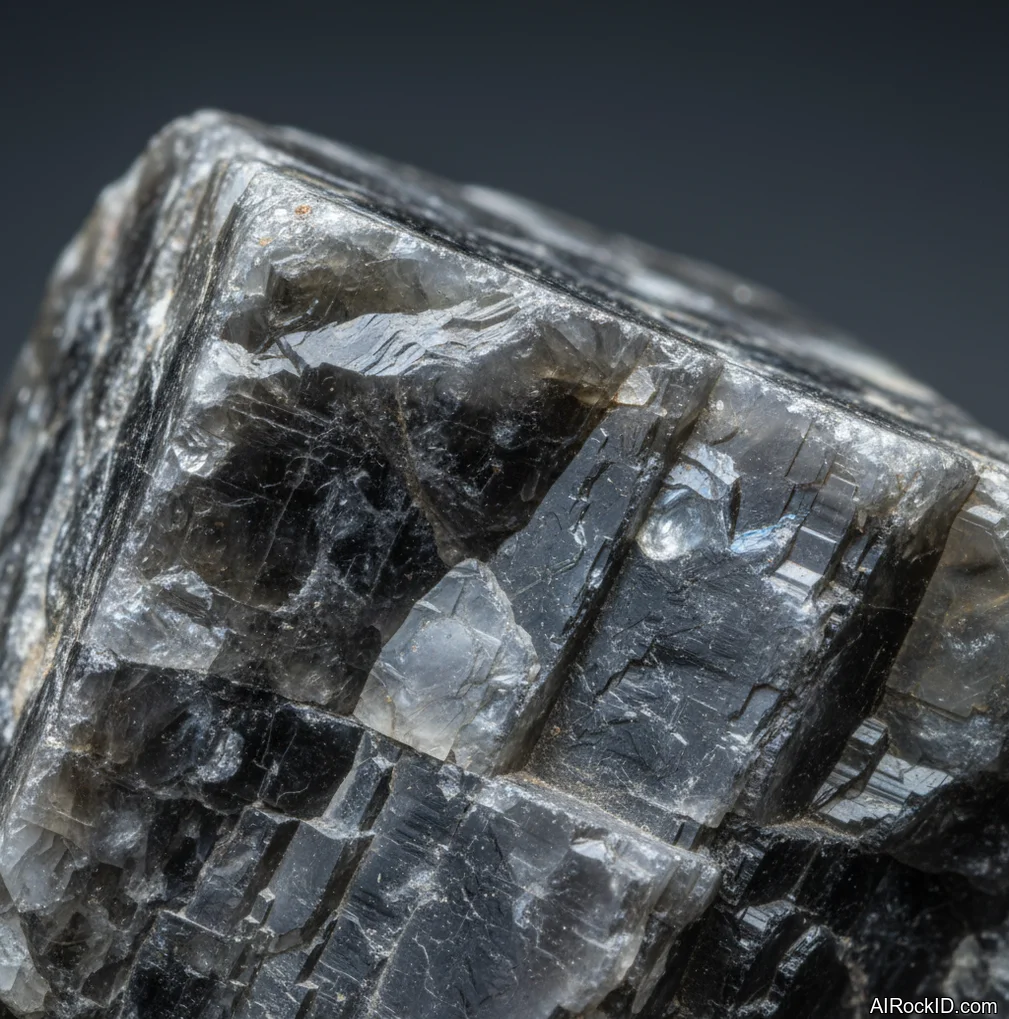
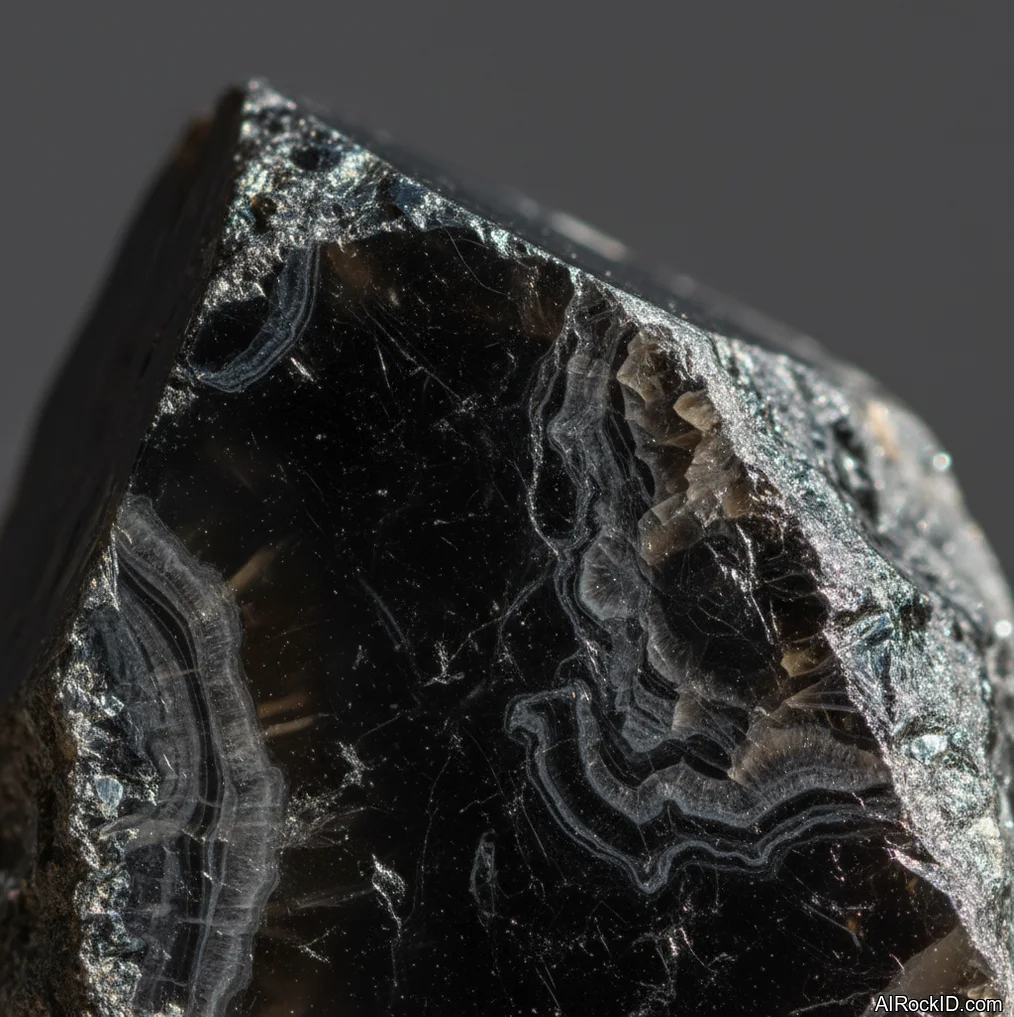
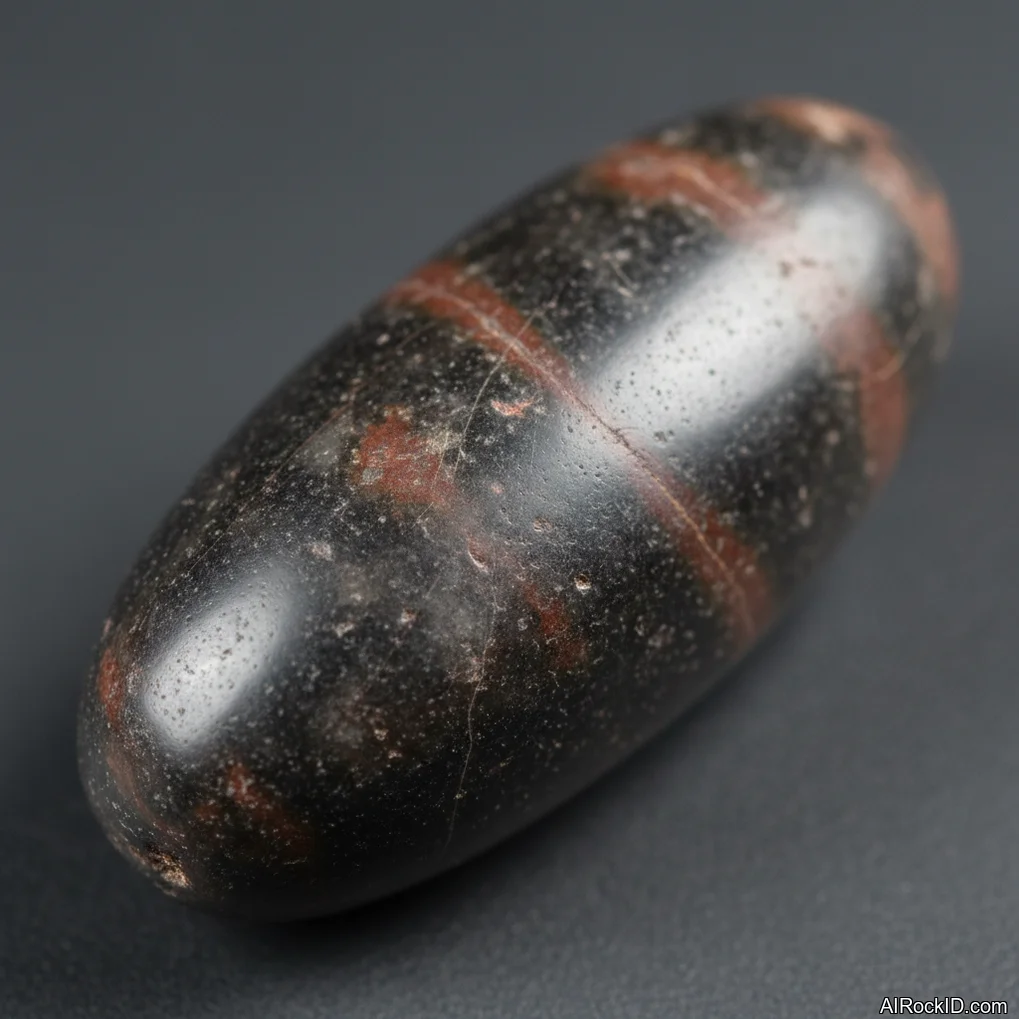
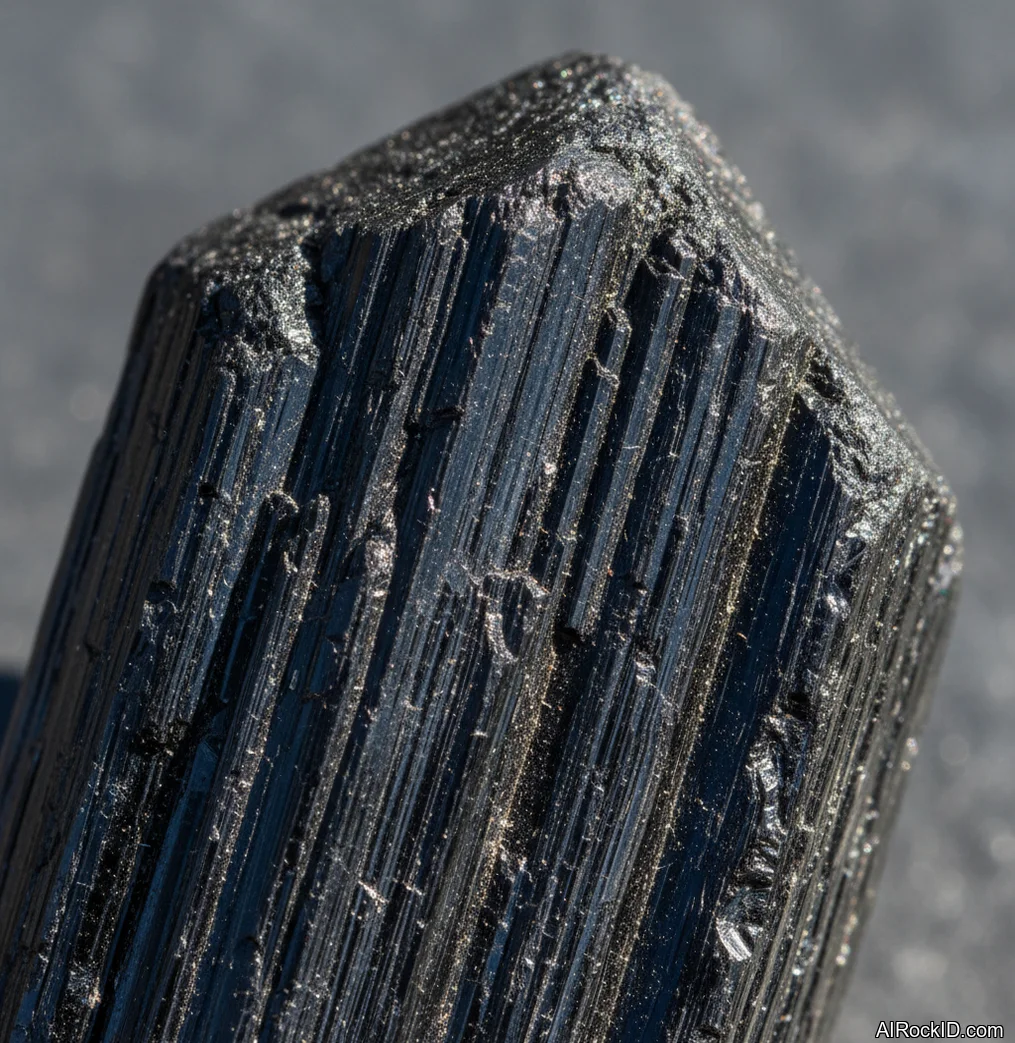
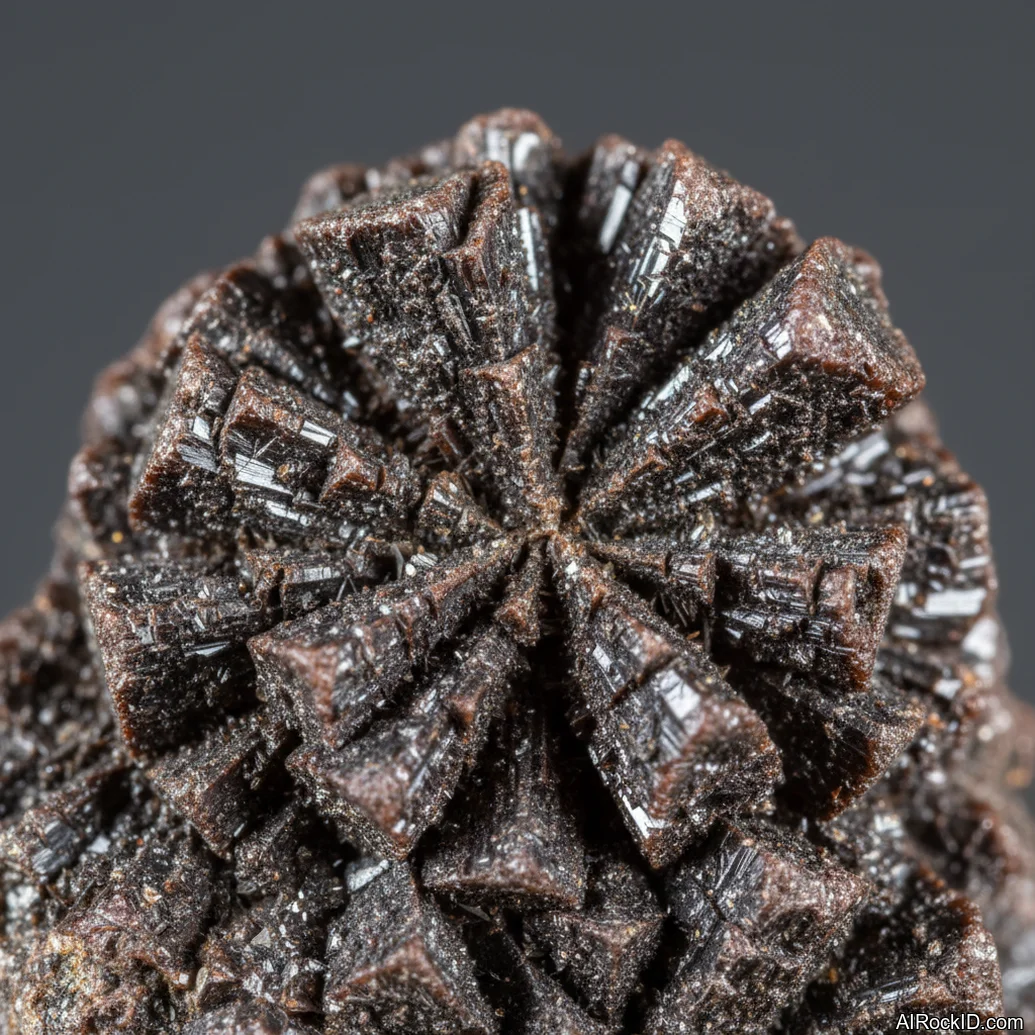
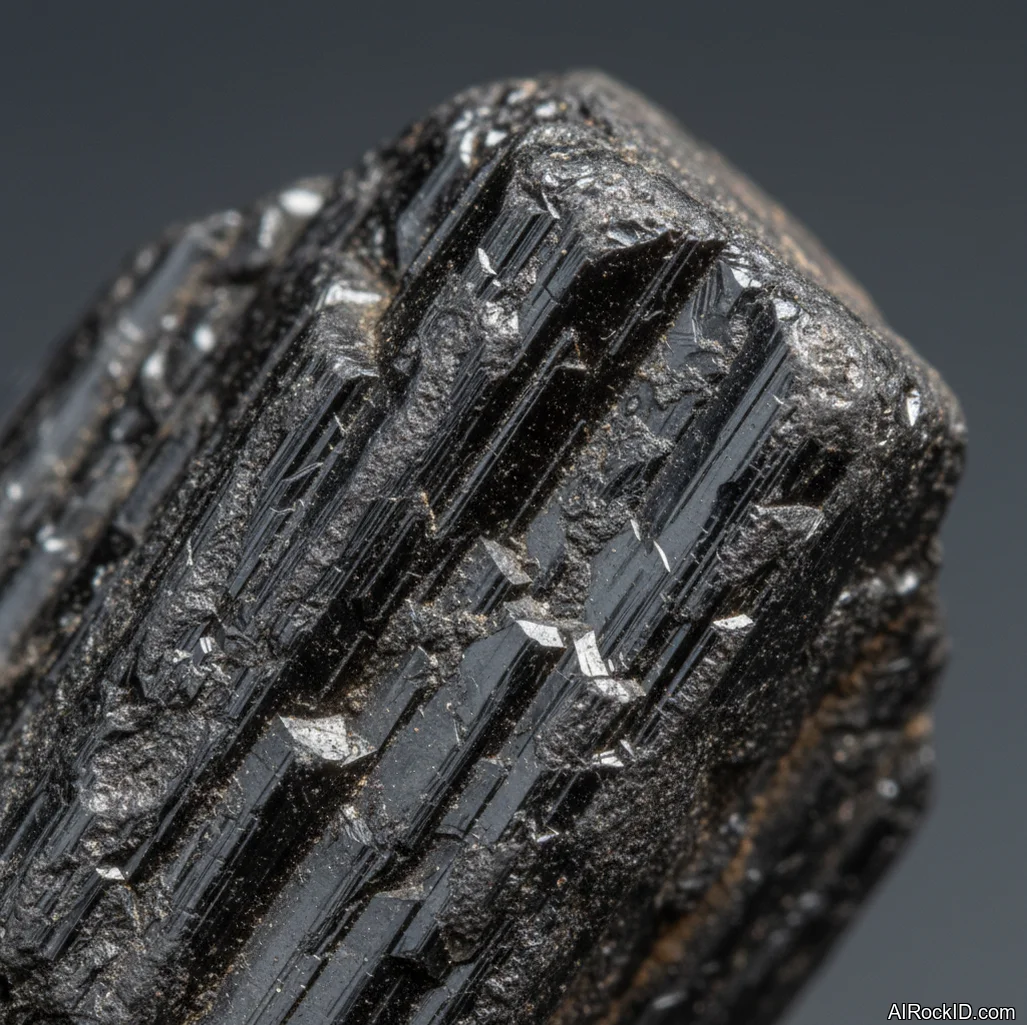
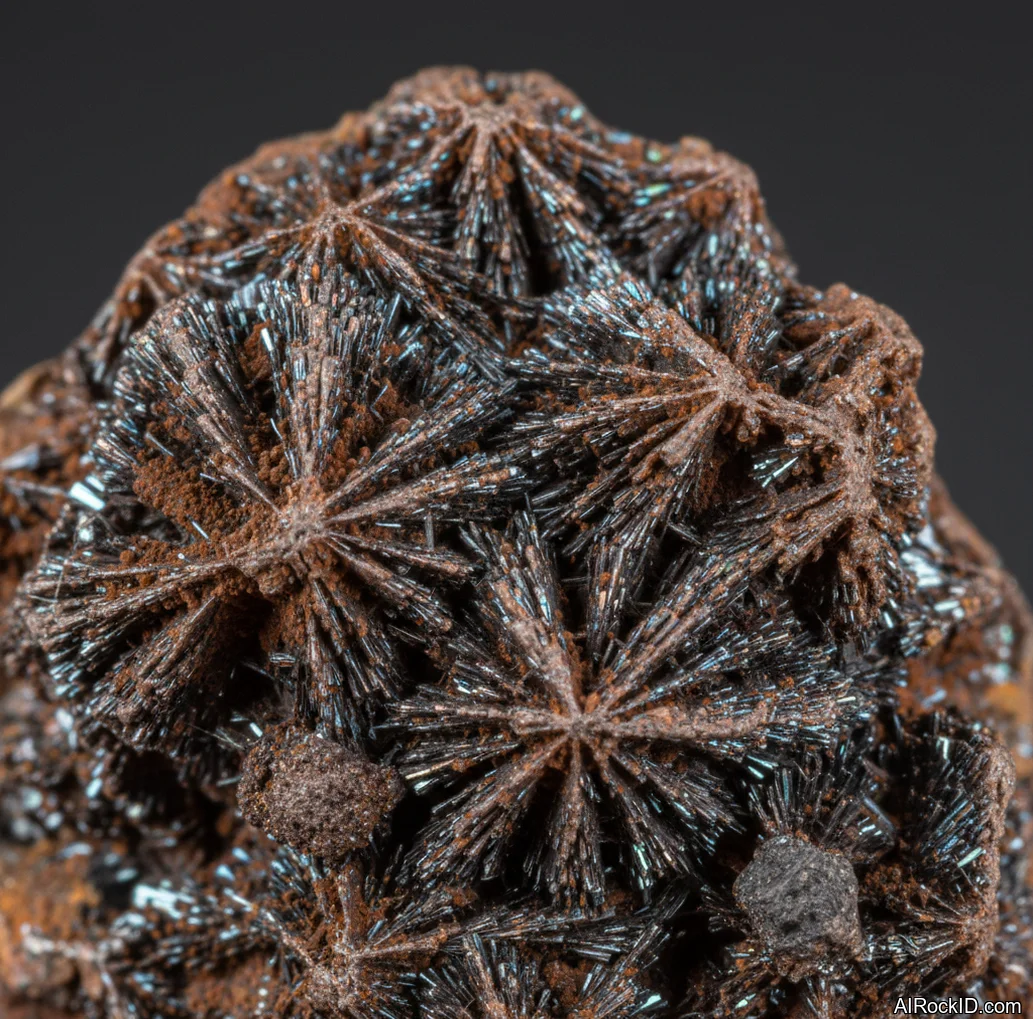
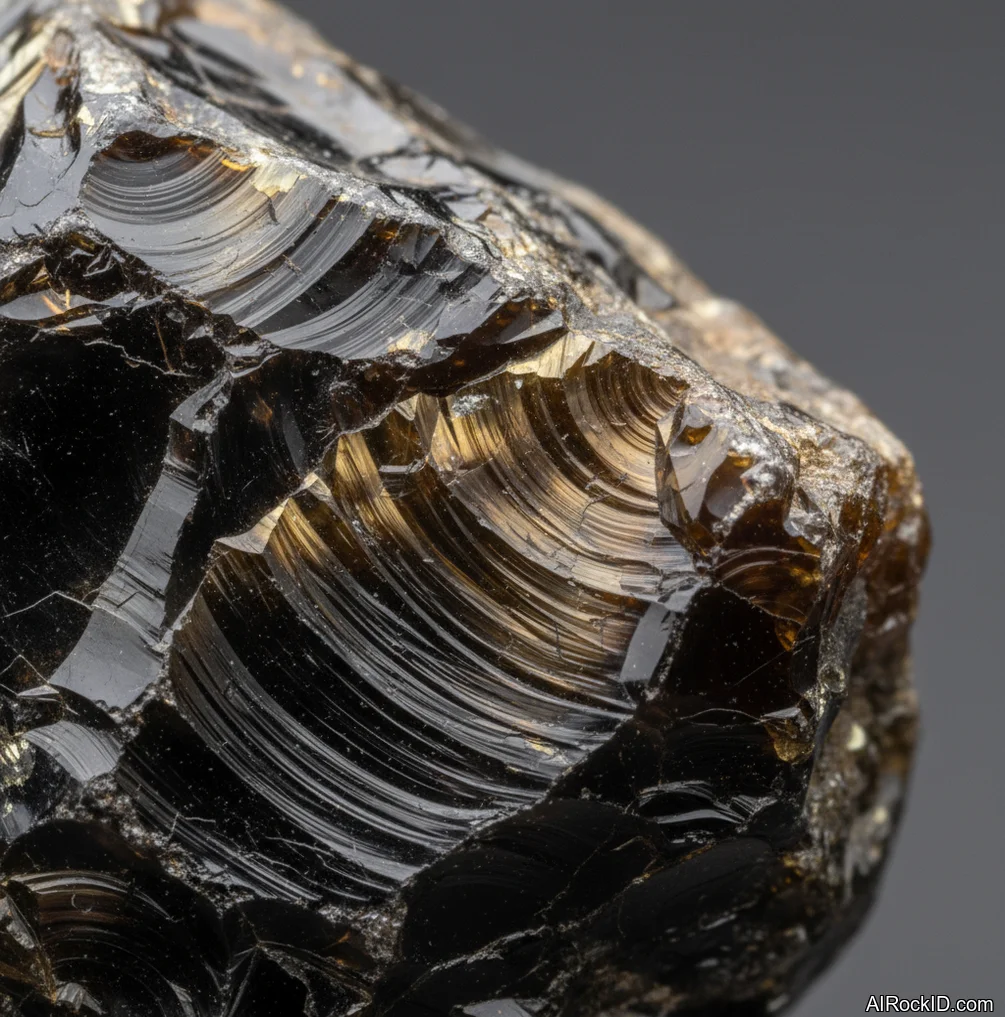
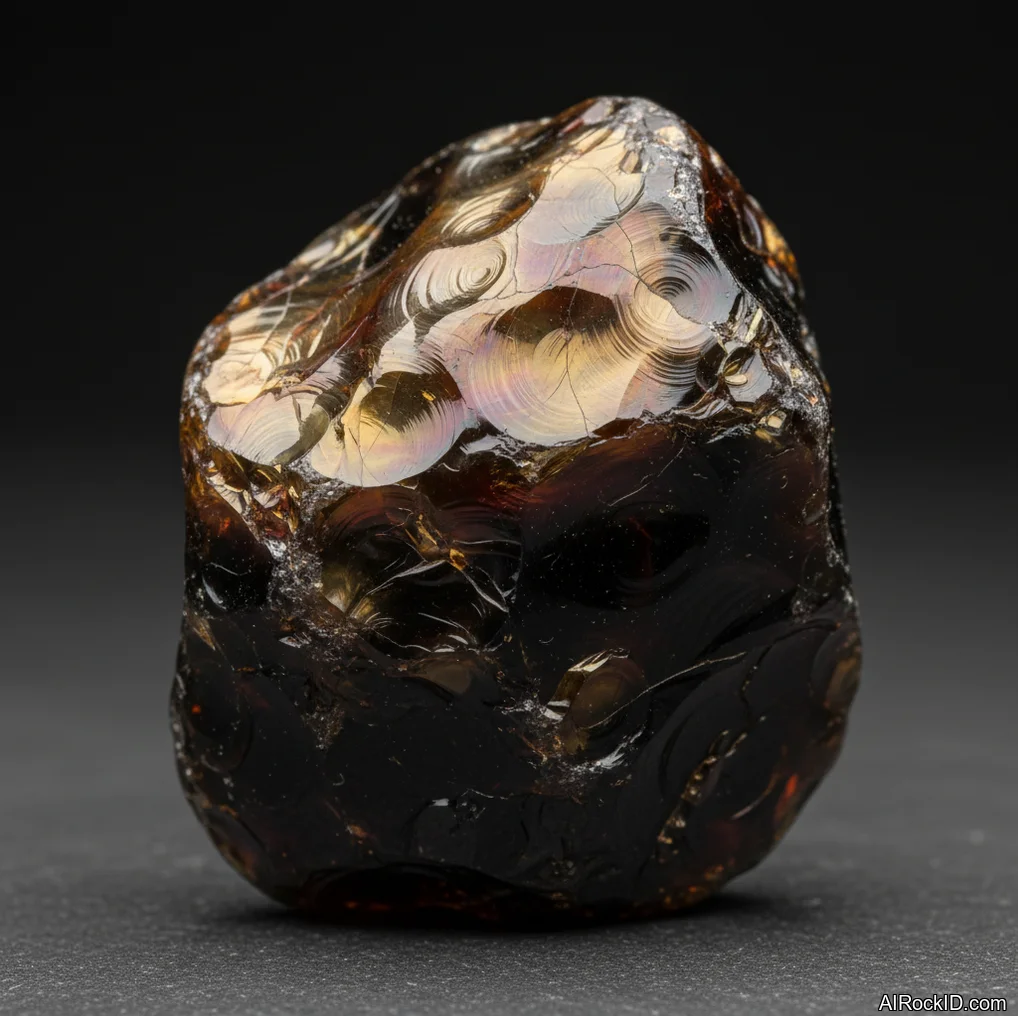
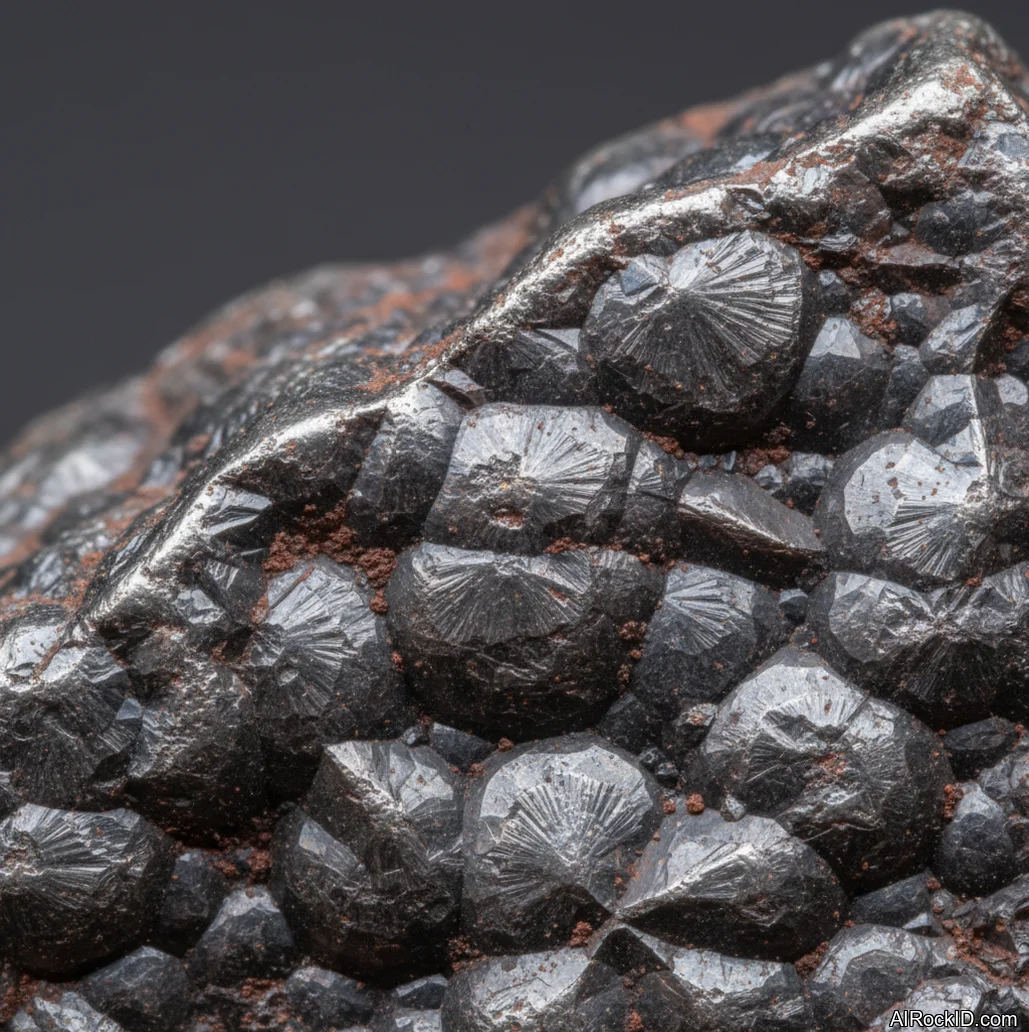
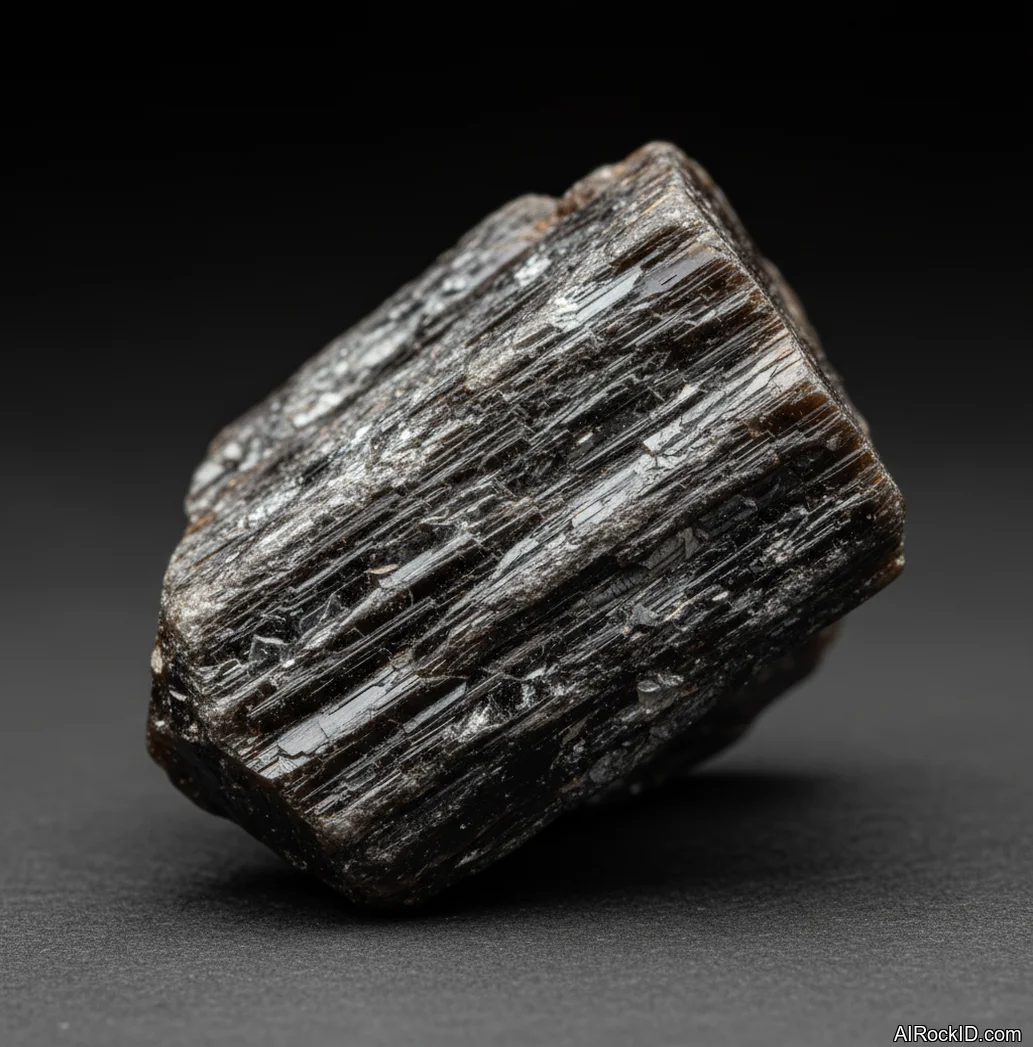
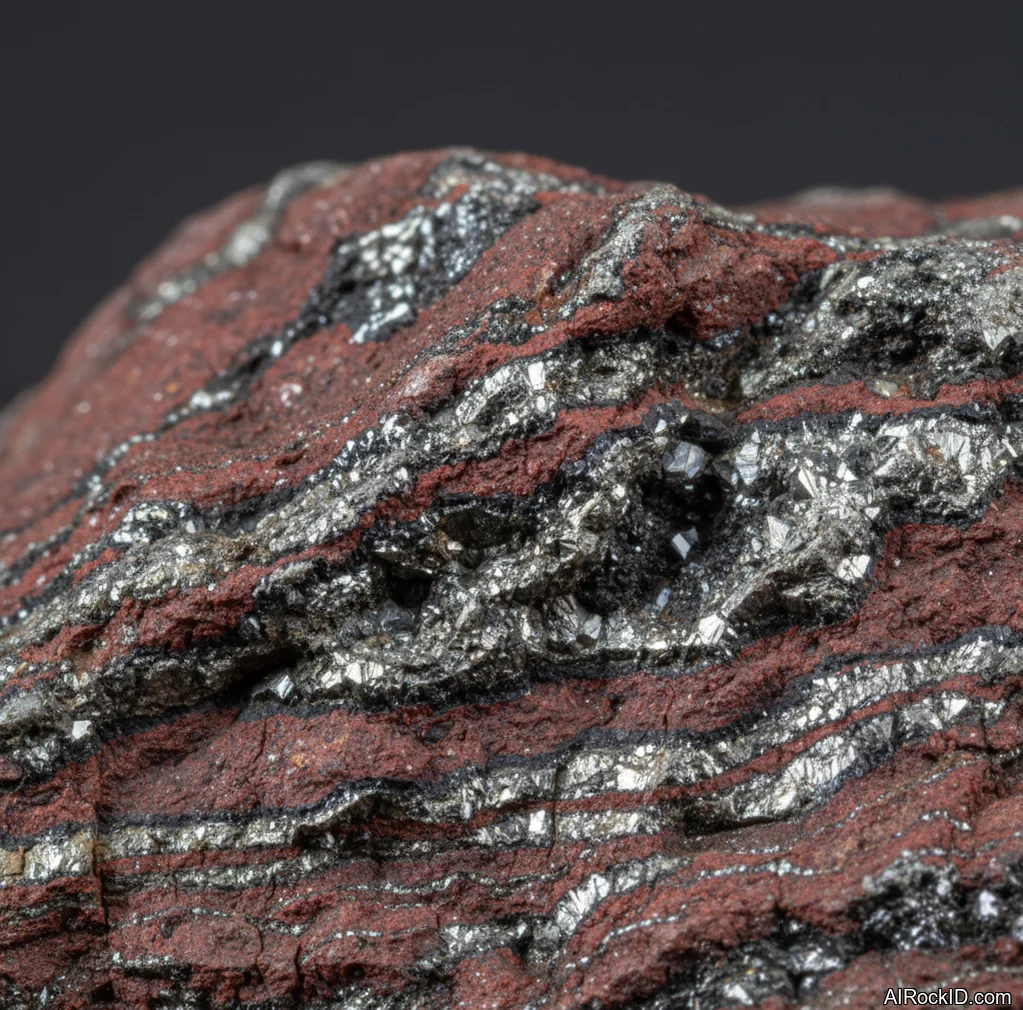
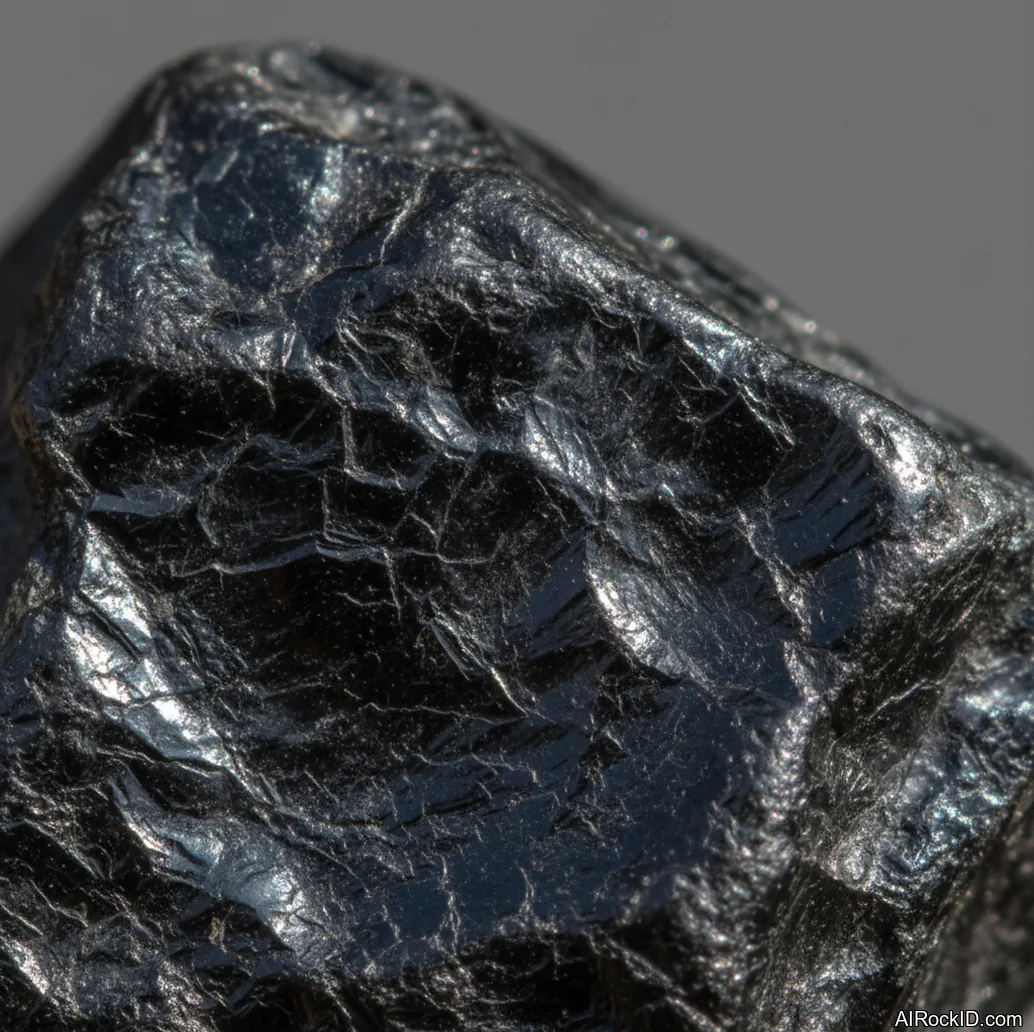
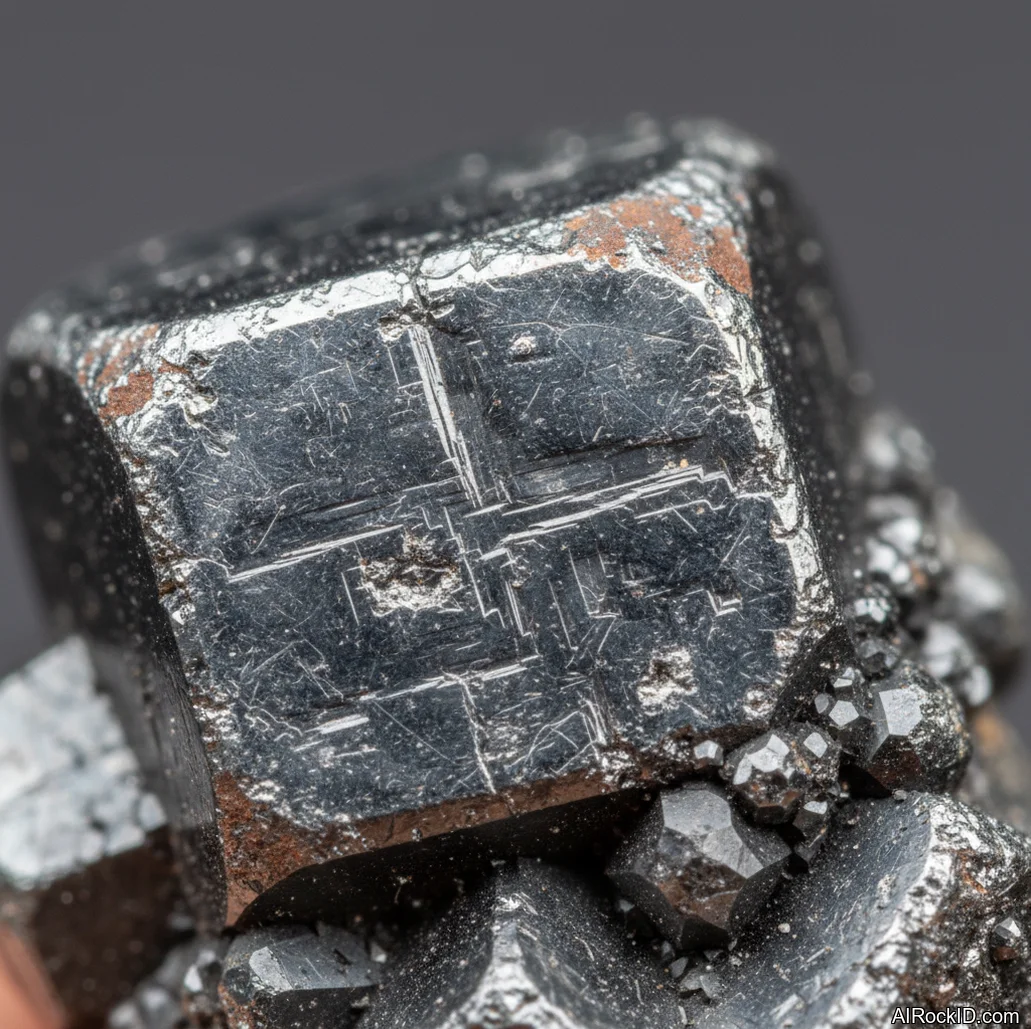
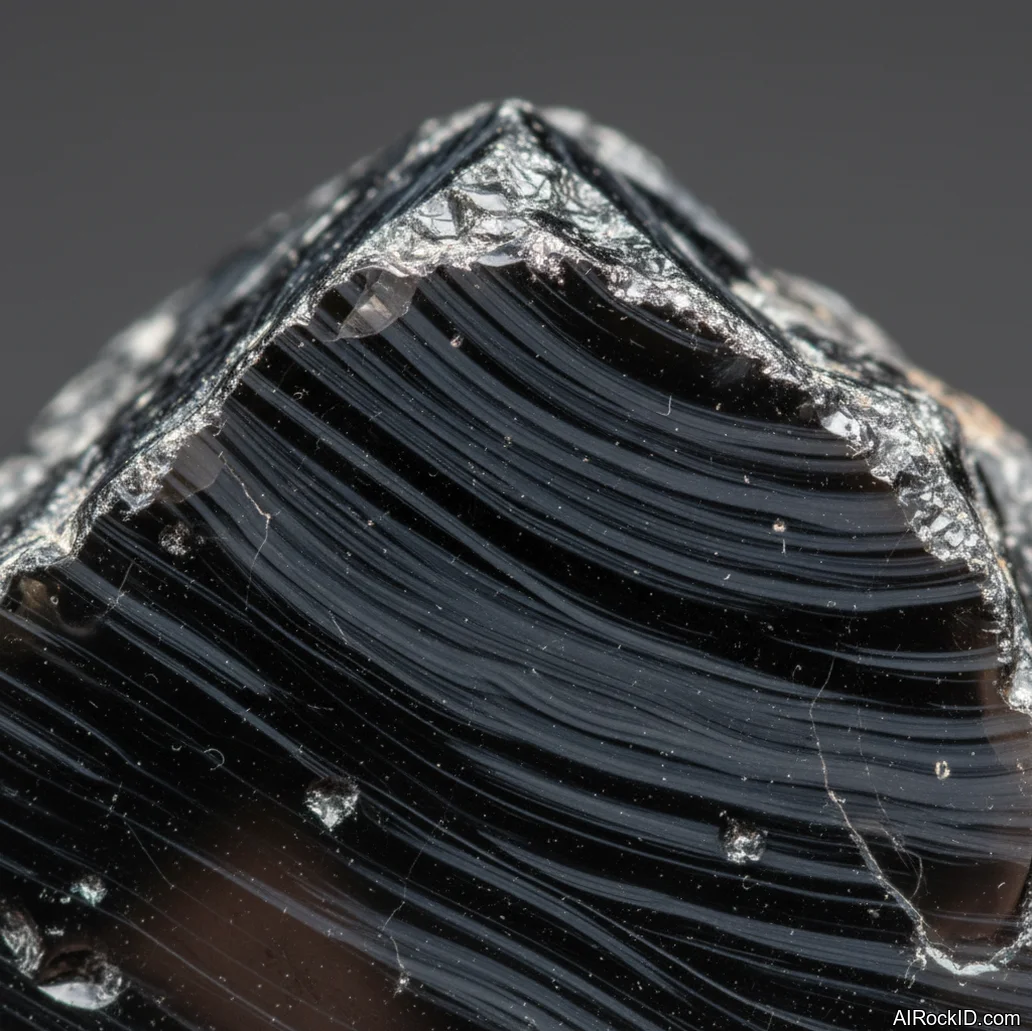
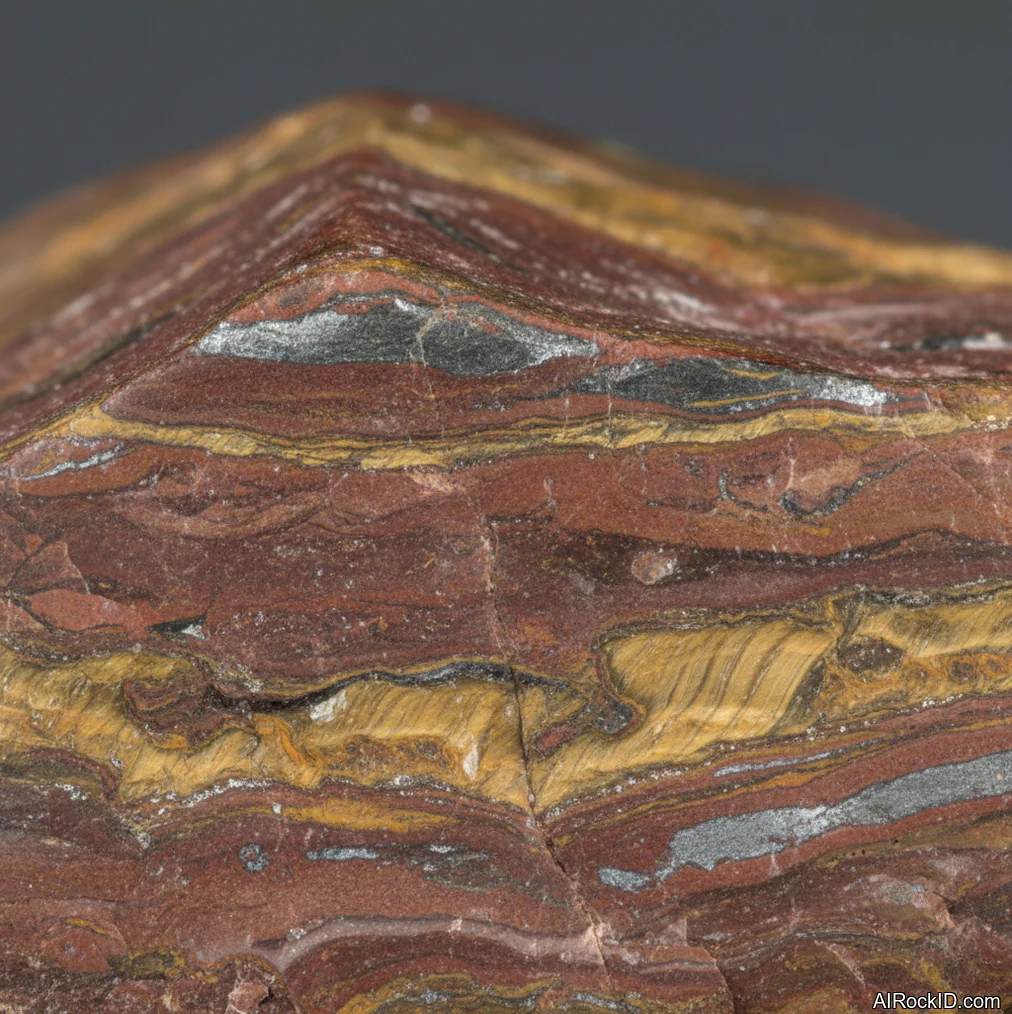
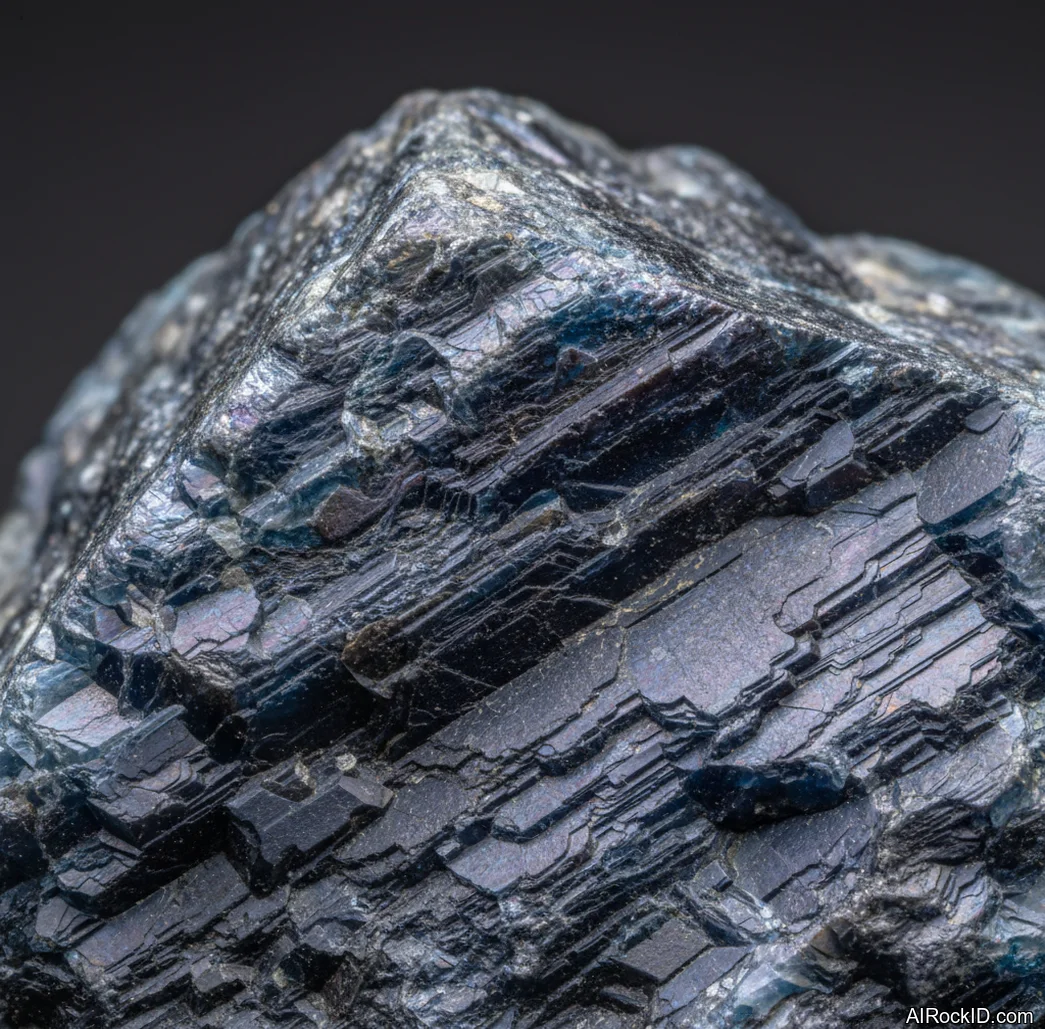
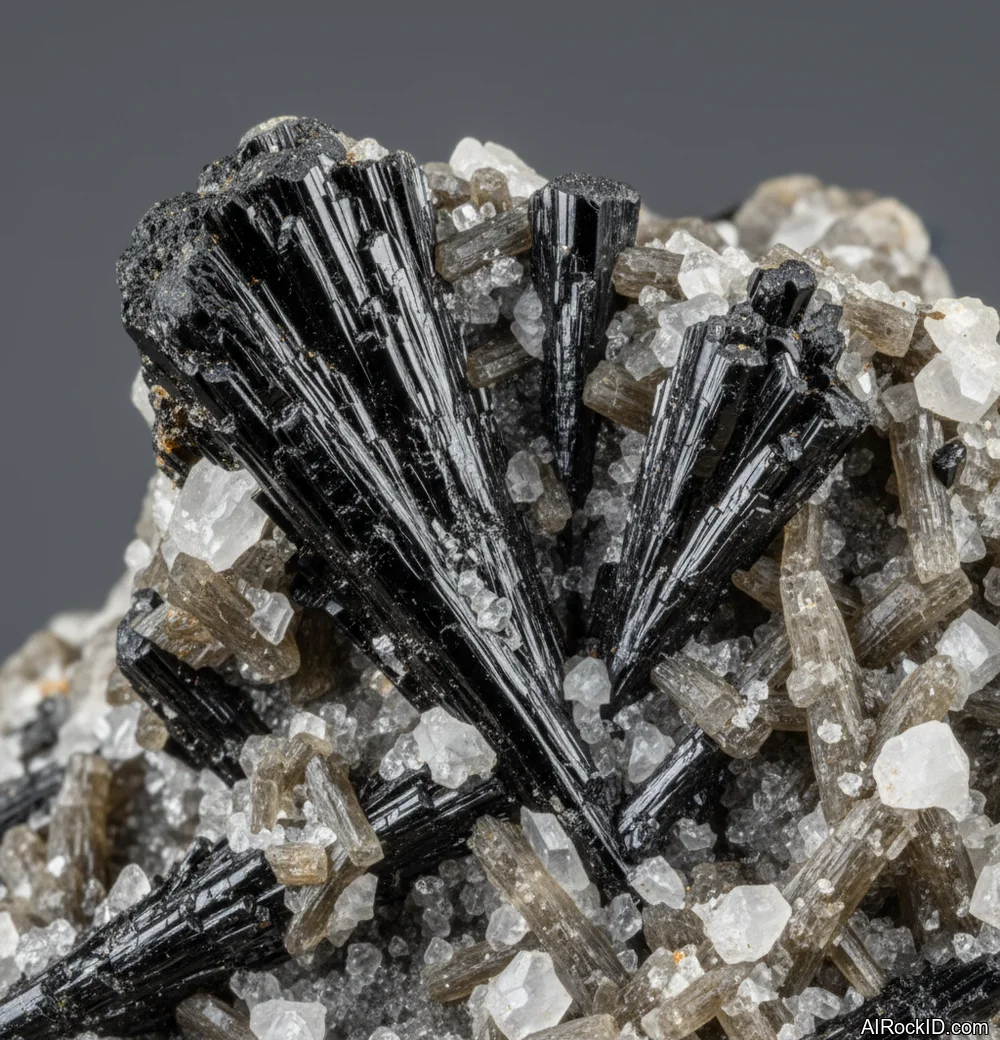
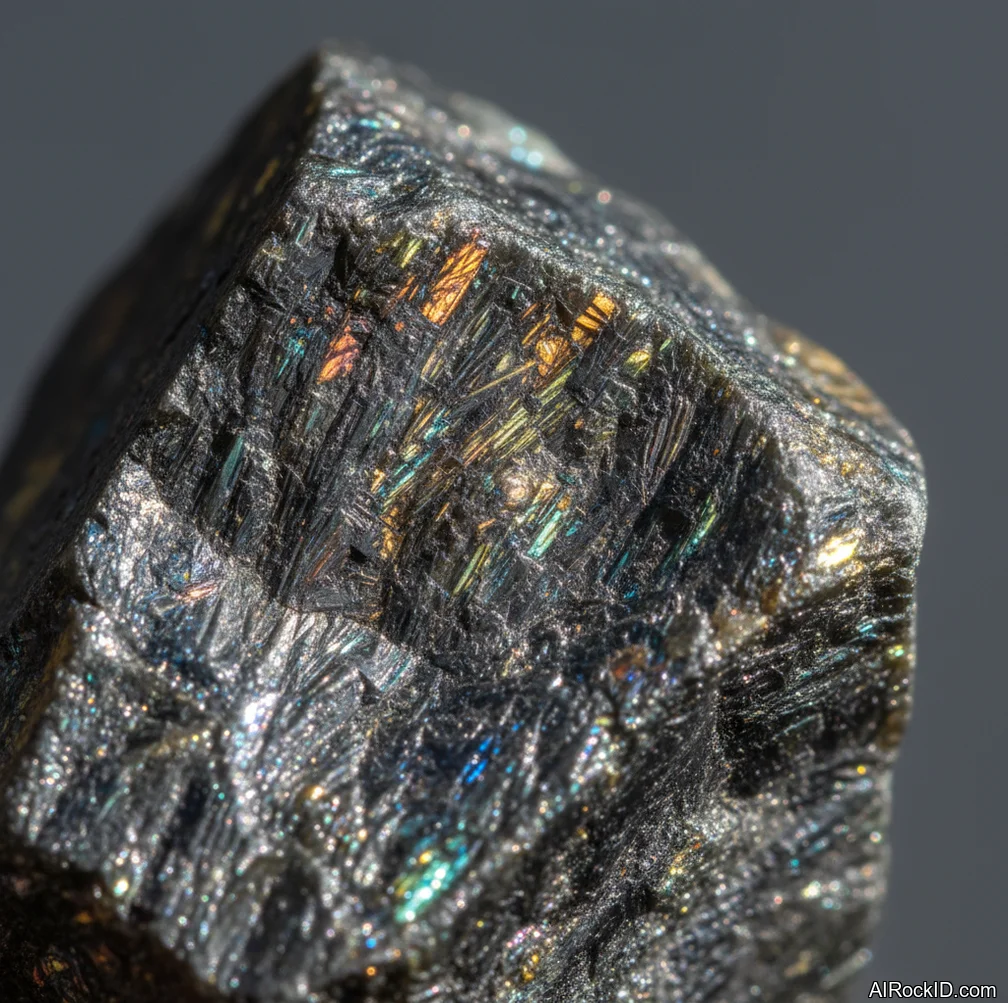
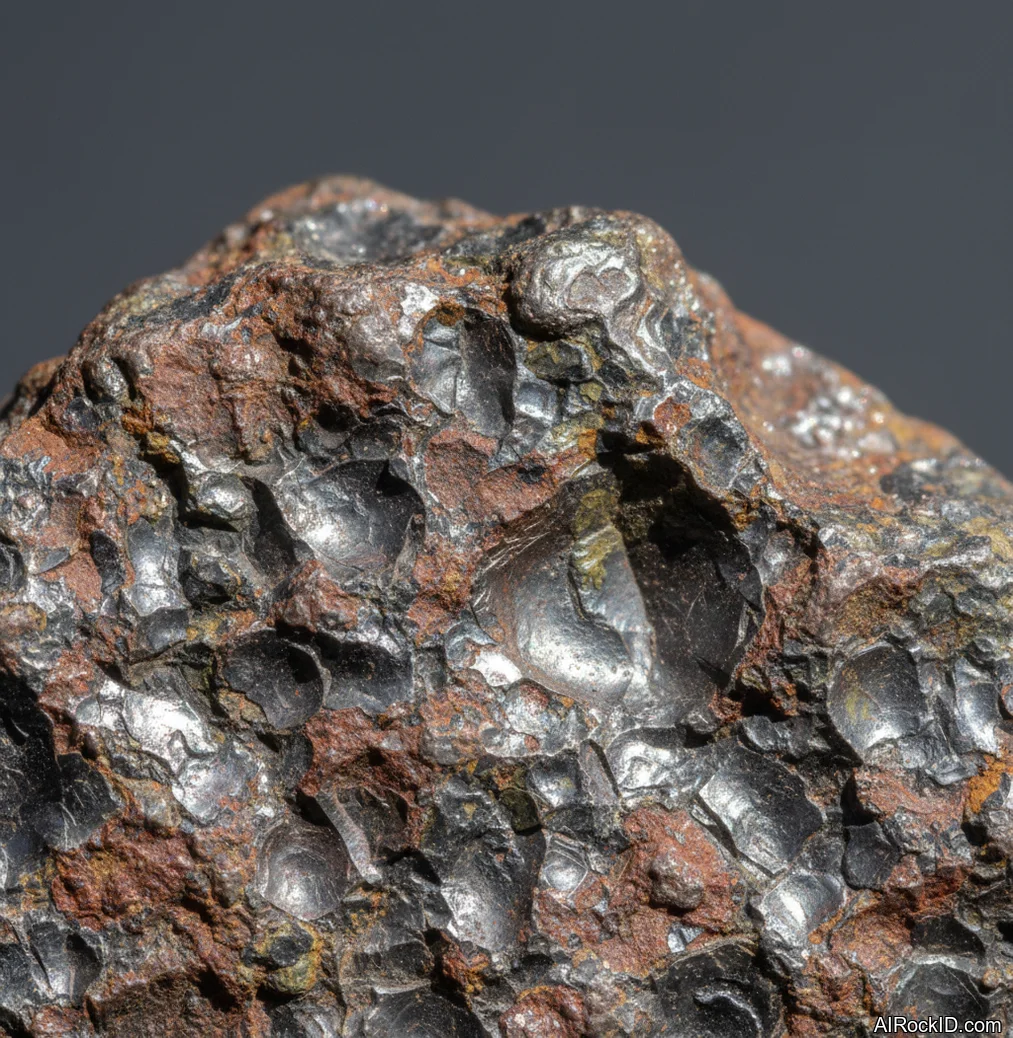
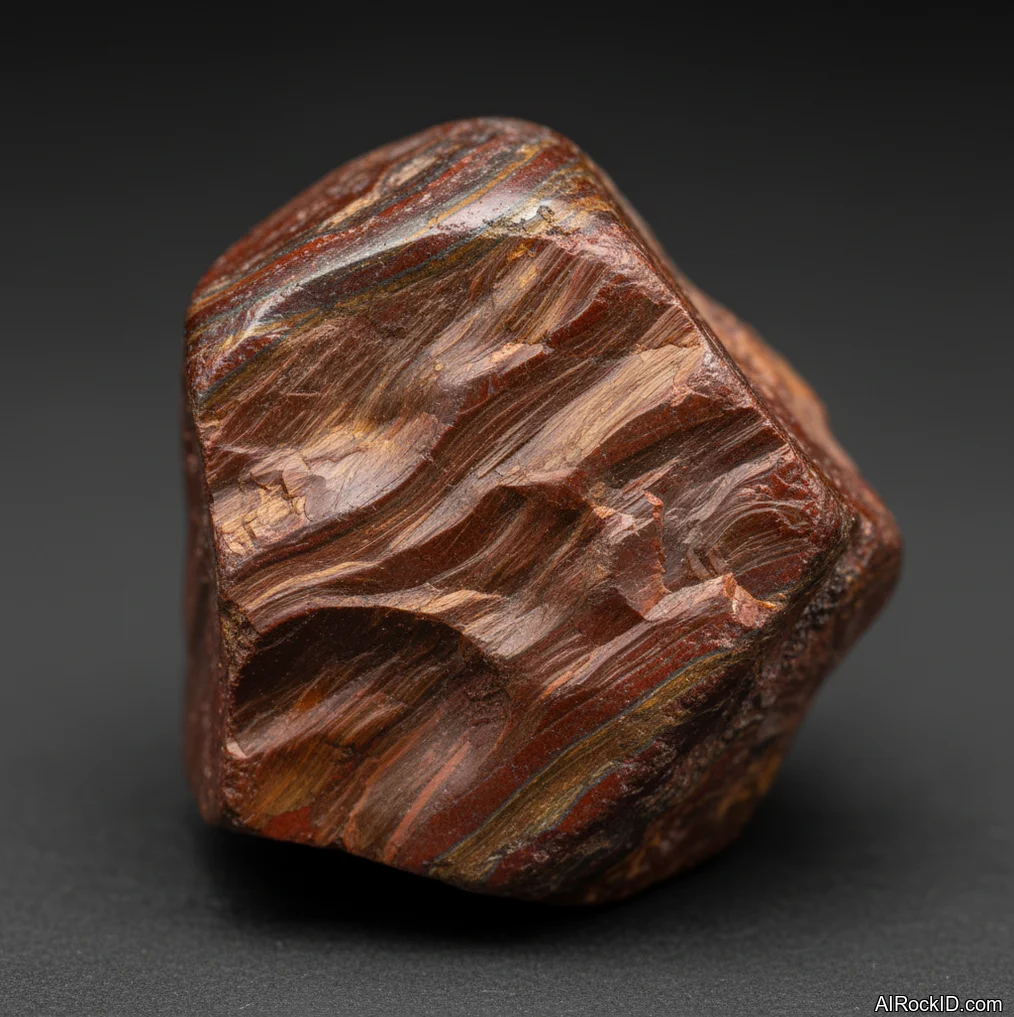
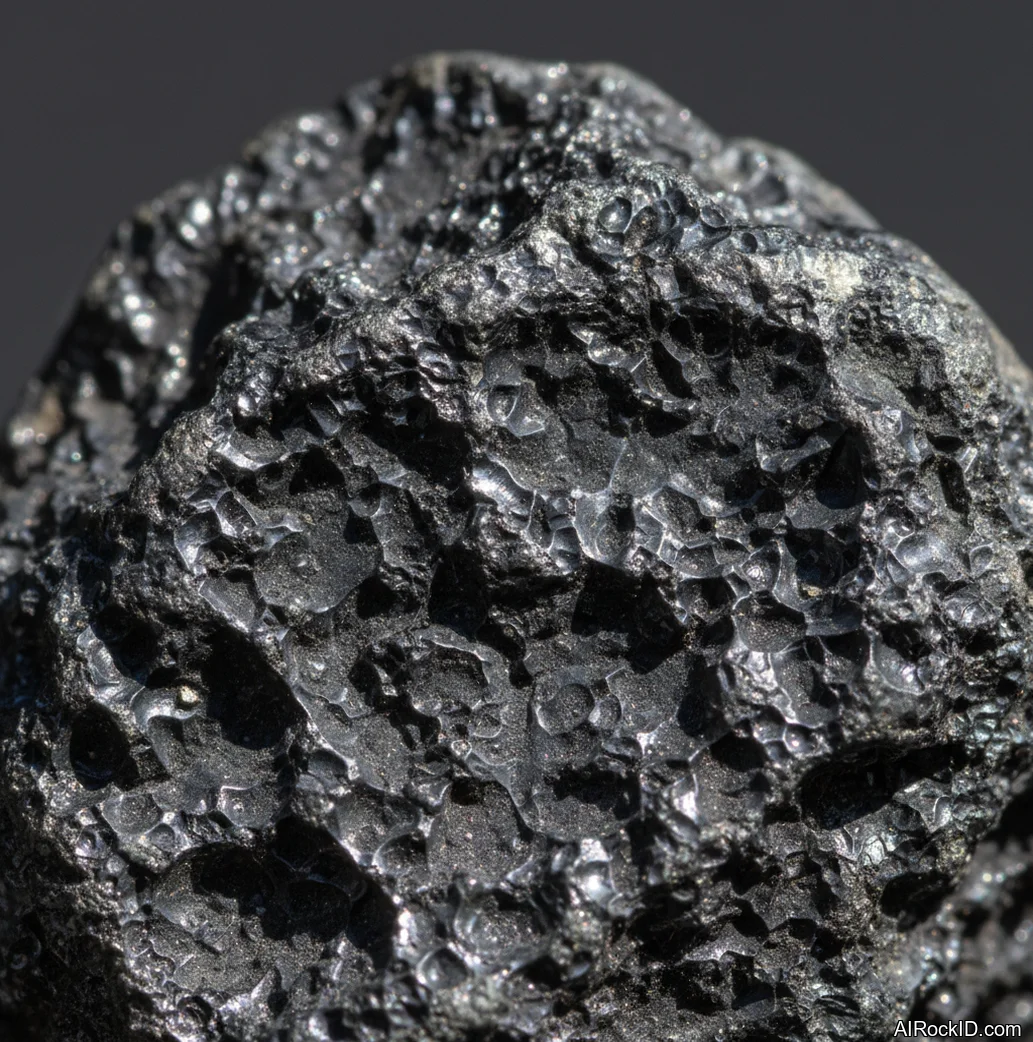
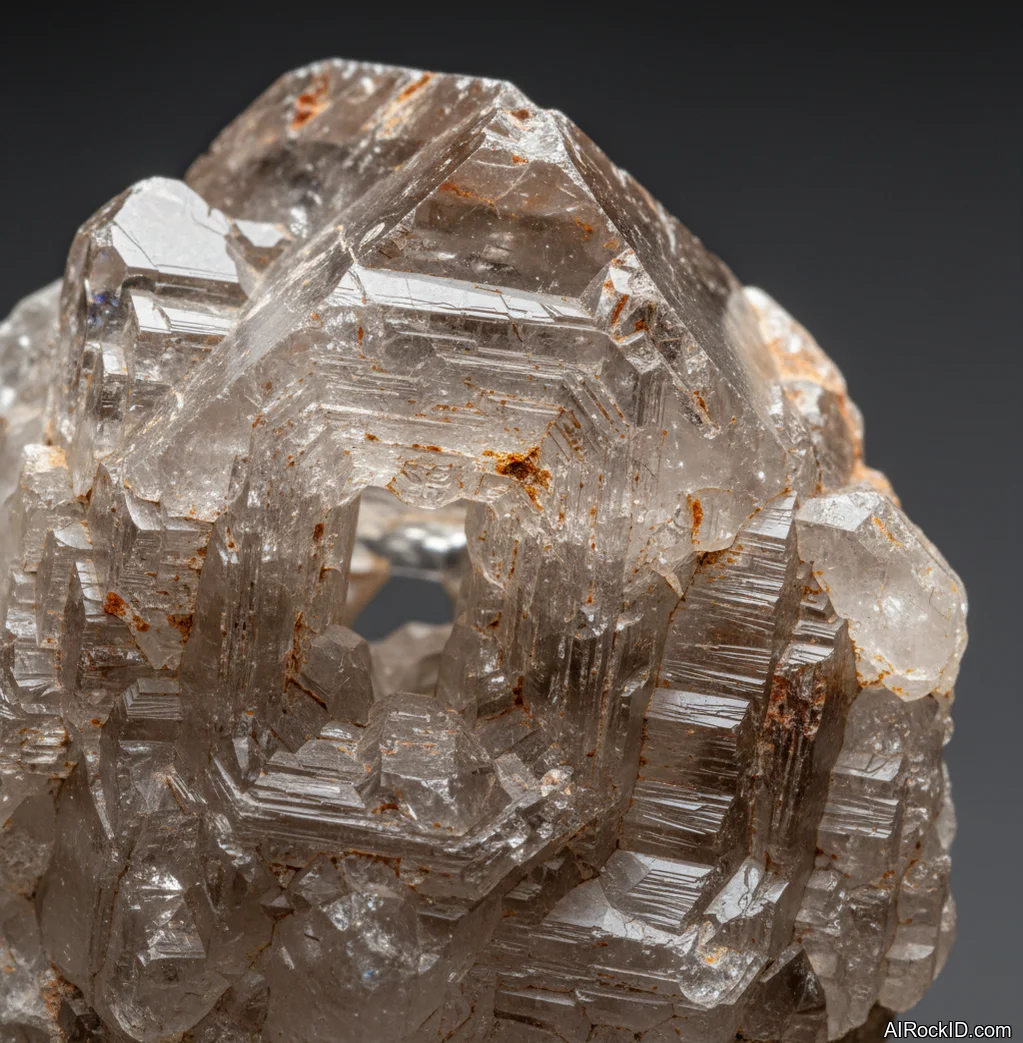
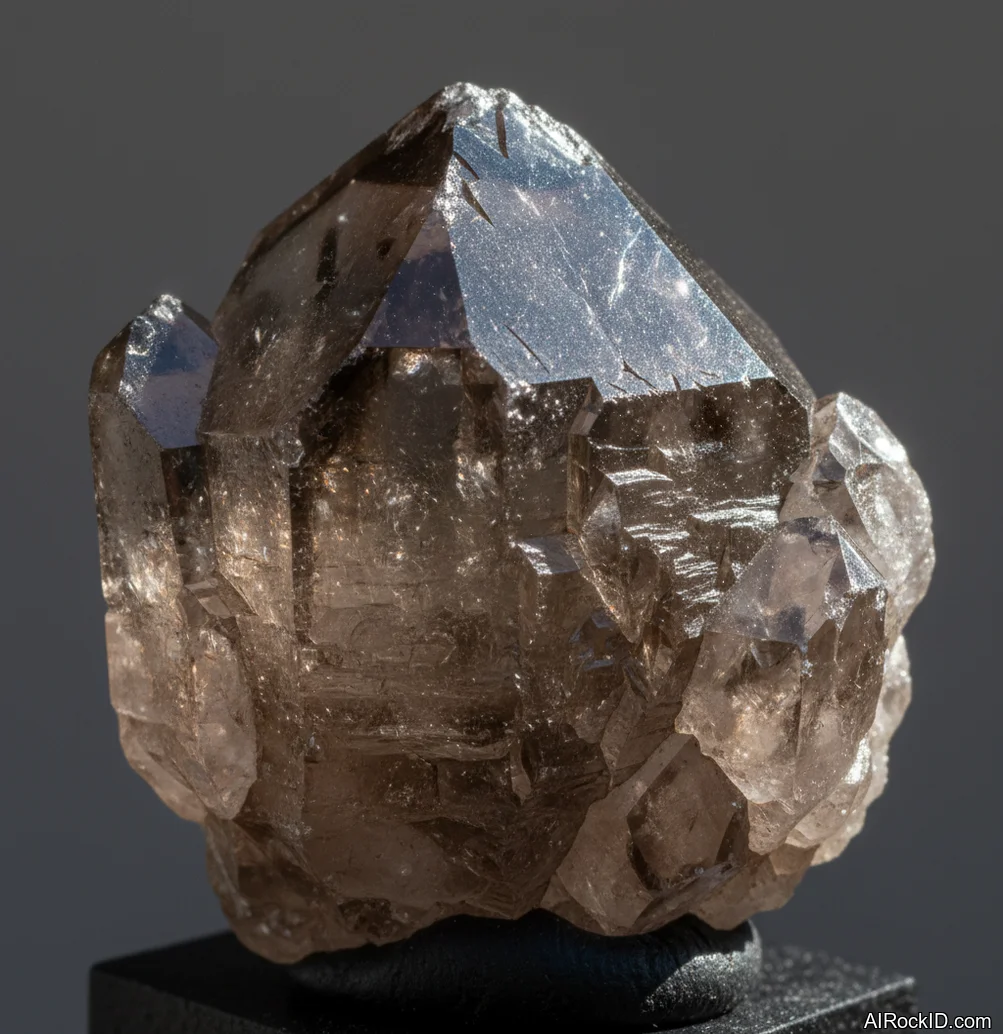
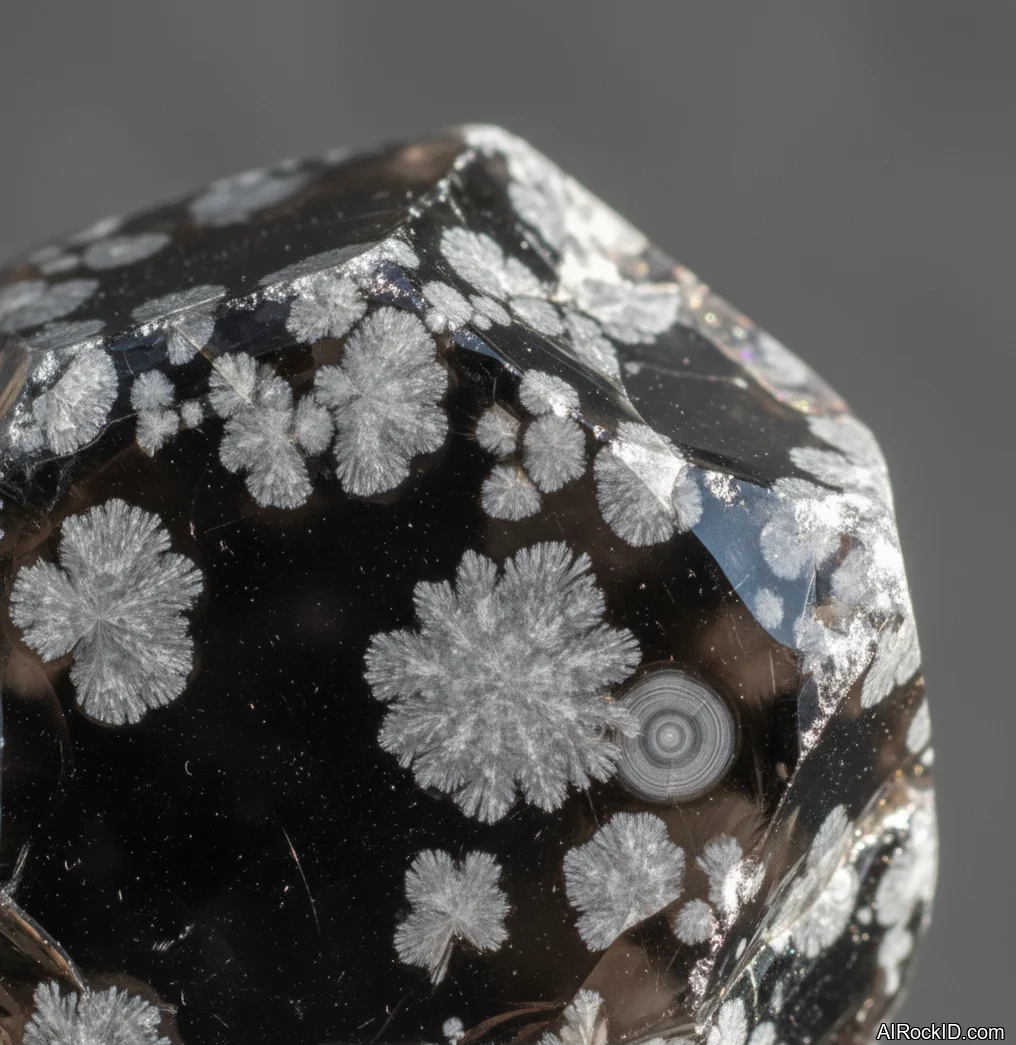
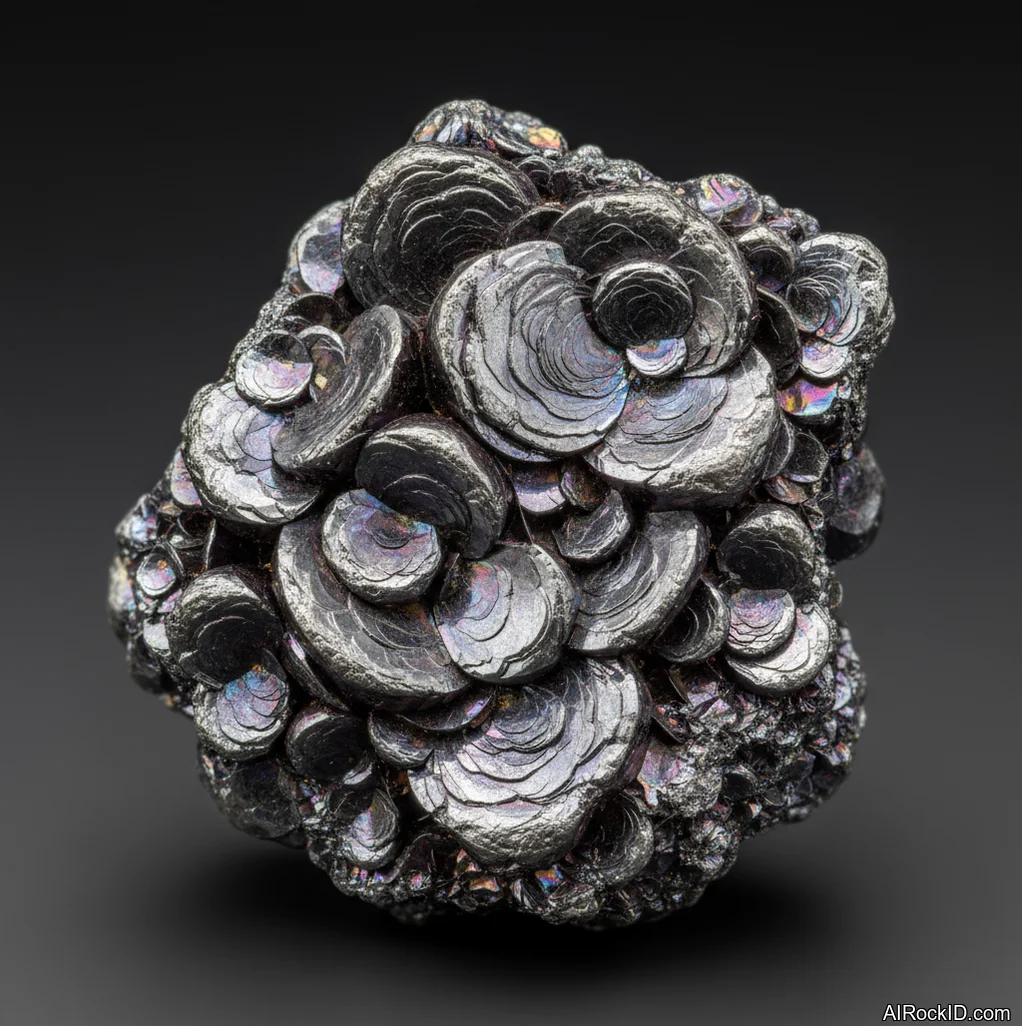
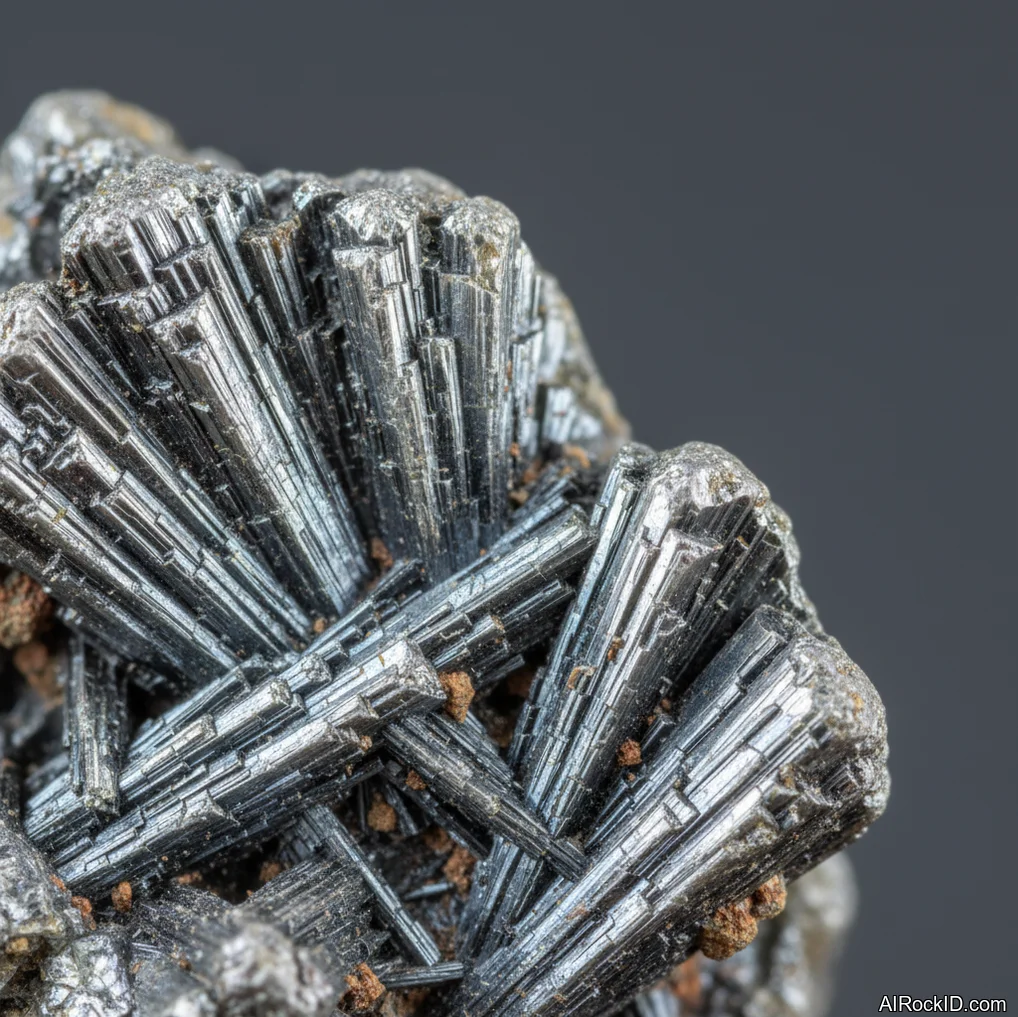
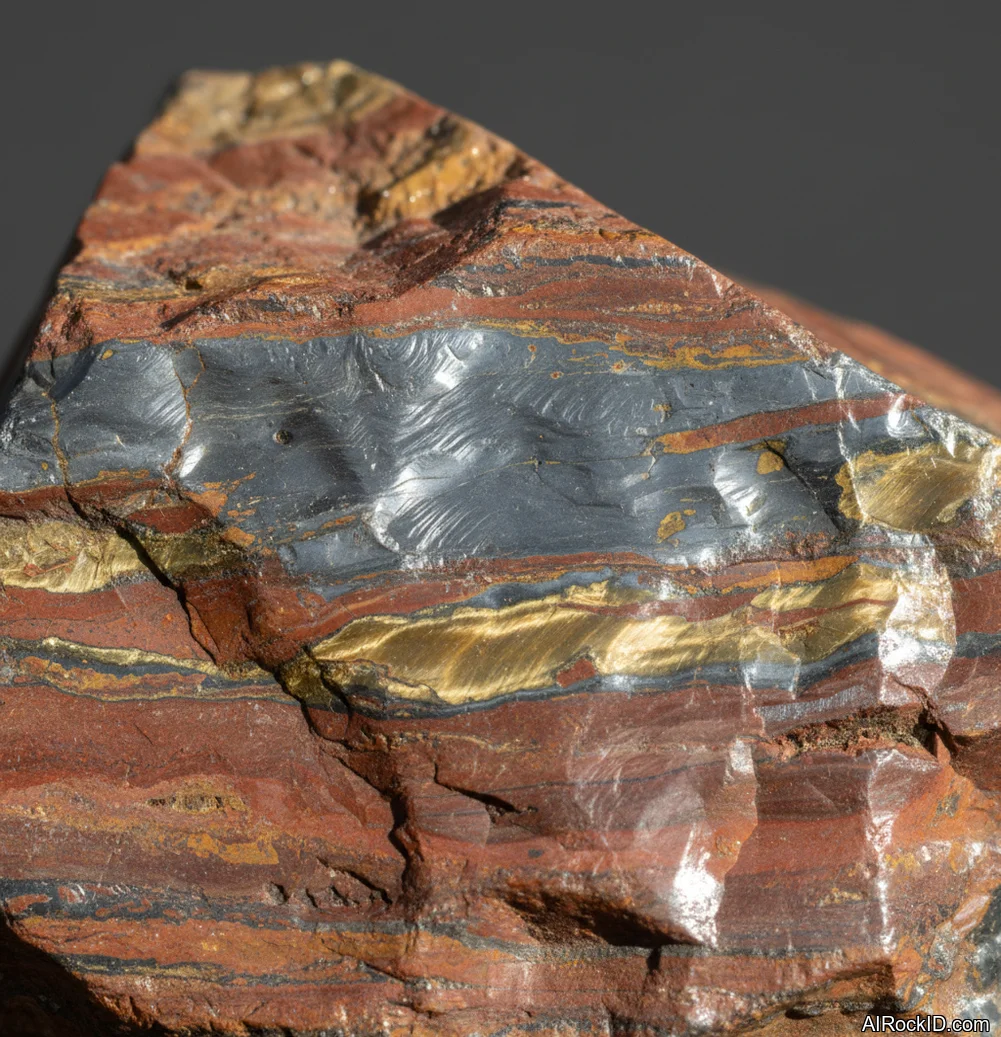
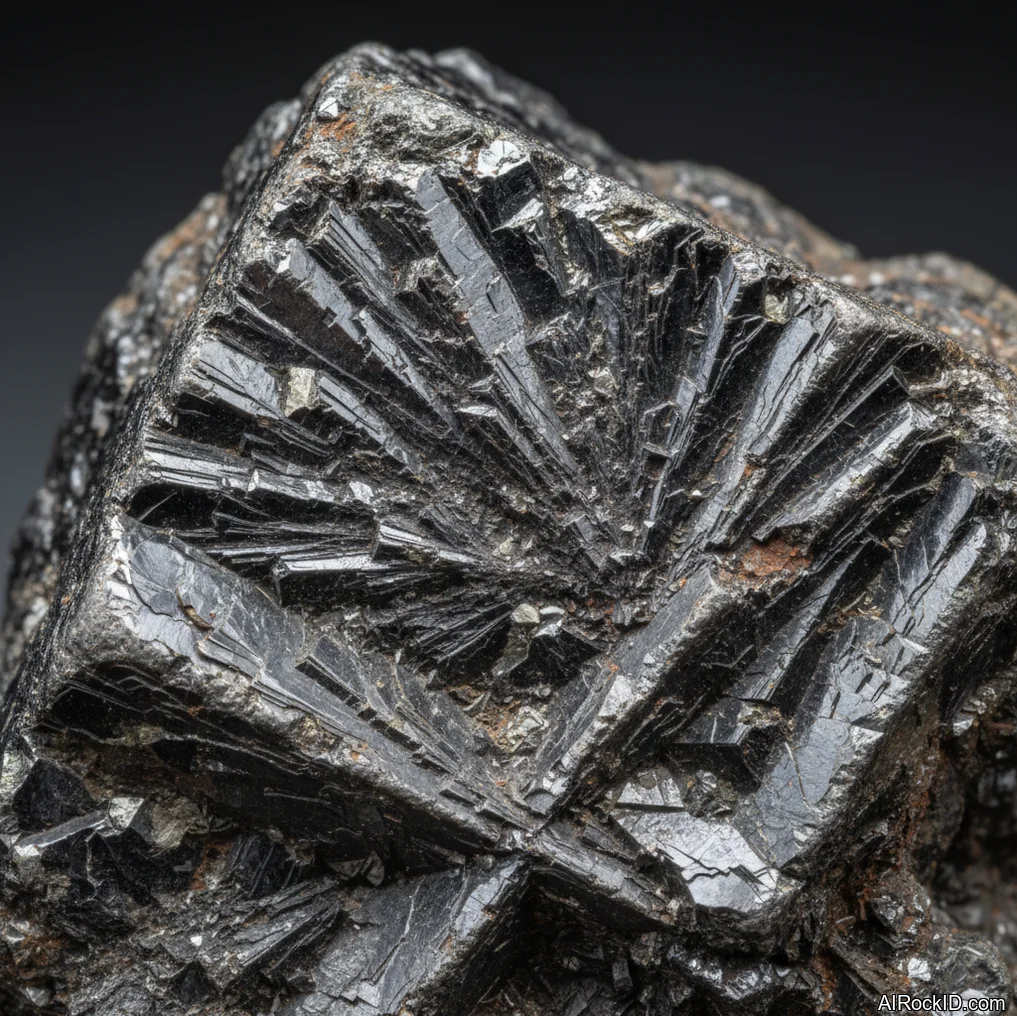
If you want something you can carry without babying it, look at smoky quartz, hematite, or black tourmaline. Smoky quartz has that brown-to-gray transparency that’s easy to stare into without getting distracted by bright color. Hematite is the opposite. Metallic. Heavy for its size. And it has that cold, “grounded” feel the second you pick it up. A polished hematite egg in the hand gives your fingers something to do without you fidgeting with your phone.
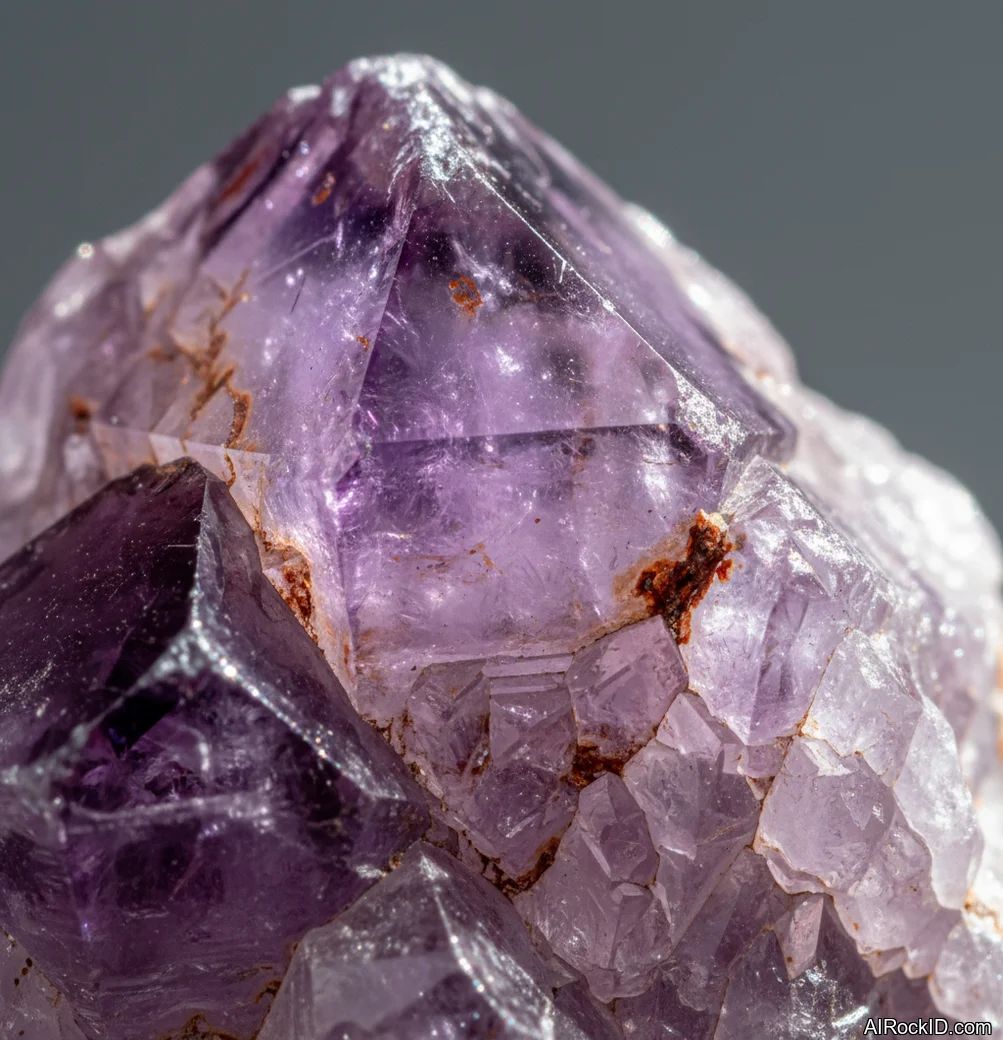
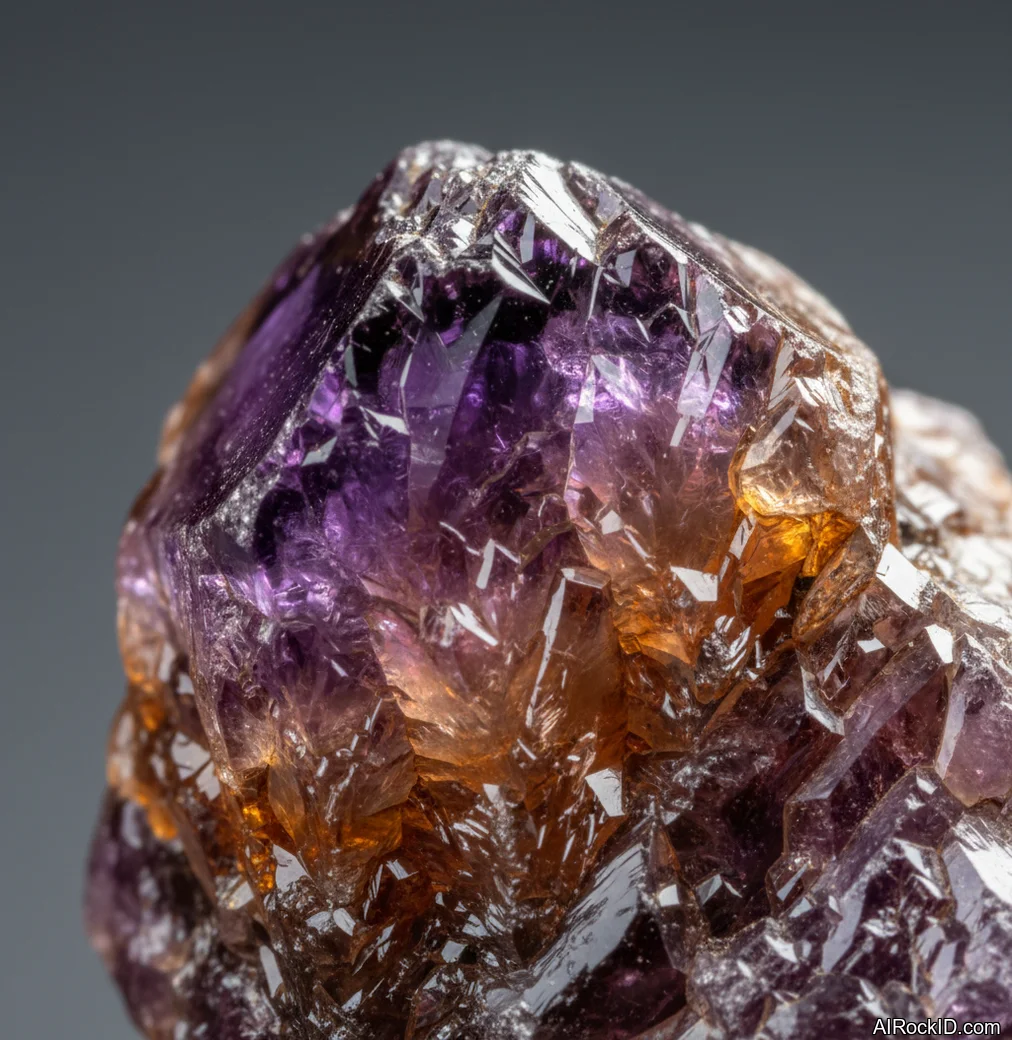
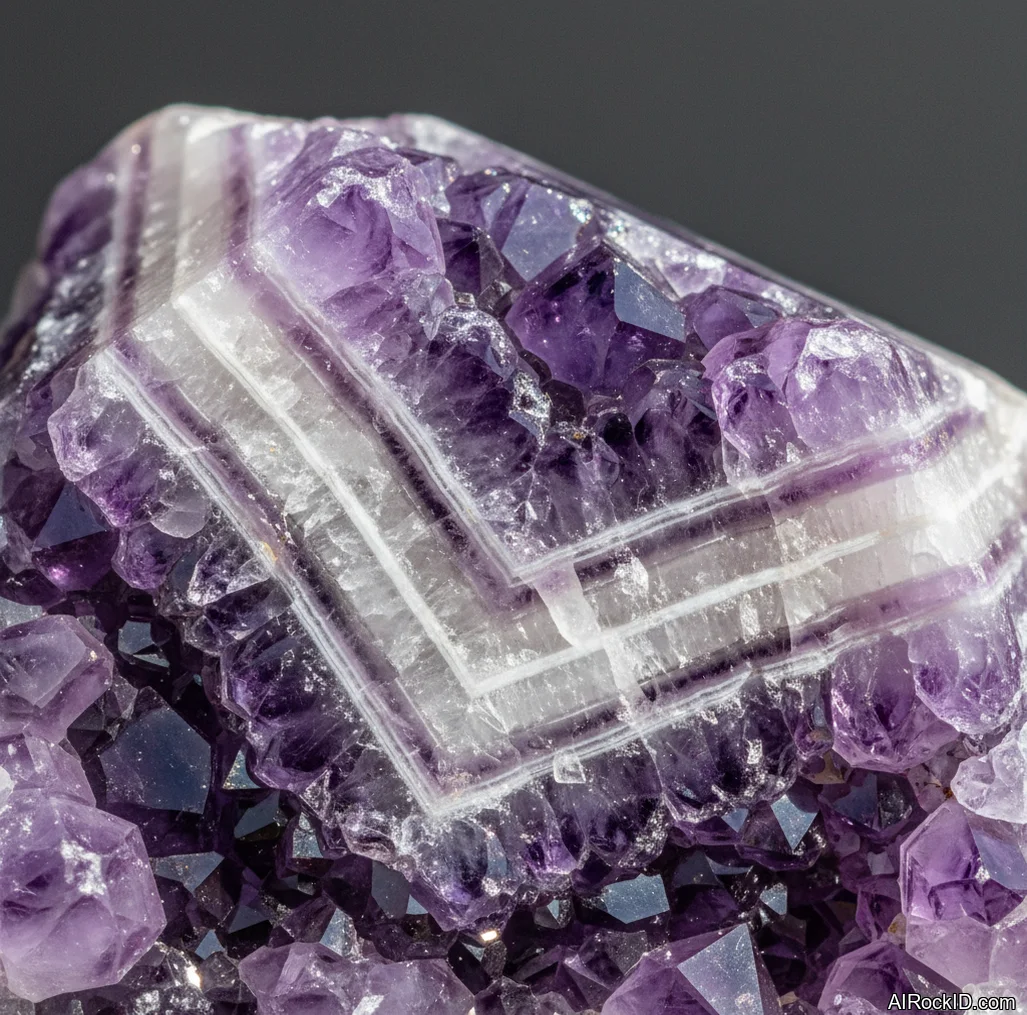
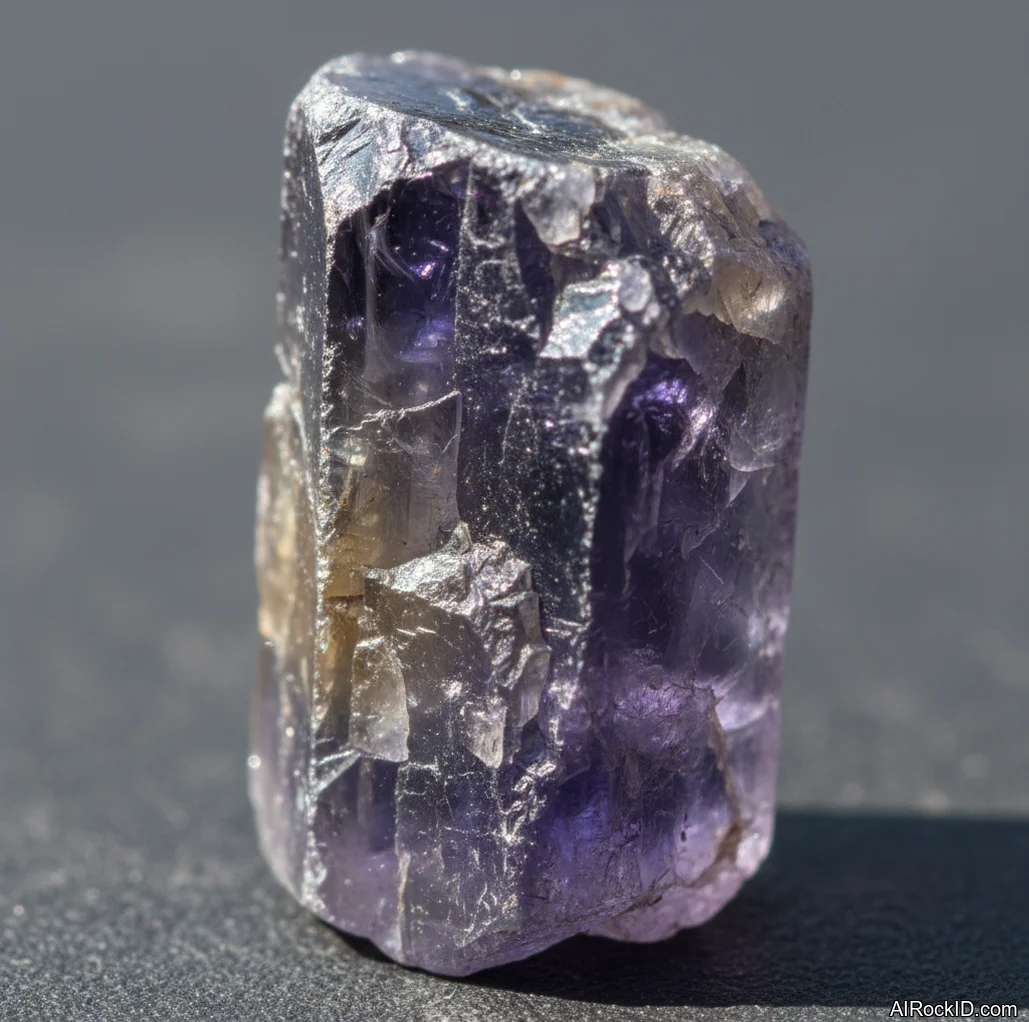
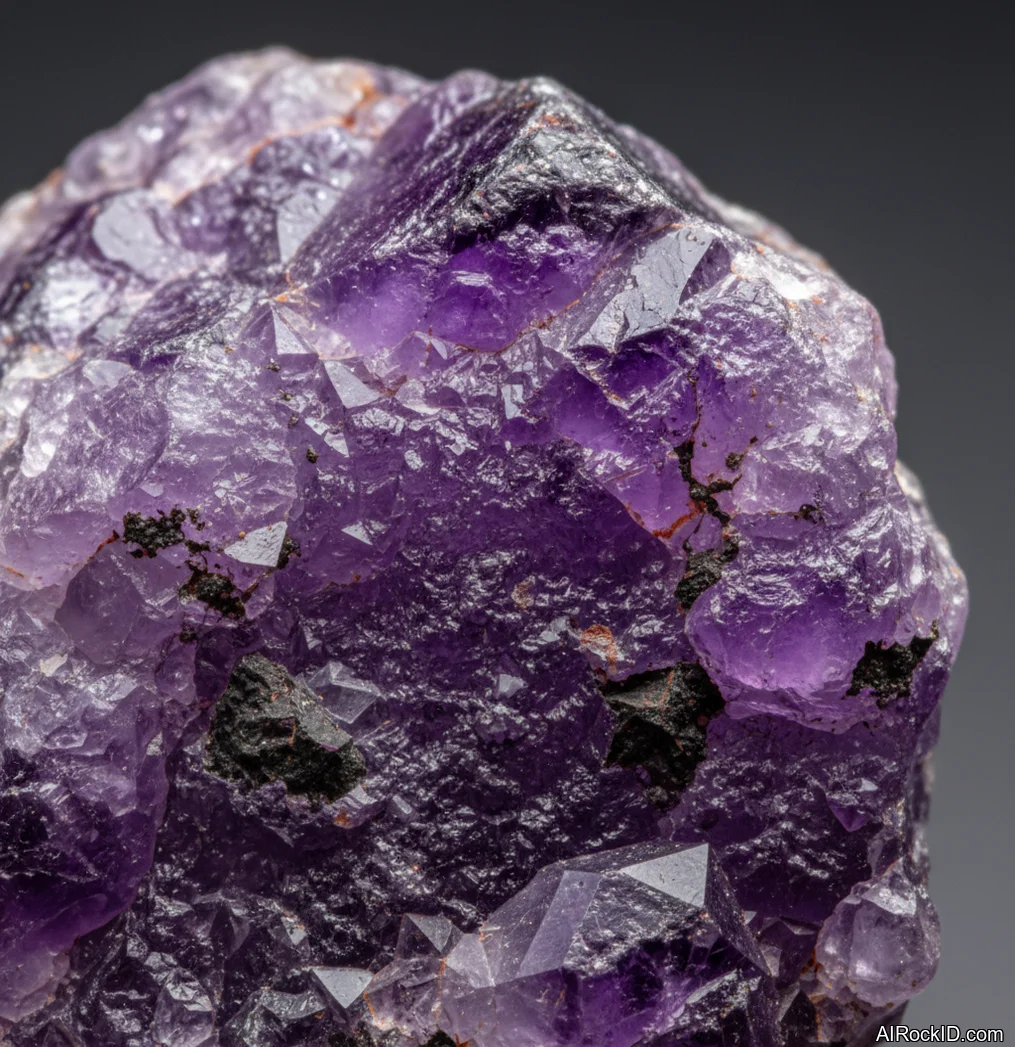
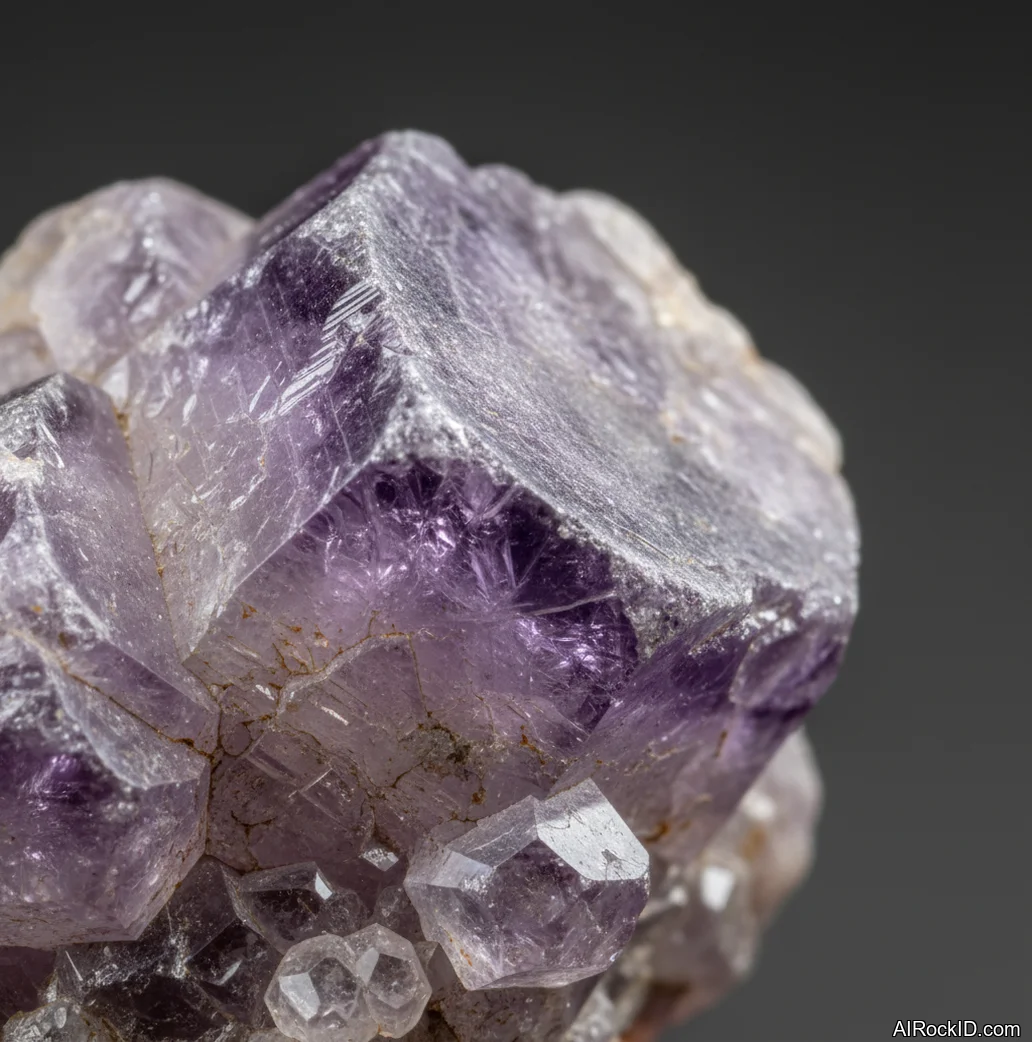
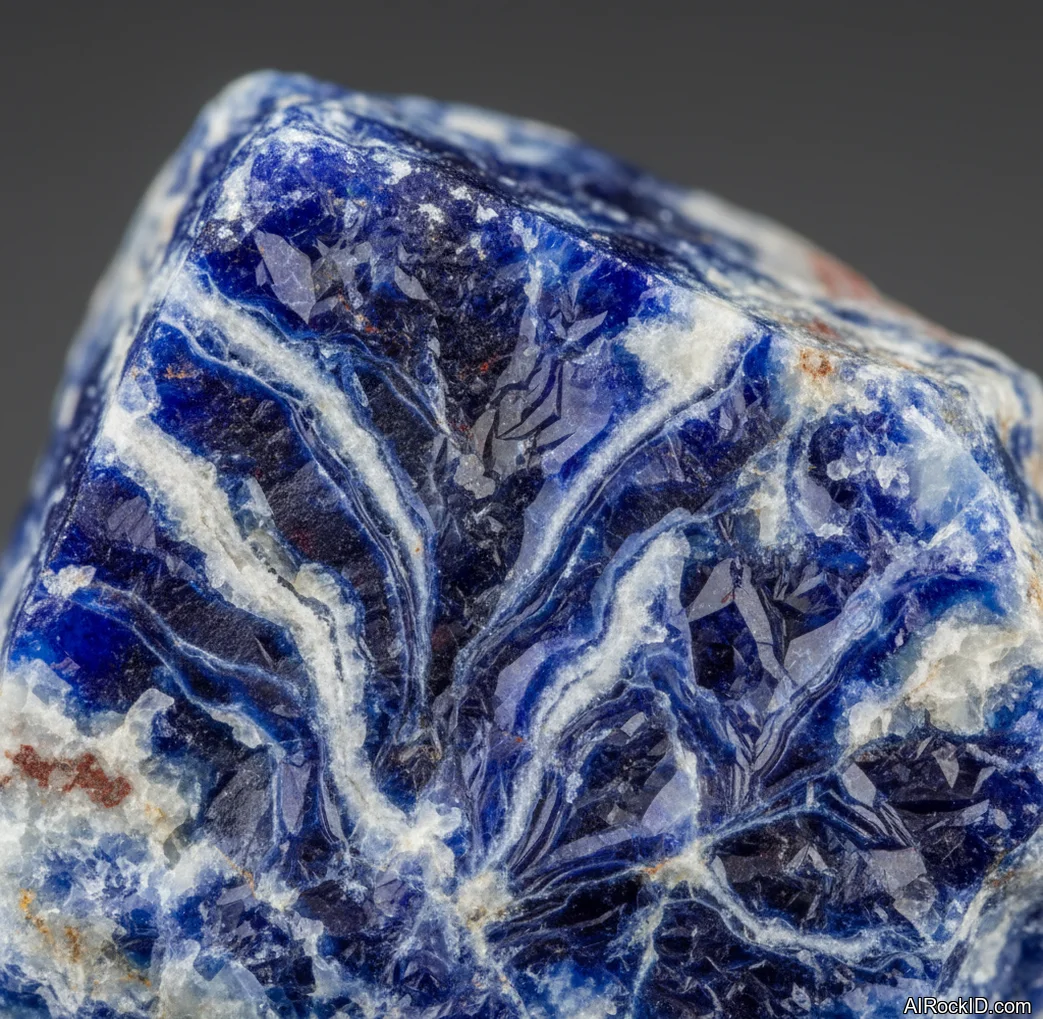
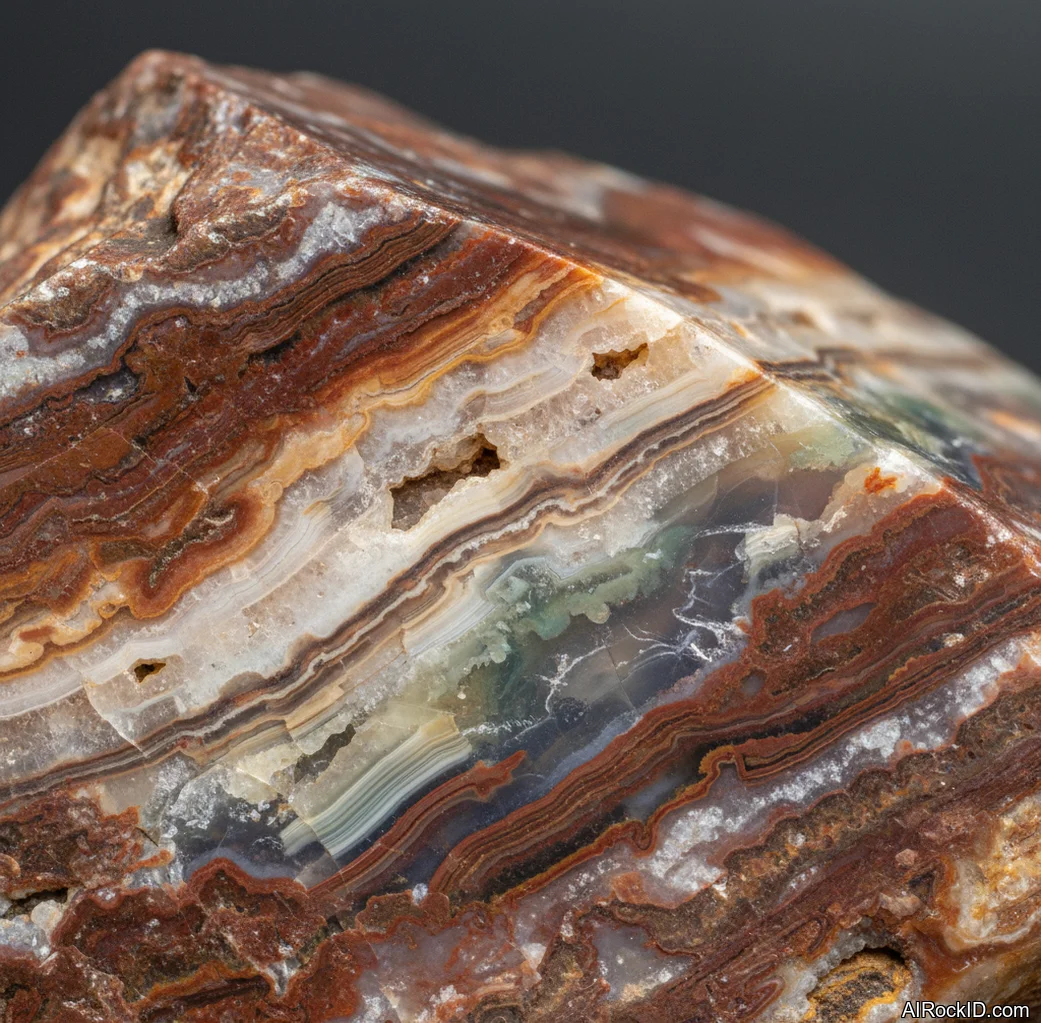
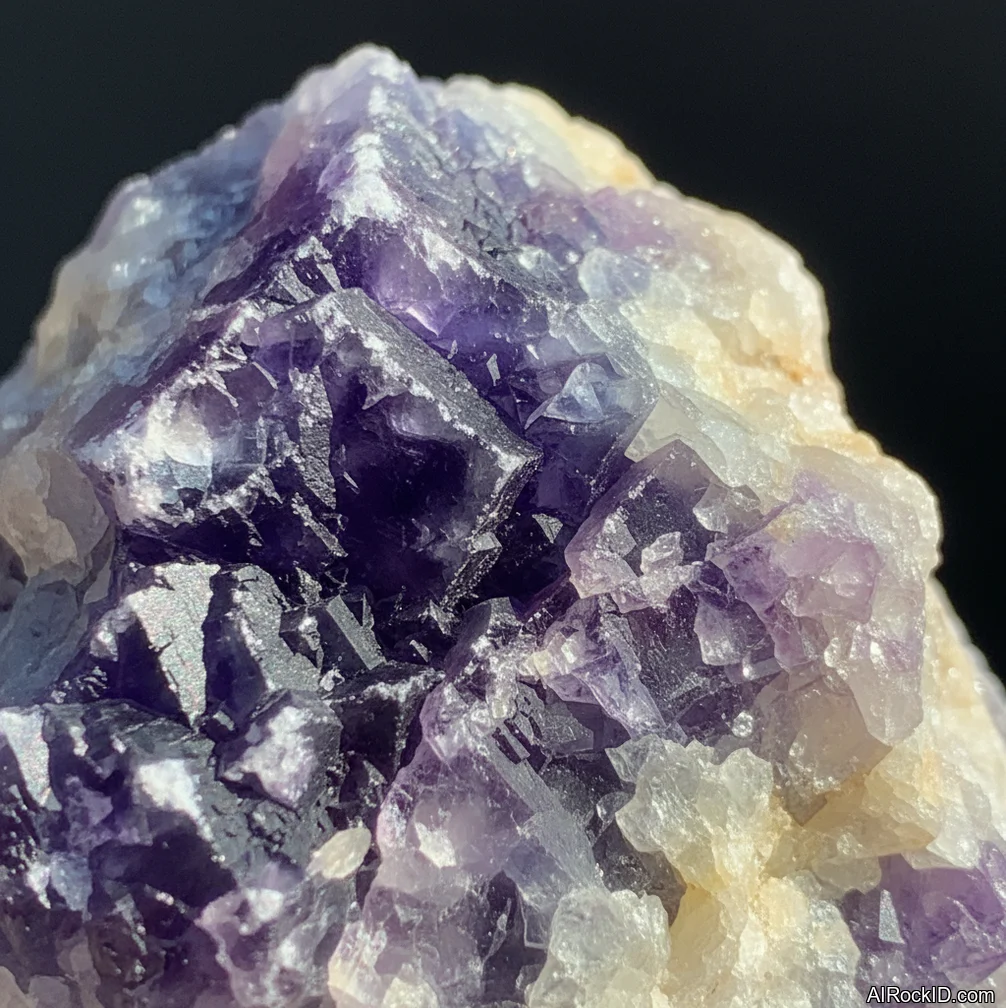
Look, shop for amethyst with your eyes open. Most people assume deeper purple automatically means “better,” but for meditation I’ve had more luck with pieces that have zoning, or a mix of lavender and clear. Your eyes don’t glaze over as fast. The deepest purple amethyst I’ve handled tends to be from Uruguay, often as tight little points in dark basalt. Brazilian material is usually lighter, and you’ll see more wide bands of color. Both are fine. But the texture and the way it catches light is what you’re paying for as a meditation tool.
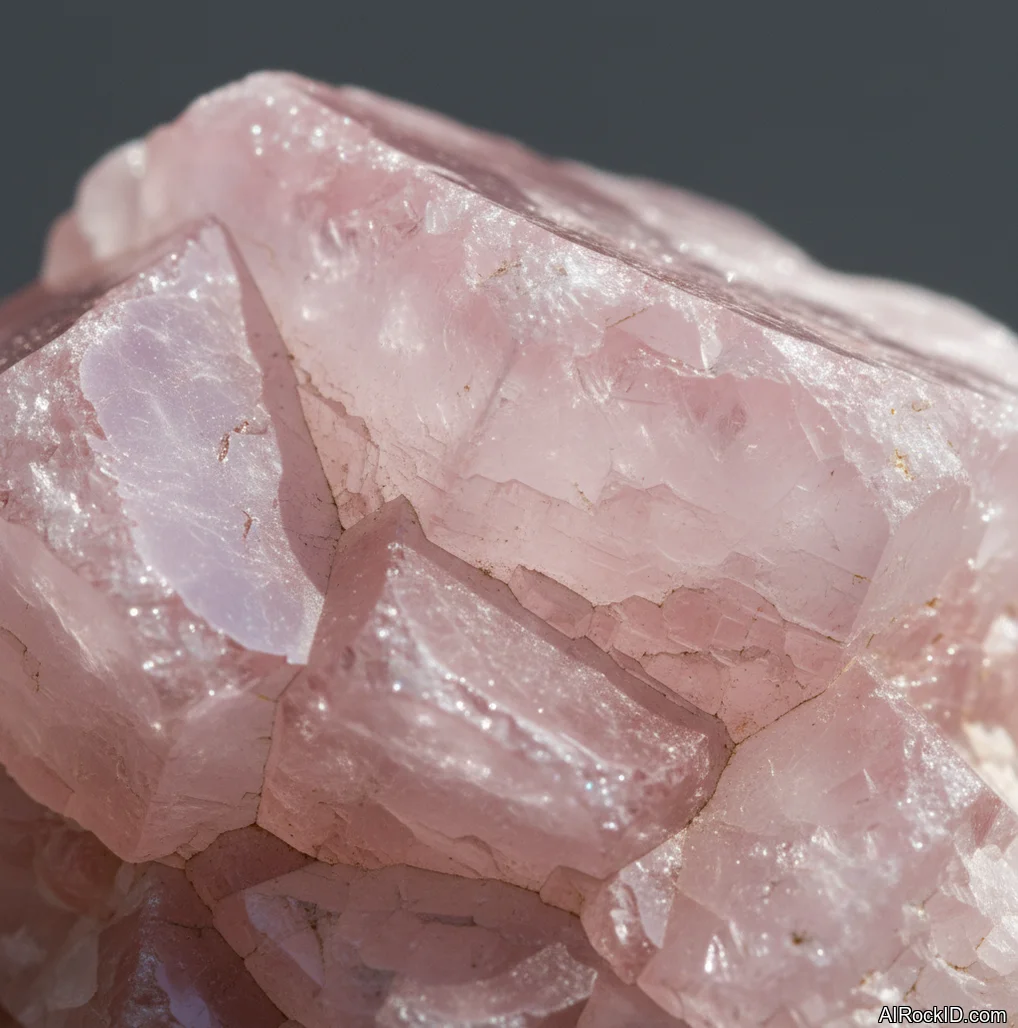
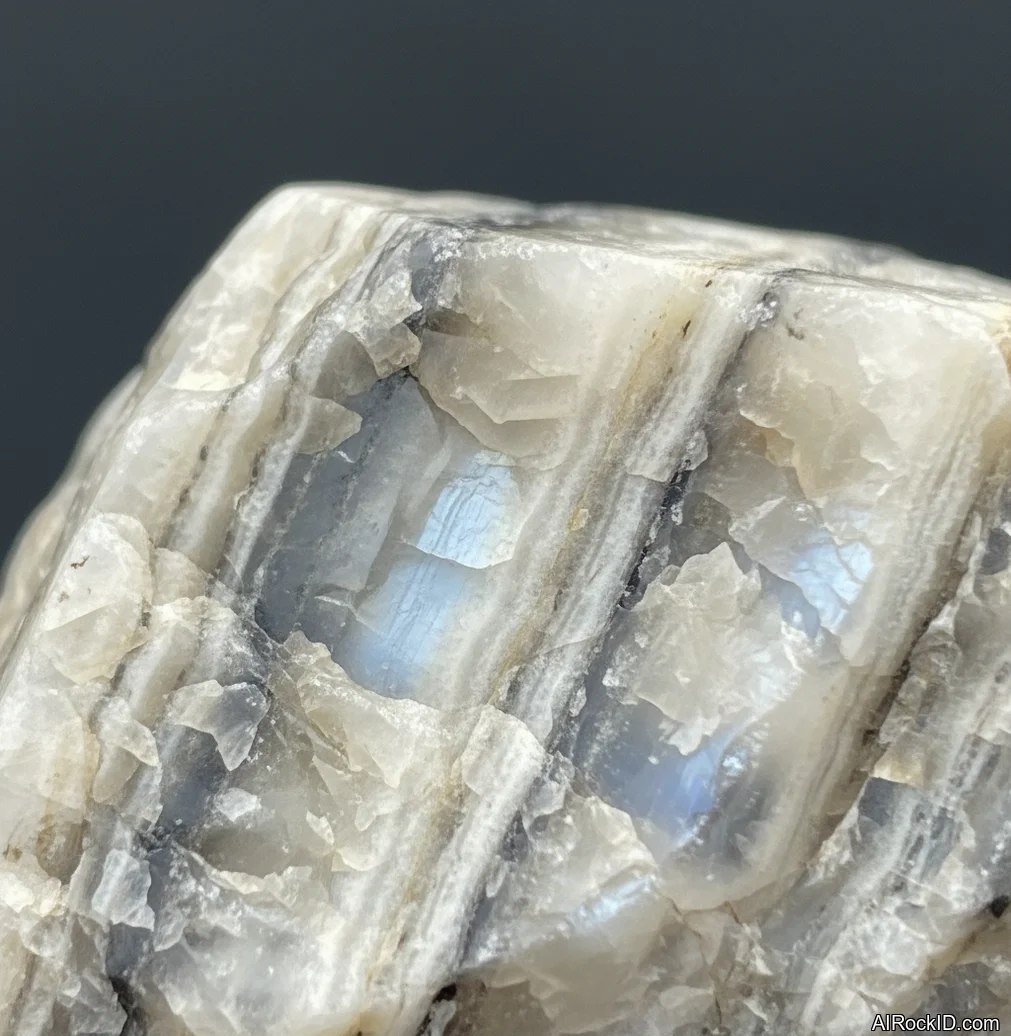
The problem with buying “meditation crystals” online is sellers lean hard on names and ignore the actual cut and feel. A raw clear quartz point with crisp faces is a totally different object than a frosty, chipped point that’s been acid-cleaned and dulled. If you’re using it as a visual focus, you want clean geometry. If you’re using it as a hand stone, you want edges that won’t dig into your skin. Palm stones in labradorite, moonstone, or rose quartz are great here because the shape does half the work.
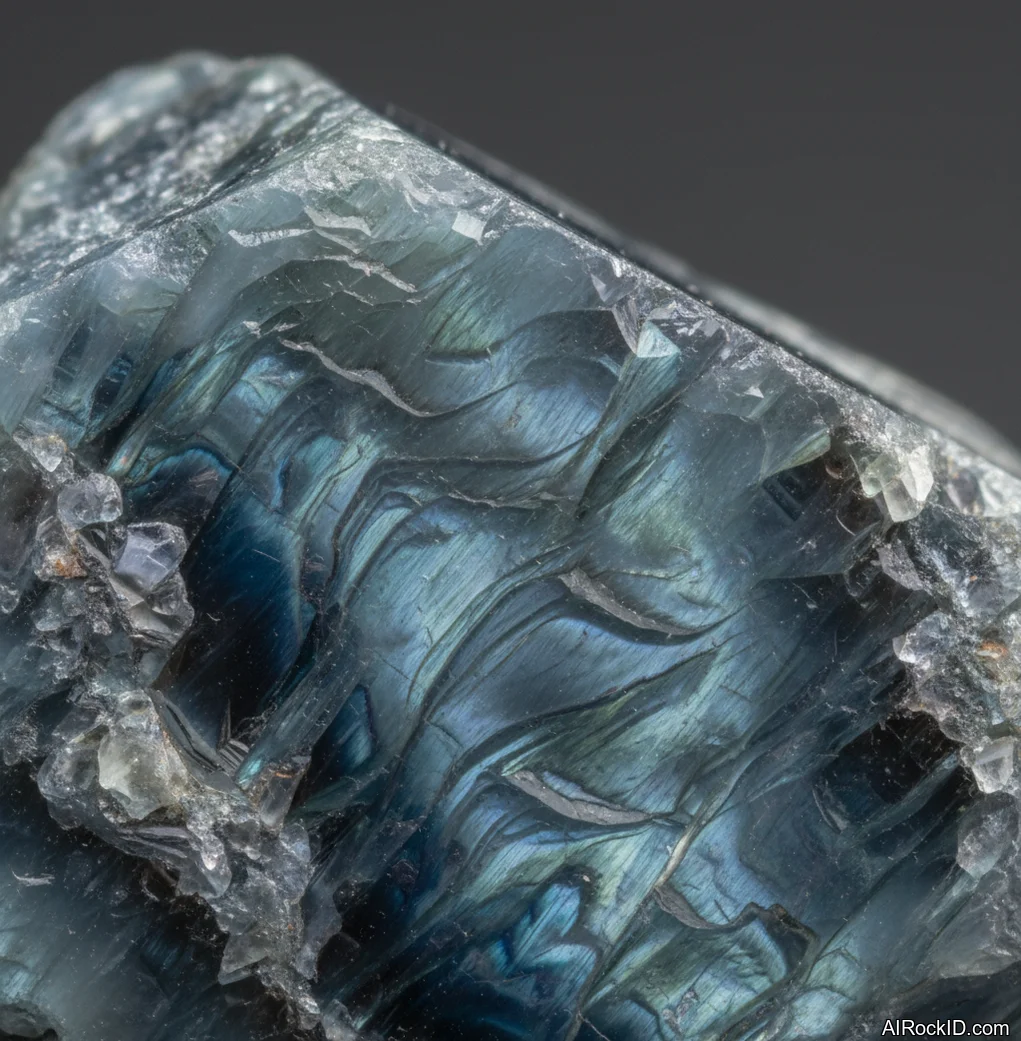
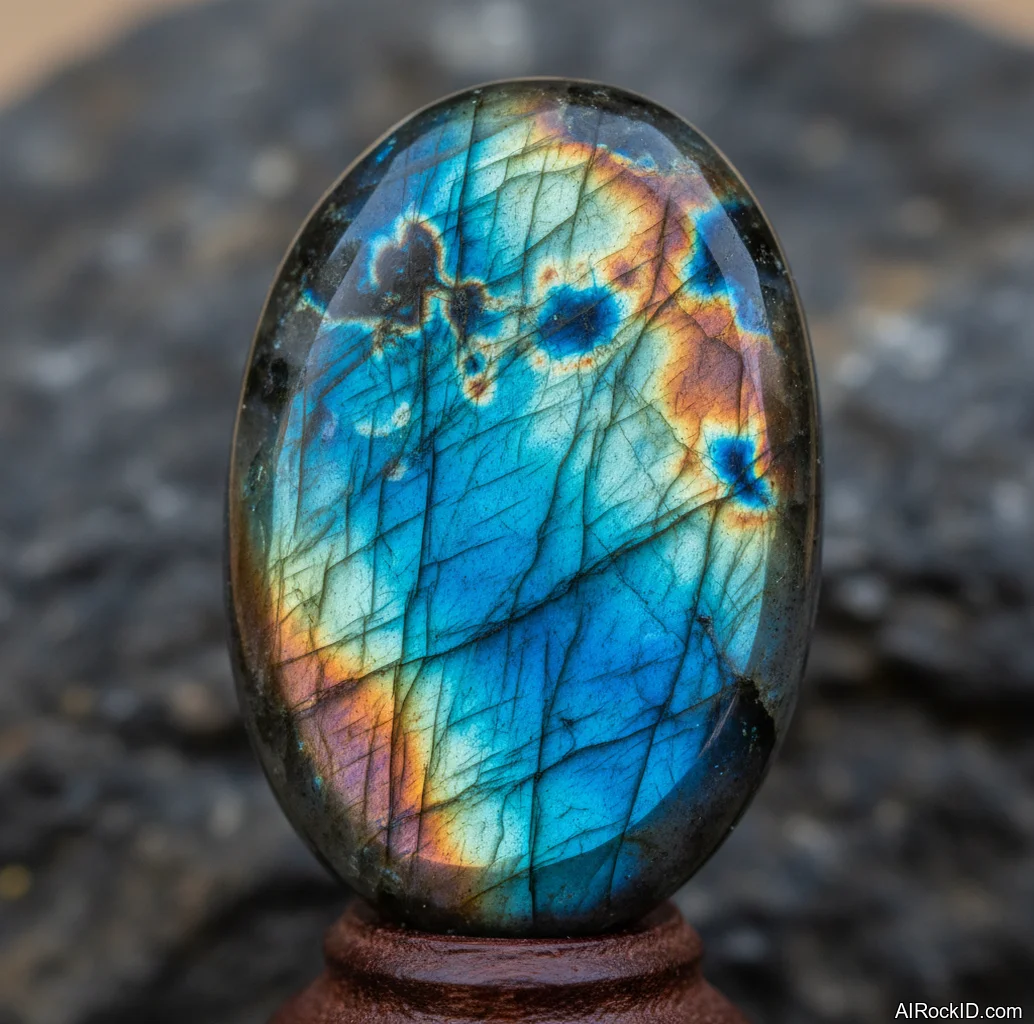
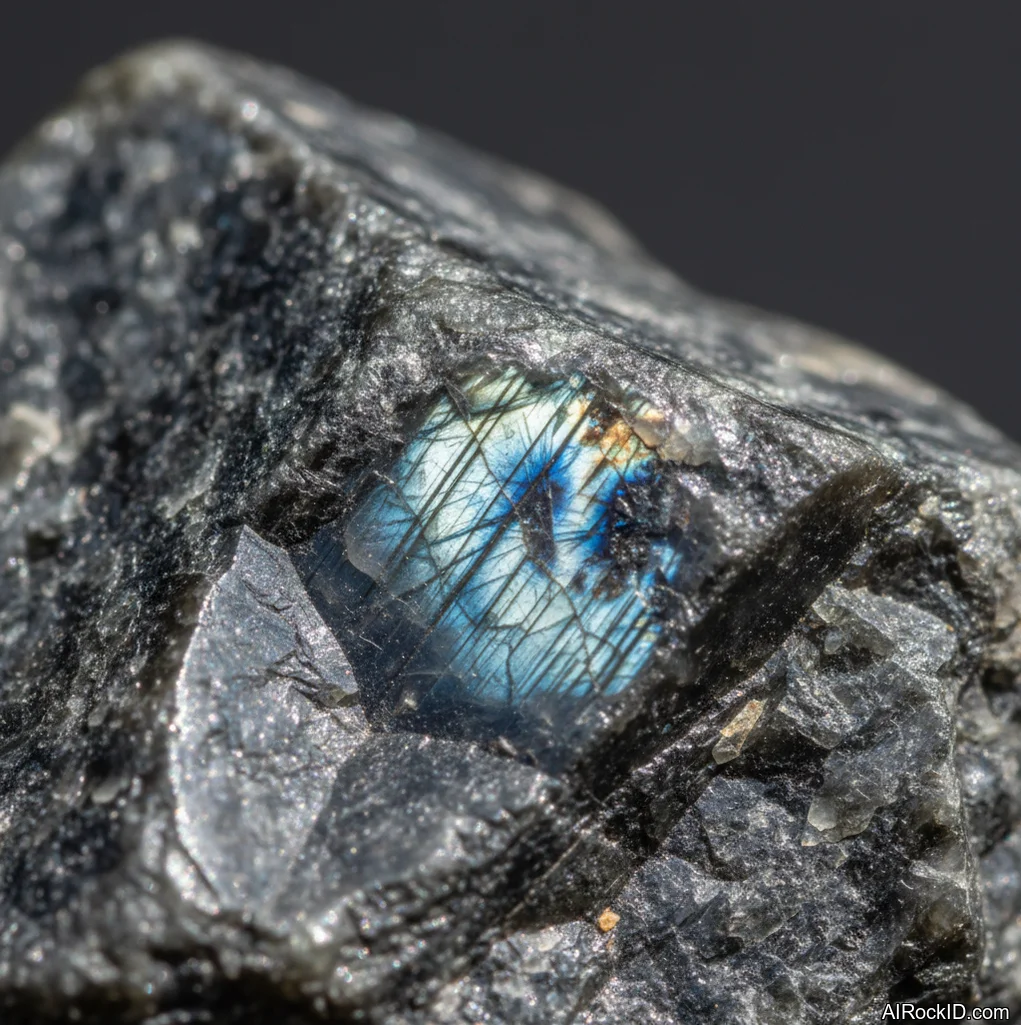
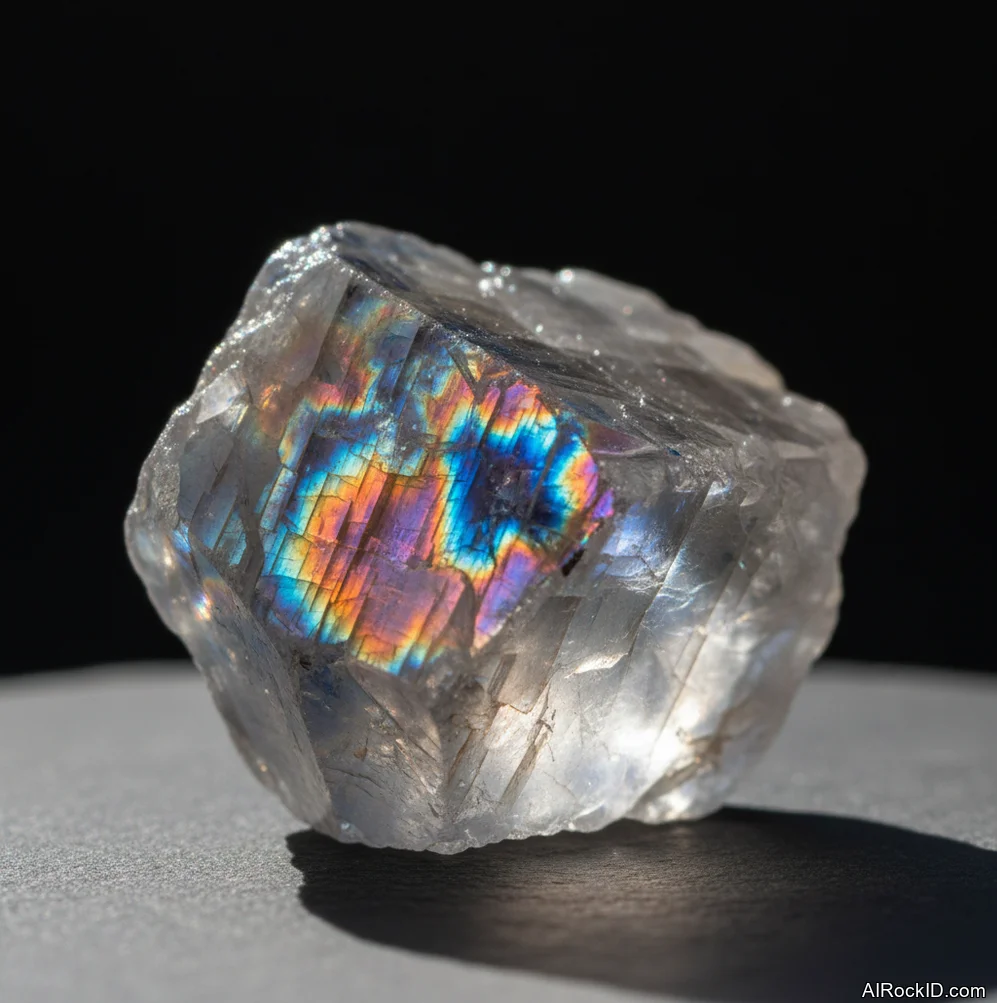
And labradorite deserves a mention even though it’s flashy. The labradorescence is like a built-in “return to breath” cue. Tilt it, the blue or green sheet of light shows up. Tilt again and it disappears. That tiny change can be enough to pull you back when you drift. Just know the surface can look perfect in photos, but in person you might see tiny pits or fractures under the polish. That’s normal for feldspar. It’s also why labradorite rings get beat up fast.
How to work with them is simple. And simple is what meditation needs. Put one piece where you sit every day. Don’t rotate five stones because you’re bored. If you like sitting with eyes open, set a clear quartz point or a small amethyst cluster at eye level, about an arm’s length away. If you sit eyes closed, use a palm stone. Hold it in your non-dominant hand, and keep your grip light enough that your fingertips aren’t turning white.
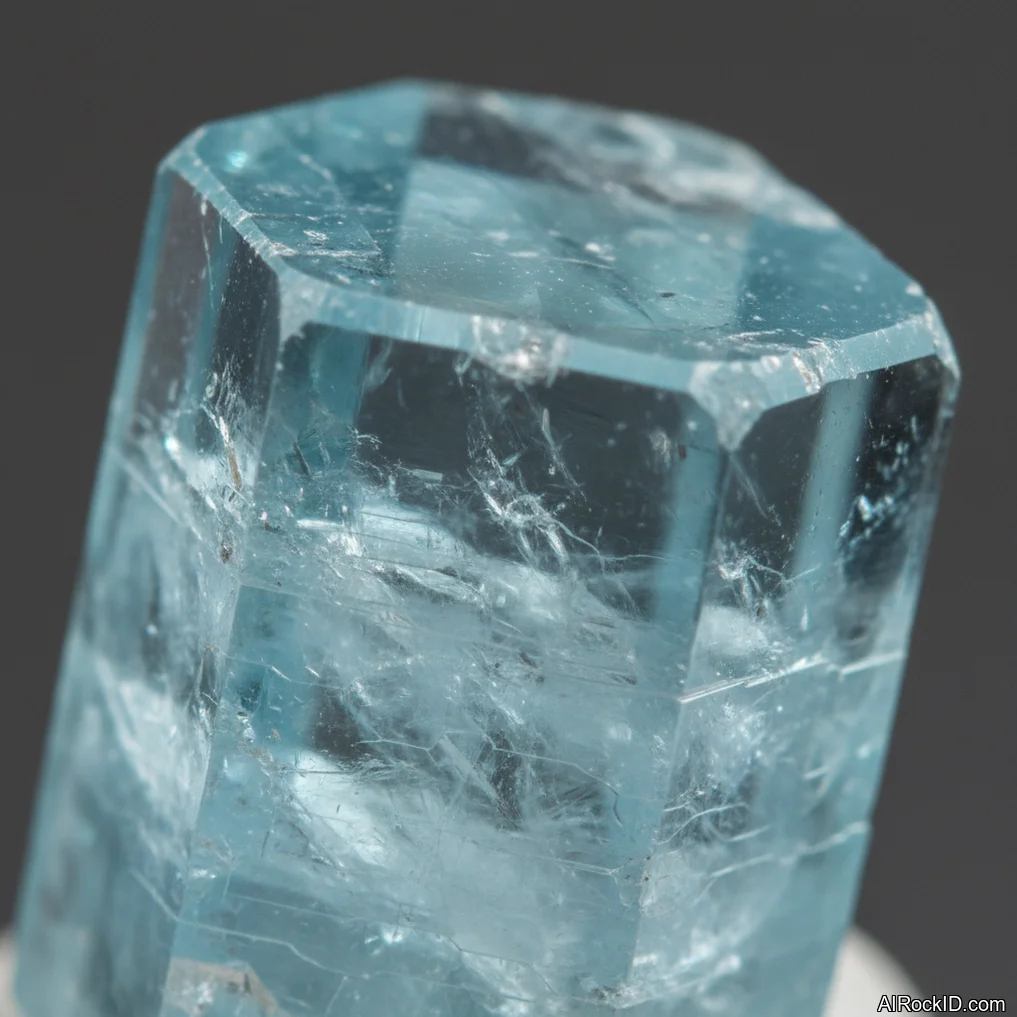
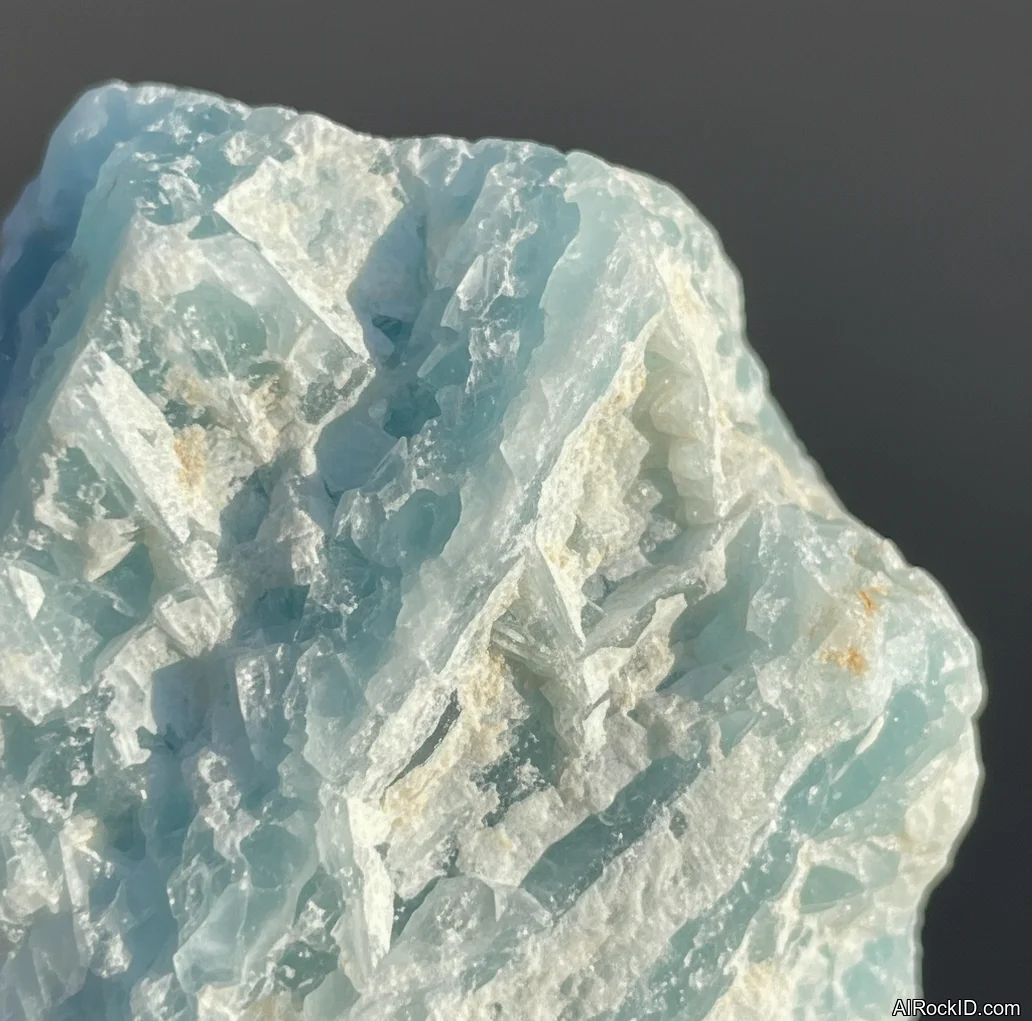
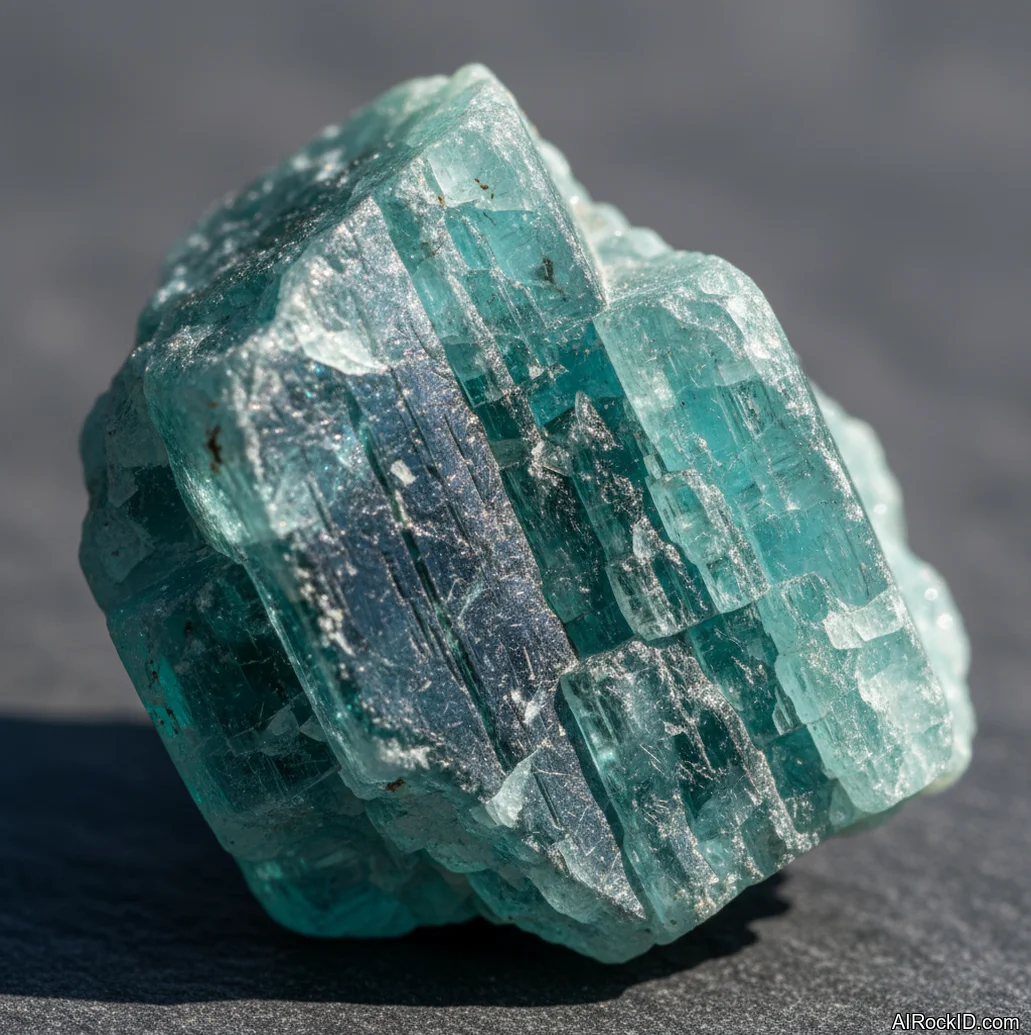
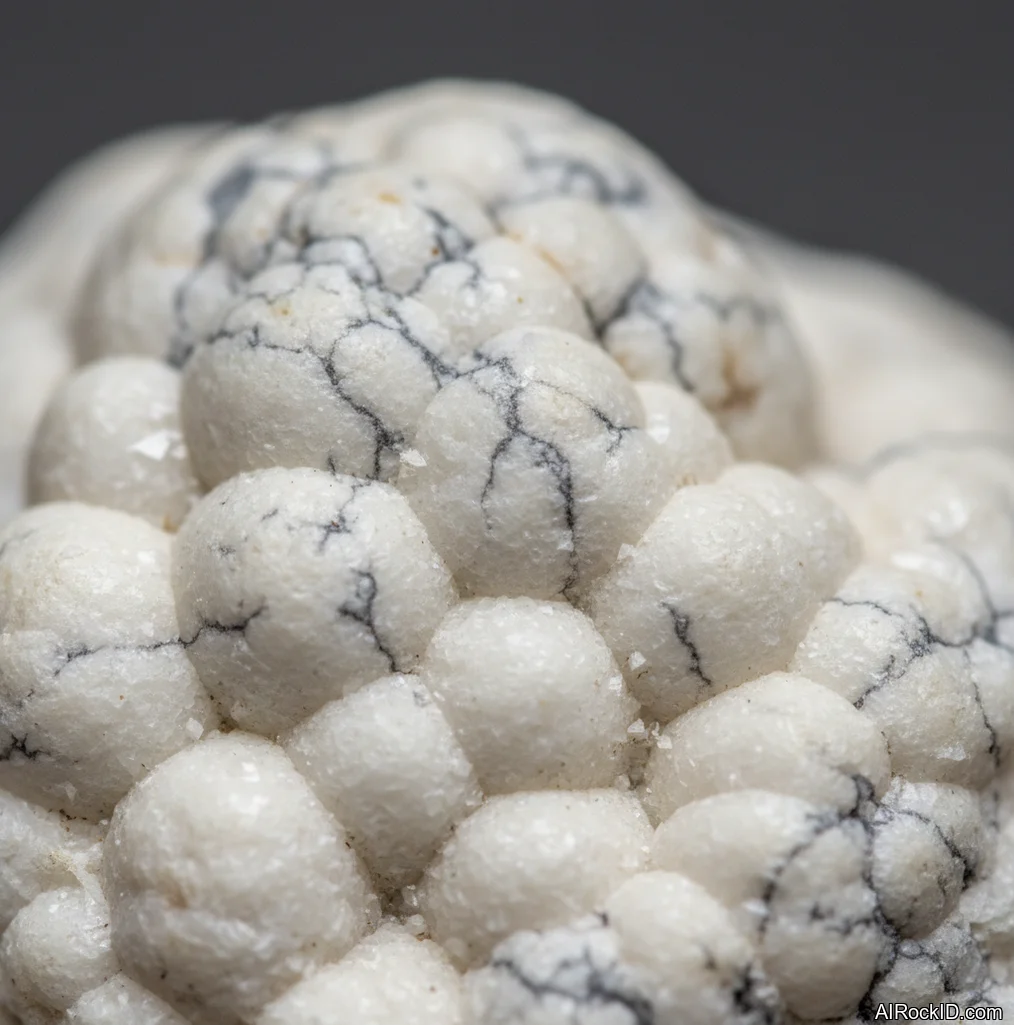
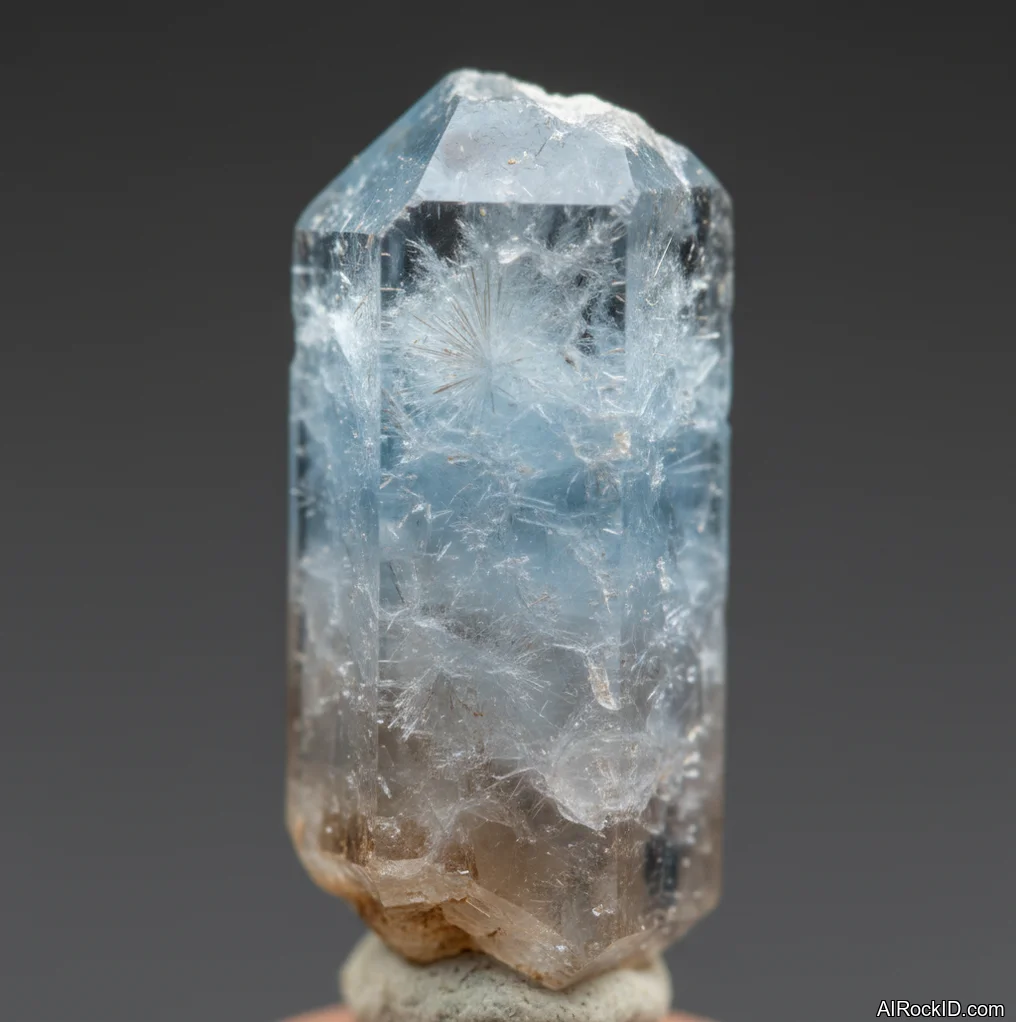
A practical routine: three breaths, feel the stone’s temperature, then count ten breaths while keeping attention on weight and texture. If you lose the count, start over. That’s it. For some people, a mala-style rhythm works better, and that’s where beads of howlite, aquamarine, or lava stone come in. Howlite is chalky white with gray webbing, and it’s porous, so it takes on skin oils and darkens over time. That worn-in look is honestly part of the charm.
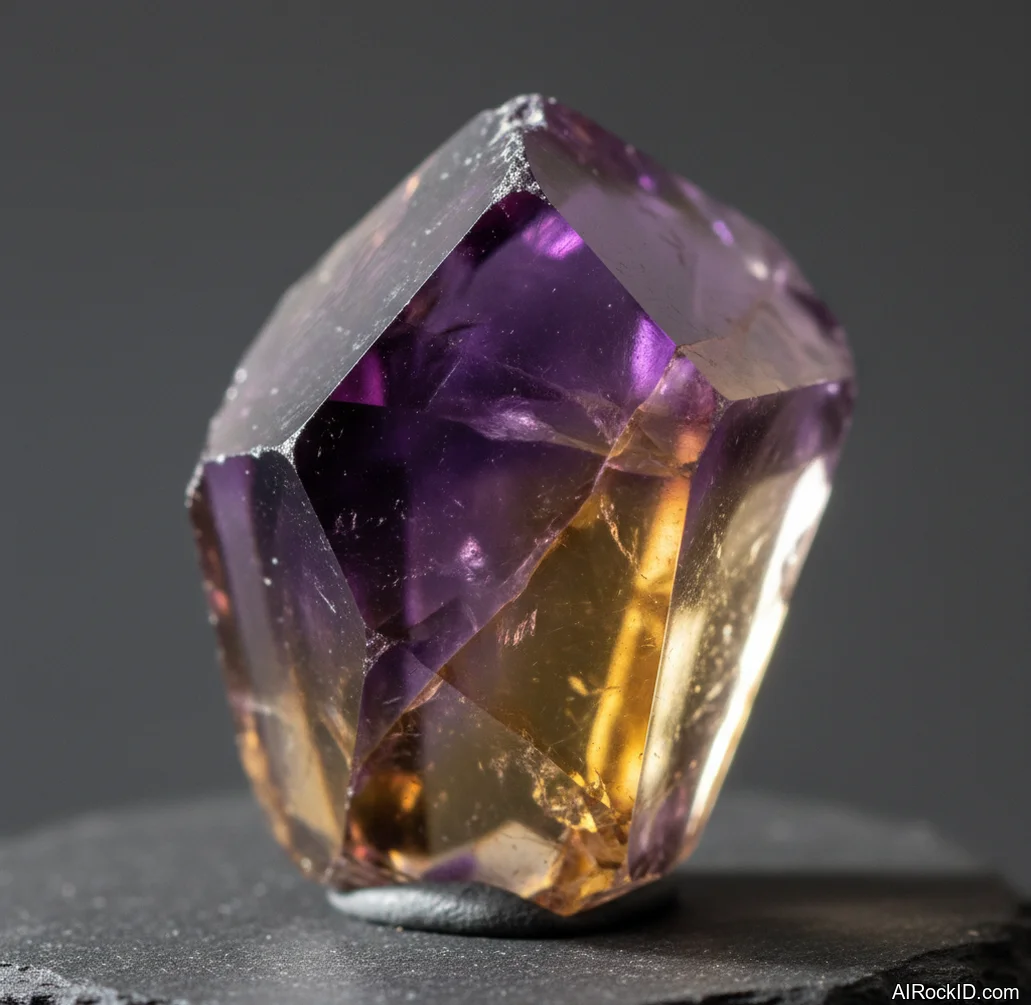
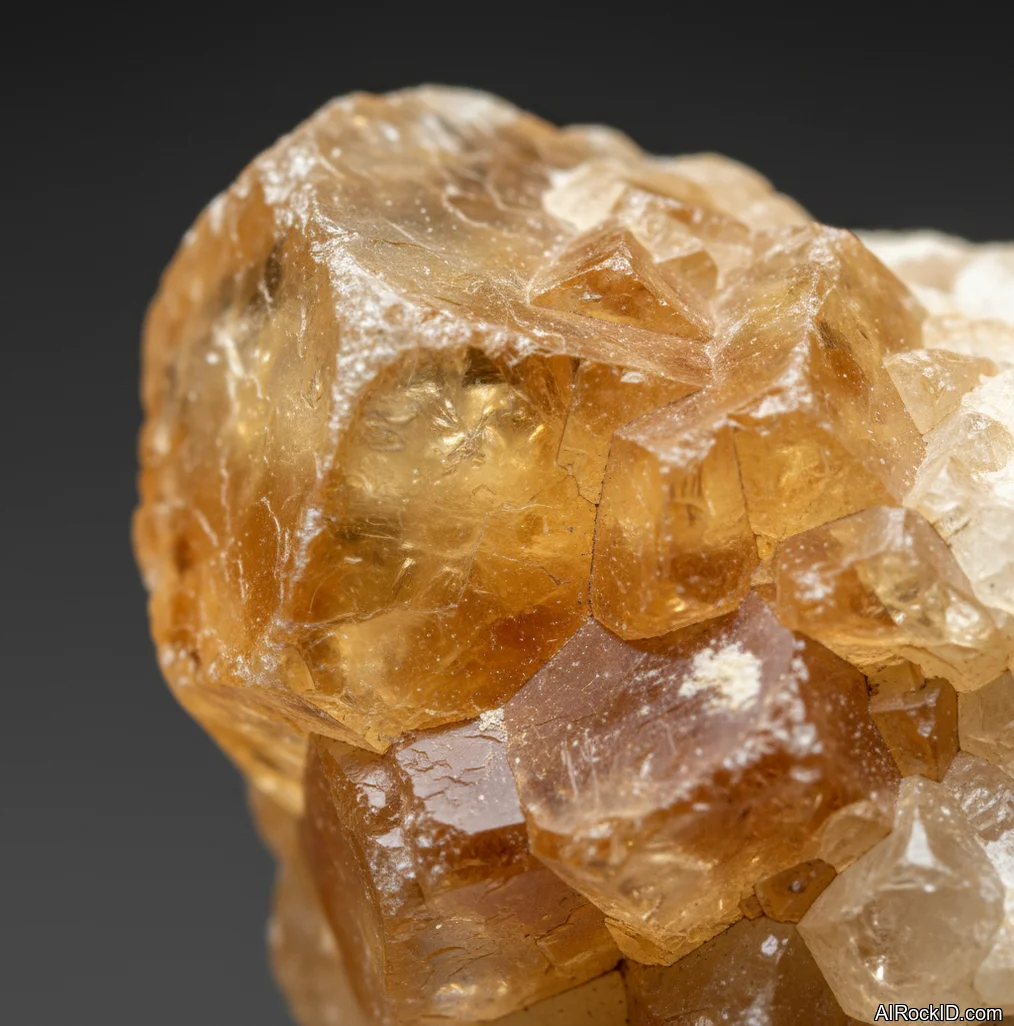
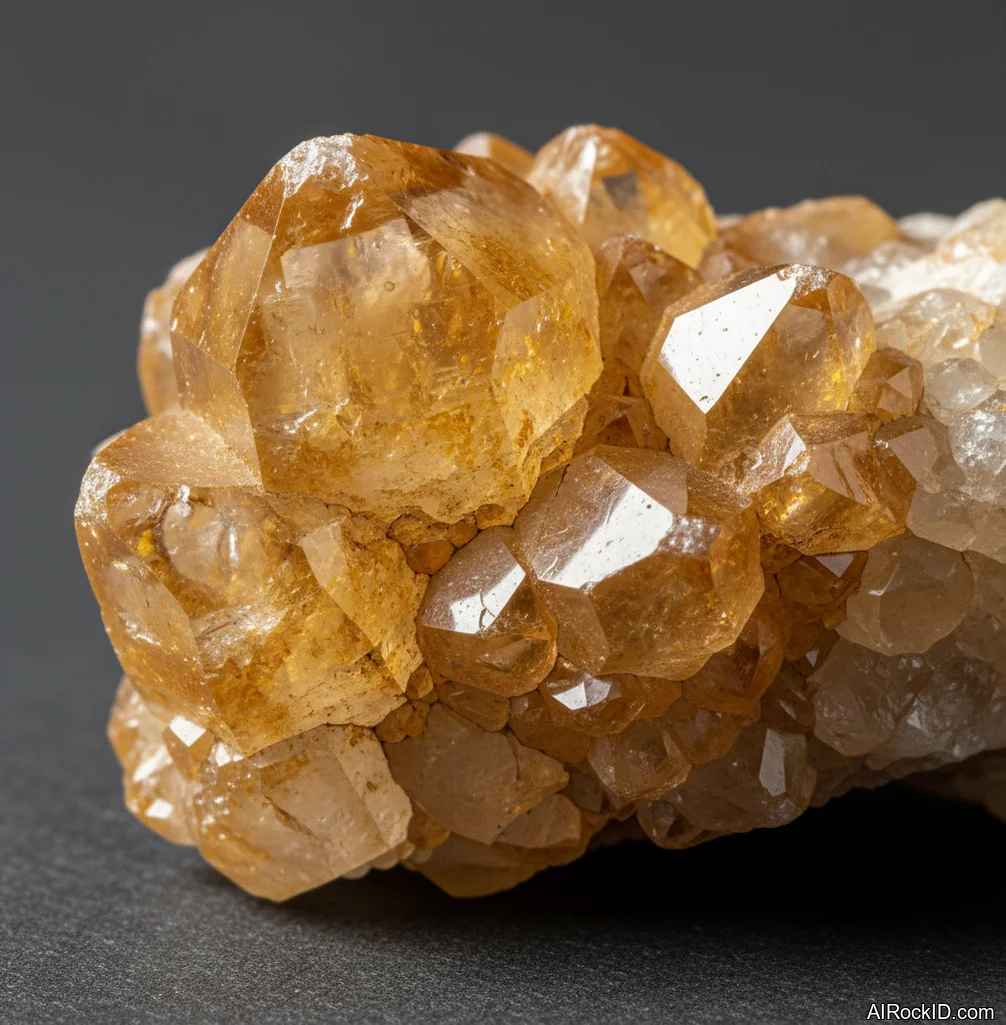
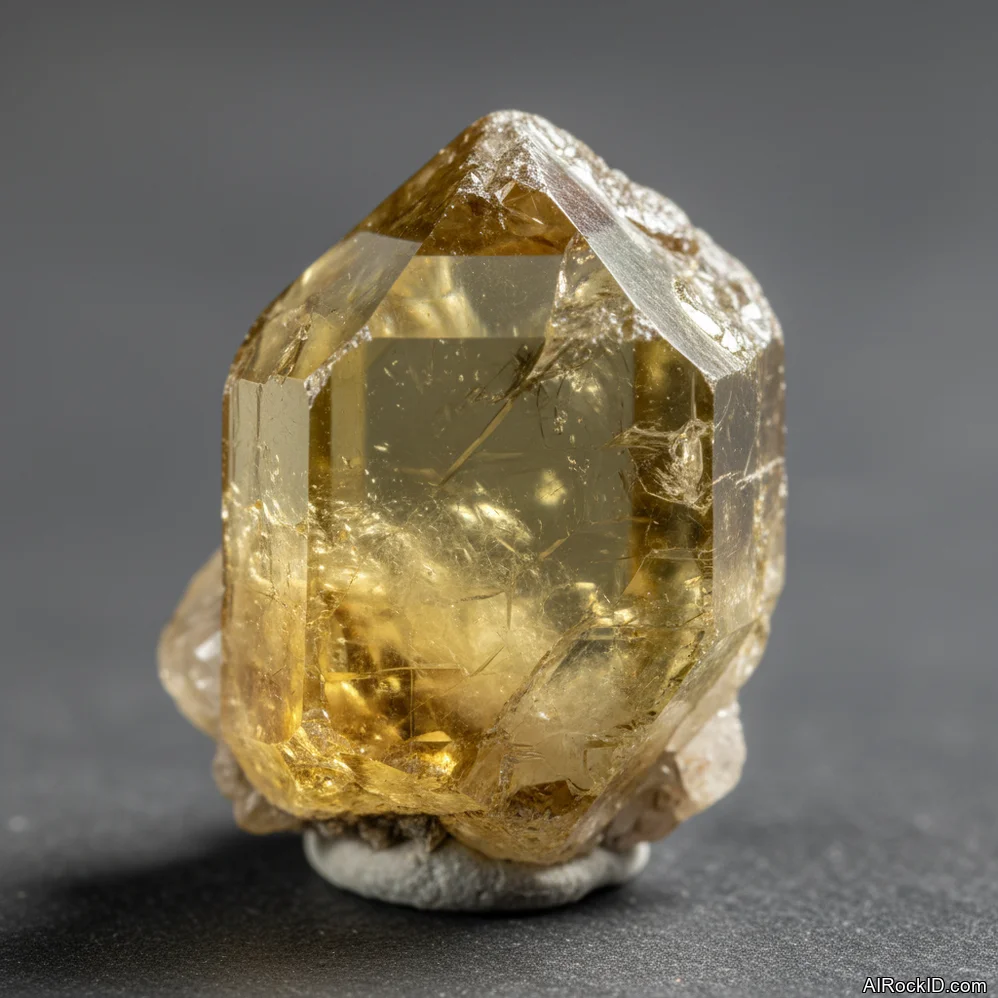
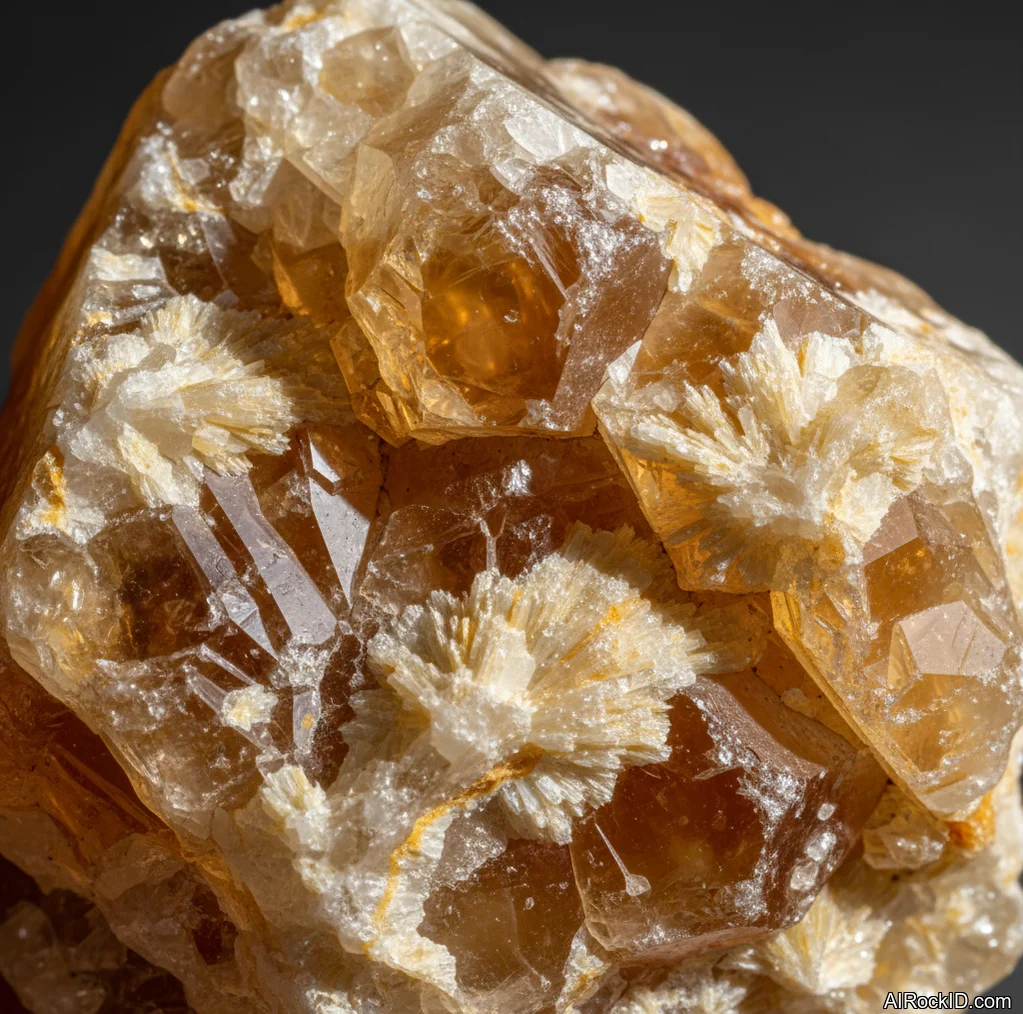
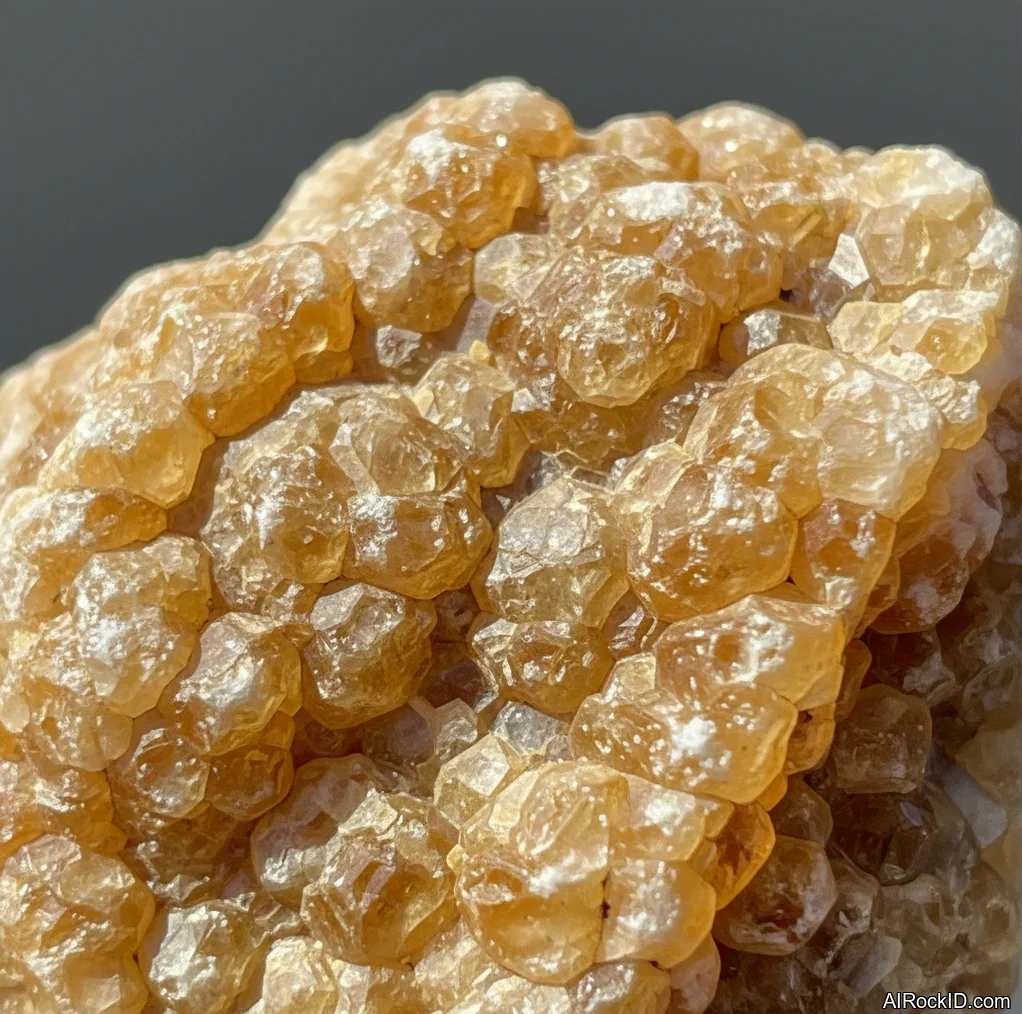
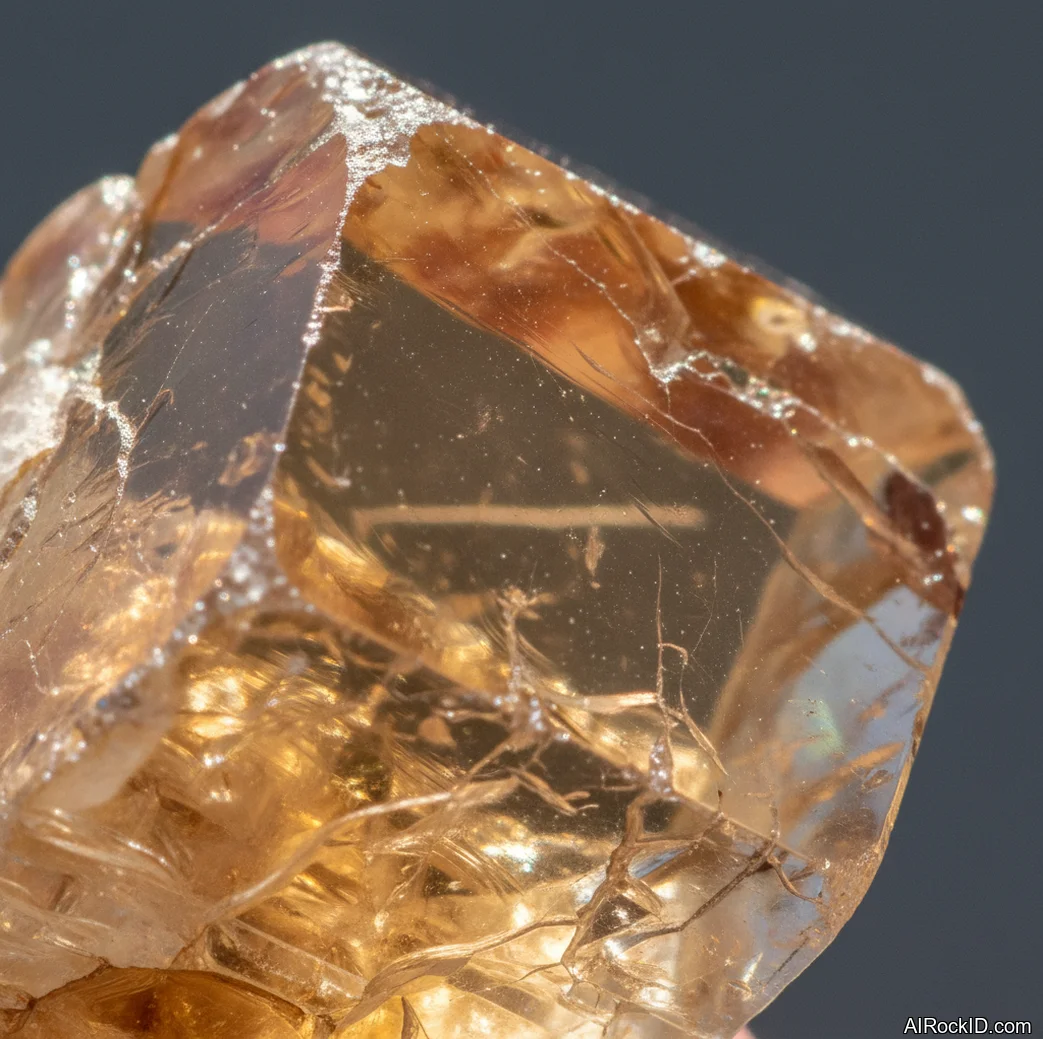
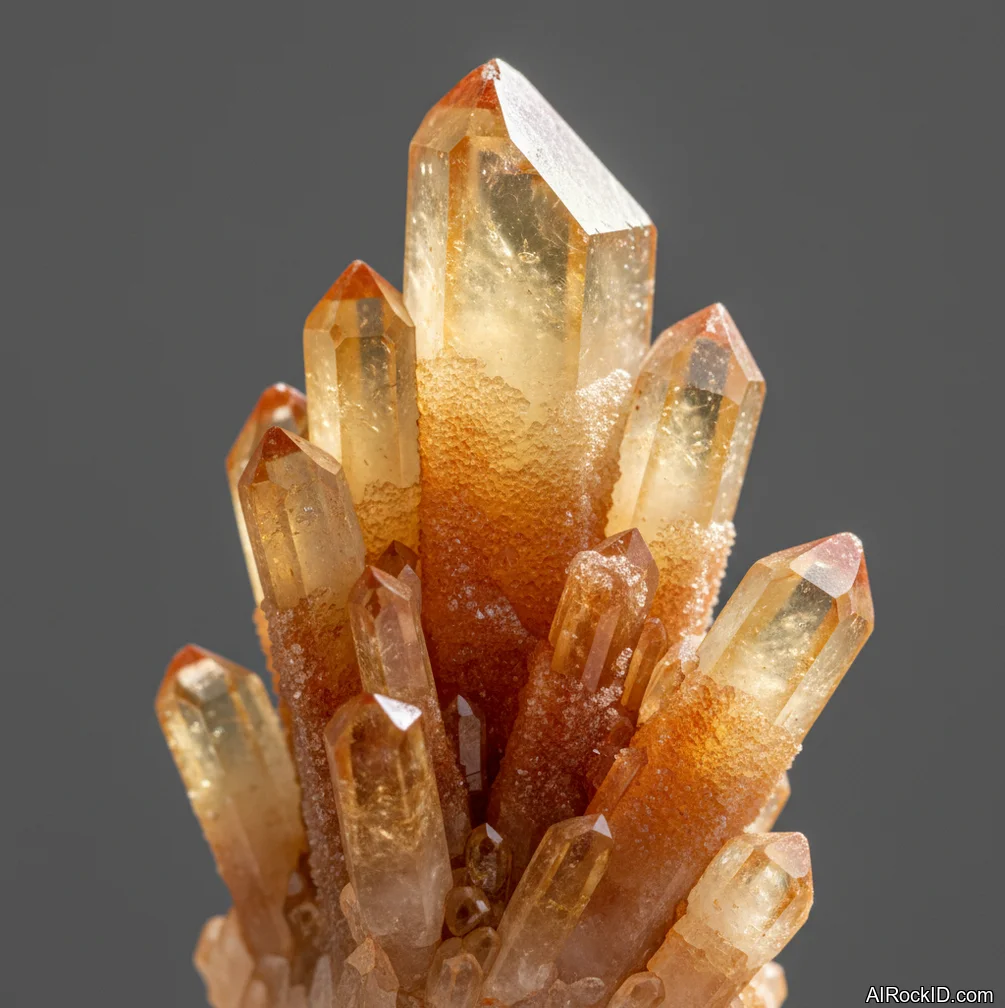
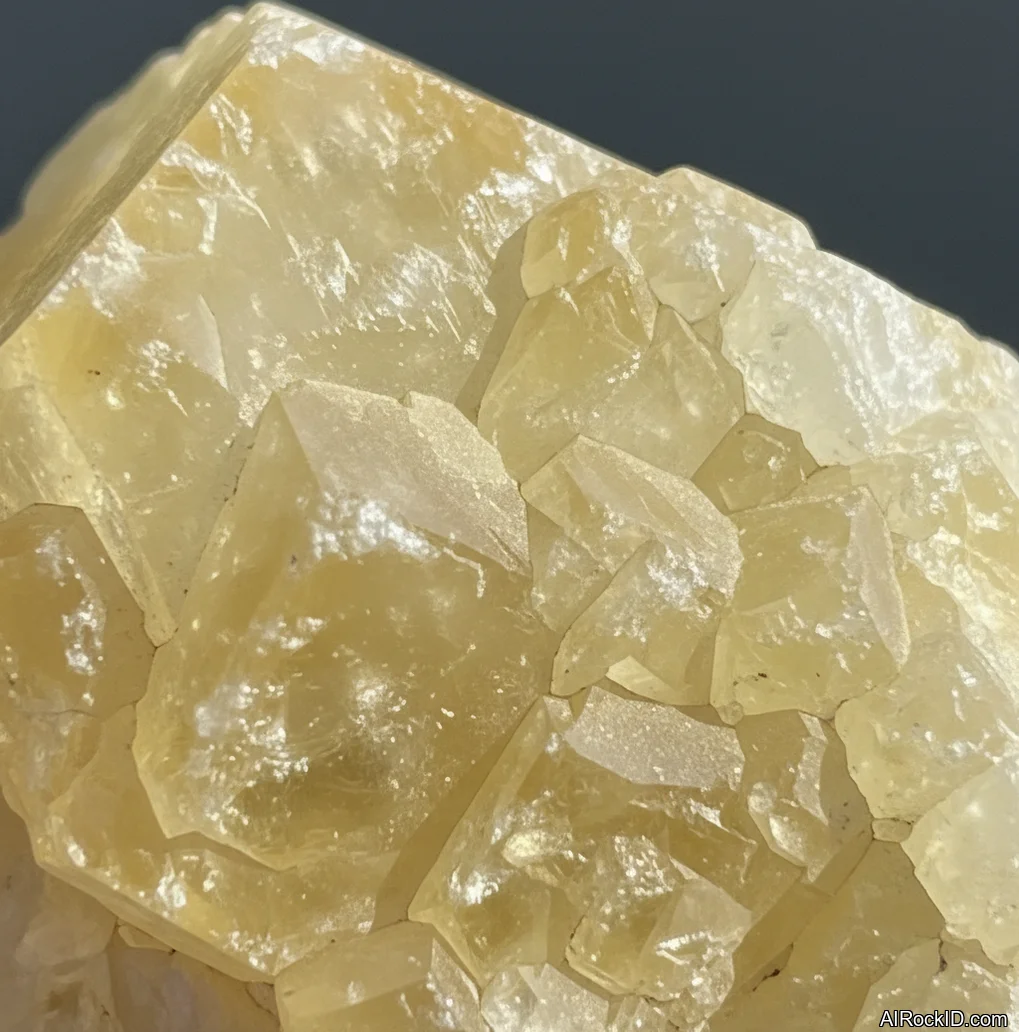
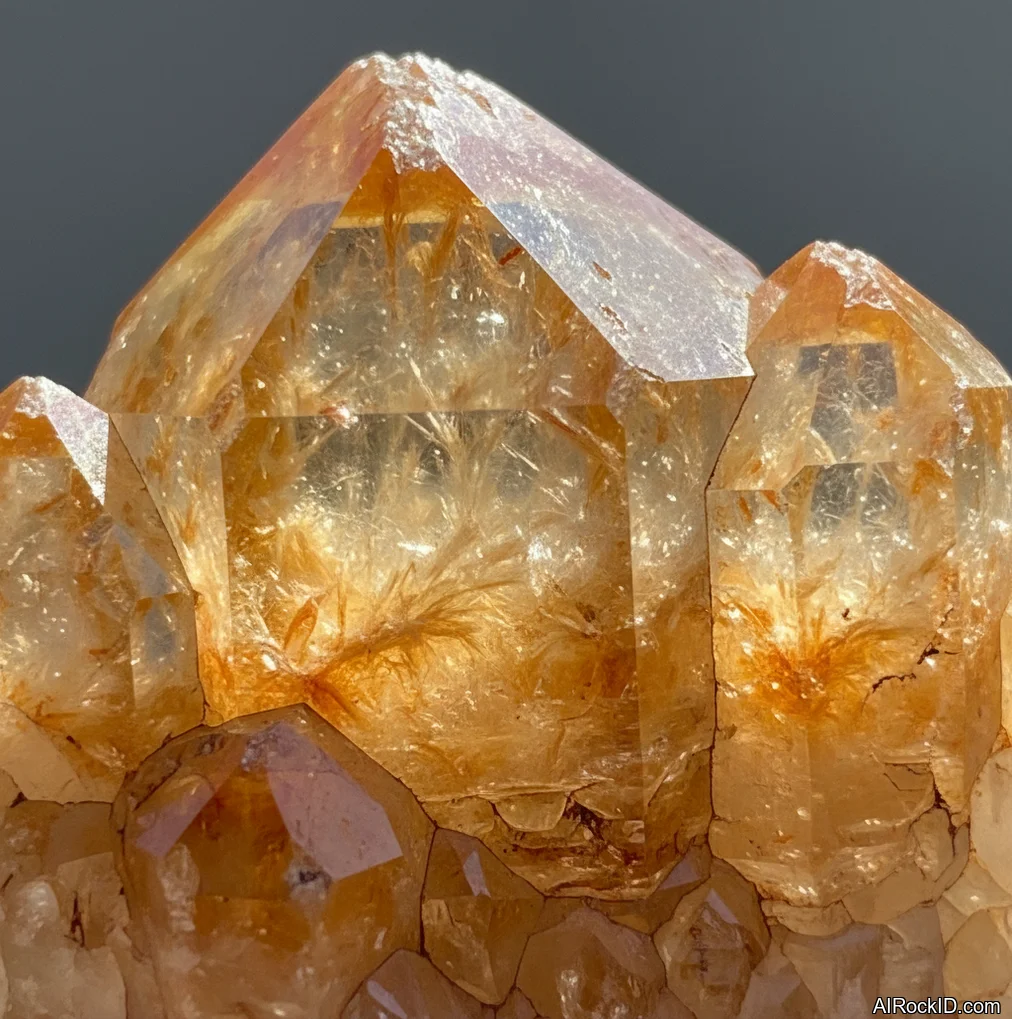
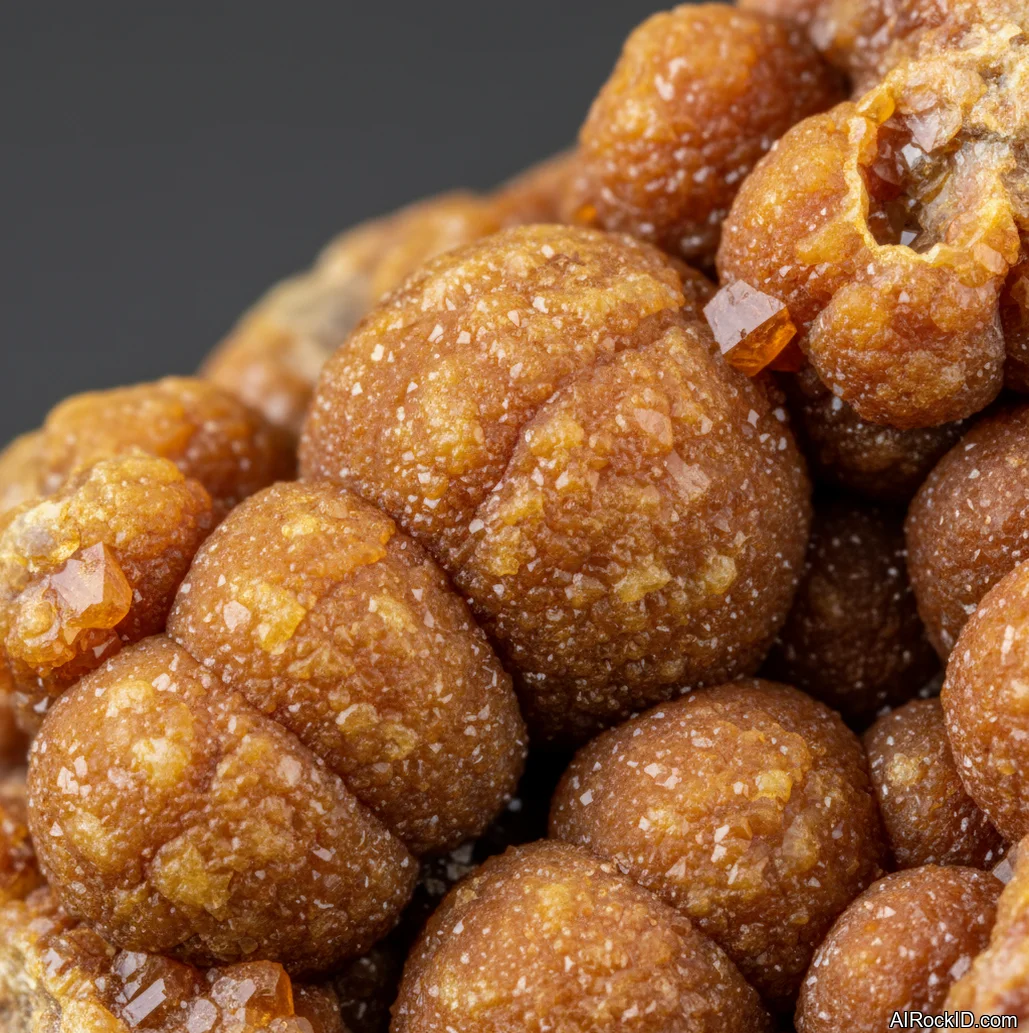
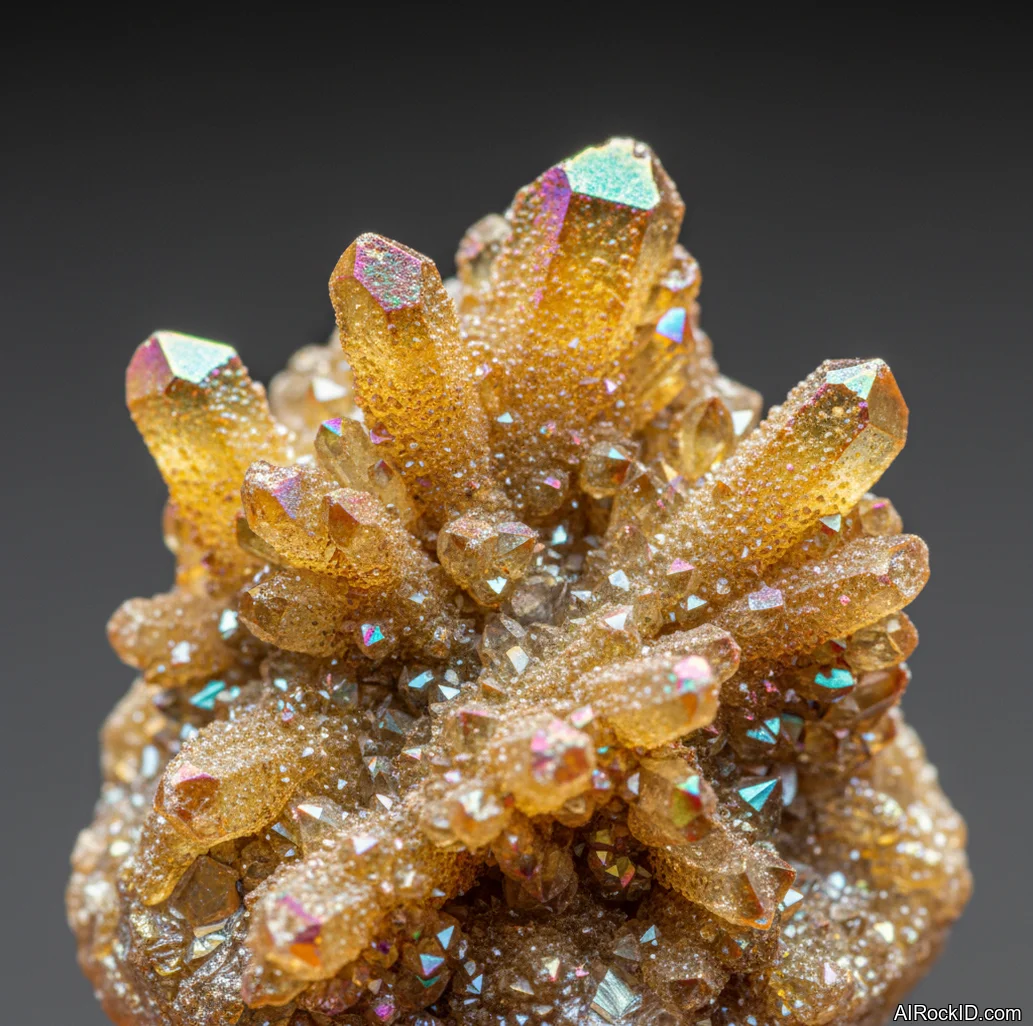
Buying tips matter because the market is messy. Selenite is often mislabeled, and it’s really satin spar. Citrine is the big one: a lot of “citrine” sold for meditation is heat-treated amethyst, and the giveaway is a burnt orange color concentrated at the tips with a white base. Natural citrine usually looks like pale champagne, and it doesn’t have that toasted gradient. If your goal is calm focus, you don’t need a rare specimen. But you do want honest material and a shape you’ll actually use.
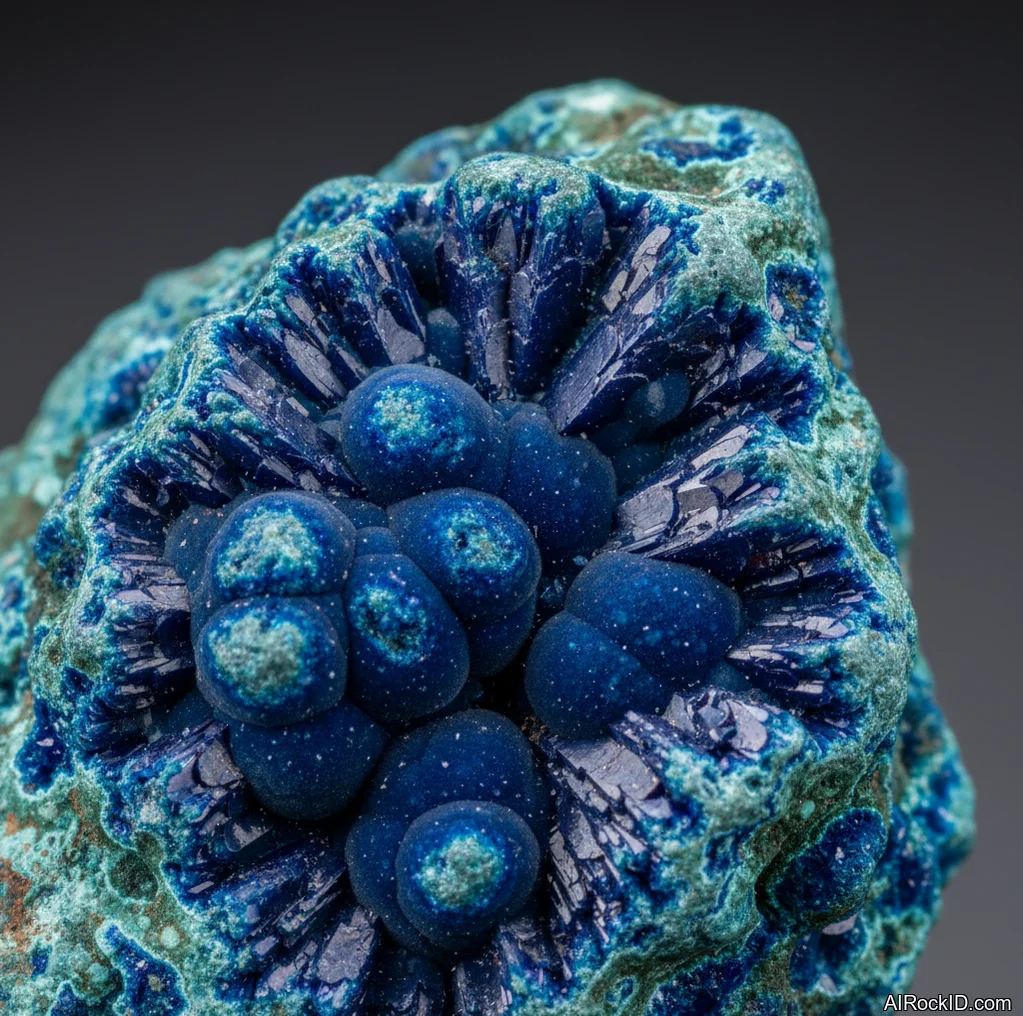
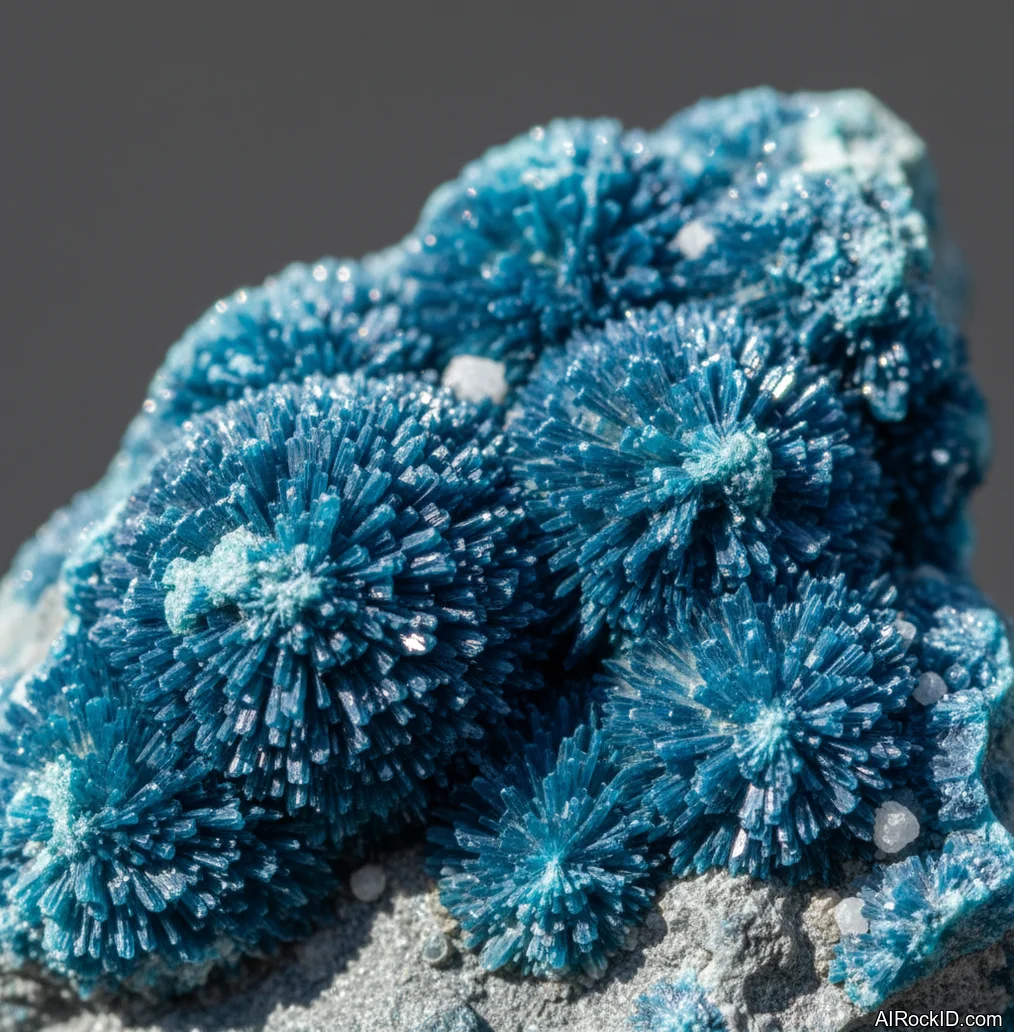
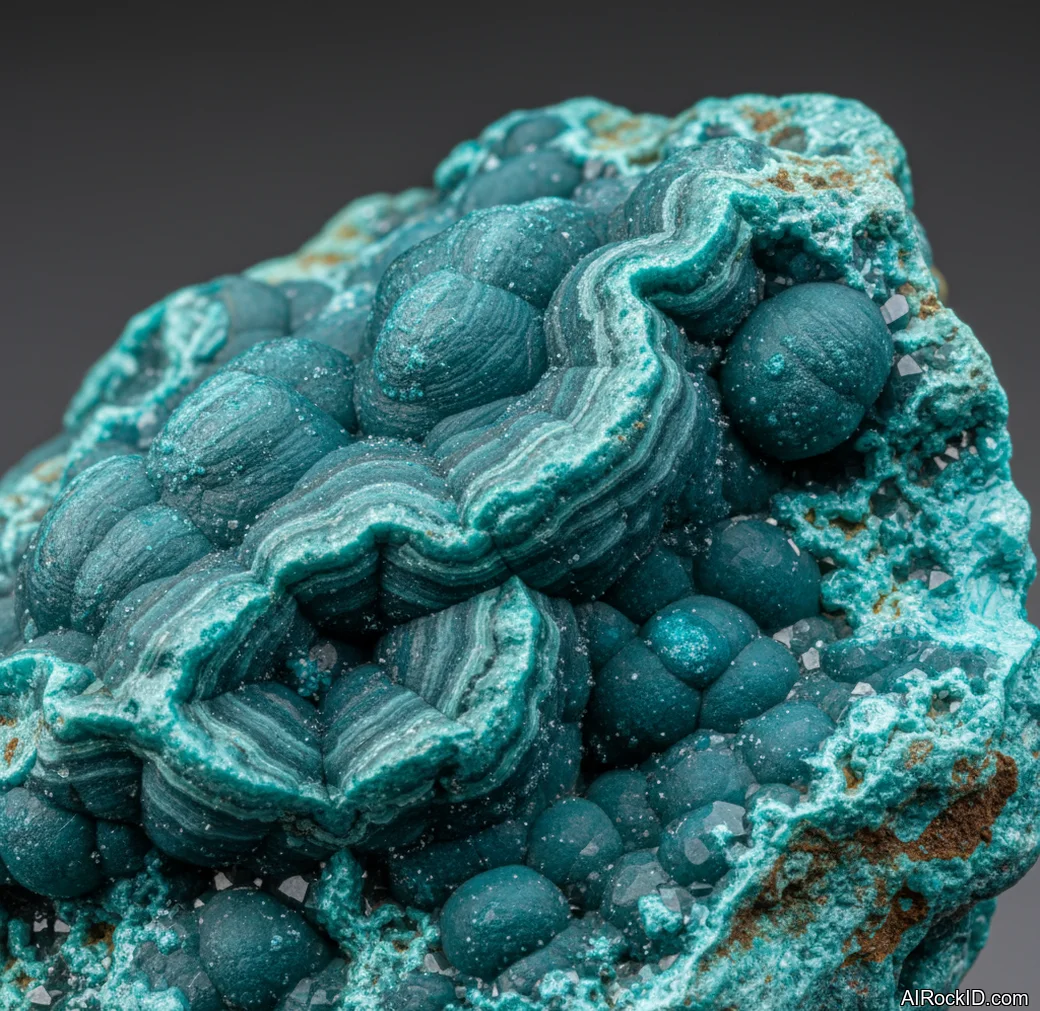
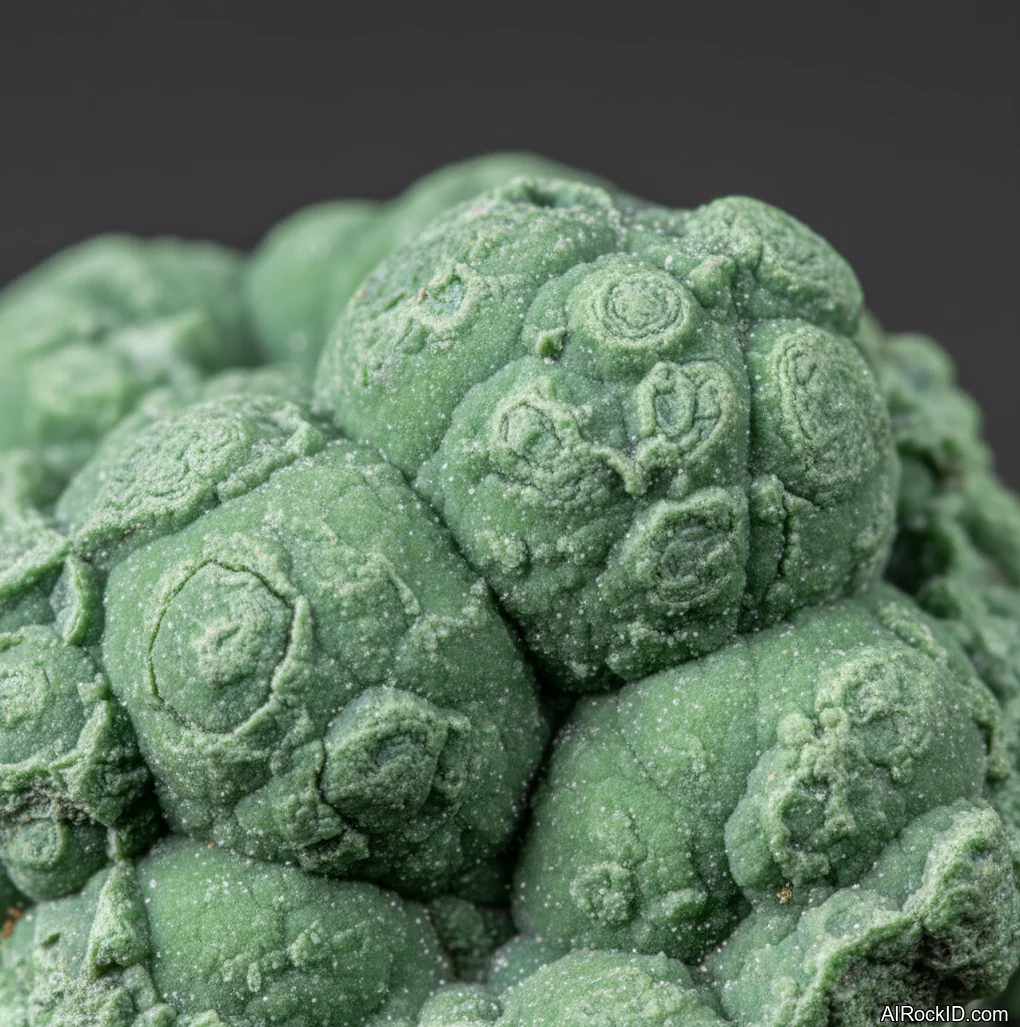
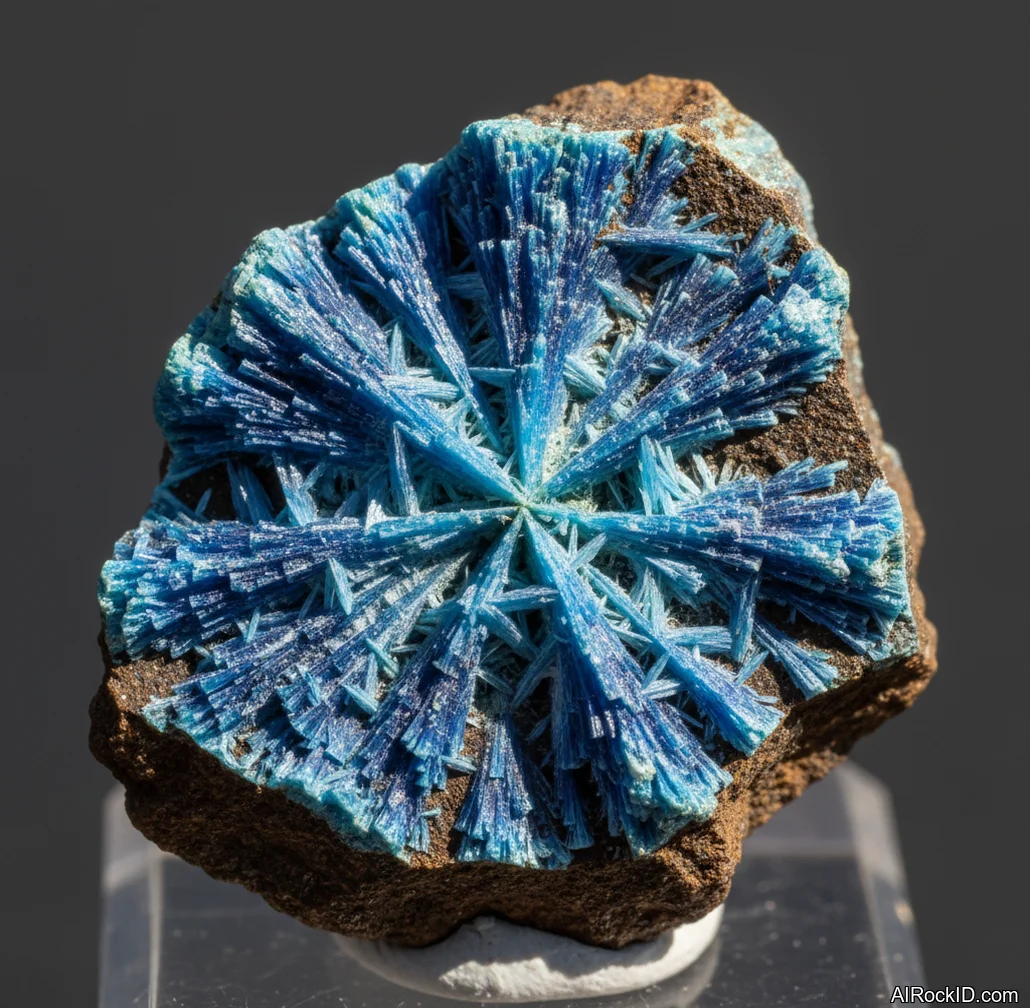
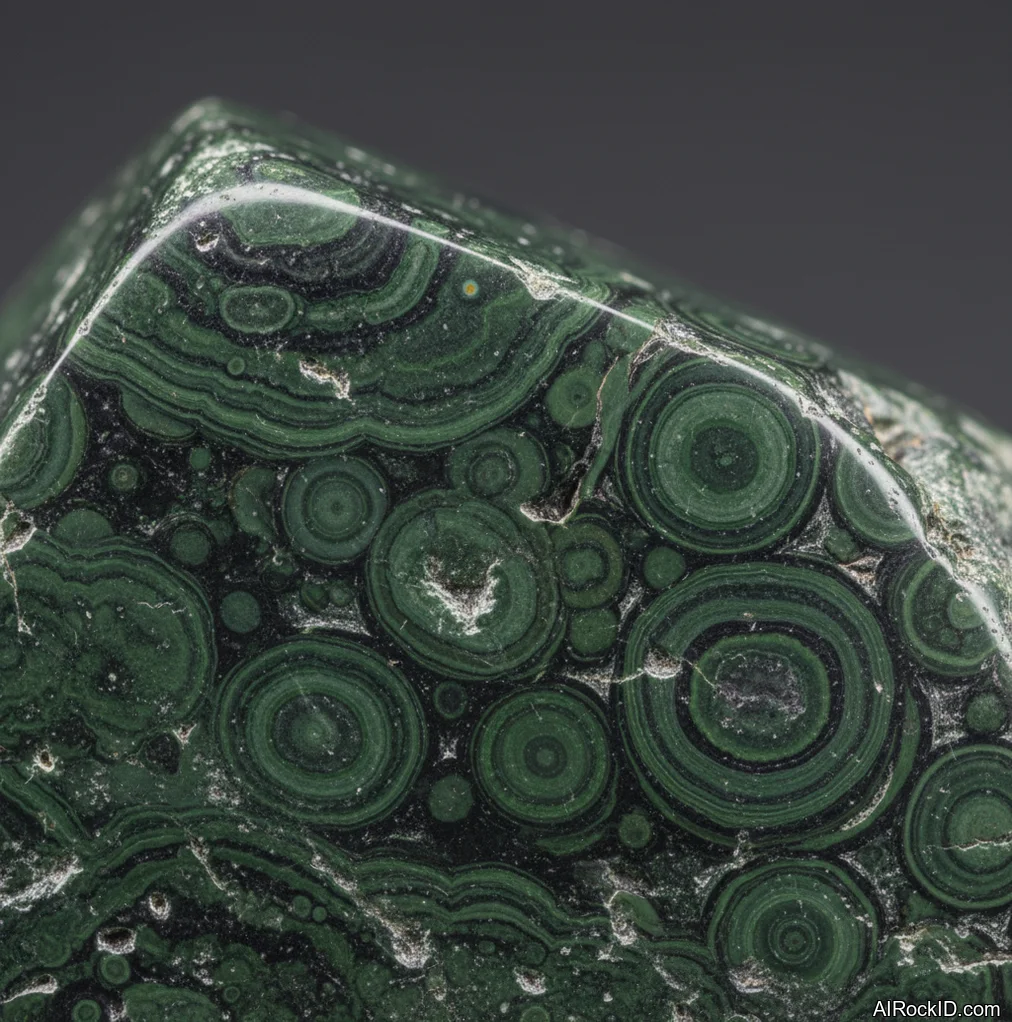
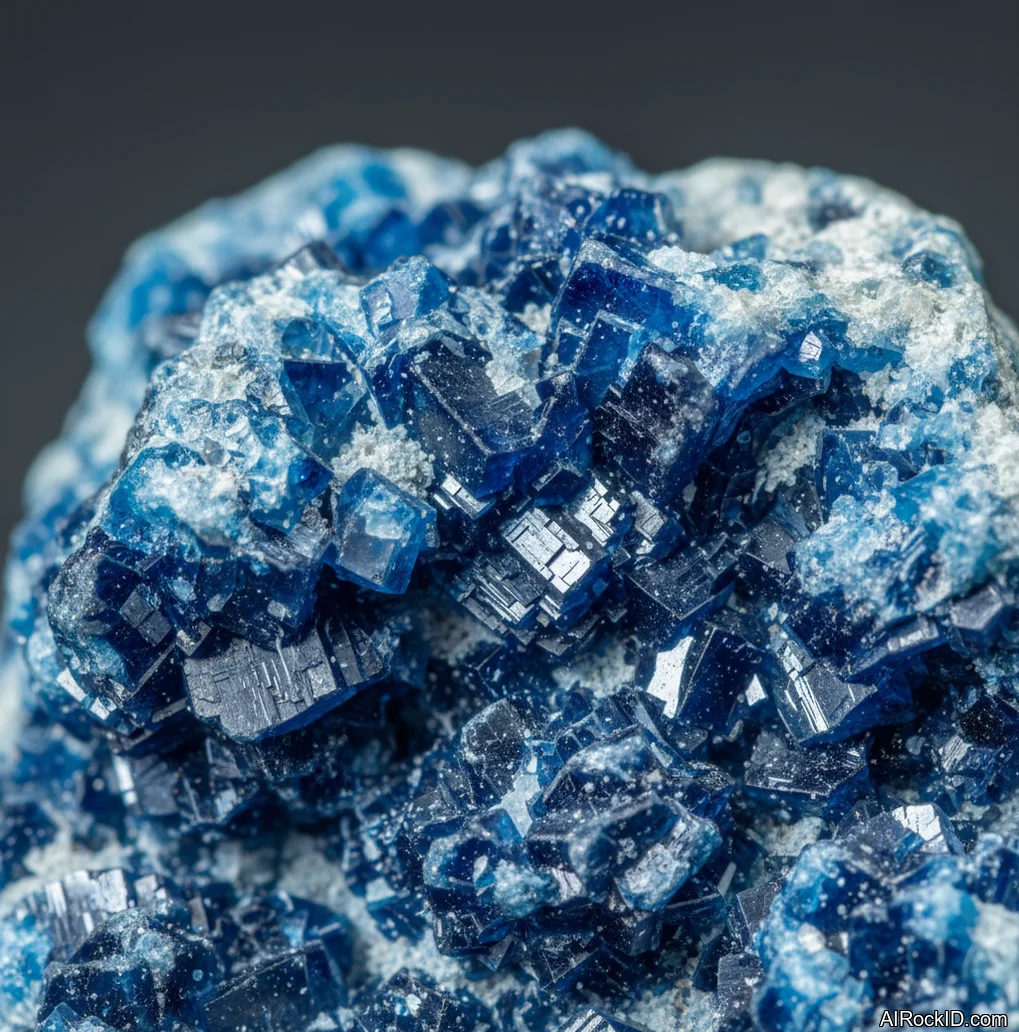
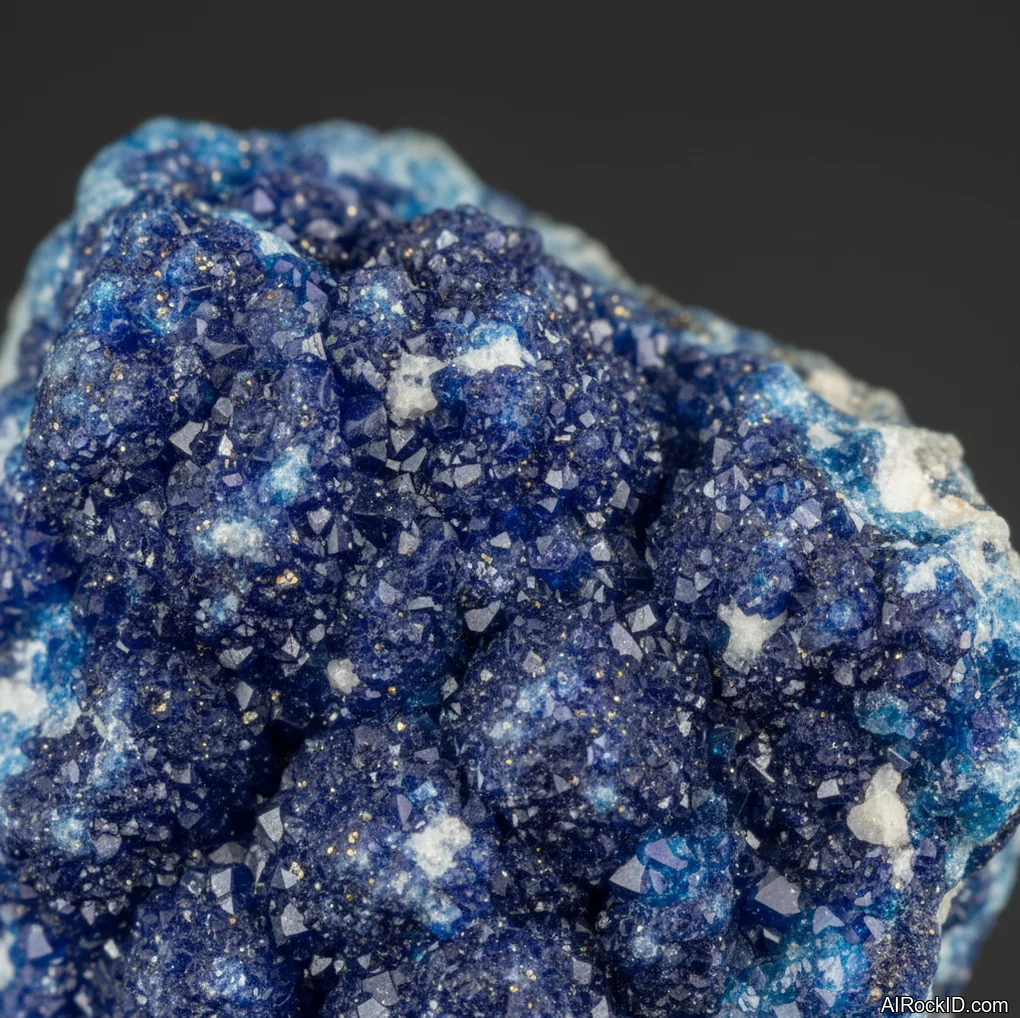
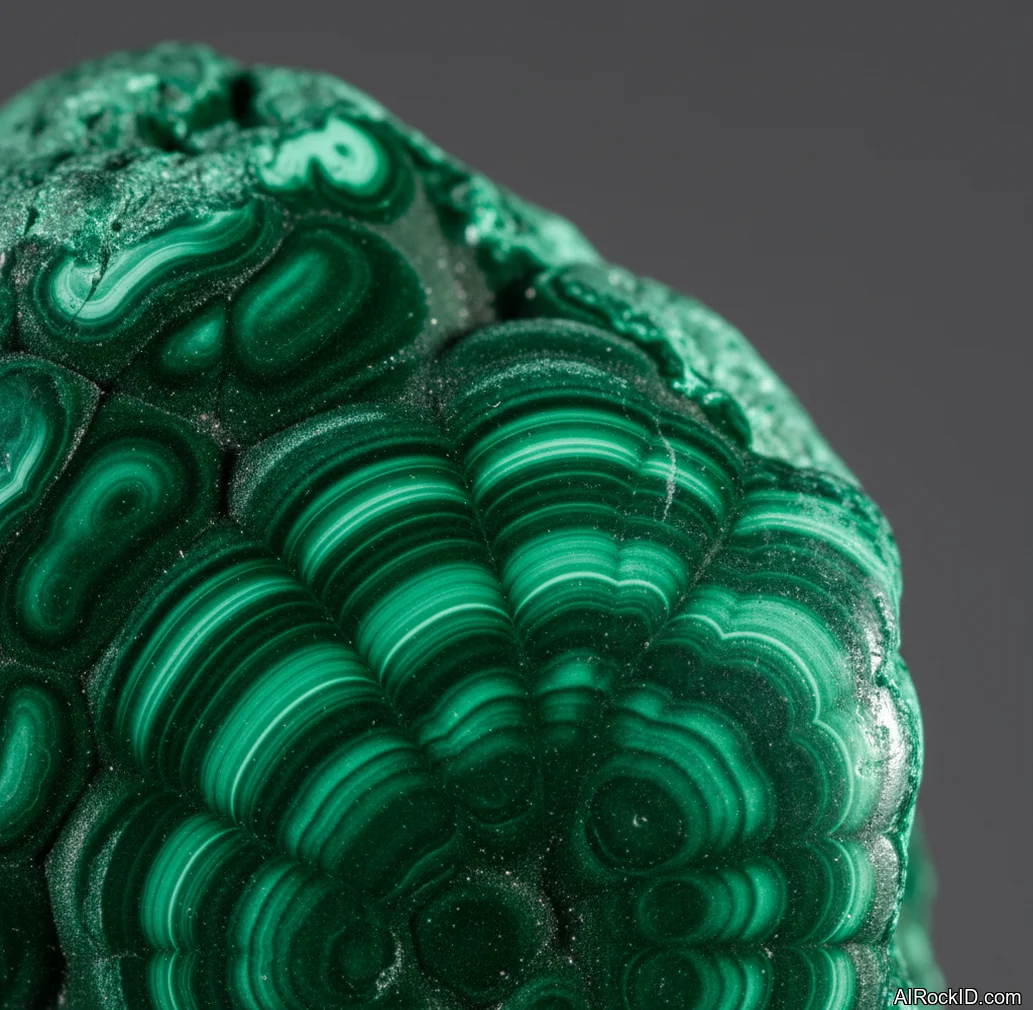
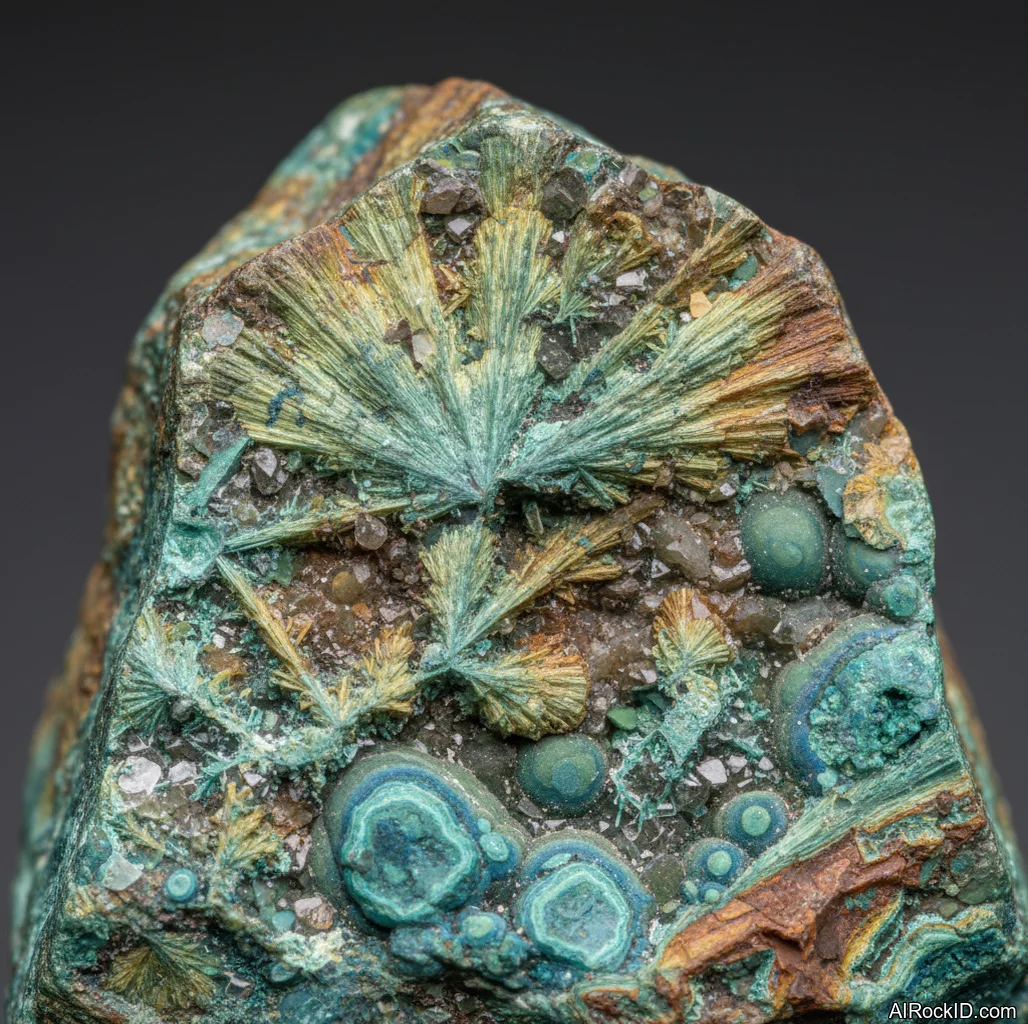
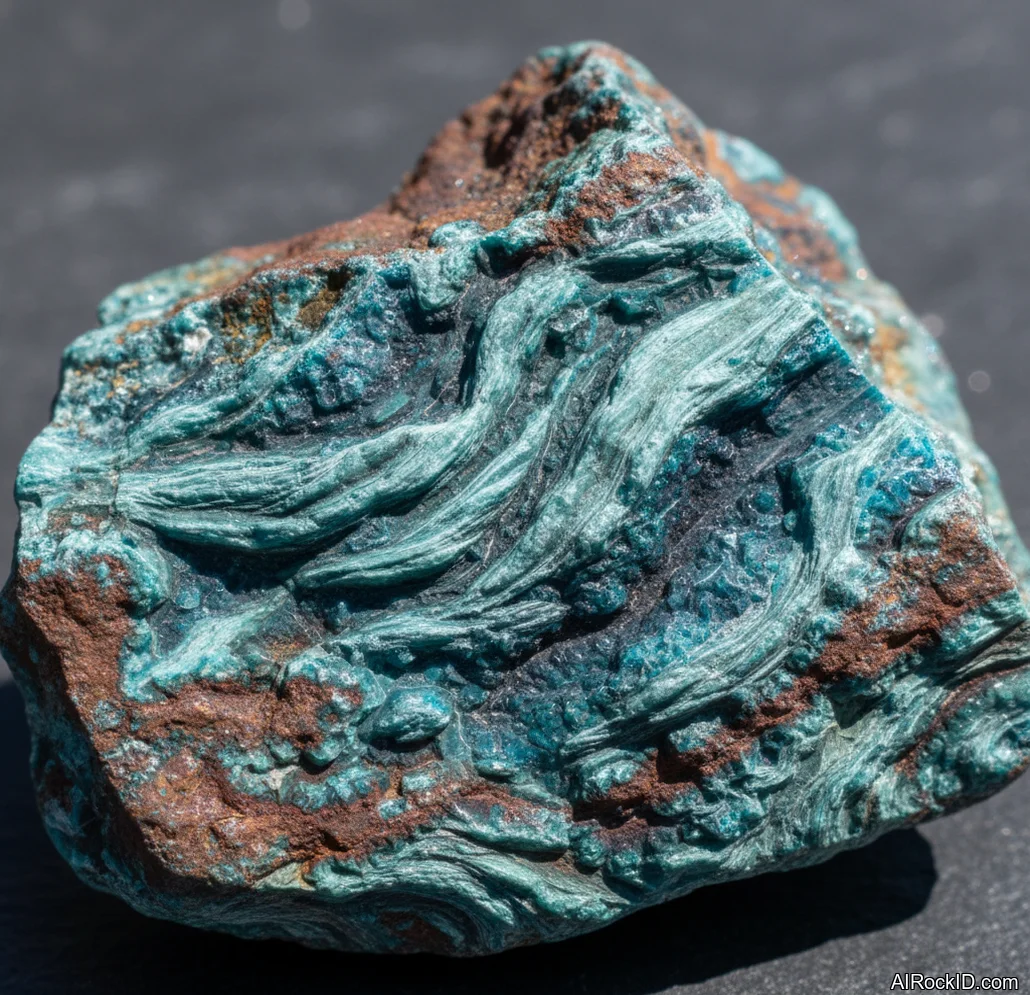
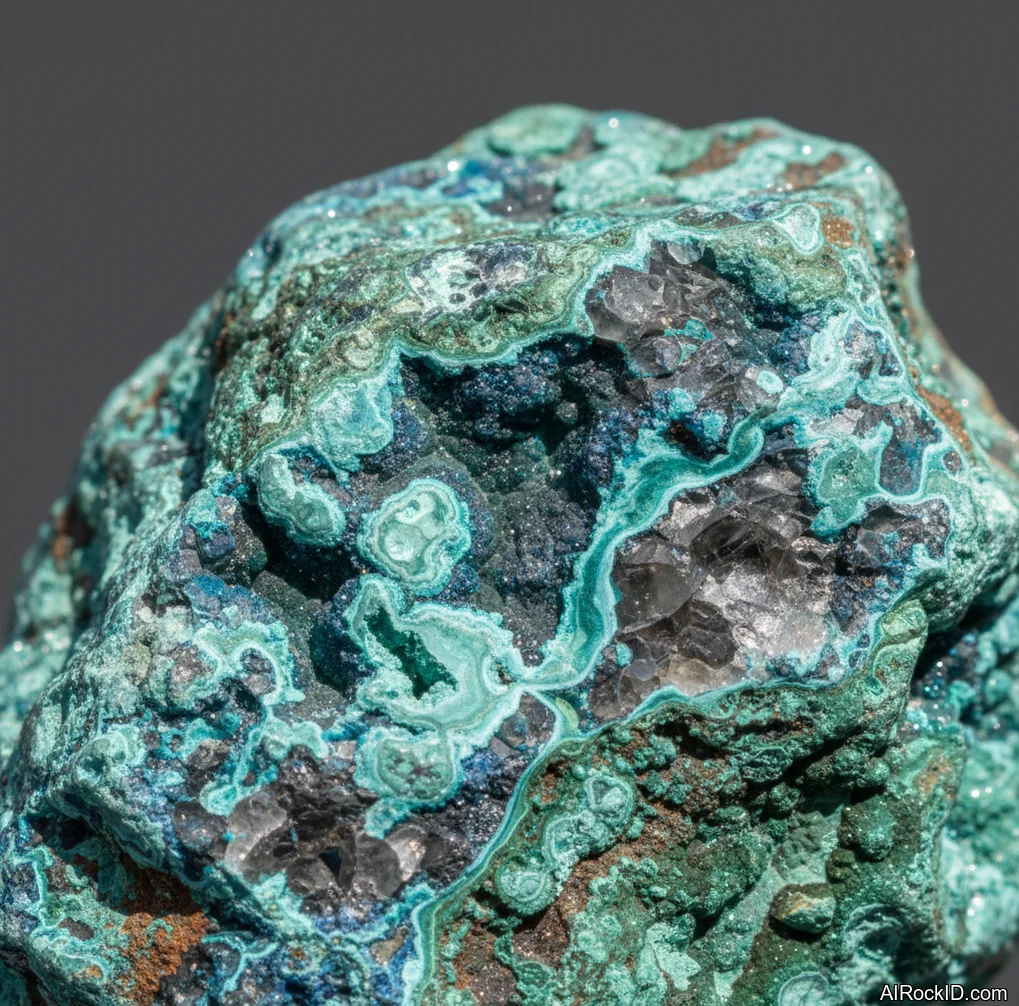
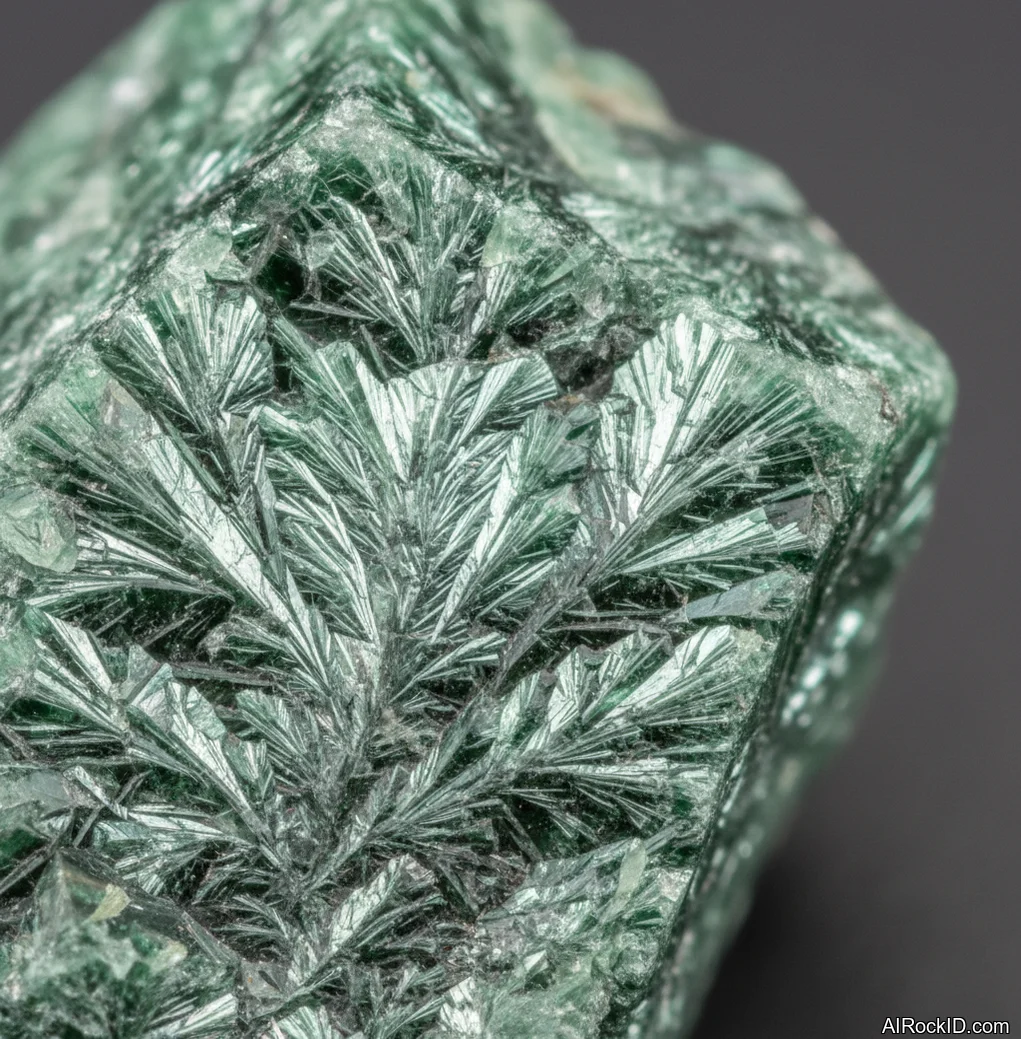
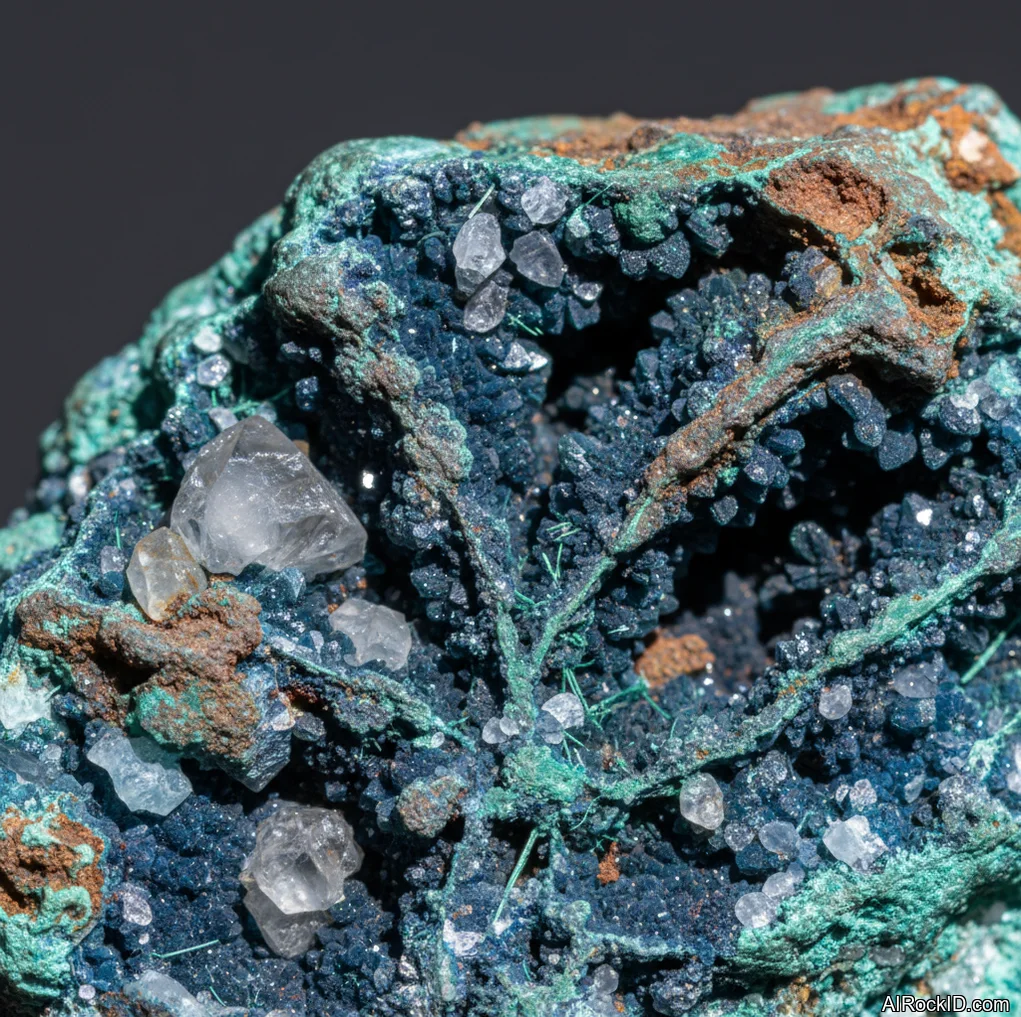
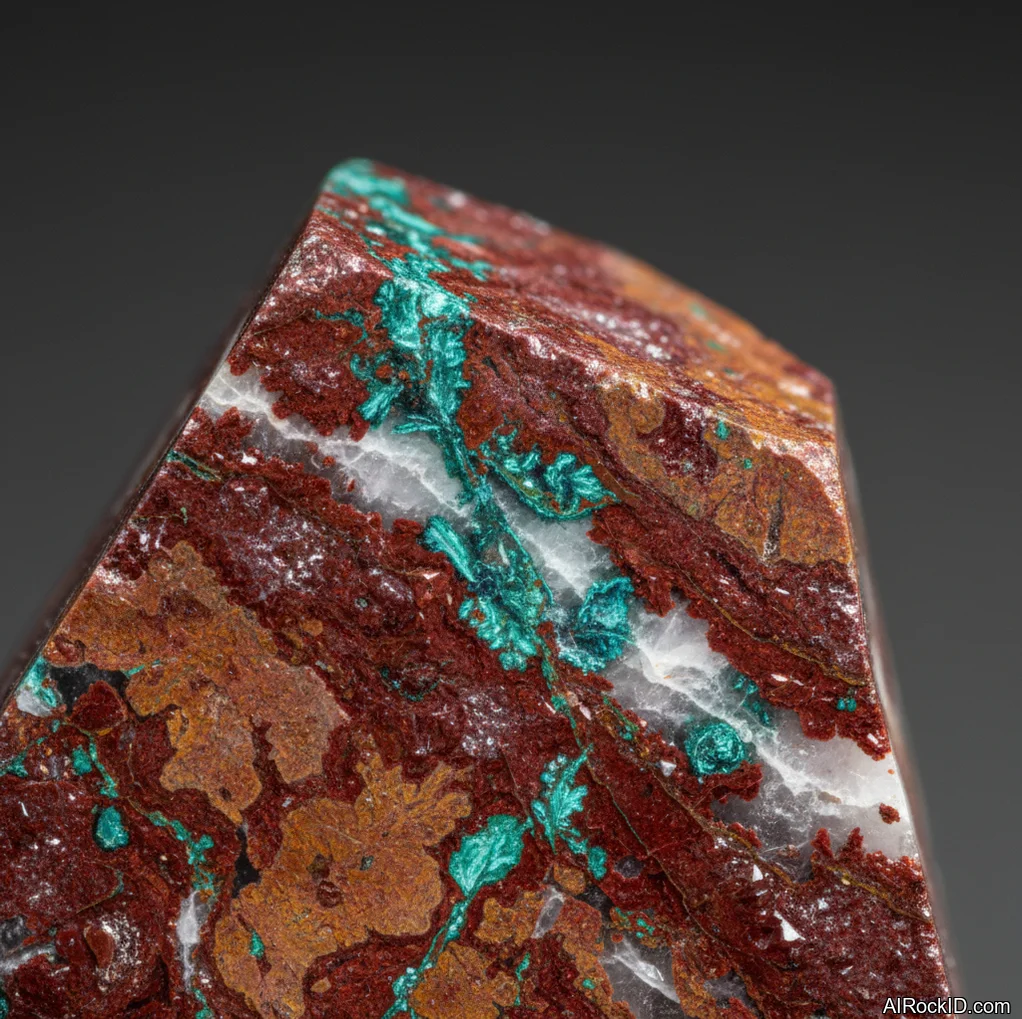
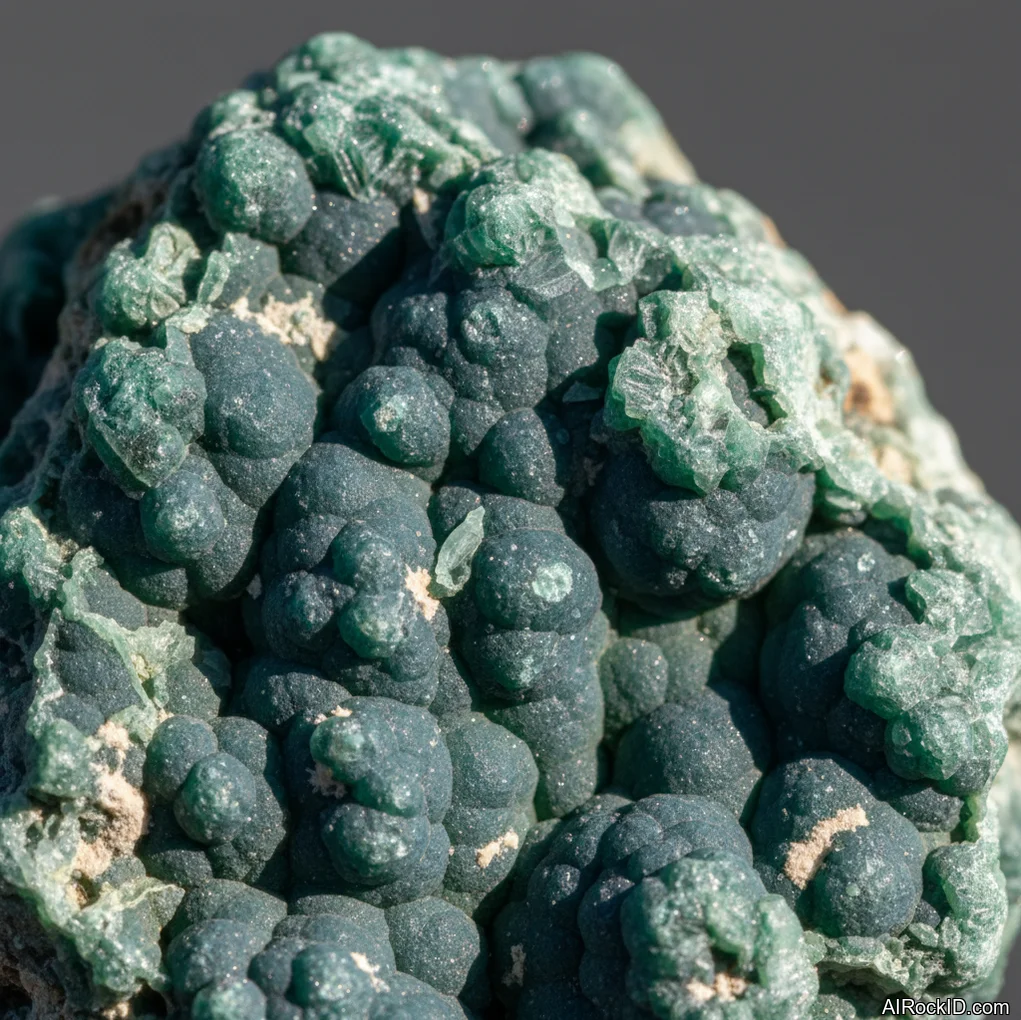
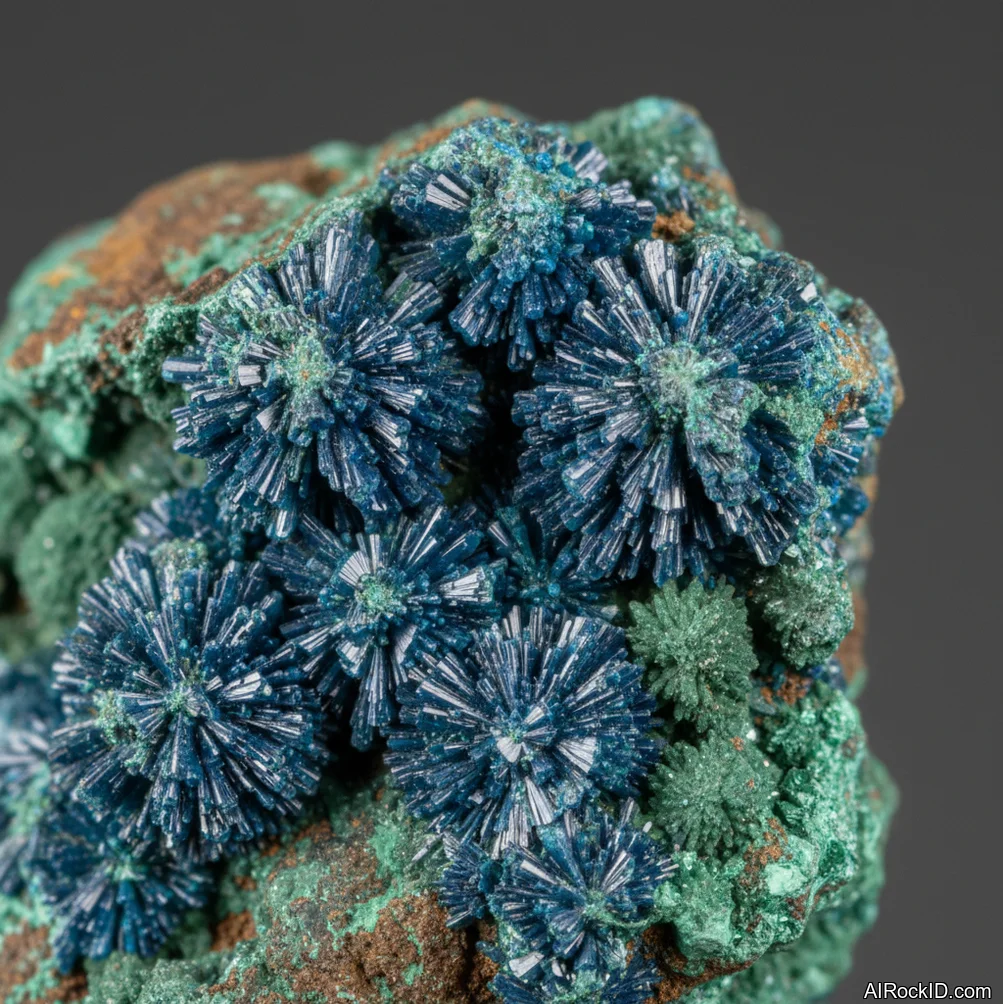
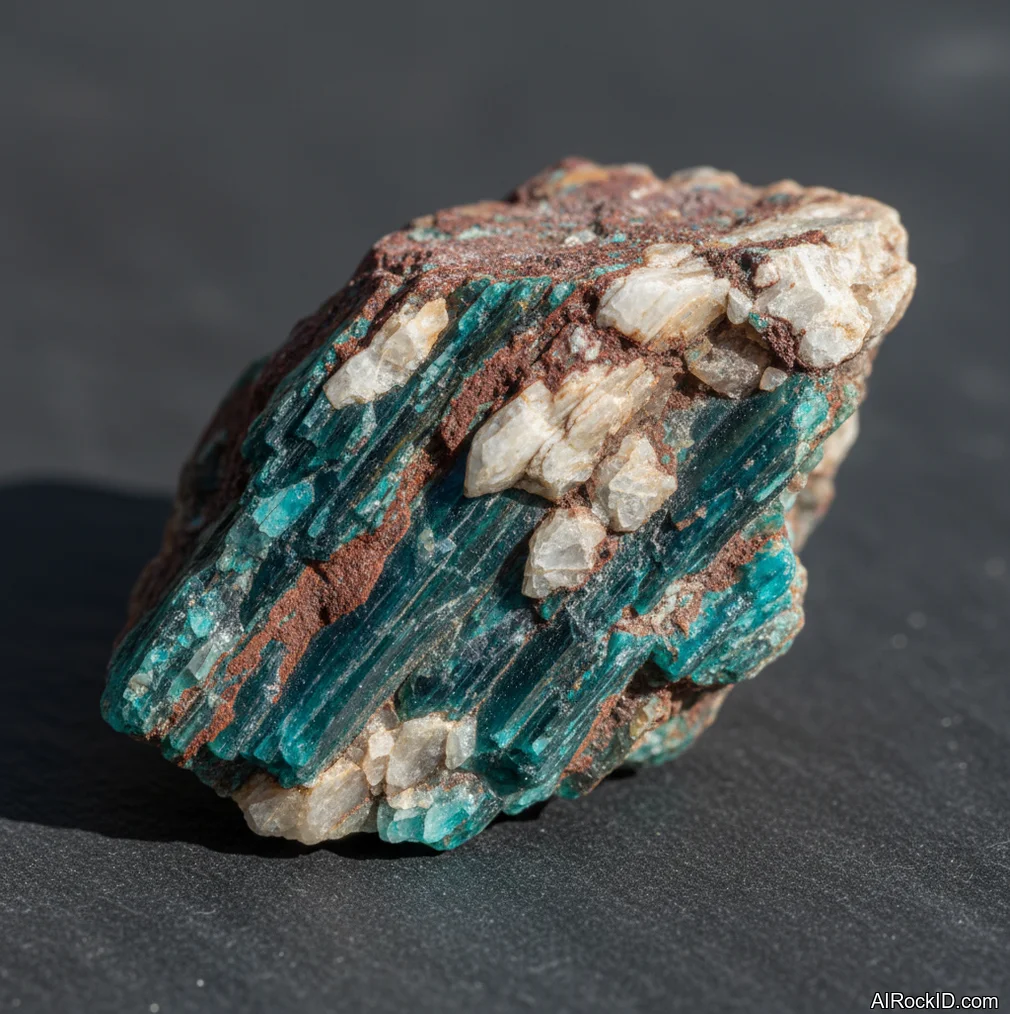
Care is part of the practice too. If you meditate with selenite, don’t rinse it. If you use malachite or azurite in a space where you sweat a lot, keep it sealed and don’t make it a worry stone, since copper minerals can irritate skin and the polish can haze. Quartz, amethyst, and agate are easy mode. They can handle daily handling, occasional water, and getting tossed in a pouch.
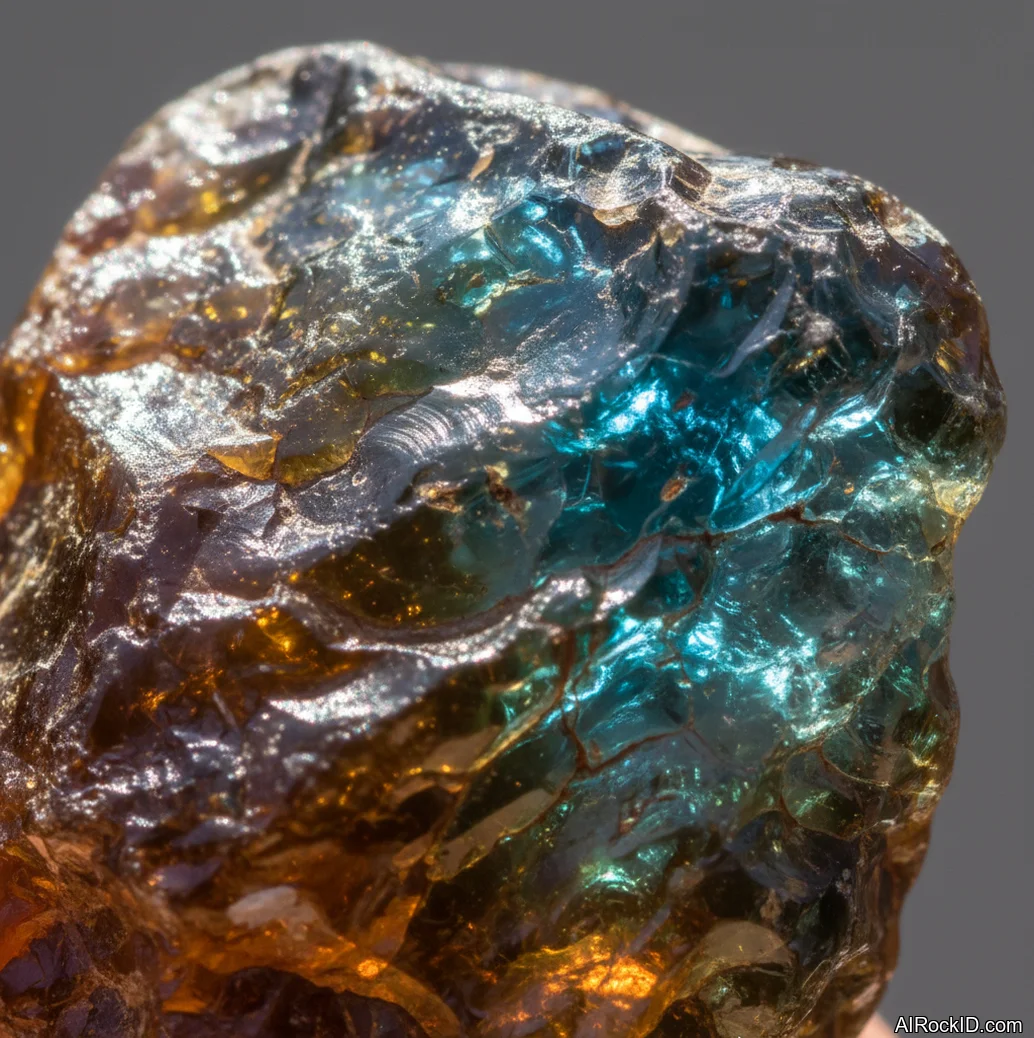
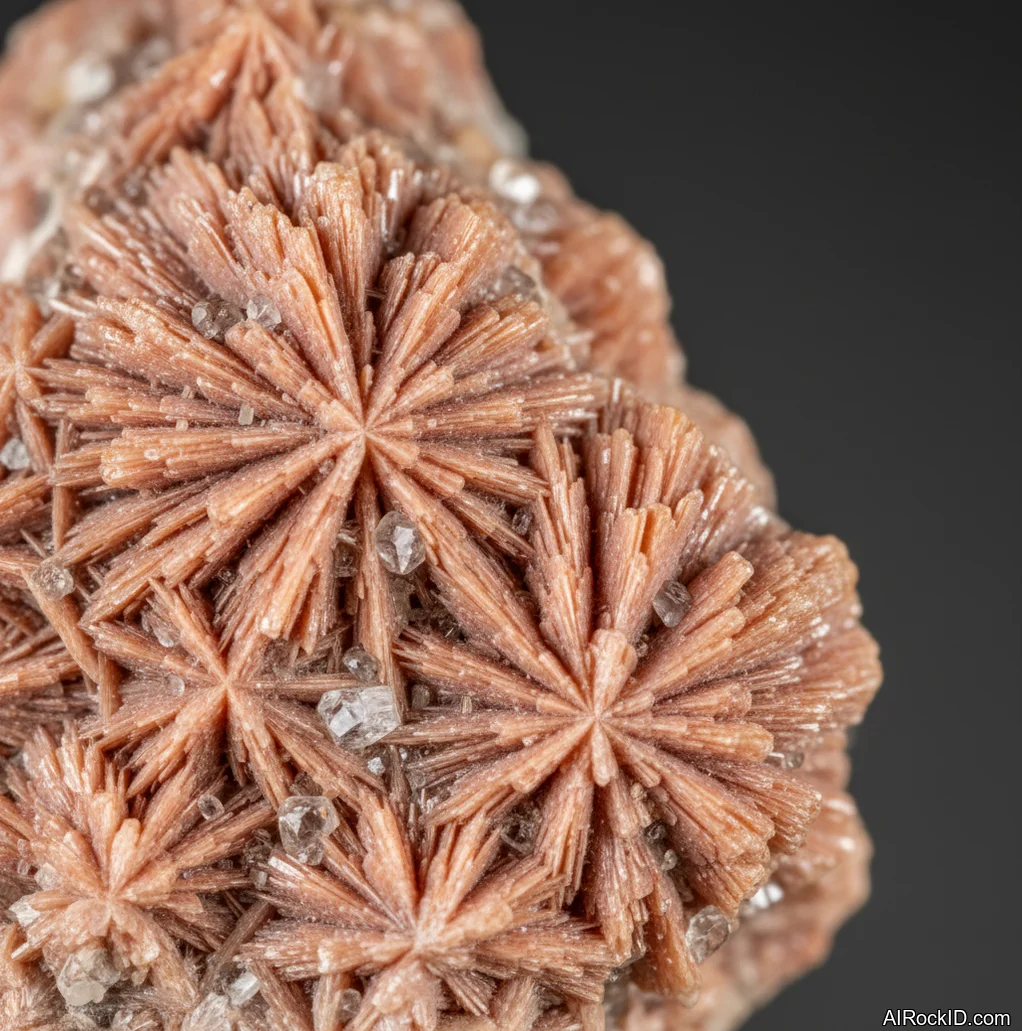
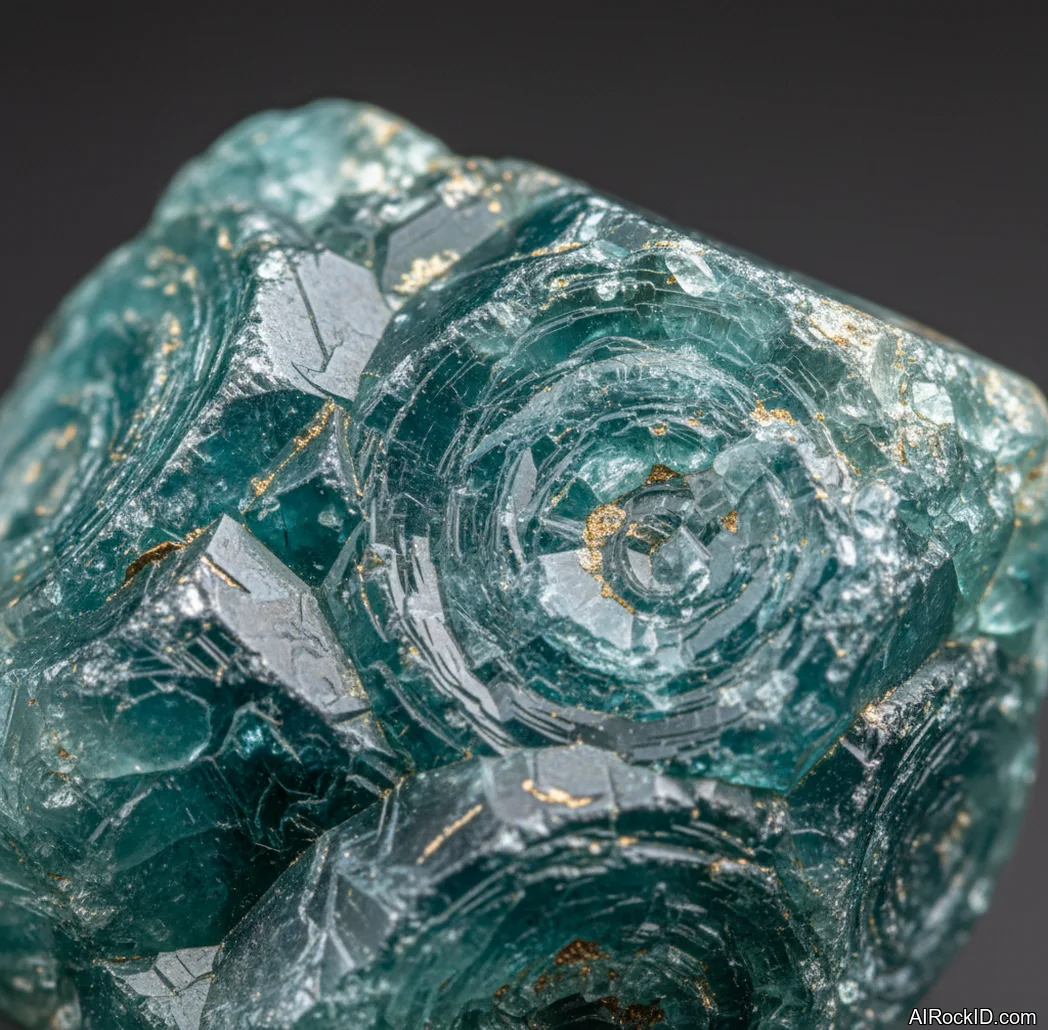
There are 530 crystals tagged for Meditation in your database for a reason. People don’t all need the same kind of anchor. Some want the cool, clean feel of clear quartz. Some want the heavy certainty of hematite. Some want the soft, sleepy look of lepidolite. Thing is, the right meditation crystal is the one that makes you sit down again tomorrow.
All Meditation Crystals (530)