protection

Best Crystals for Protection
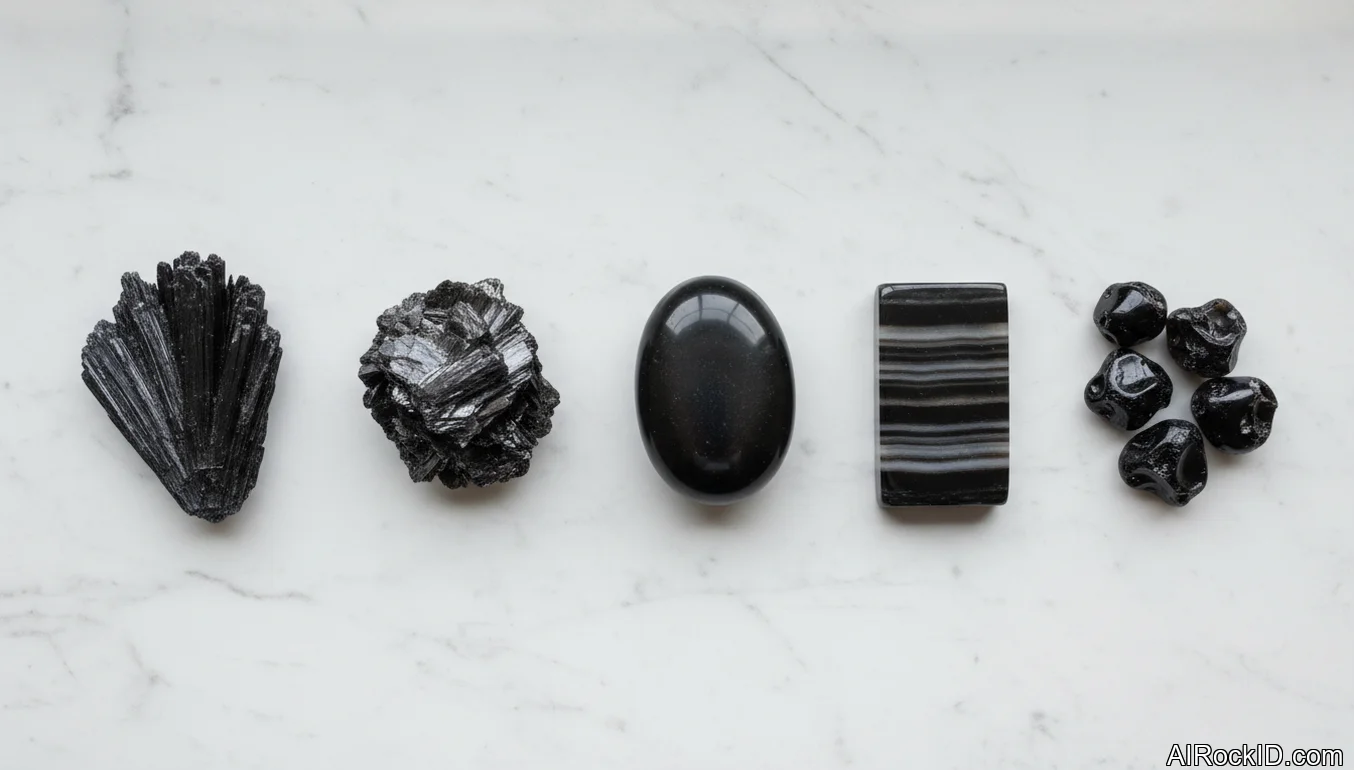
A small lineup of black and dark protective stones including black tourmaline-like rough pieces, onyx tumbles, and smoky quartz points on a wooden tray

The best “protection” crystals are the ones you’ll actually reach for every day. Ones that can take real pocket time, and ones that don’t become a placebo you hide behind instead of setting decent boundaries.

Pick up a dark stone and you notice the weight first. It sits heavy in your palm, a little cool and smooth, then it starts to warm up where your fingers rest (especially if you’ve been holding it while you read or scroll). Thing is, a solid protection setup isn’t collecting ten pricey pieces and then forgetting them in a drawer. It’s grabbing a few that can live in your pocket, by the front door, or on your desk without chipping, fading, or feeling too precious to touch. I’ve watched people in shops go straight for the prettiest one, then admit they’ll never carry it because they’d freak out if it got scratched. That’s not protection. That’s a display.

And protection means different things depending on your life, right? Sometimes it’s emotional protection, like not soaking up everyone else’s mood at work. Sometimes it’s practical, like a grounding reminder to slow down before you fire off a text you’ll regret. Crystals can help as anchors and cues, and some of them have that hard-to-ignore “in the hand” feel: cold at first touch, then warming slowly as you hold them. But they don’t replace locks, therapy, or leaving a bad situation. So treat them like tools for steadiness and personal space, not armor that makes you invincible.

Recommended Crystals
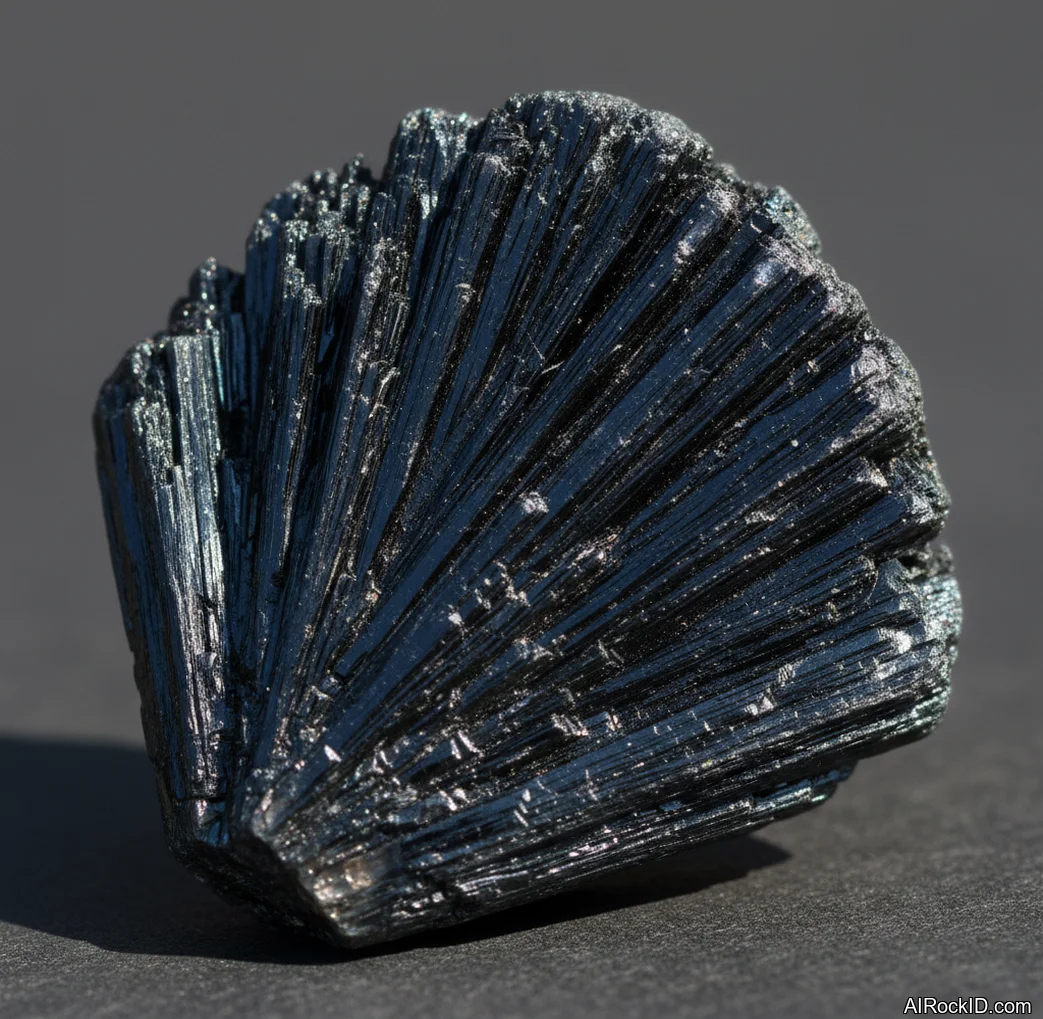
Black Kyanite
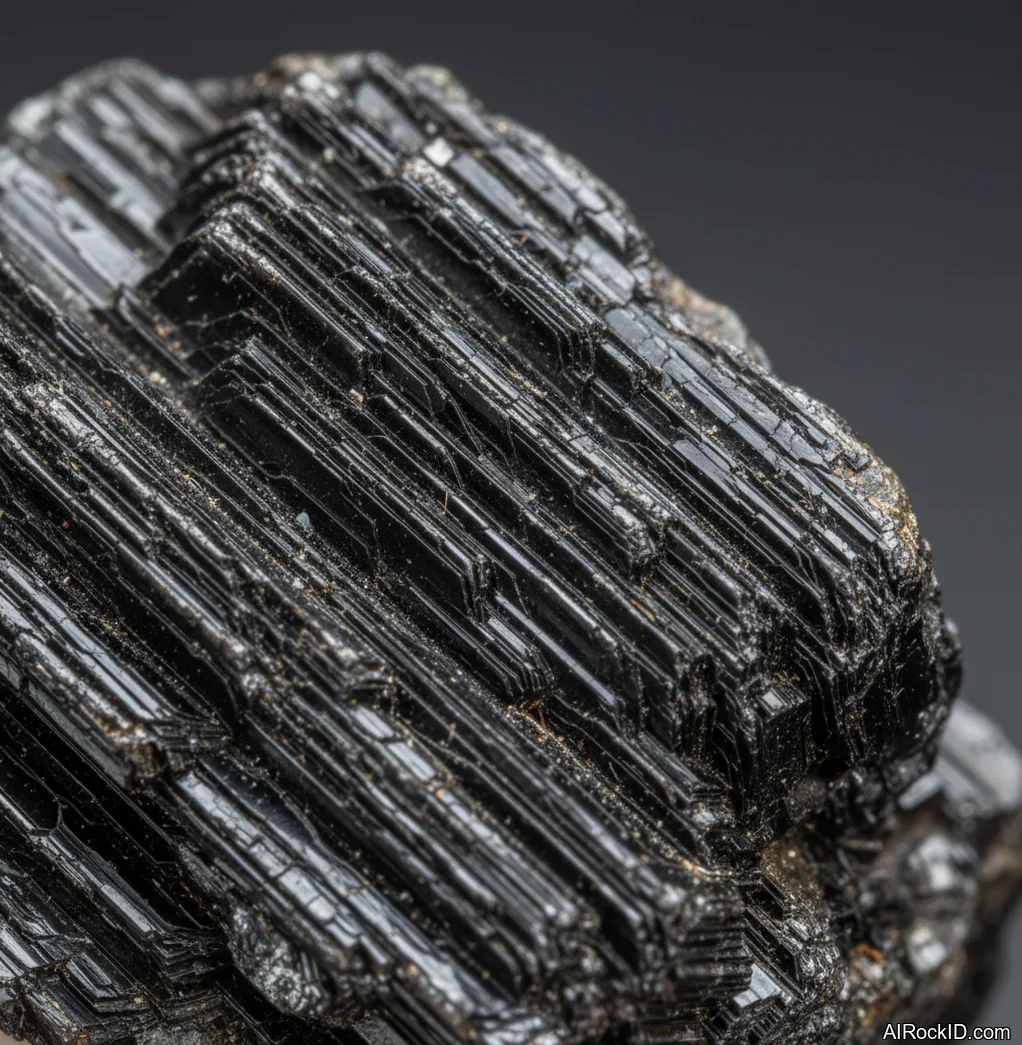
Black Kyanite

Look, if you actually pick up a raw piece of black kyanite, you’ll notice those bladed, fan-like shards right away, the kind that catch on a sweater cuff or snag a loose thread if you’re not paying attention. That grabby texture is a big reason I reach for it in protection work. It just feels separating, like your hands are holding a blunt reminder of where the line is. And it’s one of the few stones I’ll pass to someone who’s feeling scattered, because it’s hard to clutch it and stay stuck in your head at the same time. In my experience, the best pieces feel stiff instead of crumbly, and they stay cool in your palm longer than most tumbled stones. Why? I don’t know, but it’s consistent.
How to use: Keep a small fan-shaped piece on your desk and touch it before calls or meetings where you tend to over-explain yourself. If you carry it, wrap it in a cloth pouch because the blades can fray pockets and sweaters. I don’t put it in water; I just wipe it with a dry cloth.
Black Mica

Black Mica

Look, at first it just reads like a dark, shimmery lump in your palm. But the dead giveaway is how it breaks: that sheet-like cleavage. You can sometimes catch a thin layer with your fingernail and peel it up a bit, and that whole stacked, flaky feel is why people link it with shielding and privacy. And yeah, I’ve handled pieces that leave a faint dark dust on your fingers (you notice it right away on your nails). It’s a pretty good reminder this isn’t a wear-everywhere stone unless it’s sealed or you keep it in a bag. So when someone’s feeling porous or overstimulated, this one tends to ground fast, like your attention just drops back down into your body.
How to use: Use it at home, not loose in a pocket, unless it’s a stable chunk that doesn’t flake. Place it near your computer or by the front door as a “leave it outside” marker for the day. If it sheds, don’t scrub it; just tap it gently and keep it on a dish.
Black Onyx

Black Onyx

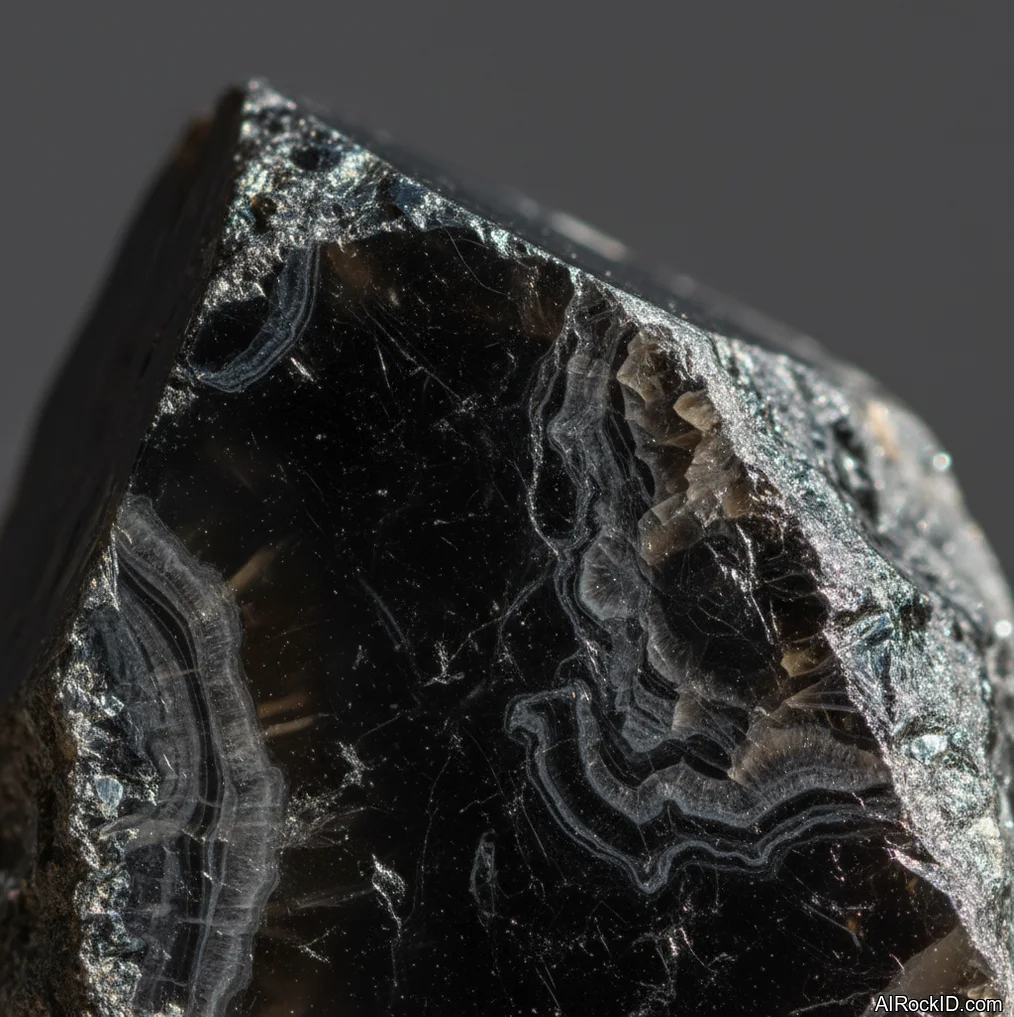
Rough black stones can feel gritty and kind of grabby, but onyx doesn’t. It’s smooth, dense, and honestly pretty easy to live with, which matters if you’re actually going to carry it every day. A well-tumbled piece has that slick, glassy feel, and you can tell the weight is real the second it drops into your palm. It rides heavy in your pocket without turning into a brick. I’ve also run into dyed stuff being passed off as onyx, and the giveaway is how the color looks almost too perfect, or it’ll bleed when you swipe it with a little alcohol on a cotton pad (yeah, I’ve done the test). When it’s genuine and properly polished, it’s the stone I reach for when I need that “keep it together” protection. You know the vibe. You’re stuck around drama, you can’t leave the room, so you just need something steady to hang onto.
How to use: Carry a tumbled stone in your left pocket and use it like a worry stone when you feel pulled into other people’s emotions. Put one on your nightstand if your mind races at bedtime. Clean it with mild soap and water, then dry it well.
Black-Banded Onyx

Black-Banded Onyx

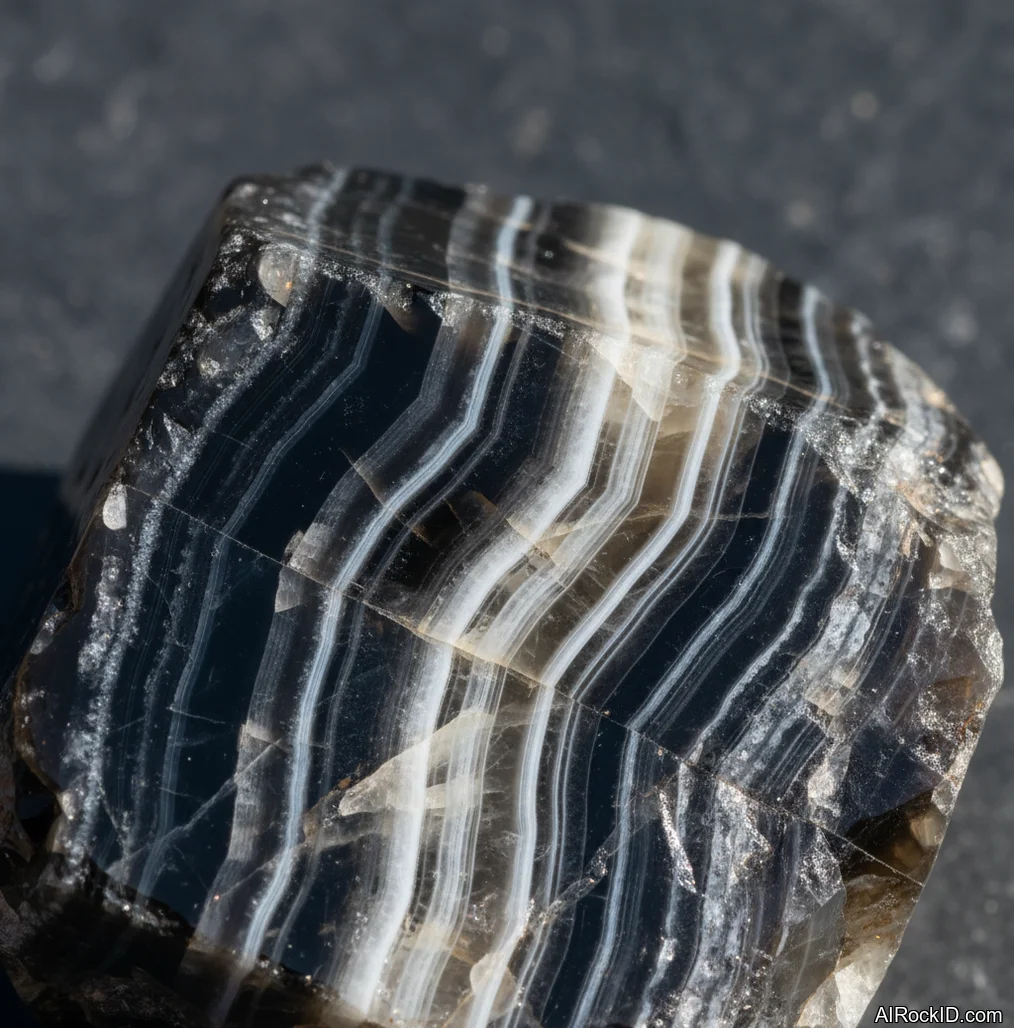
Most dealers will tilt the stone under a harsh shop light and, boom, you finally see the banding. That’s usually when it clicks. Those layers are a dead-simple visual for “my space” vs “your space,” and yeah, it sounds basic, but it actually helps when you’re working on boundaries. I like it for protection because it doesn’t feel sharp or pushy. It feels organized. And in your hand, the good pieces are the ones where the bands are obvious, the kind you can trace with your thumb. Not that almost-solid black tumbled stone that could honestly be anything, right?
How to use: Set it where you do boundary work: journaling spot, therapy notebook, or the place you pay bills and handle stressful emails. If you wear it as a bracelet, choose beads with visible banding so you get the reminder at a glance. Avoid soaking dyed pieces for long periods.
Apache Tears

Apache Tears

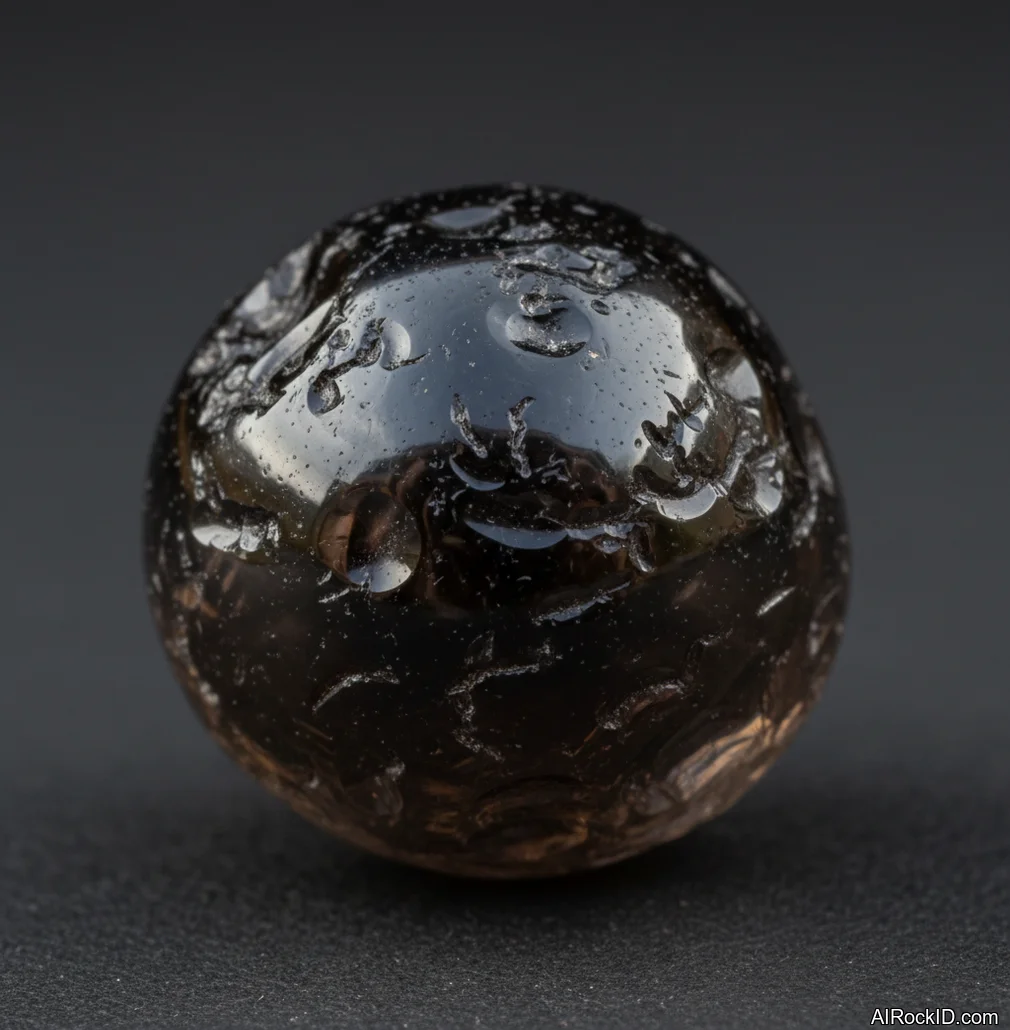
Pick up an Apache tear and it just feels like a tiny, matte bead of volcanic glass, and it’s lighter than you expect. Shine your phone’s flashlight through it and a lot of pieces go a little brown and translucent around the edges, which is a fast authenticity check. I grab these when protection is tied up with grief or emotional processing, because they don’t feel “hard” the way some black stones do. And they’re small, so you can slip one in a pocket or coin pouch and carry it around without making a whole thing out of it.
How to use: Carry one or two in a small pouch so they don’t get lost, and use them as a grounding touchstone during hard conversations. If you want a home setup, place a few in a small bowl near tissues or a journaling corner. Don’t toss them in a bag with keys; they can chip like any glass.
Amber

Amber

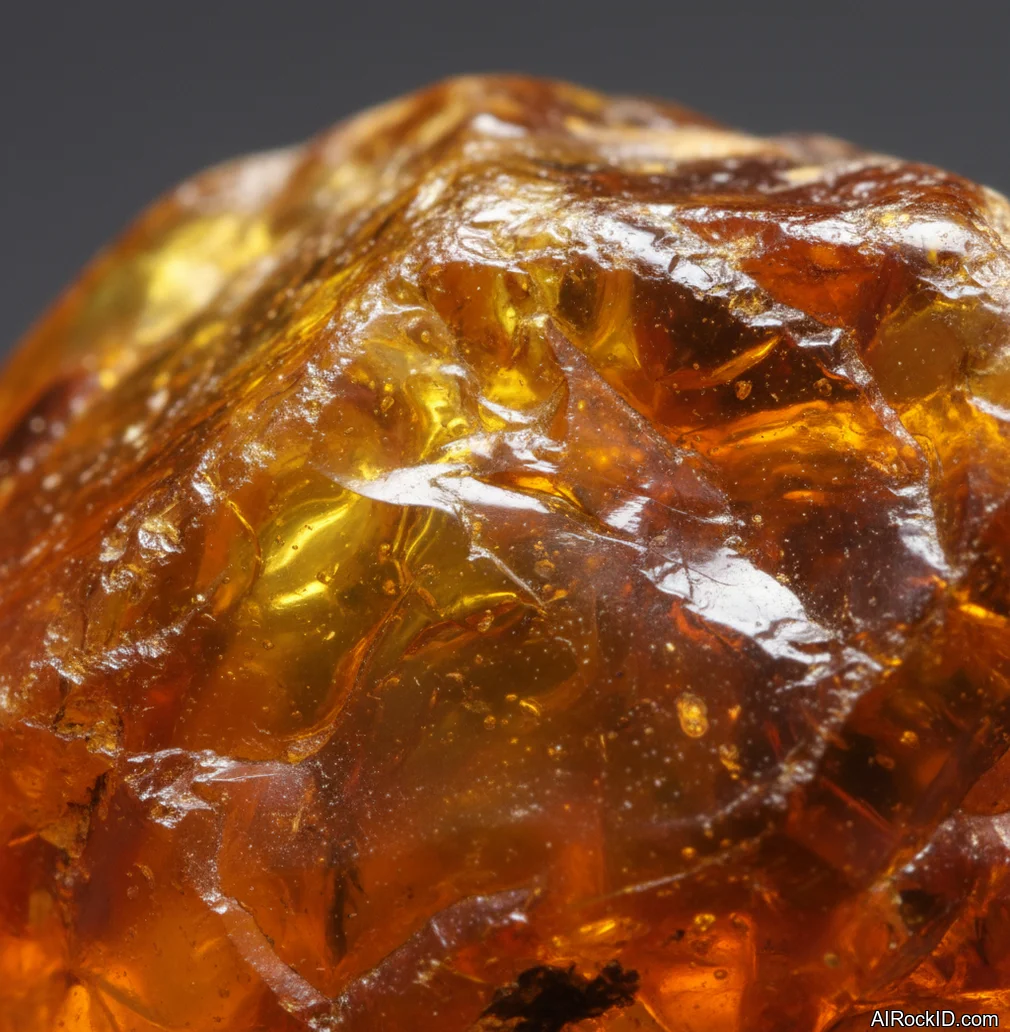
The real giveaway with amber is the feel. It warms up in your hand fast, and it’s almost weirdly light compared to a chunk of stone. That’s why I think of it as a “soft shield” for people who feel heavy and bogged down, not the ones who are already wired and anxious. Cheap stuff is everywhere. And a lot of plastic fakes feel way too uniform, like the surface never changes, and if you rub them hard enough they can kick off that sharp chemical smell. Real amber? You’ll often spot tiny inclusions and a bit of surface crazing (little hairline cracks). It also scratches easier than most crystals, so you’ve gotta handle it a little gently.
How to use: Wear it as a necklace or bracelet when you want protection that feels light and social, not armored. Keep it out of hot cars and direct sun for long stretches because it can dry out and crack. Clean it with a damp cloth only, no alcohol or harsh cleaners.
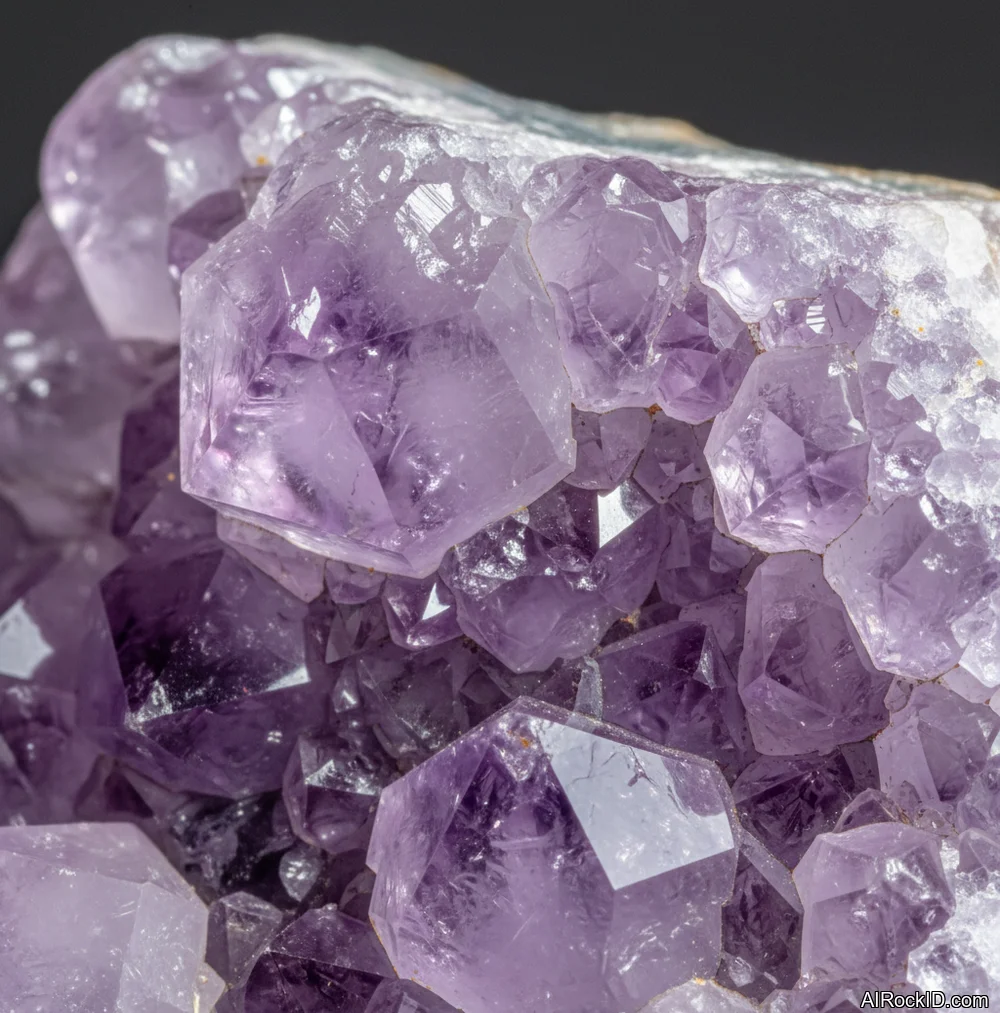
Amethyst

Amethyst

Under indoor light, a good amethyst can look calm and a little smoky, then snap into a brighter purple when you wander over to a window. I’ve held deep Uruguayan pieces that read almost velvety in color, like the purple has real weight to it, while some Brazilian material runs lighter, clearer, and more see through. For protection, I don’t use it like “block everything.” I use it more like “keep my head clear,” especially late at night when your thoughts start looping and you can’t shut them off. But it’ll fade if you park it in harsh sun, and that’s the practical thing people brush off until the purple looks washed out (and then they’re annoyed).
How to use: Put a small cluster near your bed or where you decompress, and keep it out of direct sunlight if you want the color to last. If you meditate, hold a tumbled piece and keep your focus on slower breathing, not on dramatic sensations. Rinse quickly in water and dry, or use smoke if you prefer a no-water method.
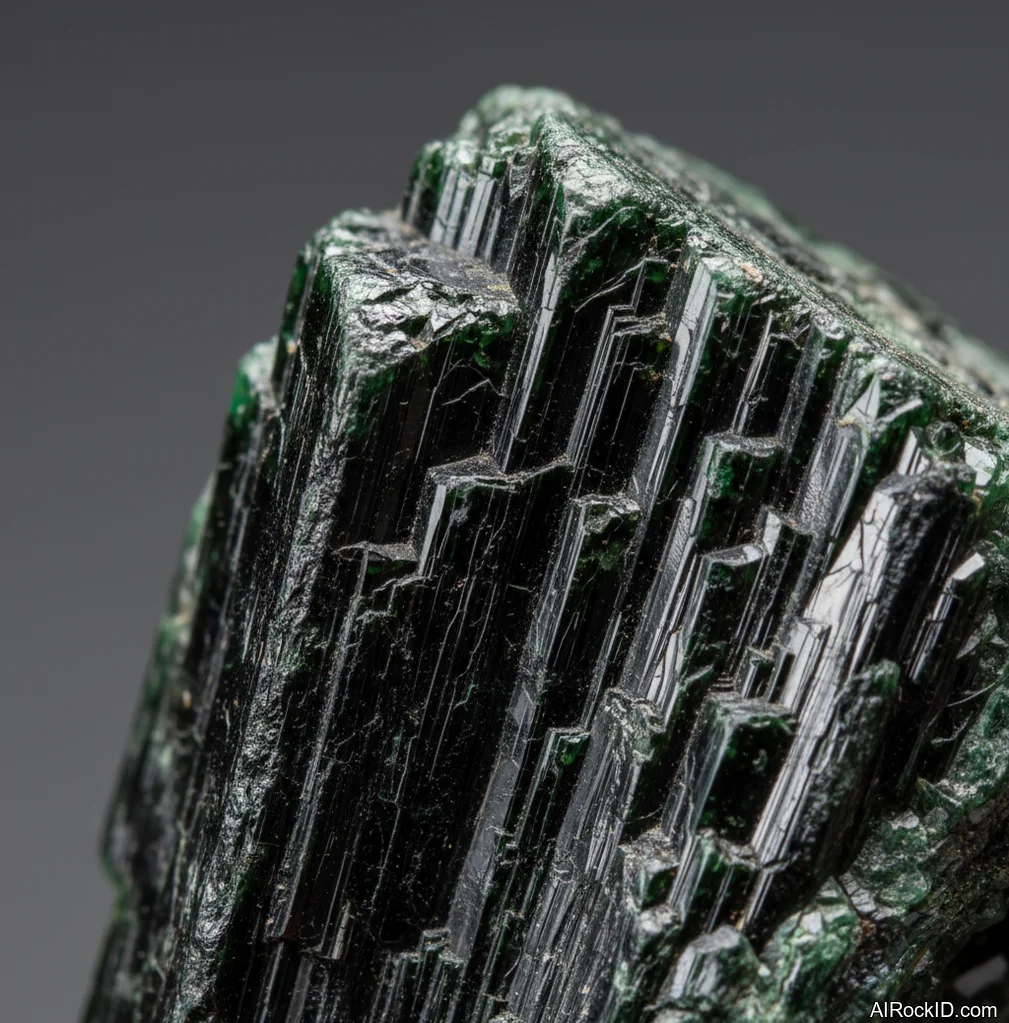
Aegirine

Aegirine

Aegirine often shows up as dark, blade-like crystals or little sprays, and when you’ve actually got it in your hand there’s this quiet sheen on the faces that cameras just don’t catch. It’s a “serious” mineral, honestly, because the points are sharp and your fingers notice right away. No ignoring it. I reach for it as protection when my head’s a mess, like mental clutter, intrusive thoughts, or that feeling of getting yanked into someone else’s story. But it’s not really a pocket stone unless the piece is solid. Some specimens are so brittle that one clumsy drop and they’ll crumble into gritty little fragments (ask me how I know).
How to use: Keep it on a shelf or desk where you can see it but won’t knock it over, ideally on a little dish. Use it before planning or decision-making sessions: touch it, set a clear intention, then write the next three concrete steps. Skip water; use a soft brush to remove dust.
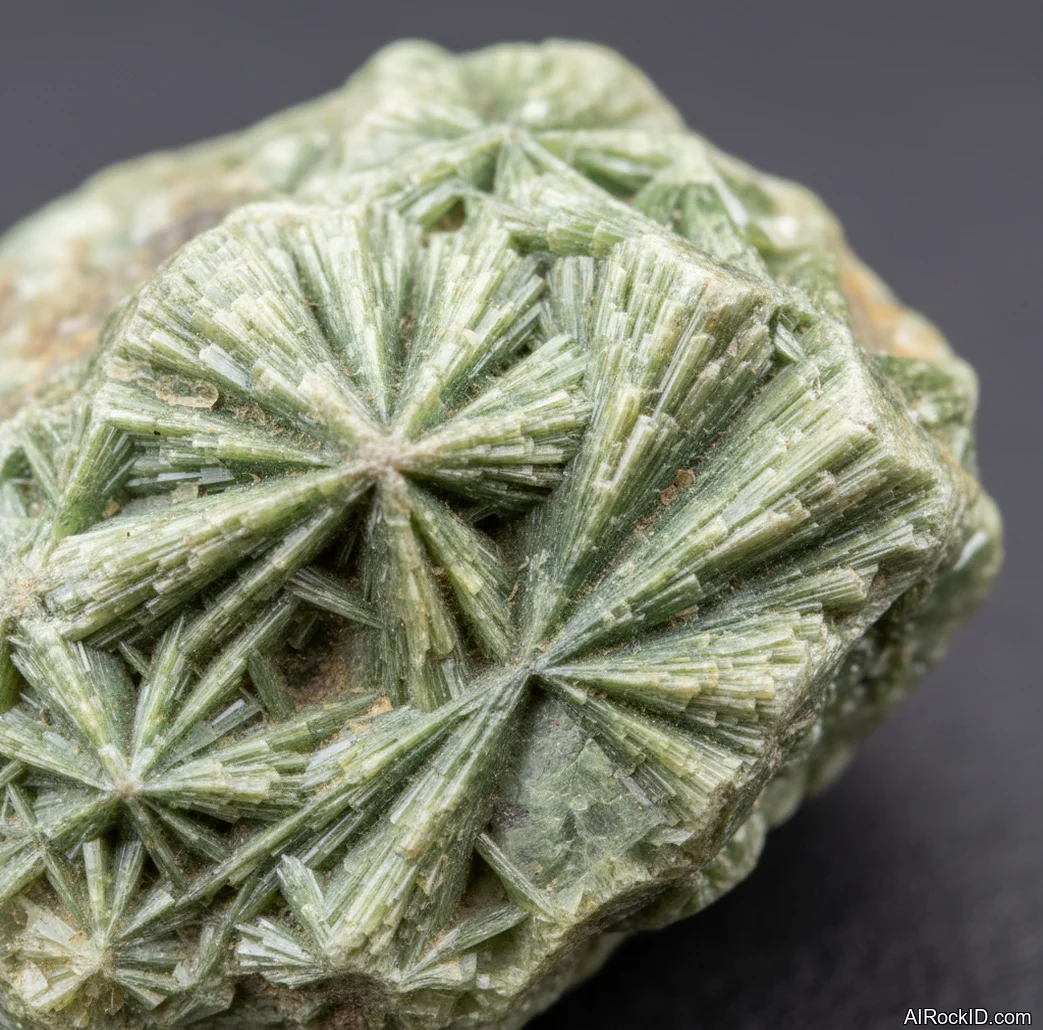
Actinolite

Actinolite

Raw actinolite shows up in a couple of main habits: fibrous or bladed. Color-wise it can run green to nearly black, that kind of forest-dark shade you notice even before you turn it in the light. In your hand it usually feels sturdier than you’d expect, almost like it’s got some backbone, but the fibrous forms are still something to be careful with, since the fibers can irritate skin for some people (depends on what you’ve got and how you handle it). For protection, I’ve found it’s better for steady, keep-showing-up courage, not some quick adrenaline hit. Think sticking with a hard job day after day, or walking into the same tense family situation again and again. And the market? It’s messy. Labels get tossed around pretty casually, so you’ll want a reputable source so you actually know what you’re holding.
How to use: Use a polished piece if you can find one, or keep rough material in a container so you’re not shedding fibers into pockets. Place it in a workspace where you need stamina and calm follow-through. Wash your hands after handling rough fibrous specimens and avoid inhaling dust if you ever clean around it.

What “protection” actually means in crystal work

Protection gets tossed around like it’s one simple thing, but once you’re actually living your life, it breaks into separate buckets real fast. There’s emotional protection, like not taking your coworker’s stress home with you (you know that tight-chested, end-of-day heaviness). There’s mental protection, like not doom-scrolling for two hours because you can’t shut your brain off. And there’s space protection, the plain “my home feels like mine” problem that shows up after breakups, roommates, or just a rough season where your place starts to feel off.

Most dealers will try to hand you one stone and call it the fix for everything. But your body’s usually pretty blunt about what you need if you actually listen. If a stone makes you clench your jaw, or you feel a little edgy holding it, it might be too intense for daily use. If it feels like nothing at all, it might still work as a reminder, but you’ll probably forget to pick it up and it’ll end up sitting in a dish collecting dust. The sweet spot is something you like touching, something you can keep in your pocket or on your nightstand without babying it. I’ve seen people get more out of one cheap, durable onyx they carry every day (smooth edges, a little warmed up from their hand) than from a high-end specimen that never leaves the shelf.

Choosing protective stones that won’t fall apart in your pocket

Rough black minerals look tough at first. Then you toss one in your jeans pocket next to your keys, take a short walk, and suddenly you’ve got a depressing little pile of chips (ask me how I know). Durability matters for protection, because if you can’t carry a stone without it falling apart, you just won’t use it.

So if you actually want something pocket-friendly, go with well-tumbled pieces like black onyx or black-banded onyx. They’re smooth in the hand, they don’t snag on the inside seam of your pocket, and they hold up to that constant day-to-day rubbing against coins, keys, whatever else you’ve got in there. But stuff like black kyanite and aegirine? I treat those as desk stones unless they’re in a pouch, and even then you’re kind of gambling with broken blades.

And then there’s the whole fake and treatment mess. Dyed black stones are everywhere, and you can sometimes catch them by that too-perfect, ink-black color, plus a faint dye line hiding in tiny cracks. If I’m on the fence, I’ll dab a cotton swab with alcohol and wipe a small spot to see if any color transfers, but only on cheap tumbled pieces. Don’t do that on collector specimens. Seriously.

Protection placements at home that actually change the feel of a room

The front door’s the easiest place to begin. Set a small dish by the entry and drop a tough stone in it, something that can take getting bumped by keys or a grocery bag. Every time you walk in, touch it and, in your head, just let the day fall off. Simple. And honestly, that little reflex does more than some complicated grid you build once and then totally forget exists.

In the bedroom, I keep things quiet. Amethyst by the bed helps when your brain won’t stop talking. Apache tears are great when what you need is protection that feels like emotional softness, not a hard wall. If you live with other people, it matters where you put your setup. A bowl in the shared living room is fine, sure, but it won’t replace having one spot that’s clearly yours, like a corner of your dresser or the edge of a nightstand that no one else reaches for.

One practical thing I learned from handling a lot of pieces: if your stone gets dusty, you’ll stop using it. Dust just reads like neglect. Give it a quick wipe once a week (I usually grab the same cloth I use on my nightstand), and it stays “alive” in the most down-to-earth sense, meaning you’ll actually keep interacting with it. Why make it harder than that?

Protection jewelry: what works and what’s a pain

Wearing protection stones sounds simple on paper. Then you actually wear them for a week.

Bracelets smack into desk edges when you scoot your chair in. Necklaces get tugged when a kid grabs at the shiny thing, your dog paws at it, or your seatbelt catches it at the worst moment. Softer stuff scratches. And anything with sharp edges will hook your sweater like it’s trying to start a fight.

Amber works really well in jewelry because it’s light, so it doesn’t feel like you’ve got a rock hanging off your neck. But it’s soft. You’ll notice little scratches pretty quickly, and heat isn’t its friend (leave it in a hot car once and you’ll get why). Onyx beads are low drama and they hold up, which is why I recommend them to people who don’t want to think about it.

If you’re dead set on something rougher like black kyanite, go pendant, with a protective setting. Not a raw blade on a cord. Thing is, the real win with jewelry is consistency. Pick something you can actually wear three days a week without irritation, snagging, or that constant little worry in the back of your mind, and you’ll get more out of it.

How to Use These Crystals for Protection

Grab the stone you’re using for protection and give it a job you can say in one sentence. “This is for work boundaries.” “This is for sleep.” If you can’t name the job, you’ll quietly expect it to cover everything, and then you’ll feel like it let you down when your life is still messy.

With carry stones, don’t make it complicated. One goes in your pocket. Keep one spare at home. Touch it right before you walk into somewhere that spikes your stress, then touch it again when you leave. That little entry and exit habit? That’s the practice.

Desk stones are weirder than people think, because placement is basically everything. Put it where your hand already lands without thinking, like next to your mouse, by your notebook, or tucked against the corner of your keyboard (you know, where your knuckles keep bumping). If you have to reach for it on purpose, you won’t.

For home protection, I’m into “anchors,” not a bunch of clutter you end up dusting around. A bowl with Apache tears by the bed, a black-banded onyx by the front door, and a single piece of black mica near your work setup is plenty. If you’re someone who cleans with water, only use it on durable polished stones, and dry them right away so you don’t get that weird slick film. Fragile or fibrous minerals are different. Use a soft brush, keep them out of humid bathrooms where they’ll collect grime, and be honest: once they start looking gross, you’ll stop wanting to touch them.

Common Mistakes to Avoid

The biggest screw-up is thinking protection crystals can cover for basic common sense. I’ve watched people tuck an onyx in their pocket and still say yes to every single request, then act shocked when they’re wiped out by Tuesday. The stone can nudge you, sure, but you still have to do the boundary part out loud, and you’ve gotta block time on your calendar. No way around it.

Another one? Buying the wrong form for how you’ll actually use it. Rough black kyanite looks awesome in your hand, all jagged and raw, then it catches on the inside of your jeans pocket, snaps, and now you’ve got little sharp bits to deal with. Or someone grabs amber because it’s “protective,” leaves it in a hot car all summer, and it comes back crazed and cloudy. I’ve also seen people line up ten stones on the same shelf and call it a shield. And what usually happens is your eyes just slide right past them after a week.

Last thing is sourcing and safety, which people love to skip (why?). Fibrous actinolite needs to be handled carefully, and you don’t want to inhale dust from any specimen, period. If a seller can’t tell you what the stone is, where it came from, or whether it’s dyed, treat that like a real warning sign.

Important: Crystals won’t stop violence, fix an abusive relationship, or replace an actual safety plan. They also can’t magically wipe out chronic stress if you never rest, never say no, and you’ve got your nervous system stuck on high alert all day. So use them as little reminders for grounding and boundaries, and as something solid you can hold to aim your attention. I mean, there’s something about the cool weight of a stone in your palm, that smooth spot you keep rubbing with your thumb without thinking, that can help you come back to yourself. But if you’re dealing with anxiety, trauma, or serious mental health symptoms, crystals should sit next to professional support, not take its place.

Identify Any Crystal Instantly

Snap a photo and get properties, value, care instructions, and healing meanings in seconds.

Frequently Asked Questions

What are the best crystals for protection at home entrances?
Black onyx and black-banded onyx are commonly used near doors because they are durable and easy to keep clean. Placement by the main entry is associated with boundary-setting routines.
Which protection crystals are safest to carry in a pocket daily?
Tumbled black onyx and black-banded onyx are generally pocket-friendly because they resist chipping and snagging. Rough bladed stones like black kyanite are more likely to fray fabric or break.
What crystal is associated with protection during sleep?
Amethyst is associated with calmer nighttime ذهن patterns and wind-down routines. It is commonly placed on a nightstand or near the bed.
Is amber a good protection stone for sensitive people?
Amber is associated with gentler, mood-lightening protection and is often used for comfort. It is soft and can scratch easily, so it requires careful wear.
How do I cleanse protection crystals without damaging them?
Dry wiping and gentle brushing are broadly safe for many specimens. Water cleansing is better reserved for durable polished stones and should be followed by thorough drying.
Can protection crystals block negative energy from other people?
Protection crystals are used as focus tools for boundaries and grounding. They do not guarantee control over other people’s behavior or emotions.
Which protection crystals should not be soaked in water?
Black mica and many fragile bladed minerals like aegirine are better kept dry to avoid damage or mess. Soft organic materials like amber should be cleaned without soaking.
What’s a simple protection crystal routine for work stress?
Carrying a tumbled black onyx and touching it before and after stressful interactions is a common routine. Repeating the same cue is associated with better consistency than complex setups.
How can I tell if black onyx is dyed?
Dyed material can show unnaturally uniform color and may release pigment when wiped with alcohol on a cotton swab. Visible dye concentration in cracks is also a common indicator.
Are fibrous minerals like actinolite safe to handle?
Handling intact pieces is generally low risk, but dust should not be inhaled and fibers should not be sanded or ground. Washing hands after handling rough fibrous specimens is recommended.
The information provided is for educational and spiritual exploration purposes. Crystals are not a substitute for professional medical, psychological, or financial advice.