lifestyle

Best Crystals for Beginners
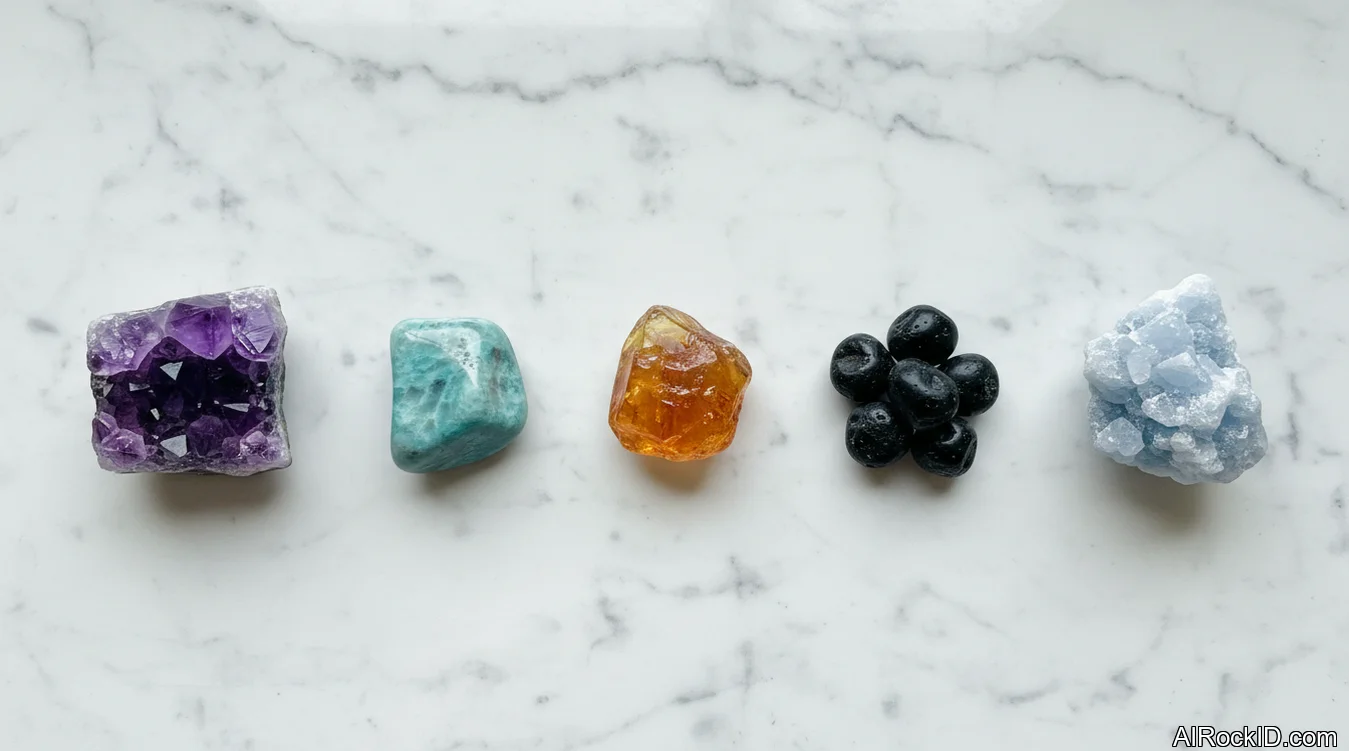
A small spread of beginner-friendly tumbled stones and a few raw crystals on a wooden table in natural light

Start small. Grab a few sturdy stones that are easy to find and that you actually like holding in your hand, then pay attention to how they act in real life. Beginners get swamped because the internet turns every pebble into a promise, and that’s basically backwards. You want minerals that are common enough to buy without stress, tough enough to live in pockets and on nightstands without chipping to dust, and consistent enough that you can tell when something feels… off.

Pick up a tumbled piece of amethyst and the first thing you’ll notice is the temperature. Real quartz stays cool for a while even if the room’s warm, and it has this glassy little click when you tap it against another stone. That kind of hands-on feedback matters early on because it teaches you what you’re paying for. I’ve watched people buy a whole bundle and then never touch it again because half the pieces felt plasticky (you know that weird too-smooth feeling?) or looked dyed. One solid piece you actually enjoy handling beats ten you don’t trust. Every time.

Keep your expectations on the ground. A crystal can be a tactile cue, a focus tool, a comforting object, or a way to build a routine, but it won’t replace sleep, therapy, or a budget. The sweet spot for beginners is using stones like you’d use a notebook: something that helps you pay attention. And when you treat crystals like tools you handle, clean, and store, they stop being mysterious and start being useful. Simple as that.

Recommended Crystals
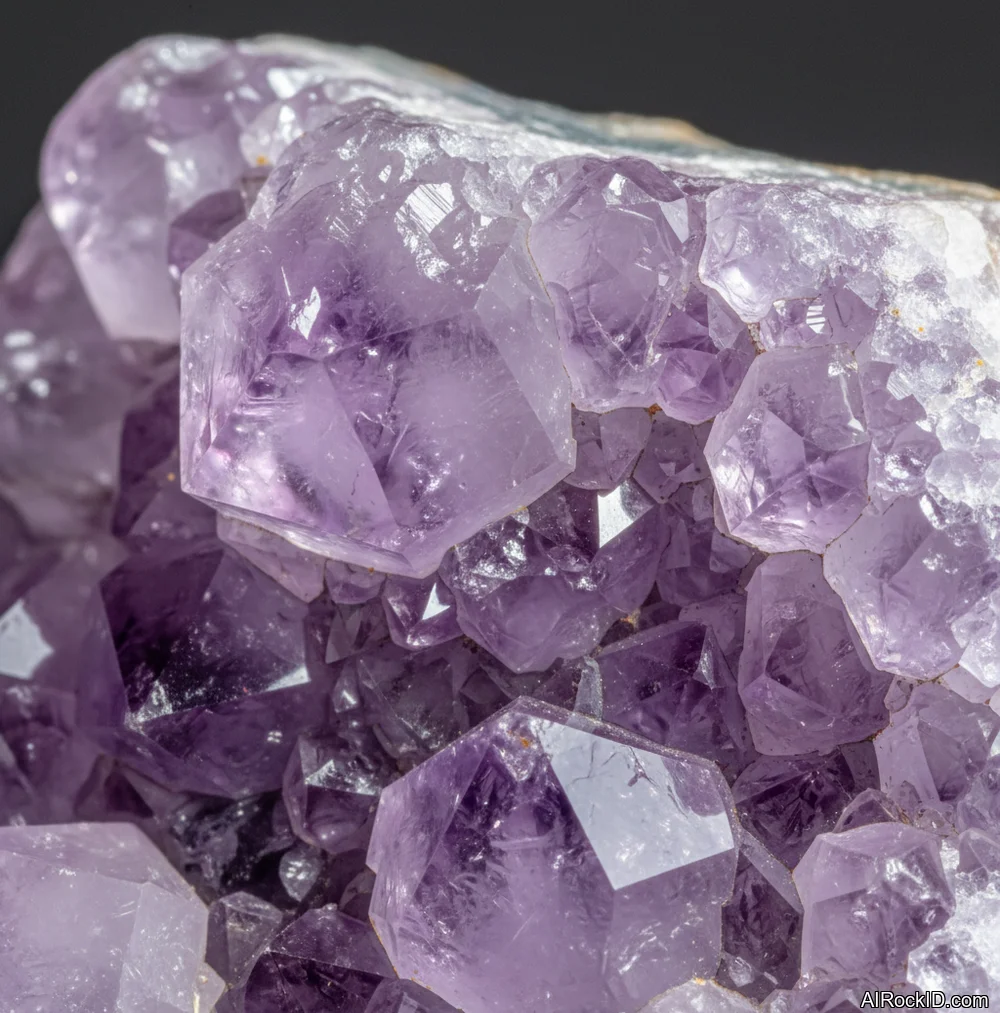
Amethyst
Amethyst

Uruguay usually turns out that deep, inky purple that reads almost black until you tip it under a lamp and catch the color on an edge. Brazil, a lot of the time, comes in lighter, more lavender tones. It’s tough enough for daily handling, and it won’t crumble if you toss it in a pouch with other stones. Grab a chunk with small points and you’ll feel it right away: the tips are sharp but not delicate, like little glass teeth grazing your fingertip. And honestly, the market has plenty of real amethyst floating around, so you’re less likely to get fooled than you would with rarer material.
How to use: Keep a palm stone on your nightstand and use it as a cue for a short wind-down routine, same time each night. If you’re carrying it, put it in a small cloth bag so it doesn’t get scuffed by keys. Avoid leaving it in direct sun for weeks; I’ve seen purple fade to a tired gray-lilac on windowsills.
Amazonite

Amazonite

Good amazonite is that punchy blue-green with those chalky white streaks that honestly look like someone dragged a half-dry paintbrush across it. Pick up a polished piece and you’ll notice it doesn’t feel glassy like quartz; it’s got this faint, waxy slickness under your thumb (especially on a smooth cab). It’s a pretty beginner-friendly feldspar because it’s easy to recognize and the price usually isn’t ridiculous. And most dealers have it sitting right there as tumbled stones and as slabs, so you can see how the exact same mineral changes once it’s cut different ways. But there’s a catch. It can nick easier than quartz, so it’ll teach you to handle it gently, fast.
How to use: Use a flat piece as a desk stone and actually touch it when you’re about to send a tense message. If you wear it, choose a pendant over a ring; rings get banged up and amazonite shows those little dings. Clean it with mild soap and water, then dry it well, because lingering moisture in drill holes can smell funky over time.
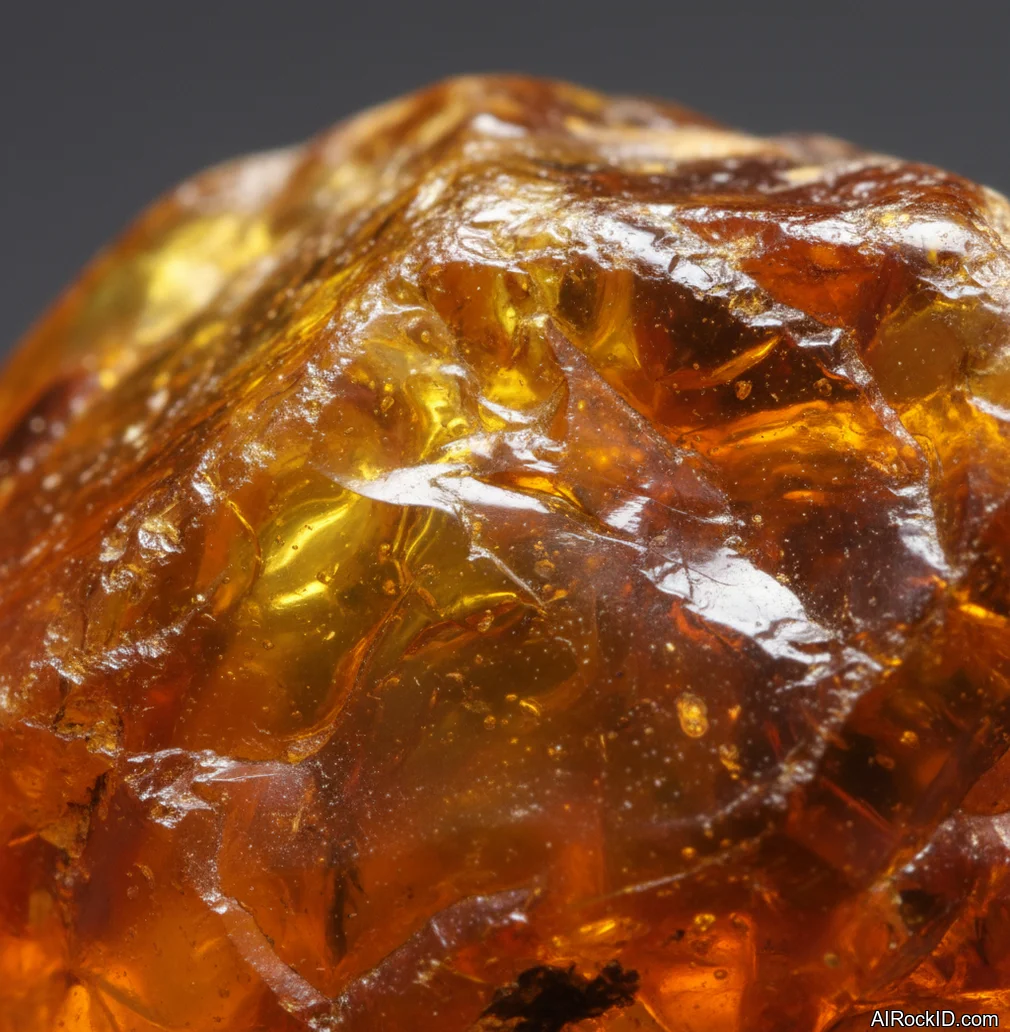
Amber

Amber

Amber isn’t a crystal. It’s fossilized resin, and that little twist is exactly why beginners tend to remember what it is. Hold a real piece for a second and you’ll catch it. It’s strangely light for its size, and it heats up fast in your palm, almost like it’s taking your body warmth on right away. Fake stuff? A lot of the cheap ones feel too heavy and a little too perfect, like plastic trying to pretend it isn’t plastic. And the nice part is you can learn some basic authenticity checks on amber without needing lab gear. That makes it one of the easier materials to practice on.
How to use: Treat it like something soft: store it alone so harder stones don’t scratch it. If you want a simple daily habit, rub it between your fingers for 30 seconds and use that as a “reset” before work or after a commute. Keep it away from heat, perfumes, and solvents; I’ve seen polished amber cloud up from alcohol-based sprays.
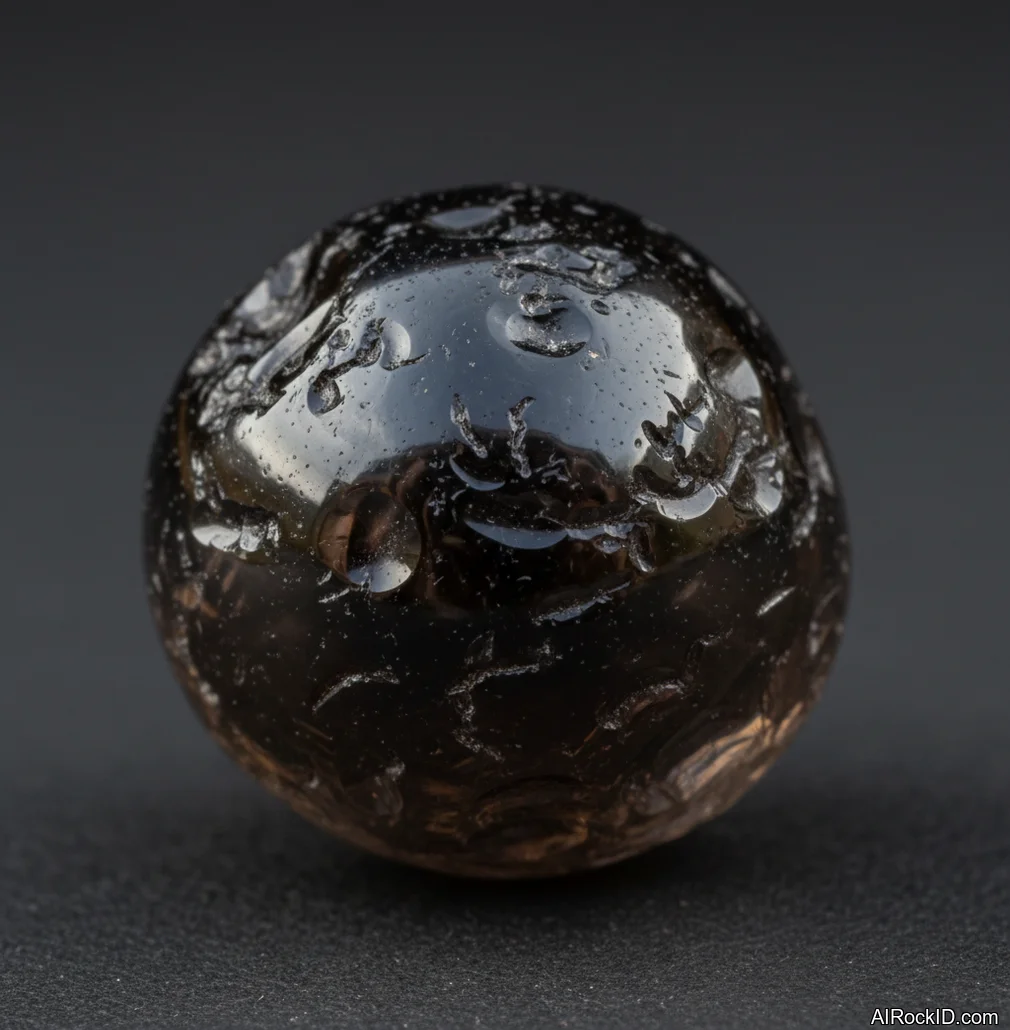
Apache Tears

Apache Tears

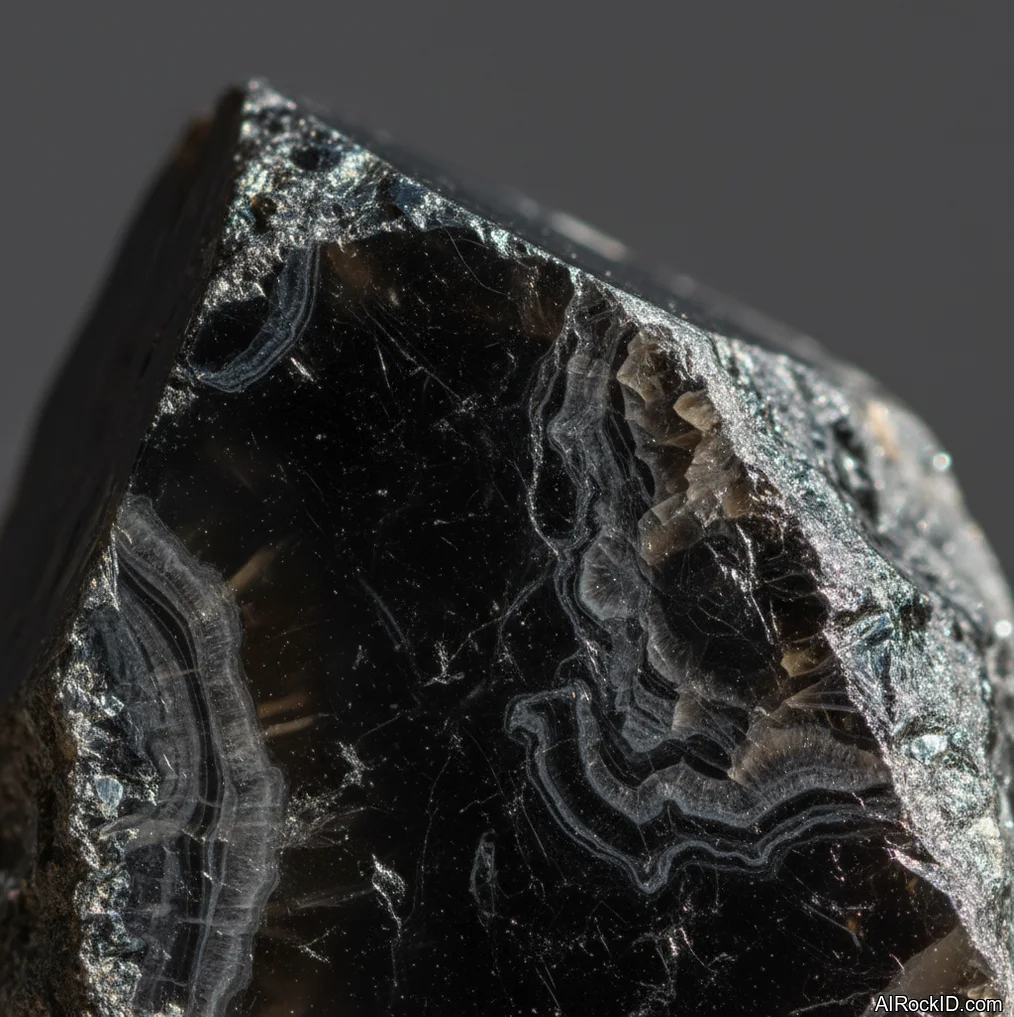
Apache tears are a type of obsidian. They’re usually little, rounded pebbles, black at first glance, but if you hold one up to a flashlight the edge goes kind of brown and translucent. They’re cheap. They’re common. And they’re tough enough to rattle around in your pocket with your keys all day without causing trouble. The surface feels smooth and glassy, like sea-worn bottle glass, and for something so small it’s got this nice, satisfying heft in your palm (you notice it right away). I like handing them to beginners because you can learn the “look through the edge” trick fast, and that’s the thing that helps you tell a lot of black stones apart.
How to use: Carry one in a pocket as a worry stone, but don’t keep it in the same pocket as coins or keys if you care about shine. For a simple practice, hold it up to a phone light at night and take one slow breath per inhale-exhale cycle you see the edge glow. If you wash it, don’t temperature-shock it with very hot water; glassy materials can crack if you push it.
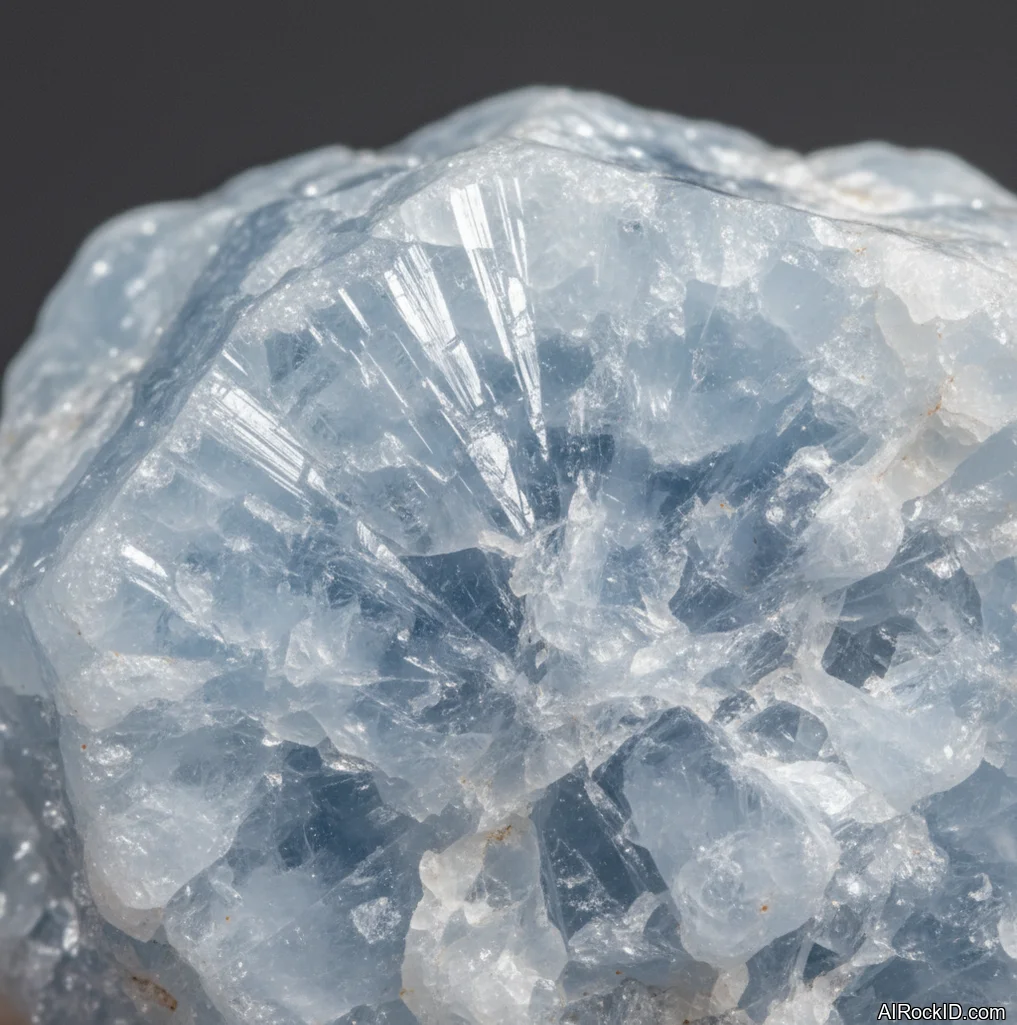
Angelite

Angelite

Angelite is really just anhydrite with a prettier label slapped on it. It has that soft, chalky blue color you don’t usually mistake for dyed quartz. The giveaway, though, is how it feels in your hand: it starts out cool to the touch, and it’s also pretty soft, so if you handle it like a worry stone it’ll pick up scuffs fast. I’ve had pieces show up with tiny bruises on the corners from nothing more than shipping in a padded mailer (seriously), which tells you exactly how careful you need to be with storage. So yeah, it’s a solid beginner stone, but not because it can take a beating. It’s beginner-friendly because it teaches you to be gentle.
How to use: Keep it on a shelf or by your bed rather than in a pocket. If you want to use it during a quiet moment, rest it in your palm and don’t fidget; it’s a stone you hold gently. Skip soaking it, since anhydrite can react badly with water over time and get crumbly at edges.
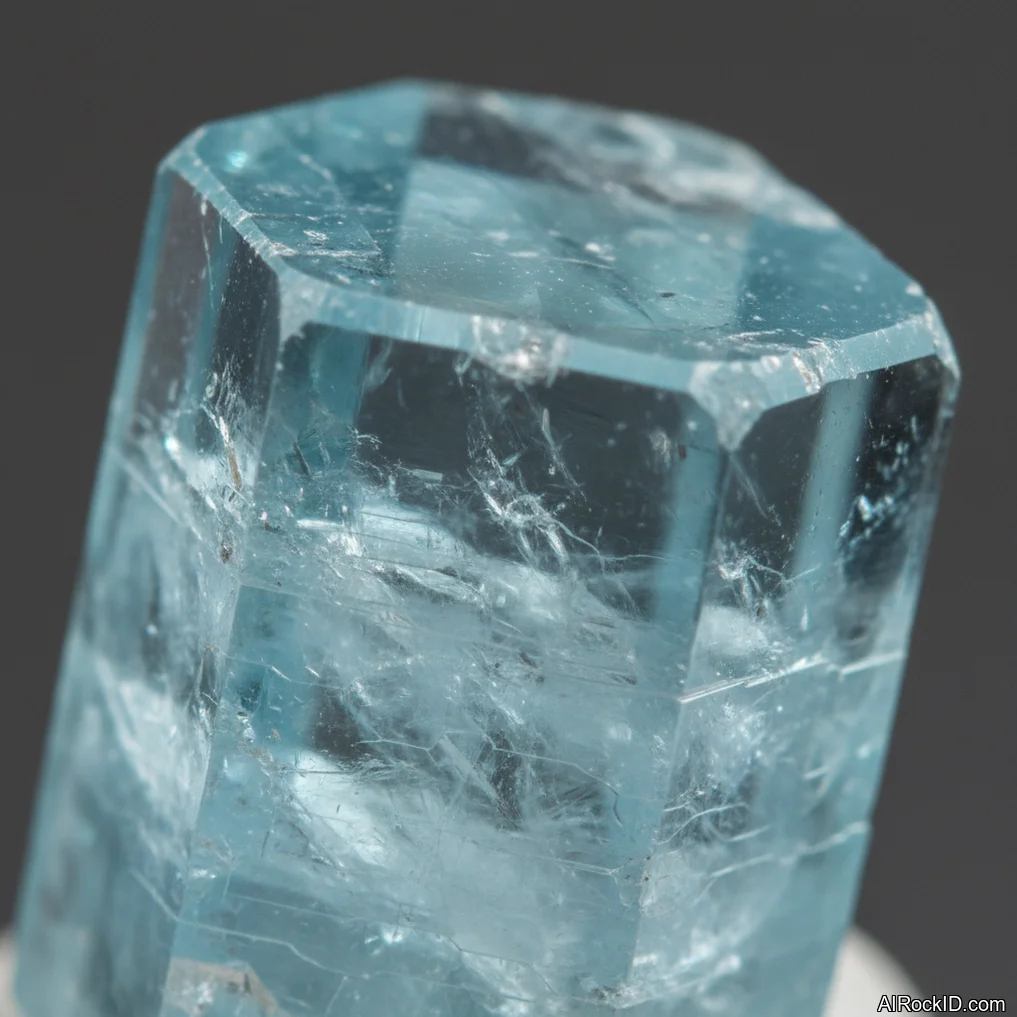
Aquamarine

Aquamarine

A lot of starter aquamarine is just pale blue beryl, usually sold tumbled, and honestly the color can look kind of washed out until you take it into real daylight. Look, if you tilt it around, you’ll sometimes catch those faint internal tubes or that “rain” effect inside, like thin little streaks that flash when the light hits. It’s tougher than plenty of softer blue stones, so it doesn’t get beat up as quickly in jewelry or with day-to-day handling. But the pricing is all over the place, and once the blue gets really saturated, the cost climbs in a hurry.
How to use: If you’re wearing it, go for a pendant or earrings first since beryl can still chip at facet edges if you smack it on a counter. For a routine, hold it during a short planning session and tie it to one concrete action, like writing tomorrow’s top three tasks. Clean it with warm soapy water and a soft brush, then rinse well.
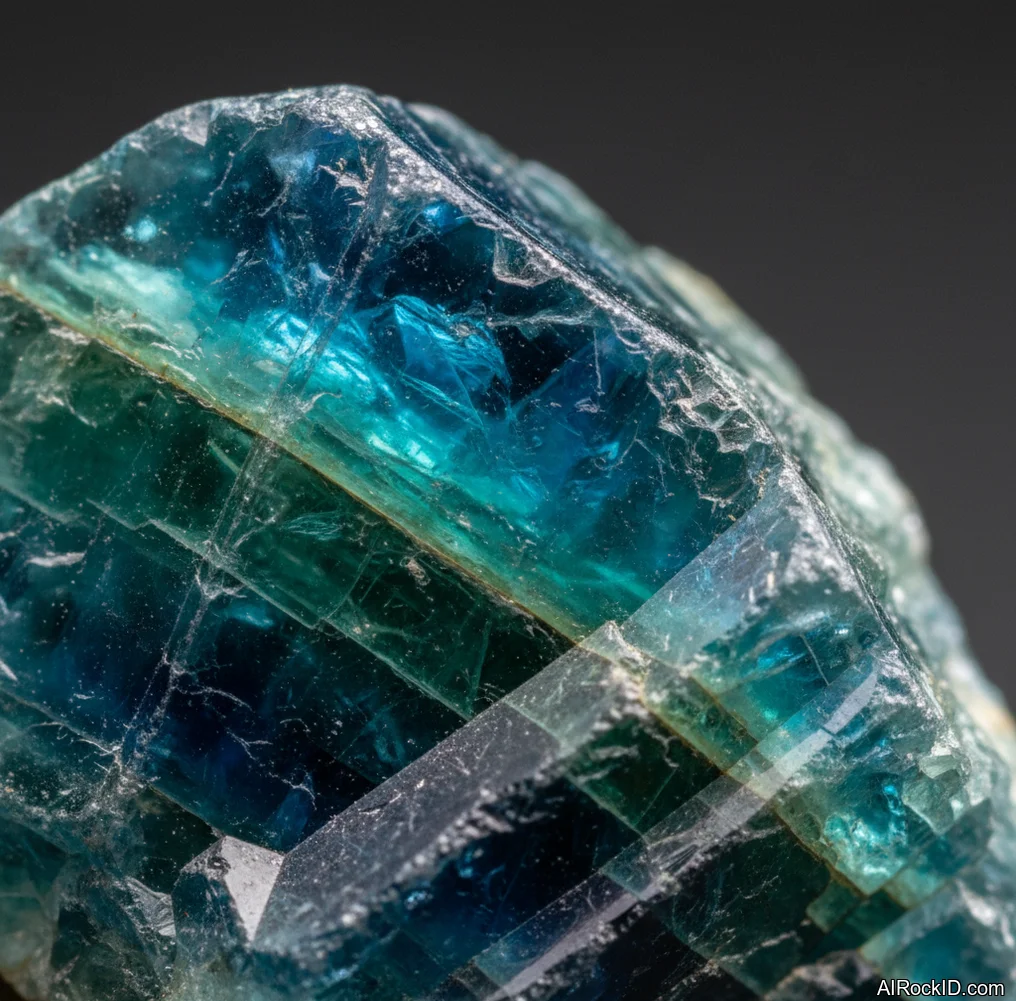
Apatite

Apatite

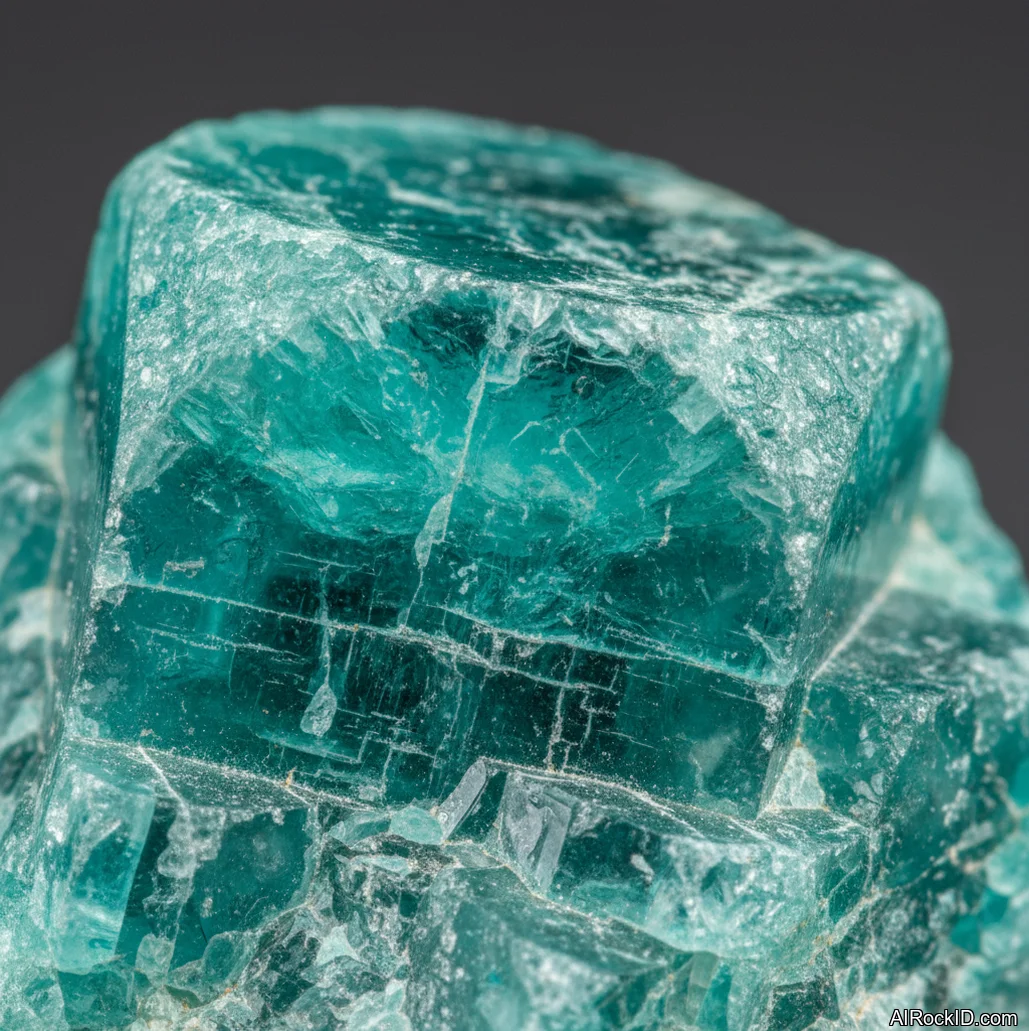
Apatite shows up in these electric blue-green colors that honestly look fake at first glance, and that’s why I always want to slap a little warning label on it for beginners. It’s softer than quartz. So yeah, it scratches fast, and I’ve opened shipments of tumbled apatite where the pieces had tiny surface “bruises” from rattling around together in a bag (you can feel the faint rough spots when you rub a thumb over them). But it’s still a solid learning stone, because it kind of forces you to pay attention to hardness and wear instead of assuming everything’s as tough as quartz. If you can scratch it with something that wouldn’t even leave a mark on quartz, you’ll get the Mohs scale in about ten seconds. Pretty clear, right?
How to use: Use it as a home stone, not a pocket stone, unless it’s in a pouch by itself. If you meditate with it, place it on a cloth on your lap so it doesn’t roll and get dinged. Avoid ultrasonic cleaners and harsh chemicals; apatite doesn’t like aggressive treatment.
Apophyllite

Apophyllite

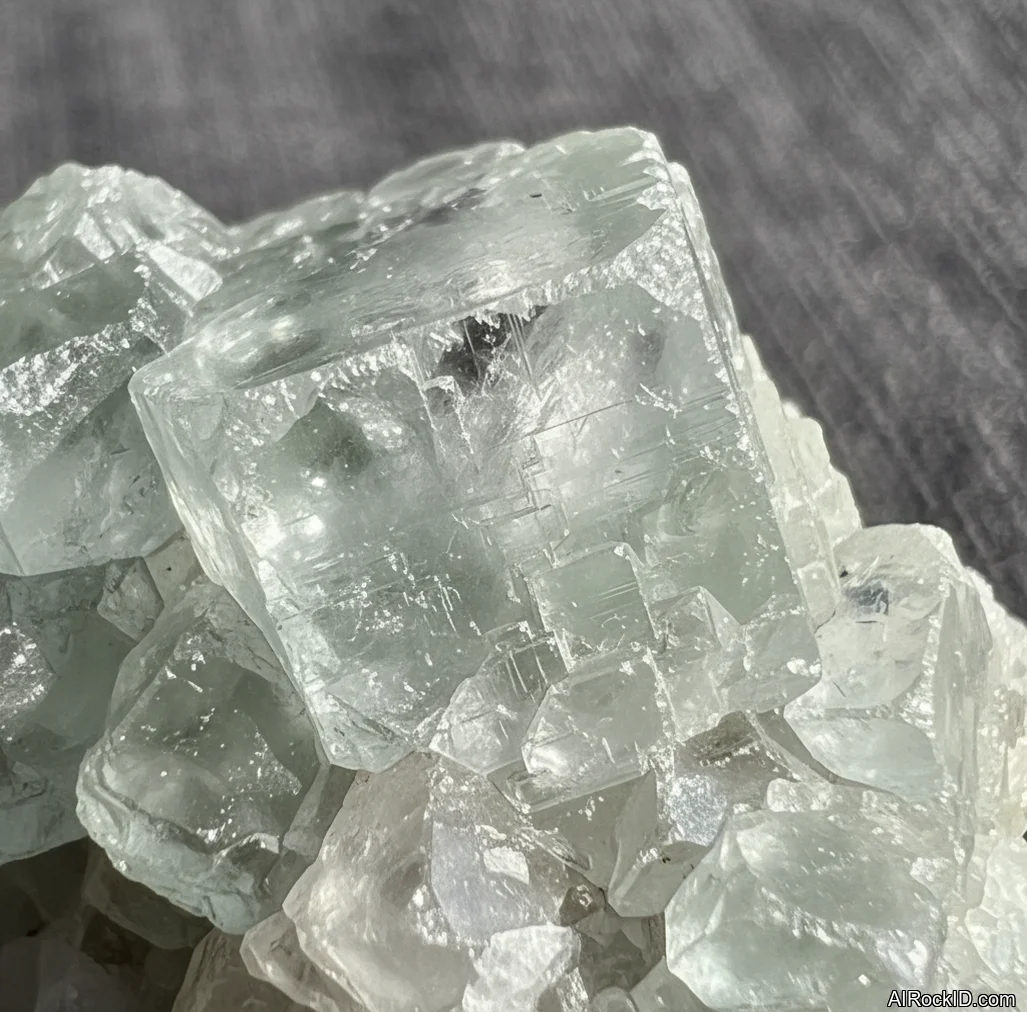
Apophyllite usually turns up as clear to greenish crystals sitting on matrix, and when a lamp or a window catches them just right, the faces flash like tiny glass panes. Hold a cluster in your hand and the edges feel razor-crisp, almost too perfect, but you also realize pretty quick this isn’t a “toss it in a bag” kind of mineral. The cleavage is no joke. I’ve literally watched someone snap points clean off just from squeezing a little too hard during that first curious look. So yeah, it’s beginner-friendly, but in the way it teaches you respect and careful handling fast.
How to use: Keep it in one spot, like a shelf where it won’t get bumped, and handle it over a towel in case you drop it. For a simple use, sit it where morning light can hit it indirectly and take 60 seconds to look at the faces without multitasking. Don’t soak it; a quick dusting with a soft brush is usually enough.
Black Tourmaline (Schorl)

Black Tourmaline (Schorl)

If you’re after a black stone that actually feels like something in your hand, most shops will point you to onyx. And that’s totally fine, as long as you know what you’re getting. Thing is, a lot of “black onyx” on the market is just dyed chalcedony. The color can come out weirdly even, like printer ink, and you notice it fast on the cheaper bead strands where every bead looks copy-pasted. But real onyx or chalcedony is still a solid beginner stone. It’s tough, it holds up, and it takes a polish that feels slick in a good way. The easiest tell, honestly, is how it feels. A good polished piece has that smooth, cold stone weight to it, and it won’t give you that coated-glass vibe when you roll it between your fingers.
How to use: Carry it in a pocket when you want a steady tactile anchor during the day, then set it by your keys at night so you don’t lose it. If it’s dyed, avoid long soaks or harsh cleaners because dye can bleed at drill holes. Wipe it with a damp cloth, dry it, and you’re done.

What makes a crystal “beginner-friendly” in real life

Hardness and toughness beat “good vibes” every time. Quartz stuff like amethyst can take some abuse, but softer stones like angelite or apatite are going to look tired fast if you toss them in your pocket with keys and loose change. Grab two stones and tap them together, gently. You can literally hear it. Quartz gives that sharp, glassy click, and softer, chalkier materials make a duller thud.

Price and availability matter, too. A beginner ought to be able to walk into a shop, buy a regular piece, and not spend the rest of the day wondering if they got scammed. When a stone is rare or suddenly trendy, labels get messy, sellers start guessing, and buyers get jumpy. So start with common material, figure out what “real” looks and feels like, then go hunt down the weird stuff.

Consistency is the last piece. Amber is a quick lesson: it’s lightweight, and it warms up fast in your hand (like, almost weirdly fast). Apophyllite teaches a different one: handle it over a towel, because the cleavage will punish you the second you get careless. Simple, clear lessons. If a stone teaches you nothing except how to shop for it, it’s not a great starter.

How to shop without getting burned by dye, glass, or marketing names

Most dealers aren’t trying to scam you. But the supply chain’s kind of a mess, and once a label gets copied, it can bounce around forever.

Black stones are where it gets sloppy. “Onyx” gets thrown around like it means any black rock, and dyed chalcedony is everywhere. So, look close at the drill holes and the sharp edges. If you see the color collecting darker in little cracks or hugging the inside of holes, that’s usually dye doing what dye does.

Amber’s got a few quick reality checks. Real pieces feel light in your hand, and you’ll usually catch tiny internal lines, little bubbles, or small bits of plant debris that look like they’re suspended inside. Plastic fakes feel warm almost immediately (weirdly warm, honestly) and they tend to look too perfect, like nothing’s going on under the surface. And I’ve seen “pressed amber” sold as if it’s one solid chunk. Sometimes you can pick it out by this odd, patchy texture inside, like it’s been mashed together.

Marketing names can be fine, like “angelite” for anhydrite. Thing is, they can also be used to dodge what you’re actually buying. Ask for the mineral name. If the seller can’t tell you, walk. Buy something else.

Tumbled vs raw vs clusters: what you’ll actually notice as a beginner

Tumbled stones are the easiest thing to live with day to day. They don’t snag your pockets, they don’t scratch you, and if you drop one on carpet it’s less likely to chip. Grab a good tumble and you can feel it right away: the polish is even, not waxy, not like someone smeared something over it. Coated pieces have this slightly warm, slippery feel, like there’s a thin layer sitting on top. You know the moment you rub your thumb across it.

Raw stones? They teach you how the rock actually works. Apophyllite clusters have those crisp faces and cleavage you can catch with your fingernail if you tilt them in the light, and amethyst points show how the terminations bounce light back differently depending on the angle. But raw breaks easier. So you learn to handle it like you mean it. Over a towel, always (seriously).

Clusters and matrix pieces are “home base” stones. They look amazing on a shelf, but they’re not pocket stones. If you want one stone you can carry and also display, don’t make one piece do double duty. Get a tumble for carrying, and a cluster for home. Simple.

Simple care, cleansing, and storage that won’t ruin your stones

Water works on plenty of stones. But not all of them. Angelite can break down if you soak it, and softer minerals can go cloudy if you really go at them with a stiff brush. When I’m not sure, I just grab a damp cloth, wipe it down, then dry it immediately with a towel. Boring? Yep. And it saves collections.

Sunlight’s another sneaky one. I’ve literally watched amethyst fade after sitting for months on a bright windowsill, and it’s worse with the paler pieces. So if you care how it looks, keep color-sensitive stones out of direct sun. Indirect light on a shelf is the safer bet.

Storage doesn’t have to be complicated. A handful of little cloth bags (the kind that feel slightly fuzzy inside) or a compartment box keeps pieces from scuffing each other, especially if you’re mixing hard quartz with softer stuff like apatite. Want one rule to remember? Hard stones scratch soft stones. Every time.

How to Use These Crystals for Beginners

Pick one or two stones and hitch them to stuff you already do on autopilot. That’s where beginners actually stick with it. A worry stone in your pocket works because your fingers will find it without you thinking. A stone on the nightstand works because you still crawl into bed every night, even if your sleep schedule’s a mess and the sheets are all twisted up.

So try this simple three-step method for the first week. Step one: choose a carry stone (amethyst, apache-tears, or a smooth black onyx piece) and put it in the same pocket every single day. Not “whatever pocket,” the same one. Step two: pick a home stone (apophyllite cluster, a larger amethyst, or angelite) and give it a permanent landing spot, like the corner of your nightstand where your water glass leaves that little ring. No more “I’m constantly misplacing my practice” stuff. Step three: tie one action to each stone. Carry stone equals one slow breath before you speak. Home stone equals two minutes of journaling or planning (set a timer if you have to).

Keep it physical. Keep it measurable. Touch the stone, do the action, put it back. That’s it.

And if you catch yourself buying more stones instead of doing the routine, pause for a week. Seriously, why add more gear if you’re not using the tool you already have? I’ve watched collections explode fast while the actual practice stays at zero, and then people decide crystals “don’t work” when they never used them as tools in the first place.

Common Mistakes to Avoid

Buying a giant kit is the classic beginner trap. Seriously. Half the “stones” end up being mystery stuff, dyed pieces, or such low grade material that you can’t learn what the real mineral is supposed to look like or feel like in your hand. One decent piece from a shop that labels things correctly will teach you more than a sack of random tumbles rattling around in a bag.

Another common screw-up is acting like every stone is pocket-safe. It isn’t. Apatite, angelite, and a lot of crystal clusters will chip, scratch, or bruise if you toss them loose in your pocket with keys, coins, that little metal zipper pull, all of it clinking together. Then people decide the stone has “bad energy” when it’s just softness and cleavage doing exactly what they do.

And the last one is skipping basic care. Leaving amethyst in direct sun, soaking soft stones, or using harsh cleaners on amber will wreck the surface and fade color. I’ve handled cloudy amber that was totally fine until someone started hitting it with perfume every morning (you could even feel a slightly tacky film on it if you rubbed it with your thumb). Keep it simple. Keep it gentle. Why make it harder than it needs to be?

Important: Crystals can’t diagnose, treat, or cure any medical or mental health condition, and they’re not a substitute for professional help. And no, they won’t magically sort out money issues, relationship messes, or addiction on their own. What they *can* do is give you something physical to anchor to, like a reminder you can actually hold in your hand (cold at first, then it warms up in your palm). But thing is, if you don’t pair them with real habits, they’re just rocks sitting on a shelf collecting dust.

Identify Any Crystal Instantly

Snap a photo and get properties, value, care instructions, and healing meanings in seconds.

Frequently Asked Questions

What are the best beginner crystals to start with?
Common starter choices include amethyst, amazonite, amber, apache-tears, and aquamarine. These are widely available and easy to handle with basic care.
How many crystals should a beginner buy first?
A practical starting number is 1 to 3 stones. This helps you learn handling, care, and personal preferences without overspending.
Are tumbled stones better than raw crystals for beginners?
Tumbled stones are generally easier to carry and less likely to chip. Raw crystals teach natural structure but can be more fragile.
How do I know if amber is real?
Real amber is very light for its size and warms quickly in the hand. Many plastic imitations feel heavier and look unnaturally uniform.
Can I put my crystals in water to cleanse them?
Some stones tolerate brief rinsing, but others do not. Angelite and other water-sensitive minerals can degrade if soaked.
Will sunlight damage crystals?
Some stones can fade with prolonged direct sunlight. Amethyst is a common example of a color-fading stone.
What is the easiest way to use crystals daily?
Keep one stone in a consistent place, such as a pocket or nightstand, and pair it with a short routine. Repetition is more important than complexity.
Are black stones like onyx always natural and undyed?
No, many “black onyx” items are dyed chalcedony. Dye can sometimes be seen as darker color concentration around drill holes or cracks.
Do crystals have to be expensive to be effective for beginners?
No, many useful beginner stones are inexpensive because they are abundant. Price is more related to rarity, clarity, and color saturation than usability.
Can crystals replace therapy, medication, or medical care?
No, crystals are not a medical treatment and are not a substitute for professional care. They can be used as supportive tools alongside evidence-based help.
The information provided is for educational and spiritual exploration purposes. Crystals are not a substitute for professional medical, psychological, or financial advice.