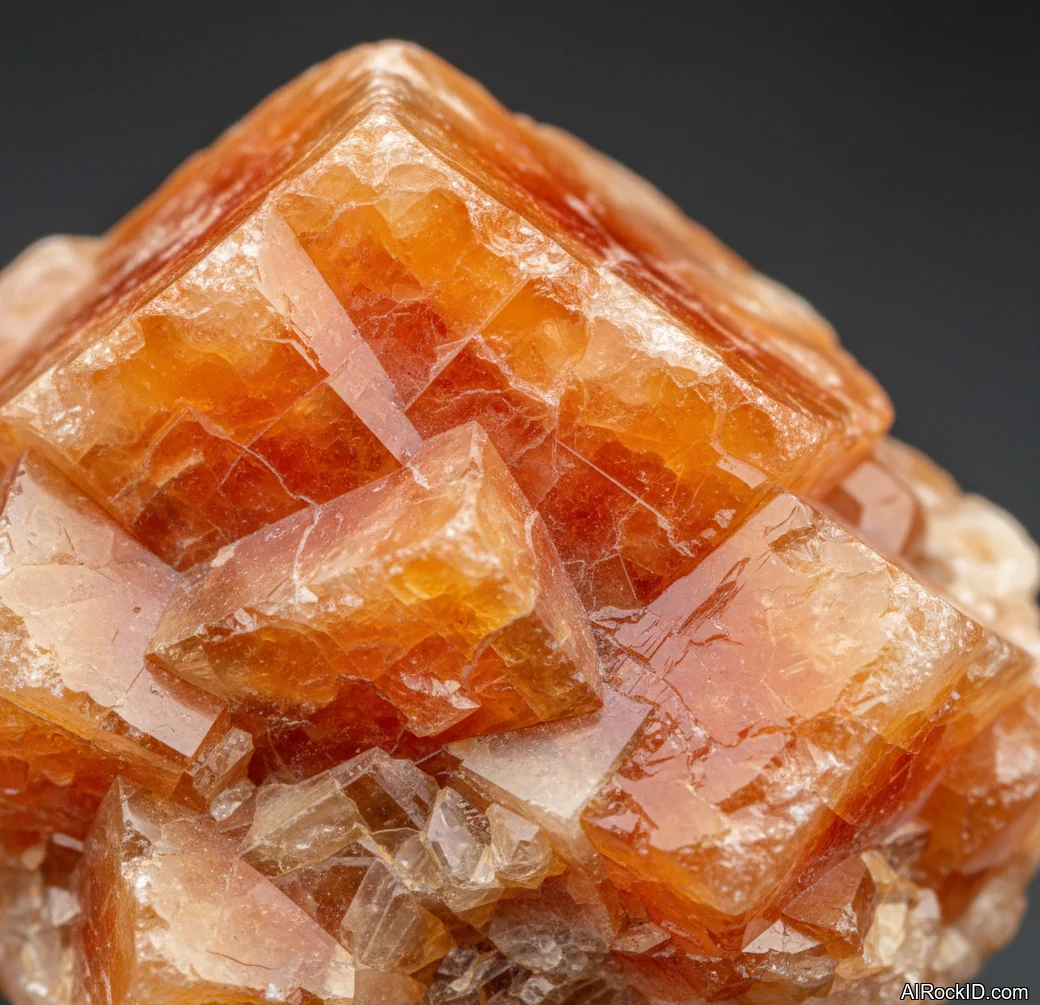
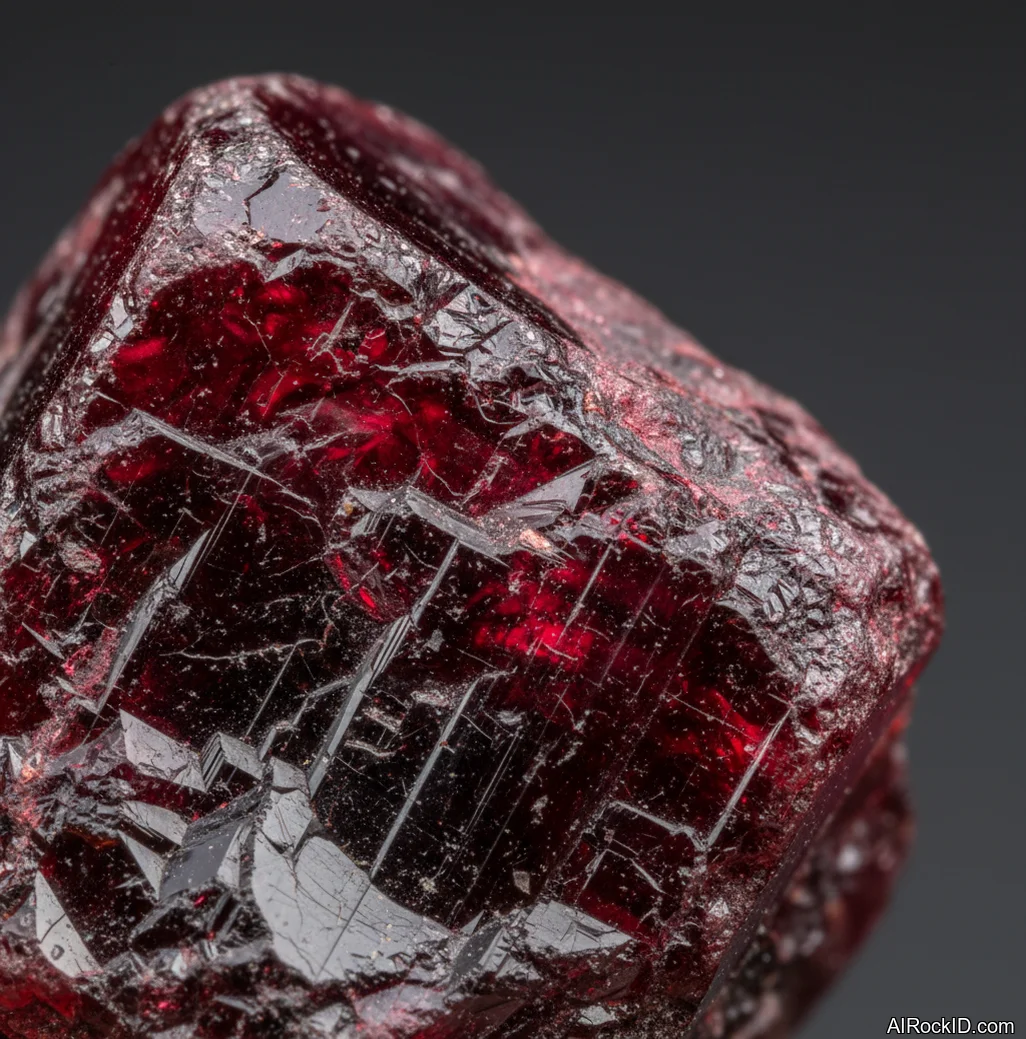
Motivation Crystals
Quick answer: Motivation crystals are stones that people associate with drive, focus, confidence, and follow-through in spiritual and mindfulness traditions. Common examples include Carnelian for initiative and Tiger’s Eye for steady confidence.
Learn about Motivation crystals, what they mean, how to use them daily, and how to choose real specimens. Includes Carnelian and Tiger’s Eye.


Motivation crystals are minerals that collectors and metaphysical users pick up when they're looking for a physical reminder to take action, stay consistent, or push through procrastination. Common examples include Carnelian, Tiger’s Eye, Red Jasper, and Pyrite. These stones are chosen for their tactile qualities and color, which people say help with momentum and follow-through. These associations come from metaphysical traditions and aren’t based on scientific or medical evidence.
Motivation crystals can’t actually force you to work or fix lack of energy. They don’t replace therapy, medication, or lifestyle changes for motivation problems.
AI Rock ID can help compare a photographed specimen with known visual traits such as color, luster, banding, and crystal habit. RockIdentifier.io provides identification support and educational context, but final verification may still require close inspection or expert review.
Good fit
- People building a small crystal set around focus, confidence, or goal-setting traditions
- Beginners who want recognizable stones such as Carnelian or Tiger’s Eye
- Collectors who prefer durable, easy-to-handle specimens for a desk, pocket, or display
- Anyone comparing crystals by symbolic meaning rather than mineral family alone
Not a good fit
- Replacing medical, mental health, or professional performance support
- Identifying an unknown stone by claimed meaning alone
- Buyers who need a rare or museum-grade specimen without lab confirmation
Most commonly confused with
- Citrine: Citrine is often linked with confidence and abundance traditions, but it is quartz and is commonly confused with heat-treated amethyst.
- Red Jasper: Red Jasper is usually opaque and earthy red, while Carnelian is typically translucent to semi-translucent orange or red-orange chalcedony.
- Yellow Jasper: Yellow Jasper is opaque and granular-looking, while Tiger’s Eye shows chatoyancy, a silky reflective band.
- Sunstone: Sunstone may show glittery aventurescence, while motivation stones such as Carnelian or Tiger’s Eye are usually identified by chalcedony translucency or fibrous chatoyancy.
AI identification confidence
AI identification is usually more reliable when the photo shows the stone in natural light with sharp focus and multiple angles. Polished tumbled stones can be harder to separate because shape, surface finish, and dyeing may hide diagnostic features.
When AI gets it wrong
- The photo is taken under warm indoor light that changes orange, red, or yellow tones
- A tumbled stone has no visible banding, translucency, or crystal structure
- The specimen is dyed, heat-treated, coated, or sold under a trade name
- Several minerals share a similar color, such as Carnelian, Red Jasper, and orange calcite
Final recommendation
Choose motivation crystals by combining appearance, durability, and the symbolic tradition you want to work with. For identification, compare color, translucency, luster, banding, and any seller-provided treatment information.
What this category represents
The Motivation Crystals tag groups minerals and gemstones that are commonly associated with drive, courage, confidence, discipline, and action in crystal-healing and mindfulness traditions. This tag describes cultural and symbolic uses rather than scientifically proven effects.
Beginner recommendations
Advanced recommendations
Motivation Crystals and Color Symbolism
Many motivation crystals are red, orange, yellow, or golden-brown, colors that are traditionally linked with action, vitality, confidence, and willpower. Color symbolism varies by culture and practice, so it should be treated as interpretive rather than scientific identification.
Natural, Treated, and Dyed Motivation Stones
Some stones sold for motivation-related uses may be natural, heat-treated, dyed, or coated. Treatment does not always make a stone unsuitable for personal use, but it affects value, durability, and accurate identification.
Care and Storage for Motivation Crystals
Hard quartz-family stones such as Carnelian and Tiger’s Eye are generally suitable for regular handling, but they can still chip if dropped. Store polished stones separately from softer minerals, and avoid harsh chemicals or prolonged direct sunlight when treatment status is unknown.
What Are Motivation Crystals Used For?
Motivation crystals come into play when pure willpower is running low. I see people reach for them on days their mind’s buzzing but their body won’t budge. It’s not about magic—it’s about giving yourself a small, physical cue. You set that stone by your keyboard, or slip it in your pocket, and it stares you down until you finally type the first sentence or tick the first box. For a lot of users, it’s the ritual that matters. The act of choosing a stone, feeling its weight in the hand, and setting an intention. You can’t fake the cool, steady heft of a good Tiger’s Eye. The polish shines even in low light. Roll it between your fingers for a minute and it almost feels like you’re charging up a battery. Some people swear by Pyrite cubes, especially those with sharp, natural edges. They sit squat on your desk like they’re daring you to quit. Motivation crystals are picked for days when your focus evaporates, your to-do list grows teeth, and you just need a nudge—not a shove.
Physical Properties and Identification of Motivation Crystals
Pick up a piece of Carnelian and check for that waxy surface. Genuine stones hold coolness longer than glass and show faint cloudiness or banding under a lamp. The trick with Carnelian is spotting dyed agate: look at the drill holes or cracks—color settles there and gives it away. Tiger’s Eye throws off a banded flash (chatoyancy) that shifts under light. The best cabs flash tightly, not in a muddy smear. Pyrite feels heavier than it looks. Raw cubes leave a faint black streak if you drag one corner across unglazed porcelain, which fools synthetic imitations. Red Jasper tends to be dense and takes a matte polish unless it's been oiled up. Most beginners can tell the difference with a side-by-side test, but lighting and weight are the real tells. Cheap fakes will warm up in your hand too quickly and often look just a little too perfect. Always ask the dealer if you’re not sure—good ones don’t mind a few questions.
How Motivation Crystals Are Used in Practice
People treat Motivation crystals almost like little totems. Some drop a chunk of Carnelian in their gym bag, others line up a row of tumbled stones on a windowsill to mark progress. Tiger’s Eye is the one I recommend for folks who start strong but fade fast; it works well as a pocket stone because the polish won’t scratch against keys or coins. Pyrite works best as a paperweight or desk piece. Its sharp corners and metallic heft help it stay put, which is more useful than you’d think when you need a physical prompt to tackle paperwork. Red Jasper’s got a calming, grounding feel that’s good for when nerves edge into anxiety instead of just plain laziness. The real trick is consistency: carrying the same stone every time you tackle a hard task, or putting it in the same spot so your brain links the stone to action. It’s not about believing the stone will do the work. It’s about making the first step a bit less slippery.
Motivation Crystal Buying Tips and Common Pitfalls
Most problems crop up with fakes or low-grade tumbling jobs. Dyed carnelian is everywhere—watch for spots where the color pools unnaturally or seems neon. Tiger’s Eye sometimes gets heat-treated to boost the gold; natural pieces show more subtlety and less glassy shine. Pyrite cubes from Spain usually have cleaner edges than Peruvian ones, but both types are real—just different habits. If your Pyrite leaves gold dust on your fingers, it’s probably crumbling due to poor storage or fake coating. Red Jasper can be confused with brick or colored resin. The surest test is to check the grain under a loupe or scrape a fresh edge. Always buy from shops that let you handle the stones. Online, ask for unfiltered daylight photos and close-ups of any drill holes or cracks. Stones for Motivation don’t need to be perfect, but they shouldn’t feel plastic or look like cheap glass.
Best Motivation Crystals to Start With
| Level | Crystal | Note |
| Gentle / Beginner | Red Jasper | It’s affordable, tough, and doesn’t need coddling—good for pockets, bags, or fidgeting during a rough day. |
| Balanced / Everyday | Carnelian | The color pops, but the energy isn’t frantic. Works for daily routines and sits well on a desk. |
| Intense / Advanced | Pyrite | Sharp, heavy, and metallic—great if you want a physical jolt to shake up your workspace. |
| Best for Carrying | Tiger’s Eye | Polished stones resist scratches, and the shifting flash catches your eye throughout the day. |
| Best for Display | Pyrite | Natural cubes stand out in any collection and draw attention on a shelf or desk. |
Motivation Crystal Comparison
| Crystal | Common Use | Feel / Use Style | Care Caution |
| Carnelian | Boosting action, overcoming sluggishness | Smooth, stays cool, slight waxiness, faint banding under light | Watch for dyed agate; avoid soaking |
| Tiger’s Eye | Discipline, steady progress, finishing tasks | Dense, strong flash when tilted, mirror polish on good pieces | Don’t ultrasonic clean; fibers may fracture |
| Pyrite | Quick motivation, breaking inertia, “kickstart” moments | Heavy, metallic, sharp corners on cubes | Fragile at edges; store dry to prevent rust |
| Red Jasper | Gentle encouragement, stamina, grounding | Matte polish, dense, solid feel, sometimes streaky | May be oiled; wipe clean if surface feels greasy |
How to Identify Motivation Crystals with AI Rock ID
To ID a Motivation crystal with the AI Rock ID app, snap a clear photo in daylight—window light works best. Take one shot of the whole stone and another close-up of the surface or any banding. Upload those images and compare the app’s result to your stone’s hardness (try a scratch test if you’re not sure), luster, and streak color. The app’s best at spotting obvious fakes, but for tricky cases, always double-check with a dealer or collector group.