Focus Crystals
Quick answer: Focus crystals are stones that people associate with concentration, mental clarity, organization, and steady attention in crystal-healing traditions. They are often chosen for desks, study spaces, meditation, or daily routines, but they should not be treated as a substitute for medical, psychological, or educational support.
Learn how Focus crystals are used for concentration and clarity, plus tips for choosing, buying, and working with Focus crystals safely.


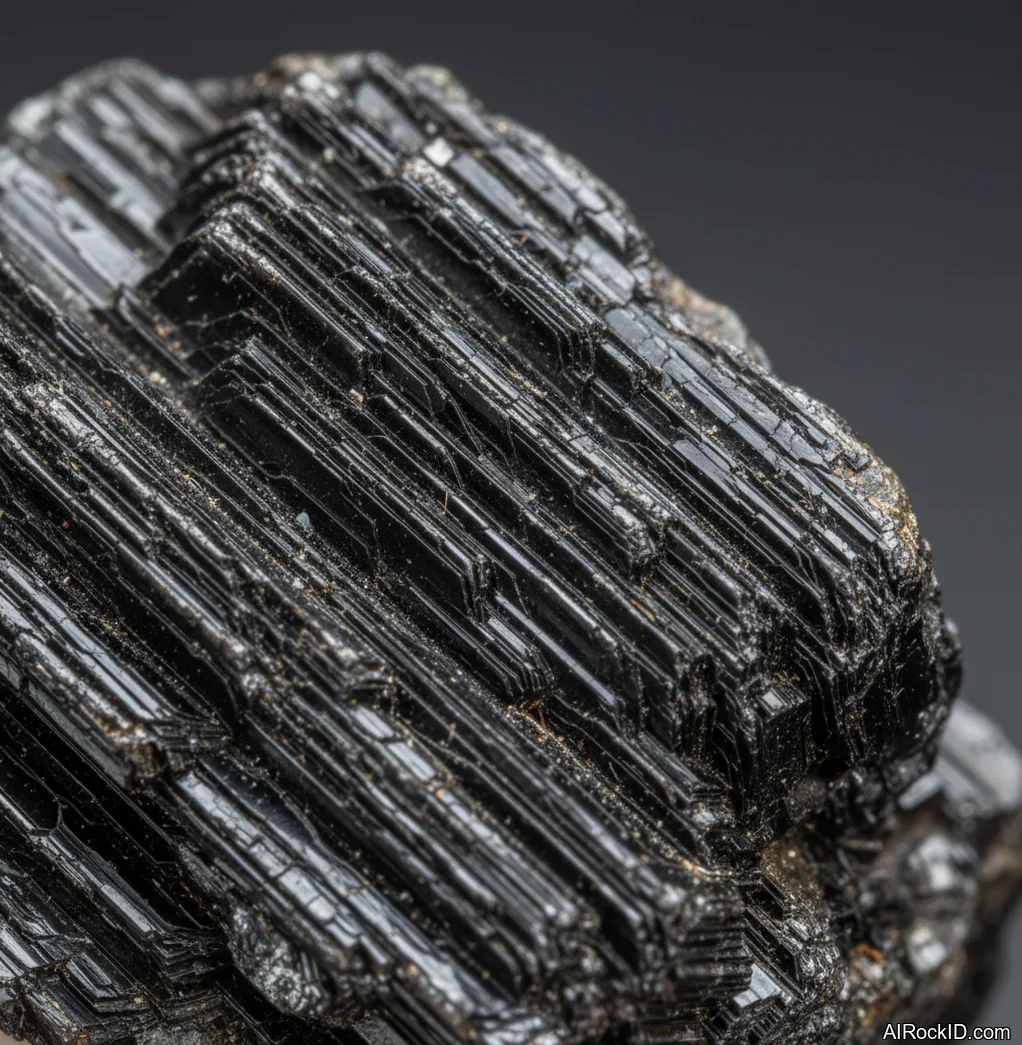
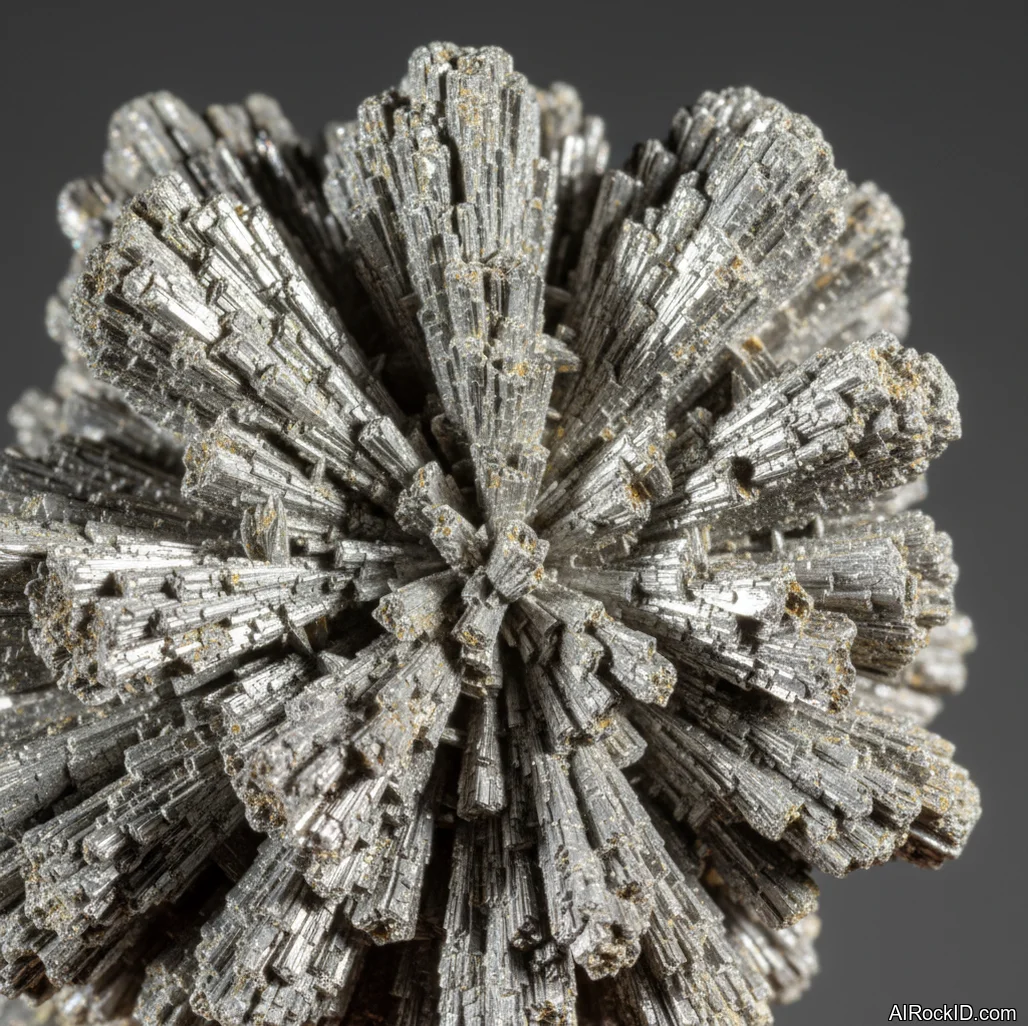
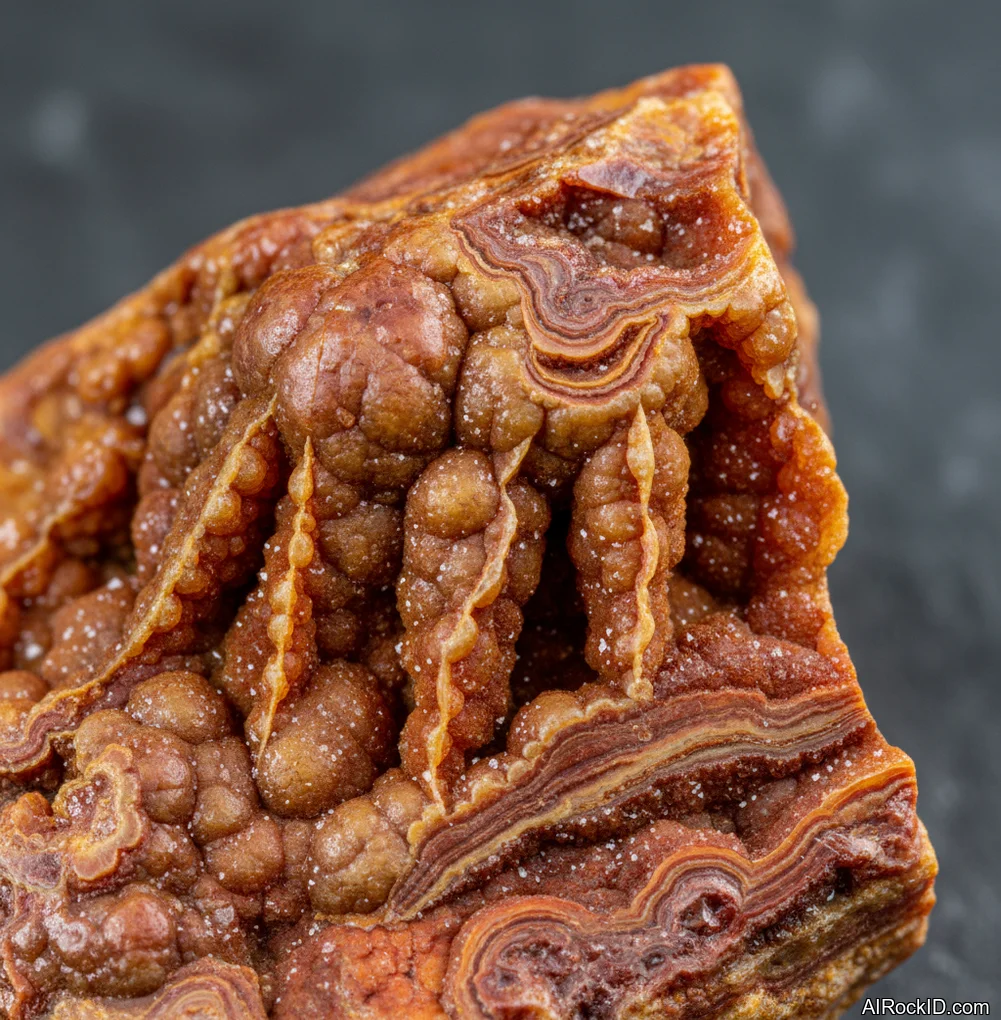
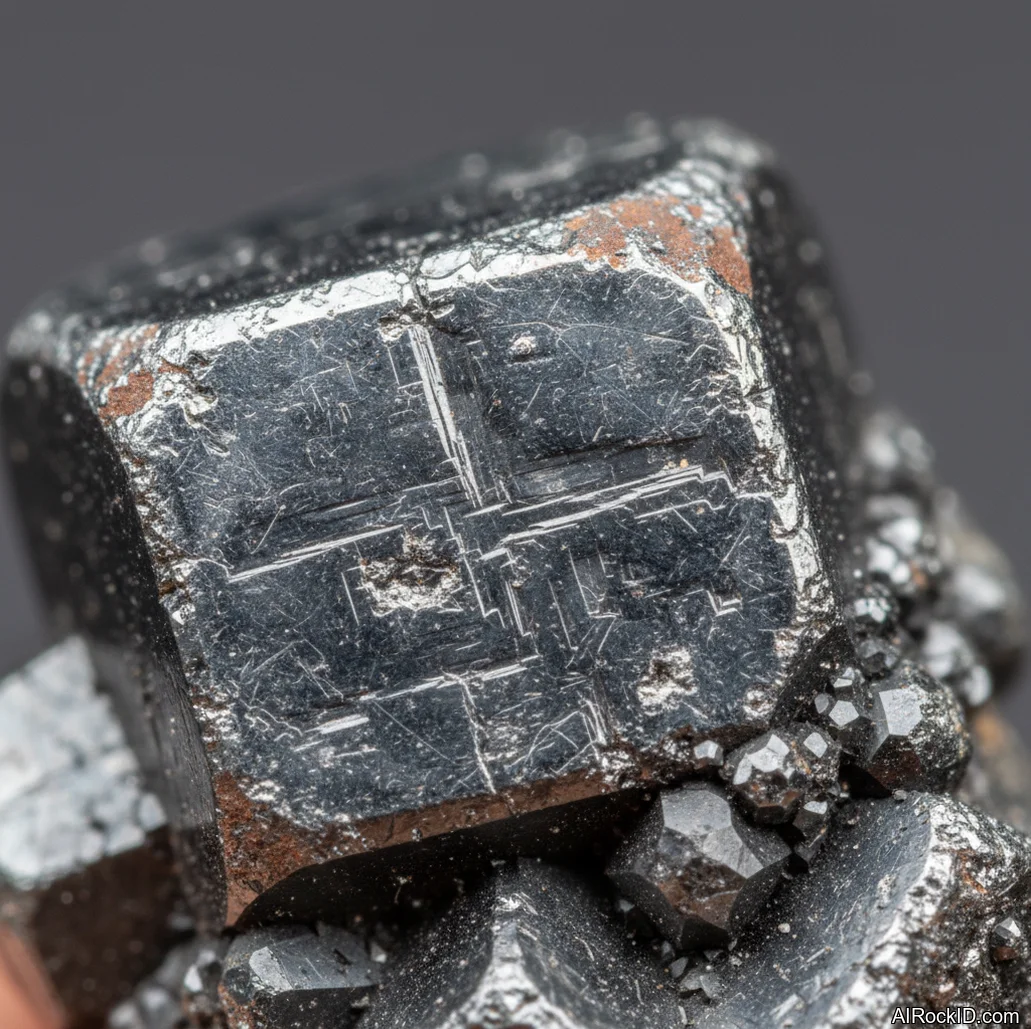
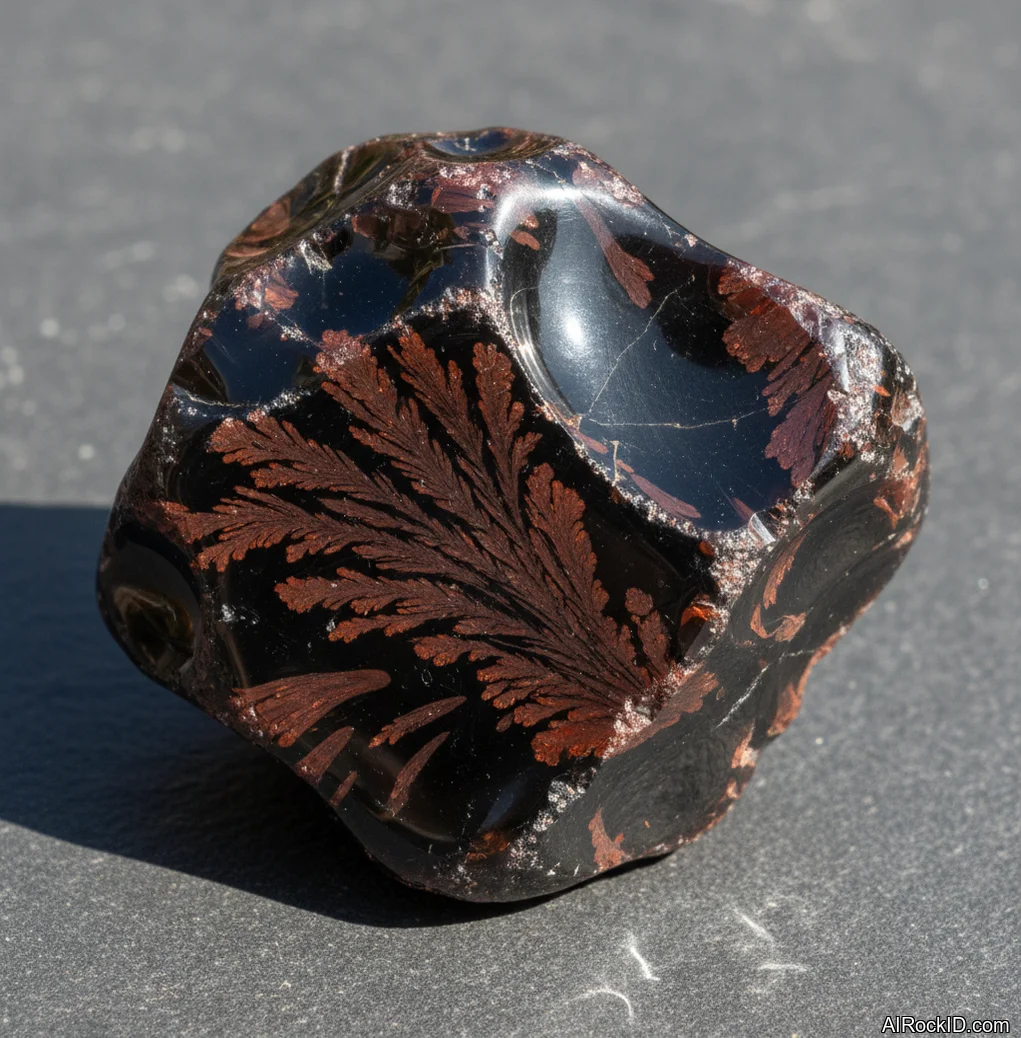
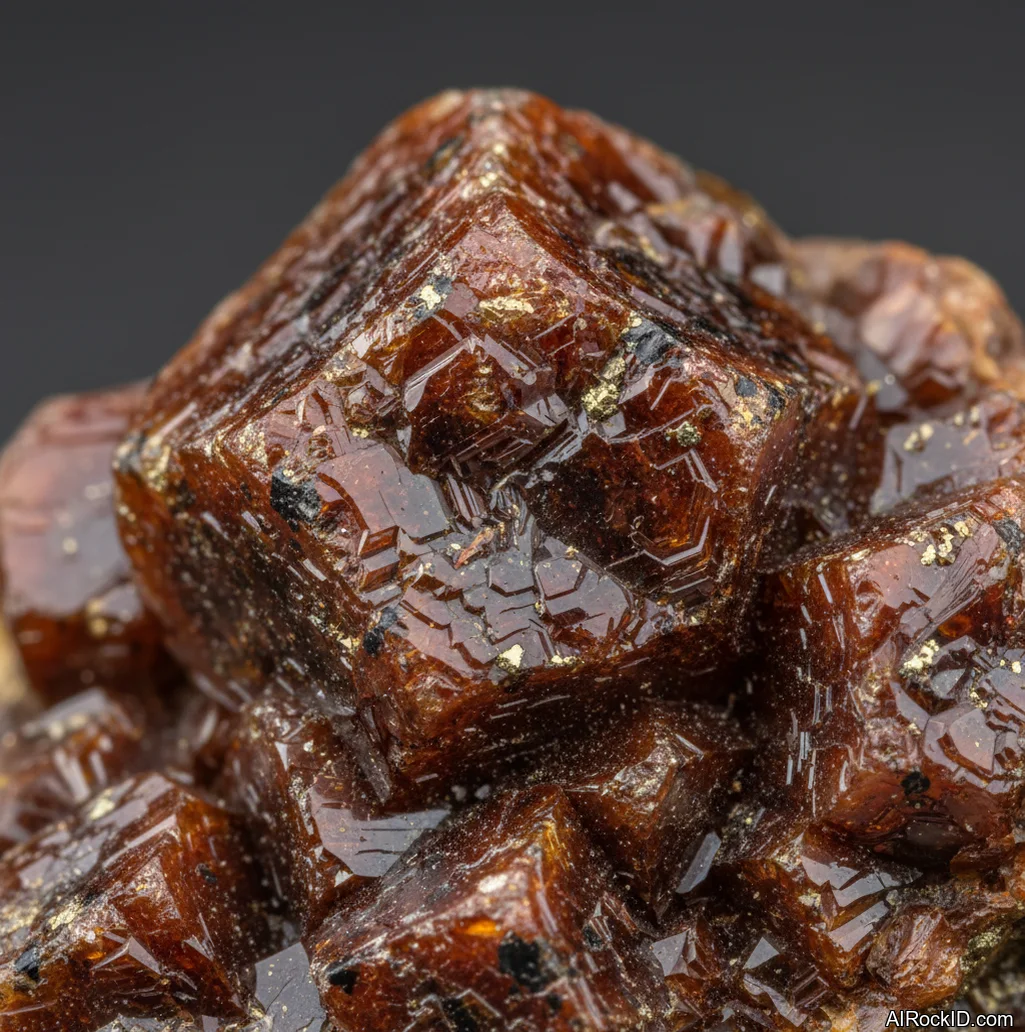
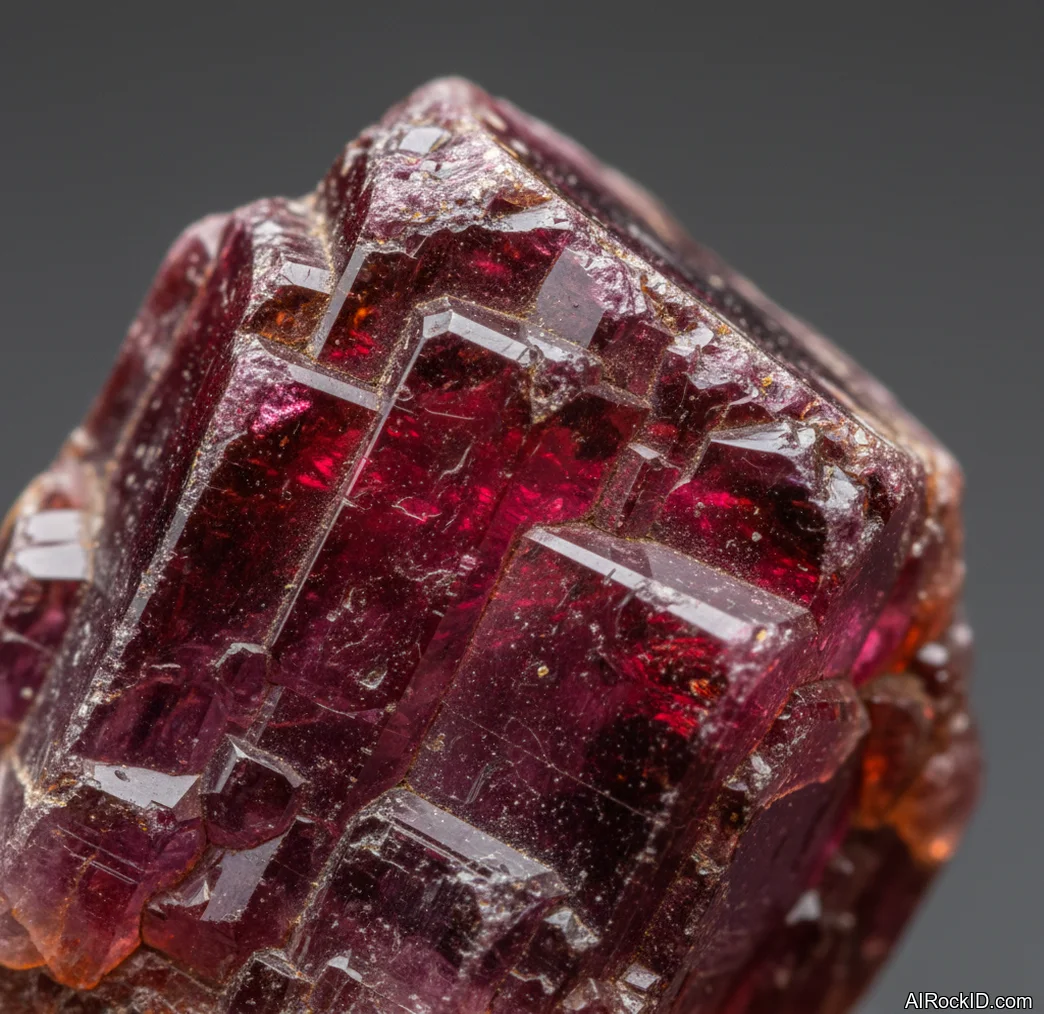
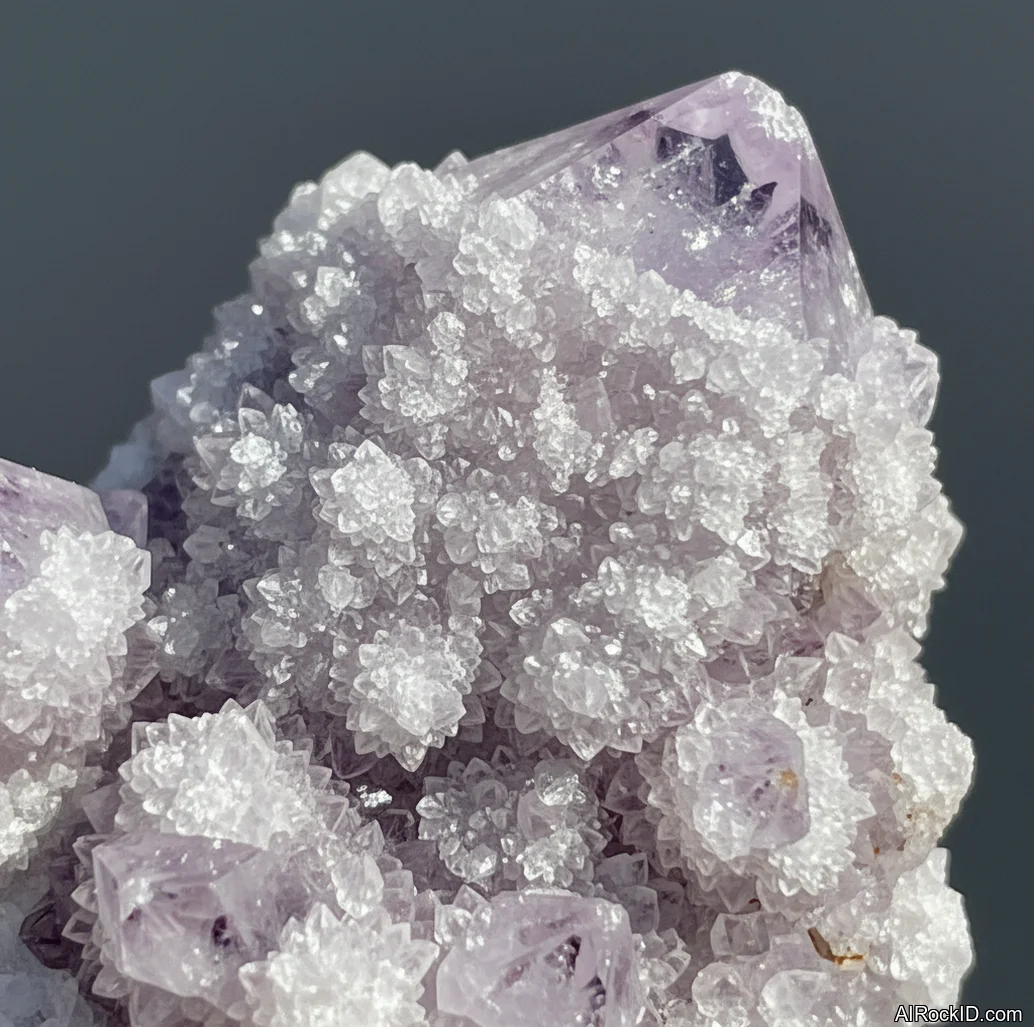
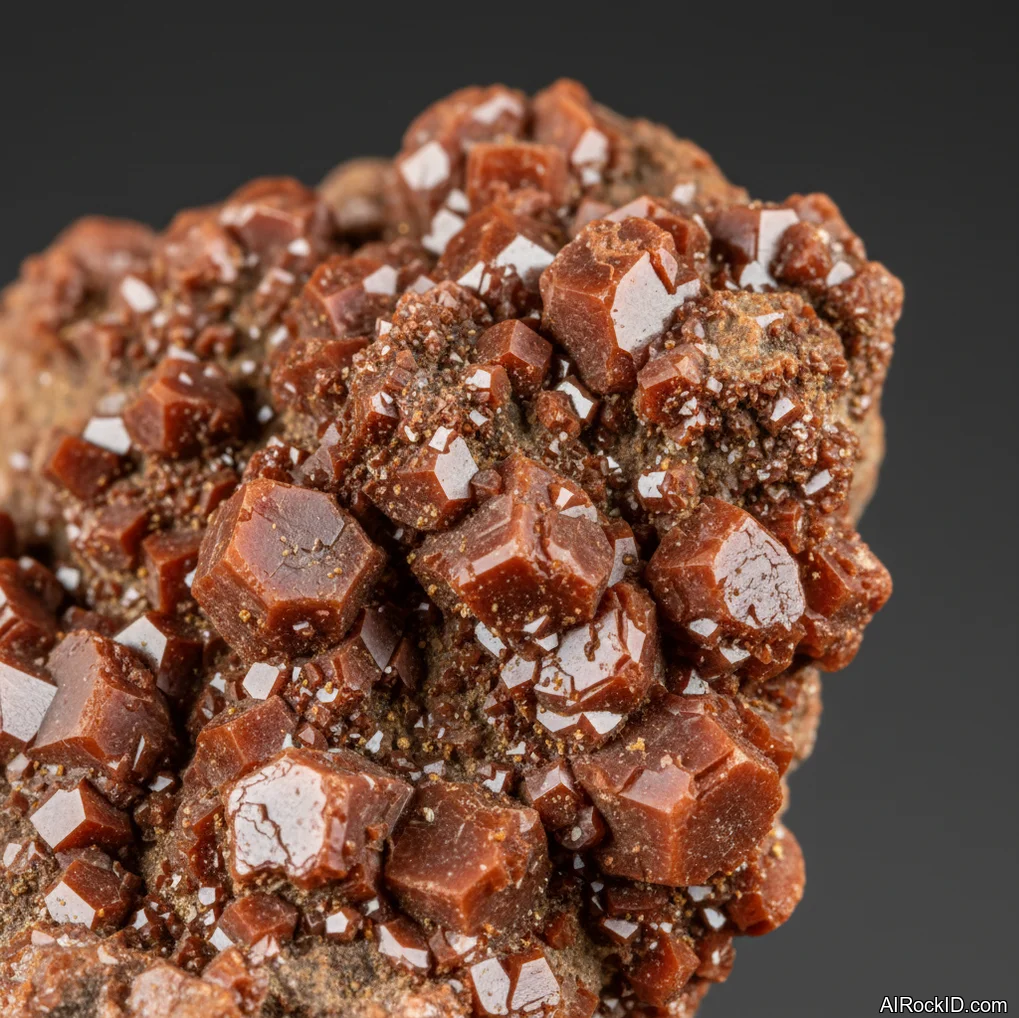
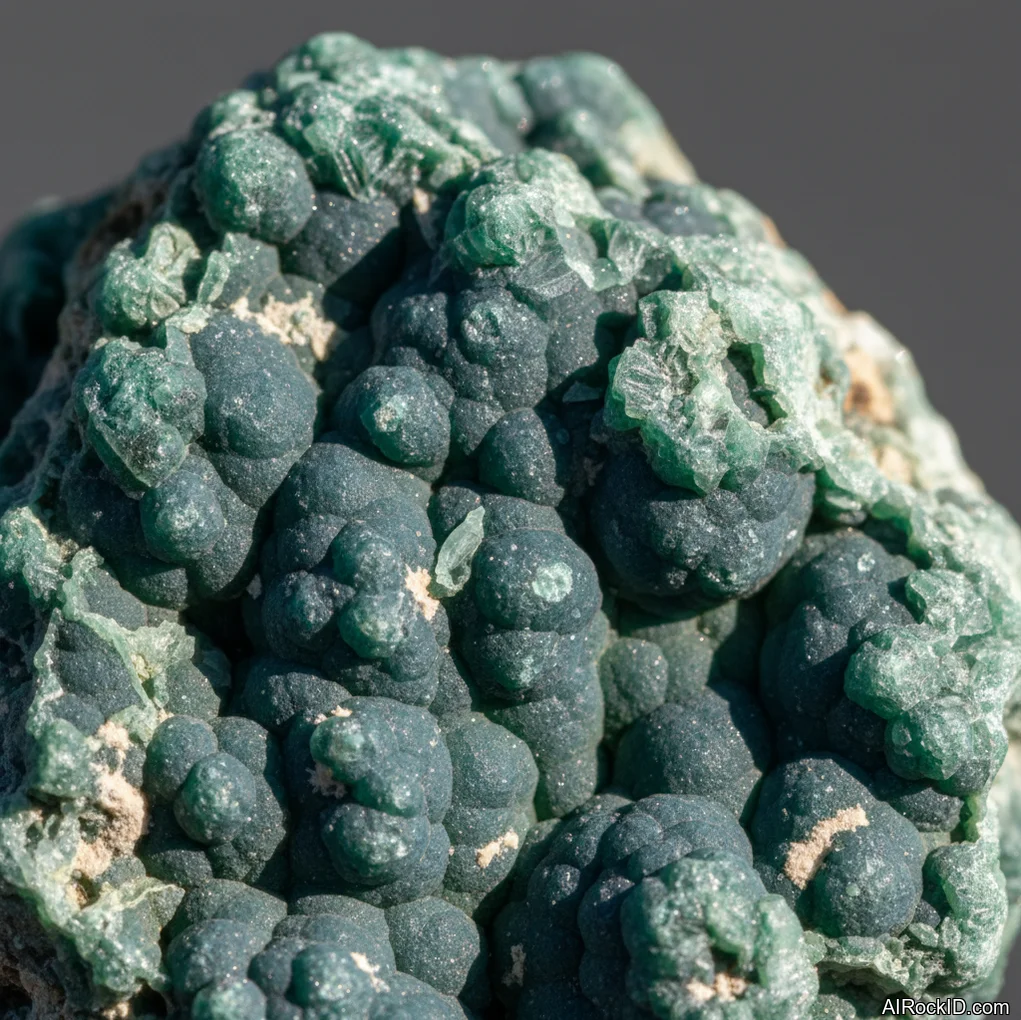
Focus crystals are minerals commonly used in metaphysical practices to help support mental concentration, clarity, and reduced distraction. Popular examples include fluorite, hematite, smoky quartz, and clear quartz, each chosen for their physical structure and sensory feel in hand. Collectors and practitioners select these stones for tasks like studying, meditation, or work sessions where attention wanders. These associations come from metaphysical traditions and are not medical claims.
Focus crystals won't cure ADHD, replace medication, or guarantee productivity. They're not a substitute for professional help with focus or mental health issues.
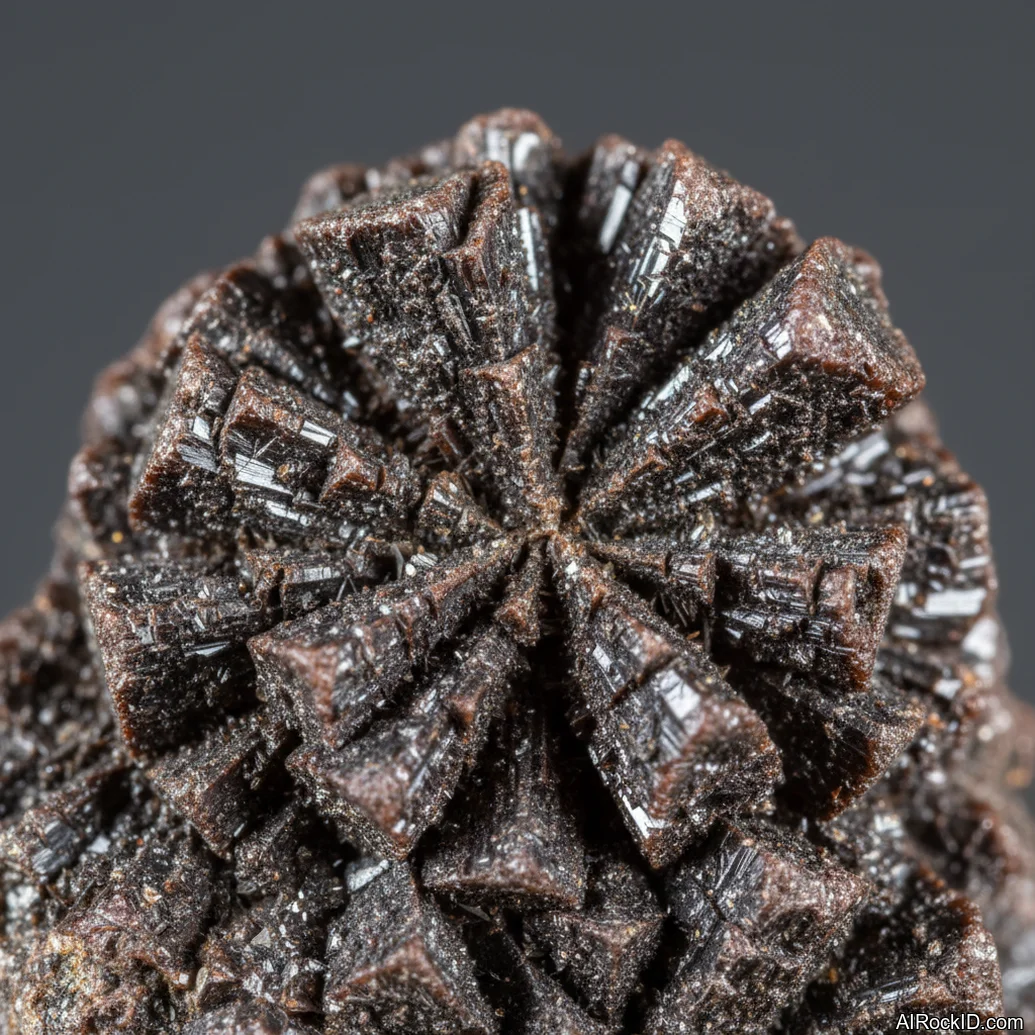
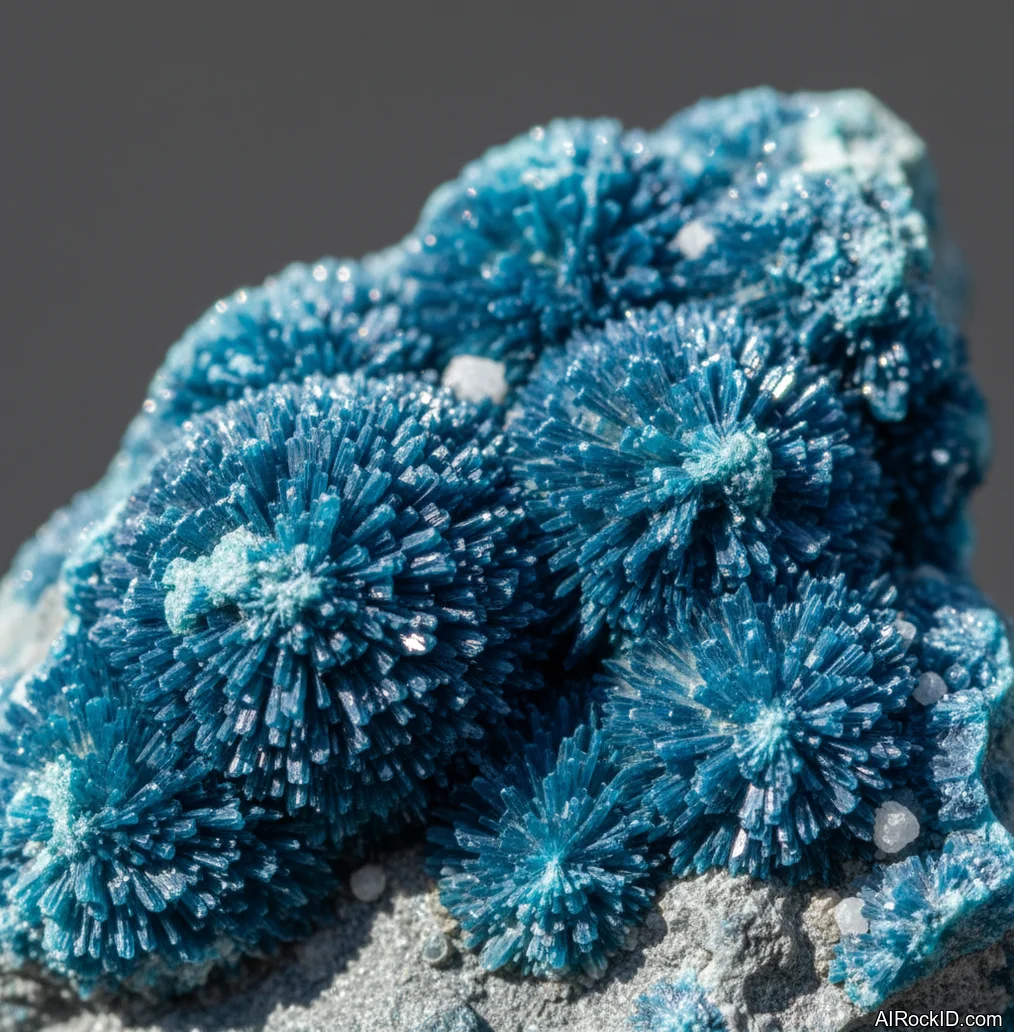
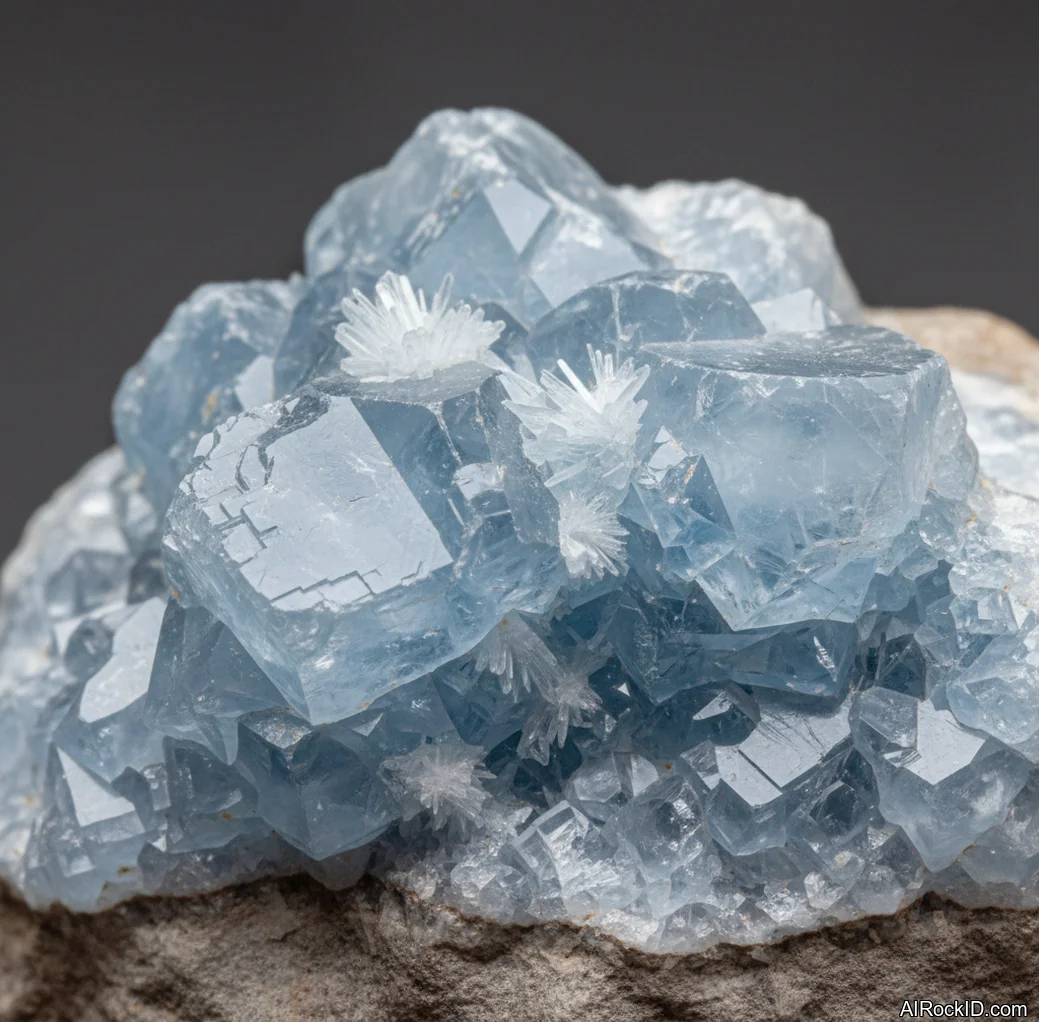
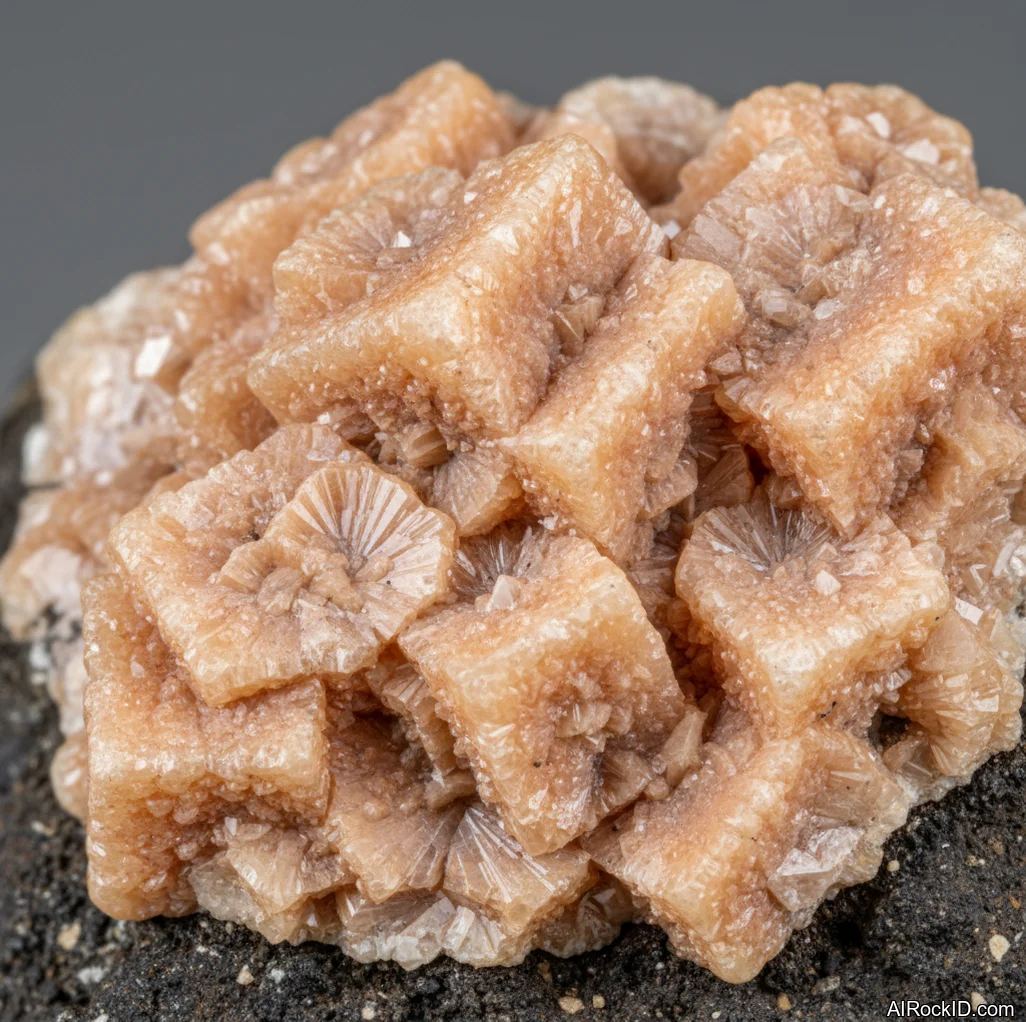
AI Rock ID can help compare a photographed specimen with known visual patterns, colors, and textures that appear in common focus-related crystals. RockIdentifier.io provides crystal identification and reference information that can support safer buying, collecting, and learning.
Good fit
- People building a study, work, or meditation stone set
- Beginners who want crystals traditionally linked with clarity and attention
- Collectors comparing color, luster, transparency, and form across related stones
- Gift shoppers looking for a theme based on concentration or organization
Not a good fit
- Anyone expecting crystals to diagnose or treat attention-related conditions
- Buyers who need guaranteed natural, untreated material without lab verification
- Children or pets if the stone is small, brittle, toxic, or water-soluble
Most commonly confused with
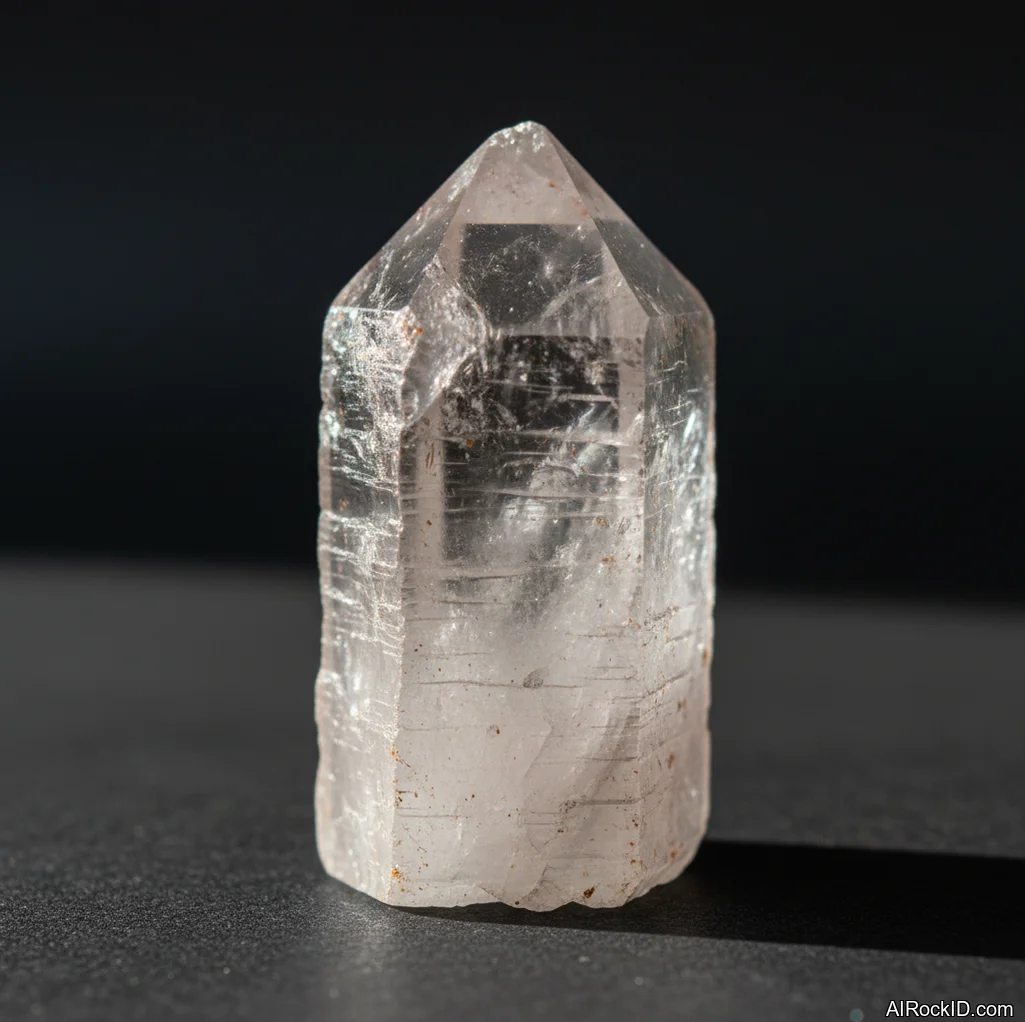
- Clear Quartz: Often grouped with focus stones because of its clear appearance, but it is a broad quartz variety rather than a single-purpose category.
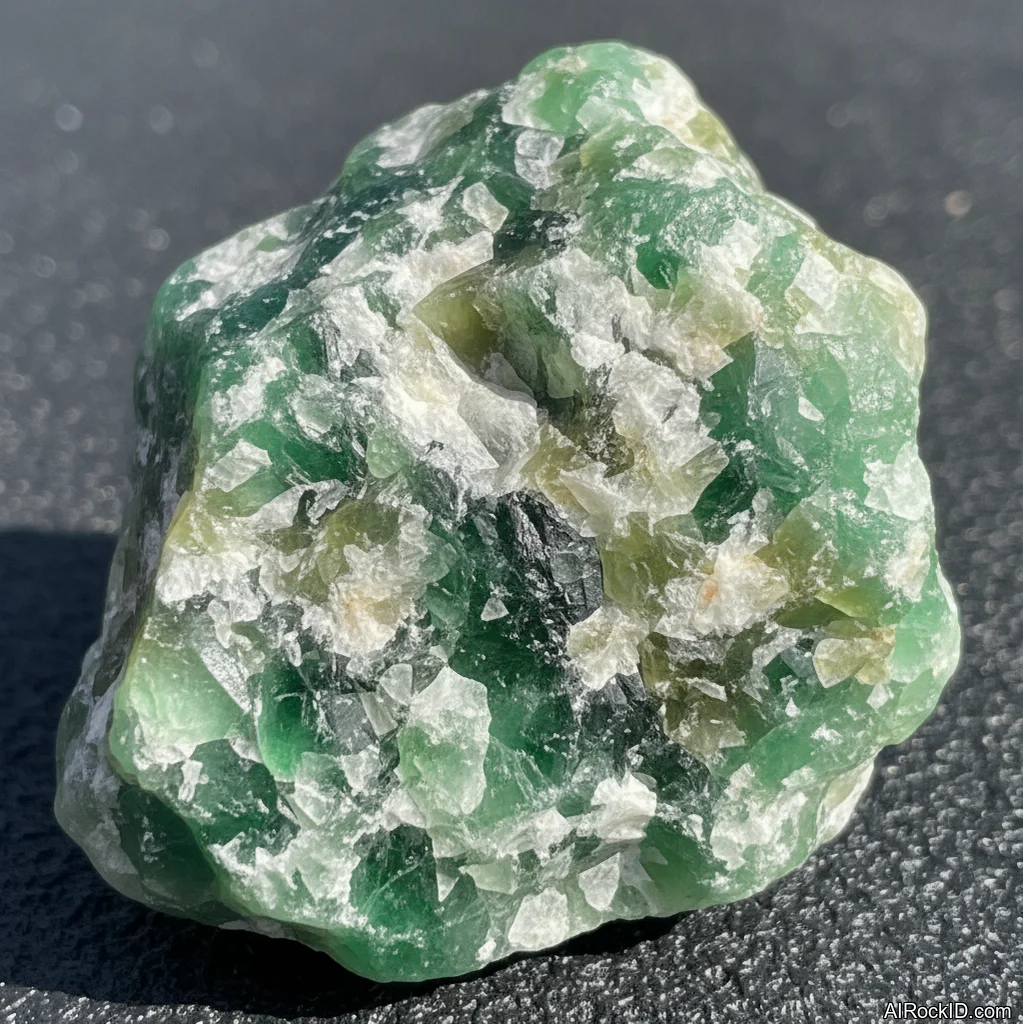
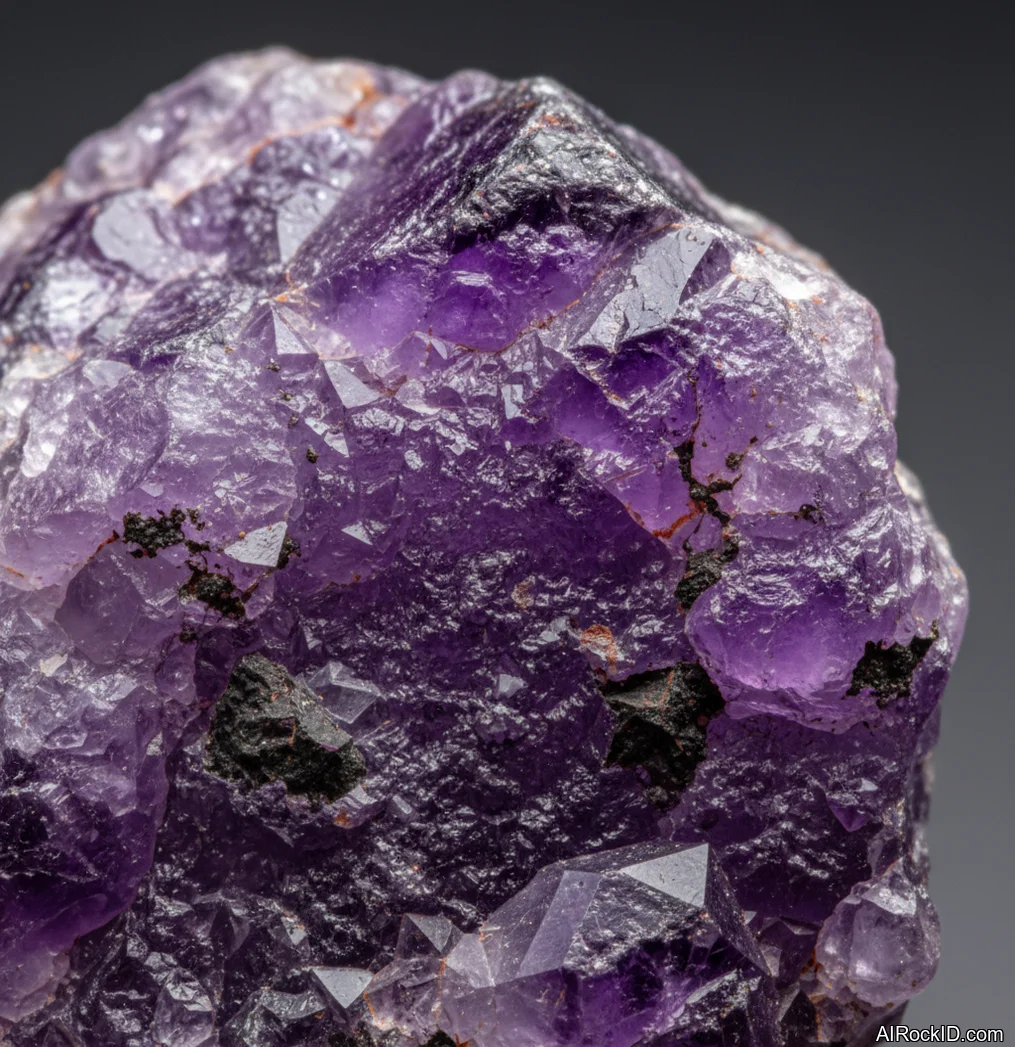
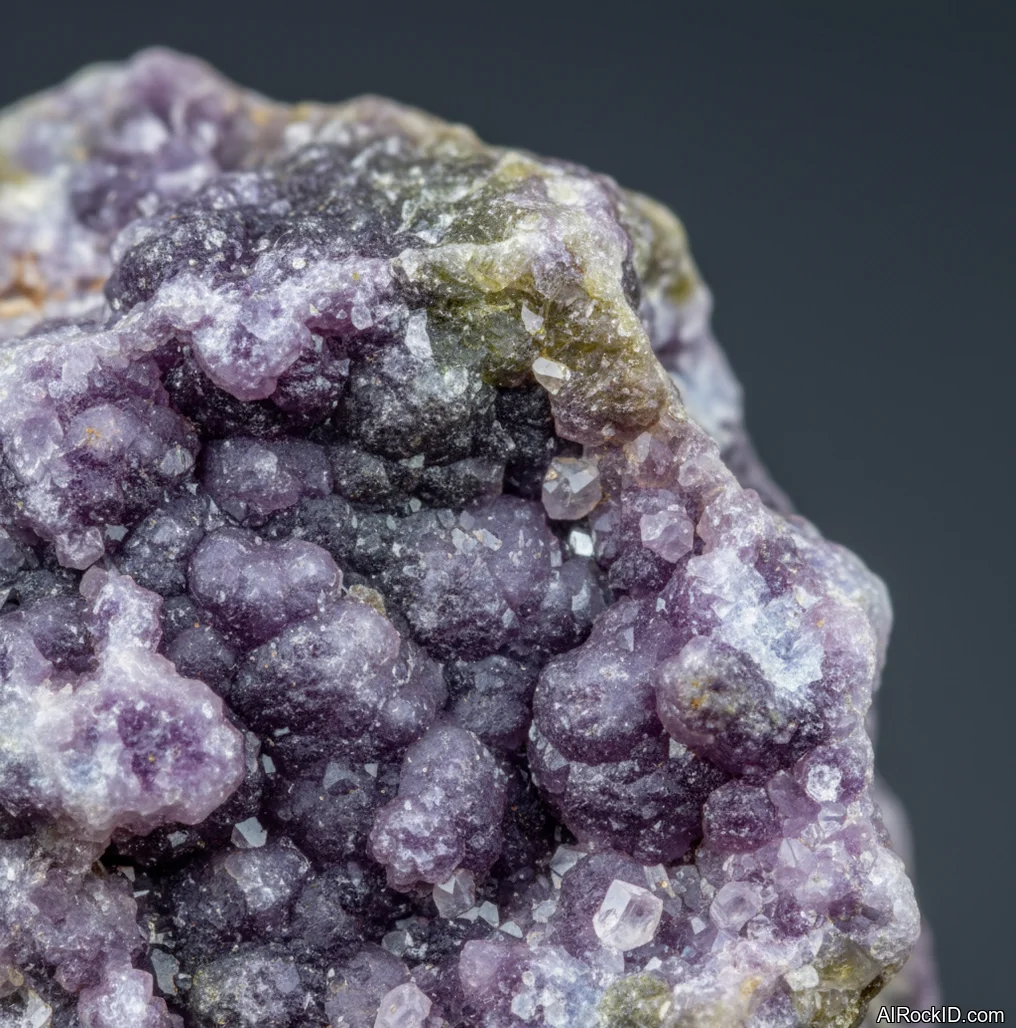
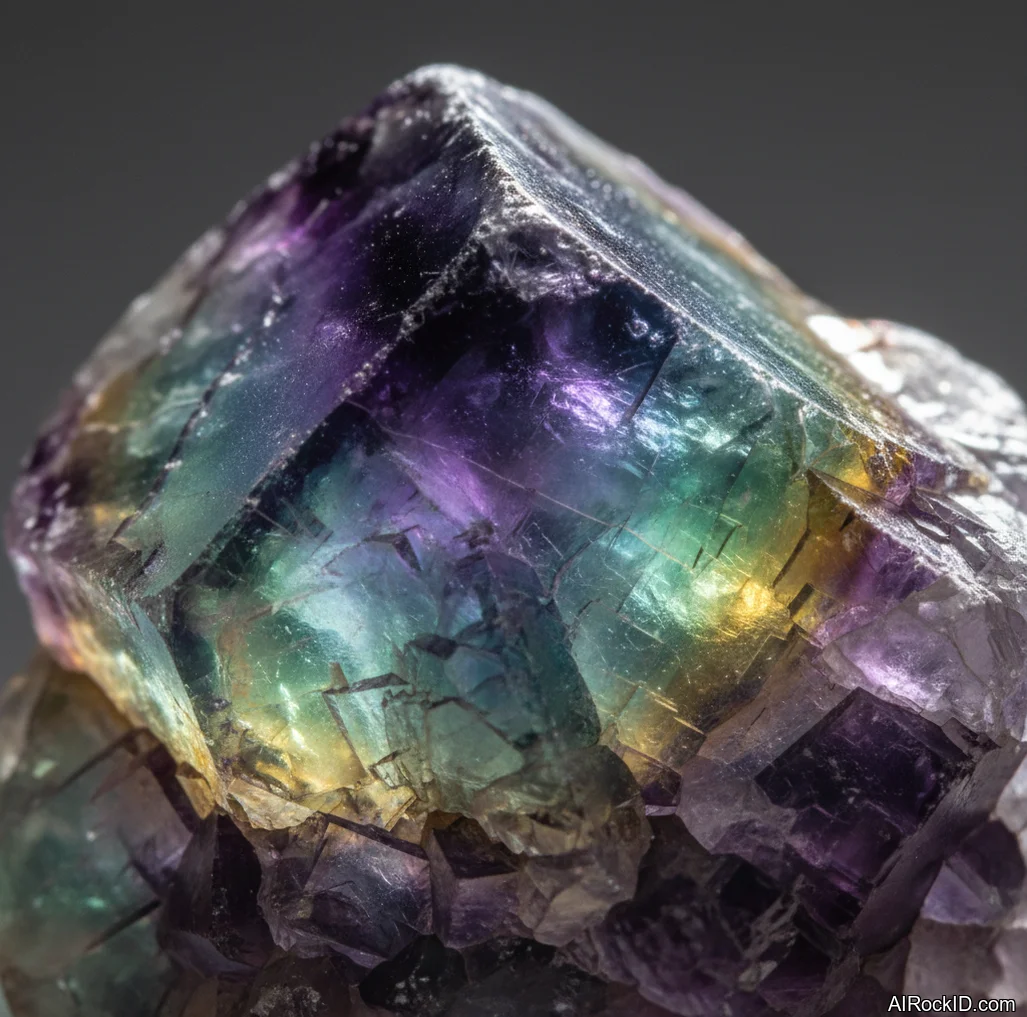
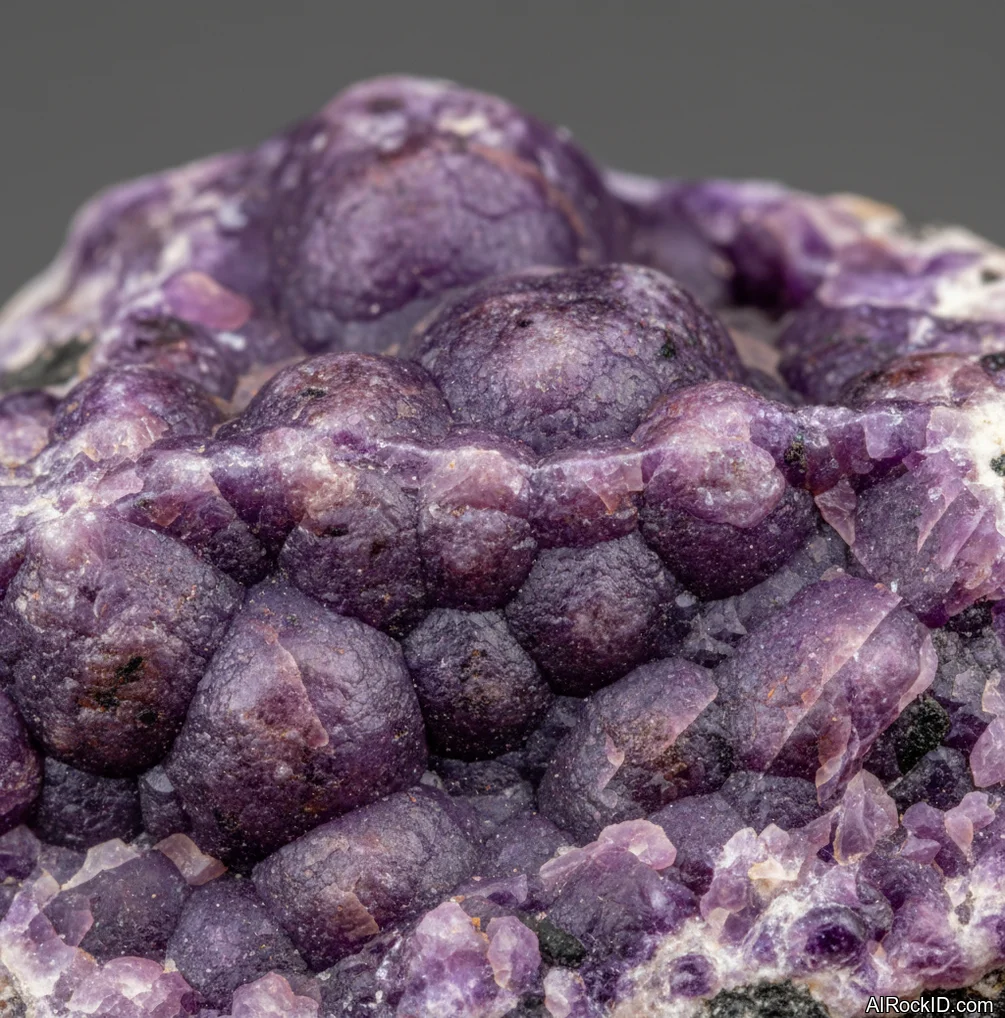
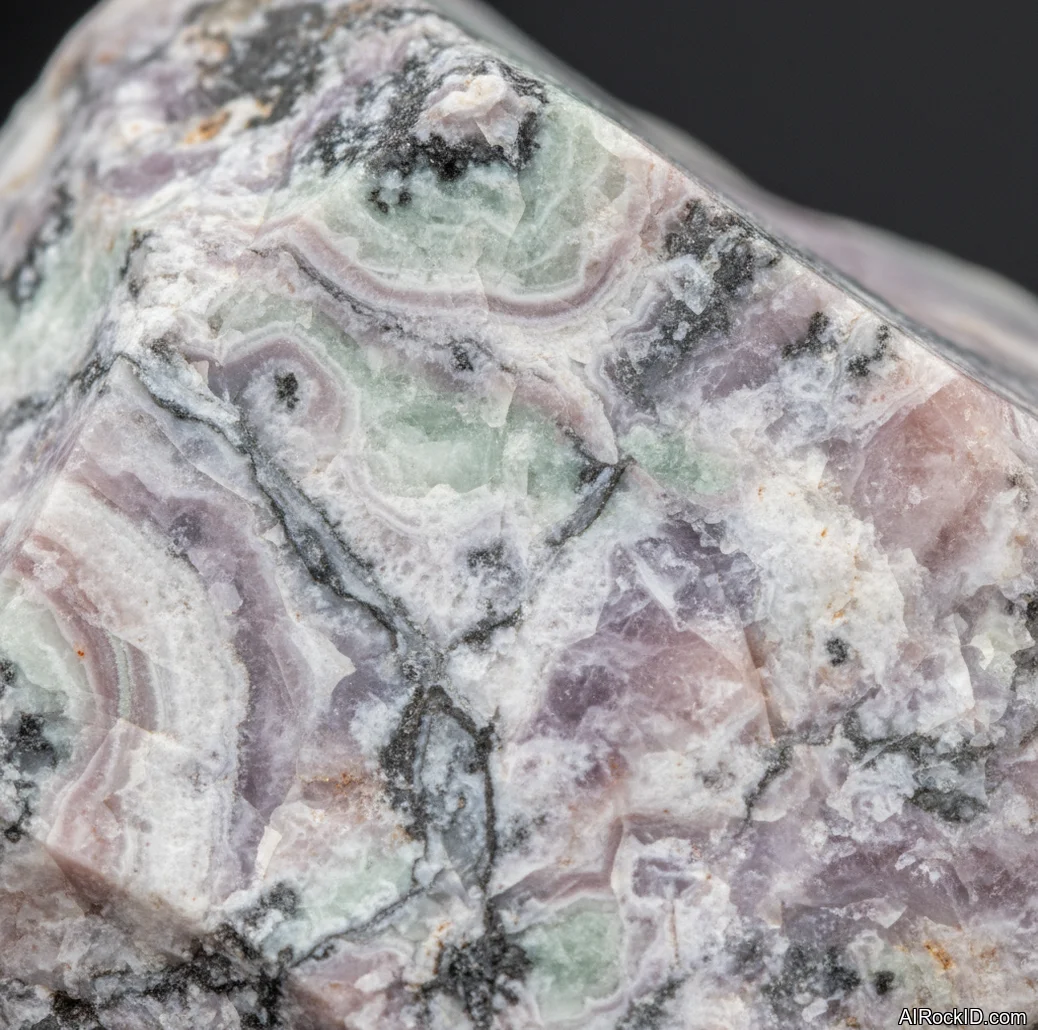
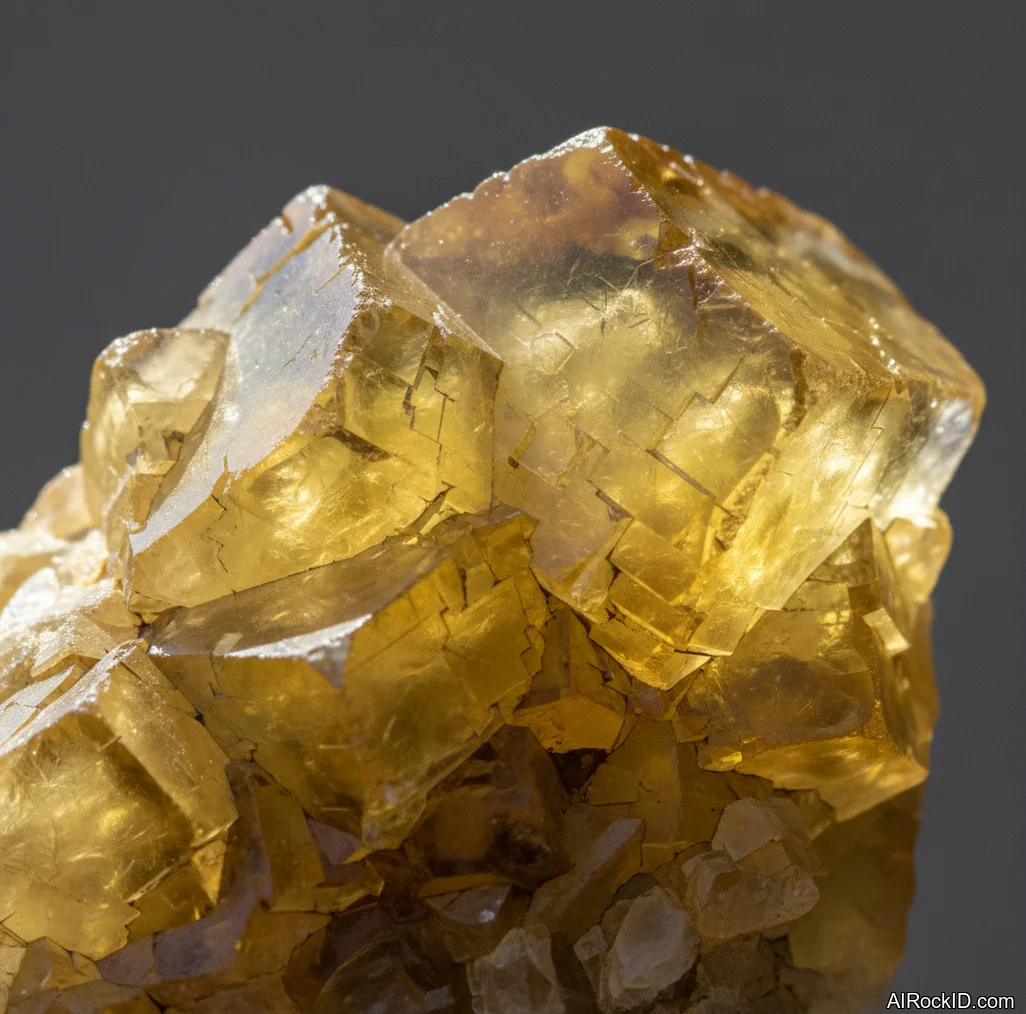
- Fluorite: Popular in focus traditions and easy to confuse with other colorful transparent minerals; fluorite is softer than quartz.
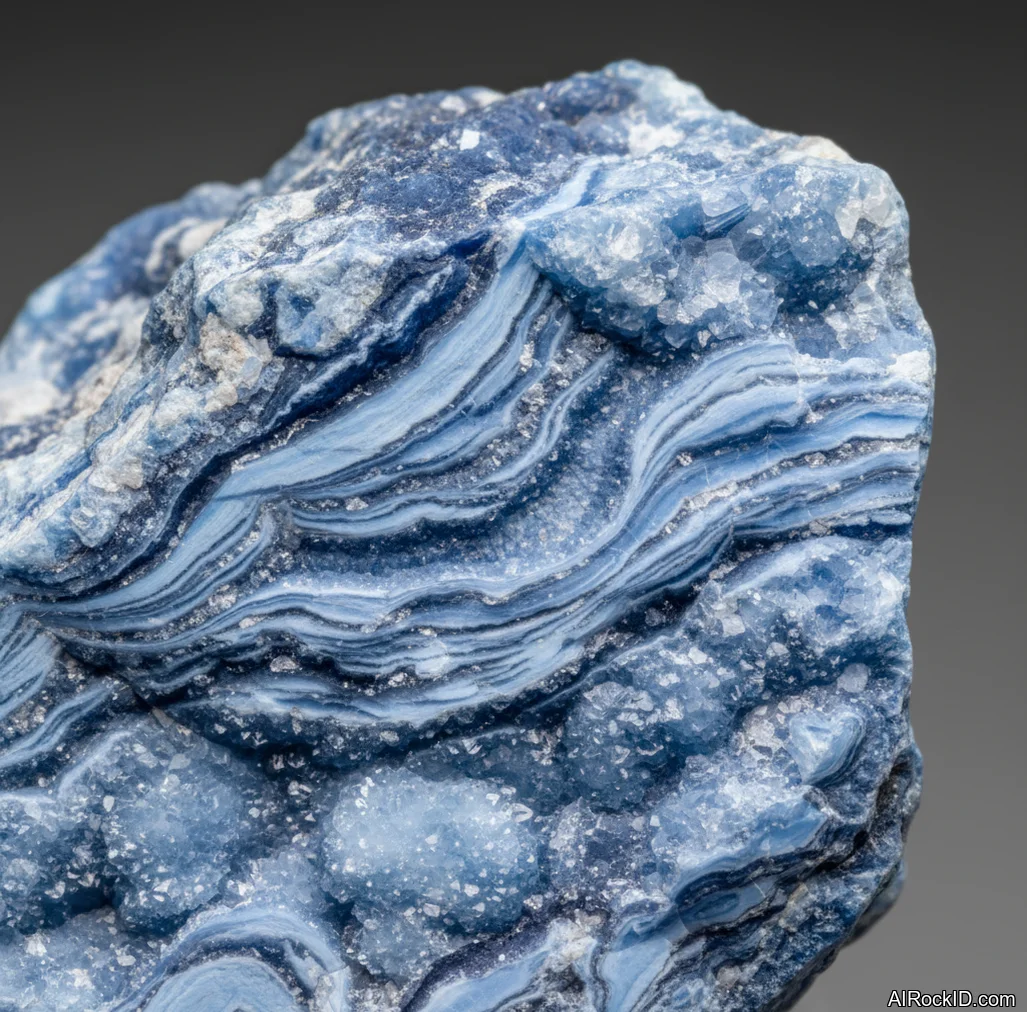
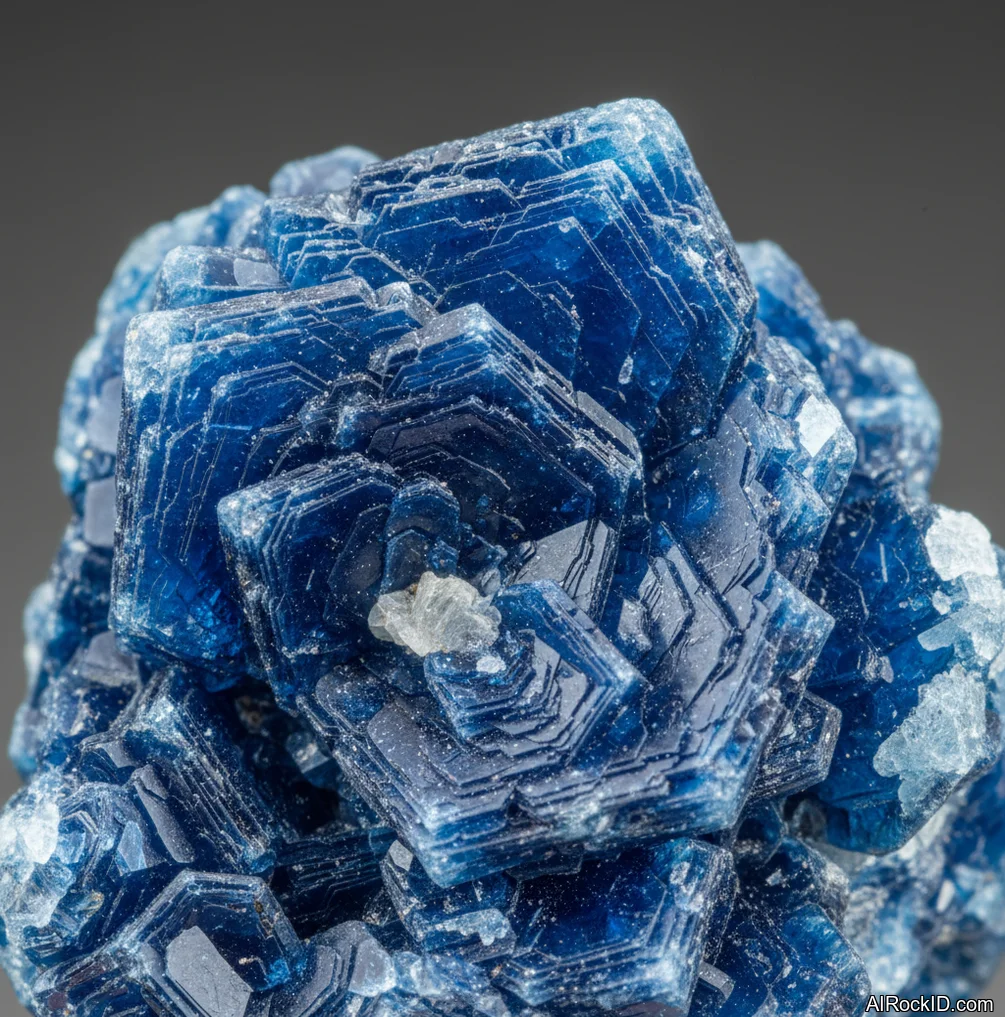
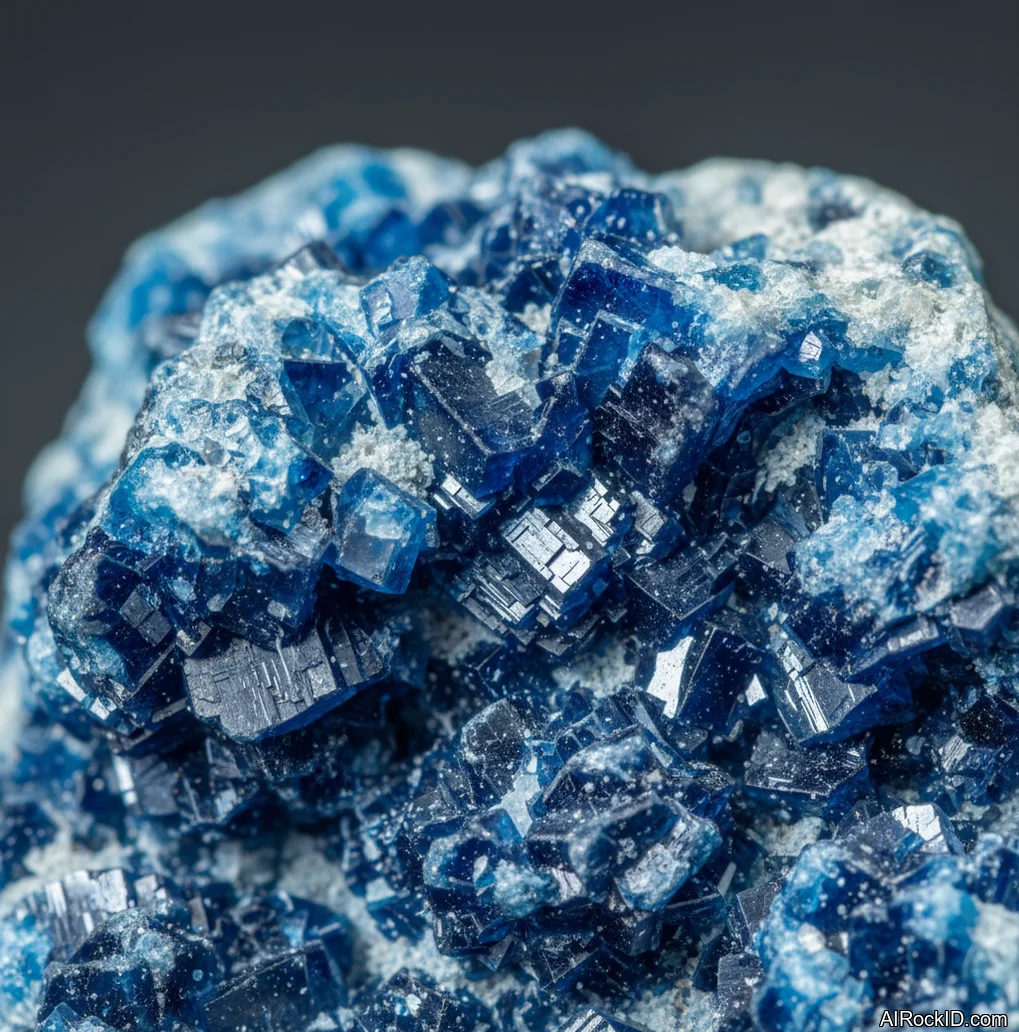
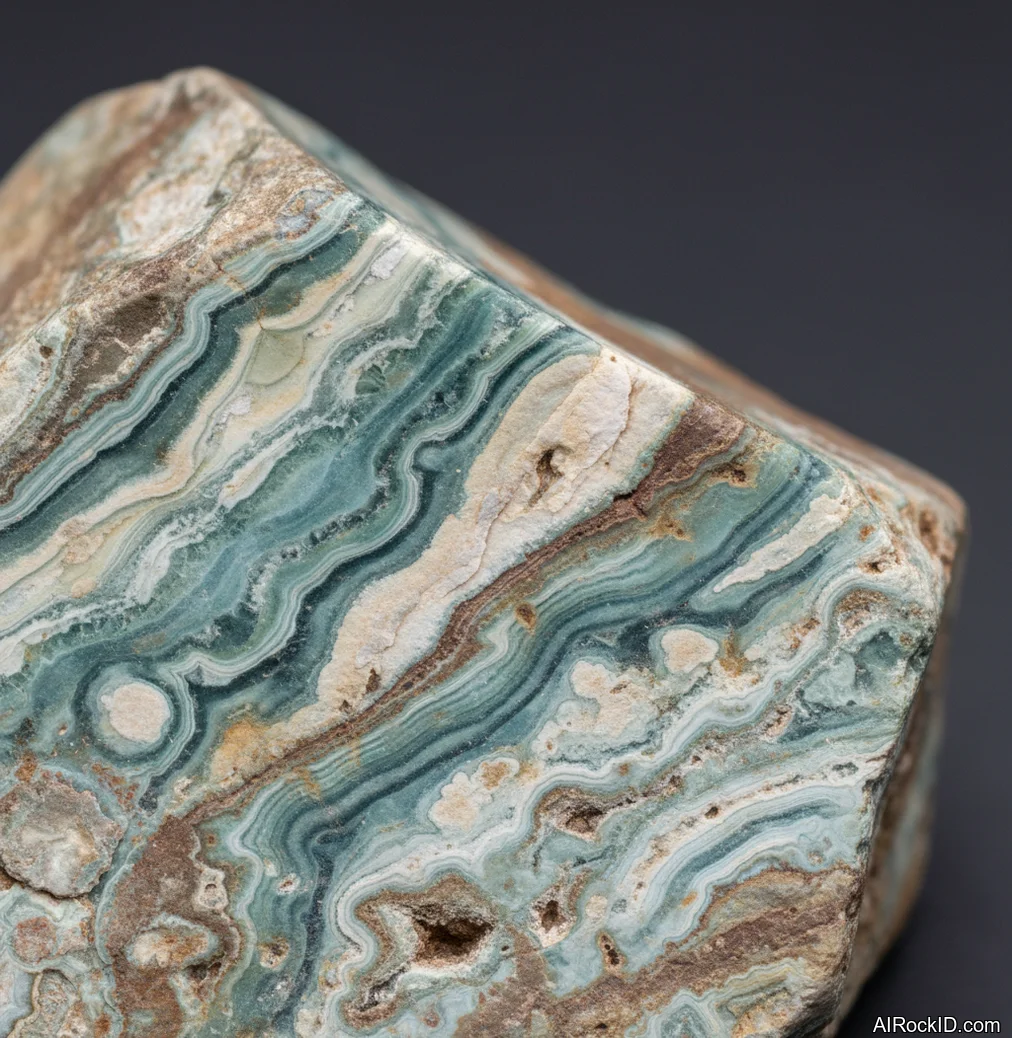
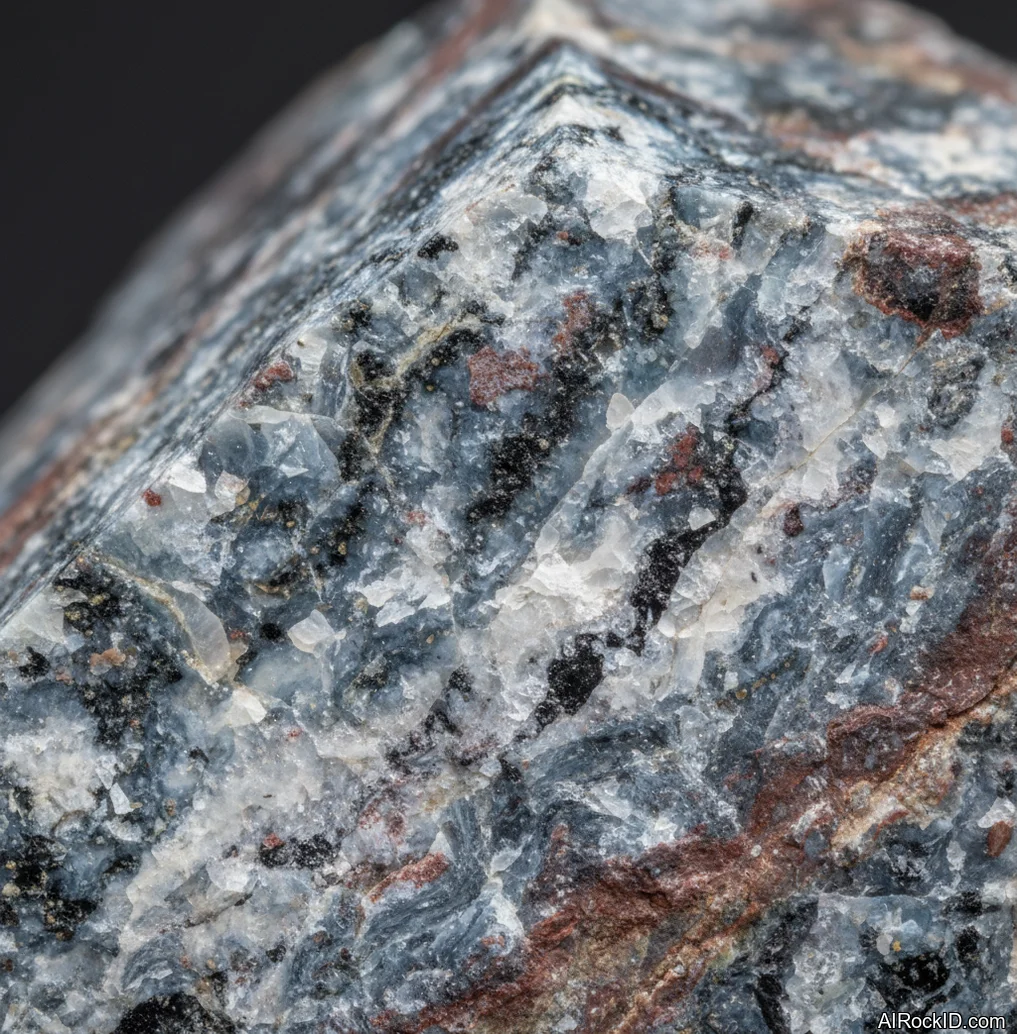
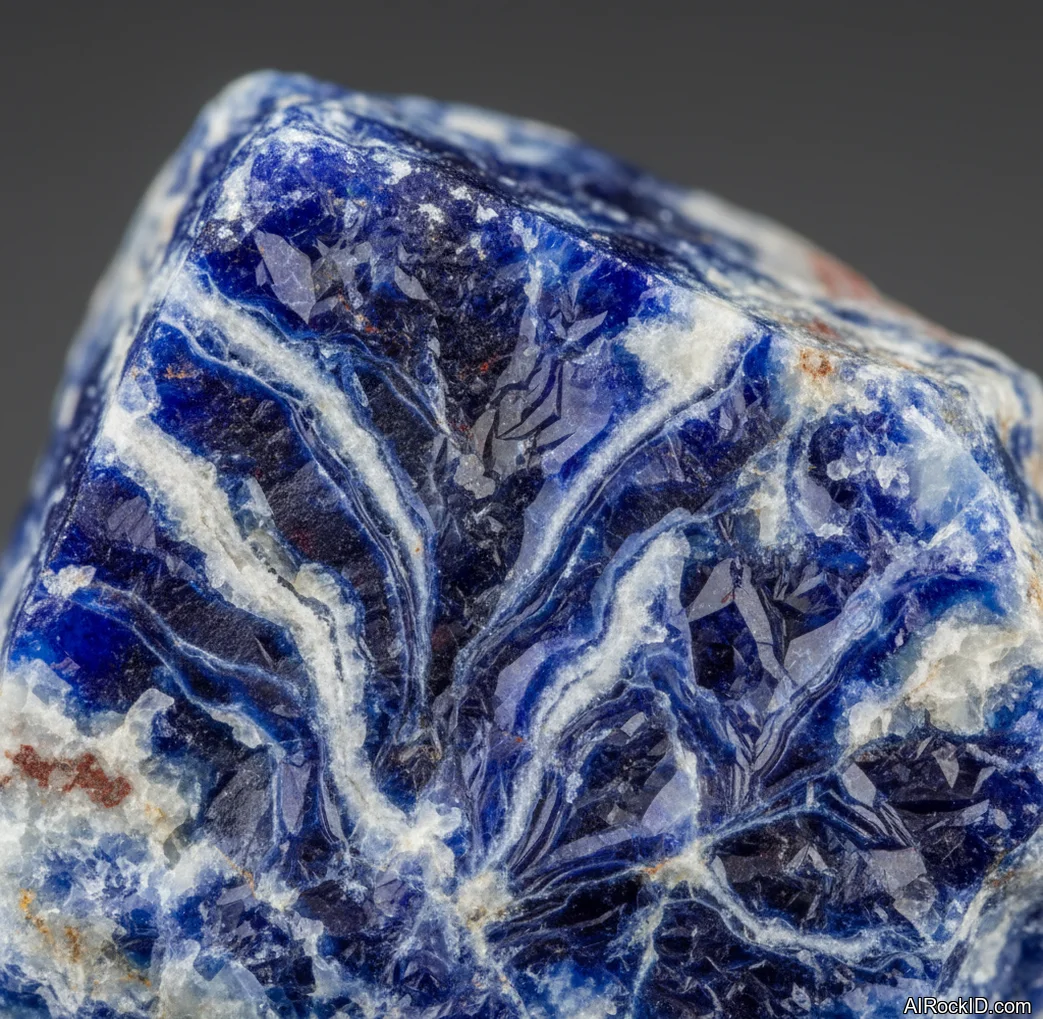
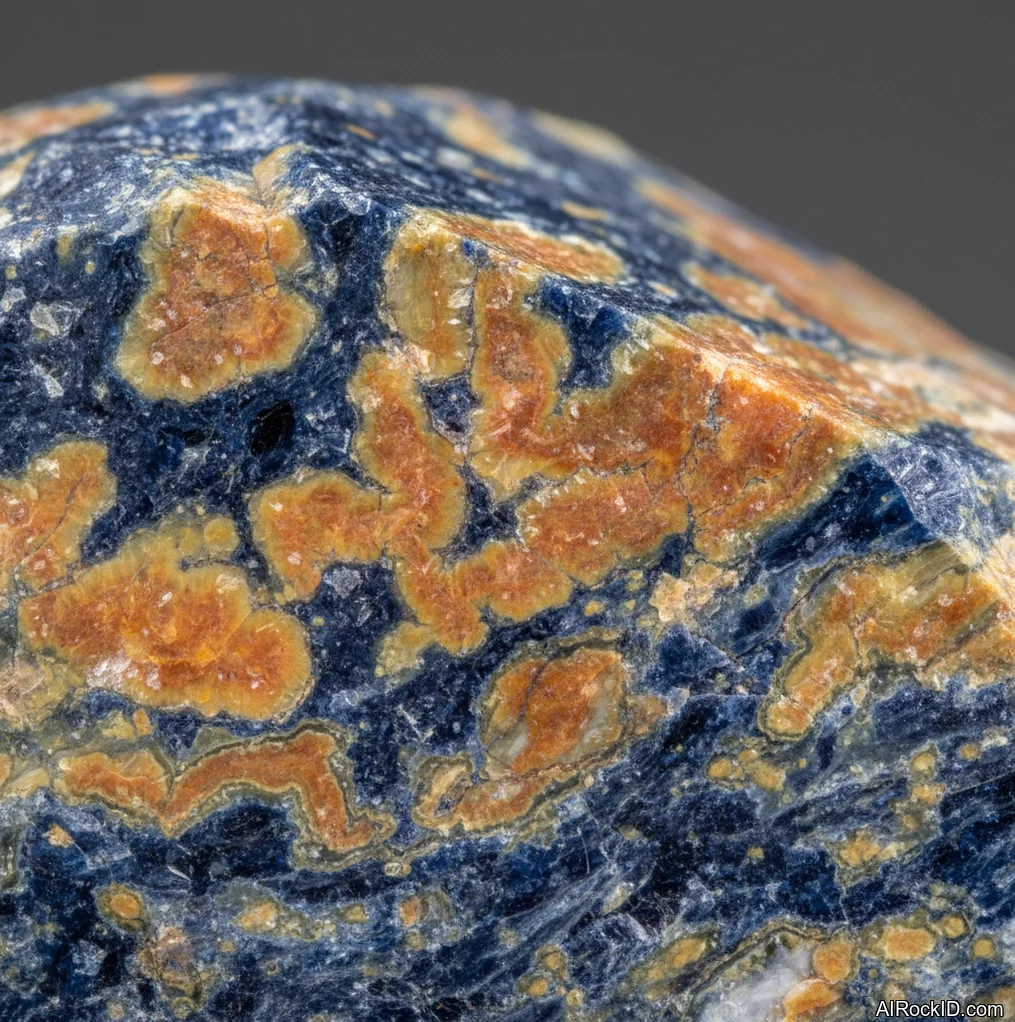
- Sodalite: Commonly associated with logic and communication, but it is typically opaque blue with white veining rather than glassy or transparent.
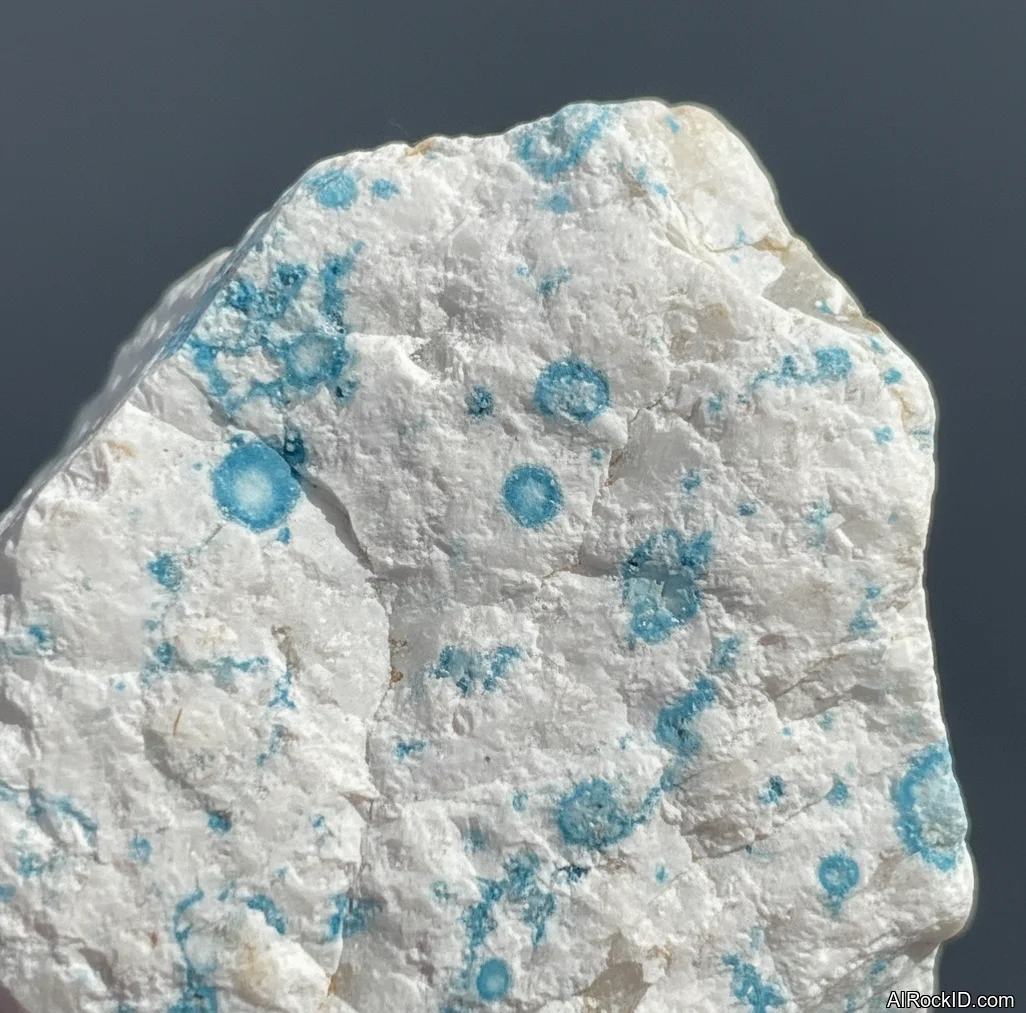
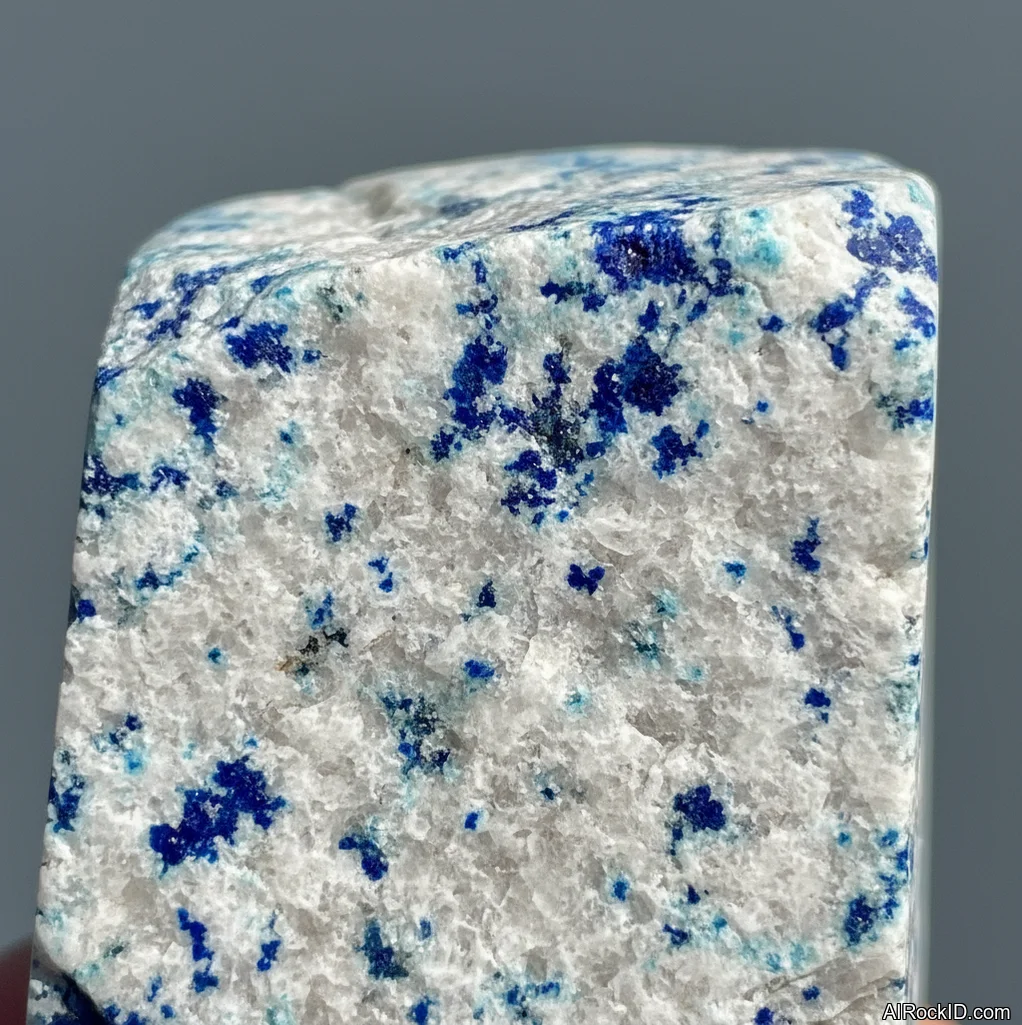
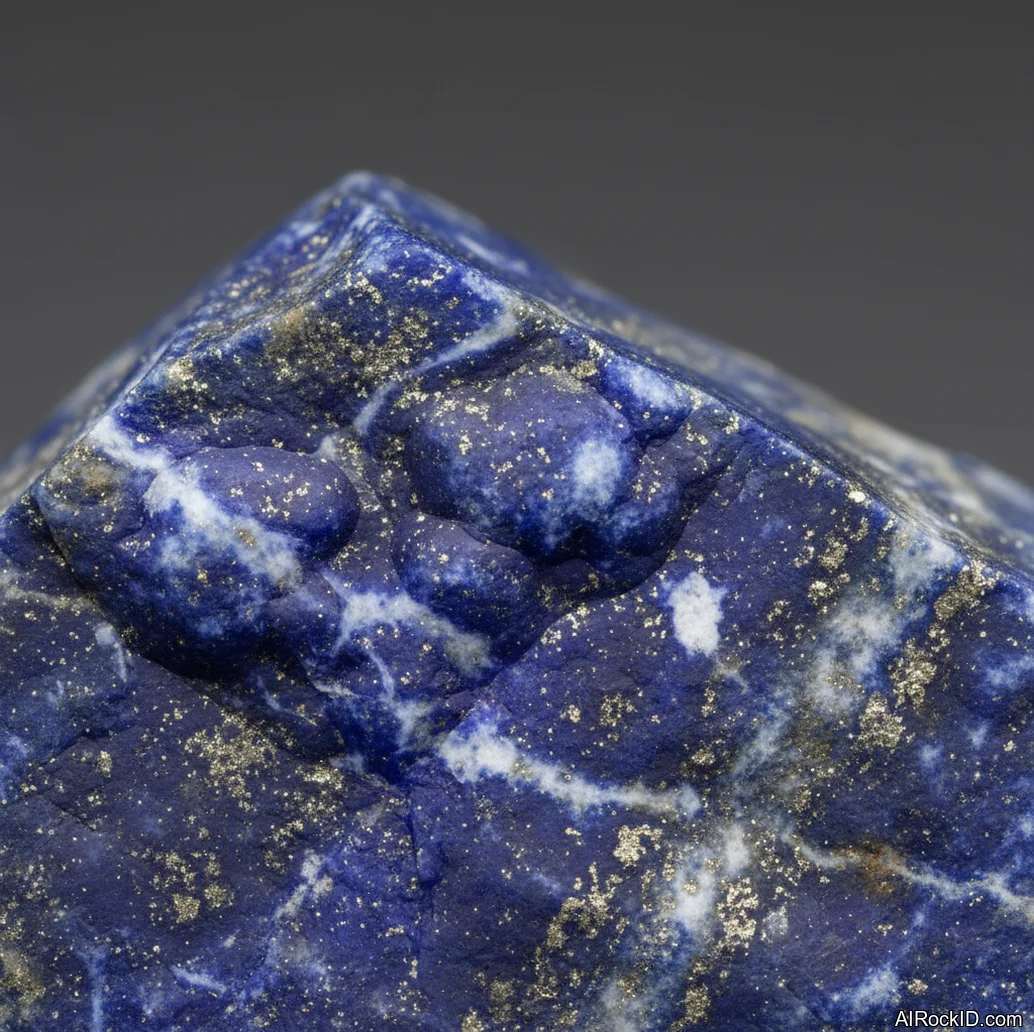
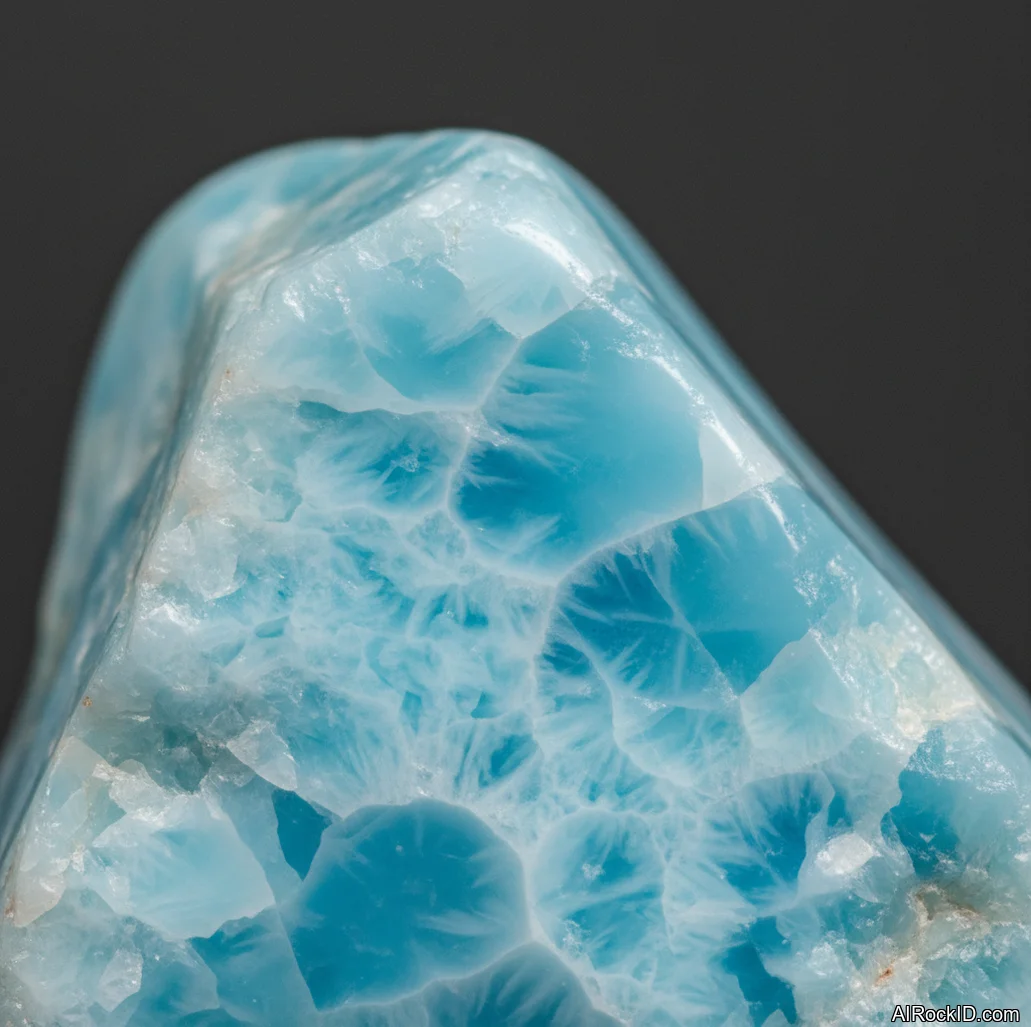
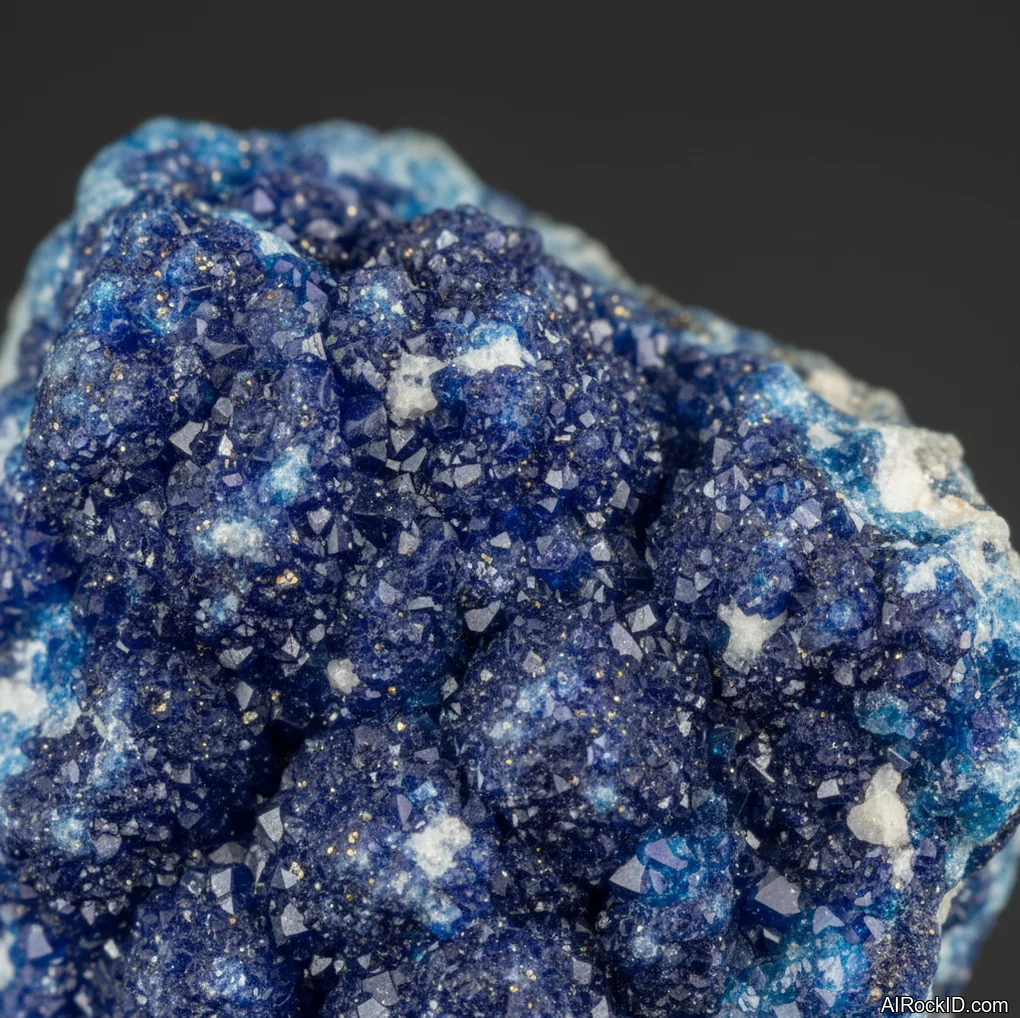
- Lapis Lazuli: Sometimes grouped with mental clarity stones, but true lapis often contains pyrite flecks and calcite patches.
AI identification confidence
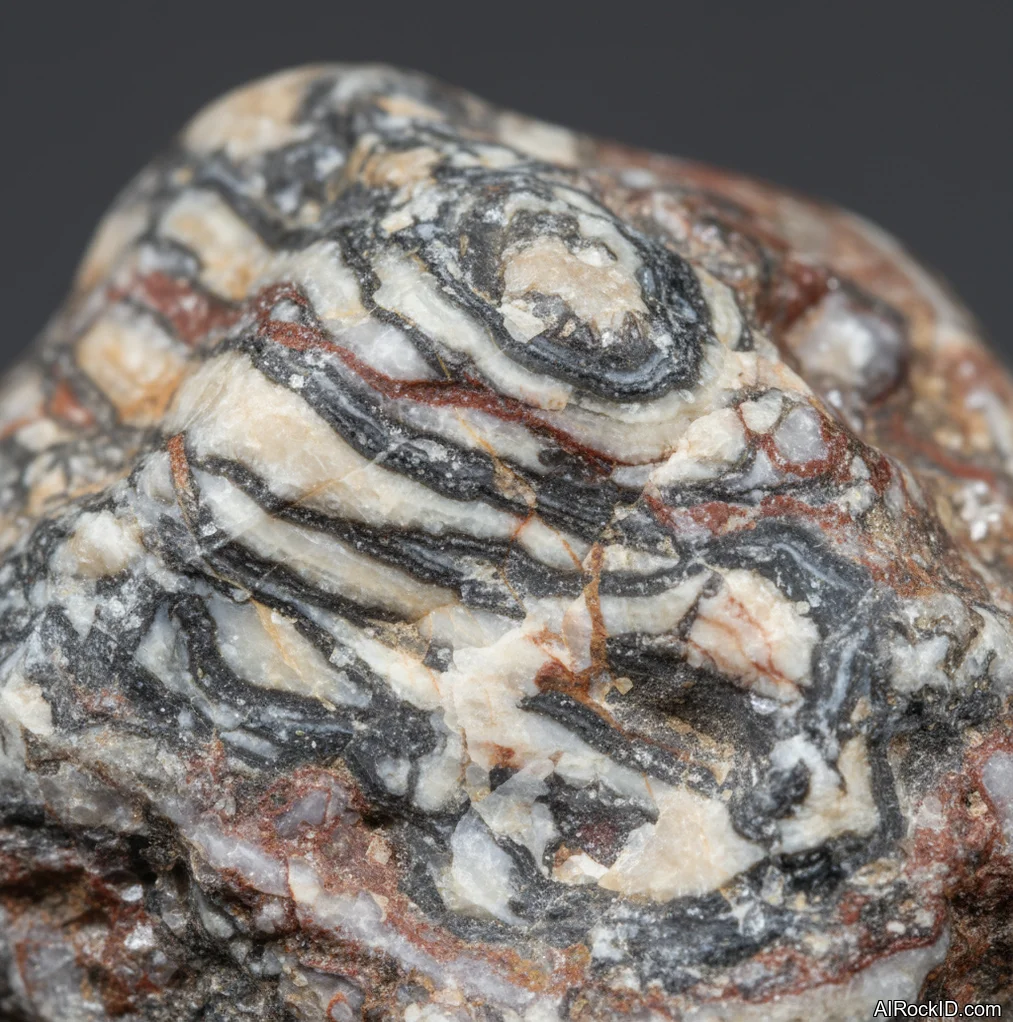
AI-based identification is often more reliable for stones with distinctive colors, banding, cleavage, crystal habit, or inclusions. Confidence is lower for polished tumbled stones, dyed material, lookalike quartz varieties, and photos taken under colored or low light.
When AI gets it wrong
- The stone is polished, rounded, or photographed without scale
- The specimen is dyed, heat-treated, coated, or reconstructed
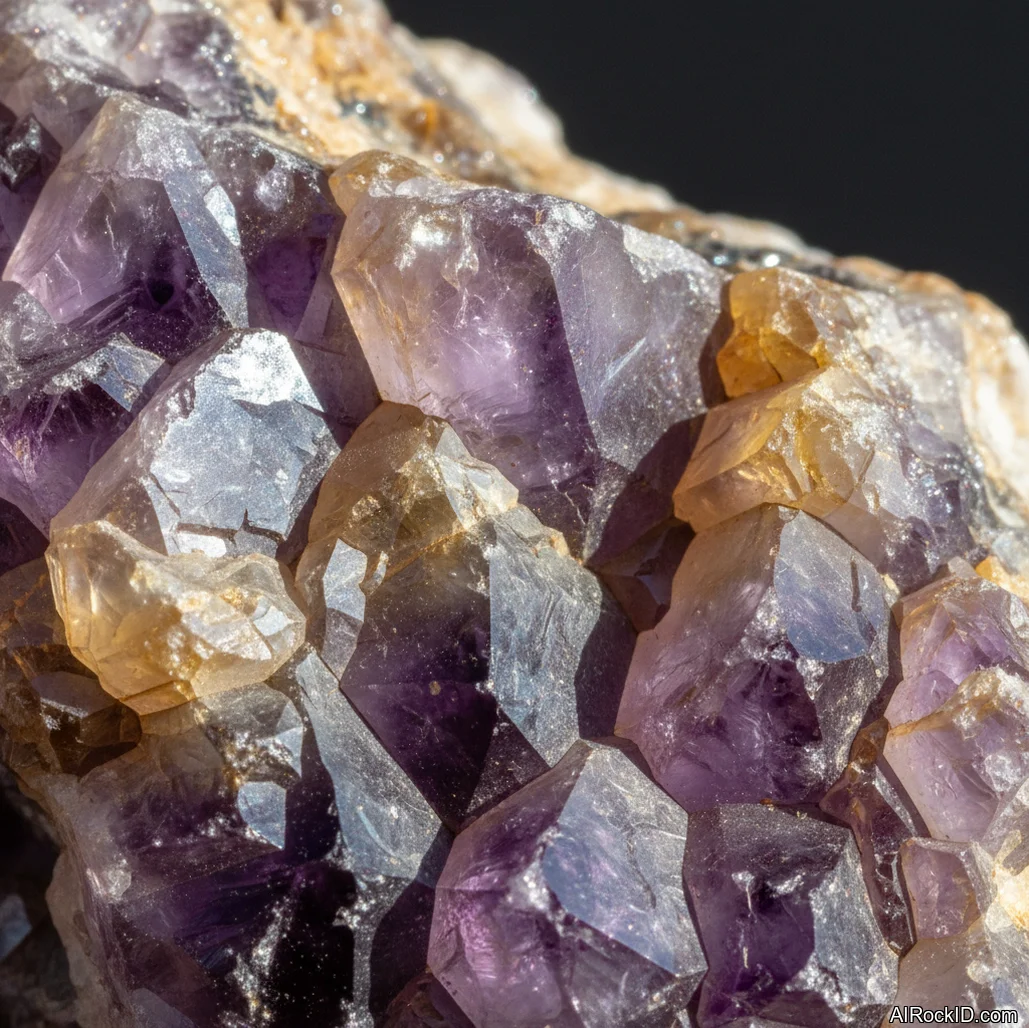
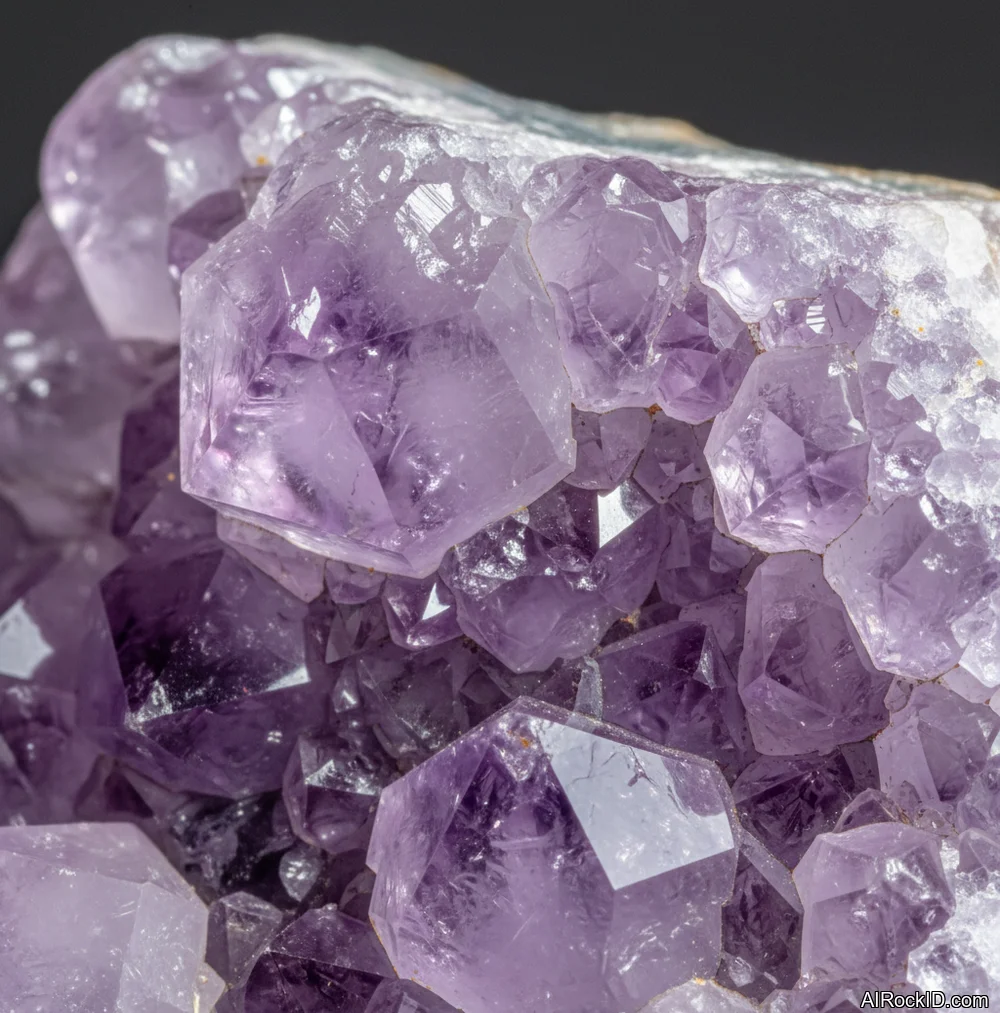
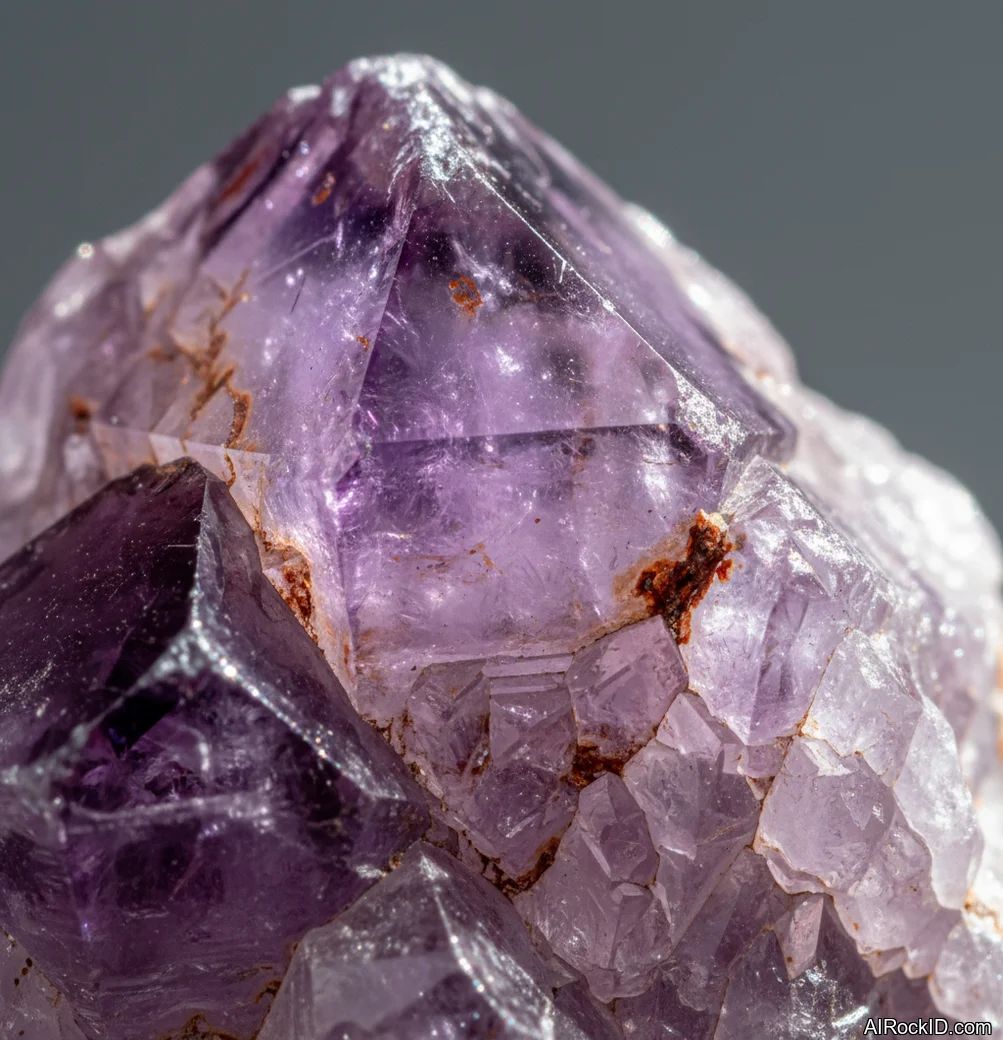
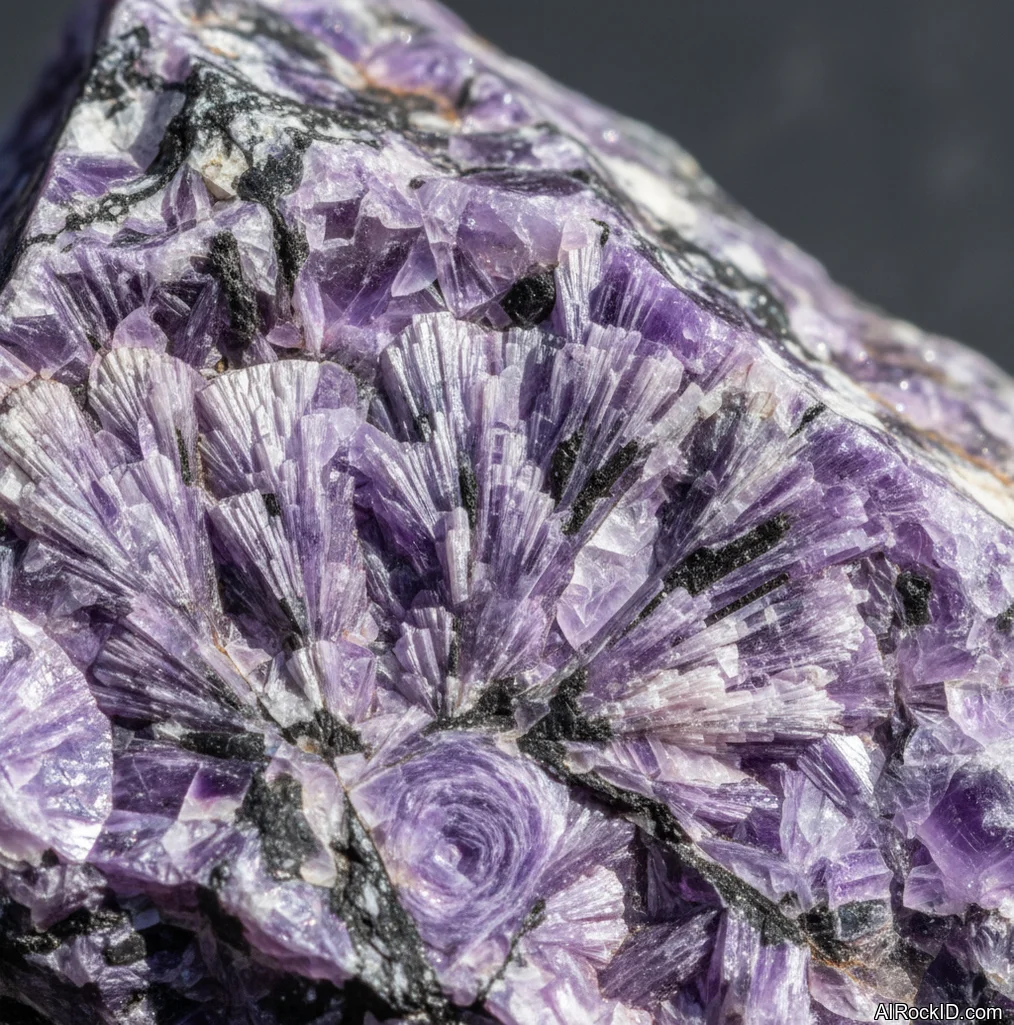
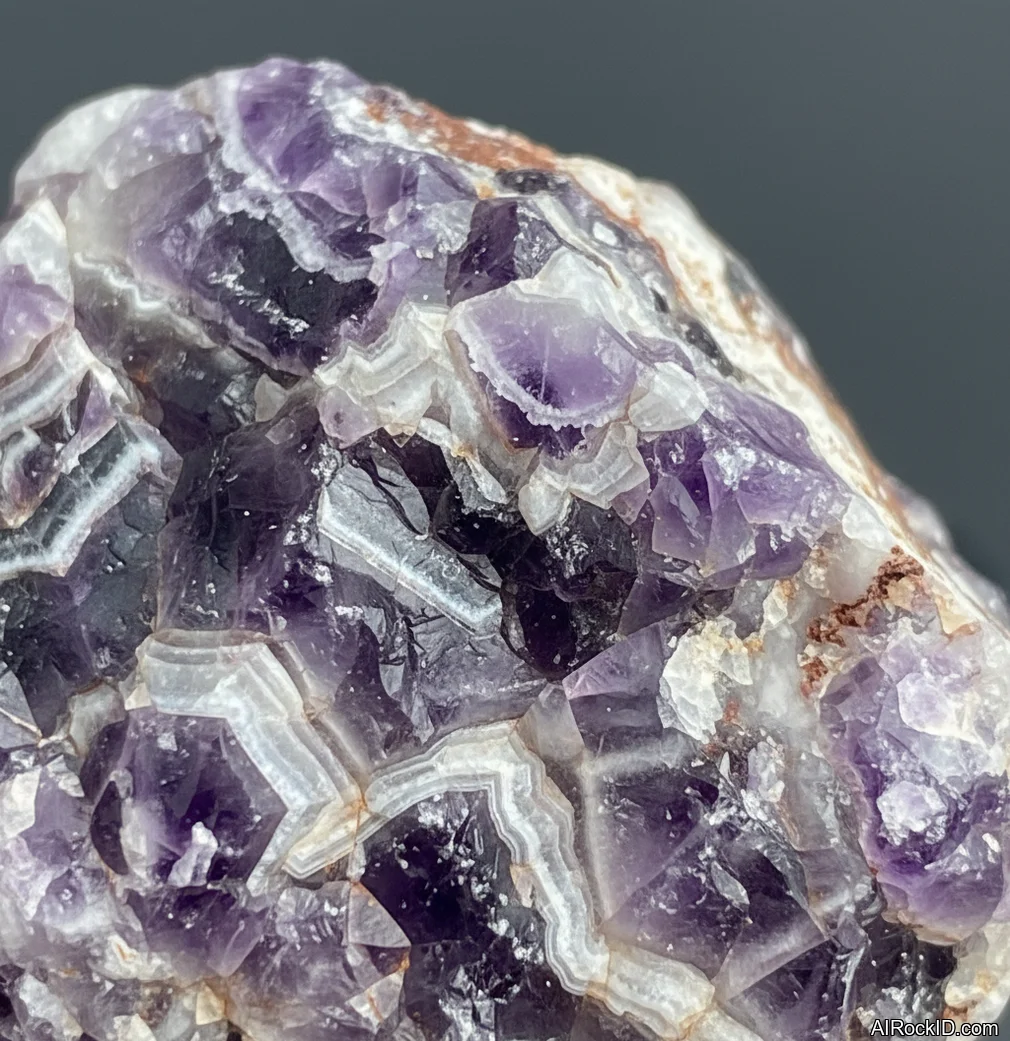
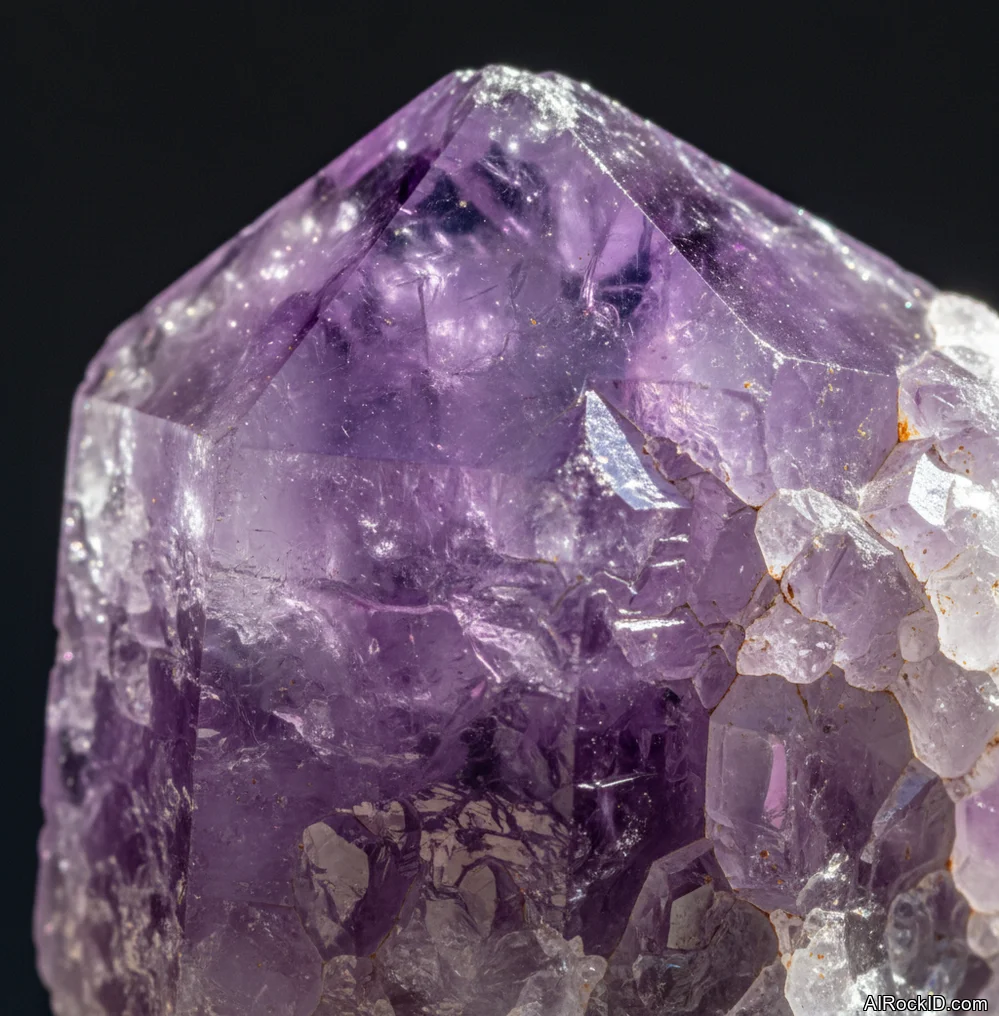
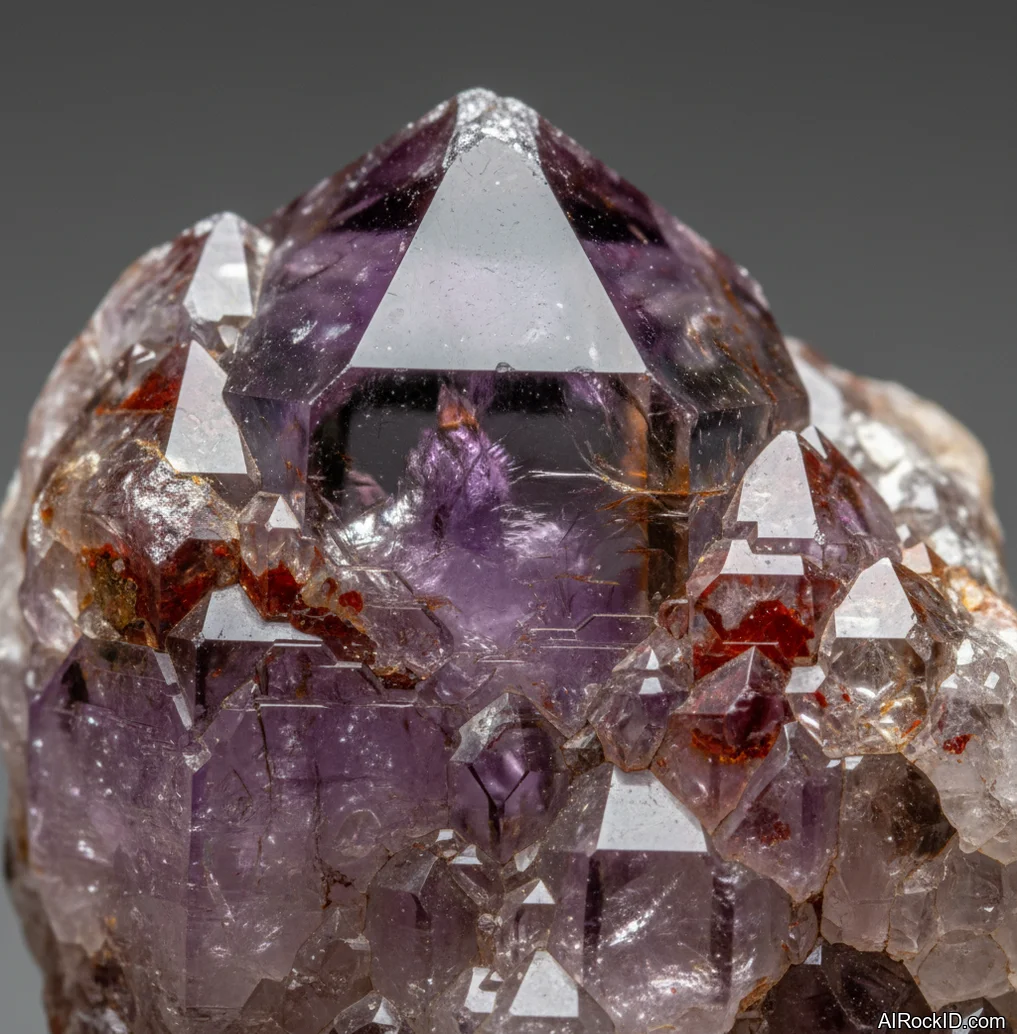
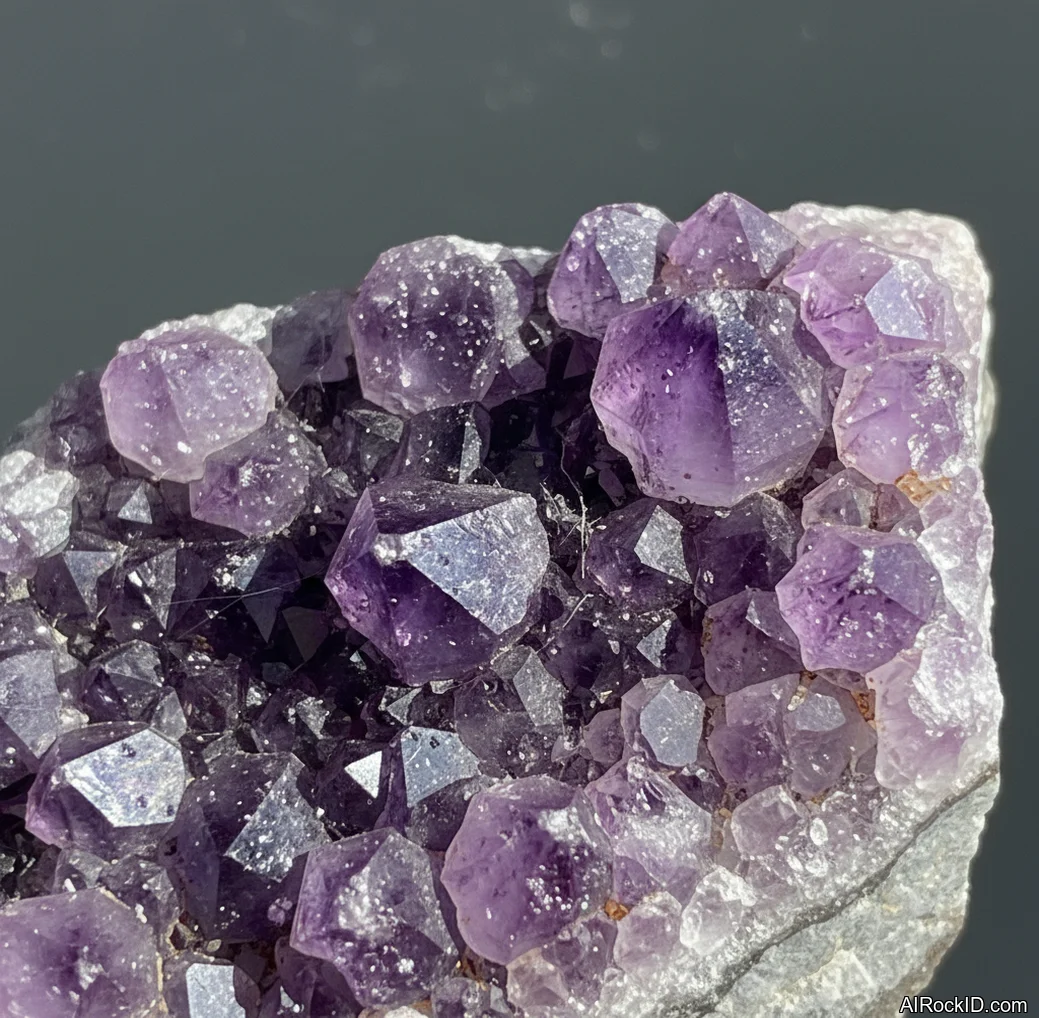
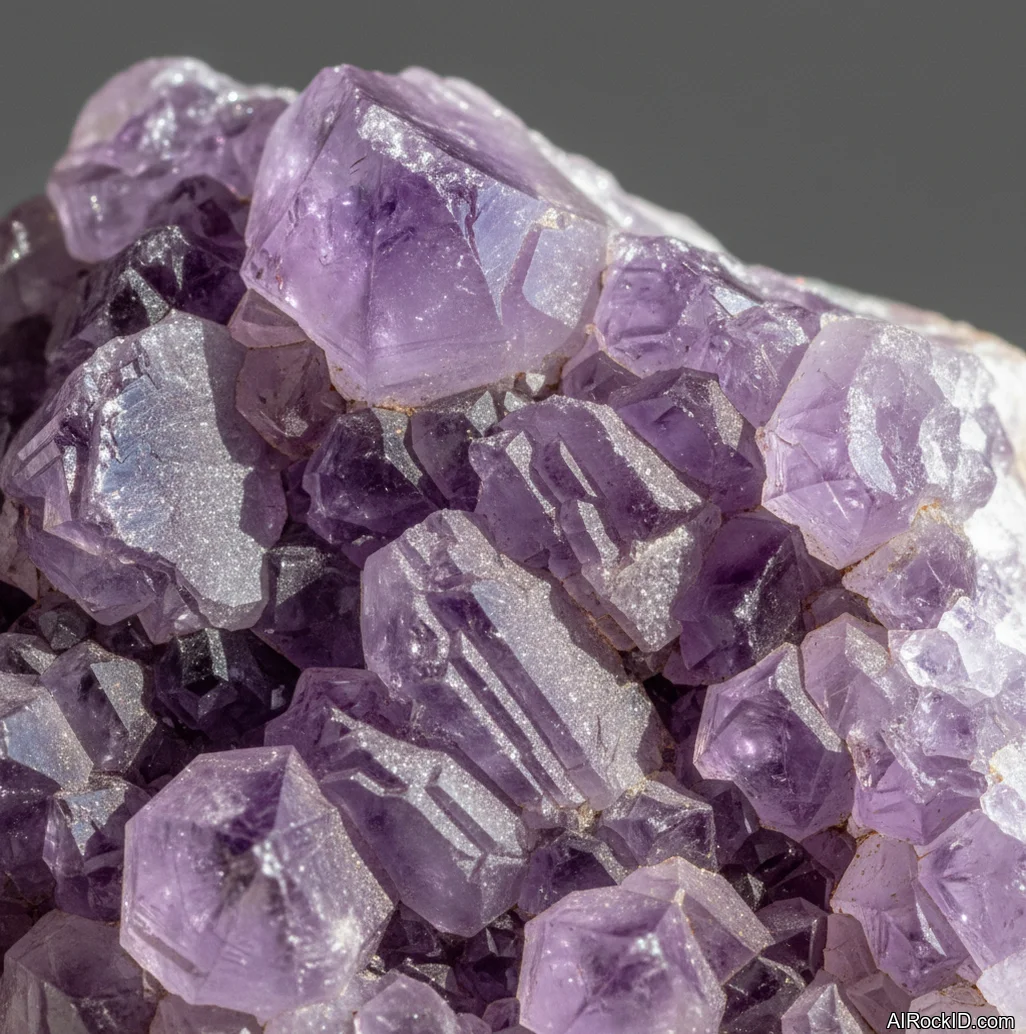
- Several minerals share the same color, such as purple fluorite and amethyst
- Important tests such as hardness, streak, specific gravity, and fluorescence are not available
What this category represents
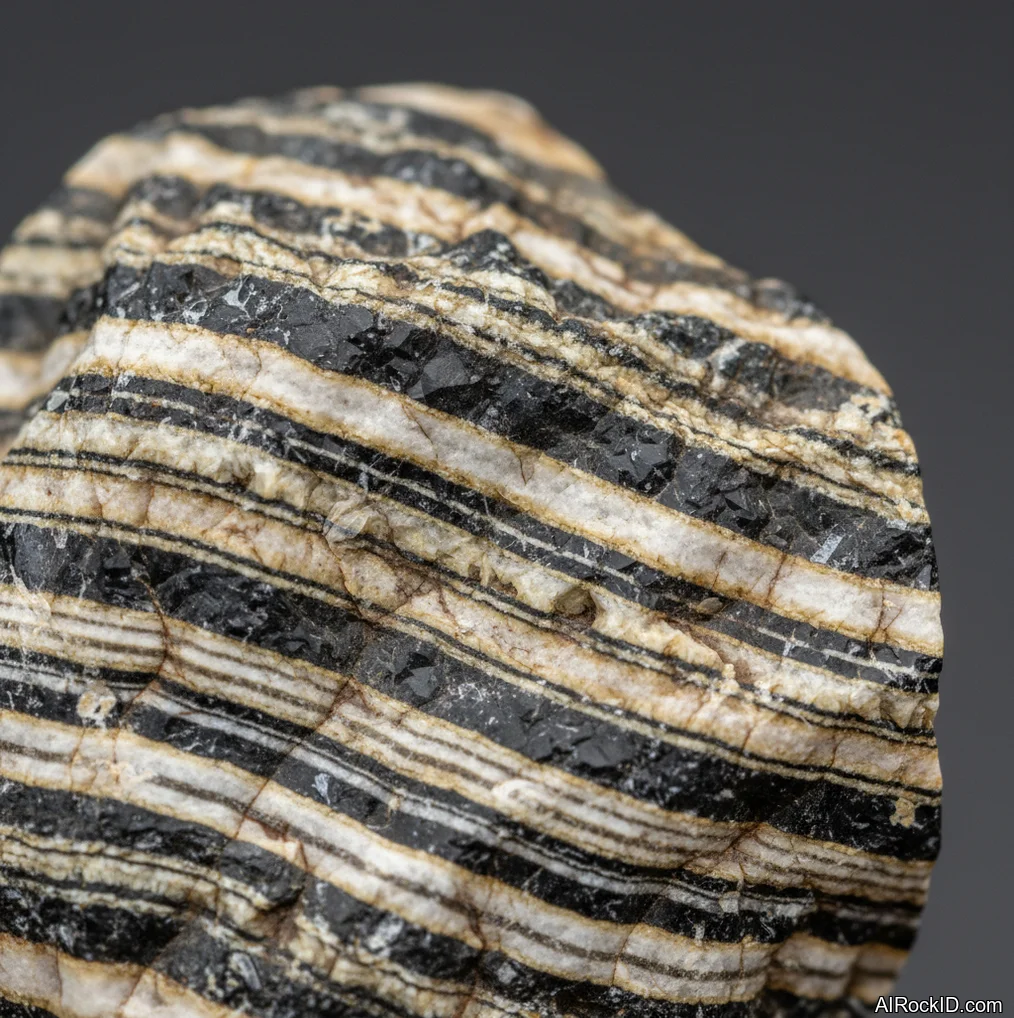
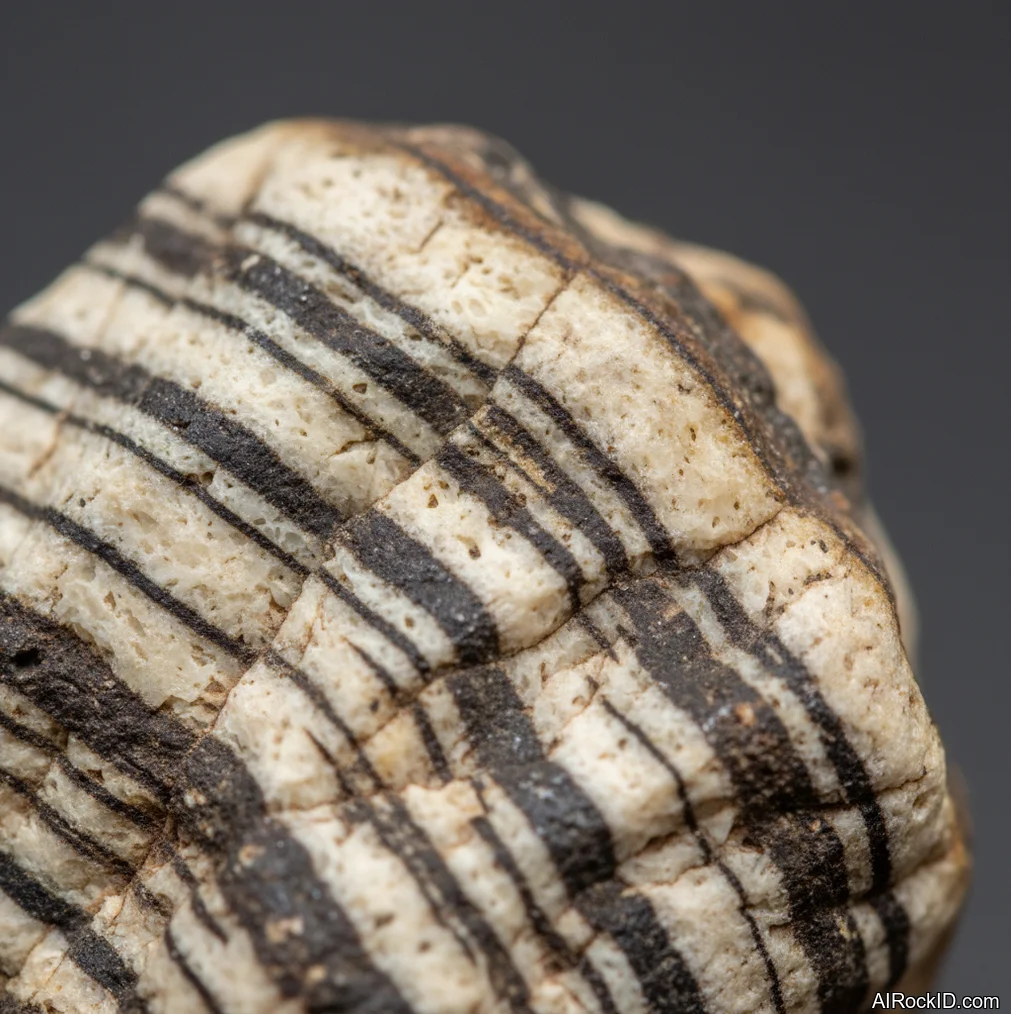
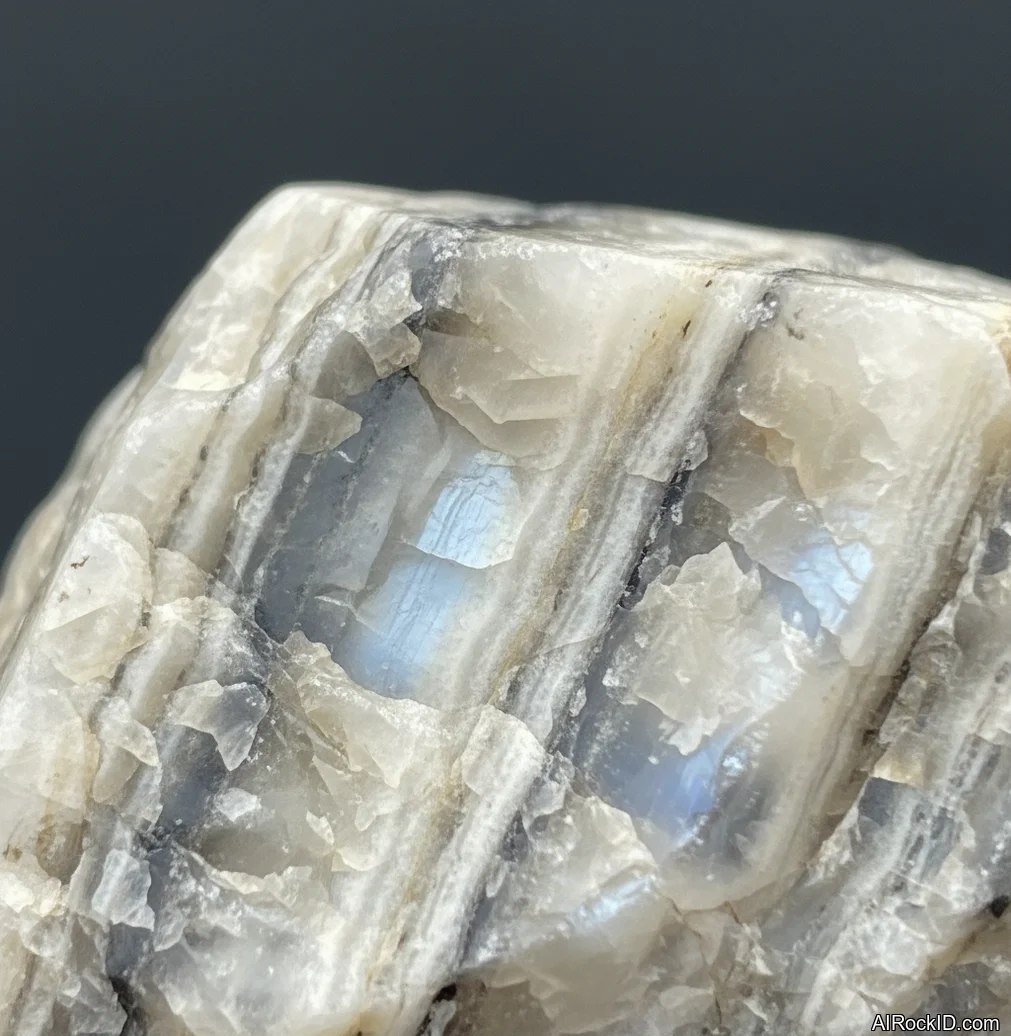
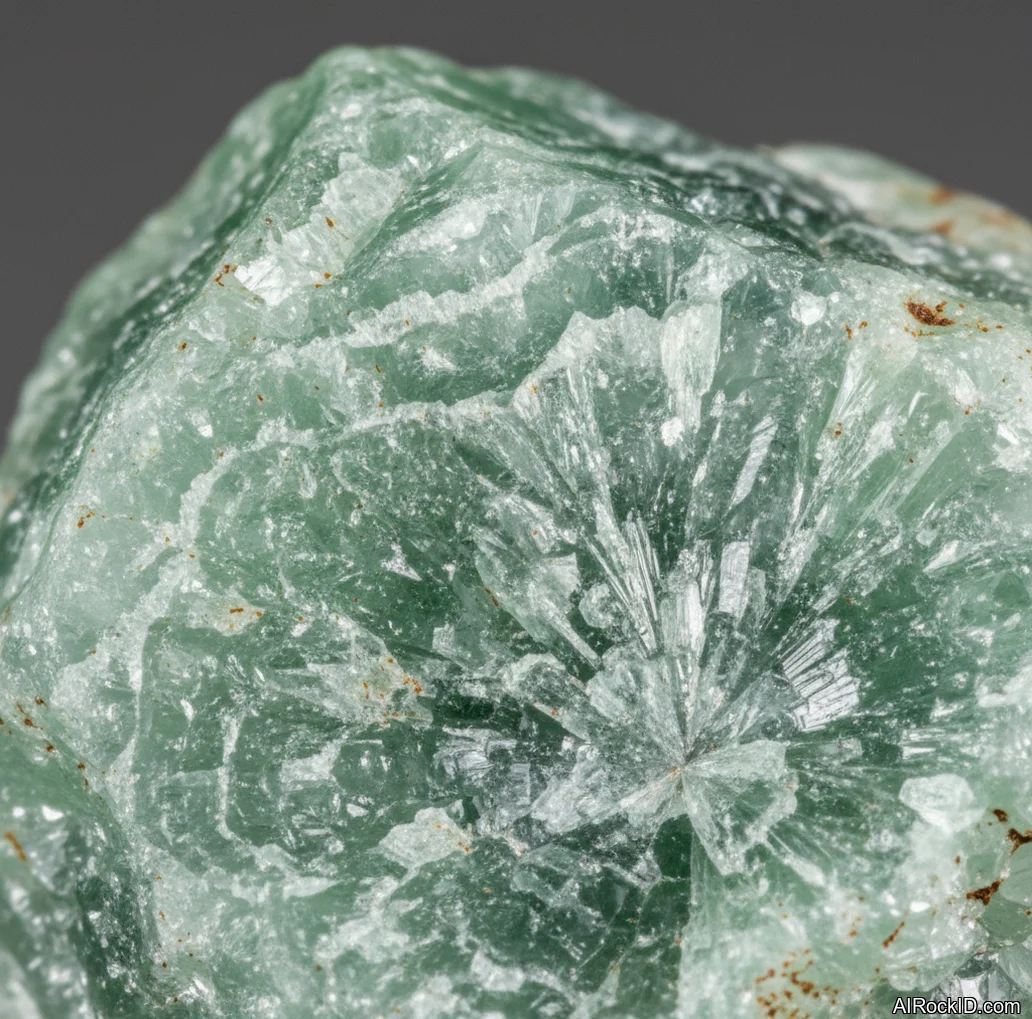
The Focus Crystals tag groups stones that are traditionally associated with concentration, clarity, attention, memory, and structured thinking. This is a thematic and cultural grouping rather than a mineralogical class, so stones in the tag may differ widely in chemistry, hardness, durability, and care needs.
Beginner recommendations
Advanced recommendations
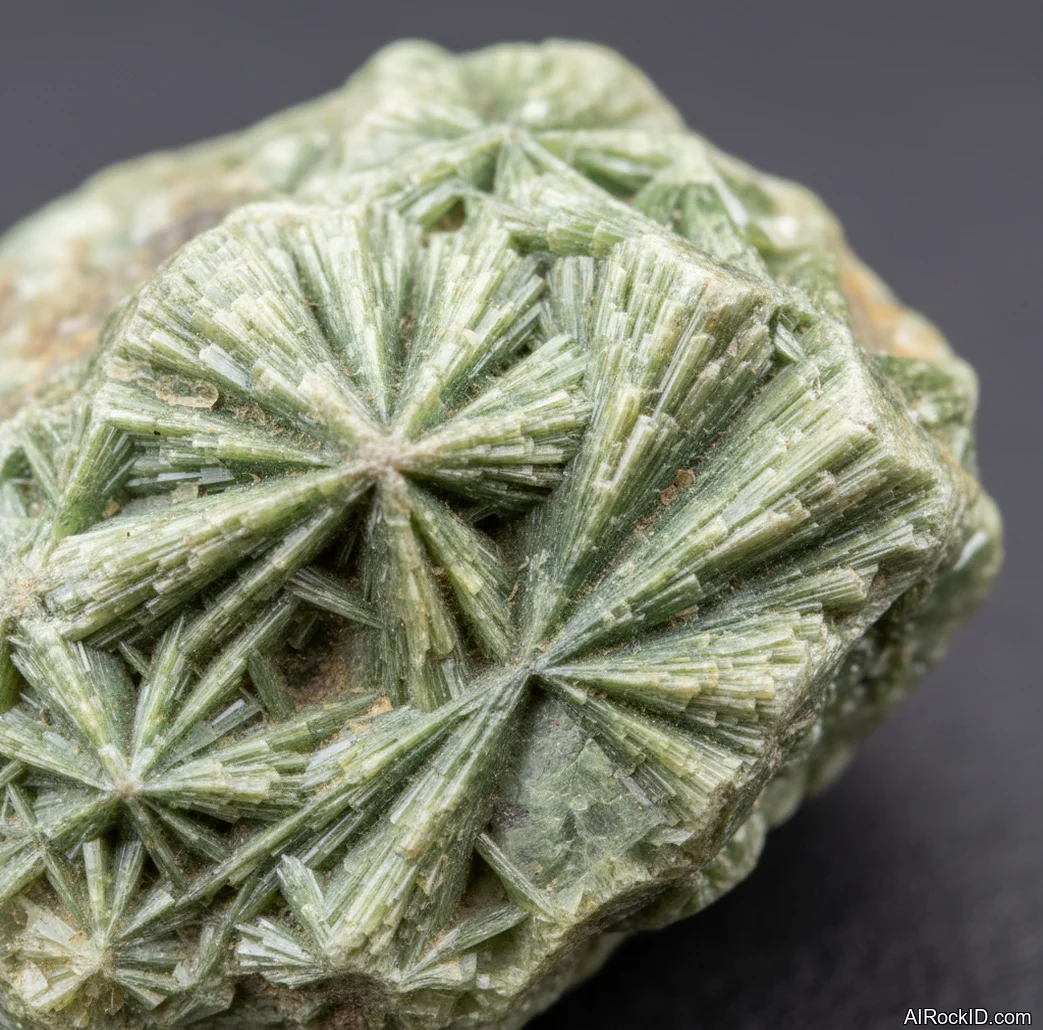
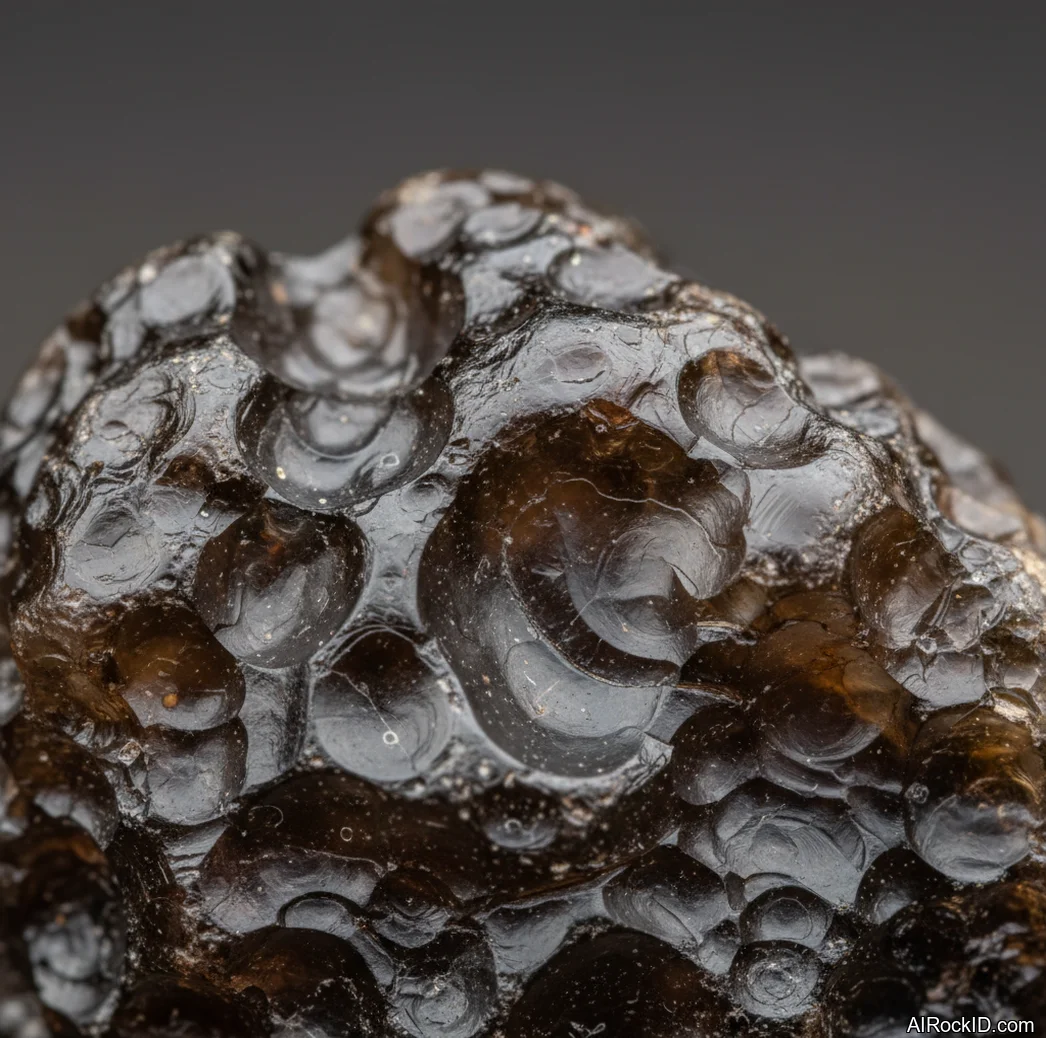
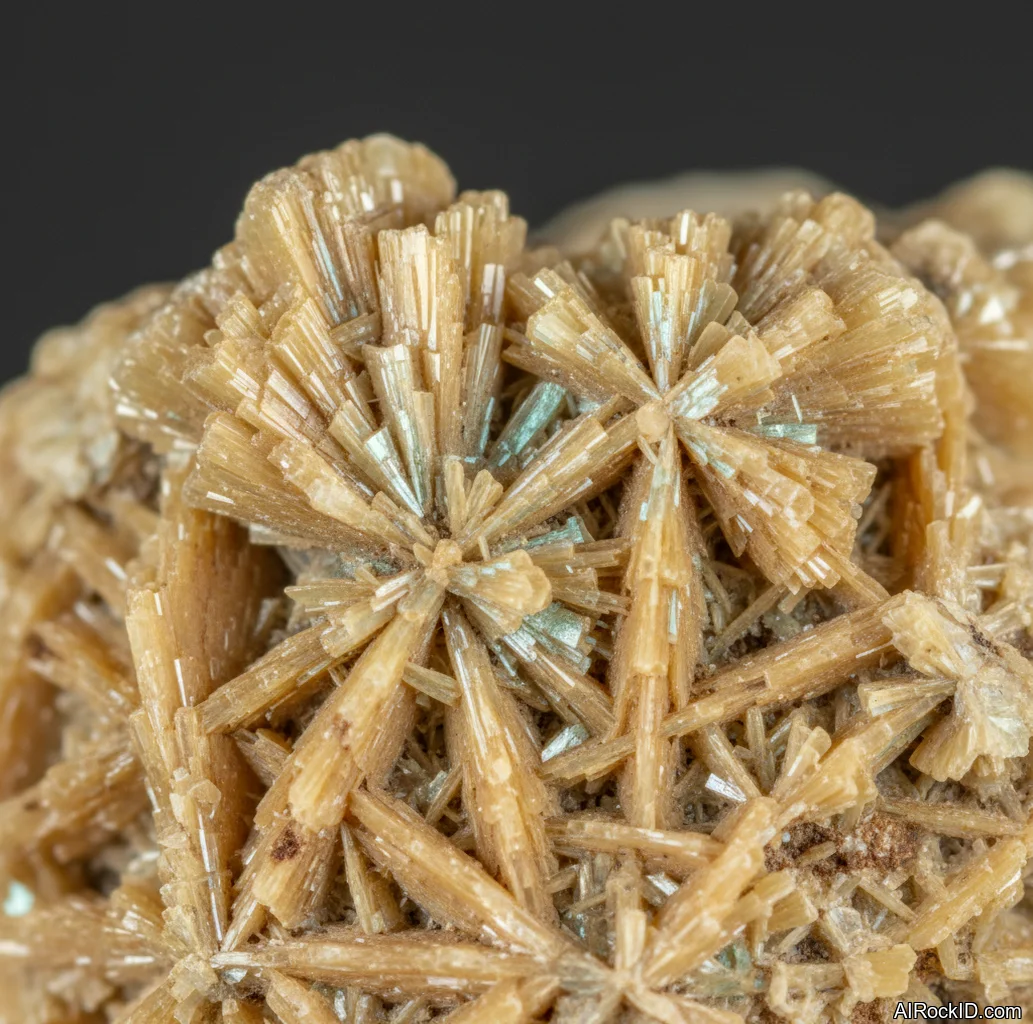
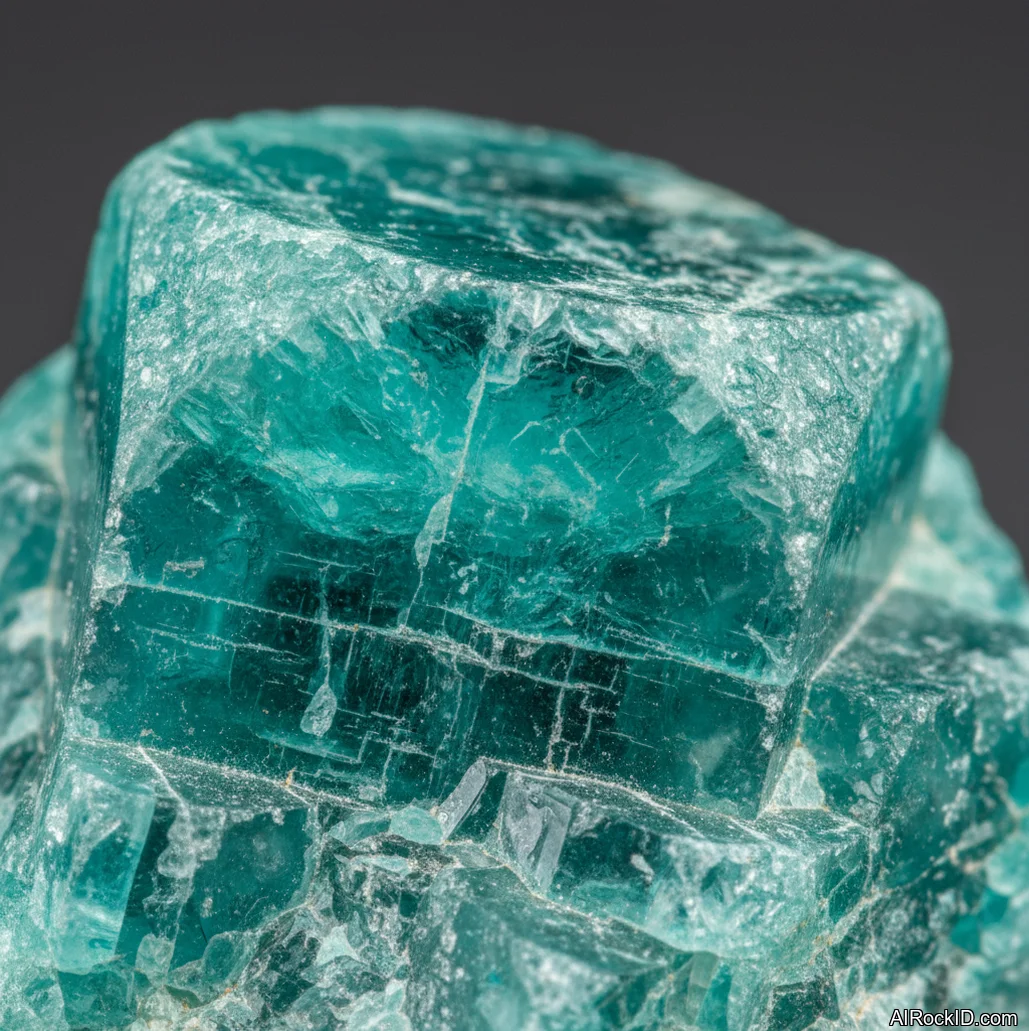
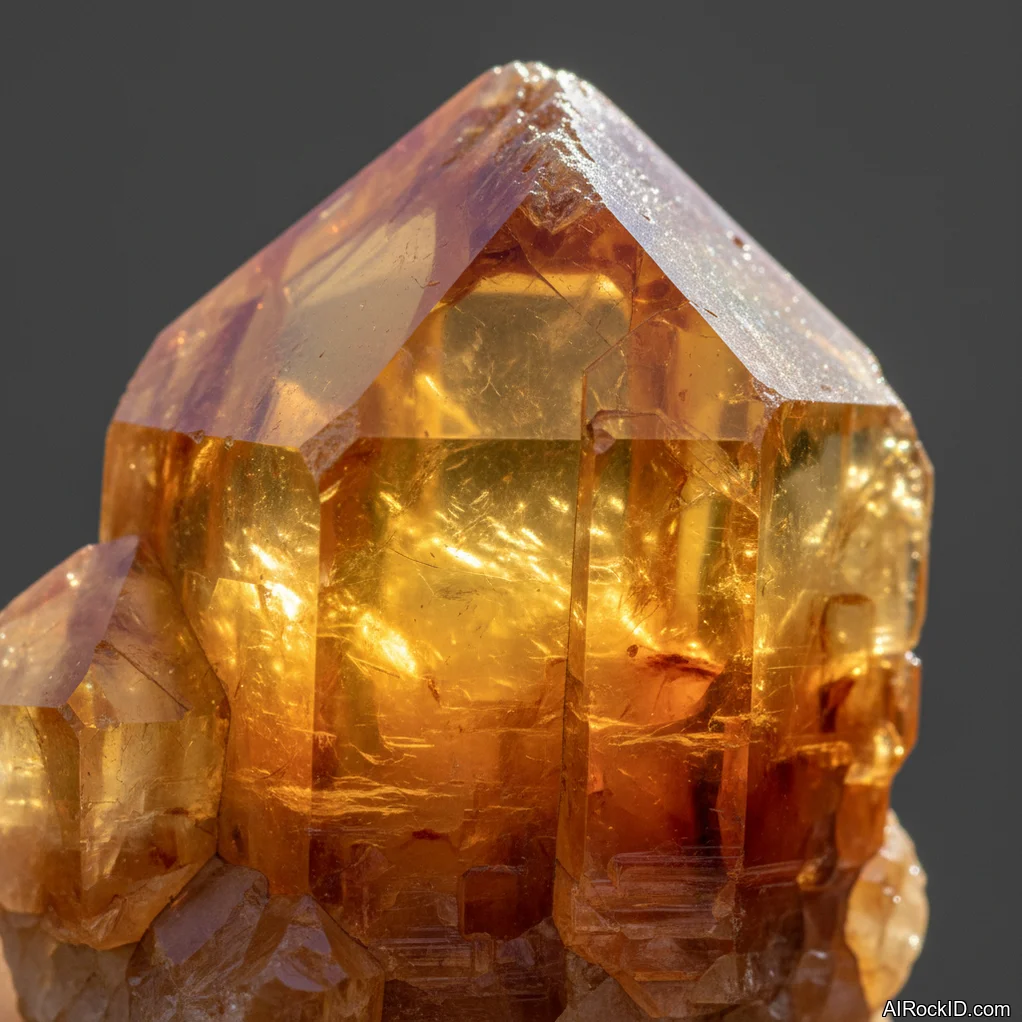
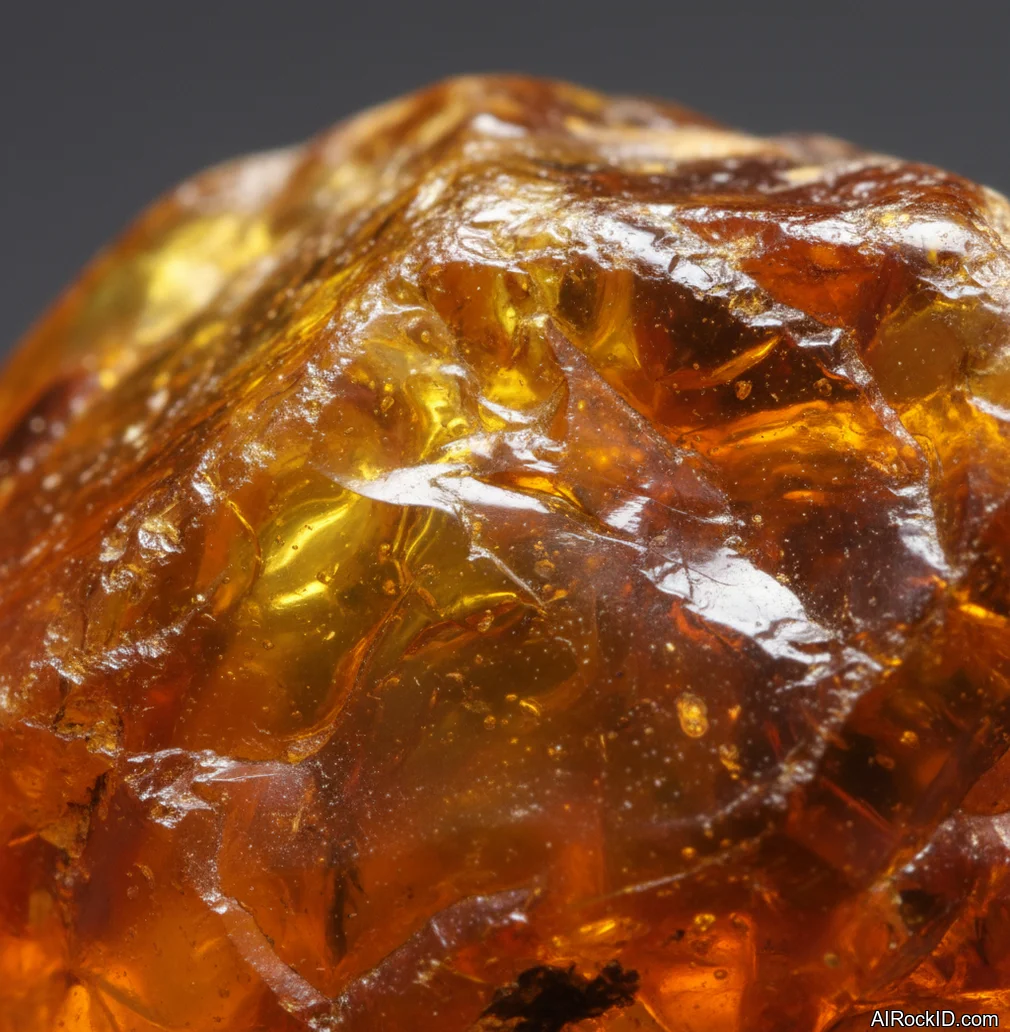
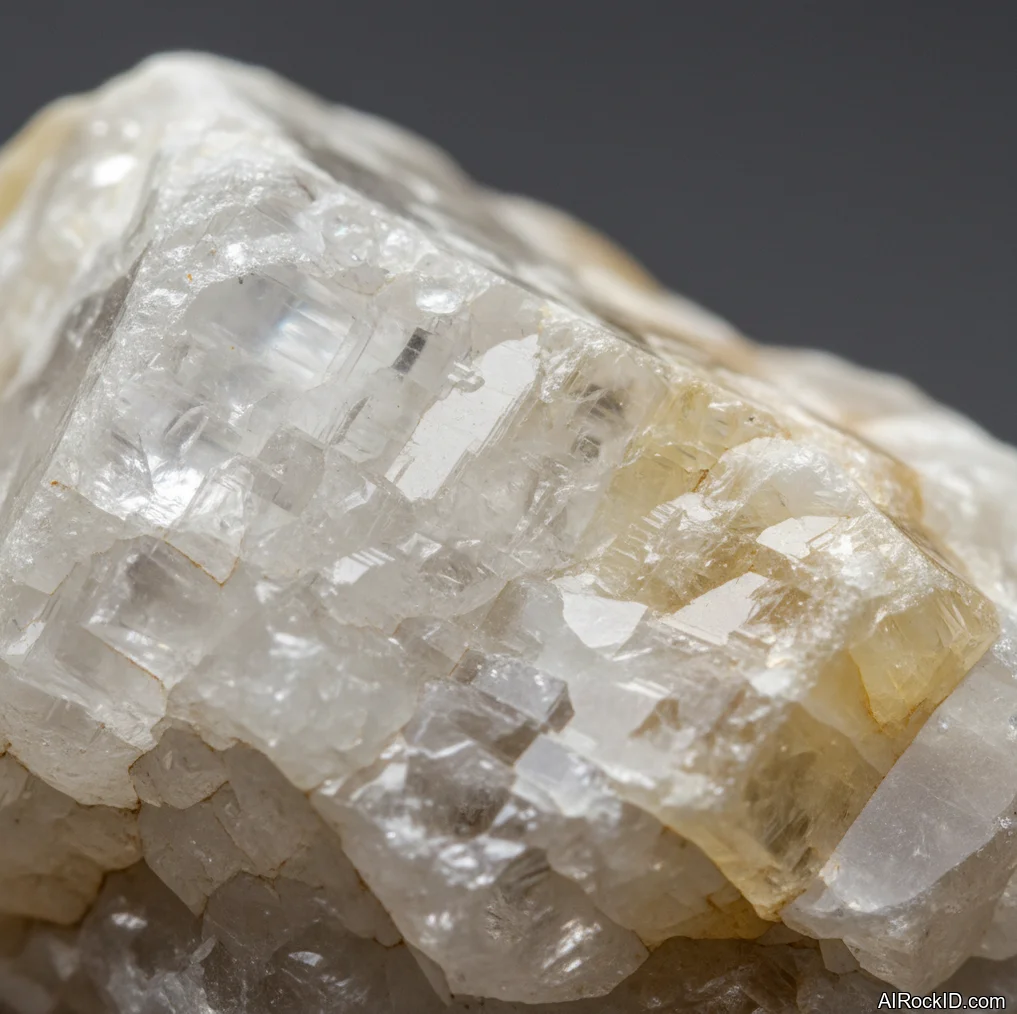
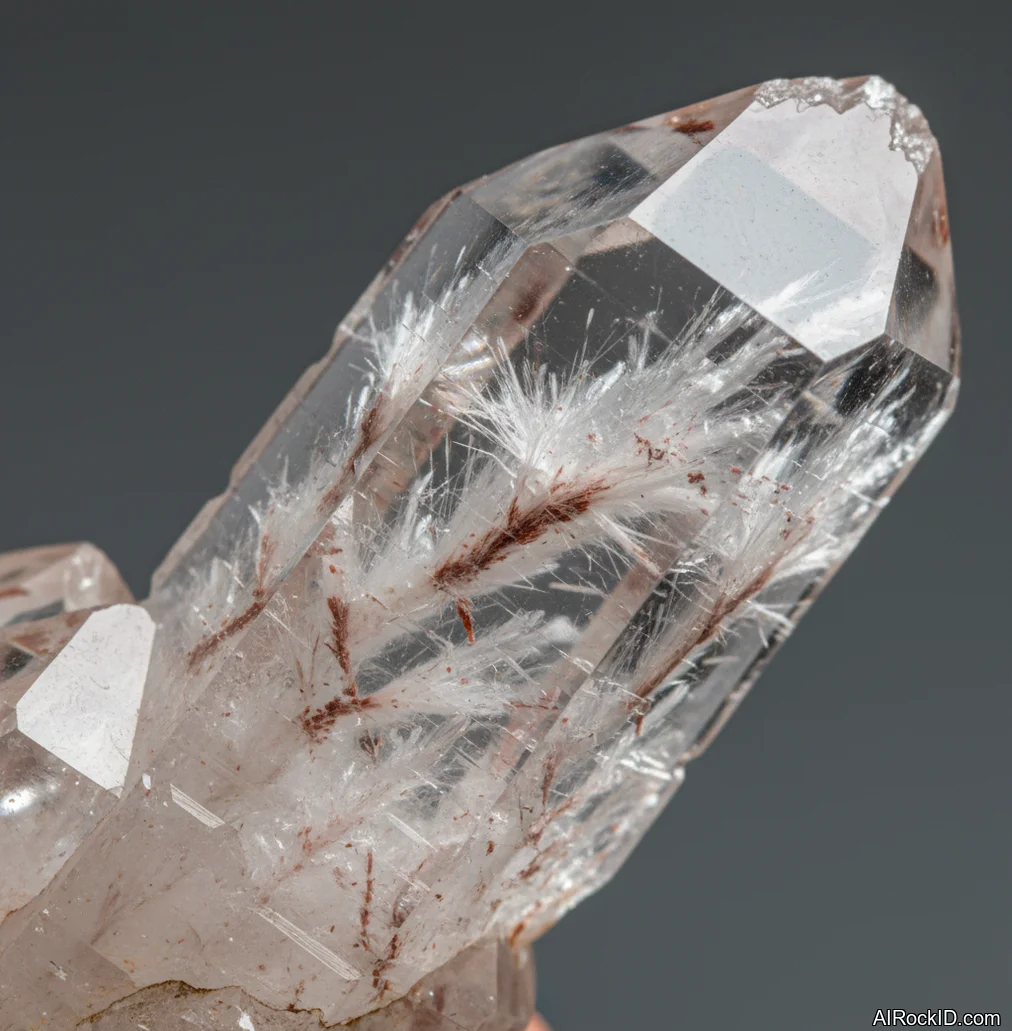
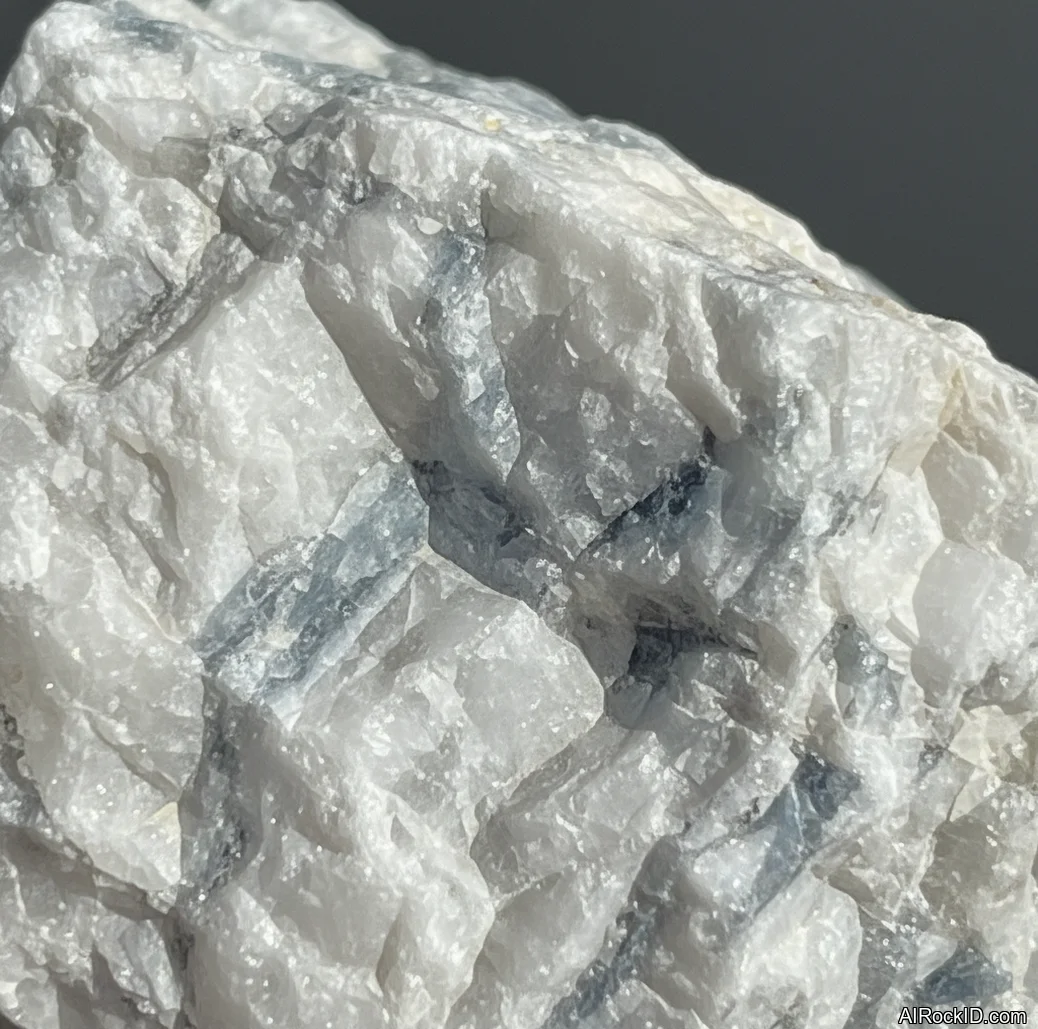
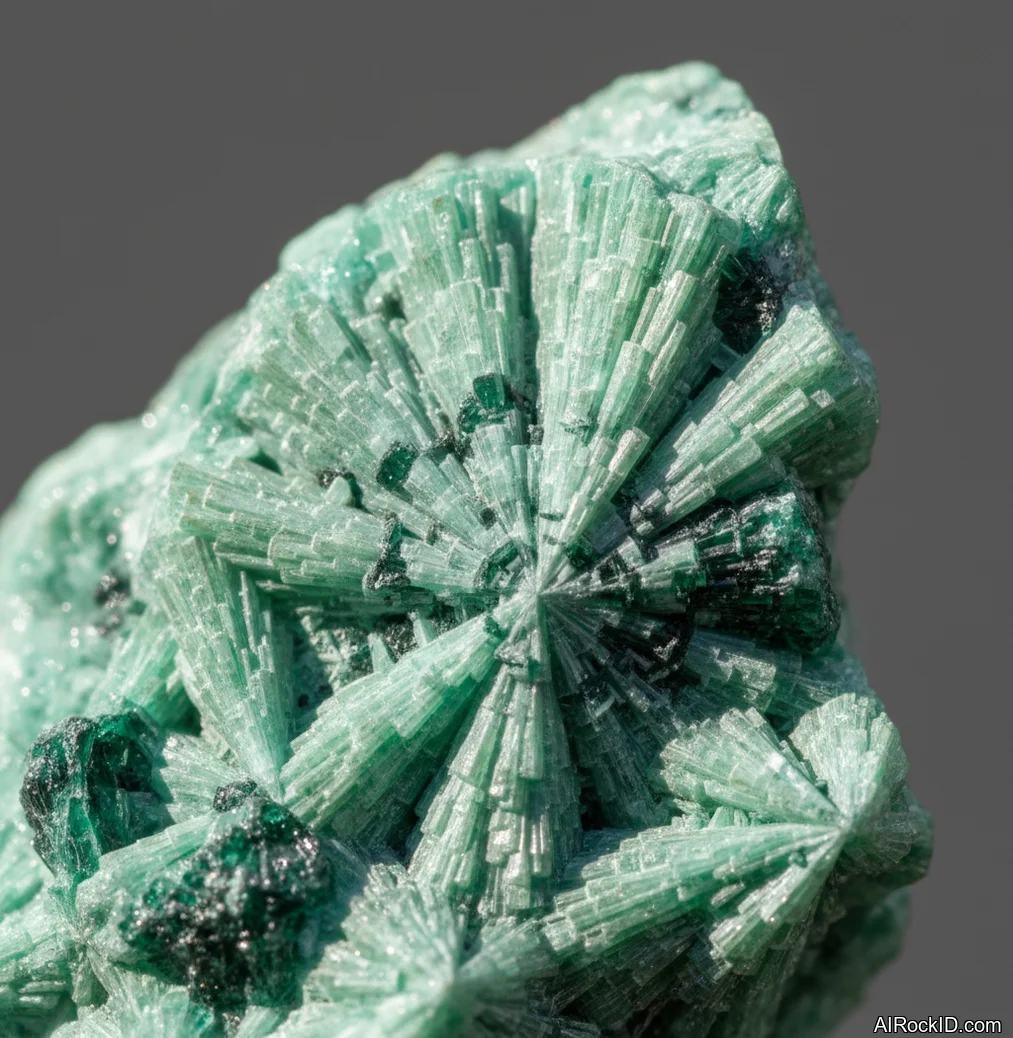
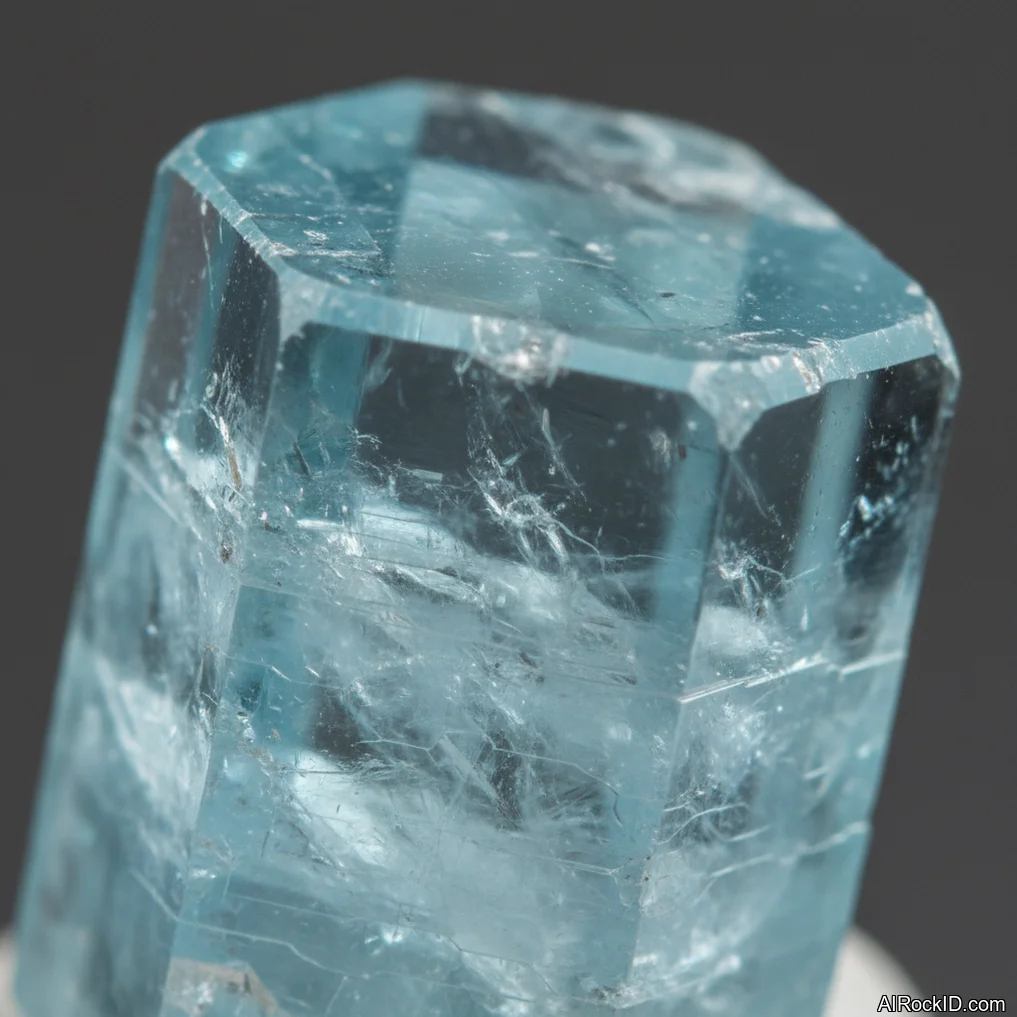
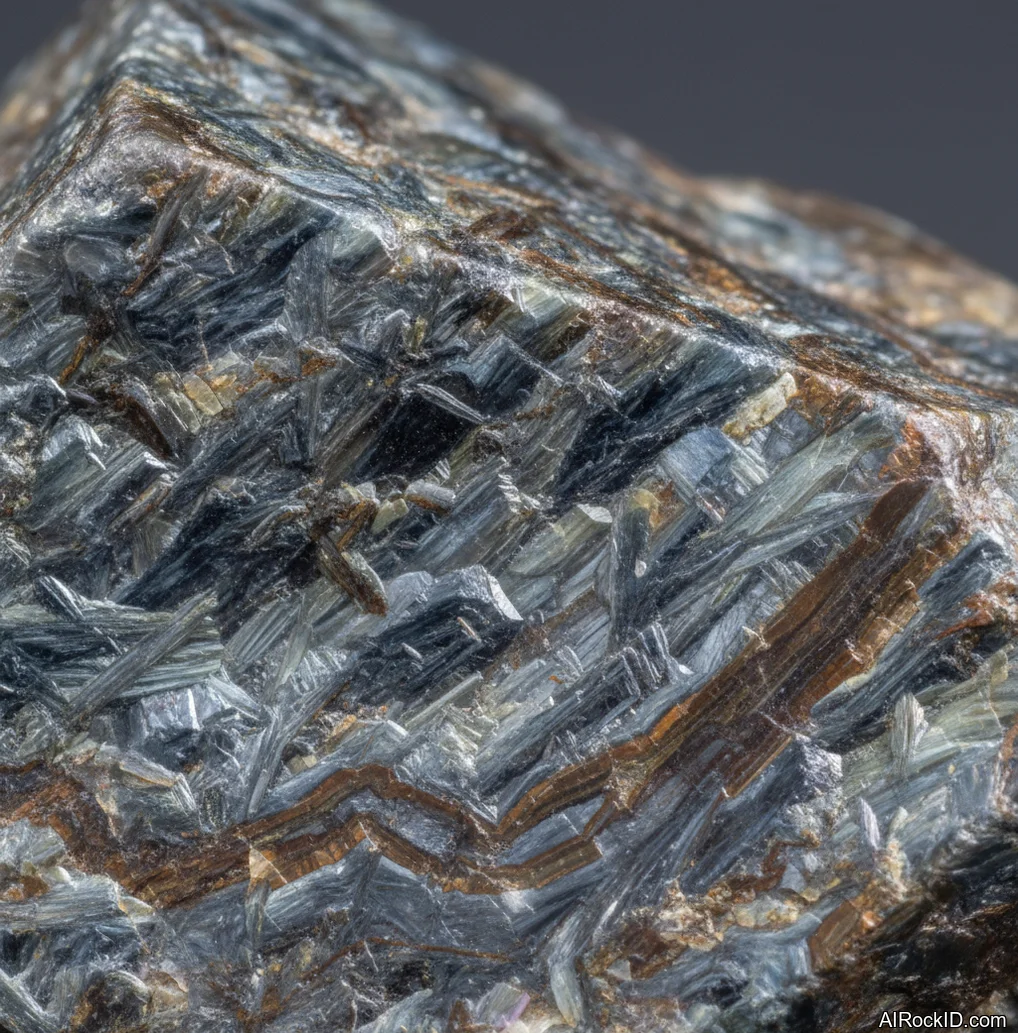
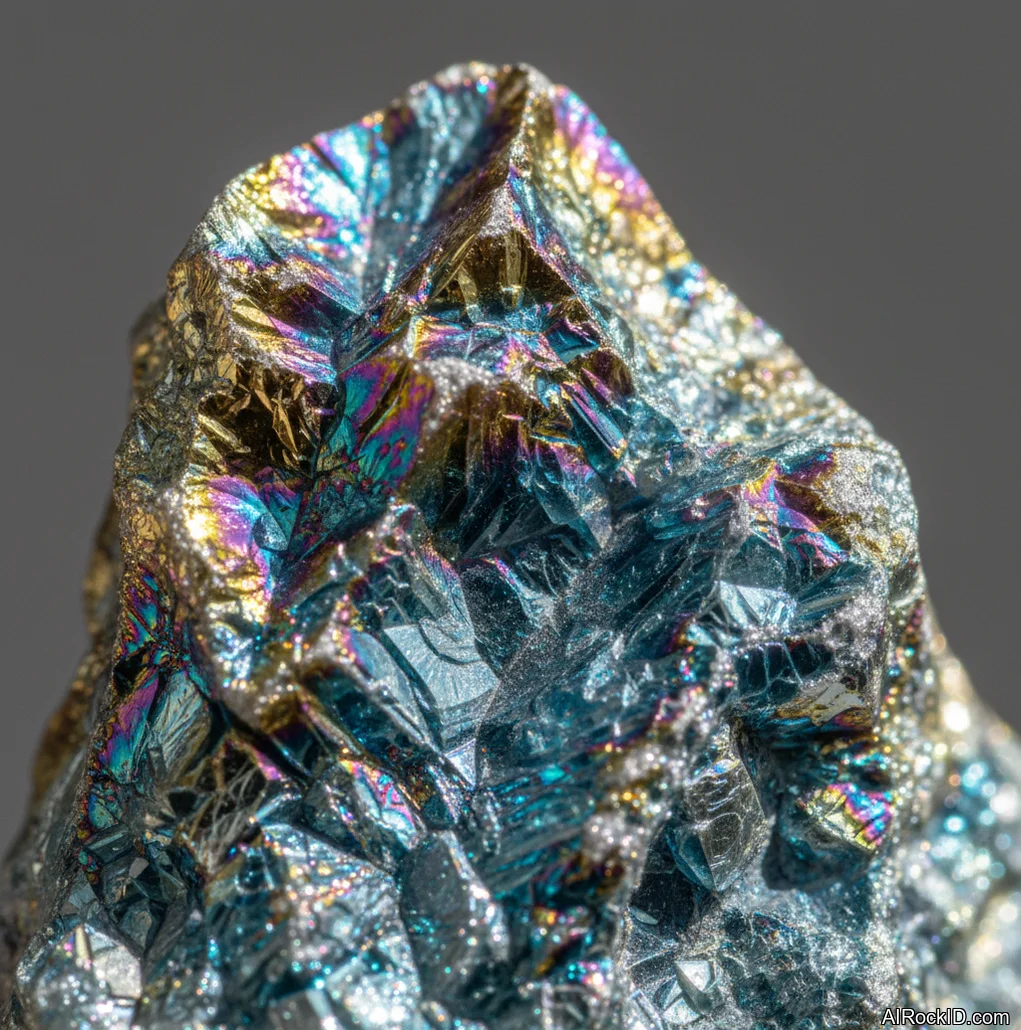
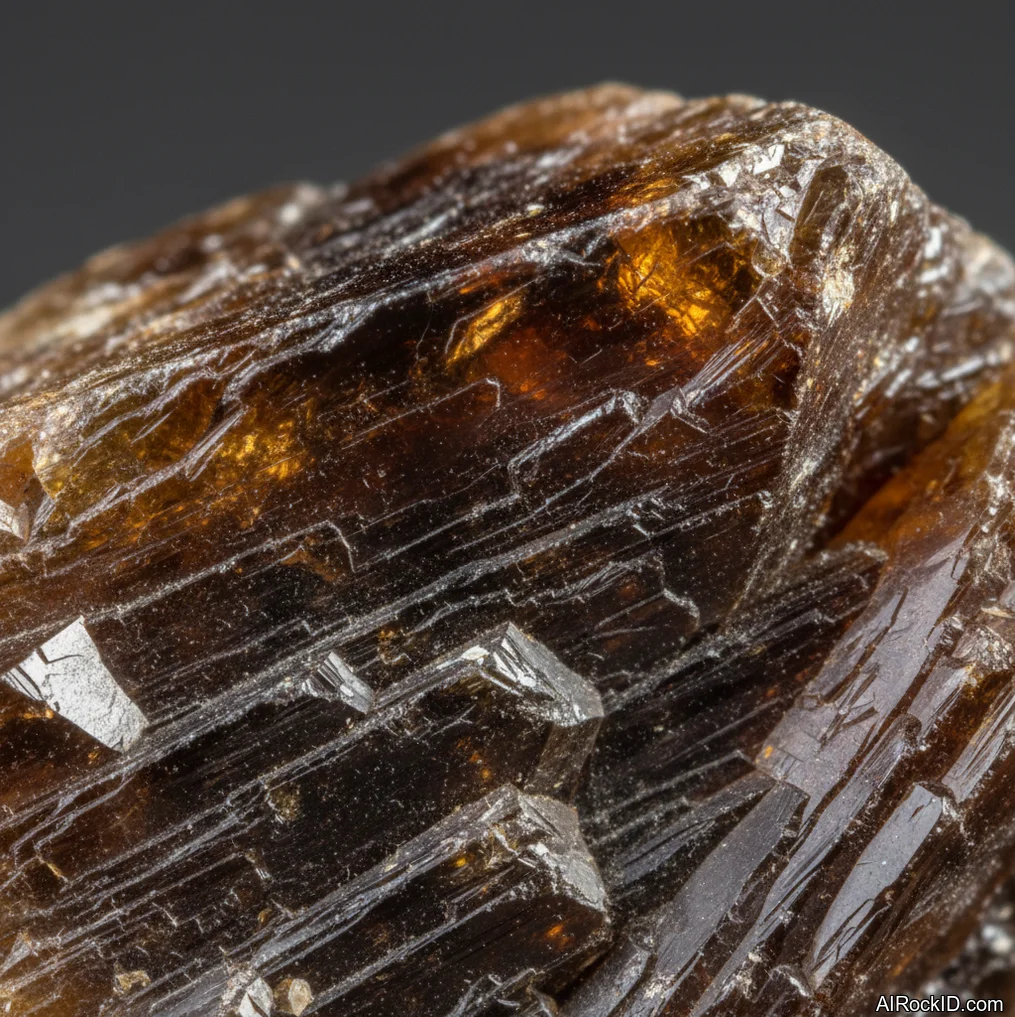
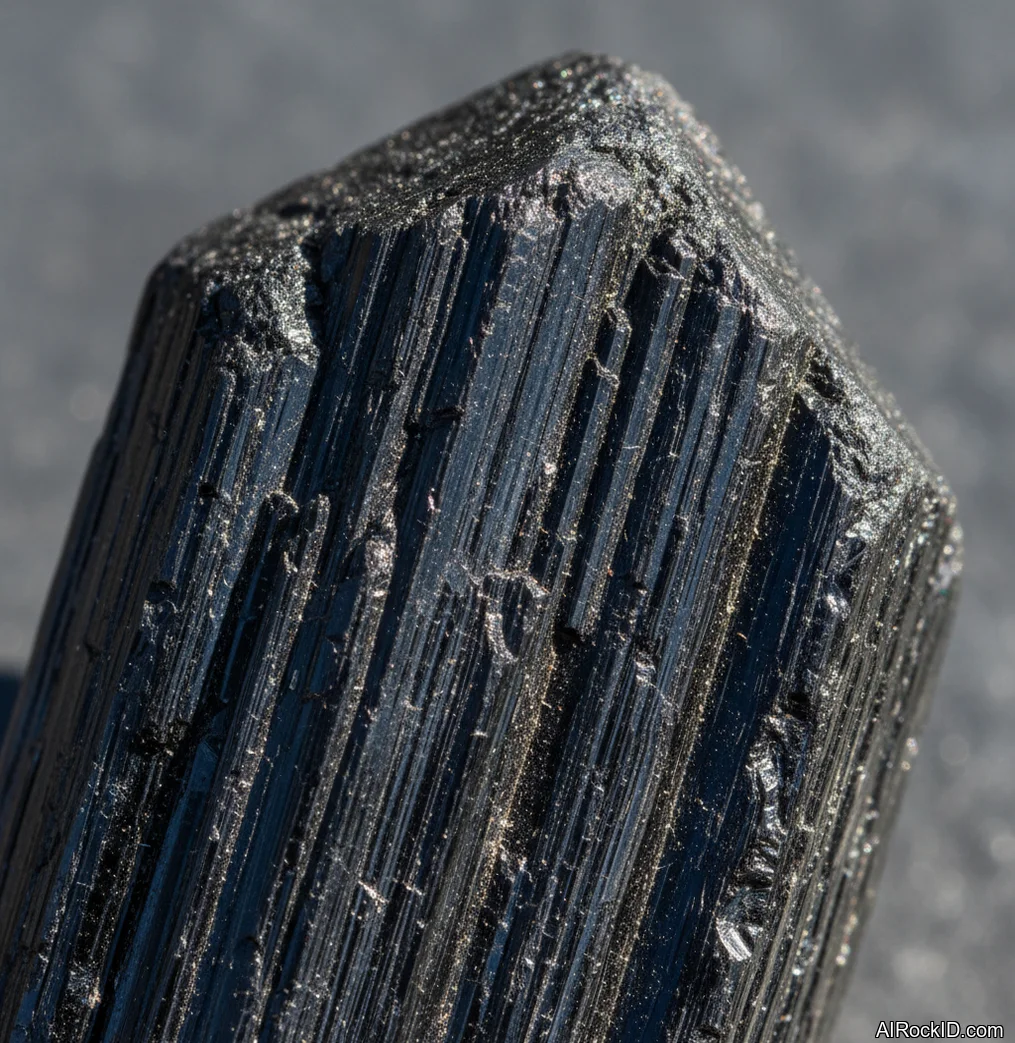
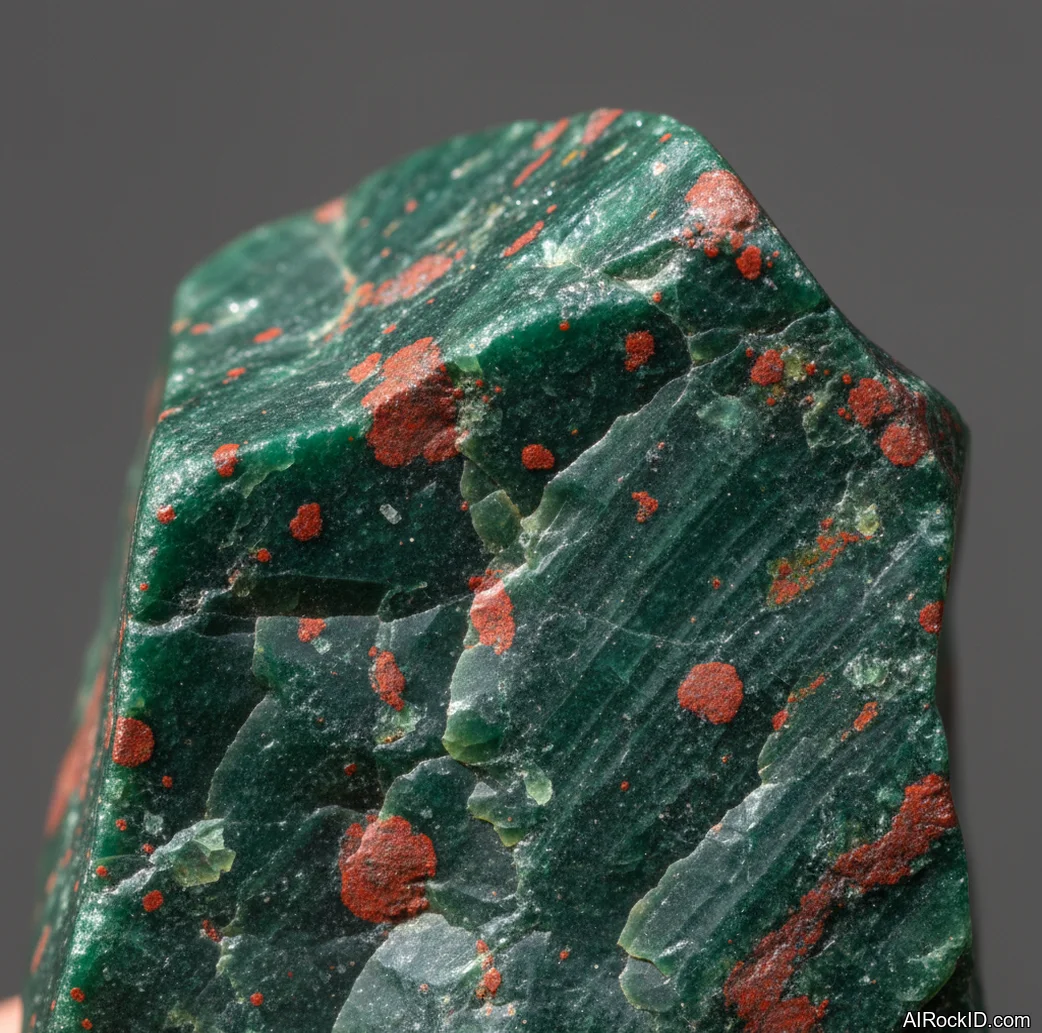
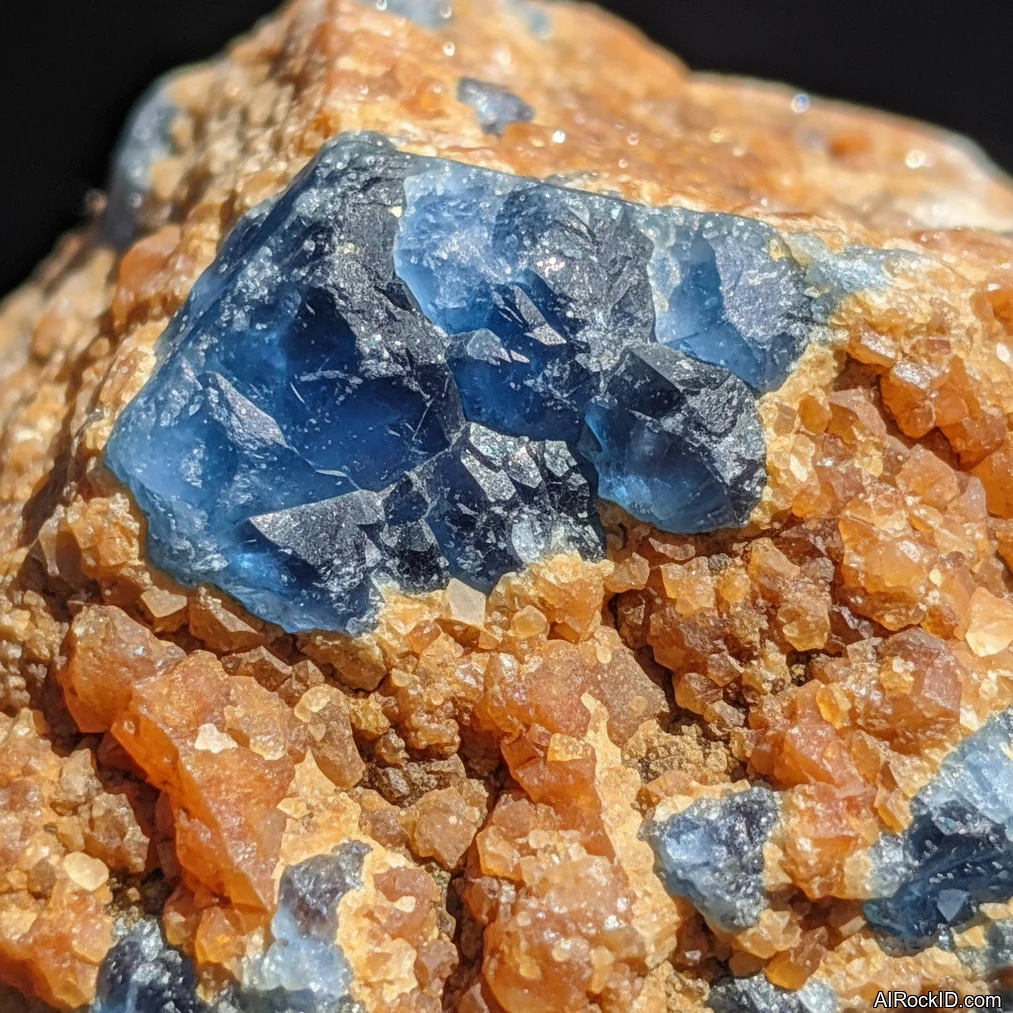
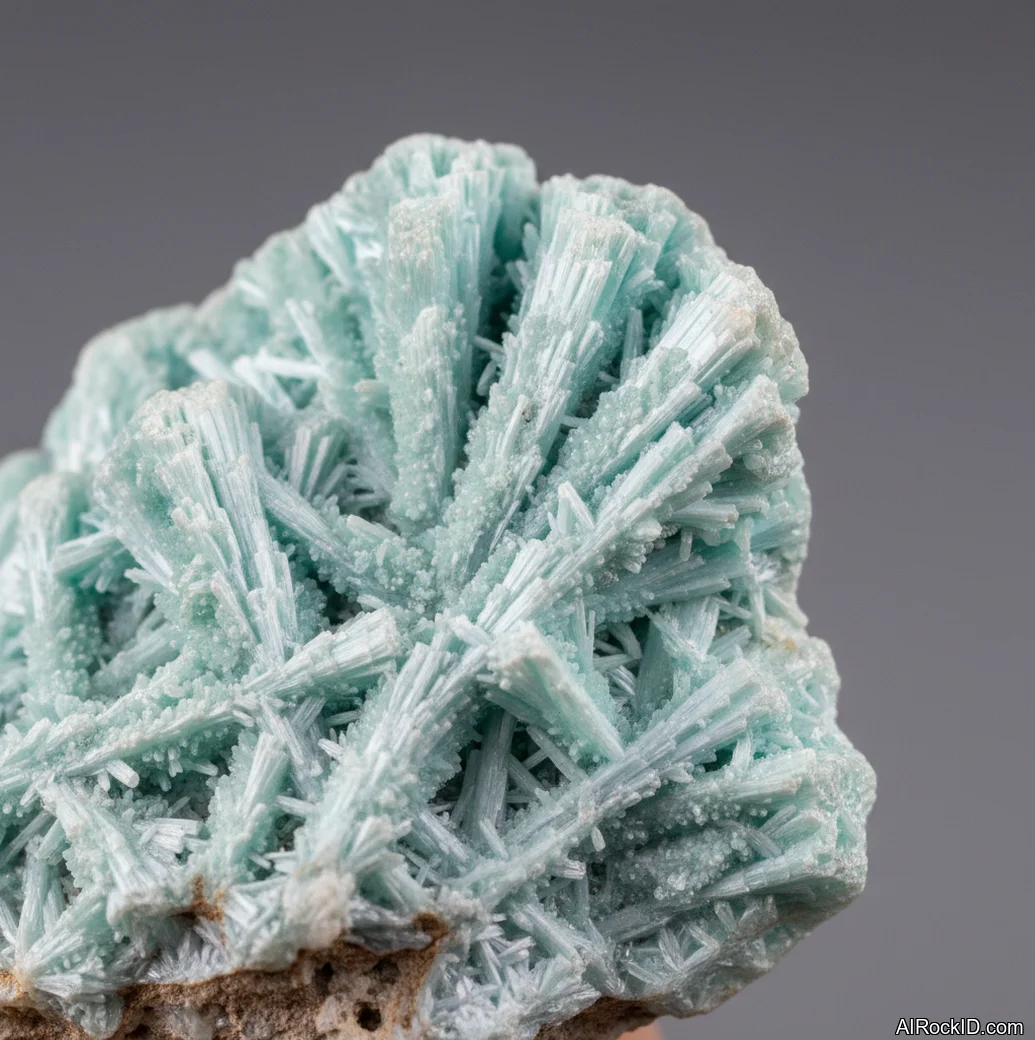
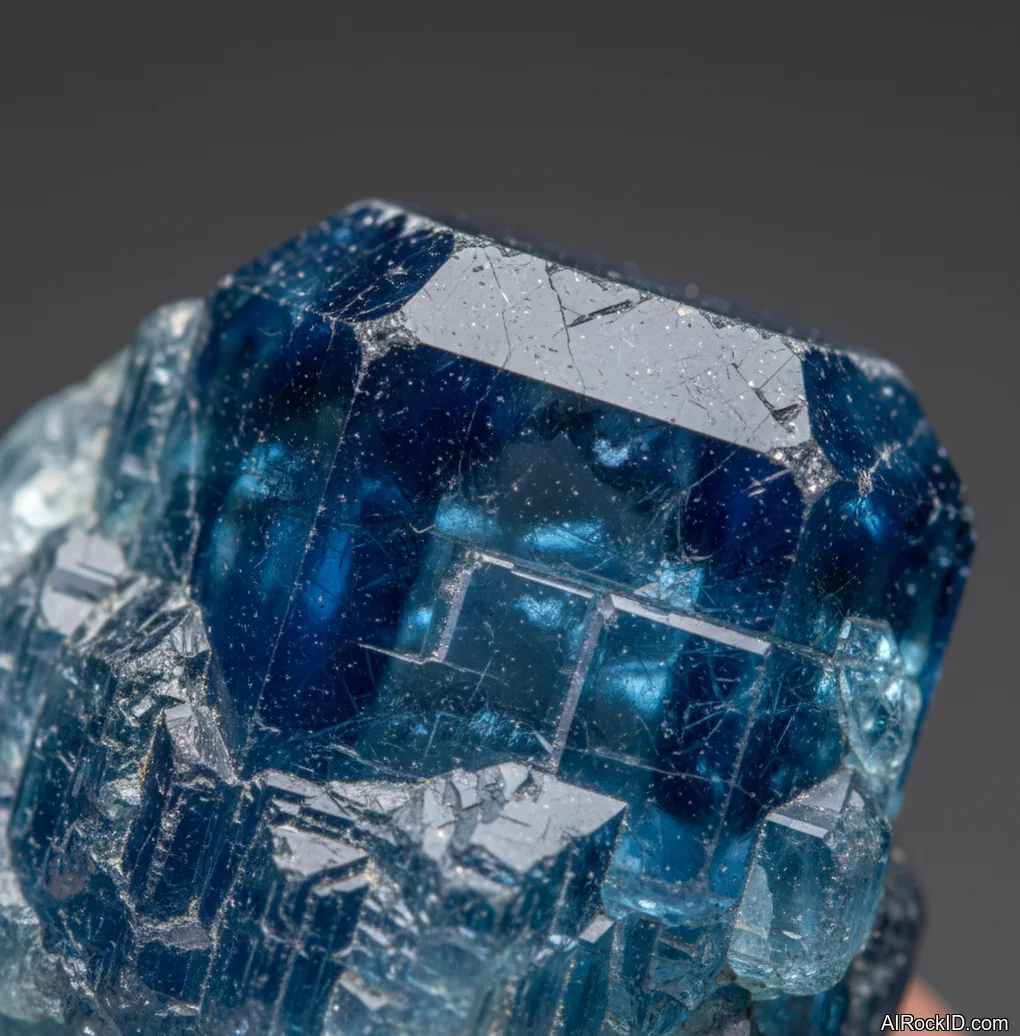
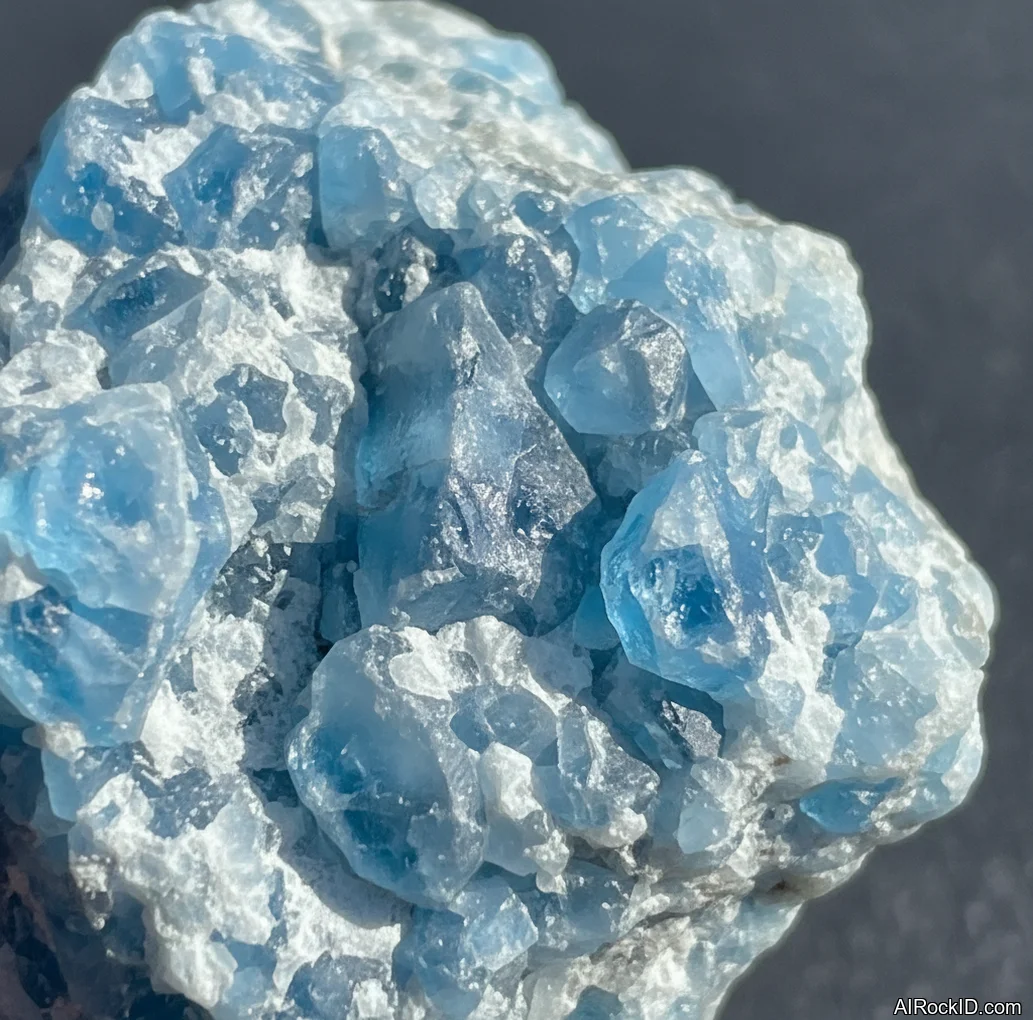
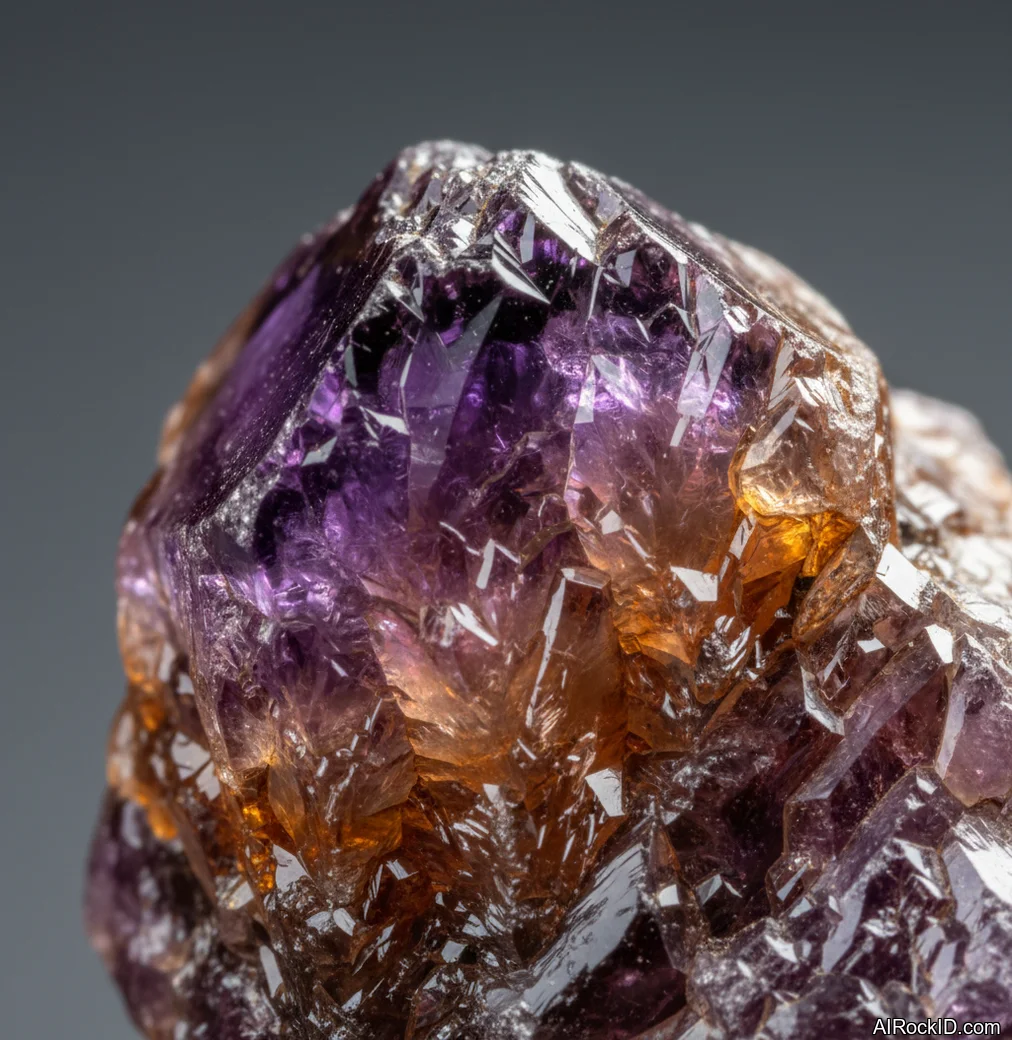
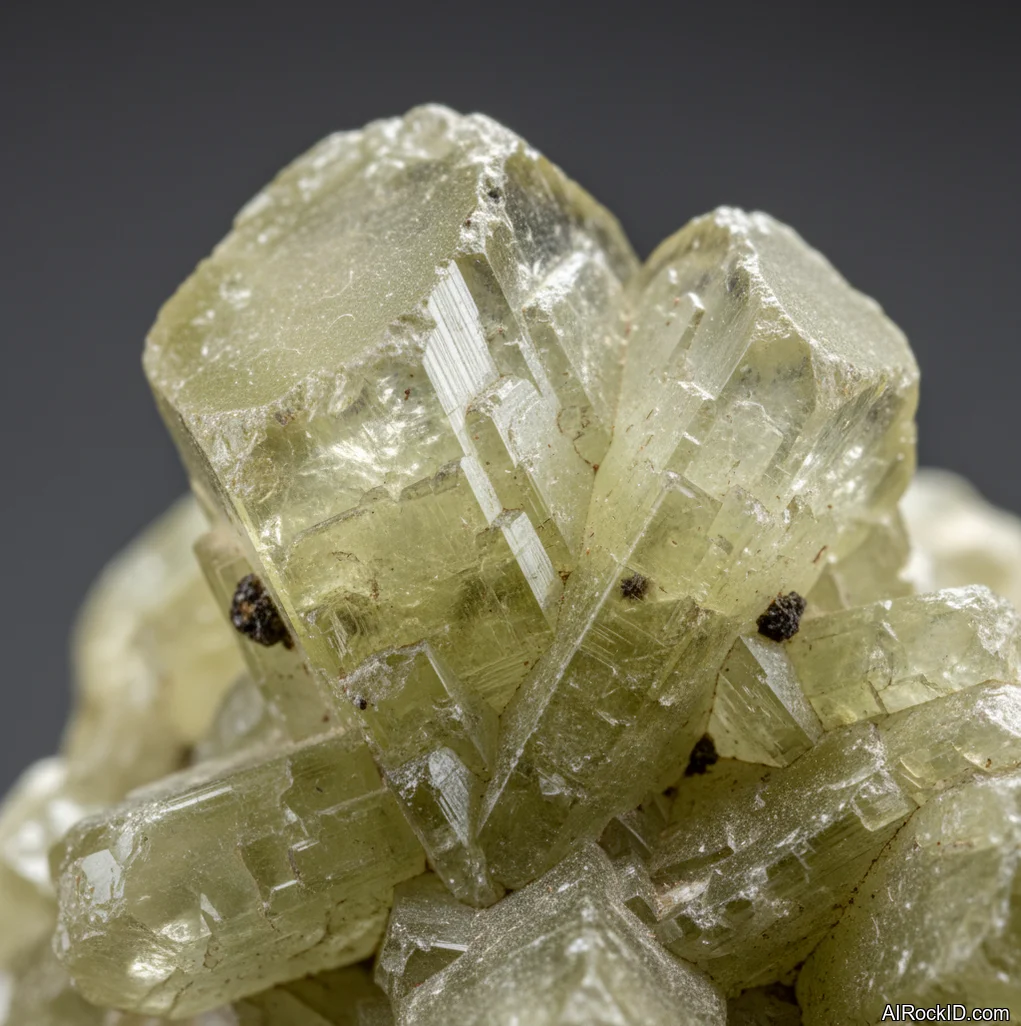
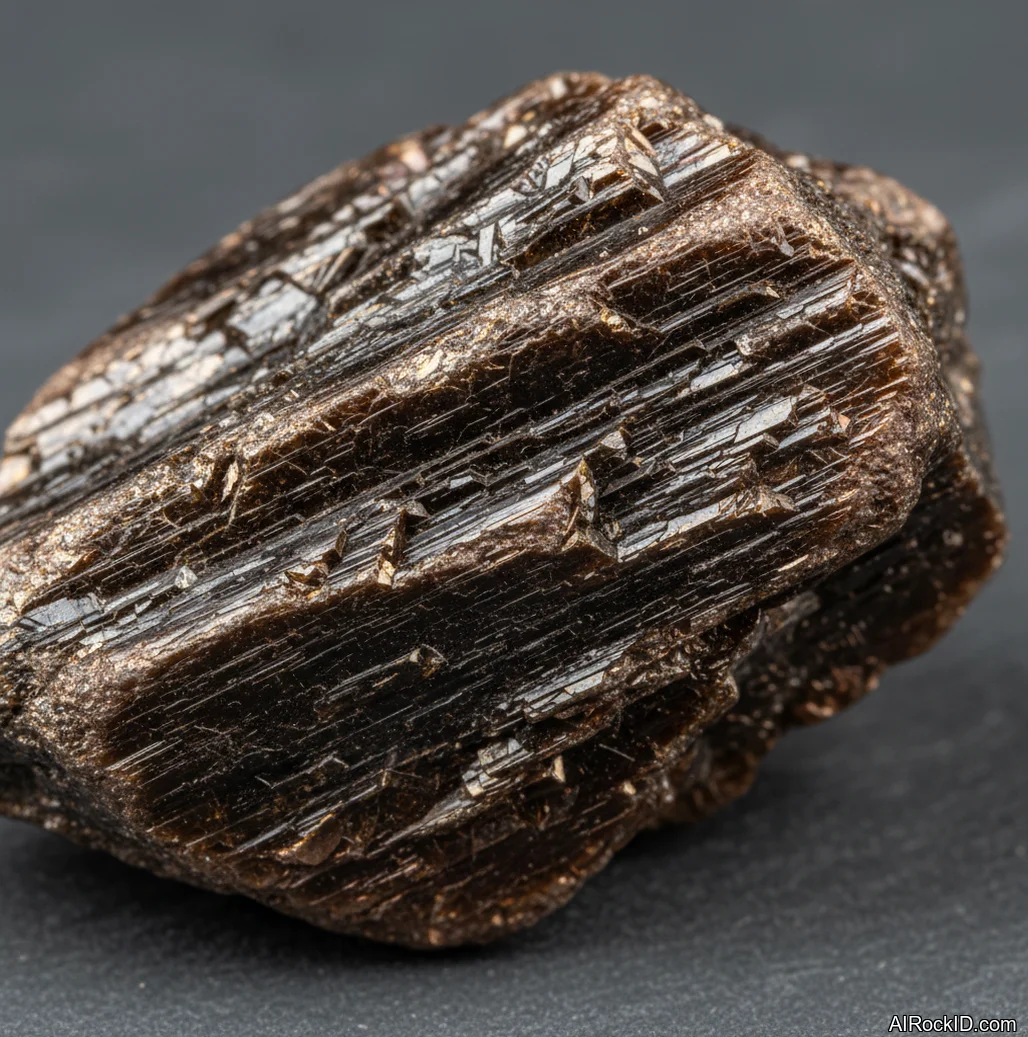
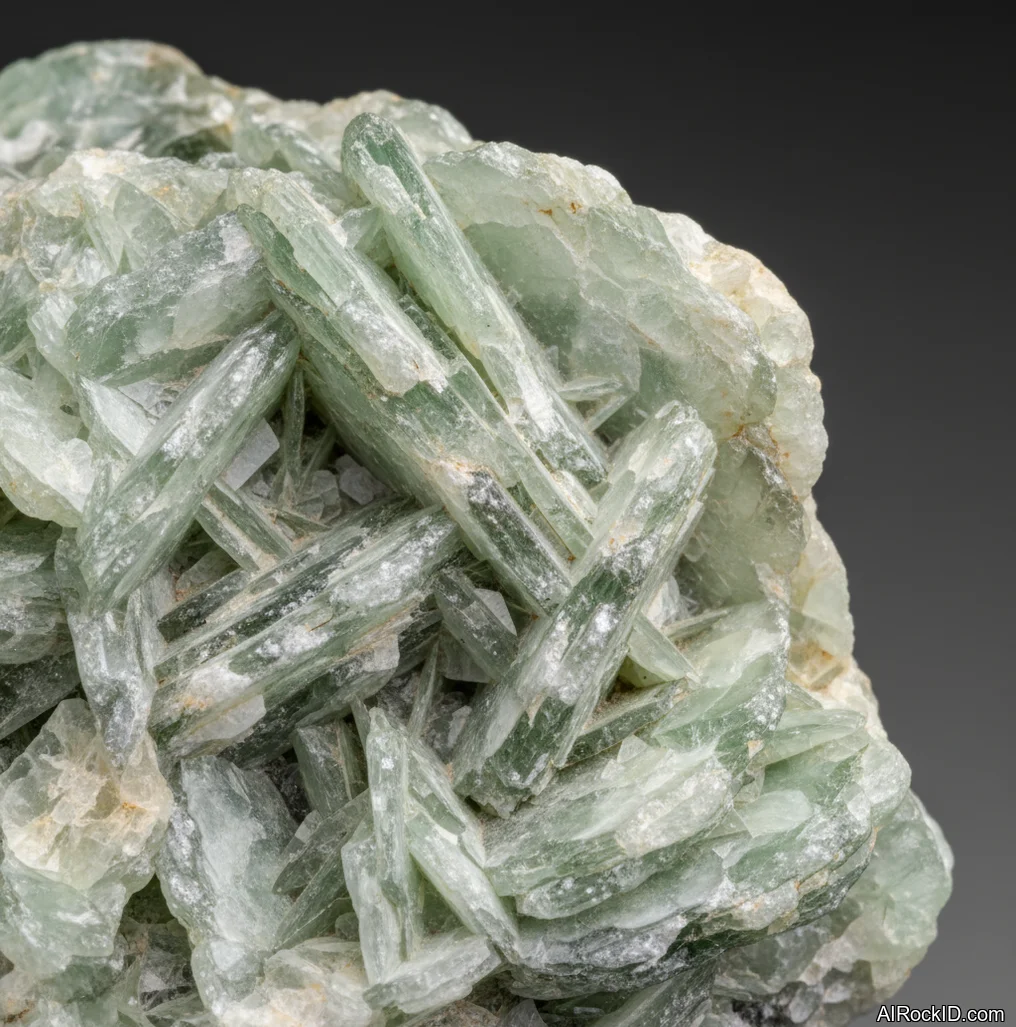
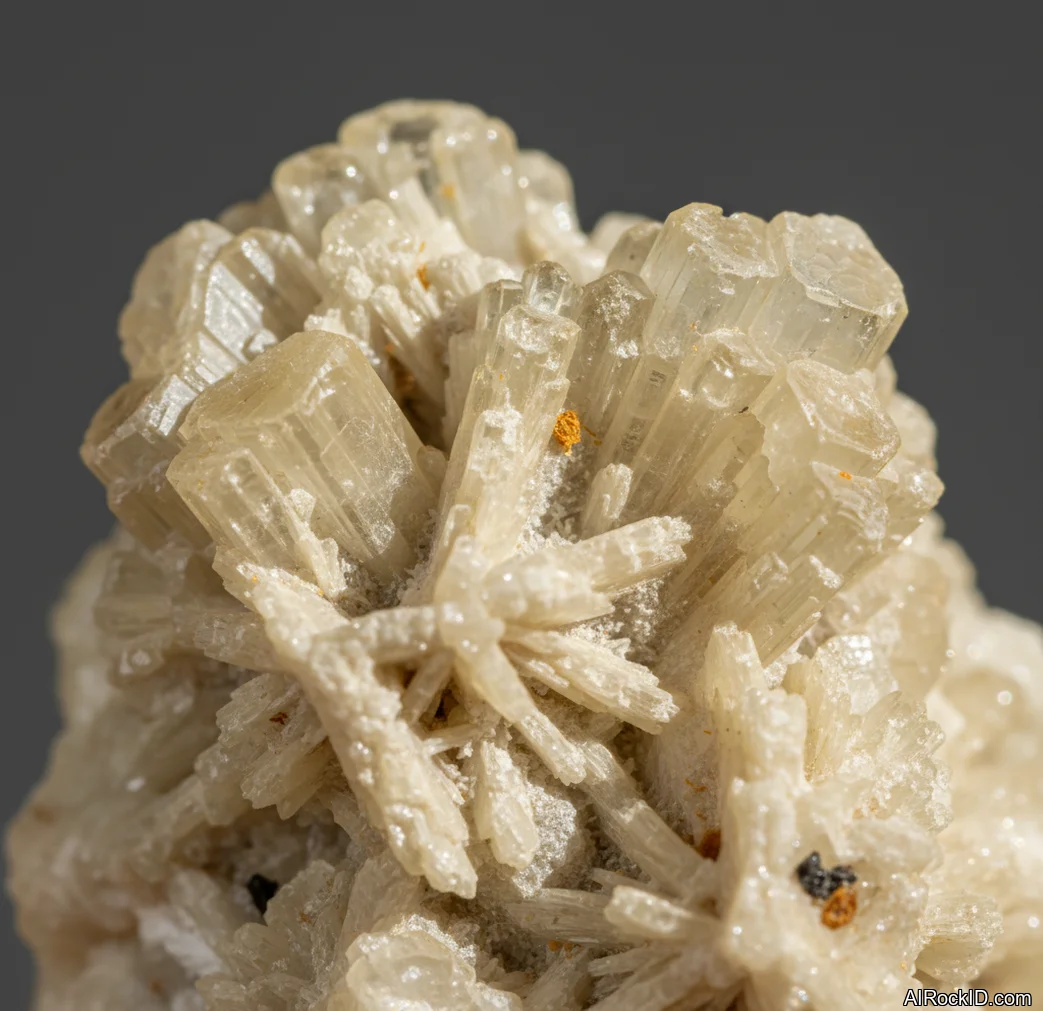
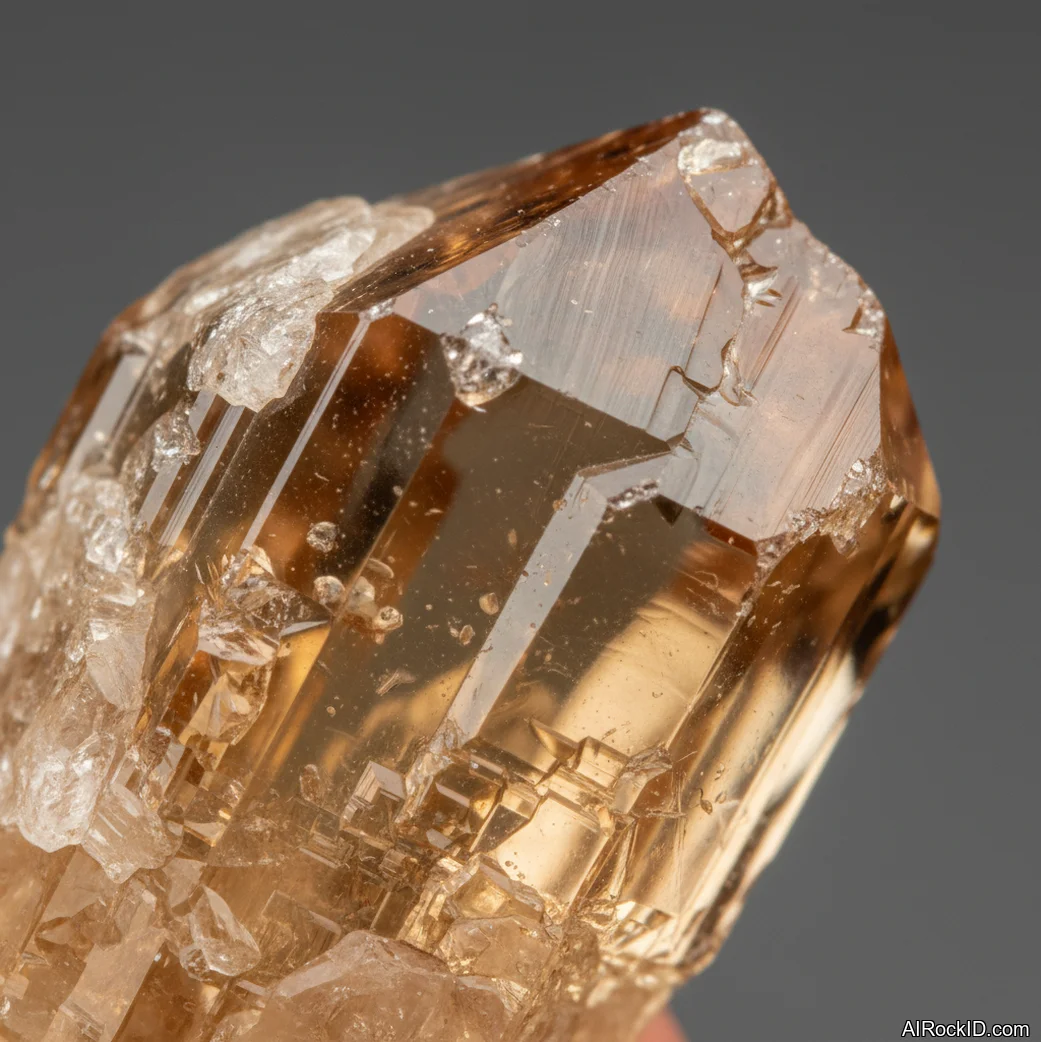
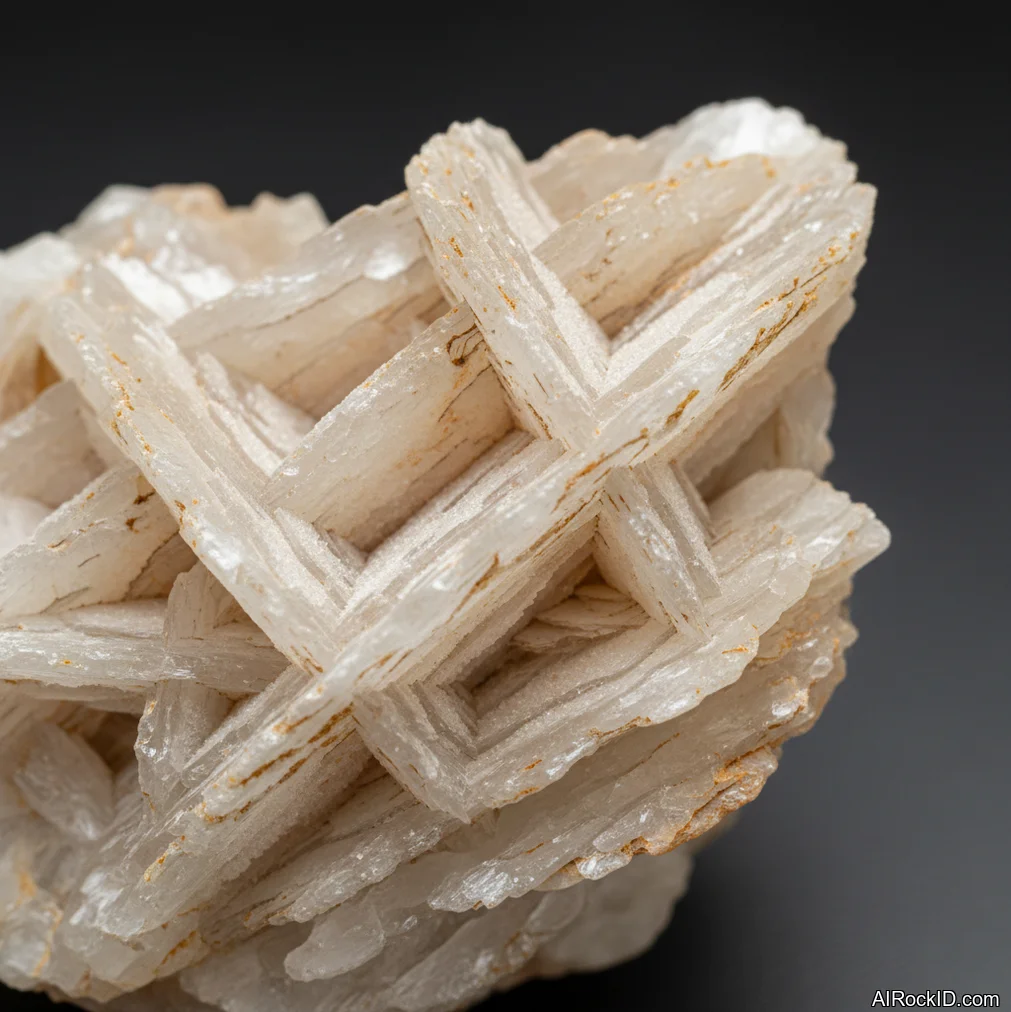
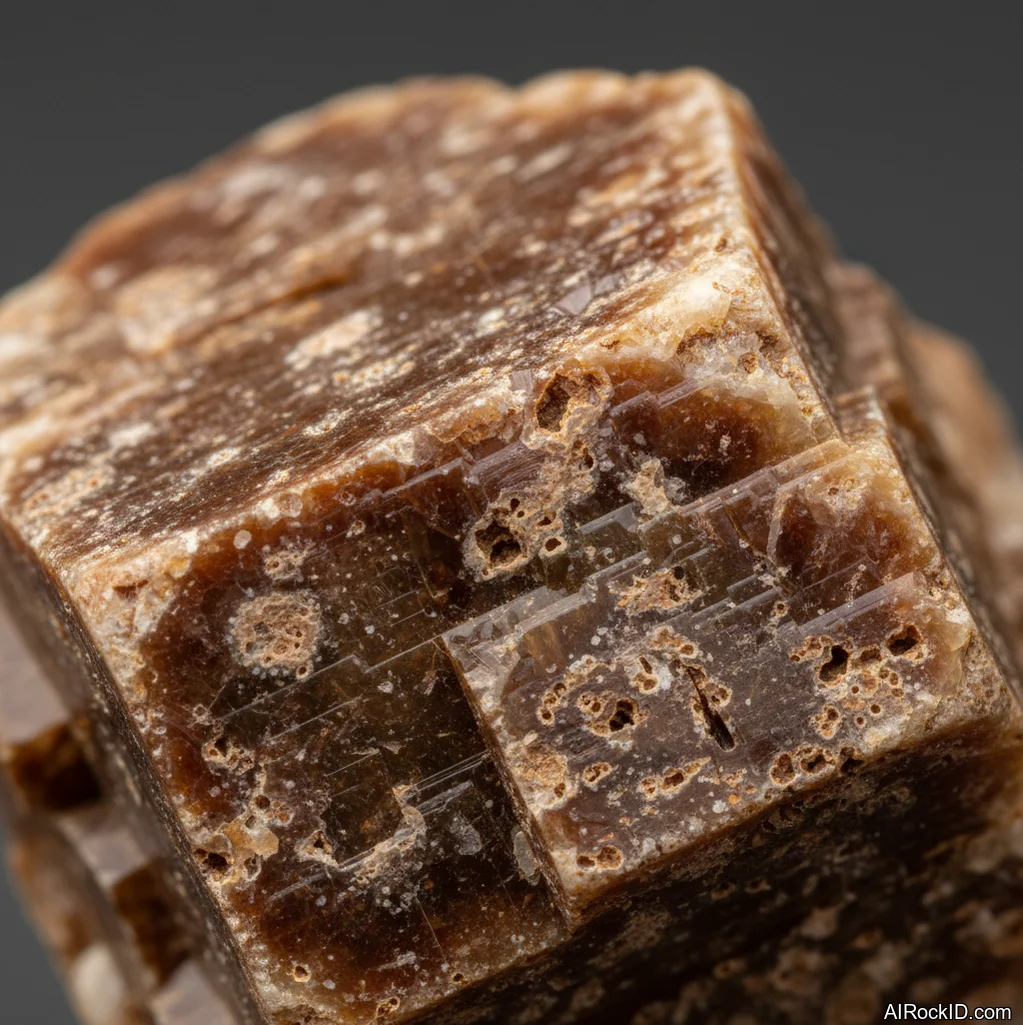
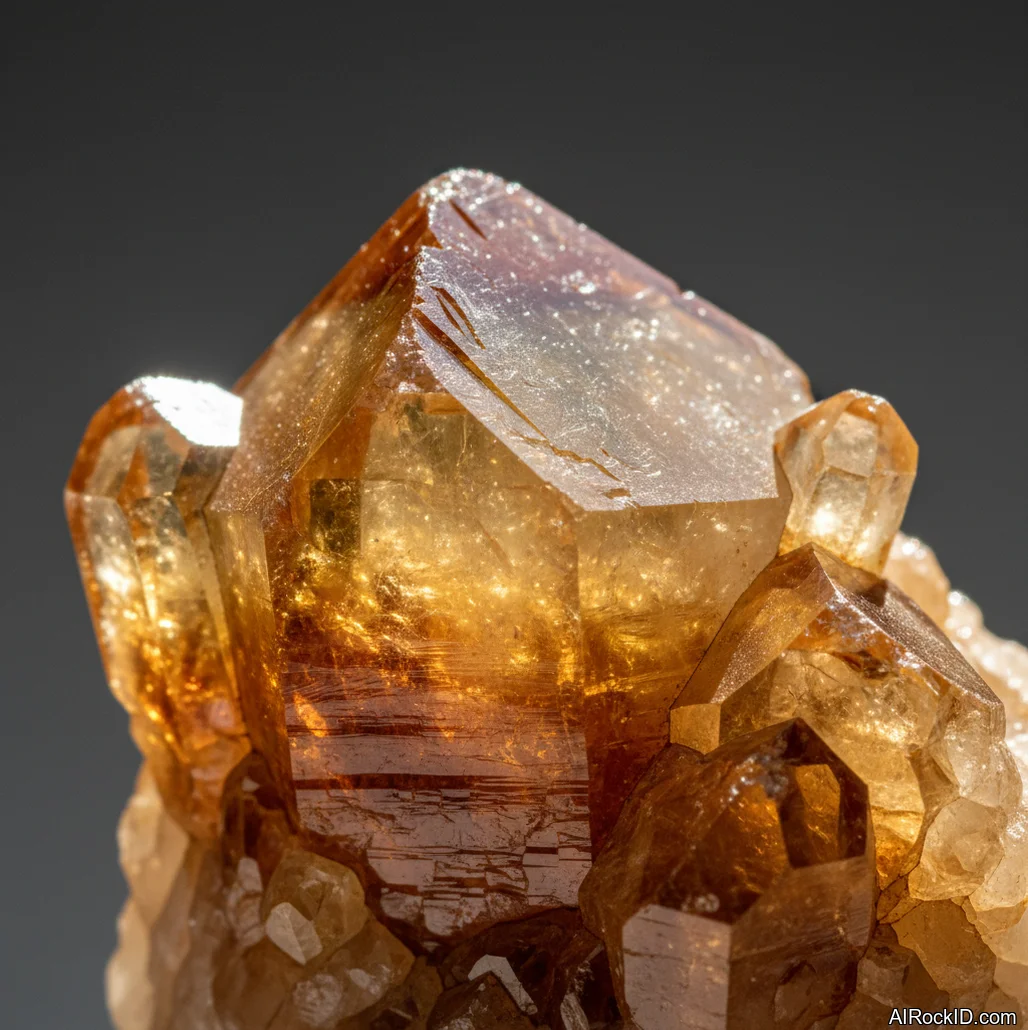
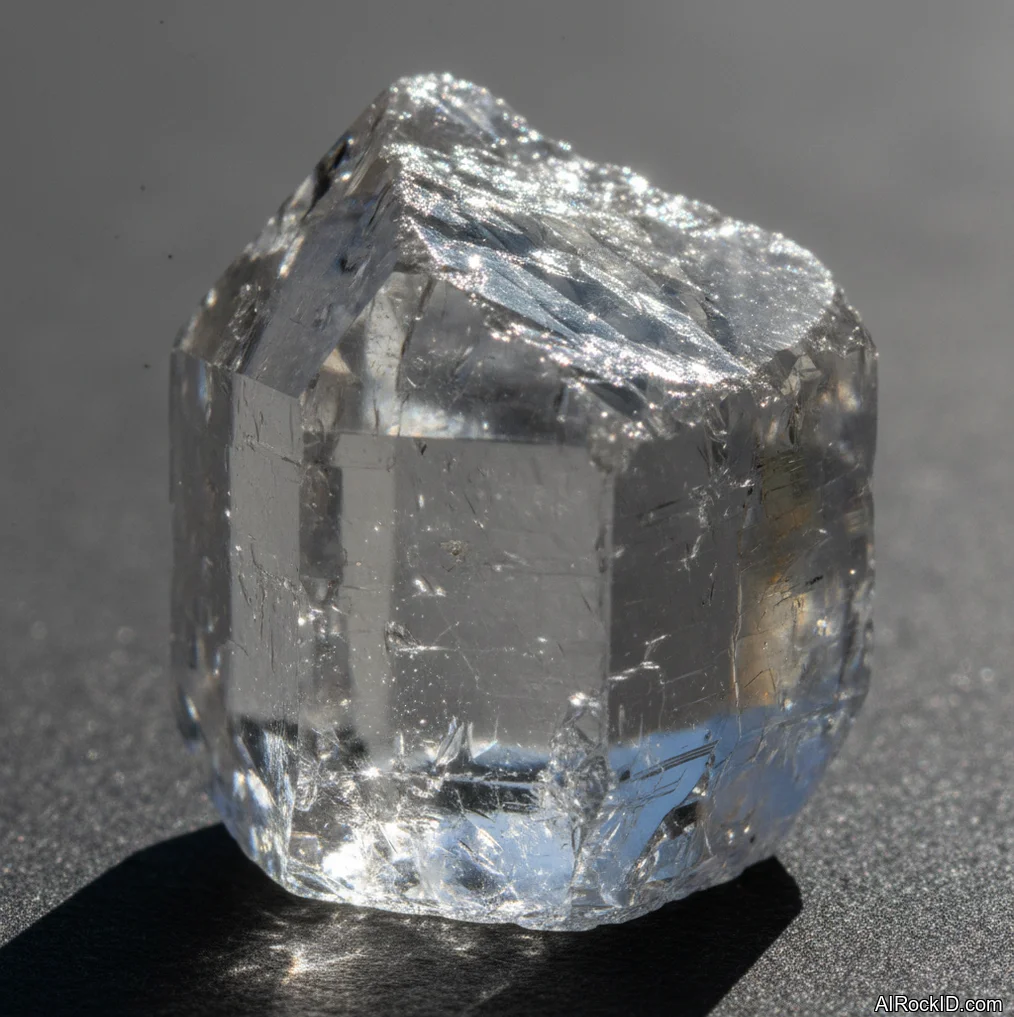
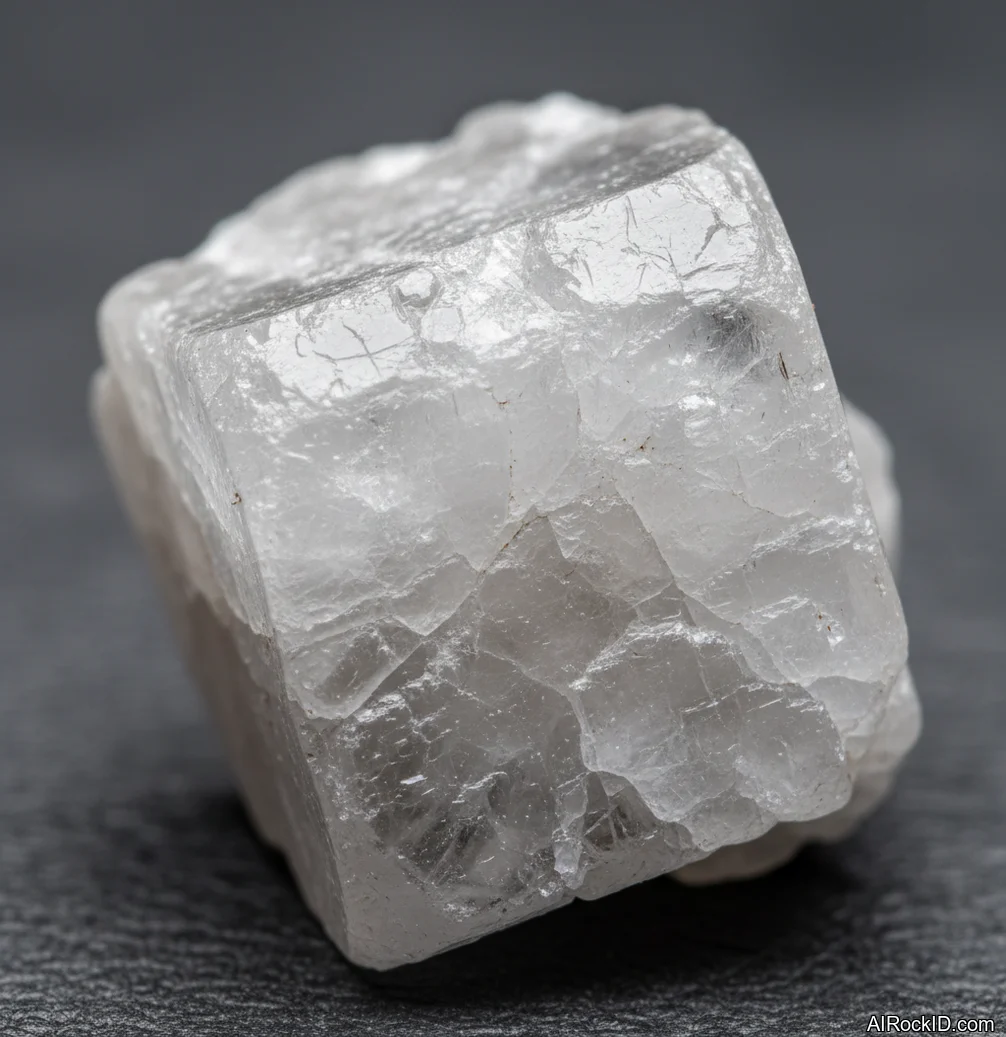
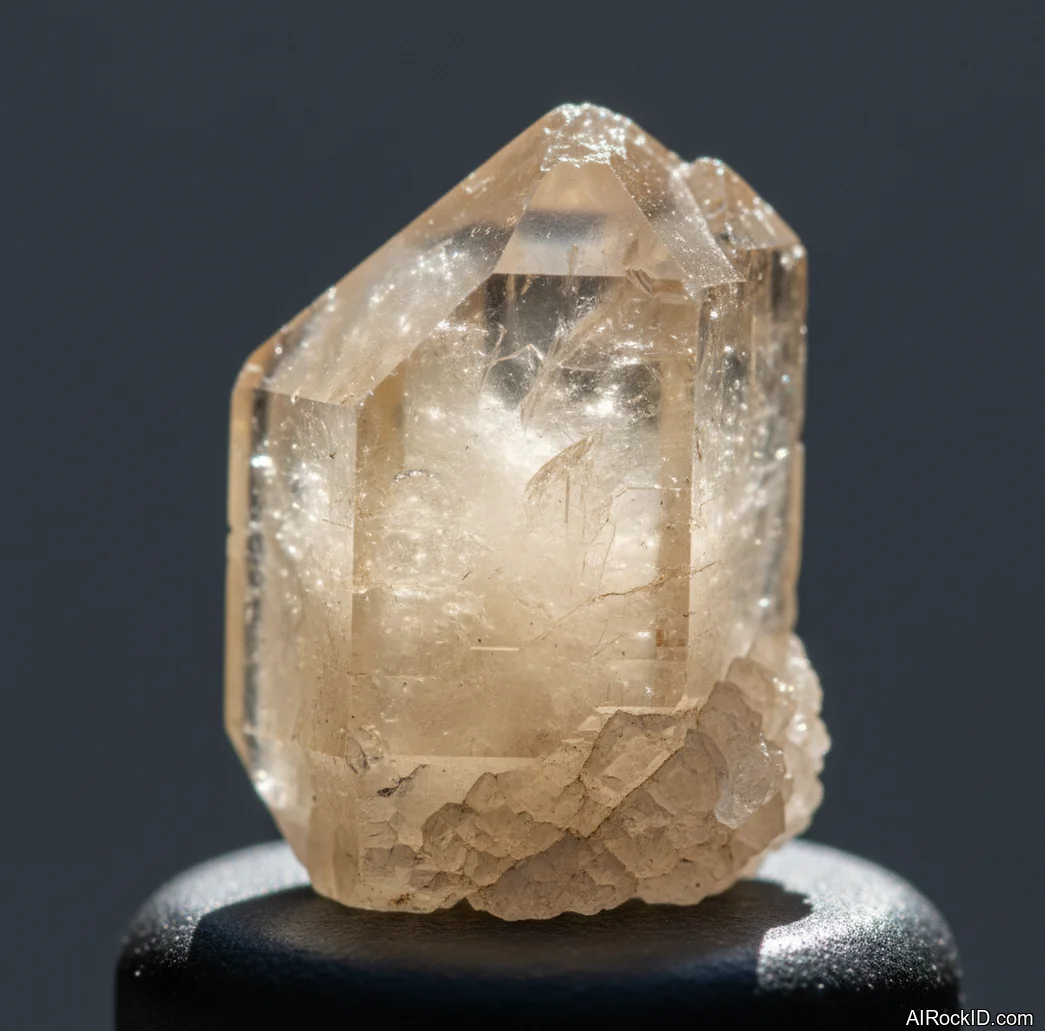
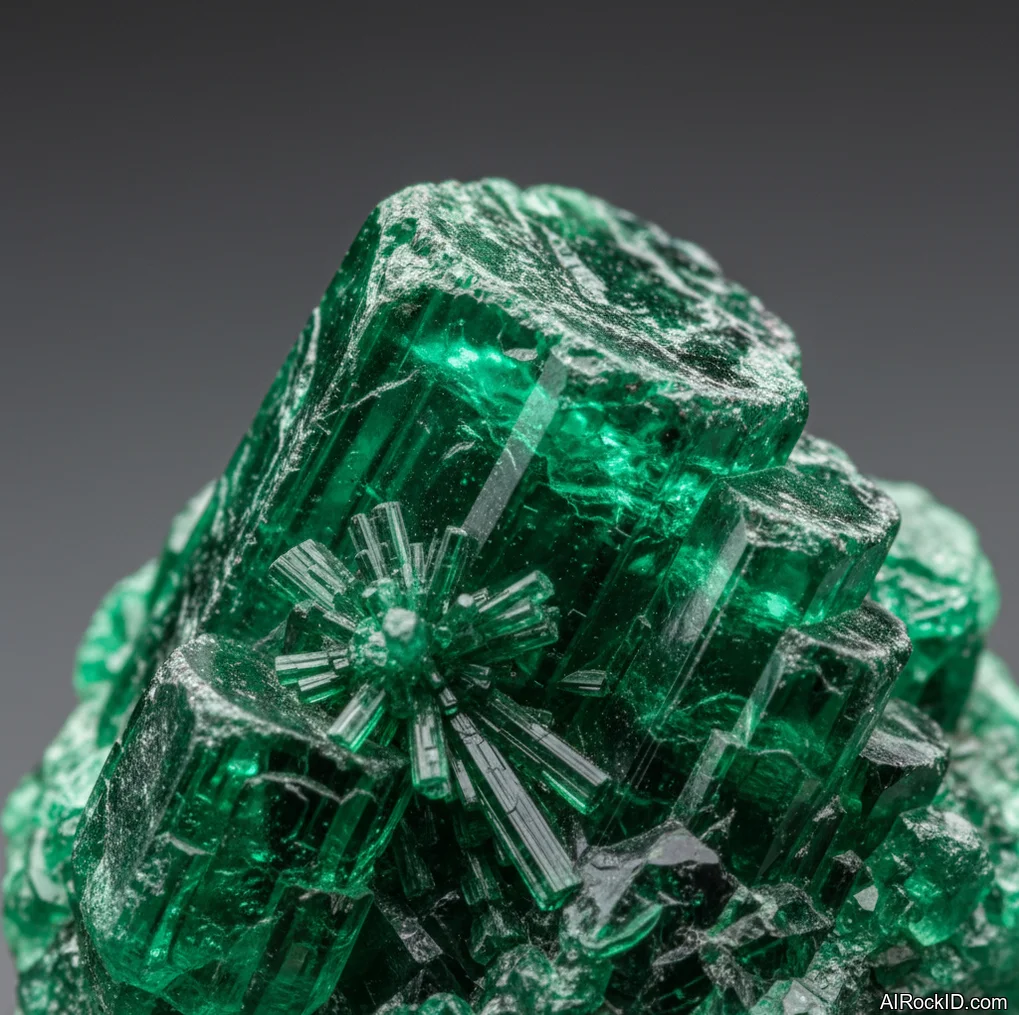
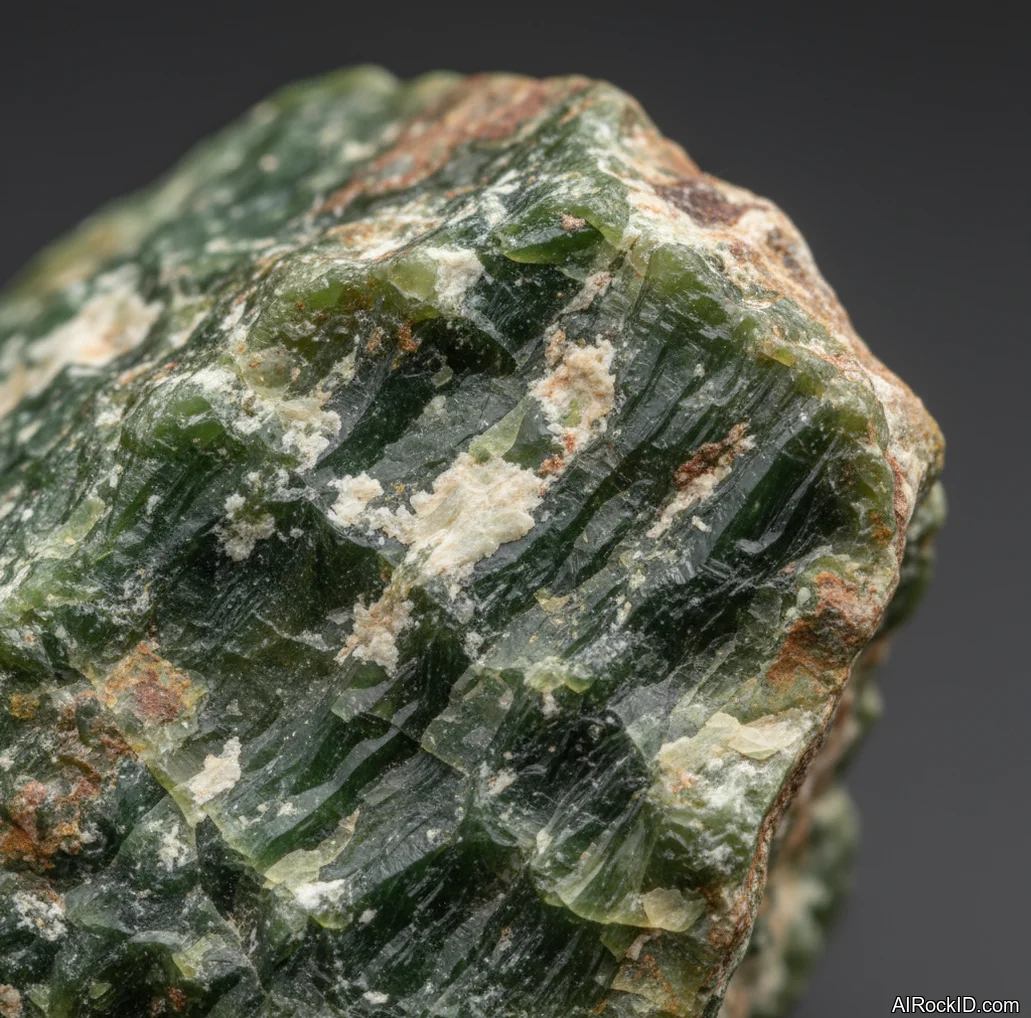
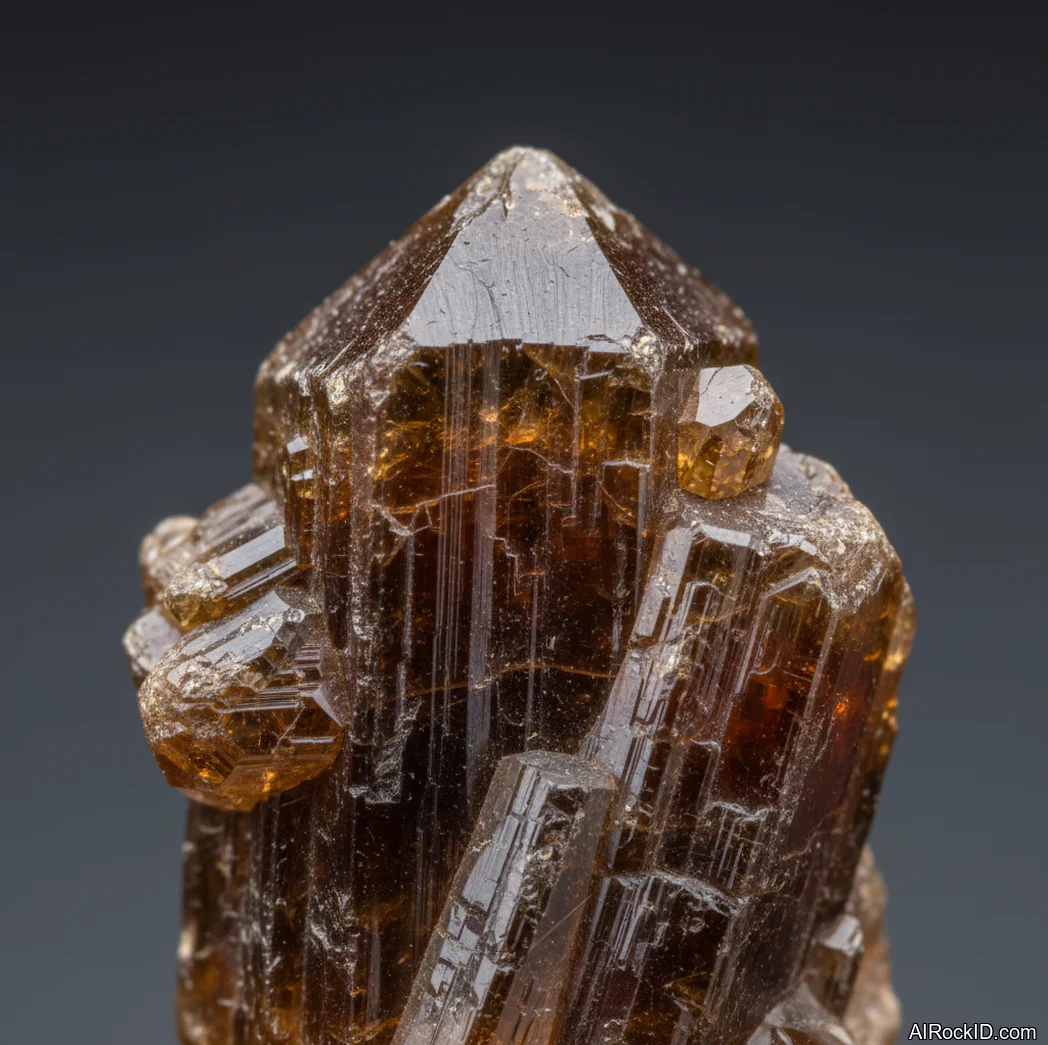
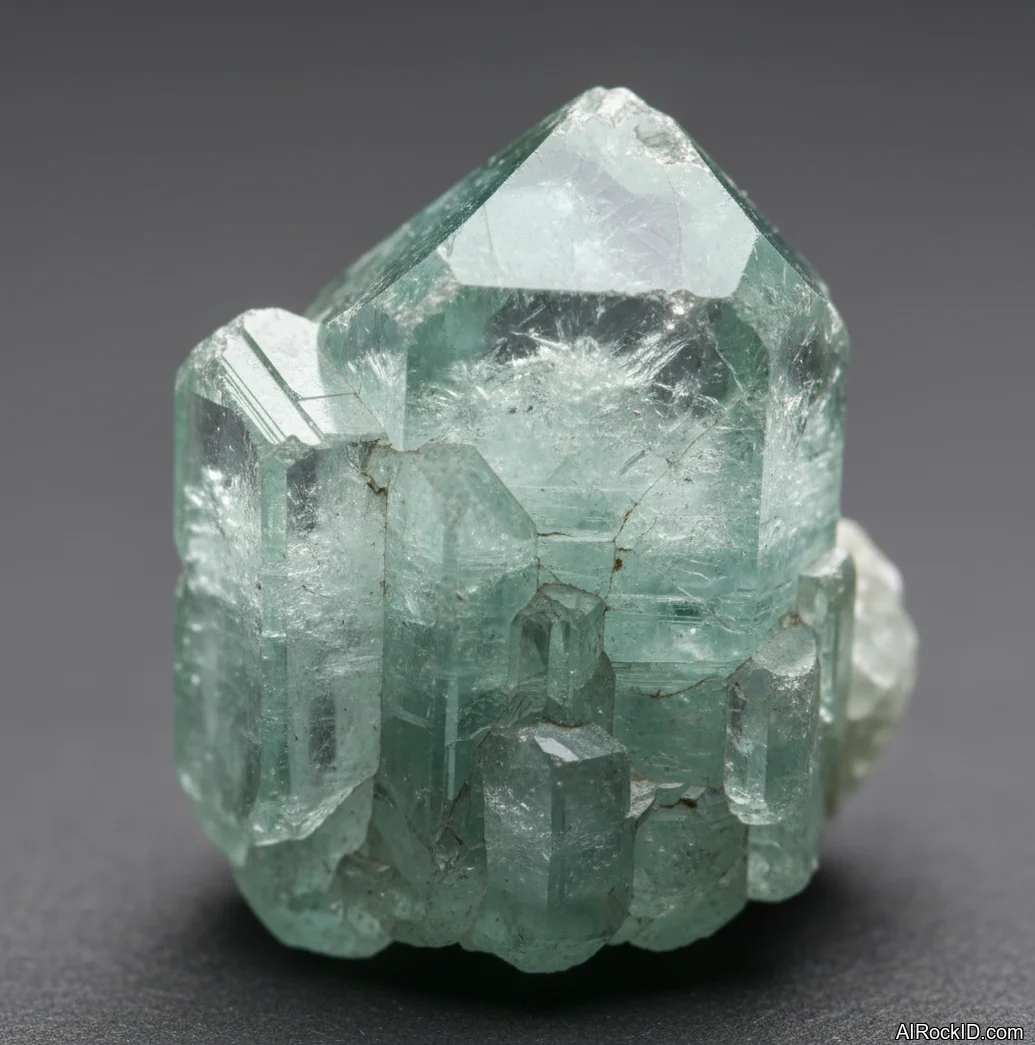
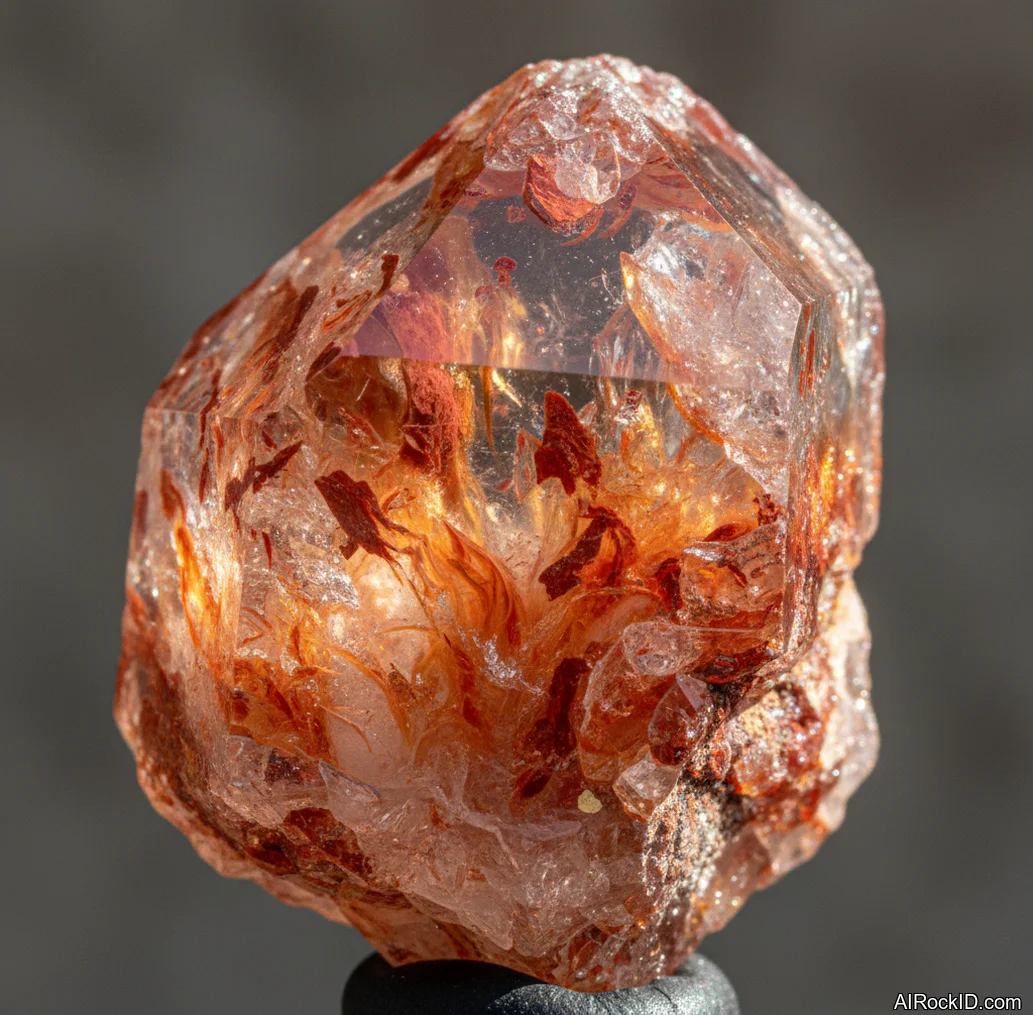
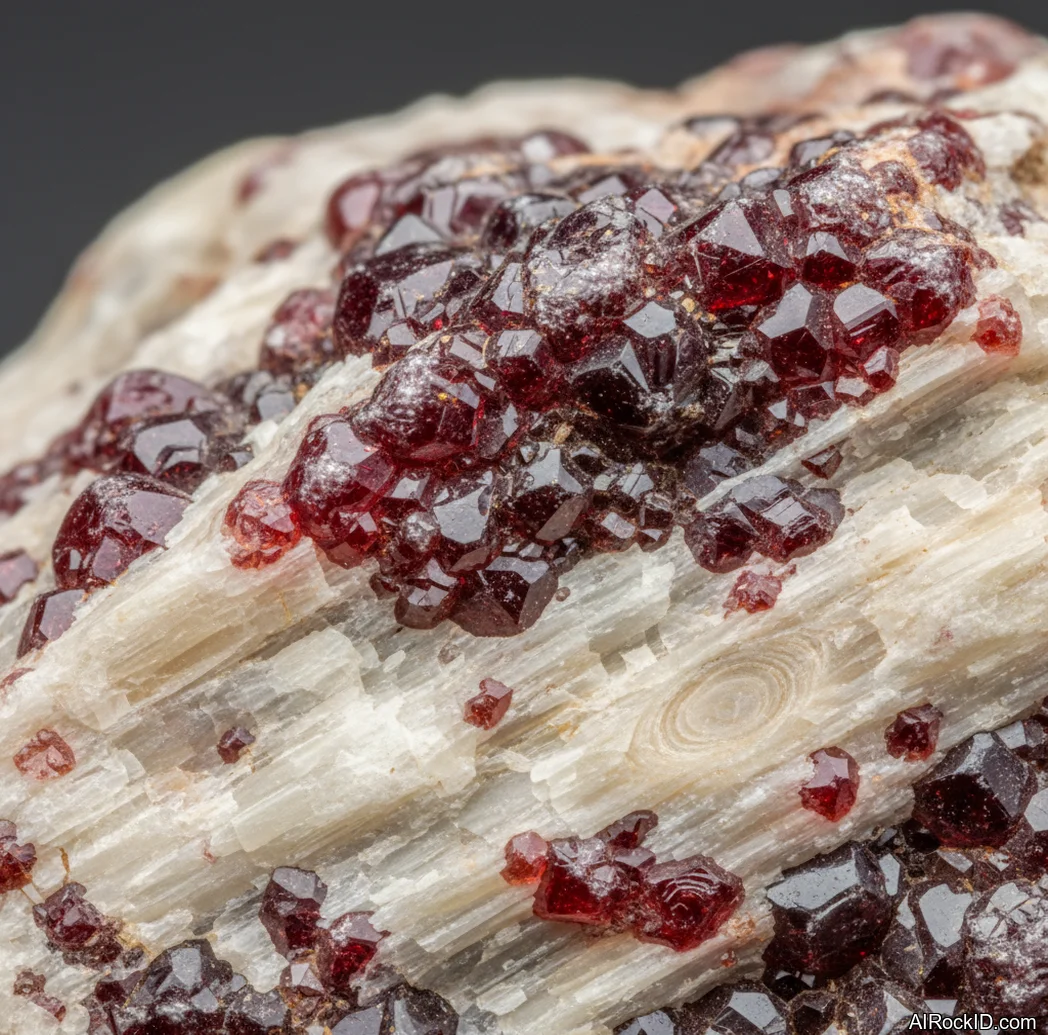
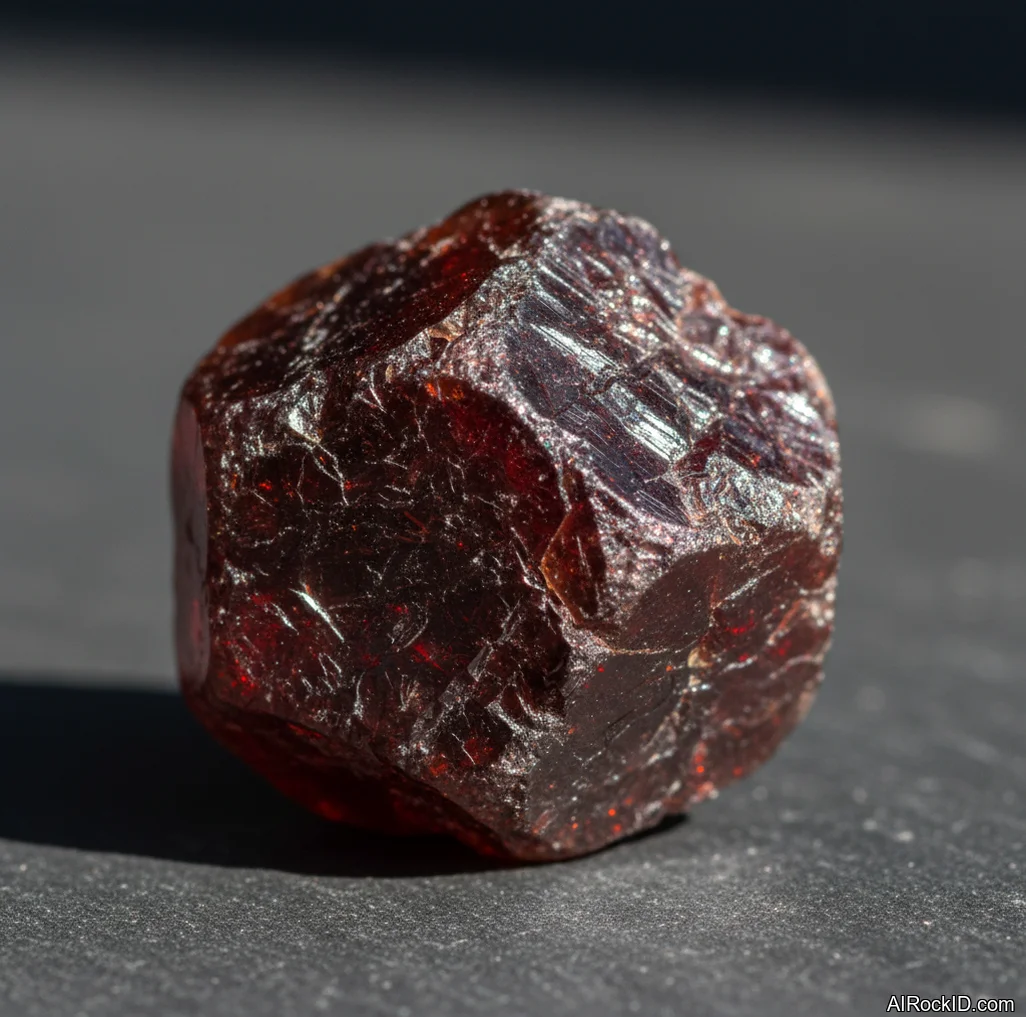
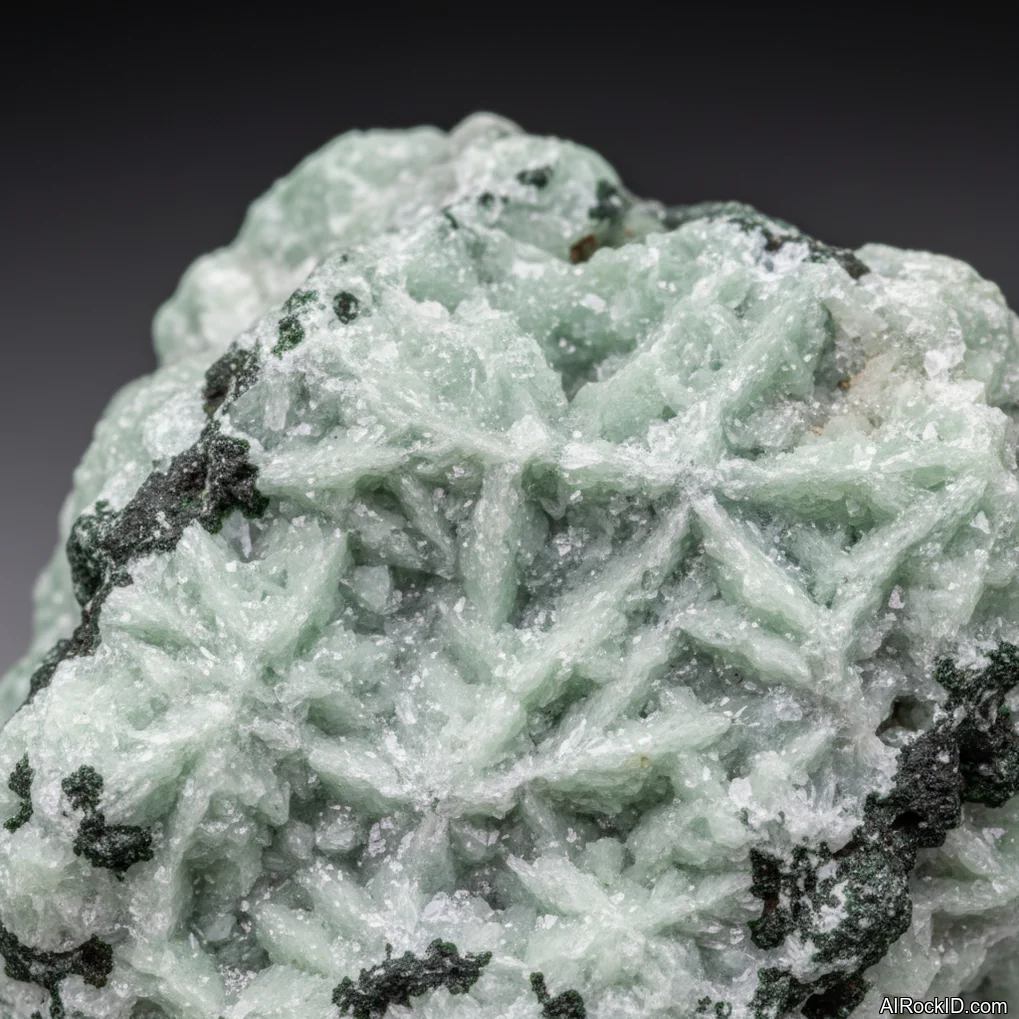
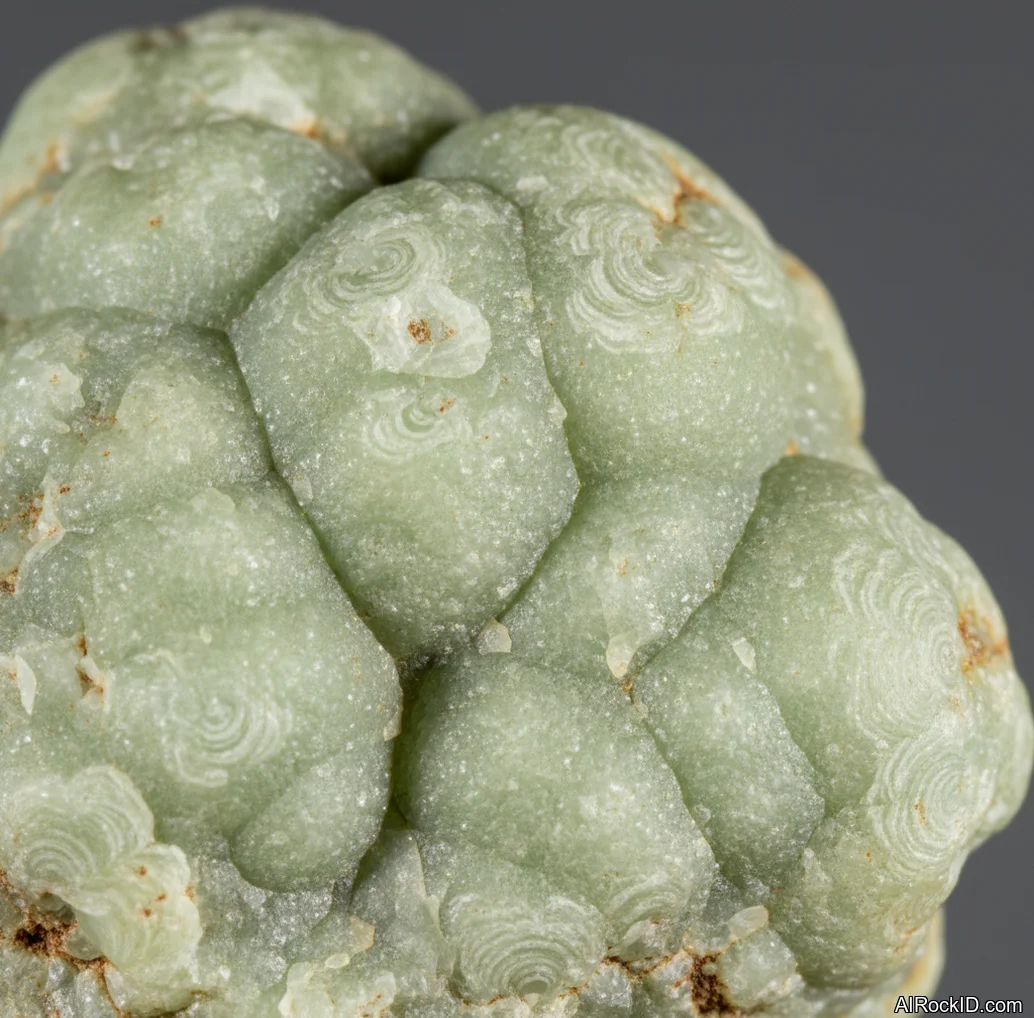
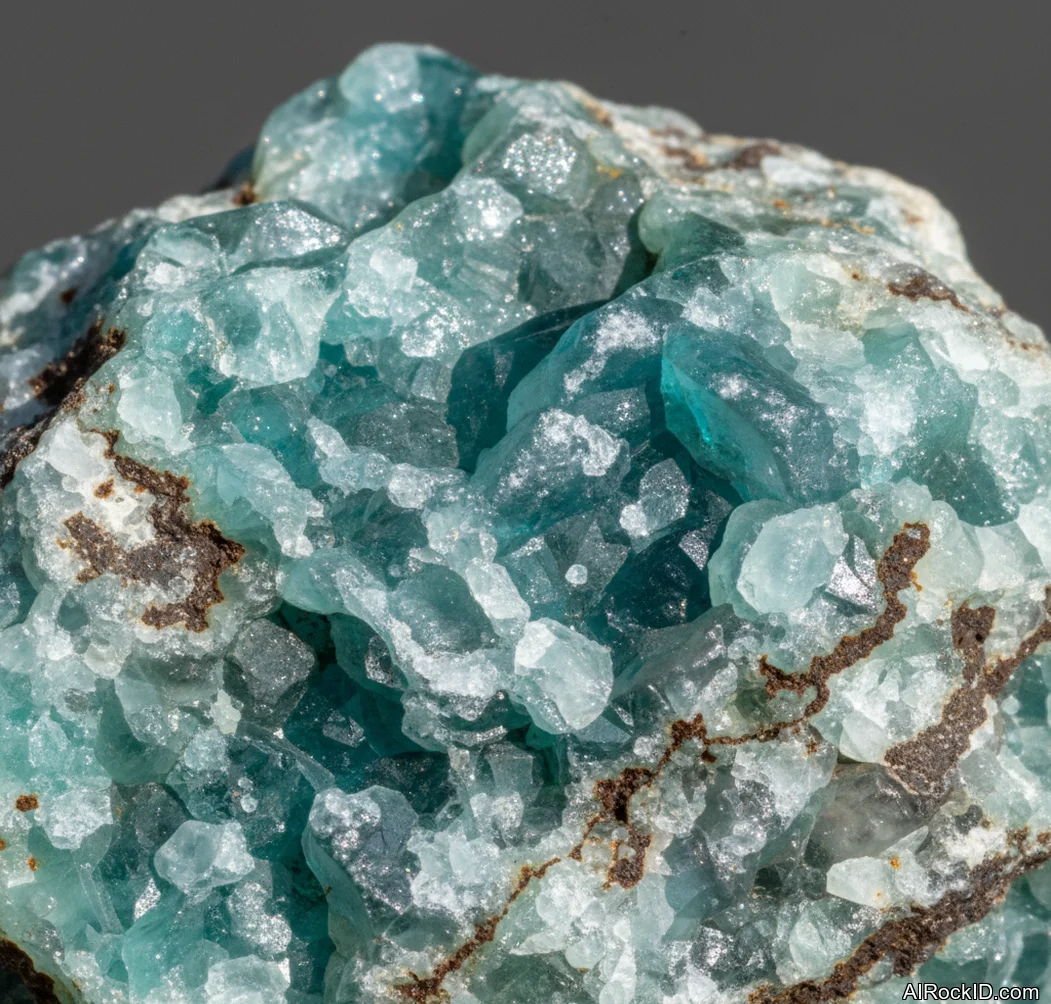
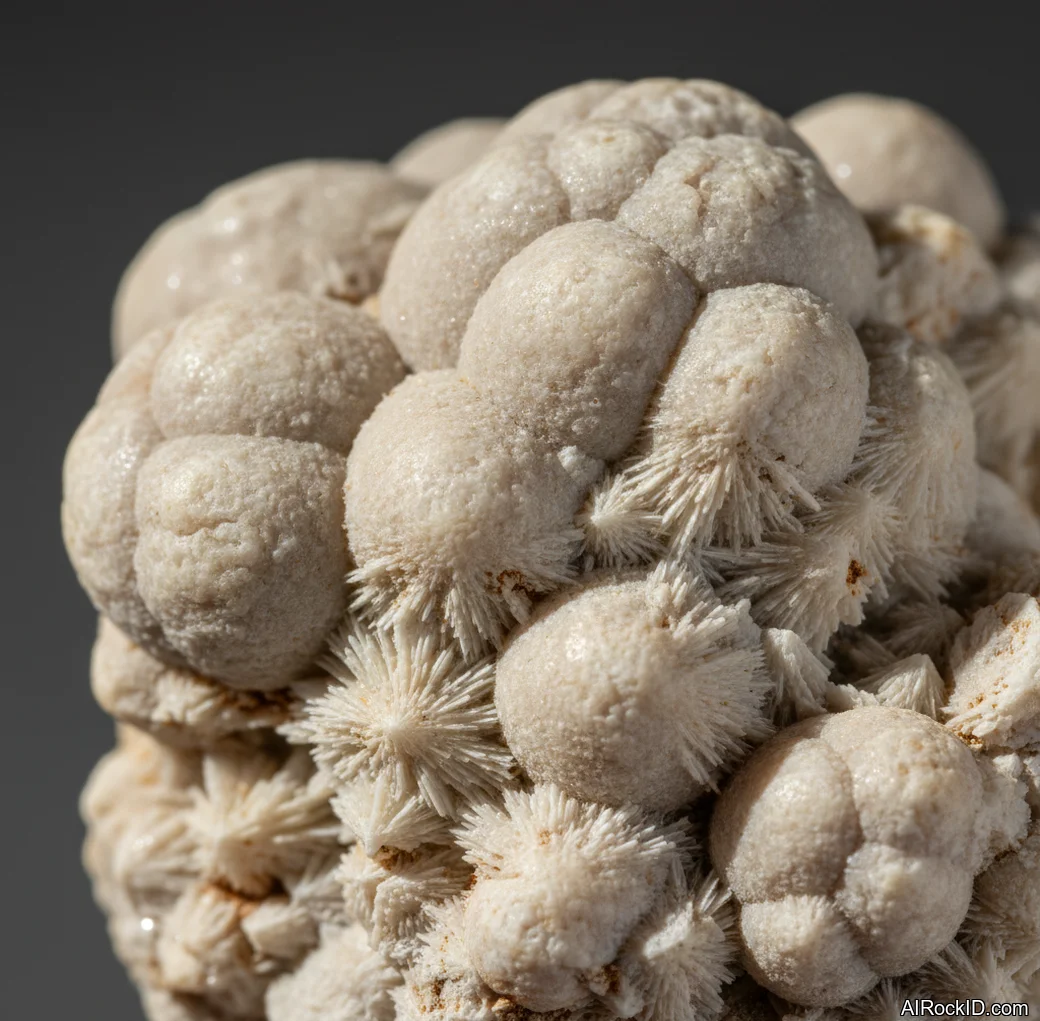
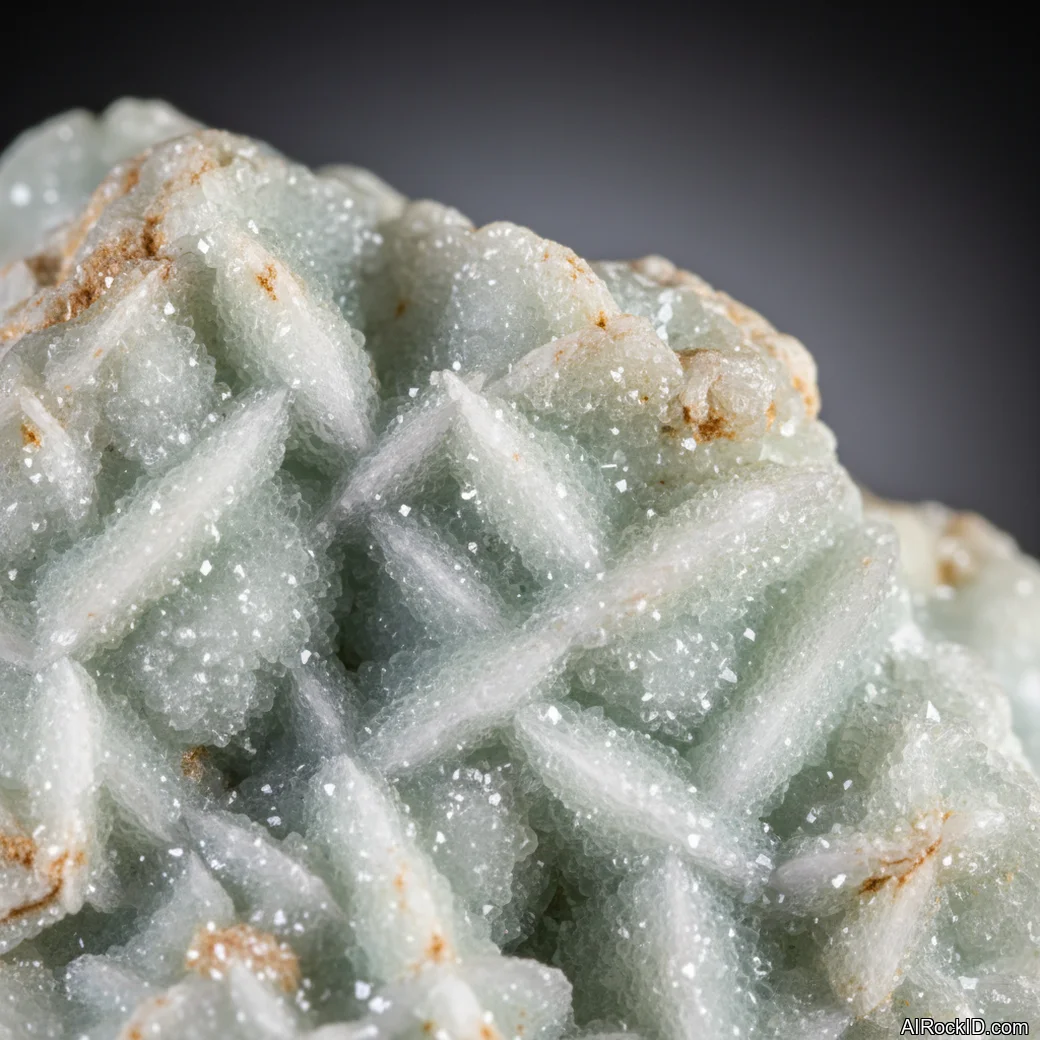
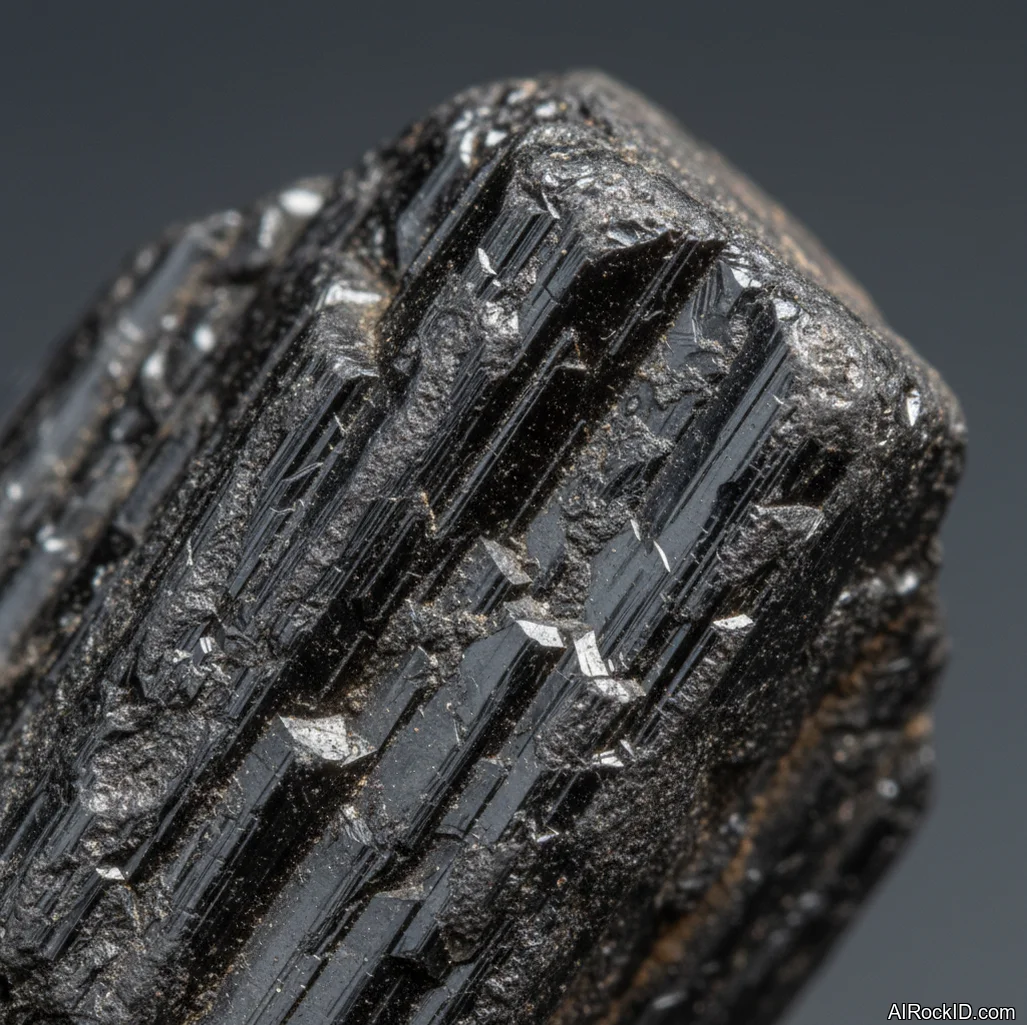
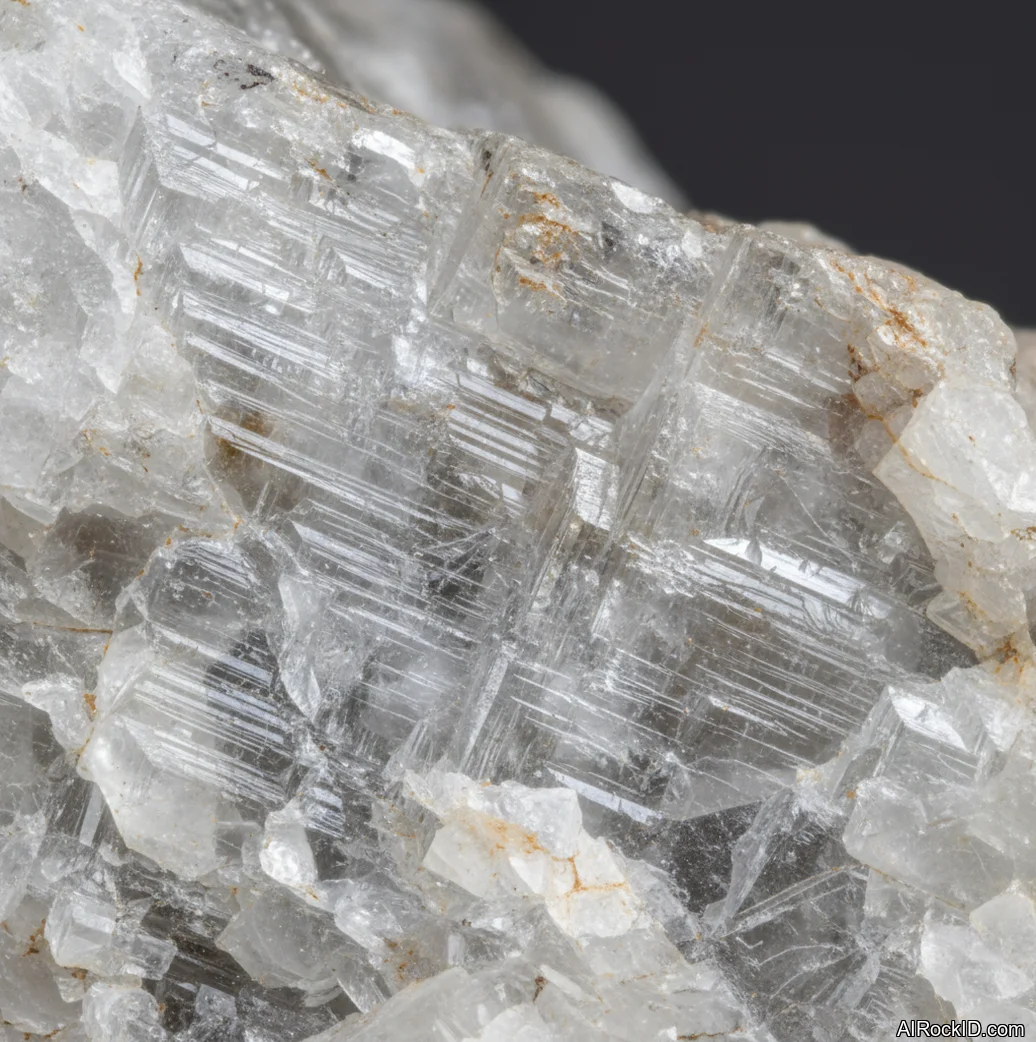
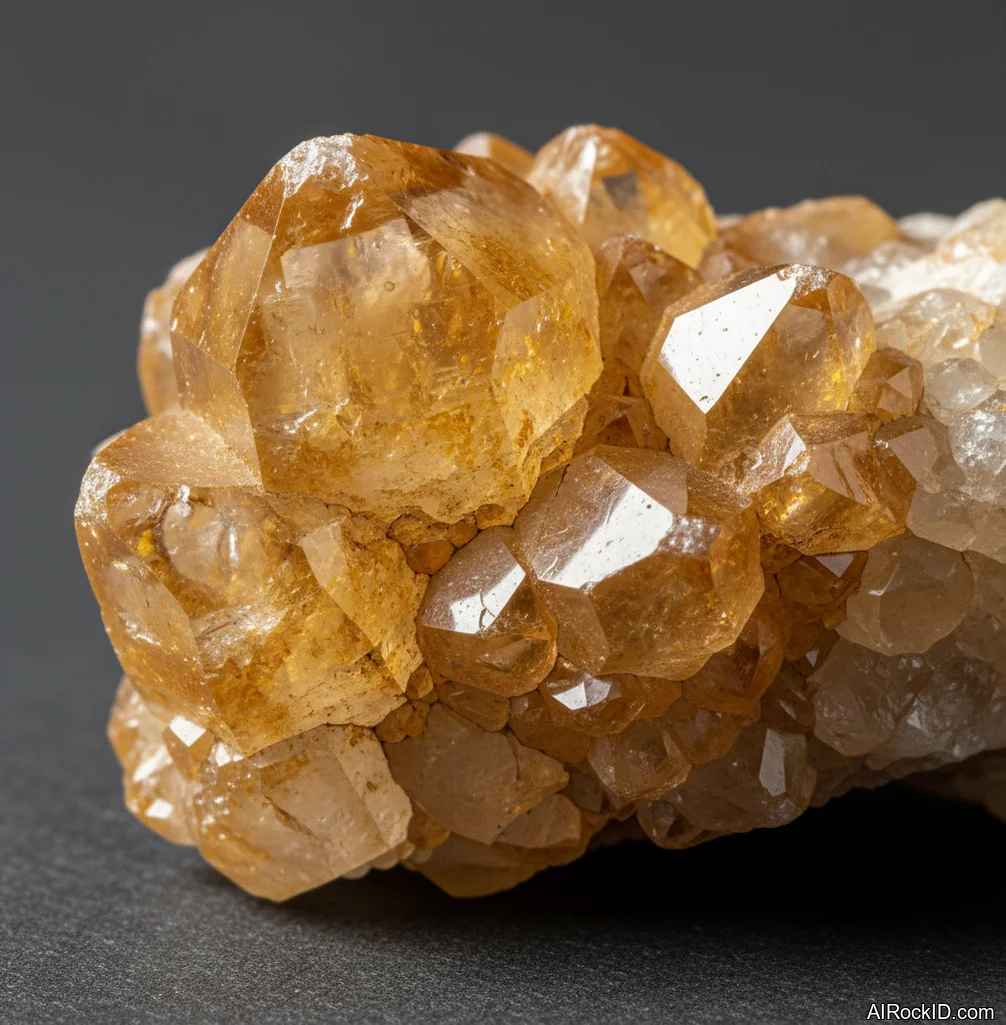
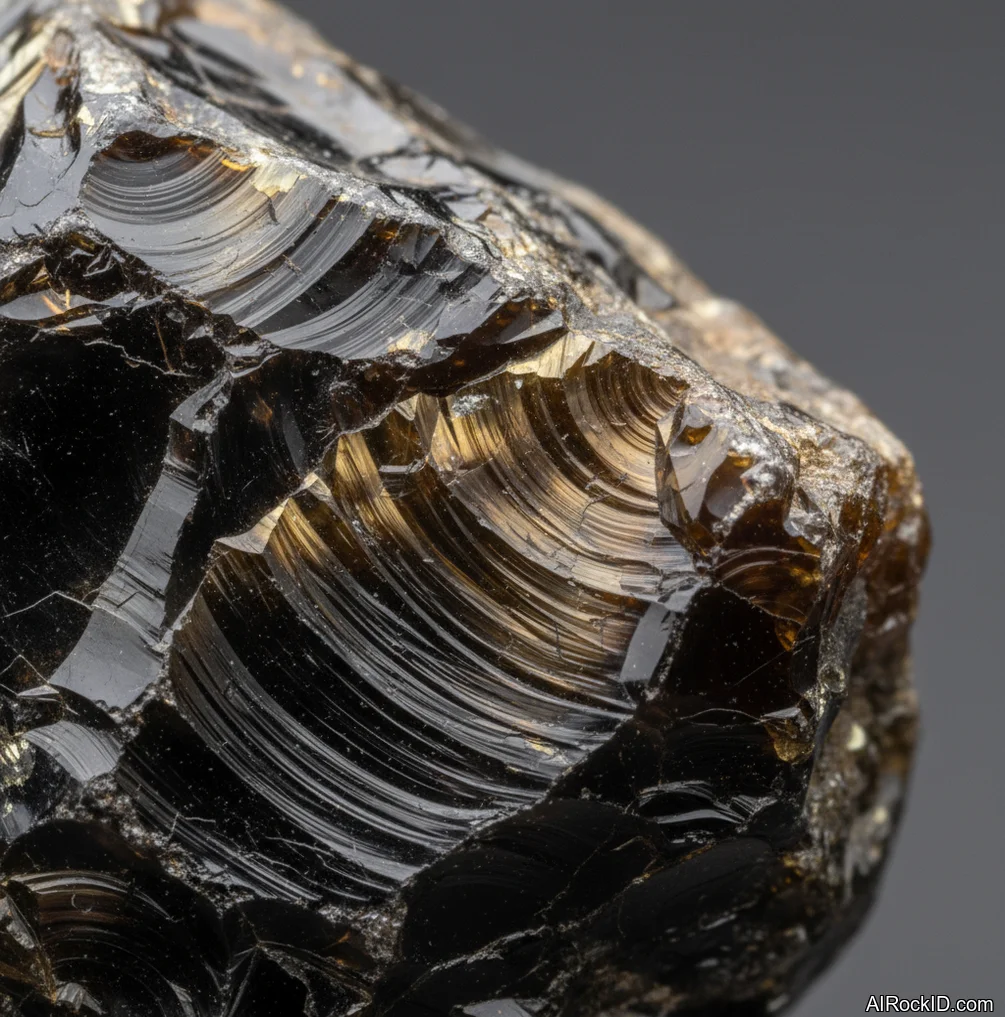
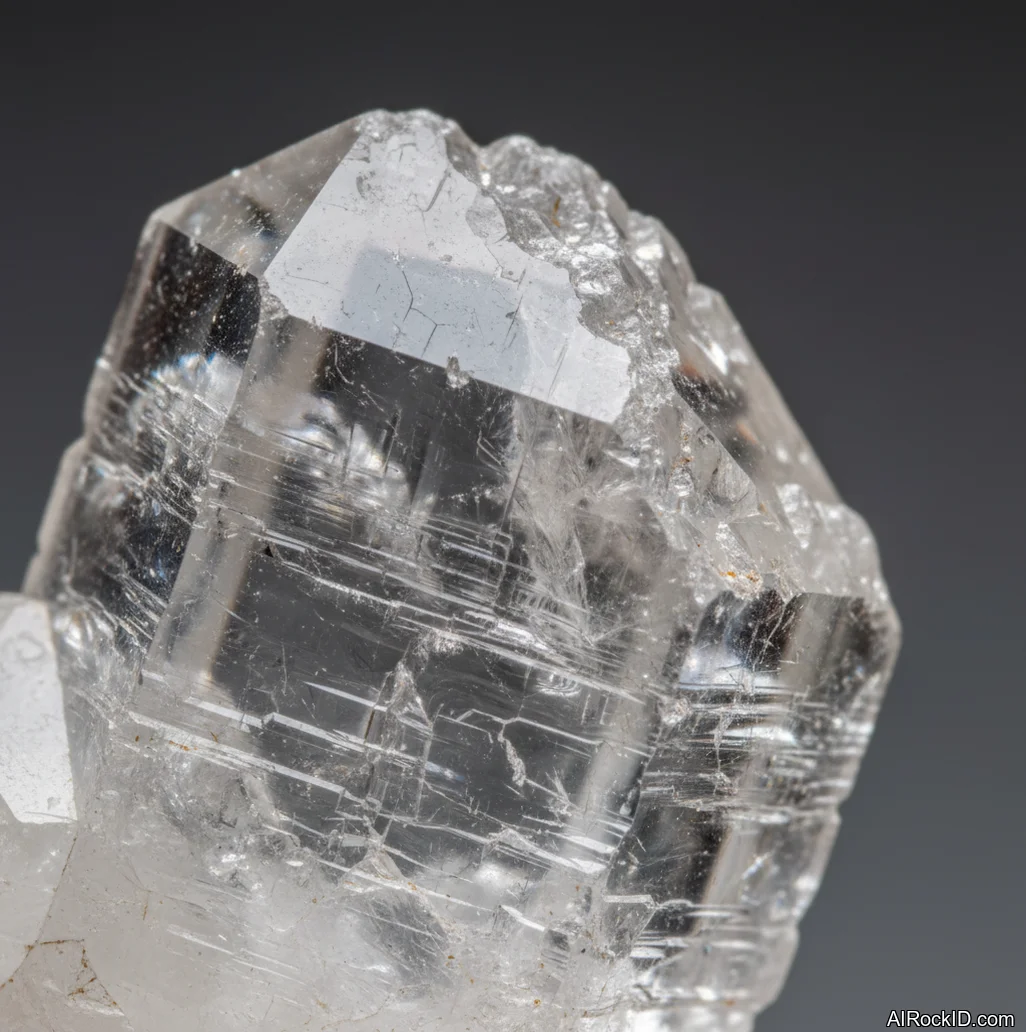
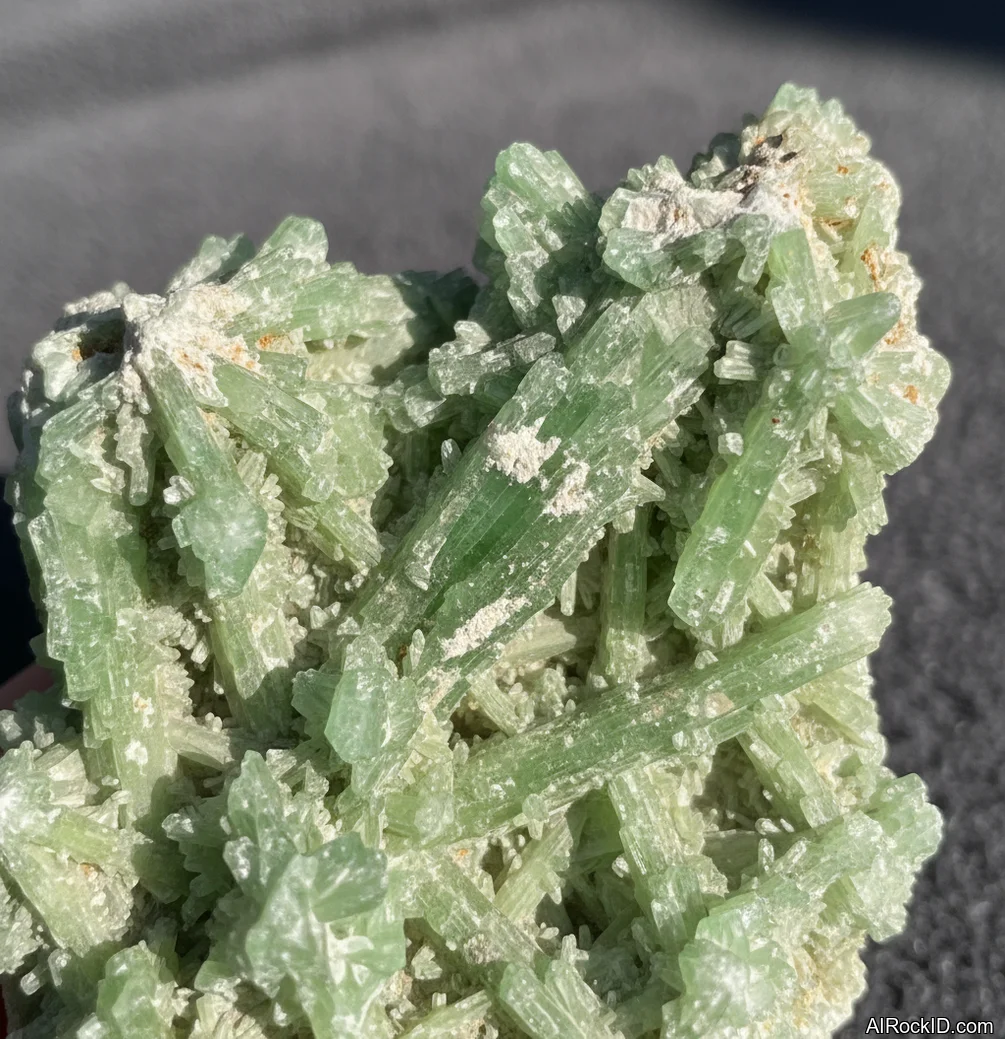
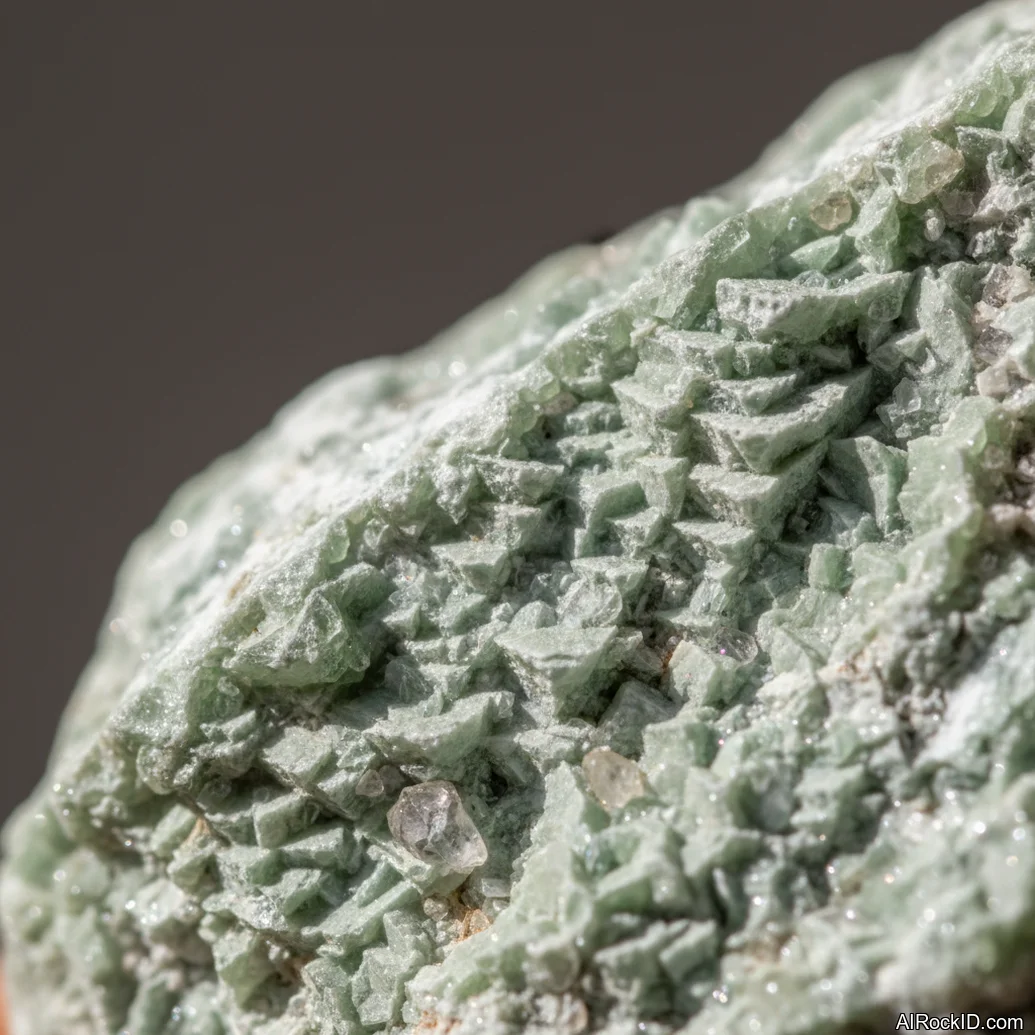
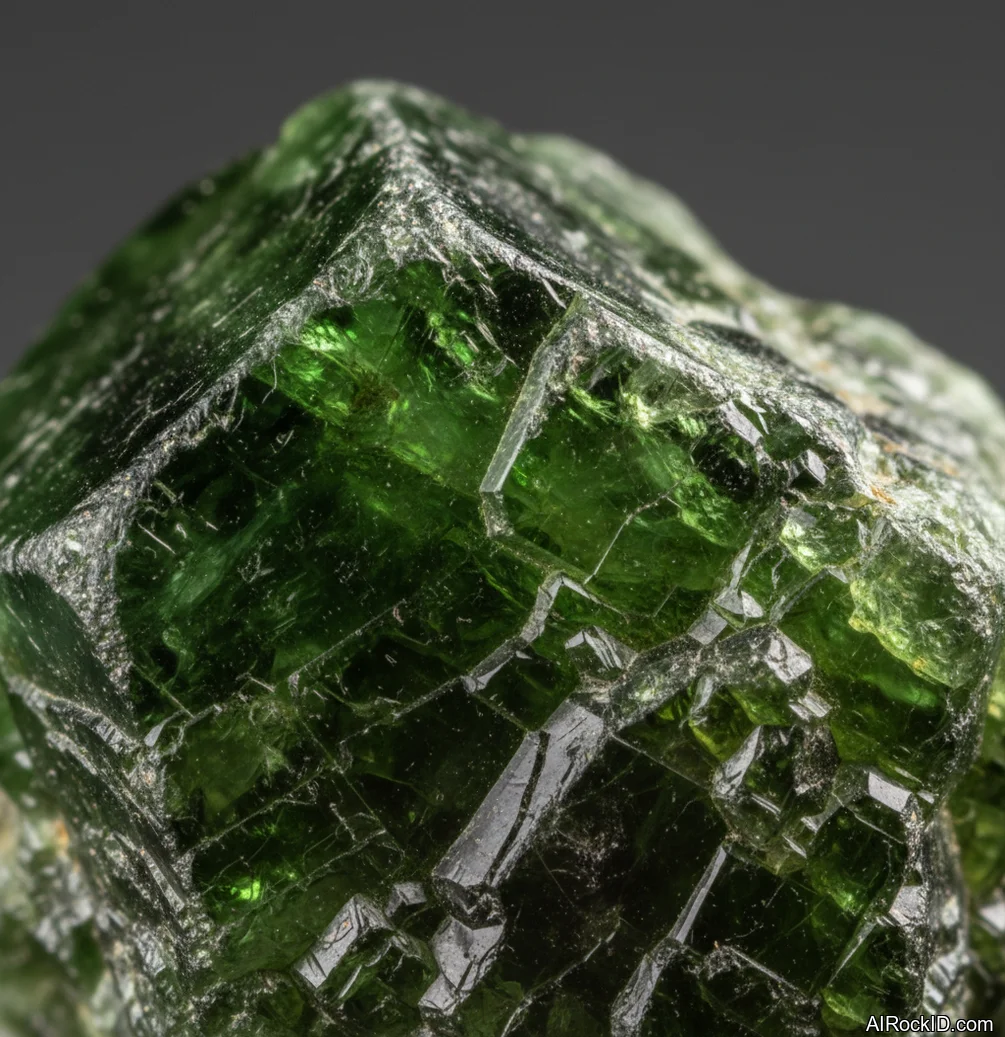
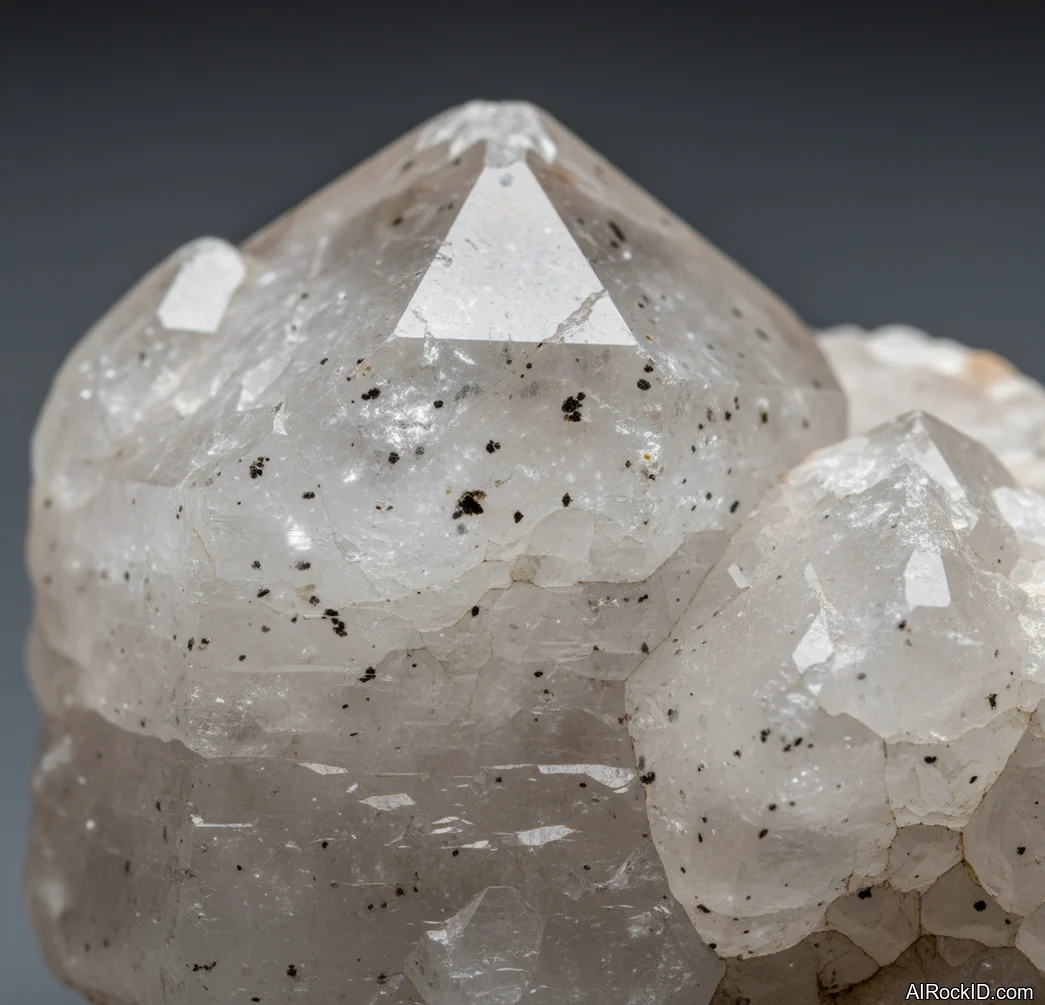
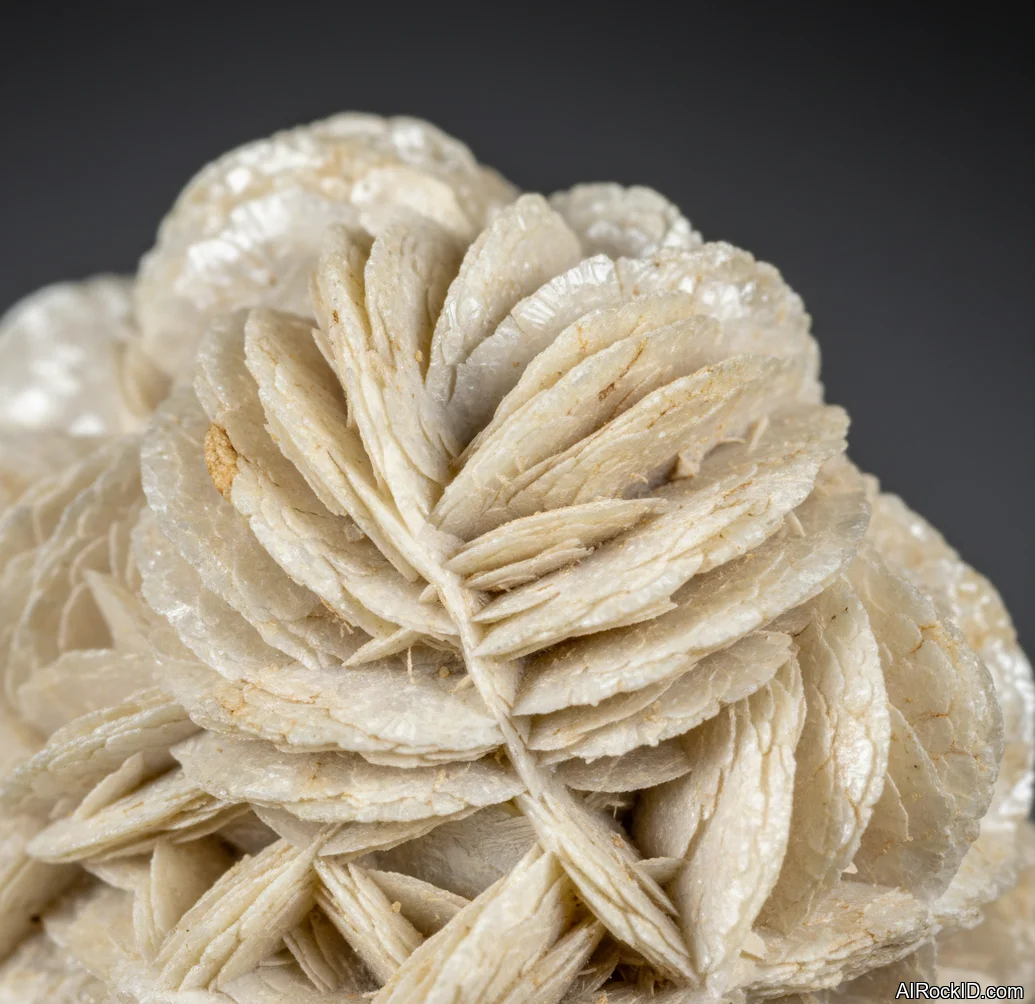
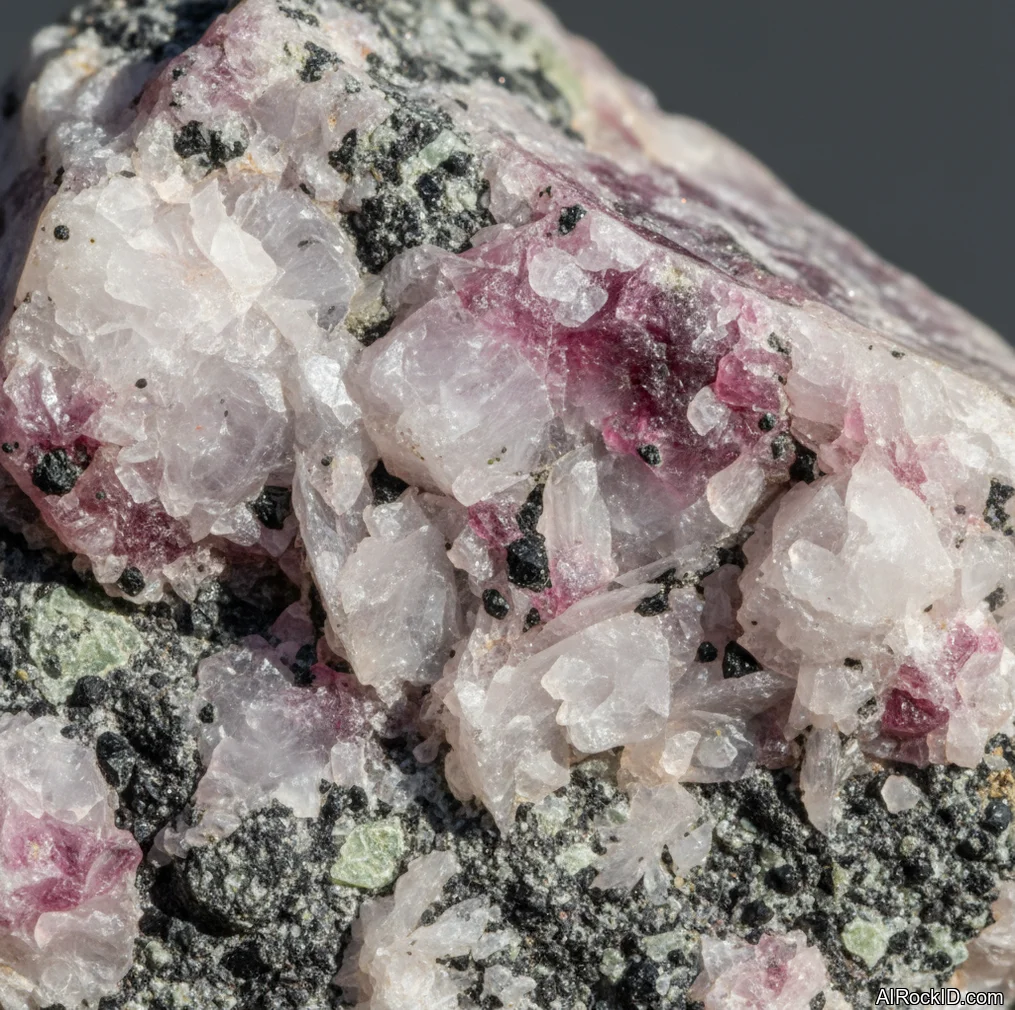
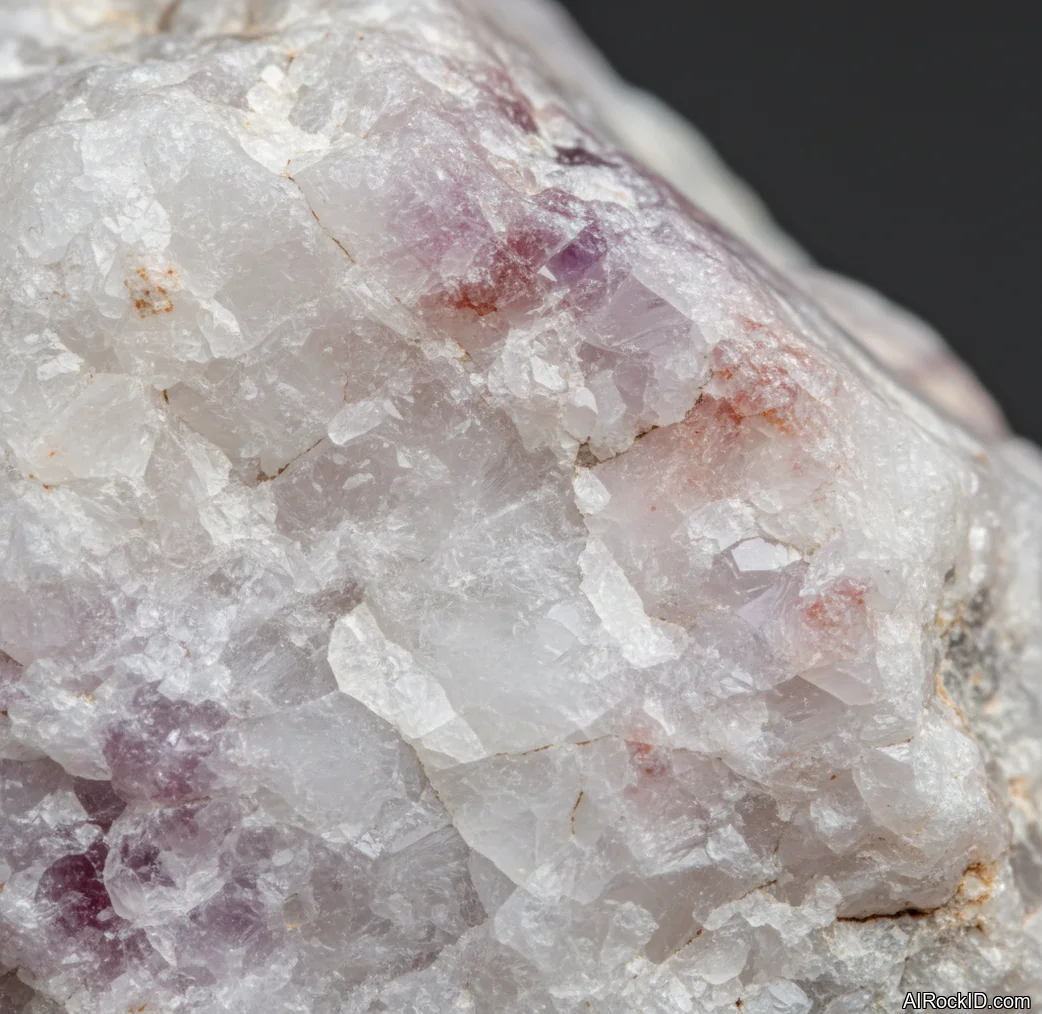
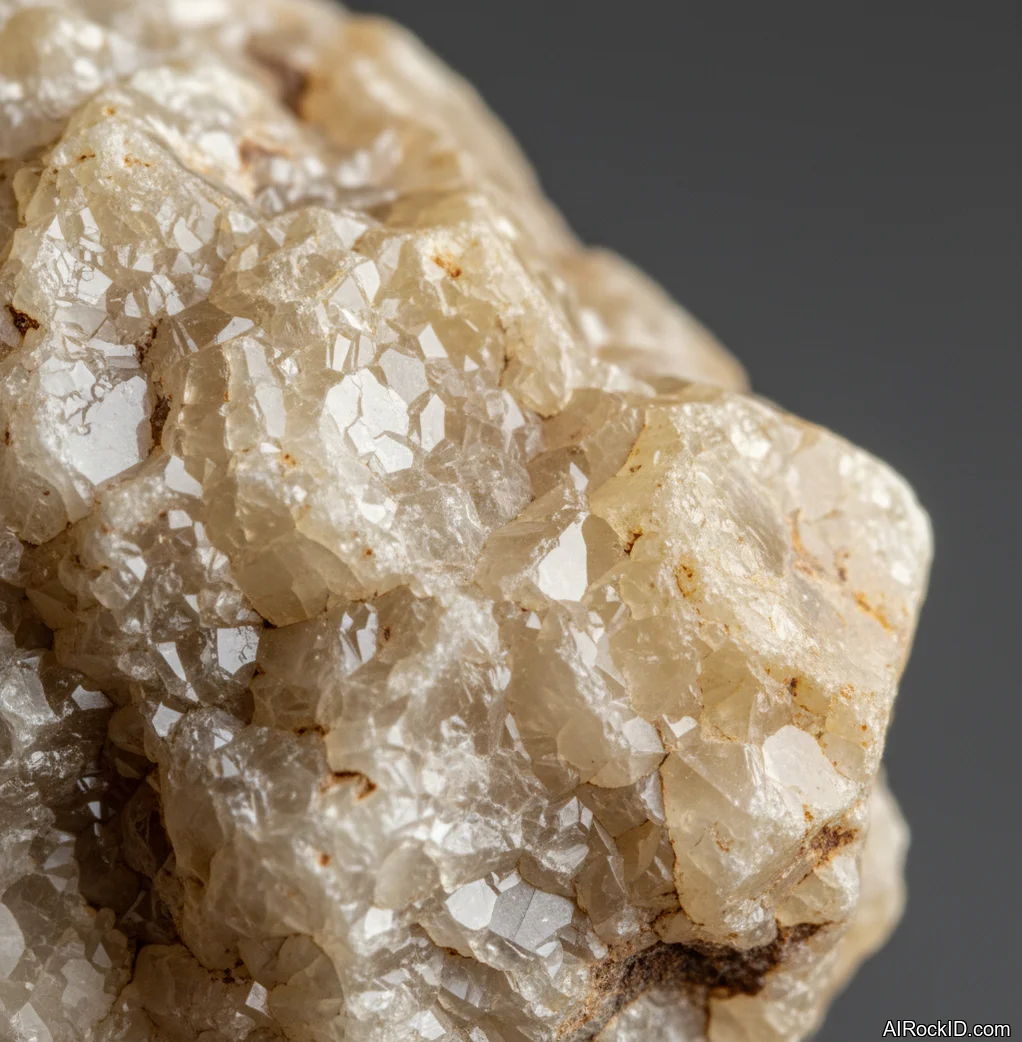
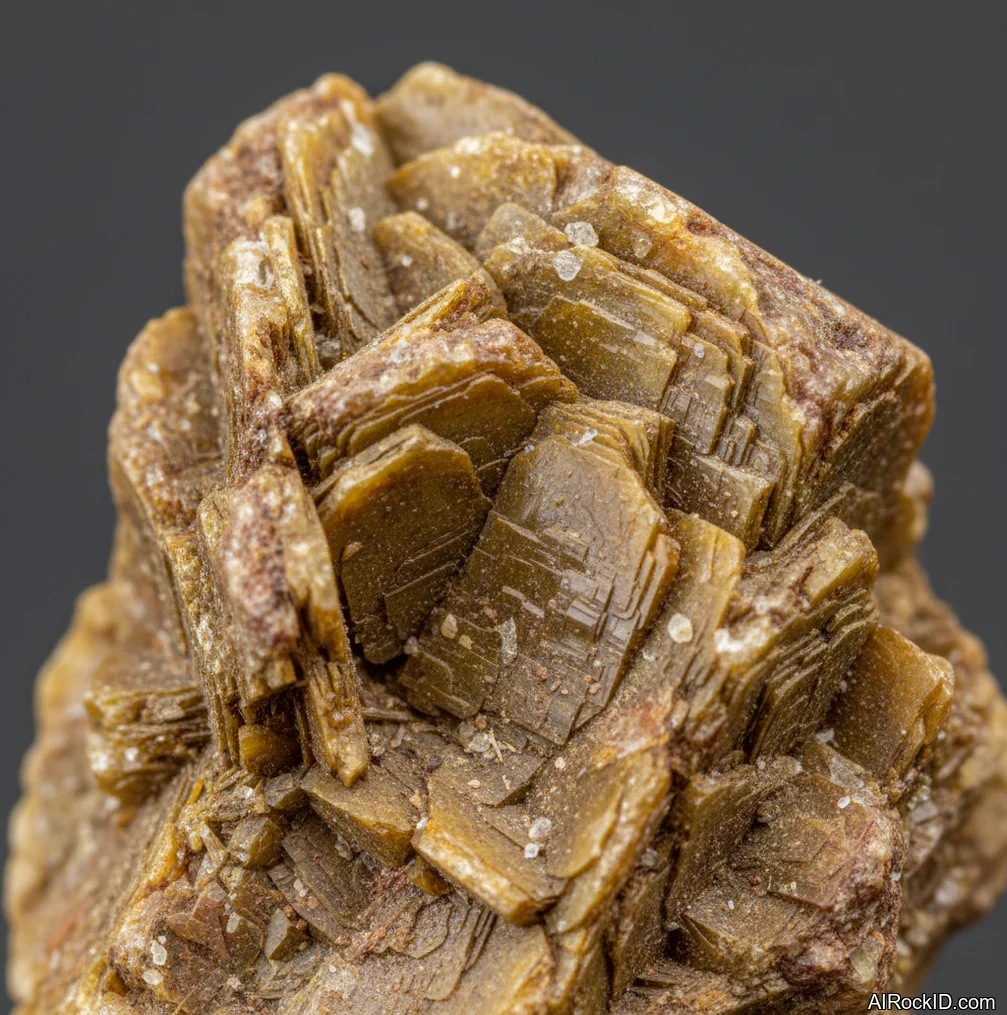
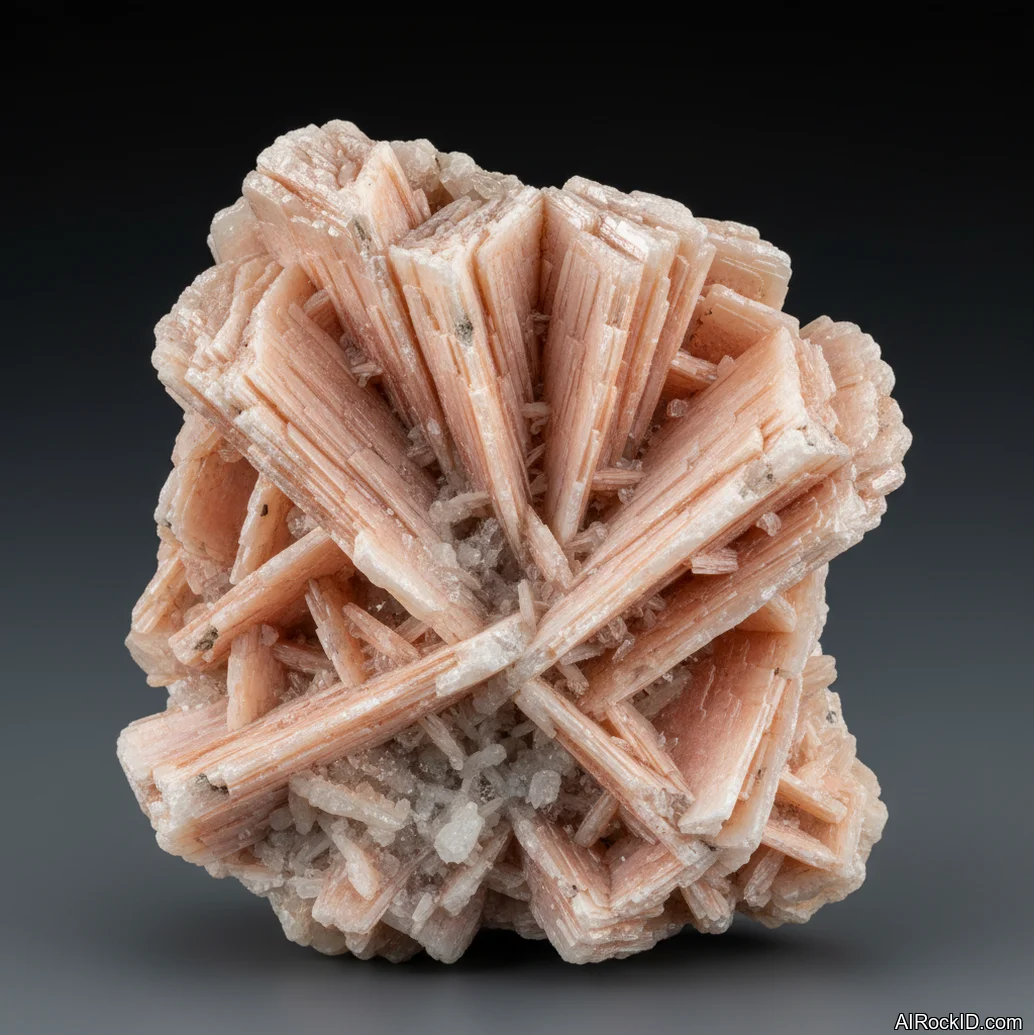
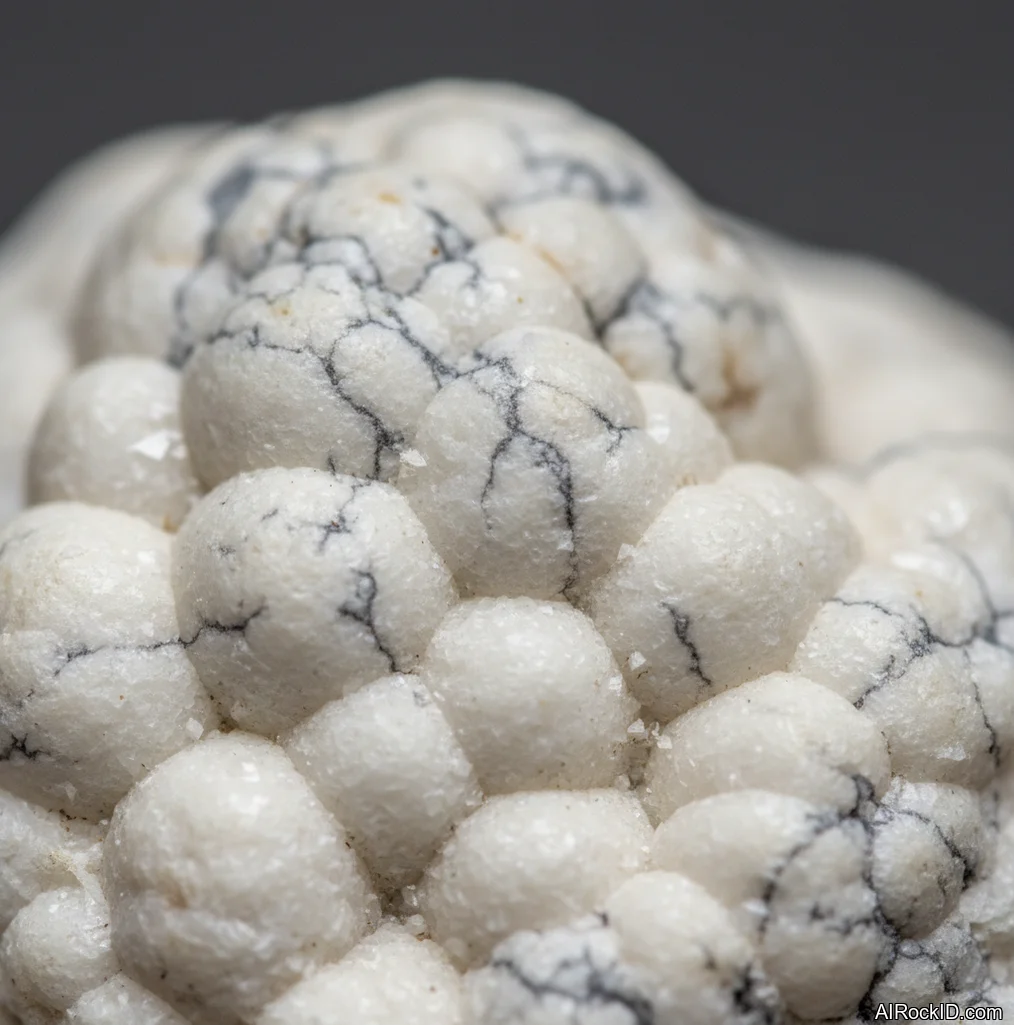
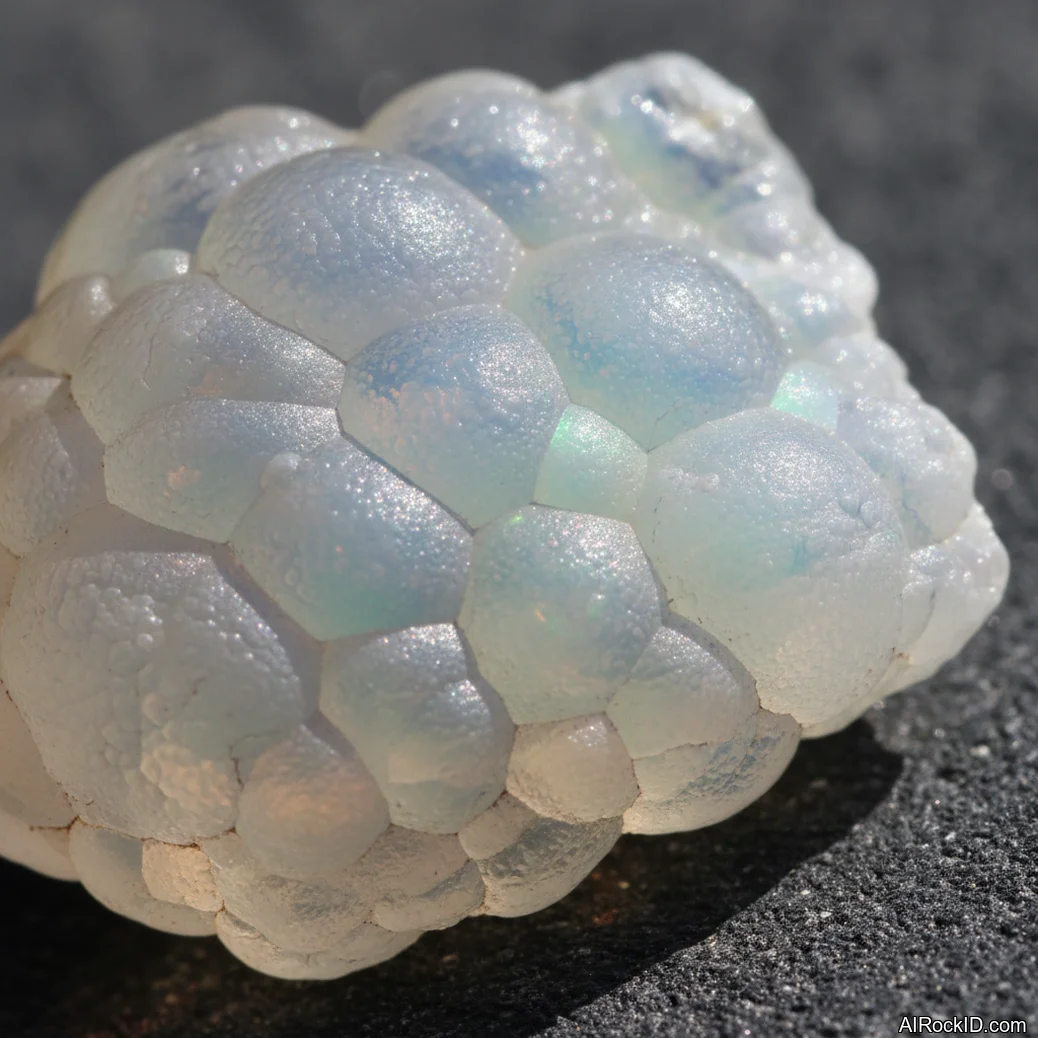
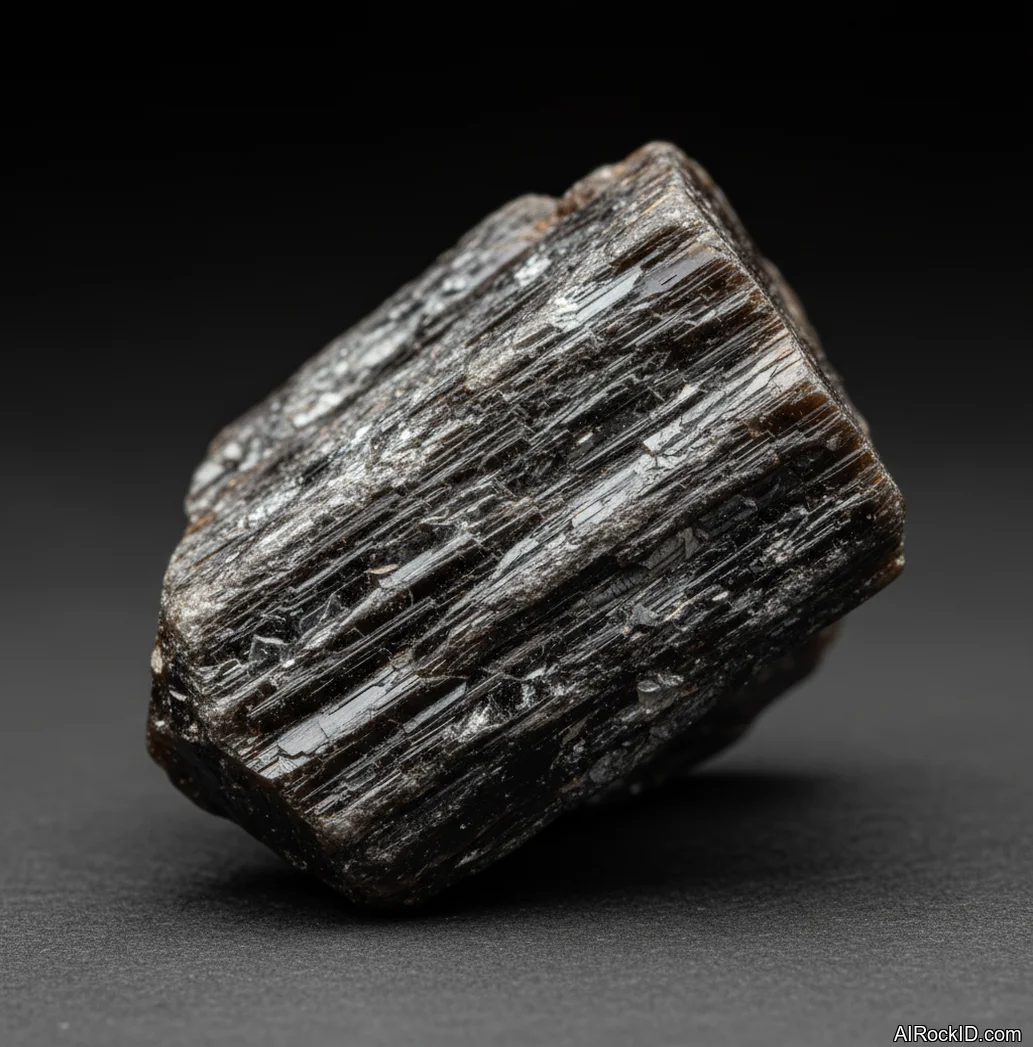
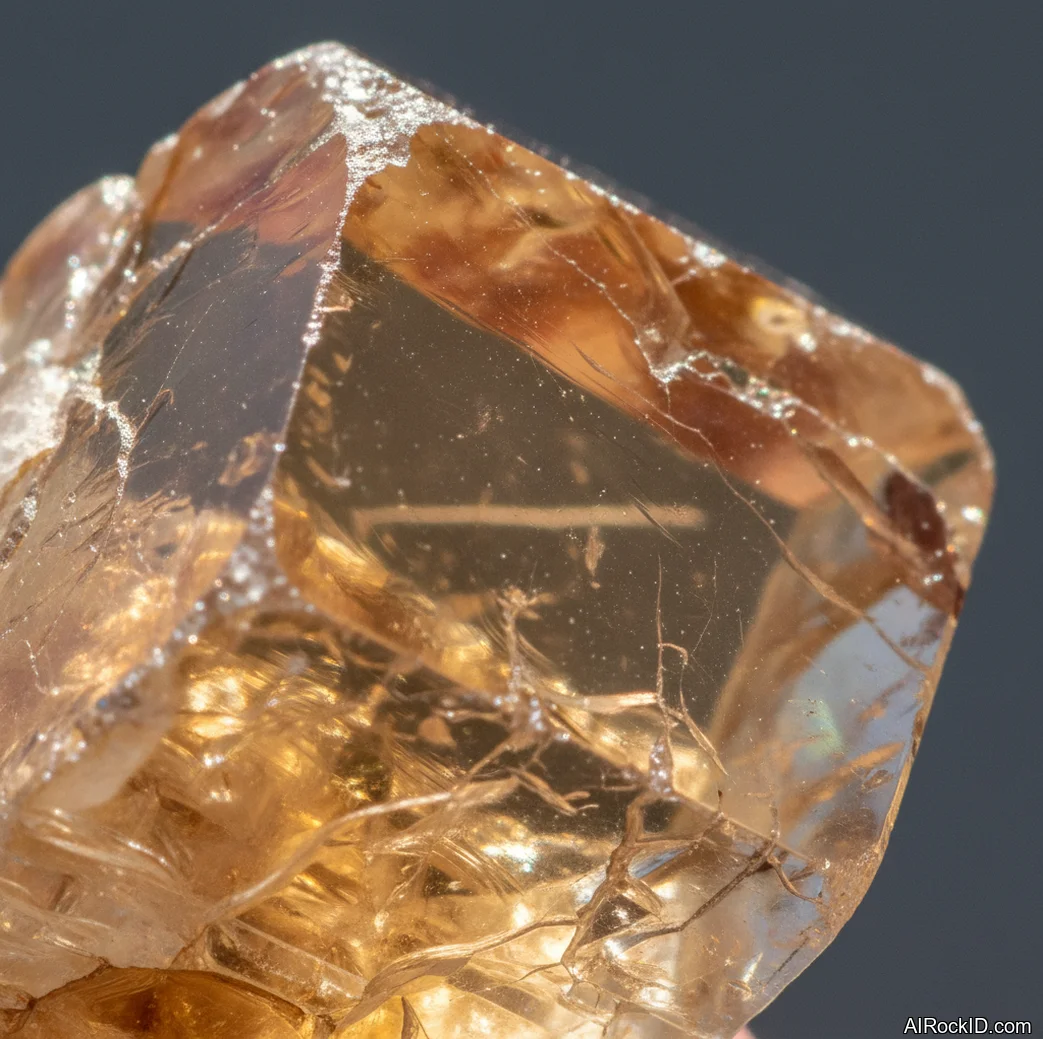
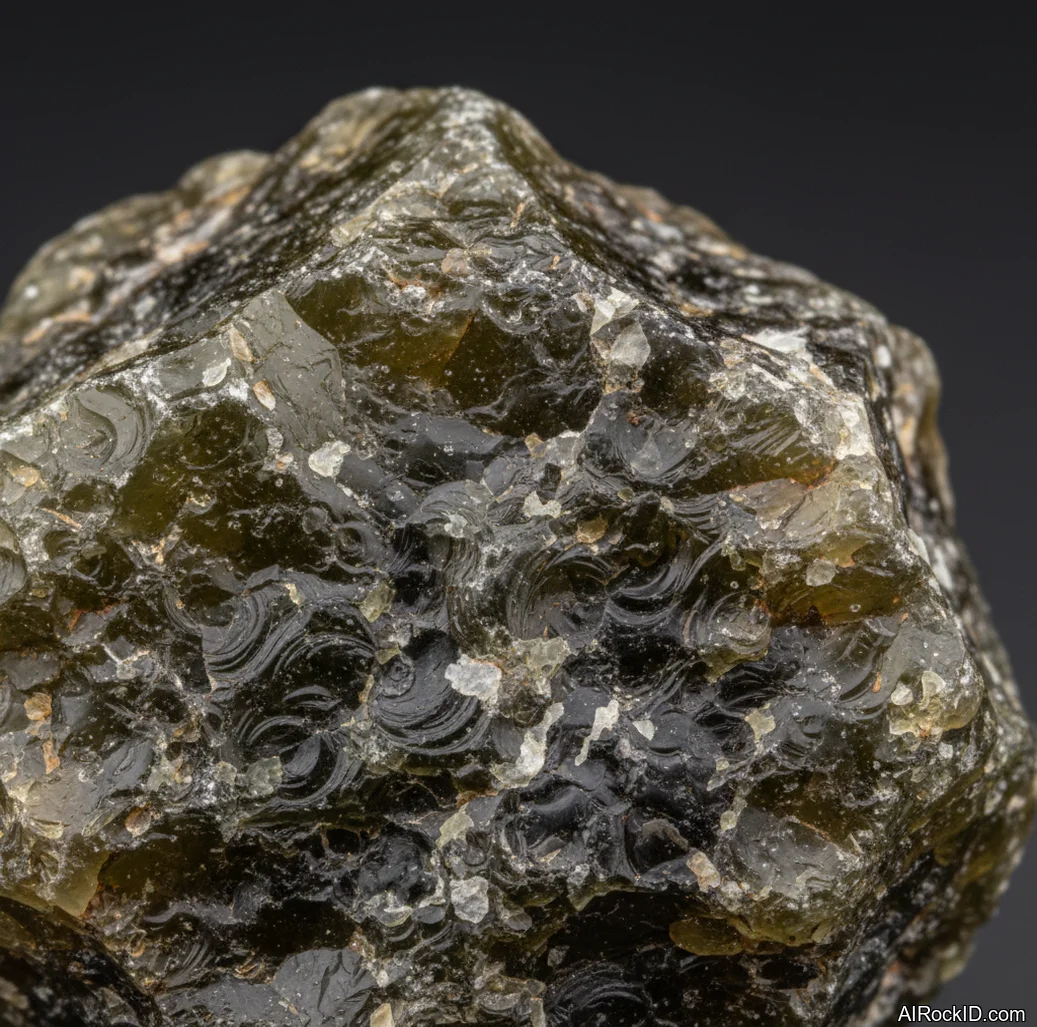
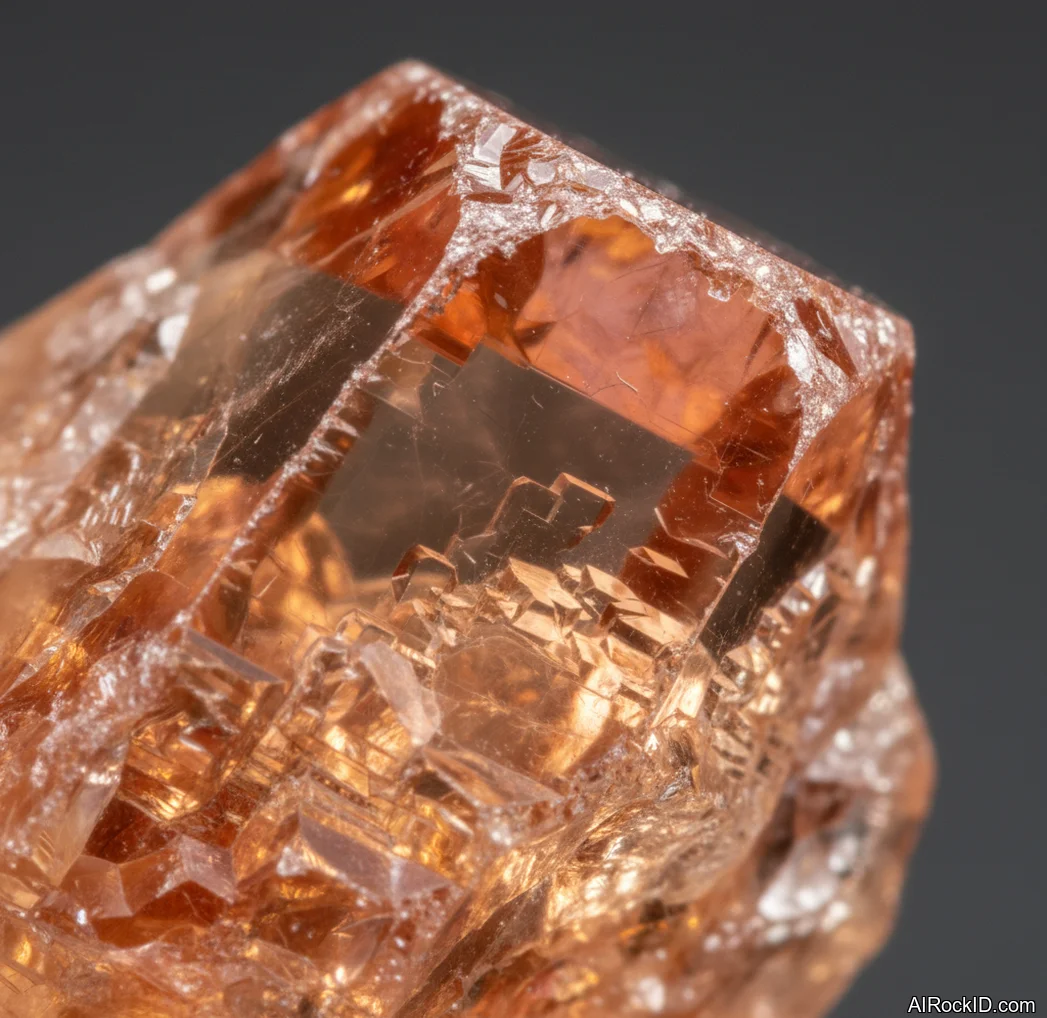
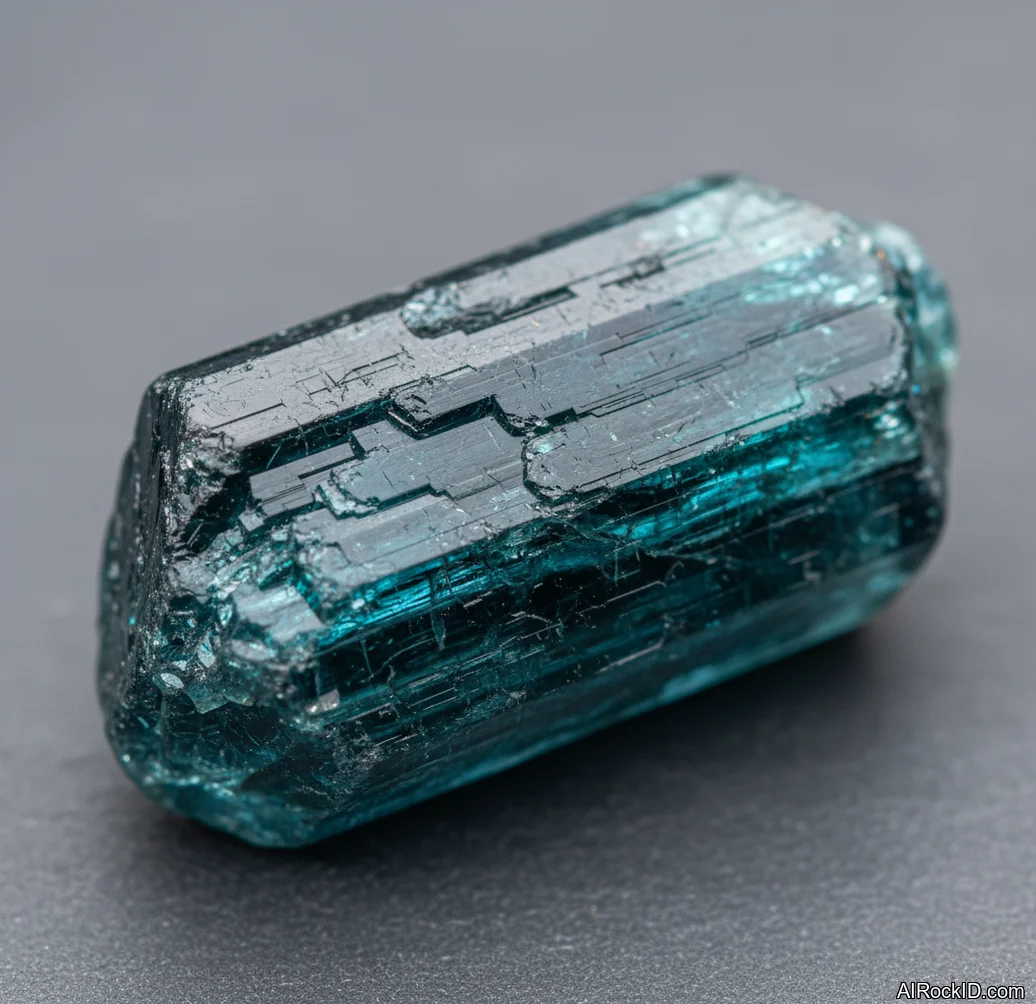
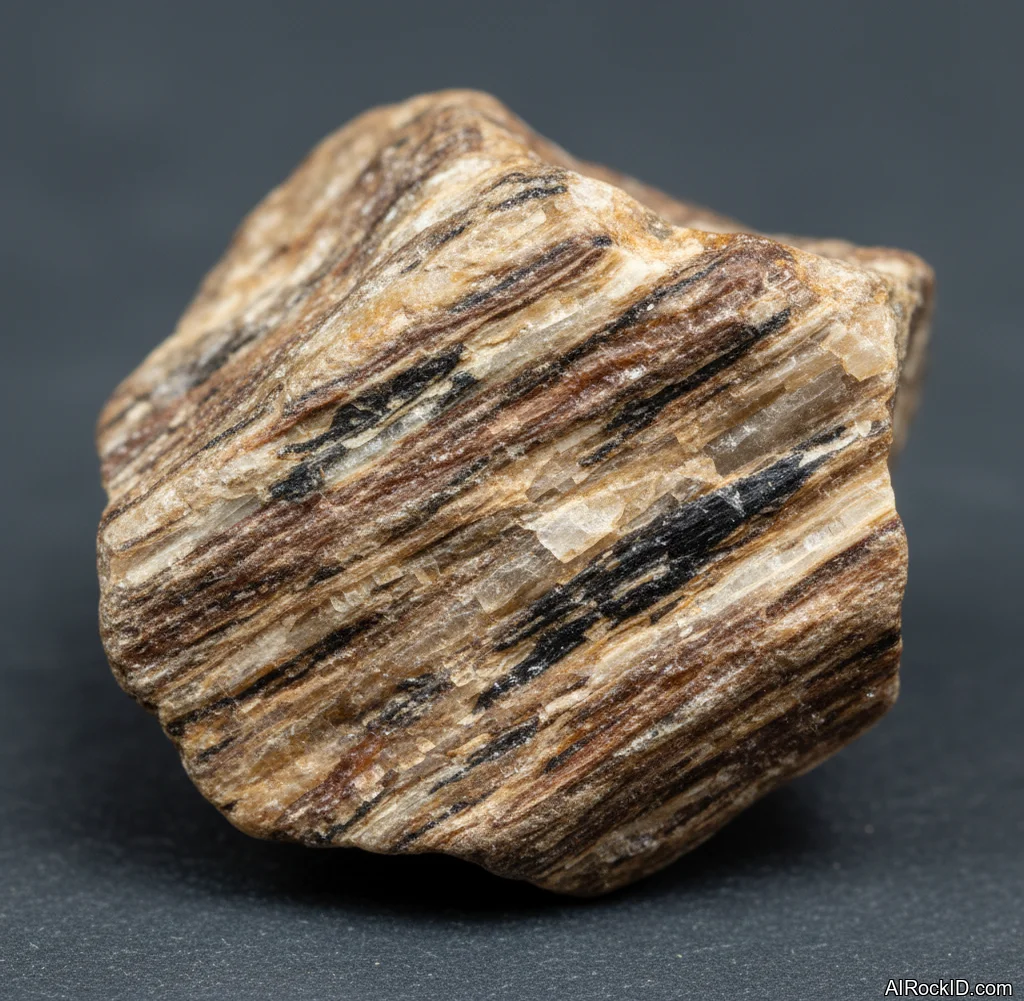
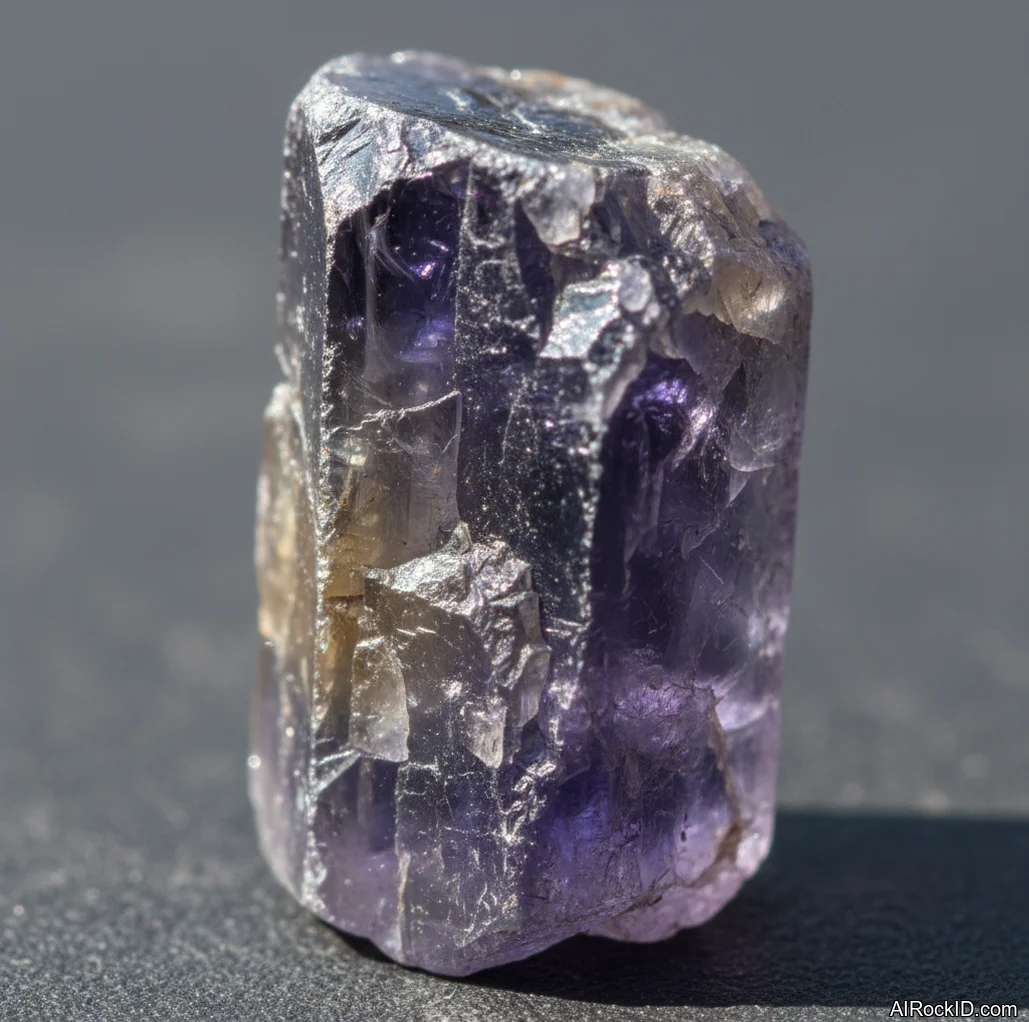
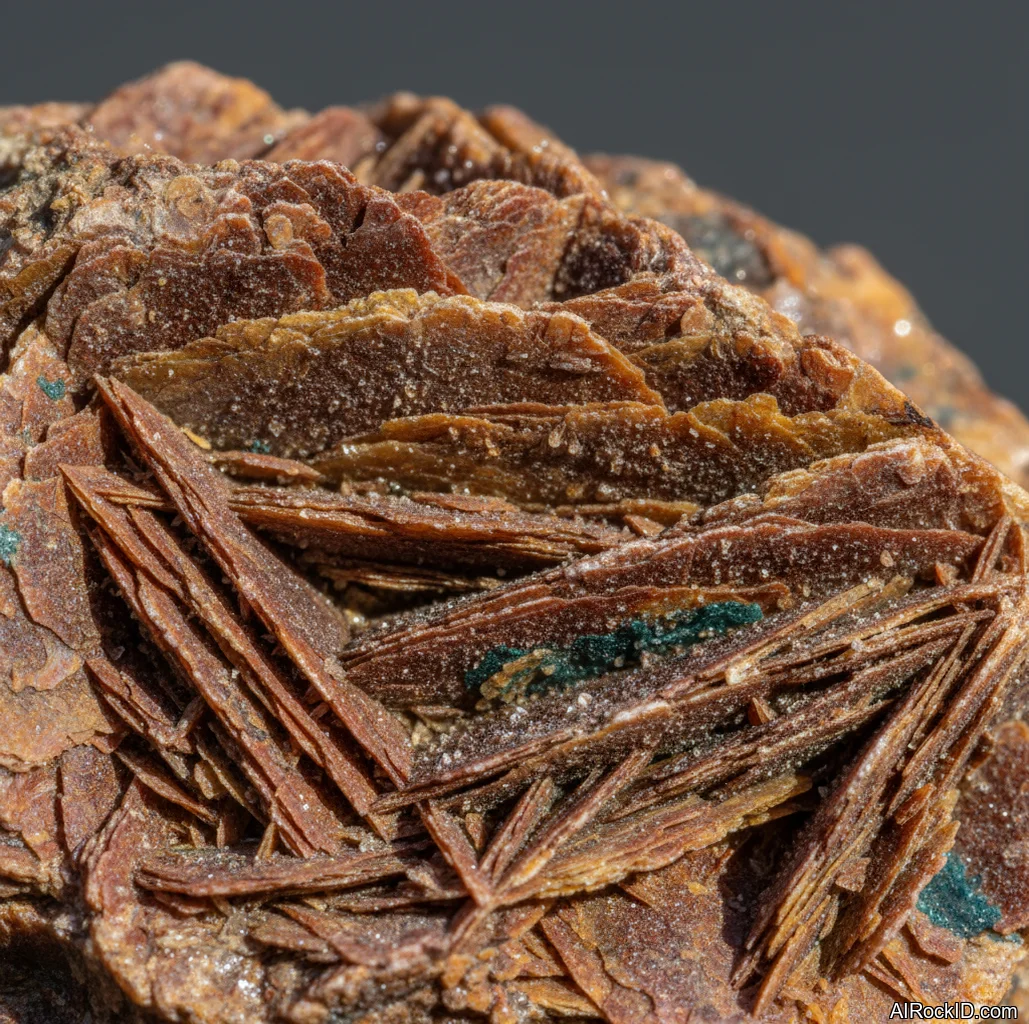
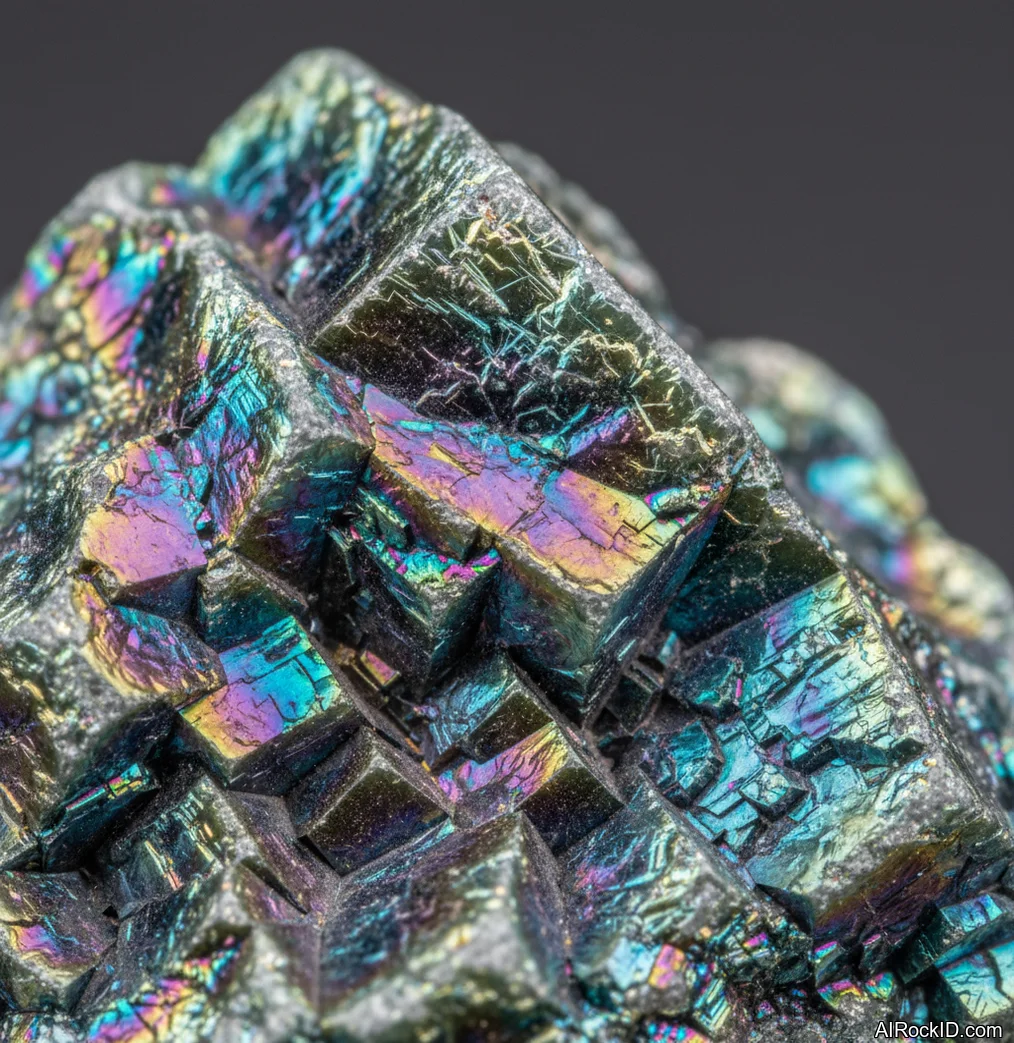
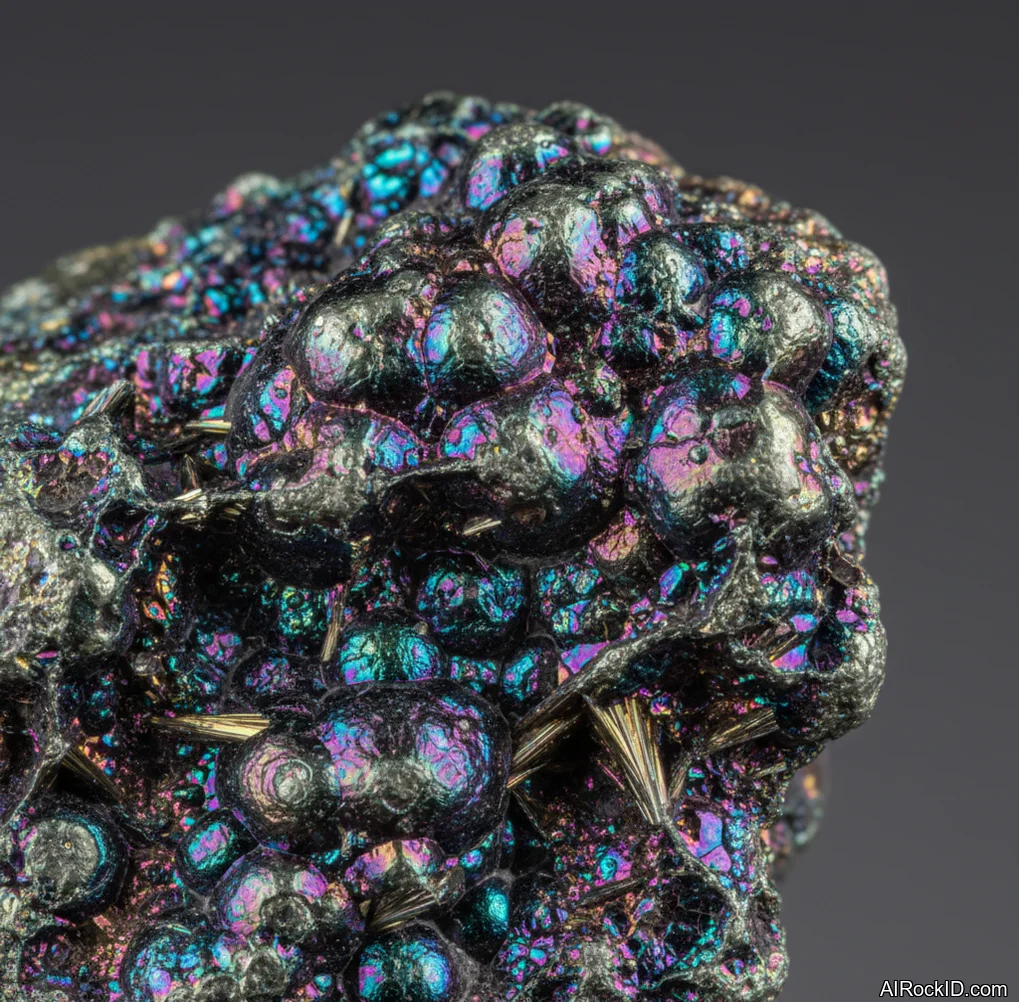
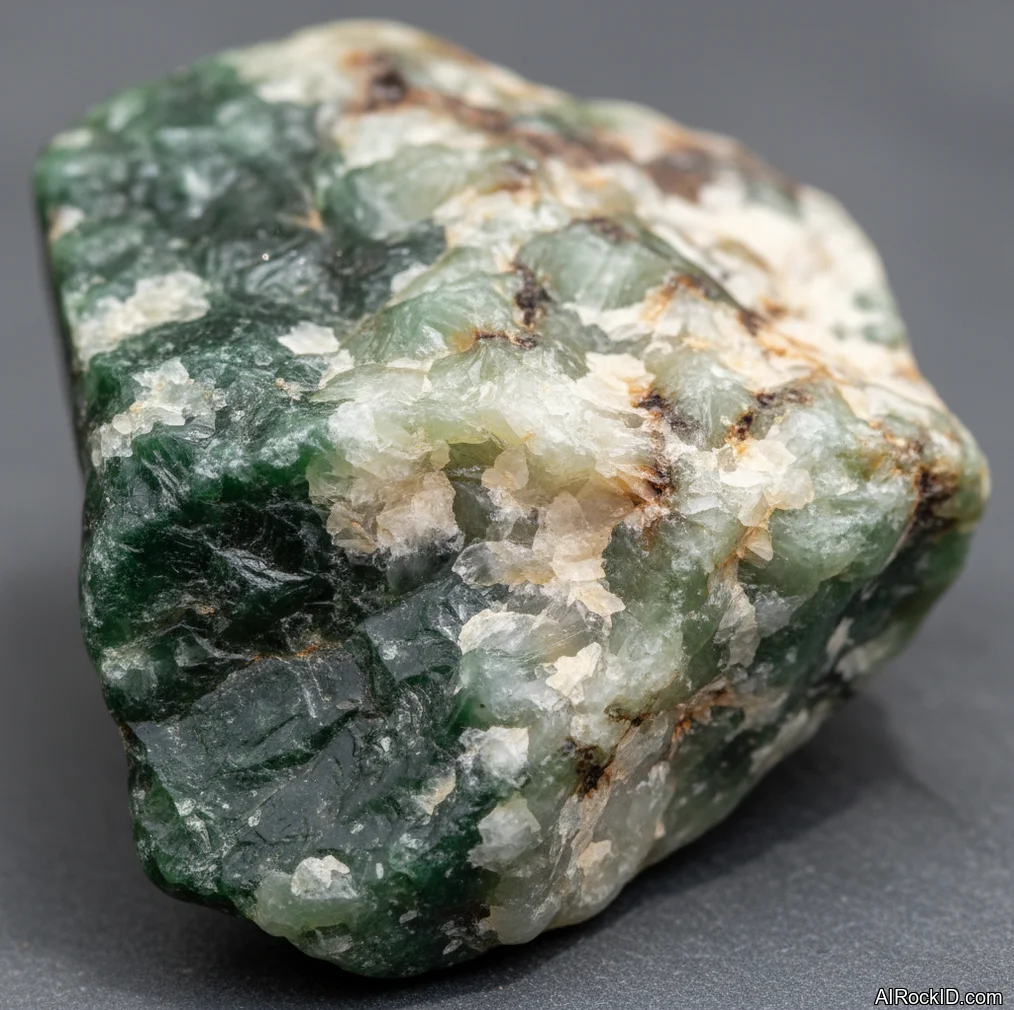
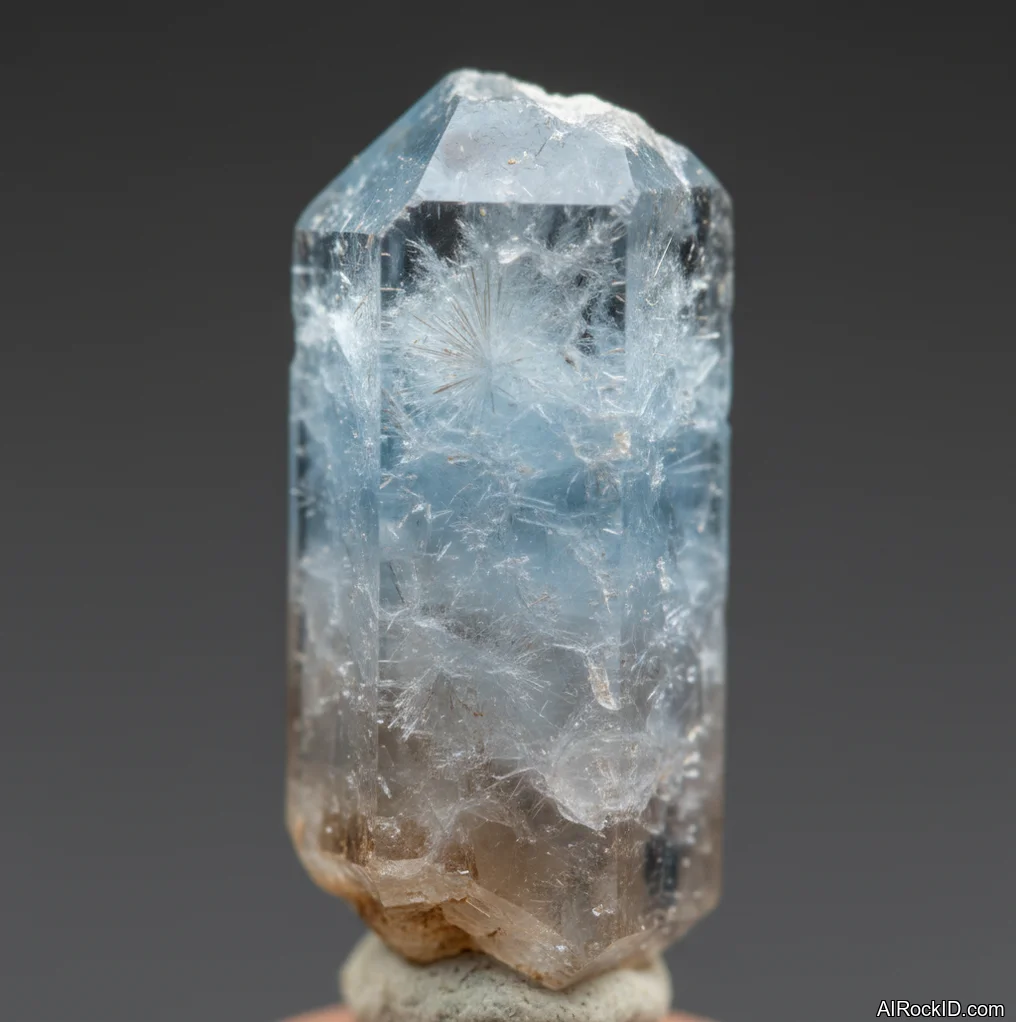
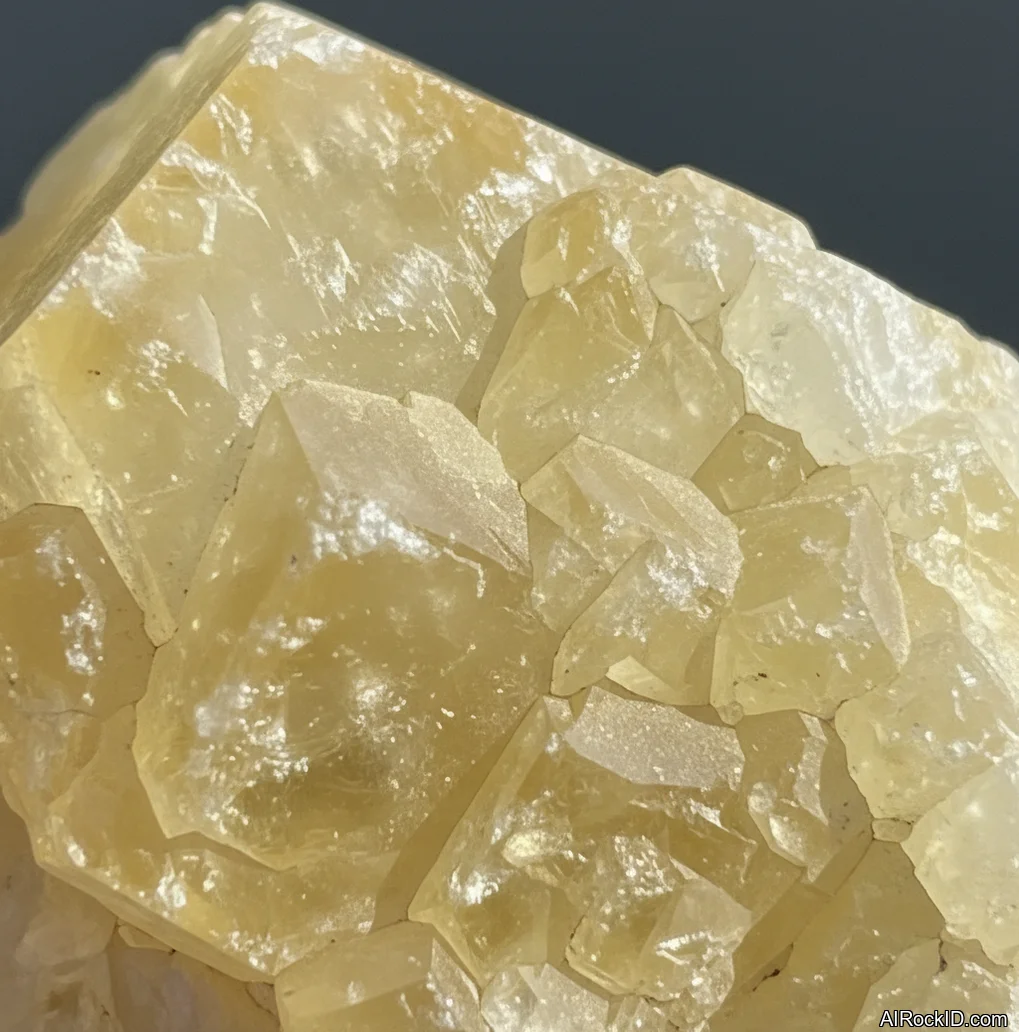
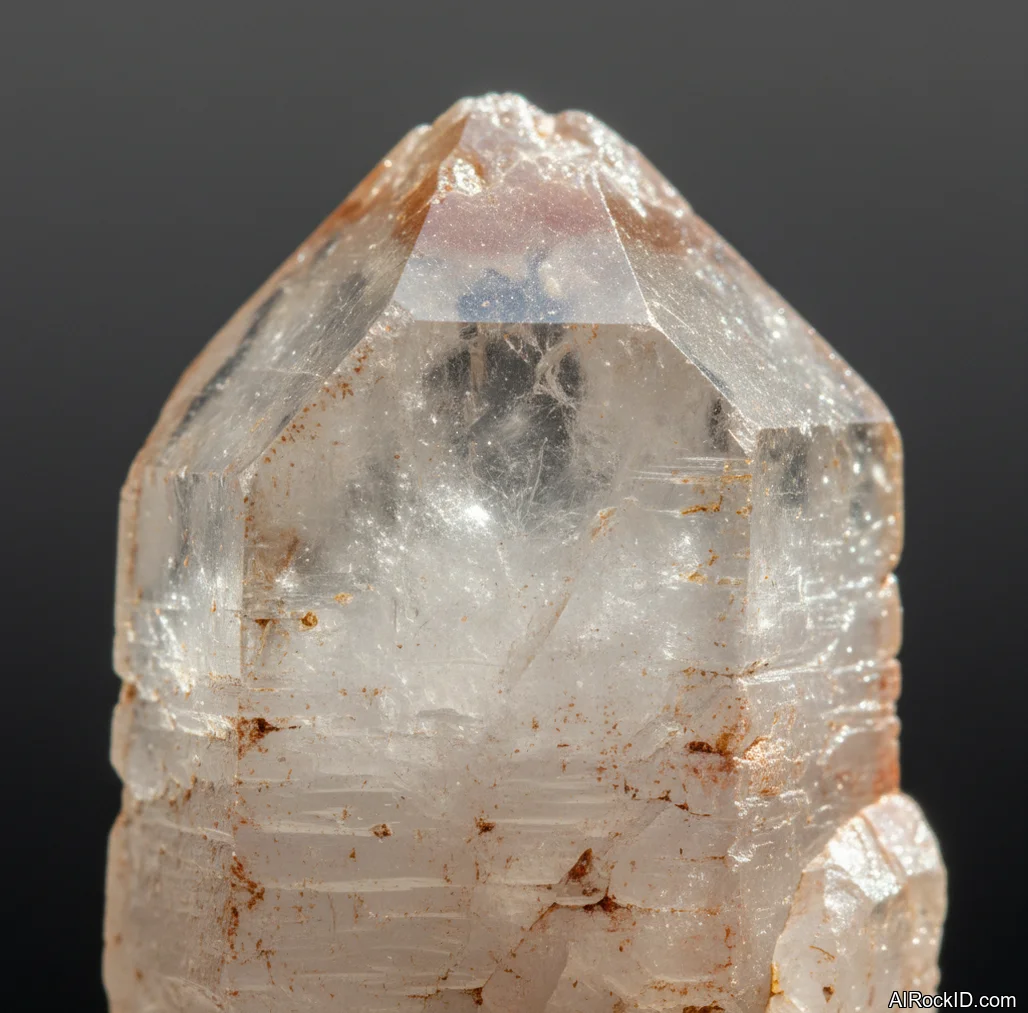
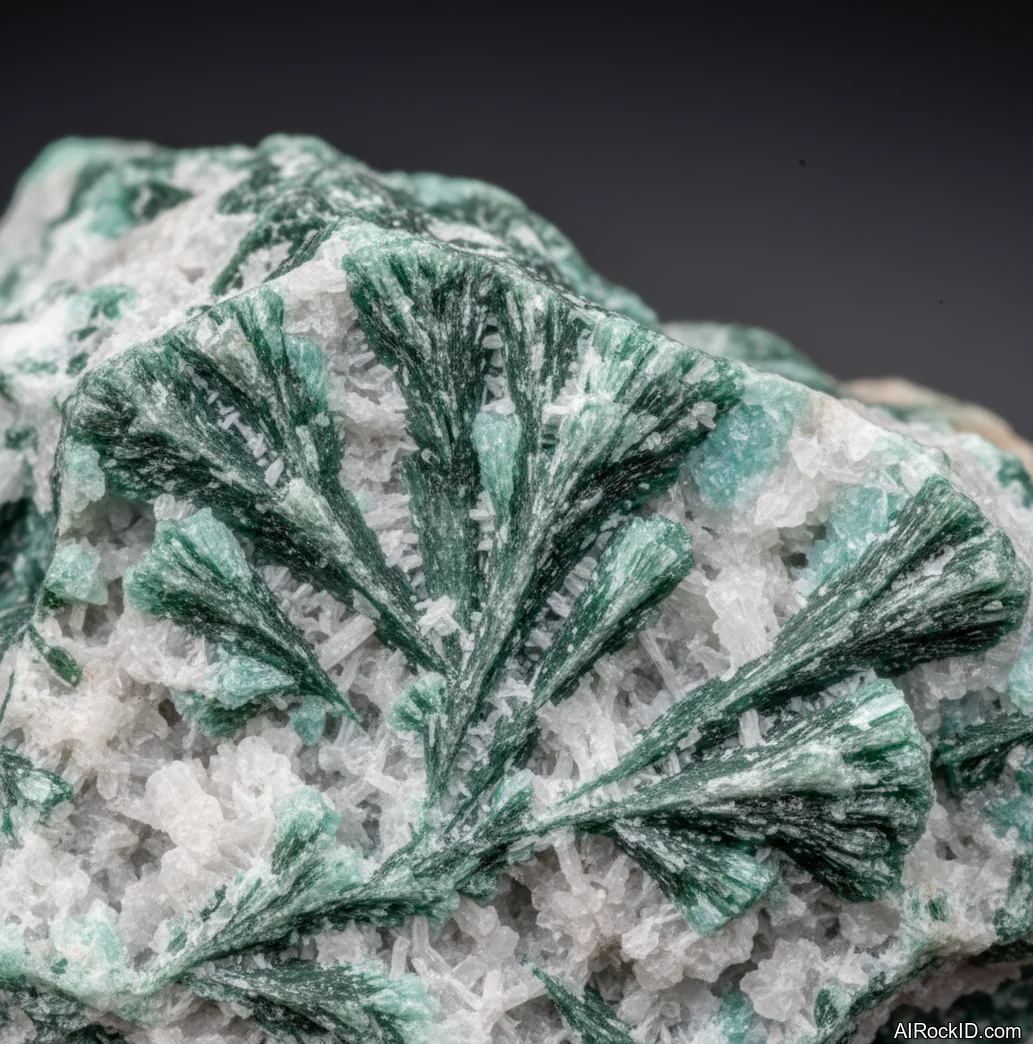
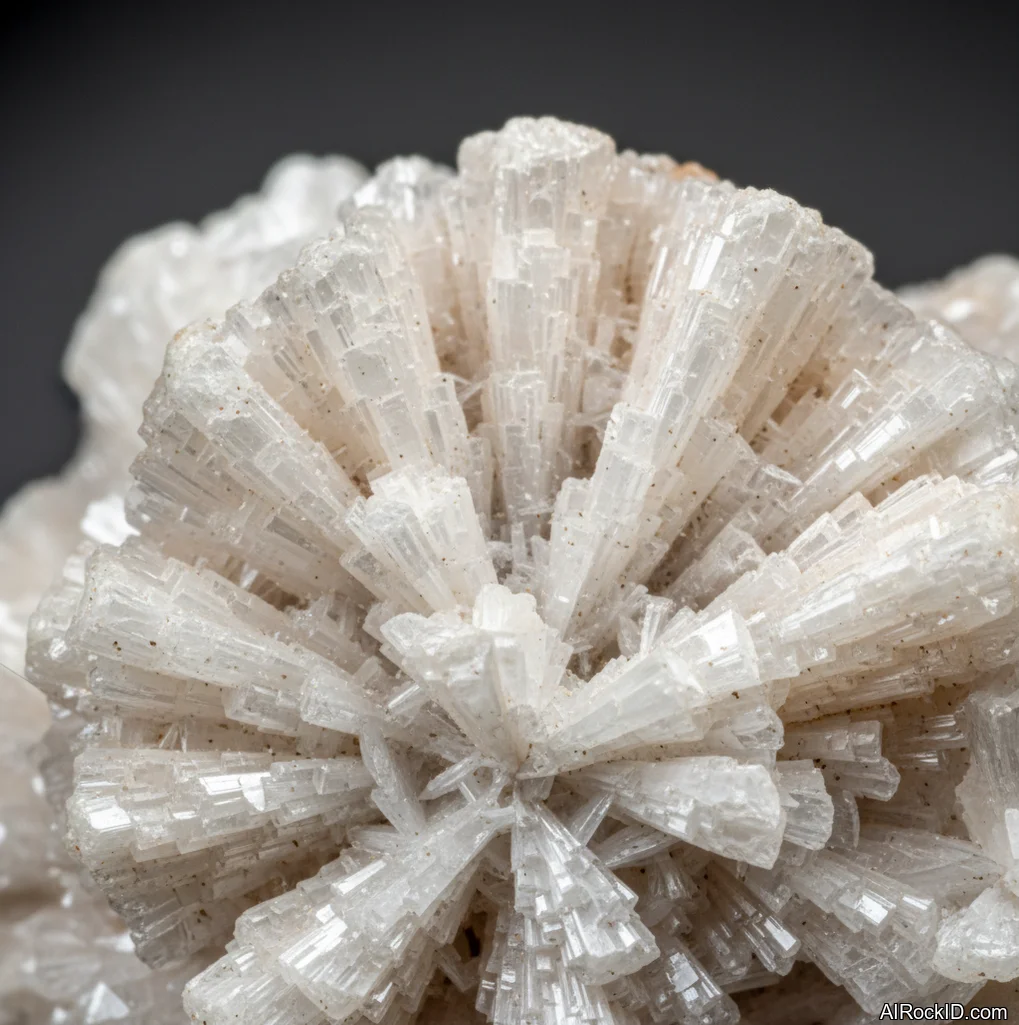
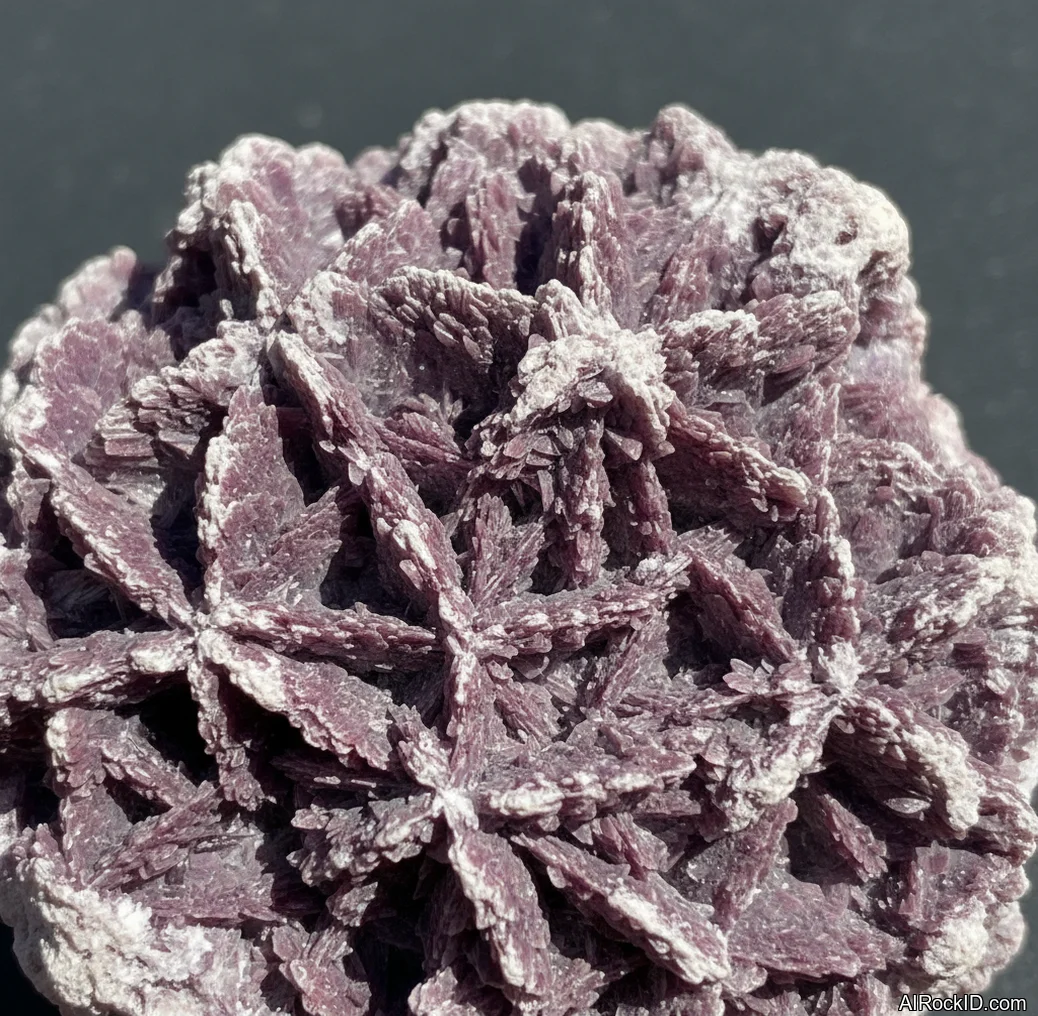
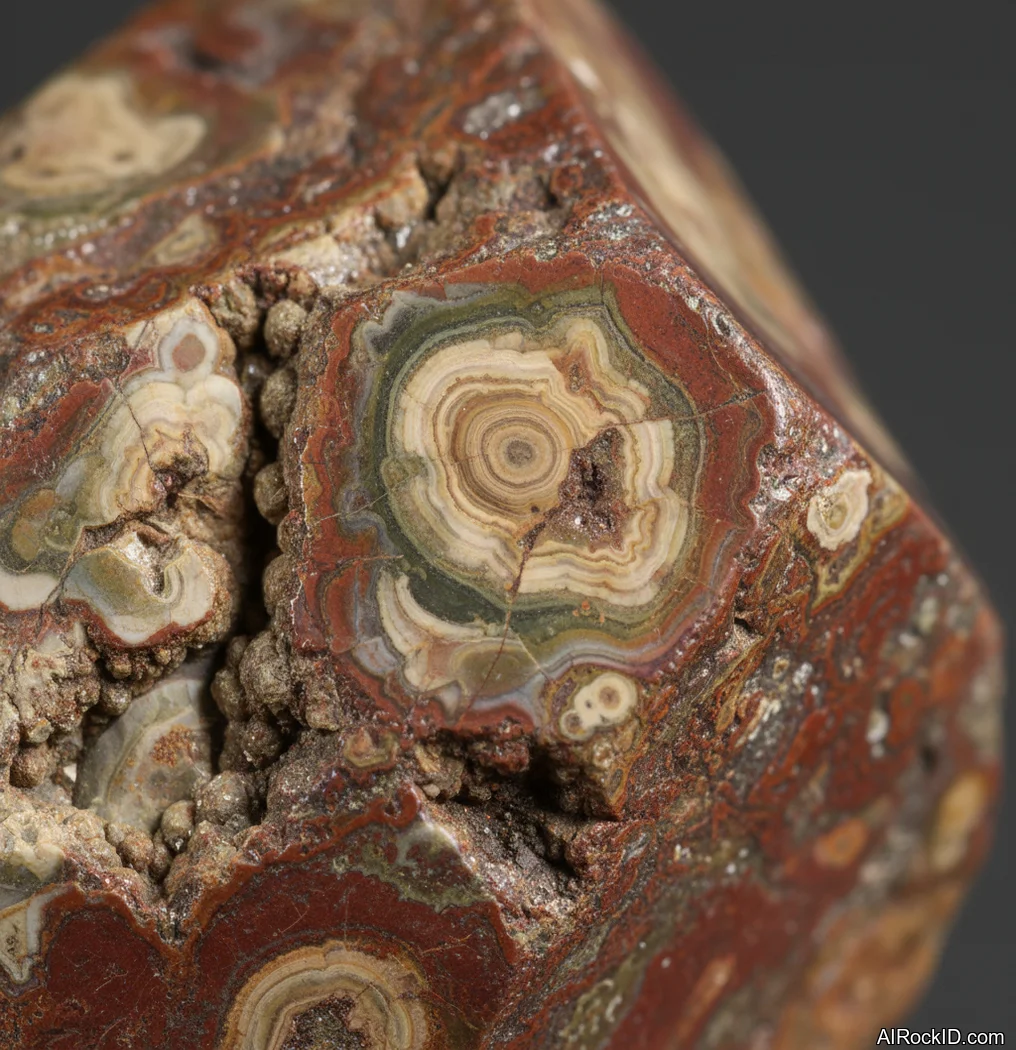
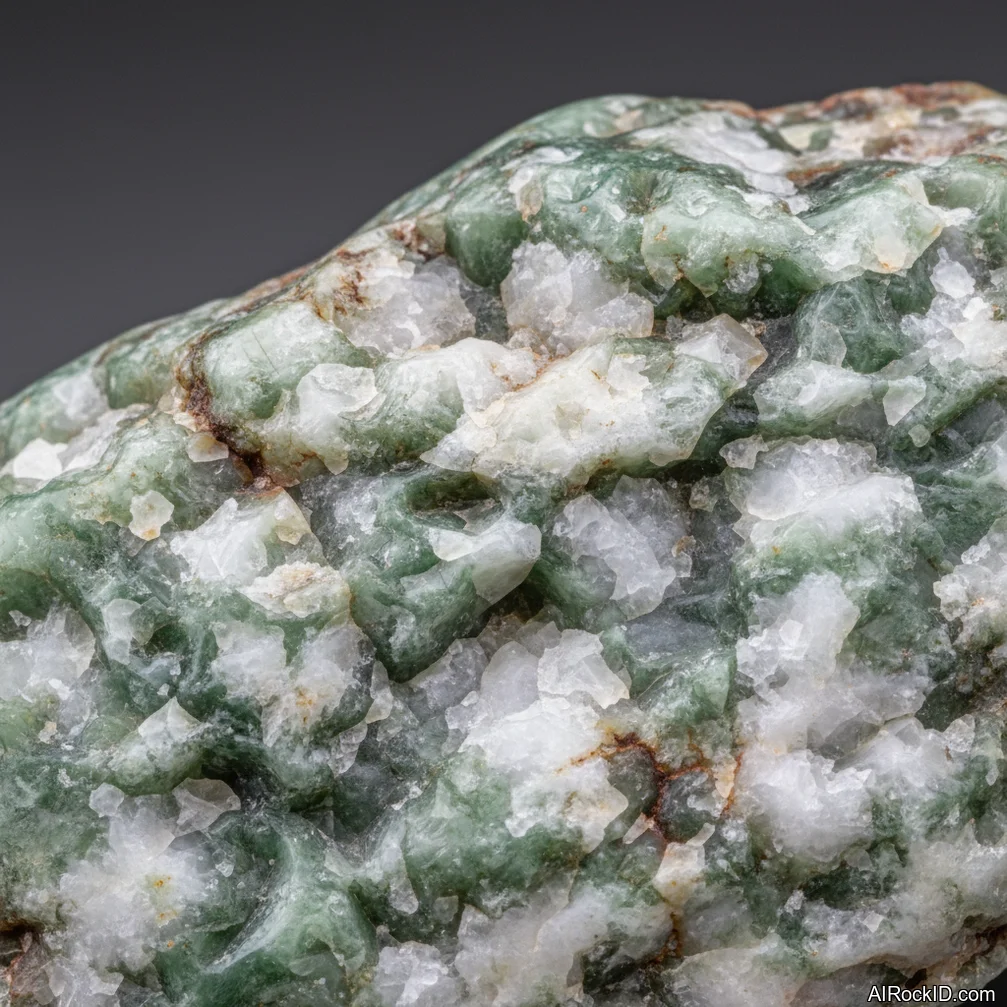
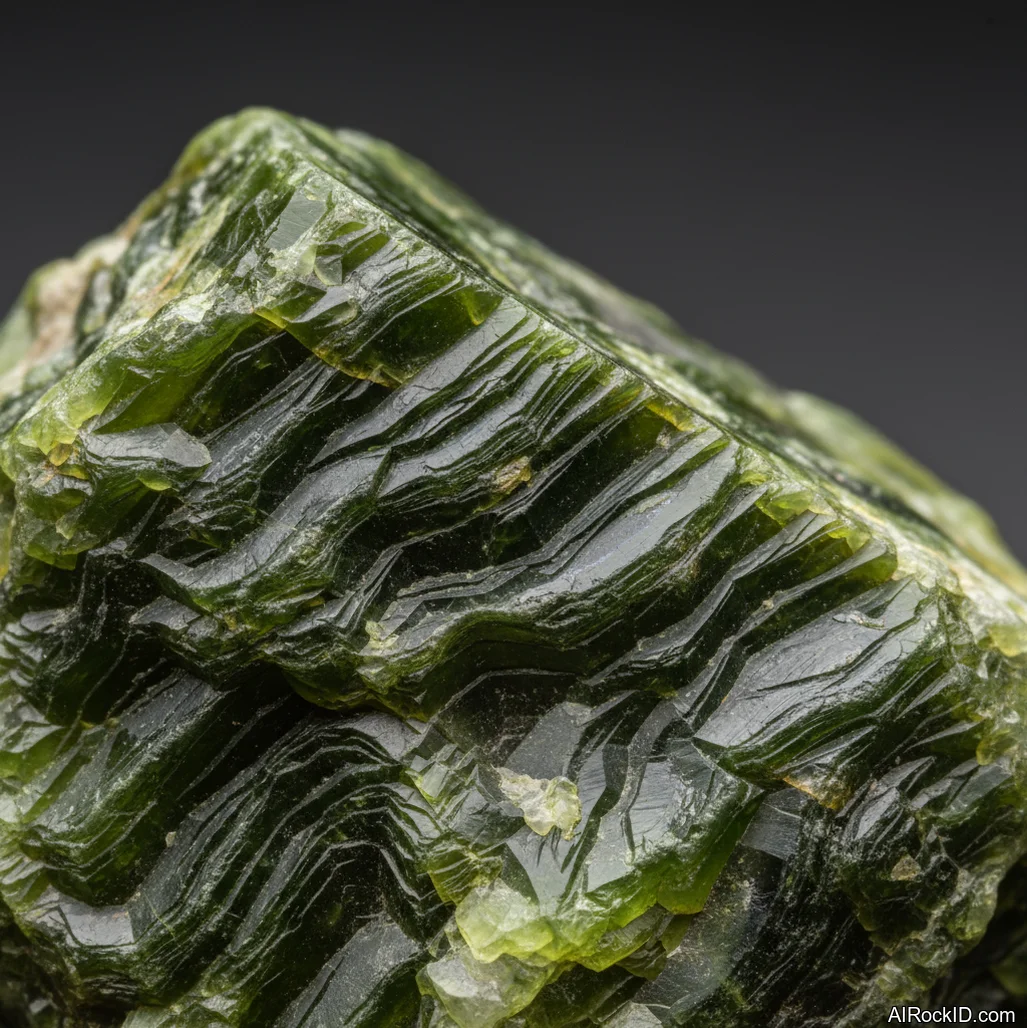
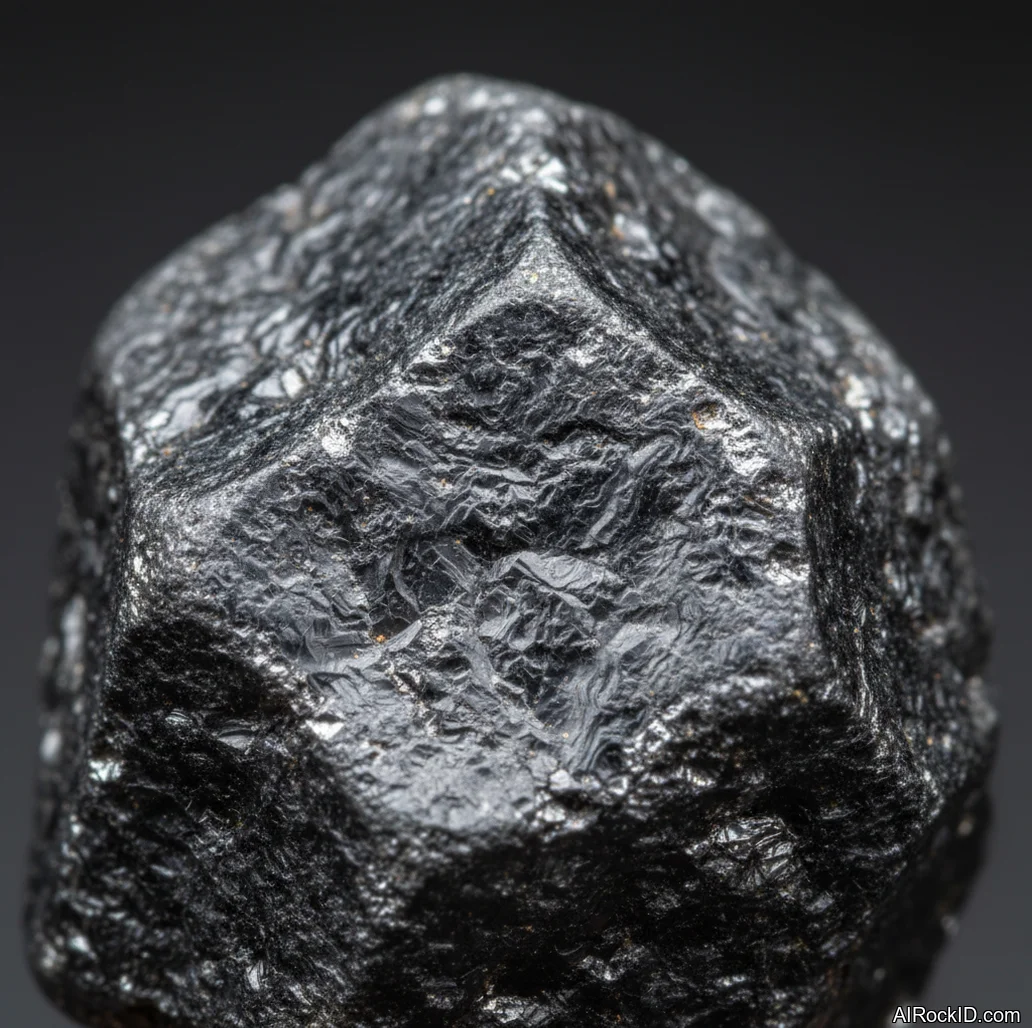
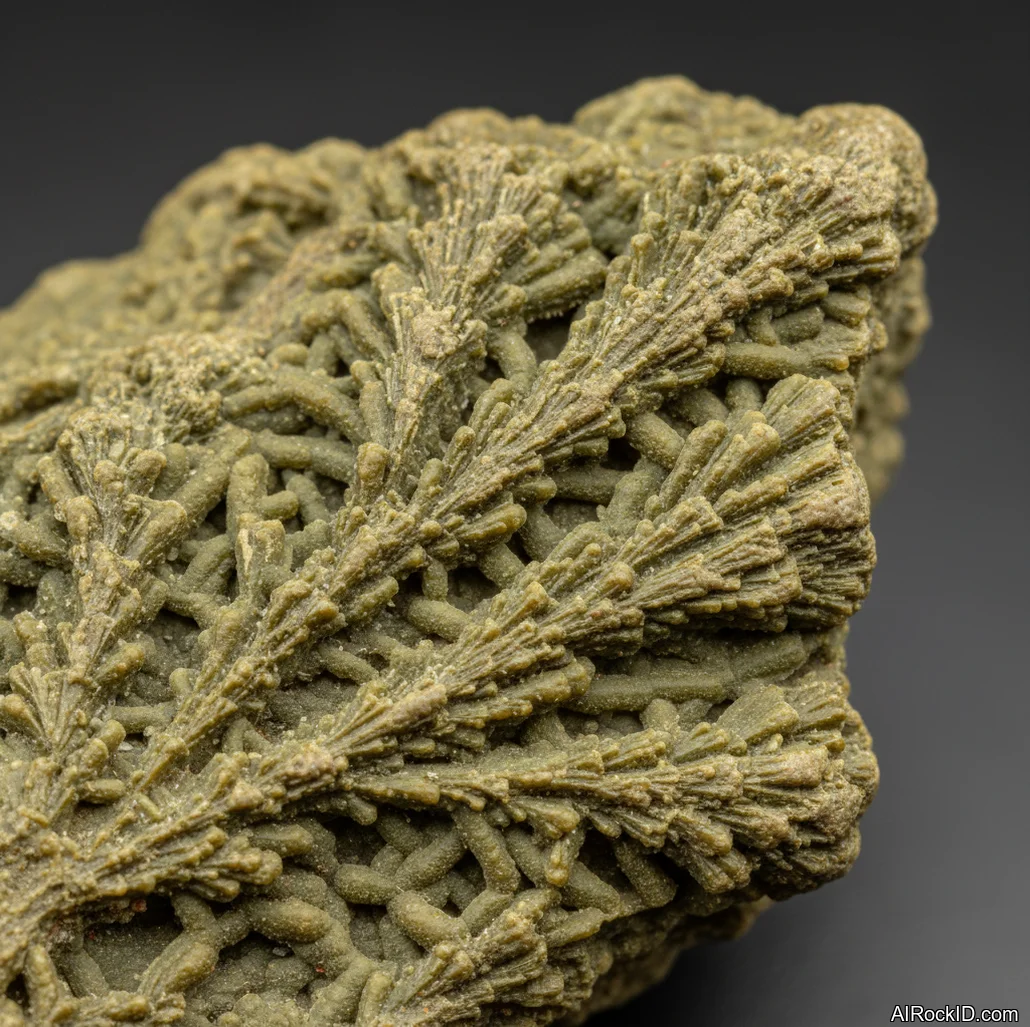
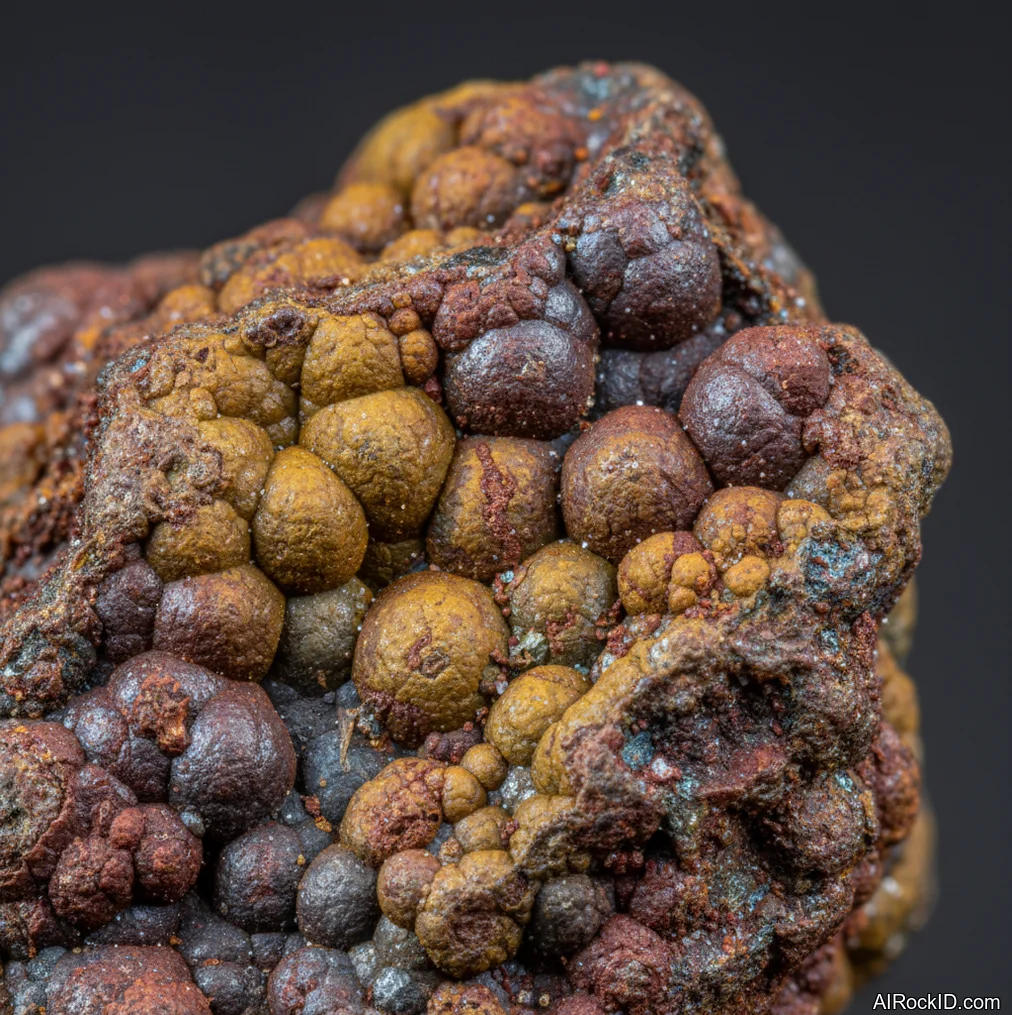
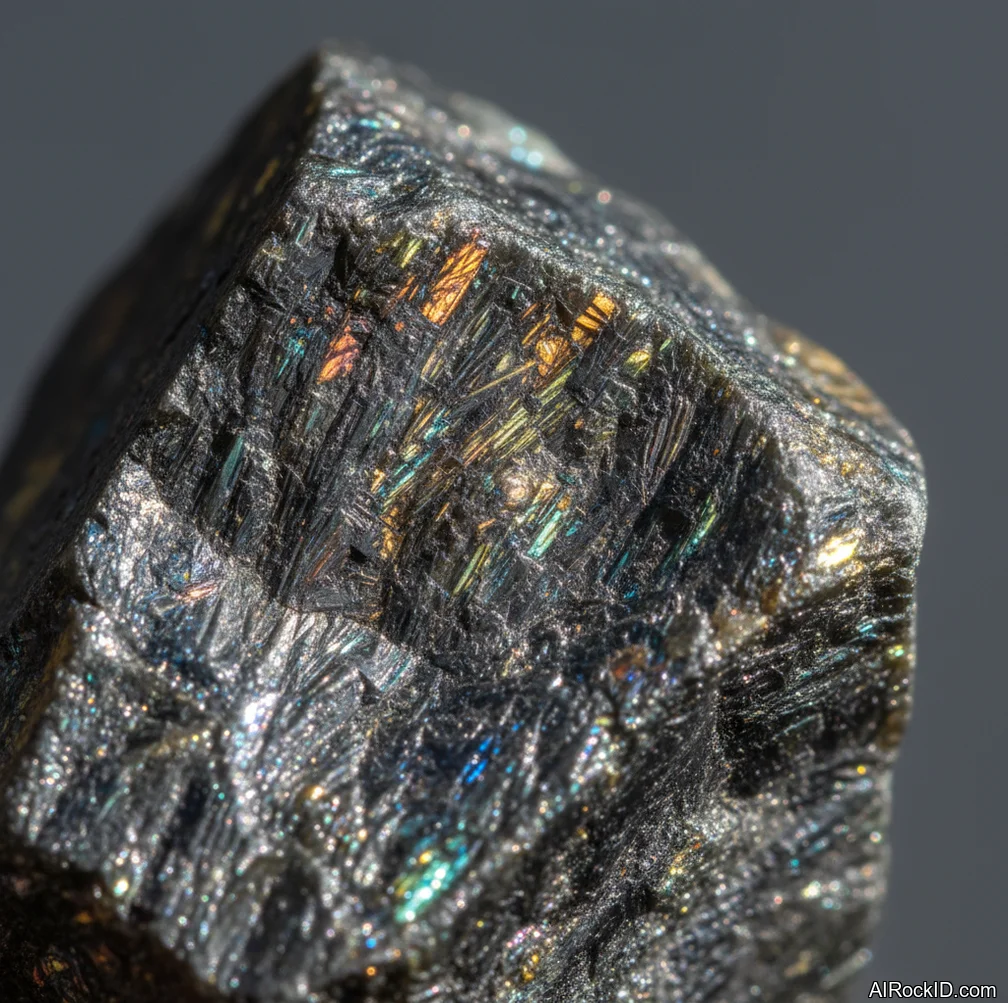
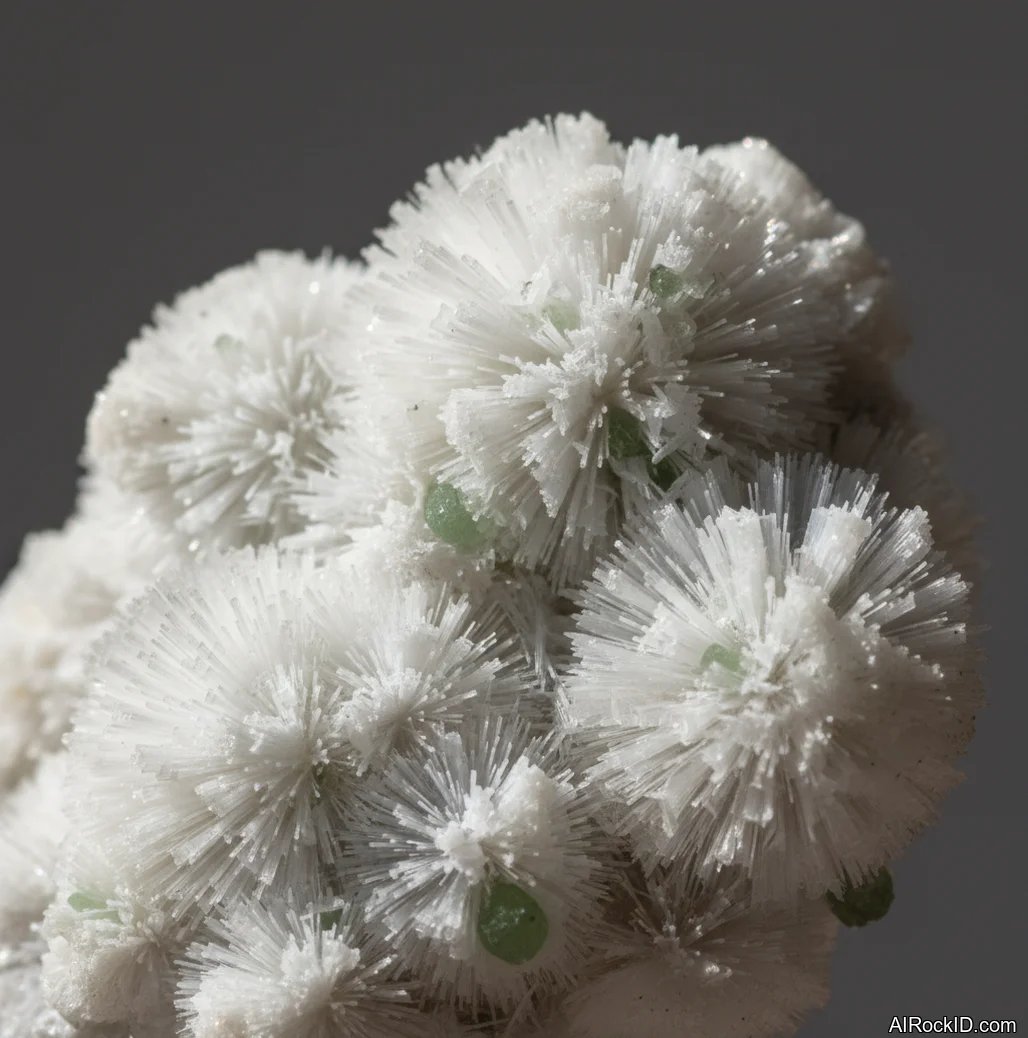
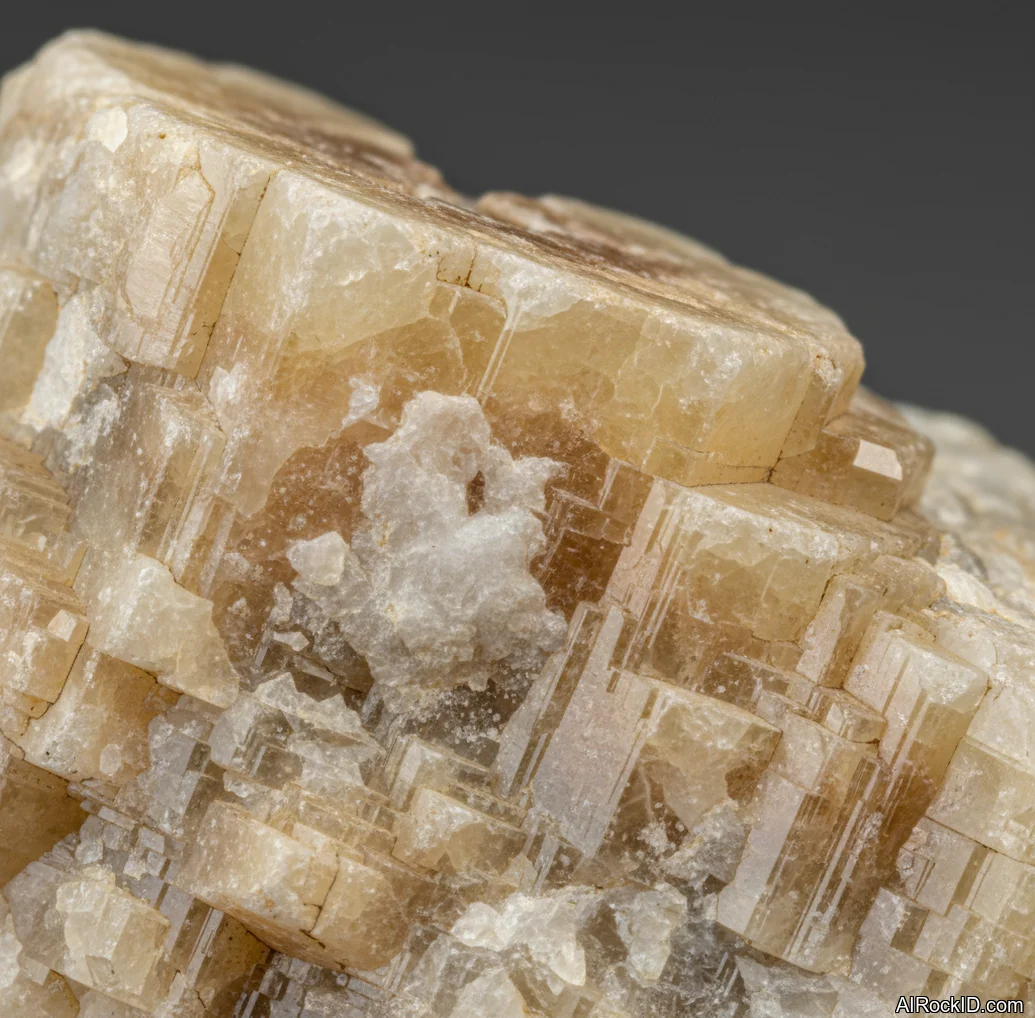
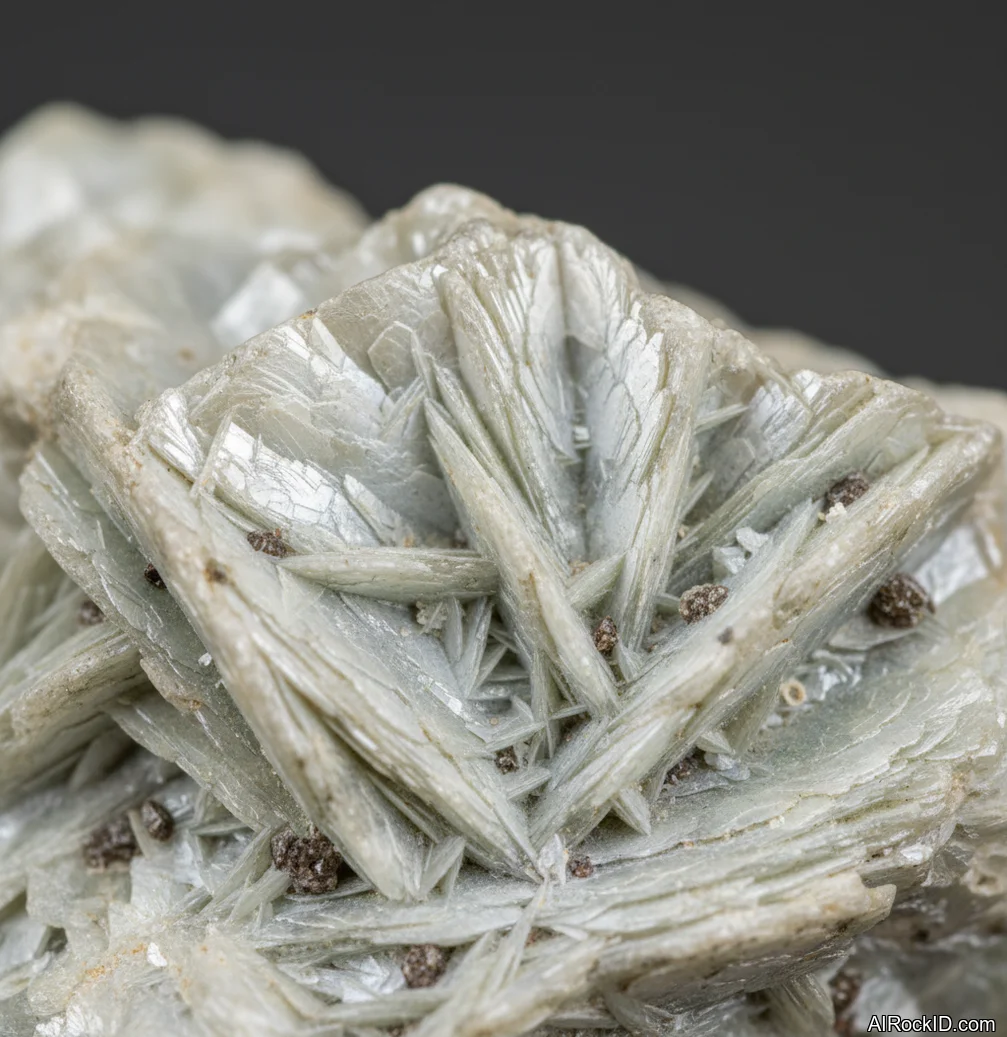
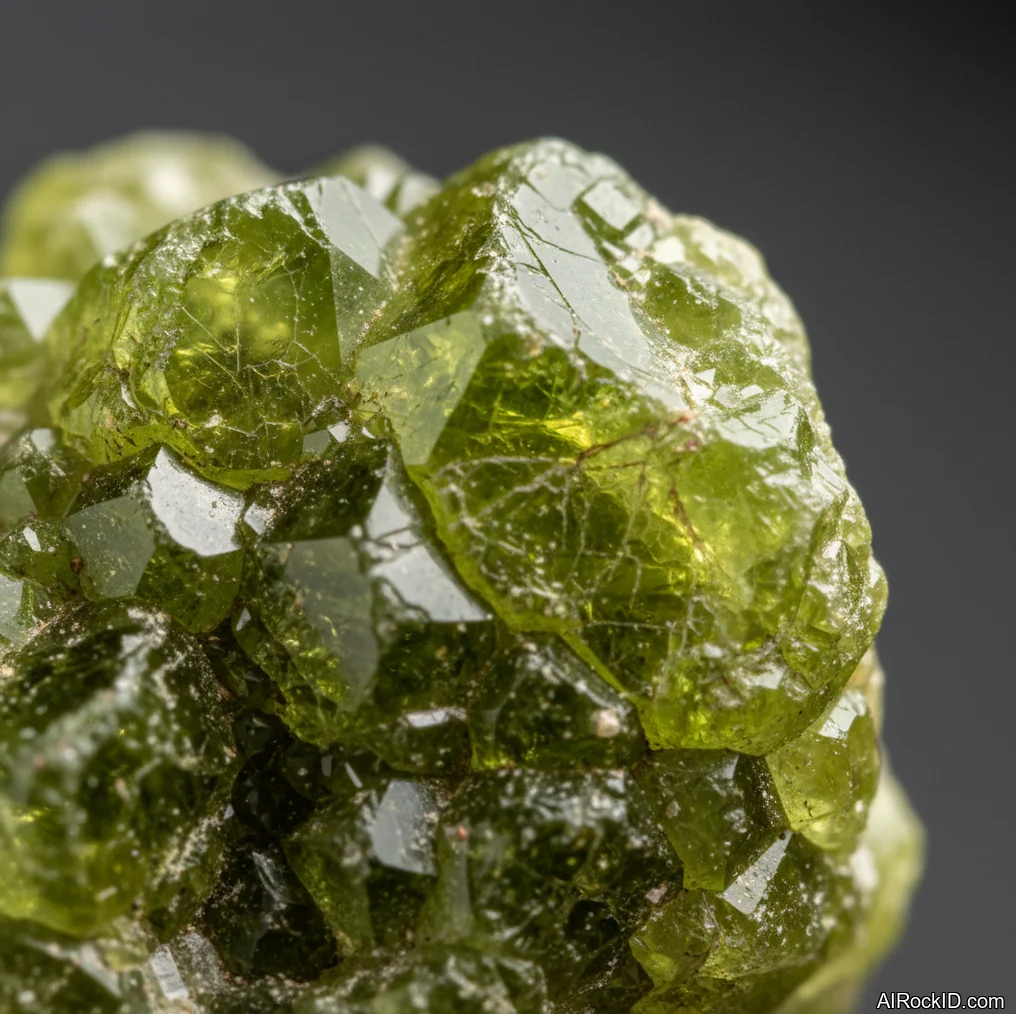
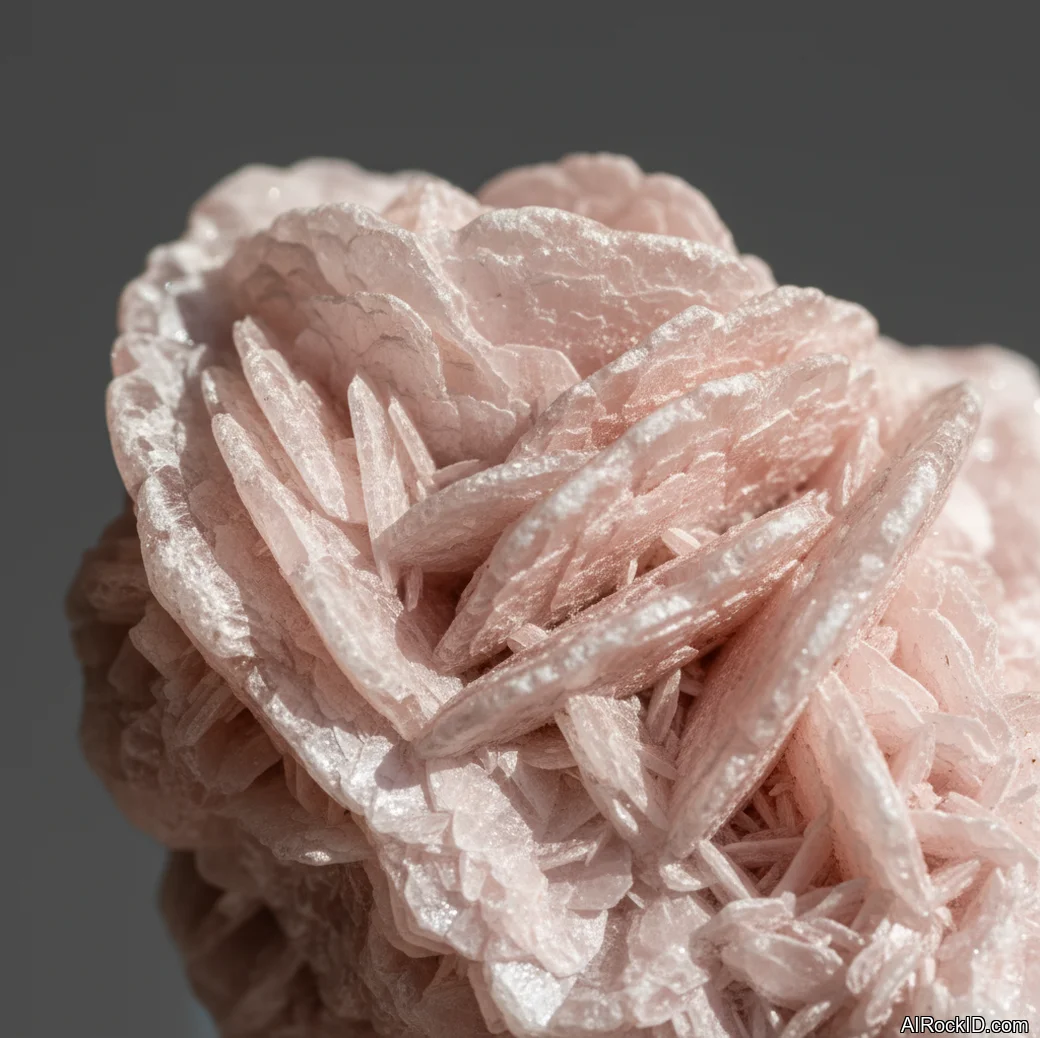
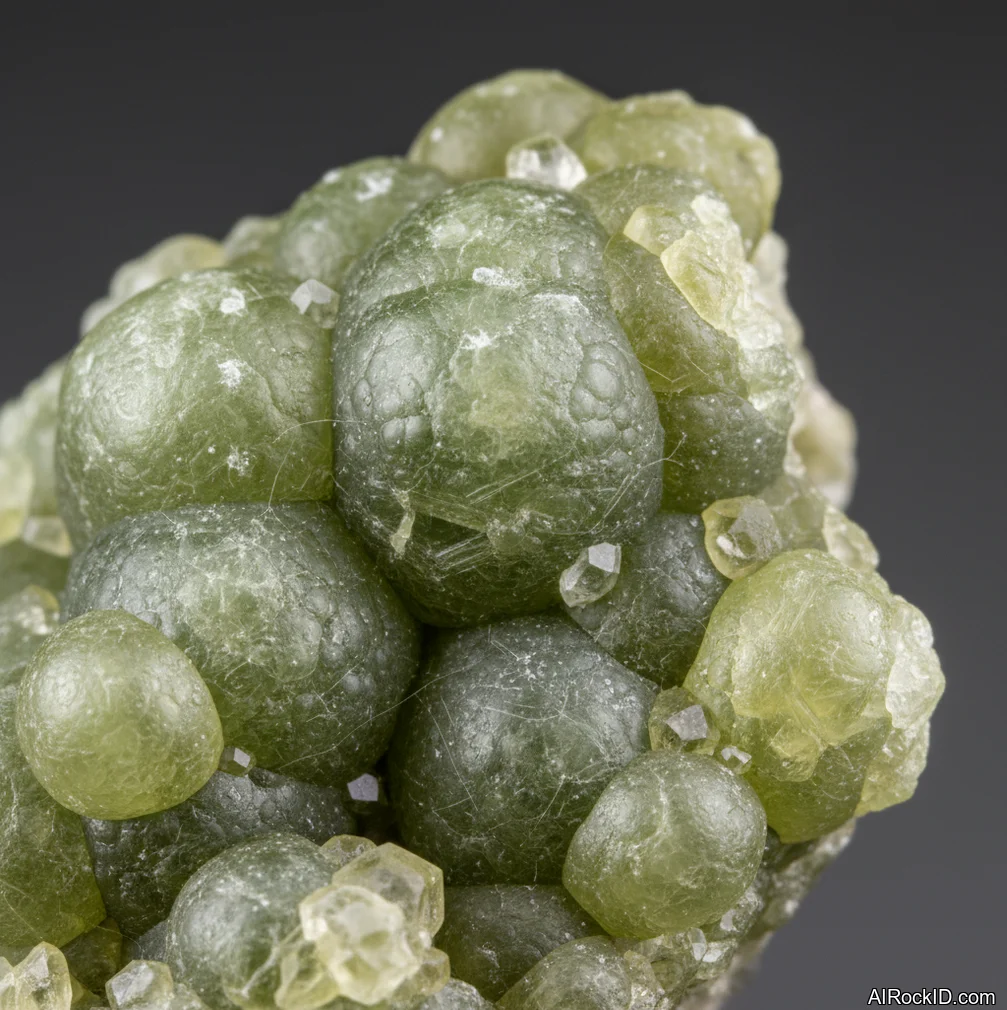
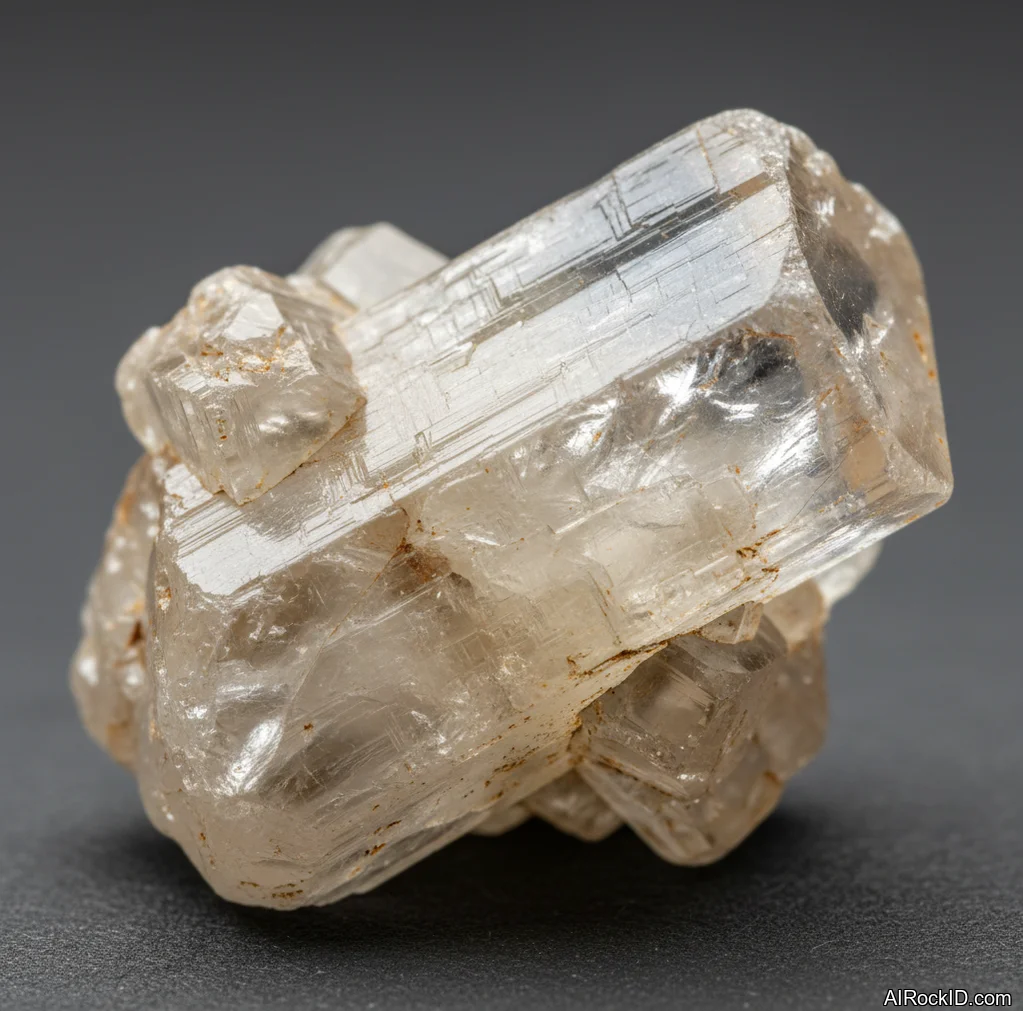
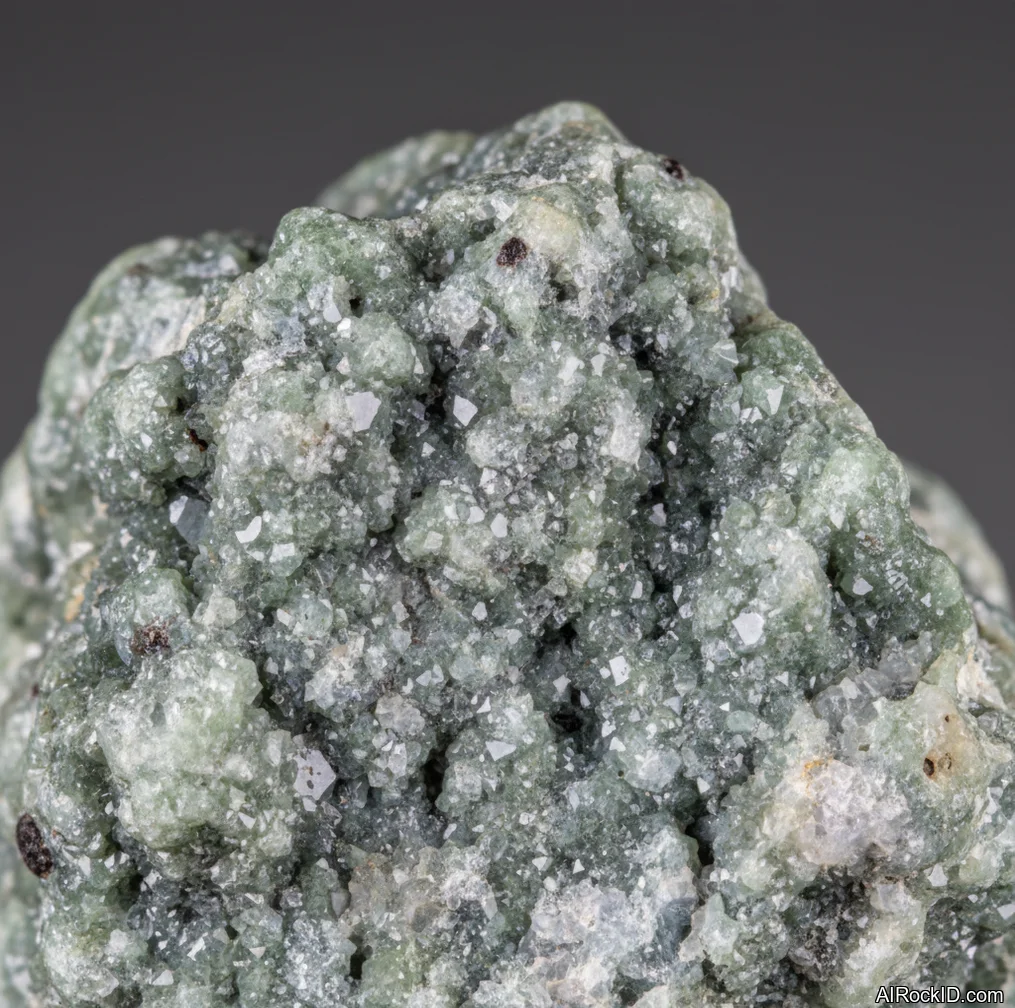
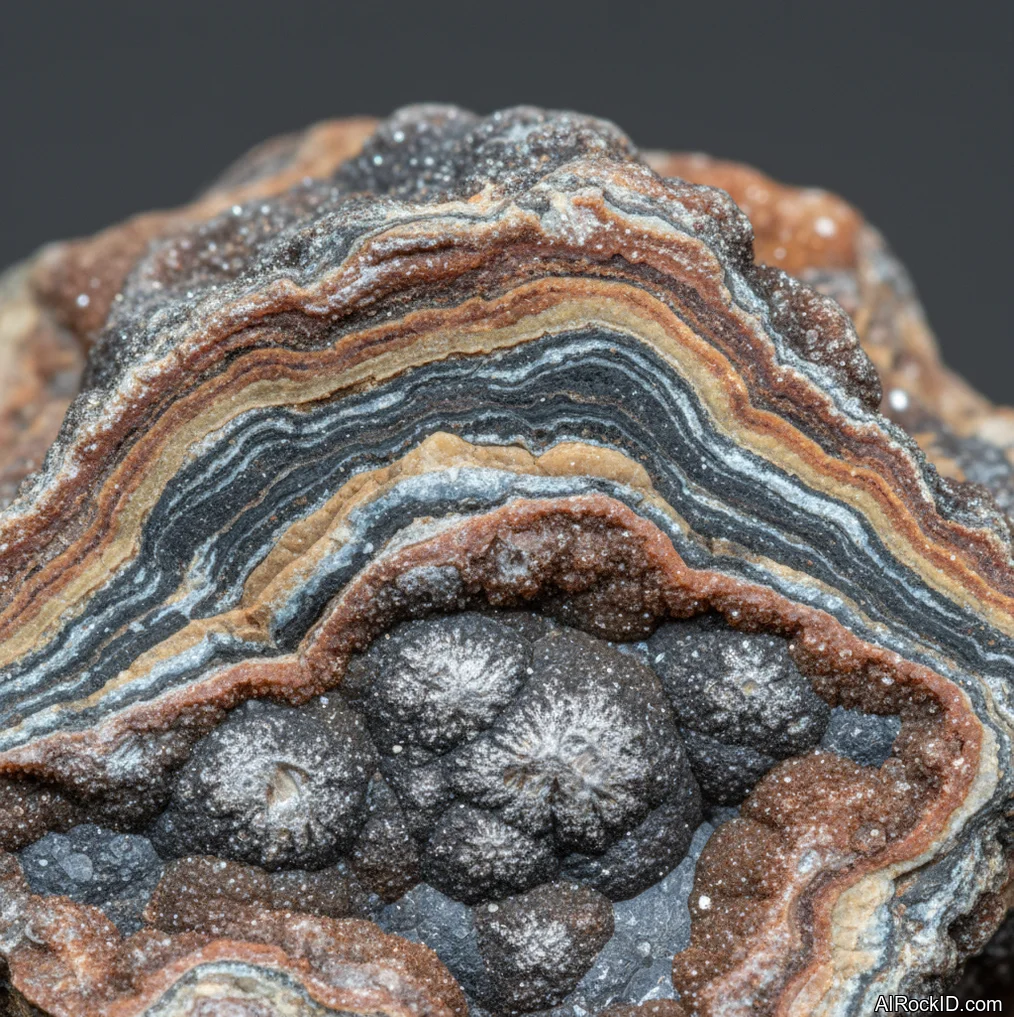
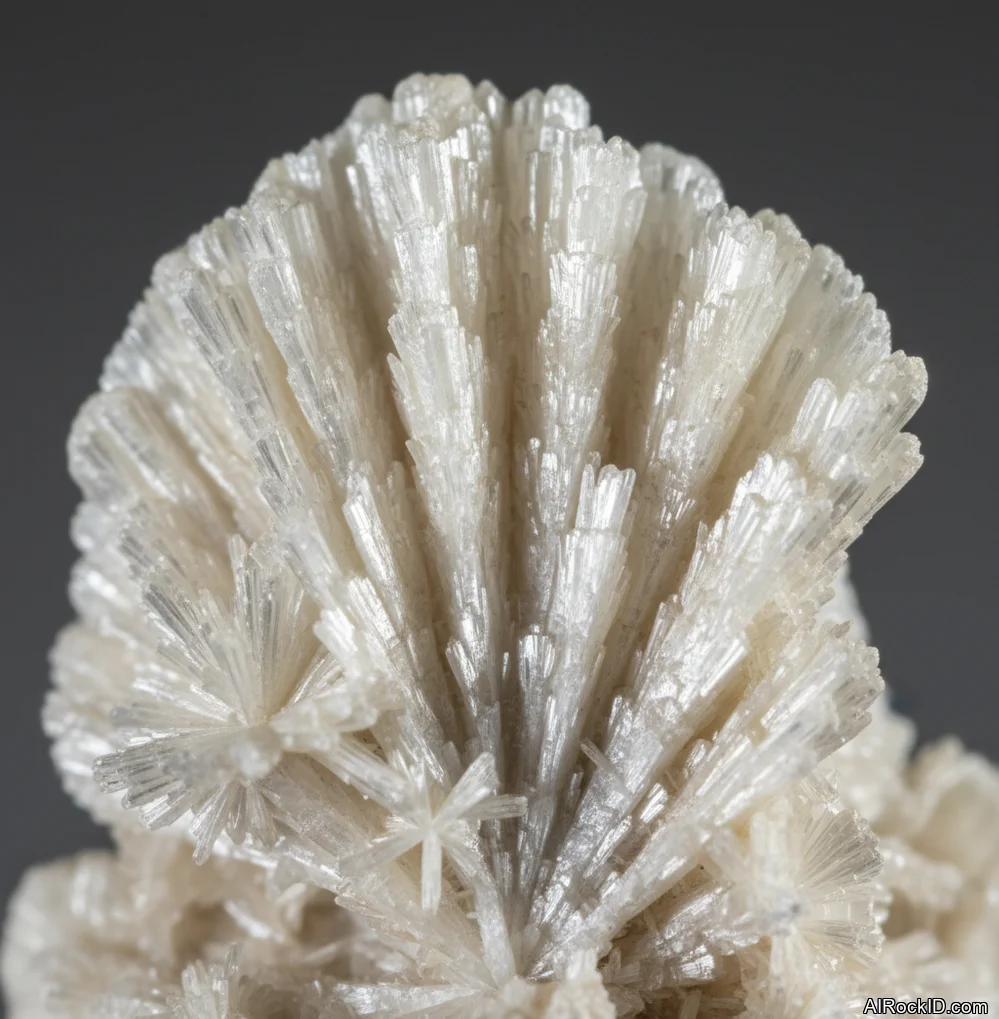
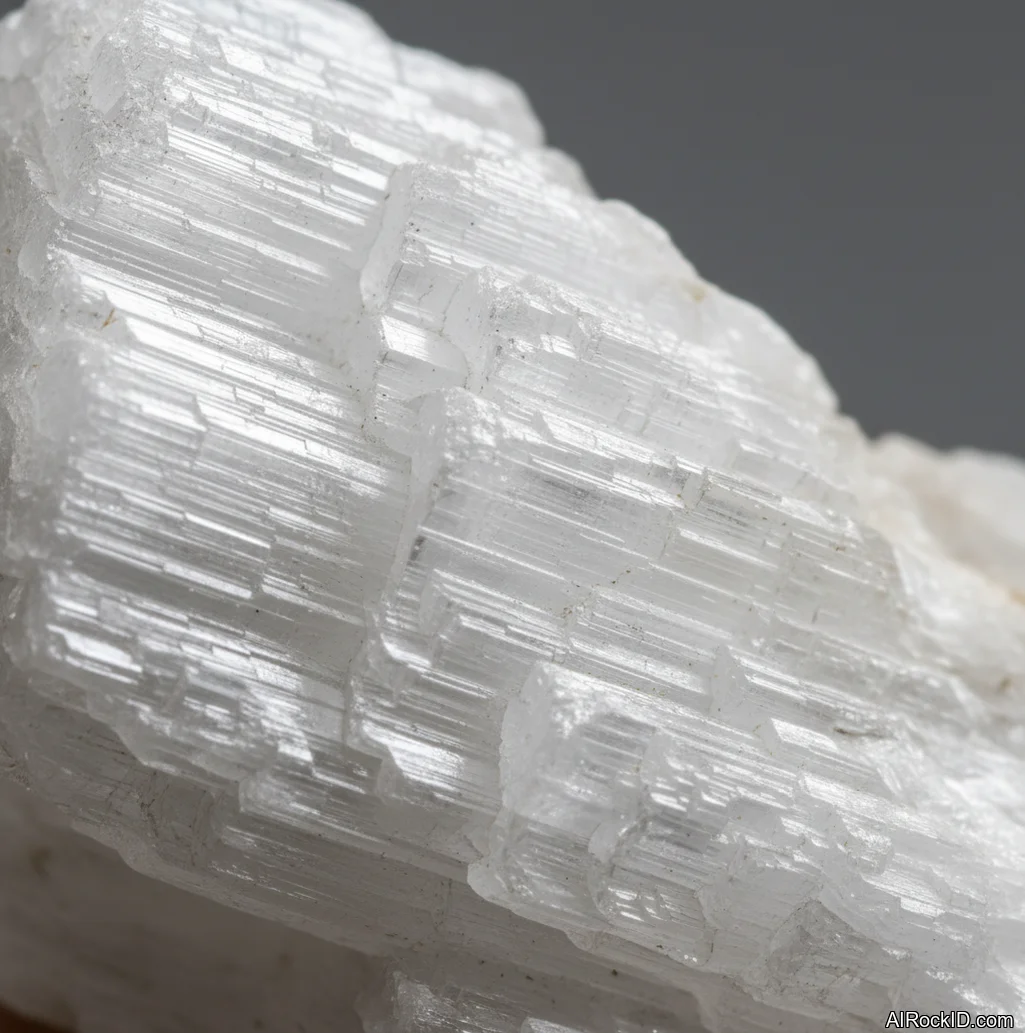
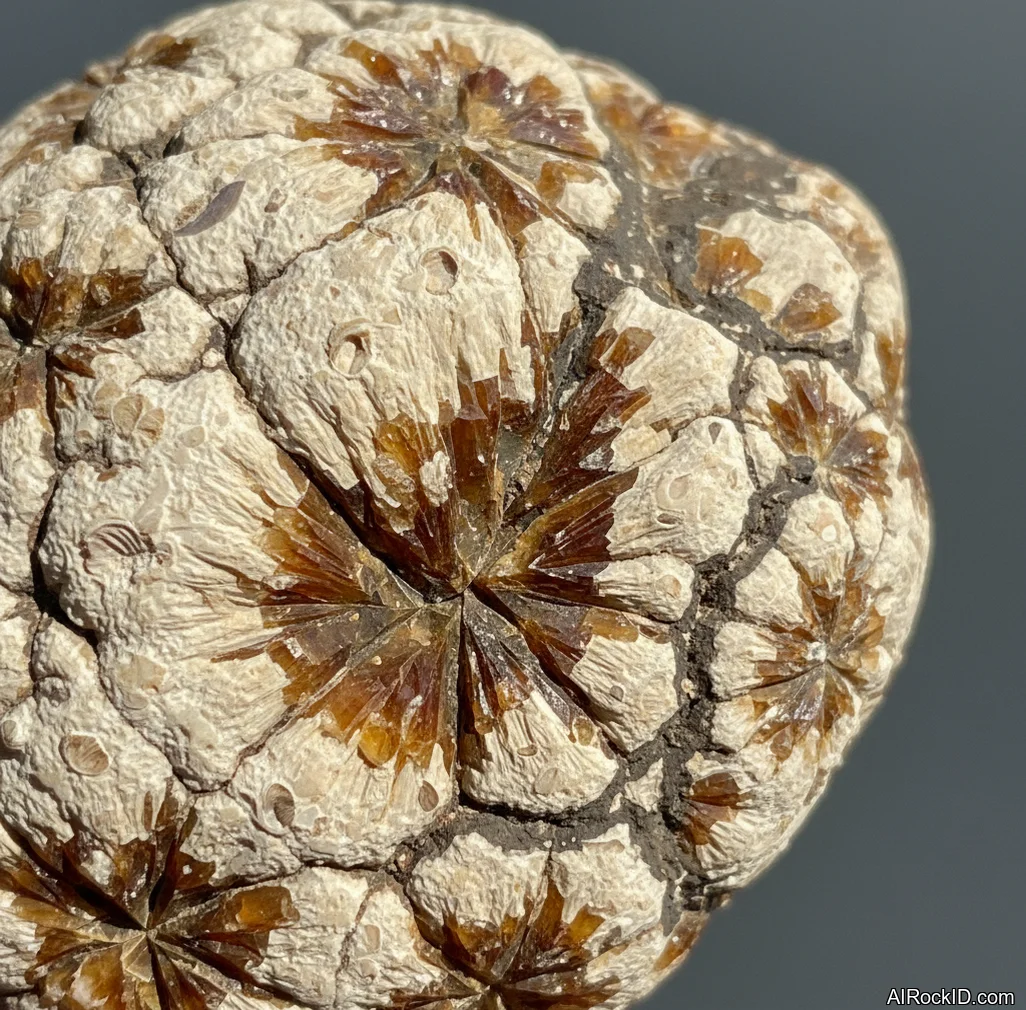
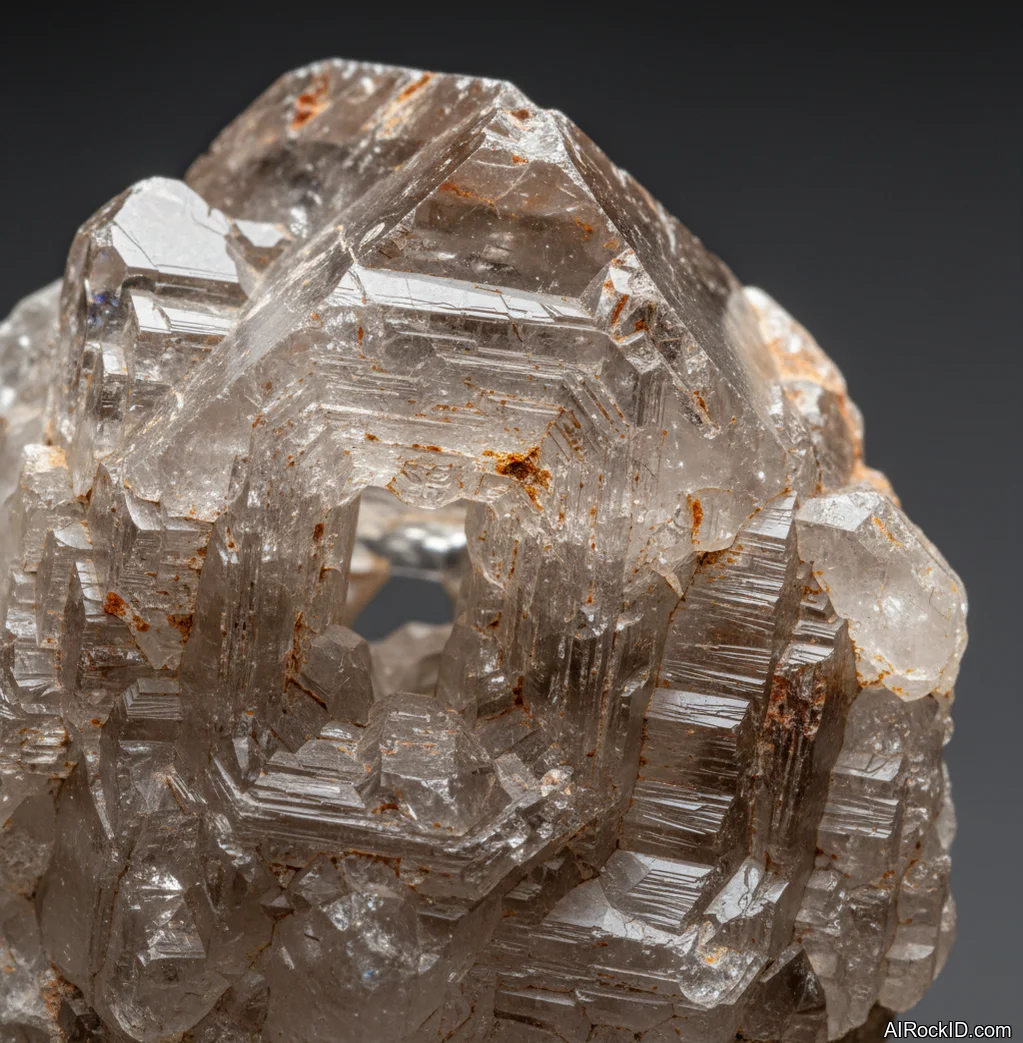
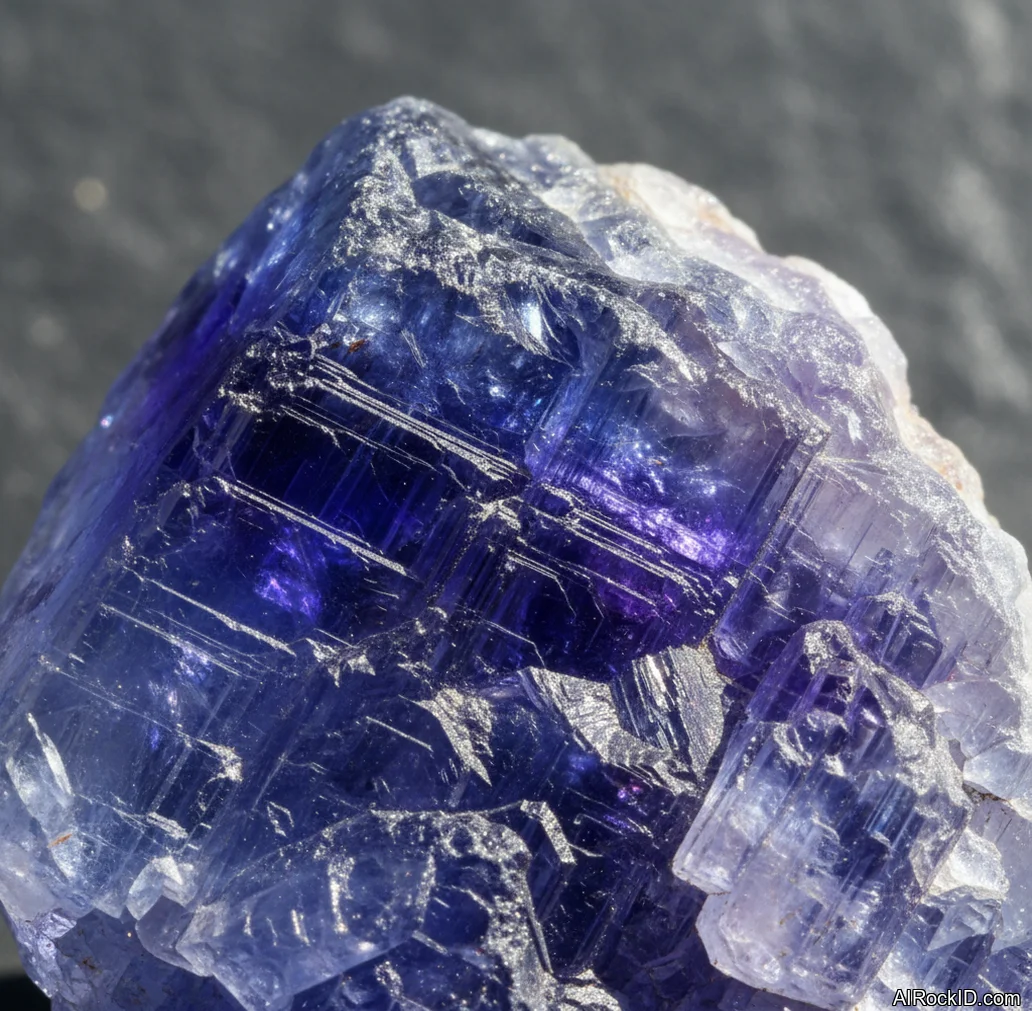
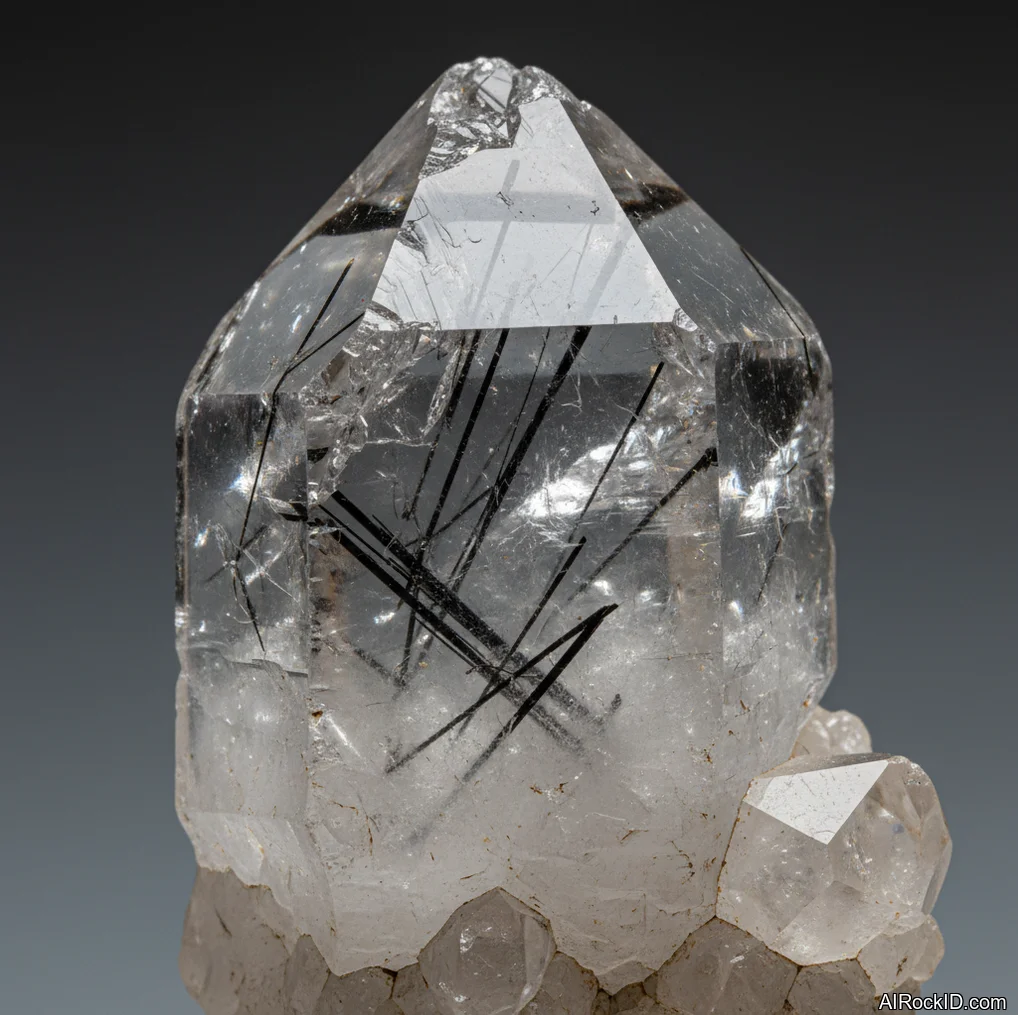
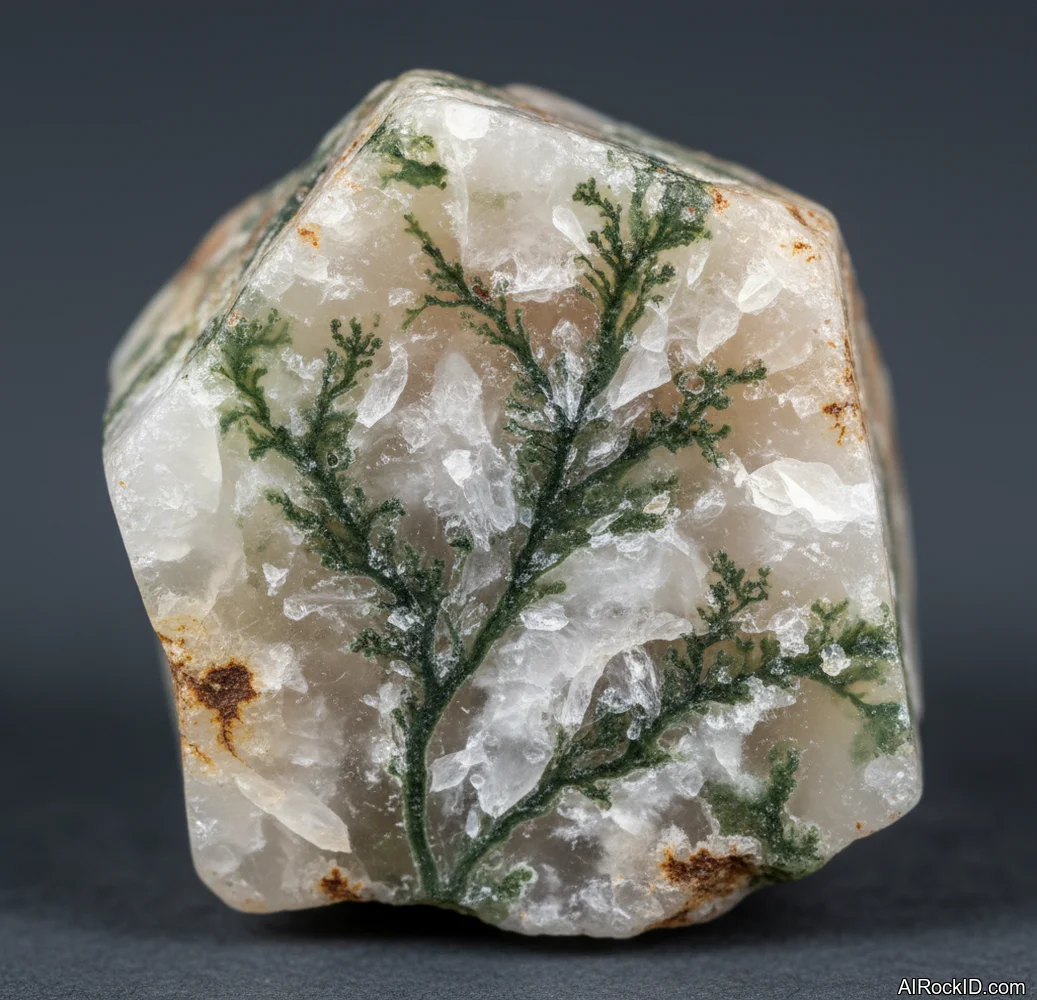
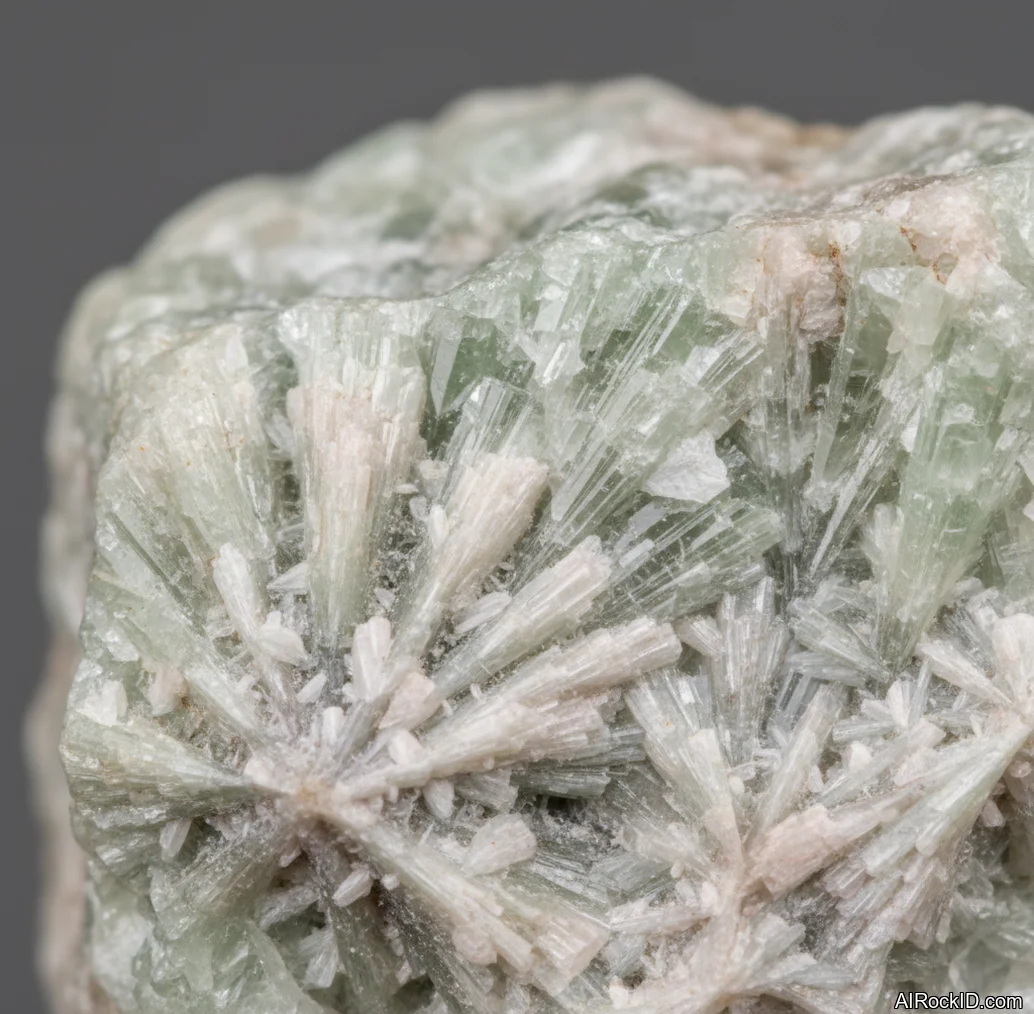
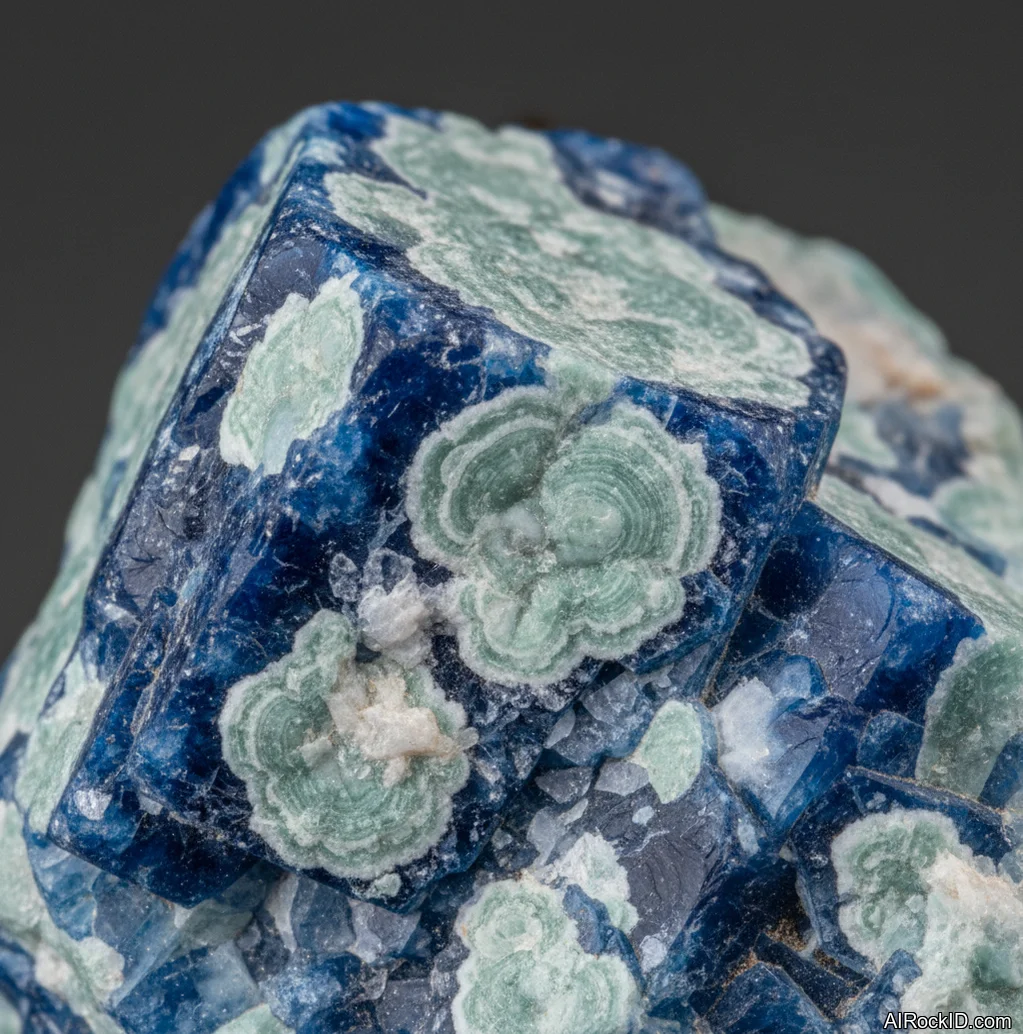
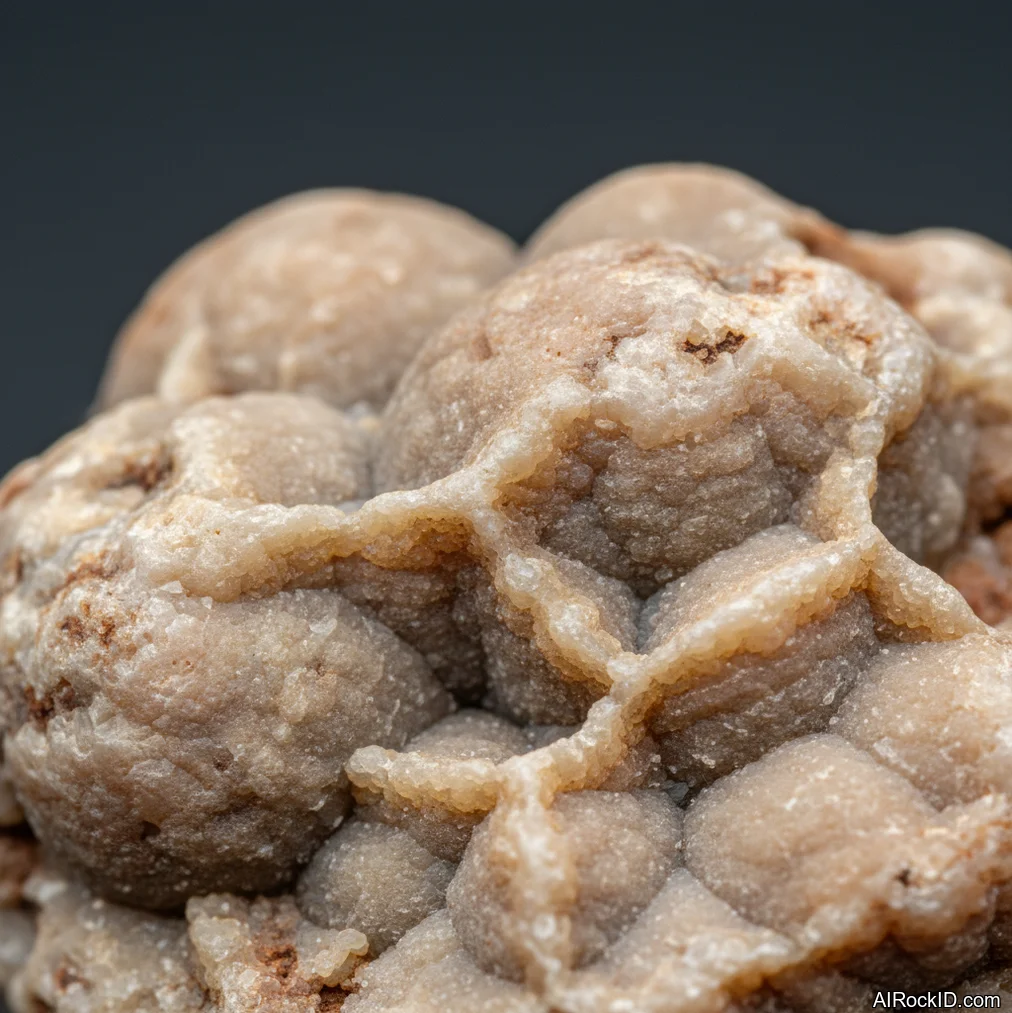
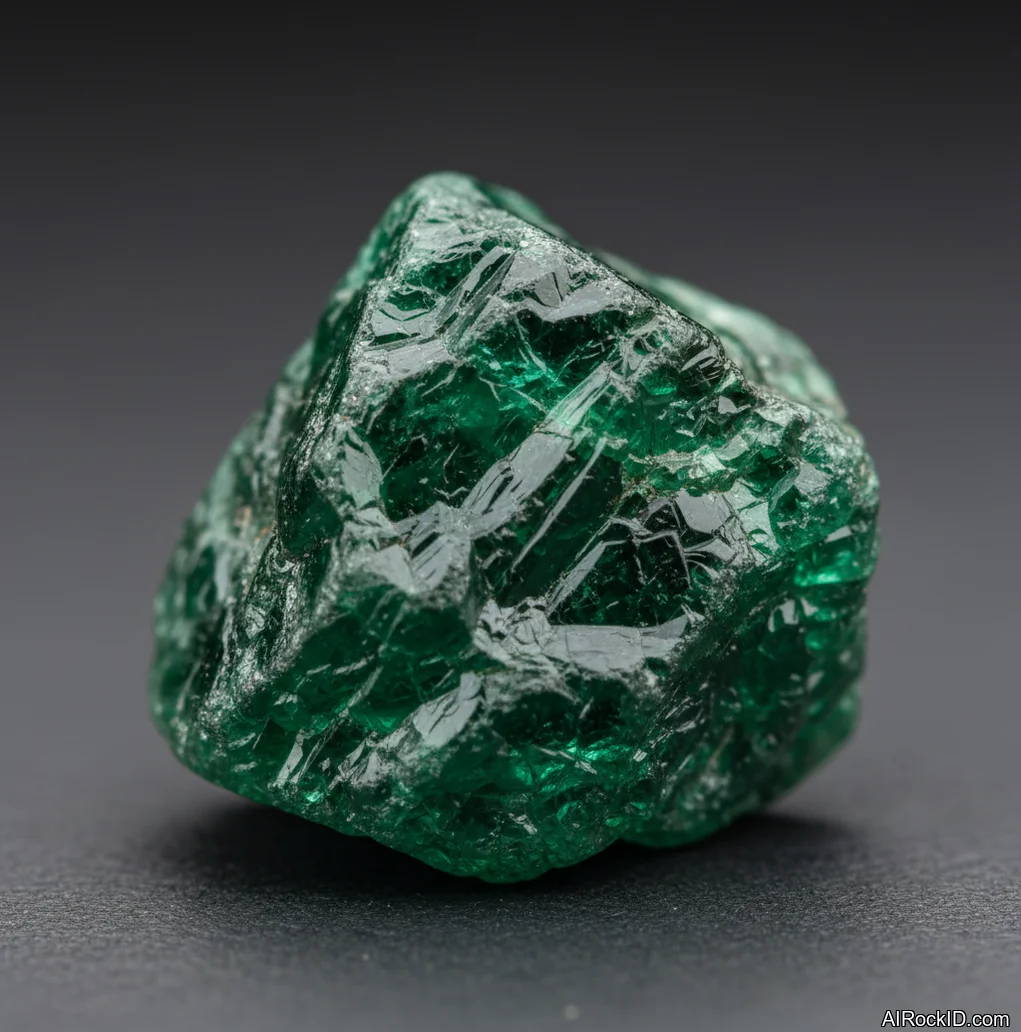
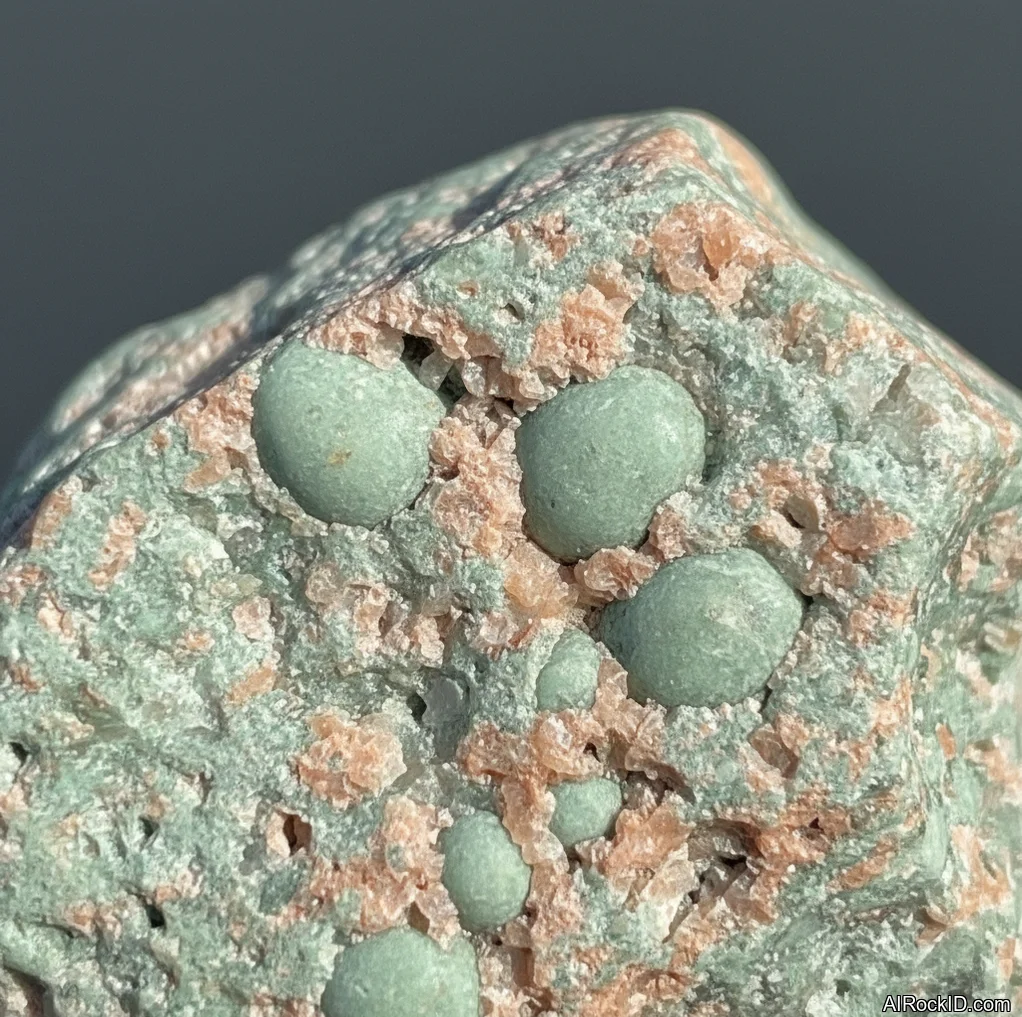
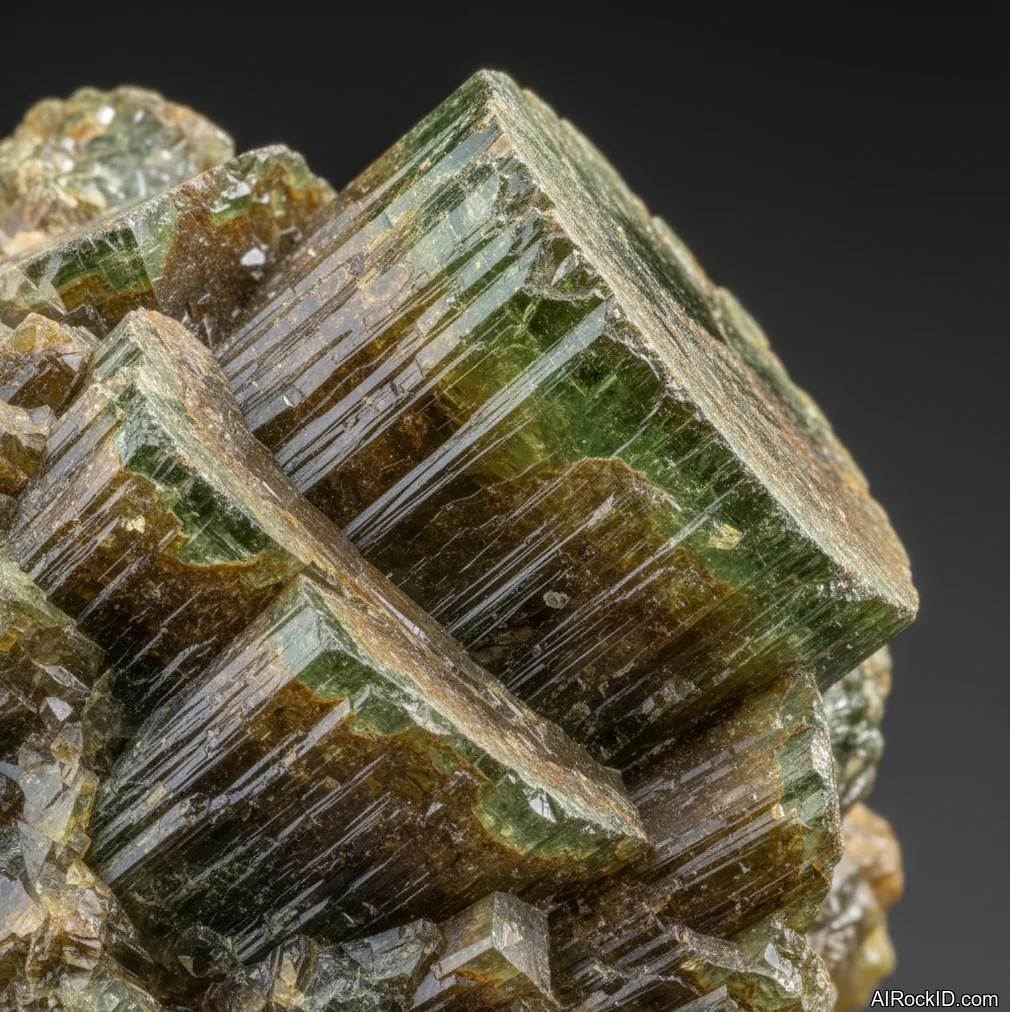
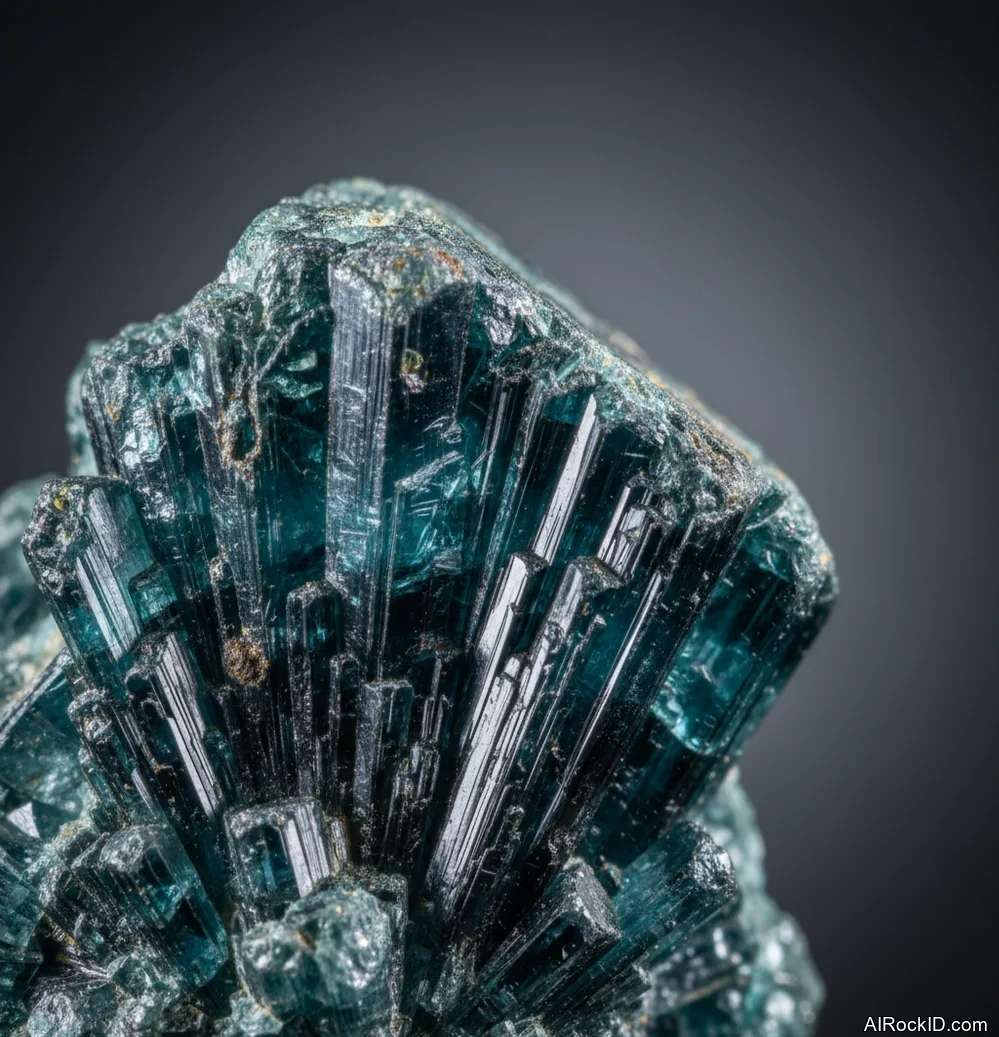
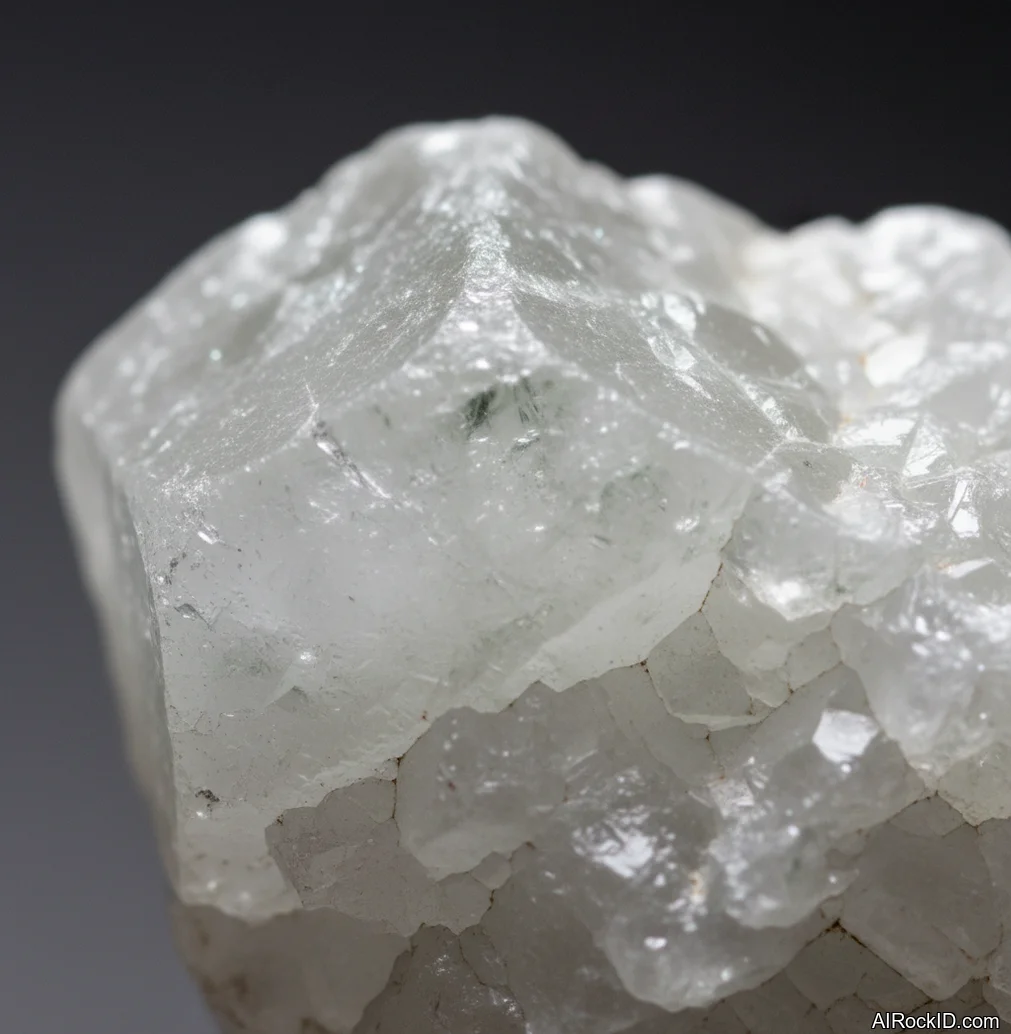
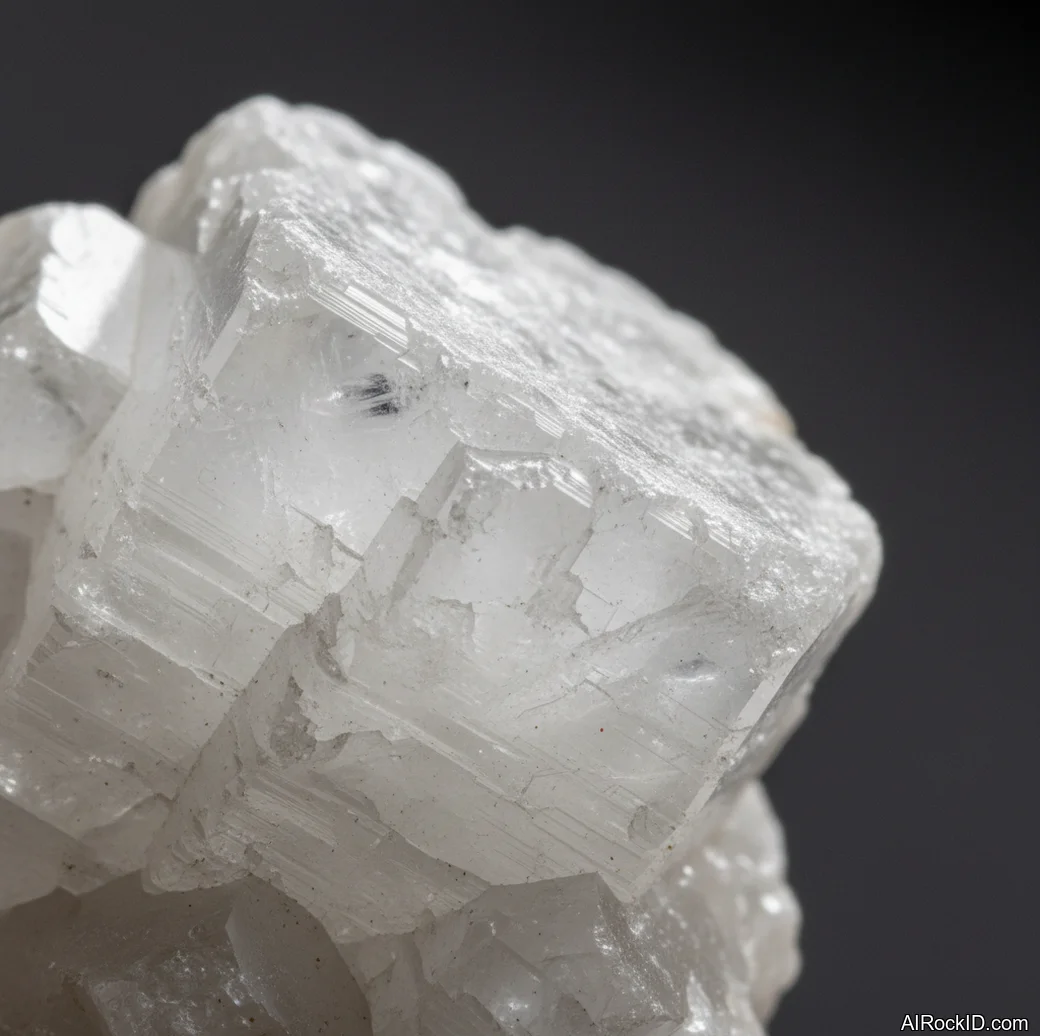
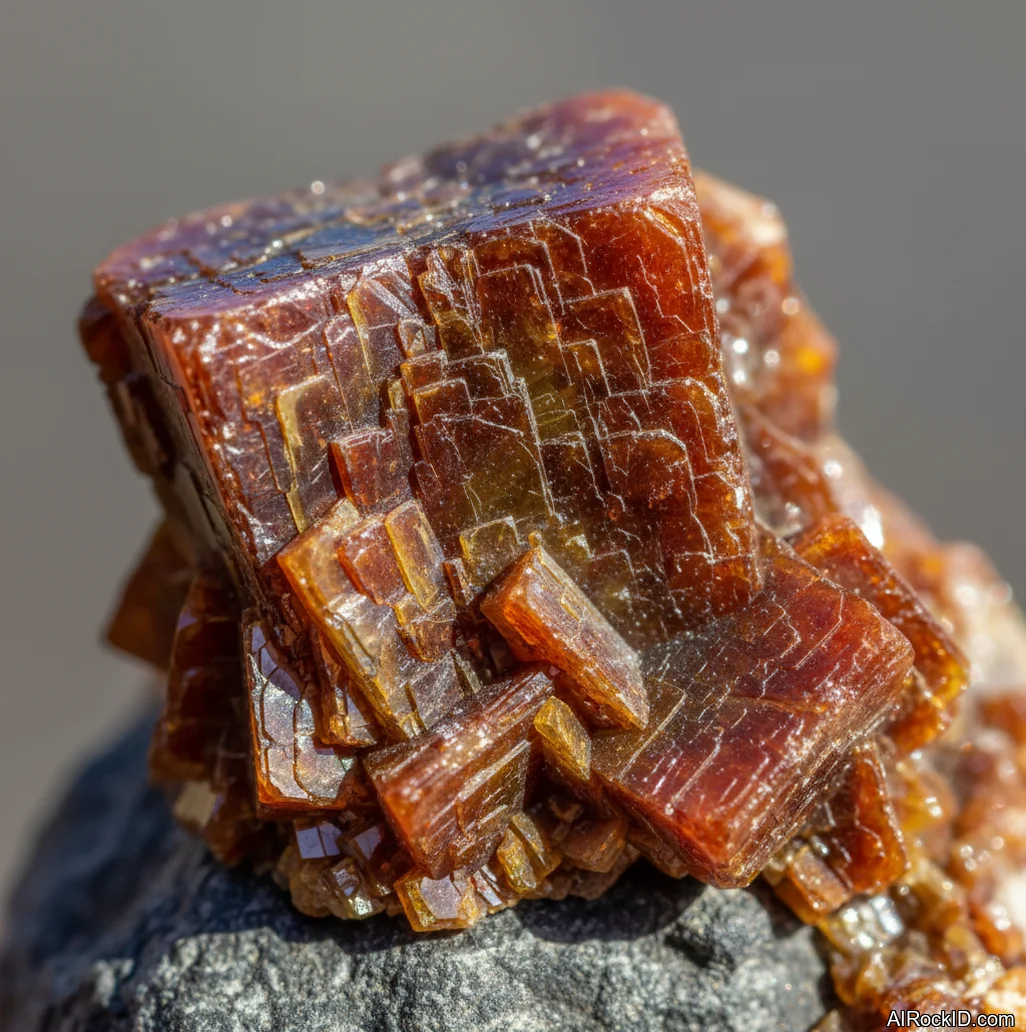
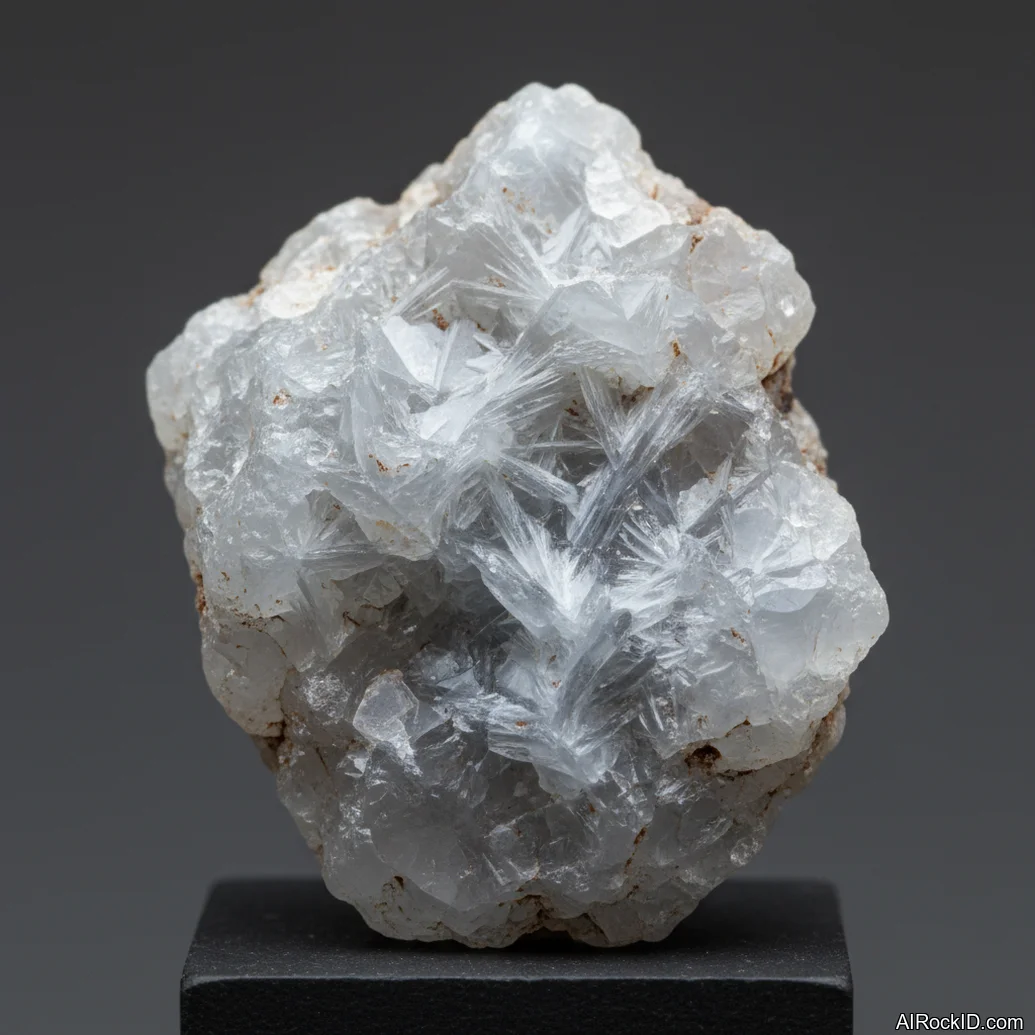
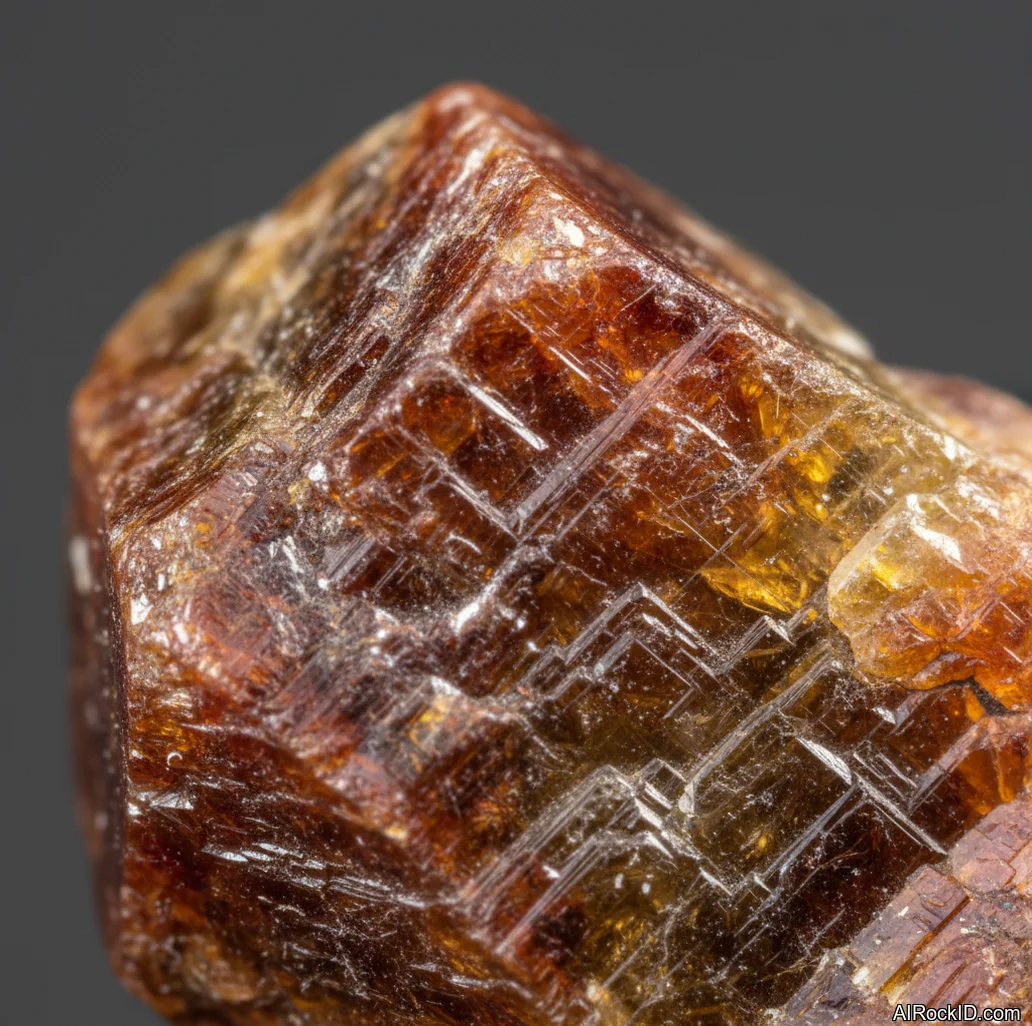
- Phenakite
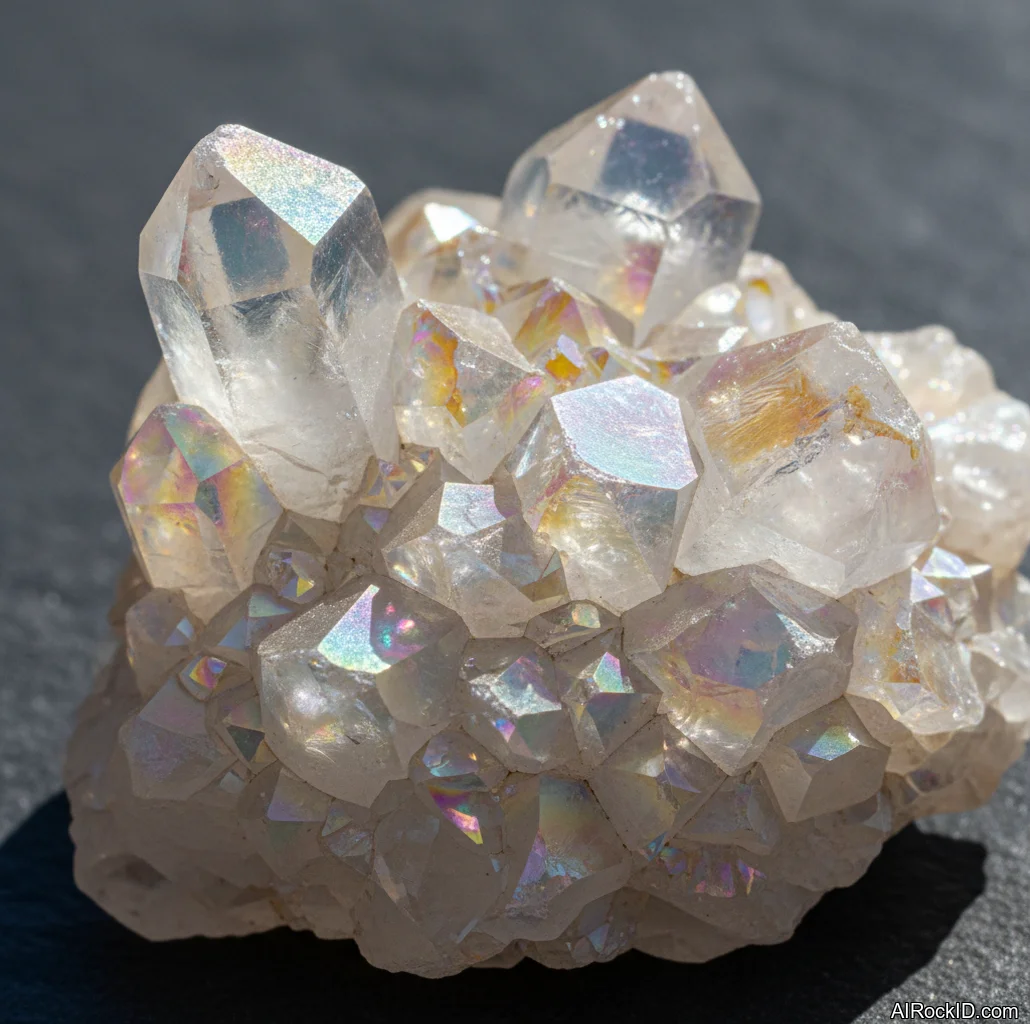
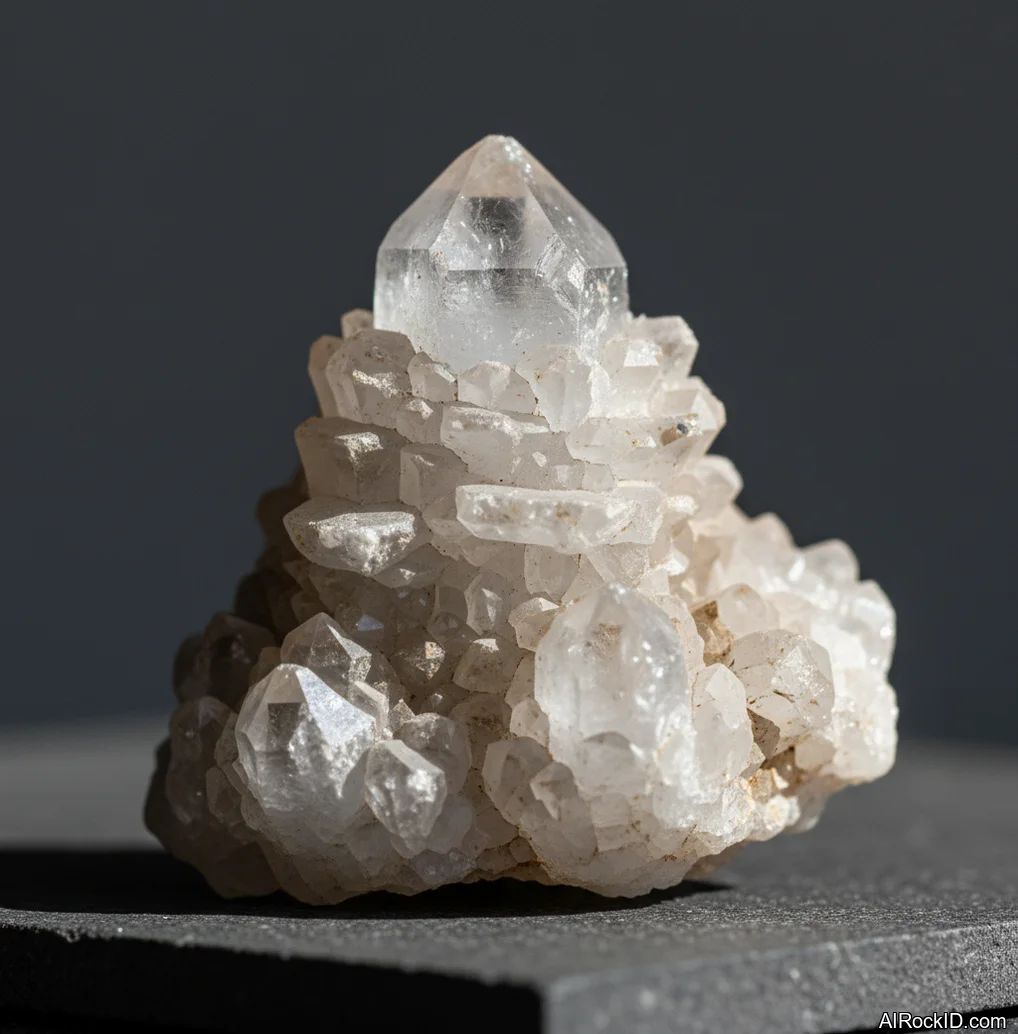
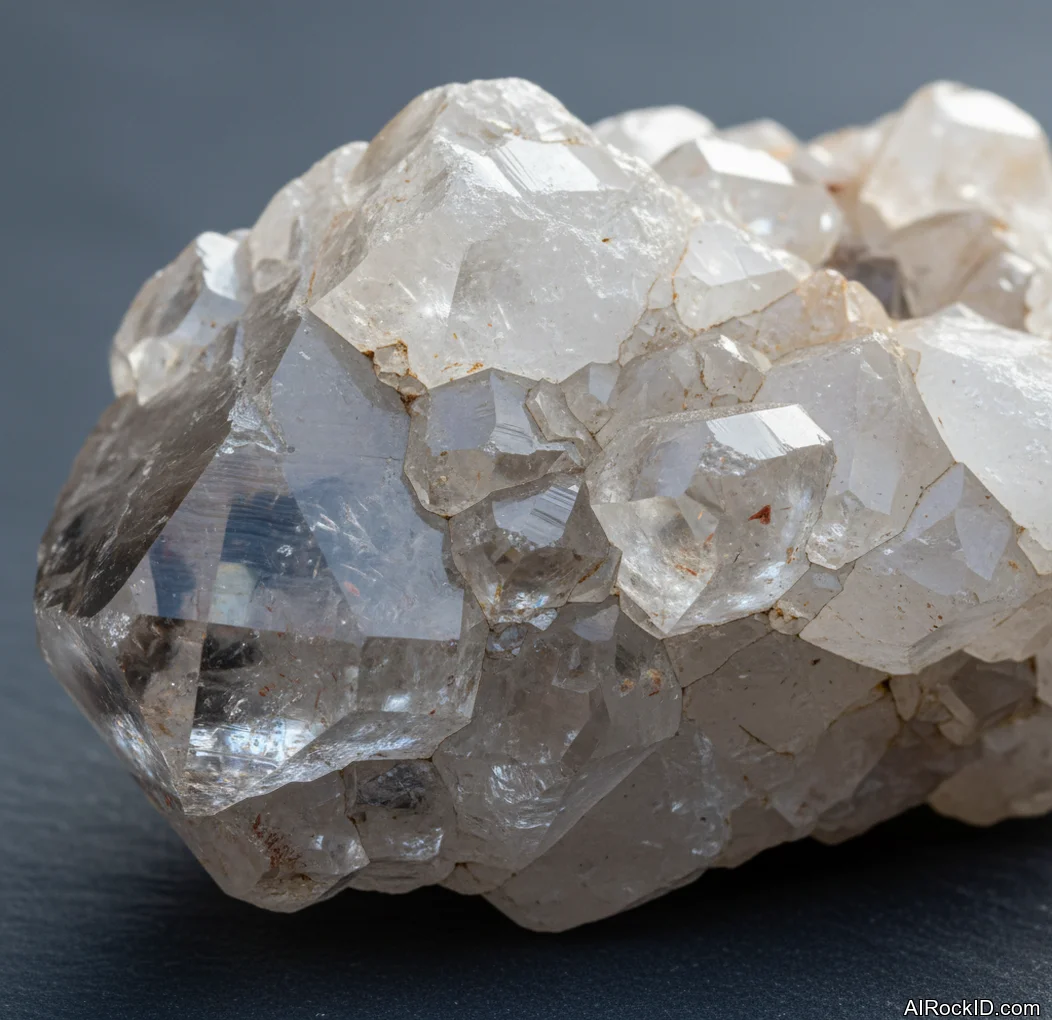
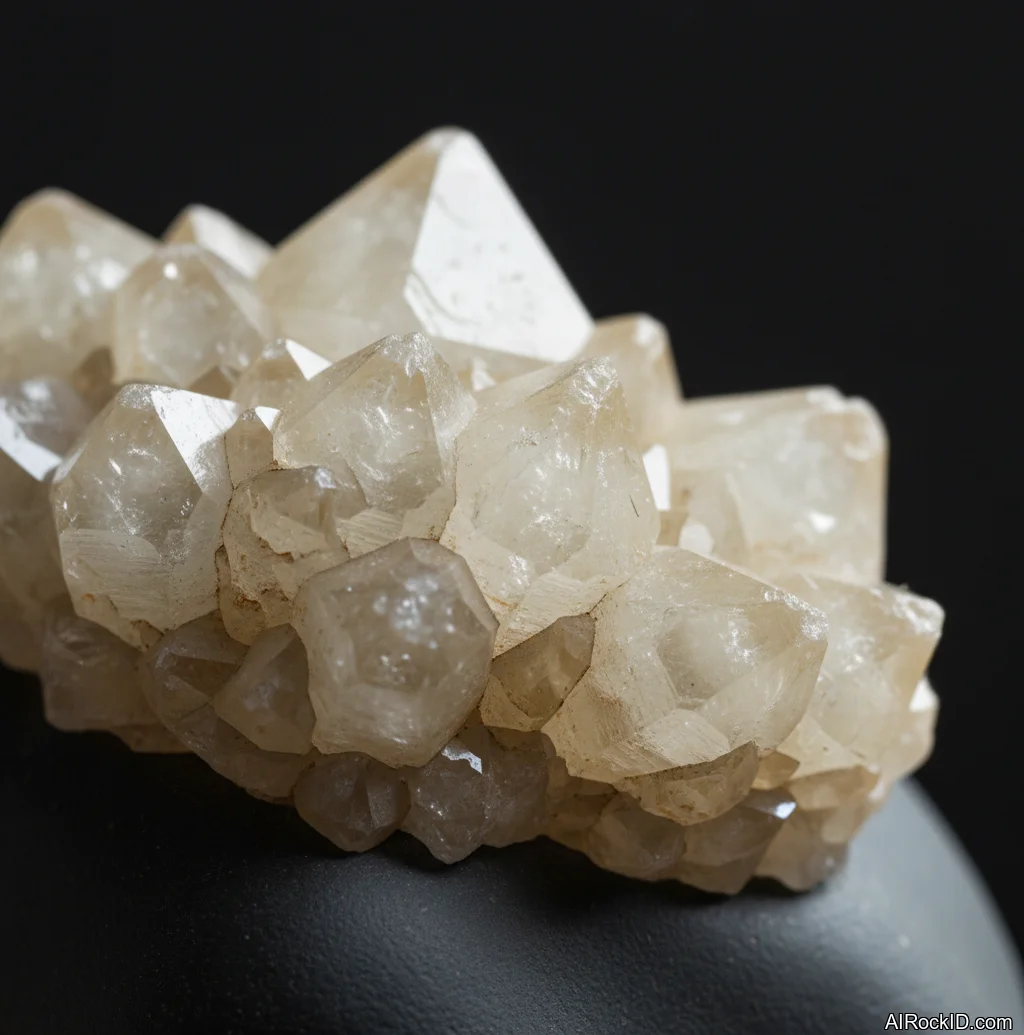
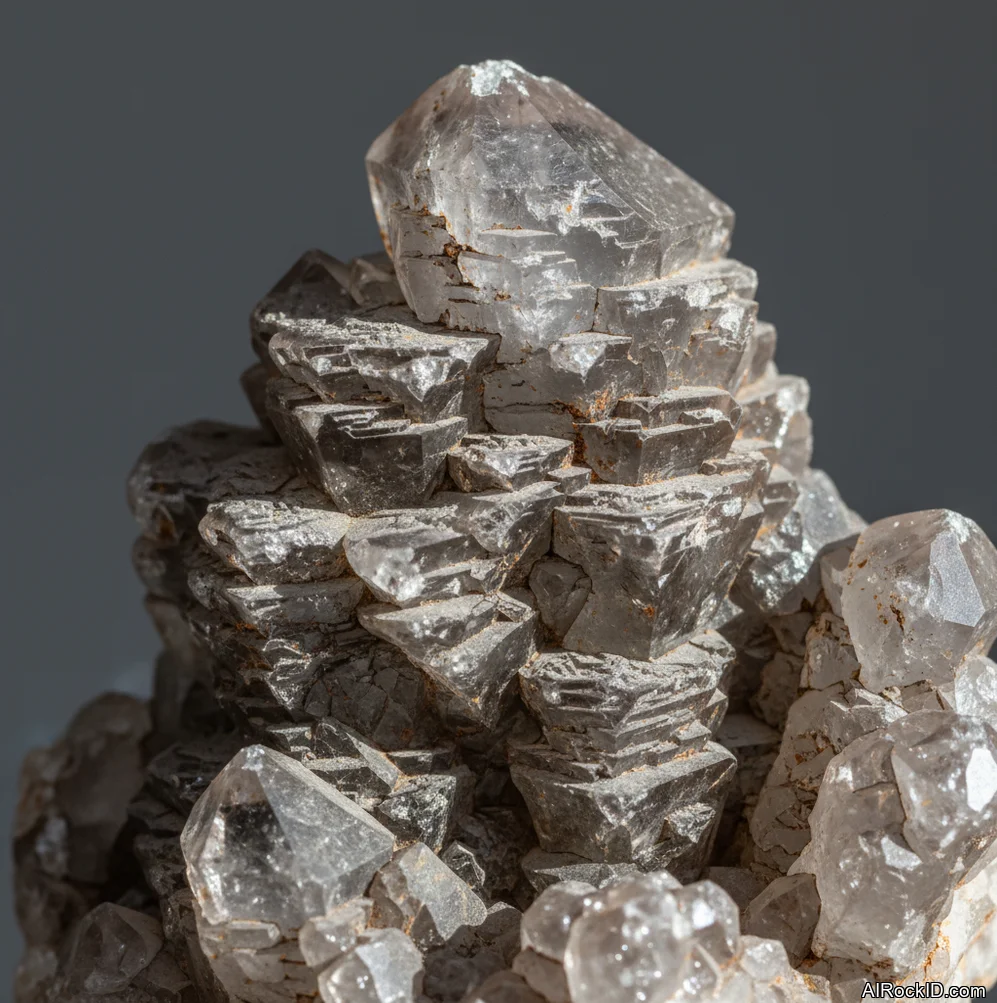
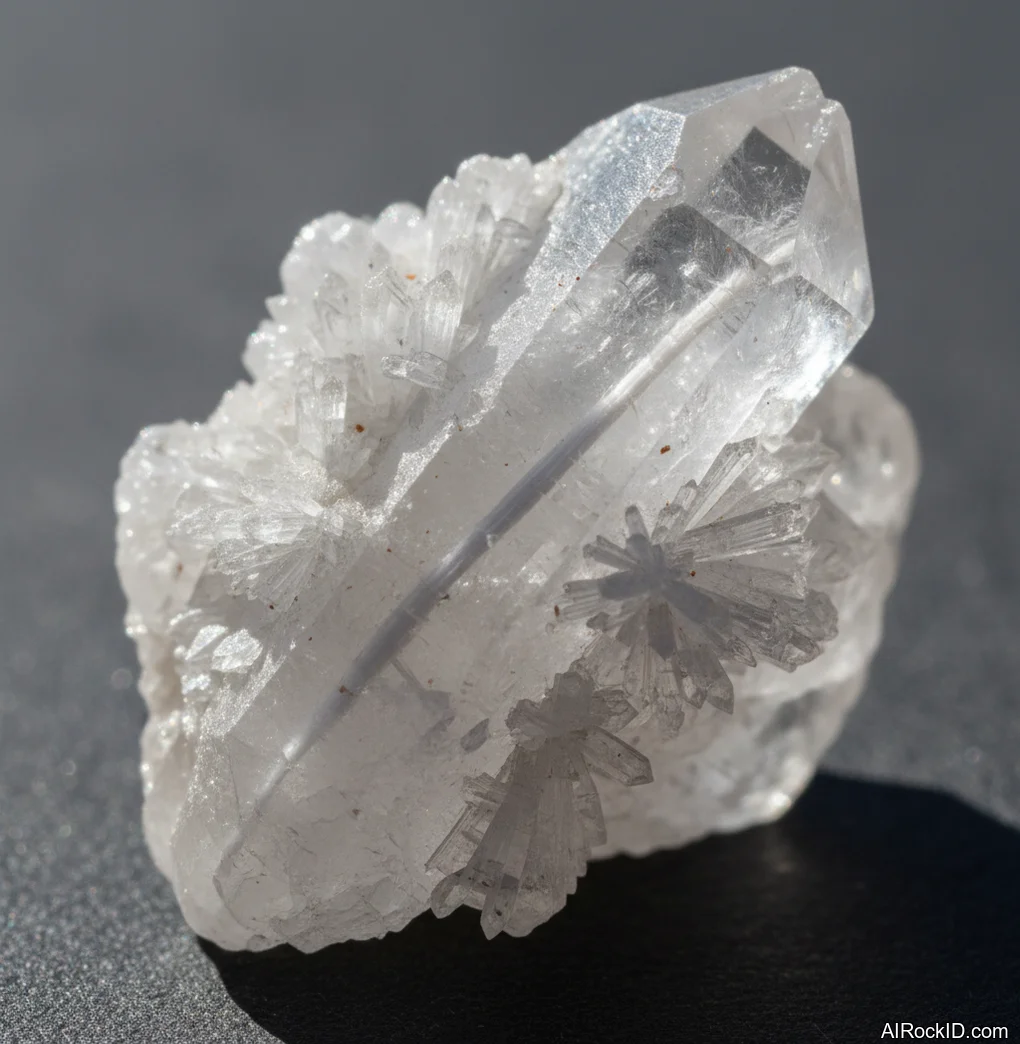
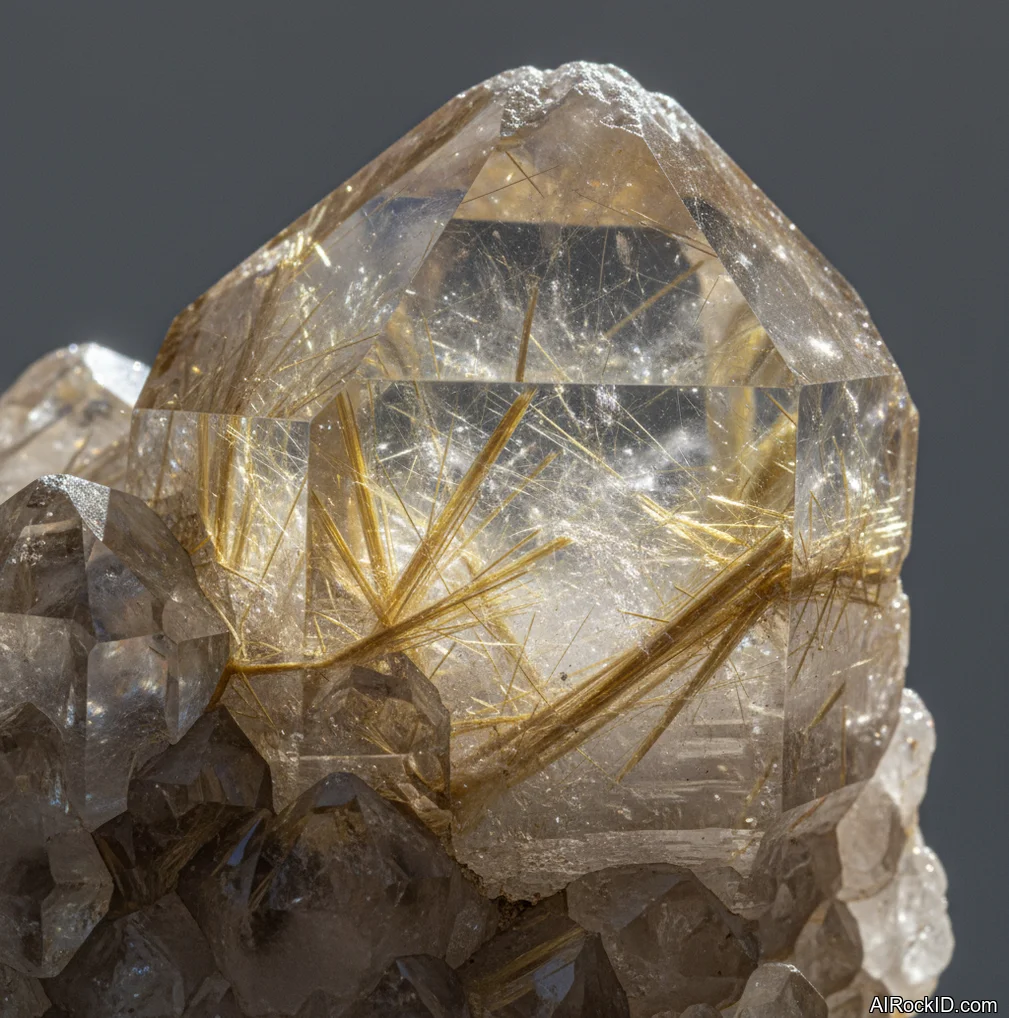
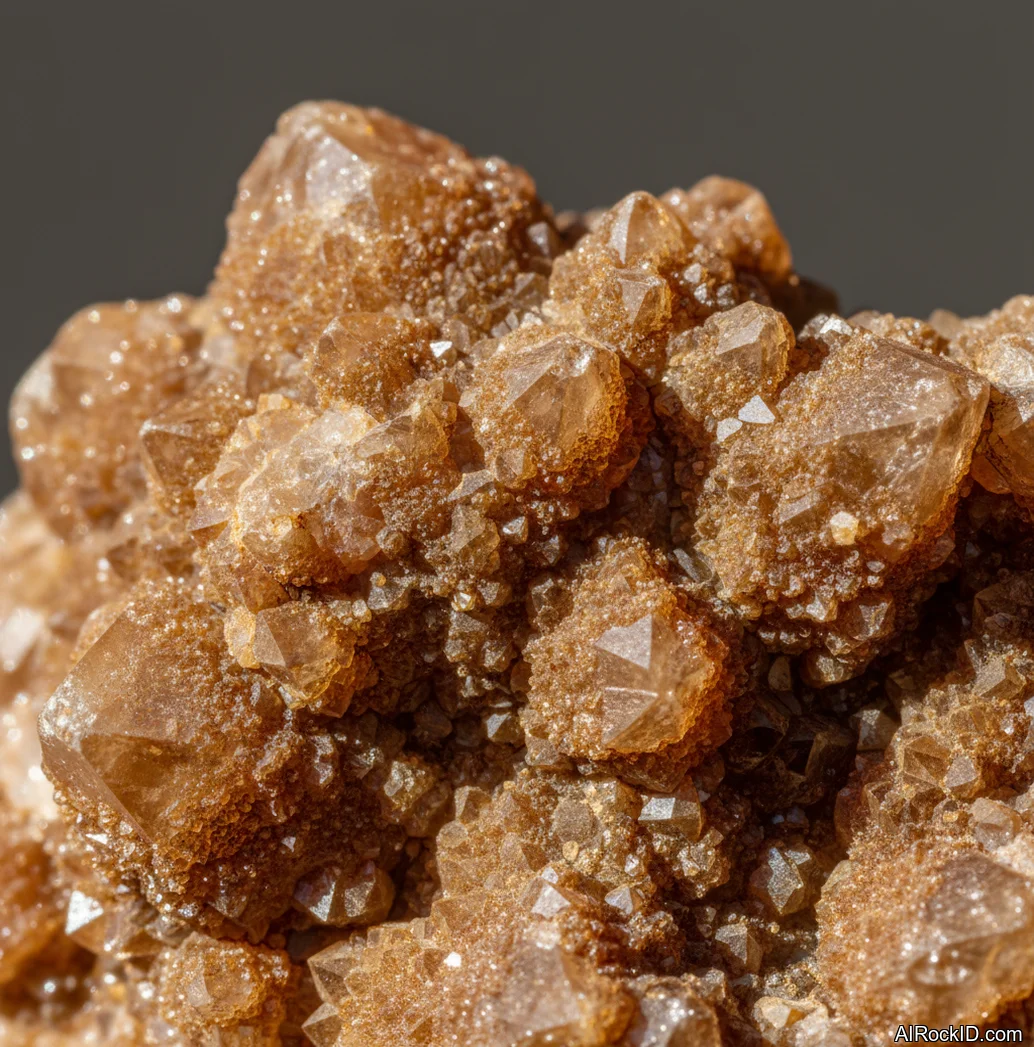
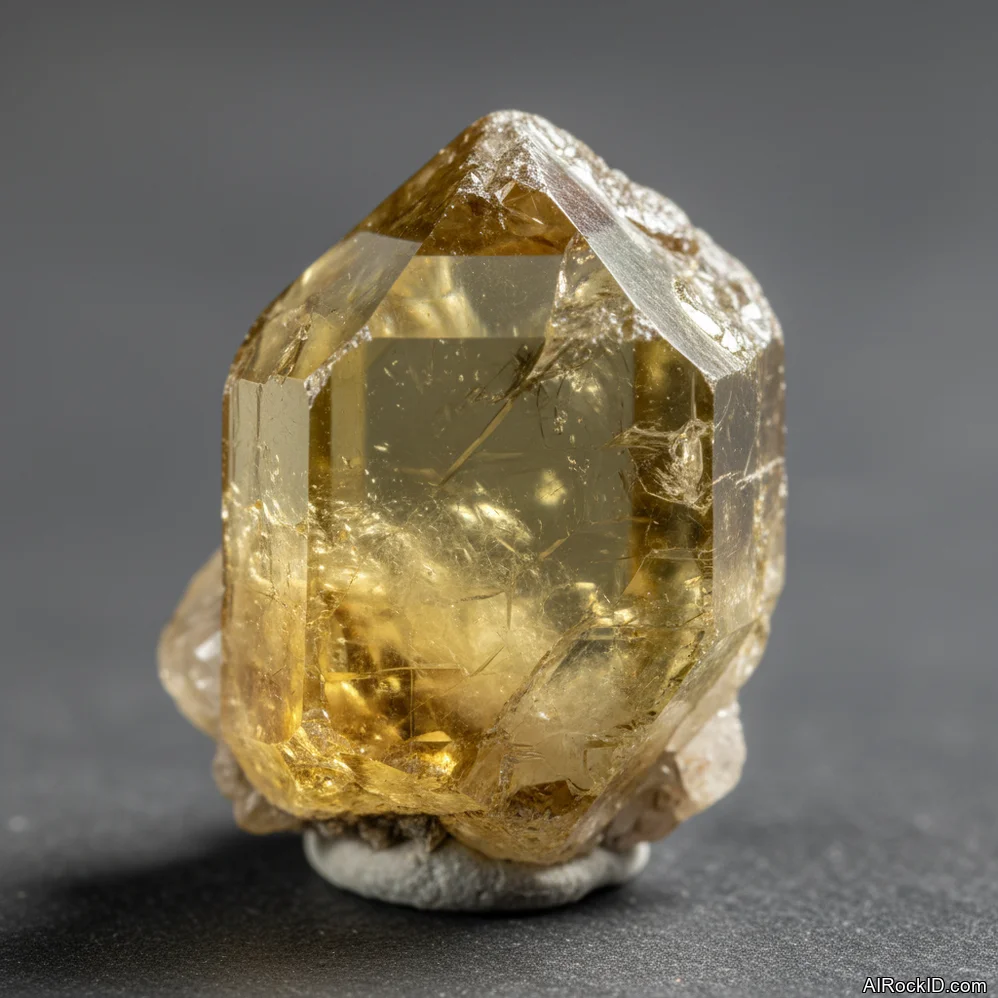
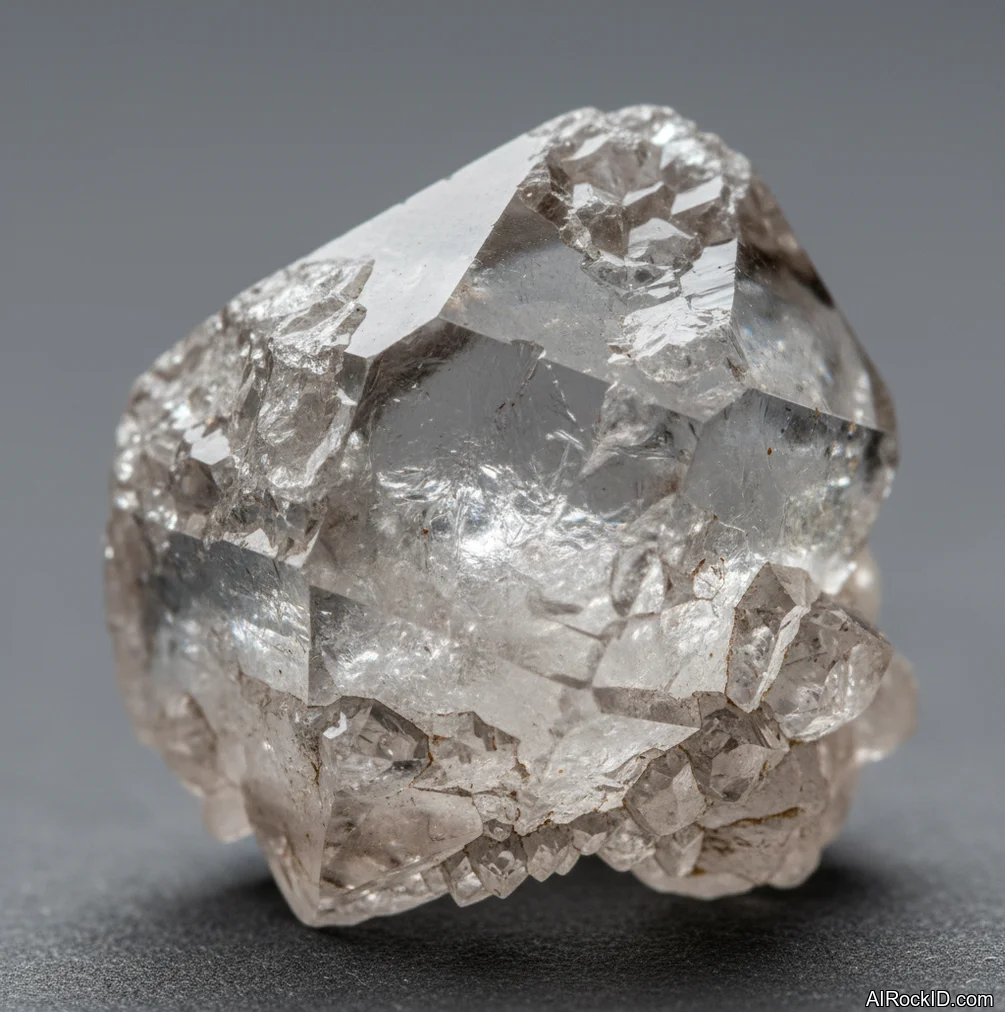
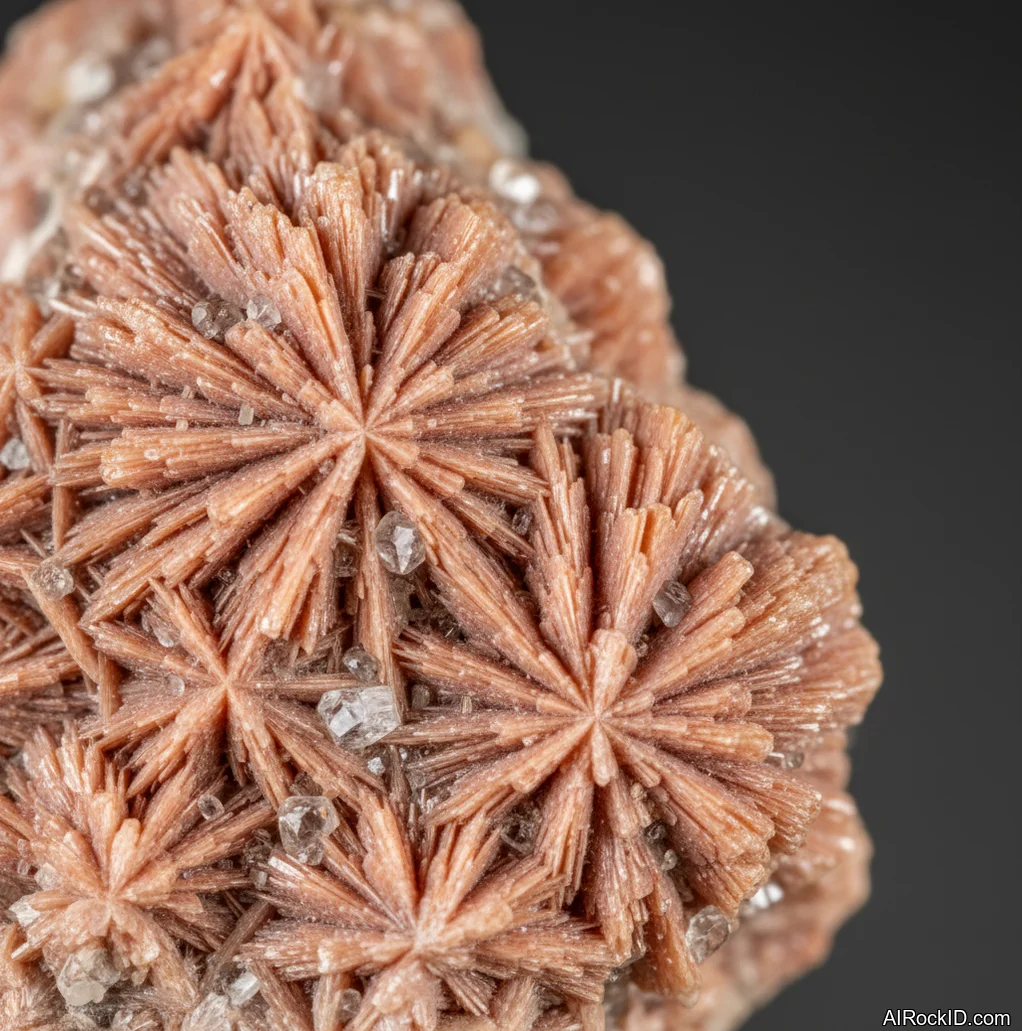
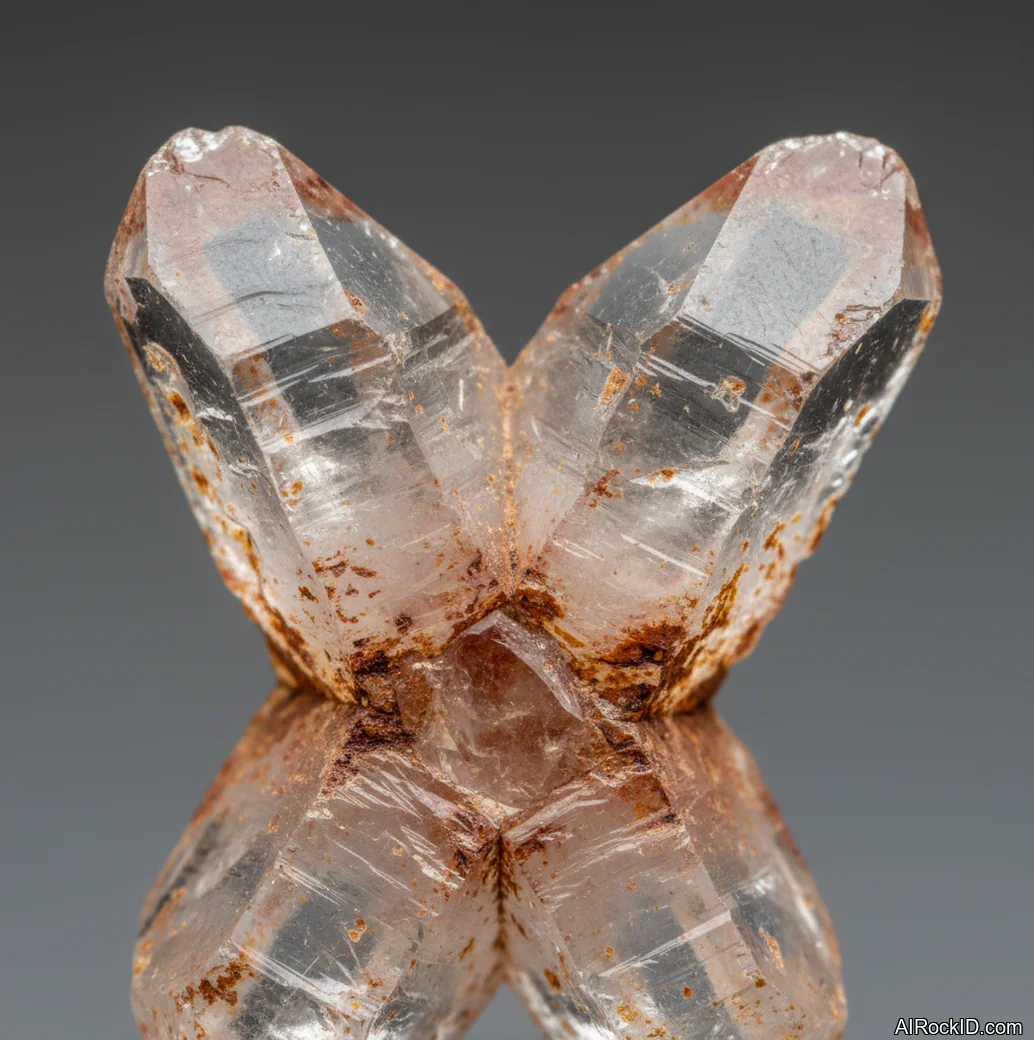
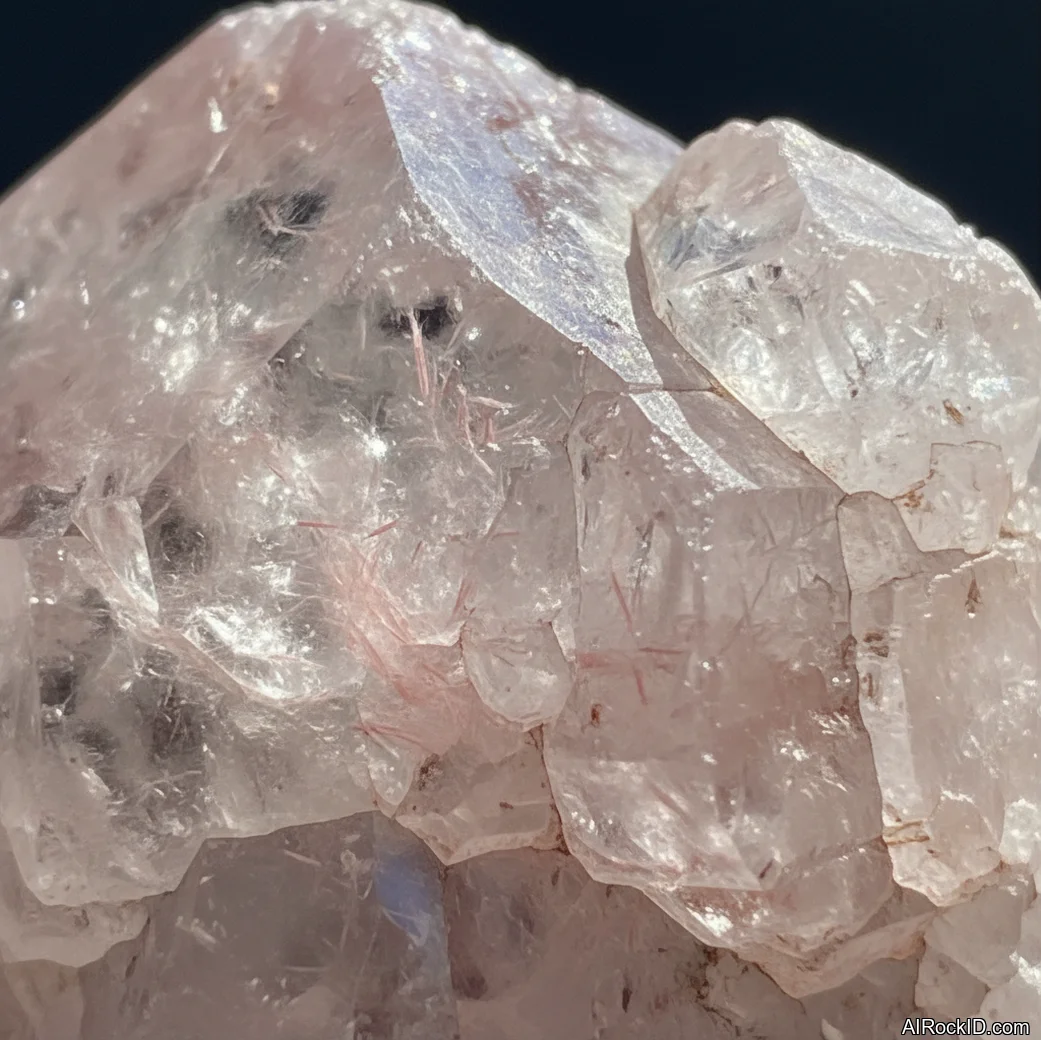
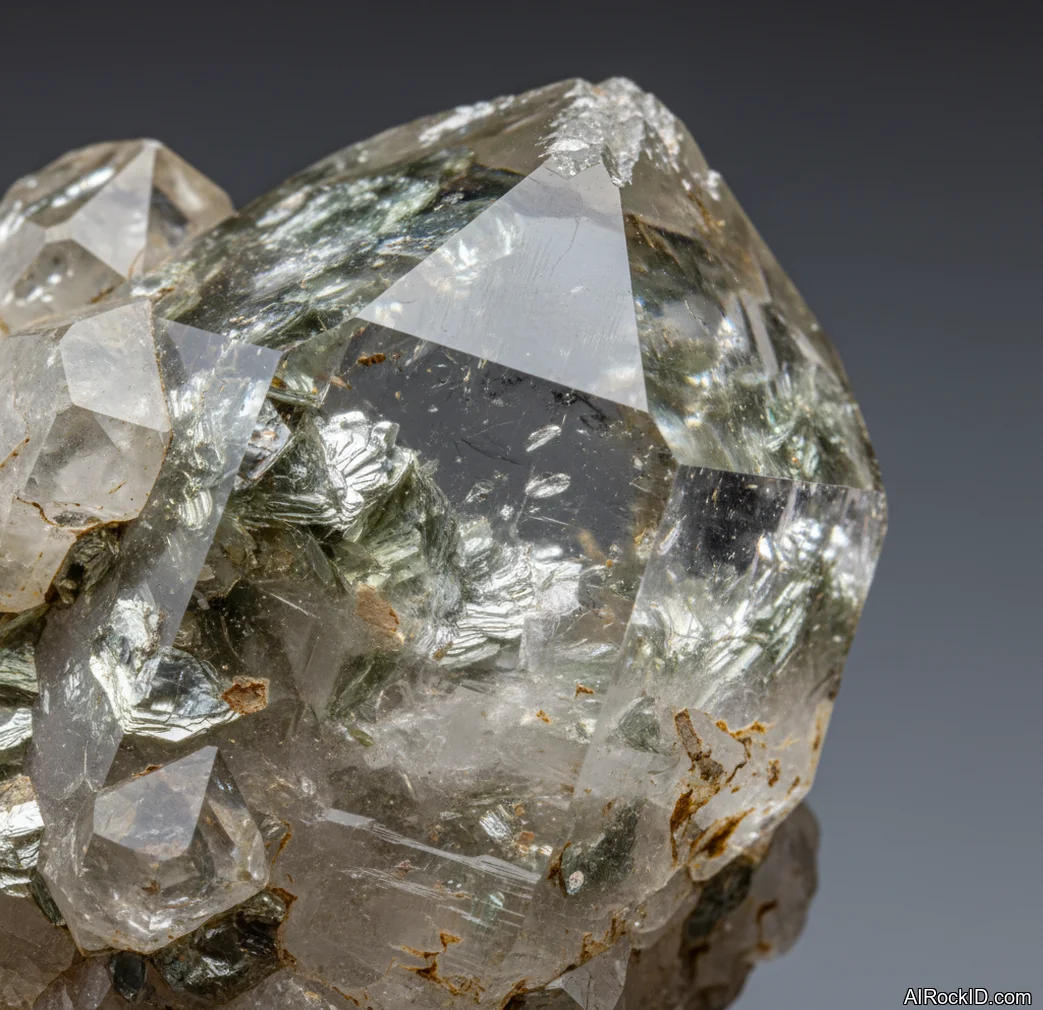
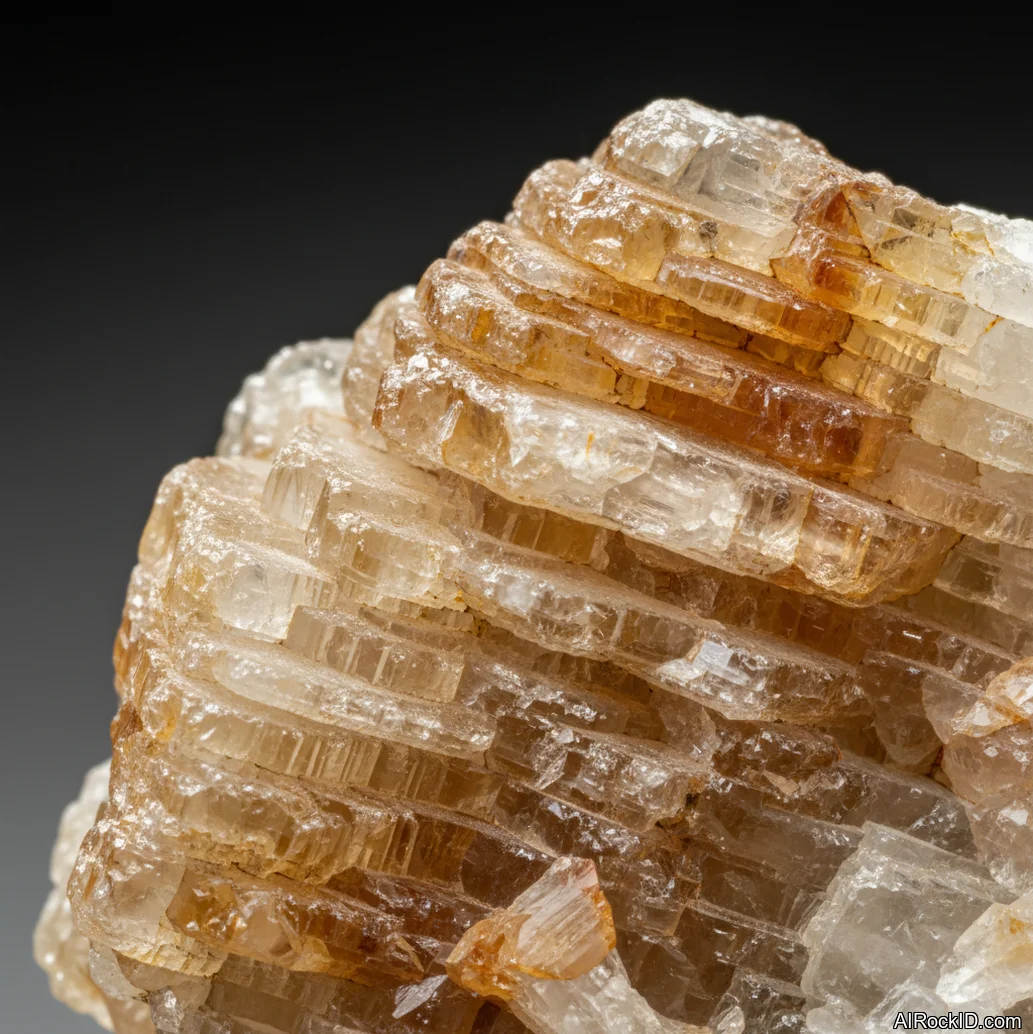
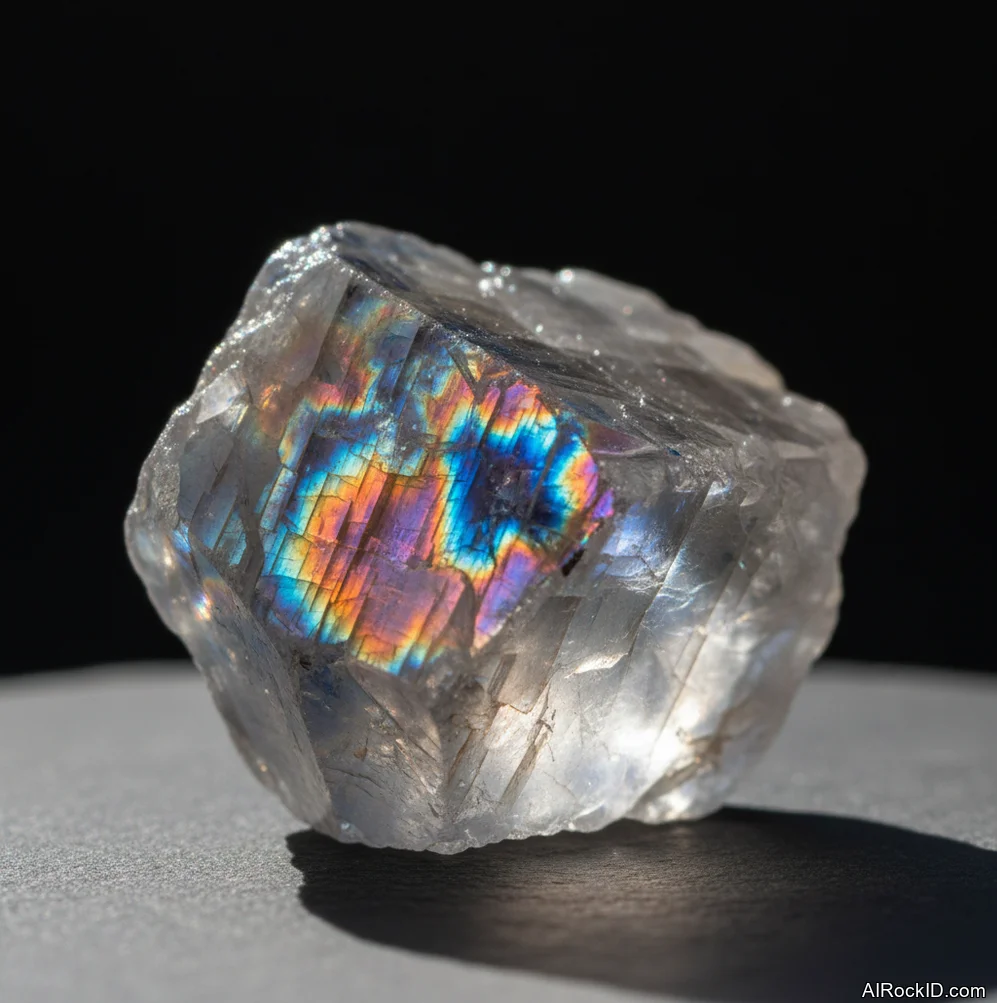
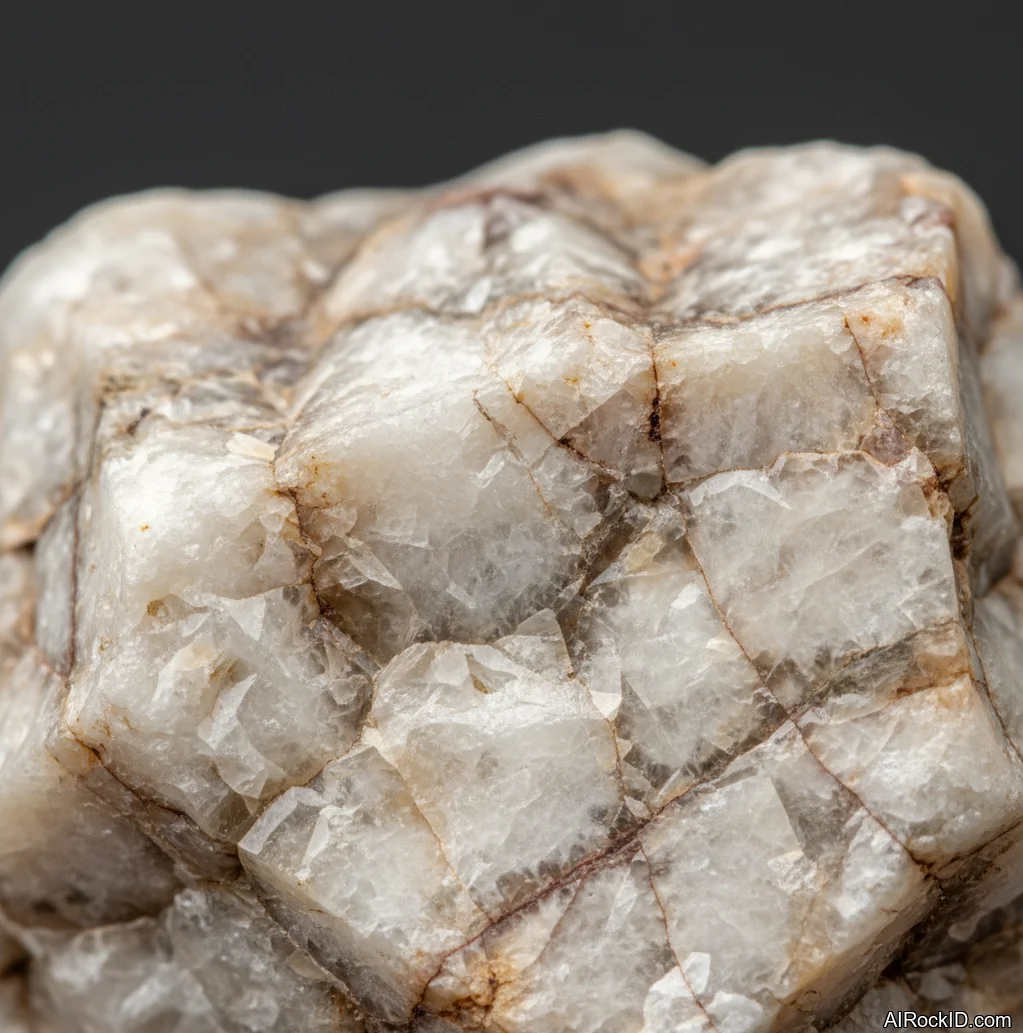
- Herkimer Diamond
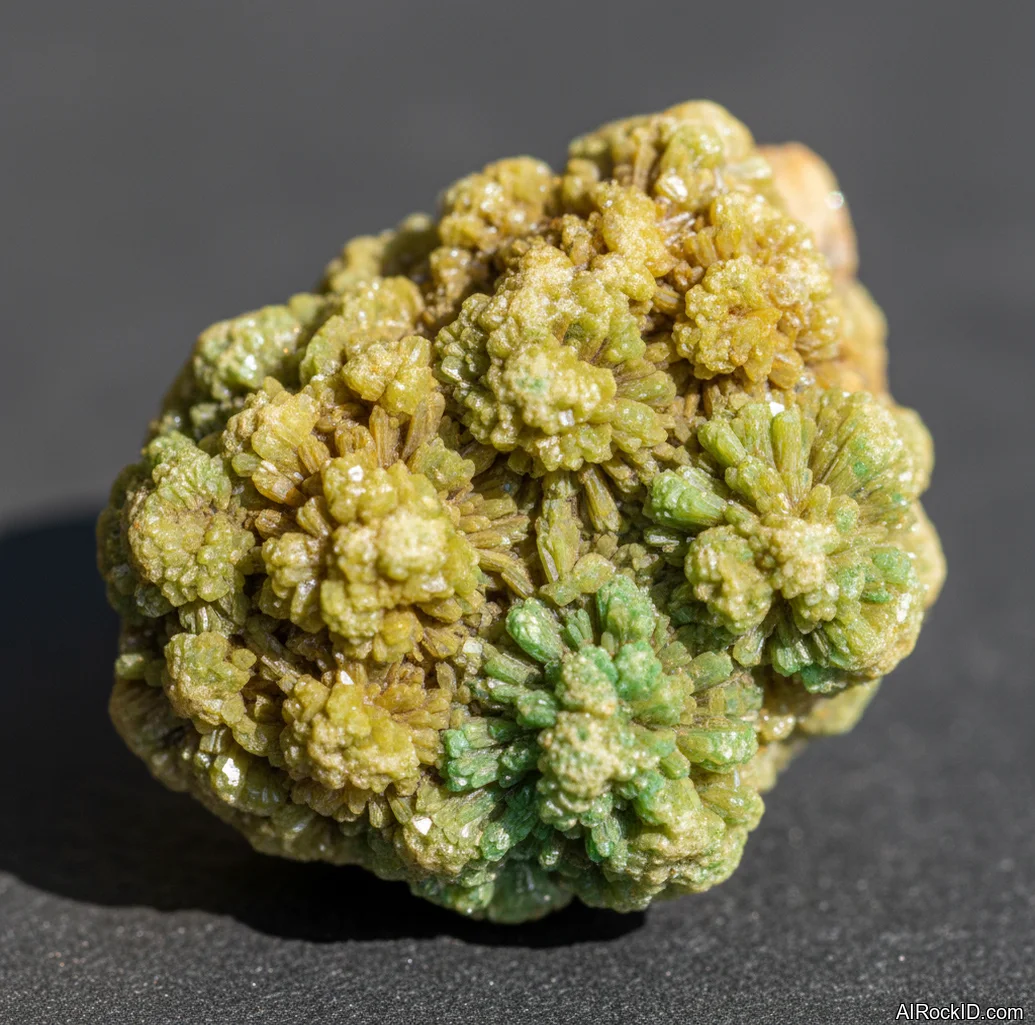
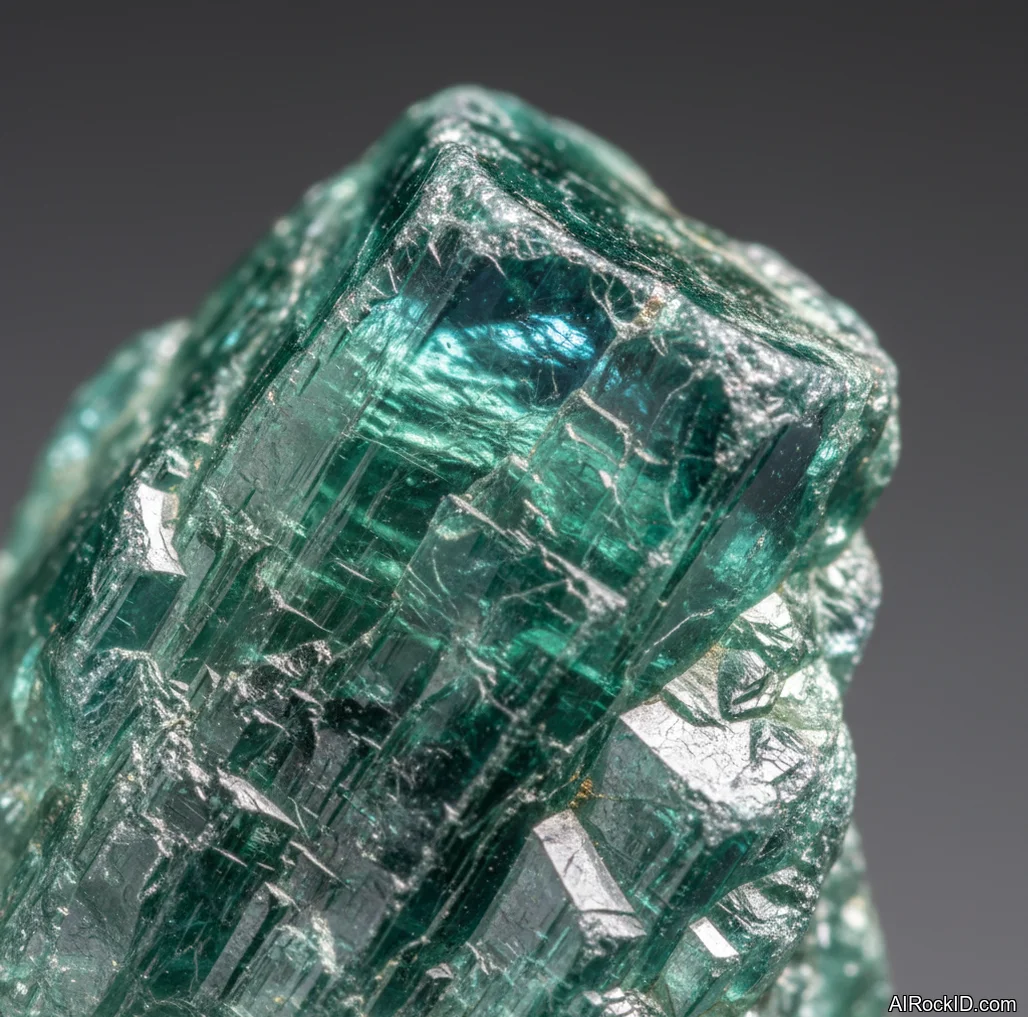
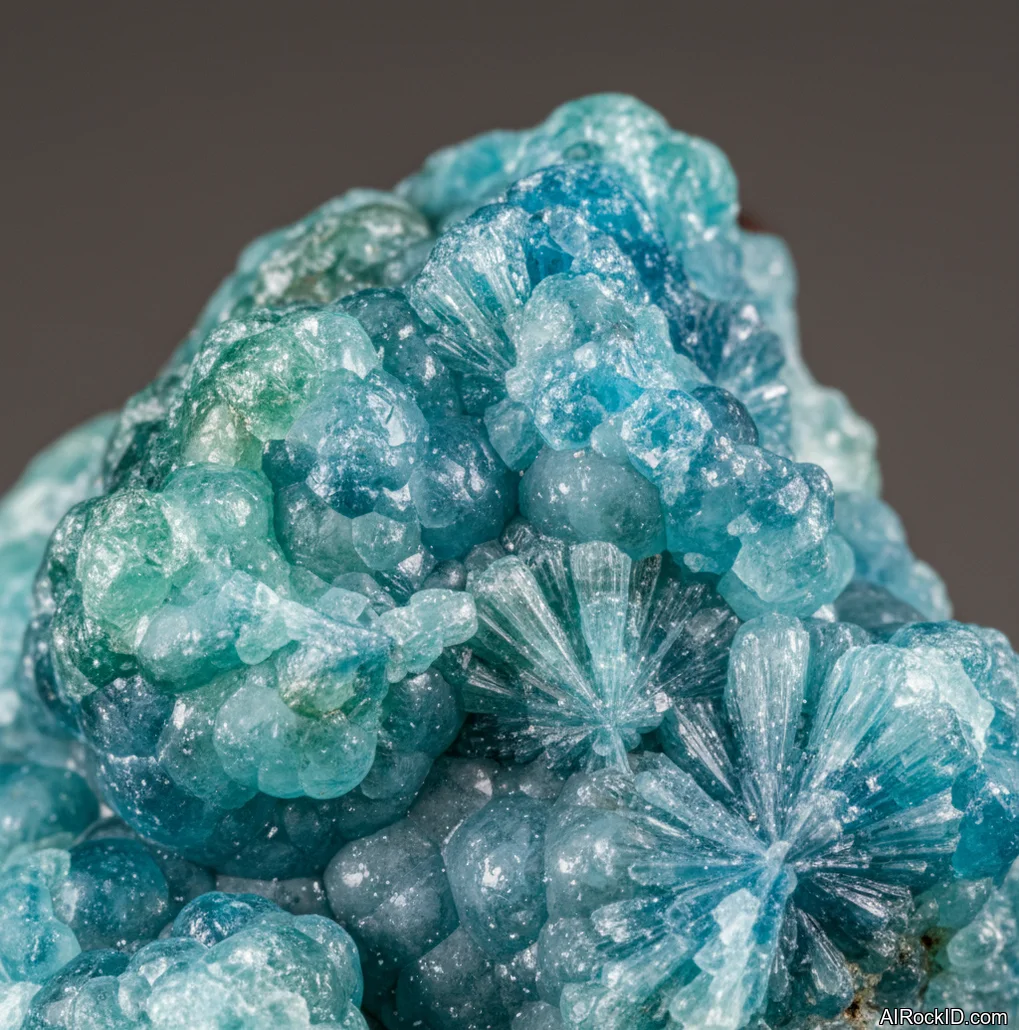
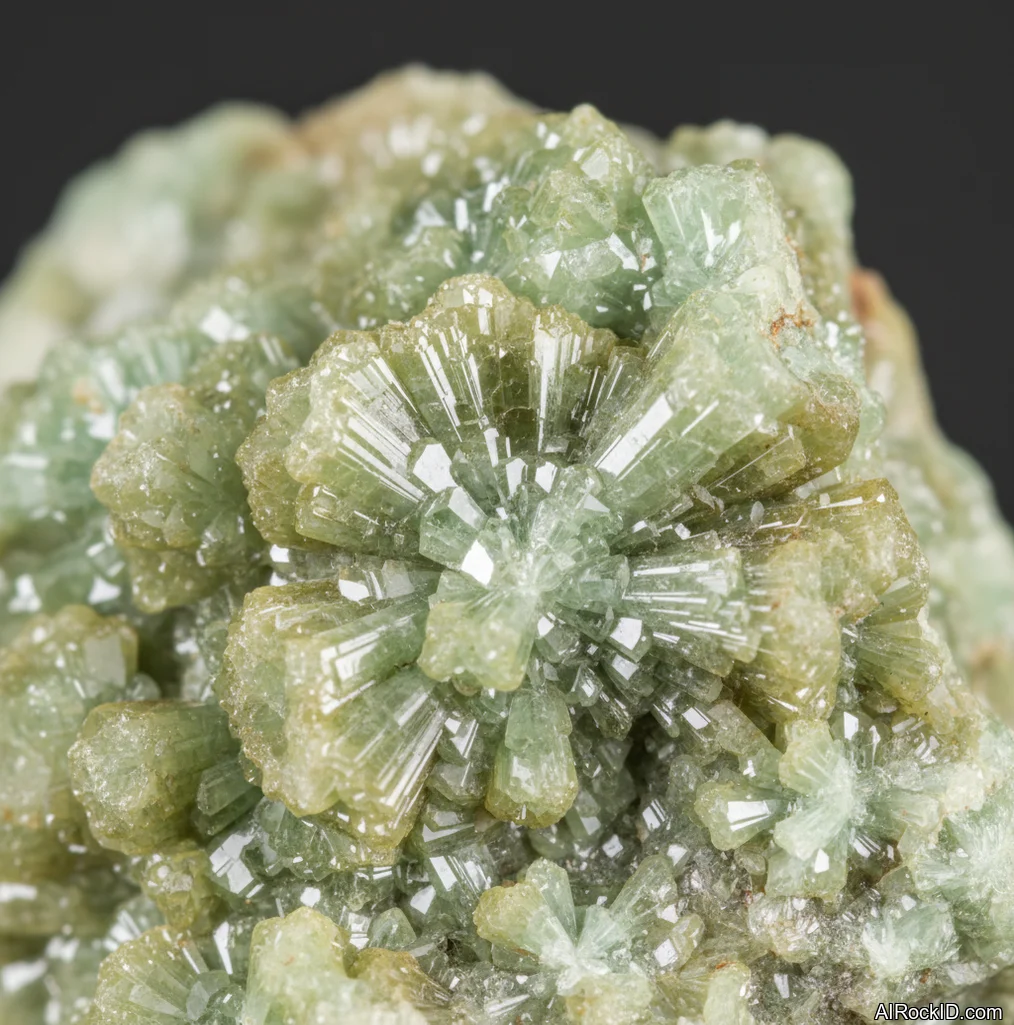
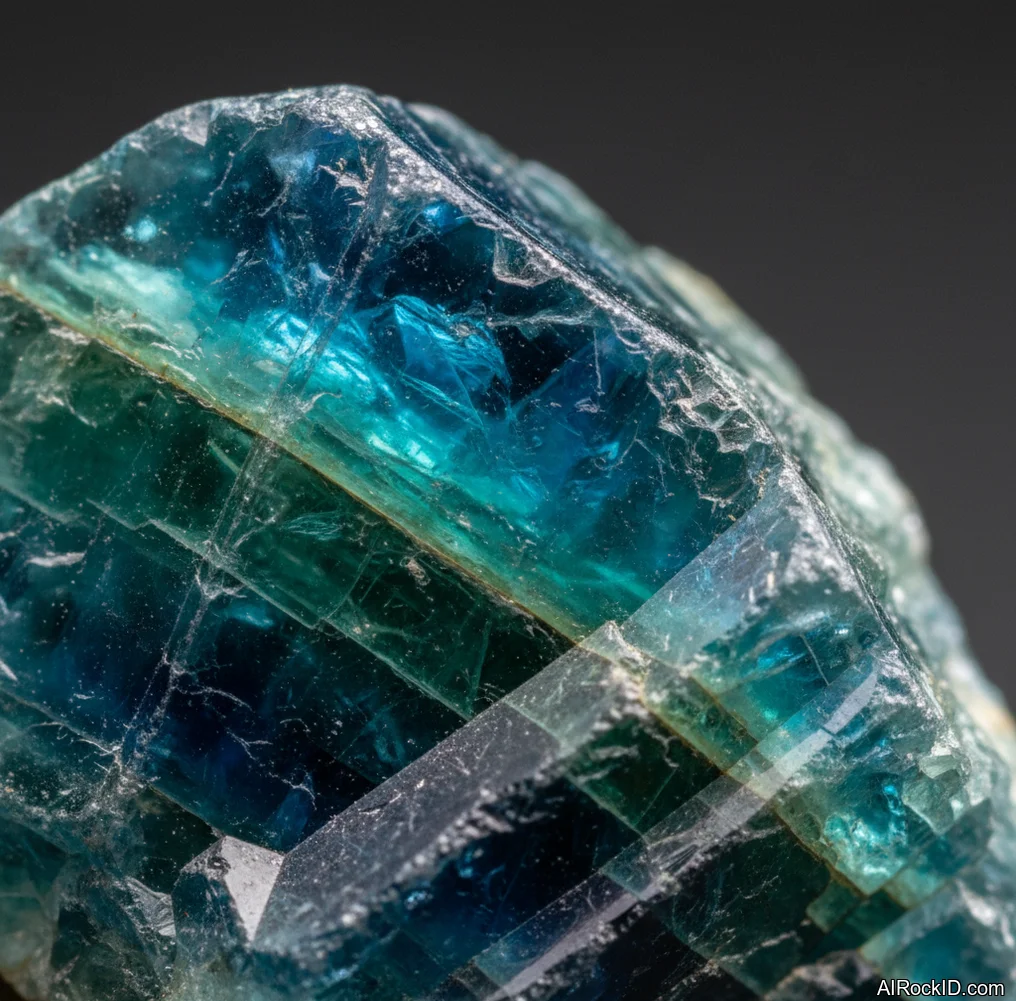
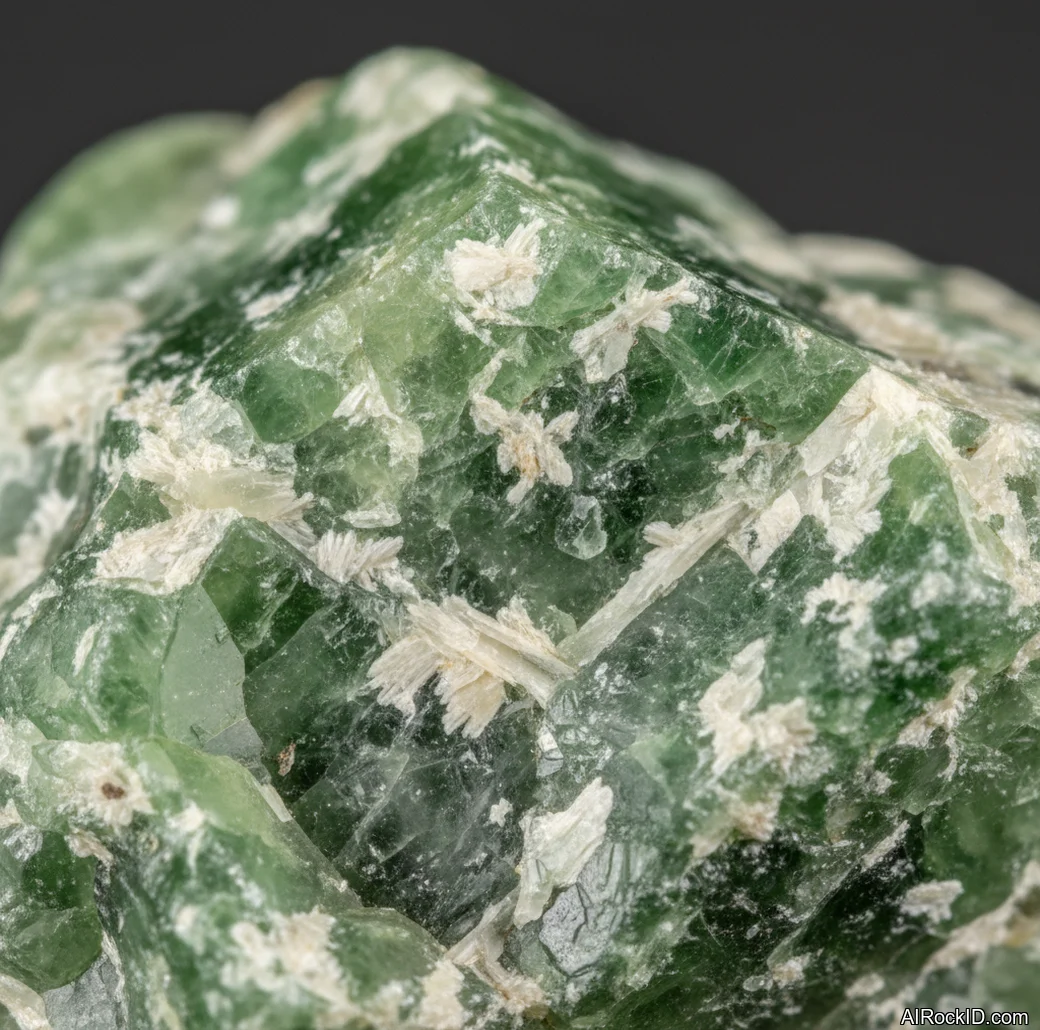
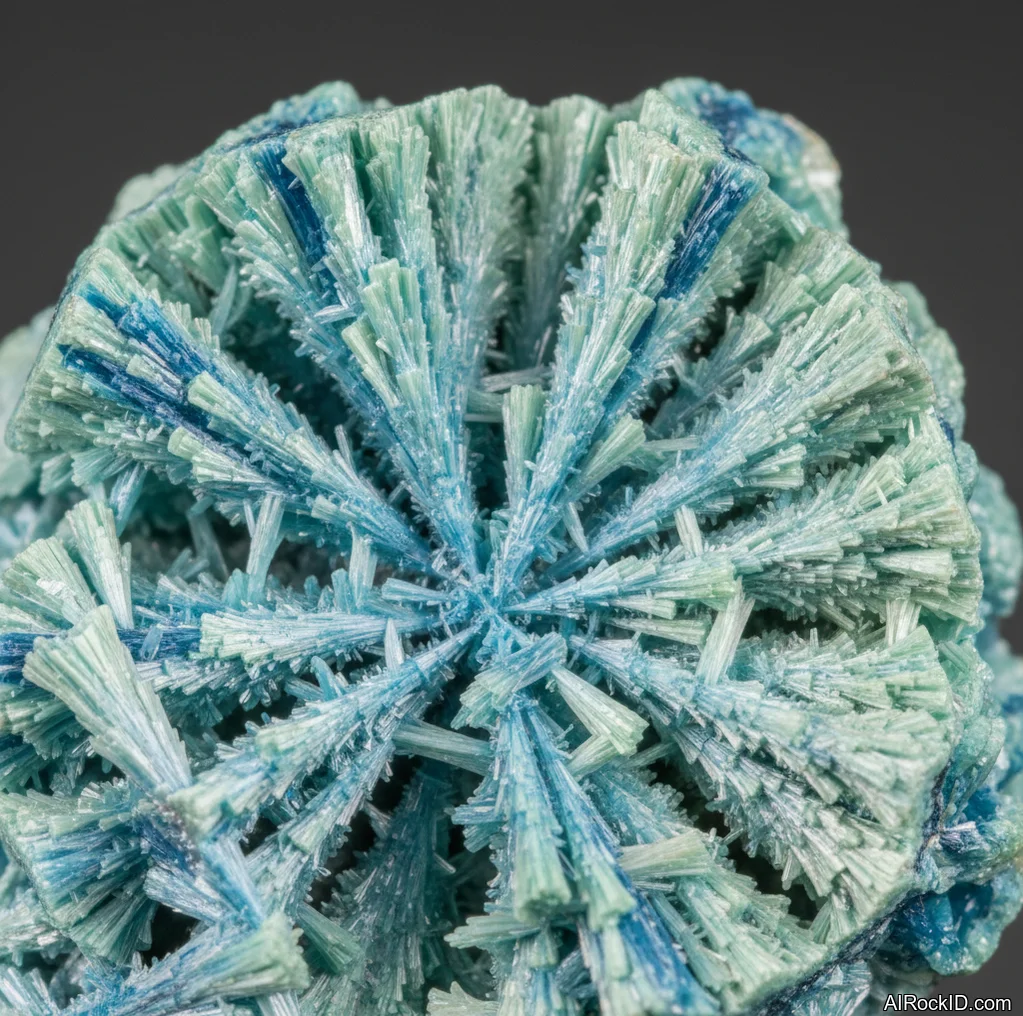
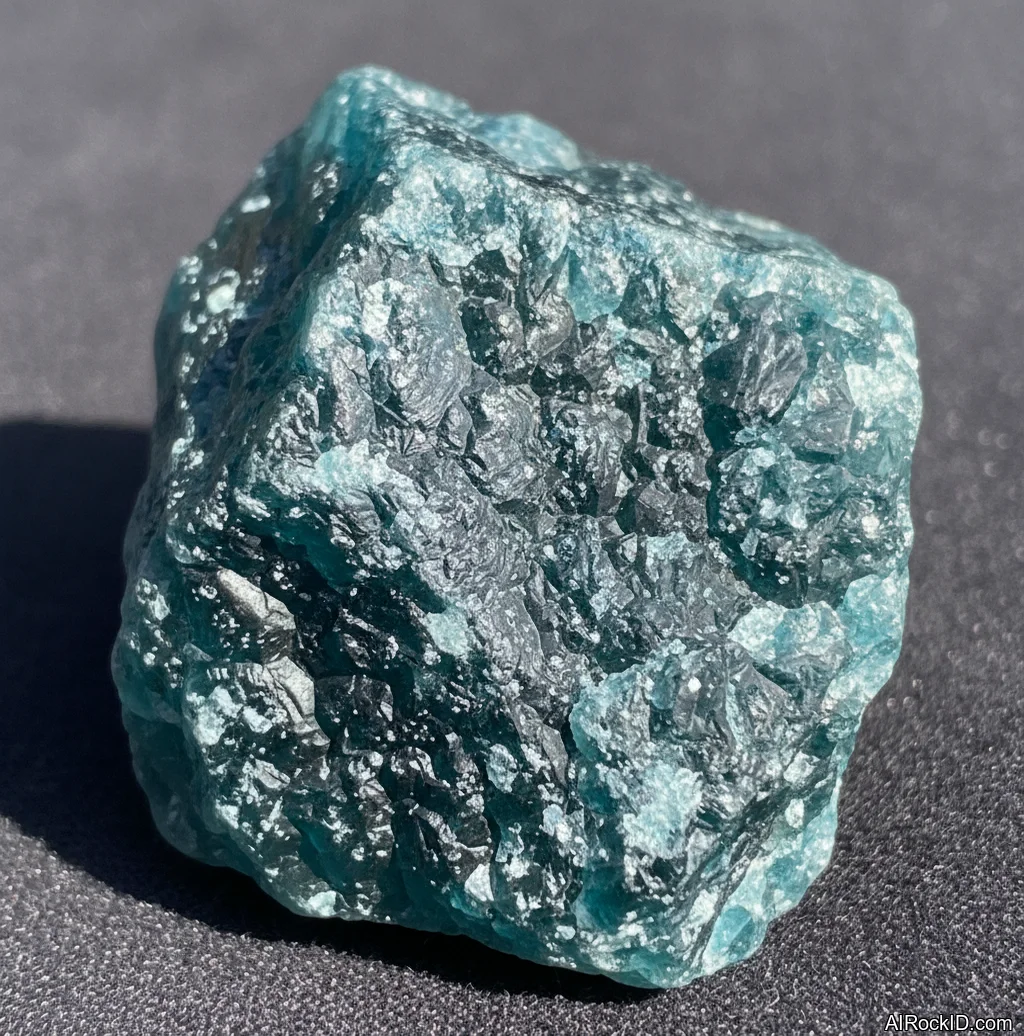
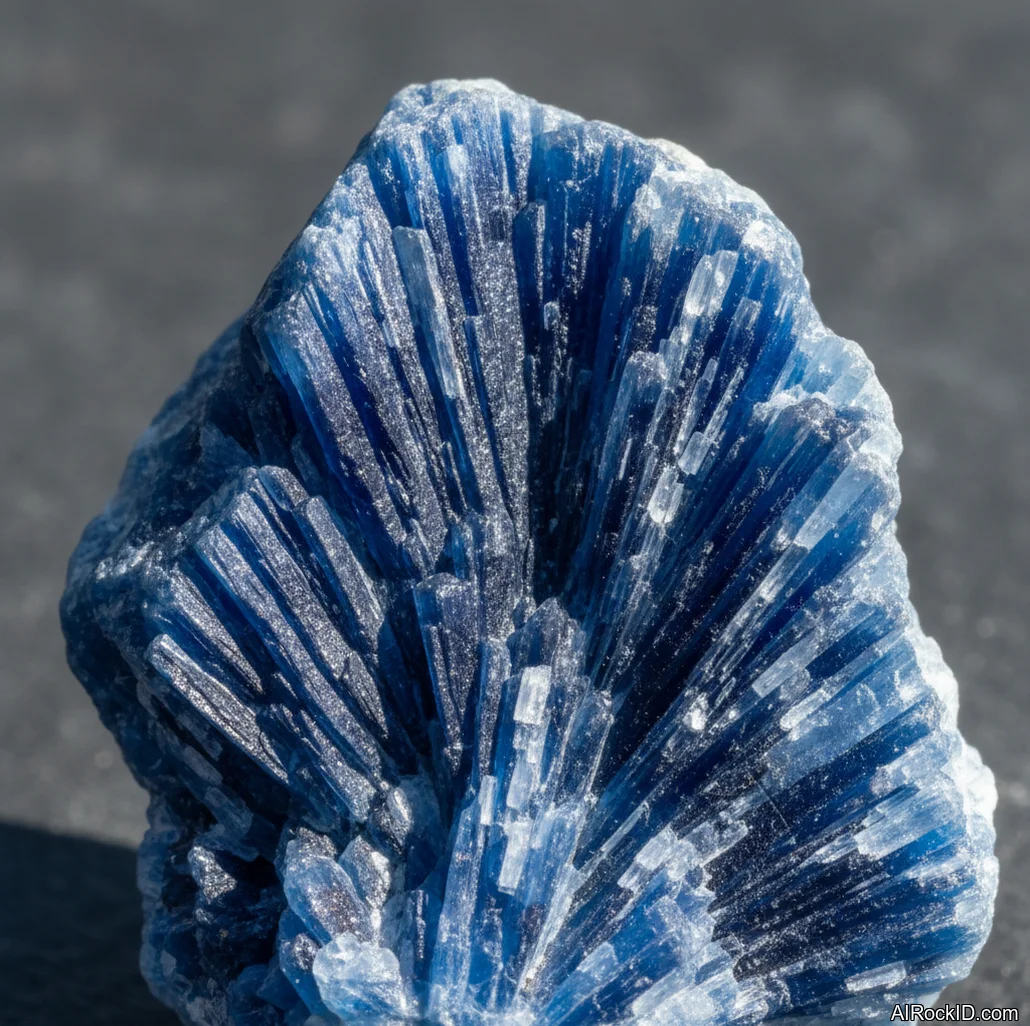
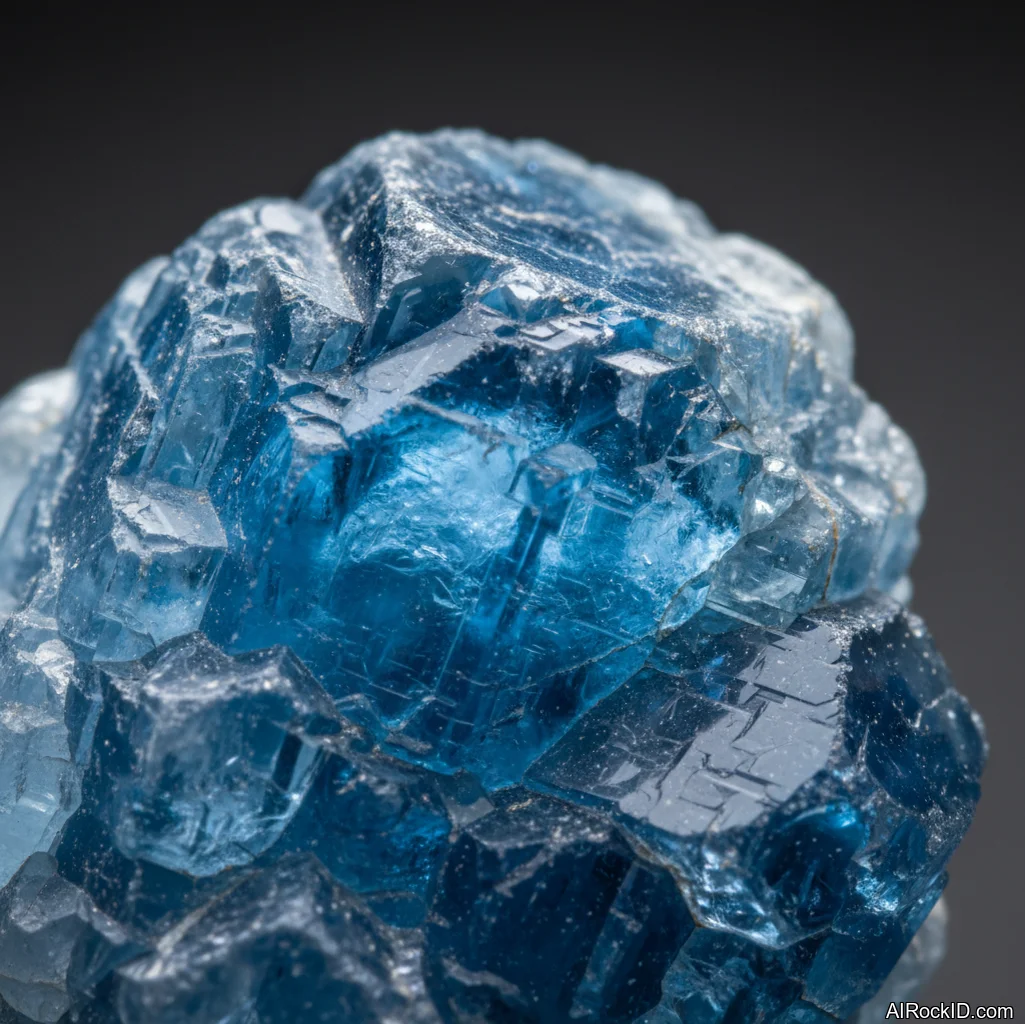
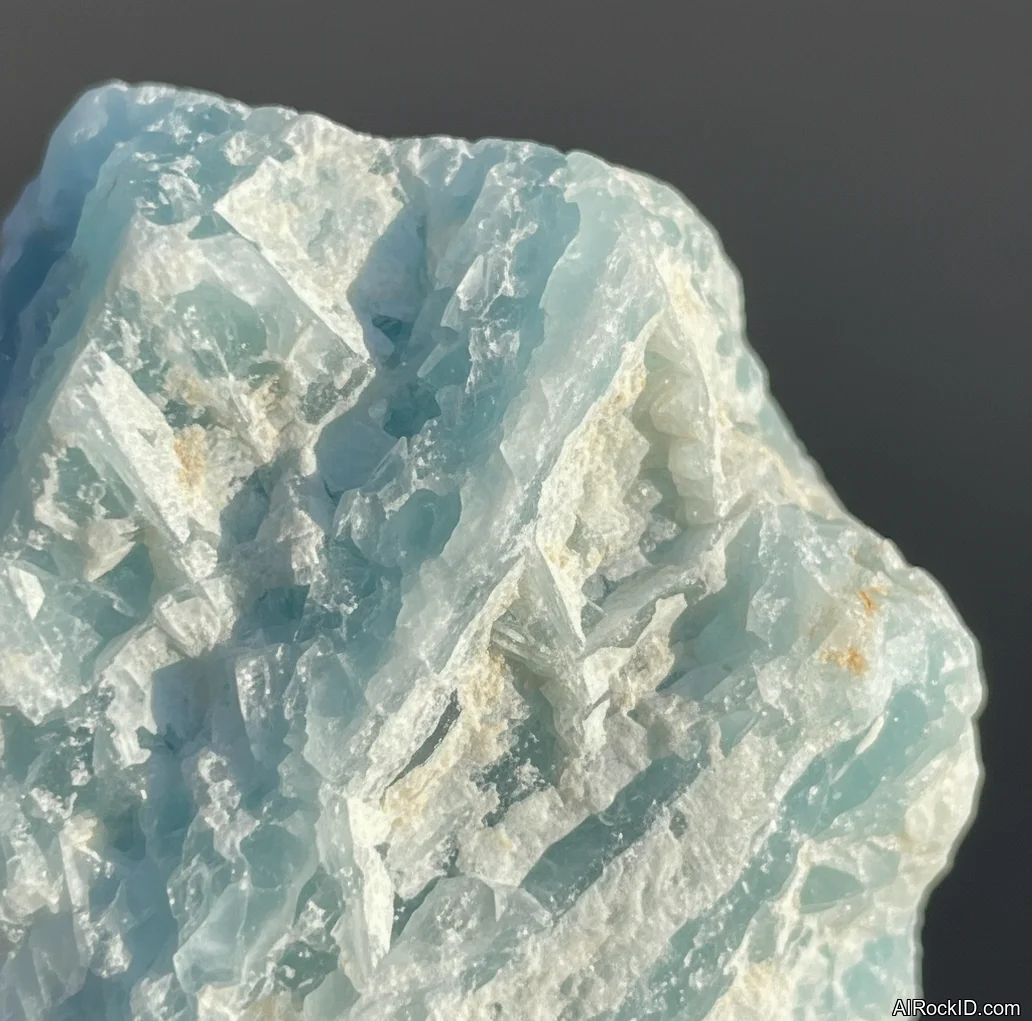
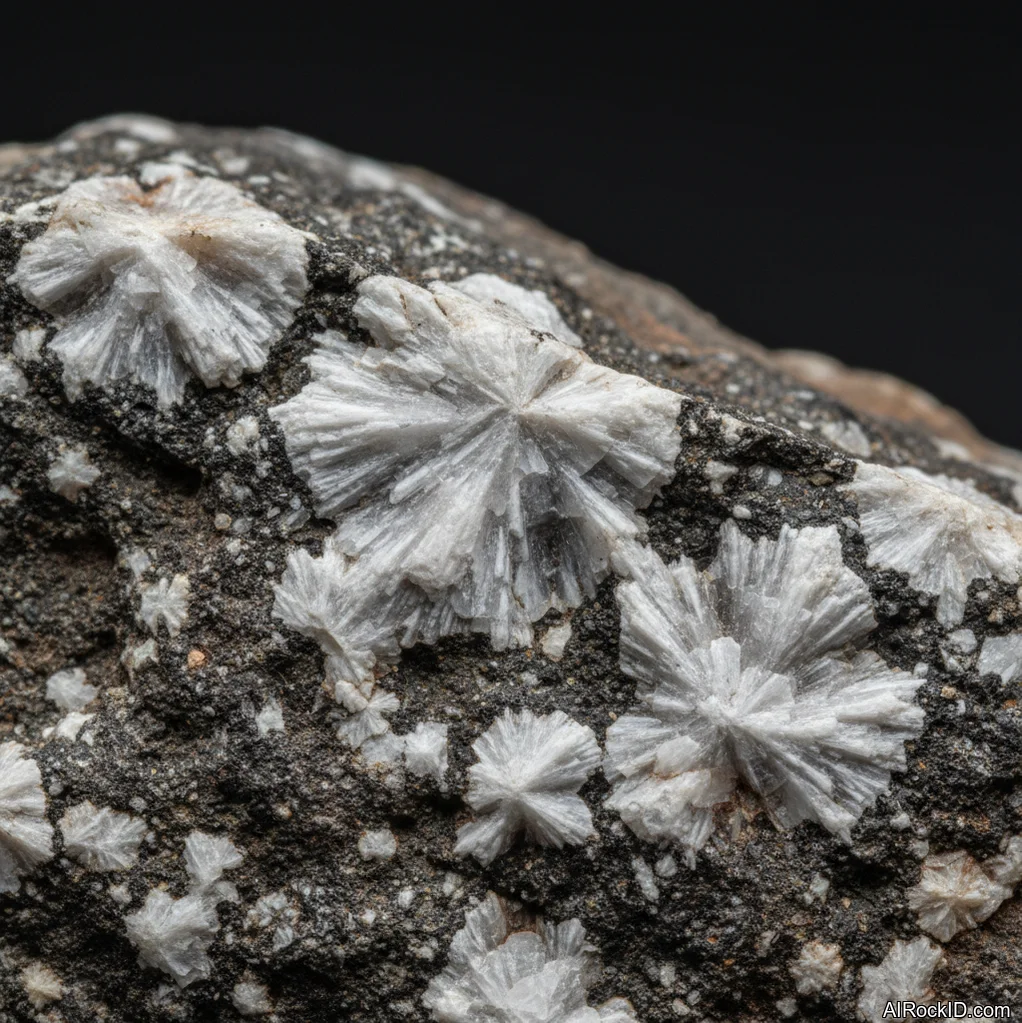
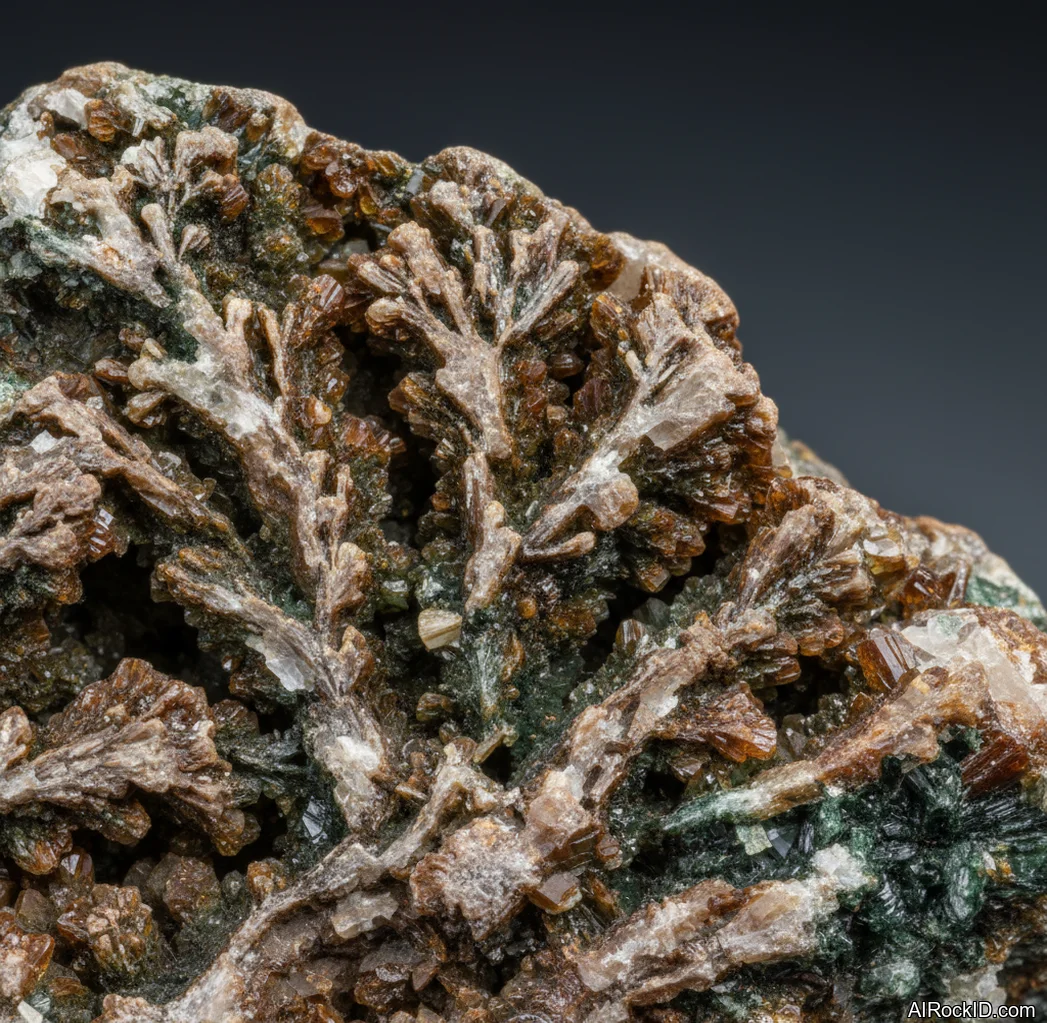
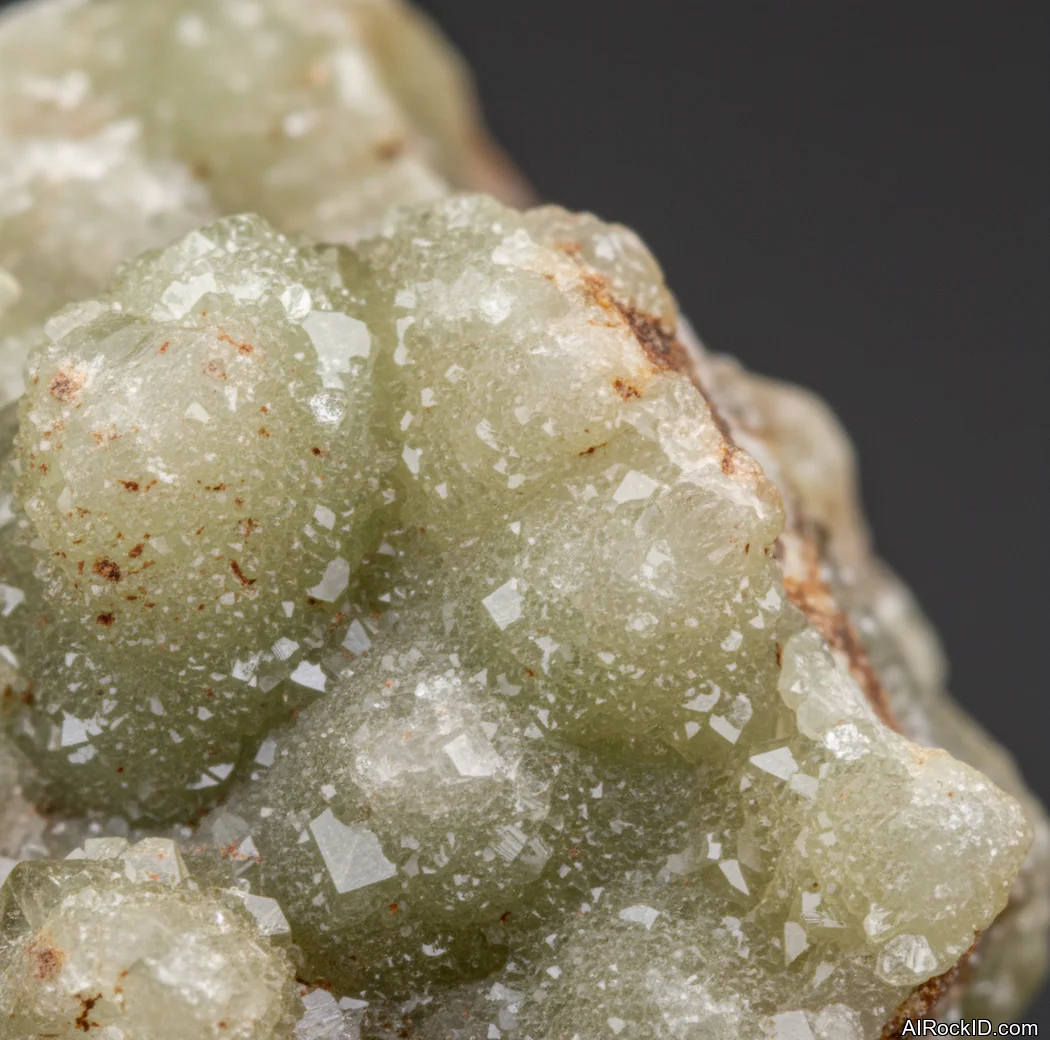
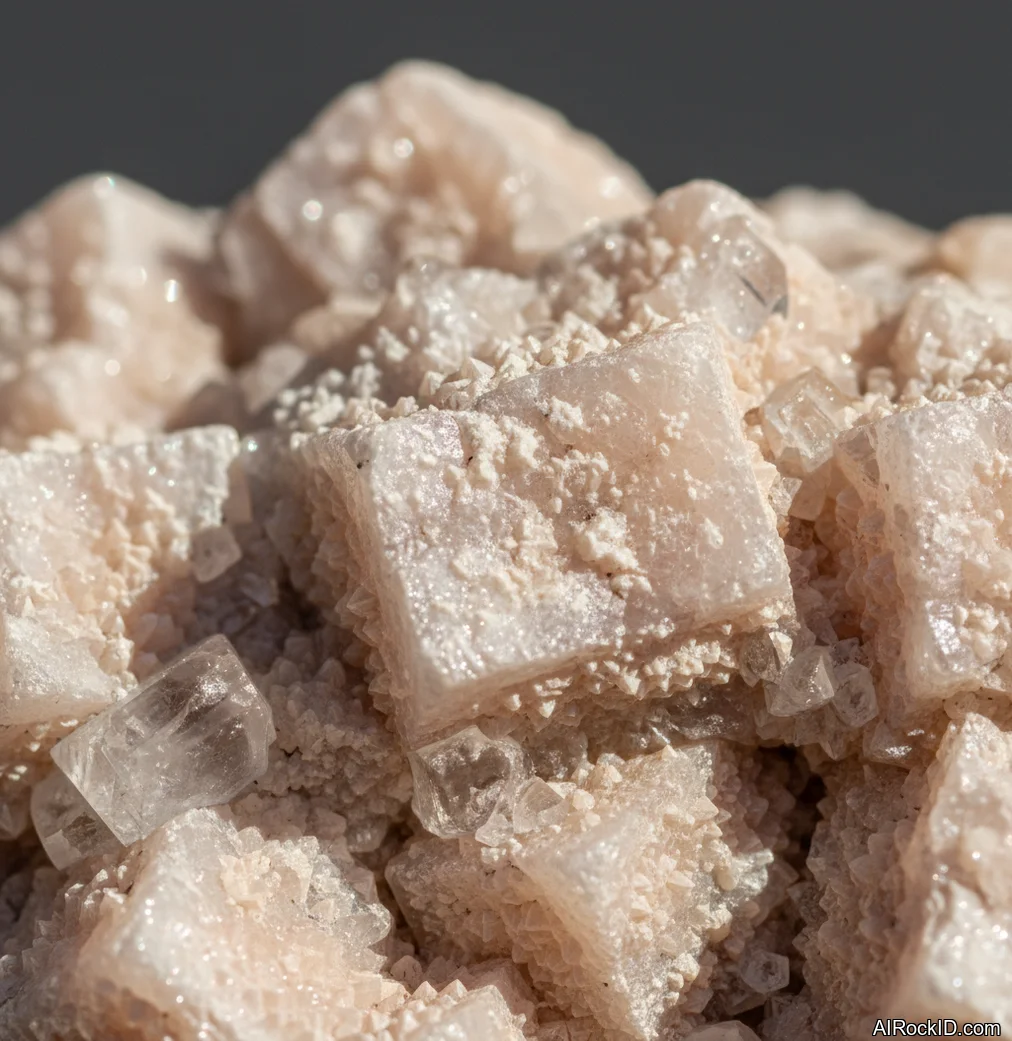
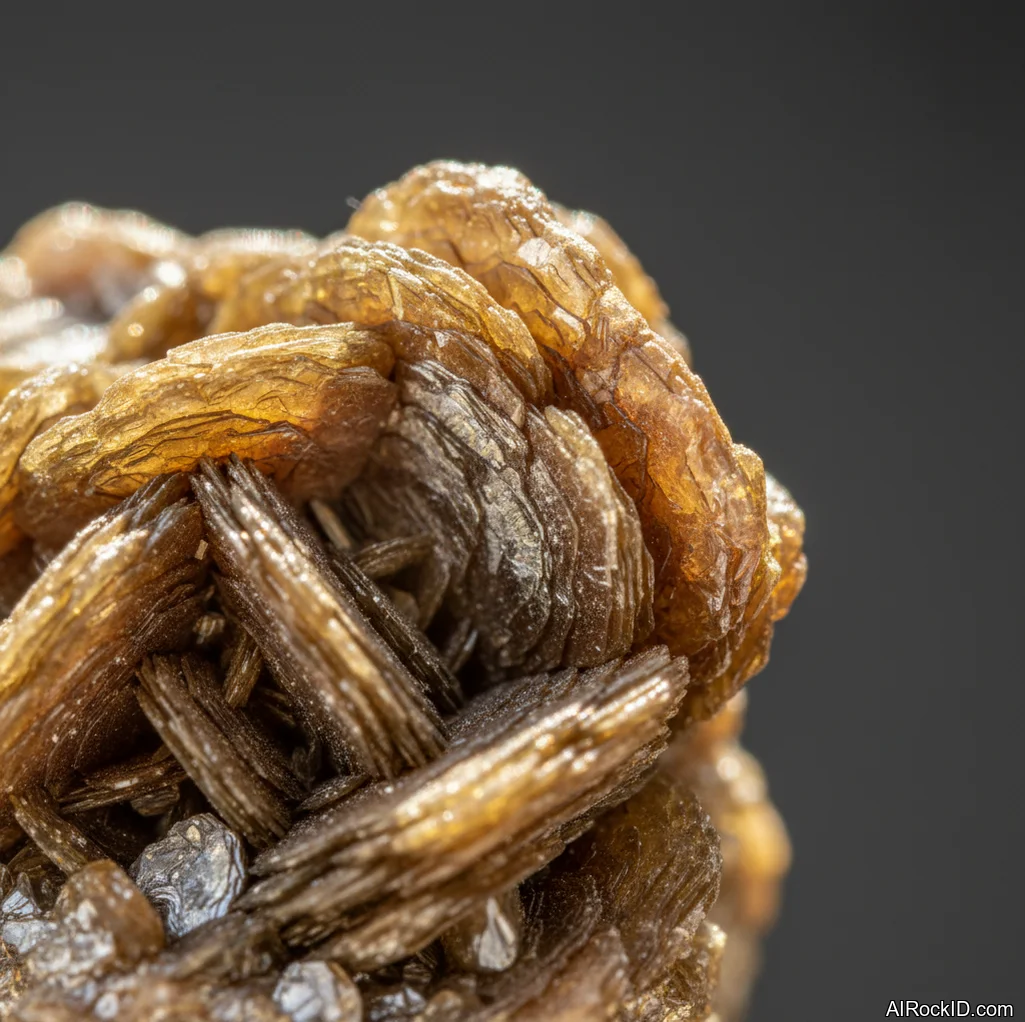
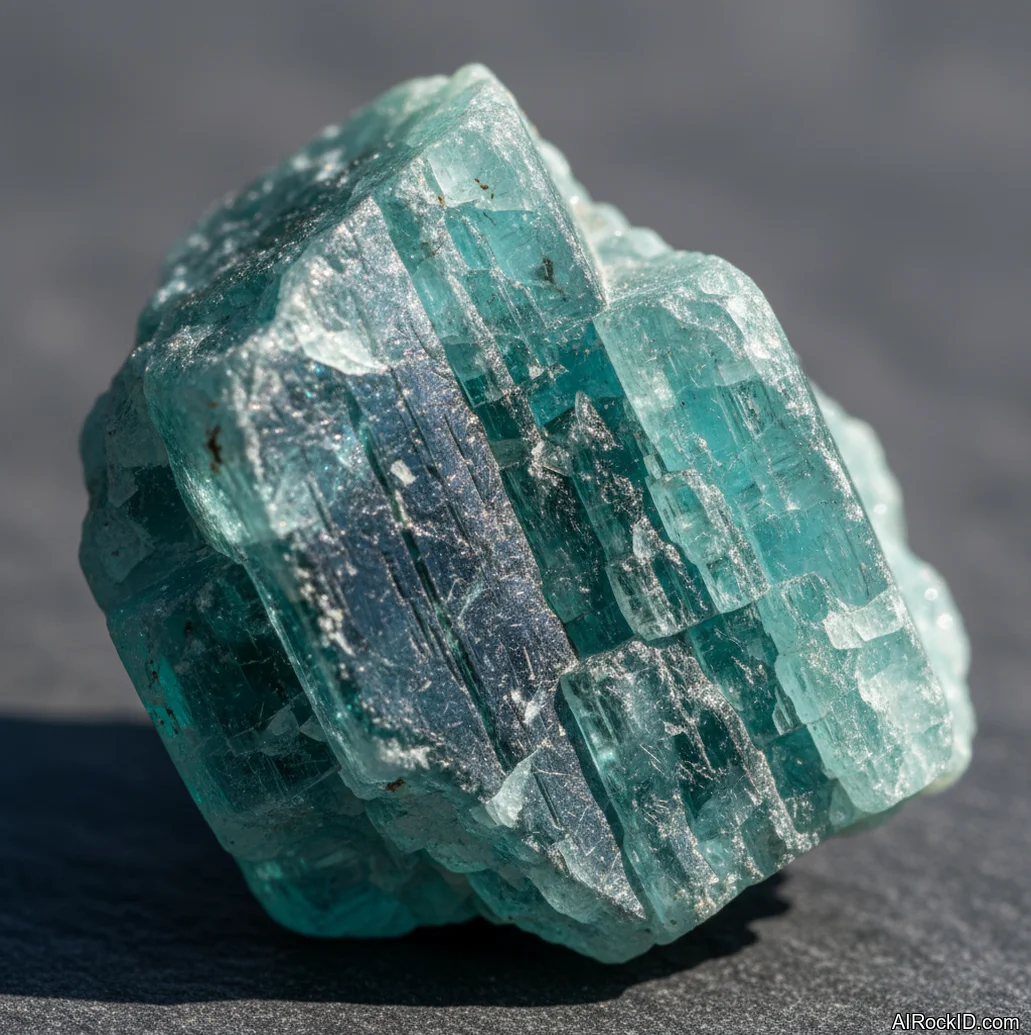
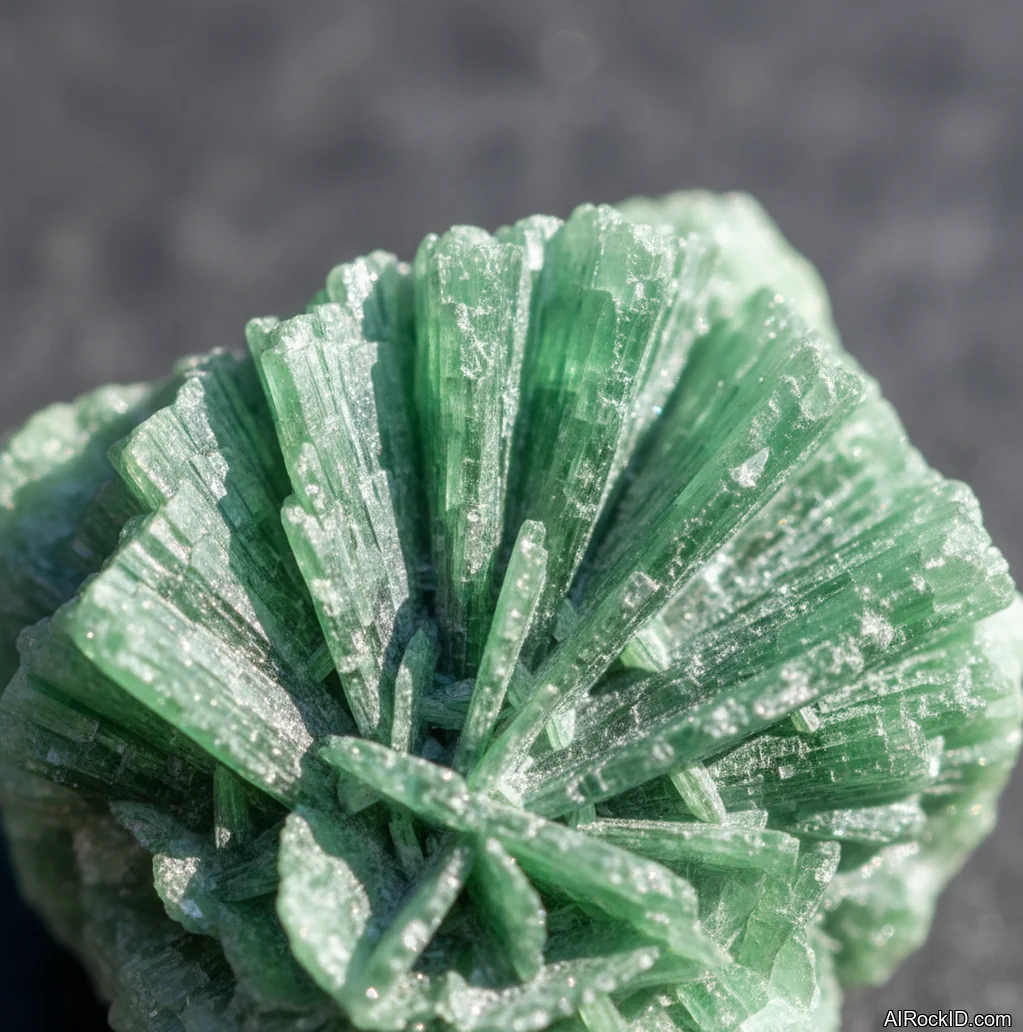
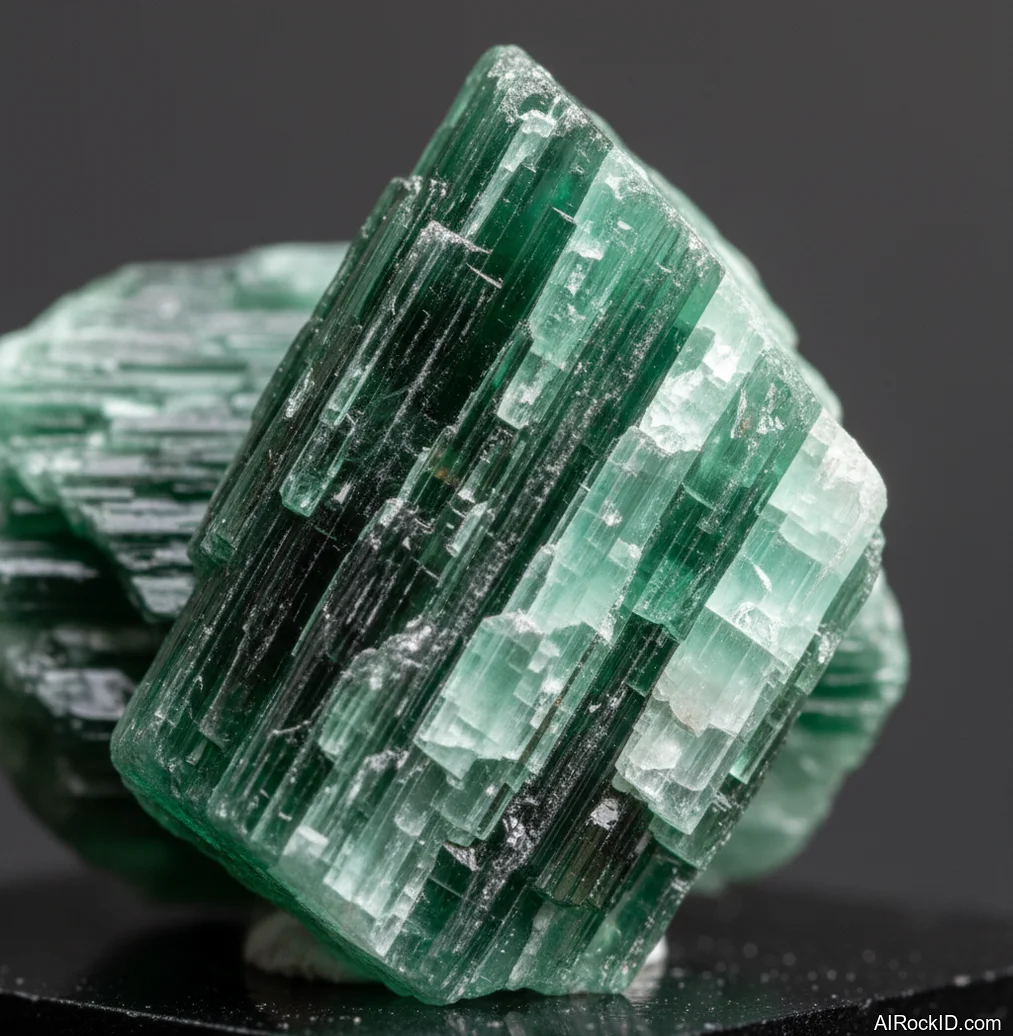
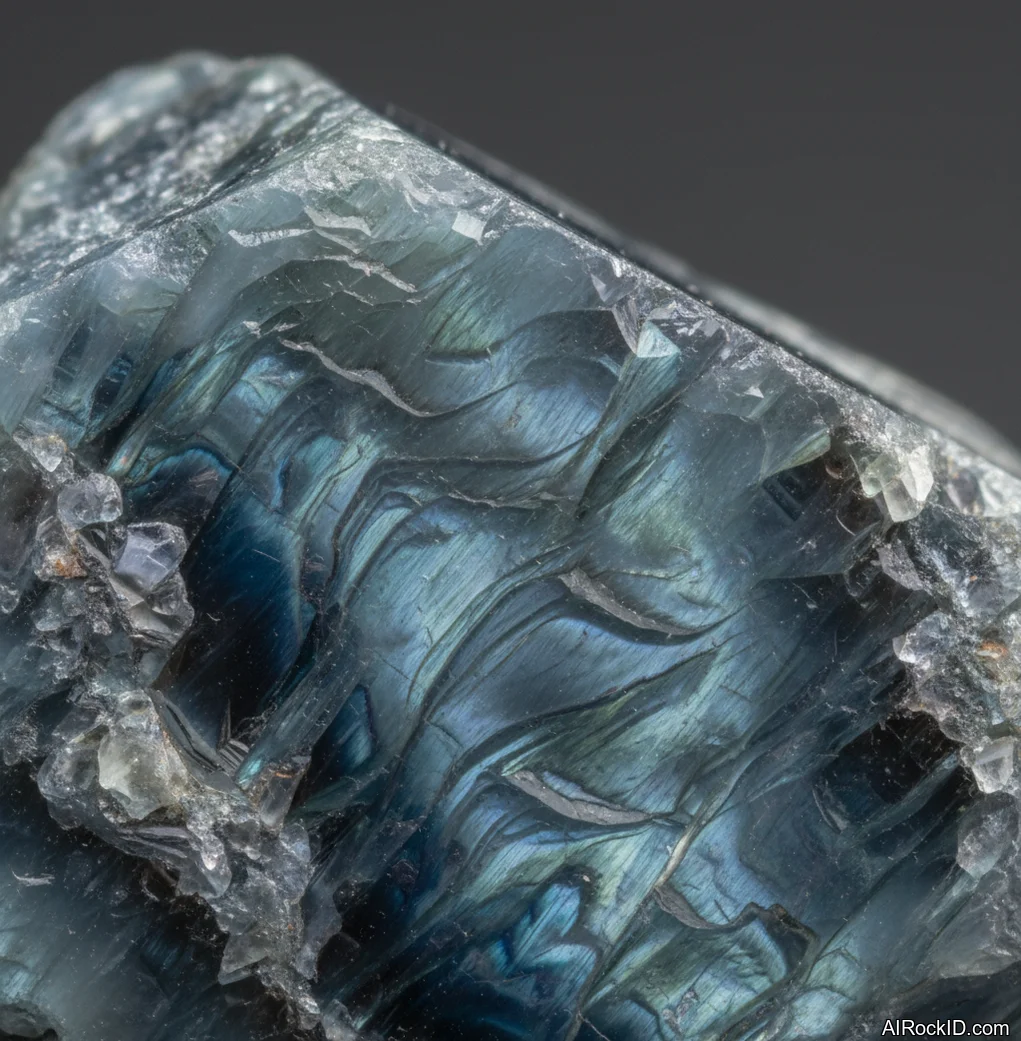
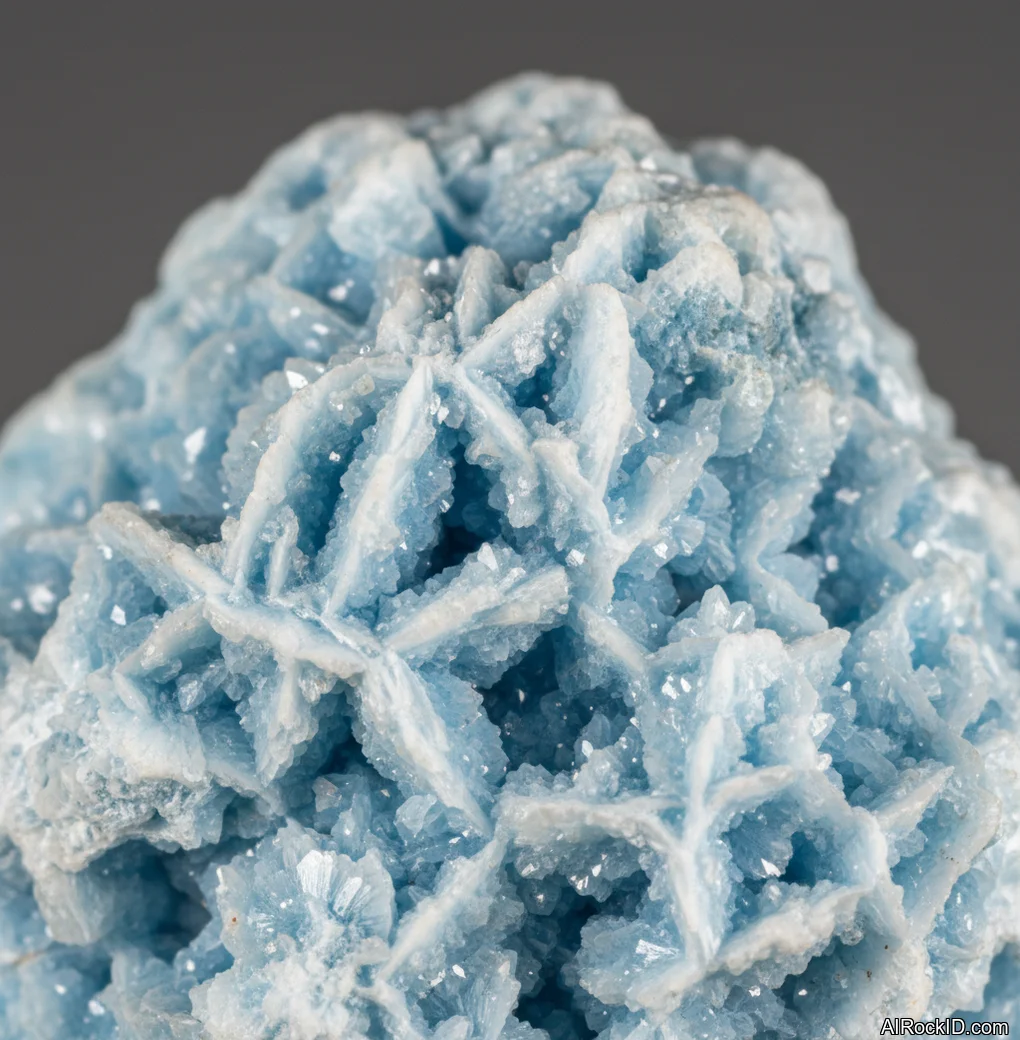
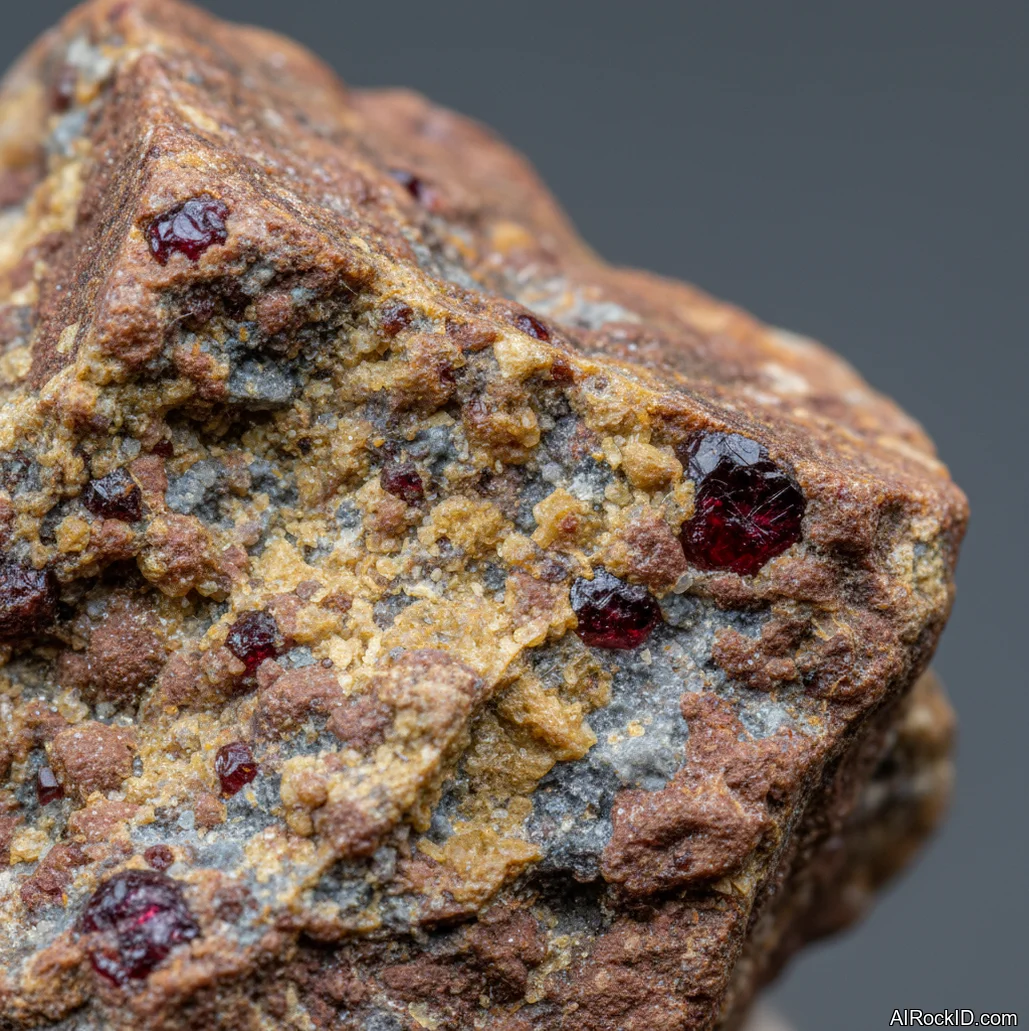
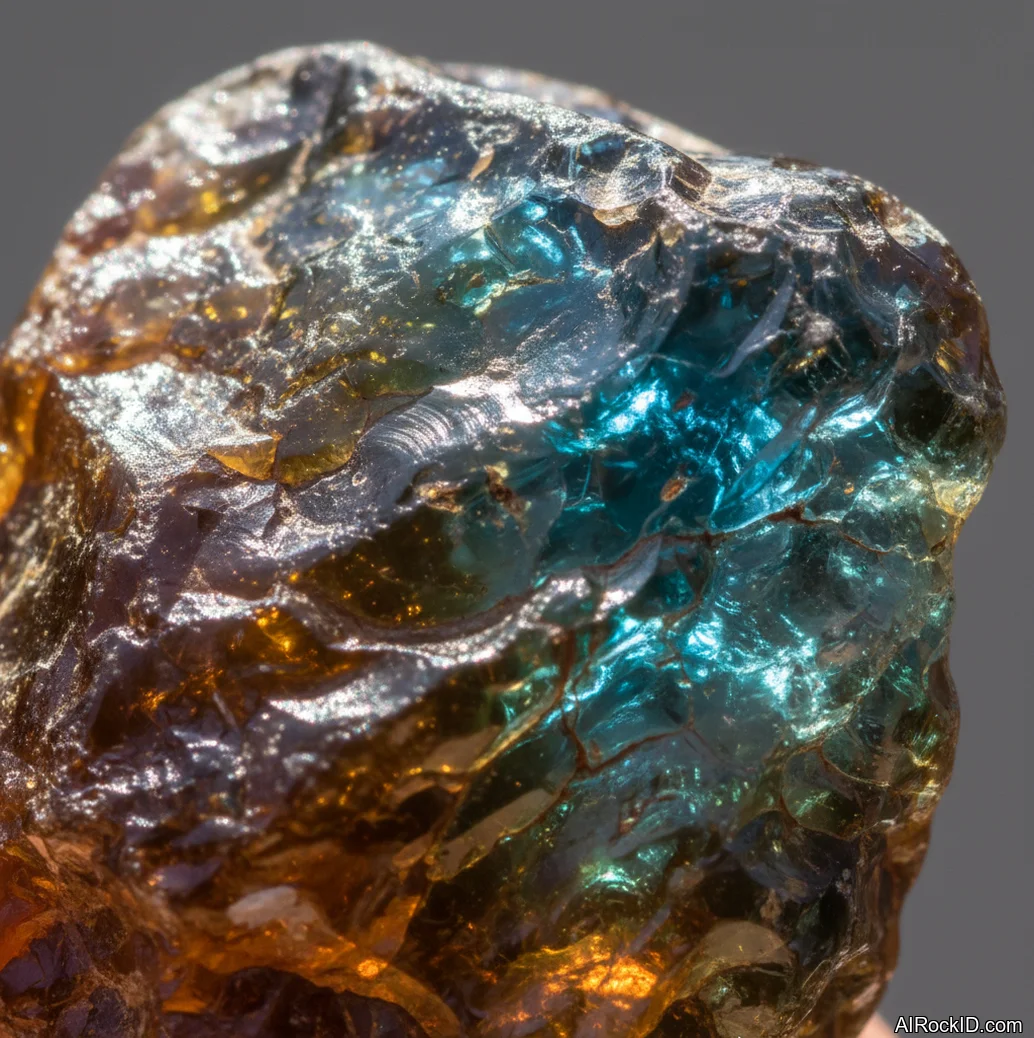
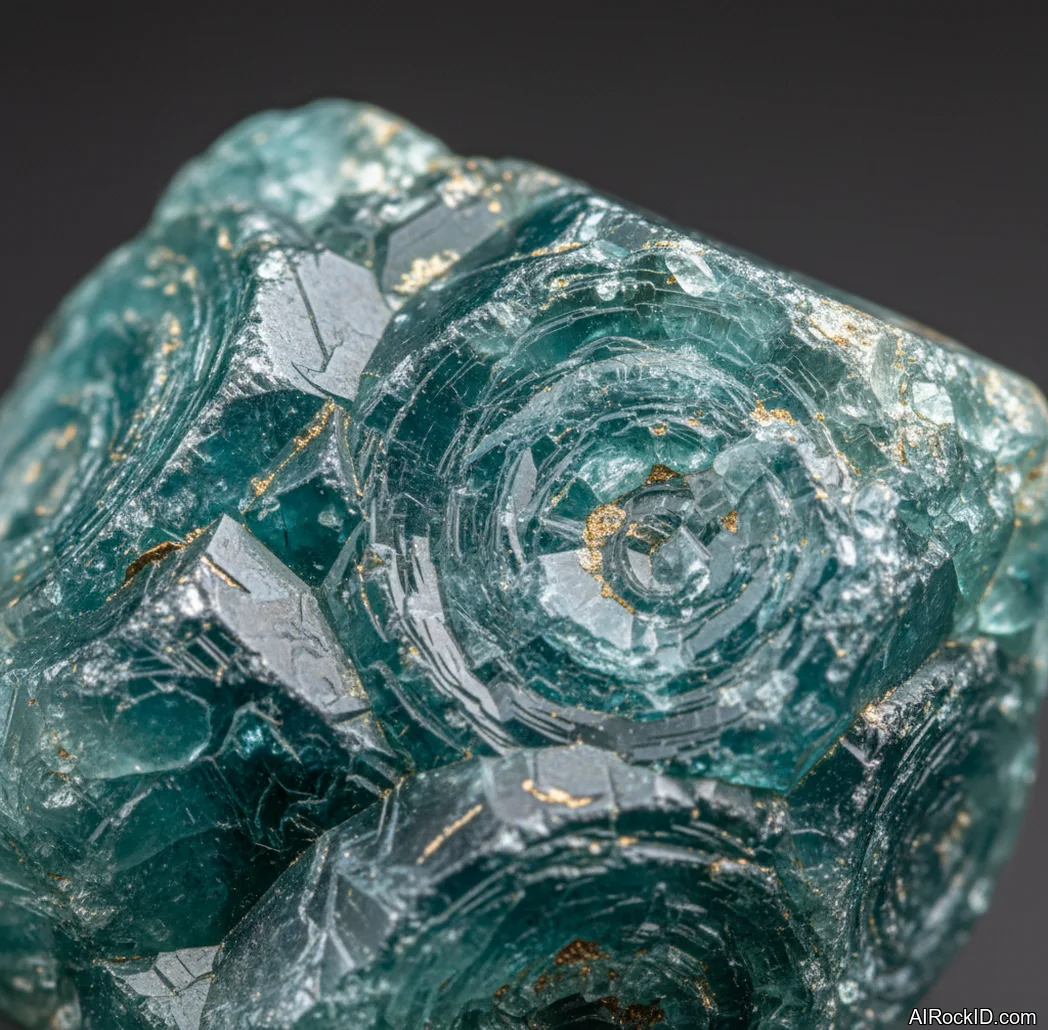
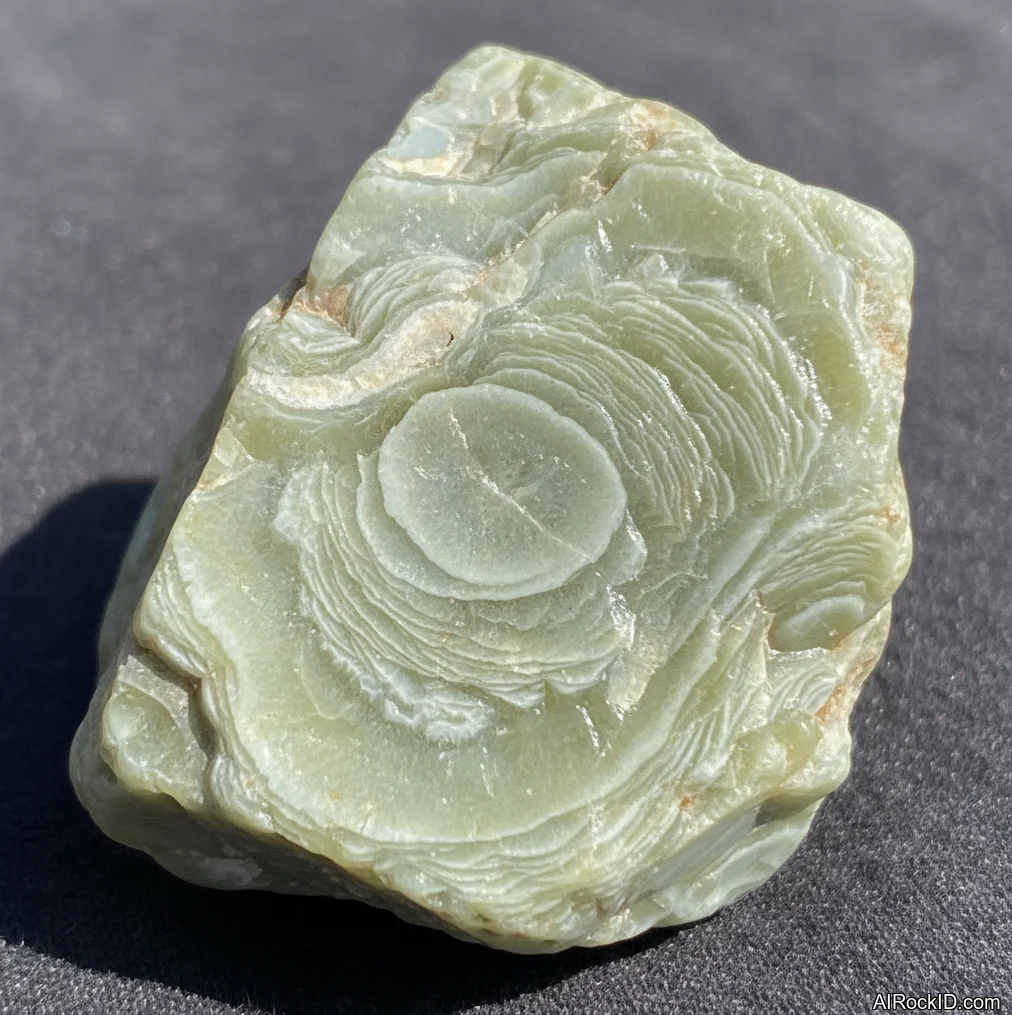
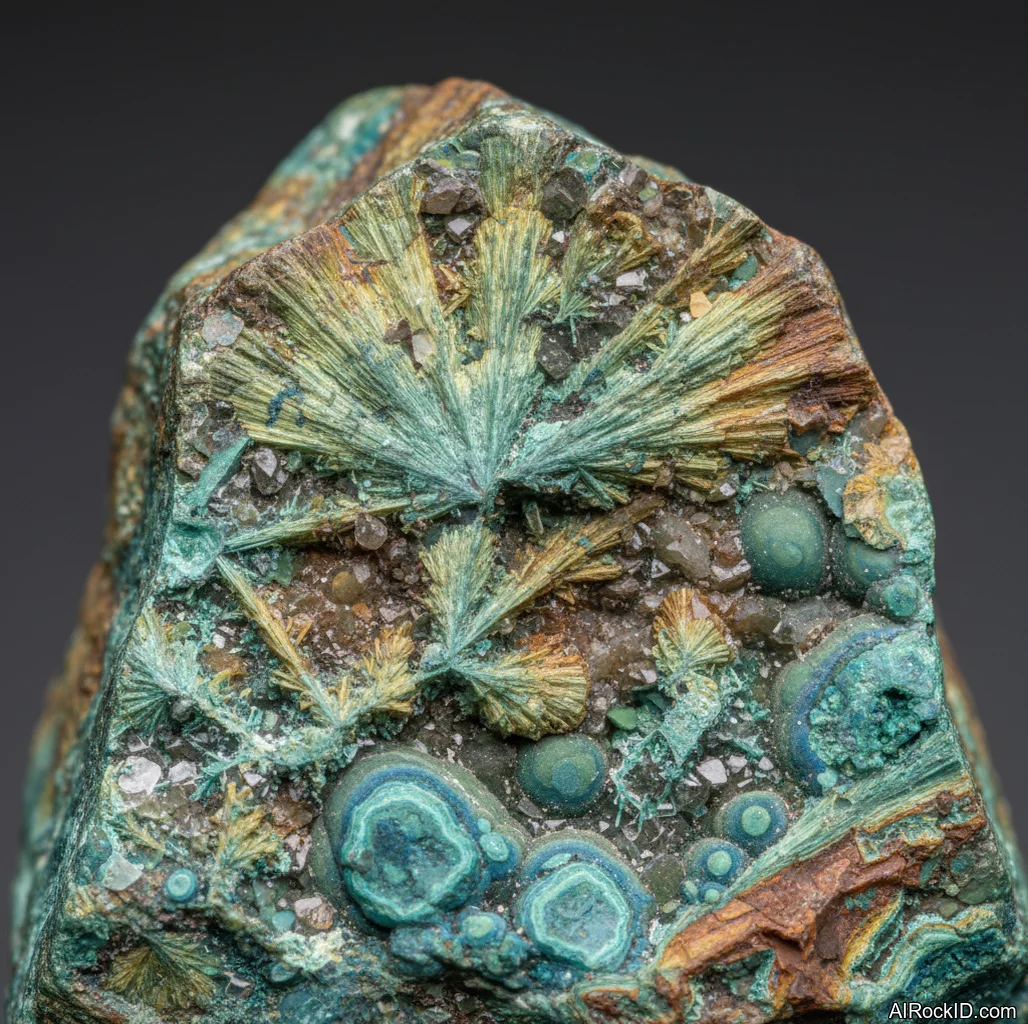
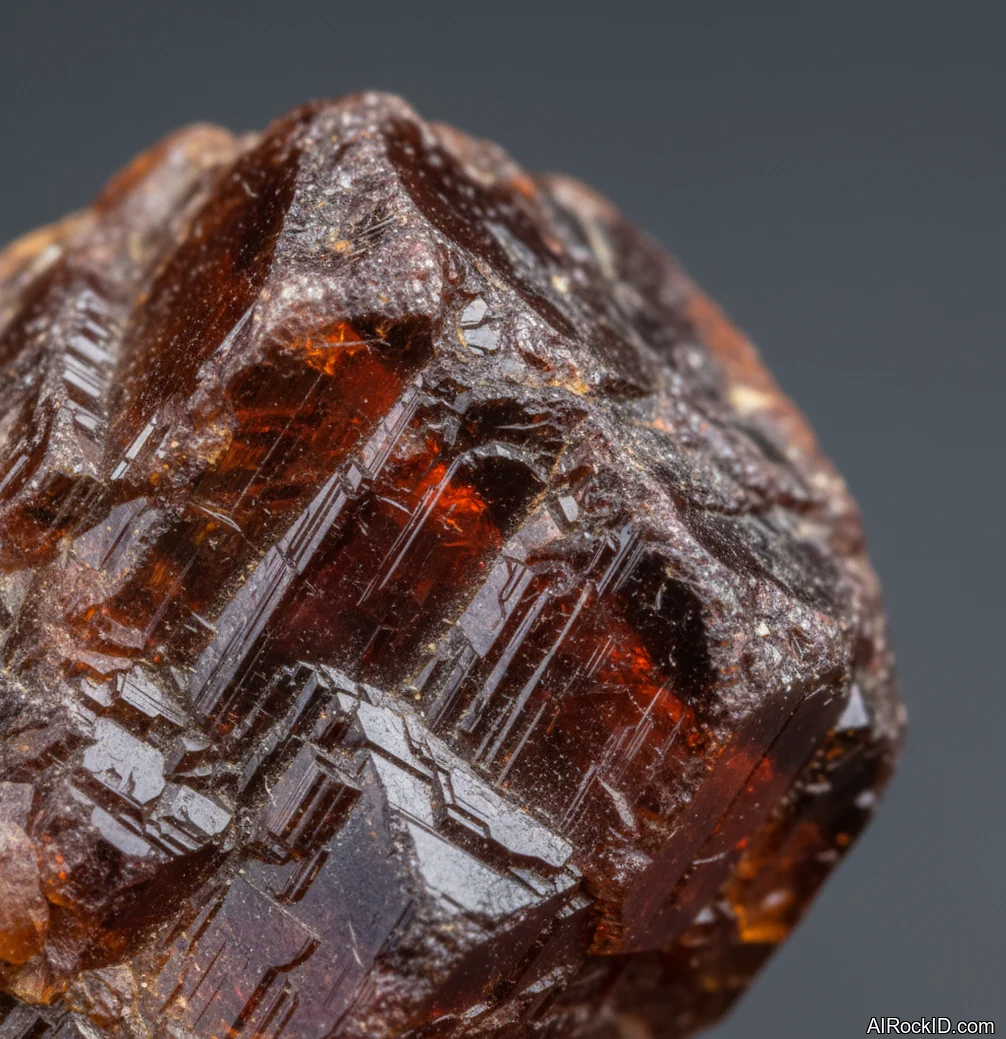
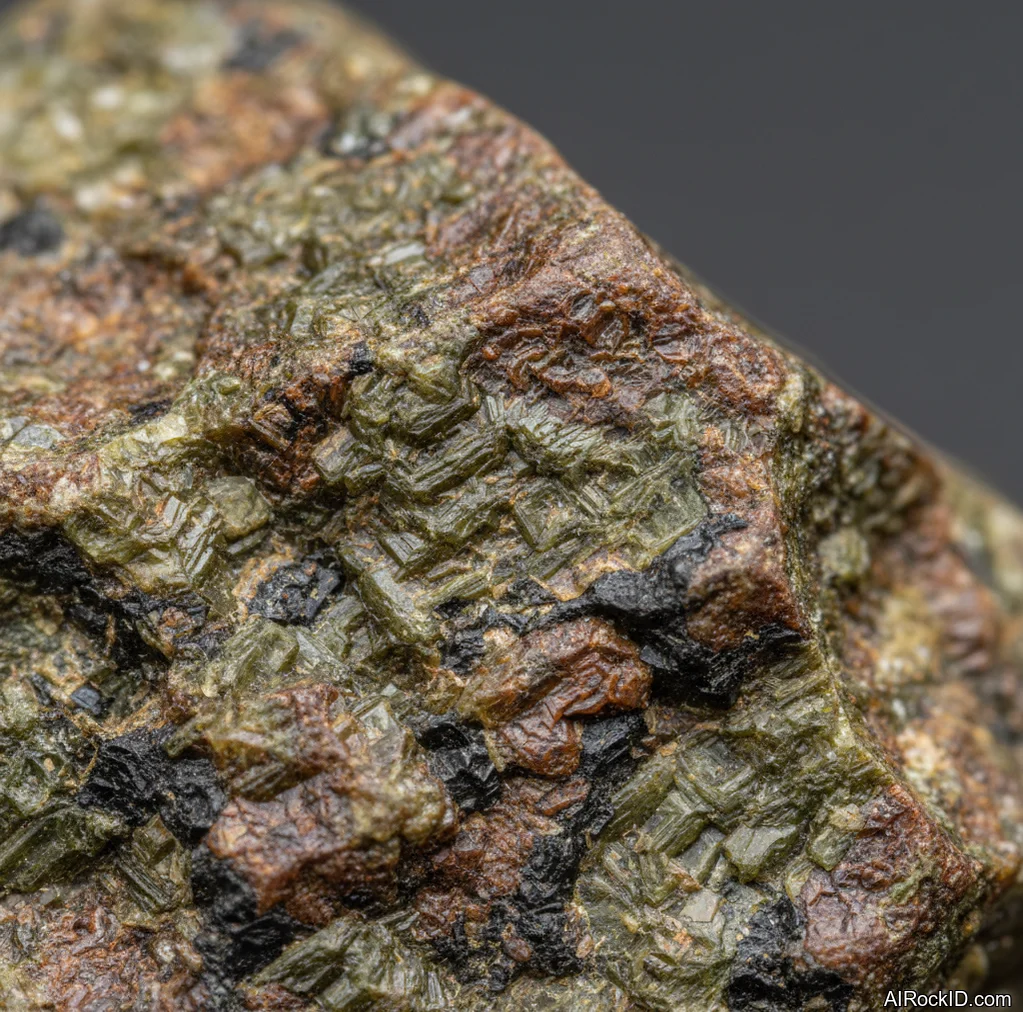
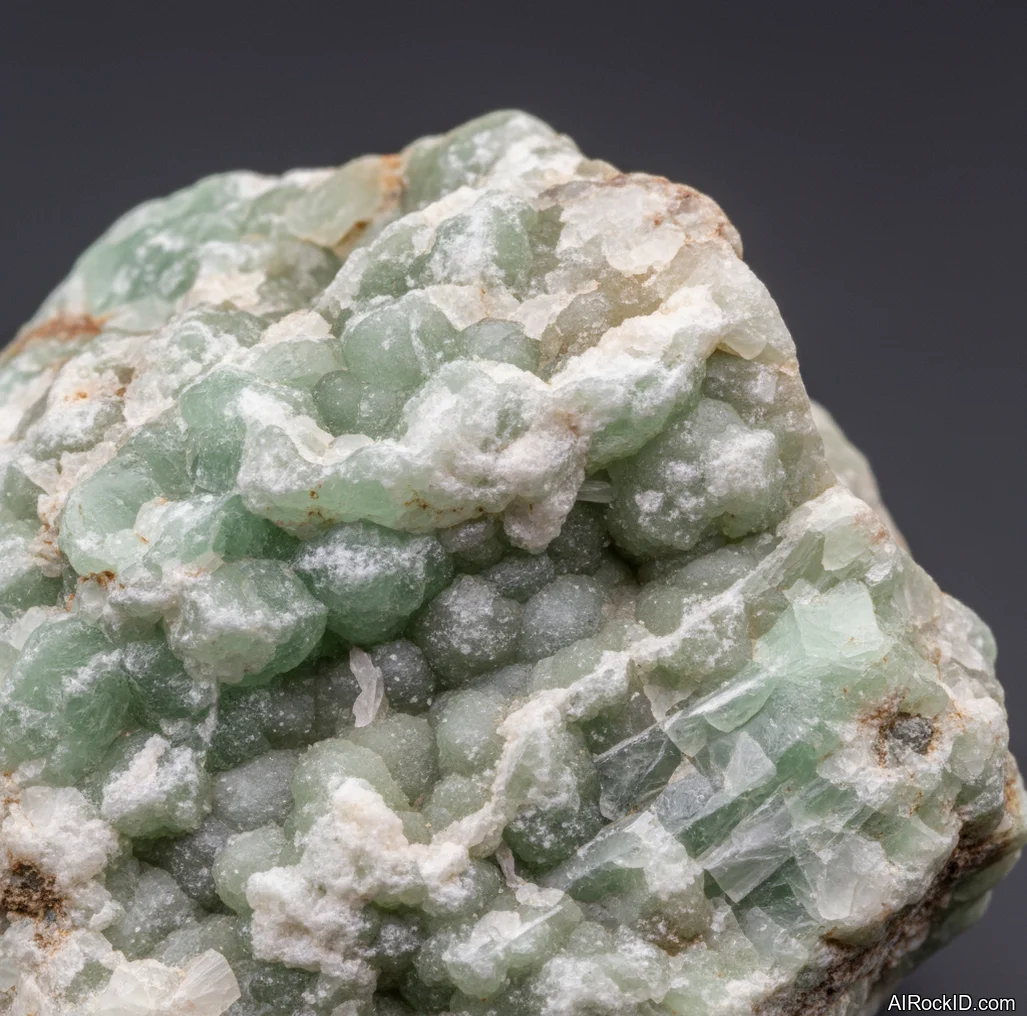
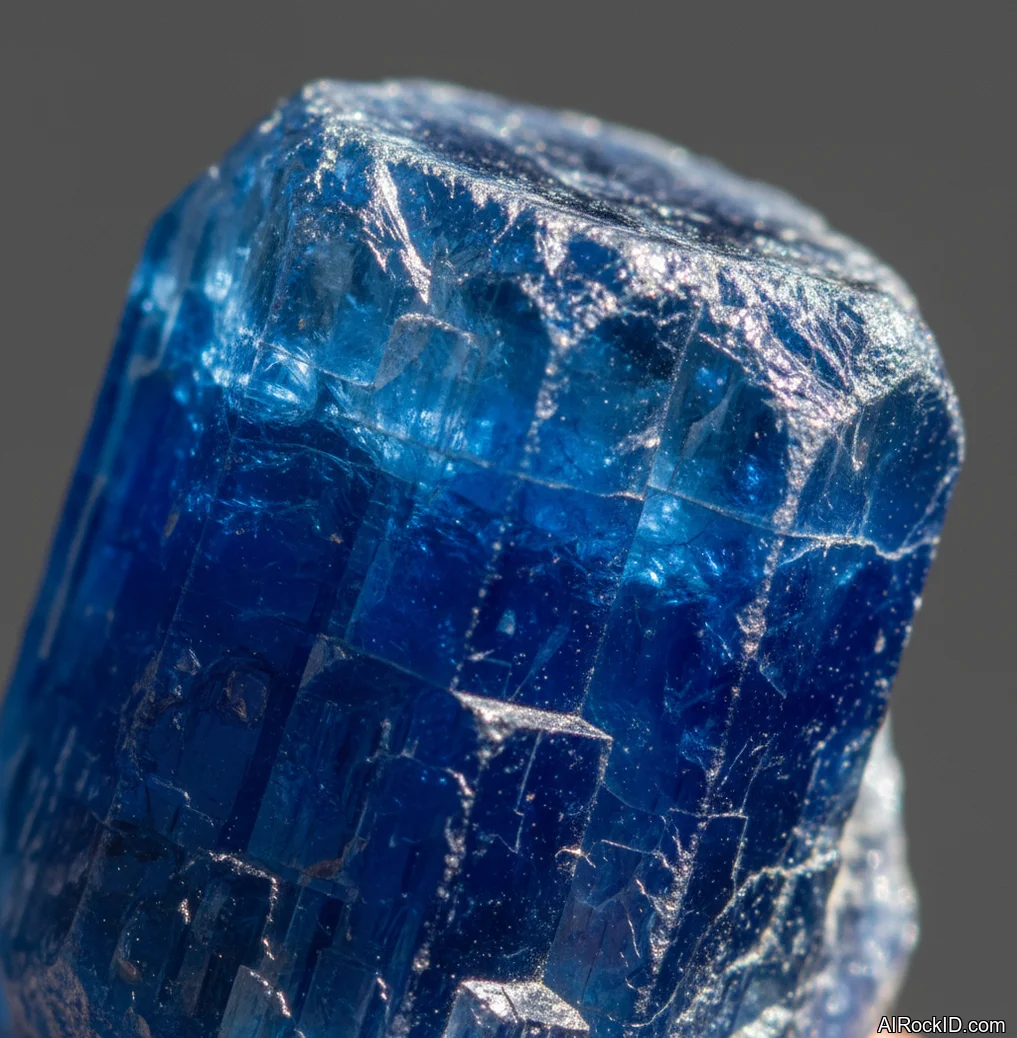
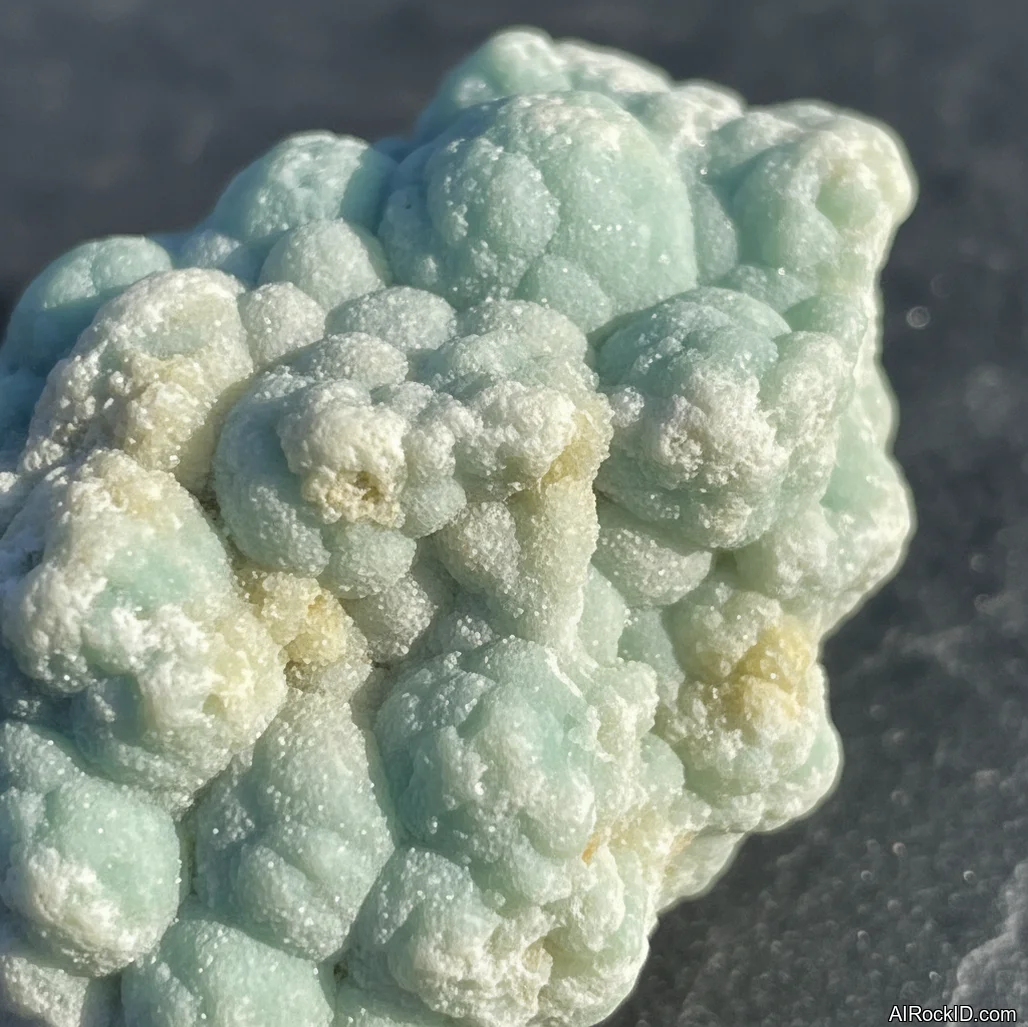
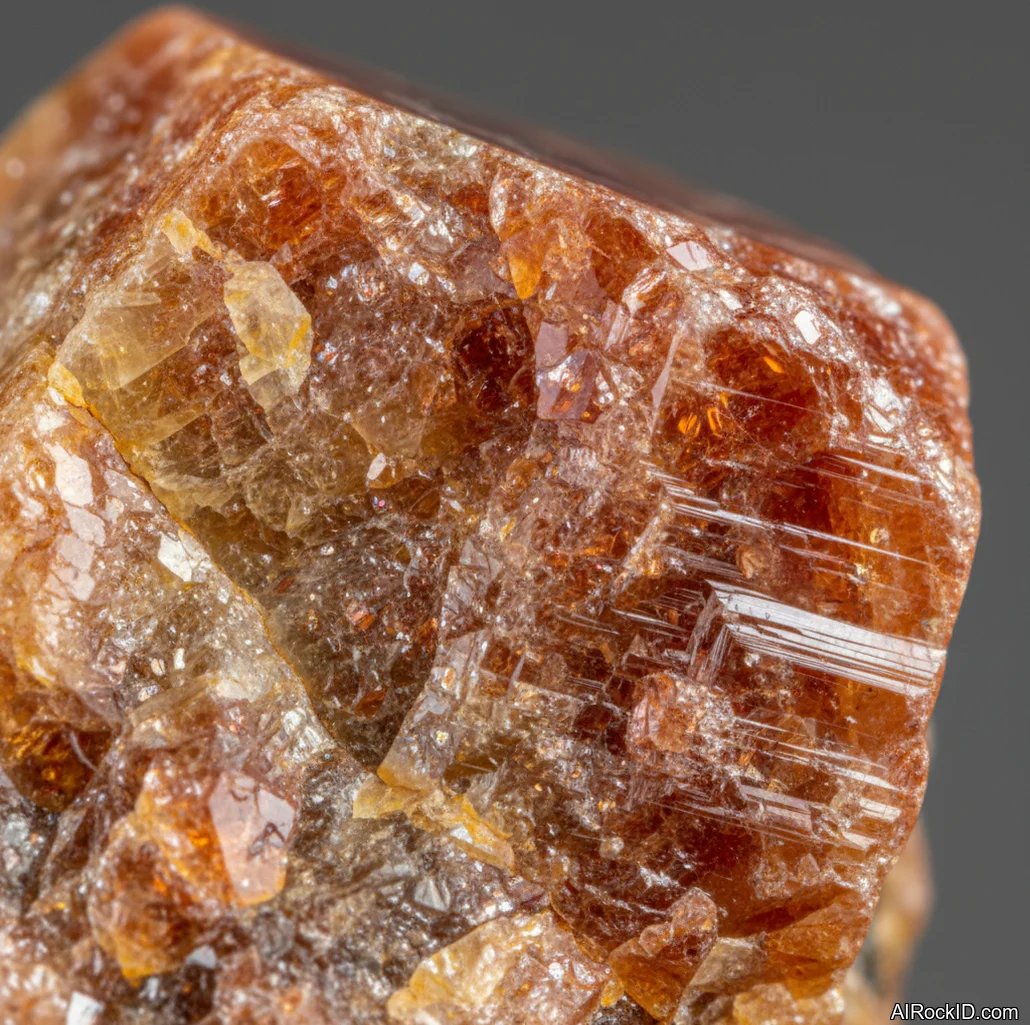
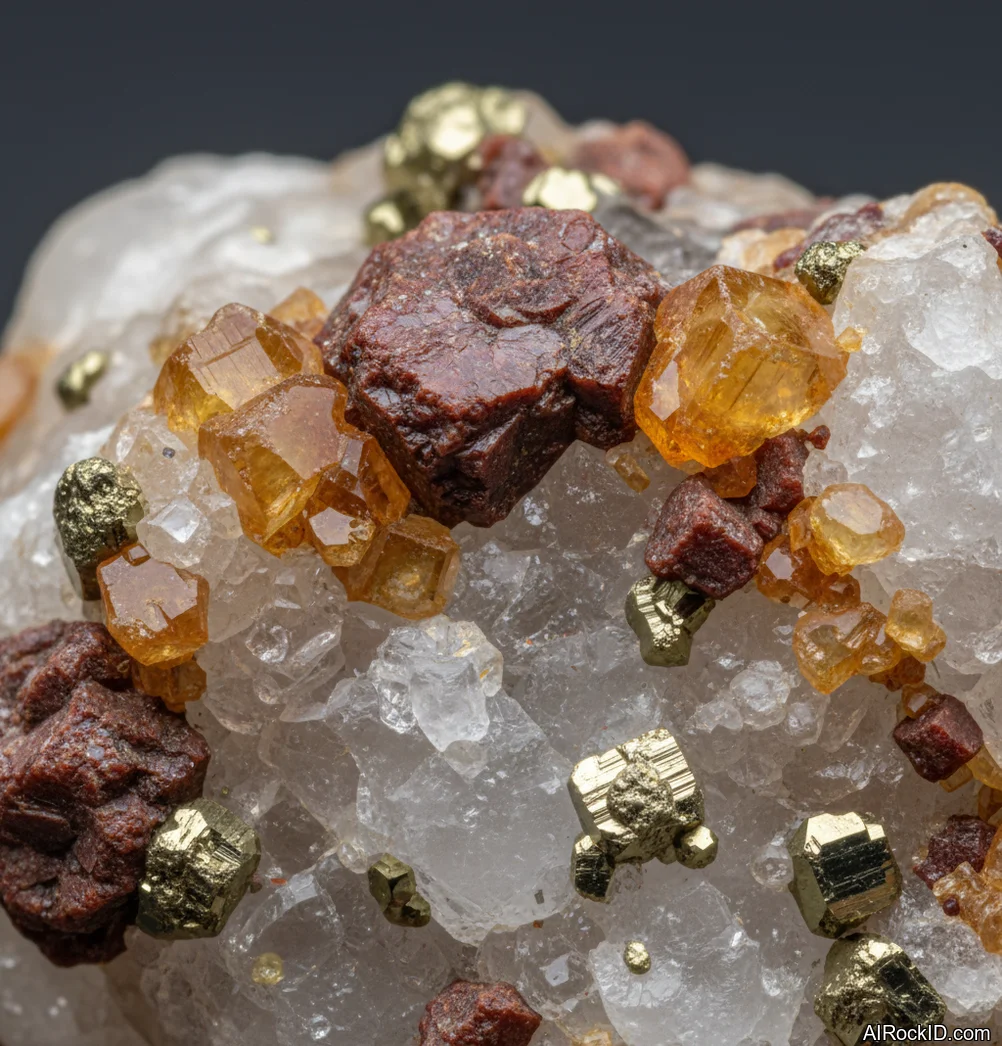
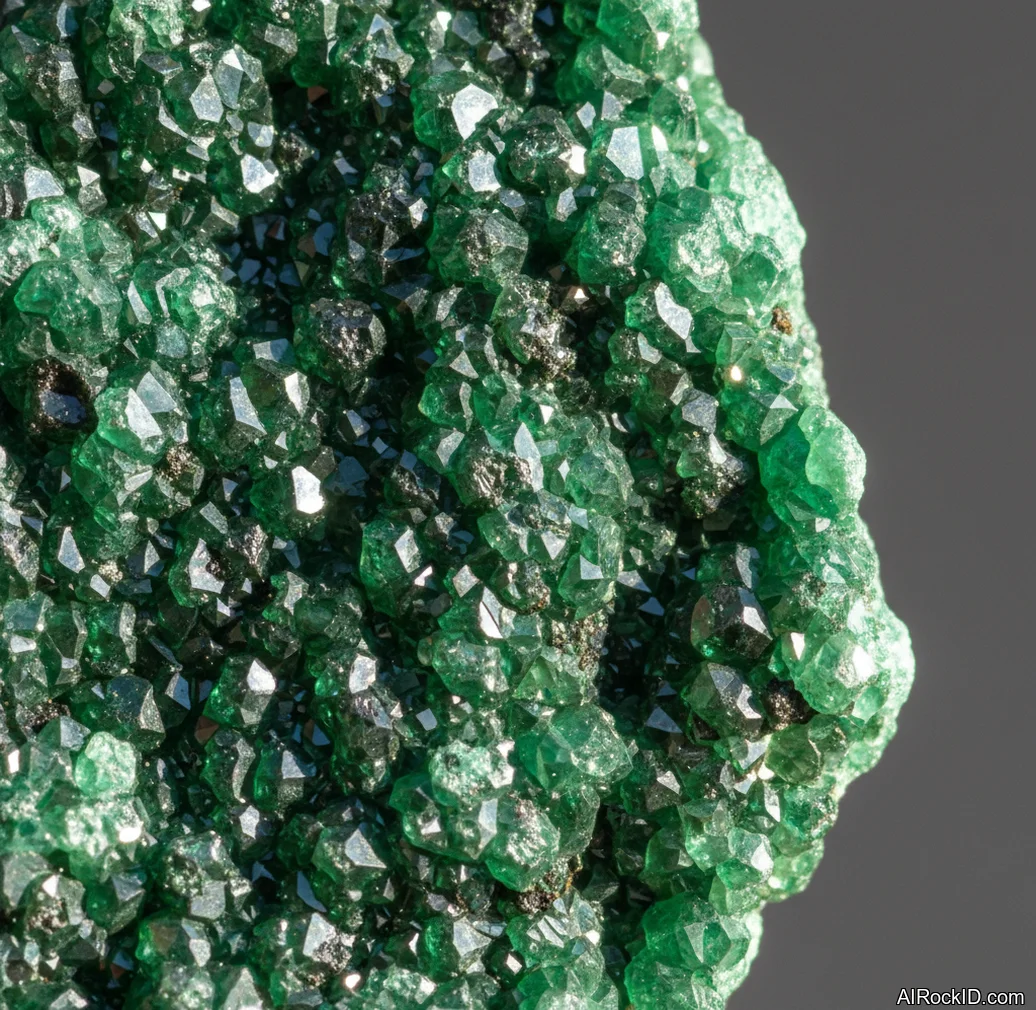
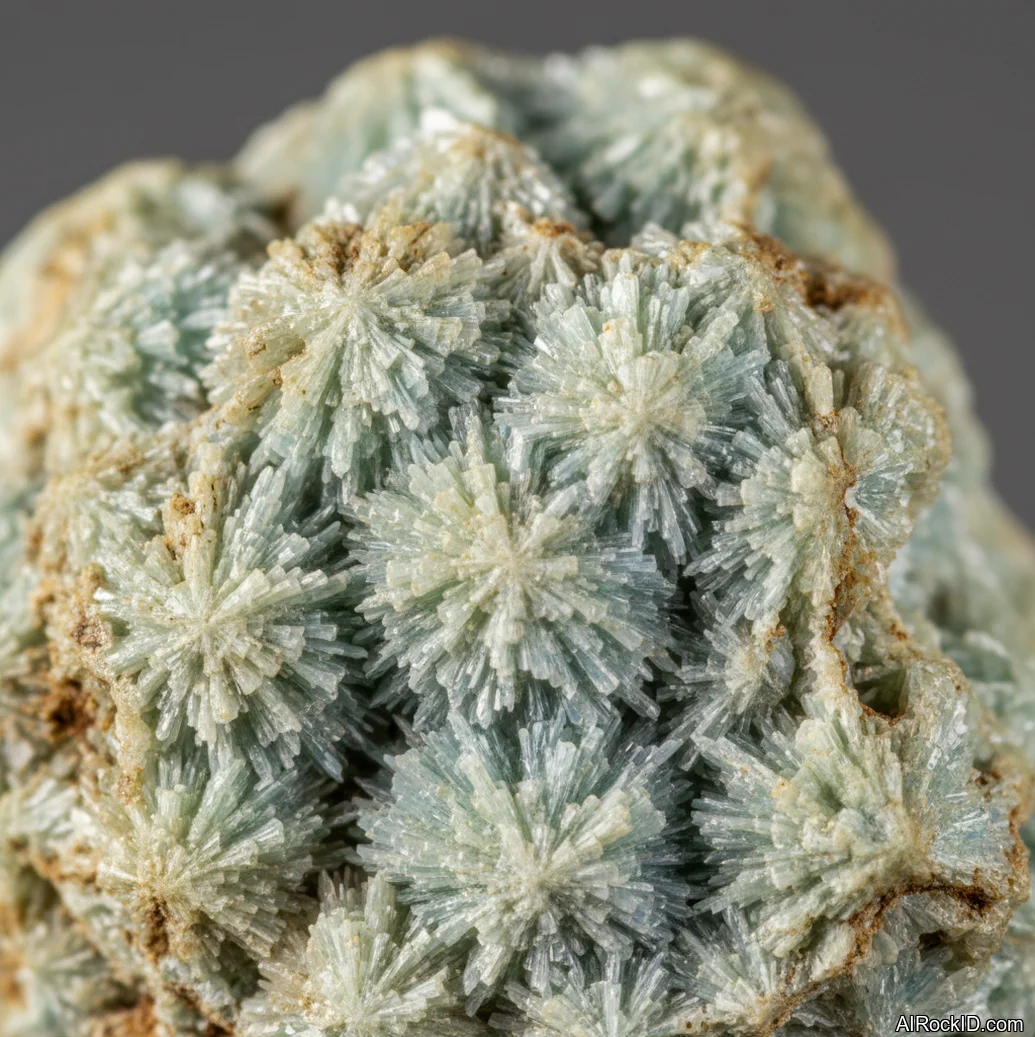
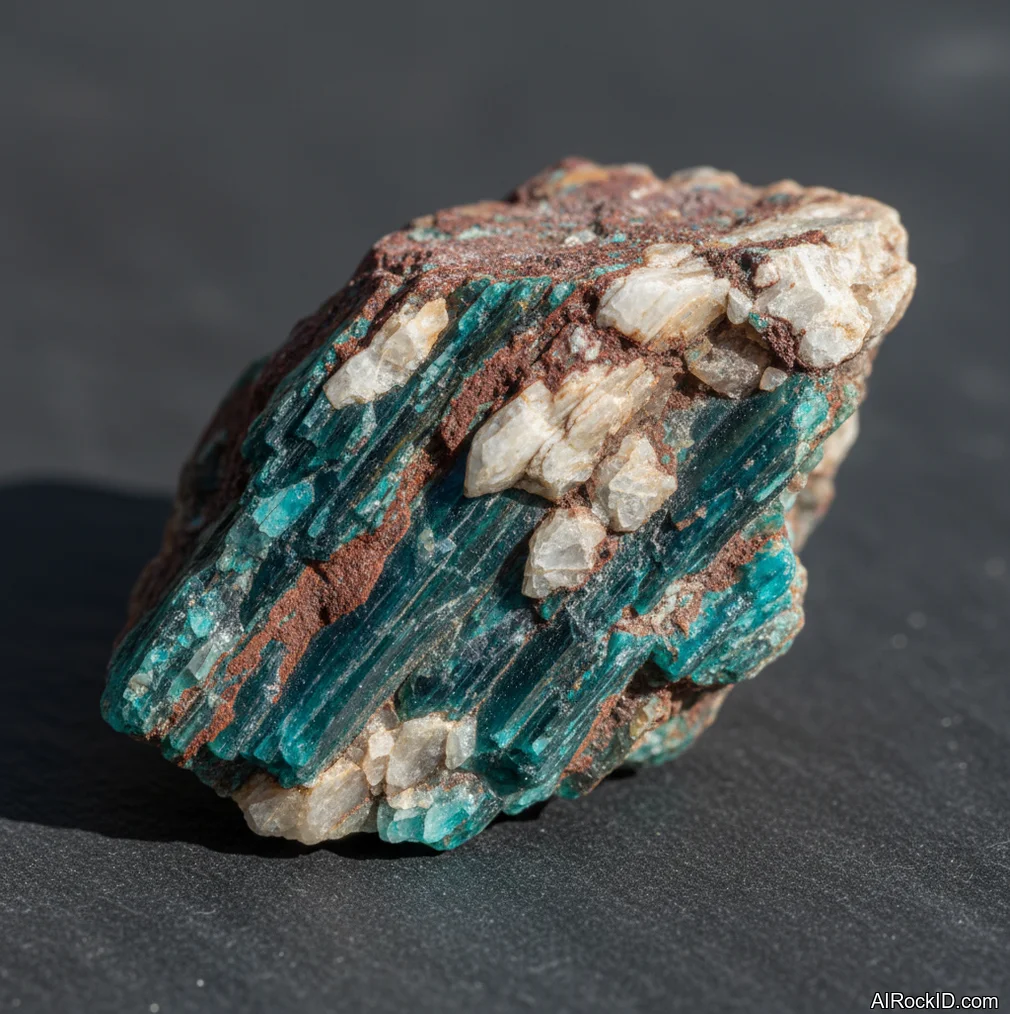
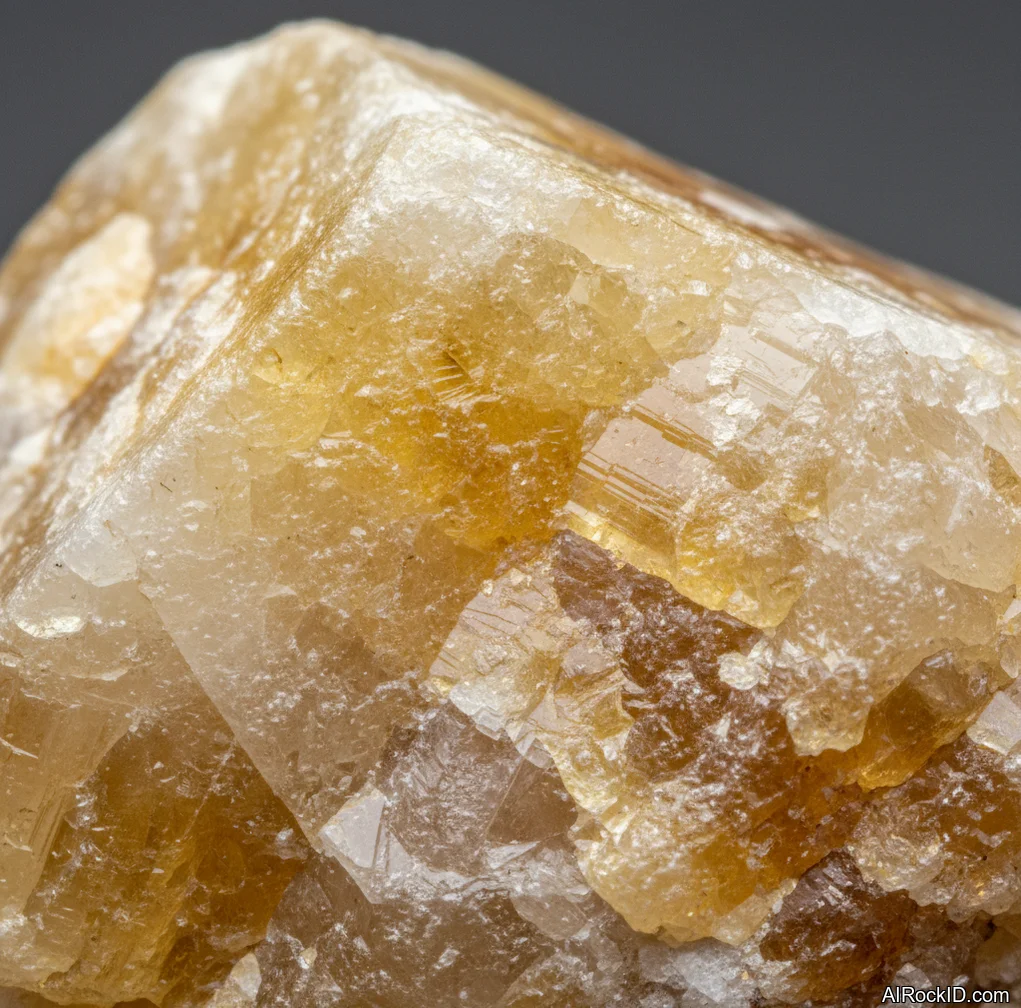
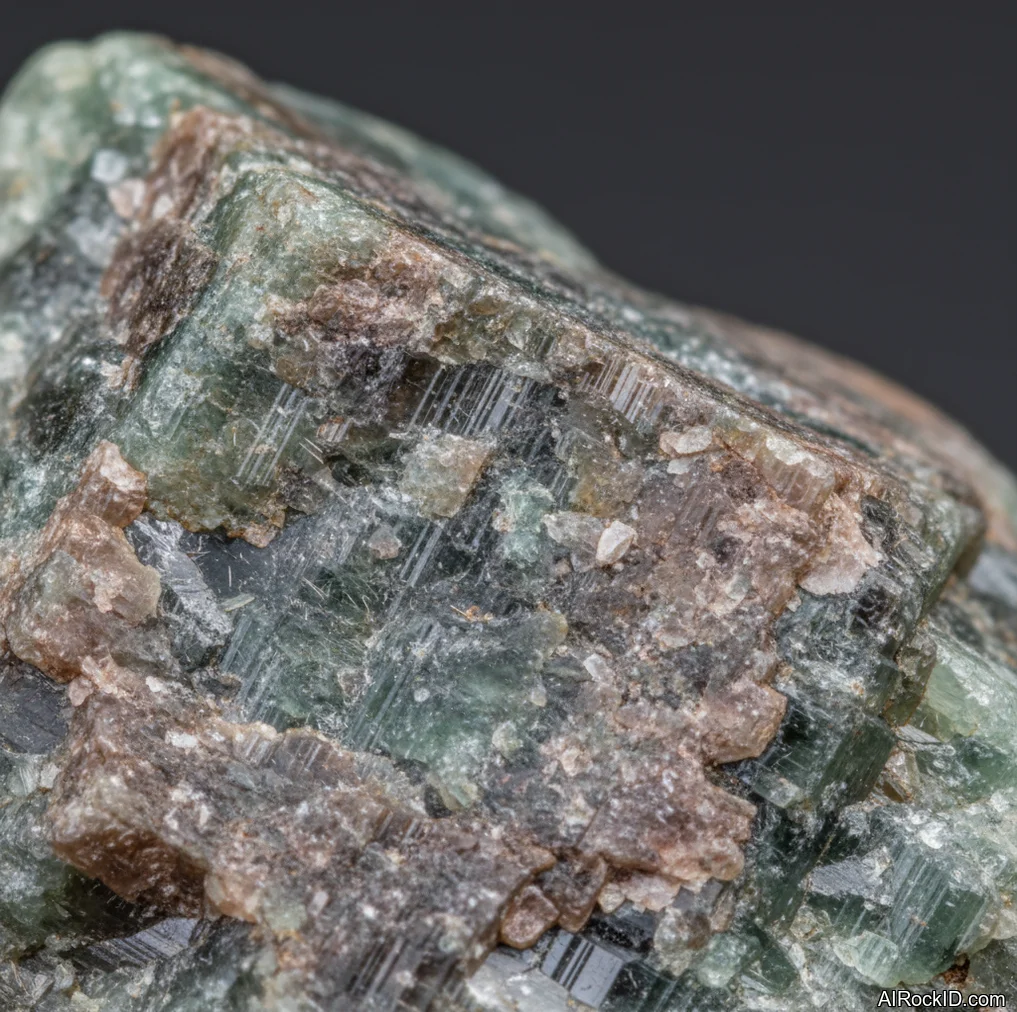
- Apatite
Focus Crystals by Setting
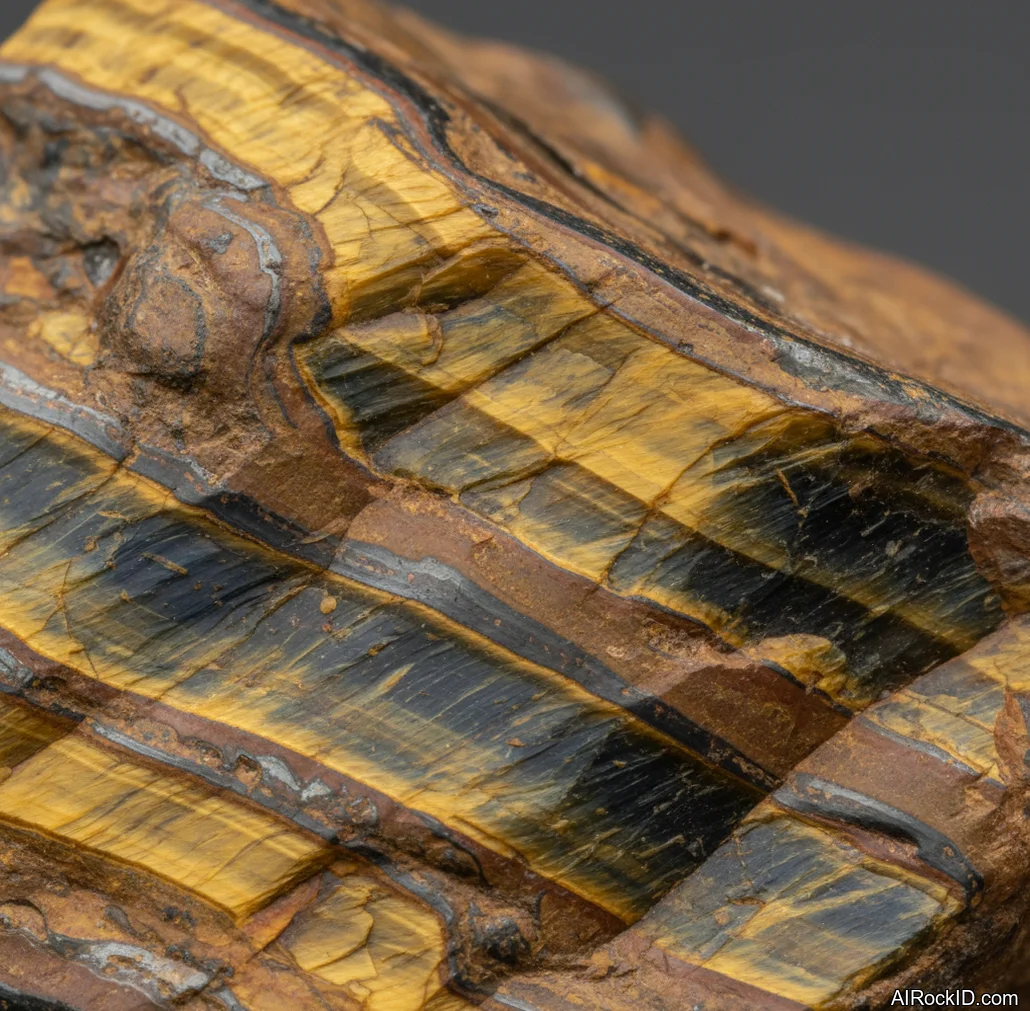
For a desk or study area, many people choose durable stones such as clear quartz, sodalite, or tiger's eye because they handle frequent contact better than softer minerals. For meditation or quiet routines, amethyst, fluorite, and lapis lazuli are often selected in traditions that connect them with calm attention and reflective thinking.
Care Notes for Focus Crystal Sets
Not all focus crystals can be cleaned the same way. Fluorite, apatite, selenite, and some calcite-bearing stones can be softer or more water-sensitive than quartz, so dry dusting and gentle handling are safer default choices.
Natural Variation in Focus Stones
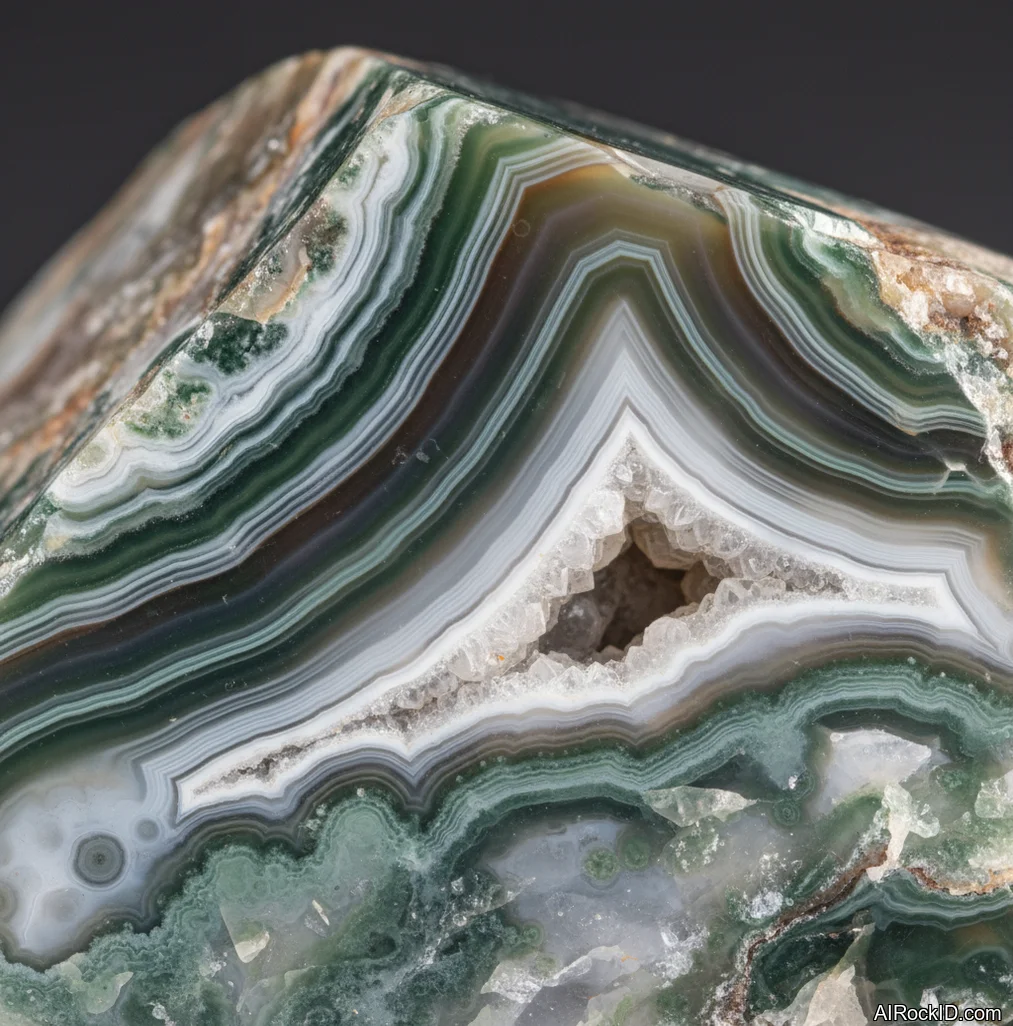
Focus crystals may be transparent, translucent, opaque, banded, included, or massive depending on the mineral. Color intensity, inclusions, and surface polish can affect appearance and price, but they do not prove a stone has a specific traditional meaning.
What Are Focus Crystals? Physical Properties and Collector Experience
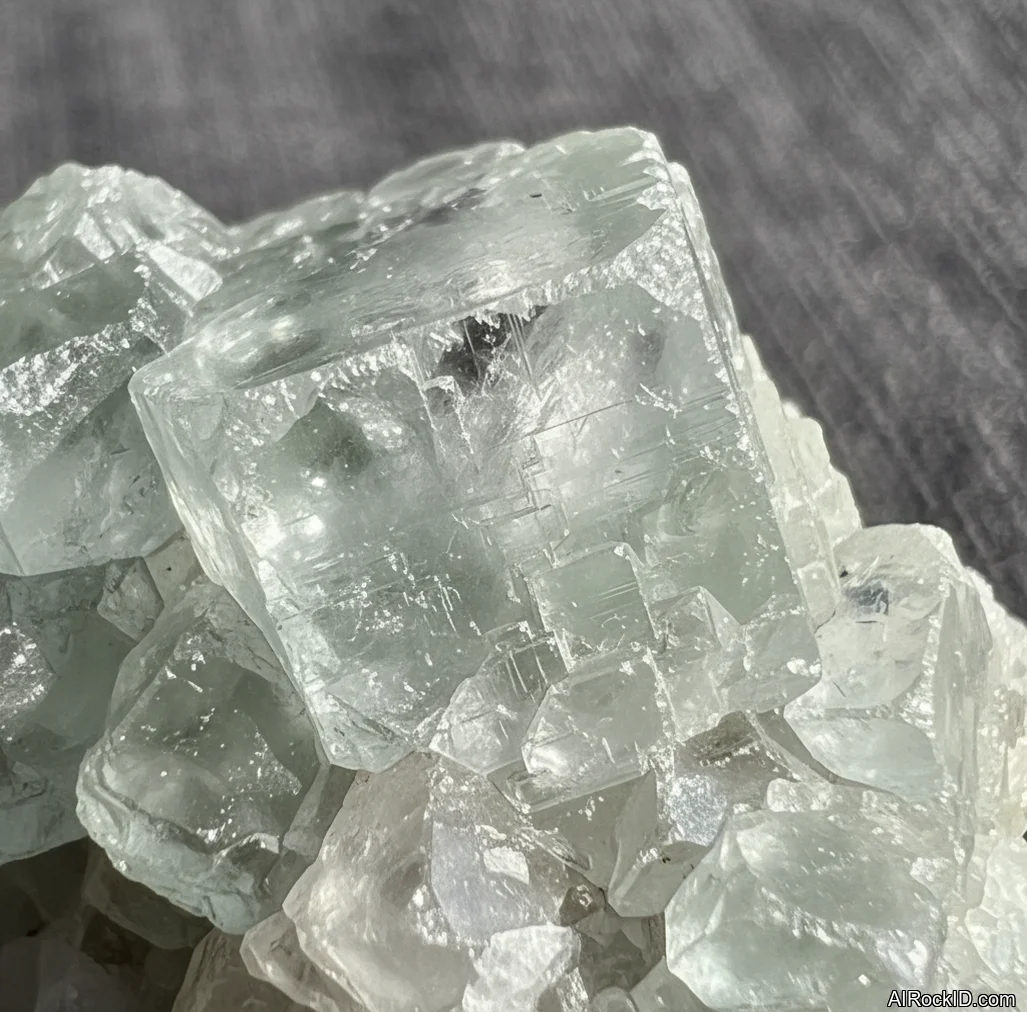
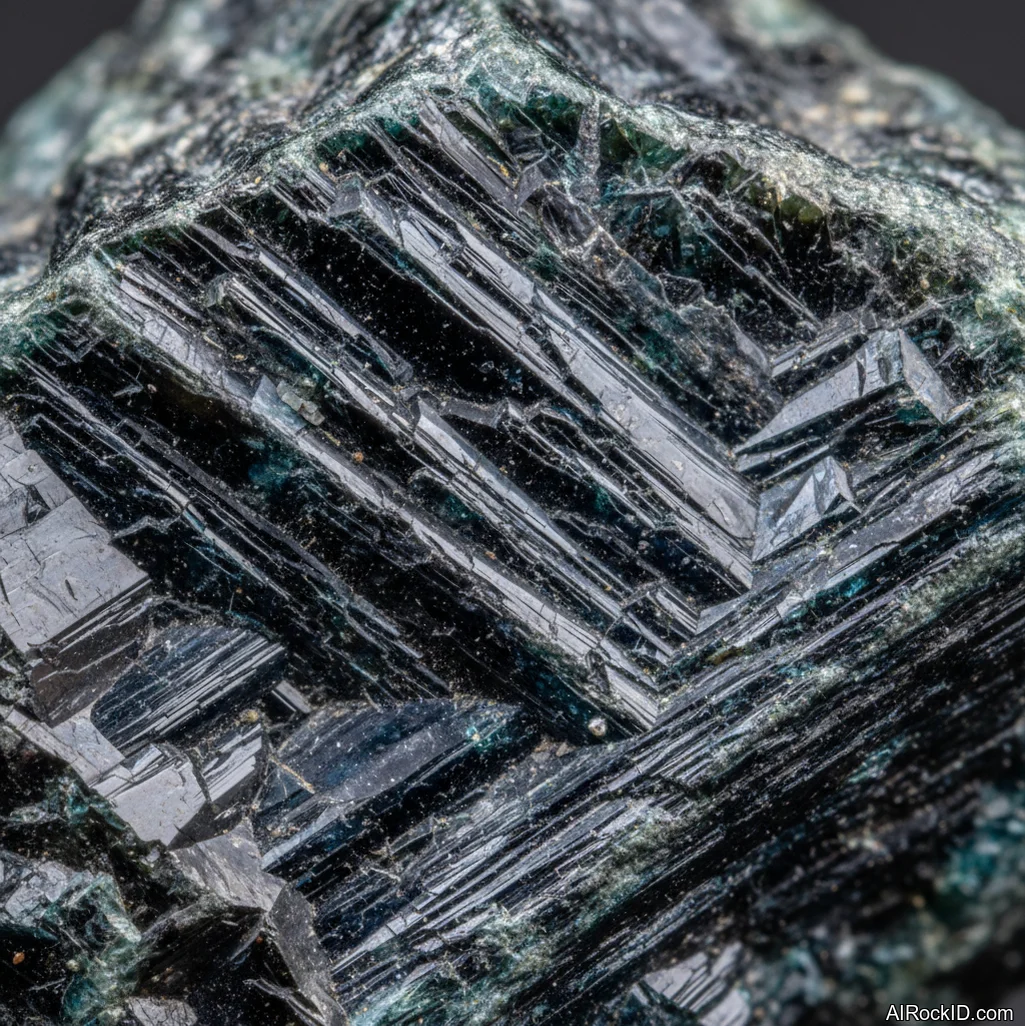
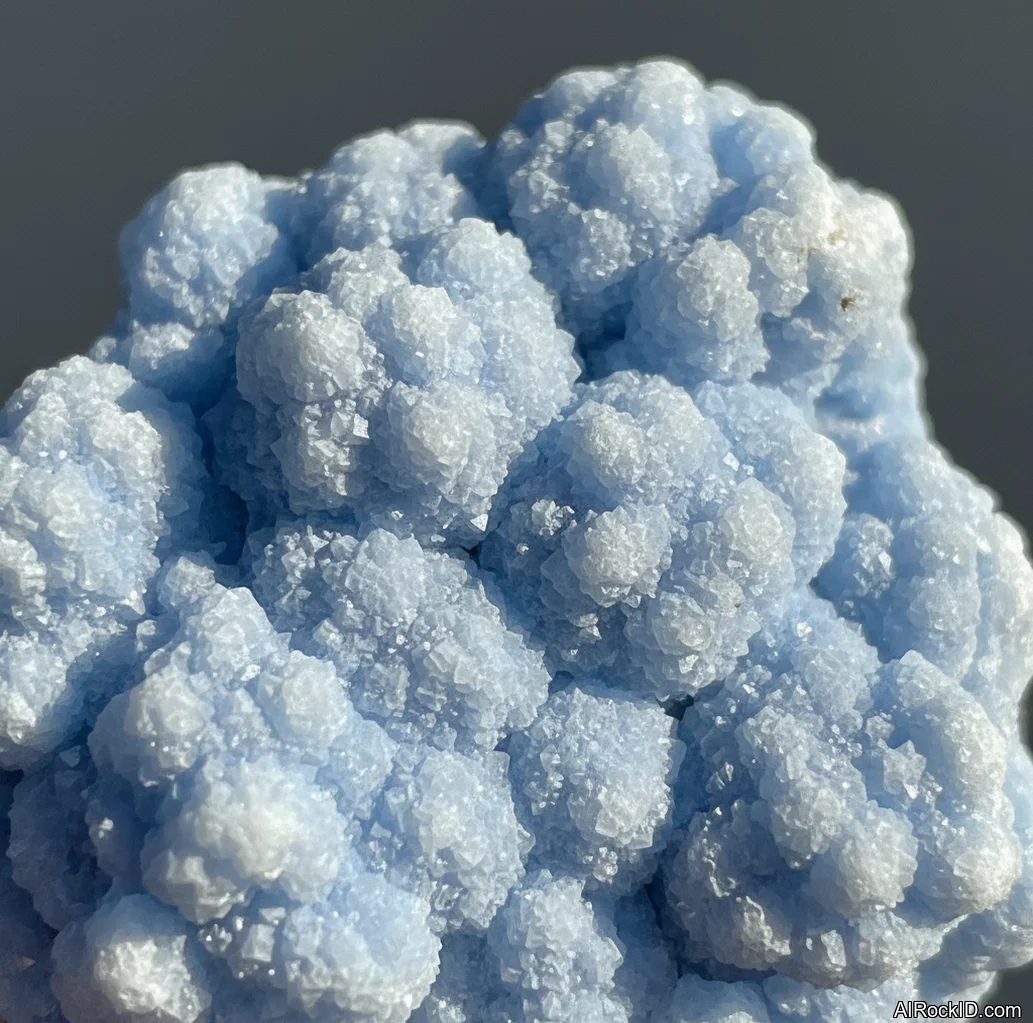
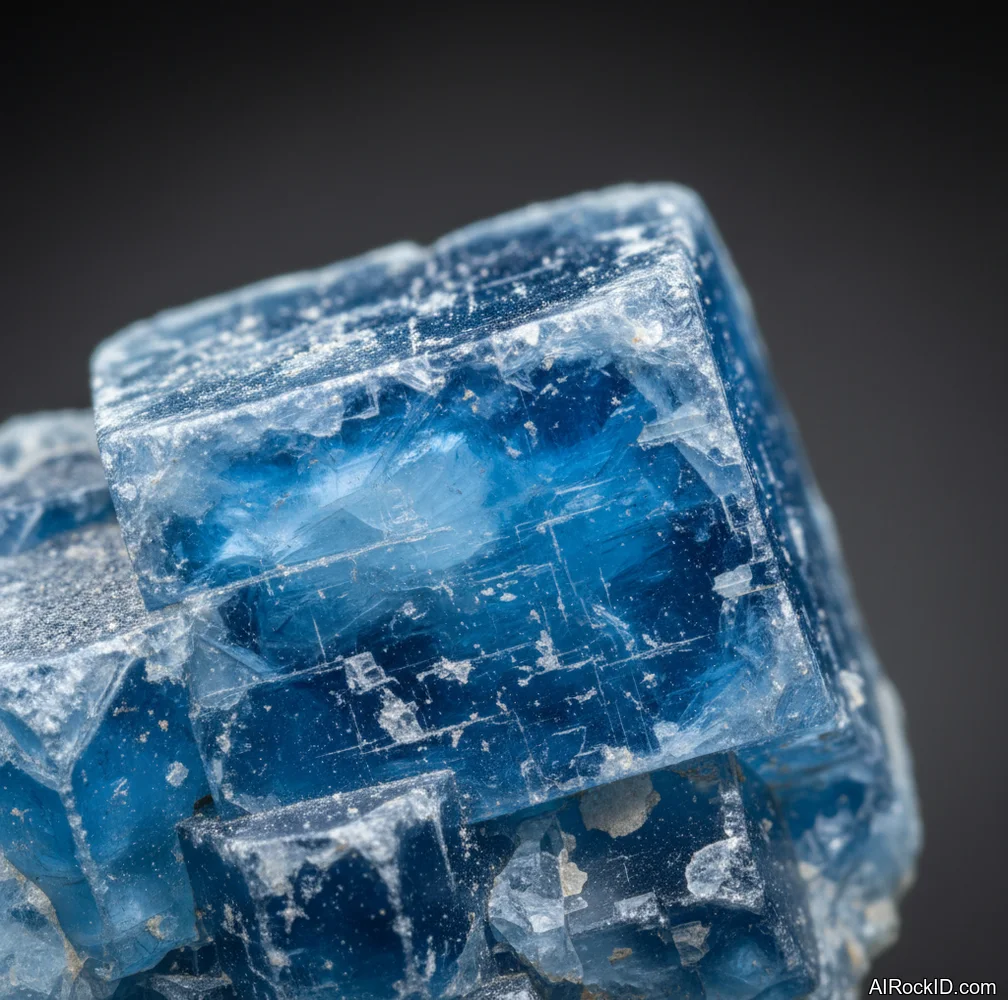
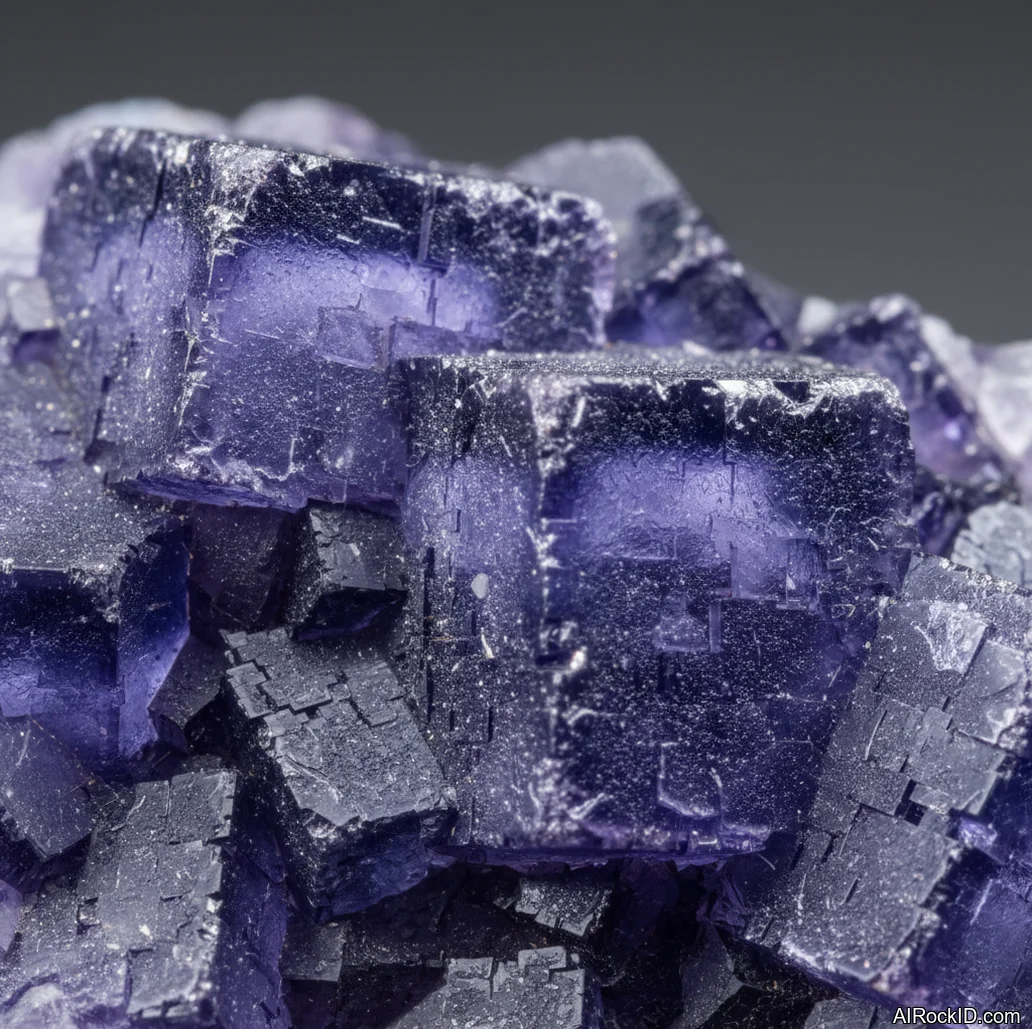
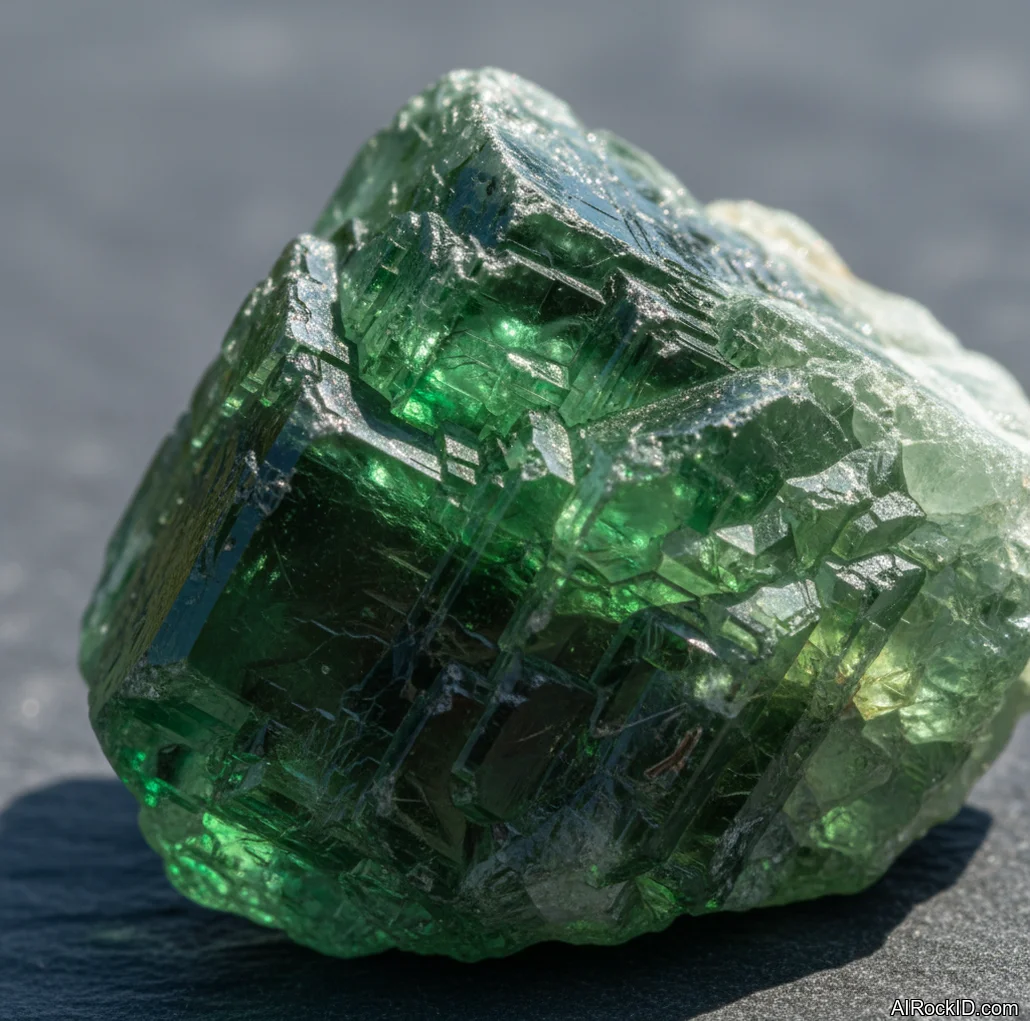
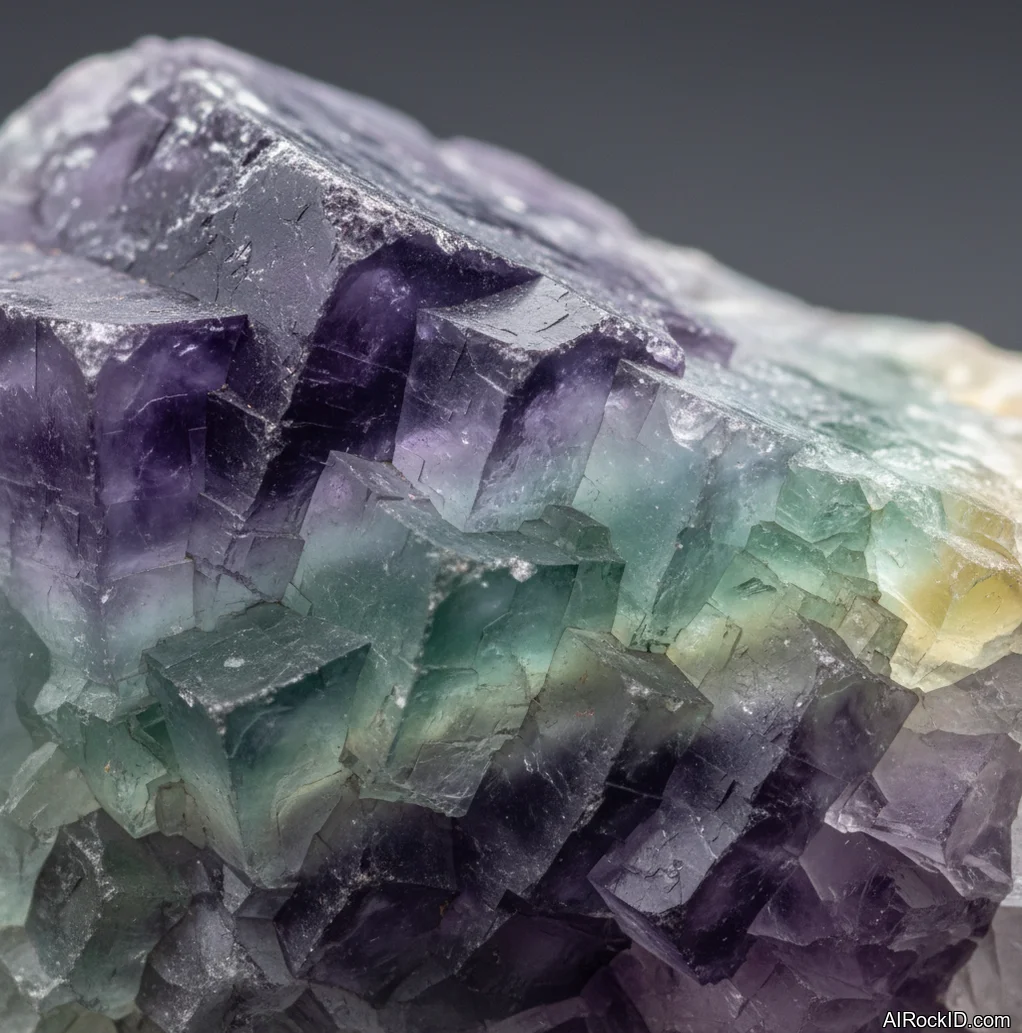
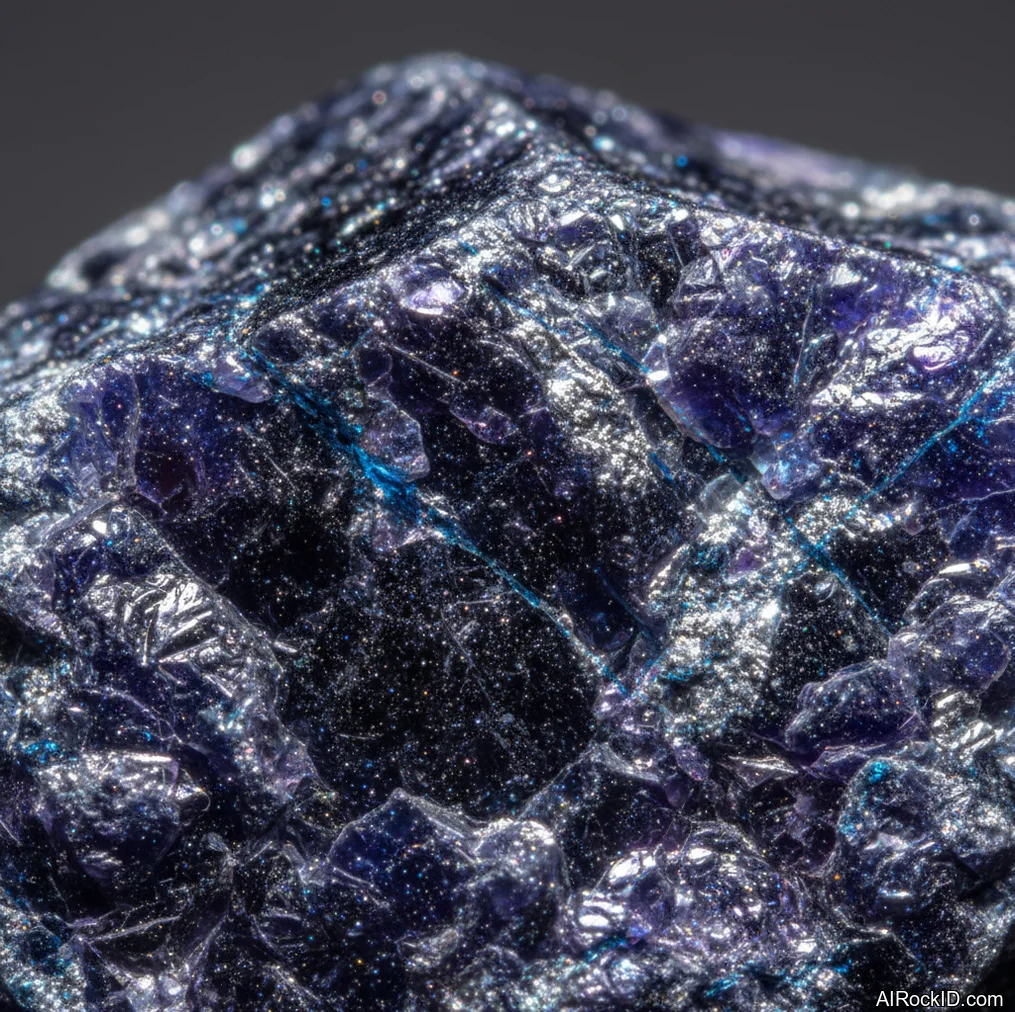
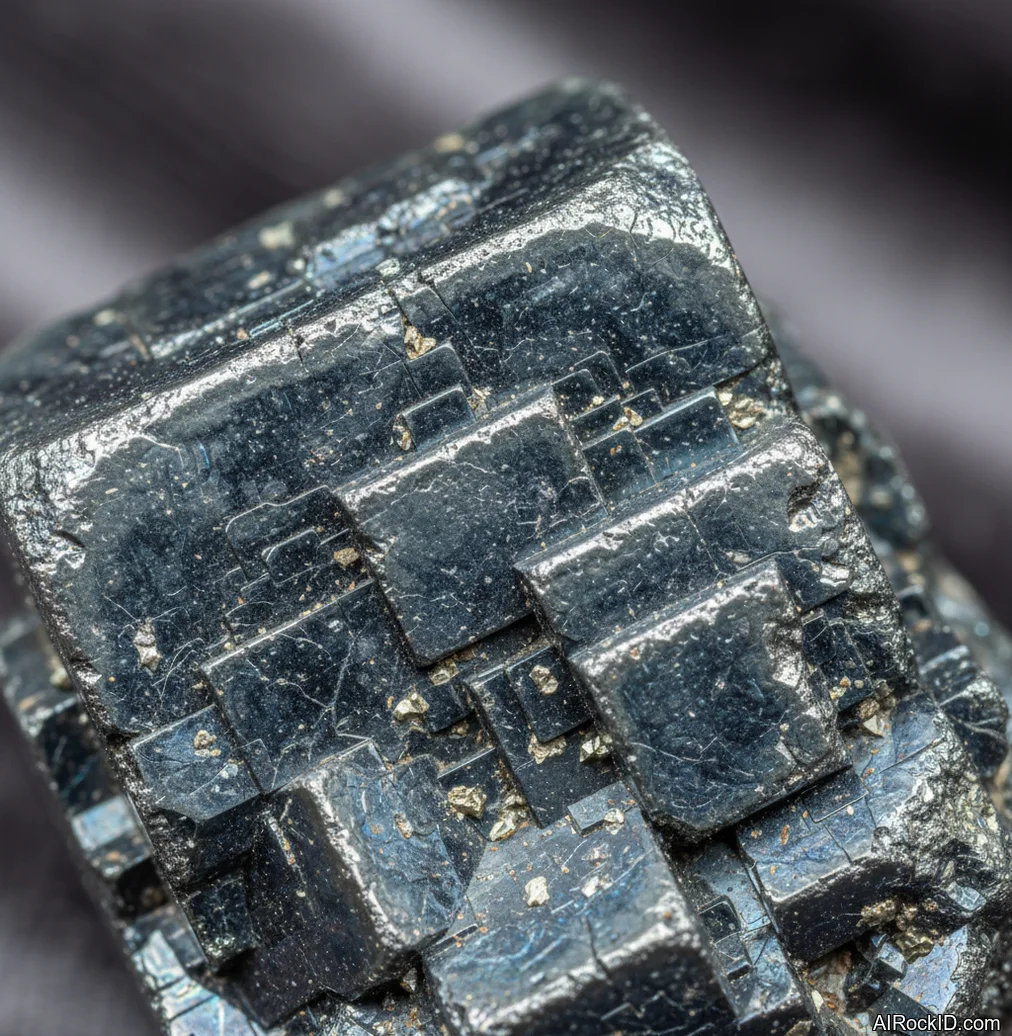
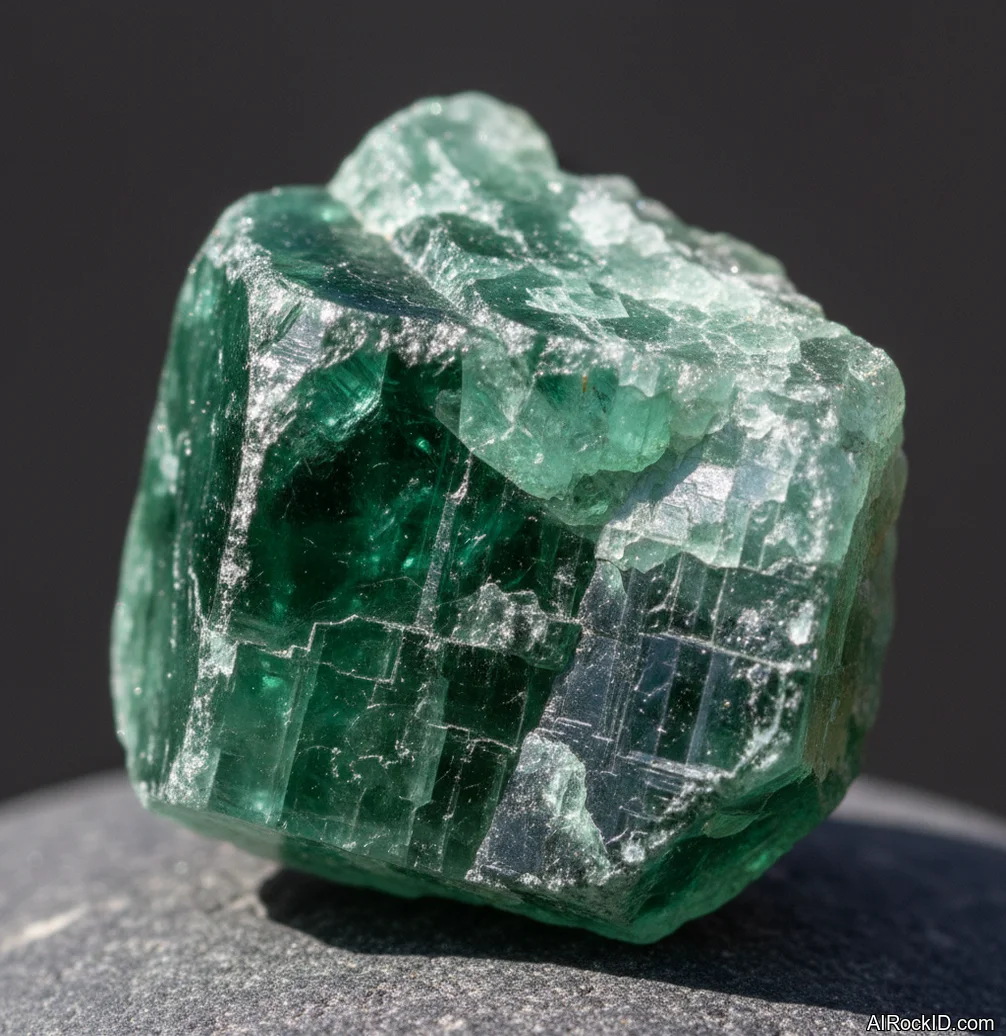
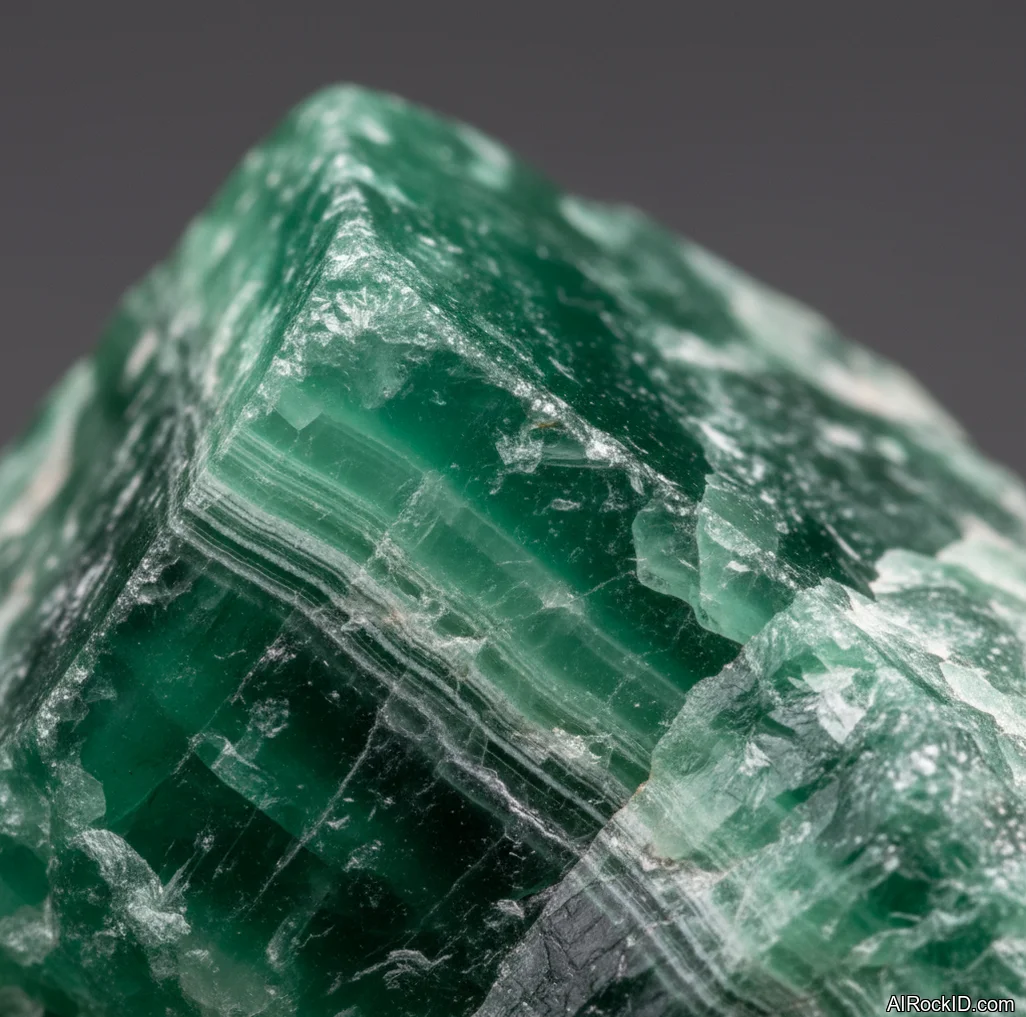
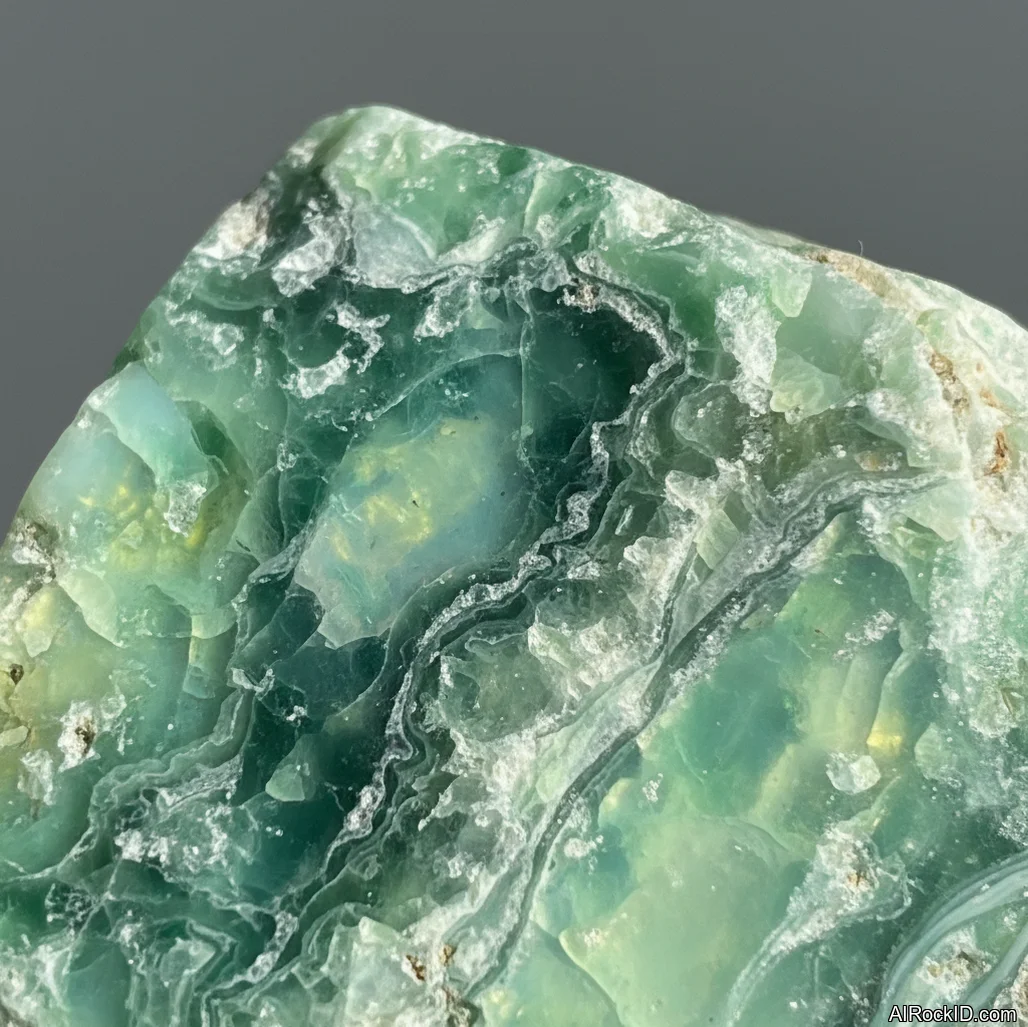
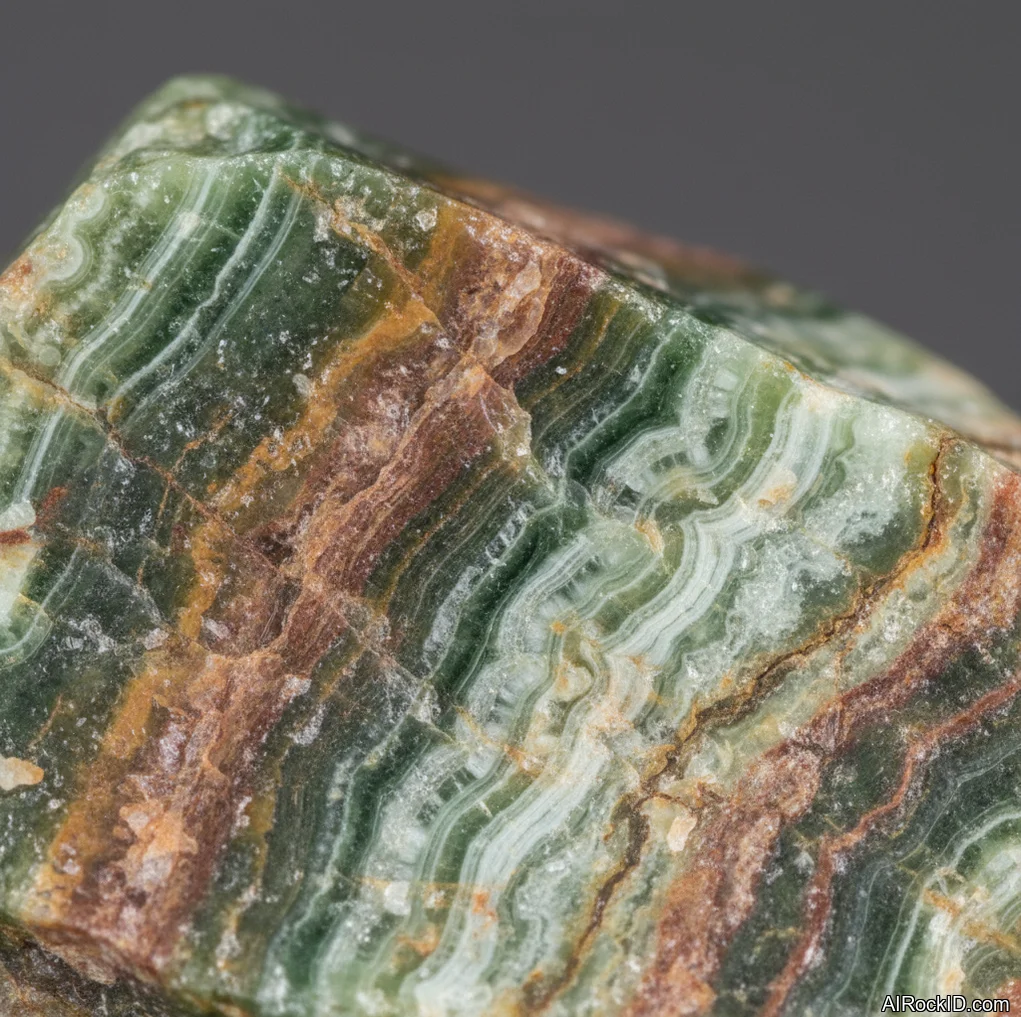
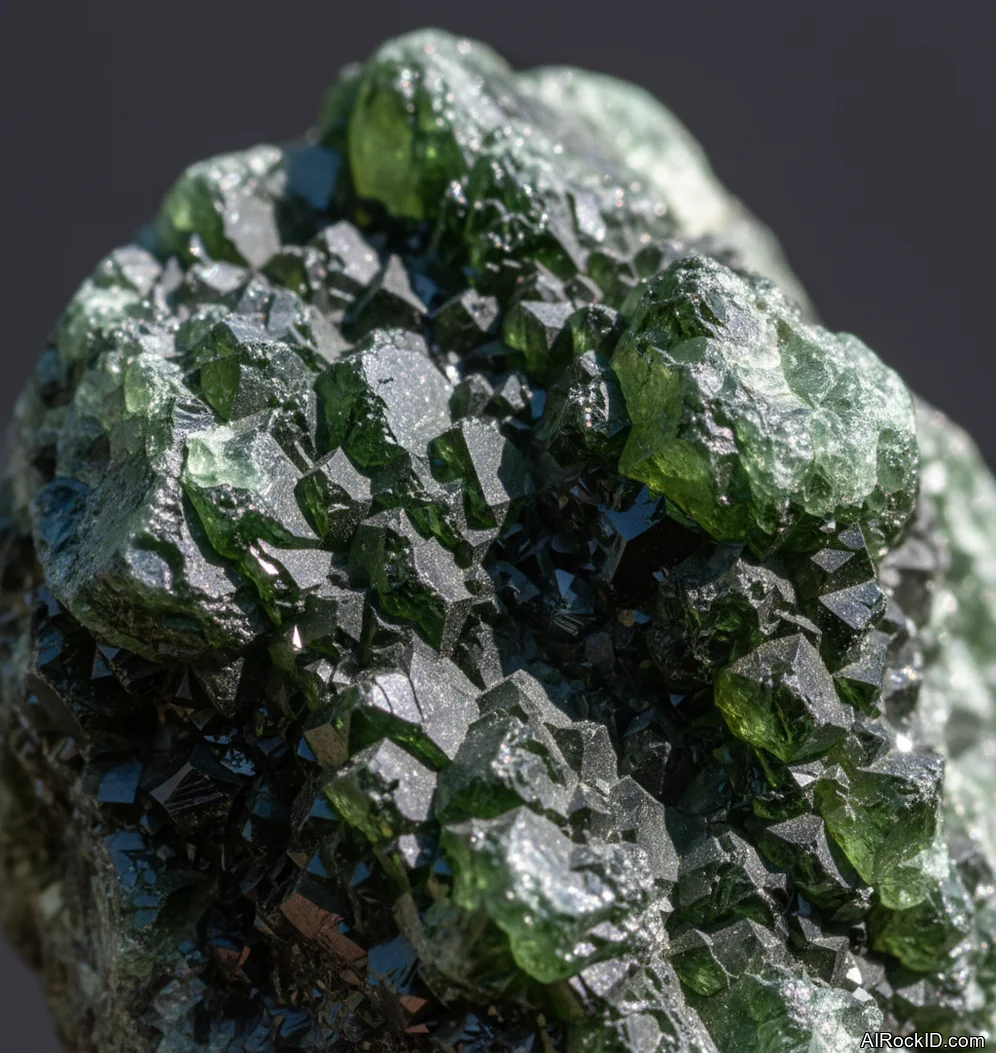
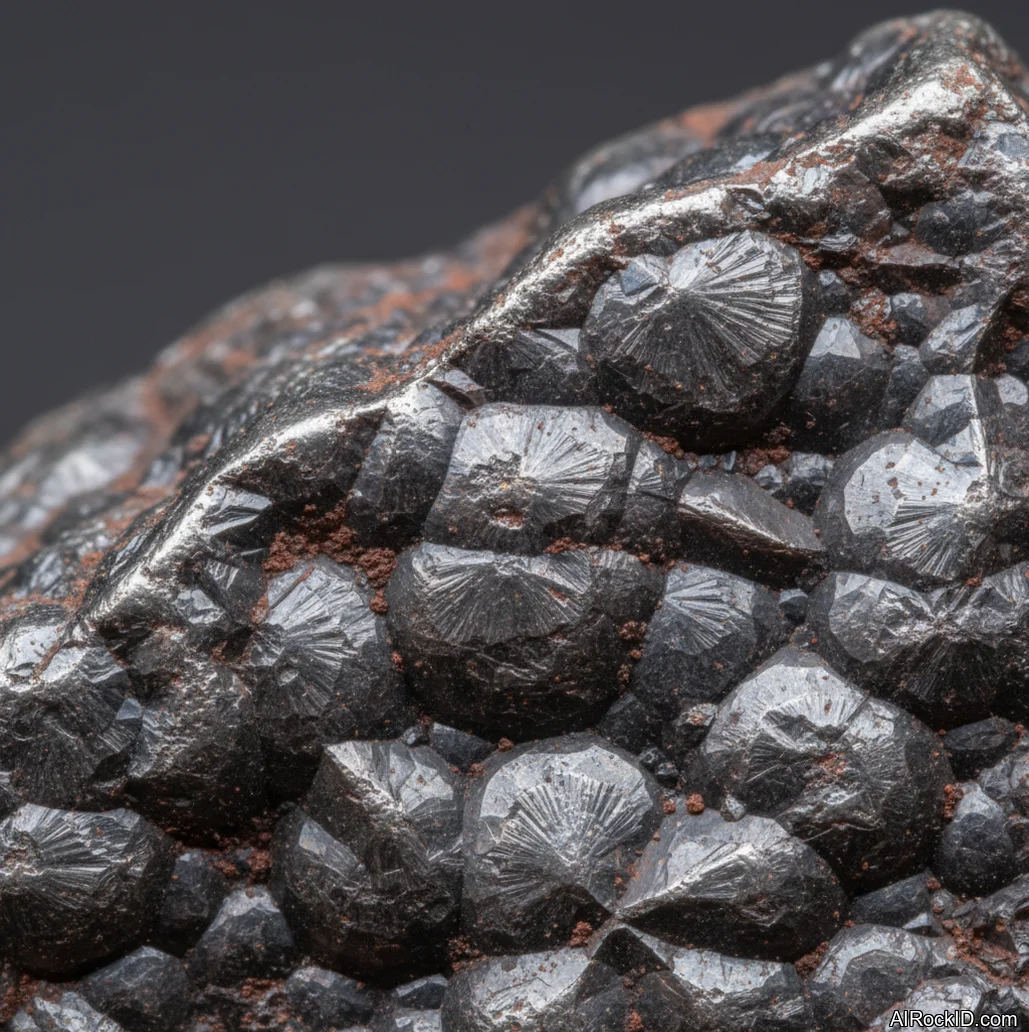
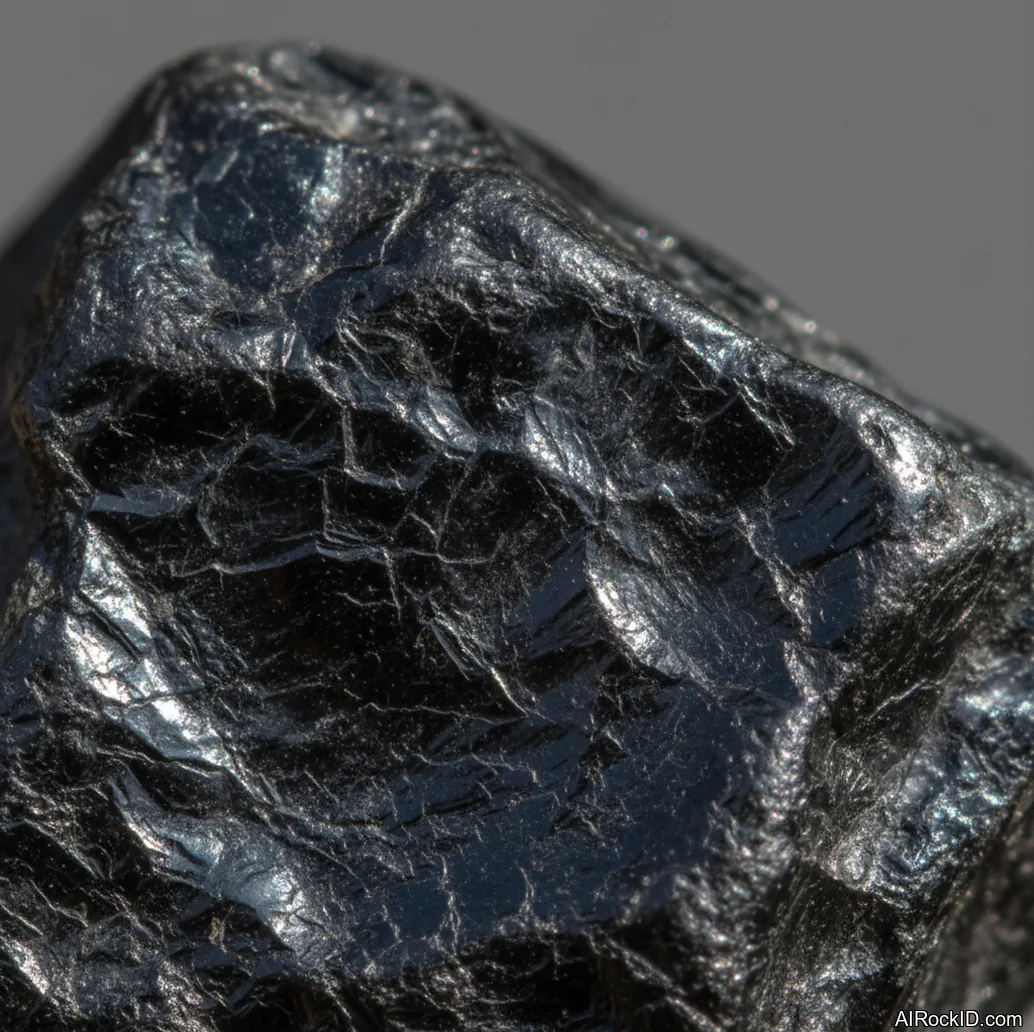
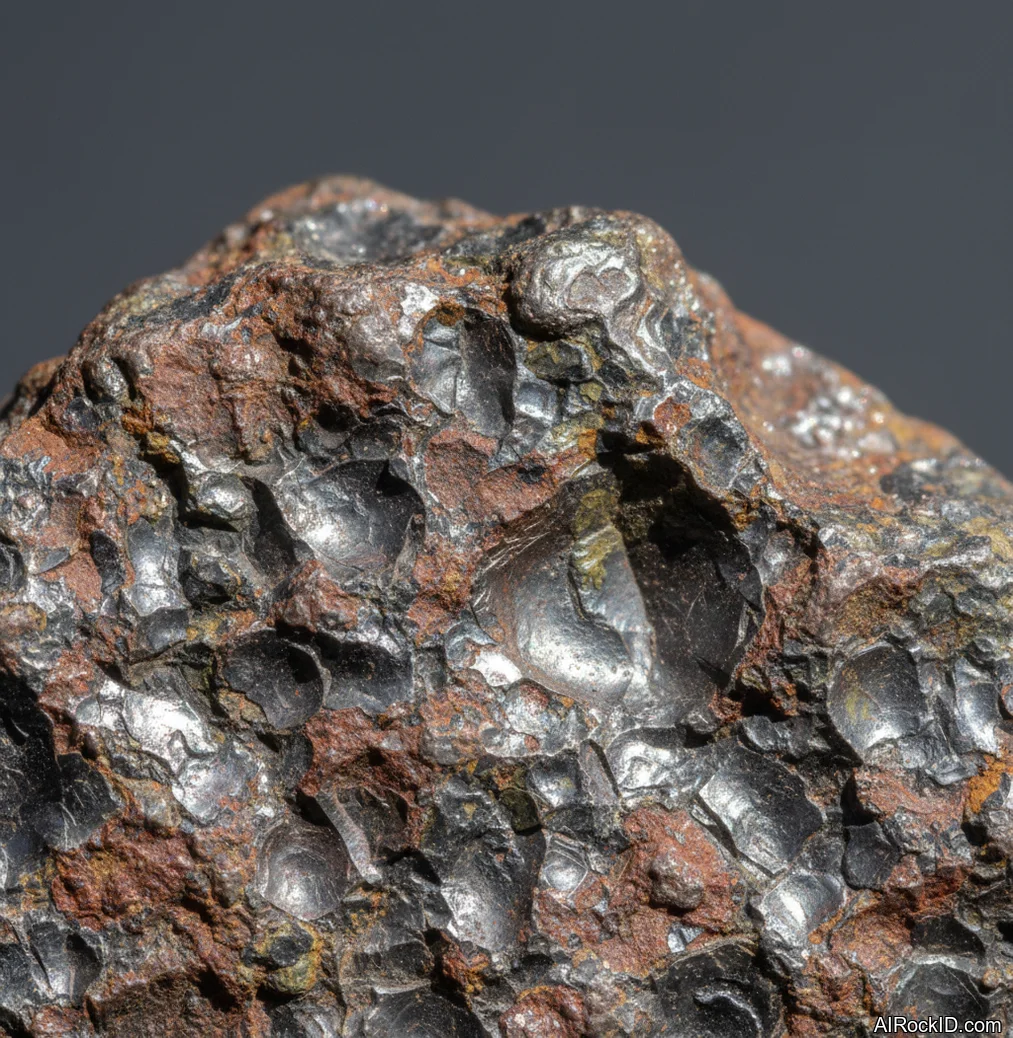
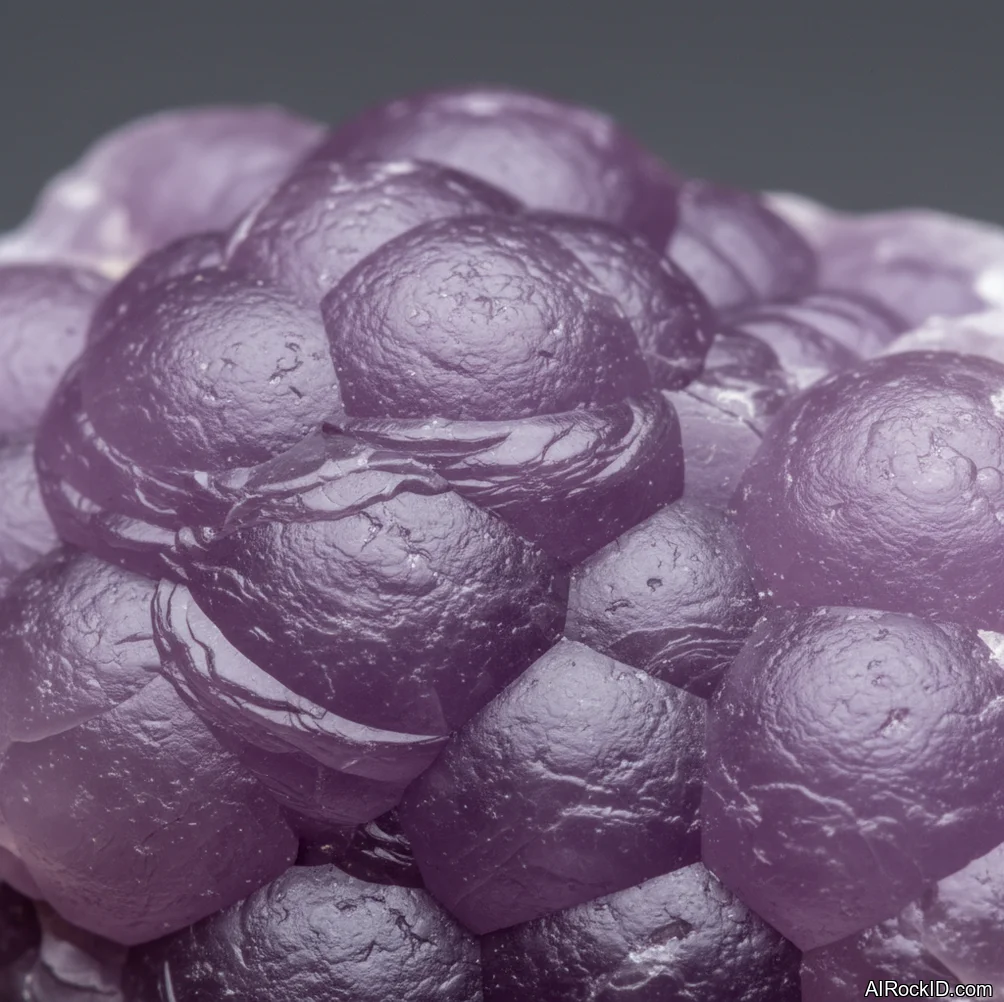
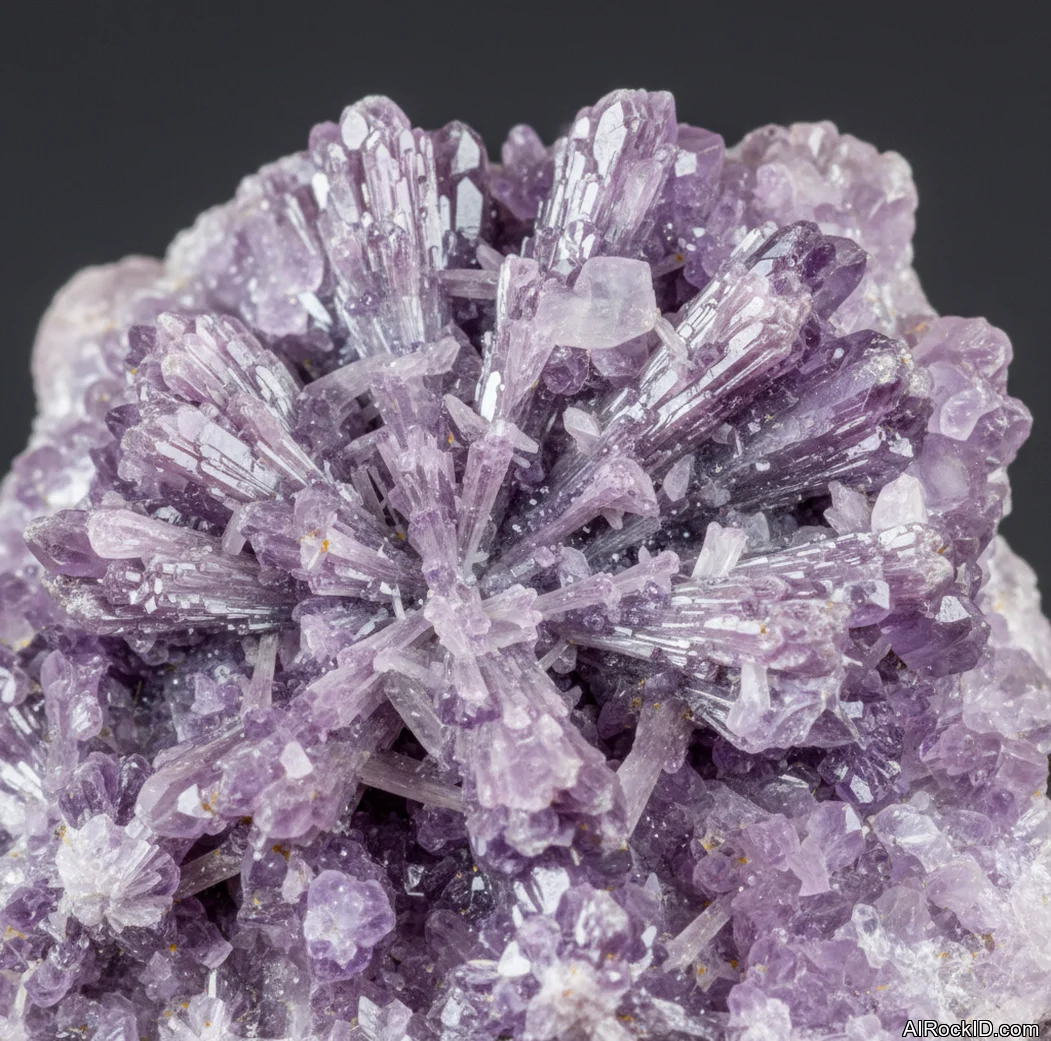
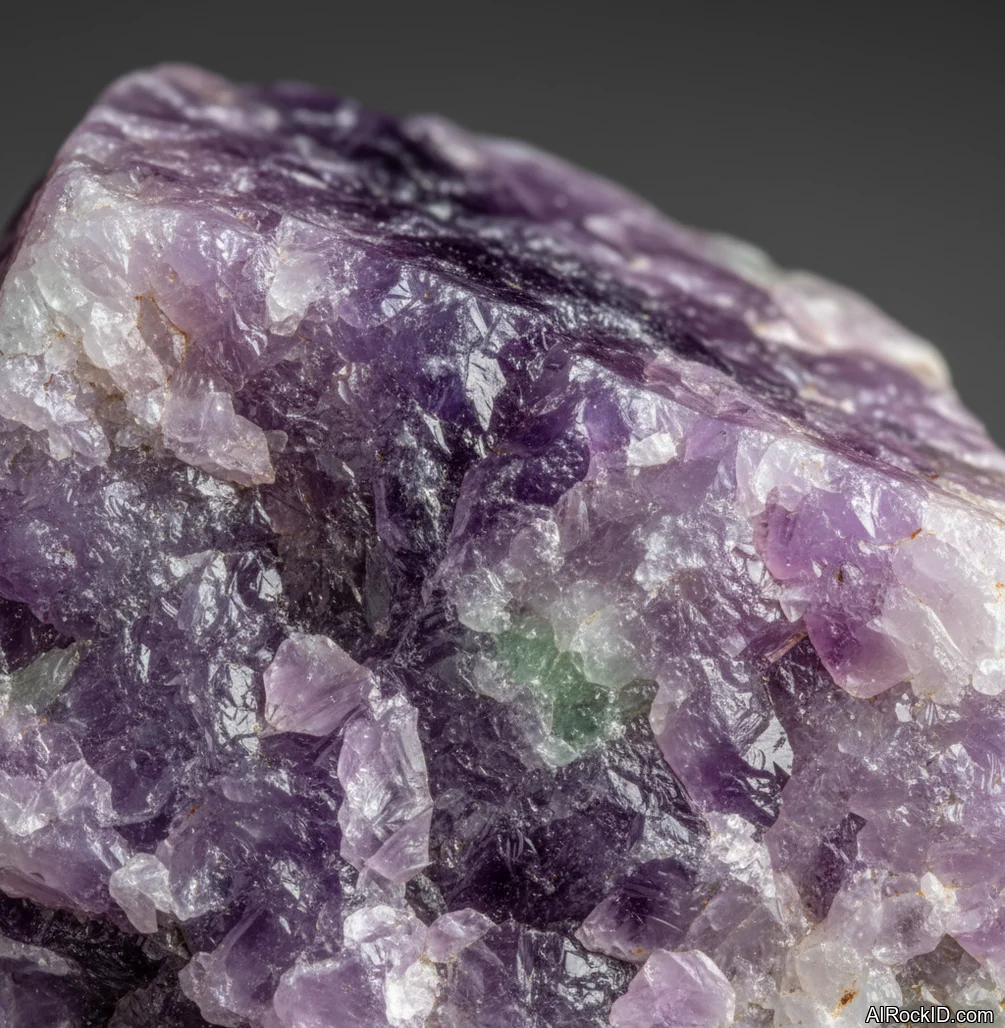
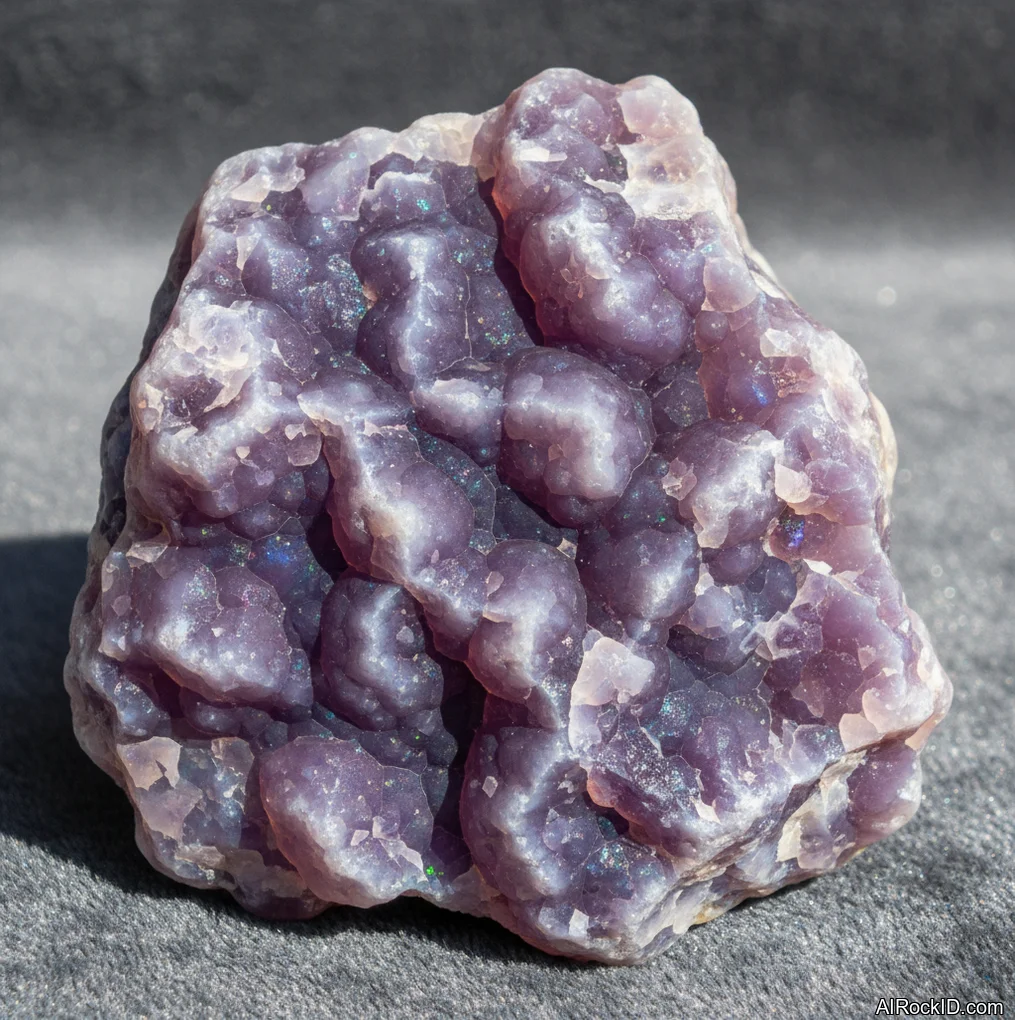
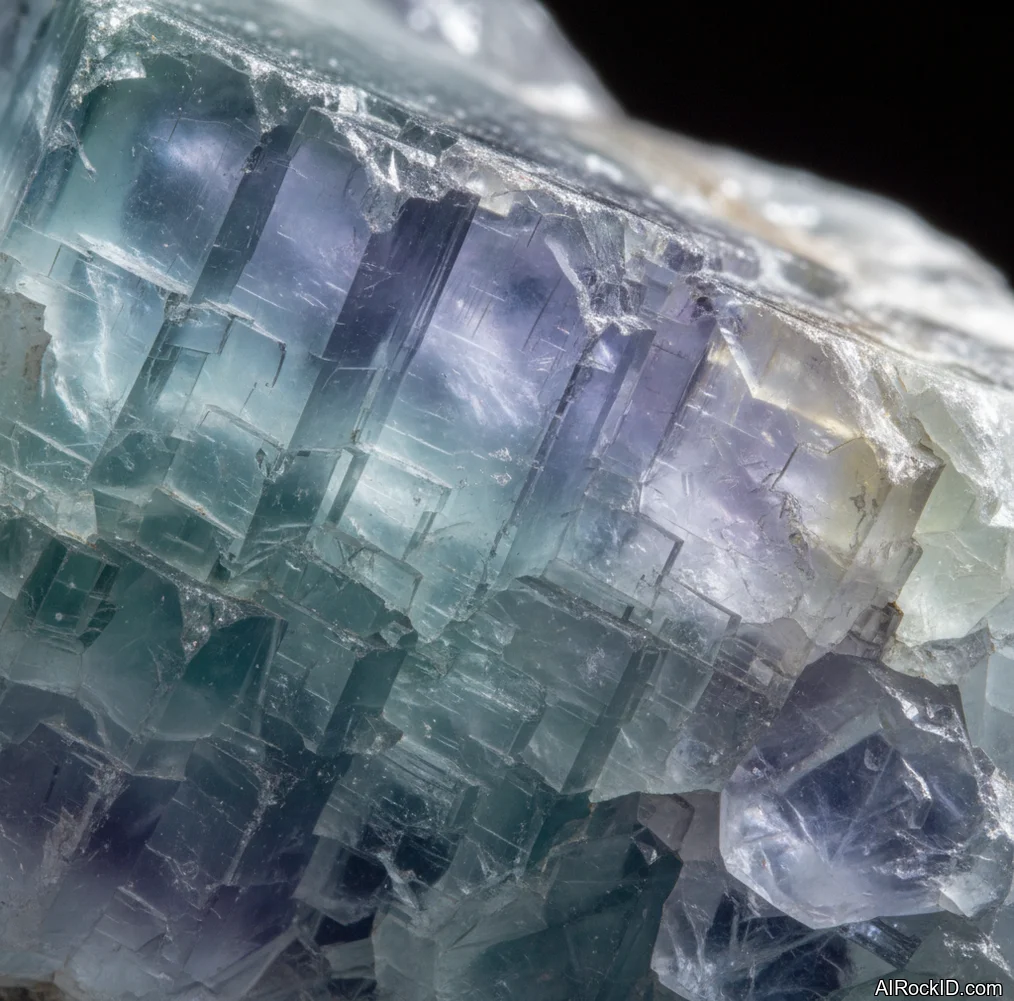
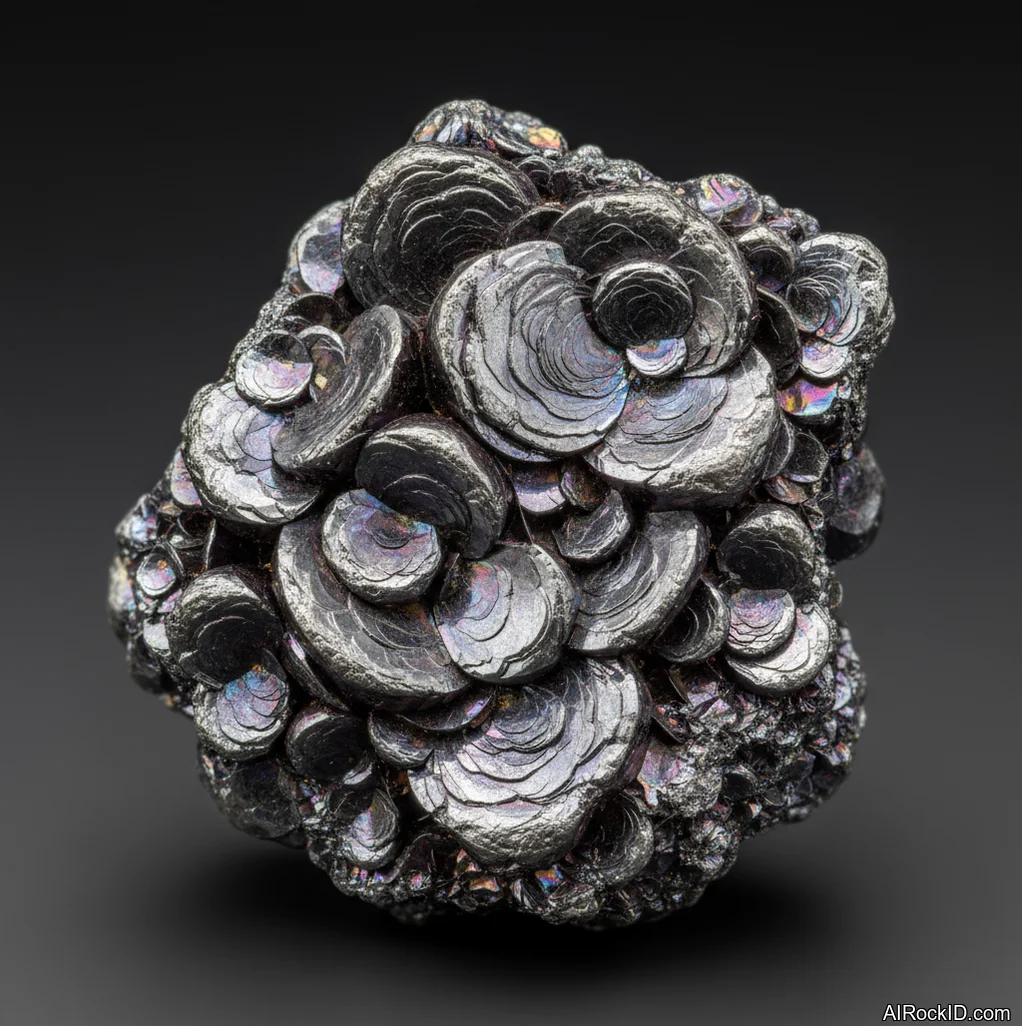
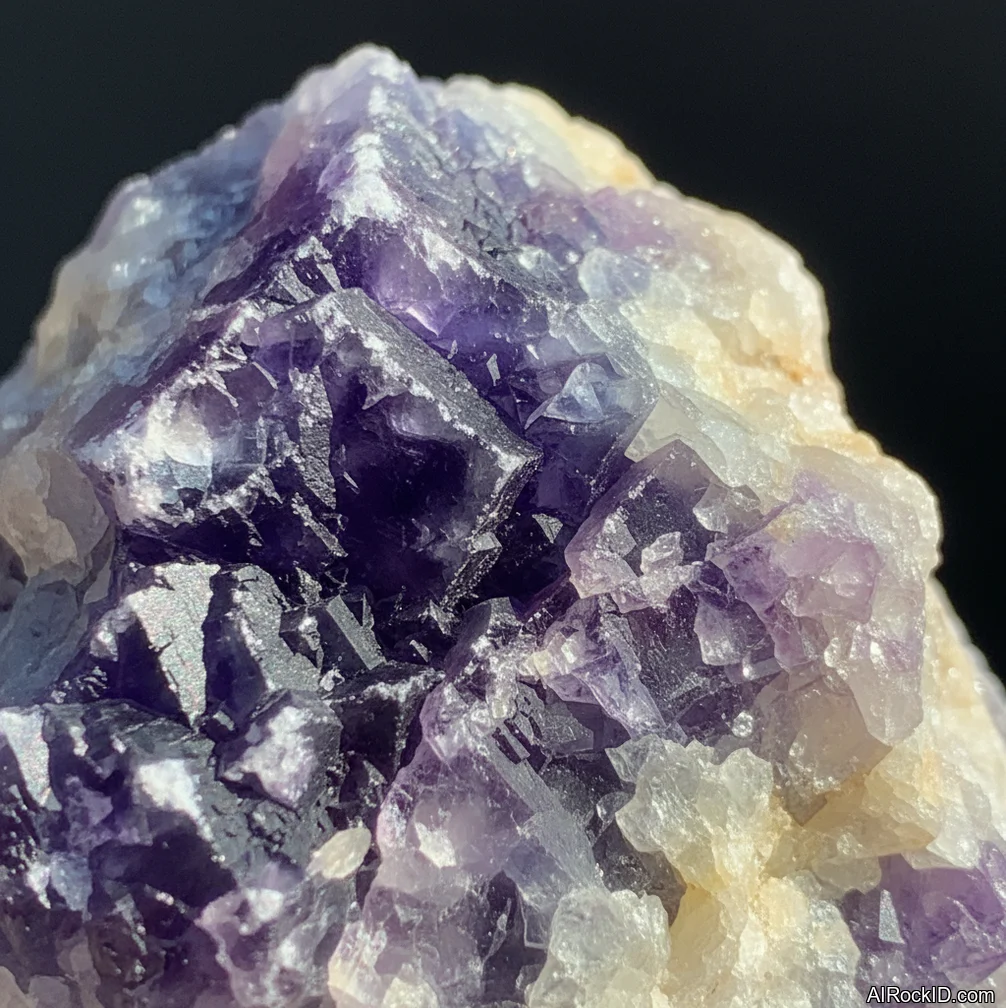
Ask any mineral collector what makes a crystal good for focus and they'll talk more about how it feels than what it looks like online. Fluorite is the classic example: crisp cube edges, cool in the hand, and banded colors that look almost painted on if you get a raw piece under a lamp. The zones seem to stack logic right in your palm. Most people I know reach for fluorite during study sessions or when writing because the structure and weight help cut through mental static. It isn't about some mystical high-vibe effect. It's the feeling of holding order in your hand when your brain wants to jump to the next notification. Hematite goes the other way, physically. You notice the density first—it's almost uncomfortably heavy for its size. The gunmetal shine, if polished, throws a sharp flash, but even rough pieces pull your attention back into your body. The truth is, collectors don't always agree on which stones "work" for focus, but the ones that stick around on desks and nightstands tend to have a heft or a visual order that keeps you anchored in the moment.
Top Focus Crystals and How They Feel in Hand
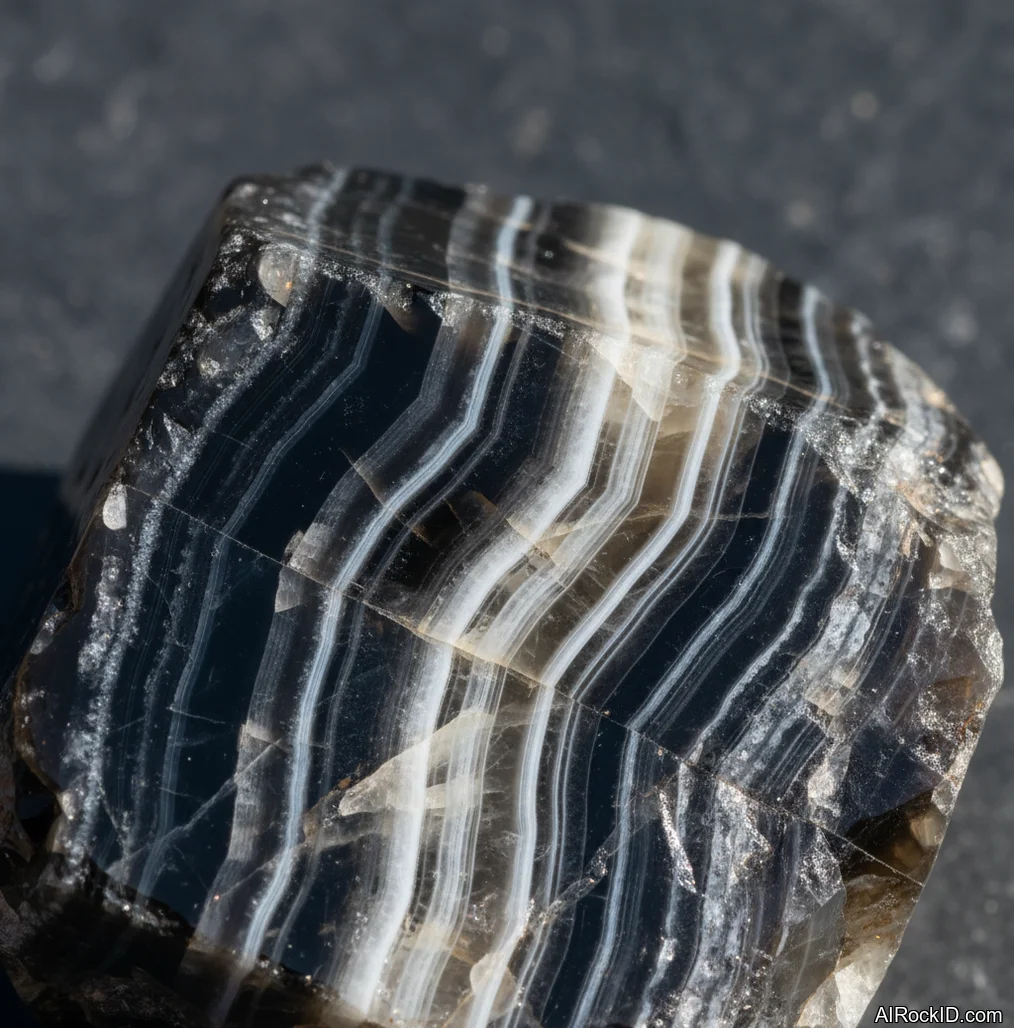
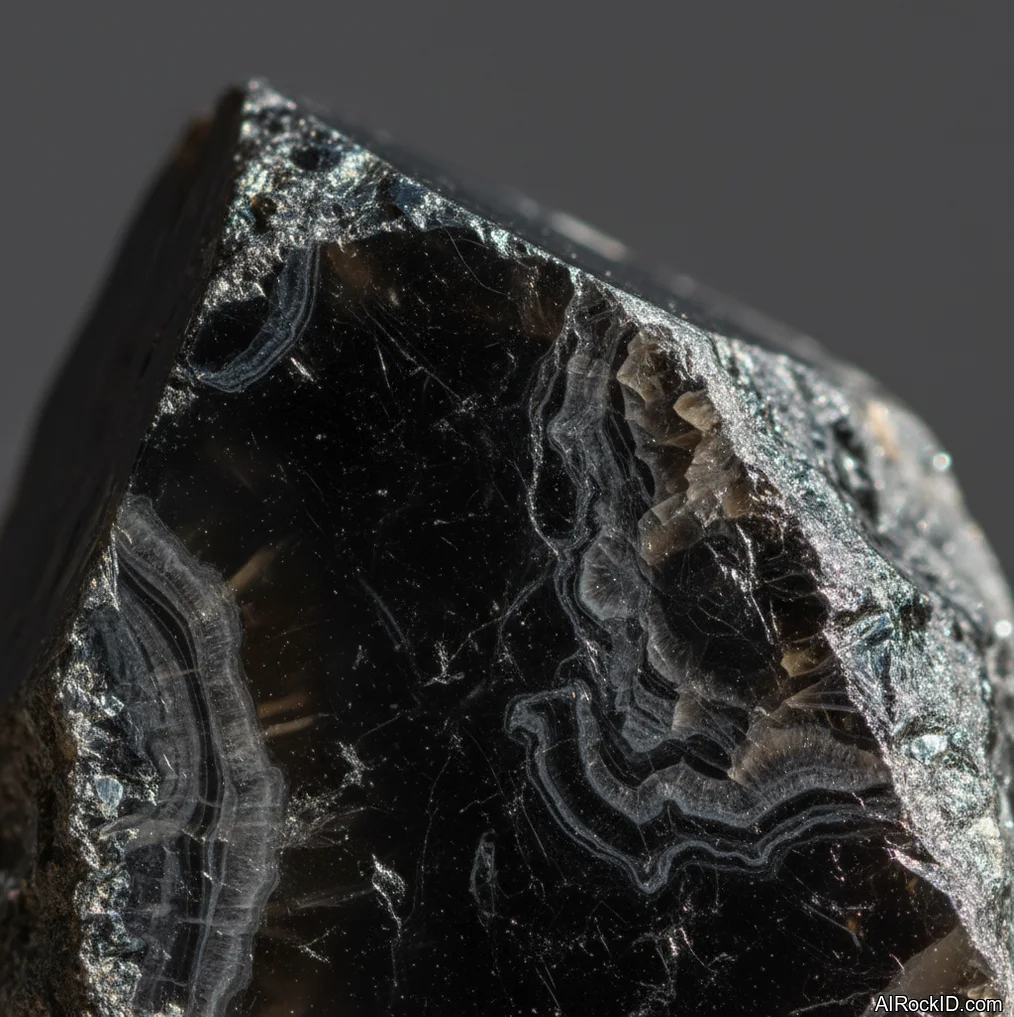
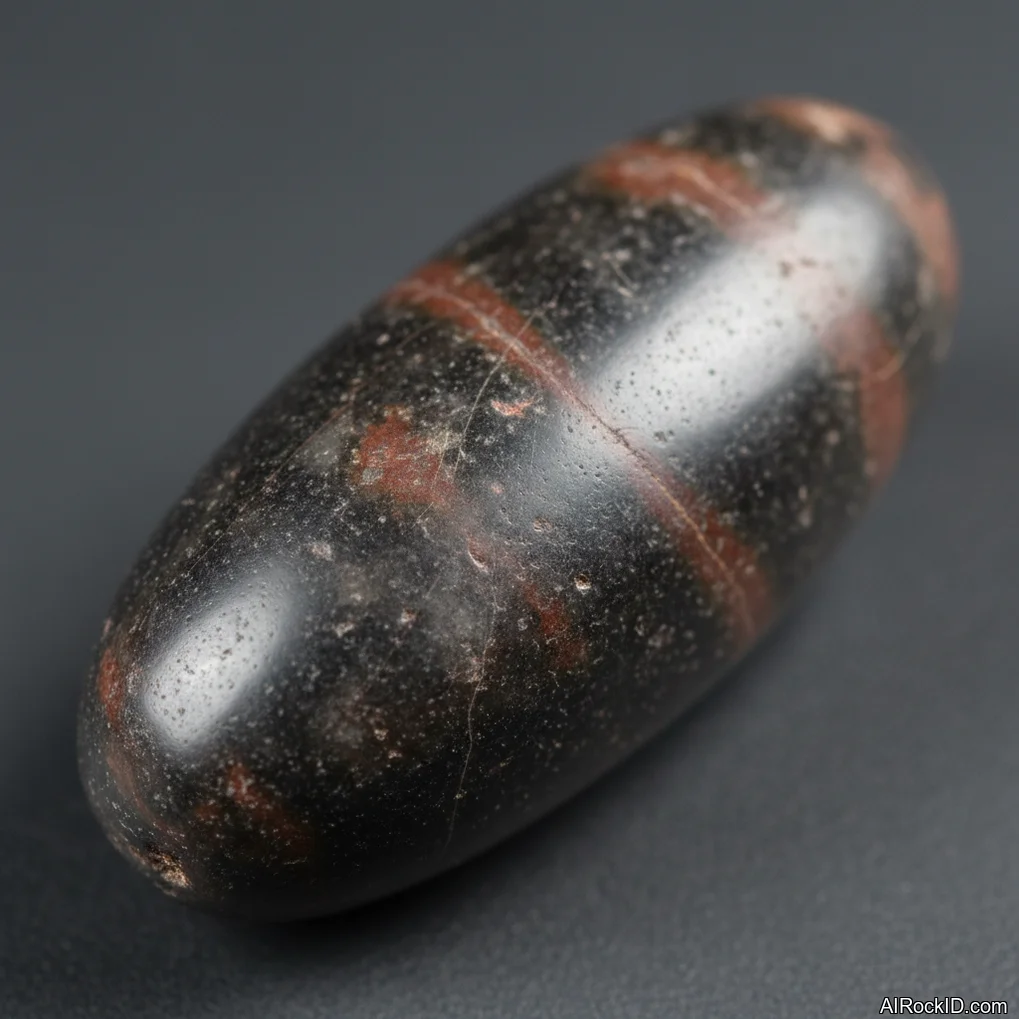
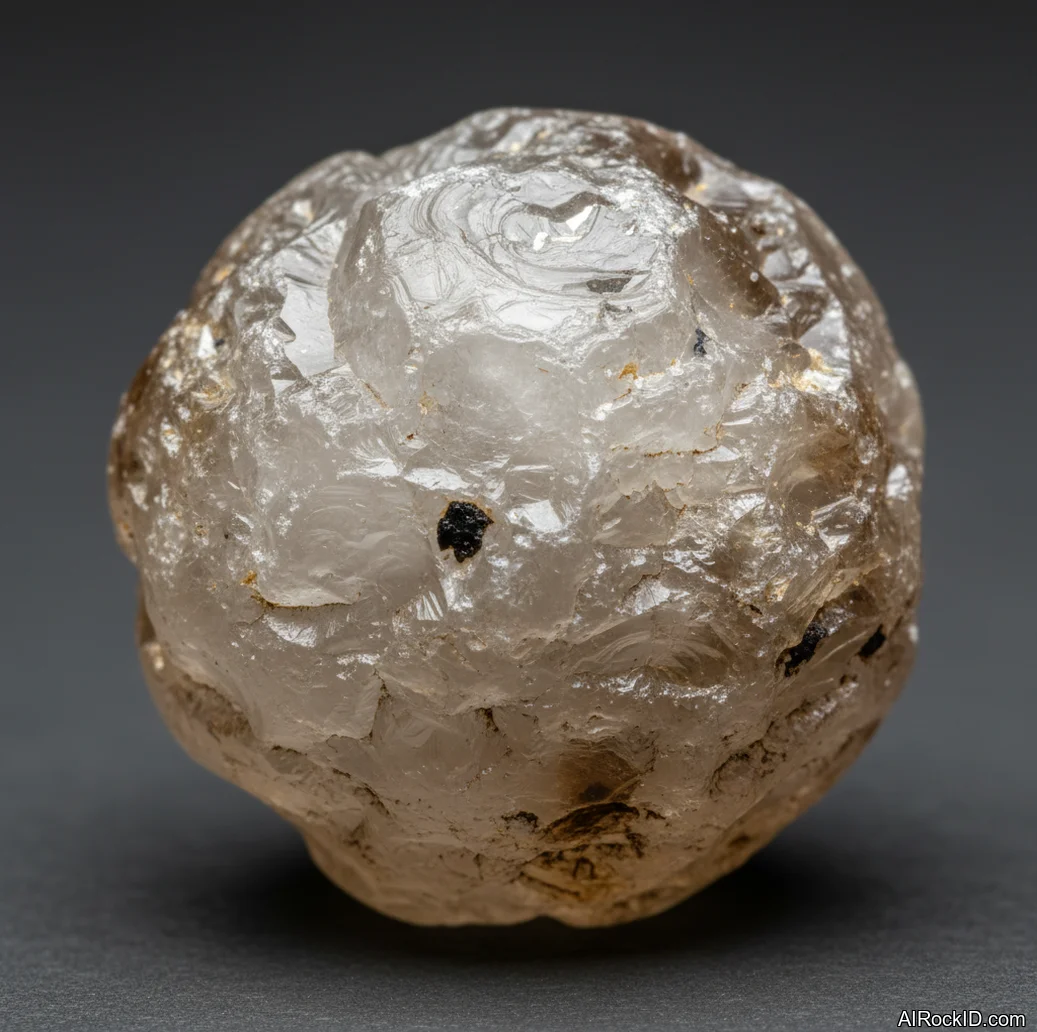
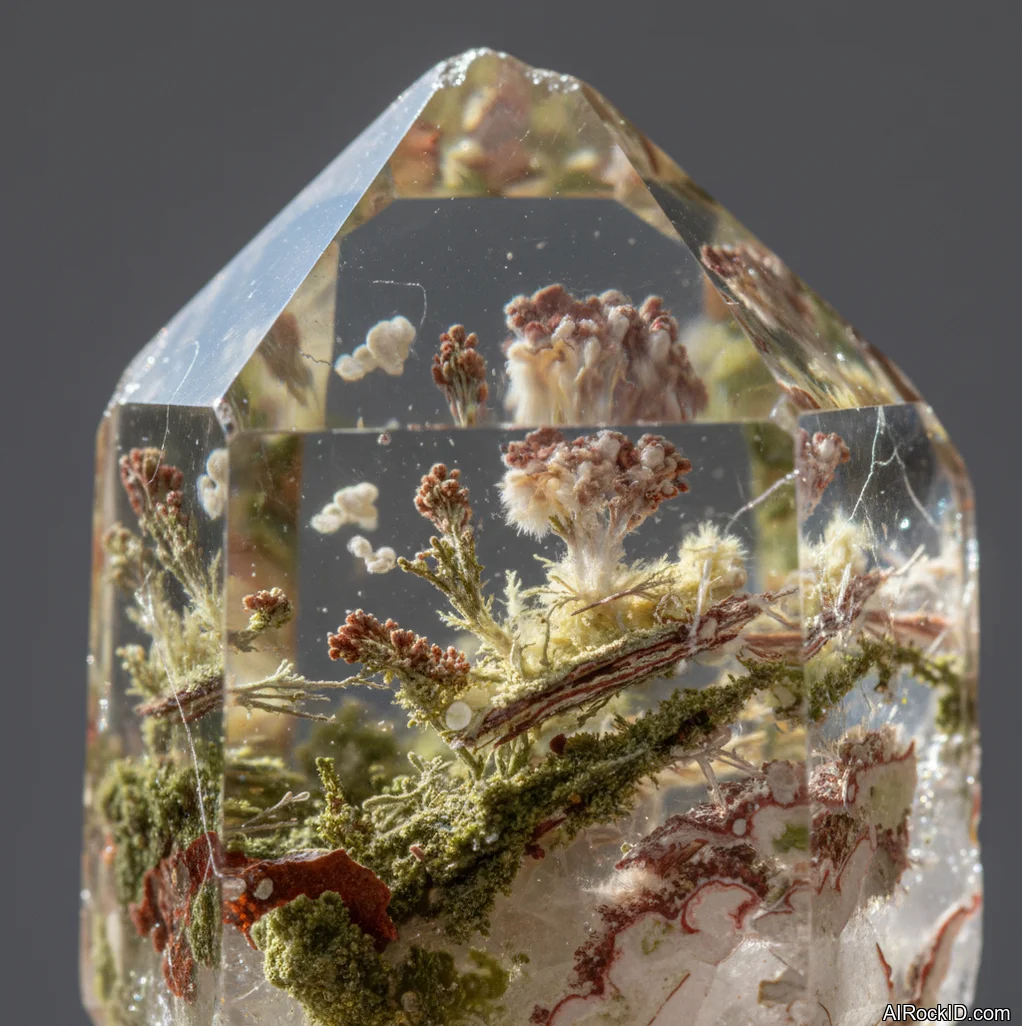
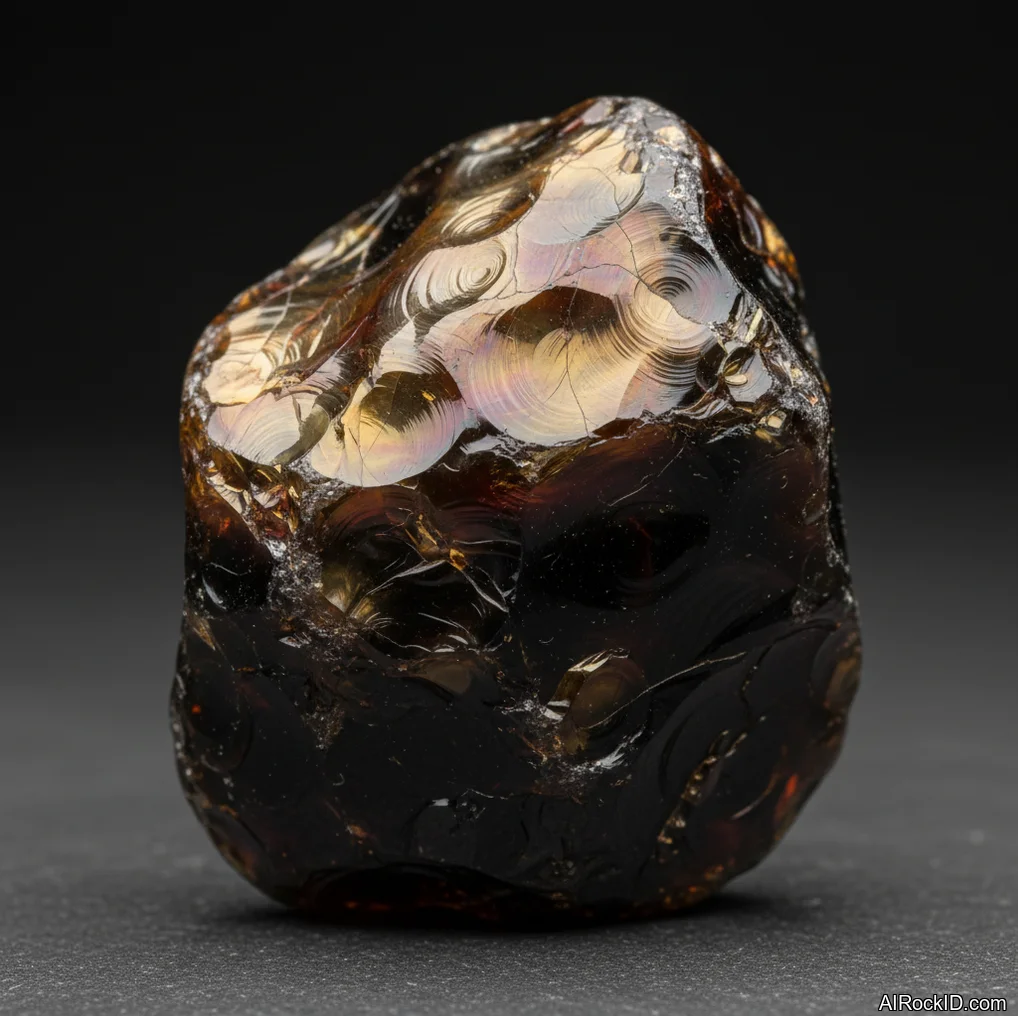
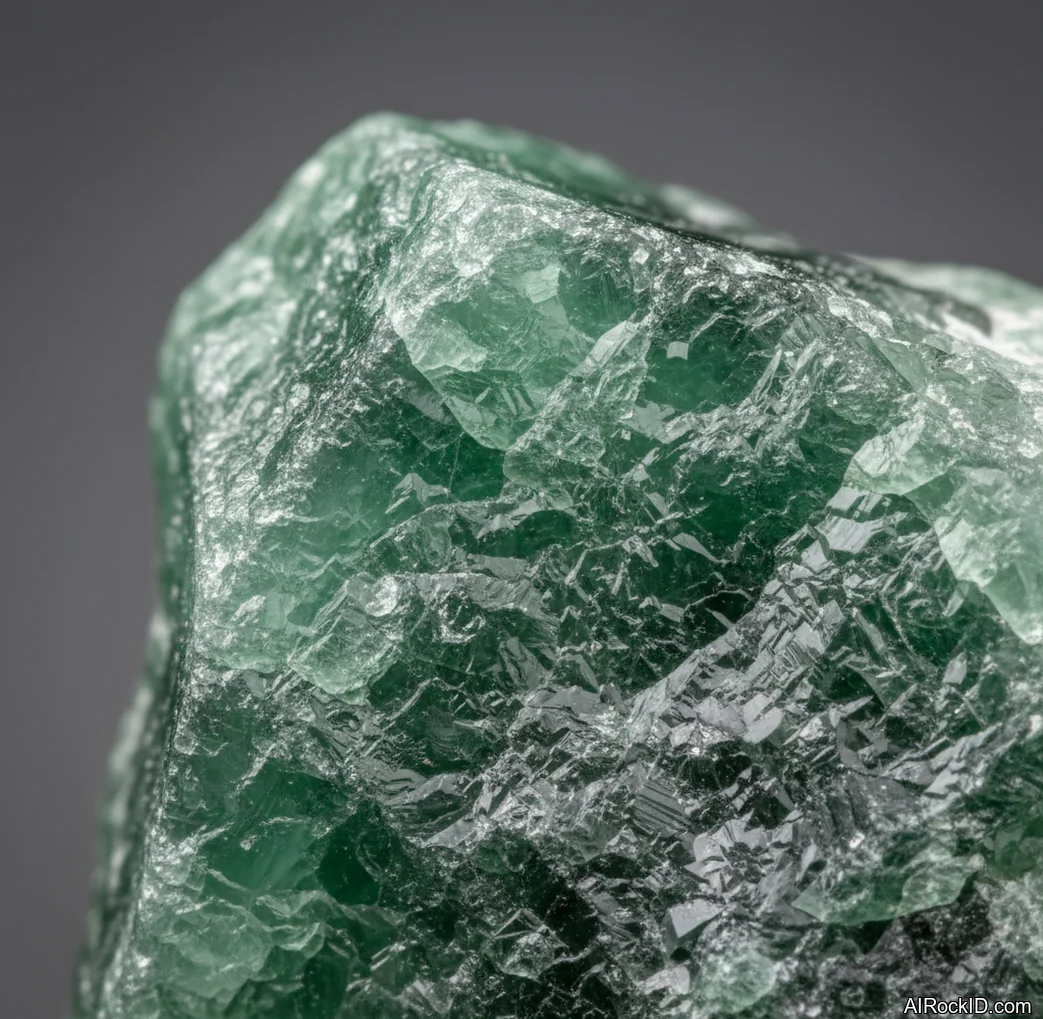
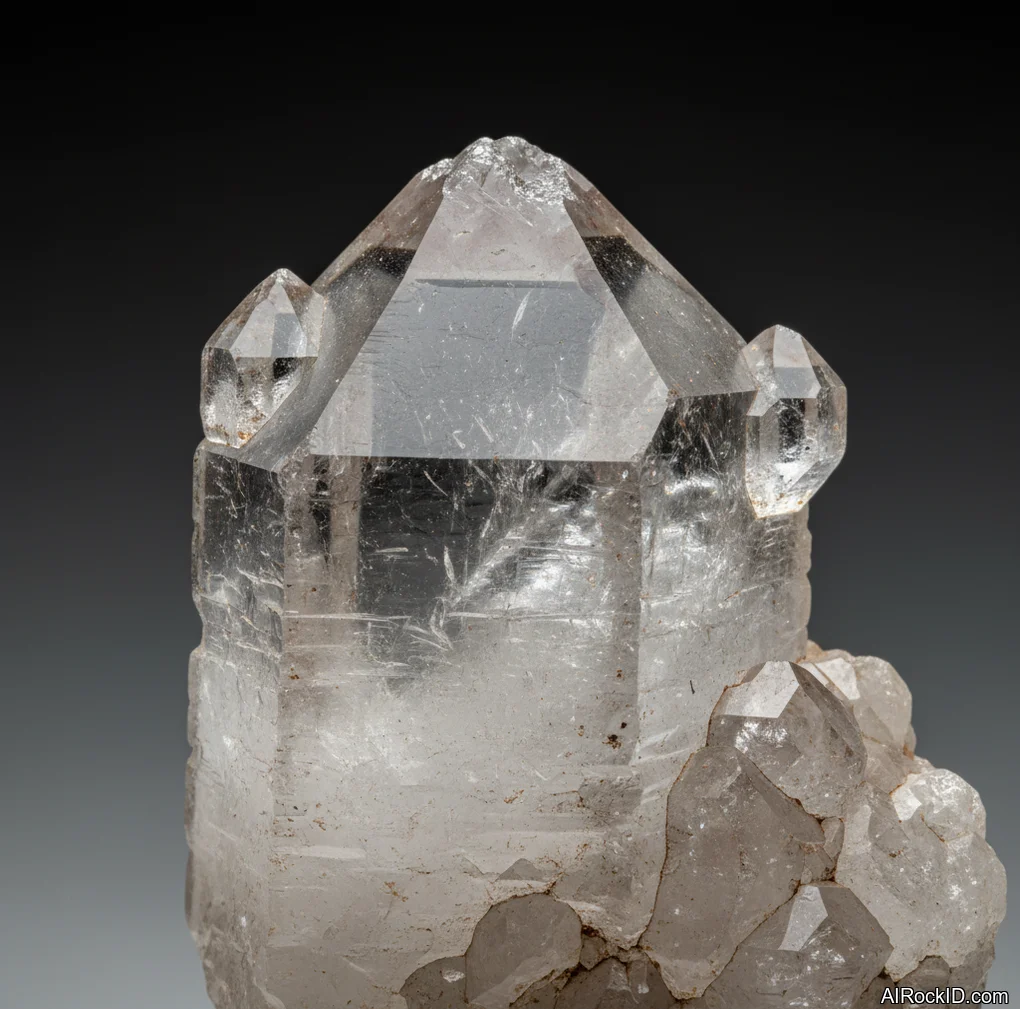
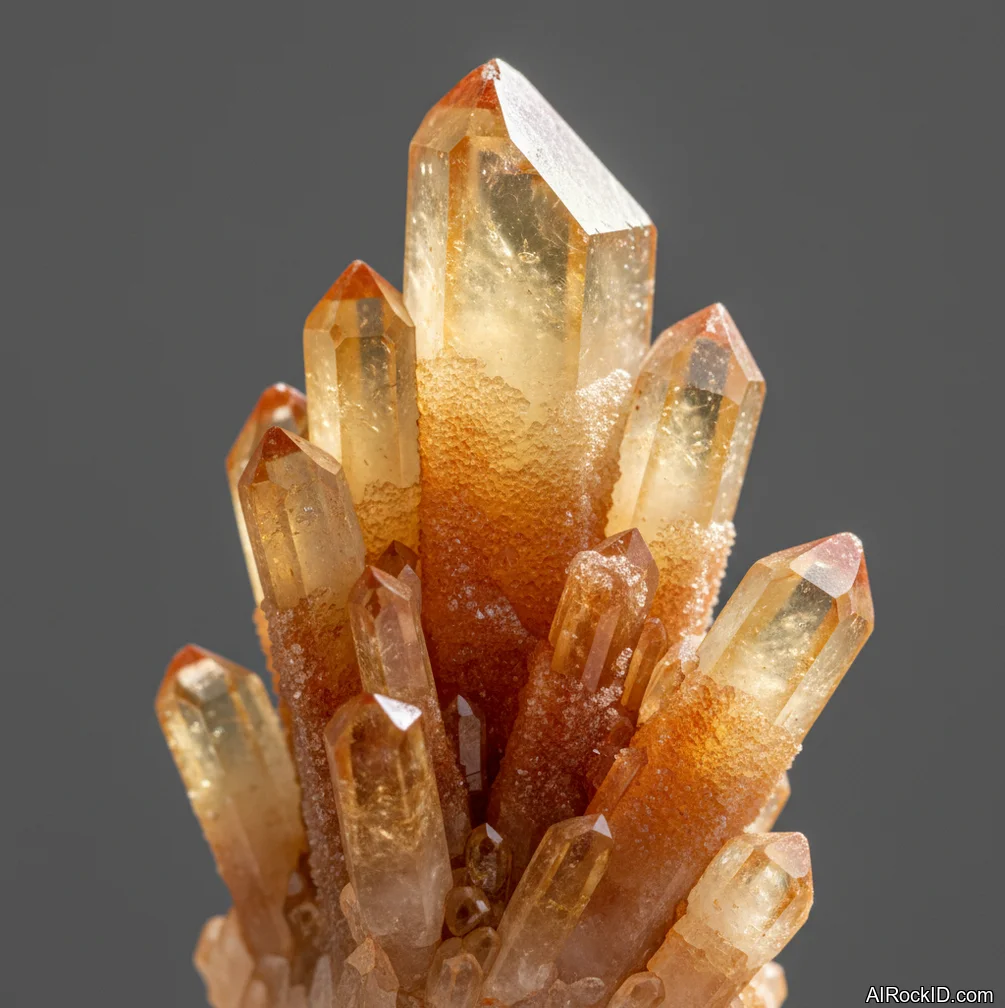
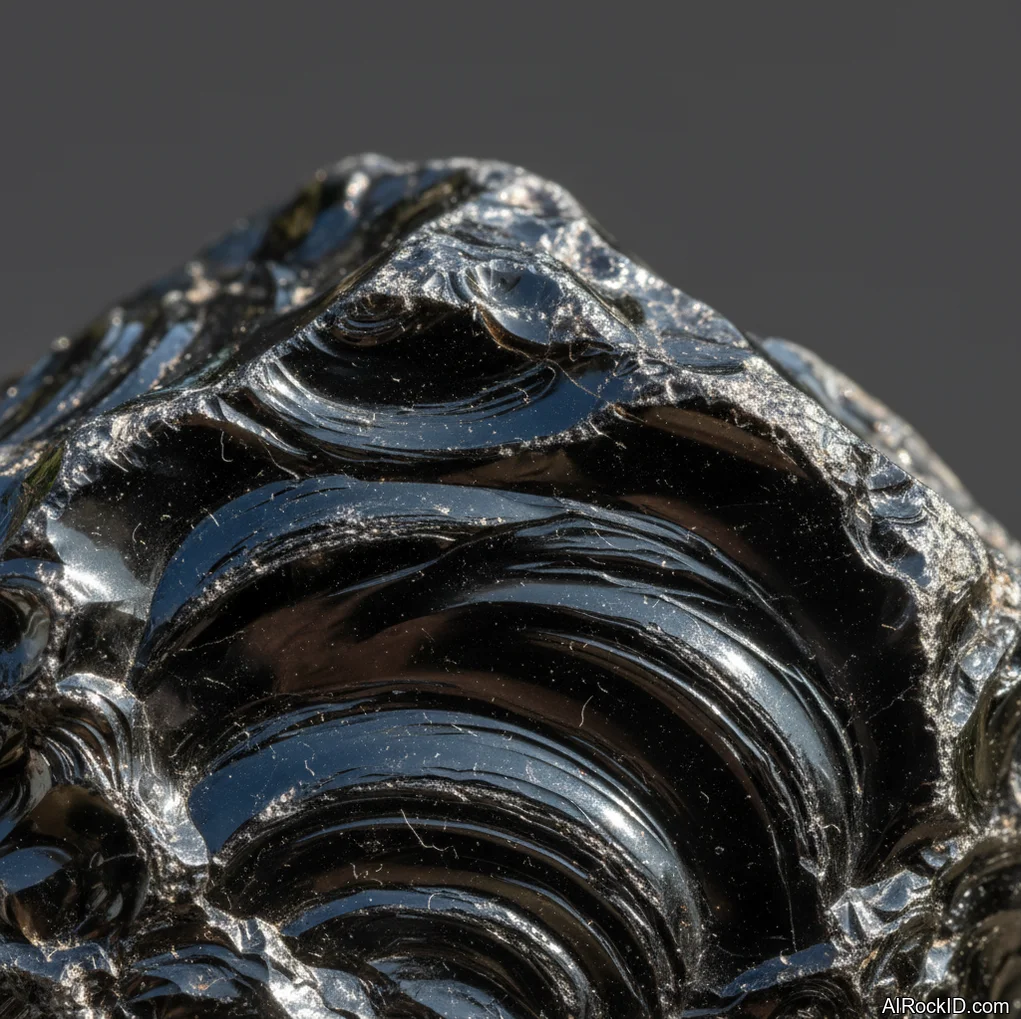
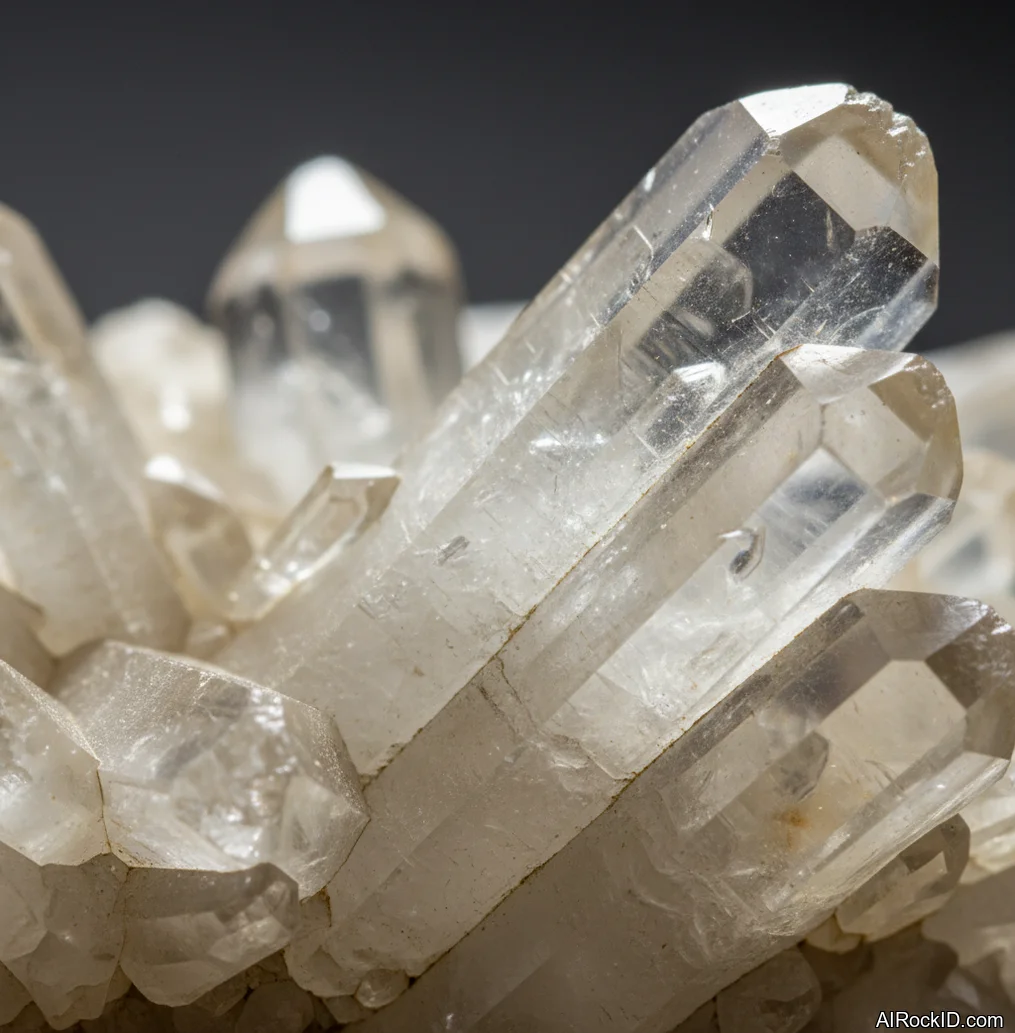
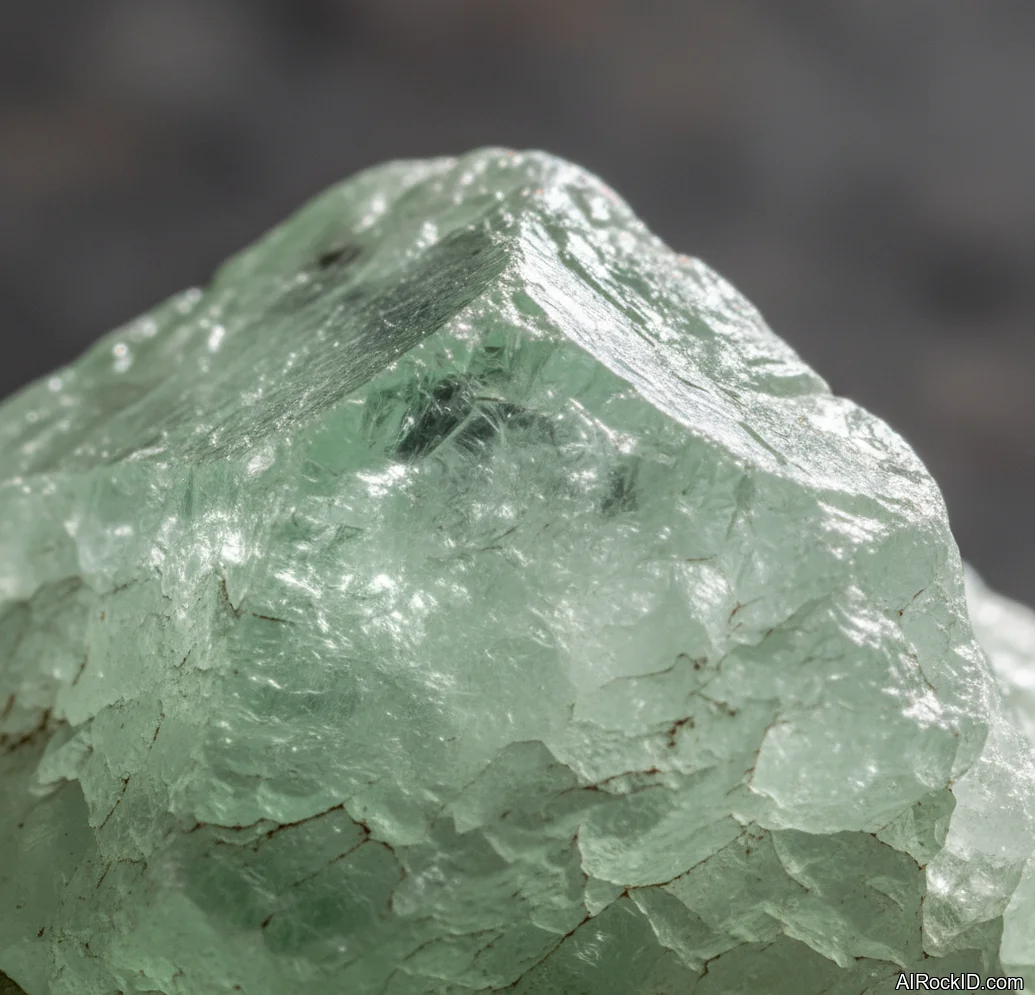
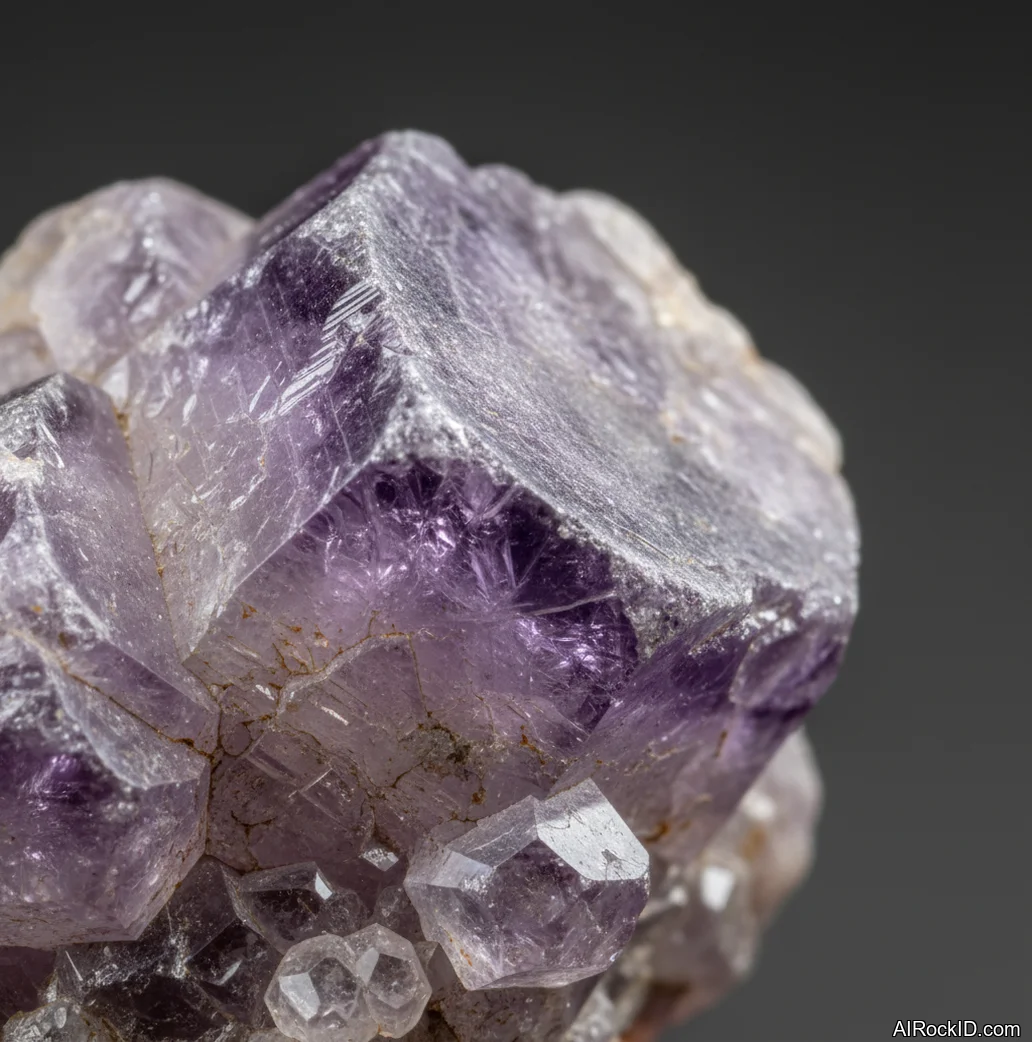
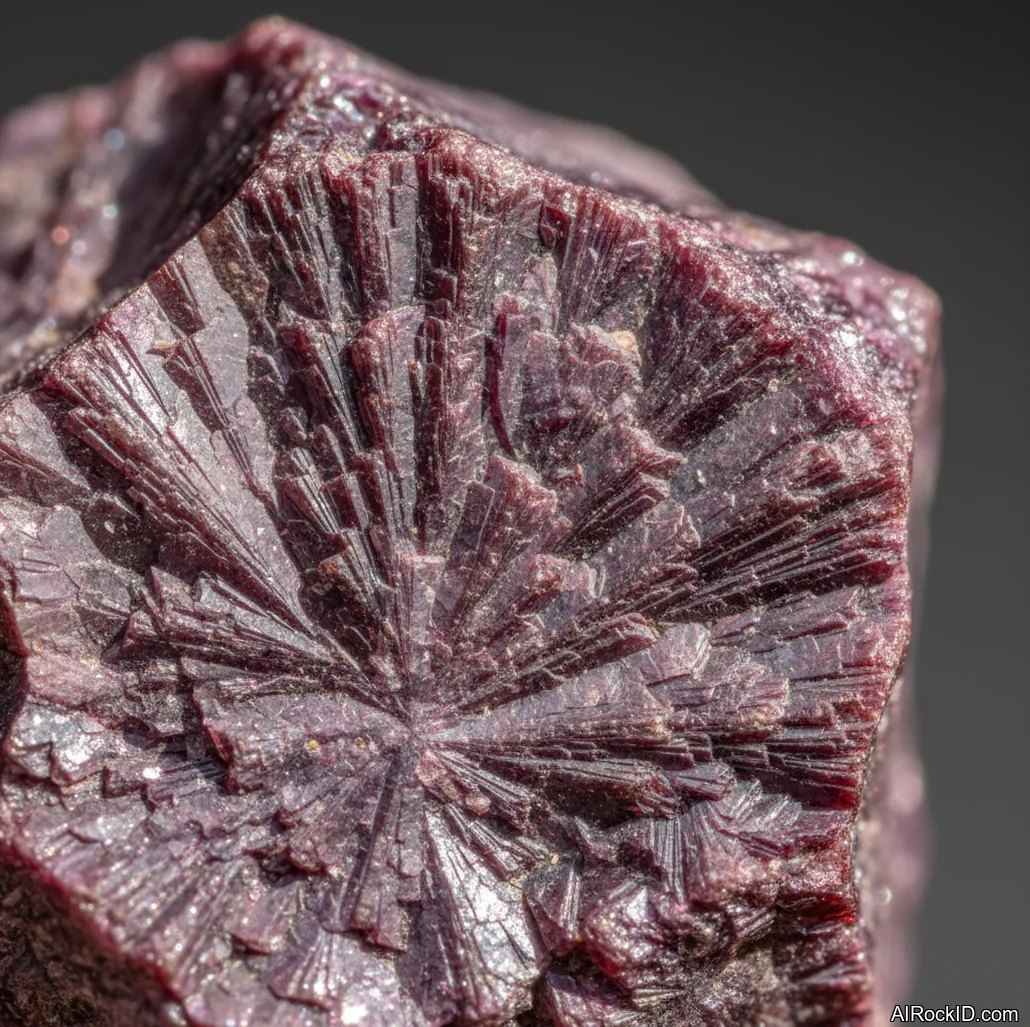
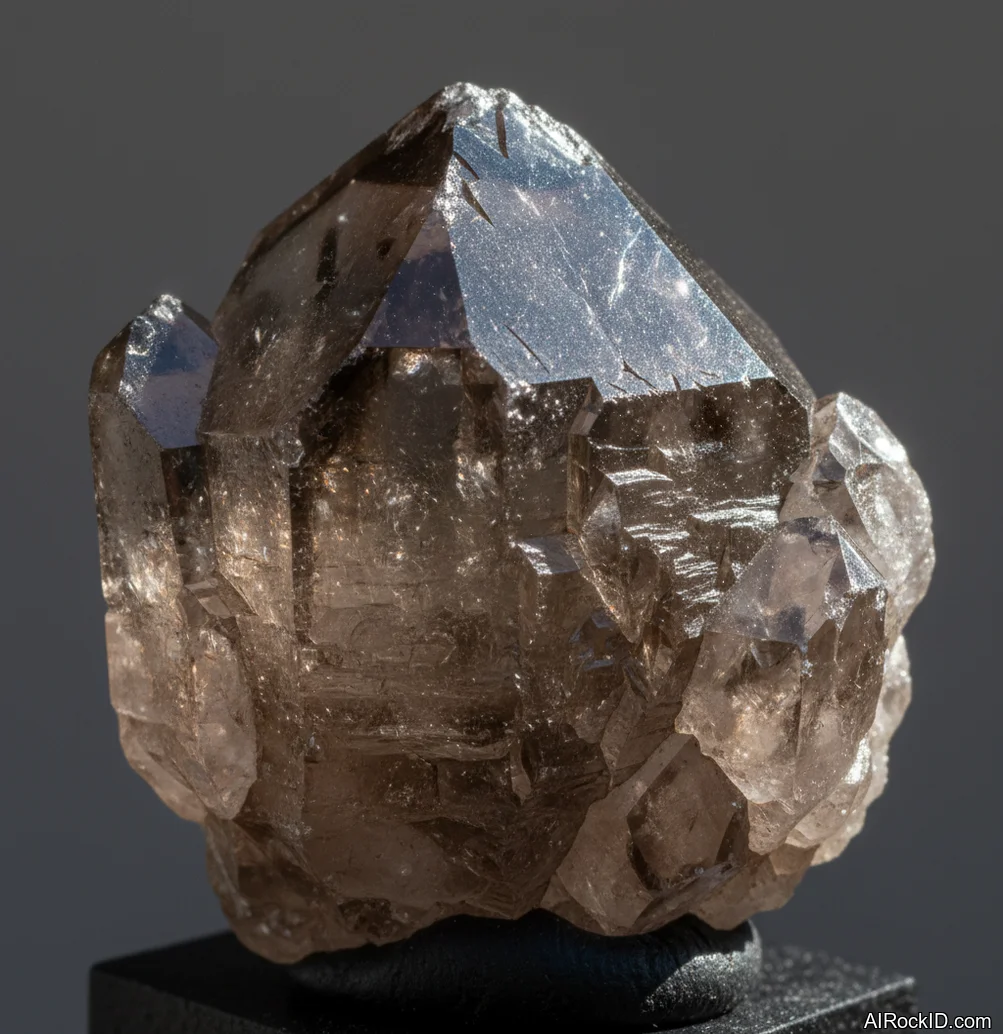
Fluorite, smoky quartz, hematite, and clear quartz come up again and again for focus. Pick up fluorite and you get a glassy, slick texture—raw cubes can feel almost sticky if they're not over-polished. Turn it in the light and you’ll see crisp geometric lines separating purple from green, sometimes fading into clear. That zoning isn't just pretty; people find it helps visually "stack" thoughts. Hematite is a totally different story: it’s cold, surprisingly dense, and if you get a palm stone, it settles deep into your hand. Not everyone likes that metallic weight, but it’s hard to ignore, which is the point for folks who fidget. Smoky quartz comes in with a quieter feel. Real smoky is transparent brown or gray, with wispy internal veils that look like smoke caught in glass. Points don't glare under desk lights, so they don't distract the way clear quartz sometimes can. Clear quartz itself is sharper-edged, can be icy cold, and if you get a good natural point, you’ll see striations parallel to the length. Each of these crystals gives you a different sensory anchor—visual, tactile, or both.
Choosing and Using Focus Crystals for Daily Life
Most people looking for a focus stone want something they can keep nearby: a desk, a pocket, or next to a bed for late-night brain loops. Raw fluorite cubes from China or Mexico hold up well and have that satisfying heft without being too bulky. I keep a chunk of green fluorite by my monitor—not because I expect magic, but because it's heavy enough I won't pocket it and pretty enough to pull my eyes off the screen for a mental reset. Polished hematite palm stones are another desk favorite, but you have to watch for chipped edges; the natural mineral is brittle, and the shiny coating on cheap pieces will rub off, leaving gray marks if you hold them too long. Smoky quartz points sit well next to keyboards, and they don't reflect harsh overhead light, which matters if you're easily distracted by glare. Some folks like to meditate with a stone in hand, others just use it as a fidget anchor. What matters is real, physical interaction—not just having a pretty stone sitting out of reach.
Common Pitfalls and How to Spot Fake or Treated Focus Crystals
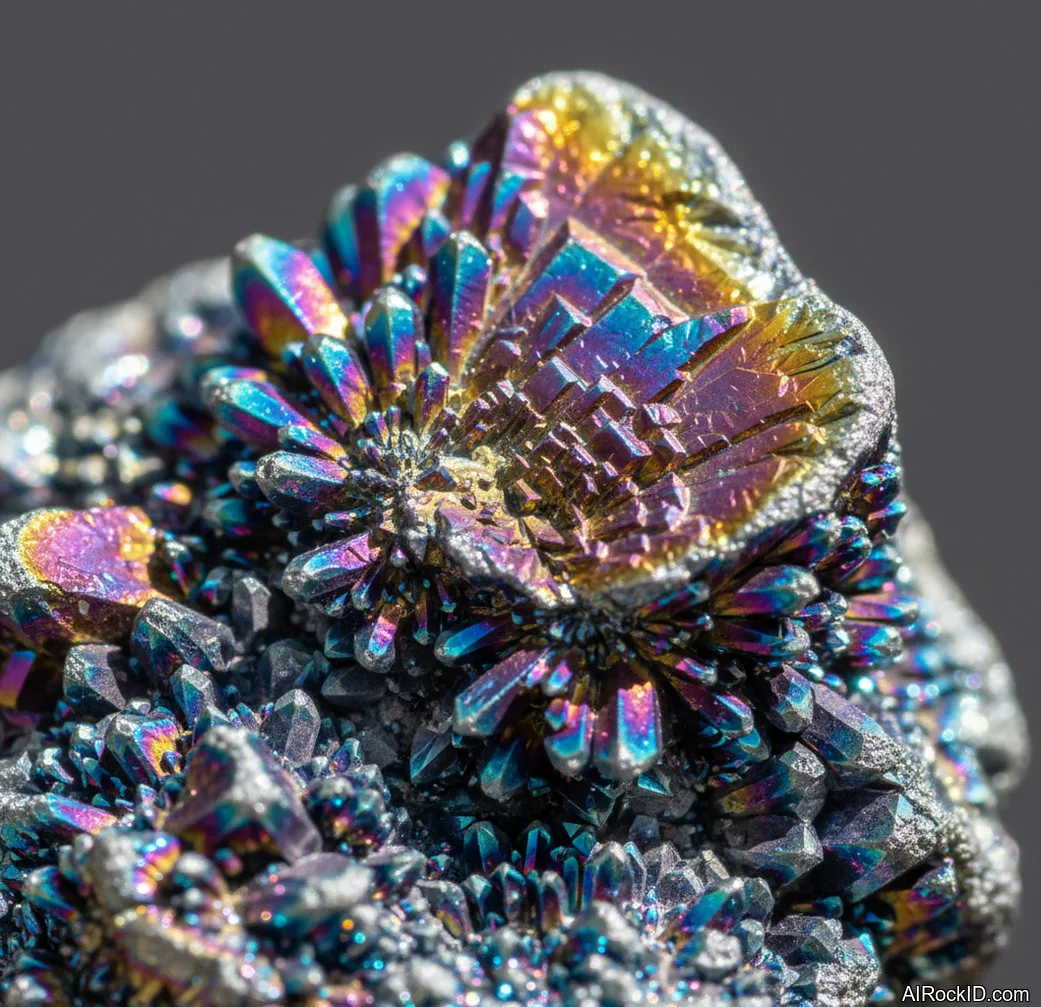
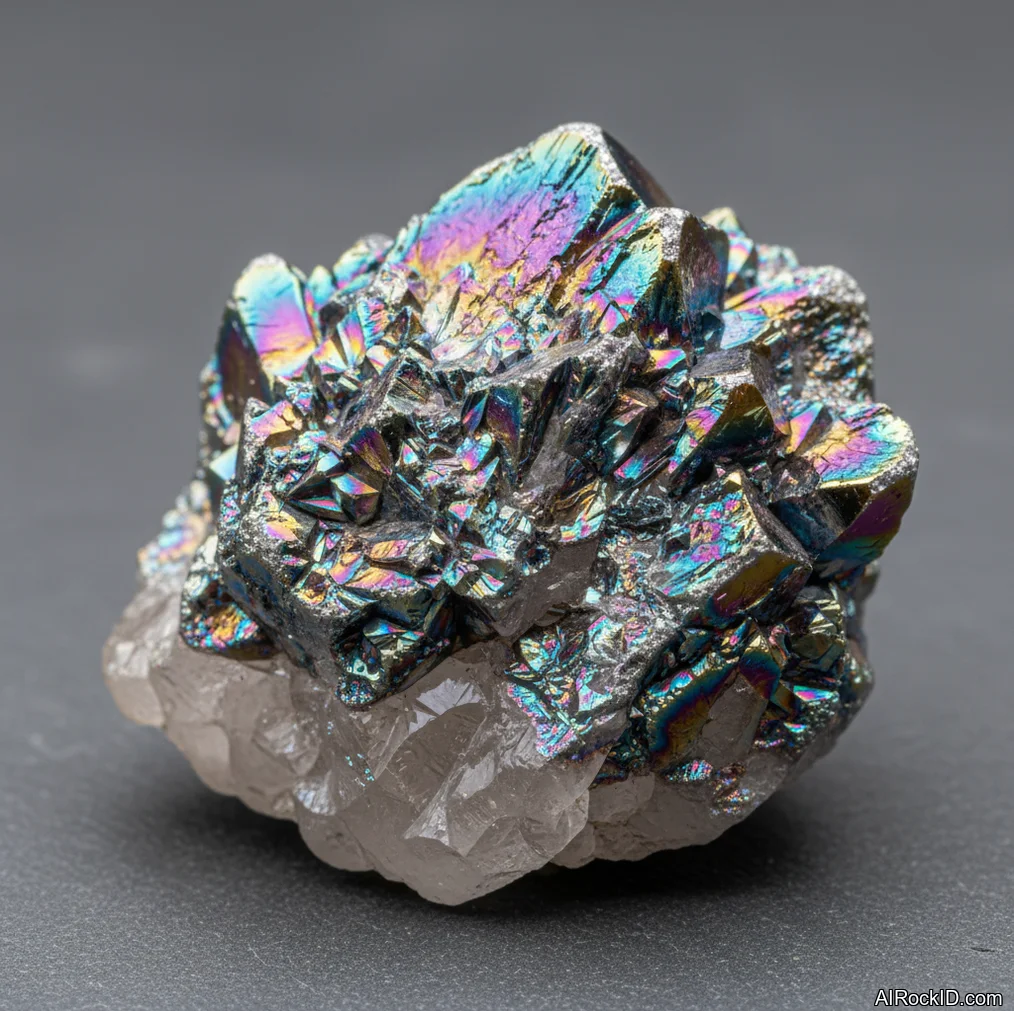
Not all crystals labeled for focus are actually good quality or even natural. Fluorite is often over-tumbled until the cube edges vanish, or dyed to look brighter than any real banding could be. The trick: look for sharp edges, not blobs, and check if the color seeps into cracks (a sign of dye). Hematite gets faked a lot—'magnetic hematite' is usually a manmade alloy, not natural at all. Real hematite feels cold and extra dense. If you see rainbow colors or it feels too light, steer clear. Smoky quartz is sometimes irradiated clear quartz, which can look too dark and uniform. True smoky is never jet black, and you can always see some internal fractures or veils. Clear quartz itself is often treated or glass; real pieces have internal lines, not air bubbles. Collectors know: if a deal looks too perfect, it probably is. Trust your hands and a good loupe more than a fancy label.
Best Focus Crystals to Start With
| Level | Crystal | Note |
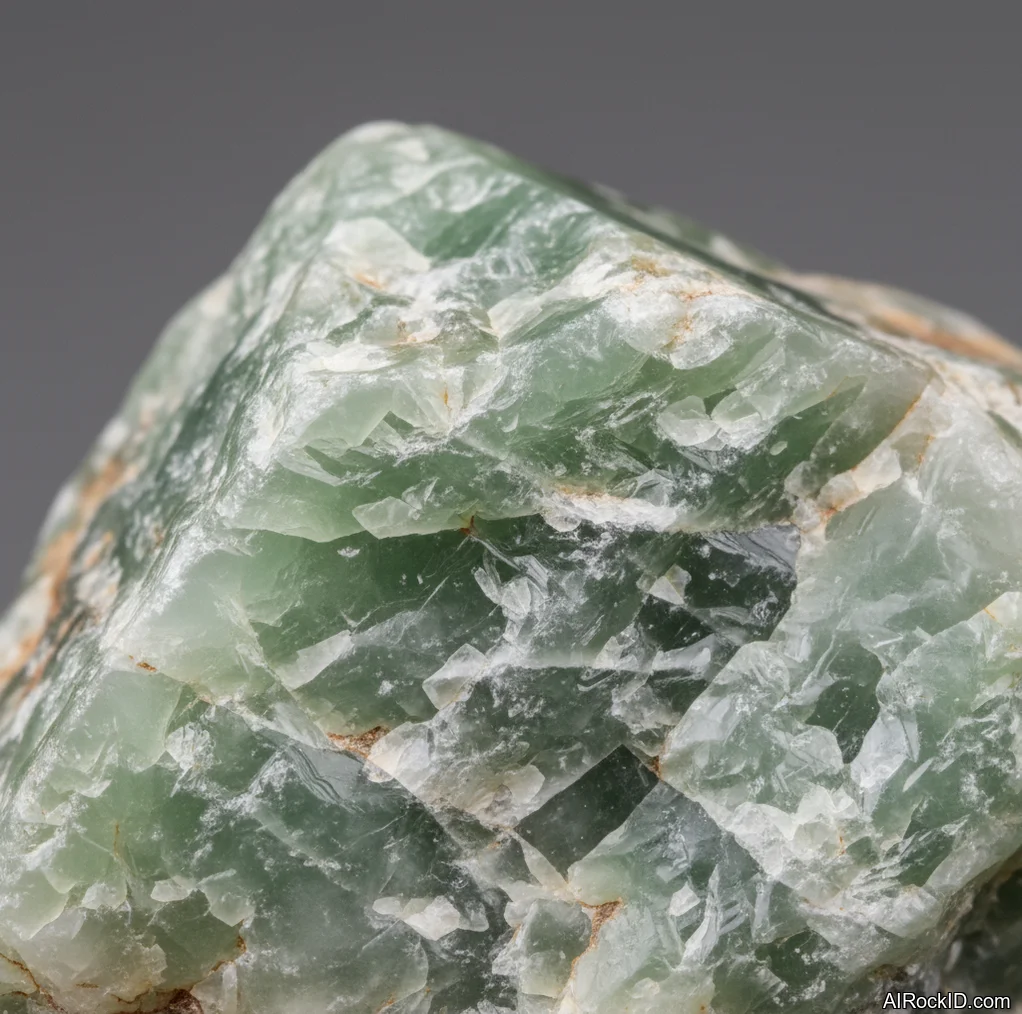
| Gentle / Beginner | Green fluorite | It's visually calming, comes in stable cubes, and is hard to accidentally damage. The zoning patterns are easy to see, which helps with visual focus. |
| Balanced / Everyday | Smoky quartz | Doesn't glare under desk lights, has a smooth feel, and the natural veils give your eyes something to rest on during breaks. |
| Intense / Advanced | Hematite | The density and metallic weight are grounding but can feel overwhelming if you're not used to heavy stones. Picks up fingerprints easily. |
| Best for Carrying | Tumbled fluorite | Small, lightweight, and less likely to chip in pockets. Still gives you those layered colors and a cool touch. |
| Best for Display | Raw fluorite cube | Has crisp geometric form, stands out visually, and holds up well on desks or study spaces without rolling away. |
Focus Crystal Comparison
| Crystal | Common Use | Feel / Use Style | Care Caution |
| Fluorite | Study sessions, mental clarity, writing focus | Glassy, cool, sharp cube edges if raw | Can chip easily on corners; avoid dropping |
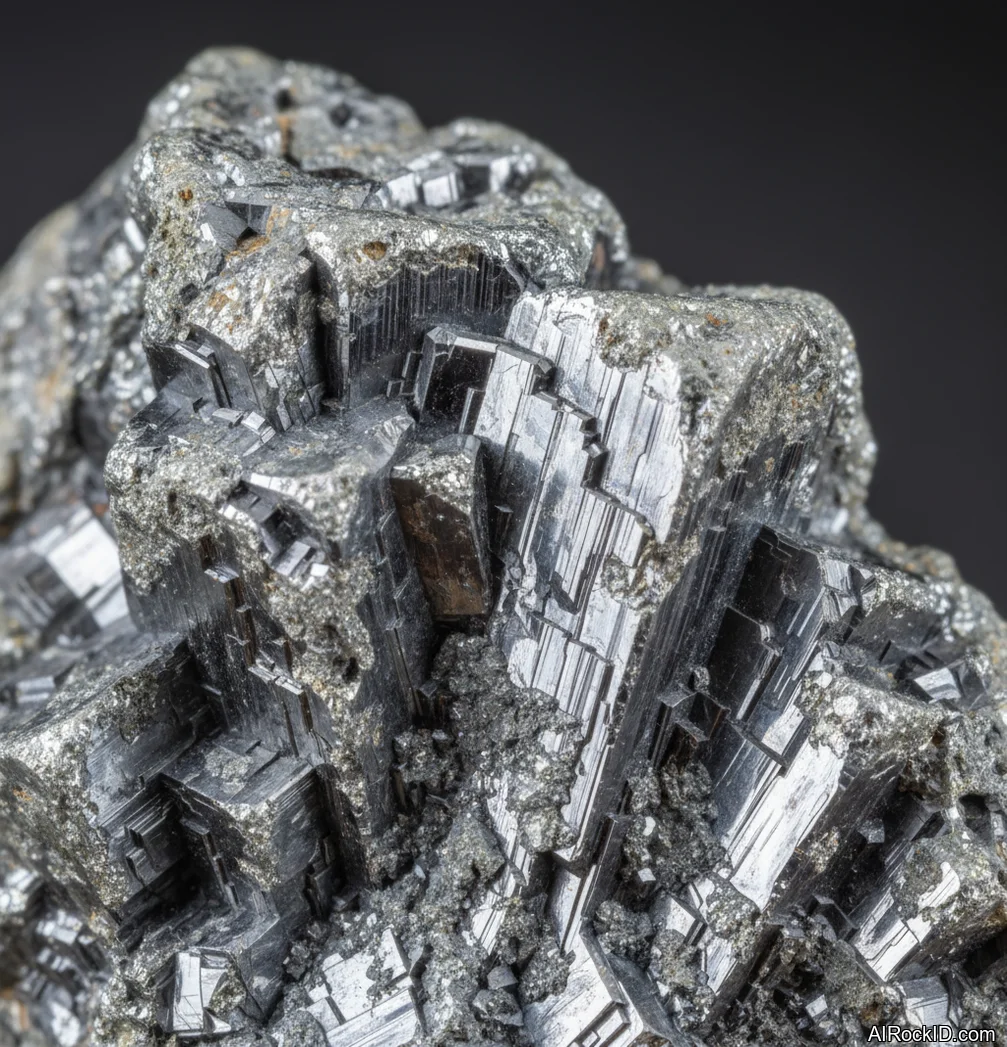
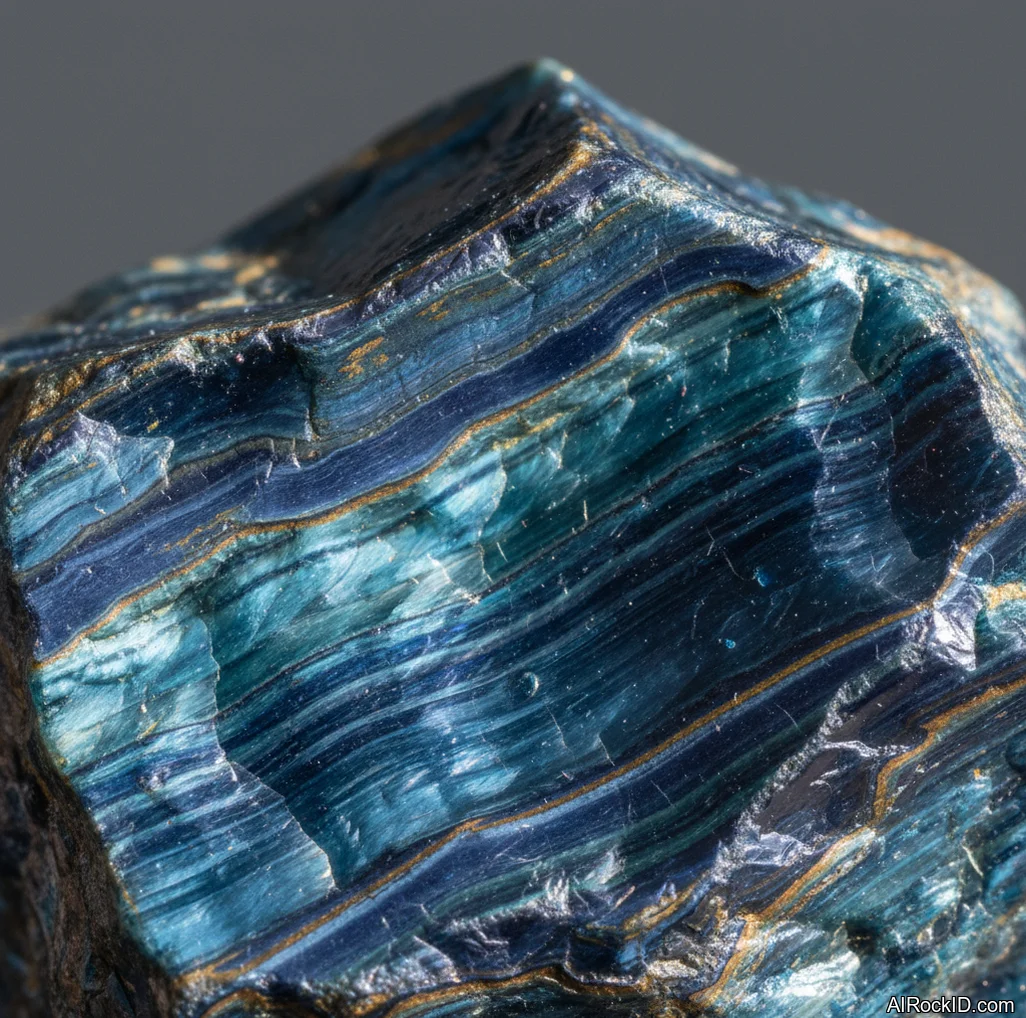
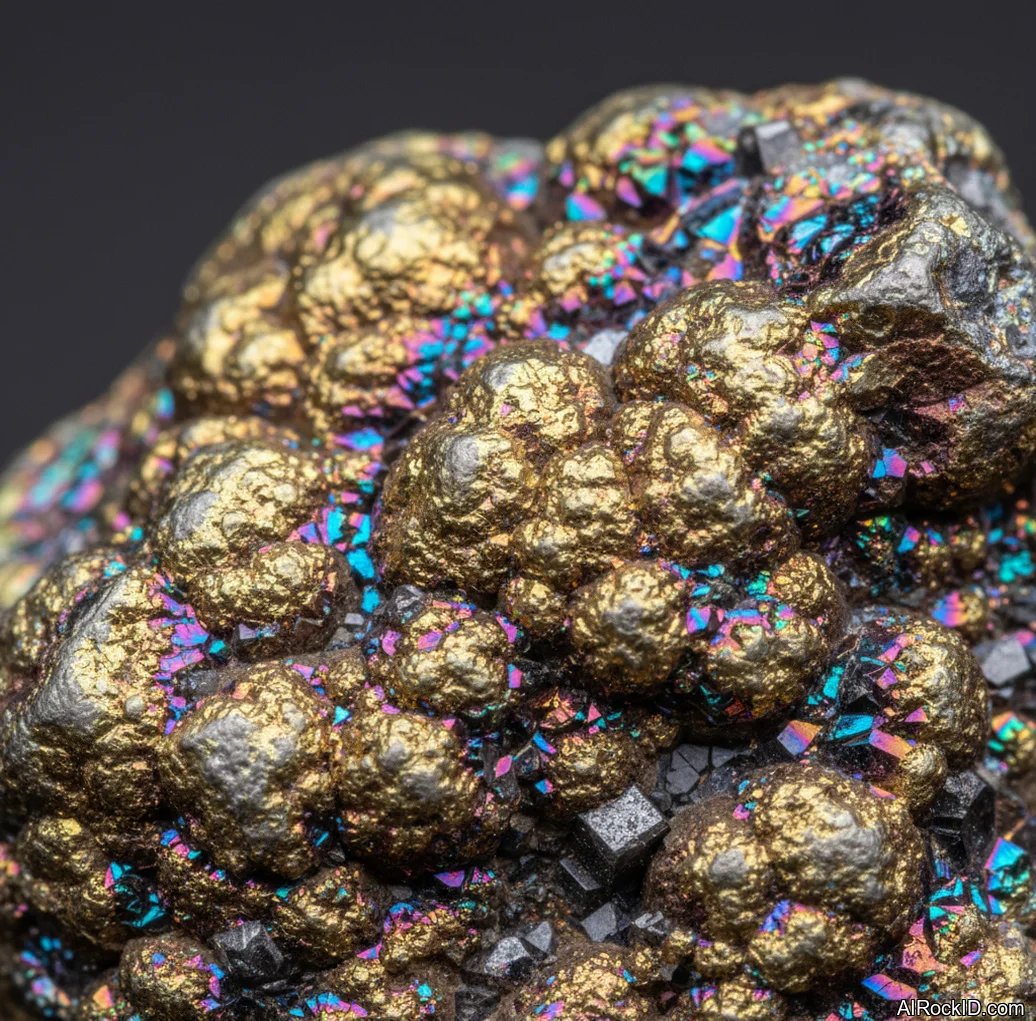
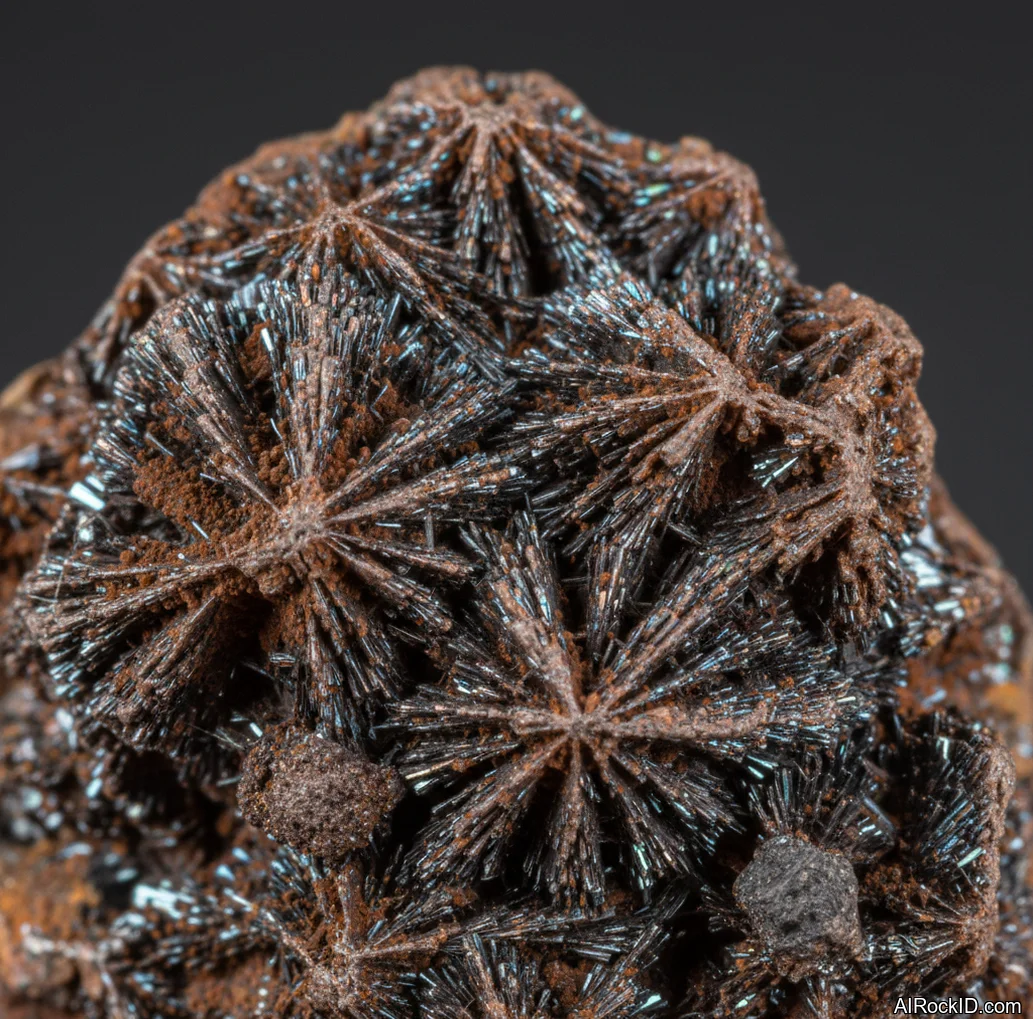
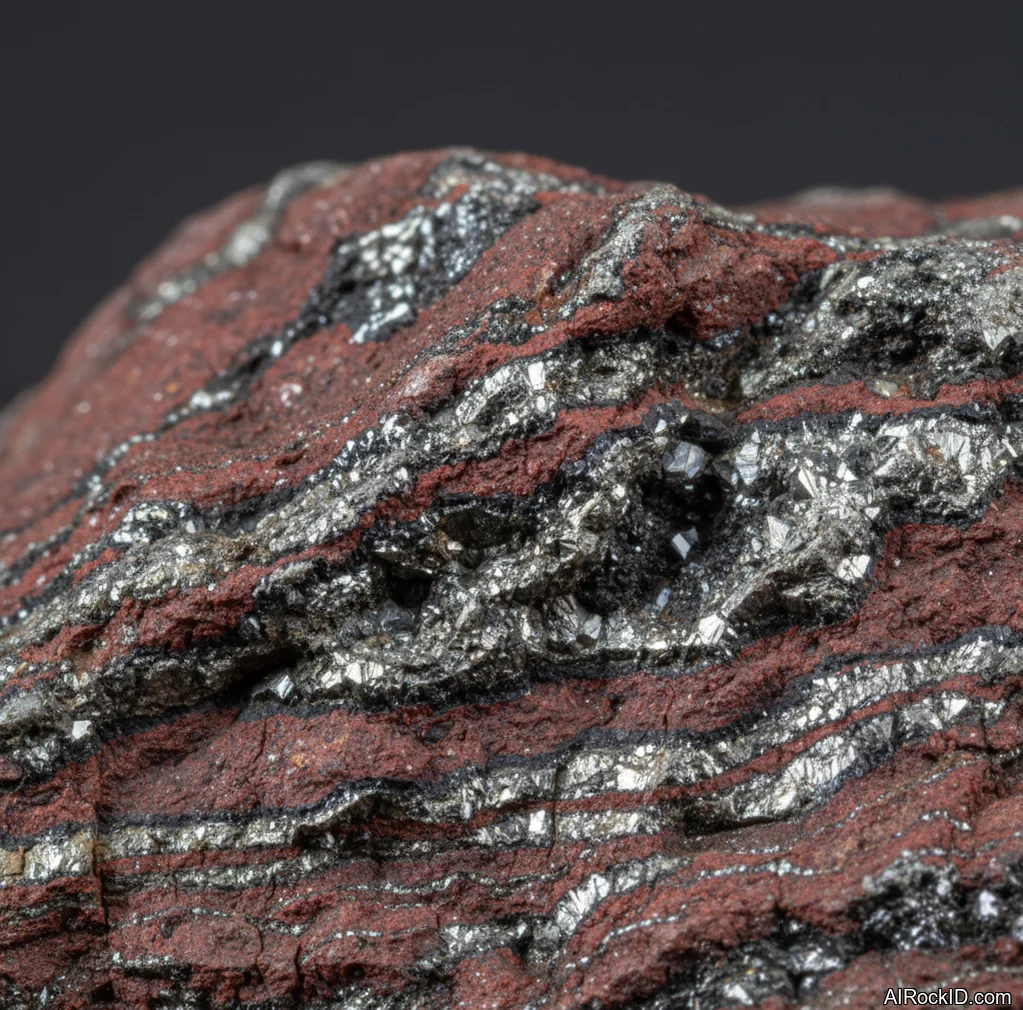
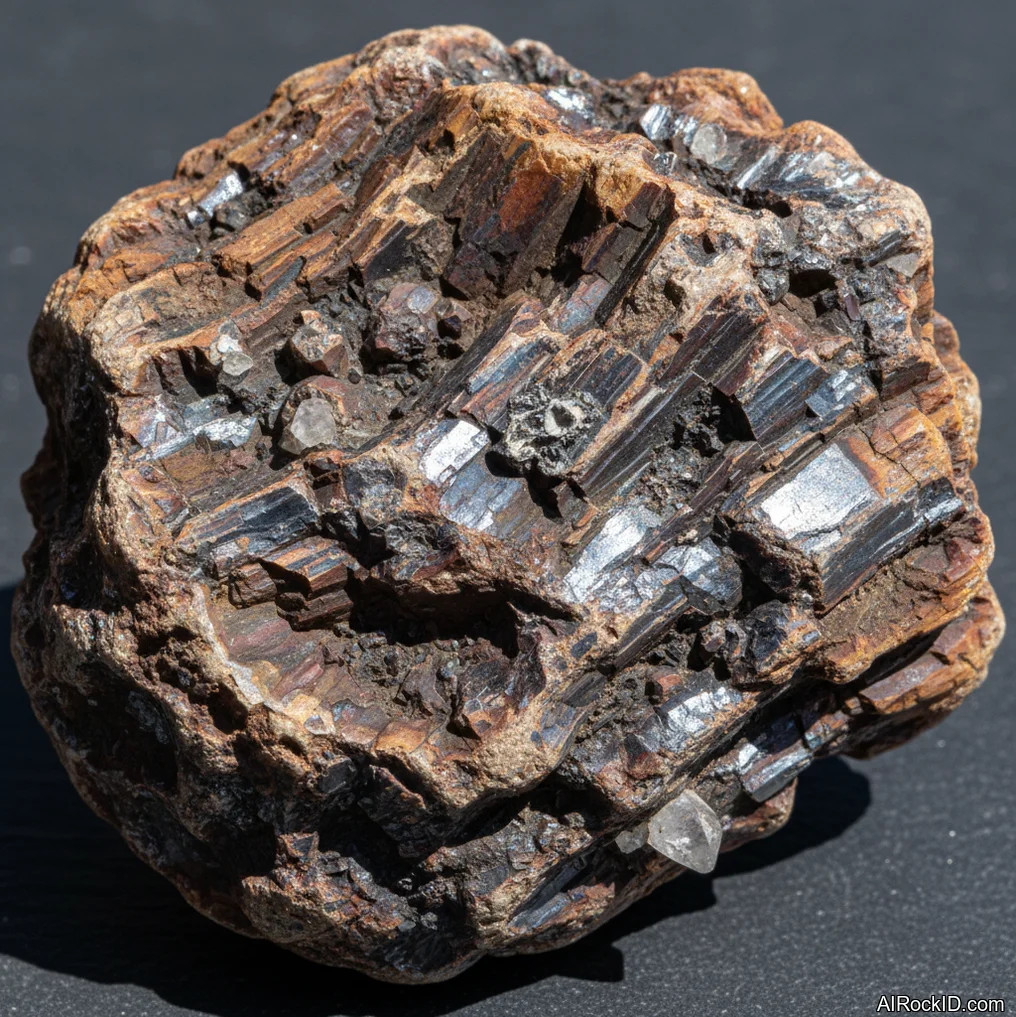
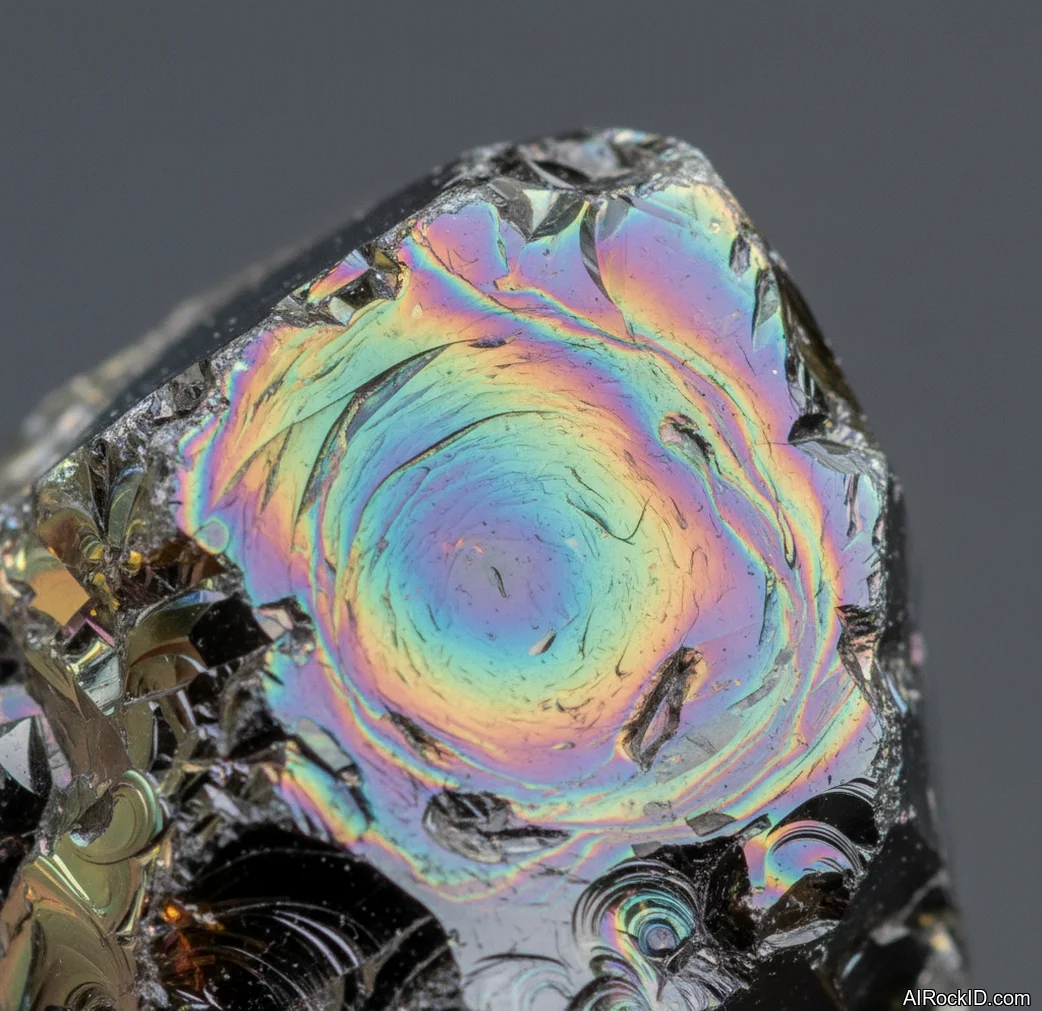
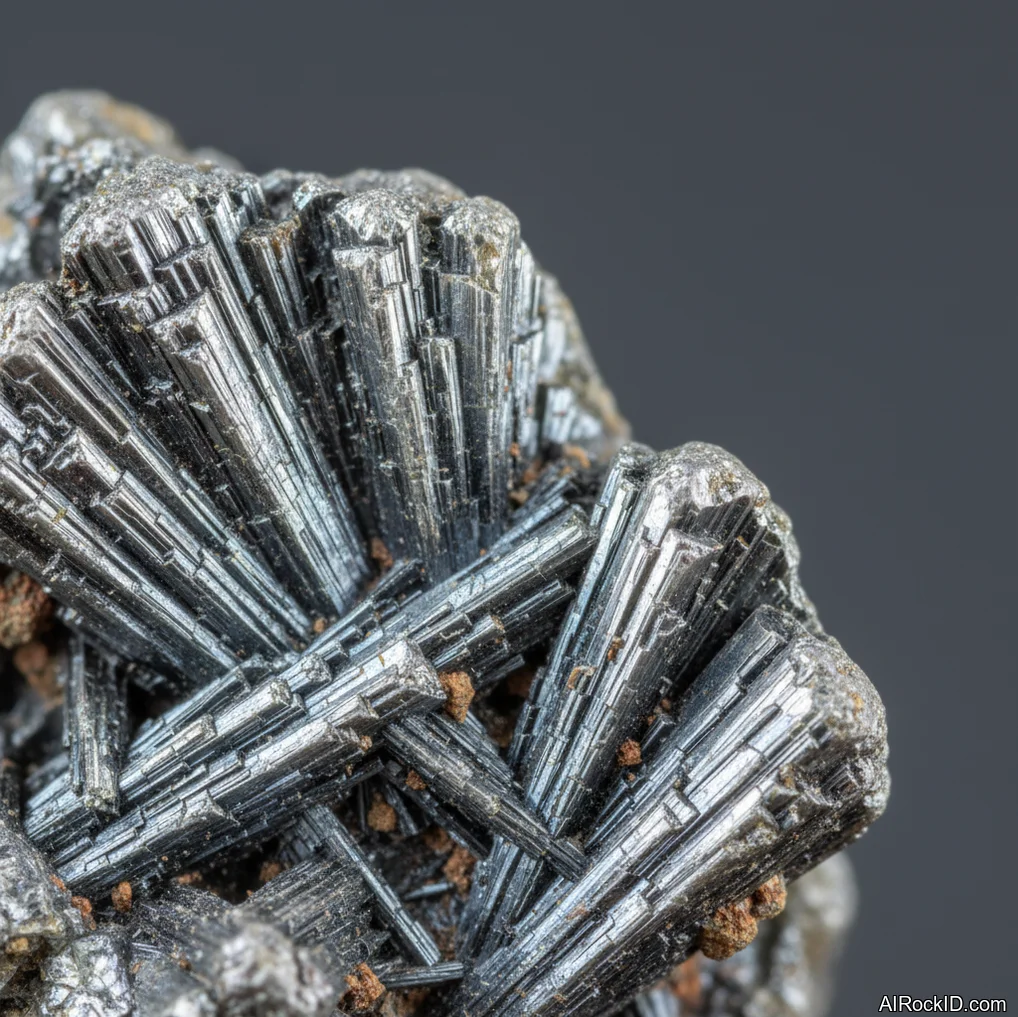
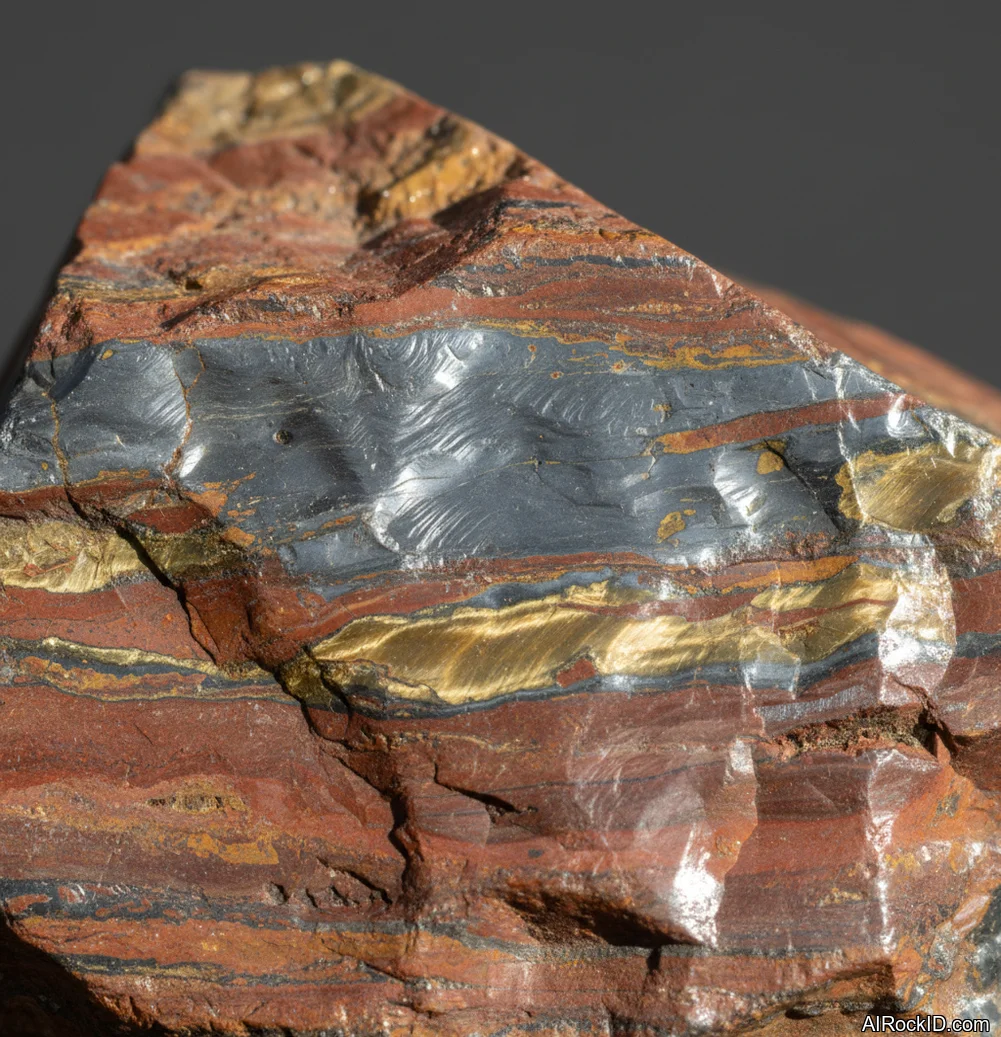
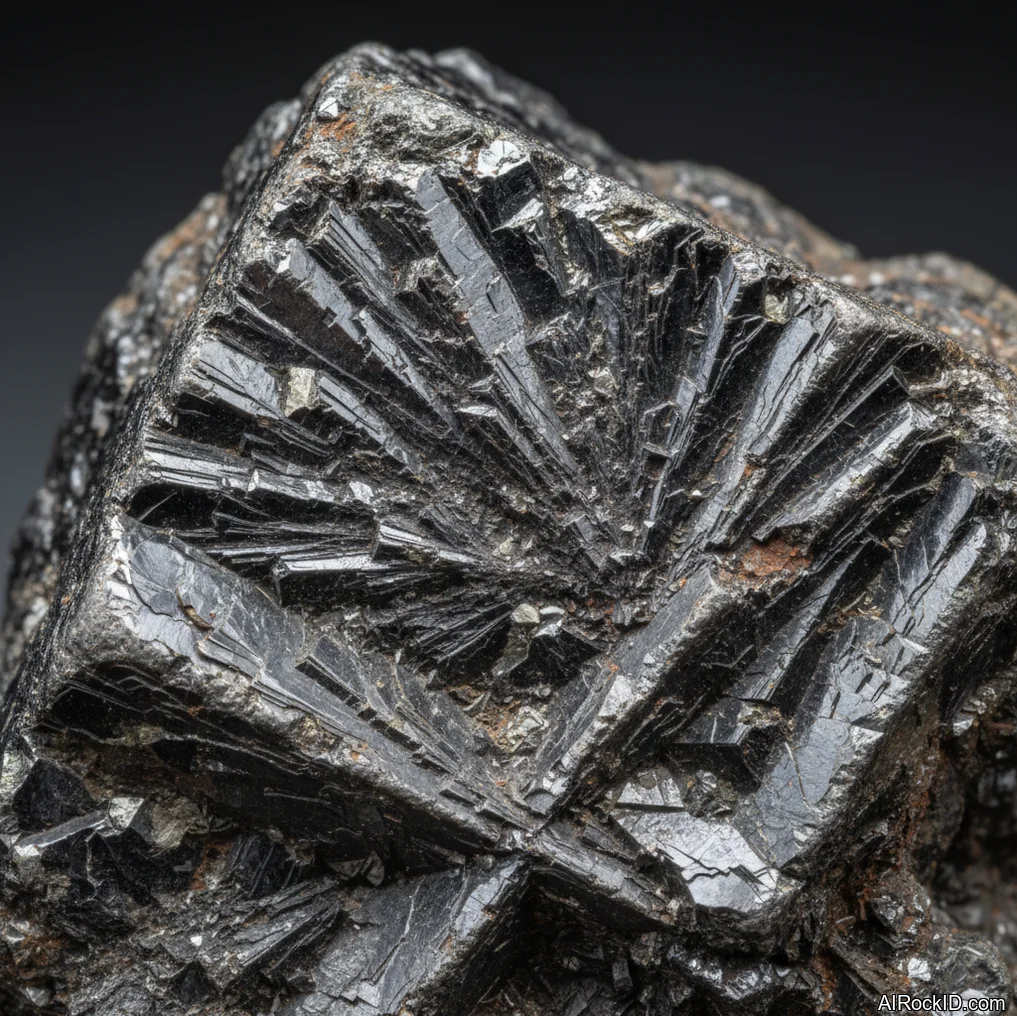
| Hematite | Grounding, fidget anchor, reducing mental spirals | Dense, cold, metallic, heavy for its size | Brittle, shiny coating on polished pieces can rub off |
| Smoky quartz | Gentle focus, calming overstimulated minds, meditation | Smooth, transparent brown-gray, internal veils | Can fade if left in sun; avoid irradiation-treated pieces |
| Clear quartz | General clarity, amplifying attention, mental resets | Icy cold, hard, sharp if natural point | Prone to scratches, fakes can be glass |
How to Identify Focus Crystals with AI Rock ID
To identify a Focus crystal with an AI Rock ID app, take clear photos in natural daylight—one full specimen shot and another close-up of surface details like edges or veils. Upload images and check the app’s results against physical traits like hardness, luster, and streak. For example, real hematite should leave a reddish streak and feel heavy for its size. Compare what you see in hand with the app's suggestions, especially for common crystals like fluorite or smoky quartz.
All Focus Crystals (506)