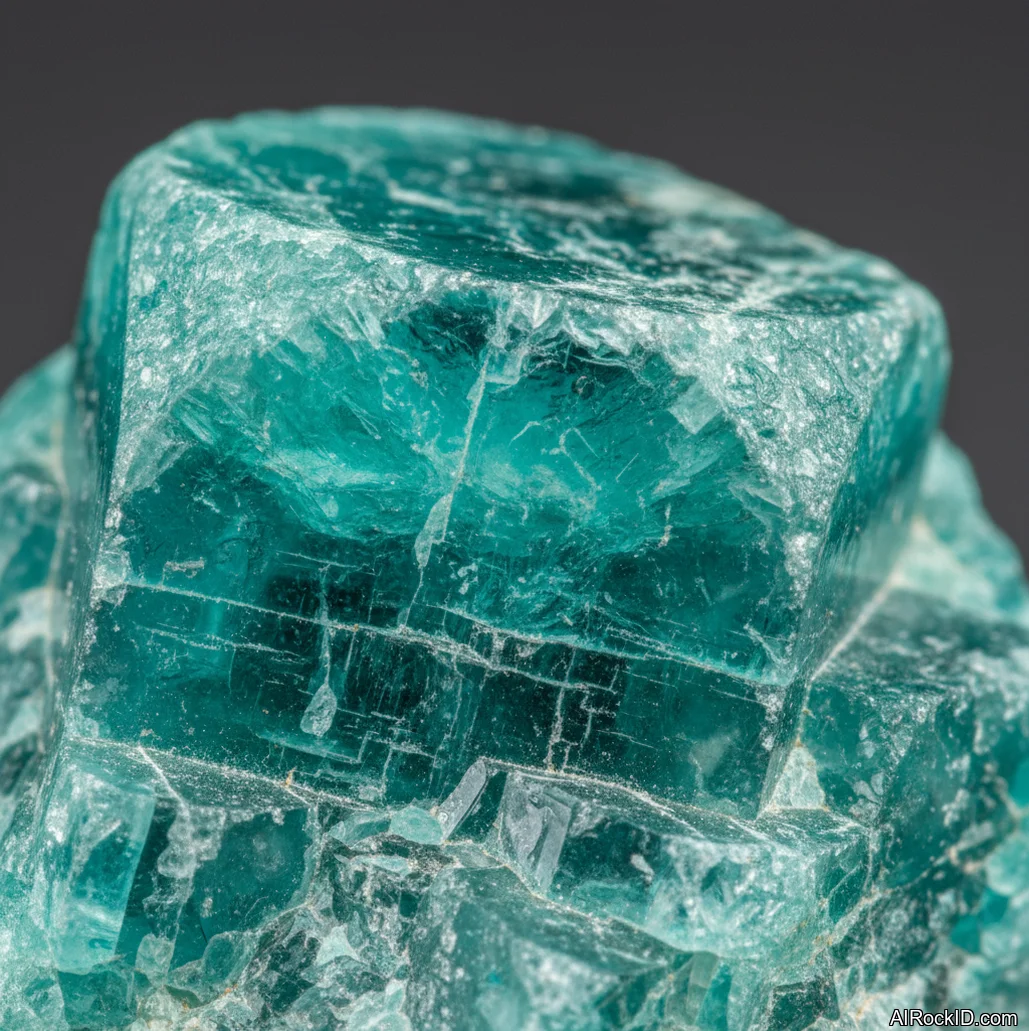
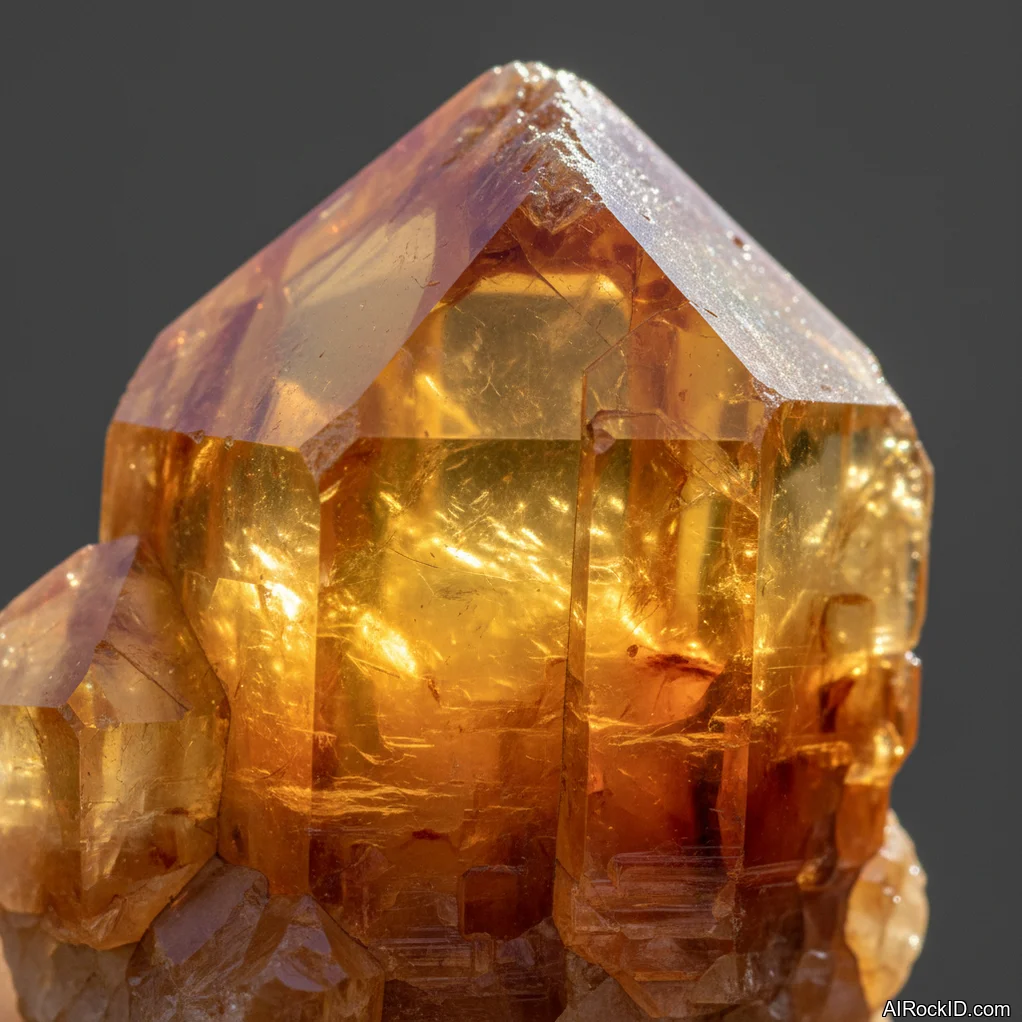
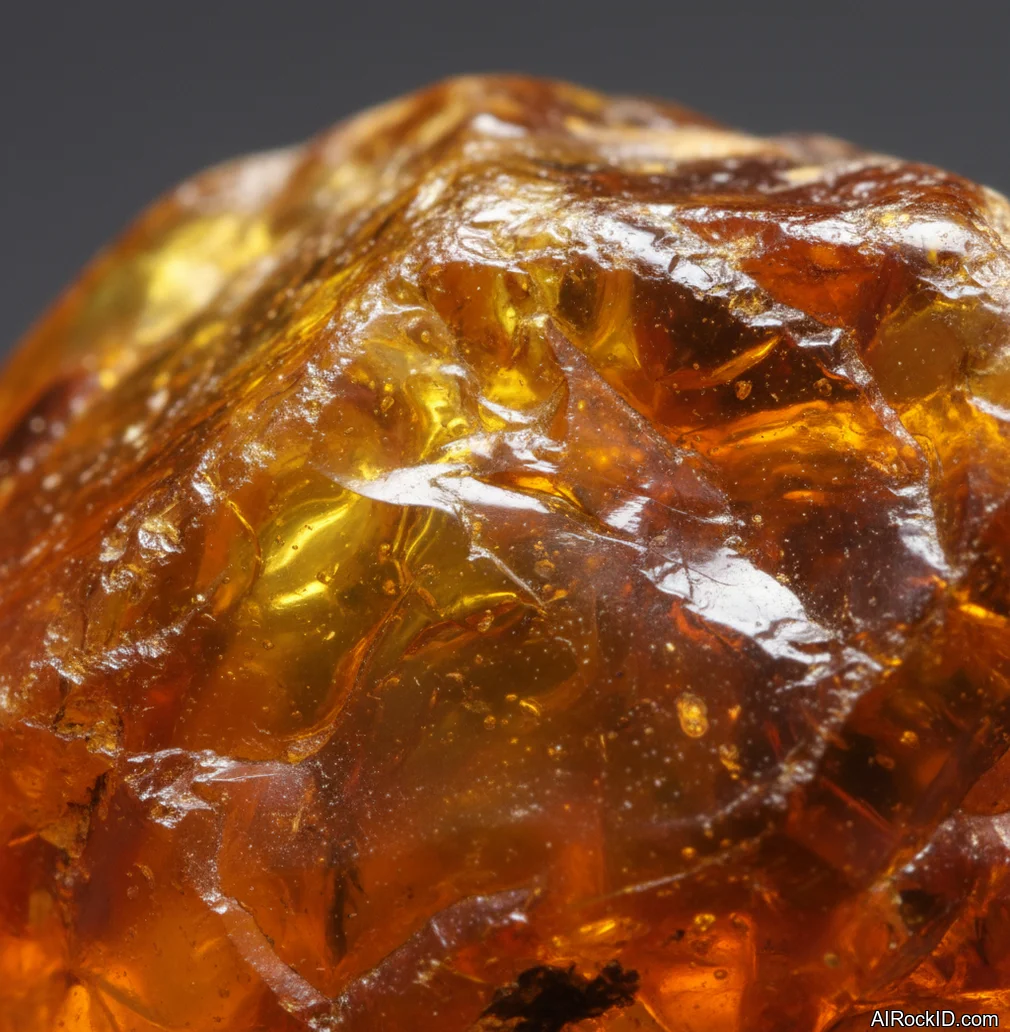
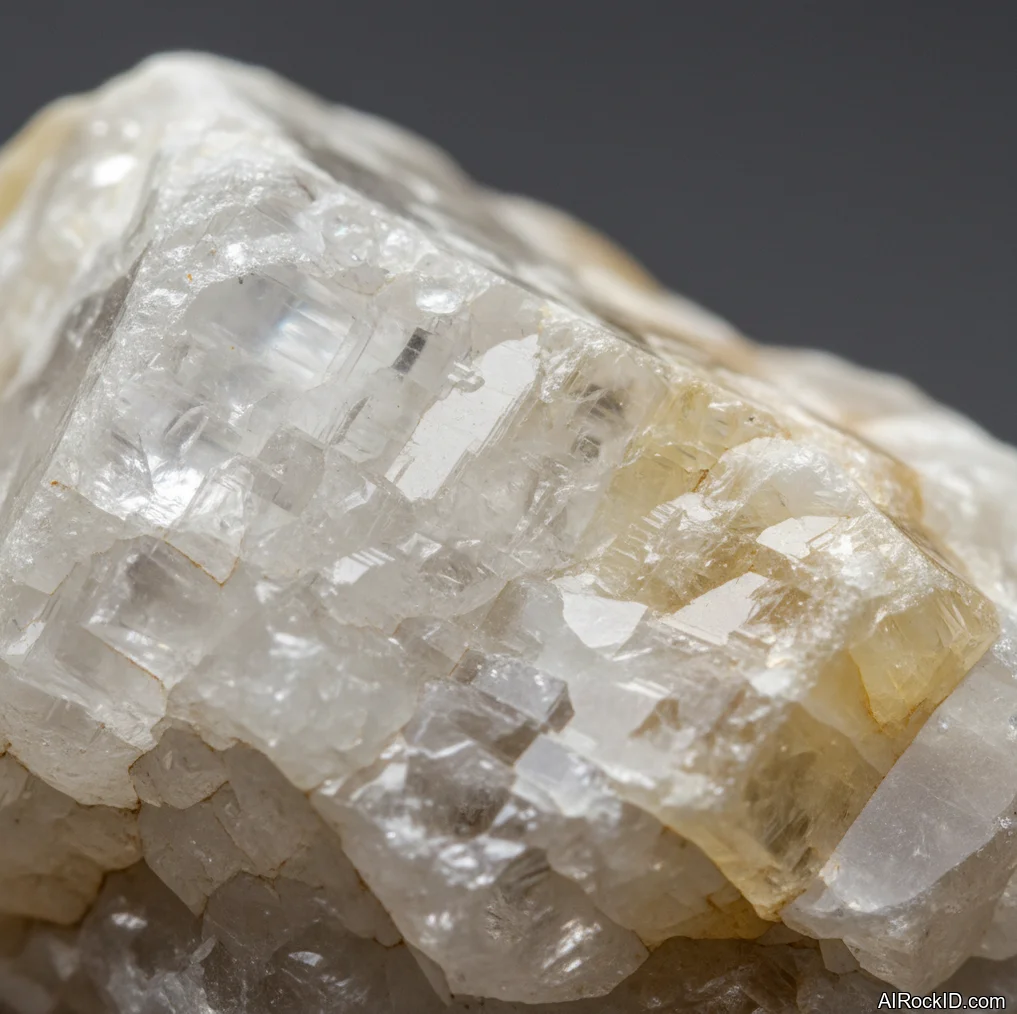
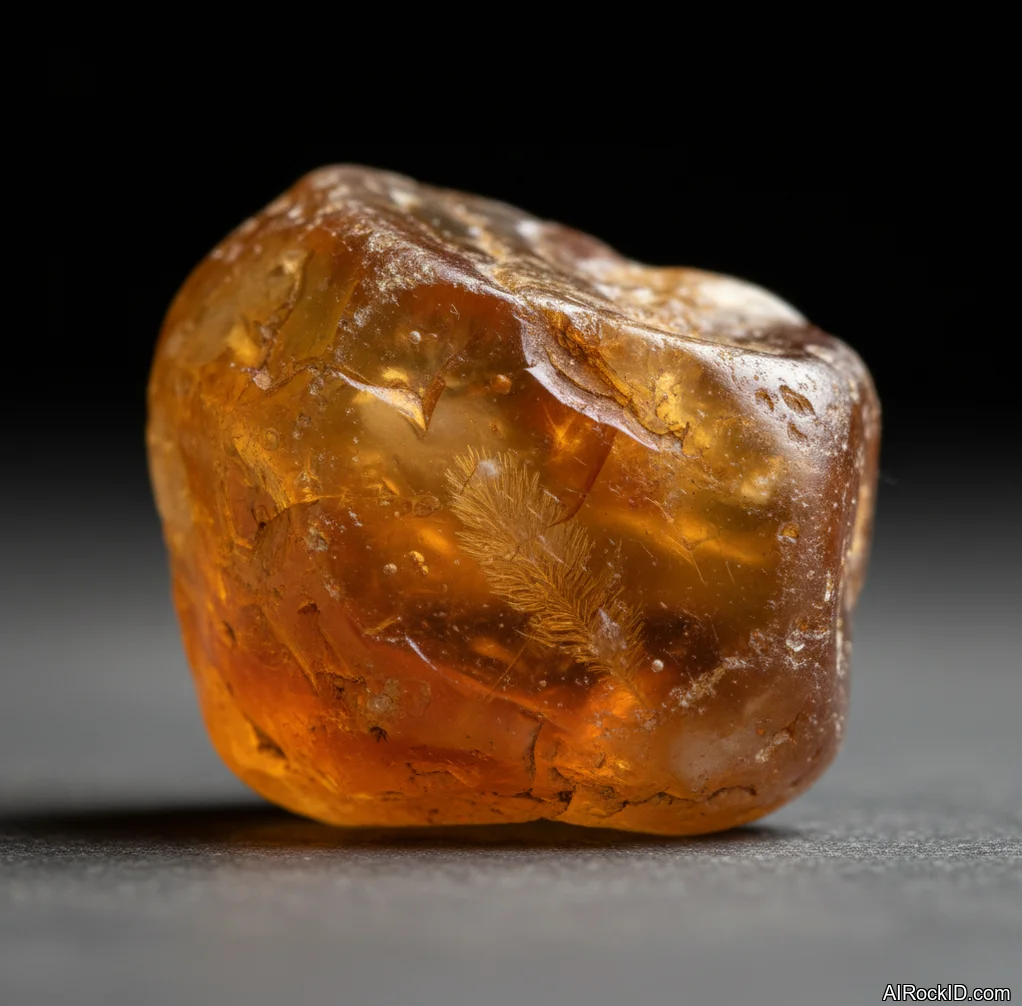
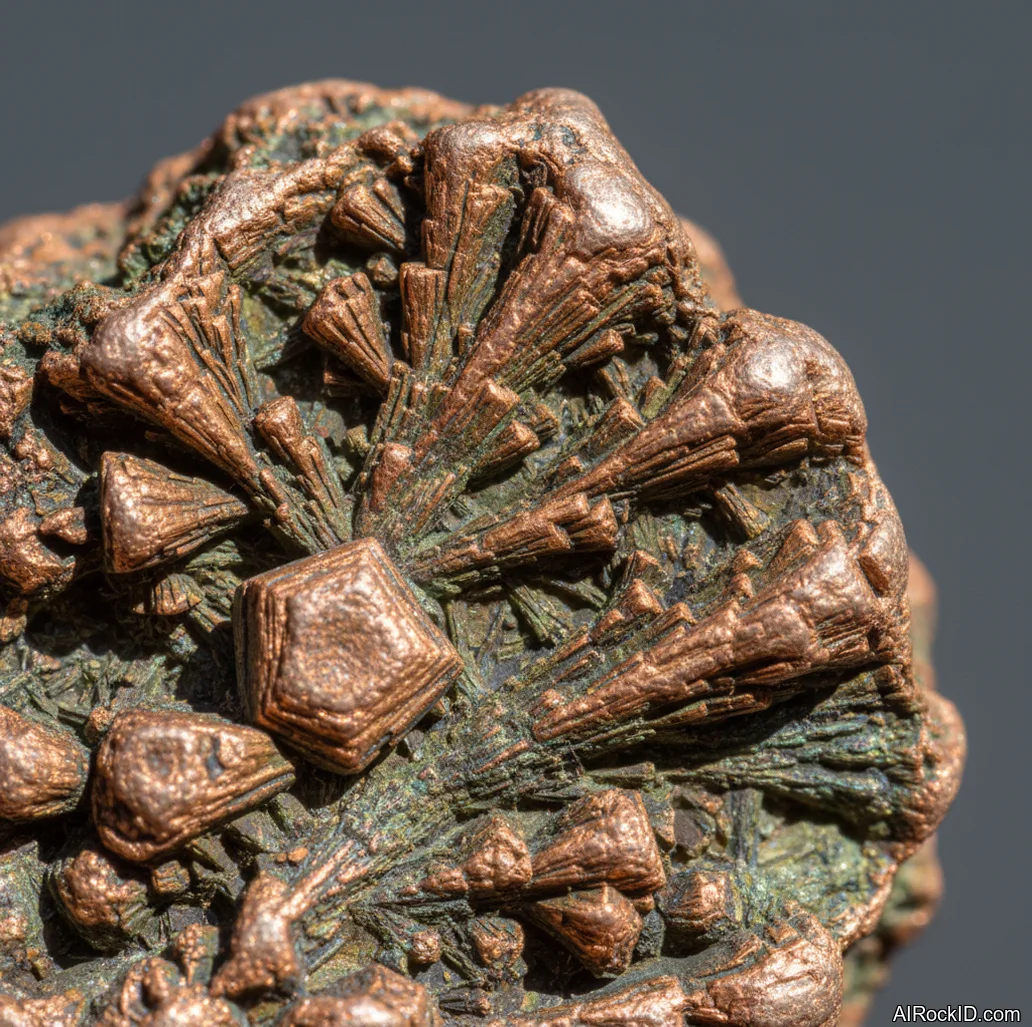
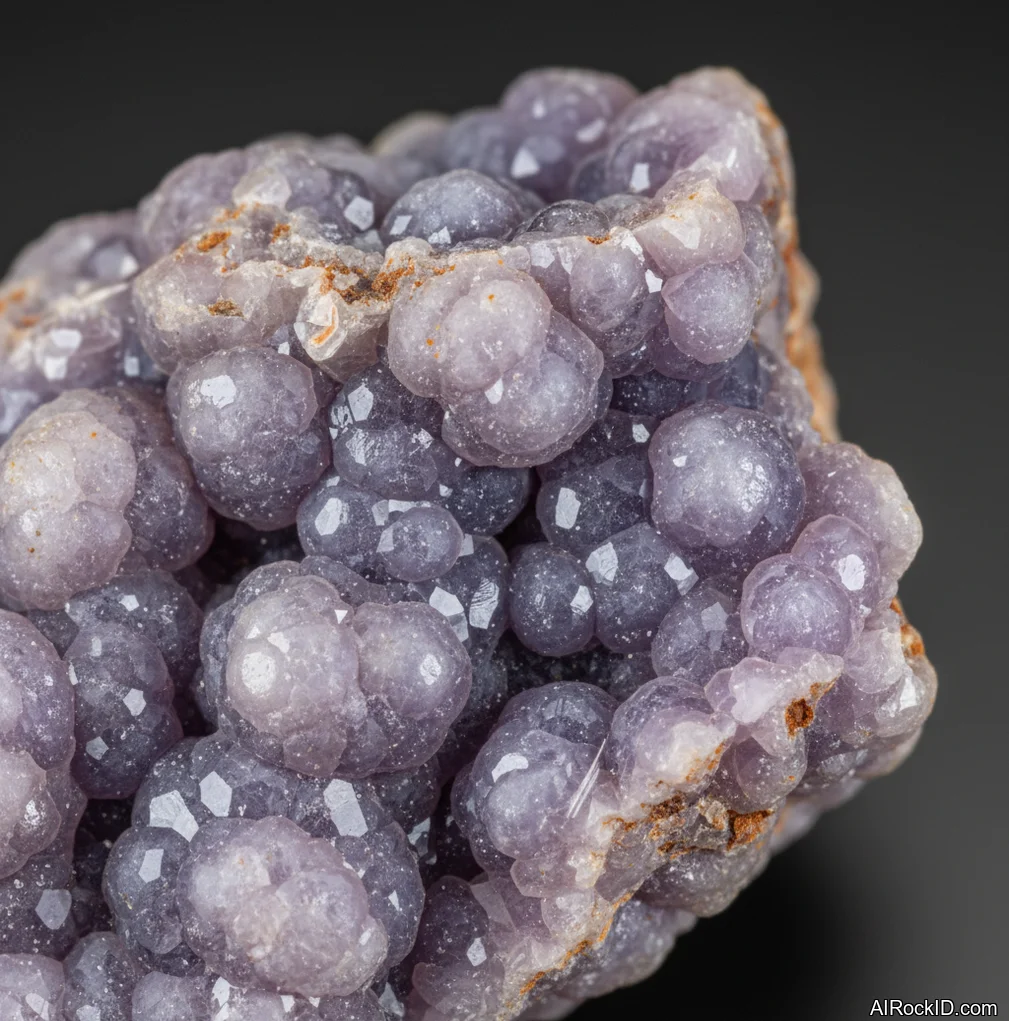
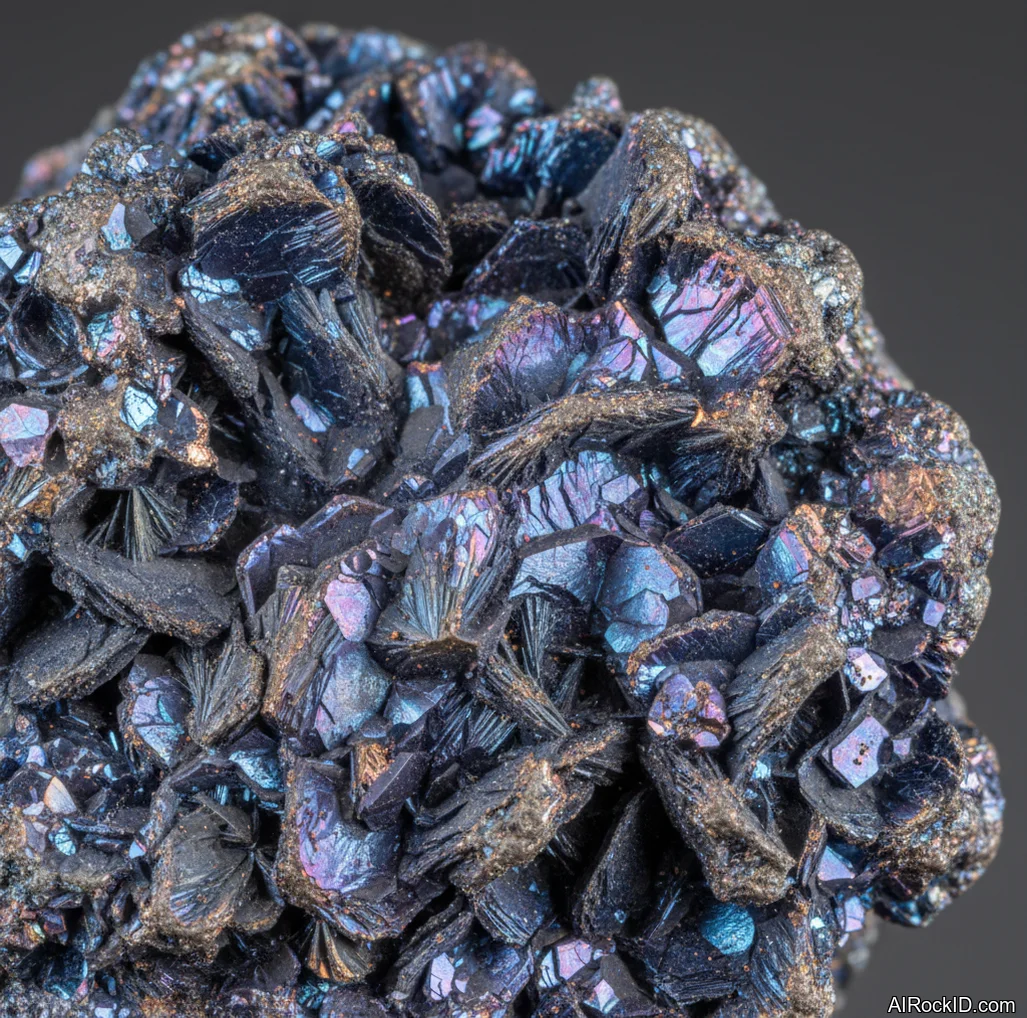
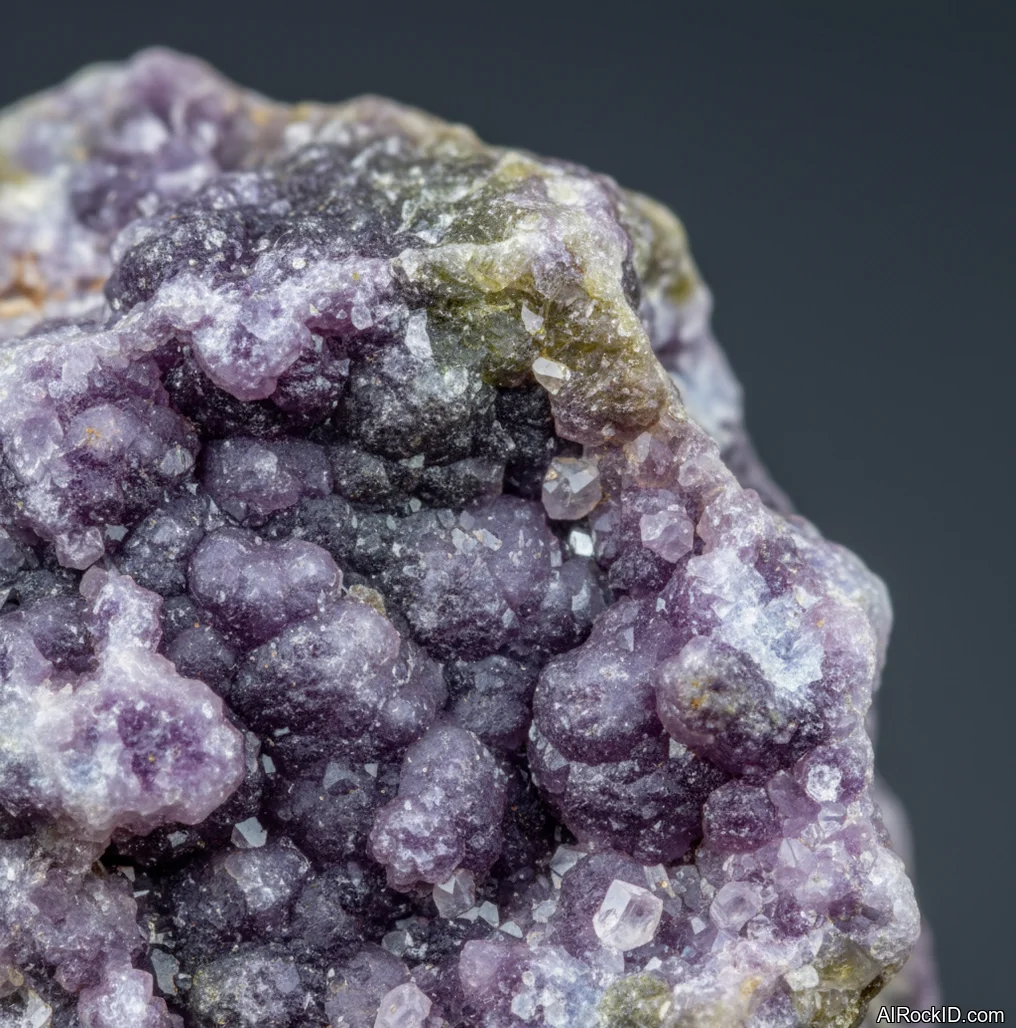
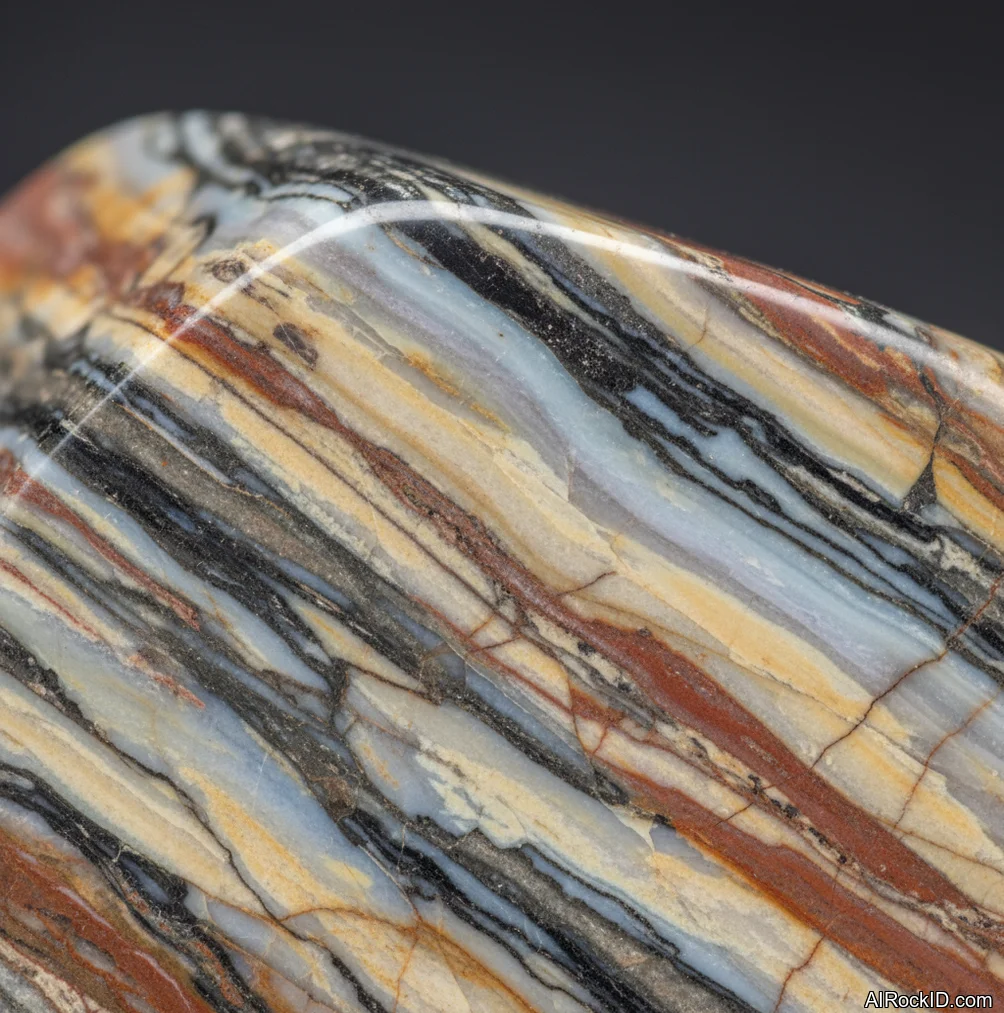
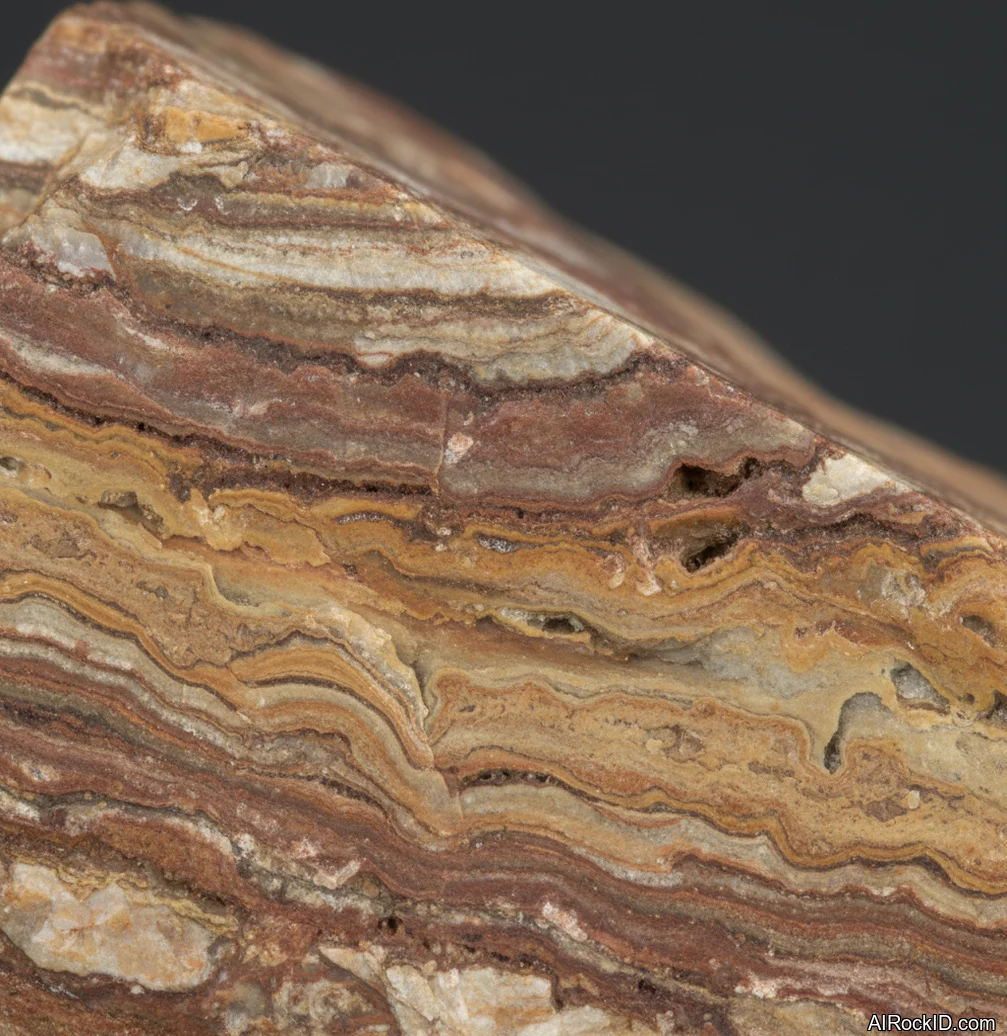
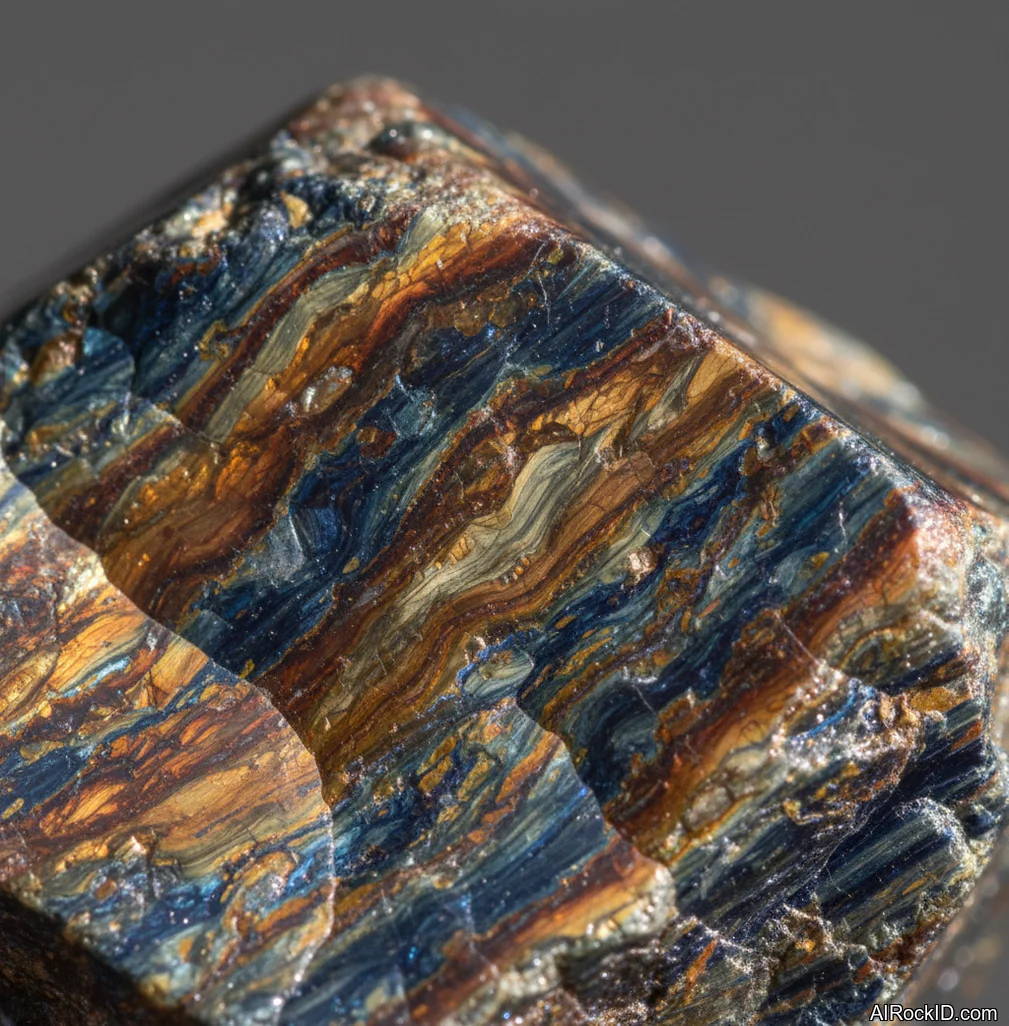
Growth Crystals
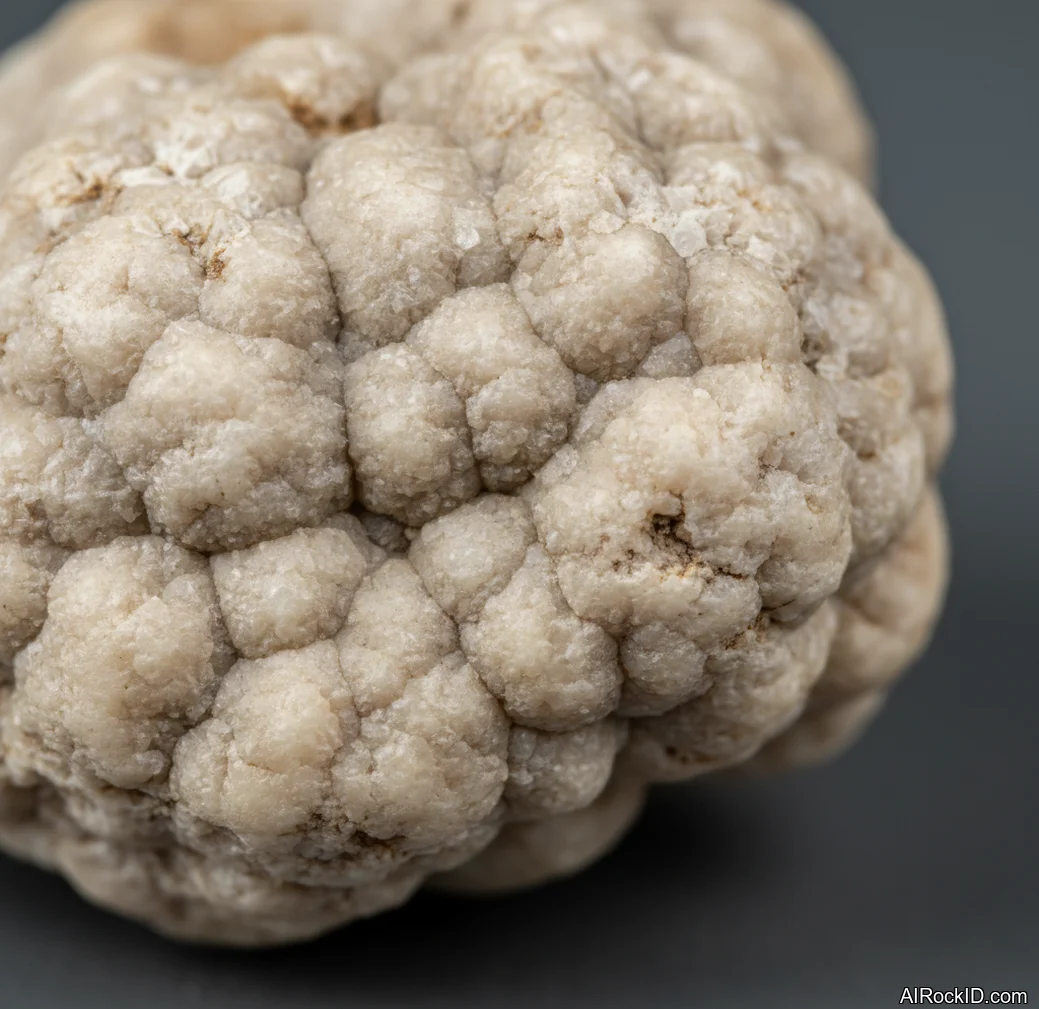
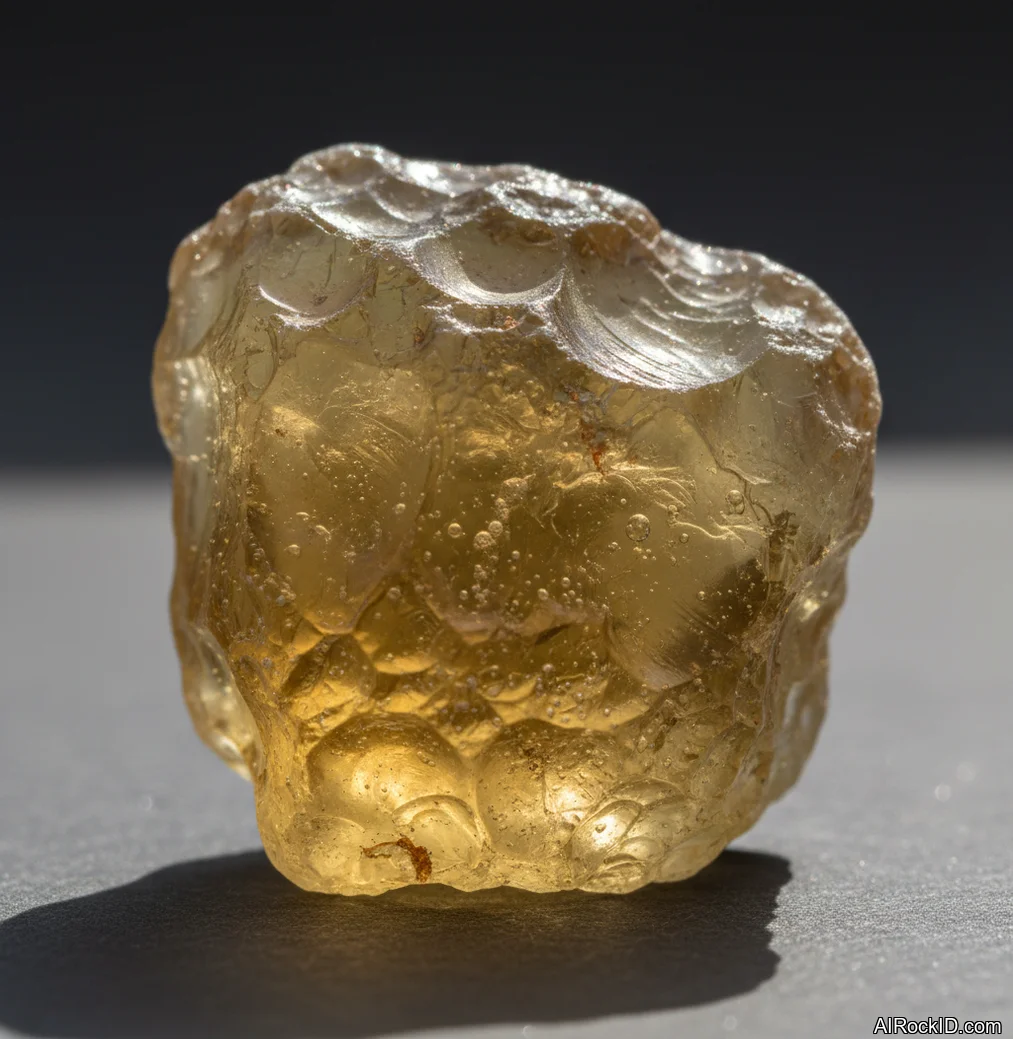
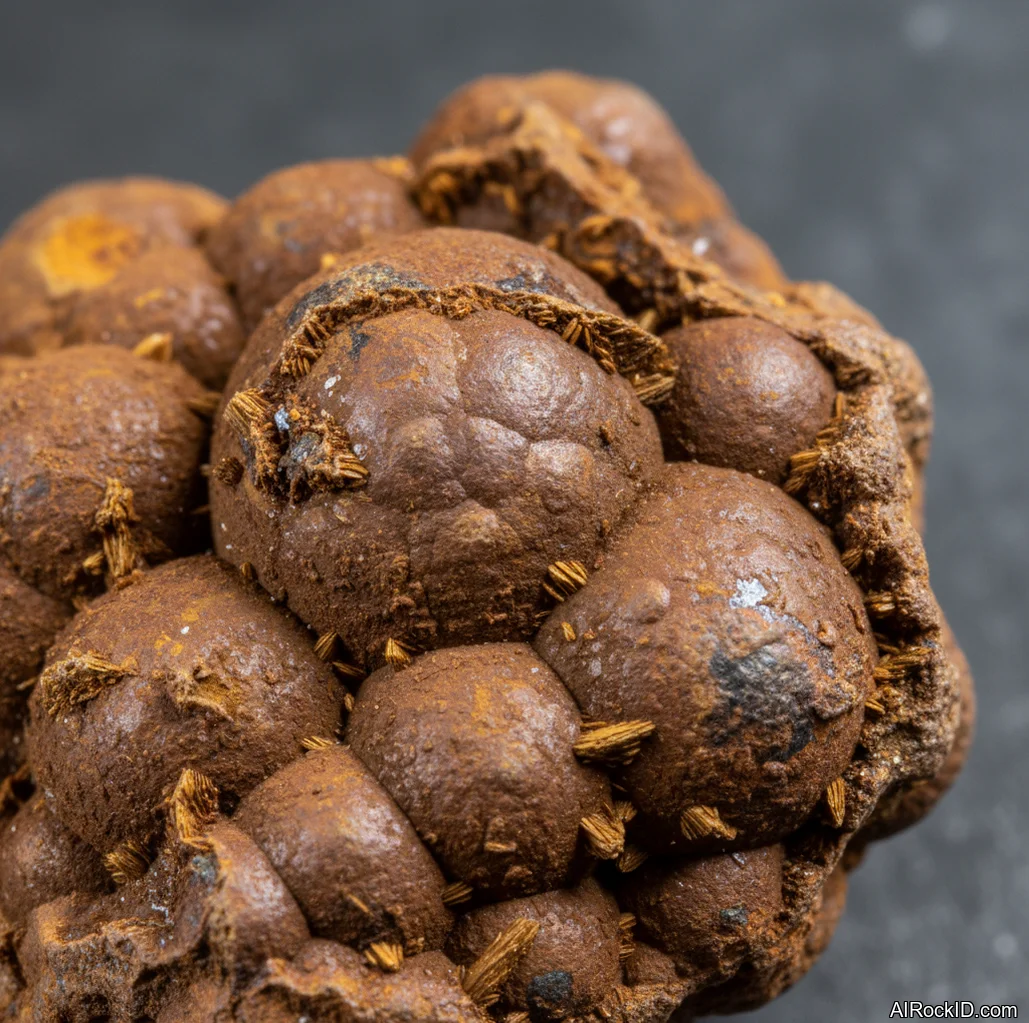
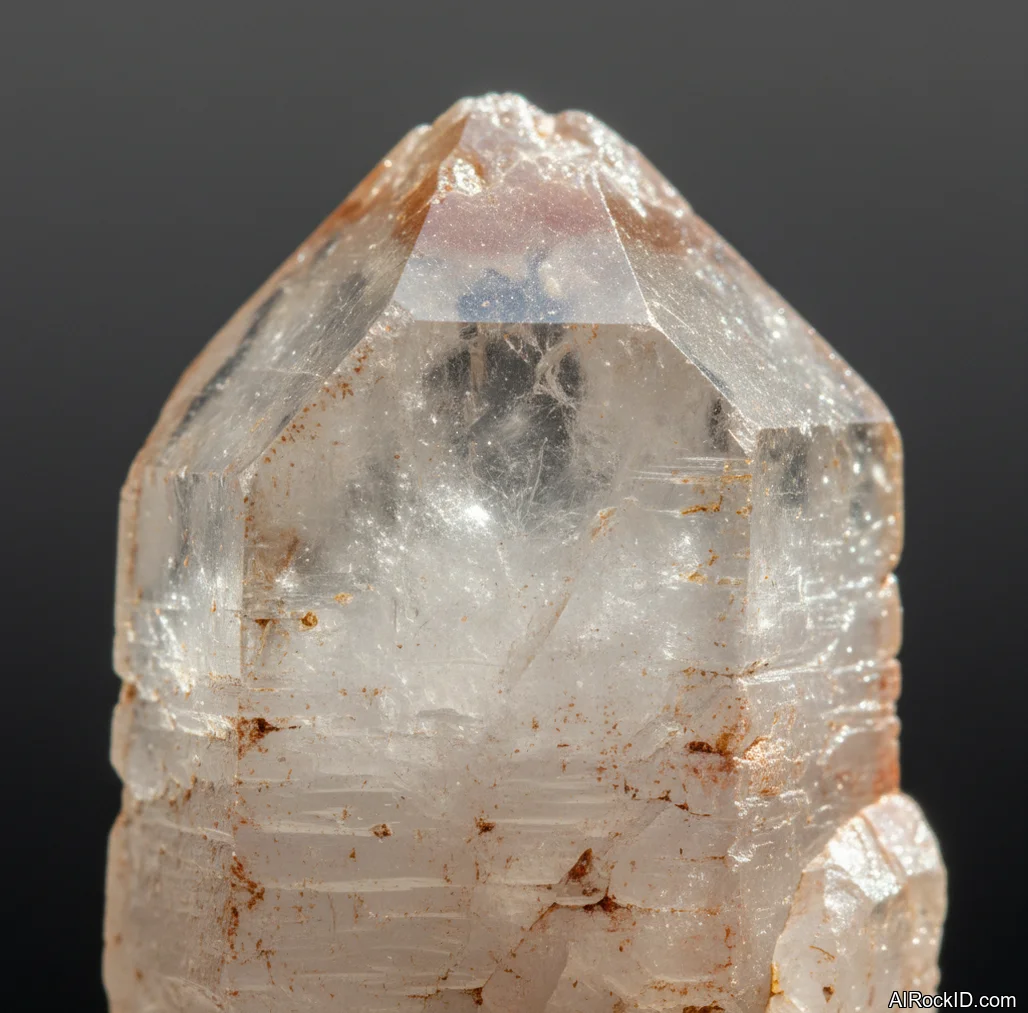
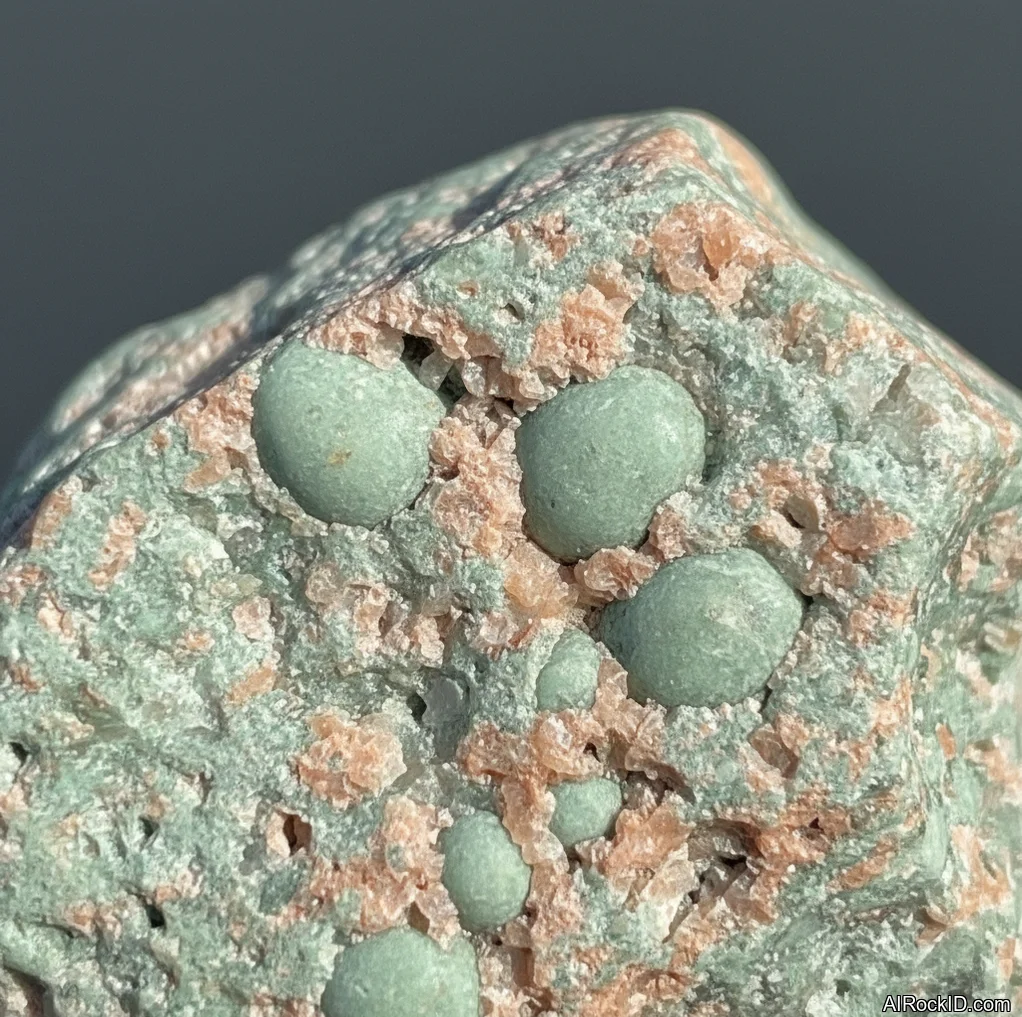
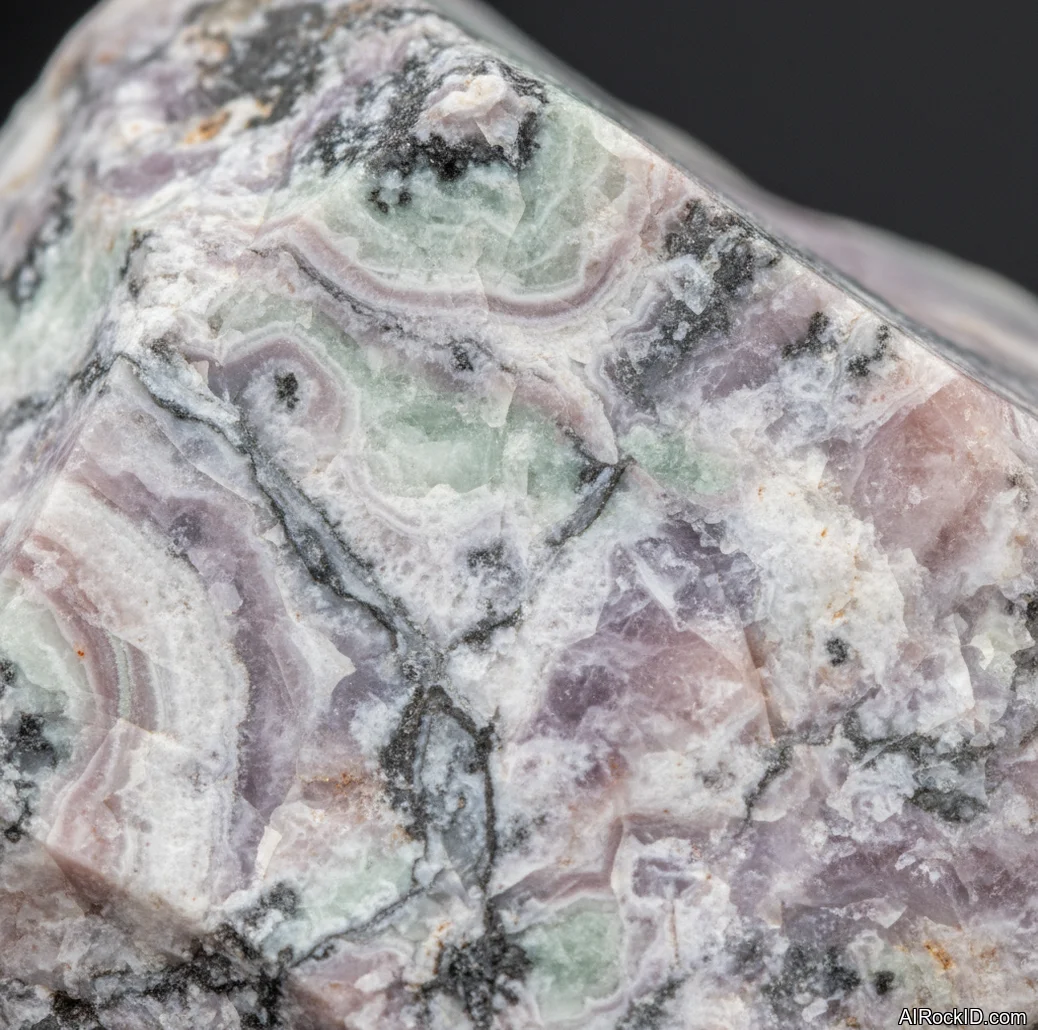
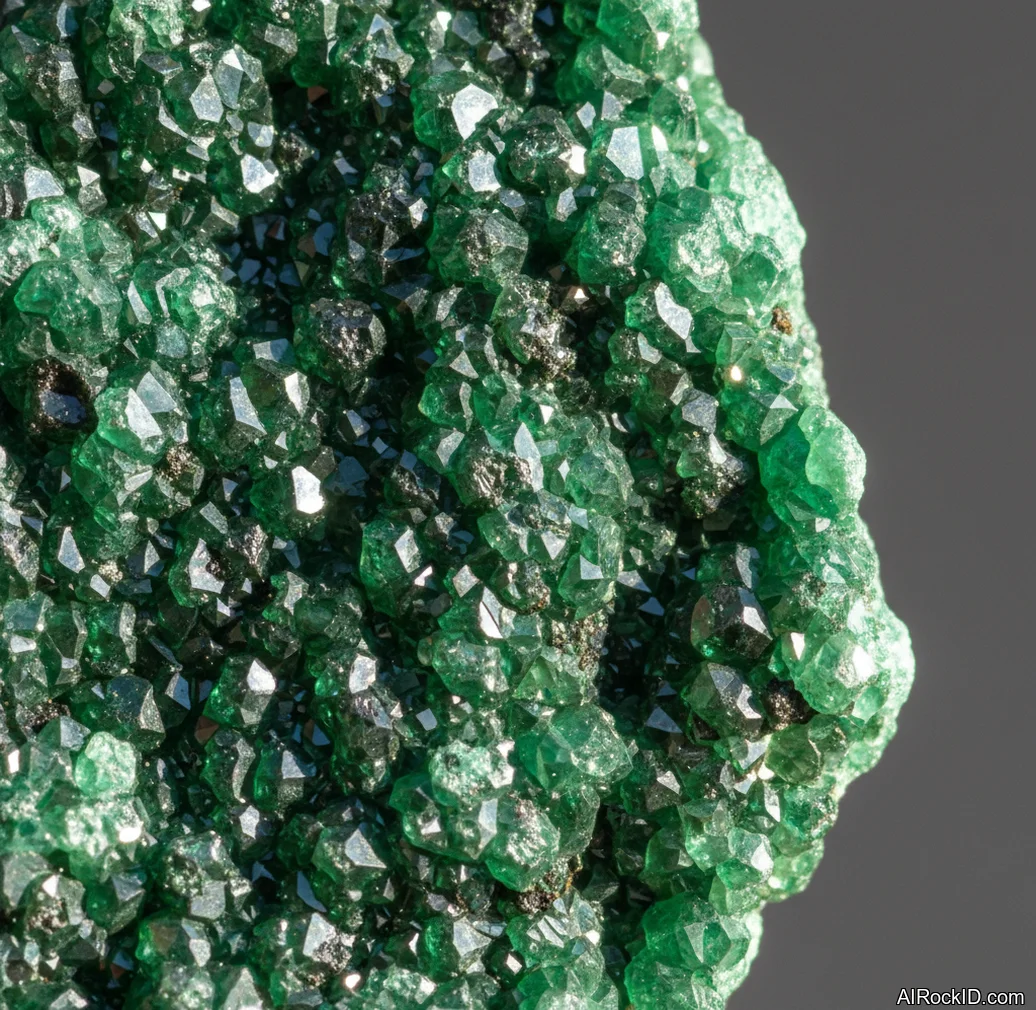
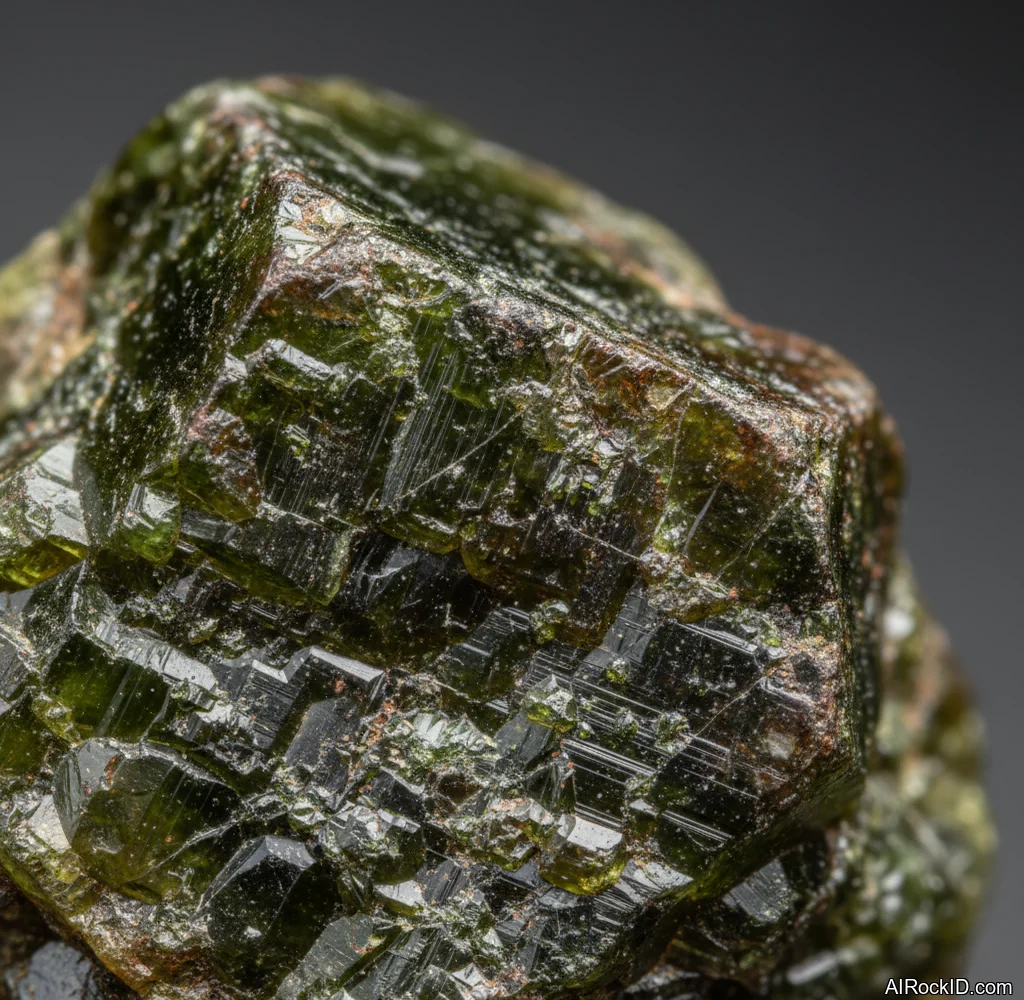
Quick answer: Growth crystals are stones commonly associated in crystal traditions with renewal, progress, abundance, and personal development. This tag groups minerals such as malachite, moss agate, citrine, and peridot that people often choose for symbolic support during change, goal-setting, or new routines.
Explore Growth crystals and what they’re used for, with tips on choosing real stones like malachite, moss agate, citrine, and peridot.


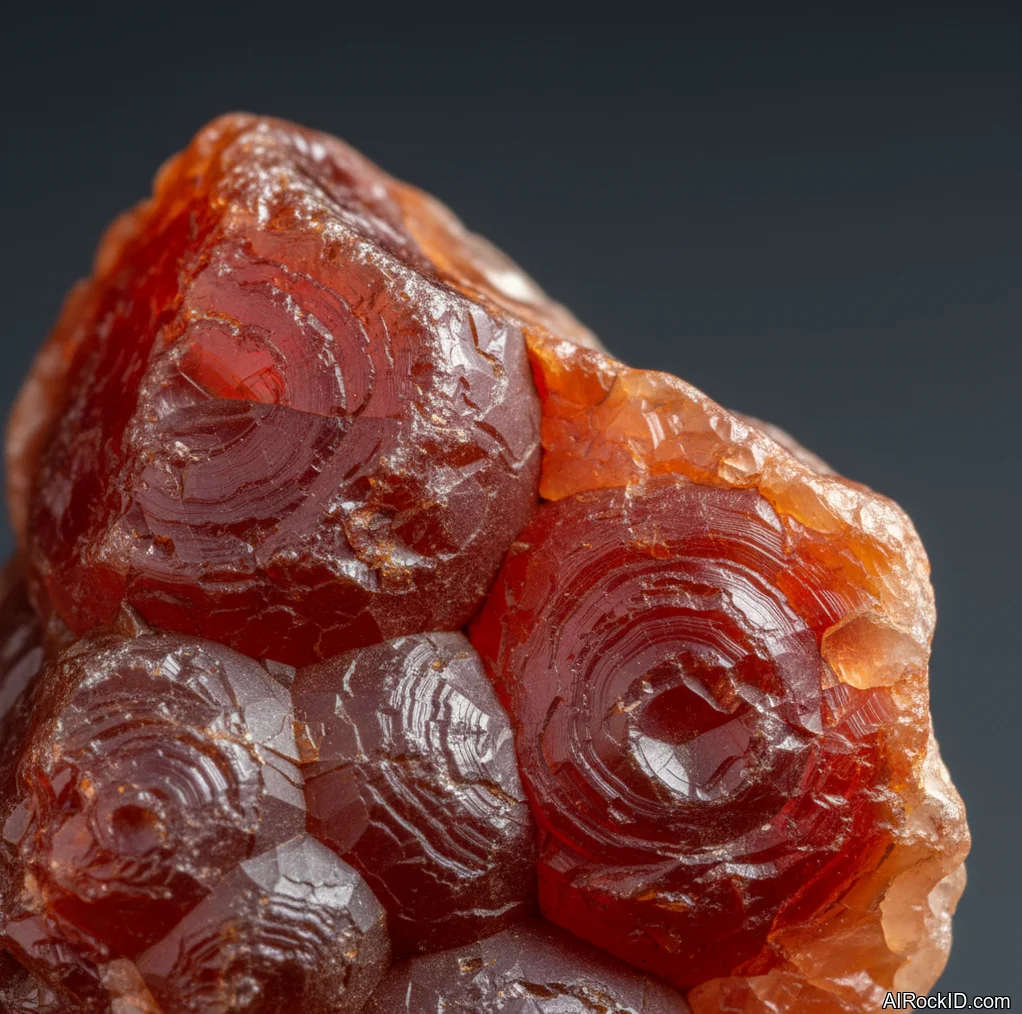
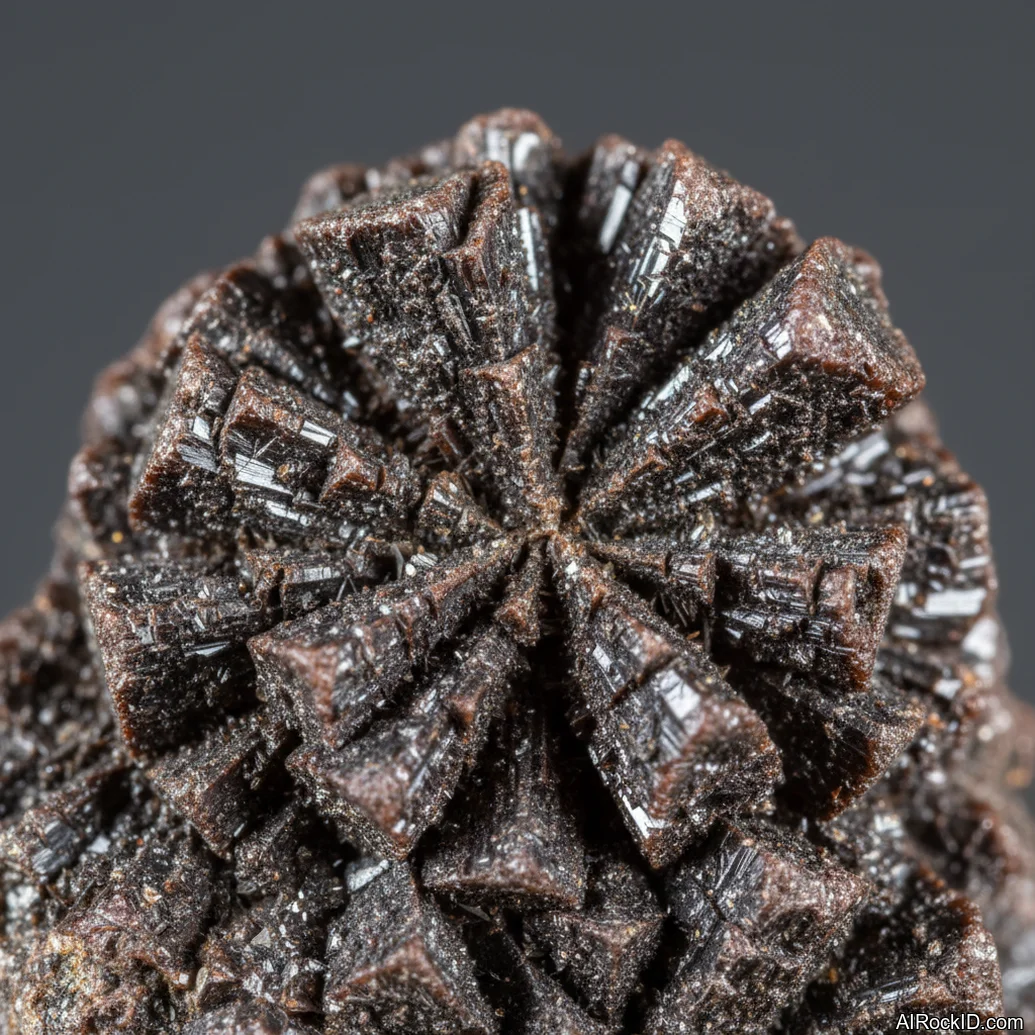
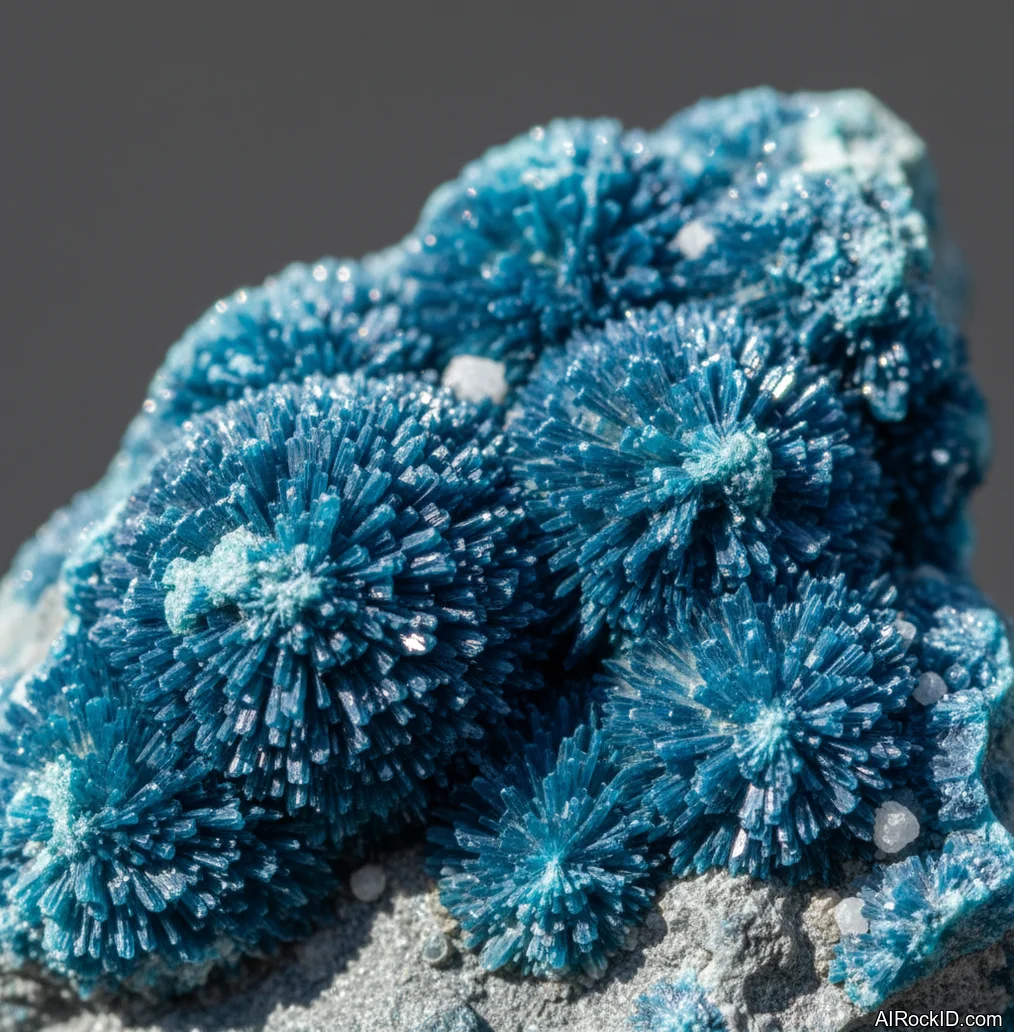
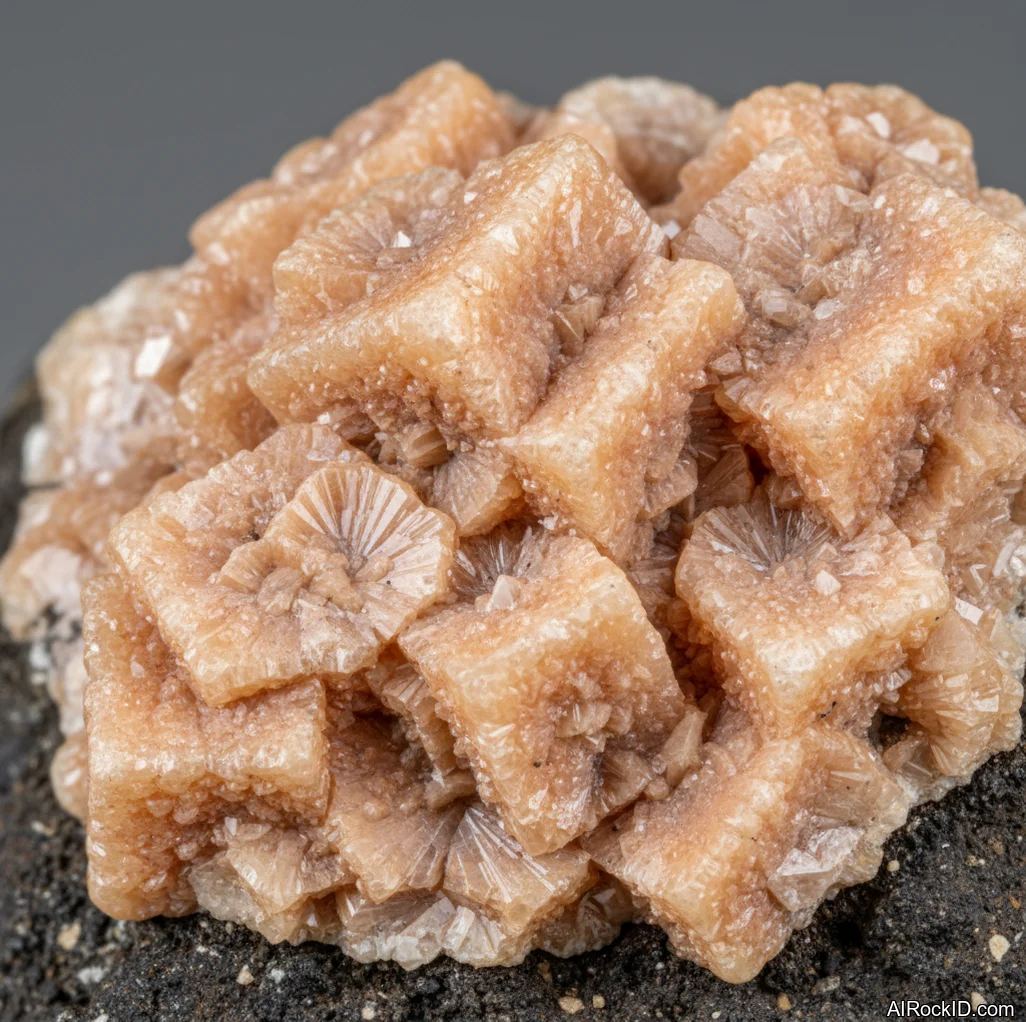
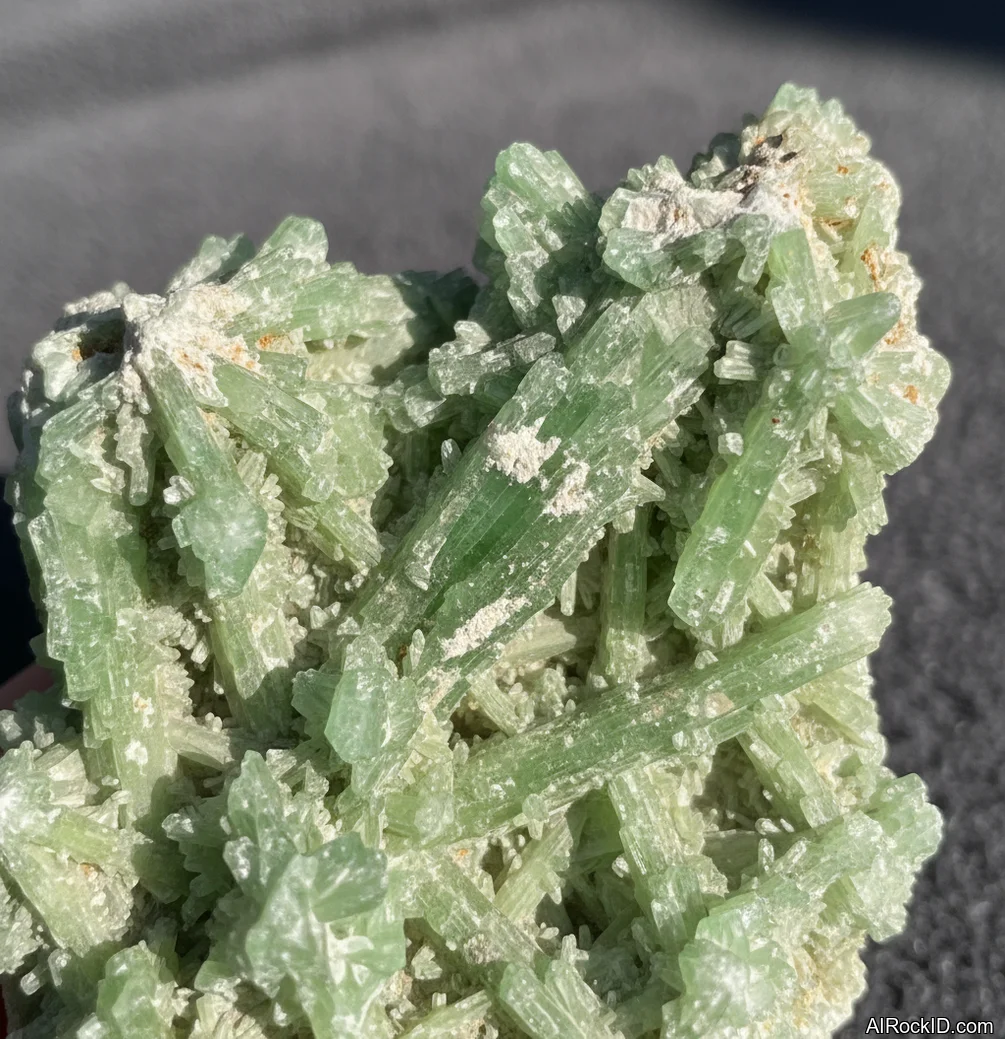
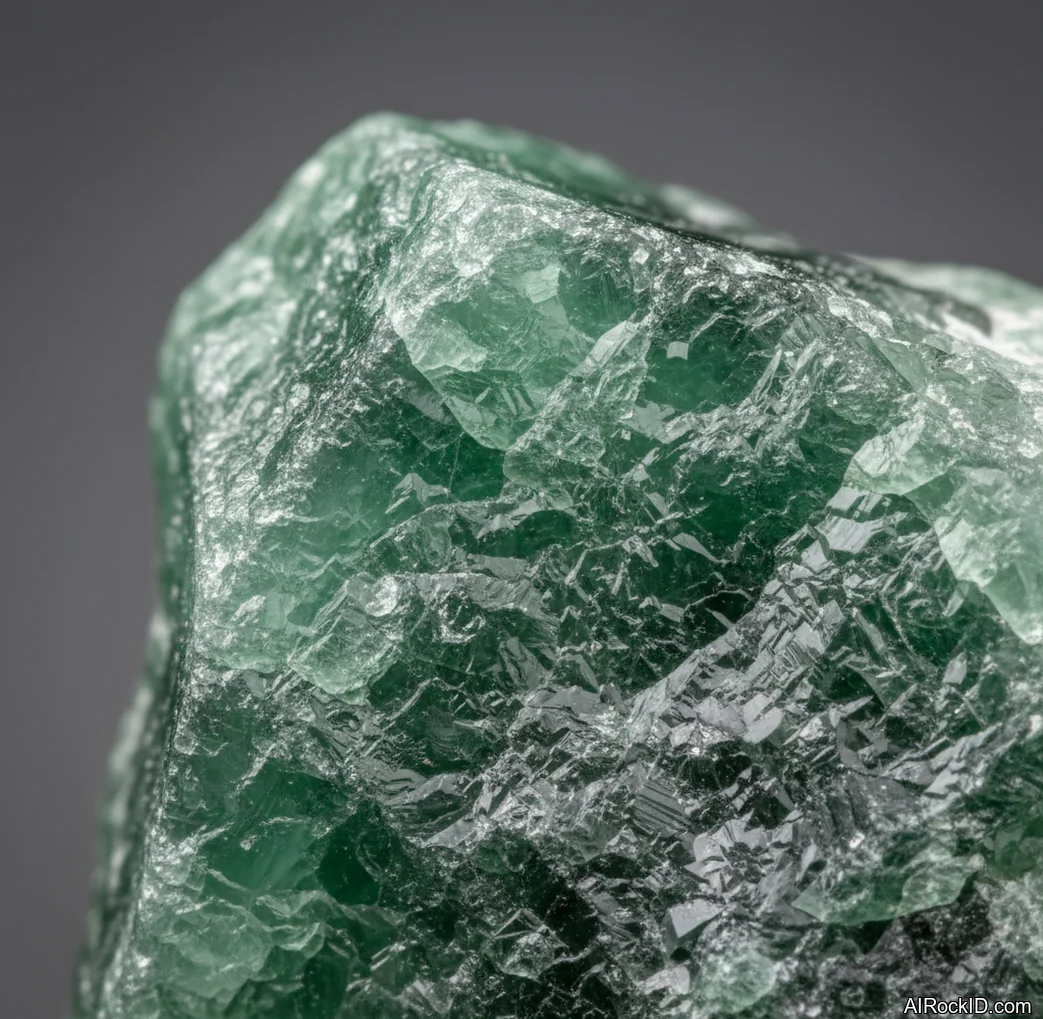
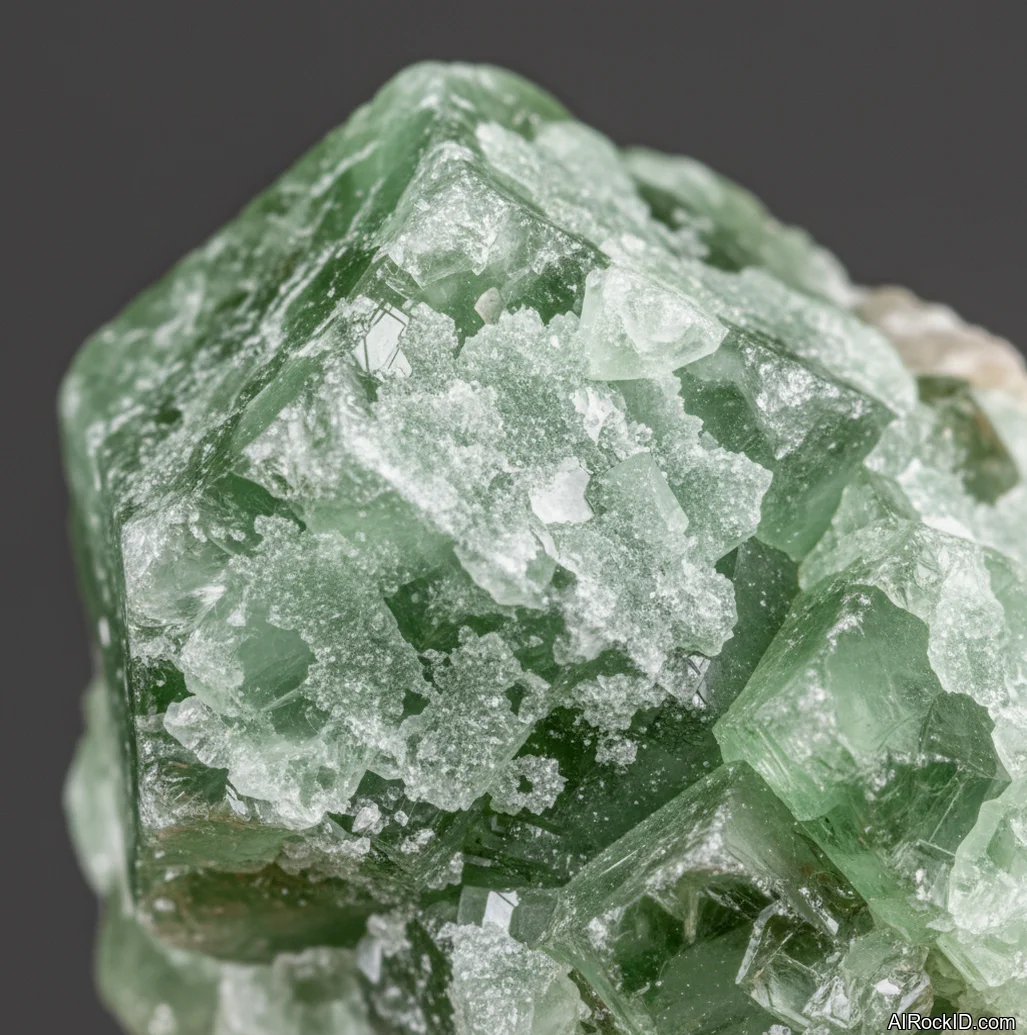
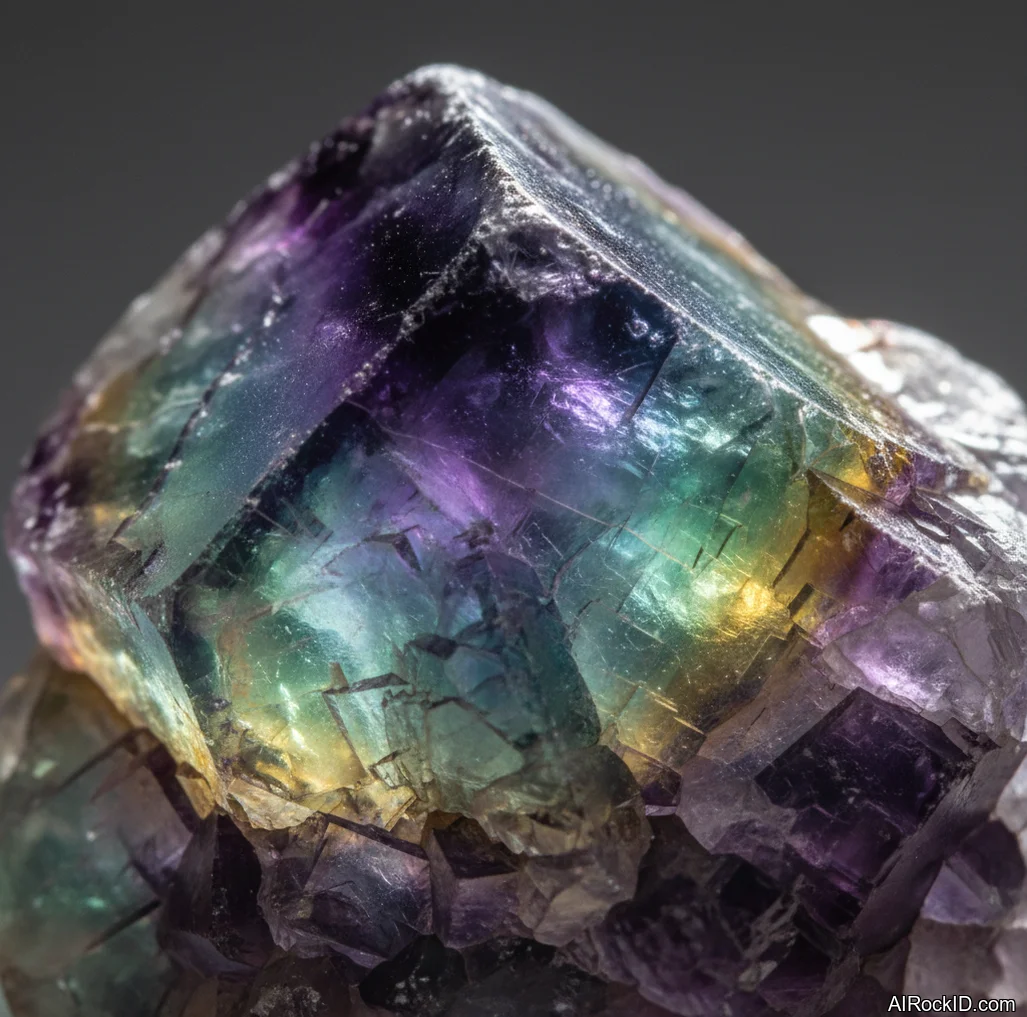
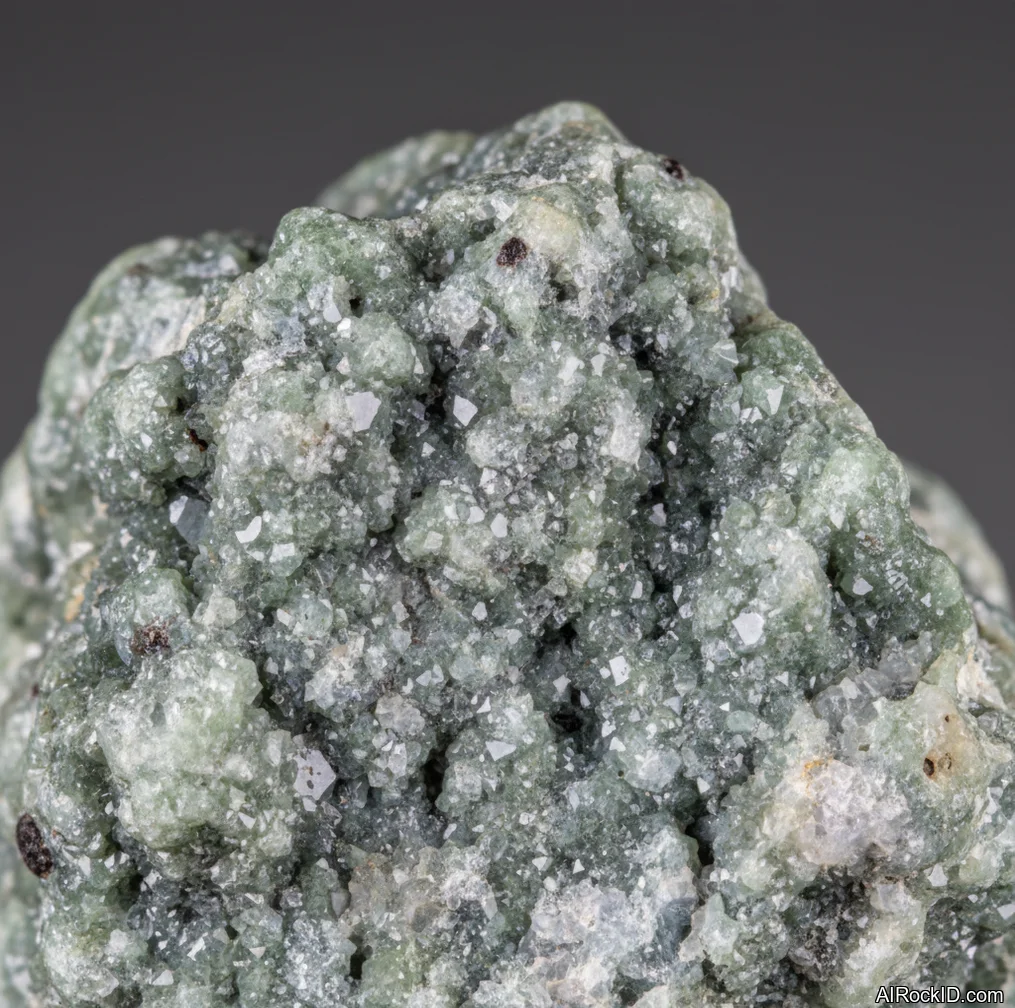
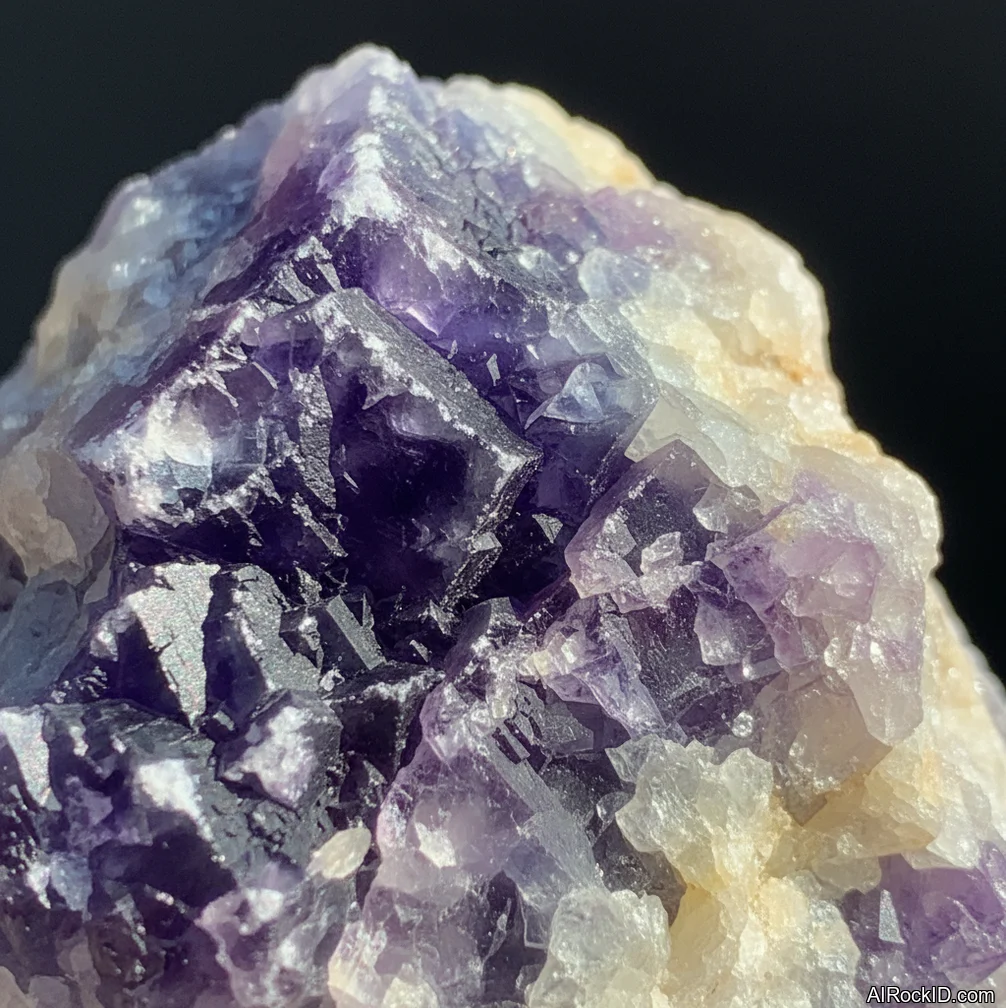
Growth crystals are minerals that collectors and metaphysical users associate with personal development, progress, and breaking through obstacles. Common growth crystals include green aventurine, citrine, moss agate, and malachite. These stones are chosen for times of change, whether that's starting a new job, rebuilding after a setback, or developing healthier habits. These associations come from metaphysical traditions and are not medical claims.
Growth crystals can't force change or guarantee results in your life. They're not a substitute for therapy, medical advice, or taking action yourself.
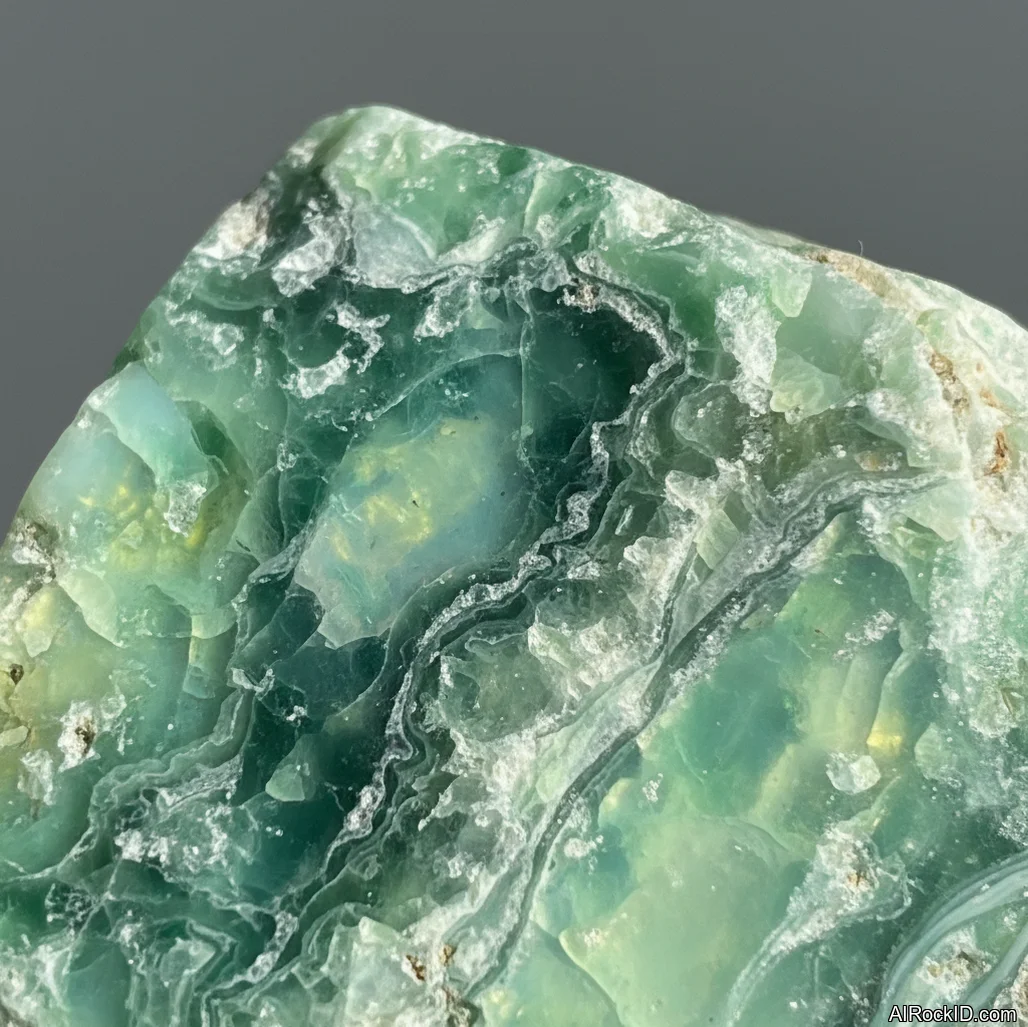
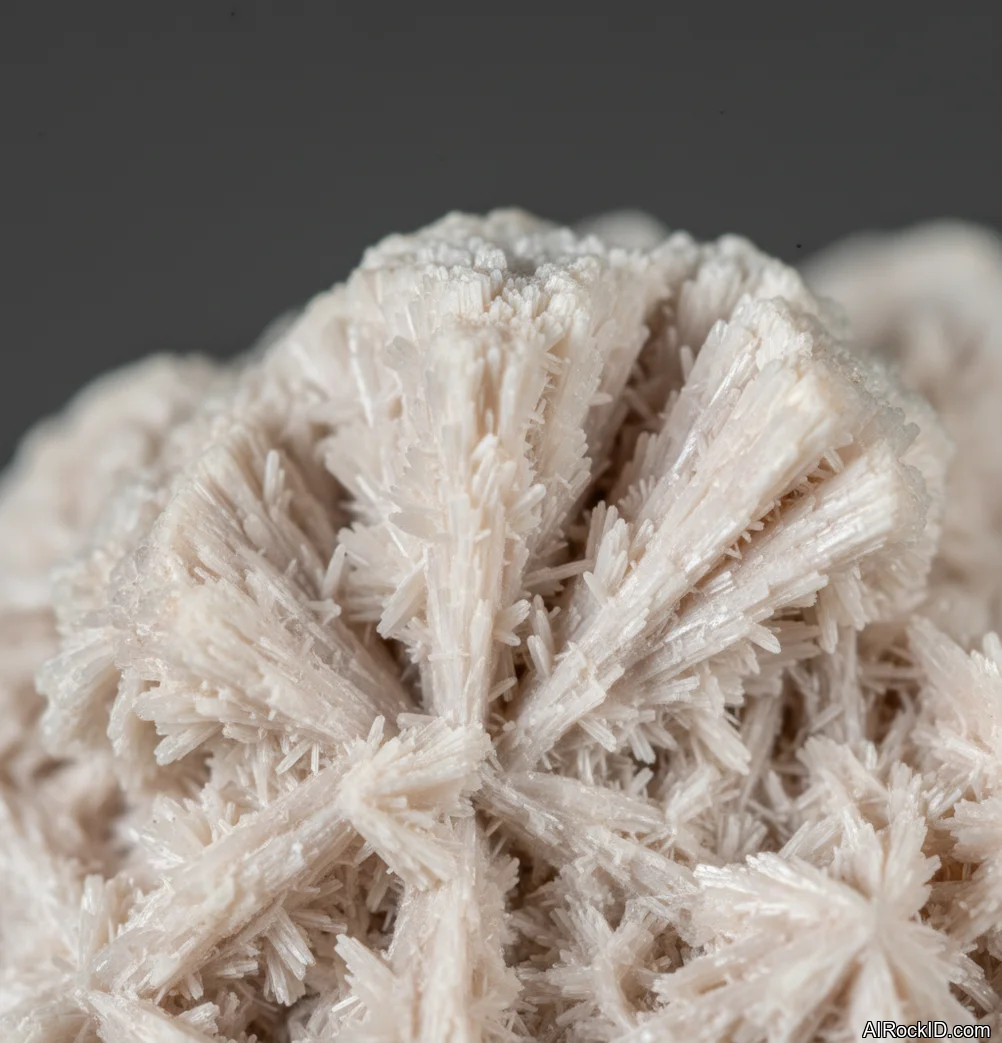
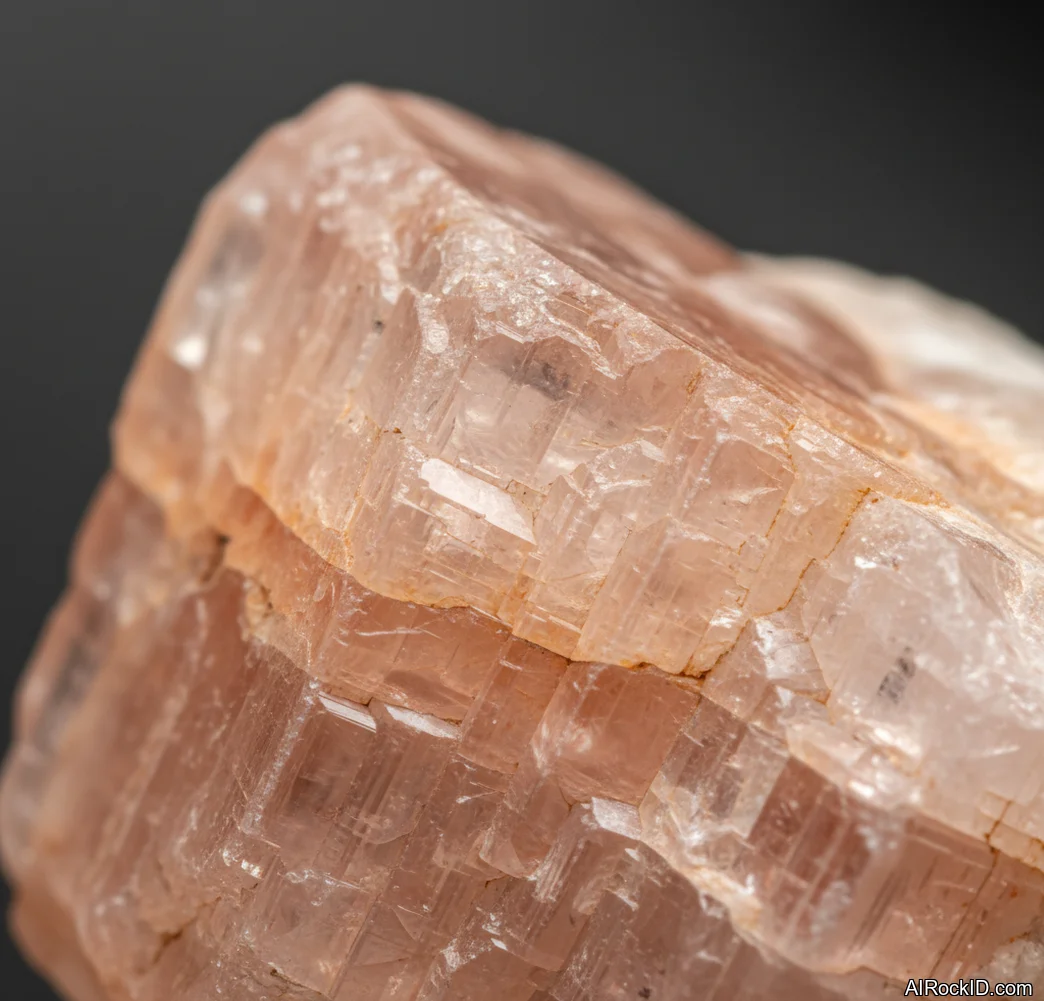
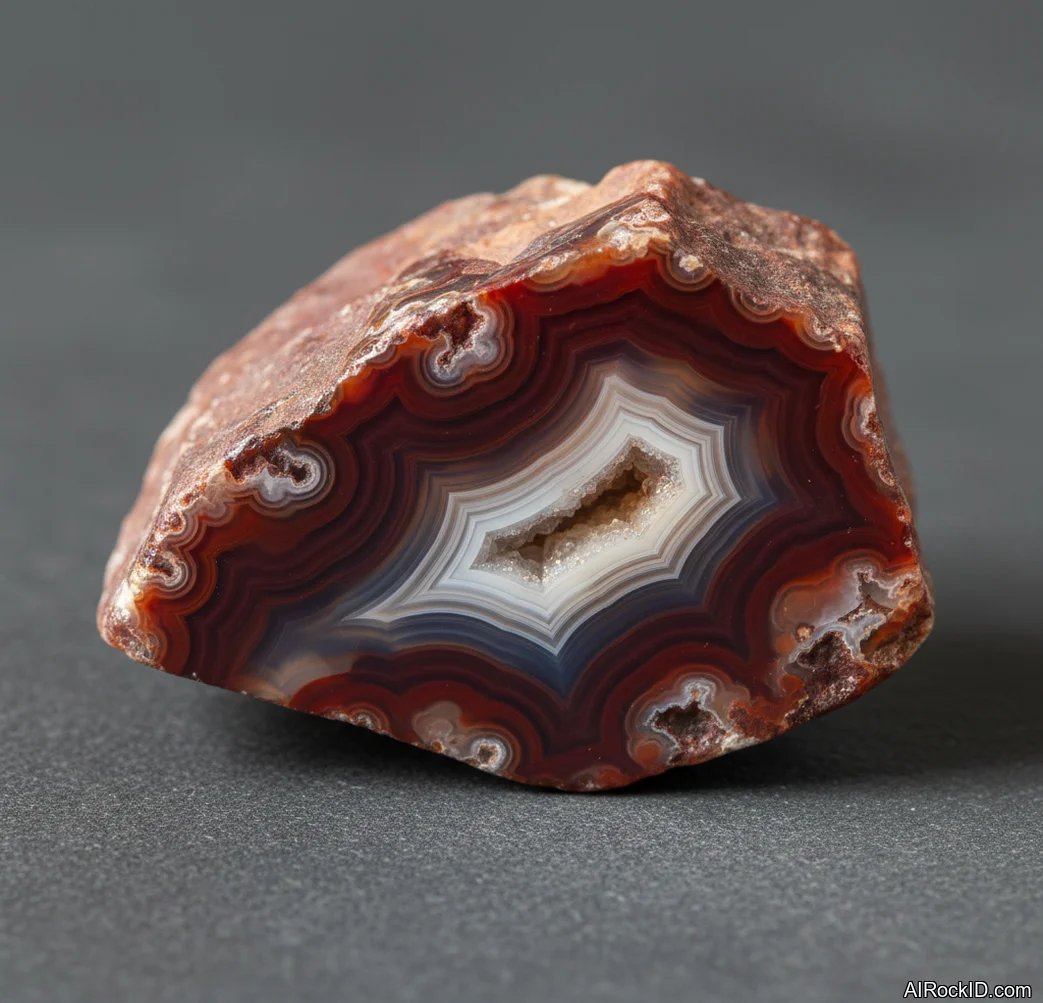
AI Rock ID can help compare a photographed specimen with visual traits such as color, luster, banding, translucency, and crystal habit. RockIdentifier.io provides identification support and educational context, but final confirmation may still require hardness tests, provenance, or expert review.
Good fit
- Beginners looking for stones traditionally linked with renewal, motivation, or abundance
- Collectors who enjoy green, yellow, or earth-toned minerals with visible natural patterns
- People building a themed crystal set around personal goals or seasonal change
- Gift shoppers choosing symbolic stones for milestones, new jobs, or fresh starts
Not a good fit
- Anyone seeking a substitute for medical, financial, or mental health care
- Collectors who need lab-grade identification from photos alone
- Buyers who want only untreated stones without checking seller disclosures
- Households with pets or children if soft, brittle, or copper-bearing stones may be handled unsafely
Most commonly confused with
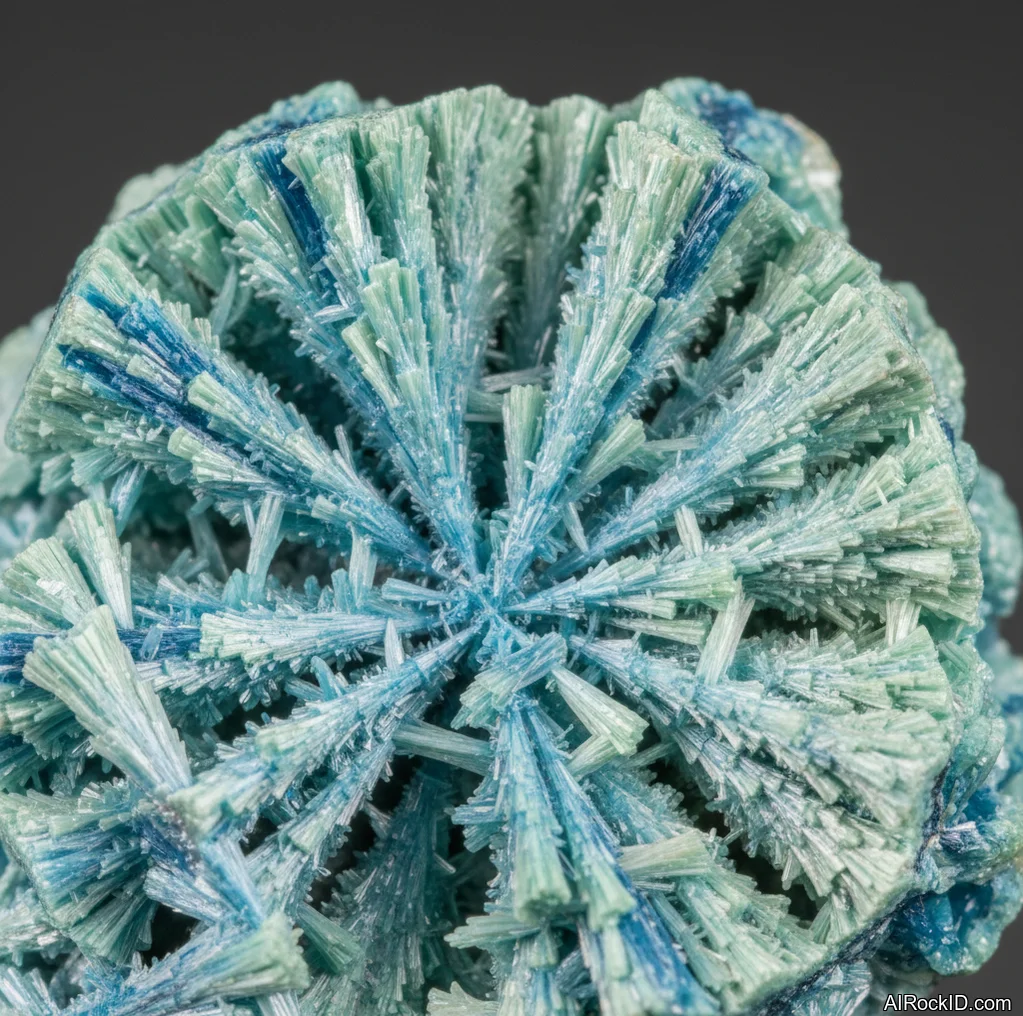
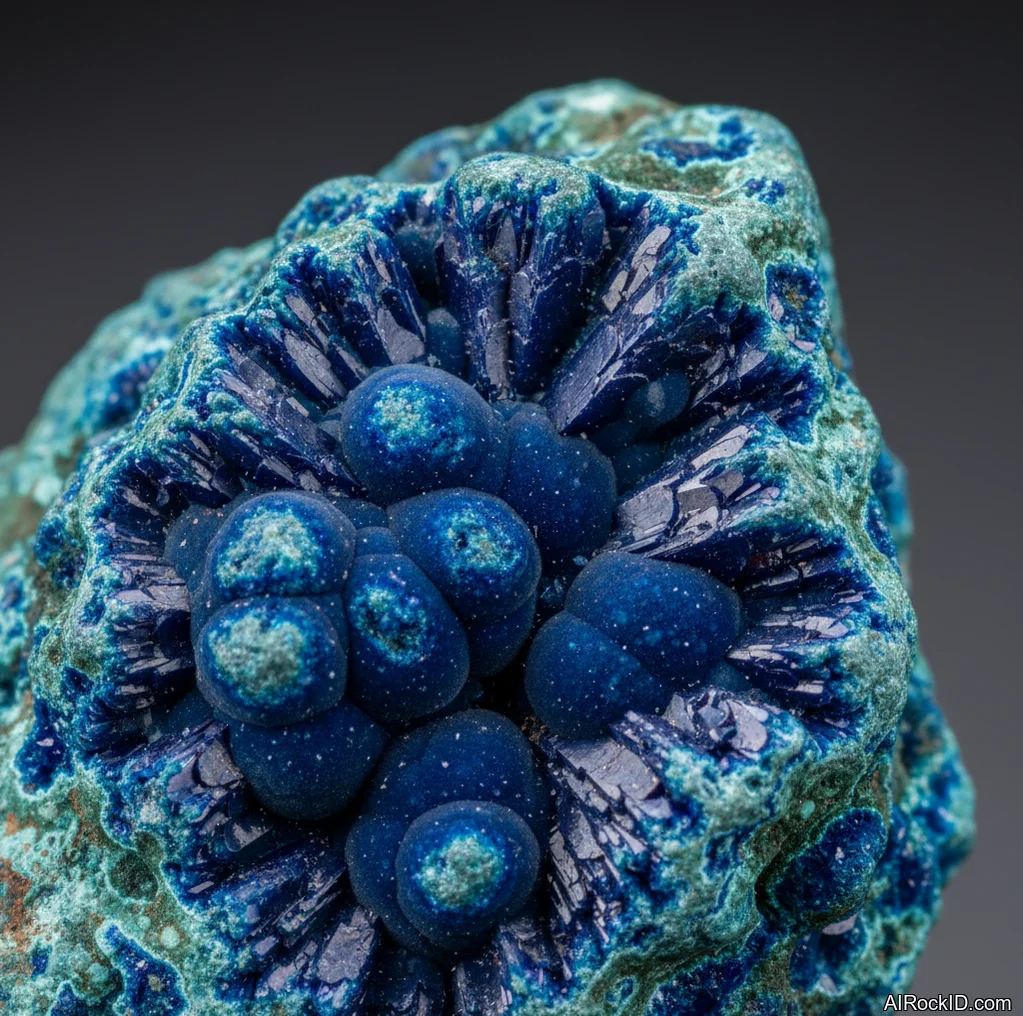
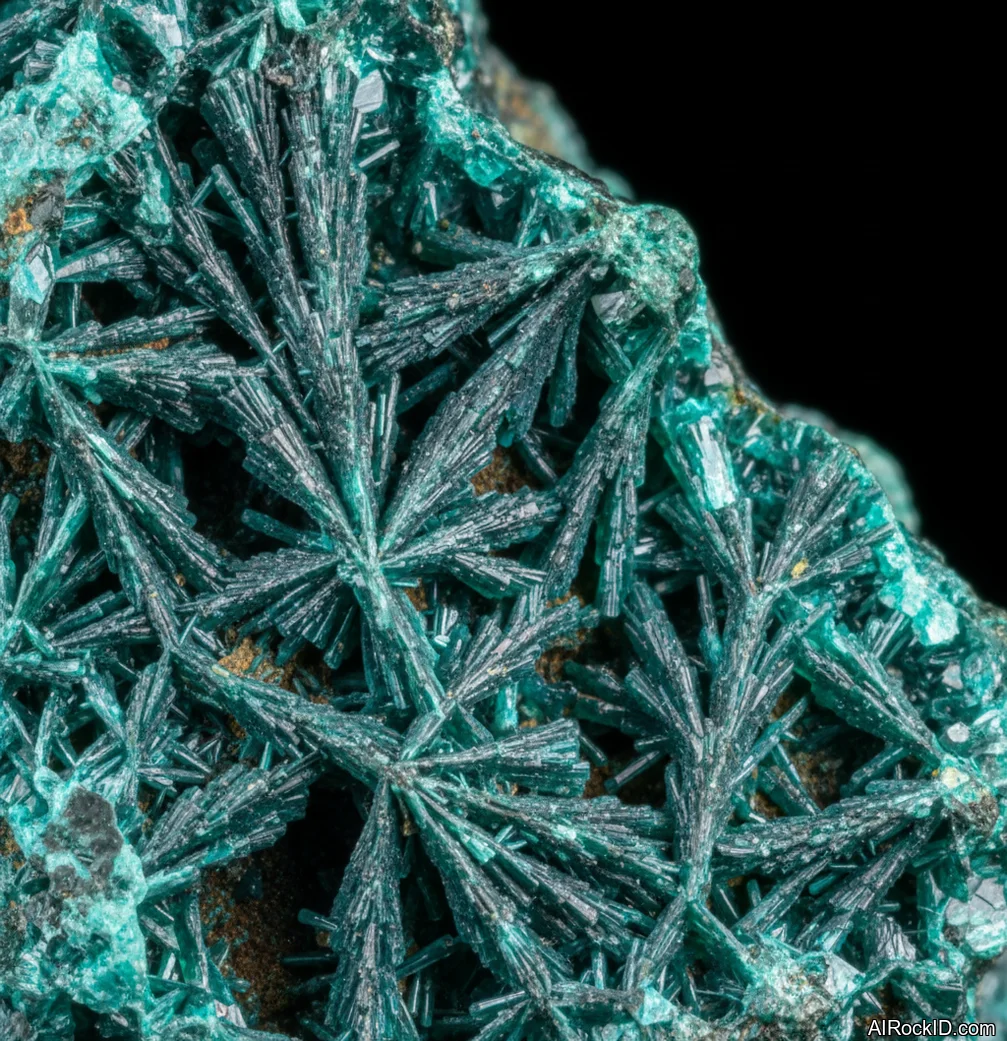
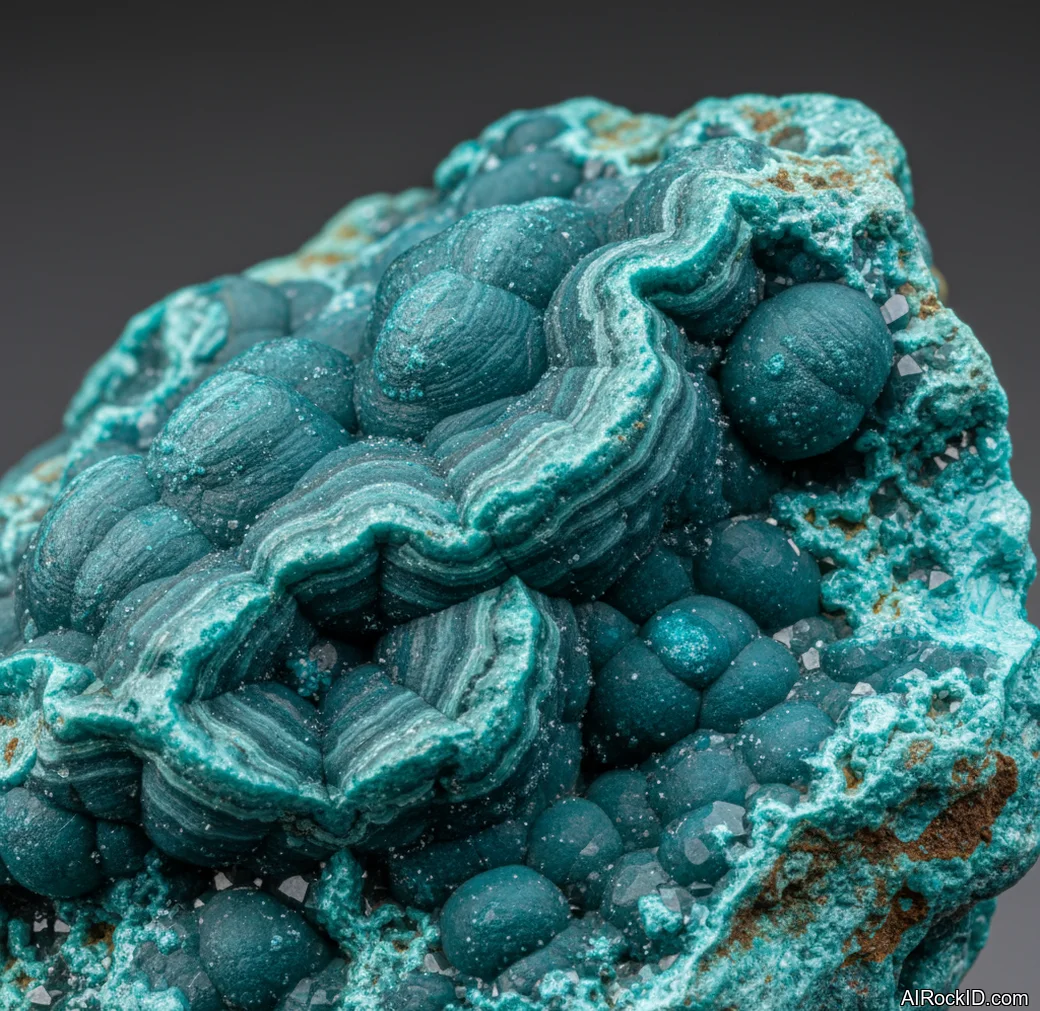
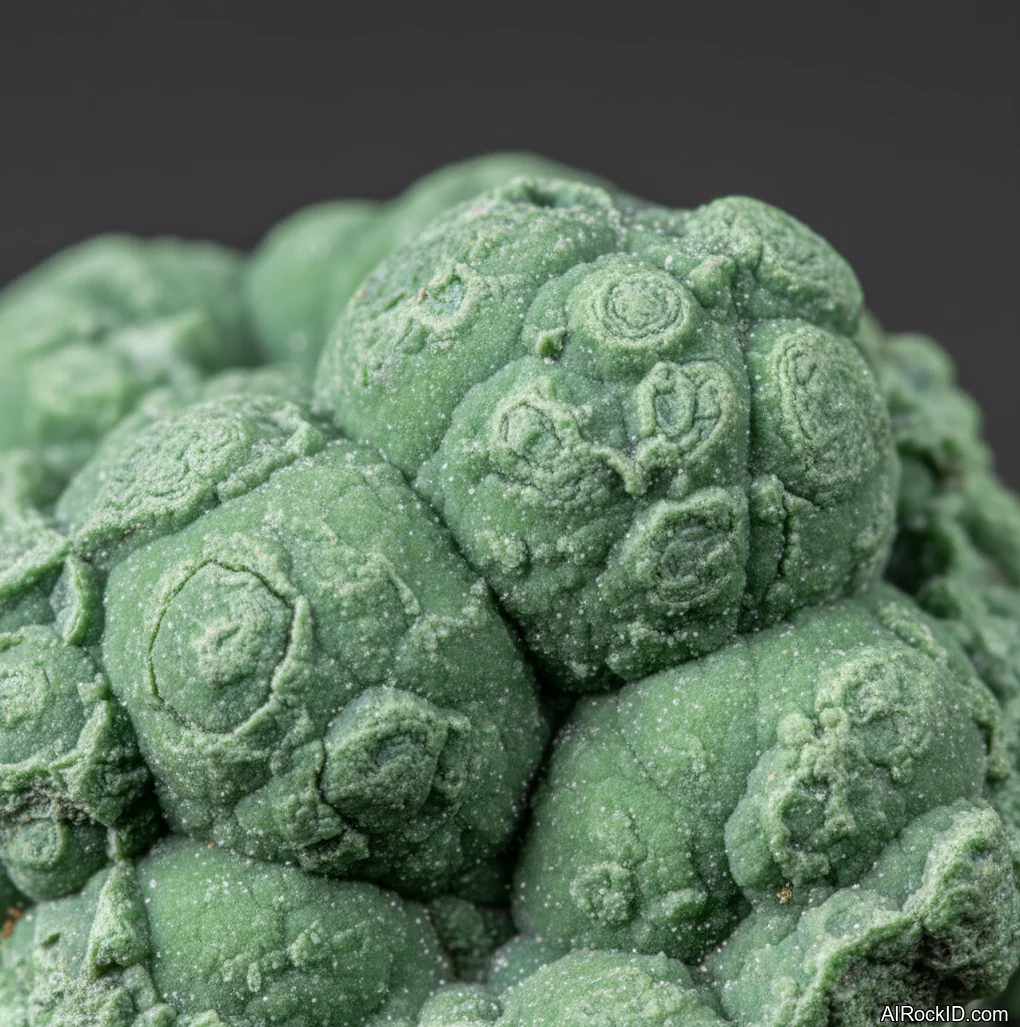
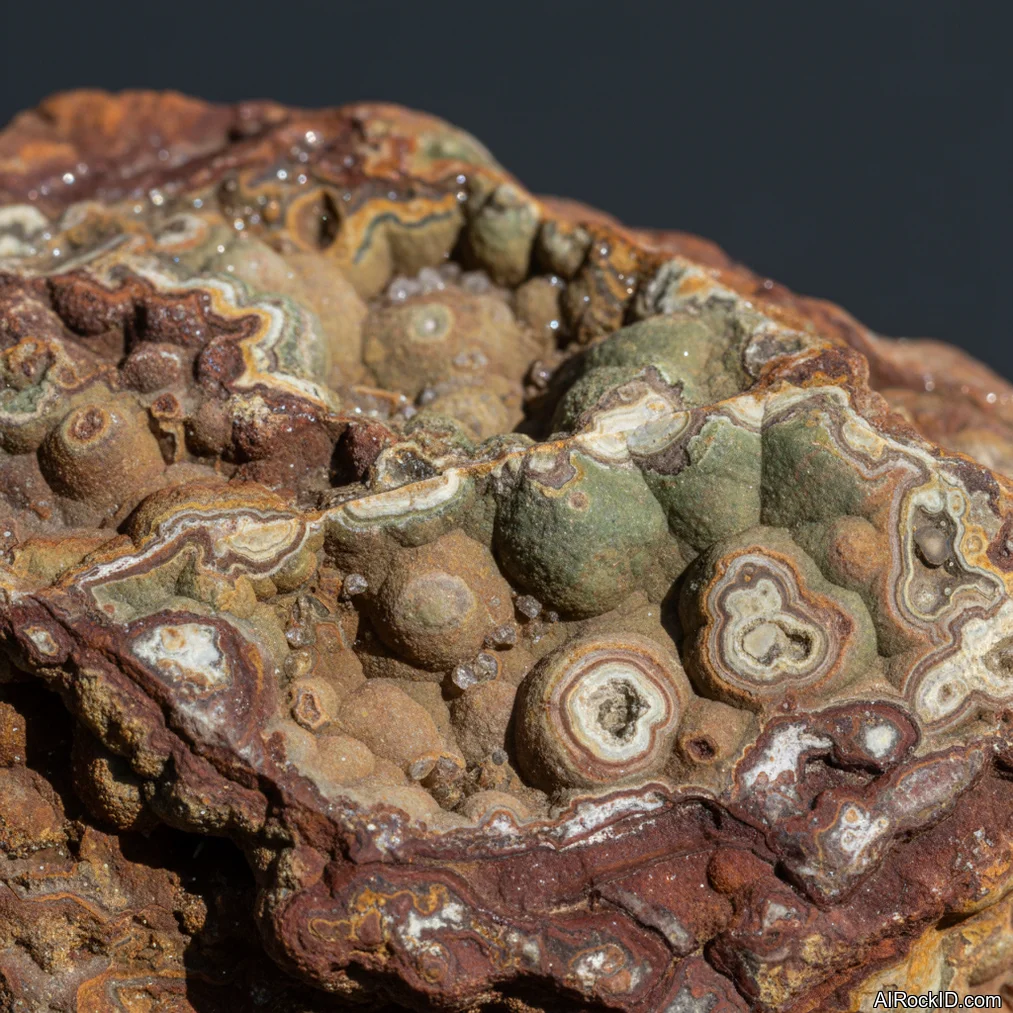
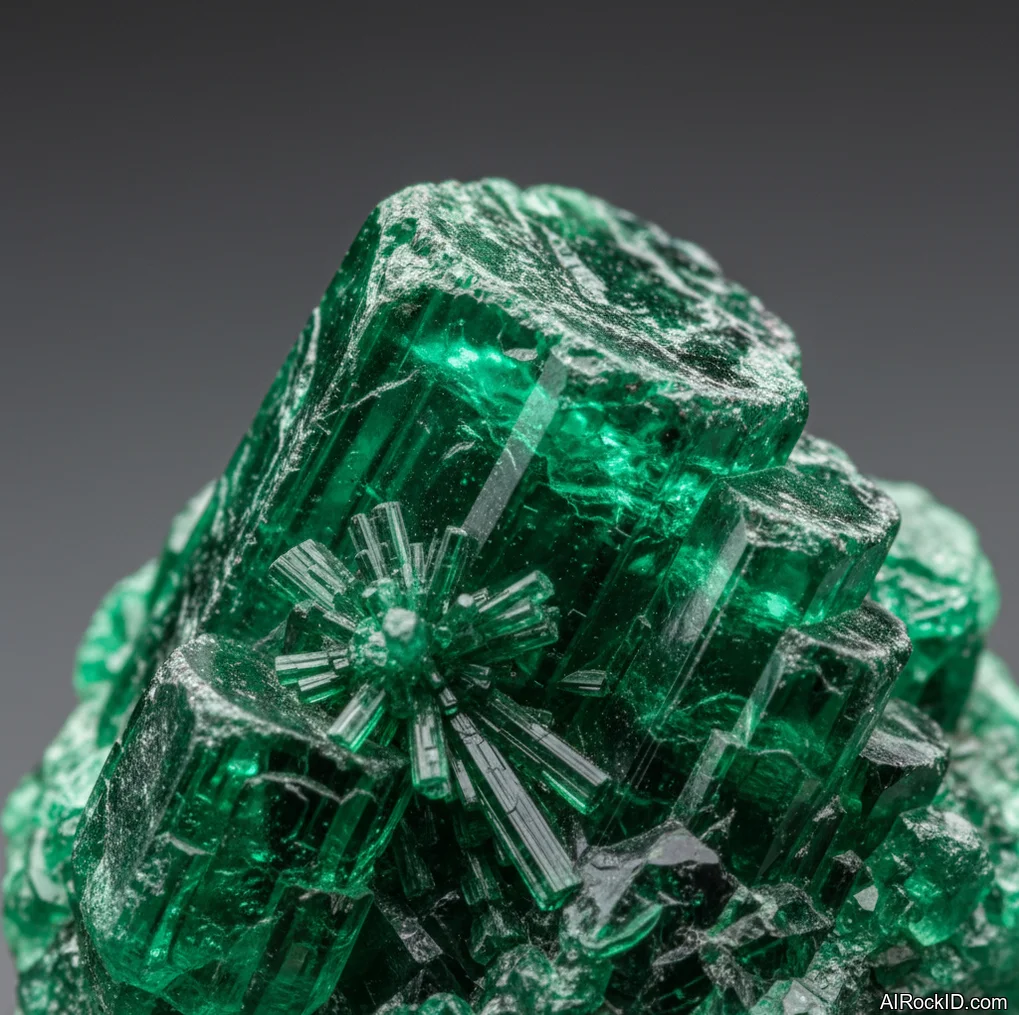
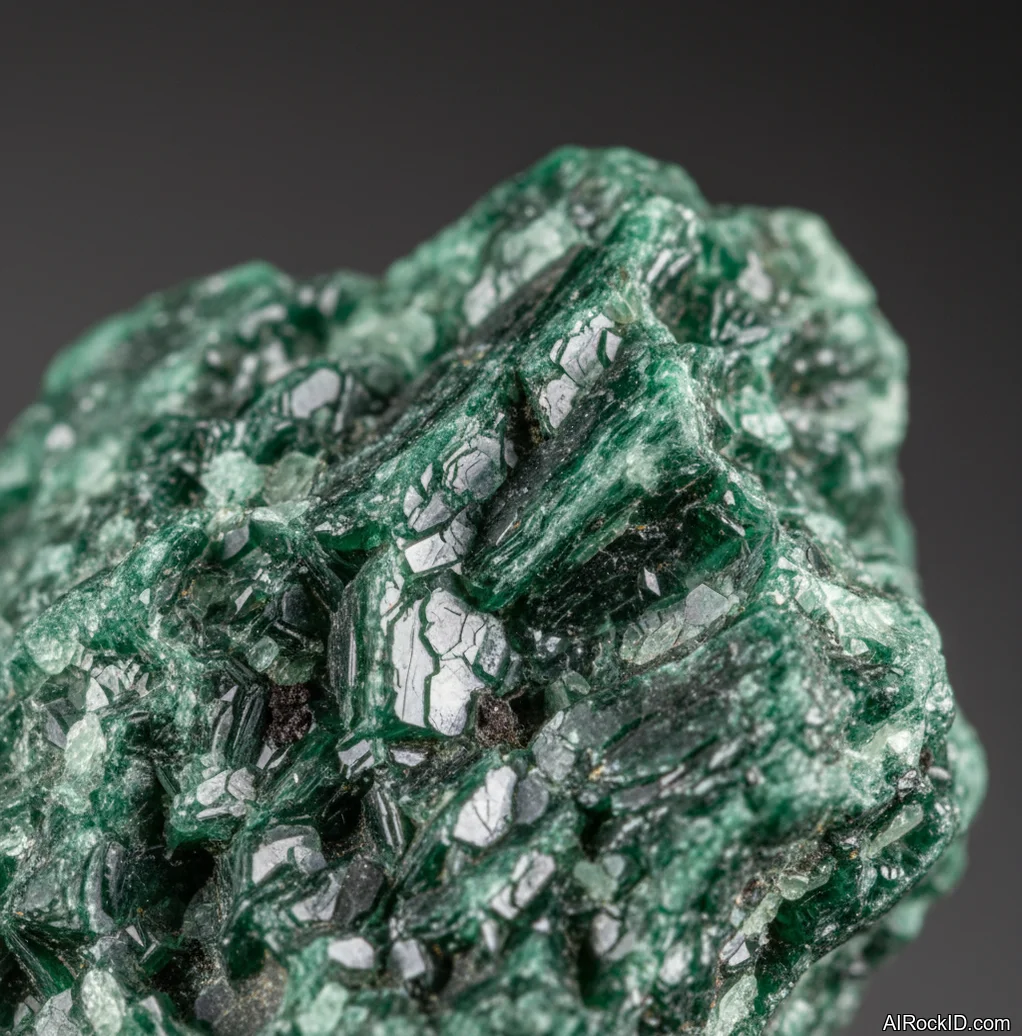
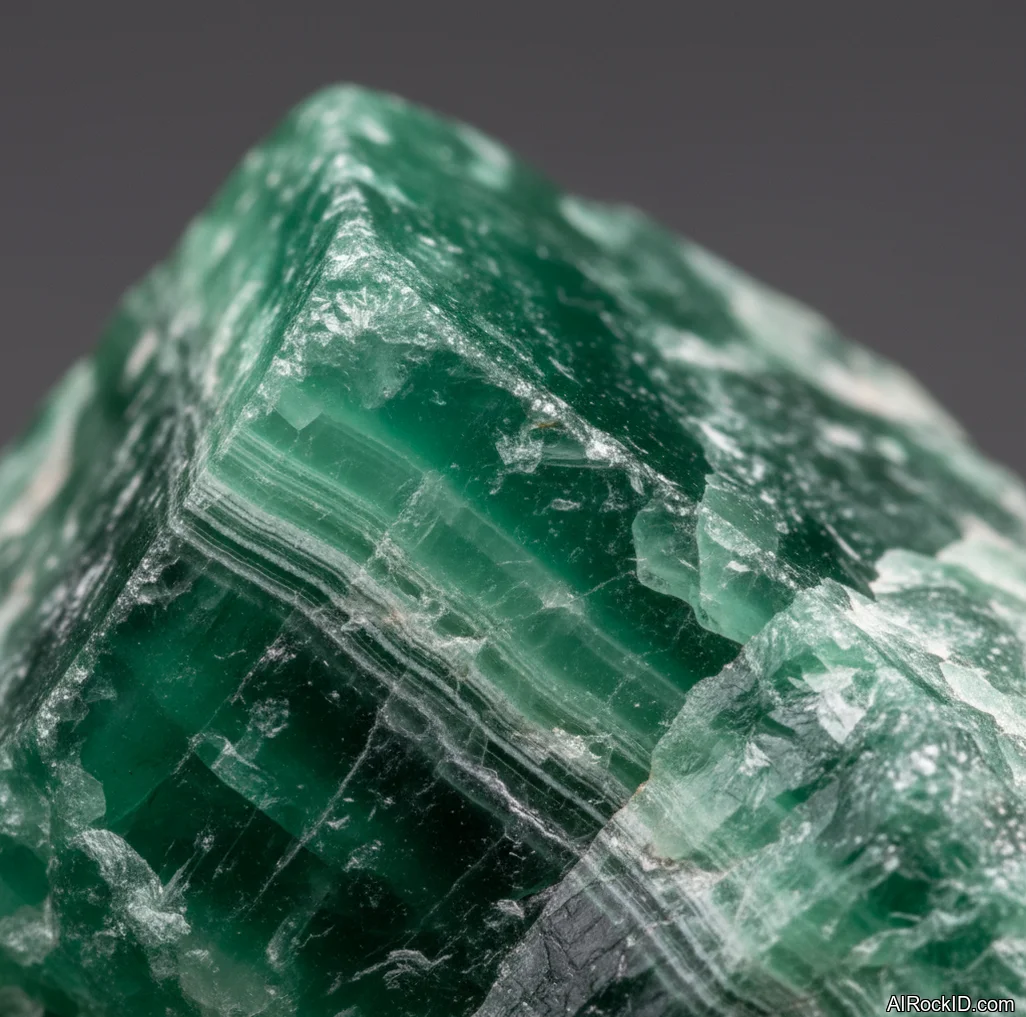
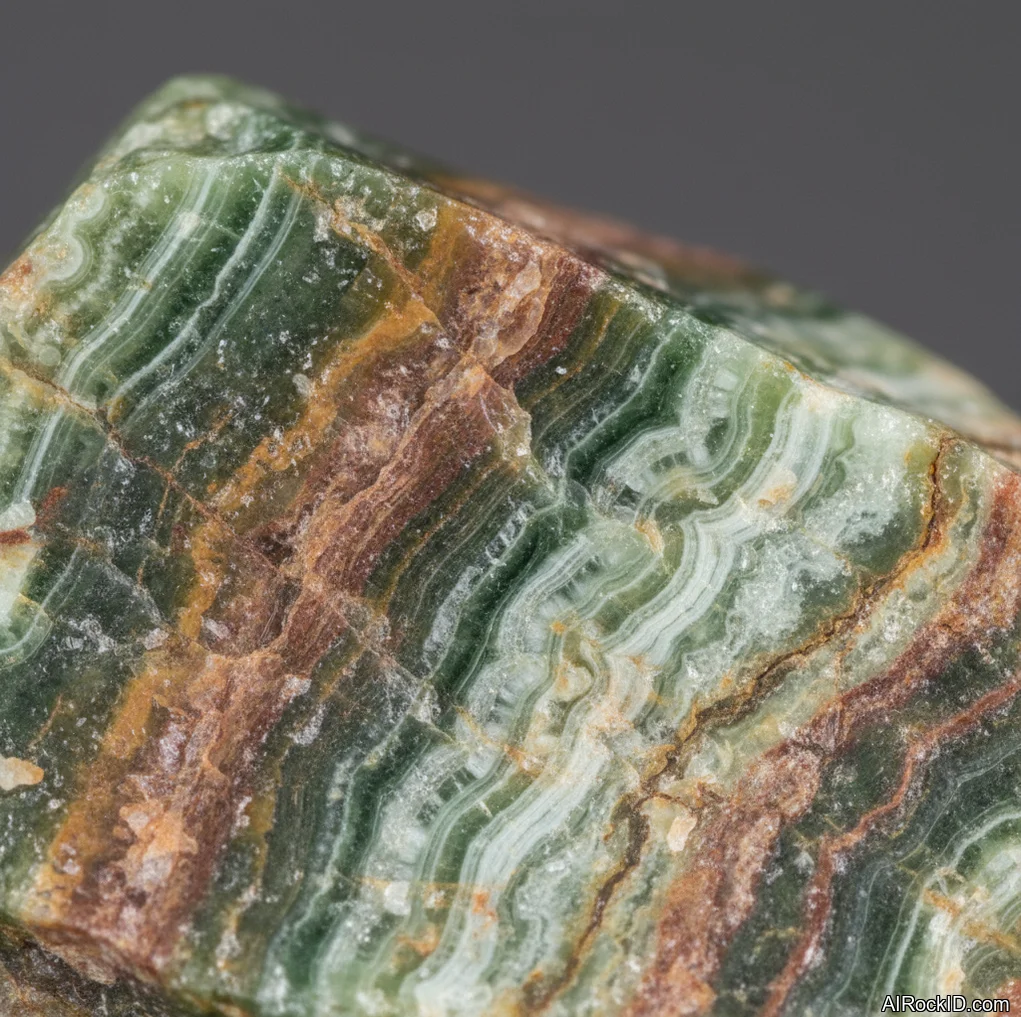
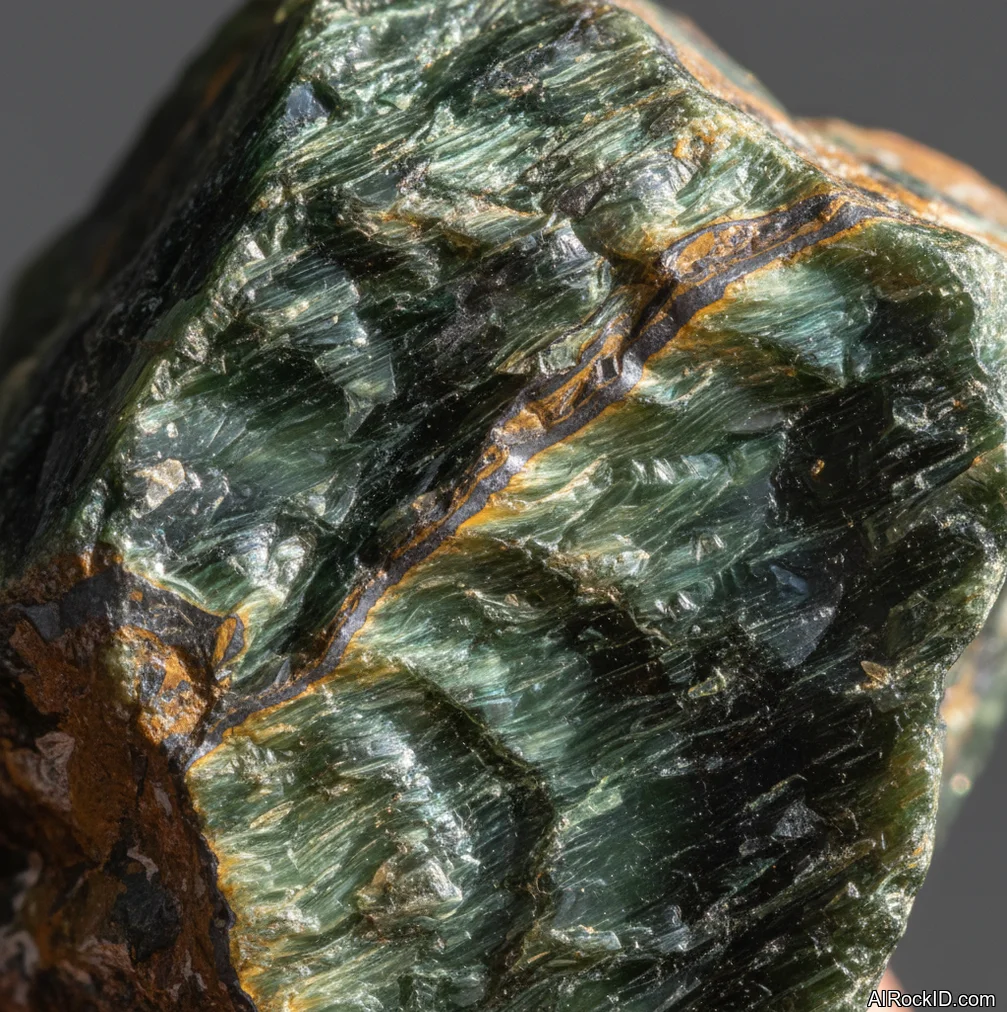
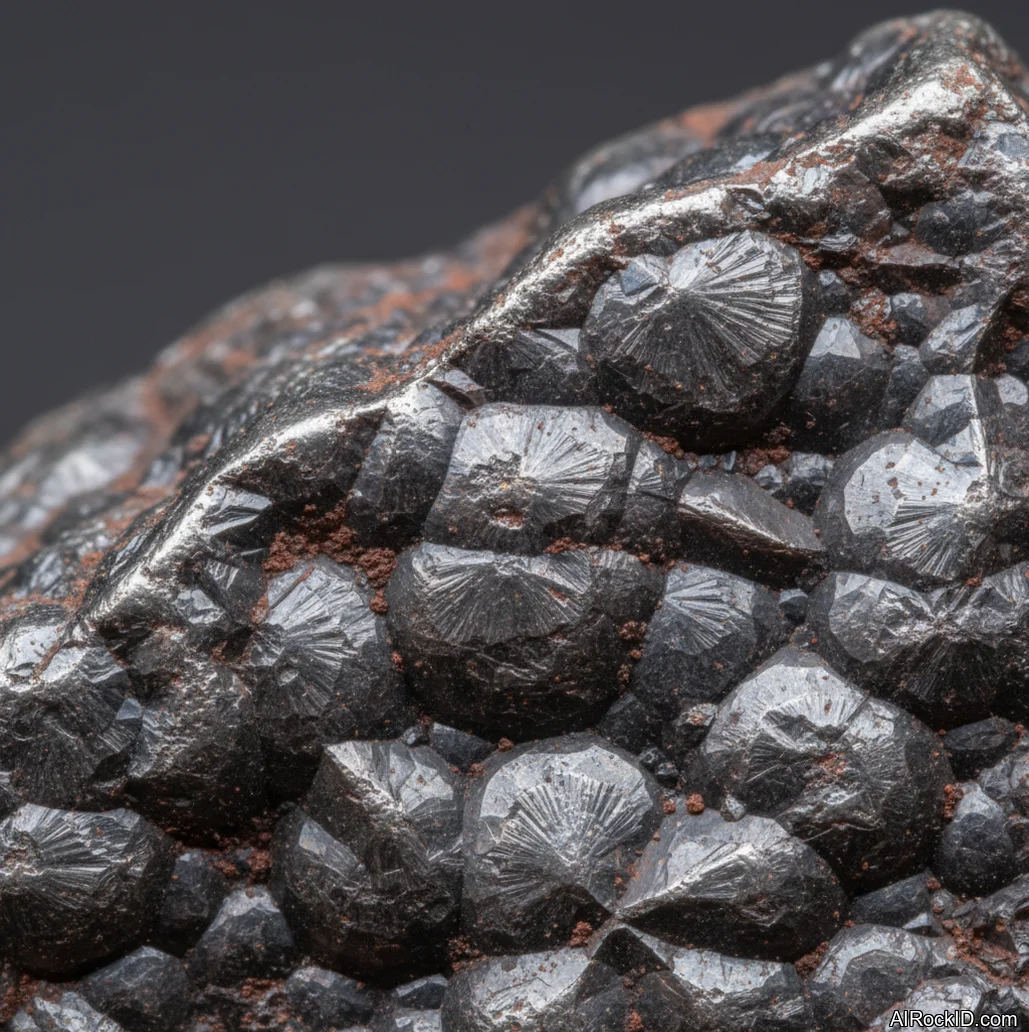
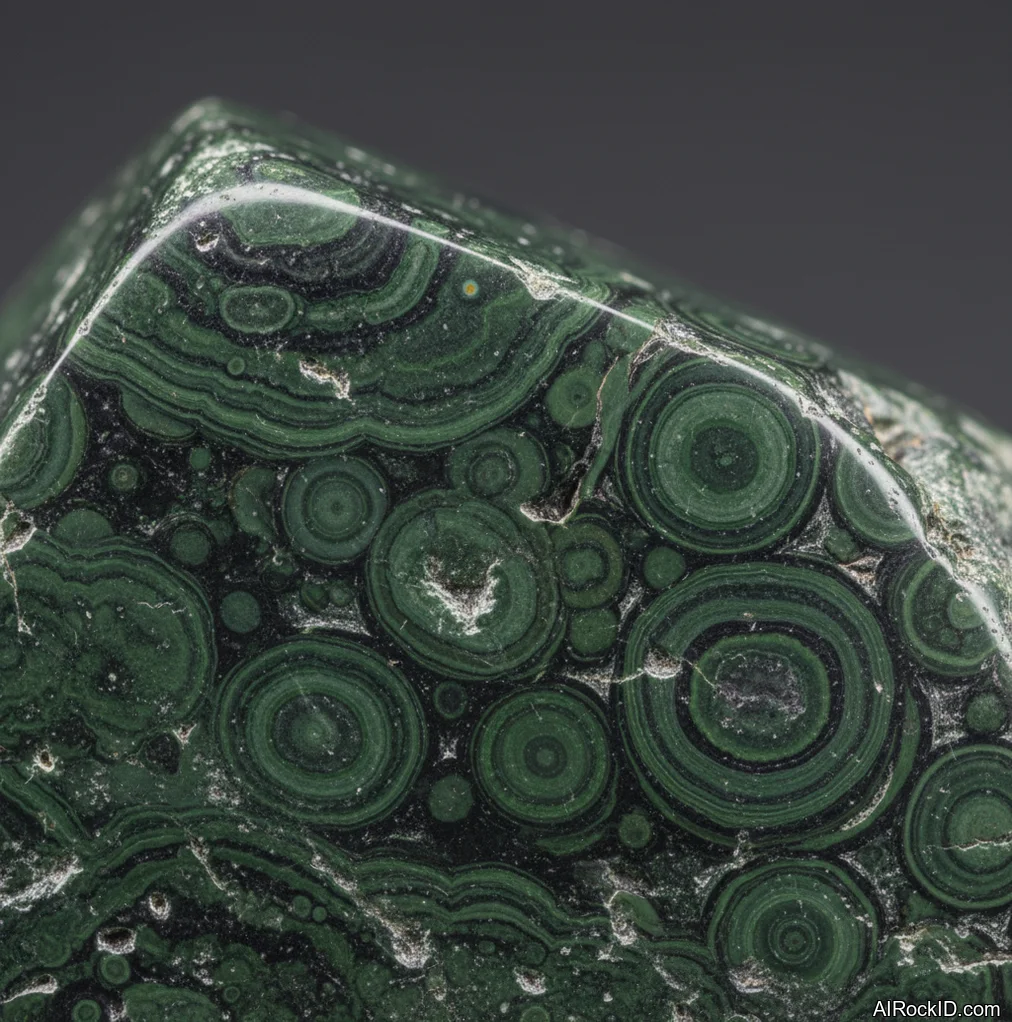
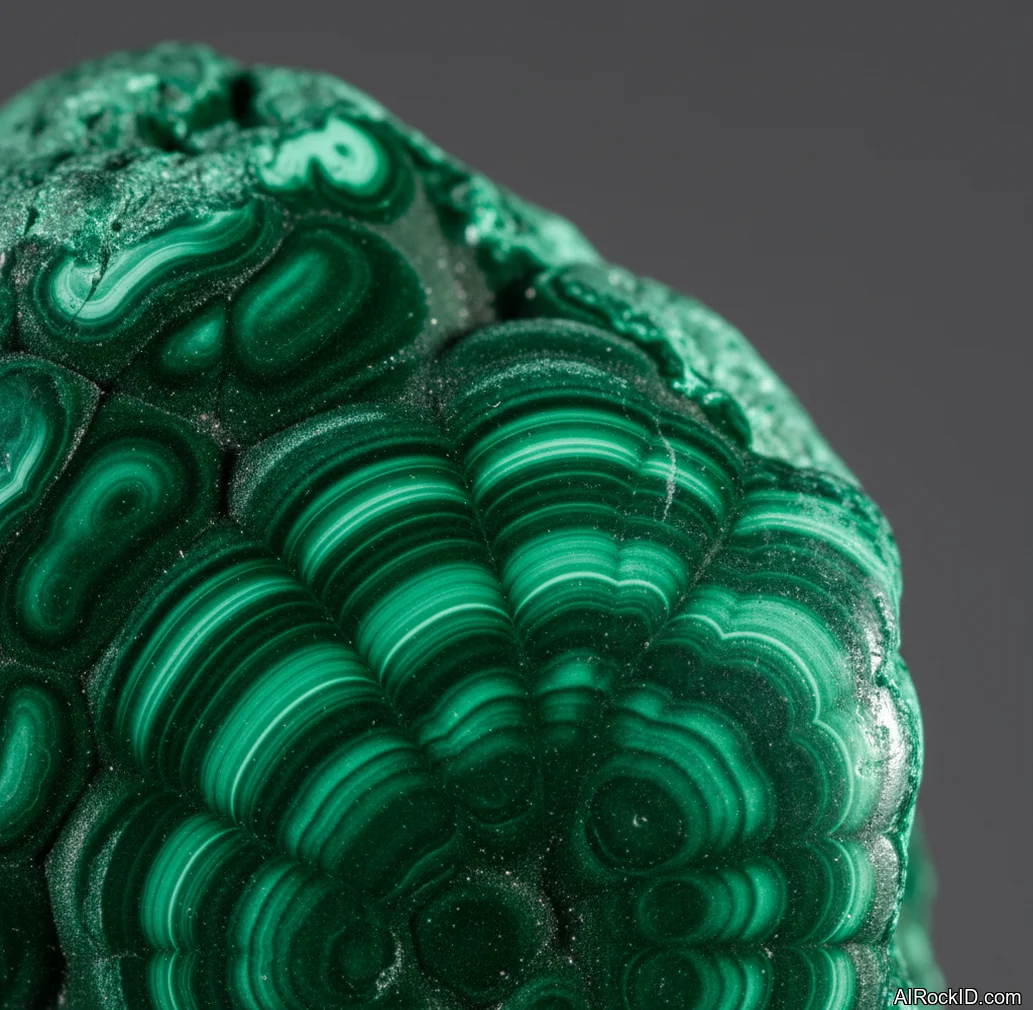
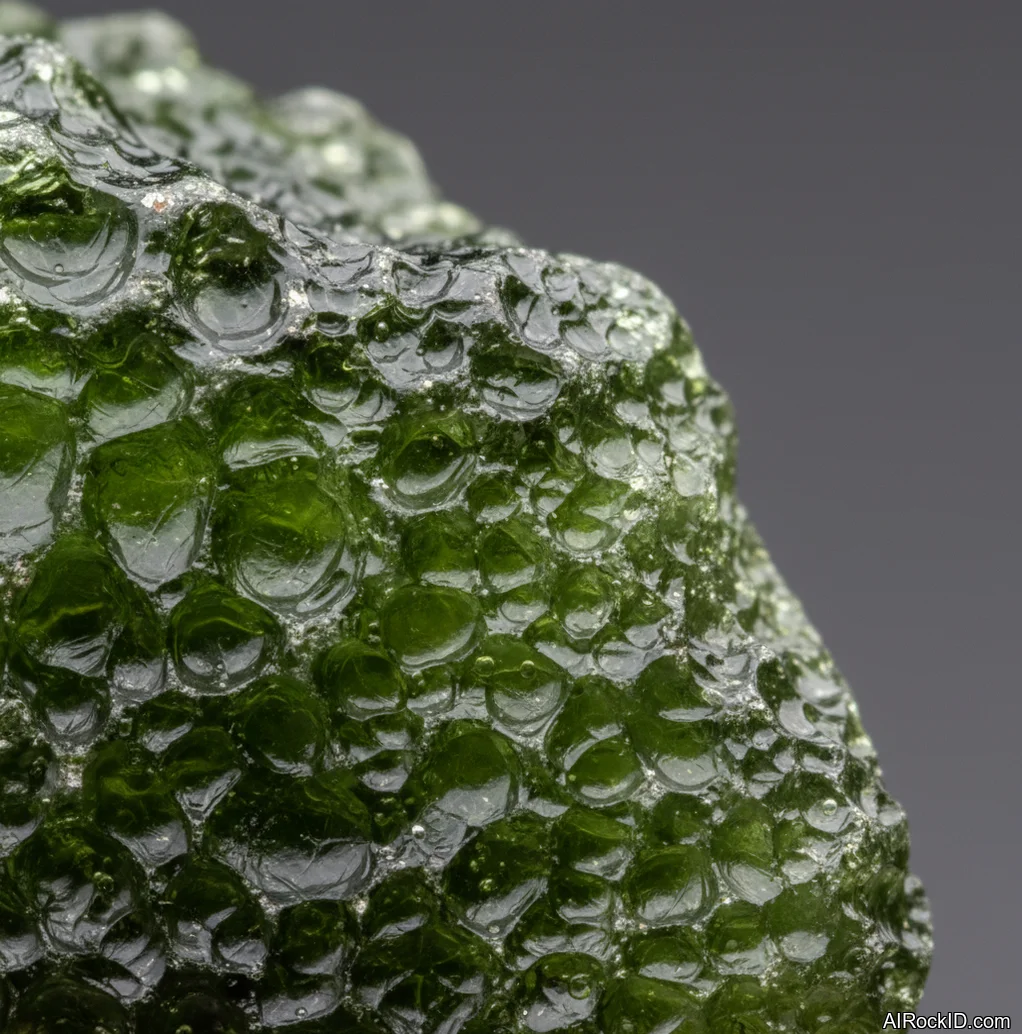
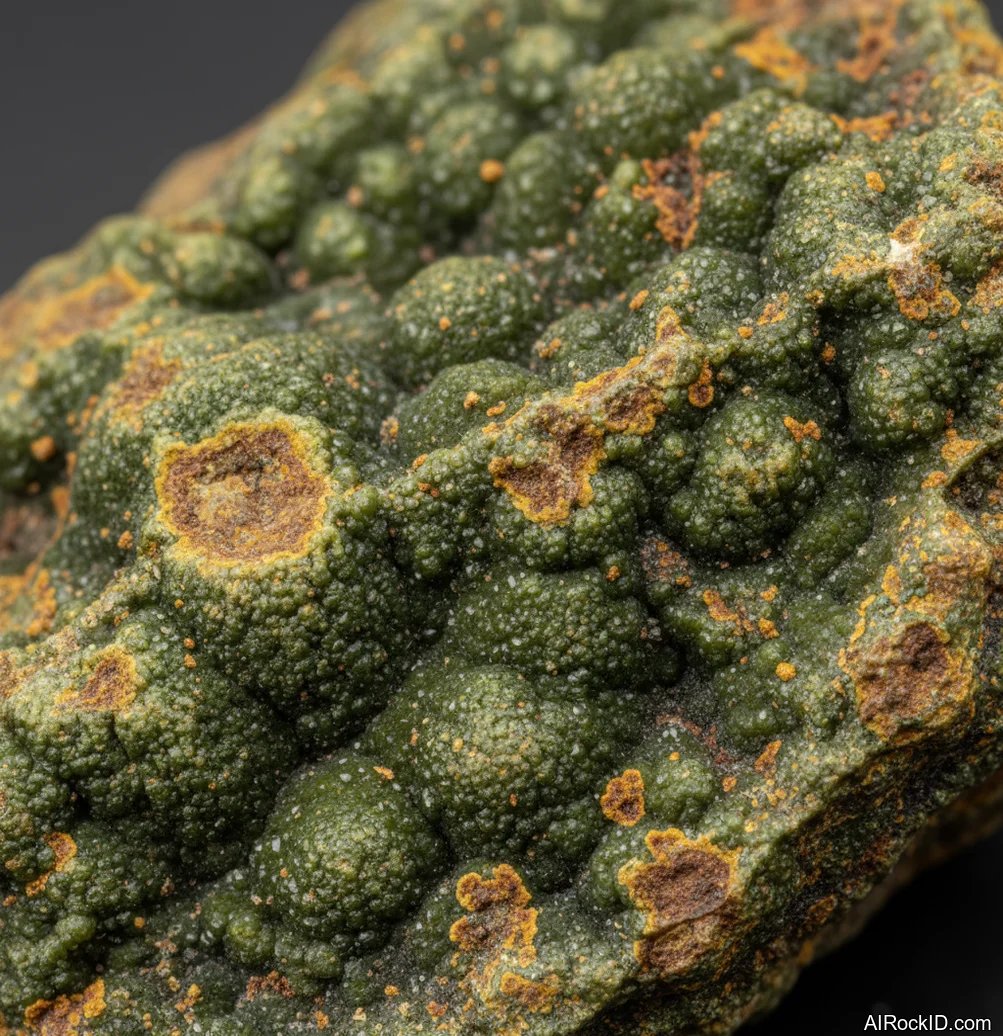
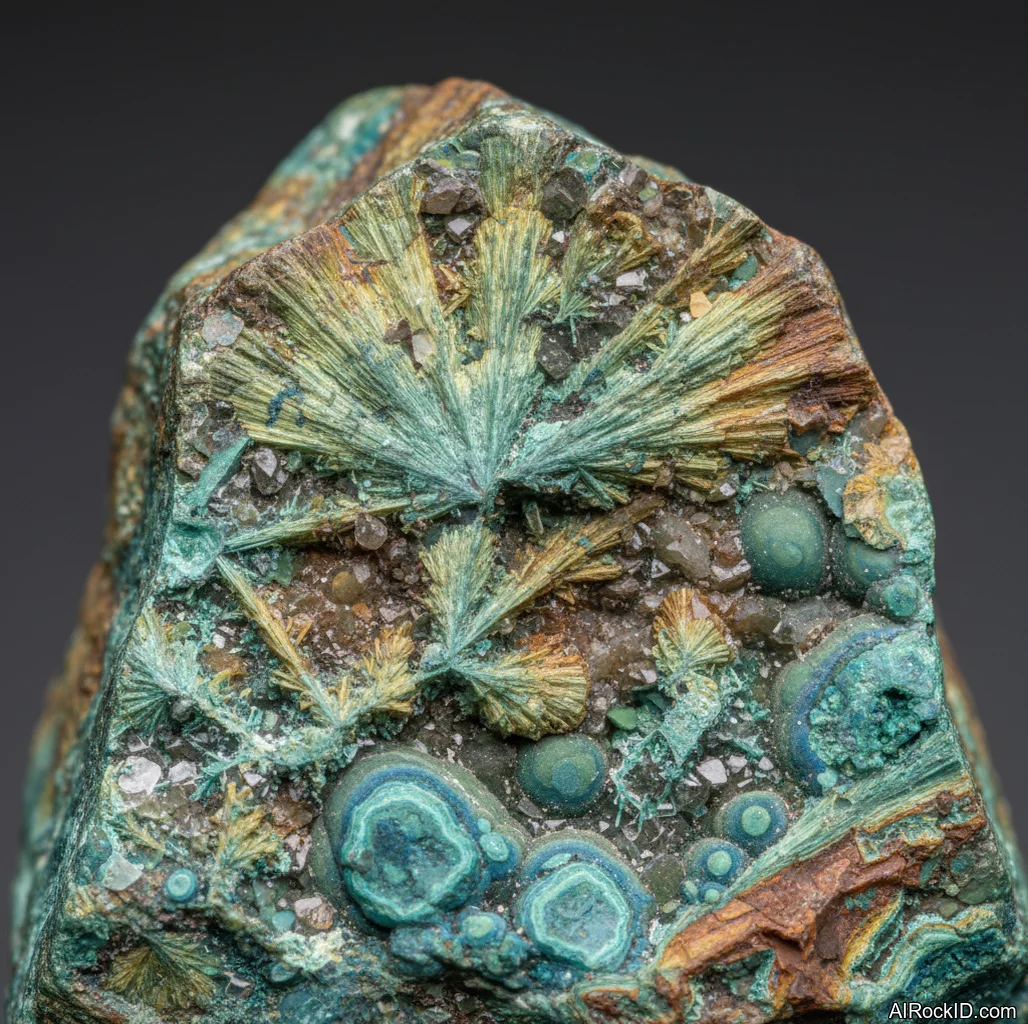
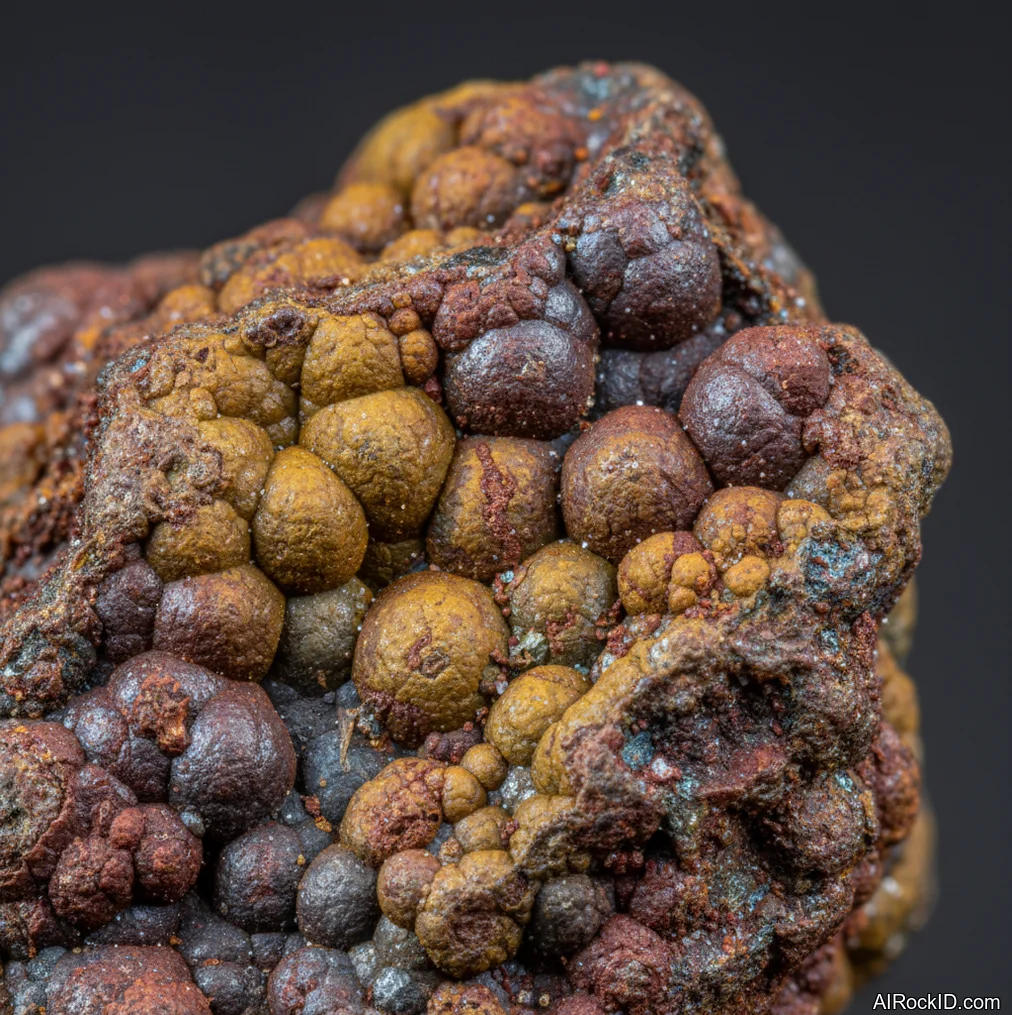
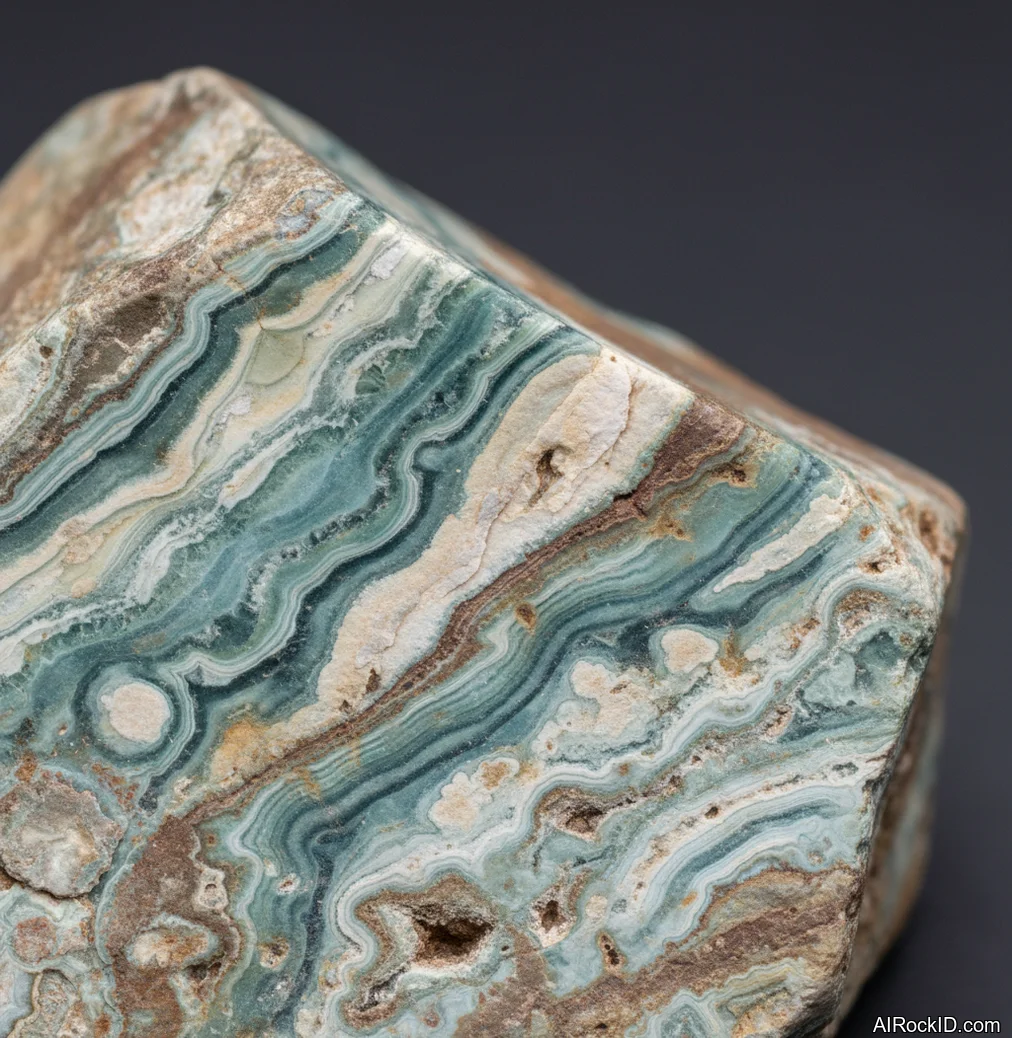
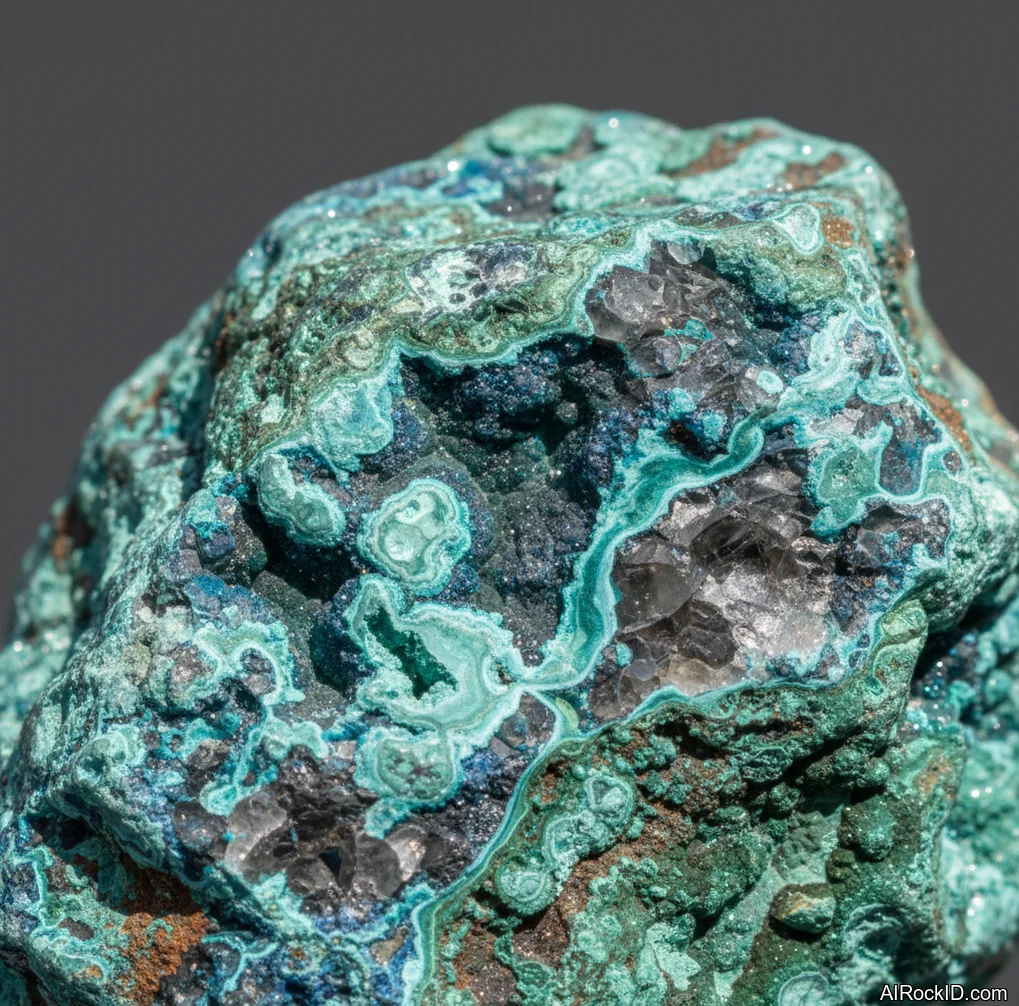
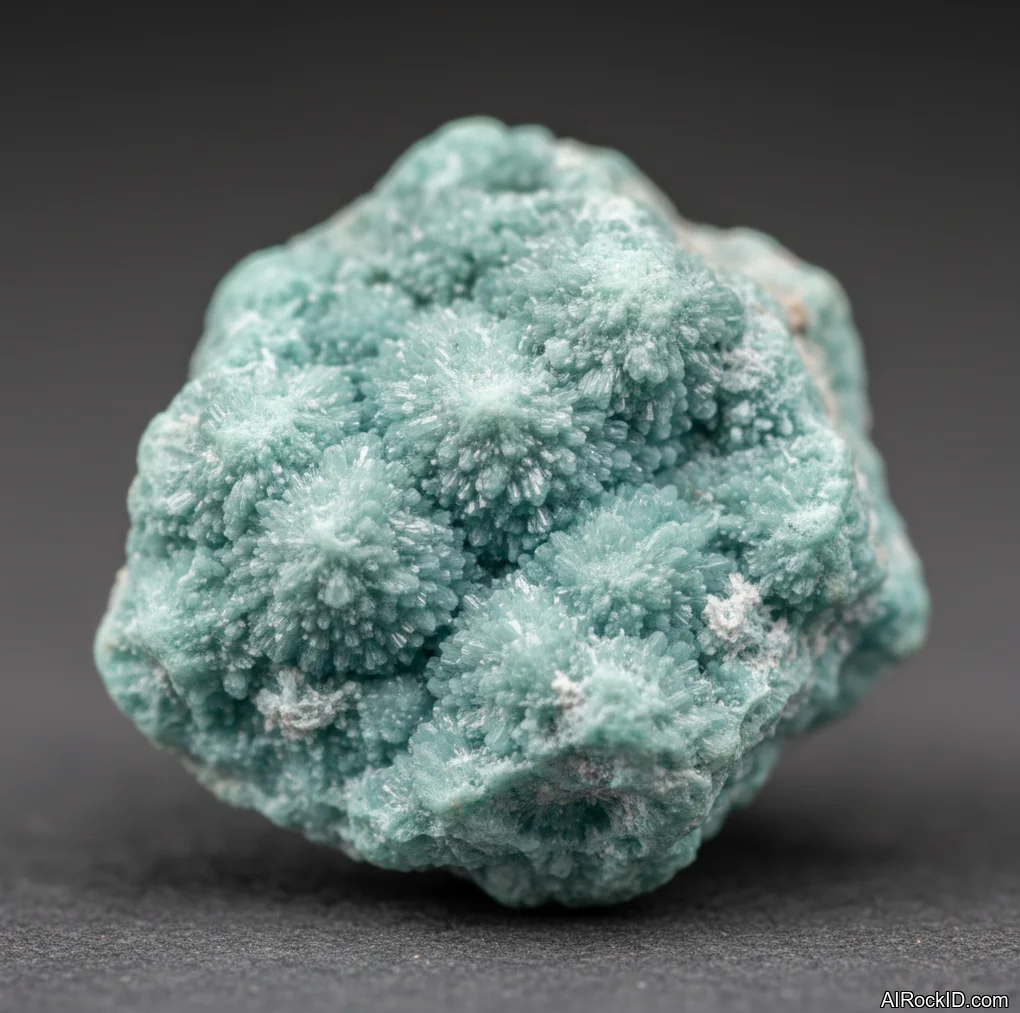
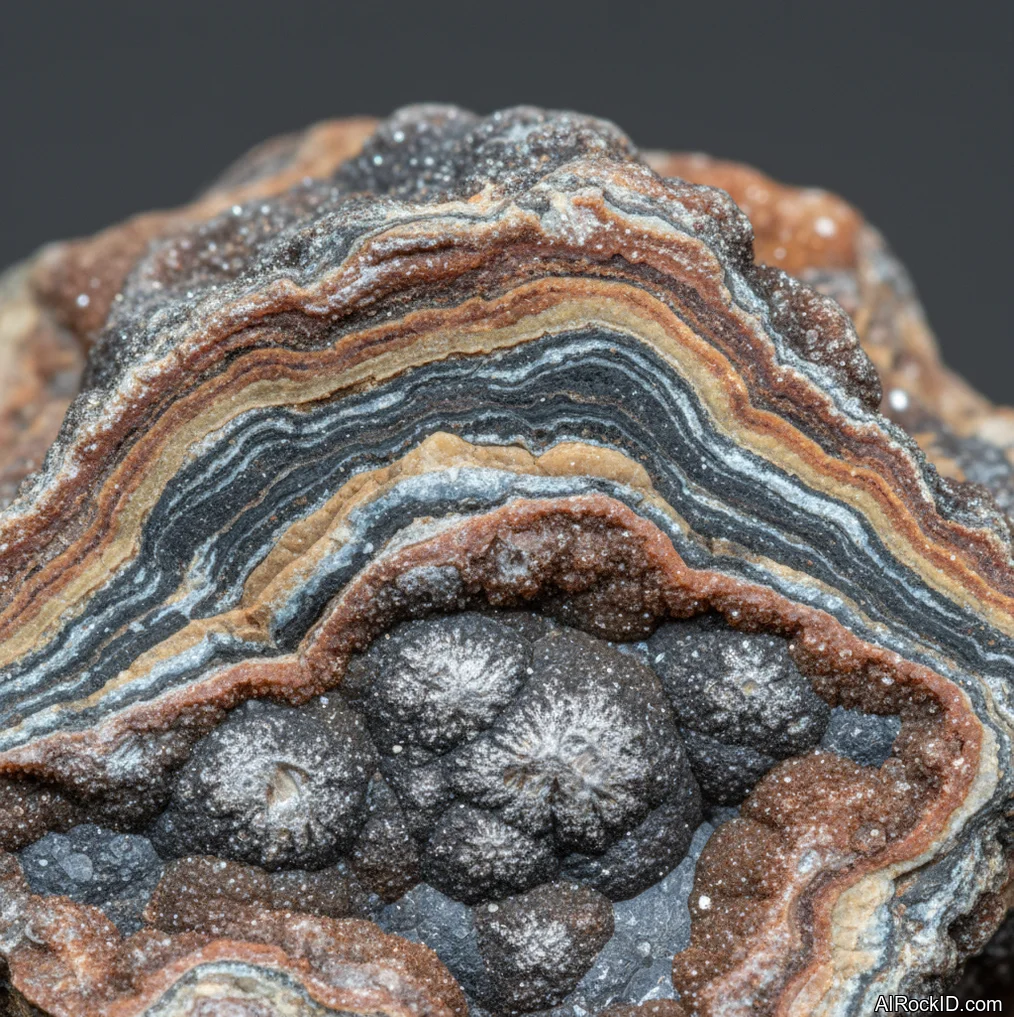
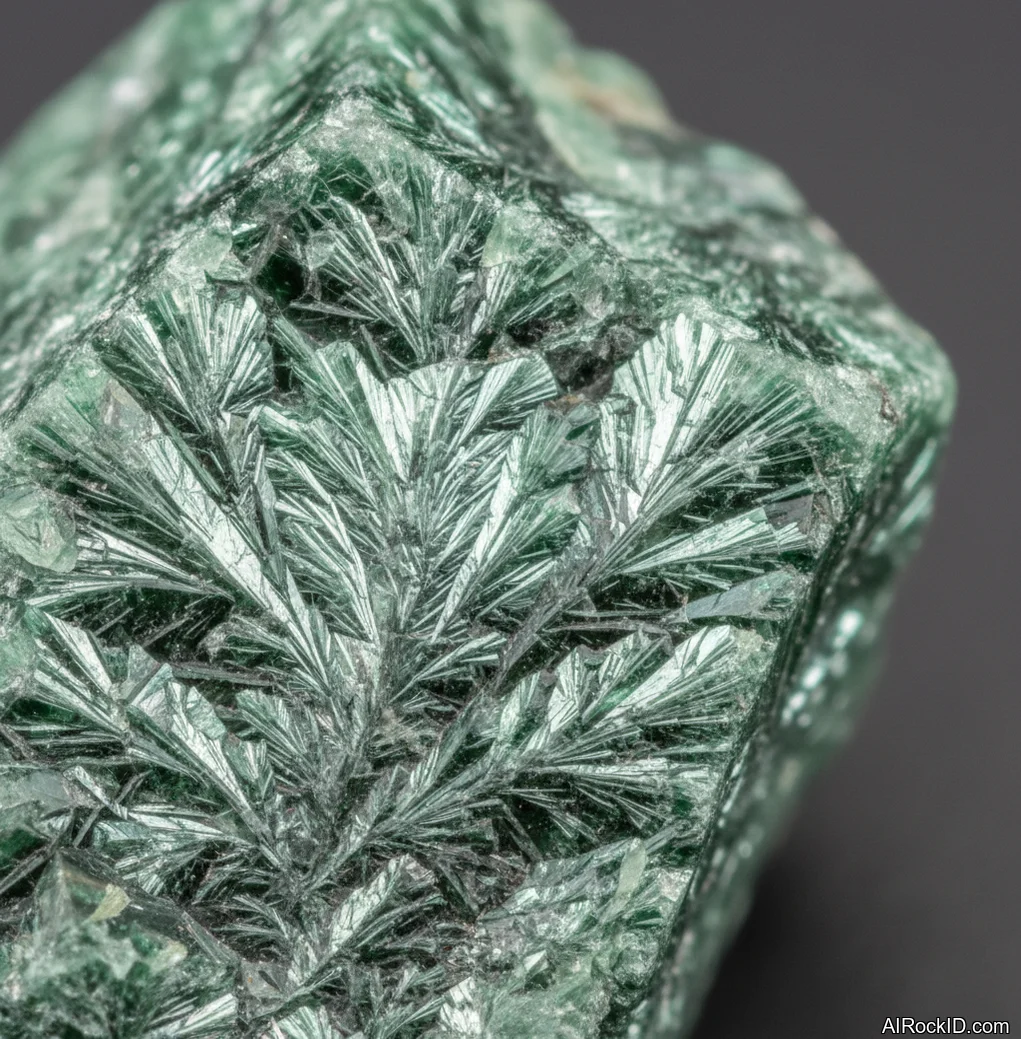
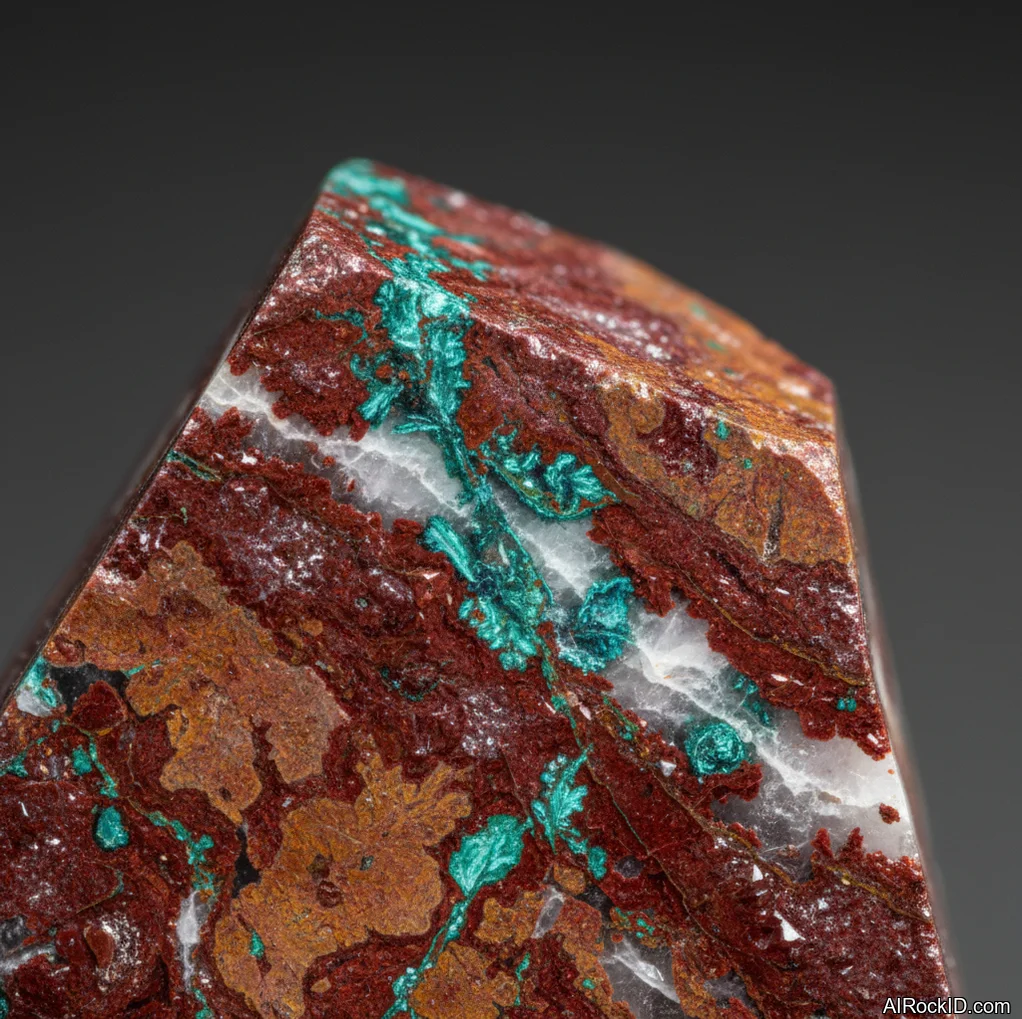
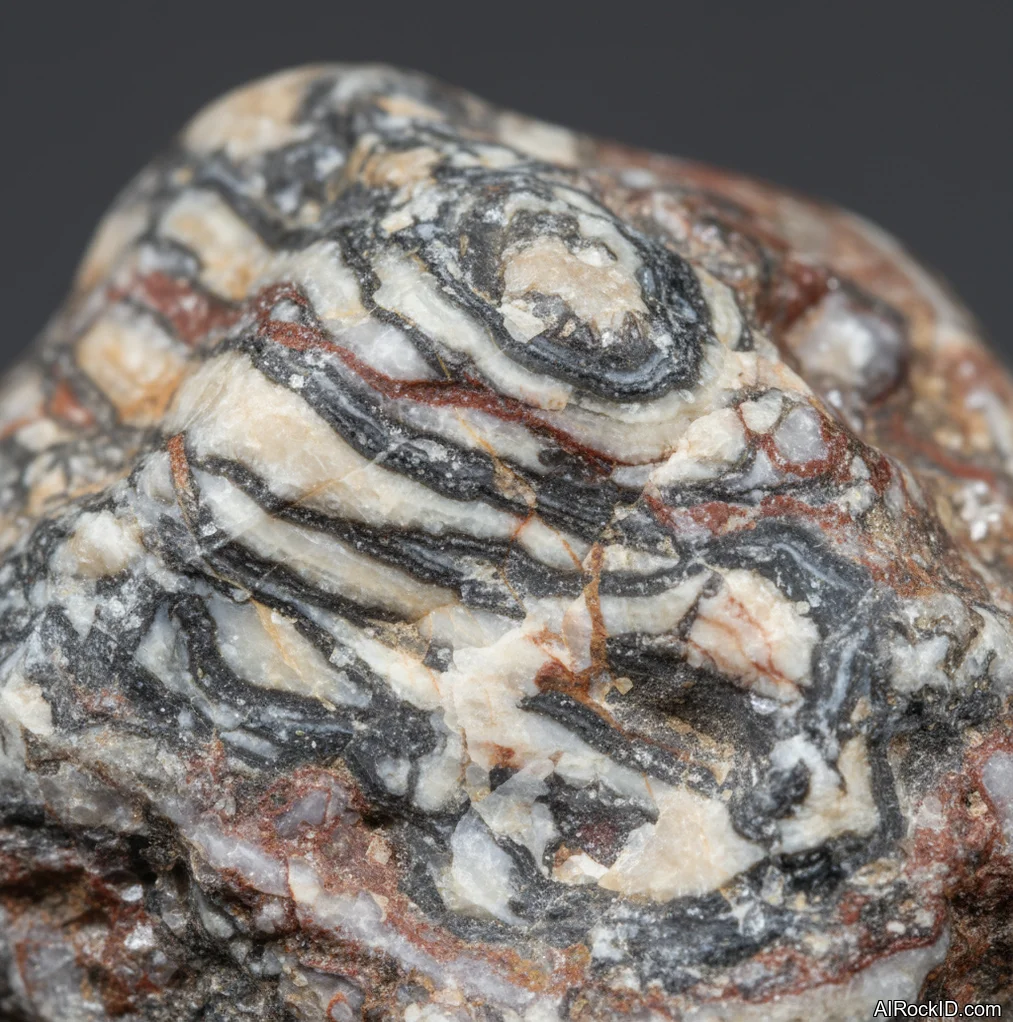
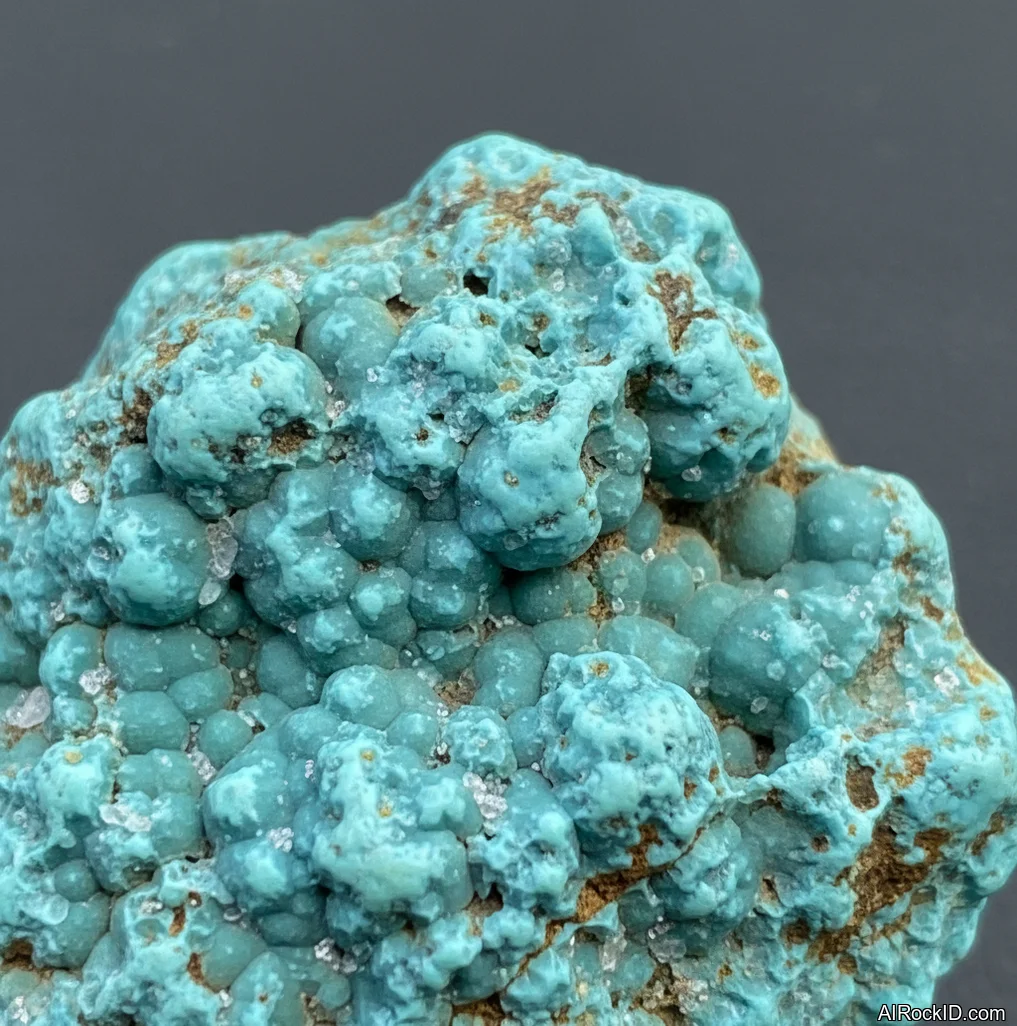
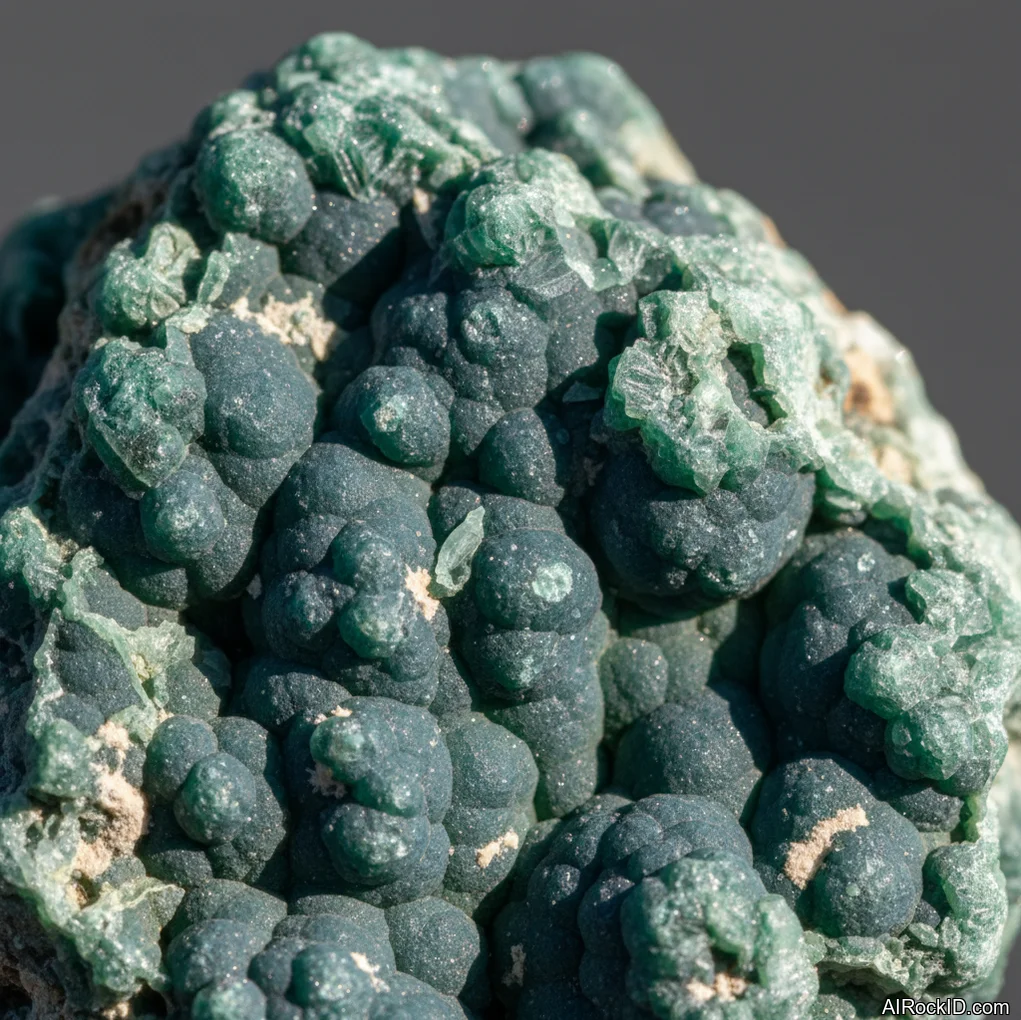
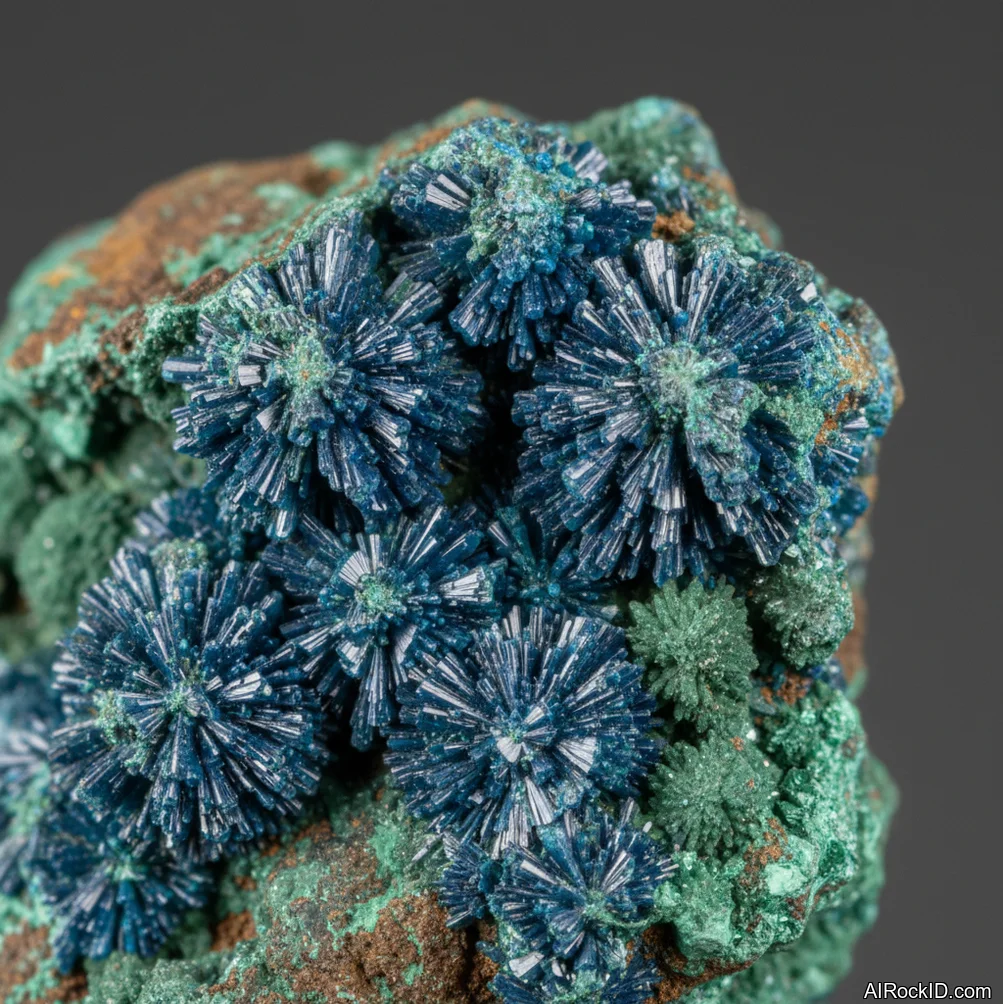
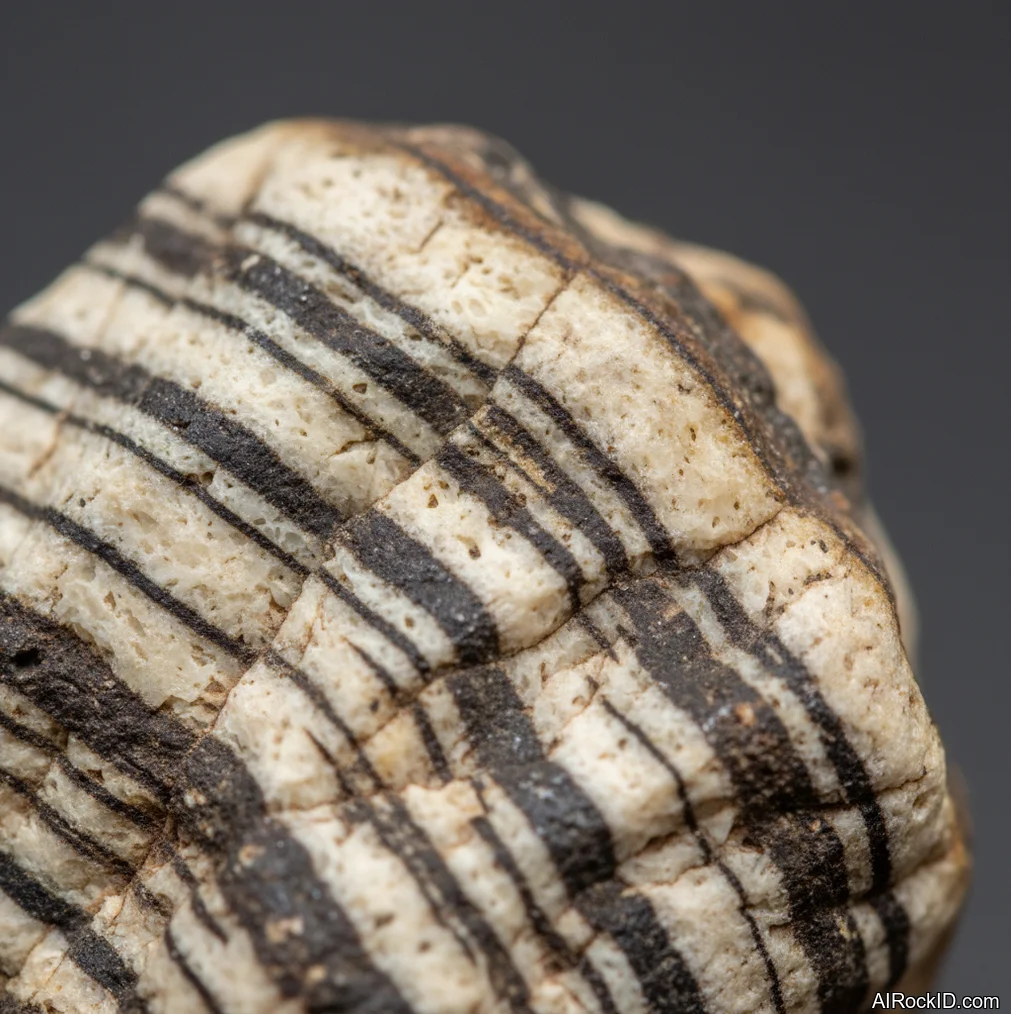
- Malachite: A copper carbonate with strong green banding; often imitated with dyed materials or resin.
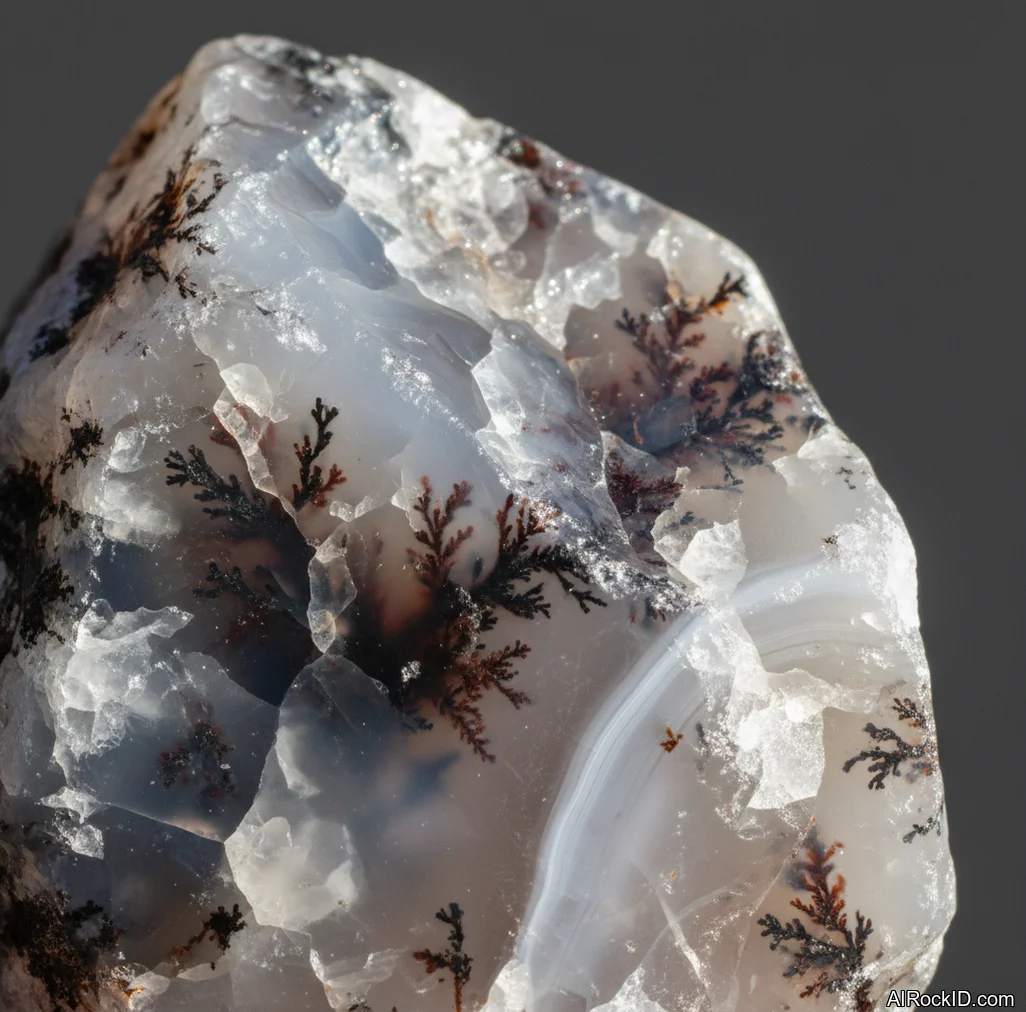
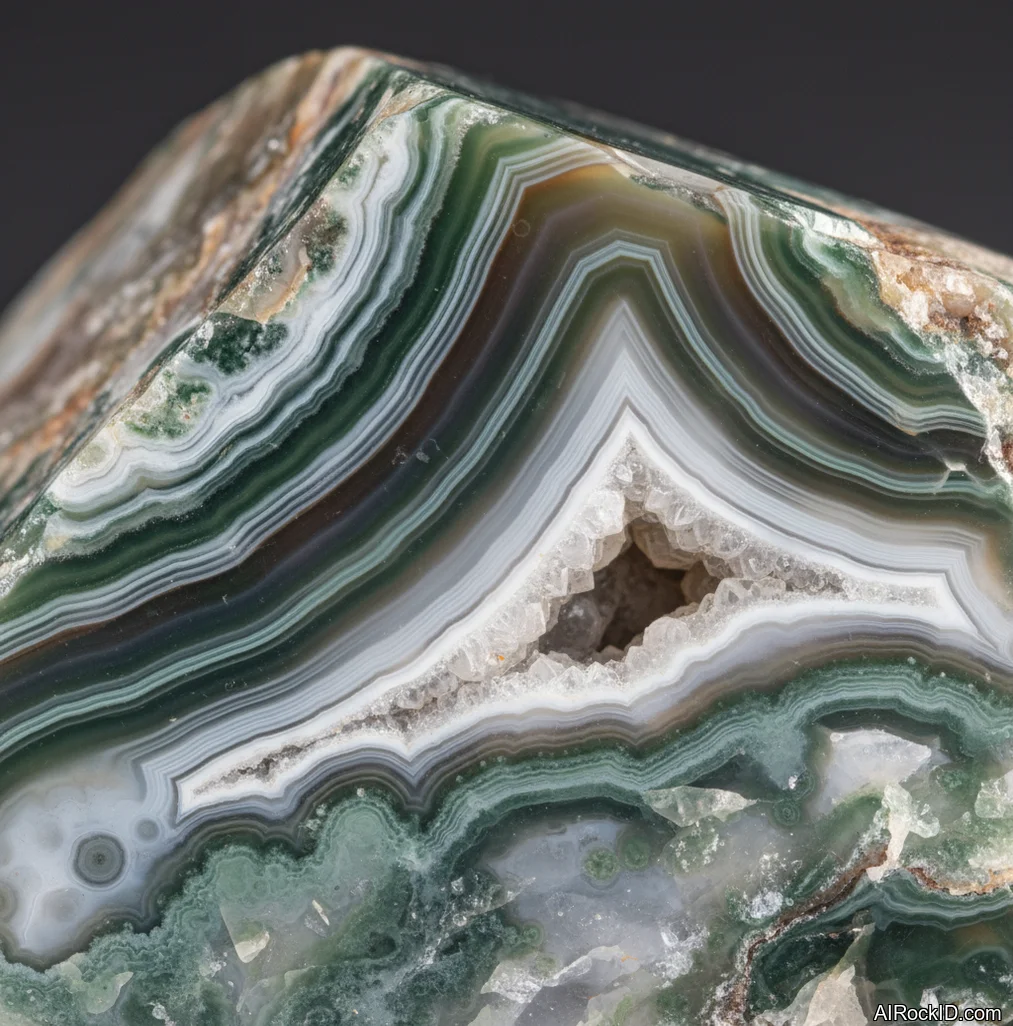
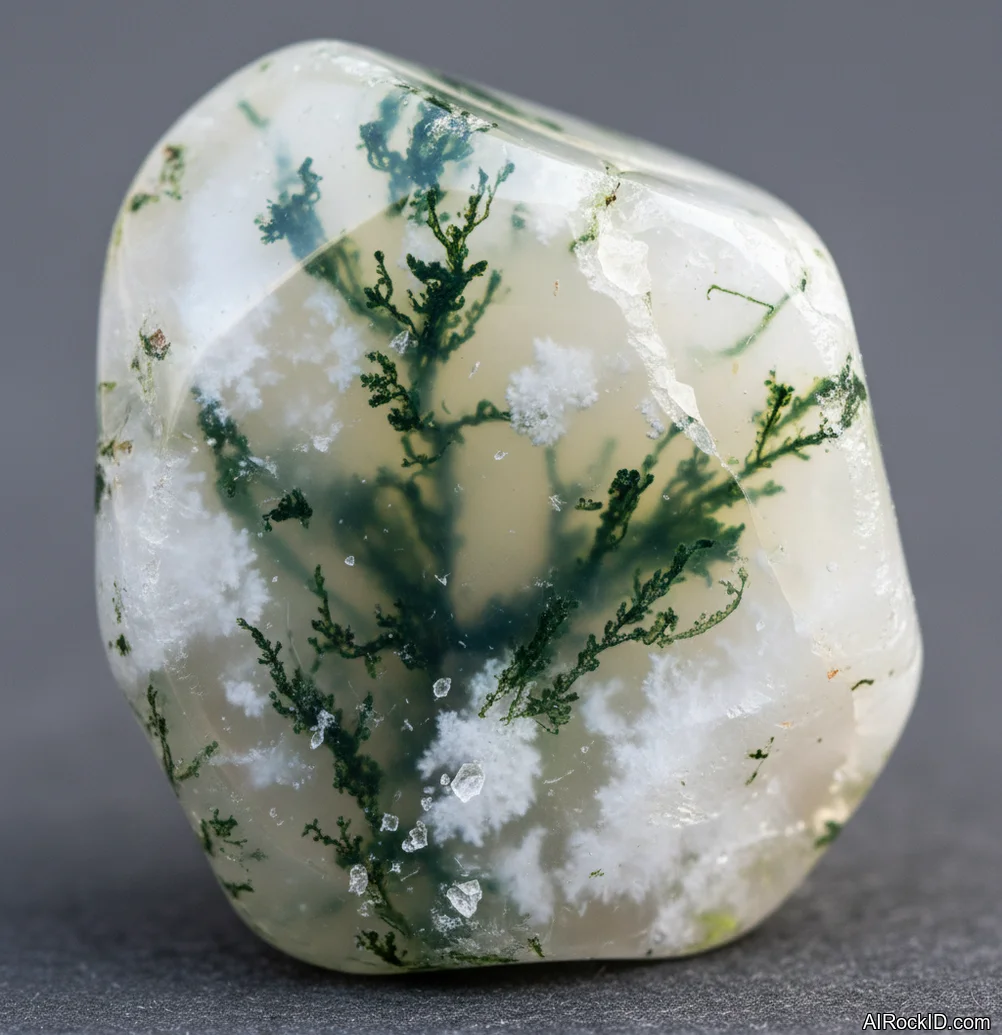
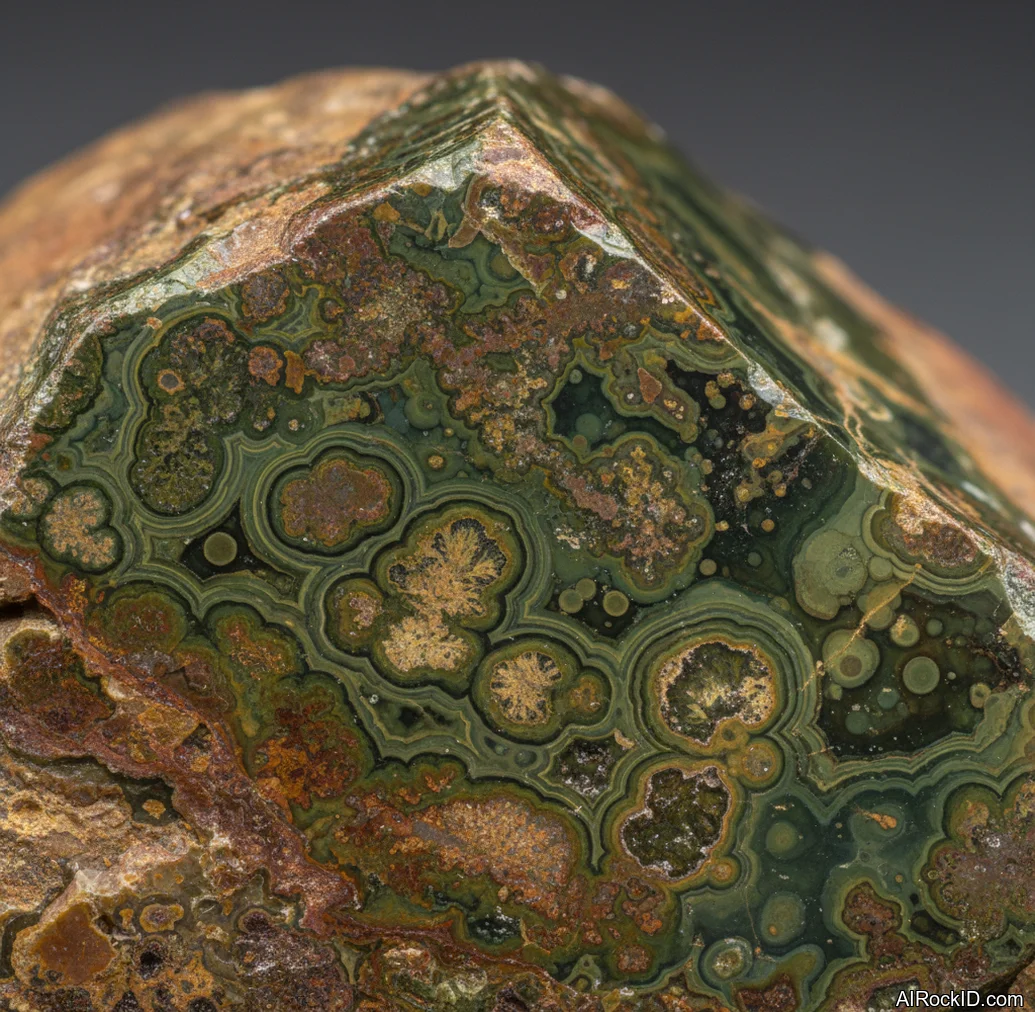
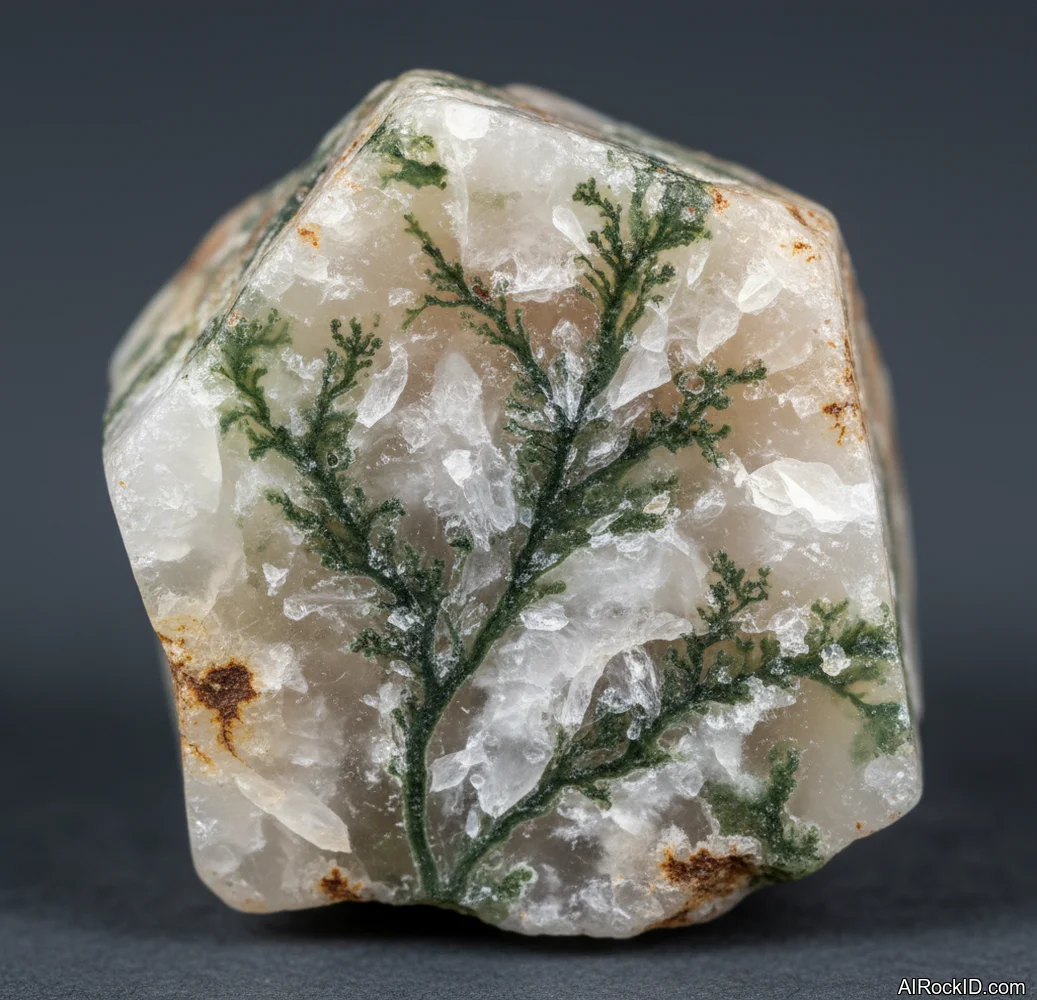
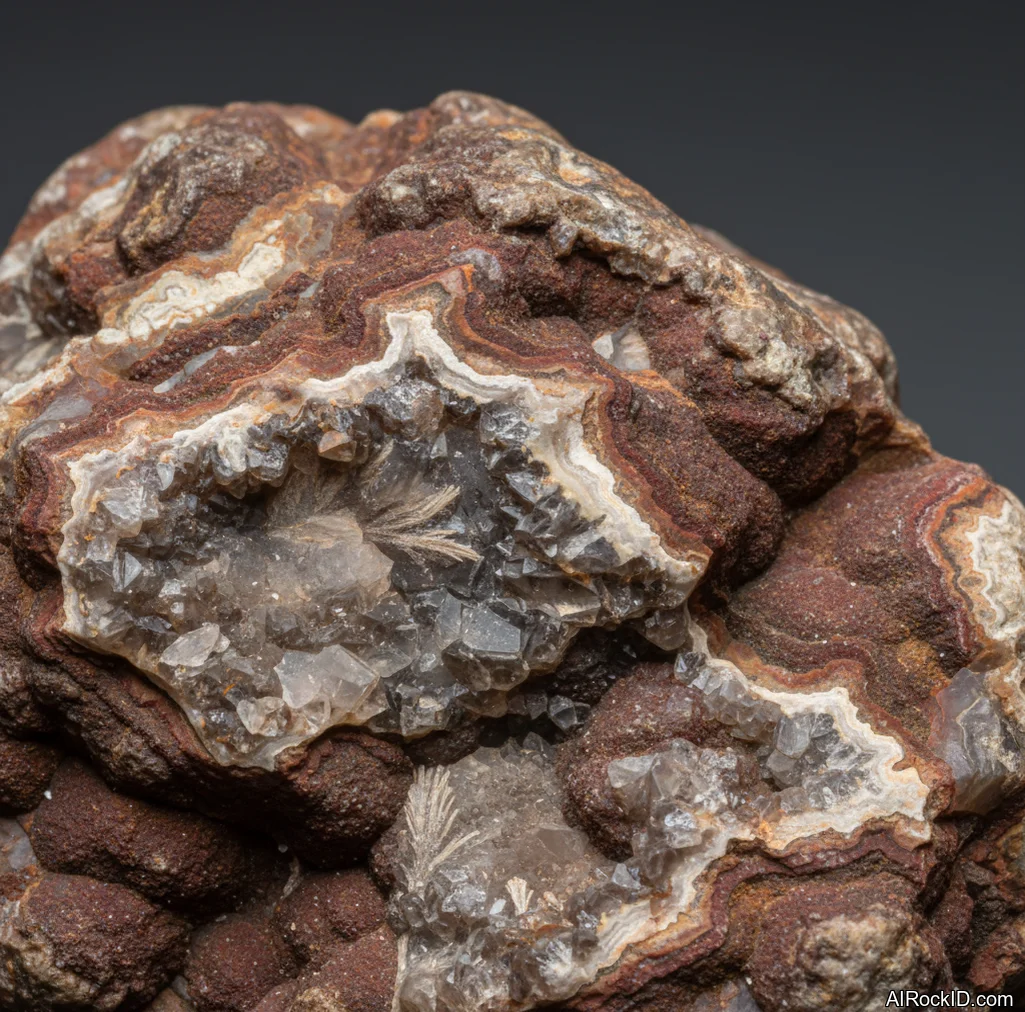
- Moss Agate: A chalcedony with moss-like inclusions; it does not contain actual moss or plant matter.
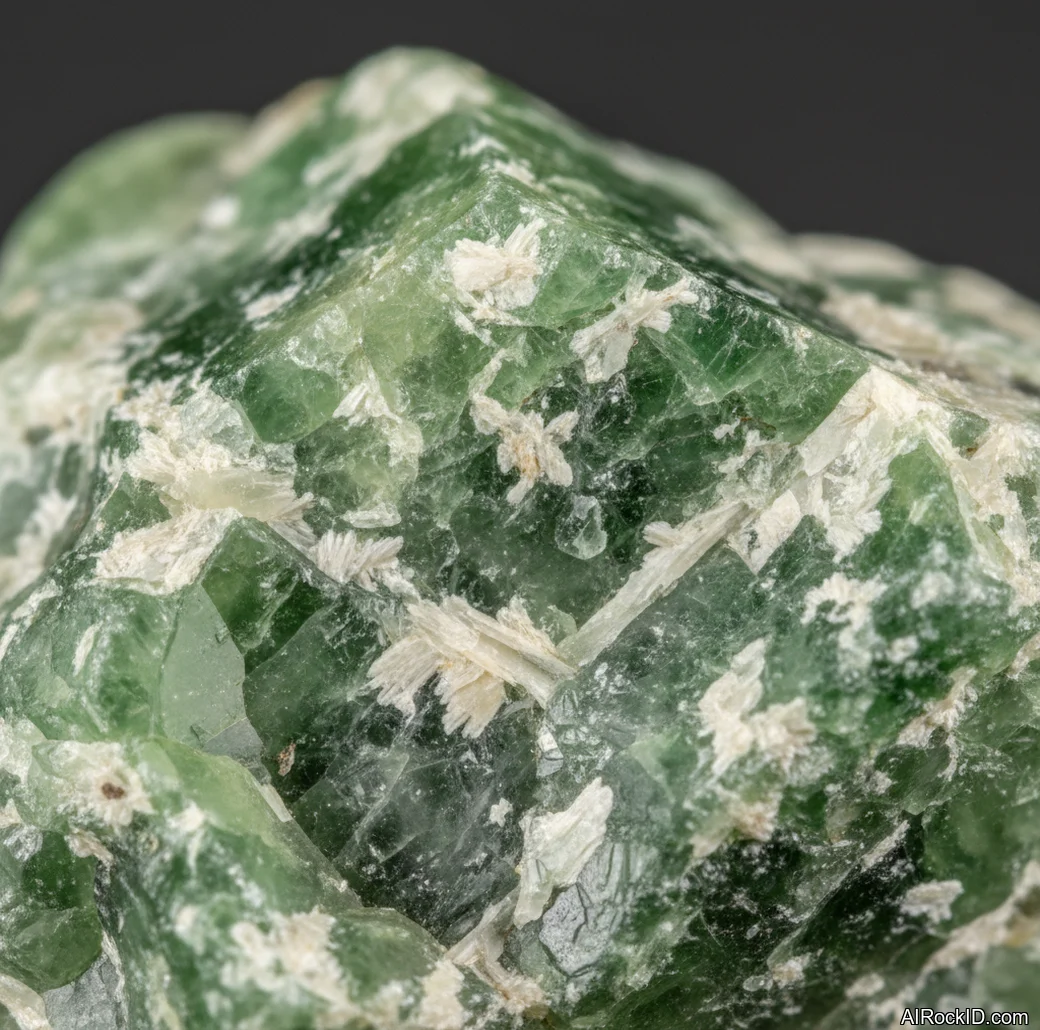
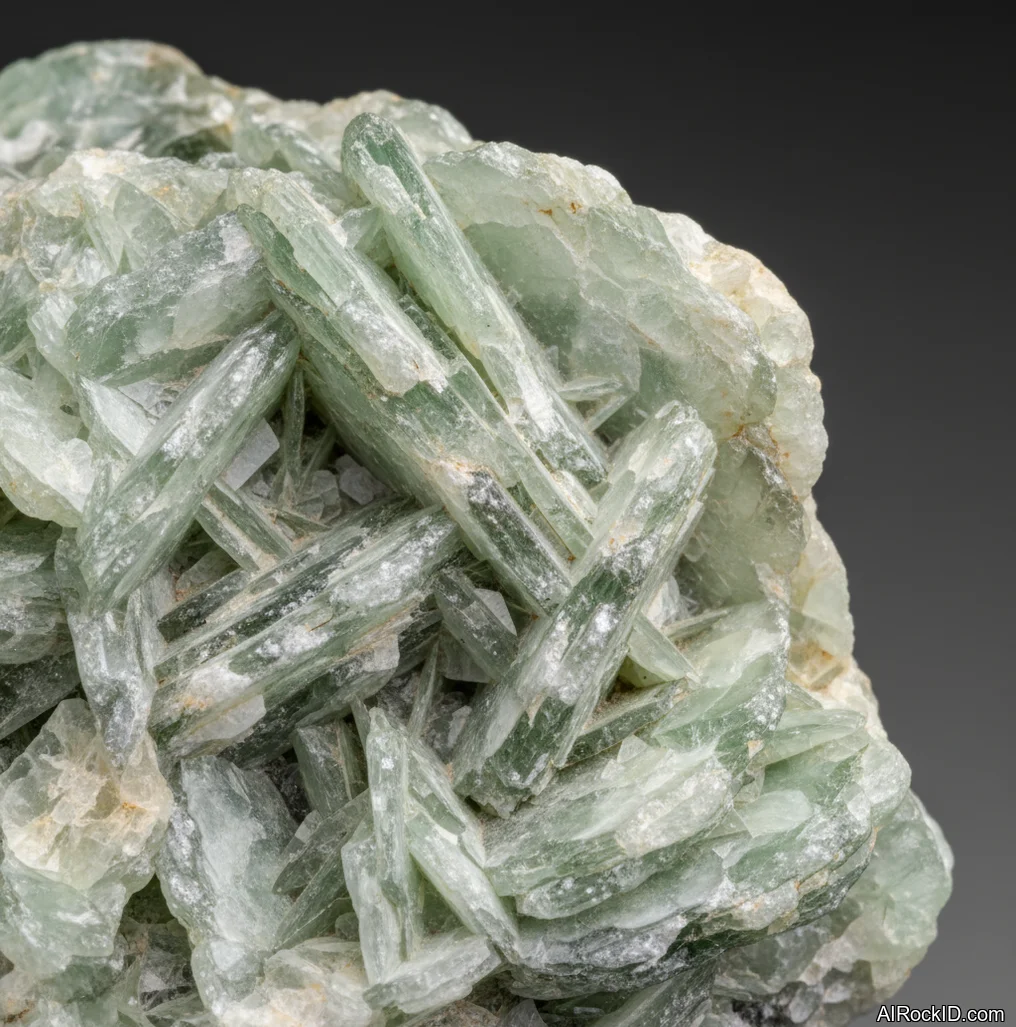
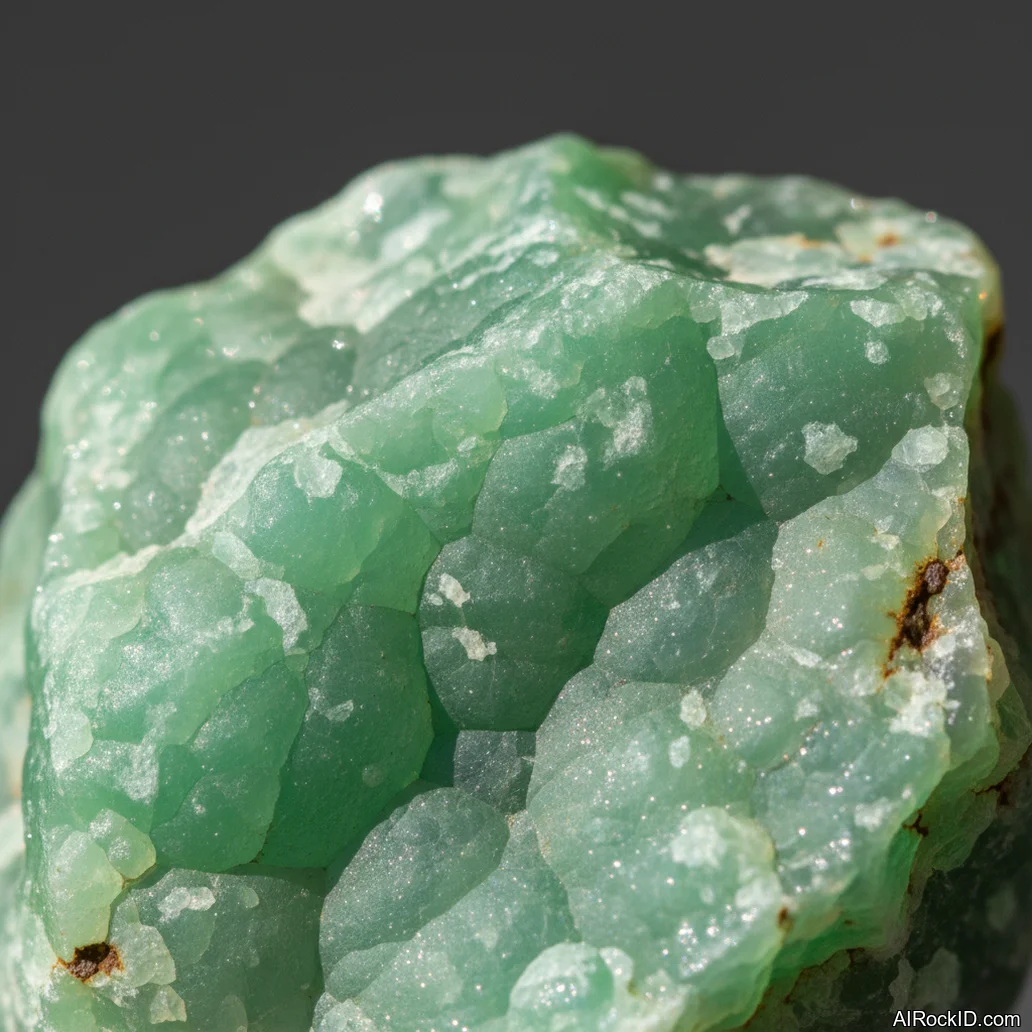
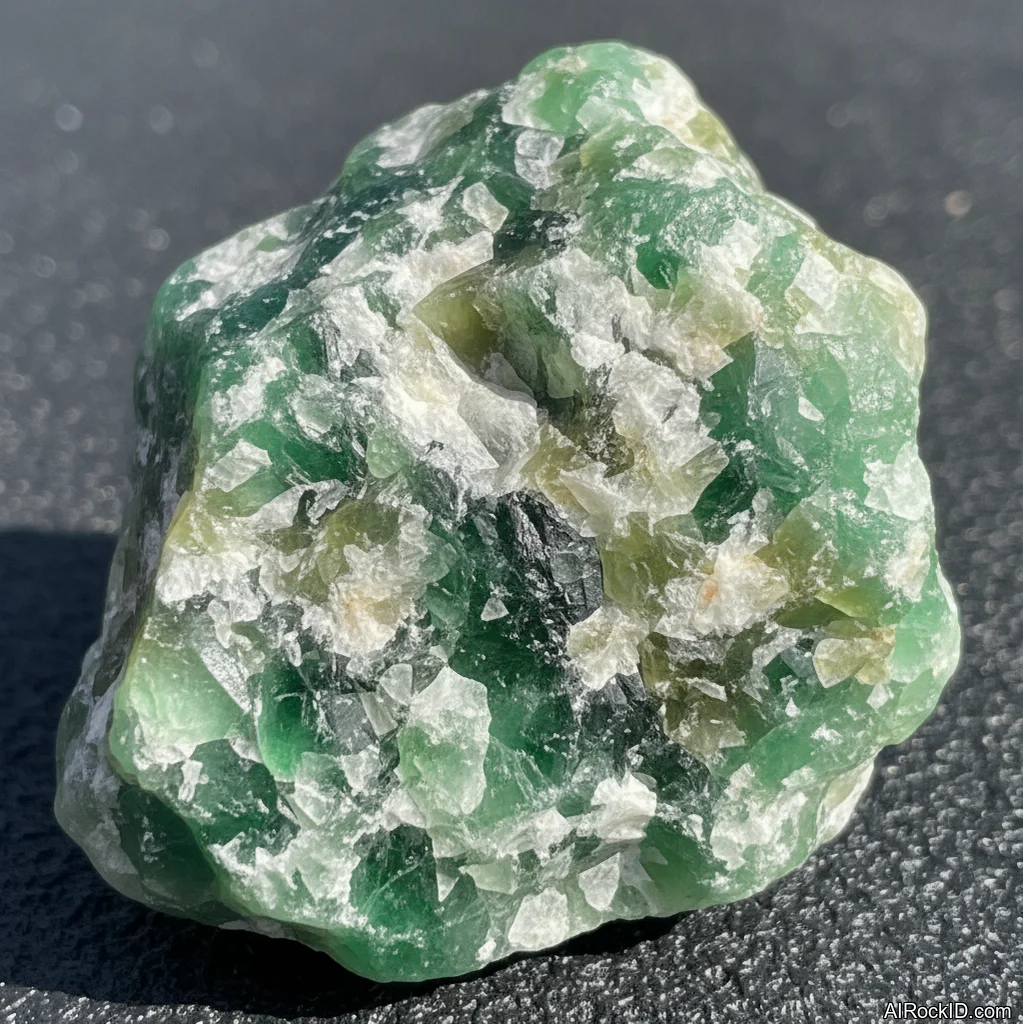
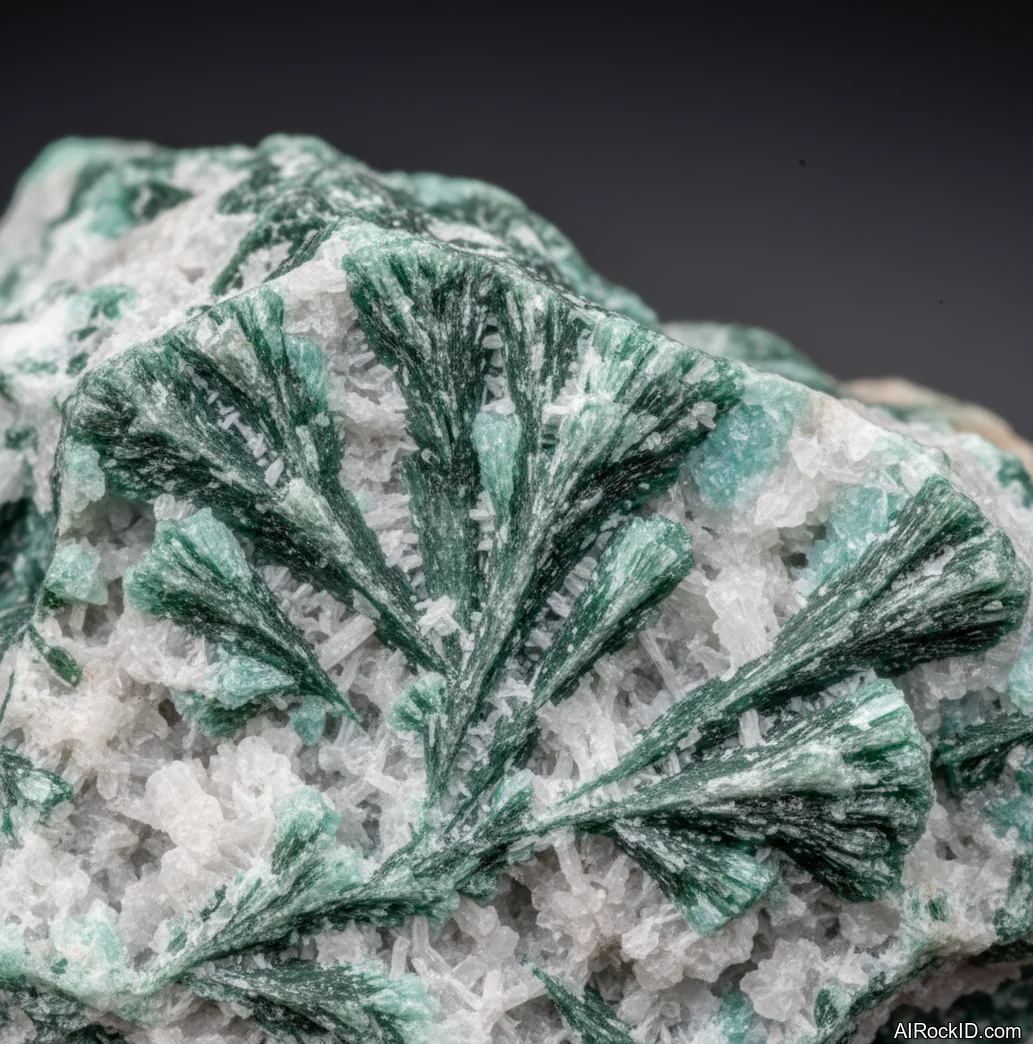
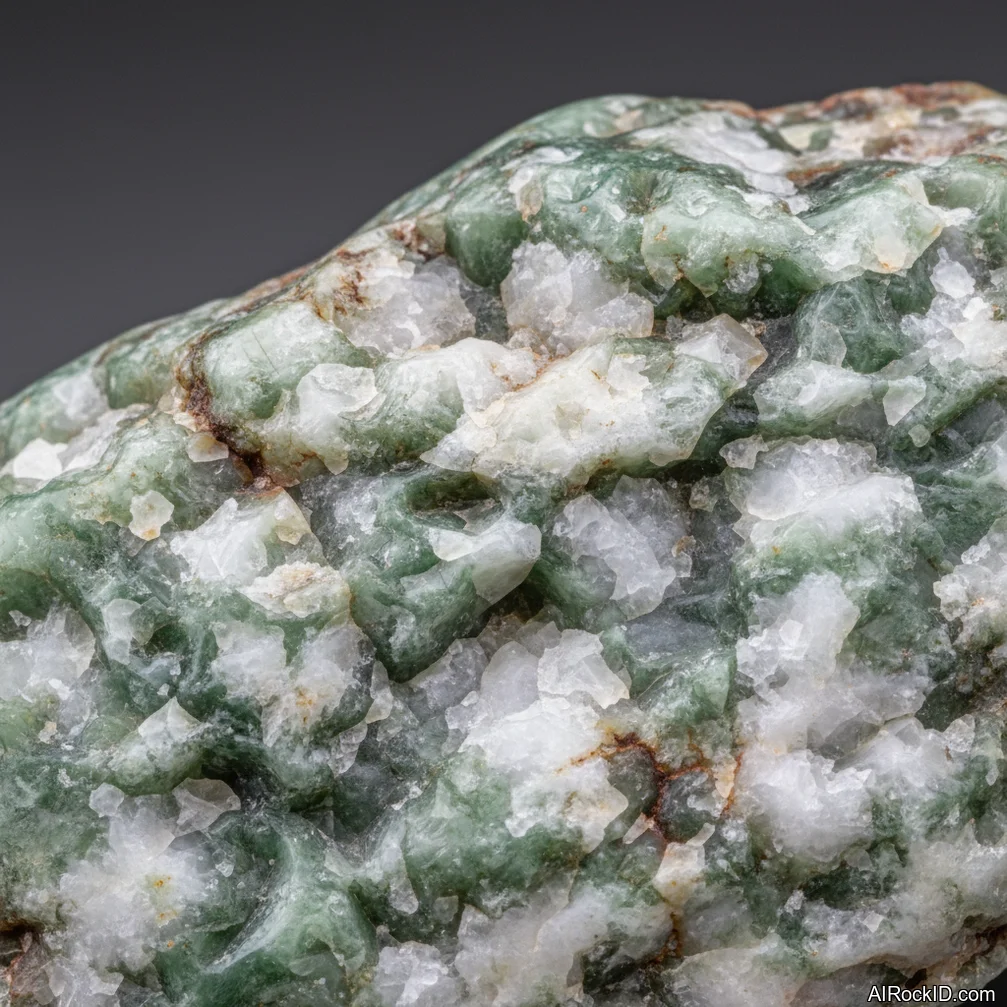
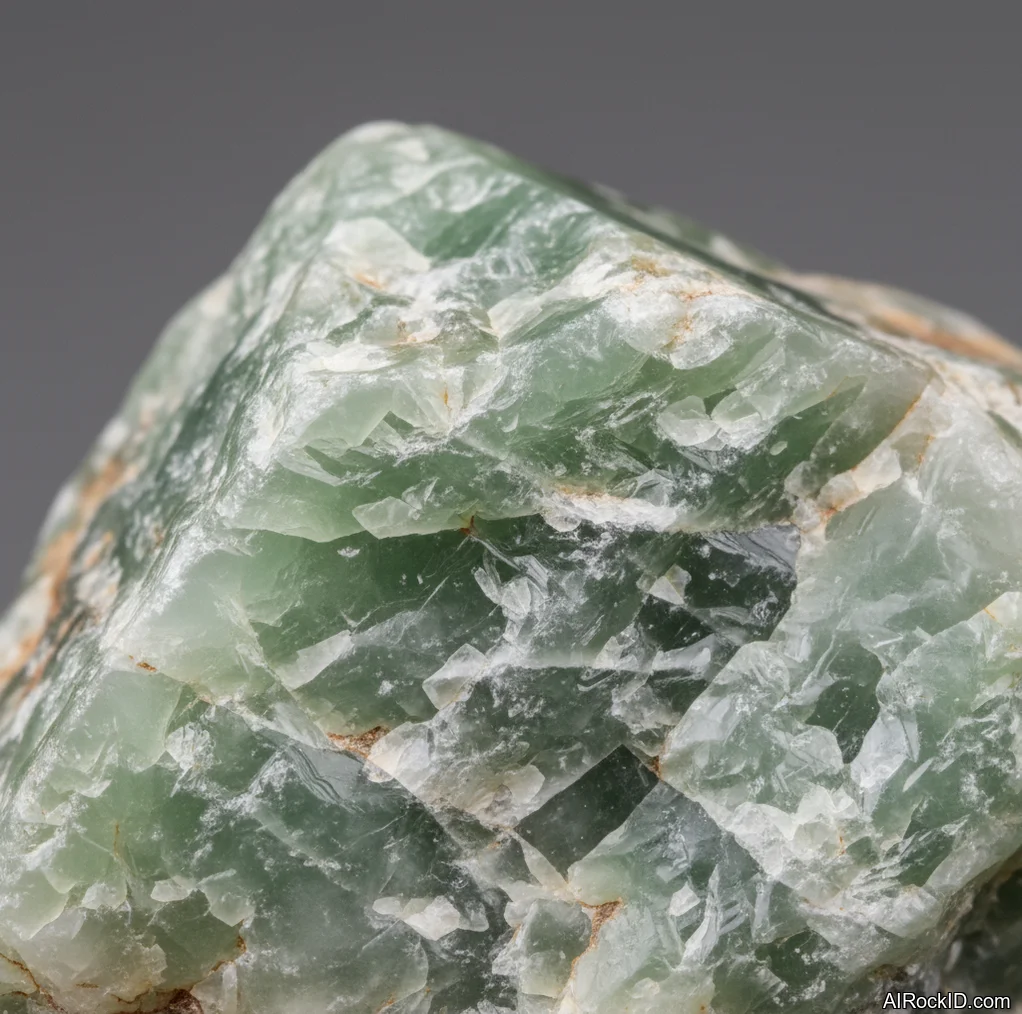
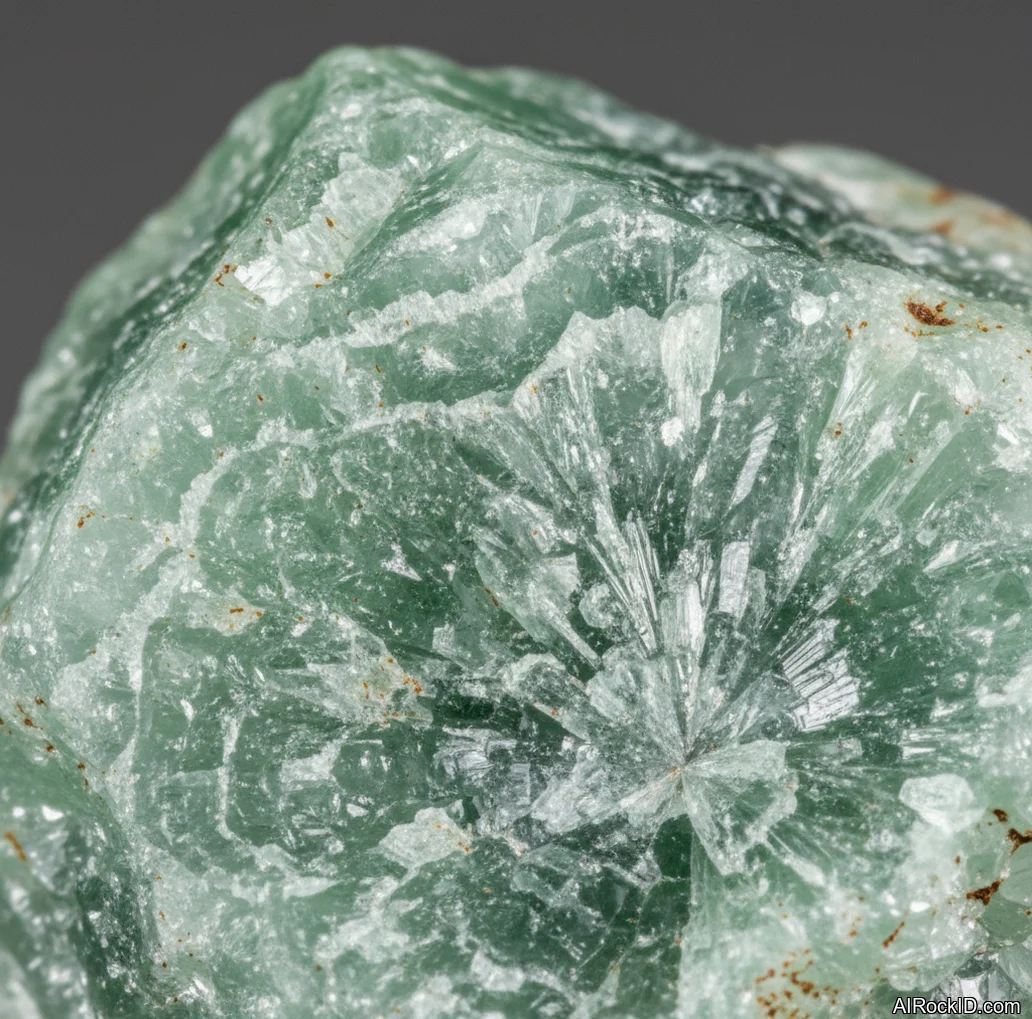
- Green Aventurine: A quartz variety with sparkly mica inclusions, usually more glittery than moss agate.
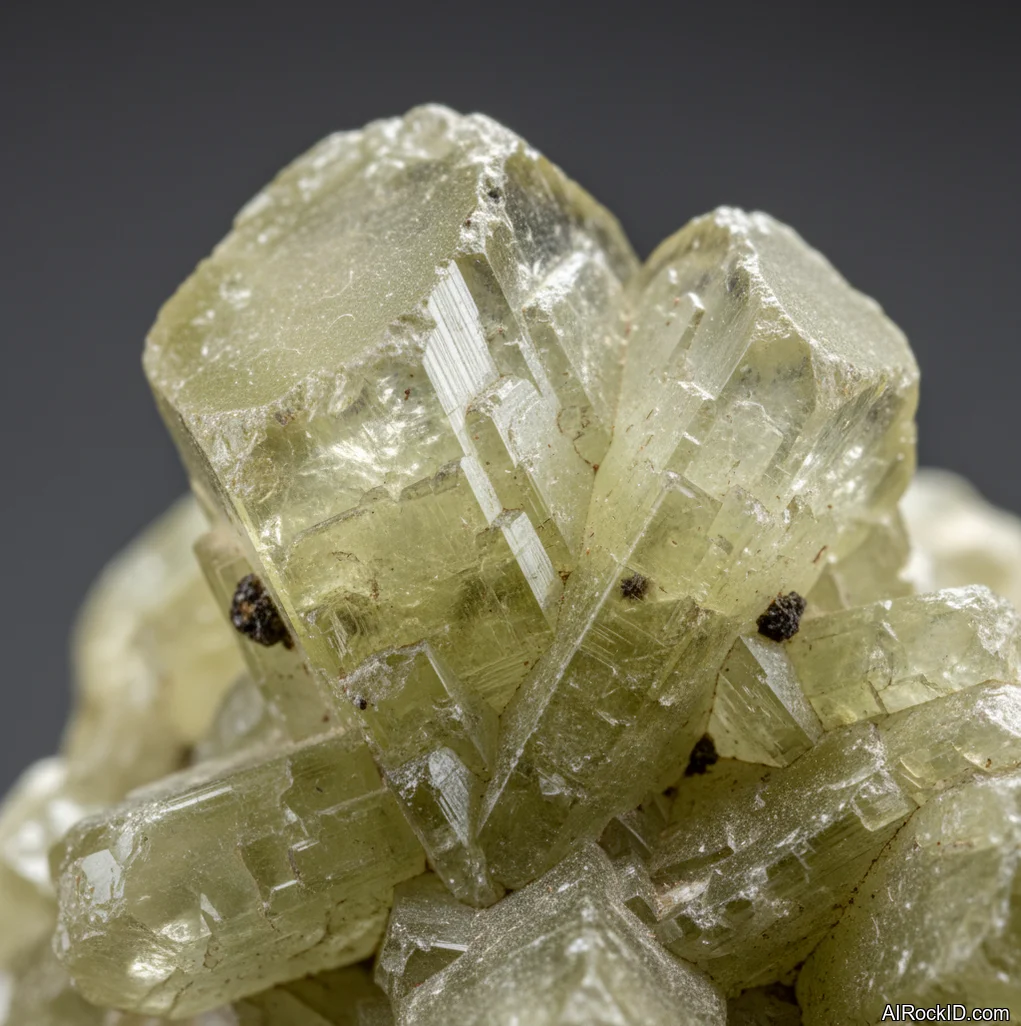
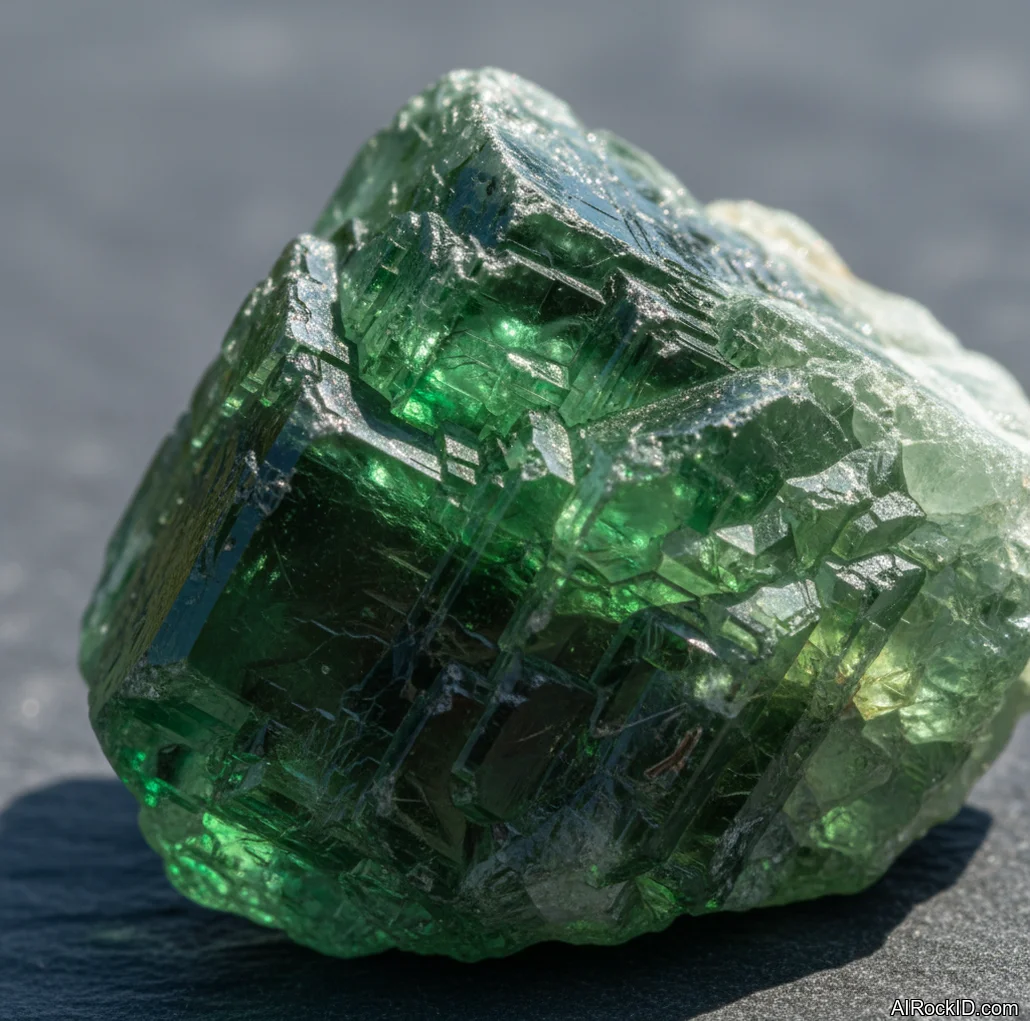
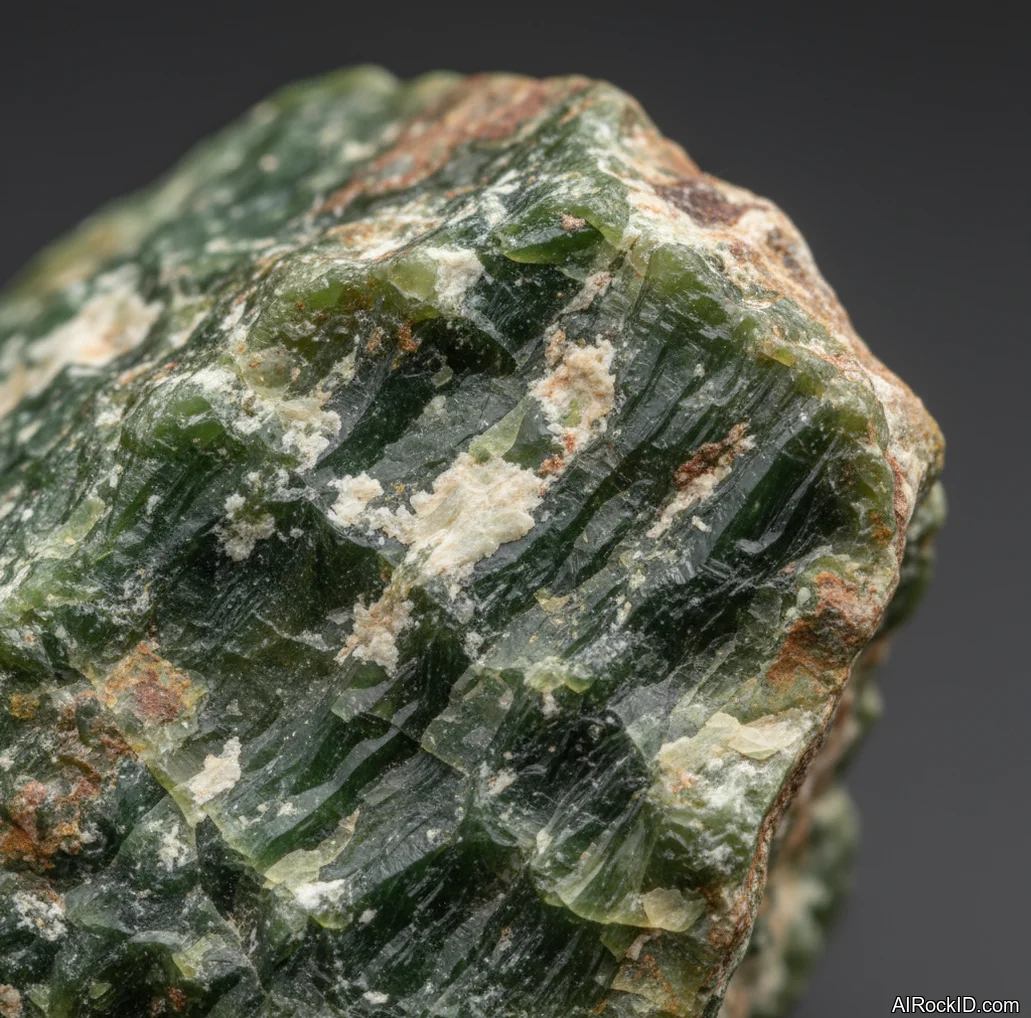
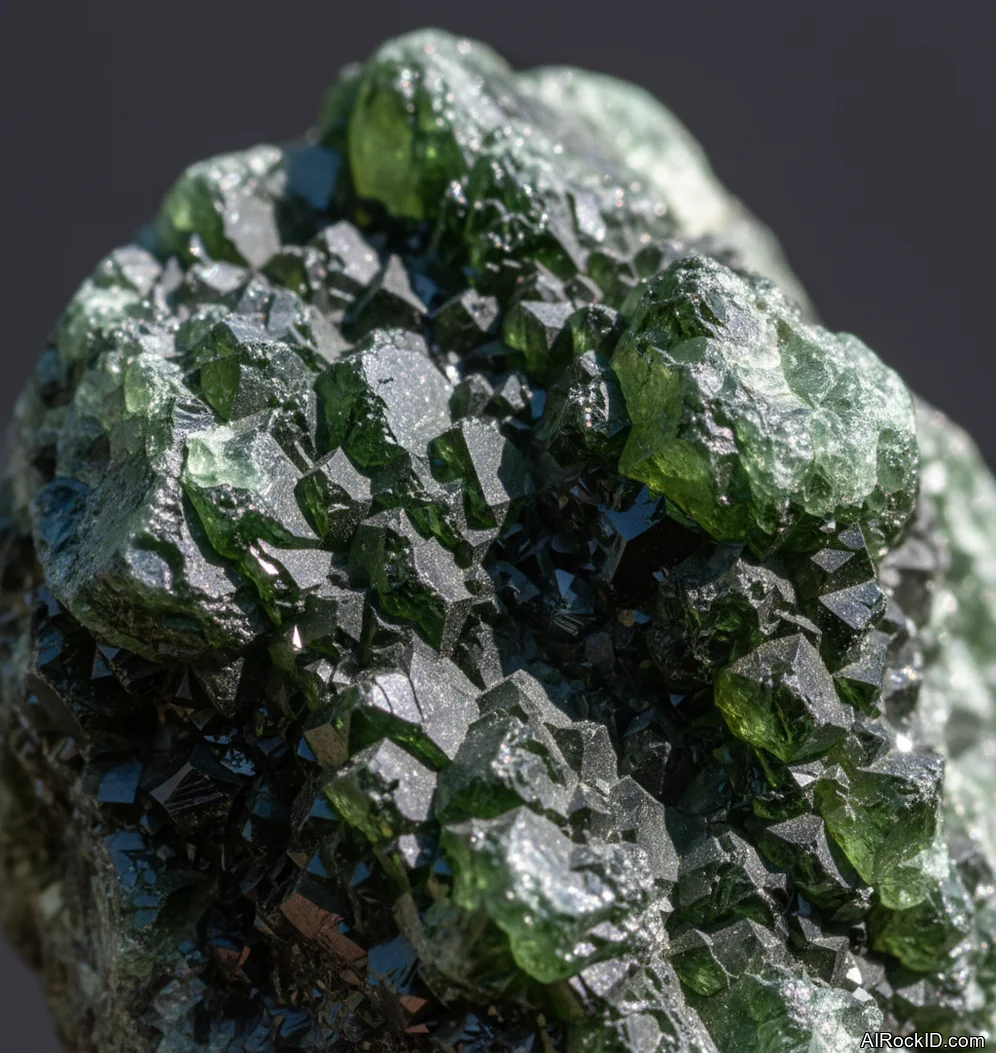
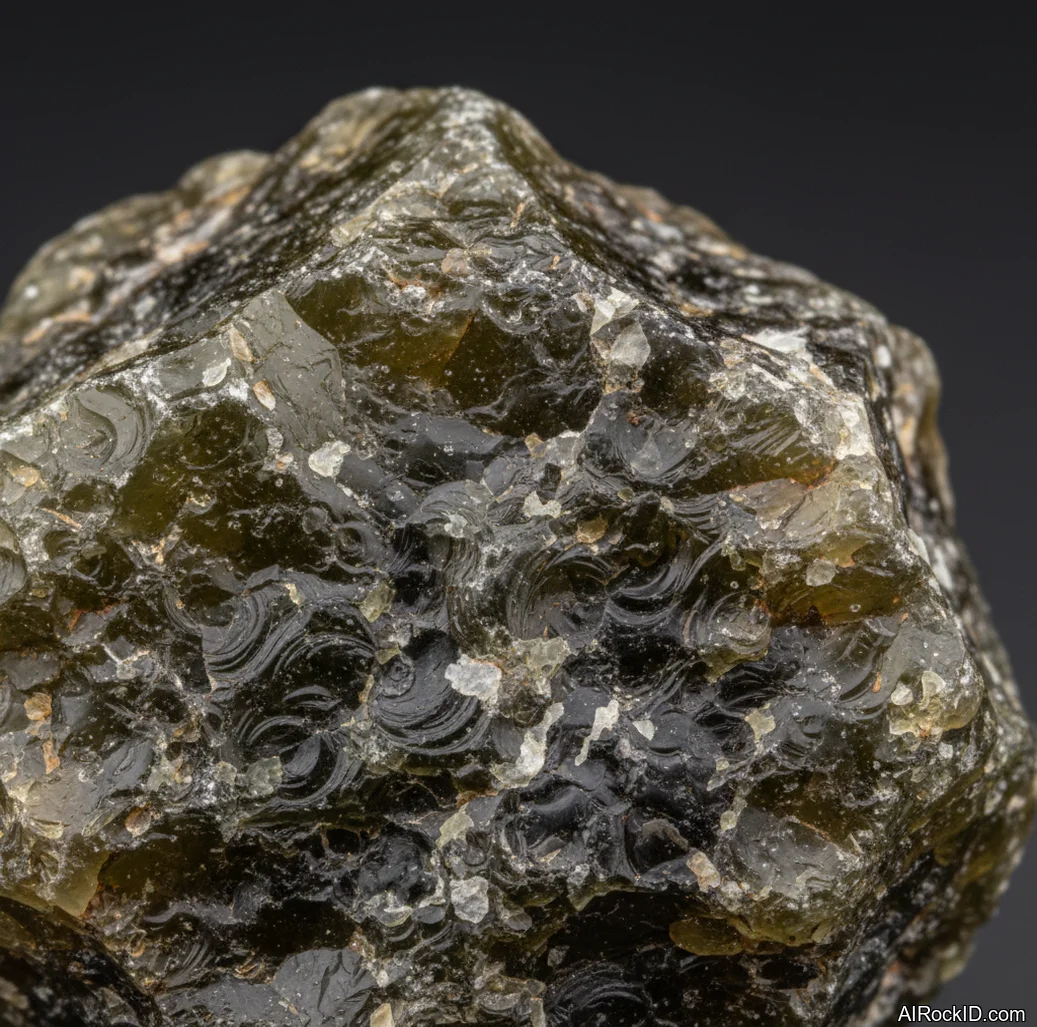
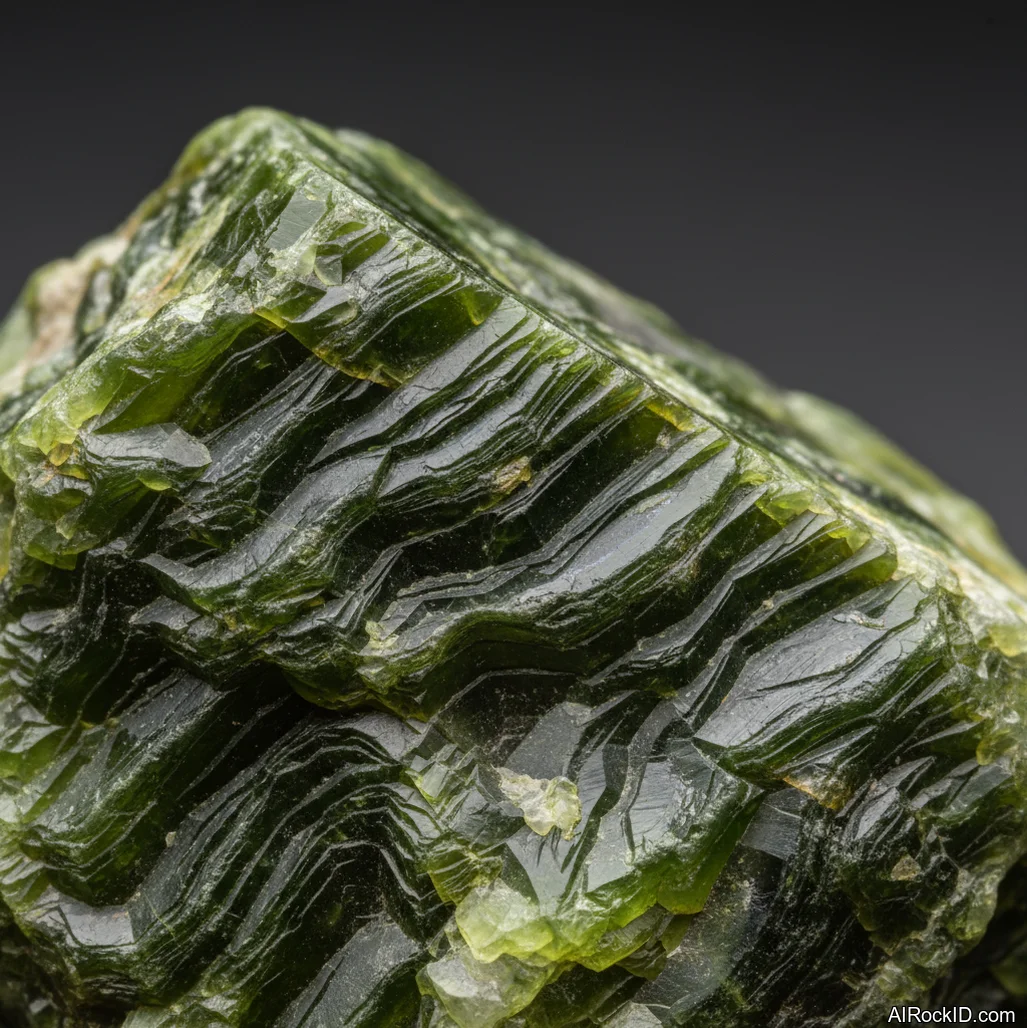
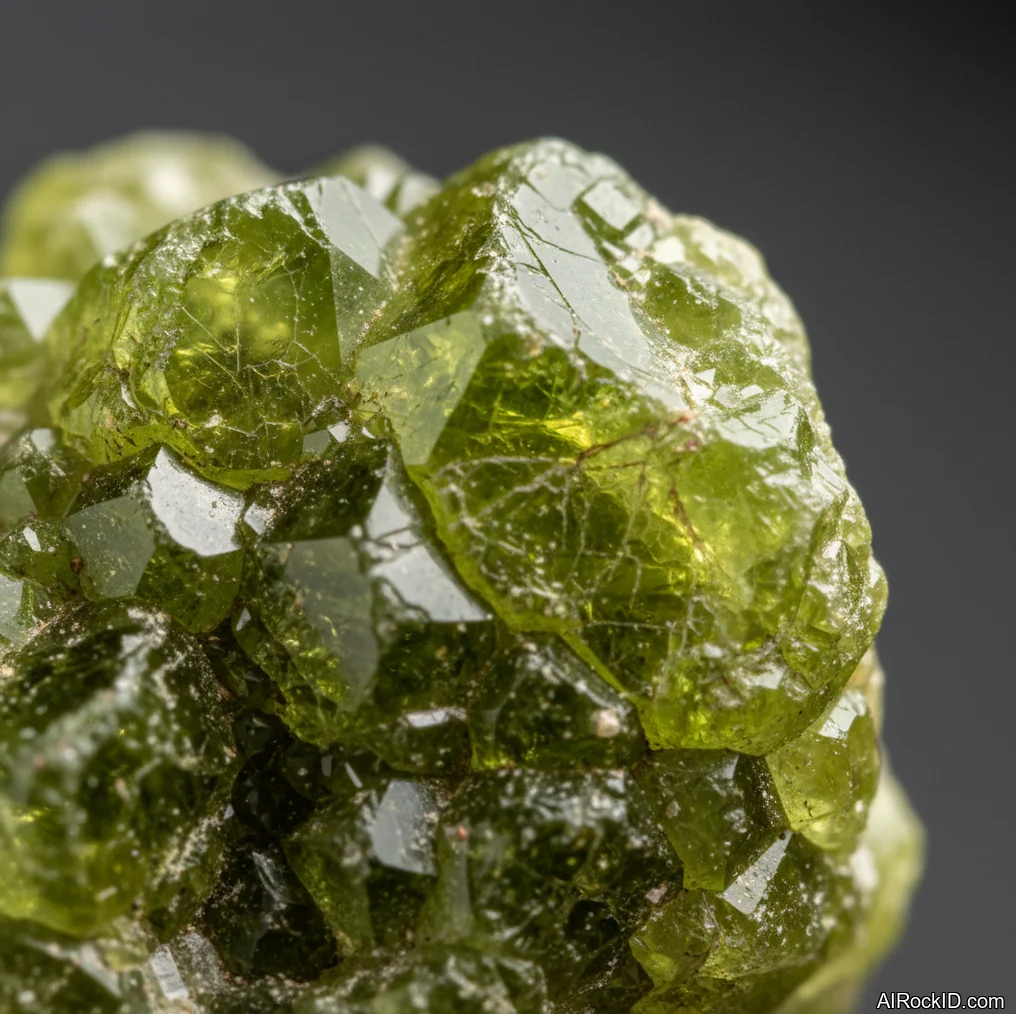
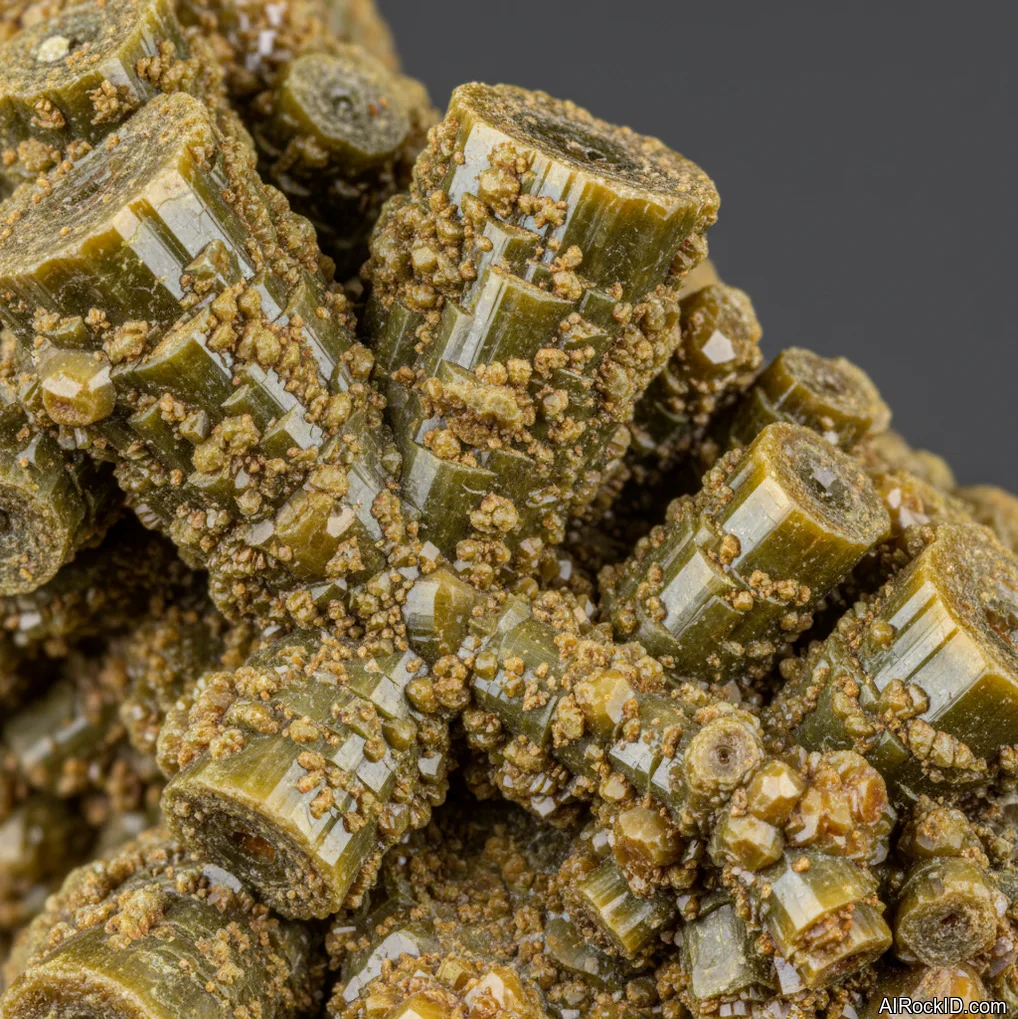
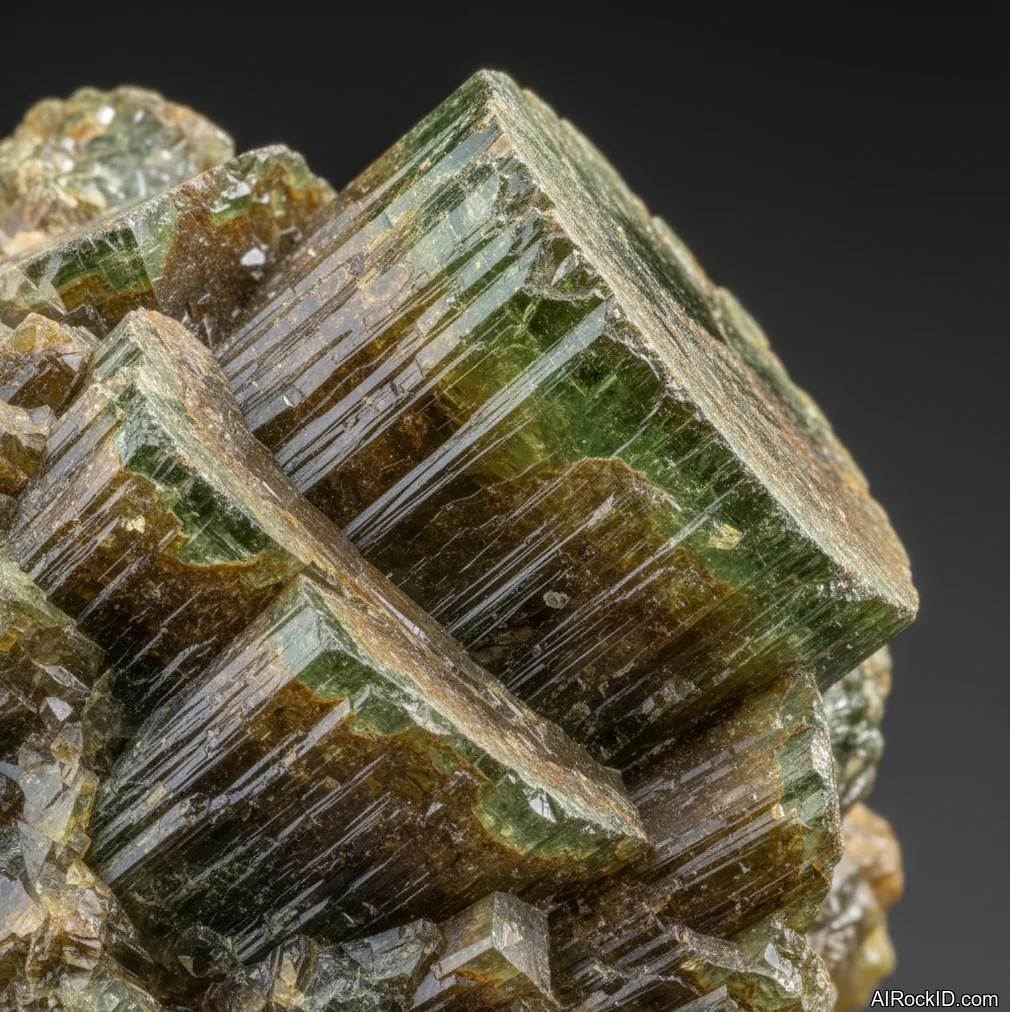
- Peridot: A gem variety of olivine with a yellow-green color and higher value in clean, transparent pieces.
AI identification confidence
AI identification is usually more reliable for distinctive specimens with clear photos, natural lighting, and multiple angles. Confidence may be lower for tumbled stones, dyed quartz, heat-treated material, or crystals with very similar color and luster.
When AI gets it wrong
- Green tumbled stones can be confused when banding, inclusions, or sparkle are not visible.
- Dyed agate, dyed quartz, and glass may resemble natural growth-associated crystals in photos.
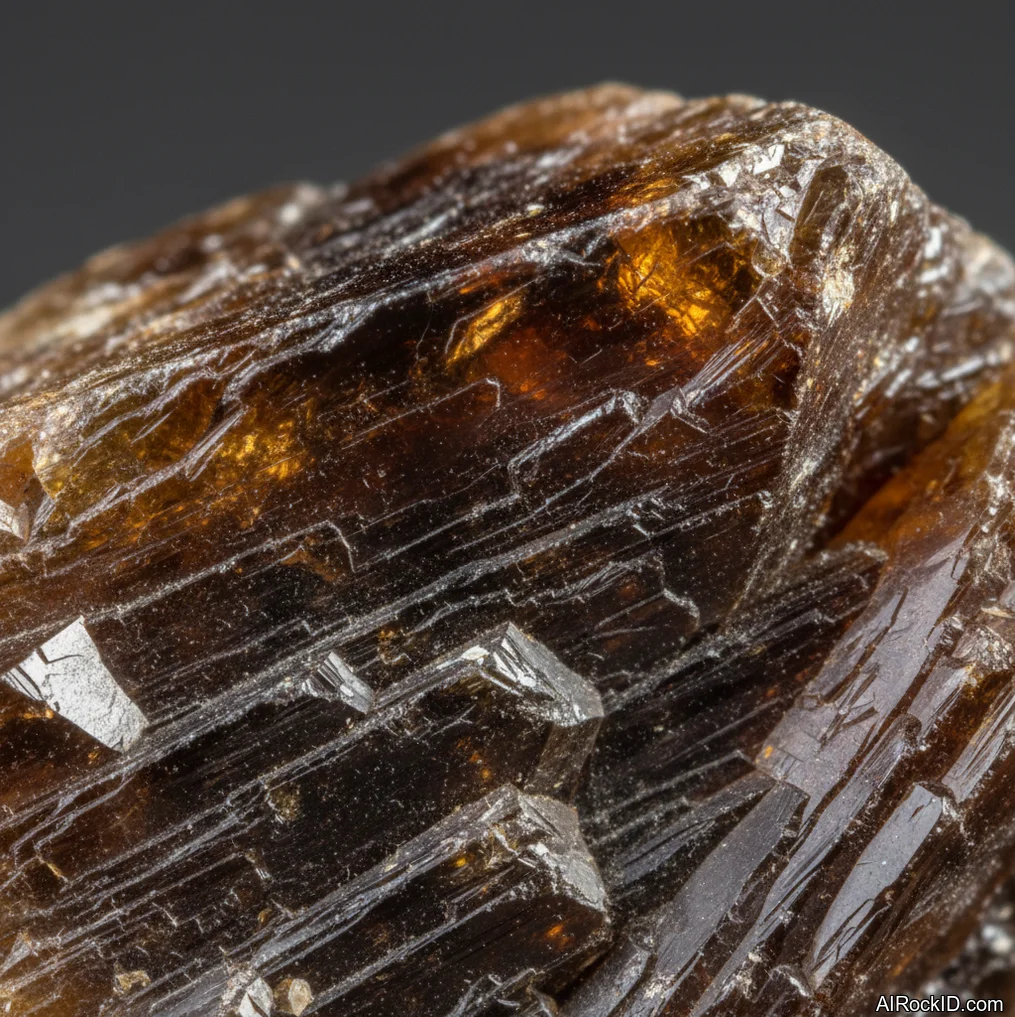
- Heat-treated citrine can be difficult to separate from natural citrine without provenance.
- Small chips or beads may lack enough diagnostic features for confident identification.
Best choice summary
For a first growth-themed set, moss agate, green aventurine, citrine, and peridot are approachable choices with recognizable appearances. Malachite is visually distinctive but should be handled with care because it is softer and copper-bearing.
Final recommendation
Choose growth crystals by combining appearance, durability, budget, and the tradition or symbolism that matters to you. When buying, ask whether a stone is natural, treated, dyed, synthetic, or imitation.
Why people search for this
People often search for growth crystals when choosing stones connected in crystal traditions with change, confidence, prosperity, or emotional renewal. The term can refer to symbolic meaning rather than a formal mineral group.
What this category represents
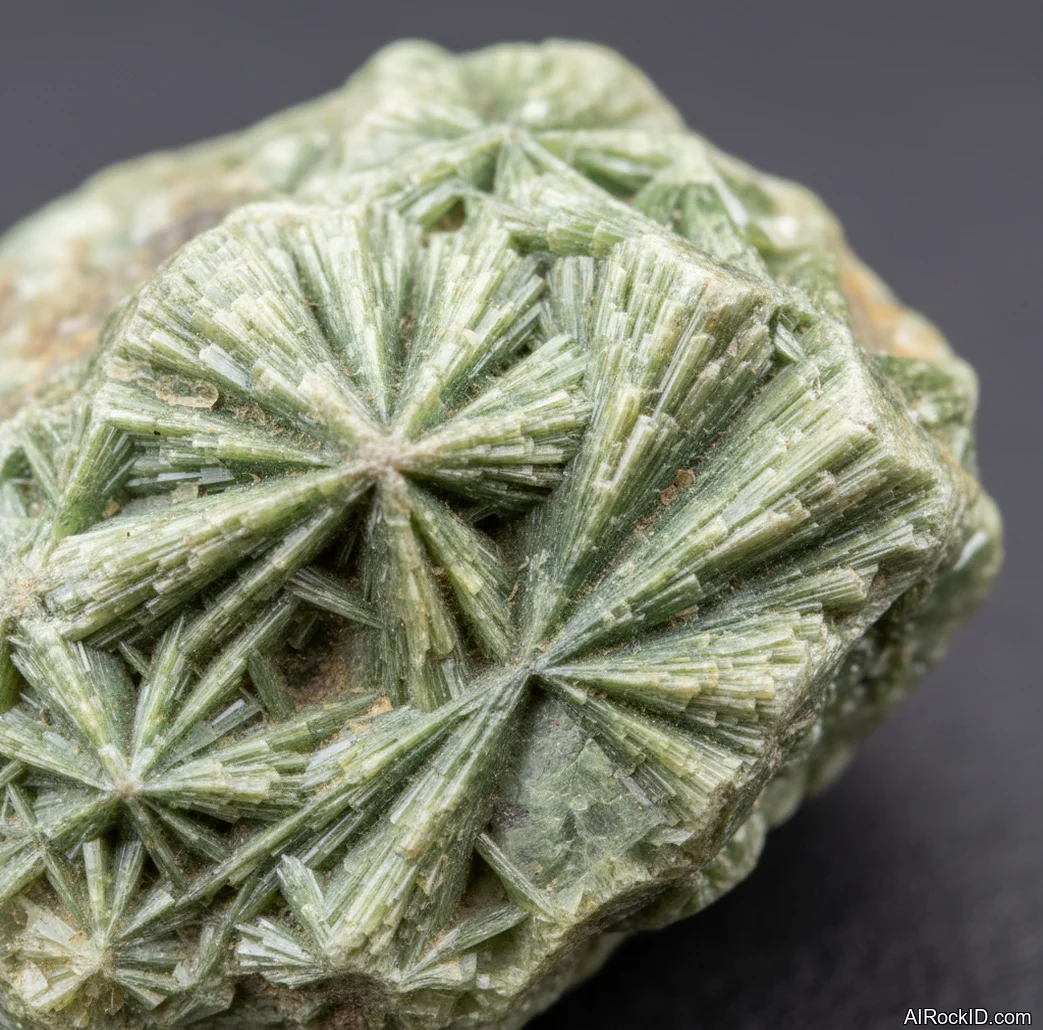
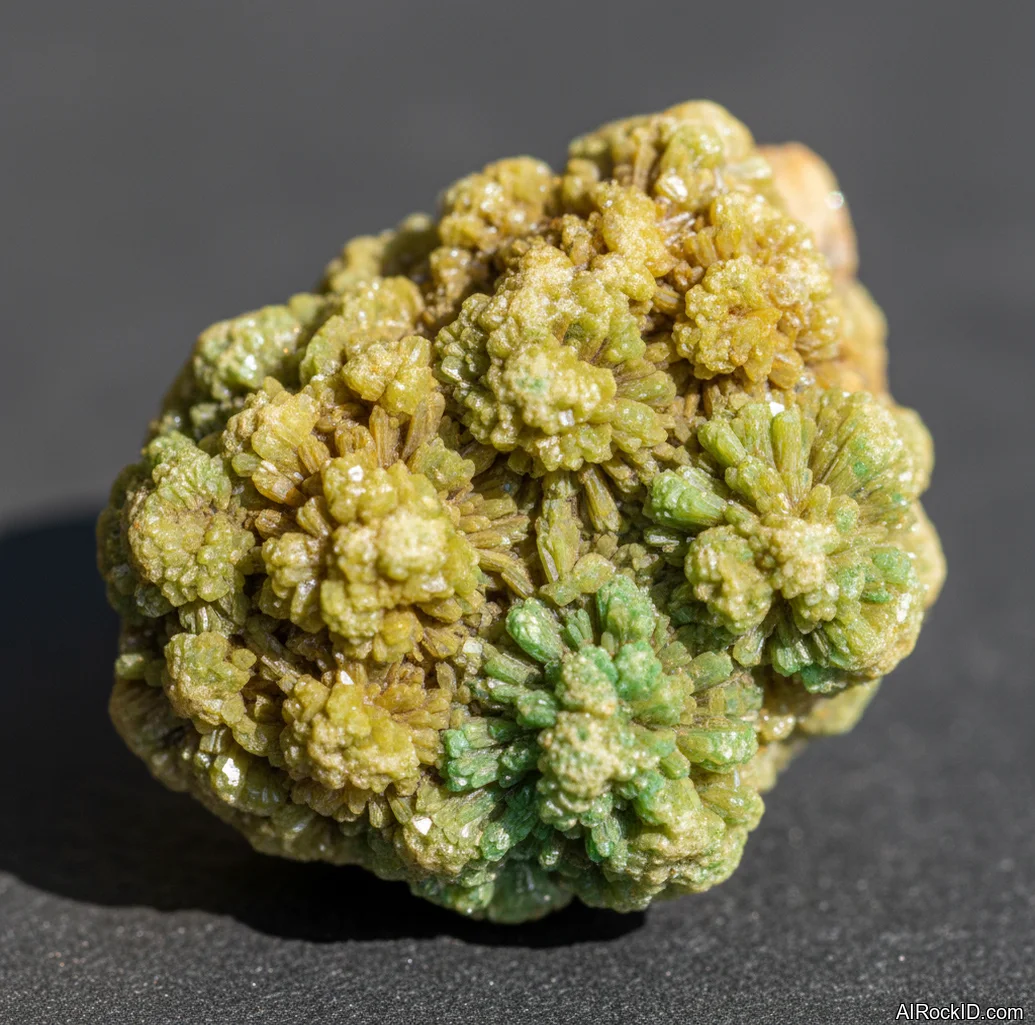
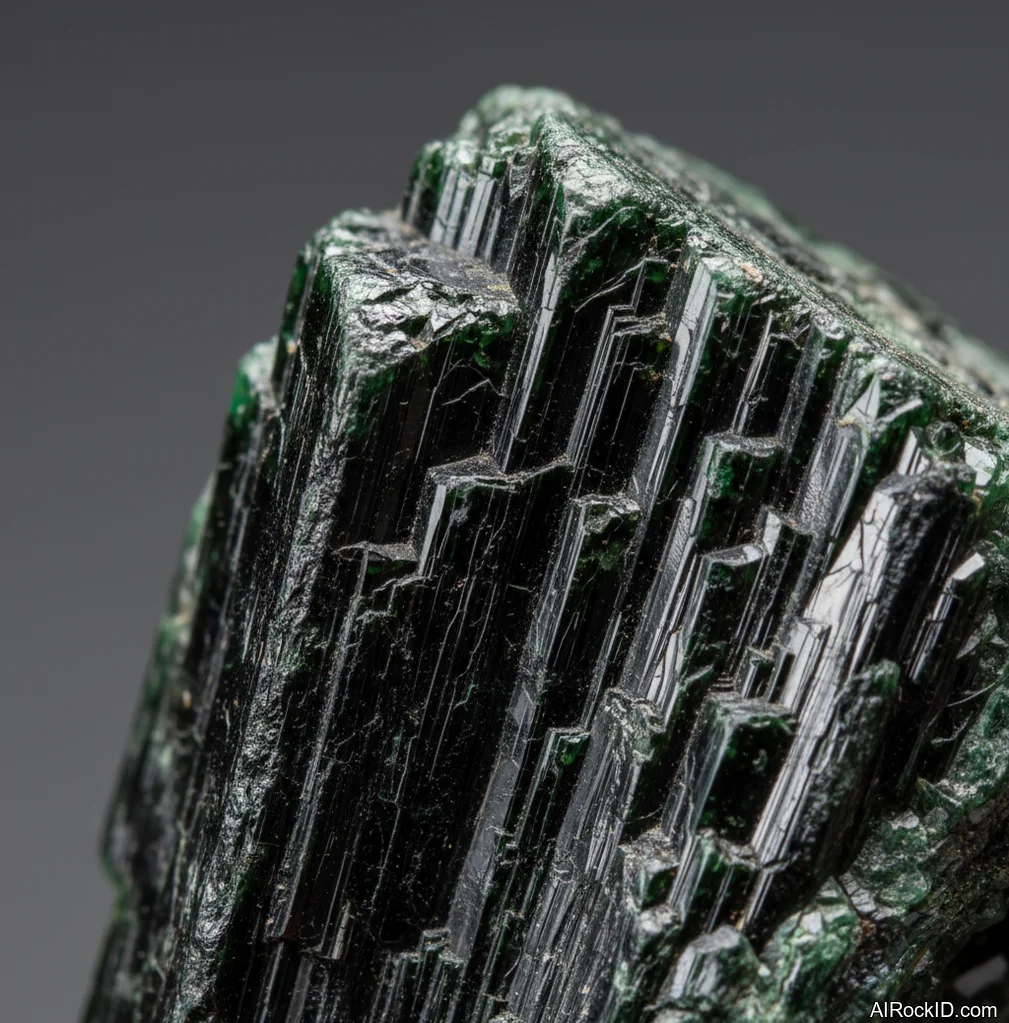
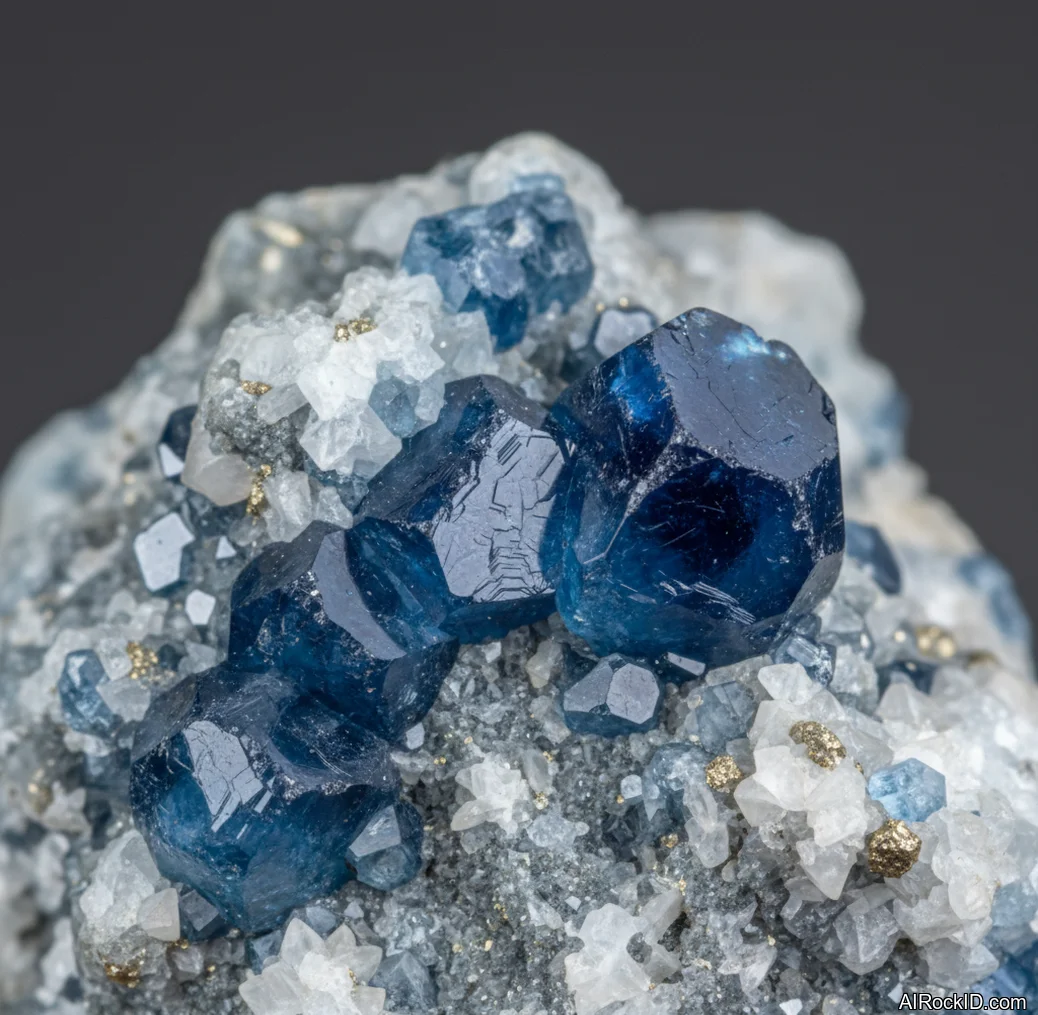
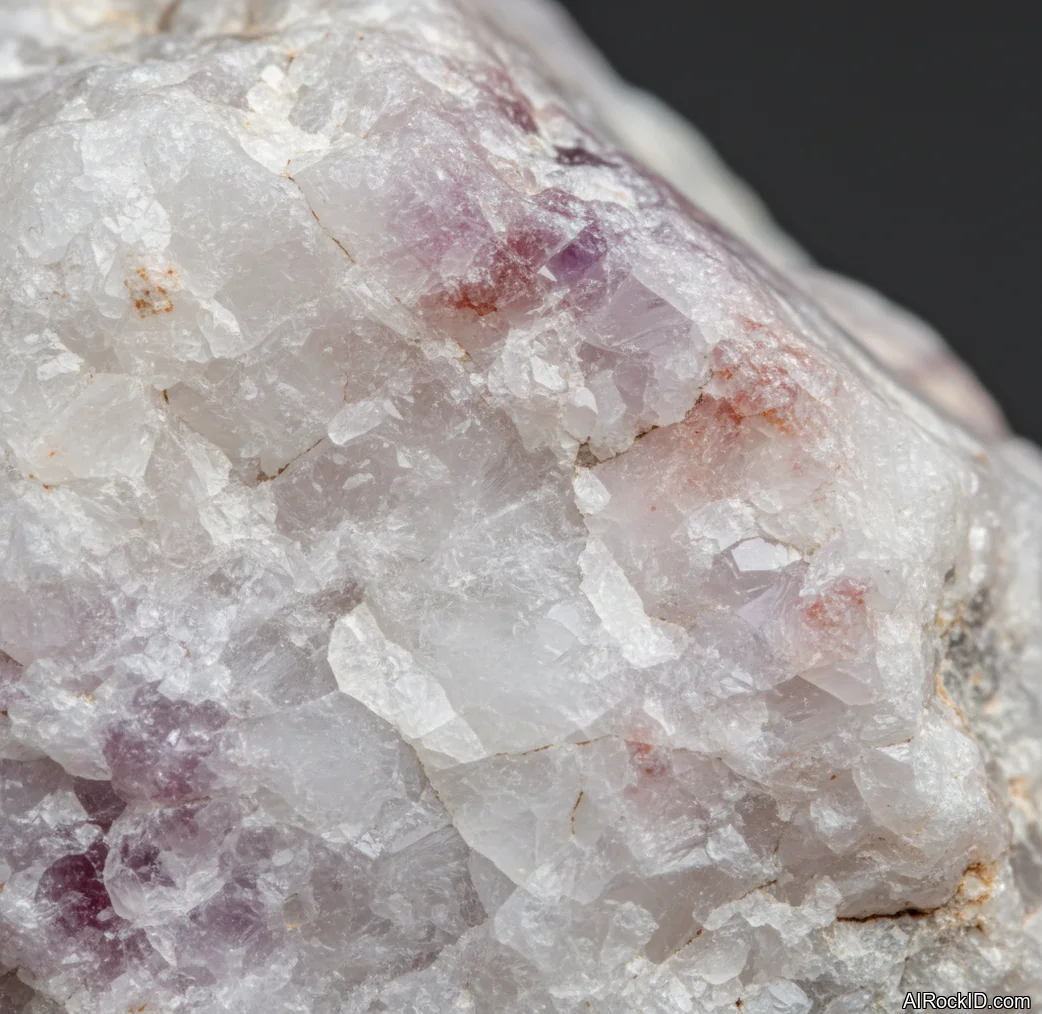
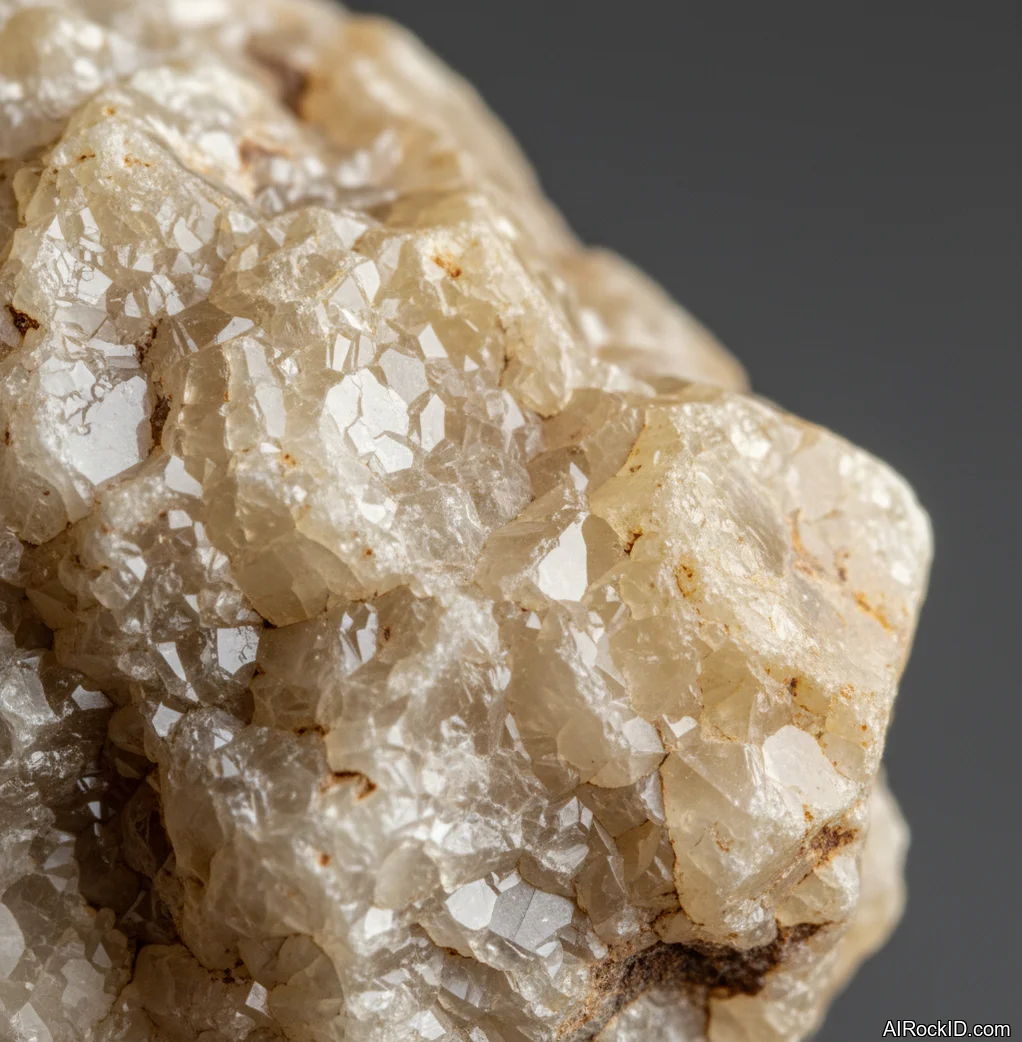
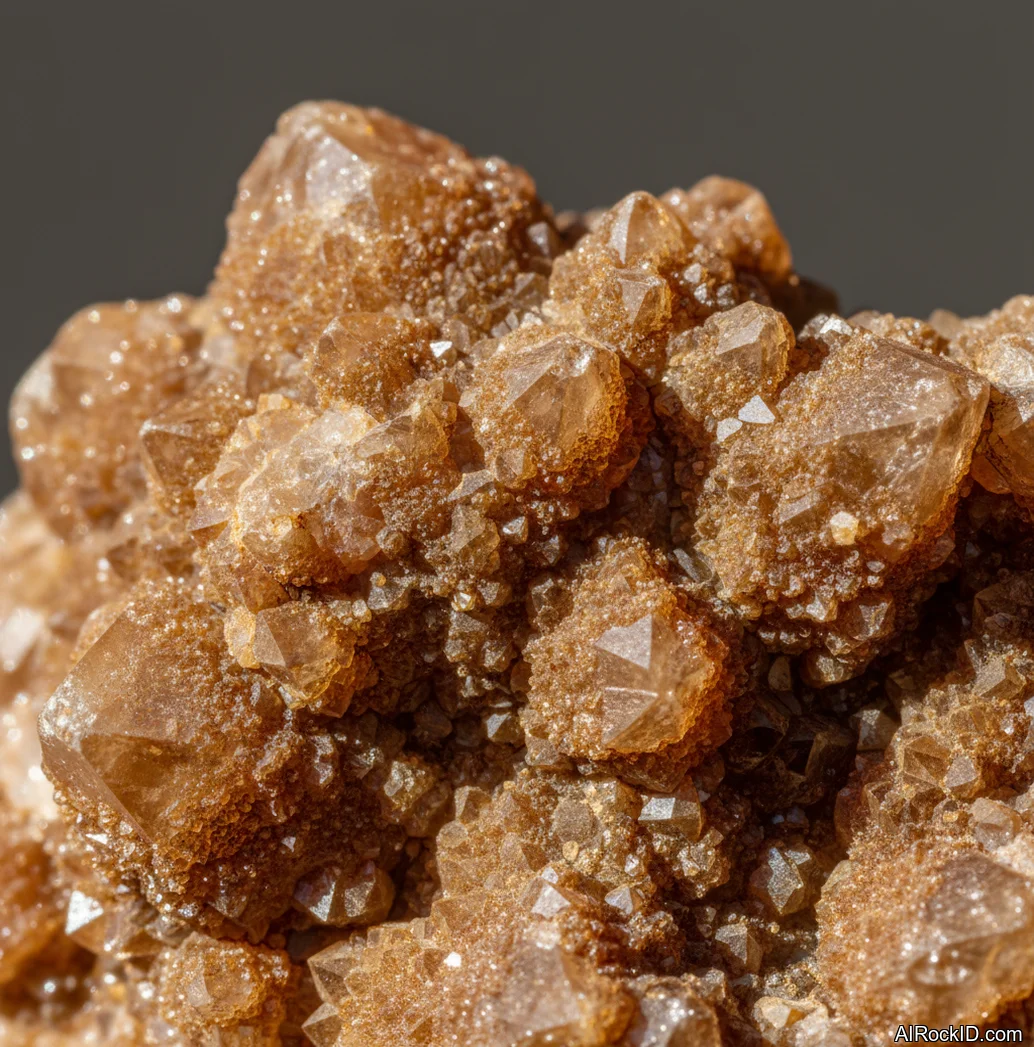
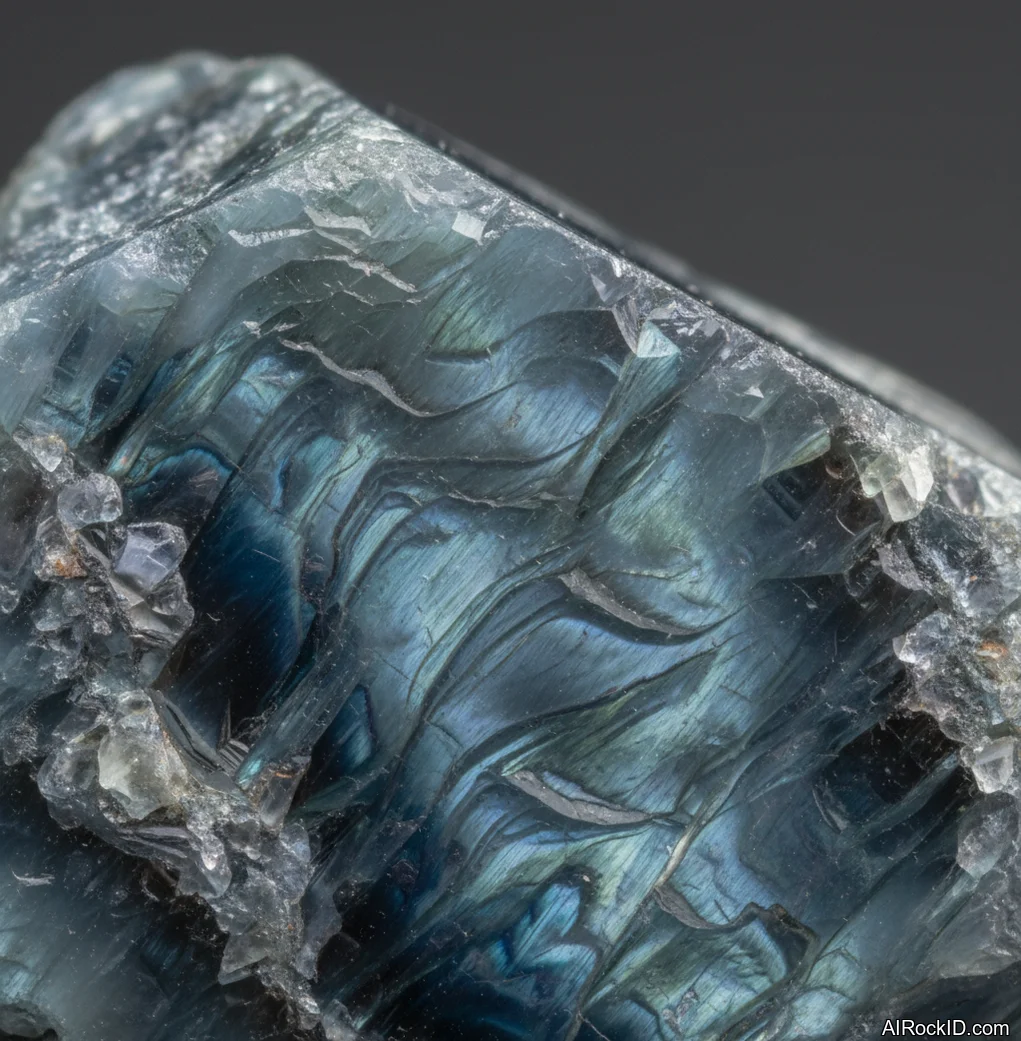
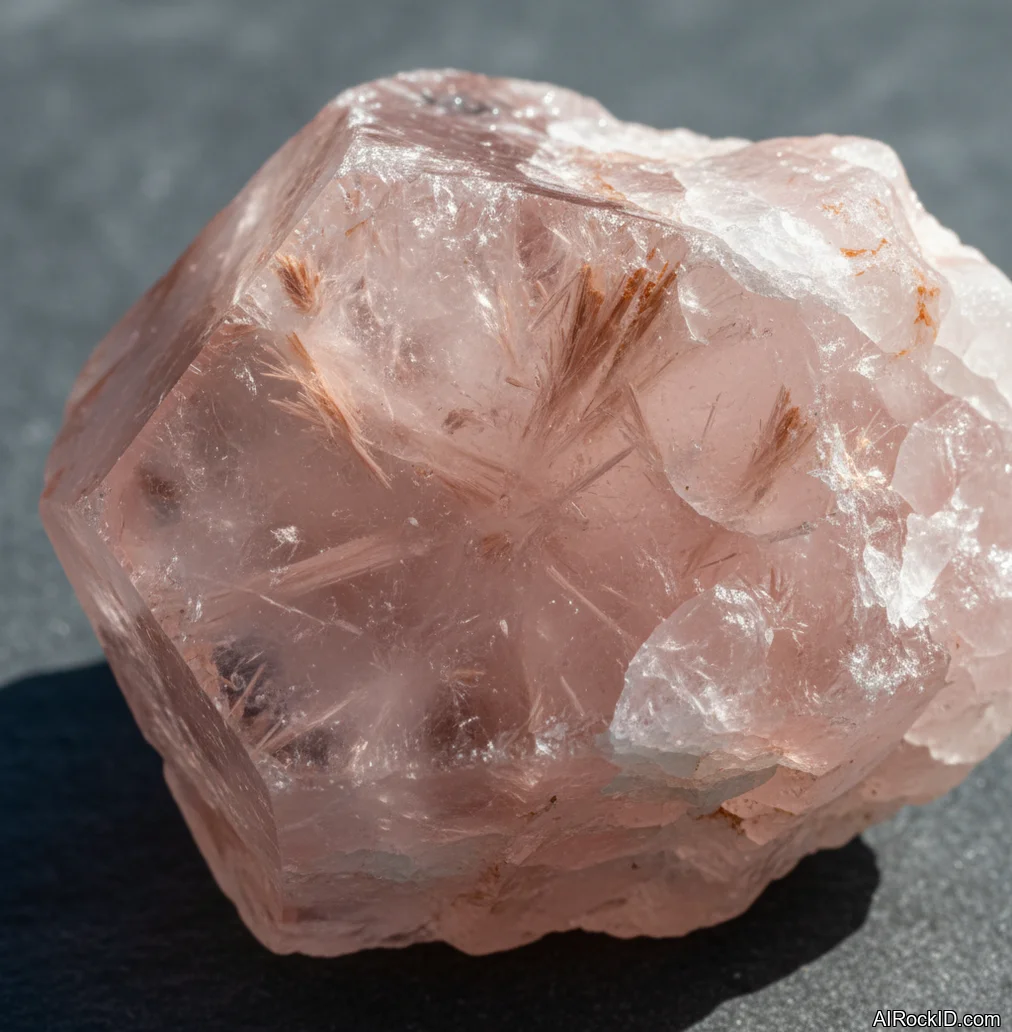
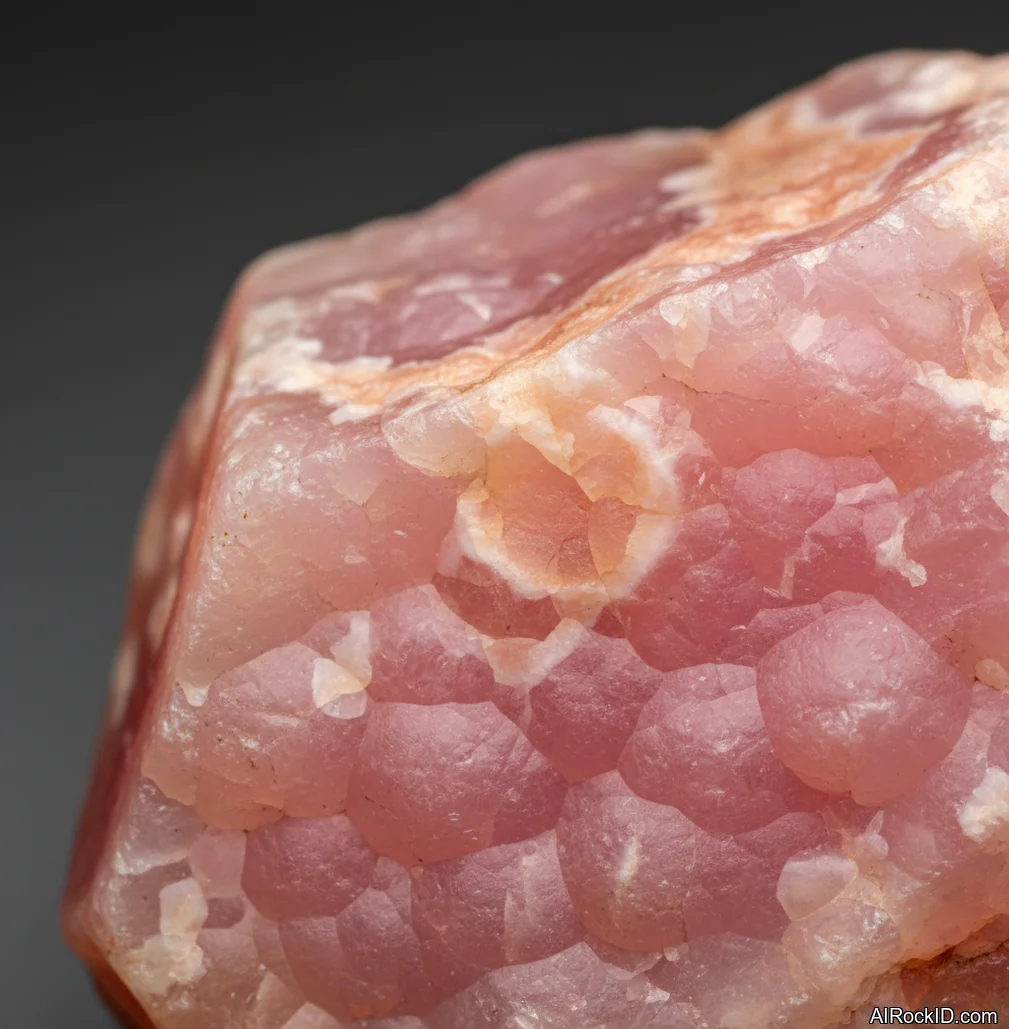
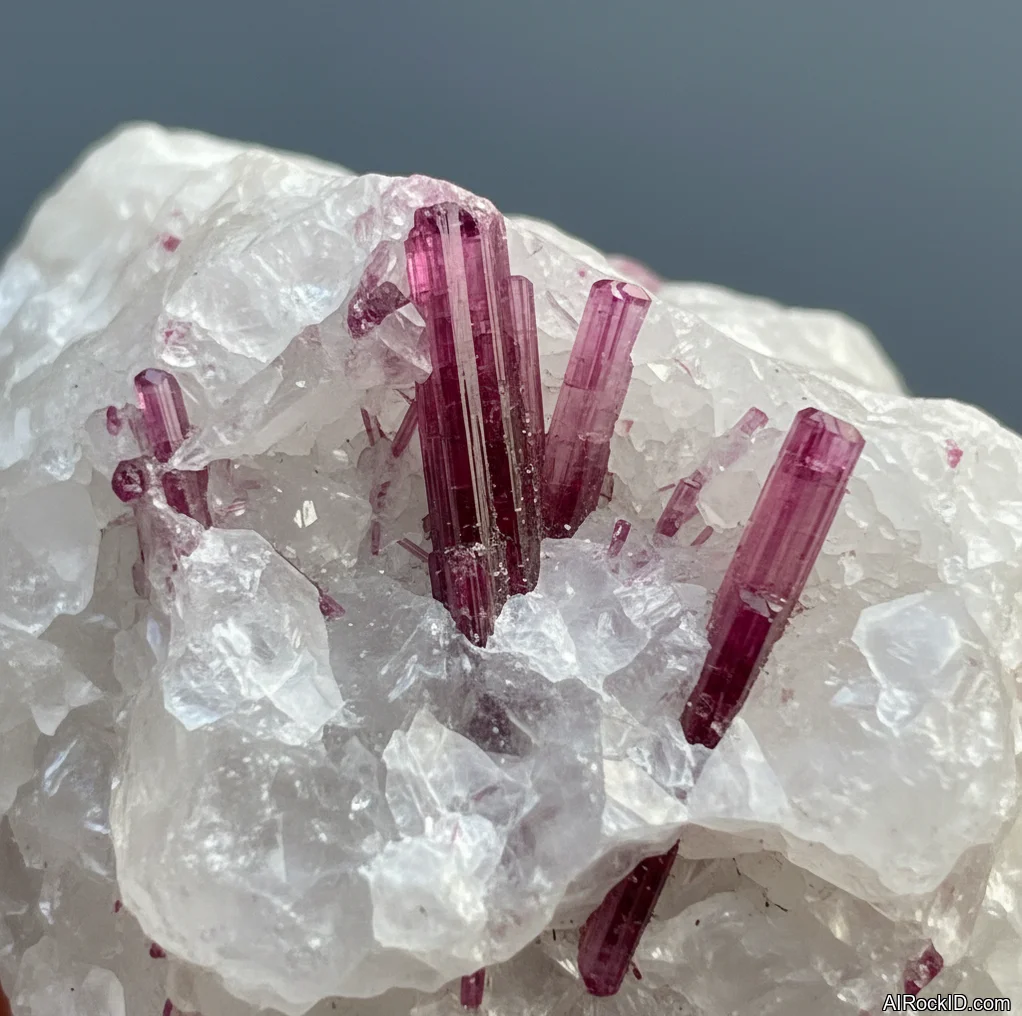
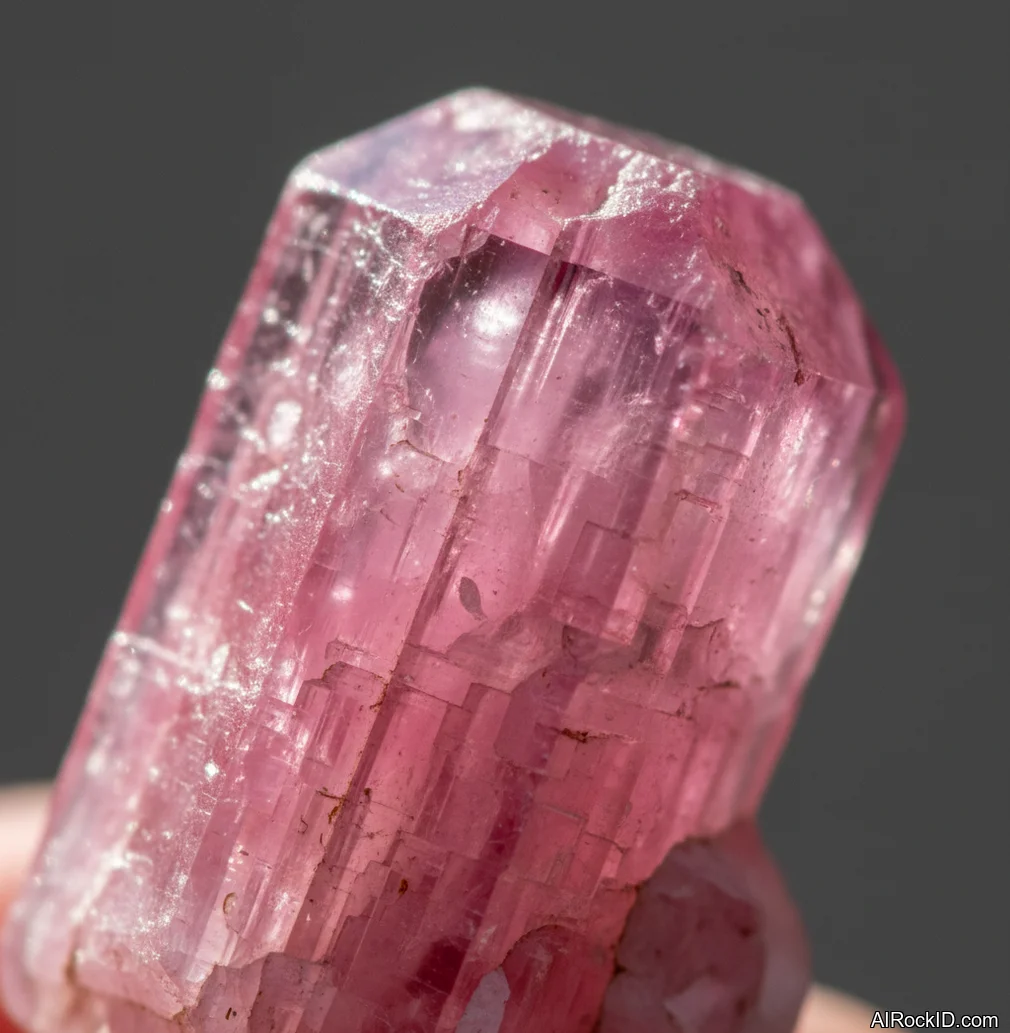
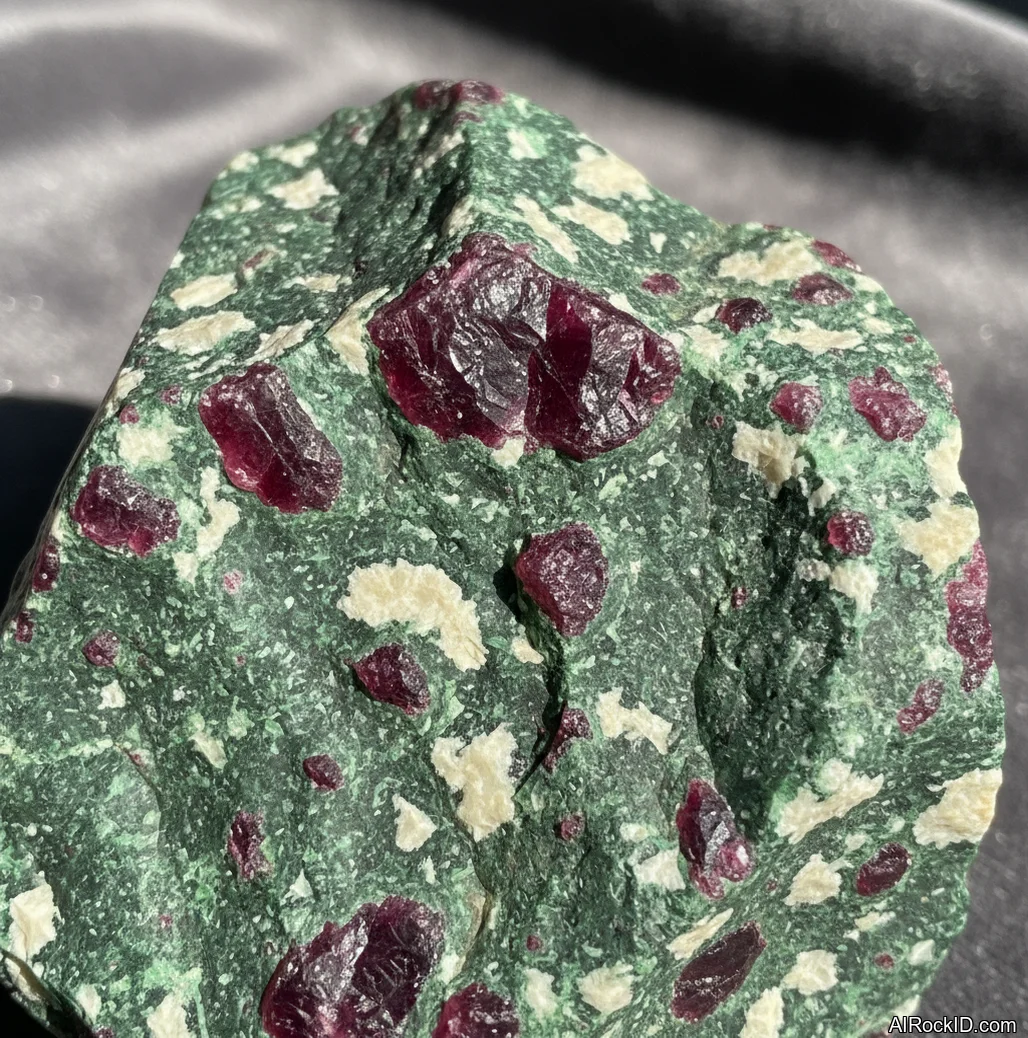
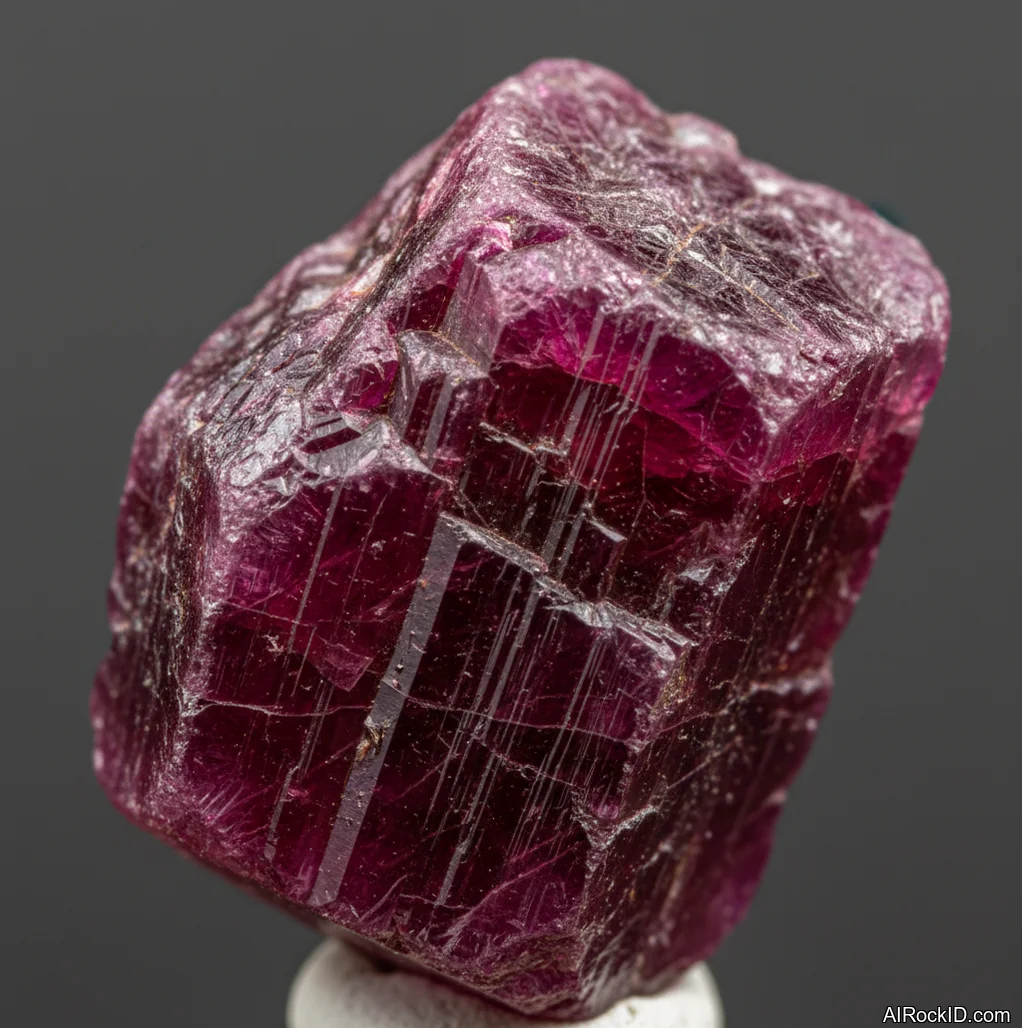
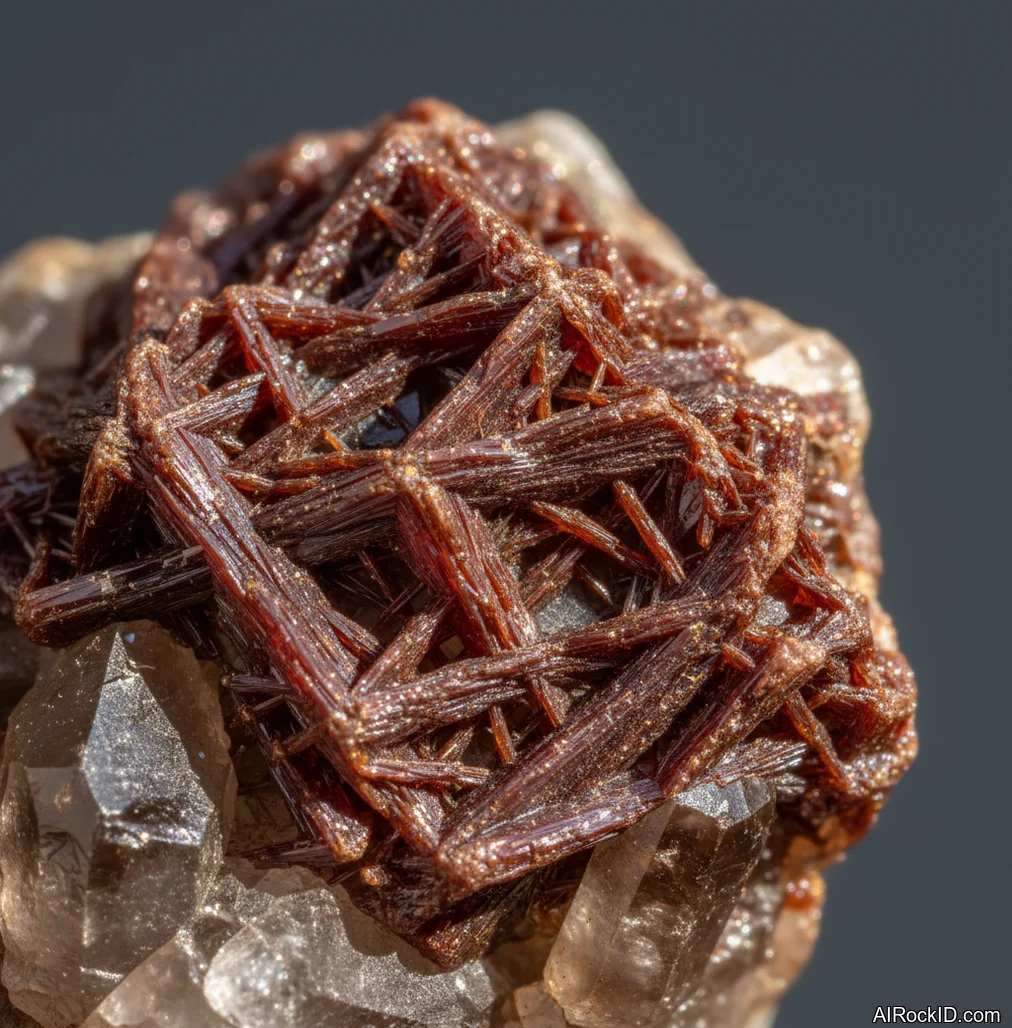
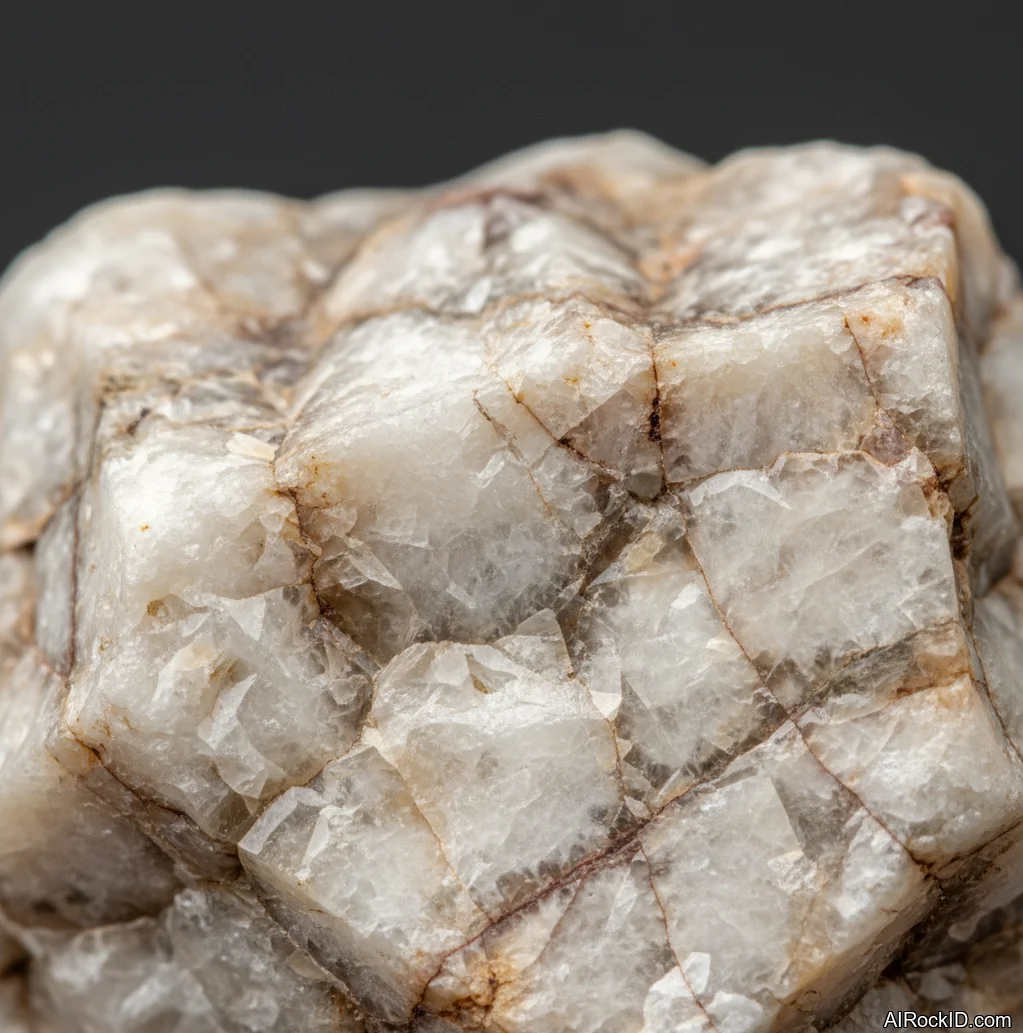
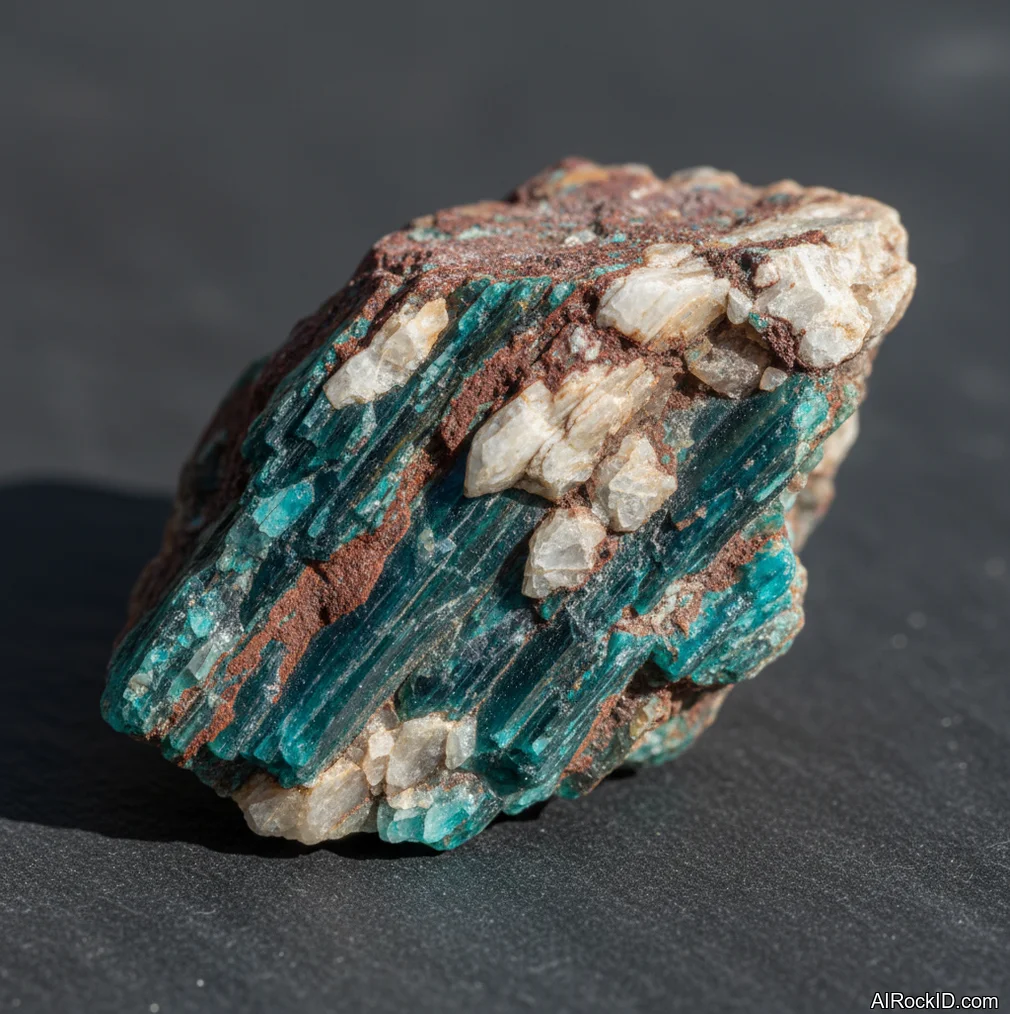
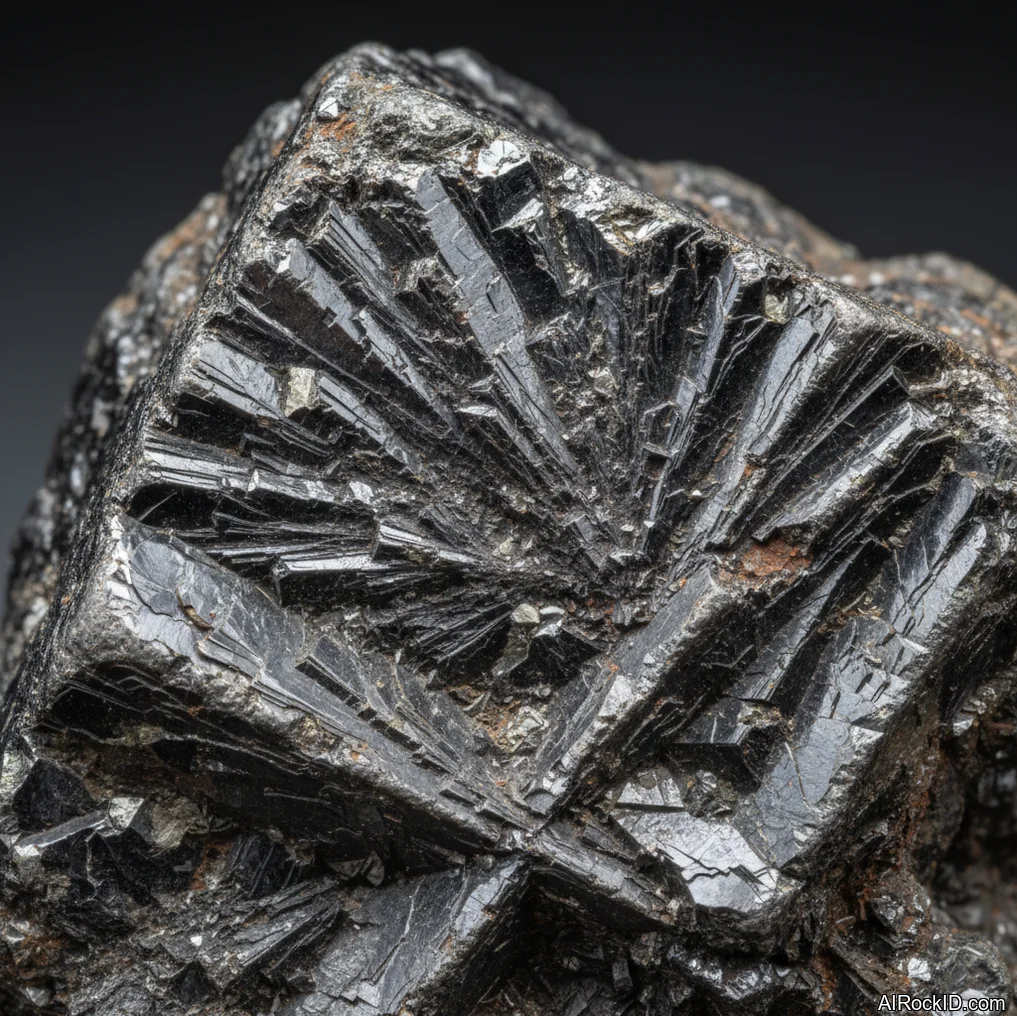
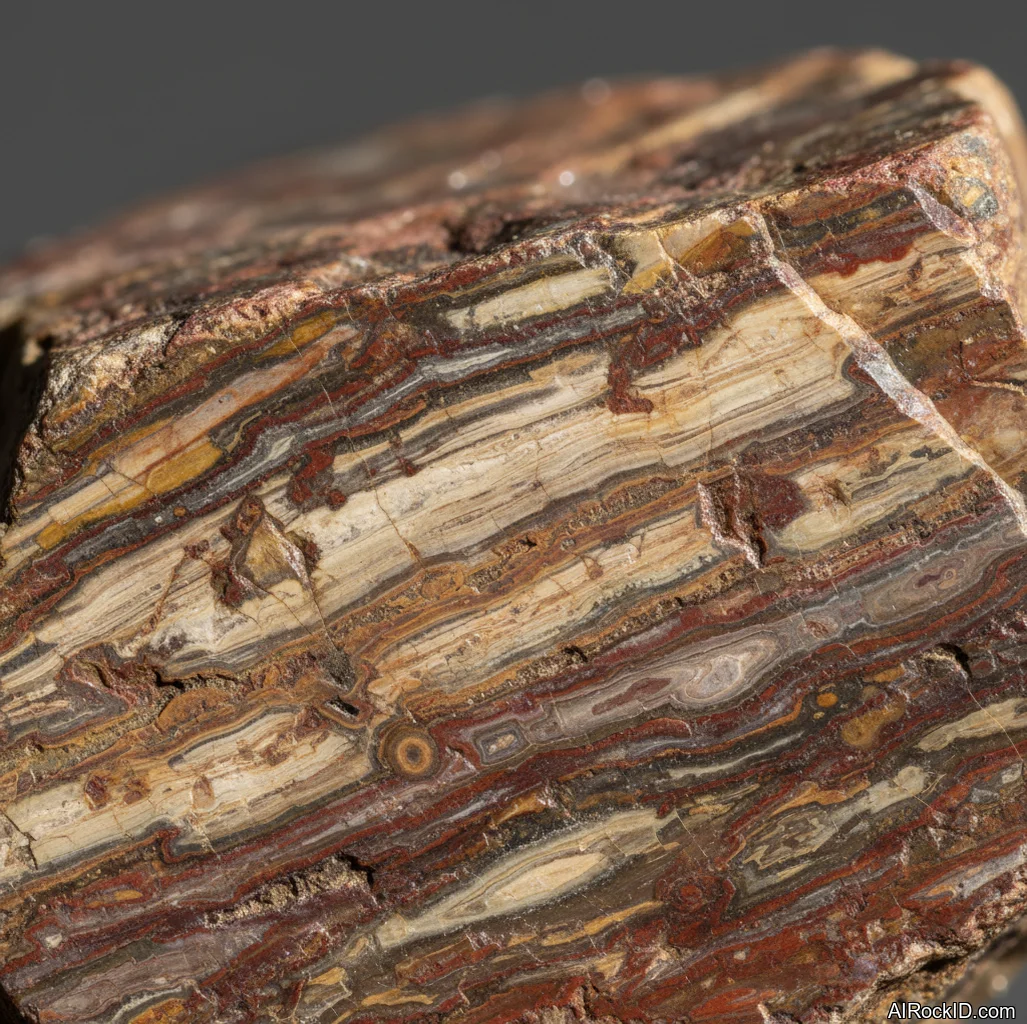
The Growth Crystals tag represents stones that are commonly connected with growth, renewal, abundance, and progress in modern crystal traditions. It is a thematic category rather than a scientific mineral classification, so included stones may differ widely in chemistry, hardness, and appearance.
Beginner recommendations
Advanced recommendations
Safety Notes for Growth-Themed Stones
Some growth-associated stones need more care than common quartz. Malachite and other copper-bearing minerals should not be used in elixirs, powders, or prolonged wet handling, and softer stones can scratch or dull if stored with harder minerals.
Natural, Treated, and Imitation Stones
Many popular crystals are sold in natural, treated, or imitation forms. Dyed agate, glass, resin, and heat-treated quartz may still be decorative, but seller disclosure matters for collectors who want accurate mineral labels.
Choosing by Use Case
For jewelry, durability and setting protection are more important than theme alone. For display, color, pattern, stability, and resistance to sunlight fading can help determine whether a specimen is a practical choice.
Understanding Growth Crystals: Physical and Metaphysical Details
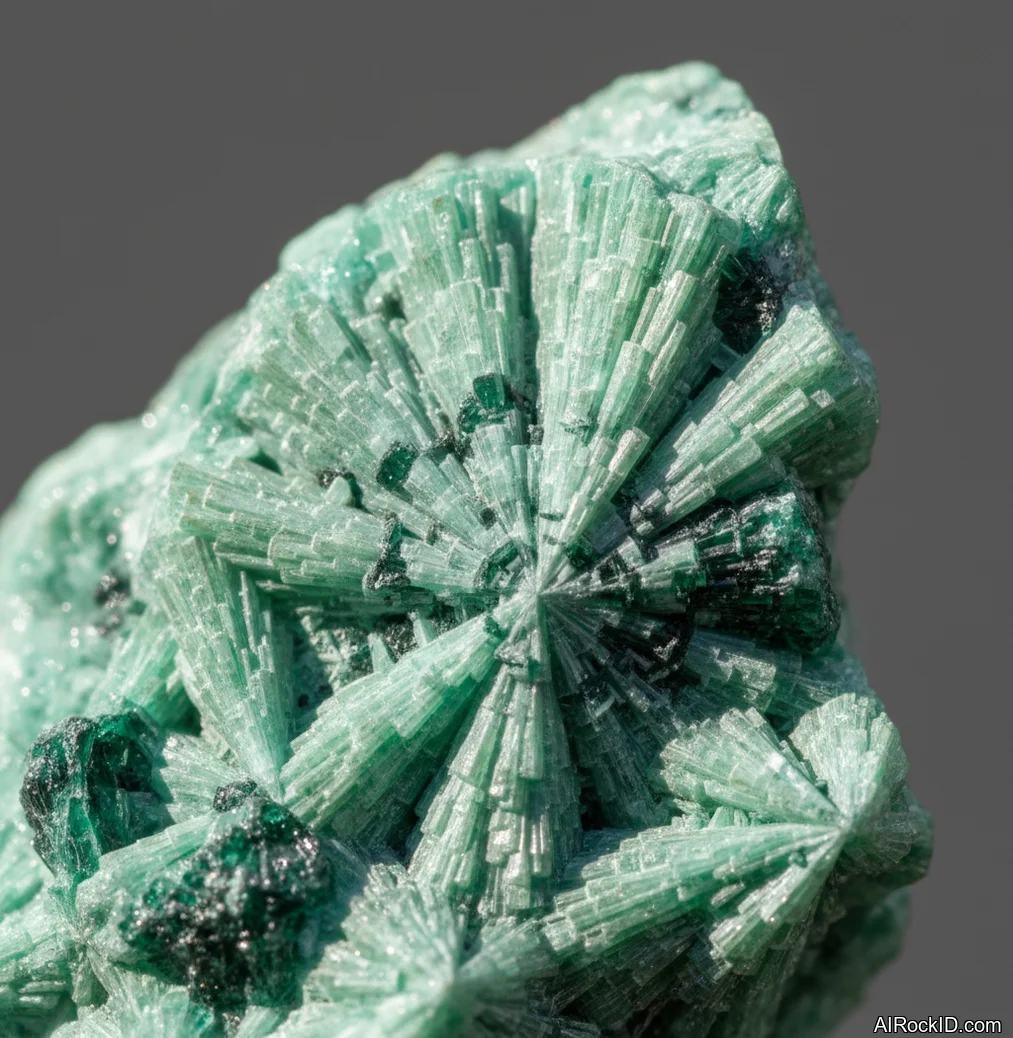
Growth, when we're talking crystals, is a lot more than just some motivational slogan. It feels real—sometimes uncomfortable, sometimes exciting—like the sharp ache after stretching a muscle you haven't used in years. When you pick up a growth stone, pay attention to your senses first. Real green aventurine feels cool and solid, almost heavy if you're holding a rough hunk. Malachite slices, even small ones, surprise you with how much weight is packed into such a thin piece because of their copper content. Those physical details matter. There's something grounding about having a mineral in your hand when you're up against big changes or trying to stick with a new habit. It's common to see people buy these stones at the start of a new chapter, but I notice they come back for them when the excitement's faded and the real work sets in—the part where consistency is harder than you thought.
Popular Types of Growth Crystals and How They’re Used
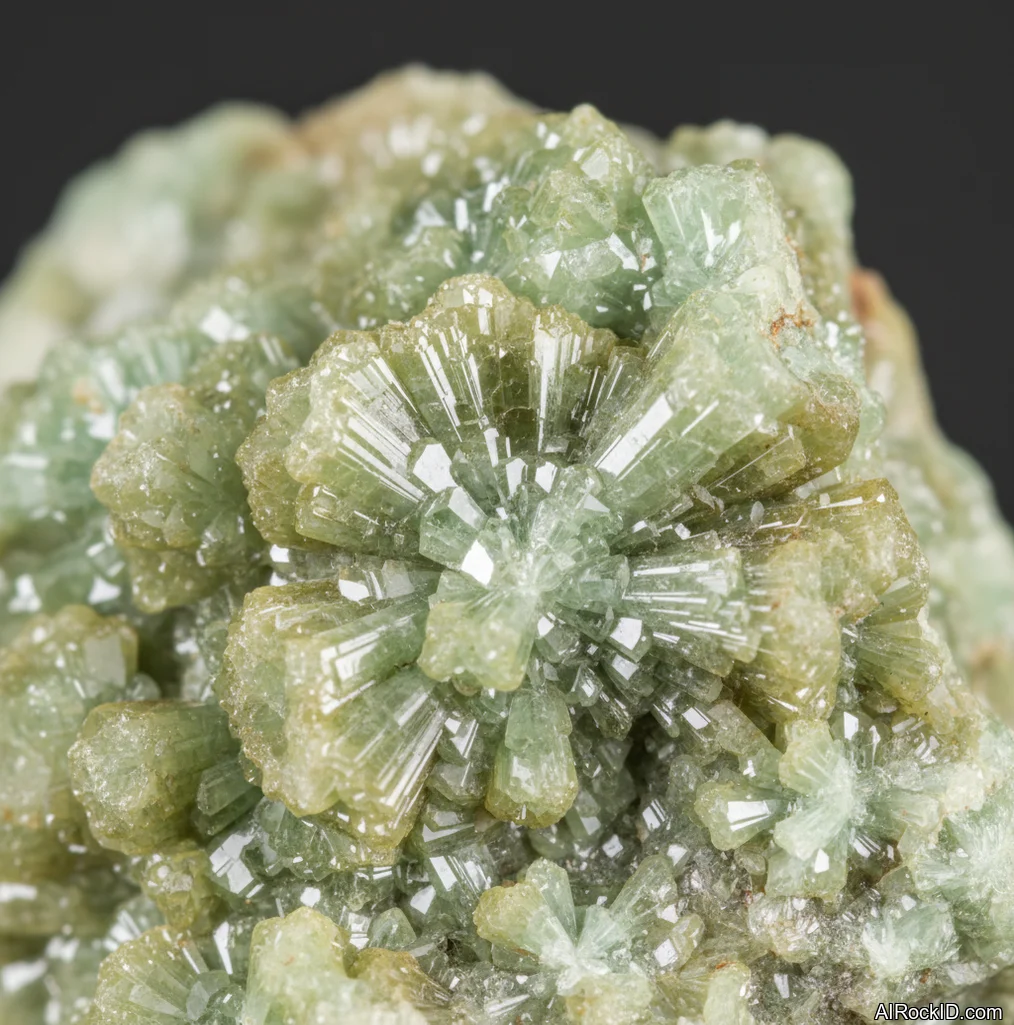
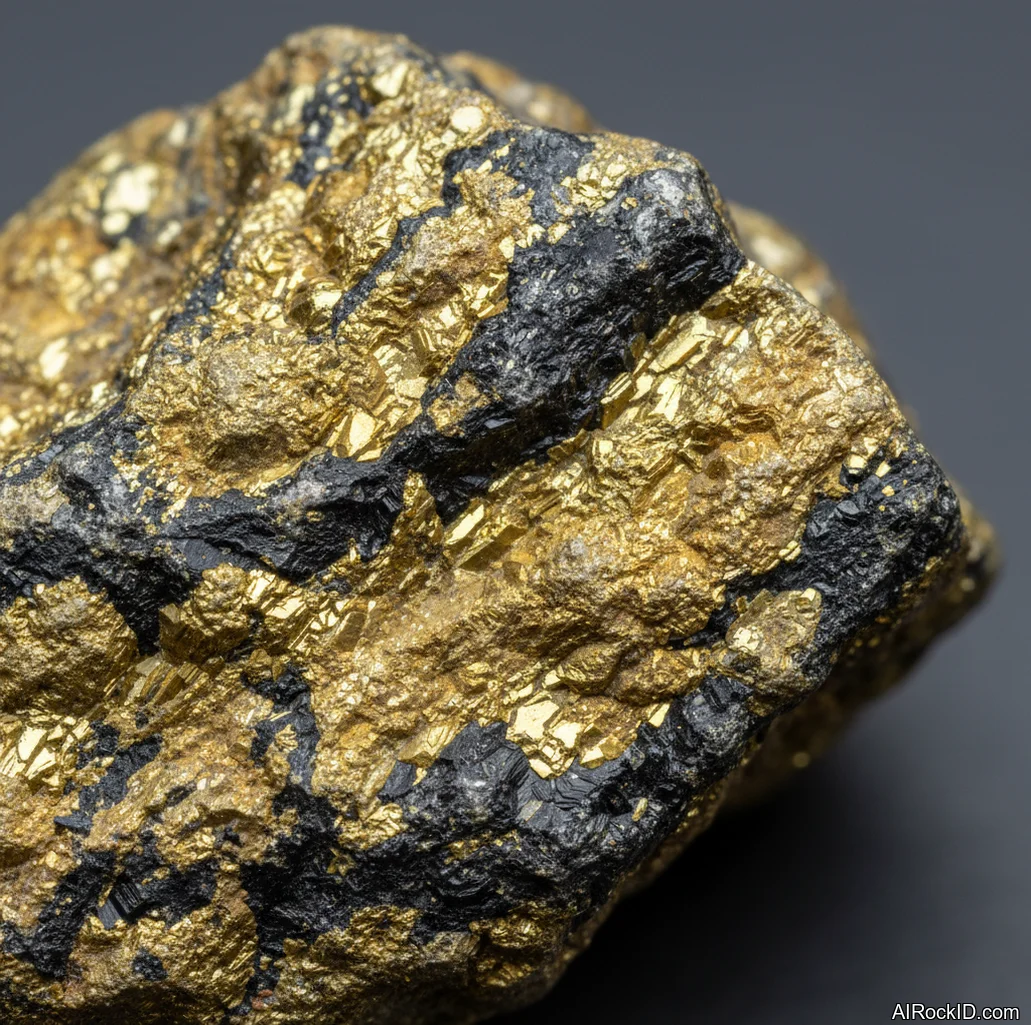
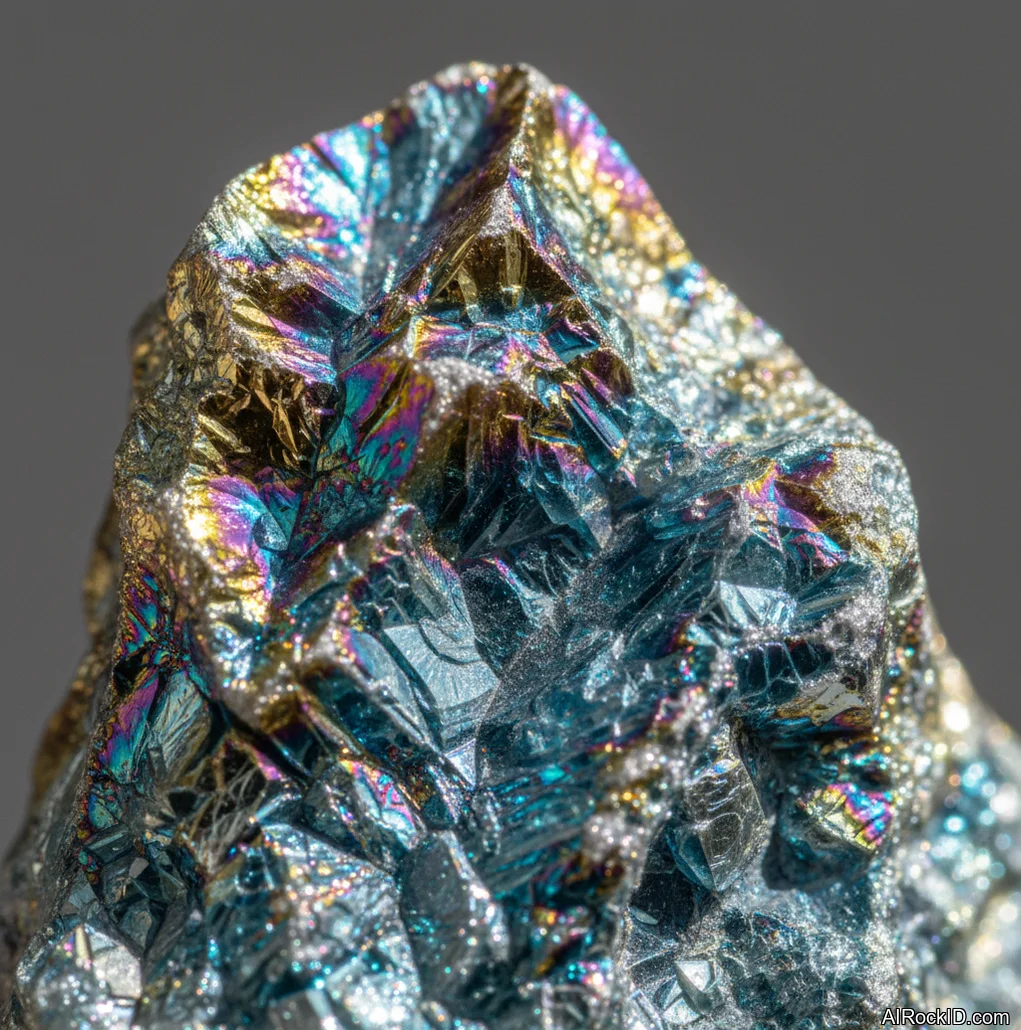
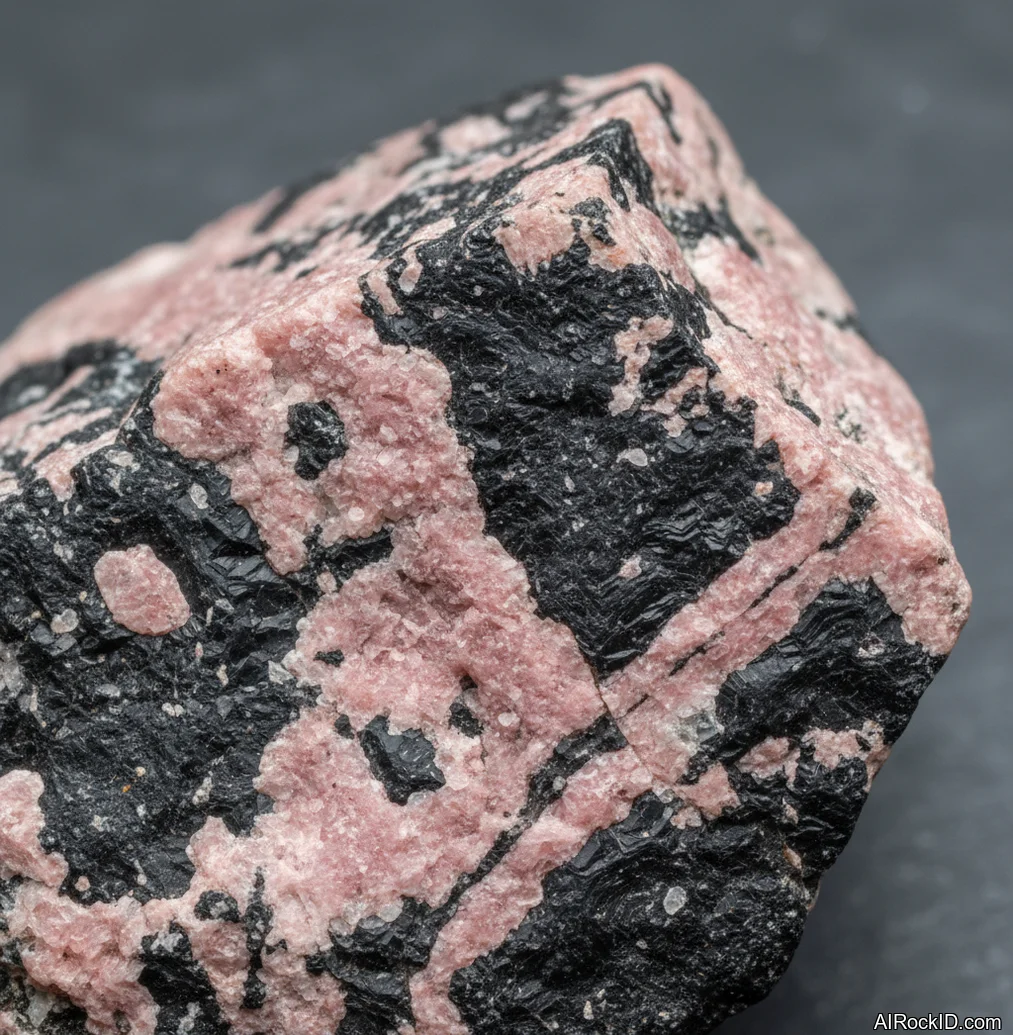
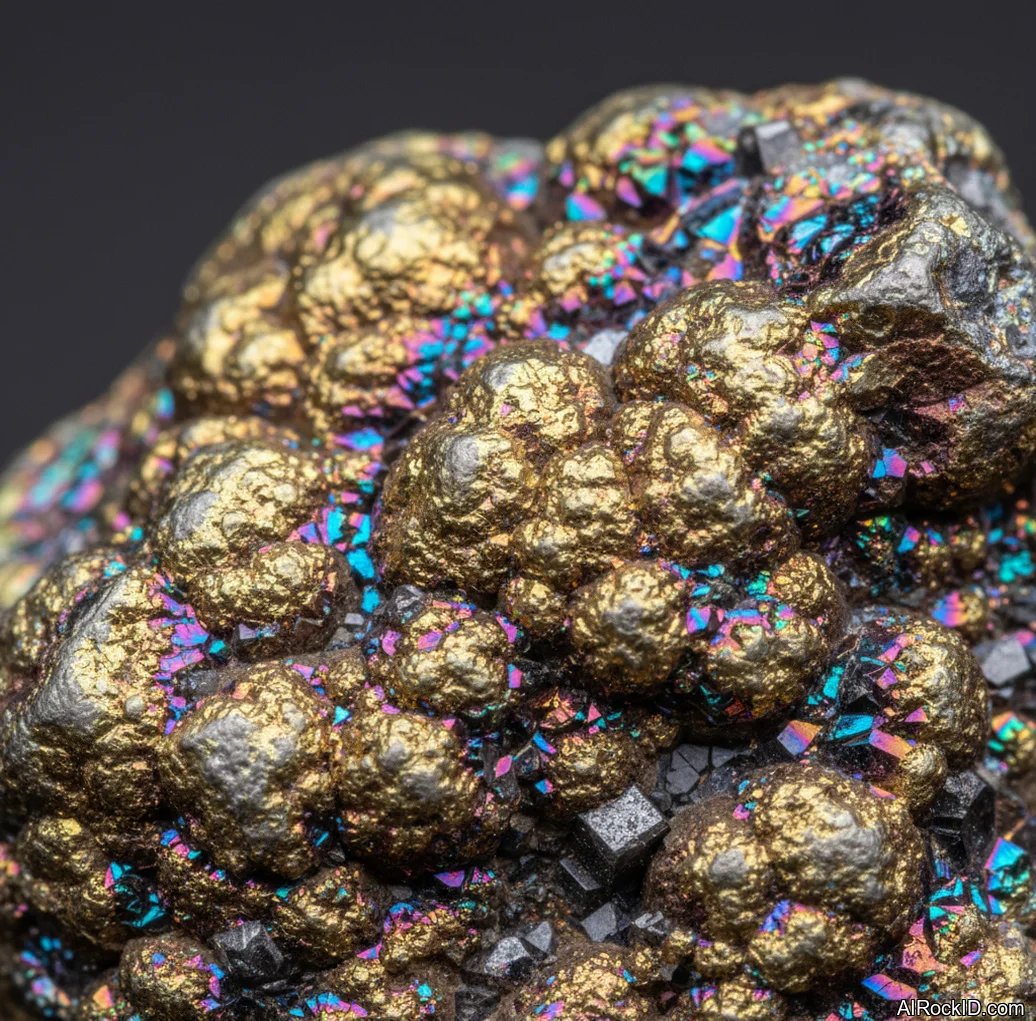
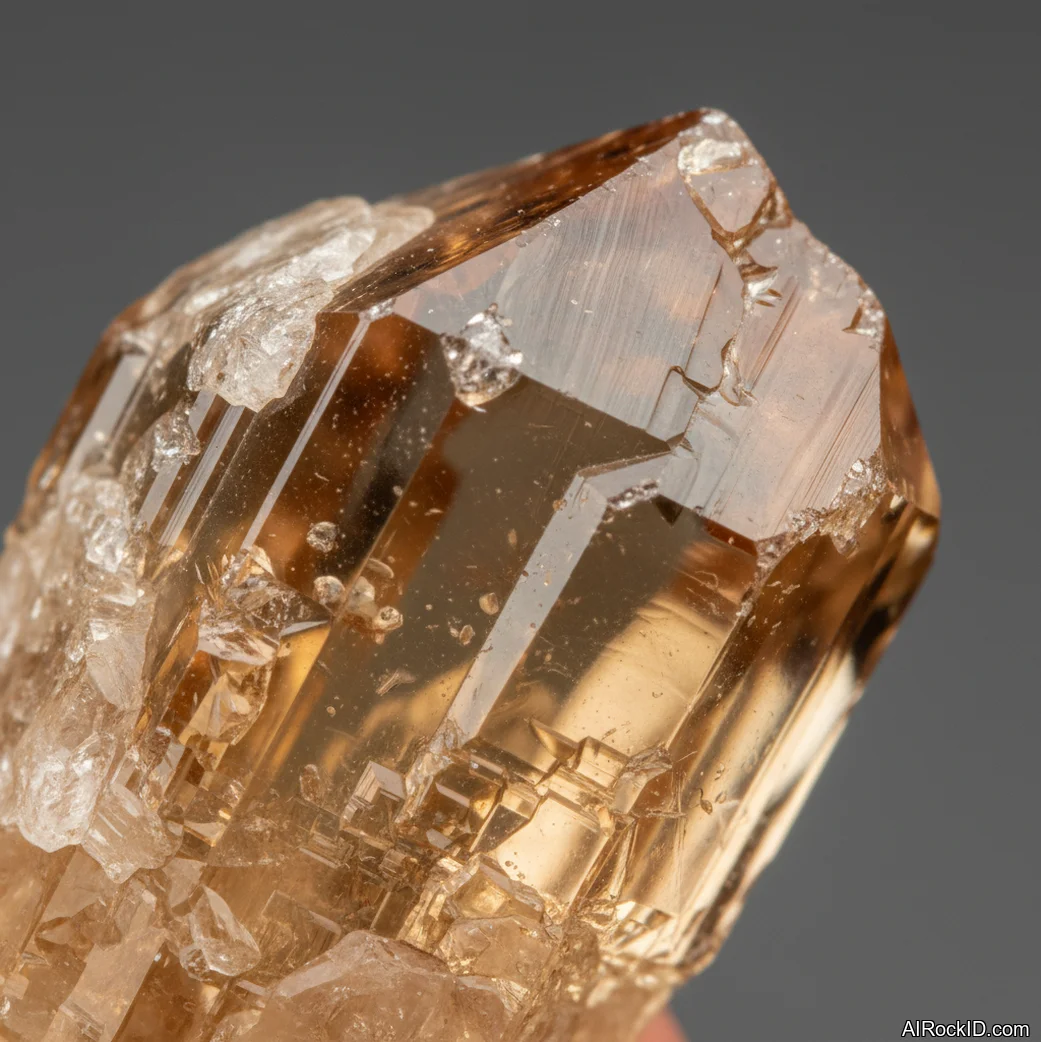
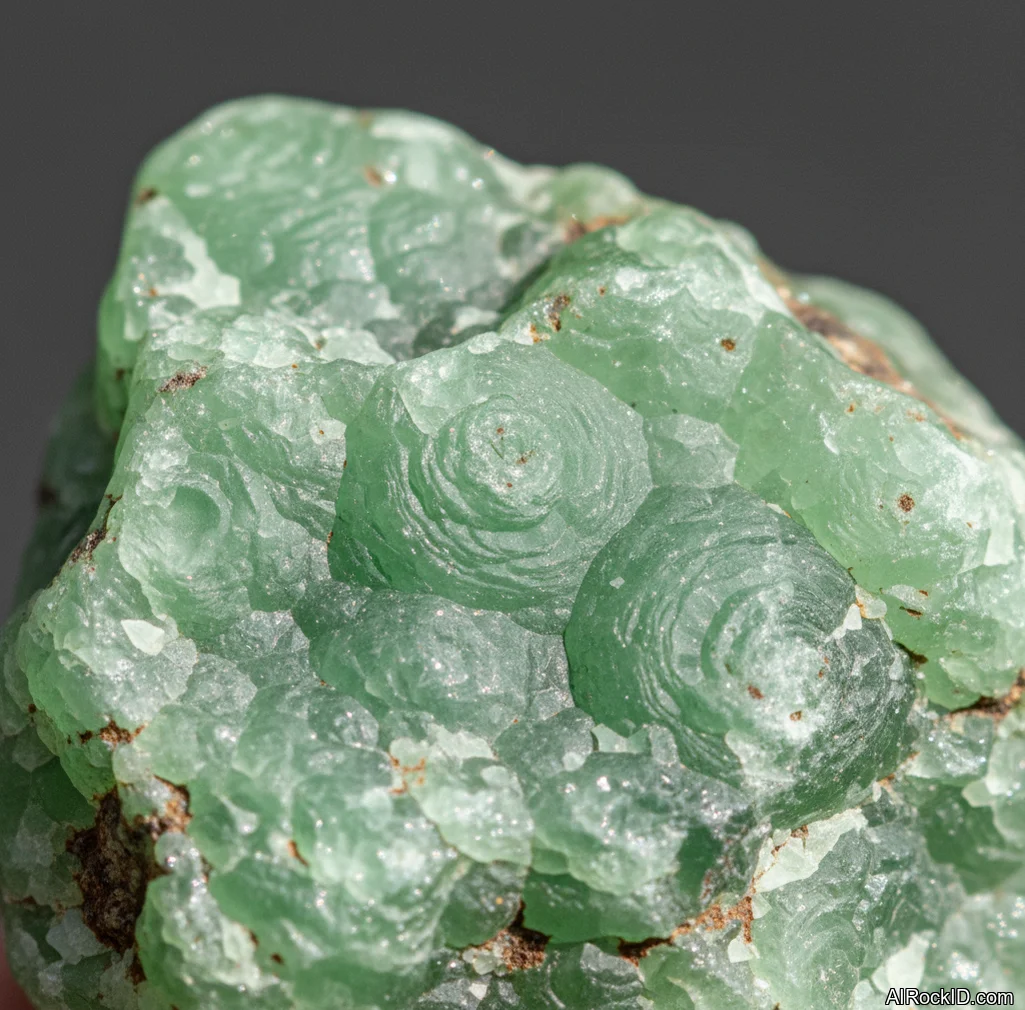
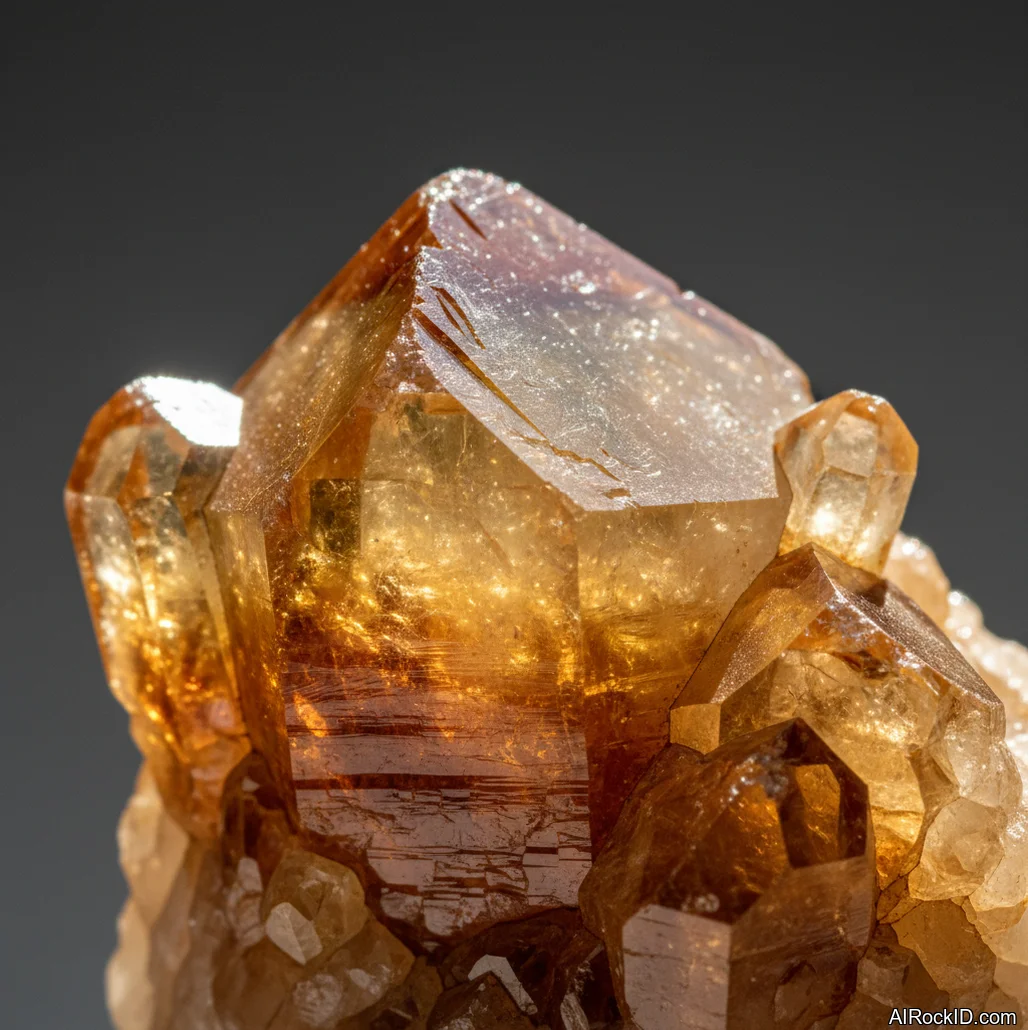
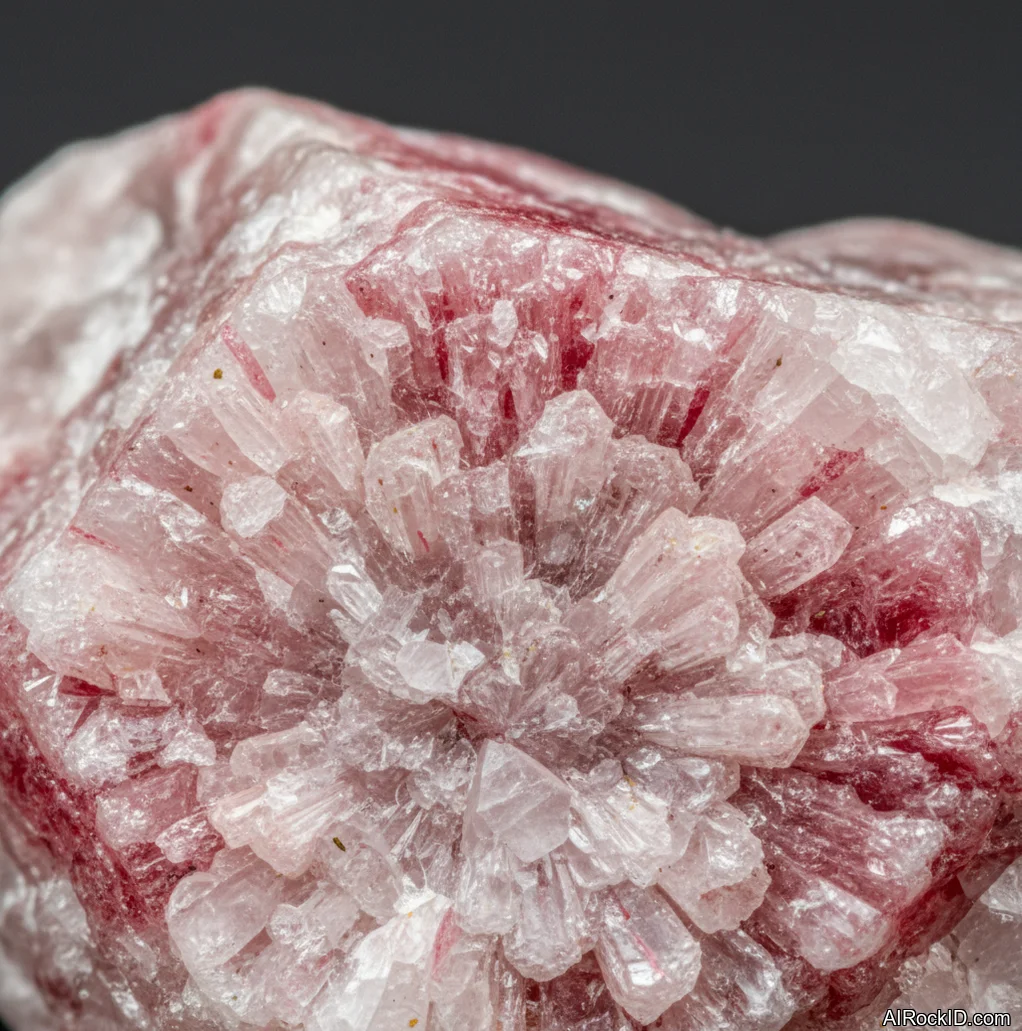
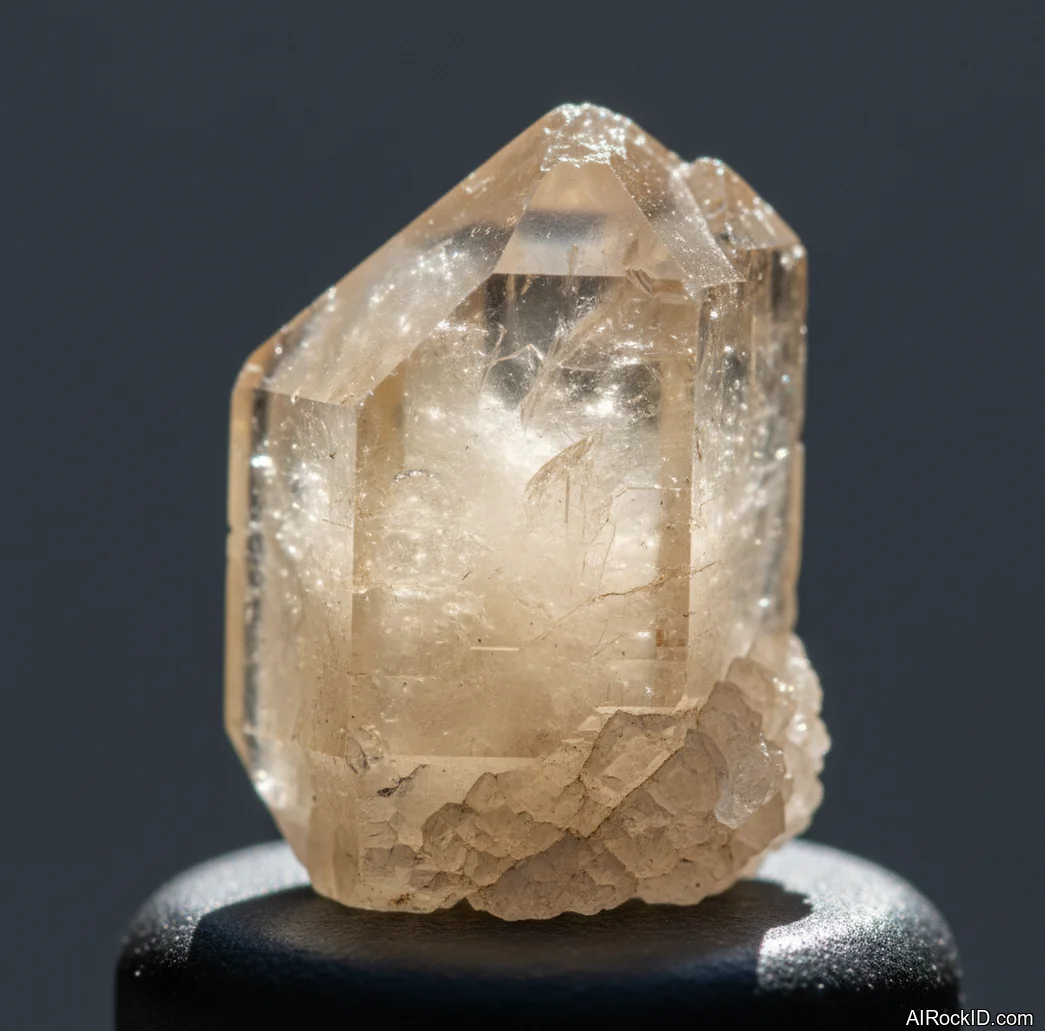
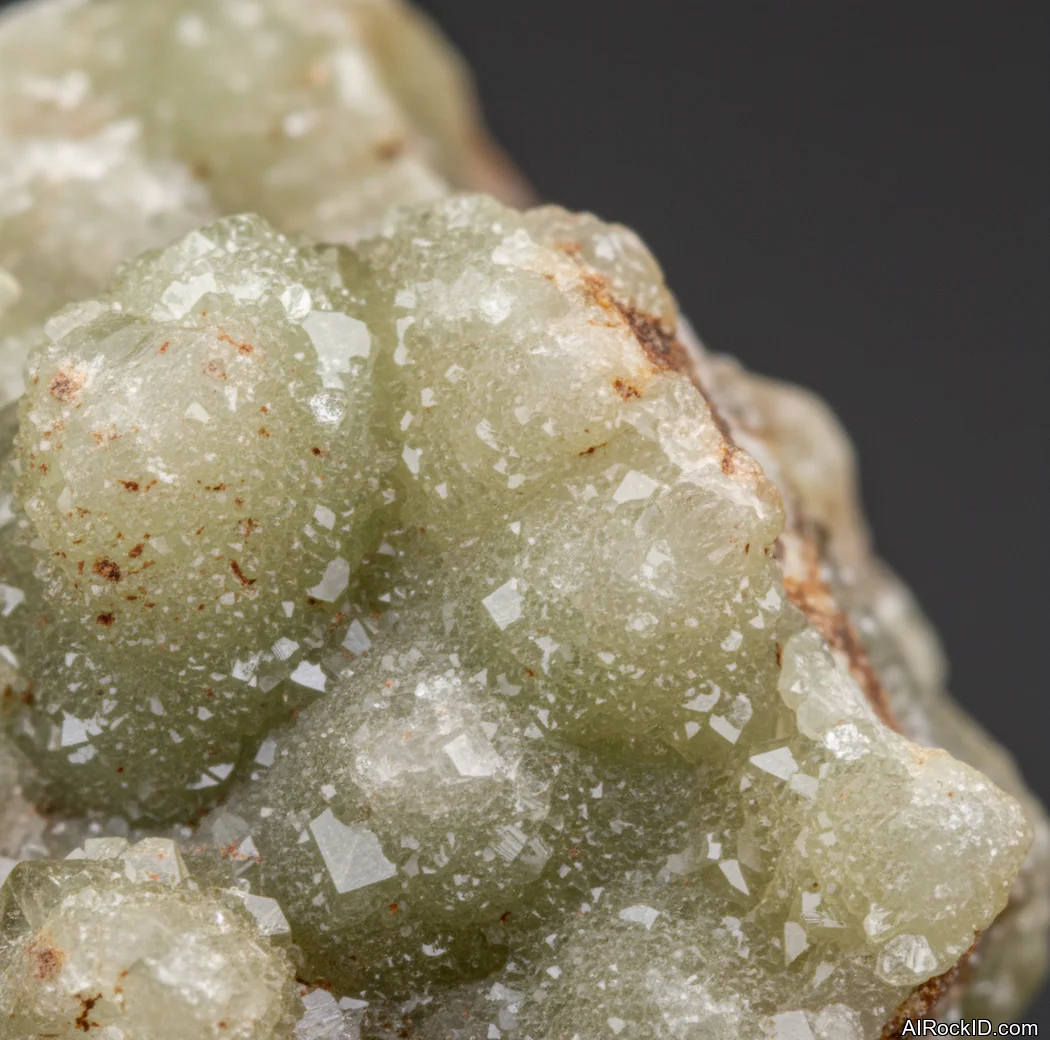
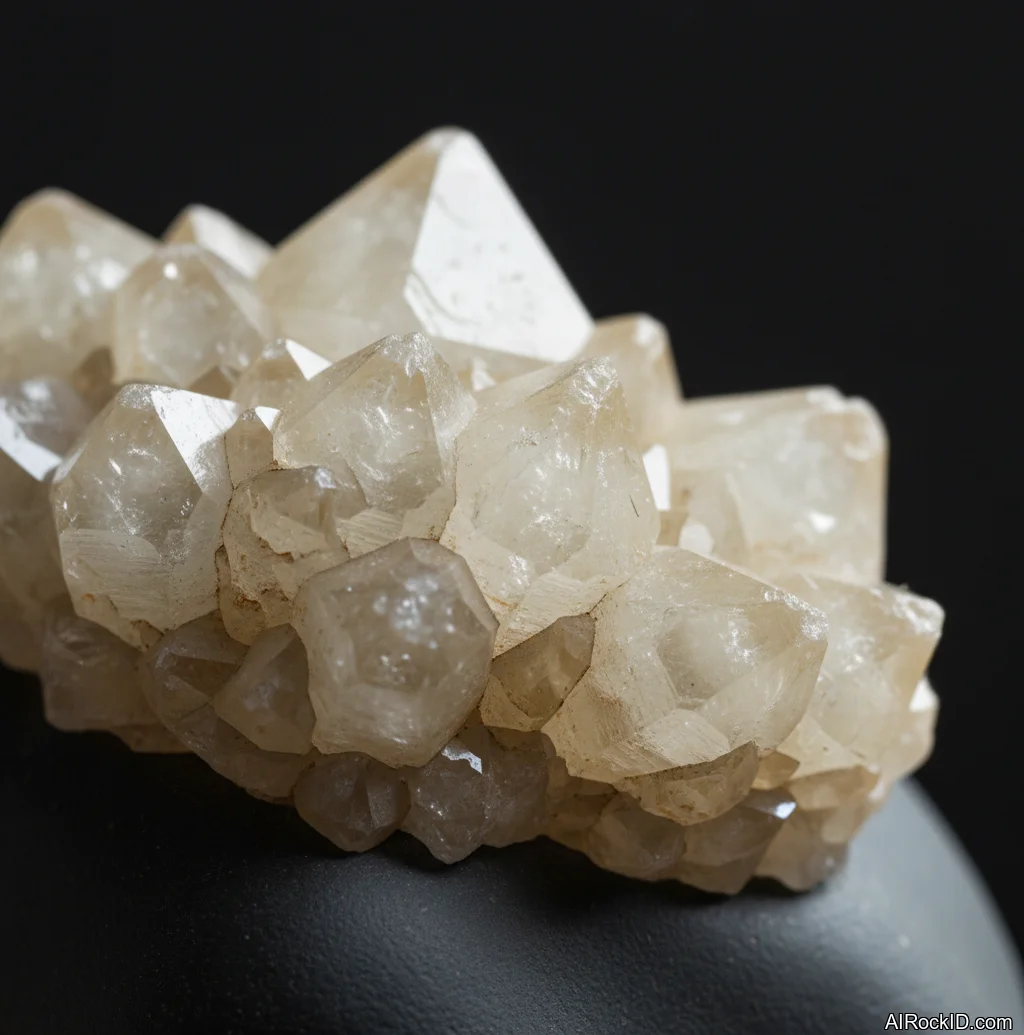
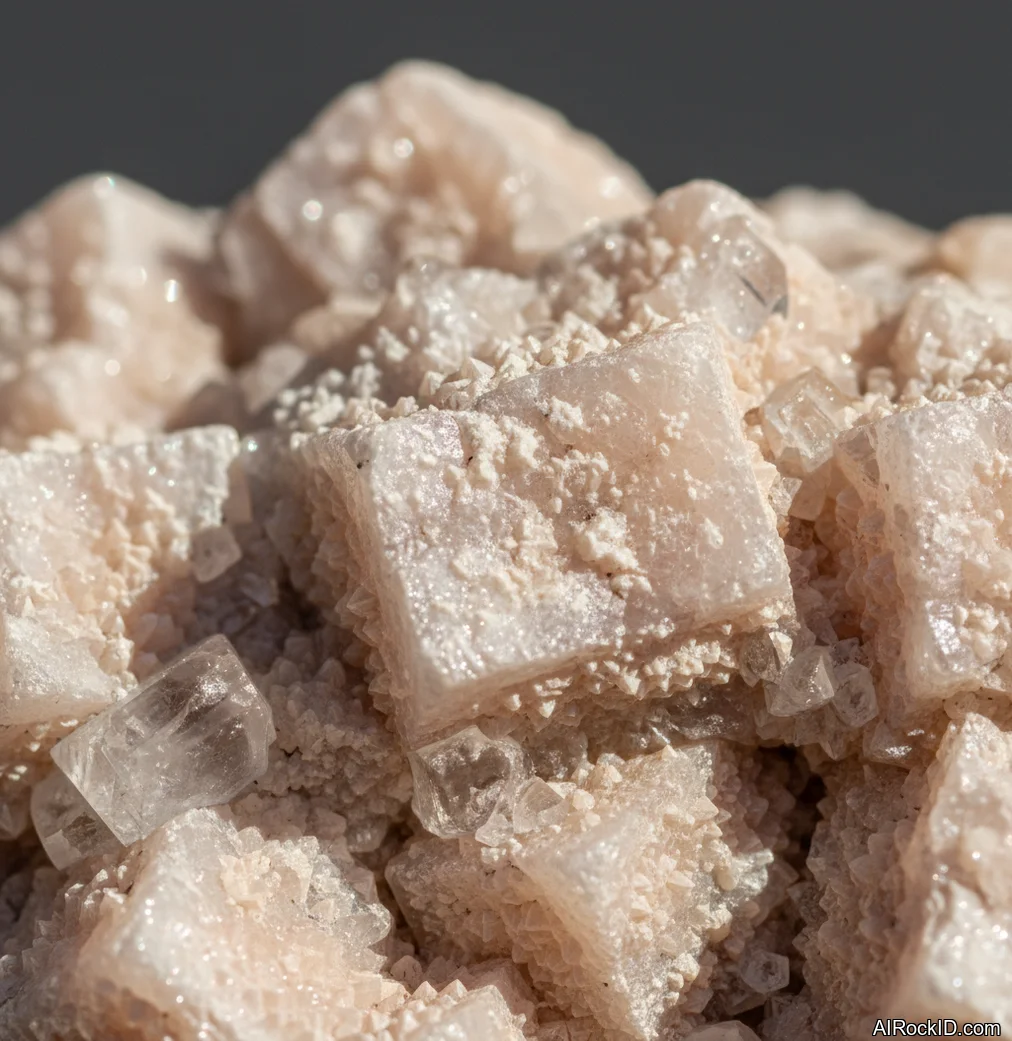
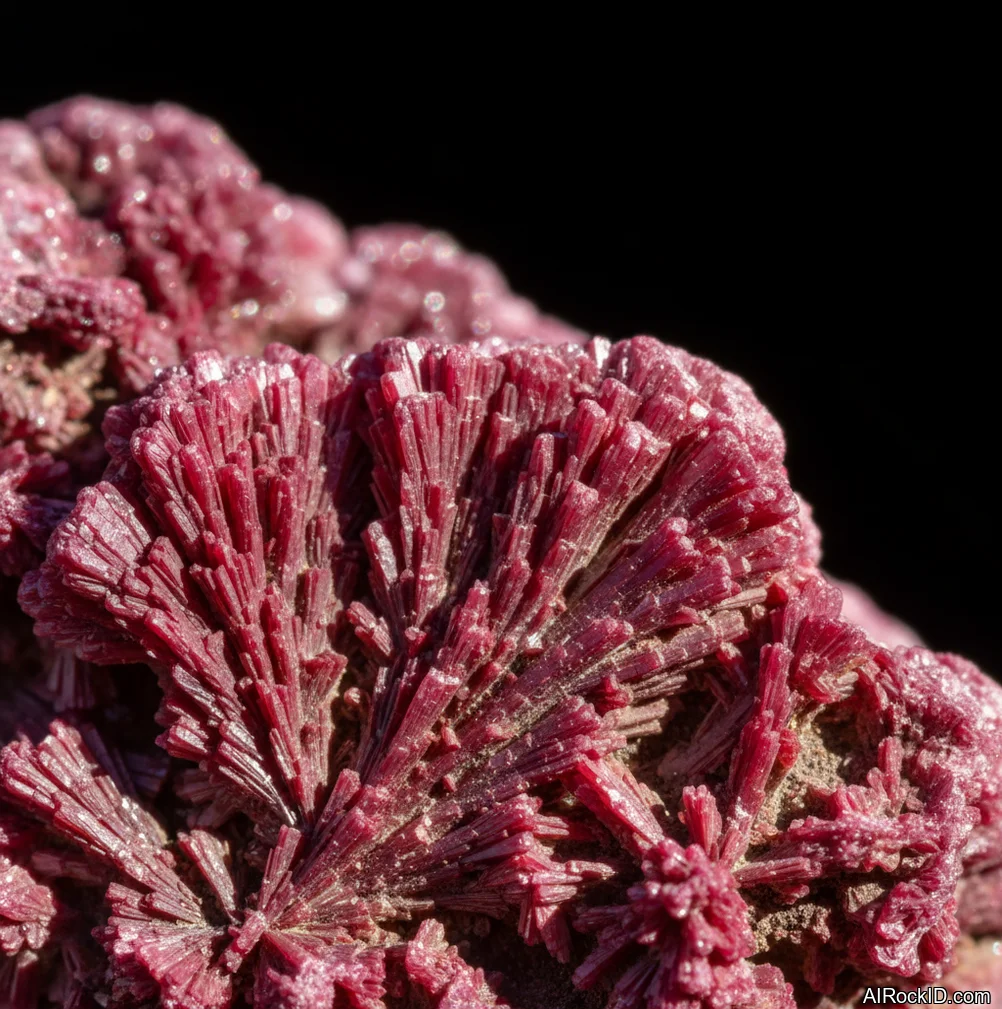
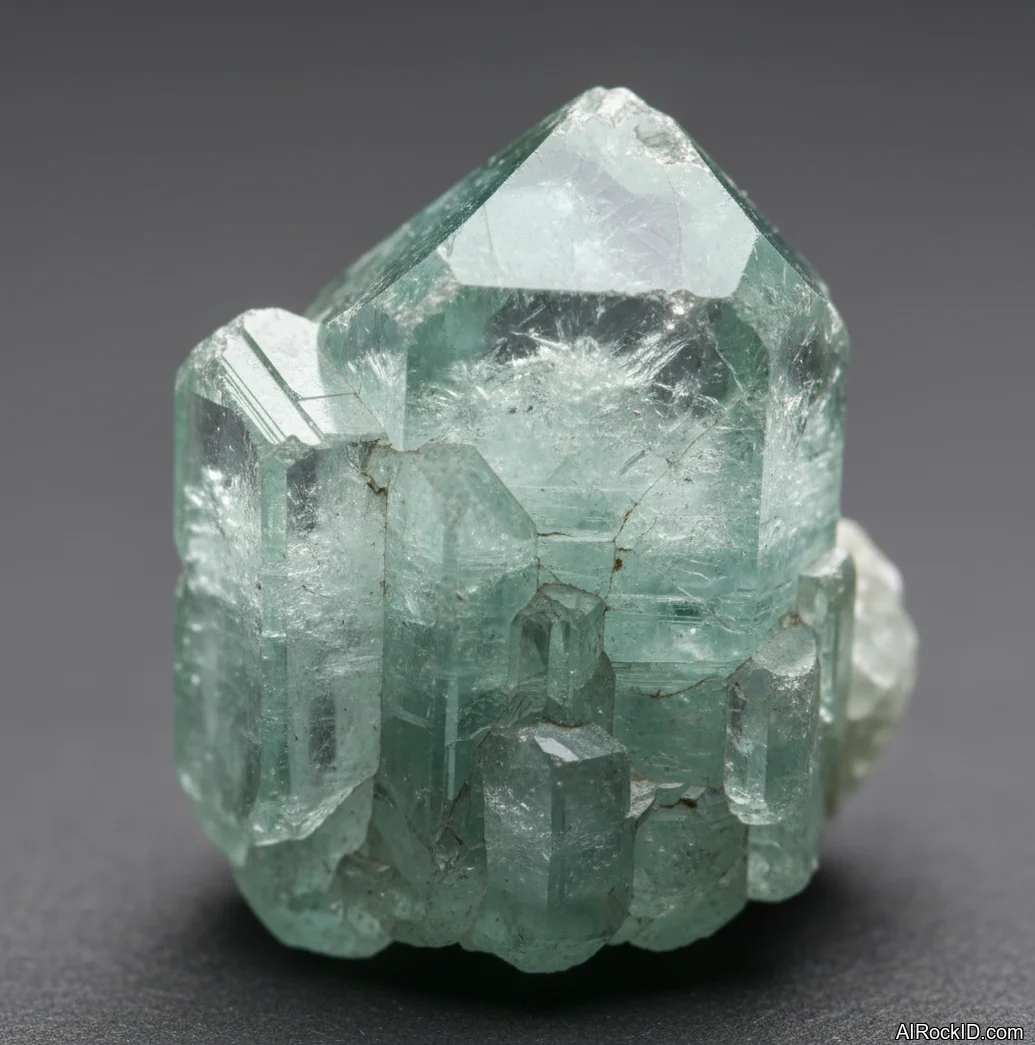
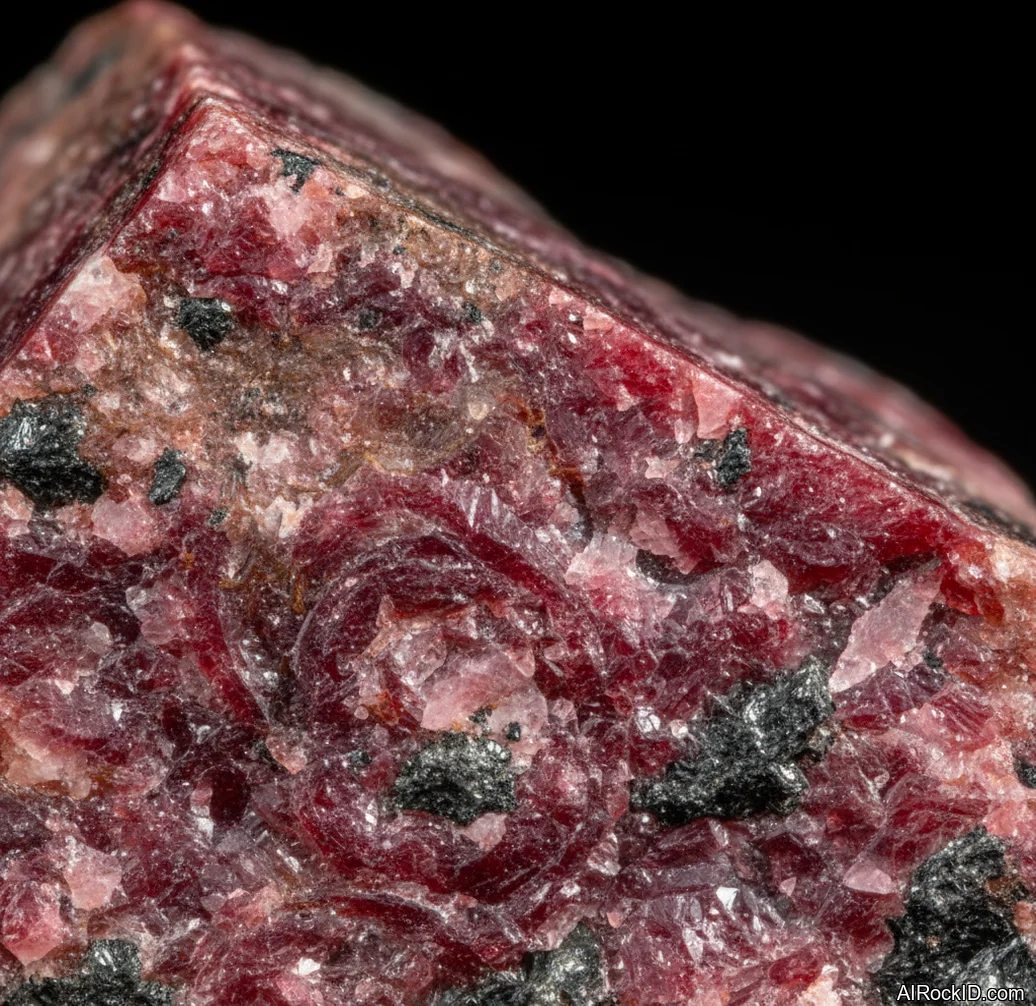
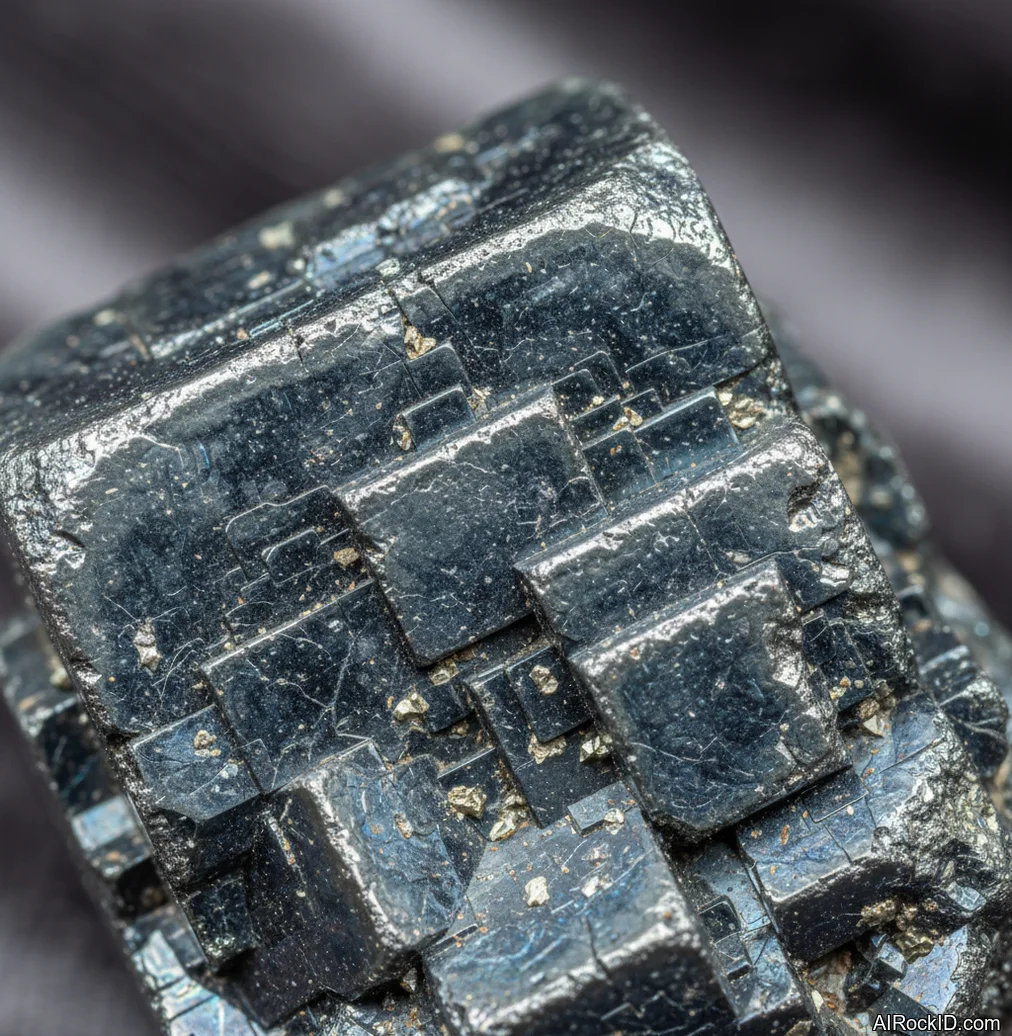
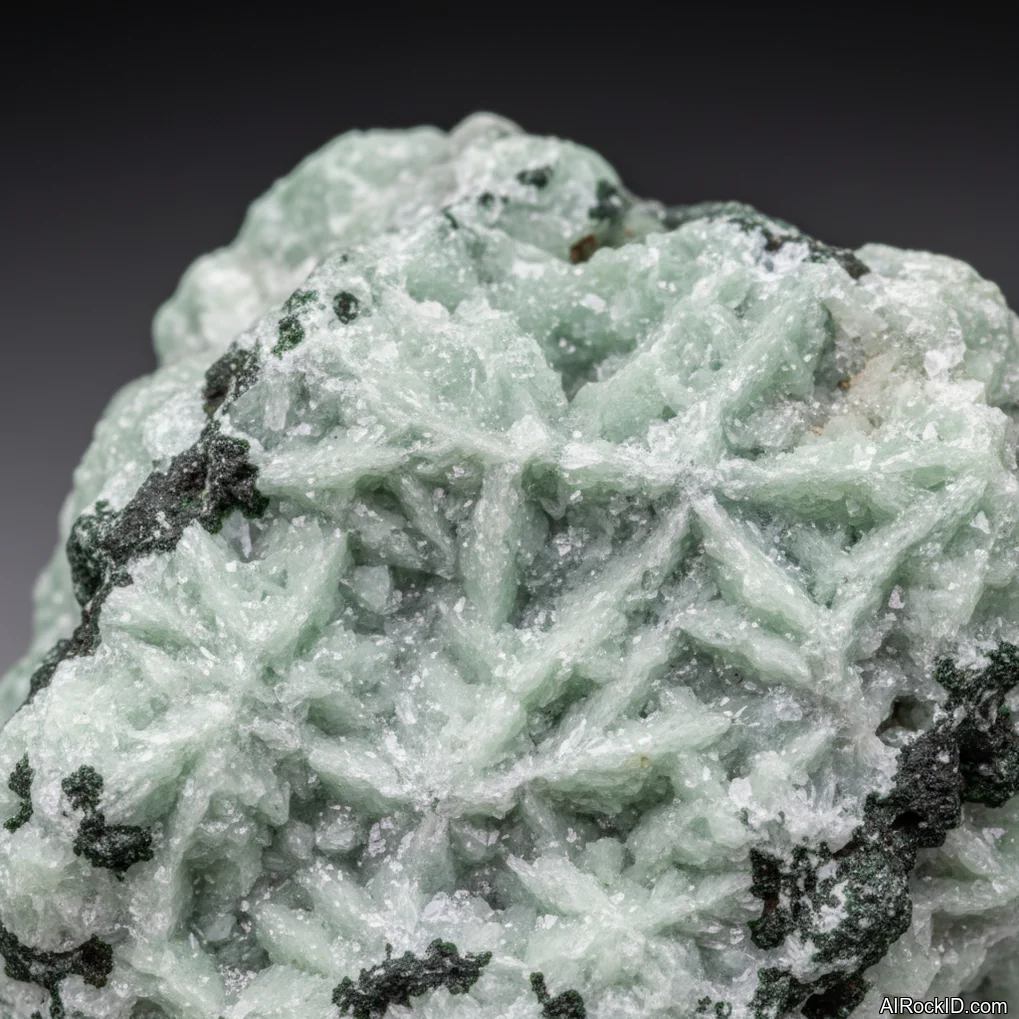
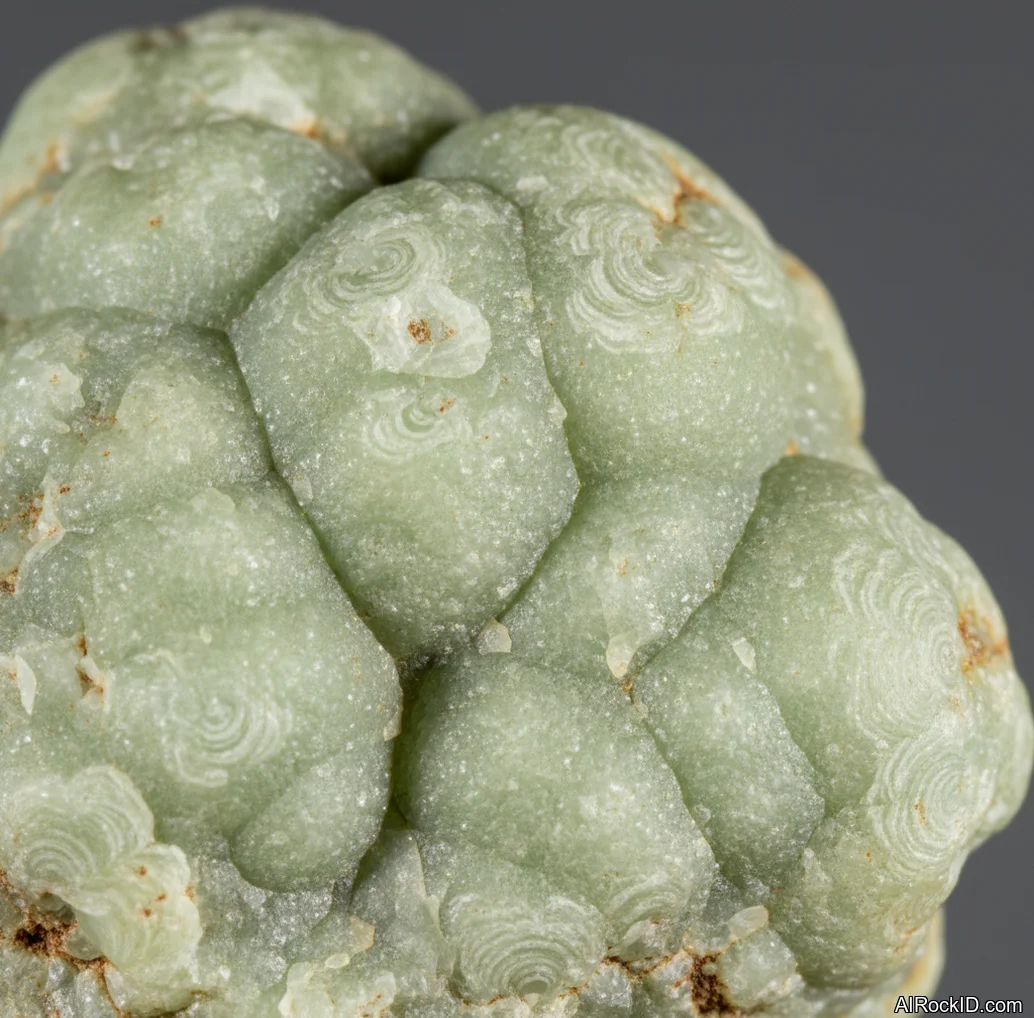
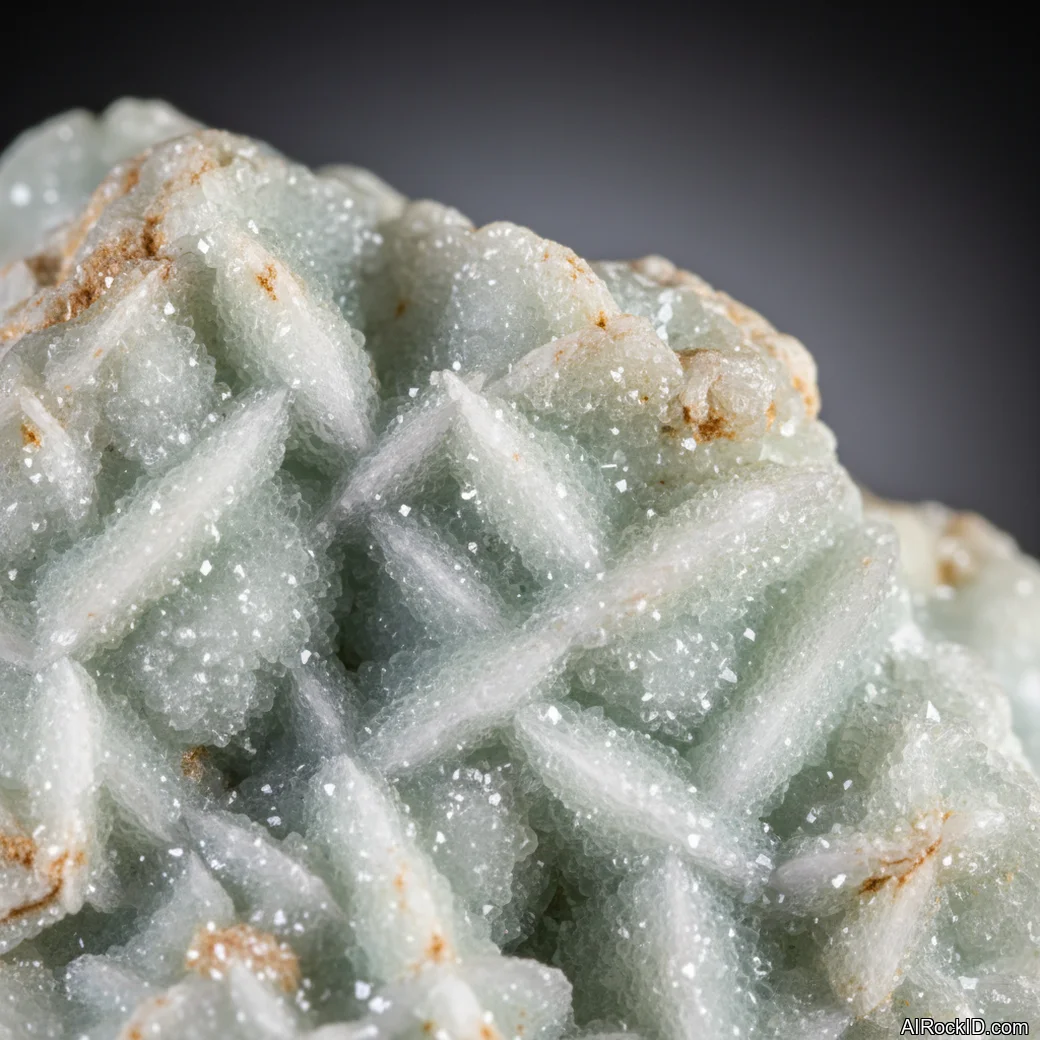
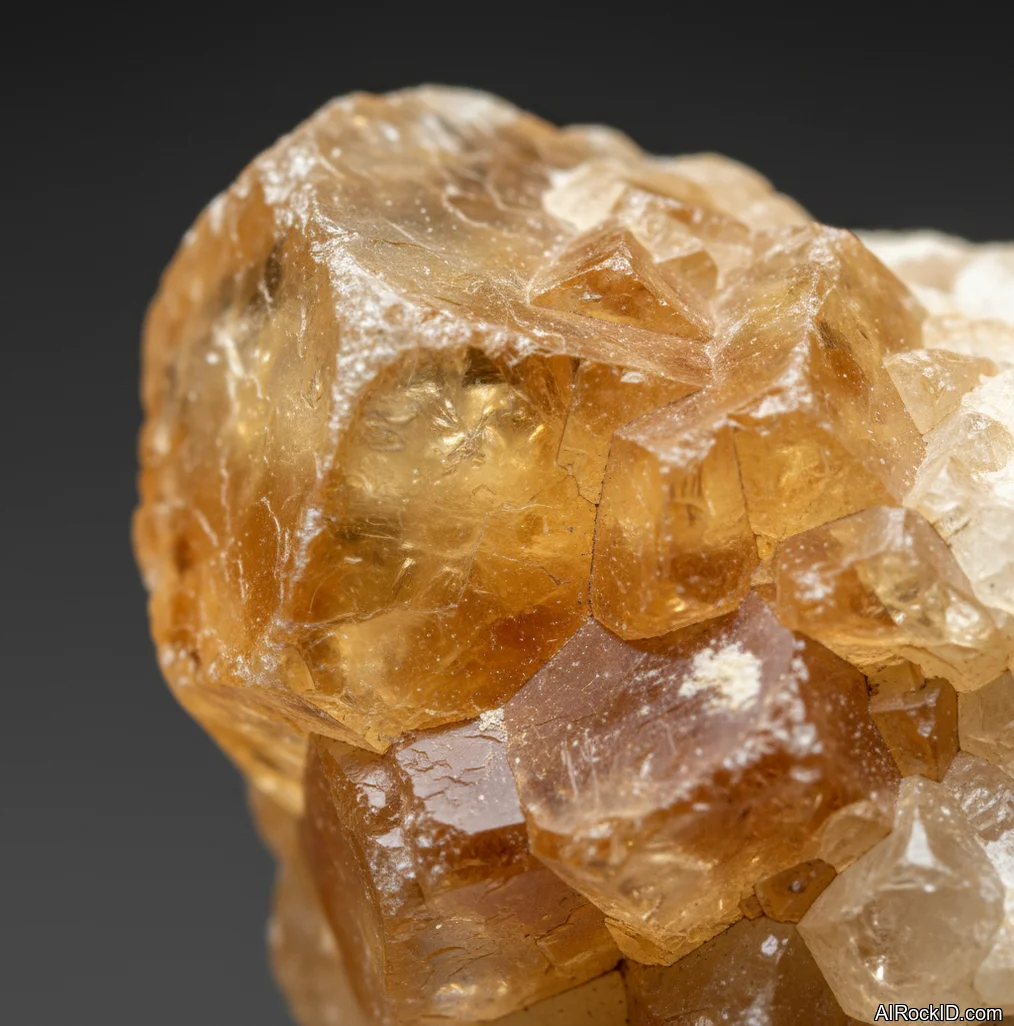
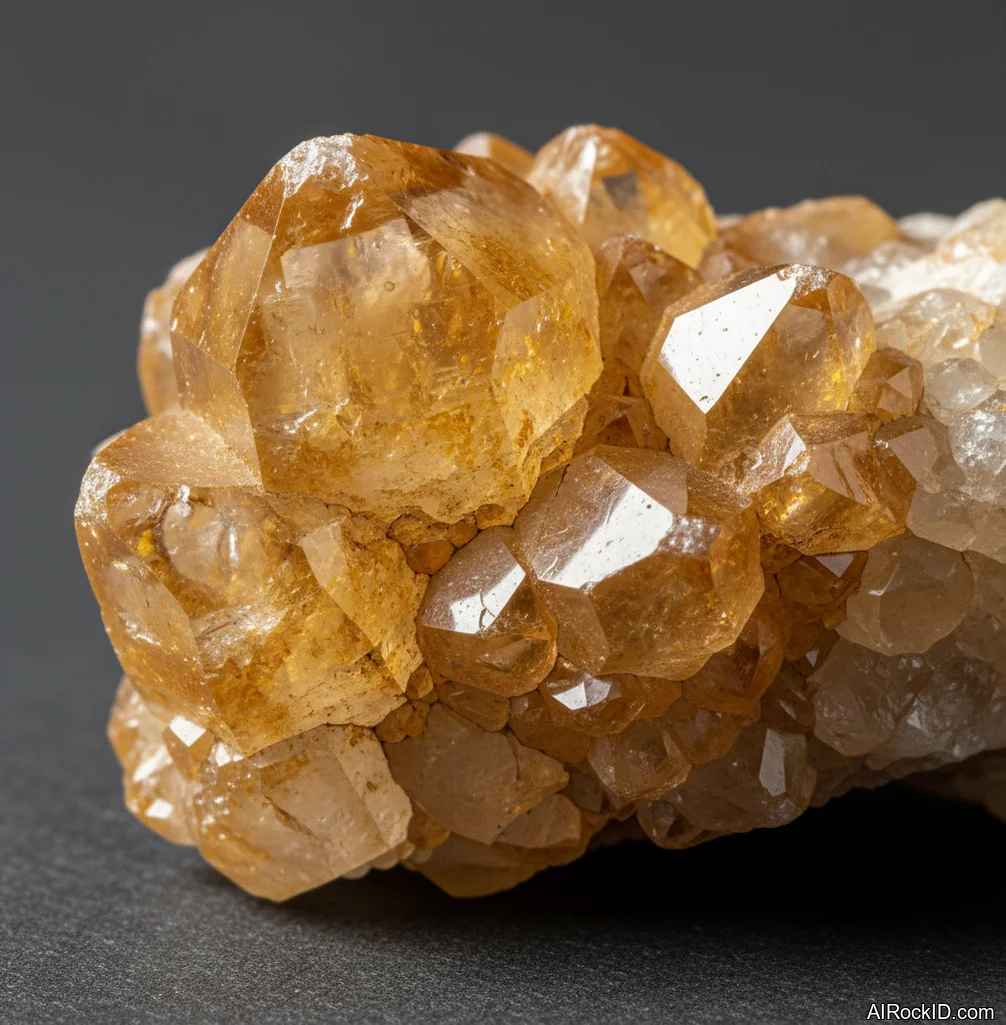
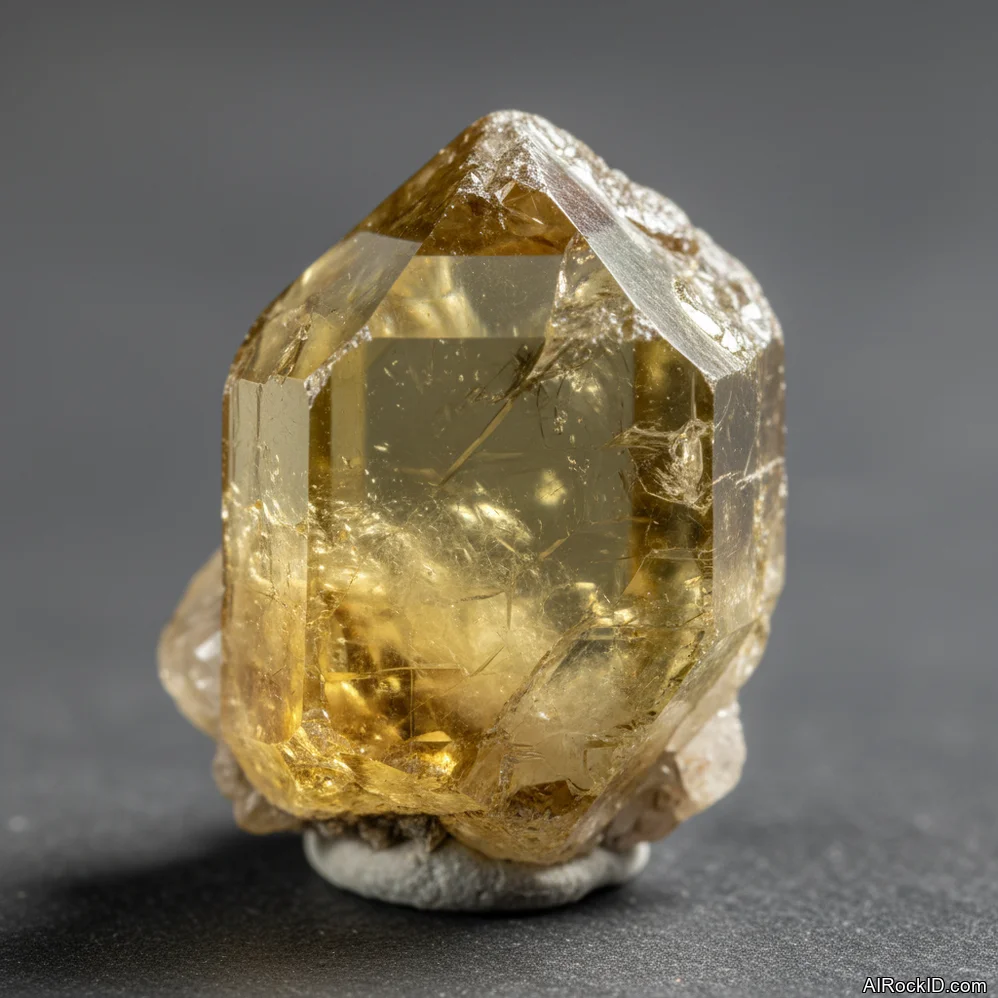
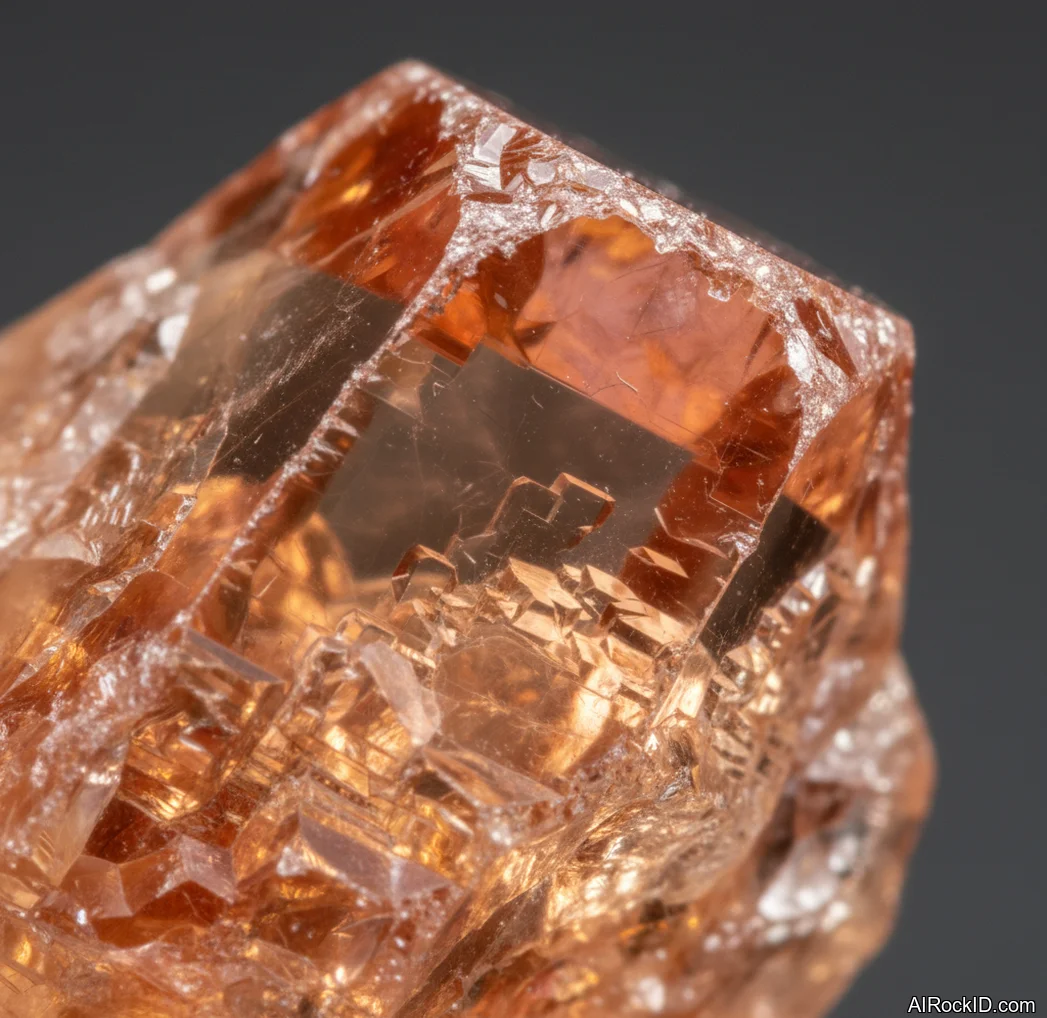
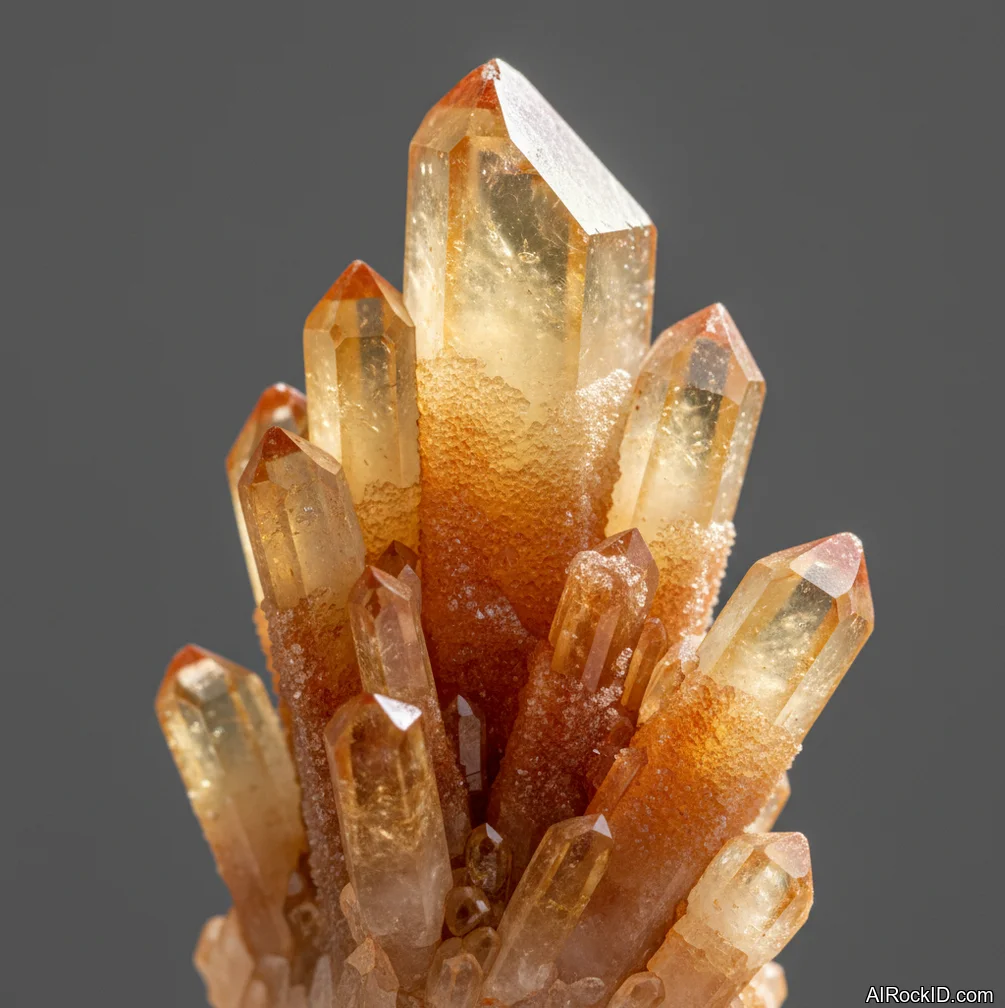
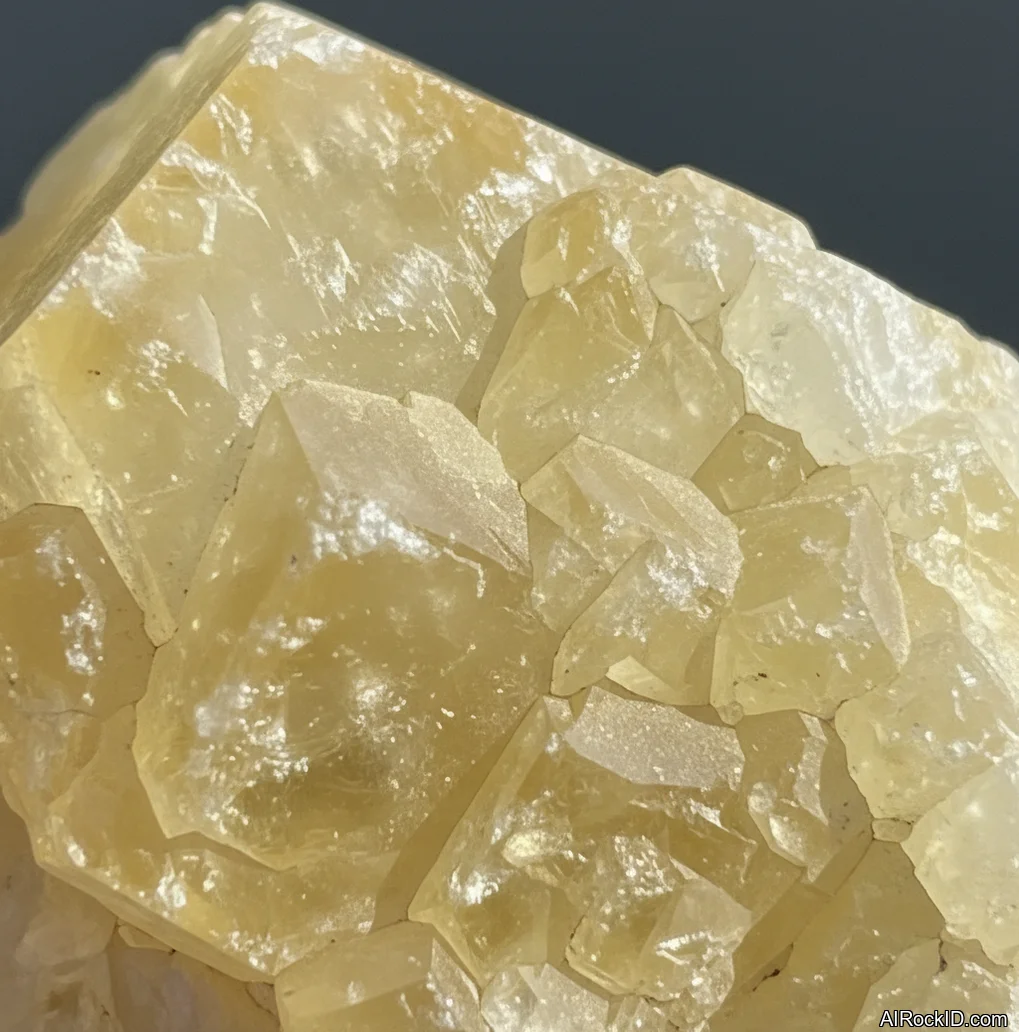
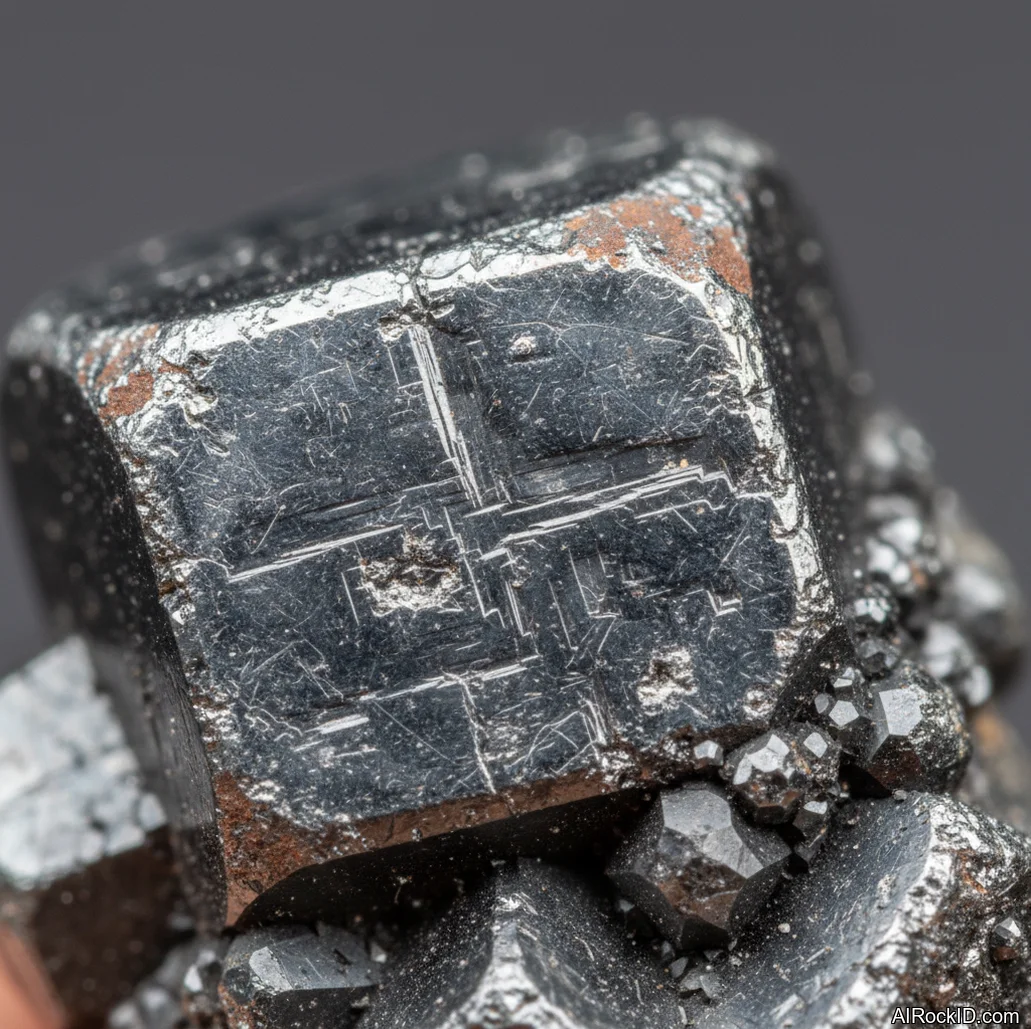
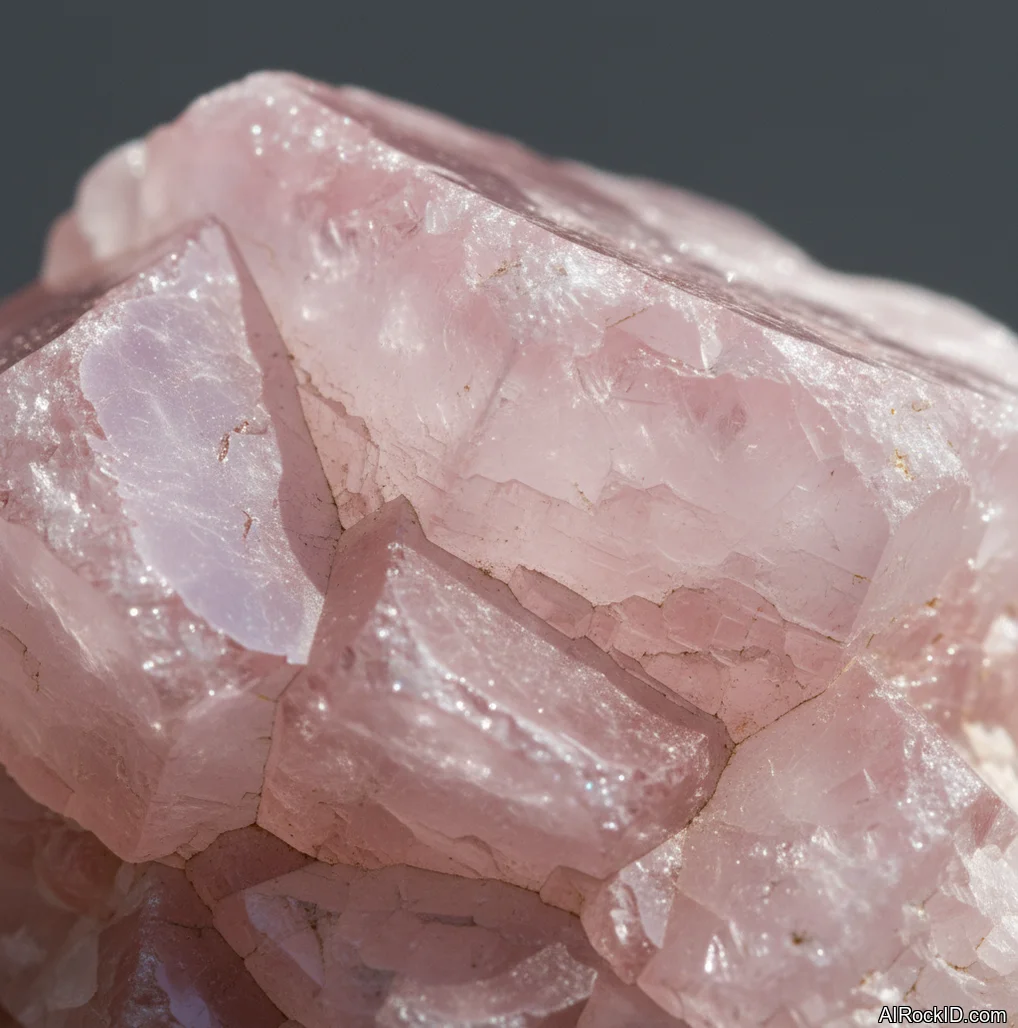
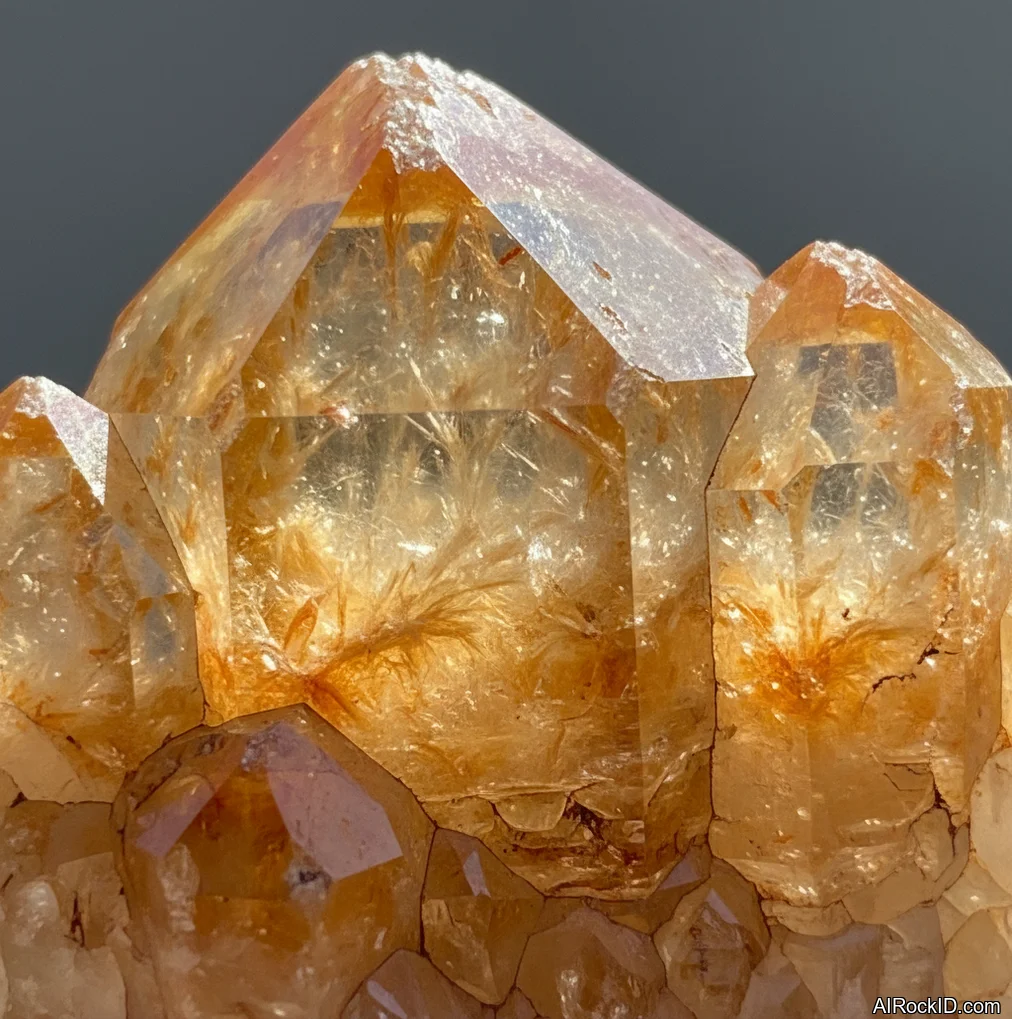
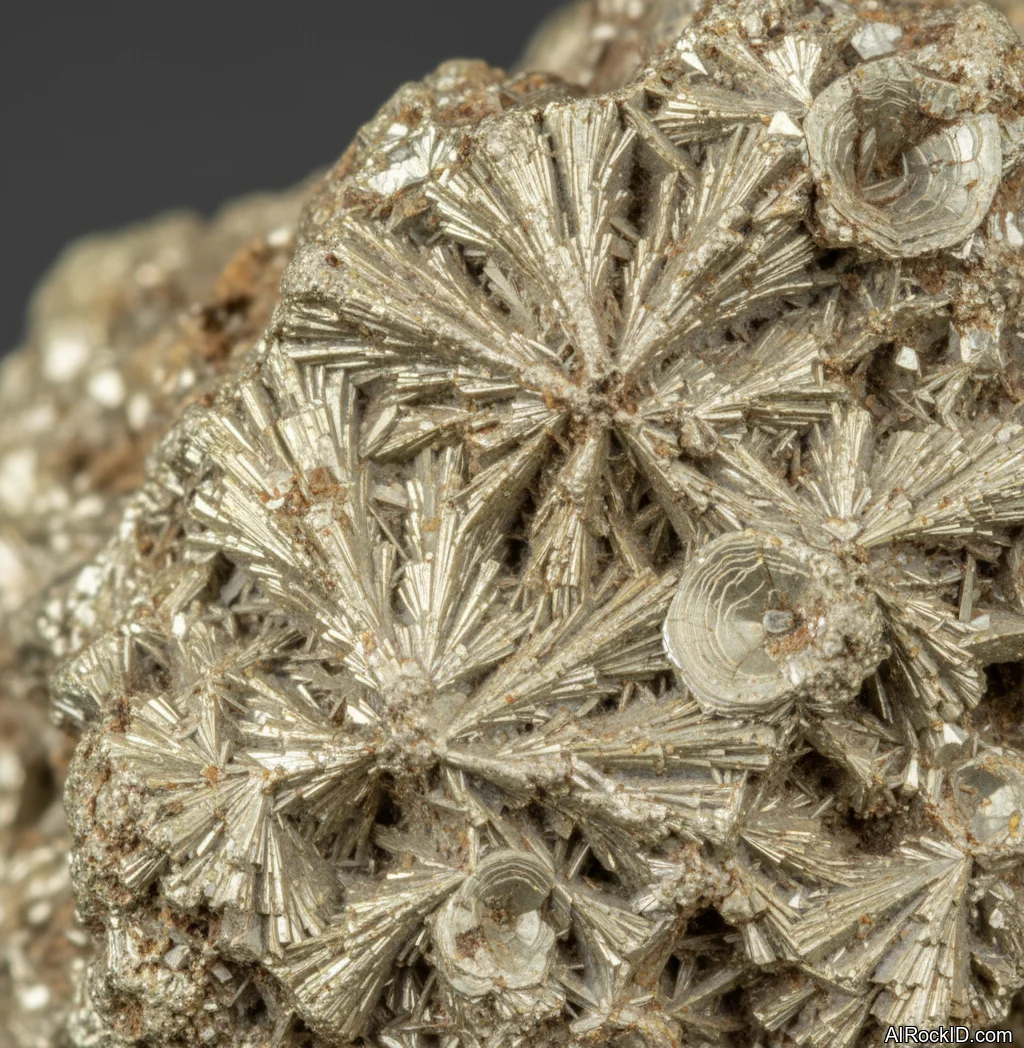
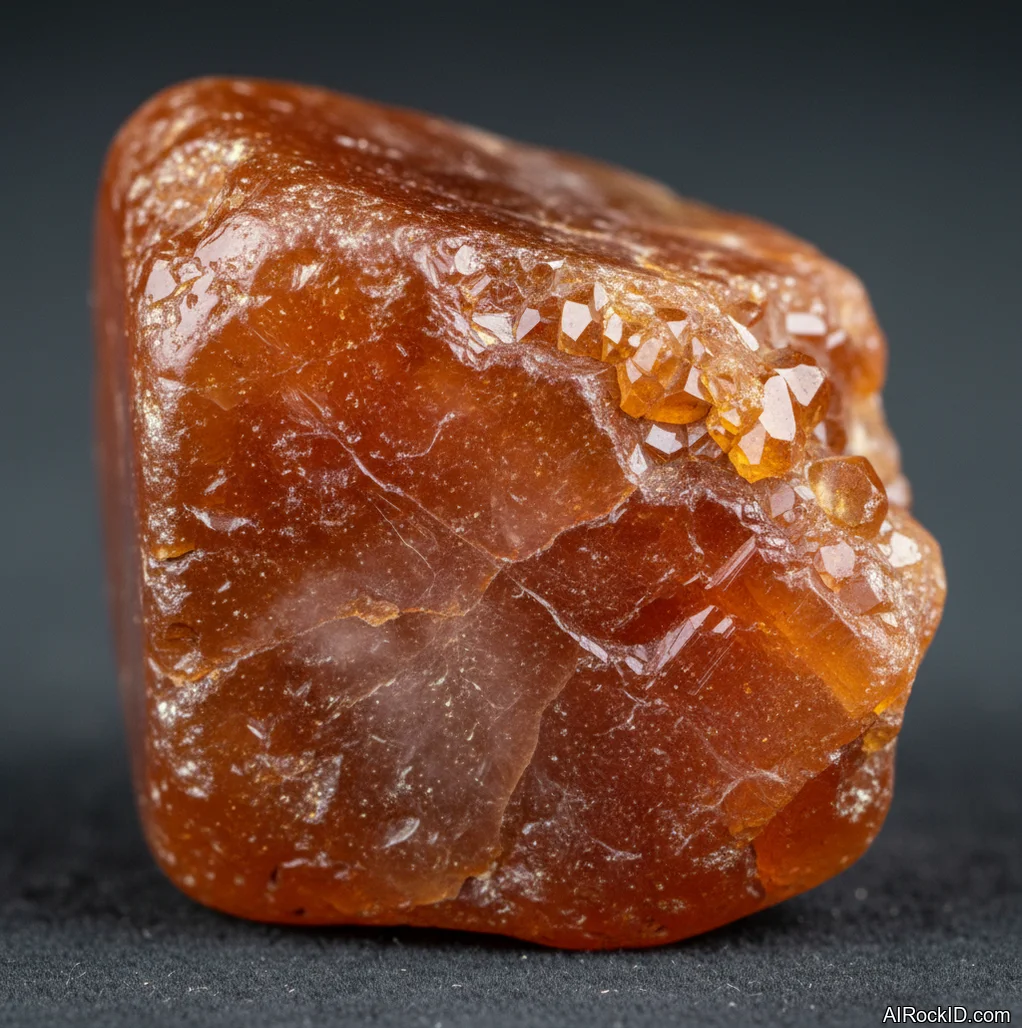
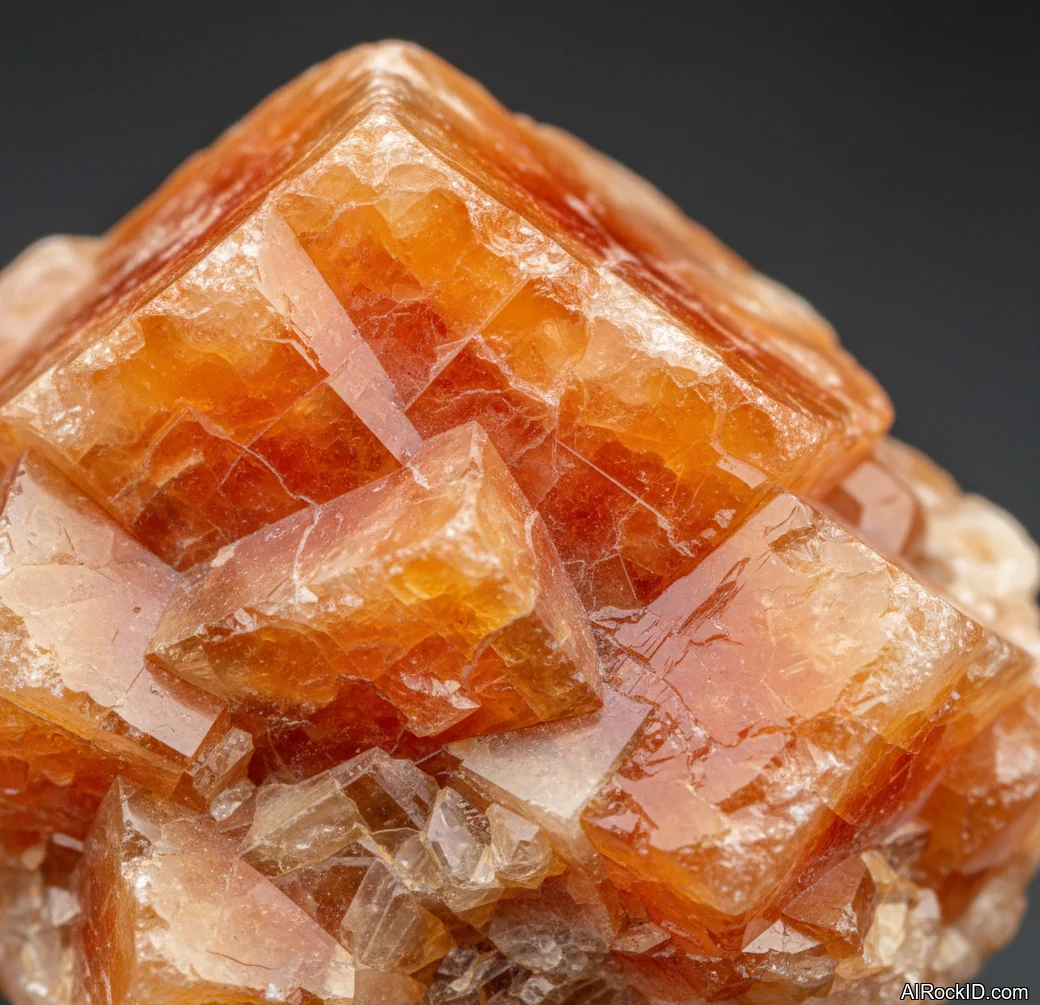
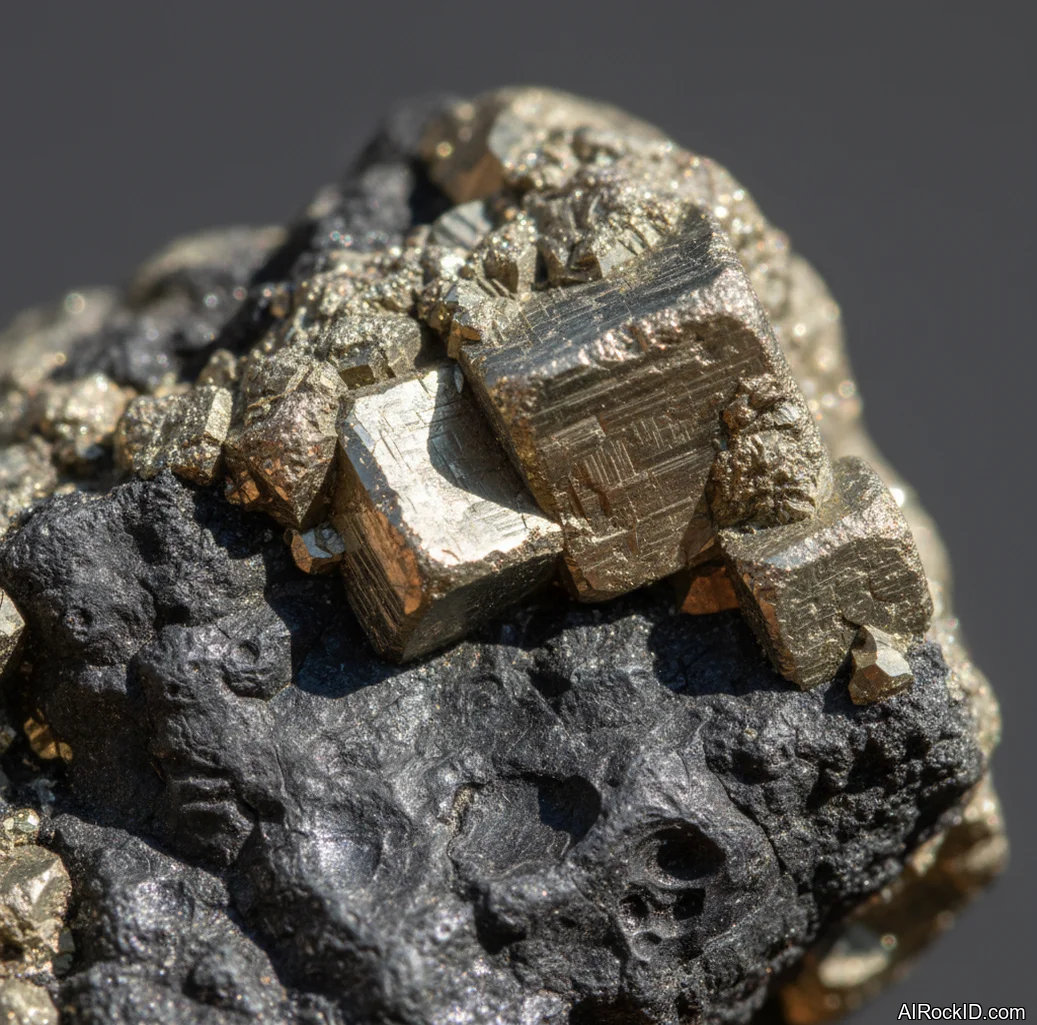
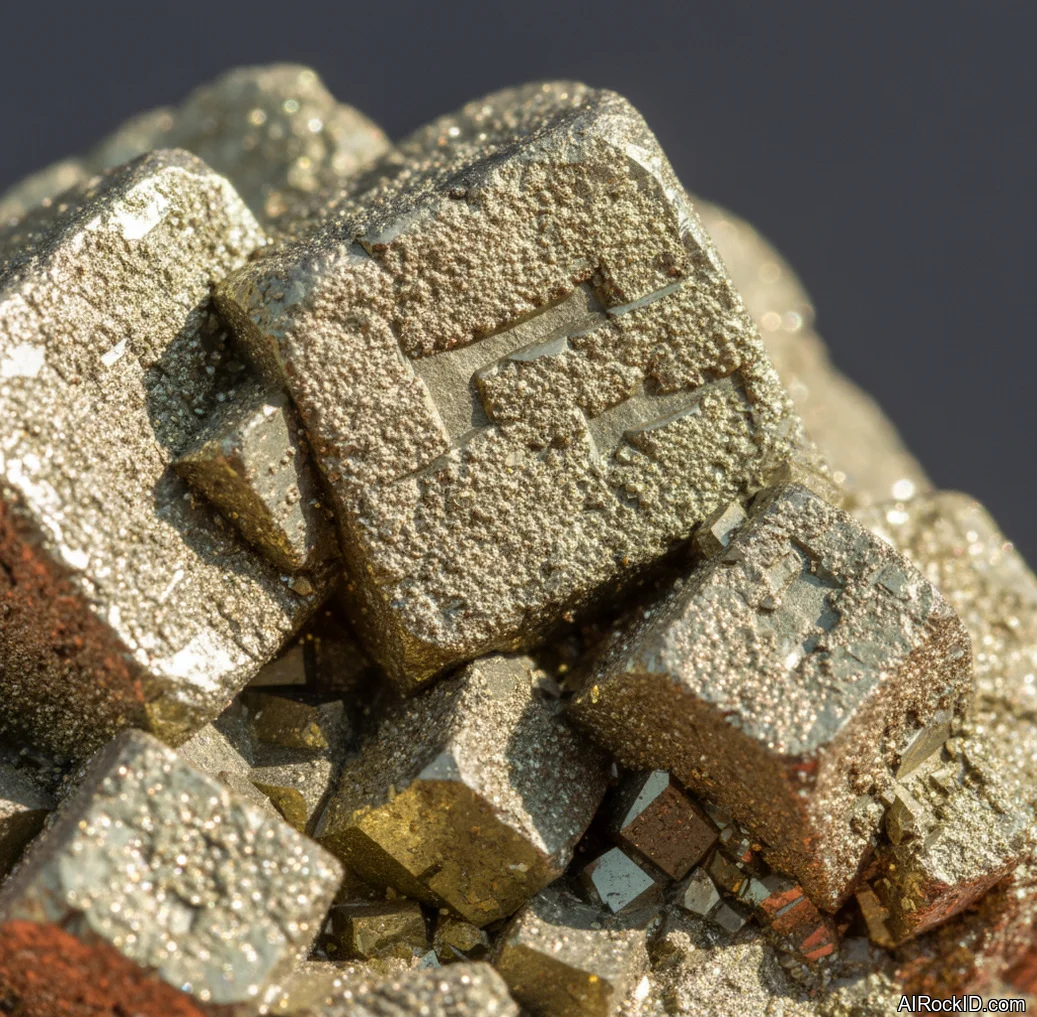
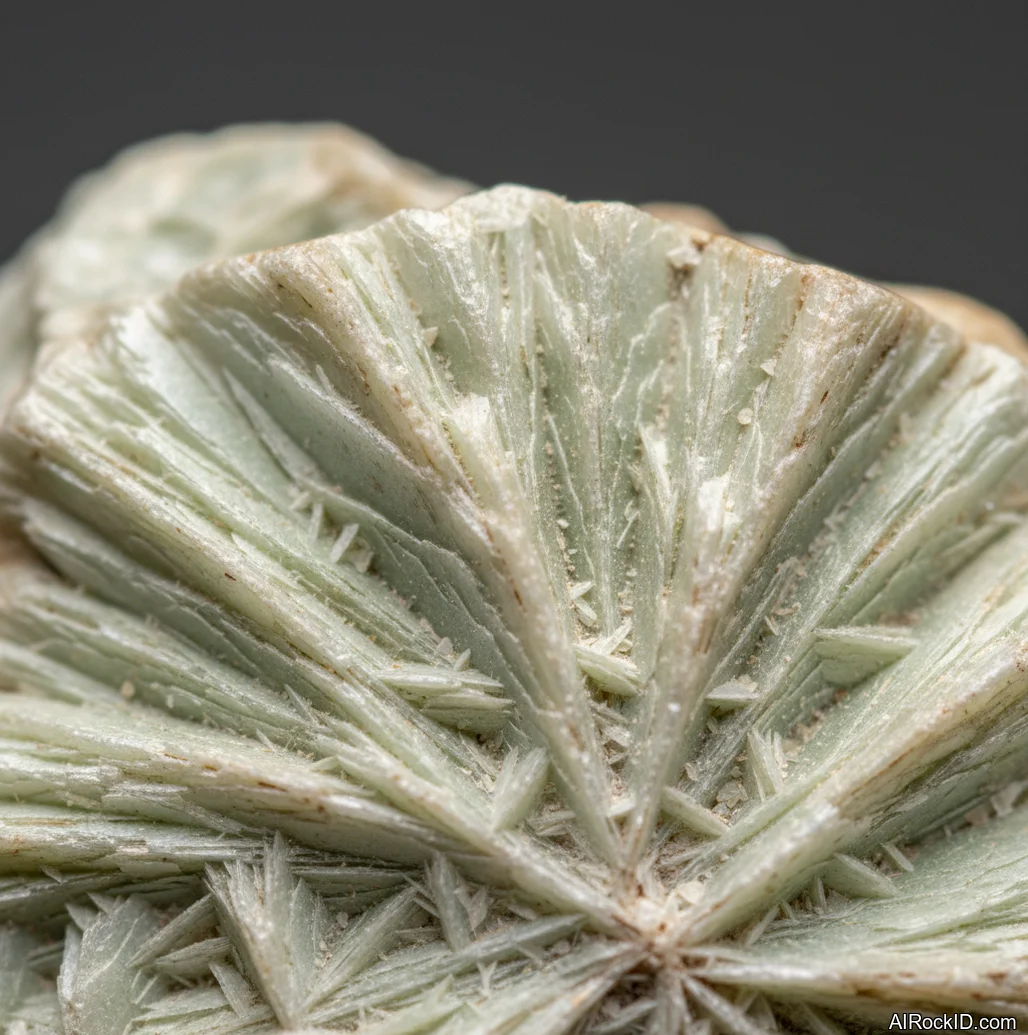
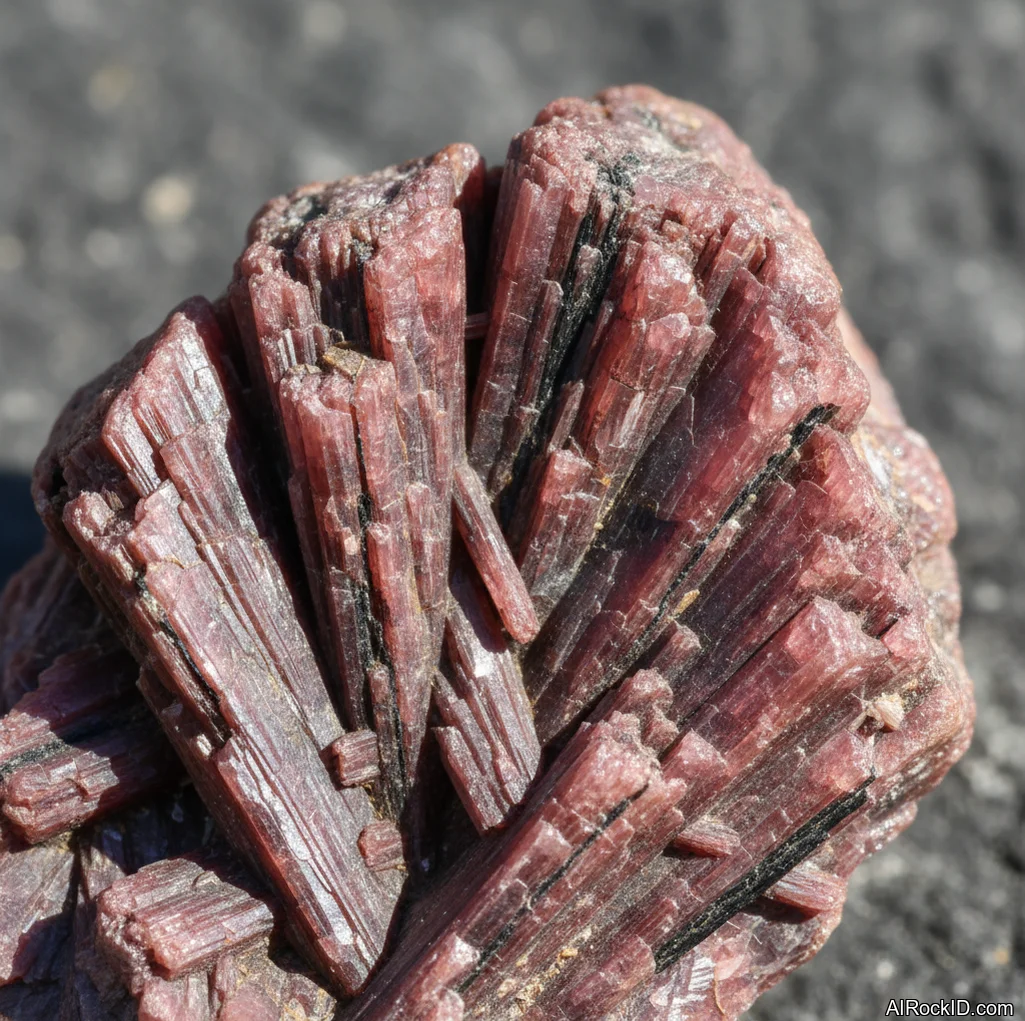
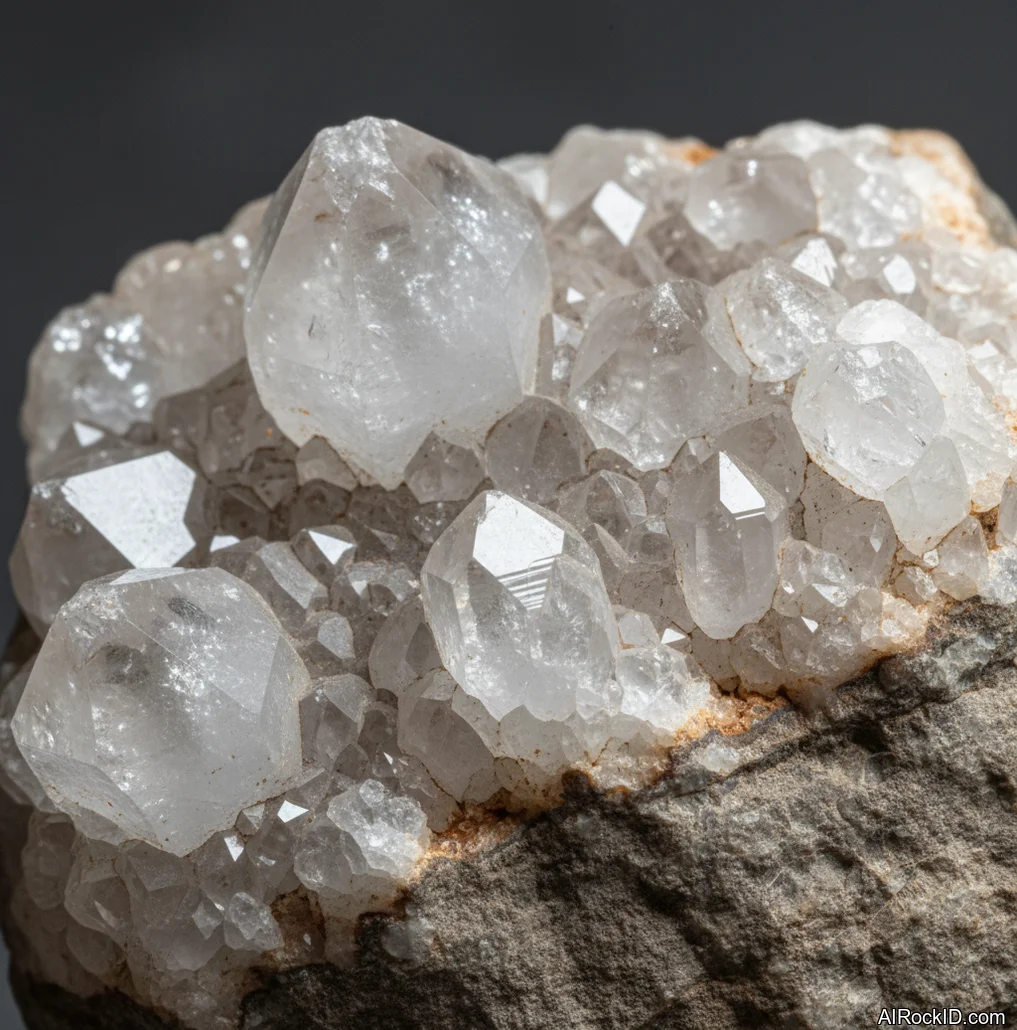
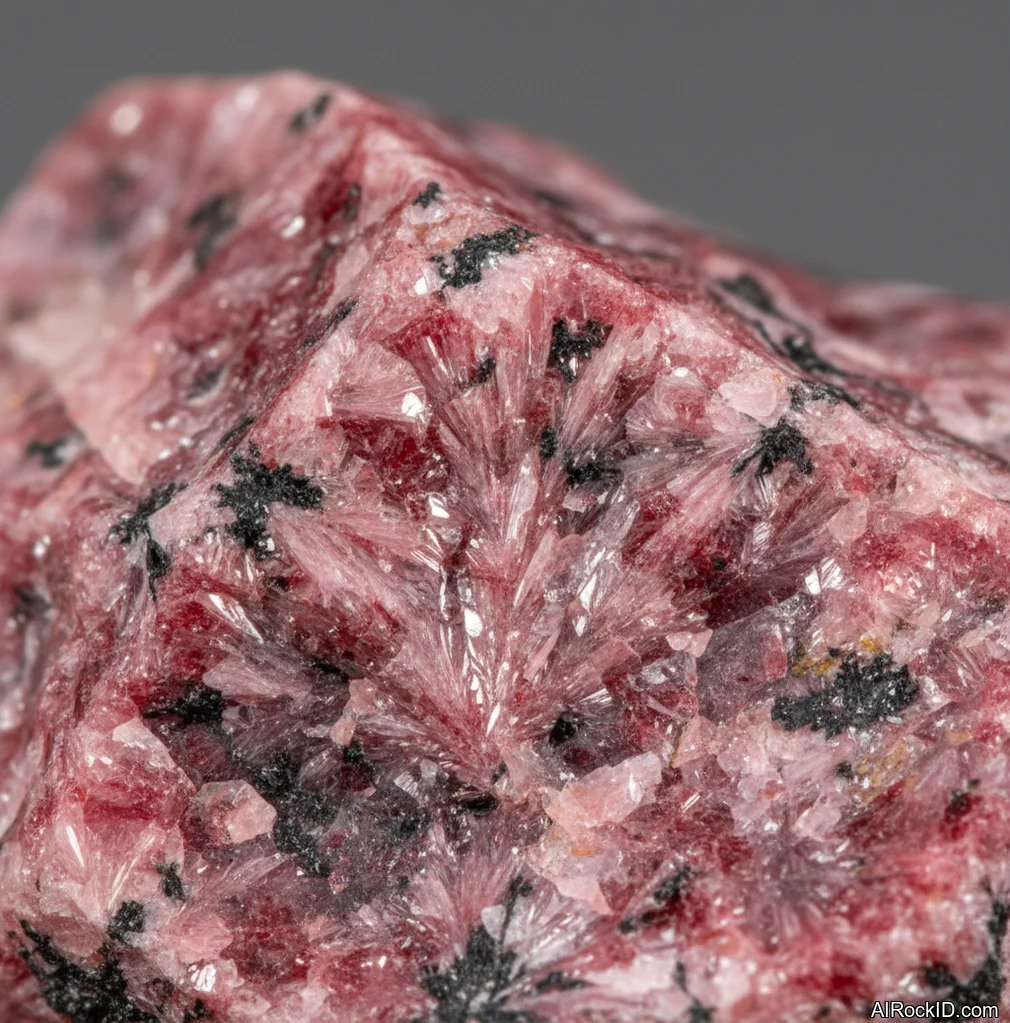
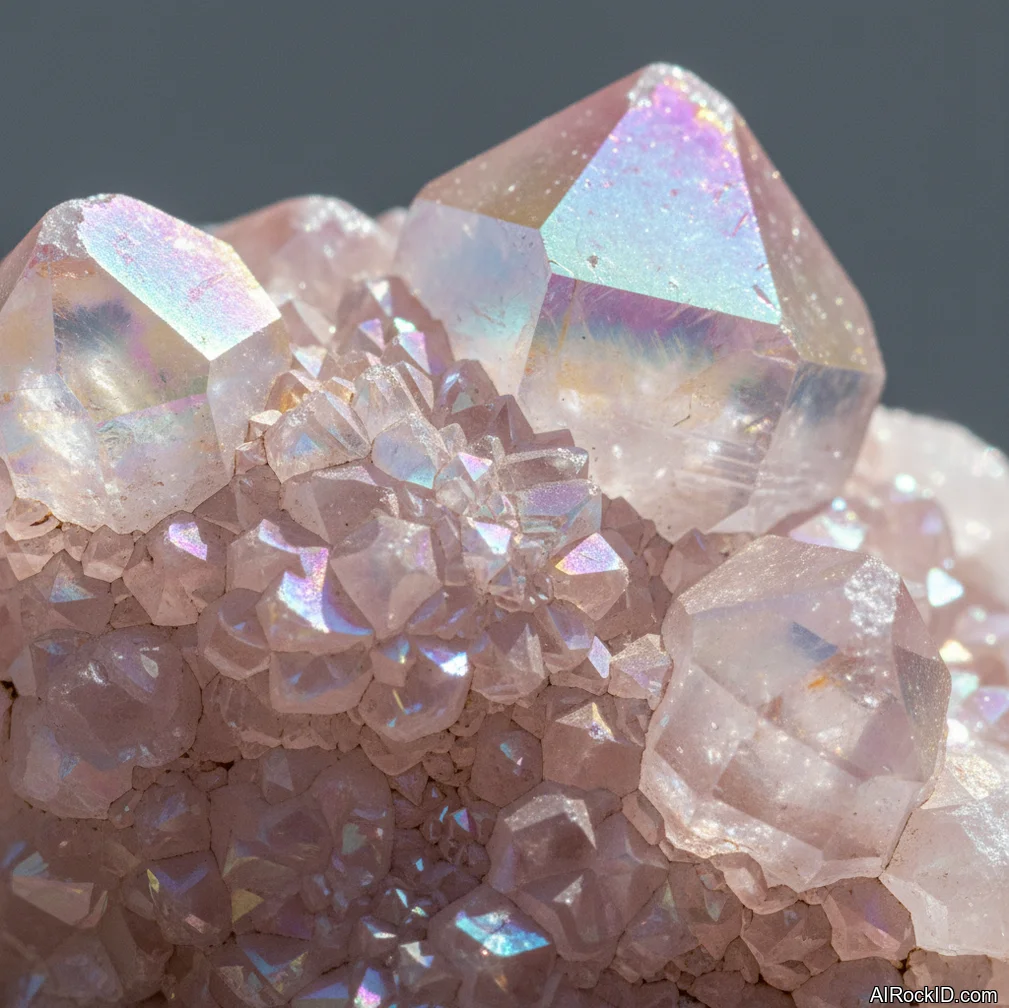
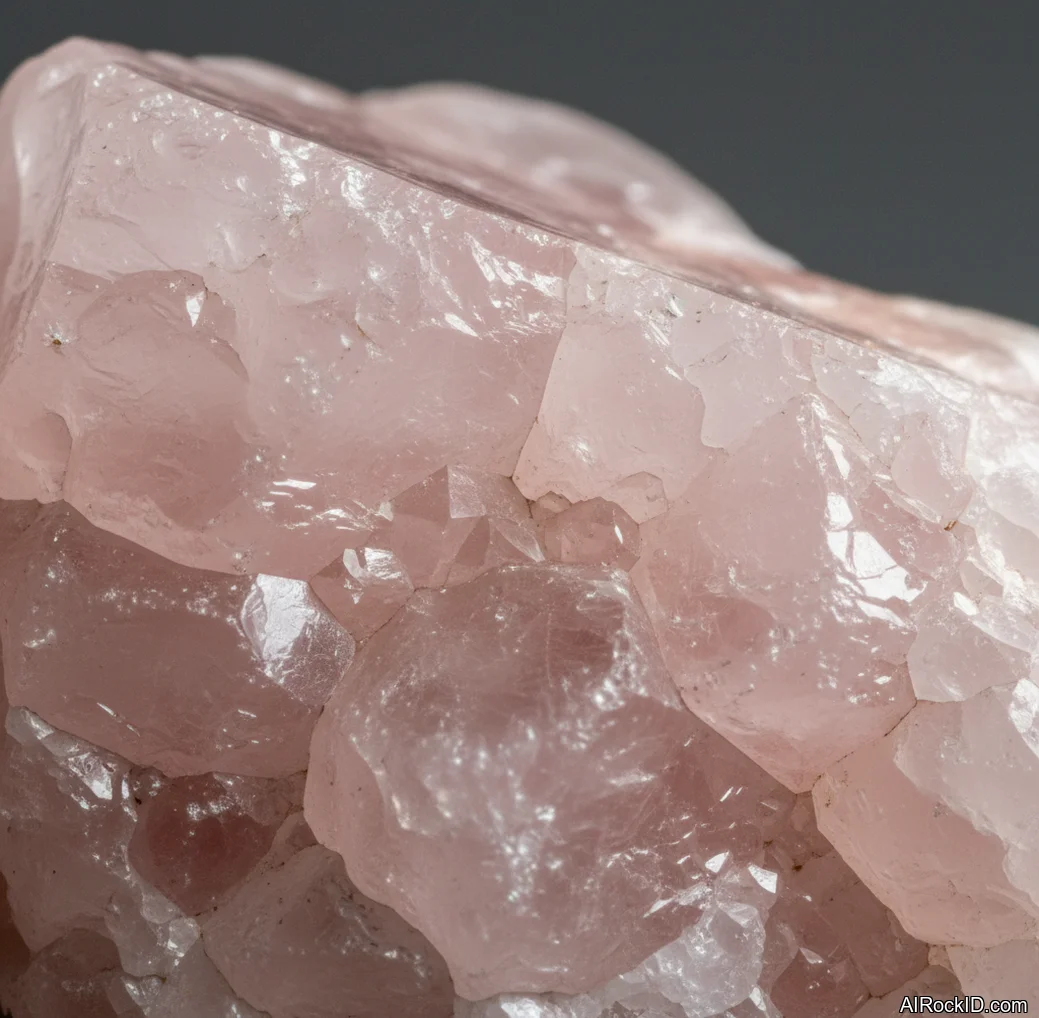
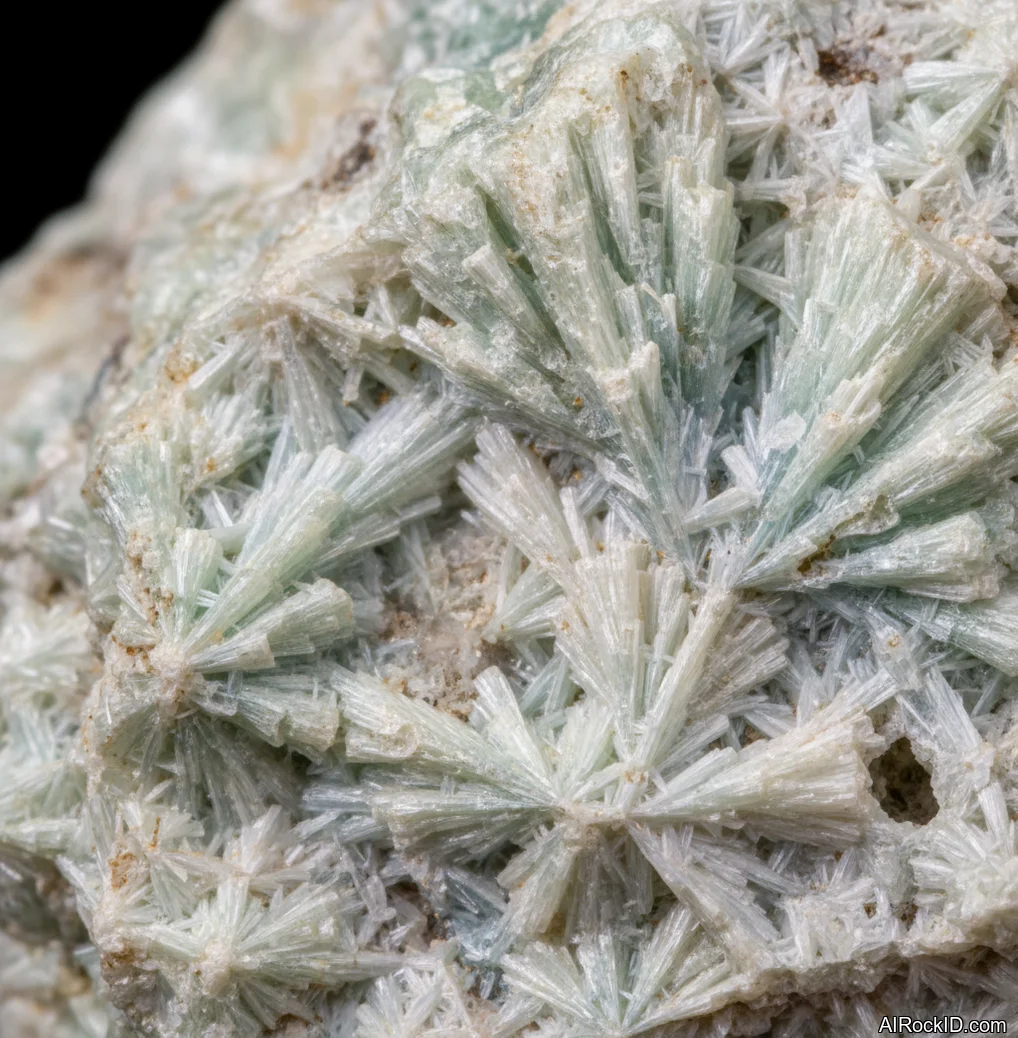
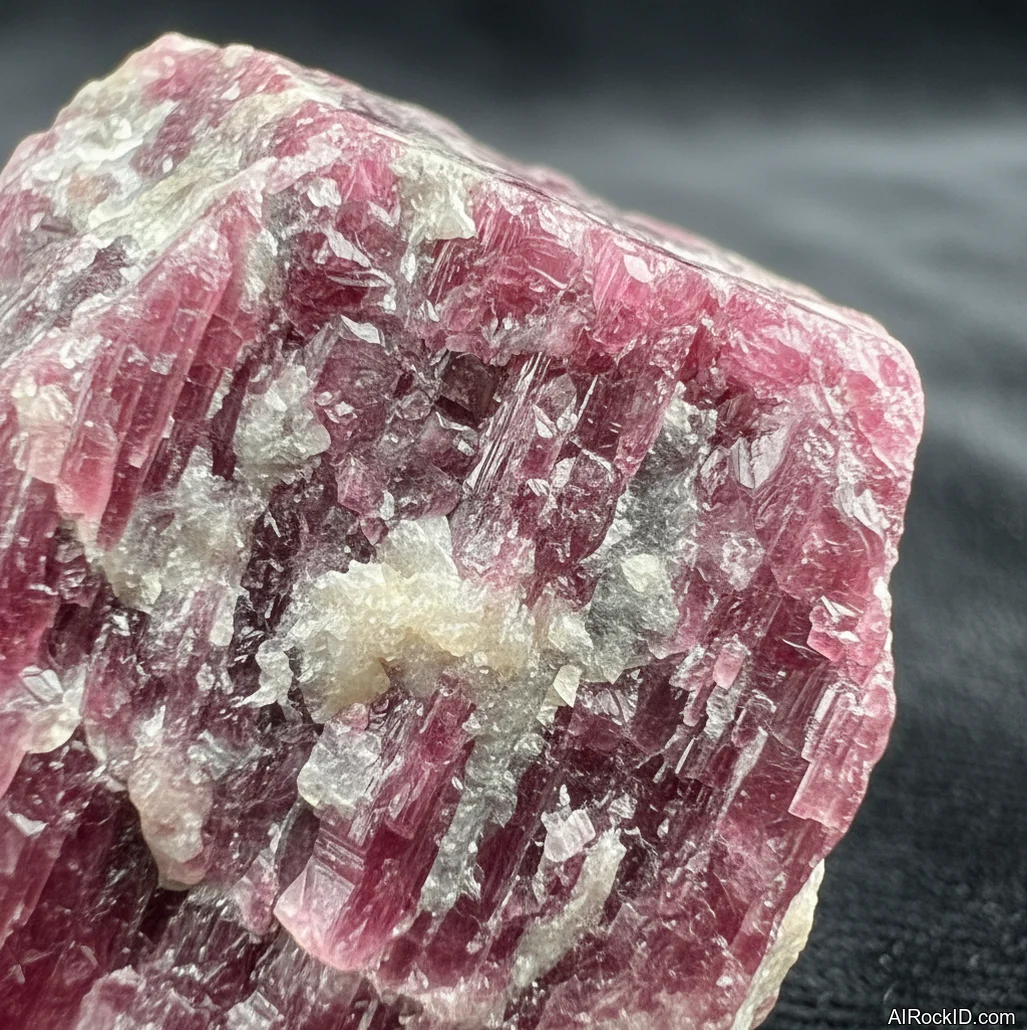
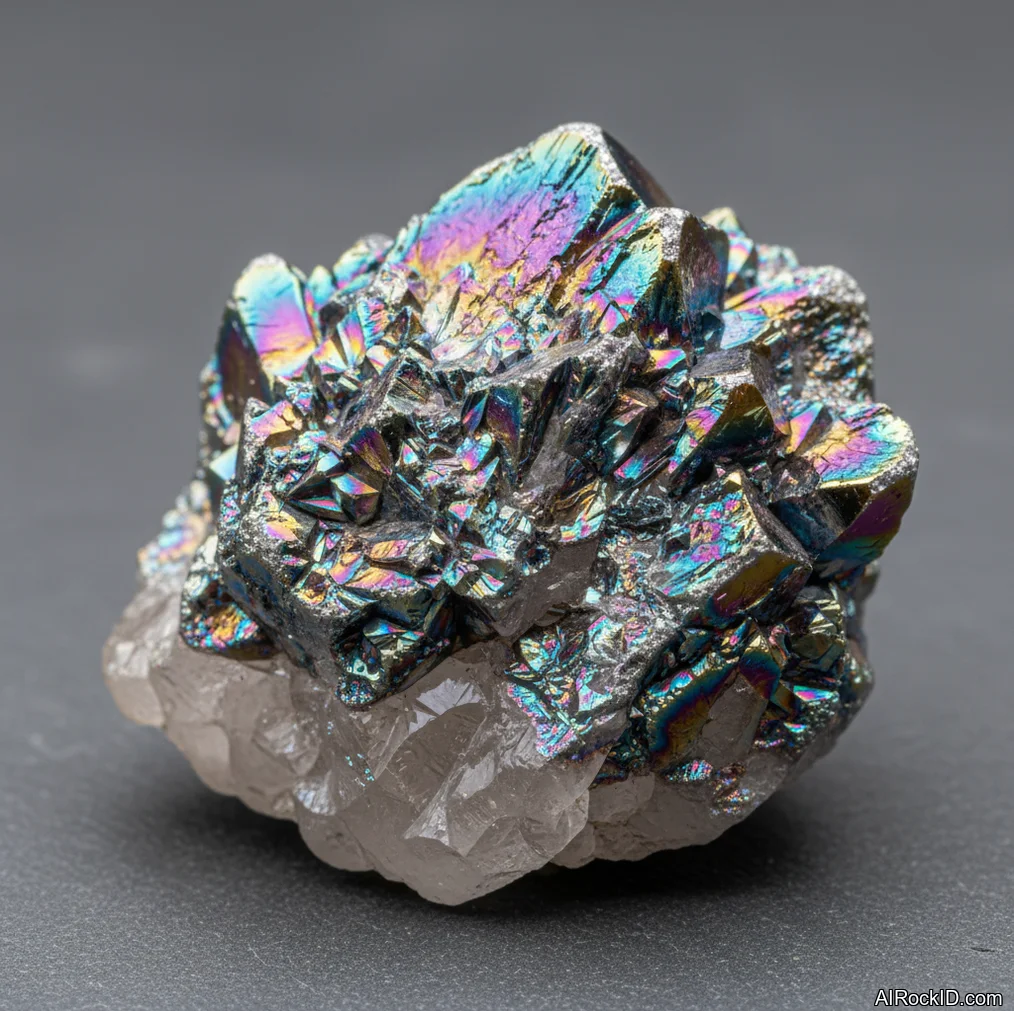
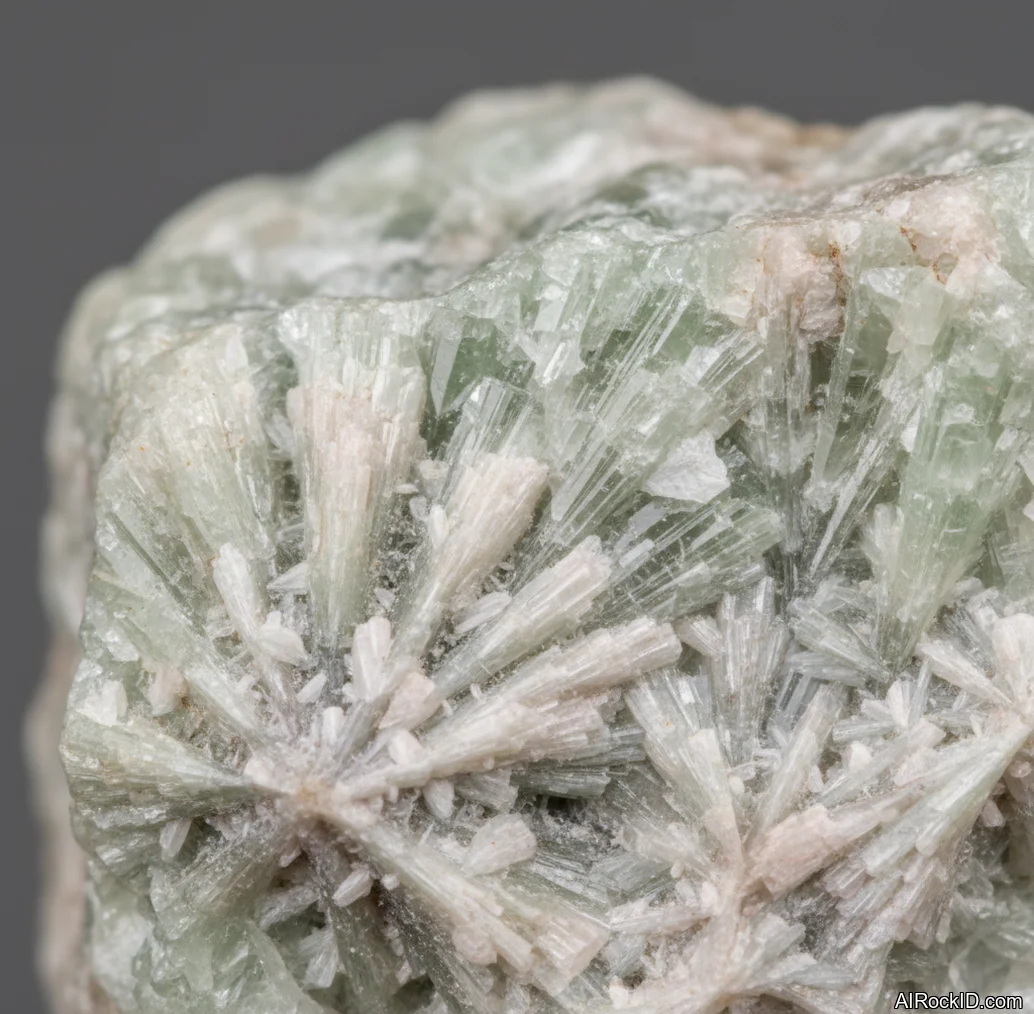
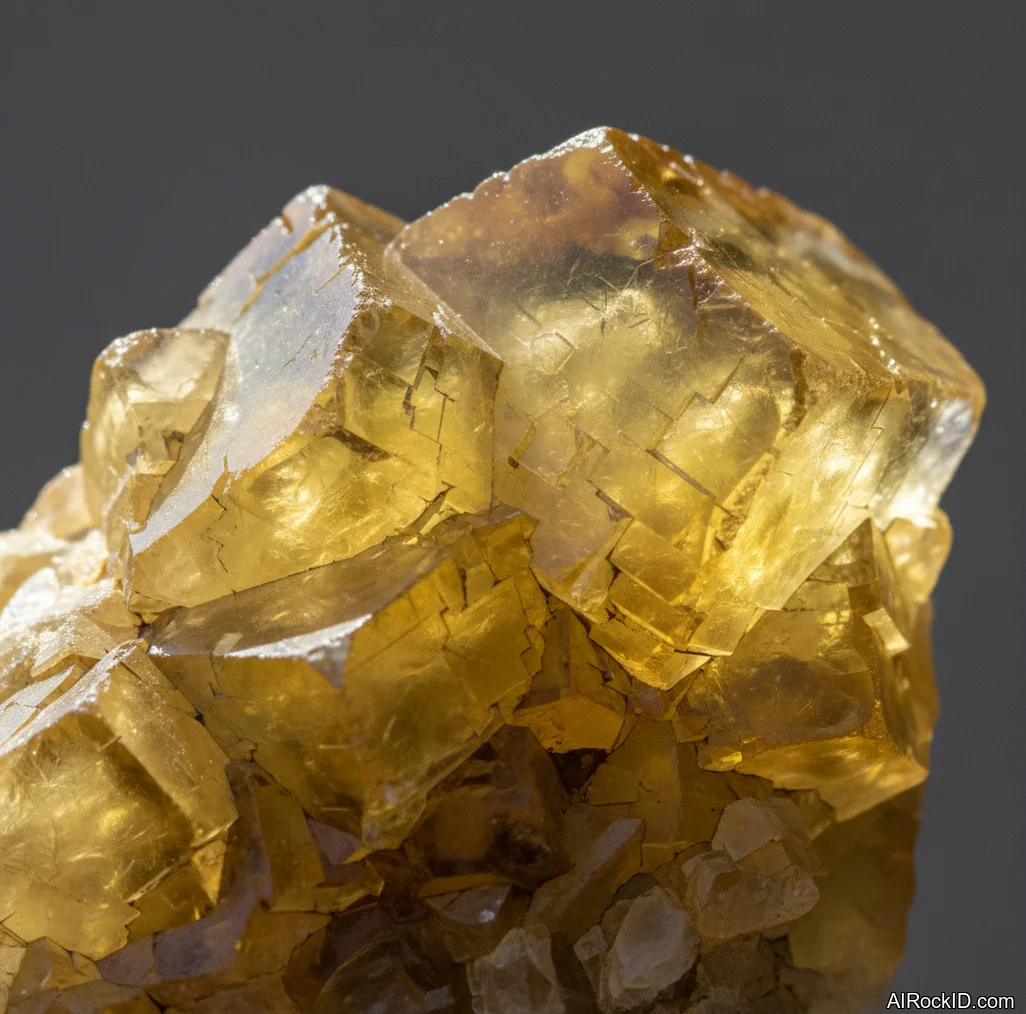
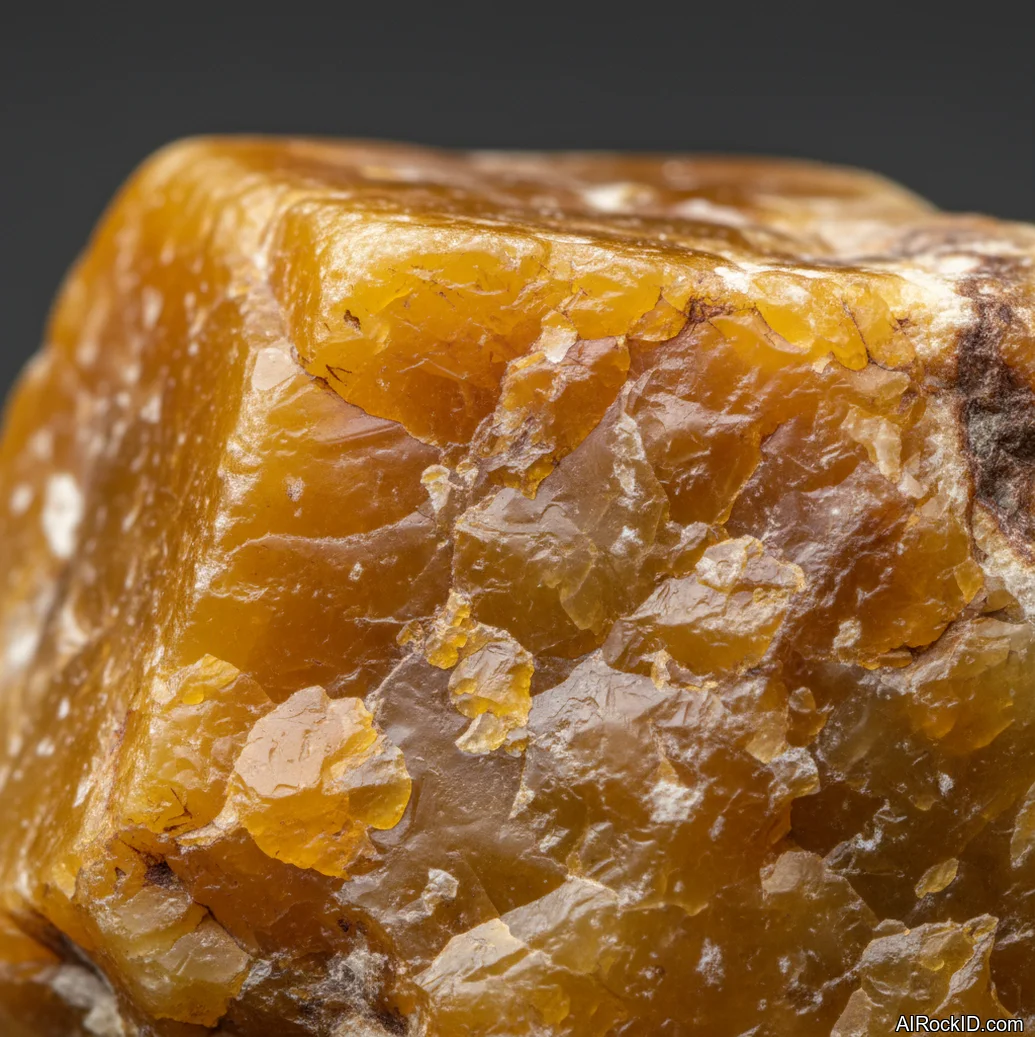
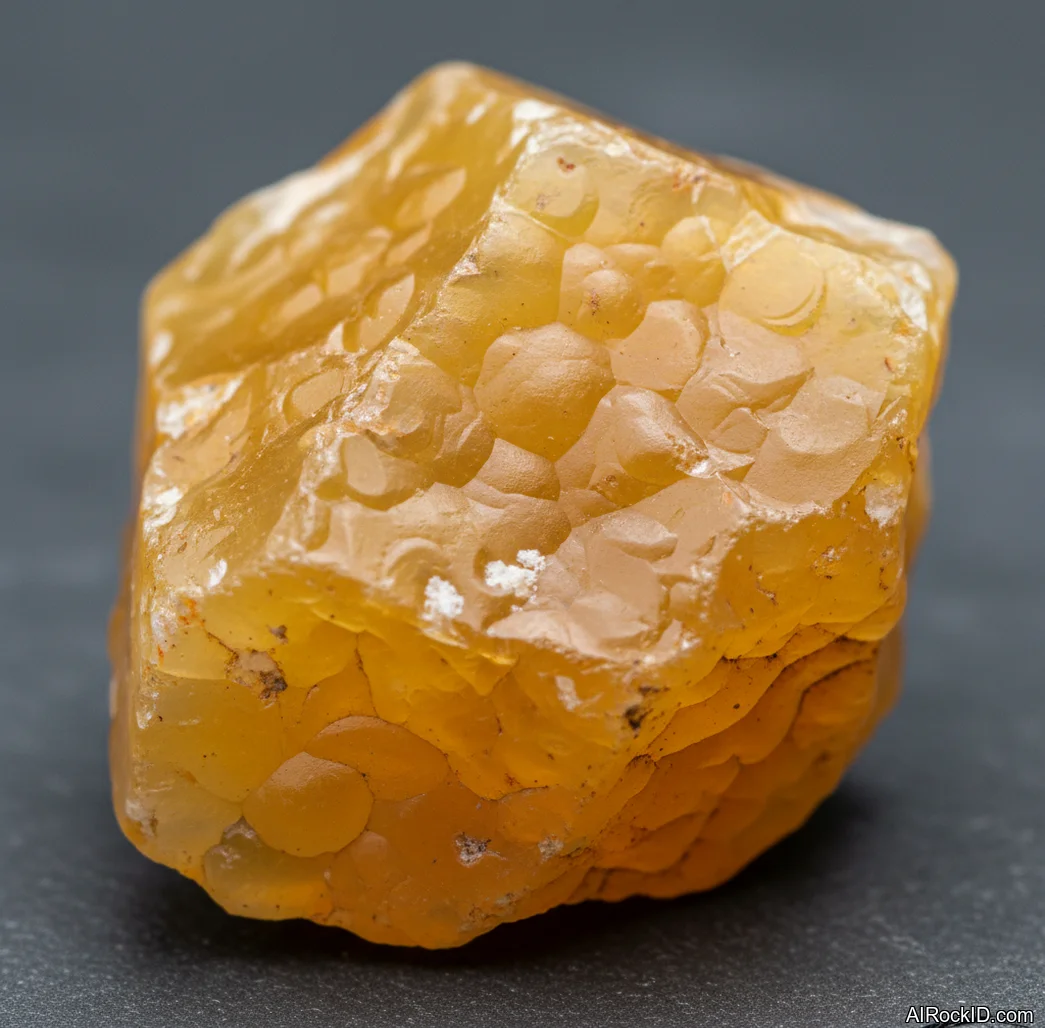
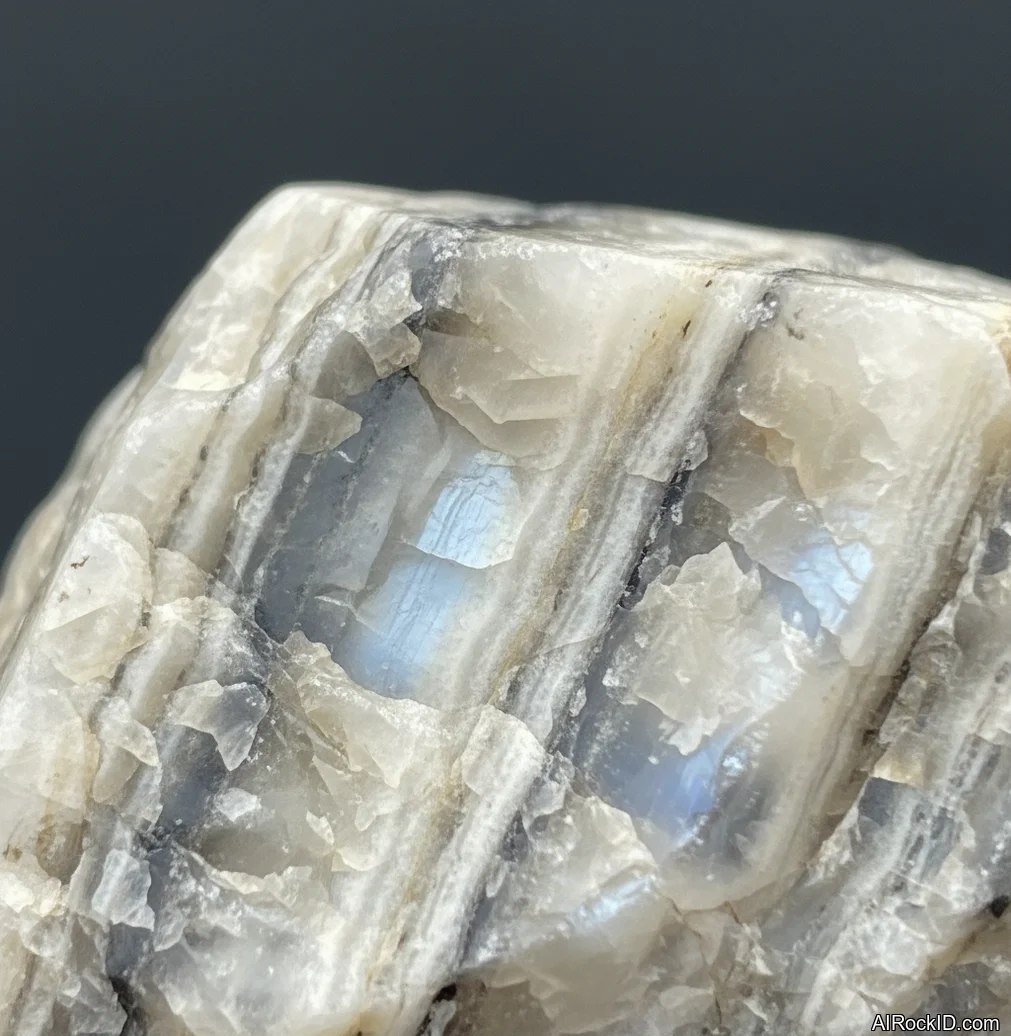
Citrine, pyrite, and sunstone get picked a lot for growth work focused on goals, motivation, or powering through a slump. Citrine, especially natural pieces from Madagascar, has a subtle, not-too-flashy yellow. It tends to come in chunky points or tumbled stones. Pyrite, which always feels heavier than you expect, often sells as raw cubes or clusters, and it can leave your hands with a metallic scent after handling. Sunstone has tiny flashes—tiny copper inclusions that light up at the right angle—reminding you to look for progress even when it feels slow. For emotional growth, green and pink stones draw people in. Rose quartz, with its soft, almost waxy surface when polished, is what people grab for gentler change. Rhodonite, especially rough material from Russia, comes with black veining—ideal when you need to focus on boundaries or repair old wounds. Prehnite, translucent with a hint of green, feels cool and smooth, making it a favorite for those trying to make calmer decisions.
Physical Features of Growth Crystals: What Collectors Notice
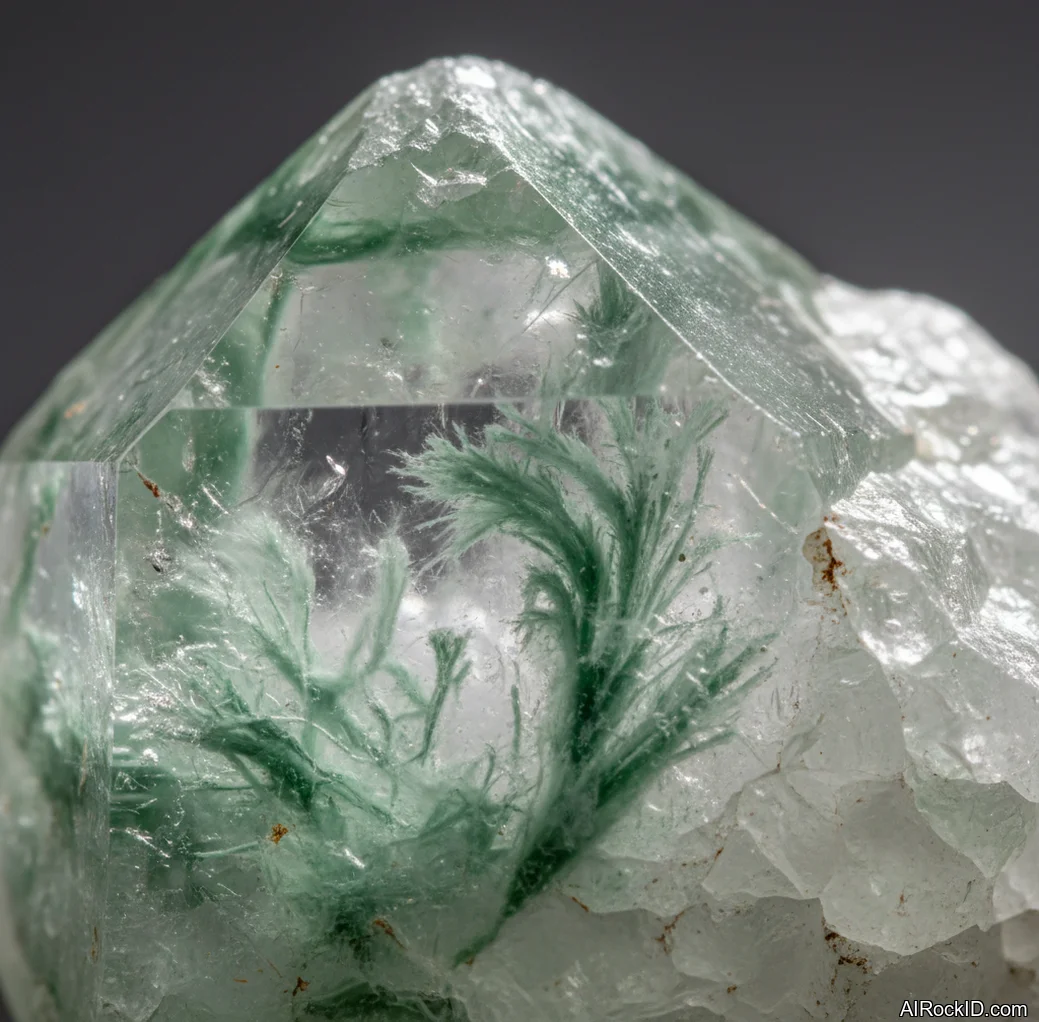
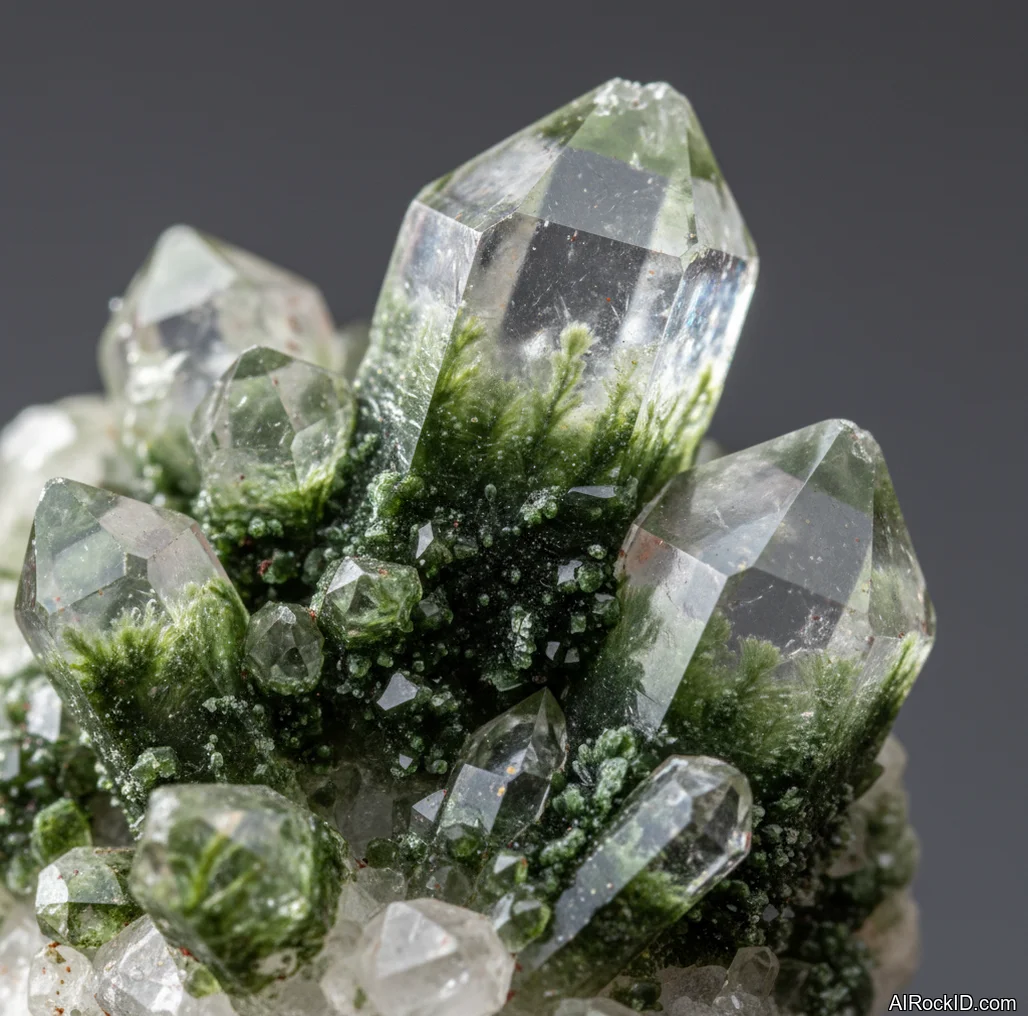
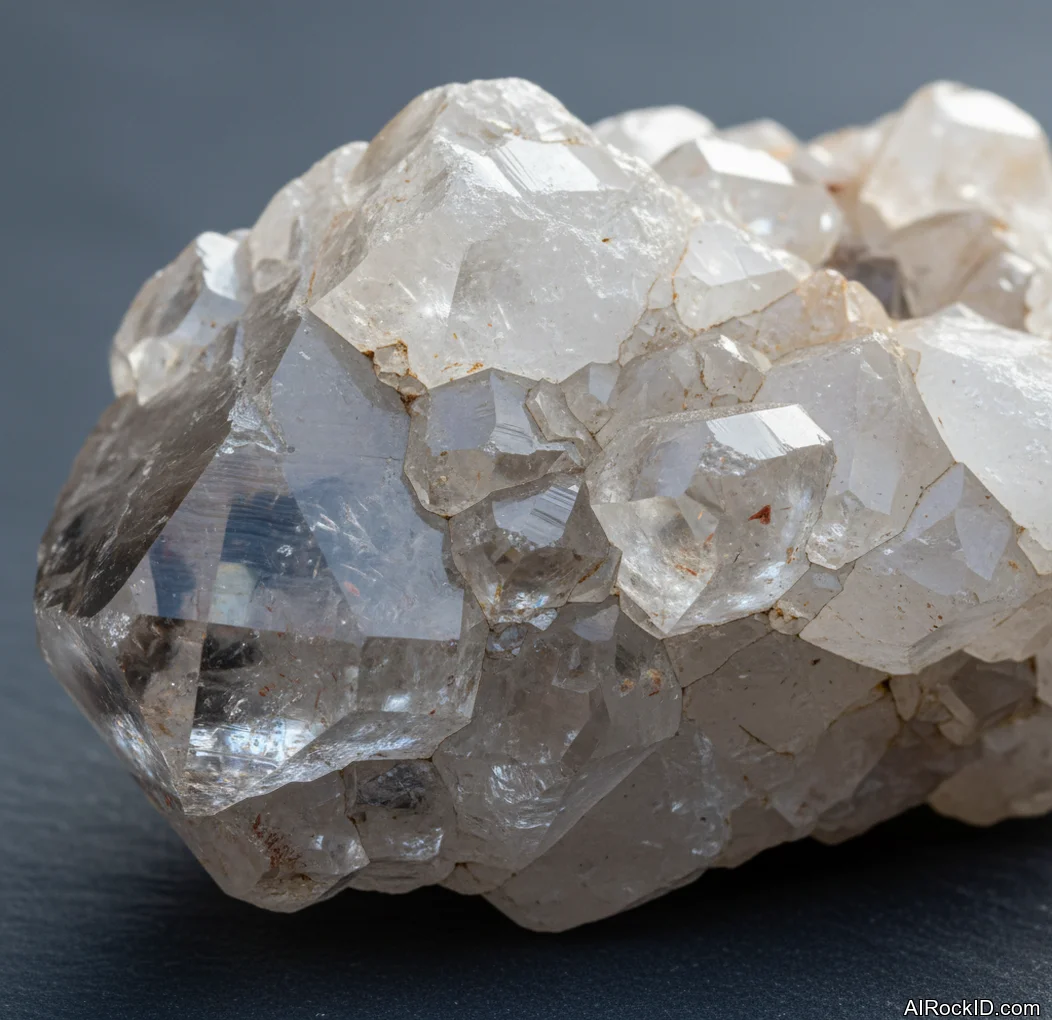
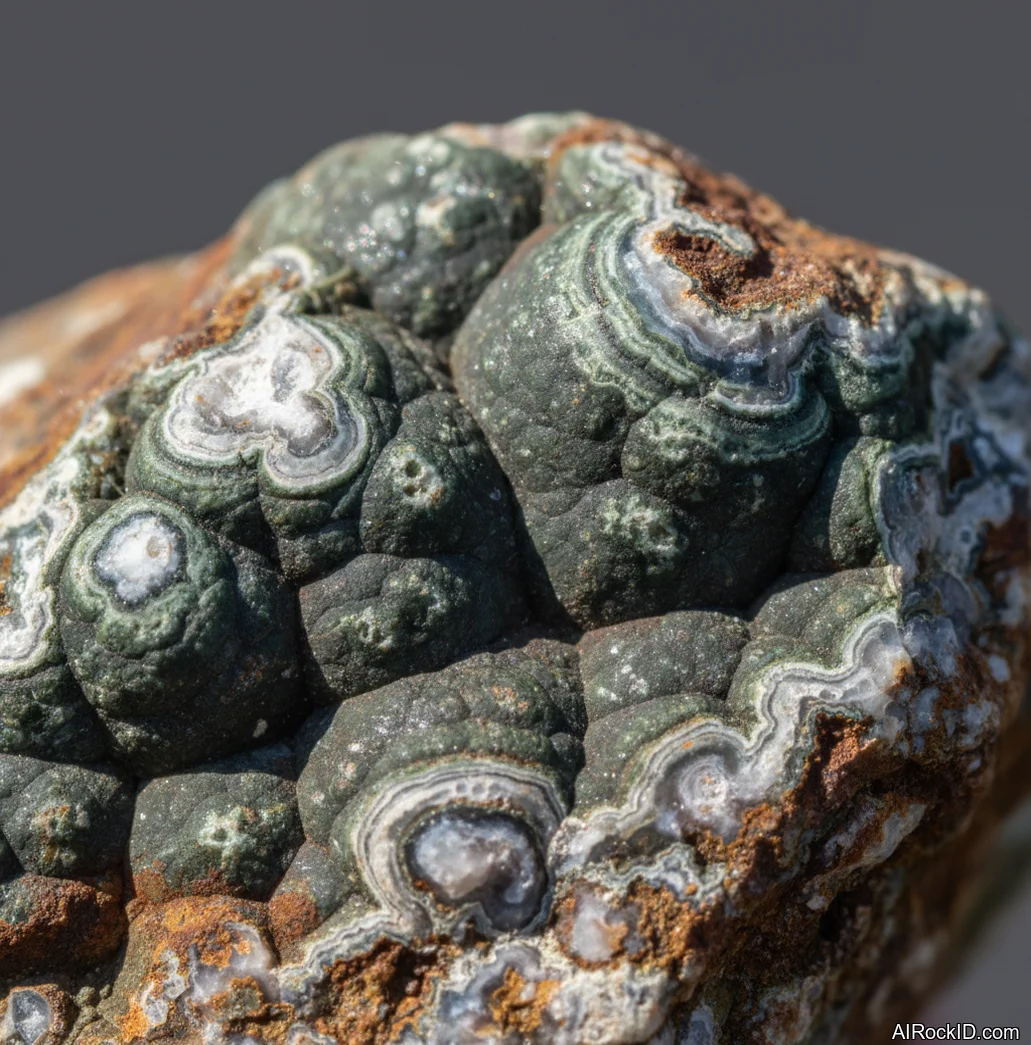
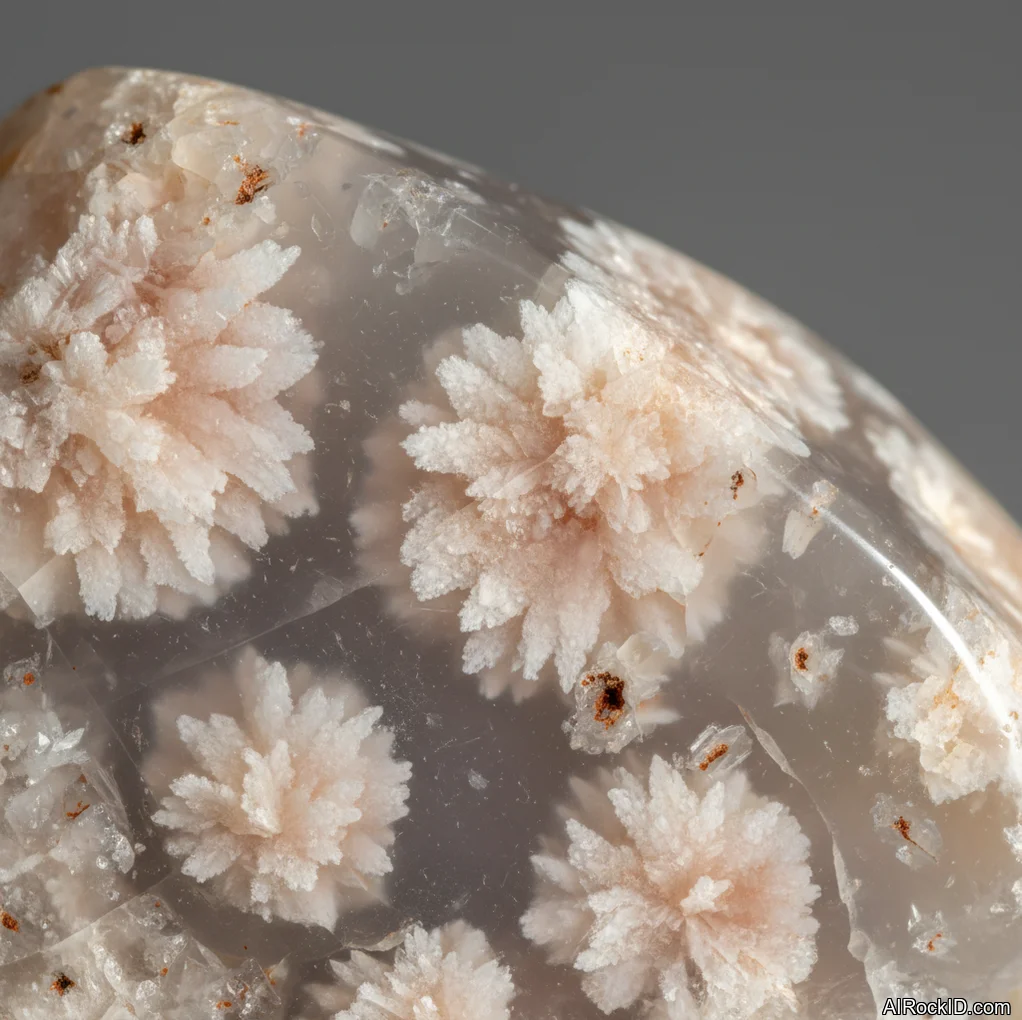
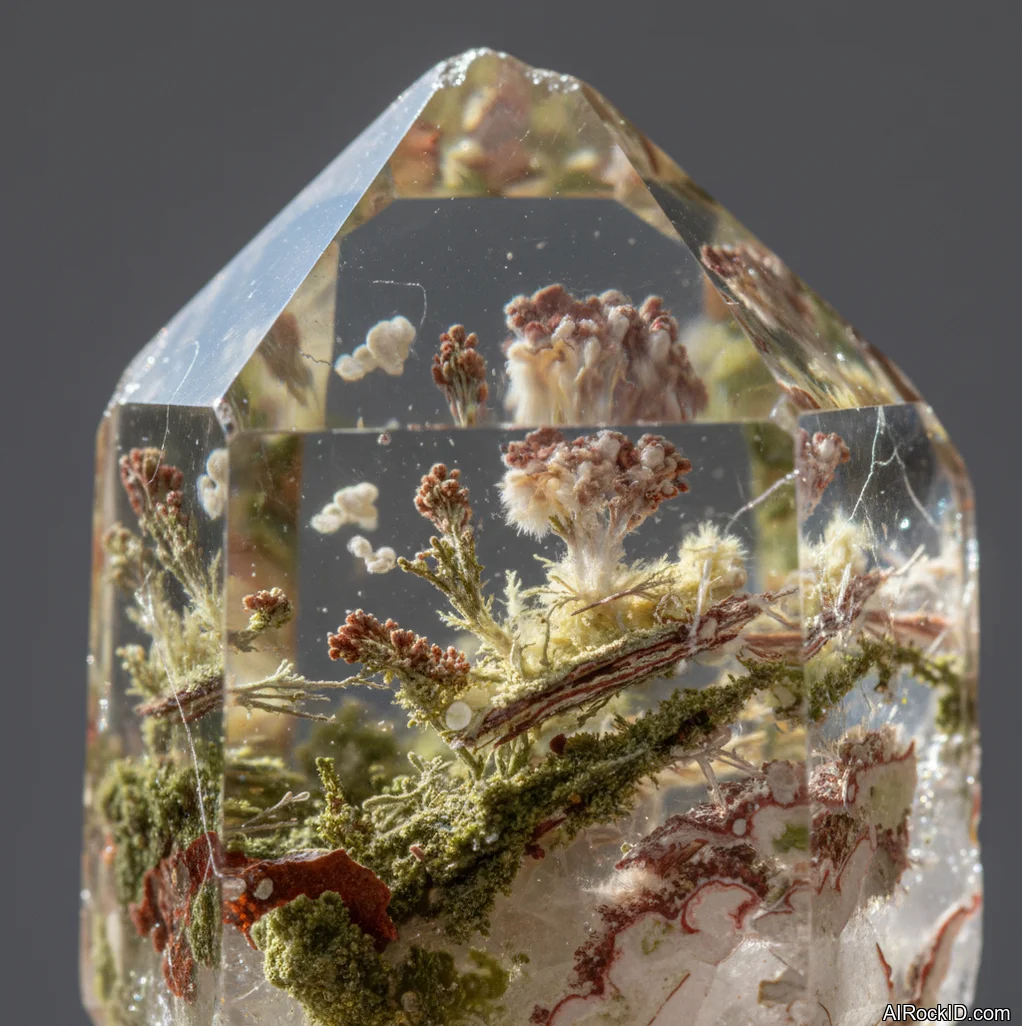
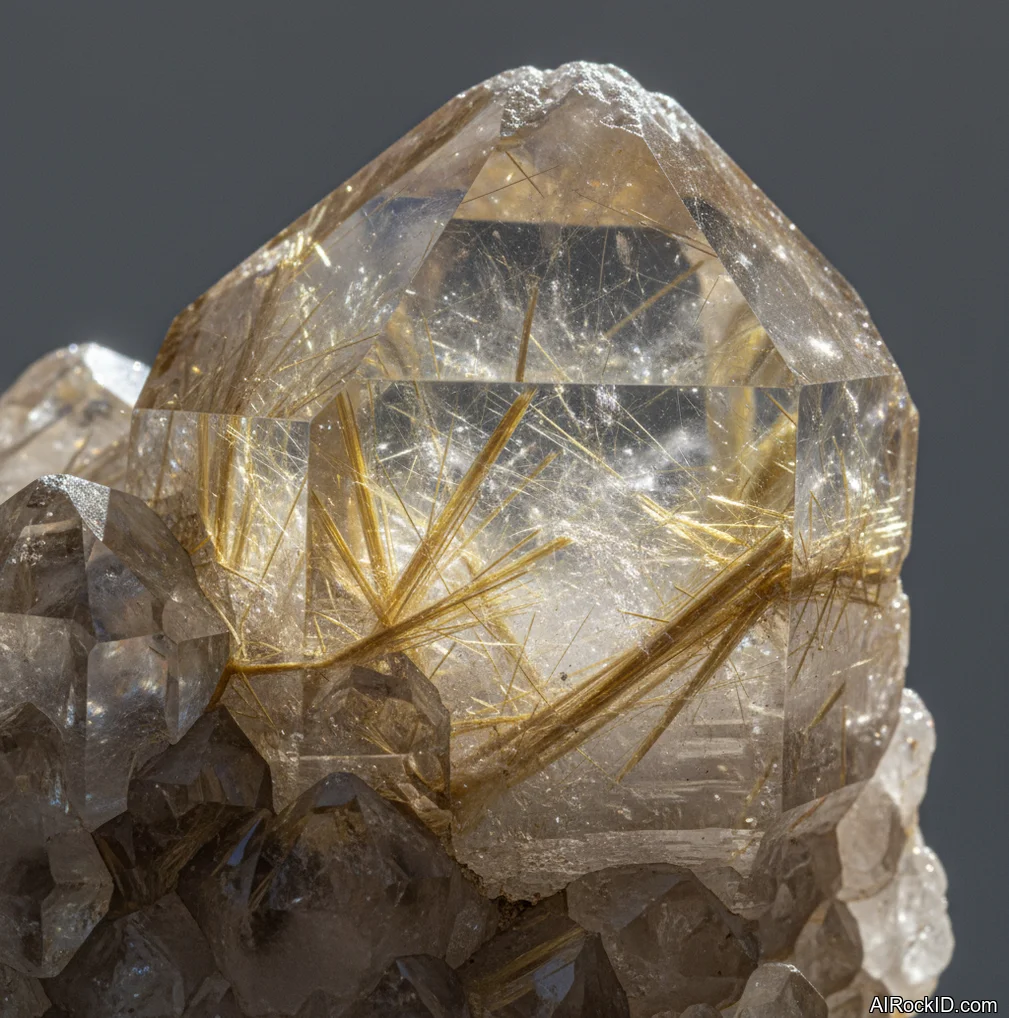
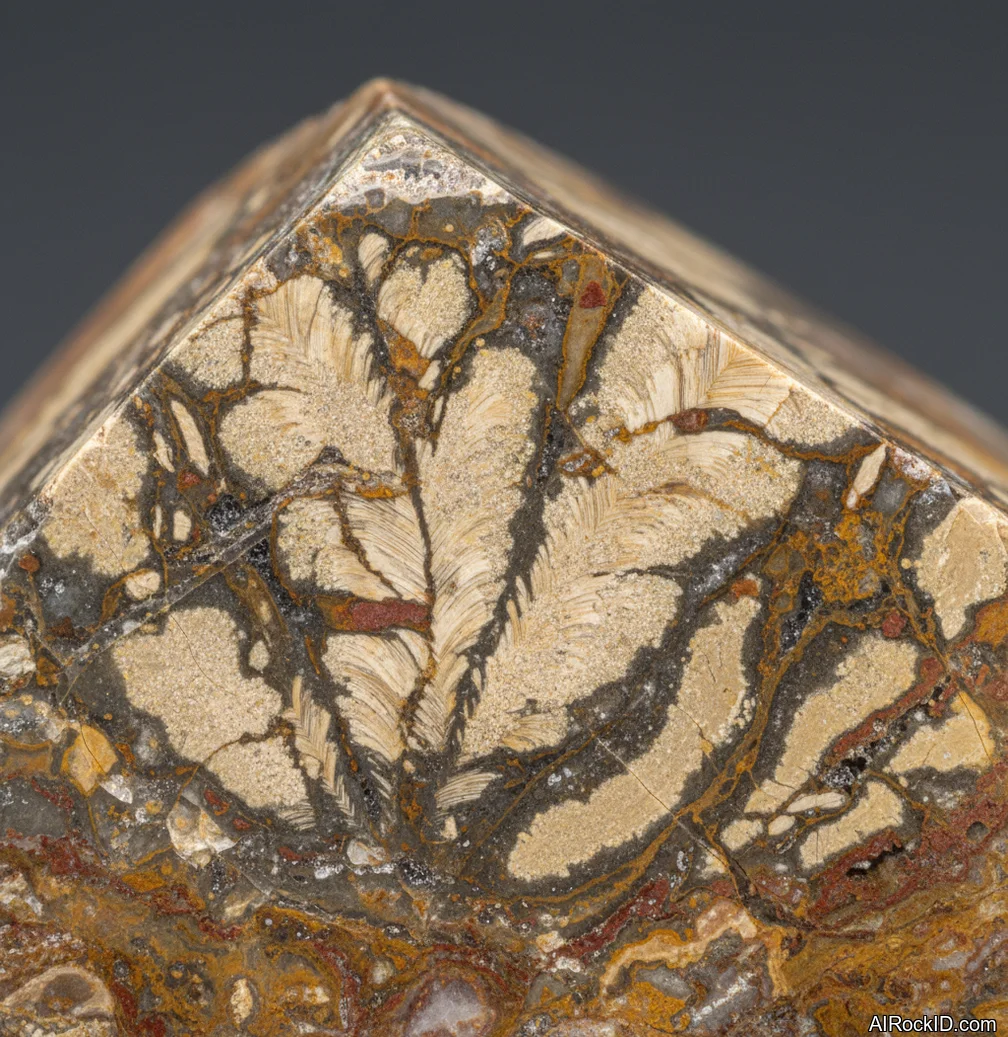
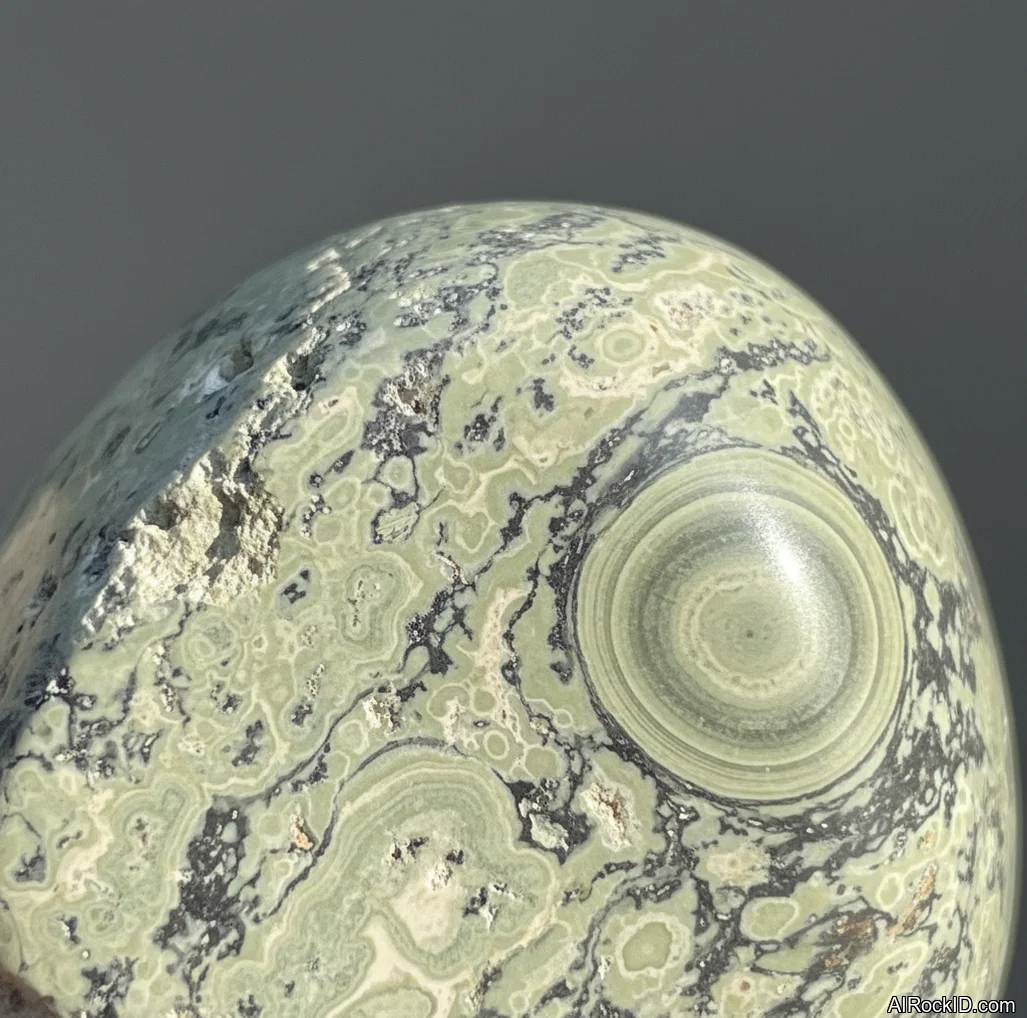
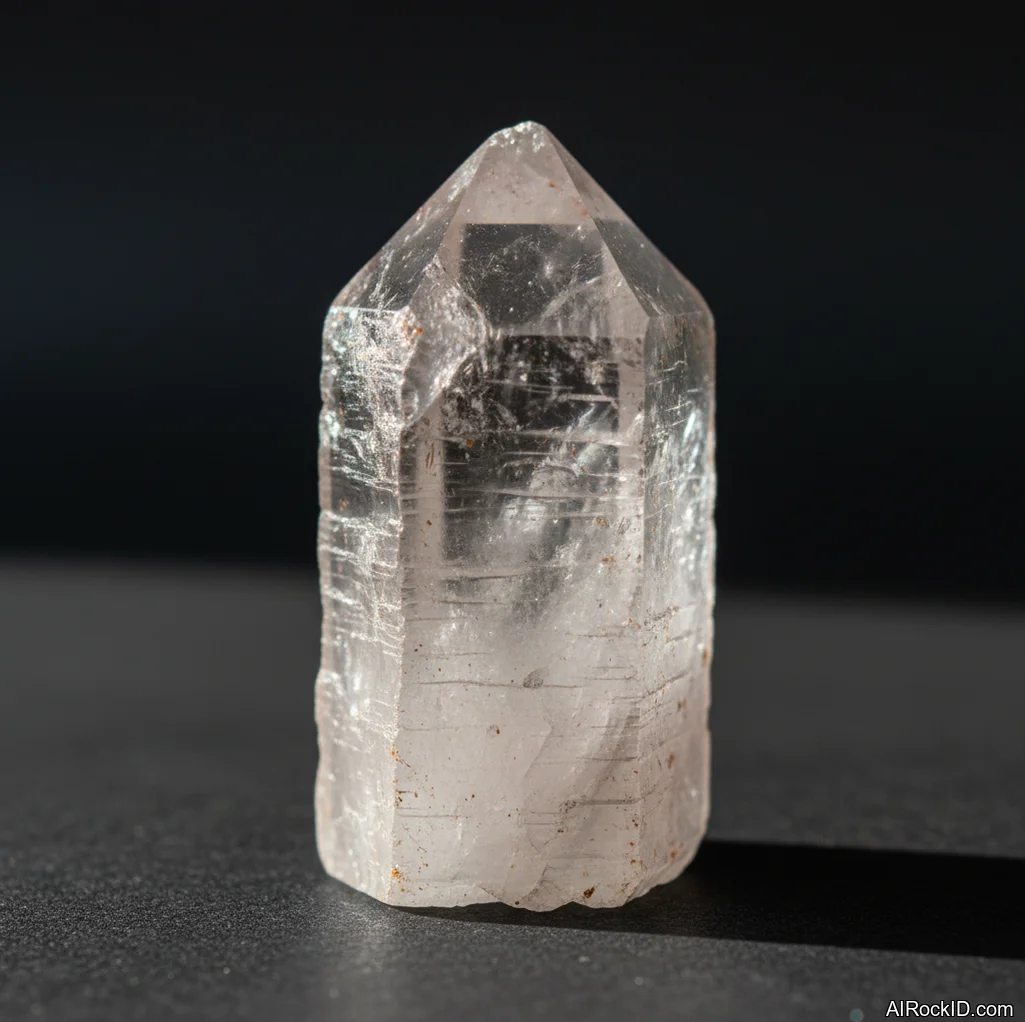
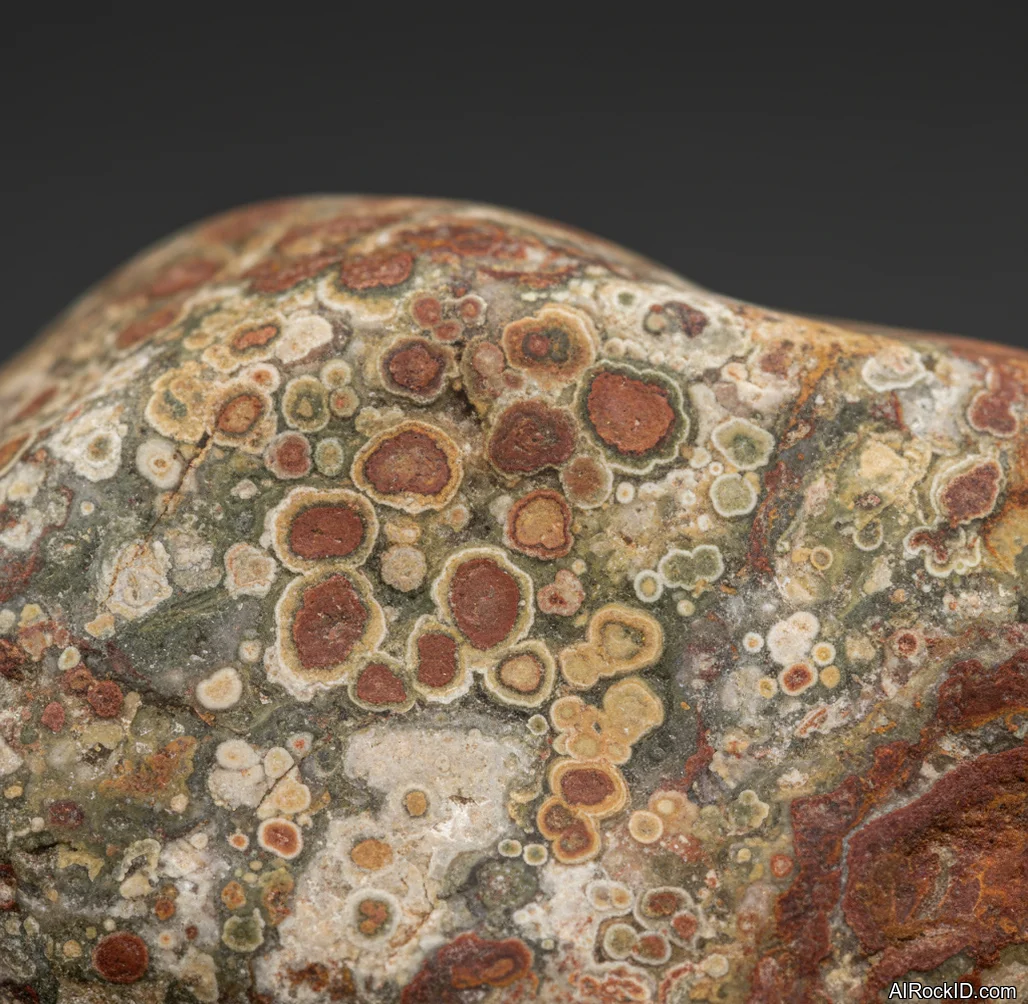
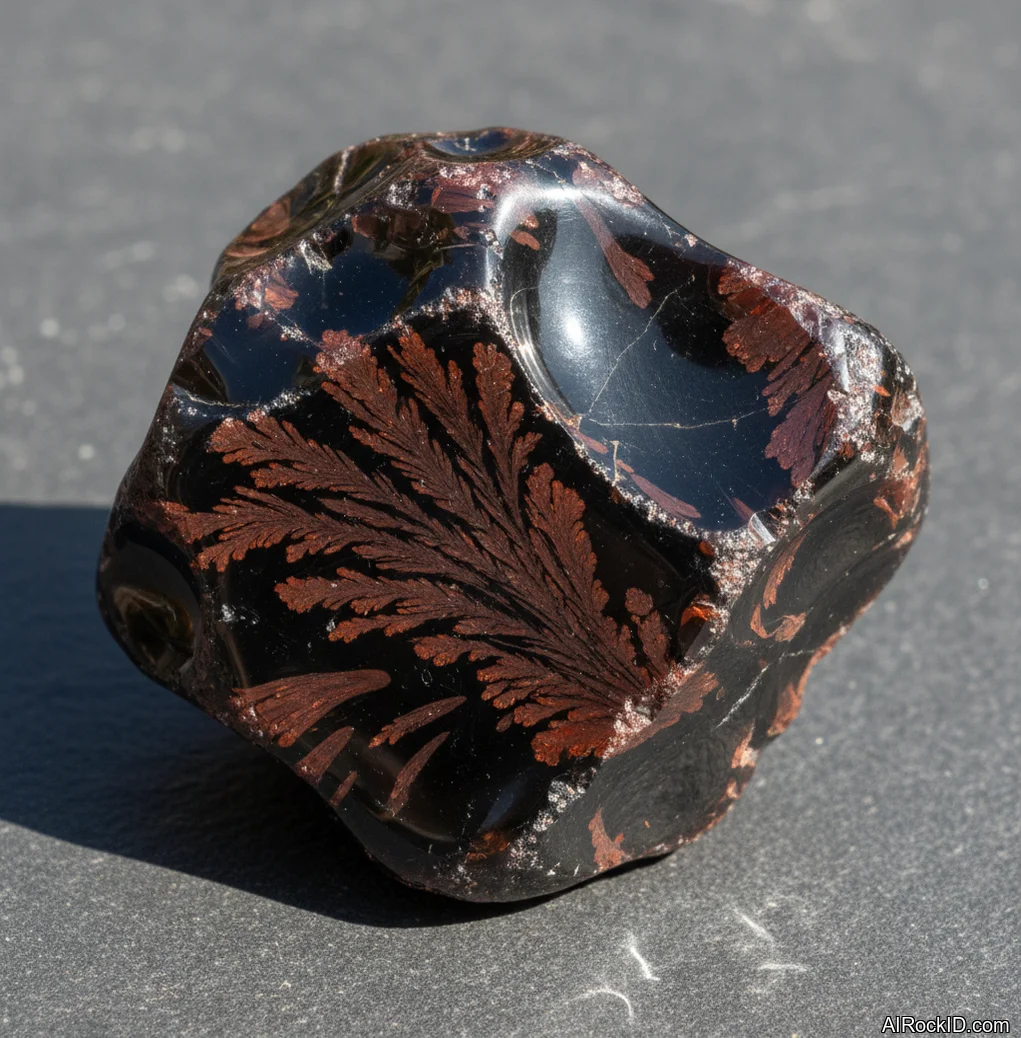
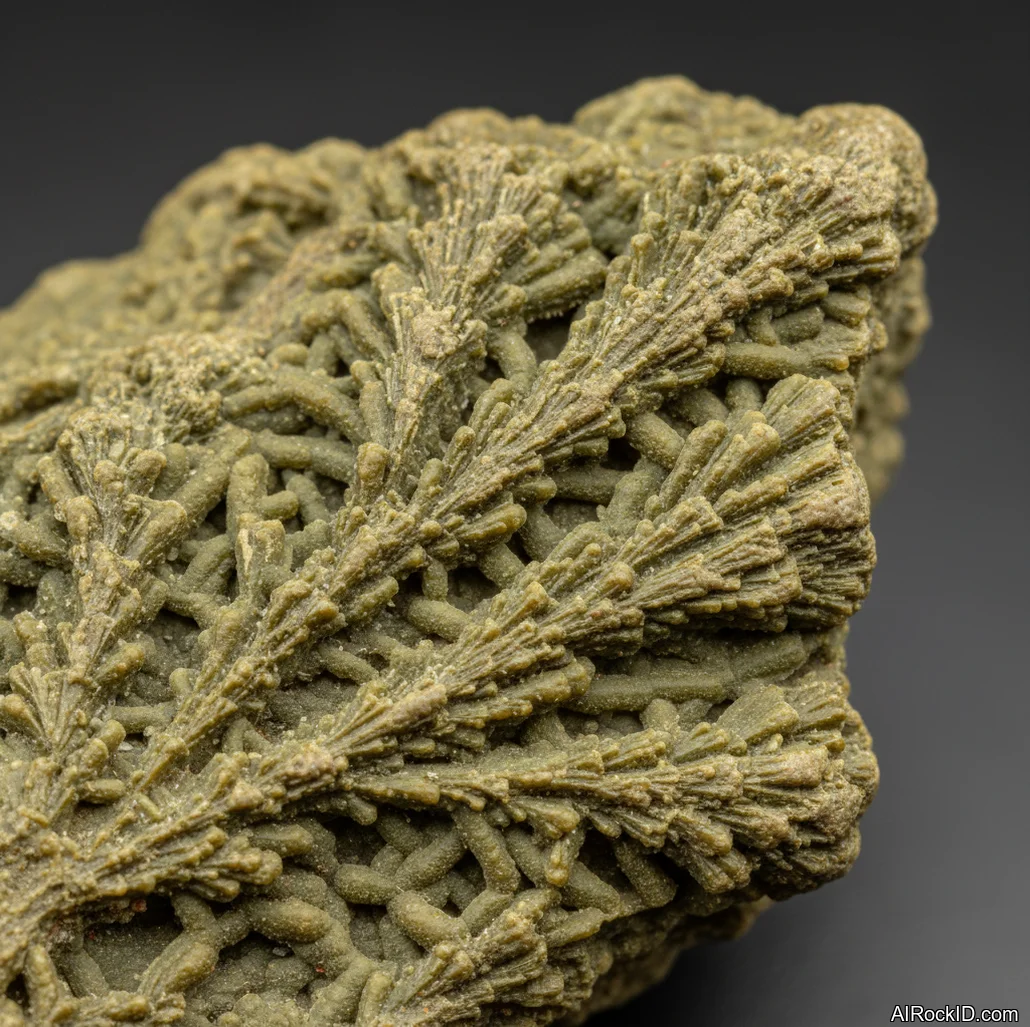
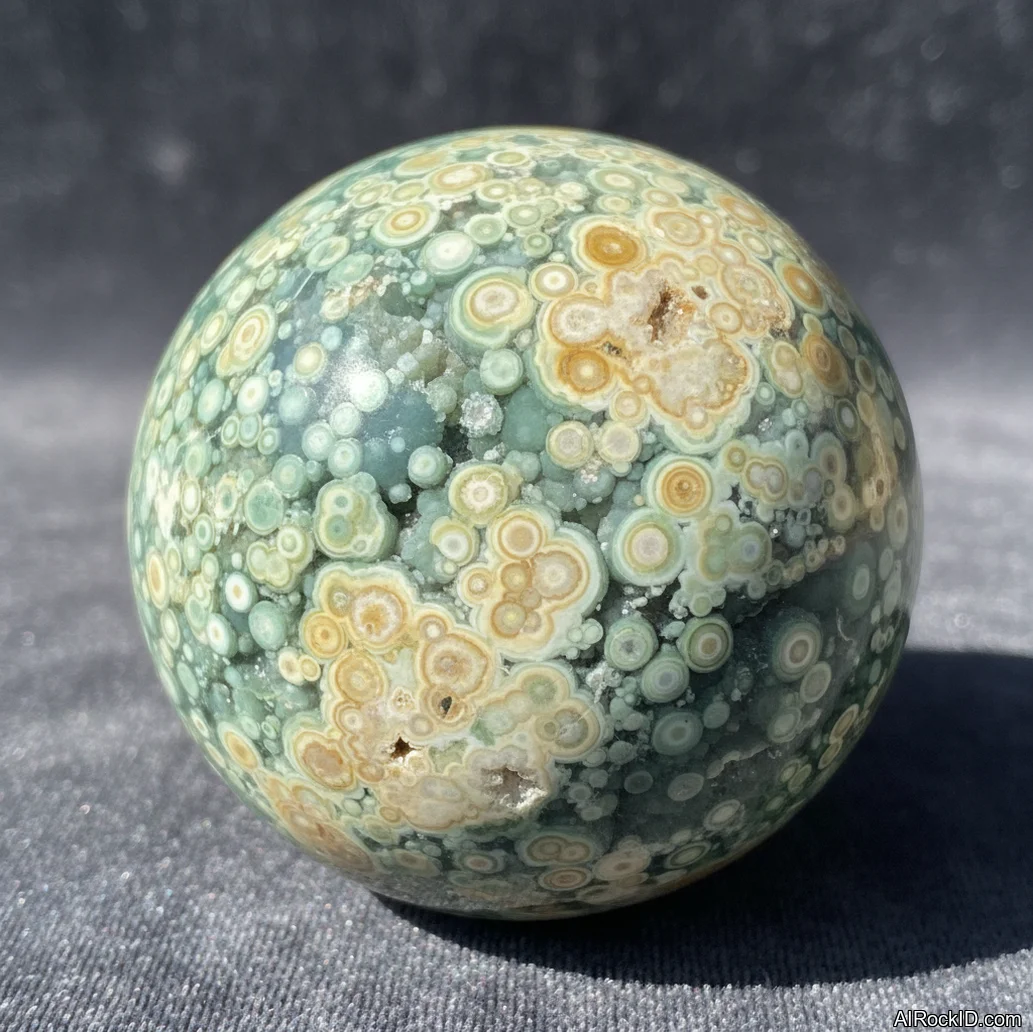
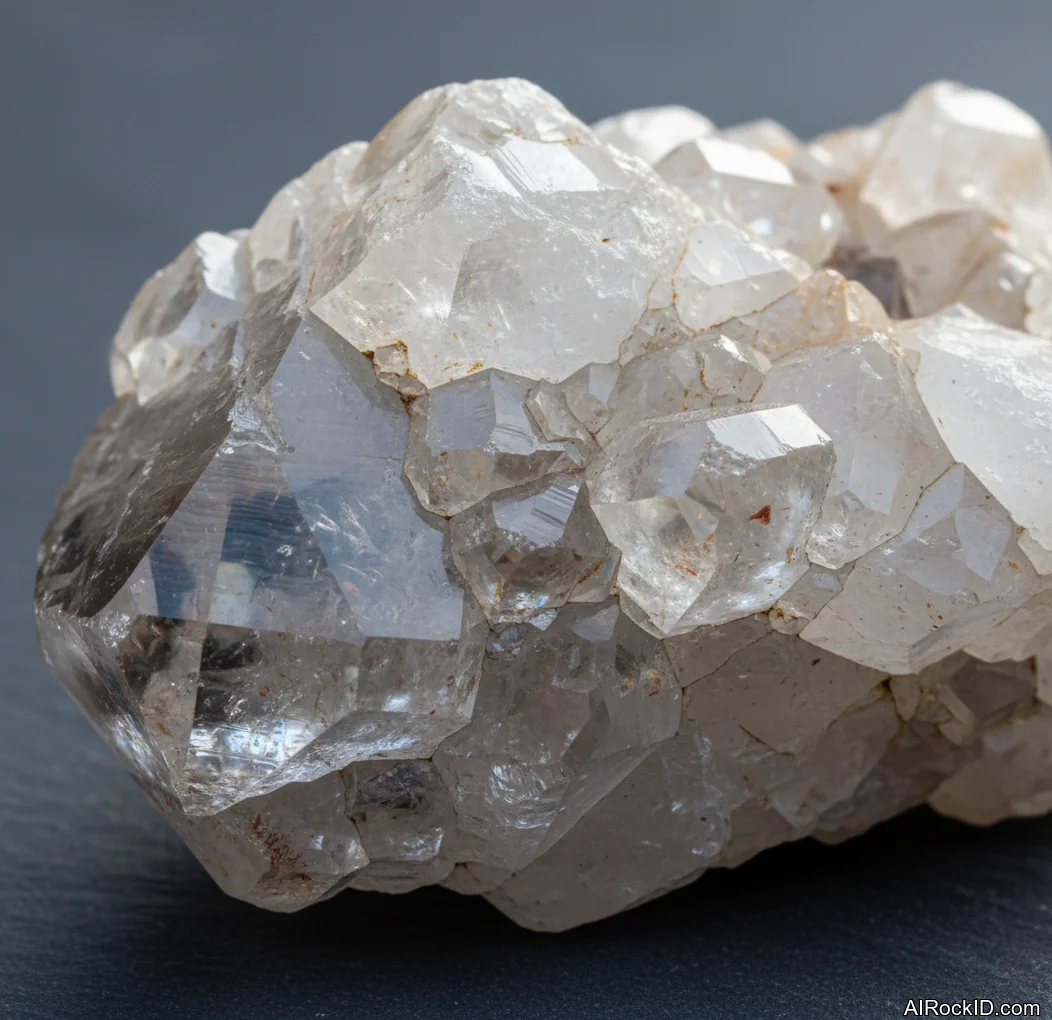
Look closely at moss agate if you want a growth crystal that feels grounded and tangible. Good moss agate isn't just green. It has branching, dendritic inclusions that float in clear chalcedony, looking almost like algae or lichen trapped in glass. Hold it under a lamp and you'll spot real depth—layers, not just color printed on the surface. Compare that to smoky quartz, which has a dense, slightly cloudy look and stays cool no matter how long you hold it. Smoky quartz gets paired with moss agate for 'slow and steady' growth, the kind that feels like tending a stubborn garden. The catch? Moss agate can fracture if dropped, and prehnite scratches easily if tossed in a pocket with keys. Collectors sometimes hunt for larger, uncracked slices, but you'll pay more for those. Cheap tumbled stones are everywhere, but they often lose the delicate plumes that make moss agate special.
Common Myths and Mistakes with Growth Crystals
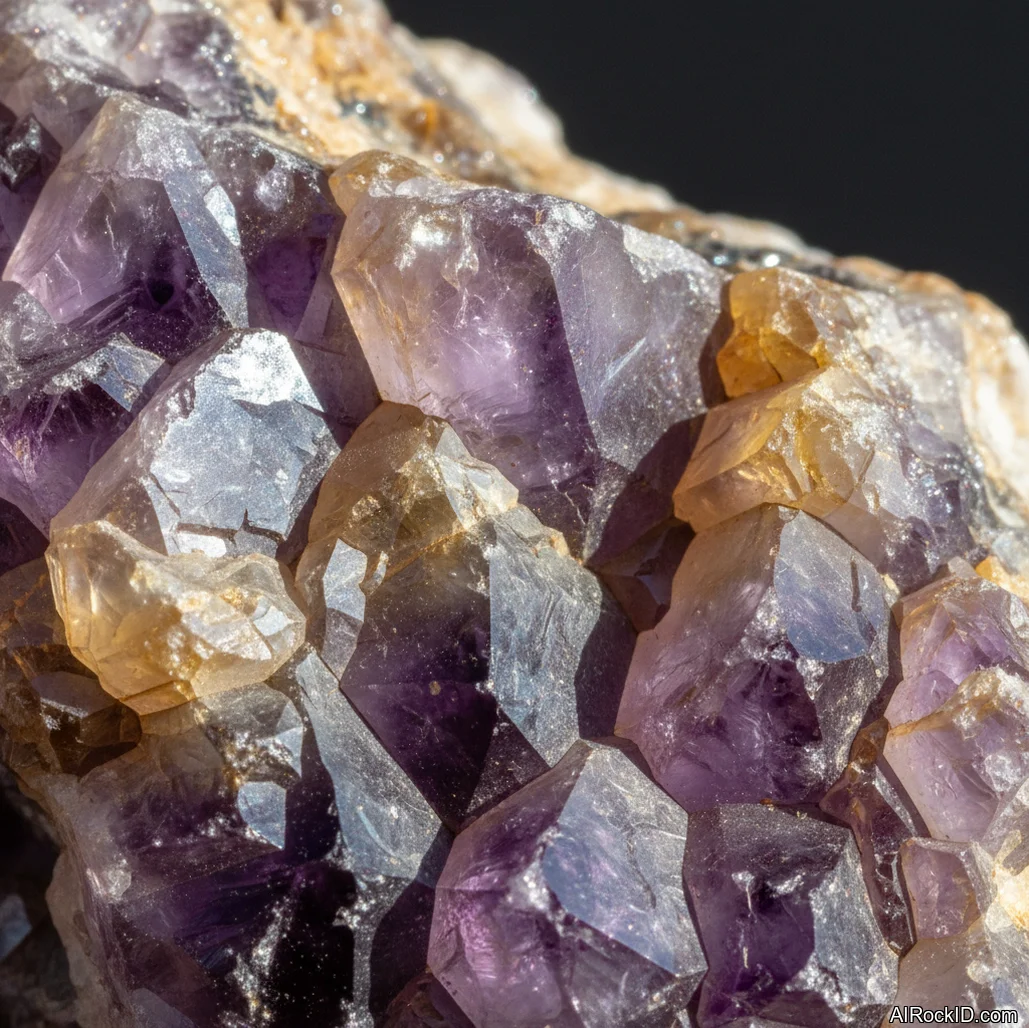
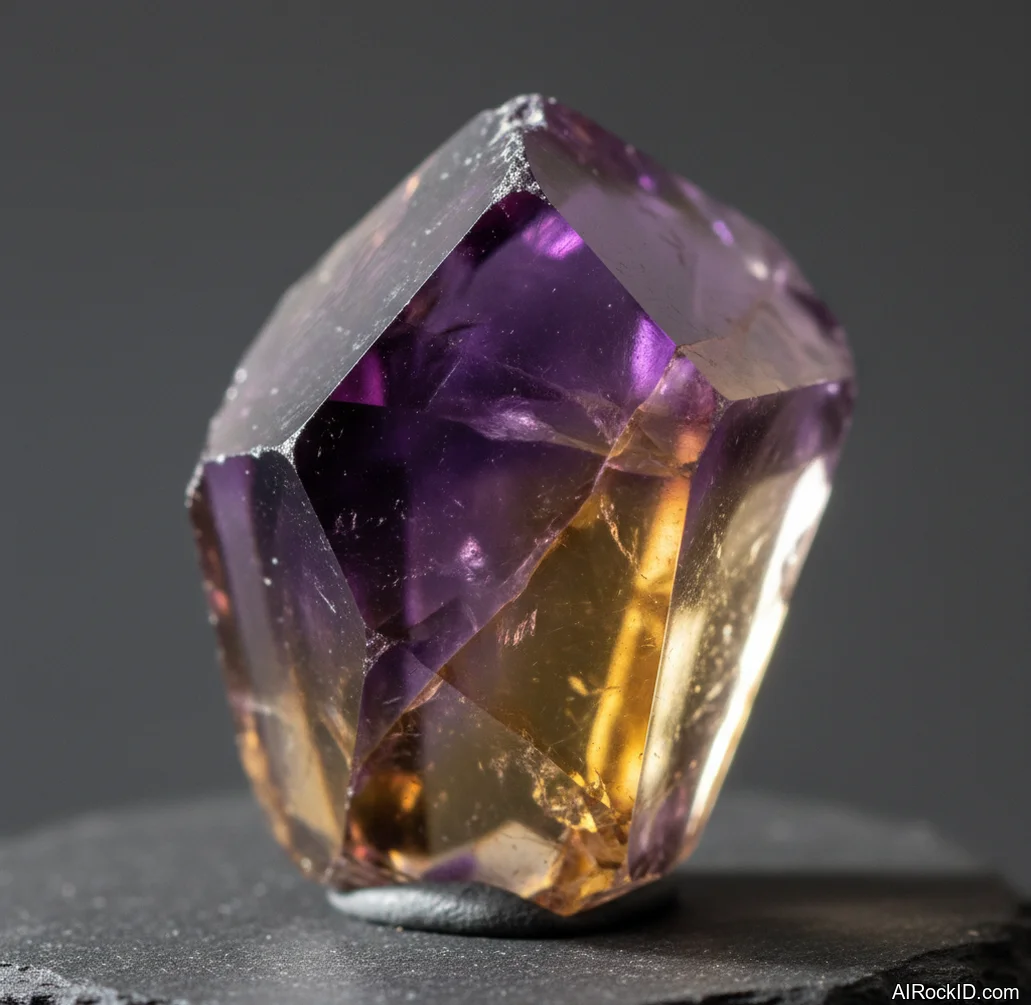
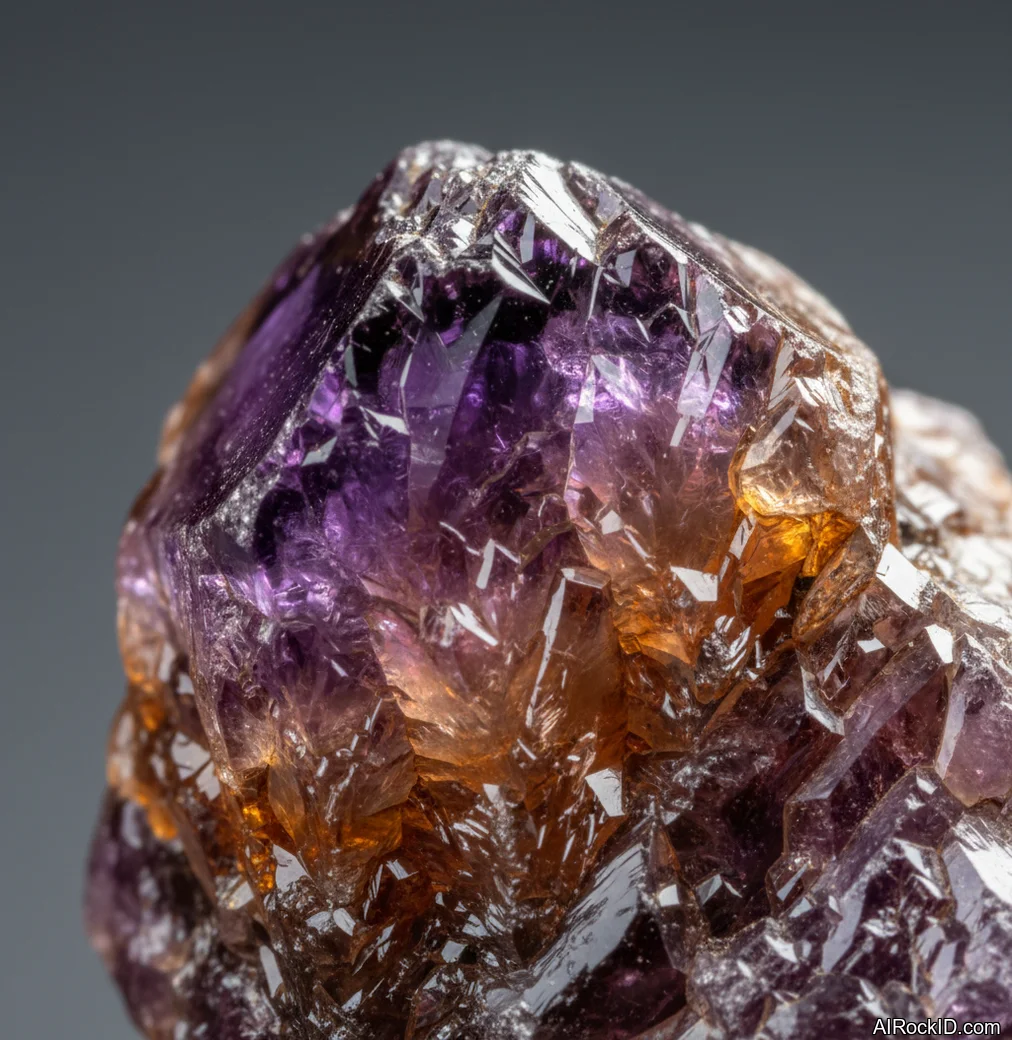
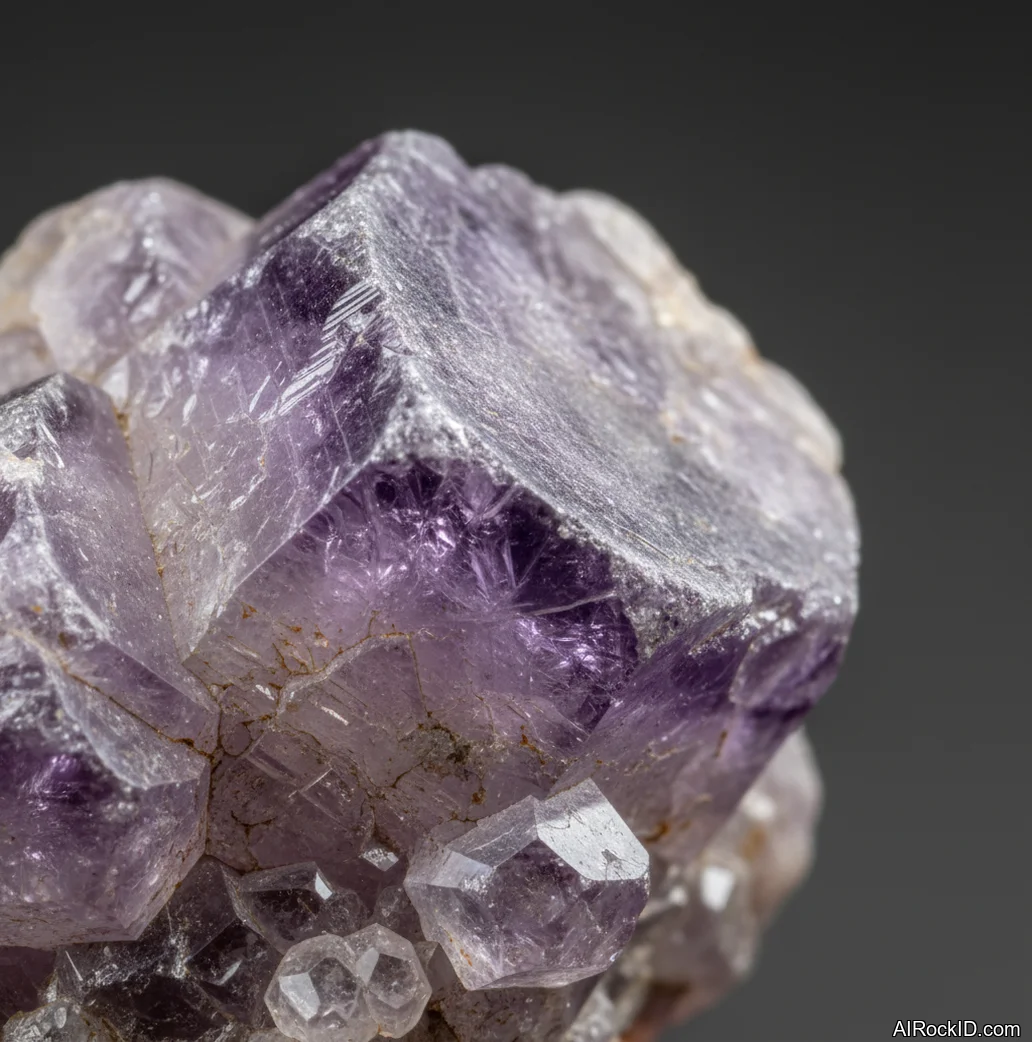
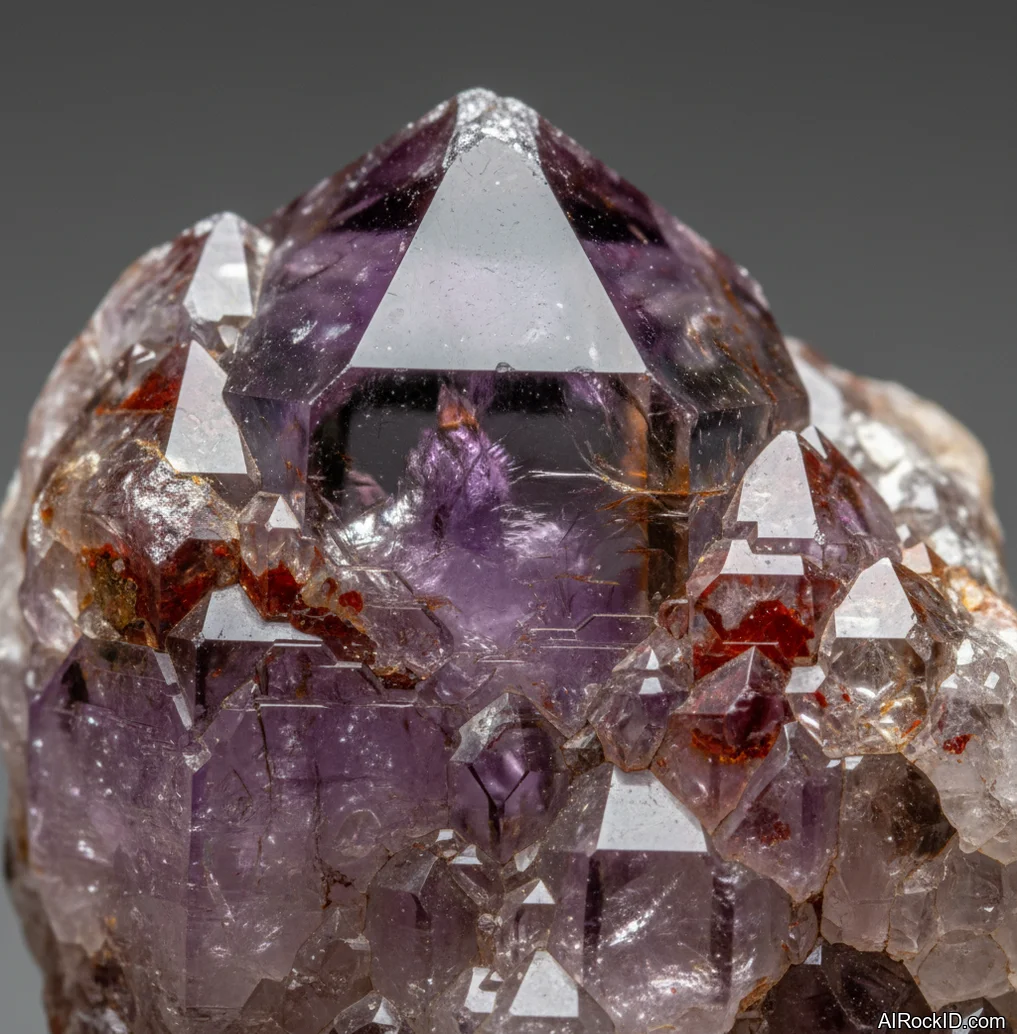
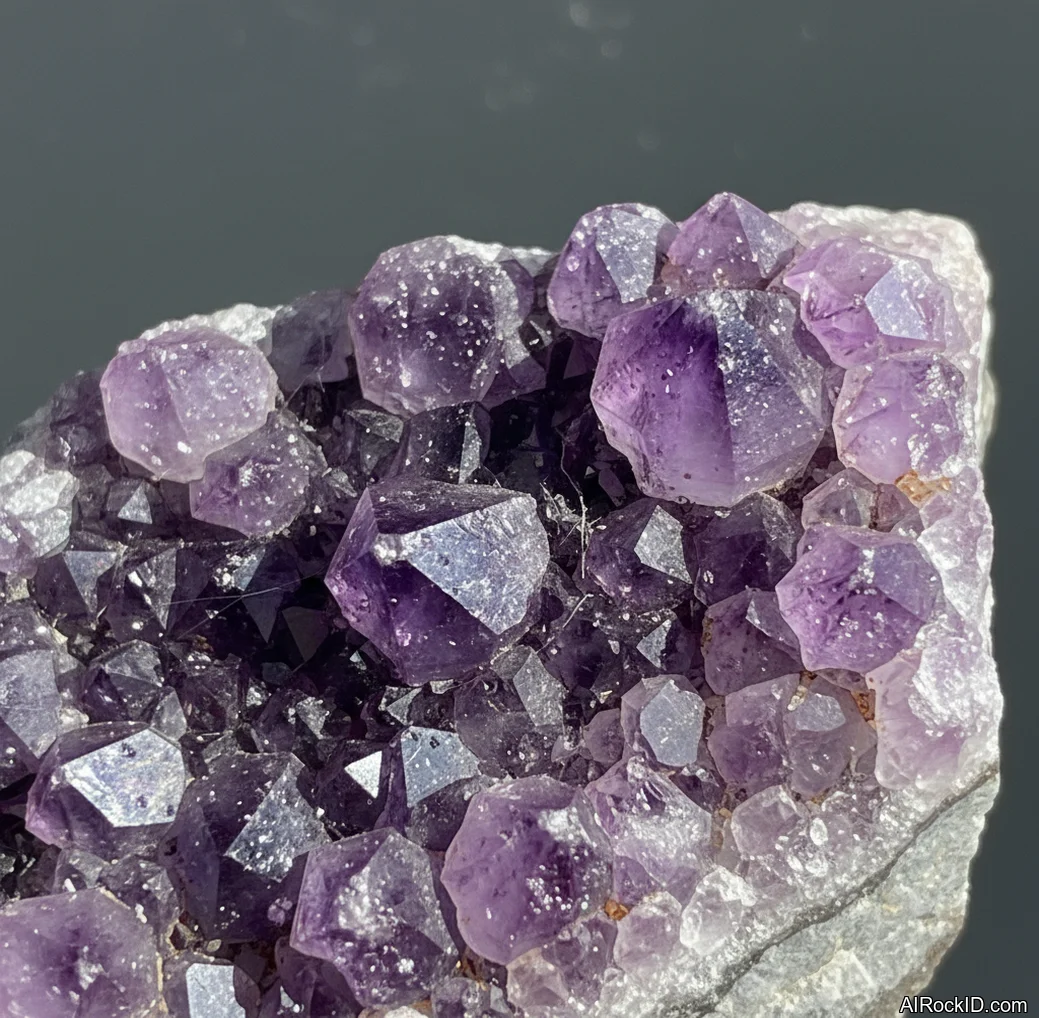
A lot of folks think just owning a growth crystal will make things shift overnight. It doesn't work that way. You still have to put in the time, whether that's learning a new skill, mending after a breakup, or sticking to a routine when it's boring. Sellers sometimes push heat-treated or dyed stones, especially for citrine and malachite. Real citrine rarely looks as bright orange as the fake stuff—it often has a pale, smoky yellow color, and the base might show amethyst zones. Malachite gets faked with resins that feel warm to the touch or show bubbles if you look at a broken edge. Always check the source and ask for location info if you want the real thing. Growth is messy, and so is the market. That's part of why collectors keep sharing tips and swapping stories about what actually holds up over time.
Best Growth Crystals to Start With
| Level | Crystal | Note |
| Gentle / Beginner | Rose Quartz | Soft energy, smooth feel, and hard to damage. Easy to find polished, so beginners don't worry about chips. |
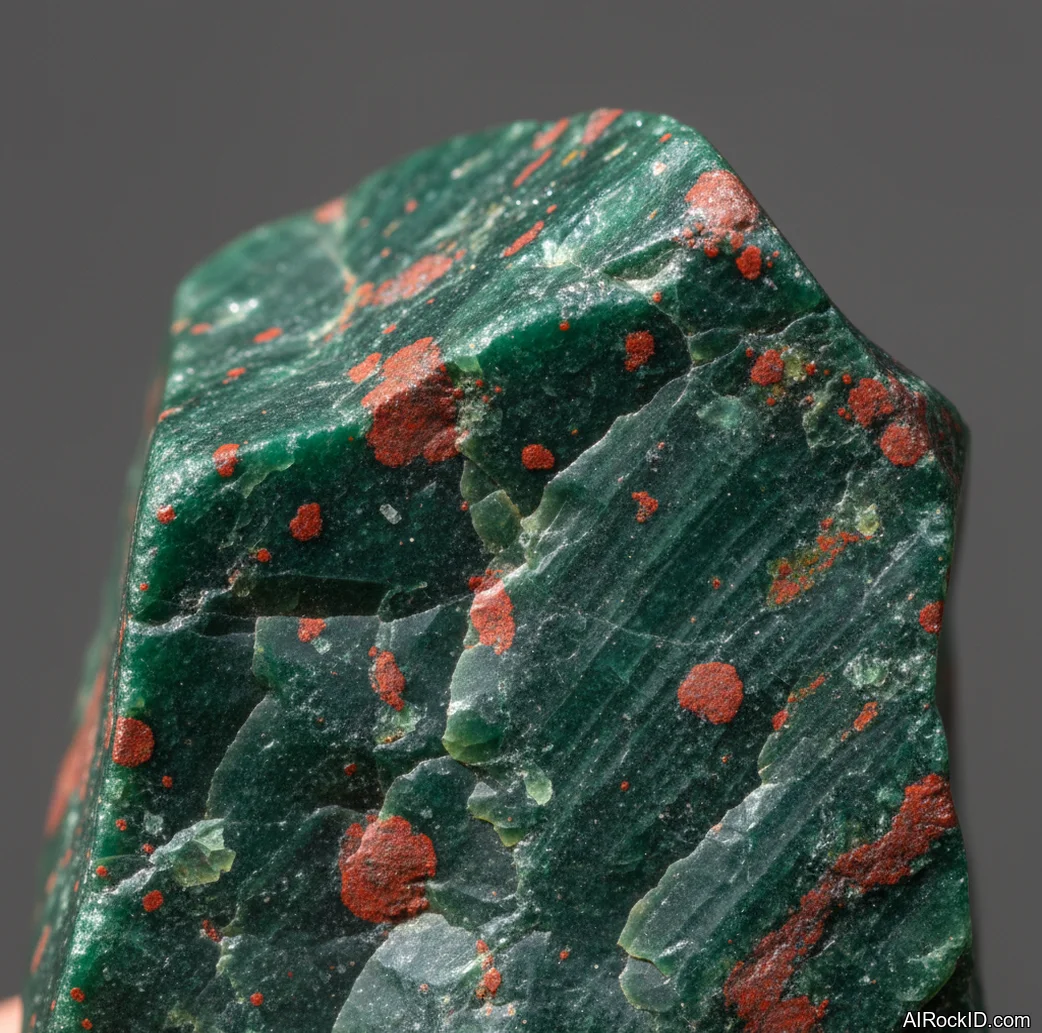
| Balanced / Everyday | Green Aventurine | Tough enough for pockets, steady weight in hand, and tied to steady, long-term growth. |
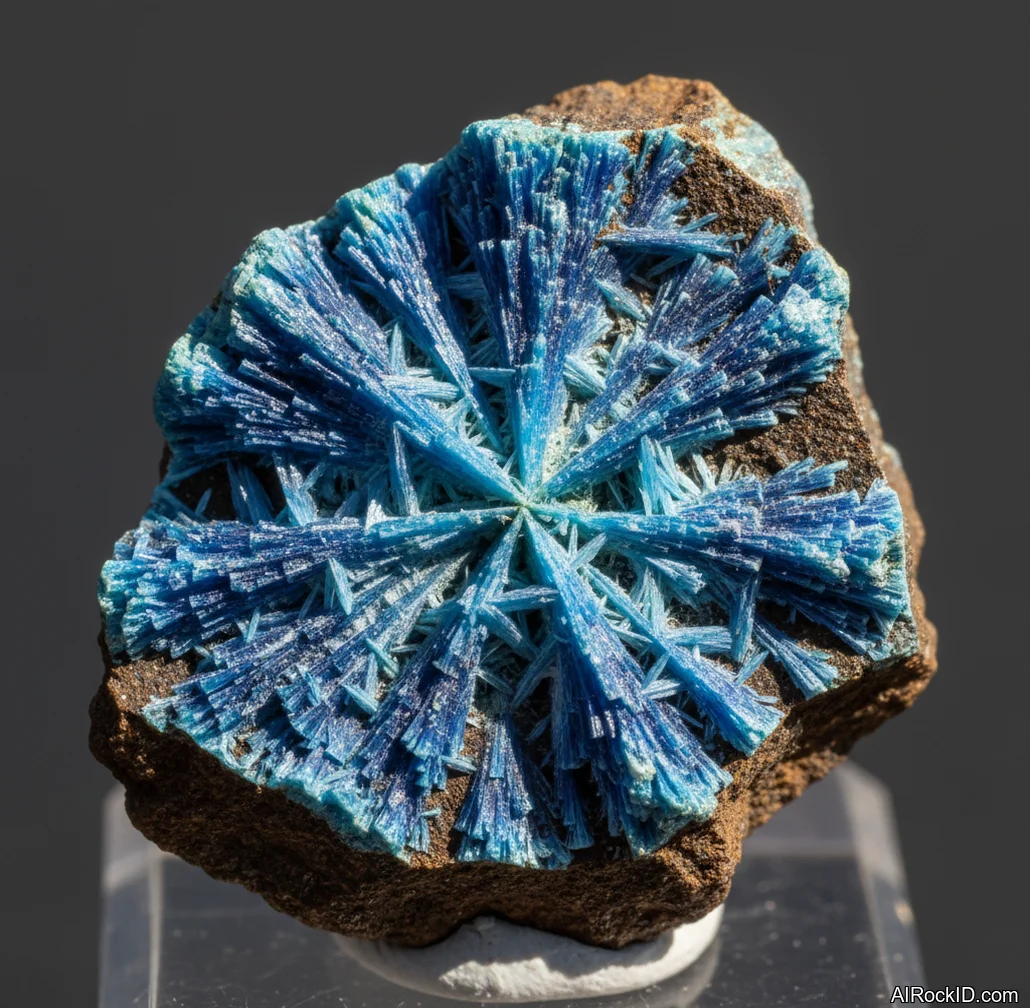
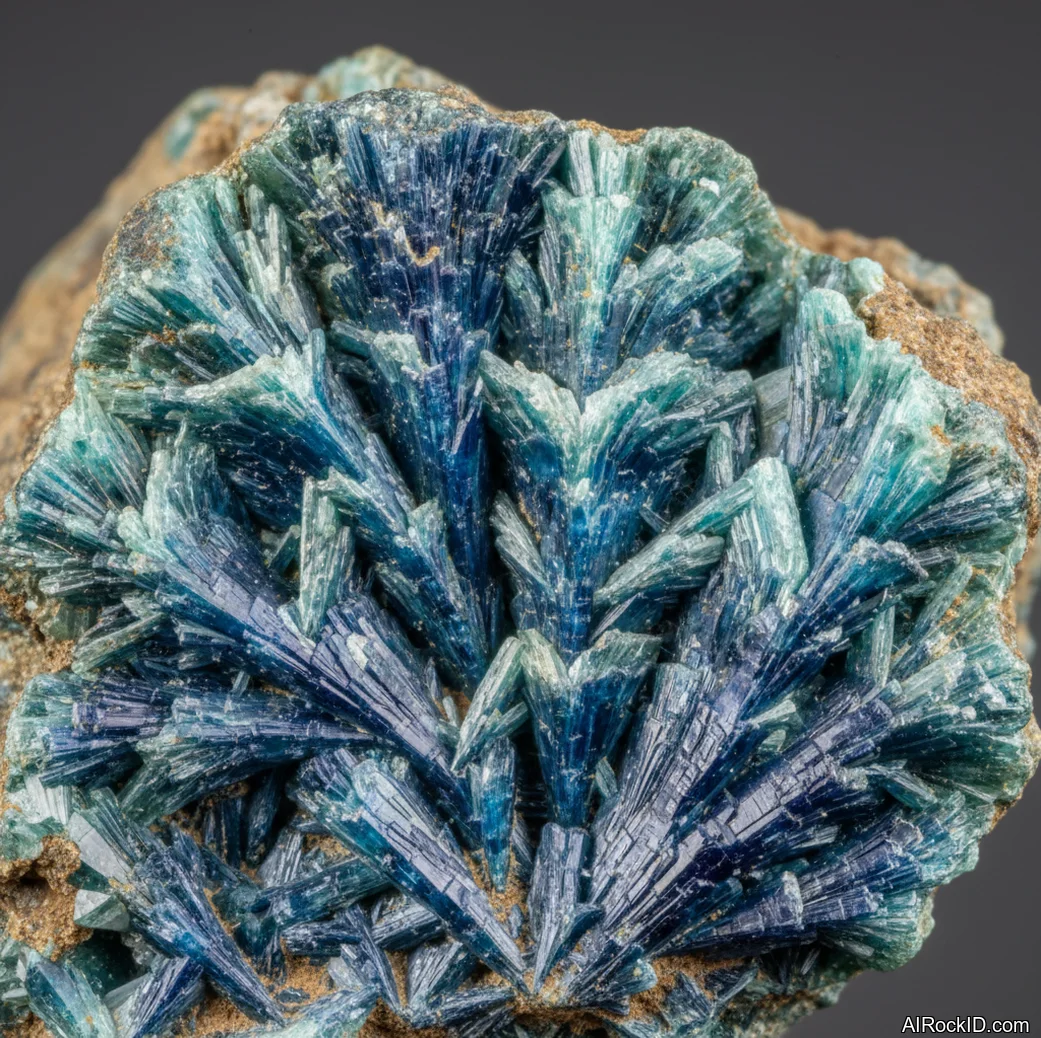
| Intense / Advanced | Malachite | Strong visual patterns, heavy for its size, and needs careful handling due to copper content and possible toxicity if powdered. |
| Best for Carrying | Citrine | Tumbled stones resist scratching, stay cool, and fit easily in a pocket or bag. |
| Best for Display | Moss Agate | Large slices or freeforms show off plume patterns, and under light, you see real depth. |
Growth Crystal Comparison
| Crystal | Common Use | Feel / Use Style | Care Caution |
| Green Aventurine | Building new habits, steady progress | Cool, solid, slightly gritty in raw form | Can chip at edges if dropped |
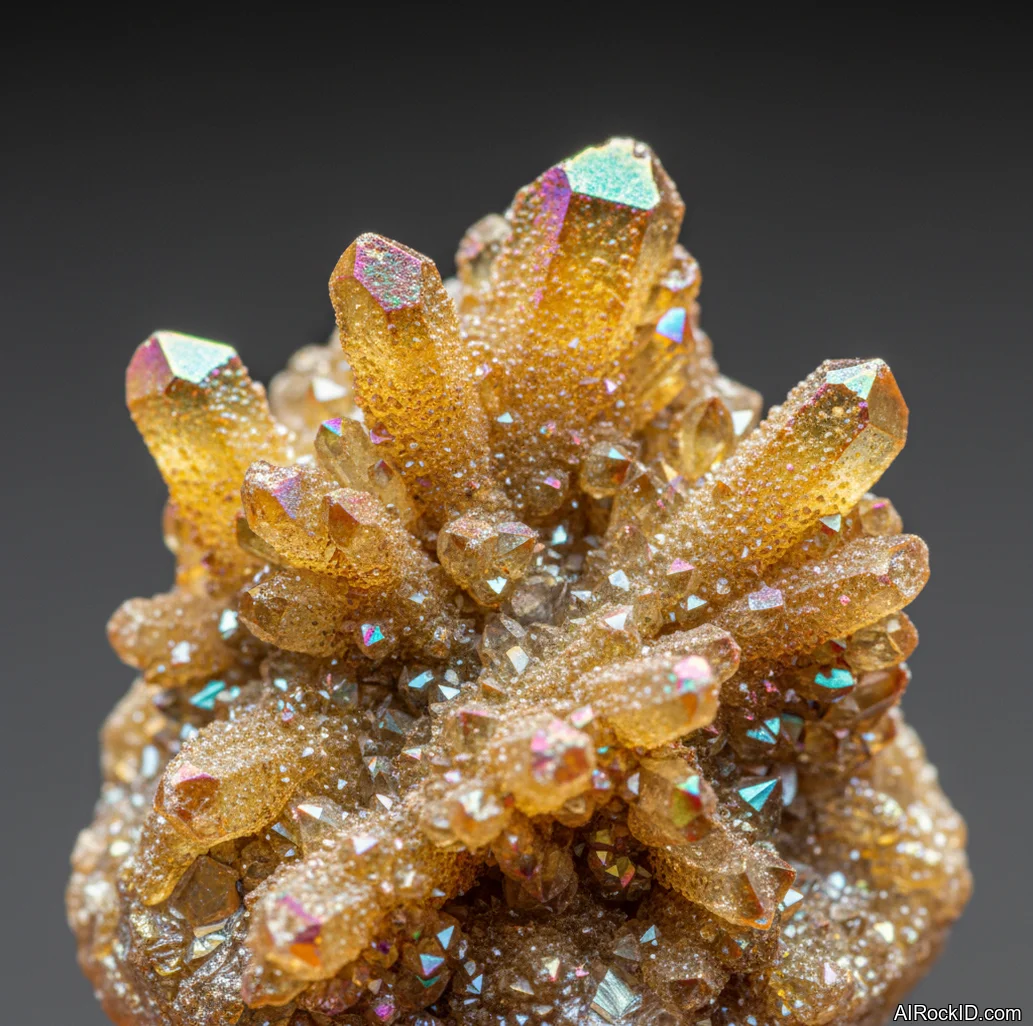
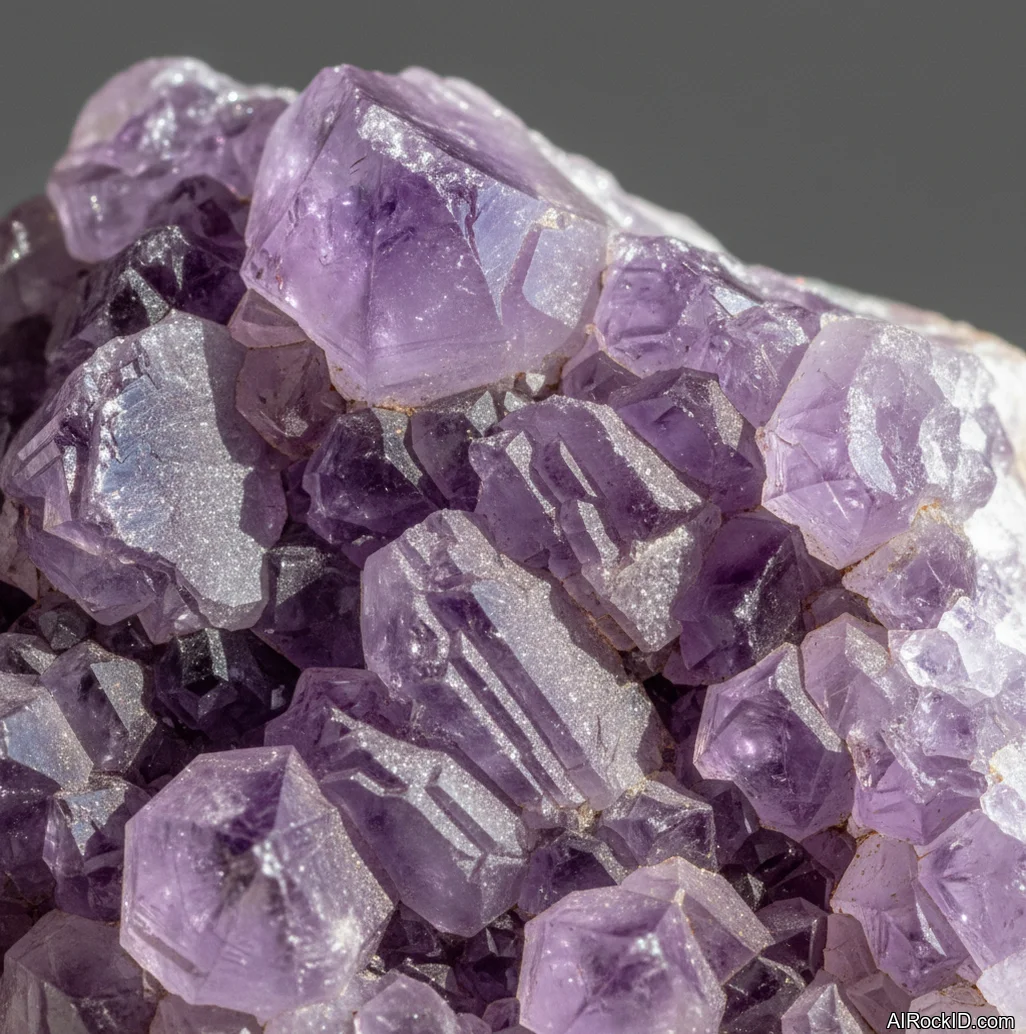
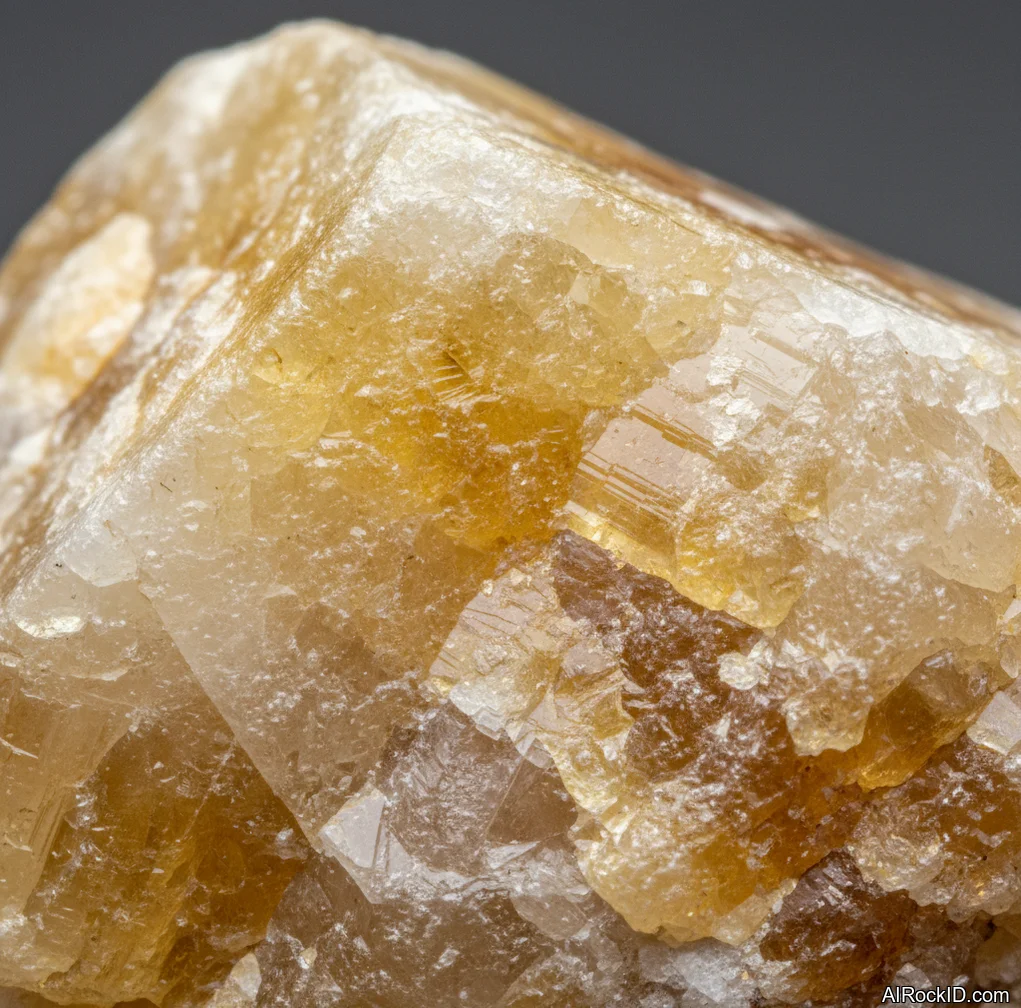
| Citrine | Boosting confidence, motivation | Smooth, cool, sometimes with visible zoning | Watch for fakes—many are heat-treated amethyst |
| Moss Agate | Slow, grounded growth, patience | Translucent with floating green plumes, feels glassy but can be fragile | Fractures easily, avoid dropping |
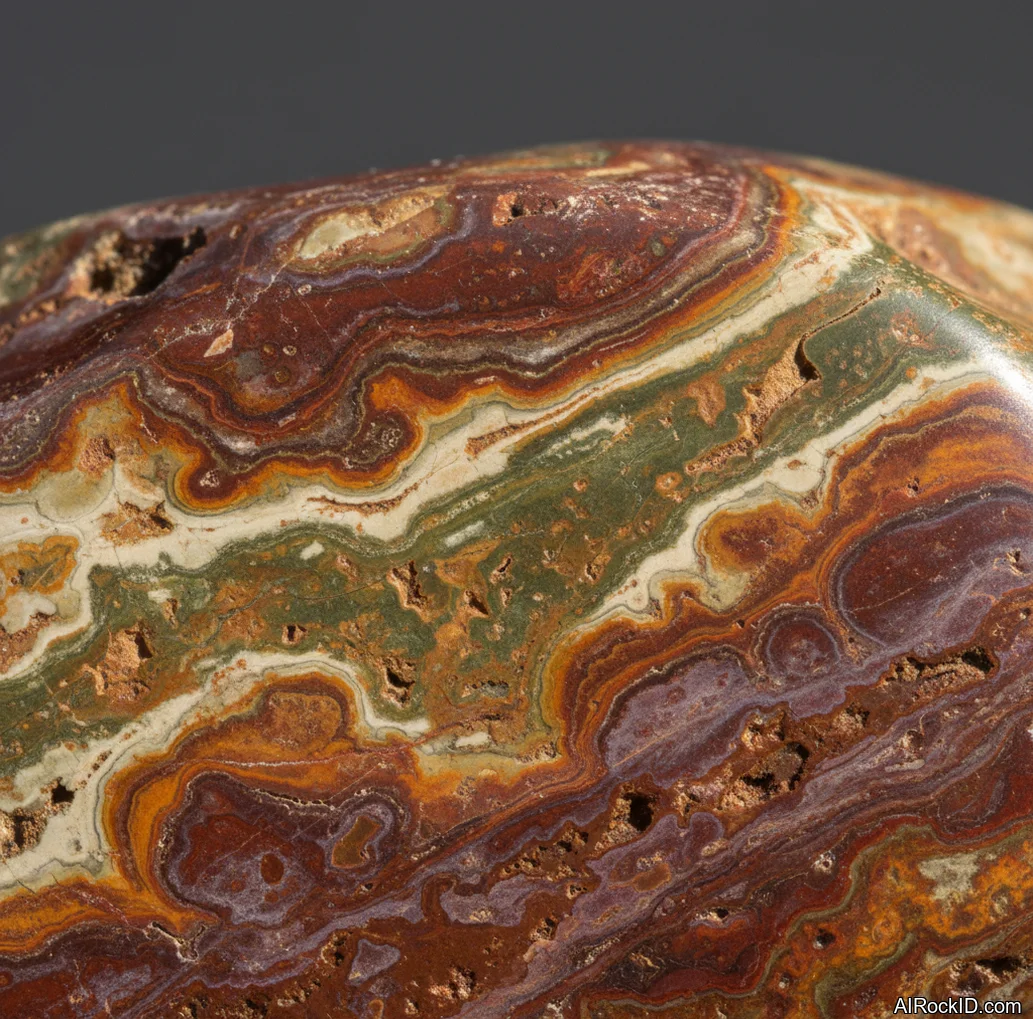
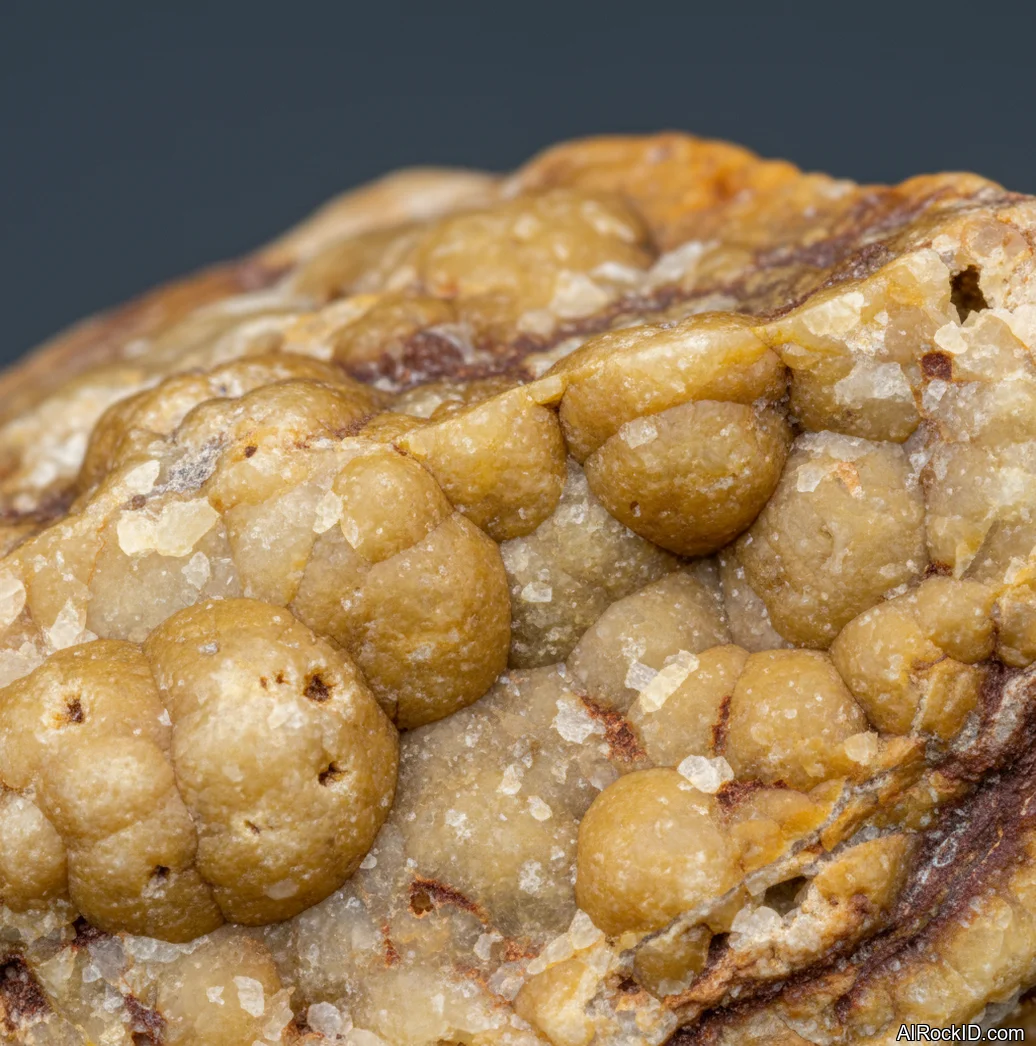
| Malachite | Breaking old patterns, intense change | Heavy for size, cold, with banded patterns; powder is toxic | Wash hands after handling rough or broken pieces; don't use as an elixir |
How to Identify Growth Crystals with AI Rock ID
To identify Growth crystals with an AI Rock ID app, start by taking photos in natural light—overhead sunlight tends to show color and inclusions best. Snap at least one full specimen shot and a close-up of any banding or plume details. Upload these images and compare the results to your specimen’s hardness, luster, and streak if you have the tools for testing. Always double-check the app's identification with a physical test, since many growth stones like citrine or green aventurine have lookalikes in the market.
All Growth Crystals (470)