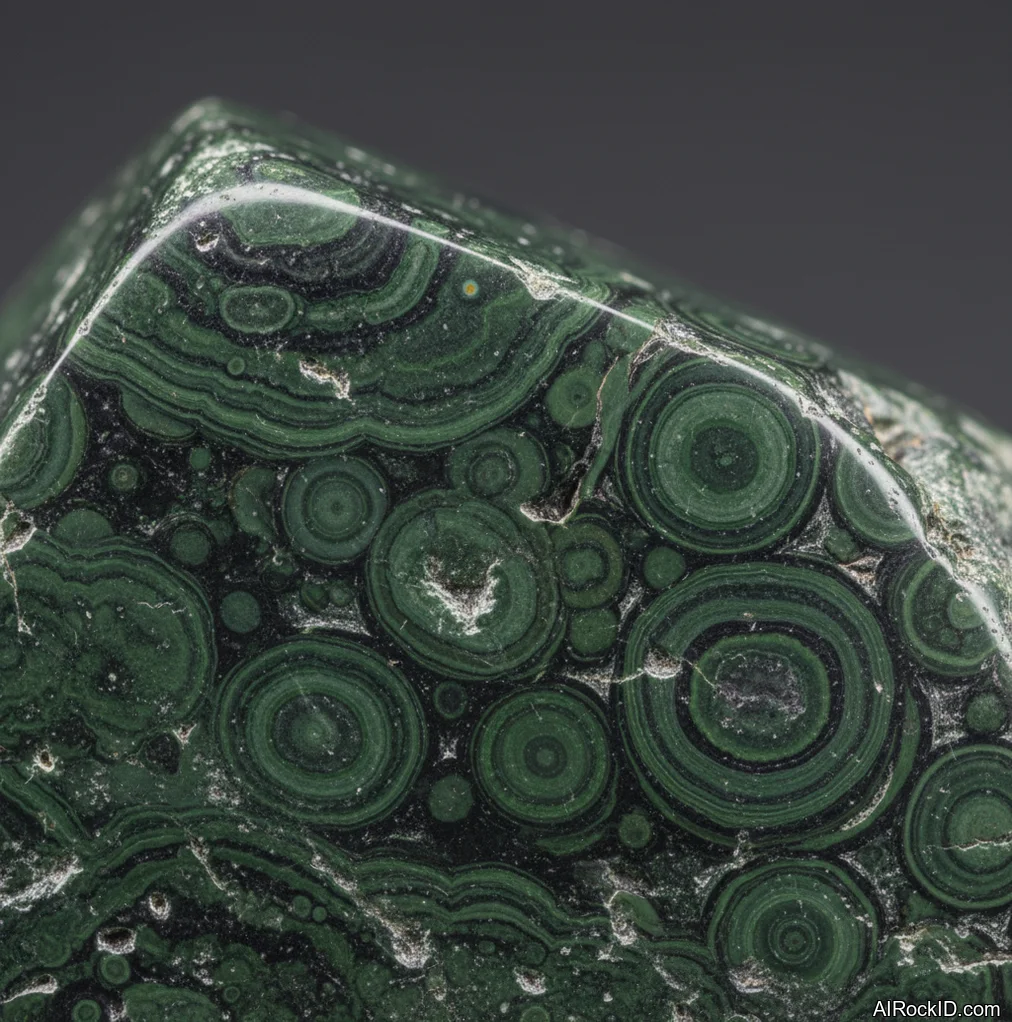
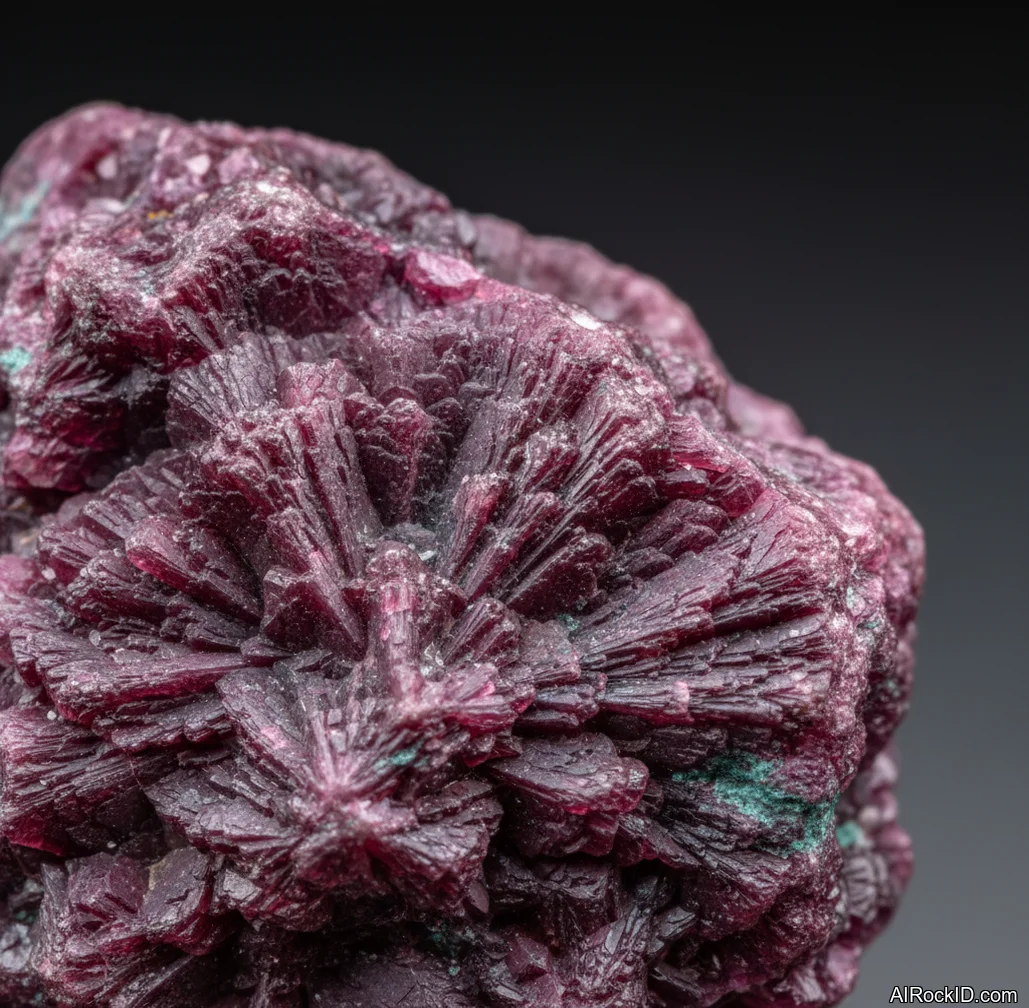
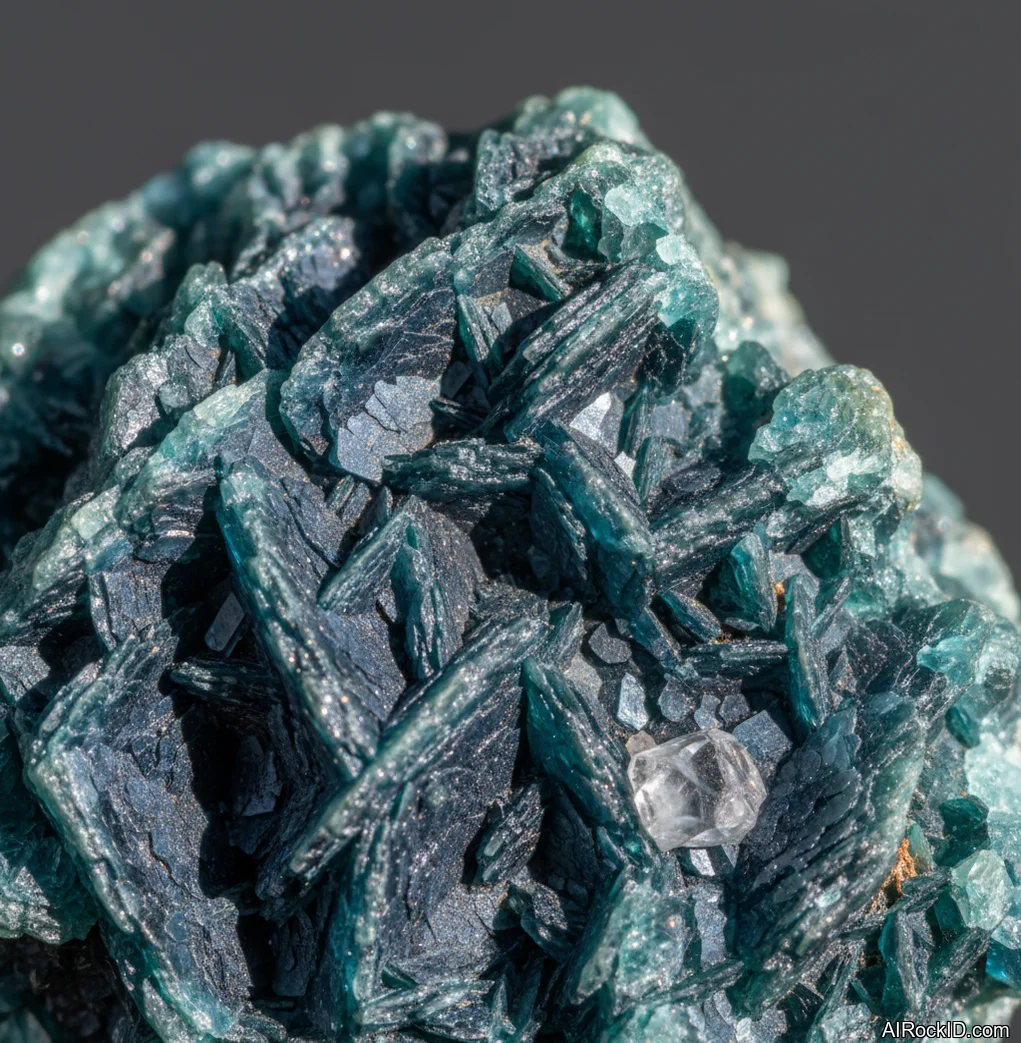
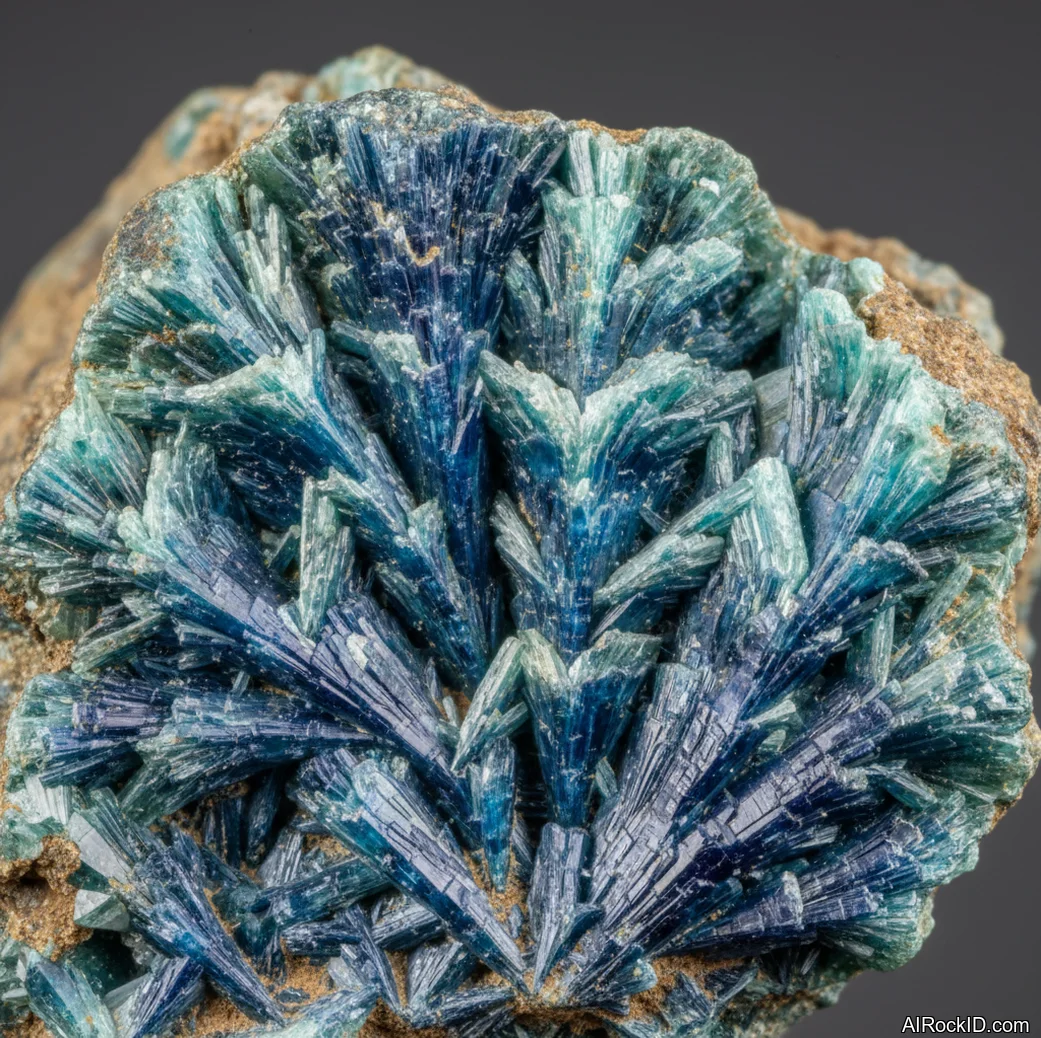
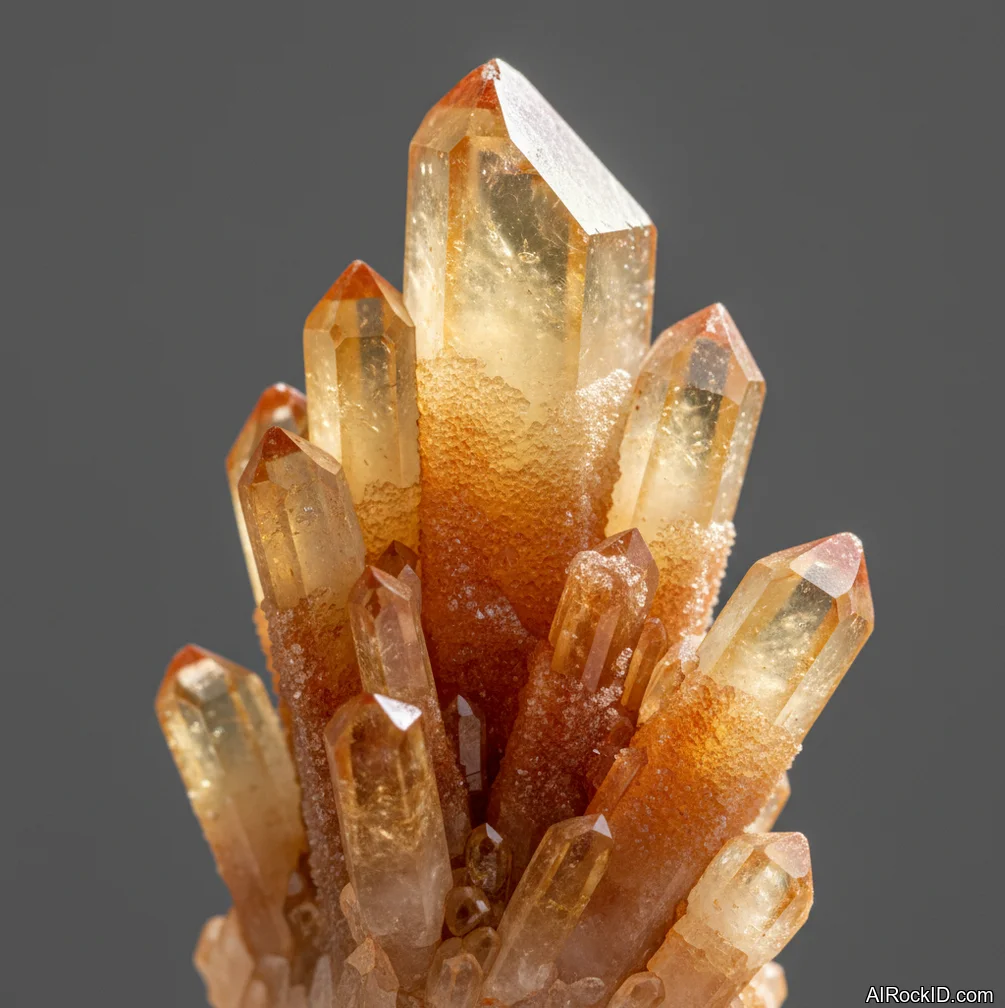
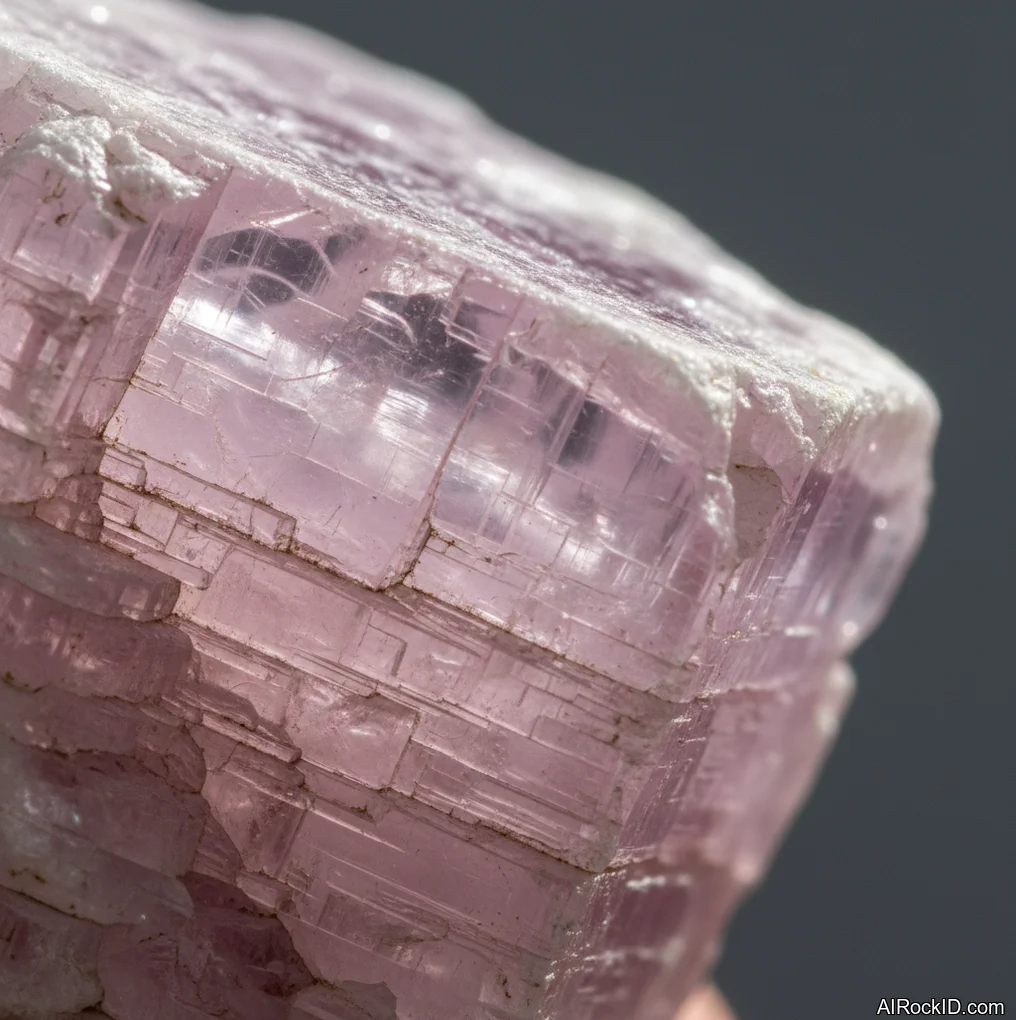
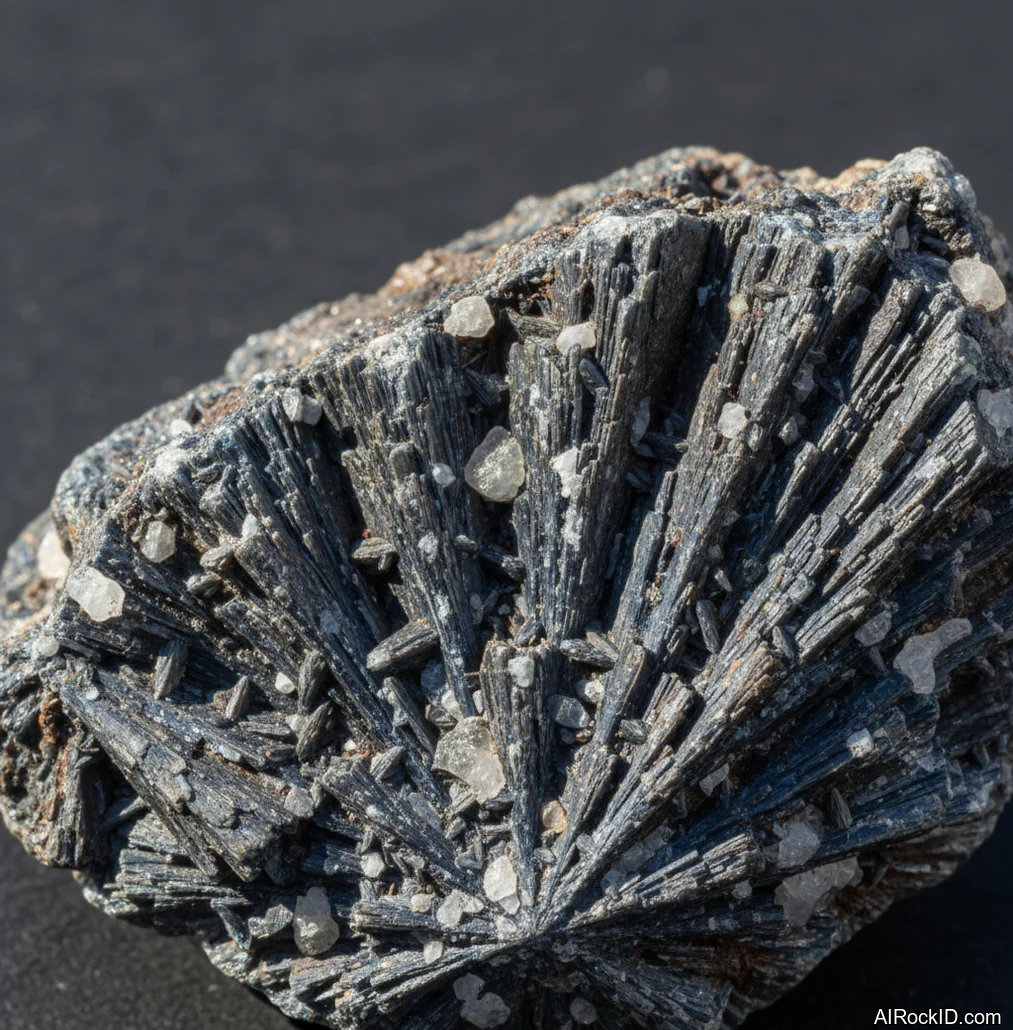
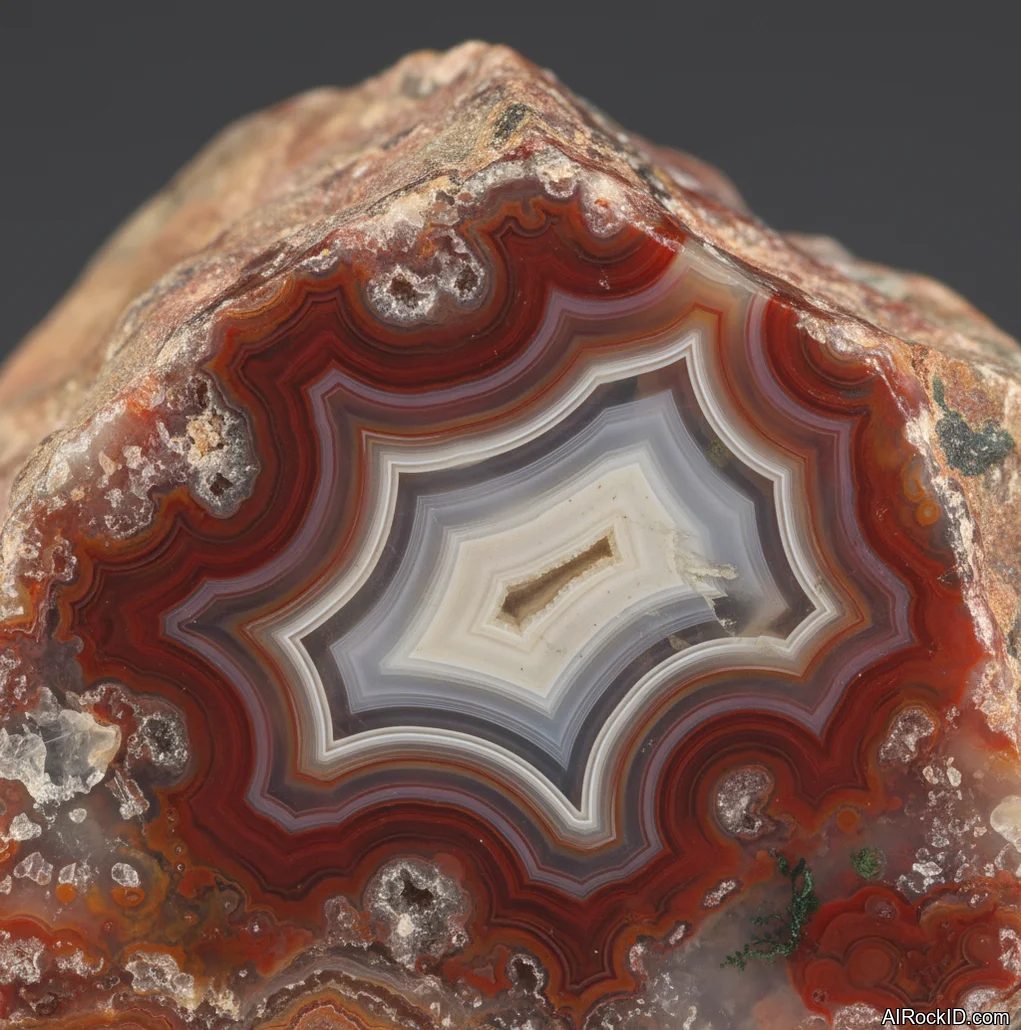
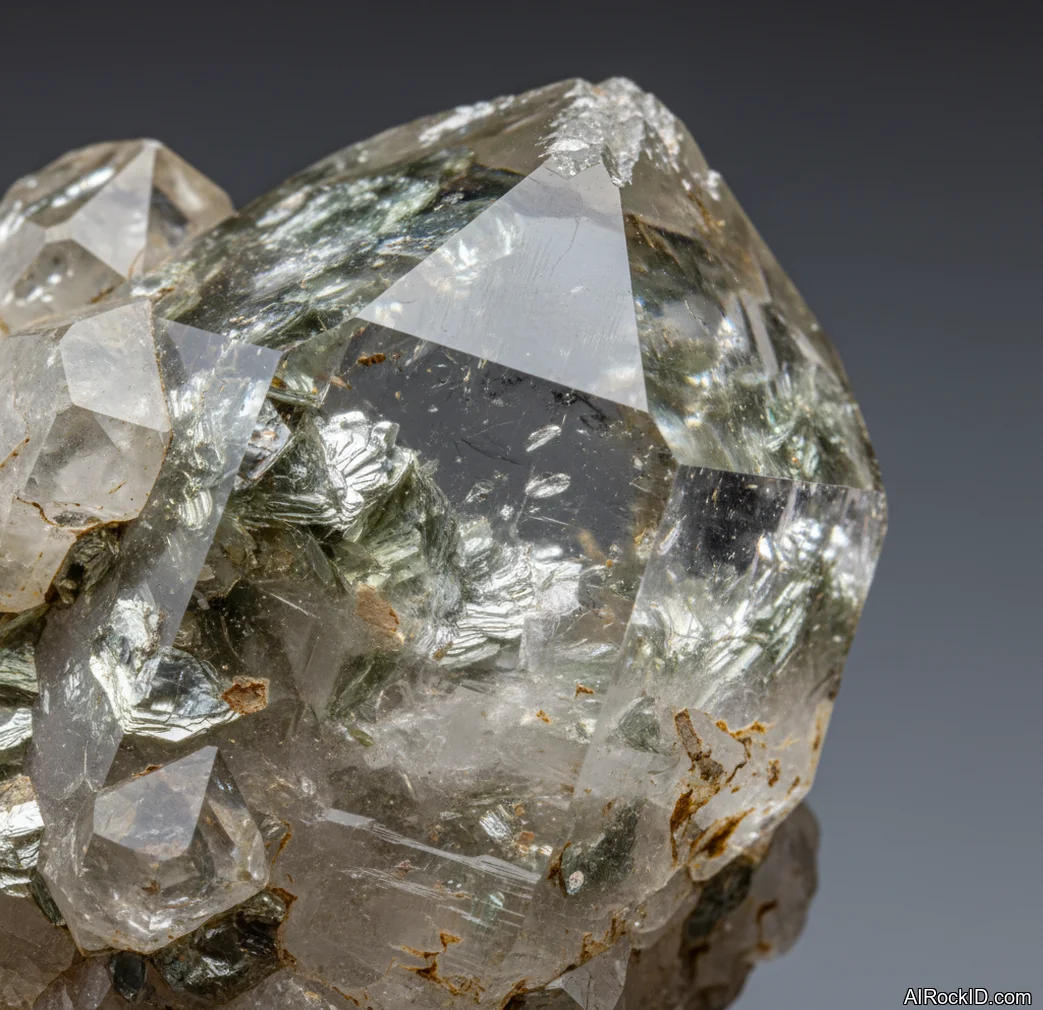
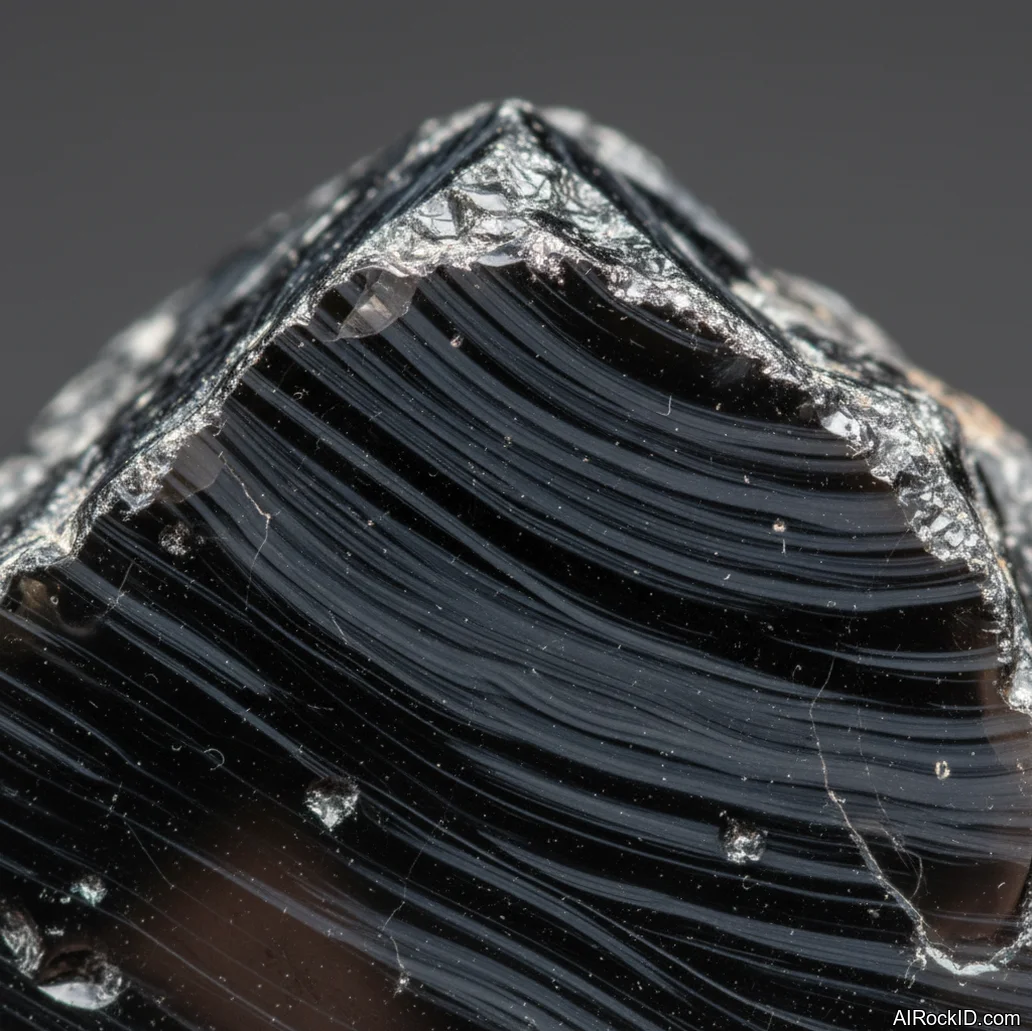
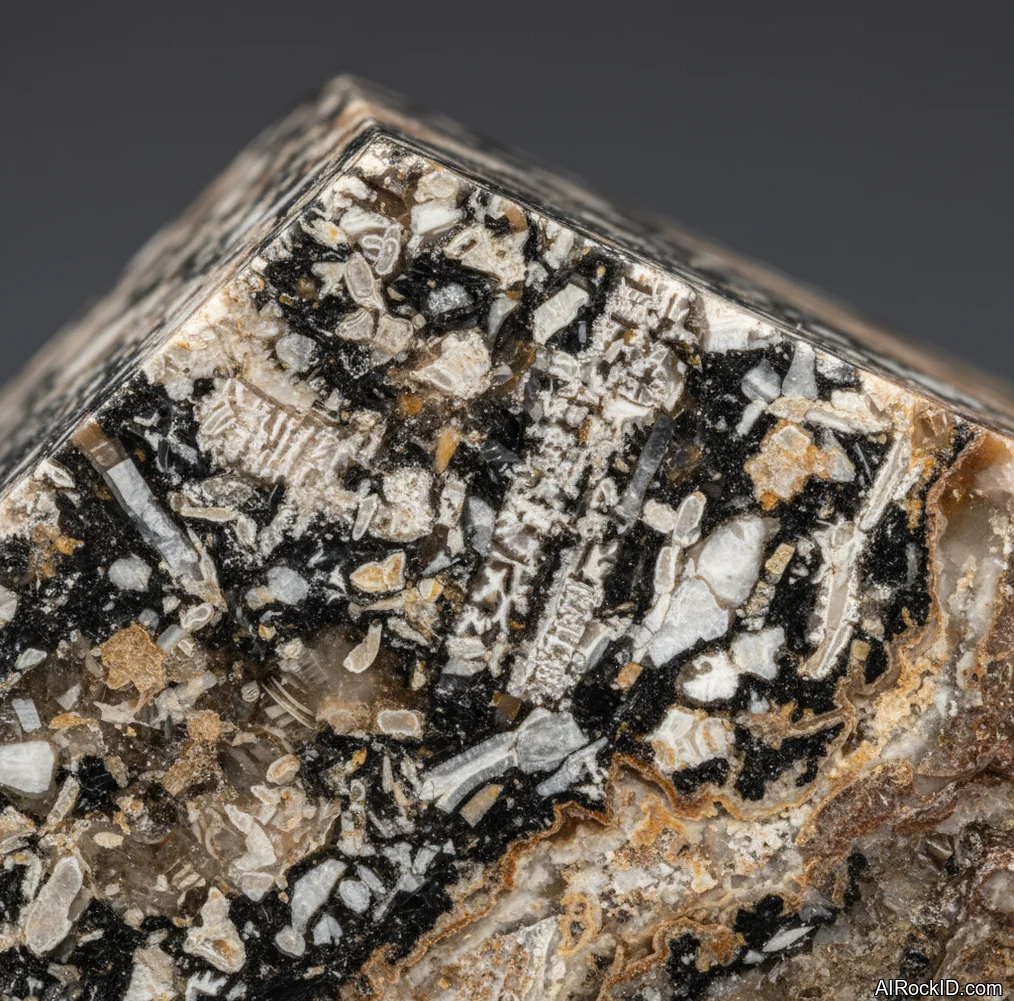
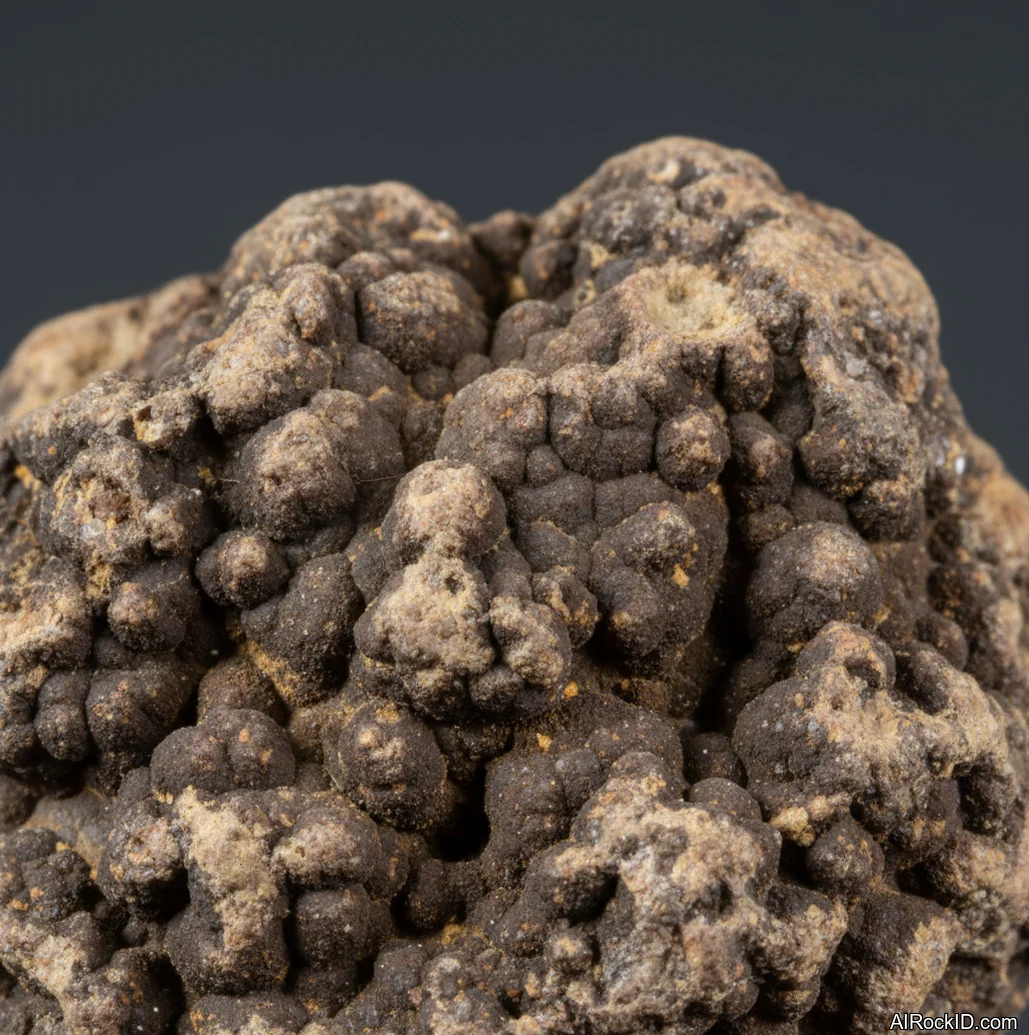
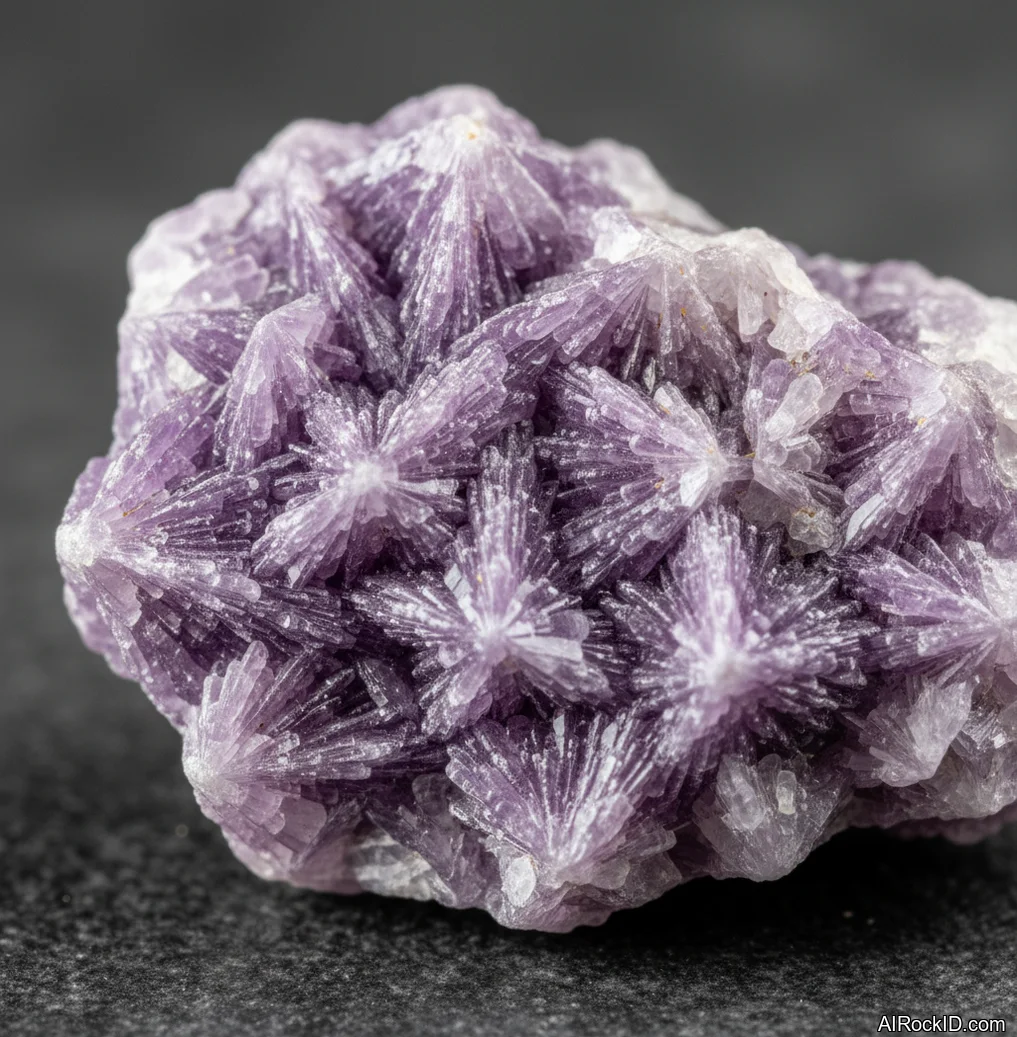
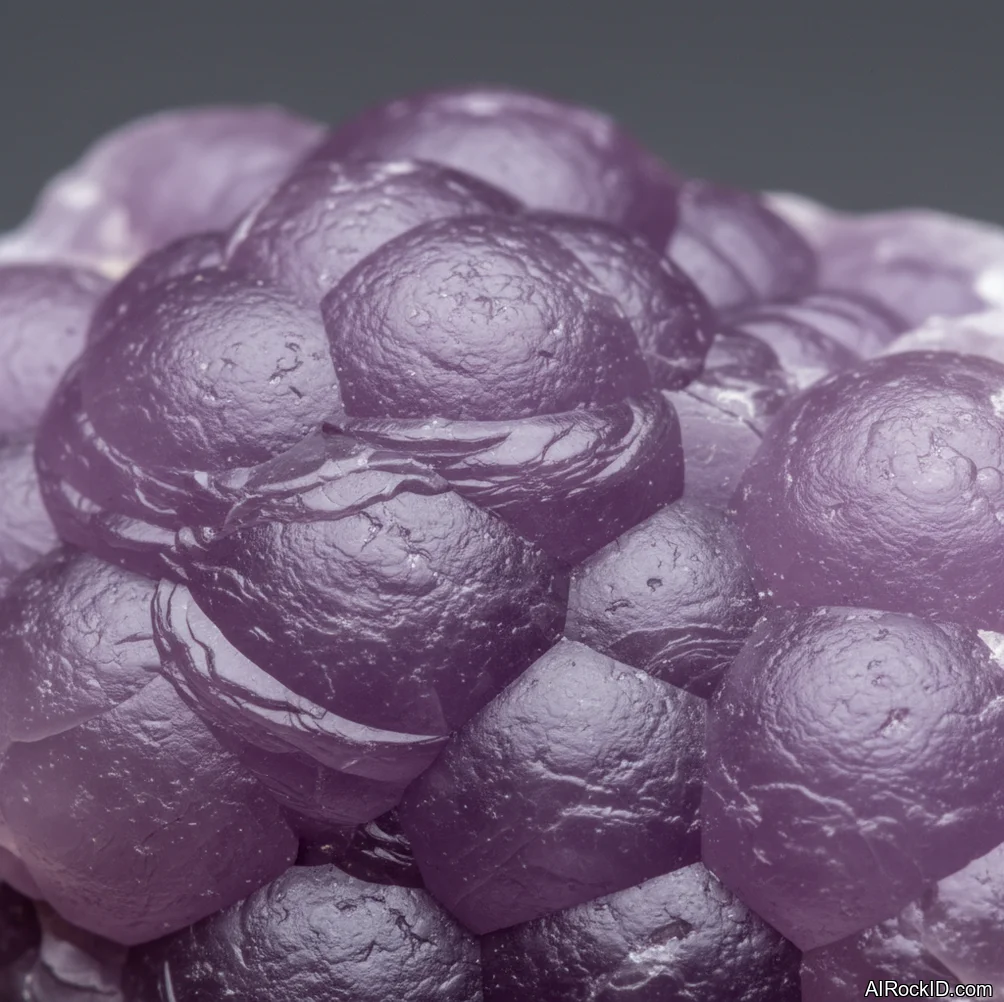
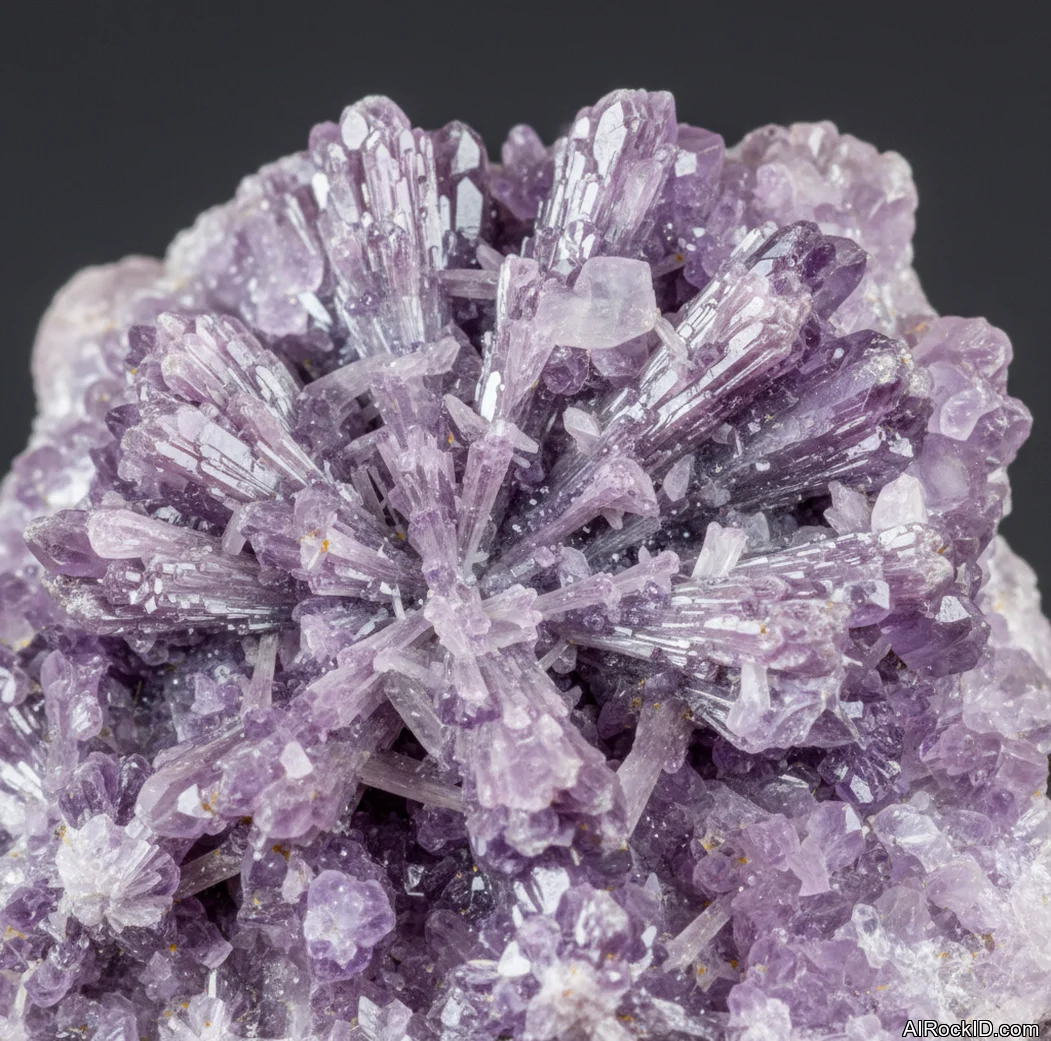
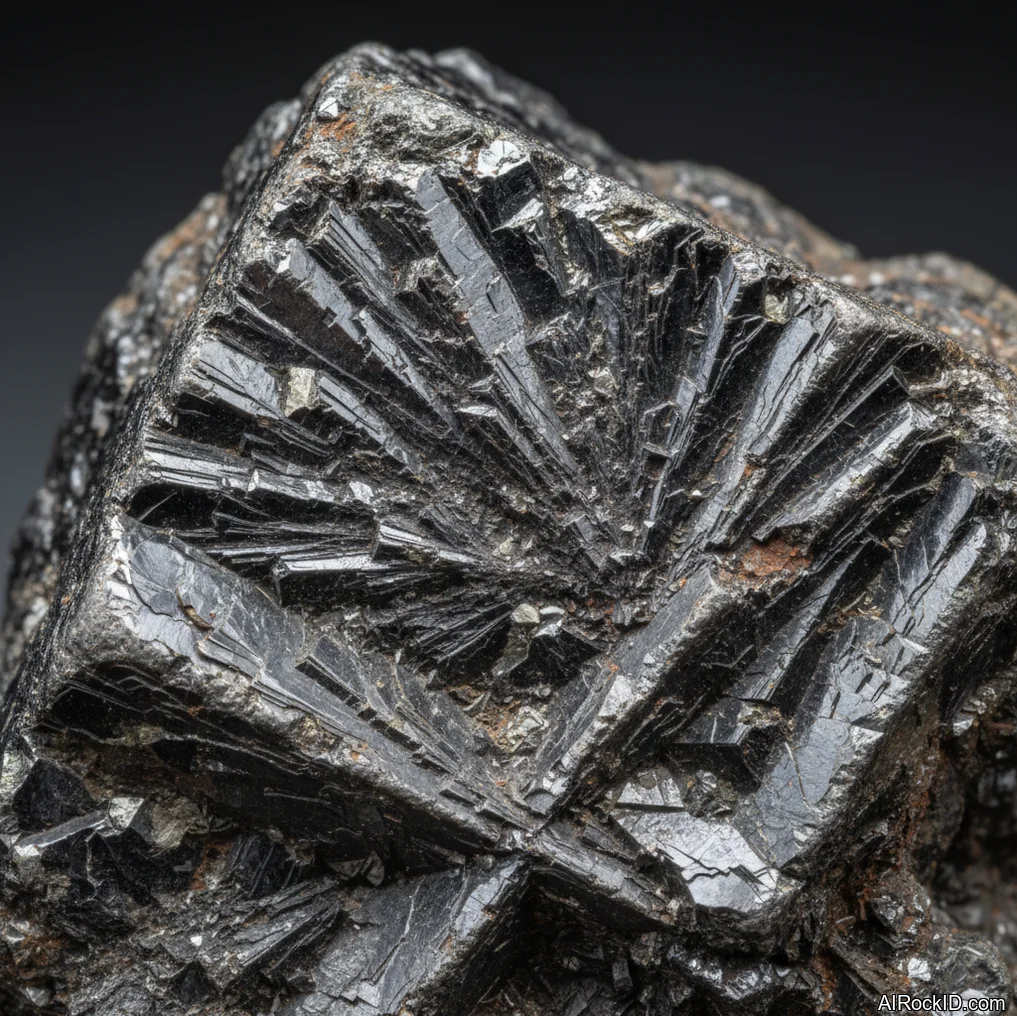
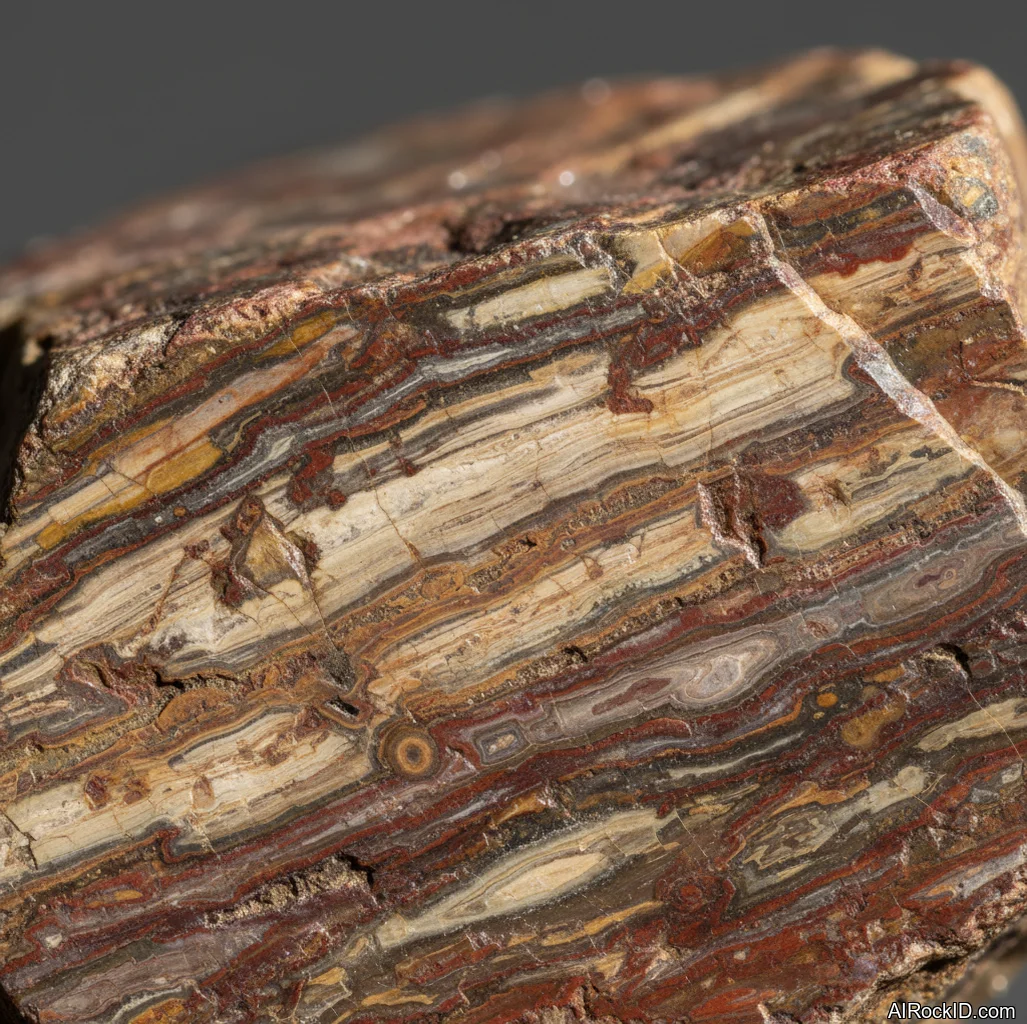
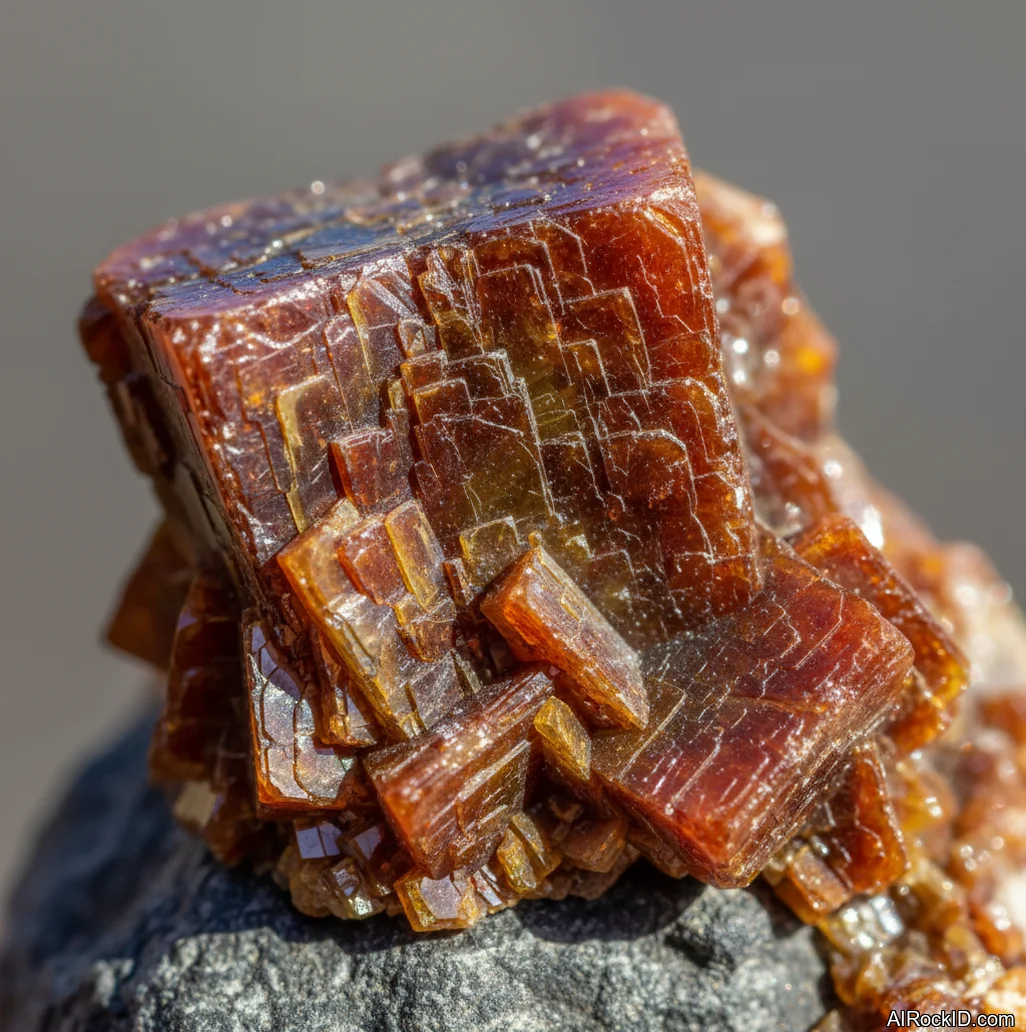
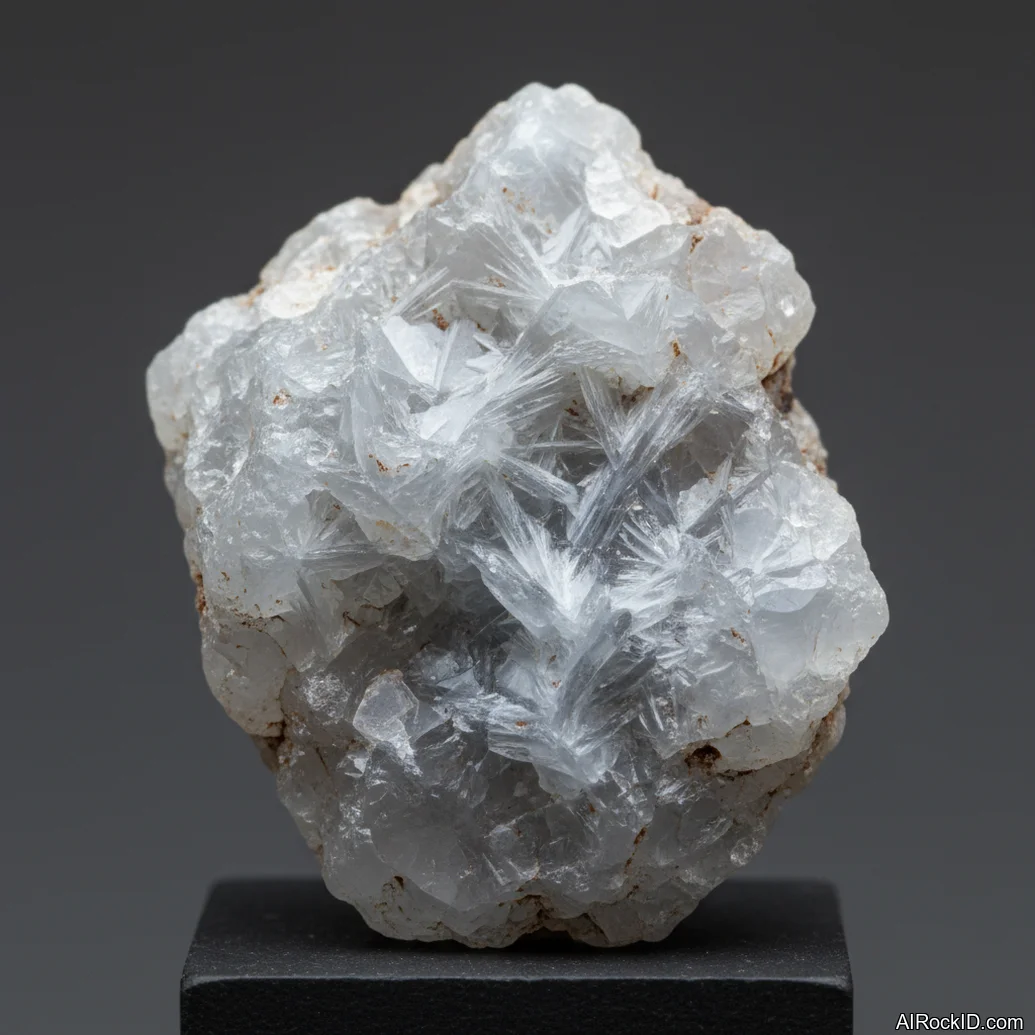
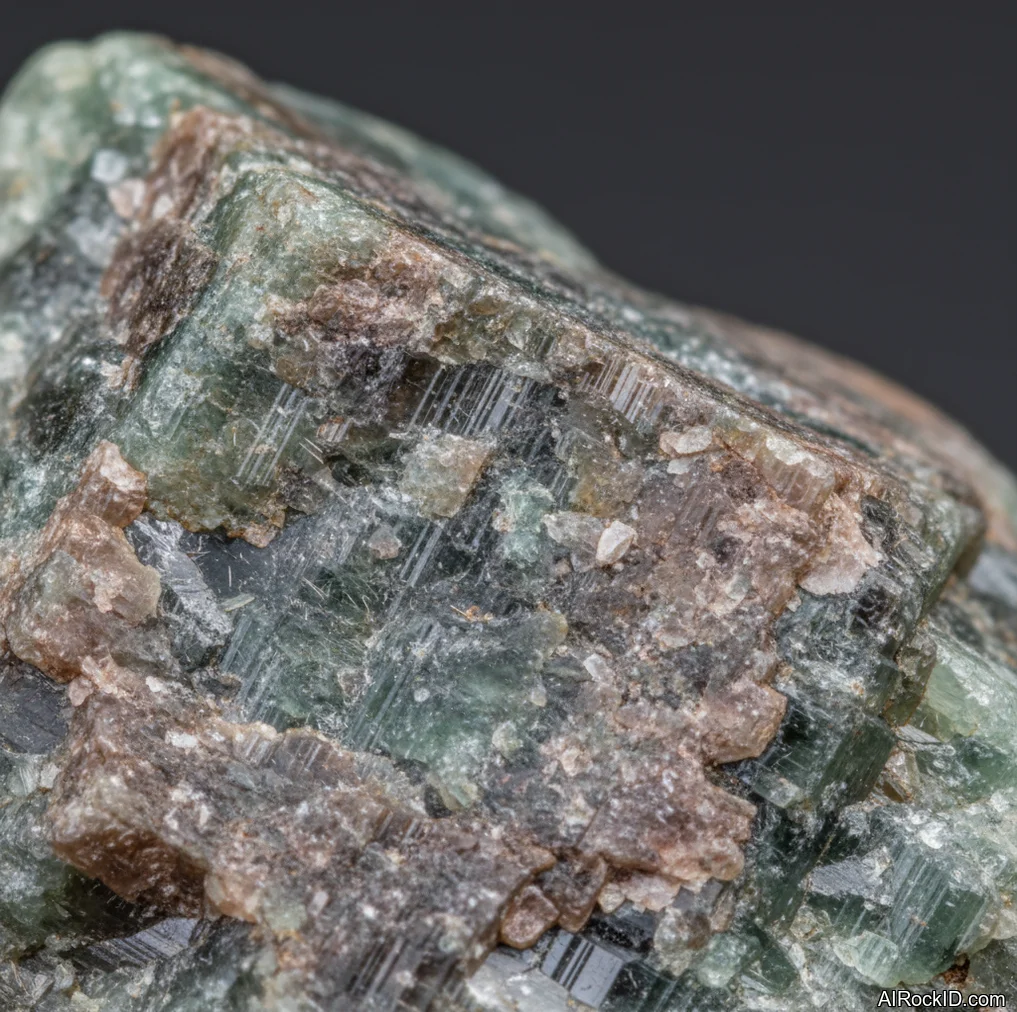
Insight Crystals
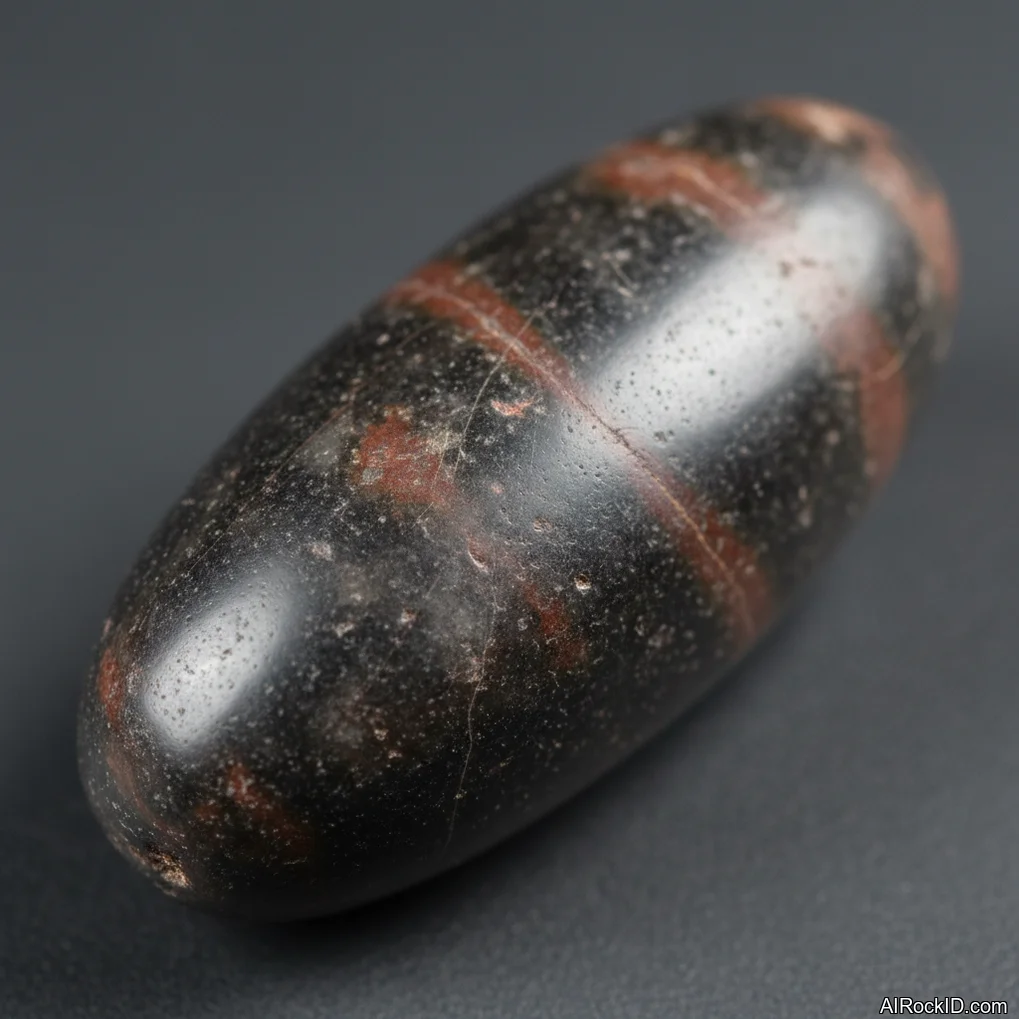
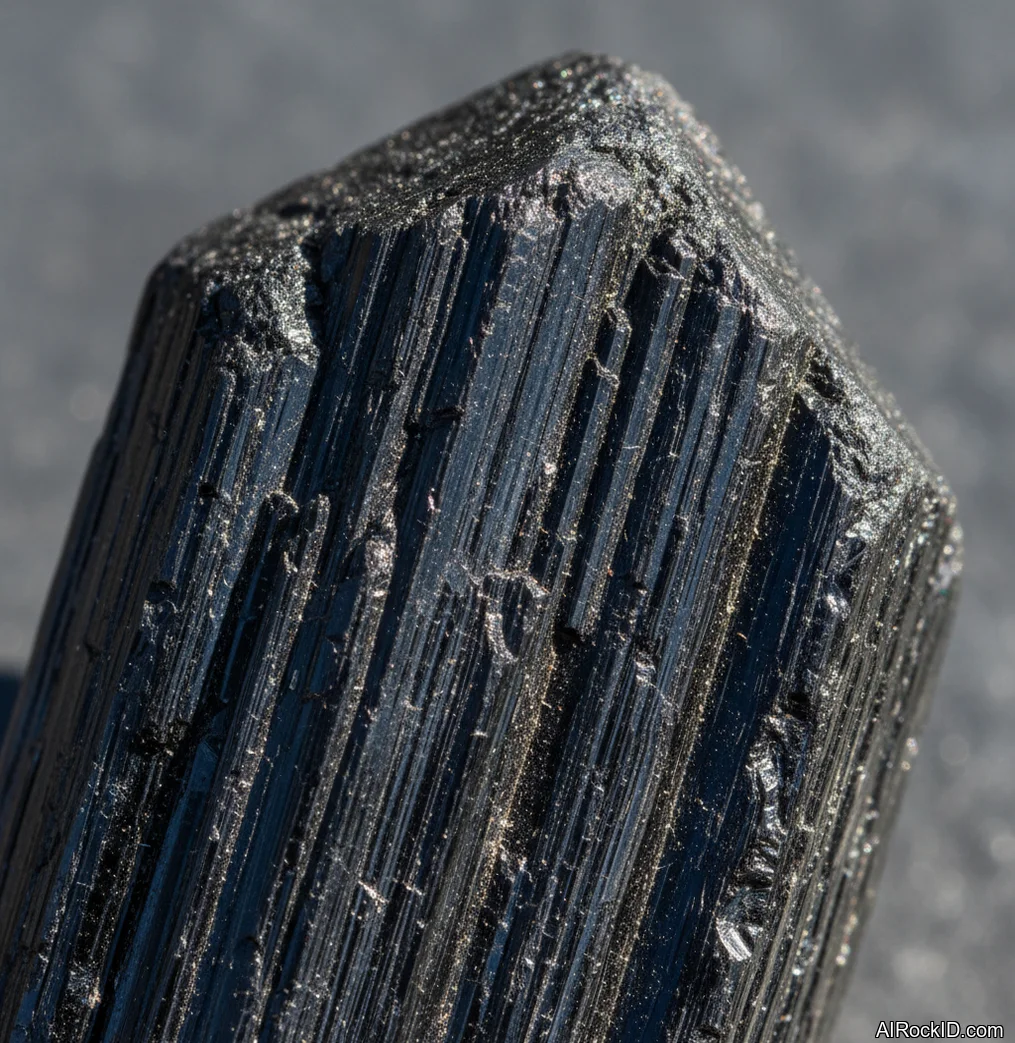
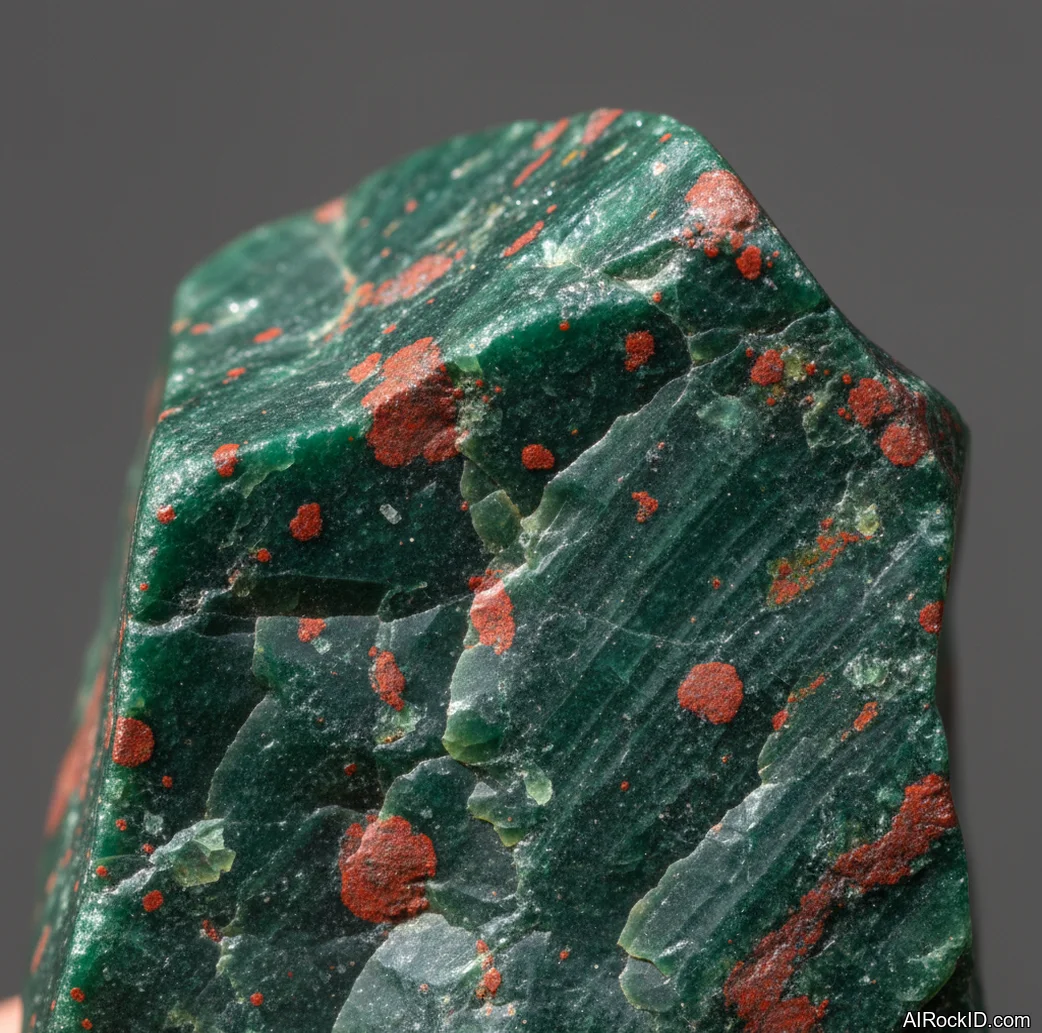
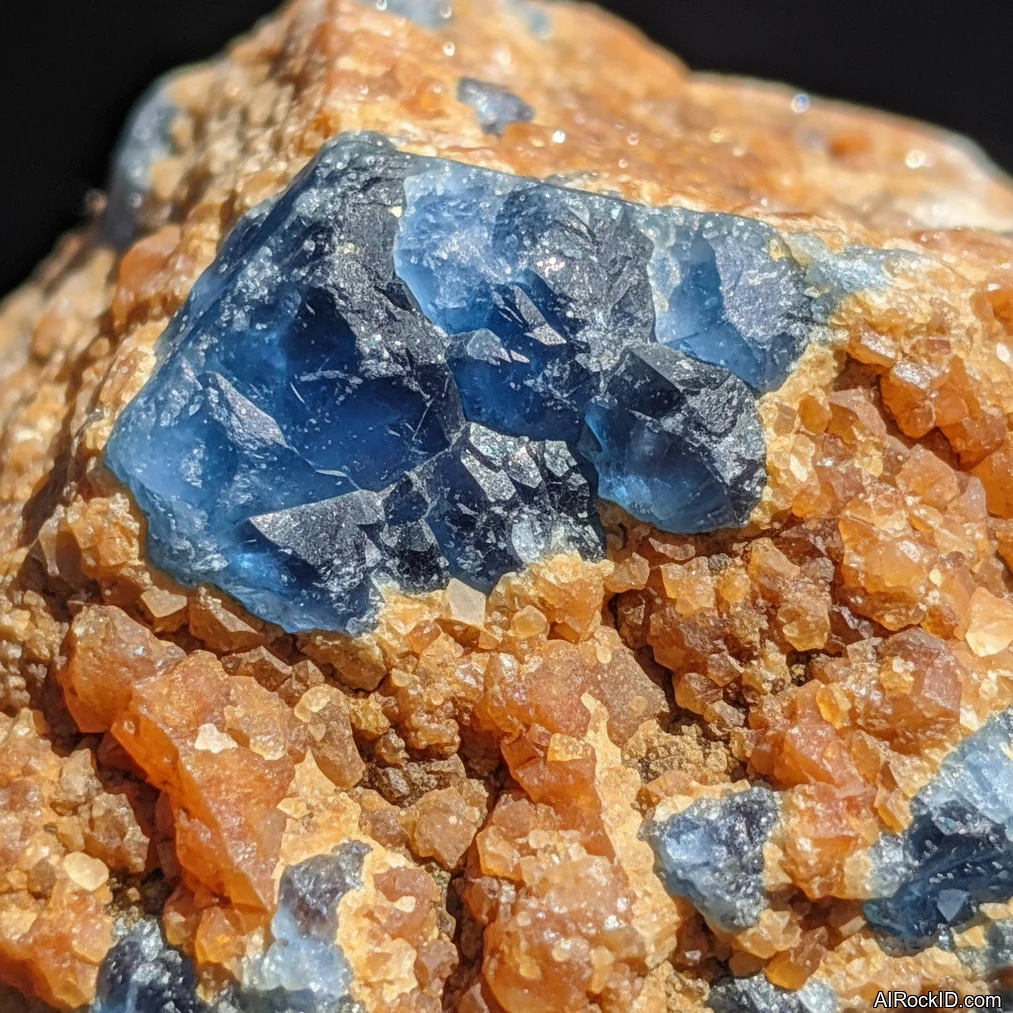
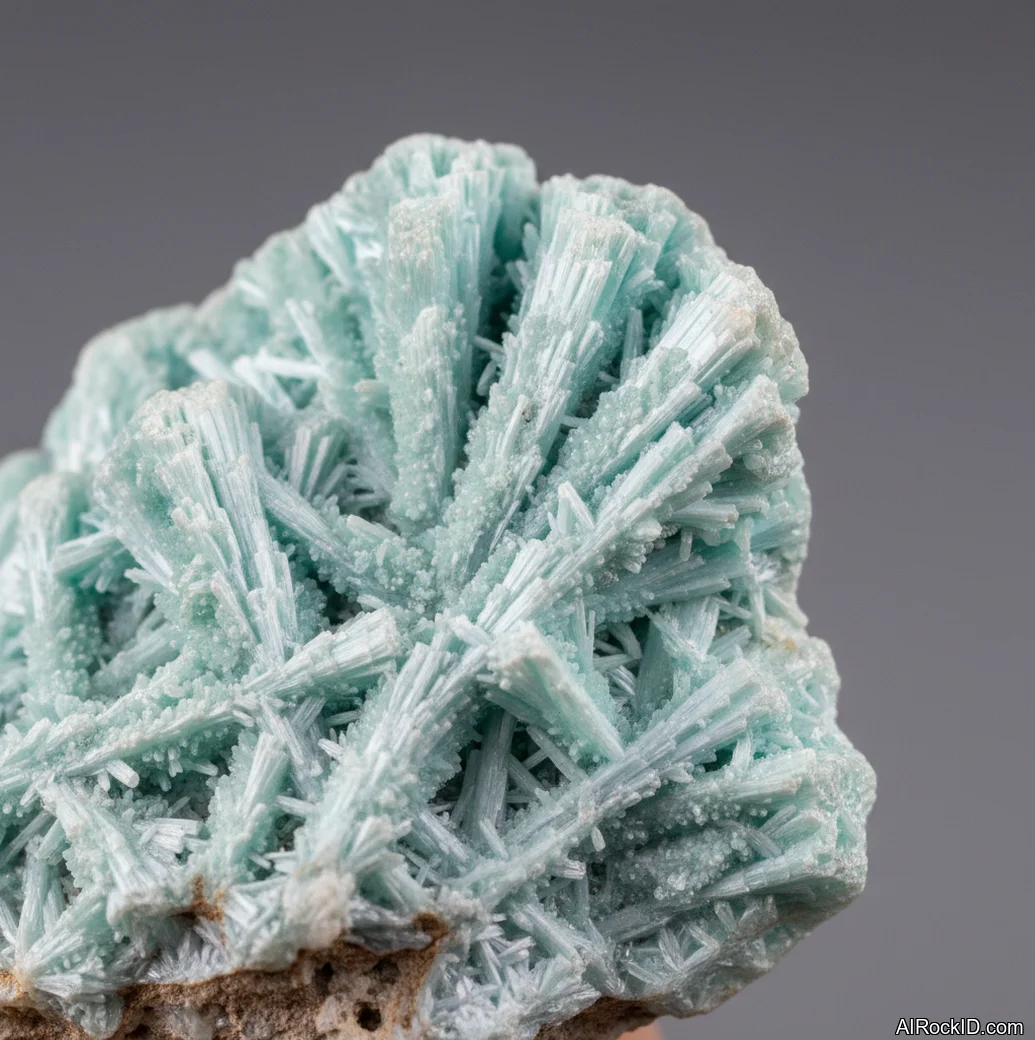
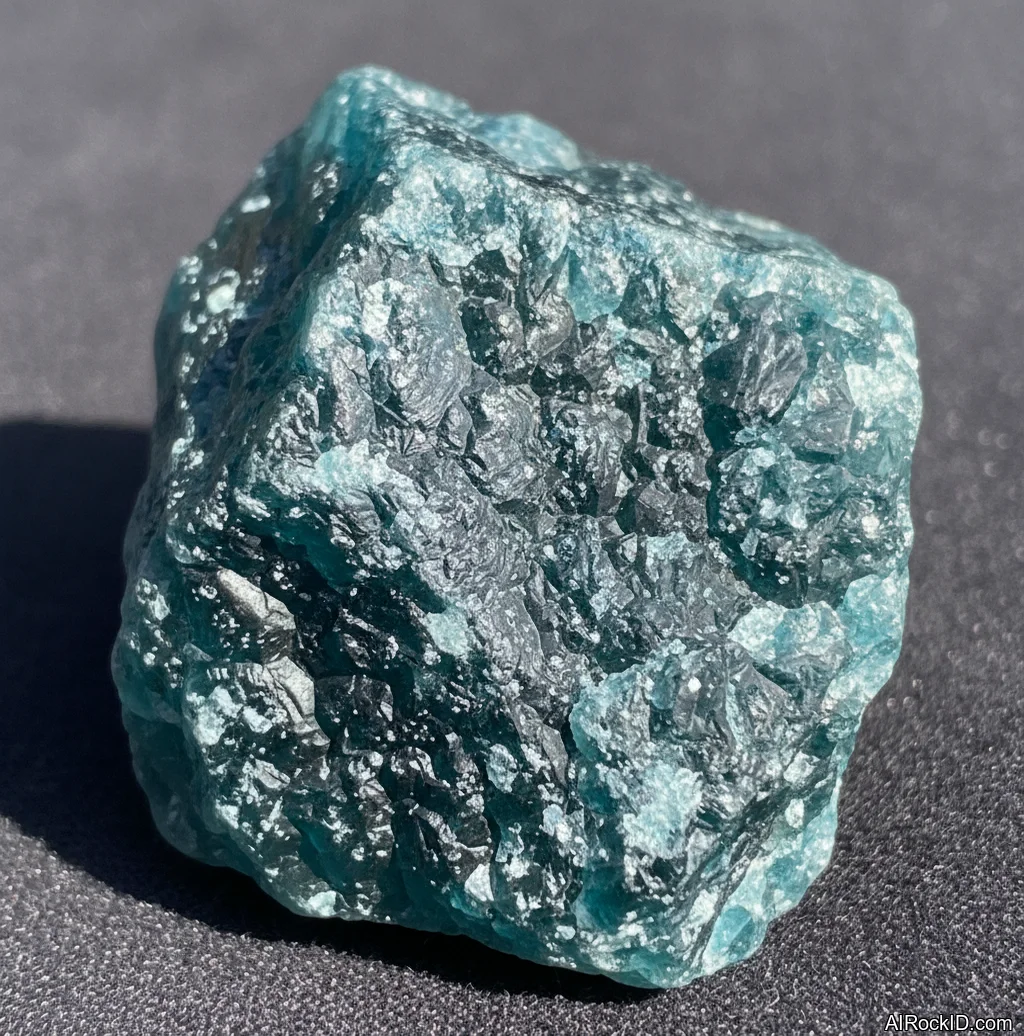
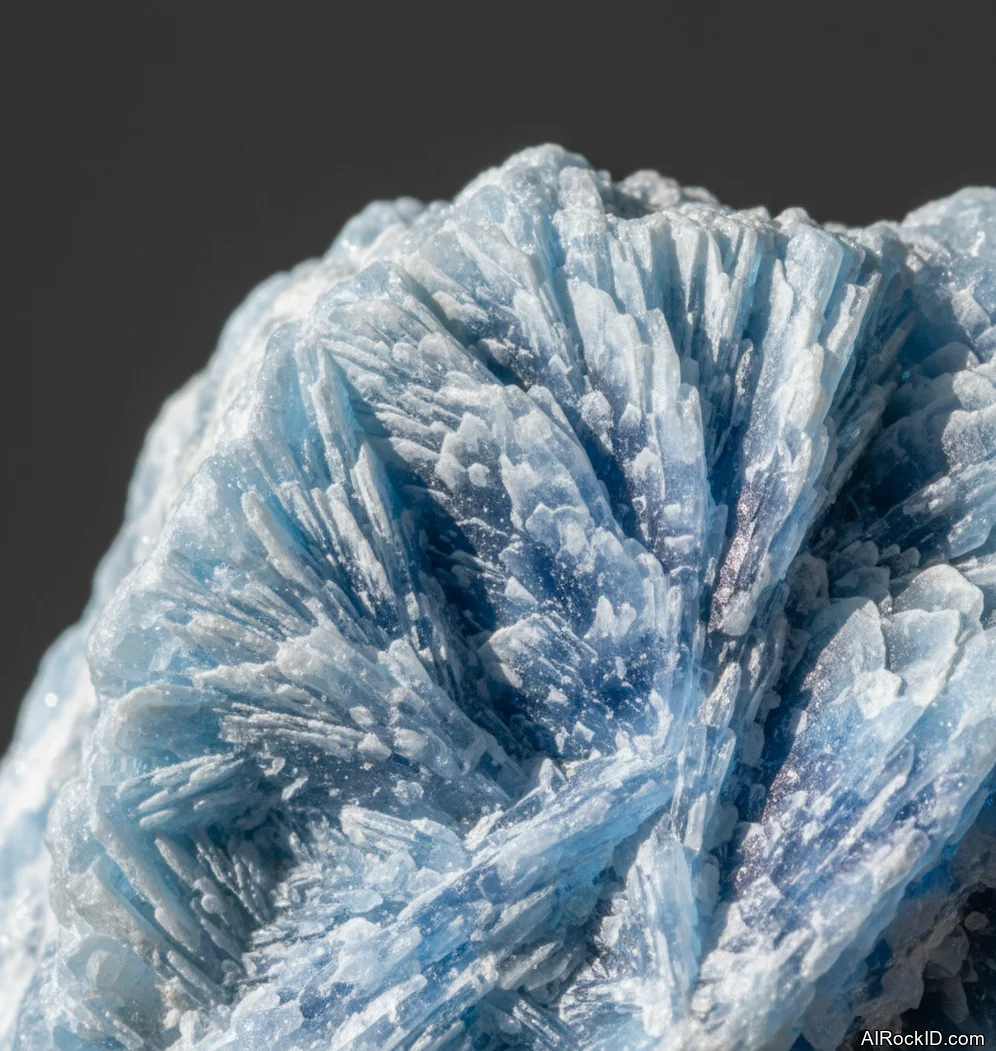
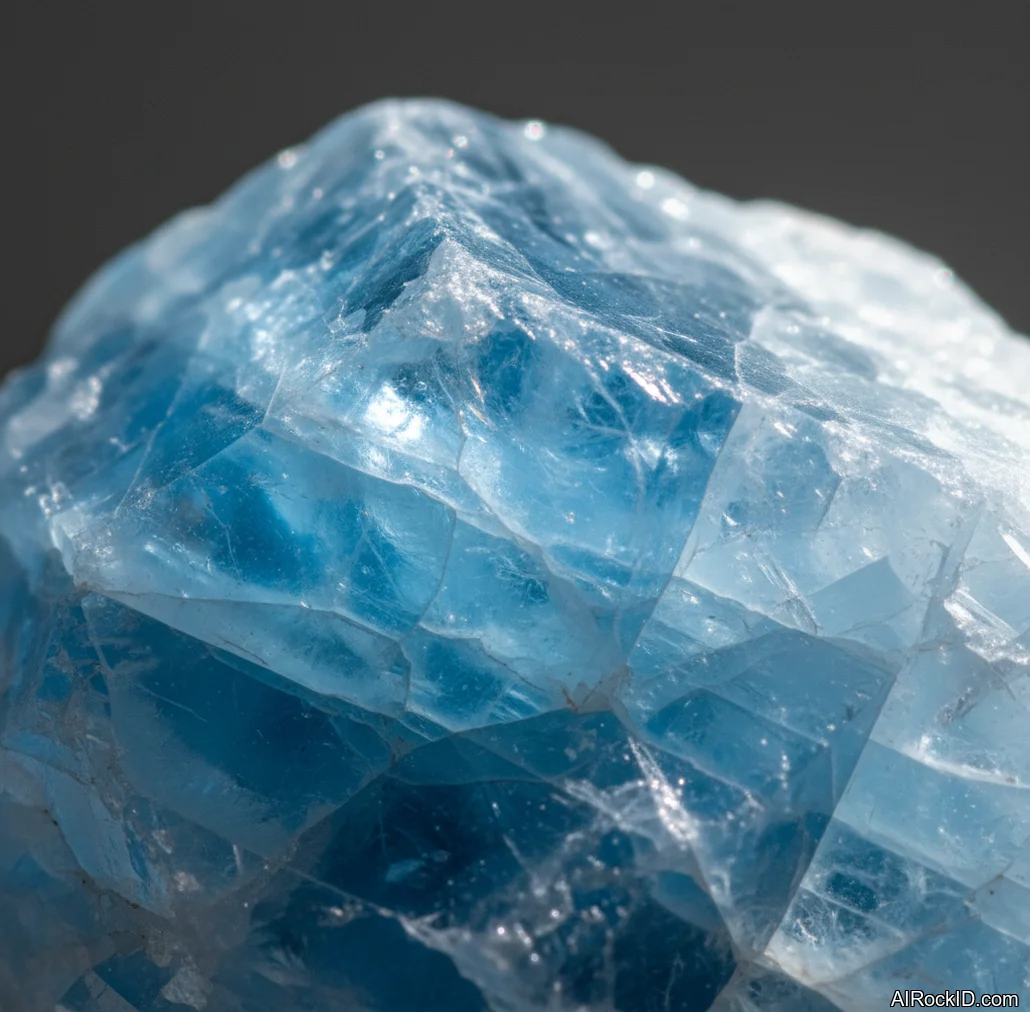
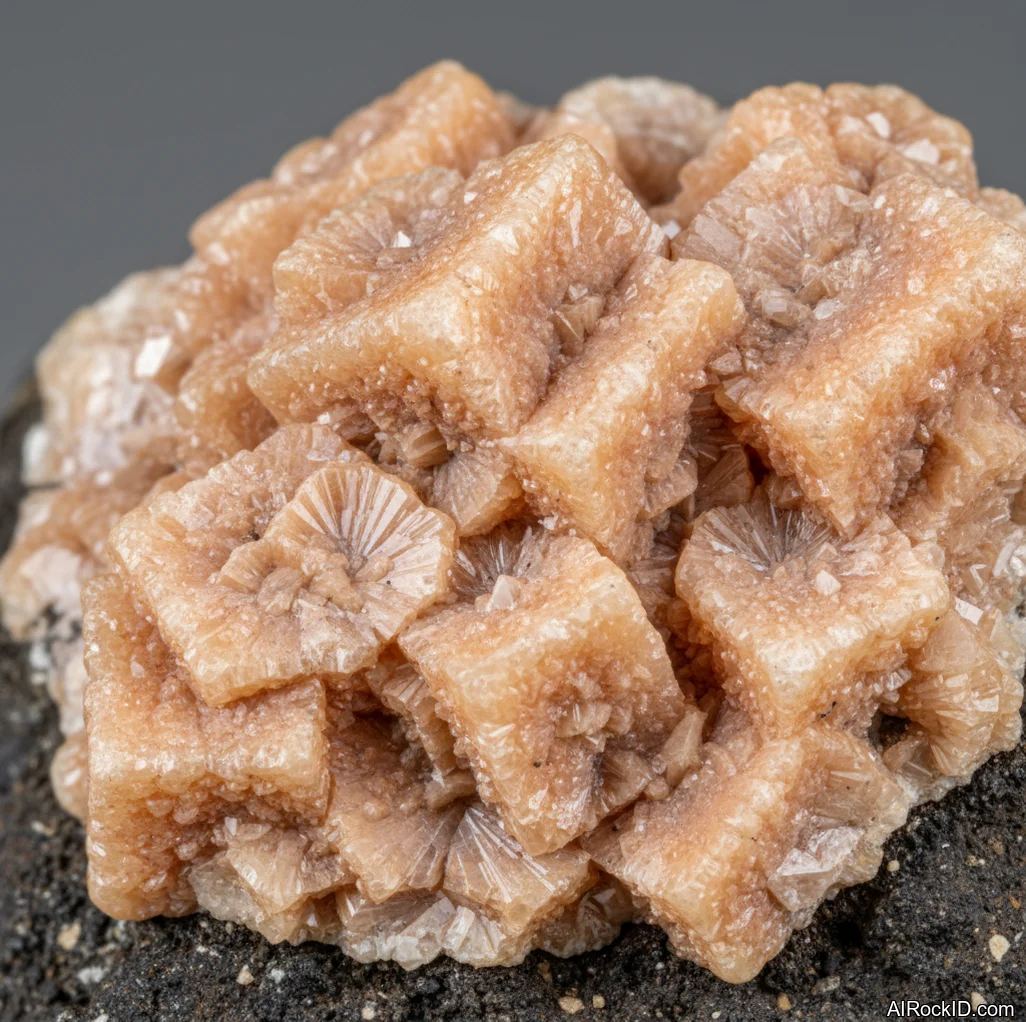
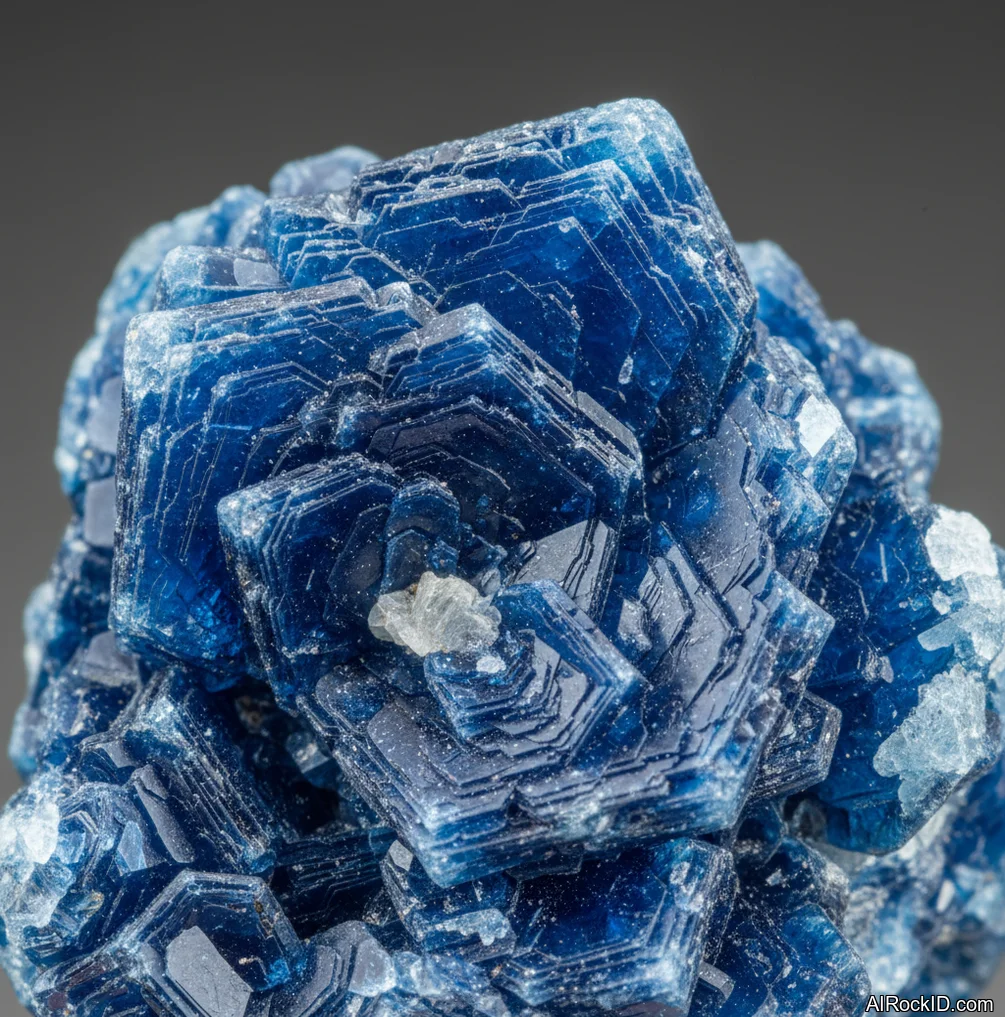
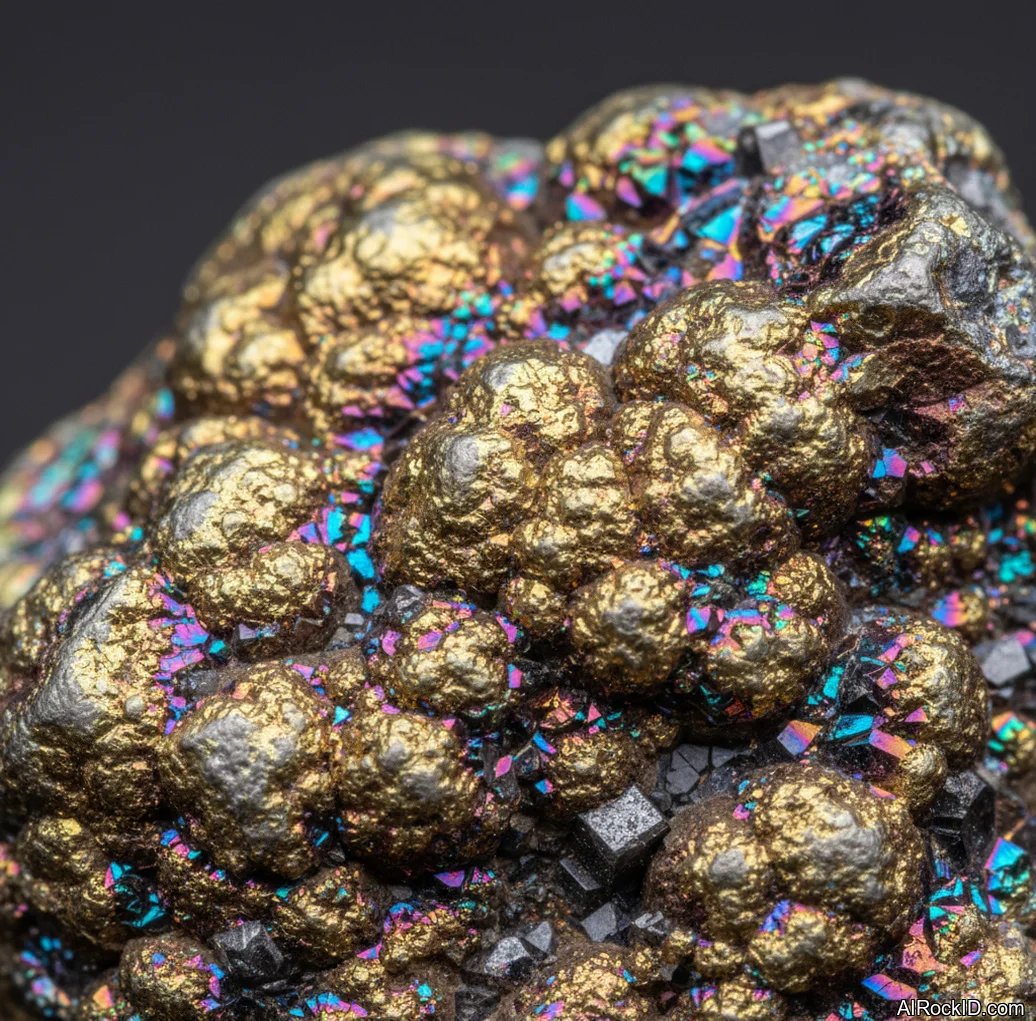
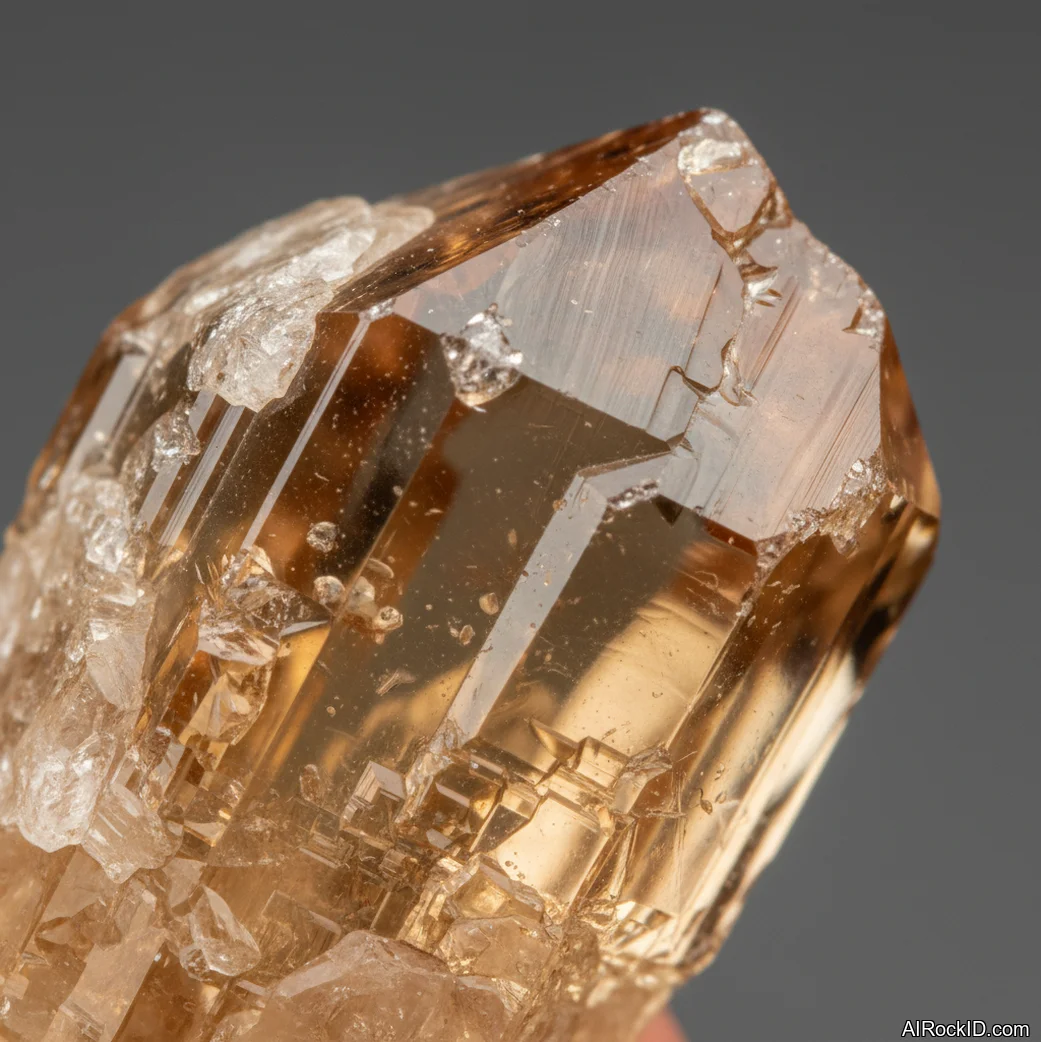
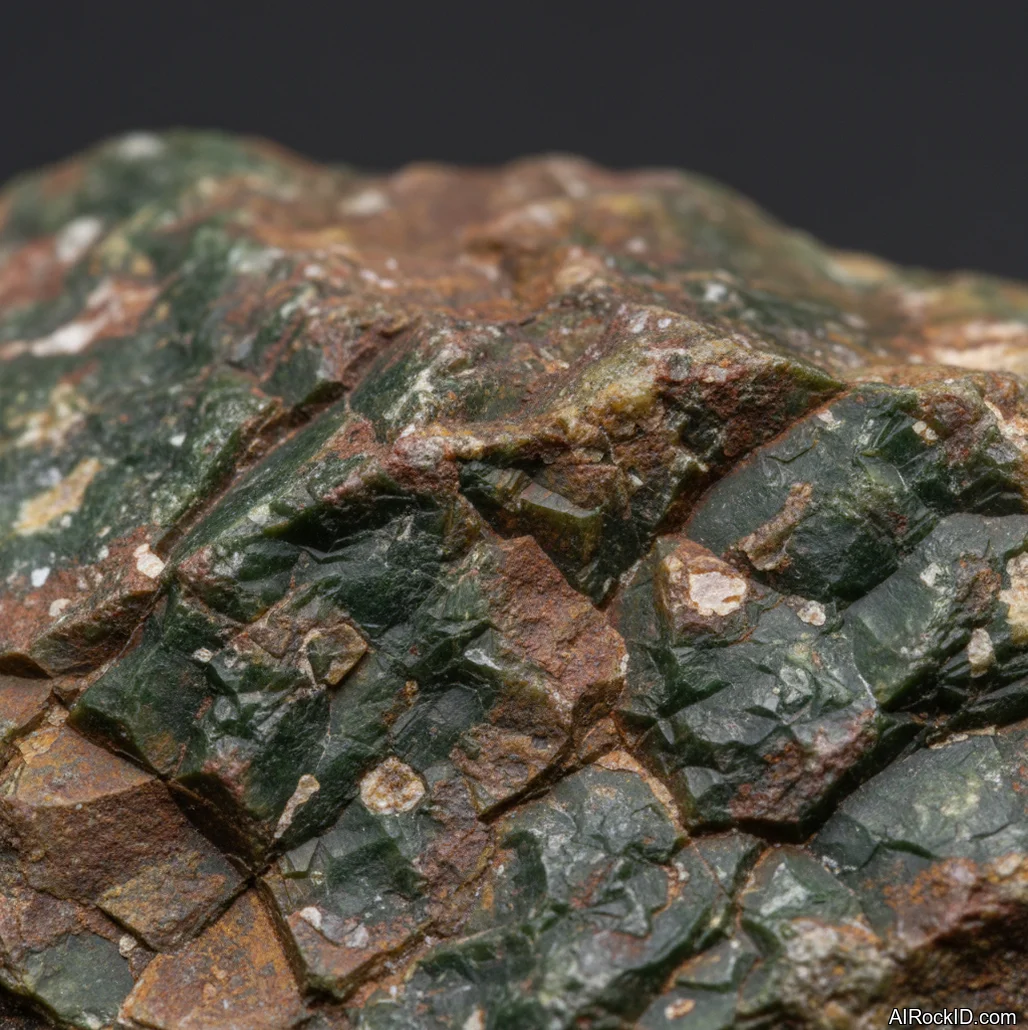
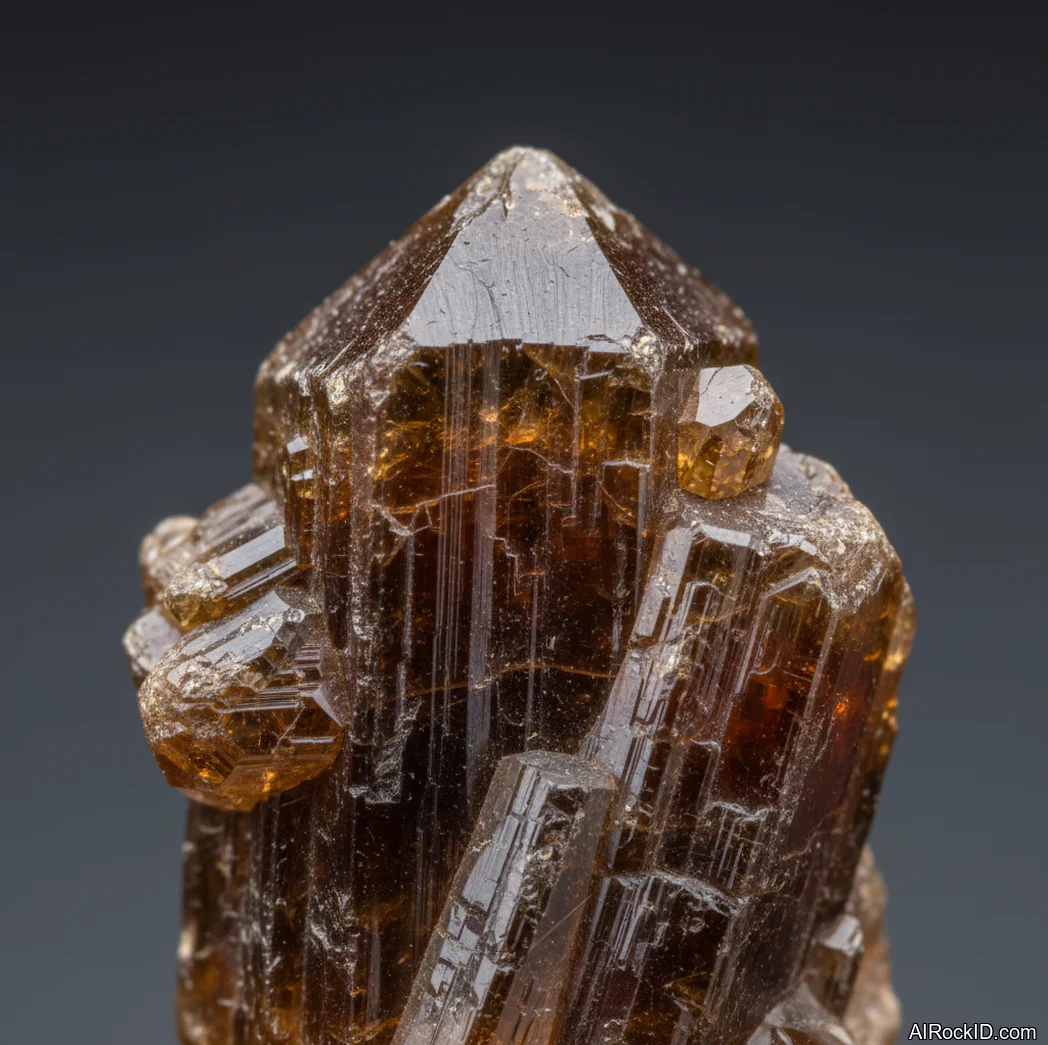
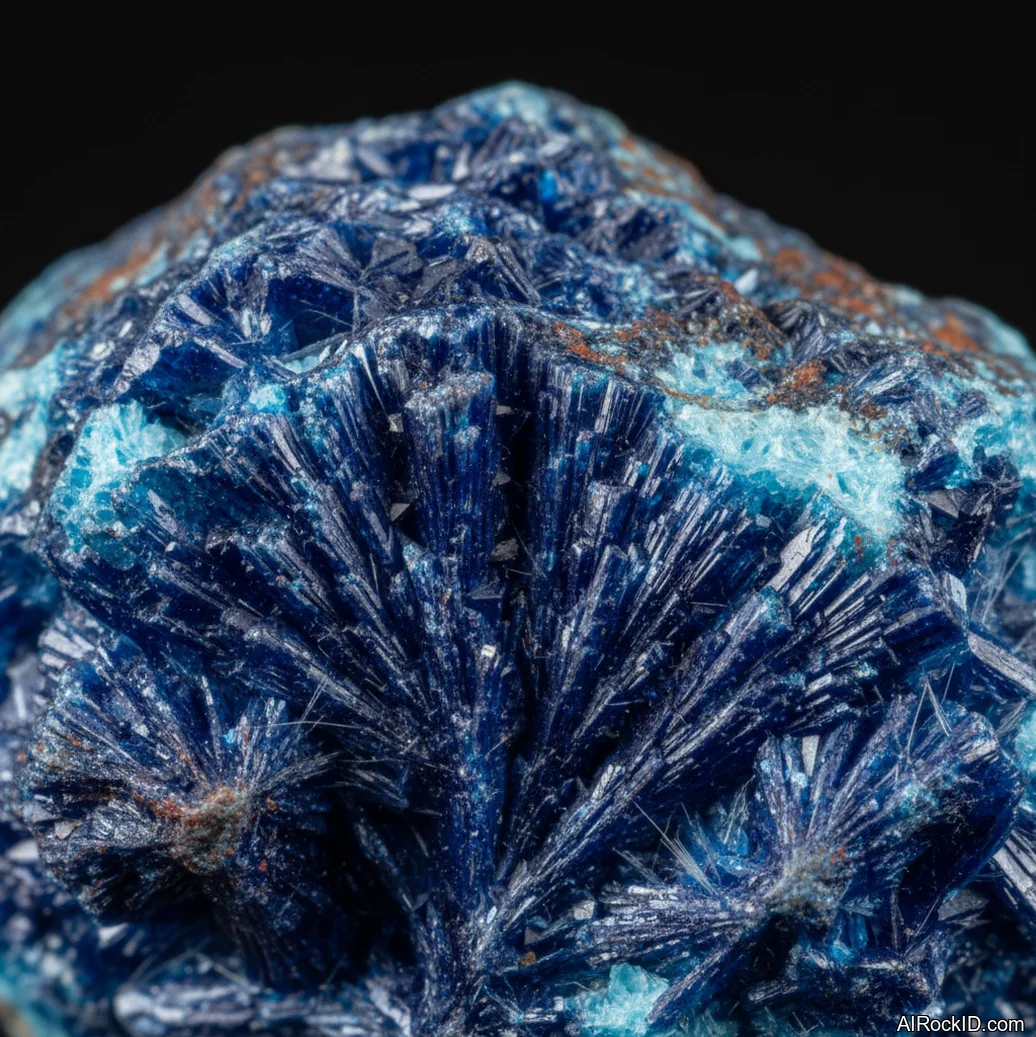
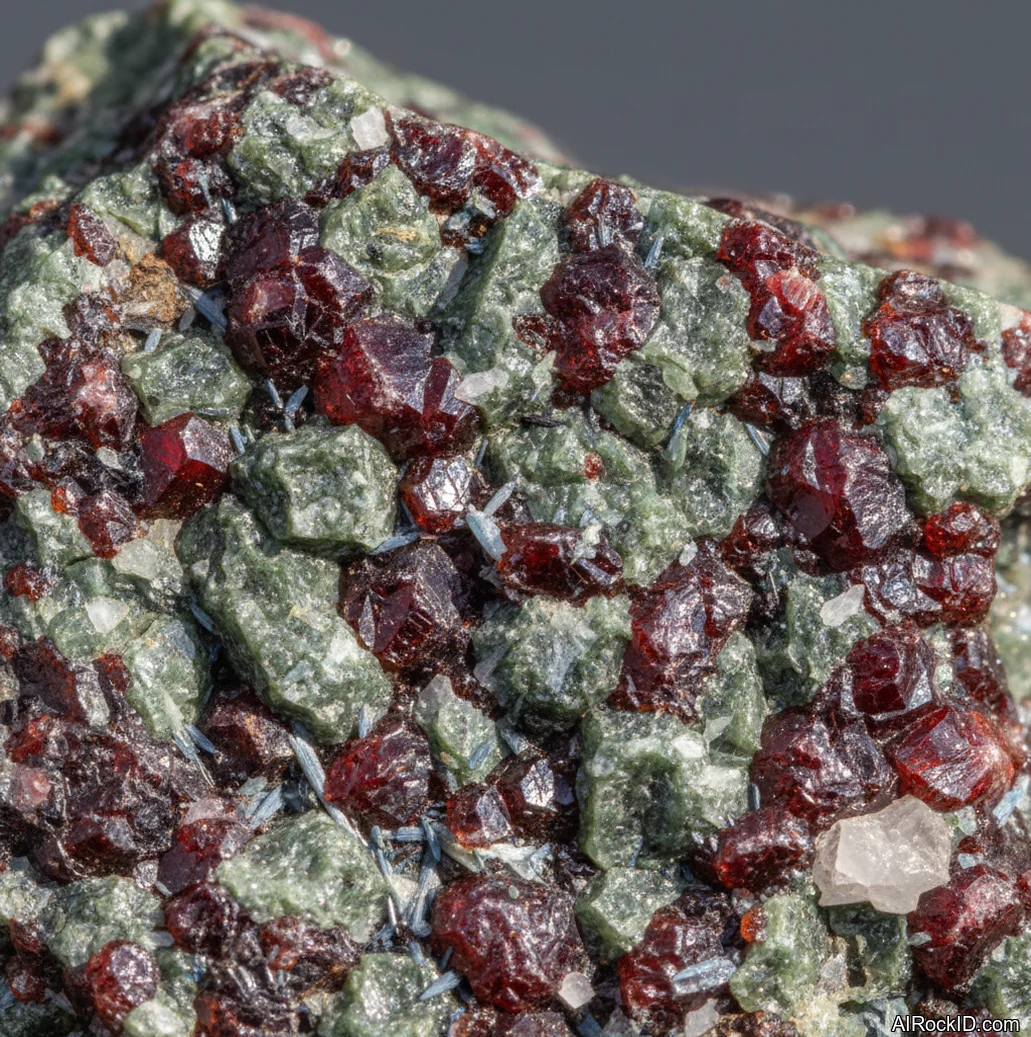
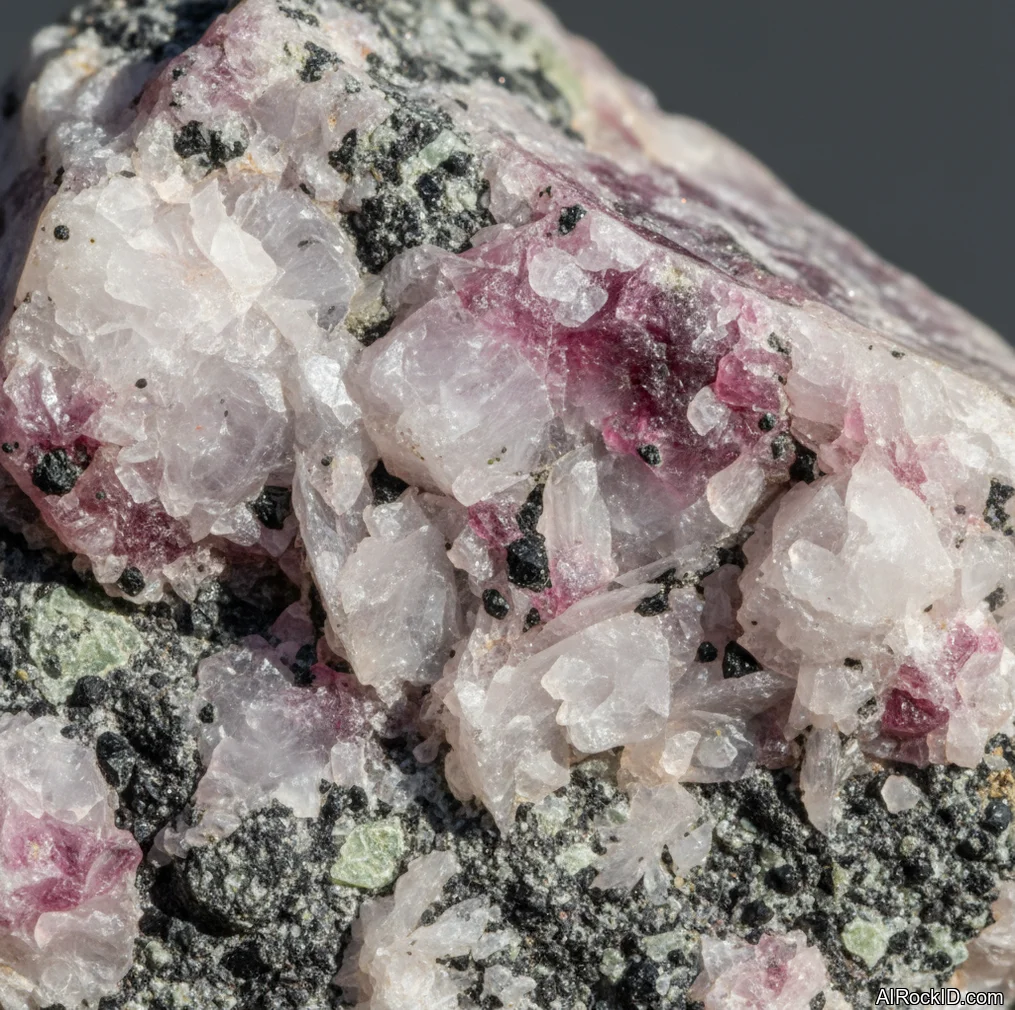
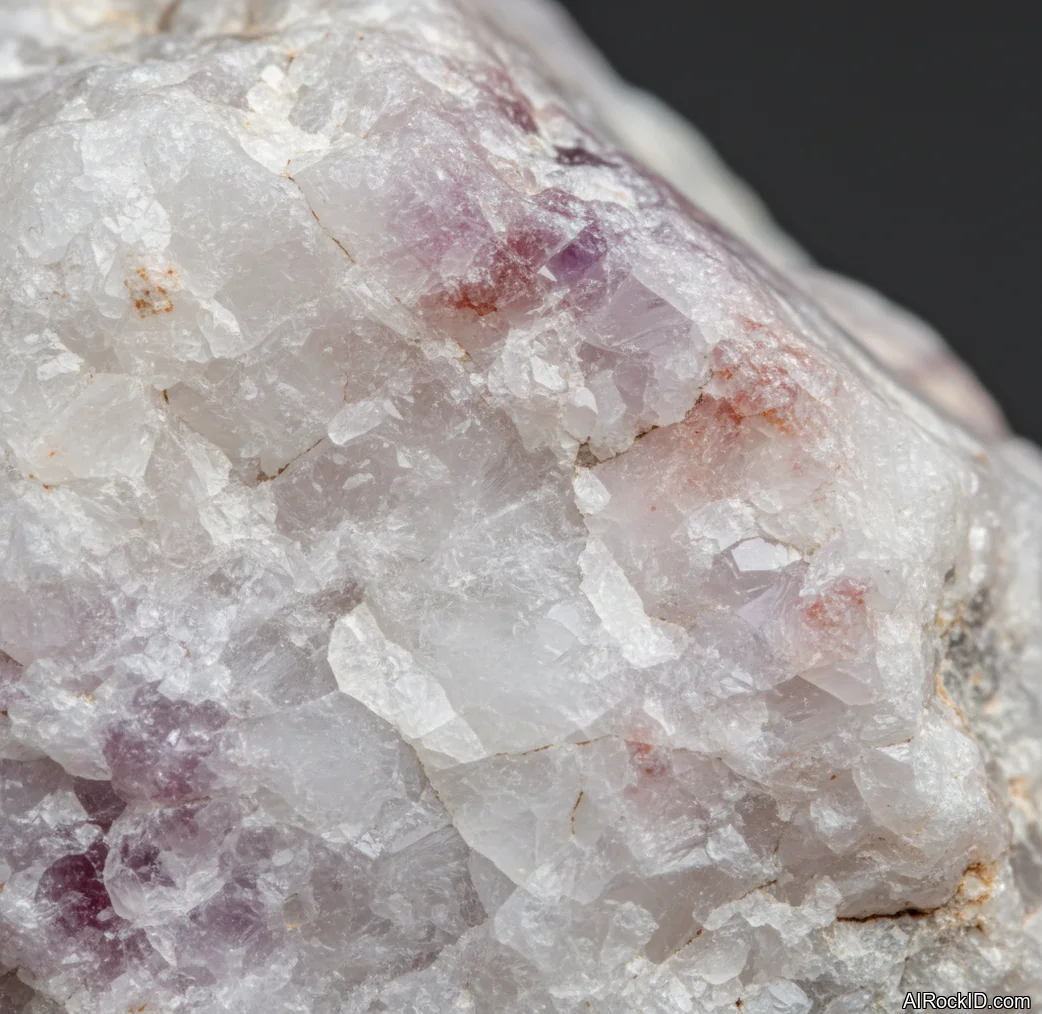
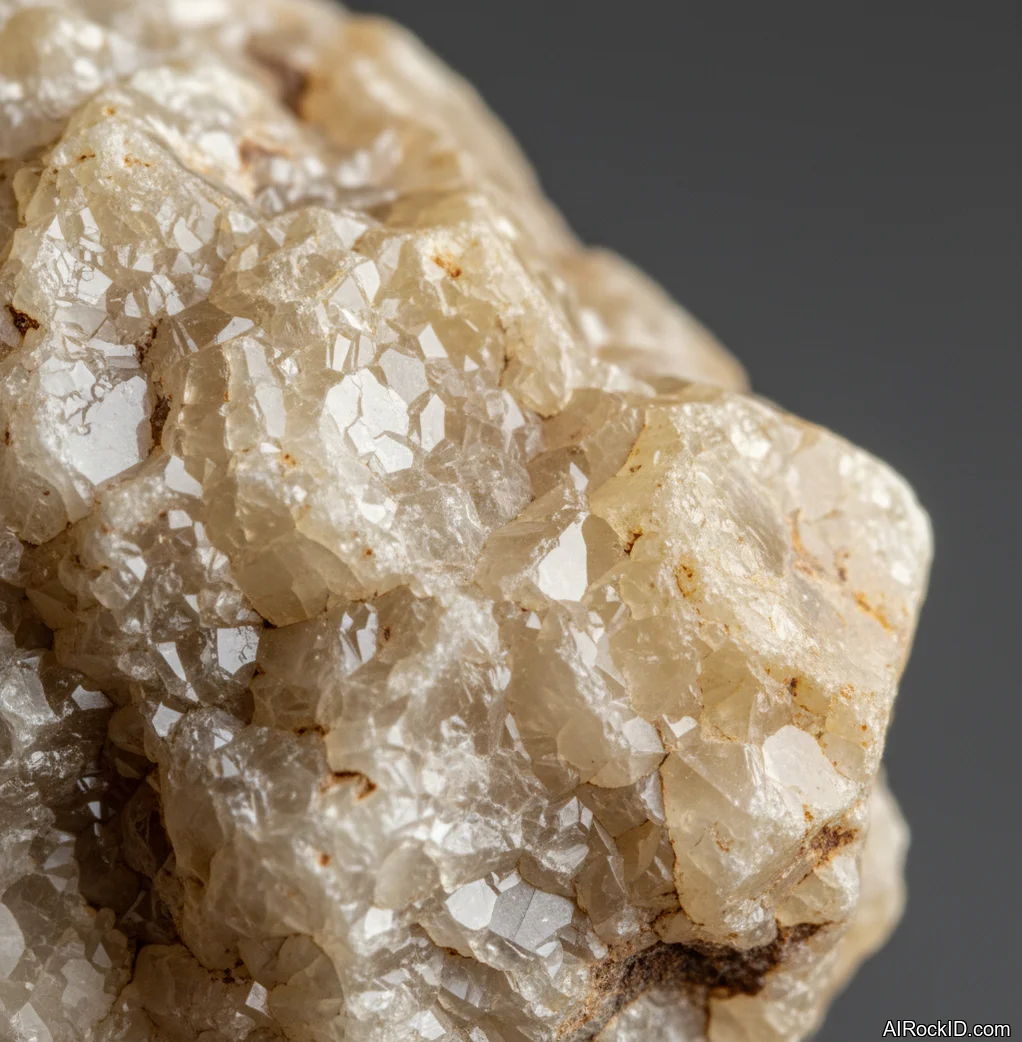
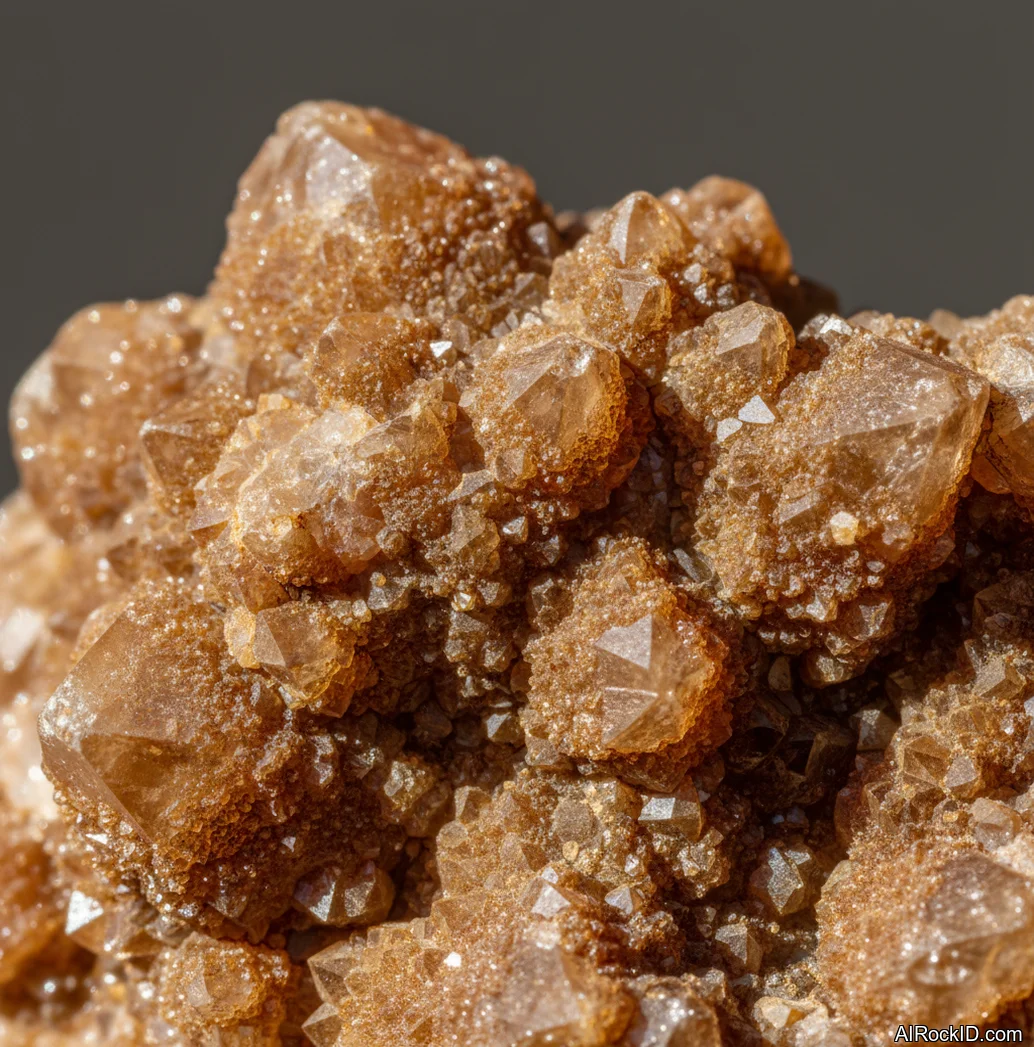
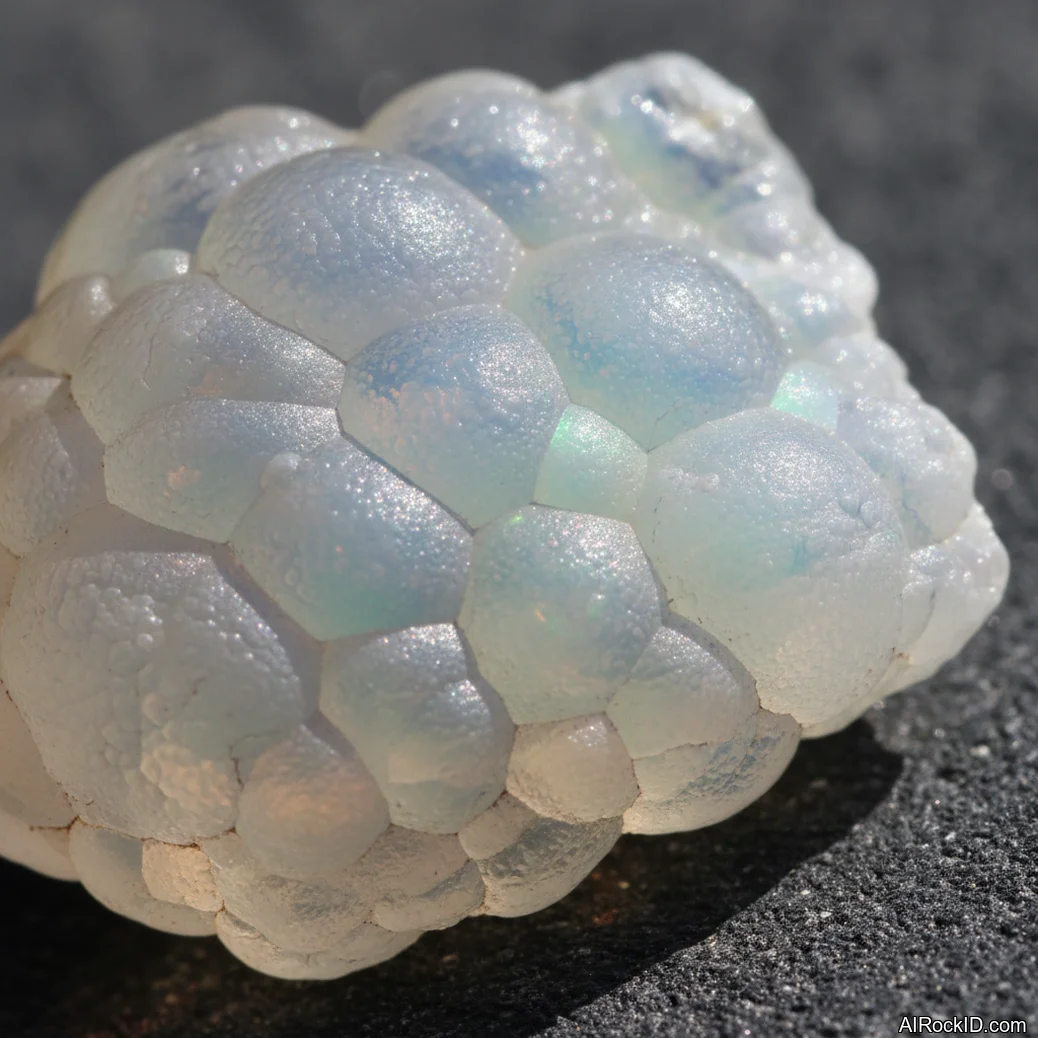
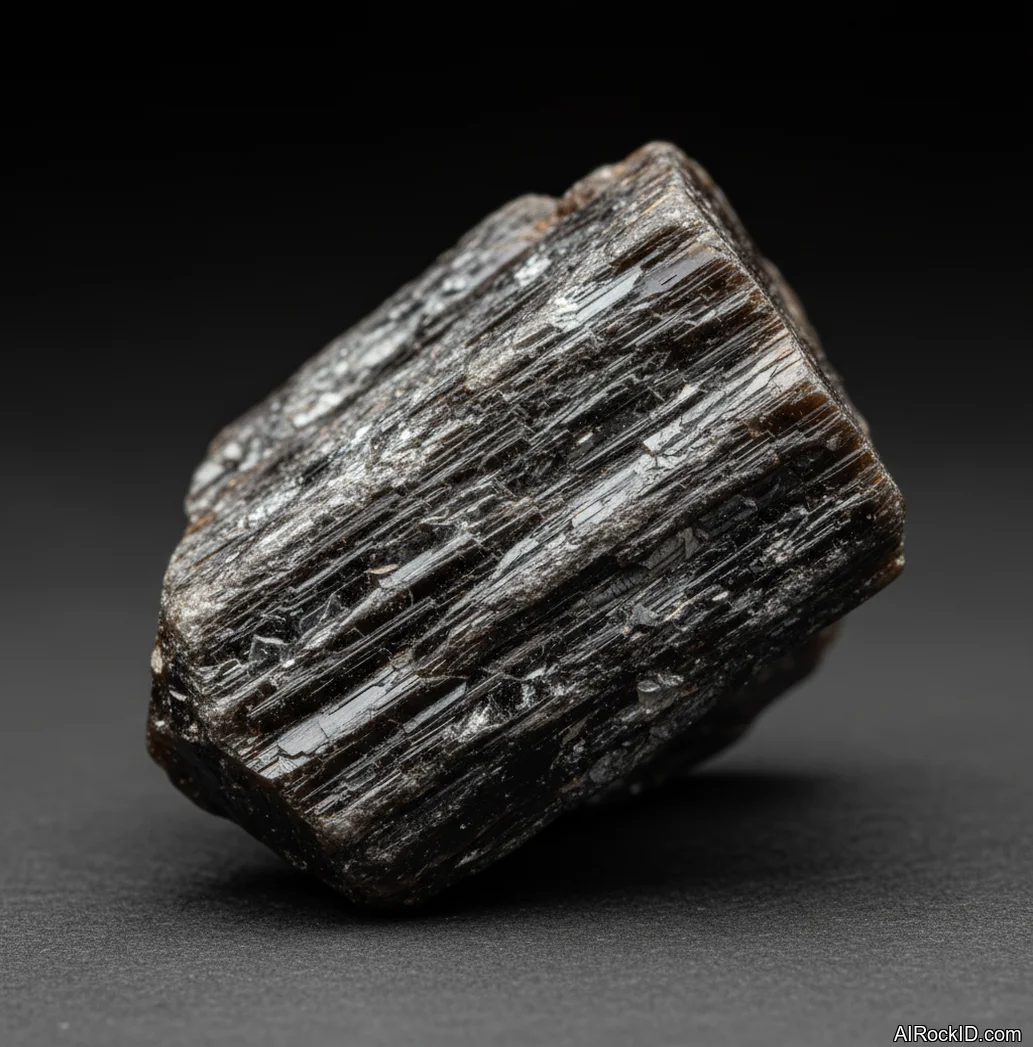
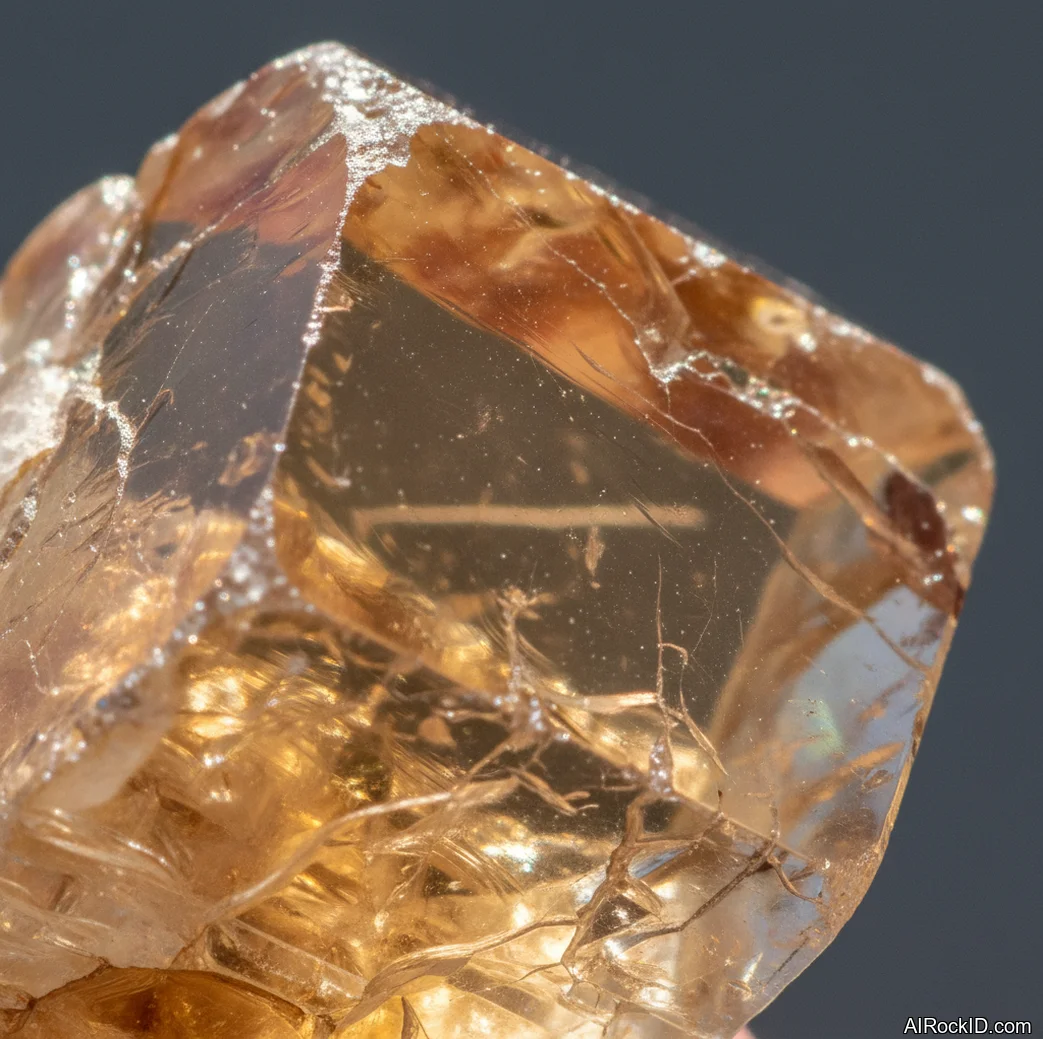
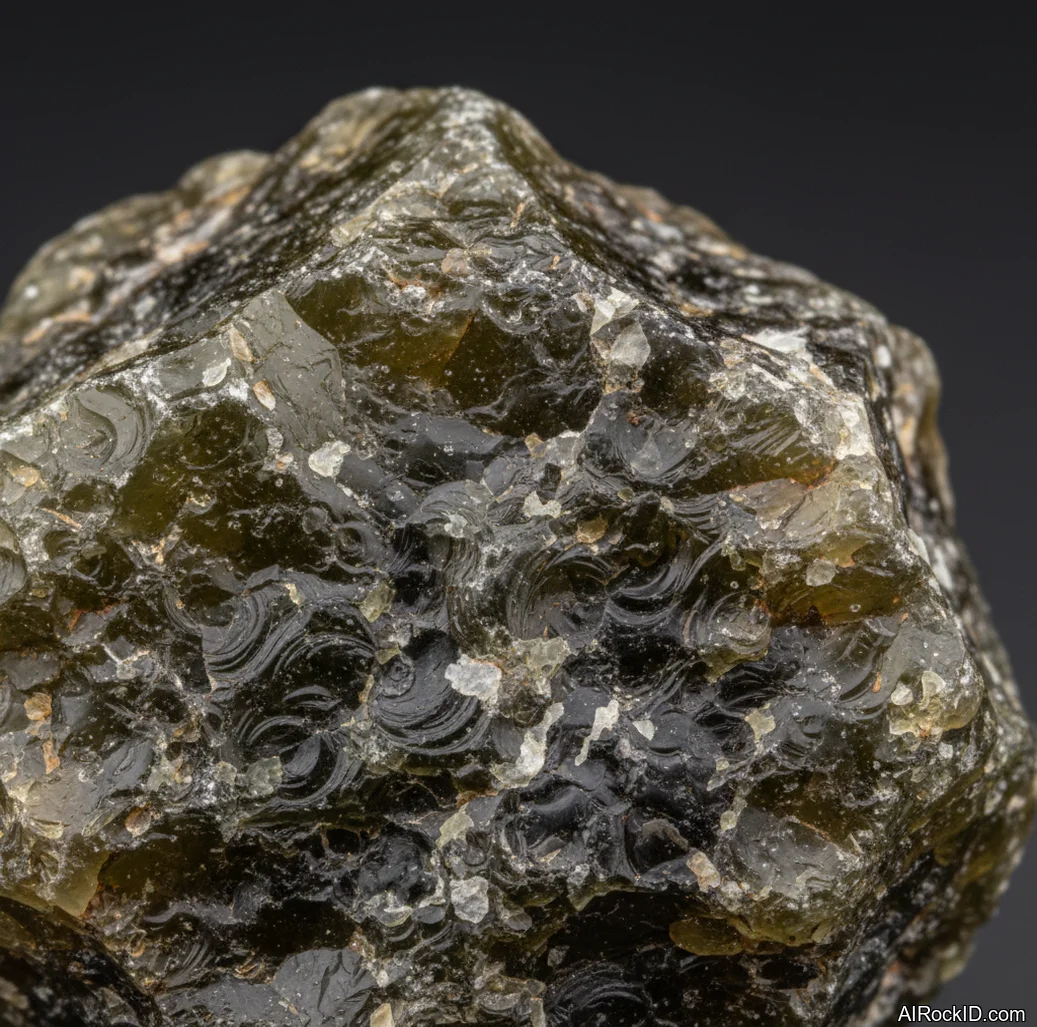
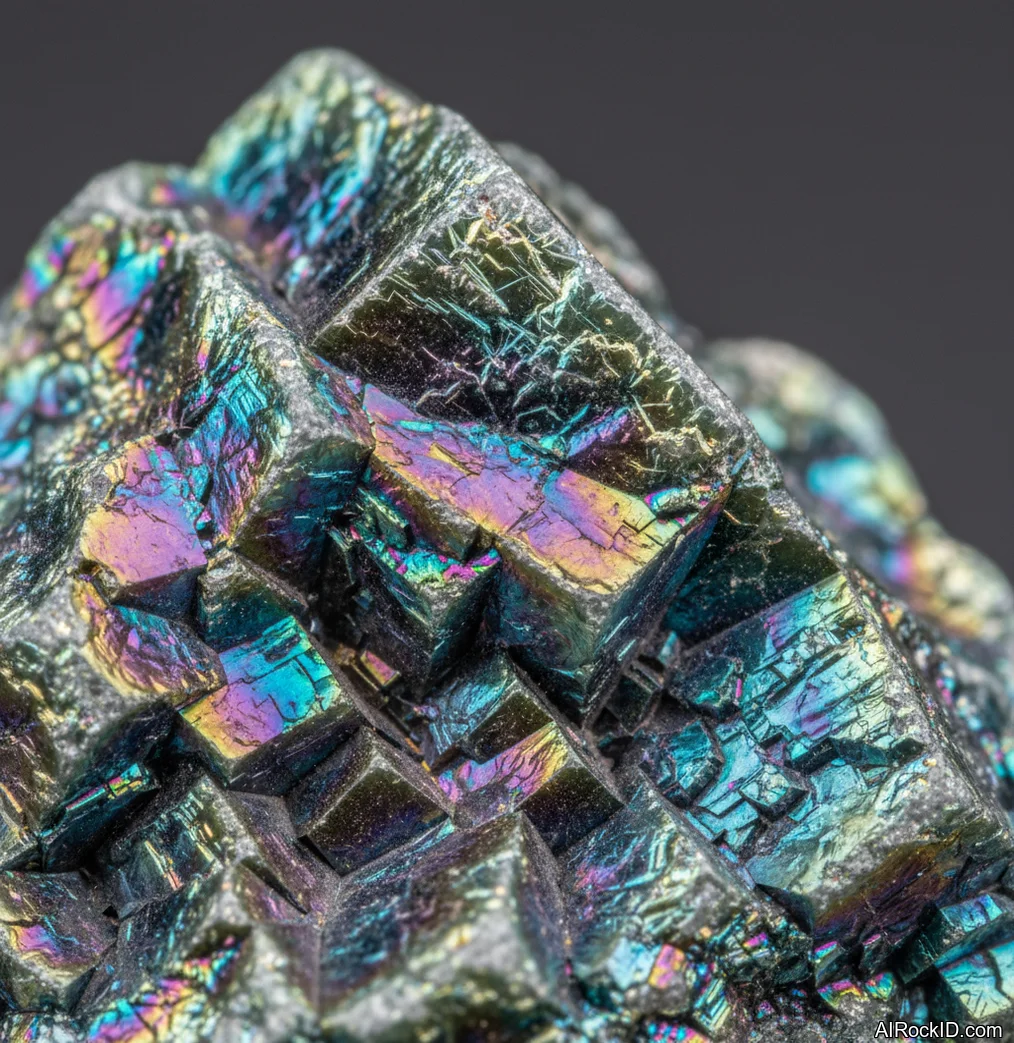
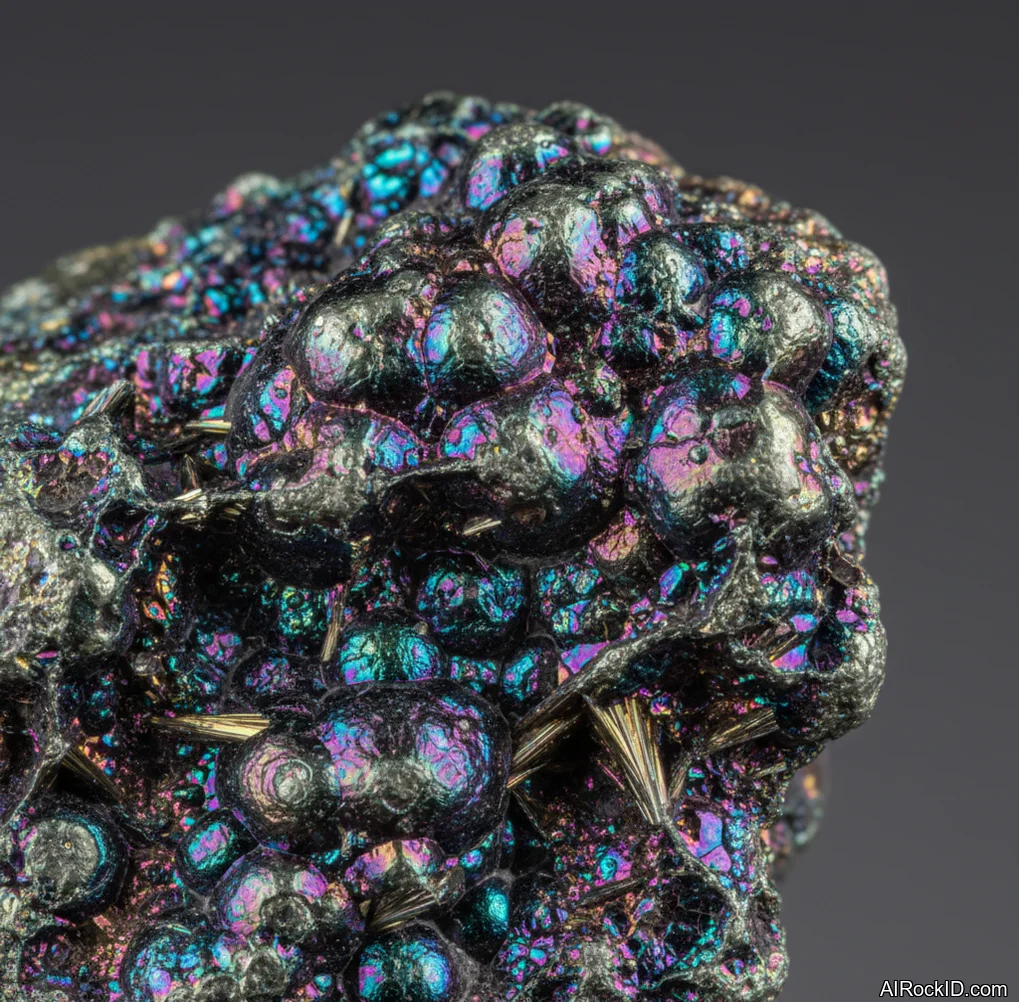
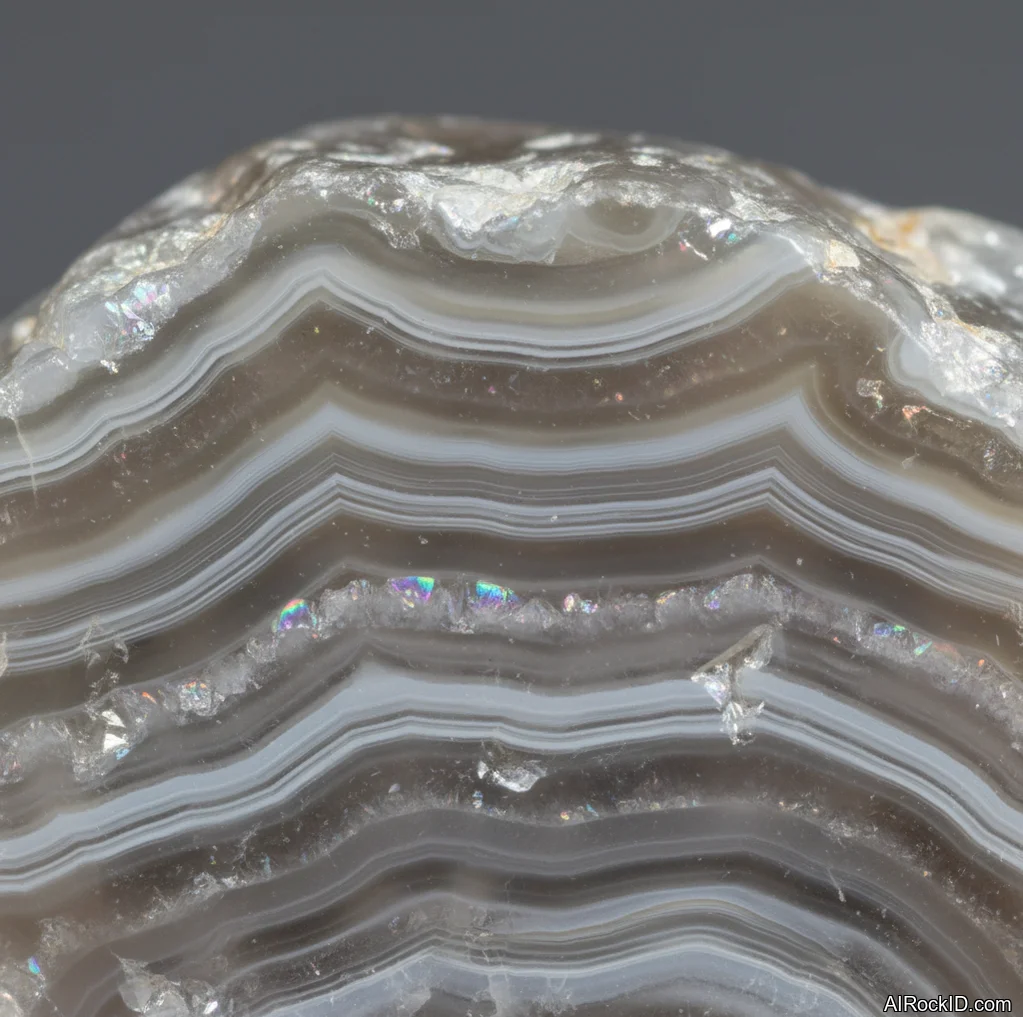
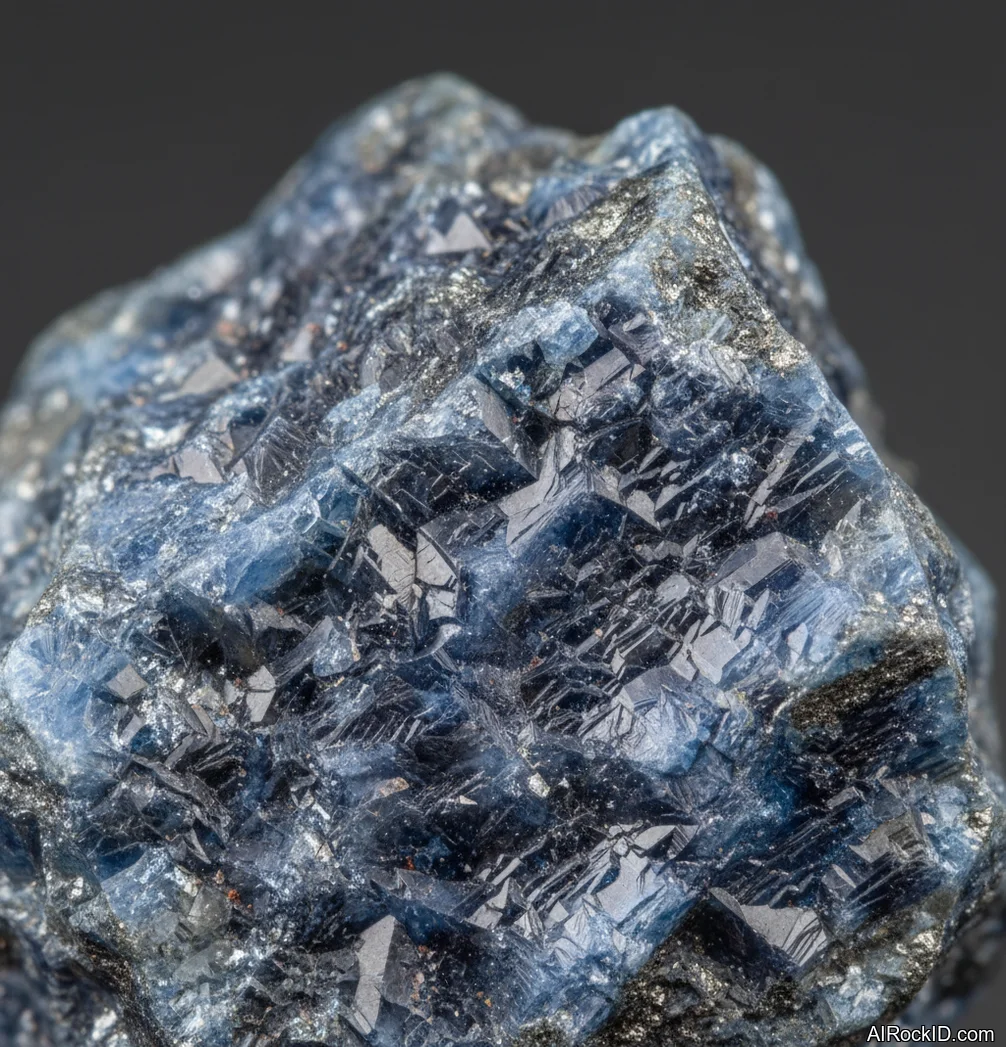
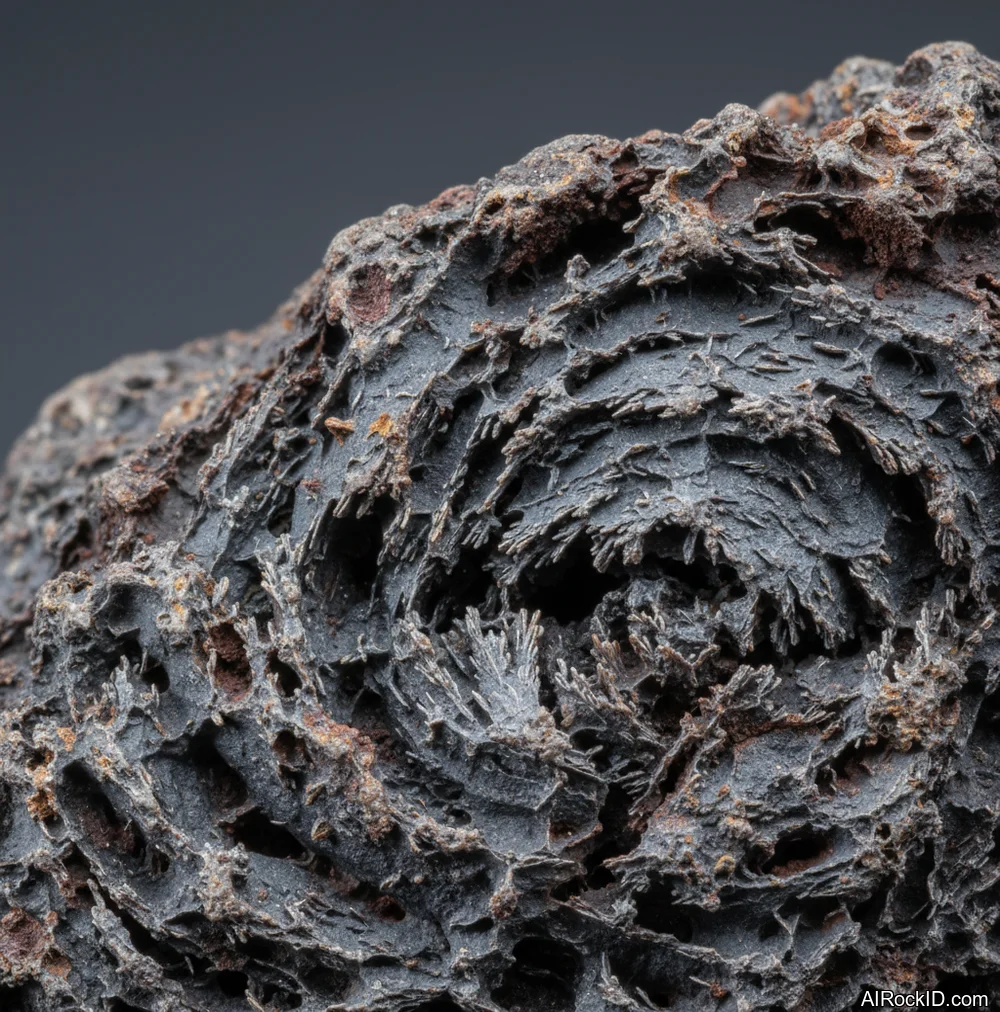
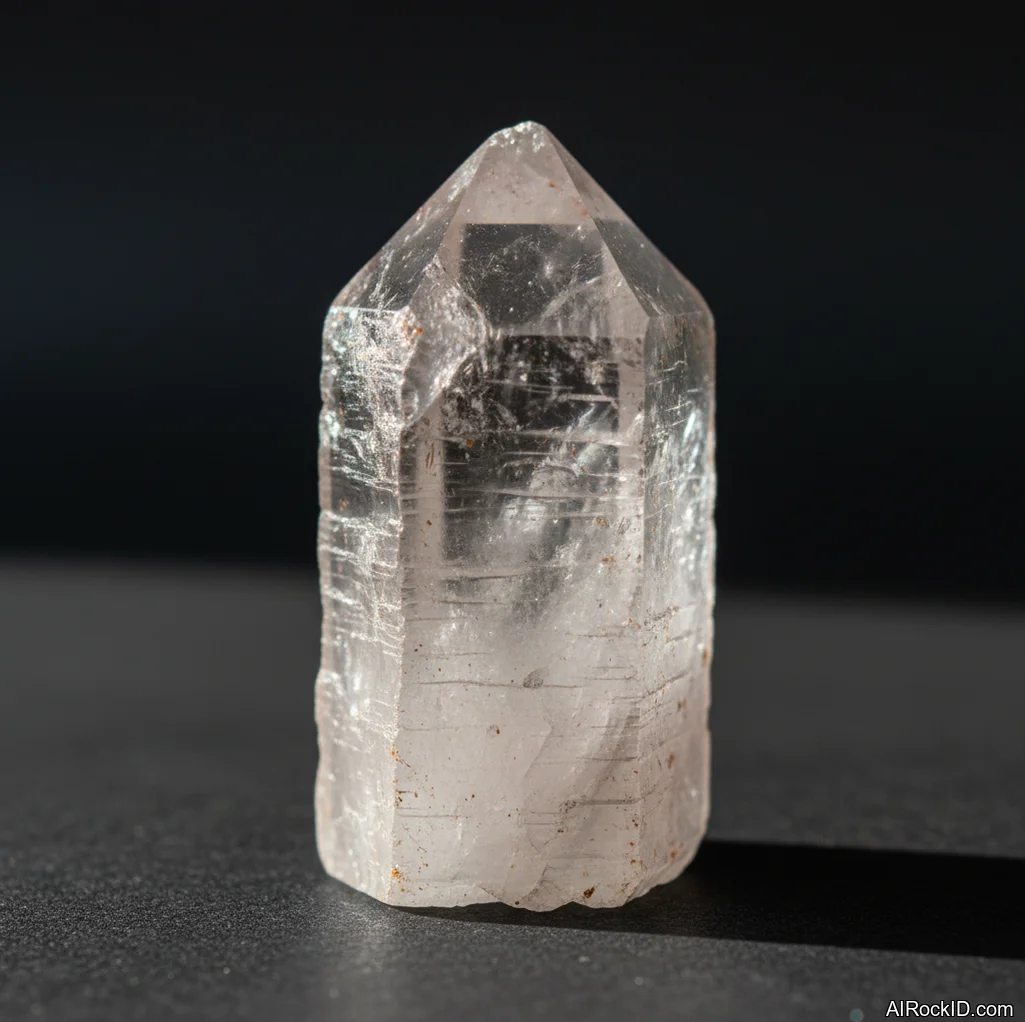
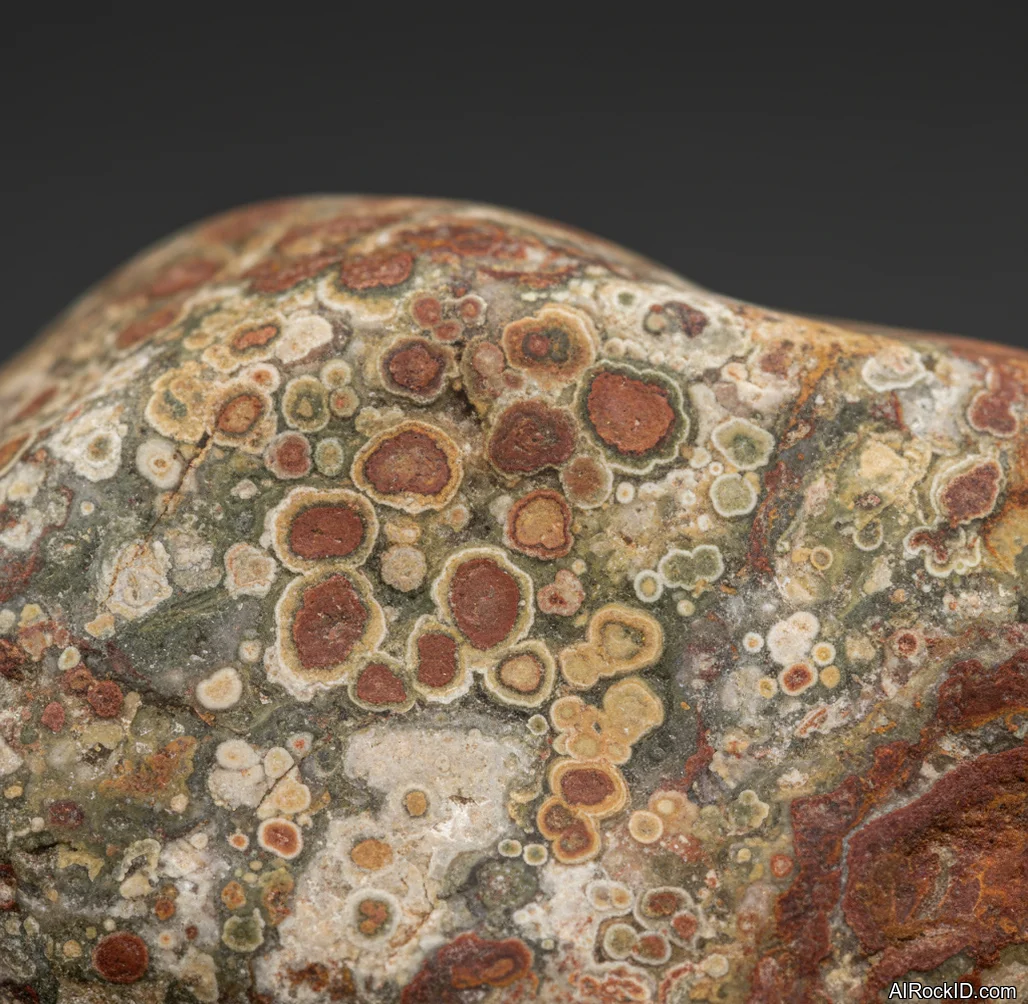
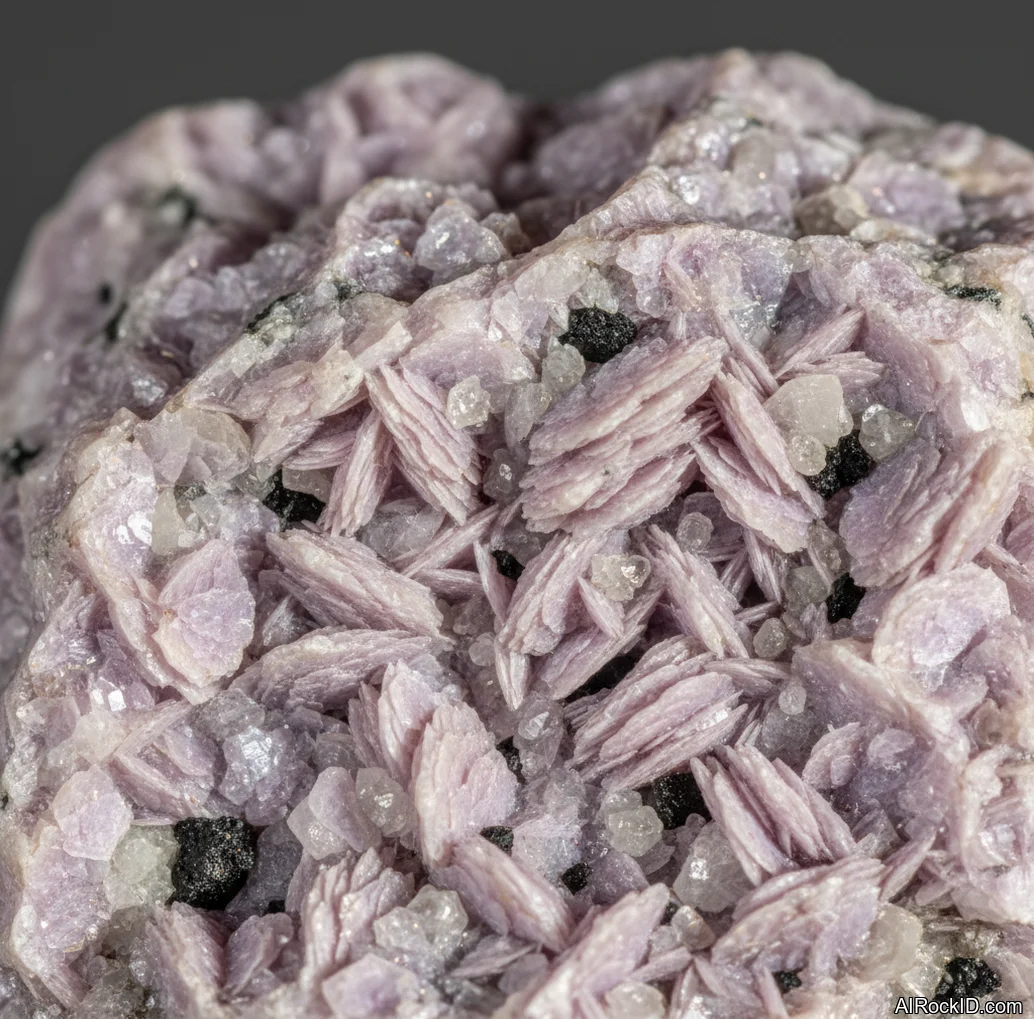
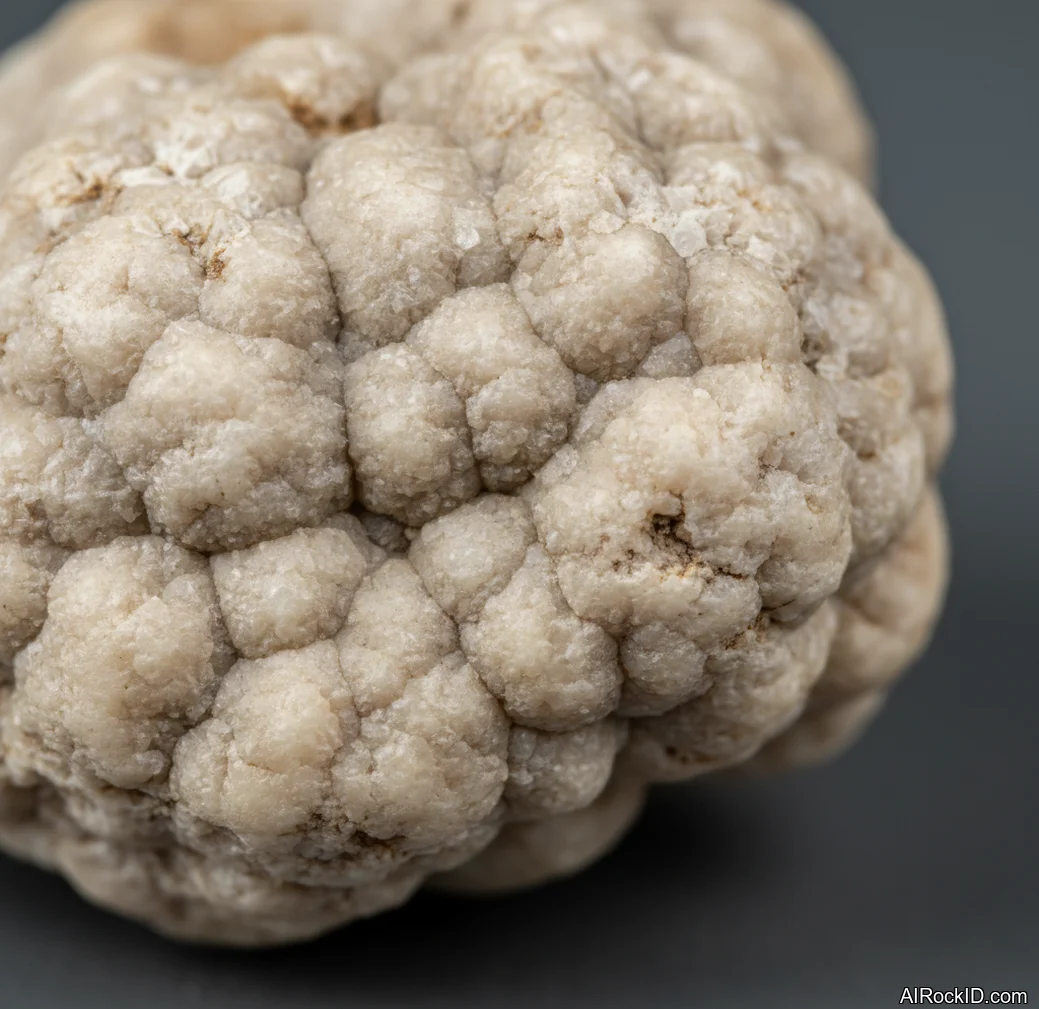
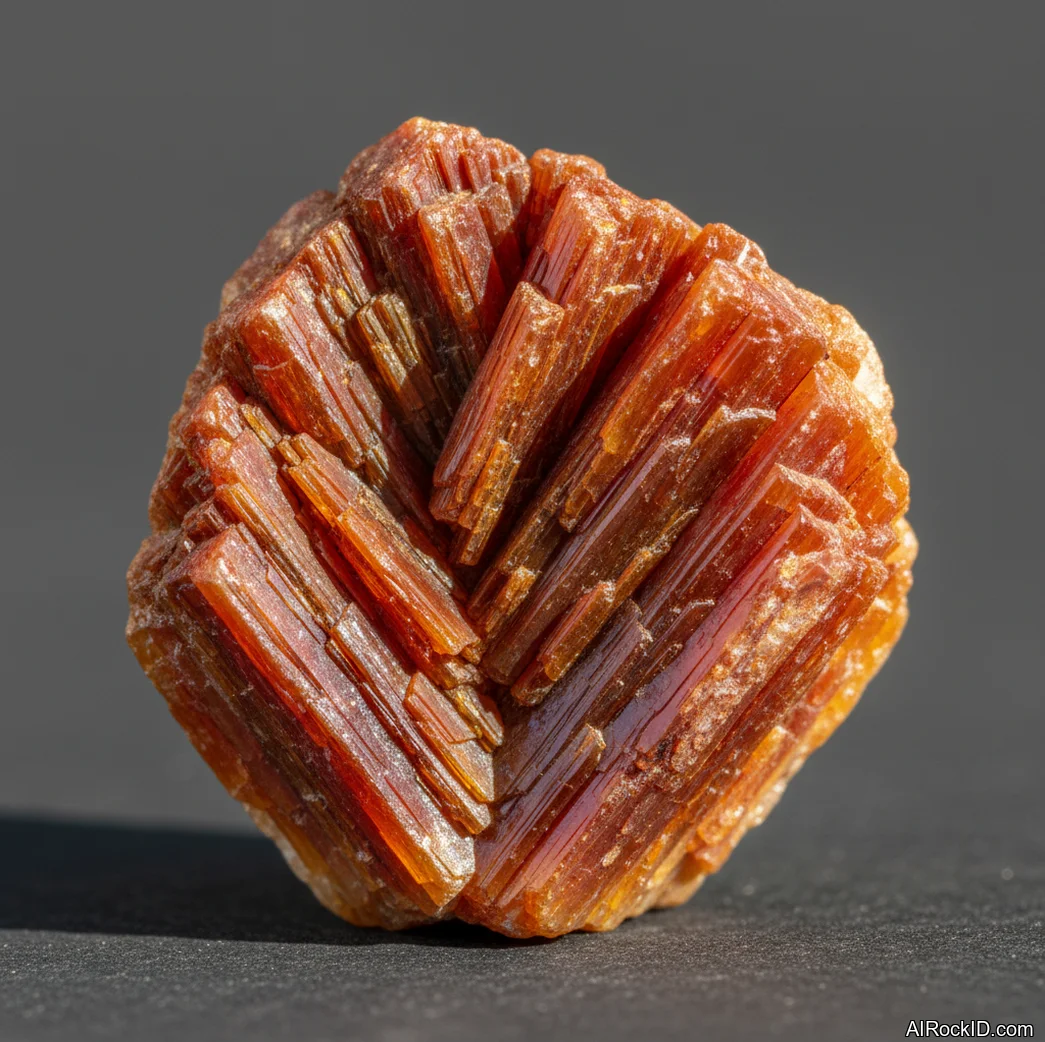
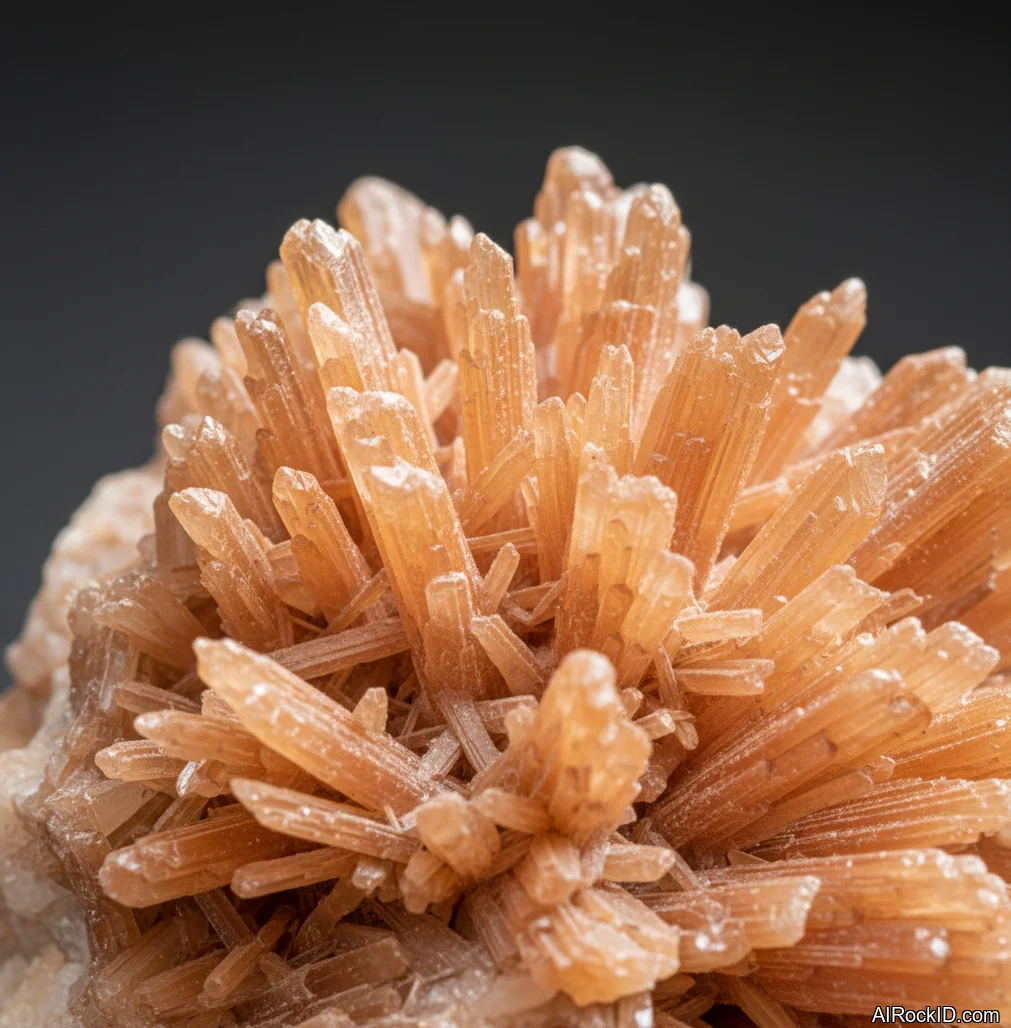
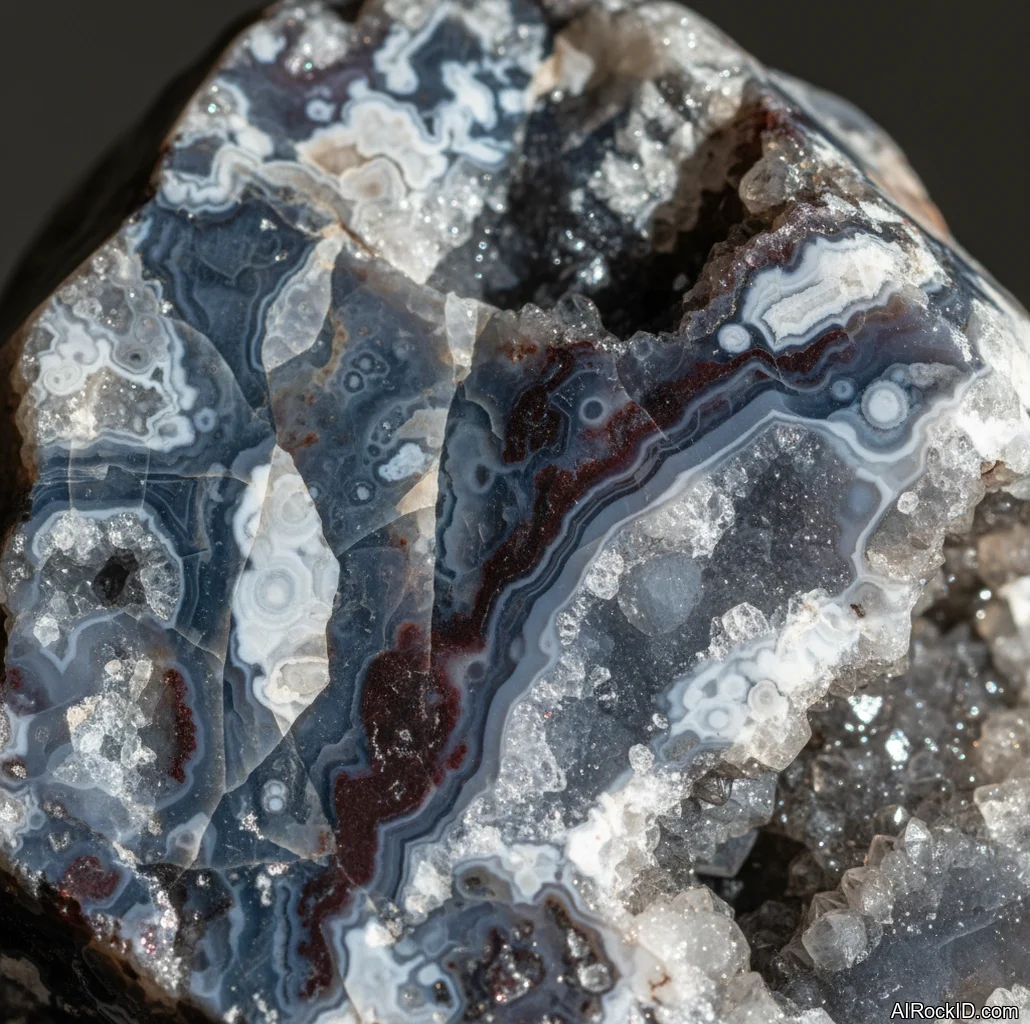
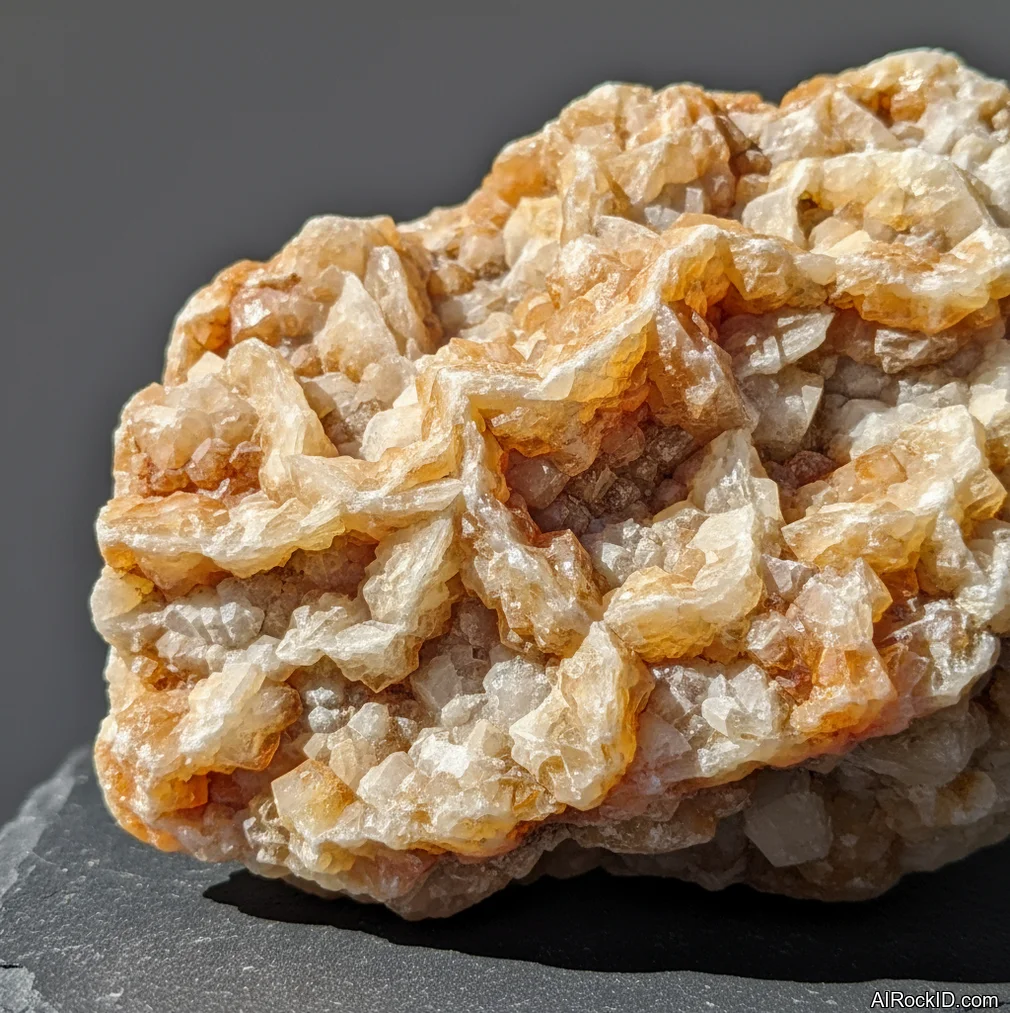
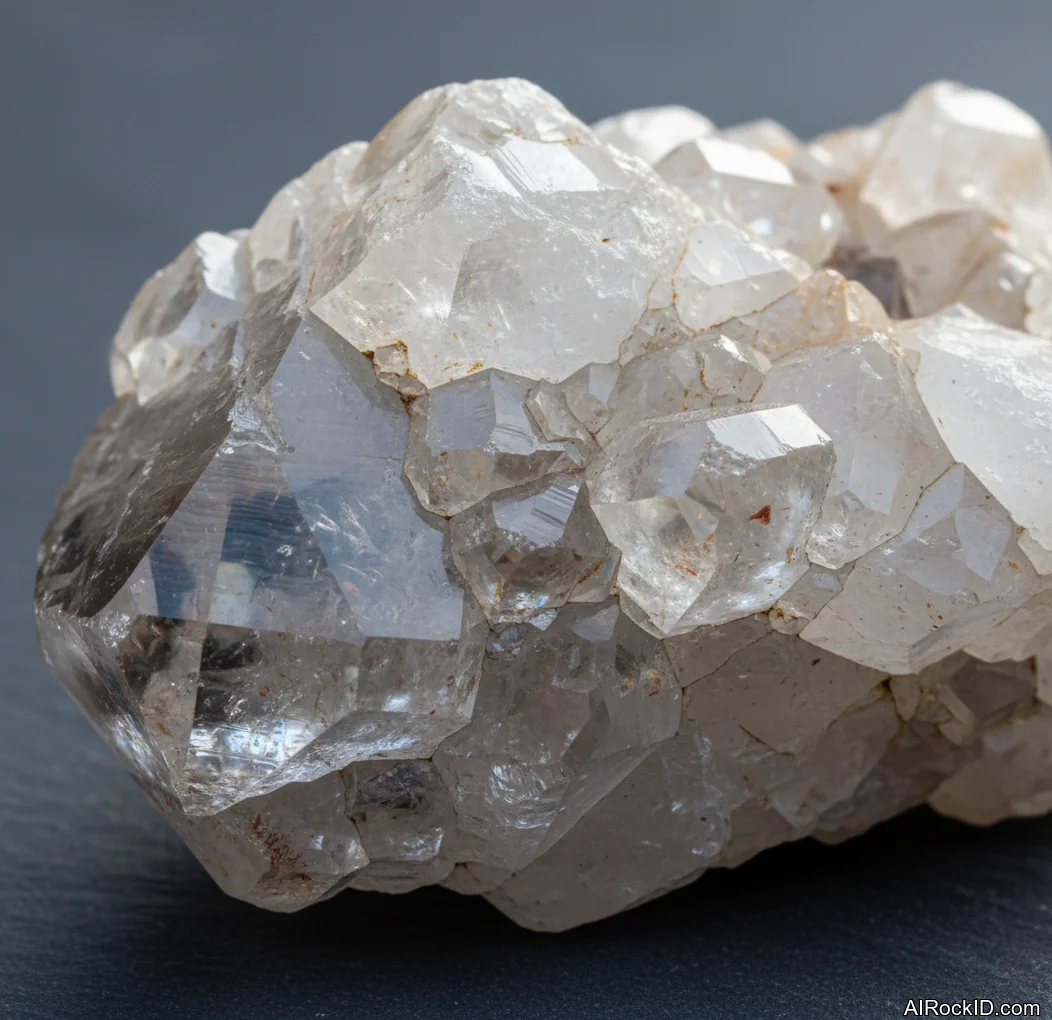
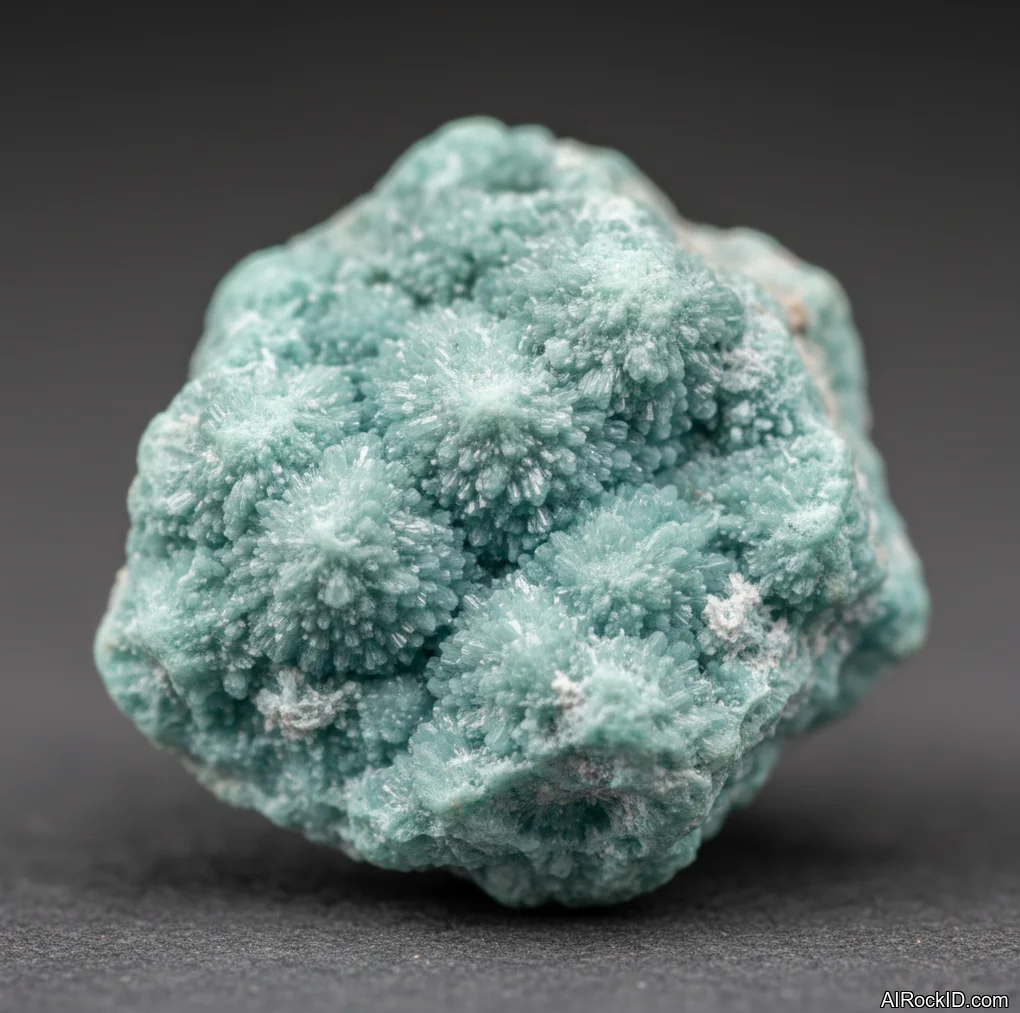
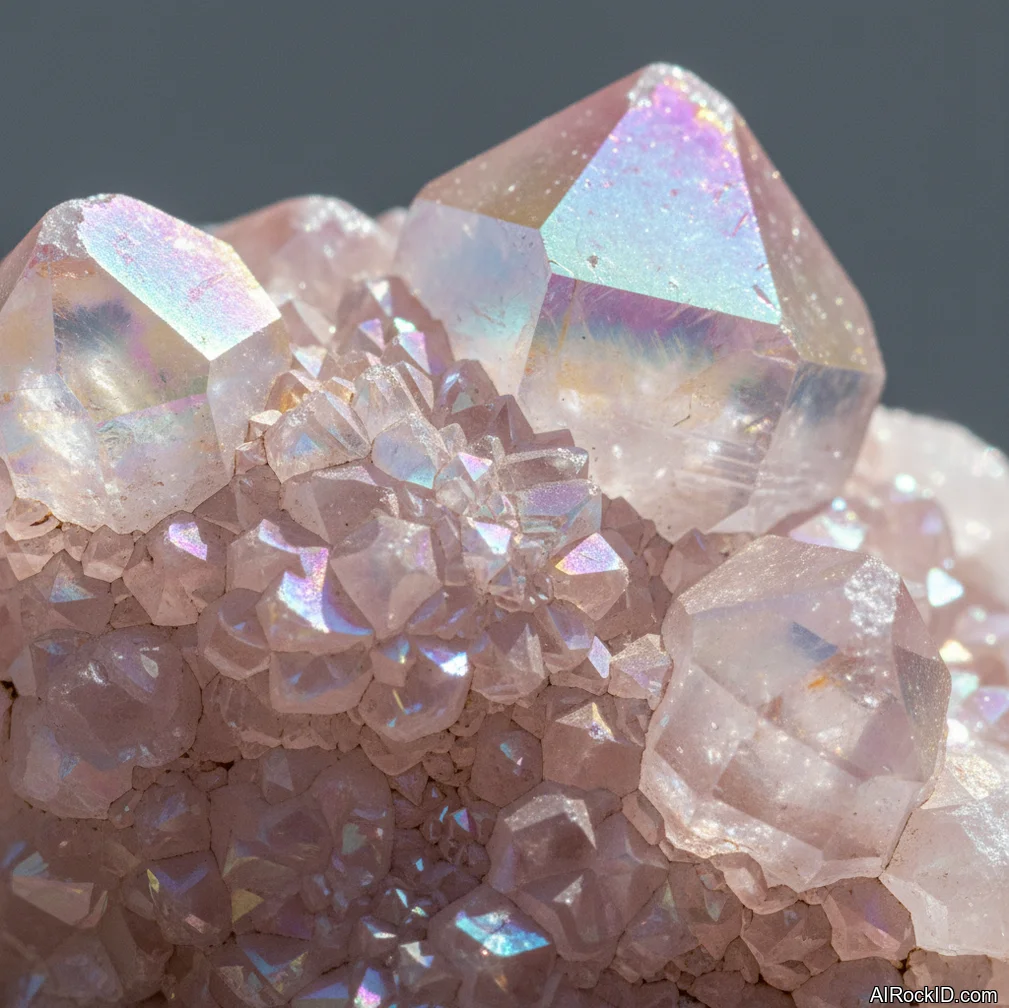
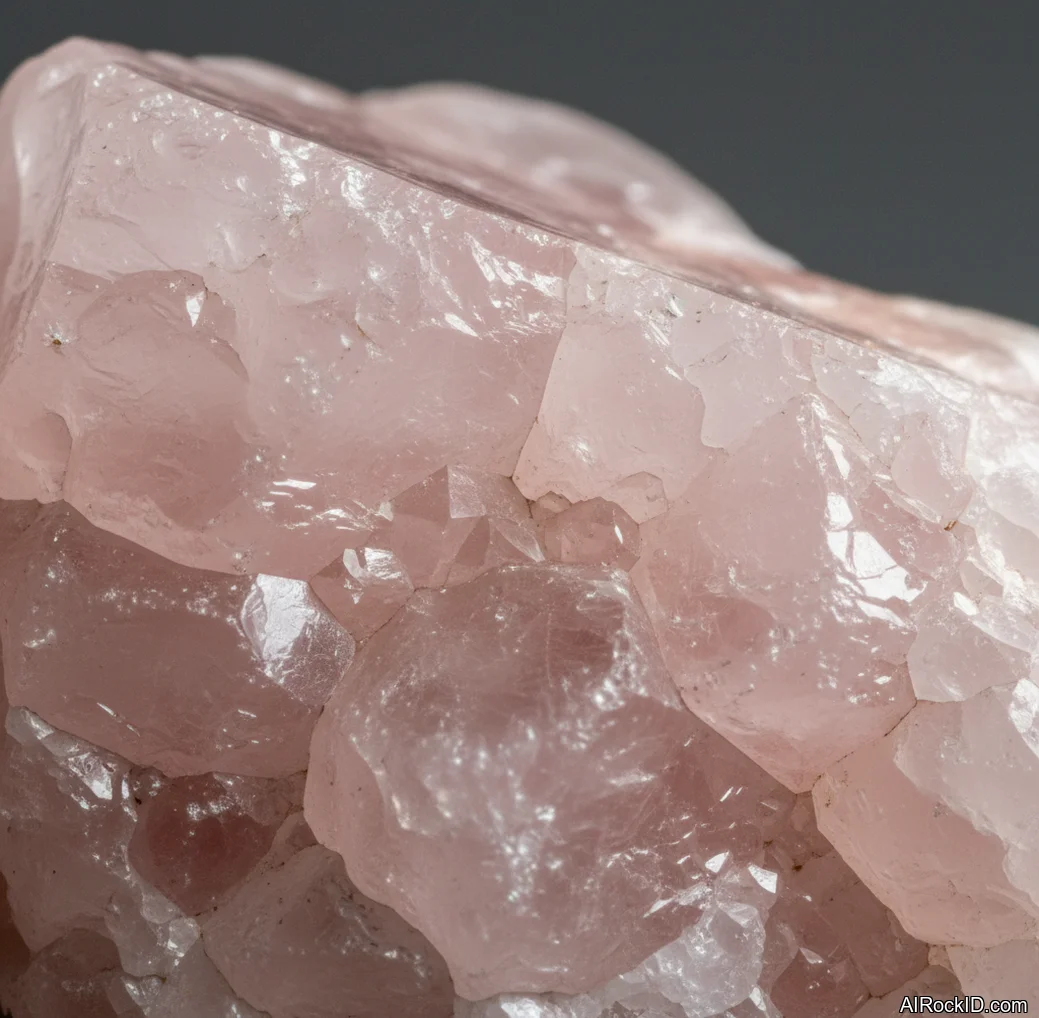
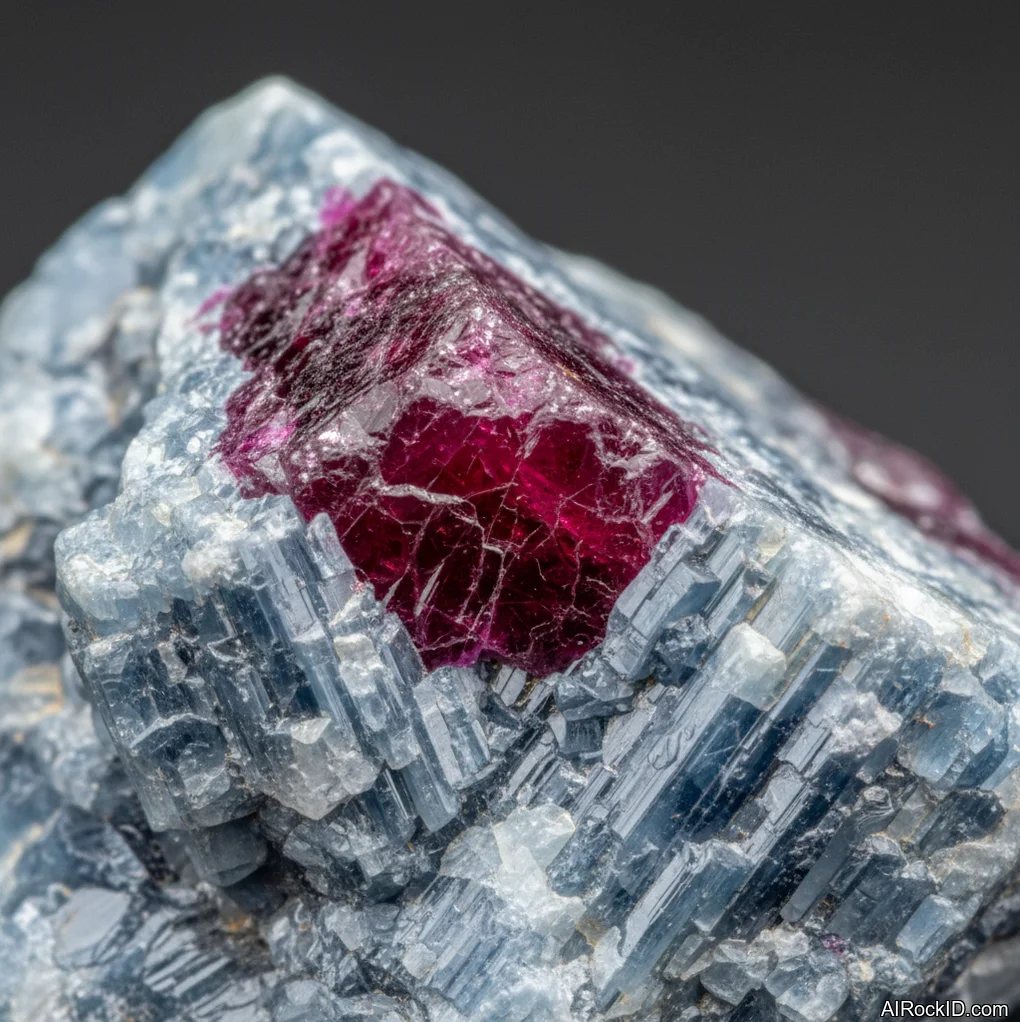
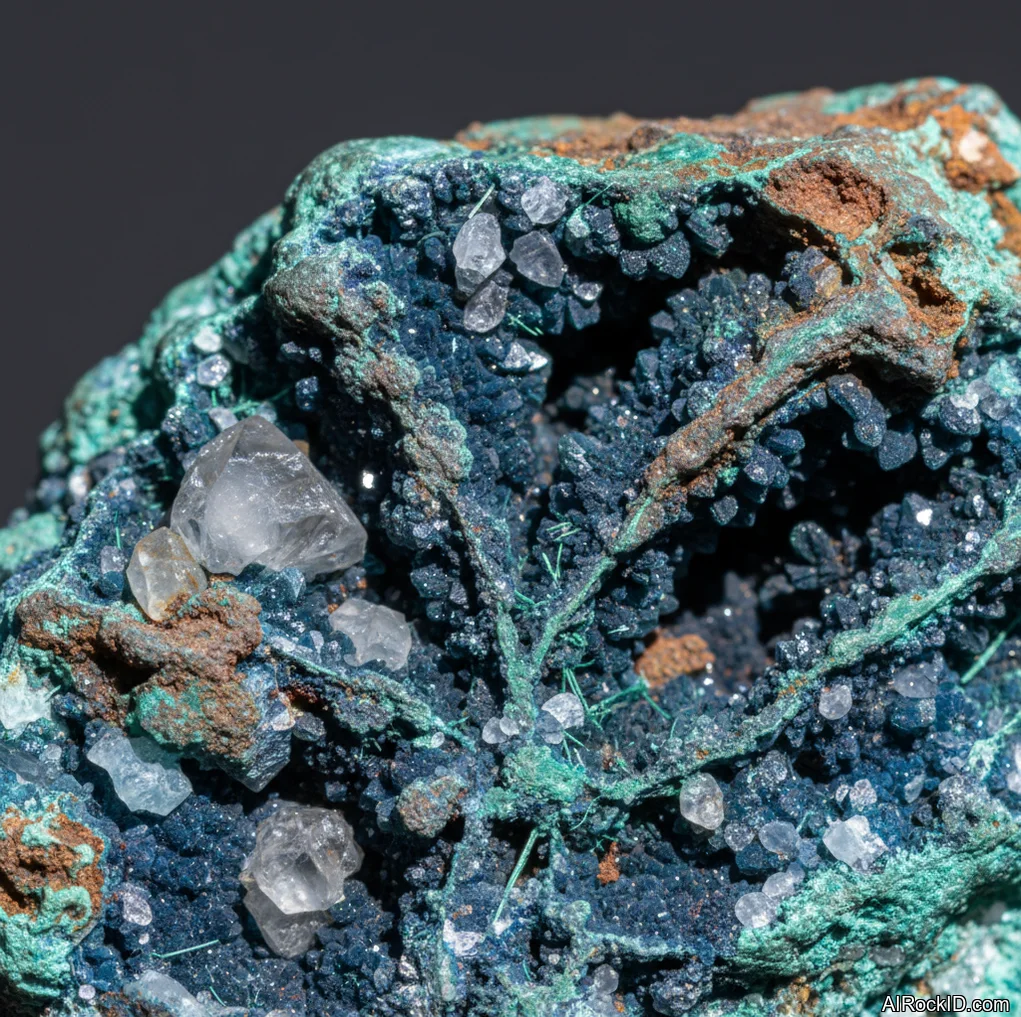
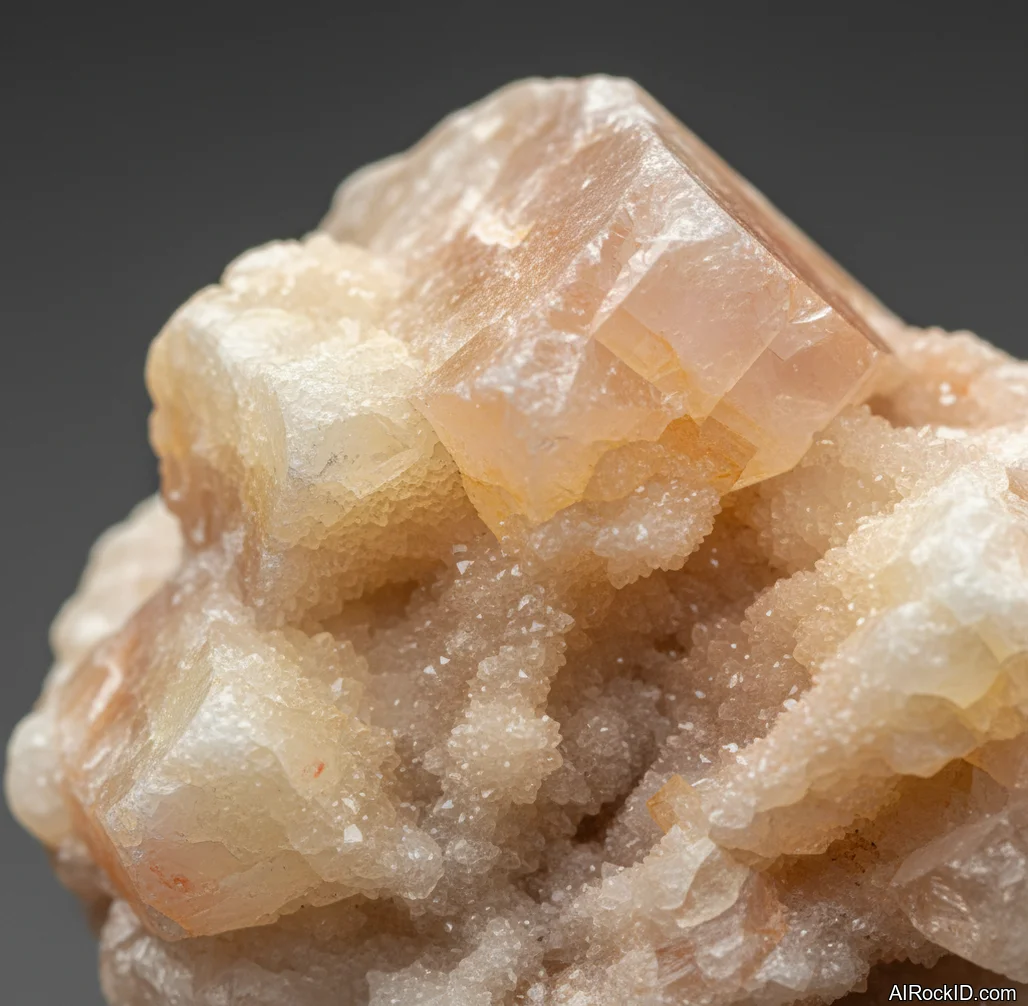
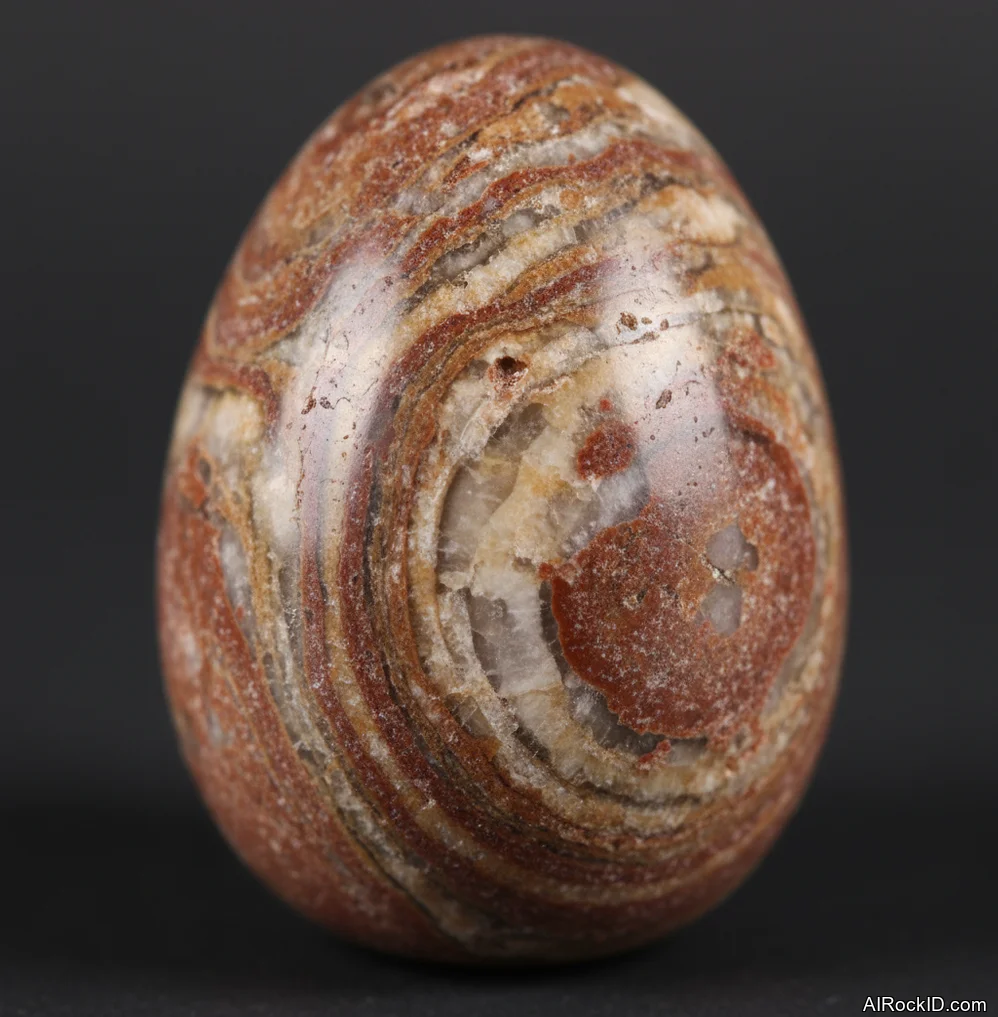
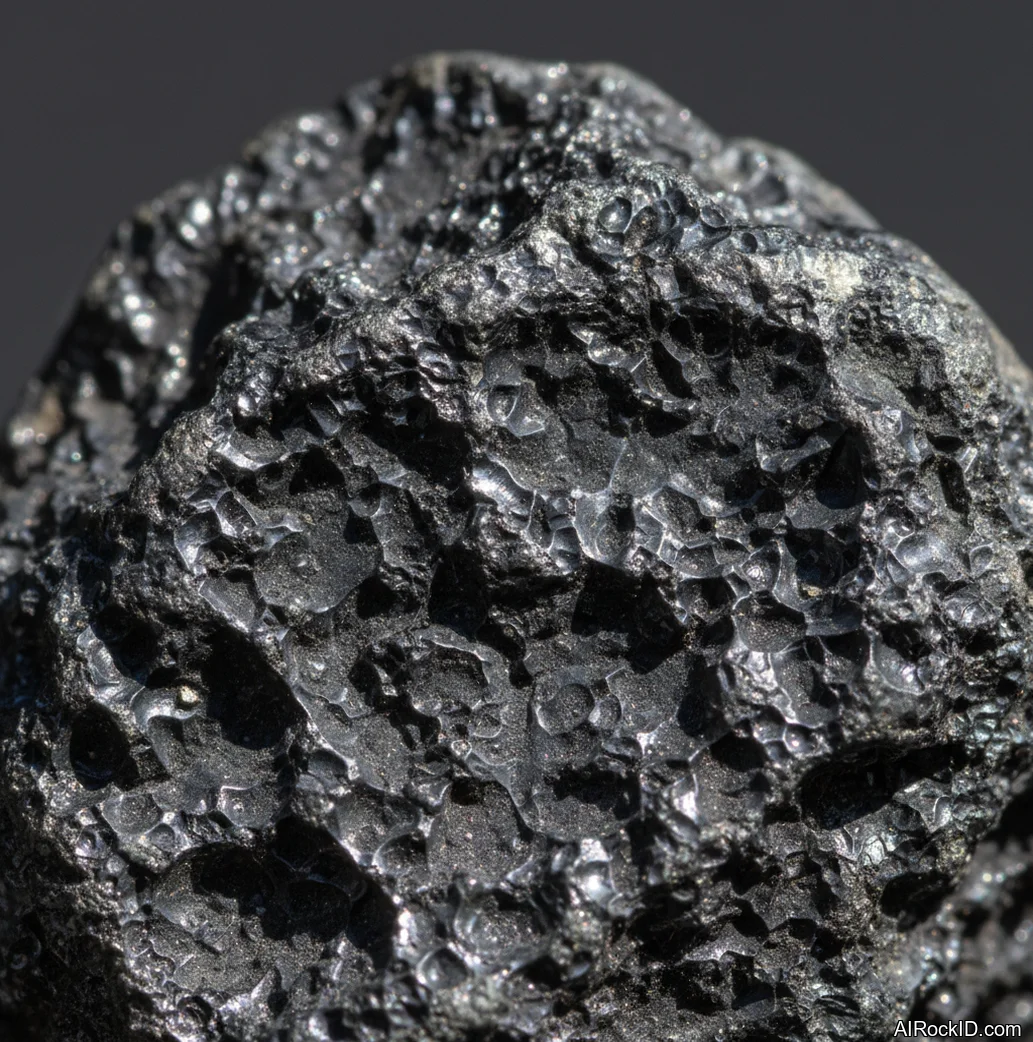
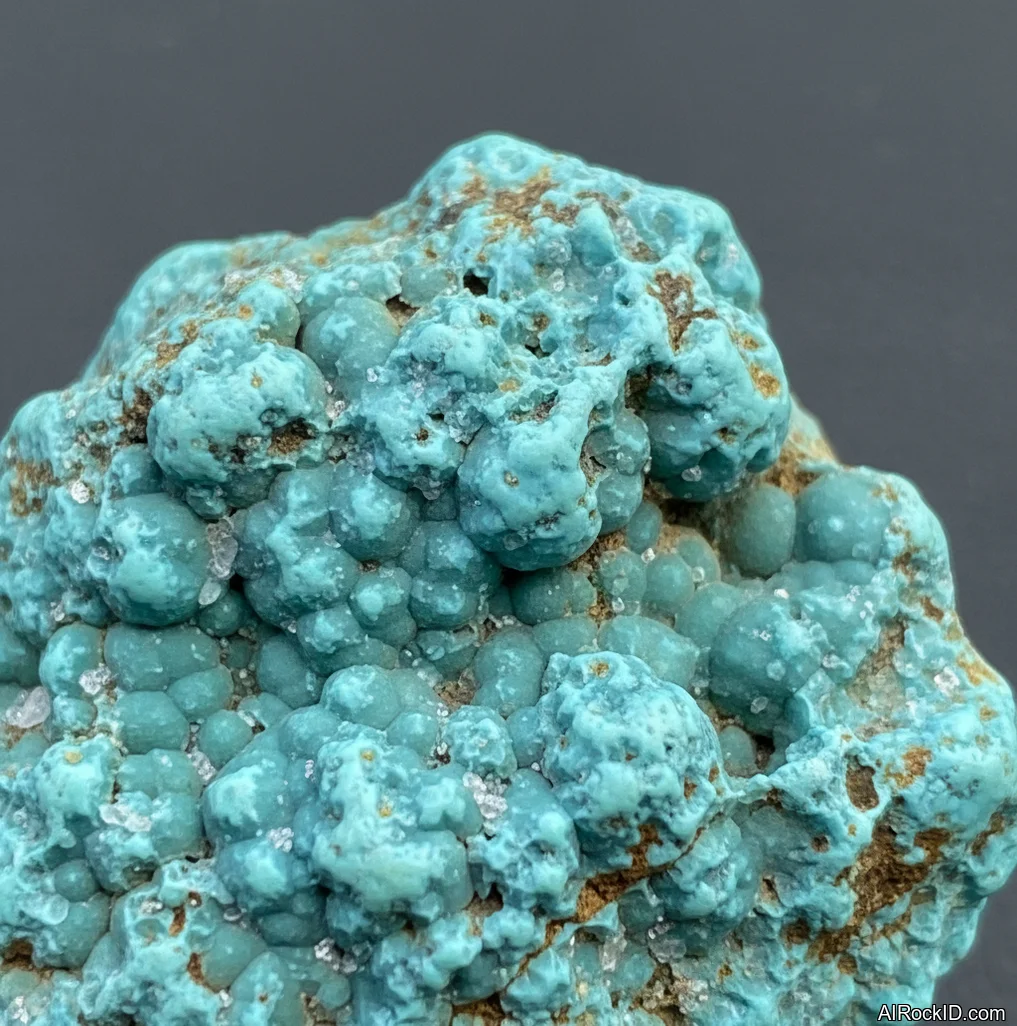
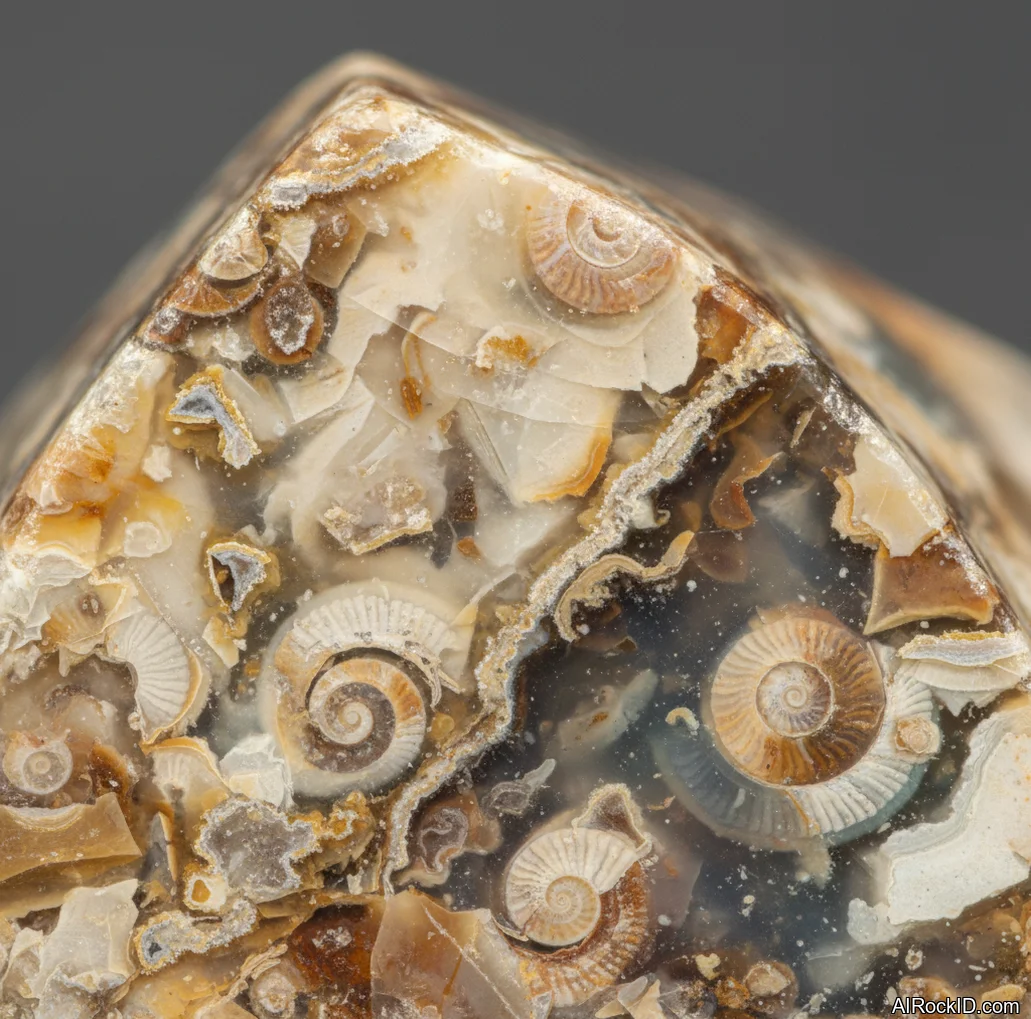
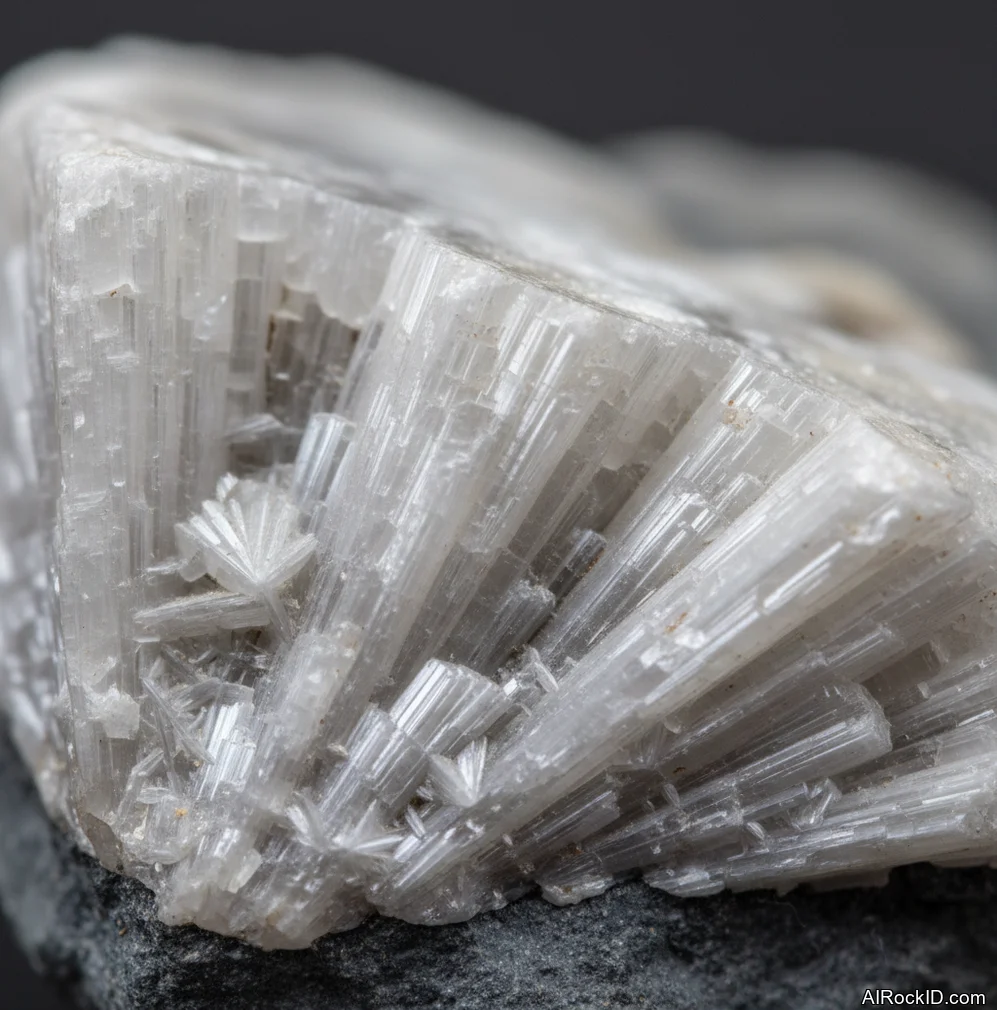
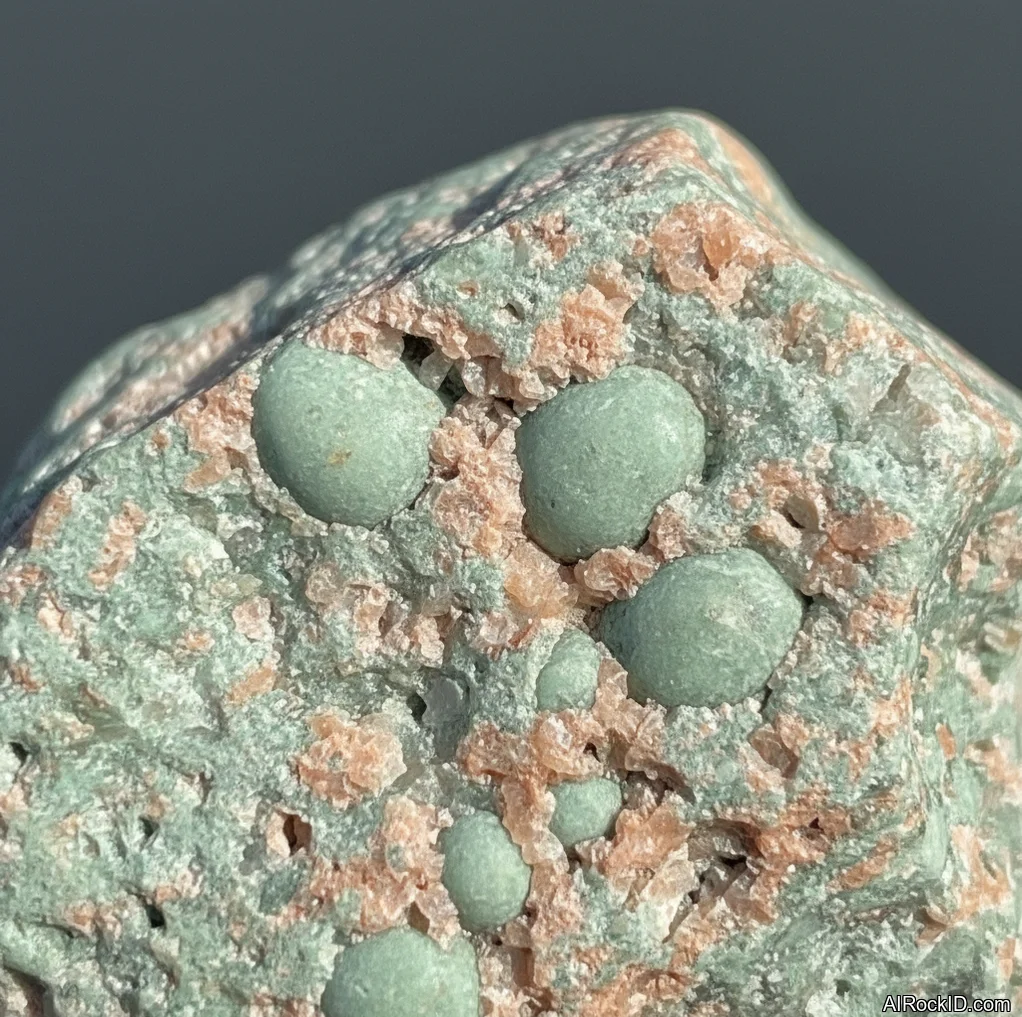
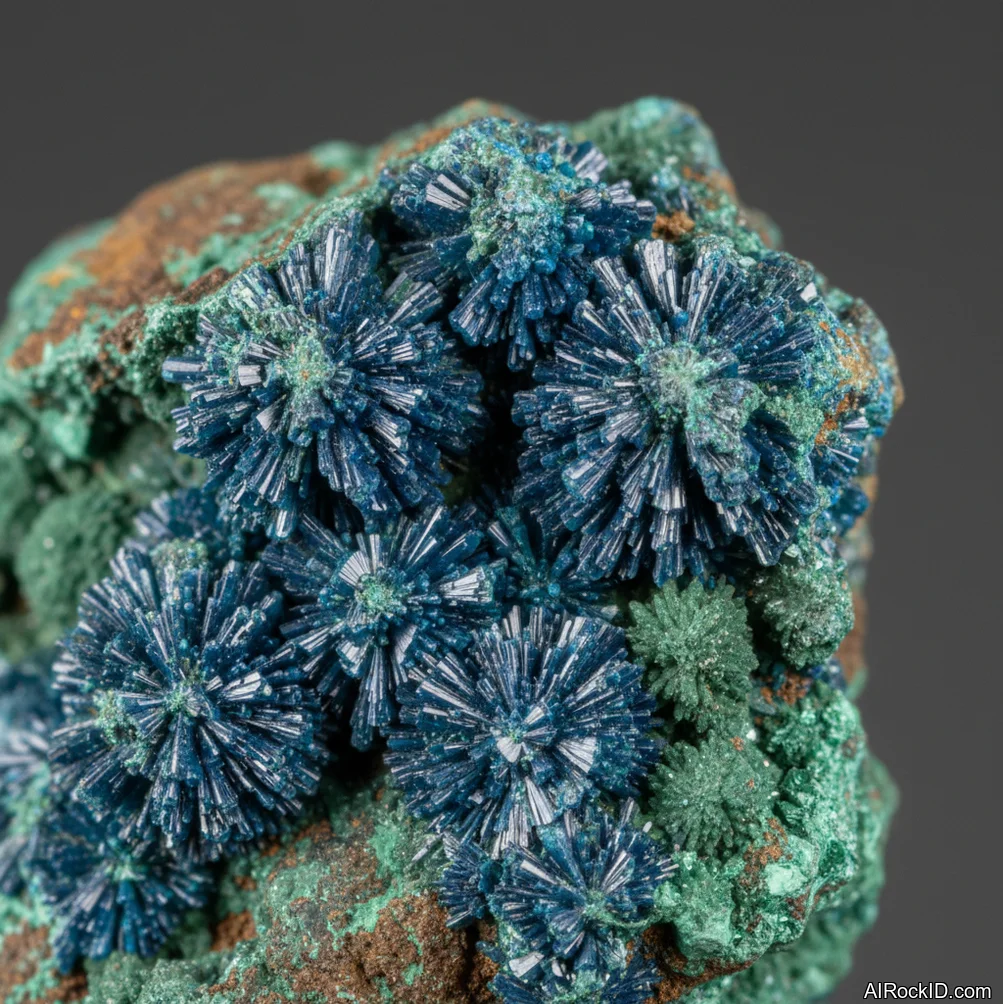
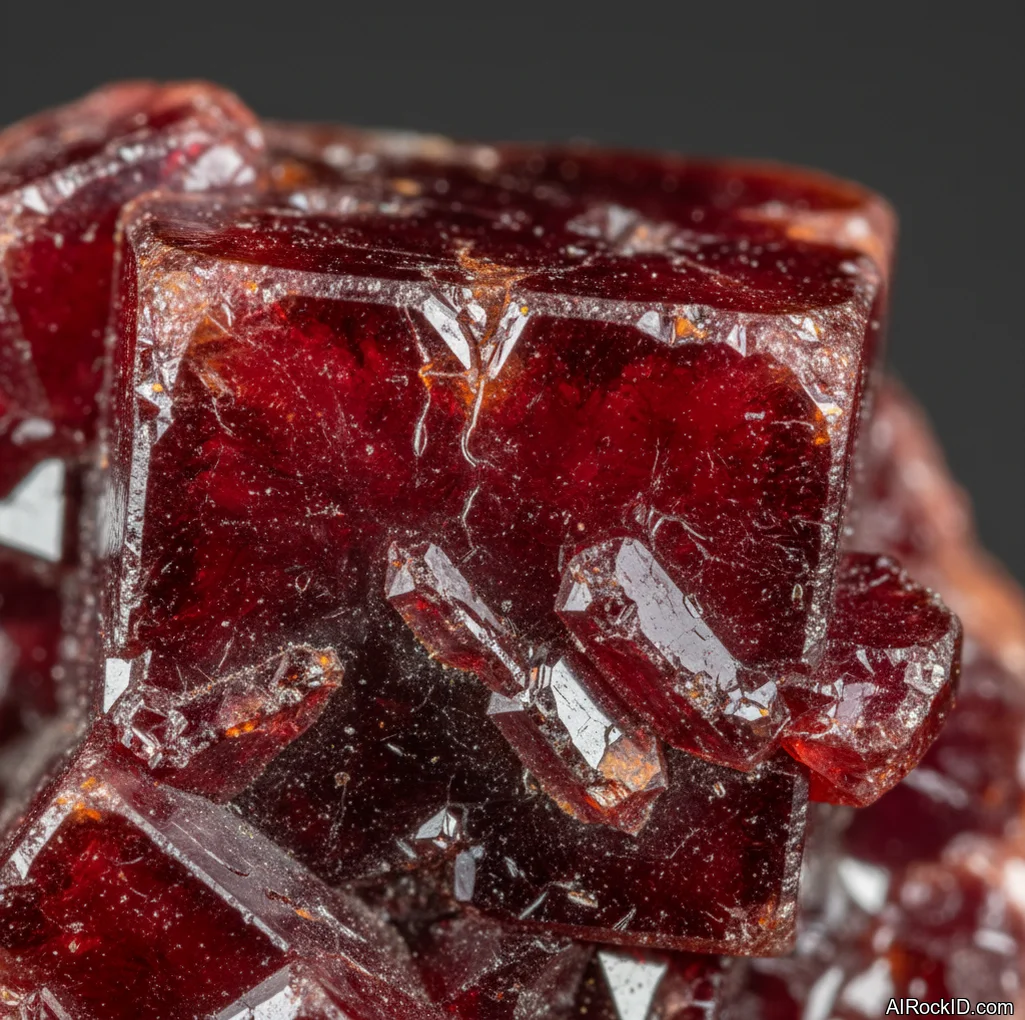
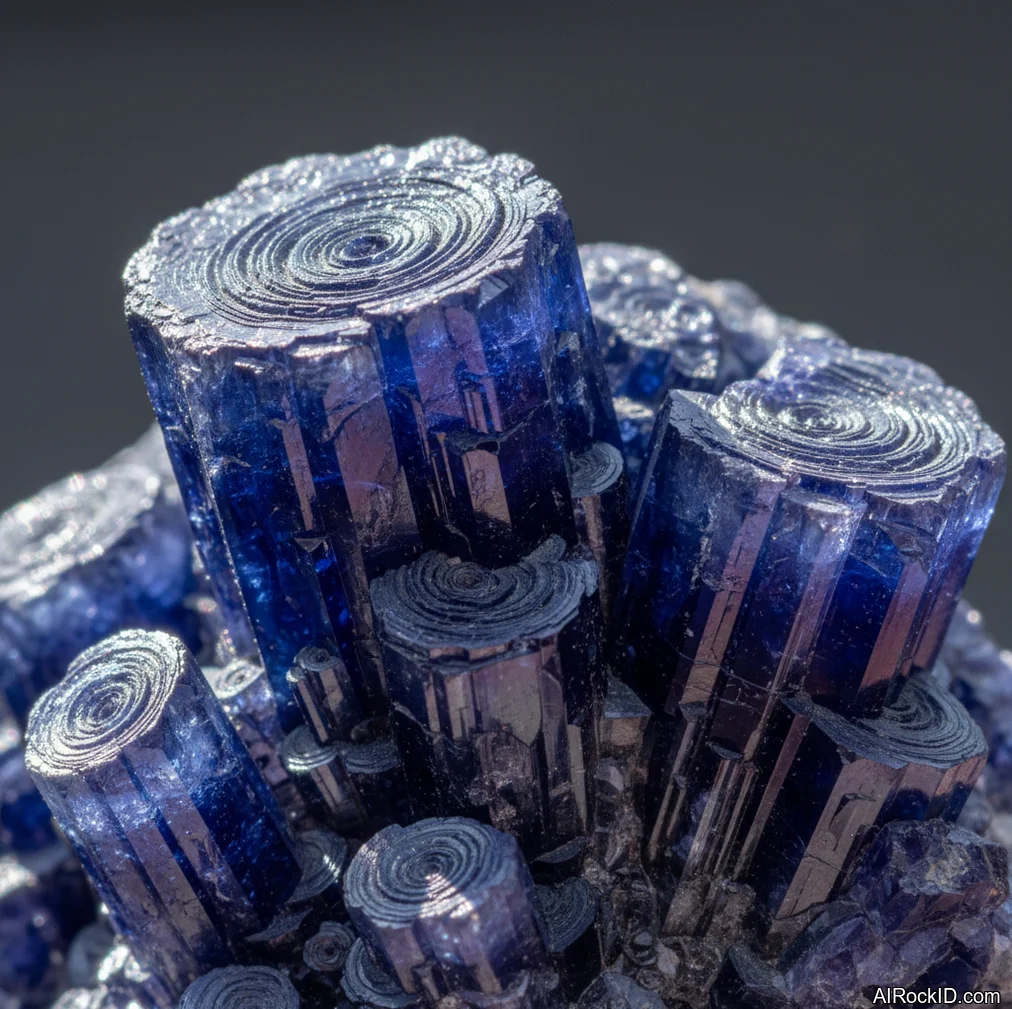
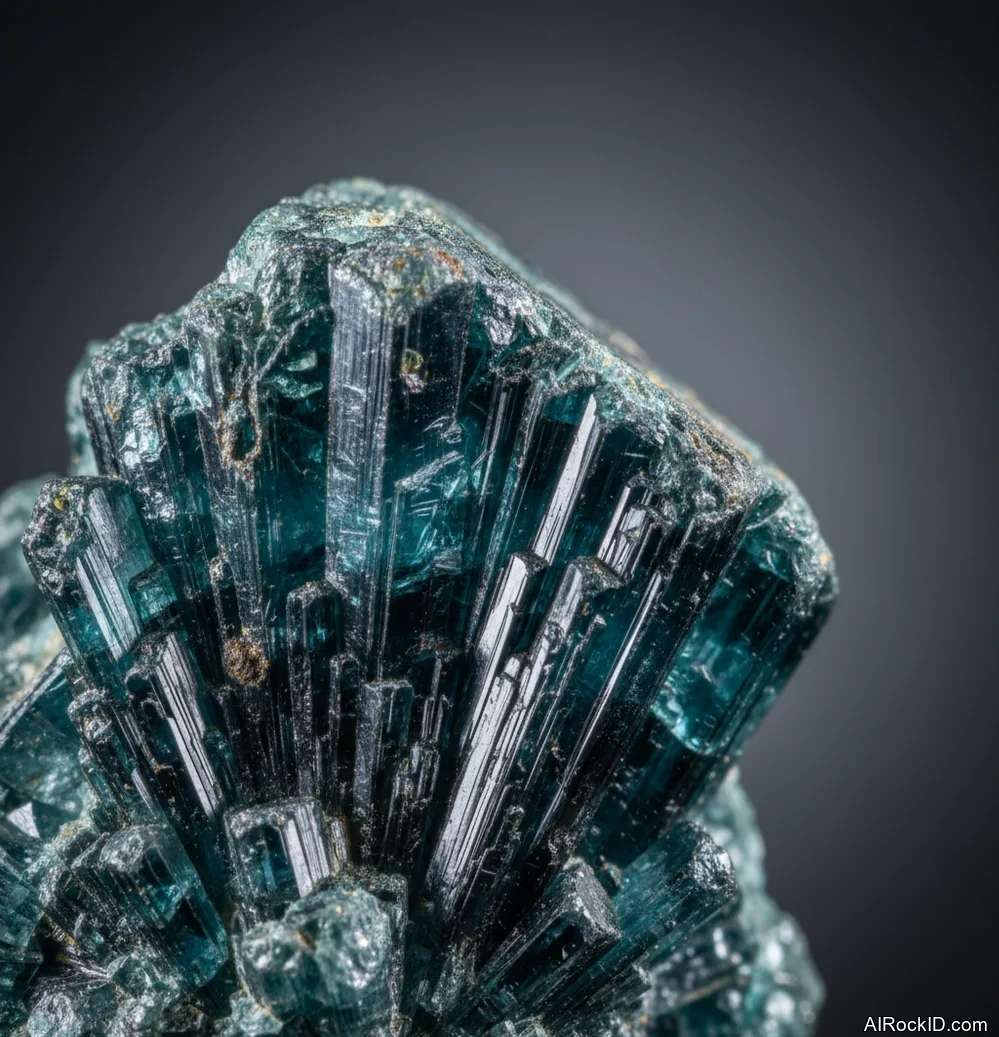
Quick answer: Insight crystals are stones that many collectors associate with observation, reflection, and clearer thinking in metaphysical traditions. Common examples include labradorite, iolite, fluorite, and sodalite, each with distinct colors, textures, and identification clues.
Explore Insight crystals, what Insight means, and how to choose and use crystals like labradorite, iolite, fluorite, and sodalite for clarity.


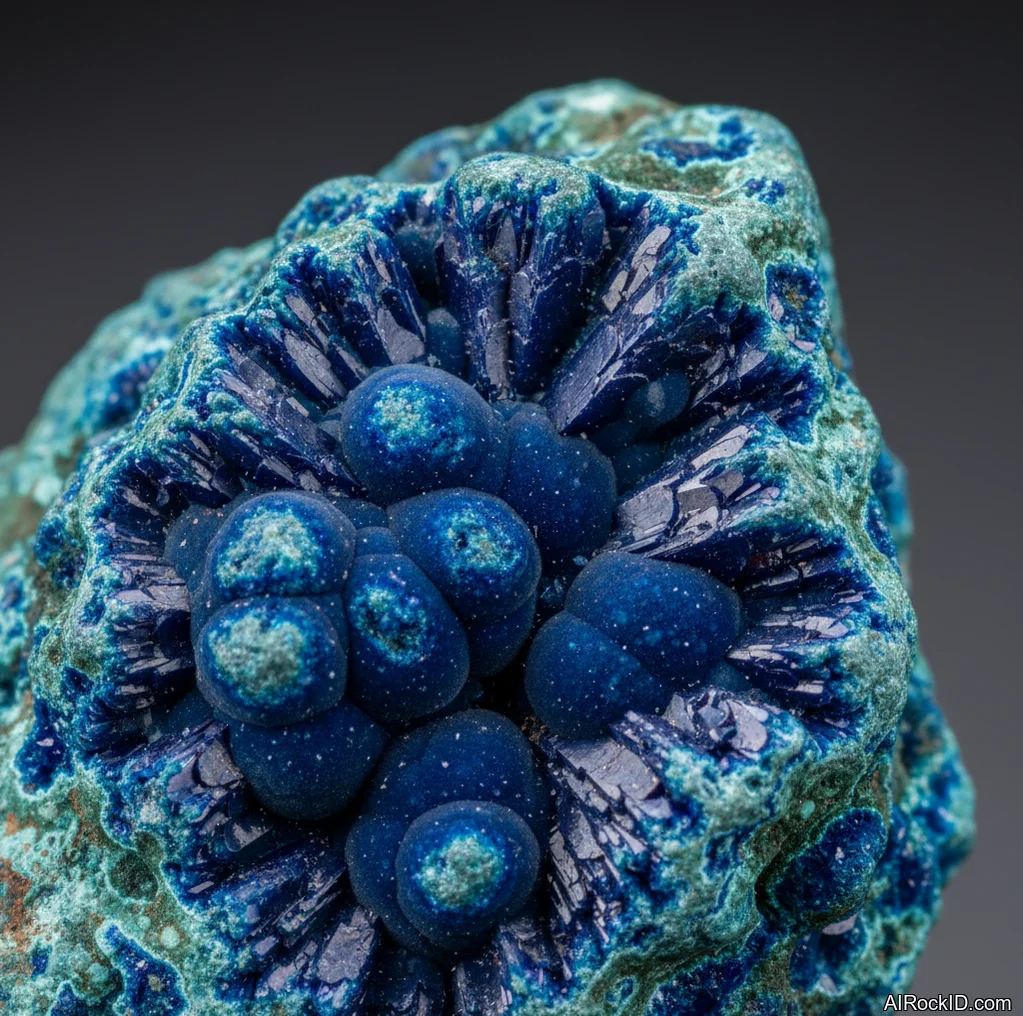
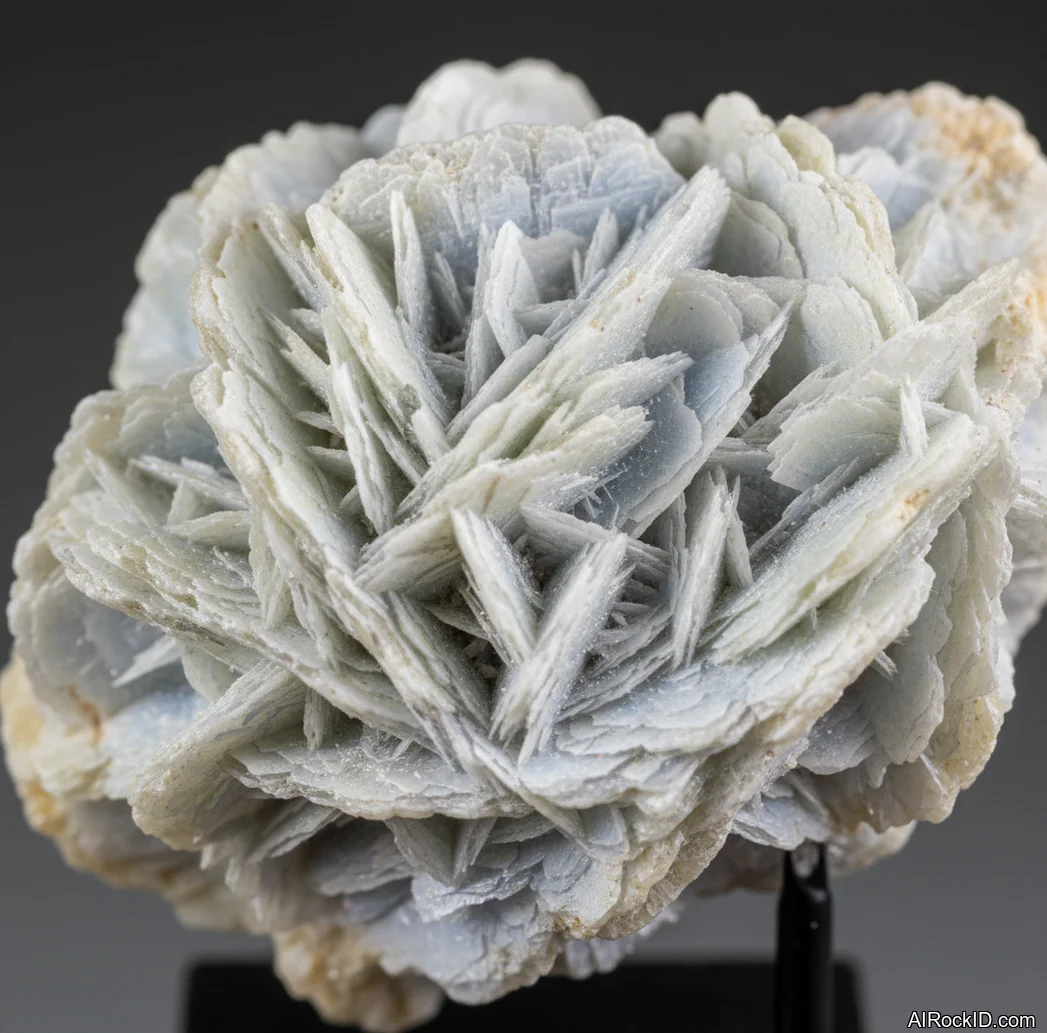
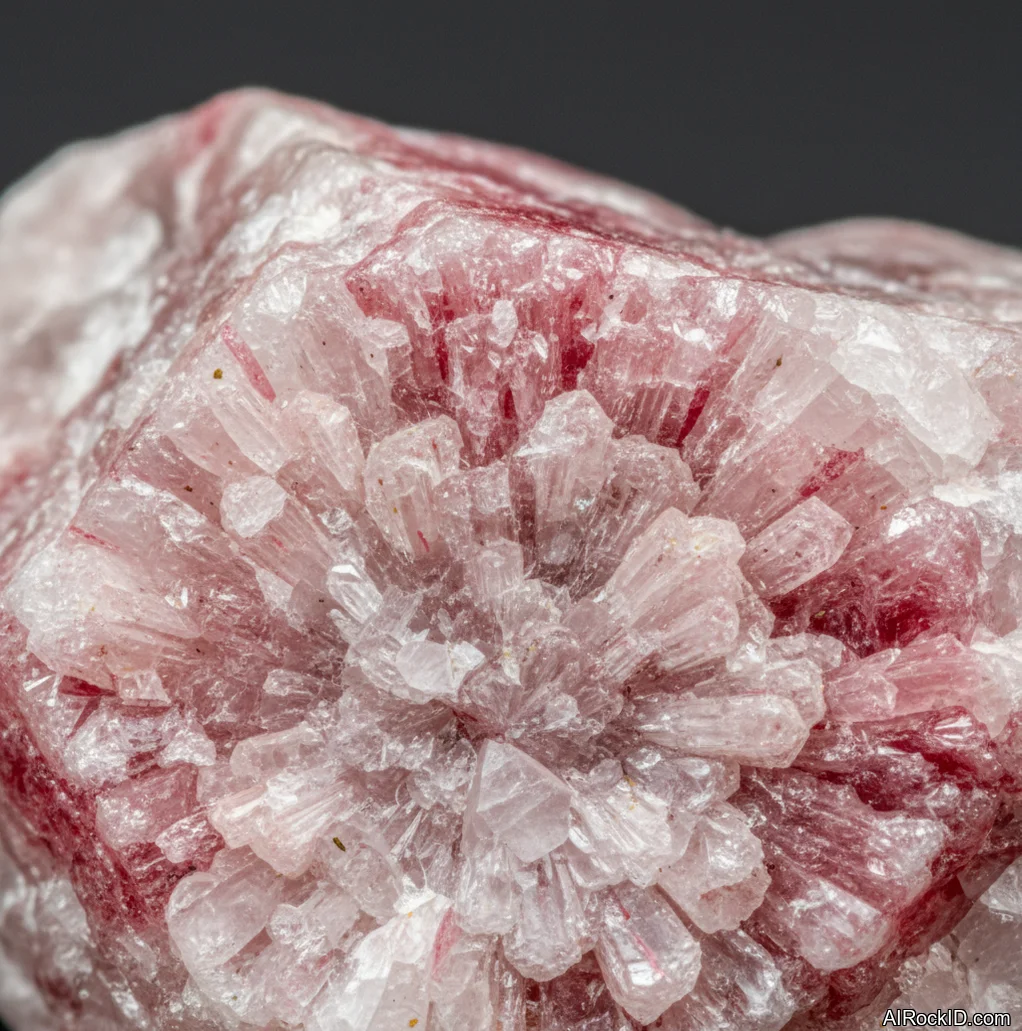
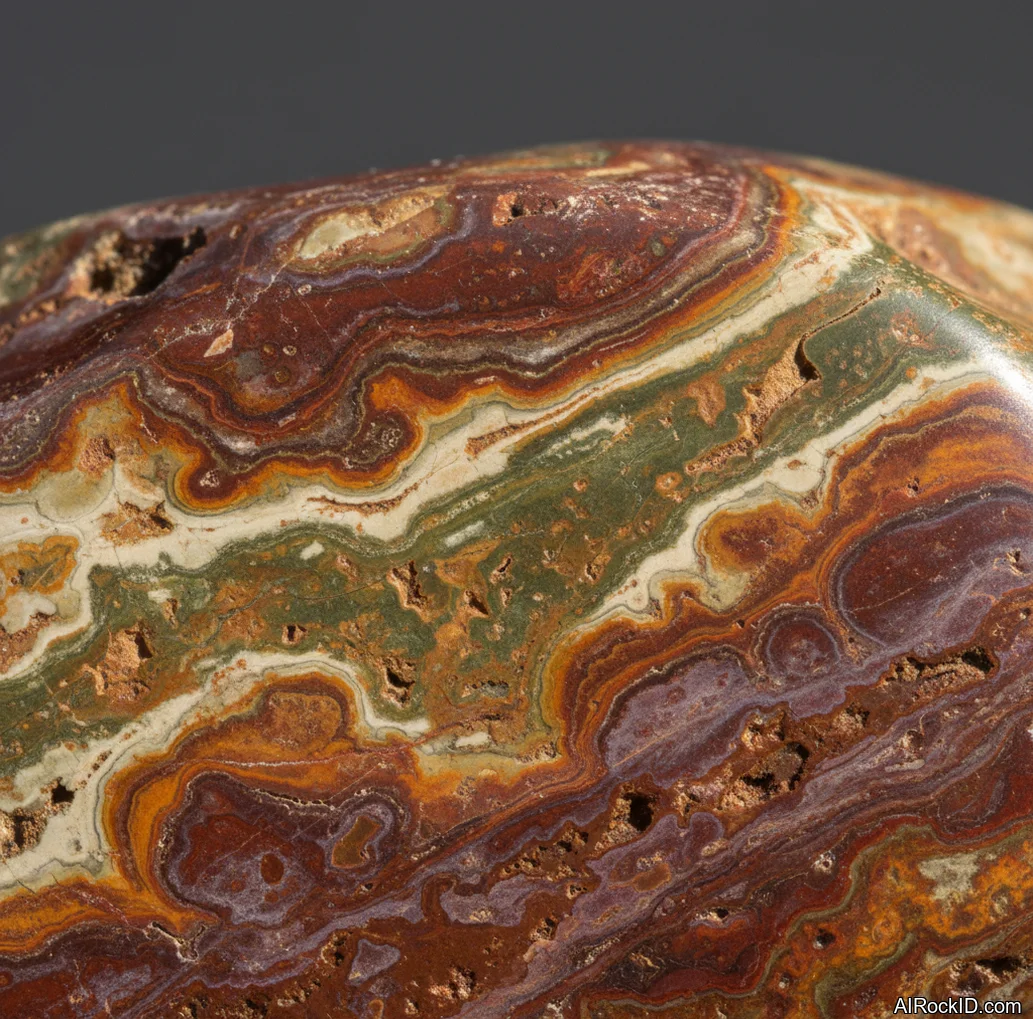
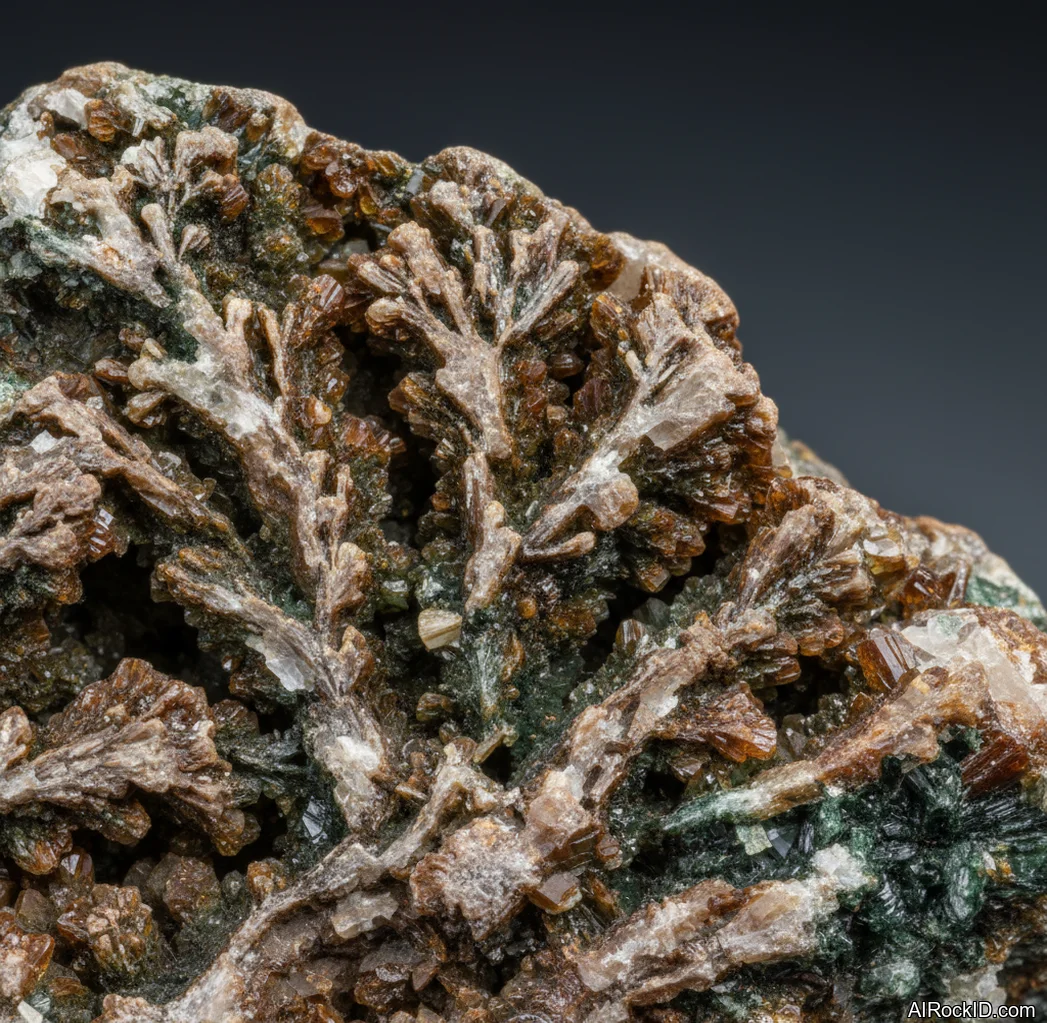
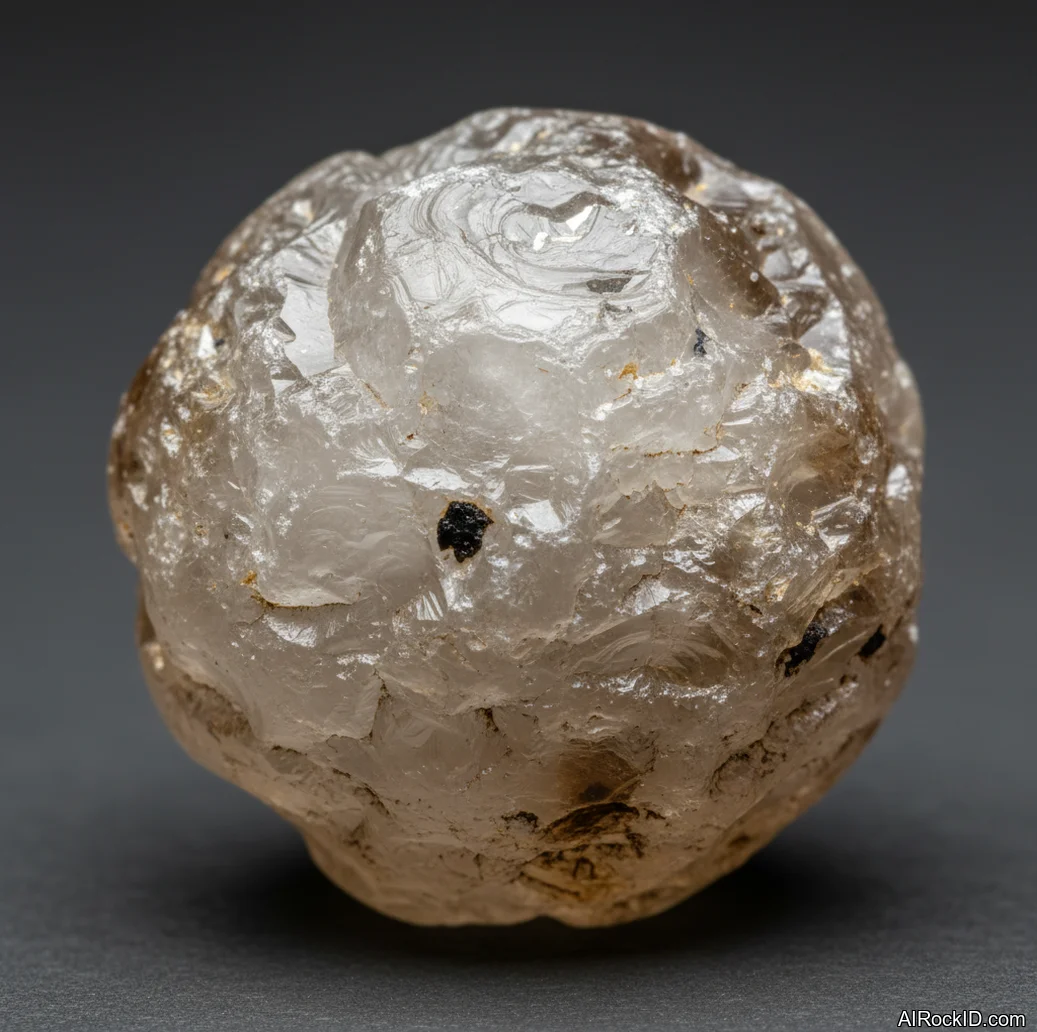
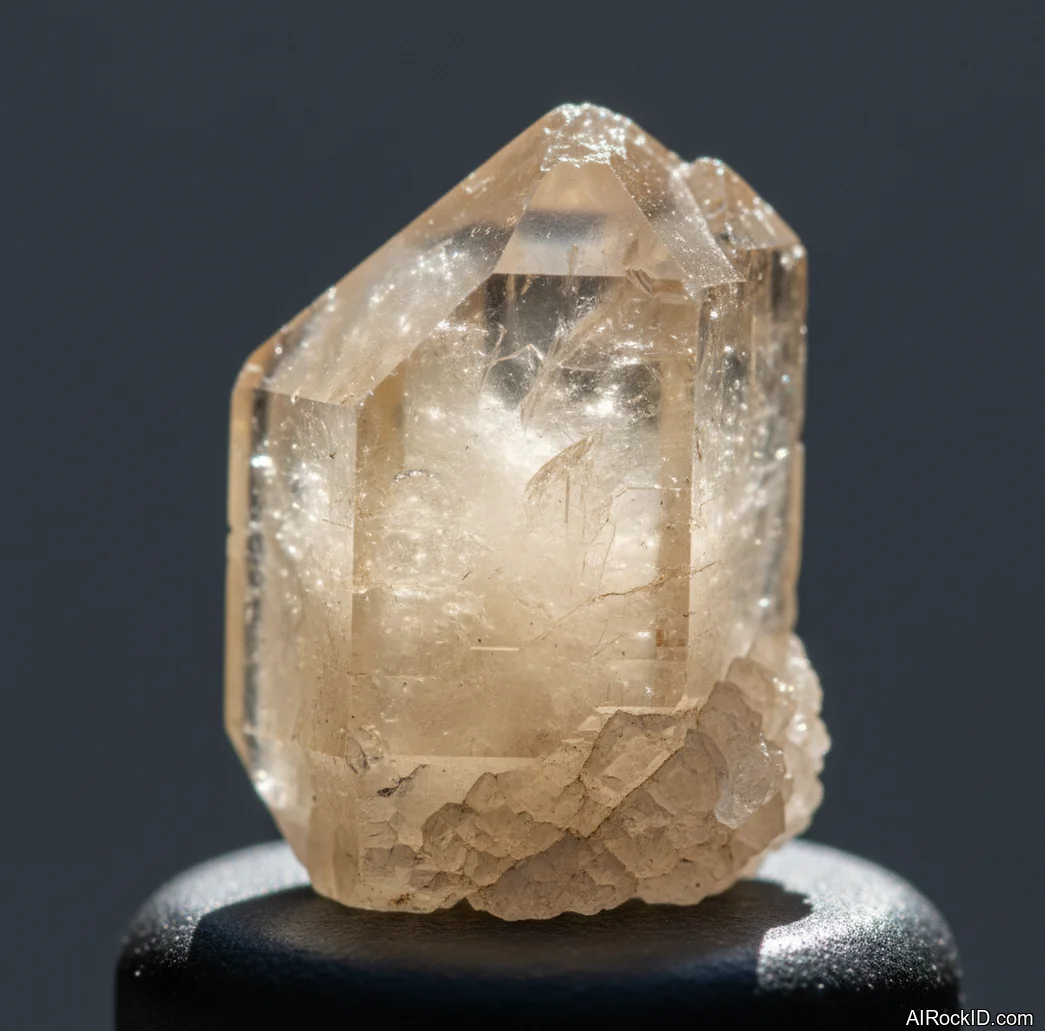
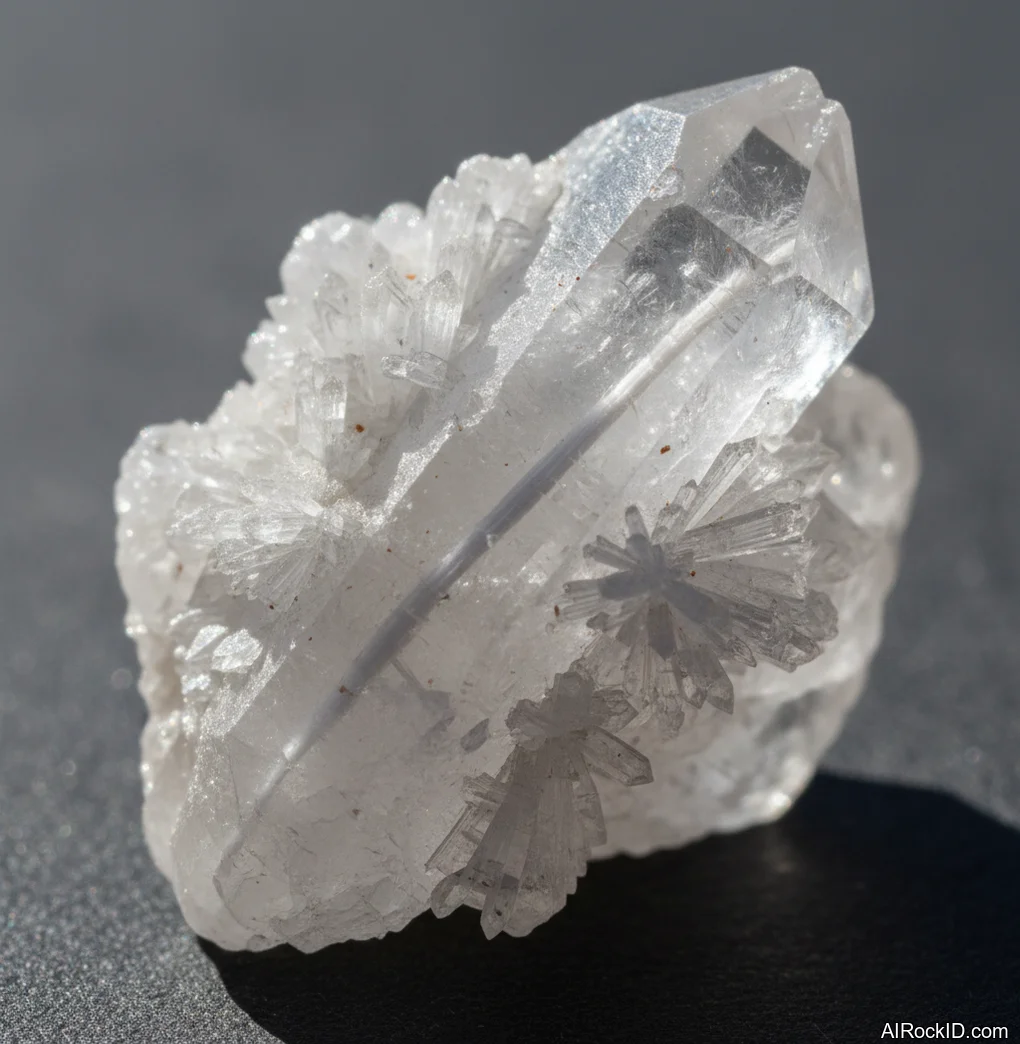
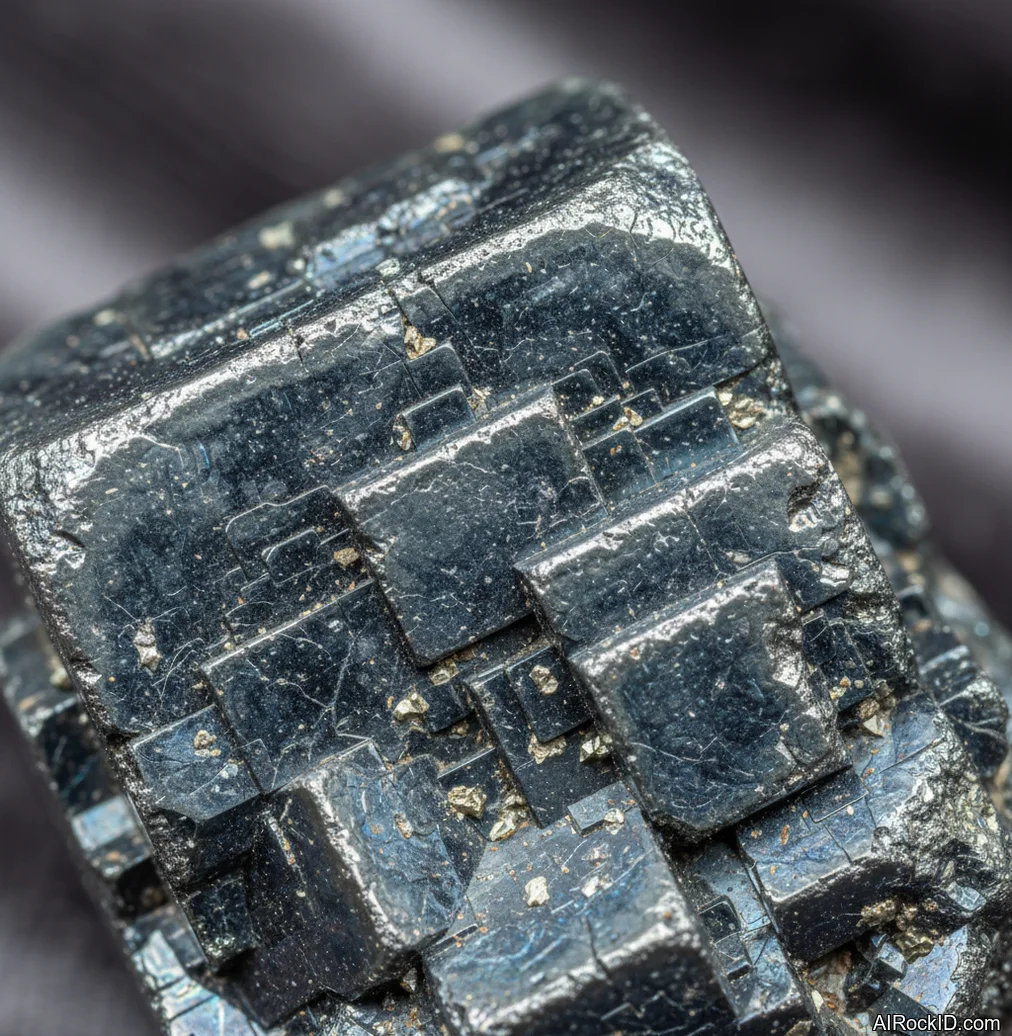
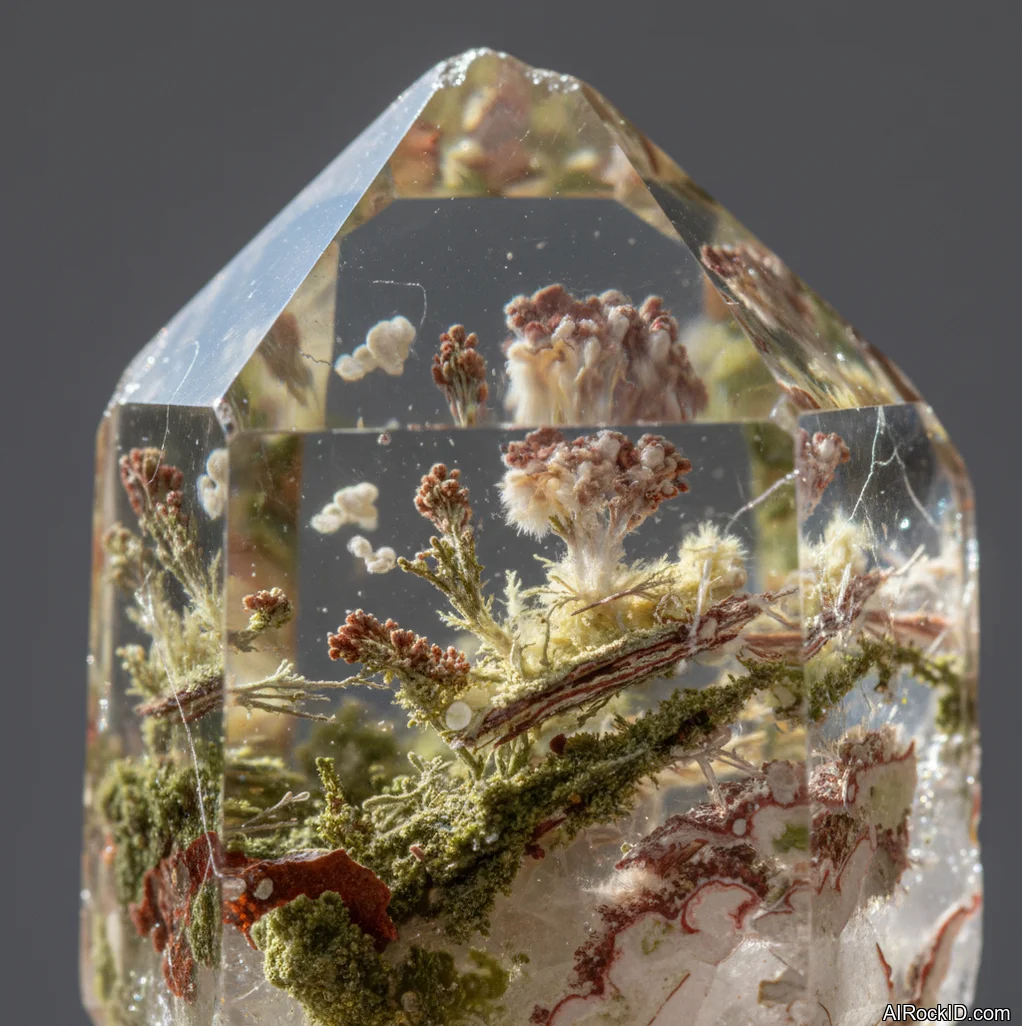
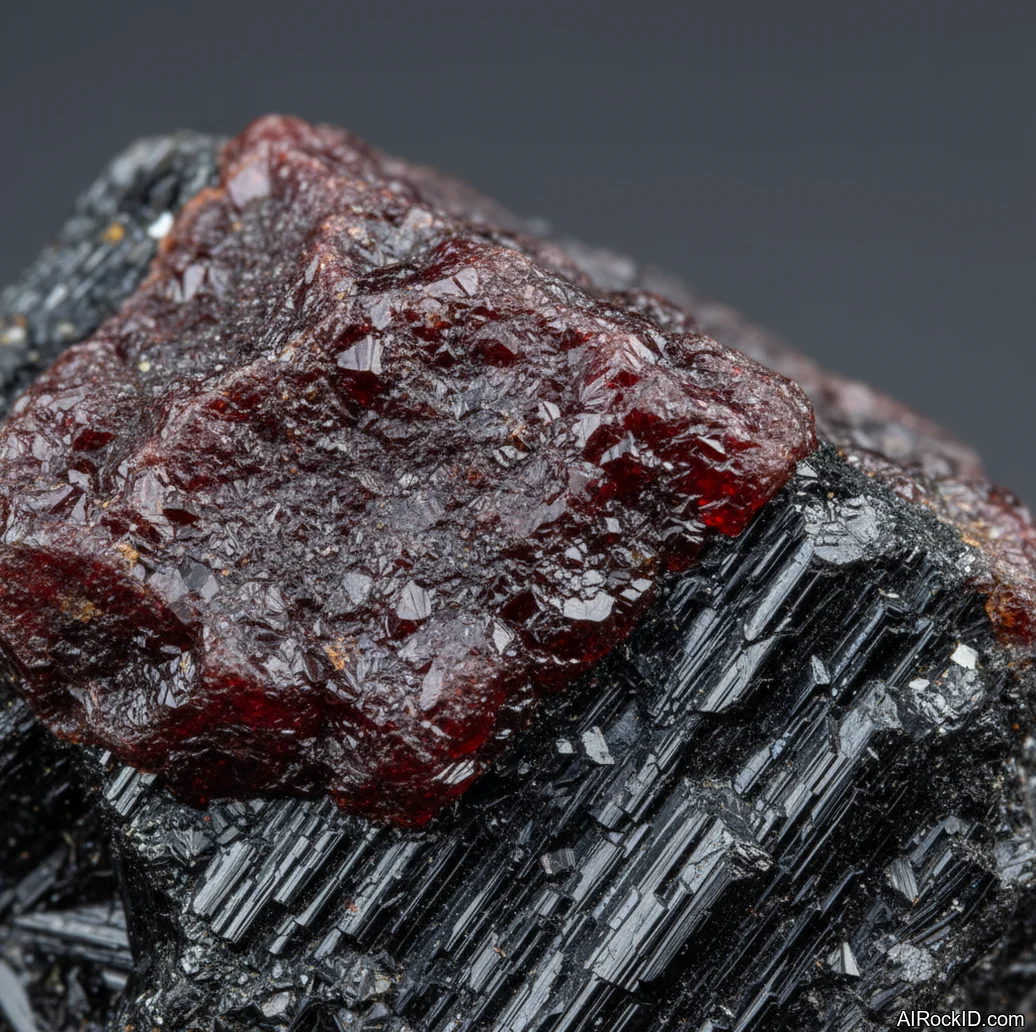
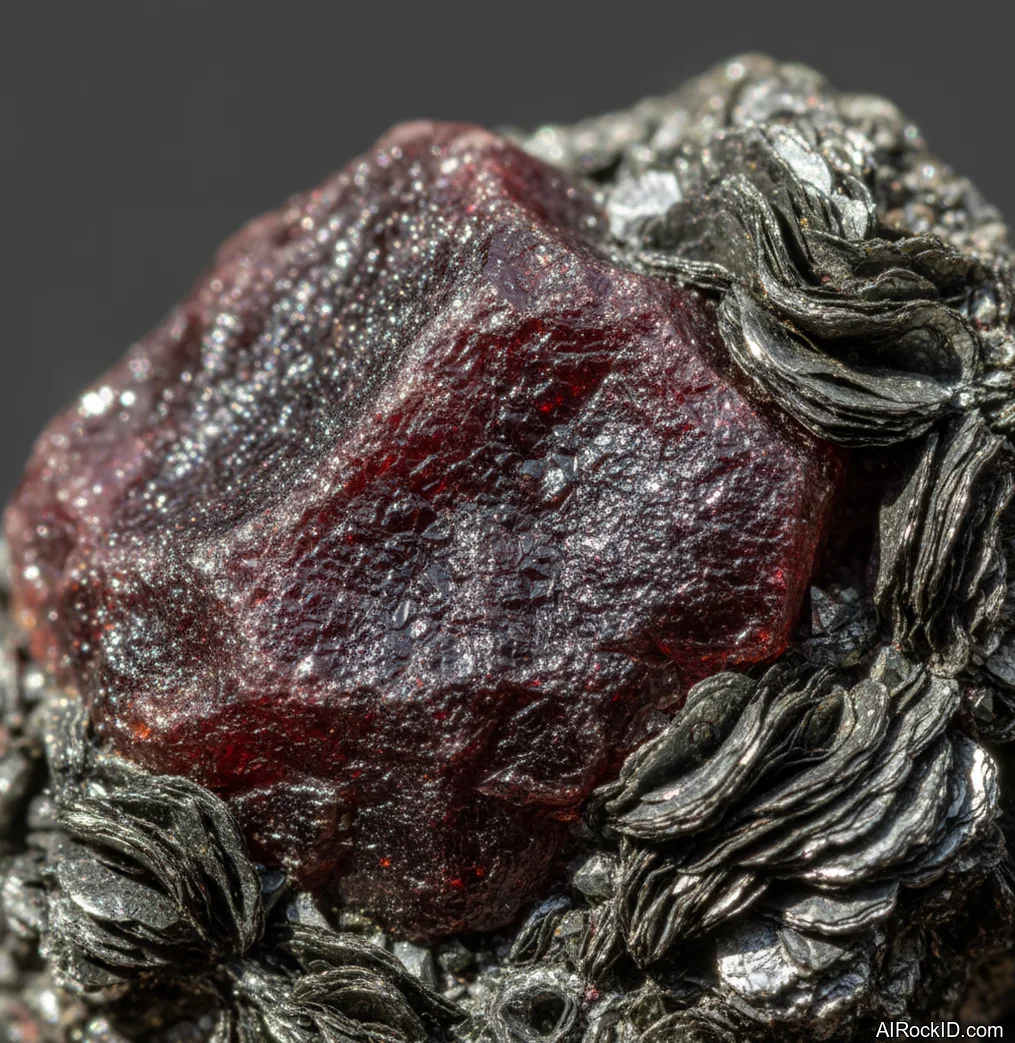
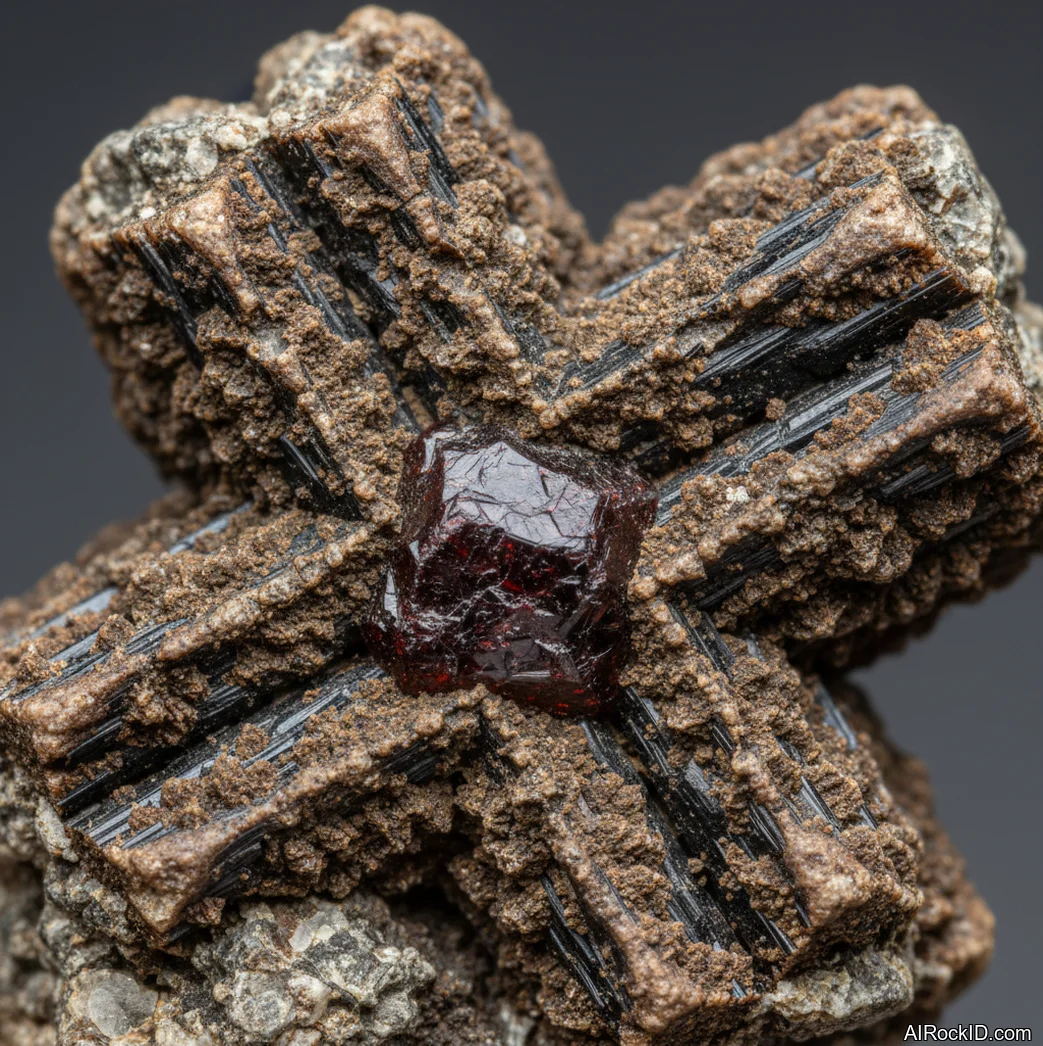
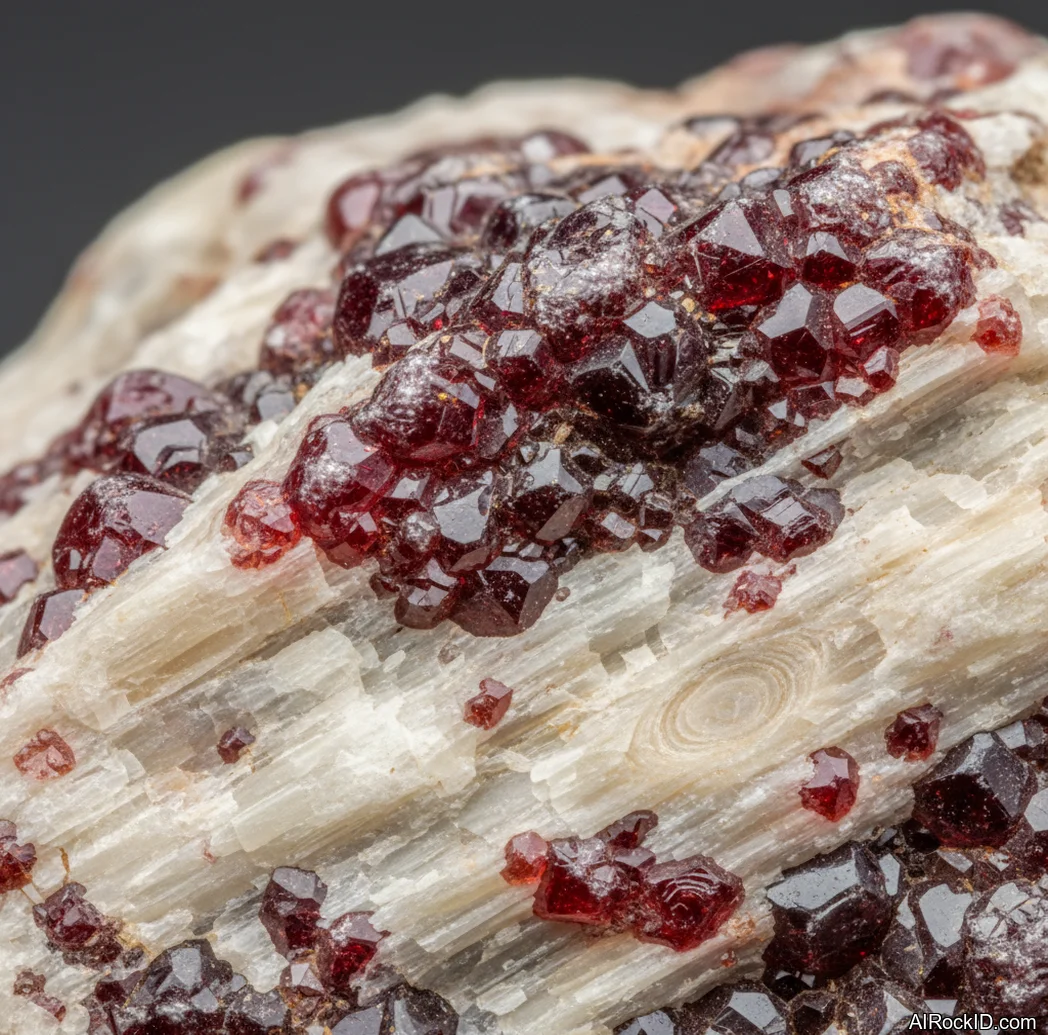
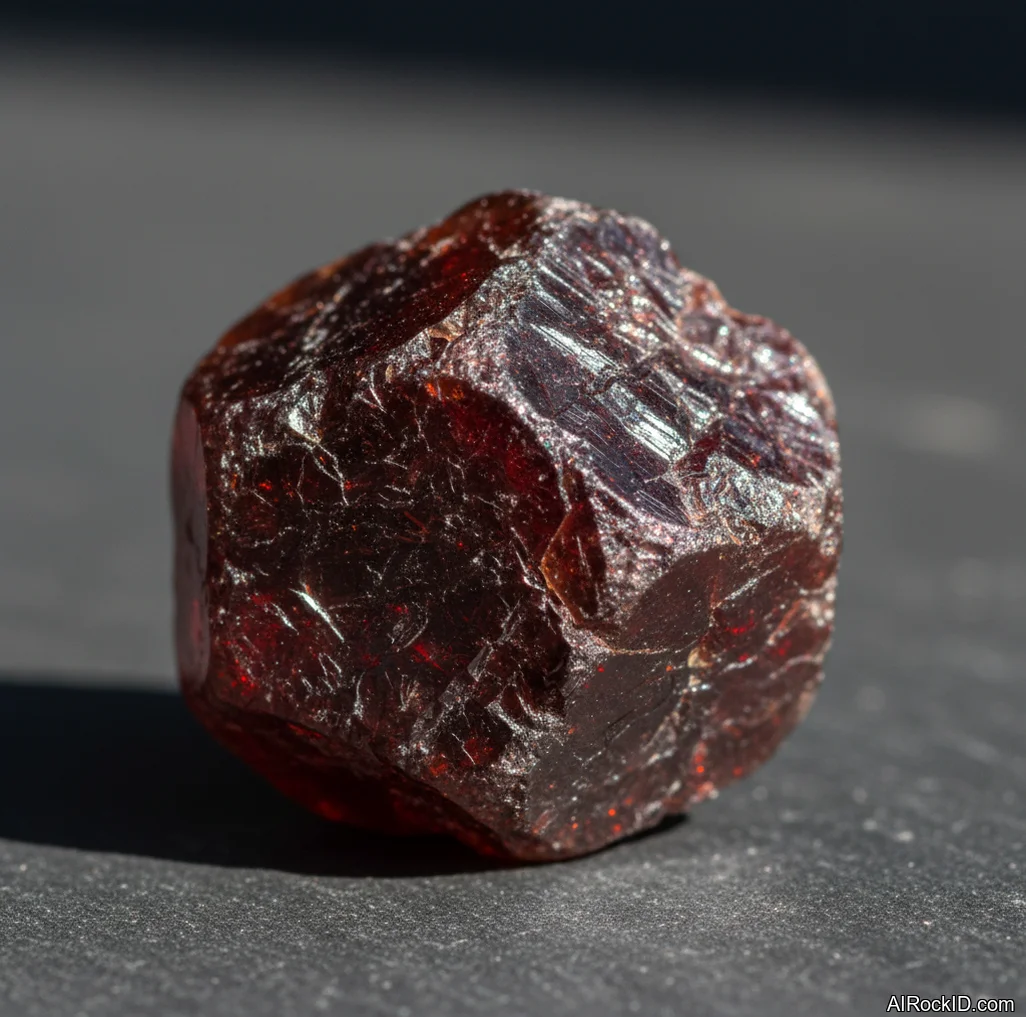
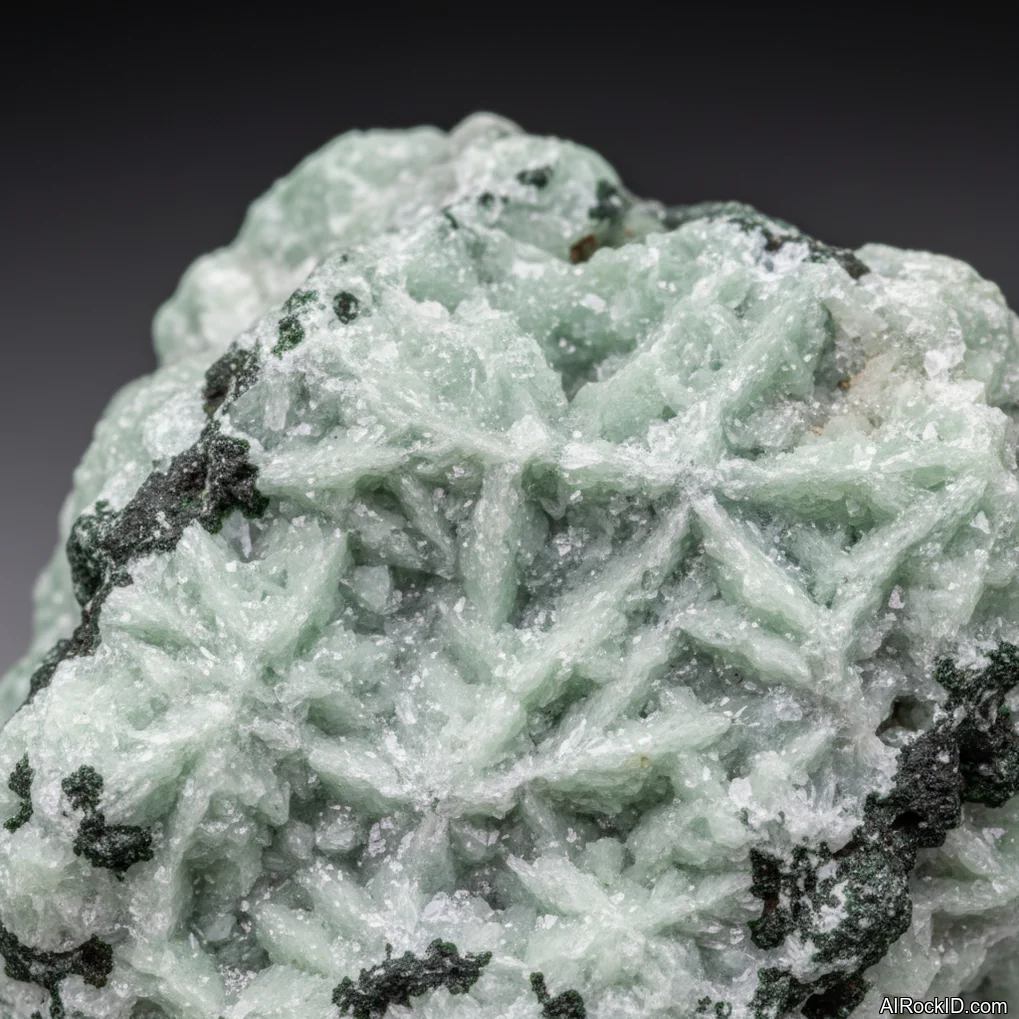
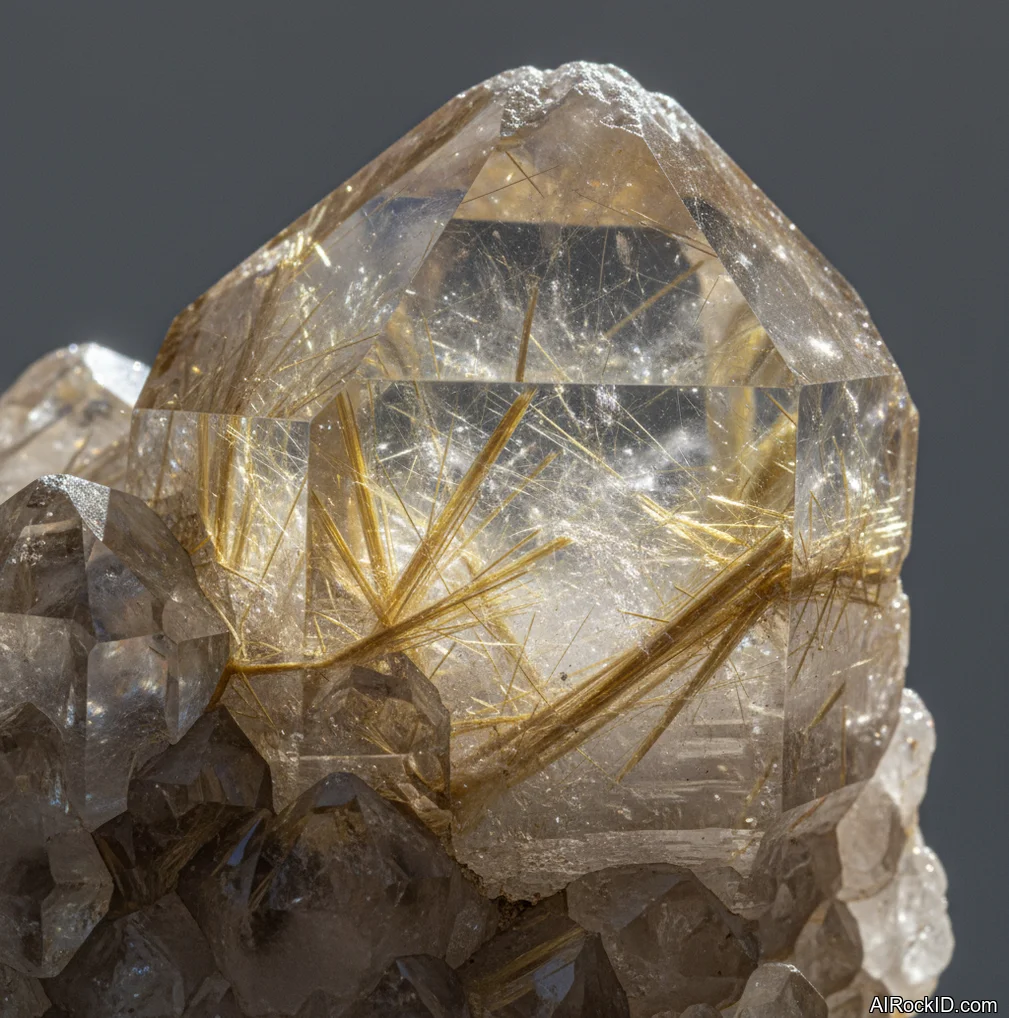
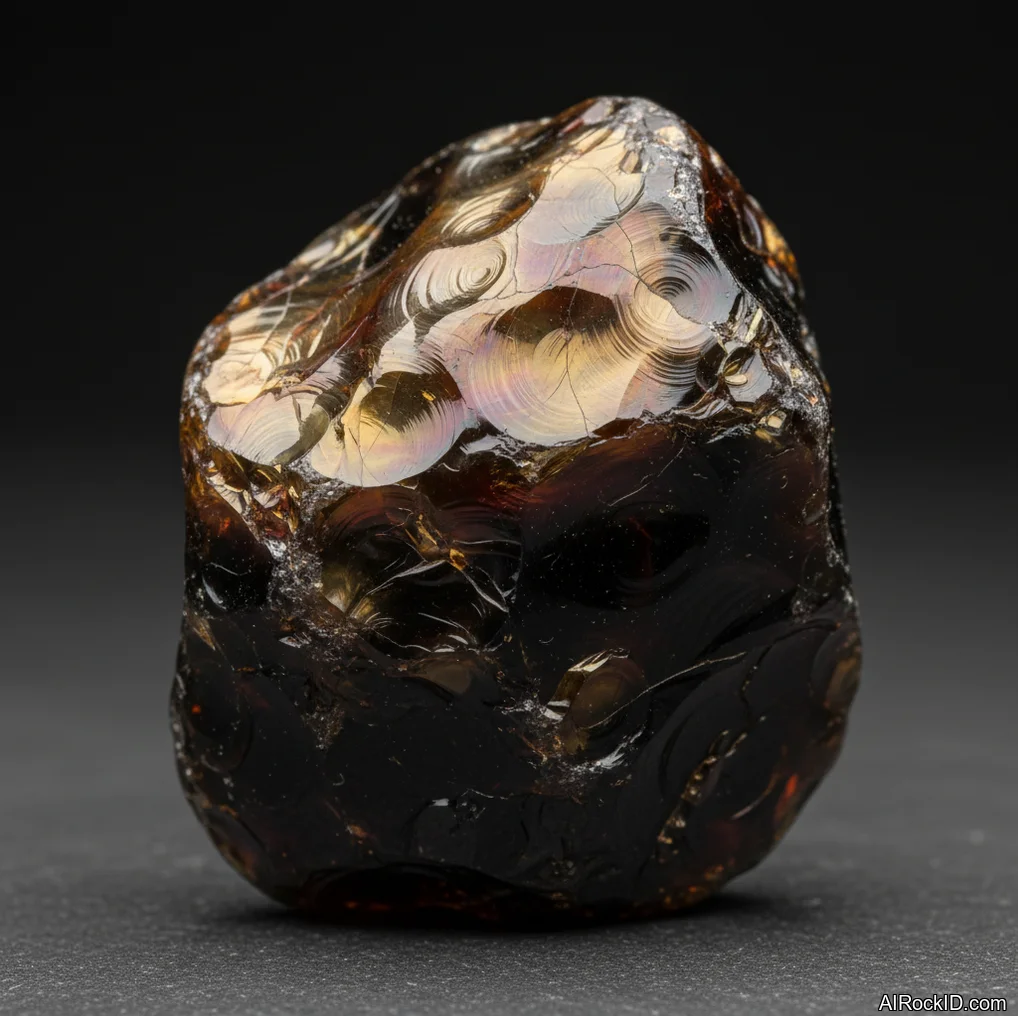
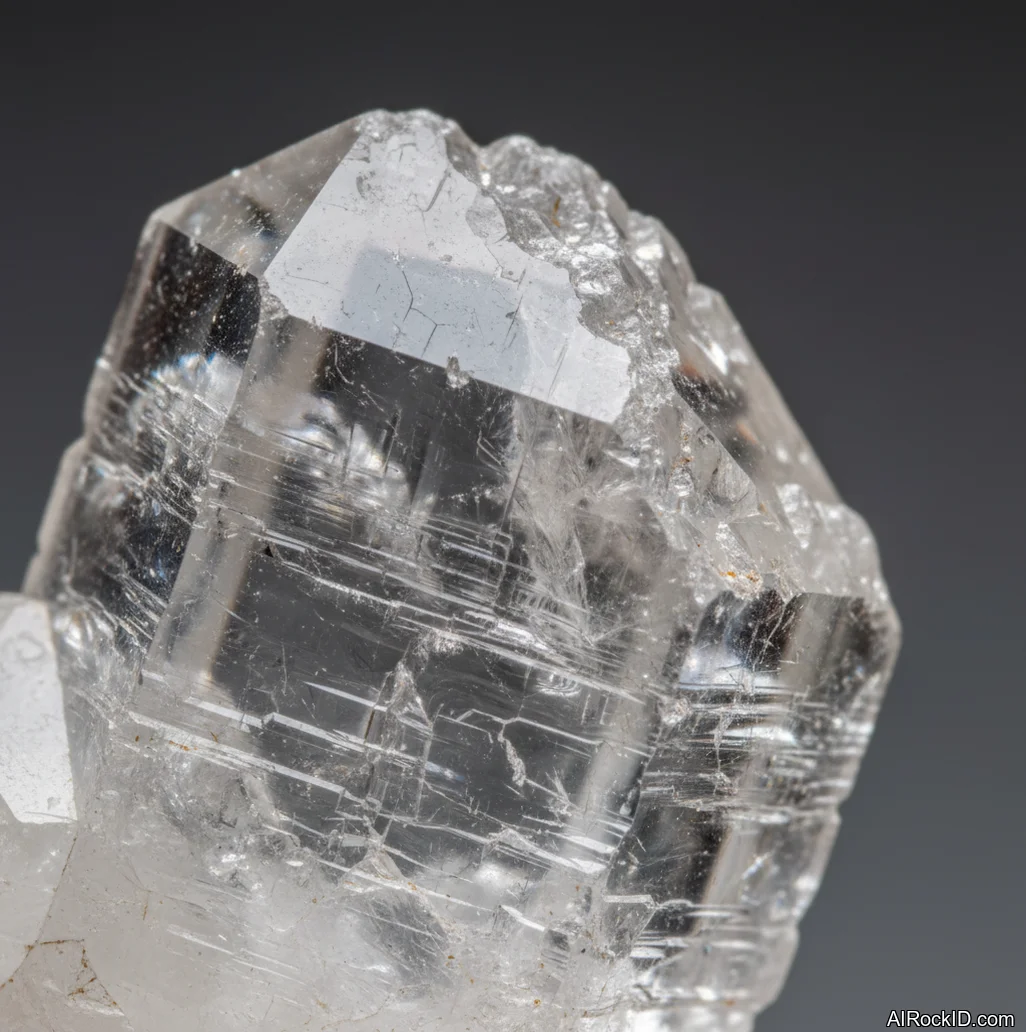
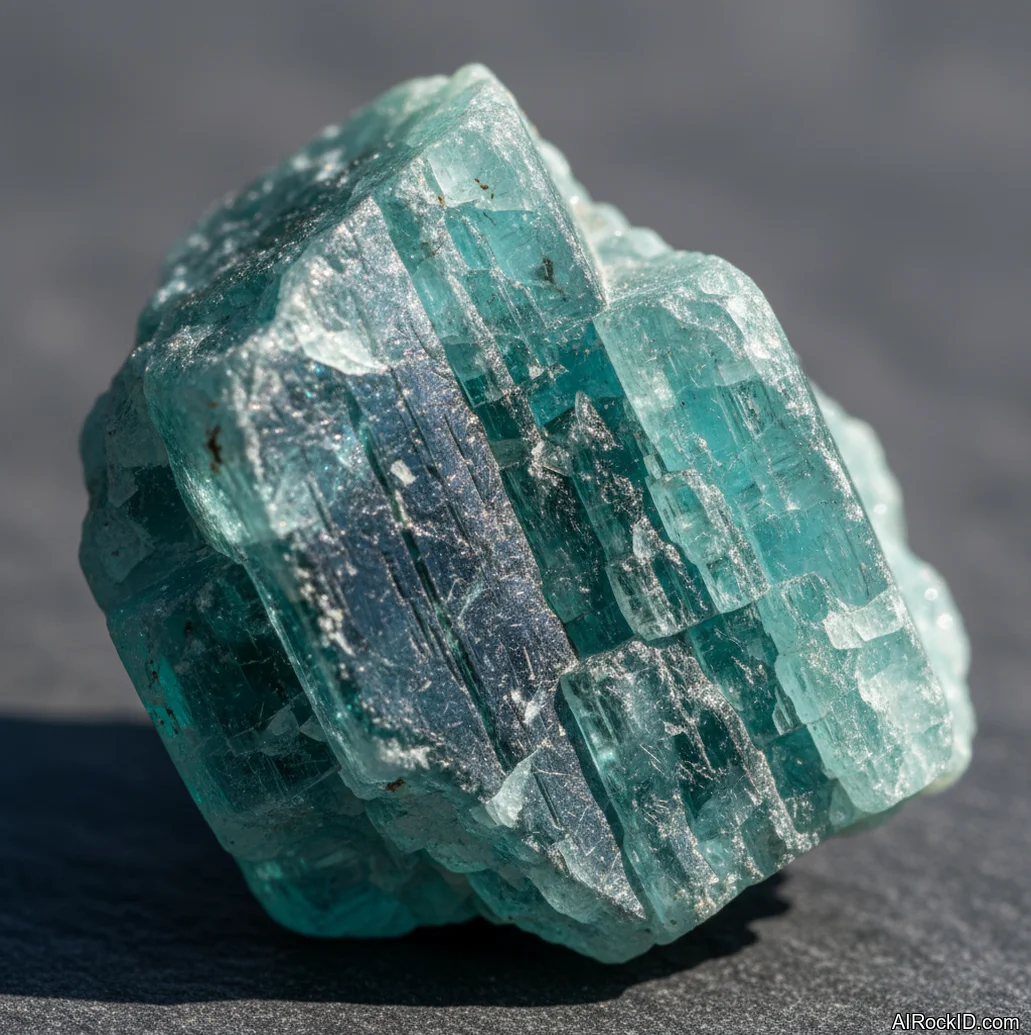
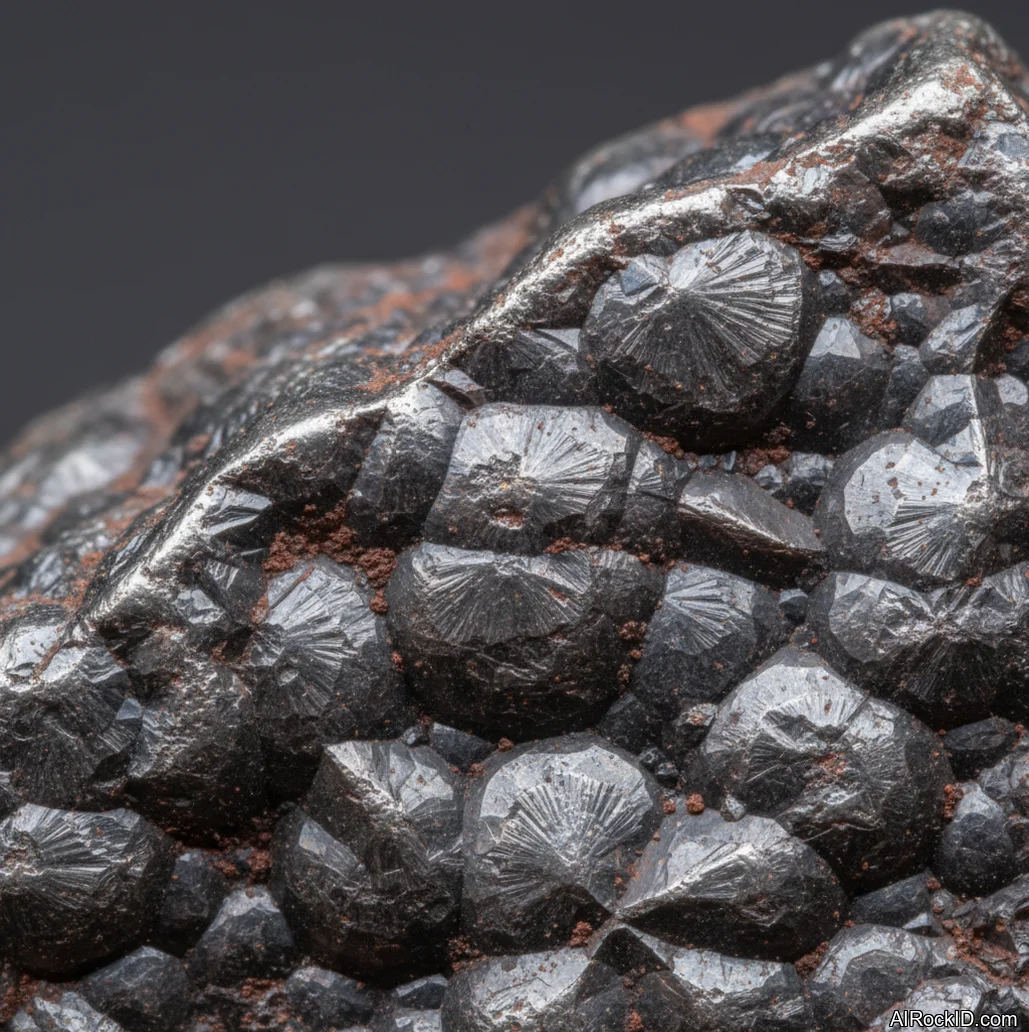
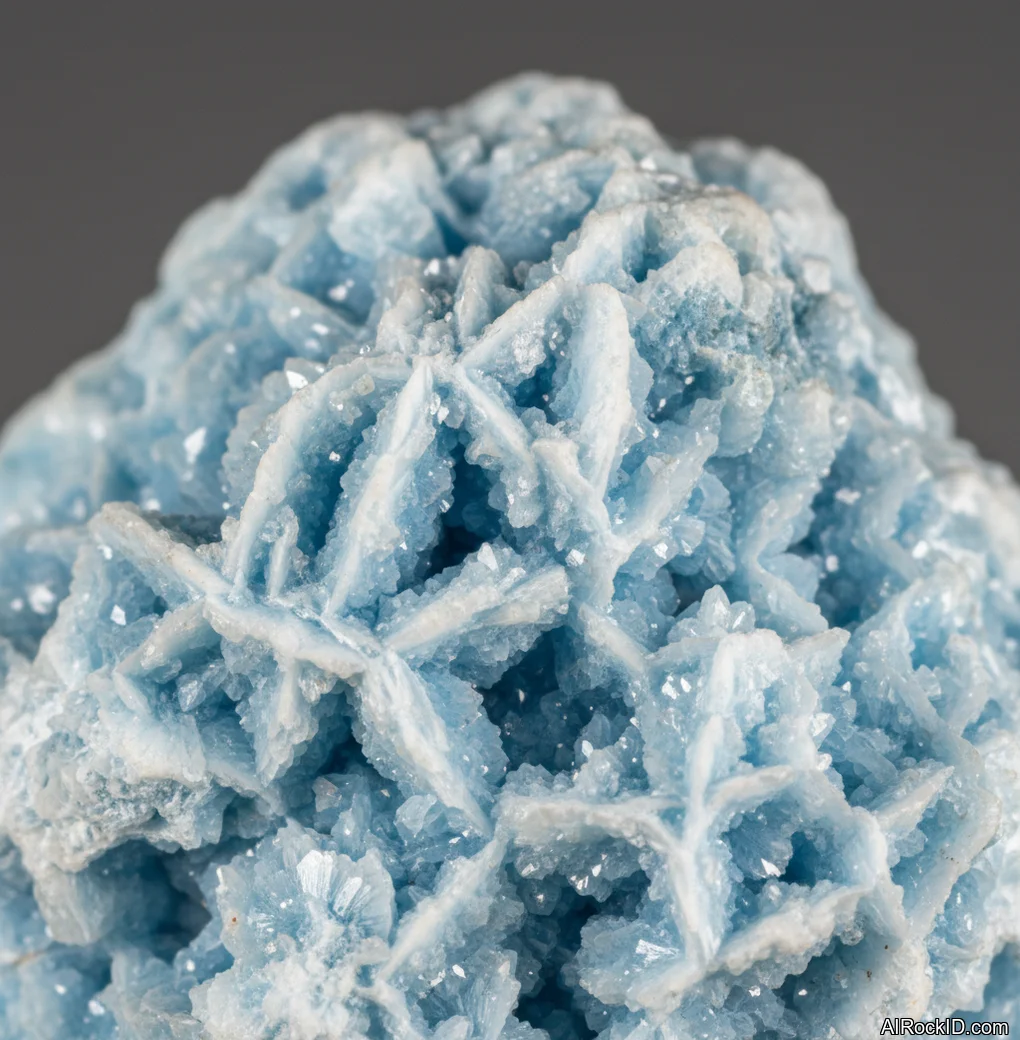
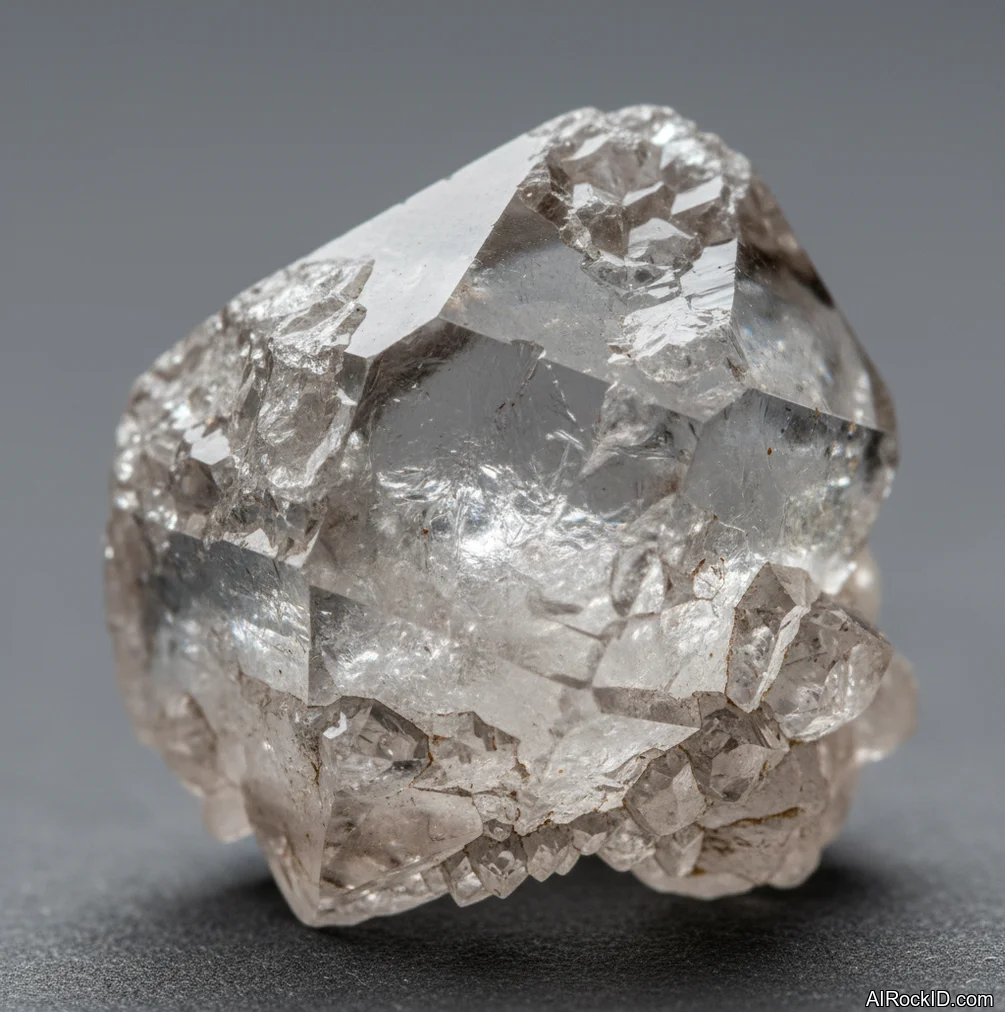
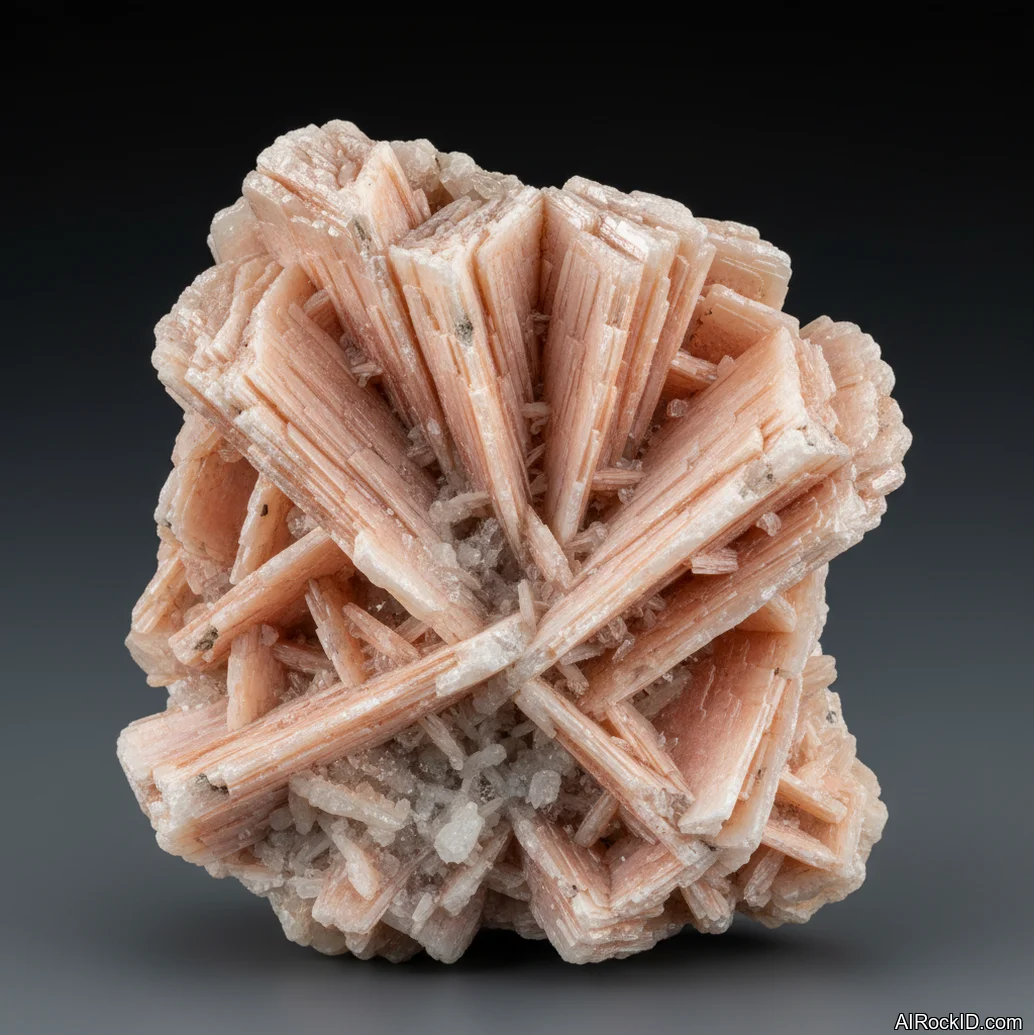
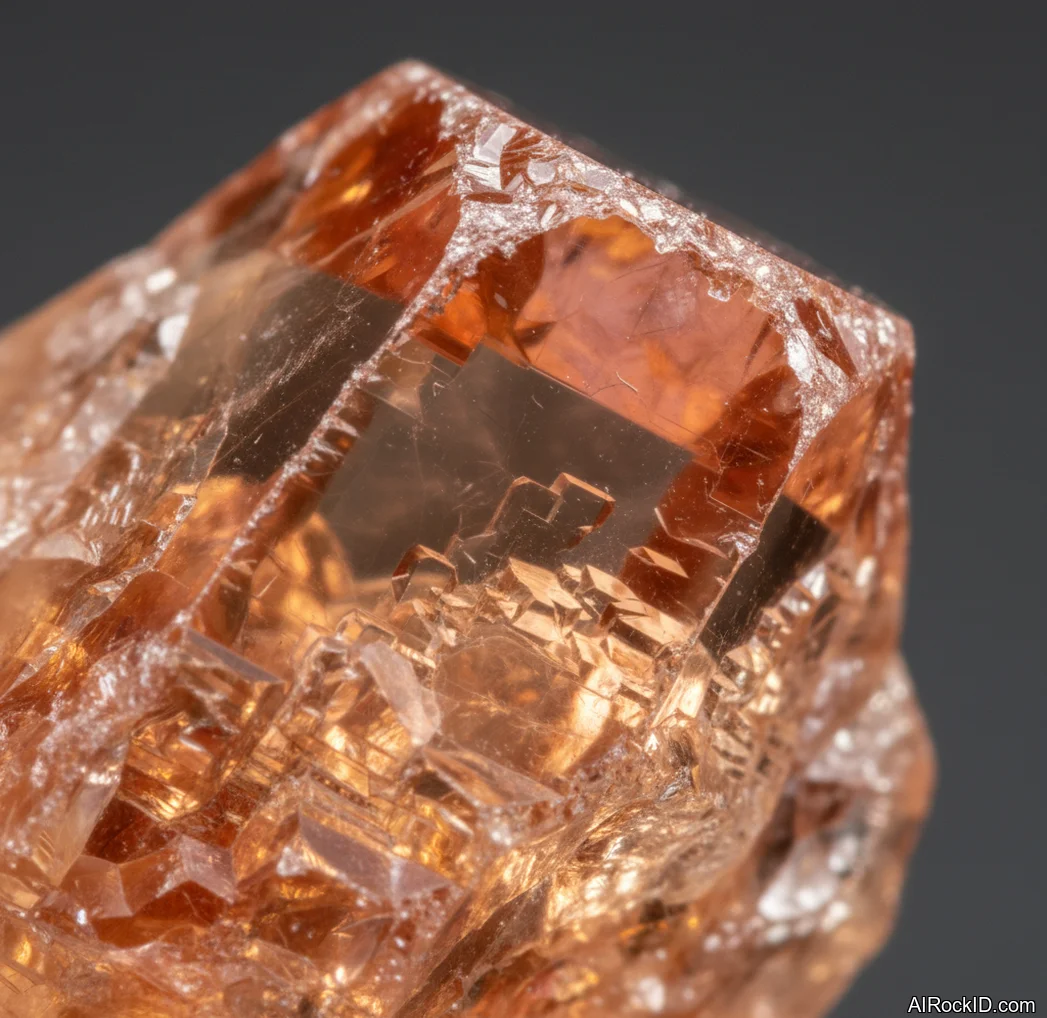
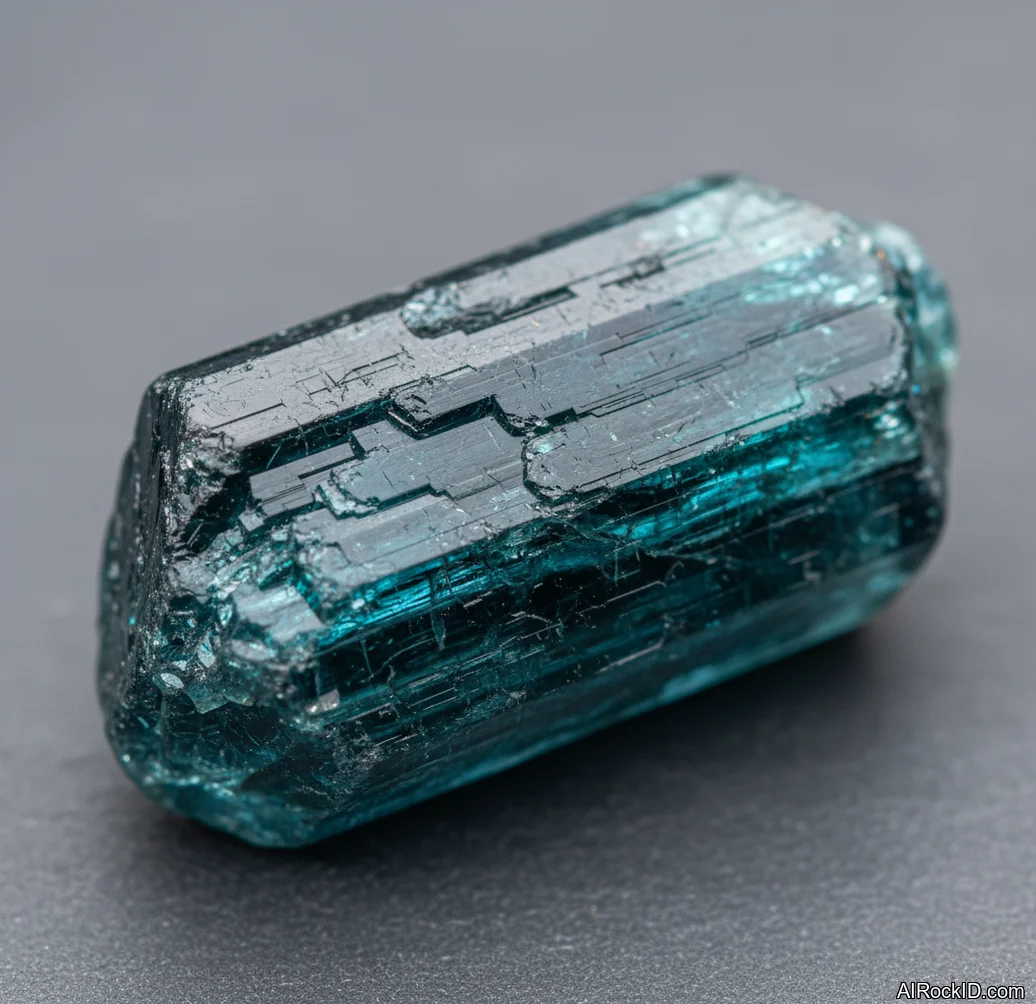
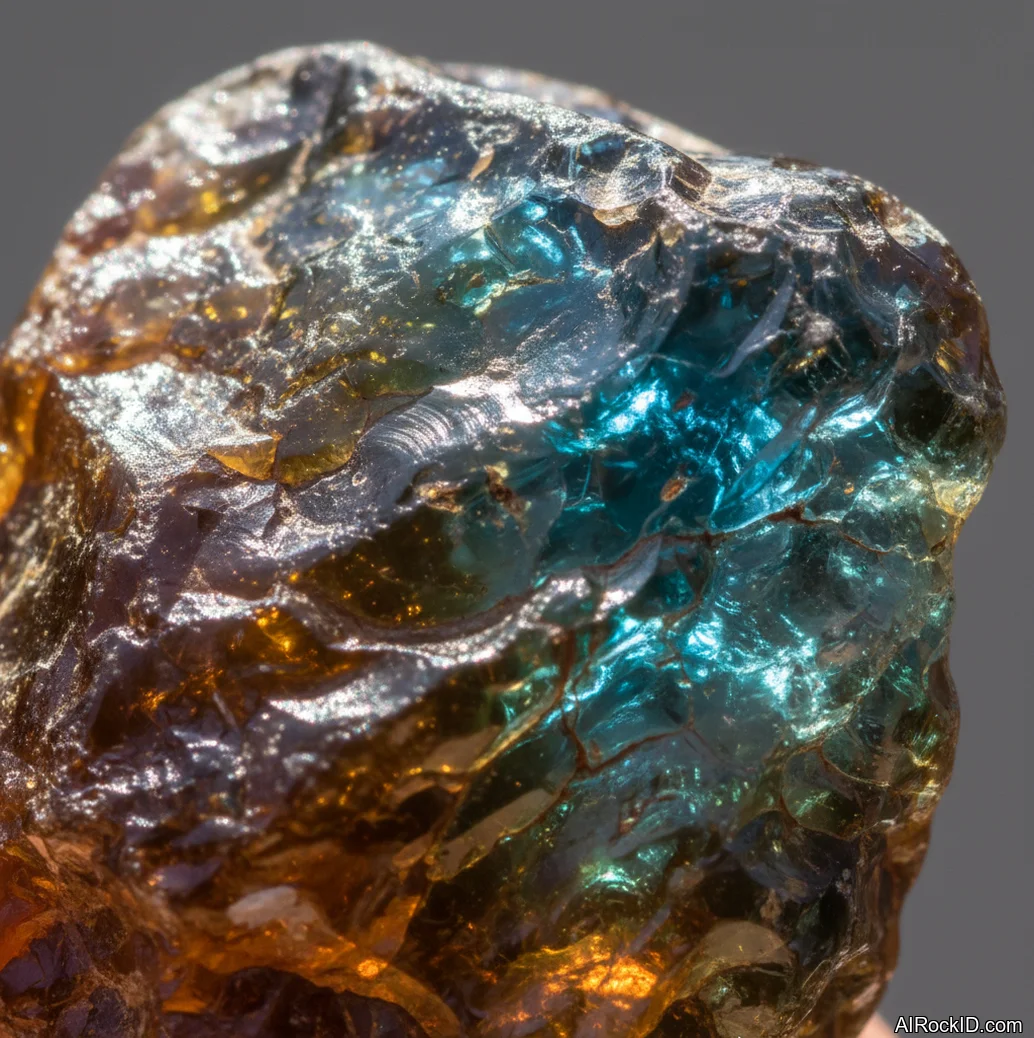
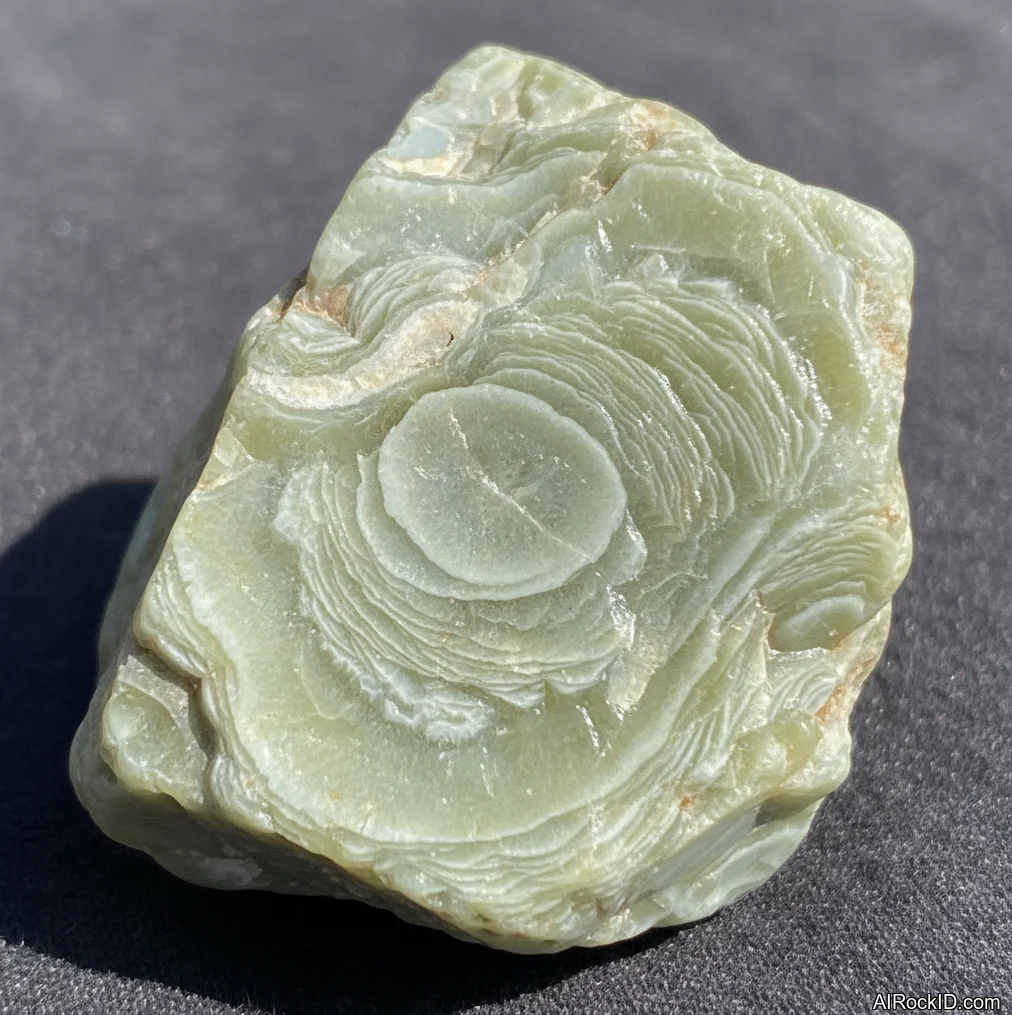
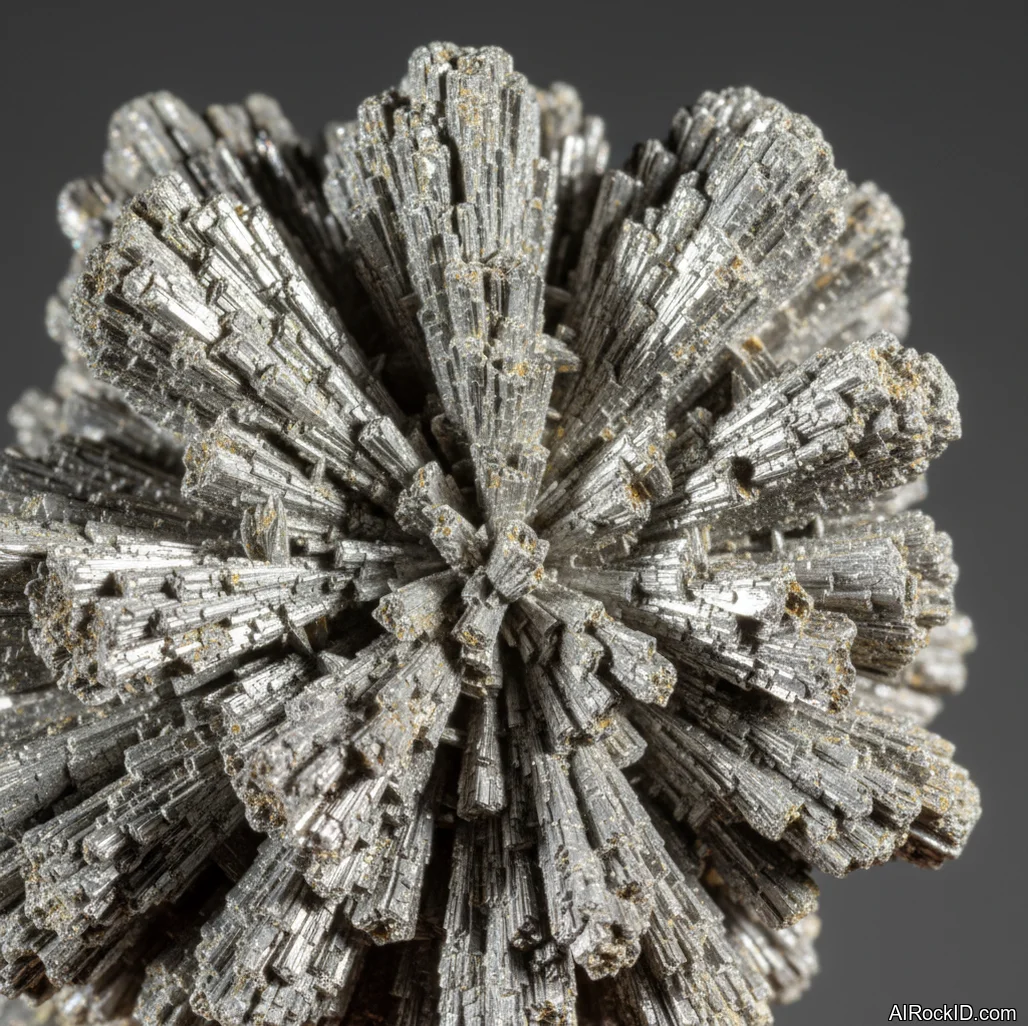
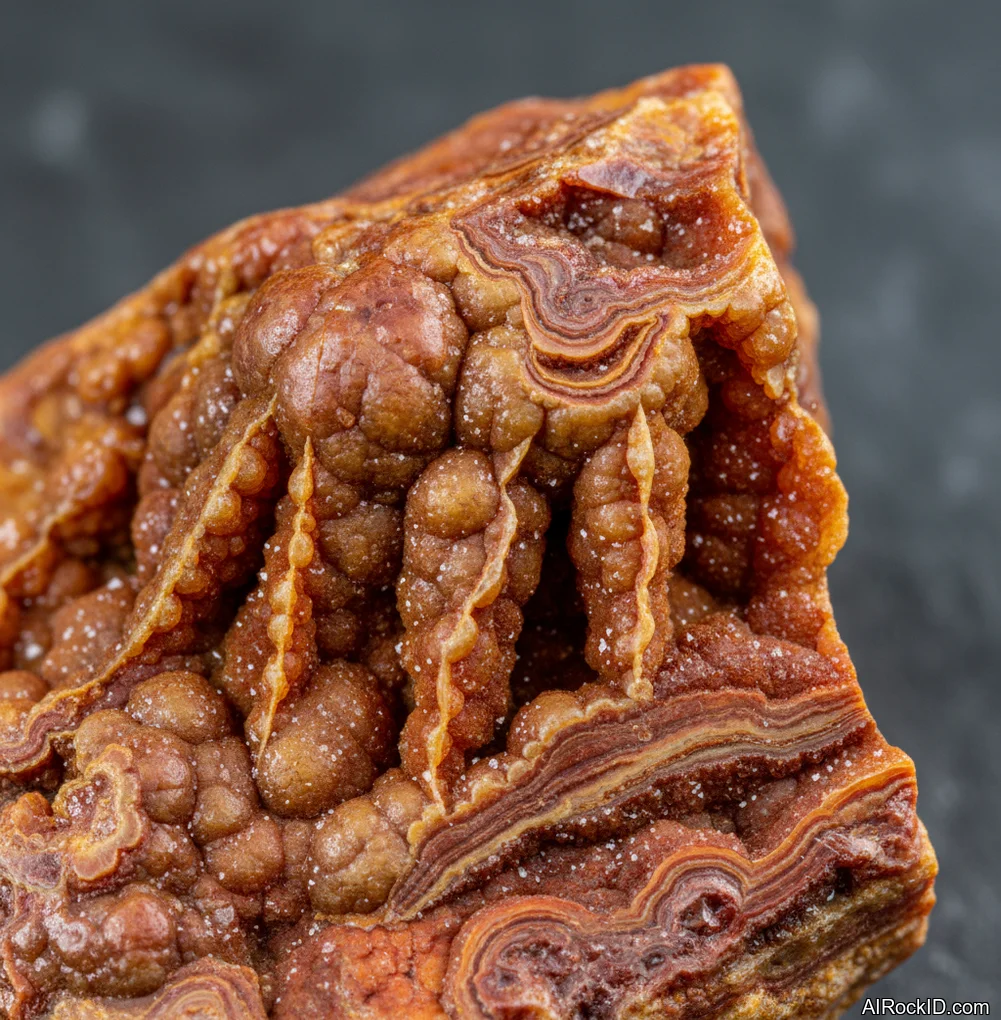
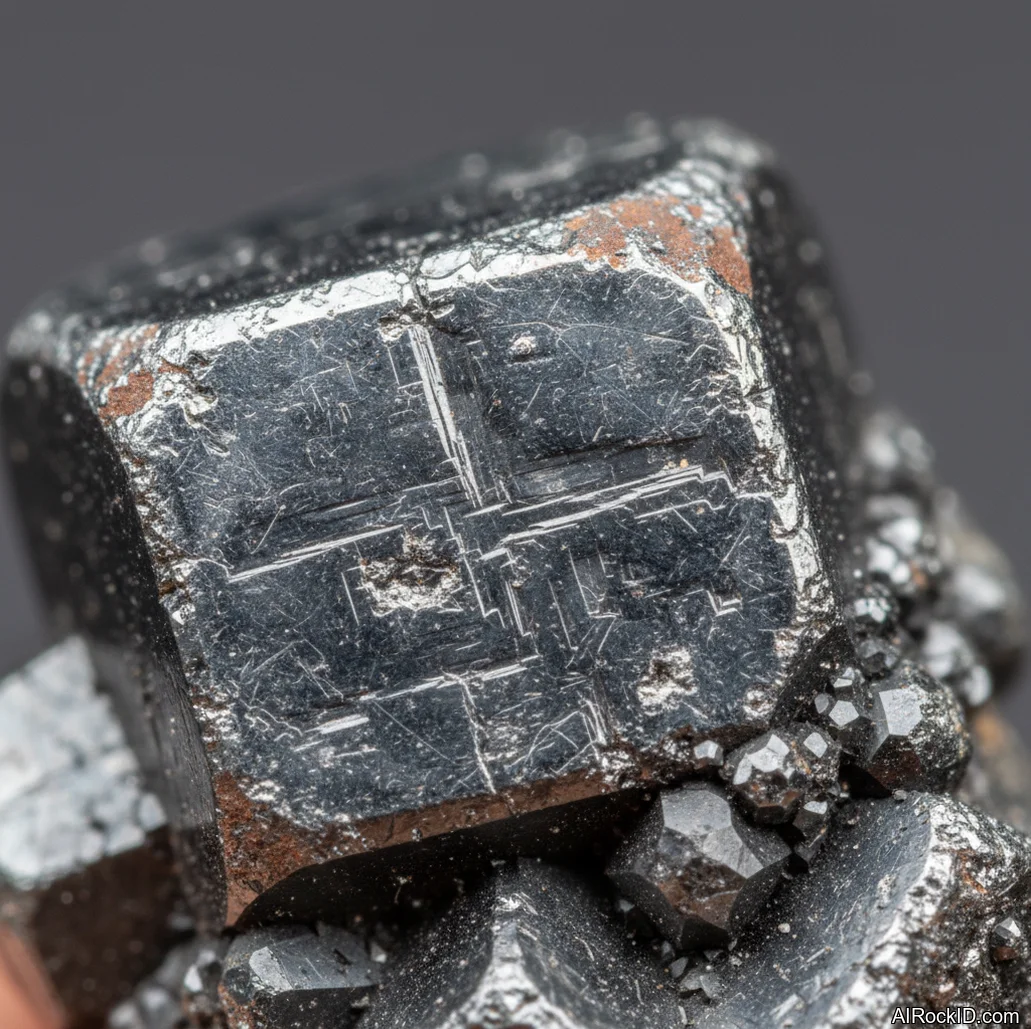
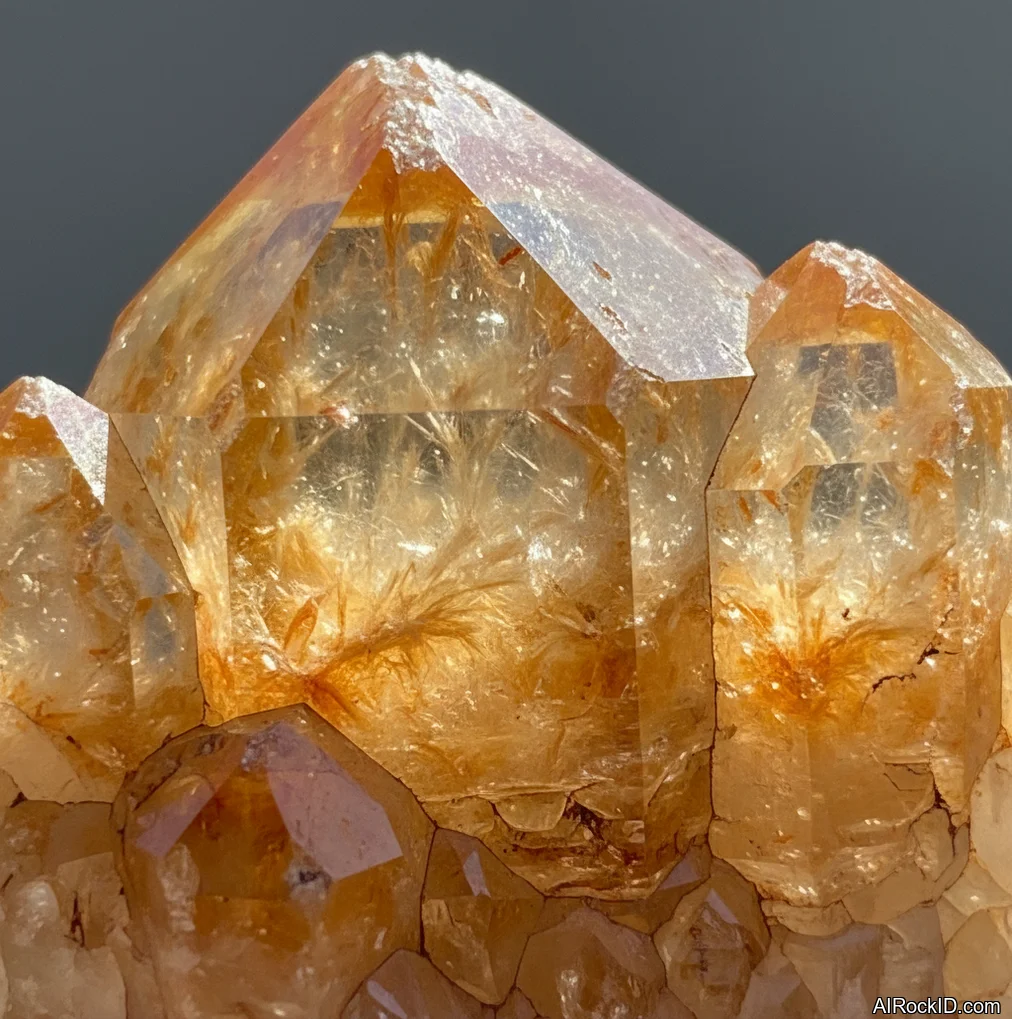
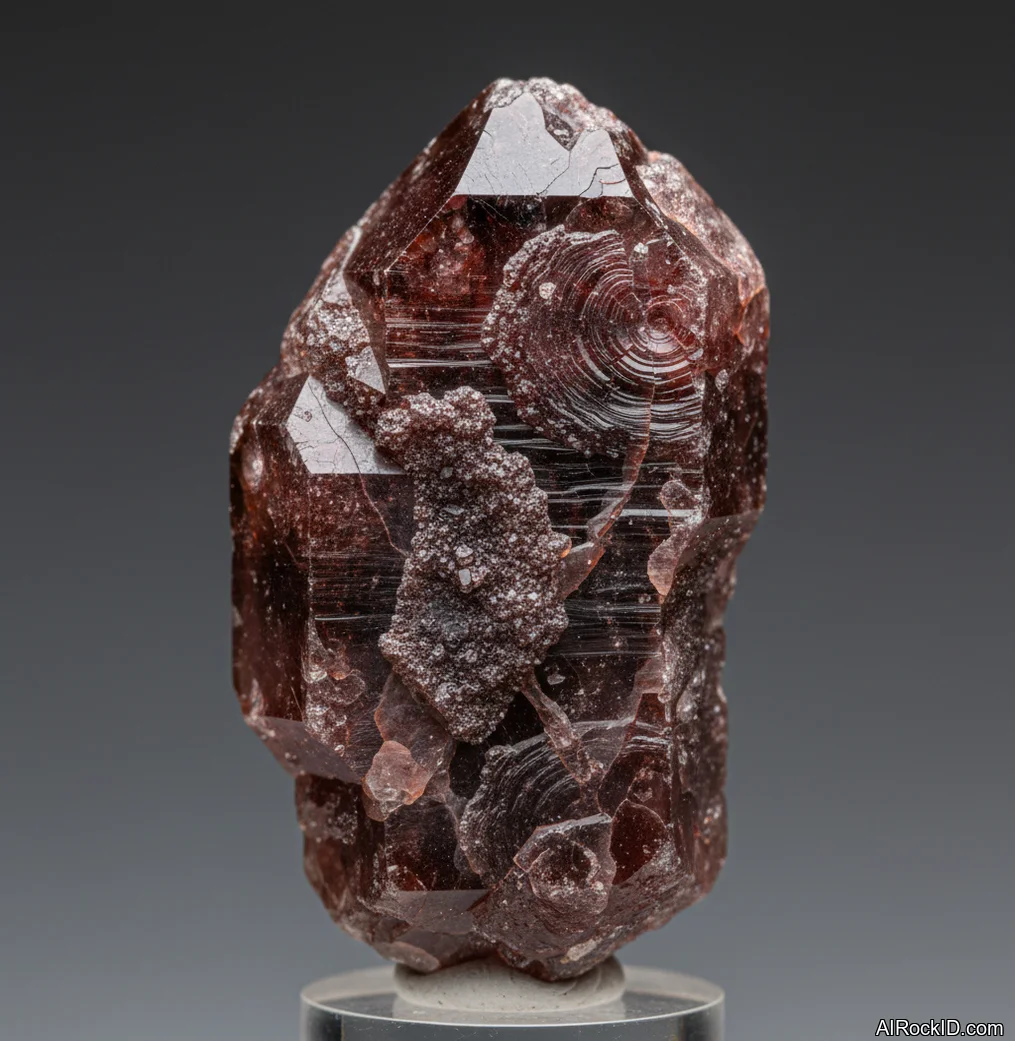
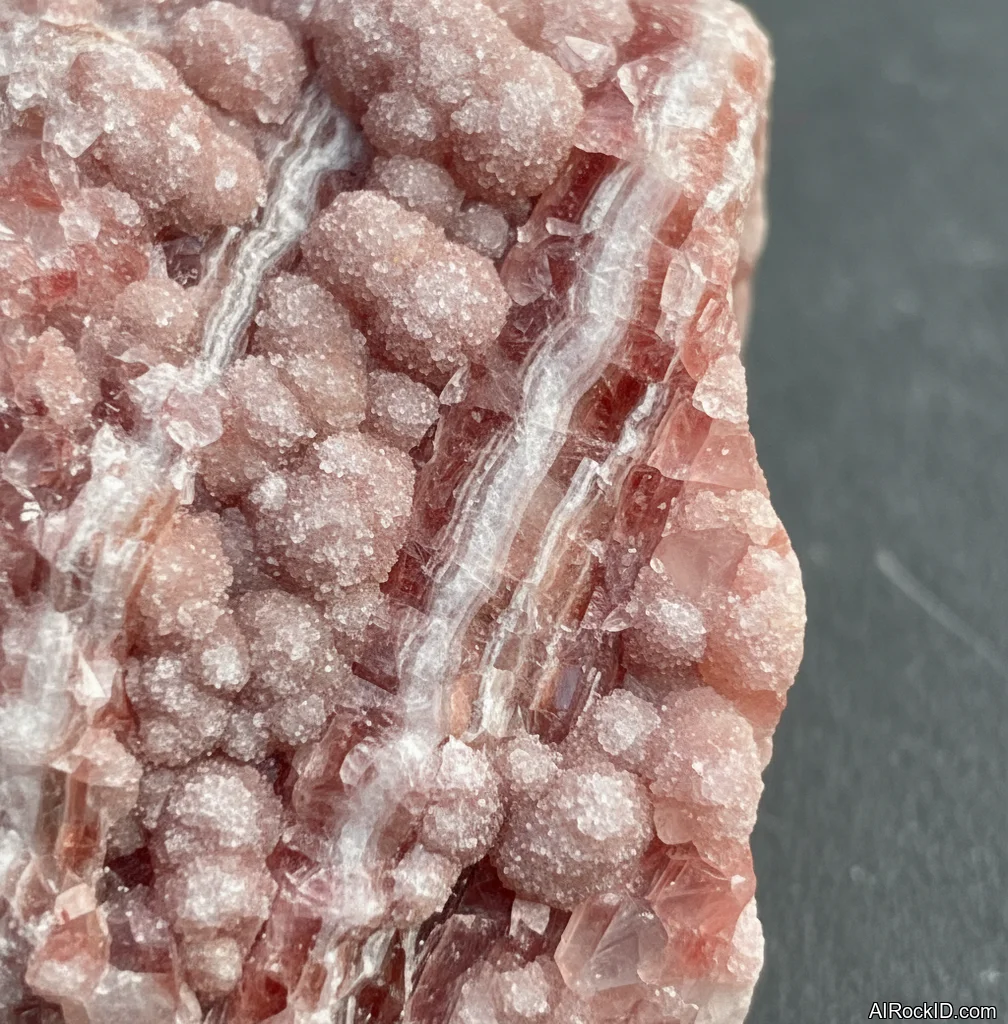
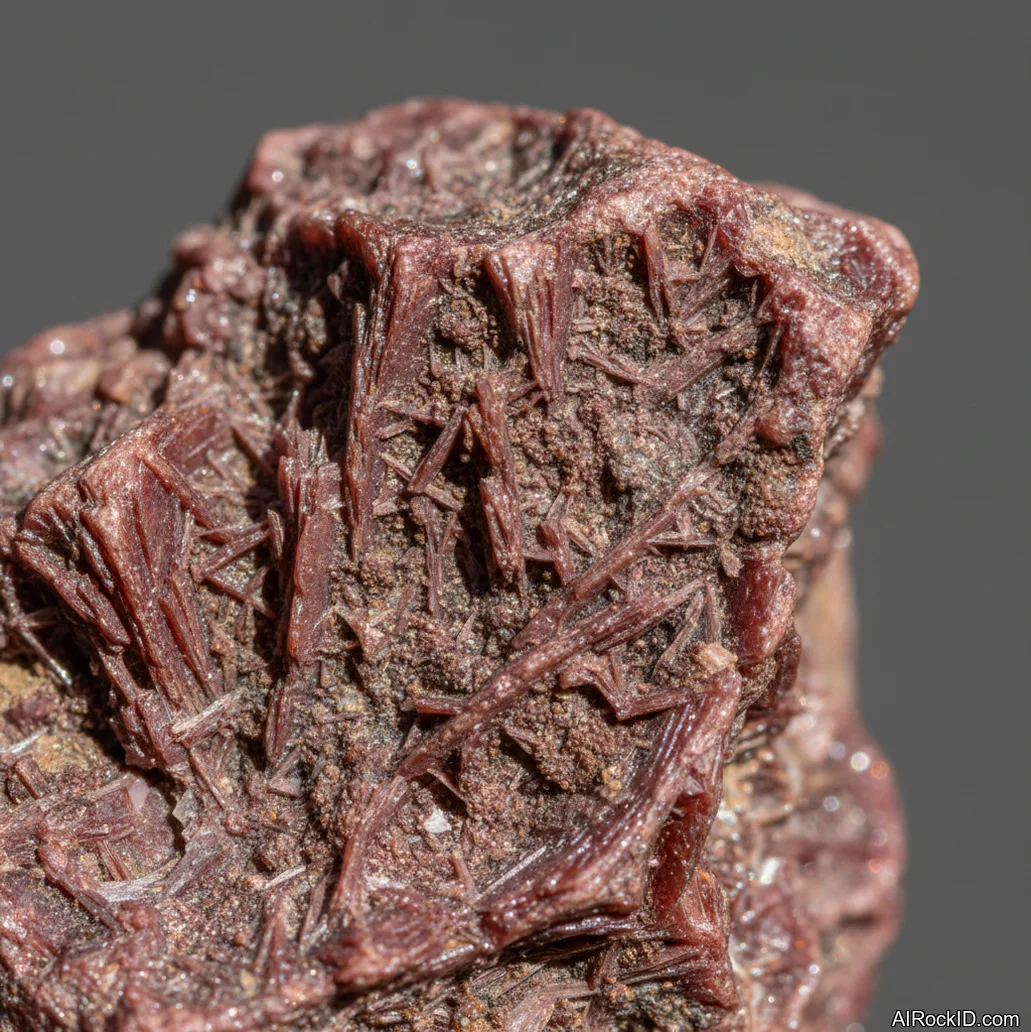
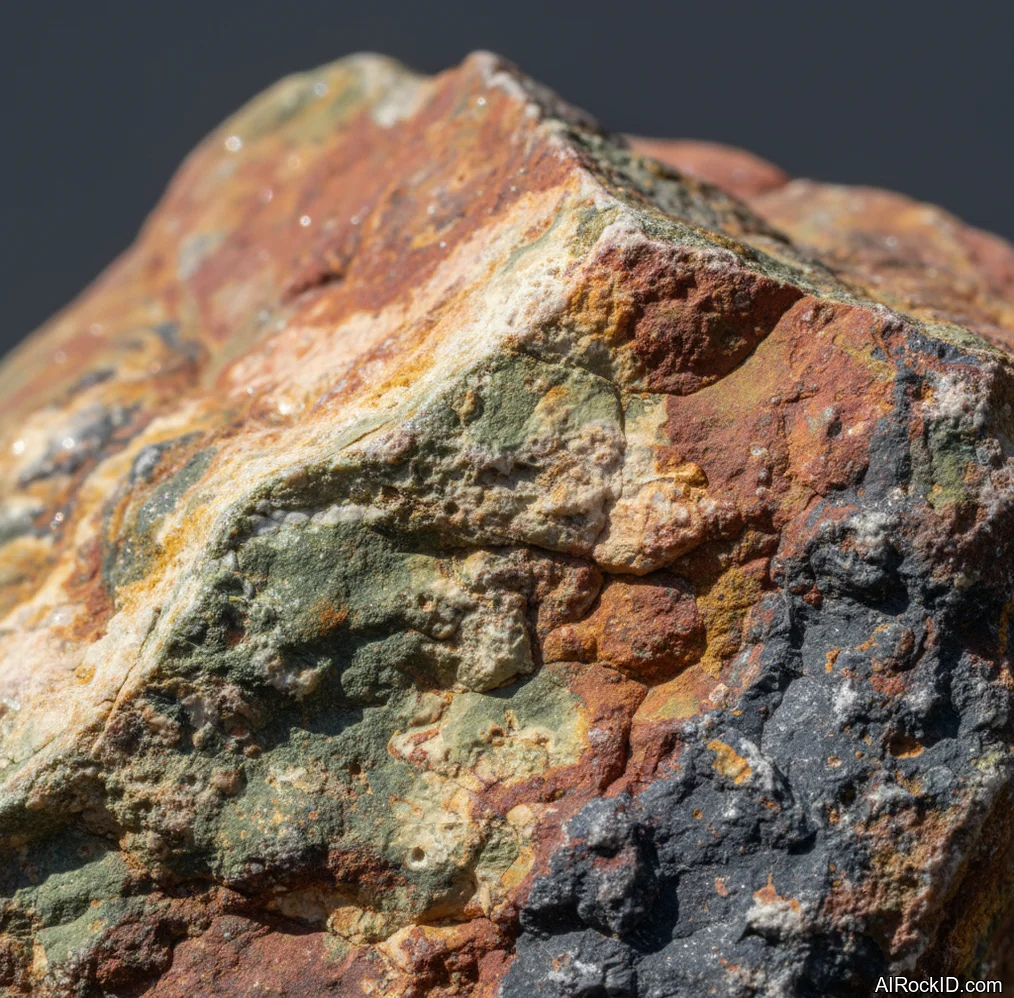
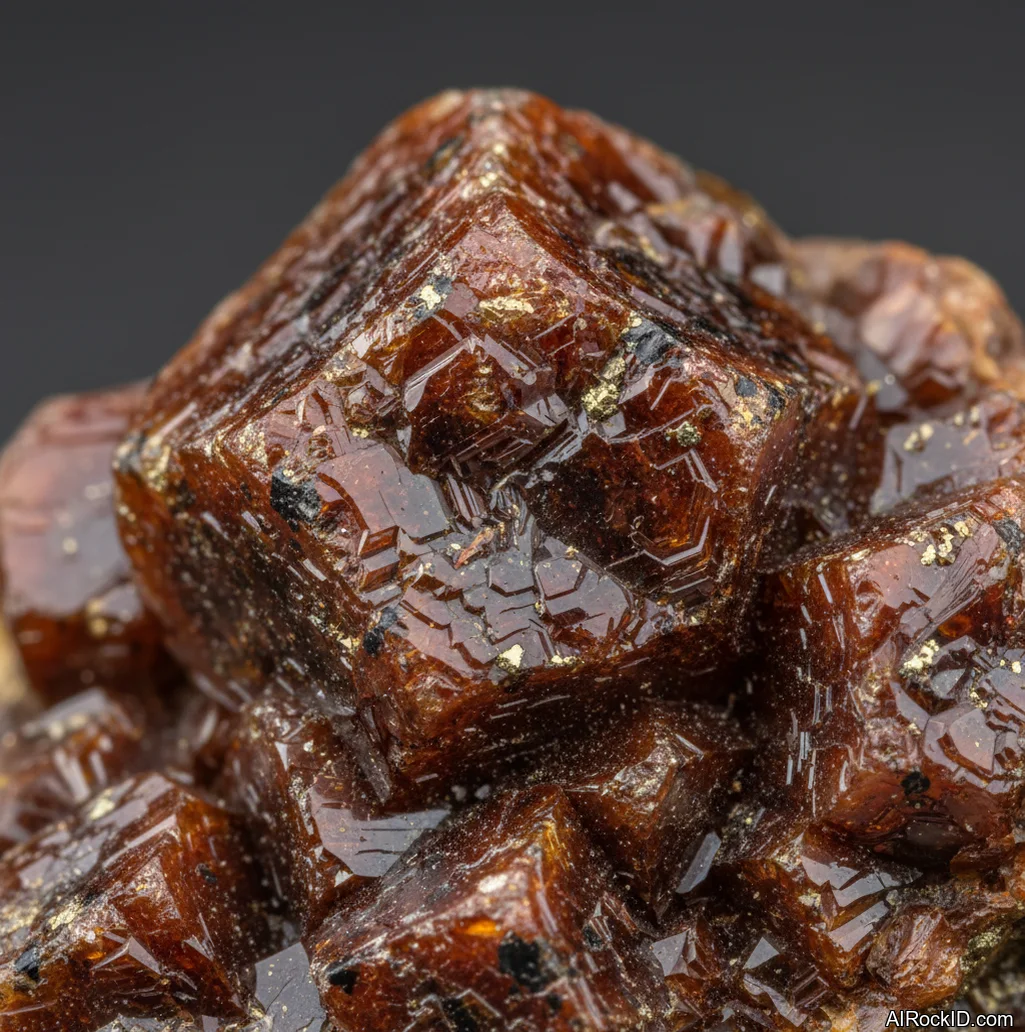
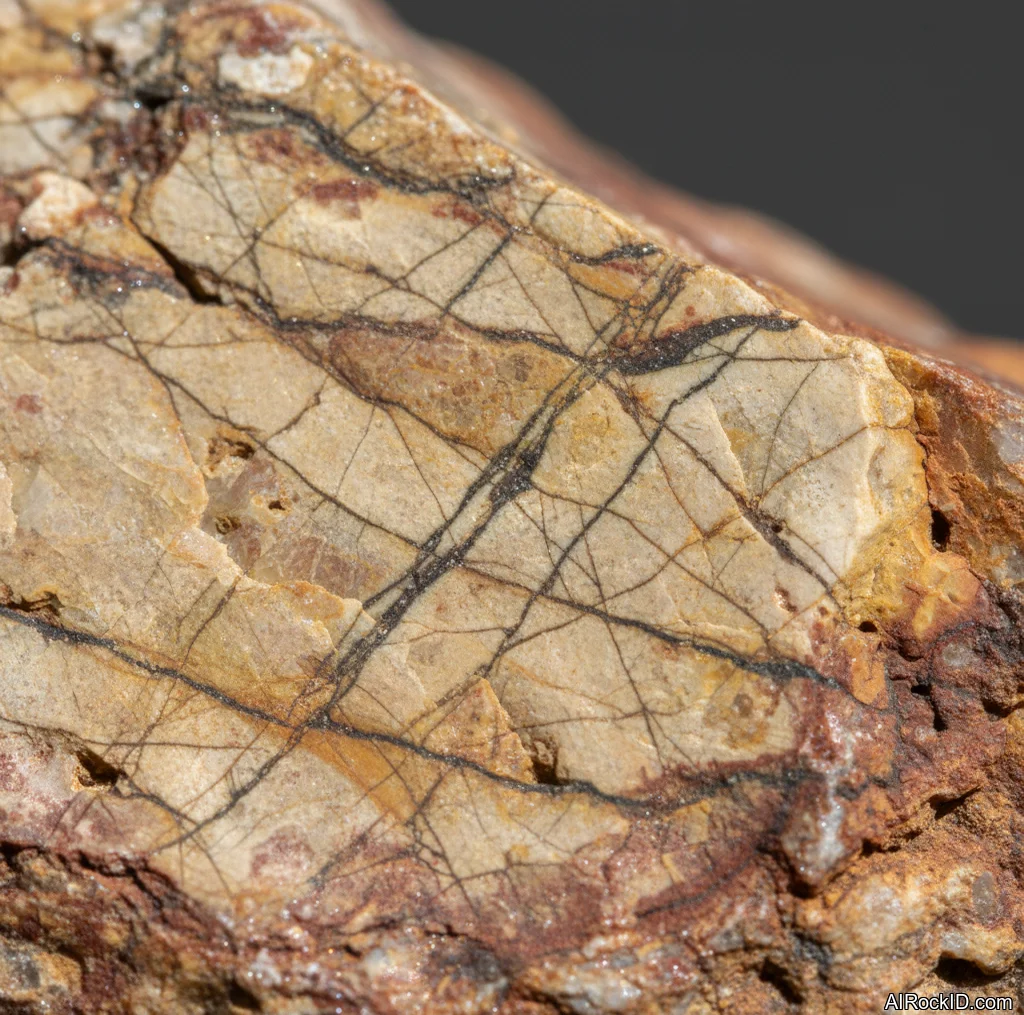
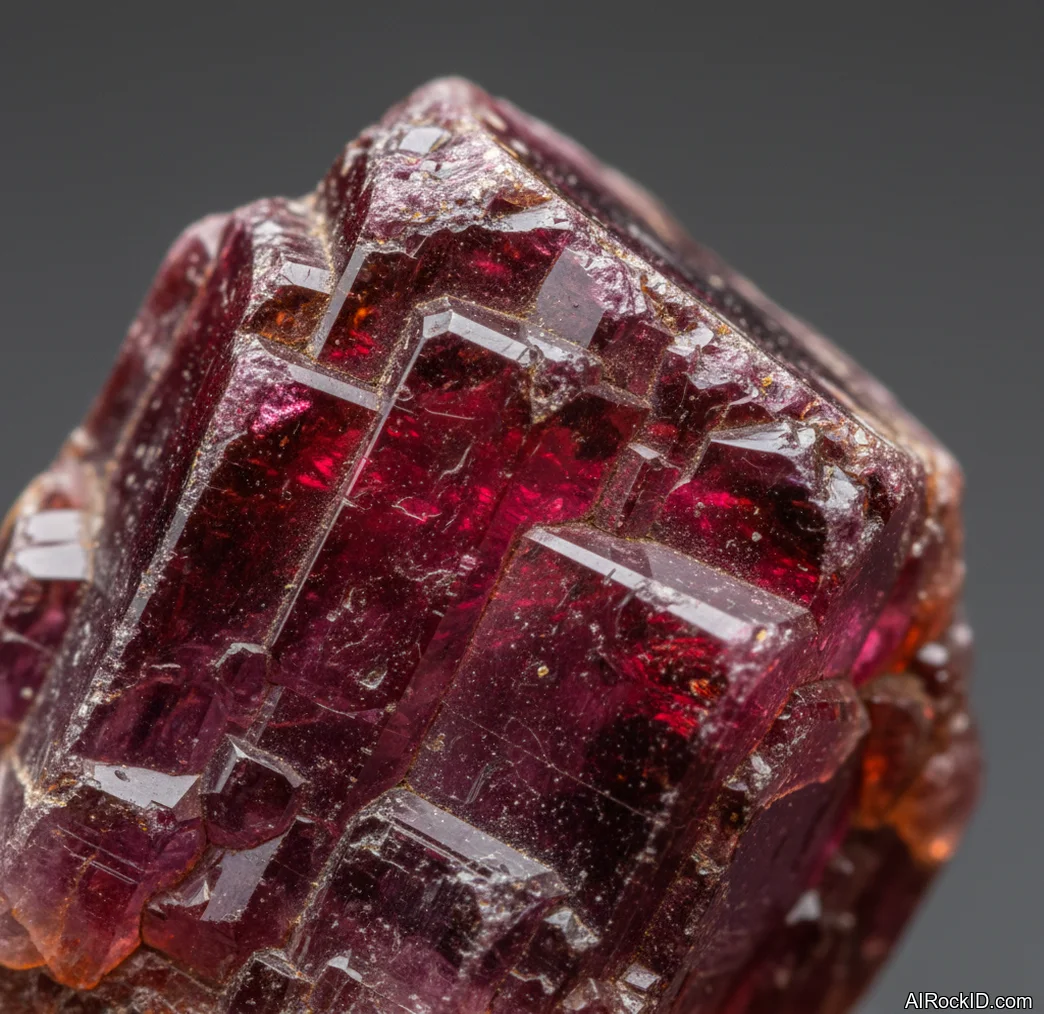
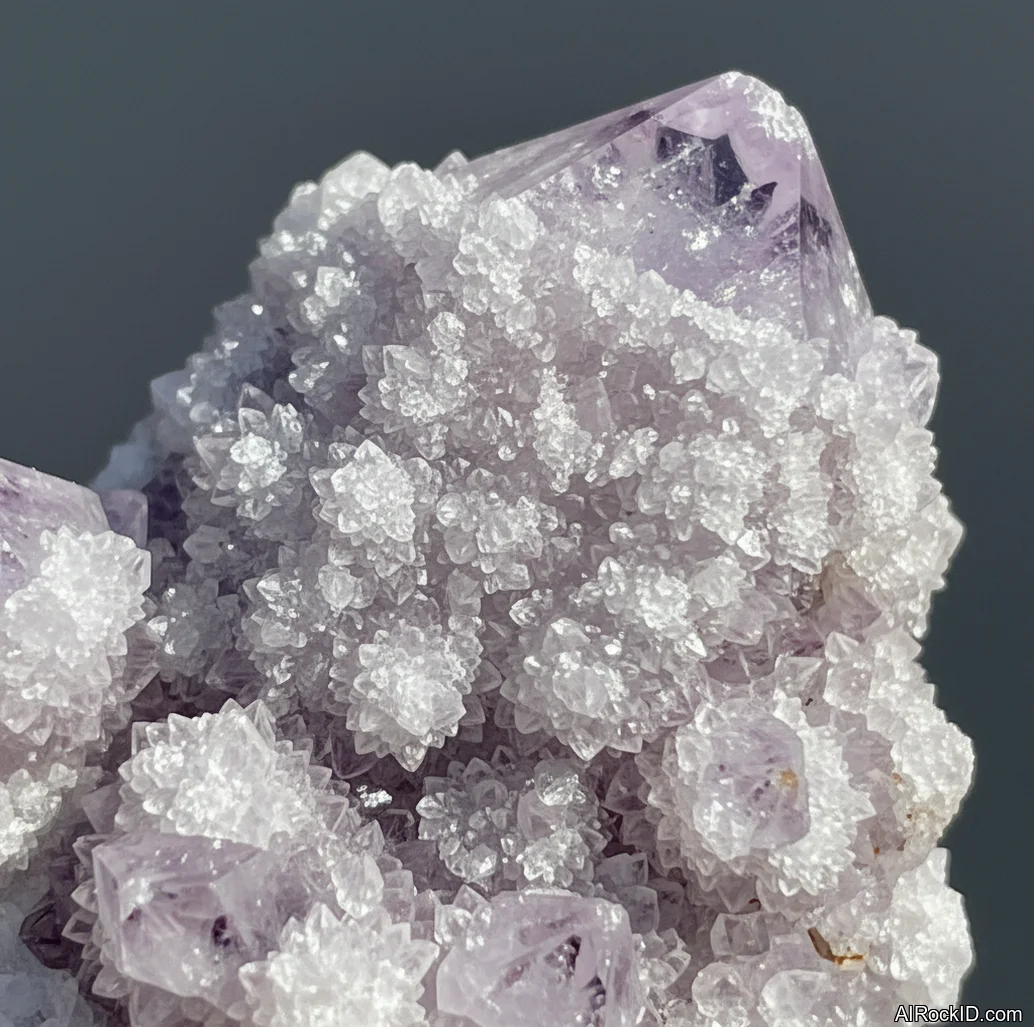
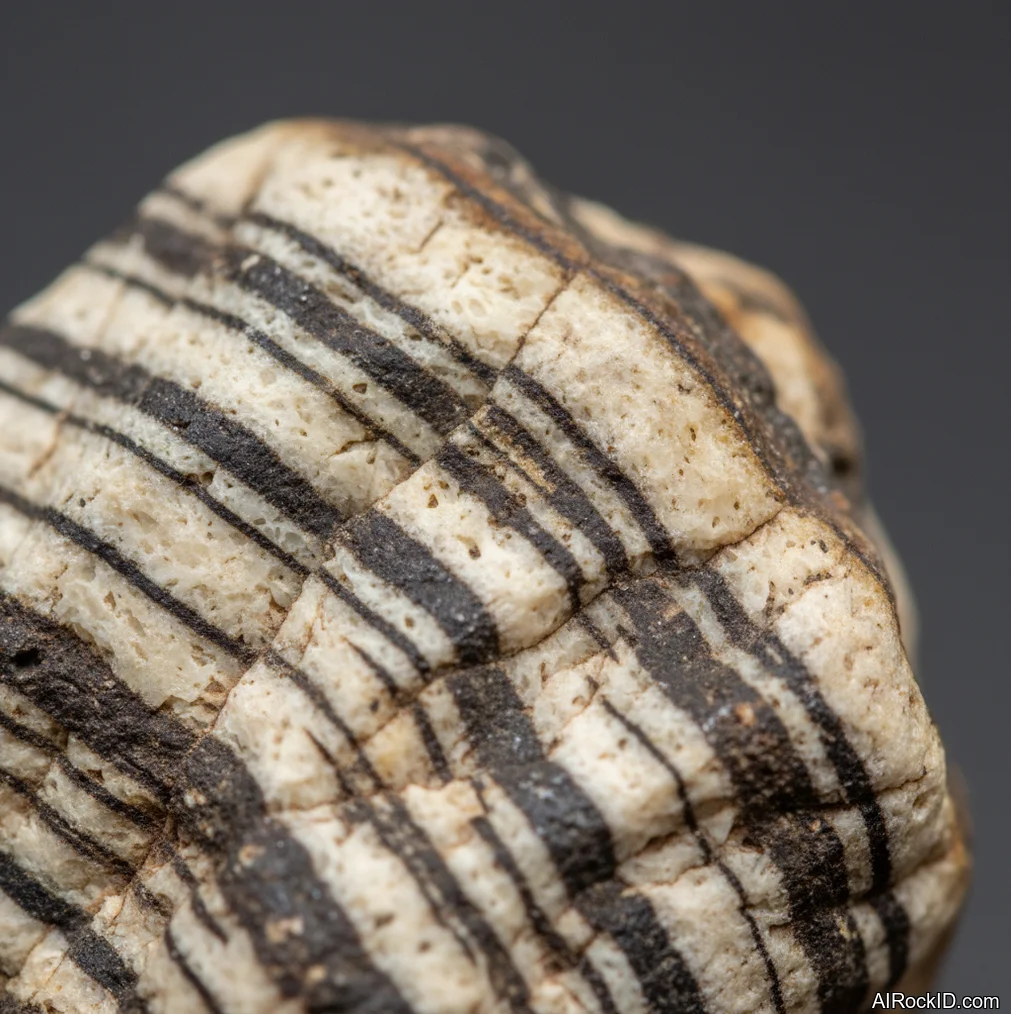
Insight crystals are stones that people use to help clarify confusing situations, spot hidden patterns, or see problems from a new angle. The most common examples are labradorite, fluorite, and iolite, each chosen for physical traits that mirror the experience of sudden understanding—like labradorite's unpredictable flash or iolite's color shift when rotated. These associations come from metaphysical traditions and are not medical claims or replacements for critical thinking.
Insight crystals can't make choices for you or guarantee breakthroughs. They aren't a substitute for self-reflection, therapy, or professional advice.
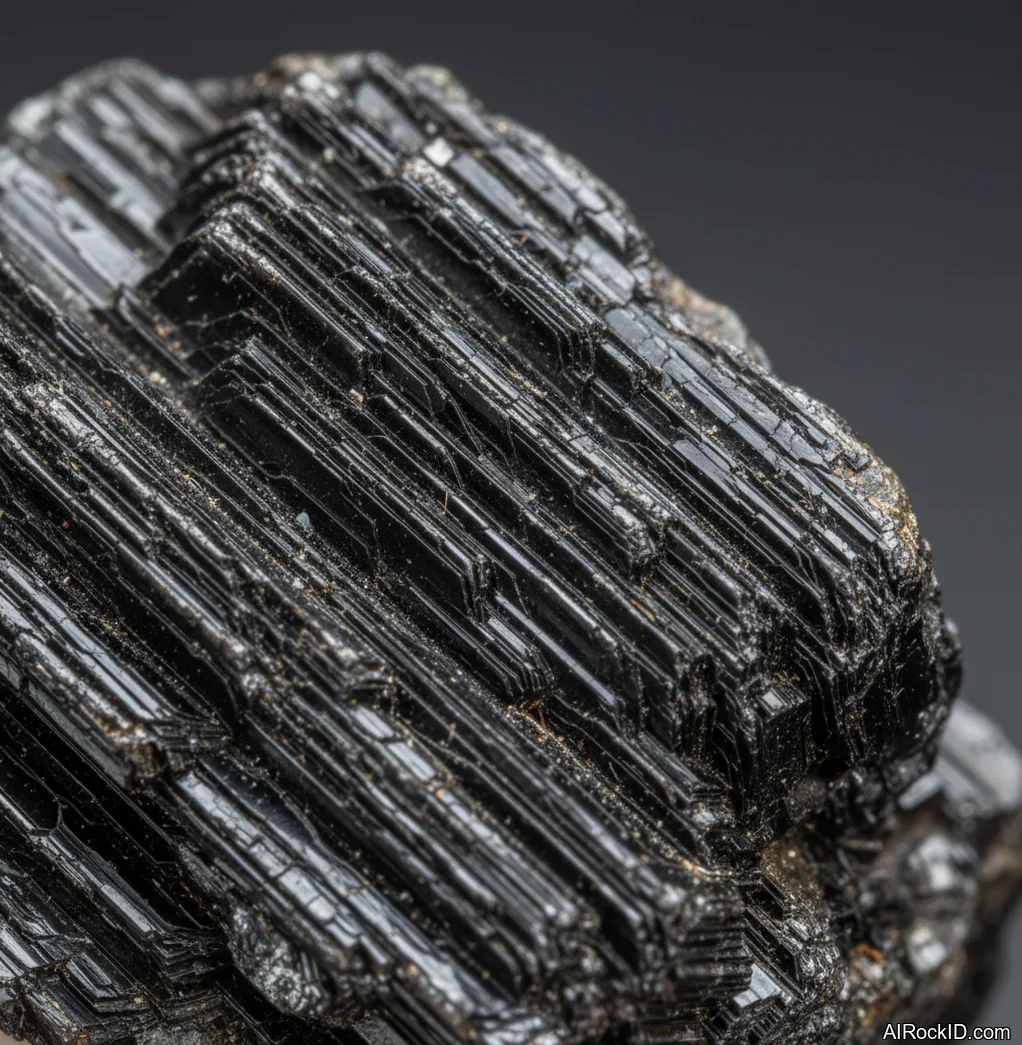
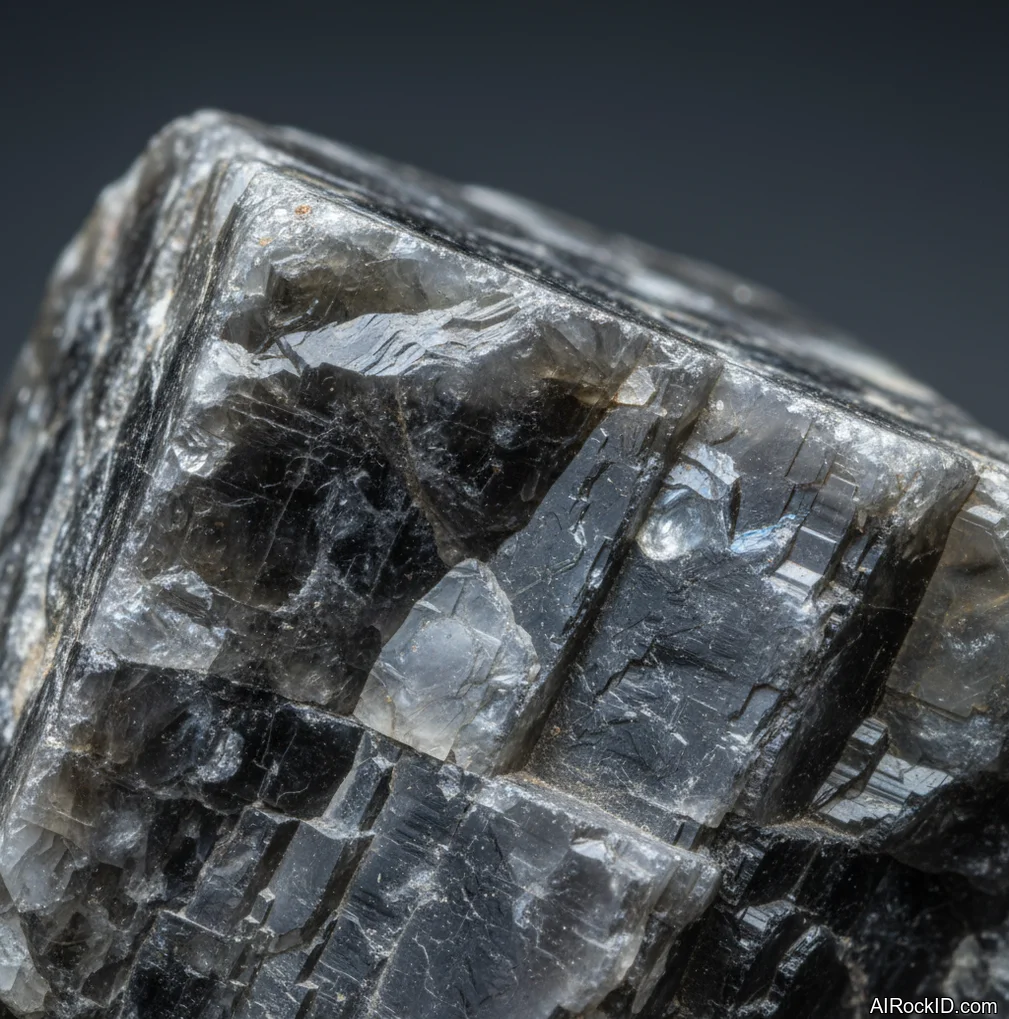
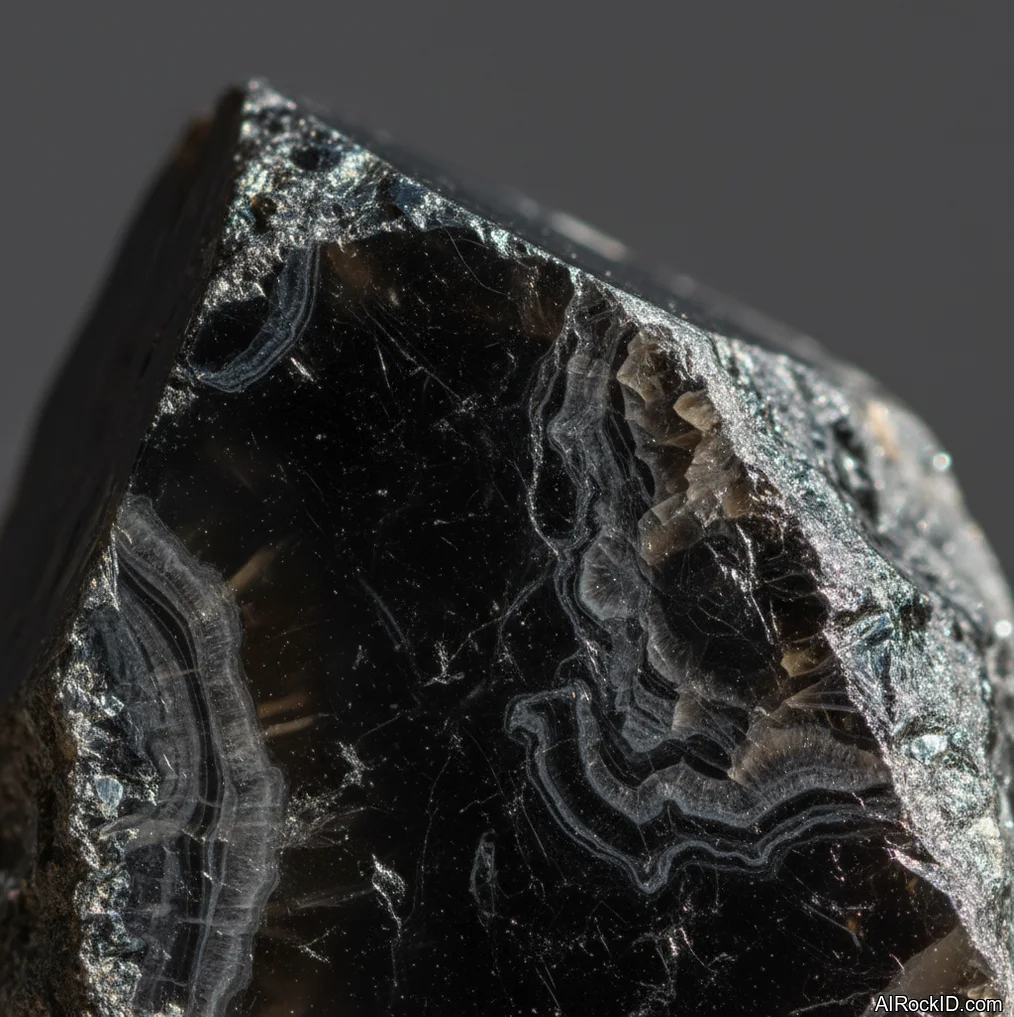
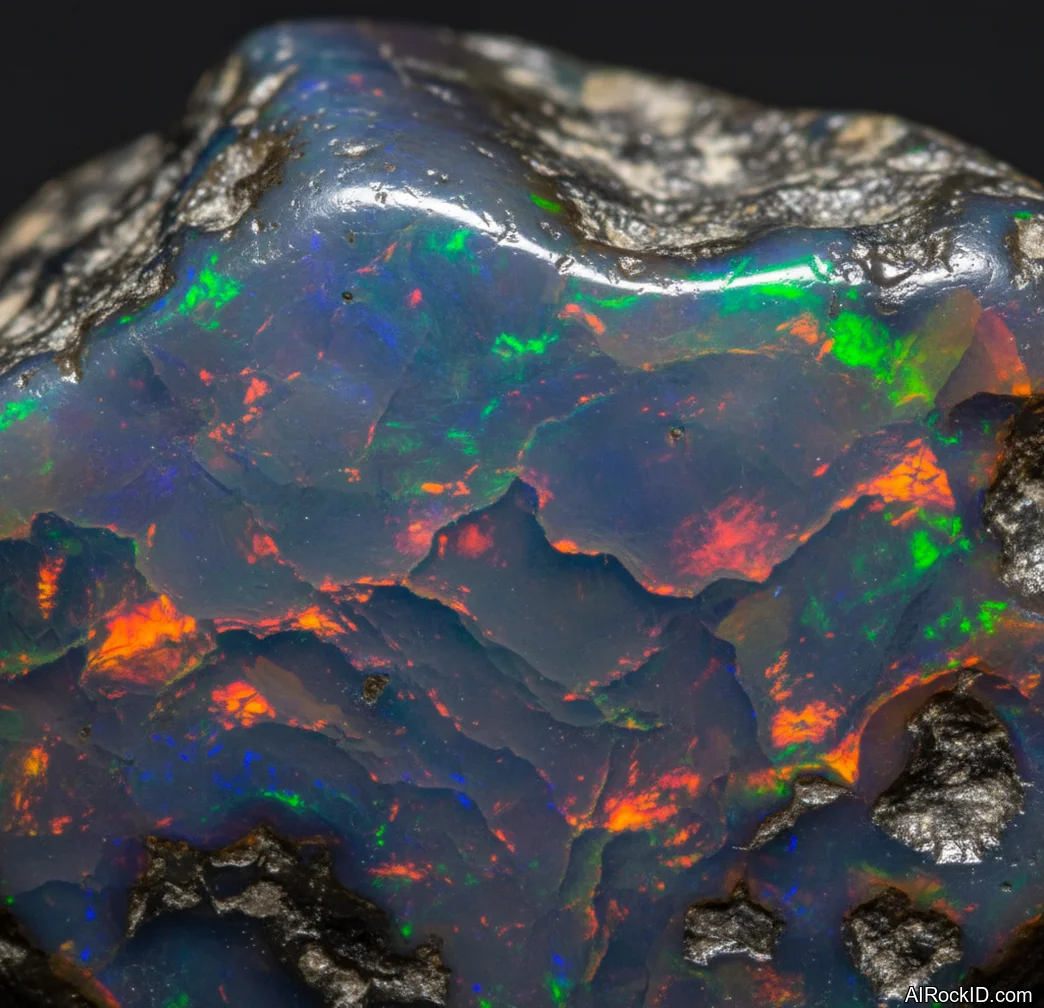
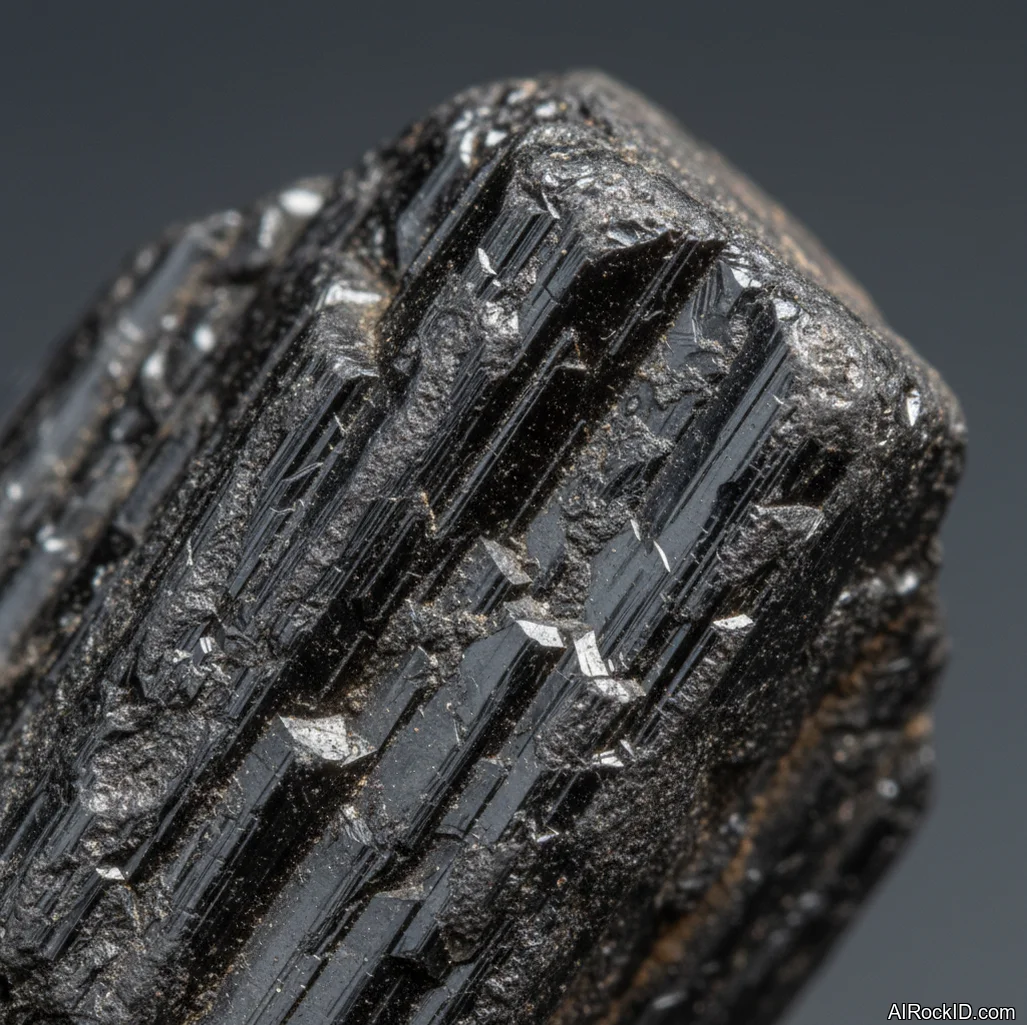
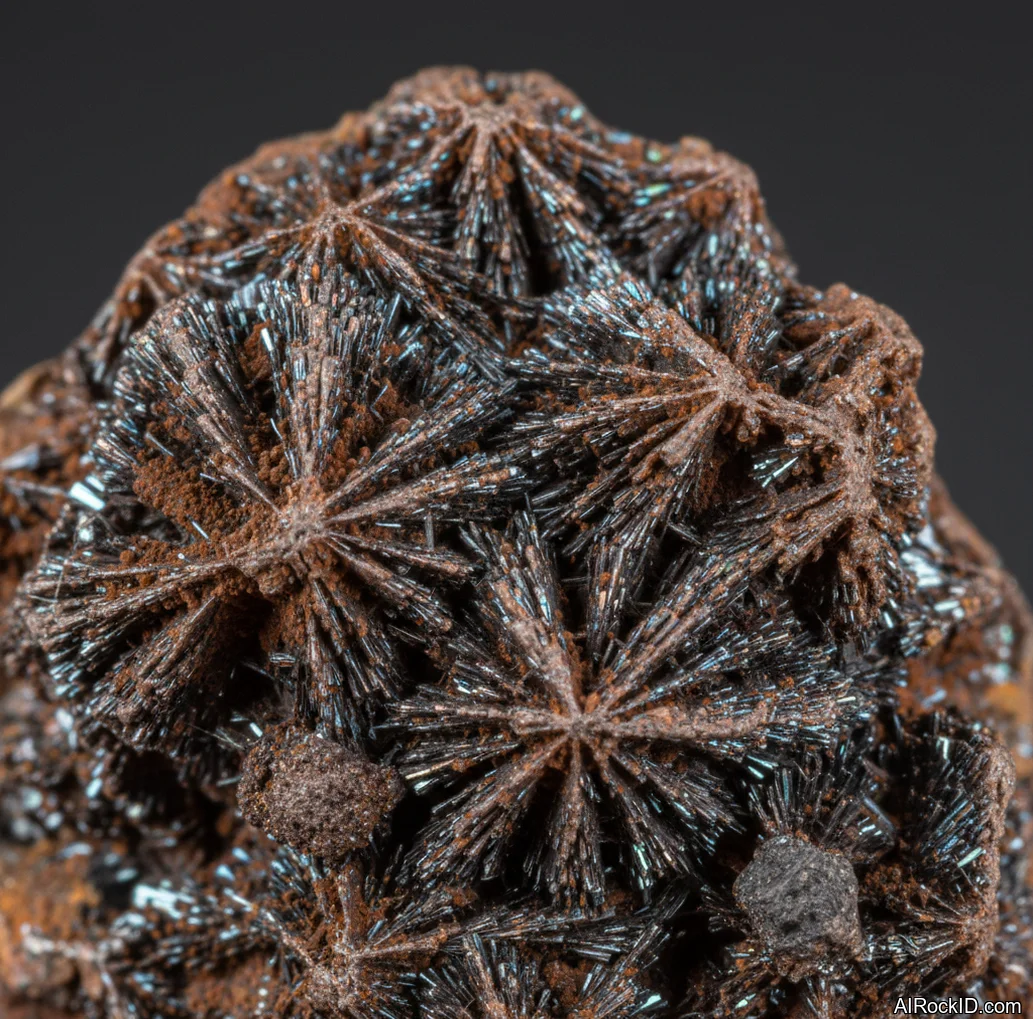
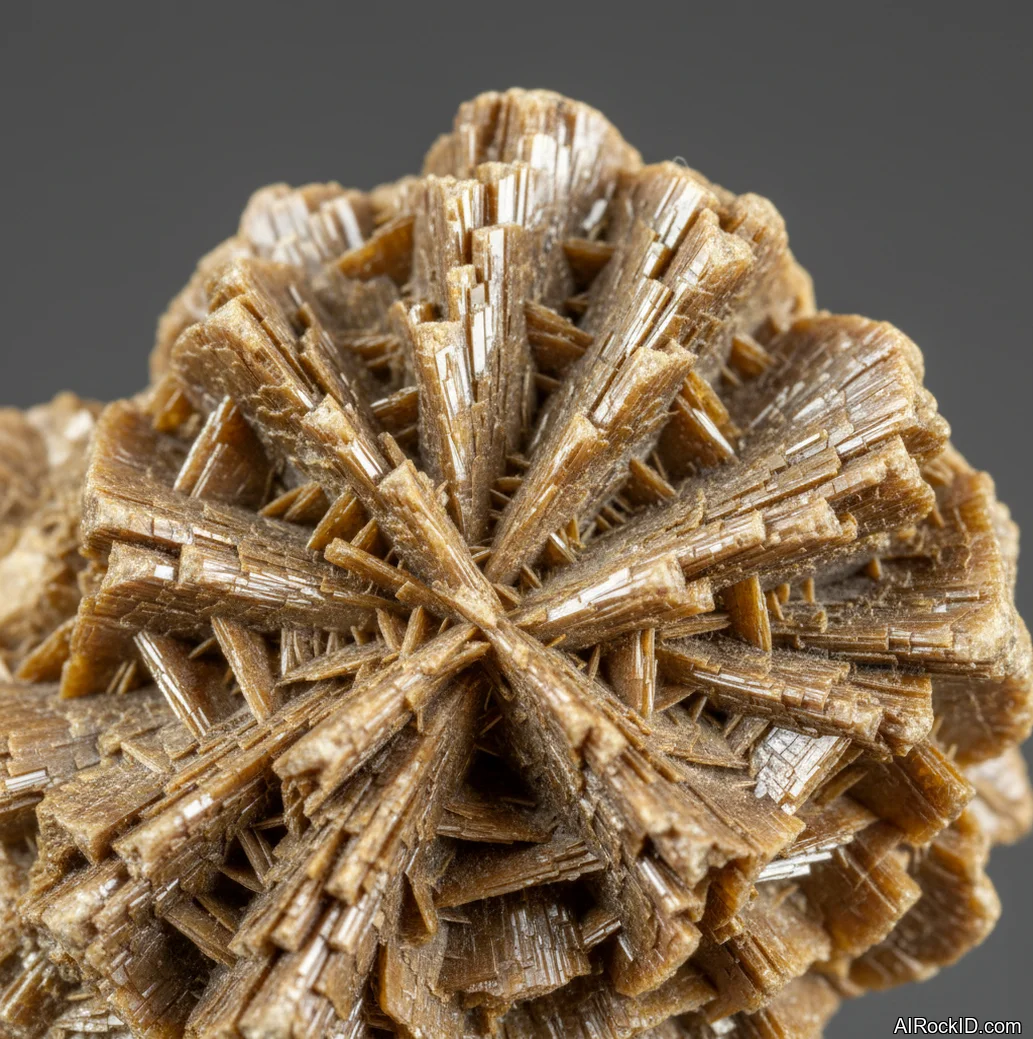
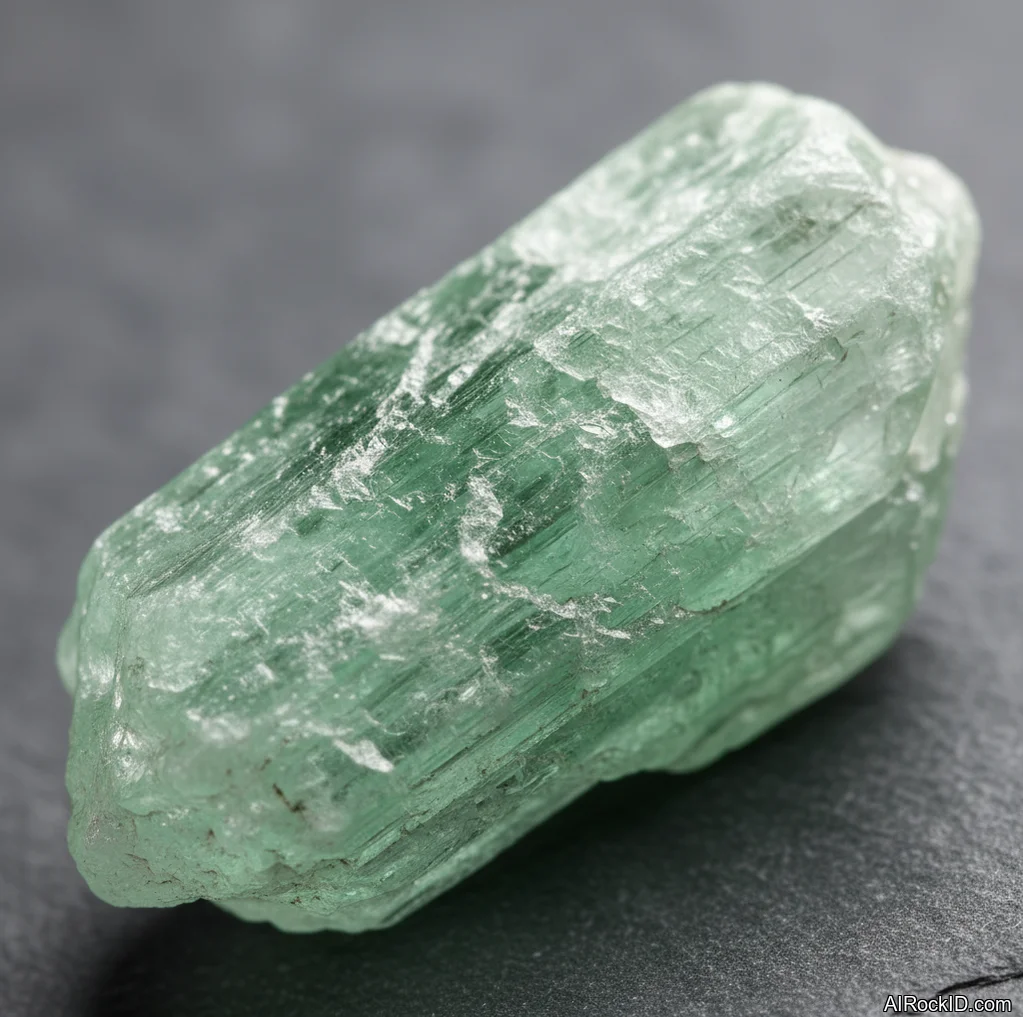
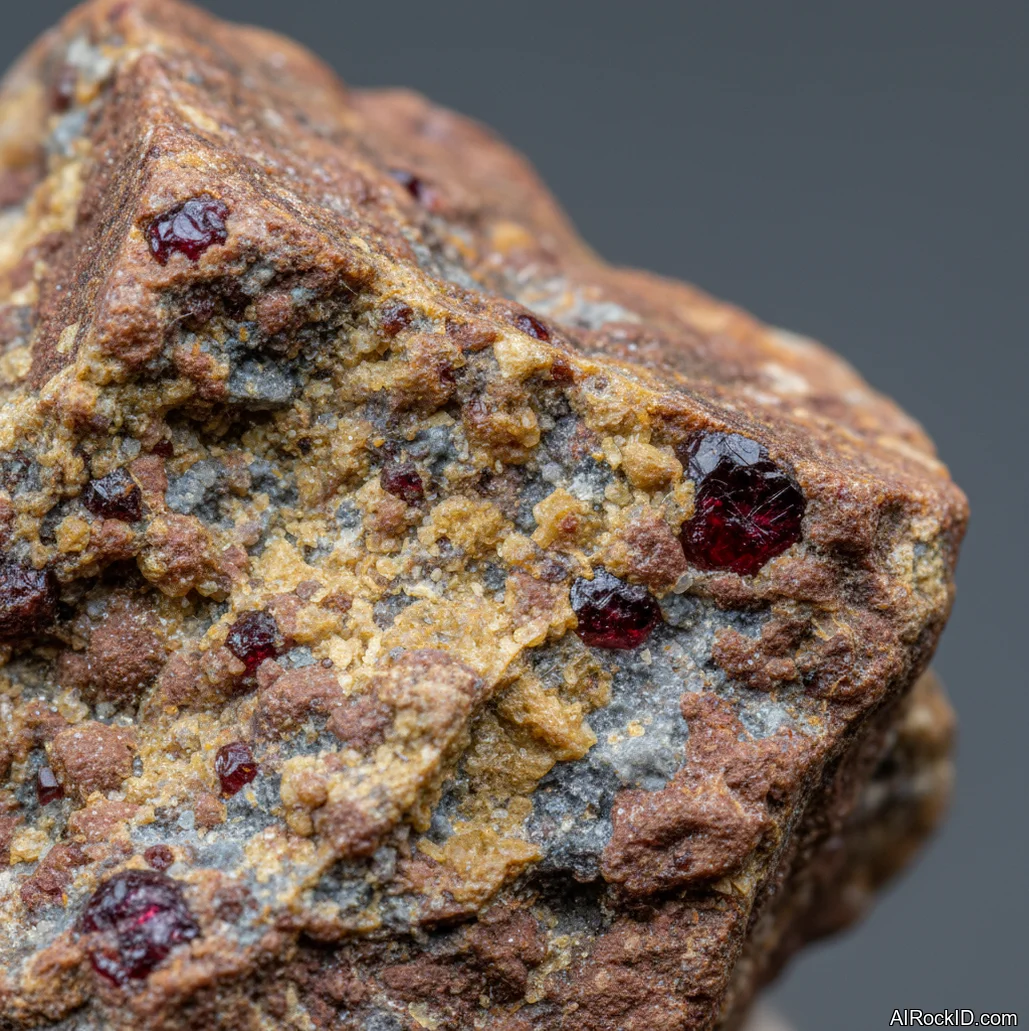
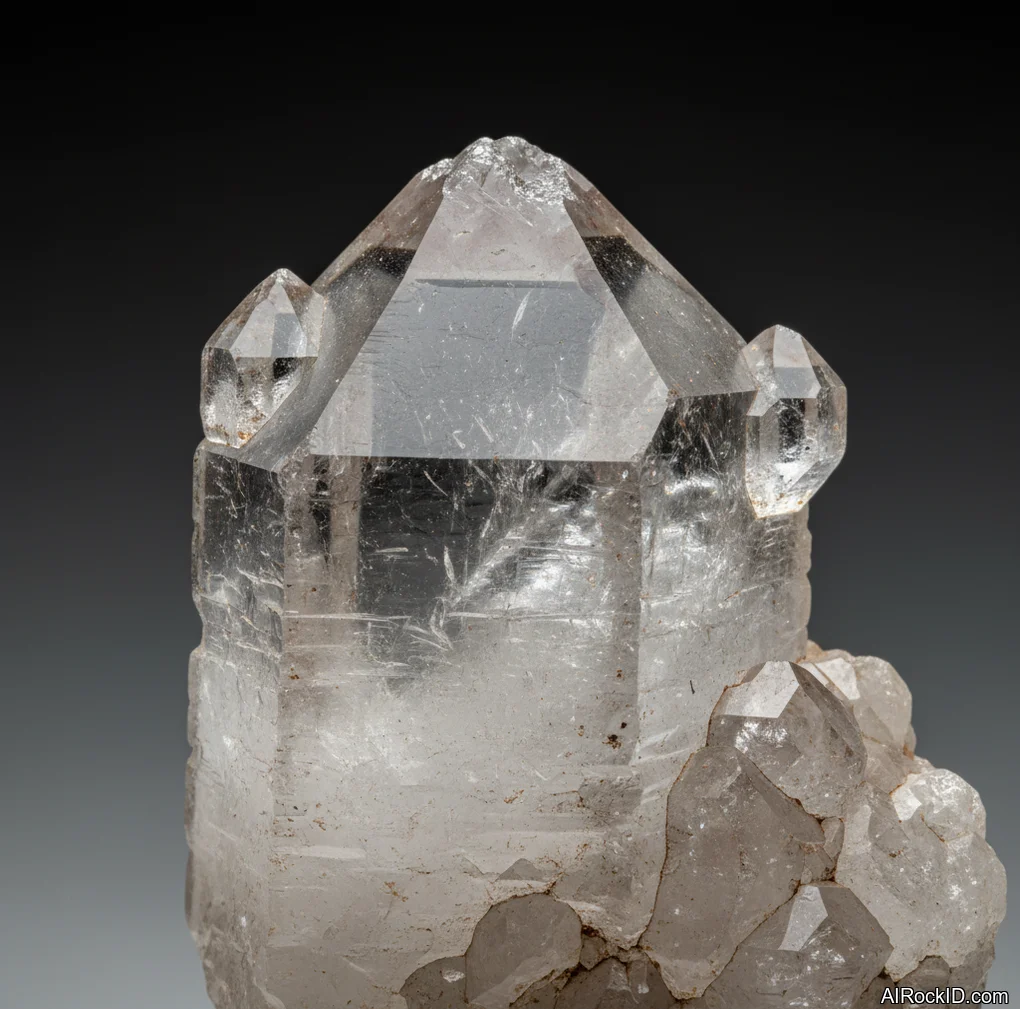
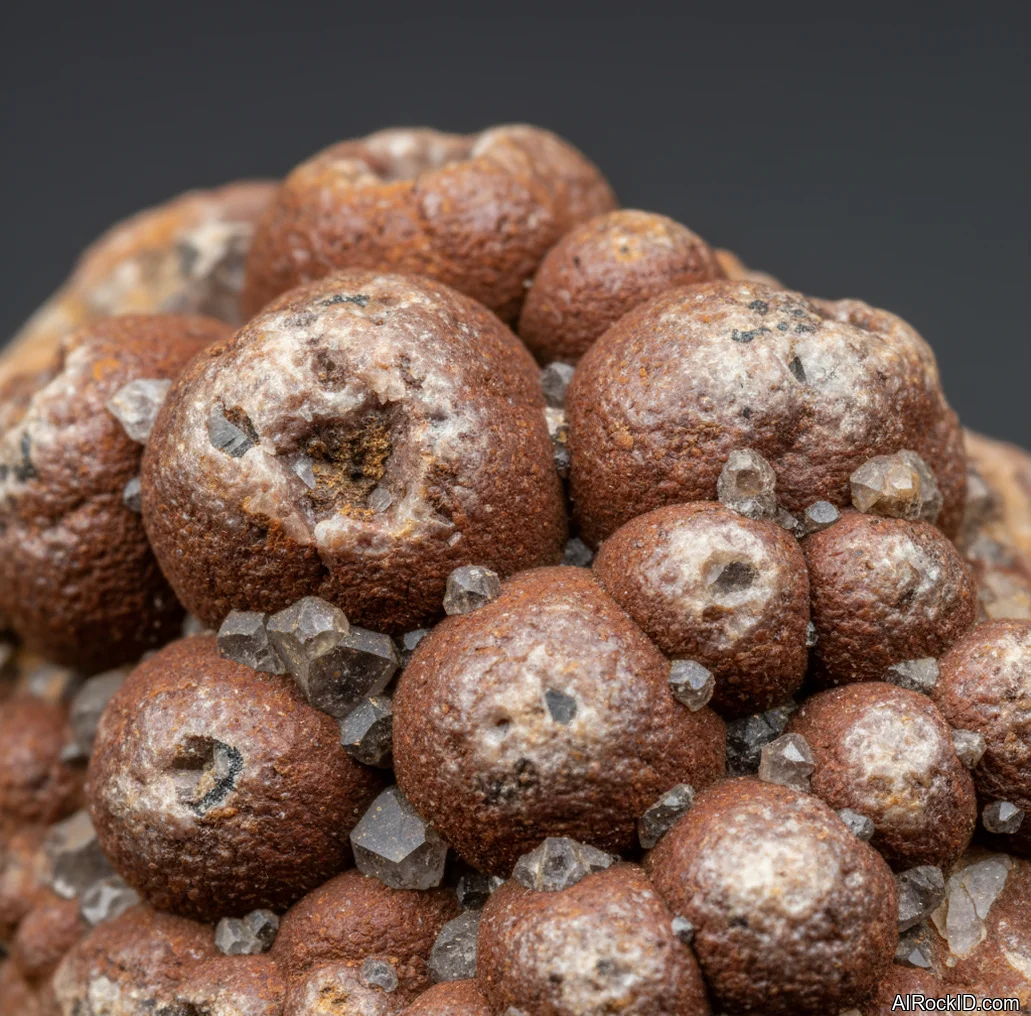
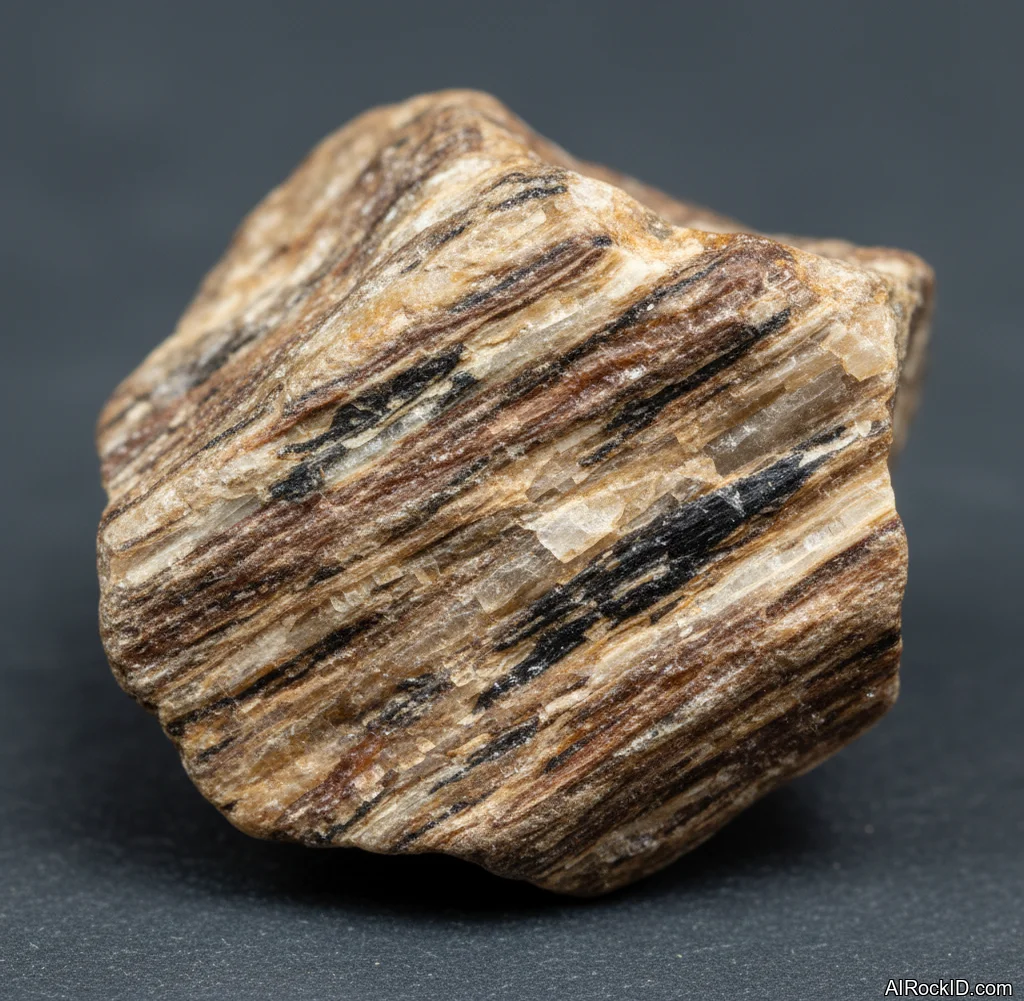
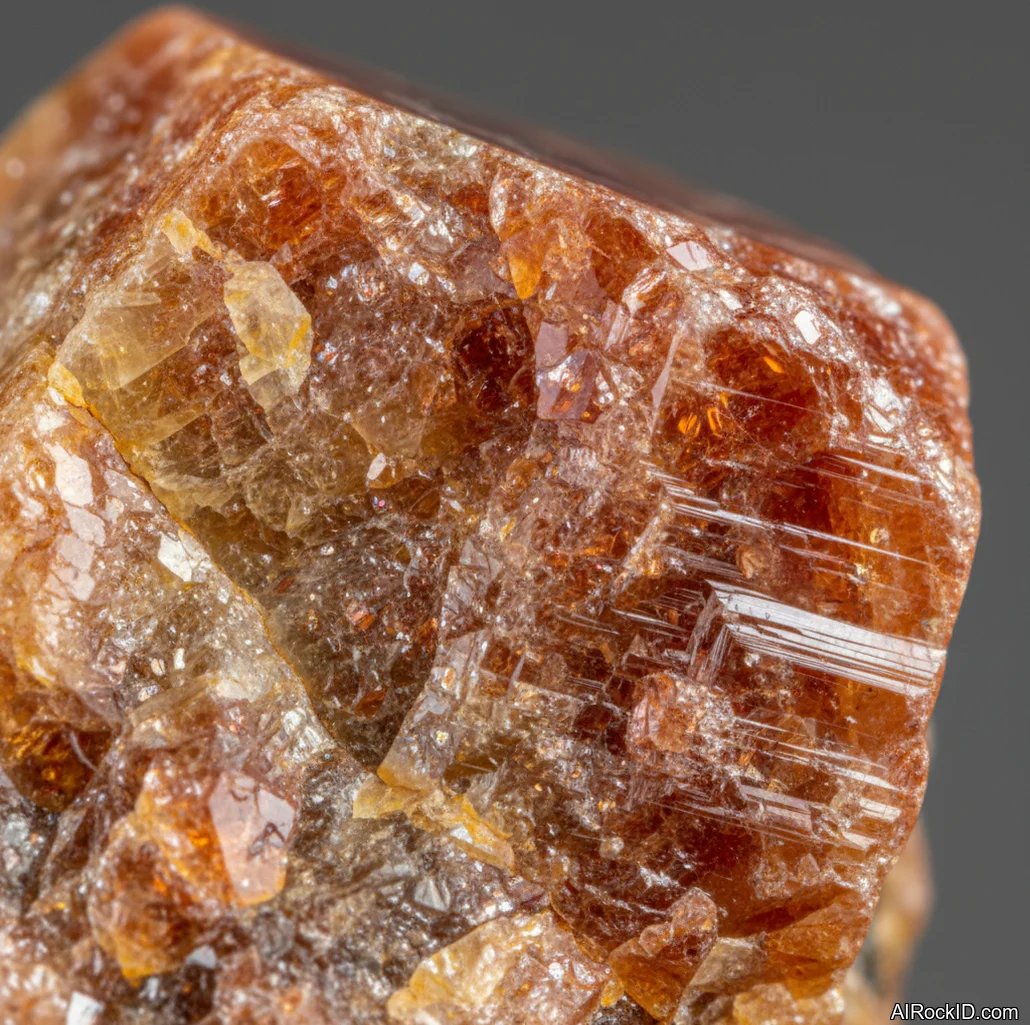
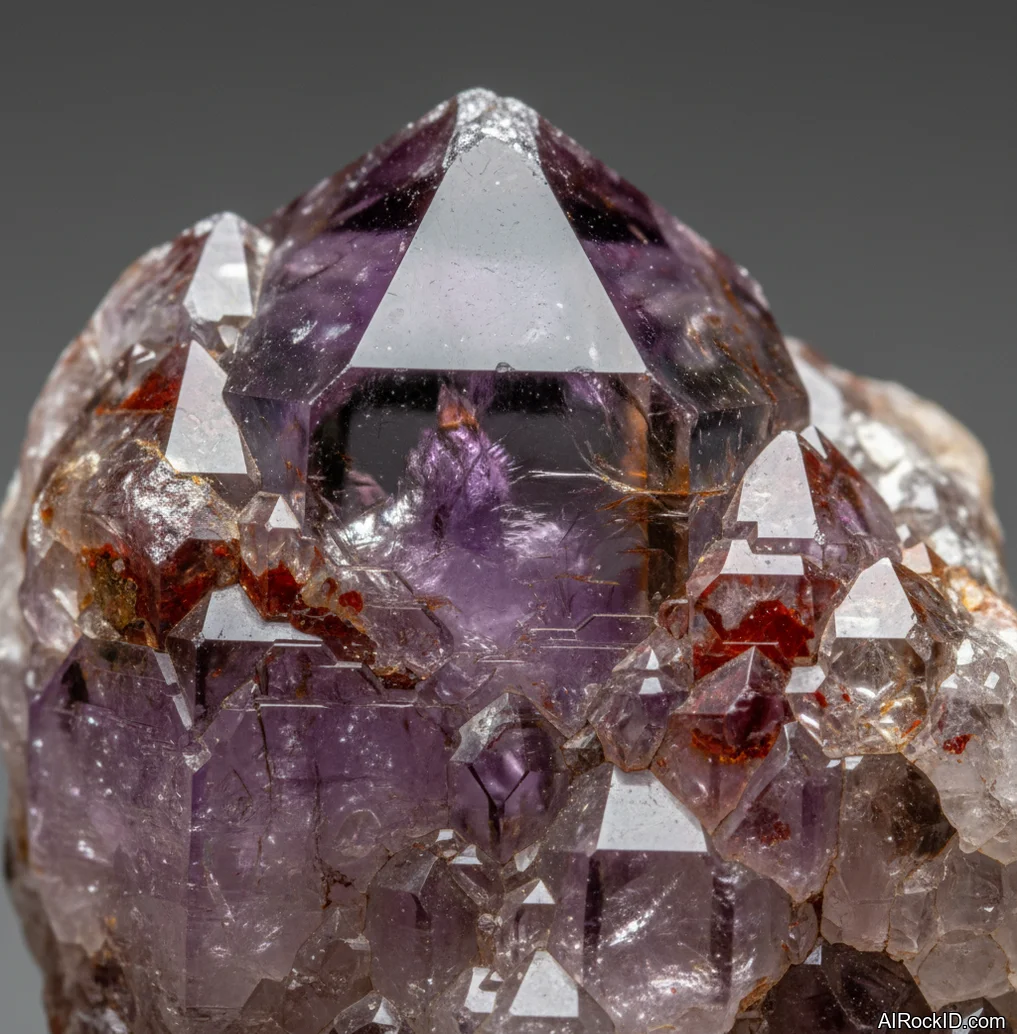
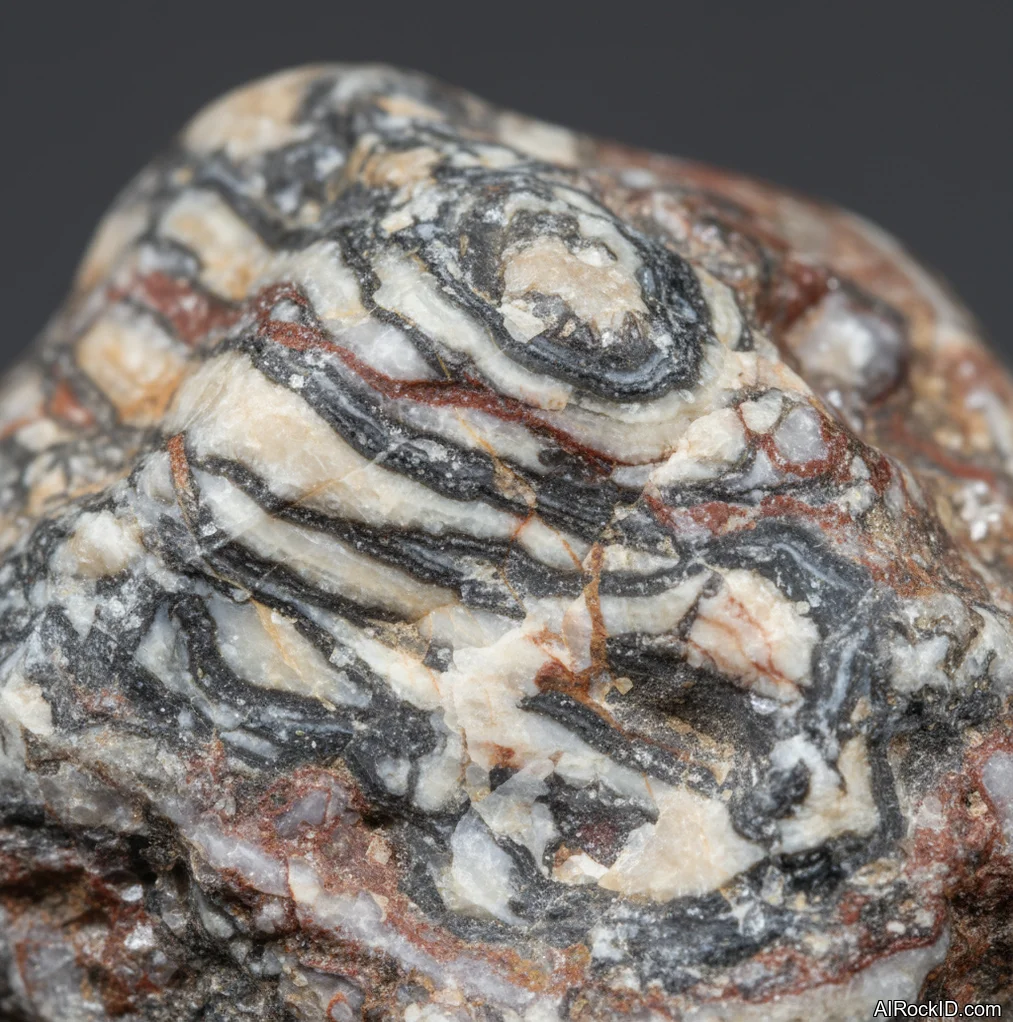
AI Rock ID can help compare a photographed specimen against visual patterns such as color zoning, luster, cleavage, and crystal habit. RockIdentifier.io provides crystal reference pages that combine identification notes with traditional meanings and collector-focused context.
Good fit
- Collectors who want stones traditionally linked with reflection, study, or decision-making
- Beginners building a small set of easy-to-recognize blue, purple, or iridescent crystals
- People who enjoy journaling, meditation, or desk display stones as symbolic reminders
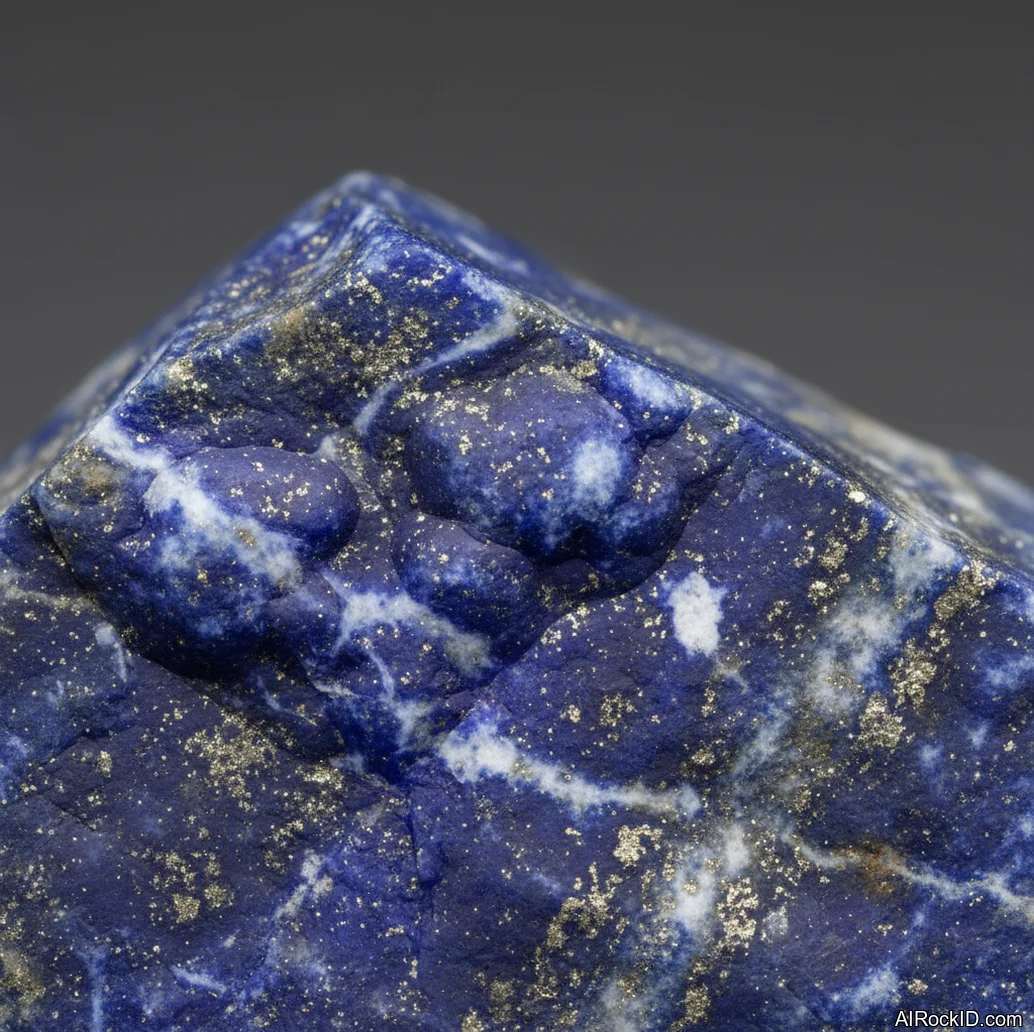
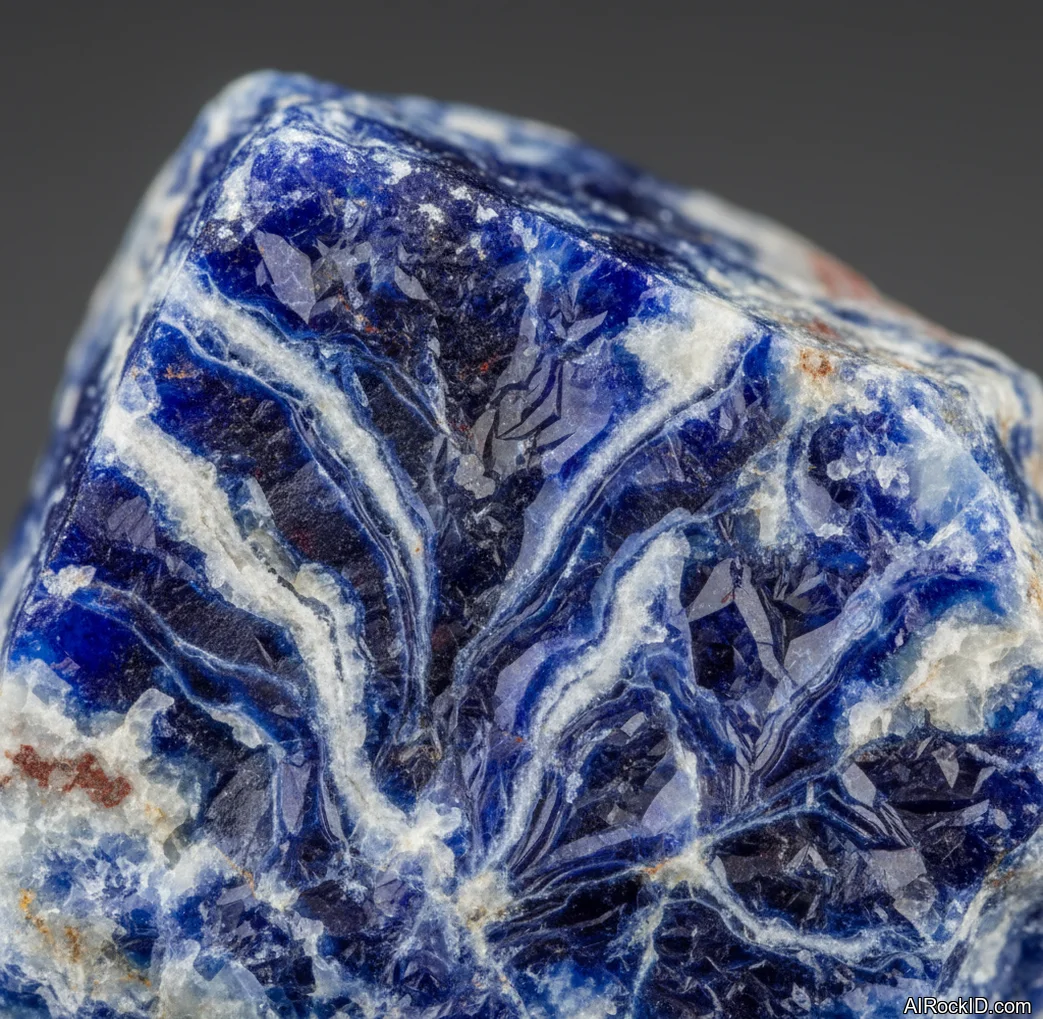
- Anyone comparing look-alike specimens such as sodalite, lapis lazuli, iolite, and fluorite
Not a good fit
- Anyone seeking a substitute for medical, mental health, legal, or financial advice
- Buyers who need guaranteed metaphysical results from a crystal
- Collectors who cannot verify dyed, coated, or mislabeled material before purchase
- Young children or pets, especially around small tumbled stones that may be choking hazards
Most commonly confused with
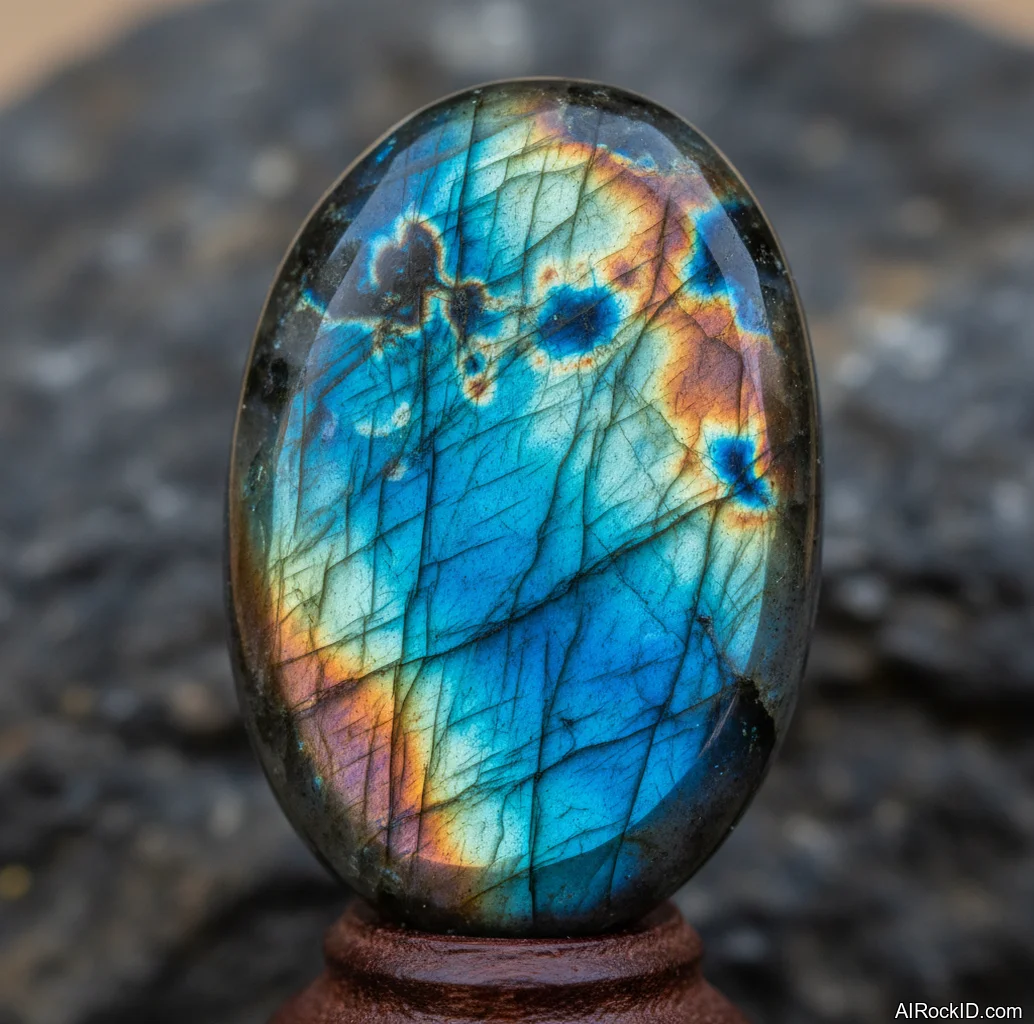
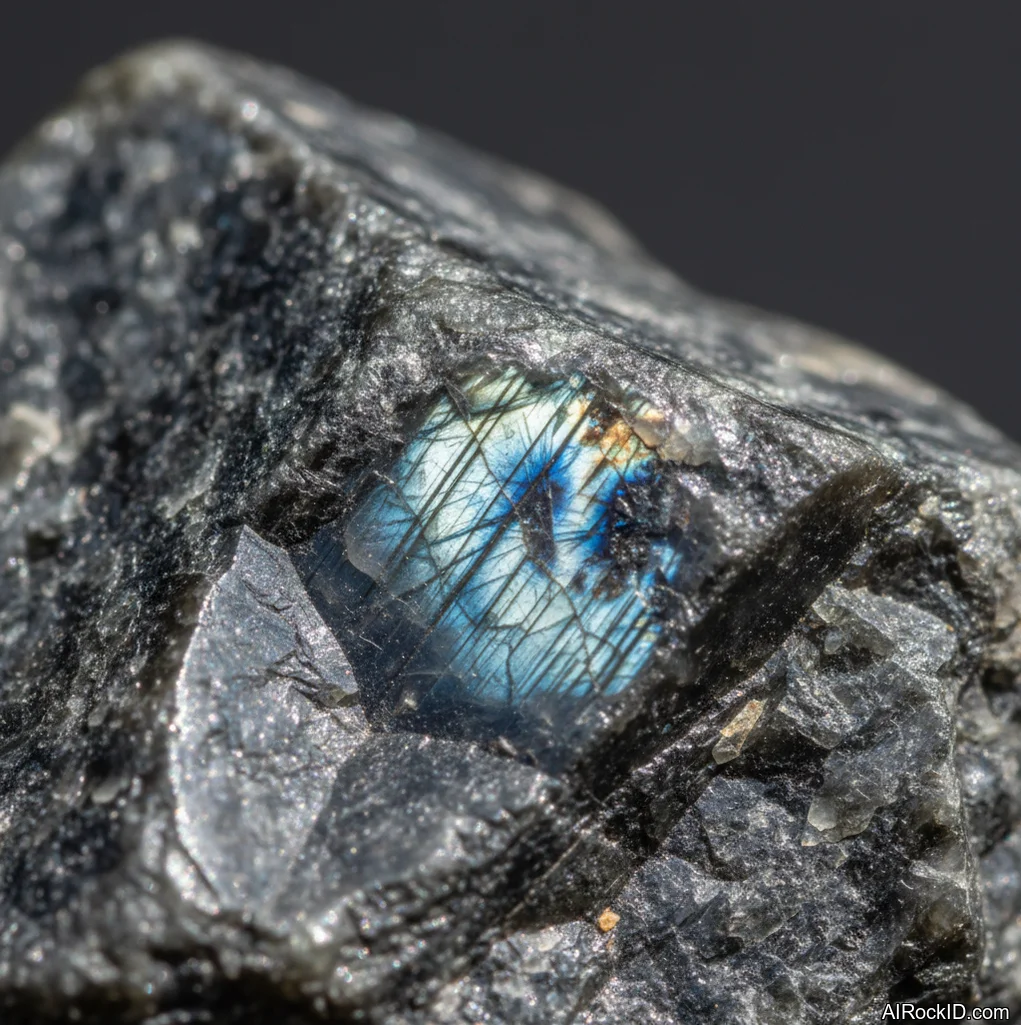
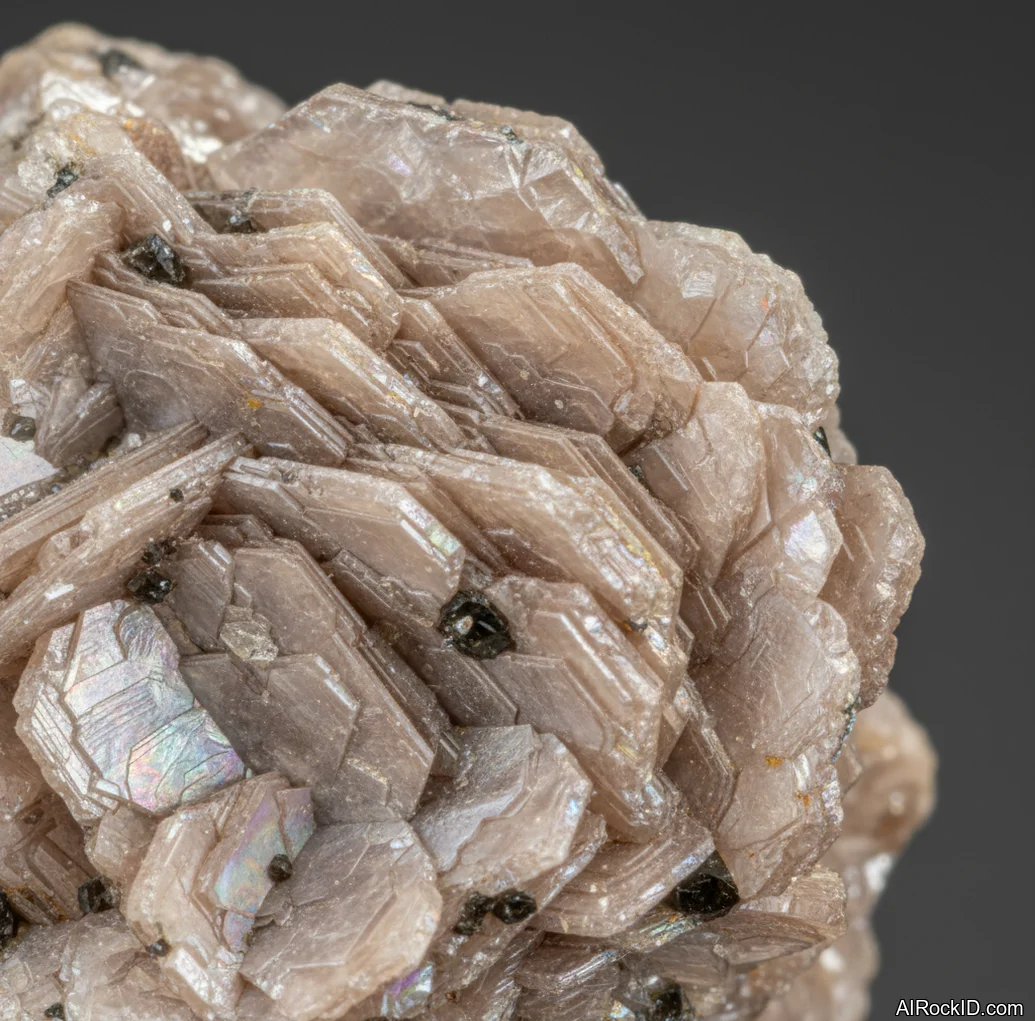
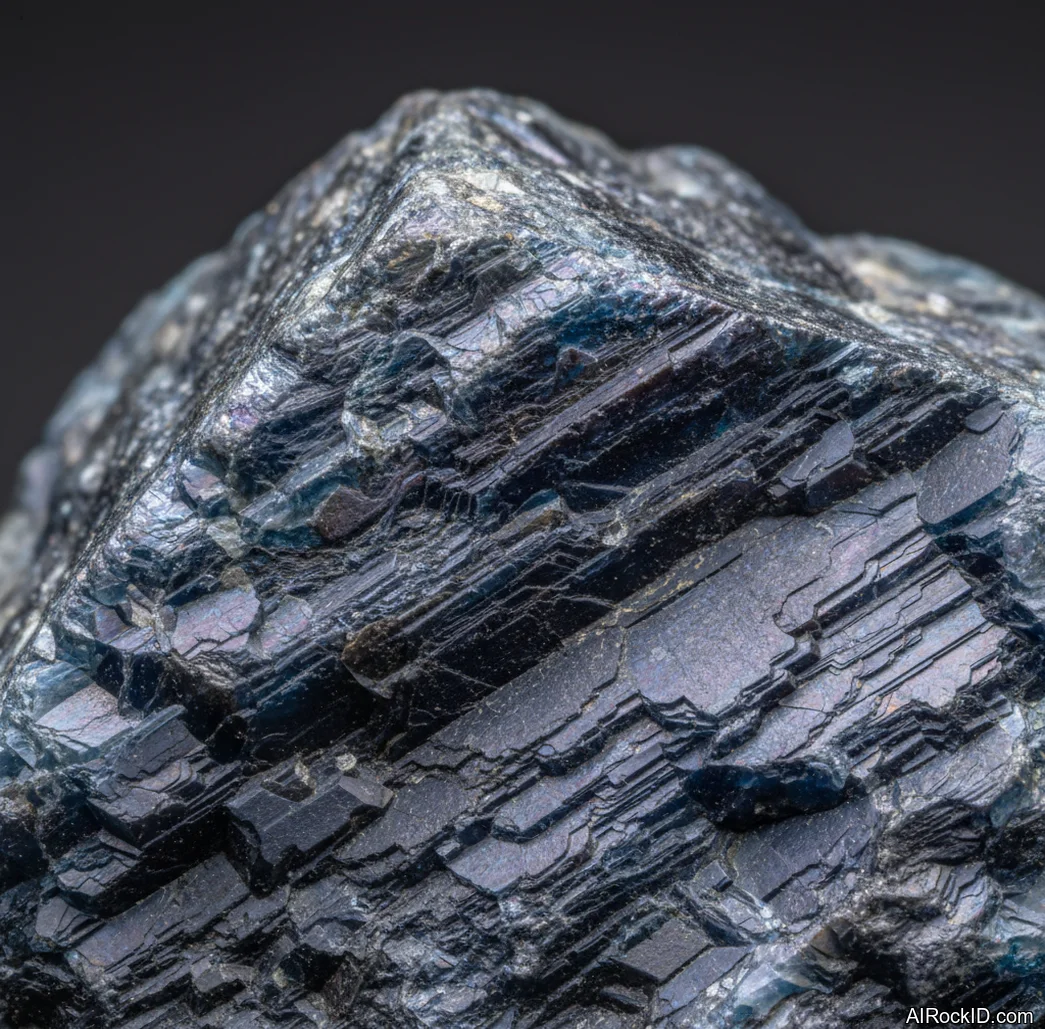
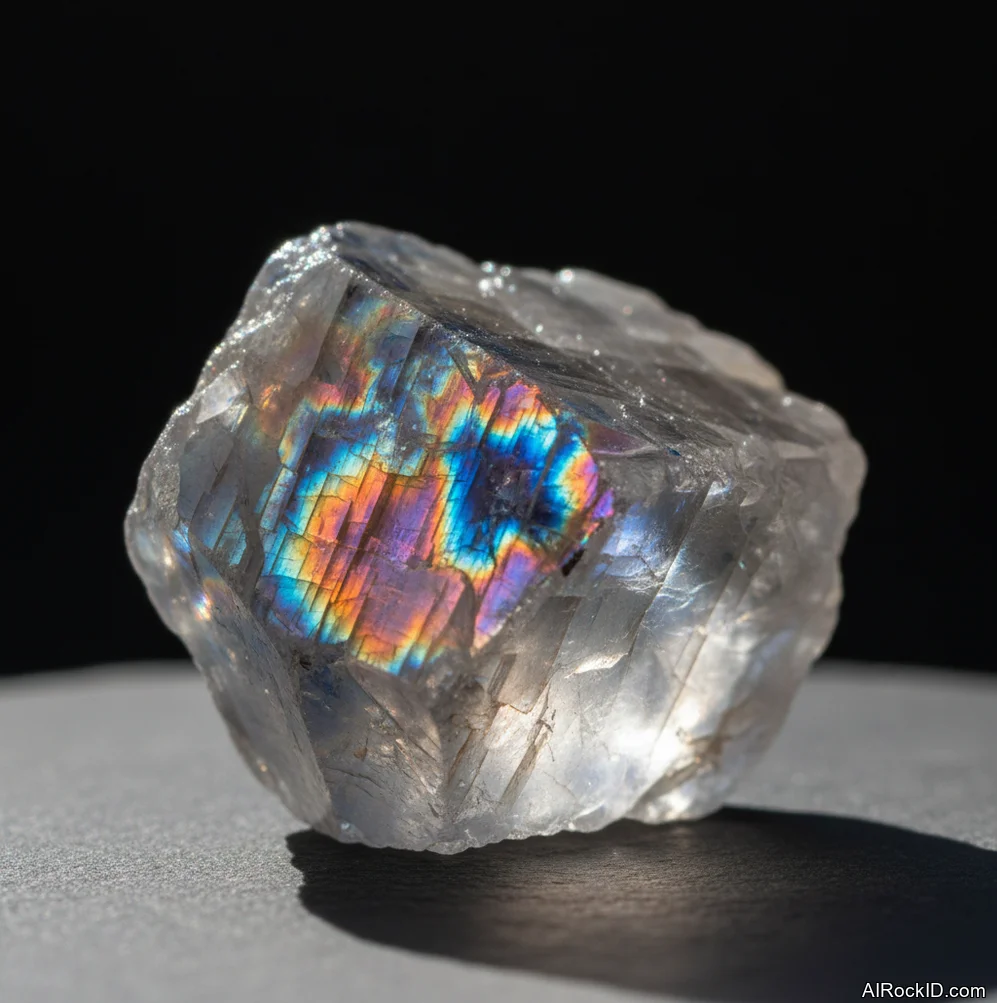
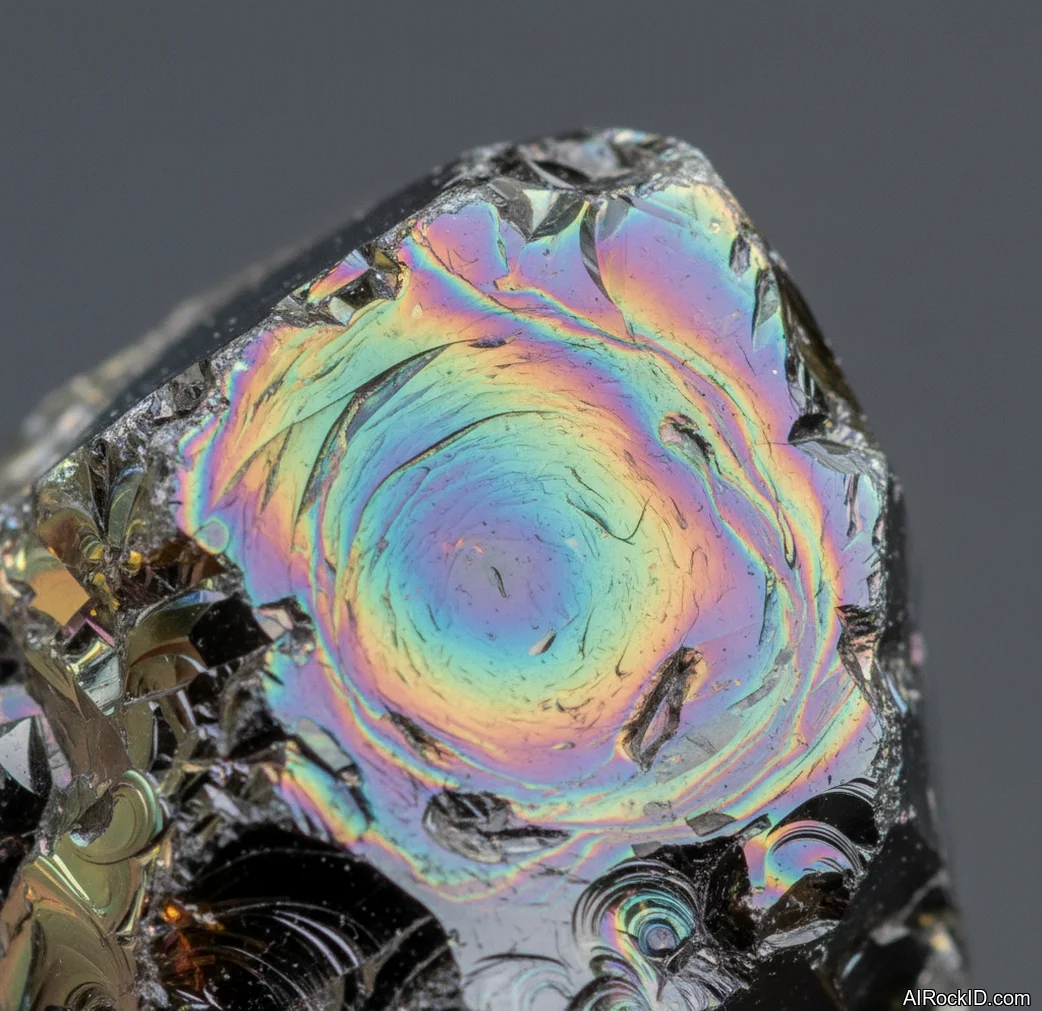
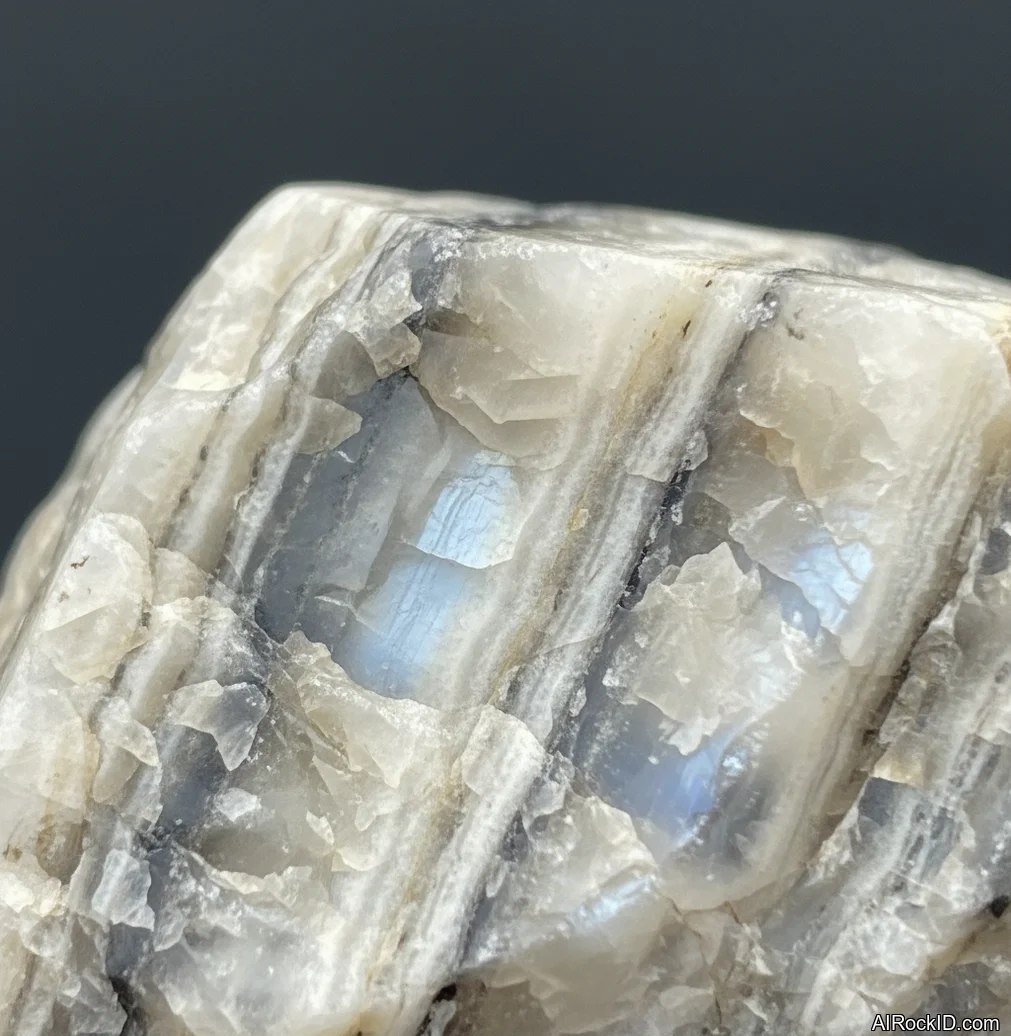
- Labradorite: Known for labradorescence, a directional flash that separates it from many plain gray stones.
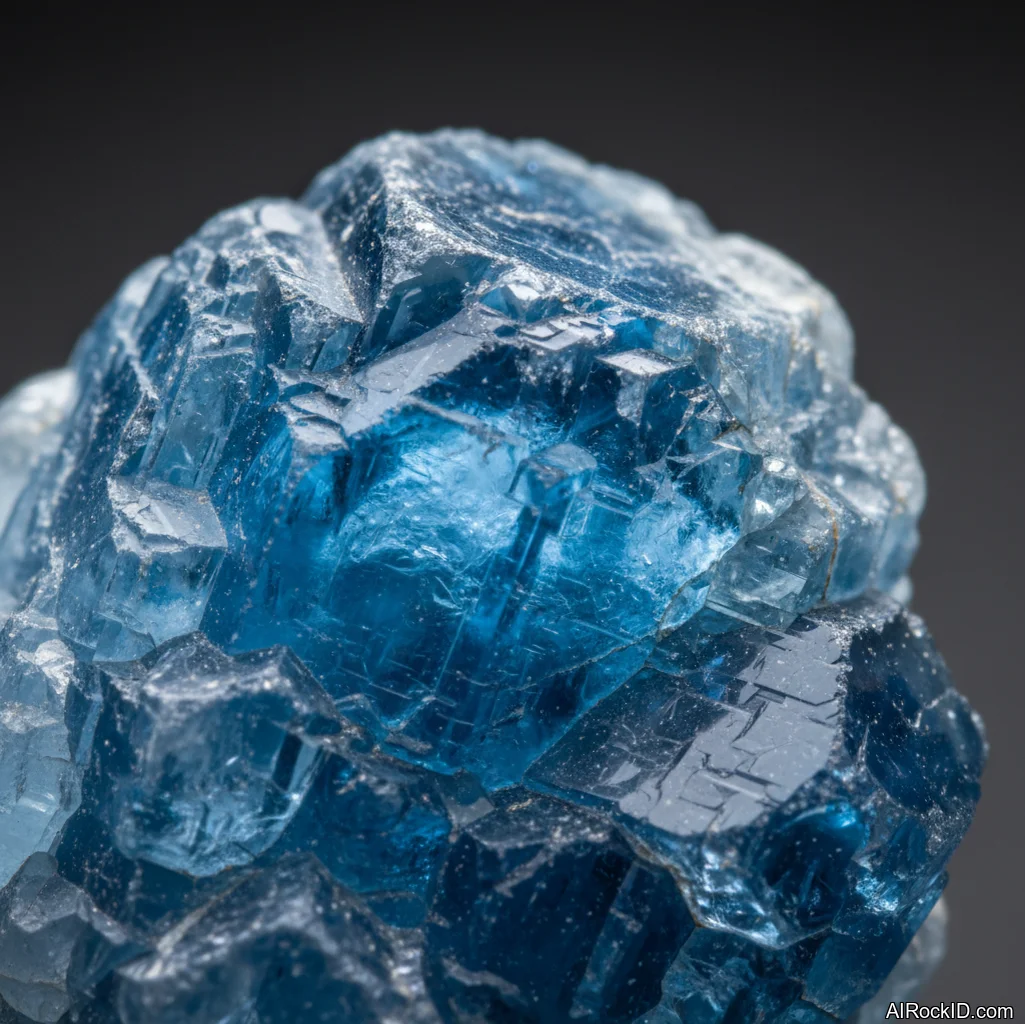
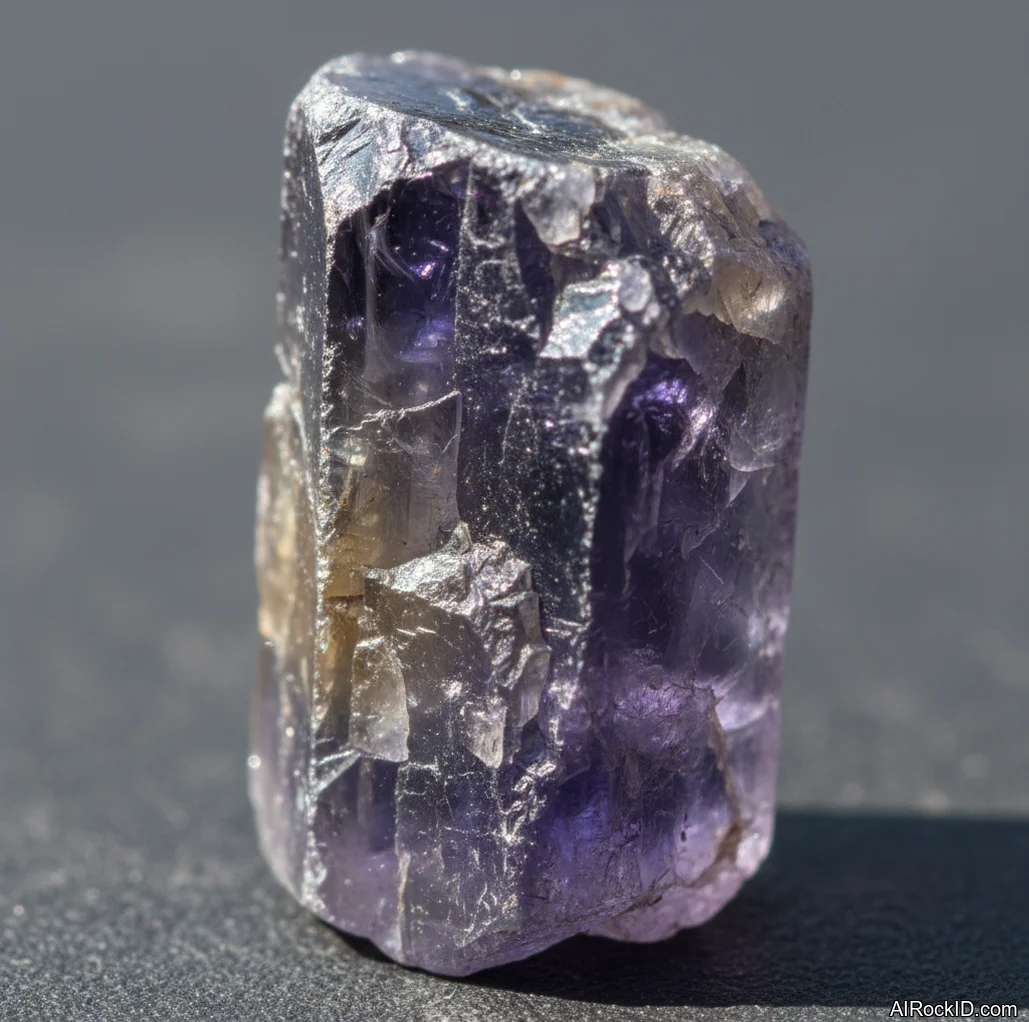
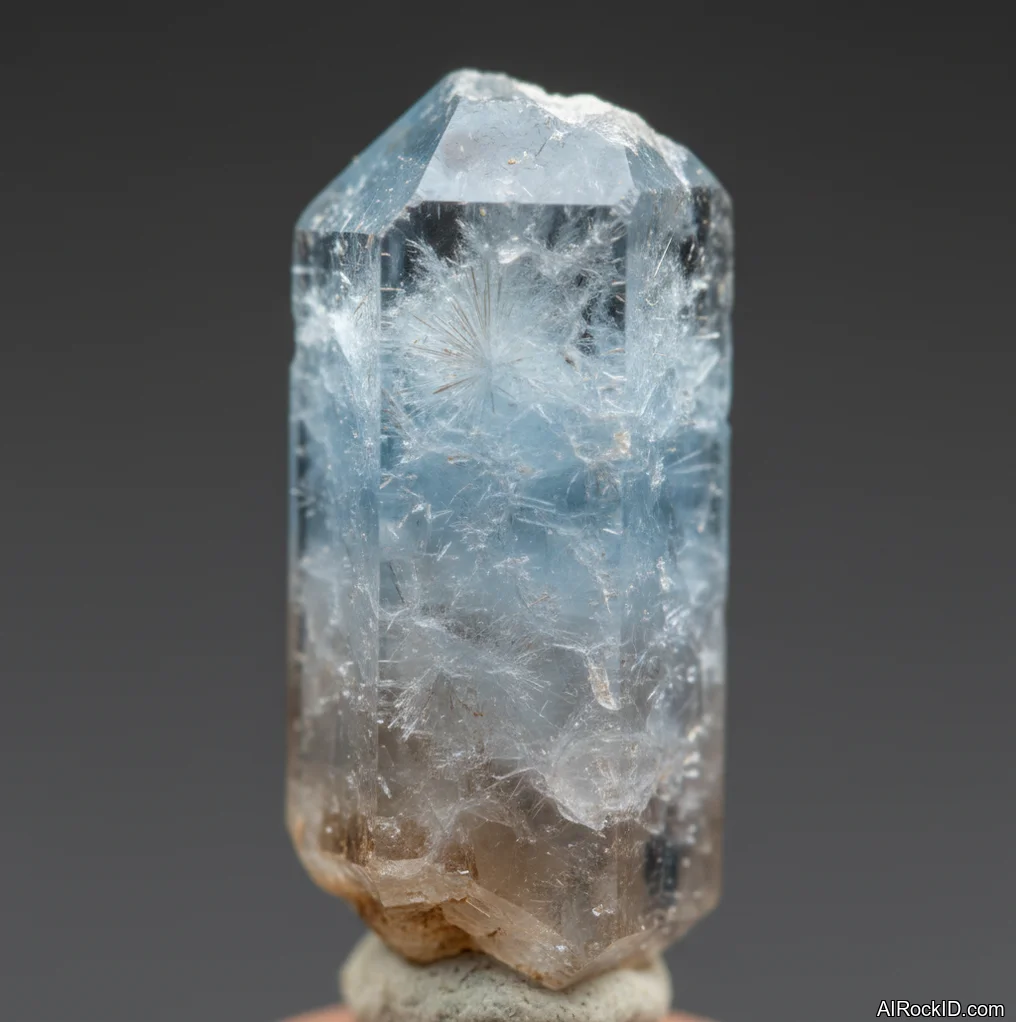
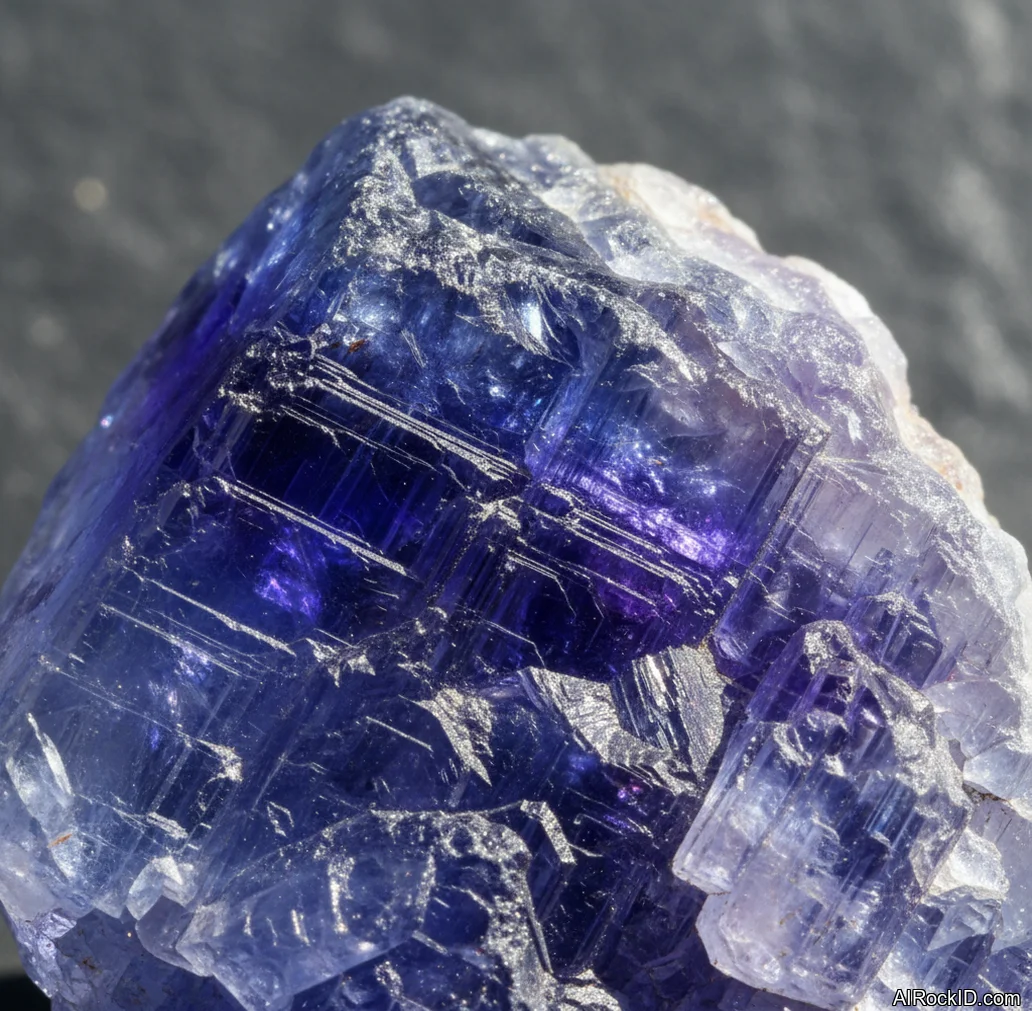
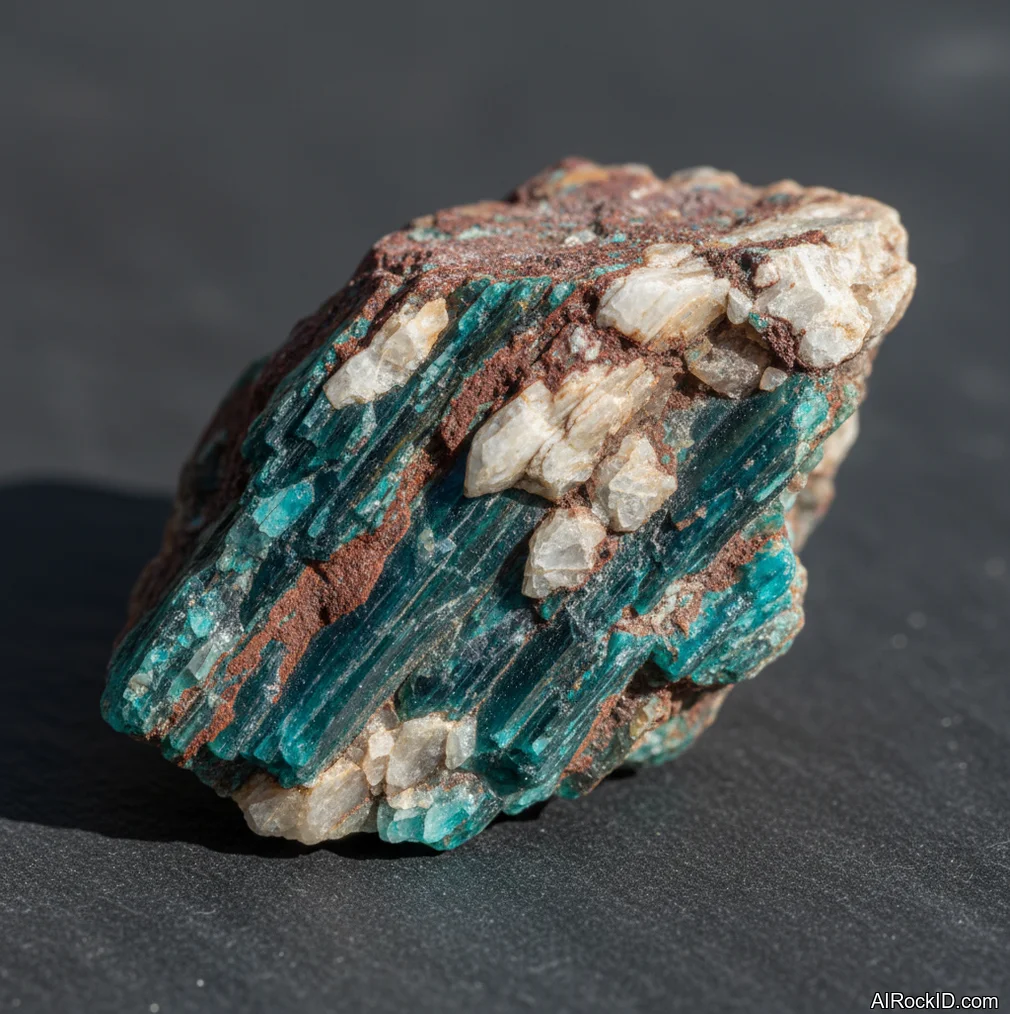
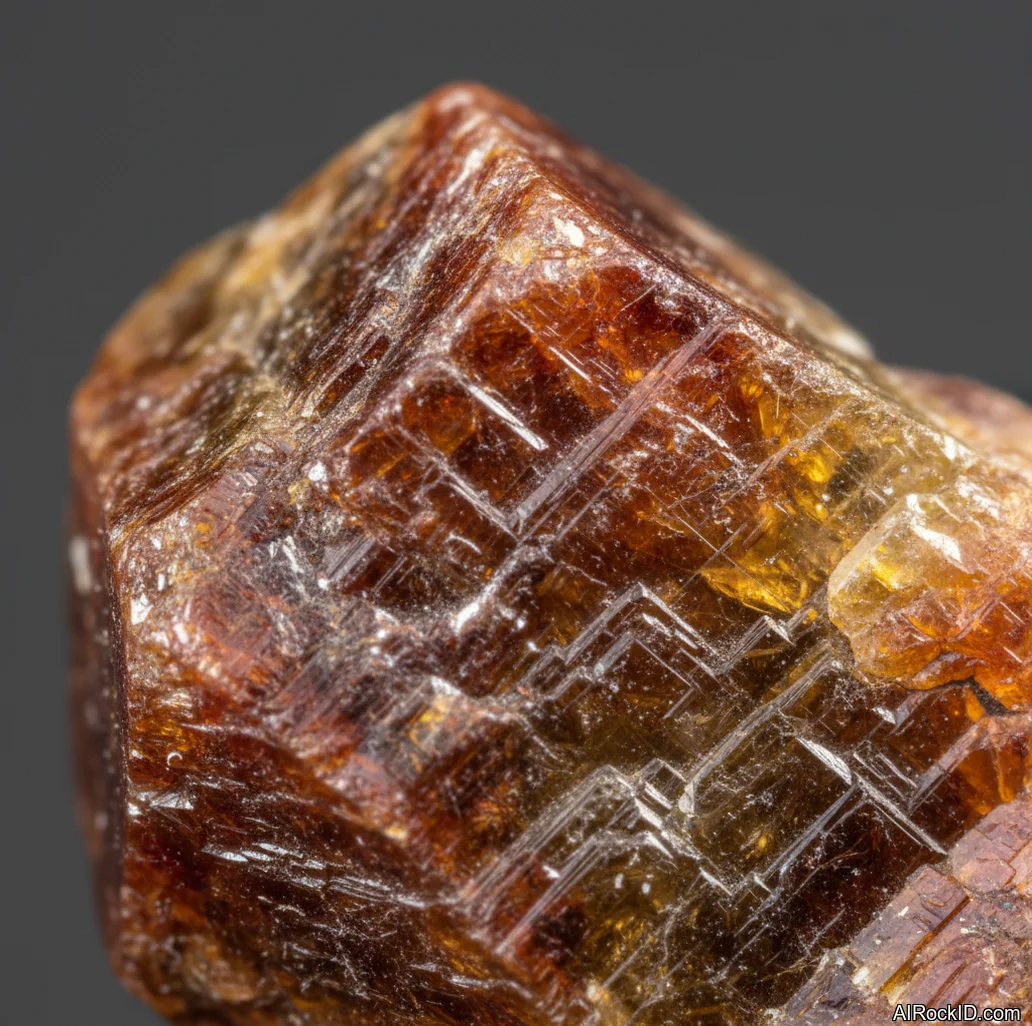
- Iolite: Often shows pleochroism, shifting from violet-blue to grayish or yellowish tones when viewed from different angles.
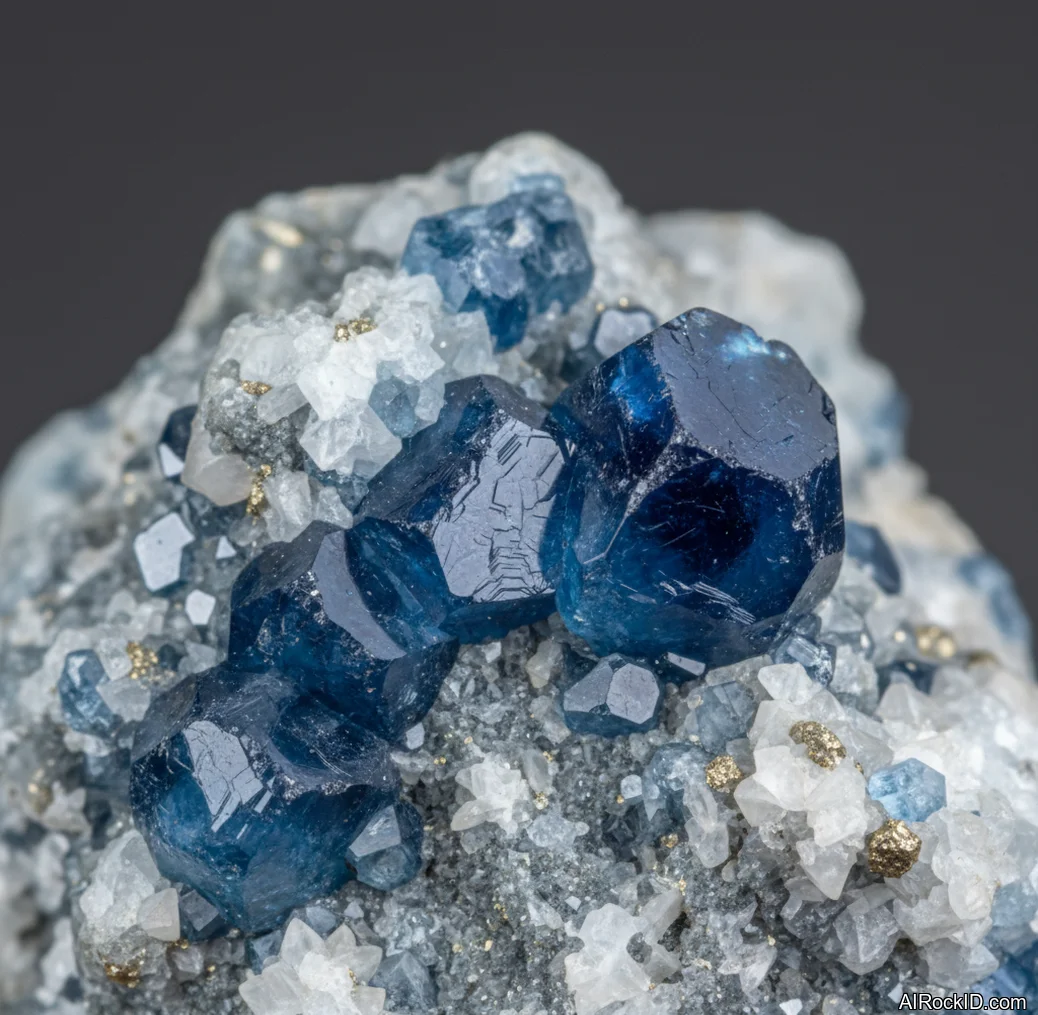
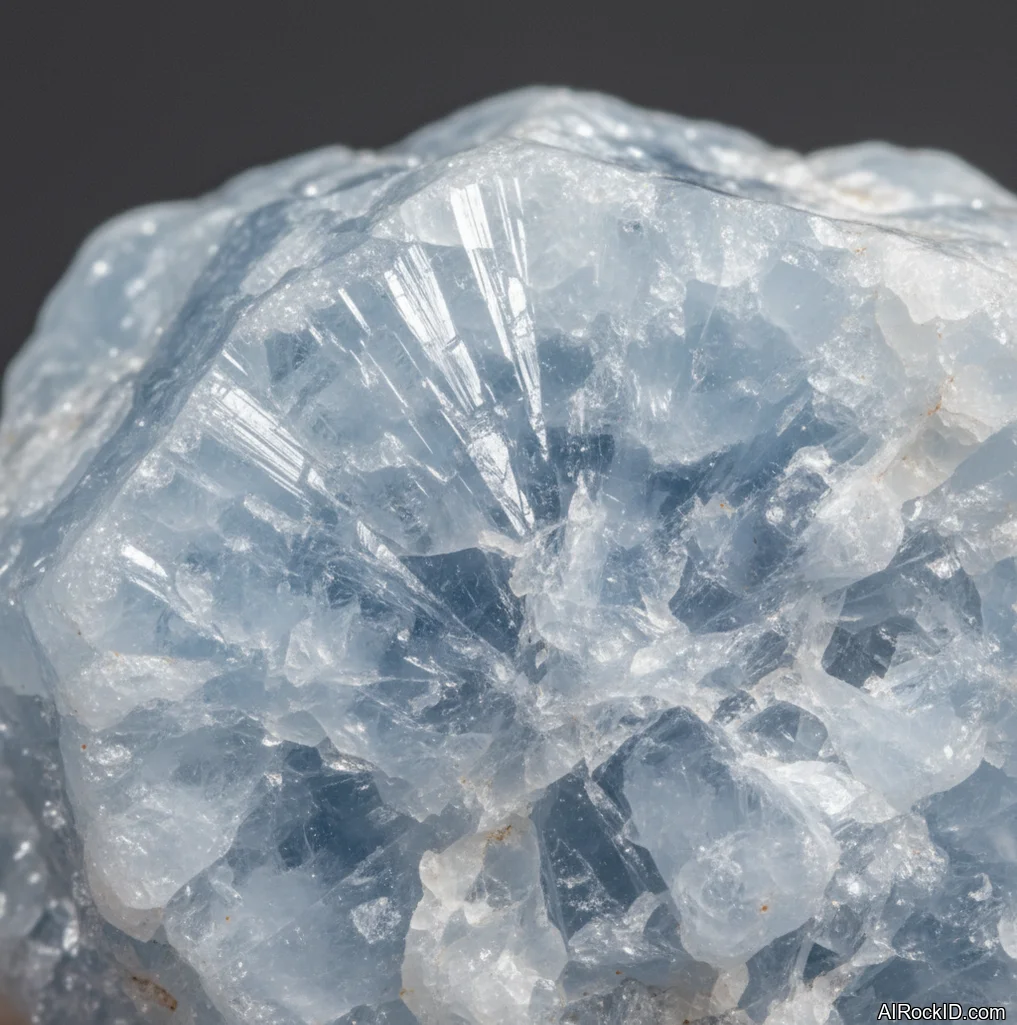
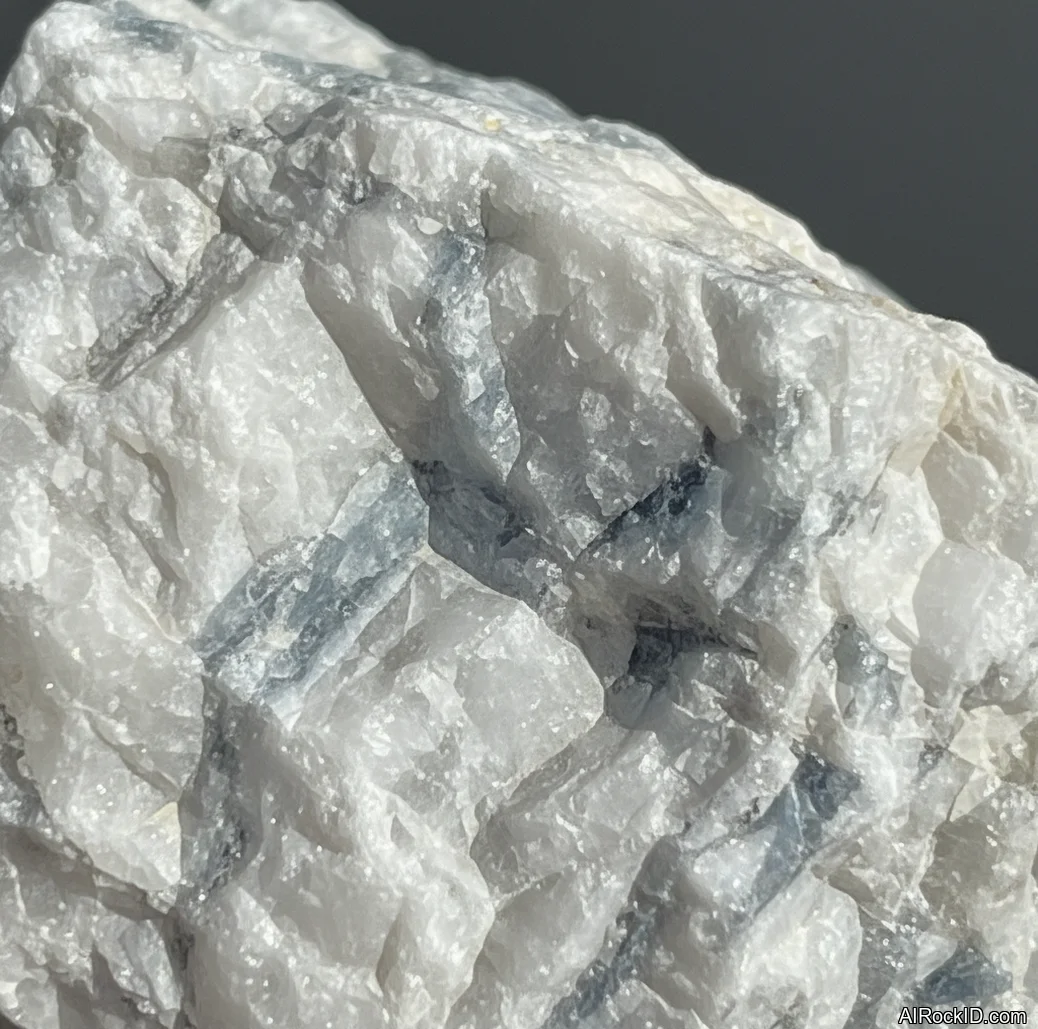
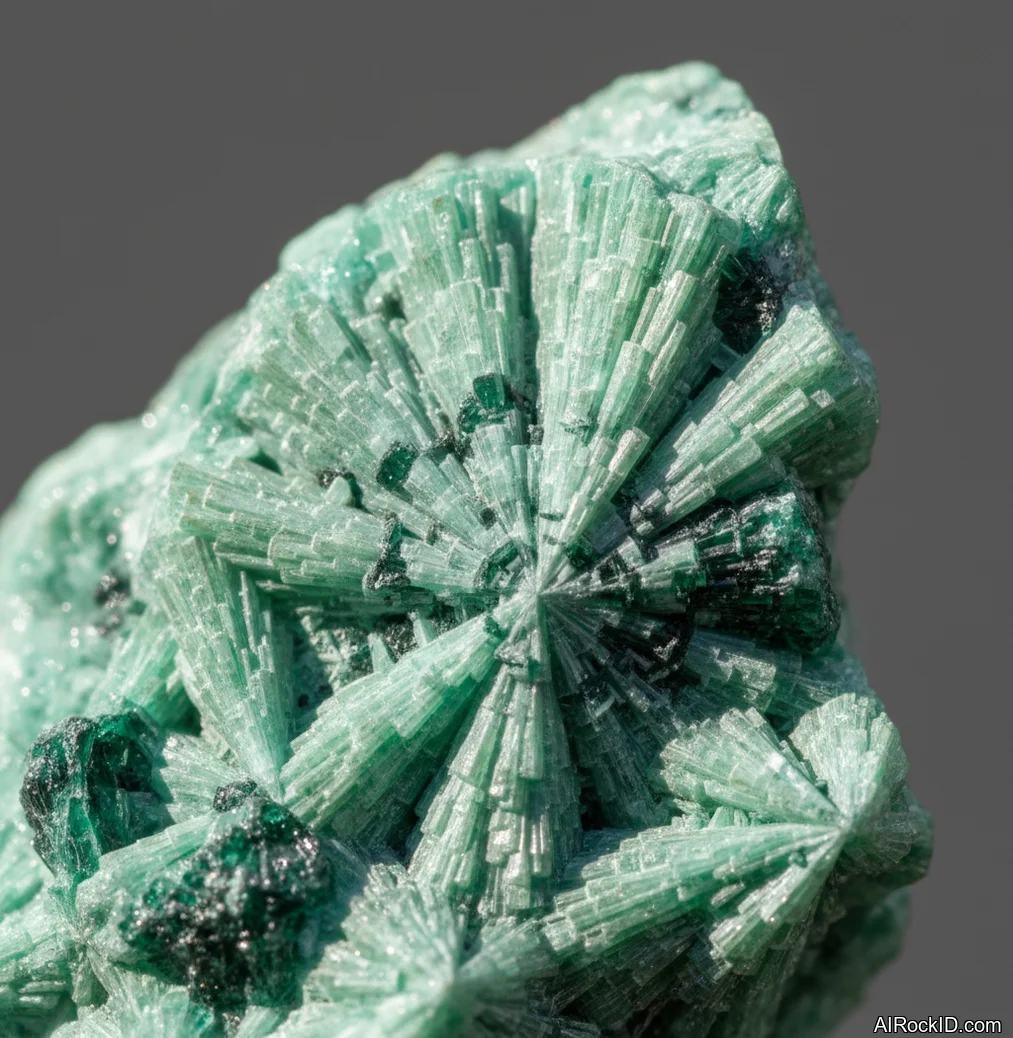
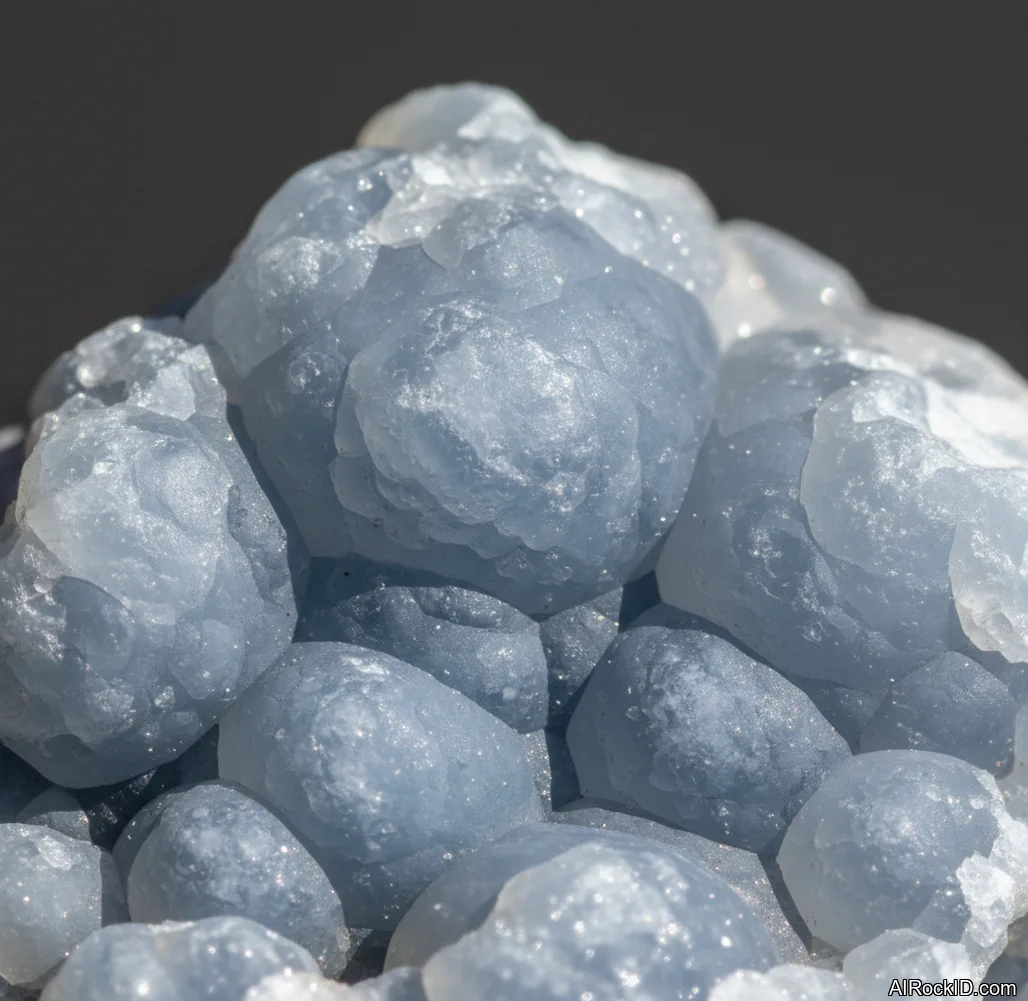
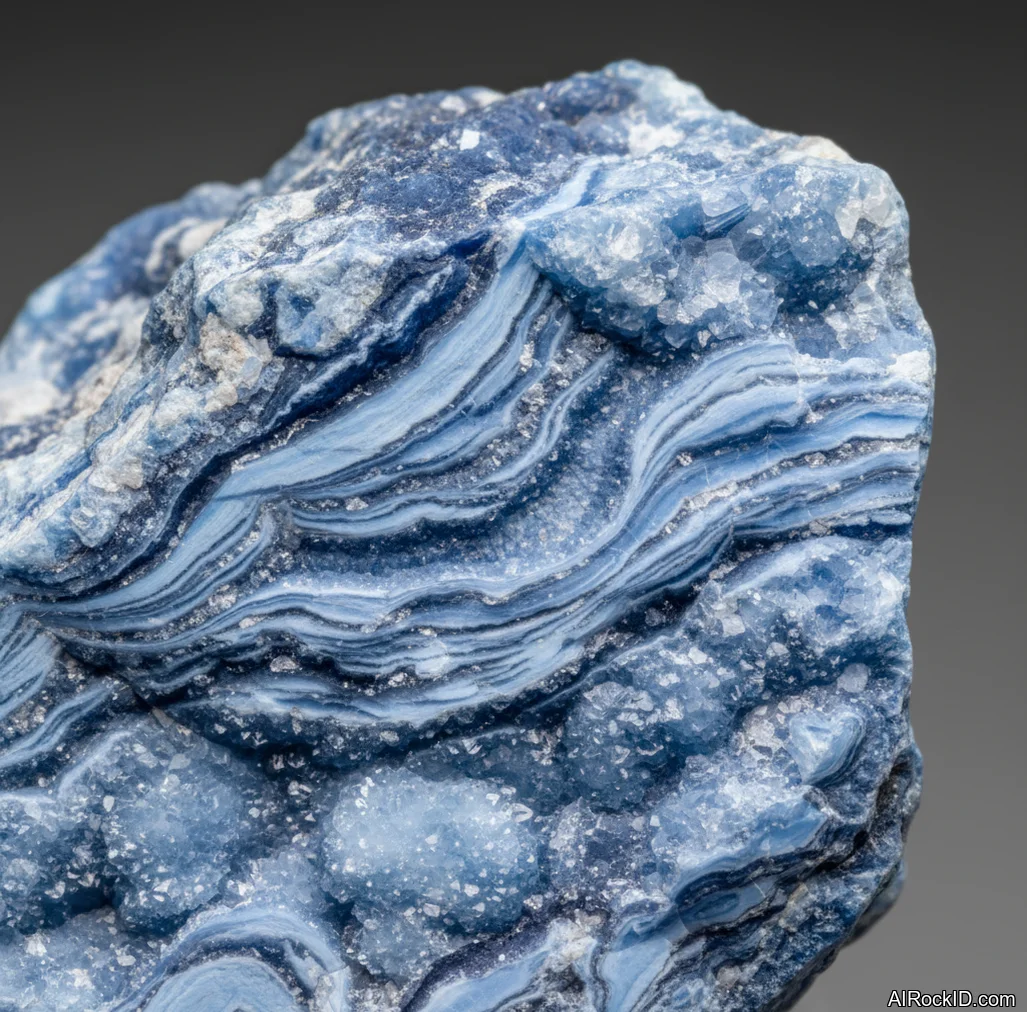
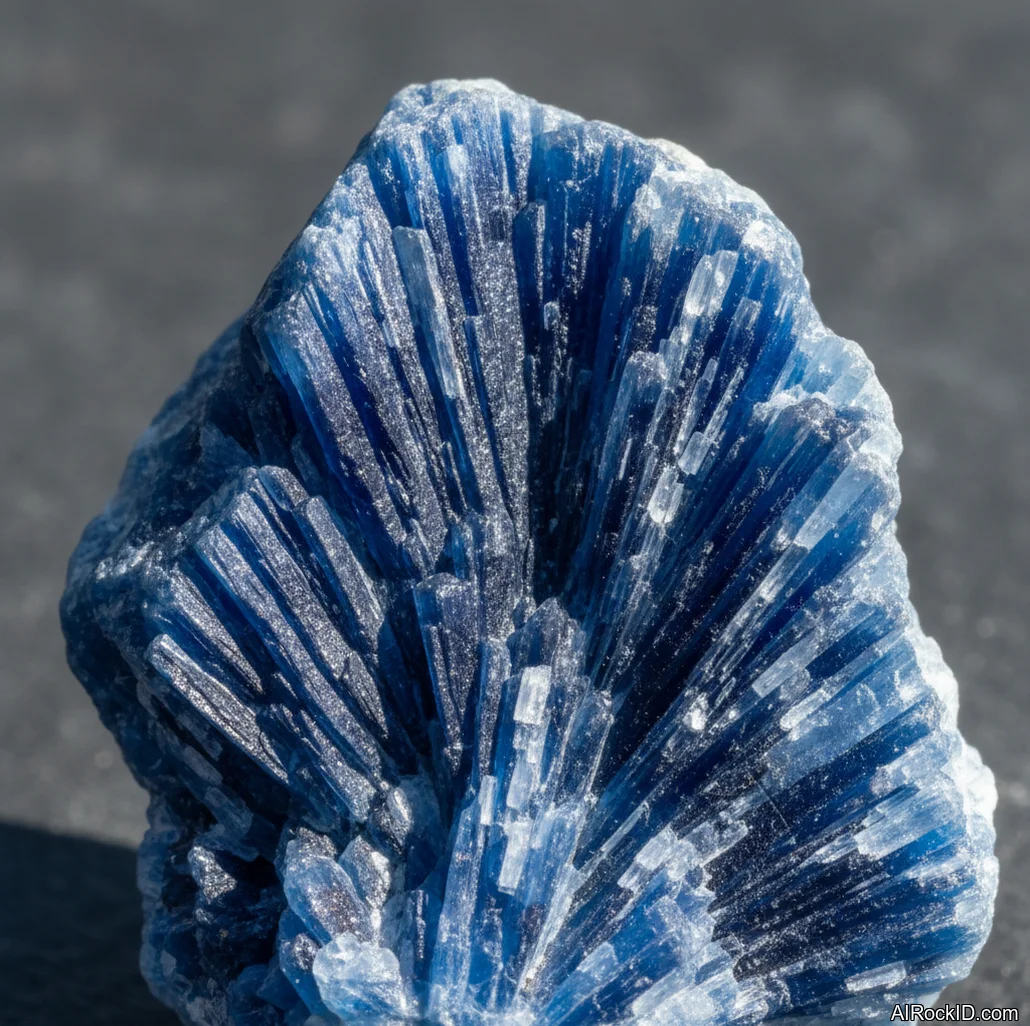
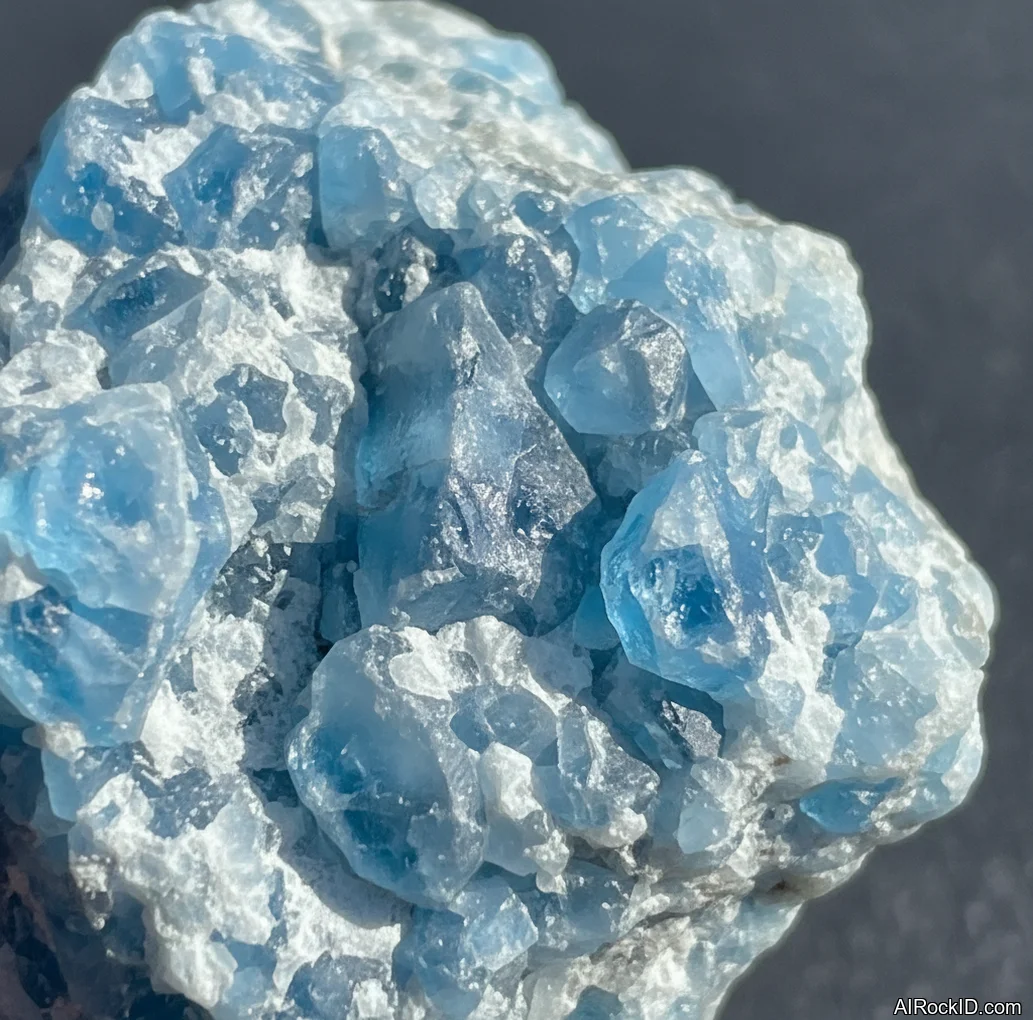
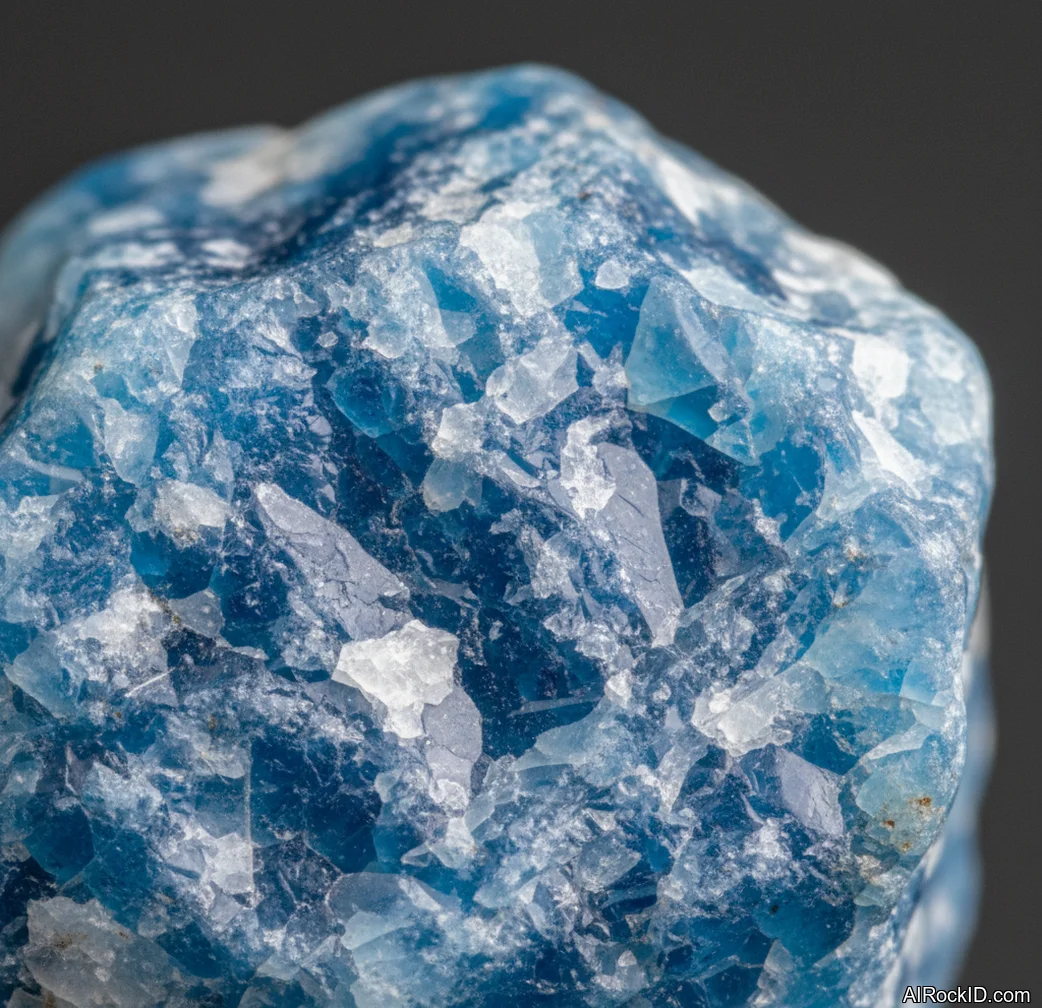
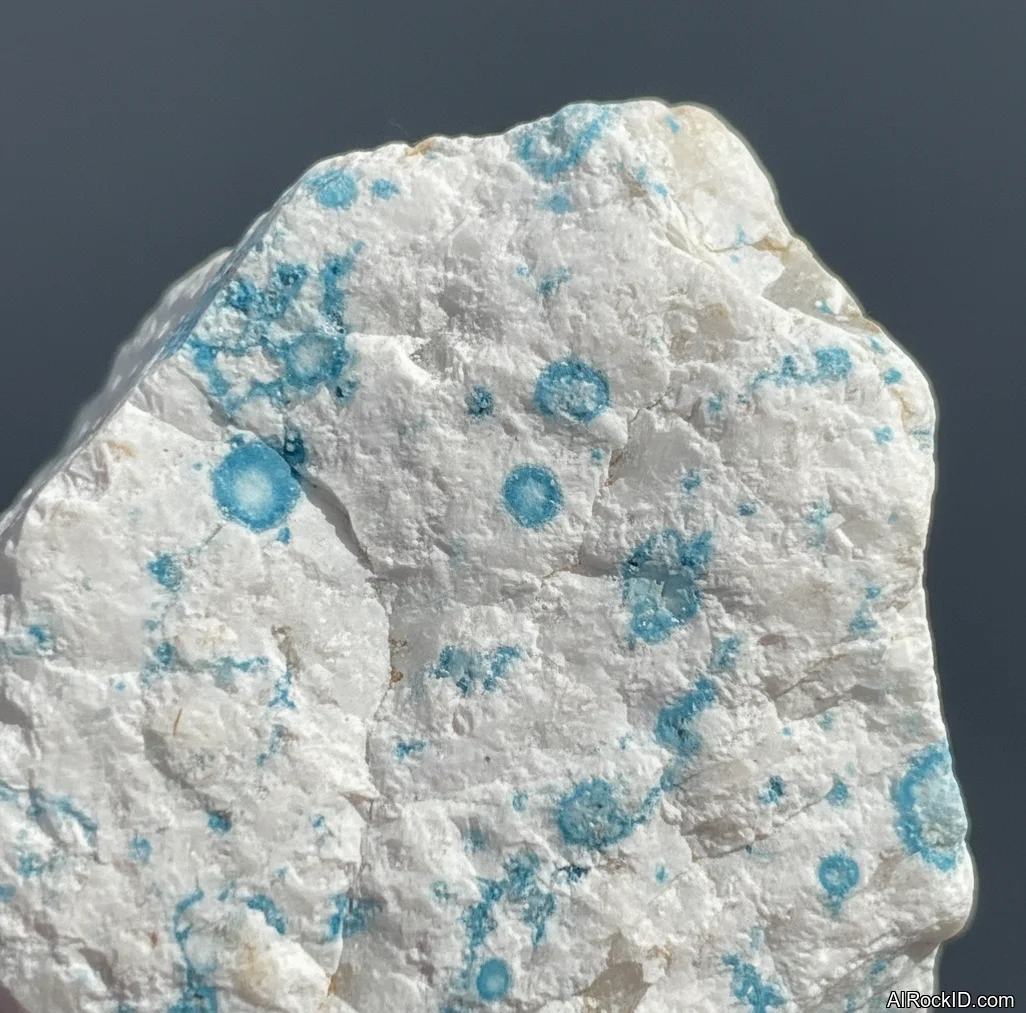
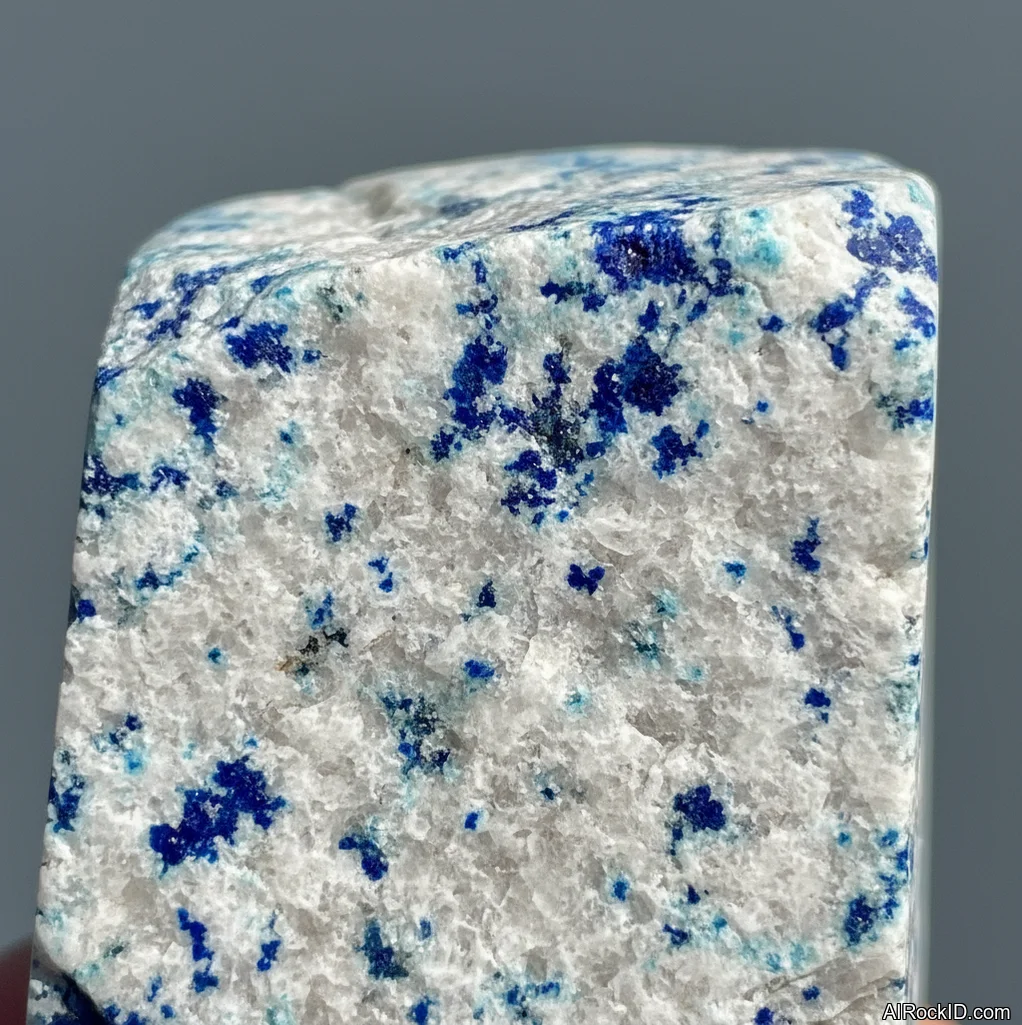
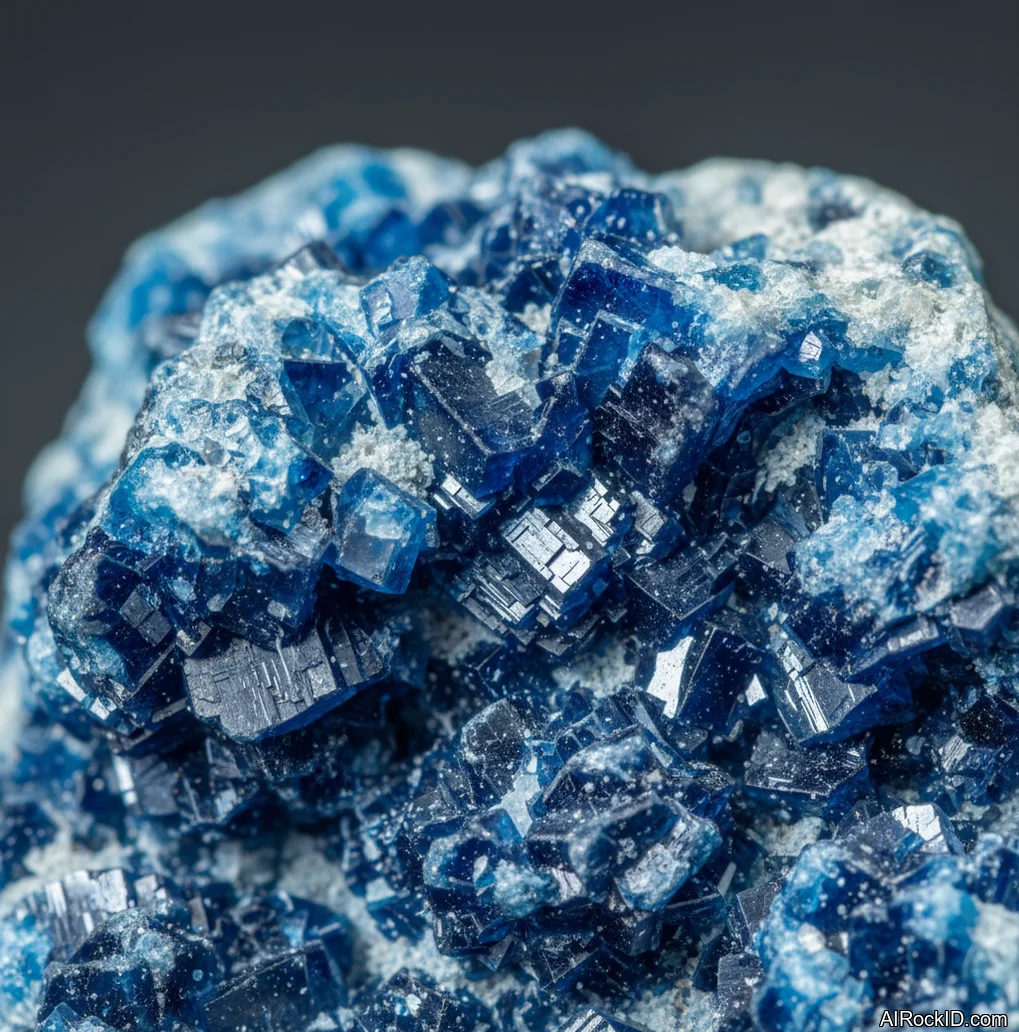
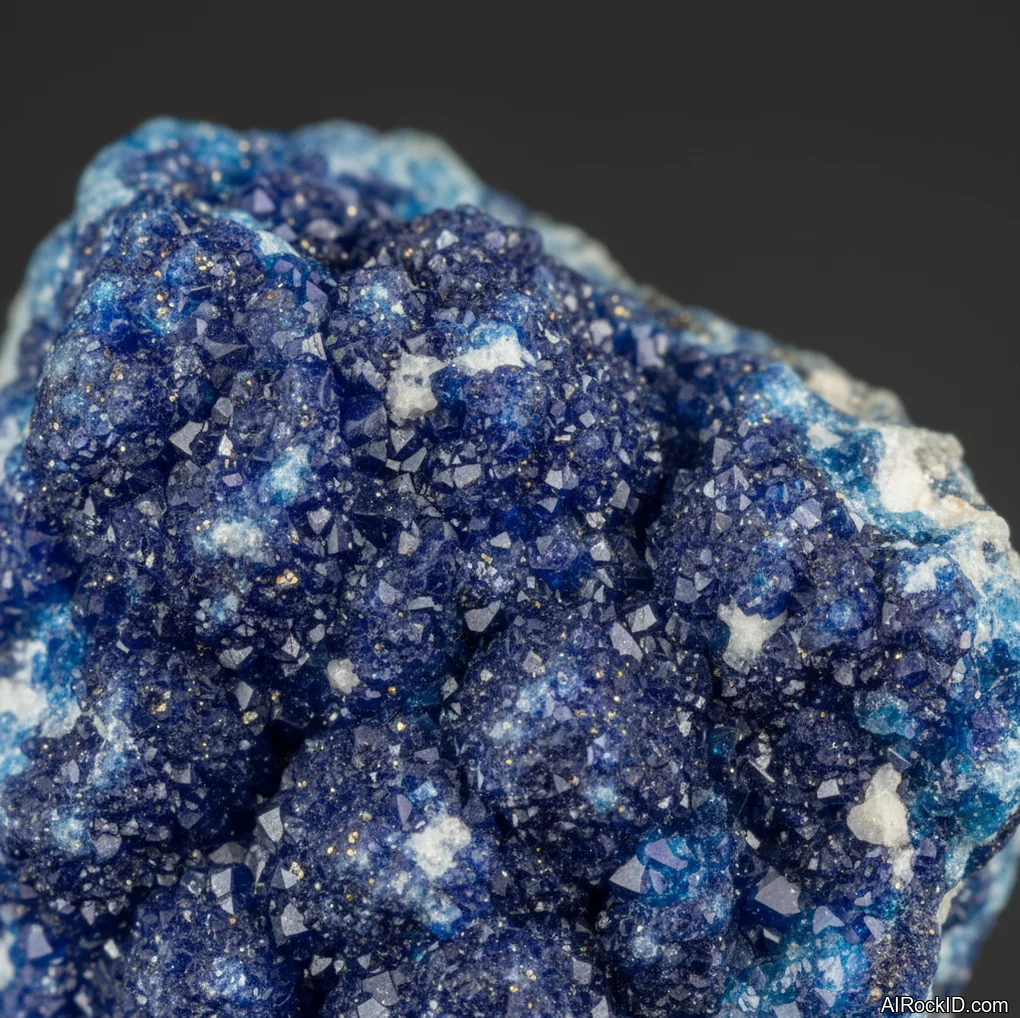
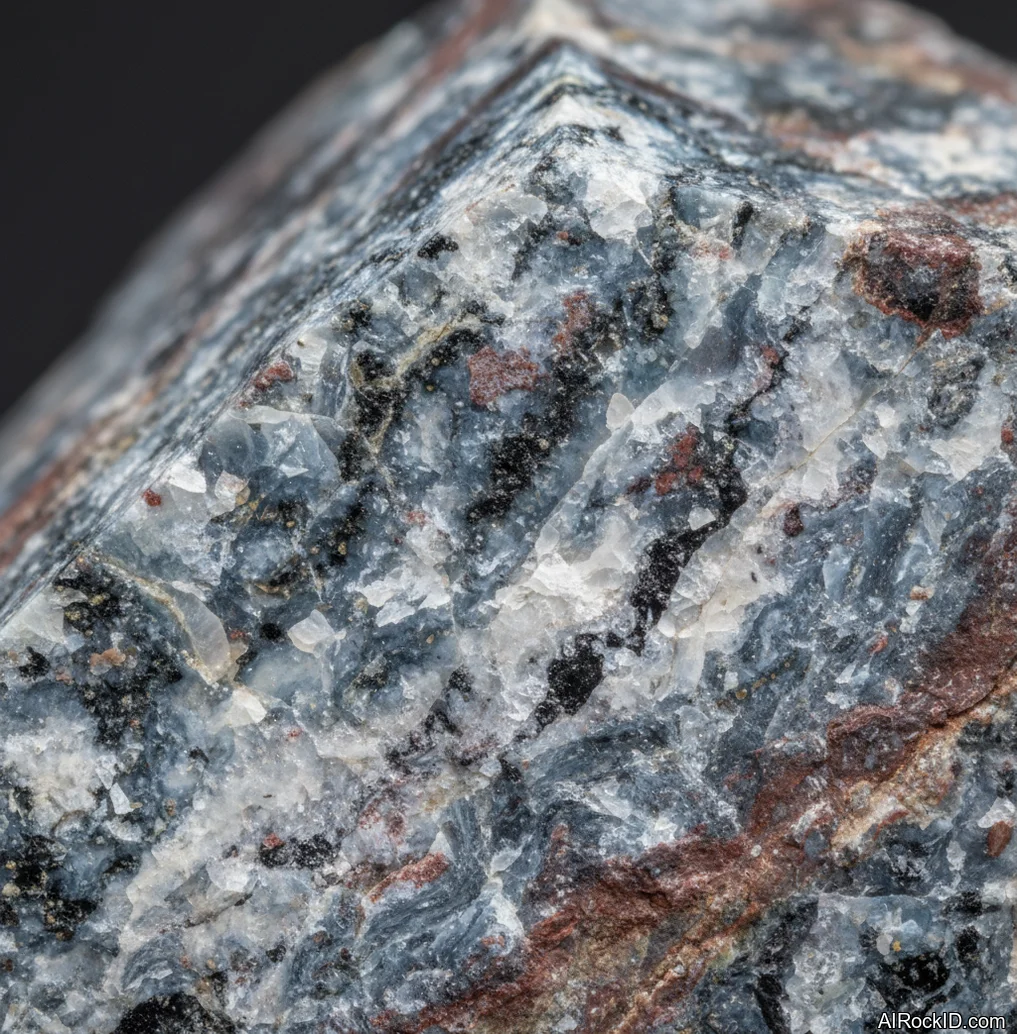
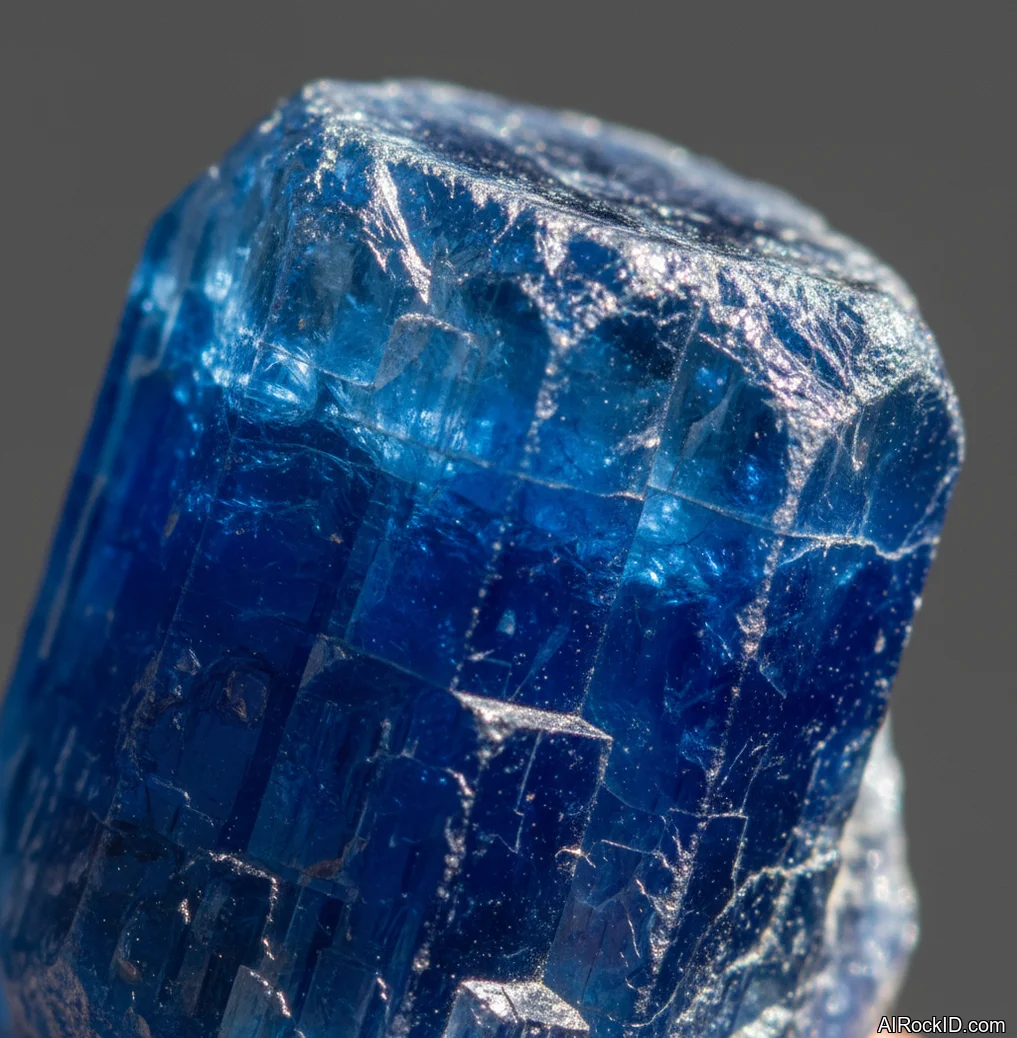
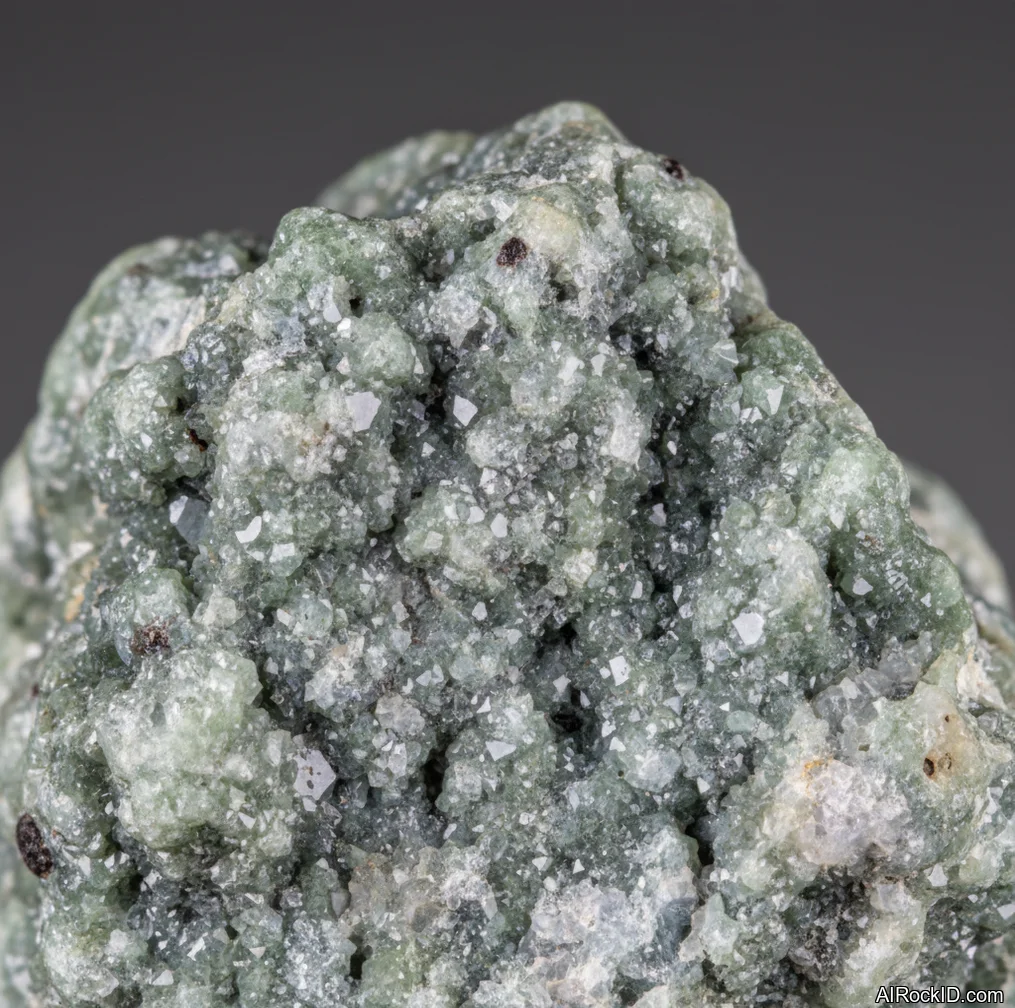
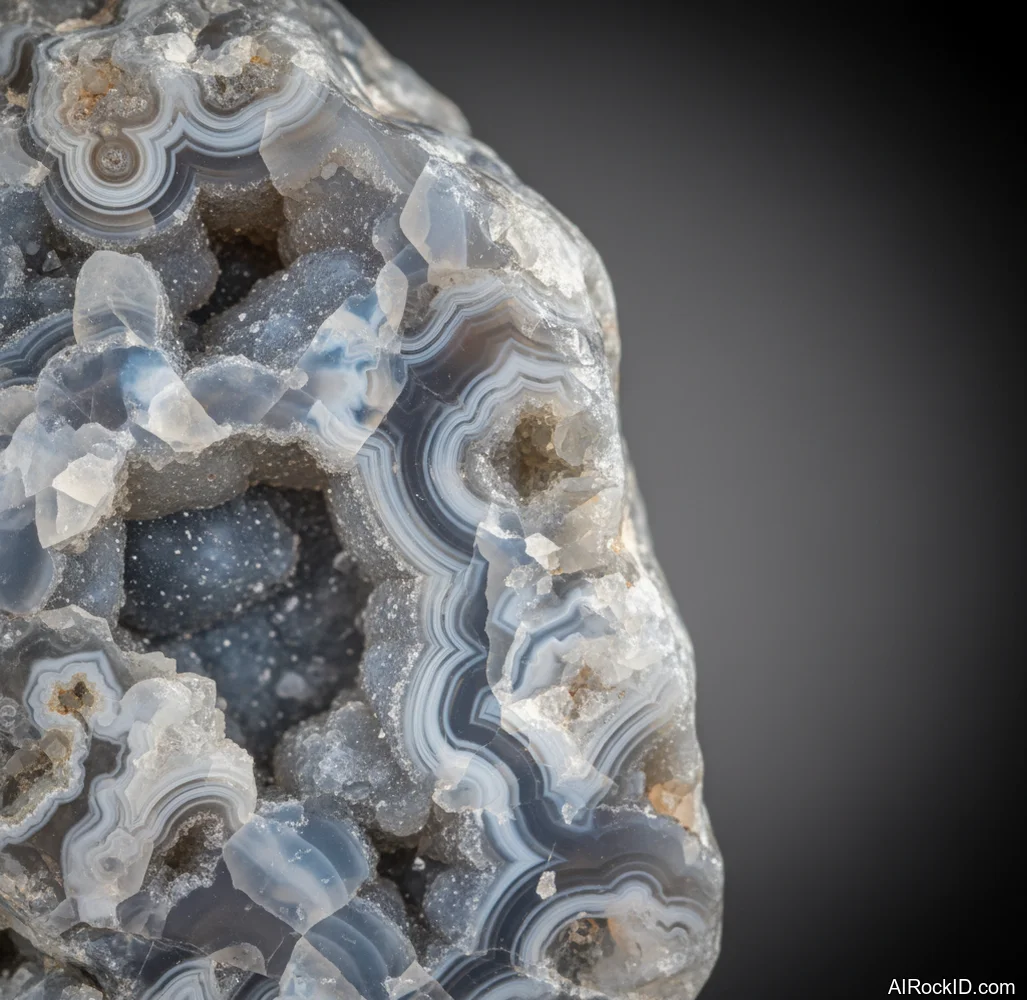
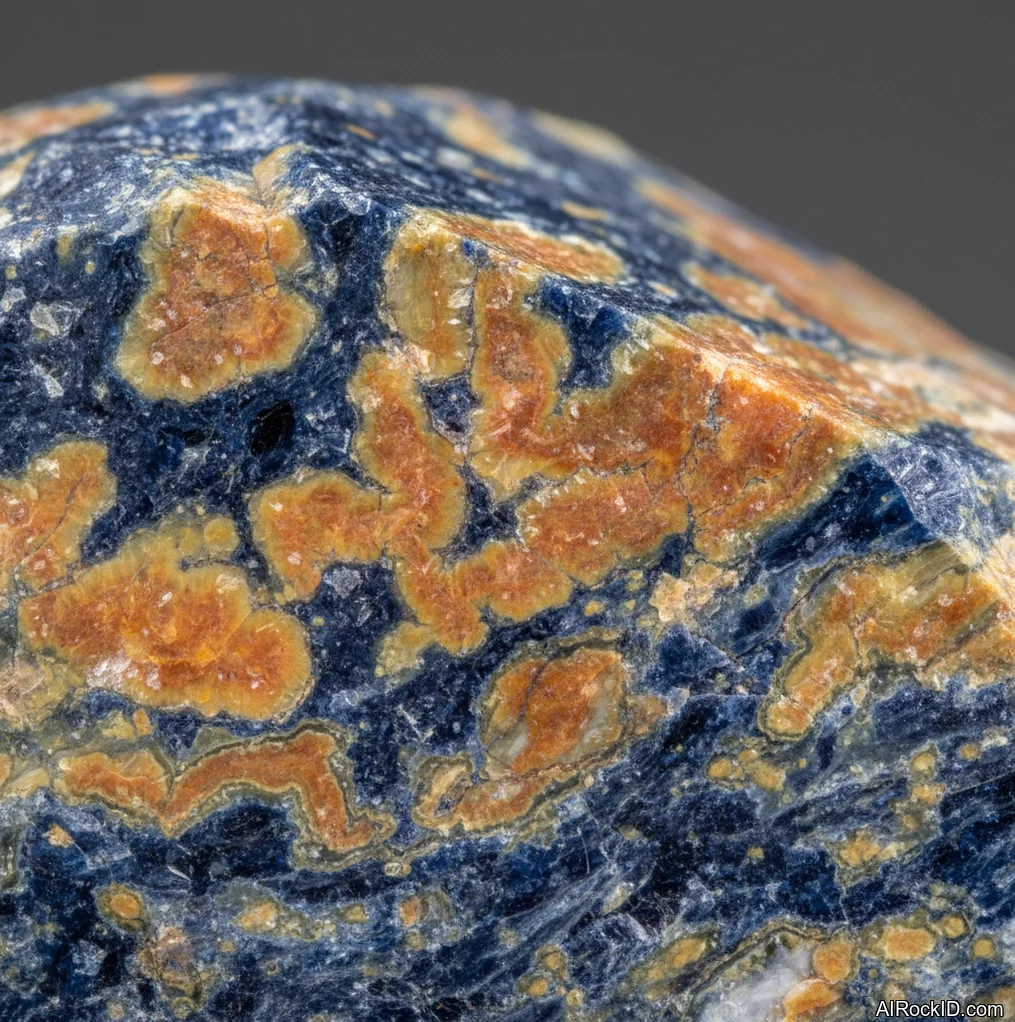
- Sodalite: Usually has a rich blue color with white calcite veining and lacks the gold pyrite flecks typical of lapis lazuli.
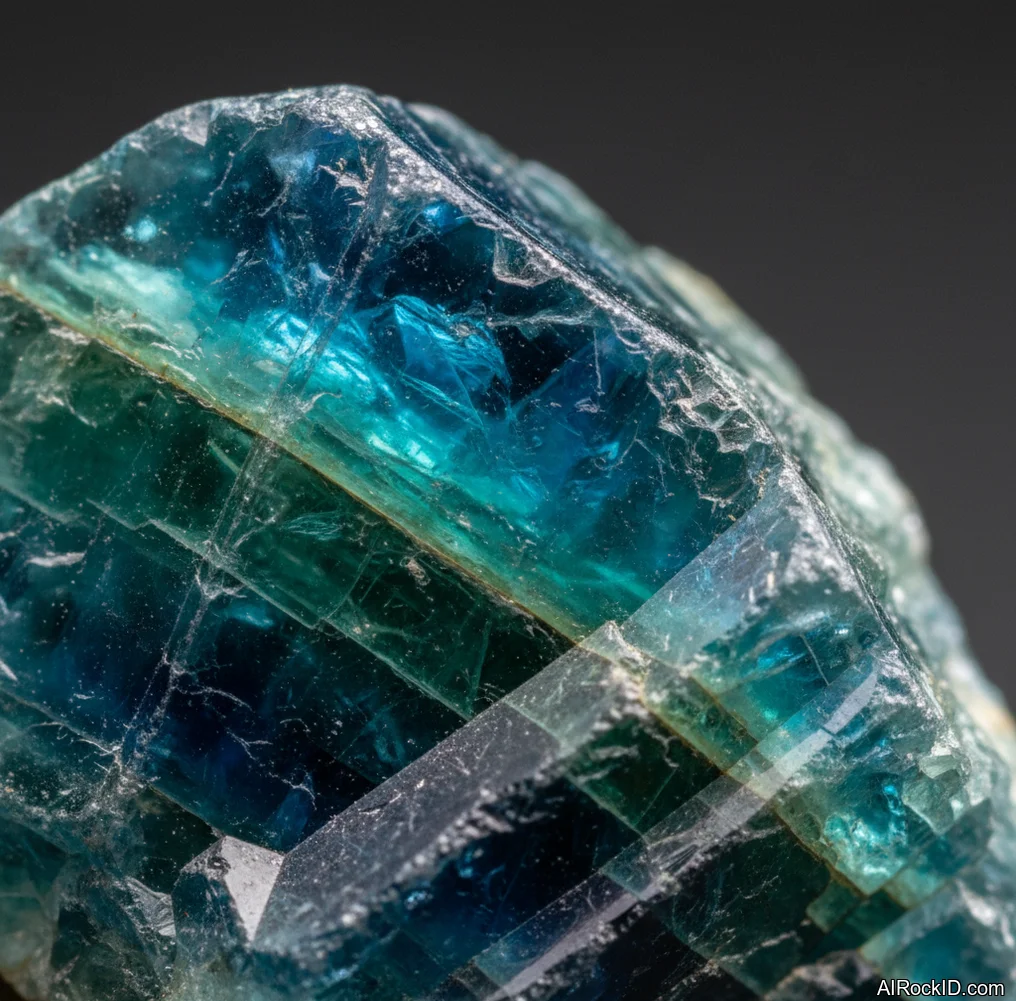
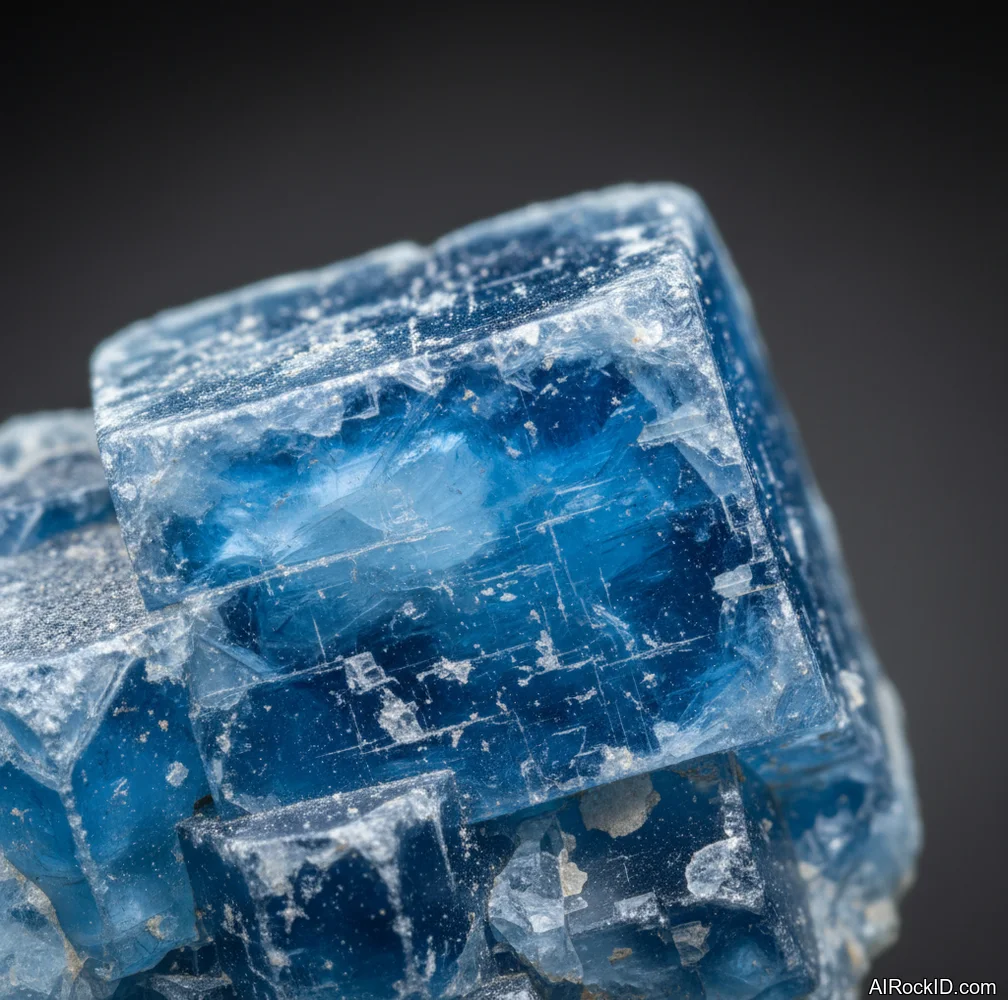
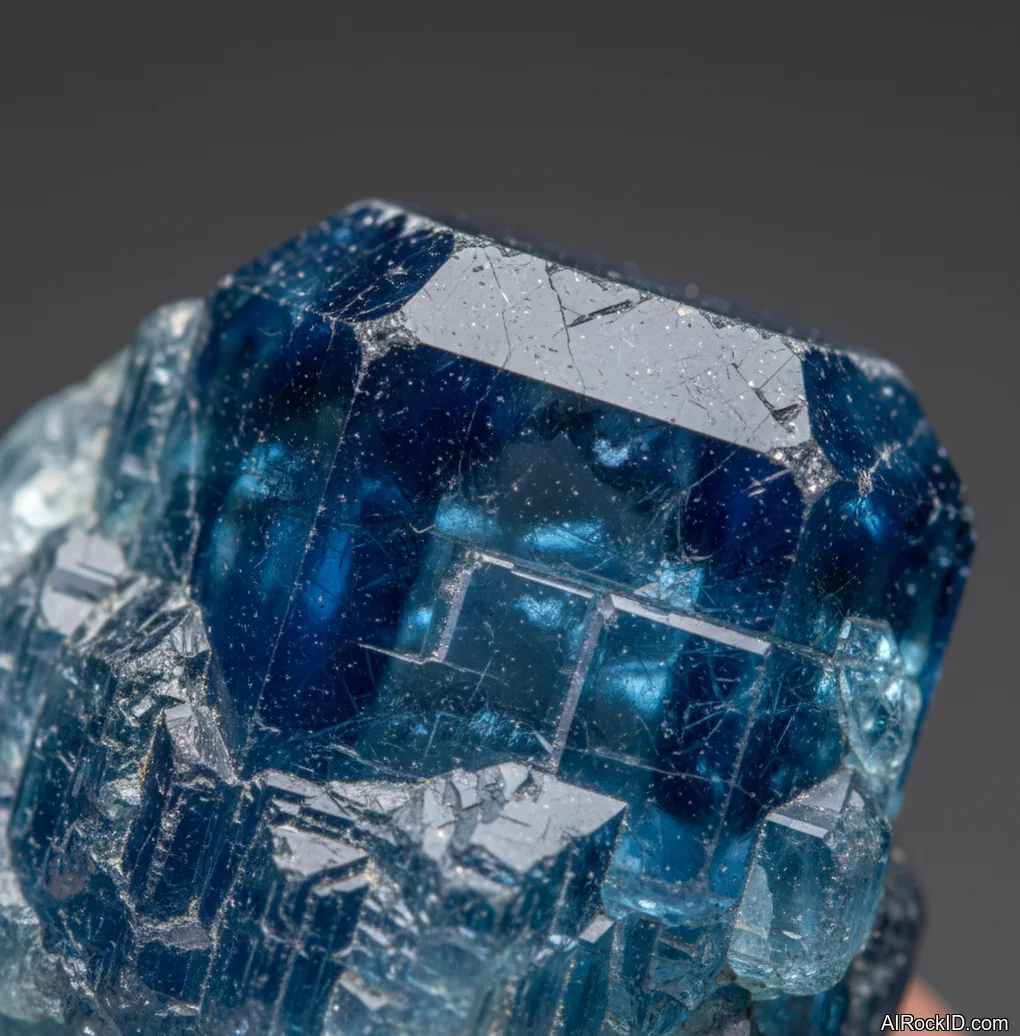
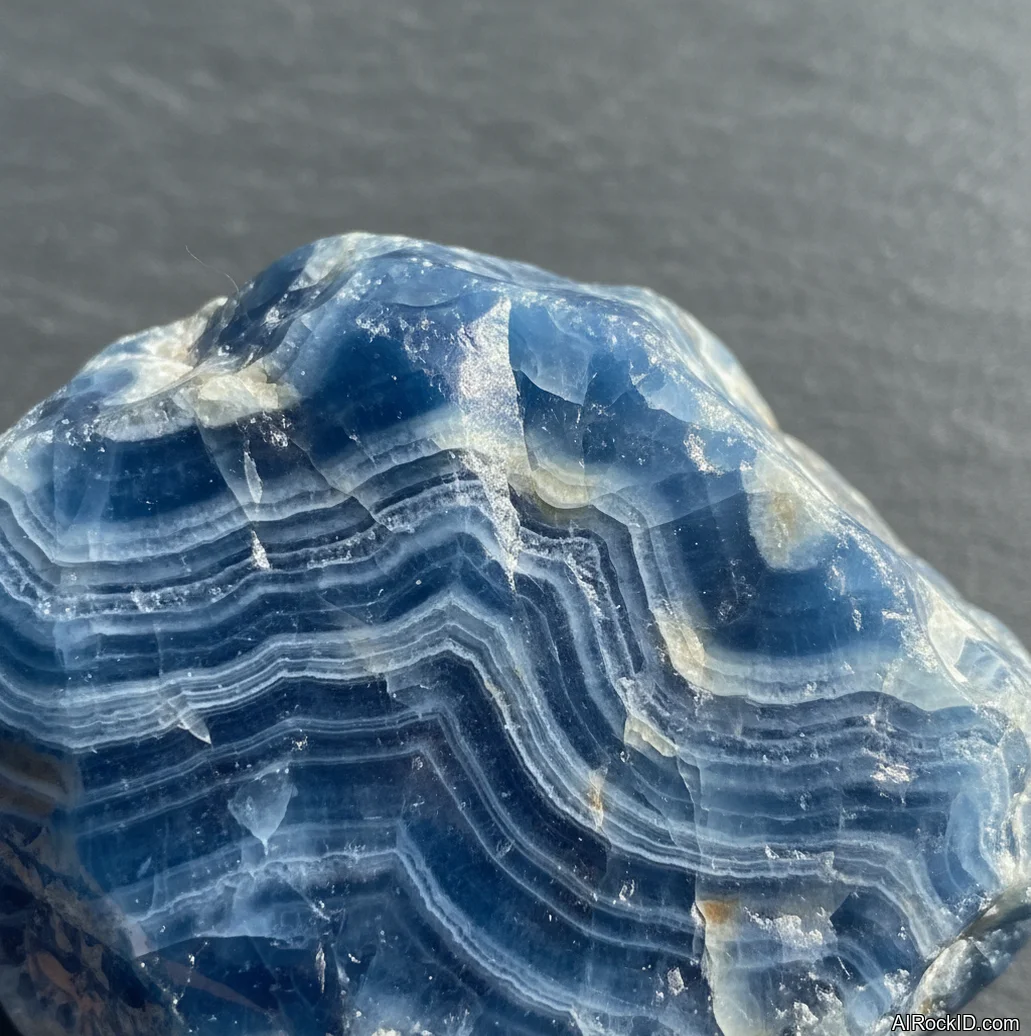
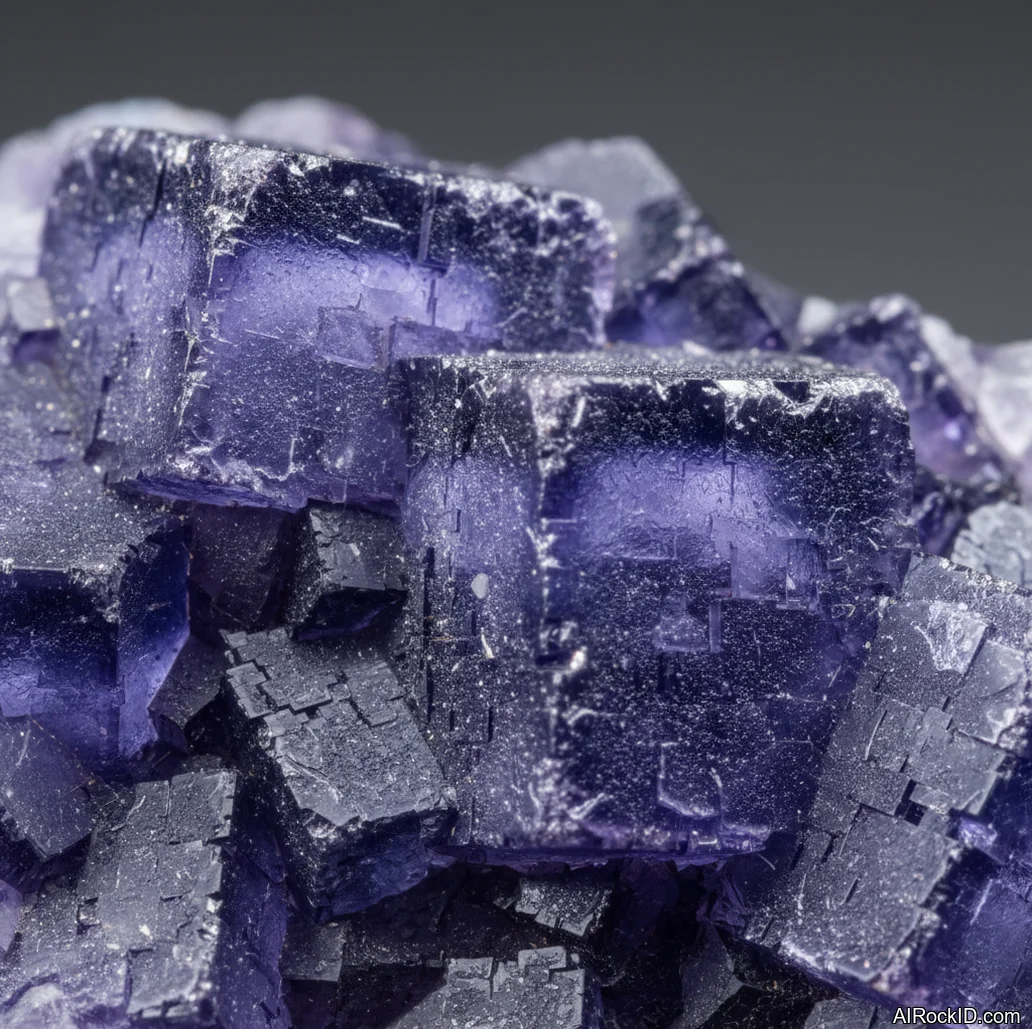
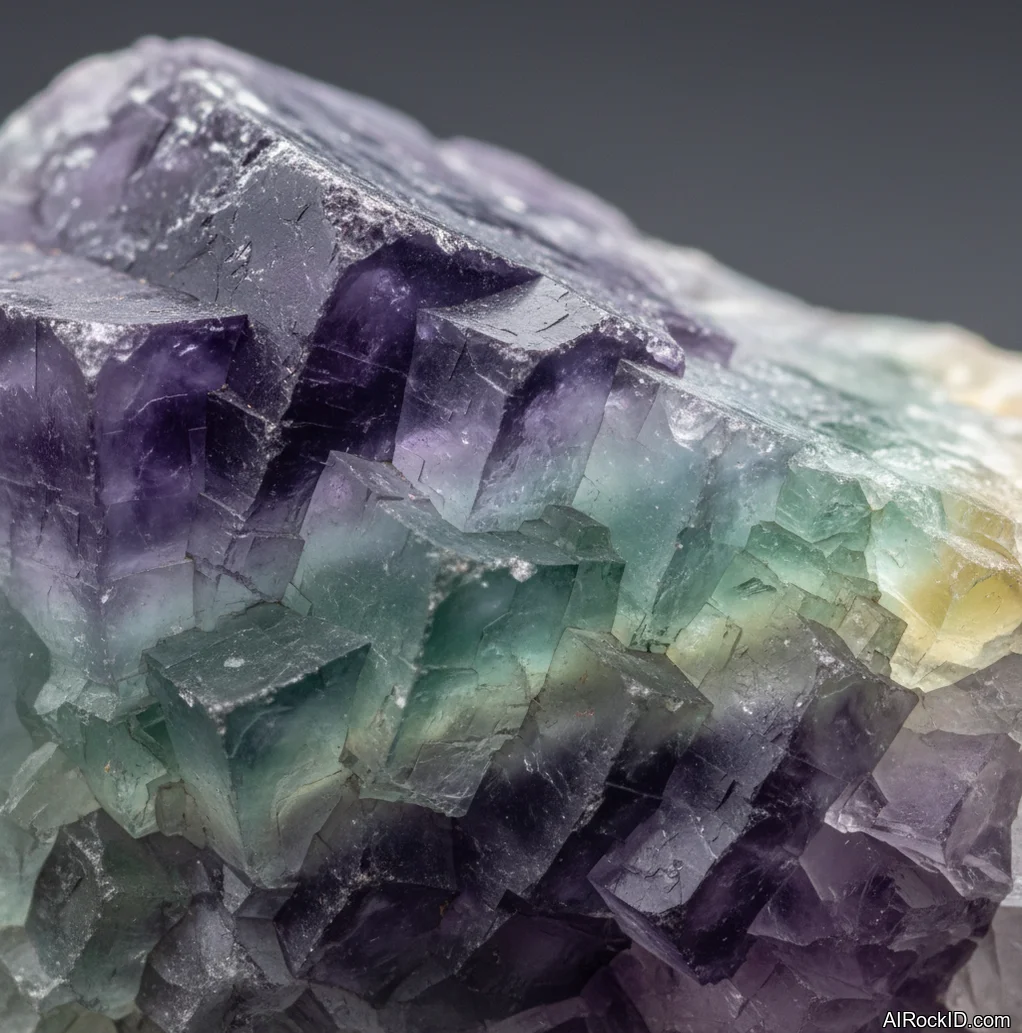
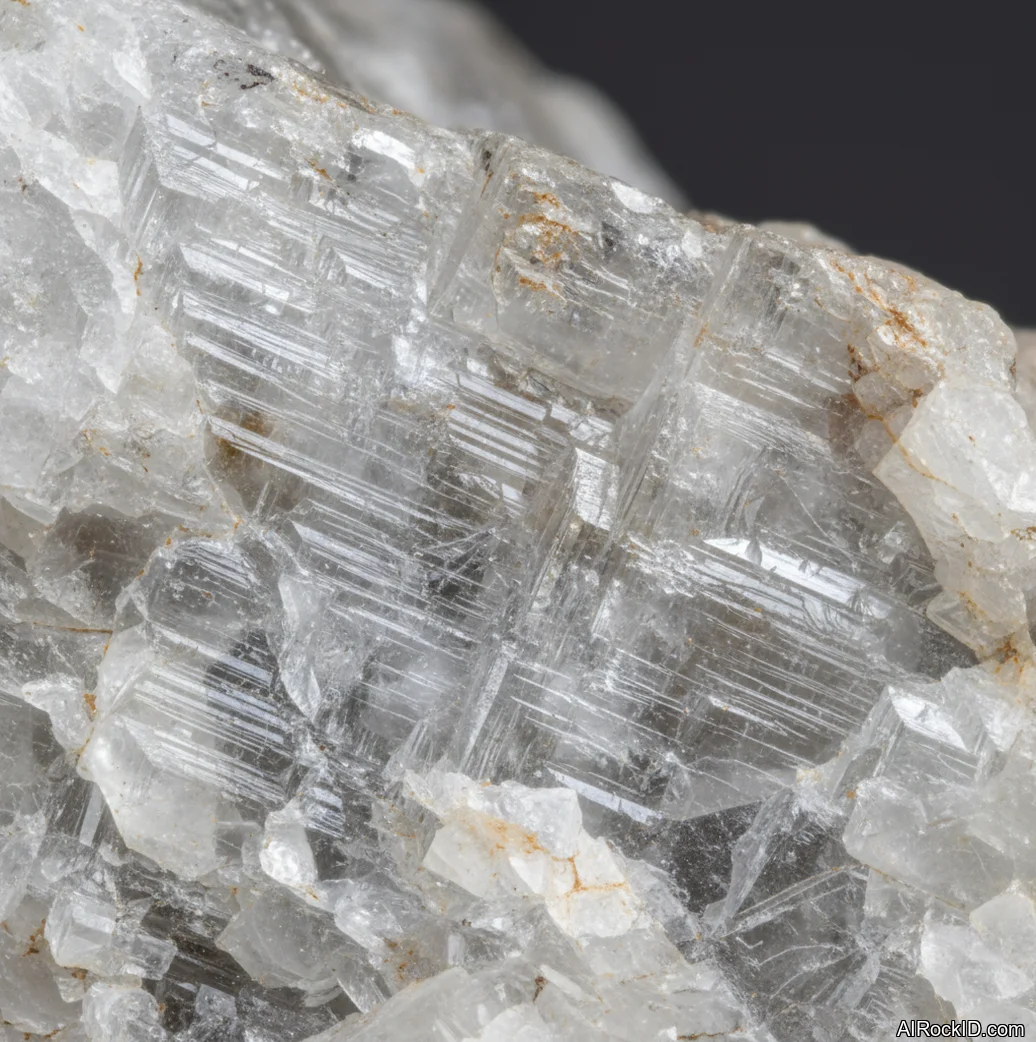
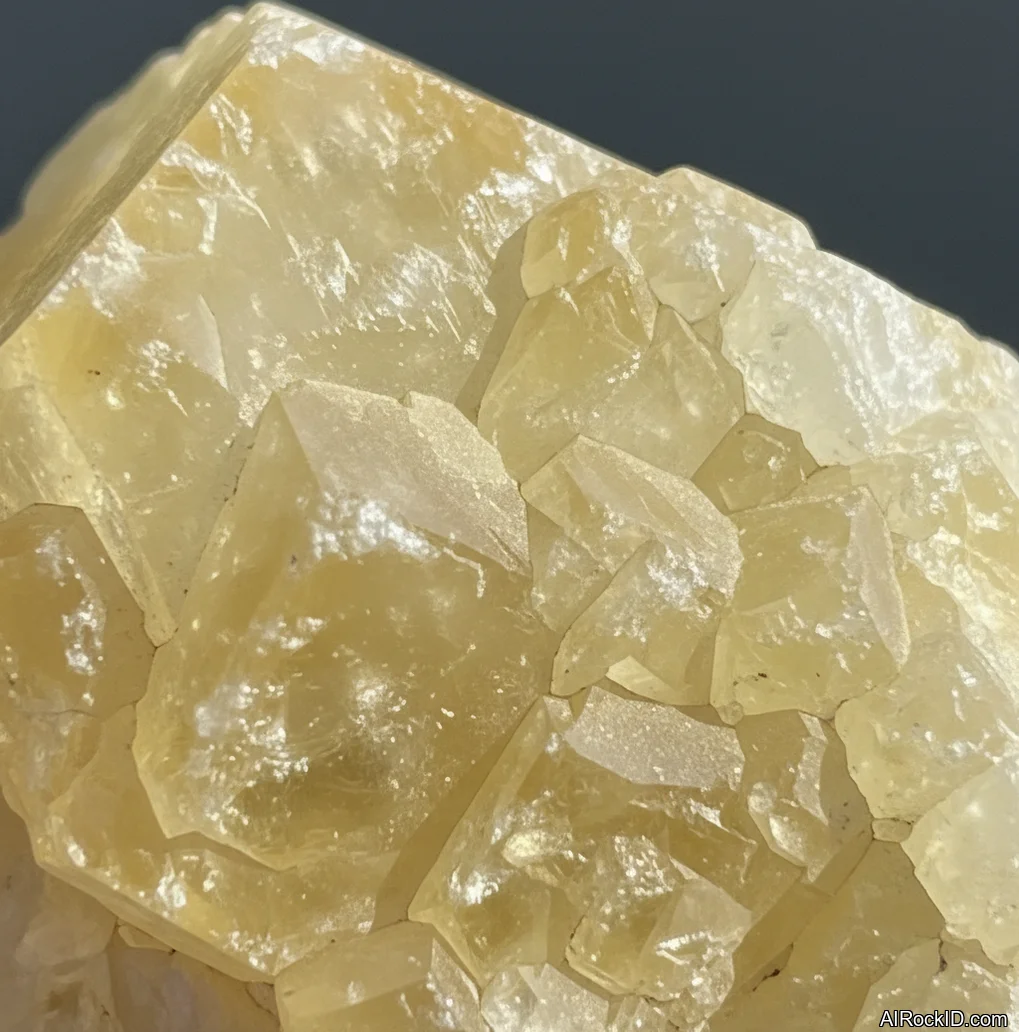
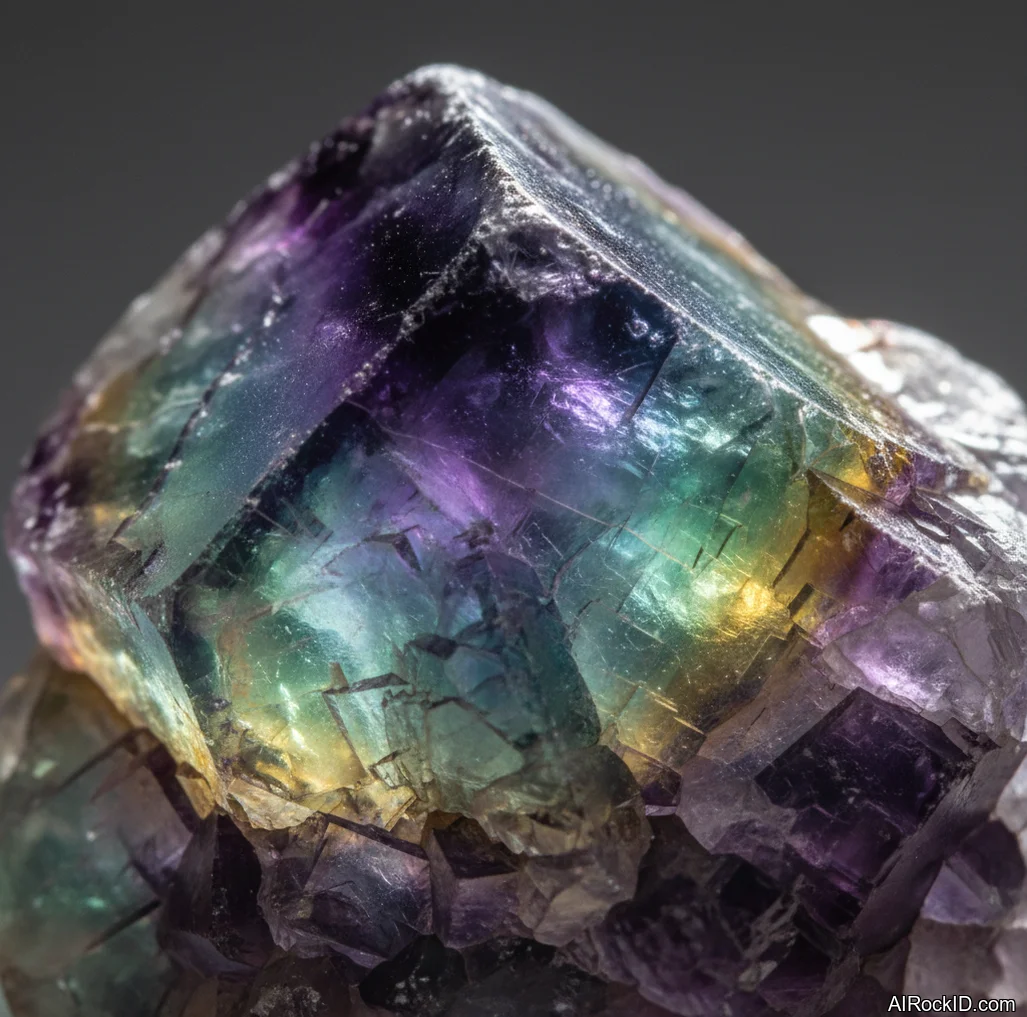
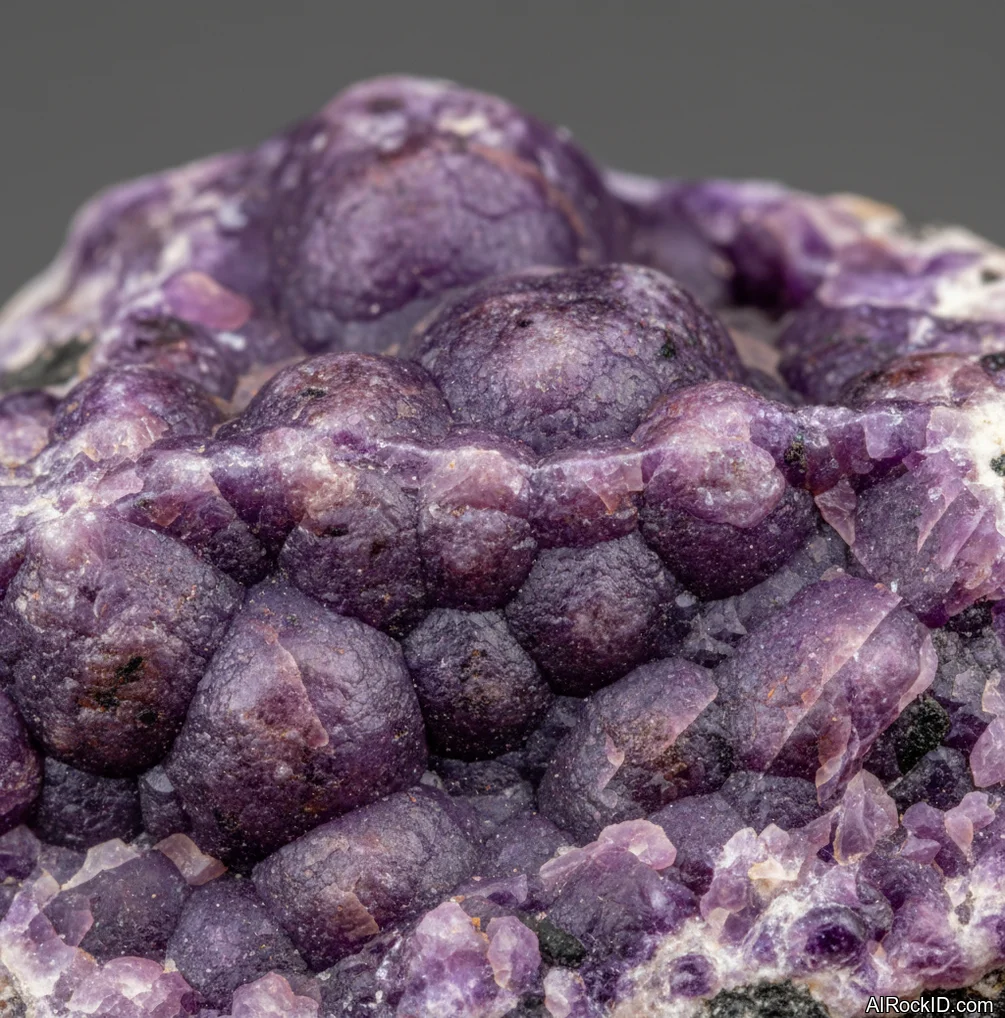
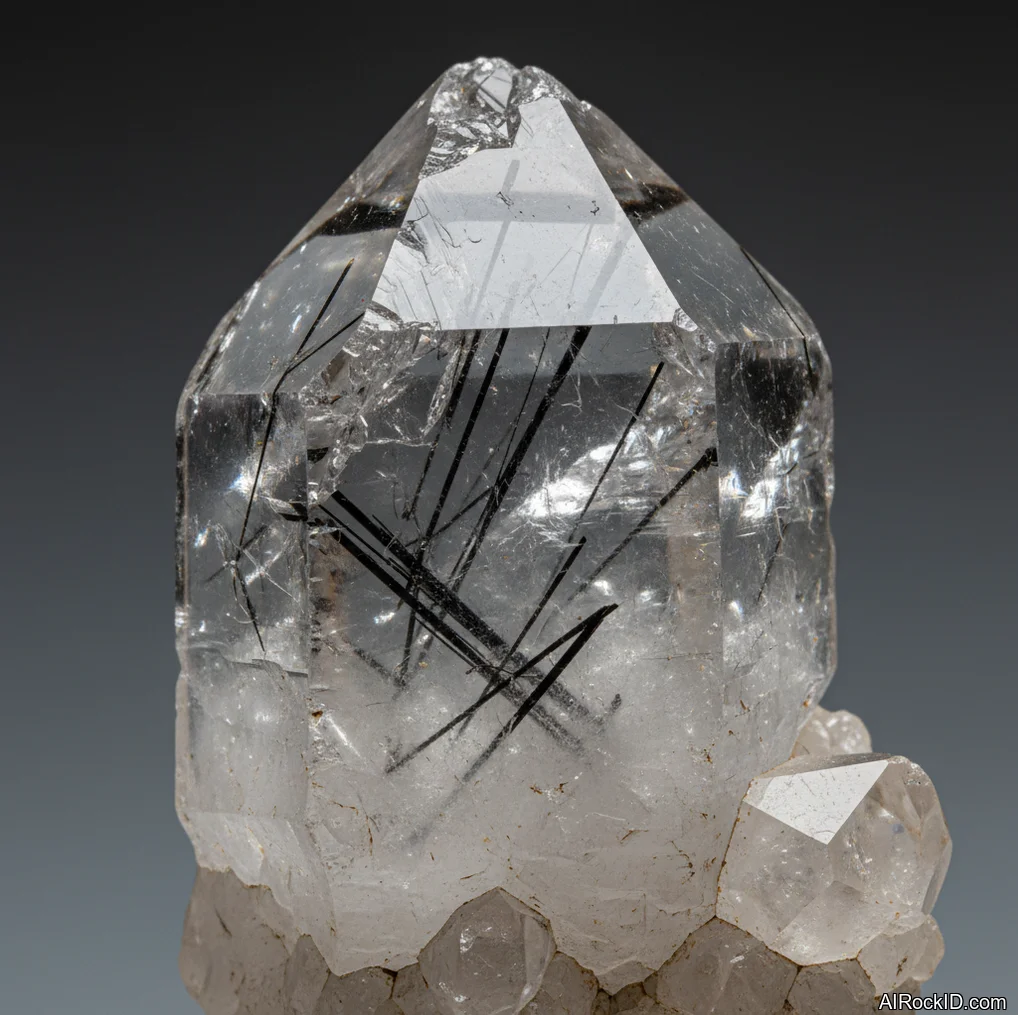
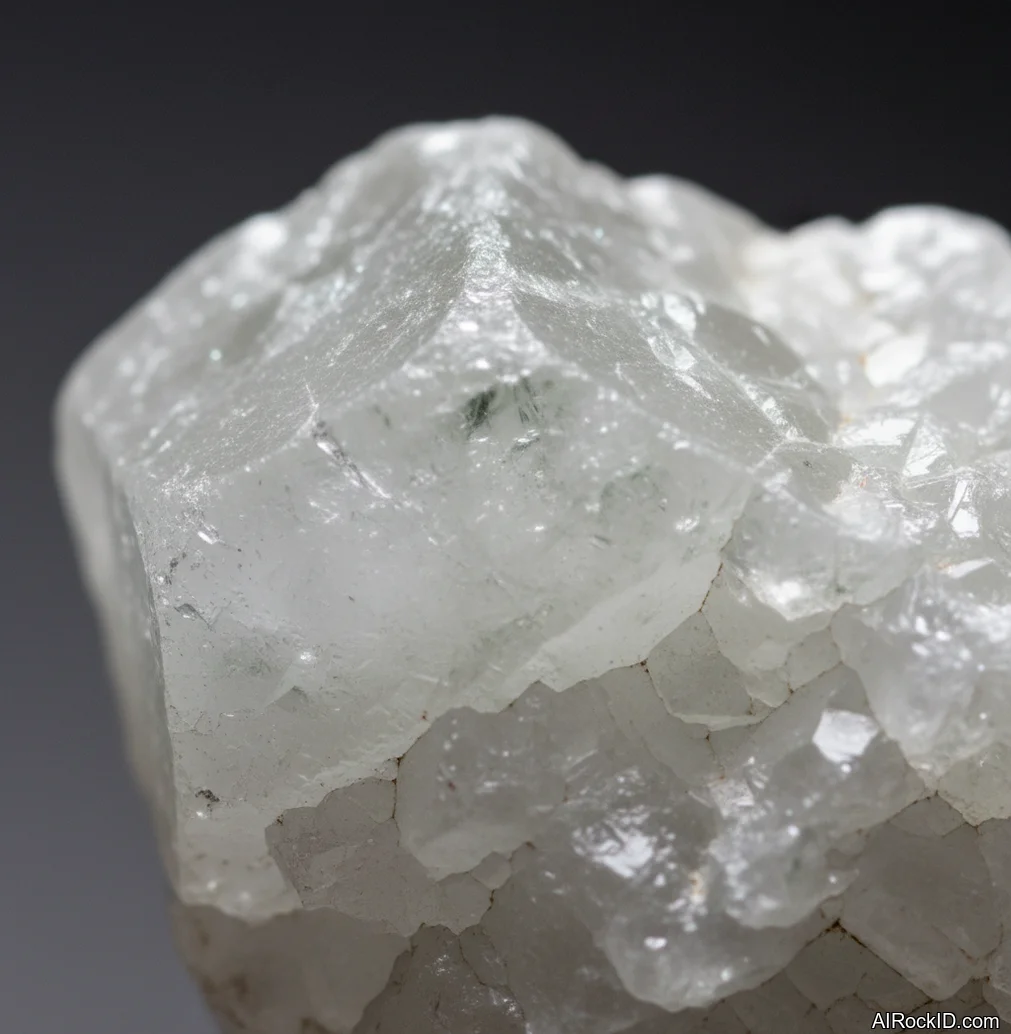
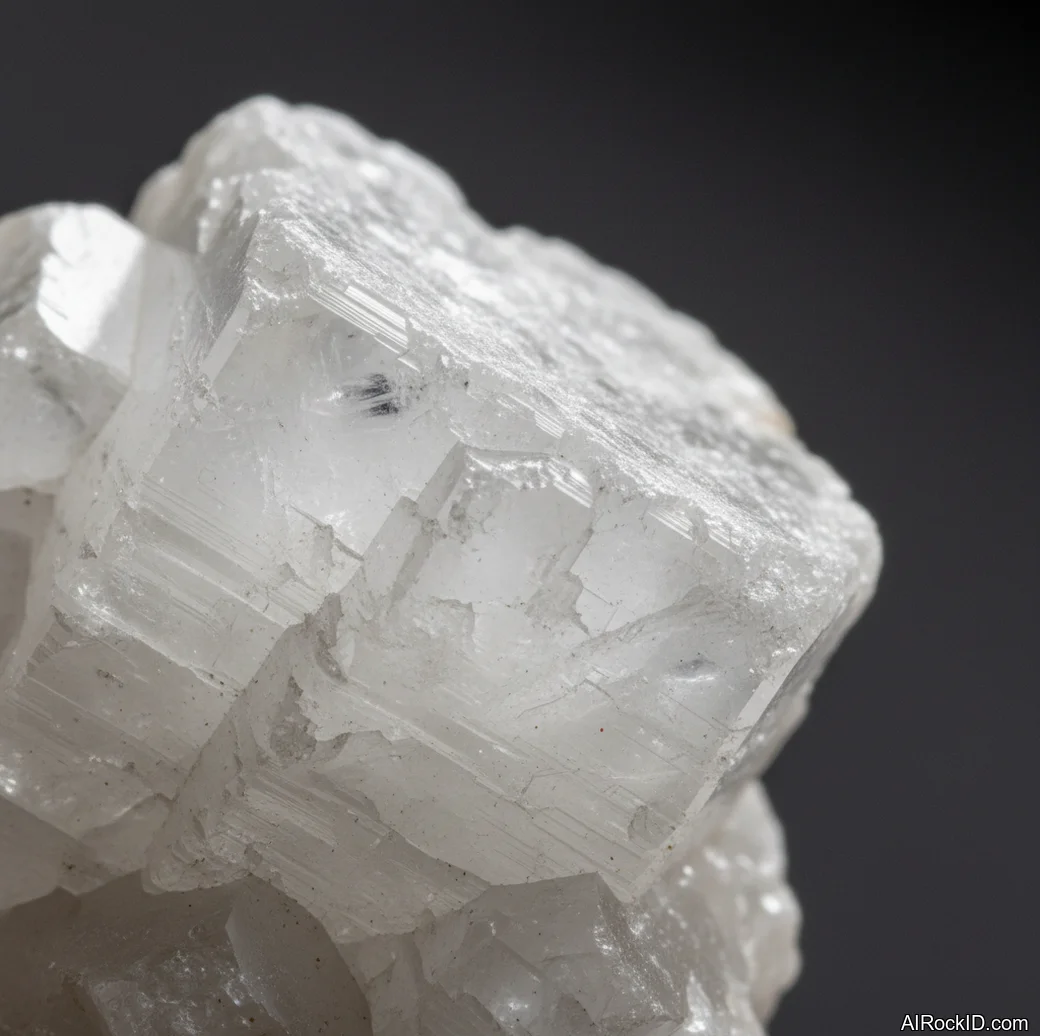
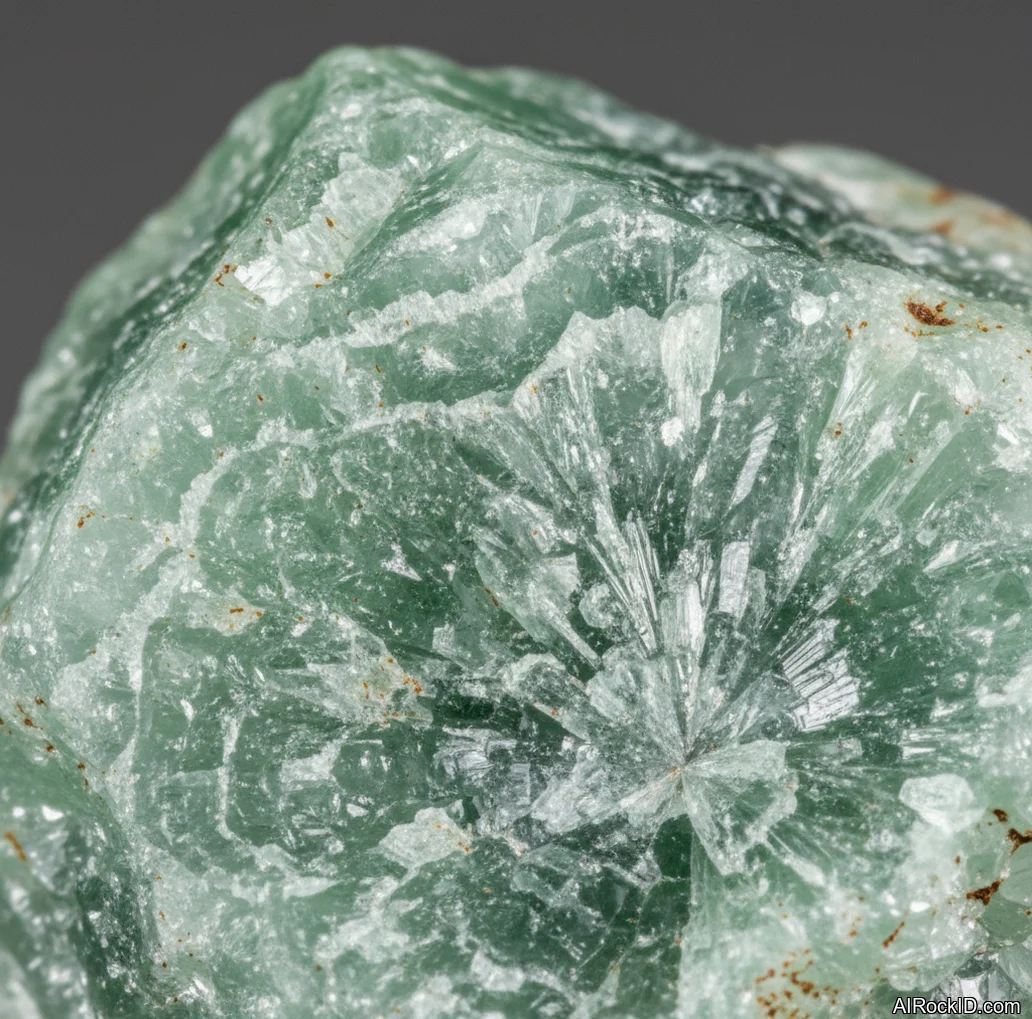
- Fluorite: Can show cubic cleavage and banded colors, but it is softer than quartz and scratches more easily.
AI identification confidence
AI identification is often more reliable when the photo shows the stone in natural light, includes multiple angles, and captures features such as flash, veining, cleavage, or banding. Confidence may be lower for polished tumbles, dyed stones, and specimens with similar blue or purple coloration.
When AI gets it wrong
- A polished stone hides crystal habit, cleavage, or surface texture
- The photo is too dark, overexposed, or strongly color-corrected
- A dyed or coated specimen imitates a naturally blue or iridescent mineral
- Only one angle is shown for stones with directional effects such as labradorite or iolite
Best choice summary
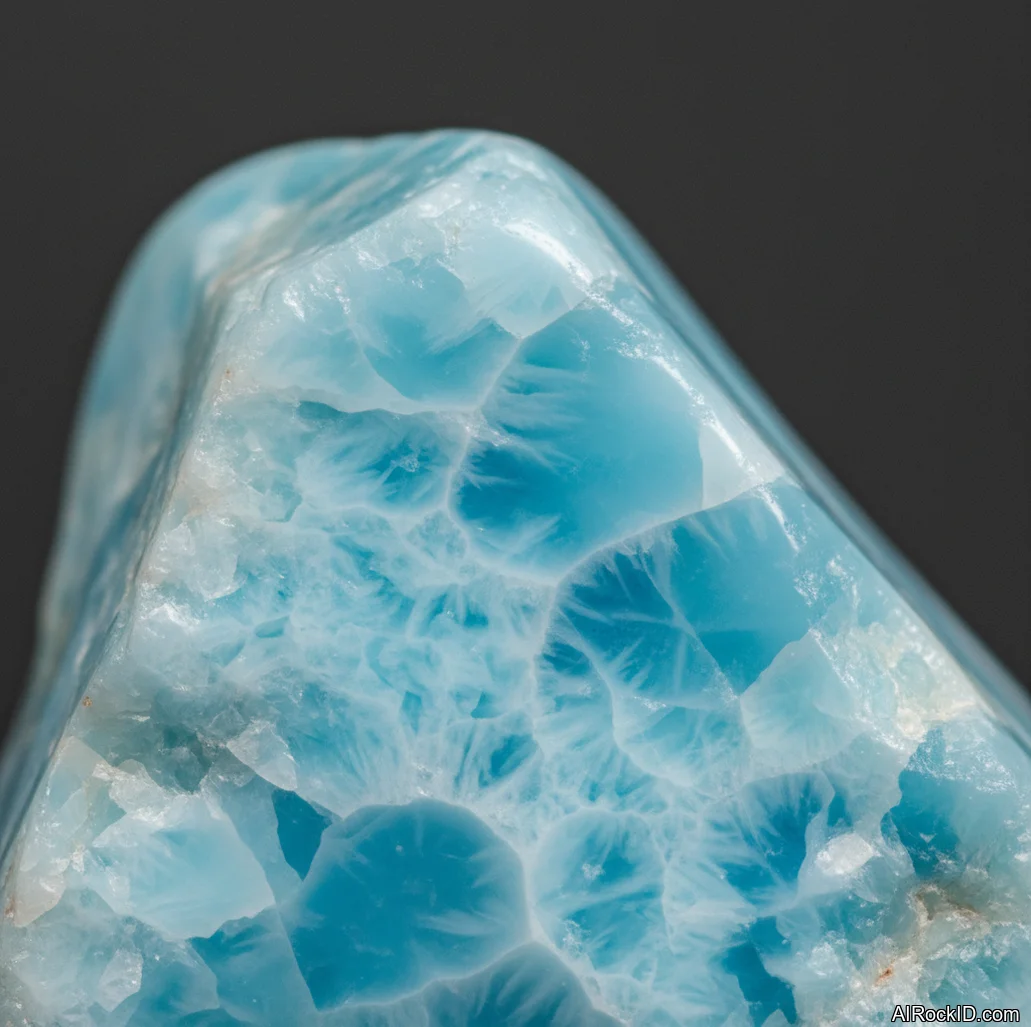
For a first insight-themed crystal, sodalite and fluorite are practical because they are widely available, visually varied, and usually affordable. Labradorite and iolite are good next choices for collectors who want optical effects such as flash or angle-dependent color.
Final recommendation
Choose insight crystals by combining visual identification, durability, budget, and the symbolic meaning that fits your personal practice. For metaphysical use, treat the stone as a reflective tool or reminder rather than a guaranteed source of answers.
What this category represents
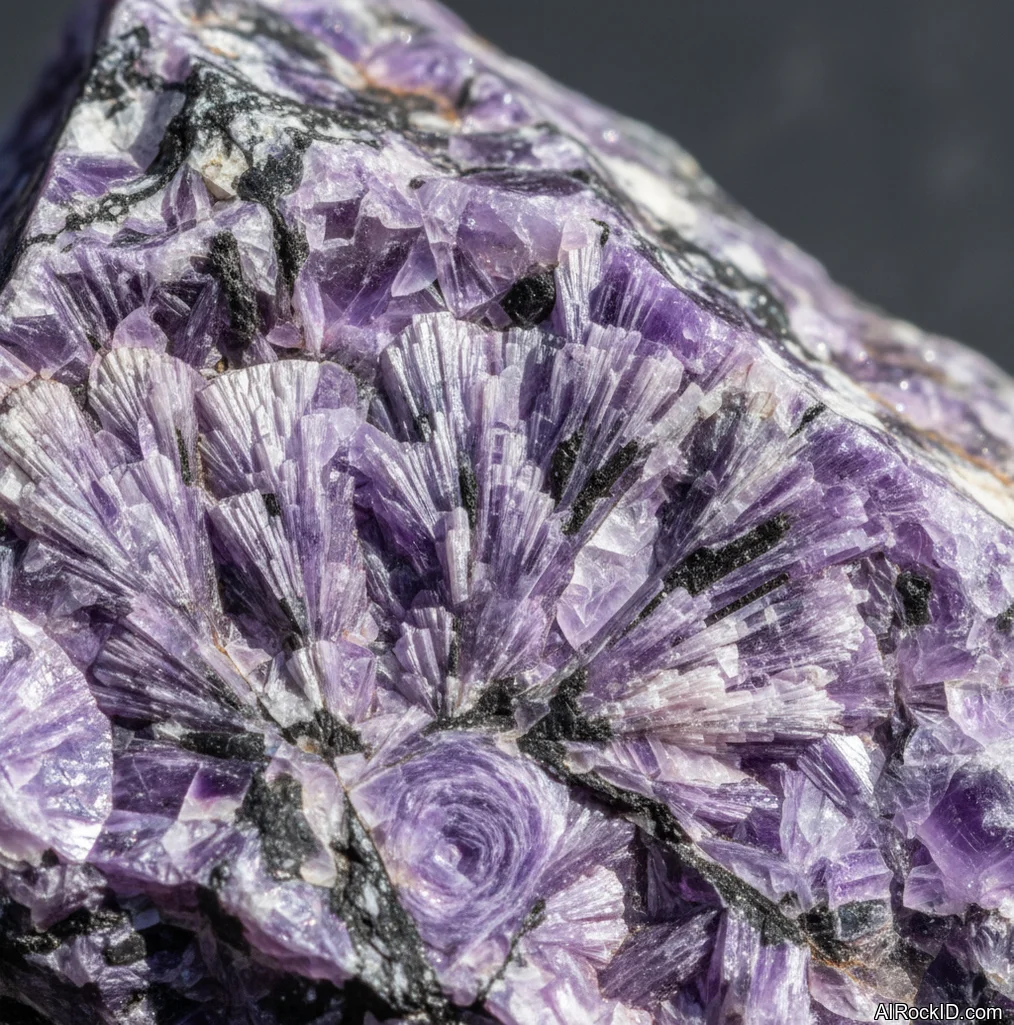
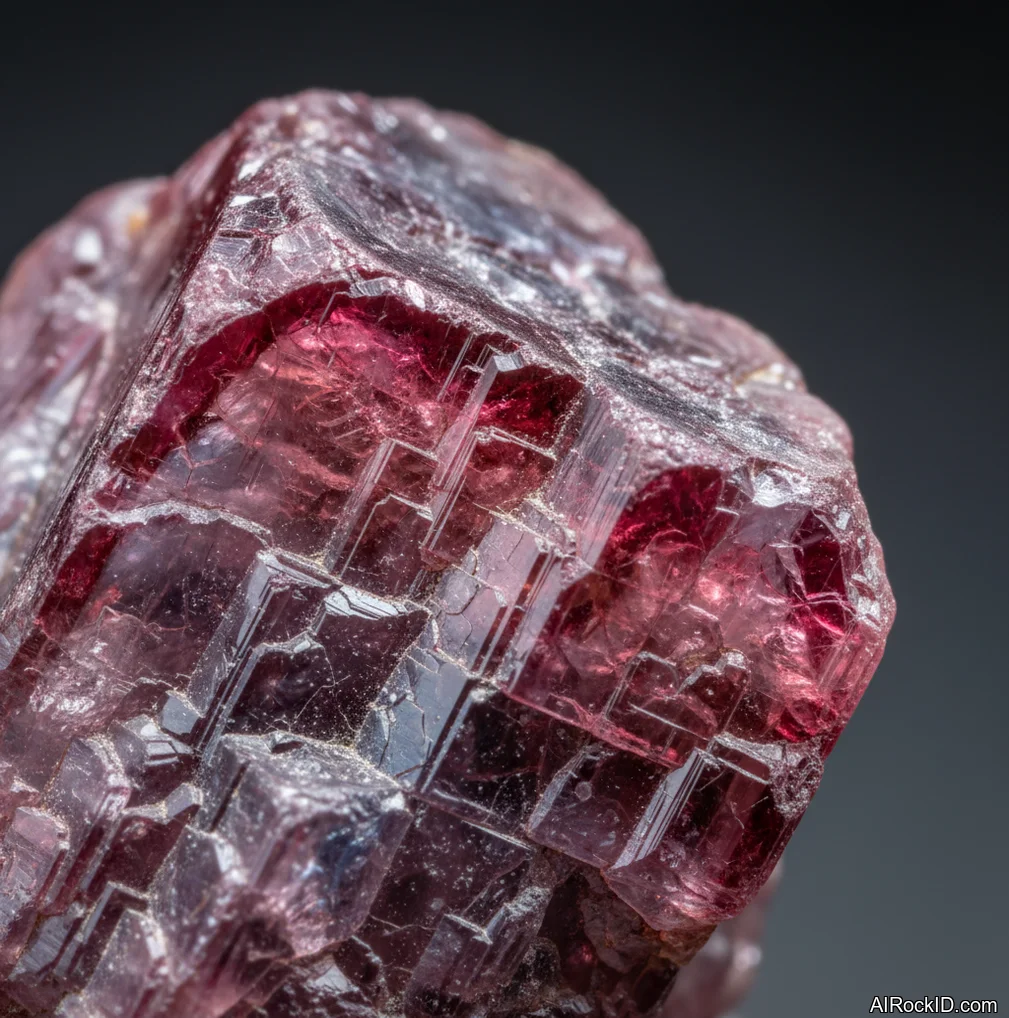
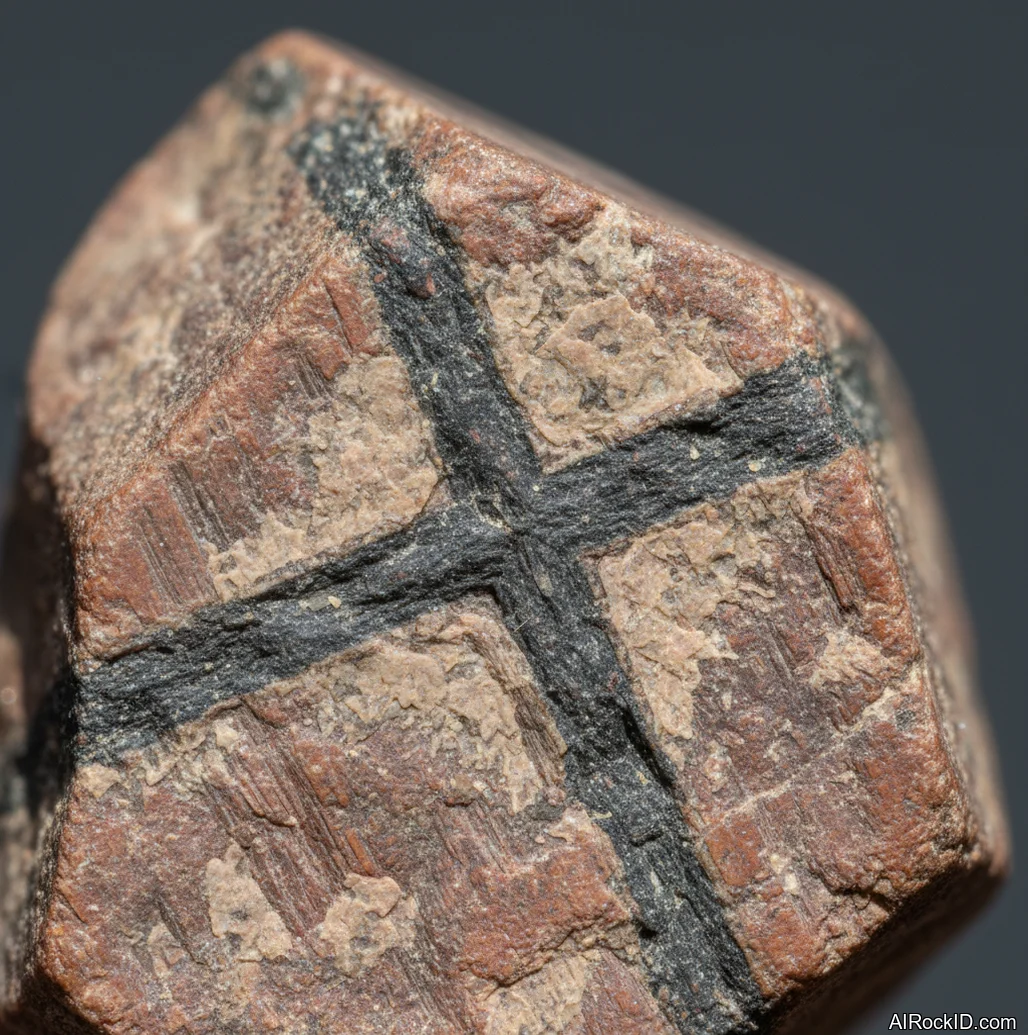
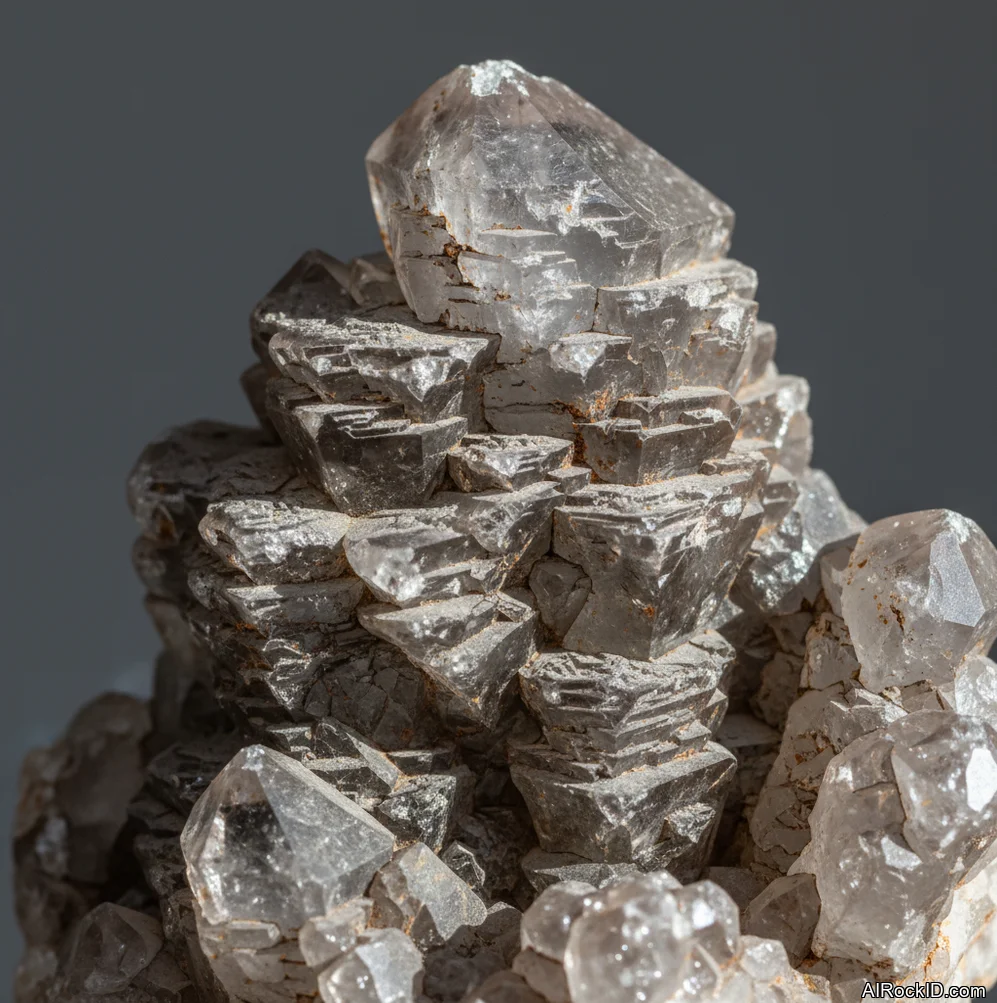
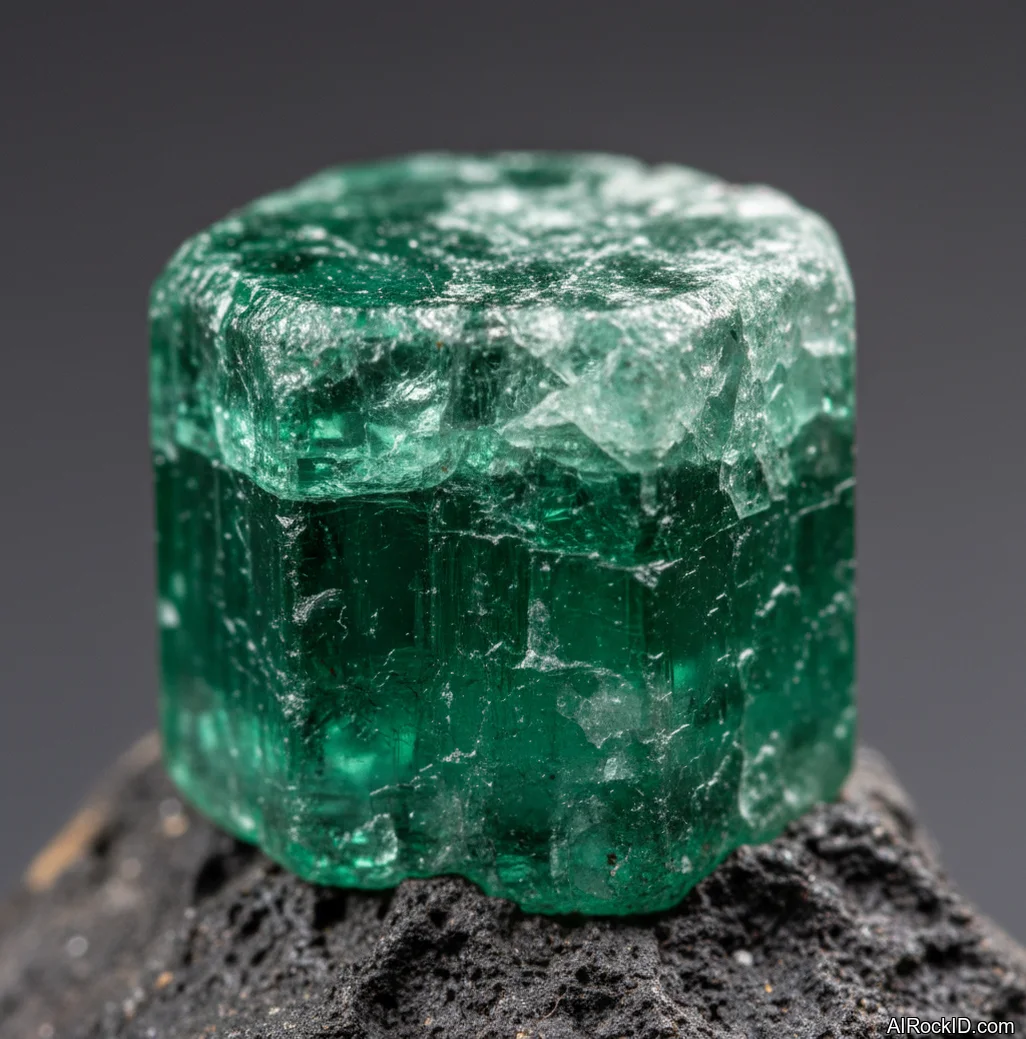
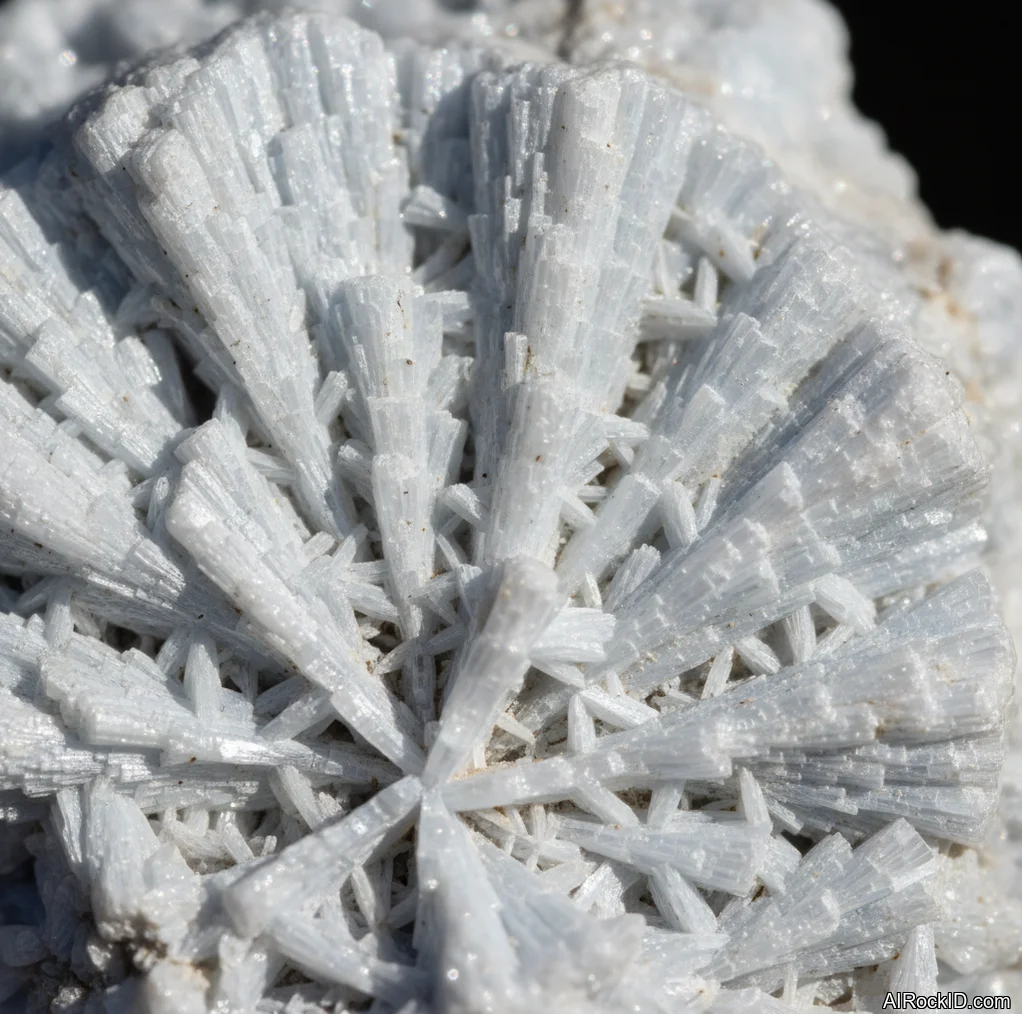
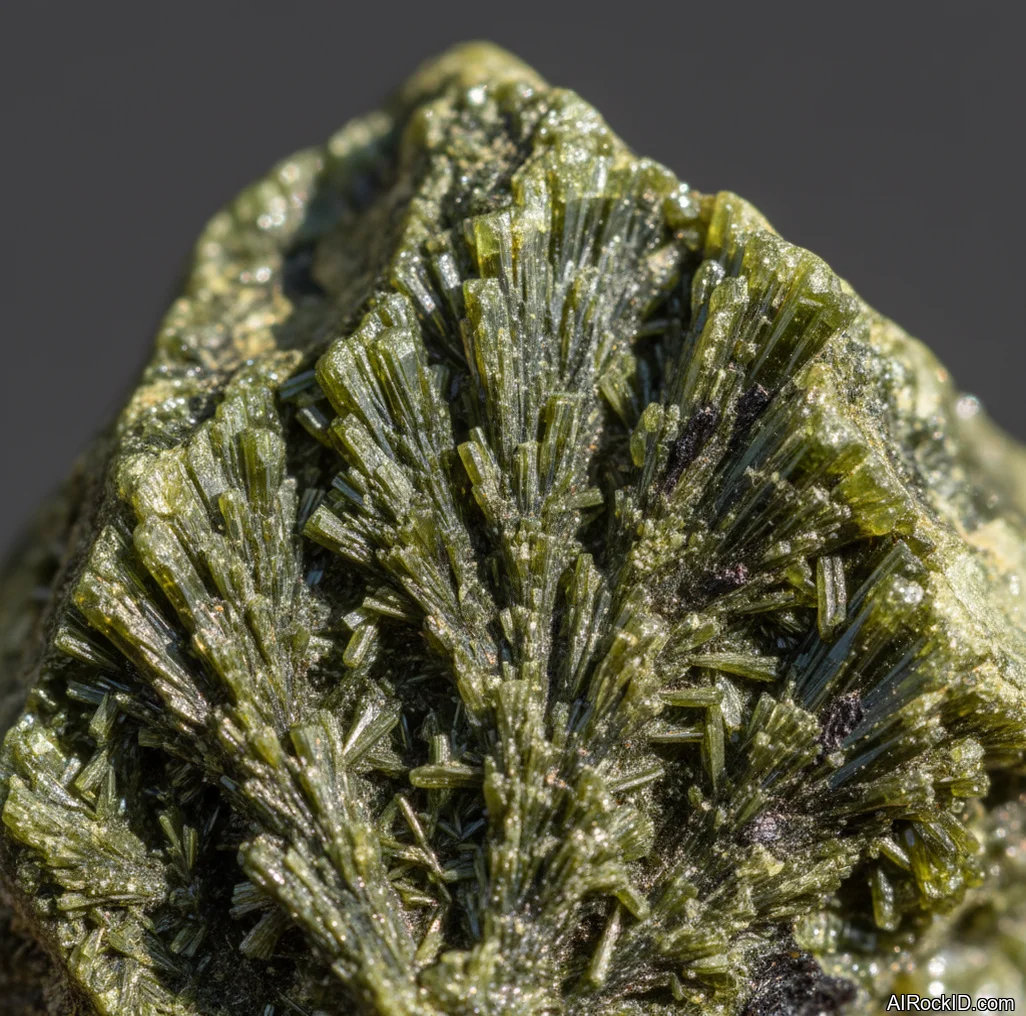
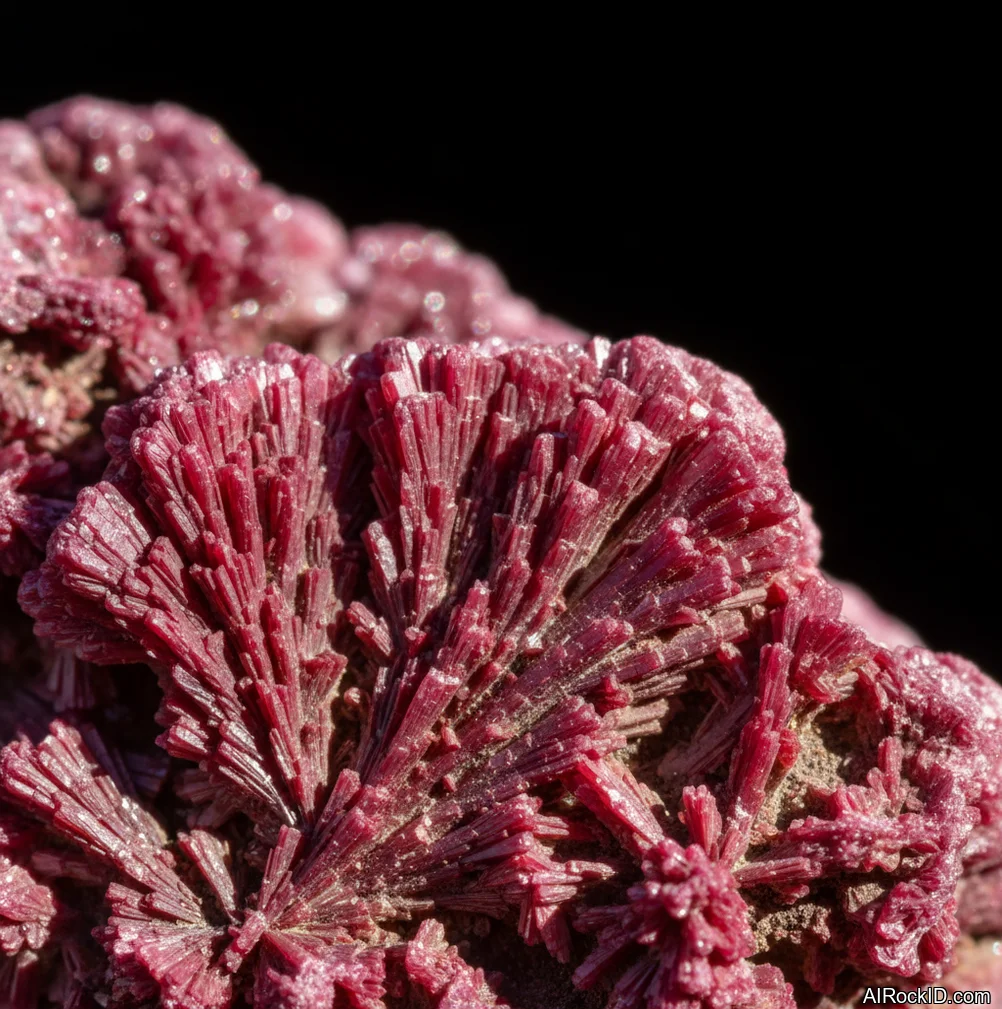
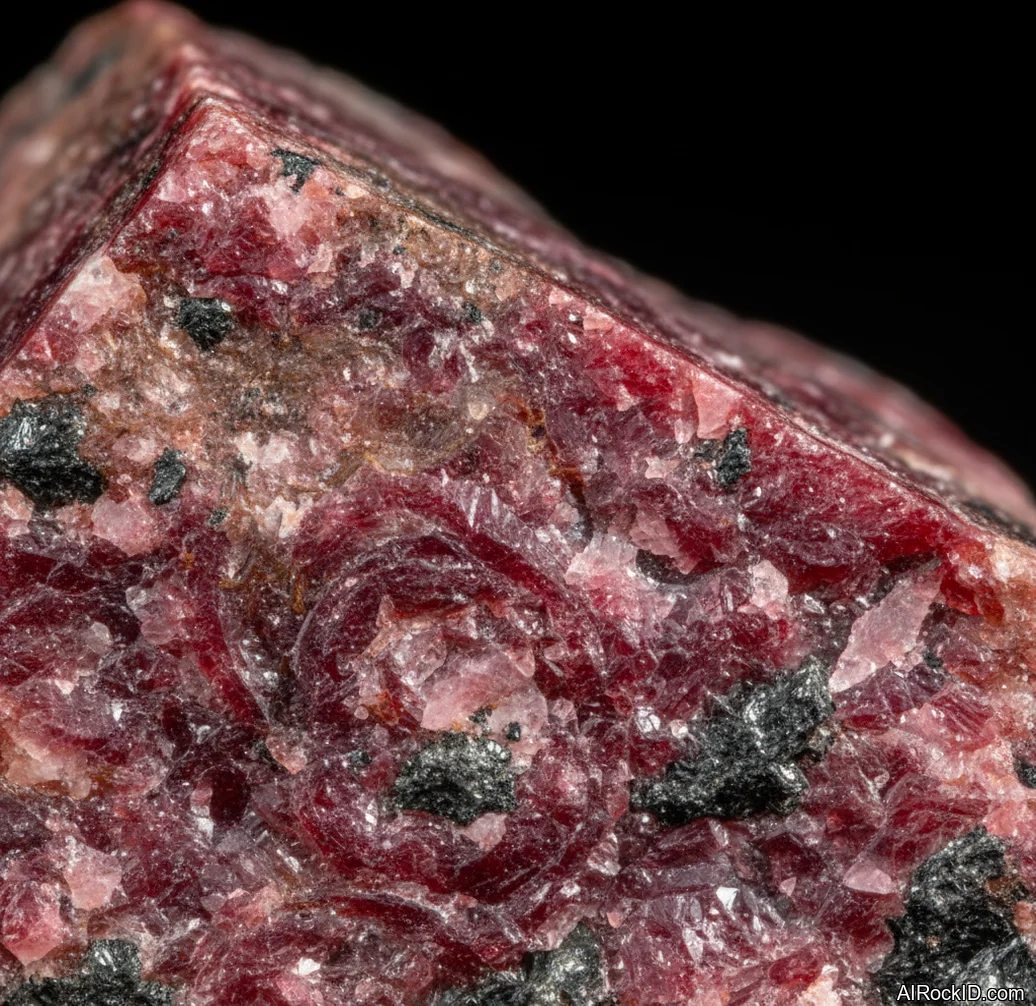
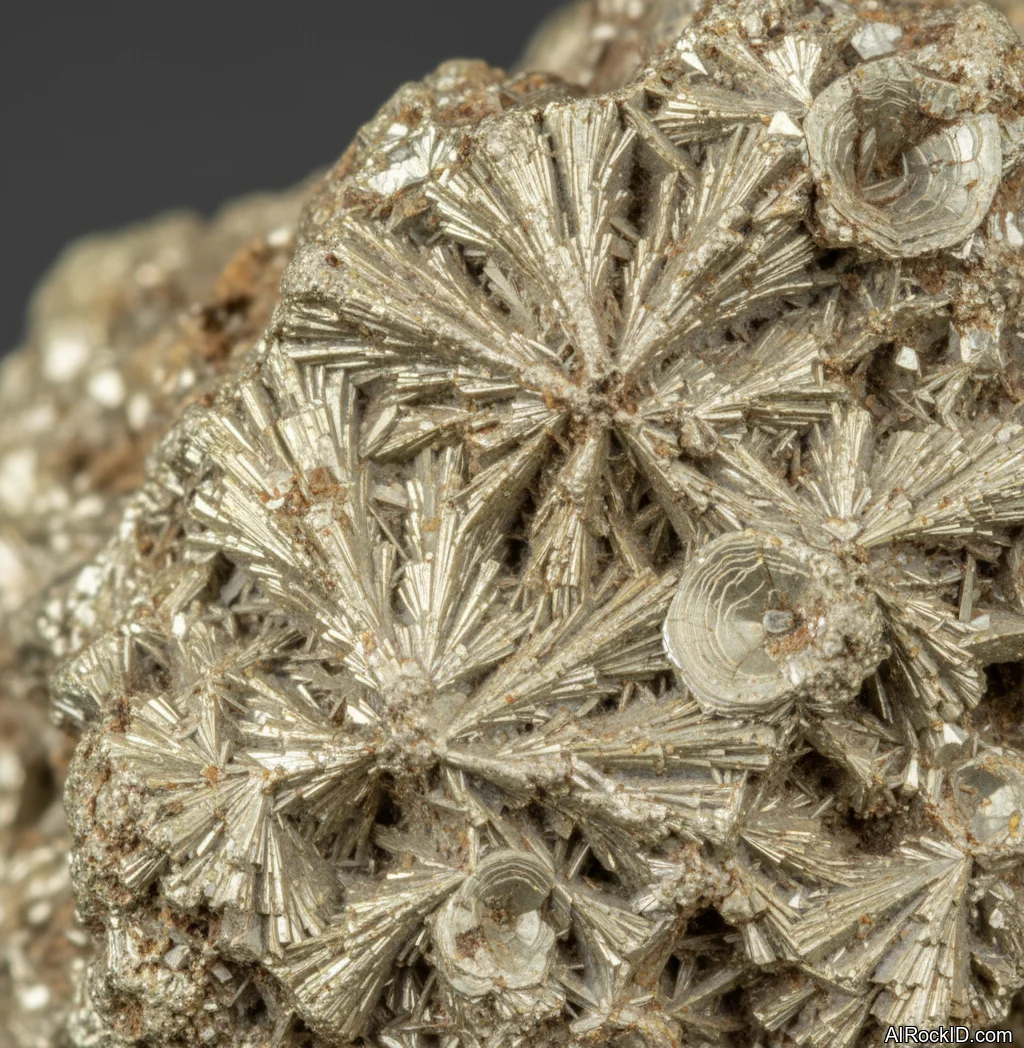
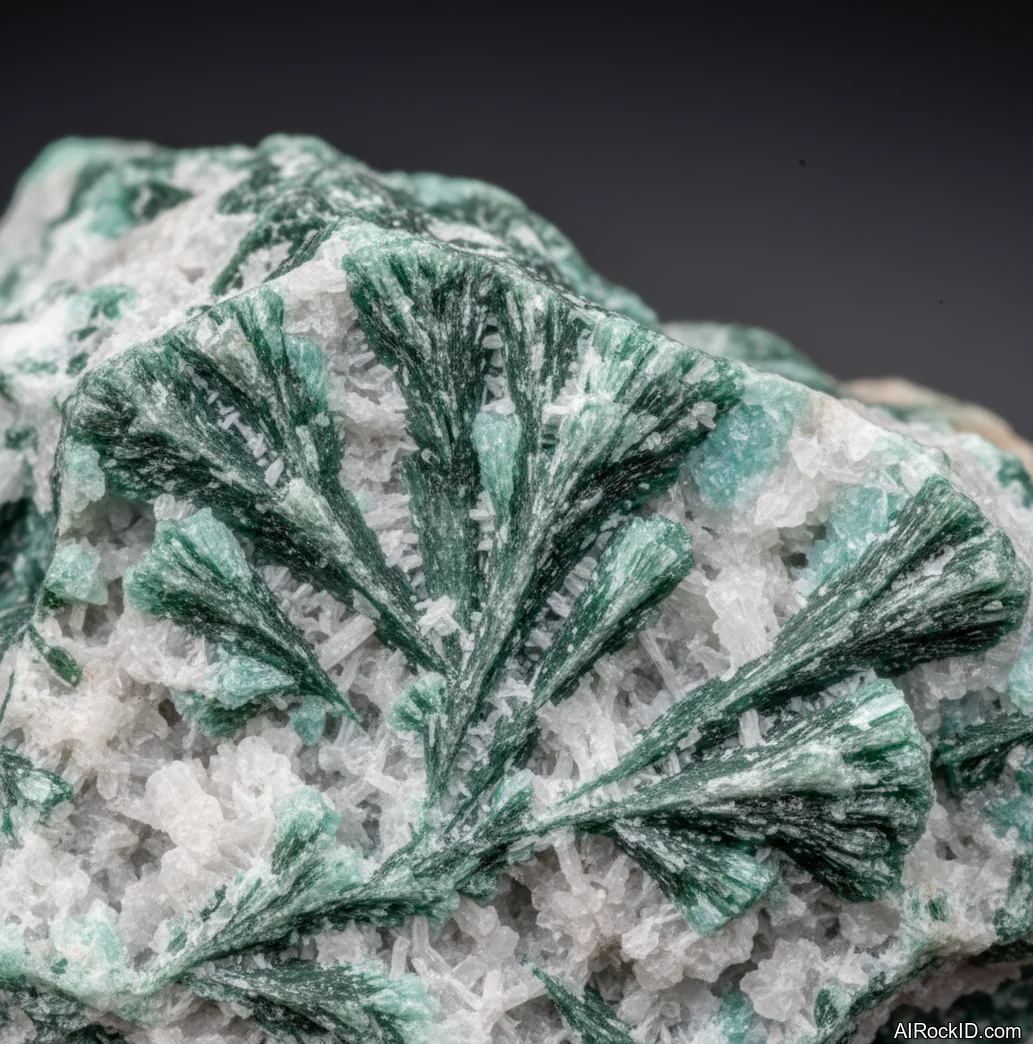
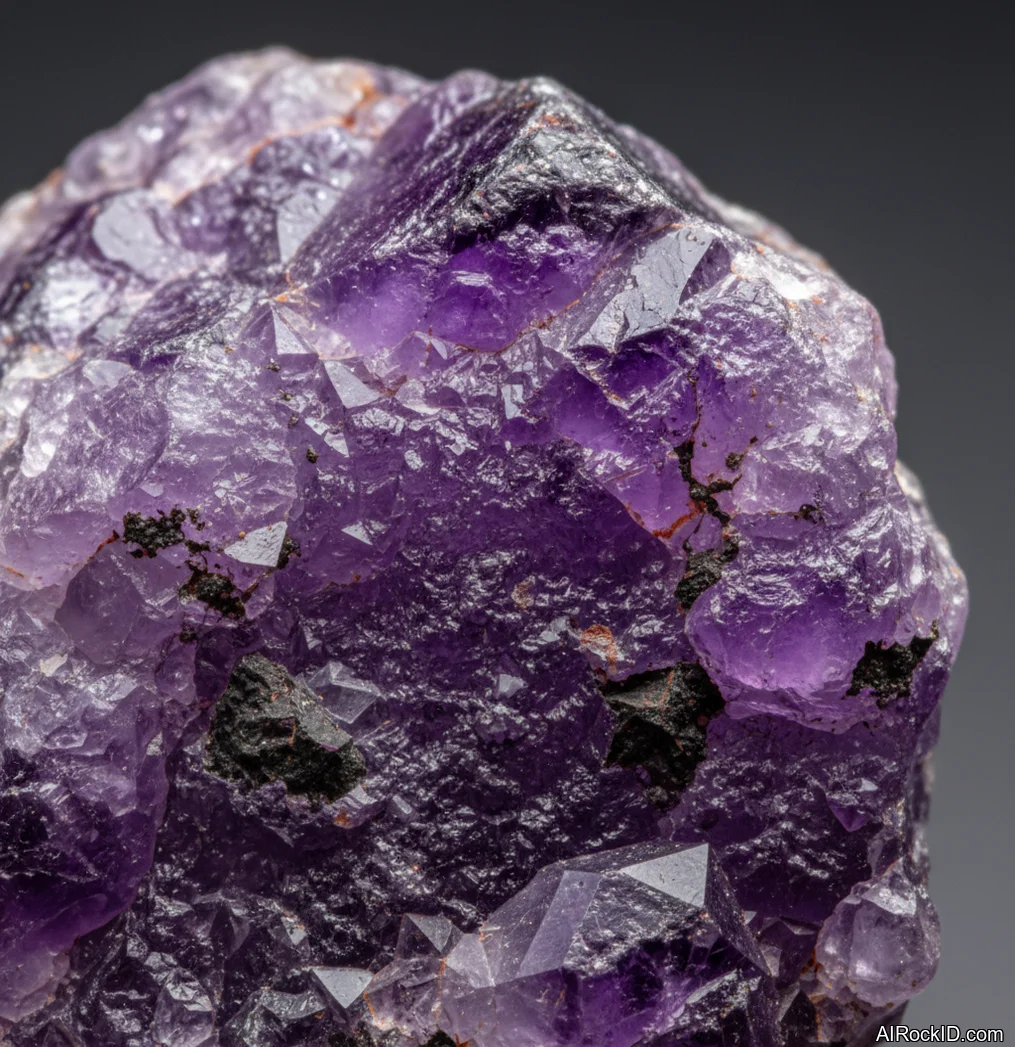
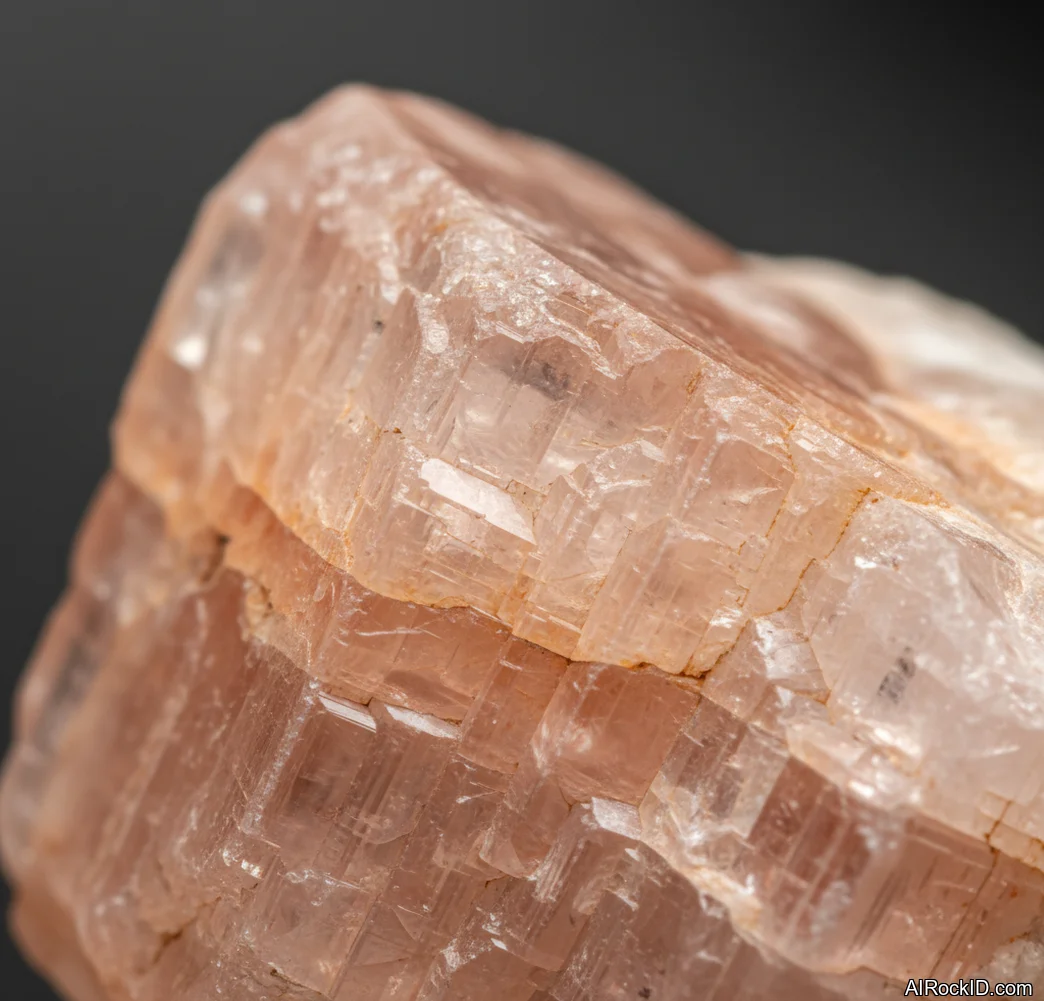
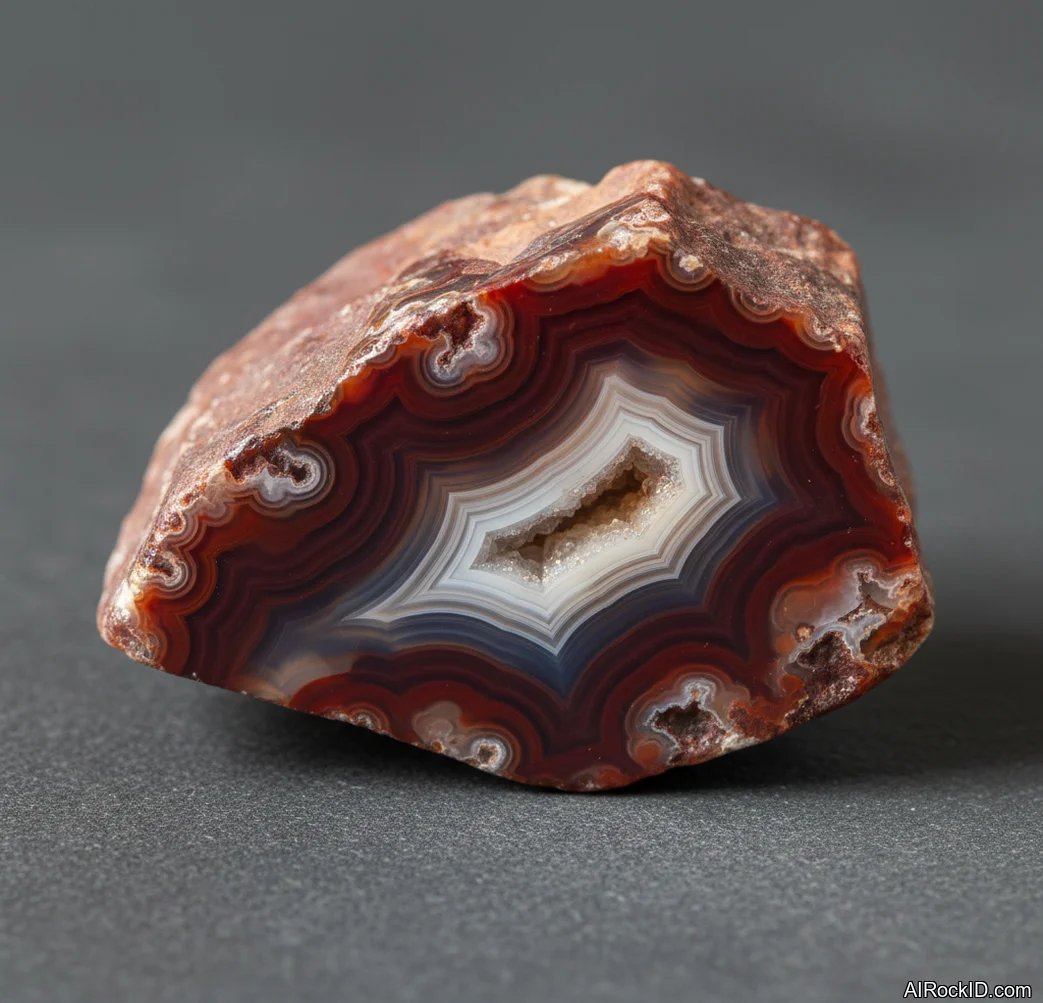
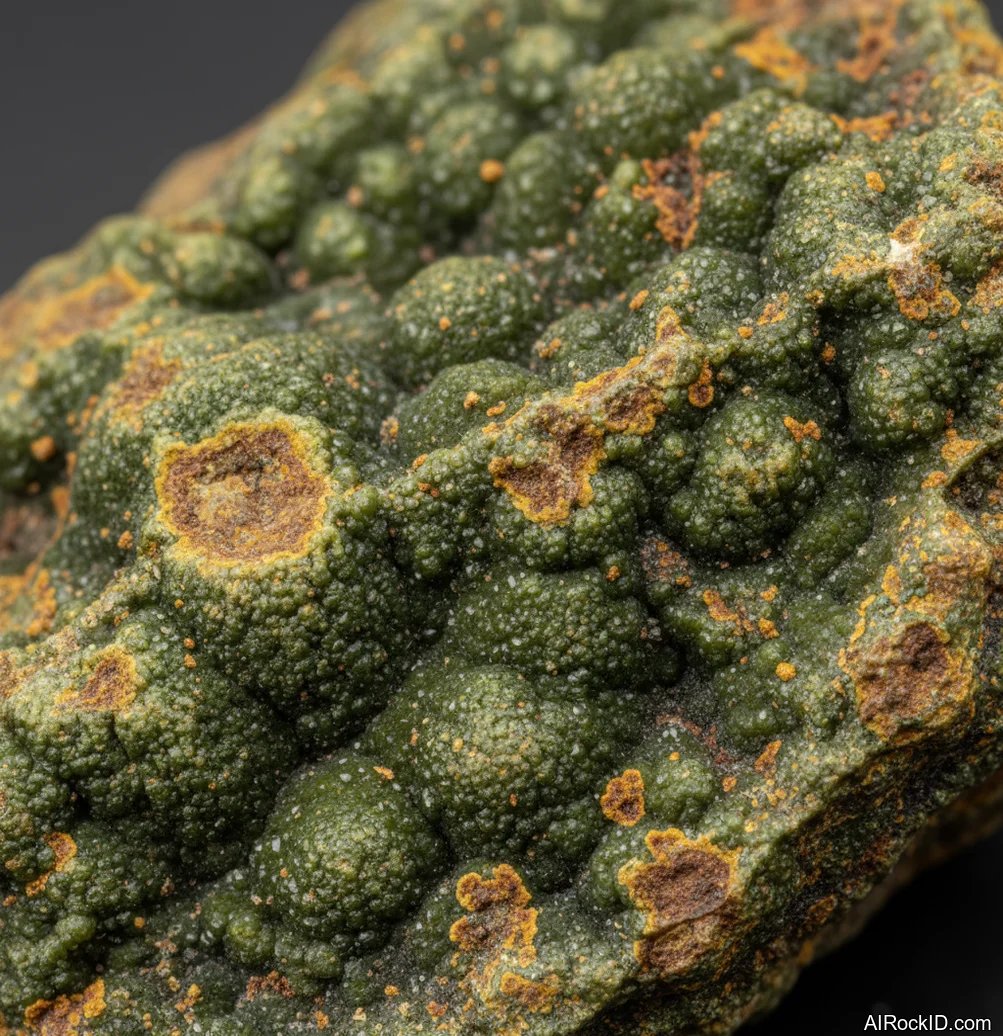
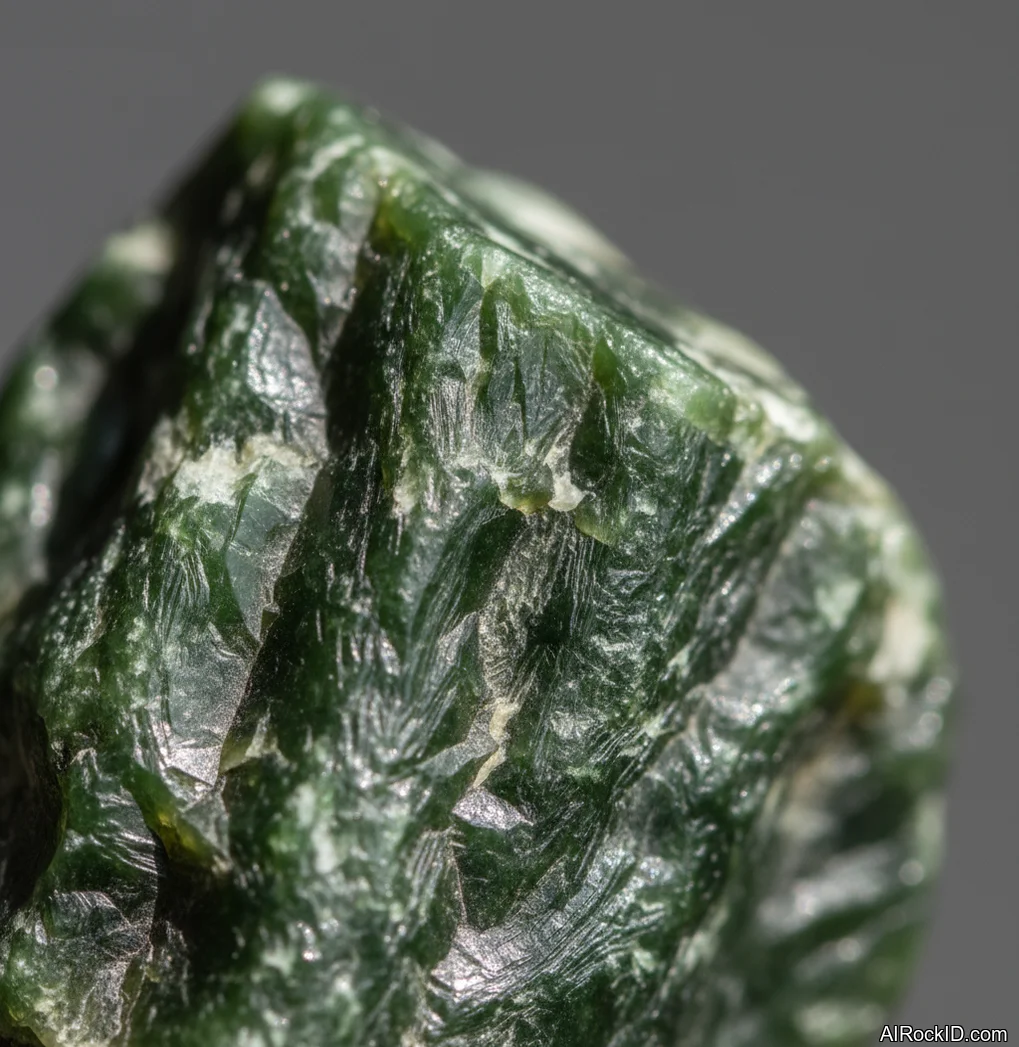
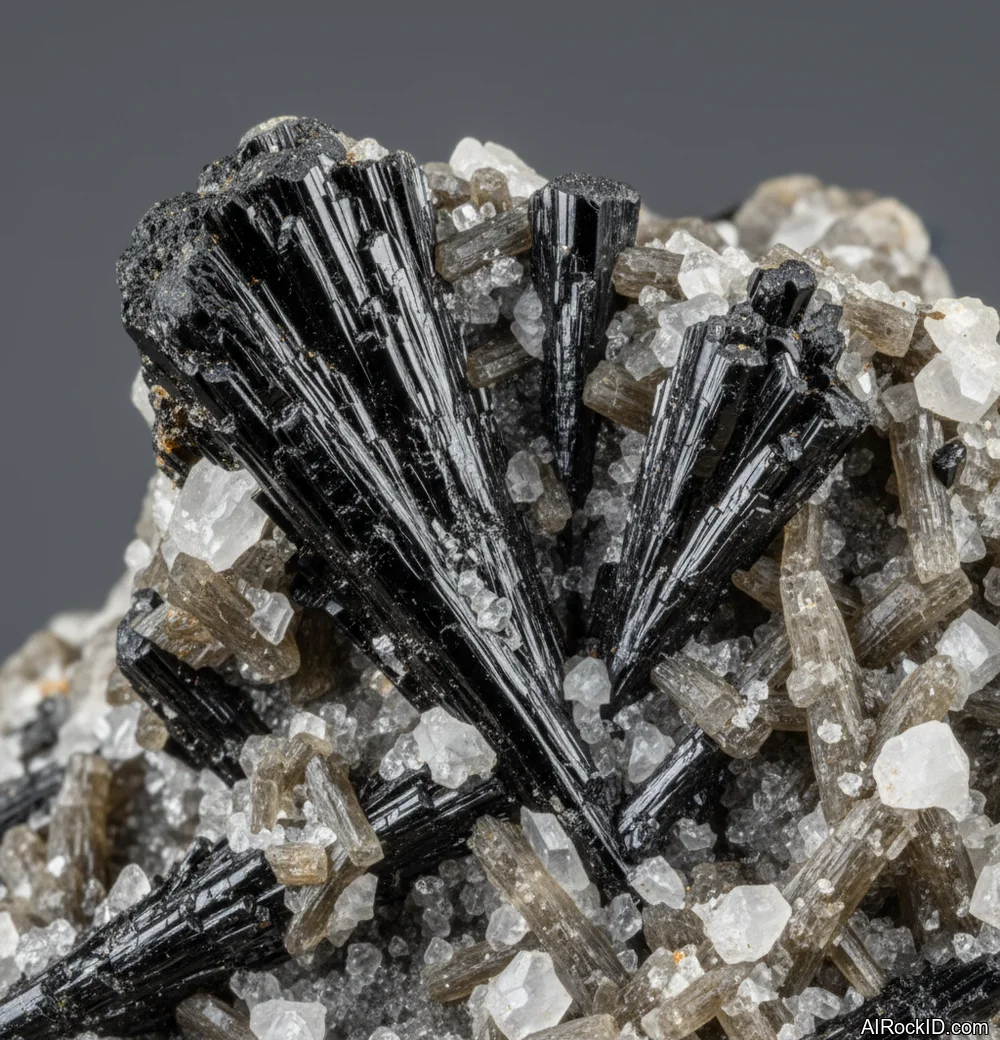
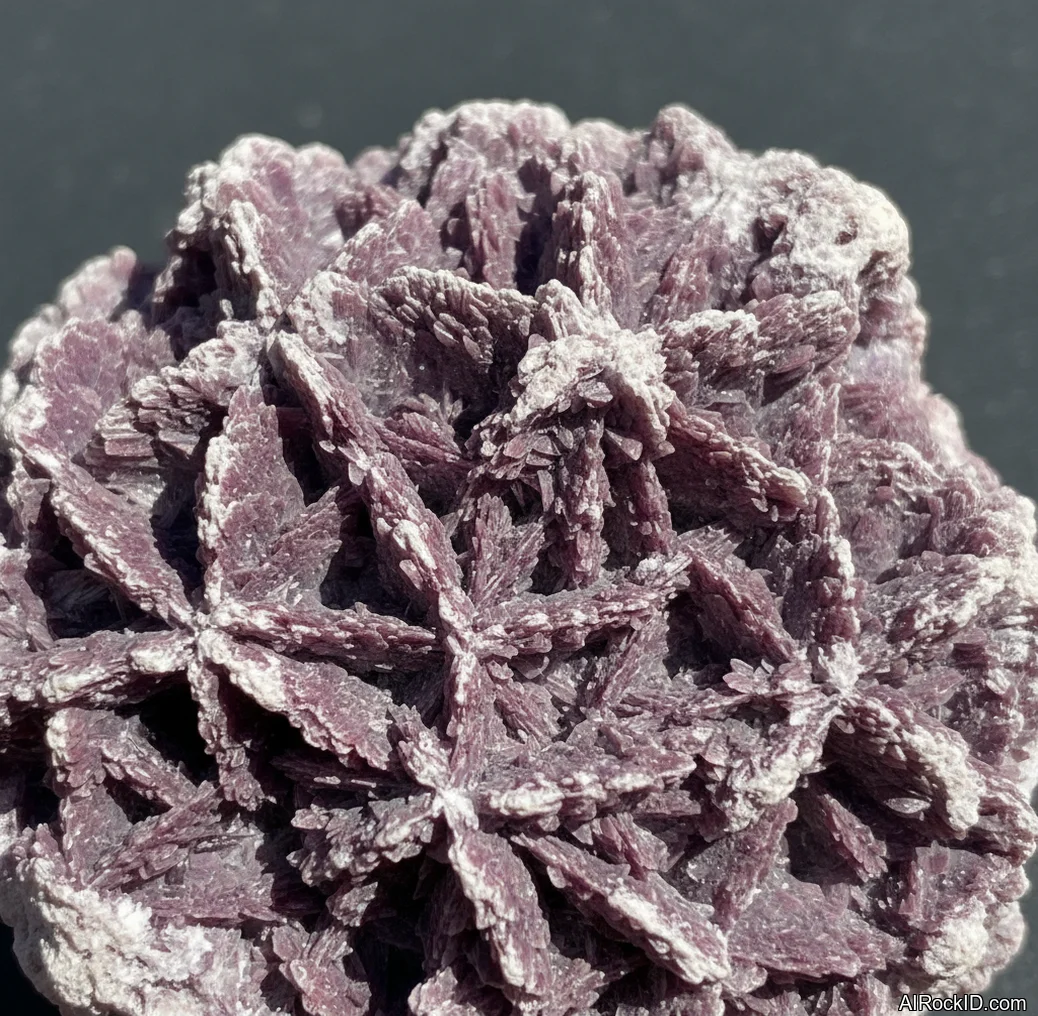
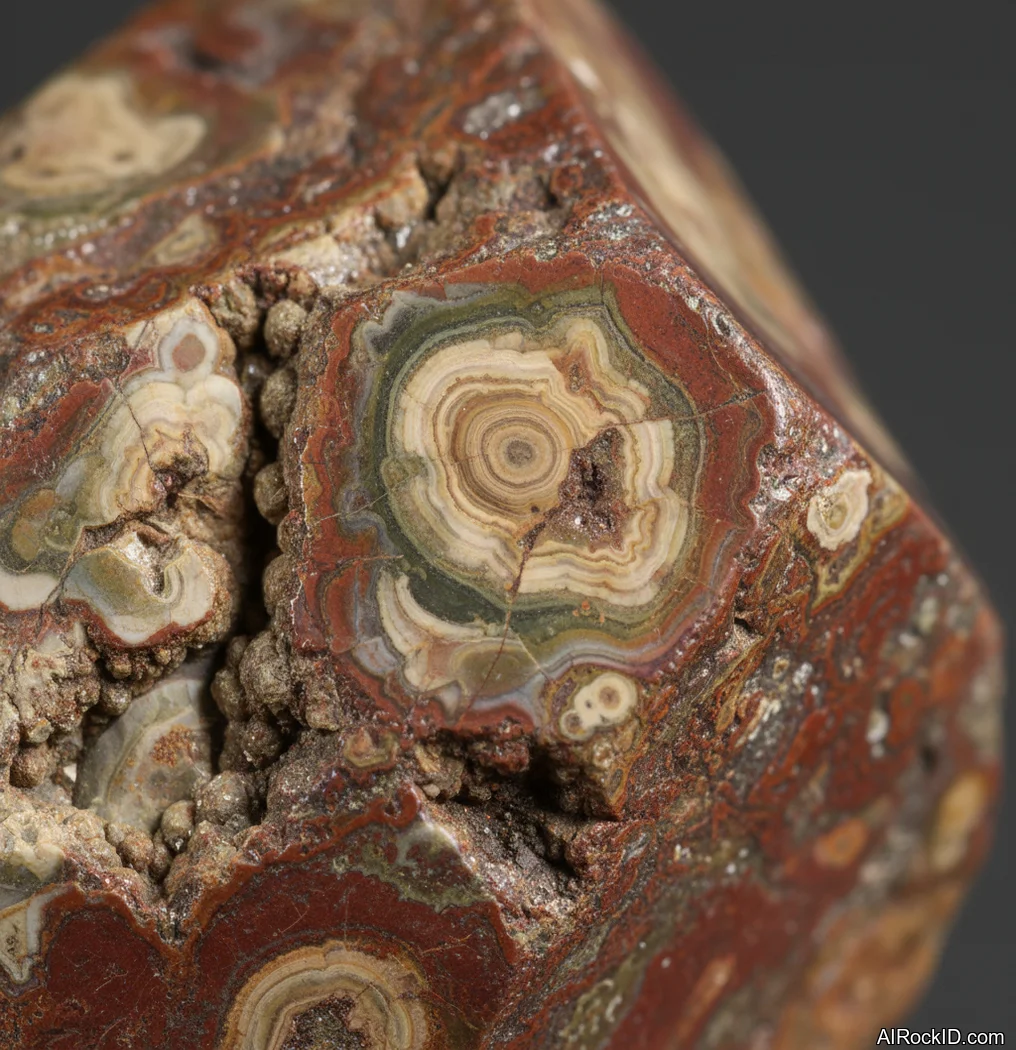
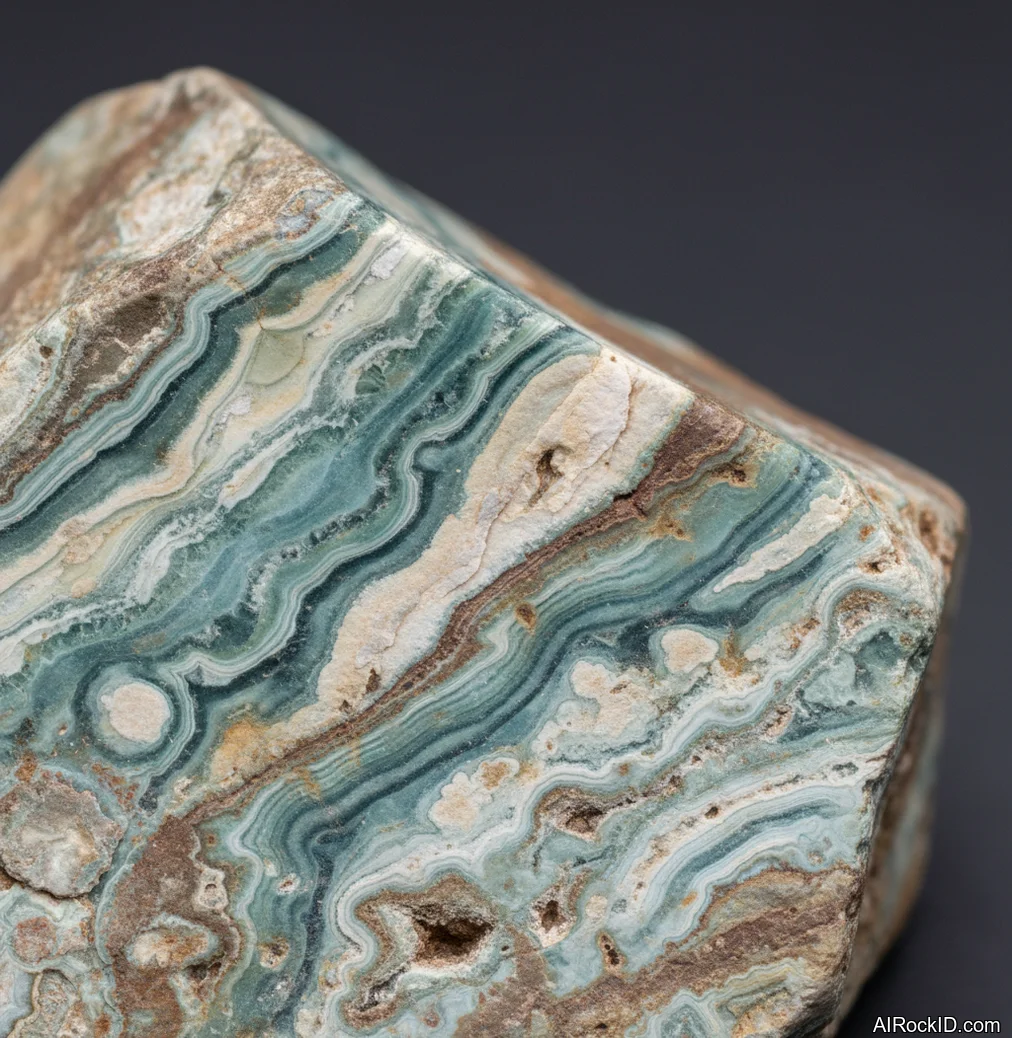
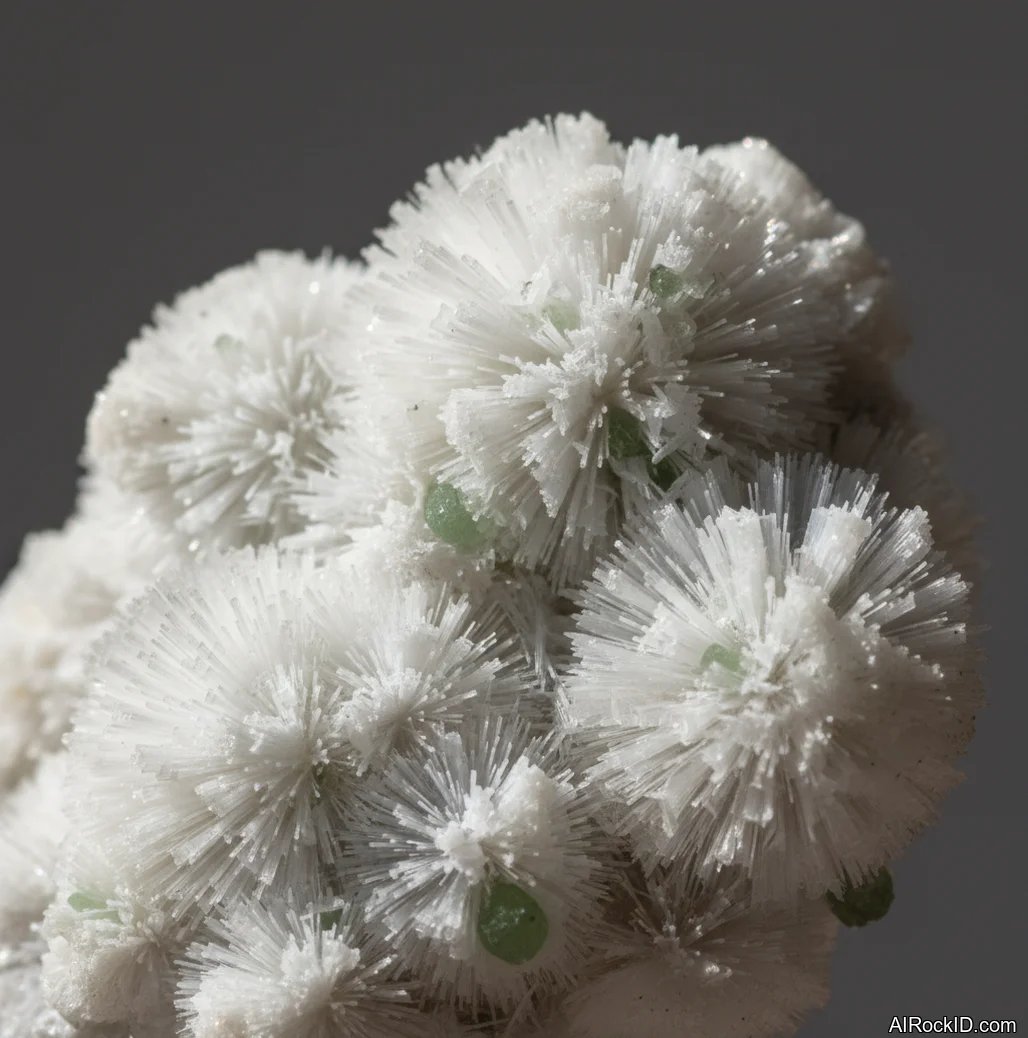
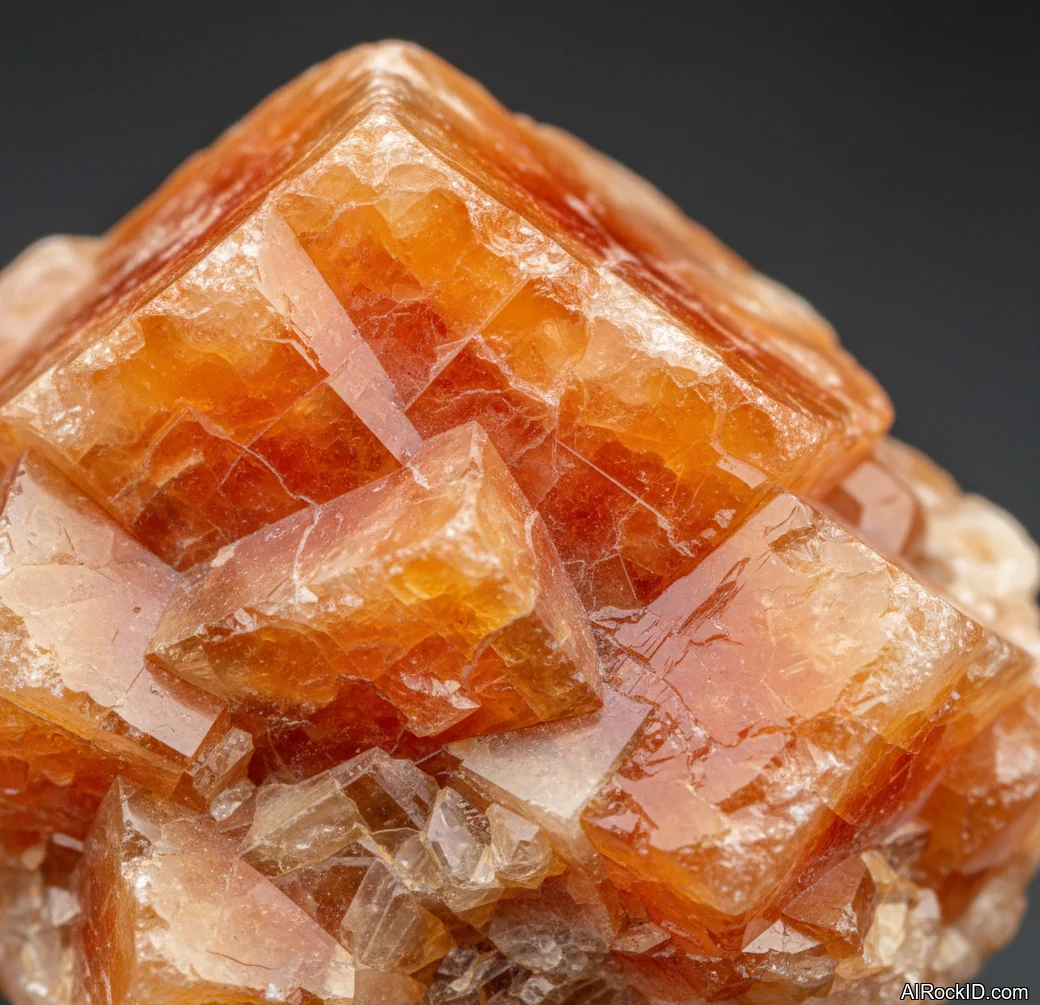
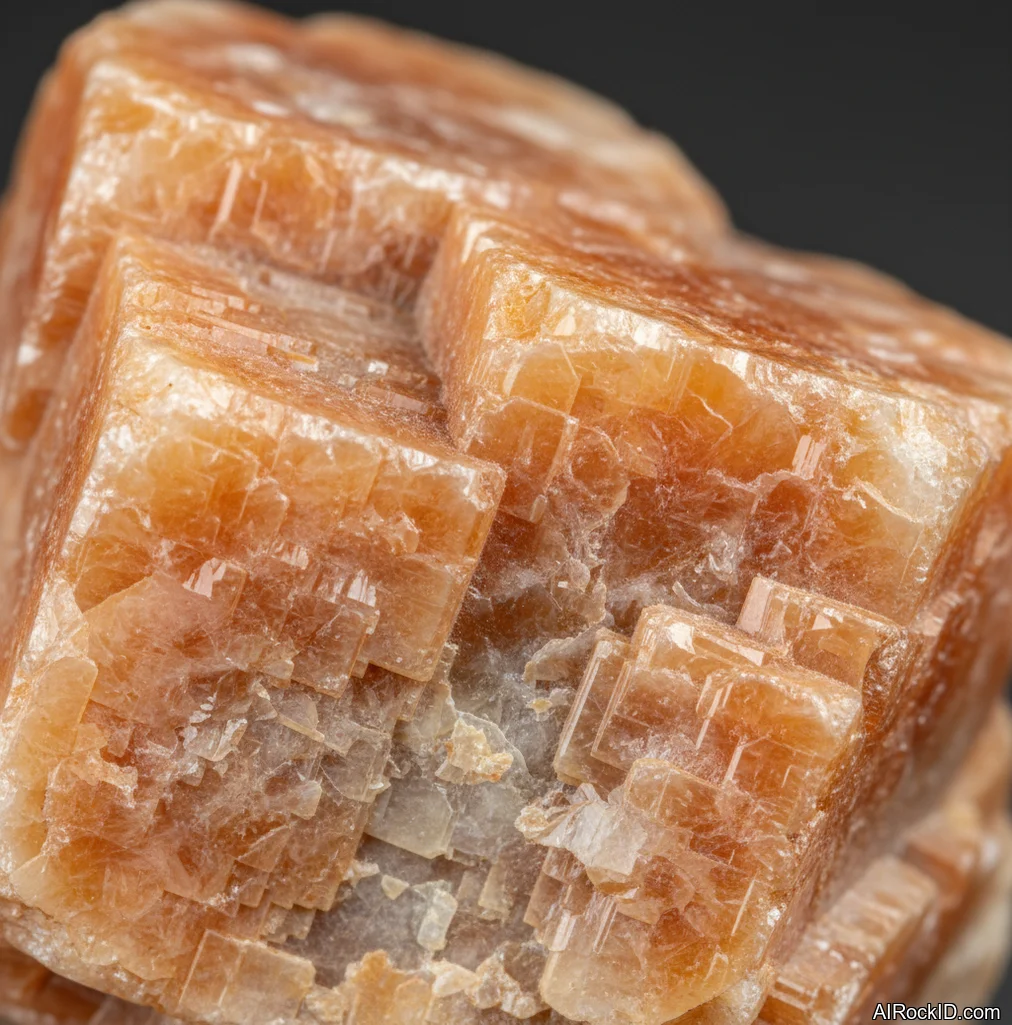
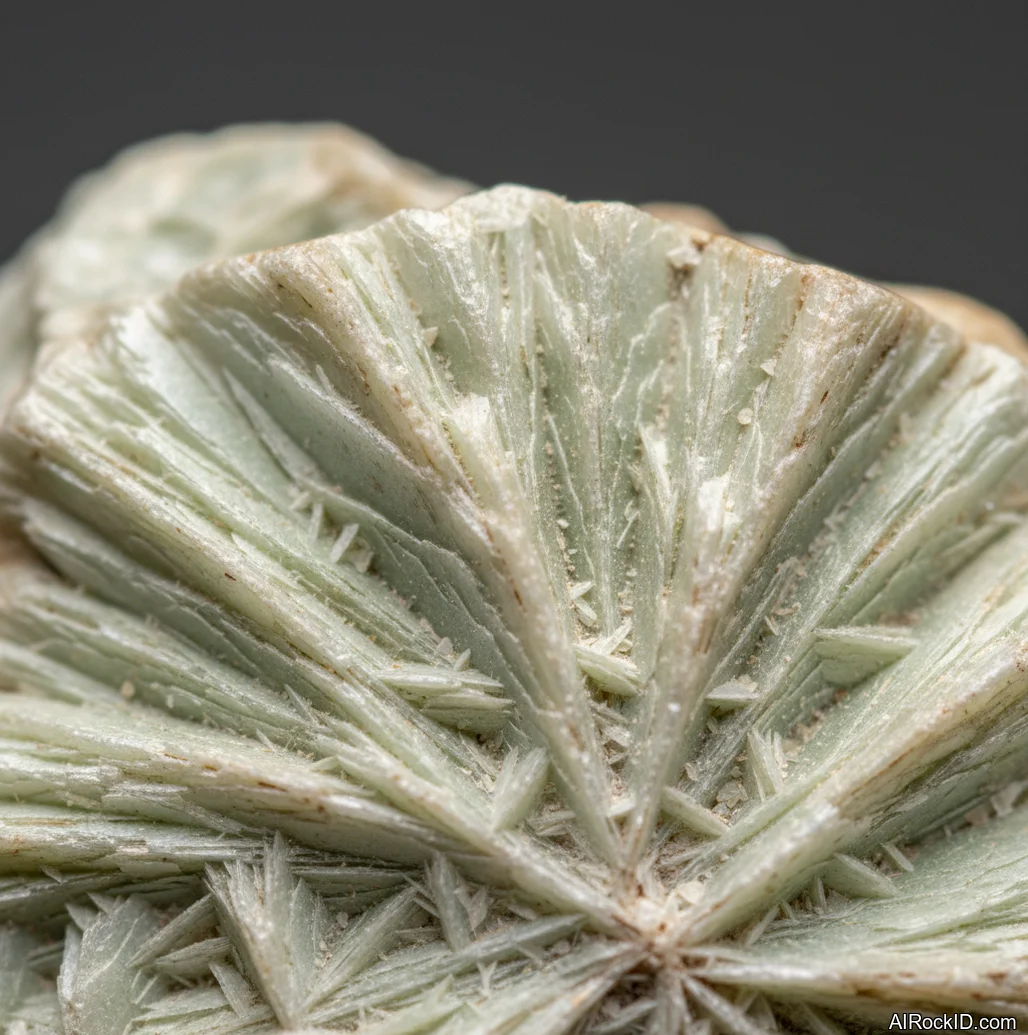
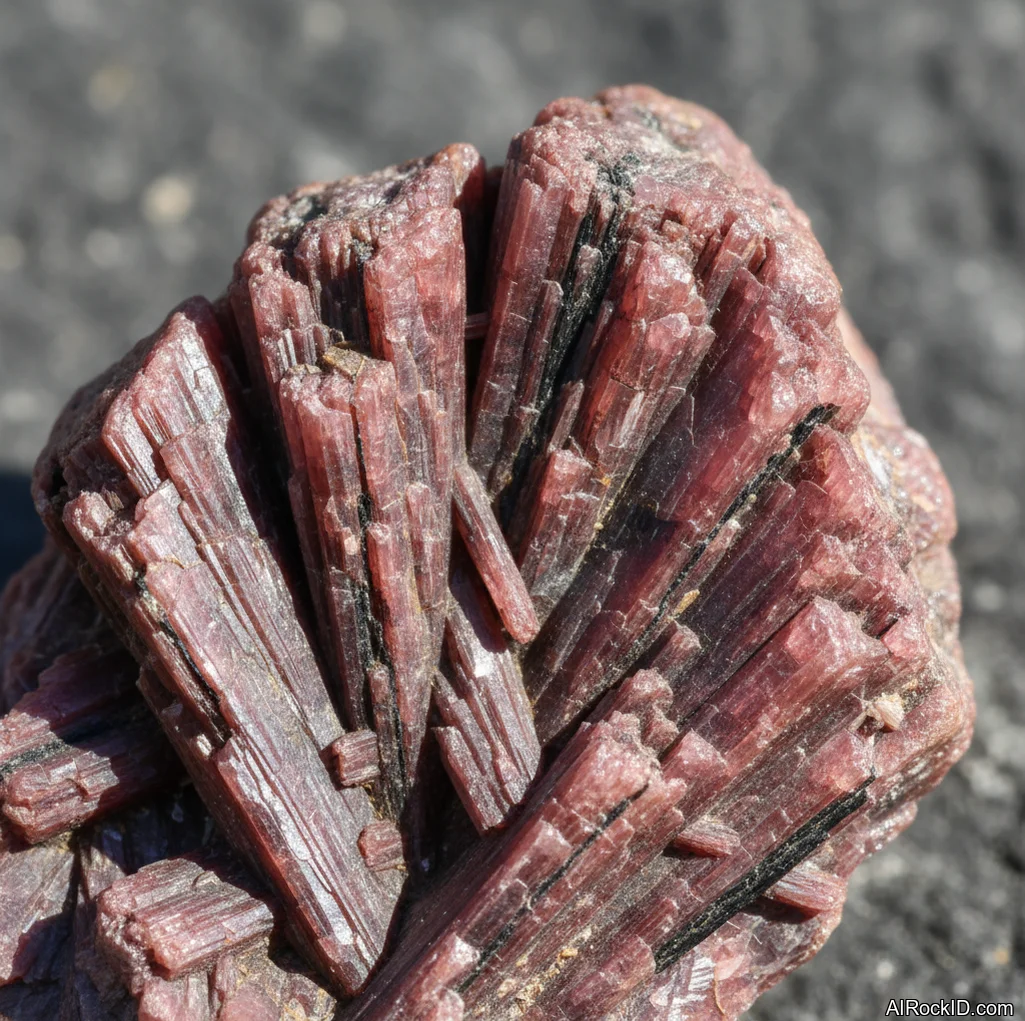
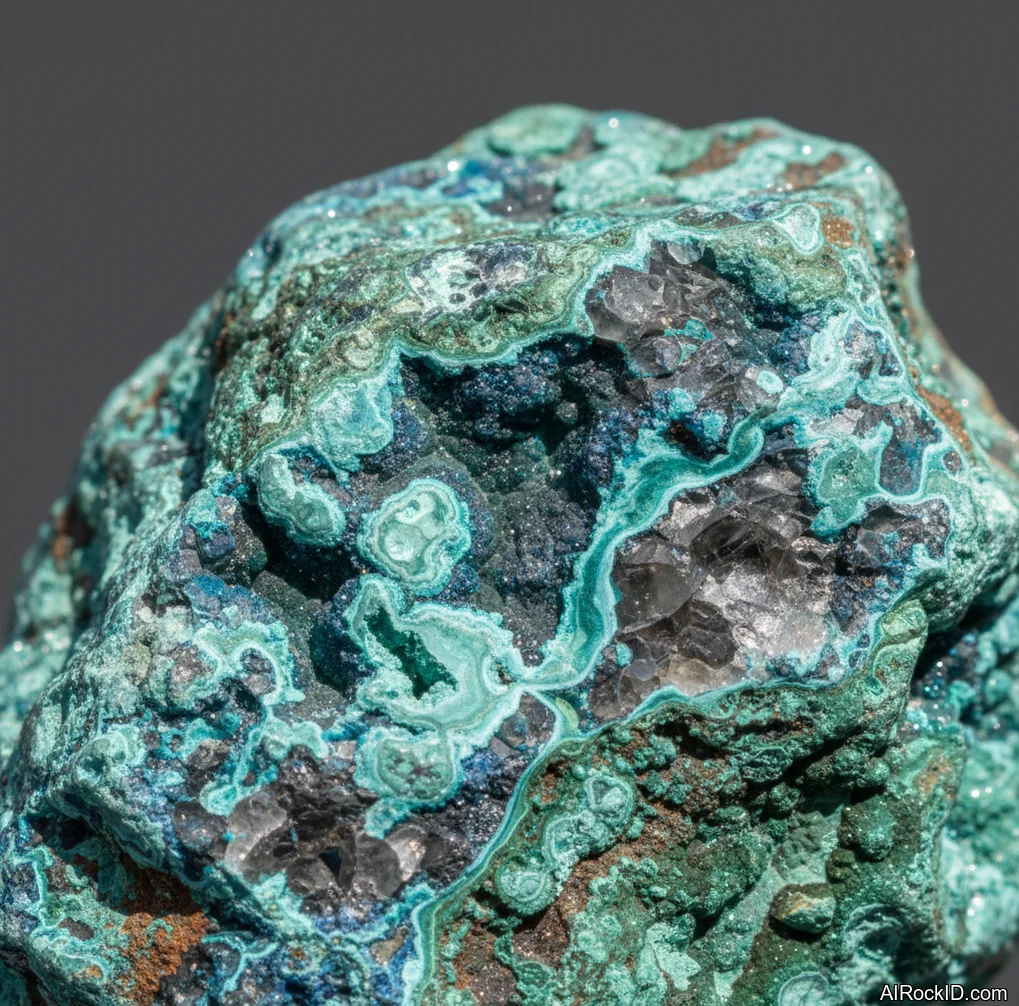
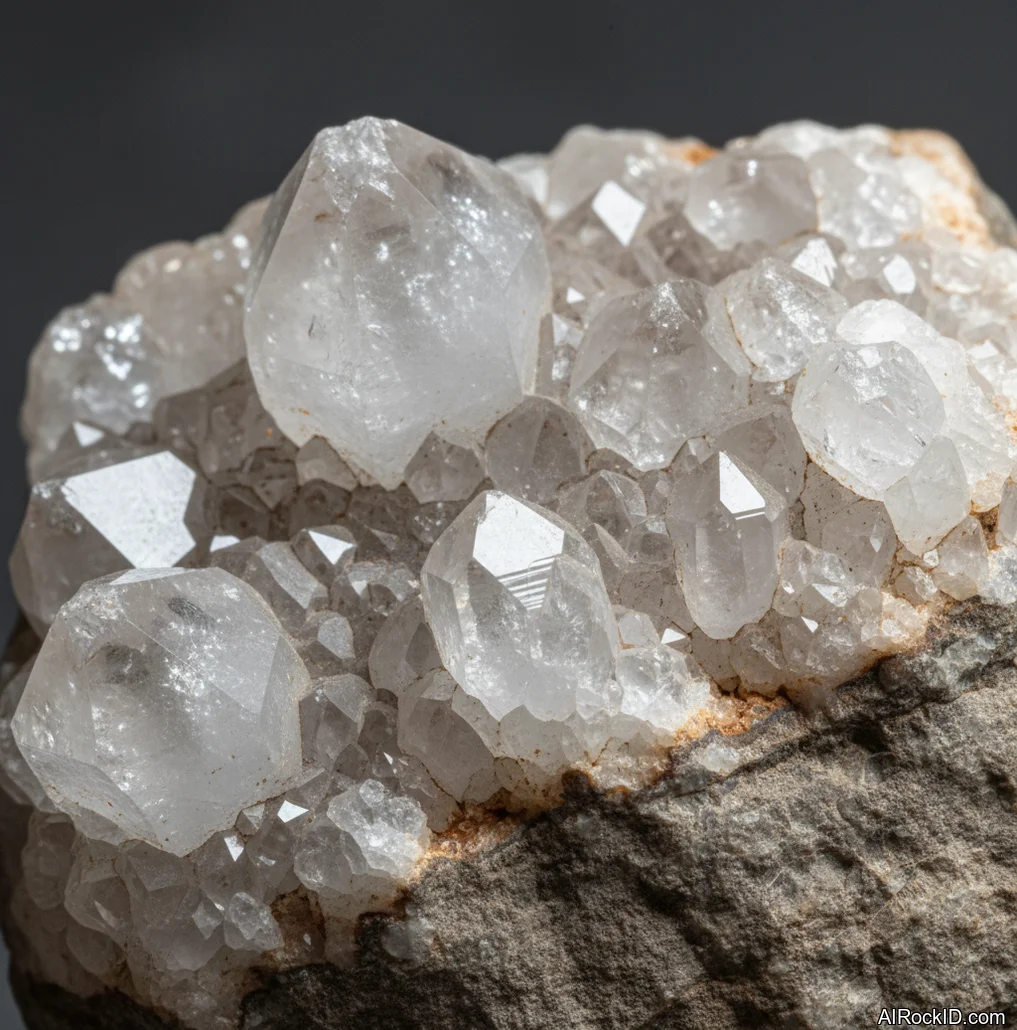
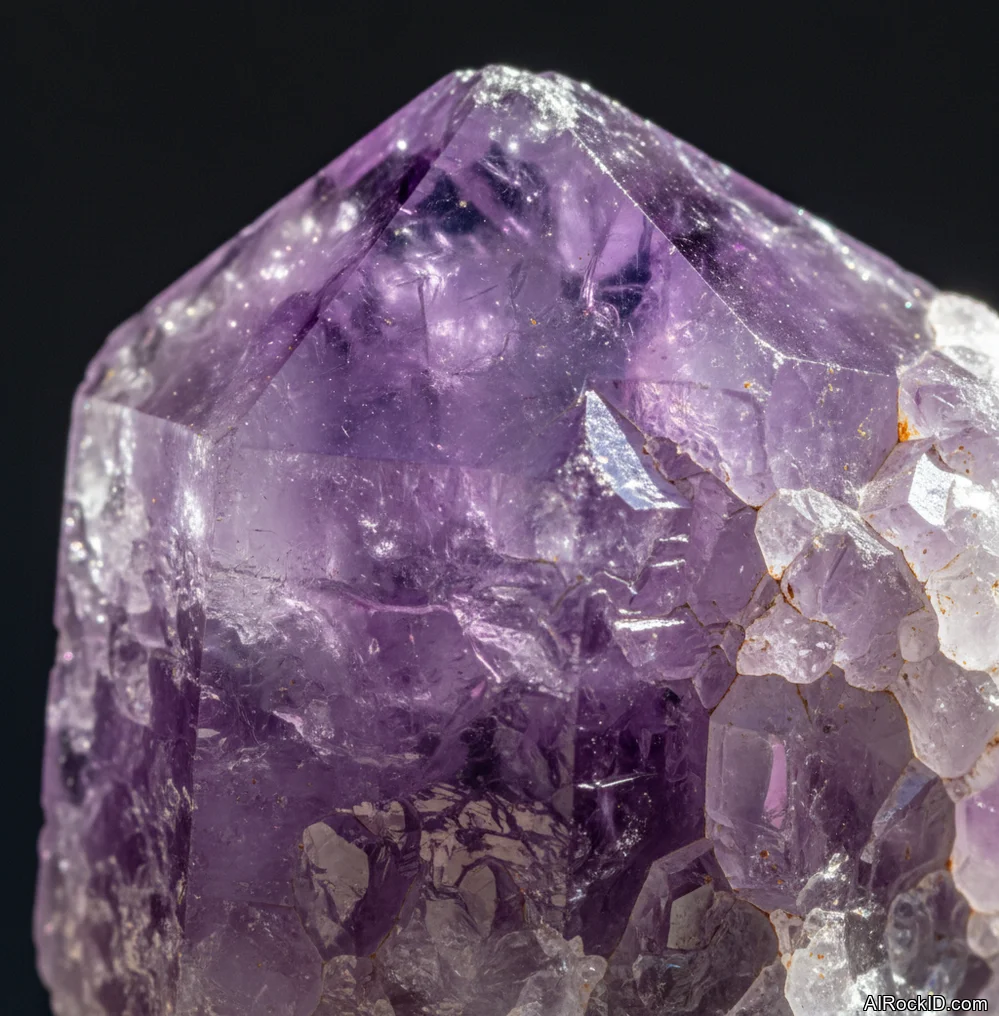
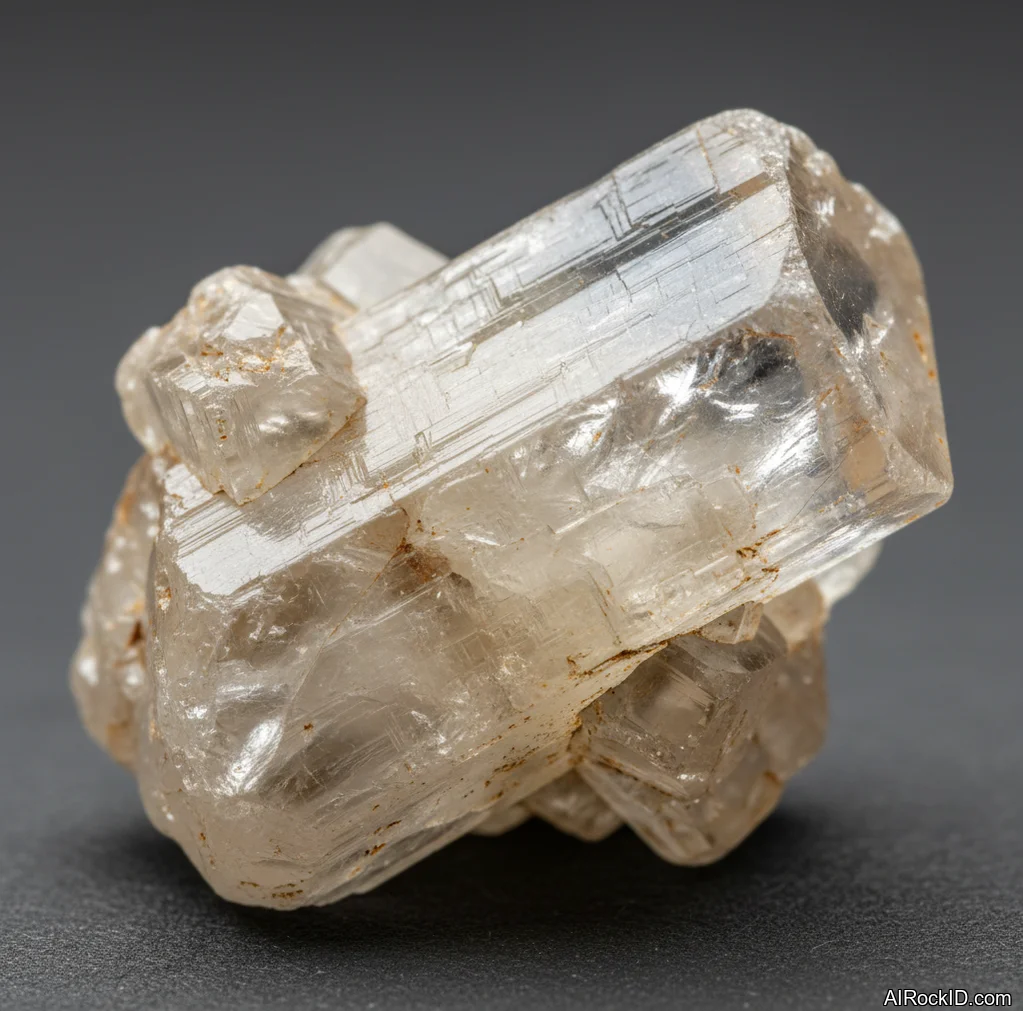
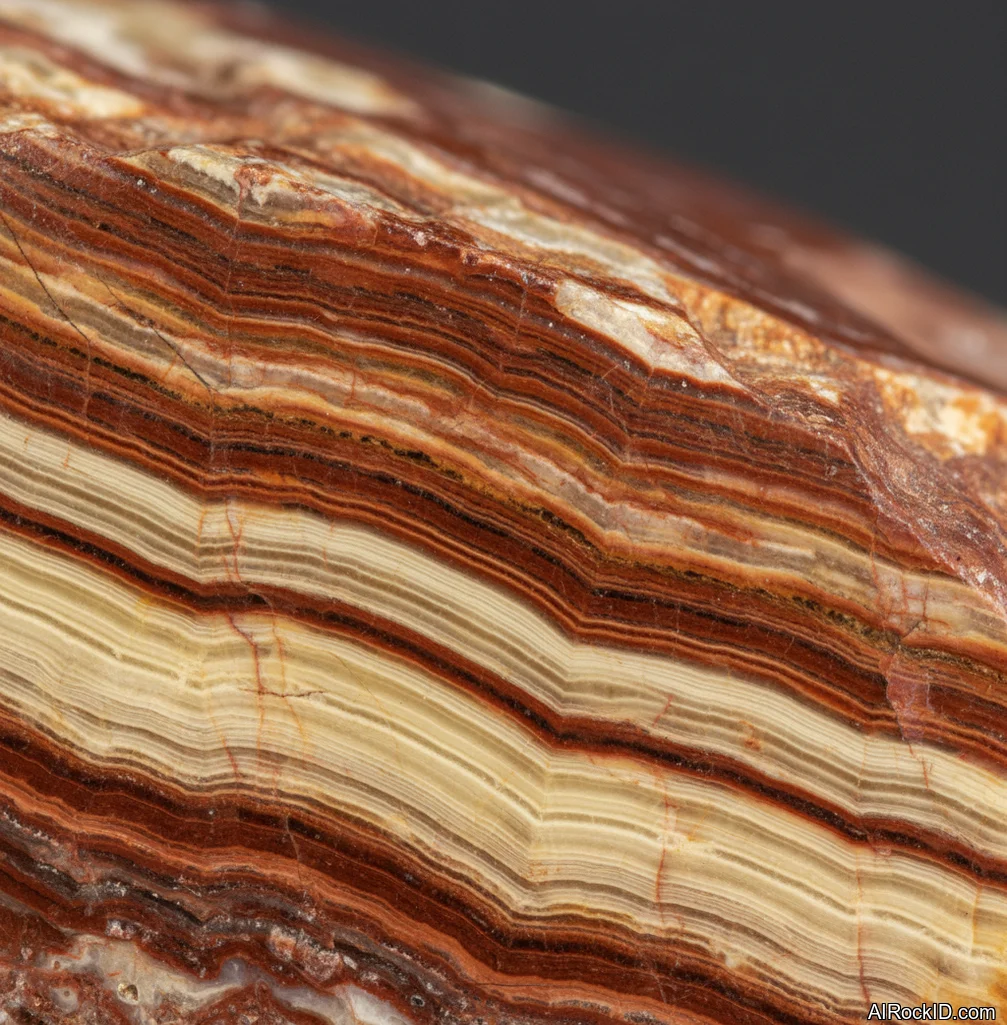
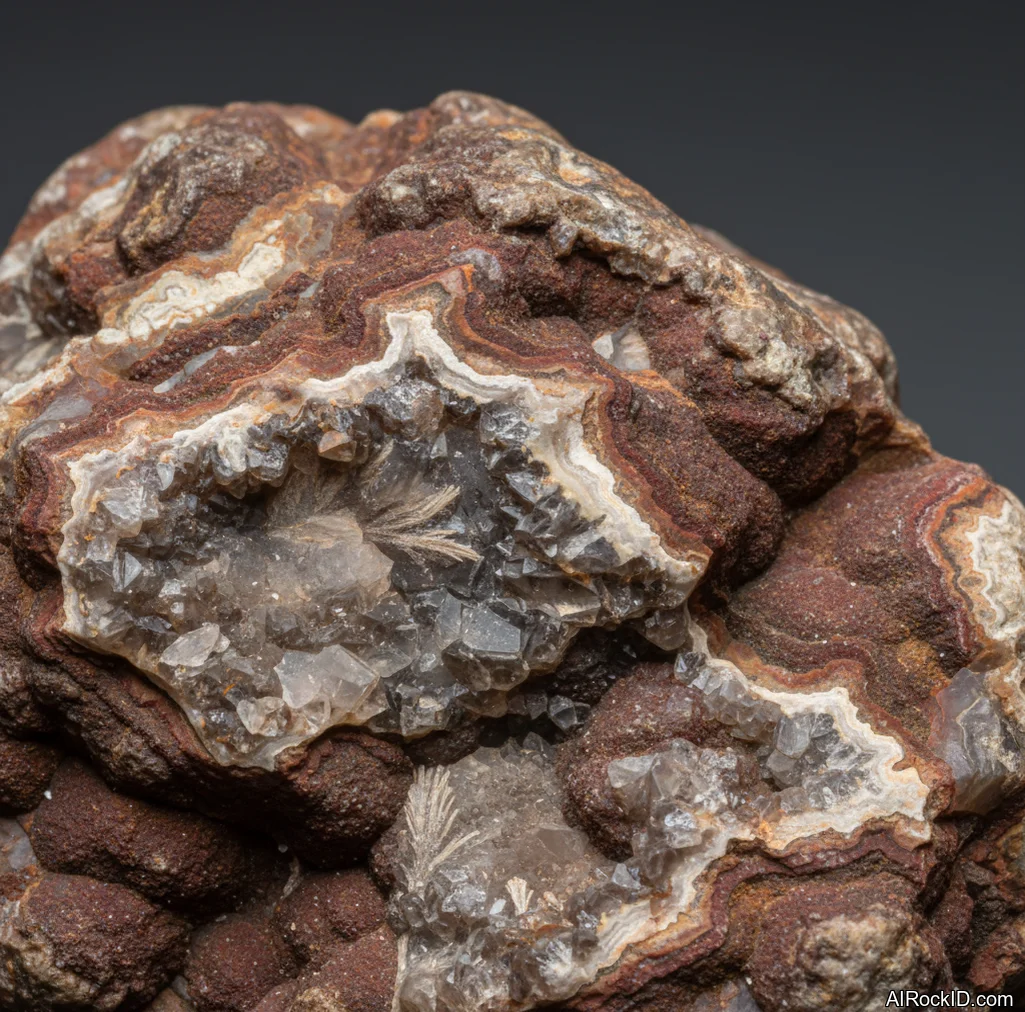
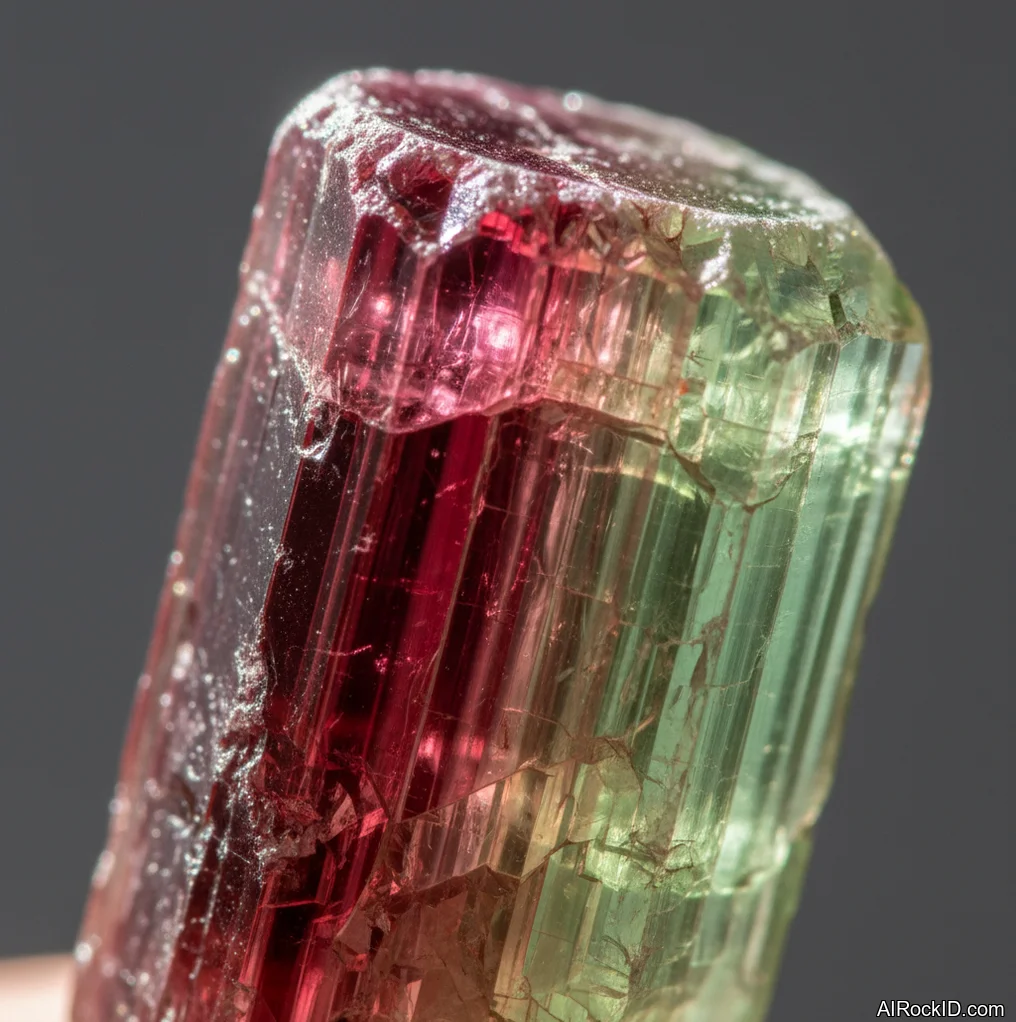
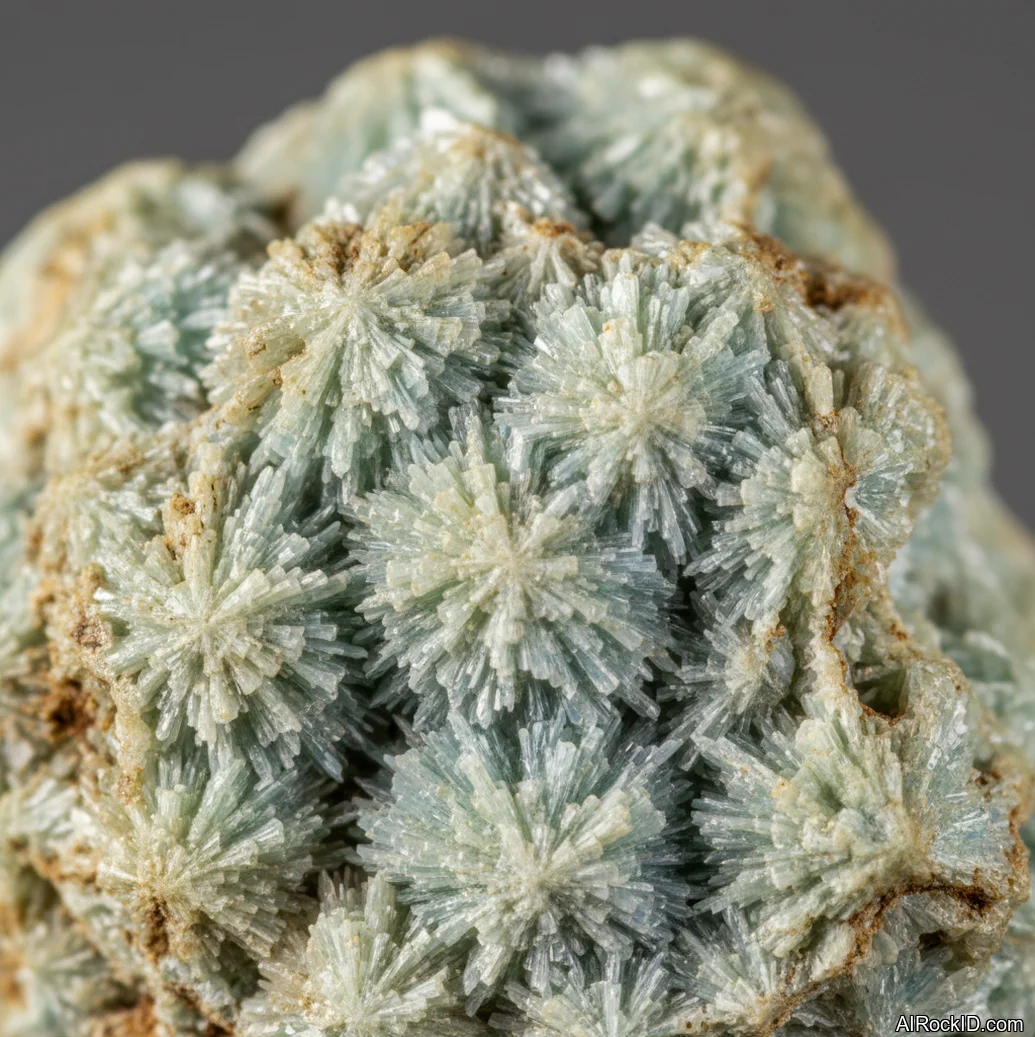
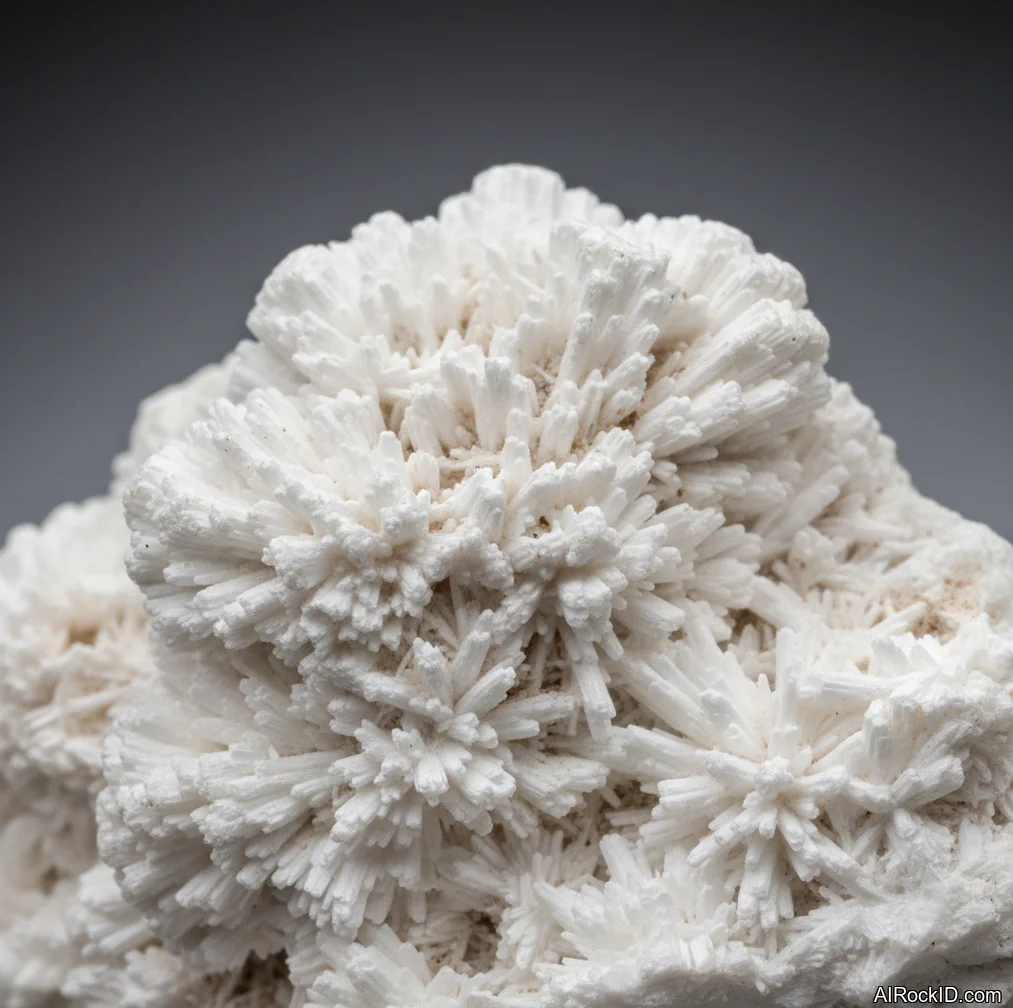
The Insight tag groups crystals that are traditionally associated with clarity, perception, intuition, study, and self-reflection. On a crystal wiki page, this tag is a thematic category rather than a scientific mineral classification.
Beginner recommendations
Advanced recommendations
How to Store Insight Crystals
Many insight-associated stones are safe for normal display, but softer minerals such as fluorite should be protected from abrasion. Store polished stones separately in pouches or divided boxes to reduce scratches, and keep light-sensitive specimens away from prolonged direct sun.
Natural, Dyed, and Treated Stones
Blue and purple stones are sometimes dyed, coated, or sold under trade names that do not match the mineral species. Check for unnaturally intense color in cracks, surface coatings, or vague labels, especially when buying inexpensive beads or tumbles.
Using Insight Crystals in a Non-Medical Practice
In metaphysical traditions, insight crystals are often used as prompts for journaling, meditation, study sessions, or personal intention setting. These uses are symbolic and reflective, not a replacement for professional care or evidence-based decision-making.
What Are Insight Crystals? Real Properties and Collector Tips
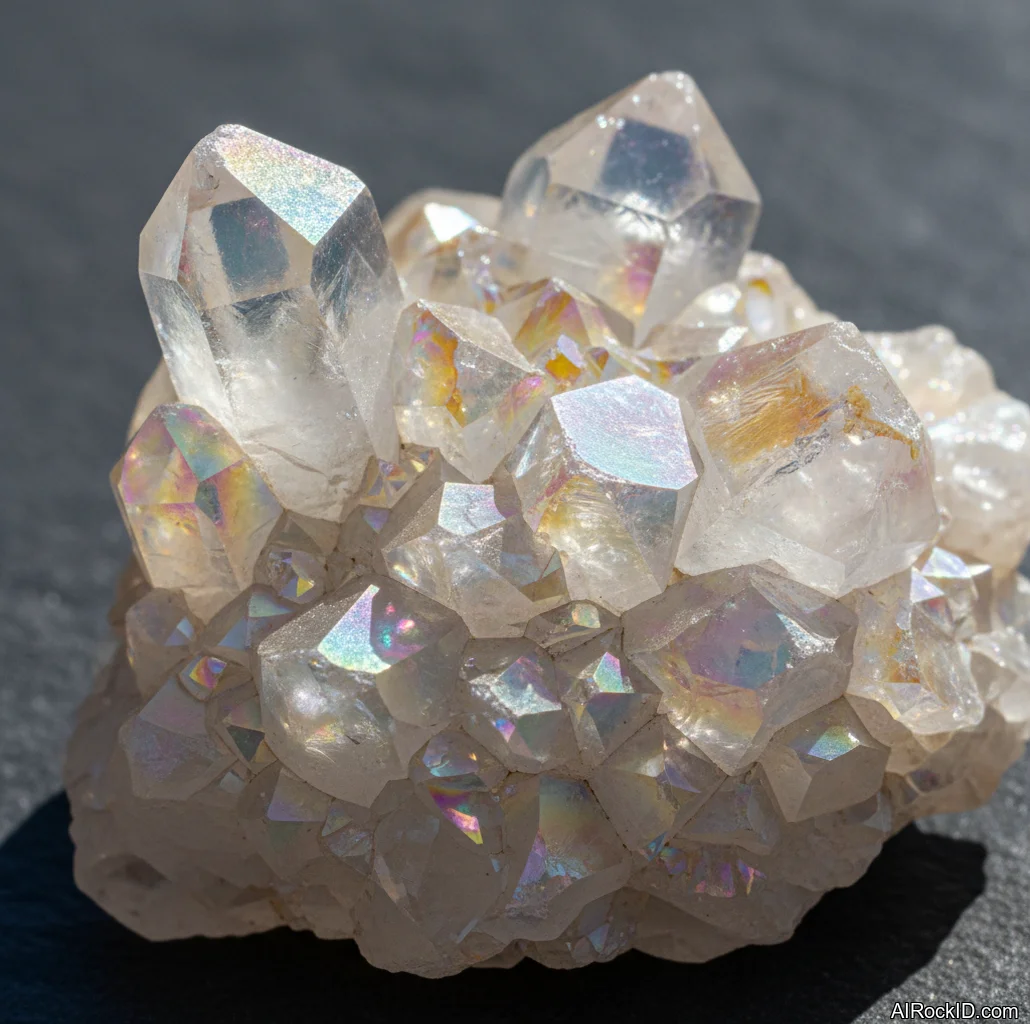
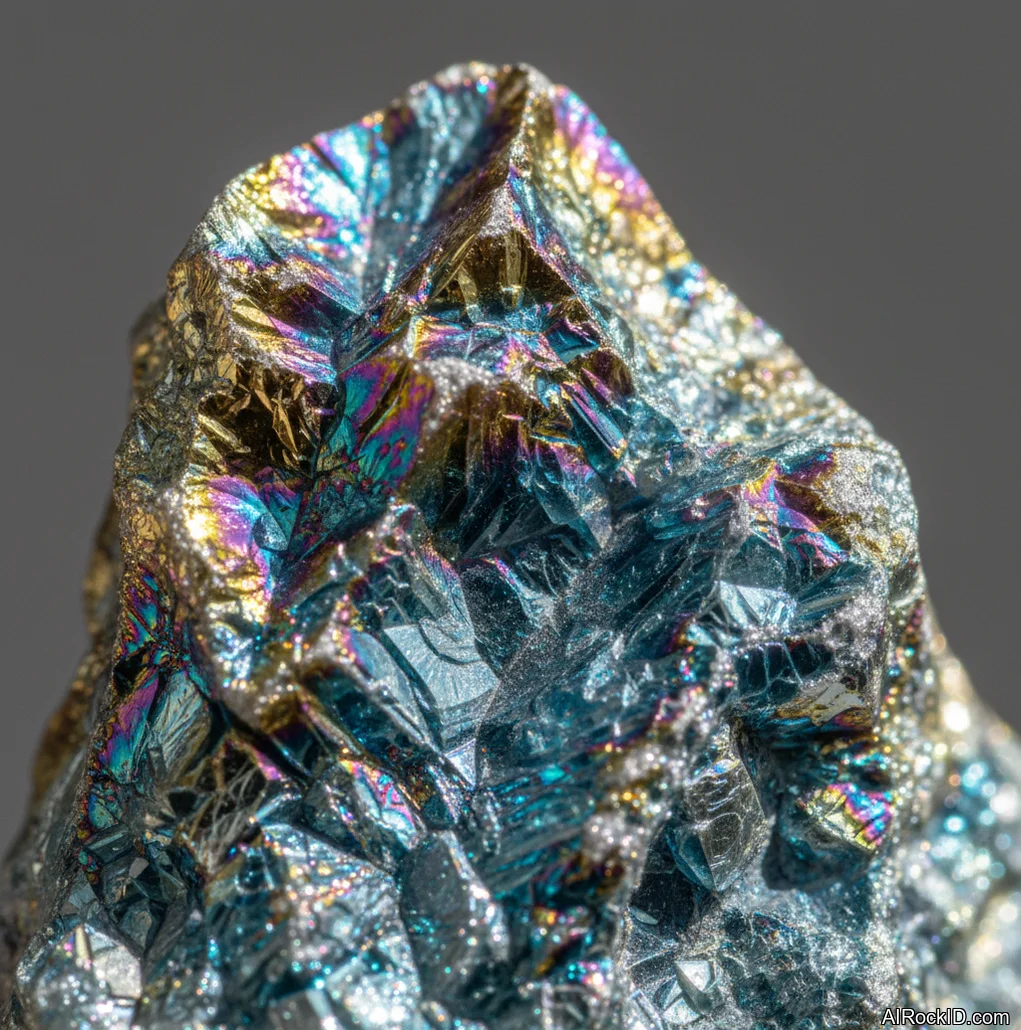
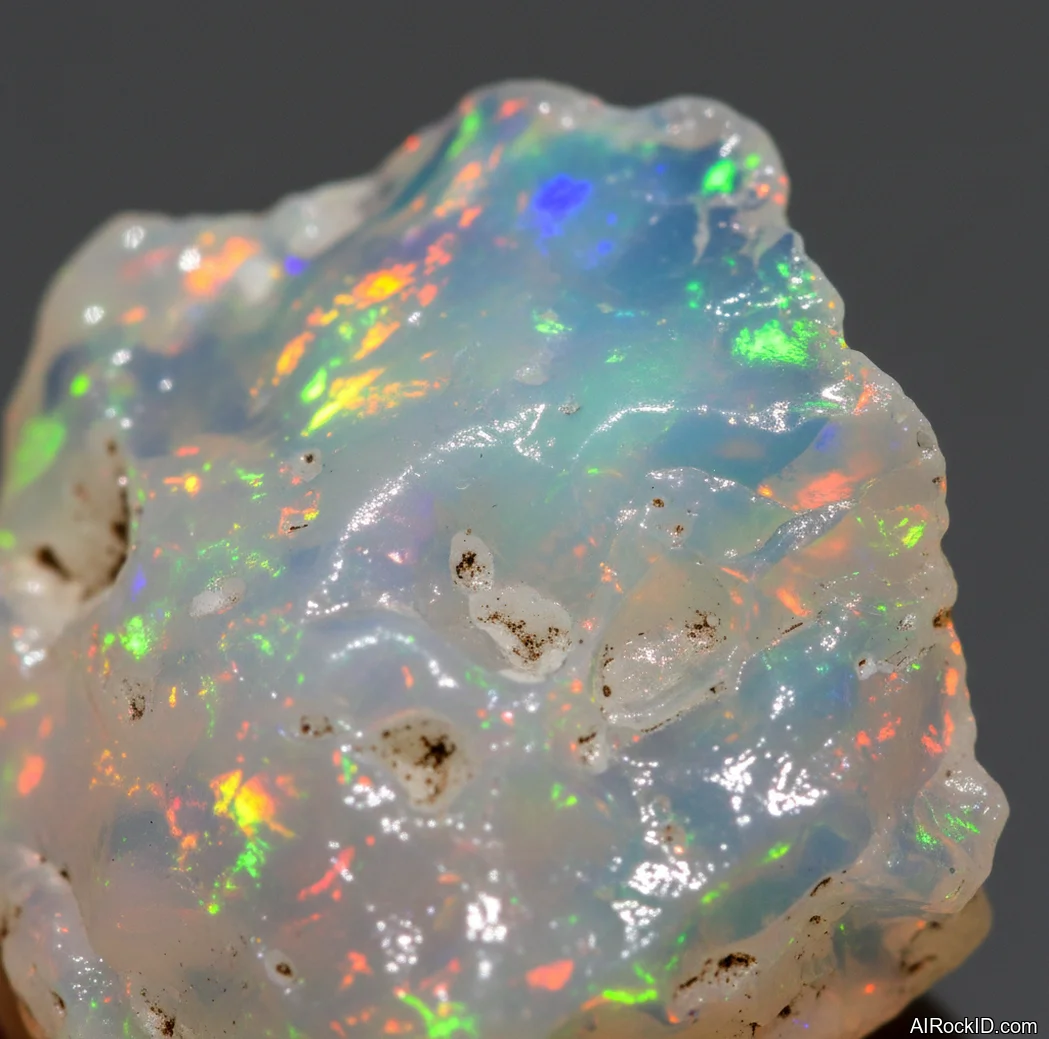
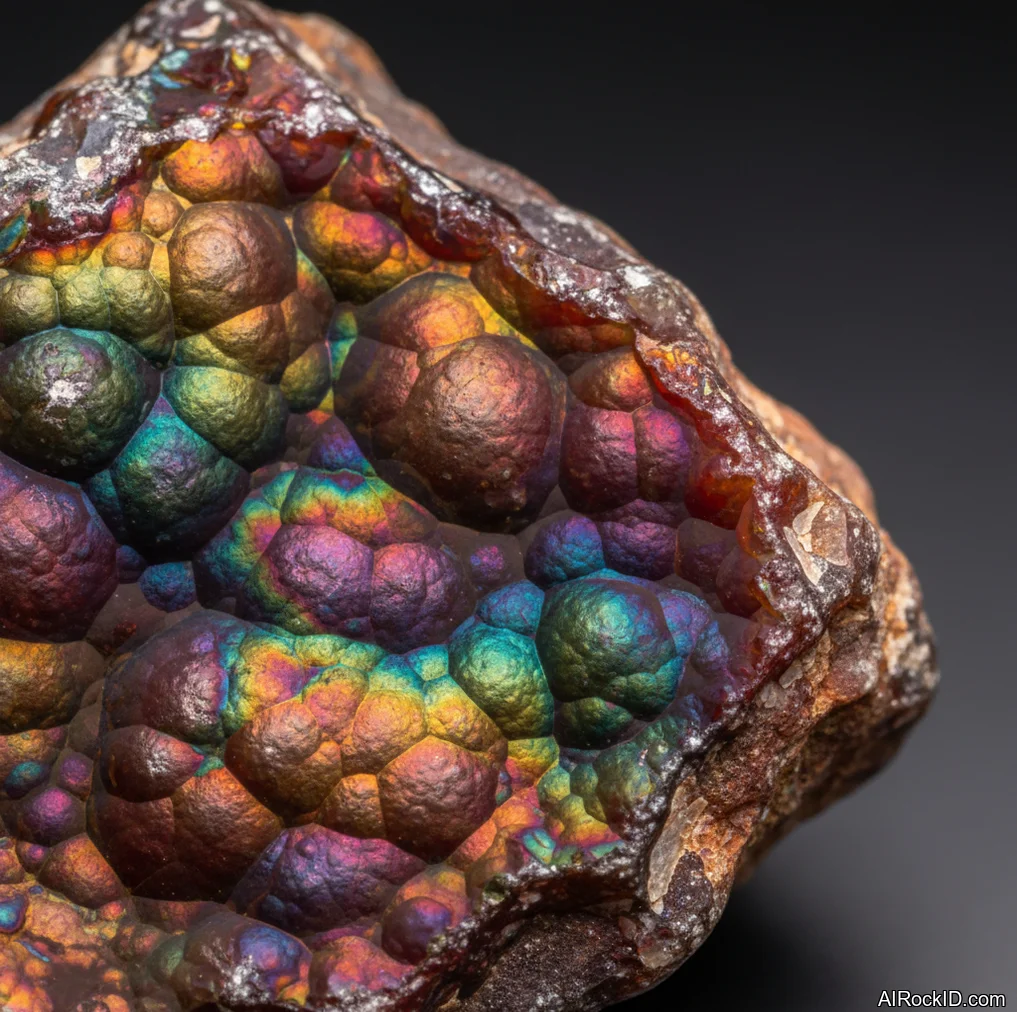
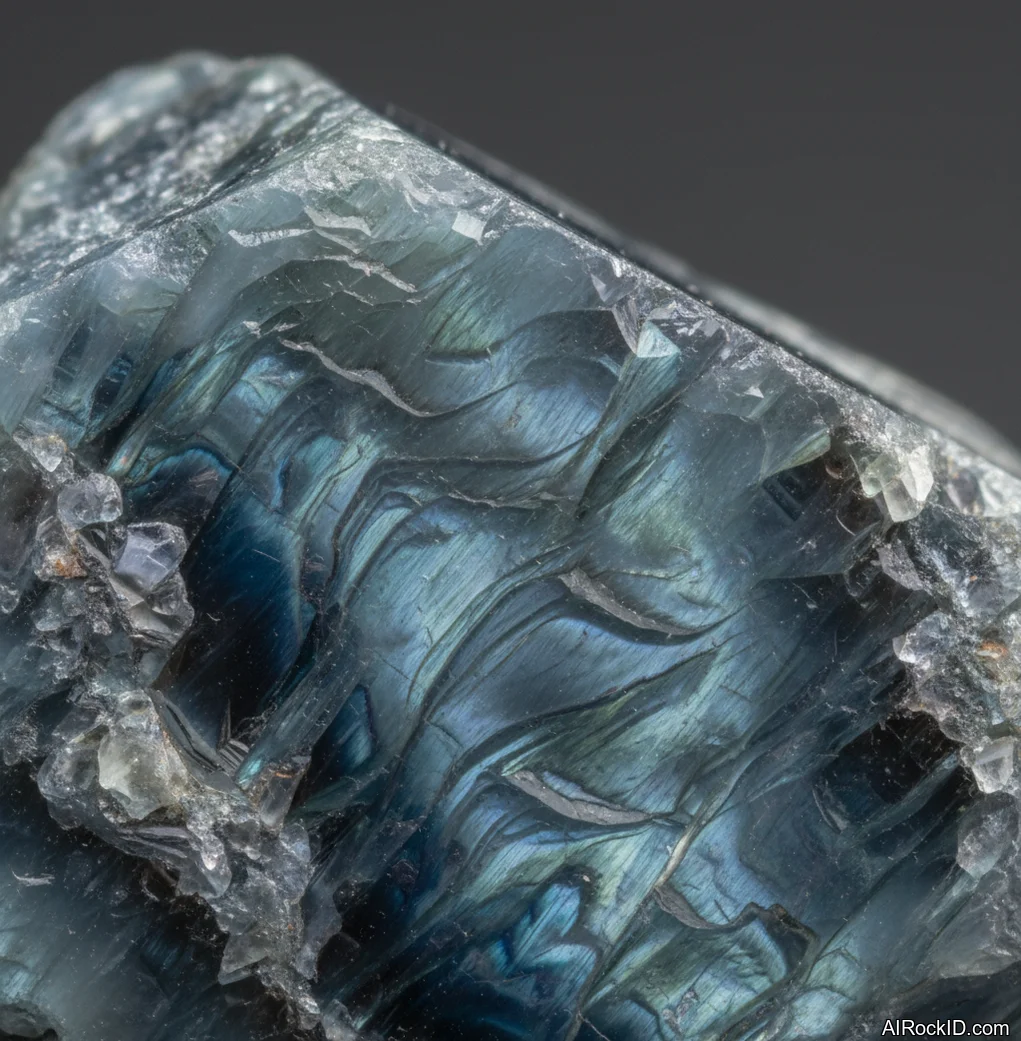
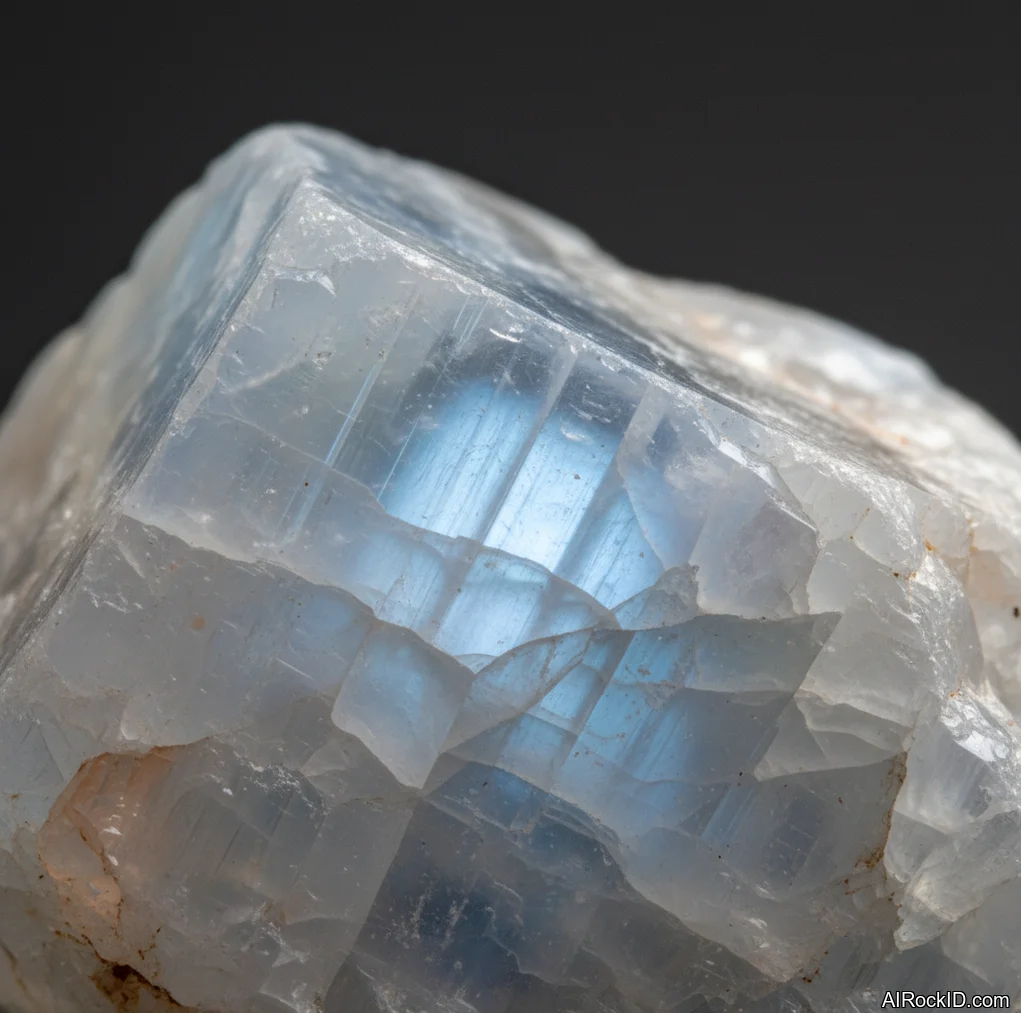
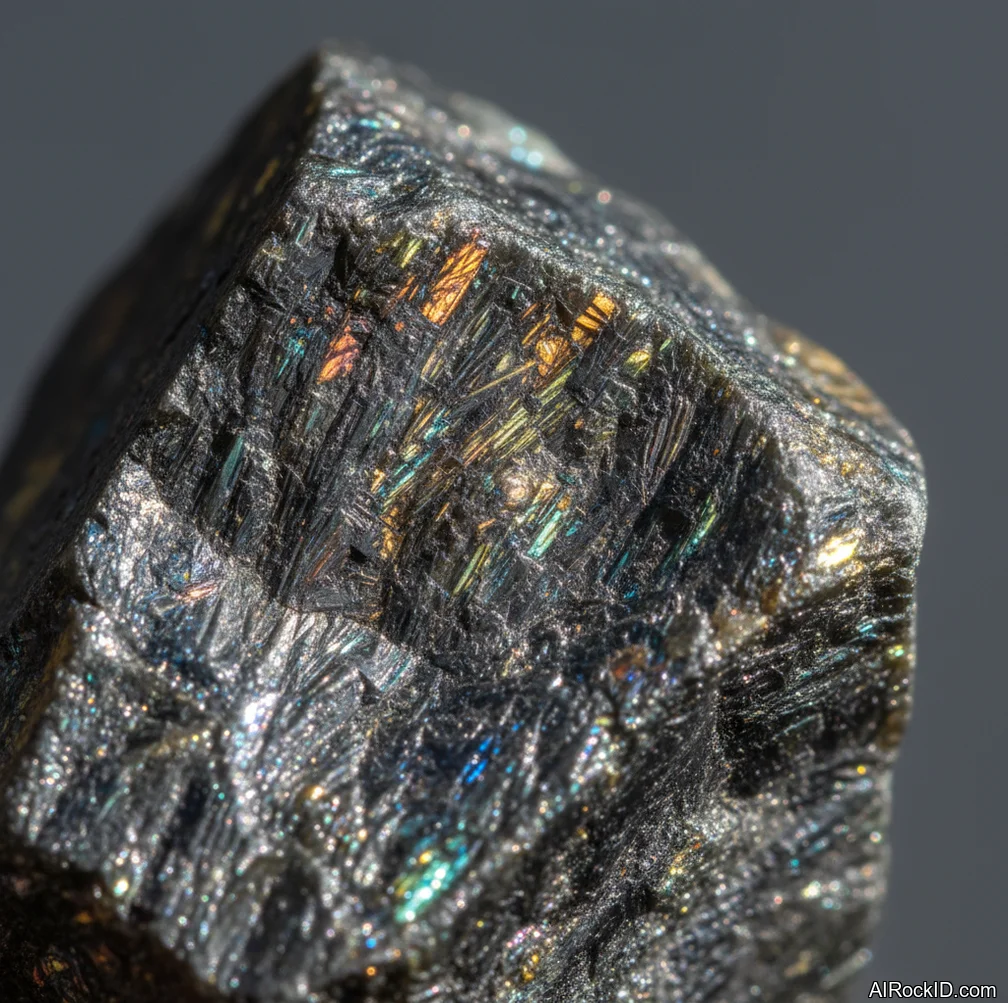
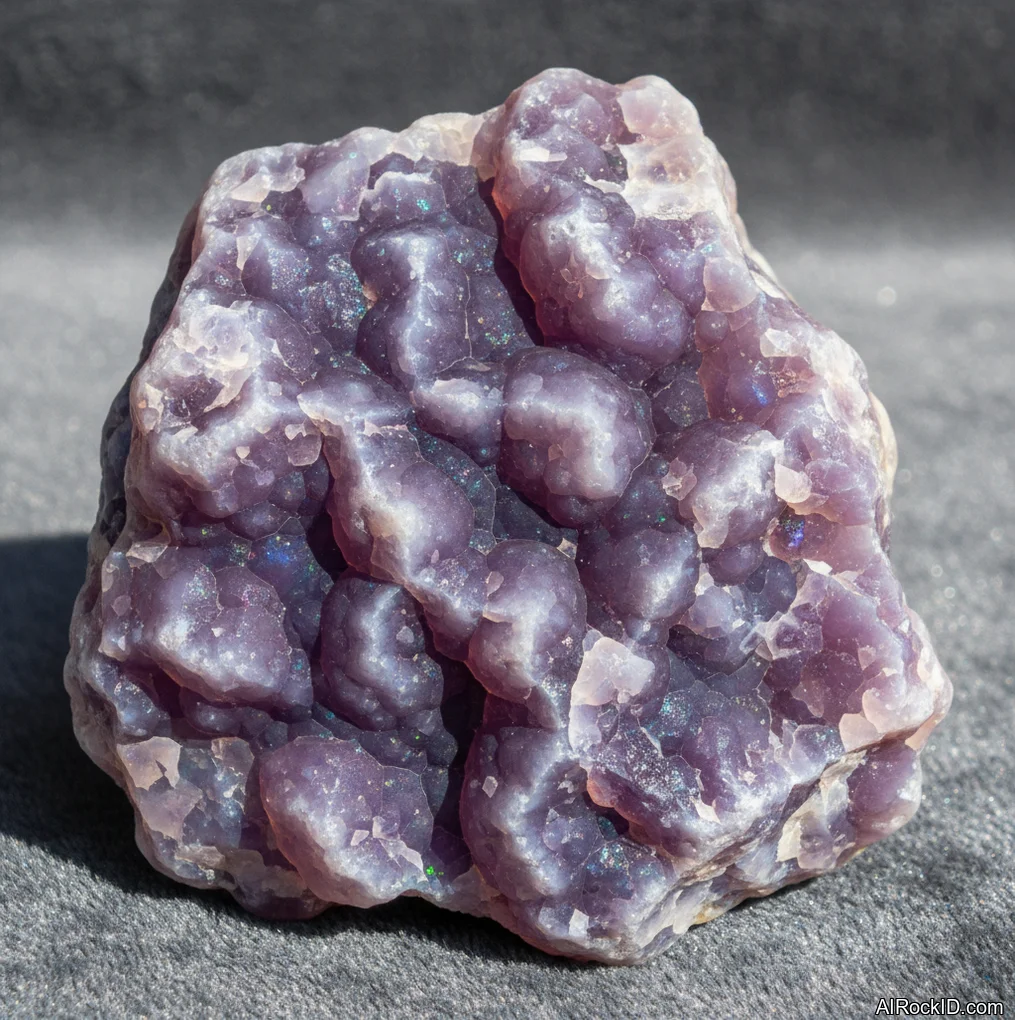
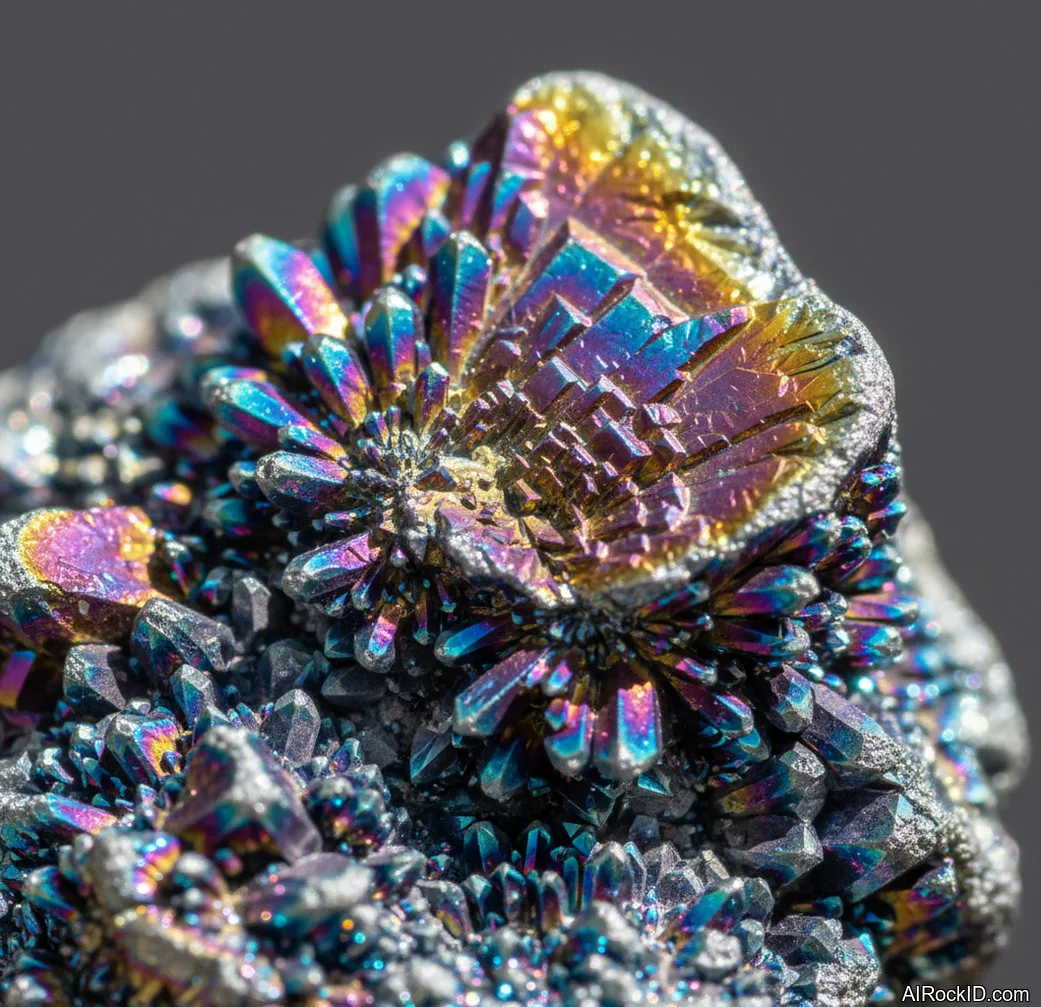
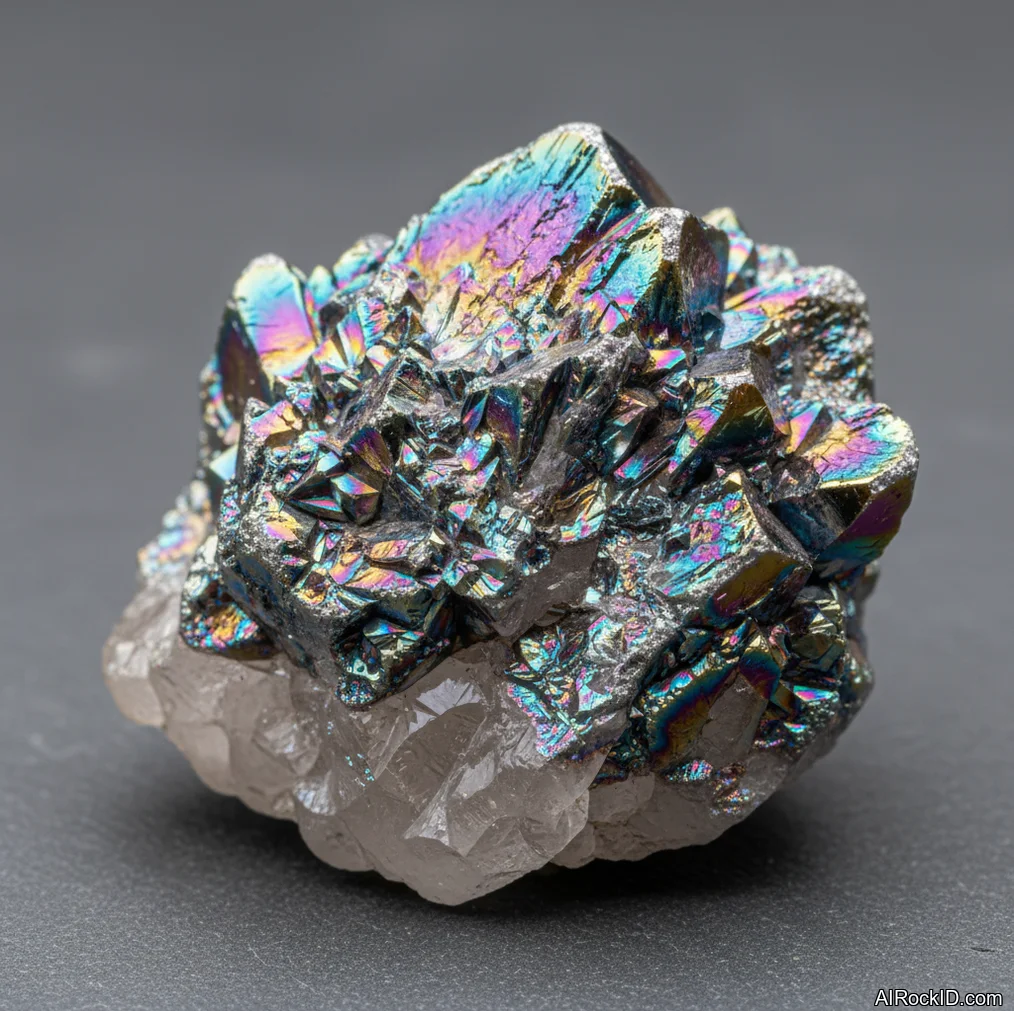
Insight, when you talk crystals, isn't about wishful thinking or fake optimism. It's that click moment—the one where something hidden finally stands out. If you've ever held labradorite, you know why it's on every Insight list. The flash, called labradorescence, isn't visible head-on. Sometimes you have to tilt it almost out of sight before the blue-green fire jumps out. That lines up with how Insight feels: you can't force it, and it never shows up when you're pushing too hard. I've seen buyers dismiss a piece as dull, only to have it come alive under a phone flashlight. The trick is moving the slab around, letting the light catch every angle. Some spots will look dead gray, others will explode in color. So if you're shopping for labradorite, don't judge it flat on a table—pick it up, spin it, look for that hit of color that feels like a lightbulb turning on.
Top Insight Crystals and What Sets Them Apart
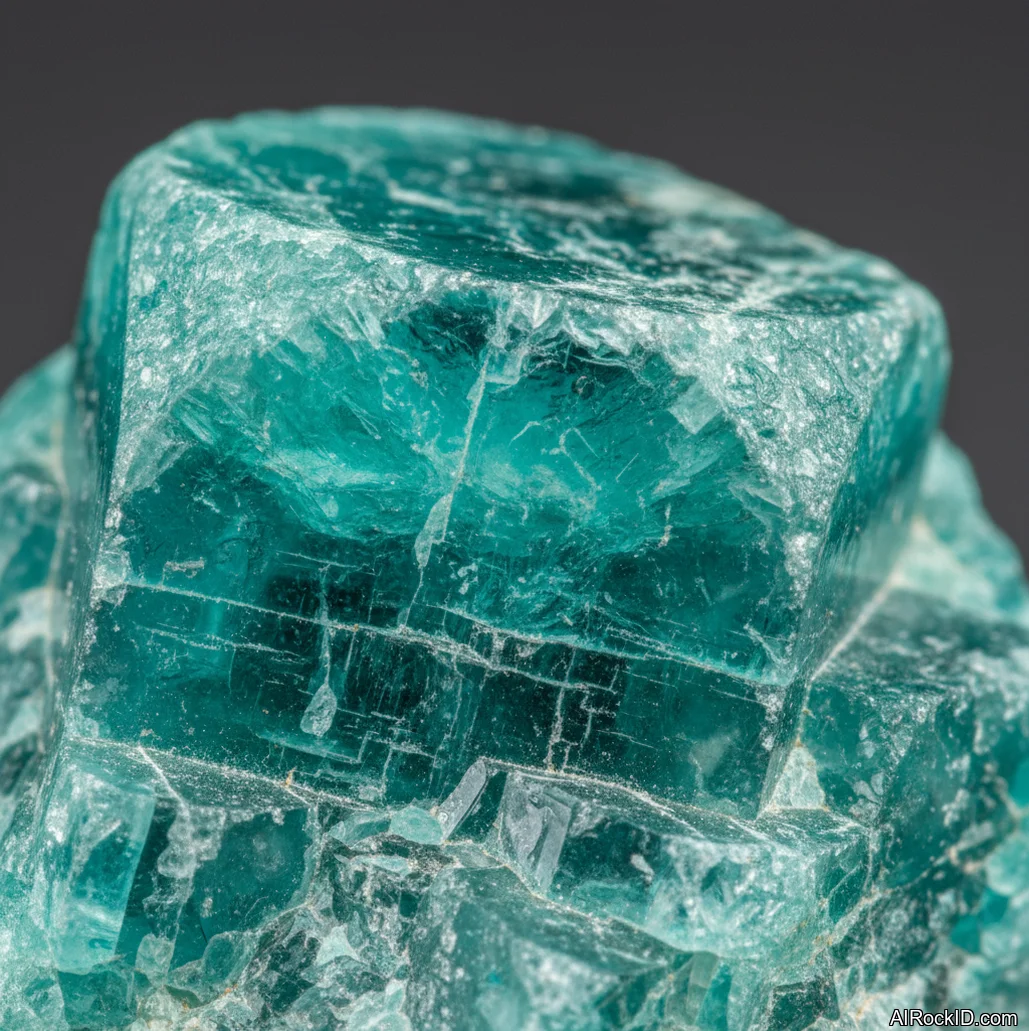
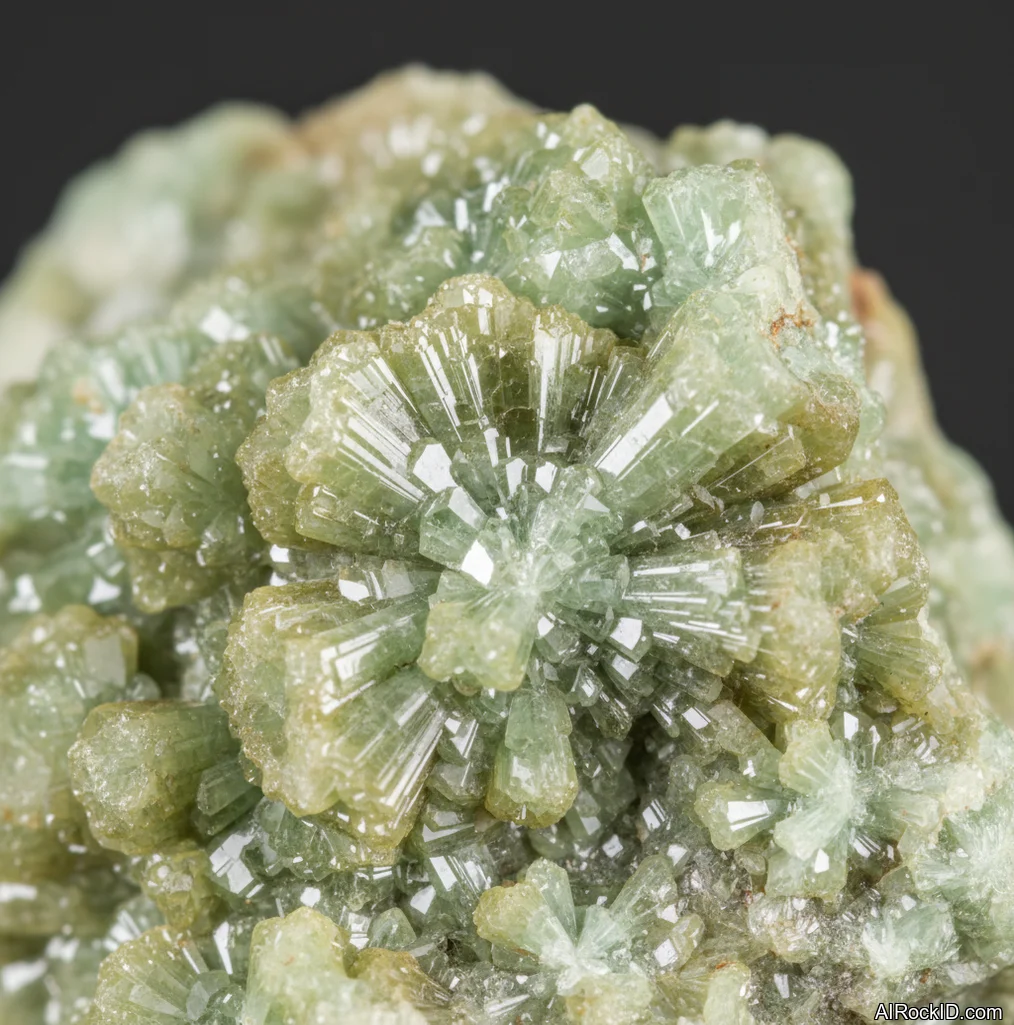
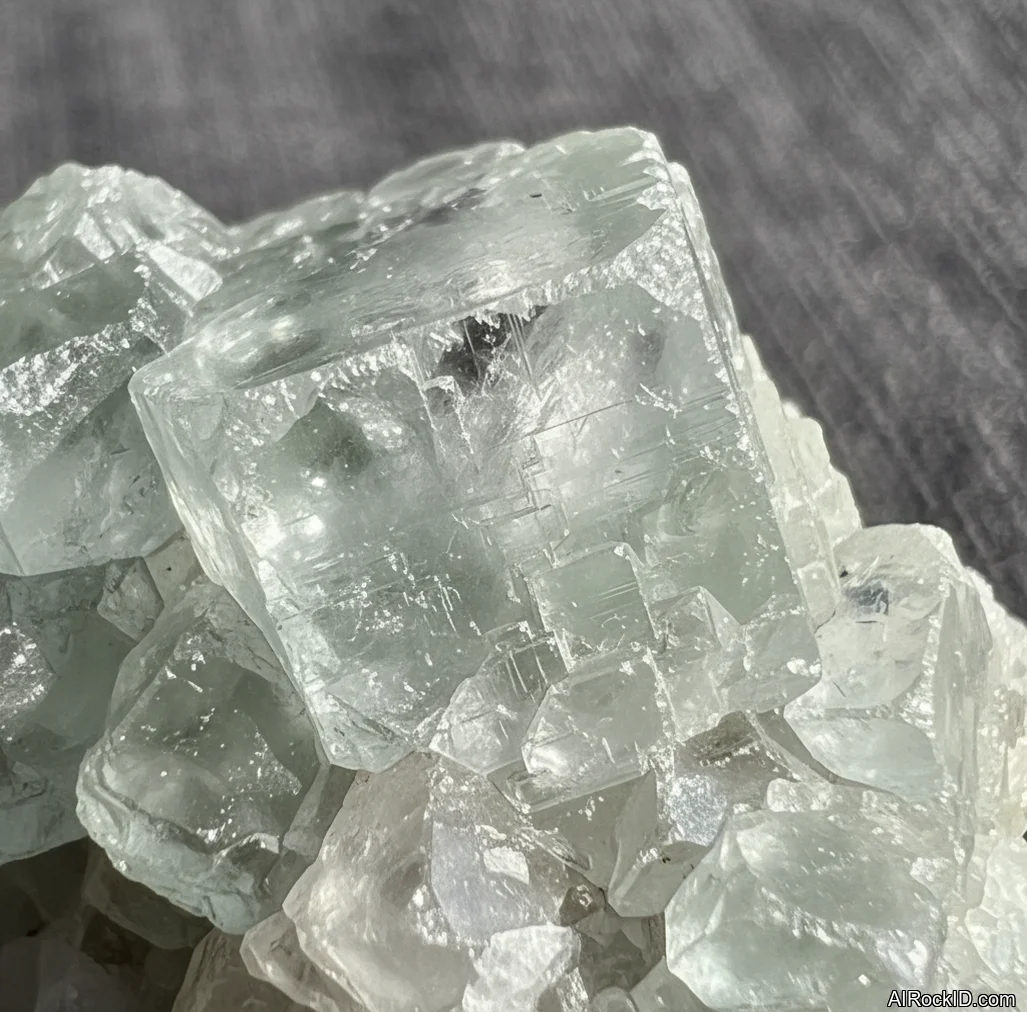
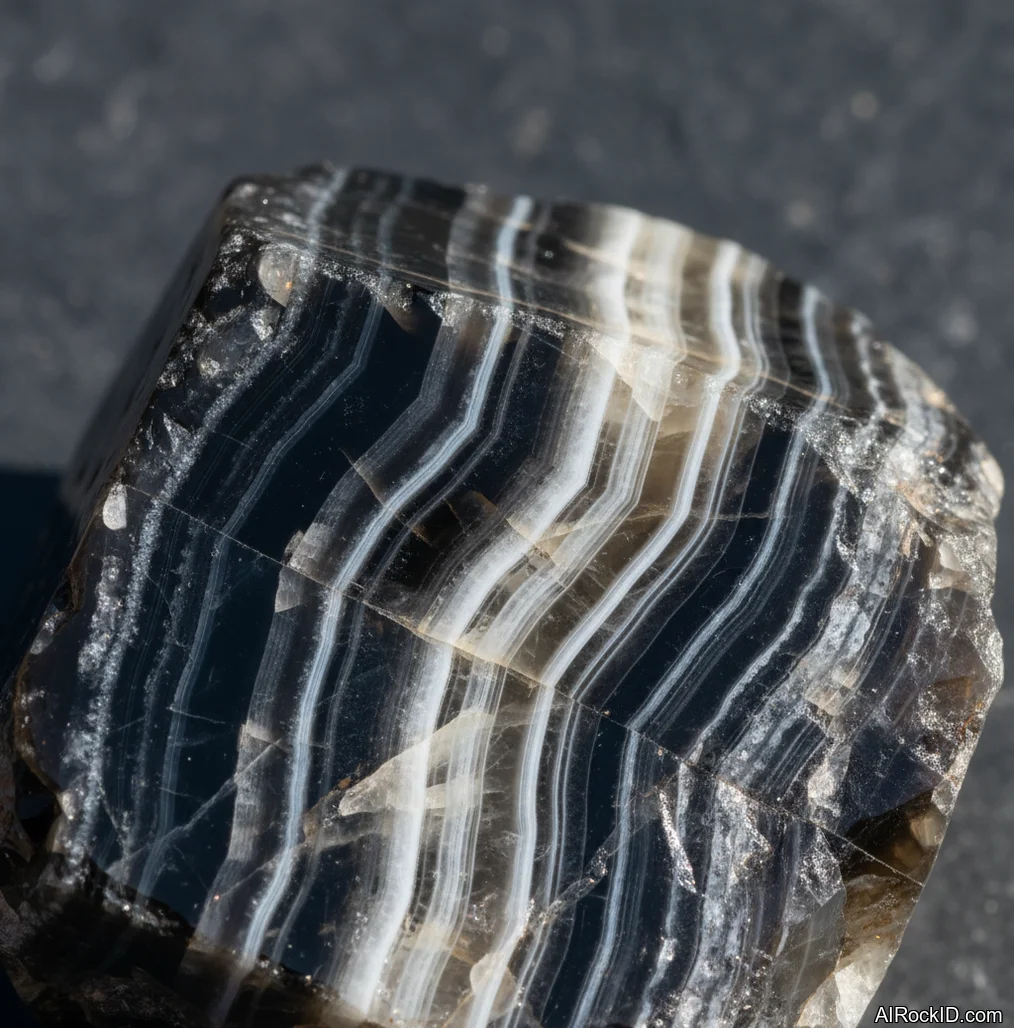
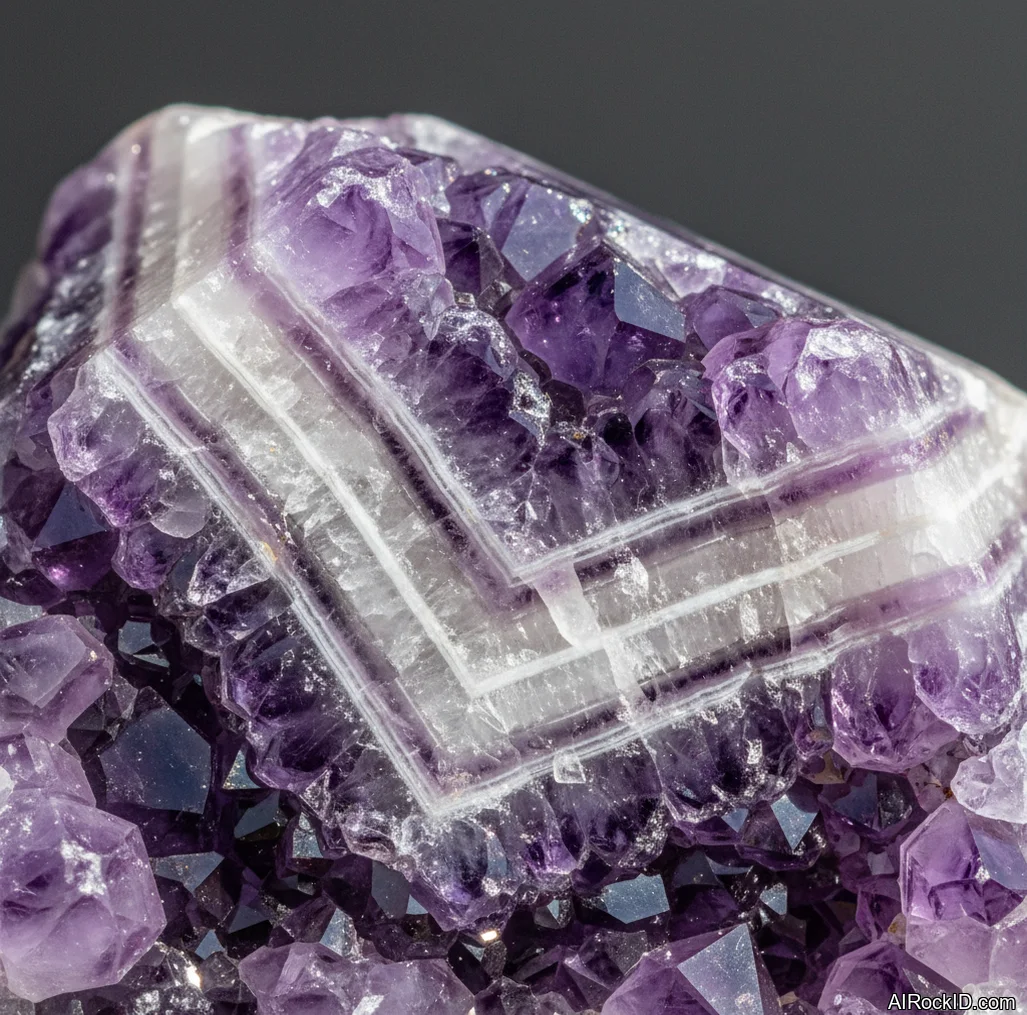
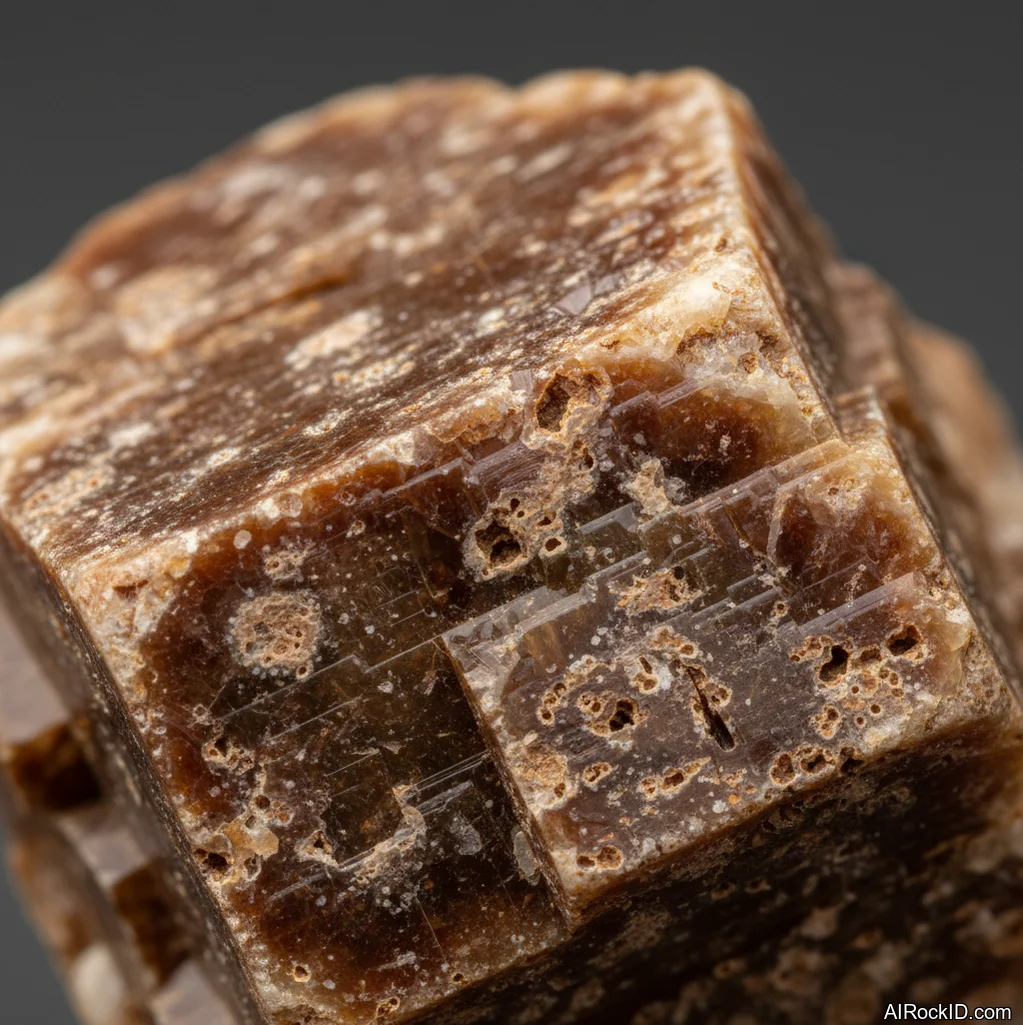
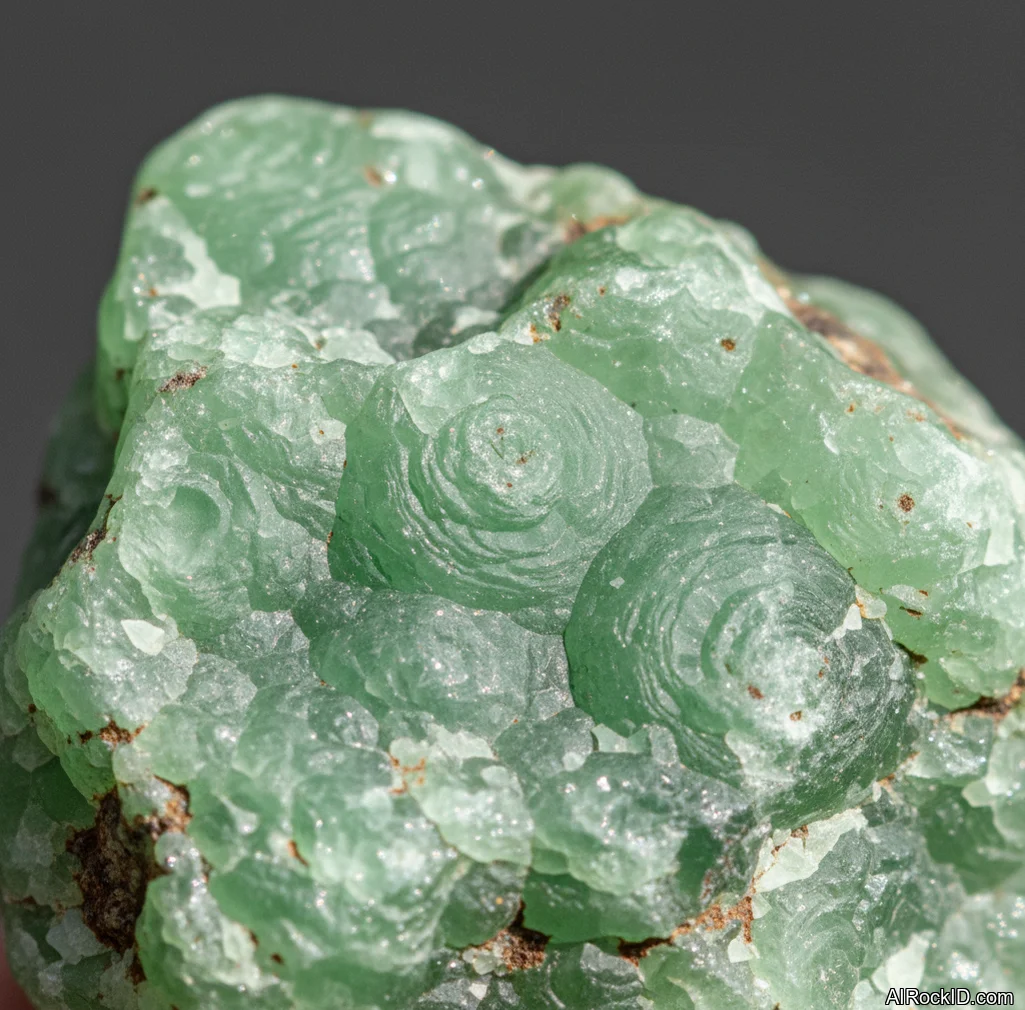
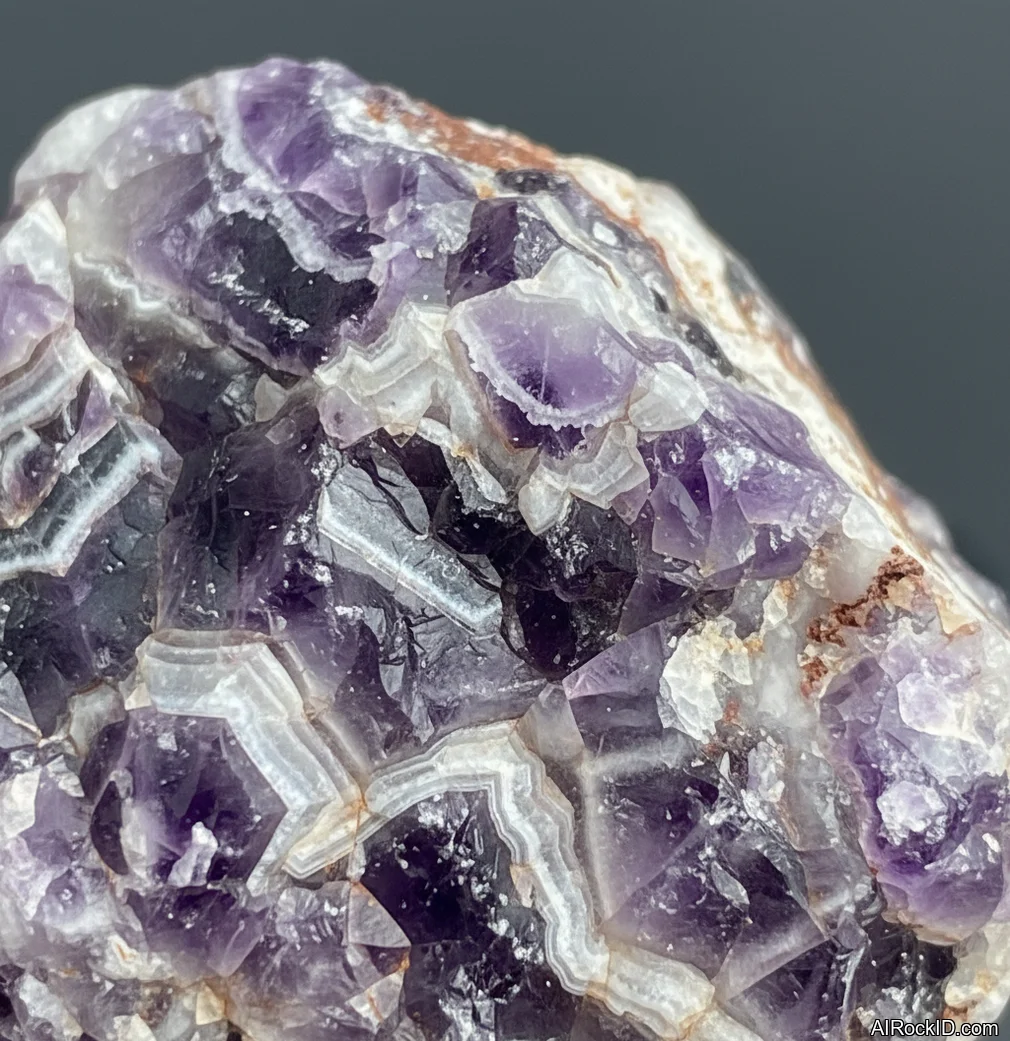
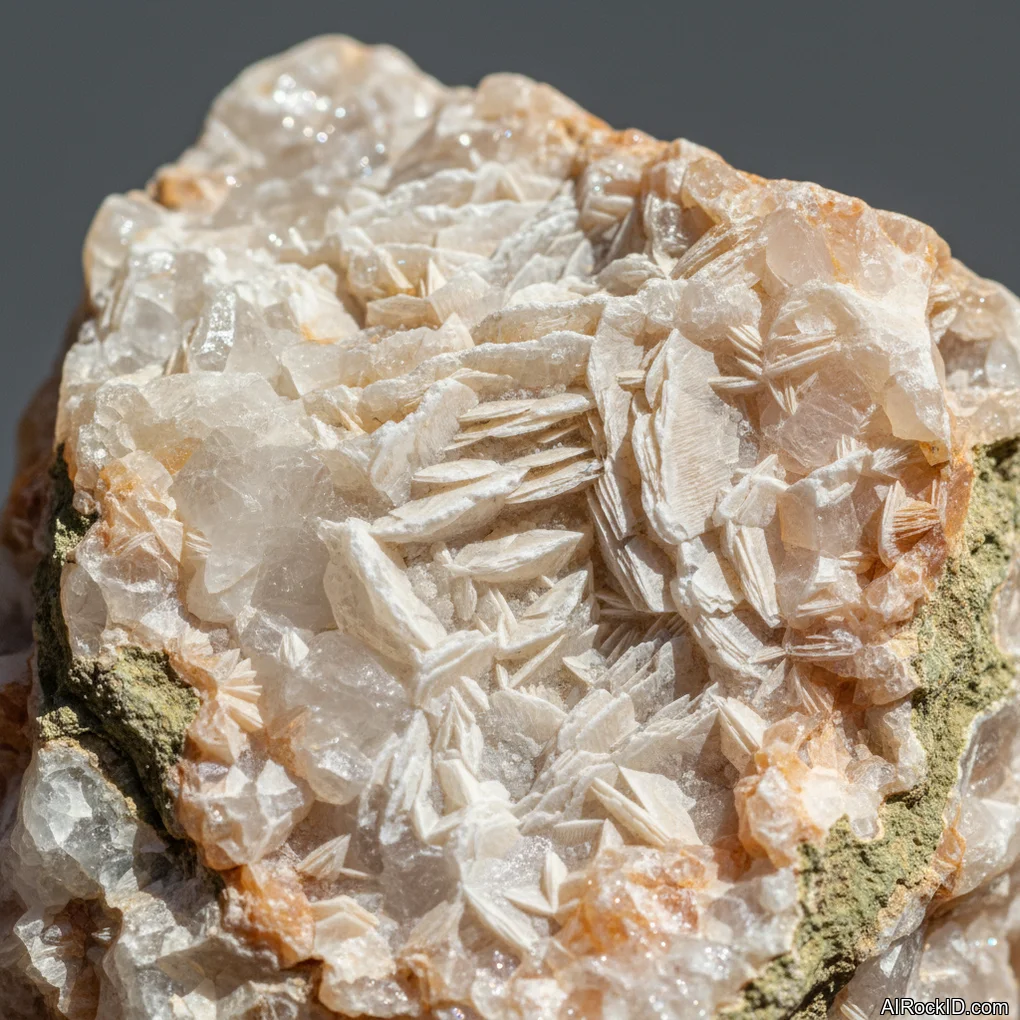
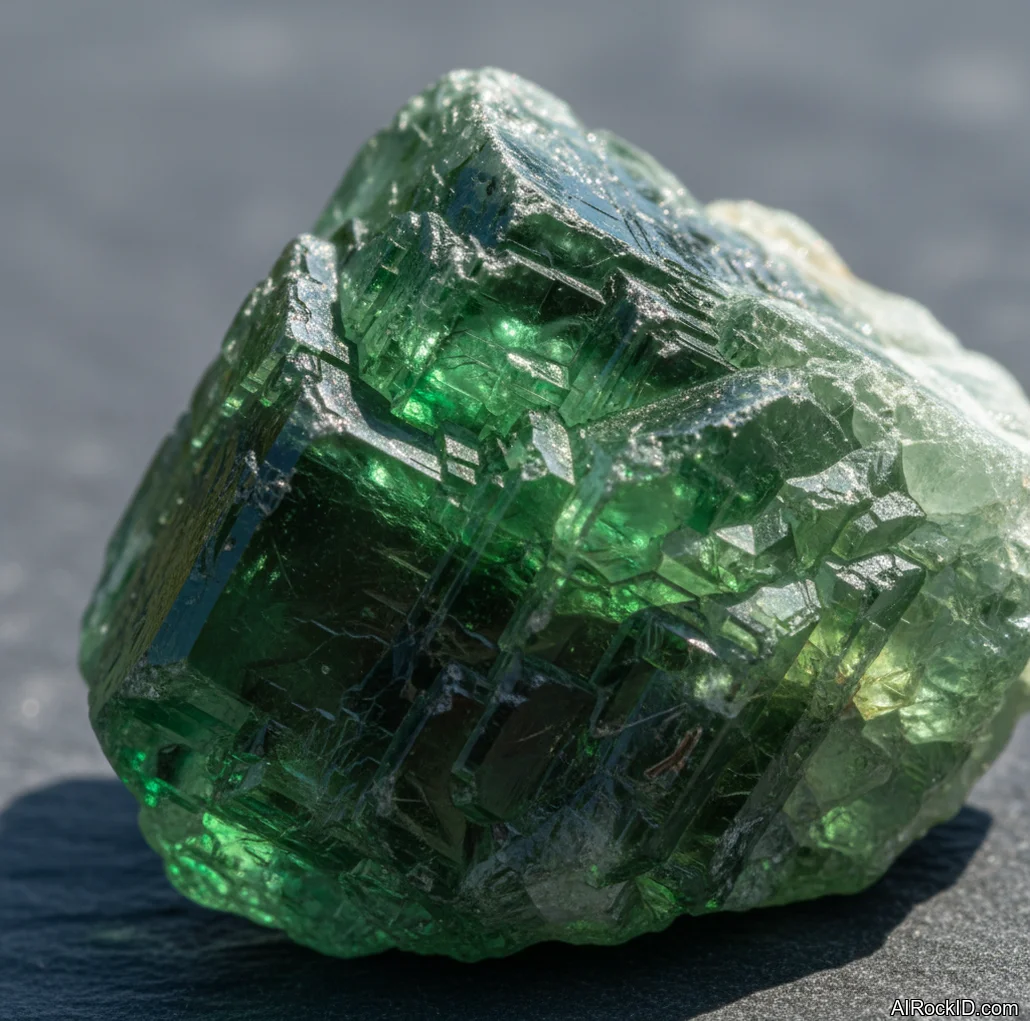
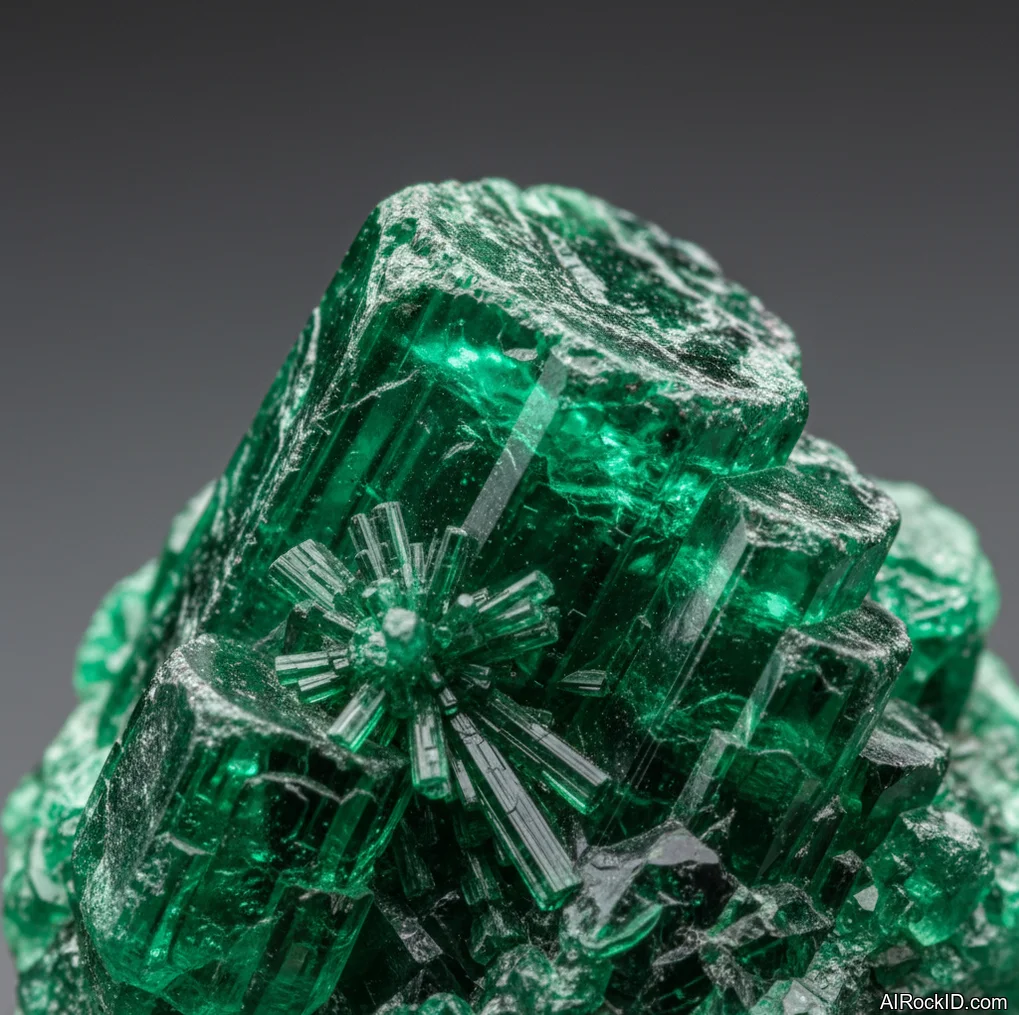
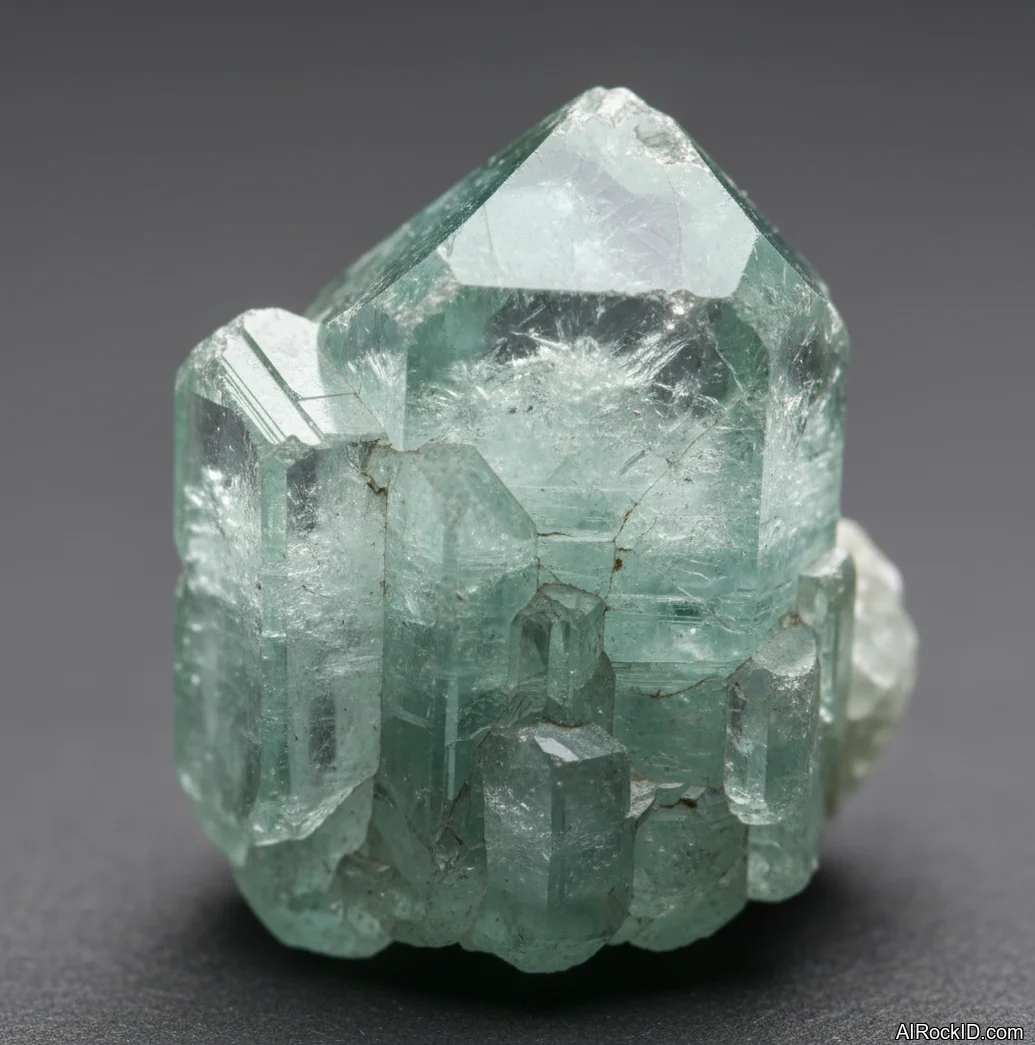
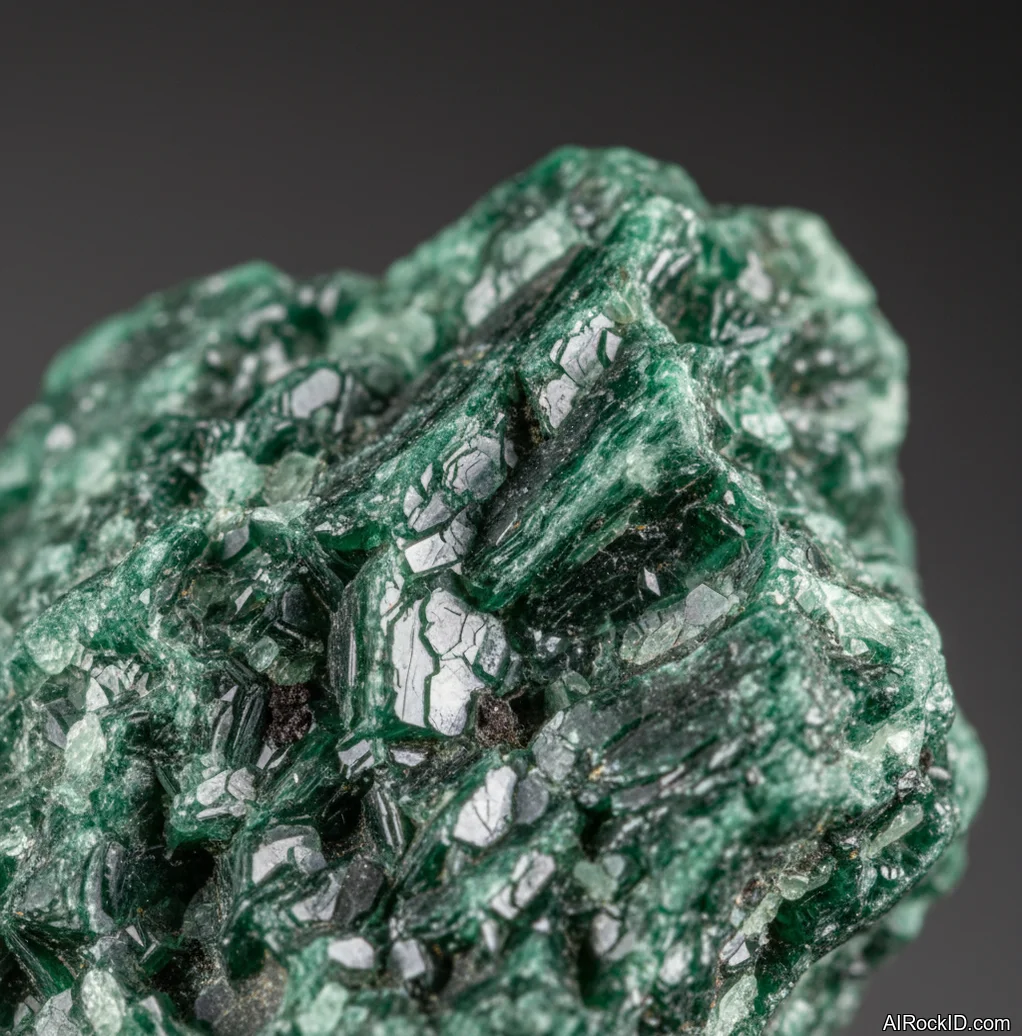
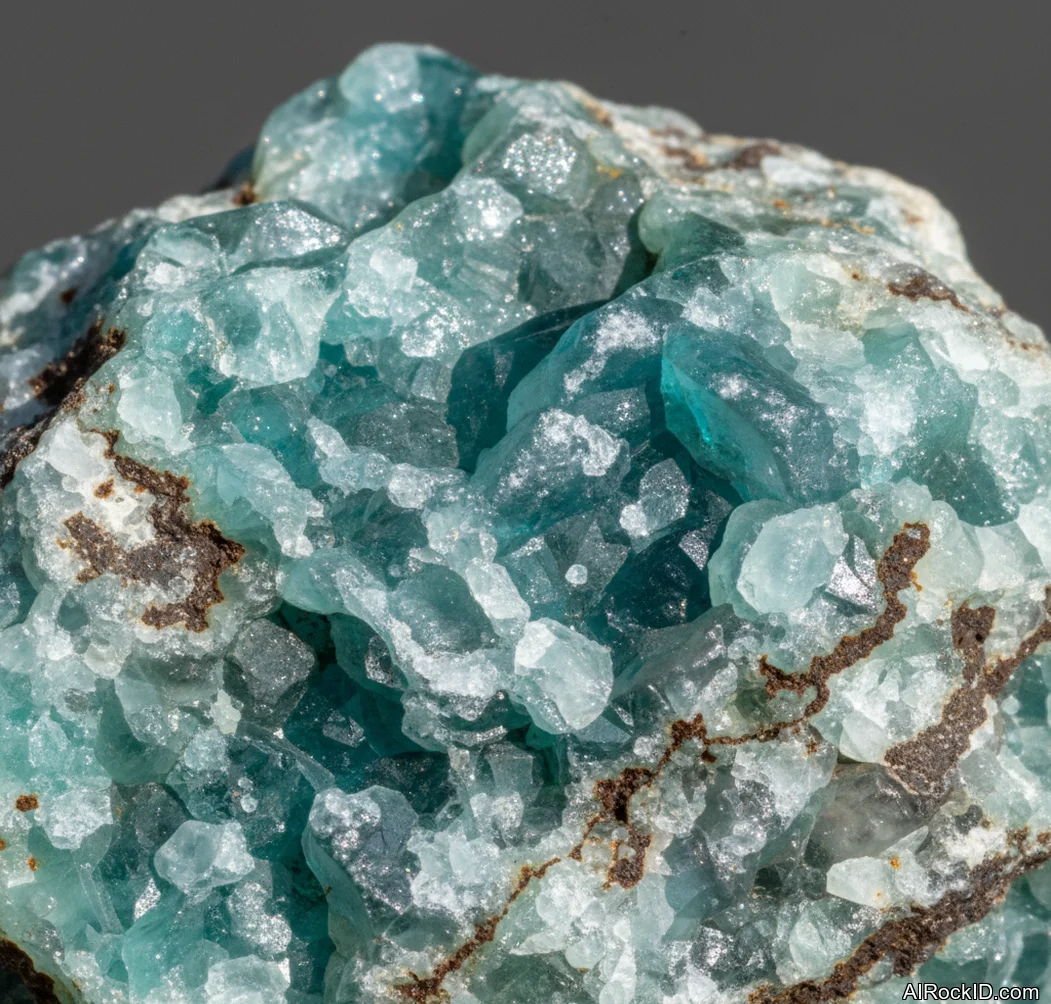
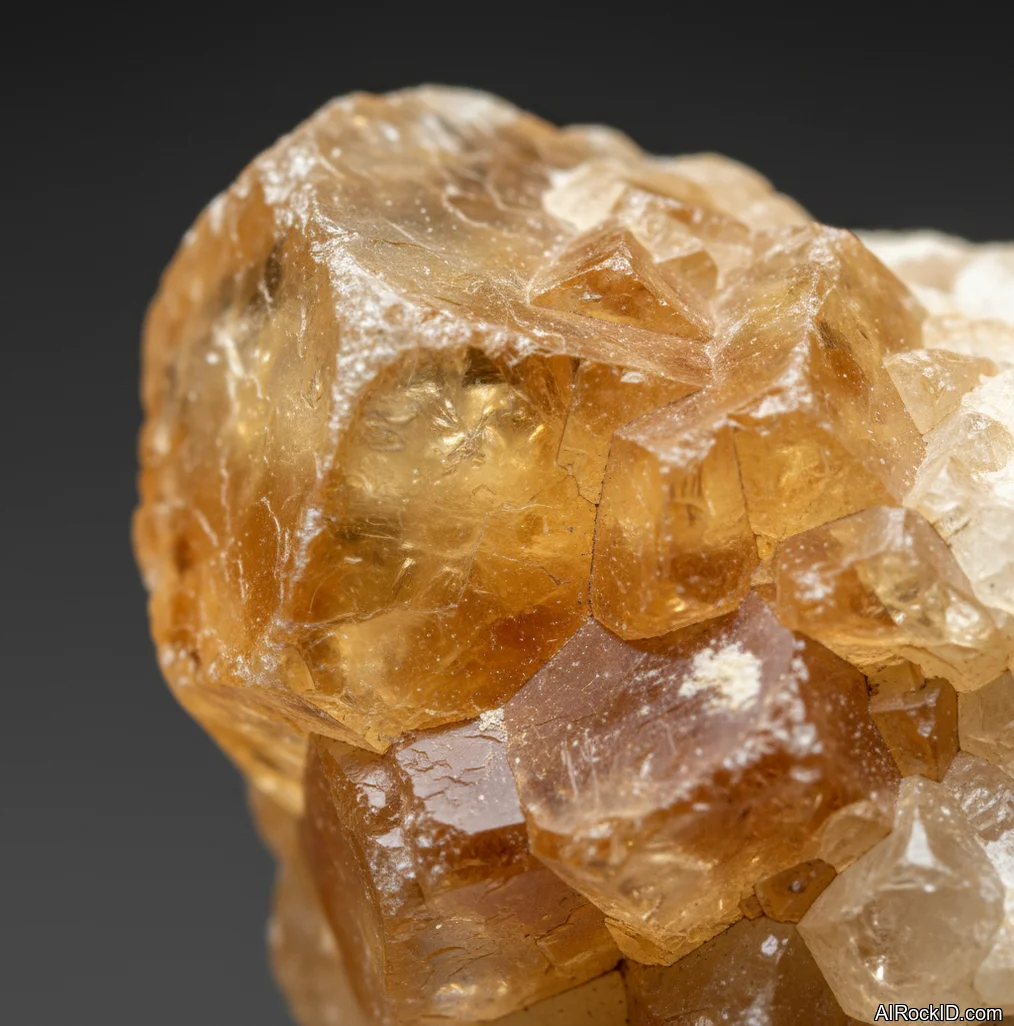
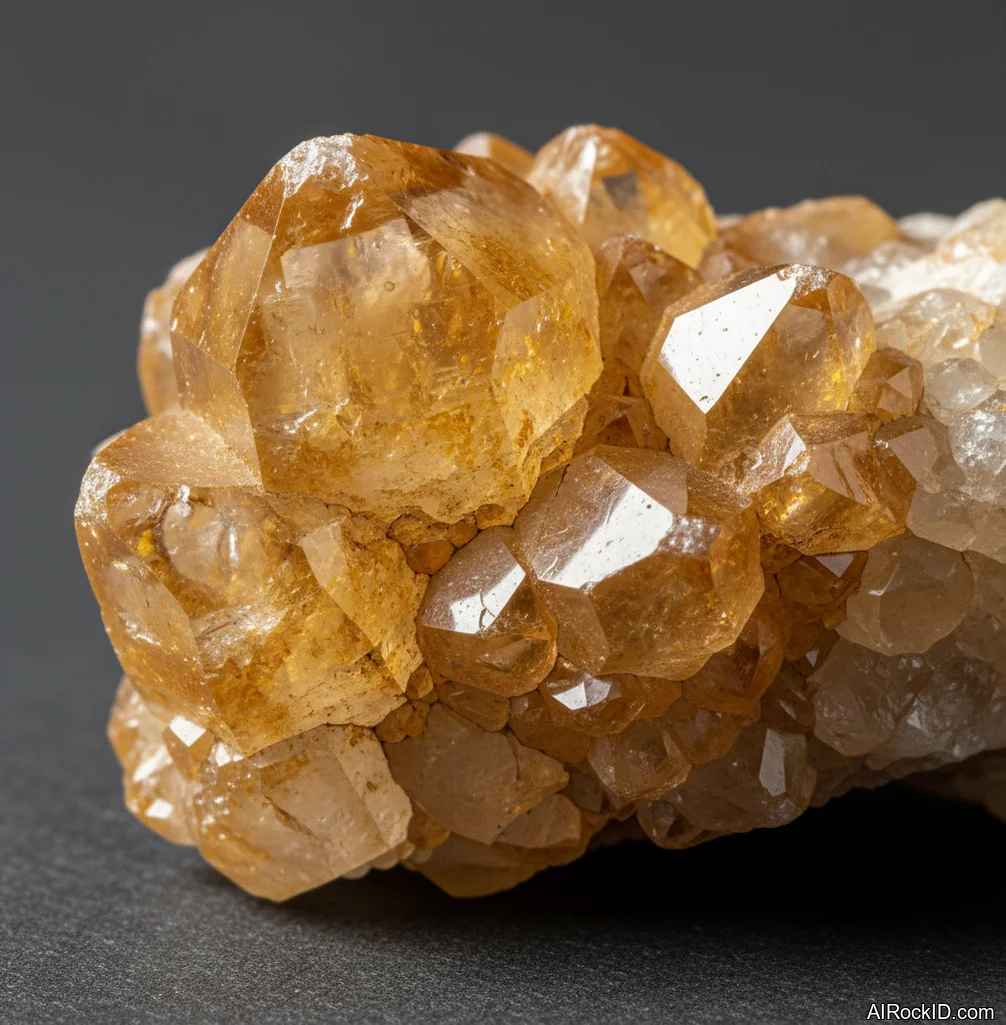
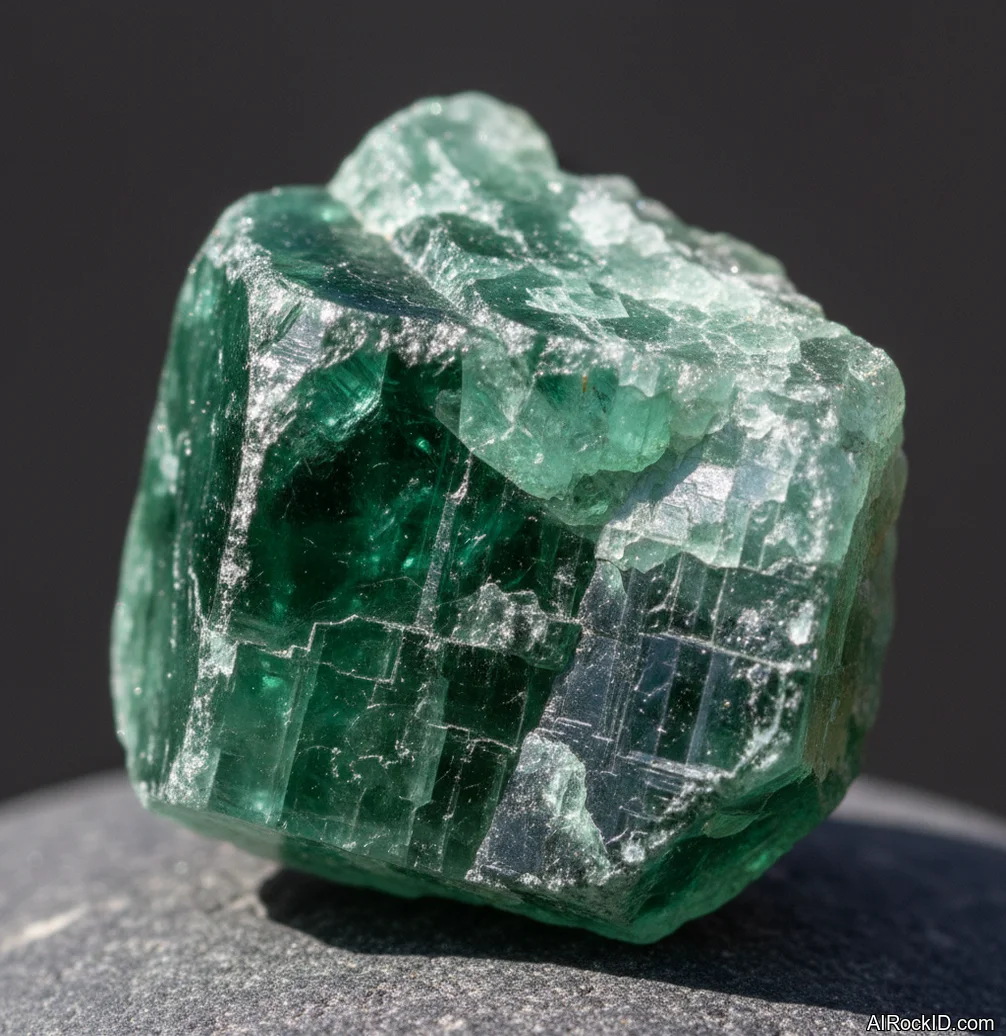
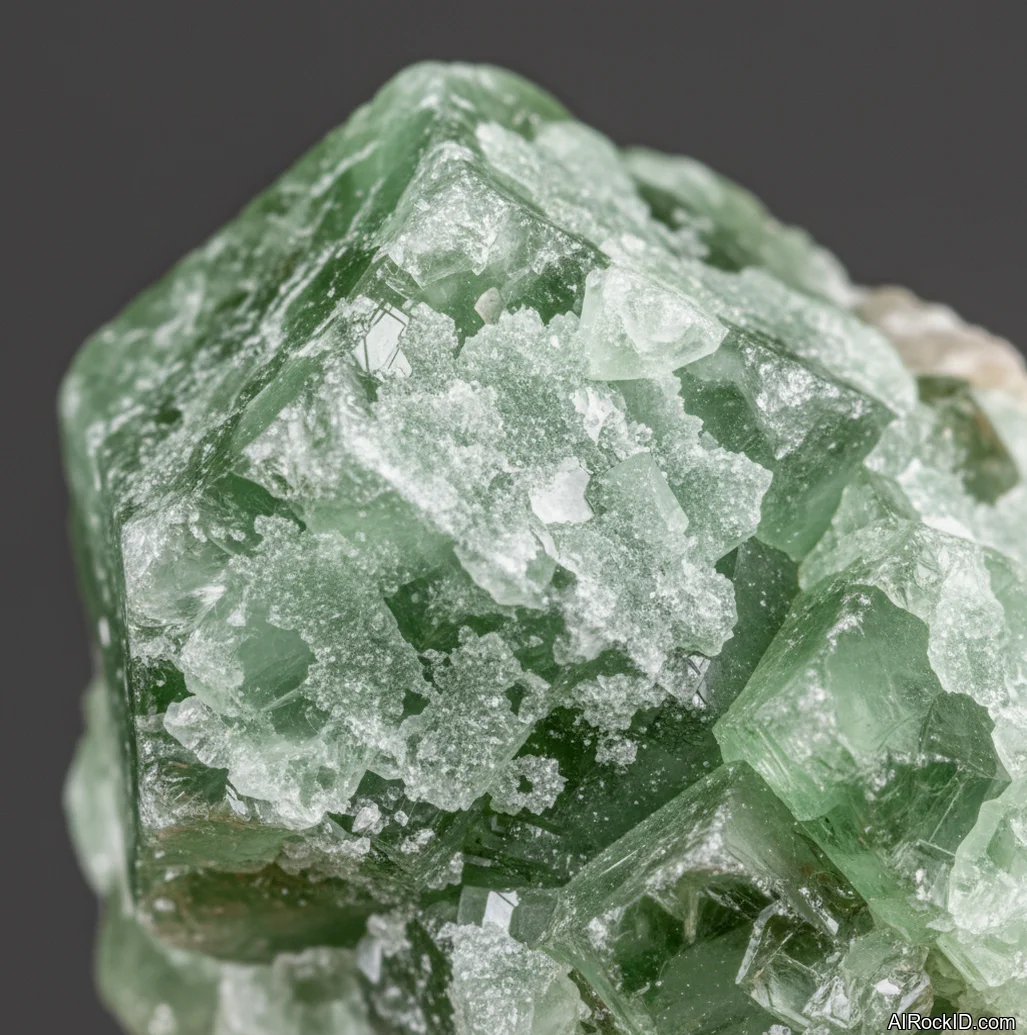
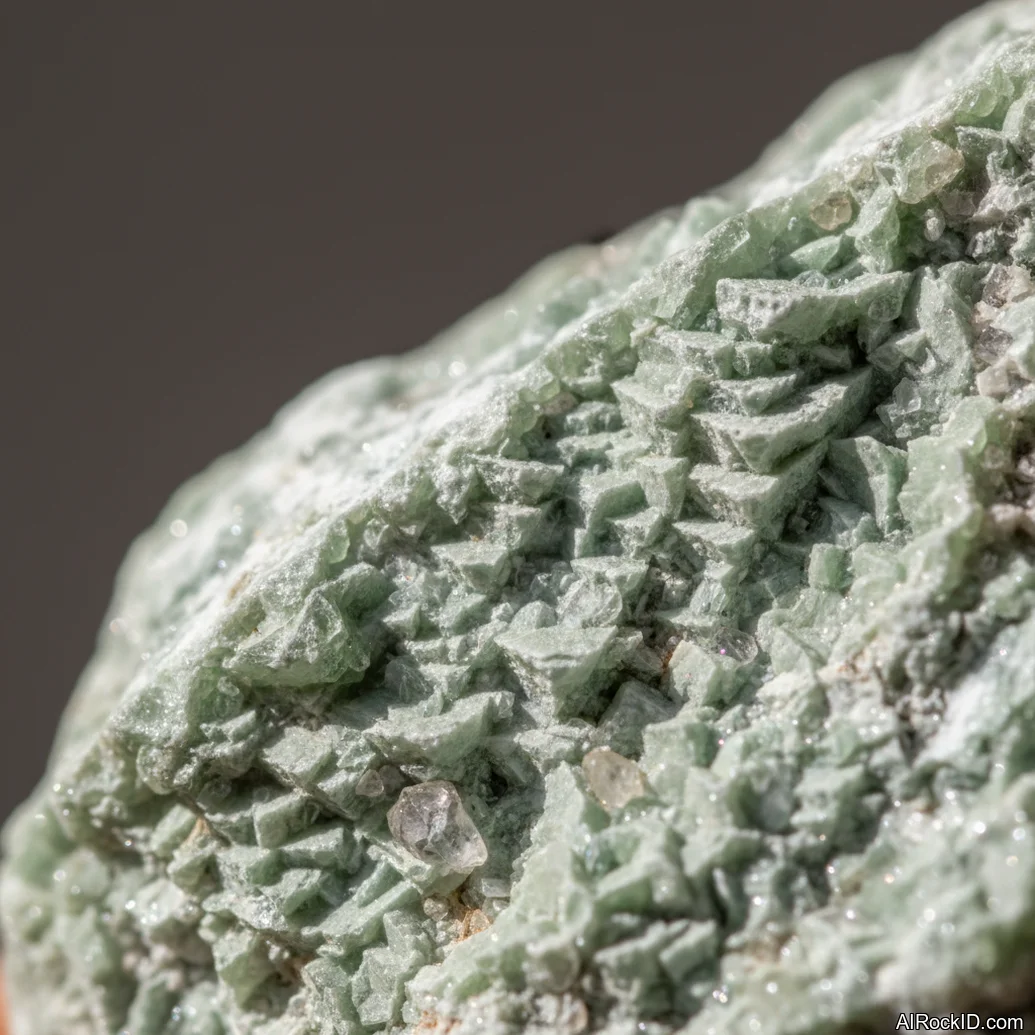
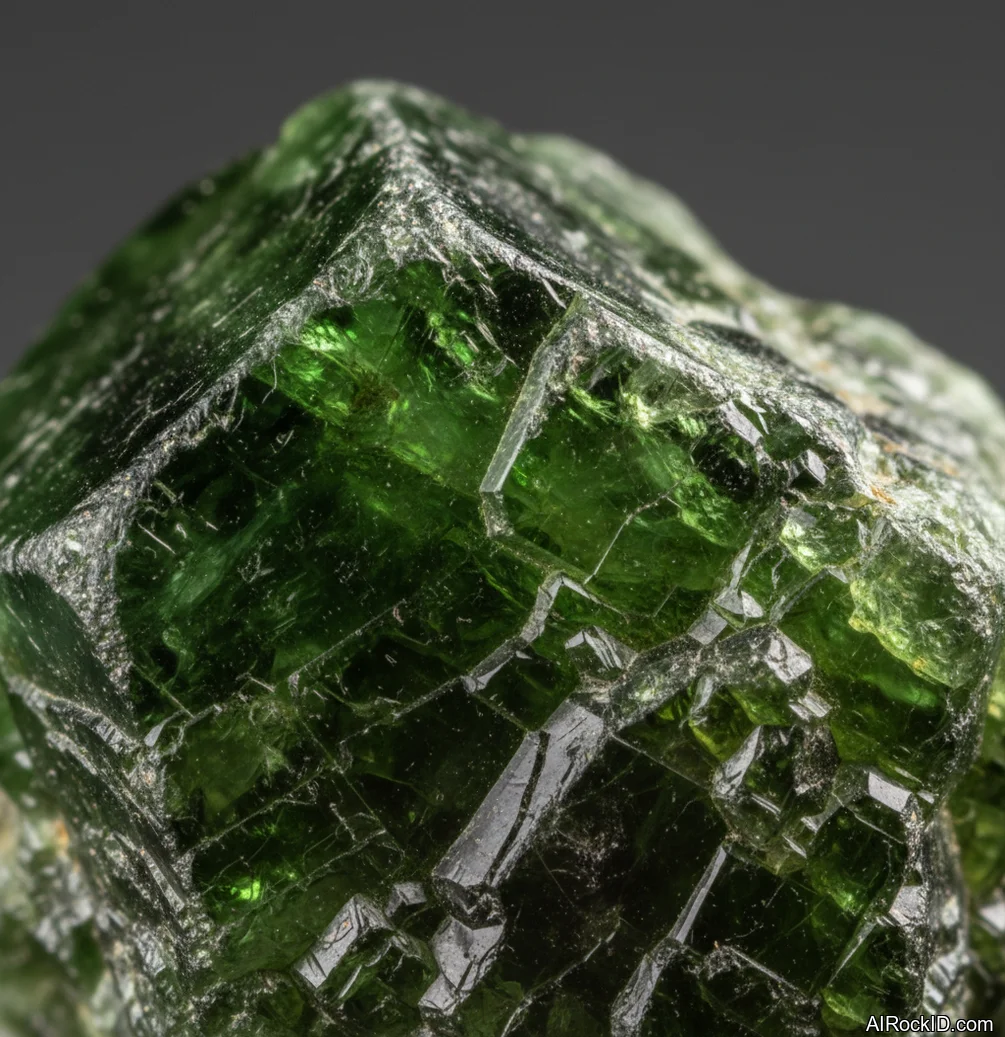
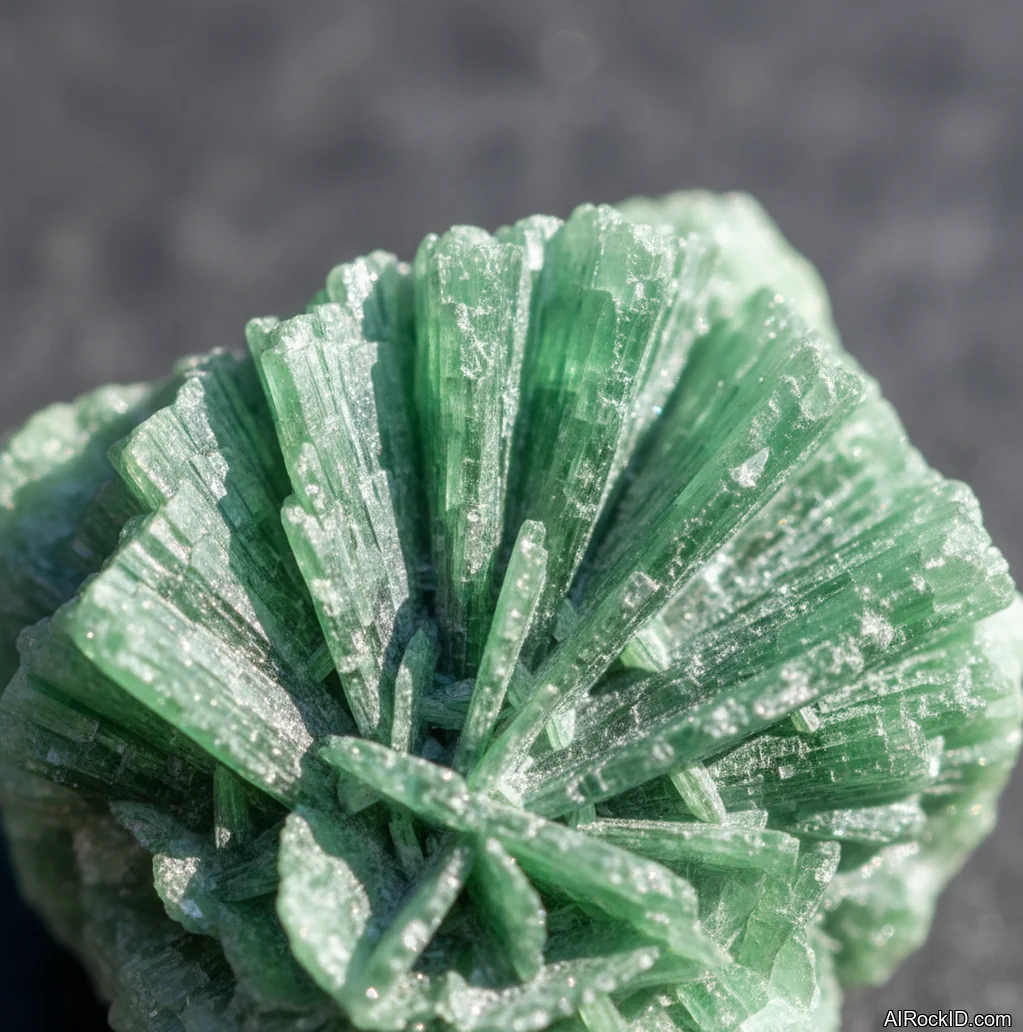
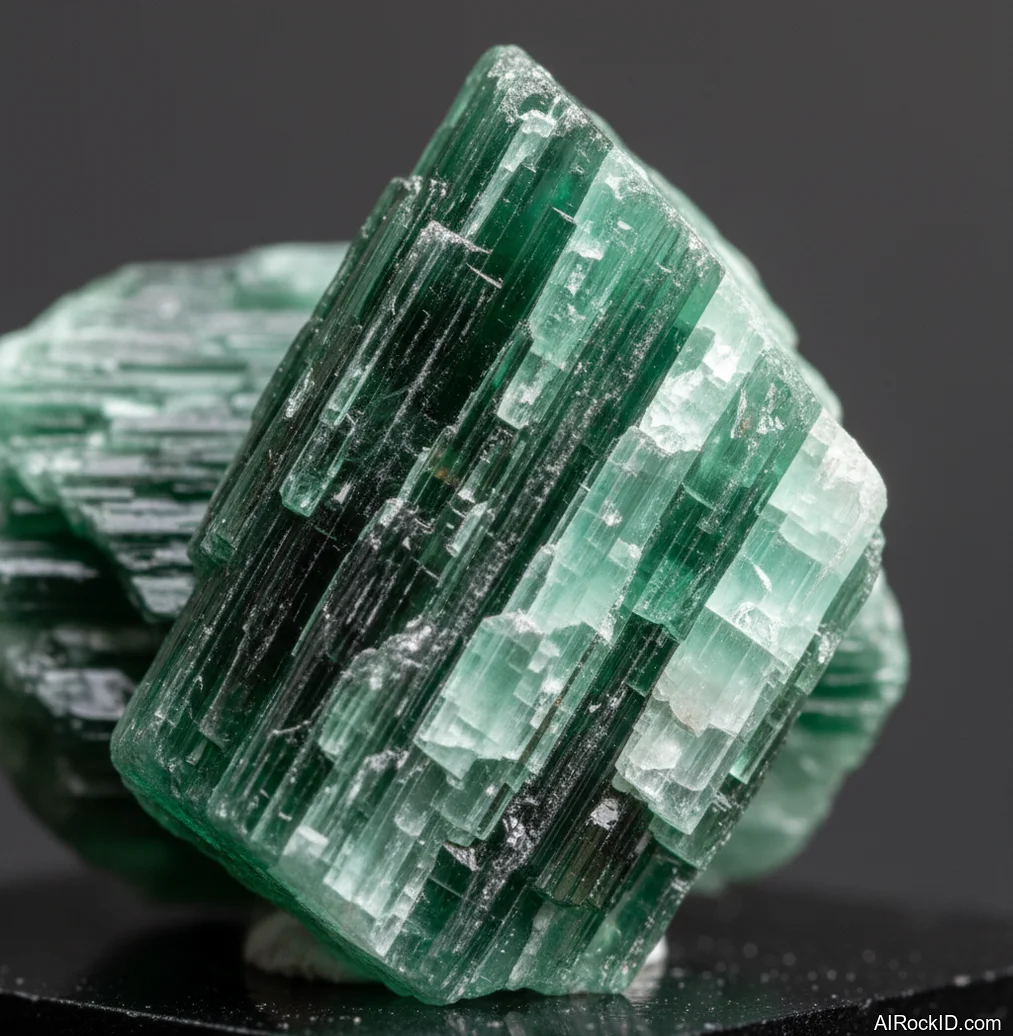
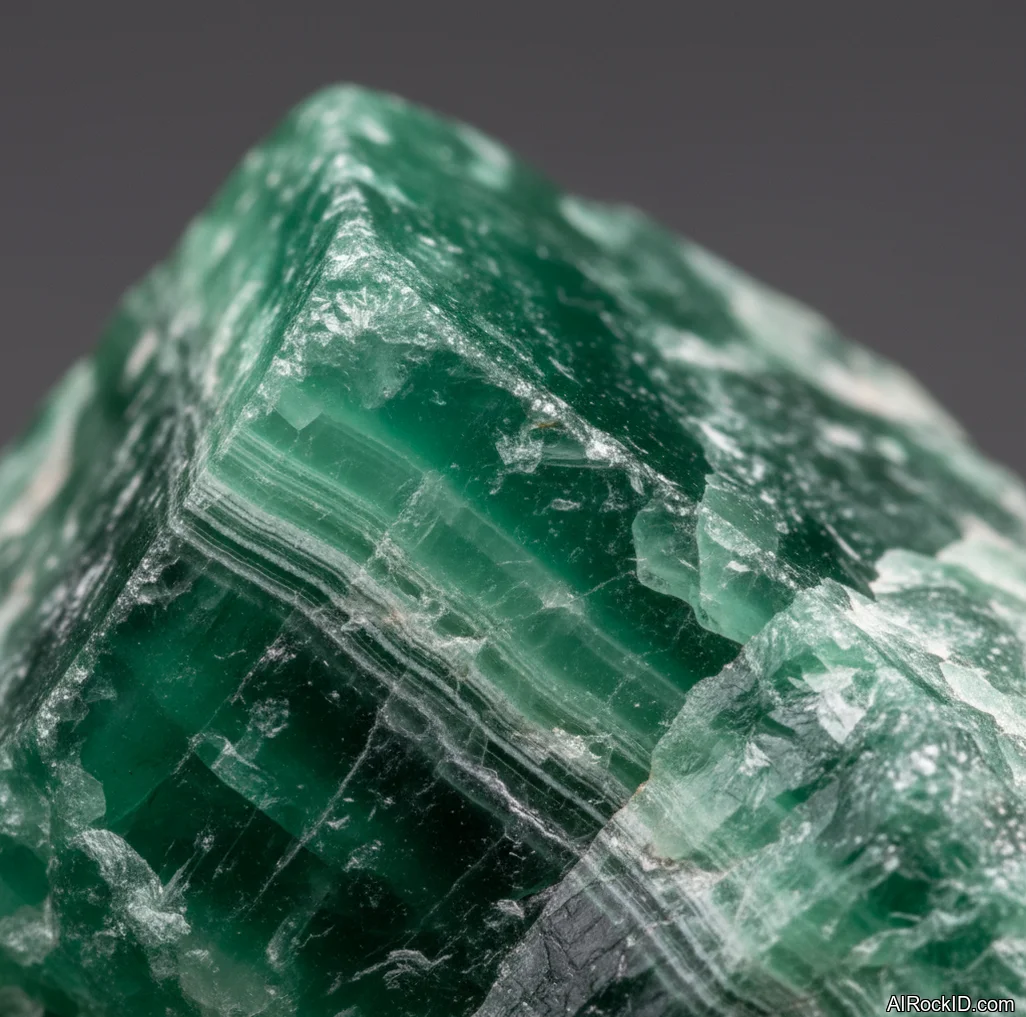
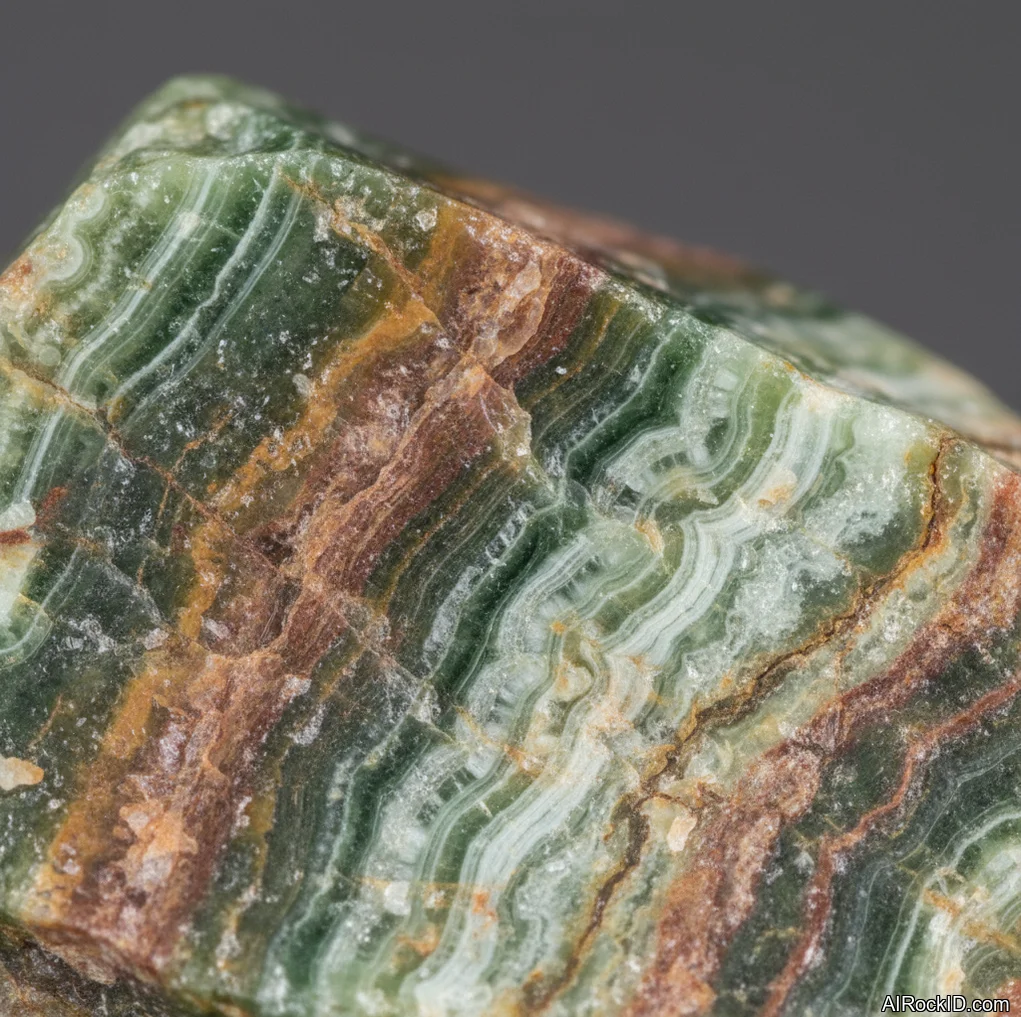
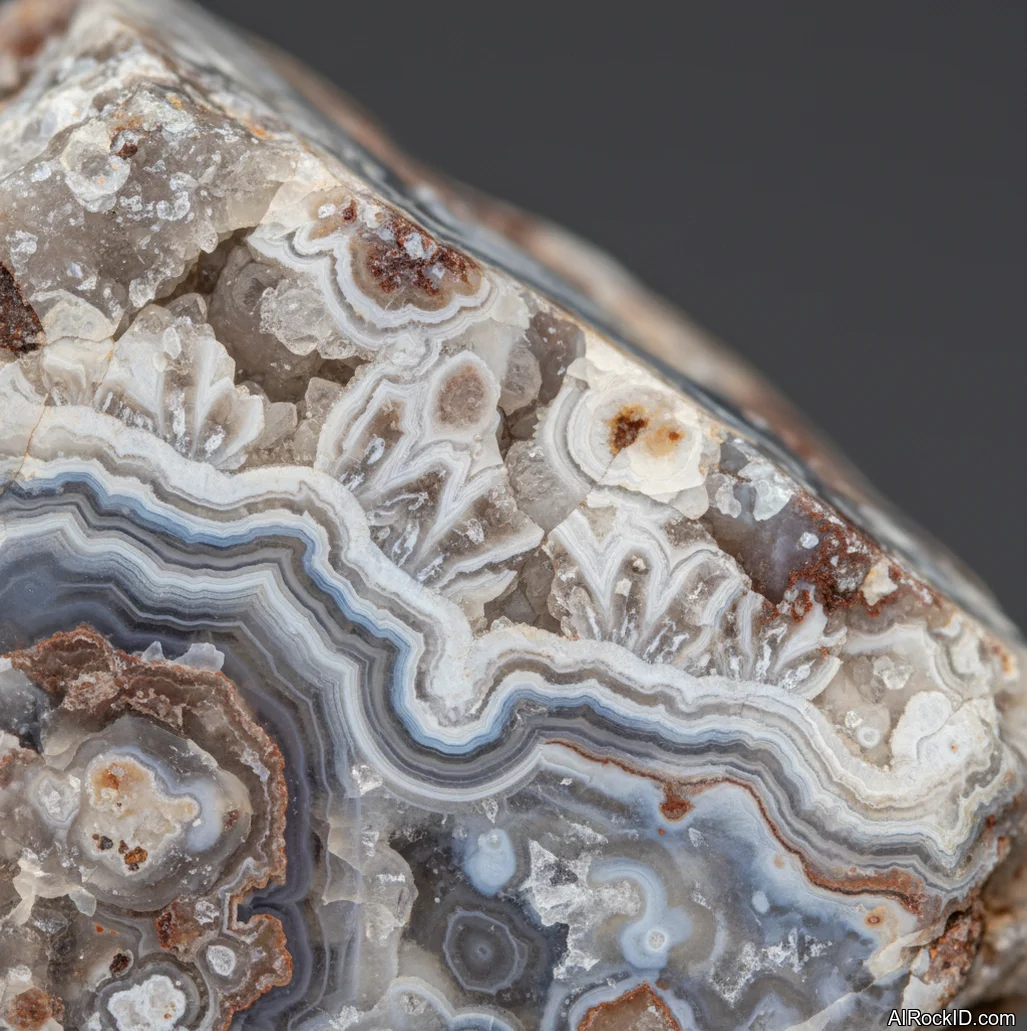
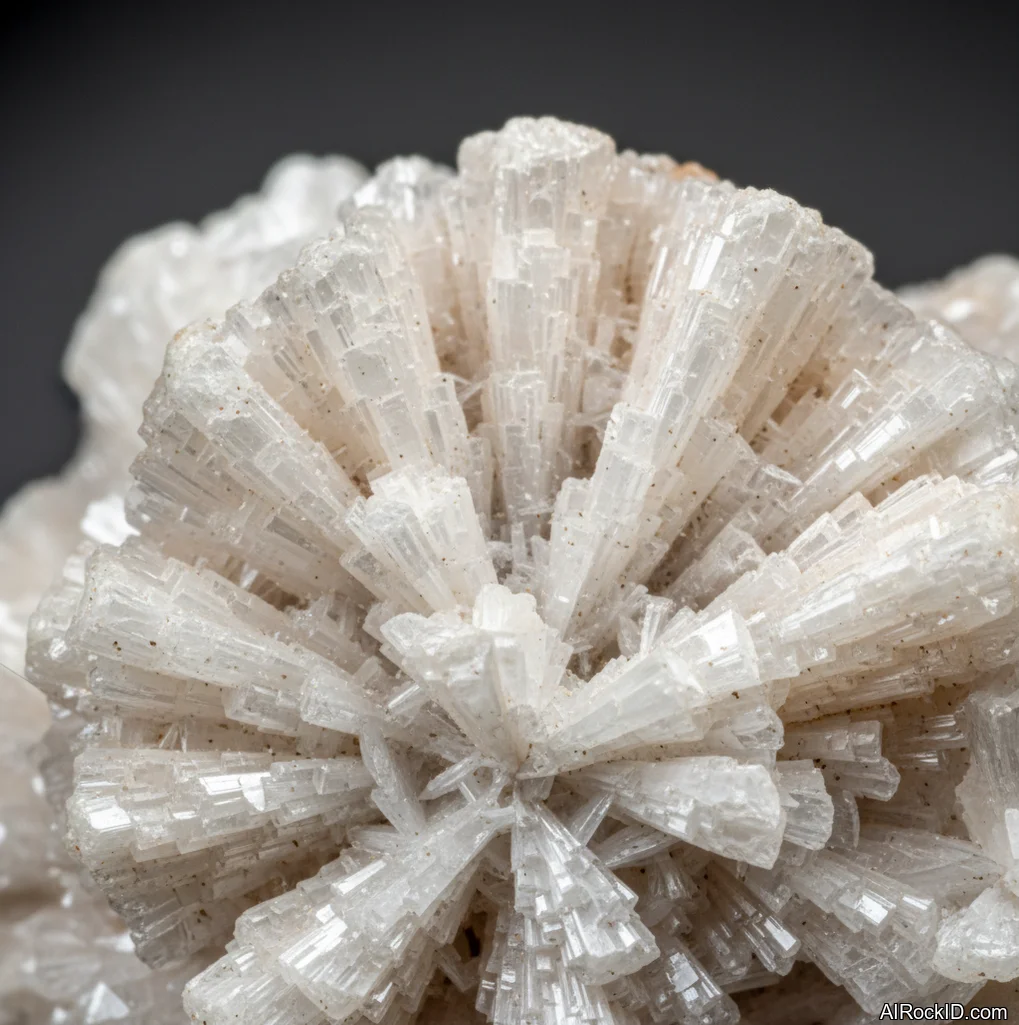
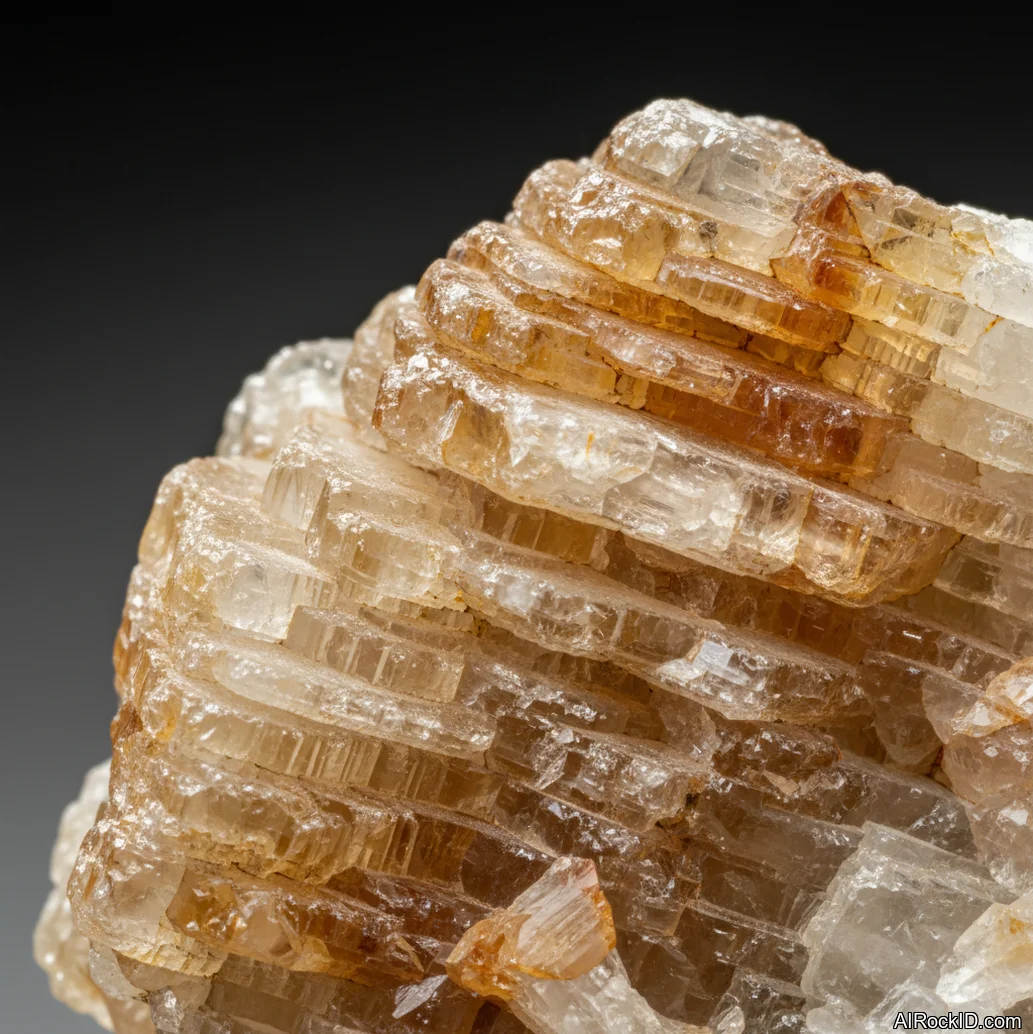
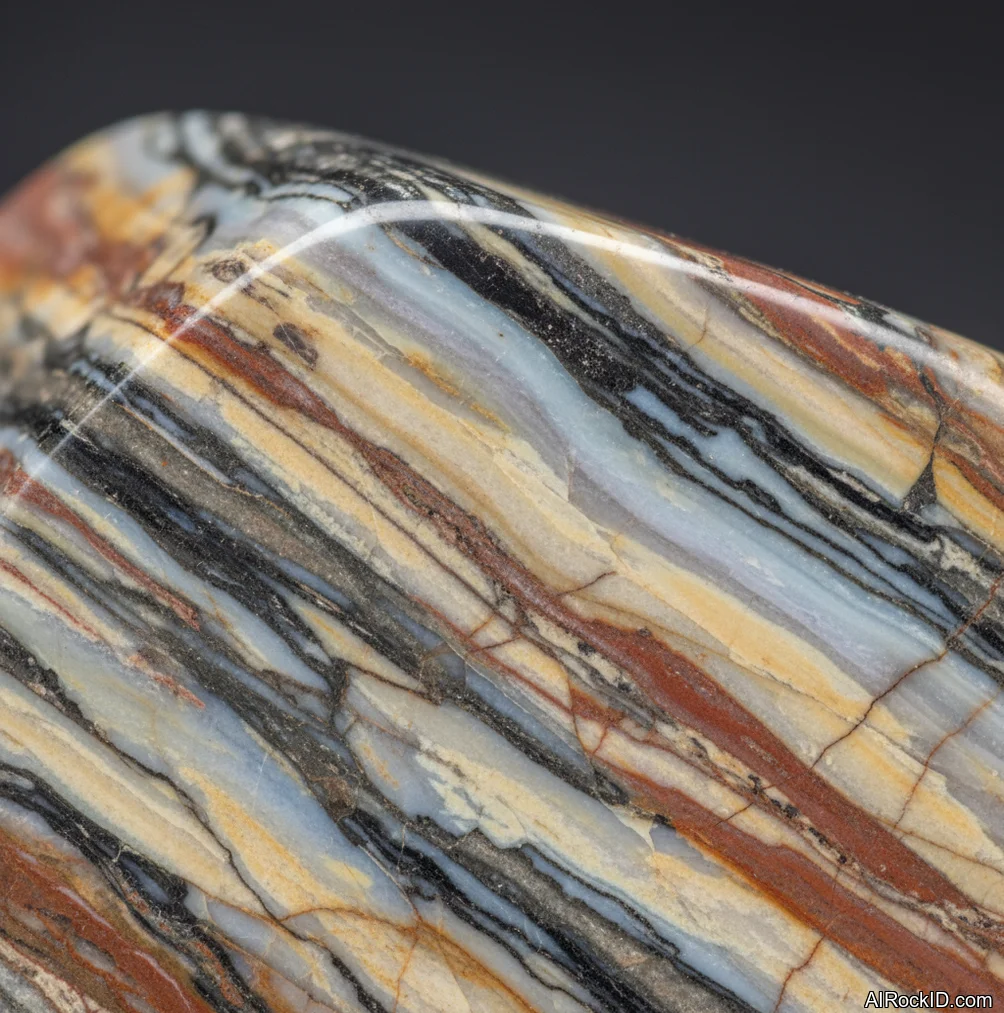
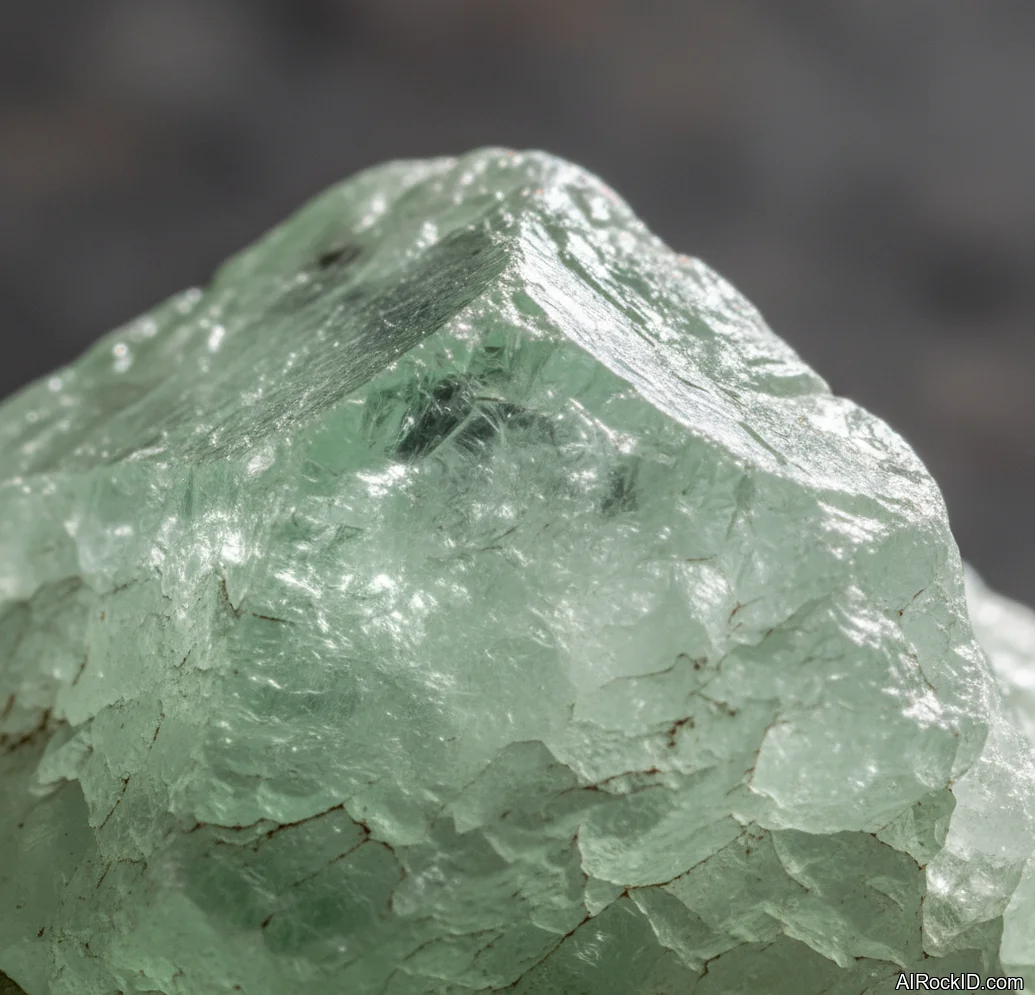
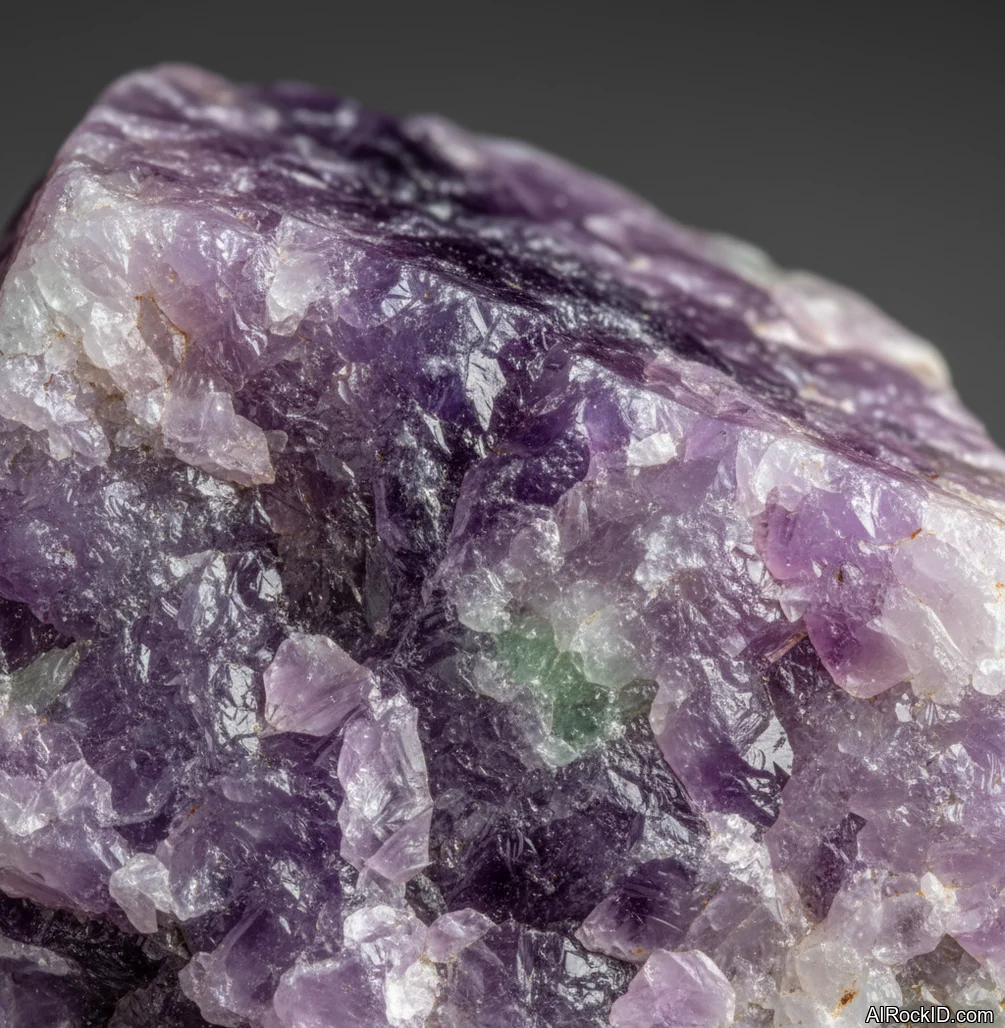
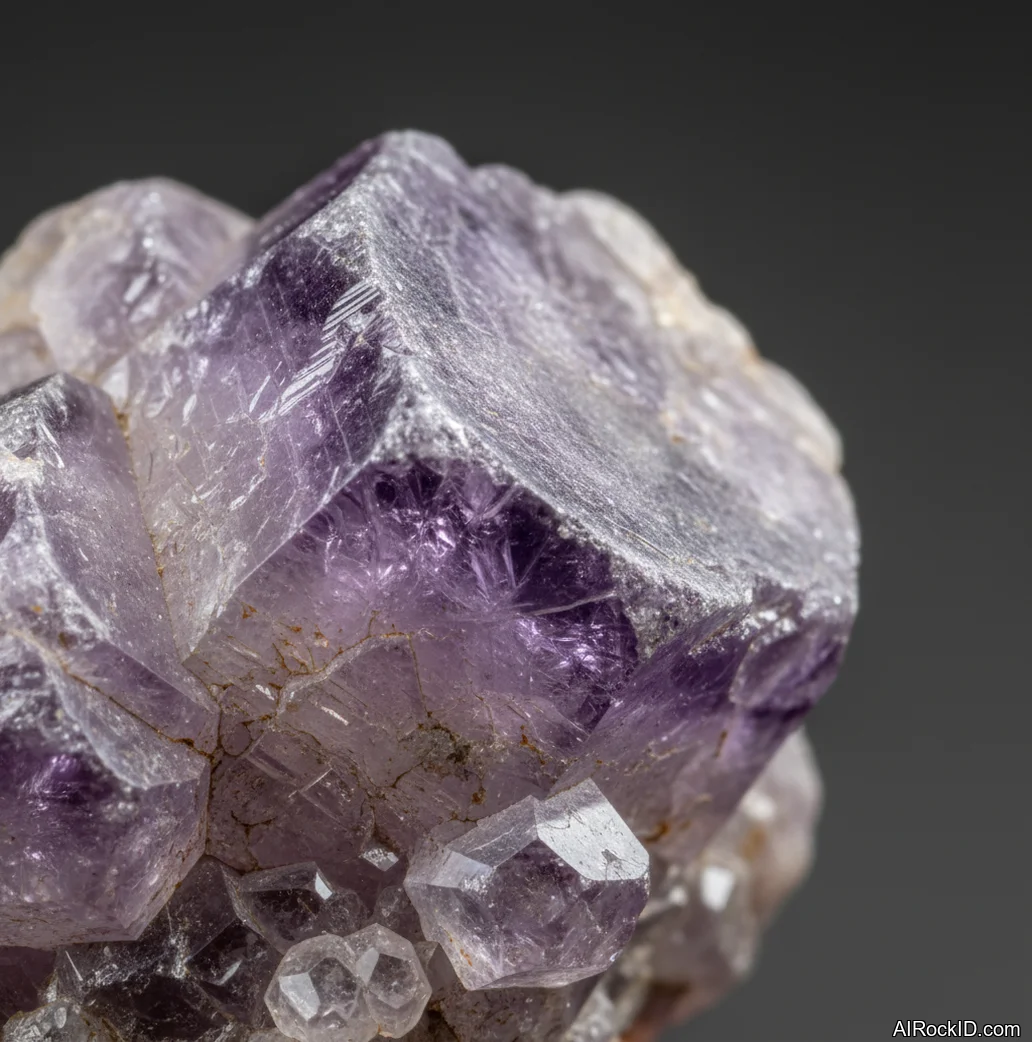
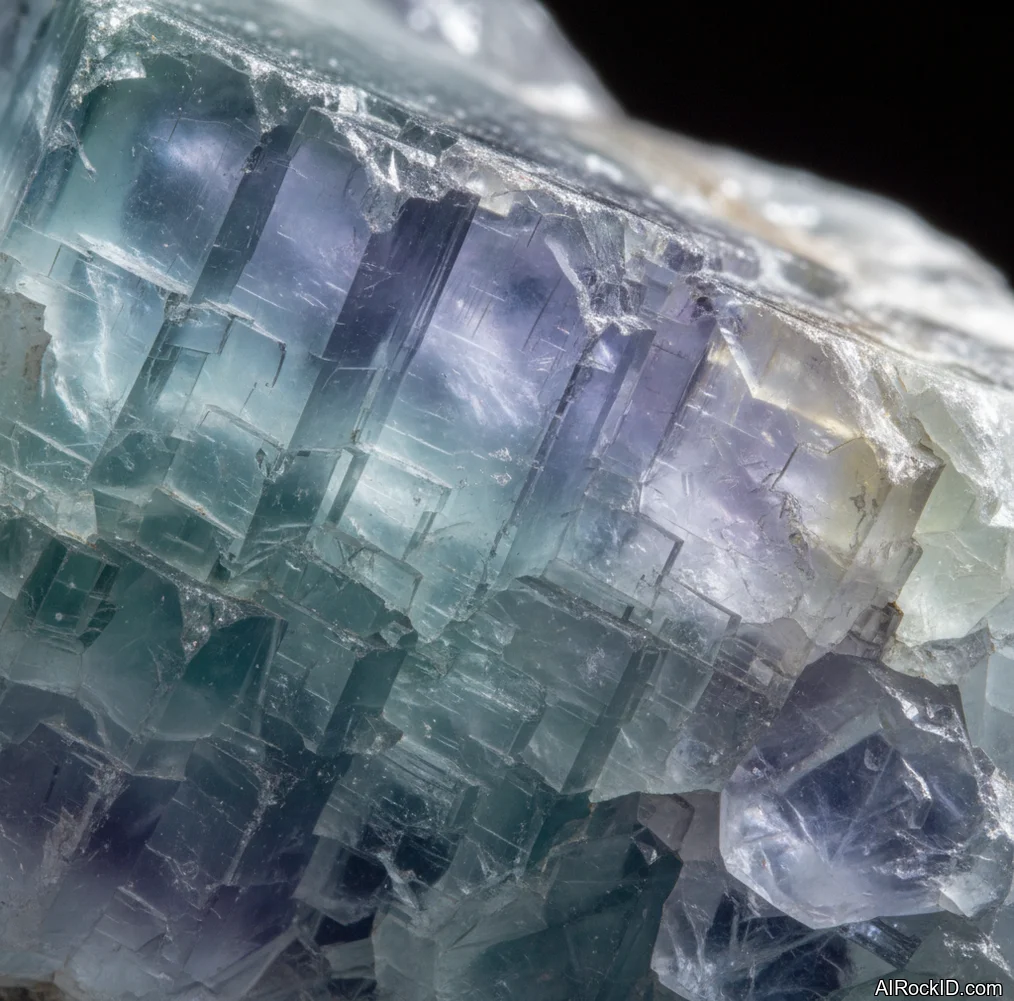
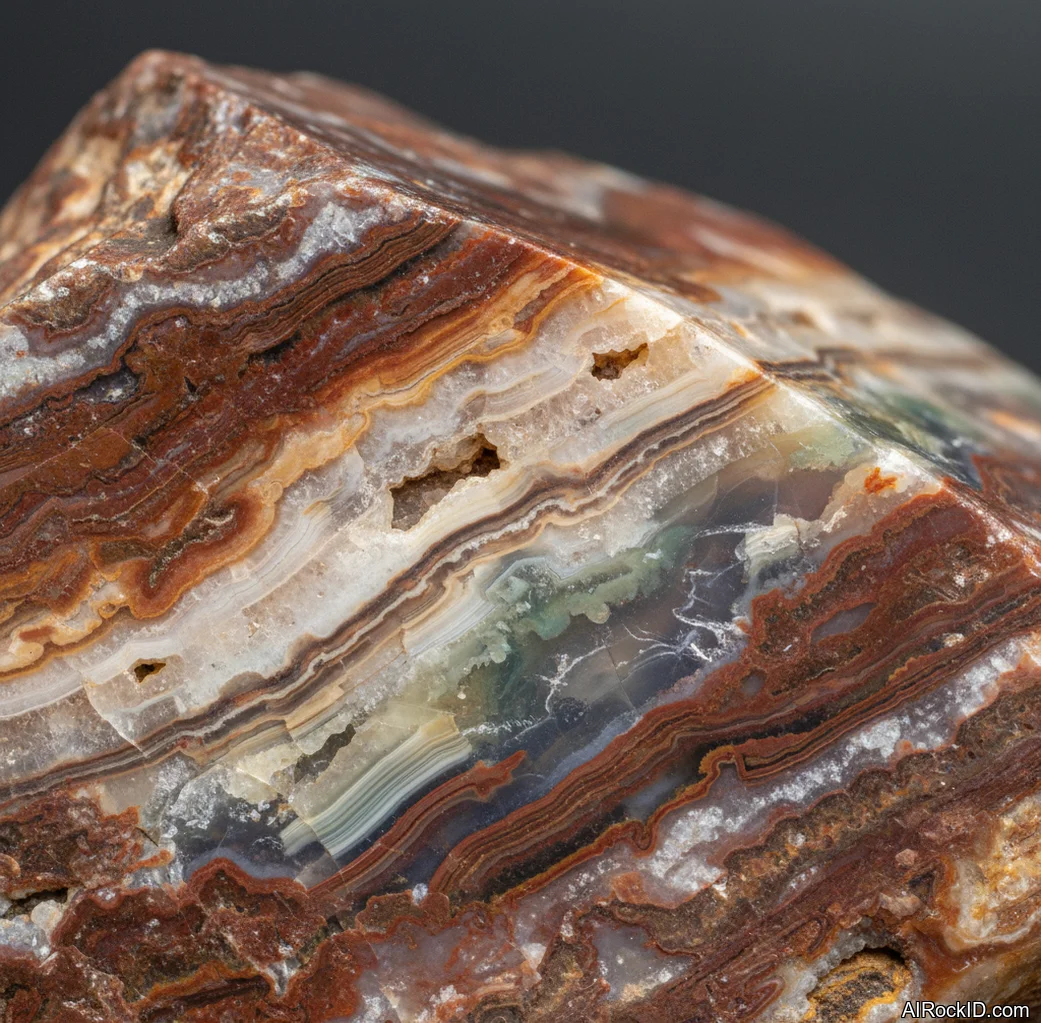
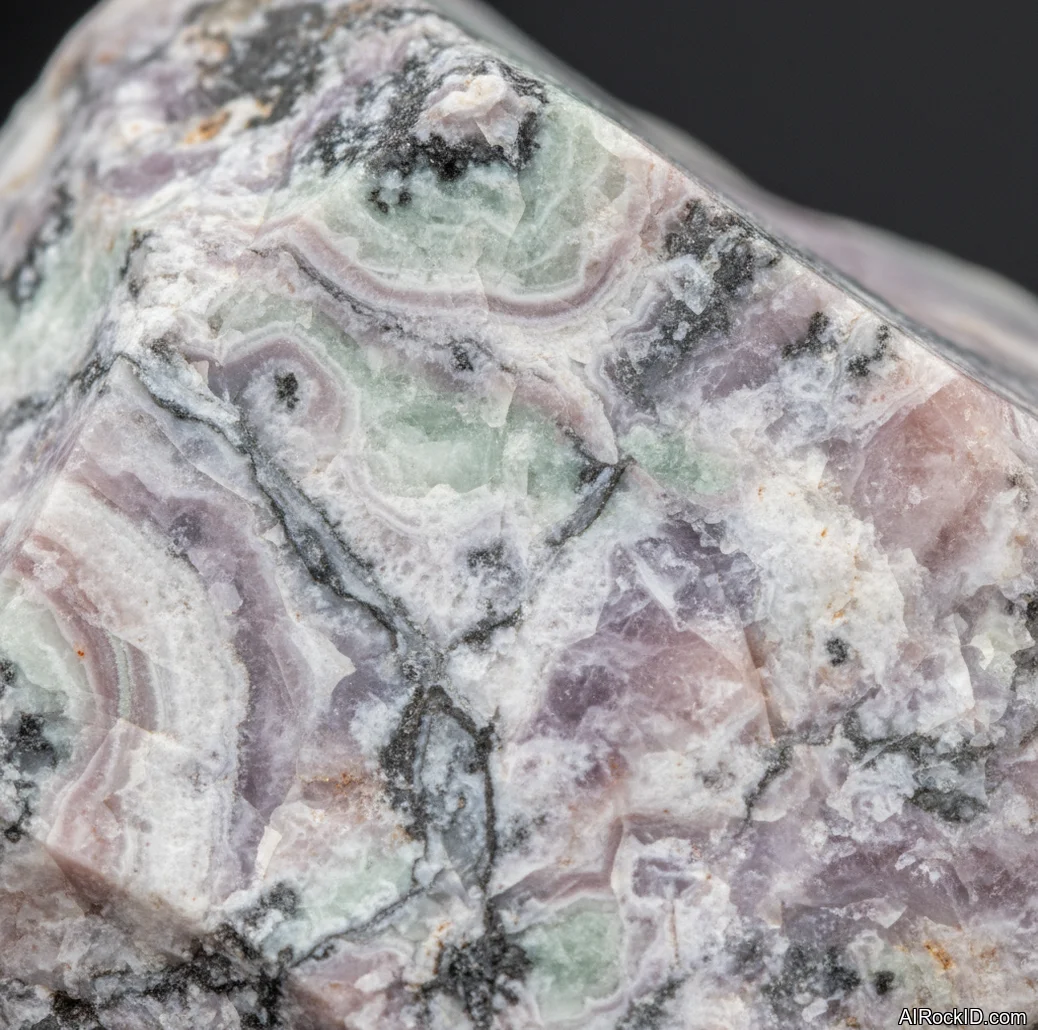
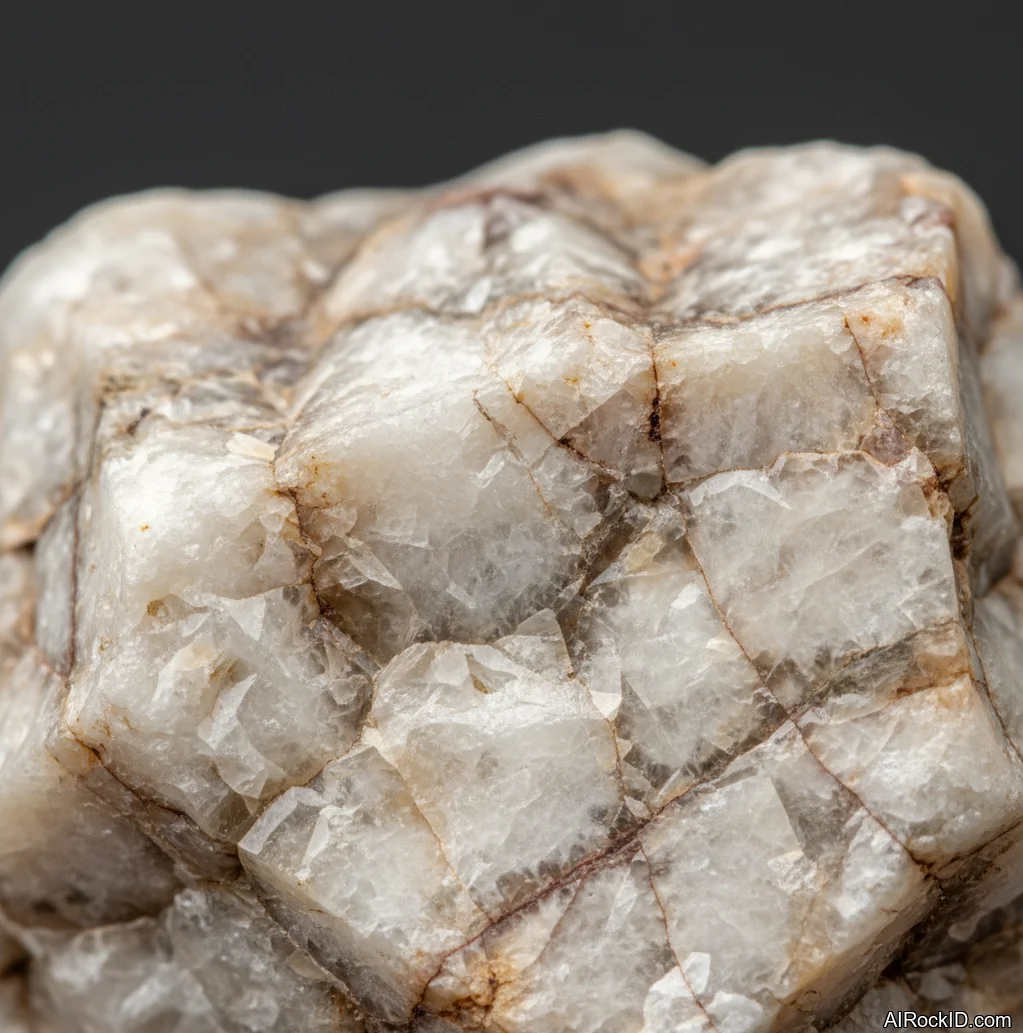
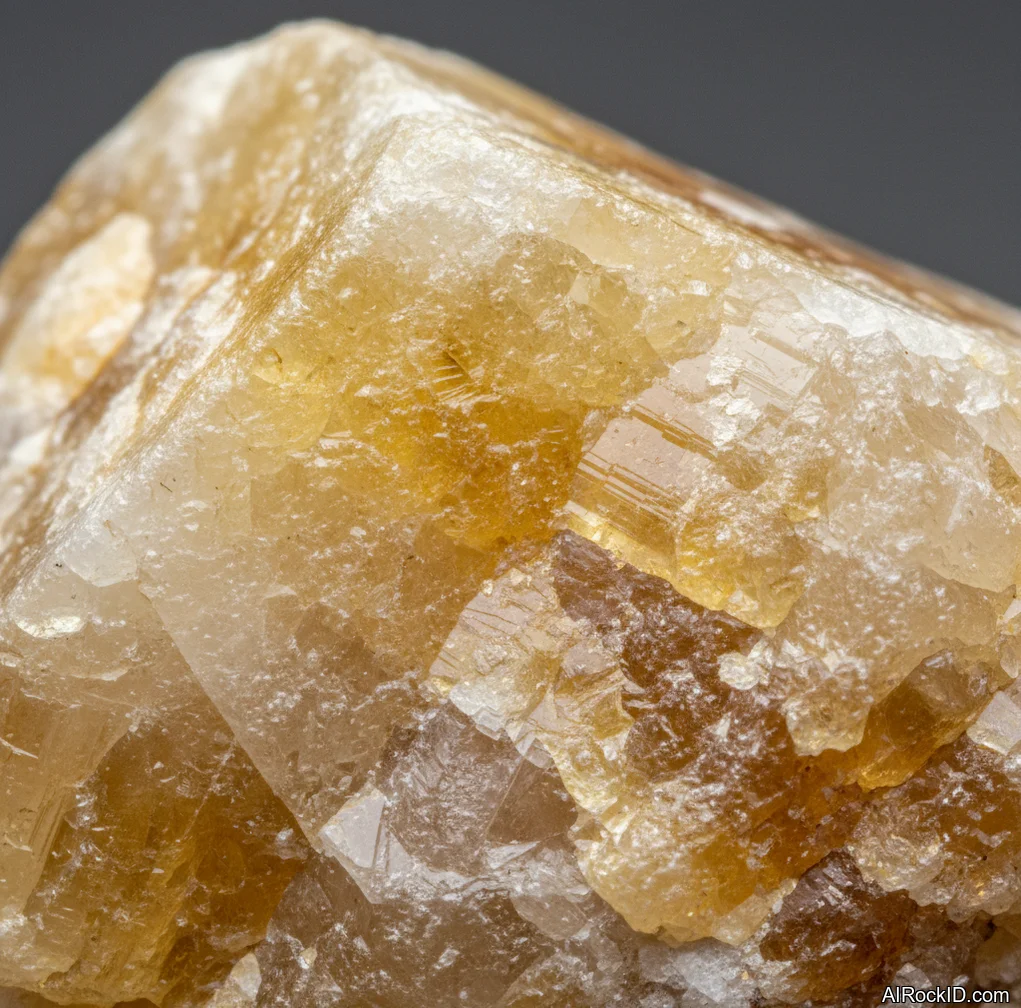
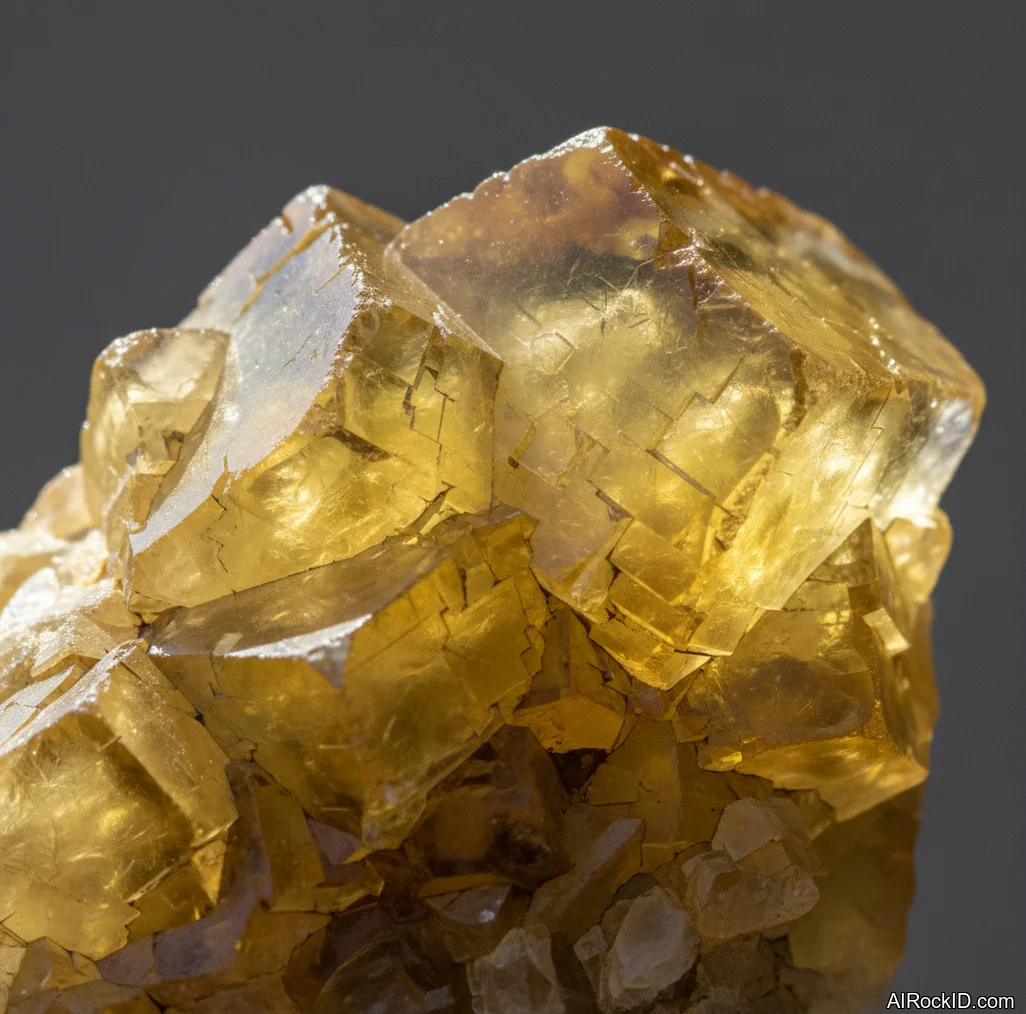
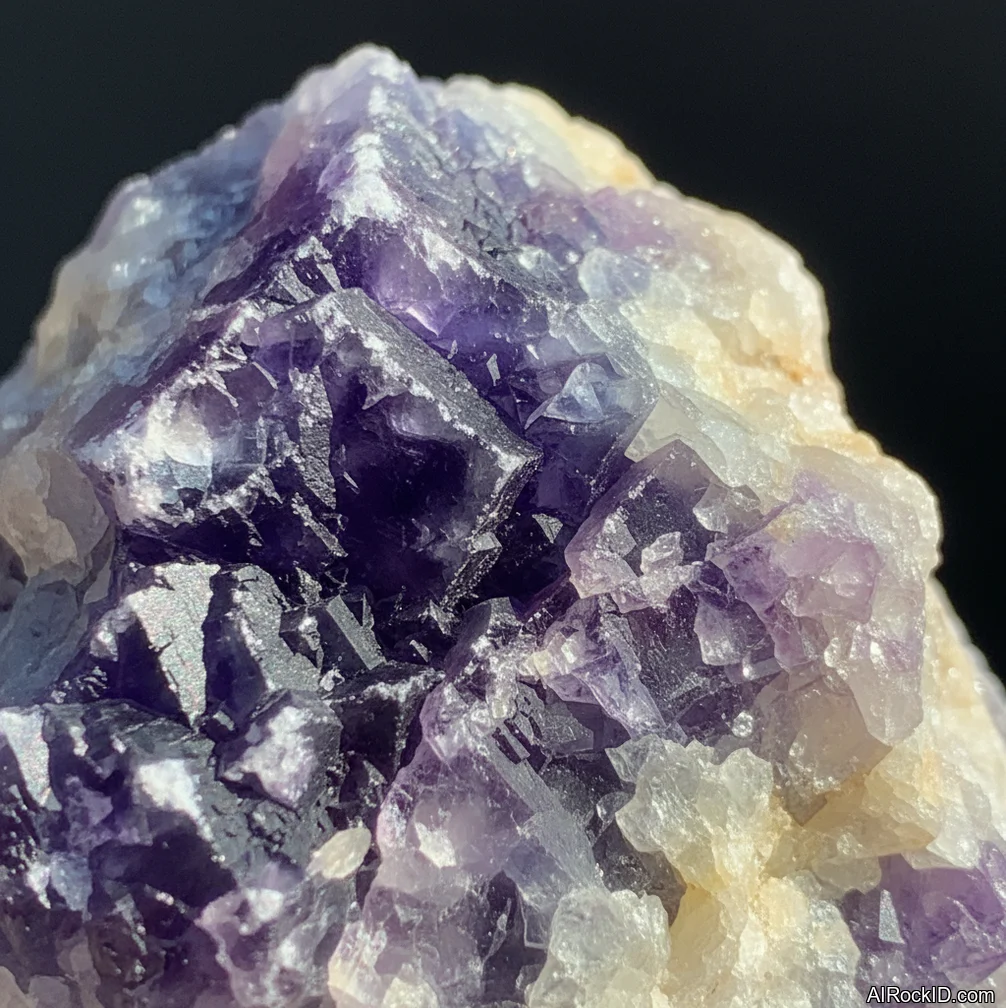
Fluorite is another mainstay for Insight work, but it's easy to get it wrong. Most of the stuff on shelves is polished, mainly because raw fluorite breaks so easily. It's a Mohs 4, which means keys will scratch it, and if you drop a piece, it might split along those perfect cleavage planes. I always look for zoning in fluorite—those stripes that go from deep purple to clear, or stack bands of green like a frozen wave. It's a visual reminder that order can live inside chaos, and that kind of stone makes it easier to focus during a tough problem. When you hold a chunk and turn it in your palm, the bands catch the light differently, which helps anchor your attention. Cheap tumbled pieces tend to lose definition, so hunt down slices or cubes with visible lines if Insight is your goal.
Iolite and Other Insight Stones: Color, Feel, and Real-World Use
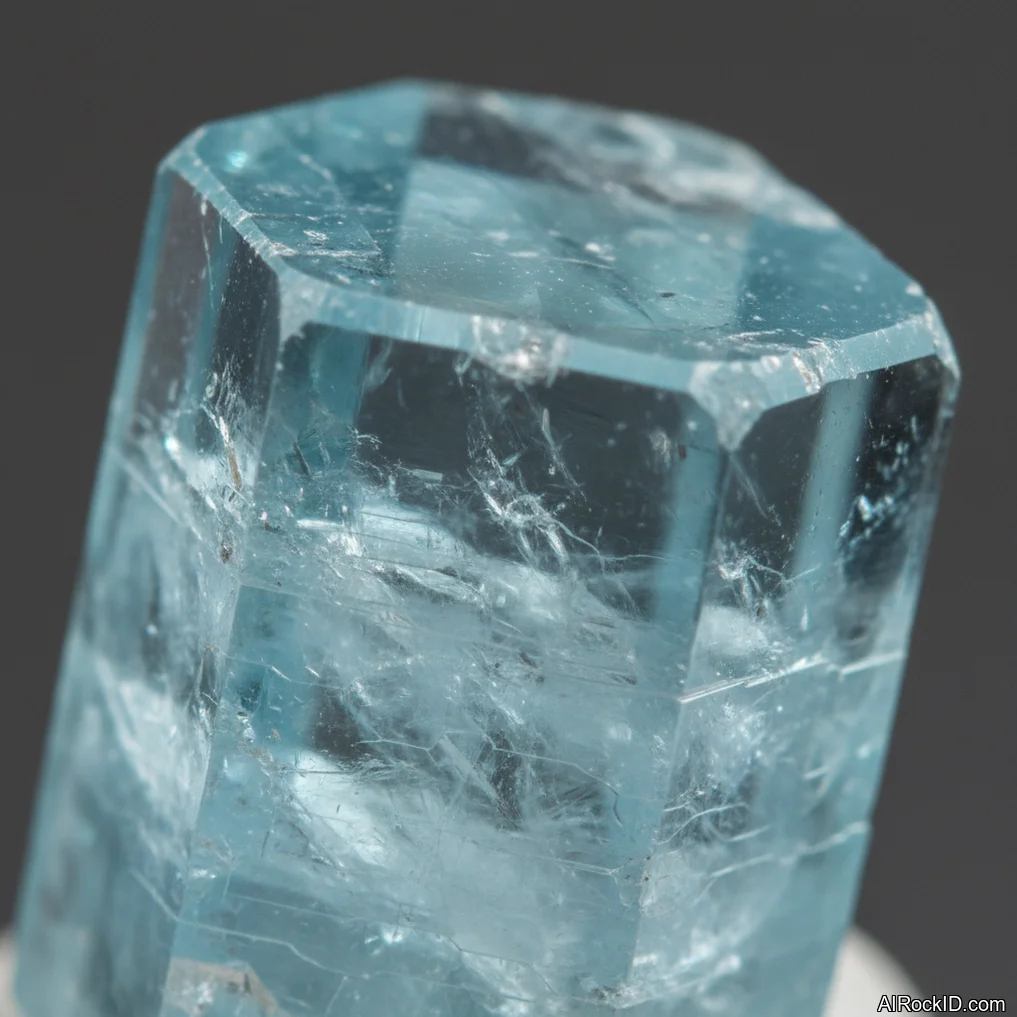
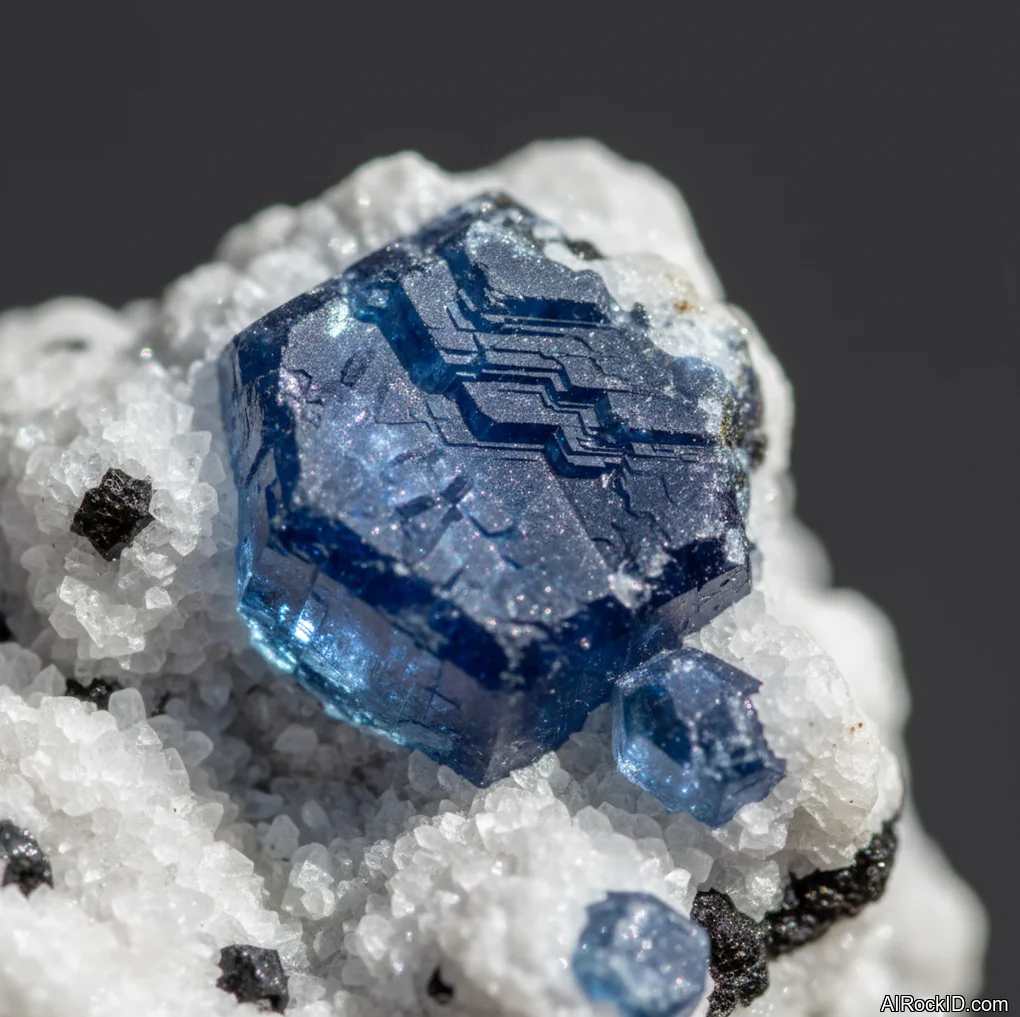
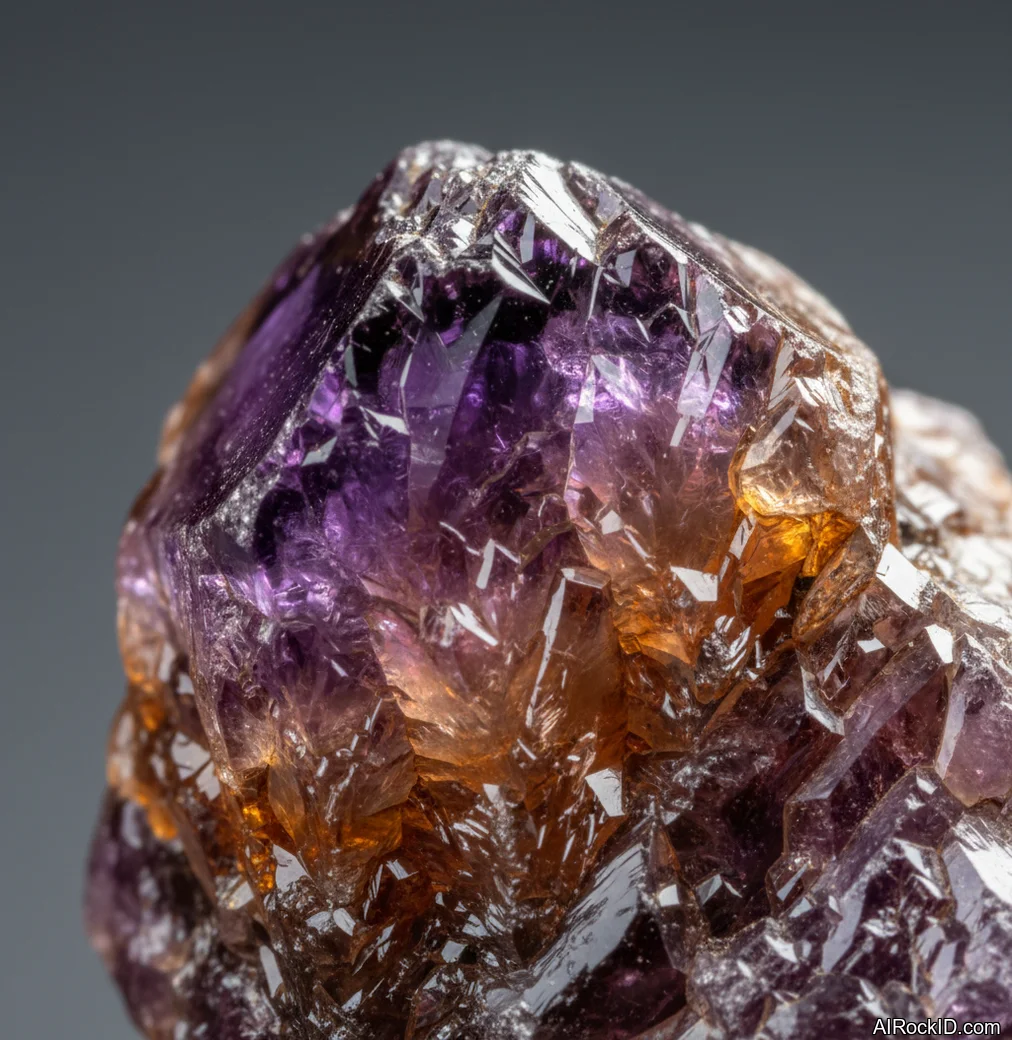
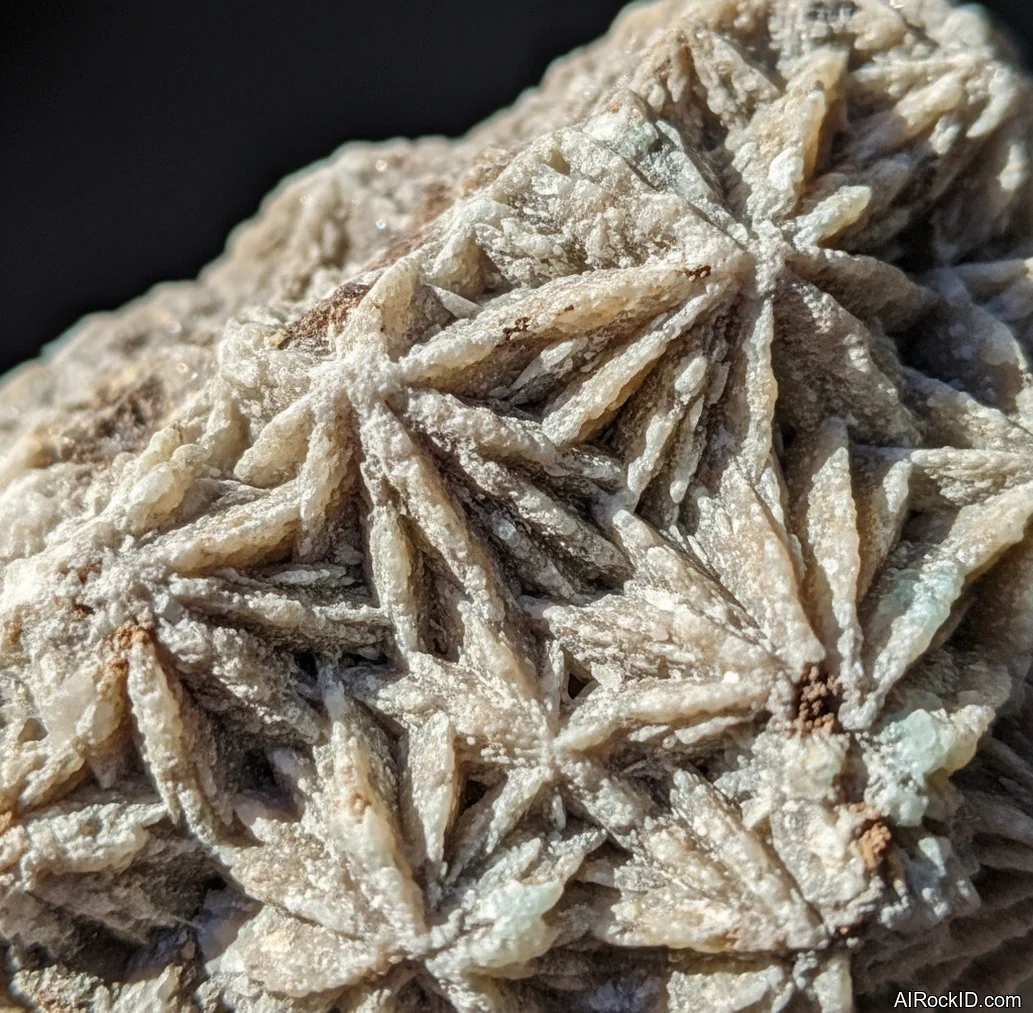
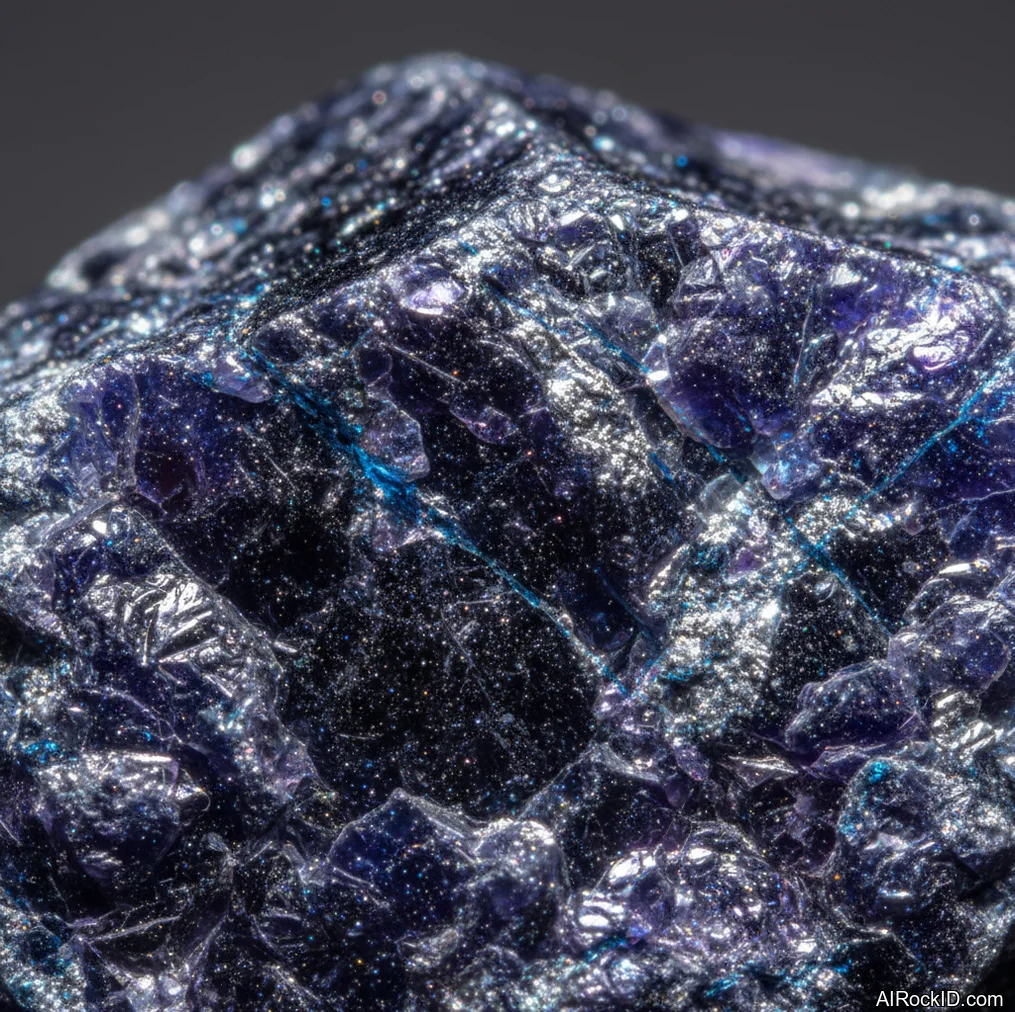
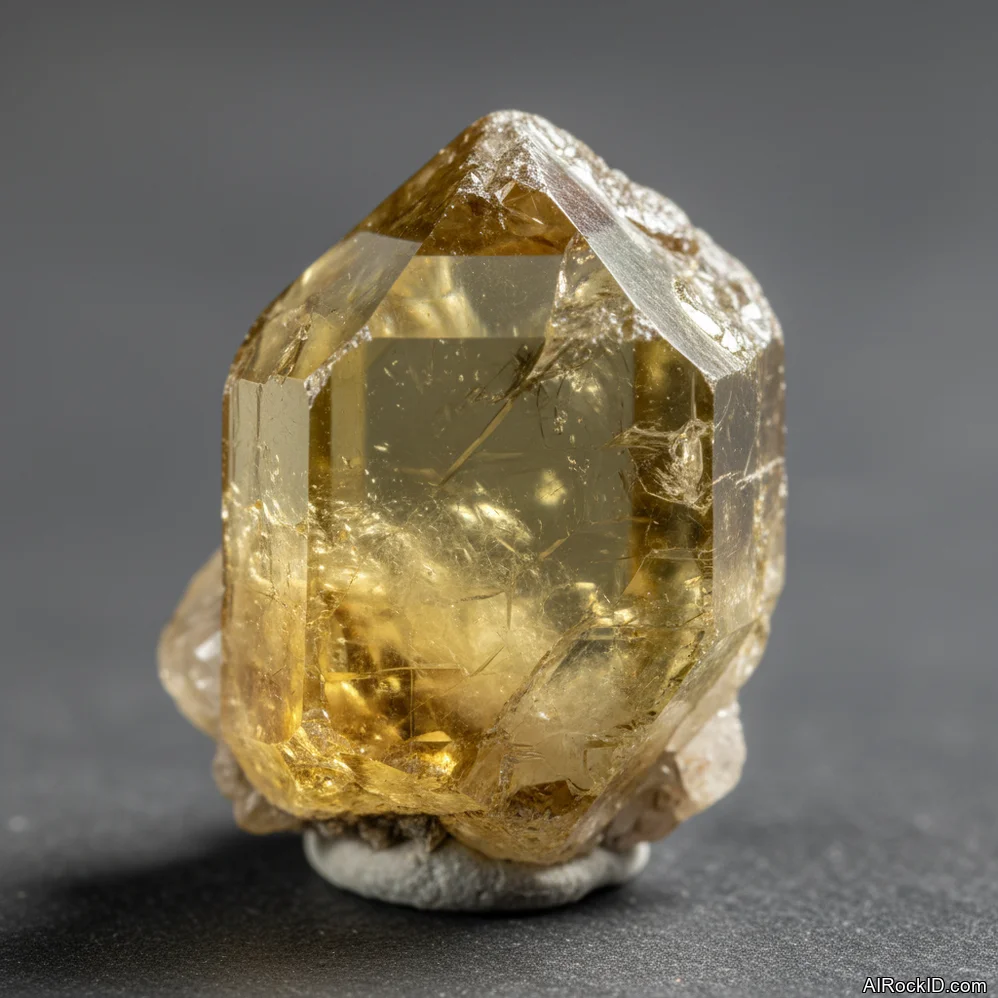
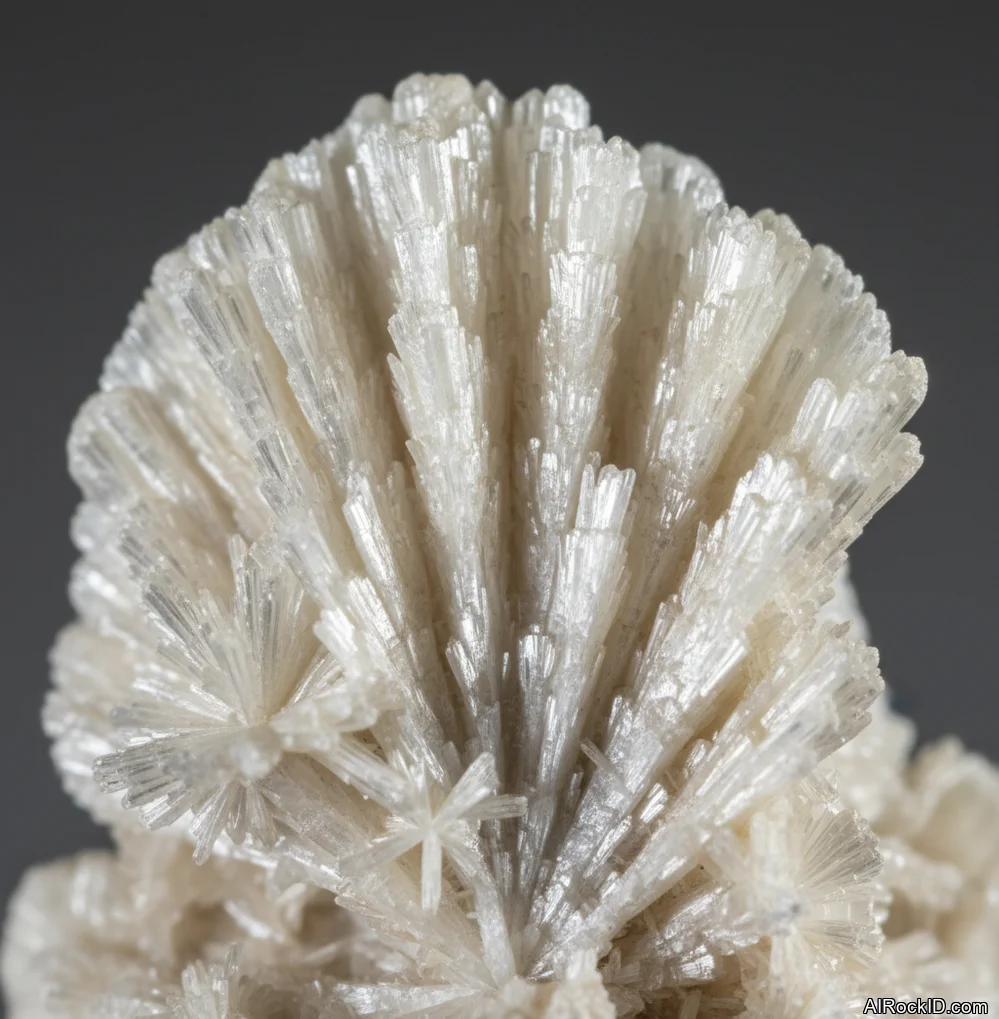
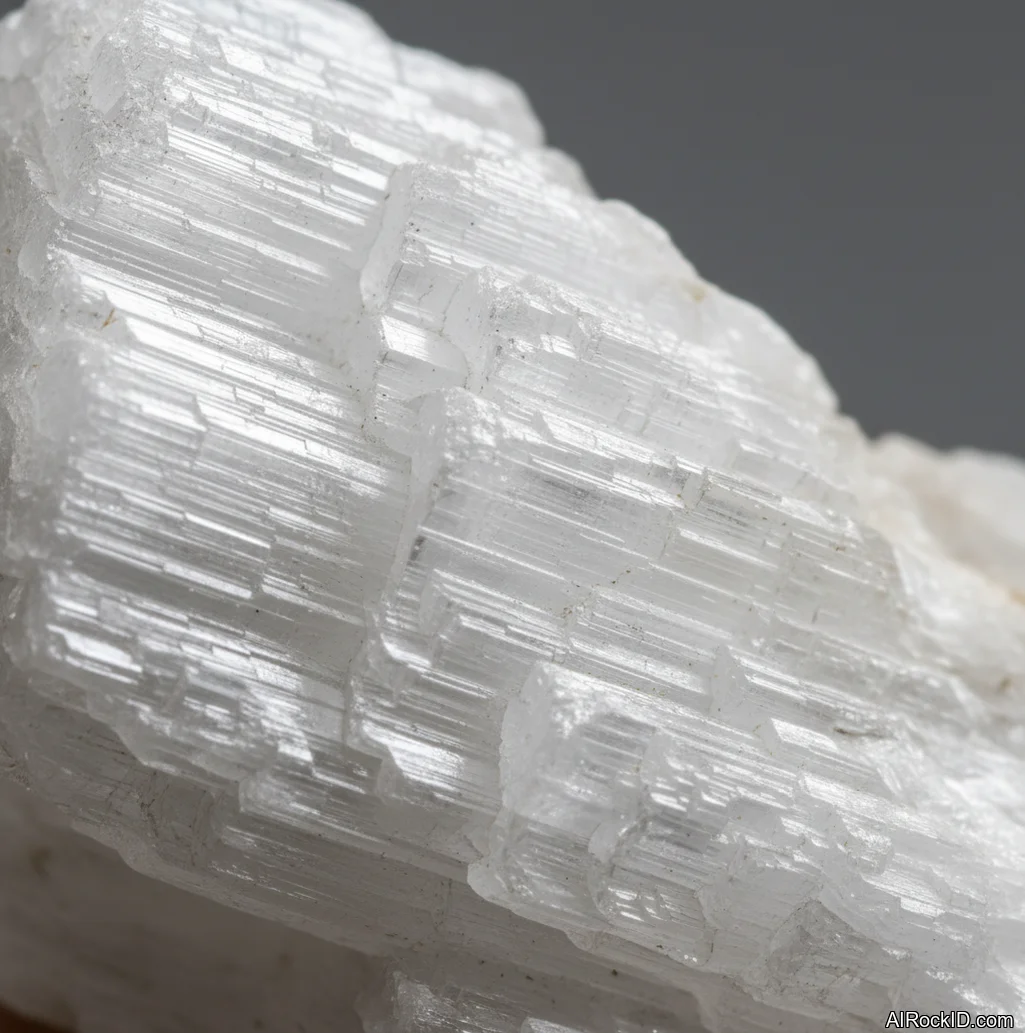
Iolite gets called the 'Viking compass' for a reason, but that's only half the story. The real magic is pleochroism: rotate a well-cut iolite and you'll see denim blue, then smoky violet, sometimes even a grayish brown, all in one stone. It's not a trick of lighting—it's built into the crystal structure. That physical shift from one tone to another lines up with Insight's core metaphor: it's not always new facts, sometimes it's seeing old facts from a new angle. Iolite feels cool and dense, even in small cabochons. If you're ever in doubt, hold it up to sunlight and roll it between your fingers—the color axis flips as you move. Other Insight stones like selenite are softer, easier to scratch, but people use them for clarity rituals because they almost glow under even weak light. But for me, nothing beats iolite when it comes to triggering that 'wait, what did I just see?' moment.
Real-World Limits of Insight Crystals and When to Use Them
People pick up Insight crystals for some very specific situations. Decision fatigue is a big driver—when you've hit the wall and your brain keeps cycling through the same moves, a new stone can act as a tactile reset. But don't expect a hunk of labradorite or fluorite to magically solve analysis paralysis. These stones can help set the mood or give your hands something to do while you think, but they're not a shortcut to knowledge. I've had clients come in talking about 'blockages' and leave disappointed when a stone didn't answer all their questions. Crystals can anchor a new perspective, but real Insight comes from the work you do before and after you put the stone down. Treat them as tools, not solutions. Sometimes, that's the clearest insight of all.
Best Insight Crystals to Start With
| Level | Crystal | Note |
| Gentle / Beginner | Green Fluorite | Soft, banded, and easy to find in small polished pieces. The zoning helps beginners visually focus without sensory overload. |
| Balanced / Everyday | Labradorite Palm Stone | Smooth, durable enough for pockets, and the flash is visible in most lighting. Fits well in the hand for fidgeting or during meditation breaks. |
| Intense / Advanced | Iolite Crystal | Challenging to source untreated, but the pleochroism needs patience and attention to catch. Best for deep work and people who want something subtle. |
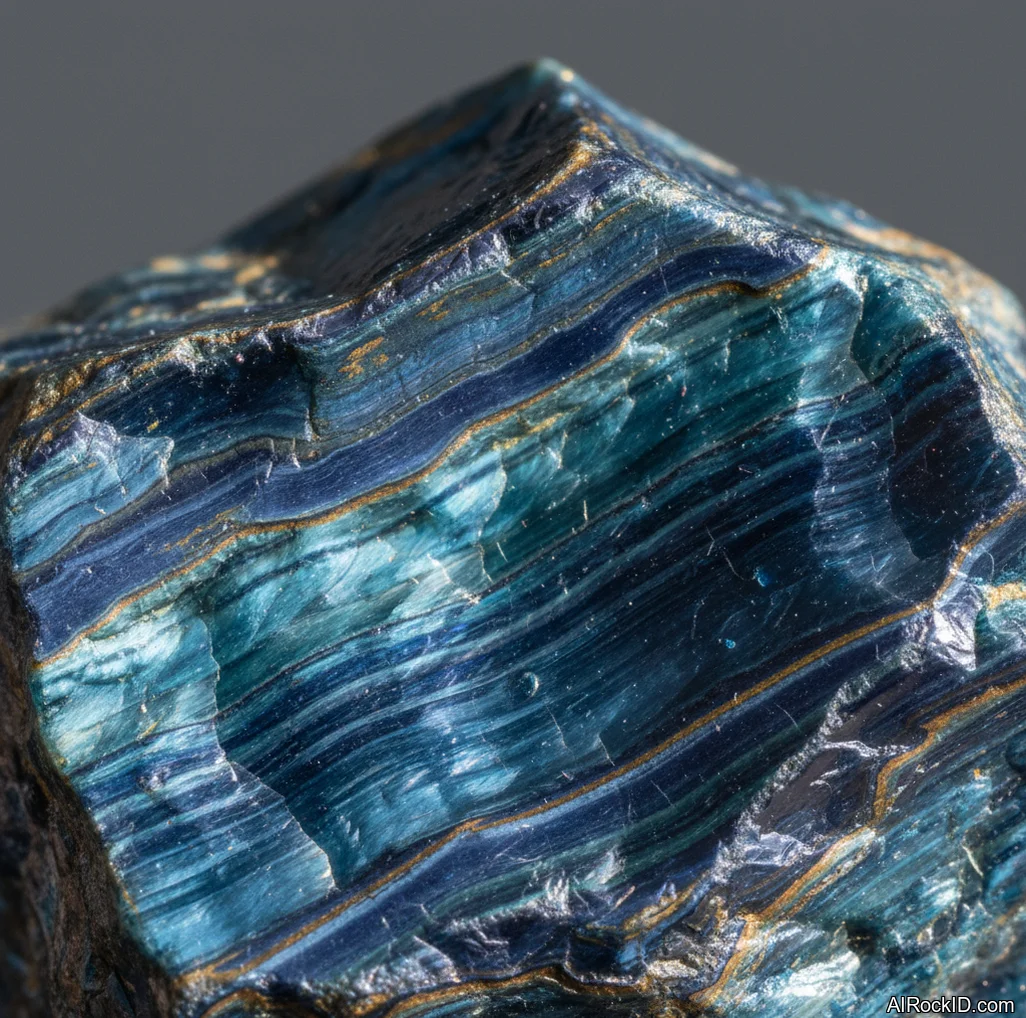
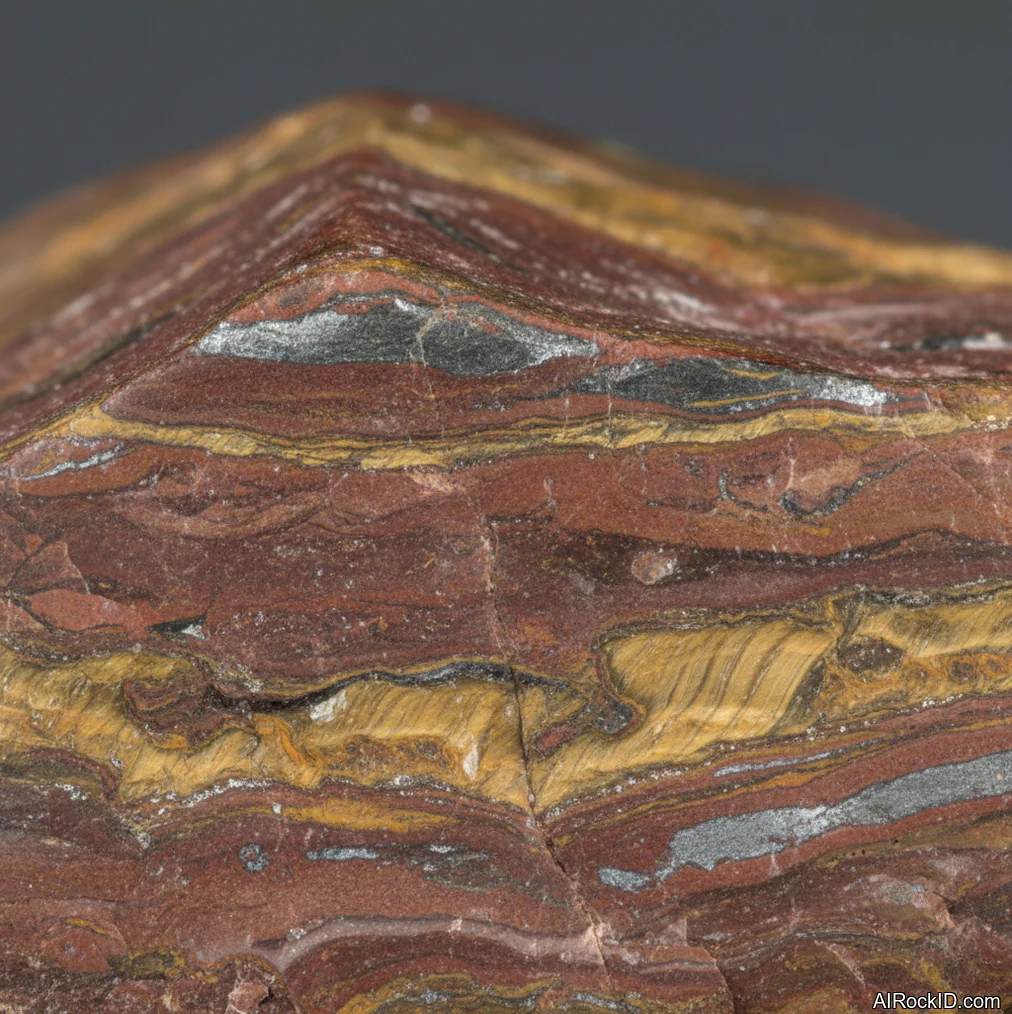
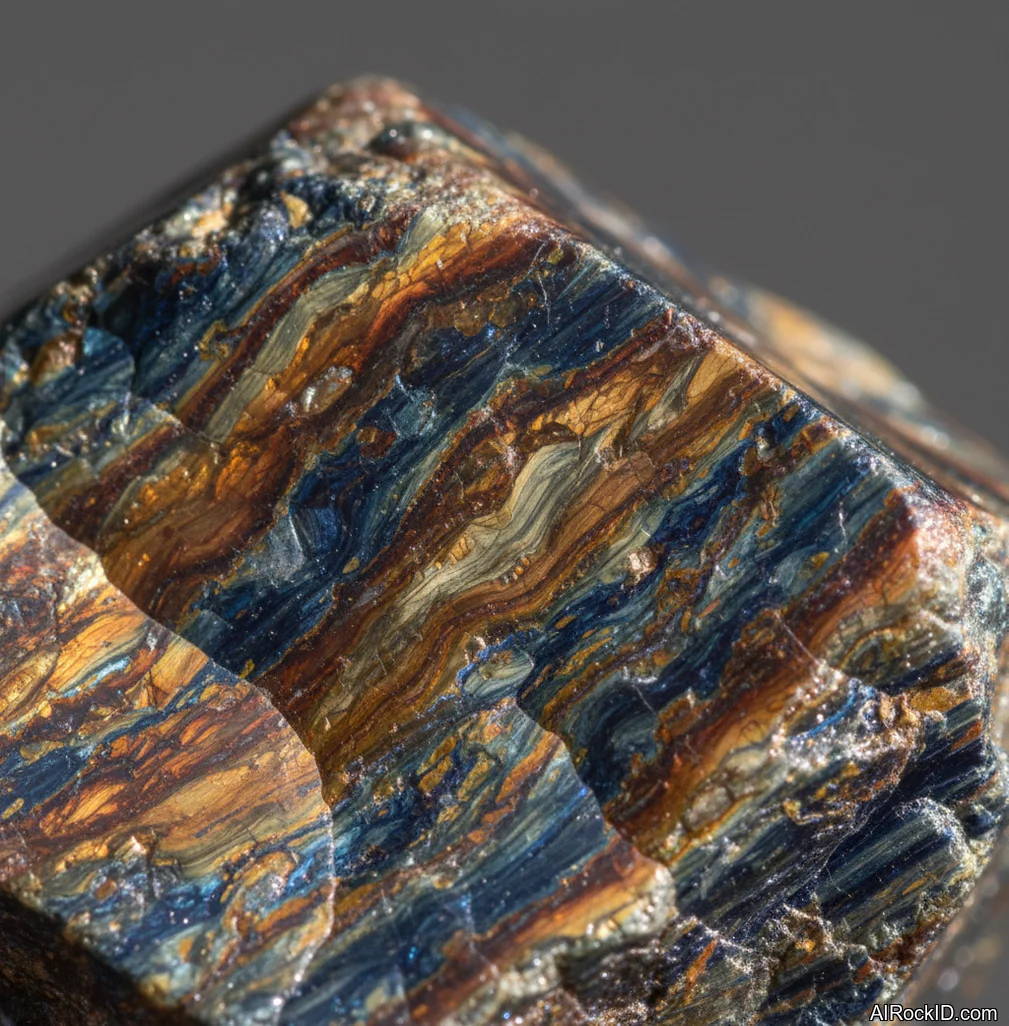
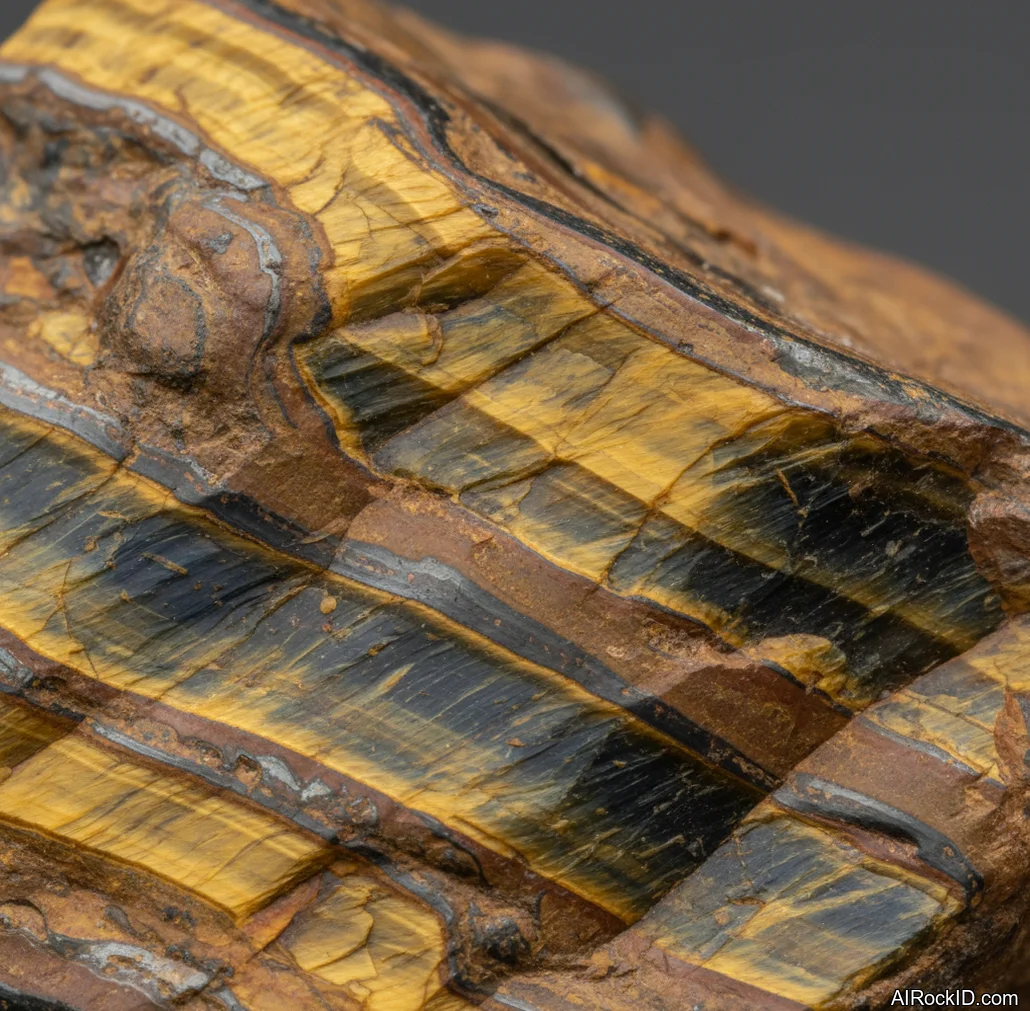
| Best for Carrying | Tumbled Blue Tiger's Eye (Hawk's Eye) | Tougher than most, holds up to keys and coins in a pocket, and the chatoyancy gives a sense of shifting perspectives without fragile edges. |
| Best for Display | Rainbow Fluorite Slab | Large, clearly zoned bands make it eye-catching. Looks different depending on the light and angle, which fits the Insight theme perfectly. |
Insight Crystal Comparison
| Crystal | Common Use | Feel / Use Style | Care Caution |
| Labradorite | pattern recognition, breaking mental loops | heavy, cool, flashes blue/green when tilted | can chip along cleavage if dropped |
| Fluorite | mental clarity, focus, sorting chaos | light, soft, striped or banded, cool to touch | scratches and chips very easily, avoid water |
| Iolite | new perspectives, changing viewpoint | small pieces are dense, color shifts with angle | may fade in sunlight, some material is heat-treated |
| Blue Tiger's Eye | mental flexibility, shifting perspectives | hard, silky sheen, chatoyant bands | rarely cracks, but polish can dull with heavy pocket use |
How to Identify Insight Crystals with AI Rock ID
To identify Insight crystals with an AI Rock ID app, take photos in natural daylight and show both the whole stone and a close-up of any zoning or color change. Make sure the surface isn't wet, since shine can confuse the app. Upload your images and compare the results against details like hardness, luster, and visible streak patterns. The app can help you spot subtle features, but always double-check with a scratch test or in-person observation if you're unsure.
All Insight Crystals (502)