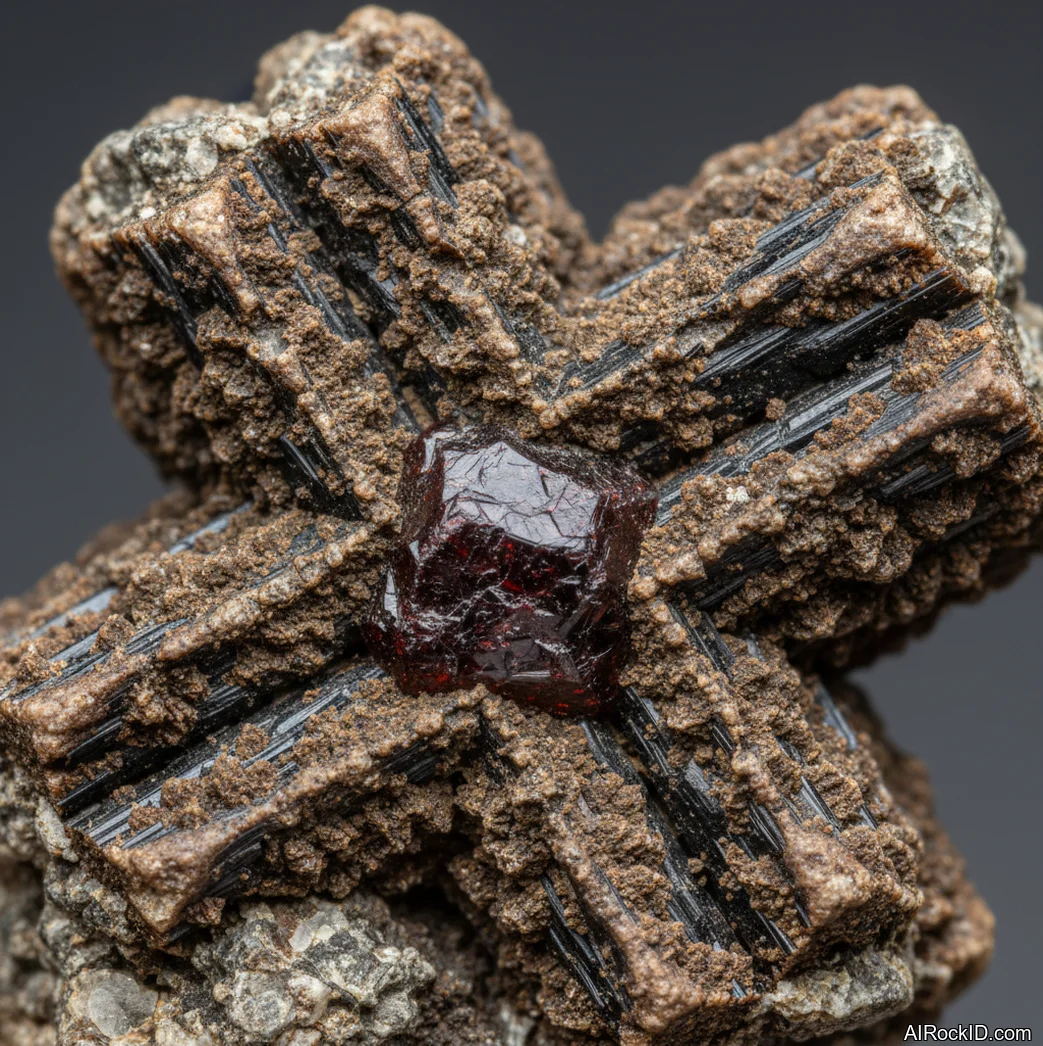
Strength Crystals
Quick answer: Strength crystals are stones that many spiritual traditions associate with resilience, courage, grounding, and steady motivation. People often choose them as reminders to stay centered during stress, transitions, or demanding goals.
Learn about Strength crystals, what Strength means spiritually, how to use Strength crystals daily, and tips for buying real stones with confidence.


Strength crystals are minerals that people use as physical reminders to support willpower, stamina, self-control, and resilience during challenging times. The most common examples include hematite, black onyx, tiger's eye, and bloodstone. These stones are picked for their dense, grounded feel and their cultural association with enduring hardship or maintaining boundaries. These associations come from metaphysical traditions and are not medical claims.
Strength crystals can't give you literal physical strength or endurance. They don't replace therapy, medical care, or actual life changes for handling stress or addiction.
AI Rock ID can help compare a stone’s visible color, texture, luster, and pattern against known crystal and mineral types. RockIdentifier.io provides crystal wiki information that can support identification, care, and practical learning.
Good fit
- People looking for symbolic support during personal challenges
- Beginners who want grounding or confidence-themed stones
- Meditation, journaling, or intention-setting routines
- Collectors interested in darker, iron-rich, or protective-looking minerals
- Gift ideas for milestones, recovery periods, or new commitments
Not a good fit
- Replacing medical, mental health, or safety support
- Guaranteed outcomes in work, relationships, or personal goals
- Identifying a stone by meaning alone without checking physical traits
- Assuming every black, red, or metallic stone has the same properties
Most commonly confused with
- Black Onyx: Often chosen for discipline and emotional steadiness; it is usually smoother and more uniform than many black stones.
- Hematite: Known for a metallic gray appearance and heavy feel; traditions often connect it with grounding and resolve.
- Tiger's Eye: Recognized by golden-brown chatoyancy; it is commonly linked with courage, focus, and practical confidence.
- Red Jasper: Usually opaque and earthy red; many traditions associate it with stamina and steady action.
AI identification confidence
AI identification is more reliable when a photo shows the stone in natural light with clear focus and no heavy filters. Results should be checked against hardness, streak, luster, weight, and known treatments when accuracy matters.
When AI gets it wrong
- The stone is dyed, heat-treated, coated, or sold under a trade name
- The photo is too dark, blurry, reflective, or color-shifted
- Several minerals share a similar black, red, brown, or metallic appearance
- The sample is a tumbled stone with few visible diagnostic features
Best choice summary
For a first strength-themed crystal, choose a durable, easy-to-recognize stone such as tiger's eye, hematite, black onyx, or red jasper. The best choice is usually the one that fits your intended use, care habits, and preference for color, weight, and texture.
Final recommendation
Use strength crystals as symbolic tools for focus, grounding, and personal reflection rather than as guaranteed solutions. If buying a stone, compare seller photos, ask about treatments, and confirm basic physical properties when possible.
What this category represents
The Strength tag groups crystals that are commonly associated in metaphysical traditions with courage, endurance, protection, willpower, or grounded confidence. This category is thematic, so stones may belong here because of cultural use, color symbolism, mineral appearance, or long-standing crystal-healing associations.
Beginner recommendations
- Tiger's Eye
- Hematite
- Black Onyx
Advanced recommendations
Strength Crystals by Intention
Different stones are chosen for different kinds of strength in crystal traditions. Tiger's eye is often linked with confidence and decision-making, hematite with grounding, black onyx with self-control, and red jasper with stamina.
Choosing Between Grounding and Energizing Stones
Some strength crystals feel symbolically stabilizing, while others are used for motivation and action. Dark or metallic stones are often chosen for grounding practices, while red, orange, or golden stones are commonly associated with vitality and courage.
Ethical and Practical Buying Notes
Strength crystals vary widely in price, source, and treatment status. Buyers can ask whether a stone is natural, dyed, synthetic, stabilized, or coated, especially for brightly colored beads, polished pieces, and low-cost bulk listings.
What Are Strength Crystals and Why Do People Use Them?
Strength, when people talk about it in the crystal shop, isn't about muscle or looking like a bodybuilder. It's quieter. It’s the kind of steadiness you reach for when your nerves are fried or your confidence takes a hit. You see folks come in who lost their job, are breaking an old habit, or just trying to stick to boundaries that everyone keeps testing. They ask for something solid. Something that feels like it won’t bail when they’re in the weeds. That’s where Strength crystals come in. They’re touchstones—literal ones. The idea isn’t magic. It’s having a rock in your pocket or on your desk that feels weighty and stable when everything else doesn't. Pick up a chunk of hematite and you get it immediately—cold, heavy, and with a pull that keeps your hand anchored for a second longer than you expect. Not every crystal delivers that. Some feel floaty or too light, like a prop. The best Strength stones don’t pretend to fix anything. They’re just a physical reminder that you can stand your ground. And when you handle them enough, they start to cue your brain to do the same.
Physical Traits of Strength Crystals: How to Identify Real Stones
Collectors know that not every stone labeled for 'strength' actually feels the part. Hematite, for example, is heavy—if it’s real. Hold a tumbled piece in your palm and you’ll notice it’s denser than quartz or amethyst of the same size. Some fakes, usually magnetic 'hematine' or cheap imports, feel suspiciously warm or almost plastic right out of the display tray. Same goes for black onyx. True onyx is solid and won’t scratch with a fingernail. Tiger’s eye, another strength classic, has a hard, silky surface and those gold-brown bands will shift in the light—what collectors call chatoyancy. Bloodstone looks dark green with red flecks, and the real stuff feels cool and waxy, not gritty or glassy. If you leave hematite or bloodstone on a sunny windowsill for too long, you’ll notice the color dulls. Don’t do that. You want to check the weight, surface feel, and sometimes even the streak (hematite leaves a reddish streak on unglazed porcelain). These details matter—a lot of what's sold in bulk bins isn't the real thing.
How People Use Strength Crystals in Daily Life
A lot of regulars use Strength crystals as a kind of physical reset. When you’re about to lose it in a meeting or you feel yourself slipping back into old patterns, reaching for a stone—something heavy and real—can snap you out of your head. Some keep a tumbled hematite or onyx in their pocket and just run their thumb over it when they’re stressed. Others set a palm stone on their desk and use it as a worry stone during tough calls. I’ve seen runners keep tiger’s eye in their laces, and people going through grief keep bloodstone under their pillow. The important thing is to set a clear intention, not just “I want to be strong,” but “I want to keep calm during this fight” or “I’m sticking to my decision today.” The cold touch and steady weight trigger a real sensory response. Sometimes that’s enough to get you through the next five minutes. Just remember, no crystal is going to do the work for you, but having a rock as a tactile anchor can help keep you from spinning out.
Common Pitfalls When Buying and Using Strength Crystals
Most problems come from fake or misidentified stones. Hematite, for example, gets faked a lot—watch out for magnetic beads that feel too light or too shiny. If you see 'hematite' jewelry that sticks to a fridge, it’s almost always synthetic. Black onyx can be confused with dyed agate, which chips more easily and sometimes fades if soaked. Bloodstone sometimes gets mixed up with jasper that’s just dark green with no red flecks, or with glass imitations. Even tiger’s eye, when exposed to too much sun, will lose its chatoyancy and fade to a muddy yellow. Always ask sellers about the source, and check for dye, polish, or coating—especially if the price seems too good. For display, raw pieces from reputable mines hold up better over time, but they pick up dust and fingerprints. For carrying, go with polished or tumbled stones. If you scratch a crystal and it leaves a chalky line, that’s a good sign, but always clean it before and after use if you want to keep the surface looking right.
Best Strength Crystals to Start With
| Level | Crystal | Note |
| Gentle / Beginner | Tiger's Eye | Tiger's eye is easy to find, not too heavy, and the bands catch the light, making it popular for first-timers who want a reassuring stone but not something overwhelming. |
| Balanced / Everyday | Black Onyx | Black onyx holds up well to daily carrying and feels cool and steady in the hand. It doesn't scratch easily and works both as pocket stone or desk piece. |
| Intense / Advanced | Hematite | Real hematite is heavier and has a denser energy. It's best for those who like a strong physical anchor and don't mind checking for fakes. |
| Best for Carrying | Tumbled Hematite | A small, smooth tumbled hematite stone sits flat in a pocket and is heavy for its size, perfect for a daily physical reminder. |
| Best for Display | Bloodstone Slab | A polished bloodstone slab shows off the deep green and red flecks. It looks good on a desk and won't fade if kept out of direct sunlight. |
Strength Crystal Comparison
| Crystal | Common Use | Feel / Use Style | Care Caution |
| Hematite | Grounding, physical strength, self-control | Heavy, cold, metallic shine, leaves a red streak | Fakes are common; magnetic versions are not true hematite |
| Black Onyx | Setting boundaries, emotional strength | Dense, smooth, cool to the touch, deep black color | Watch for dyed agate or glass imitations |
| Tiger's Eye | Confidence, stamina, mental resilience | Hard, smooth, bands shimmer in light (chatoyancy) | Fades if left in sun; brittle if dropped |
| Bloodstone | Perseverance, stamina, courage in tough times | Cool, waxy surface, dark green with red spots | Prone to fading in sunlight; check for fake red spots |
How to Identify Strength Crystals with AI Rock ID
Take a clear photo of your crystal in natural light. Upload both a full-view shot and a close-up showing texture to the AI Rock ID app for best results. Compare your stone's hardness, luster, and streak color with the app's database—strength stones like hematite will leave a red streak, while tiger's eye won't. The app works best if you avoid glare and show the stone's true color and weight hints, like size in hand.