Best Crystals for Intuition
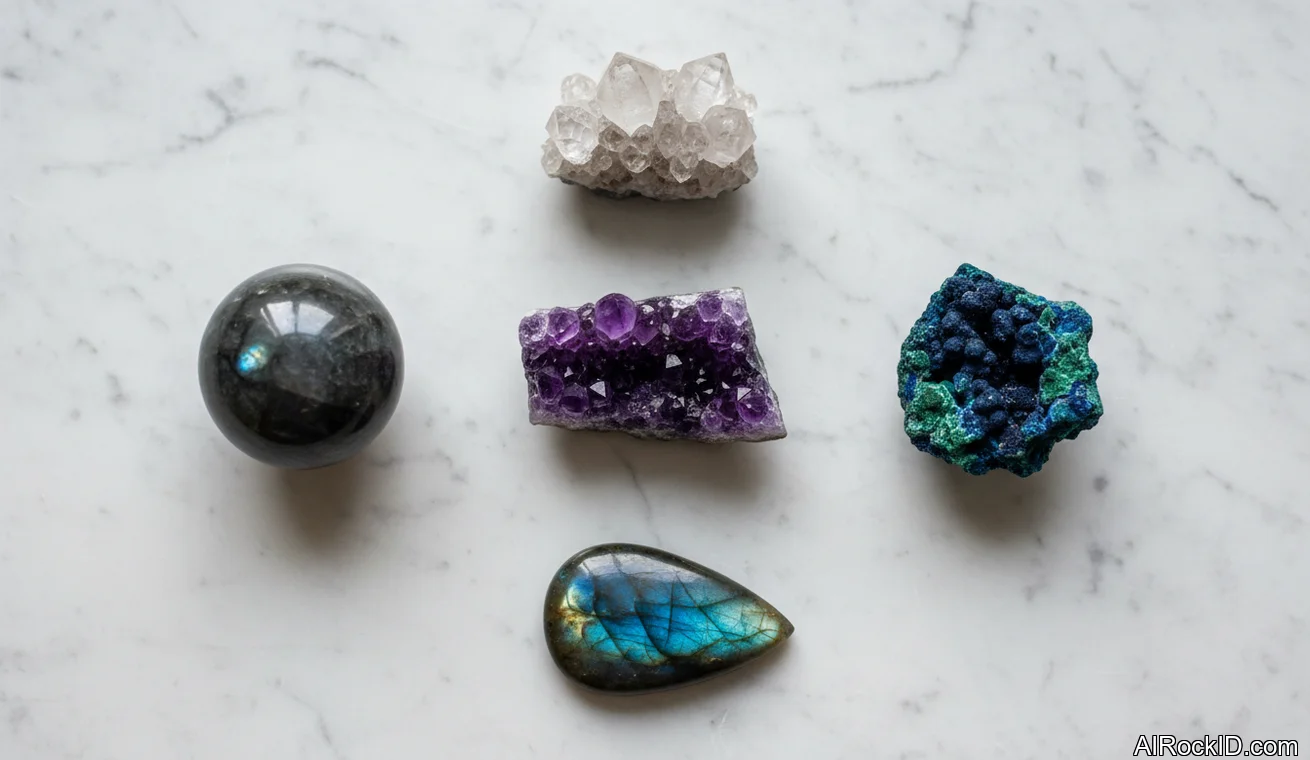
Quick answer: For intuition work in crystal traditions, amethyst, moonstone, labradorite, azurite, and apophyllite are common choices because they are associated with reflection, dream recall, and mental clarity. The most useful pick is usually the stone you will use consistently in a simple practice such as journaling, meditation, or quiet observation.


- Introduction
- Recommended Crystals
- What “intuition” looks like in real life (and how stones can help)
- Choosing a good specimen: color, weight, texture, and the fake problem
- Dreamwork, journaling, and the “two-step” method that actually sticks
- Pairing stones without turning it into a crystal salad
- How to Use These Crystals
- Common Mistakes
- FAQ
AI Rock ID can help identify a specimen from a photo, which is useful when a crystal’s color or shape overlaps with other minerals. RockIdentifier.io provides crystal and mineral reference information that can support more confident selection and care.
Good fit
- People who want a small, repeatable ritual for reflection or decision-making
- Beginners choosing between common intuition-associated stones such as amethyst, moonstone, and labradorite
- Collectors who want to verify whether a specimen is likely genuine before using it in a practice
- Journalers, meditators, or dreamwork practitioners who prefer tactile prompts
Not a good fit
- Anyone seeking a substitute for medical, mental health, legal, or financial advice
- People expecting a crystal to make decisions for them
- Buyers who want guaranteed metaphysical results from a specific specimen
Most commonly confused with
- Amethyst: Purple glass and dyed quartz can resemble amethyst, but natural amethyst usually shows mineral growth patterns rather than bubbles or perfectly even color.
- Moonstone: Opalite is man-made glass often sold as moonstone, while true moonstone is a feldspar with a softer, internal adularescent glow.
- Labradorite: Labradorite shows labradorescence that flashes from certain angles, unlike uniformly iridescent coatings or painted surfaces.
- Azurite: Dyed howlite or dyed magnesite can imitate blue stones, but azurite is typically deeper blue and may occur with green malachite.
AI identification confidence
Photo-based identification is most reliable when the image shows natural color, surface texture, and several angles of the specimen. Confidence is lower for tumbled stones, dyed materials, coated pieces, and look-alike varieties such as opalite versus moonstone.
When AI gets it wrong
- The photo is taken under colored or dim lighting
- The stone is polished, tumbled, dyed, or coated
- Only one face of the specimen is visible
- Several minerals share the same color and general texture
Best choice summary
Amethyst is the most practical all-around choice for intuition practices because it is widely available, affordable, and easy to use in meditation or journaling routines. Moonstone and labradorite are strong alternatives for people who prefer dreamwork, emotional reflection, or symbolic transition work.
Final recommendation
Choose one primary crystal and use it in a consistent, low-pressure practice rather than rotating through many stones at once. If authenticity matters, verify the material first, especially for moonstone, labradorite, azurite, and any unusually bright or inexpensive specimen.
Beginner recommendations
Advanced recommendations
Ethical and Sourcing Notes
Intuition-associated stones range from abundant quartz varieties to minerals that may have more limited or region-specific sources. Buyers who care about sourcing can ask sellers for the country of origin, treatment disclosures, and whether the specimen is natural, dyed, heated, or coated.
Safety and Handling Basics
Most intuition crystals are safe for normal dry handling, but some should not be placed in water or used in elixirs. Azurite is a copper mineral and is best kept dry, handled gently, and washed off hands after extended contact.
How to Tell If a Stone Fits Your Practice
A useful crystal should support attention, consistency, or symbolic focus rather than create pressure to feel something immediately. A simple test is to use the same stone for one week of short journaling sessions and note whether the routine becomes easier to maintain.
This guide covers six crystals that actually help with intuition: amethyst, black moonstone, labradorite, azurite, apophyllite, and angelite. They're the ones you reach for when you want to remember your dreams or catch that subtle gut feeling before it slips away. These crystals can nudge your awareness, but don't expect them to magically predict the future or turn you into a mind reader overnight.
The best crystals for intuition aren’t the ones getting shouted about online. They’re the ones that quietly nudge you into a calmer, more observant headspace, the kind where you actually notice what you’re thinking.
Over the years, I’ve ended up circling back to the same small handful because they reliably help with dream recall, gut-check decisions, and that weird little “wait… I knew that already” feeling that only clicks after the moment has passed.
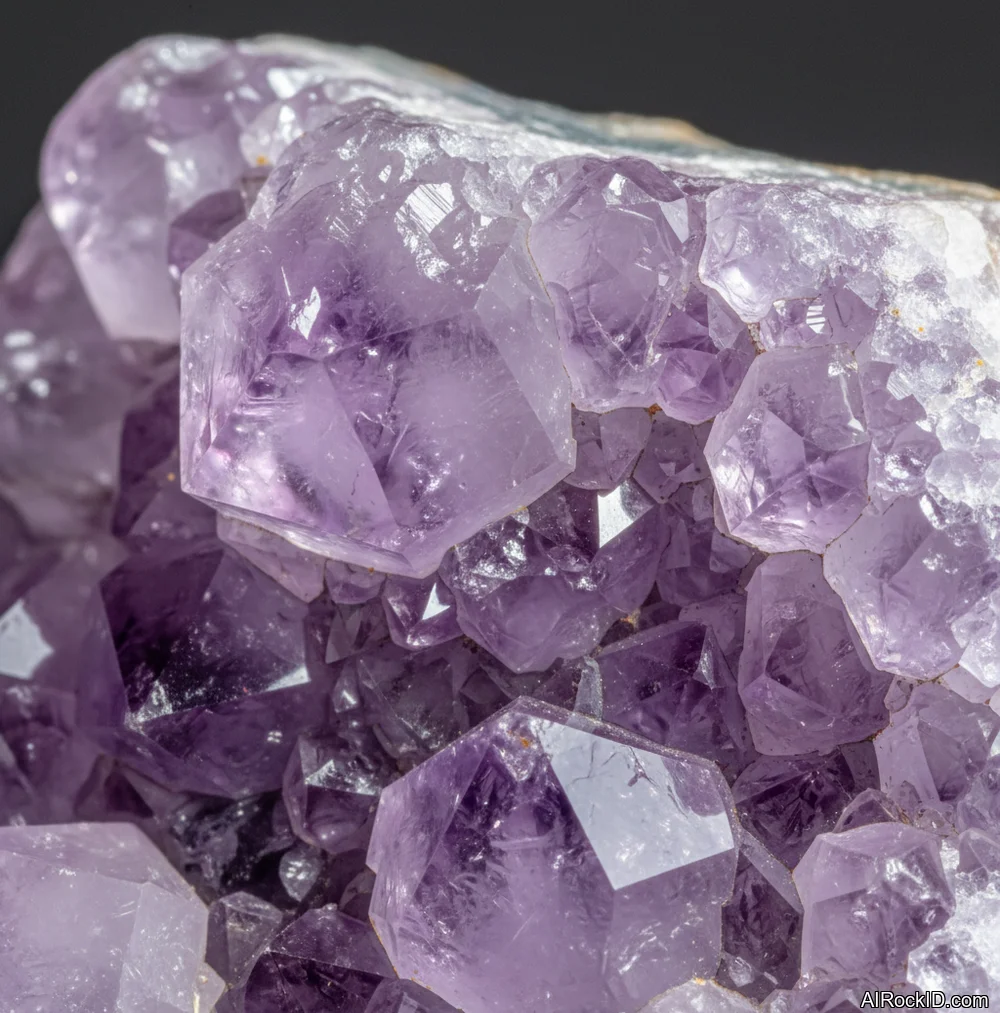
Look, pick up a decent piece of amethyst and you notice the temperature first. It’s cool right away and it stays that way in your palm, not like glass that warms up fast. And that matters, because intuition work is mostly about downshifting your nervous system so your mind isn’t buzzing and you can hear yourself think. I’ve watched people grab the flashy, aura-coated stuff (you know the kind, slick rainbow shine) and then wonder why they feel scattered. Shiny isn’t the same as useful.
But here’s the grounded part. Crystals don’t hand you psychic powers on command. What they can do, if you use them consistently, is act like a physical cue that tells your brain, “Okay, we’re doing this now”: relaxed, inward, reflective, honest. So instead of trying to force intuition, a simple routine with the right stones usually works better. And it’s easier to keep doing when life gets loud, right?
Quick Comparison
| situation | crystal | why | format |
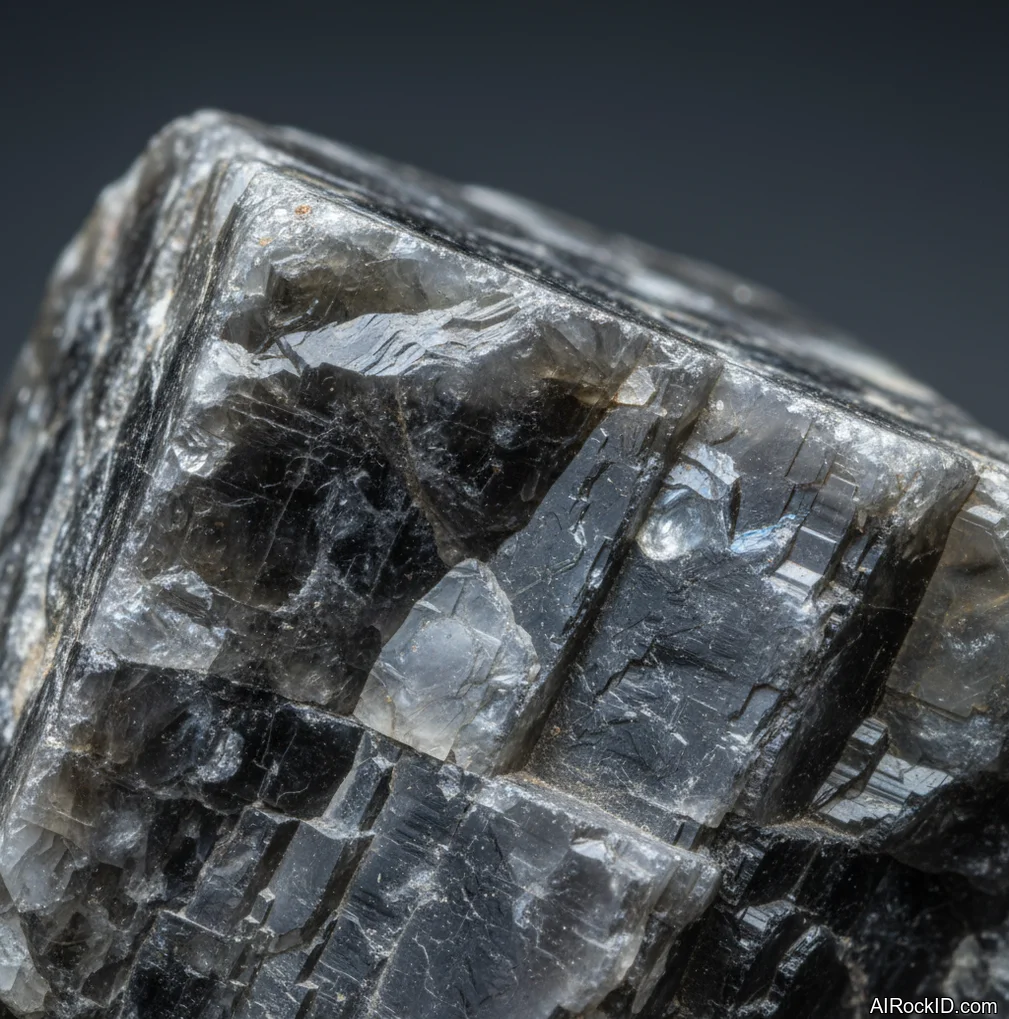
| Trying to remember your dreams in the morning | Black Moonstone | The shimmer pulls your focus and the weight is grounding, which helps when you’re groggy and trying to track fragments of a dream. | Palm stone kept by the bed |
| Needing clarity before making a split-second decision | Amethyst | Cool to the touch and never warms up fast, so it’s perfect for snapping out of mental noise and getting centered before acting. | Tumbled stone in the pocket |
| Journaling to catch subtle insights or hunches | Azurite | Deep blue color grabs your attention and the powdery residue can even leave a faint mark on your fingers—hard to ignore, helps with focus. | Raw chunk on the desk |
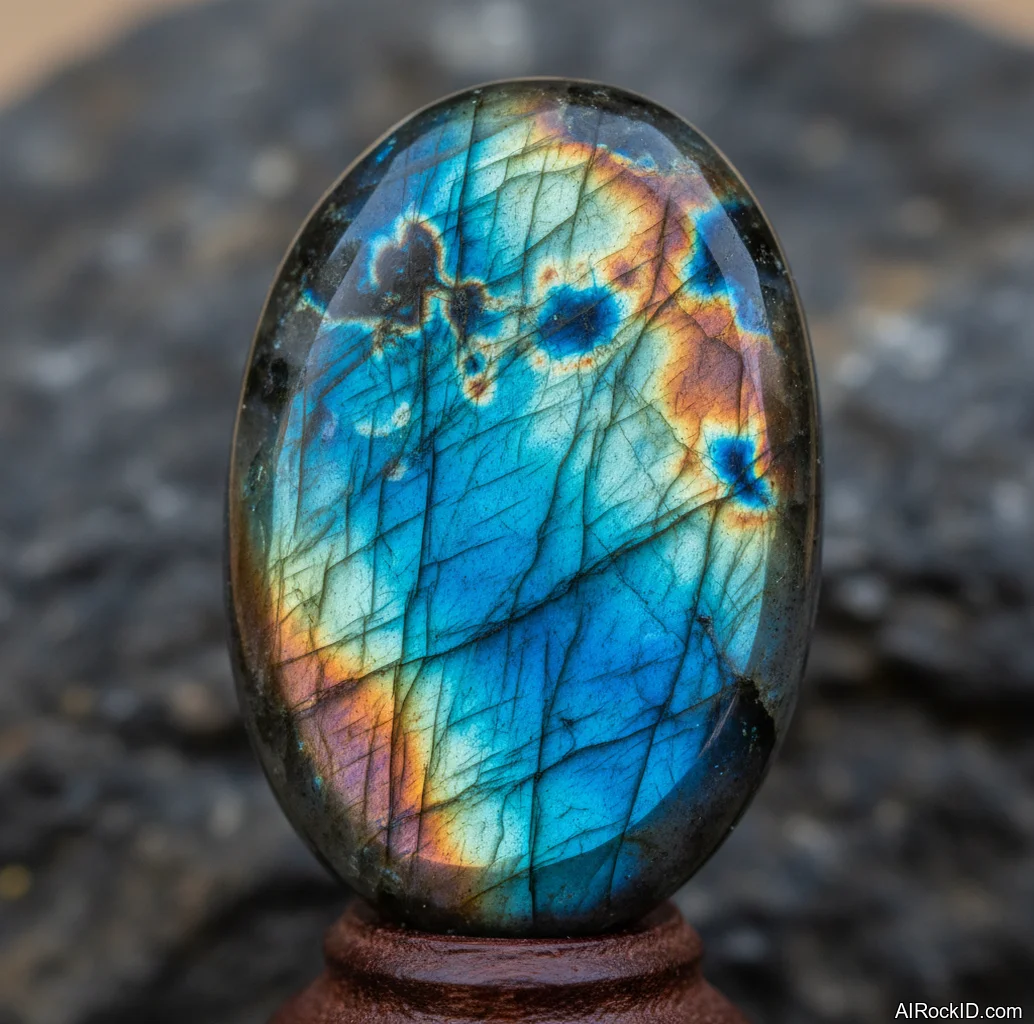
| Wanting a gut-check during meditation or quiet time | Labradorite | The flash only shows up at certain angles, so you have to slow down and move it in the light—forces you to get present. | Flat, polished slab |
Recommended Crystals
Amethyst
Black Moonstone
Labradorite
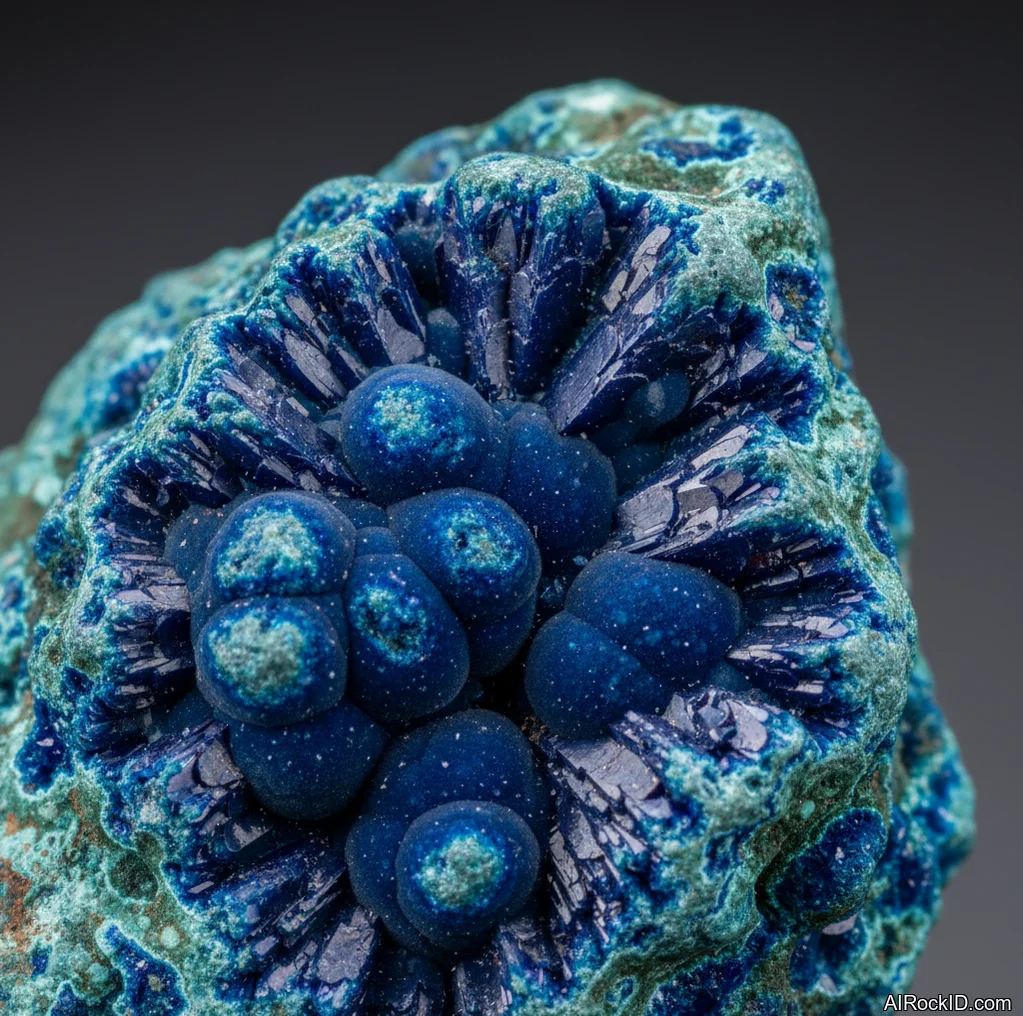
Azurite
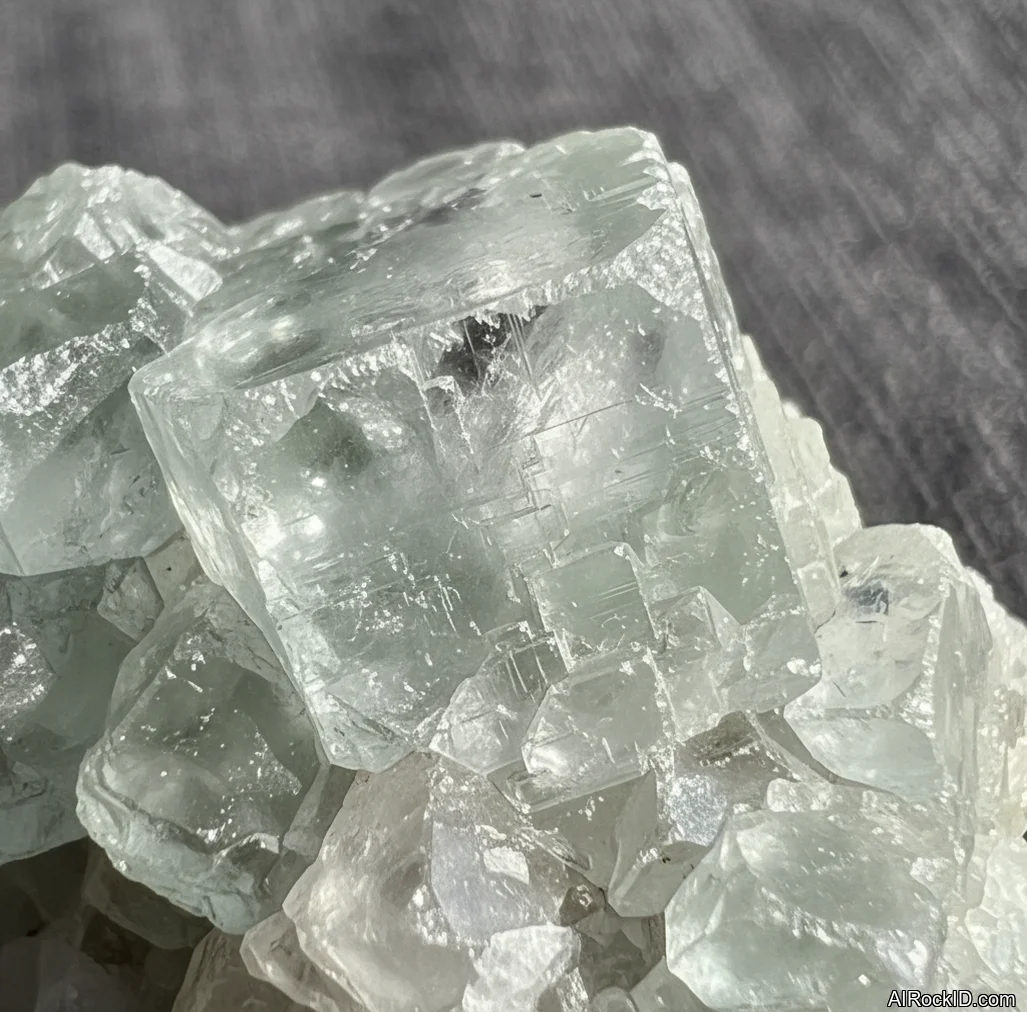
Apophyllite
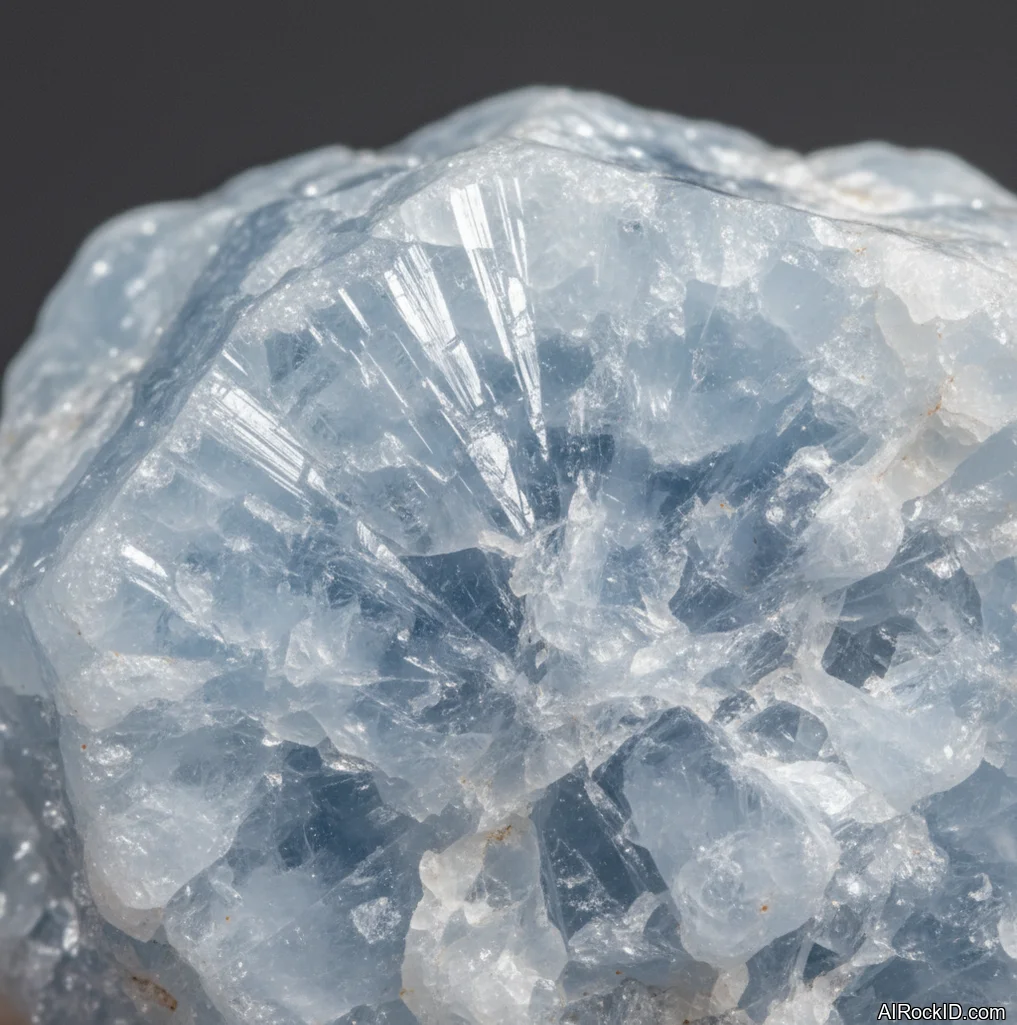
Angelite
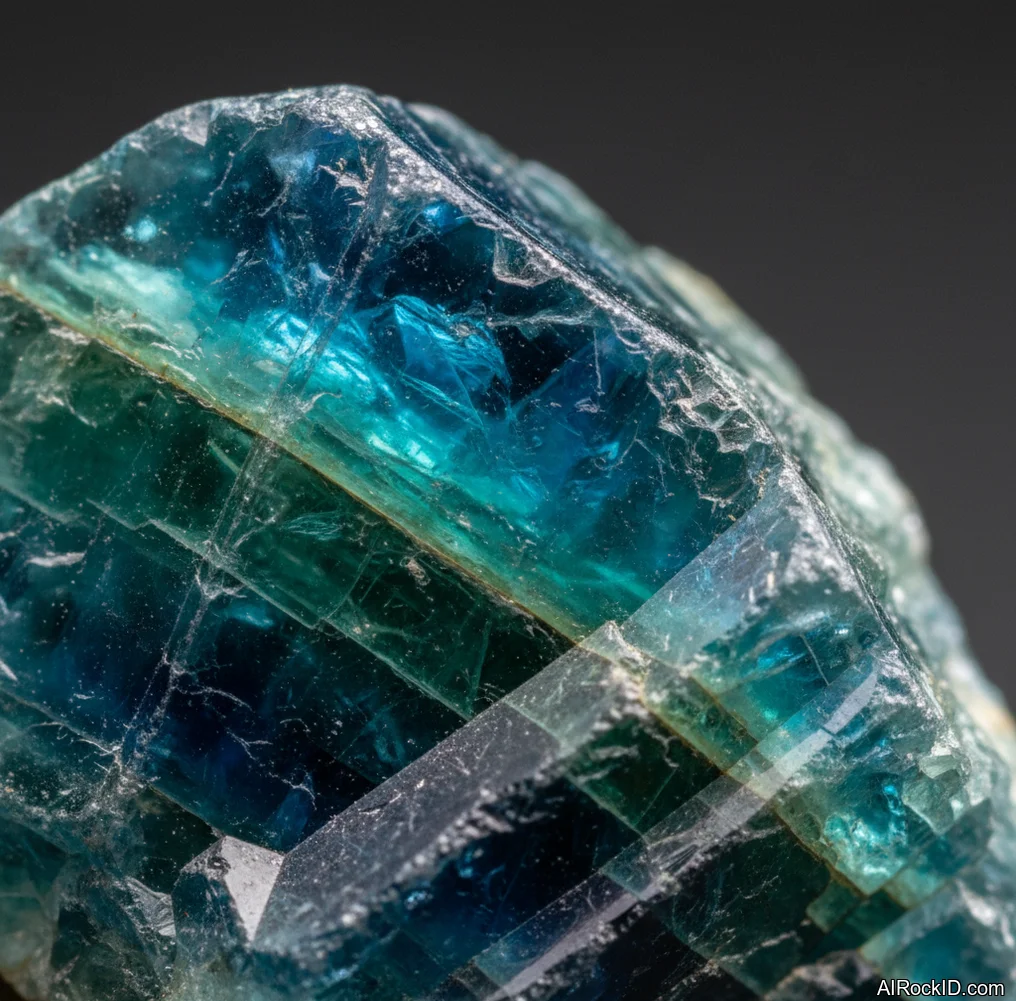
Apatite
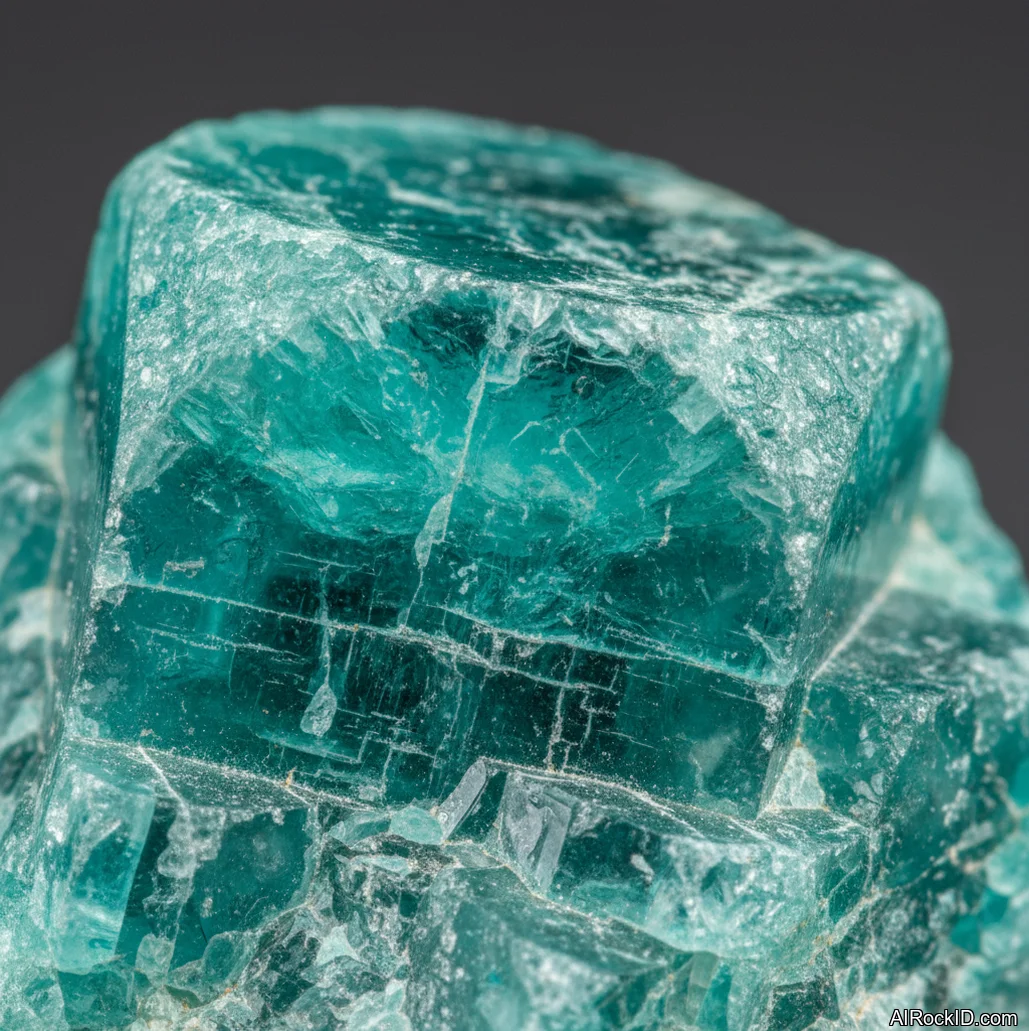
Amazonite
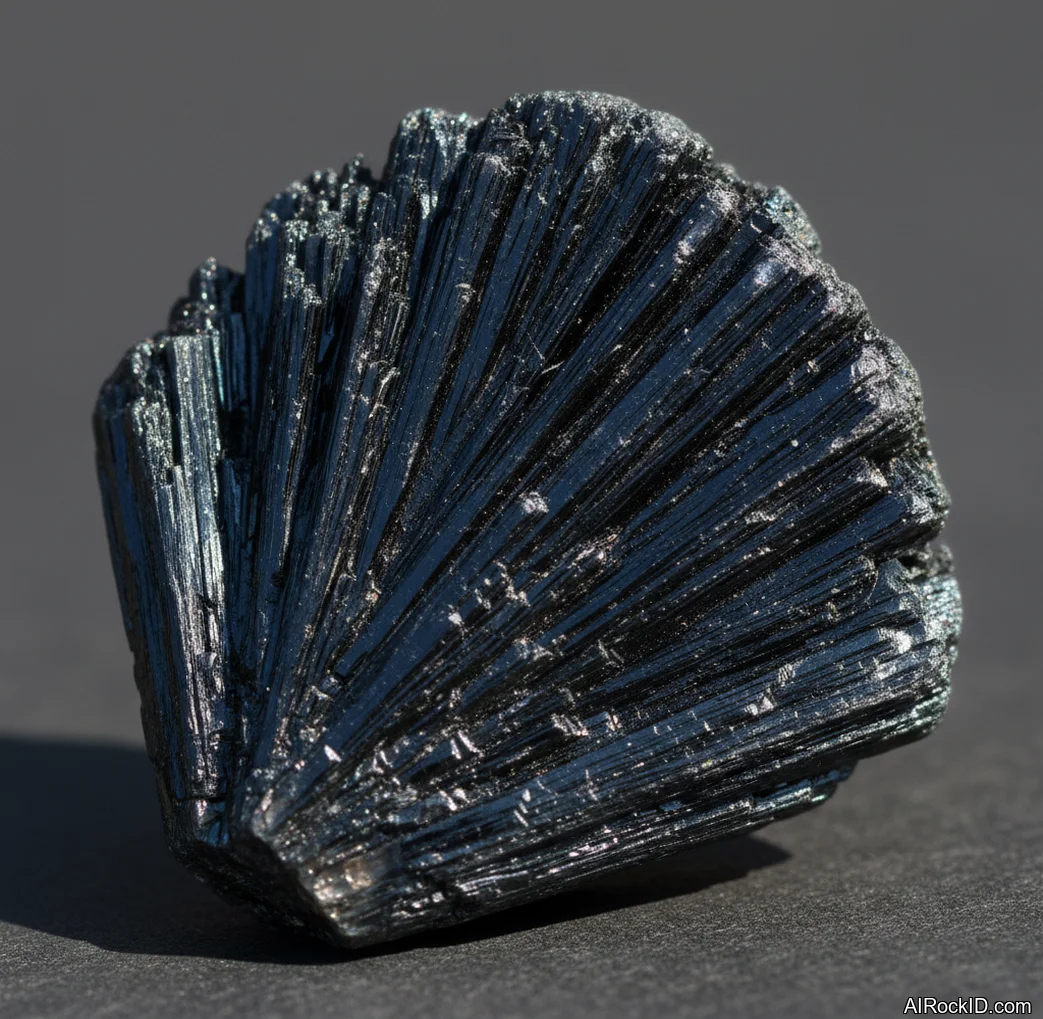
Black Kyanite
What “intuition” looks like in real life (and how stones can help)
Most people expect intuition to hit like a lightning bolt. But in real life it’s usually quieter: that tiny pause before you say yes, a tight pinch in your chest when something’s off, a random memory that barges in and won’t let go. Those little signals disappear fast when you’re rushing, doomscrolling, or running on caffeine and adrenaline.
Pick up a stone you trust and you’re basically handing your brain a physical reason to slow down. That’s the point. I’ve watched customers hold labradorite and, almost immediately, they start tilting it back and forth to catch the flash in the light, turning it until the blue and green sheen shows up. And that same kind of attention, the noticing, the waiting a second, is what you need for subtle inner info. It’s not magic. It’s practice.
Breathwork helps, sure, but crystals can make a routine actually stick because you can see them and touch them (cold at first, then warm in your palm). A stone on the nightstand turns into a reminder to write down dreams. A palm stone on your desk becomes a cue to do a 30 second gut check before you commit. Treat the crystal like a tool for consistency and your intuition gets louder over time.
Choosing a good specimen: color, weight, texture, and the fake problem
At first glance, “intuition crystals” just look like pretty rocks. But quality matters way more than people want to admit, because fakes and treatments can mess with the feel and the durability. Aura-coated quartz is the big one. It’s still real quartz, sure, but it has that surface treatment that can chip, or get those hairline scratches fast, and once you notice them, it yanks your attention right out of the work.
Take azurite. Look, if it’s unnaturally glossy and that perfectly uniform, solid blue, I’d be skeptical. Real pieces usually have little rough patches, tiny pits you can catch with a fingernail, or some matrix hanging around the edges.
And labradorite has its own tell. The flash should click on and off cleanly when you tilt it, like a quick light switch. If it’s more like a painted shimmer that doesn’t really change no matter what angle you move it, it’s usually resin or low-grade material with a coating.
Thing is, the real test is how it sits in your hand. Apophyllite feels glassy and crisp. Angelite feels soft and matte, almost chalky if you rub your thumb over it (you can feel it). Black kyanite feels like ridged blades. If a listing photo won’t show texture, ask for close-ups. Good sellers won’t mind. Why would they?
Dreamwork, journaling, and the “two-step” method that actually sticks
Dream intuition is the easiest place to see if anything’s actually working, because you can track it. You remember more, or you don’t. Thing is, it’s about routine, not hunting for some perfect stone. I stick to a two-step setup that’s so simple I’ll still do it even on a slammed weeknight.
Step one: a physical cue. Before you fall asleep, touch the same stone every night. I’ve had good luck with amethyst or apophyllite, but honestly the best stone is the one you won’t forget to grab when you’re already half-asleep and your hand’s just patting around on the nightstand. (You know that feeling.)
Step two: capture. Keep a notebook open, not closed, so you’re not fumbling with a cover or flipping pages first thing. The second you wake up, write three bullet points. Fast. No interpretation yet. Just get it down.
Compared to a long morning journaling session, this is basically two minutes. And it gives you a record you can actually check later instead of relying on vibes. After a week, you’ll start noticing patterns. Same themes. Same people. That same weird symbol popping up again. That’s where intuition starts getting real. You stop guessing and start recognizing.
Pairing stones without turning it into a crystal salad
Thing is, intuition stacks go sideways because people keep piling on stones when what they actually need is fewer variables. If you change five things at once, you won’t know what helped and what was just noise. So keep your pairings simple and functional.
One calming stone plus one clarity stone is plenty. Amethyst with labradorite is a solid combo for meditation and journaling. Black moonstone with amazonite works well when the question is emotional and you need honesty without spiraling. And for that “I feel polluted by everyone else’s stuff” feeling, black kyanite with angelite is a clean, quiet pairing.
Pick up each stone and pay attention to what your body does in the first ten seconds (before your brain starts telling a story). Shoulders drop. Jaw unclenches. Or maybe you get kind of buzzy and restless. That’s feedback you can actually use. If a pairing makes you feel scattered, split them up. Intuition likes a clean signal.
How to Use These Crystals for Intuition
Pick one stone and stick with it for two weeks. Seriously. Park it right where the habit actually happens: amethyst by the bed, amazonite on the desk, labradorite next to your journal. If it disappears into a drawer, it turns into decor instead of something you’ll reach for.
Here’s a routine that works without you getting weirdly precious about it. Hold the stone in your non-dominant hand (the one that feels a little clumsier). Take five slow breath cycles. Then ask one question you can actually do something about. “Do I call them today?” “Is this deal clean?” “What am I avoiding?” Write your first three impressions as plain sentences, not poetry, and then stop. No spiraling. After that, sanity-check it in your body: when you wrote the answer, did your shoulders drop, or did your jaw tighten?
For everyday intuition, I keep it even simpler. Tap the crystal once, look at it for two seconds, then decide. That’s it. You’re training a link between a physical cue and an internal signal (and yes, it feels kind of silly at first). Clean the stone when it starts to feel like background noise. A quick rinse is fine for harder materials, but skip water for angelite, and go easy on azurite and apophyllite. Sometimes a dry cloth is all it needs. And a little intention, sure.
Common Mistakes to Avoid
Most dealers see the same screw-up every week: someone buys a stone and expects it to do all the heavy lifting. It won’t. Intuition is pattern recognition plus nervous system regulation. If you never slow down, no crystal fixes that. Not happening.
And then there’s the hoarding thing. Ten stones on the nightstand, swapping to a different one every day, and suddenly you can’t tell what’s actually helping and what’s just… clutter. Compared to that, one consistent piece used the same way at the same time gets results you can track. Simple, but it works.
But watch out for soft minerals, seriously. Azurite can shed dust (that blue powder gets on your fingers fast), apophyllite chips if you knock it against a sink or a countertop, and angelite hates water. If you treat everything like quartz, you’ll ruin good pieces.
Finally, don’t mix up anxiety with intuition. Anxiety is loud and repetitive. Intuition is usually brief, specific, and then it gets quiet. So if a stone ramps you up, it’s not “working.” It’s just stimulating you.
What Crystals Can and Cannot Do
Identify crystals related to Best Crystals for Intuition
Snap a photo to check crystals mentioned in this guide and compare likely matches.