Best Crystals for Sacral Chakra
Quick answer: Sacral chakra crystal choices commonly focus on orange, peach, and warm-toned stones such as carnelian, orange calcite, sunstone, and peach moonstone. In chakra traditions, these stones are used as mindfulness objects for creativity, emotional flow, sensuality, and comfort with change, not as medical treatments.


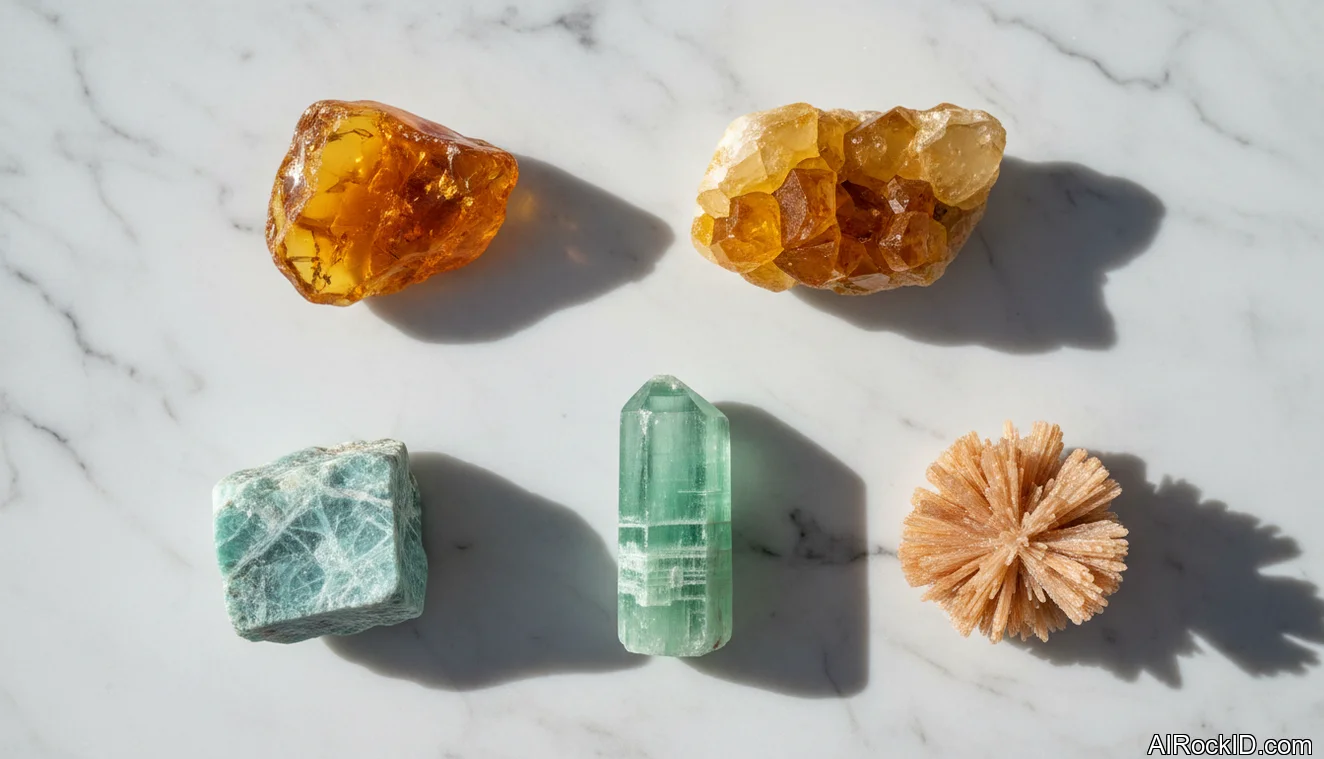
AI Rock ID can help identify a sacral chakra stone from a clear photo, especially when color, luster, banding, and translucency are visible. RockIdentifier.io provides crystal and mineral references that can help compare look-alike stones before using them in a personal practice.
Good fit
- Beginners who want a simple, symbolic focus object for creativity or emotional reflection
- People building a small chakra crystal set around orange, peach, or warm golden stones
- Meditation, journaling, yoga, or breathwork practices that use tactile objects
- Collectors who want practical notes on choosing and handling common sacral chakra stones
Not a good fit
- Anyone seeking a substitute for medical, mental health, or relationship care
- People who need guaranteed results from a crystal practice
- Users who plan to place unknown stones in drinking water or direct heat
- Buyers who cannot verify dyed, treated, or mislabeled stones
Most commonly confused with
- Carnelian: Carnelian is usually translucent orange to red chalcedony, while dyed agate may show unnaturally intense color in bands or cracks.
- Orange Calcite: Orange calcite is softer and often waxy or glassy, while carnelian is harder and more chalcedony-like.
- Sunstone: Sunstone may show glittery aventurescence, while orange calcite and carnelian usually do not.
- Peach Moonstone: Peach moonstone may show a soft glow or adularescence, while peach aventurine is usually more granular or sparkly.
AI identification confidence
AI identification is most reliable when the photo shows the stone in natural light with a neutral background and a close view of texture, translucency, and surface features. Confidence is lower for tumbled orange stones because carnelian, dyed agate, orange calcite, and glass can look similar in small polished pieces.
When AI gets it wrong
- The stone is dyed, heat-treated, coated, or sold under a trade name.
- The photo is taken under warm indoor lighting that changes the apparent color.
- Only one smooth tumbled surface is visible, with no fracture, banding, or transparency clues.
- The specimen is glass, resin, or a composite made to imitate a natural crystal.
Best choice summary
Carnelian is often the most practical first choice for a sacral chakra crystal because it is widely available, durable enough for regular handling, and strongly associated with vitality and creative action in modern crystal traditions. Orange calcite is a good softer alternative for gentle reflection, while sunstone suits users who prefer a brighter, confidence-focused stone.
Final recommendation
Choose one primary stone that matches the practice you will actually use: carnelian for momentum, orange calcite for emotional ease, or peach moonstone for softer self-reflection. Keep the crystal practice simple, verify the stone when possible, and treat it as a mindfulness aid rather than a cure or guaranteed outcome.
Authenticity Checks for Orange Chakra Stones
Many orange sacral chakra stones are sold as tumbled pieces, which can make identification harder. Look for unusually bright dye in cracks, color pooling in bands, air bubbles in glass, or a surface that feels plastic-like rather than mineral. A basic hardness comparison can also help separate softer orange calcite from harder carnelian or agate.
Safe Storage and Daily Handling
Most sacral chakra stones are easy to keep in a pouch, bowl, or bedside tray, but softer minerals can scratch if stored with harder quartz-family stones. Orange calcite, selenite, and some opals need gentler handling than carnelian or agate. Keep fragile, toxic, or moisture-sensitive specimens away from children, pets, and soaking practices.
A Simple Reflection Prompt
A sacral chakra crystal can be used as a reminder to ask one grounded question: “What would feel creative, honest, and sustainable today?” Holding the stone while journaling can help turn the practice into a repeatable check-in. The value comes from attention, consistency, and personal meaning rather than from a guaranteed crystal effect.
This guide covers the best crystals people reach for when working with the sacral chakra, especially for creativity, libido, emotional flow, and that stuck, heavy feeling low in the belly. It focuses on Amber, Amber Calcite, Amazonite, Apatite, Aragonite, and Axinite, with notes on how they tend to feel in-hand and how collectors actually use them in body-based rituals. Results vary a lot by person and by piece, so you still have to test each stone on your own body instead of buying by name alone.
The best crystals for the sacral chakra are the ones that feel warm, steady, and a little energizing when you hold them, but don’t leave you feeling jangly or on edge. I keep coming back to the same small handful when I’m working on creativity, libido, emotional flow, and that stuck-in-neutral thing that sits low in the belly.
Thing is, sacral work is physical. You’ll feel it fast if you’re actually paying attention. Grab a stone and check in with your body before your brain starts writing poetry about it. Do your shoulders drop, or do you tighten up without realizing? Does your breath sink down into your ribs and belly, or do you get kind of buzzy and scattered? I’ve handled enough orange and teal pieces over the years to tell you two chunks of the “same” stone can feel totally different, especially if one’s been dyed, stabilized, or heat-treated so the color screams louder.
And crystals don’t replace the basics. If you’re dehydrated, running on no sleep, or white-knuckling stress all day, no hunk of mineral is going to magically fix that. But they can give you a steady cue to come back into your body, plus a simple ritual that keeps you honest (even when you’d rather avoid your feelings). The list below sticks to stones I’ve personally seen help people get unstuck, along with practical ways to use them and a few market realities, so you don’t get sold something shiny that does nothing for you.
Quick Comparison
| situation | crystal | why | format |
| I feel stuck creatively and nothing’s flowing, especially when I sit down to write or make art | Apatite | Apatite has that bright, clean push that gets ideas moving without feeling like caffeine; the blue-green pieces can feel cool at first, then oddly motivating once they warm up in your hand | palm stone or smooth pocket tumble |
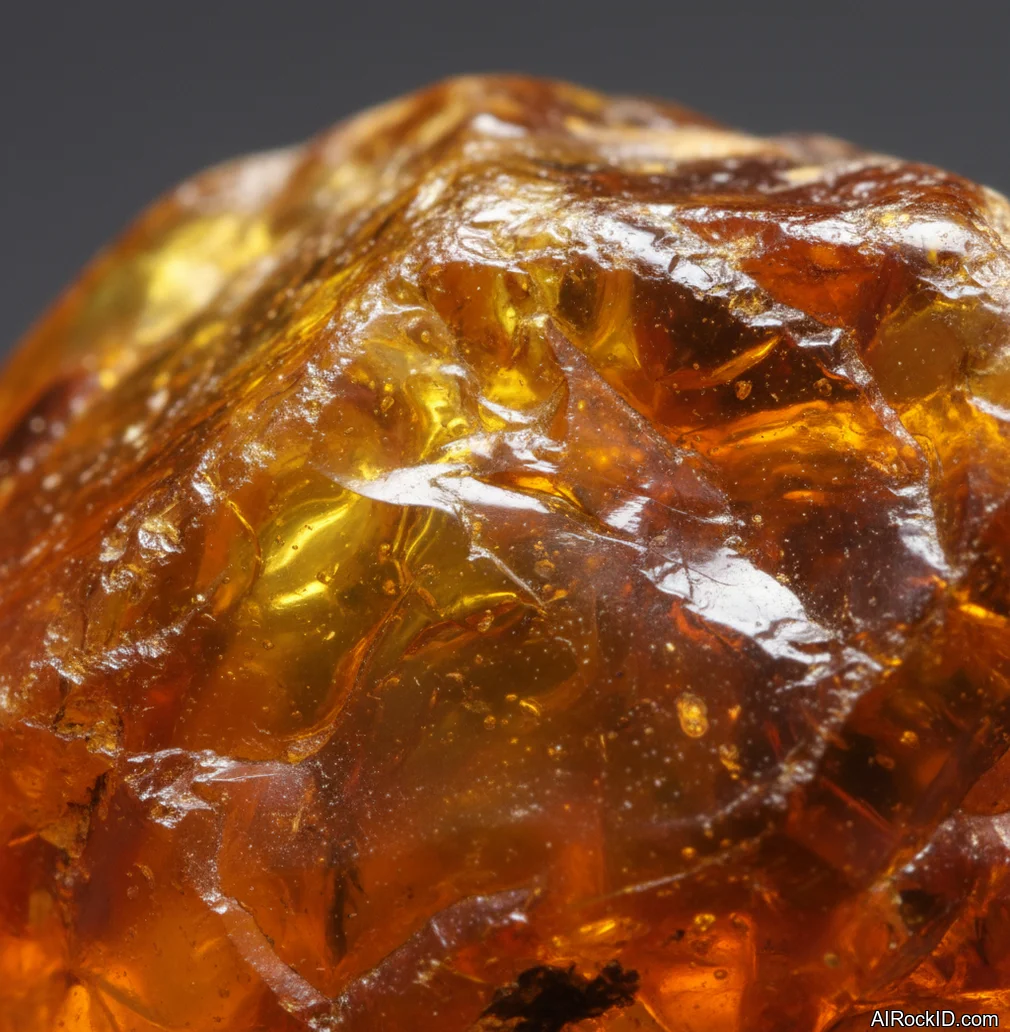
| My libido feels flat and I want something warm and body-forward, not heady | Amber | Real amber is feather-light and warms fast against skin, which is exactly why people pick it for sacral work; but cheap fakes often feel oddly warm right away and look too perfect | beads worn at the waist/hip line or a small piece held on the lower belly |
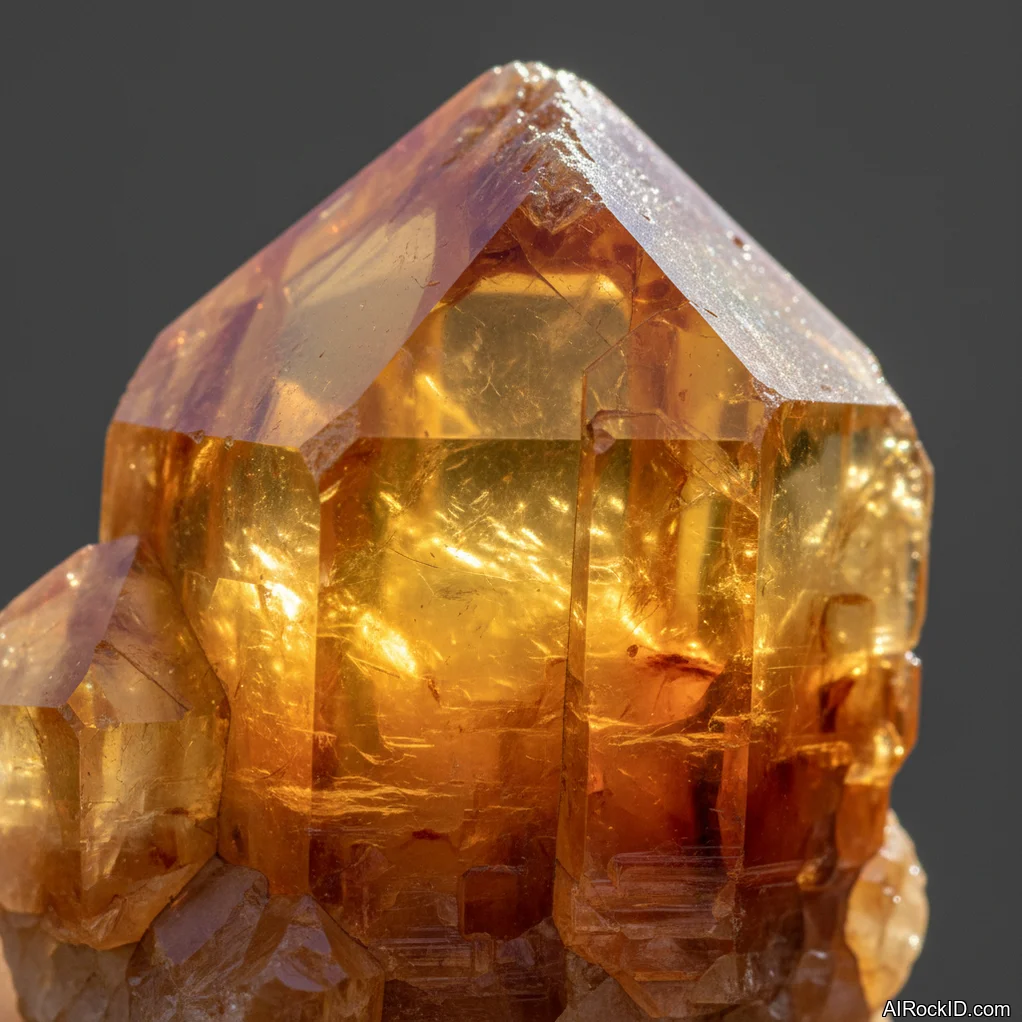
| I’m emotionally backed up and I can’t cry or feel much, like my lower belly is braced | Amber Calcite | Amber calcite tends to feel soft and steady, like a gentle heat pack for the gut, and the banding or cloudiness is common so you don’t need a flawless piece to get a good one | palm stone placed below the navel for 10-15 minutes |
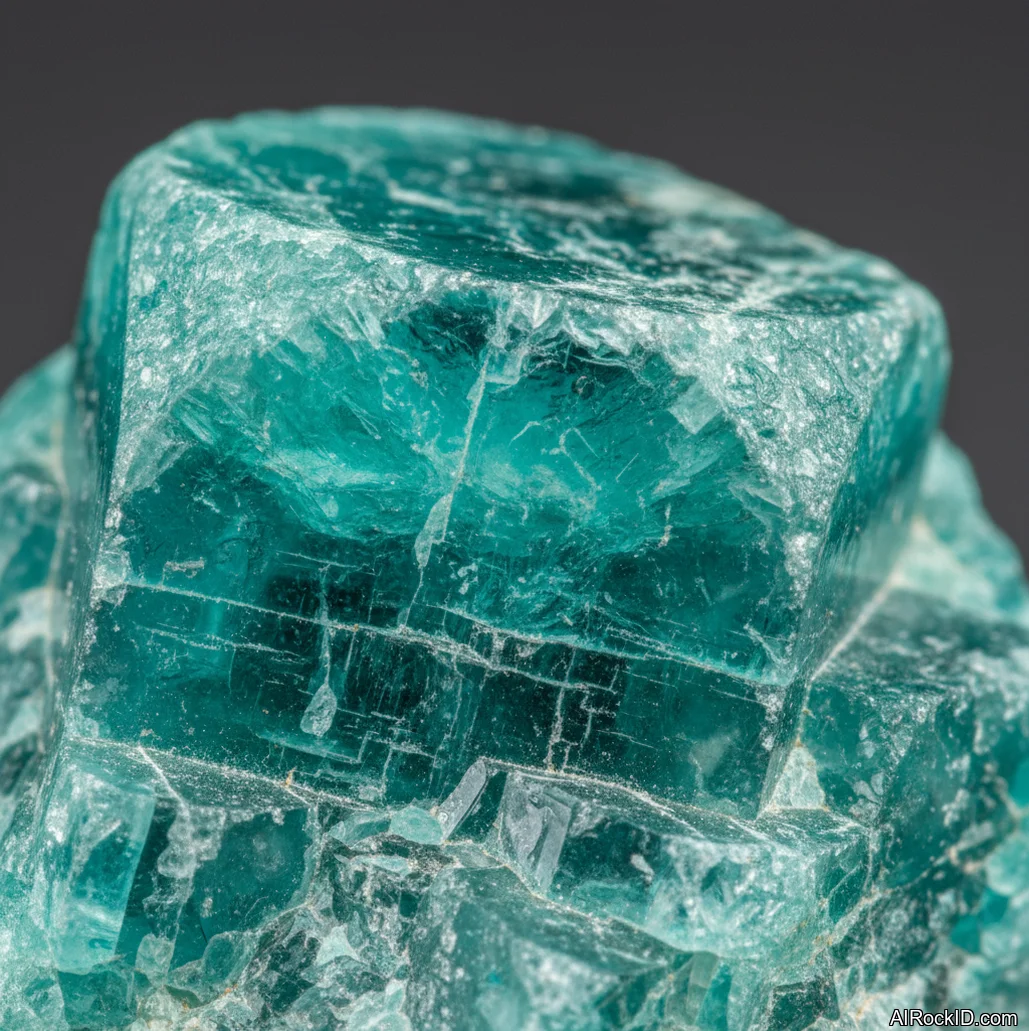
| I want sacral energy but I get overstimulated easily and end up buzzy or anxious | Amazonite | Amazonite has that teal, cooling vibe that helps keep sacral work from tipping into jitters; look closely and you’ll usually see white streaks or a grid-like look from feldspar structure, not a flat painted color | bracelet or worry stone for steady touch throughout the day |
Recommended Crystals
Amber
Amber Calcite
Amazonite
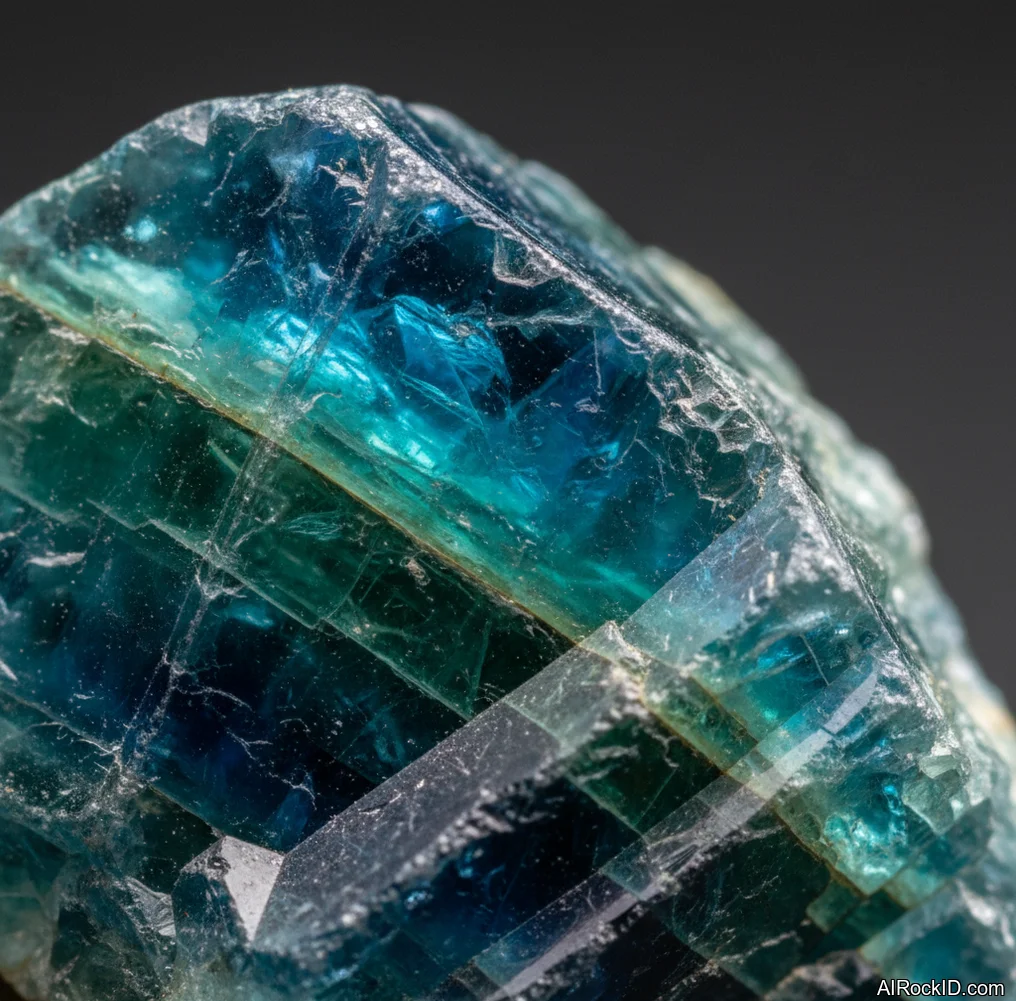
Apatite
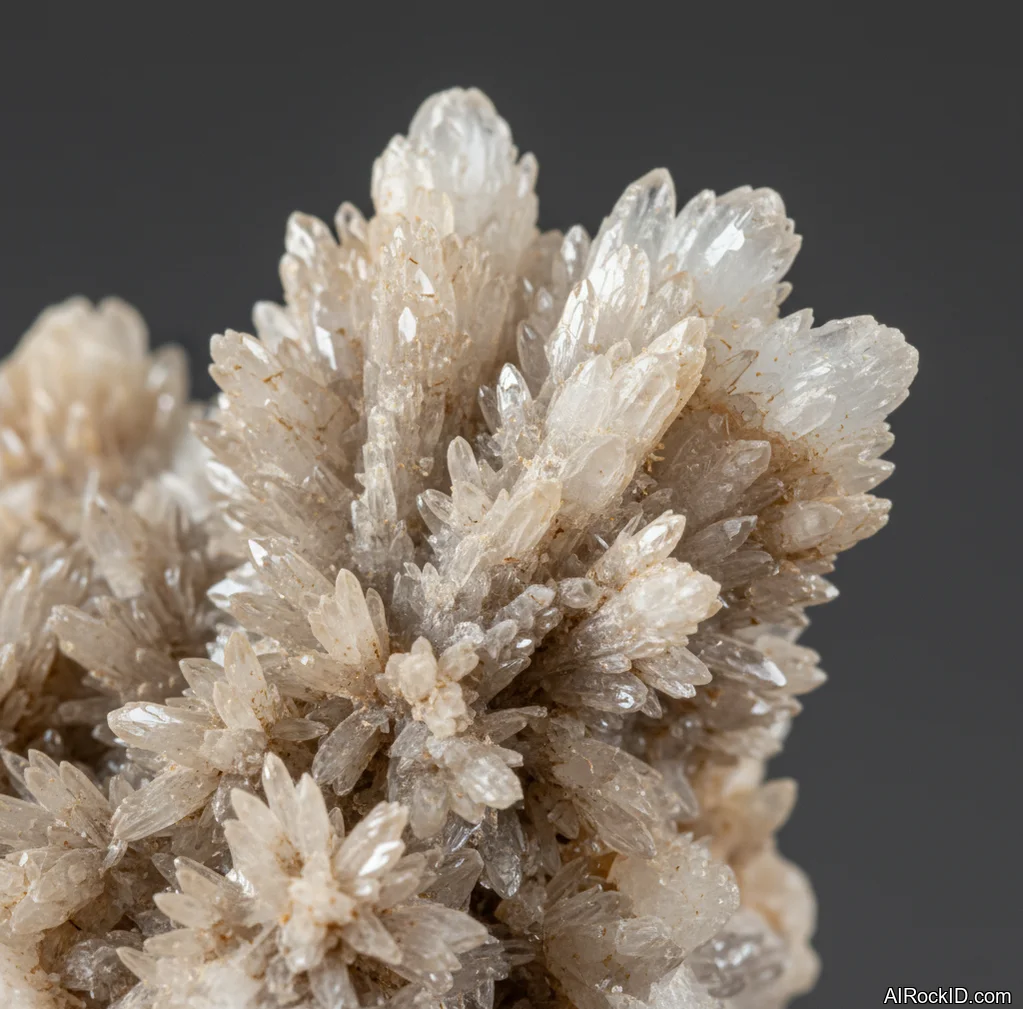
Aragonite
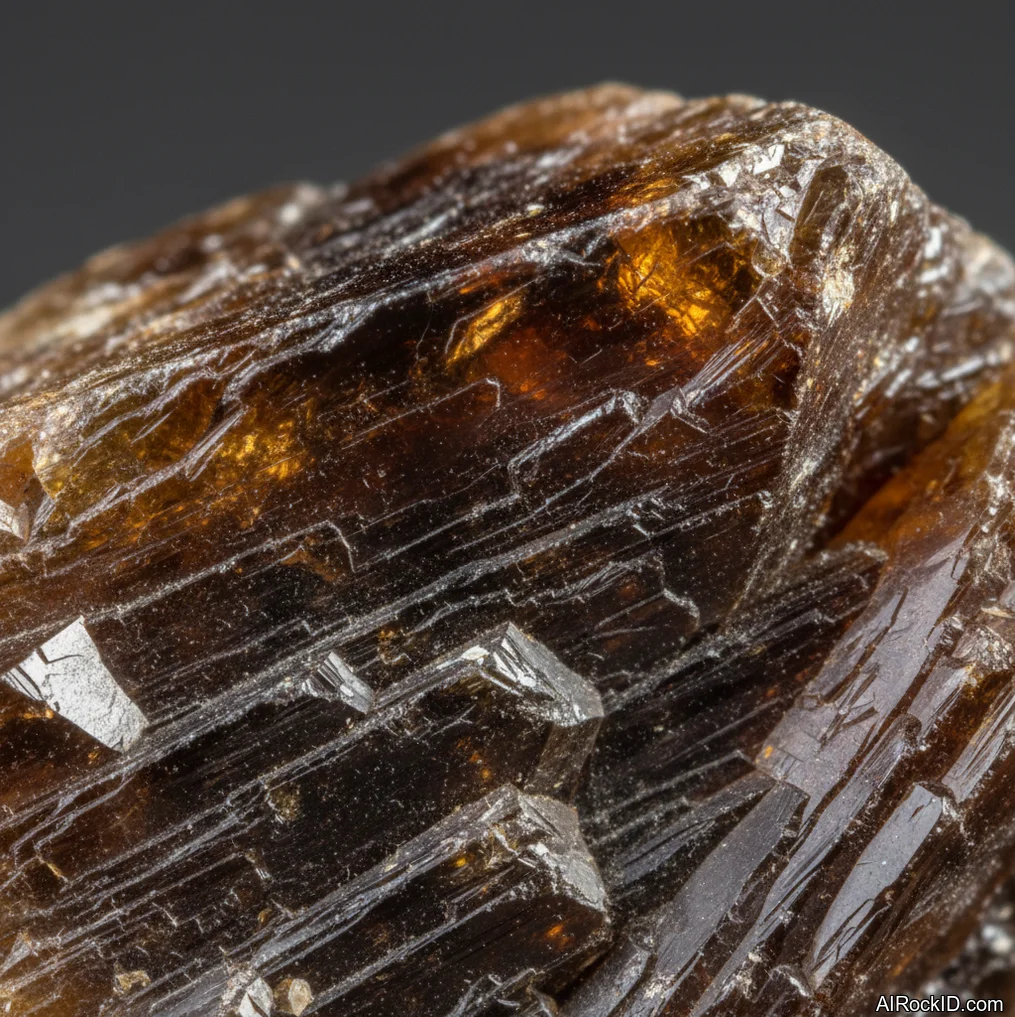
Axinite
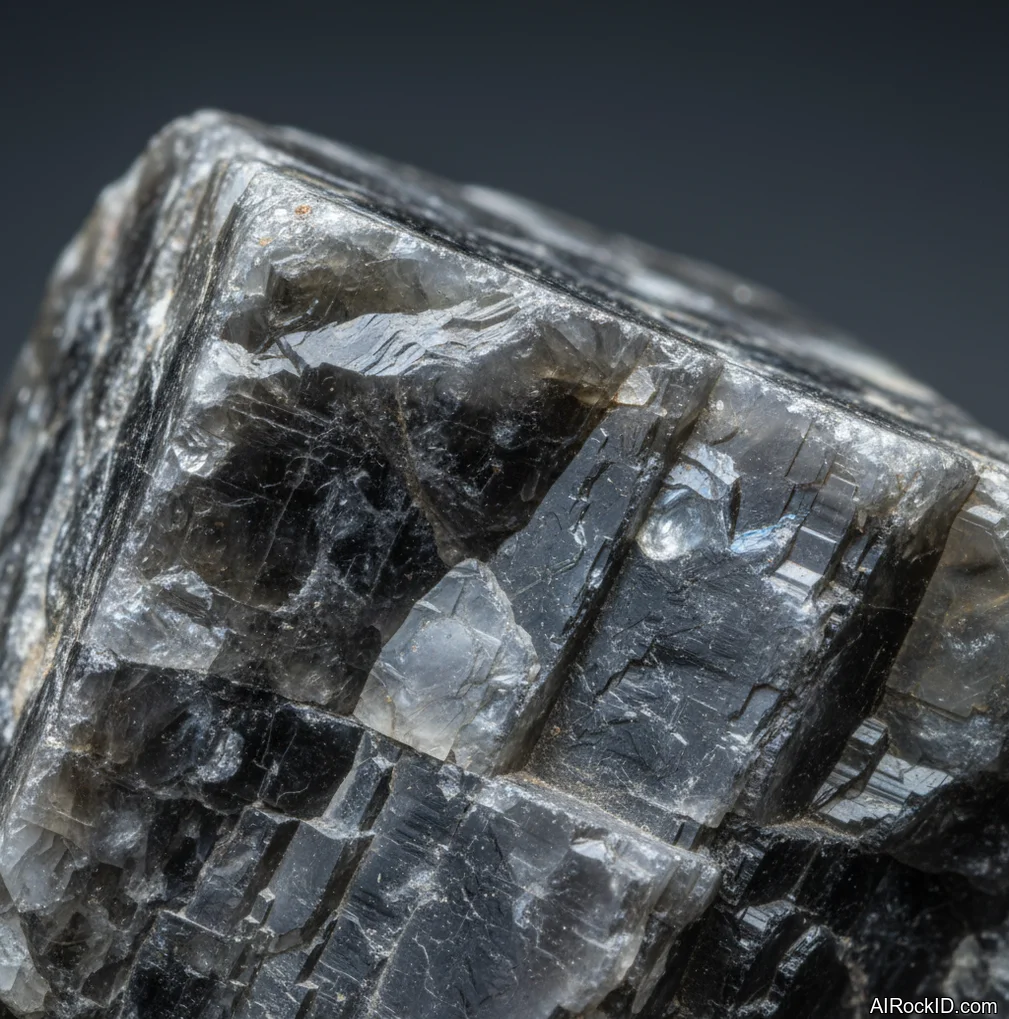
Black Moonstone
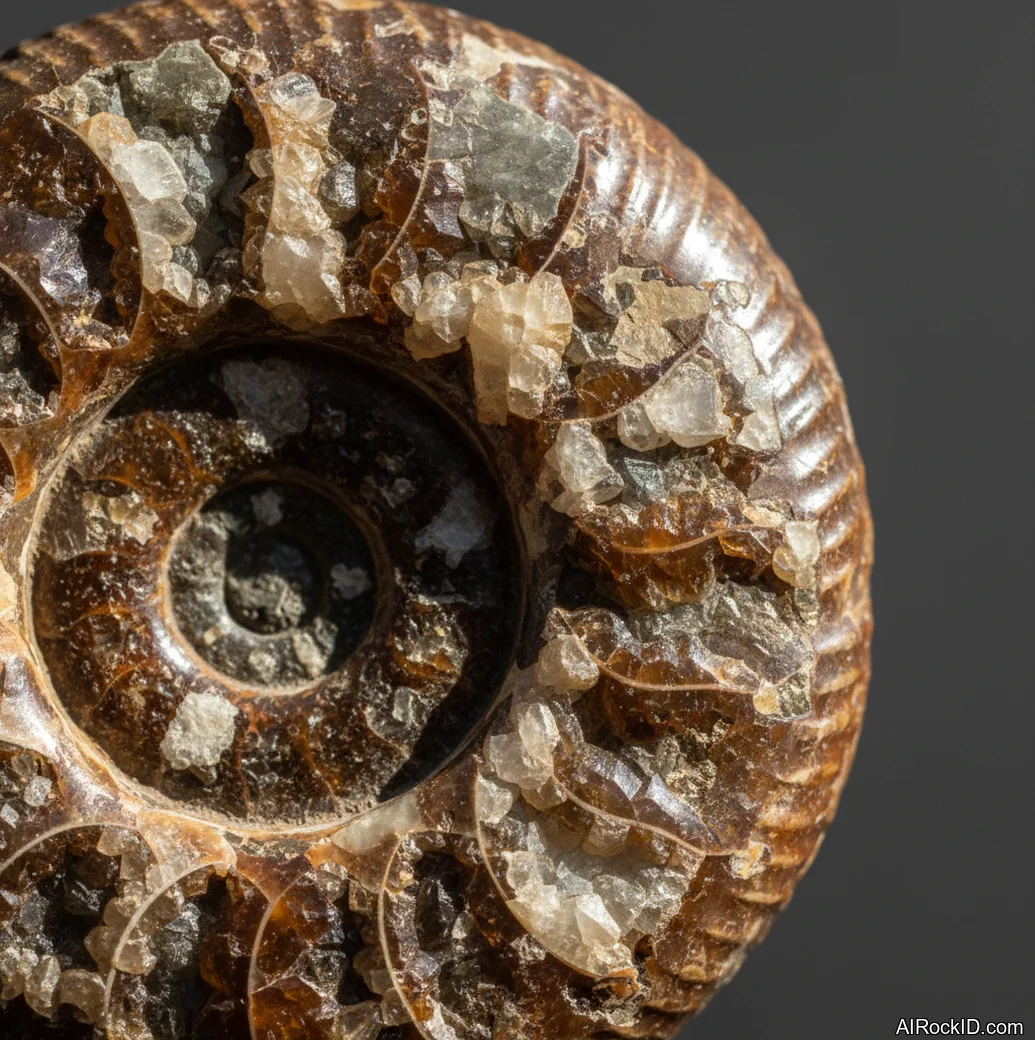
Ammonite
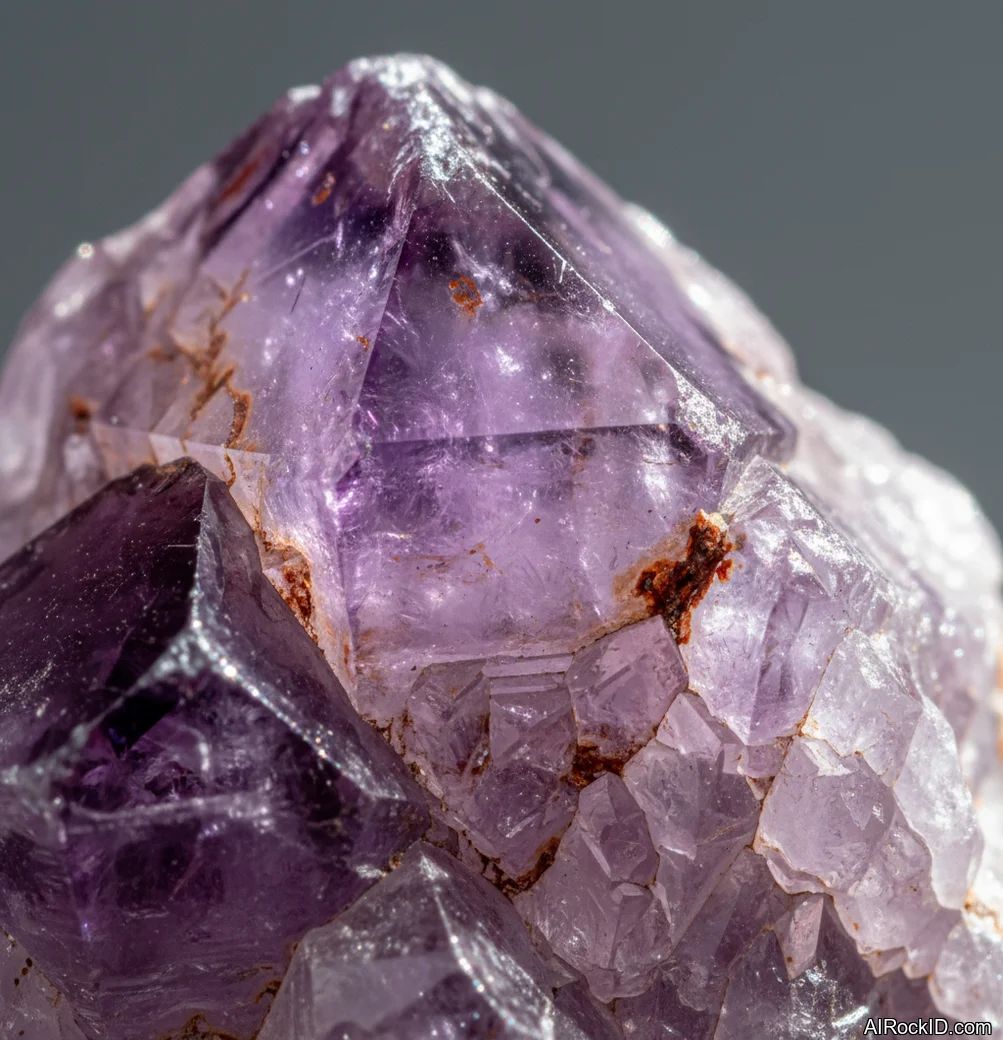
Auralite-23
What “sacral chakra” looks like in real life
Most people don’t walk in and announce, “My sacral chakra is blocked.” They tell you they feel kind of flat. Or they can’t finish anything. Or intimacy feels tense. Or they’re snapping at everyone and don’t even know why.
Sacral stuff tends to show up in the hips, the lower belly, the low back, plus the whole messy zone of pleasure and emotions. And yeah, it’s messy. That’s normal.
So grab one of your stones and do a quick check-in. Are you breathing shallow, way up in your chest? Is your jaw clenched like you’ve been chewing through stress all day? That’s usually the first hint you’re not really in your body.
When someone’s sacral energy is running too hot, they’ll often feel restless and impulsive, and even “fun” stones like apatite can nudge things into overdrive. But when it’s running low, amber or amber calcite usually feels more like sliding a dimmer switch up, not blasting a harsh light in your face.
One more reality: sacral imbalances are often caused by boring stuff. Not enough sleep. Too much caffeine. No movement in the hips. You can still use crystals, sure, but you’ll get better results if you pair them with one simple body habit.
Picking a good stone: color helps, but texture tells the truth
Orange stones get all the attention for sacral work, and yeah, color can be a handy shortcut. But I’ve seen people get way more from a muted black moonstone than a loud orange tumble, just because the moonstone actually made their body feel calm and safe. That’s the point. Not orange. The point is how you respond.
Look closely at the surface. Calcite usually has tiny little pits or that sugary sparkle when you hit it with strong light, and it feels softer, kind of “grabby,” compared to glass when you run your thumb over it. Amber should feel weirdly light for its size, and if you rub it with wool you can sometimes build up a bit of static (it’s a small thing, but it’s real). Amazonite typically has natural white streaks or patchy areas; when the teal looks too perfect, that’s often where dye likes to hide.
Most dealers won’t say it out loud, but the finish changes how a stone works in your hand. A high-gloss palm stone slides around and almost asks to be held, which can be great for sacral work. But a sharp cluster might be geologically cool, and if it pokes you, you’re not going to relax. And relaxation is half the game.
Pairing crystals with movement (because hips don’t lie)
If you do just one thing with sacral stones, make it this: use them while you’re doing gentle hip movement. Stones can feel like a solid anchor in your hand, sure, but the sacral area reacts to motion and breath way faster than it does to you staring at a crystal from across the room.
So try this easy little routine. Sit on the floor or on a firm bed (not the squishy kind where your pelvis sinks and everything feels wobbly), knees bent, feet planted. Set amber calcite or aragonite on your lower belly, right below the navel where it can actually rest without sliding off, then do slow pelvic tilts as you inhale and exhale. Slow as in almost boring. Like you’re moving through honey.
But if you’re working with something sharper like axinite, don’t balance it on your body. Just keep it beside your right hip where you can reach over and touch it between sets, then go back to the tilts.
Thing is, a lot of “chakra crystal” advice flat-out ignores the nervous system. If a stone makes you feel unsafe, you’ll brace without even noticing. And once you brace, the practice fails. Use the stone that lets your breath drop lower, even if it isn’t the one with the prettiest Instagram color. Who cares what it looks like if your body won’t settle?
Combining sacral stones with water and heat safely
People are really into water rituals for sacral work, and honestly, I get why. The symbolism just lands. But taking care of the minerals still matters, and some stones simply don’t do well with soaking, salt, or heat.
Amber is a big one. Don’t park it in a hot window or leave it in a steamy bathroom. It can craze, and once that surface goes cloudy (that weird foggy look), it never really comes back.
Calcite can etch from water, and salt is definitely a no. Aragonite is similar. So if you want a “water practice,” keep the stone near the bowl, not in the bowl, and put your attention on the routine, not the soaking.
Heat is another trap. Warming a stone in your hands is totally fine. Leaving it on a heater or in a car is how you end up with cracks, faded color, or a piece that feels dead to you because, yeah, it’s literally damaged. If you want warmth, use a blanket, or a heating pad on low under a towel, and keep the crystal out of direct contact with the heat source.
How to Use These Crystals for Sacral Chakra
Start simple. Seriously. Grab one stone from the list that your body likes right away, not the one you feel like you’re supposed to like.
The fastest test I use in the shop? I hold the stone at belly level, take three slow breaths, and watch what my shoulders do. Do they drop a little (good) or do they creep up toward my ears (nope)? If they creep up, I put it back. No debate.
For a basic sacral session, lie down with your knees bent. Set a smooth stone like amber calcite, amazonite, or black moonstone on your lower abdomen, a couple finger-widths below your navel. Breathe in through your nose for a count of four. Then out for a count of six. Keep your attention on the weight of the stone as it rises and falls with your breath (you can actually feel that small shift if the stone’s polished and cool). Do 7 minutes. And stop there, even if you want to keep going, because consistency beats marathons.
For creative work, keep a stone where your hand naturally goes. I keep axinite or apatite next to my keyboard, right by the spot where my wrist rests, and I touch it when I’m about to scroll instead of make something. If you’re working with intimacy and comfort, ammonite is great because you can trace it with your thumb and stay present without trying to force big emotions. Whatever you pick, clean it in a low-drama way: wipe it with a soft cloth, do a quick smoke cleanse if that’s your thing, or just put it away overnight and come back to it fresh. Why complicate it?
Common Mistakes to Avoid
Going after the brightest traffic-cone orange stone is the classic rookie move. A dyed piece can look unreal and still feel like nothing in your hand. And some people genuinely tense up around high-saturation colors because their nervous system reads it as “too much.” The fix is kind of boring: hold the stones, actually test them in your own hand, and buy from someone who’ll straight-up tell you if it’s treated.
Another easy mistake? Using fragile stones like calcite or aragonite in water or salt. I’ve watched a gorgeous polished calcite, the kind that feels glassy-smooth at first, go dull in a week because someone kept making “moon water” with it every night. If you want ritual water, keep the stone nearby, let it do its thing, and keep the mineral dry.
Last one: overdoing it. Sacral work can stir stuff up. If you sleep with apatite under your pillow and then you’re staring at the ceiling at 3 a.m. feeling wired, that’s not some big mystery. Keep sessions short. Then ground with food, some movement, a shower (even a quick one) and you’ll usually keep things sane.
What Crystals Can and Cannot Do
Identify crystals related to Best Crystals for Sacral Chakra
Snap a photo to check crystals mentioned in this guide and compare likely matches.