Best Crystals for Travel Protection
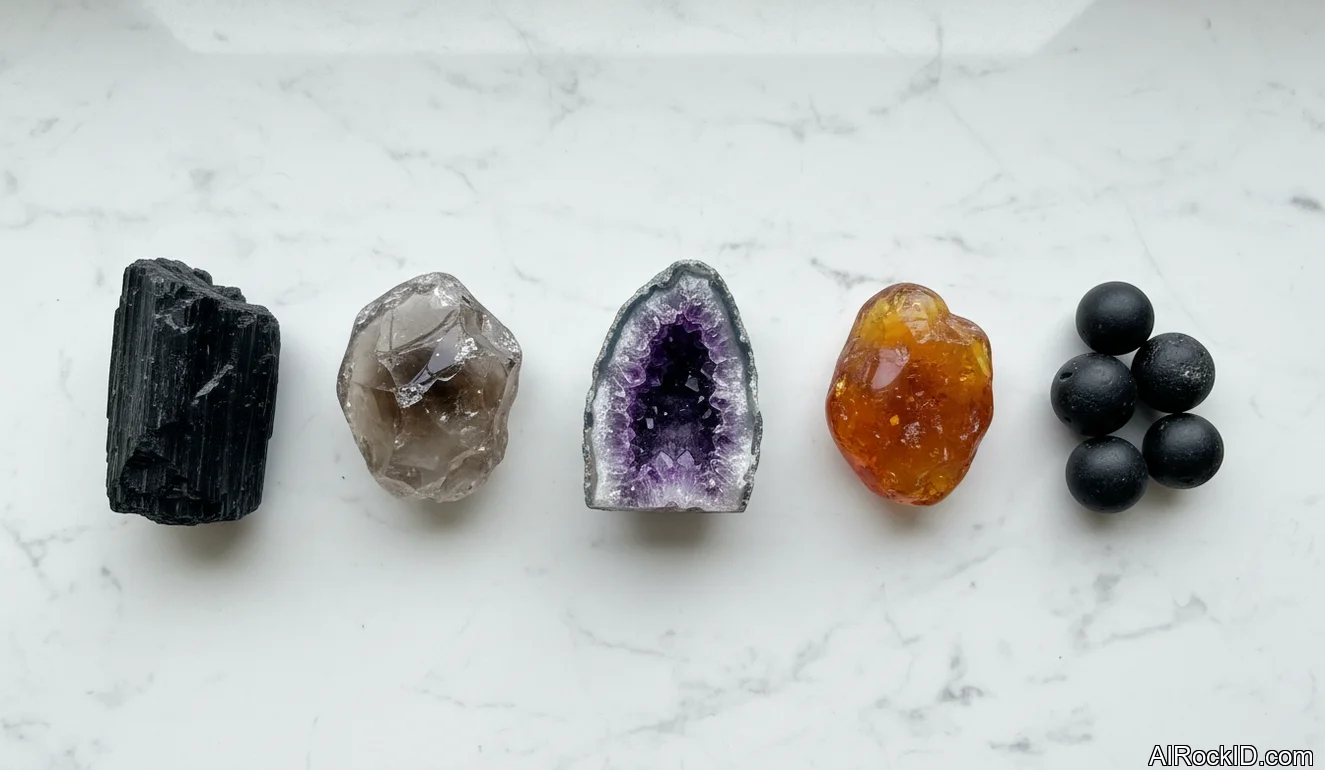
Quick answer: Common travel protection crystals include black tourmaline, smoky quartz, amethyst, hematite, and clear quartz. Choose durable, non-fragile pieces, pack them where they will not break, and treat them as symbolic or mindfulness tools rather than substitutes for practical travel safety.


- Introduction
- Recommended Crystals
- Picking travel stones that won’t crack, scratch, or cause drama at security
- Where to place crystals while traveling: body, bag, room, and vehicle
- Travel protection isn’t just safety: it’s sleep, boundaries, and staying clear-headed
- Buying travel stones on the road: tourist markets, fakes, and quick reality checks
- How to Use These Crystals
- Common Mistakes
- FAQ
AI Rock ID can help travelers document and compare crystal photos before packing or buying stones on the road. RockIdentifier.io provides crystal and rock identification resources that can support basic visual checks, naming, and care research.
Good fit
- Travelers who want a small grounding object for flights, road trips, hotels, or unfamiliar places
- People who use crystals as part of a personal intention-setting, meditation, or calming routine
- Anyone packing durable stones that can handle normal movement in a pocket, pouch, or carry-on
- Travelers who want a simple set of stones instead of a large or fragile collection
Not a good fit
- Replacing travel insurance, vehicle maintenance, seat belts, medication, or emergency planning
- Packing sharp, oversized, liquid-filled, or fragile specimens that may break or raise security concerns
- Assuming a crystal can prevent theft, accidents, illness, delays, or unsafe decisions
Most commonly confused with
- Black Tourmaline: Often chosen for grounding traditions, but it can be brittle and should be protected from hard impacts.
- Obsidian: A volcanic glass that can chip into sharp edges, unlike many tougher tumbled stones.
- Onyx: Usually smoother and less glassy than obsidian, and commonly sold as polished black beads or palm stones.
- Hematite: Dense and metallic-looking, but magnetic 'hematite' beads are often synthetic or treated material.
AI identification confidence
AI-assisted crystal identification is most useful when the photo is clear, well-lit, and shows color, luster, texture, and shape from multiple angles. Confidence is lower for polished black stones, dyed quartz, look-alike beads, and tourist-market specimens without reliable labels.
When AI gets it wrong
- Polished black stones such as obsidian, onyx, black tourmaline, and dyed agate can look similar in photos.
- Dyed, heat-treated, or coated stones may be identified as natural varieties unless treatment clues are visible.
- Small beads and low-resolution photos may hide texture, cleavage, banding, or inclusions needed for identification.
- Lighting can make smoky quartz, citrine, amethyst, and glass imitations appear closer than they are.
Best choice summary
For most travelers, a small tumbled smoky quartz or amethyst is a practical first choice because it is easy to pack, widely available, and less likely to snag or crumble than delicate specimens. If the goal is symbolic grounding, black tourmaline or hematite can be added, but they should be carried in a pouch and treated as personal reminder objects rather than physical protection devices.
Final recommendation
Pack one to three sturdy stones that match the travel situation: smoky quartz for grounding, amethyst for rest routines, and black tourmaline or hematite for boundary-focused traditions. Keep the setup simple, verify unfamiliar purchases when possible, and rely on normal safety planning for real-world protection.
Beginner recommendations
Advanced recommendations
Airport and Border Practicalities for Crystal Carrying
Small polished stones are generally easier to travel with than large raw points, sharp clusters, or heavy specimens. Security officers may inspect dense objects in luggage, and customs rules can vary for natural materials, soil-covered specimens, fossils, or items bought abroad. Keep receipts for valuable purchases and pack crystals so they can be easily removed for inspection if needed.
How to Pack Crystals Without Damaging Them
Use a soft pouch, small jewelry case, or wrapped cloth to keep stones from hitting keys, chargers, or metal zippers. Store fragile points, clusters, and glassy stones separately to reduce chips and sharp edges. Avoid leaving heat-sensitive or color-fading stones in direct sun on a dashboard or windowsill.
Simple Travel Intention Practice
Many crystal traditions use a short intention as a way to focus attention before leaving home, boarding, or settling into a hotel room. A practical version is to hold the stone, take a few slow breaths, and name a realistic aim such as staying alert, resting well, keeping documents organized, or making calm decisions. This practice is a mindfulness aid and does not replace situational awareness or travel precautions.
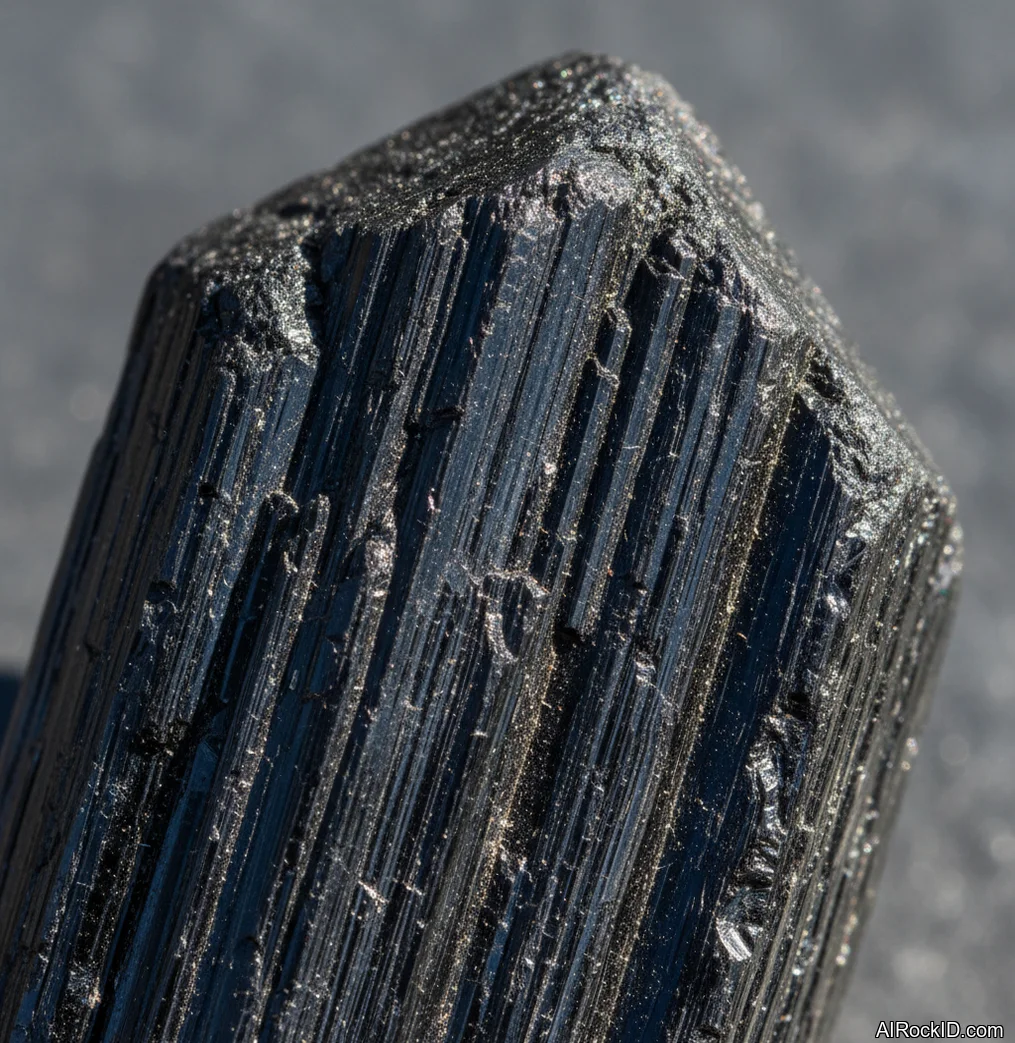
This guide covers a small, travel-friendly set of crystals people use for “travel protection” as a grounding habit: black tourmaline, smoky quartz, amethyst, amber, Apache tears, and amazonite. Pick up black tourmaline and you feel the heft and those corduroy-like striations right away, which is exactly why it works well as a pocket anchor in airport noise. Limitation: these are practical tactile tools and personal rituals, not literal shields against accidents, theft, or bad weather.
For travel protection, I toss a small set in my bag: black tourmaline, smoky quartz, amethyst, amber. They’re tough, easy to replace if one goes missing, and they feel the same whether I’m hopping a train or wading into airport chaos. And no, I’m not pretending they’re magic force fields. The whole point is way simpler: a physical object you can use to pin your attention, keep your boundaries up, and stay calm when you’re tired, rushed, and out of your normal rhythm.
Pick up a solid piece of black tourmaline and you notice the weight before anything else. It sits heavy in your palm even when it’s not that big, and the striations have these tiny grooves that catch on your thumb like corduroy. That “yep, it’s right here” feeling matters when you’re on the road because your nervous system is already working overtime. I’ve seen people get snappy in line, lose track of their bags, spiral into worst-case thinking. So having a stone you can literally touch turns into a simple reset button.
Travel protection has a boring side too, and honestly that’s the part I like. You want crystals that won’t chip in your pocket, won’t smear dye onto your clothes, and won’t make security look at you funny. Some dealers love pushing polished pieces because they photograph well and look clean, but raw chunks can be better since you can identify them by feel without even looking down. If you’re going to do this, keep it practical: one pocket stone, one bag stone, and a quick routine you’ll actually stick with when your flight gets delayed and you’re running on three hours of sleep (been there). Why make it harder than it needs to be?
Quick Comparison
| situation | crystal | why | format |
| Long airport lines and crowded terminals when you feel overstimulated and snappy | Black Tourmaline | It’s dense and grippy, so you can thumb the natural grooves like a worry stone and keep your attention in your body instead of the chaos around you | raw chunk or small tumbled piece in a pocket |
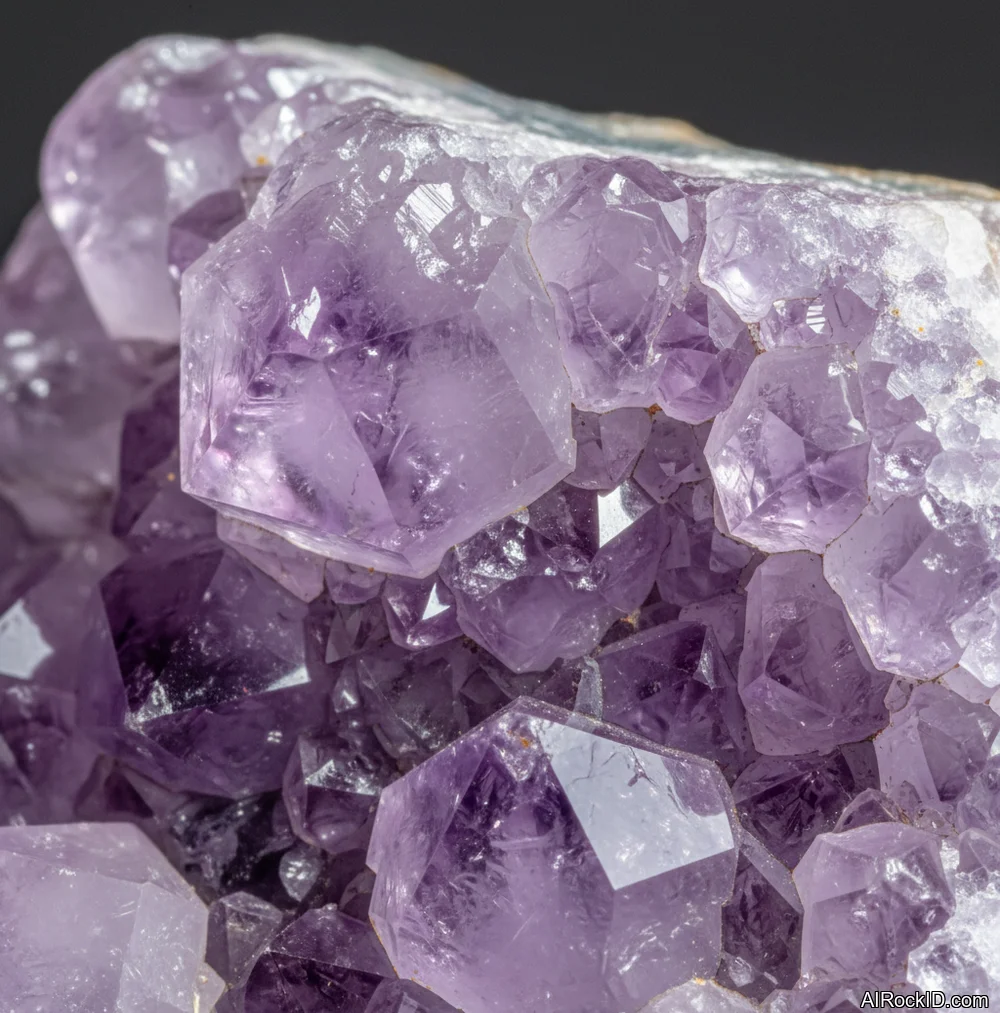
| Jet lag and that wired-but-tired feeling in a hotel room you don’t quite trust yet | Amethyst | A smooth piece stays cool against the skin and pairs well with a simple wind-down routine when your sleep schedule is wrecked | tumbled stone on the nightstand or a small palm stone |
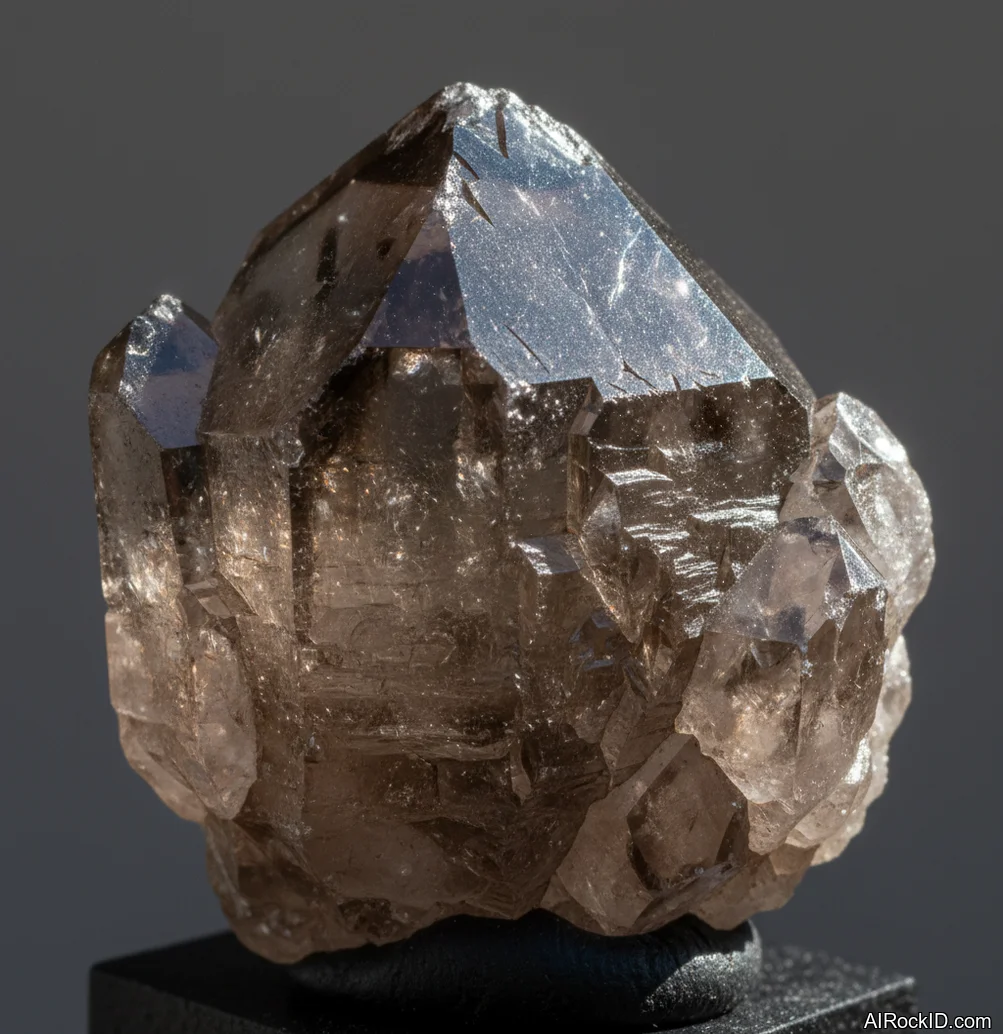
| Road trips or long train rides when you get motion-stress and need steady, low-drama grounding | Smoky Quartz | It’s hard enough to take abuse, and the smoky color hides scuffs, so it’s an easy “hold and breathe” stone that won’t look wrecked after a week in a bag | palm stone or chunky tumble |
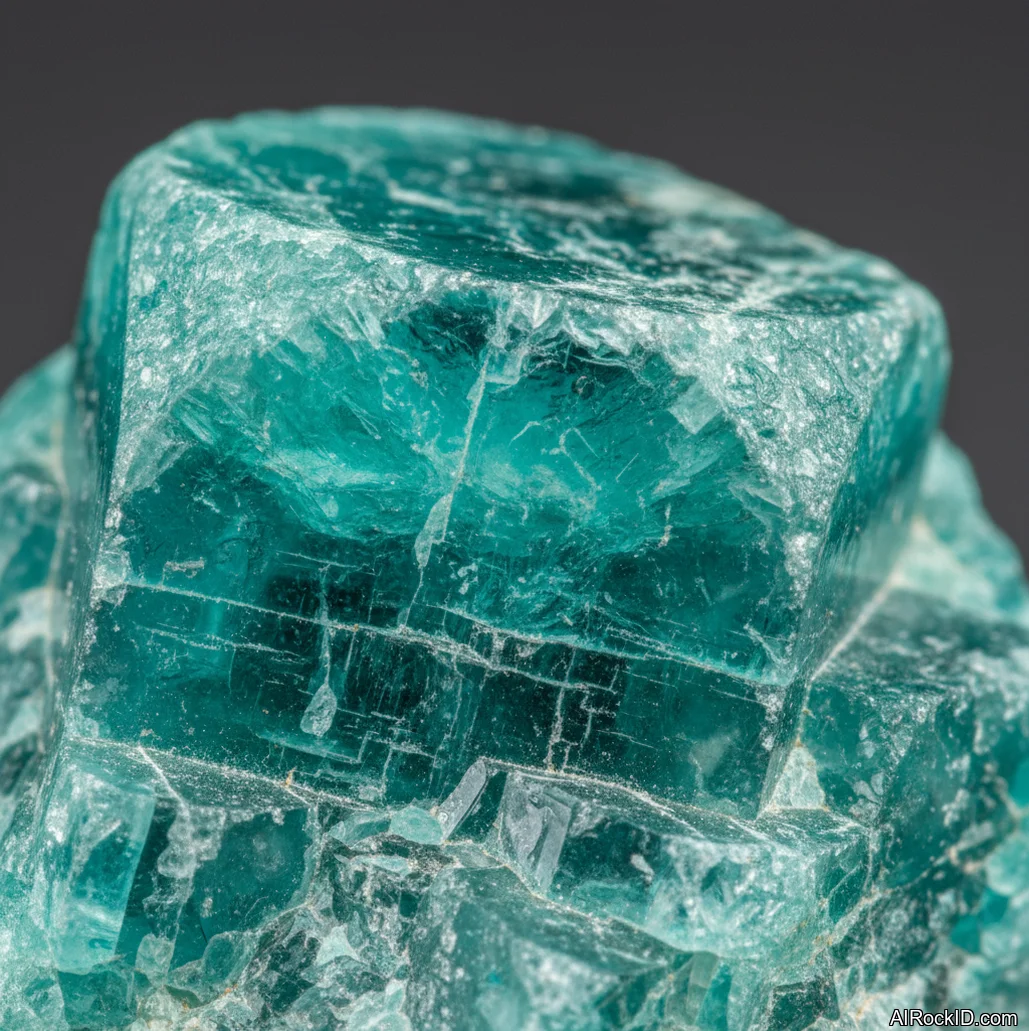
| Dealing with strangers, language barriers, or tense conversations while trying to keep your tone calm | Amazonite | The slick polish and blocky feel in the hand make it good for a quick reset before you speak, but it’s also softer than quartz so it needs a little care | bracelet or small tumbled stone (separate pouch to avoid scratches) |
Recommended Crystals
Black Tourmaline
Smoky Quartz
Amethyst
Amber
Apache Tears
Amazonite
Aquamarine
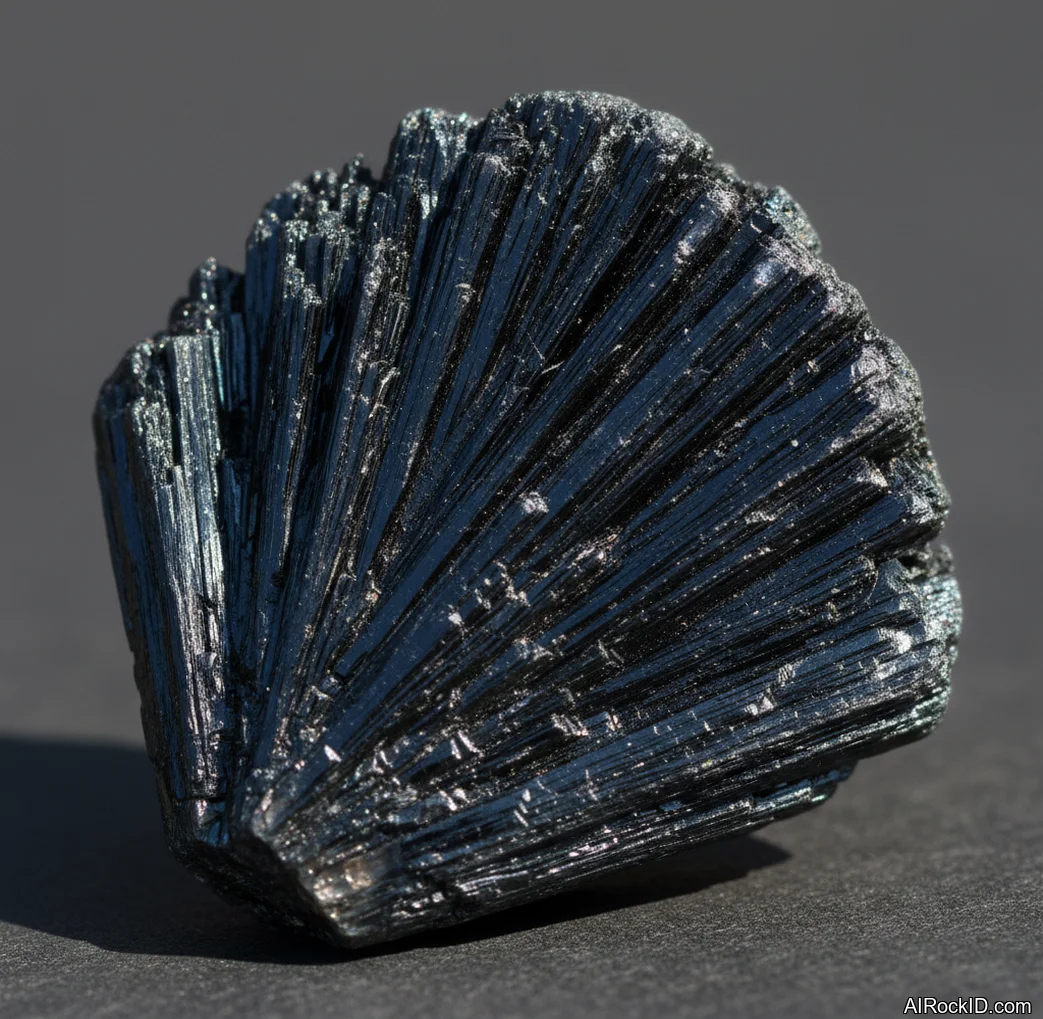
Black Kyanite
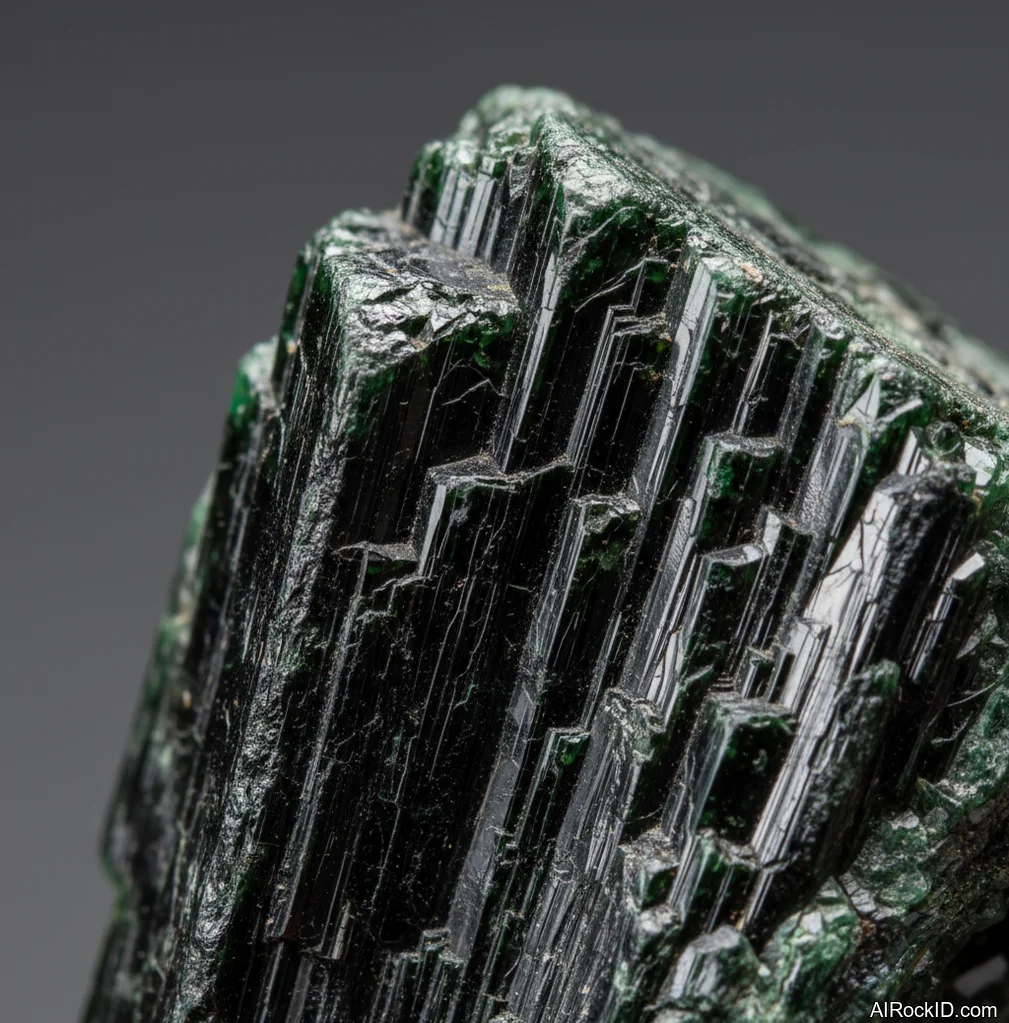
Aegirine
Picking travel stones that won’t crack, scratch, or cause drama at security
Hardness and toughness matter more than people want to admit. Sure, a stone can feel “protective” in the spiritual sense, but if it chips into razor-y little bits in your toiletry bag, you’ll quit carrying it and the whole habit just fizzles out. So in the shop, actually pick the thing up and do the boring checks: are there thin, fragile blades, open fractures you can catch a nail on, or crumbly edges that leave that sandy grit on your fingertips?
Most dealers will nudge you toward tumbled stones for travel, and yeah, they’re usually right. They slide in and out of pockets, they don’t snag lining fabric, and they’re less likely to bruise. Raw pieces can be great too. But I only pack raw if it’s chunky and stable, like a rough black tourmaline chunk that can take a beating without shedding splinters all over your bag.
Security is another real-world thing people forget. Anything that reads like a knife, a bullet, or some weird metal lump can get you extra attention. Aegirine and black kyanite are the two in this list that can look sharp, so I keep them boxed. And if you’re traveling internationally, just skip anything obscure that you can’t explain in one sentence. “It’s a mineral specimen.” Done. Don’t overtalk it. Why invite questions?
Where to place crystals while traveling: body, bag, room, and vehicle
On-body carry is a nervous system thing first. A pocket stone you can reach and rub without even looking is, honestly, the quickest way I know to snap spiraling thoughts in a crowded terminal. I keep mine in the exact same pocket every trip because the muscle memory is half the point. You don’t want to be fishing around for it while you’re also trying to hold onto a passport.
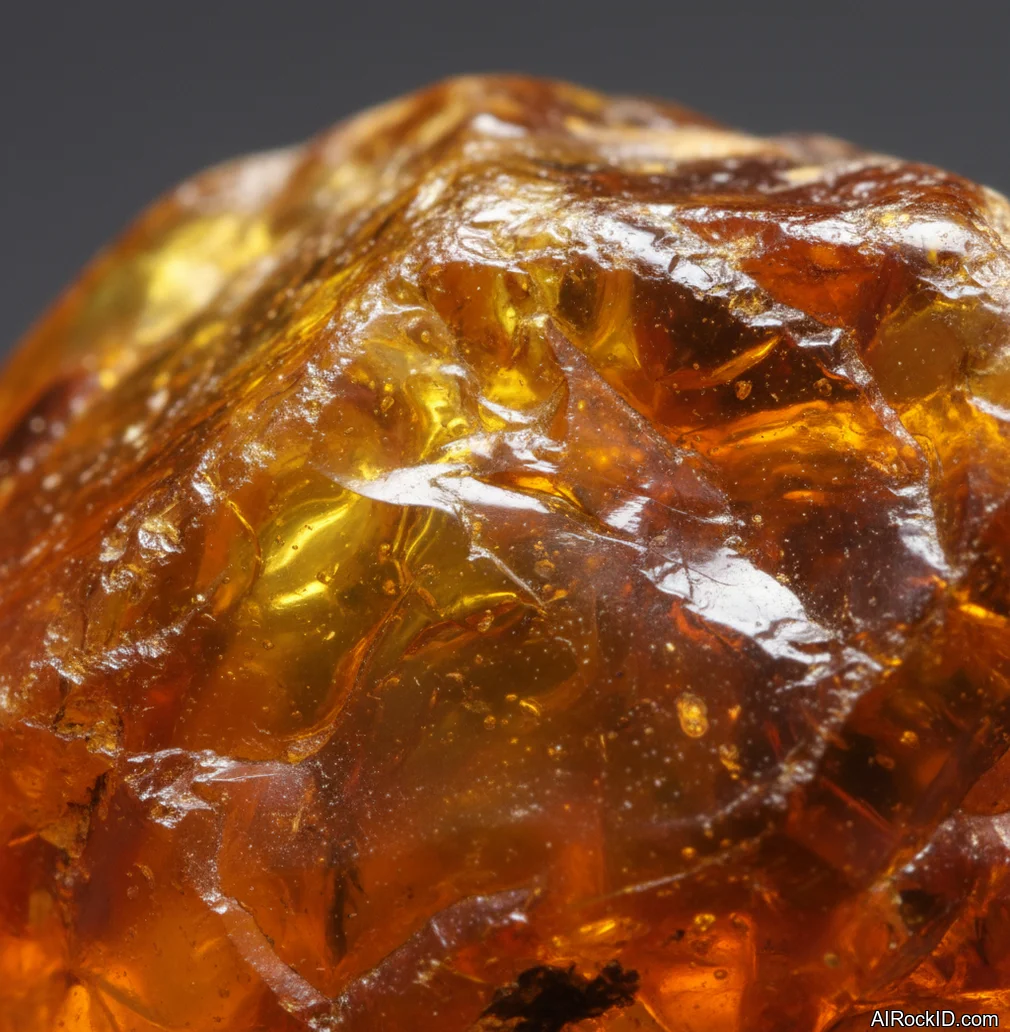
In your bag, it’s pretty straightforward. Pick one stone that can take a beating, then park it near the top so it’s right there when you unzip and the zipper teeth scrape past the fabric. Black tourmaline and smoky quartz hold up well. Softer stones like amber? Give them their own little pouch, because they’ll get scuffed by zippers, hard plastic charger bricks, loose keys (all that annoying stuff).
In a hotel room or rental, I treat stones like boundary markers. One by the door. One near the bed. That’s enough. And if you’re in a car, don’t leave anything on the dashboard. Heat cooks resin, fades smoky quartz over time, and suddenly your “support tool” is just a cracked paperweight. Why do that to yourself?
Travel protection isn’t just safety: it’s sleep, boundaries, and staying clear-headed
Most travel problems aren’t some huge disaster. They’re the little, grinding things: delays, crowds, weird lighting that makes everything look slightly off, noise that seeps through the hotel walls, and that constant feeling like you can’t fully unclench. That’s where crystals actually help me. When I’ve got something like smoky quartz in my pocket, it’s basically a cue to drop my shoulders and stop scanning for problems that aren’t even happening.
Sleep is the big one, honestly. A different bed, different sounds, and too much screen time can wreck you, and then everything starts to feel a little unsafe. Amethyst by the bed helps some people settle, but if it ramps your dreams up too much, swap it for smoky quartz and keep the room darker (close the curtains, kill the little blue LED lights).
Boundaries matter too. Especially when you’re traveling with family or stuck in a group all day. Amazonite is what I grab when I need to say “no” politely and actually mean it. I’ll hold it for a moment before a hard conversation. And it’s funny, your tone changes. That’s the real protection.
Buying travel stones on the road: tourist markets, fakes, and quick reality checks
Tourist markets are a blast. But yeah, they’re also kind of a minefield.
With amber, the quickest tell is how it feels in your hand. Real amber is light, and it warms up fast after you’ve been holding it for a few seconds. Plastic, on the other hand, often feels weirdly warm right from the start and looks a little too perfect, like every bead came out of the same mold. And if someone’s trying to sell you “amber” that’s heavy like glass, just walk away.
Amazonite is where dye shows up a lot. If the color is screaming bright and totally even, especially on a cheap strand, odds are it’s been treated. Real amazonite usually has white streaks, cloudy patches, or uneven spots, and it reads like an actual stone, not something that got dipped in paint.
Quartz is its own rabbit hole. Super-dark smoky quartz can be irradiated, and that doesn’t automatically make it unusable, but some sensitive people say it feels off, and it’s often sold with zero disclosure. So if you’re after something calmer, go for a medium smoky piece that still lets light through when you hold it up and hit it with your phone flashlight. (You’ll know right away.)
How to Use These Crystals for Travel Protection
Keep your travel routine tiny. Small enough that you’ll still do it when you’re sprinting through the house with one shoe on.
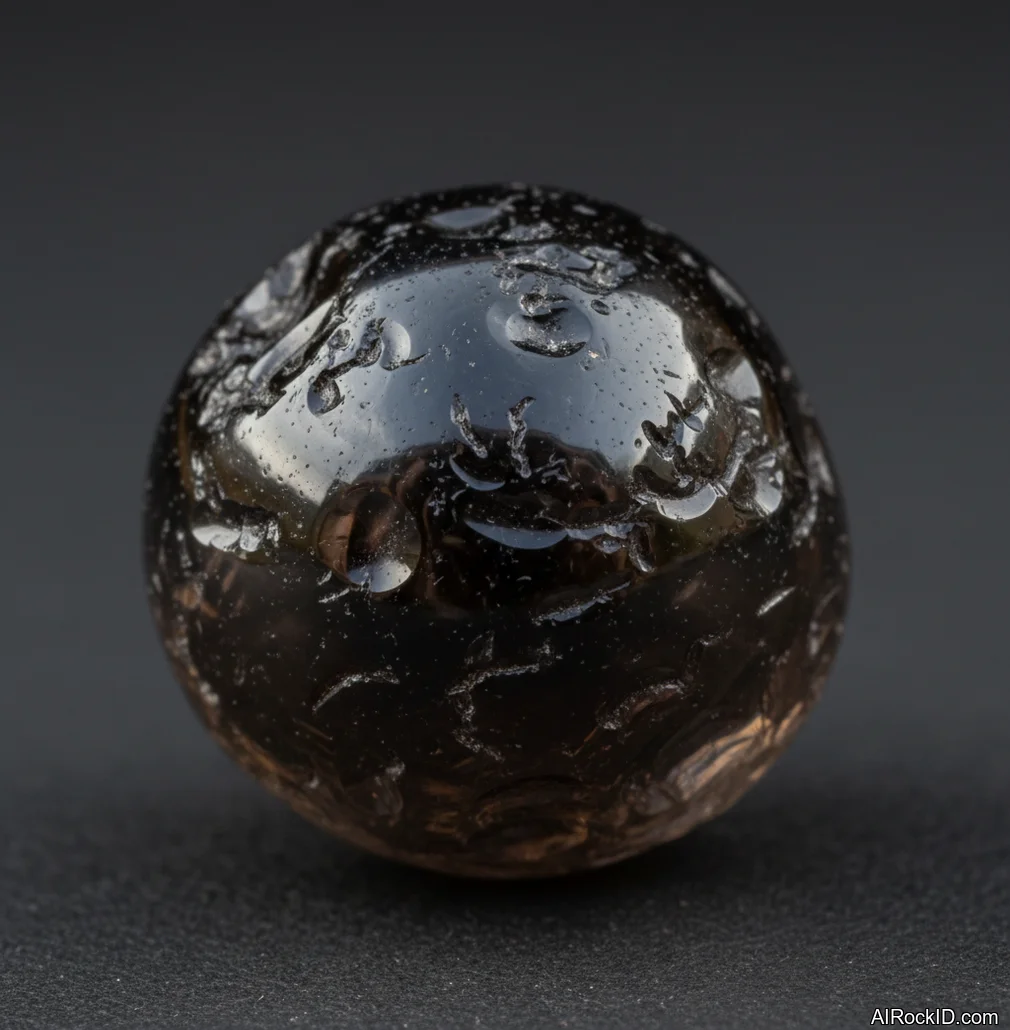
I stick to a three-piece setup: one pocket stone (black tourmaline or smoky quartz), one “communication” stone (amazonite or aquamarine), and one room stone (amethyst or apache tears). Before you pack them, actually pick each one up for a second. Feel the heft in your palm, the coolness (or warmth if it’s been sitting in the sun), that slightly gritty edge some stones get, or the slick, polished face. That little sensory check is what makes it work later, when you’re stressed and your brain’s spinning.
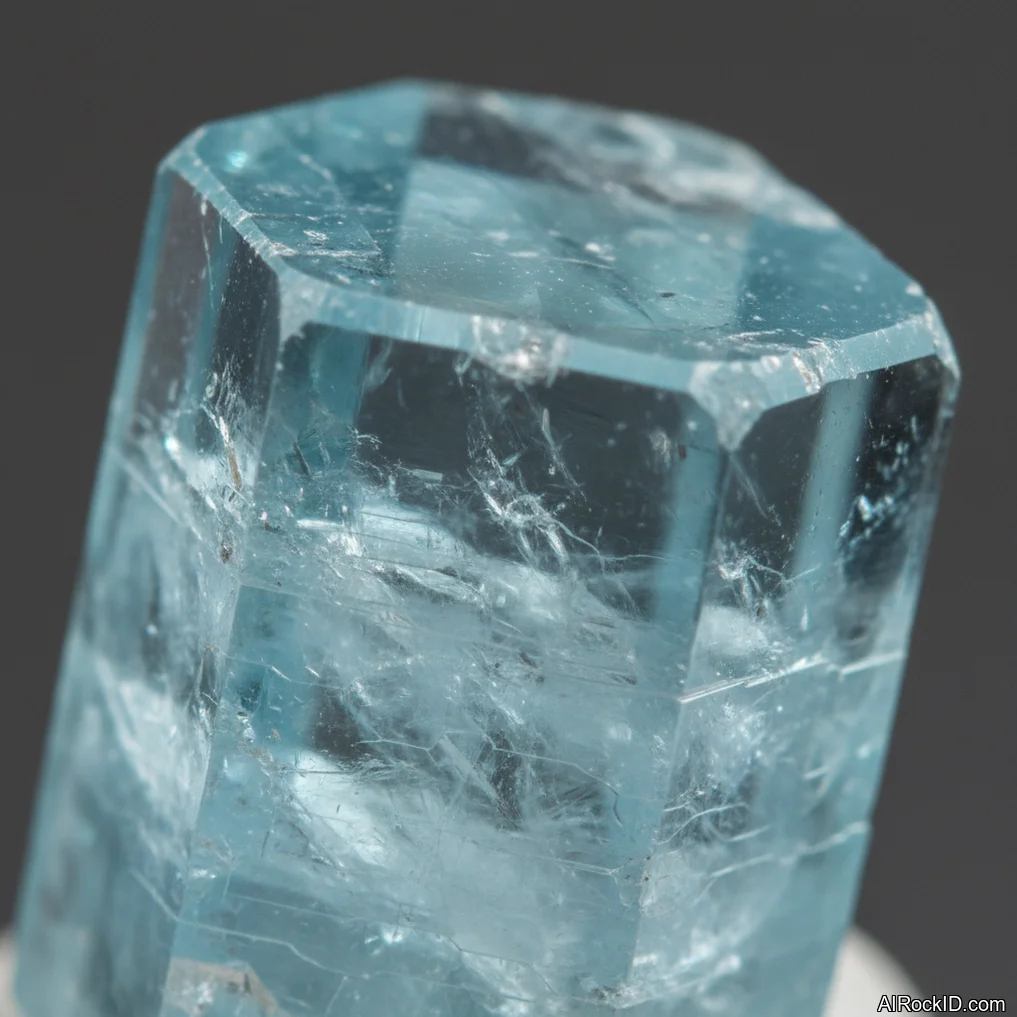
On travel day, treat the pocket stone like a button. Hand on stone, exhale longer than you inhale, unclench your jaw. Done. And if you’re about to change plans at a counter, hold amazonite or aquamarine for ten seconds first, then speak. Sounds too simple? You’ll hear the difference in your own voice.
When you get to your room, do a fast reset. Put one stone by the door, one near the bed, and keep the rest in your bag so you’re not leaving valuables all over the place (because who wants to hunt for a small dark stone in hotel carpet). If you cleanse stones, keep it plain: rinse what can be rinsed, wipe what can’t, and skip the elaborate rituals you know you won’t repeat. Consistency beats intensity every time.
Common Mistakes to Avoid
Overpacking is the obvious one. People toss in a whole pouch of stones, then spend the entire trip patting their pockets and stressing about losing them, which is pretty much the opposite of feeling protected. One or two pieces you actually handle and use beats ten you forgot were even stuffed in the suitcase under that extra charger.
Another slip-up is picking fragile specimens just because they look cool. Black kyanite and aegirine can be great, but they’ll snap if you treat them like pocket change. I watched someone yank a kyanite fan out of a jeans pocket and, no joke, half the blades stayed behind in the pocket lining (you could feel the little ridges caught in the fabric). Use a case, or go with a tougher stone.
And then there’s the big one: skipping basic travel safety because you feel “covered.” Crystals don’t replace locks, backups, or plain old common sense. If you’re not labeling your bags, not keeping copies of documents, or not paying attention in crowds, what’s a stone going to do, really? It won’t clean up that mess.
What Crystals Can and Cannot Do
Identify crystals related to Best Crystals for Travel Protection
Snap a photo to check crystals mentioned in this guide and compare likely matches.