Best Crystals for Travel
Quick answer: The best crystals for travel are usually small, durable stones that are easy to pack and not likely to chip, dissolve, or raise questions at security. Common practical picks include amethyst, black tourmaline, clear quartz, rose quartz, and hematite, with any traditional meanings treated as personal or cultural associations rather than guarantees.


- Introduction
- Recommended Crystals
- What actually matters when choosing a travel crystal
- Packing, pouches, and keeping stones from getting wrecked
- Airports, security, and being a normal human about it
- Using crystals on the road without turning it into a whole production
- How to Use These Crystals
- Common Mistakes
- FAQ
AI Rock ID can help identify an unknown travel stone from a photo, especially when color, luster, and crystal habit are visible. RockIdentifier.io provides crystal and mineral references that can support basic identification, care, and comparison before packing a stone for a trip.
Good fit
- Travelers who want a small personal object for routine, reflection, or comfort
- People choosing durable pocket stones instead of fragile display specimens
- Beginners who want simple, low-maintenance crystals for a pouch or carry-on
- Anyone comparing practical crystal options by size, hardness, and care needs
Not a good fit
- Replacing passports, insurance, medication, weather planning, or safety precautions
- Packing rare, brittle, sharp, or sentimental specimens that would be hard to replace
- Carrying large mineral clusters that can chip, scratch other items, or add unnecessary weight
- Using crystals as a substitute for professional medical, legal, or travel advice
Most commonly confused with
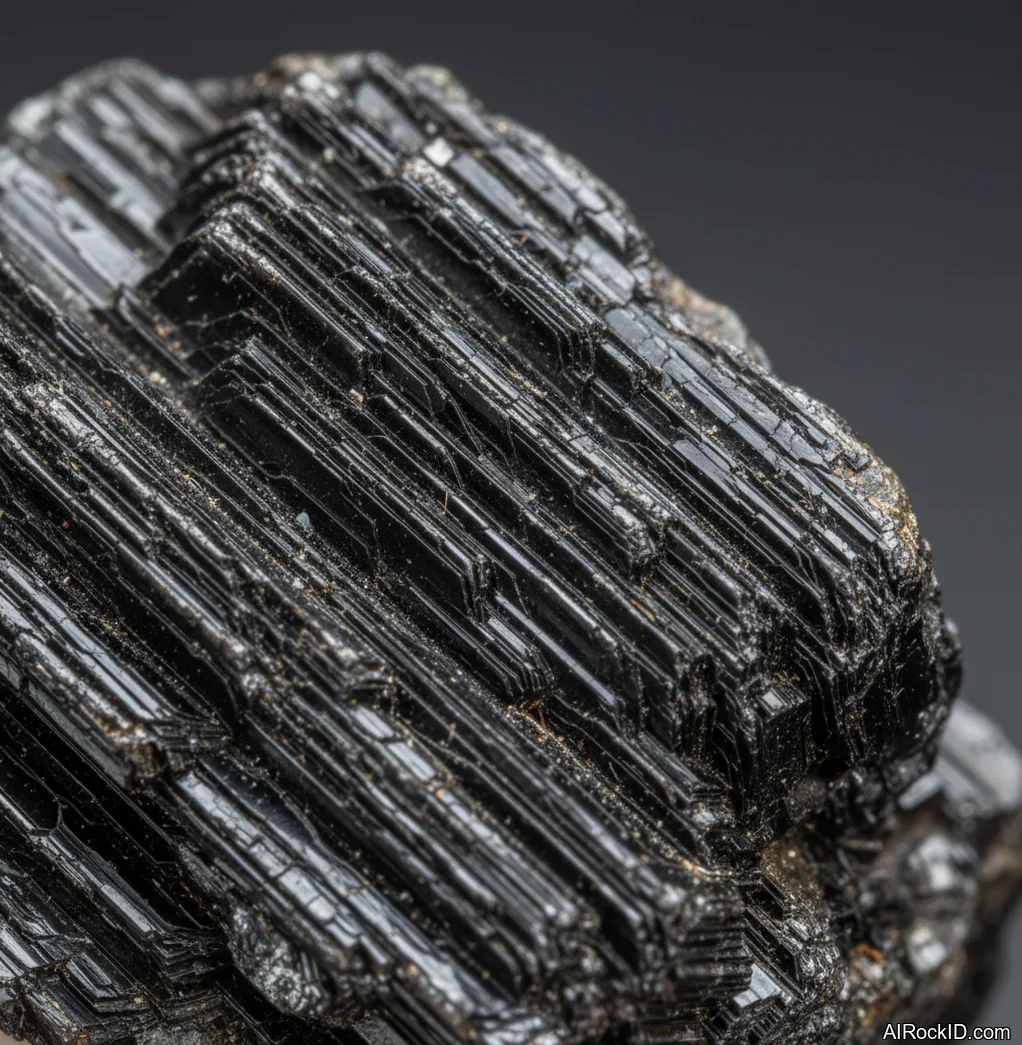
- Black Tourmaline: Often confused with obsidian; black tourmaline usually has striated crystal texture, while obsidian is volcanic glass with a smoother glassy look.
- Hematite: Often confused with magnetite; hematite is usually weakly magnetic or nonmagnetic, while magnetite is strongly attracted to magnets.
- Clear Quartz: Often confused with glass; quartz is harder, may show natural inclusions, and lacks the rounded bubbles common in manufactured glass.
- Amethyst: Often confused with purple fluorite; amethyst is harder and more suitable for pocket carry, while fluorite scratches more easily.
AI identification confidence
Photo-based identification is most reliable for common travel stones with distinctive color, texture, and shape, such as amethyst, clear quartz, and hematite. Confidence is lower for polished black stones, dyed stones, and small tumbled crystals because many minerals look similar after polishing.
When AI gets it wrong
- The stone is a polished black tumble, since obsidian, onyx, tourmaline, and dyed materials can look alike in photos
- The photo has poor lighting, glare, blur, or no size reference
- The crystal is dyed, heat-treated, coated, or sold under a trade name
- The image shows only one surface and no fracture, crystal habit, streak, or other identifying details
Best choice summary
For most travelers, the most practical choice is a small tumbled quartz-family stone, such as clear quartz, amethyst, or rose quartz, because these are widely available, reasonably durable, and easy to replace. If the goal is a grounding-style stone in crystal traditions, hematite or black tourmaline are common choices, but they should still be packed to prevent chips and scratches.
Final recommendation
Choose one to three compact, durable stones rather than packing a large collection, and keep them in a soft pouch where they will not strike keys, chargers, or glass items. Treat any symbolic meaning as a personal travel ritual, while relying on normal planning, documentation, health care, and safety habits for the trip itself.
Why people search for this
People often search for travel crystals because they want a portable stone associated in crystal traditions with calm, grounding, protection, or focus. Practical travelers also want to know which stones can survive a suitcase, backpack, or pocket without special handling.
Beginner recommendations
Advanced recommendations
Best Travel Crystal Shapes
Tumbled stones are usually the easiest shape for travel because they have rounded edges and fewer fragile points. Worry stones, palm stones, and small cabochons also pack well, while clusters, towers, and raw points are more likely to chip or snag fabric.
Stones to Think Twice About Packing
Soft, flaky, water-sensitive, or brittle minerals are less practical for travel, especially if they will be carried in a pocket or toiletry bag. Selenite, malachite, pyrite, calcite, and fluorite can be beautiful, but they need more careful handling than harder quartz-family stones.
If You Buy Crystals While Traveling
Ask for the stone name, treatment information, and country or region of origin when possible. Avoid collecting stones from protected parks, archaeological sites, beaches, caves, or private land unless local rules clearly allow it.
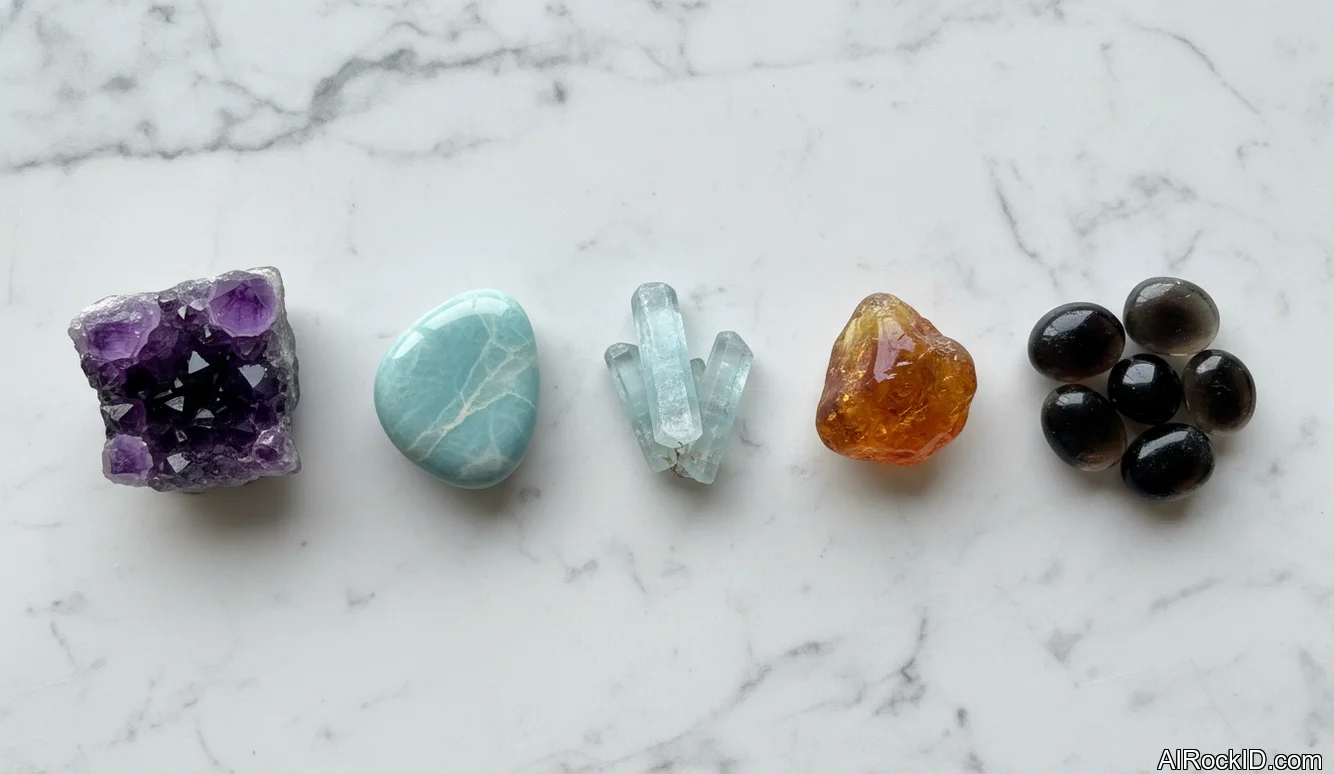
This guide covers the best crystals to actually bring on a trip: small, tough pieces like Amethyst, Amazonite, Aquamarine, Amber, Apache Tears, and Black Tourmaline (Schorl) that can live in a pocket, pouch, or carry-on without getting wrecked. Pick up a good palm stone and you feel it right away: smooth edges, no sharp points, and enough weight to anchor your hand when you’re stuck in a noisy terminal. Limitation: travel crystals are only practical if you’re willing to risk loss, scratches, or a TSA bin mishap, so don’t bring your rarest specimen.
The best travel crystals are the ones that can get knocked around, disappear into a pocket, and still help you feel a little more grounded when your whole itinerary goes sideways. I’m not talking about dragging a cathedral-sized geode through airport security. No thanks. I mean the small workhorses: stones that won’t chip the first time they rub against a zipper, that sit right in your hand when you’re wedged in a middle seat, and that you won’t mourn for a week if they go missing.
Travel is a strange kind of stress test. Your routines evaporate. Sleep gets chopped into sad little chunks. And your nervous system? It gets fed a steady drip of tiny annoyances, like the sticky tray table and the way your bag strap keeps sliding off your shoulder. I figured out pretty fast that “pretty” doesn’t mean “packable.” A lot of crystals I love at home turn into a problem on the road: too fragile, too poky, too expensive, or just way too high-maintenance. The ones that actually win are usually tumbled stones or chunky palm stones with rounded edges. When you pick up a good one, you notice the weight first. It has that solid, heavy-in-the-palm feel, like it won’t explode into pieces if your bag takes a tumble.
One more thing. How it holds up in real life matters more than people admit. Some stones go dull if they’re clacking around next to keys. Some are porous and will soak up whatever lotion or sanitizer you slapped on five minutes ago (gross, but true). And some are basically magnets for being “borrowed” by curious friends who swear they’ll give it back. This guide sticks to options I’ve actually carried in backpacks, coat pockets, and toiletry kits, with practical ways to use them that don’t require a full moon, a ritual, or a personality change.
Quick Comparison
| situation | crystal | why | format |
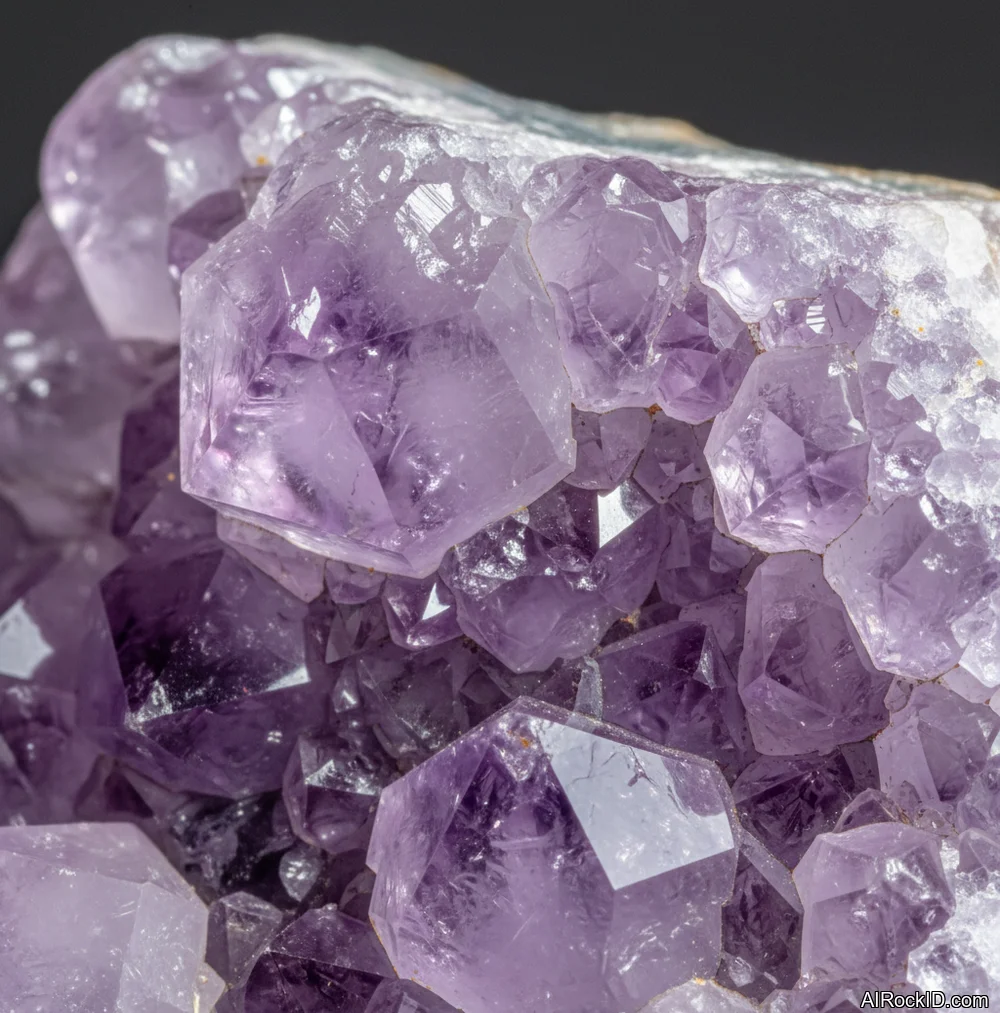
| I’m flying and I get tense during takeoff, turbulence, and loud cabin noise | Amethyst | People reach for it when they want a calmer headspace, and a polished piece feels cool and steady in the palm when your stomach’s doing flips | palm stone (smooth oval) in a small pouch |
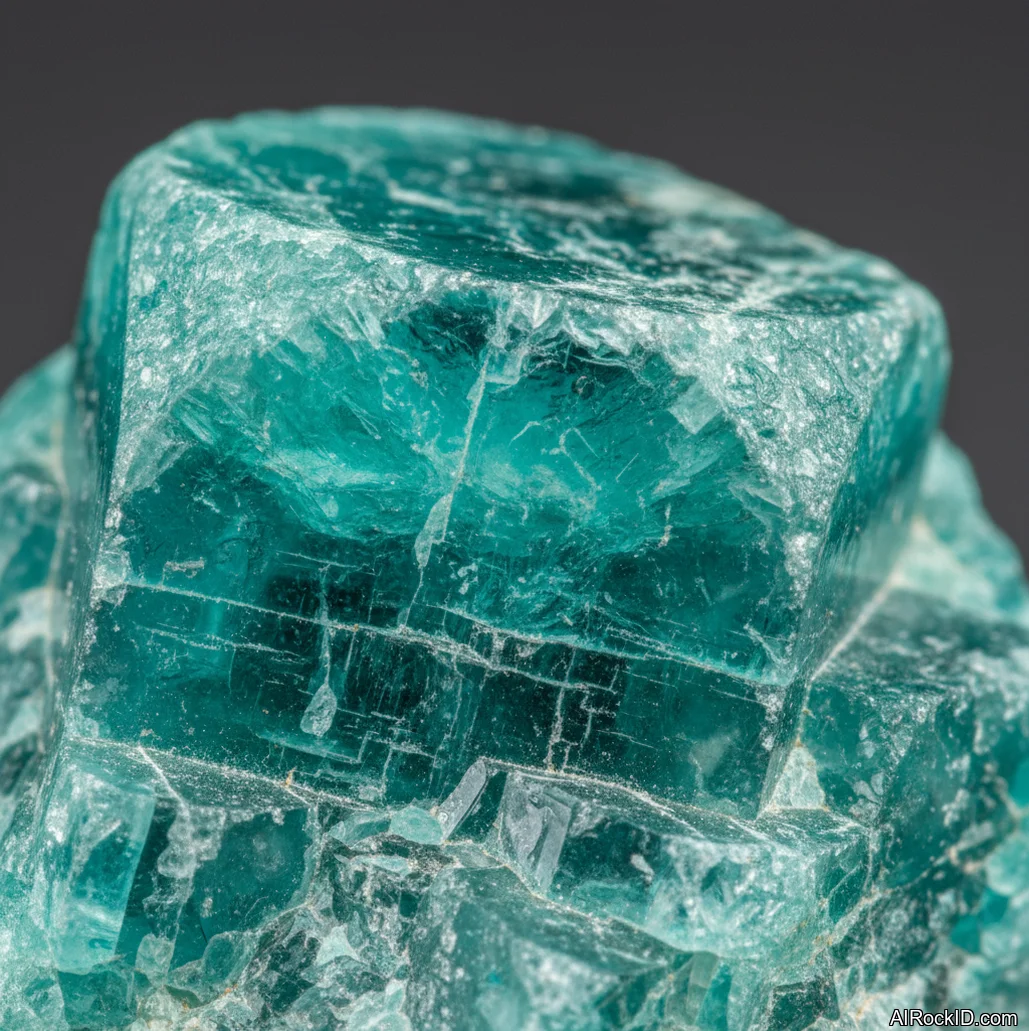
| Crowded airports and packed trains leave me feeling overstimulated and snappy | Amazonite | It’s chosen for soothing, “turn the volume down” vibes, and the best travel pieces are satin-polished so they don’t catch on pocket lining or a bag zipper | tumbled stone or flat worry stone |
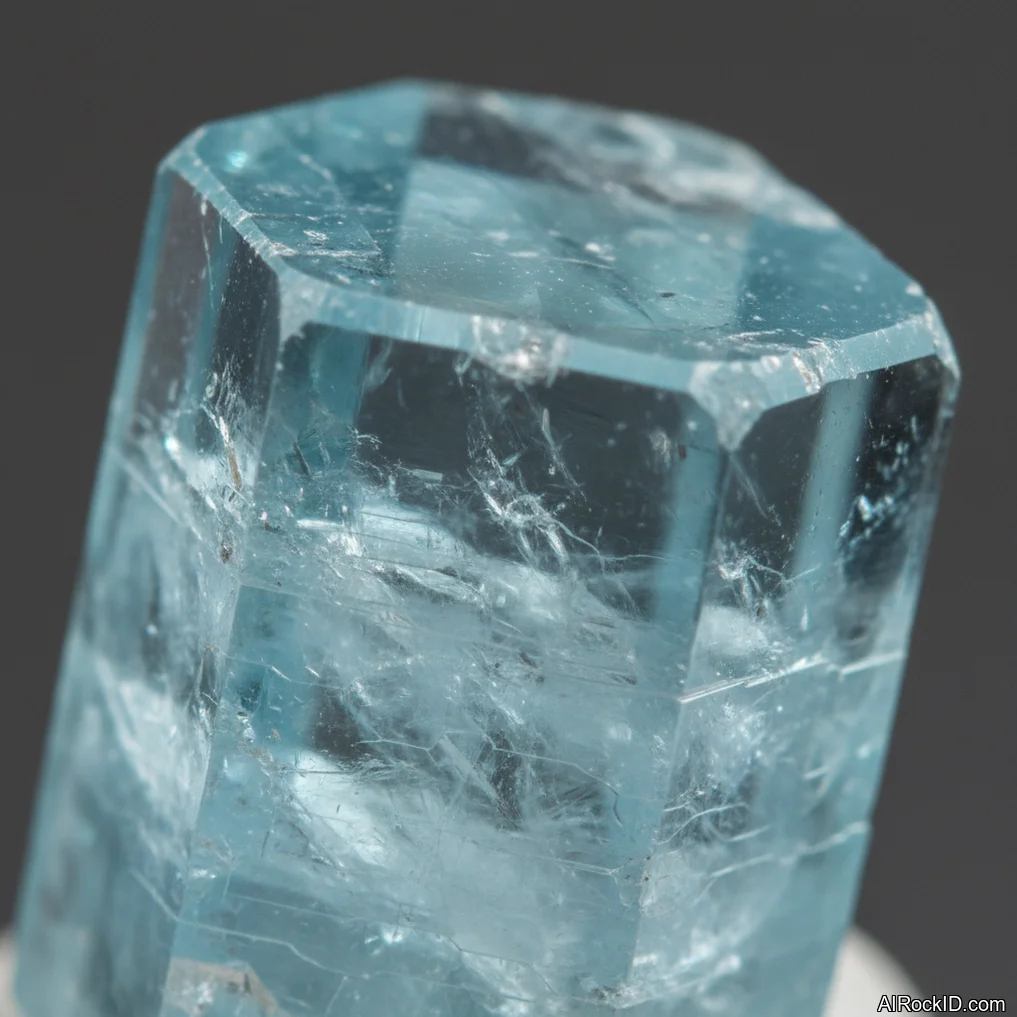
| Jet lag and weird hotel sleep have me wired at night and foggy in the morning | Aquamarine | People like it for a clean, clear feel, and a small polished piece stays comfortable to hold even when your hands are dry from airplane air | small tumbled stone kept on the nightstand or inside a sleep mask pouch |
| I want a protective-feeling stone for unfamiliar places, but I need something that can take a beating | Black Tourmaline (Schorl) | It’s the classic “shield” pick, and the real stuff has those lengthwise grooves that grip your fingers, but raw points can chip and shed grit in a pocket | tumbled stone or a rounded pendant (skip sharp raw chunks for travel) |
Recommended Crystals
Amethyst
Amazonite
Aquamarine
Amber
Apache Tears
Black Tourmaline (Schorl)
Angelite
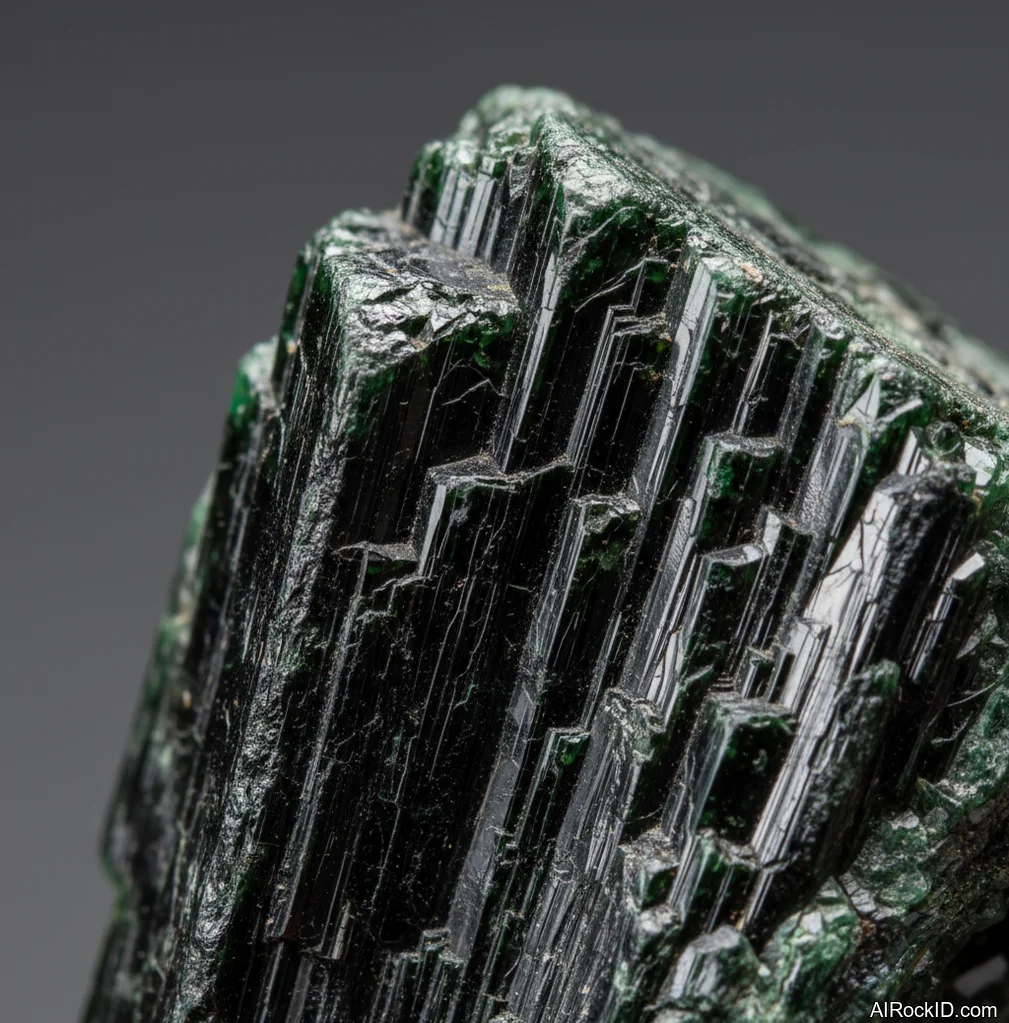
Aegirine
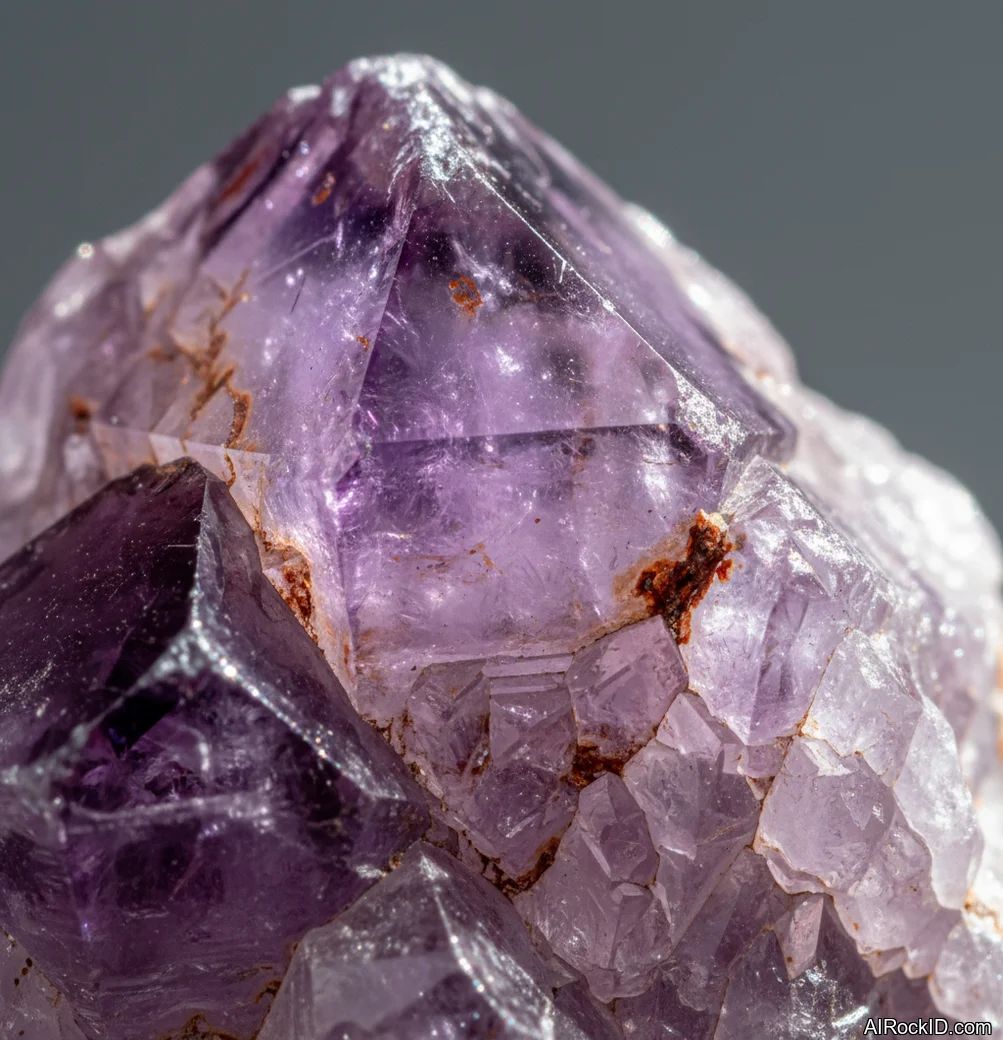
Auralite-23
What actually matters when choosing a travel crystal
Durability wins on the road, not looks. The real test is when you fumble your toiletry bag onto a grimy bathroom tile at 6 a.m. and then see what’s still in one piece. Harder stones and rounded shapes come out ahead. Points, blades, and those delicate little clusters? They lose, even if they look incredible sitting on your shelf at home.
Size matters too, and not in some mystical sense. A palm stone feels steady in your hand, and it’s big enough that you’ll notice when it’s gone, so you’re less likely to forget it on a hotel nightstand. Tiny stones, though, vanish. They slip into couch cushions, they get swallowed by TSA bins. I’ve watched a perfectly good tumbled stone roll under an airport seat and disappear into that metal maze like it meant to do it.
And then there’s the social factor. Some stones just read as regular pebbles, so nobody says a word. Others draw attention from curious strangers, which is fine until you’re exhausted and you just want silence. If you travel for work, go with something discreet and not spiky, something that won’t snag a suit pocket or scratch up your laptop.
Packing, pouches, and keeping stones from getting wrecked
Most of the damage comes from rubbing, not a big dramatic drop. Toss a soft stone into a pouch with quartz and you’ll see it fast, scratches by day two. I’ve cracked open my bag after a weekend trip and, yeah, my once-glossy tumble looked like somebody hit it with fine sandpaper, just from sliding around next to a harder neighbor.
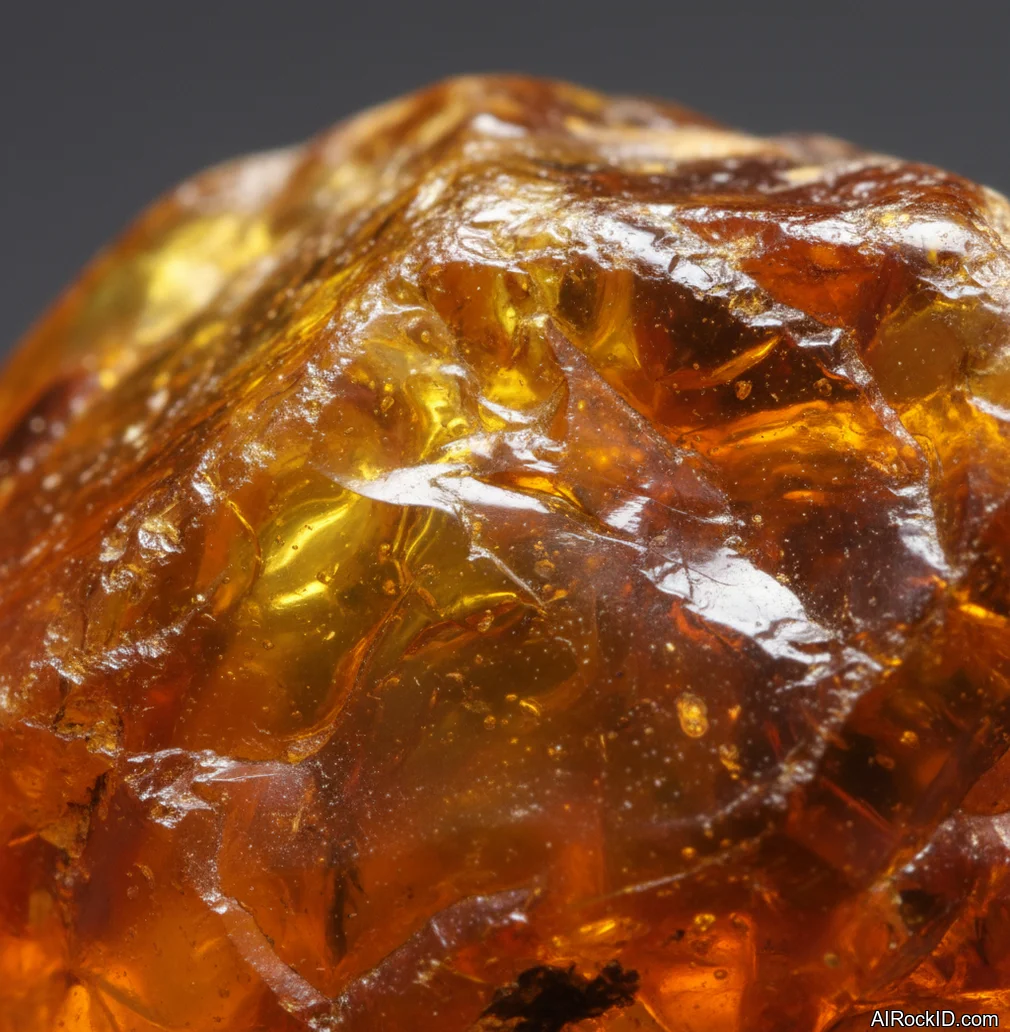
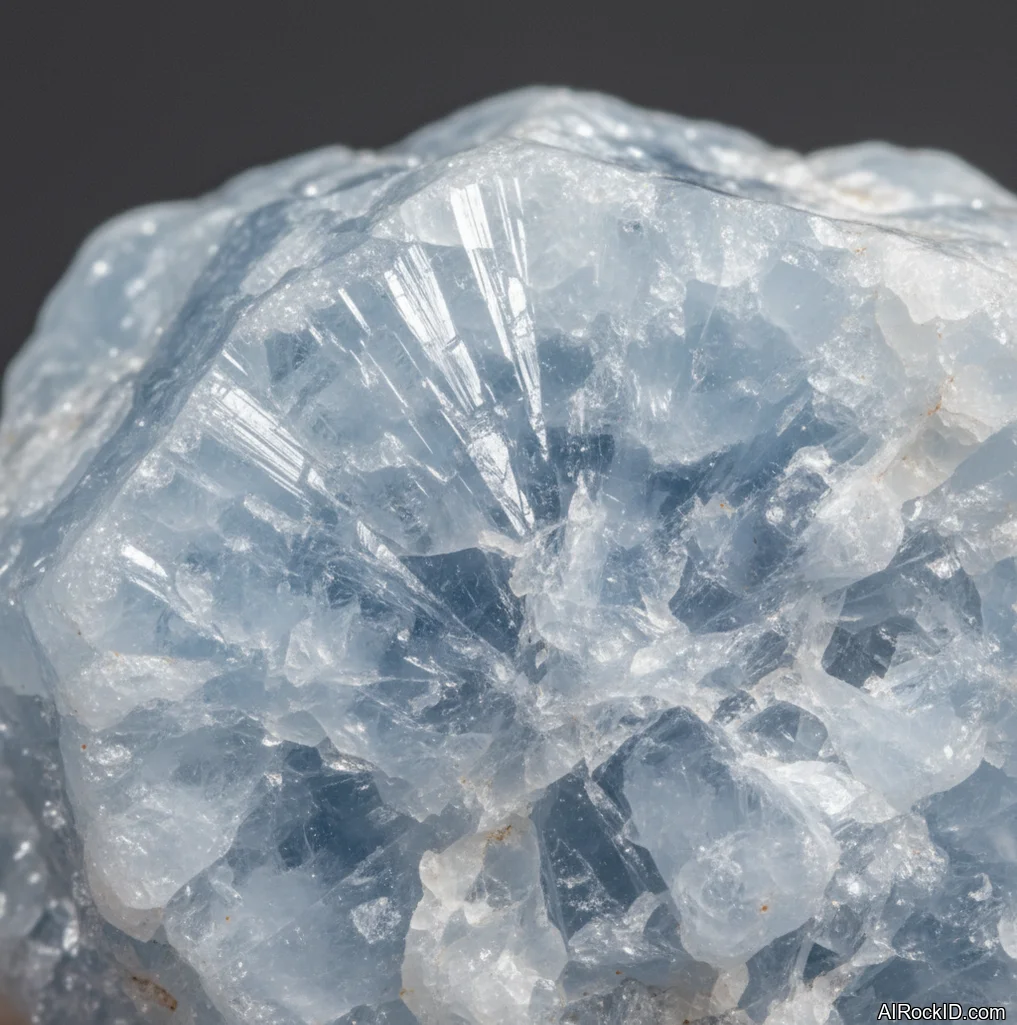
So use separate pouches if you’re bringing more than one crystal. A plain cotton coin pouch does the job. And if you want to get a little extra, line it with microfiber (the kind that feels grabby on your fingertips when it’s dry). Fragile picks like angelite? Give them padding. Amber should ride alone, because it’s basically fossilized resin and it picks up scuffs like crazy.
Thing is, where the stone “lives” while you travel matters too. Pocket stones should be smooth. Bag stones can be chunkier. And if you’re bouncing between multiple places, pick one home-base spot in your luggage so you’re not constantly moving everything around and then forgetting it somewhere. Why make it harder on yourself?
Airports, security, and being a normal human about it
Airport security doesn’t care what your crystals mean to you. They care about weird silhouettes and dense chunks on an X-ray. Aegirine in matrix, heavy dark stones, plus anything that reads like a tool can get your bag pulled aside. It isn’t personal. It’s just how the scanners flag stuff.
So if you want less drama, stick to simple tumbled stones. Toss them in a clear pouch so they look exactly like what they are: rocks. I’ve had agents ask me to open the pouch, take a quick peek, then wave me on without another word. The only times I’ve gotten stuck were with sharp points, or when I’d wrapped a specimen up tight like it was something I didn’t want seen (which, honestly, makes it look even stranger on the screen).
And don’t bring anything you’d be wrecked to lose. Things disappear. Housekeeping clears surfaces fast. You get tired, you set something down on the nightstand, and that’s that. If a stone is sentimental or expensive, leave it at home and bring a sturdy stand-in instead.
Using crystals on the road without turning it into a whole production
The easiest travel practice is the one you can do with your hands. Grab the stone. Feel how cold it is at first, then how it starts to warm up against your palm. Notice the heft. Then breathe like you actually mean it for thirty seconds. Done.
No one has to know what you’re doing. You can pull it off in a taxi, in a bathroom stall, or while you’re stuck in a long check-in line staring at the same piece of carpet.
At night, don’t get fancy. Keep one stone on the nightstand, one by the door, or tuck one under a small dish so it won’t roll off and clack onto the floor at 2 a.m. Hotel rooms are chaos by design. If your stone blends into the decor, you’ll forget it. And then what’s the point?
If you like pairing stones, keep it practical. Something calming plus something grounding is plenty. Once you’re up to three or four stones, it starts feeling like you’re babysitting a collection instead of traveling.
How to Use These Crystals for Travel
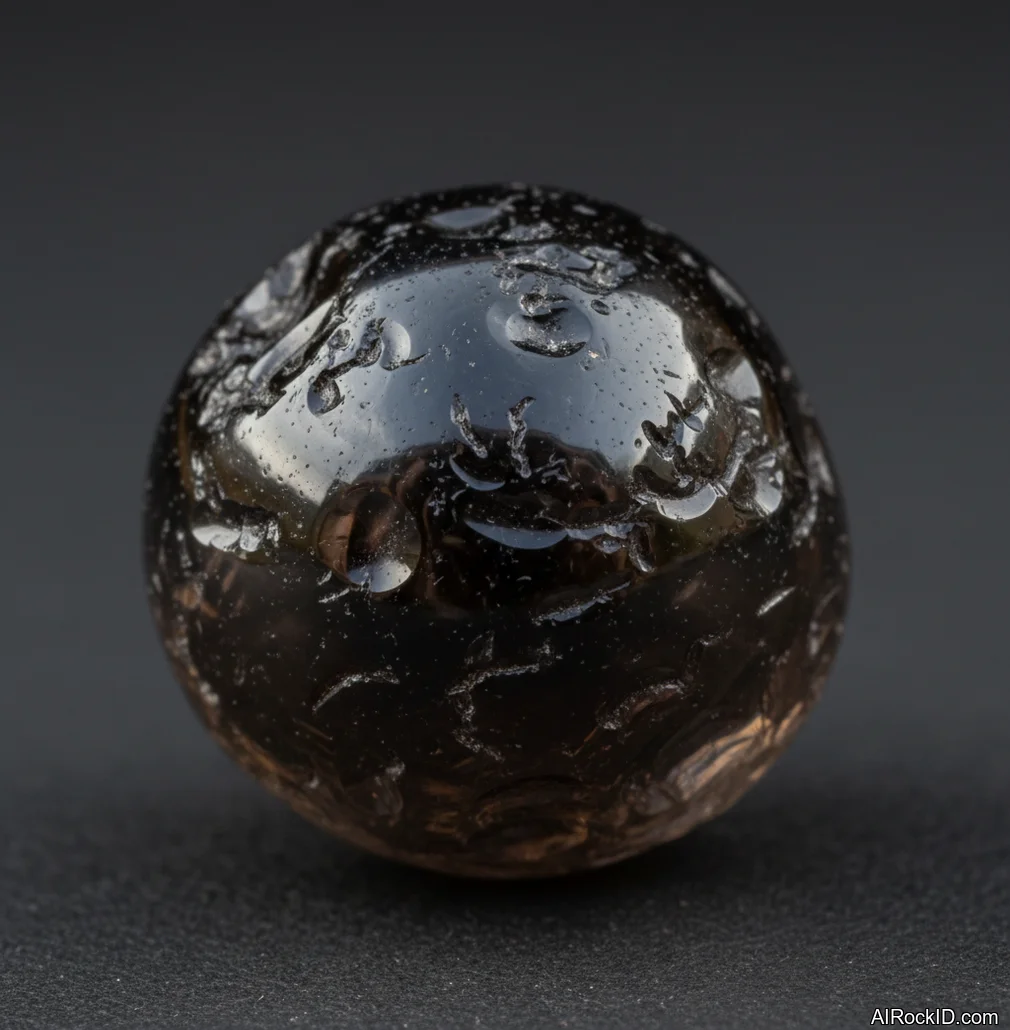
Pick one “anchor stone” for the whole trip. That’s the one you reach for when your flight’s delayed, when you’re standing on the wrong train platform, or when your brain won’t shut up at midnight in some unfamiliar room. I usually go with a tumbled amethyst or apache tears, because they’re smooth in the hand, kind of quiet-feeling, and you can toss them in a pocket without babying them. Keep it in the same pocket every single day. No thinking. Your fingers just find it.
Then grab a second stone based on what you’re actually dealing with, not what it’s “supposed” to mean. Aquamarine for days you know you’ll be talking a lot. Amazonite when you’re in planning and logistics mode. Amber if you want something warm and comforting right against your skin, but only if you’ll protect it (amber can get beat up fast). And if you’re staying somewhere for more than a couple nights, park one stone in a set spot, like on top of your wallet or next to your charger, so it’s staring at you when you’re packing up.
Cleaning on the road is mostly just hygiene and common sense. Wipe your stones with a damp cloth, then dry them. If one got sunscreen or bug spray on it, wash it gently with mild soap and keep it out of direct heat. Thing is, the moment you start doing fancy cleansing routines while traveling, you end up improvising with whatever’s around. And that’s exactly how soft stones get wrecked.
Common Mistakes to Avoid
Packing fragile specimens like they can take a beating is mistake number one. Angelite, amber, thin crystal points? Those don’t belong rattling around loose in a bag. I’ve watched someone pull out a gorgeous cluster at the start of a trip, then act genuinely shocked when it shows up later with busted tips, a little chalky grit, and that annoying sandy crunch inside the pouch. Travel is vibration, pressure, and constant movement. It adds up fast.
Another thing people do is bring way too many stones. It sounds fun in your head, right up until you’re repacking at 5 a.m., opening drawers, patting down pockets, and trying to remember if you left something under the bed (again). Keep it to one or two, maybe three if you’re disciplined. Past that point, you’re basically babysitting rocks.
And don’t buy “travel protection kits” from random sellers right before you leave. Those bundles are often low-grade tumbles, mislabeled material, or dyed stones. Most dealers can’t even agree on what some trade names mean, so stick with pieces you can actually identify and that you’ve handled before. Why gamble when you’re already on a clock?
What Crystals Can and Cannot Do
Identify crystals related to Best Crystals for Travel
Snap a photo to check crystals mentioned in this guide and compare likely matches.