How to Charge Crystals
Quick answer: Charging crystals usually means using a chosen ritual, such as gentle light, sound, touch, or intention, to refresh the stone’s symbolic or energetic role in a personal practice. The safest approach is to choose salt-free, water-free, and low-heat methods unless you are certain the mineral can tolerate harsher conditions.


- Introduction
- Recommended Crystals
- Cleansing vs charging: don’t skip the boring part
- Light charging: sun, moon, and why indirect wins most of the time
- Sound, breath, and contact charging (the methods that don’t wreck soft stones)
- How long to charge, and how to tell when it’s done
- How to Use These Crystals
- Common Mistakes
- FAQ
AI Rock ID can help identify a crystal before you choose a charging method, which matters because hardness, color stability, and solubility vary by mineral. RockIdentifier.io provides crystal and mineral references that can help users compare appearance, care needs, and common identification features.
Good fit
- Beginners who want a low-risk routine for common crystals
- Collectors who own soft, porous, dyed, or light-sensitive stones
- People using crystals in meditation, decor, or symbolic practices
- Anyone who wants salt-free and water-free charging options
Not a good fit
- Identifying a mineral with certainty without testing or expert review
- Replacing proper storage, cleaning, or handling for fragile specimens
- Treating medical, emotional, or financial problems
- Using heat, salt, or water on unknown stones without checking compatibility
Most commonly confused with
- Cleansing: Cleansing is usually described as removing unwanted energy or residue, while charging is described as restoring or focusing a crystal’s intended use.
- Programming: Programming refers to assigning a specific intention to a crystal, while charging is the broader act of refreshing it within a tradition or practice.
- Crystal Healing: Crystal healing is a broader metaphysical tradition; charging is one maintenance ritual within that tradition and is not a medical treatment.
AI identification confidence
AI identification is most useful when a crystal has clear photos, visible texture, natural color, and recognizable crystal habit. Confidence is lower for tumbled stones, dyed specimens, look-alike quartz varieties, and minerals sold under trade names.
When AI gets it wrong
- The stone is polished, tumbled, or carved, hiding natural crystal structure.
- Color has been enhanced by dye, coating, heat treatment, or irradiation.
- Several minerals share the same color and general appearance.
- The photo has poor lighting, glare, blur, or no scale reference.
Best choice summary
For most crystals, the best charging method is a gentle, dry option such as sound, intention, breath, or indirect light. These methods reduce the risk of fading, cracking, dissolving, or surface damage while still fitting common metaphysical traditions.
Final recommendation
If the crystal is unidentified or fragile, avoid water, salt, prolonged direct sun, and heat. Use a simple salt-free method, keep the routine consistent, and verify the stone’s identity before trying stronger environmental exposure.
Beginner recommendations
Advanced recommendations
Storage After Charging
After charging, store crystals in a dry place away from harsh sunlight, humidity, and abrasive contact with harder minerals. Soft stones such as selenite, calcite, and fluorite benefit from separate pouches, lined boxes, or display areas where they will not be scratched.
Charging Jewelry and Pocket Stones
Crystal jewelry and pocket stones need extra caution because metal settings, elastic cord, glue, and surface coatings may react differently than the stone itself. A dry method such as sound, intention, or brief indirect light is usually safer than soaking, salt beds, or strong sunlight.
Ethical and Practical Considerations
Charging practices come from varied spiritual, cultural, and personal traditions, so respectful use matters when adopting rituals from outside one’s background. Practical care also matters: a charging routine should not expose a specimen to conditions that shorten its life or damage its surface.
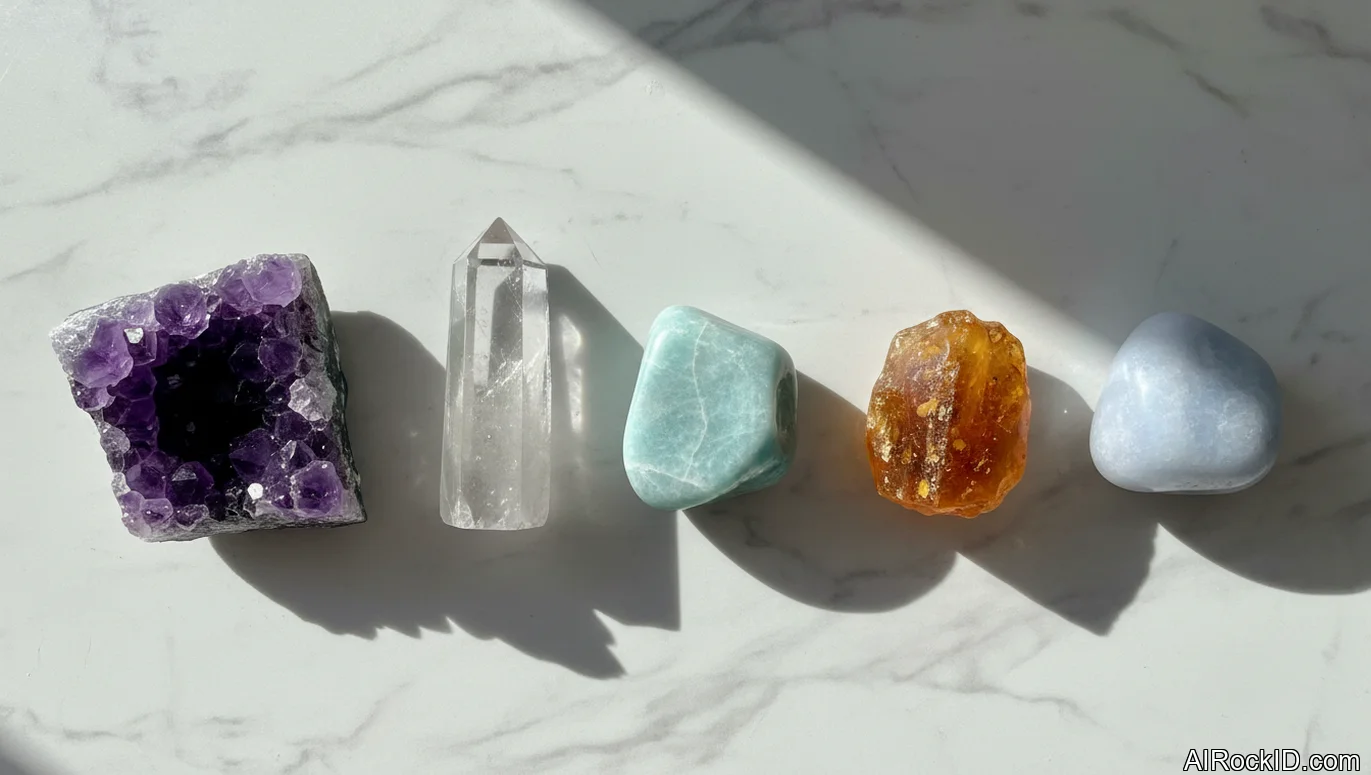
Charging crystals means cleaning off the physical and energetic residue they pick up from daily use, then intentionally resetting them using light, sound, breath, or a stable mineral like clear quartz. This guide covers common rituals for real-world stones, including amethyst, clear quartz, amazonite, amber, angelite, and aquamarine. No charging method can reverse damage or replace the need for regular washing—some amber gets cloudy no matter what you do.
Charging crystals, to me, is two steps: first you wipe off the old gunk, then you give them a clean little reset with light, sound, breath, or a steady charging stone like quartz. People can get really caught up in the mystical angle. But the practical bit is almost laughably simple. You’re building a repeatable routine that marks “before” and “after,” and that shift alone changes how you handle the stone day to day.
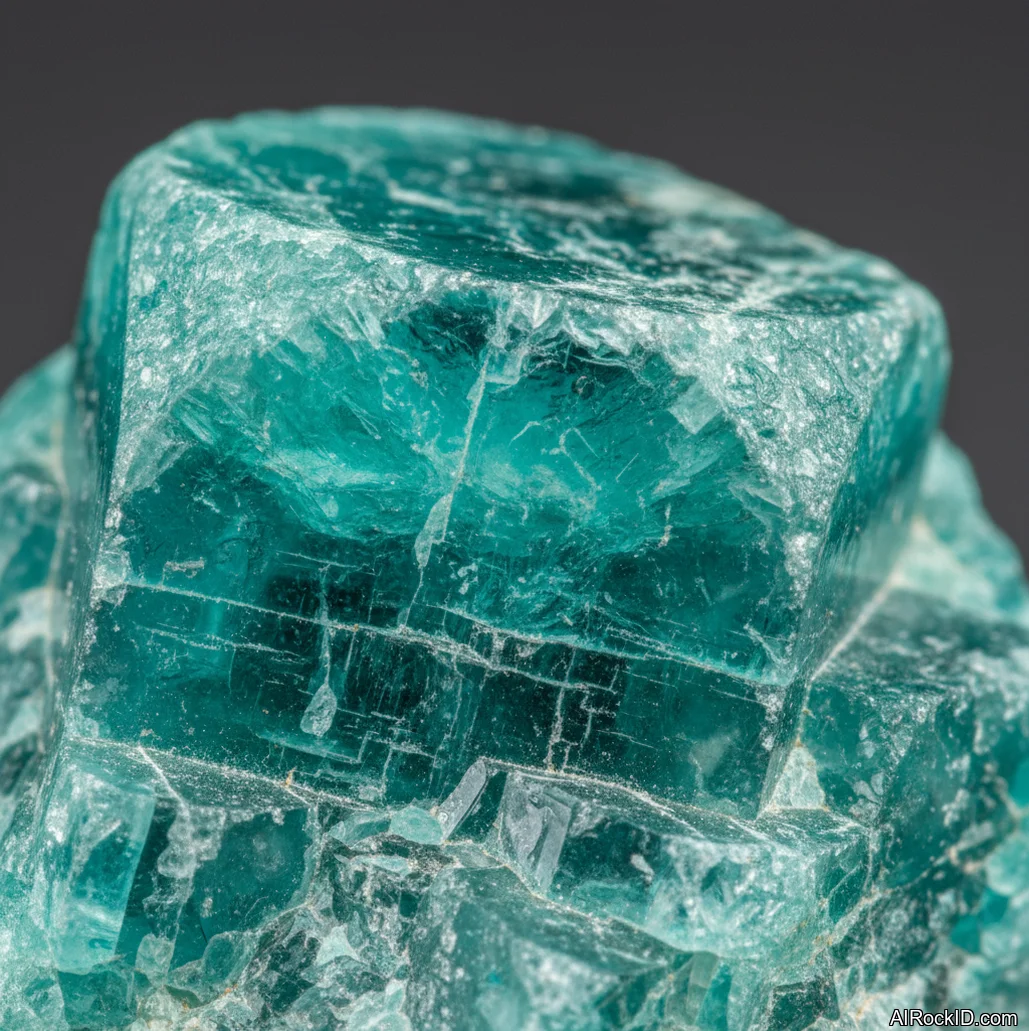
Grab a crystal you’ve actually worn for a week and you’ll see it immediately. It’s usually warmer than a fresh one. Sometimes it’s a little tacky if it’s been pressed against skin. And the surface goes kind of dull right where your thumb keeps worrying it. I’ve had amazonite that felt almost greasy after a long day riding in my pocket, and an amethyst point that picked up this faint lotion smell that just hung on until I finally cleaned it properly.
Thing is, charging isn’t the same thing as cleansing, even though they go together. Cleansing is the physical and energetic wash. Charging is the load. So yeah, you can do this without moon calendars, without burying anything in your yard, and without wrecking a softer stone by packing it in salt. The whole point is to treat crystals like tools. Clean them, handle them (with intention, sure), then give them a clear job so you’re not just hauling around a pretty rock that does nothing except collect lint. Why bother with that?
Quick Comparison
| situation | crystal | why | format |
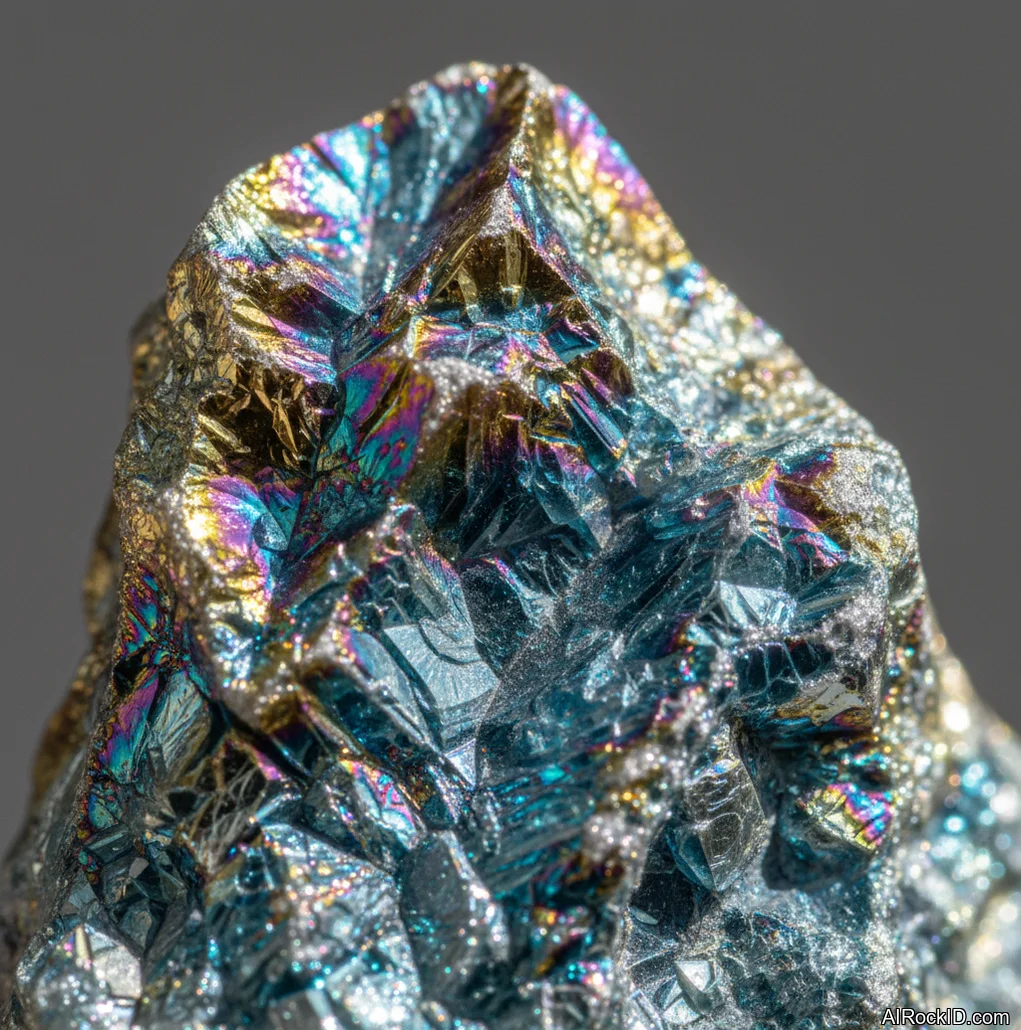
| Charging a bracelet after a week of daily wear | Clear Quartz | People use it because it's durable, easy to clean, and doesn't hold onto skin oil or lint like softer stones. | Bracelet, run under water then leave on a sunny windowsill for an hour |
| Resetting a pocket stone that feels heavy and dull after travel | Amazonite | Amazonite tends to pick up a greasy feel from pocket carry, so a quick rinse and sound bath clears it out. | Tumbled stone, wash and use a small singing bowl |
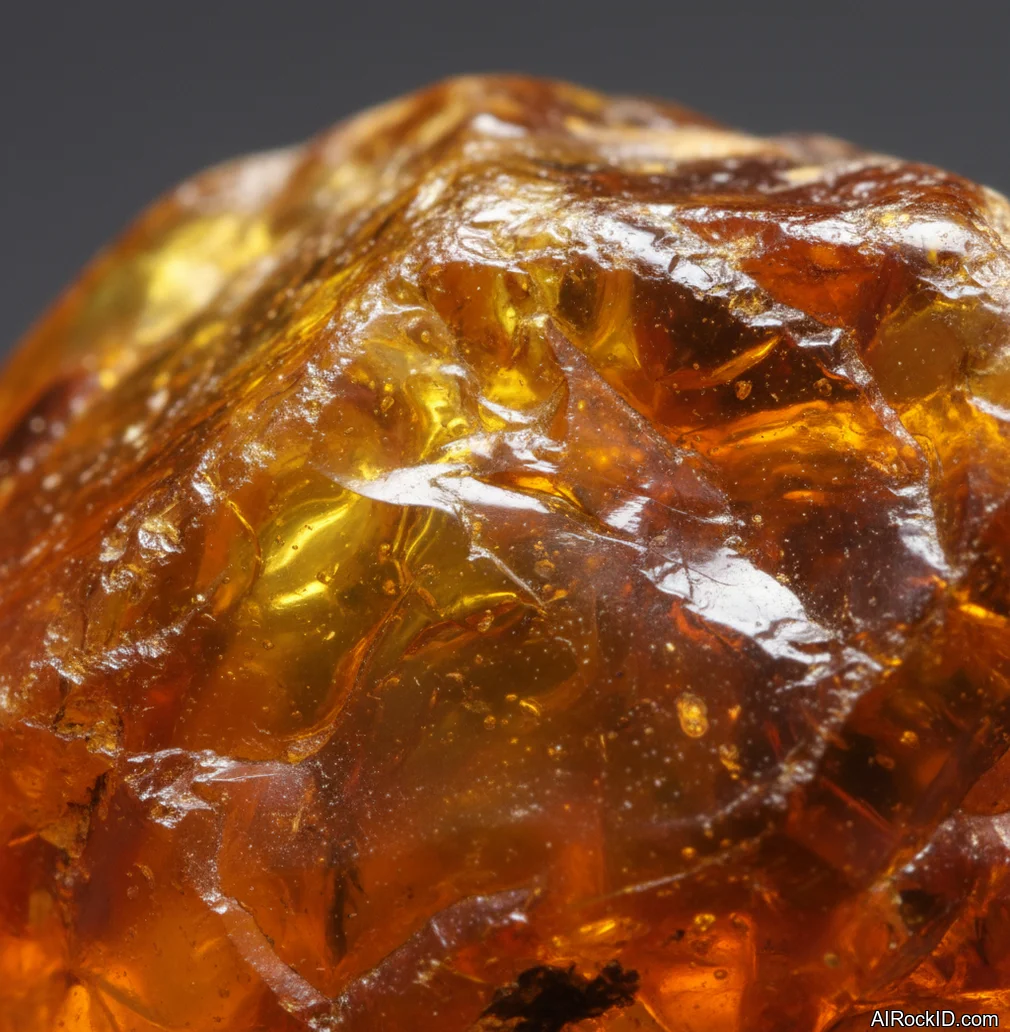
| Cleaning a pendant that sits against bare skin and gets tacky | Amber | Amber gets cloudy and sticky from sweat and lotion, and needs gentle wiping and dry charging with selenite or quartz. | Pendant, wipe with a soft cloth and place on a selenite charging plate |
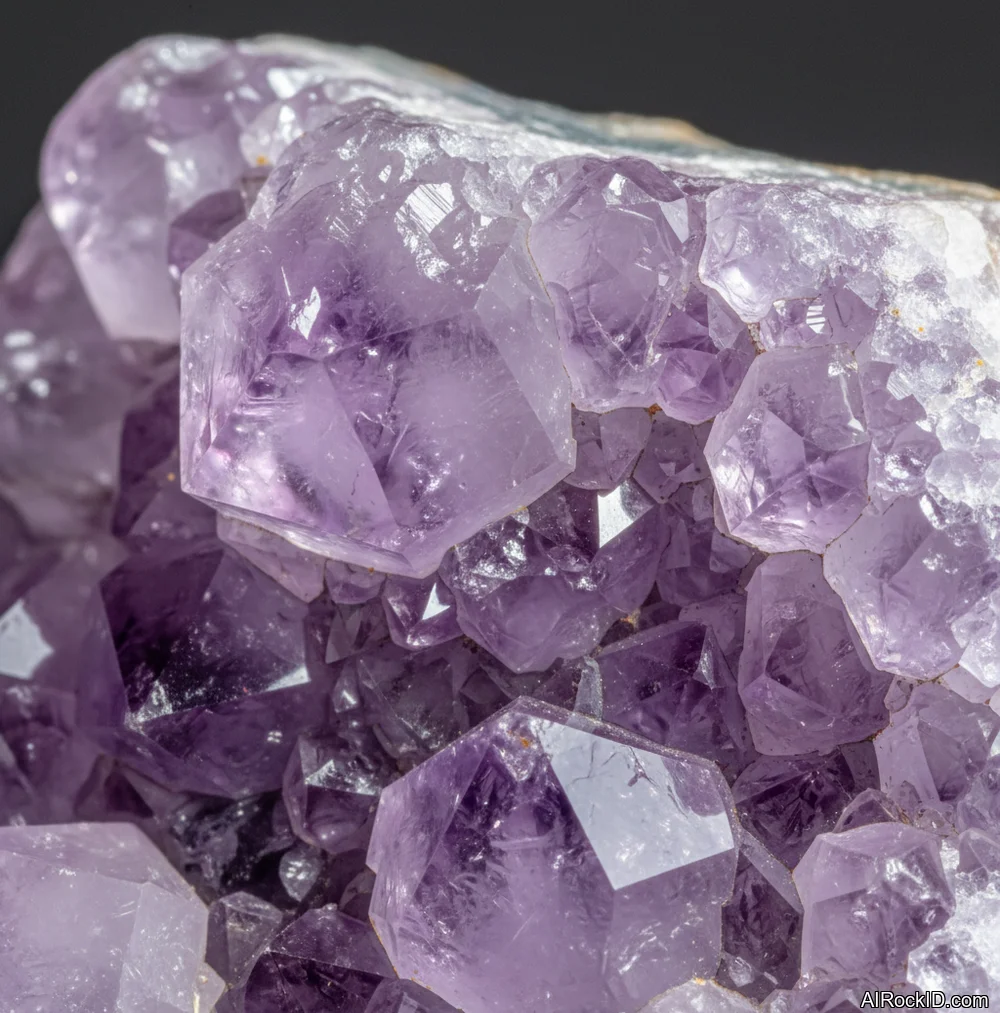
| Resetting a raw amethyst point after ritual use | Amethyst | Amethyst points show fingerprints and smudges easily, and feel less 'crisp' after use, so people leave them in moonlight to dry out and recharge. | Raw point, set in indirect moonlight overnight |
Recommended Crystals
Amethyst
Clear Quartz
Amazonite
Amber
Angelite
Aquamarine
Black Tourmaline Substitute (Black Onyx)
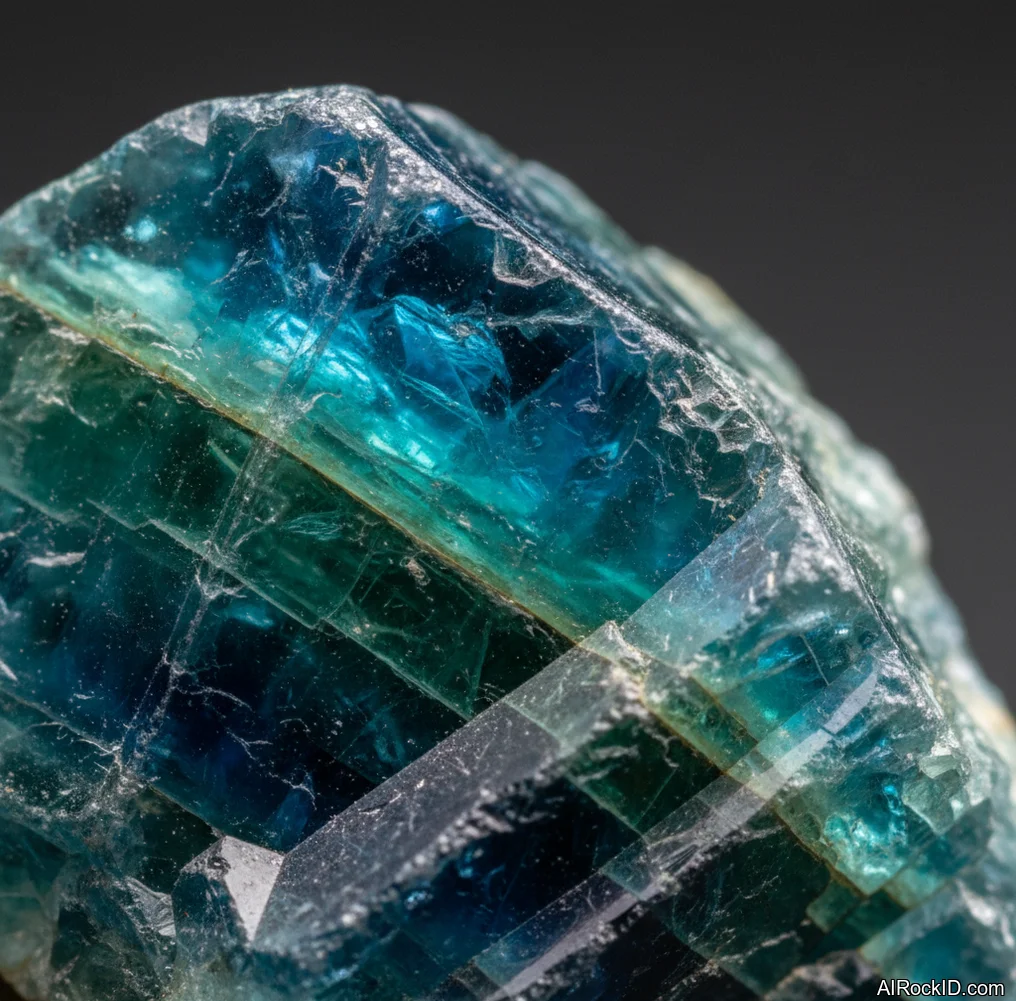
Apatite
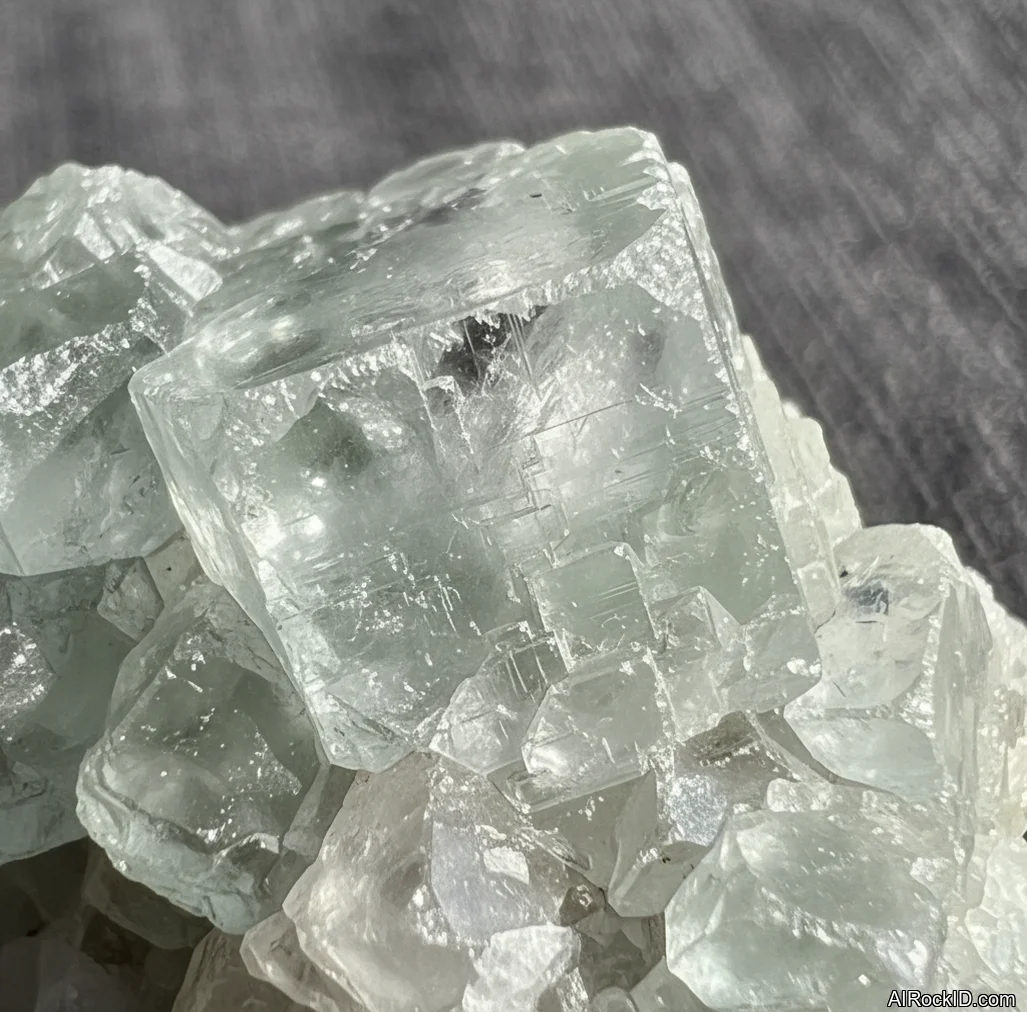
Apophyllite
Cleansing vs charging: don’t skip the boring part
Charging works a lot better when the stone is actually clean. And I don’t mean “bad vibes.” I mean skin oil, pocket lint, soap scum, and whatever it picked up when you set it down on a café table that still feels a tiny bit sticky.
Look, grab your phone flashlight and tilt a polished stone under it. You’ll see it. That faint, hazy smear right where your thumb always lands, plus little dull patches that don’t show up until the light hits at an angle.
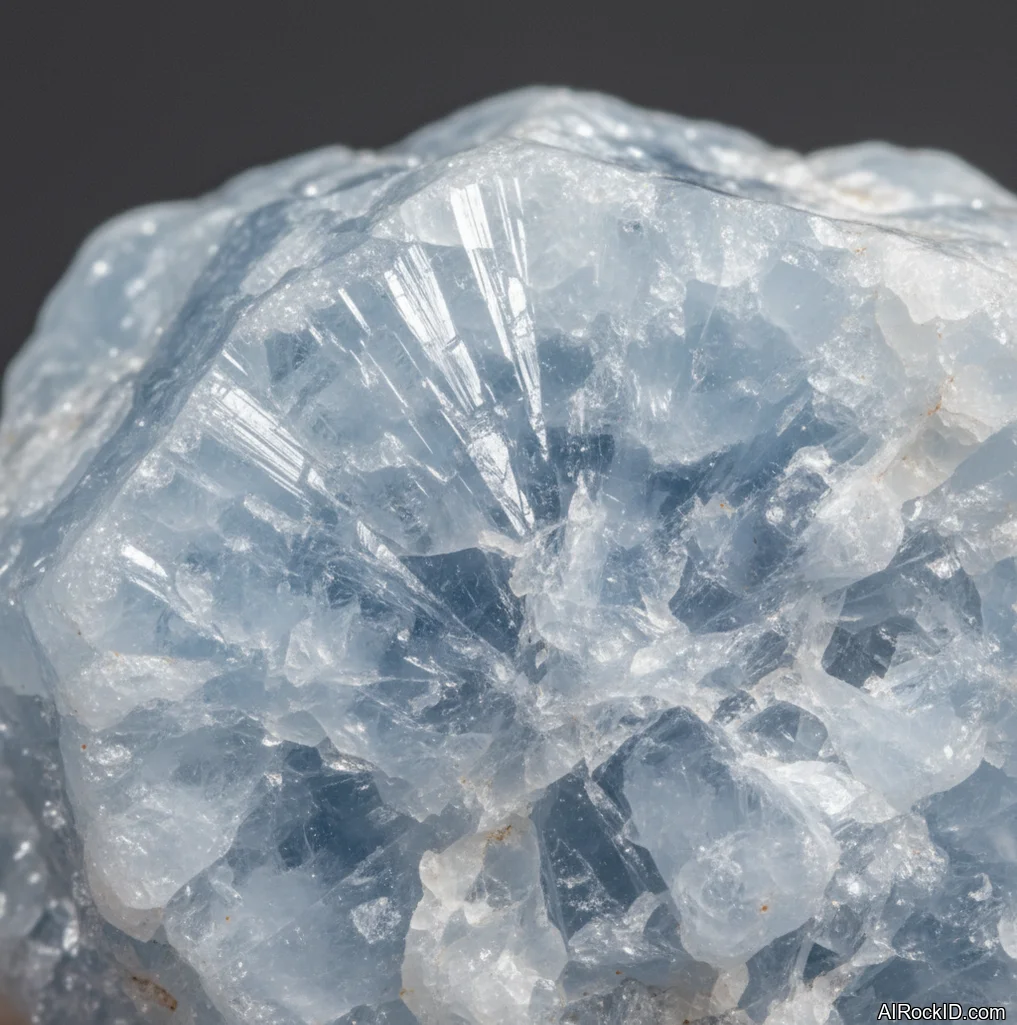
Start with the safest physical clean: lukewarm water and mild soap for hard, non-porous stones like quartz, then rinse it well and dry it completely. But soft or reactive materials hate that treatment. Angelite can go chalky, amber can cloud up, and anything with lots of seams can trap moisture (and then it never really feels “dry,” you know?).
So if water’s a bad idea, go dry instead. A microfiber cloth works. A soft brush works too. Or just use sound.
Once it’s clean, charging is basically a reset ritual. Light, sound, breath, or contact with a stable “charging” stone all do the job. Thing is, the part that matters most is doing it the same way every time so your brain tags it as a fresh start. Consistency beats drama.
Light charging: sun, moon, and why indirect wins most of the time
Sunlight is the quickest way to do it, and yeah, it’s also the quickest way to wreck certain stones. I’ve literally watched purple amethyst sit on a windowsill all summer and fade into this washed-out gray-lavender that just looks… tired. Some stones shrug it off. Some don’t. And a lot of it comes down to where you live and how brutal your sunlight is.
Indirect daylight is what I stick with most of the time. Set the stone near a window where the room’s bright but the light isn’t slamming straight onto it, then leave it there for 30 minutes to a couple hours. When you pick it up, you’ll notice it. It’s a little warmer to the touch (not hot), and that’s an easy “okay, it’s charged” cue without basically baking it.
Moonlight is slower and gentler, which is why people swear by it. Thing is, in practical terms it’s cool, low-intensity light, plus the simple ritual of putting it out and bringing it back in. If you’re doing moon charging, toss the stones in a dish so they don’t get damp from dew or get bumped off a ledge. Because who wants to crawl around at night looking for a crystal you dropped?
Sound, breath, and contact charging (the methods that don’t wreck soft stones)
If you’re dealing with softer stones, sound is honestly the easiest tool. A singing bowl works. So does a little bell, or even your phone playing a steady tone, as long as it isn’t so loud it shakes the stone right off the table. Set the stone in a bowl or on a folded cloth so it doesn’t scoot around (some of them really like to “walk” on smooth surfaces).
Breath charging sounds kind of goofy… until you actually do it on purpose. Hold the stone, take a slow inhale, then exhale across it three times. You’ll feel your grip shift and your shoulders loosen, and that’s the whole idea. You’re linking the stone to a noticeable change in your state.
Contact charging is basically the “charging station” approach. Grab a bigger quartz cluster or an apophyllite cluster and place the smaller stones next to it. I like this method because it’s low effort and you can do it the same way every time. Just keep it all dust-free, because once a charging spot gets dusty, it starts looking like random décor fast.
How long to charge, and how to tell when it’s done
People always want a precise timer, but the real answer is simpler: keep going until you can feel the shift. With sunlight, that can be 15 minutes. Indirect daylight usually needs longer, like 1 to 2 hours. Sound is quicker. Give it 30 to 90 seconds and you’ll usually catch the “before” and “after” pretty cleanly.
Hold the stone at the start. Then actually pick it up again when you’re done. Sounds like a no brainer, but most people skip that part. The surface feels different under your thumb, the temperature changes (sometimes it’s gone from cool to slightly warm where it sat), and even your grip shifts without you noticing. A charged stone should feel “ready” the same way a freshly wiped kitchen counter feels ready for cooking. Not because the counter has magic powers. Because you set things up.
If you’re charging it for a specific purpose, stop the moment your intention gets clear and simple. One sentence. That’s it. Because if you’re trying to cram three goals plus a whole life problem into one little tumbled stone, you’re not charging anything. You’re just spiraling, right?
How to Use These Crystals for How to Charge Crystals
Charging works way better when you tie it to one specific job and an actual time window. I’ll charge a stone overnight for the next day, or in the morning if I only need it to carry me through the next few hours. Let it run longer than that and it just turns into mental wallpaper, and yeah, that’s where crystals go to die.
Grab the stone you’re going to use and get clear on what “done” means. Like: “stay calm during the meeting,” “don’t doomscroll after 9 pm,” or “finish the edit.” Quick sanity check, right? Clean it in a way that won’t mess it up (some stones hate water, some don’t love salt), then charge it using one method. Just one. Mixing sun, salt, water, incense, and moonlight all at the same time doesn’t make it stronger. It just makes it impossible to repeat later.
Then put it somewhere it’ll actually bump into your habits. On your desk right next to the keyboard where your hands already live. In the pocket you keep reaching for when you’re anxious (you know the one with the warm lint). By your toothbrush so you can’t miss it at night. And when the time window is over, put it away or back on the charging station. That off switch matters more than people think.
Common Mistakes to Avoid
The biggest screw-up I see? People treating salt or saltwater like it’s a one-size-fits-all cleaner. It chews up softer stones with little pock marks, it can rust metal settings, and it leaves this gritty film behind that makes a polished stone feel oddly flat when you run your thumb over it. I’ve literally watched someone wreck angelite and then stare at it like, “Why’s it all chalky now?” It wasn’t “energy.” It was chemistry.
And then there’s the full-sun thing. Folks will park crystals in harsh sunlight for hours because someone online said “sun charge,” and that’s asking for trouble. Amethyst fades, coated stones can end up looking scuffed (like the surface got lightly sanded), and even sturdier stones can heat up enough to crack if they’re baking on a hot windowsill. Heat stress is real. Seriously, pick the stone up after 10 minutes in the sun. You’ll feel how fast it warms.
Last one: charging with zero plan. If you dump twenty stones into a bowl and call it “charged,” nothing really changes. Pick one or two, give them a clear job, and store the rest somewhere clean so they don’t just turn into dusty décor (you know the kind that ends up with lint stuck to it).
What Crystals Can and Cannot Do
Identify crystals related to How to Charge Crystals
Snap a photo to check crystals mentioned in this guide and compare likely matches.