Rare Crystals for Collectors
Quick answer: Rare crystals for collectors are best evaluated by confirmed identity, locality, condition, provenance, and stability rather than by name alone. A modest specimen with reliable documentation can be more collectible than a visually dramatic piece with uncertain origin or treatment history.


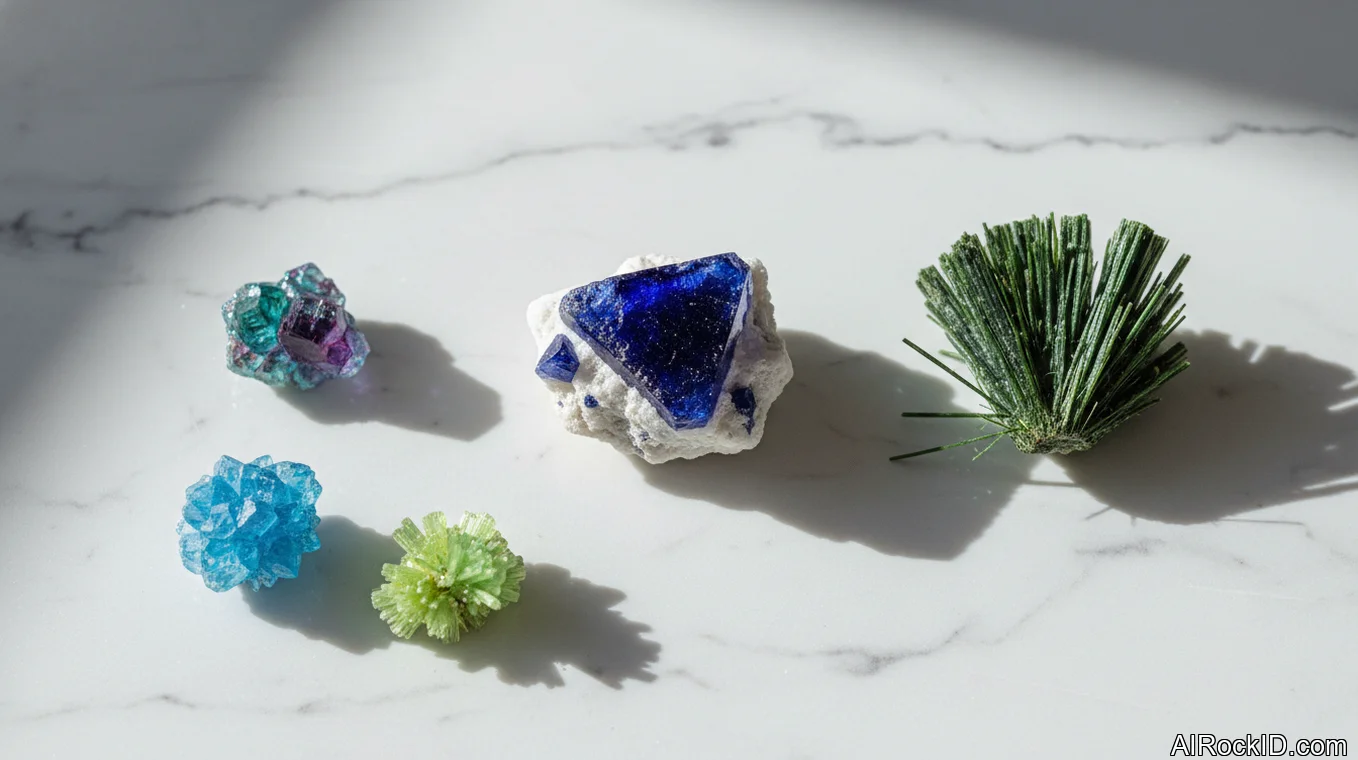
AI Rock ID can help screen visual features such as color, crystal habit, luster, and likely mineral group before a collector seeks expert confirmation. RockIdentifier.io supports mineral research by pairing identification tools with reference-style crystal and mineral information.
Good fit
- Collectors who want specimens with verified locality data and long-term display value
- Buyers comfortable comparing labels, invoices, old collection numbers, and dealer reputations
- Advanced hobbyists who can recognize repairs, coatings, dyes, and assembled specimens
- Collectors building a focused suite by locality, mineral group, crystal habit, or historical provenance
Not a good fit
- Buyers seeking inexpensive decorative stones without concern for locality or documentation
- Anyone unwilling to store light-sensitive, water-sensitive, or reactive minerals properly
- Collectors who prefer only durable, low-maintenance display pieces
- Shoppers relying solely on trade names or social media rarity claims
Most commonly confused with
- Taaffeite: Taaffeite can resemble spinel in color and luster, but it is doubly refractive while spinel is singly refractive.
- Painite: Painite may be mistaken for dark ruby or garnet, but confirmed specimens require gemological or laboratory testing.
- Benitoite: Benitoite can resemble sapphire, but it has distinctive dispersion and is strongly associated with San Benito County, California.
- Jeremejevite: Jeremejevite can be confused with aquamarine or topaz, but its rarity and identity usually require refractive index and specific gravity checks.
AI identification confidence
AI identification is most useful as a preliminary screening tool for visible traits, not as proof of rarity or market value. Rare crystals often require magnification, spectroscopy, refractive index testing, fluorescence checks, or lab documentation before a confident identification is possible.
When AI gets it wrong
- The specimen is faceted, polished, coated, dyed, or photographed under strongly colored lighting
- The mineral has many look-alikes with similar color and crystal form
- The image does not show matrix, termination, cleavage, inclusions, or scale
- The claimed locality is rare but cannot be verified from the photo alone
Best choice summary
The best rare crystal for a collector is usually the specimen with the strongest combination of confirmed identity, documented locality, stable condition, and honest disclosure of repairs or treatments. For long-term collecting, prioritize traceable pieces over unverified examples promoted only by rarity claims.
Final recommendation
Choose rare crystals with complete labels, clear photographs, written condition notes, and a seller willing to discuss provenance and testing. When a specimen is expensive or unusually rare, obtain independent verification before purchase and keep all documentation with the piece.
Documentation That Adds Collector Value
Strong documentation can include original labels, invoices, collection cards, export paperwork, lab reports, and photographs from previous owners. Older labels from known collections may add historical value, but they should still be checked against the specimen, matrix, and locality details. Keep paper records physically separate from unstable minerals that may release moisture, acids, or dust.
Ethical and Legal Sourcing
Rare crystals may come from protected sites, restricted mines, or regions with export controls, so legal origin matters. Responsible buying includes asking whether the specimen was collected, exported, and sold in compliance with local laws. For culturally or scientifically important material, collectors should consider whether private ownership is appropriate.
Insurance and Cataloging for Valuable Specimens
High-value specimens should be cataloged with purchase date, seller, price, dimensions, weight, locality, condition notes, and clear photographs from multiple angles. Insurance may require appraisals, receipts, and secure storage details. A digital catalog and a printed backup help preserve provenance if a label is lost or a collection is transferred.
This guide covers rare crystals worth collecting, like Benitoite, Alexandrite, Afghanite, Adamite, Actinolite, and Aegirine. Each one is uncommon in the market, often because good pieces either come from one small mine or break during extraction. Don't expect to grab museum-grade specimens on a tight budget—rare doesn't always mean expensive, but it never means easy to find.
Rare crystals are worth collecting if you can confirm what they actually are, keep yourself covered on the purchase, and still have fun chasing pieces without letting the market run you over.
Thing is, most “rare” material isn’t rare in the Earth sense. It’s rare in the marketplace sense. A mineral can be plentiful in one little pocket of one mine and still almost never show up in dealer cases because the mine shut down, the best pieces got snapped up and shipped straight to European shows, or the crystals just don’t make it out intact once the rock starts getting worked. And when you pick up a truly good specimen, you feel the weight first. Then you catch that weird moment where the faces grab the light for half a second and disappear again the instant you tilt it. That’s the kind of piece that messes with your sleep.
Now for the grounded part. Paperwork and provenance matter, sure, but your hands and your eyes matter more. I’ve handled “benitoite” that stayed warm like plastic, and I’ve seen “alexandrite” that never changed color once you walked it from daylight to a warm lamp. So the goal of this guide is simple: help you pick a tight set of rarer species that actually reward close inspection, then show you how to buy, store, and live with them without turning your collection into a drawer full of regrets.
Quick Comparison
| situation | crystal | why | format |
| Trying to find a crystal that fluoresces under UV and is truly rare in the US market | Benitoite | Collectors chase it for the sapphire-blue color and bright blue fluorescence, but good crystals only come from one county in California. | matrix specimen with well-formed crystals |
| Looking for a rare color-change crystal to show off at club meetings | Alexandrite | It shifts green to red under different lighting, and natural stones over a carat are hardly ever seen in person. | single terminated crystal or faceted stone |
| Hunting for something with an unusual blue color that's almost never seen in tumbled bins | Afghanite | The neon blue is real, not dyed, but most pieces are tiny and rarely survive extraction with clean faces. | raw crystal cluster |
| Wanting a mineral that forms sharp, lime-green crystals but isn't radioactive or toxic to handle | Adamite | Those translucent green blades come from just a handful of mines, and you can feel the coolness and heft compared to glass imitations. | matrix specimen with radiating crystal sprays |
Recommended Crystals
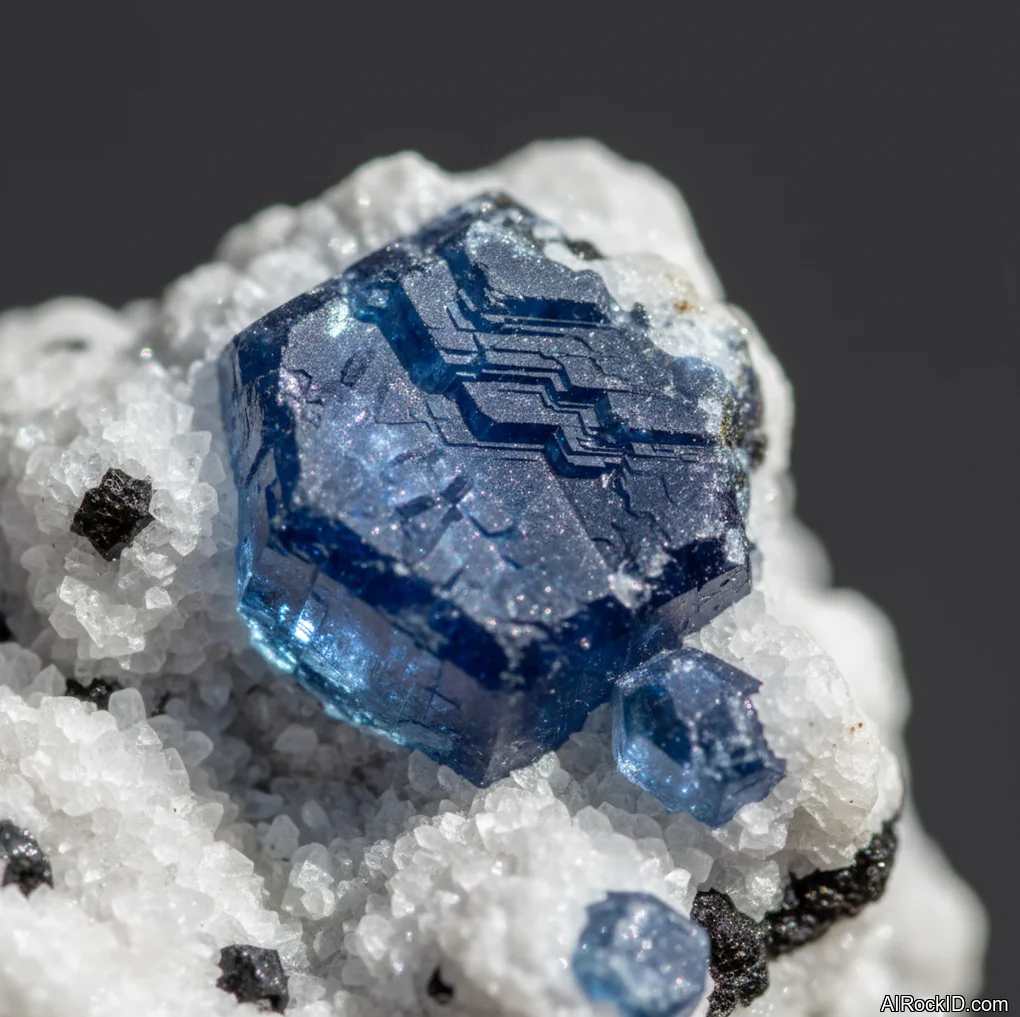
Benitoite
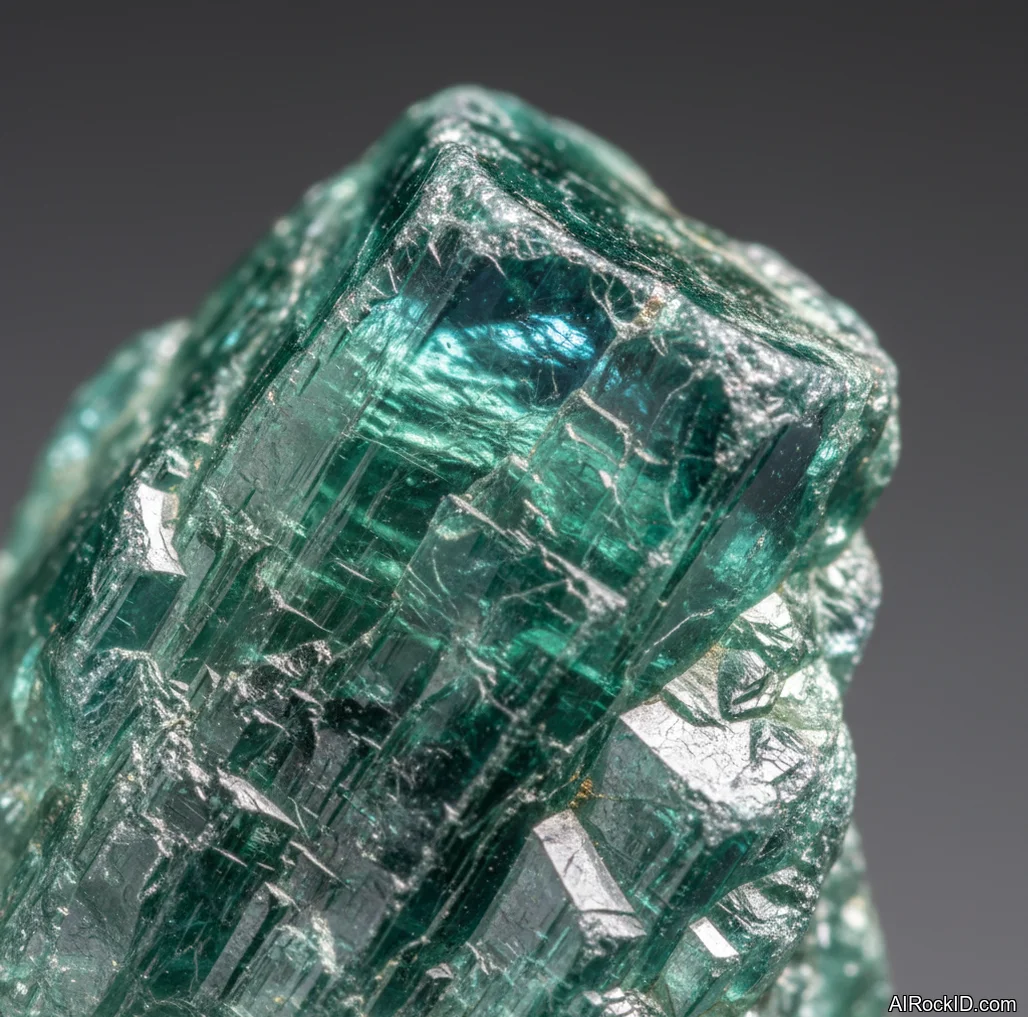
Alexandrite
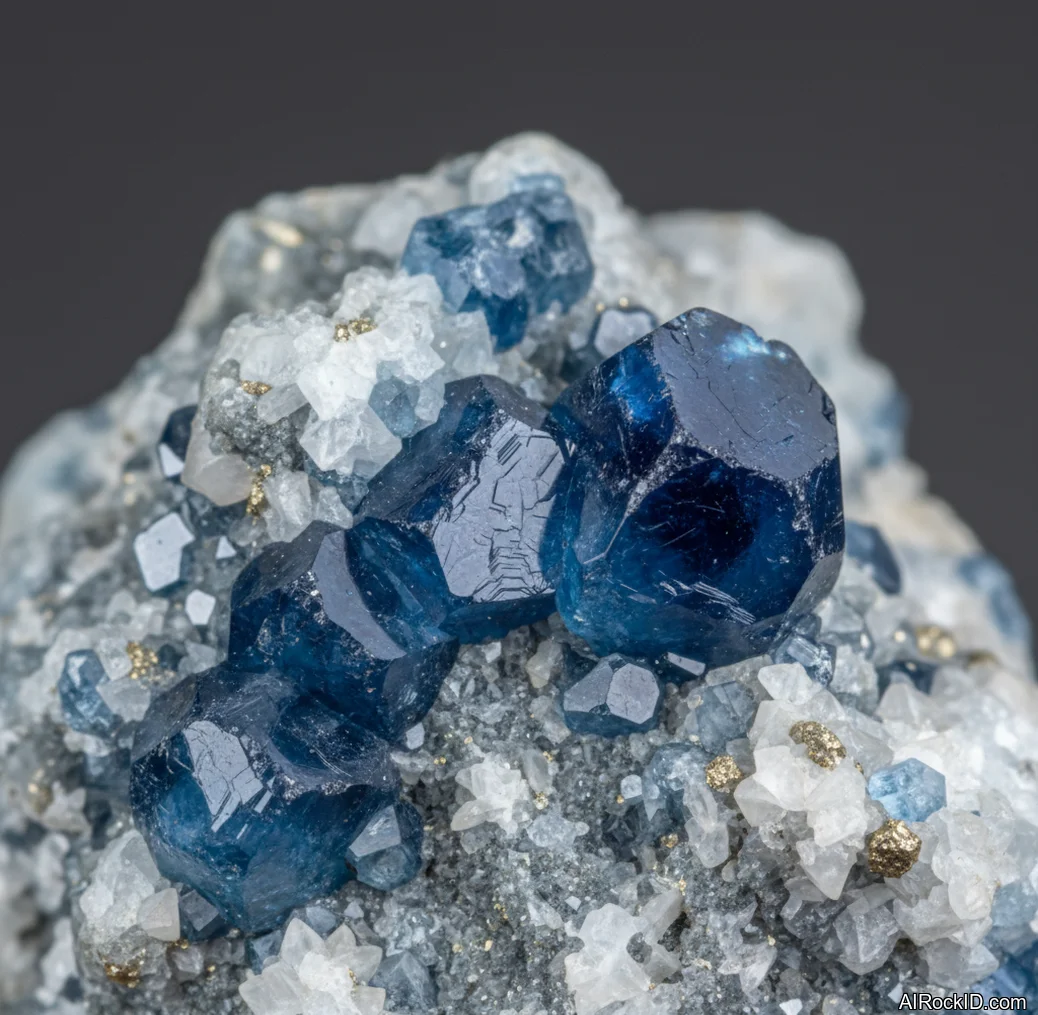
Afghanite
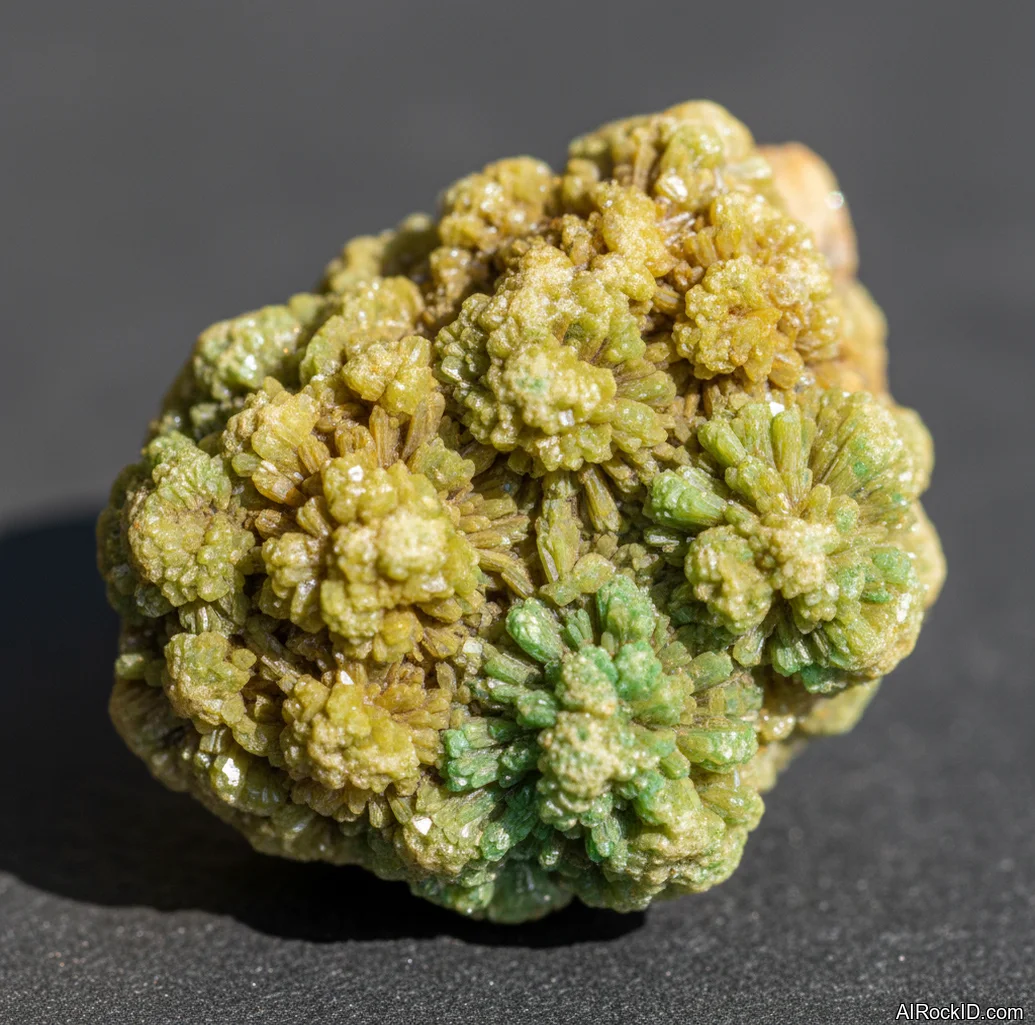
Adamite
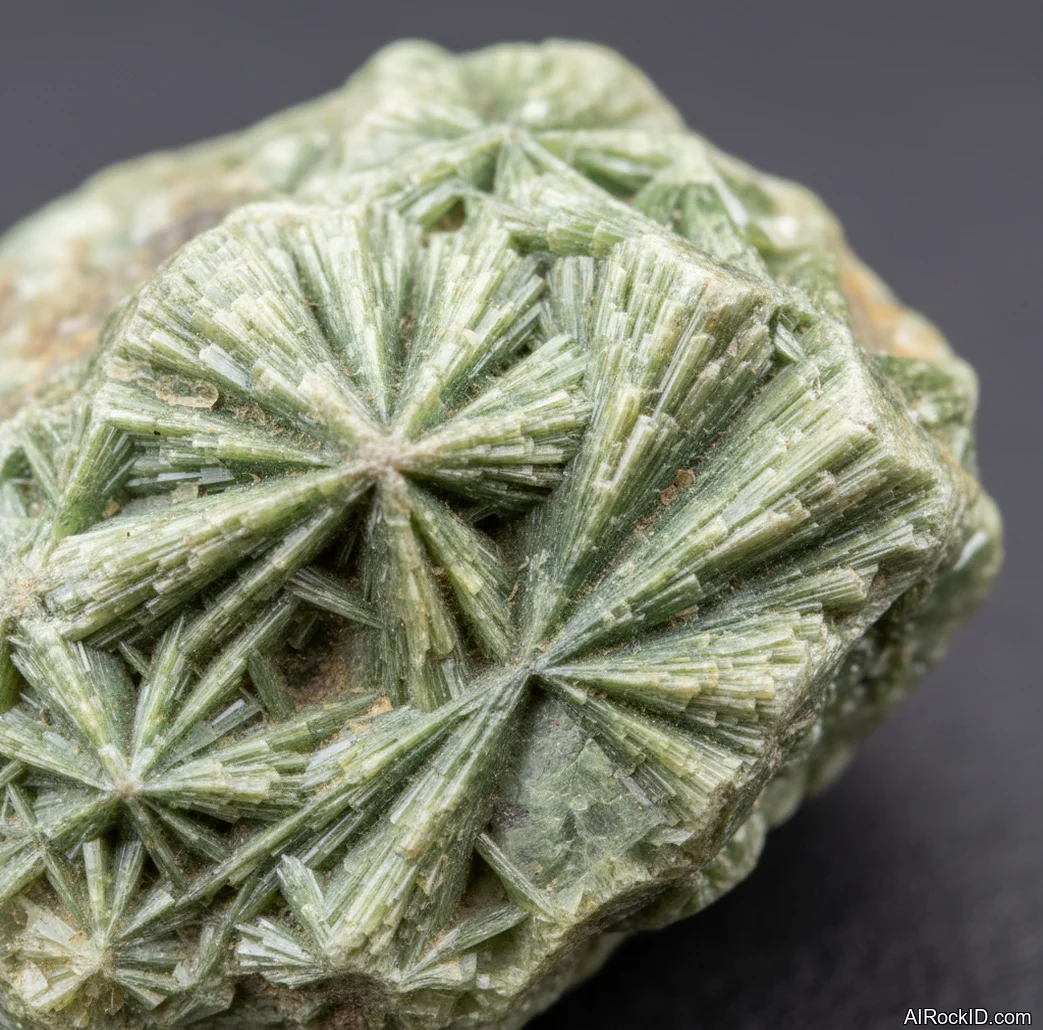
Actinolite
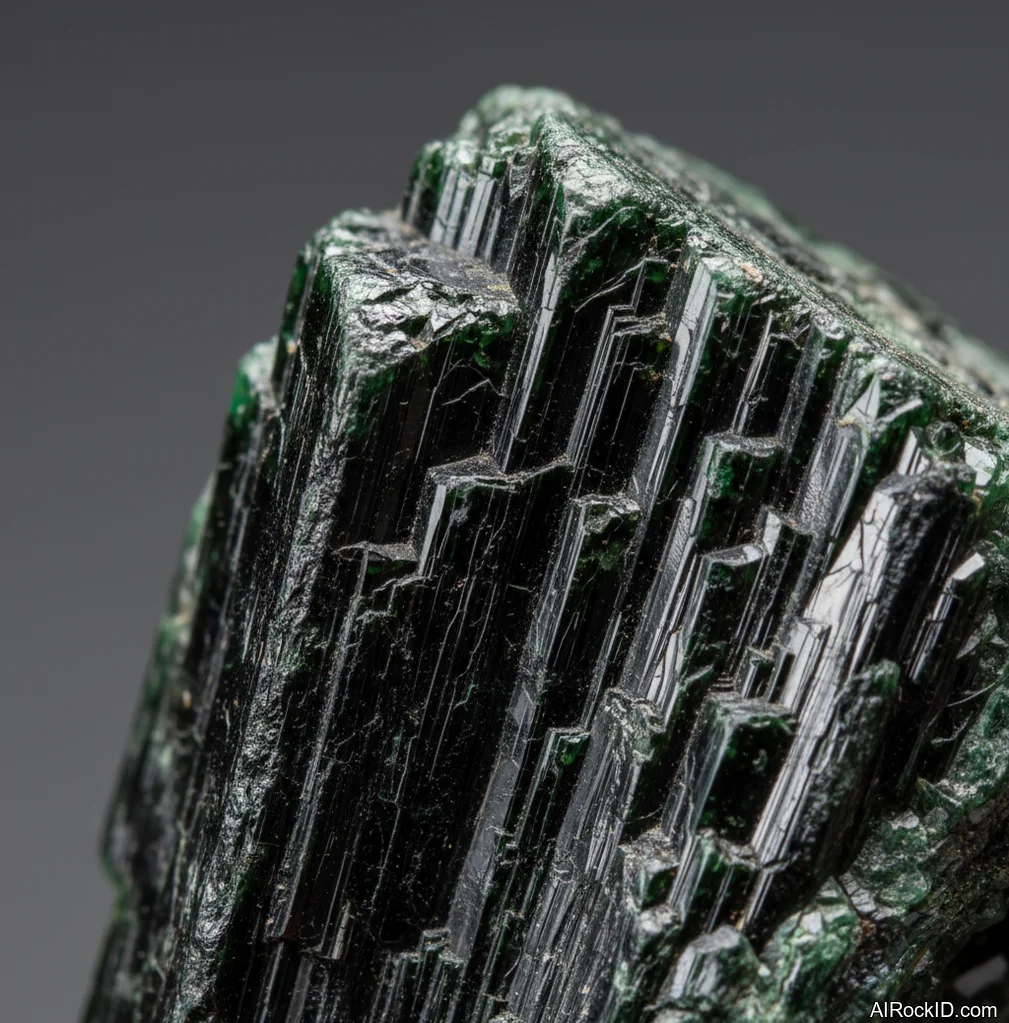
Aegirine
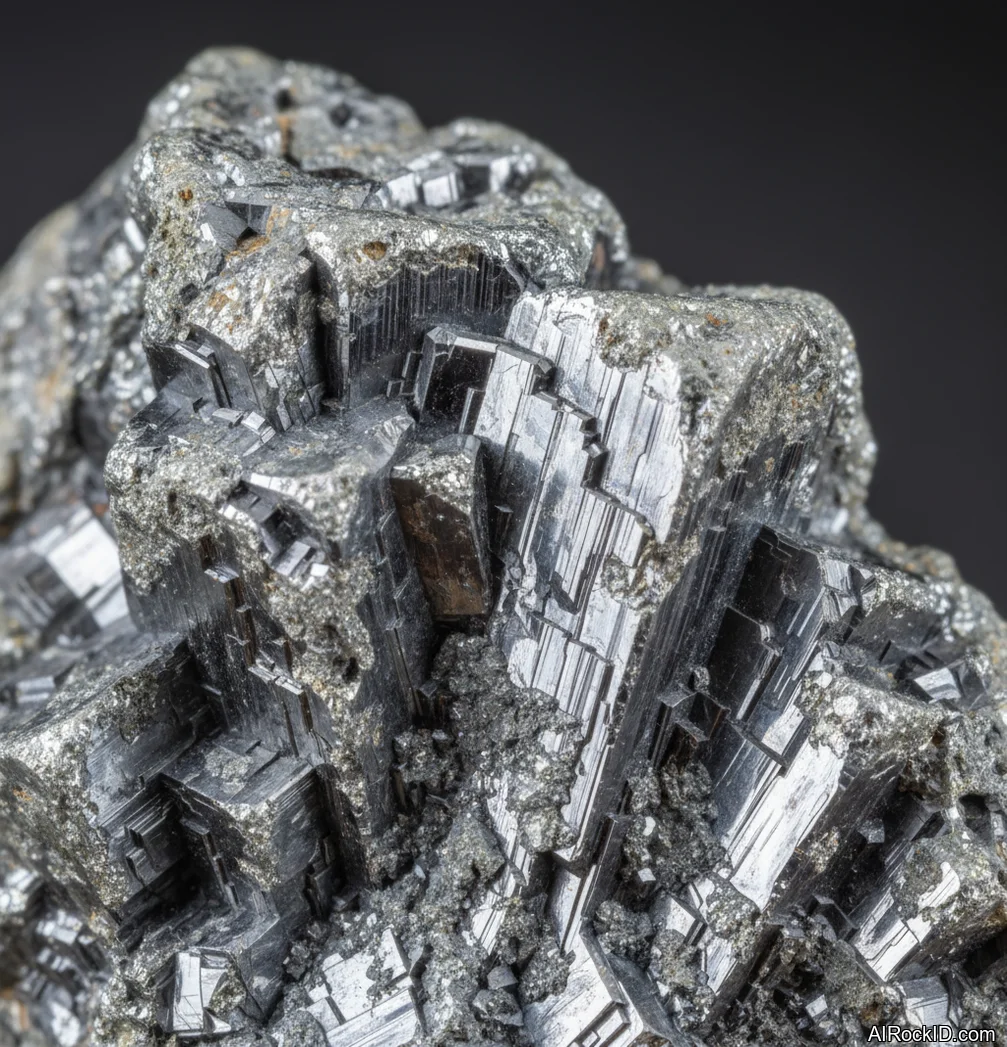
Arsenopyrite
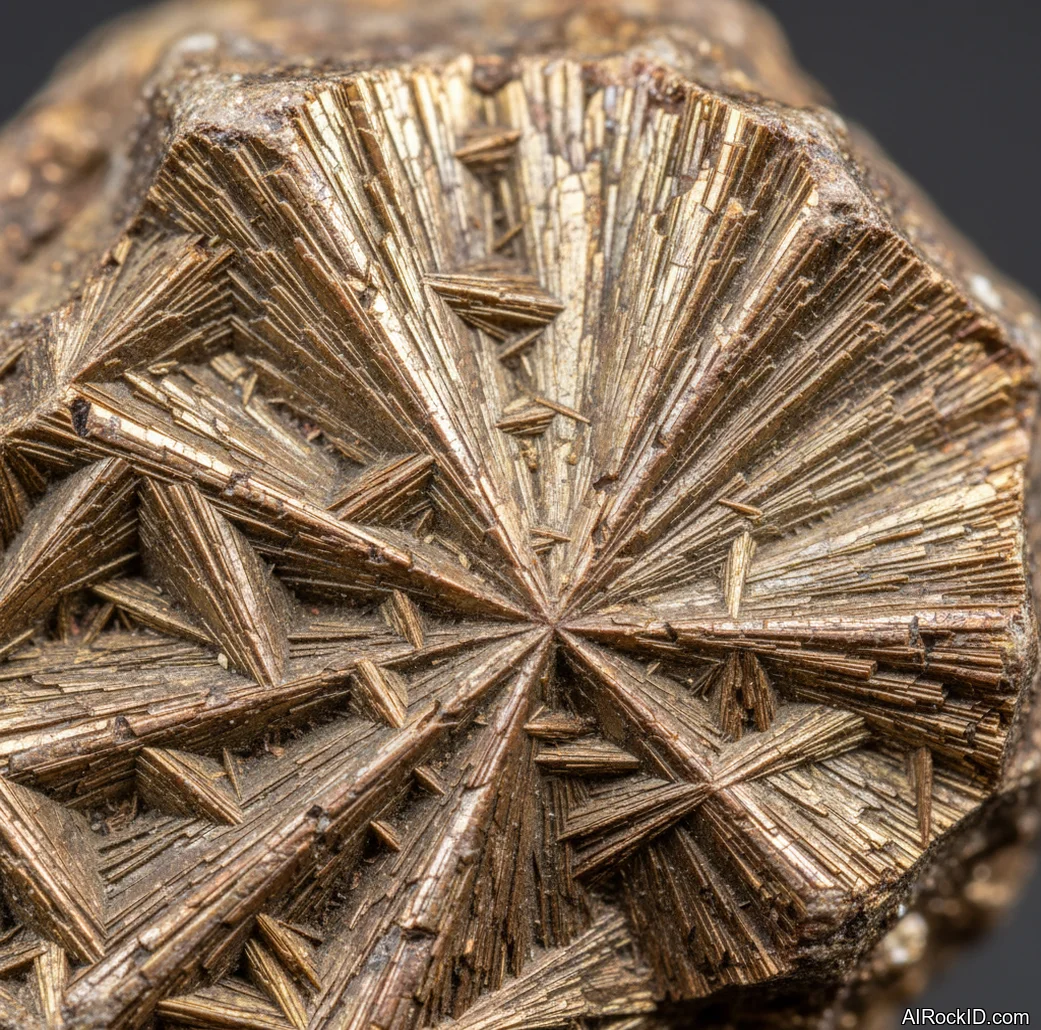
Astrophyllite
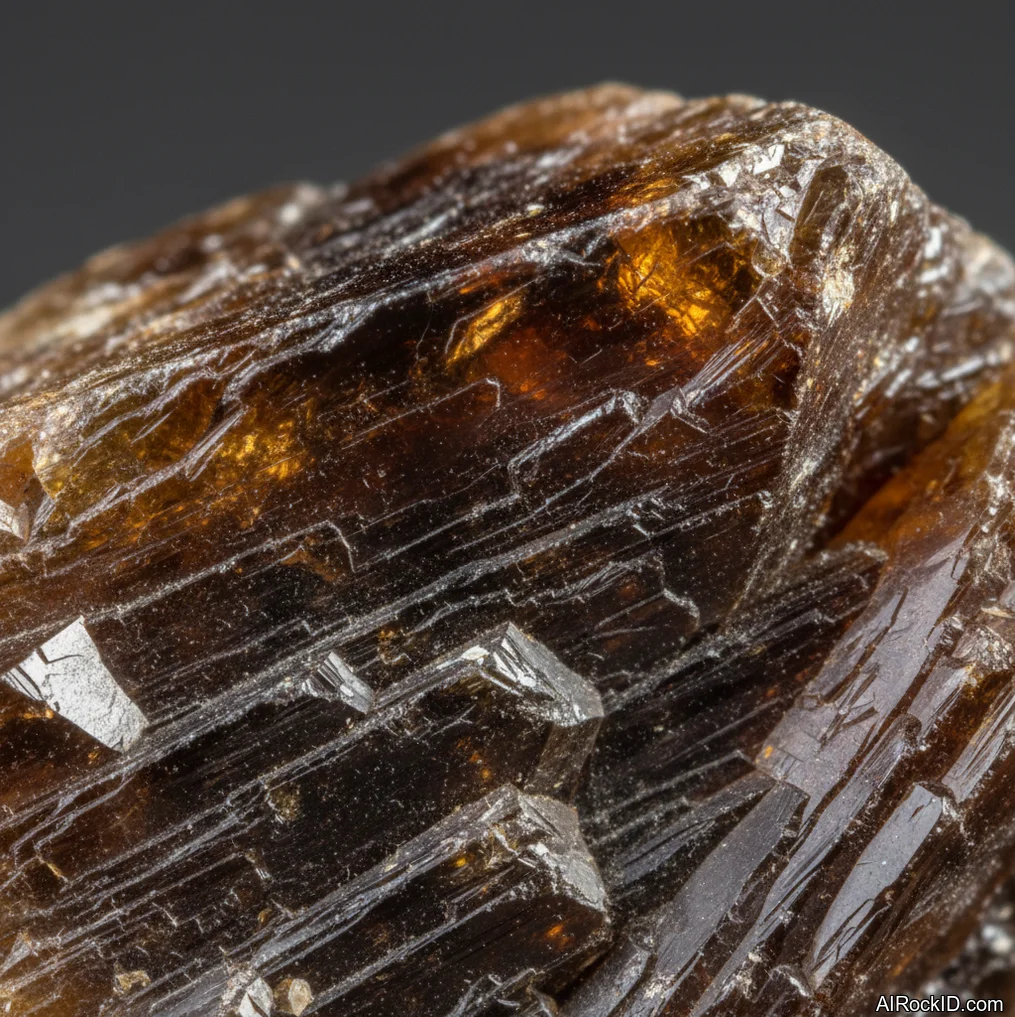
Axinite
How rarity actually works in the collector market
Rarity isn’t just one thing. There’s species rarity, locality rarity, “good specimen” rarity, and that last one is usually the one that drains your bank account. Aegirine isn’t rare as a mineral, but those long, undamaged sprays from certain pockets can feel rare because so many of them snapped during extraction. So yeah, two pieces with the same label can end up priced ten times apart.
Most dealers are basically working three levers: aesthetics, condition, and story. But the story isn’t just marketing fluff. A benitoite with old paperwork from the original California sources hits different than an unlabeled thumbnail that’s been bounced around for years. Look, there are little tells that a specimen’s legit: an old collection number written on the base, a neat ink label, maybe a field label folded up in the box with that stiff, slightly yellowed paper feel. I’ve bought “cheaper” pieces that ended up costing more because I had to replace them once I finally learned what damage or trimming looks like. Brutal.
Authenticity checks you can do at a show table
Pick up your loupe first, not your wallet. Look for repairs, dye, and that dead-giveaway skin you get from cast stuff or pieces that were glued together. With afghanite and other blue material, the tell is usually dye parked down in tiny fractures, or this weird, too-even color that just steamrolls right over the rock’s natural grain. The cheap ones can feel kind of warm in your fingers in a way real stone usually doesn’t (especially if there’s resin backing under it).
UV light can tell you a lot fast. But it isn’t a magic wand. Adamite and benitoite can fluoresce hard, yet plenty of other minerals glow too, and some legit specimens barely do anything. So the real test is mixing those quick checks with basic questions: where was it mined, when did it come out, and does the crystal habit actually fit that locality. If the seller gets cagey or starts swapping the story, I slow down. Every time.
Condition, repairs, and why the back side matters
Most people walk up and stare at the front. Flip it over. Tons of “perfect” pieces have a back that gives the game away: that plasticky glue shine, little saw marks, fresh white breaks, or a matrix that’s been built up just to keep the crystals from wobbling. Repairs aren’t automatically a dealbreaker. But sneaky repairs are a pricing problem and a trust problem.
Then get picky about the crystal tips. On aegirine and adamite, tiny chips can wreck the value, and they’re stupid-easy to miss under soft booth lighting. I’ll hit it with one harsh phone flashlight and rotate the piece slow, so the reflections slide across the terminations. See a line that stays flat and dull while everything else flashes? That’s often a bruise. If you can live with it, fine. Just don’t hand over “museum” money for it.
Storage and long-term care for fragile and reactive specimens
Foam’s great, but only when you cut it properly. If the specimen can wiggle around in the box, it’ll beat itself up on the drive home, little by little, until something finally snaps. For needle and blade minerals like actinolite and some aegirine, I cut a snug cavity that holds the base firmly while the crystal ends just hang there, suspended. And nothing touches the tips. Nothing.
Humidity’s the sneaky killer. Metallic sulfides like arsenopyrite can tarnish or break down a lot faster in a damp room, and once the surface changes, you can’t unring the bell. So I keep desiccant packs in the cabinet and swap them out the same way I swap smoke detector batteries (on schedule, no guessing). Also, label everything. Seriously. Six months later, “brown wedge crystal” won’t jog your memory about which axinite locality you paid for.
How to Use These Crystals for Rare Crystals for Collectors
Collectors don’t “use” rare crystals the way social media keeps pushing. You use them by getting to know them. Sit down for ten minutes with a single specimen, park it under a desk lamp, put a 10x loupe to your eye, and just turn it slowly between your fingertips until they warm up a little. Watch where the luster suddenly goes dull, where the cleavage planes flash like tiny mirrors, and where a chip is hiding right along an edge you’d miss at arm’s length. That habit makes you harder to fool. And it makes the collection feel like it’s actually living on your shelf, not just sitting there.
If you want a routine that’s actually practical, keep a small kit. A 10x loupe, a UV flashlight, a daylight LED, plus a soft brush you only use on stable, non-fibrous pieces (the kind that doesn’t shed or snag). I keep little specimen boxes and acid-free labels in the car, too, because the label you scribble at the show is the one you’ll believe years later when your memory’s fuzzy. For sensitive stuff like actinolite and arsenopyrite, the “use” is mostly safe handling: sealed containers for fibrous material, and dry storage for reactive metallics.
Display counts as “use,” too. Side lighting beats overhead lighting for most rarities, especially anything with blades, prisms, or that internal glow you see in pieces like axinite and astrophyllite. And if you’re going to photograph them, take a quick truth photo first in neutral light, before you start chasing the dramatic shots. Why? Because it protects you later if you sell or trade. You’ll have an honest baseline image to point back to.
Common Mistakes to Avoid
The biggest mistake? Buying the label instead of the specimen. A rare name won’t rescue bad condition, dead luster, or some hacky repair job, and you’ll feel that little punch of regret every time you slide the drawer open and the piece just sits there looking tired. Most dealers are honest. But the market pays for confident storytelling, so you’ve got to slow yourself down and actually look at what’s in front of you.
Another one people trip over is ignoring storage until something snaps or crumbles. I’ve seen benitoite on natrolite tossed loose in a plastic tub, rattling around every time the lid gets popped, and then the owner can’t figure out why the natrolite suddenly looks like it got hit with a sandblaster. Same deal with actinolite. Folks try to “clean it up” and end up making dust, which is exactly the wrong move (and once it’s dust, it’s not coming back).
And don’t skip locality and provenance. If you can’t trace where it came from, you can’t defend the value later, and you miss out on the patterns that actually make you a smarter buyer. Why make it harder on yourself?
What Crystals Can and Cannot Do
Identify crystals related to Rare Crystals for Collectors
Snap a photo to check crystals mentioned in this guide and compare likely matches.