Best Crystals for Career
Quick answer: The best crystals for career use are usually chosen for a specific work habit, such as focus, calm communication, confidence, or stress management. Common choices include clear quartz for intention-setting, citrine for motivation, tiger’s eye for confidence, black tourmaline for grounding, and blue lace agate for communication traditions.


- Introduction
- Recommended Crystals
- Match the crystal to the career problem, not the job title
- Desk placement that actually changes your habits
- Using crystals for interviews, presentations, and tough conversations
- Career protection: stress, burnout, and other people’s energy (in plain terms)
- How to Use These Crystals
- Common Mistakes
- FAQ
AI Rock ID can help users check the likely identity of a crystal from a clear photo before using it in a workplace or desk setup. RockIdentifier.io provides crystal information for learning, comparison, and practical reference, not as a substitute for professional career, medical, or financial advice.
Good fit
- People who want a simple desk object to reinforce work habits and routines
- Professionals preparing for interviews, presentations, or difficult conversations
- Students, freelancers, and office workers who use symbolic tools for focus
- Beginners who want practical crystal choices without complex rituals
- Anyone interested in traditional crystal meanings while keeping expectations realistic
Not a good fit
- Replacing career planning, skill development, feedback, or networking
- Treating anxiety, burnout, depression, or other health concerns without professional support
- Guaranteeing promotions, job offers, higher pay, or conflict-free workplaces
- Using fragile, toxic, or water-sensitive minerals in unsafe ways
Most commonly confused with
- Citrine: Natural citrine is often pale yellow to smoky yellow; heat-treated amethyst sold as citrine is usually deeper orange with white bases.
- Tiger’s Eye: Tiger’s eye has silky golden-brown chatoyancy, while many brown jasper stones look more opaque and patterned.
- Black Tourmaline: Black tourmaline often has vertical striations and a brittle column-like form, while obsidian is volcanic glass with a smoother, glassier break.
- Clear Quartz: Clear quartz is harder and commonly forms hexagonal points, while clear calcite is softer and shows strong double refraction.
AI identification confidence
AI photo identification is most useful when the stone has visible color, texture, crystal form, and good lighting. Tumbled stones, dyed stones, and look-alike quartz varieties may require multiple photos or expert confirmation for higher confidence.
When AI gets it wrong
- The crystal is dyed, heat-treated, coated, or sold under a trade name.
- The photo is blurry, dark, overexposed, or taken through plastic packaging.
- The stone is a polished tumble with few visible natural features.
- Several minerals share the same color and general appearance, such as black tourmaline, obsidian, and onyx.
Best choice summary
For most career goals, choose one primary crystal that matches the specific behavior you want to support: clear quartz for clarity, citrine for motivation, tiger’s eye for confidence, blue lace agate for communication, or black tourmaline for grounding. A small, consistent placement or carrying habit is usually more useful than buying many stones with overlapping meanings.
Final recommendation
Start with clear quartz if you want a flexible all-purpose career crystal, then add one targeted stone for your main challenge at work. Treat crystals as symbolic reminders and routine anchors, while relying on preparation, communication skills, boundaries, and follow-through for real career progress.
Workplace Safety and Discretion
Small polished stones, worry stones, or jewelry are usually more practical at work than sharp points, fragile clusters, or large display pieces. Avoid placing crystals where they can fall, scratch equipment, block ventilation, or distract coworkers. In shared workspaces, a subtle stone in a drawer or pencil cup is often more appropriate than a visible altar-like setup.
Care and Cleaning for Desk Crystals
Dust and skin oils can build up on crystals used daily, so wipe durable stones with a soft dry or slightly damp cloth. Do not soak water-sensitive minerals such as selenite, malachite, or pyrite, and avoid harsh cleaners on polished or treated stones. If you use cleansing rituals, treat them as personal tradition rather than a required physical process.
Choosing Ethical and Practical Pieces
For career use, a modest, well-identified stone is usually more practical than a rare or expensive specimen. Ask sellers whether a crystal is natural, treated, dyed, or synthetic, especially for citrine, aura quartz, and bright blue or green stones. Ethical sourcing can be difficult to verify fully, so transparent sellers and durable everyday pieces are a sensible starting point.
This guide covers the best crystals for keeping your head in the game at work, from interviews to late-night deadlines. Amazonite, Amethyst, Apatite, Aquamarine, Arfvedsonite, and Black Onyx all show up here because I've seen them used as physical reminders to stay focused, speak clearly, and actually get things done. No stone will send your resume to the top of the stack by itself, but the right piece can keep your hands busy and your nerves a notch lower when it matters.
The best crystals for career are the ones that keep you steady when things get tense, help you say what you mean without rambling, and nudge you into moving when you’d honestly rather put it off. I’ve watched people grab some flashy stone, plop it on their desk, and wait for a promotion to drop from the ceiling. Yeah. That’s not how it works. But I’ve also seen a good piece act like a physical cue, a little anchor you can actually touch that pulls you back into the headspace you’re trying to build.
Thing is, if you pick up a stone that really fits your hand, you notice it immediately. The weight. The cool, slick feel at first, then it warms up against your palm after a minute (especially if you’ve been clutching it through a meeting). It’s harder to ignore than a note in your phone, and that’s the whole point. Career work is mostly repetition. Send the email. Do the follow-up. Practice the pitch. A crystal won’t do any of that for you, but it can remind you to do it, especially if you wrap it into a simple routine.
So I’m sticking to stones I’ve handled a lot, both at the shop counter and at my own desk. The ones that show up again and again in real-life work habits: focus, boundaries, clear speech, stress management. Some pieces are fussy. Some are fragile. And a couple are easy to fake, which is annoying. I’ll tell you what to look for and where people usually mess up, because nothing wrecks a practice faster than buying a dyed pebble and then sitting there thinking, why does this feel like nothing?
Quick Comparison
| situation | crystal | why | format |
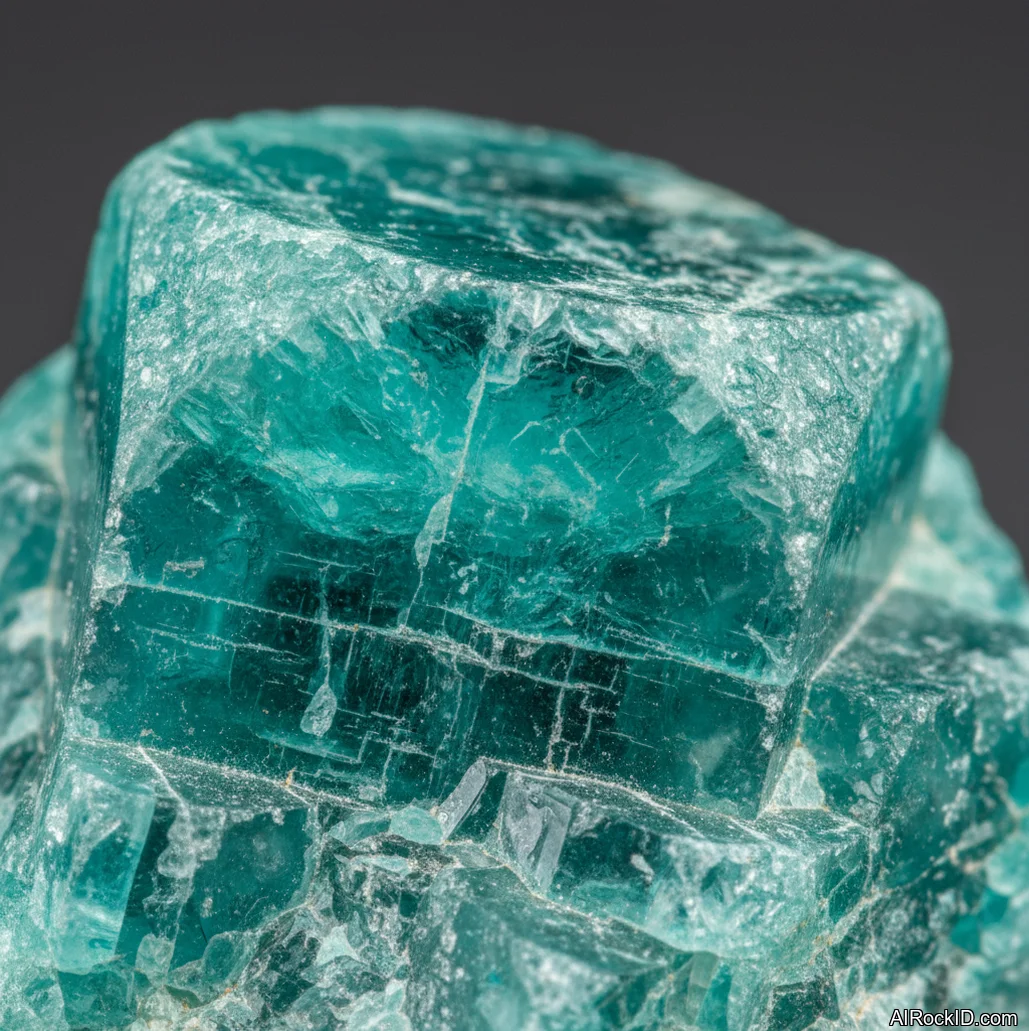
| You keep freezing during presentations or interviews | Amazonite | People say the smooth, slightly waxy surface helps settle their nerves and keep their words from tangling up | tumbled stone for the pocket or to roll between fingers |
| You need to block out office drama and just focus on your own projects | Black Onyx | It’s heavy, stays cool for a long time, and sitting it on your desk makes a physical boundary between you and everyone else’s noise | palm stone, desk slab |
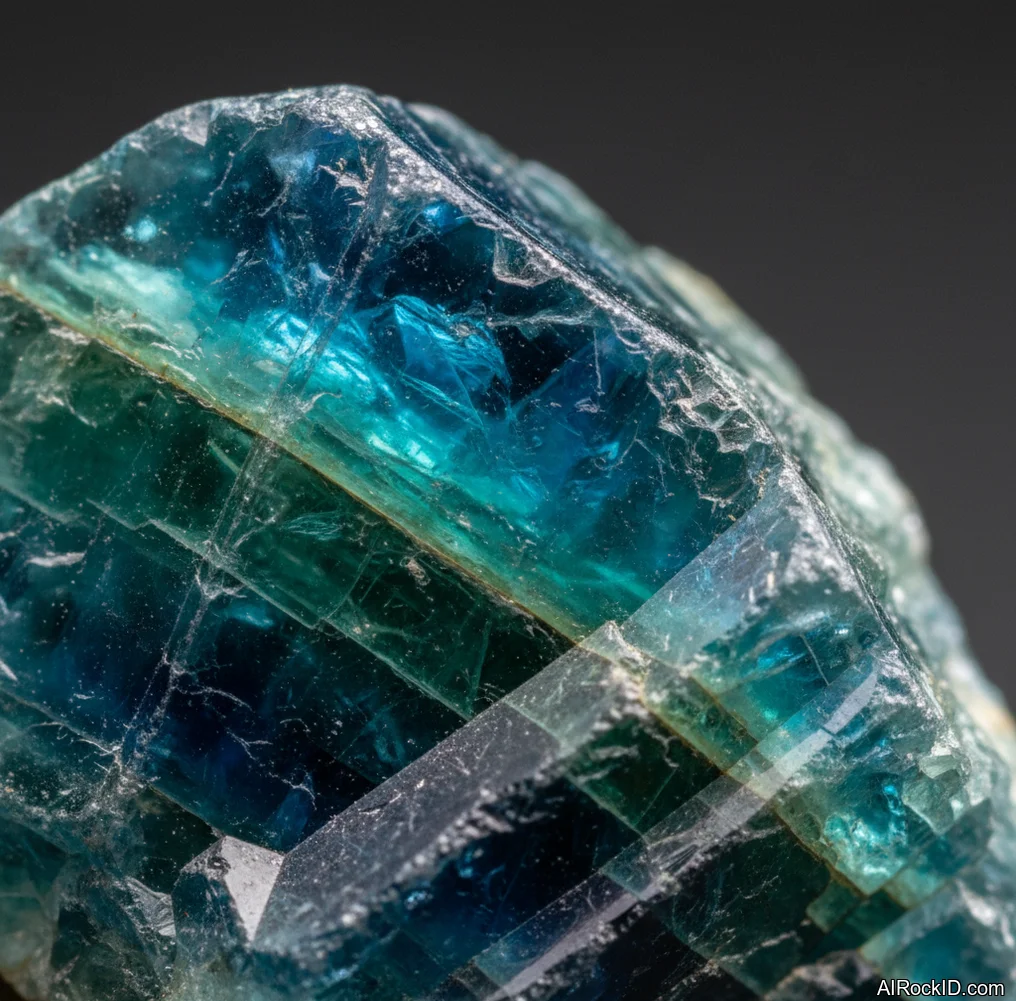
| You’re stuck in a creative rut and can’t start that big project | Apatite | Raw apatite has a rough, almost gritty feel that’s the opposite of polished stones—people use it as a wake-up jolt when they need to get moving | raw chunk kept by your keyboard |
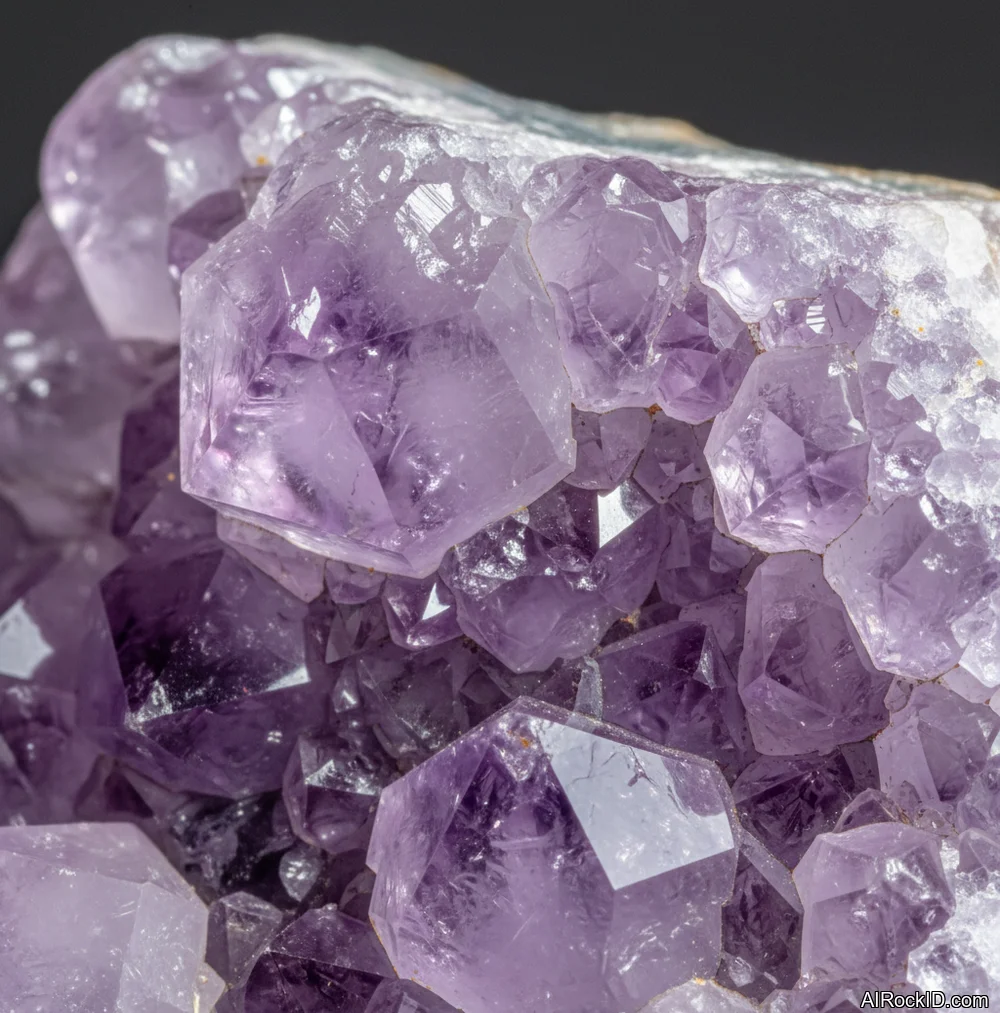
| You worry yourself sick before big work decisions or meetings | Amethyst | A deep purple amethyst point feels cool and solid in the hand, and the geometry of the crystal faces gives you something to focus on when your thoughts spiral | small point or thumb stone |
Recommended Crystals
Amazonite
Amethyst
Apatite
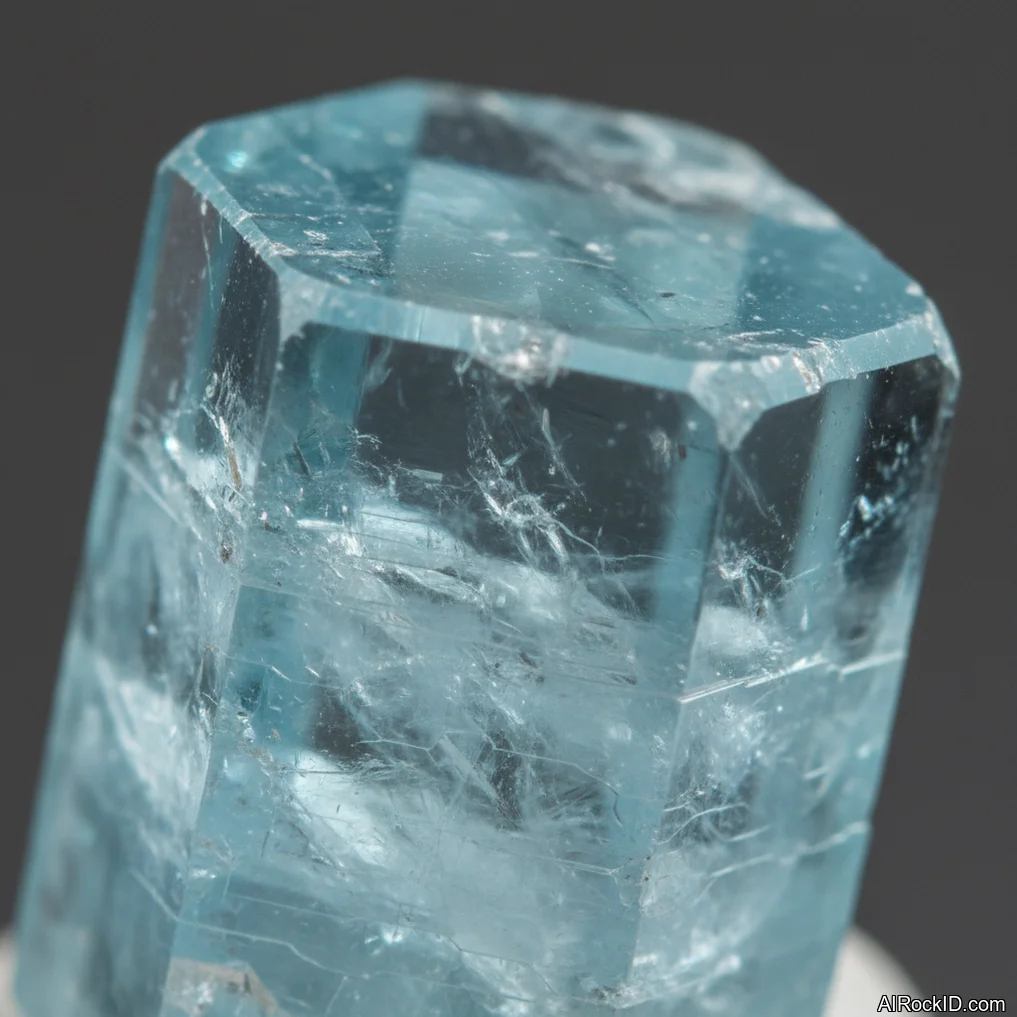
Aquamarine
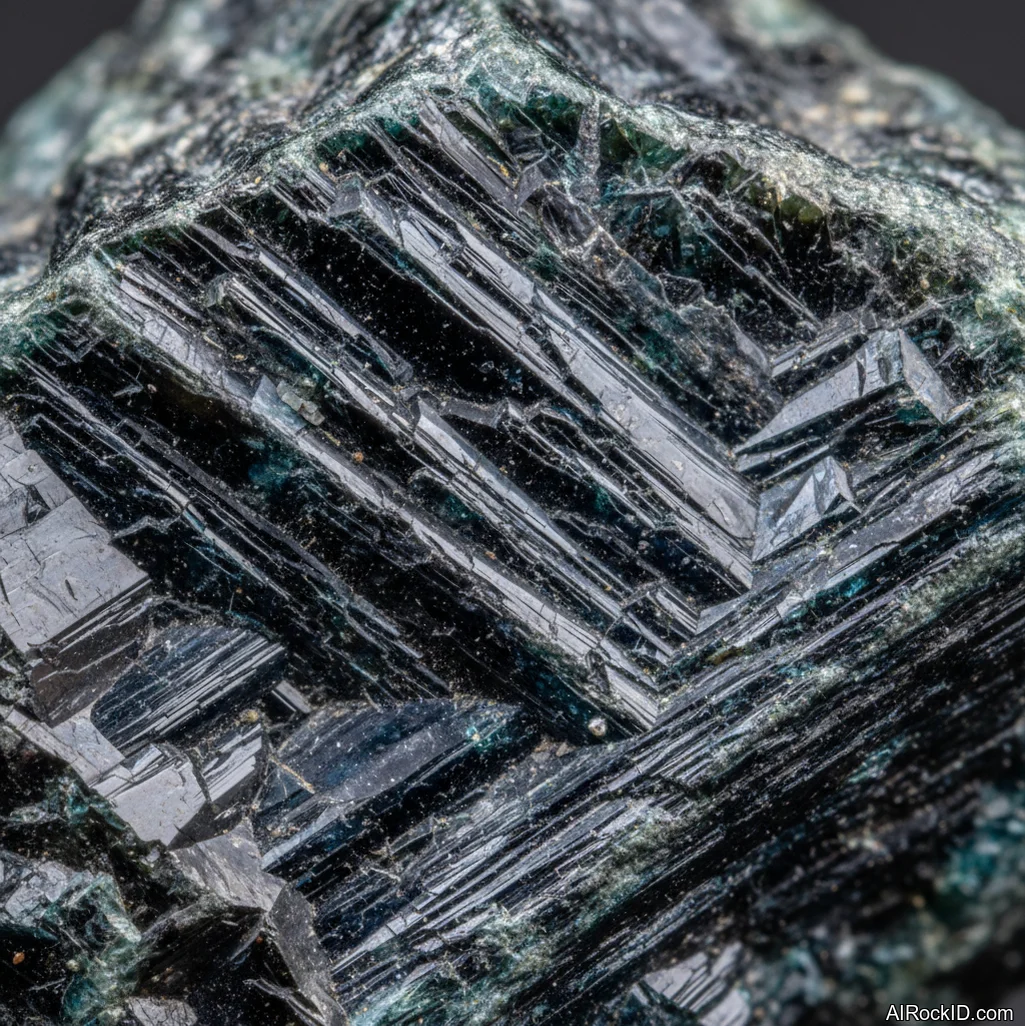
Arfvedsonite
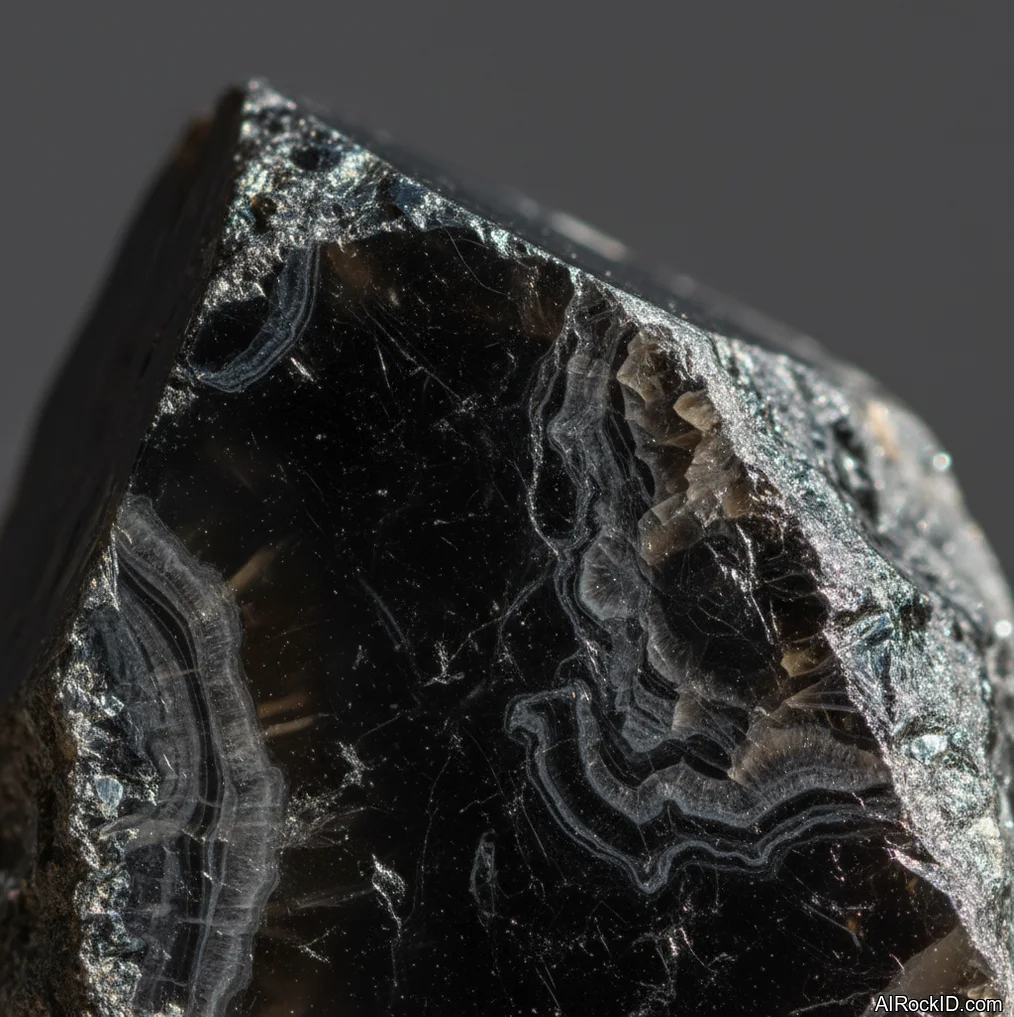
Black-onyx
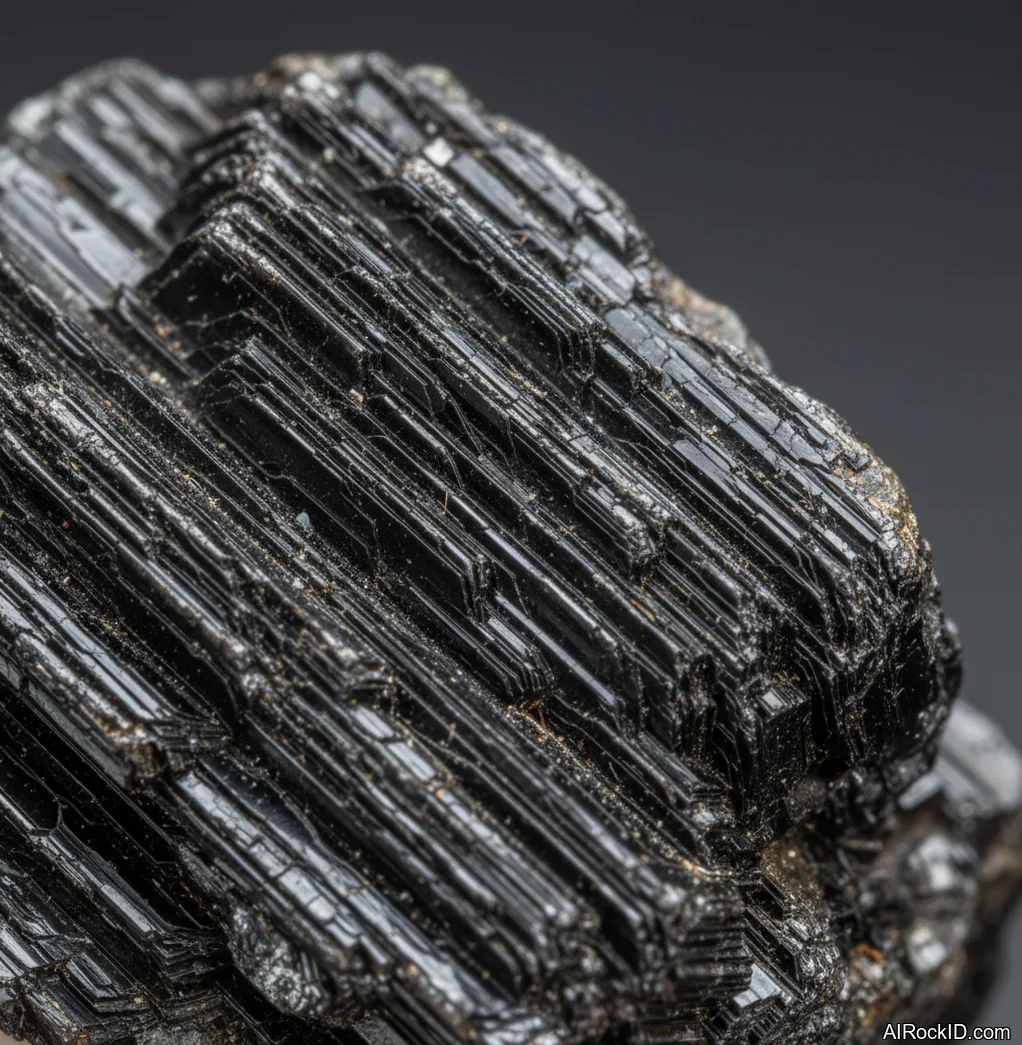
Black-mica
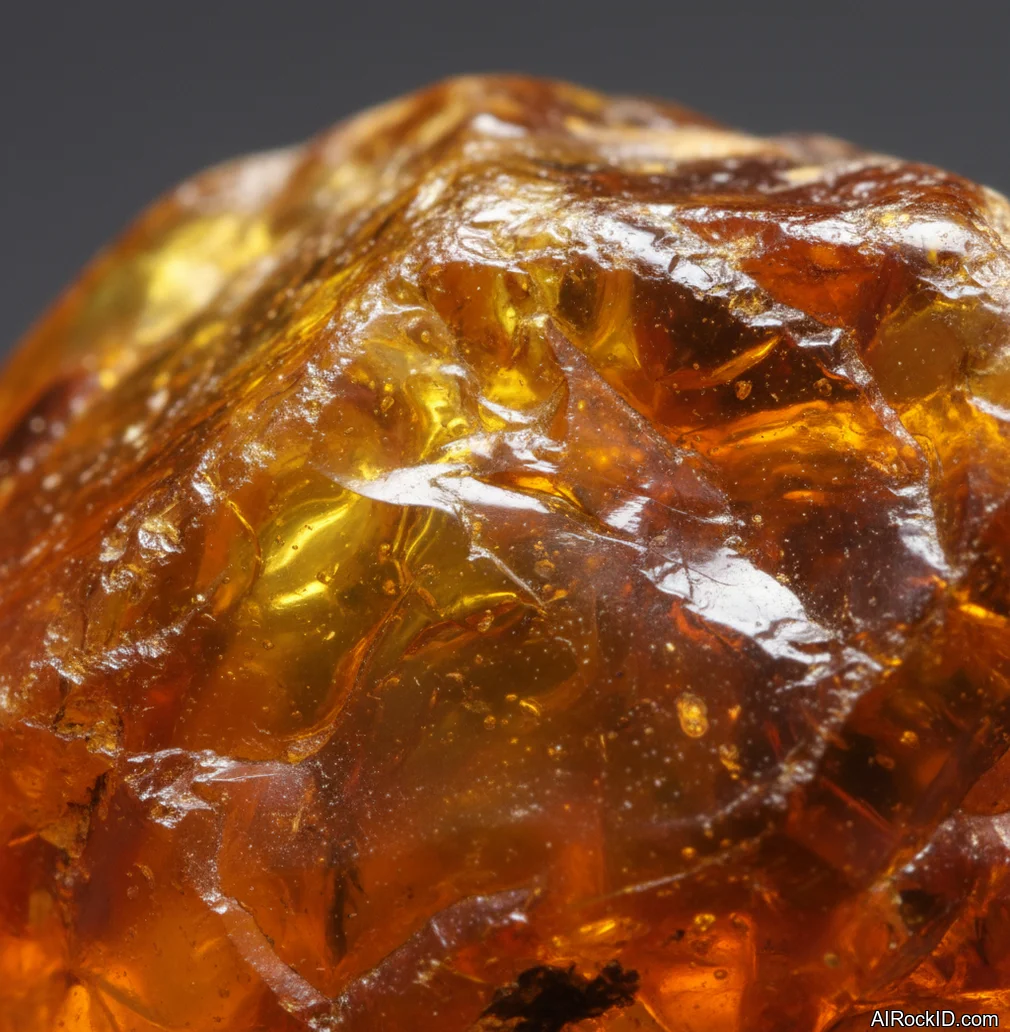
Amber
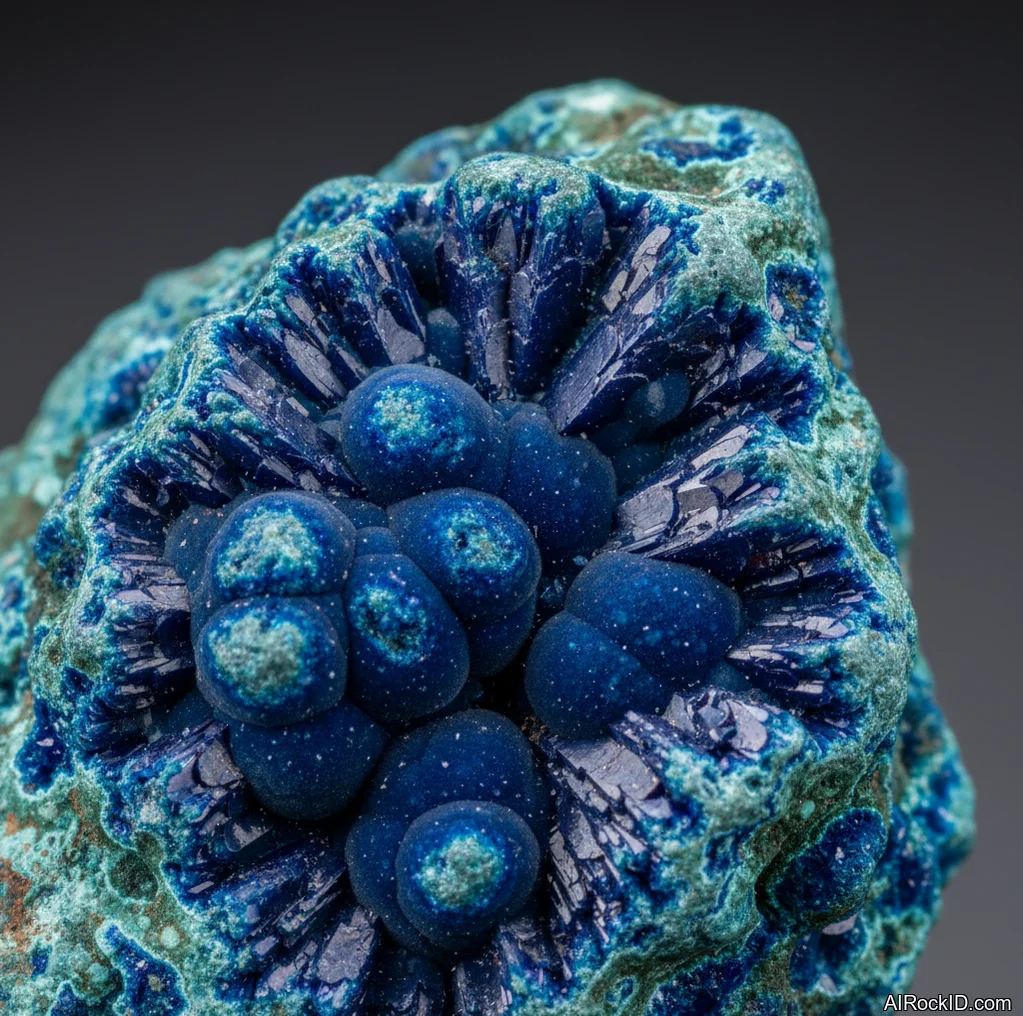
Azurite
Match the crystal to the career problem, not the job title
Most dealers will try to sell you “success stones,” like one crystal is gonna fix your whole career. But career success is really just a stack of smaller headaches: speaking up, tracking time, staying calm, not bailing the second feedback stings. So I start by naming what’s actually rubbing. If you freeze in meetings, that’s a nervous system issue. If you keep missing deadlines, that’s structure. If you’re great at the work but bad at negotiating, that’s communication and self-worth.
Instead of grabbing one stone and hoping it covers everything, picking two with clear jobs usually works better. I’ve watched people do well with a simple pair like amazonite for hard conversations and black-onyx for boundaries, or aquamarine for interviews and apatite for study time. Keep them where you can see them during the thing they’re meant for (on your desk, next to your keyboard, tucked in the little pen tray), then put them away after. That tiny on-off switch matters more than people think.
And yeah, the physical feel helps you choose, too. Heavy stones tend to cue “grounded and contained” in a way you can feel in your palm, like your hand settles around it. Lighter ones, like amber, feel more social and open, almost warm and easy to hold (and they don’t drag down a pocket). It’s not magic math. It’s your brain linking sensation to behavior, which is exactly what you want at work.
Desk placement that actually changes your habits
If a crystal’s living in a drawer, it’s basically just a collectible. And that’s fine. But if you’re actually using stones for career support, where you put them is half the game. I keep one right by the keyboard for “start the task,” then another a bit farther out for “hold the line.” So the distance turns into this tiny ritual: you reach, you pause, you decide.
Pick up the stone you chose and pay attention to what it does under office lighting, the kind that’s a little harsh and makes everything look flatter than it should. Arfvedsonite flashes when you tilt it, which is great for nudging you to look at a problem from another angle. Amethyst clusters grab the light on the points and read like “stop and breathe.” Black onyx sits there like a clean full stop. Thing is, those are visual cues, not mystical fireworks.
Clutter’s the enemy because it turns everything into wallpaper. Two stones on a desk is plenty. Want more? Rotate them weekly (set a reminder if you have to). I’ve seen people get better results simply because swapping them out keeps the practice from going stale.
Using crystals for interviews, presentations, and tough conversations
Interviews hit a very specific kind of stress nerve. It’s performance, judgment, time pressure, all at once. And you don’t need twenty different stones rattling around in your bag. You need one that keeps your mouth and brain moving together.
Aquamarine is the one I reach for because it helps me speak calmly, especially when my throat gets tight and my words start tripping over each other. Amazonite is great too, mostly for being direct when you’re talking money, answering salary questions, or spelling out boundaries without apologizing for them.
Here’s a trick I’ve actually used. I hold the stone while I practice my opening answer out loud, not silently in my head where everything sounds perfect. The little bit of weight in your palm and that cool, smooth feel (especially if it’s a tumbled stone) becomes part of the routine, so your body learns the sensation-plus-words pairing. So later, in the real room, it’s easier to snap back into that same groove. Same basic idea as athletes and their warm-up rituals, right?
But don’t walk into a formal interview gripping a giant raw chunk like you just left a rock shop. Keep it low-key: a small tumbled piece in your pocket, or a bead bracelet if it won’t clack against the table when you move. If you fidget, go with something smooth like amber, the kind that warms up fast against your skin. If you tend to go blank, use a heavier anchor like black-onyx. Heavy helps.
Career protection: stress, burnout, and other people’s energy (in plain terms)
Work stress isn’t always some spooky “bad energy.” Sometimes it’s just too many inputs, not enough recovery, and a calendar that keeps throwing new stuff at you like it’s got a personal grudge. Stones can still help, though, mostly as a physical cue to come down a notch, especially after you’ve been socially “on” all day. Black mica is great for that, but only if you treat it like the fragile, layered mineral it is. Big plates feel soothing in your palm, kind of cool and slightly slick. Thin flakes? They crumble, get everywhere, and you’ll be picking sparkly bits out of your desk mat later.
Amethyst is the steady workhorse when your brain won’t shut up, and black-onyx is the boundary piece for when you keep getting pulled into other people’s fires. I’ve watched people stop taking late-night Slack pings seriously once they built a simple ritual: onyx goes on the desk at 9 a.m., onyx goes in a bowl at 6 p.m., and that’s it, work’s done. Sounds almost too basic, right? But your brain likes props.
But don’t confuse protection with isolation. If you’re using “protection” stones as an excuse to dodge feedback or avoid collaboration, it backfires fast. The goal is to stay intact, not to disappear.
How to Use These Crystals for Career
Pick one goal. One stone. Not “career success.” Something you can knock out this week: send a follow-up email, update your resume, practice your interview opener, block two hours for deep work. Then park the stone right where it nudges that exact habit. Amazonite by your keyboard if emails are the thing. Apatite on the notebook you actually study from (the one with the bent corner). Aquamarine next to the mirror where you rehearse out loud.
I’m big on timed sessions because career work needs a hard edge, not a vague “I’ll get to it.” So, grab the stone, set a 25-minute timer, and do one task with zero multitasking. No tab-hopping. When the timer goes off, put the stone down on purpose. That clean start and stop is what builds consistency. If you never stop, the stone just turns into desk decor. Pretty. Useless.
If you want a carry stone, match toughness to your day-to-day. Black-onyx and amethyst can handle getting bounced around in a pocket. Apatite and azurite can’t. If you’re commuting, tuck the softer ones into a small pouch so keys and coins don’t chew them up. And yeah, you’ll feel it fast if you mess this up. A ruined polished surface goes from slick to chalky (and it looks kind of sad, honestly).
Common Mistakes to Avoid
The biggest mistake? People buy stones like they’re lottery tickets. They plop one on the corner of the desk and just wait, like their boss is going to walk by, spot it, and hand them a promotion. That’s not how career movement works. It still comes from skills, relationships, and the boring follow-through. So use the crystal as a little cue to do the work, not a stand-in for it.
Another mess I see all the time is folks ignoring what the stone actually is. Azurite is soft and it can leave blue residue (you’ll notice it on your fingertips or smeared on a white cloth). Black mica flakes, and those tiny bits get everywhere. Apatite scratches if you look at it wrong. I’ve literally watched people “cleanse” everything in water and then stand there confused when the stone looks dull or starts getting crumbly. Treat the piece like the material it is.
And last: too many stones at once. When your desk looks like a rock shop display, nothing stands out, and your brain stops linking any one stone to a specific action. Keep it simple. Two or three in rotation beats a whole bowl of random tumbles. Why drown the signal?
What Crystals Can and Cannot Do
Identify crystals related to Best Crystals for Career
Snap a photo to check crystals mentioned in this guide and compare likely matches.