Best Crystals for Home
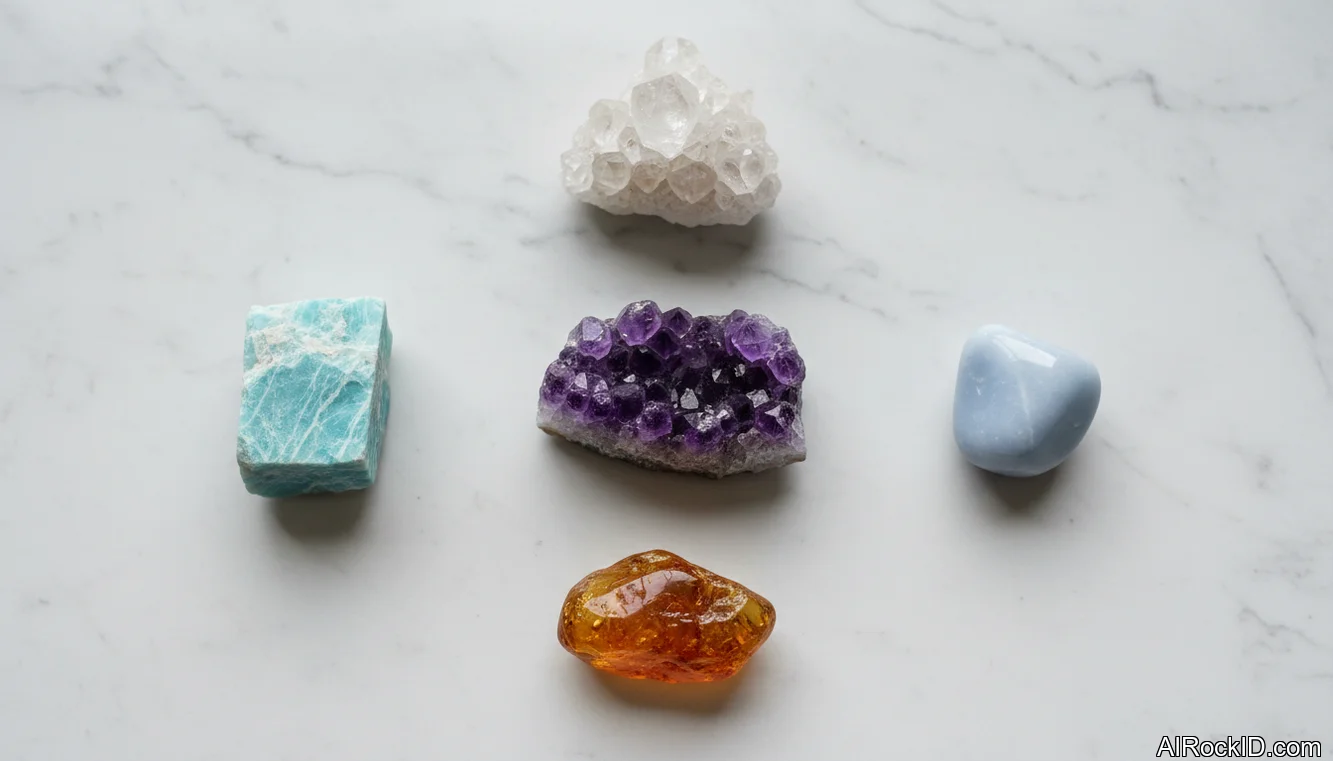
Start small and keep it simple: one calming stone for rest, one that makes the place feel like home, and one grounding piece by the front door. You don’t need a museum case packed with minerals to change the feel of a room. You need a few pieces you’ll actually see, pick up, and live with.
Pick up a real chunk of amethyst and you notice it in a specific order. First, the cool hit against your palm. Then the heft. Then those little crystal points that snag the light from a bedside lamp when you tilt it (and yeah, you can feel the texture if you run your thumb over the edge). That hands-on part matters at home because you’re not doing some formal ceremony. You’re brushing past the shelf on the way to the kitchen, or grabbing something while you’re turning out the lights, half thinking about tomorrow. I’ve watched people buy a handful of “aesthetic” tumbles, set them down, and never touch them again. But that one ugly-but-solid chunk on a bookshelf? It gets picked up for years because it just feels right.
Home crystal work is mostly about placement, not big rituals. So think about the real-life spots: where you drop your keys, where you sleep, where you sit to decompress, and where arguments tend to flare up. Crystals won’t fix a leaky roof or a toxic roommate. But they can be practical anchors for the habits you’re already trying to build, like winding down earlier, keeping the entryway calmer, or doing a two-minute reset after work. Why not stack the odds in your favor?
Recommended Crystals
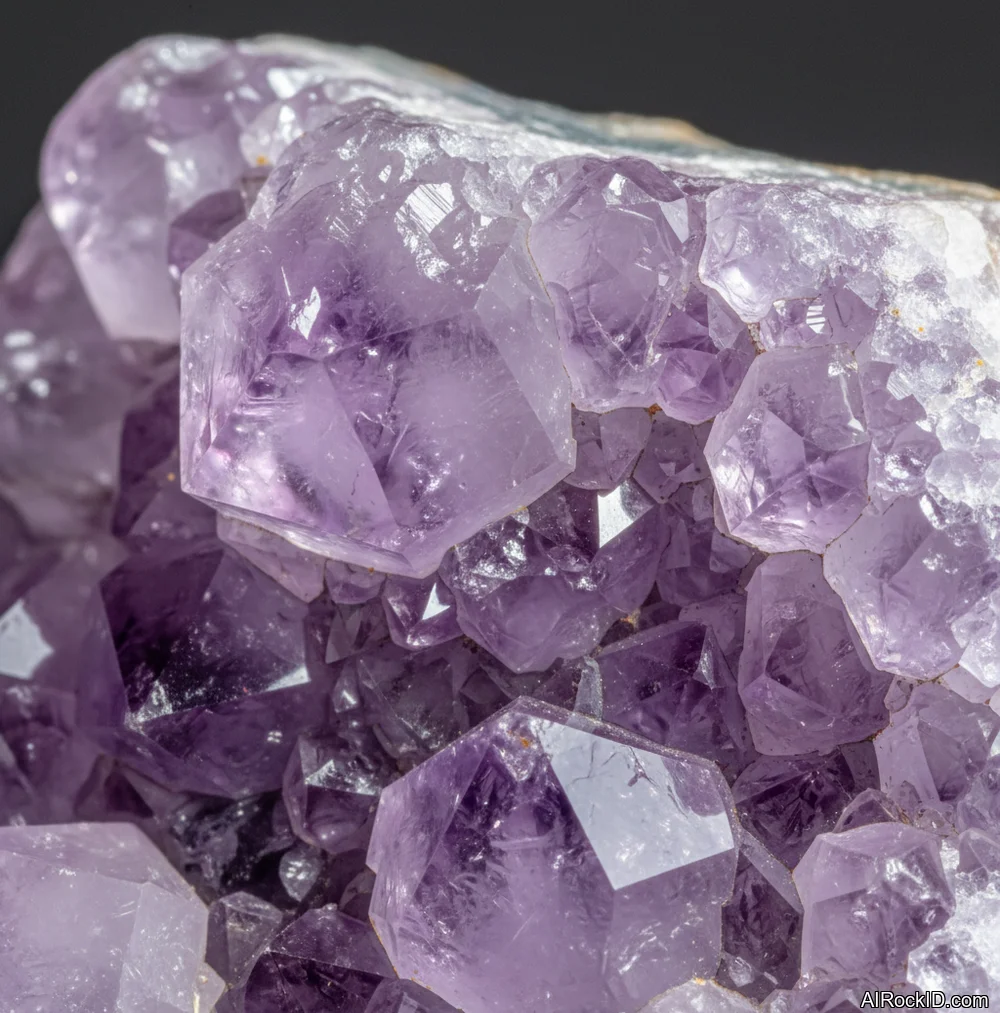
Amethyst
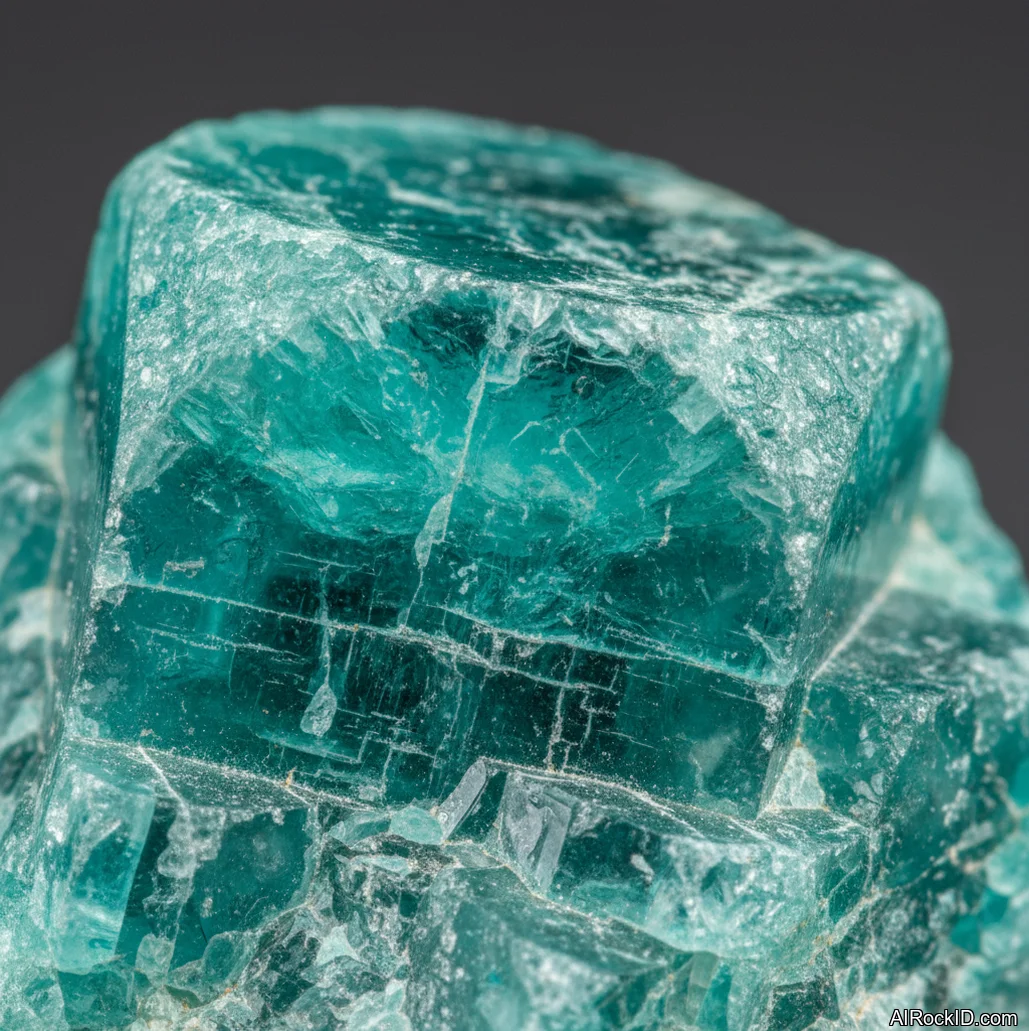
Amazonite
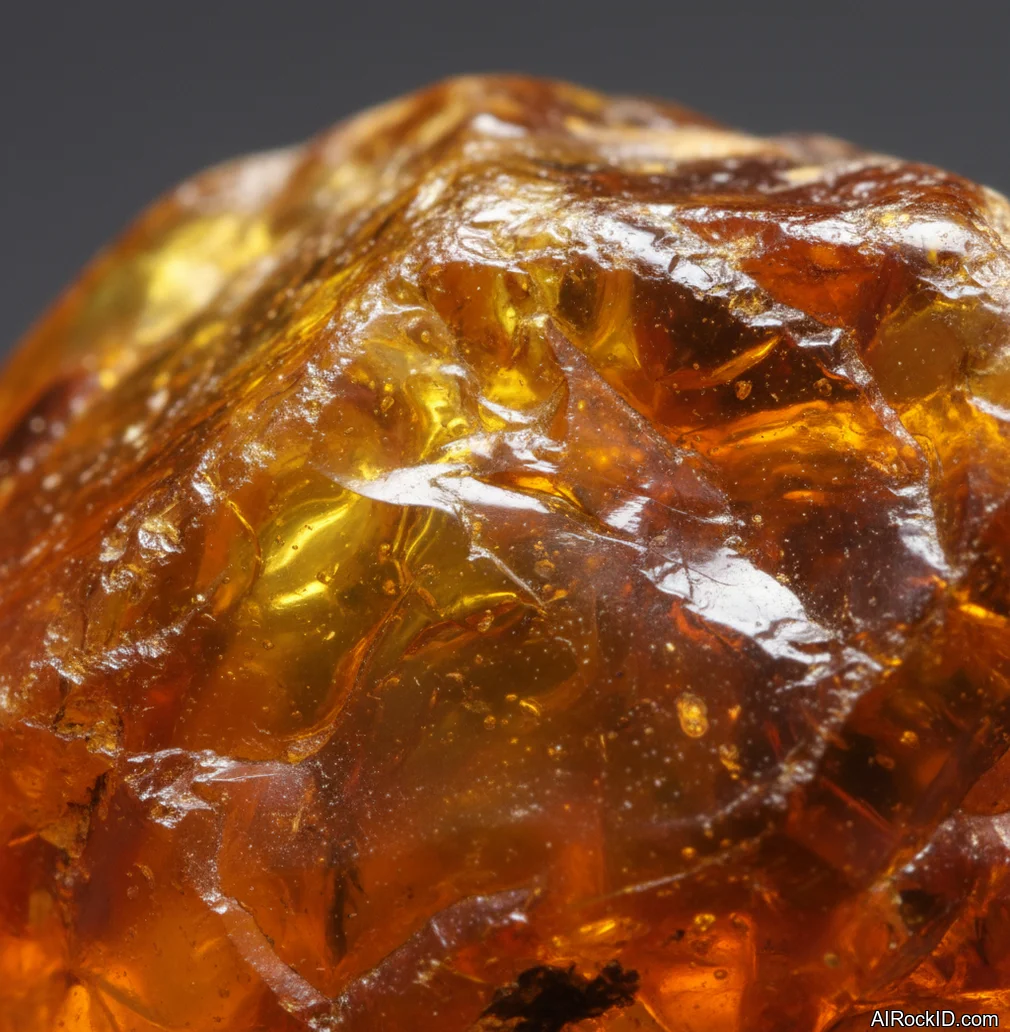
Amber
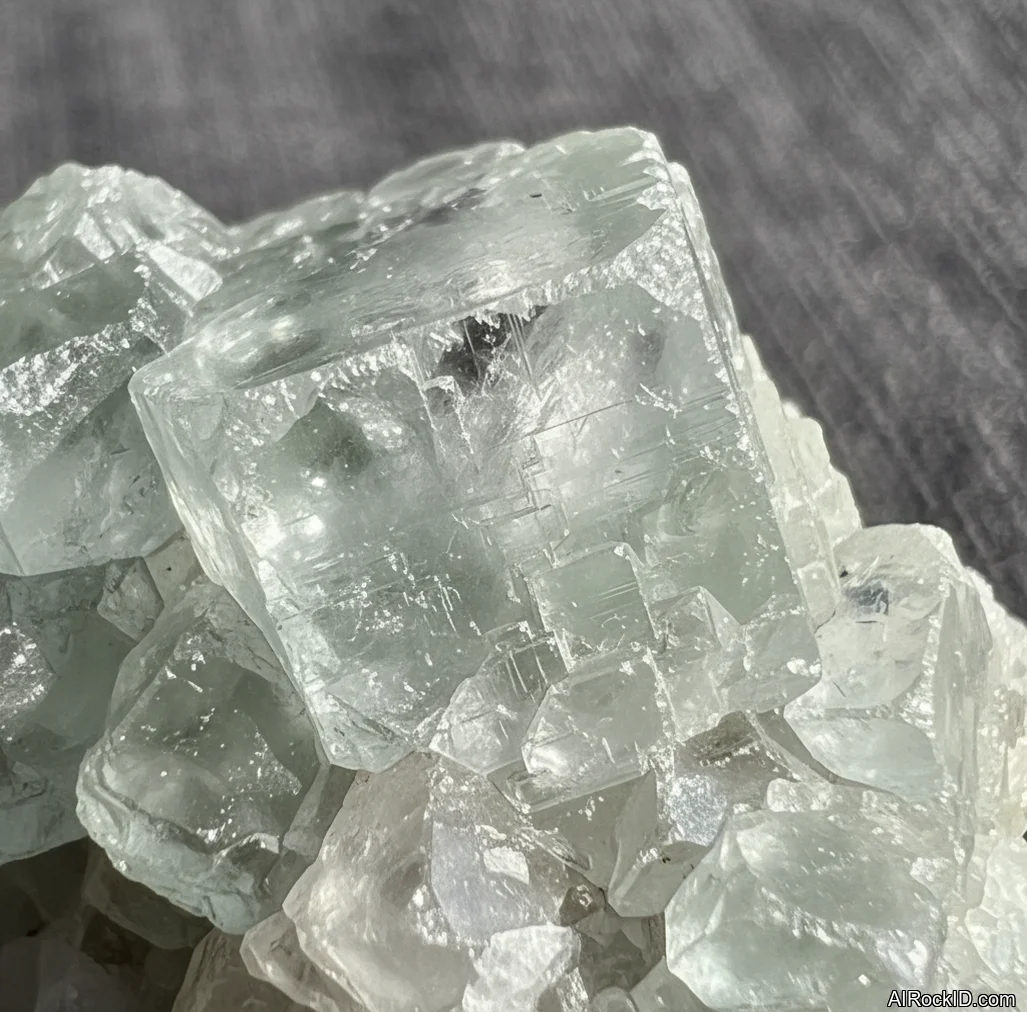
Apophyllite
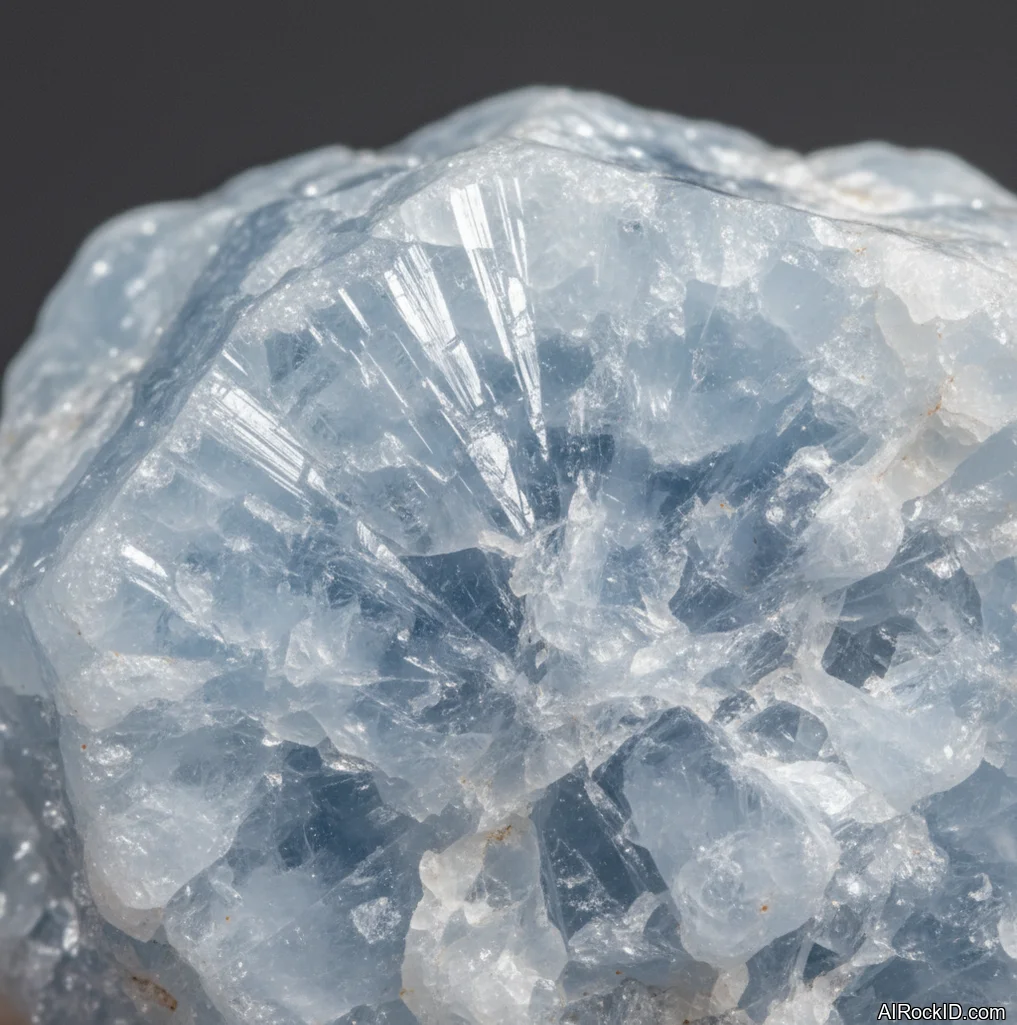
Angelite
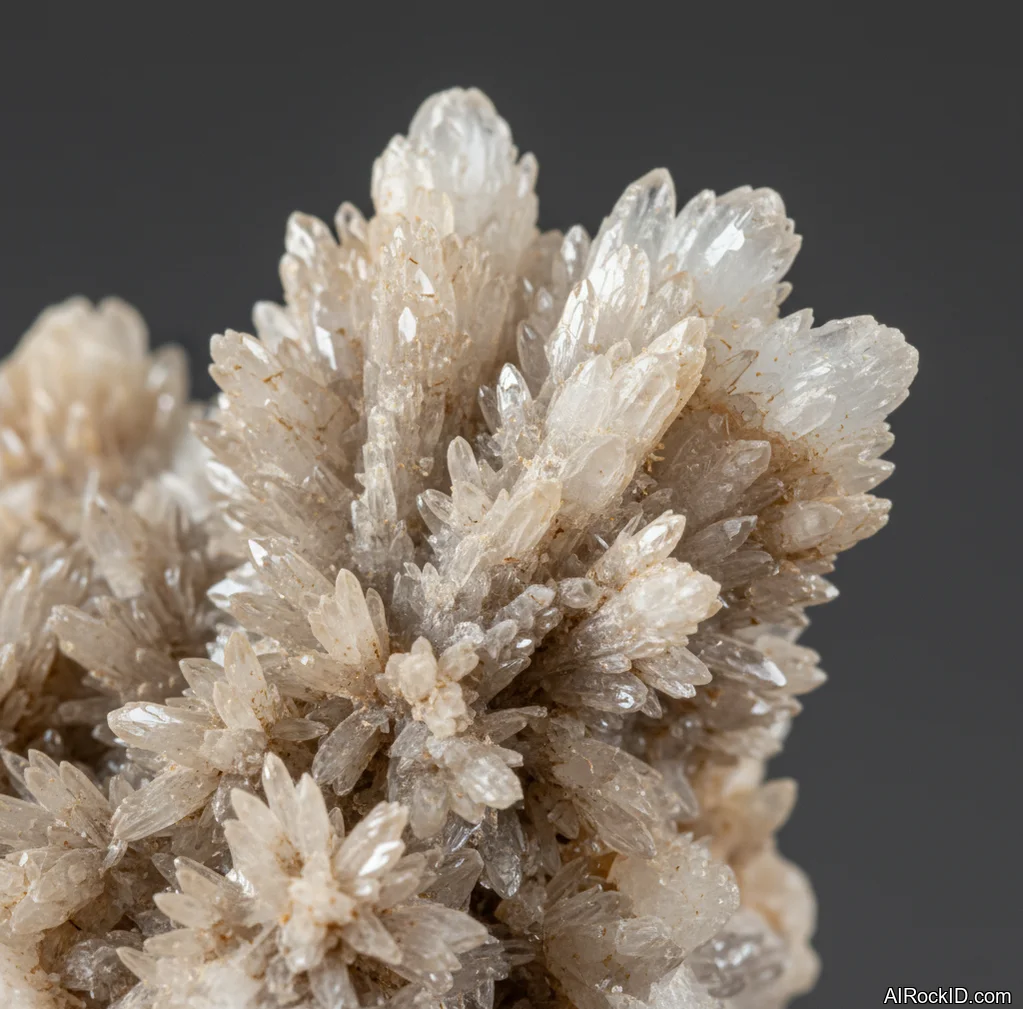
Aragonite
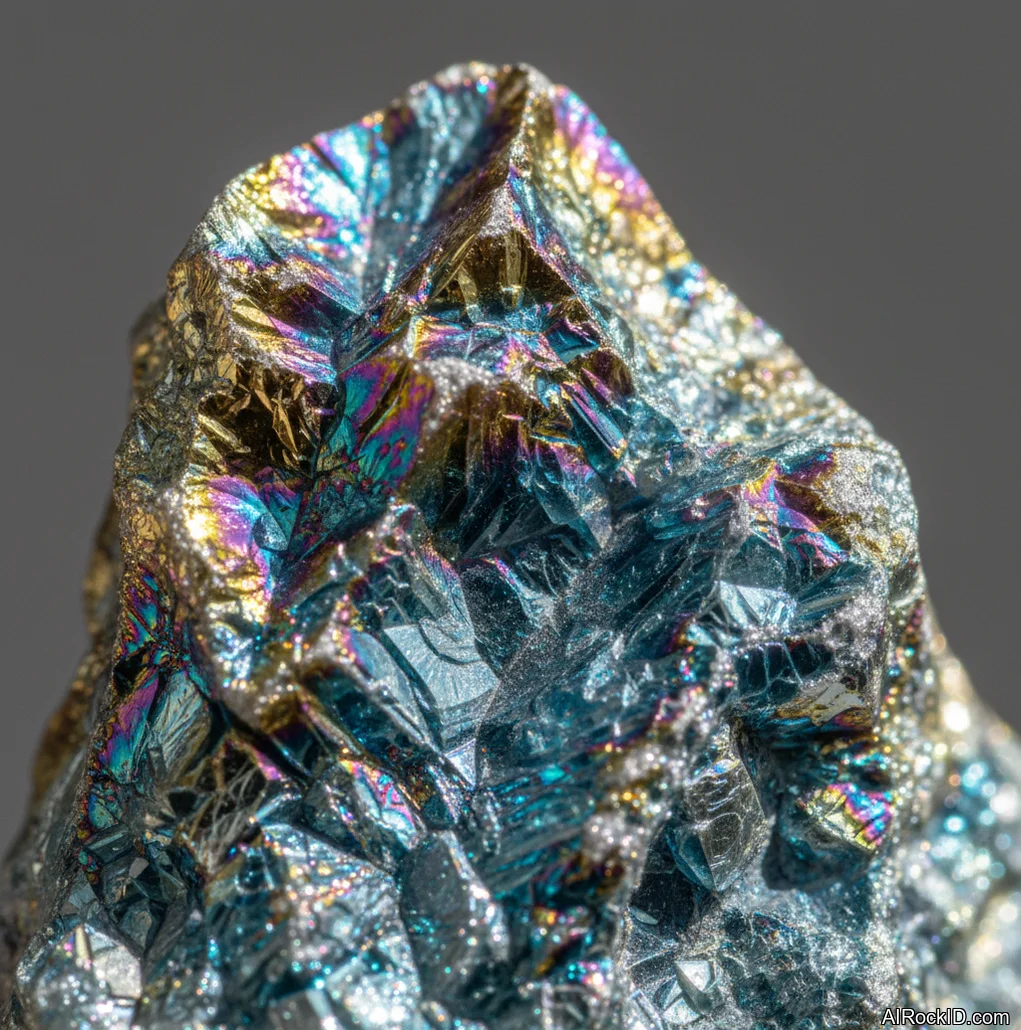
Aura Quartz
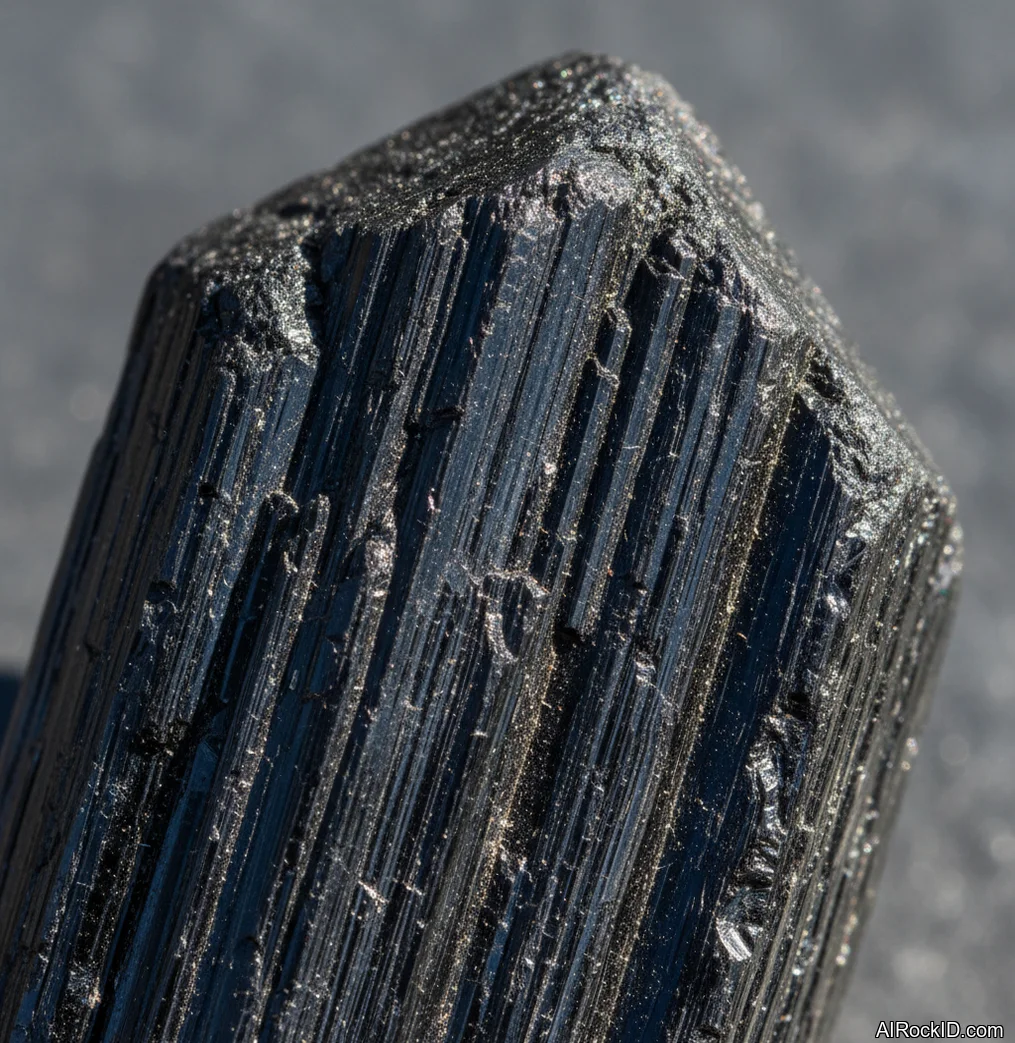
Black Tourmaline
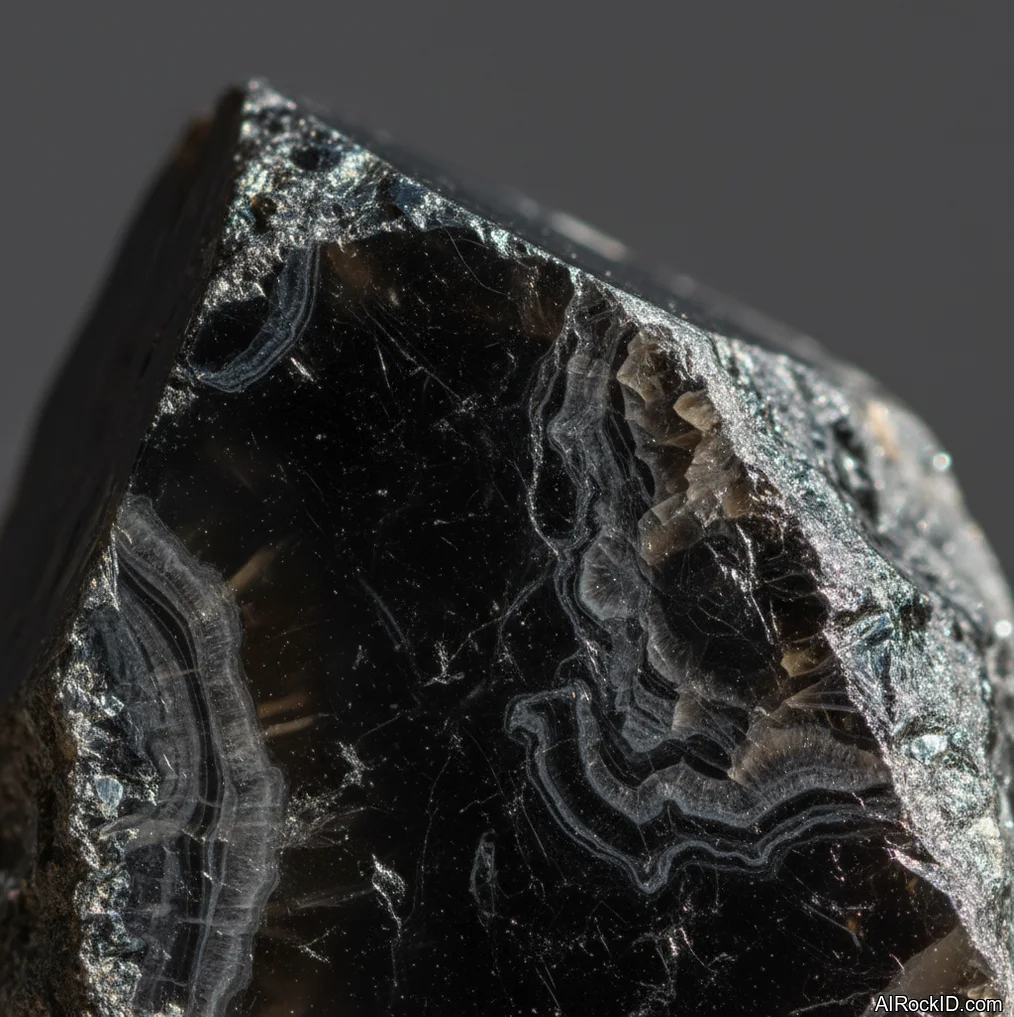
Black Onyx
Room-by-room placement that actually makes sense
Start with traffic patterns. The entryway gets slammed all day, and whatever mood you’ve got going on outside tends to trail right in behind you. So I stick heavier, less precious pieces there. Aragonite or black tourmaline makes sense because they can take being parked next to jangly keys, gritty shoes, a dropped bag, and that whole coming-and-going mess.
Bedrooms are different. You’re not trying to “power up” in there, you’re trying to power down. Amethyst and angelite are my go-tos since they read softer under a warm lamp, and they don’t shove the room into that bright, over-stimulated vibe some clear stones can bring (you know the one).
For living rooms and kitchens, I pick based on how I want people to act once they’re in the space. Amazonite is a solid social stone for a table or shelf because it feels calm and communicative without tipping into sleepy. And apophyllite is great in a corner that’s gone a little stale, but only if it’s somewhere protected, because one careless bump can chip a point and you’ll still be finding those glittery little crumbs weeks later.
Choosing pieces that won’t annoy you in daily life
The most effective crystal for your home is the one you don’t have to fuss over. That’s why I’m kind of picky about anything fragile. Apophyllite is stunning, sure, but if your shelves wobble when somebody stomps down the hallway, you’re going to end up annoyed every time you look at it.
If you can, actually pick the piece up before you buy it. Weight tells you a ton. Amber should feel weirdly light in your hand, while onyx ought to feel dense and steady, like it’s planted. And texture matters. Black tourmaline should have those natural grooves you can catch with your thumbnail, not some perfectly repeated, too-even pattern that feels manufactured. You know that “real rock” feel? That.
Also, think about cleaning. Houses get dusty fast. Polished stones like black onyx and amazonite wipe down in about two seconds, but rough clusters love to hang onto lint and that sneaky kitchen film if you park them too close to cooking. So if a stone’s going to live near the stove, keep it simple. Smooth. Easy to wash off. (You’ll thank yourself later.)
Pets, kids, and breakage: the unglamorous reality
If you’ve got a cat, just assume anything you put on a ledge is going to get paw-tested. That reality will shrink your crystal wish list real fast. Sharp or splintery pieces like black tourmaline need to be set down solid, like in a heavy ceramic dish that actually has some weight to it, or tucked into a plant pot so it can’t wobble and tip.
Tiny tumbles are straight-up choking hazards. I don’t care how “cute” they look in a little bowl, because they end up in hands and mouths. Every time. So go bigger, or put them up high. Bigger pieces are also harder to lose, which sounds obvious until you’ve watched a toddler wander off with a palm stone like it’s a cookie (and you’re doing that slow scan of the room, like, where did it go?).
Fragile crystals need a little respect. Apophyllite chips. Angelite scratches and it doesn’t like water. Amber can get scuffed just from sitting in the same dish as quartz, especially when they clink together. If you want the house to feel calmer, set yourself up with pieces that don’t turn into constant “don’t touch that” stress.
Light, heat, and fading: where your window is the enemy
Sunlight’s kind of a quiet troublemaker. Amethyst really can fade if it sits in a bright window for months, and of course it’s always the prettiest piece that ends up parked right on the sill. If you still want that daylight vibe, stick to indirect light, or just rotate it the way you rotate a houseplant.
Heat and humidity count too. Bathrooms seem like the obvious spot for “clean” stones, but softer materials can take a beating there. Angelite doesn’t love water exposure, and anything porous will start looking tired if it’s living in constant steam (that dull, thirsty look shows up fast).
Artificial light can absolutely do the job. Aura quartz looks great under warm LEDs, and apophyllite can brighten up a darker corner without sun. Thing is, the real trick is stability: keep reflective pieces where they won’t get knocked, and you’ll get that little “lift” without the gut-sink moment of chips and scratches.
How to Use These Crystals for Home
Keep your home crystal practice boring on purpose. Seriously. Pick three spots and don’t overthink it: an entryway reset point, a rest point, plus a focus point.
Entryway could be black tourmaline or aragonite. I like it in a heavy dish, the kind that doesn’t scoot around when you toss your keys in and you hear that little clack. Rest point is usually amethyst or angelite on the nightstand, right where your hand naturally lands when you’re half asleep. Focus point can be black onyx on your desk, or aura quartz on a shelf if you need a little visual lift.
Use the stones as cues for habits you already want. Touch the entryway stone once when you walk in. Then do one physical action that tells your body you’re home, like washing hands, changing clothes, or making tea. At night, pick up the amethyst for a slow minute, then set it back down and keep the lights low (no big ritual). If you’re working, hold the onyx for the first two minutes of a task, then place it back down so it marks “start” and “stop.” Simple. Effective.
Cleaning stays simple too. Dust regularly, wipe polished stones with a barely damp cloth, and keep softer or fragile pieces dry. And if a stone starts to feel like clutter, move it or store it. Because a crystal you resent is just a rock taking up space. Do you really need more of that in your home?
Common Mistakes to Avoid
The biggest screw-up is shopping with your eyes and nothing else, then lining everything up in the same bright window like it’s a store display. Sure, it looks amazing for about a week. Then the colors start washing out, there’s that gritty dust film you can feel when you run a finger over the surface, and you get this odd “why do I even have this?” vibe because you never actually touch any of it. Spread things out where you really live, not where you stage photos.
Another one I see all the time: tiny tumbles everywhere. They’re cheap. They’re easy to grab. And then they vanish. One rolls off a shelf, you hear that little tick-tick as it bounces, and suddenly it’s wedged behind the couch leg or hiding under a baseboard. Or it ends up in a pocket, then you find it later in the laundry like a surprise. For home use, medium to large pieces usually make more sense, even if you only buy one.
And people love mixing fragile and softer materials into one bowl because it looks neat on a table. But it’s rough on the stones. Amber gets scratched. Angelite gets scuffed. Apophyllite points snap (especially when they clack together). Give the delicate stuff its own spot, and keep the grab-and-go stones separate so you’re not slowly sanding down your collection every time you wipe the dust off.
Identify Any Crystal Instantly
Snap a photo and get properties, value, care instructions, and healing meanings in seconds.