Aragonite
What Is Aragonite?
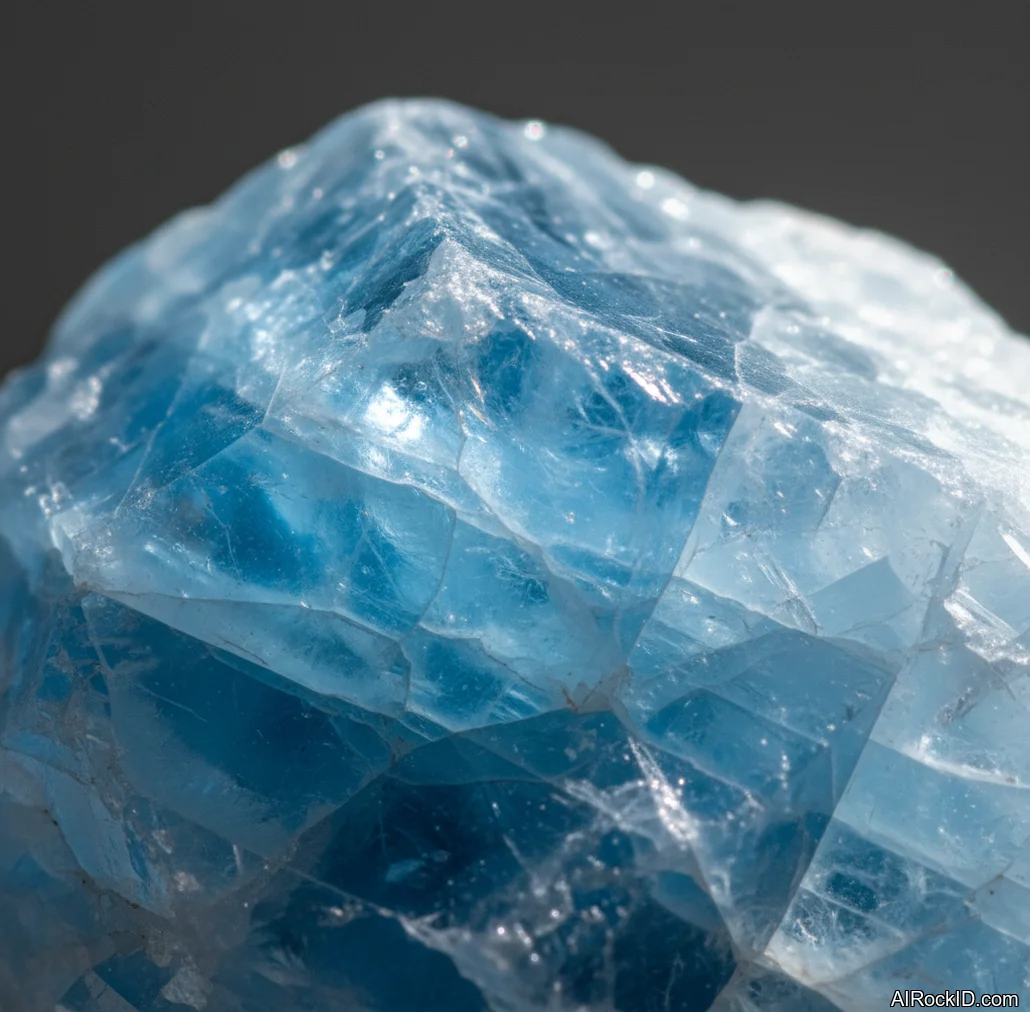
Aragonite is a calcium carbonate mineral, CaCO3, and it crystallizes in the orthorhombic system. It’s also a polymorph of calcite, so same formula, different structure.
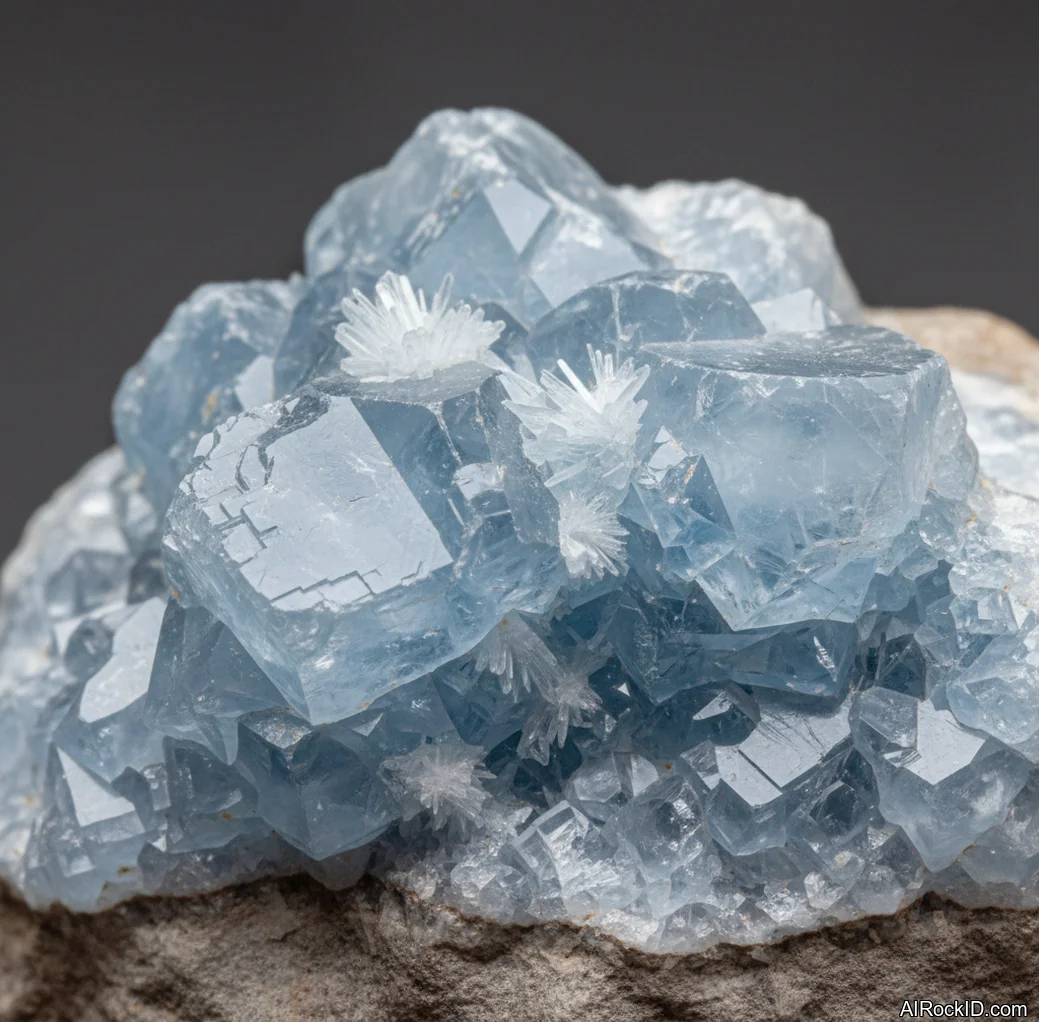
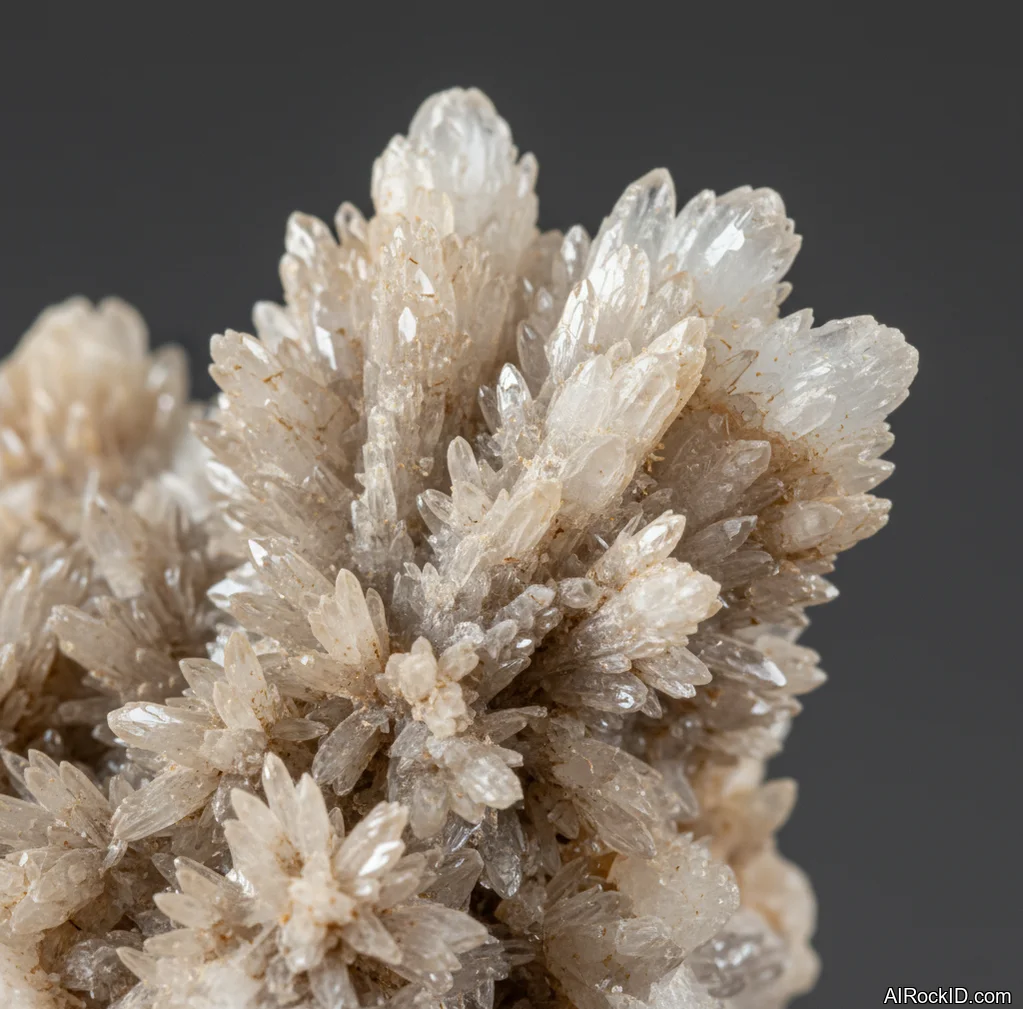
Grab a chunky cluster and you notice it instantly. It has that limestone-family weight, sure, but the skin of it feels different than calcite. Lots of specimens are covered in skinny needles or bladed crystals, and if you drag a fingertip over them it can feel like a stiff little brush, especially those Moroccan “sputnik” clusters with the spiky bits sticking out every which way.
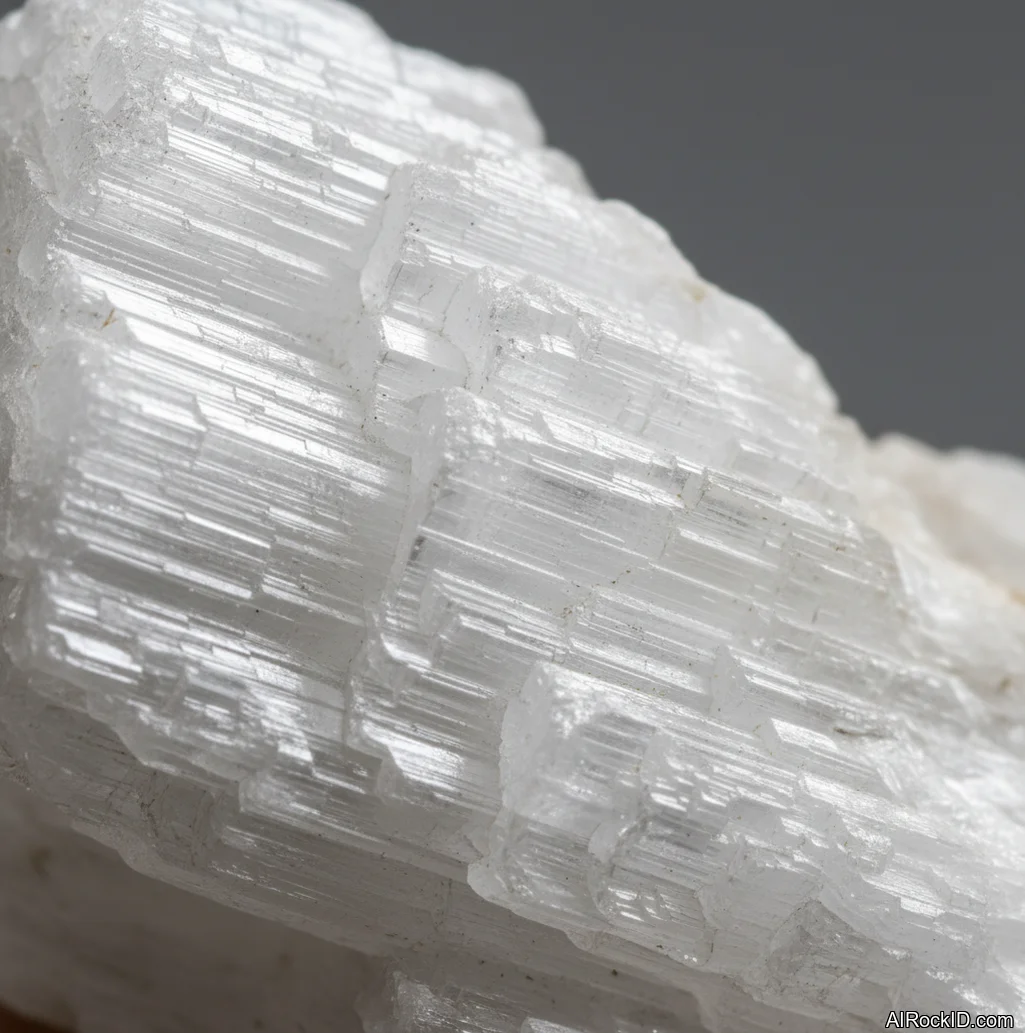
People take one look and call it calcite, and honestly, I get it. Same chemistry. Same fizz in acid. But aragonite usually grows in tighter, more fibrous habits, and when it’s broken the edges don’t read as quite as glassy as a cleanly cleaved calcite rhomb. And if you’ve handled enough of both, aragonite just feels a little more busy in your hand (hard to describe, but you know it when you know it).
Origin & History
Spain gets the naming credit here. Aragonite was first described in 1797 by Abraham Gottlob Werner, and he called it “aragonite” after Aragón, the region where the classic specimens turned up.
Back then, collectors were trying to sort the stuff out at a time when “carbonates that look similar” could really mess up an old catalog. And that’s the whole point: it has the exact same chemical formula as calcite, but the structure’s different. So you get polymorphism, which later became a cornerstone for mineral ID and crystallography.
Where Is Aragonite Found?
You’ll see aragonite from oxidized ore deposits, caves, hot spring systems, and marine settings. Morocco is everywhere on the market, while classic European localities show up more in old collections.
Formation
Most aragonite forms at low temperatures, when the water chemistry basically nudges calcium carbonate to lock into the aragonite structure instead of calcite. You’ll see it in caves as speleothems. And it turns up around hot springs, tucked into vugs in limestones, or sitting in the oxidation zones of lead and copper deposits where fluids are slipping through fractures.
Look, if you stare at those radiating clusters long enough, you can almost read the growth history like rings in wood. The needles shoot out from a center point like a little firework. Then you notice the tips: they’re often dusty or kind of blunt, like someone took fine grit to them, which is what you get when growth stops or the crystal later gets coated. But aragonite isn’t the final form in a lot of settings. Given enough time, heat, or the right fluids, it can alter to calcite, so some specimens are really just a frozen moment (a snapshot) of an environment that was in the middle of changing.
How to Identify Aragonite
Color: Common colors are tan, honey-brown, beige, white, and gray, with some blue-green or reddish material depending on impurities. Banding and “sandstone” looking layers show up a lot in carved pieces.
Luster: Luster ranges from vitreous on clean crystals to silky on fibrous sprays and duller on earthy masses.
If you scratch it with a copper penny, it’ll usually mark, and a steel nail will bite in pretty easily. The real test is a drop of dilute acid or even vinegar on a fresh chip: it effervesces as calcium carbonate, though the reaction can be slower than calcite unless you powder it. And in the hand, many clusters feel prickly from the needles, not slick like a cleavage-faced calcite rhomb.
Properties of Aragonite
Physical Properties
| Crystal System | Orthorhombic |
| Hardness (Mohs) | 3.5-4 (Soft (2-4)) |
| Density | 2.93-2.95 |
| Luster | Vitreous |
| Diaphaneity | Transparent to translucent |
| Fracture | Uneven |
| Streak | White |
| Magnetism | Non-magnetic |
| Colors | White, Colorless, Tan, Beige, Honey-brown, Gray, Reddish-brown, Blue-green |
Chemical Properties
| Classification | Carbonates |
| Formula | CaCO3 |
| Elements | Ca, C, O |
| Common Impurities | Sr, Pb, Zn, Fe, Mn, Cu |
Optical Properties
| Refractive Index | 1.530-1.686 |
| Birefringence | 0.156 |
| Pleochroism | Weak |
| Optical Character | Biaxial |
Aragonite Health & Safety
Aragonite is basically calcium carbonate, so it’s generally safe to handle. Thing is, the only real “risk” is the obvious, physical one: those spiky clusters can jab your fingers (they’re sharper than they look), and the tips will chip if you knock two pieces together or drop one on a hard surface.
Safety Tips
If you’re moving a needle cluster, wrap it up first. Don’t just chuck it into some random mixed box with quartz points where it’ll rattle around and get snagged. And if you’ve been handling dusty pieces from old mine material, wash your hands after (that grime gets everywhere, right?).
Aragonite Value & Price
Price Range
Rough/Tumbled: $5 - $150 per piece
Cut/Polished: $2 - $20 per carat
Prices can swing a lot depending on the crystal’s habit and its condition. Crisp, unchipped radiating clusters and clean single crystals with intact terminations usually go for more than the common stuff like carved bowls or tumble stones (the ones that feel extra slick and rounded in your palm).
Durability
Nondurable — Scratch resistance: Poor, Toughness: Fair
Aragonite is soft and can chip on the needle tips, and it can alter to calcite over geologic time or under changing conditions.
How to Care for Aragonite
Use & Storage
Store aragonite away from harder minerals so it doesn’t get scratched or have its tips crushed. I keep the spiky clusters in little specimen boxes with padding so nothing touches the crystal faces.
Cleaning
1) Dust with a soft paintbrush or makeup brush. 2) Rinse quickly with lukewarm water if needed, then pat dry and air-dry fully. 3) Skip acids and harsh cleaners because they dissolve calcium carbonate.
Cleanse & Charge
If you do energetic cleansing, stick to smoke, sound, or setting it on a dry selenite plate. I avoid salt and I don’t soak it for long, mostly to protect delicate sprays and any glued repairs.
Placement
Best on a stable shelf where it won’t get bumped, especially if it’s a radiating “sputnik” piece. Keep it out of a sunny windowsill if the color is pale, because some material looks washed out after too much light.
Caution
Skip acid, vinegar, and any acidic cleaner, because they’ll etch the surface and leave it looking dull. And when you’re moving needle clusters, grab them by the base, not the crystal sprays (those thin points snap way easier than you’d think). Don’t use ultrasonic cleaners or steam cleaners either.
Works Well With
Aragonite Meaning & Healing Properties
Most folks who pick up aragonite for the metaphysical angle are looking for that steady, grounded feeling. In my own stash, it’s one of the only stones I reach for when my desk is covered in junk and my brain’s doing that pinball thing. You grab a palm stone and you can feel it right away: quiet, kind of heavy in a comforting way. Not flashy. Just steady.
But the practical reality? It’s soft. If you “carry it every day,” it’s going to come back looking a little beat up, with tiny dings on the edges and that polish going kind of cloudy. I’ve had customers come back bummed because they expected it to wear like agate. It won’t. I treat aragonite as a shelf stone, or a sit-with-it-for-10-minutes stone, not a keys-in-the-pocket stone (unless you like sad surprises).
Tradition-wise, aragonite usually gets linked to grounding, patience, and pulling your energy back into your body after stress. That’s a metaphysical framing, not a medical claim. And if you like pairing stones, aragonite with smoky quartz has that “feet on the floor” vibe, while aragonite with selenite can feel like it calms the room down without making everything feel sleepy. Why fight what it is?
Identify Any Crystal Instantly
Snap a photo and get properties, value, care instructions, and healing meanings in seconds.