protection

Best Crystals for Home Protection
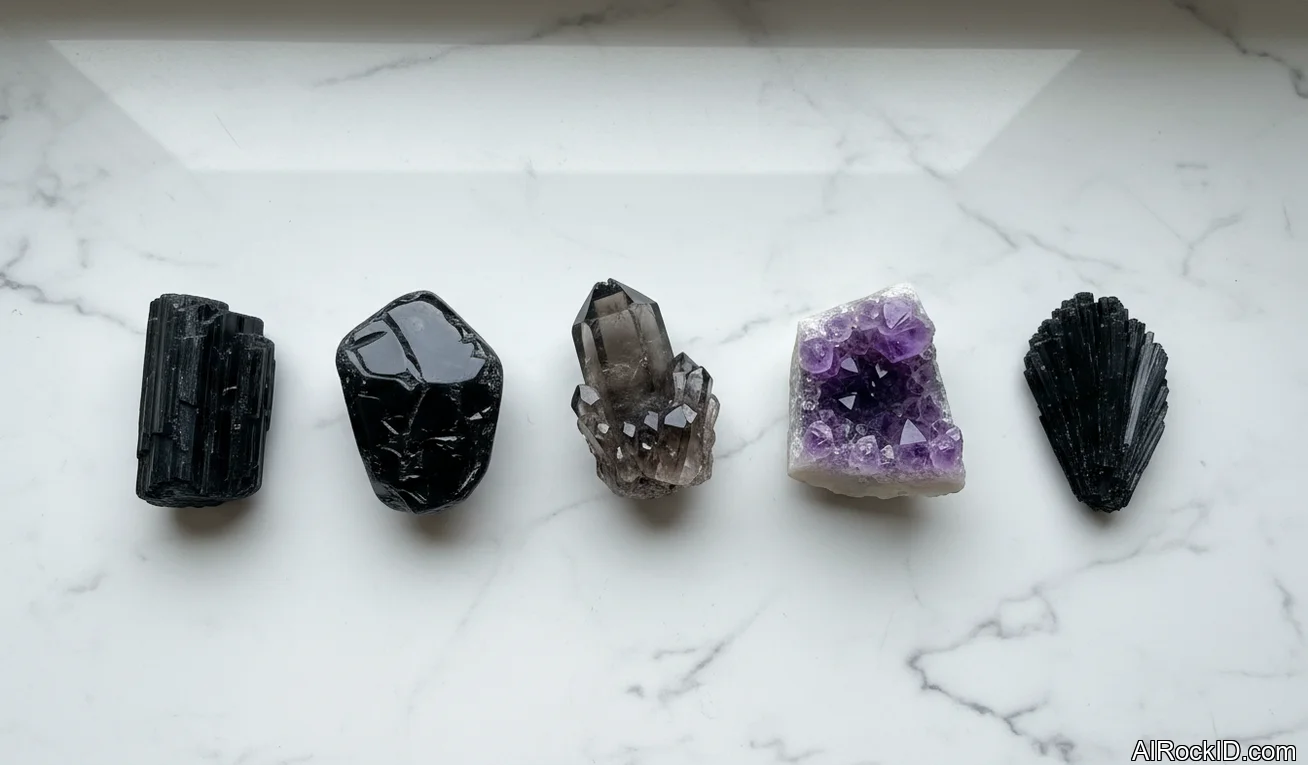
A small set of protective crystals on a wooden entry table near a front door, including black stones and purple amethyst

The best crystals for home protection are the ones that survive real life. The kind that can sit in an entryway without getting knocked around, and don’t turn into another finicky chore you have to babysit. I mean stones you can pick up, shift to a new spot, wipe with a damp cloth when they get dusty, and they still feel steady when you walk in the door fried from the day.

Some of them are “quiet” stones. The room just stops feeling buzzy. Others feel more like a line in the sand, like you notice the boundary the second you step past where you set them.

Grab a solid black stone and you’ll feel the weight first. It sits heavy in your palm, the way a good paperweight does, and that heaviness is kind of the point here because you’re trying to anchor a space, not blast it with huge vibes. I’ve kept bowls of tumbled black stones by doors for years (the smooth ones that clack together when you drop a couple in), and the giveaway is what happens after guests leave. Does the house go back to neutral fast? Or does it hang onto that restless, over-stimulated feeling like the air got stirred up and never settled? The right combo makes that reset happen quicker.

One thing up front: crystals aren’t security systems. They won’t replace locks, lighting, cameras, or good boundaries with people. But they can, in my experience, make it easier to keep your home feeling like yours. Less “why am I drained for no reason?” Less weird tension in the hallway. Fewer nights where you can’t settle down even though nothing is technically wrong.

Recommended Crystals
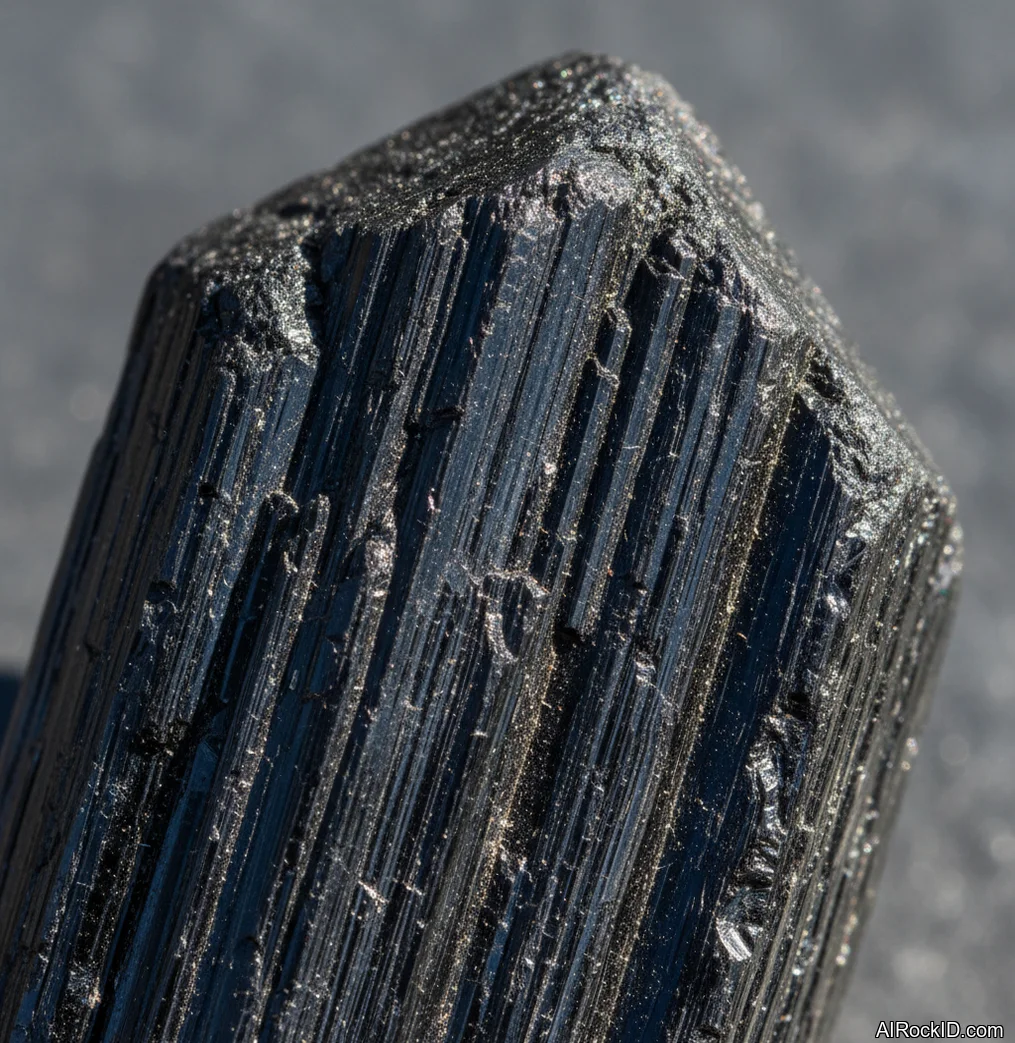
Black Tourmaline
Black Tourmaline

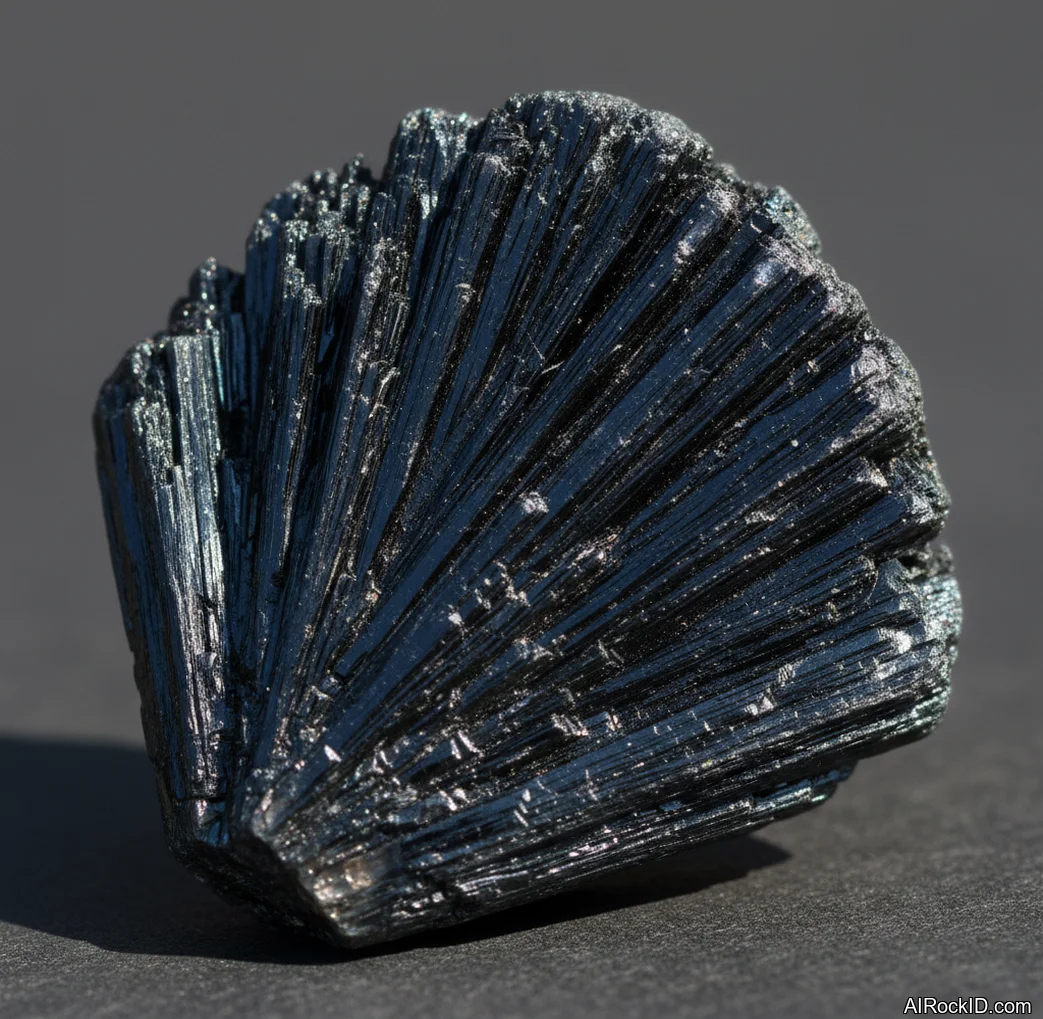
Most dark stones are just… dark. But black tourmaline feels more like a post sunk deep in the ground. Raw chunks usually come with those long, vertical striations, and if you drag your thumb along one, you’ll catch the ridges, almost like a little metal file. It’s a very specific texture, the kind you notice right away. I’ve found it’s one of the few stones that still feels “on duty” even after you’ve moved it from room to room a bunch of times, which is handy in a busy house. Thing is, the market’s packed with fragile, crumbly pieces. And those can shed gritty little grains if you leave them on a shelf you’re dusting all the time (ask me how I know).
How to use: Put one chunk near the main entrance or where you drop keys and bags, so it’s working right where energy and people cross the threshold. If you’ve got a choice, go for a stable base piece that won’t tip over, or set it in a small dish to catch crumbs. Wipe it with a dry cloth instead of rinsing if it’s got cracks.
Obsidian

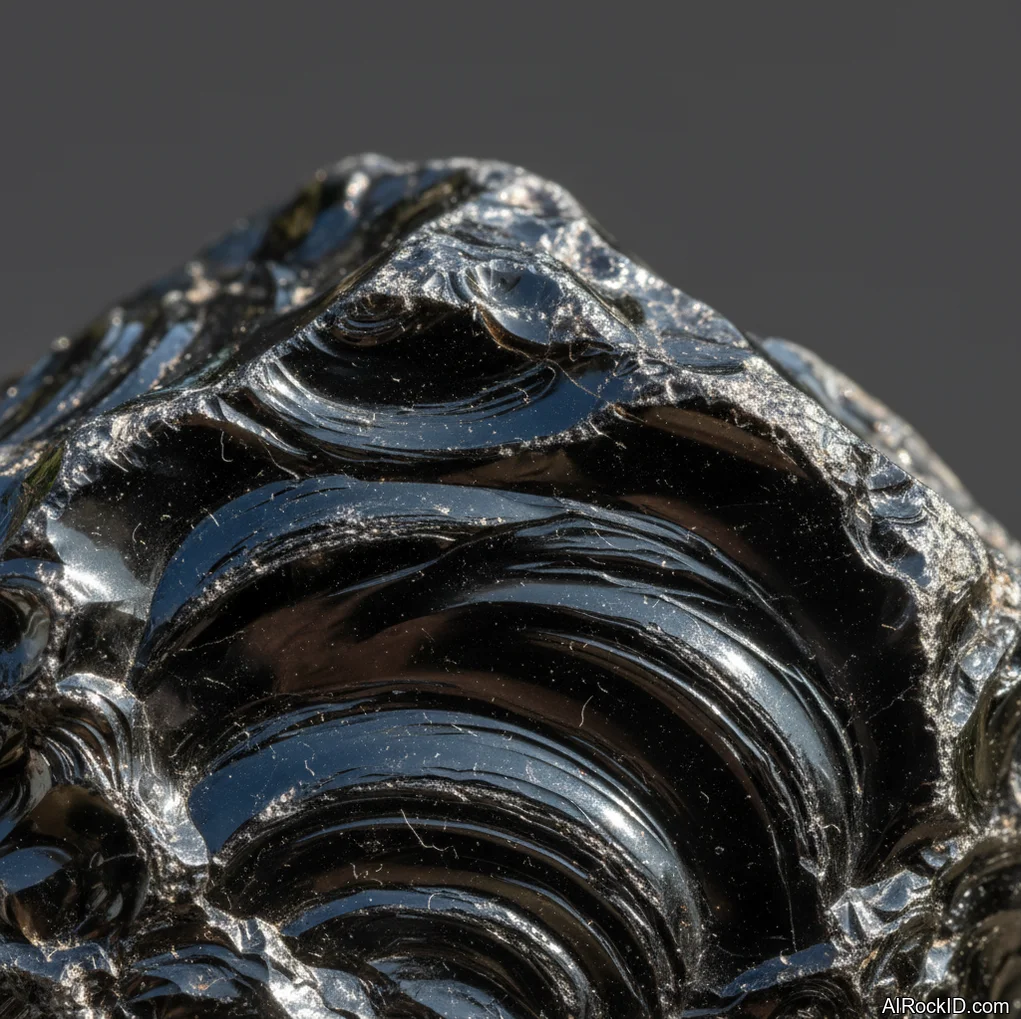
Obsidian

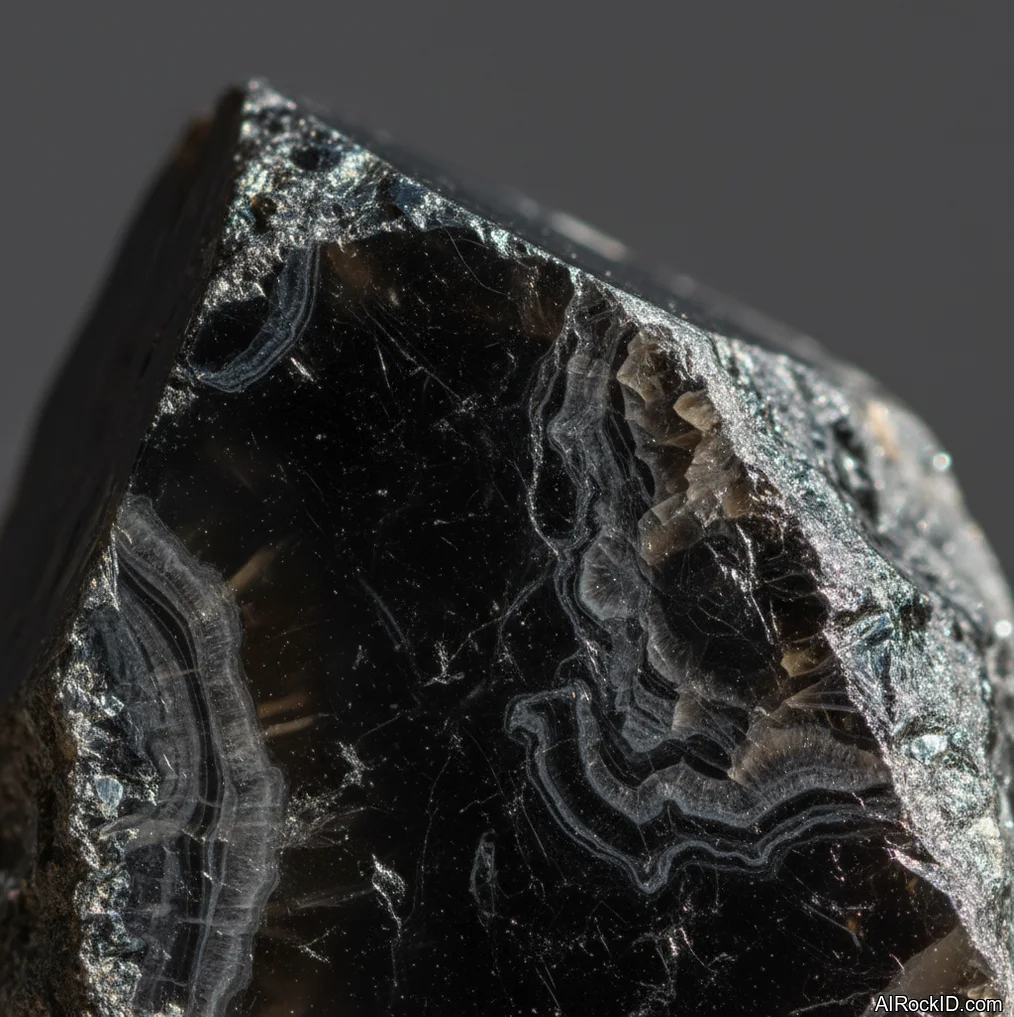
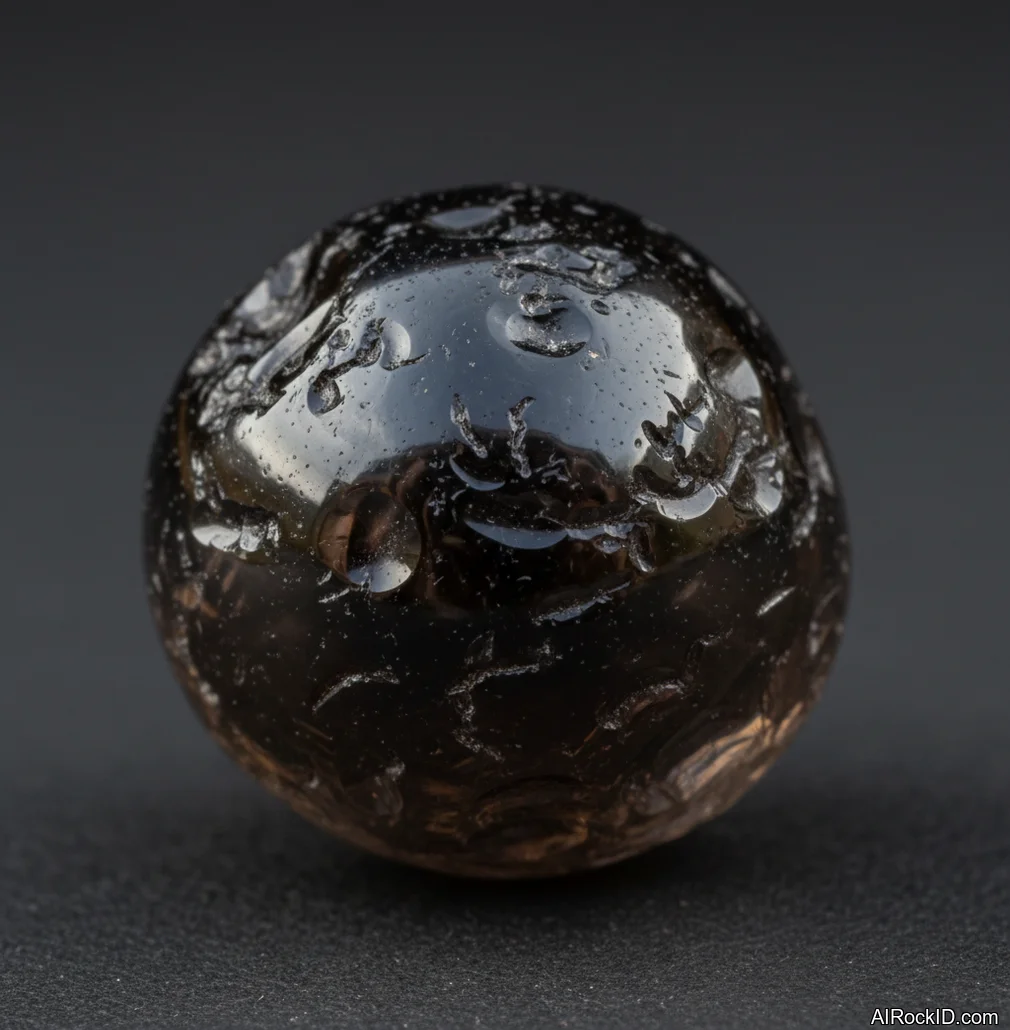
At first look it’s just glossy black. But if you tip a good piece toward the light, there’s sometimes that smoky depth under the polish, like staring into dark water. It’s volcanic glass, so it has this sharp, clean “cut” feel that a lot of people reach for when they’re thinking about psychic boundaries. I’ve handled plenty of pieces with edges sharp enough to make you flinch, and that literal sharpness tracks with how it feels in a room: crisp, direct, not subtle at all. And yeah, it’ll chip if you drop it on tile. So I keep it on something soft or sitting in a tray (learned that the hard way).
How to use: Keep a tumbled piece on a windowsill you don’t bump, or use a palm stone near the couch where you decompress. For entryways, I like a polished sphere in a stable stand, since it’s less likely to nick. Don’t put raw shards where kids or pets can reach.
Smoky Quartz

Smoky Quartz

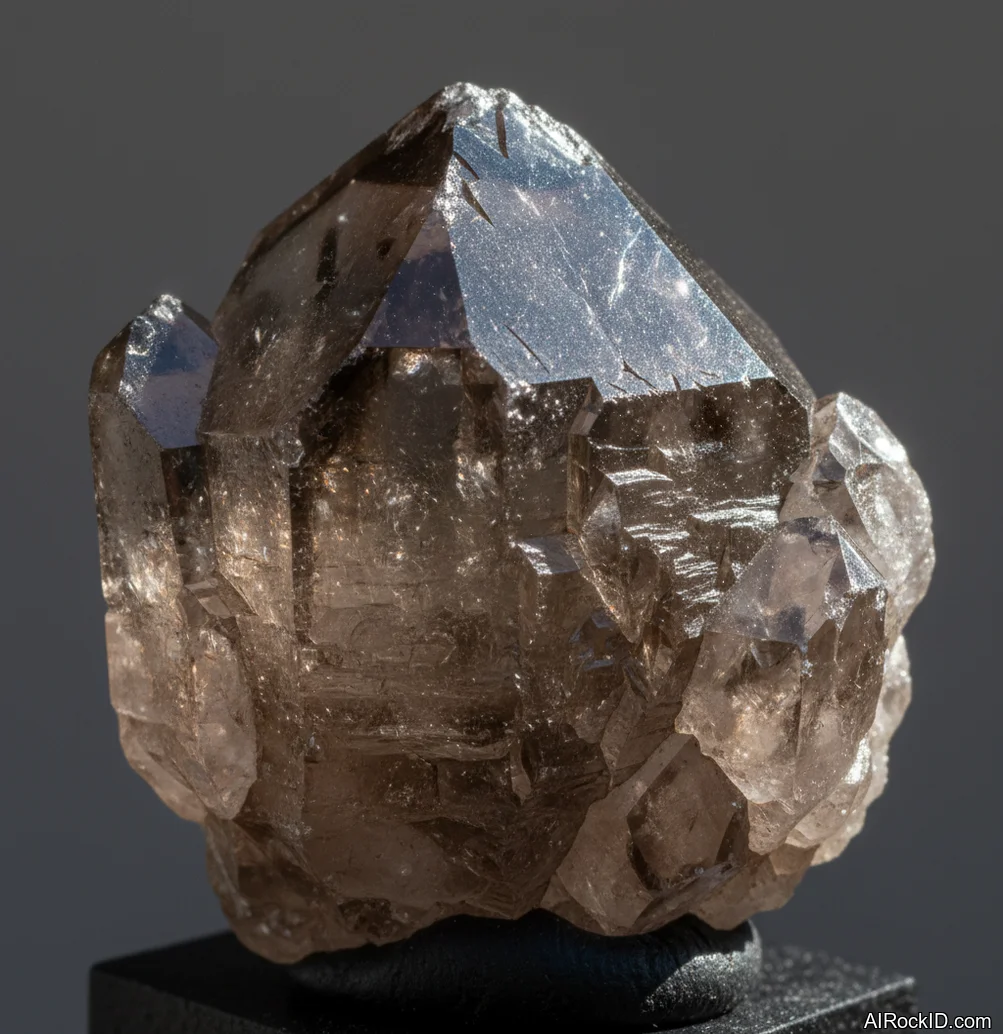
Hold a piece of smoky quartz up in real sunlight and you’ll notice the color isn’t sitting on top like dye. It’s more like strong tea soaked into clear glass, all the way through. Real smoky quartz stays cool in your hand even after you’ve been holding it for a minute. And if you lightly tap two pieces together, you get that clean quartz “ring” instead of a dull clack. At home, it’s one of the stones I reach for when I want to take the edge off anxious energy without making the whole room feel heavy or shut down. I’ve had Brazilian smoky that came off softer, more brown (almost like watered-down coffee), while the really dark stuff can feel stricter and more grounding. Funny how the shade changes the vibe, right?
How to use: Place a point or cluster near the Wi‑Fi router, TV, or office corner where mental noise builds up. If you’re using points, aim them into the room rather than straight at a bed. A quick rinse is fine for sturdy pieces, but avoid soaking if the specimen has iron staining that can bleed.
Amethyst

Amethyst

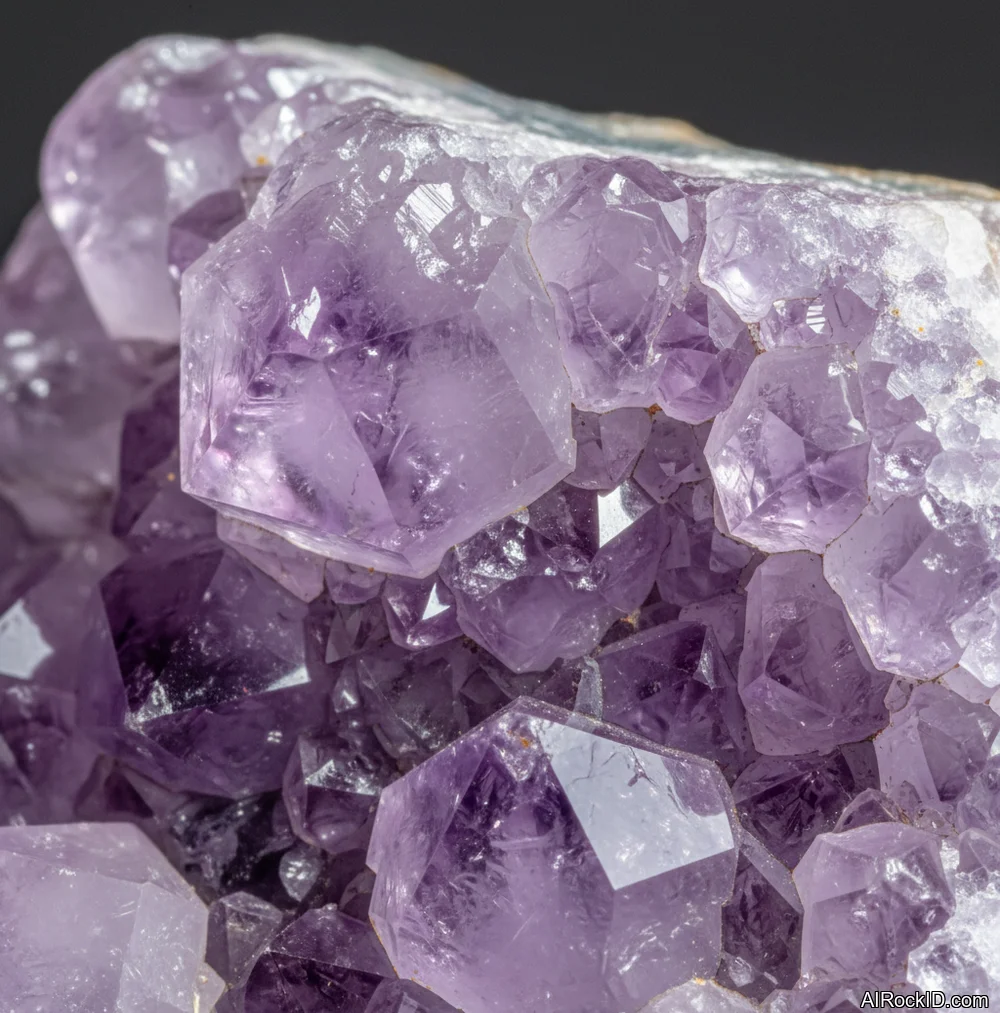
The deepest purple amethyst I’ve ever owned came out of Uruguay. Tight little points, almost ink-dark right at the tips, and that cold, glassy heft you notice the second you pick the cluster up. It isn’t a “shield” the way black stones are. But it’s really good at keeping a home calm and less reactive, and honestly that’s its own kind of protection. You can feel the shift when you’re holding a heavy cluster in your palm (it kind of presses into the skin). It’s steady, not sleepy, and it takes the bite out of late-night spiraling. One thing, though. Leave it in hard sun and that purple can fade faster than people expect.
How to use: Set a cluster in the room where arguments happen or where everyone dumps their stress, like the kitchen or living room. For sleep protection, keep a smaller piece on a nightstand rather than under the pillow if you’re a light sleeper. If it sits near a window, pull it back from direct sun.
Black Kyanite

Black Kyanite

Grab a piece of black kyanite and, honestly, it feels like a tiny whisk made of knife-thin blades. All those jagged fans and splinters catch on your fingertips, the way it sort of snags your skin if you slide your thumb the wrong way. And it’s great when a space feels “stuck,” like the air goes heavy after a fight or after lots of visitors have been in and out. But don’t clamp down on it. I’ve seen it snap cleanly when someone squeezed too hard, because the structure is brittle and fibrous. That’s the tradeoff, right? It clears fast, but you’ve got to handle it like a delicate tool (because it is).
How to use: Use it like you’d use a smoke cleanse, but without smoke: hold it and walk the perimeter of a room, especially corners and door frames. Then set it somewhere safe where it won’t get bumped, like on top of a bookshelf. Don’t wash it; dust it gently.
Black Onyx

Black Onyx

A lot of what gets sold as black onyx is polished so slick it literally feels like a cold bar of soap in your palm, and that glassy, slippery finish is part of why people like it for home protection. It’s steady. Quiet. It helps a room not feel so porous, especially in an apartment where you’re sharing walls and you can practically hear someone’s cabinets through the drywall. I’ve also noticed it sits nicely next to softer stones because it doesn’t drown them out, it just holds the line. But yeah, the market confusion is real: dyed banded agate gets sold as onyx all the time, and the color can come off too uniform and kind of “inky.” How many times have you picked one up and it looked almost painted?
How to use: Keep a few tumbled stones in a small bowl by the front door or on a hallway table. If you’re using a bracelet, take it off at home and set it on the bowl so it “stays on the job” in the entry zone. Wipe with a damp cloth if it gets dusty.
Apache Tears

Apache Tears

Apache tears are still obsidian, sure, but they don’t act like one of those big, shiny black chunks you’d see in a shop. These are little and more matte, and if you pinch one between your fingers and hold it up to a strong light, you can catch that faint translucence around the edges. At my place, they’re basically emotional shock absorbers. I reach for them after grief, breakups, or those hard family visits where the air stays tender for days and even the living room feels off. But here’s the annoying part: they’re easy to lose. And if you leave them scattered around without any kind of plan (nightstand, pocket, couch cushion), they stop feeling helpful and just turn into clutter.
How to use: Put 3 to 7 pieces in a dish near the bed or in a “quiet corner” where you go when you need to reset. If you’re working on protection after emotional upheaval, carry one for a week, then retire it to the bedroom. Don’t leave them loose in pockets with keys, they scratch.
Amber

Amber

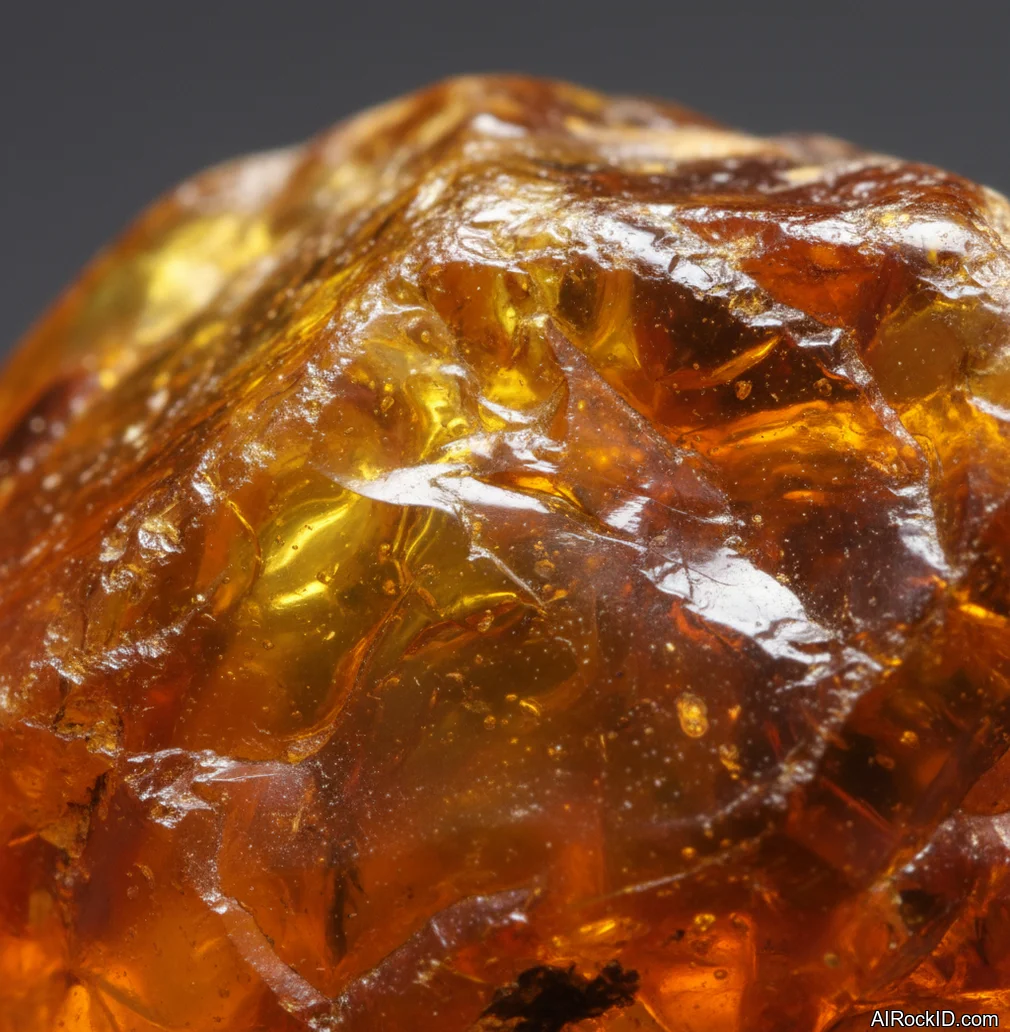
Amber isn’t a stone. You notice it the second you pick it up because it feels warm and kind of light in your palm, not cool and heavy the way most rocks do. Real amber usually has these tiny internal textures, like little swirls or a bit of clouding you only catch when you tilt it near a window. And if you rub it with a cloth, it’ll grab static, like it wants to cling. For home protection, I use it for “soft shielding.” The gentle kind that keeps a place feeling sunny and human, not sealed off and weird. But yeah, it’s easy to fake with plastic. The cheap stuff looks too perfect, and if you warm it between your fingers it gives off that chemical smell (you know the one).
How to use: Set amber near a family photo, in a nursery, or anywhere you want protection that feels gentle rather than strict. Keep it away from high heat and harsh cleaners since it can cloud or crack. If you burn incense, don’t let soot settle on it, wipe it lightly instead.
Angelite

Angelite

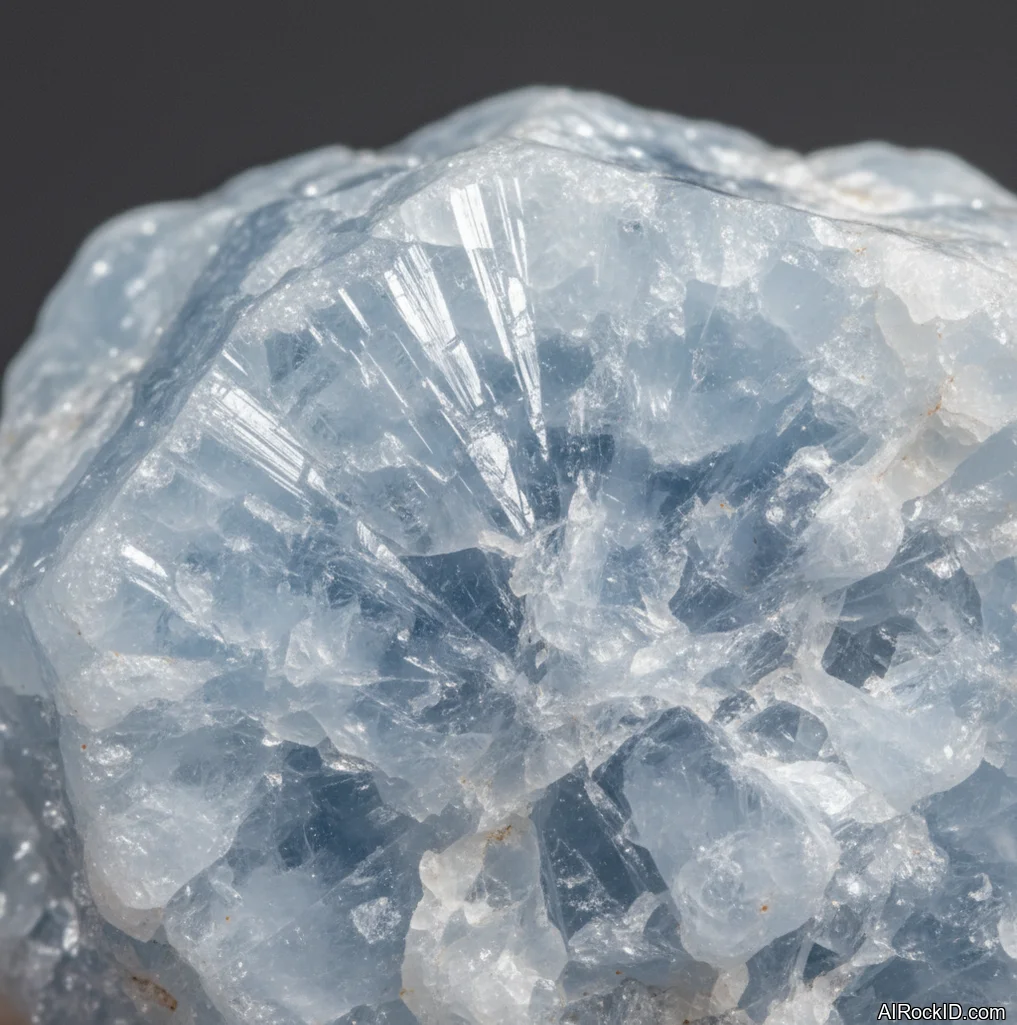
Angelite feels chalky and smooth in your hand, kind of like a cool bit of matte porcelain, and yeah, it’ll scuff or mark fast if you drag a key or anything hard across it. I like keeping it in houses where “protection” needs to mean peace in the room, not just hard boundaries, because it settles communication down and takes the edge off when things get tense. And you can usually pick out the real stuff by that soft blue-gray tone that stays quiet, never shiny or loud. But don’t get it wet. It really hates water, and one thoughtless rinse can leave the surface pitted and kind of sad-looking (ask me how I know).
How to use: Place it in a living room or near a shared workspace to keep the tone civil and less reactive. Use a small dish or cloth under it because it can scratch and it can be scratched. Clean it dry only, no soaking, no sprays.

Start with the thresholds: doors, windows, and shared walls

Front doors can flip the mood of a house in seconds. You notice it the second you come home, keys still cold in your hand, shoes half on, and the place has a kind of “flavor” depending on what’s been happening there. That’s why I start protection work at the thresholds, not smack in the middle of the living room where you’ll walk past it a week later and forget what you were even trying to protect.

Most dealers will tell you to toss one big stone by the entry and call it good. But I’ve had way better luck treating the whole perimeter, like you’re sealing the edges instead of arguing with the center. I’ll do a black stone by the door, something calming like amethyst where the family actually gathers, then a piece in the back of the home where you almost never go (you know the spot, the one that always feels a little “off” for no obvious reason).

And if you’re in an apartment, don’t ignore the shared wall behind your bed. Seriously. That wall can matter more than any window because that’s where other people’s noise and mood seep through, especially at night when everything’s quiet and your brain has nothing else to listen to.

So look at your layout with fresh eyes. Where do your shoulders drop when you walk in? Where do you tighten up without thinking? Put the “hard boundary” stones where you tense up, and put the “settling” stones where you want your nervous system to finally unclench. Simple. Not always easy. But it works.

Protection doesn’t have to feel heavy

Look, people go way too hard with black stones and then act surprised when the place starts feeling like a bunker. I’ve stepped into homes where there’s tourmaline on every shelf, obsidian parked in every corner, and the air feels tight even when nobody’s arguing. Protection can be solid without being grim.

But swap that wall of black stones for one calmer piece and the whole room shifts. Amethyst in a common room can keep things from boiling over. Amber helps a home feel warm and lived-in, like there’s actual life happening there, and that’s its own kind of safety. And even smoky quartz can take the edge off the mental buzz without making you feel like you’re hunkering down.

Thing is, the real check is your sleep and how you bounce back after social time. Do you crash hard, or do you reset quick? If the house feels “quiet” in a good way and you recover fast, you’re probably in the right range. If you feel boxed in, pull out half the stones for a week and see if your body unclenches. Simple test.

What “cleansing” looks like when you’re not being precious about it

People get oddly stressed about cleansing. Don’t. If a stone sits by the front door, it’s going to pick up dust, skin oils, and whatever else life tracks in, and the physical cleanup matters just as much as any ritual stuff.

Pick it up and pay attention to how it feels in your hand. Does it feel kind of flat, like it’s just… a rock now? That’s usually my cue. For sturdy quartz and a lot of polished stones, a quick rinse and a good dry is plenty (I usually towel it off and make sure it’s not left with that damp, slippery film). But for fragile ones like angelite or black kyanite, skip the water and go with a dry cloth, a soft brush, or even a few minutes of fresh air.

And if you’re into sound, keep it practical. A bell by the doorway, a singing bowl in the living room, or just clapping in the corners where the air feels stale. It’s less about mysticism and more about shifting the feel of the space in a way your brain actually notices.

Choosing pieces that won’t turn into clutter

The issue with home protection kits is they don’t stay “a kit” for long. They just turn into random rocks on every surface, collecting lint and that weird greasy dust film you only notice when you go to wipe them. Then you get annoyed, you stop caring, and the whole thing loses meaning. I’ve been there.

So the fix is boring but real: pick fewer pieces. Go for ones that feel stable in your hand, won’t tip if the table gets bumped, are easy to clean, and actually fit the spot without you having to rearrange your life around them.

For entry tables, weight is the whole game. You want a chunky tourmaline that doesn’t wobble, the kind that lands with a solid thud instead of that scratchy skitter. Or a polished obsidian sphere sitting in a stand (because if it’s just loose, it’ll roll the second someone drops keys). Bedrooms are different. Smaller is better since you’re already sensitive in sleep, and you don’t need a boulder glaring at you from the dresser. No thanks.

And cheap versions can be a mess. Dyed black “onyx” can bleed color onto white shelves, especially if you wipe it with a damp cloth and then set it back down without thinking. Soft stones get dinged and start looking shabby fast, like they’ve been rattling around in a junk drawer. Spend the money where it counts, keep the rest simple: a dish, a stand, and a spot you won’t constantly bump with a laundry basket. Why fight your own house?

How to Use These Crystals for Home Protection

Pick one zone and handle that first. I usually go straight to the front door, because that’s the spot where the outside world basically shakes hands with your nervous system. Set a grounding black stone there, then put a calmer stone in the main living space so the whole house doesn’t feel like it’s tensing up for impact 24/7.

Then you can deal with the problem rooms. If the bedroom feels restless, stick amethyst or smoky quartz on the nightstand, and keep the sharper boundary stones out of your direct sleep field. Sleep is touchy, right? But if you’ve got a home office that leaves you wired, put smoky quartz near the monitor (like right by the base where the cord mess tends to collect), and keep obsidian in a drawer so it’s there without being visually intense.

Once a week, do a reset that you’ll actually do. Walk through the house, touch each piece, set it back down with intention. Wipe the dust off (that fine gray film that shows up out of nowhere). And if one stone feels like it’s doing nothing, move it to a different spot instead of trying to force it to work. Homes shift with seasons, guests, work stress, even that one neighbor who suddenly gets loud, so your placements should shift too.

Common Mistakes to Avoid

Overloading the house is the big one. People cram every black stone they own into every corner, then act surprised when the whole place feels tight and edgy. Protection should feel like a clear boundary, not like you’re walking around with your shoulders up and your jaw clenched.

Another common slip? Ignoring durability. I’ve watched angelite sit in a steamy bathroom long enough to get that sad, chalky look (like it’s been gnawed on), and I’ve seen black kyanite snap clean in half because someone jammed it into a junk drawer under old batteries and loose keys. So match the stone to the spot: water-safe pieces for kitchens, tougher ones for entryways, and the delicate stuff up high where it won’t get bumped.

And the last one is buying junk without checking it first. Plastic “amber” heats up in your hand way too fast and it looks weirdly perfect, like it came off an assembly line. Dyed black stones can leave stains on shelves (especially light wood). If you can’t confirm what it actually is, treat it like decor, not like a protection tool.

Important: Crystals aren't a substitute for plain old home safety. They won’t stop someone from breaking in, they can’t fix an abusive situation, and they definitely won’t do the awkward, messy work of setting boundaries with someone who keeps ignoring you. And no, they won’t just wipe out stress that’s coming from sleep deprivation, burnout, or untreated anxiety. If you’ve ever tried to function on four hours of sleep, you know. What they *can* do is nudge you into routines that make your place feel more grounded, like lighting a candle, tidying the entryway, putting a stone where you’ll actually see it (mine ends up by the keys and the little pile of mail). So when you’re ready to make the real-world changes that actually protect you, it’s a bit easier to follow through.

Identify Any Crystal Instantly

Snap a photo and get properties, value, care instructions, and healing meanings in seconds.

Frequently Asked Questions

What are the best crystals to place at a front door for home protection?
Black tourmaline, black onyx, and black obsidian are commonly placed at entrances for boundary-setting and grounding. Placement is typically on an entry table or near the door in a stable dish or stand.
Which crystals are best for protecting a bedroom at night?
Amethyst and smoky quartz are commonly used in bedrooms for calming and grounding. They are typically placed on a nightstand rather than under a pillow.
Do protective crystals need to be cleansed, and how often?
Cleansing frequency ranges from weekly to monthly depending on how busy the home is and where the stone is placed. Common methods include wiping dust off, brief rinsing for water-safe stones, or sound cleansing.
Which protective crystals should not get wet?
Angelite and black kyanite should not be soaked or washed because they can degrade or fracture. Dry cleaning methods like a soft cloth or brush are recommended.
What crystals help with protection from negativity in shared living spaces?
Black onyx, smoky quartz, and amethyst are associated with steadier boundaries and calmer room tone. They are often placed in living rooms, hallways, or near shared walls.
Is black obsidian safe to keep in a home with kids or pets?
Raw obsidian can have sharp edges and can chip if dropped. Tumbled pieces or polished spheres in secure stands are safer options for homes with kids or pets.
How can I tell if amber is real for home protection use?
Real amber is lightweight, warm to the touch, and can show internal inclusions or clouding. Plastic imitations are often overly uniform and may smell chemical when warmed.
How many protective crystals should I use in one room?
A common range is 1 to 3 pieces per room to avoid visual clutter and overstimulation. Larger rooms may use one piece near the entrance and one near a corner or focal area.
Where should I place crystals to protect windows and corners?
Crystals are commonly placed on windowsills, in corner shelves, or in small dishes on stable surfaces. If sunlight exposure is strong, stones that fade in sun are placed back from direct light.
Can crystals replace locks, alarms, or other security measures?
Crystals do not replace physical security measures such as locks, lighting, alarms, or cameras. They are used as a complementary spiritual or reflective practice.
The information provided is for educational and spiritual exploration purposes. Crystals are not a substitute for professional medical, psychological, or financial advice.