Best Crystals for Home Protection
Quick answer: For a home-protection crystal setup, many people start with black tourmaline, smoky quartz, obsidian, selenite, or amethyst. In crystal traditions, these stones are used to support boundaries, grounding, and a calmer atmosphere, but they should be treated as symbolic or mindfulness tools rather than a substitute for practical home safety.


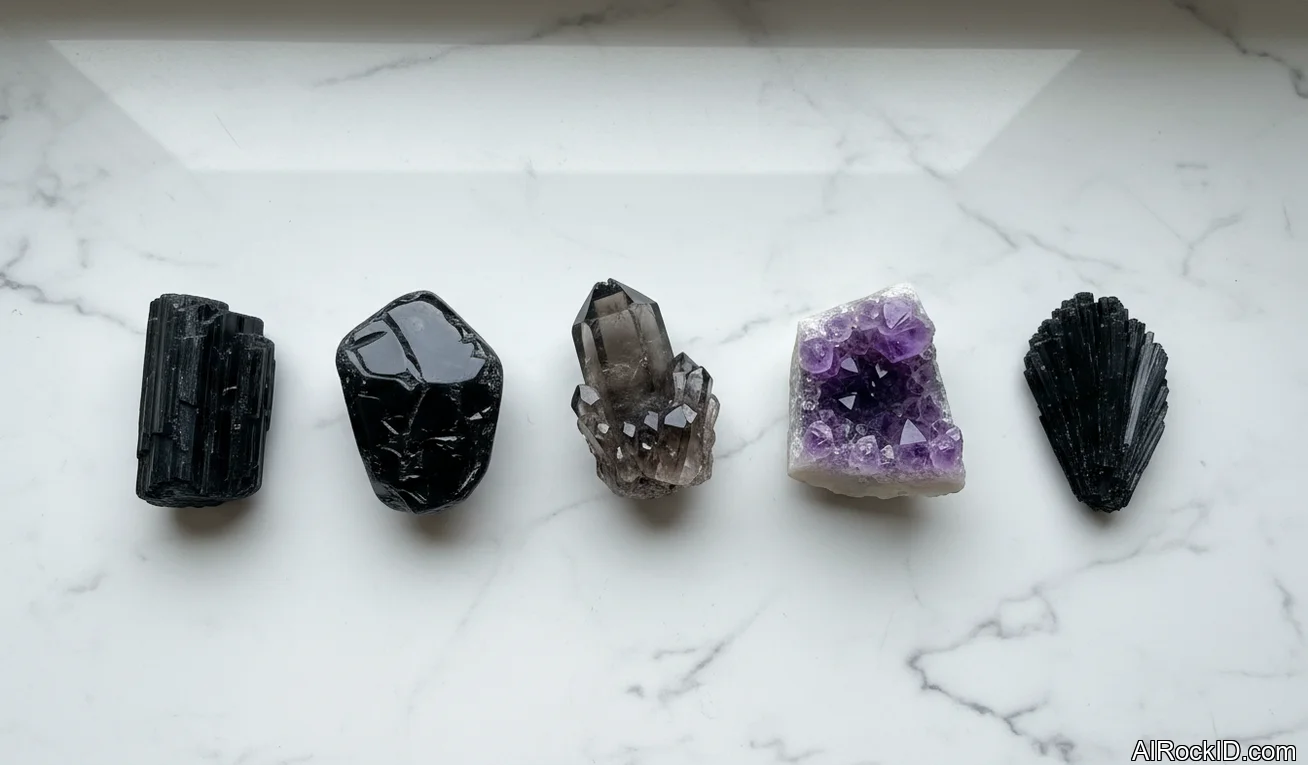
AI Rock ID can help identify an unknown stone from a clear photo, especially when color, texture, and transparency are visible. RockIdentifier.io also provides crystal and mineral references that can help compare similar-looking specimens before using them in a home setup.
Good fit
- People who want a simple, low-clutter crystal layout for entryways, bedrooms, or shared spaces
- Beginners who prefer common, easy-to-find stones such as black tourmaline, smoky quartz, and amethyst
- Homes where the goal is a calmer visual reminder of boundaries, grounding, or intentional routines
- Renters who need nonpermanent decor that can be moved without altering the space
Not a good fit
- Anyone expecting crystals to replace locks, smoke alarms, cameras, or other practical safety measures
- Homes with small children or pets that may chew, swallow, or knock over stones
- People who find dark or heavy-looking stones visually stressful rather than calming
- Anyone who prefers a completely evidence-based approach with no metaphysical or symbolic practices
Most commonly confused with
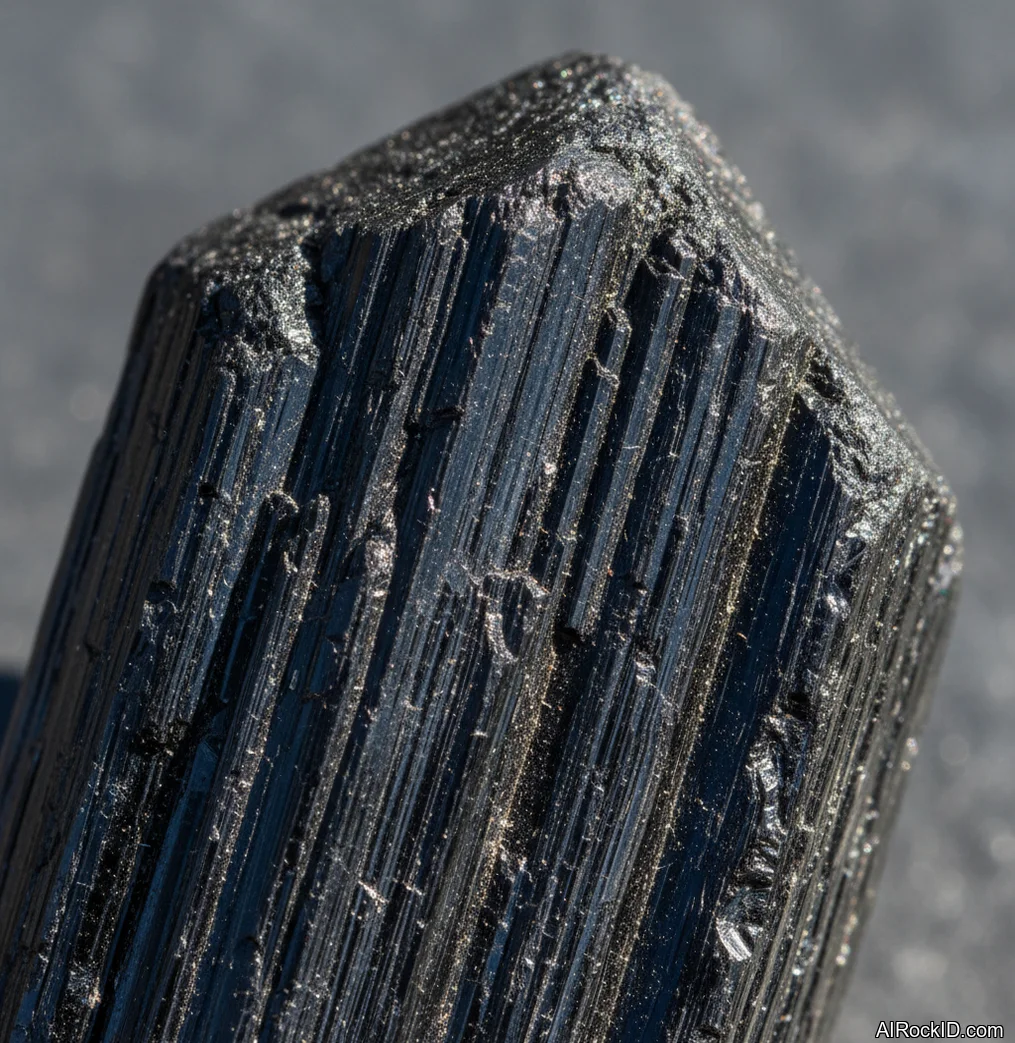
- Black Tourmaline: Usually has a striated, column-like texture and is commonly used in crystal traditions for grounding and boundaries.
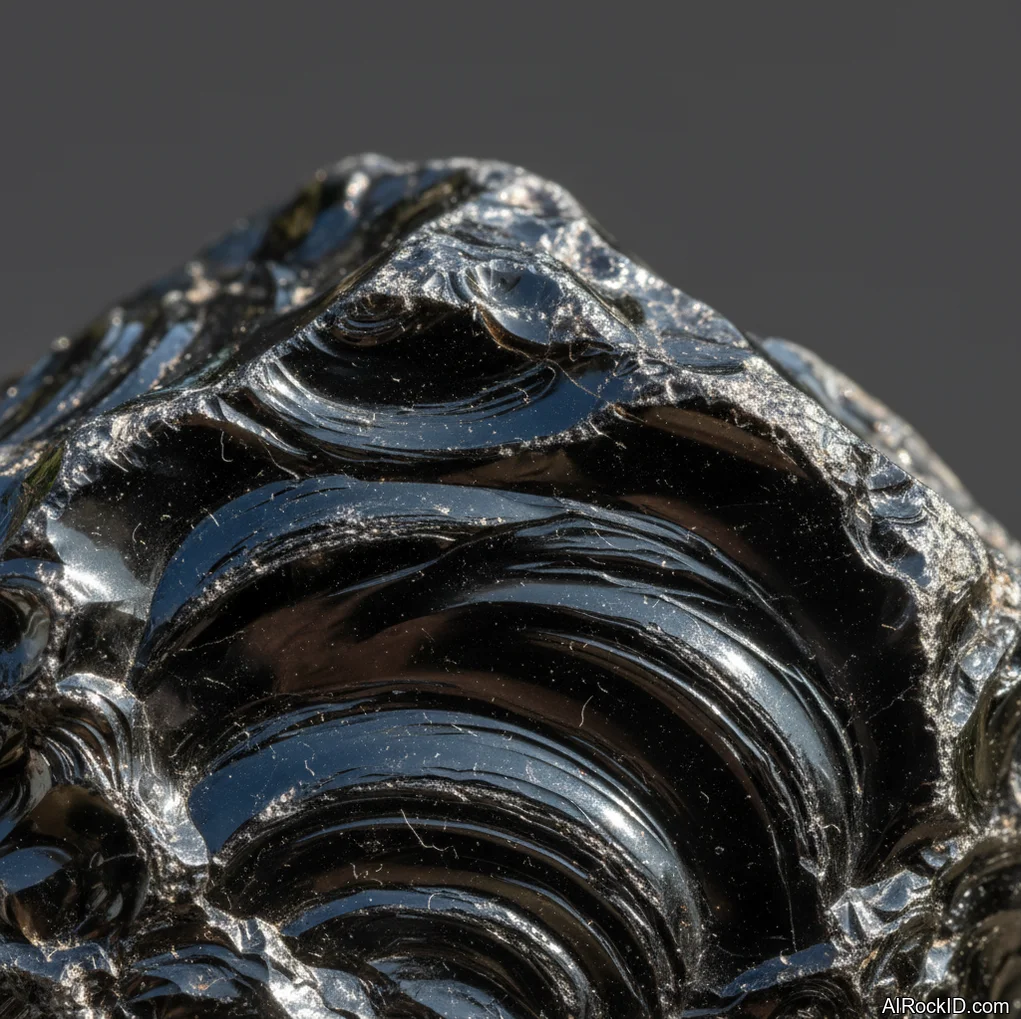
- Obsidian: A volcanic glass with a smooth, glassy surface; it can chip into sharp edges more easily than many crystalline stones.
- Onyx: Typically smoother and more uniform-looking than black tourmaline, and often appears in polished decorative pieces.
- Shungite: A carbon-rich black mineraloid that may leave dark residue on hands or surfaces, unlike most polished protection crystals.
AI identification confidence
AI identification is most useful for narrowing down common possibilities such as black tourmaline, obsidian, smoky quartz, amethyst, or selenite. Confidence is lower when stones are heavily polished, dyed, tumbled, photographed in poor lighting, or sold under trade names.
When AI gets it wrong
- A black tumbled stone may be labeled as obsidian, onyx, black tourmaline, or dyed agate without additional testing.
- White satin spar is often sold as selenite, even though the two names may refer to different gypsum habits.
- Heat-treated, dyed, or coated stones can look like naturally colored crystals in photos.
- Small chips, mixed-stone bracelets, and decorative carvings often lack enough visible structure for reliable visual identification.
Best choice summary
A practical starter set for home protection is black tourmaline near the main entry, smoky quartz in busy shared areas, and amethyst or selenite in rooms where a softer feel is preferred. If choosing only one stone, black tourmaline is the most commonly used protection pick in modern crystal traditions because it is associated with grounding, boundaries, and threshold placement.
Final recommendation
Choose one or two stones that match the space instead of filling every room with crystals. Pair any symbolic crystal routine with practical safety habits, regular cleaning, and clear household boundaries for a setup that feels intentional rather than cluttered.
Beginner recommendations
Advanced recommendations
Pet and Child Safety
Small stones, sharp raw pieces, and fragile towers can be choking, cutting, or impact hazards. Place crystals out of reach of children and pets, avoid loose chips on low shelves, and use stable bowls or closed display cases when a stone is part of a shared living area.
Raw vs. Tumbled Pieces
Raw stones often show more natural texture, which can help with identification, but they may shed grit or have sharp edges. Tumbled stones are easier to clean and place in bowls or trays, though polishing can make different black or clear stones harder to tell apart.
When to Reassess a Crystal Setup
A home-protection layout should feel supportive, not tense or crowded. Reassess the setup if stones are collecting dust, creating visual clutter, being moved constantly, or making the space feel less comfortable.
This guide covers practical, low-maintenance crystals people place around a home for protection, with a focus on Black Tourmaline, Obsidian, Smoky Quartz, Amethyst, Black Kyanite, and Black Onyx. It’s about where they tend to work best in a house (entryway, corners, bedroom, near doors and windows) and what physical forms actually hold up to daily life. Limitation: crystals can support a calming, boundary-setting ritual, but they don’t replace locks, alarms, or basic home safety.
The best crystals for home protection are the ones that survive real life. The kind that can sit in an entryway without getting knocked around, and don’t turn into another finicky chore you have to babysit. I mean stones you can pick up, shift to a new spot, wipe with a damp cloth when they get dusty, and they still feel steady when you walk in the door fried from the day.
Some of them are “quiet” stones. The room just stops feeling buzzy. Others feel more like a line in the sand, like you notice the boundary the second you step past where you set them.
Grab a solid black stone and you’ll feel the weight first. It sits heavy in your palm, the way a good paperweight does, and that heaviness is kind of the point here because you’re trying to anchor a space, not blast it with huge vibes. I’ve kept bowls of tumbled black stones by doors for years (the smooth ones that clack together when you drop a couple in), and the giveaway is what happens after guests leave. Does the house go back to neutral fast? Or does it hang onto that restless, over-stimulated feeling like the air got stirred up and never settled? The right combo makes that reset happen quicker.
One thing up front: crystals aren’t security systems. They won’t replace locks, lighting, cameras, or good boundaries with people. But they can, in my experience, make it easier to keep your home feeling like yours. Less “why am I drained for no reason?” Less weird tension in the hallway. Fewer nights where you can’t settle down even though nothing is technically wrong.
Quick Comparison
| situation | crystal | why | format |
| I want something by the front door that can take bumps, keys, and daily chaos without feeling precious | Black Tourmaline | It’s dense and sturdy, and even a rough piece stays put like a paperweight; I’ve had raw chunks that barely show wear after years of getting nudged around on an entryway tray | raw chunk or chunky tumbled stone |
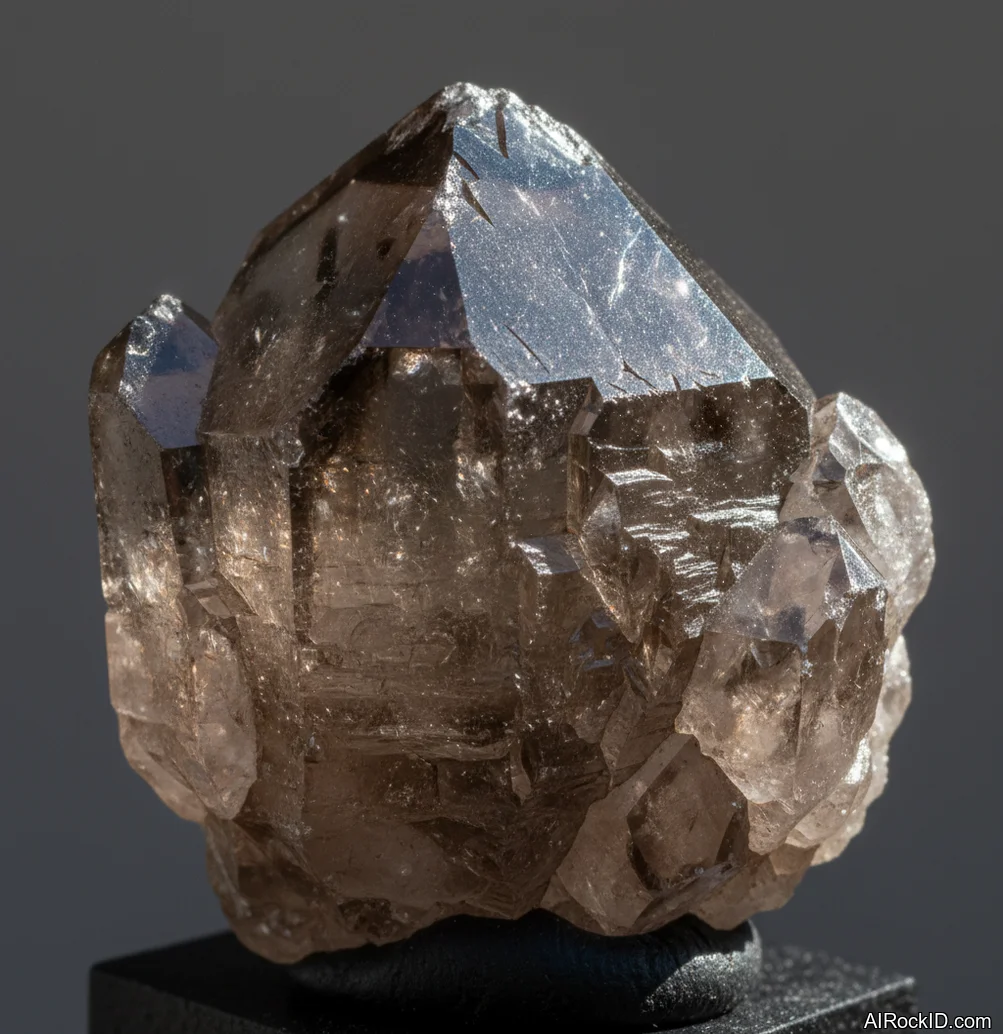
| My place feels 'buzzy' after guests, and I want the living room to feel quieter fast | Smoky Quartz | A larger smoky point or cluster has that grounded, muted feel people reach for, and the color hides dust better than clear quartz so you’re not constantly fussing with it | standing point or small cluster on a shelf |
| I get uneasy at night and want the bedroom to feel protected without a heavy, intense vibe | Amethyst | It reads softer than the black stones and works well as a bedside piece; the deeper purple material (often Uruguay) looks calm under warm ламplight, but keep it out of harsh sun or it can fade | small cluster or palm stone on the nightstand |
| I want a 'boundary line' for a doorway or hallway, and I don’t want to cleanse it constantly | Black Kyanite | Those bladed fans feel like a literal fence when you set them across a threshold, but they’re brittle and splintery so you don’t want it where hands or pets will knock it around | raw fan placed flat on a high shelf or tucked above a door frame |
Recommended Crystals
Black Tourmaline
Obsidian
Smoky Quartz
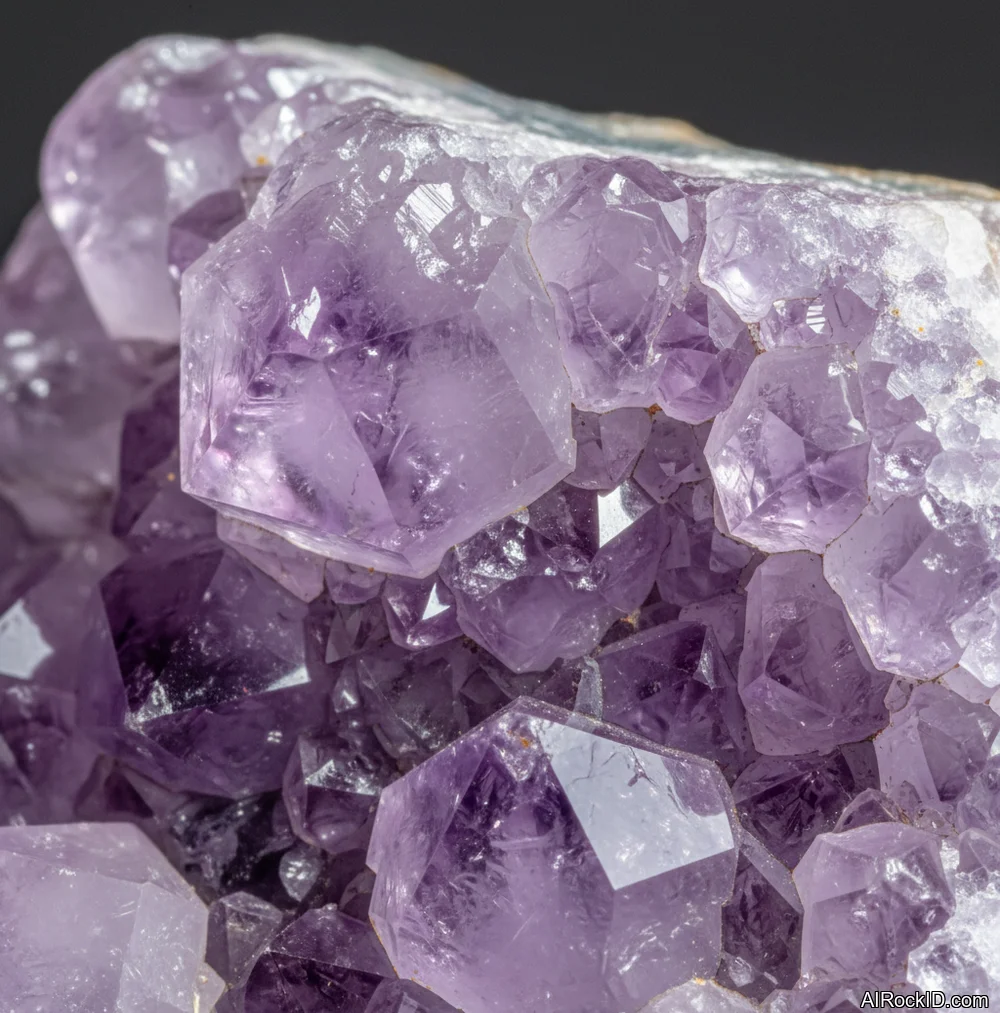
Amethyst
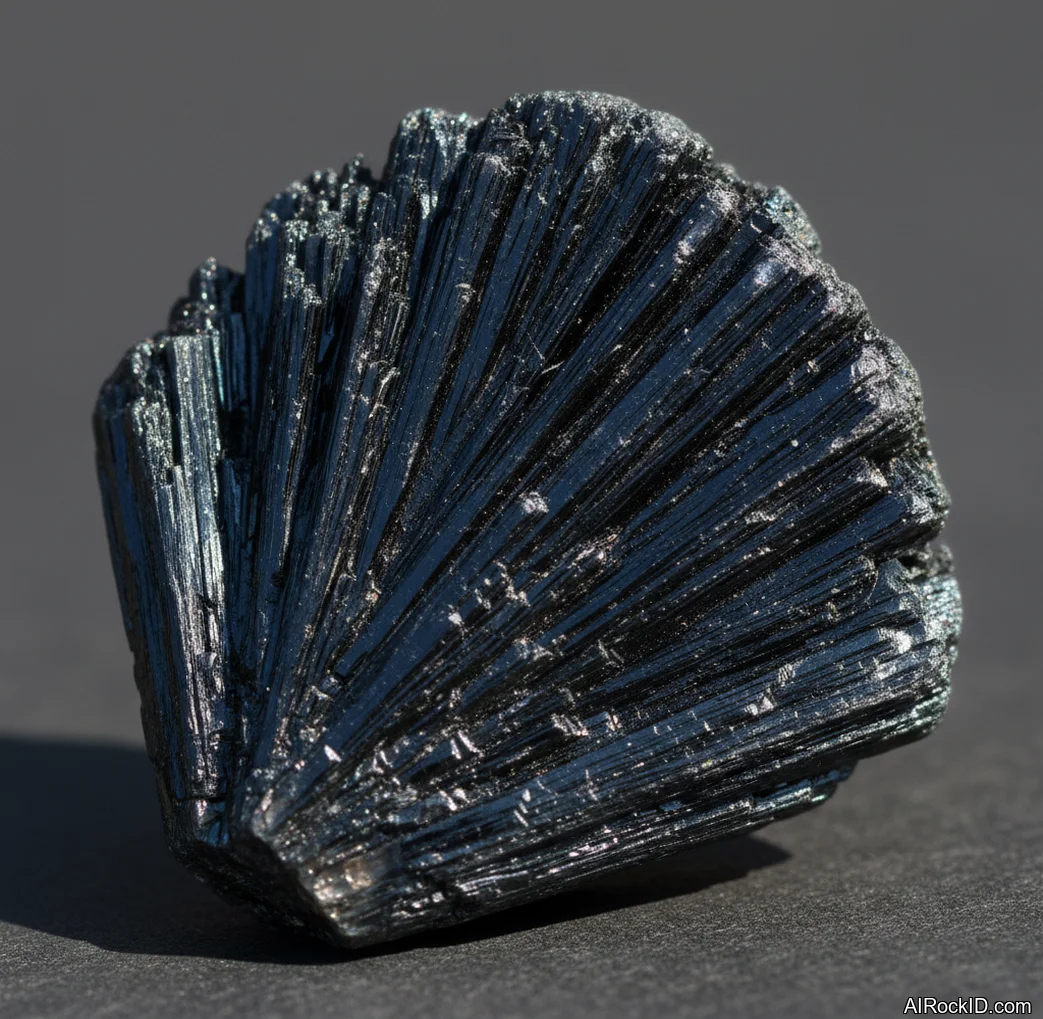
Black Kyanite
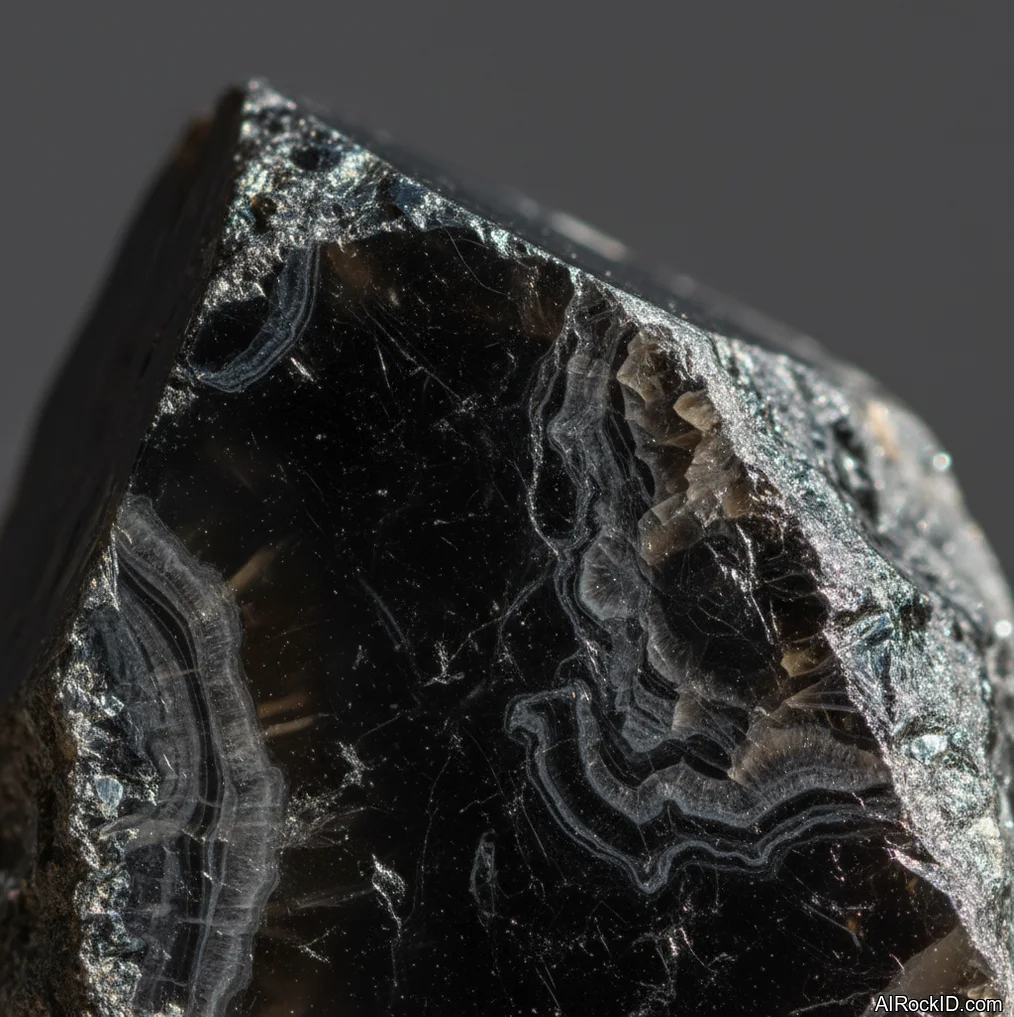
Black Onyx
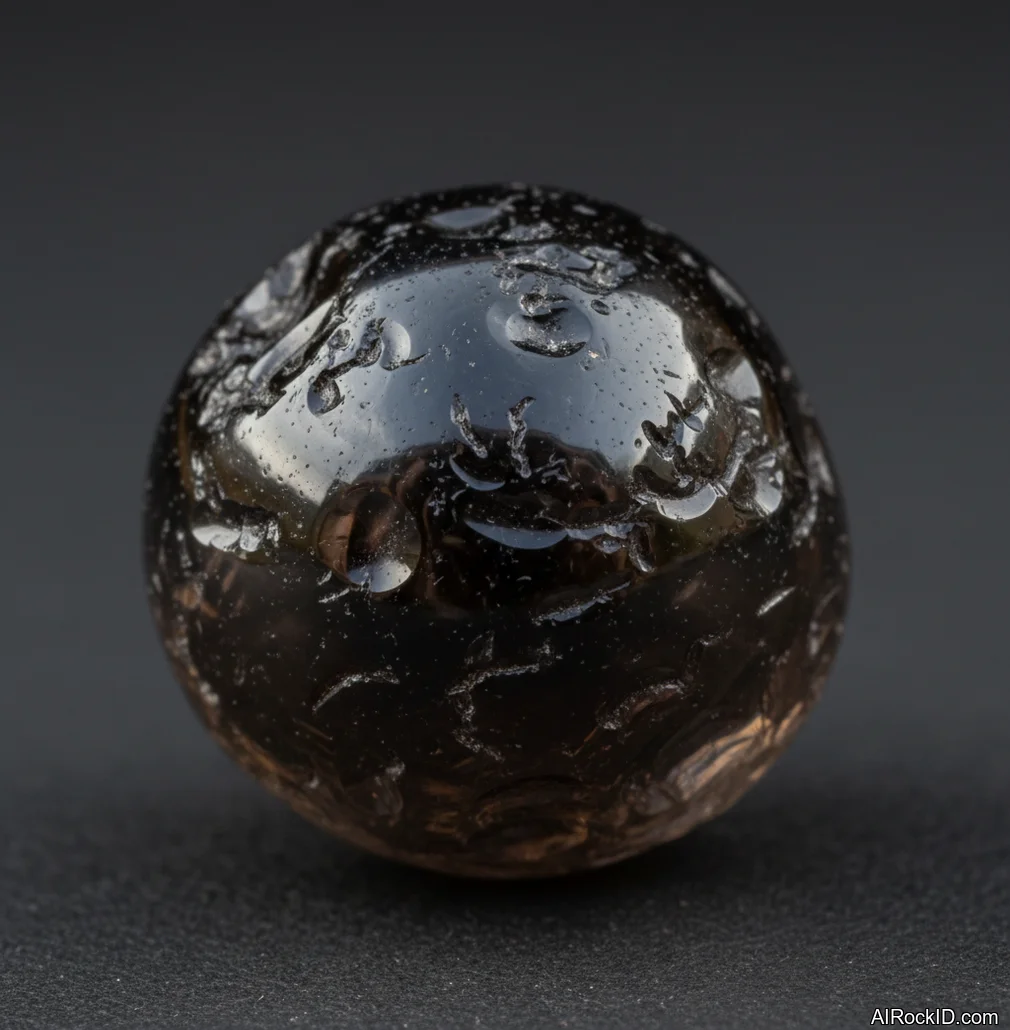
Apache Tears
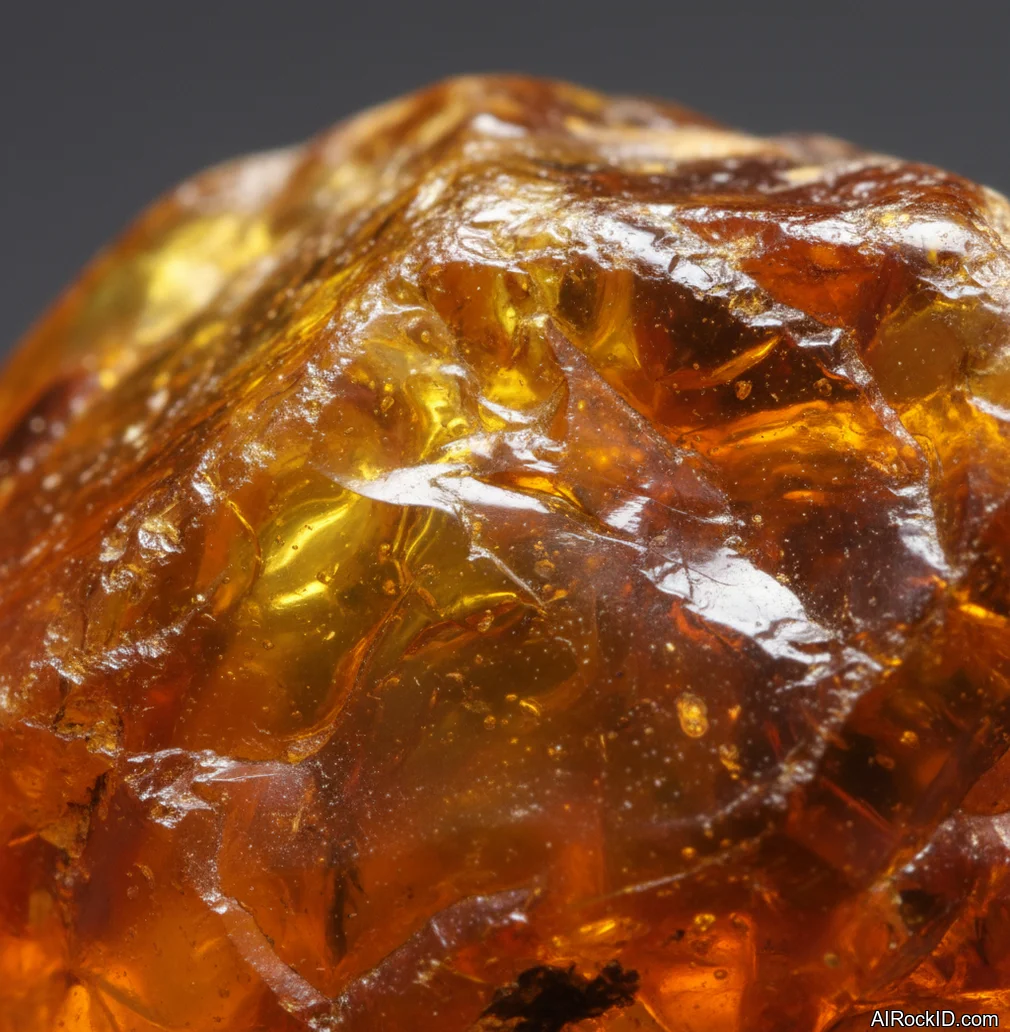
Amber
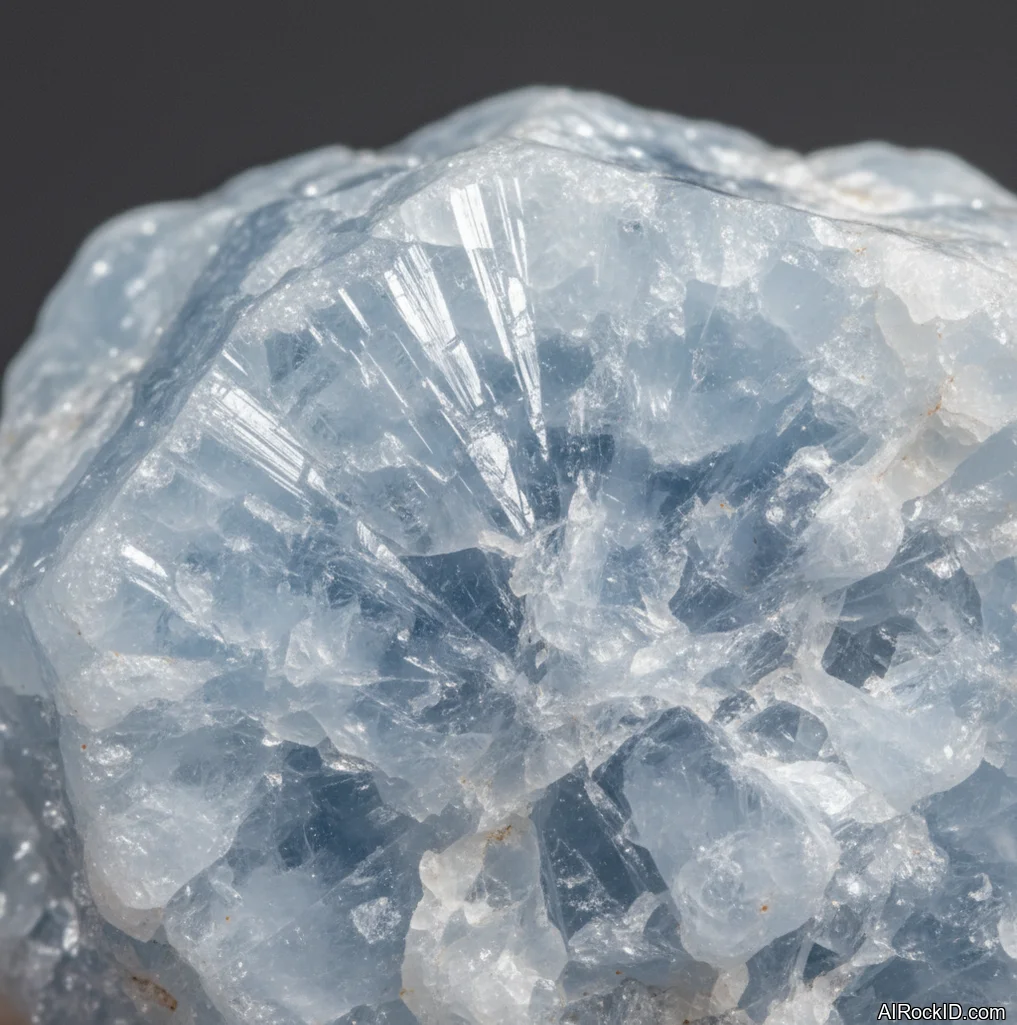
Angelite
Start with the thresholds: doors, windows, and shared walls
Front doors can flip the mood of a house in seconds. You notice it the second you come home, keys still cold in your hand, shoes half on, and the place has a kind of “flavor” depending on what’s been happening there. That’s why I start protection work at the thresholds, not smack in the middle of the living room where you’ll walk past it a week later and forget what you were even trying to protect.
Most dealers will tell you to toss one big stone by the entry and call it good. But I’ve had way better luck treating the whole perimeter, like you’re sealing the edges instead of arguing with the center. I’ll do a black stone by the door, something calming like amethyst where the family actually gathers, then a piece in the back of the home where you almost never go (you know the spot, the one that always feels a little “off” for no obvious reason).
And if you’re in an apartment, don’t ignore the shared wall behind your bed. Seriously. That wall can matter more than any window because that’s where other people’s noise and mood seep through, especially at night when everything’s quiet and your brain has nothing else to listen to.
So look at your layout with fresh eyes. Where do your shoulders drop when you walk in? Where do you tighten up without thinking? Put the “hard boundary” stones where you tense up, and put the “settling” stones where you want your nervous system to finally unclench. Simple. Not always easy. But it works.
Protection doesn’t have to feel heavy
Look, people go way too hard with black stones and then act surprised when the place starts feeling like a bunker. I’ve stepped into homes where there’s tourmaline on every shelf, obsidian parked in every corner, and the air feels tight even when nobody’s arguing. Protection can be solid without being grim.
But swap that wall of black stones for one calmer piece and the whole room shifts. Amethyst in a common room can keep things from boiling over. Amber helps a home feel warm and lived-in, like there’s actual life happening there, and that’s its own kind of safety. And even smoky quartz can take the edge off the mental buzz without making you feel like you’re hunkering down.
Thing is, the real check is your sleep and how you bounce back after social time. Do you crash hard, or do you reset quick? If the house feels “quiet” in a good way and you recover fast, you’re probably in the right range. If you feel boxed in, pull out half the stones for a week and see if your body unclenches. Simple test.
What “cleansing” looks like when you’re not being precious about it
People get oddly stressed about cleansing. Don’t. If a stone sits by the front door, it’s going to pick up dust, skin oils, and whatever else life tracks in, and the physical cleanup matters just as much as any ritual stuff.
Pick it up and pay attention to how it feels in your hand. Does it feel kind of flat, like it’s just… a rock now? That’s usually my cue. For sturdy quartz and a lot of polished stones, a quick rinse and a good dry is plenty (I usually towel it off and make sure it’s not left with that damp, slippery film). But for fragile ones like angelite or black kyanite, skip the water and go with a dry cloth, a soft brush, or even a few minutes of fresh air.
And if you’re into sound, keep it practical. A bell by the doorway, a singing bowl in the living room, or just clapping in the corners where the air feels stale. It’s less about mysticism and more about shifting the feel of the space in a way your brain actually notices.
Choosing pieces that won’t turn into clutter
The issue with home protection kits is they don’t stay “a kit” for long. They just turn into random rocks on every surface, collecting lint and that weird greasy dust film you only notice when you go to wipe them. Then you get annoyed, you stop caring, and the whole thing loses meaning. I’ve been there.
So the fix is boring but real: pick fewer pieces. Go for ones that feel stable in your hand, won’t tip if the table gets bumped, are easy to clean, and actually fit the spot without you having to rearrange your life around them.
For entry tables, weight is the whole game. You want a chunky tourmaline that doesn’t wobble, the kind that lands with a solid thud instead of that scratchy skitter. Or a polished obsidian sphere sitting in a stand (because if it’s just loose, it’ll roll the second someone drops keys). Bedrooms are different. Smaller is better since you’re already sensitive in sleep, and you don’t need a boulder glaring at you from the dresser. No thanks.
And cheap versions can be a mess. Dyed black “onyx” can bleed color onto white shelves, especially if you wipe it with a damp cloth and then set it back down without thinking. Soft stones get dinged and start looking shabby fast, like they’ve been rattling around in a junk drawer. Spend the money where it counts, keep the rest simple: a dish, a stand, and a spot you won’t constantly bump with a laundry basket. Why fight your own house?
How to Use These Crystals for Home Protection
Pick one zone and handle that first. I usually go straight to the front door, because that’s the spot where the outside world basically shakes hands with your nervous system. Set a grounding black stone there, then put a calmer stone in the main living space so the whole house doesn’t feel like it’s tensing up for impact 24/7.
Then you can deal with the problem rooms. If the bedroom feels restless, stick amethyst or smoky quartz on the nightstand, and keep the sharper boundary stones out of your direct sleep field. Sleep is touchy, right? But if you’ve got a home office that leaves you wired, put smoky quartz near the monitor (like right by the base where the cord mess tends to collect), and keep obsidian in a drawer so it’s there without being visually intense.
Once a week, do a reset that you’ll actually do. Walk through the house, touch each piece, set it back down with intention. Wipe the dust off (that fine gray film that shows up out of nowhere). And if one stone feels like it’s doing nothing, move it to a different spot instead of trying to force it to work. Homes shift with seasons, guests, work stress, even that one neighbor who suddenly gets loud, so your placements should shift too.
Common Mistakes to Avoid
Overloading the house is the big one. People cram every black stone they own into every corner, then act surprised when the whole place feels tight and edgy. Protection should feel like a clear boundary, not like you’re walking around with your shoulders up and your jaw clenched.
Another common slip? Ignoring durability. I’ve watched angelite sit in a steamy bathroom long enough to get that sad, chalky look (like it’s been gnawed on), and I’ve seen black kyanite snap clean in half because someone jammed it into a junk drawer under old batteries and loose keys. So match the stone to the spot: water-safe pieces for kitchens, tougher ones for entryways, and the delicate stuff up high where it won’t get bumped.
And the last one is buying junk without checking it first. Plastic “amber” heats up in your hand way too fast and it looks weirdly perfect, like it came off an assembly line. Dyed black stones can leave stains on shelves (especially light wood). If you can’t confirm what it actually is, treat it like decor, not like a protection tool.
What Crystals Can and Cannot Do
Identify crystals related to Best Crystals for Home Protection
Snap a photo to check crystals mentioned in this guide and compare likely matches.