Best Crystals for Negative Energy
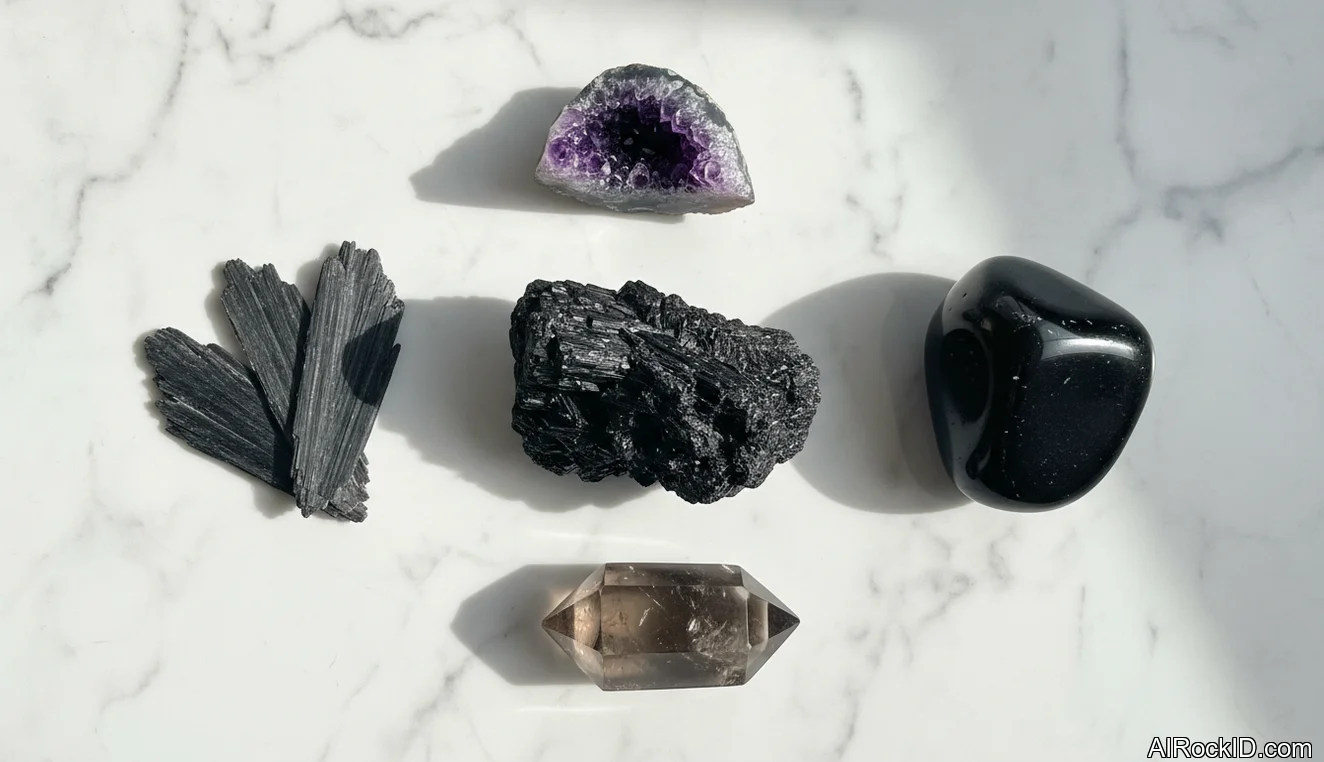
The best crystals for negative energy are the ones you’ll actually reach for, keep clean, and set down on purpose right where the tension seems to pool up. I’ve gone through a pile of “protection stones” over the years, and the pattern is kind of boring but very real: darker, iron-rich, carbon-heavy pieces tend to feel more grounding in everyday life, while clear or purple stones do the most for that buzzy mental static.
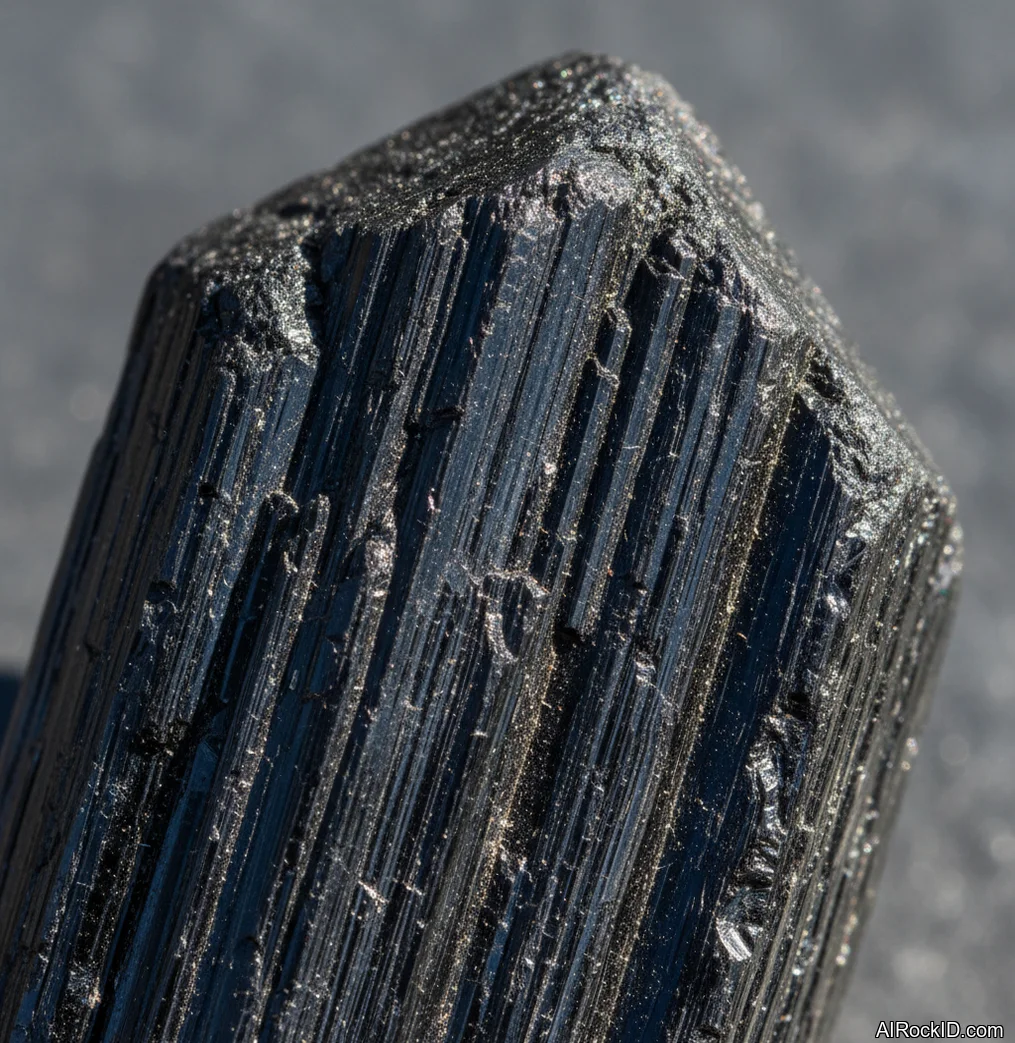
Grab a solid chunk of black tourmaline and the first thing you notice is the weight. It lands in your palm with that steady, no-nonsense heaviness, like a paperweight that stays put instead of skittering around. And that physical heaviness matters because “negative energy,” in practice, usually shows up as nervous-system stuff: overstimulation, irritability, that strange feeling like your home doesn’t feel like your home. Crystals won’t fix your boss or your family (sadly), but they can work like a cue that tells your body to downshift.
So zoom in on what you’re actually trying to solve. “Negative energy” is a bucket term. Sometimes it’s other people’s moods clinging to you after a crowded day. Sometimes it’s your own rumination ricocheting around your bedroom at 2 a.m. Sometimes it’s a space that’s been through a lot. The picks below are the ones I’ve seen hold up in real use, with real stones, even with all the annoying market realities like fakes, coatings, mislabeled material, and sellers who swear it’s one thing when it’s clearly another. (You’ve probably seen that too, right?)
Recommended Crystals
Black Tourmaline
Obsidian
Smoky Quartz
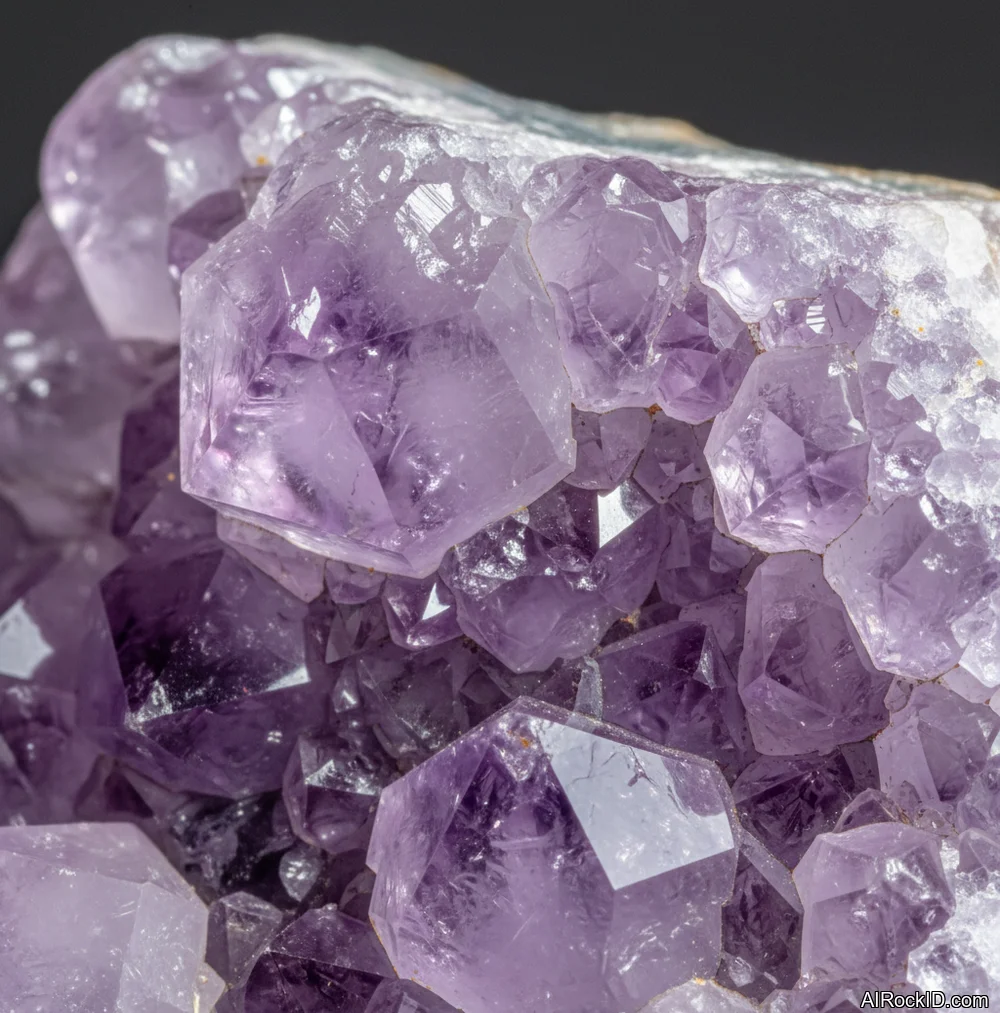
Amethyst
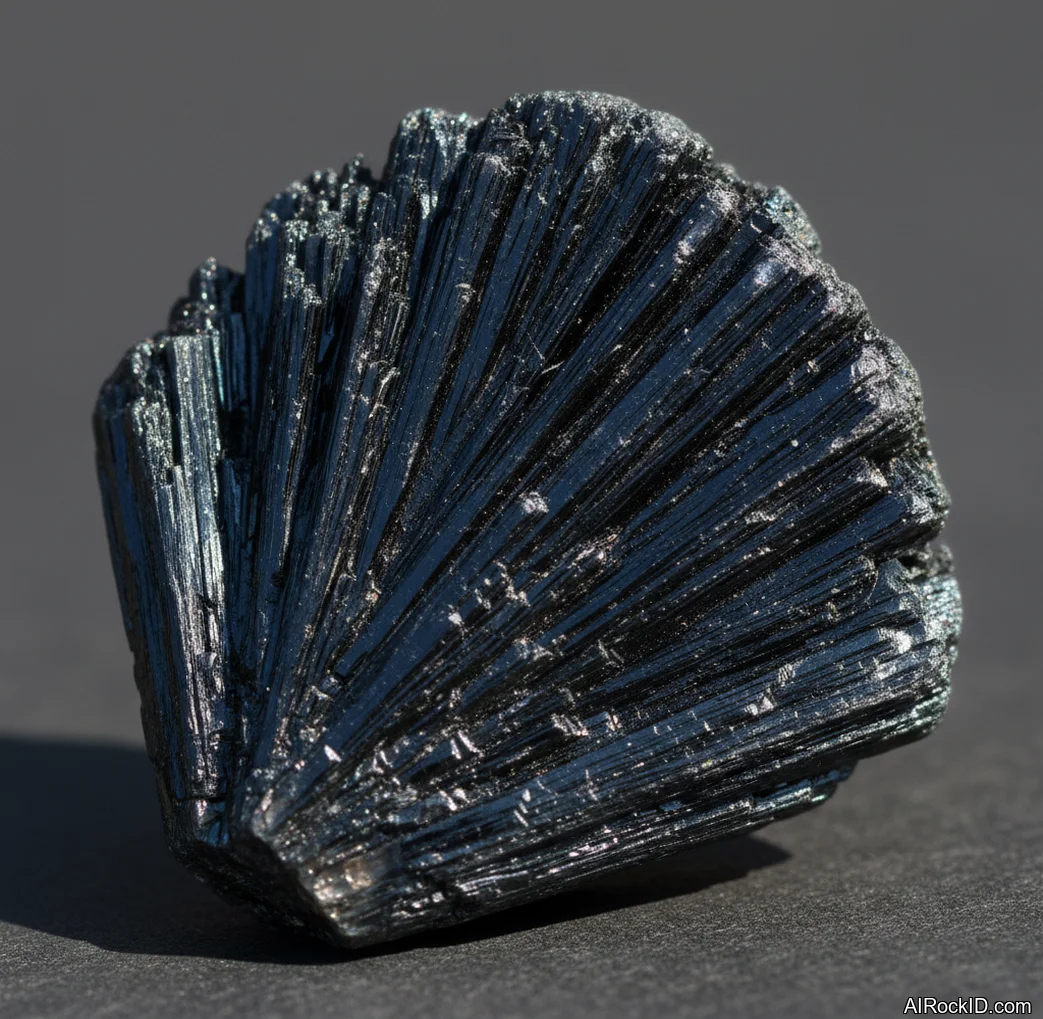
Black Kyanite
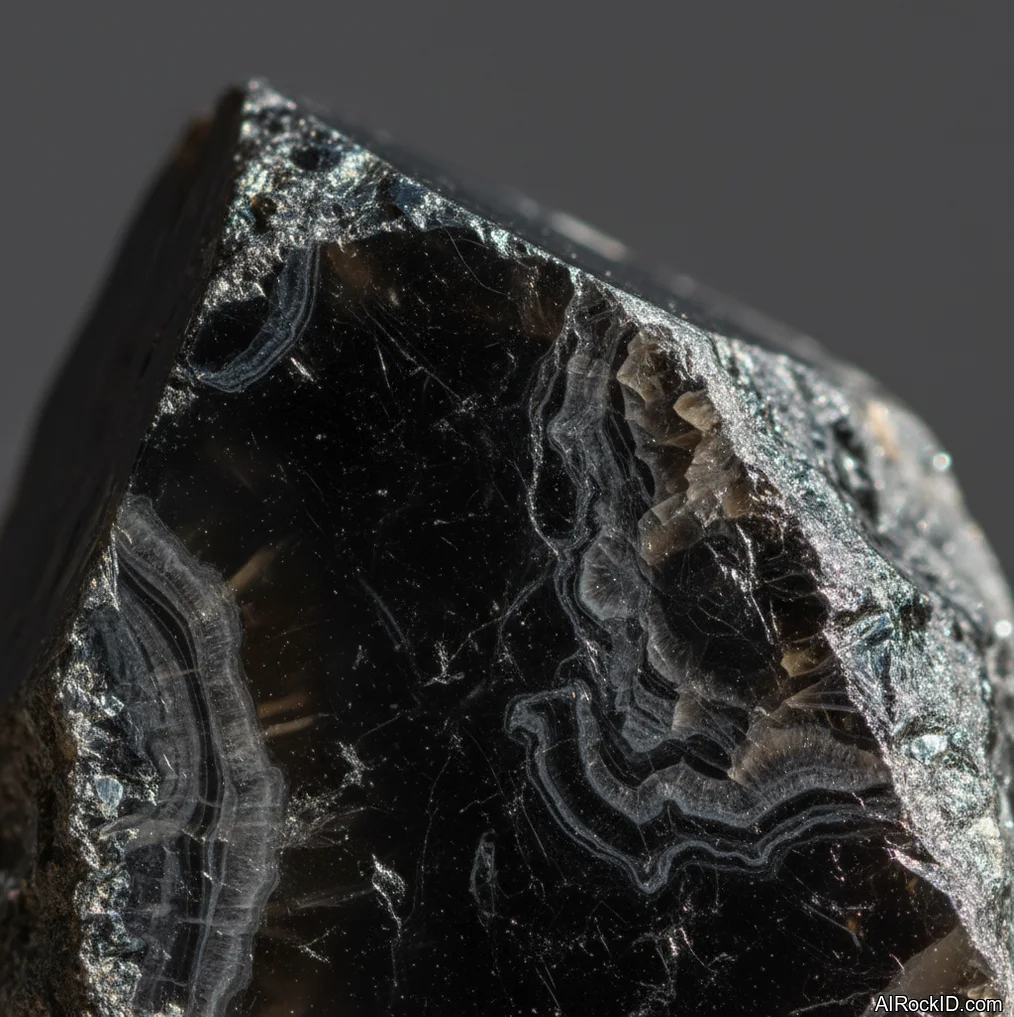
Black Onyx
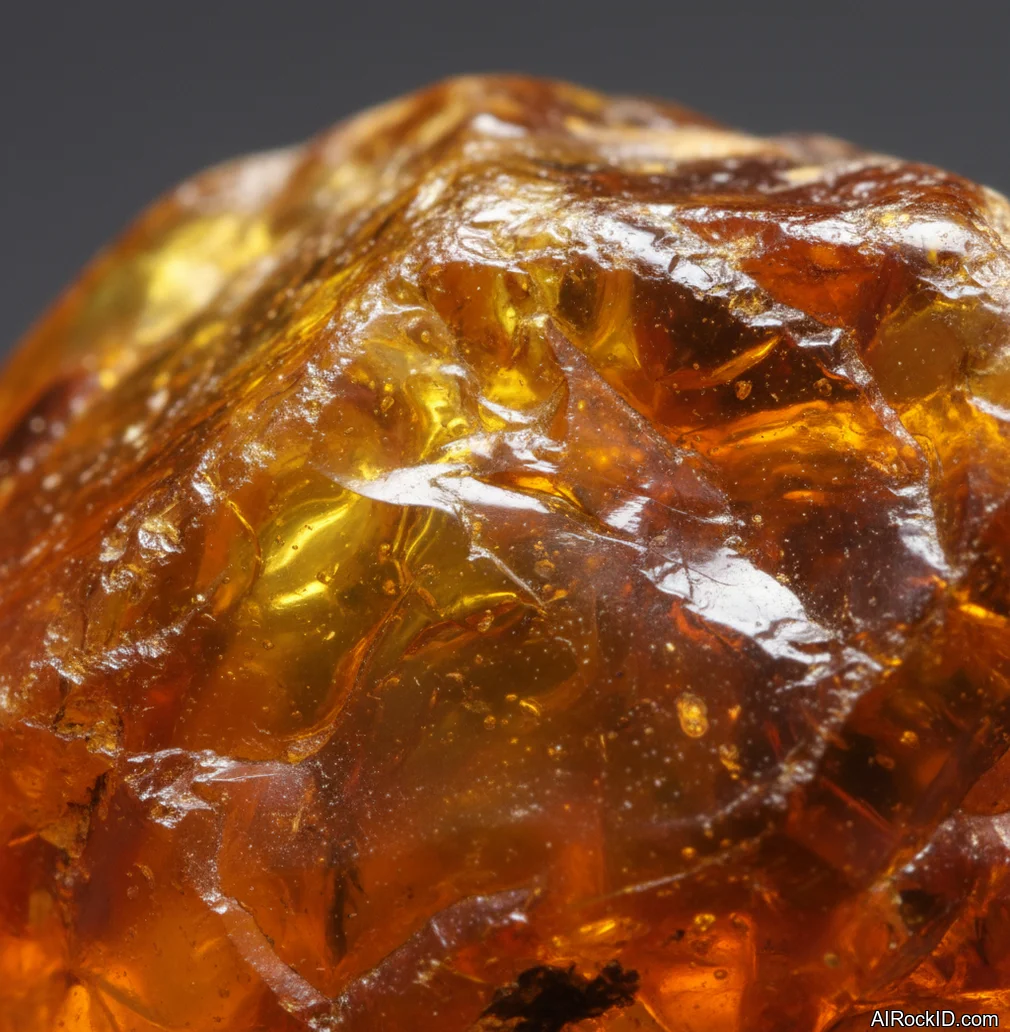
Amber
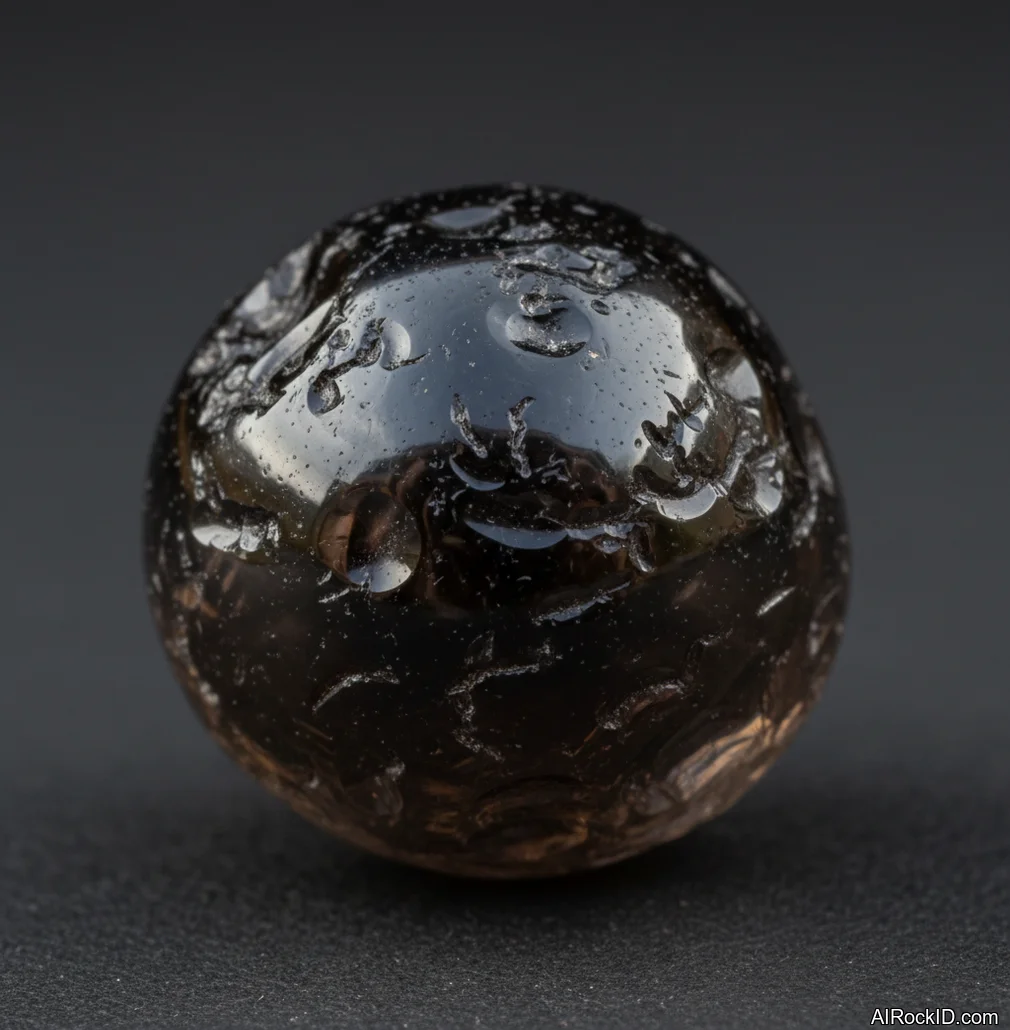
Apache Tears
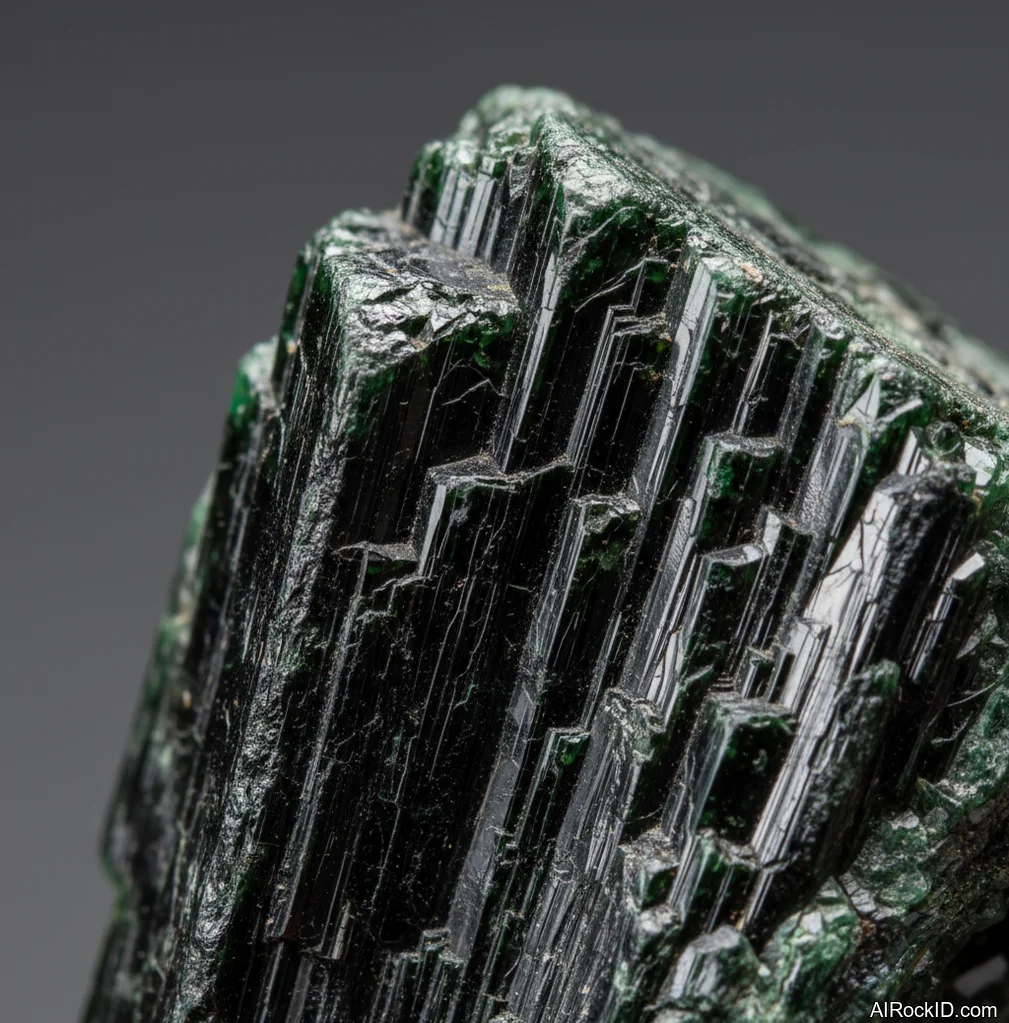
Aegirine
What “negative energy” looks like in real life
Call it whatever you want, but most of the time people mean one of three things: overstimulation, emotional residue, or a room that just feels off after a fight.
Overstimulation is the easiest one to catch. Your jaw goes tight. You start snapping at tiny noises. And you can’t focus even though, on paper, nothing’s actually wrong.
Emotional residue is quieter. You get home from a hospital visit or a tense family dinner and it’s like the mood sticks to you, like it’s clinging to your clothes. I notice it most in small apartments, the kind where you can stand in the doorway and basically see your whole life at once. There’s no real separation between “outside life” and “rest life,” so the stress just kind of follows you in.
Then there’s the space problem. A bedroom where you only ever doom-scroll. A living room where arguments happen. An office where you only grind. Same walls, same chair, same air. And your body remembers, right?
Crystals can help here as anchors and cues. They’re simple, physical objects you can place, touch, move, and maintain. That maintenance matters. When you rinse a stone, wipe it down (you can feel that slick-to-dry change under your fingers), or put it back in its spot, you’re telling your nervous system in a very concrete way that the cycle is ending.
Where to place protection stones so they actually get used
Most people get in their heads about where to put stones, then they stick them on a shelf and never lay a finger on them again. Don’t do that. Put them where life actually rubs against you.
Start with the high-traffic friction spots. The entryway is a big one because it’s that weird switch from public to private, and you can build a tiny routine there without turning your place into a museum display (you know the vibe).
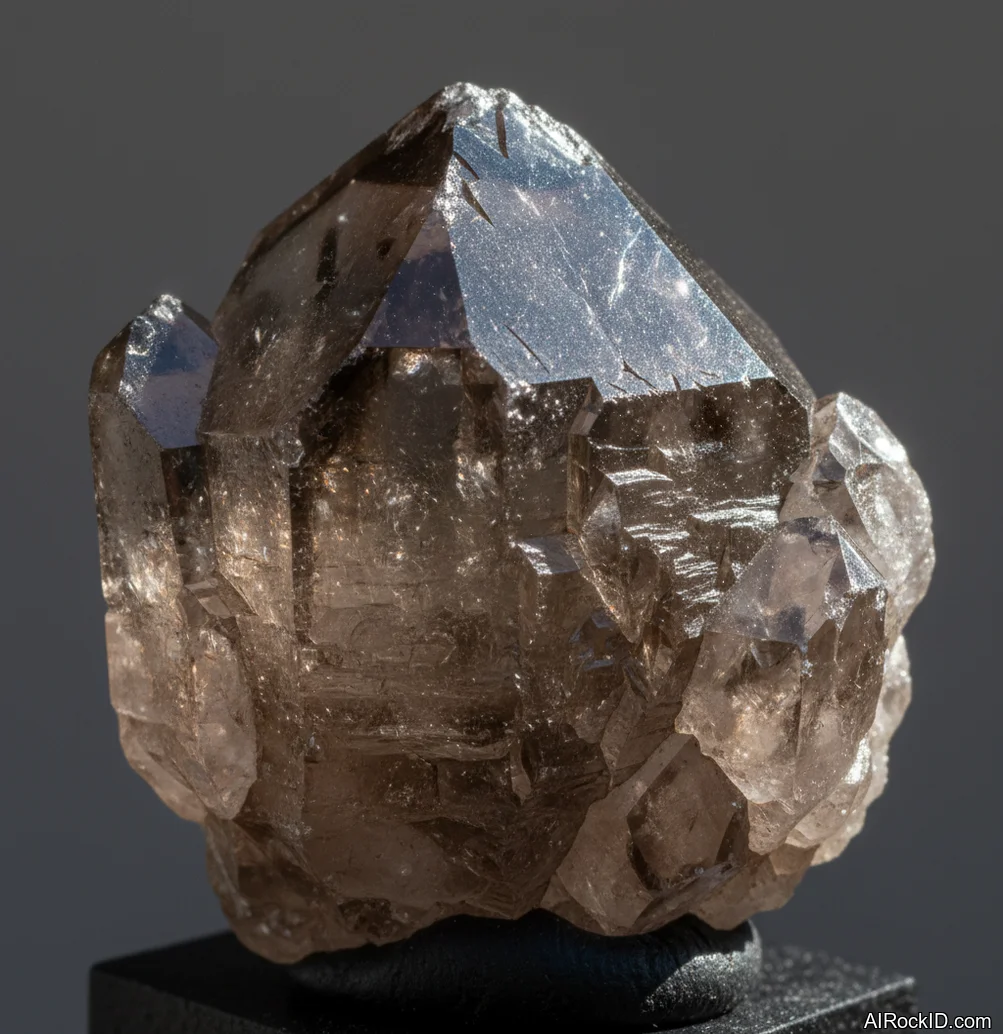
Then there’s your bed zone. Not under the mattress, not taped to the headboard, just close enough that you can reach over and grab it without sitting up. A small bowl with apache tears, or a palm stone you can hold for sixty seconds, is plenty. If your mind takes off at night, amethyst and smoky quartz tend to get used because they don’t feel aggressive. Simple.
And yeah, workspaces matter too. But keep it clean. One piece on the desk is better than ten you ignore. I’ve watched people buy a whole “protection set,” then the desk gets cluttered, then the stones start feeling like another chore. Who wants that? One point, one bowl, one habit.
How to tell the difference between helpful and hype
Thing is, the real test is simple: does the stone actually change what you do? Do you catch yourself before you snap. Do you breathe a little slower. Do you quit doom-scrolling five minutes earlier. If nothing budges, then yeah, either the stone isn’t a fit or the way you’re using it is missing something.
And the market hype? Separate problem. Aura-coated quartz gets sold as “protection” constantly, but if you’ve ever carried one around in a pocket, you know the coating scratches and those little flake marks show up fast once it’s actually handled. Dyed black “onyx” can bleed color if you wipe it with alcohol (ask me how I know). When someone swears a stone will block every bad thing, that’s a red flag. Even the best pieces I own don’t do that.
So pay attention to the basic, boring physical part too: how it feels in your hand as an object. Some people need smooth and heavy. Others do better with raw texture. That’s not mystical. That’s sensory regulation. If a stone is too sharp, too light, or too precious to touch, you won’t reach for it when it counts.
Cleansing and reset routines that don’t get weird
You don’t need some elaborate ritual. You need something you’ll actually do again tomorrow.
For most of the stones on this list, plain water and a soft cloth get the job done. Just don’t soak anything fragile, and don’t mess around with pieces that are sitting on a crumbly matrix that wants to shed grit the second it gets wet.
I’m way more into quick resets than big dramatic cleanses. A fast rinse, pat it dry (I usually use an old cotton T shirt because paper towels can feel weirdly scratchy), and it goes right back where it lives. But if it’s a no-water piece like black kyanite, or you’ve got a sharp aegirine specimen that’ll bite your fingers if you’re not paying attention, I skip the sink. I’ll use a dry brush instead, then give it a few minutes of airflow, like by an open window or in front of a fan.
And here’s the thing that works better than you’d think: let them rest. Toss the stones in a drawer for a day. No light. No handling. No fuss. When you pull them back out, they feel fresh mostly because you broke the loop and started clean. That’s the whole point, right?
How to Use These Crystals for Negative Energy
Grab one stone and give it a single job. Sounds almost too basic, right? But it keeps you from doing that thing where you buy ten crystals, set them out nicely, and then never actually use any of them.
If social stuff wipes you out, try black tourmaline by the door and a small piece in your bag. I like the kind that feels a little gritty and heavy for its size (you notice it right away when your fingers hit it). If your brain won’t shut up at night, start with amethyst on the nightstand and smoky quartz on the desk where you work.
Thing is, using it matters more than any placement chart. Touch the stone at the exact moment you normally start spiraling. Hand on the tourmaline before you walk into the house, like you’re literally hitting a reset button. Palm on apache tears when you’re about to text someone back too fast. One minute is enough. You’re just training a pause.
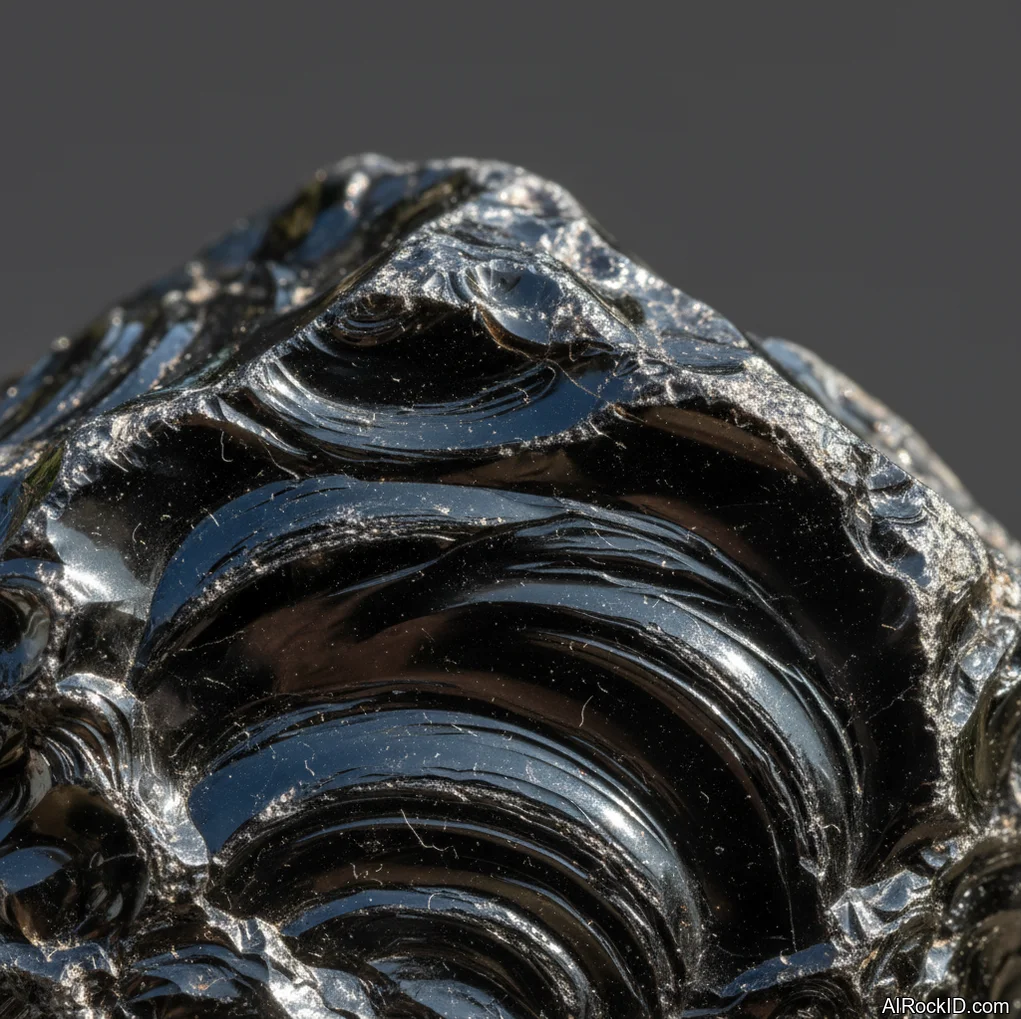
For clearing a space, I keep it physical and repeatable. Open a window for five minutes. Then do two slow laps around the room with black kyanite, or just carry obsidian in your hand while you tidy one surface (I’m talking the table where the mail piles up, not the whole house). When the room looks better, it feels better. So put the stone back where it lives, because your brain needs that little “done” signal that the reset is finished.
Common Mistakes to Avoid
Buying the fanciest piece and then treating it like it’s too special to touch is the classic mistake. If you’re afraid to actually use it, you won’t grab it when you’re stressed and your hands are a little sweaty. So start with something solid and affordable, the kind you can hold without worrying about chipping a corner, even if it’s not Instagram-perfect.
Another trap is piling a bunch of “protection” stones in one spot and calling it done. That just turns into clutter, and clutter has its own kind of negative energy, especially if you’re already anxious. One stone per area is fine. Two is plenty.
And yeah, cheap fakes and coatings get people all the time. Dyed black stones can leave color on a paper towel when they’re damp (try it, it’s pretty obvious). Aura coatings scratch. Resin “amber” warms up weirdly fast in your palm and has that plasticky feel you can’t un-notice. If the seller can’t tell you what it is and where it came from, assume it’s just a decorative object, not a tool you’re going to build a practice around.
Identify Any Crystal Instantly
Snap a photo and get properties, value, care instructions, and healing meanings in seconds.