Best Crystals for Night Protection
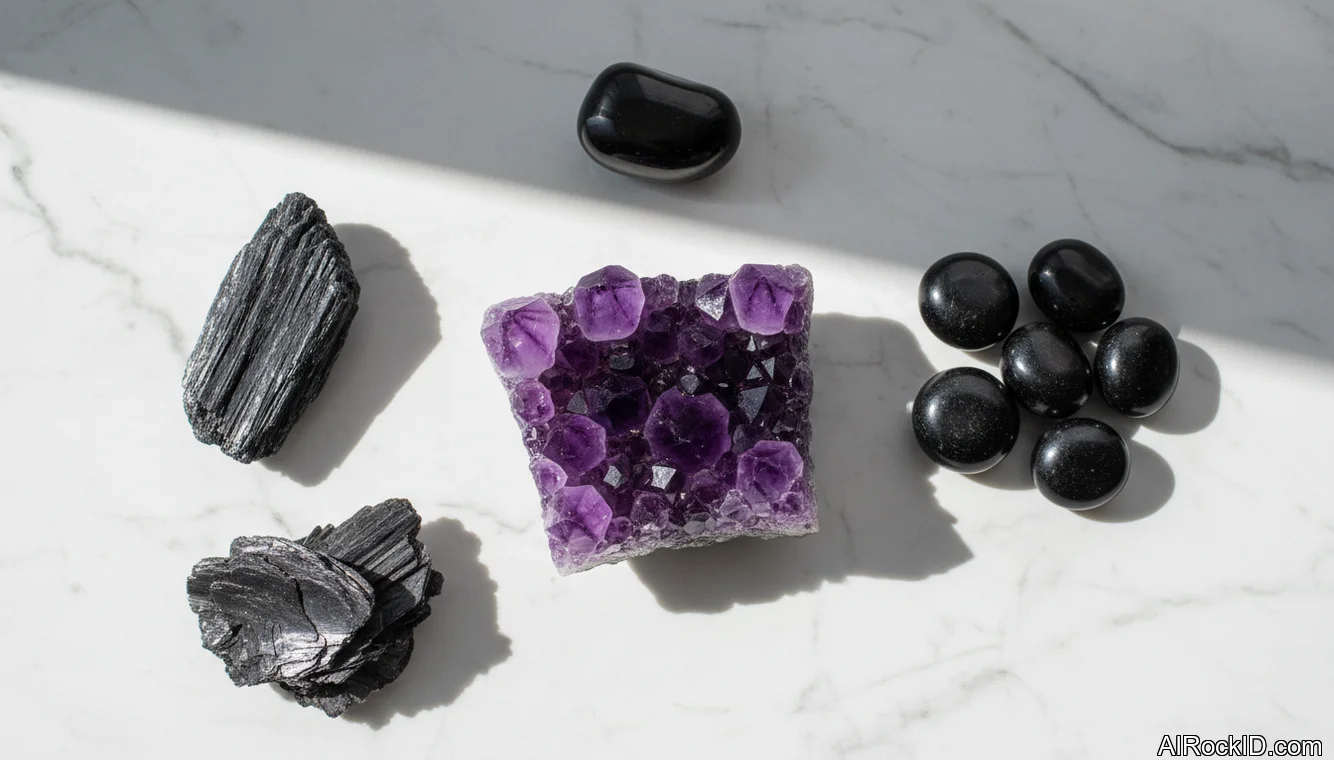
The best crystals for night protection are the ones that help your body register, “I’m safe,” so your nervous system actually unclenches and you can rest. Night protection, in my experience, isn’t about battling imaginary monsters. It’s about dialing down that 2 a.m. “something’s off” itch, thinning out the mental static, and keeping your sleep space feeling clean and calm.
Grab a solid piece of black onyx and you notice the weight before anything else. It lands heavy in your palm. Cold for a second, like it’s been sitting on a windowsill even if it hasn’t. And that physical groundedness is a big reason people reach for darker stones at night. I’ve handled plenty of tumbled pieces, and yeah, some of them feel like glassy little marbles that want to skitter off the nightstand. But the ones that feel dense, with a tight polish that almost “grabs” your skin a bit (you know what I mean?), tend to behave better for bedside work. Not magic. Just a steady, repeatable cue your brain can latch onto when you’re half awake.
I think of nighttime protection as a simple setup. One stone to anchor. Another to smooth the edges. And a third to keep dreams from turning into a stress reel. Placement matters too. So does how often you clean them. And honestly, it’s easy to accidentally pick something too stimulating. If you’re waking up wired, you don’t need more “energy.” You need containment, quiet, and a routine you can run on autopilot in the dark.
Recommended Crystals
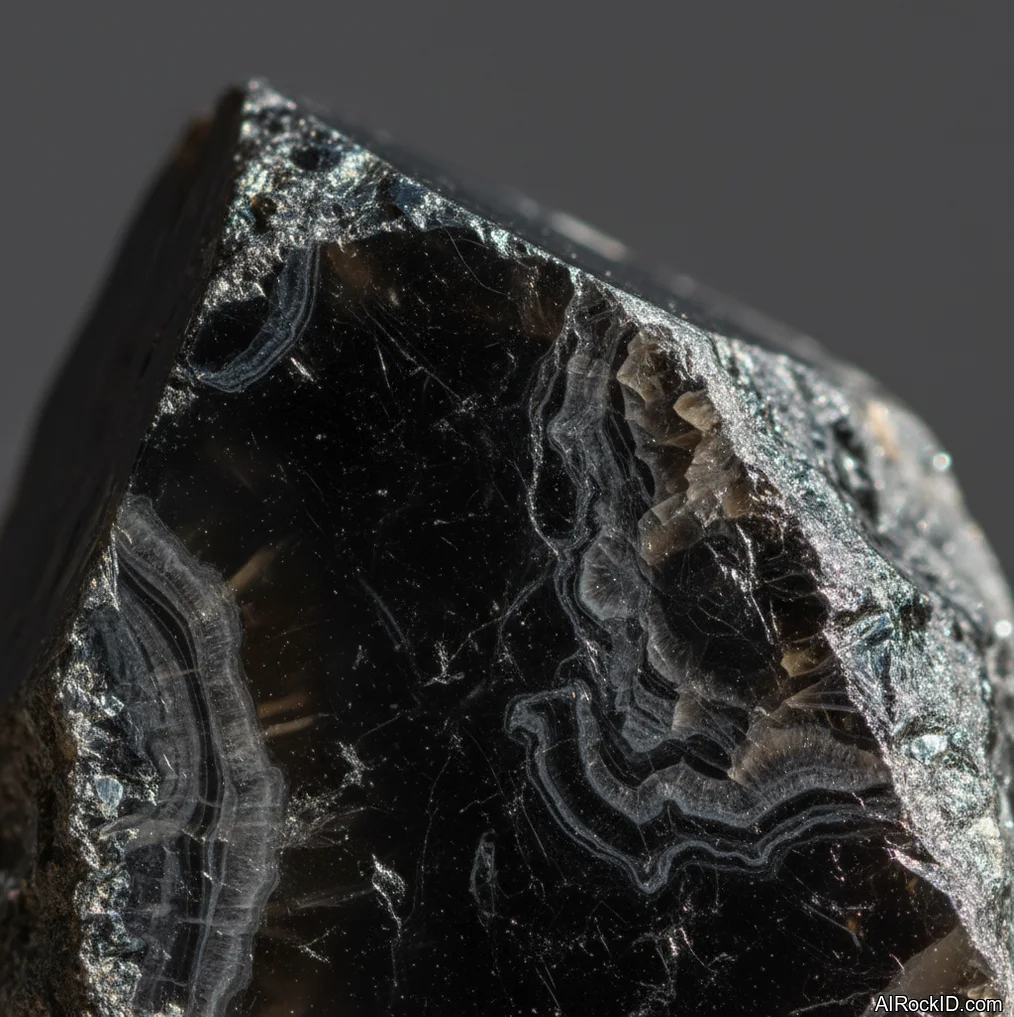
Black Onyx
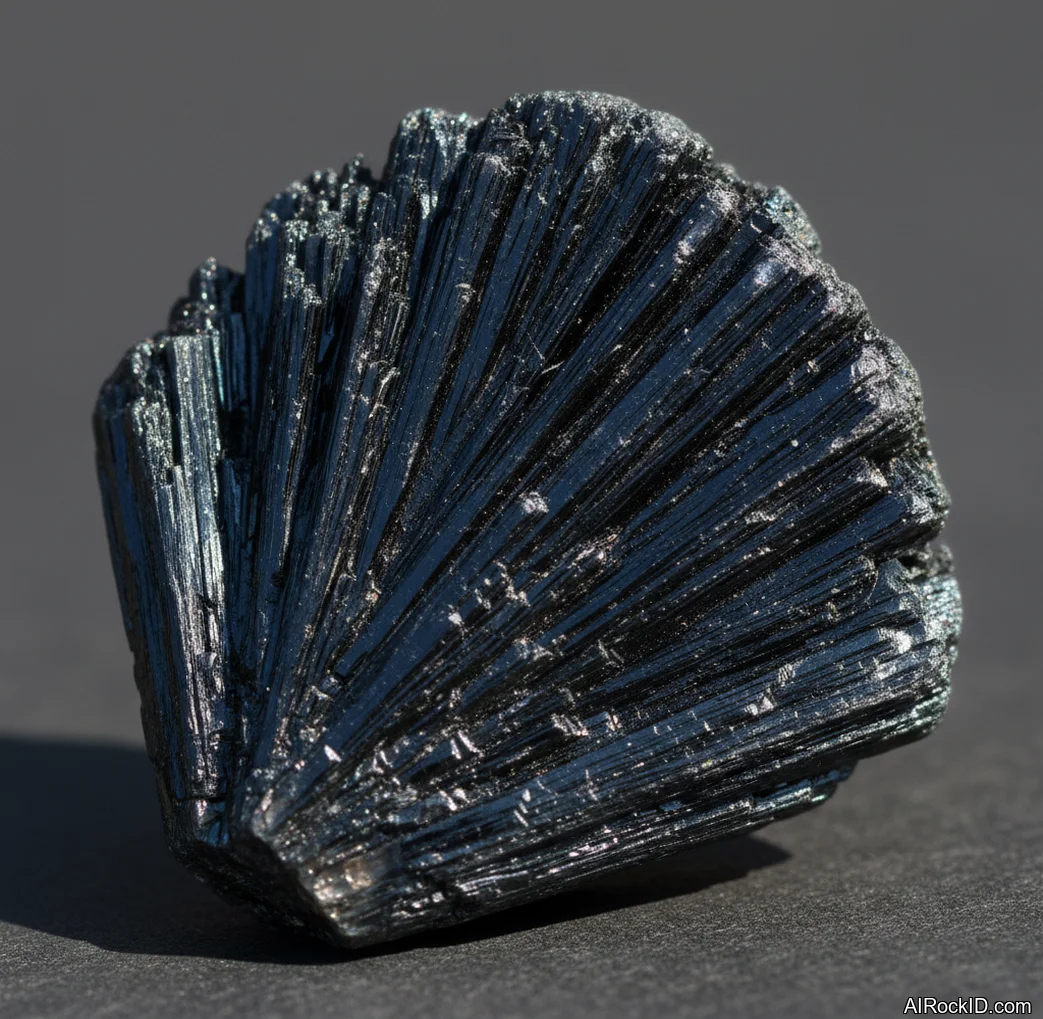
Black Kyanite
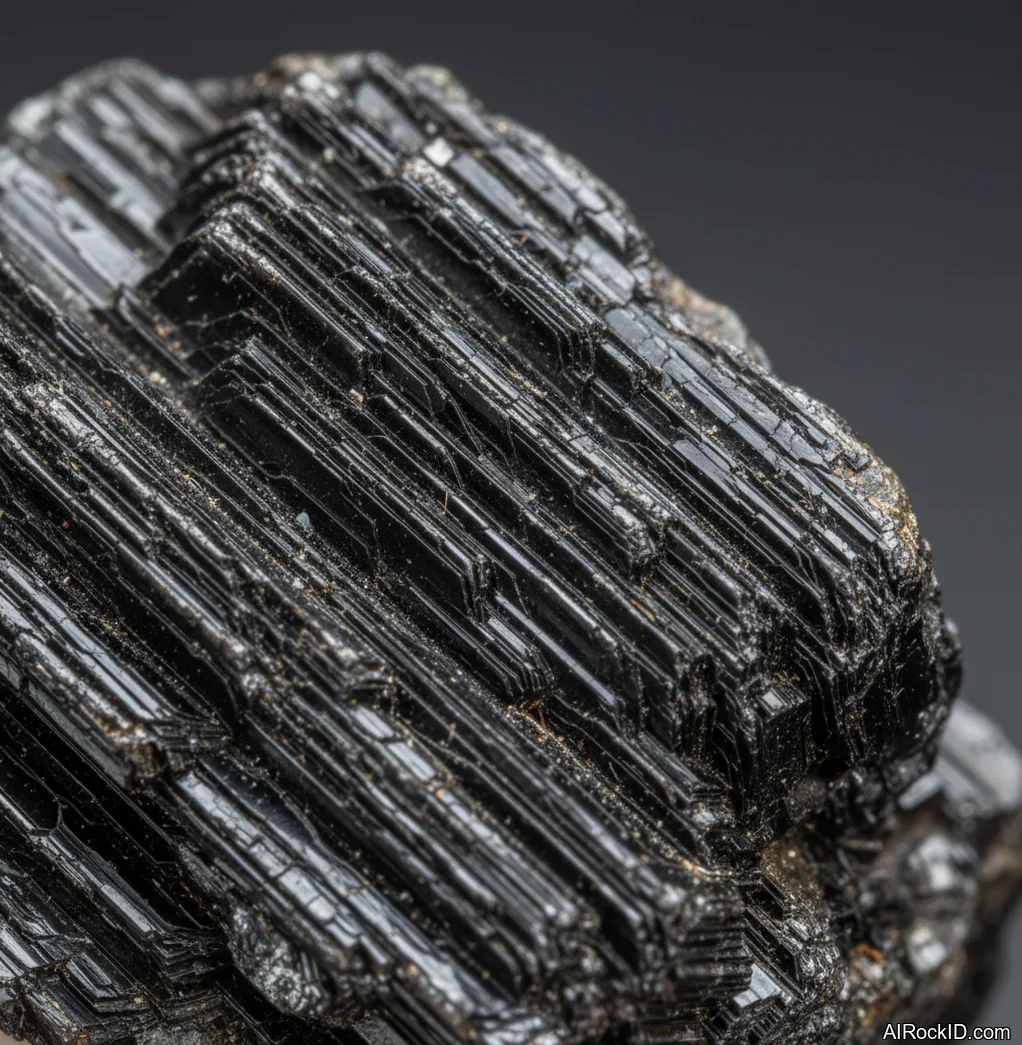
Black Mica
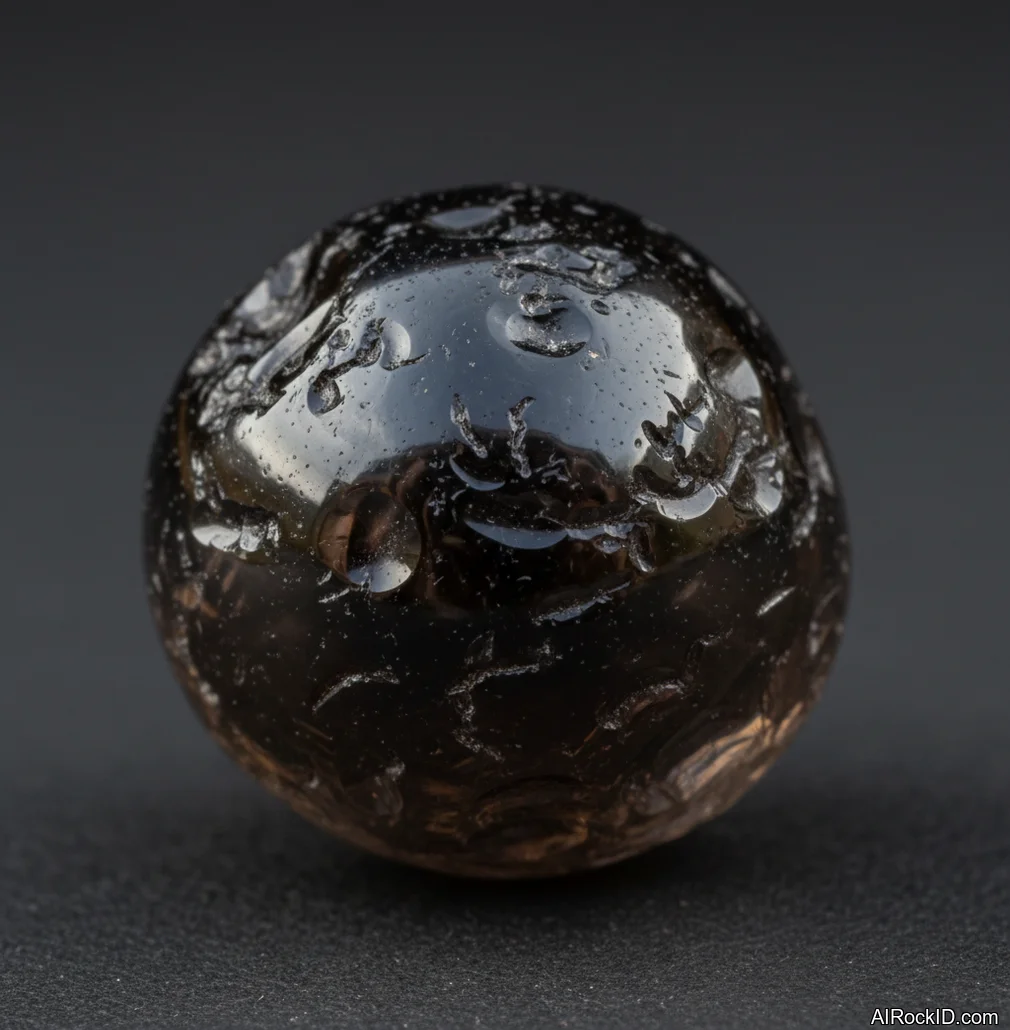
Apache Tears
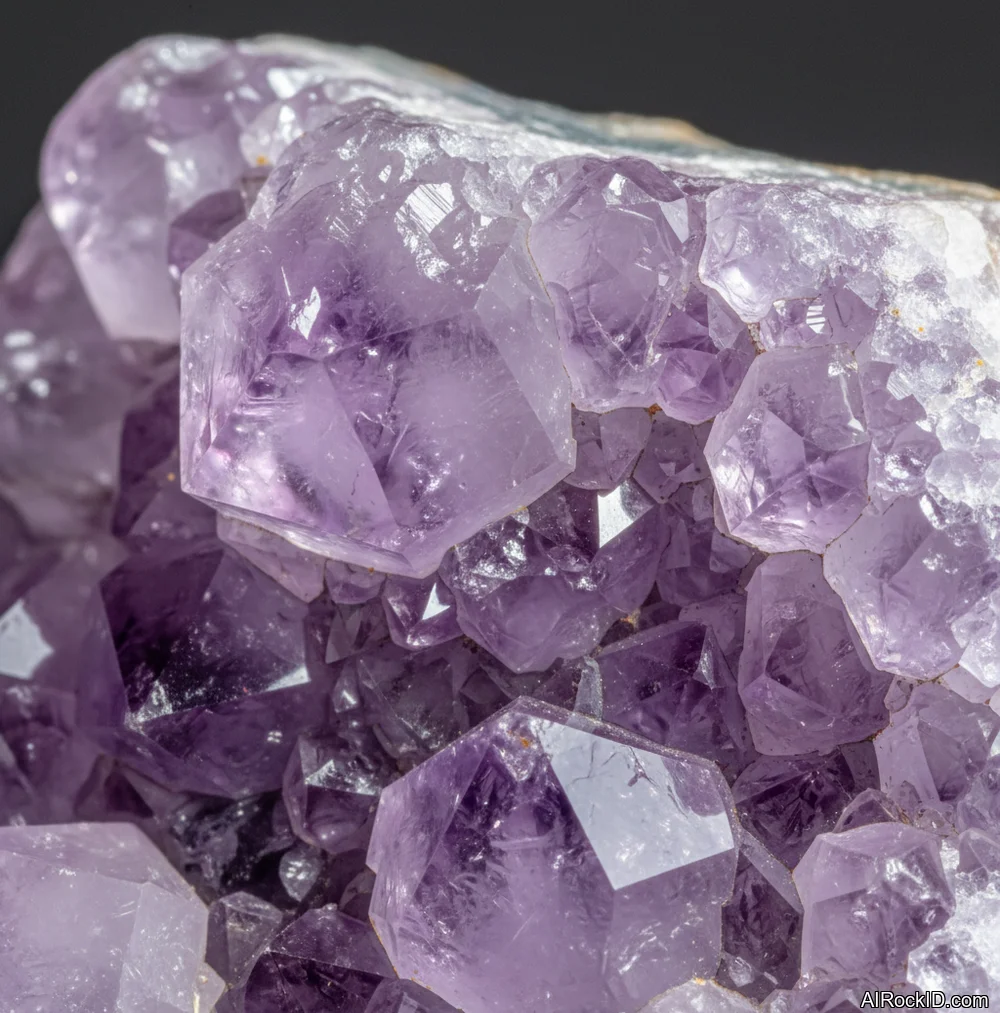
Amethyst
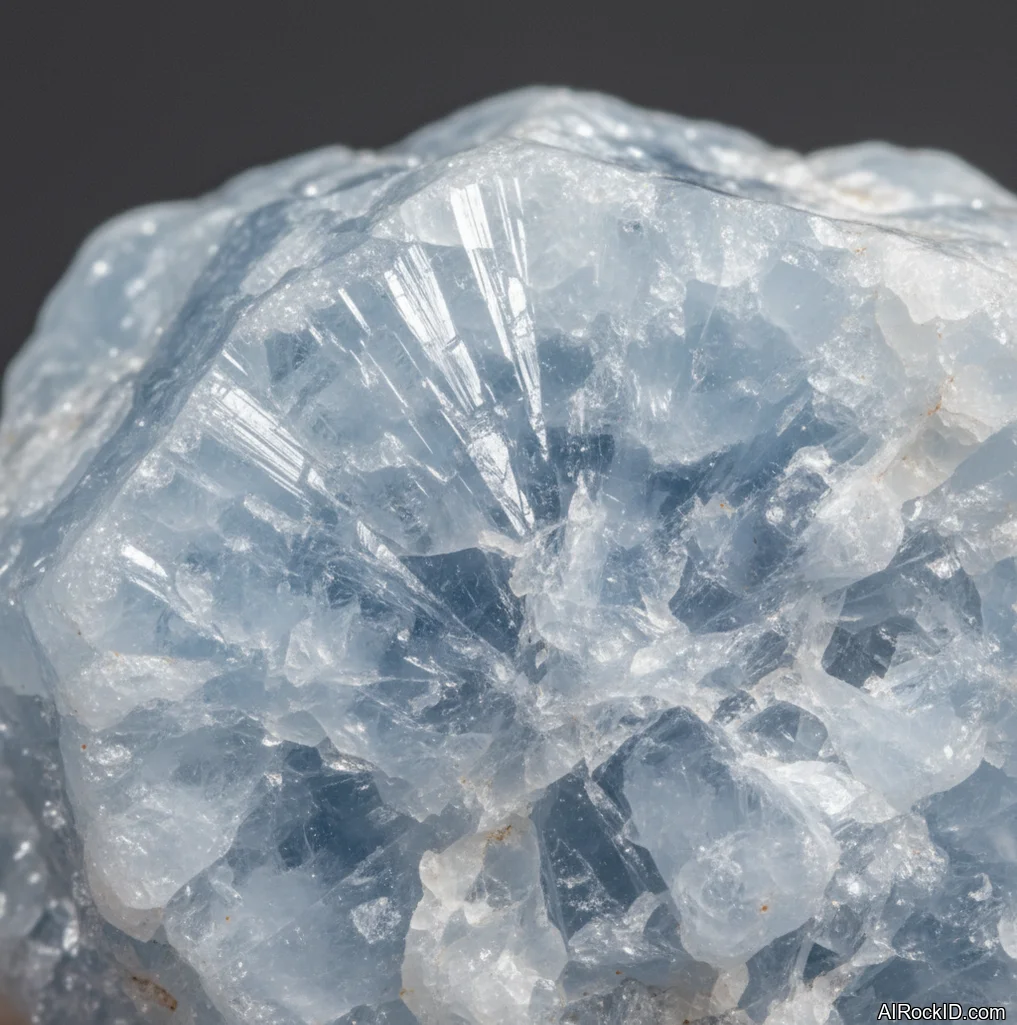
Angelite
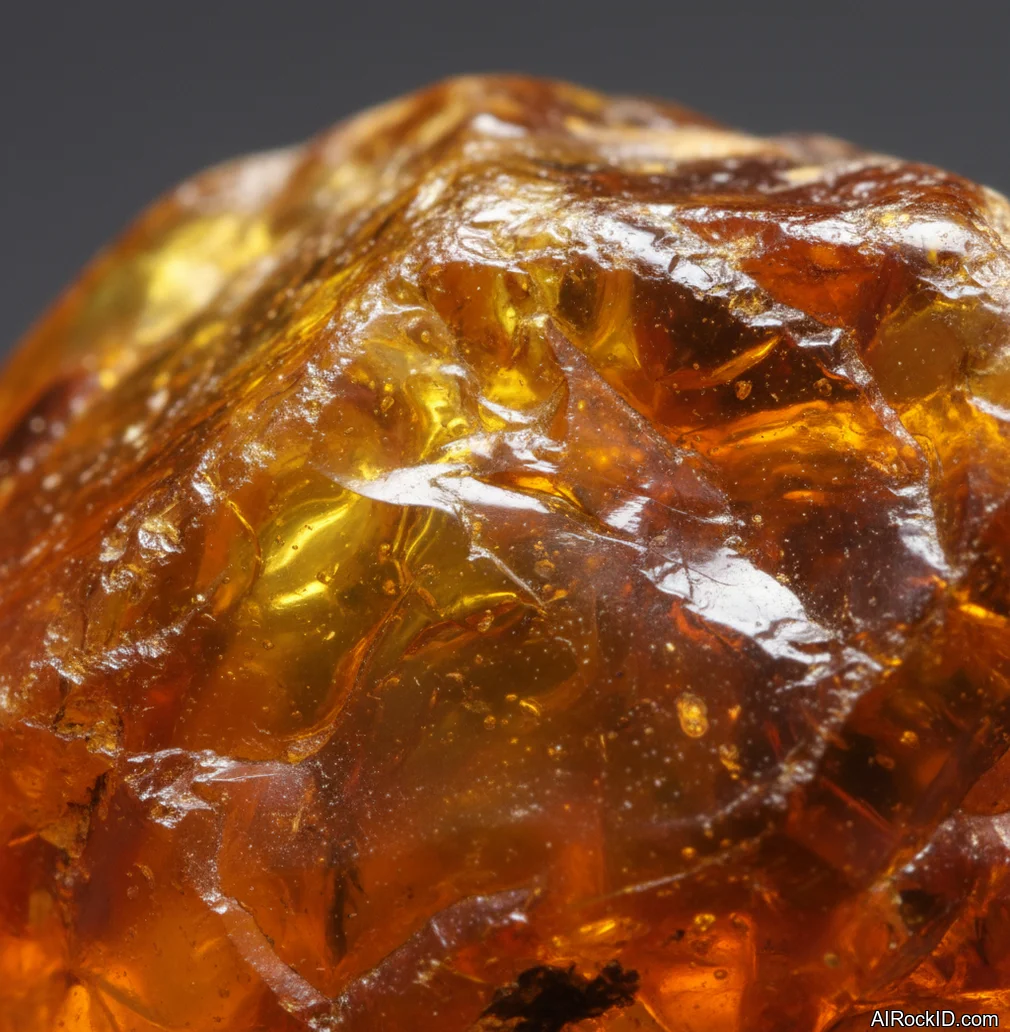
Amber
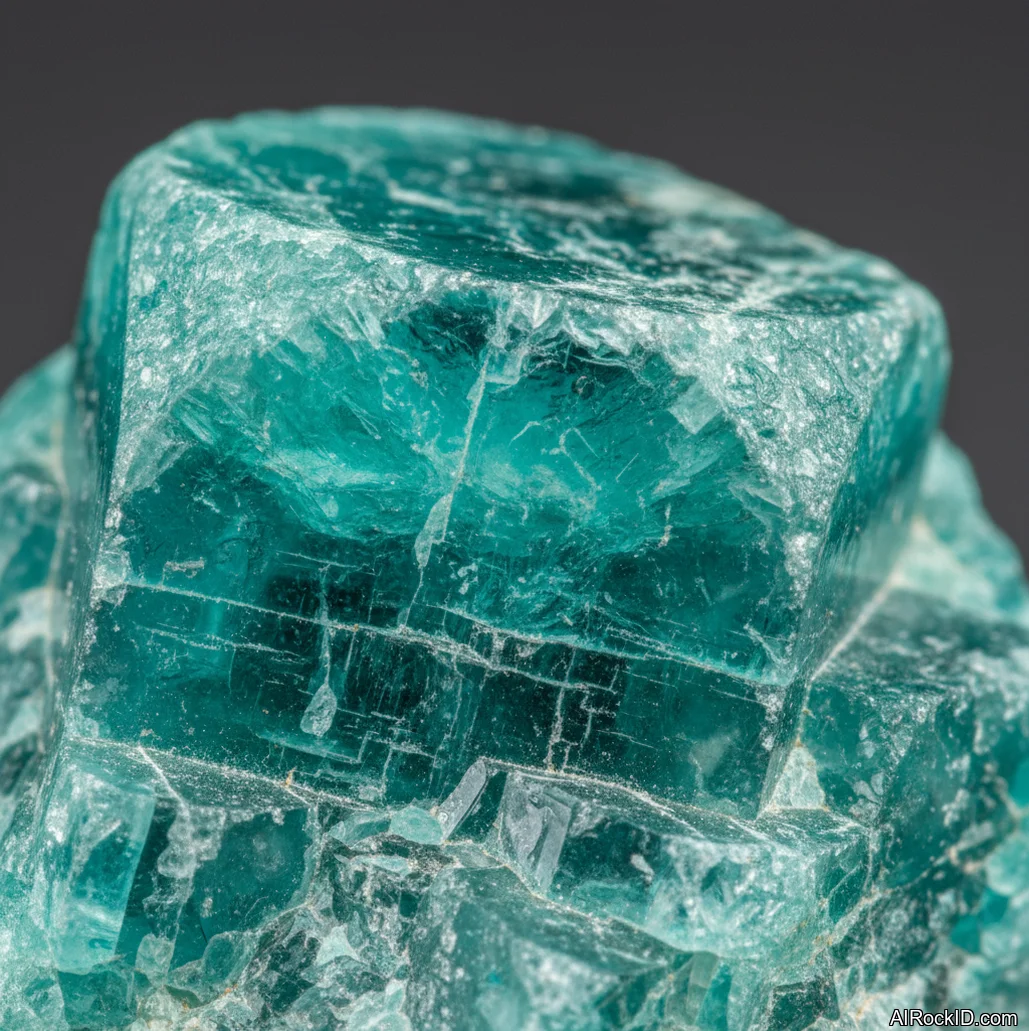
Amazonite
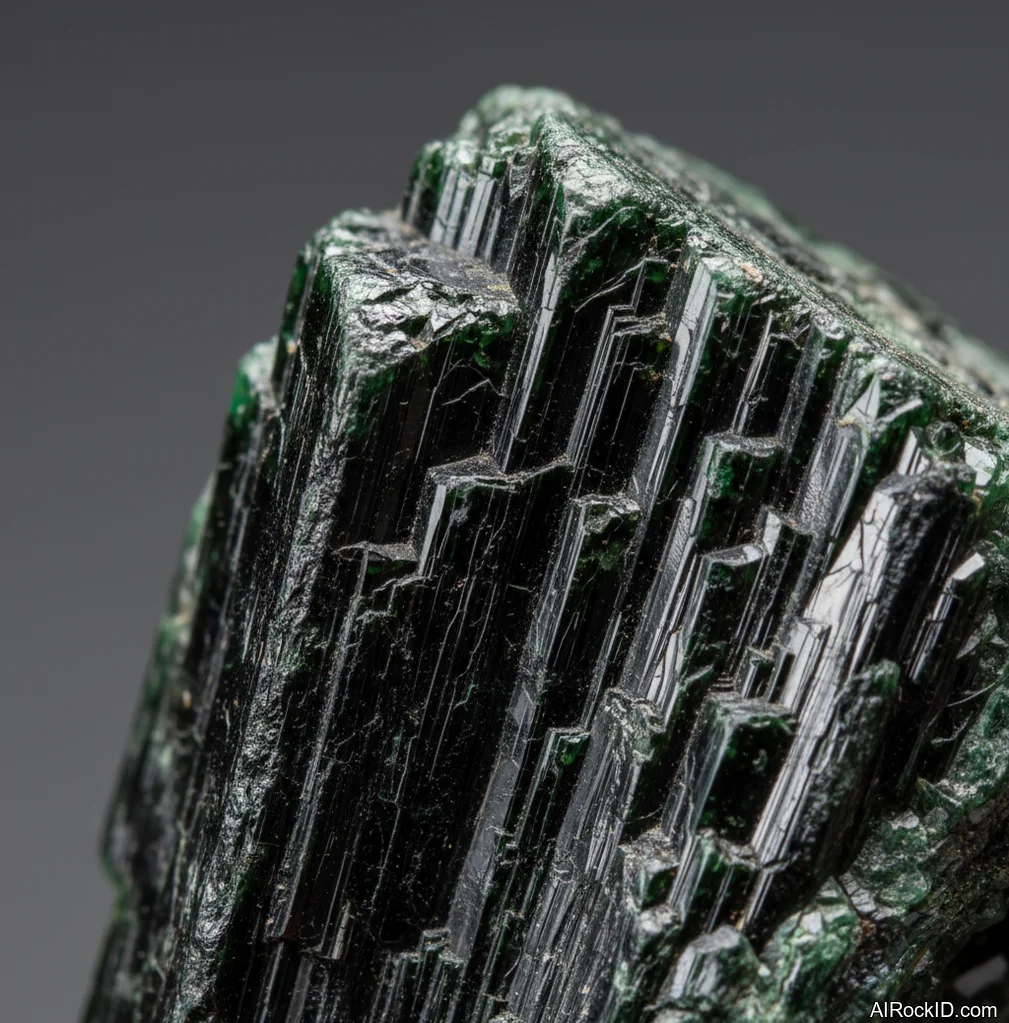
Aegirine
Pick the right kind of “protection” for sleep
Night protection usually isn’t one single problem. It’s one of three things: anxiety spikes, boundary issues, or dream overload. If you’re popping awake with your heart hammering, that’s your body firing first, not some spirit situation, and heavier, grounding stones like black onyx tend to do better than the light, heady ones.
Boundary issues feel different. You can’t shut the day off. You lie down and suddenly you’re replaying conversations, doom-scrolling in your own head, or soaking up a partner’s mood like a sponge, even if they’re not saying a word. That’s where black mica and black kyanite actually earn their keep, because in real use they act like separators. I’ve lost track of how many times I’ve picked up a piece of black kyanite from the nightstand, felt those thin blade-like ridges in my fingers (they snag on fabric if you’re not careful), set it by the bedroom door, and the whole room immediately felt less noisy.
And dream overload is its own beast. Amethyst can help, but it can also crank the volume up if you already dream in full color every night. So if what you want is calmer dreams, start with apache tears and amber, then bring amethyst in later in small doses. Tiny tweaks beat big, dramatic grids you’ll quit on in a week.
Where you place the stone matters more than the stone
Any time someone hands me a protective stone, my first question is always the same: where’s it going to live? A stone on your nightstand works like a personal anchor because it’s right there. You wake up, your fingers brush it, and your brain gets one clean message: safe. Here. Now.
But putting one by the door is a different animal. Black kyanite near the entry, or on a dresser right next to the door, feels more like a boundary for the room than something that’s just for you. I tried this in my own place after having guests over, and I swear I noticed it. The room felt less mentally cluttered, and I slept deeper.
Under the pillow is the most intense spot. It can be really nice with something gentle like apache-tears, but it can also backfire fast with stimulating stones. So if you’re going to test it, do one stone at a time. And in the morning, jot a quick note in your phone: sleep time, wake-ups, dream intensity, mood. Treat it like an experiment, not a belief system. Why guess when you can track it?
Night cleansing: keep it simple and consistent
The issue with cleansing rituals is people go hard for three days, then drop it. Night protection actually works best when it’s kind of boring. Wipe the stone, reset your intention, put it back in the exact same spot. Done.
But really, pay attention to what your stone can handle. Angelite and black mica don’t want water, full stop. Amber can get that weird hazy film if you hit it with soaps. Onyx and a lot of tumbled stones can take a quick rinse, sure, but I still dry them immediately because a damp stone sitting on a wooden nightstand leaves a ring (ask me how I know), and then you’re irritated, which defeats the whole point.
If you want a no-water option, use smoke only if your lungs can handle it and your space actually allows it. Otherwise, sound is solid. One short bell tone or a few taps on a singing bowl near the stones is plenty. And honestly, I’ve had good results just putting the stones on a clean dish during the day, then returning them at night. That tiny physical reset tells your brain bedtime is different from daytime. Why make it harder than it needs to be?
How to tell if a stone is helping or making sleep worse
At first glance, it seems obvious: more “protection” should mean better sleep. But no. Some stones crank the volume up on your inner world instead of calming it down. If you start popping awake at the same time every night, getting super intense dreams, or feeling weirdly wired, don’t just white-knuckle it for weeks. Swap the stone out.
Here’s a quick test that actually tells you something: change one variable for three nights. Keep the room the same. Same caffeine, same screen habits. Only move the stone. If your sleep gets better, stick with that. If it doesn’t, that’s still useful information. Not a failure.
And keep an eye on plain old physical irritation, too. Rough black kyanite can shed little splinters that end up stuck in the fabric (you feel them when you drag a fingernail across the pillowcase). Crumbly mica leaves flakes on your sheets that look like tiny bits of glitter. A sharp aegirine point is the kind of thing you can roll onto at 3 a.m. and instantly regret. I’ve watched people give up on crystals entirely because they tried sleeping with a jagged chunk under the pillow. Use a pouch, a dish, or just place it nearby in a way that makes sense, because you’re unconscious for eight hours. Why make that harder?
How to Use These Crystals for Night Protection
So, try a simple two-stone setup for a week. Put black onyx on your nightstand for grounding. Then choose one “support” stone based on what you’ve been dealing with: apache tears for emotional heaviness, angelite for mental harshness, amber for that jumpy nervous system that won’t settle. At first, keep that second stone on the dresser or even across the room so it’s not right up in your space while you’re trying to sleep.
Right before you turn the lights out, pick up the nightstand stone. Give it a quick wipe with a dry cloth (not because it’s dirty, just because the small motion flips a switch in your head). Hold it through three slow breaths. Keep your goal super concrete: “I sleep through the night,” or “I wake up calm.” Because vague intentions? They tend to land you with vague results.
And if you want a stronger boundary, put black kyanite by the bedroom door. I like it there since you don’t have to think about it, and you don’t have to touch it. Once a week, reset the whole layout: wipe surfaces, change pillowcases, do your usual little straighten-up, then put the stones back where they belong. The routine does half the work. The crystals are just the cues that help the routine actually stick.
Common Mistakes to Avoid
Trying too many stones at once is the big one. People set up this whole night grid, sleep like crap, and then they’re left guessing what did it. If you change five variables, you can’t learn anything. Simple as that.
Second mistake: stuffing stimulating pieces right under the pillow. Aegirine and even some amethyst can crank up your dreams or keep your mind switched “on” when you’re trying to shut down. Start with them farther from the bed, and only creep closer if your sleep stays steady.
Last one is just ignoring the physical reality of the stone. Black kyanite chips. Black mica flakes that shed like little peppery bits. Angelite scratches if it rubs on something, and amber is soft so it scuffs up fast (you can feel it go a little dull). I’ve had customers come back convinced a stone “turned on them,” when really it fell off the nightstand, cracked, and now they’re sleeping next to sharp bits and feeling on edge. Use a dish, a pouch, and put it somewhere it won’t get knocked.
Identify Any Crystal Instantly
Snap a photo and get properties, value, care instructions, and healing meanings in seconds.