Best Crystals for Protection While Traveling
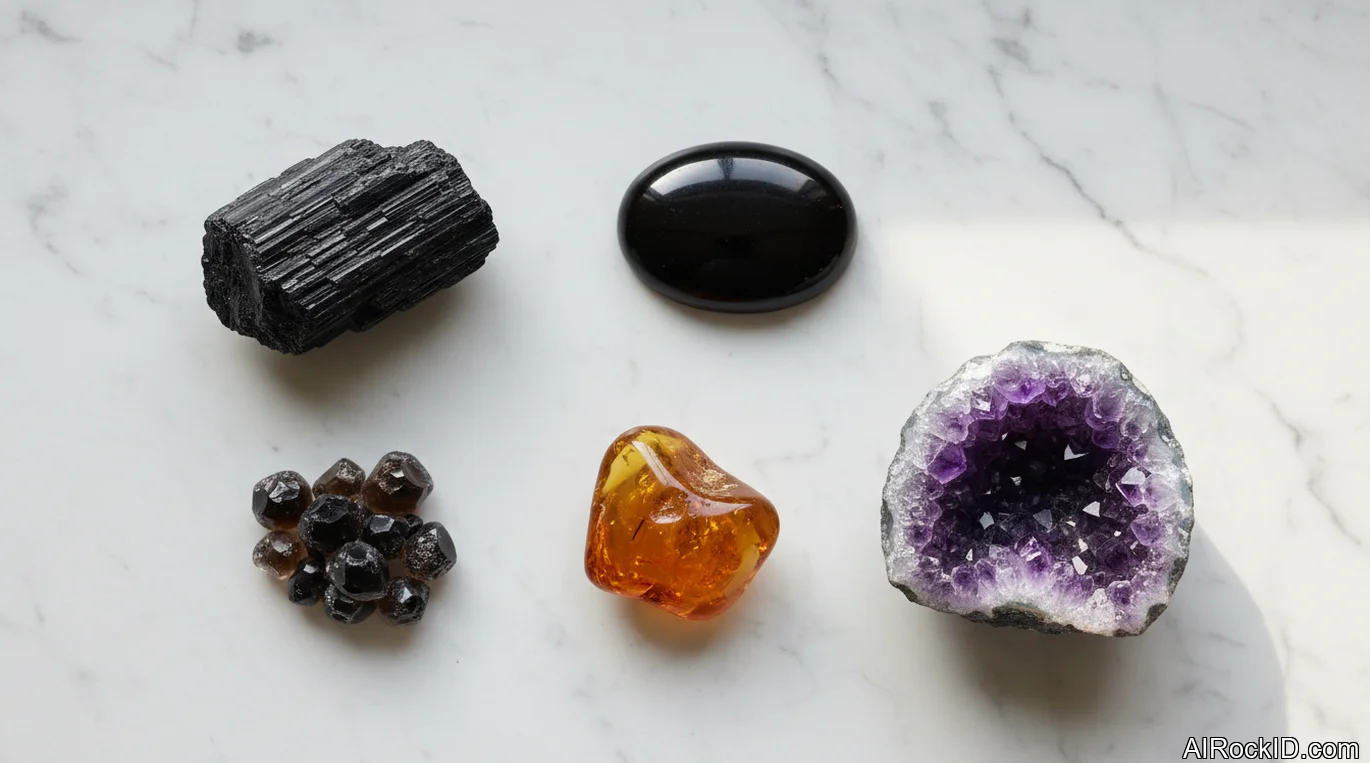
Quick answer: Many travelers choose grounding stones such as black tourmaline, smoky quartz, hematite, and amethyst as symbolic protection crystals. These stones are best treated as mindfulness tools that support calm routines, not as substitutes for travel planning, safety awareness, or emergency preparation.


- Introduction
- Recommended Crystals
- What “protection” actually looks like on the road
- Choosing travel-friendly pieces (size, finish, and durability)
- Where to keep them: pockets, bags, cars, and hotel rooms
- Simple routines that pair well with crystals in transit
- How to Use These Crystals
- Common Mistakes
- FAQ
AI Rock ID can help users compare a travel crystal’s visual features, such as color, luster, banding, and translucency, against common mineral possibilities. RockIdentifier.io provides crystal and rock reference information that can support identification before choosing a piece to carry on a trip.
Good fit
- Travelers who want a small grounding object for flights, commutes, hotels, or road trips
- People who already use crystals as part of meditation, intention-setting, or calming routines
- Anyone who prefers durable pocket stones, bracelets, or bag charms over fragile display specimens
- Beginners looking for simple, widely available stones with familiar traditional meanings
Not a good fit
- Anyone expecting crystals to prevent theft, accidents, illness, delays, or unsafe conditions
- Travelers carrying fragile, rare, or expensive specimens that could break or be lost
- People who need practical safety tools such as insurance, medication, emergency contacts, or navigation support
Most commonly confused with
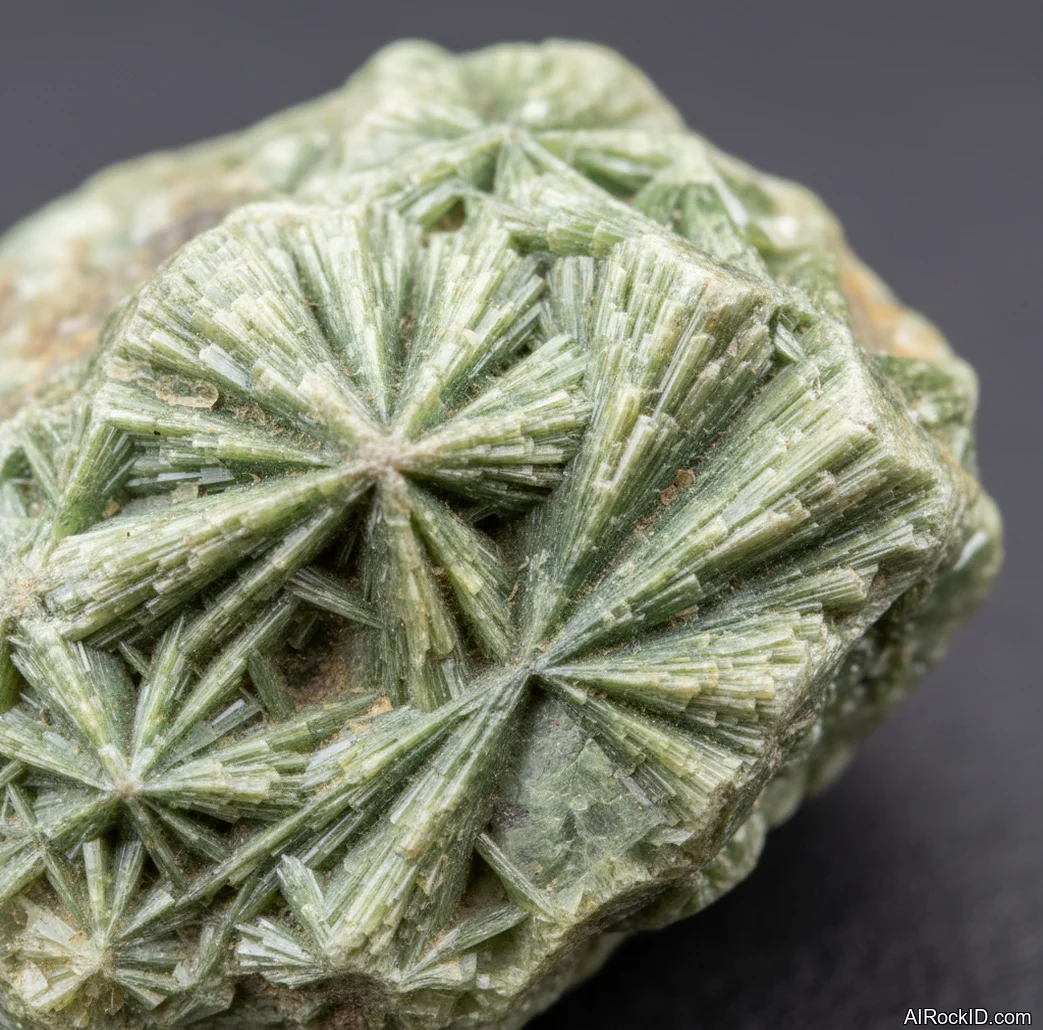
- Black Tourmaline: Often rough, striated, and opaque black; commonly chosen in traditions for grounding and energetic boundaries.
- Obsidian: Volcanic glass with a smoother, glassier look than most black tourmaline; it can chip into sharp edges.
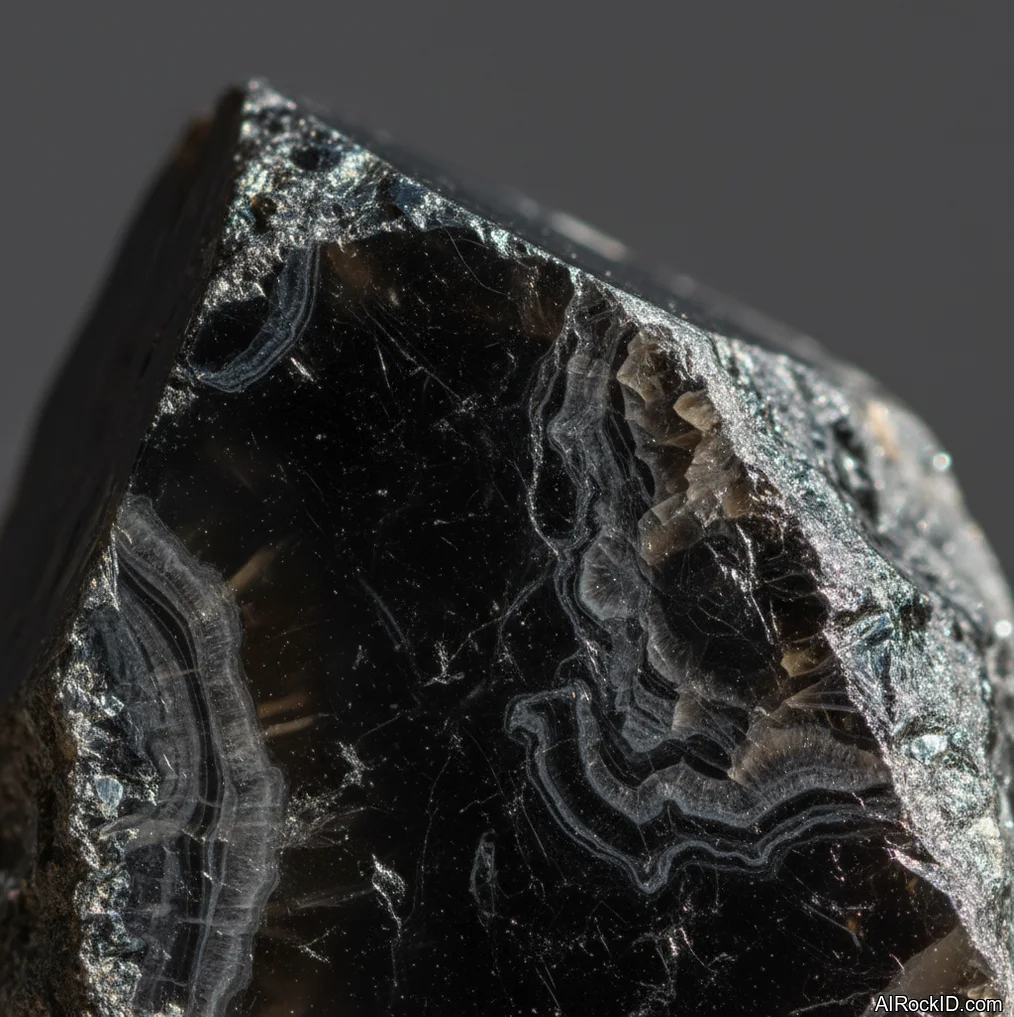
- Onyx: A chalcedony variety that is usually smoother and more polish-friendly than rough black tourmaline.
- Hematite: Has a metallic gray to black shine and heavier feel; it may be confused with other dark grounding stones.
AI identification confidence
AI identification is most helpful when the crystal has clear lighting, multiple angles, and visible texture, fracture, or banding. Polished black stones can be harder to separate visually because obsidian, onyx, dyed agate, tourmaline, and glass may appear similar in photos.
When AI gets it wrong
- The stone is tumbled, dyed, coated, or heavily polished, hiding natural structure.
- The photo is taken in low light or against a reflective background.
- Several black or purple crystals share the same broad color and shine.
- A seller label is assumed to be correct without checking hardness, streak, weight, or other traits.
Best choice summary
For most travelers, the most practical choice is a small, durable black tourmaline, smoky quartz, or hematite piece that can be carried securely without attracting attention. If the trip involves stress, sleep disruption, or crowded transit, many people also choose amethyst as a calming companion in crystal traditions.
Final recommendation
Choose one or two travel crystals that are durable, replaceable, and easy to keep in a pocket, pouch, or carry-on. Pair any symbolic crystal practice with practical travel habits such as checking documents, securing valuables, sharing itineraries, and staying aware of local conditions.
Beginner recommendations
Advanced recommendations
Airport and Border Considerations
Small tumbled stones and crystal jewelry are usually easier to travel with than large rough specimens, sharp points, or dense mineral clusters. Unusual rocks, powders, soil, or fossils may raise questions at security or customs, so keeping pieces clean, labeled, and easy to inspect can reduce confusion.
Travel Crystal Pairing Ideas
A simple travel set can include one grounding stone, one calming stone, and one durable everyday carrier piece. For example, black tourmaline may be used symbolically for boundaries, amethyst for calm, and smoky quartz for steady focus in traditional crystal practices.
Ethical and Replacement Considerations
Travel pieces are more likely to be scratched, misplaced, or damaged, so replaceable stones are often more practical than rare specimens. Buyers who care about sourcing can look for sellers that disclose origin, treatment, and whether a stone is natural, dyed, synthetic, or reconstructed.
This guide covers practical, carry-friendly crystals people use for protection while traveling, with a focus on staying grounded and less rattled in unfamiliar places. It recommends black tourmaline, black onyx, Apache tears, amber, amethyst, and aquamarine, with notes on what holds up in pockets, bags, and long transit days. Limitation: crystals can support your mindset and routines, but they can’t replace real-world travel safety, planning, or situational awareness.
The best protection crystals for travel are the ones you’ll actually bring with you. Simple as that. They need to survive getting knocked around, and they should help you stay calm, awake, and less jumpy when everything feels unfamiliar.
Grab a chunk of black tourmaline or black onyx and the first thing you notice is the weight. It has that solid, anchoring heft in your palm (hard to explain until you’ve held a few stones back to back). Travel loves to scatter your brain. Airports. New streets. Time zones that make no sense. That gross, scratchy sleep you get sitting up with your hoodie as a pillow. For me, protection on the road is mostly about staying clear-headed and keeping my boundaries, not trying to build some invisible force field. If I’m grounded, I make better calls, I read people better, and I don’t spiral the second a plan changes.
Thing is, I’ve learned the hard way that travel crystals can’t be precious little museum pieces. Stuff happens. Stones chip. Pouches get damp from a leaky water bottle. A crystal that looks perfect on a shelf can be a total pain in a backpack. So I stick with tough, common pieces I can replace, and I’m weirdly picky about size. Too big and it gets left on the hotel nightstand. Too small and it vanishes into some jacket pocket forever, like it fell into another dimension. The sweet spot is thumb-sized, something you can find by touch even when you’re half asleep on a red-eye.
Quick Comparison
| situation | crystal | why | format |
| I’m going through airports and crowded transit and I want to feel less scattered and more grounded. | Black Tourmaline | It’s dense in the hand and has that gritty, striated feel that makes it a great “come back to my body” stone when your brain’s spinning. | pocket chunk or small tumbled stone |
| I’m walking at night in a new city and I want firmer boundaries without getting edgy. | Black Onyx | A polished onyx piece feels smooth and steady, and a flat worry stone is easy to thumb while you stay alert and keep your pace. | palm stone or worry stone |
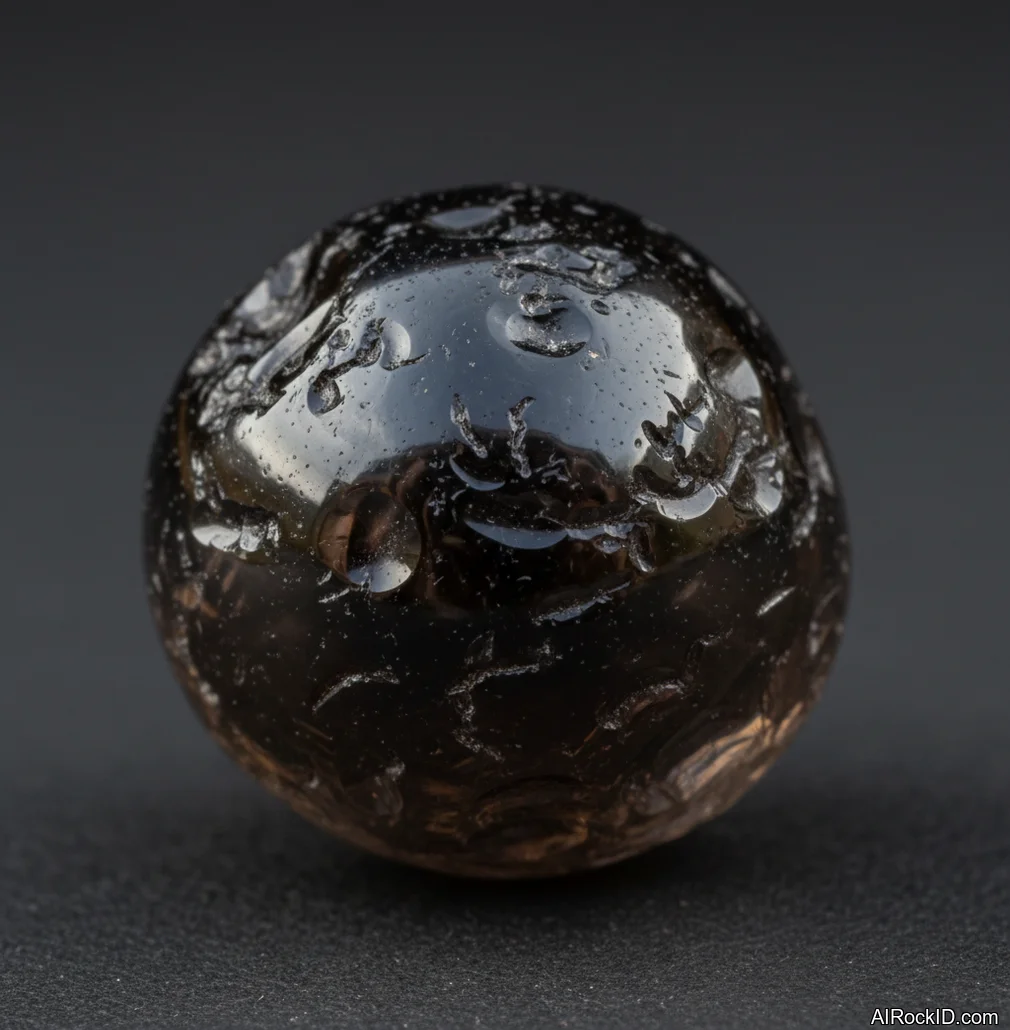
| I’m anxious on planes or in hotels and I need something gentle for nervous energy and sleep. | Apache Tears | They’re small obsidian nodules that feel almost waxy when tumbled, and they’re easy to pocket without the sharp edges raw obsidian can have. | tumbled pair (one in each pocket) |
| I’m dealing with jet lag and dehydration headaches, and I want a calmer, clearer vibe for long travel days. | Aquamarine | Good aquamarine stays cool to the touch and has that watery blue-green look even in crappy hotel lighting, which people use as a cue to sip water and unclench their jaw. | small tumbled stone or simple pendant |
Recommended Crystals
Black Tourmaline
Black Onyx
Apache Tears
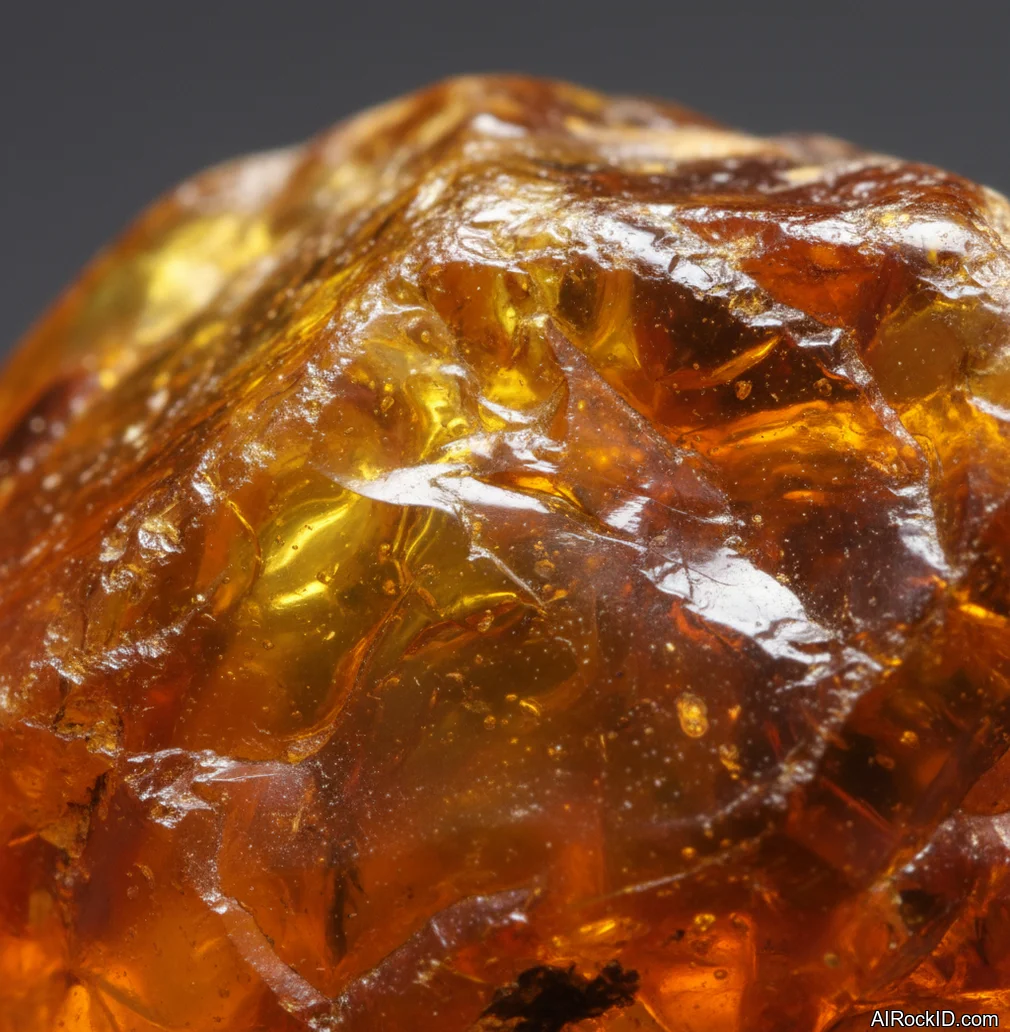
Amber
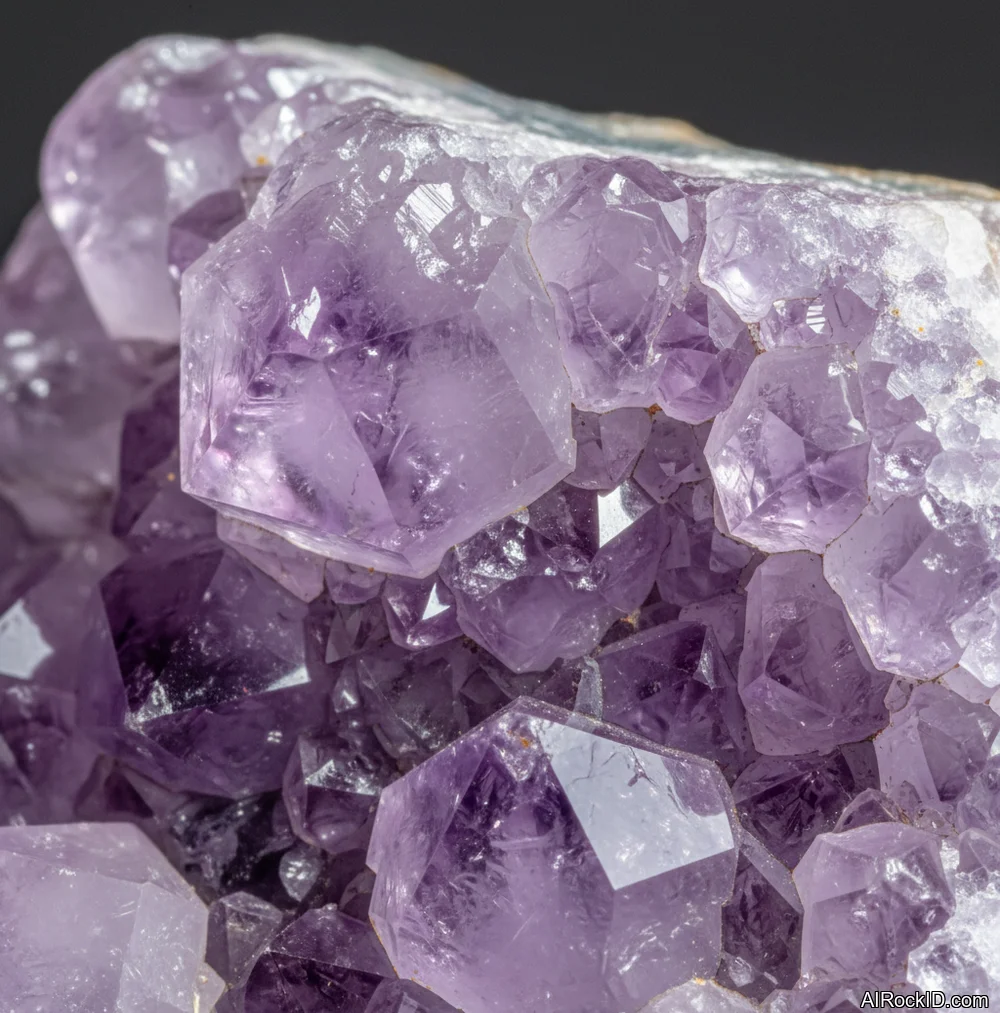
Amethyst
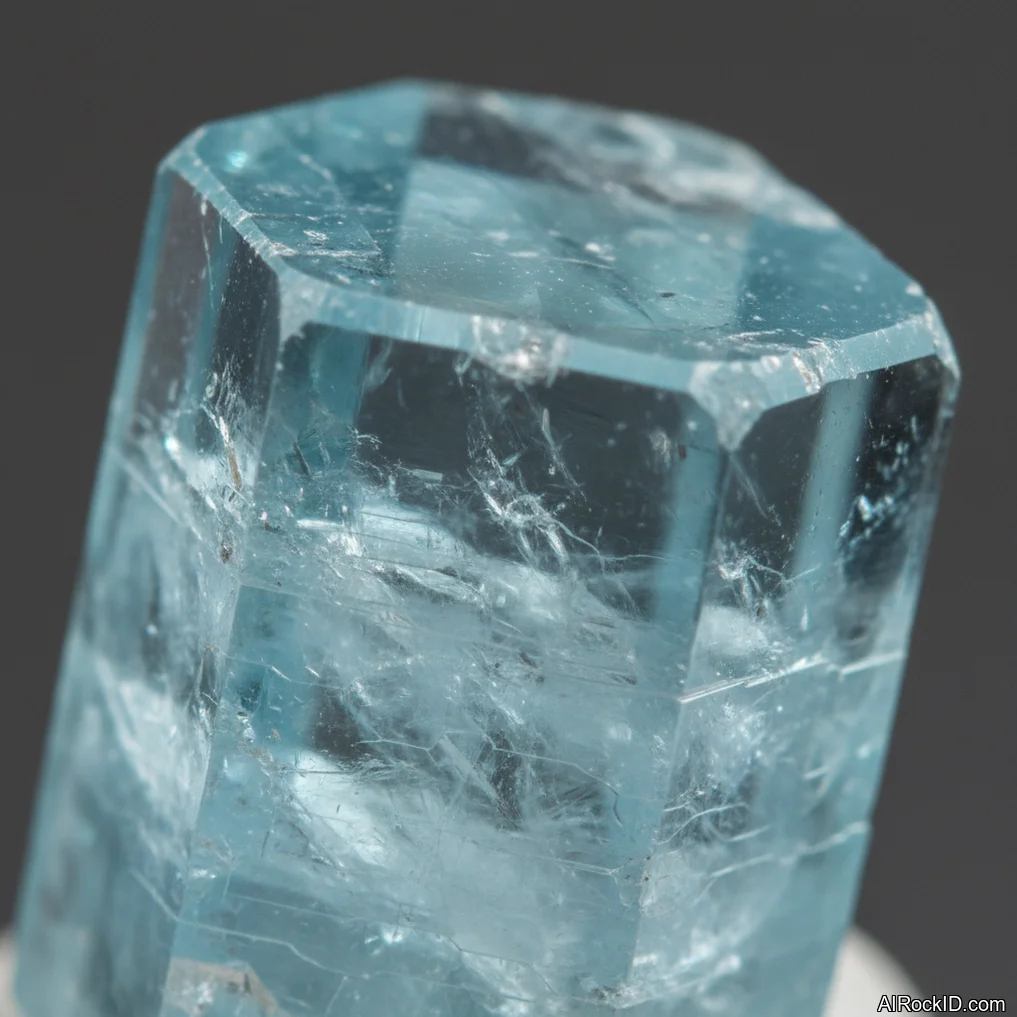
Aquamarine
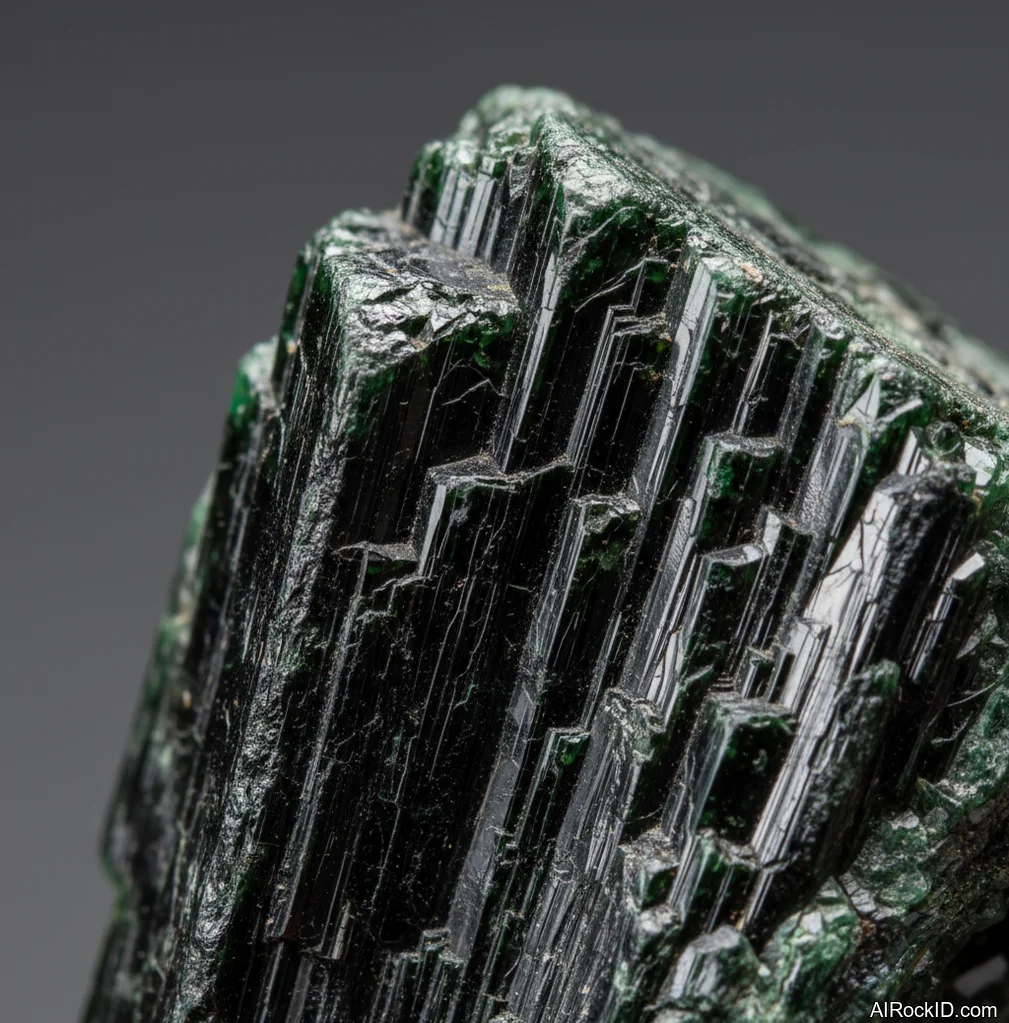
Aegirine
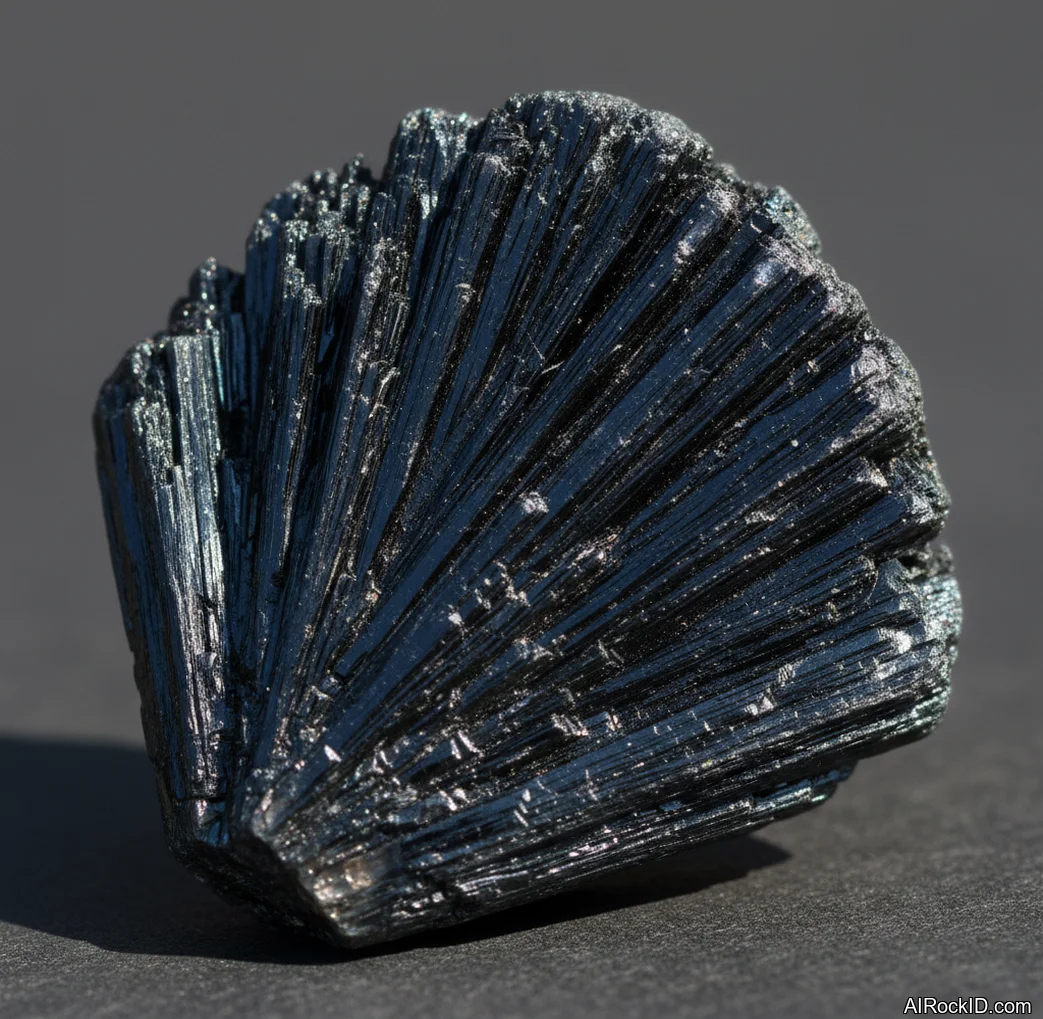
Black Kyanite
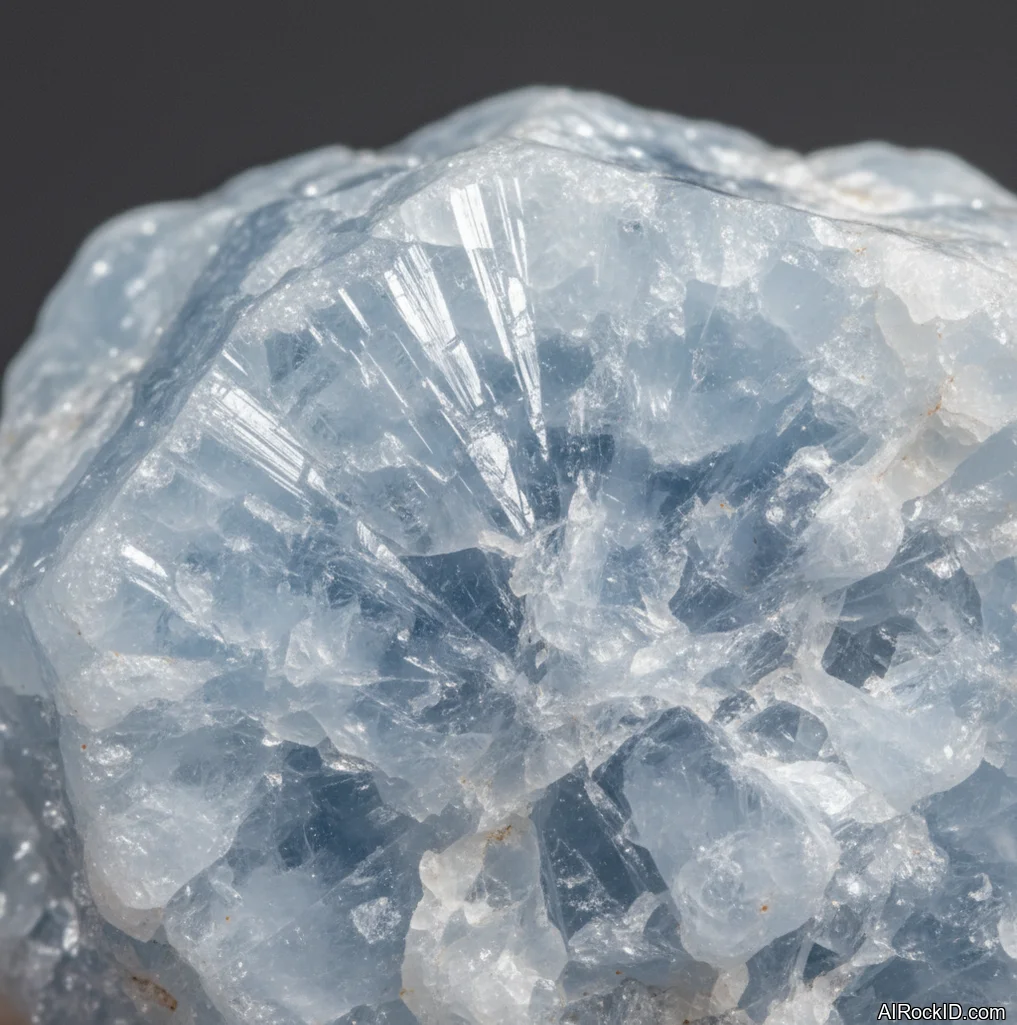
Angelite
What “protection” actually looks like on the road
Protection while you travel usually boils down to three things: staying grounded, keeping your boundaries, and staying alert without flipping into full-on hypervigilance. A stone can help you latch onto a habit, sure, but it won’t replace basic street smarts. If you’ve ever stumbled off a flight tired and starving, then instantly made some dumb little choice like hopping into the wrong line, trusting the wrong person, or leaving your phone sitting on a counter while you fumble for your wallet, you know exactly what I’m talking about.
Most dealers try to sell “protection” like it’s one simple vibe, like “block negativity.” But real life isn’t that neat. On a trip you’re juggling overstimulation, sleep debt, and social friction (plus all the tiny surprises that pile up). I’ve noticed black stones help me feel contained in crowds, like I’m not leaking energy in every direction, while lighter blue stones help me keep my voice steady when plans go sideways and I can feel my nerves climbing. Thing is, the real test isn’t the label on the card. It’s whether you feel more capable of making the next good decision.
One collector tip, from someone who’s actually hauled these things around in a pocket until they got warm: pick stones that match the kind of travel stress you really have. If nights make you anxious, pack amethyst. If you get people-pleasy and find yourself agreeing to stuff you don’t want, wear onyx. And if you get emotionally mushy and nostalgic, Apache tears are surprisingly good at keeping you functional without turning you cold. Why fight the wrong battle?
Choosing travel-friendly pieces (size, finish, and durability)
Small wins you can swap out. I’m into thumb-sized tumbles or little raw chunks with rounded edges, mostly because they won’t shred your pocket lining and they don’t get a second glance at security. A polished onyx palm stone is boring in the best way. It just sits there. It slips into your day and you forget about it.
Raw pieces can feel more “alive” to some people, sure. But raw also means you can break stuff. Black kyanite flakes. Obsidian chips. Aegirine can be spiky enough to snag fabric (and yeah, it’ll poke). If you’re the kind of person who dumps everything into one pouch, go with tougher materials. Or at least wrap pieces in a bit of cloth so they’re not rubbing together and grinding each other down.
And really, check for coatings. Some of the cheap tumbles have that waxy, too-perfect shine, and after a couple sweaty travel days it starts rubbing off on your fingers. Real stones feel cool to the touch at first, and they won’t smell like chemicals when you warm them up in your palm. If you’re buying in a tourist market, pick one piece you actually love. Skip the mixed scoop that’s half dyed agate and glass. Why pay for filler?
Where to keep them: pockets, bags, cars, and hotel rooms
Your carry-on is where this stuff belongs. Checked bags get tossed, soaked, and flat-out lost, and I’ve watched too many people stand at baggage claim with that hollow look because a favorite piece disappeared somewhere between terminals. I keep one “touch stone” in a pocket I can grab without even opening my bag, and the rest stay in a small pouch tucked inside my personal item.
Thing is, it sounds smart to leave stones in the car or set them on the dashboard, but heat is nasty on some materials. Amber can craze. Some dyed stones fade. And even amethyst can lighten if you bake it in the sun day after day. So if you’re road tripping, stash them in the center console or slide them into a shaded pocket.
Hotels are their own headache. I don’t scatter stones around the room because housekeeping comes through and things walk. I’ll put one by the bed for sleep support and one near the door if I’m trying to keep my head clear before stepping out. Then everything goes back in the pouch before I leave, every time. No exceptions.
Simple routines that pair well with crystals in transit
Travel messes with you because all your normal cues are gone. Your home routines vanish, and your nervous system clocks it right away. A crystal works best when you tie it to something you can repeat every single time, like “touch onyx before I answer,” or “hold amethyst for two minutes, lights out.” Keep it basic.
Grab your touch stone right before you step into a crowded place and take one slow breath, making the exhale longer than the inhale. That’s literally it. You’re training your body to stop treating noise like a threat. Then put the stone back in your pocket or bag (you know that smooth, warmed-up-from-your-hand feel it gets after a minute). If you’re constantly rubbing crystals like a worry bead, you’re usually stoking the anxiety, not calming it. Right?
And if you’re traveling with other people, set up a quick reset you all agree on. Two minutes of quiet in the hotel room, phones down, nobody talking, each person can hold their stone or not, doesn’t matter. The pause is the whole point. I’ve seen that tiny ritual stop little sparks from turning into a fight that would’ve trashed the entire weekend.
How to Use These Crystals for Protection While Traveling
Keep your travel stones to a tiny kit. One grounding stone, one for calming down, and one for a “clear head.” Mine are black onyx (boundaries), amethyst (sleep), and aquamarine (communication). And if you want a fourth, I go for something emotional, like Apache tears, for those soft, messy moments that pop up mid-transit (you know the ones).
Pack them the same way you’d pack anything you don’t want dinged up. A soft pouch works fine for tumbled stones, the smooth ones that clack together with that little ceramic sound. But if you’ve got anything bladed or glassy, wrap it separately so it doesn’t chip, or worse, leave a scratch across your phone screen. I also slap a strip of tape on the pouch and label it, because hotel rooms absolutely eat small stuff, and “little black stone” is a useless search term when you’re already late.
Use them at real transition points: before security, after you land, before sleep, and right before you walk out the door. Keep it quick. Hold the stone, say one plain sentence like, “stay alert and calm,” and then do the next practical thing in front of you. Thing is, the crystal’s there as a cue for your nervous system, not as a substitute for paying attention.
Common Mistakes to Avoid
Overpacking is the big one. People toss ten stones in, then never touch them because the pouch turns into that junk drawer you forget about at the bottom of your bag, full of lint and old receipts. If you can’t say exactly when you’ll use a stone, it probably stays home.
Another mess is buying fragile pieces for travel just because they look cool. I’ve watched black kyanite turn into crumbs after a couple hours in a tight jeans pocket (you pull it out and there’s grit everywhere), and I’ve seen obsidian come back with chipped edges from riding next to keys. Want to bring raw pieces? Treat them like sunglasses. Wrap them, cushion them, don’t let them rattle around.
And the third mistake is outsourcing basic common sense. A crystal won’t keep your passport from getting stolen if you leave it on a café table. It won’t make a sketchy neighborhood safe at midnight. Use stones to stay steady so you make better calls, then do the boring stuff: zip your bag, keep an eye on your drink, don’t flash cash, and pay attention to where you’re standing.
What Crystals Can and Cannot Do
Identify crystals related to Best Crystals for Protection While Traveling
Snap a photo to check crystals mentioned in this guide and compare likely matches.