Best Crystals for Spiritual Awakening
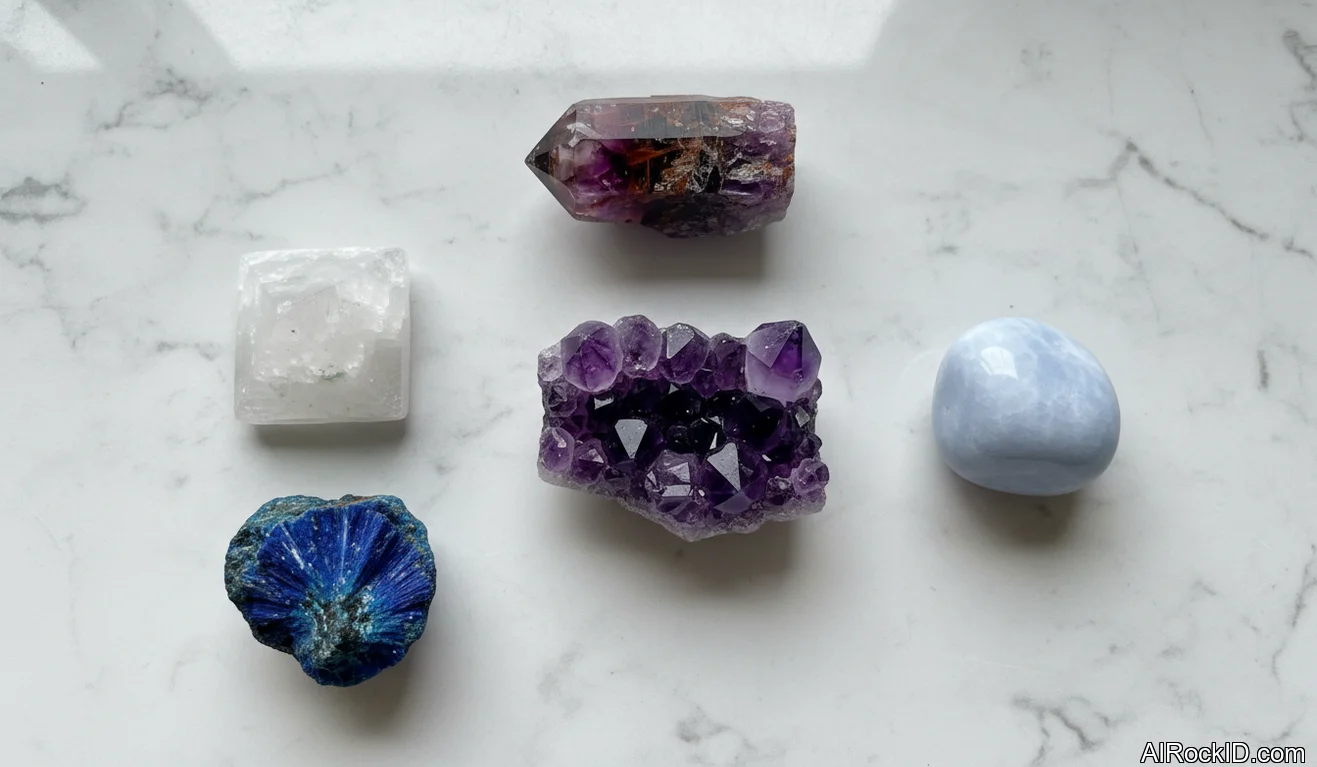
Quick answer: Many people choose amethyst, clear quartz, selenite, labradorite, and lepidolite for spiritual awakening practices because these stones are associated in crystal traditions with clarity, reflection, calm, and inner awareness. Crystals can be used as symbolic tools for meditation and self-inquiry, but they should not be treated as a substitute for sleep, medical care, mental health support, or practical decision-making.


- Introduction
- Recommended Crystals
- What “spiritual awakening” looks like when you’re not trying to be mystical
- How to choose an awakening stone by feel, not hype
- Pairing crystals with meditation, breathwork, and journaling
- Grounding during awakening so you don’t get weird about it
- How to Use These Crystals
- Common Mistakes
- FAQ
AI Rock ID can help users visually identify a crystal from a photo before they use it in a spiritual or mindfulness practice. RockIdentifier.io provides crystal and mineral information that can support basic identification, care, and educational research.
Good fit
- People who want a simple object to anchor meditation, journaling, or intention-setting
- Beginners who prefer commonly available crystals such as amethyst, clear quartz, or selenite
- Anyone building a calm, reflective practice without relying on crystals for medical or psychological outcomes
- Collectors who want stones with both visual appeal and traditional symbolic meaning
Not a good fit
- Anyone expecting crystals to diagnose, treat, or cure physical or mental health conditions
- People who feel more anxious, dissociated, or ungrounded when using intense spiritual practices
- Buyers who cannot verify a stone’s identity, treatment, or safe handling requirements
- Anyone using crystal advice to replace professional care, rest, food, or social support
Most commonly confused with
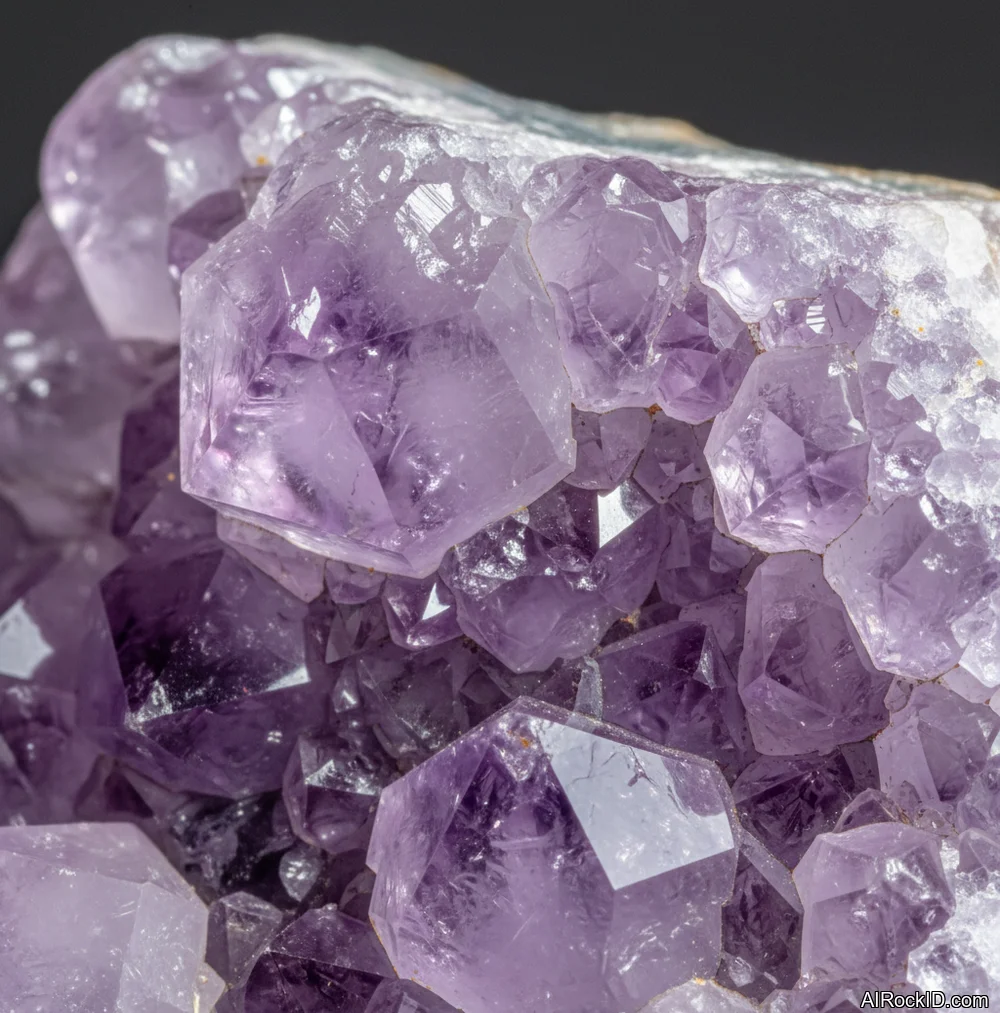
- Amethyst: Purple quartz commonly used for calm and reflection; it may be confused with dyed quartz or purple glass.
- Clear Quartz: Colorless quartz often used as a general-purpose focus stone; it can resemble glass, topaz, or synthetic pieces.
- Selenite: Soft gypsum with a silky or pearly look; it is much softer and more water-sensitive than quartz.
- Labradorite: Feldspar known for flashes of blue, green, or gold; the effect is labradorescence, not surface dye.
AI identification confidence
AI photo identification is most useful when the crystal has clear color, luster, texture, and shape visible under natural light. Confidence is lower for polished tumbles, dyed stones, look-alike minerals, and crystals photographed in dim or heavily filtered lighting.
When AI gets it wrong
- Polished stones may lose the natural crystal shape that helps separate similar minerals.
- Dyed agate, colored glass, and synthetic stones can resemble natural awakening crystals in photos.
- Lighting can make clear quartz, selenite, glass, and calcite appear more similar than they are.
- A photo cannot always confirm treatments, coatings, exact mineral composition, or locality.
Best choice summary
For most beginners, amethyst or clear quartz is the easiest starting choice because both are widely available, simple to use in meditation, and broadly represented in crystal traditions. If emotional steadiness is the priority, lepidolite or smoky quartz may be a more grounded choice than stones associated with intense visionary work.
Final recommendation
Choose one crystal that supports a specific practice, such as sitting quietly for five minutes, writing a daily reflection, or returning attention to the breath. A steady routine with one well-chosen stone is usually more useful than collecting many crystals without a clear purpose.
Why people search for this
People often search for spiritual awakening crystals when they feel drawn to meditation, emotional reflection, life transitions, or a more intentional daily routine. The search is usually about finding a manageable starting point rather than proving that a stone has a guaranteed effect.
Beginner recommendations
Advanced recommendations
Safety and Care Notes for Awakening Crystals
Some crystals used in spiritual practices are fragile, water-sensitive, or easily scratched. Selenite should be kept away from water, lepidolite can flake because it is a mica, and softer stones should not be carried loose with keys or harder minerals. Crystal handling should also account for small children, pets, and stones that may break into sharp pieces.
Natural, Treated, and Synthetic Stones
A crystal can still be meaningful in a personal practice even if it is polished, heat-treated, dyed, or synthetic, but the seller should describe it accurately. Clear quartz, amethyst, citrine, agate, and aura-coated stones are commonly sold in treated forms. Buyers who care about natural mineral origin should ask for treatment details and compare the stone with reliable identification references.
A Simple One-Stone Practice
Choose one crystal and assign it a practical role, such as pausing before reacting, focusing on gratitude, or noticing emotional patterns. Hold the stone during a short daily check-in and write one sentence about what felt clear, tense, or unresolved. This approach treats the crystal as a reminder for awareness rather than as a guaranteed source of change.
This guide is about using amethyst, apophyllite, azurite, auralite-23, angelite, and black kyanite as hands-on ritual tools for spiritual awakening: quieter attention, clearer pattern-spotting, and staying steady while your inner life gets louder. Pick up the right piece and you can feel the difference fast, like your thoughts drop a notch in volume instead of getting whipped up. Limitation: crystals won’t force an “awakening” on a schedule, and they won’t replace real mental health or medical support if you’re struggling.
The best crystals for spiritual awakening are the ones that nudge you into quiet attention, help you spot patterns, and keep you steady while your inner life gets louder. I’m not talking about some Hollywood “third eye blast” scene. It usually isn’t like that. Most of the time it’s small stuff: you sleep differently, your reactions slow down, you catch yourself mid-habit and pick a different route. That’s what awakening looks like in real life.
Pick up a stone and you’ll know pretty fast if it’s right for this kind of work. Some pieces feel buzzy and distracting, like holding a tiny electric toothbrush in your palm. Others feel like someone quietly turned the dimmer down in your head. I’ve handled enough material at shows and in shops to tell you the biggest factor isn’t rarity or price, it’s how the stone behaves in your hand and in your routine. Like, a crisp apophyllite point on your desk, the kind with clean edges that catch the light when you tilt it, can change how you breathe while you read. And a rough black kyanite fan in your pocket, all ridged and a little scratchy against the fabric, can keep you from floating off during intense meditation.
But here’s a quick warning. Spiritual awakening isn’t only “light.” It can bring up grief, anger, old memories, plus this weird impatience with your own excuses (you know the feeling, right?). Crystals don’t do the work for you, but they can act like training wheels for attention and honesty. So use them like tools: clean, repeatable practices, a little note-taking, and enough grounding so you can still pay your bills and be kind to people.
Quick Comparison
| situation | crystal | why | format |
| I want to meditate without getting mentally “buzzy” or distracted. | Amethyst | Compared to flashier stuff, a dense amethyst palm stone tends to feel steady and cooling, and that simple weight helps you stay with the breath instead of chasing thoughts. | palm stone |
| I’m getting intense dreams and weird sleep shifts and I need something grounding next to the bed. | Black Kyanite | A raw fan of black kyanite has that dry, striated texture you can thumb in the dark, and it’s less “heady” than the high-sparkle stones that can keep you wired at night. | raw blade/fan on the nightstand |
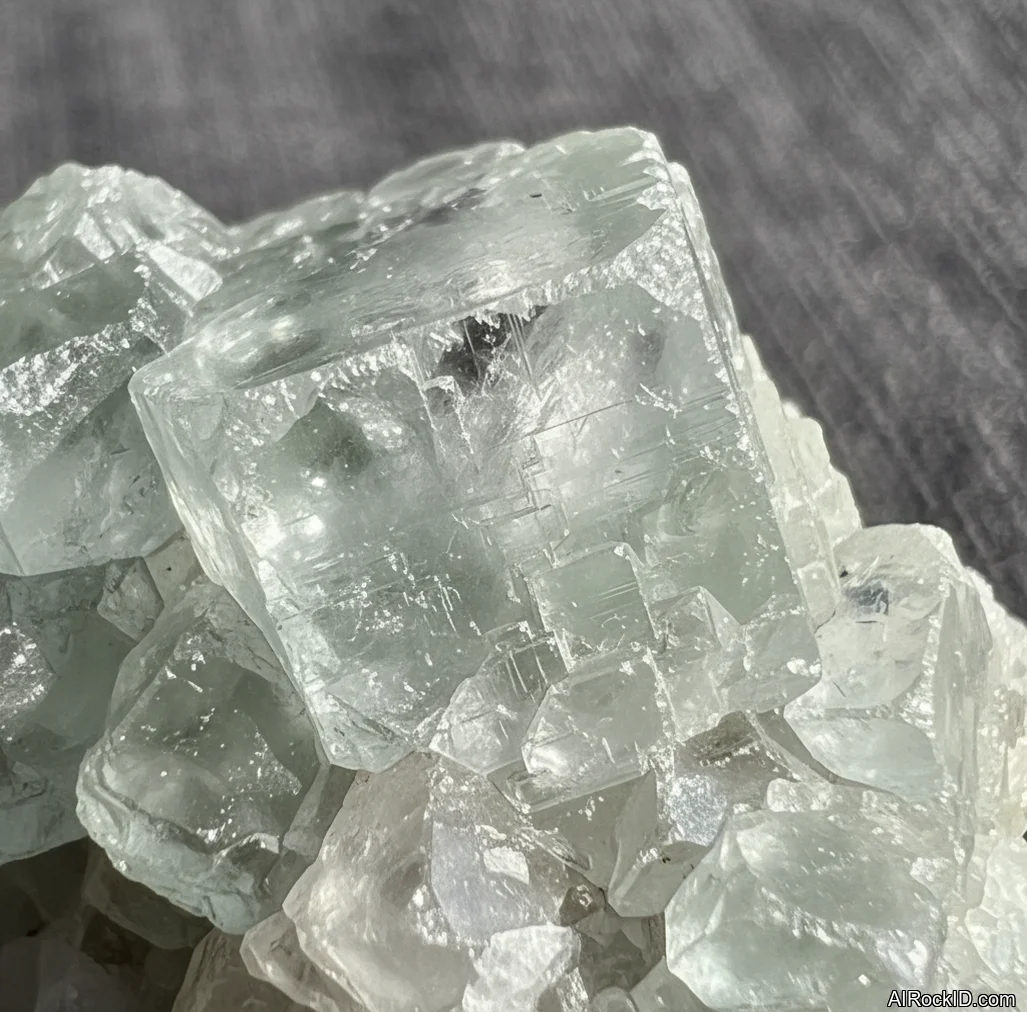
| I want a clean, quiet ‘download’ feeling during journaling or prayer, not emotional drama. | Apophyllite | Look closely at a good apophyllite point and you’ll see crisp, mirror-like faces that catch light hard, and in practice it tends to push a clear, still focus that pairs well with writing. | small point or cluster on the desk |
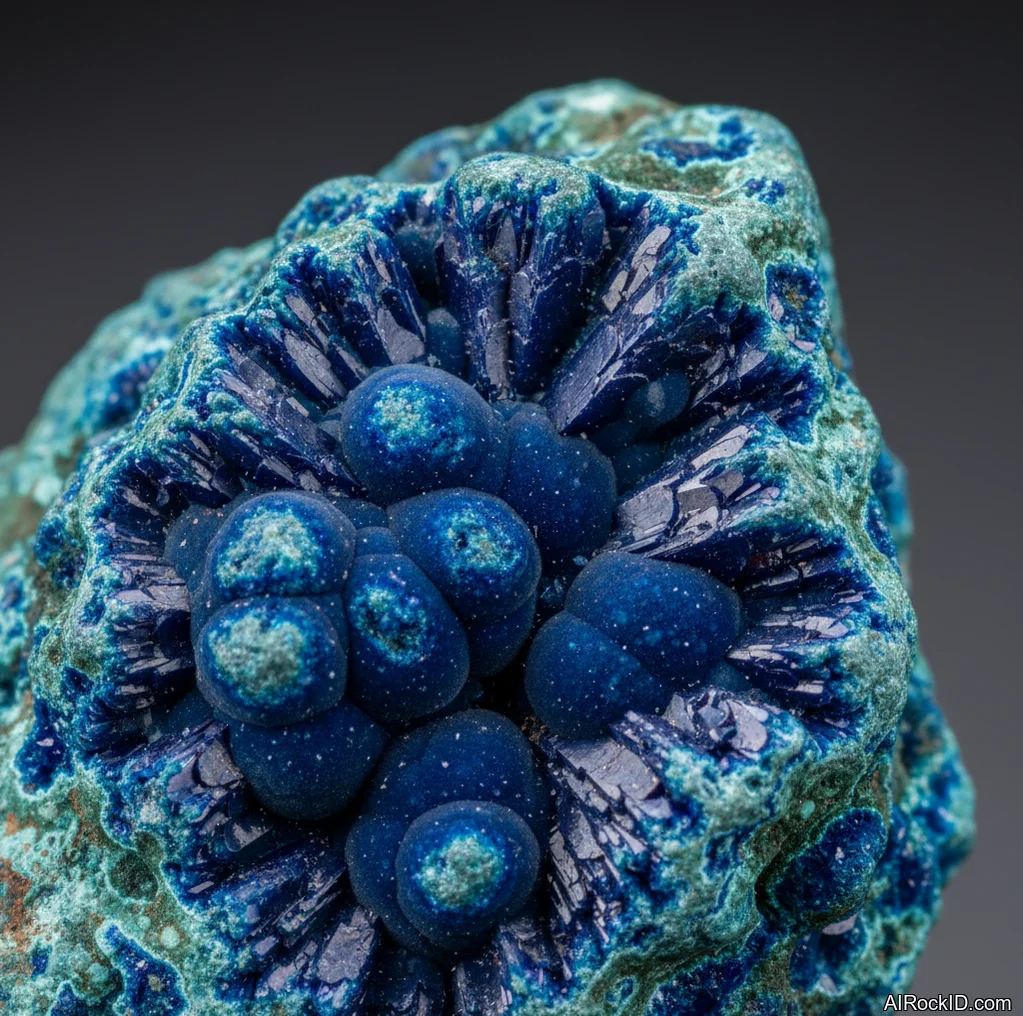
| I’m doing shadow work and I need help spotting patterns in my reactions without spiraling. | Azurite | The real test is the weight and that deep blue that doesn’t look painted on; azurite can feel very ‘mental’ and sharp, which people reach for when they’re trying to name the pattern instead of drowning in it. | cabochon or tumbled stone (handled briefly) |
Recommended Crystals
Amethyst
Apophyllite
Azurite
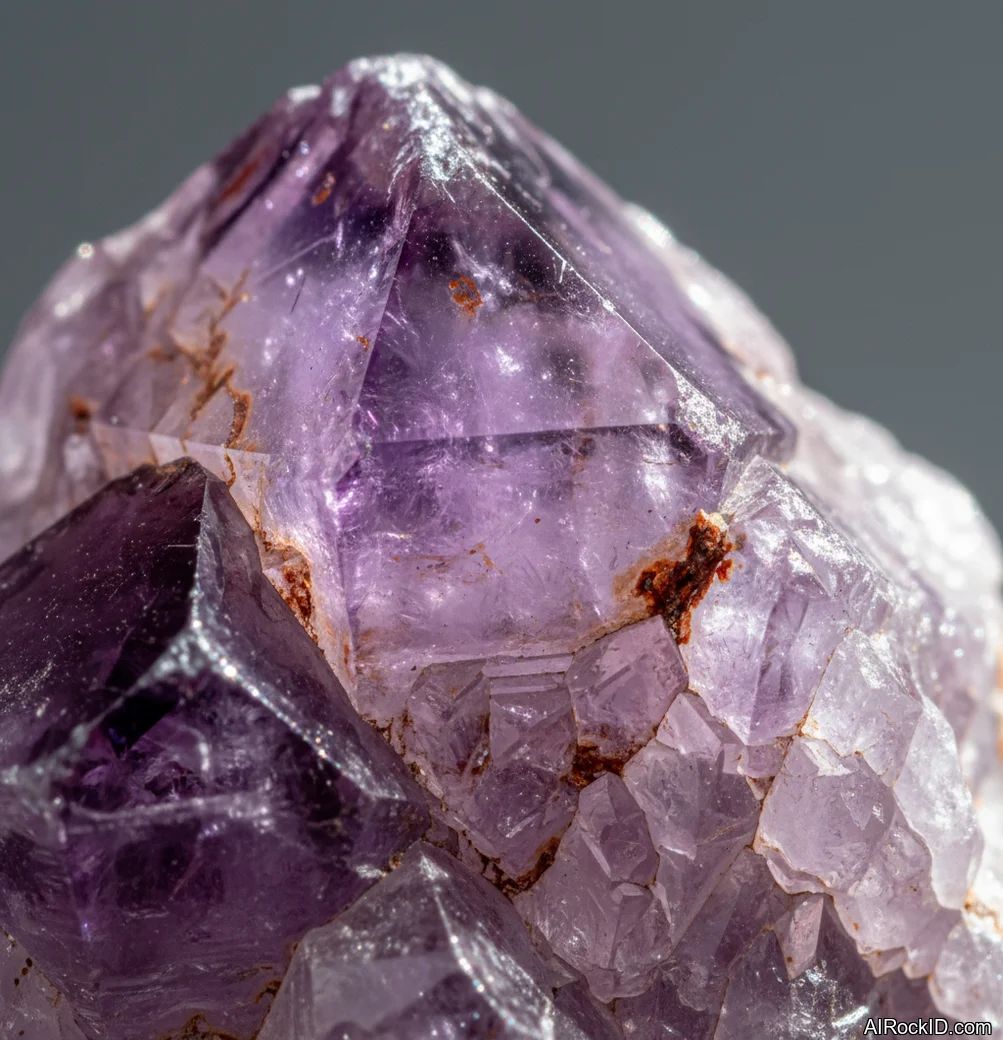
Auralite-23
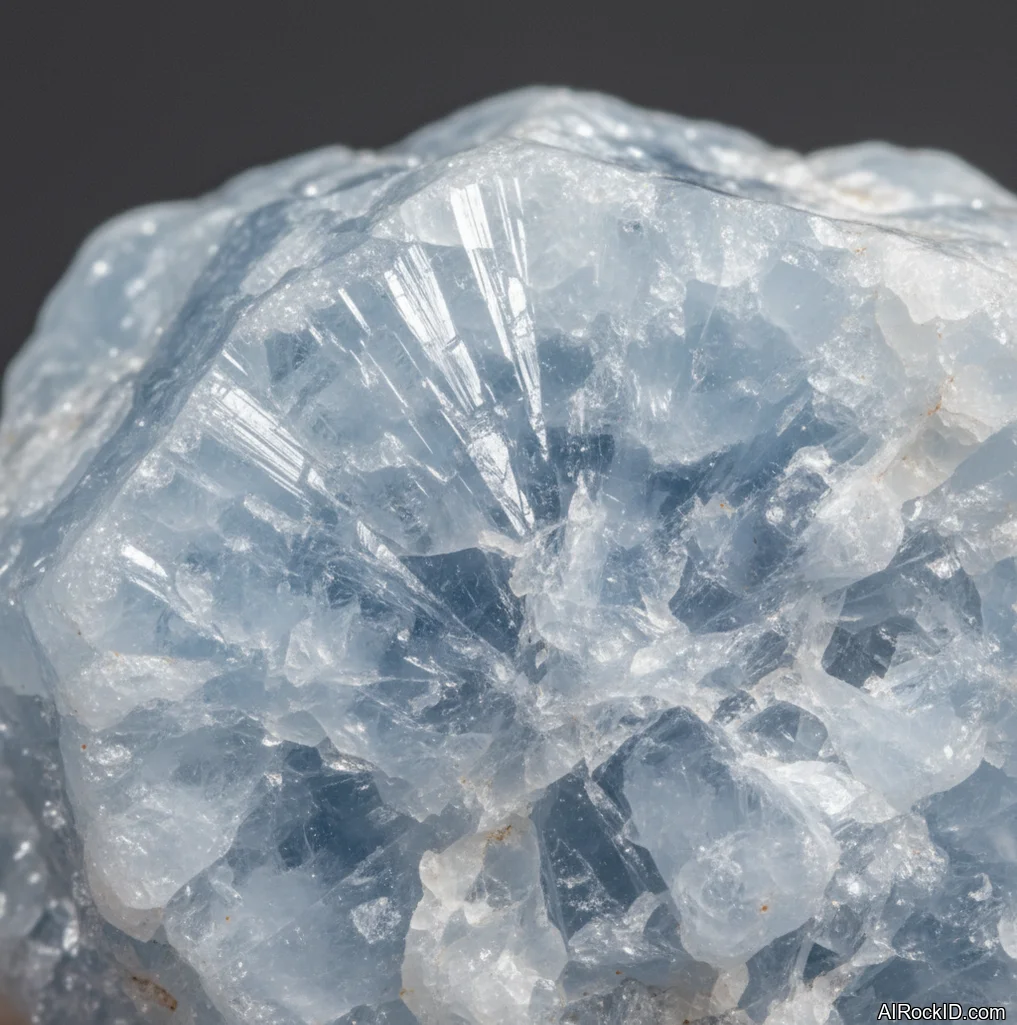
Angelite
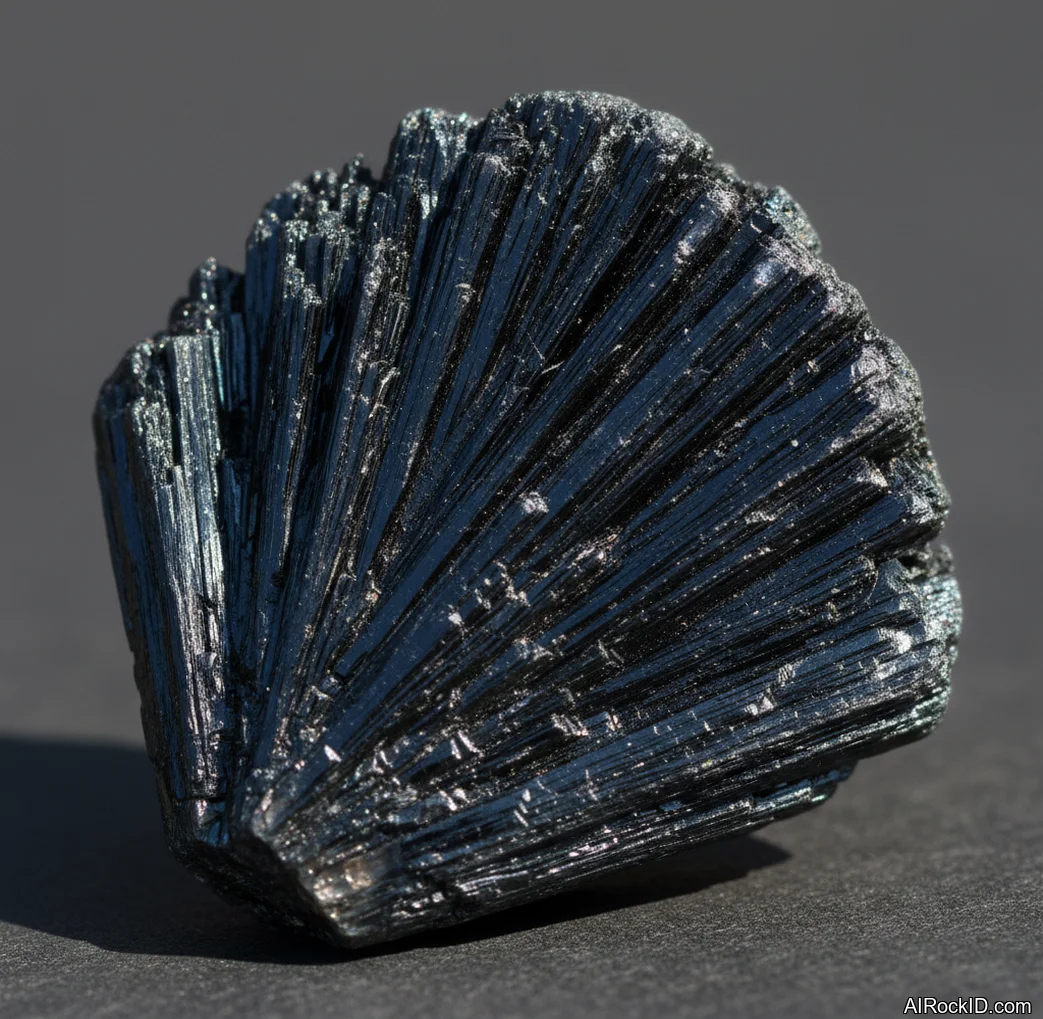
Black Kyanite
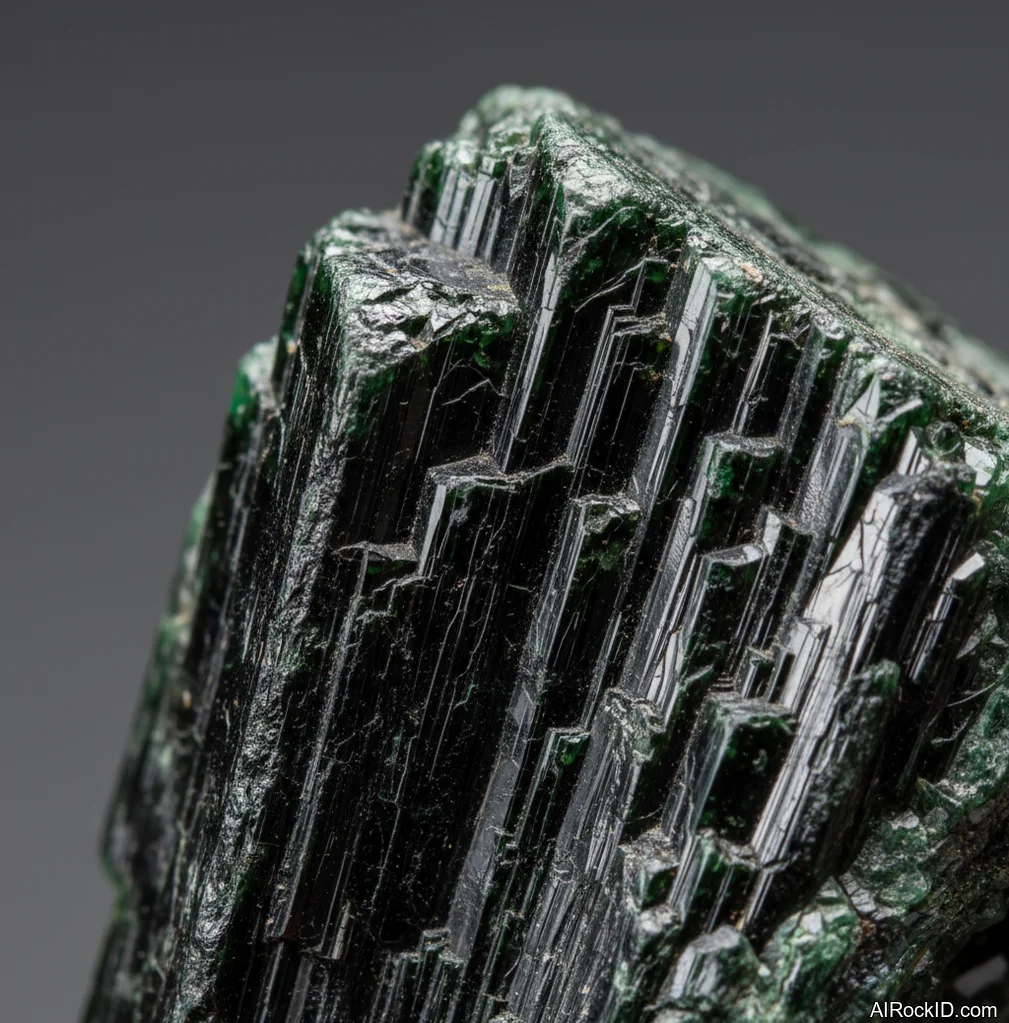
Aegirine
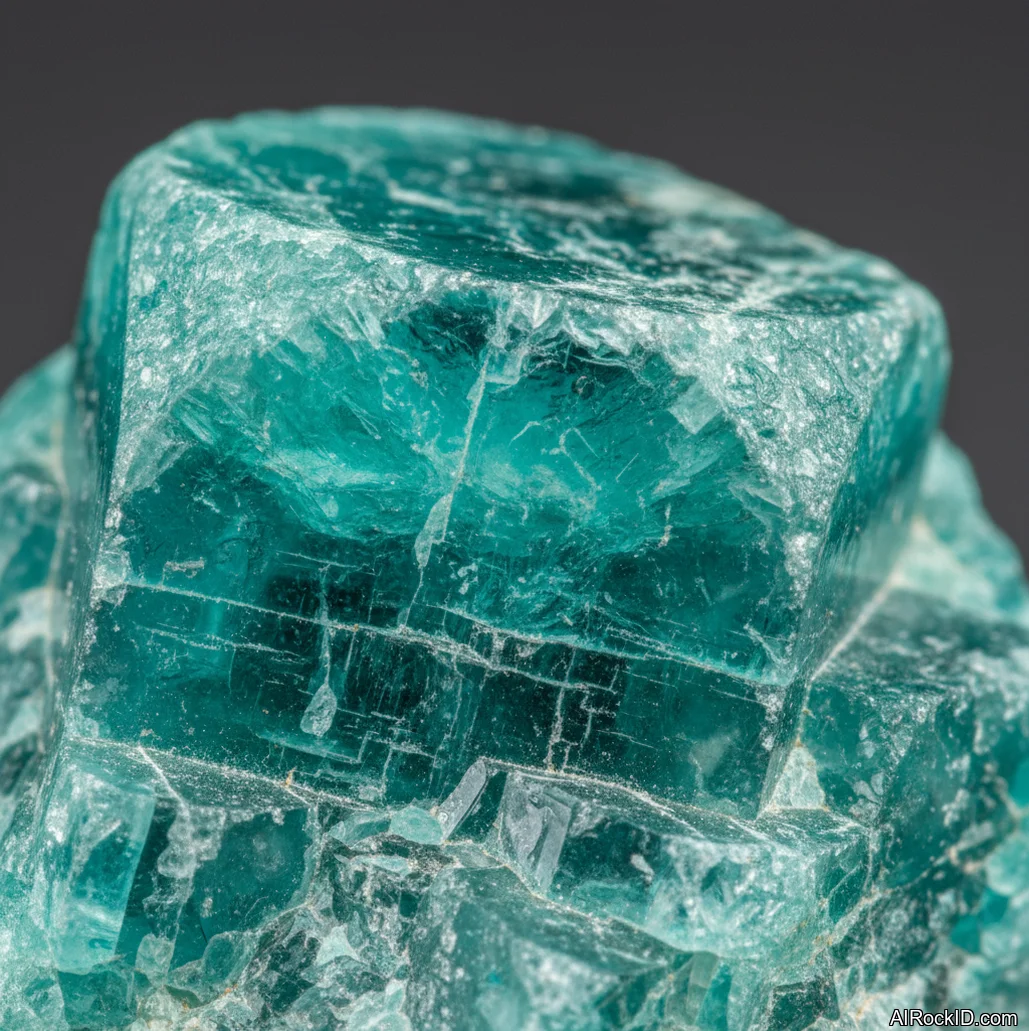
Amazonite
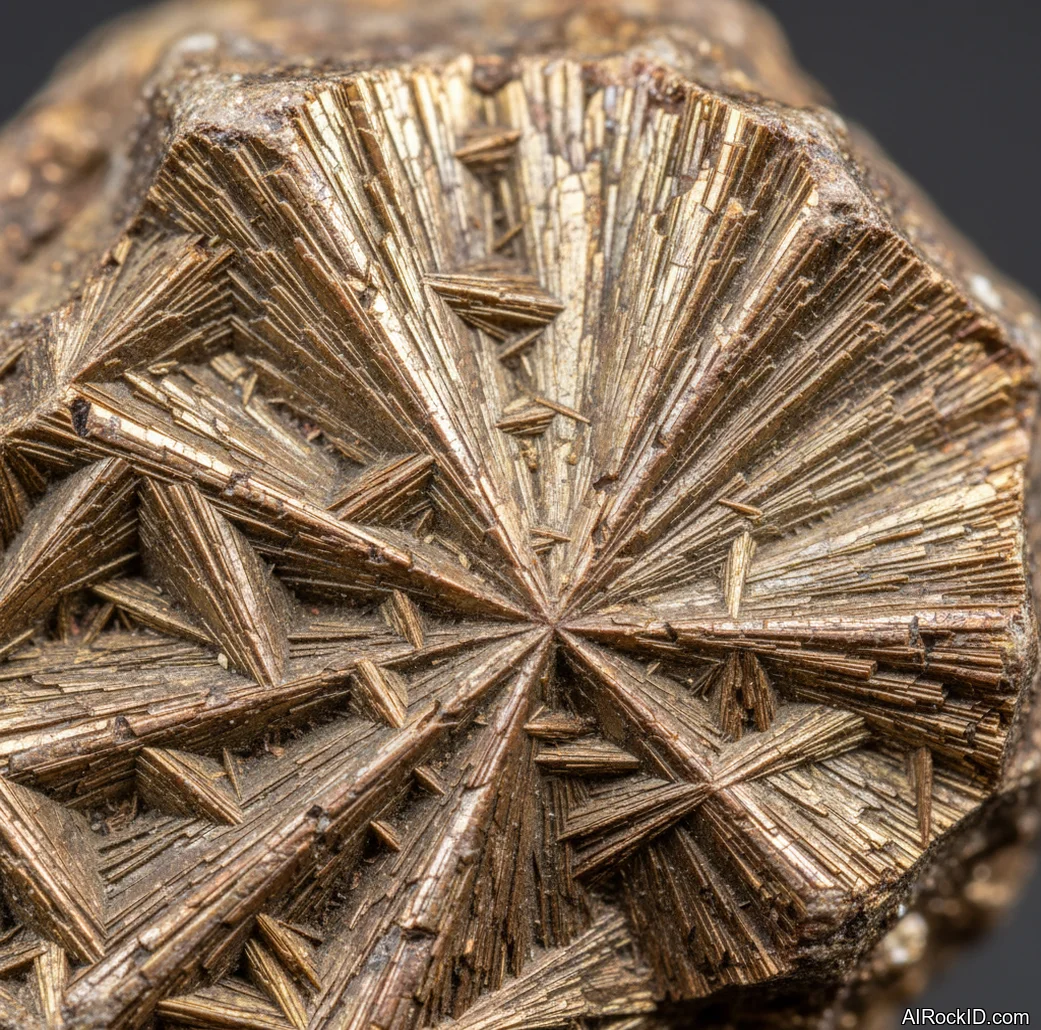
Astrophyllite
What “spiritual awakening” looks like when you’re not trying to be mystical
Most folks are waiting for fireworks. What I keep seeing, over and over, is way less glamorous: tiny, kind of boring upgrades. You catch your own tone. You don’t take the bait in the same old argument. You sleep a little deeper. You feel your body sooner in the stress cycle, like you notice your jaw clenching before your brain starts spinning stories.
Compared to a “manifestation” goal, awakening is less about getting stuff and more about perception. It’s you learning what your mind does when it’s scared, hungry, lonely, or trying to look impressive. And yeah, a crystal can help, not because it’s magic confetti, but because it gives your attention something steady to land on. In your palm it’s cool at first, then it warms up, and the weight is just enough to remind you, “Oh right. We’re doing awareness now.” Like a physical bookmark.
But chasing peak experiences has a downside. It trains you to blow past the quiet signals that actually change your life. If you only call it progress when you see colors in meditation, you’ll miss the day you apologize without defending yourself. So keep it practical. Track your triggers, your dreams, your compulsions, and those moments you tell the truth faster than usual. That’s the real shift, isn’t it?
How to choose an awakening stone by feel, not hype
Pick up two chunks of the same mineral and, weirdly, they can feel totally different in your hand. Size changes everything, too. A chunky amethyst cluster has that heavy, sink-into-it feel, like a weighted blanket. A tiny point? It’s basically a pencil tip aimed straight at your forehead.
Look hard at quality. Real apophyllite stays cool and glassy, like a windowpane that never quite warms up. Cheap pieces feel dusty and kind of dead, and you’ll often spot crumbly edges right where the crystal cleaves (that flaky, break-line look). Amazonite should feel like actual stone, not like resin, and it usually comes with those natural white streaks instead of a flat, perfectly uniform teal that screams factory.
Most dealers will let you hold a piece for a minute. Do it. Let it sit in your palm. If your shoulders drop, that’s data. If your mind starts racing, also data. Don’t buy the stone you think you “should” want. Buy the one that helps you do the practice you’ll really repeat. Why fight yourself?
Pairing crystals with meditation, breathwork, and journaling
A lot of folks park crystals on a shelf like they’re just pretty objects, then get annoyed when nothing changes. Thing is, the shift shows up when you hook the stone to a habit you can actually repeat. Short sessions. Consistent ones. Not some two-hour ceremony you do once, wipe your hands, and never circle back to.
For meditation, clearer stones like apophyllite can snap your focus into place fast, but if you’re already running hot, it can feel like too much. Like your chest is buzzing and you can’t settle. Softer stones like angelite help you stop tensing up around your own feelings, because bracing can look like “being in control” when it’s really a sneaky kind of avoidance (ask me how I know). For journaling, azurite and amazonite pair really well: one helps you see the truth, and the other helps you actually say it.
So keep it simple: pick one stone for opening (amethyst or auralite-23), one for grounding (black kyanite or aegirine), and one for integration (amazonite). Leave them in the same spot every time, like on the same corner of your desk where your hand naturally lands, so your brain starts linking those objects with the behavior. It’s basic conditioning. It works.
Grounding during awakening so you don’t get weird about it
Spiritual awakening without any grounding? It turns into escapism fast. One minute you’re “getting downloads,” the next you’re reading signs into every random license plate, skipping real meals, and chasing “messages” instead of having the hard talk you’ve been avoiding.
Black kyanite is my go-to for this because it’s blunt and physical. You don’t just think it, you feel it in your hand. Those blade-like crystals, sharp-edged and a little scratchy if you run your thumb along them, practically insist you get back in your body. And aegirine is another solid one when you need boundaries, especially if you’re soaking up everyone else’s moods and calling it empathy.
Thing is, the real test is who you are after the session. If you’re calmer, kinder, and you can handle normal tasks without acting like it’s a quest, you’re on track. But if you’re spaced out, snappy, and convinced you’ve unlocked cosmic secrets nobody else can possibly understand, take a break. Eat something. Go for a walk. Put the “activation” stones away for a day (seriously).
How to Use These Crystals for Spiritual Awakening
Start with one stone and one practice. Seriously. If you toss ten crystals around the house and do a bunch of random stuff with them, you won’t know what’s actually helping and what’s just sitting there looking nice. I’m big on a simple two-week test: pick one stone (amethyst or apophyllite works for most people), do the same 10-minute sit every day, then jot down three bullet points right after. Mood. Body sensation. One honest insight (even if it’s “I was distracted the whole time,” because that counts).
For awakening work, where you put the stone matters less than sticking with it. But you can still make it practical. Keep a focal stone at eye level where you meditate so your gaze has somewhere to land (I mean, it’s nice to have a steady point when your eyes want to bounce around). And after any intense session, grab a grounding stone like black kyanite, especially if you get headaches or that floaty, spaced-out feeling.
If you’re doing dream work, set the stone where you can touch it without fully waking. Right by the pillow edge, on the nightstand within arm’s reach, somewhere your hand can find it in the dark. Then write before your phone steals the memory. You know how fast that happens.
Don’t over-cleanse. Dust them. Keep them out of sun if they fade. And don’t soak soft minerals in water. The real “use” is your attention. The stone is just the cue, the little bit of texture, the weight in your palm that reminds you to do the work again tomorrow (even on the days you don’t feel like it).
Common Mistakes to Avoid
The biggest mistake I see? People stack a bunch of high-intensity stones, get totally fried, and then call the overwhelm “awakening.” If you’re running apophyllite, azurite, and auralite-23 all at once and now you can’t sleep, that’s not some spiritual badge. It’s just bad pacing. Pick one main stone and one grounding stone, then build up to the complicated stuff.
Another thing: folks buy by keyword instead of buying the actual specimen. I’ve held angelite that felt calm and supportive, kind of cool and smooth in the palm, with that soft blue tone you notice right away. And I’ve also held crumbly, chalky pieces that felt like nothing (the kind that leave a dusty film on your fingers). Same mineral. Totally different quality. If you can’t handle it in person, buy from a seller who posts clear photos, the weight, and the flaws. Yeah, the flaws too.
And last. Treating crystals like they replace actual inner work. They don’t. A stone won’t magically turn avoidance into insight. The practice is what changes you; the crystal just helps you show up long enough to notice what’s true.
What Crystals Can and Cannot Do
Identify crystals related to Best Crystals for Spiritual Awakening
Snap a photo to check crystals mentioned in this guide and compare likely matches.