Best Crystals for Success
- Introduction
- Recommended Crystals
- What “success” actually means when you’re working with crystals
- Choosing quality pieces without getting ripped off
- Pairing crystals with real-world systems that create results
- Workplace use that doesn’t feel weird or draw attention
- How to Use These Crystals
- Common Mistakes
- FAQ
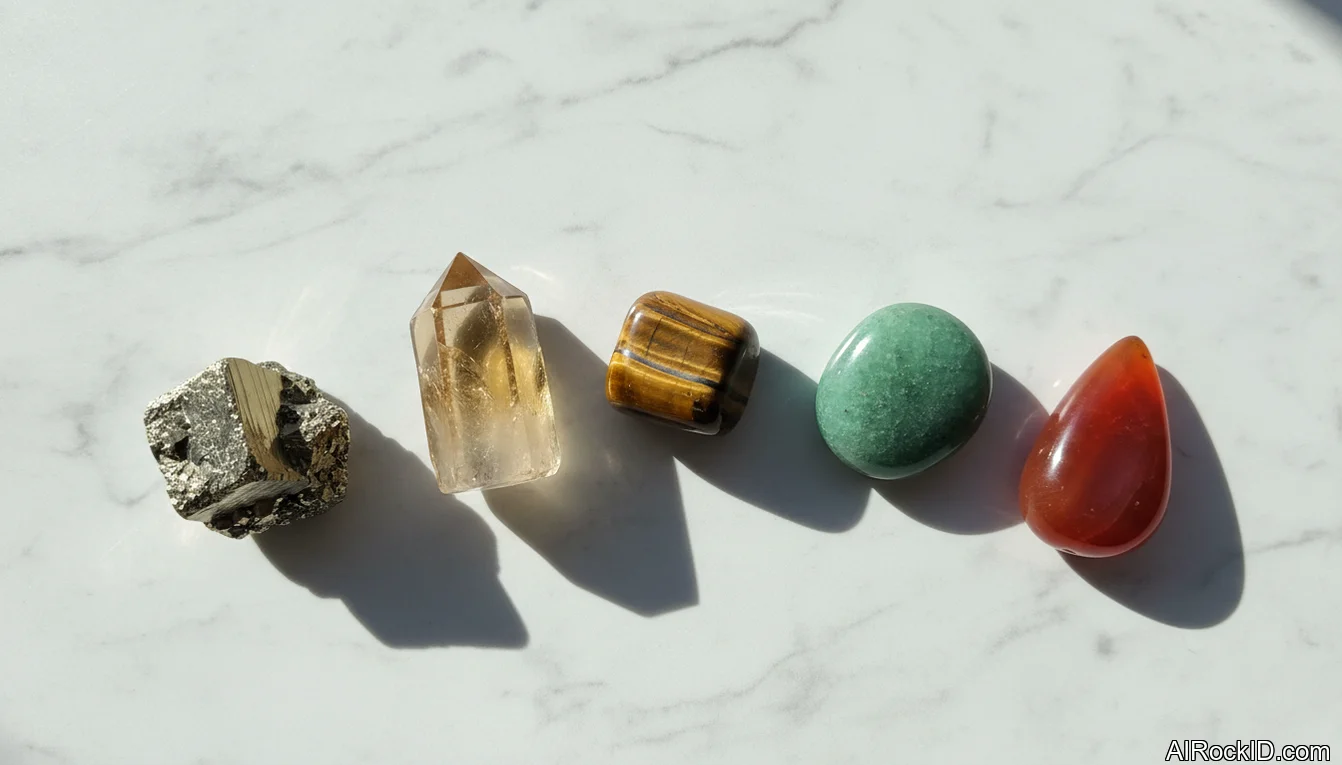
The best crystals for “success” are the ones that keep you steady and focused, and that nudge you to take the next real step when your motivation dips. Not the kind of rock that’s going to magically pay your bills. More like a simple anchor. Something you can hold, see, and use as a cue to do the work you already said you’d do. When you pick the right stone, it feels like a reminder you can literally touch, not just another ping on your phone.
Success is messy in real life. It’s that awkward email you don’t want to send. It’s the second draft you’re avoiding. It’s the phone call you keep pushing to “tomorrow” (why is it always tomorrow?). A good “success stone” should push you into motion without winding you up into anxiety. And I’ve seen people do best with stones that have a really obvious texture, weight, or flash, because you can feel them doing their job as a tactile prompt. Pick up pyrite and the heft is the first thing you notice, like a little metal brick in your palm. Roll tiger eye between your fingers and that chatoyant band snaps on and off as you tilt it under the light. That sensory feedback matters more than people think.
One more grounded point: the market is messy too, so quality and honesty matter. Some “citrine” is heat-treated amethyst. Some gold-colored stones are dyed or coated. So if you’re building a practice around focus and follow-through, start by buying from a dealer who labels treatments and can tell you origin. You’ll trust your tools more. And that trust is part of the whole system.
Recommended Crystals
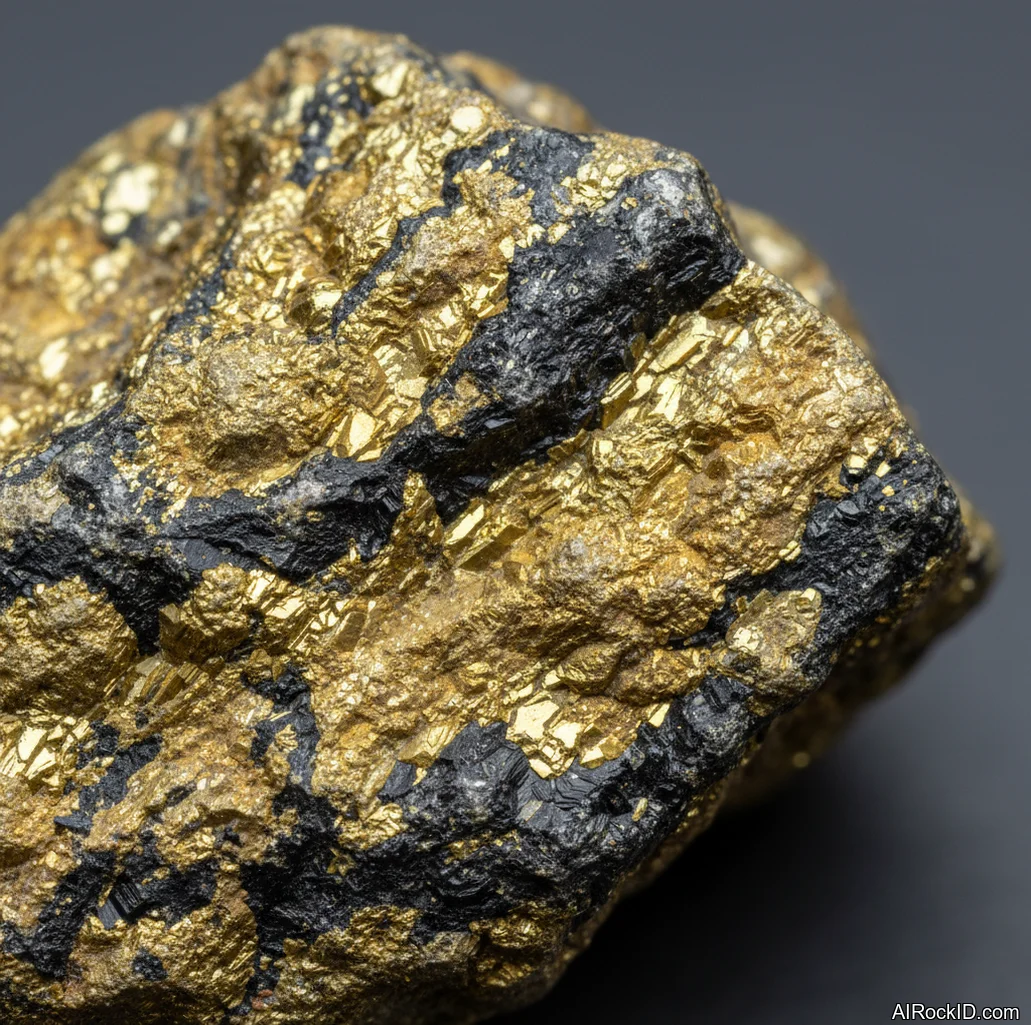
Pyrite
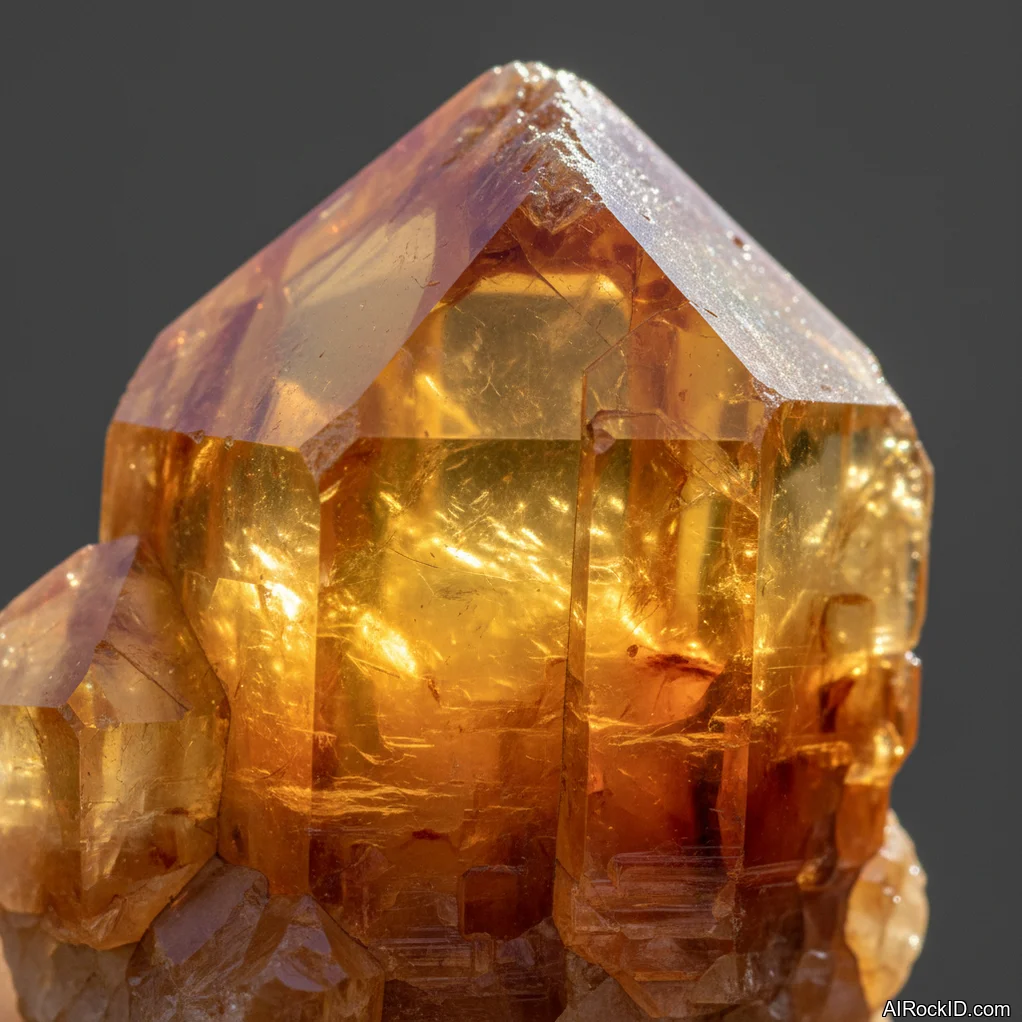
Citrine
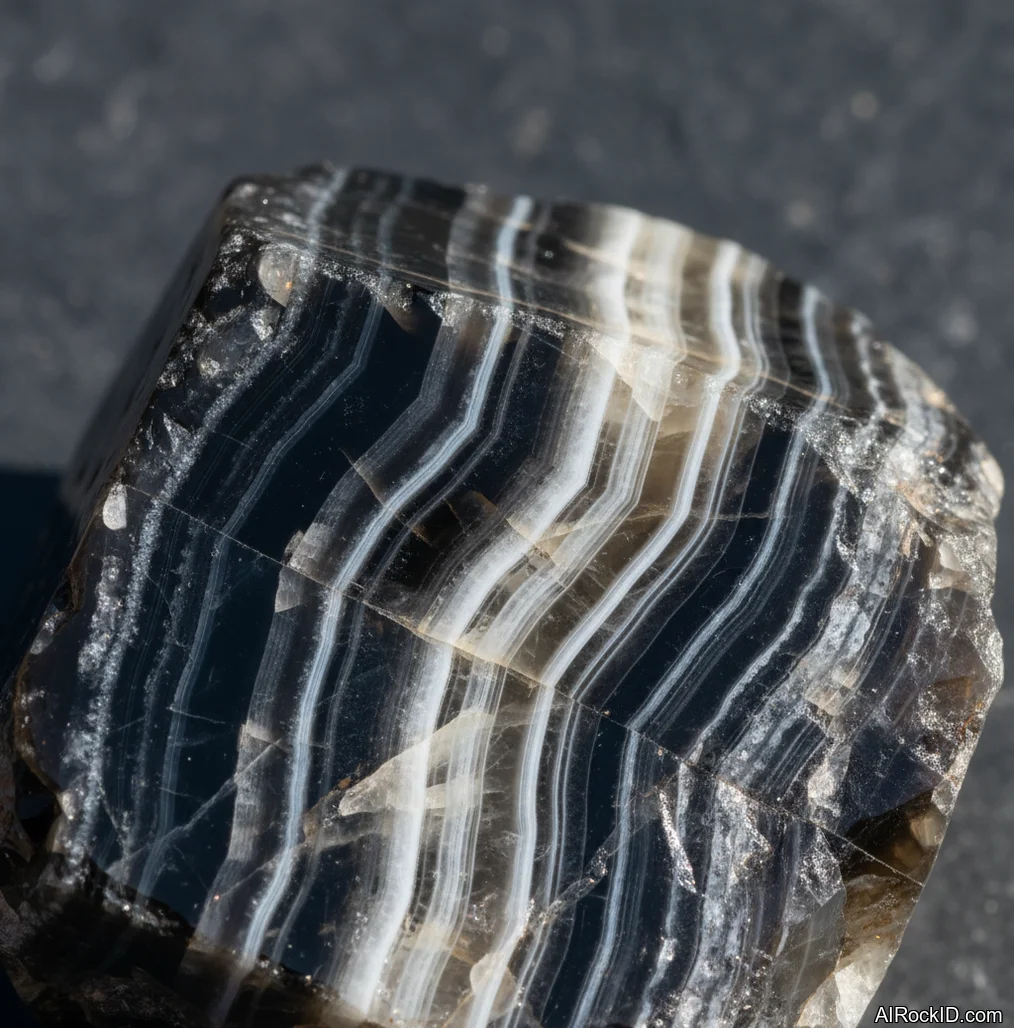
Tiger Eye
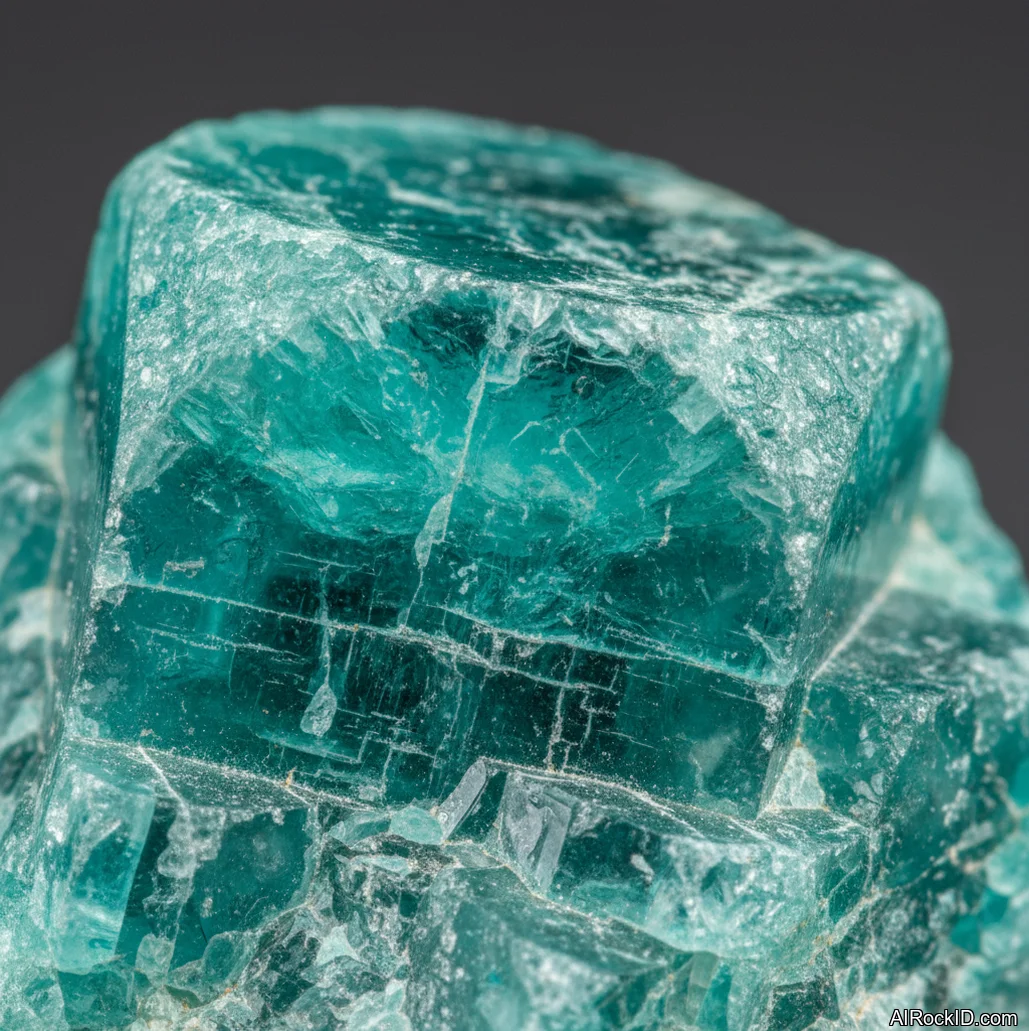
Green Aventurine
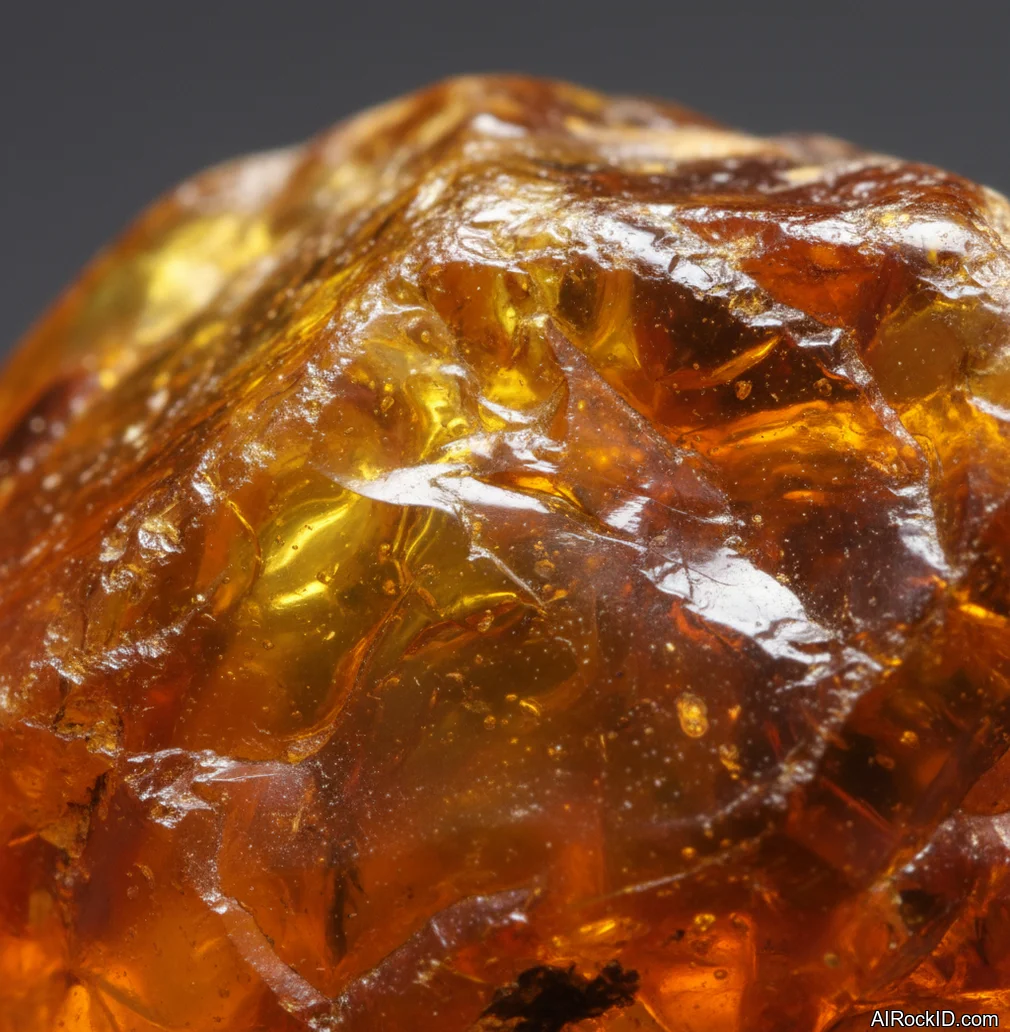
Carnelian
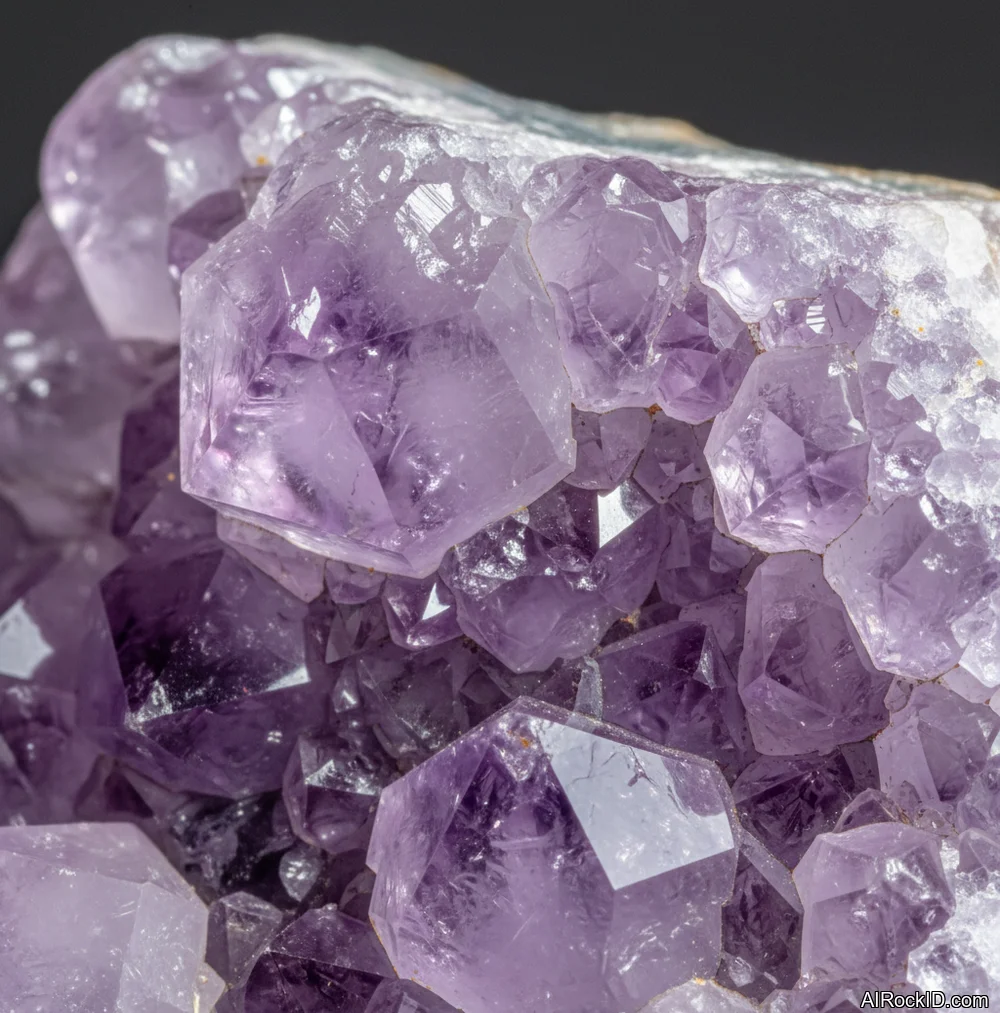
Fluorite
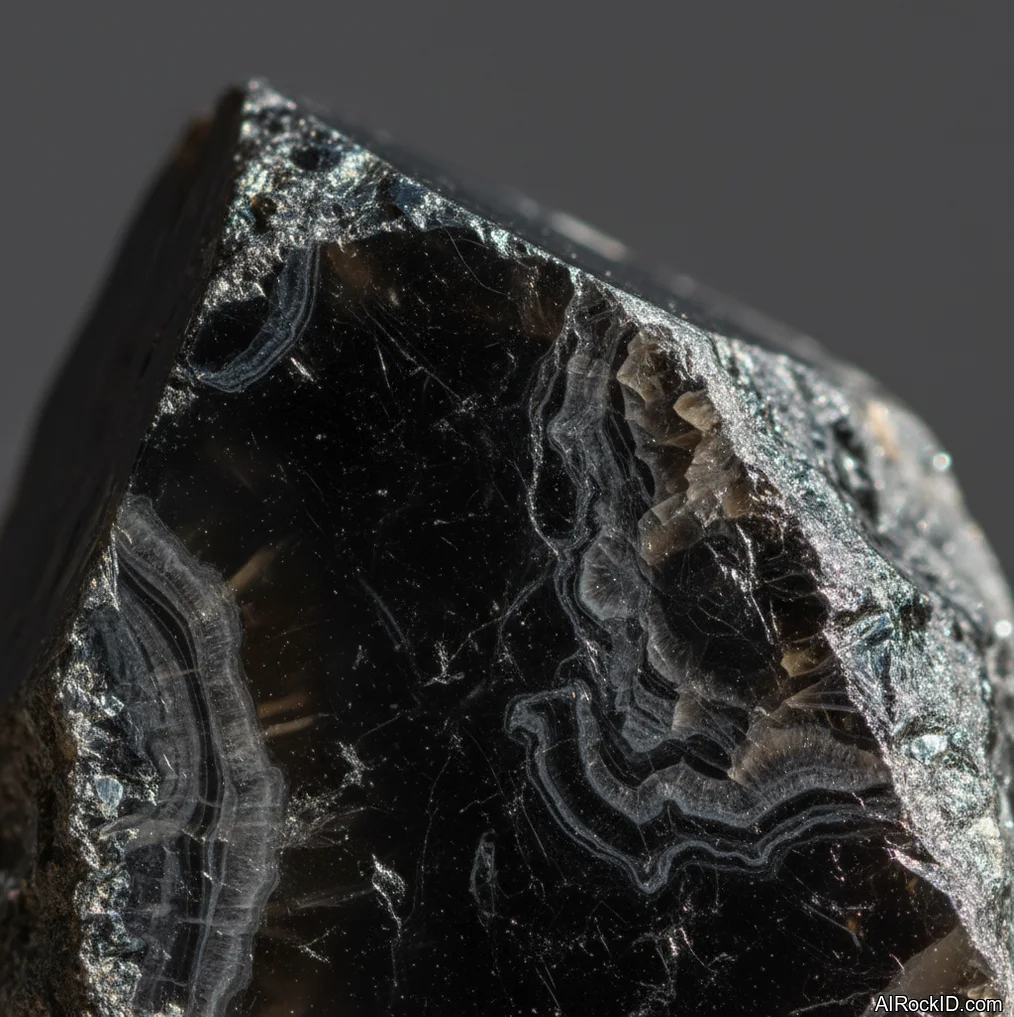
Hematite
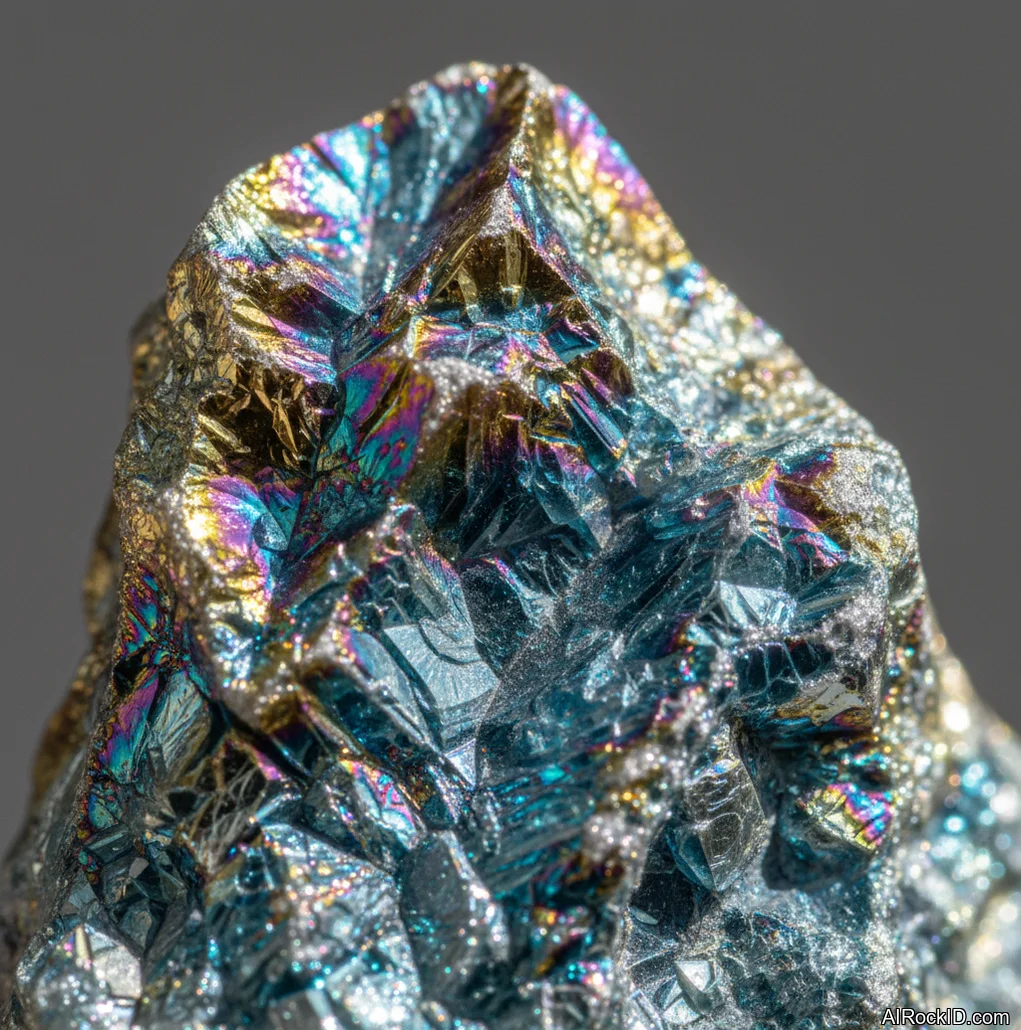
Clear Quartz
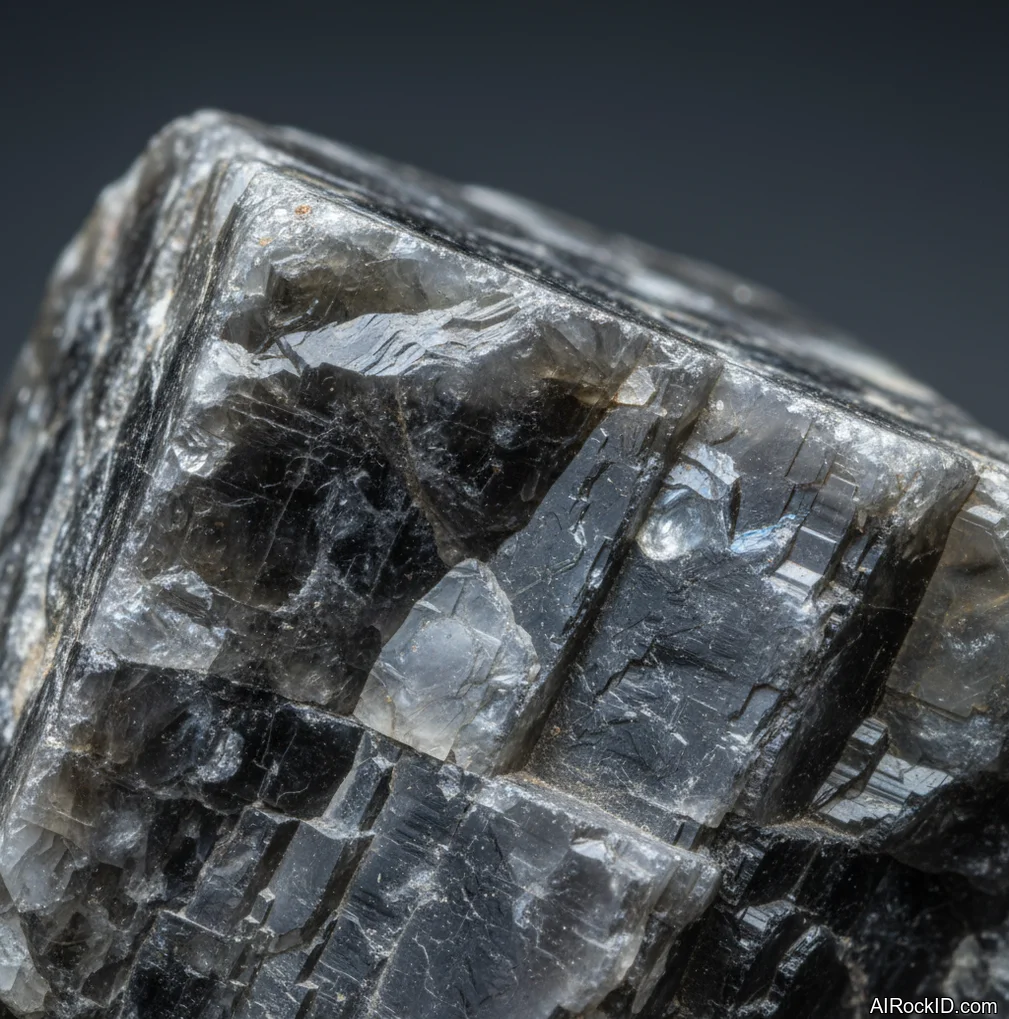
Sunstone
What “success” actually means when you’re working with crystals
Success work tends to fall into a few buckets: focus, confidence, resilience, and money habits. If you don’t pick the bucket first, you end up buying pretty stones that don’t match the problem. Sounds familiar?
So pick the problem, then pick the stone. When you hold a heavy stone like hematite, you can feel that cool, weighty “stay put” vibe in your palm, and it kind of nudges you toward sticking with the boring task. But grab something flashier like tiger eye and you get that little hit of courage, plus a steadier posture, like your shoulders naturally drop back a notch.
Look, scan your week and name the friction. Are you avoiding outreach? Getting scattered? Quitting when you don’t get quick results?
Thing is, I’ve had clients swear they needed a “money stone,” and then we realized they actually needed a “finish what I start” stone, because half-done projects don’t get paid. The practical move is simple: choose one stone for one behavior, then test it for two weeks. Keep notes (messy notes count). If it doesn’t change what you actually do, swap it out.
Choosing quality pieces without getting ripped off
Most dealers are solid, honestly. But “success” stones pull in the gimmicks, because people want the quick fix and someone’s always happy to sell it to them. So the first thing I do is see if the seller can handle the dull stuff: treatment, origin, and what the stone even is. If they freeze up or dodge it, I’m out.
Look, “citrine” is the biggest headache right off the bat. A lot of what’s sold as citrine is just heat-treated amethyst, and you can usually spot it by that burnt orange color plus the chalky white at the base of the point (you know, that weird pale patch that looks like it didn’t take the heat evenly). Natural citrine is usually lighter, more consistent, and sometimes it has a faint smoky tint instead of that toasted look.
Pyrite is a different problem. Thing is, it can be unstable. Some clusters literally crumble, and you’ll open the box and find those tiny brassy grains sprinkled around like glitter that got everywhere. I do a quick test: I gently rub a corner with my thumb over a dark cloth. If it drops a lot of crumbs, that’s a display piece, not something I’d carry or handle every day.
And coated quartz? It’s pretty obvious once you’ve had one in your hand. Tilt it under a light and you’ll see that slick surface shine that sits on top of the crystal, not that deeper glow that looks like it’s coming from inside. That “skin” gives it away fast.
Pairing crystals with real-world systems that create results
Crystals work best when you hook them into a routine you already trust. If you time block, the stone is basically your start and stop button. And if your thing is sales outreach, it’s the little anchor you tap right before you send that follow-up.
Thing is, one stone in one spot beats carrying five stones around almost every time. I keep it simple: a desk stone for focus, a pocket stone for confidence, and I’m done. Fluorite sits right up against the edge of my planner (you can feel the cool, slick surface when you reach for a pen) for clear thinking, and tiger eye lives in my pocket for meetings.
So the real test is super practical: do you notice it at the exact moment you usually drift or sabotage the plan? If you don’t, move it. Put pyrite next to the invoice folder, right where your fingers hit the paper tab. Put carnelian beside the laptop charger so you bump it when you plug in. Make the stone interrupt the pattern. That’s the whole point.
Workplace use that doesn’t feel weird or draw attention
You don’t need to set up a whole altar on your desk at work. One little tumbled stone sitting on a coaster just looks like desk decor, and a bracelet is, well, just a bracelet. And that’s the point if your office is conservative or you simply don’t feel like dealing with comments.
Most of the time, I tell people to pick stones that feel normal in your hand. Hematite is slick, cool to the touch, and honestly reads like a plain dark pebble. Tiger eye looks like a classic brown stone with that subtle stripey shine you only catch when you tilt it under the overhead lights. Clear quartz can pass as a paperweight if it’s a clean point, especially if it’s got a flat enough base to sit without wobbling. Thing is, the only stuff I skip in shared spaces is anything crumbly or dusty, like fragile pyrite clusters or soft minerals that scratch (nobody wants sparkly grit all over the keyboard). If you’re on video calls, keep the stone off camera and use it below the desk as a hand anchor, so you’re not clicking your mouse or fussing with pens the whole time. Why invite questions?
How to Use These Crystals for Success
Pick one goal and one stone. Simple. Write the goal in plain language, like “send 5 follow-ups by Friday” or “finish the draft by 3 pm.” Then put the stone where the behavior actually happens. If the goal is outreach, the stone goes next to your phone charger or the notebook where you track leads (the one with the bent corner, not the “nice” one you never open). If the goal is focus, set it beside your keyboard, not on a shelf across the room where you’ll forget it exists.
Pick up the stone at the same moment every time. Same beat, every day. I use a tiny script: touch stone, read the next action, start a 25 minute timer. Done. The stone is the trigger, the timer is the container, and the next action keeps you from drifting into tabs and snacks and “quick” chores. If you’re using something fragile like fluorite, keep it as a desk piece and don’t toss it in a bag with keys (ask me how I know). For pocket stones, go with tougher ones like tiger eye or hematite, and rinse them once in a while with water and a drop of soap if they start to feel grimy, like that slick film you can’t quite see but you can feel.
If you want to combine stones, do it by function, not by vibes. Pair a confidence stone with a focus stone, like tiger eye plus fluorite, or carnelian plus hematite. Don’t stack five different “money” stones and expect clarity. You’ll just forget what you’re doing. Two is plenty.
Common Mistakes to Avoid
Buying a stone and then just waiting for it to magically do something on its own is the big one. If nothing changes in your calendar or your behavior, it’s just a pretty object sitting there catching dust (and fingerprints, especially on the glossy ones). So tie it to an action you can actually measure, even if it’s tiny, like “opened the spreadsheet” or “wrote 200 words.”
Another common mistake? Carrying too many stones. People wind up with a pocket full of little tumbles, and then none of them stands out as a cue when you reach in. One solid piece you actually touch, feel the weight of, and notice in your hand beats a handful you forget about. And look, be careful with the “success” marketing labels. I’ve seen dyed green stones sold as aventurine and baked amethyst sold as citrine more times than I can count. The real test is asking questions and learning what honest material looks like under normal light.
Last one: ignoring basic physical care. Fluorite chips. Coated aura quartz scratches (you’ll see the dull scuffed spots fast if it rides around with keys). Pyrite can shed. If your stone is falling apart or leaving residue, you’ll stop using it, and the habit link breaks.
Identify Any Crystal Instantly
Snap a photo and get properties, value, care instructions, and healing meanings in seconds.