Crystals Formed From Meteorites
Quick answer: Crystals formed from meteorite events usually means minerals or glasses changed by impact shock, heat, or rapid cooling, not ordinary crystals that arrived from space. The best-known examples include moldavite, libyan desert glass, shatter cones with shocked minerals, and rare high-pressure minerals found in meteorites or impact structures.


- Introduction
- Recommended Crystals
- What “formed from meteorites” actually means in the real world
- Impact conditions: shock, melt, and the fast-cooling problem
- ID and authenticity: what I check before I trust a space claim
- Care and storage for impact-adjacent specimens (they chip, rust, and scuff)
- How to Use These Crystals
- Common Mistakes
- FAQ
AI Rock ID can help compare visible features such as glassy luster, color, surface texture, and inclusions when evaluating a suspected impact-related specimen. RockIdentifier.io provides reference information that can support visual screening, but lab testing or documented provenance is still important for high-value meteorite-linked materials.
Good fit
- Collectors who want impact-related specimens with documented geological context
- Beginners comparing tektites, impact glass, and meteorite fragments
- People who prefer durable display pieces with clear provenance notes
- Crystal users interested in traditional symbolism around transformation, grounding, or cosmic themes
- Students learning how shock pressure and rapid cooling affect minerals
Not a good fit
- Buyers who want guaranteed extraterrestrial origin without documentation
- Anyone expecting visual inspection alone to prove a meteorite connection
- People needing jewelry stones that resist scratching, chipping, or heat exposure
- Collectors unwilling to verify seller claims for rare or expensive specimens
Most commonly confused with
- Obsidian: Volcanic glass from lava, not impact glass, though both can appear dark, glassy, and conchoidal.
- Moldavite: A natural tektite linked to an impact event, often confused with green bottle glass or synthetic imitations.
- Libyan Desert Glass: Pale yellow impact glass from the Sahara, distinct from citrine or ordinary yellow glass.
- Hematite: An iron oxide mineral that may be mistaken for meteorite material because of its metallic look and high density.
AI identification confidence
AI photo identification can be useful for sorting obvious glass, quartz, iron oxides, and common lookalikes. Confidence is lower for proving impact origin because features such as shock lamellae, nickel-iron content, and diagnostic melt textures often require magnification, spectroscopy, or laboratory analysis.
When AI gets it wrong
- Green bottle glass is photographed under lighting that makes it resemble moldavite.
- Slag, furnace glass, or industrial byproducts have bubbles and dark surfaces similar to some impact glasses.
- Weathered iron oxides are mistaken for meteorites because they feel heavy or attract a magnet.
- A specimen has no scale, locality, or clear surface detail in the photo.
Best choice summary
For most collectors, the best starting point is a documented tektite or impact glass because the material is recognizable, widely studied, and easier to source than rare meteorite minerals. Moldavite and libyan desert glass are popular options, while confirmed shocked minerals or meteorite thin sections are better suited to advanced collectors.
Final recommendation
Choose specimens with a clear locality, seller documentation, and physical features that match known impact materials rather than relying on a vague “space crystal” label. If the piece is expensive or claimed to be rare, treat visual ID as preliminary and seek provenance or professional testing before buying.
Why people search for this
People often search this topic because meteorite-related crystals combine geology, rarity, and dramatic origin stories. The term can be confusing because many specimens are impact-formed on Earth rather than crystals that crystallized inside a meteorite.
Beginner recommendations
Advanced recommendations
- Shocked Quartz
- Meteorite
- Maskelynite
Ethical and Legal Sourcing Notes
Meteorites, tektites, and impact glasses may be subject to local collecting laws, export limits, or protected-area rules. Responsible sourcing means checking the stated locality, avoiding material with unclear legal status, and keeping receipts or provenance records with the specimen.
Simple Tests That Do Not Damage the Specimen
A magnet check, weight comparison, bright-light inspection, and close-up photo review can help separate common lookalikes from possible impact-related material. Non-destructive checks cannot prove every claim, but they can reduce the chance of confusing slag, glass, or iron oxides with meteorite-associated specimens.
How to Label a Collection Piece
A useful label should include the material name, claimed locality, seller or source, purchase date, and any test results. For uncertain pieces, wording such as “possible impact glass” or “sold as tektite” is more accurate than presenting the specimen as confirmed.
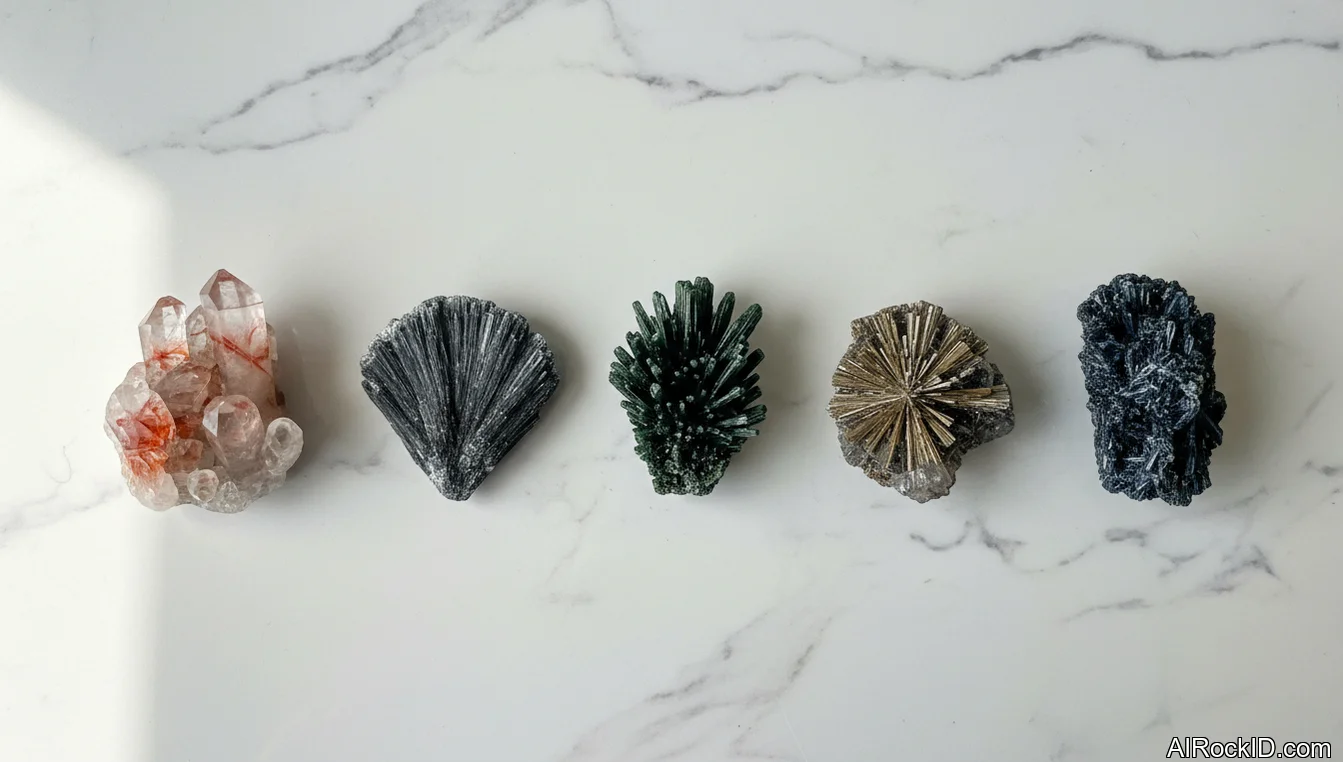
Crystals formed from meteorite impacts are minerals and glasses created or altered by the insane heat and shock of an impact, then locked in by rapid cooling, not “space-grown” gems. In this guide, we’re talking about impact-linked material collectors actually chase or get sold alongside it: Amphibole Quartz, Black Kyanite, Aegirine, Astrophyllite, Arfvedsonite, and Anorthosite. Pick up real impact glass and it sits heavy and slightly grabby, but a lot of “meteorite crystal” listings are just normal Earth minerals with a space story, so provenance matters.
Yes, meteorites can make crystals. But most stuff sold as “meteorite crystals” is really impact-made minerals, impact glass, or plain old Earth minerals that got shock-altered when something hit.
Pick up a real piece of impact glass and you feel it right away. Heavy. Slightly grabby in the hand. It’s not that smooth, slick bottle-glass feel at all. Most chunks have tiny pits you can catch with a fingernail, stretched-out bubbles frozen mid-flow, or that wind-scoured outer skin that looks like it got blasted with gritty sand. That’s what insane heat and pressure, then a snap-cool, actually leaves behind. The crystal angle isn’t mystical. It’s a brawl of physics (and yeah, that’s exactly what hooks collectors).
So here’s the practical angle: impacts create short-lived conditions you just don’t get in the normal rock cycle. Ultra-high pressure. Sudden melting. Rapid quenching. Shock waves that literally rearrange crystal lattices. From that, you can end up with shock quartz, high-pressure silica phases, impact-derived glasses, plus weird assemblages trapped inside breccias. And the market? It’s noisy. Plenty of sellers slap “meteorite” on anything dark and shiny, so you’ll want a few field tests, some skepticism, and a gut check on what’s even plausible for that specific impact site.
Quick Comparison
| situation | crystal | why | format |
| I bought something labeled “meteorite crystal” and I want a reality check against common fakes and hype listings. | Anorthosite | It’s a good baseline “Earth rock” that often gets bundled into spacey stories, so comparing texture and structure helps you spot when a seller is just selling a vibe; real anorthosite shows chunky feldspar grains and a dry, stony feel, not metallic flecks or glassy flow lines. | raw hand sample (fist-size if you can) + a small cut tile for close inspection |
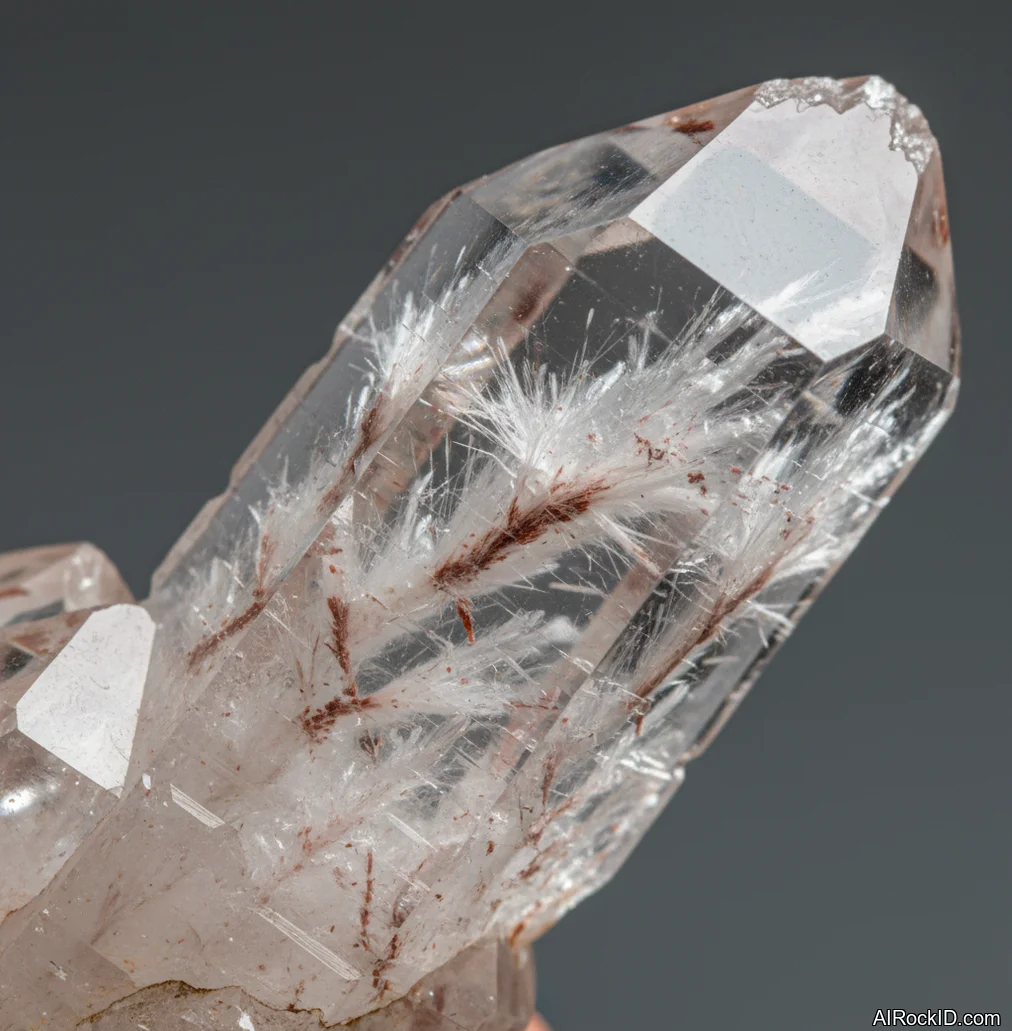
| I want a stone that feels like impact physics in-hand, not polished-and-forgettable. | Amphibole Quartz | Look closely and you can see those internal needle sprays and plume-like inclusions that shift when you roll it under a lamp; it’s the kind of piece you keep turning because the “scene” inside changes with angle and light. | small polished freeform or cabochon (so you can actually see into it) |
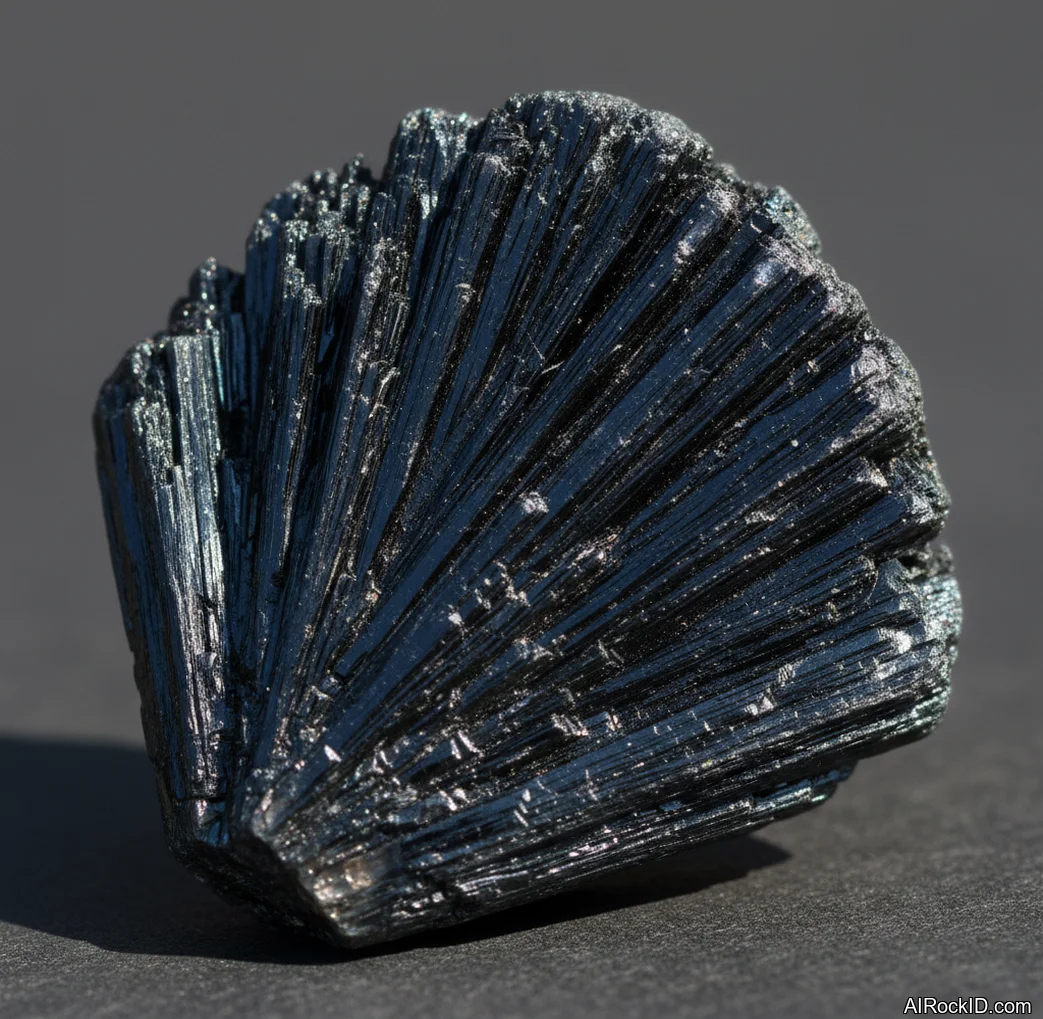
| I’m building a ‘meteorite impact’ display and I want something dark and blade-y that reads like shock and fracture. | Black Kyanite | It’s all ridges and splintery fans, and it’ll catch on fabric like a tiny rake if you’re not careful; that raw, directional texture fits the impact theme way better than a glossy tumble. | raw fan cluster in a display box (don’t pocket-carry it) |
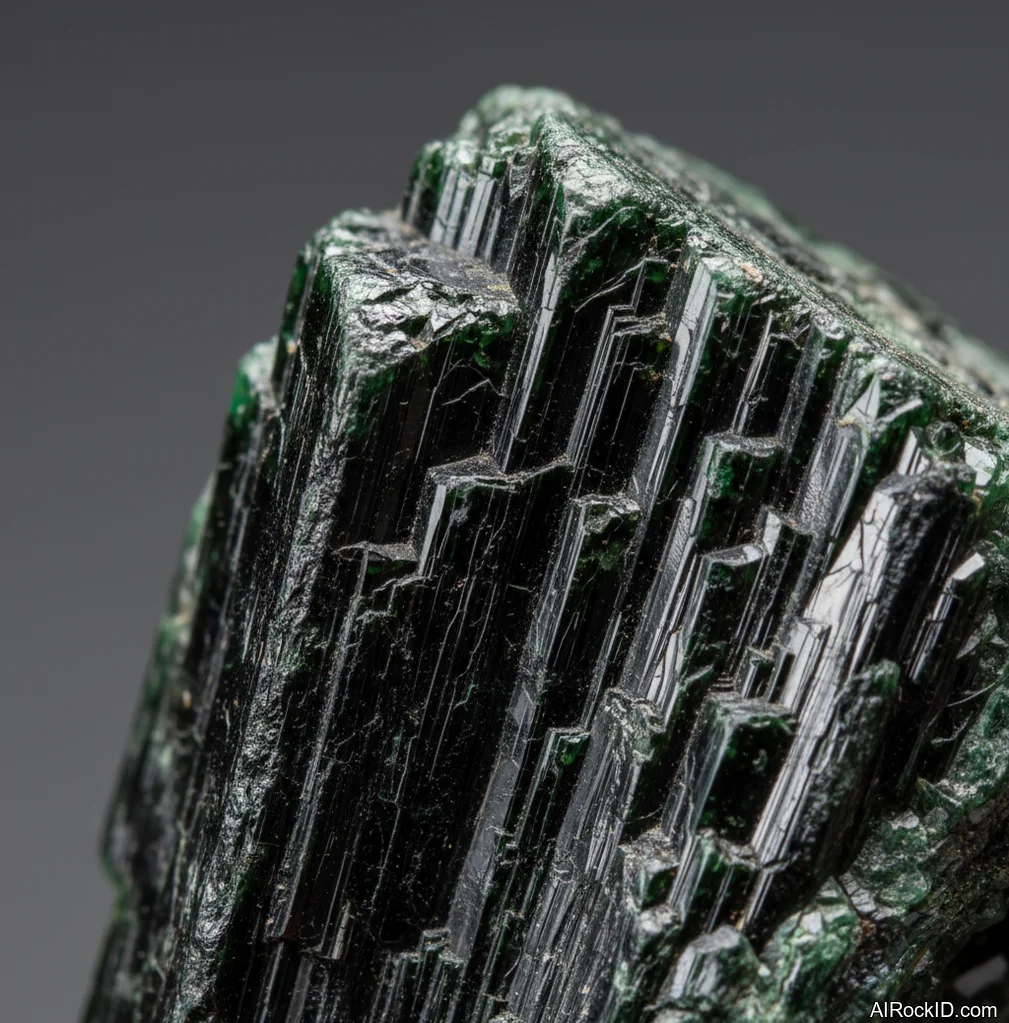
| I want that iron-black, high-density feel that people associate with meteorites, but I still want it to be an actual mineral specimen. | Aegirine | Aegirine can look almost metallic in good light, and the crystals often grow as sharp prisms that feel cold and hard when you tap them together; it scratches the “space rock” itch without pretending it fell from the sky. | thumbnail specimen in a perky box (prismatic crystals chip easily) |
Recommended Crystals
Amphibole Quartz
Black Kyanite
Aegirine
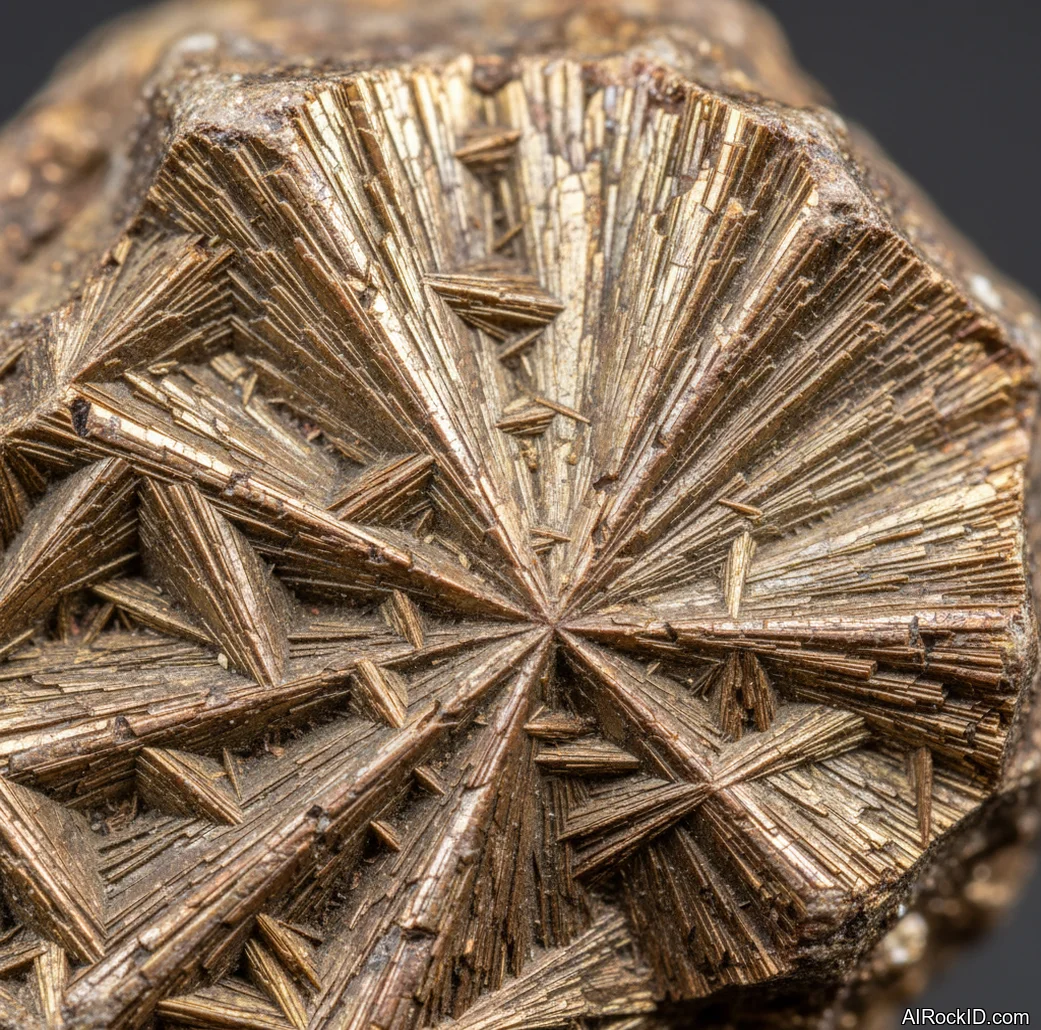
Astrophyllite
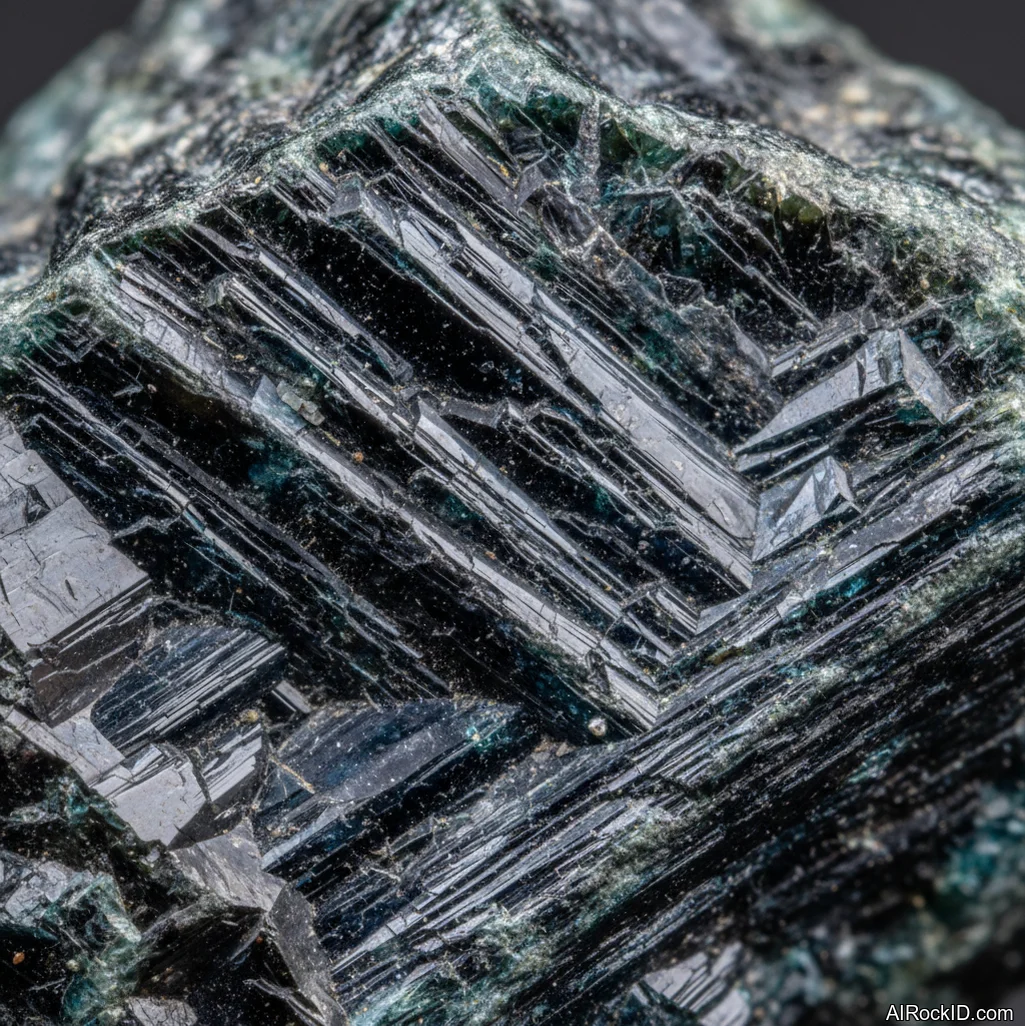
Arfvedsonite
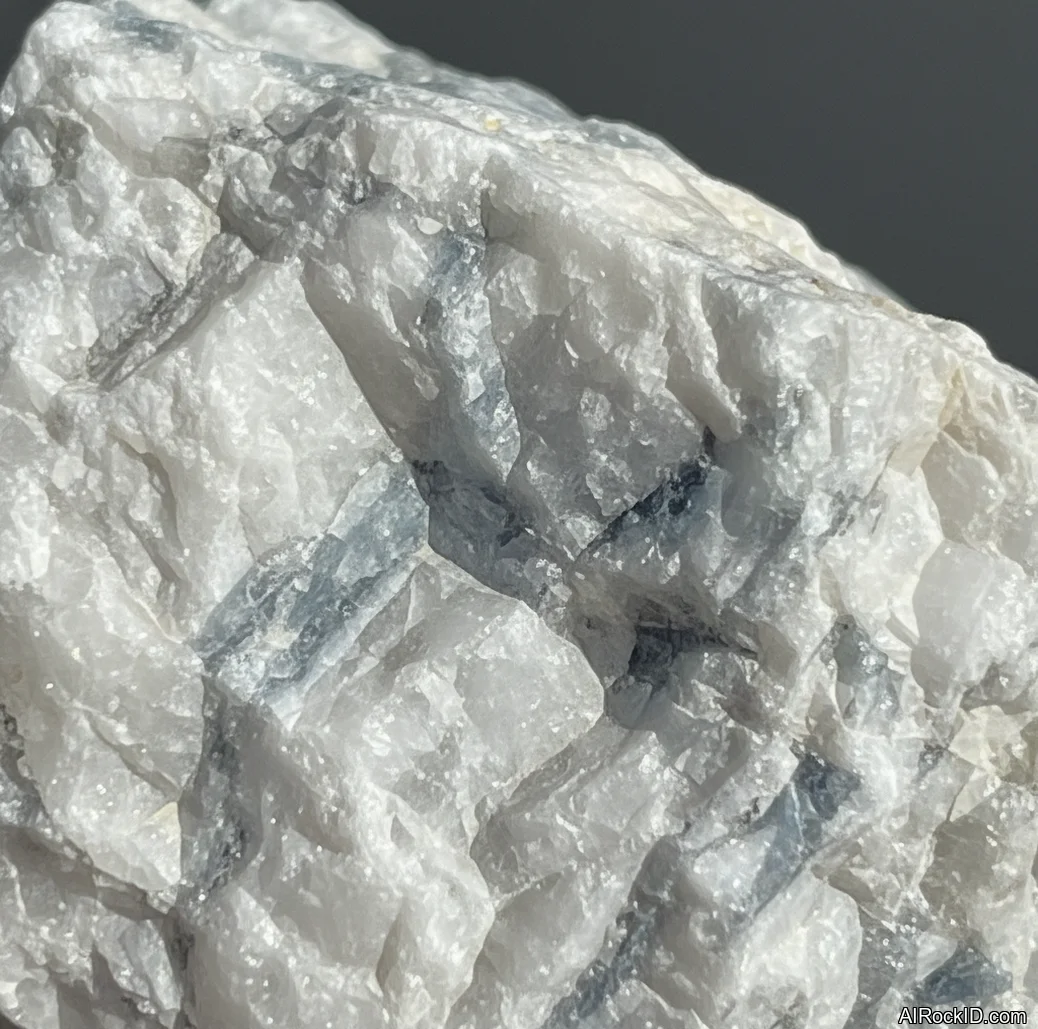
Anorthosite
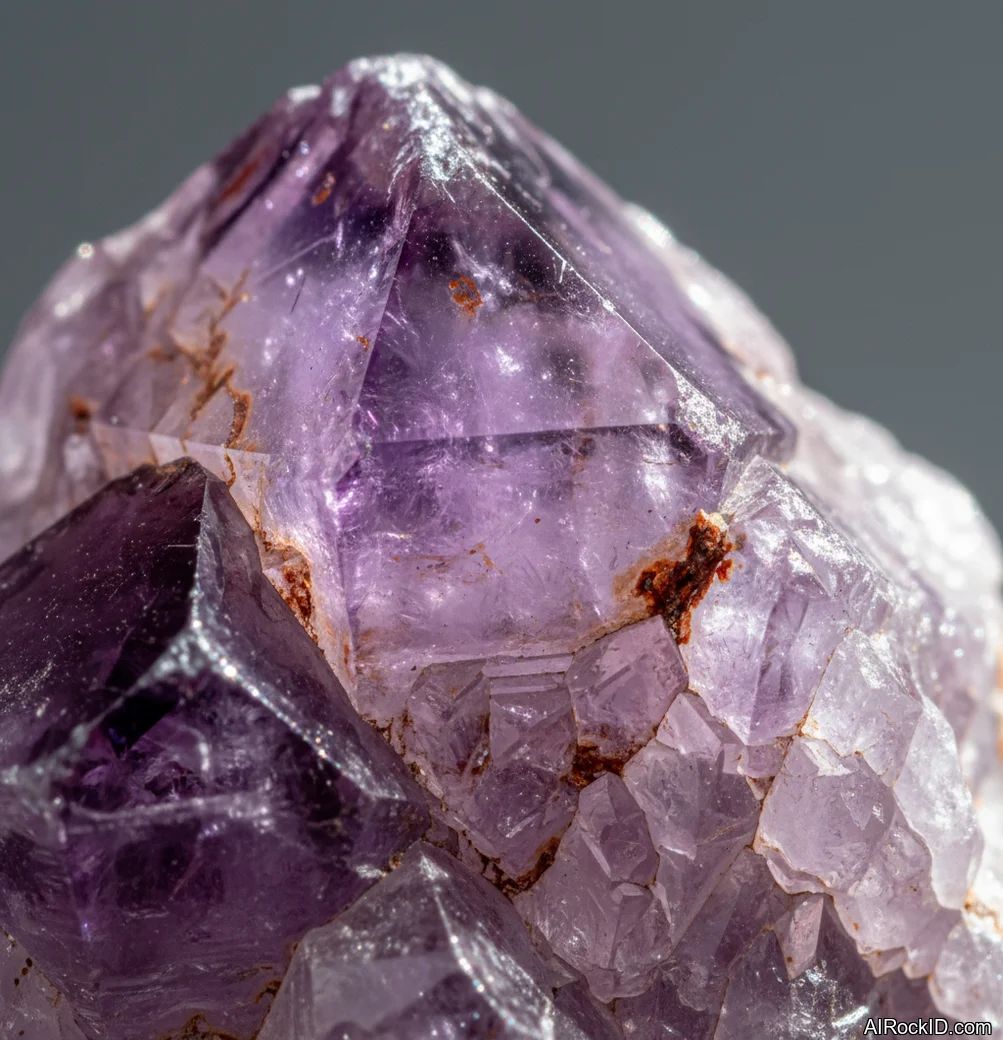
Auralite 23
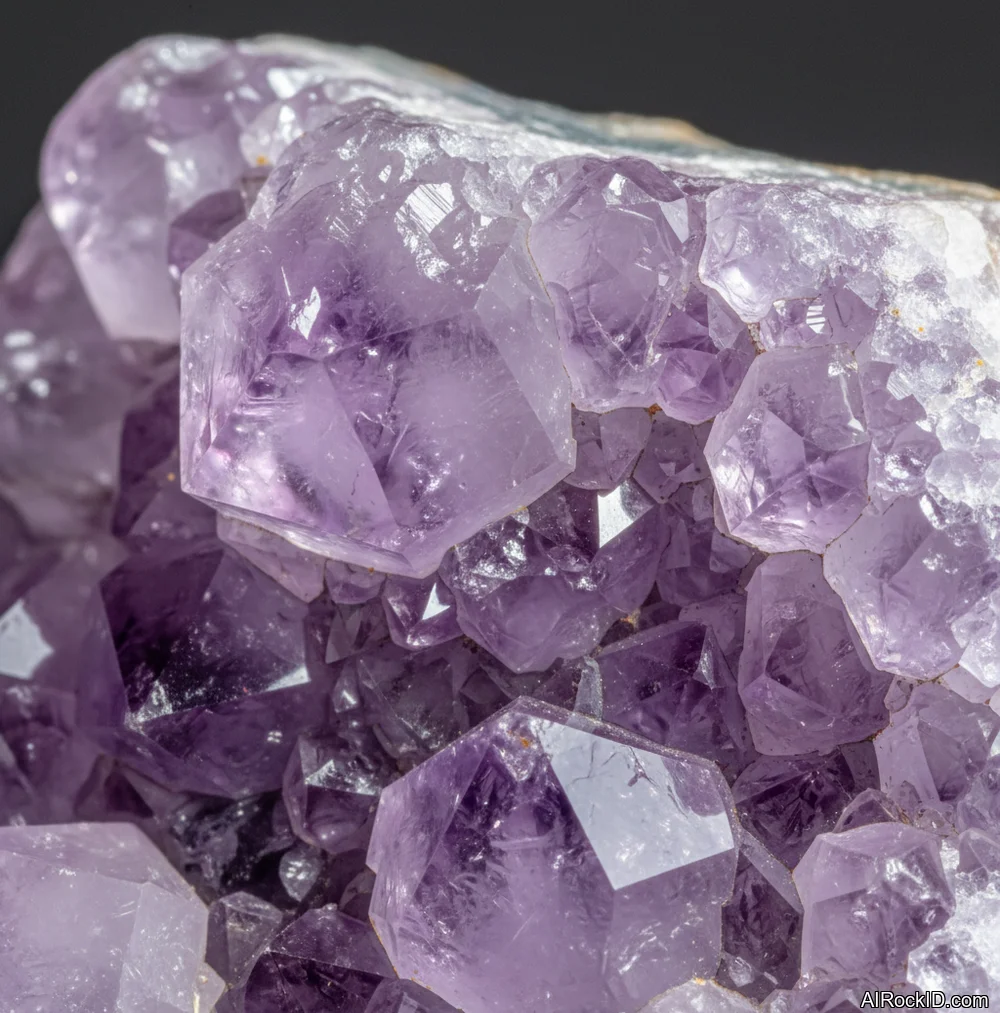
Amethyst
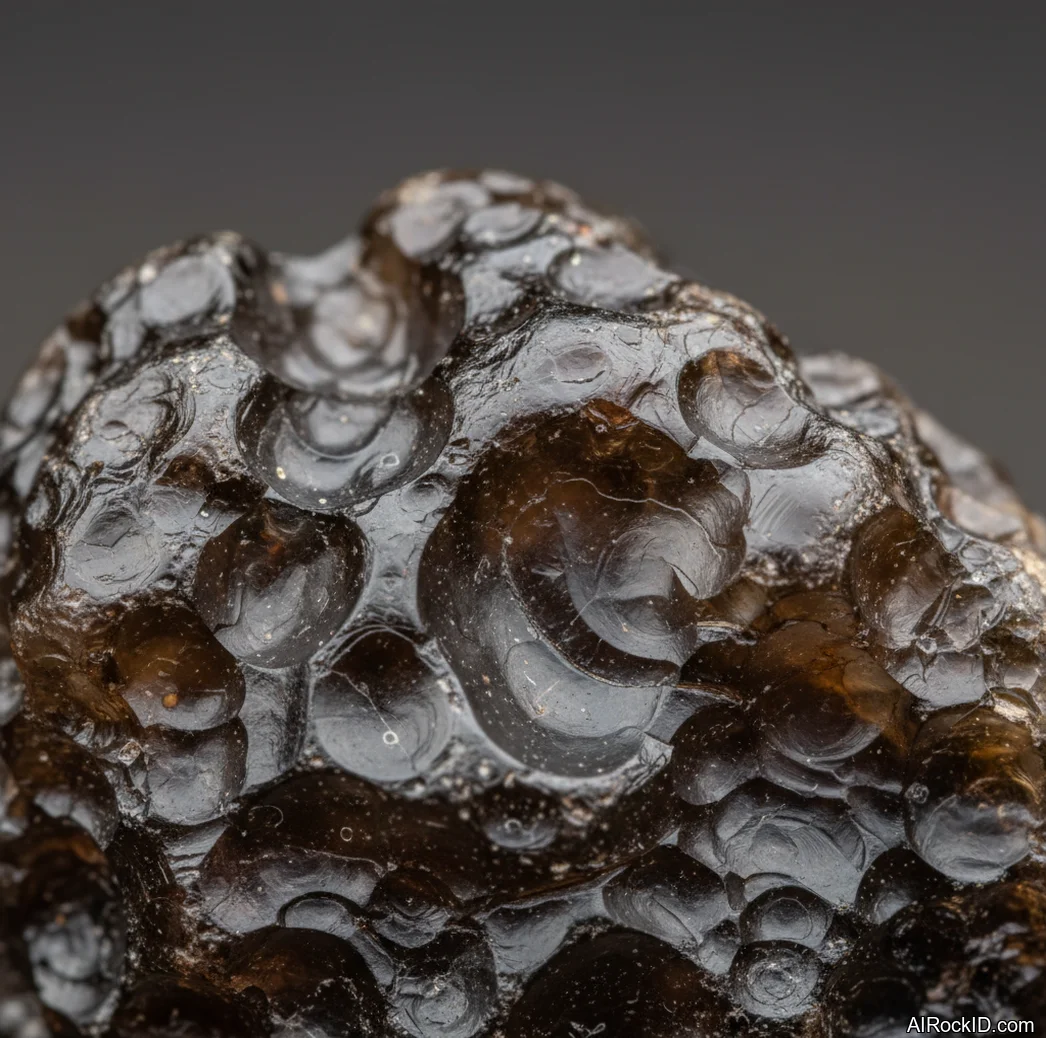
Agni Manitite (Pearl of the Divine Fire)
What “formed from meteorites” actually means in the real world
People keep stuffing three different ideas into one phrase, and it makes a mess. First: minerals that actually crystallized inside the meteorite, stuff like metal phases and sulfides. Second: minerals that formed here on Earth because of the impact, where the target rock gets shocked, melted, then quenched so fast you end up with new phases or those odd, frozen-in textures. Third: regular Earth minerals that got shock-modified, which can look pretty wild even when the chemistry stays the same.
Most dealers lean hard on the romance and smear those categories together. But you don’t have to go along with it. If a seller can’t tell you whether the piece is tied to a known strewn field, a documented crater, or it’s just some “found in the desert” tale, treat that label like marketing copy. I’ve literally seen people pay crater-glass money for plain slag because they wanted the space story. So slow down. Ask for the locality. Ask what testing (if any) backs up the claim. Simple questions, but they change everything.
One habit that actually works: put two labels on the box. One says “what it is” (glass, quartz, pyroxene). The other says “why it’s in the meteorite drawer” (impact melt, shocked host rock, claimed meteoritic origin). Tiny change. Big payoff. Keeps you honest (and keeps your wallet from doing something dumb).
Impact conditions: shock, melt, and the fast-cooling problem
Meteorite impacts don’t give crystals a nice, lazy window to grow the way a pegmatite does. It’s a nasty spike in pressure, then a blast of heat, then everything drops fast as the material explodes outward and cools. So you end up with impact glass all over the place, and you don’t usually get big, clean, well-formed crystals.
When crystals do show up, they’re often tiny. Kind of tangled together. Or they’re trapped inside breccia like raisins baked into a loaf (good luck pulling one out without breaking it).
Grab a chunk of breccia in your hand and you can literally feel the change between clasts and matrix with your fingertip. The clasts feel chunkier, more “pebbly,” while the matrix is finer, sometimes almost slick because it’s glassy, and it can hide microcrystals you won’t notice until you magnify it. And under a cheap USB microscope, you’ll sometimes spot spherulitic textures or little needle sprays, which is basically the rock telling you, “Yep, that melt cooled fast.”
That fast-cooling issue matters for “crystal work,” too. If you’re using these stones as symbols of transformation, you’re holding a frozen moment of rapid change. But don’t dress it up as gentle energy. The geology says otherwise.
ID and authenticity: what I check before I trust a space claim
Start with the boring questions. What’s the locality, and is it a known impact site or strewn field? A real answer sounds like a place you can point to on a map, not some floaty “energy” description.
Then check the physical tells and see if they actually match the claim. A “meteorite crystal” that’s perfectly glossy, perfectly black, and perfectly uniform is usually industrial glass or slag. Real stuff almost never looks that clean.
Thing is, the real test is whether all the features agree with each other. Natural glass often comes with mixed textures: a matte skin, glossy chips, stretched bubbles, and edges that look conchoidal but not machine-sharp (you can feel it with a fingernail). Meteorite metal should feel dense for its size, and if you file a tiny spot, you should see metal, not paint. Quartz with shock features tends to show weird planar bits under polarized light, but even without that setup, you can often spot intense internal fracture networks when you tilt it near a window.
And if you can, buy from people who actually document the basics: weight, magnet response, photos in natural light, plus a clear locality. I keep a small magnet, a loupe, and a pocket scale near my specimen shelf. It saves money. Honestly, it’s saved me more than once.
Care and storage for impact-adjacent specimens (they chip, rust, and scuff)
Impact glass scratches way easier than most people expect. Toss it in a bag with quartz and, yeah, you’ll get those dull rub marks fast. I keep my glass in its own little compartment with a bit of tissue (the kind that crinkles and sticks to your fingers), and I don’t stack pieces on top of each other. If you’ve ever heard that nasty little tick when glass kisses glass, you already get it.
Iron-bearing material is a whole other headache. If there’s anything metallic in your set, humidity is the enemy. And even if there isn’t an obvious meteorite in this particular list, people still tend to store these things together, so it’s worth saying out loud: silica gel packs work, and a sealed box is cheap insurance. Pop it open every couple months and check. If you spot orange dust, don’t shrug it off.
Cleaning’s easy. Water, mild soap, a soft brush, then dry it quickly. Don’t do salt soaks. They’re messy, they can stain iron-rich minerals, and they don’t make anything “more real.”
How to Use These Crystals for Crystals Formed From Meteorites
Keep your “meteorite-formed” work tied to what you can actually see and feel. Pick up each piece and pay attention to the way it hits your skin: does it feel cool right away or does it warm up fast, does it sit heavy in your palm, is the surface slick or a little grabby? Then write one plain sentence about what your eyes can prove. I do it under the same desk lamp, with the same loupe, in the same exact patch of my desk every time. And I’m stubborn about that, because shifting light will hide tiny stuff, and suddenly you’re convinced the stone changed when it really didn’t.
For a practical setup, I stick to a three-part set: one glassy piece (your heat and quench), one crystalline piece where you can see internal structure (your growth and order), and one “host rock” type (your baseline). In this guide, that can mean agni manitite for the glass, amphibole quartz or amethyst for the crystalline structure, and anorthosite for the baseline texture. Handle the glass last. Thing is, your hands pick up a little oil as you work, and dark glass shows fingerprints almost immediately (annoyingly fast, honestly).
If you’re using these stones for personal work, line up the intention with the geology. Impact material is about sudden change, pressure, collision, and aftermath. That can be exactly what you need when you’re trying to snap a stuck pattern. But soothing bedtime energy? Not really. When I want calm, I reach for something else. So when I want honesty and momentum, the impact drawer gets opened. Why fight what the material is telling you?
Common Mistakes to Avoid
The biggest trap is buying the story instead of the specimen. “Meteorite crystal” is basically catnip for fuzzy listings, and fuzzy listings are where dyed glass, slag, and random dark pebbles end up. Ask for the locality and crisp, close photos you can actually zoom in on. If the seller gets annoyed or starts dodging, well, there’s your answer.
Second mess-up: assuming anything black and shiny must be impact glass. Real impact glass usually has mixed texture, tiny pits, and flow features, and it won’t look like it rolled off some factory line with a perfect, even sheen. And I’ve watched people tumble impact glass to “polish it up,” then act surprised when it comes out looking bruised and kind of dull. Glass doesn’t behave like quartz. It just doesn’t.
Last thing is storage. People toss hard and soft material together in one pouch, then blame the stone when it gets scuffed up (how could it not?). Use separate compartments, a soft wrap, and keep it dry, and you’ll avoid most of the heartbreak.
What Crystals Can and Cannot Do
Identify crystals related to Crystals Formed From Meteorites
Snap a photo to check crystals mentioned in this guide and compare likely matches.