Physical Healing Crystals
Quick answer: Physical healing crystals are stones that many traditions associate with grounding, recovery, strength, or general body-focused support. They should be understood as symbolic or wellness tools, not substitutes for medical diagnosis, treatment, or emergency care.
Learn about Physical Healing crystals, what the property means, how to use stones like hematite, jade, malachite, and clear quartz safely.


Physical Healing crystals are minerals collected and used for their traditional associations with supporting the body: recovery, stamina, pain routines, and grounding. Common examples include hematite, jade (nephrite), bloodstone, and malachite. People often choose these stones for their weight, coolness, and tactile grounding sensation rather than any clinical effect. These associations come from metaphysical traditions and are not medical claims.
Physical Healing crystals can't cure, treat, or prevent any disease or injury. They're not a substitute for seeing a doctor, getting medication, or following actual medical advice.
AI Rock ID can help users compare a crystal’s visible traits, such as color, luster, banding, and transparency, against common mineral patterns. RockIdentifier.io provides crystal and mineral reference pages that can support identification, learning, and safe handling decisions.
Good fit
- People who want crystals traditionally associated with grounding, stamina, or body awareness
- Beginners looking for familiar stones such as hematite, jade, malachite, or clear quartz
- Collectors who want to organize stones by wellness tradition rather than only by mineral family
- Users who prefer neutral, non-medical explanations of crystal properties
Not a good fit
- Anyone seeking a replacement for professional medical care
- People who need verified therapeutic effects from a stone
- Users who plan to ingest, soak, or apply minerals to skin without checking safety data
- Anyone handling unknown green, metallic, or powdery minerals without identification
Most commonly confused with
- Bloodstone: Often linked with vitality traditions, but it is a jasper or chalcedony variety rather than a metallic grounding stone.
- Green Aventurine: Usually associated with comfort and renewal traditions, while jade is a tougher gem material with different mineral identities.
- Black Tourmaline: Commonly grouped with grounding and protection themes, but it has a different crystal structure and appearance than hematite.
- Clear Quartz: Often used as a general-purpose stone in traditions, but it is not the same as glass, selenite, or calcite.
AI identification confidence
AI identification is usually more reliable when the photo shows color, surface texture, crystal habit, and a clean view under natural light. Confidence may be lower for polished stones because many minerals become visually similar after tumbling or carving.
When AI gets it wrong
- Polished green stones may be confused with jade, aventurine, serpentine, or dyed quartz.
- Metallic gray stones may be confused with hematite, magnetite, galena, or coated material.
- Clear stones may be confused with quartz, glass, calcite, or topaz without hardness or optical tests.
- Dyed, heat-treated, or composite stones can look like natural specimens in photos.
What this category represents
The Physical Healing Crystals tag groups stones that are traditionally connected with body-centered wellness themes, such as grounding, strength, resilience, circulation symbolism, or recovery rituals. This tag describes cultural and metaphysical associations rather than proven medical effects.
Beginner recommendations
Advanced recommendations
Physical Healing Crystals in Different Traditions
Physical healing associations vary across crystal healing, folk practice, meditation, and modern wellness communities. A stone may be linked with strength in one tradition, grounding in another, and recovery symbolism in a third. These meanings are best read as cultural and spiritual interpretations rather than standardized medical categories.
Natural, Treated, and Imitation Stones
Some stones sold for physical healing themes may be dyed, stabilized, heat-treated, coated, or made from glass or composite material. Treatment does not always make a stone unsafe, but it can change durability, value, and identification accuracy. Checking color concentration, surface coating, bubbles, and seller disclosure can help separate natural specimens from altered materials.
Simple Non-Medical Ways to Categorize a Collection
A physical healing crystal collection can be organized by mineral type, color, hardness, traditional meaning, or handling precautions. Keeping labels with each stone helps prevent confusion between similar materials such as jade, serpentine, aventurine, and dyed quartz. Storage notes are especially useful for softer, copper-bearing, or water-sensitive specimens.
What Are Physical Healing Crystals Used For?
Physical Healing, when it comes to crystals, means stones people reach for when their bodies need backup. It could be after an injury, during flu season, or just those days your energy feels drained. Some want support for pain. Others want a little boost for immune routines, or help feeling present in their skin. These stones don’t replace real medical stuff—think of them as tactile reminders or comfort objects more than cures. That’s the heart of it.
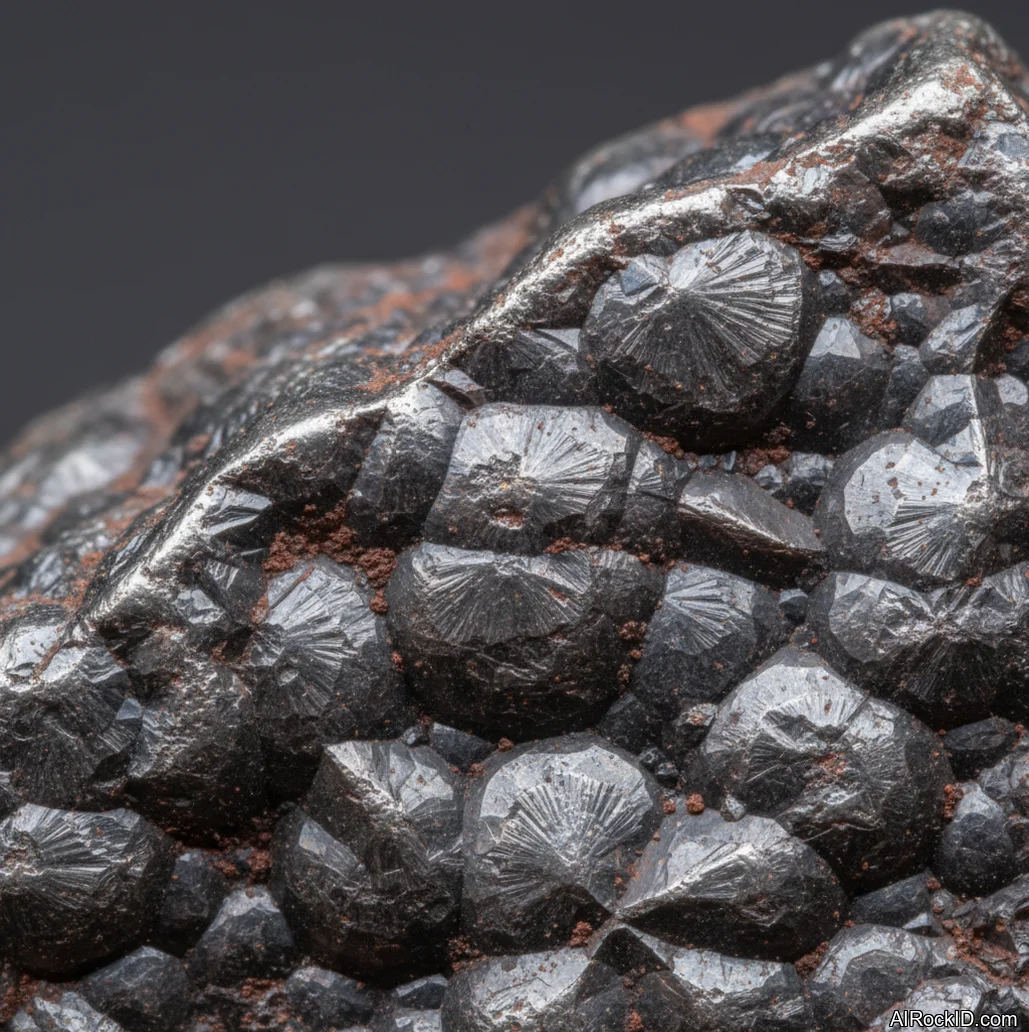
Hematite is a classic. Hold a heavy chunk and you’ll notice it sits solid in the hand. It cools the skin and has a weight that calms racing thoughts. The polish on hematite isn’t slick like glass, but more like oiled steel. It’s that sensory weight and temperature that get people hooked, especially when the body’s hurting or tired. The way hematite anchors you is hard to explain if you haven’t tried it, but it’s real. Most collectors keep a piece handy for that reason alone.
How Physical Healing Stones Feel: Real Sensory Feedback
You know you’ve picked a Physical Healing stone when it feels grounding, solid, and has a heft you can’t ignore. Polished jade, the nephrite variety, is a good example. It’s got a waxy texture—almost like a river pebble that’s been tumbled for decades. Tap it on wood and you’ll hear a dull, muted thud instead of a sharp clink. Nephrite jade resists chips and cracks better than most green stones, so you can toss it in a pocket and not worry much. What draws people in isn’t flash—it’s the steady, lasting feel.
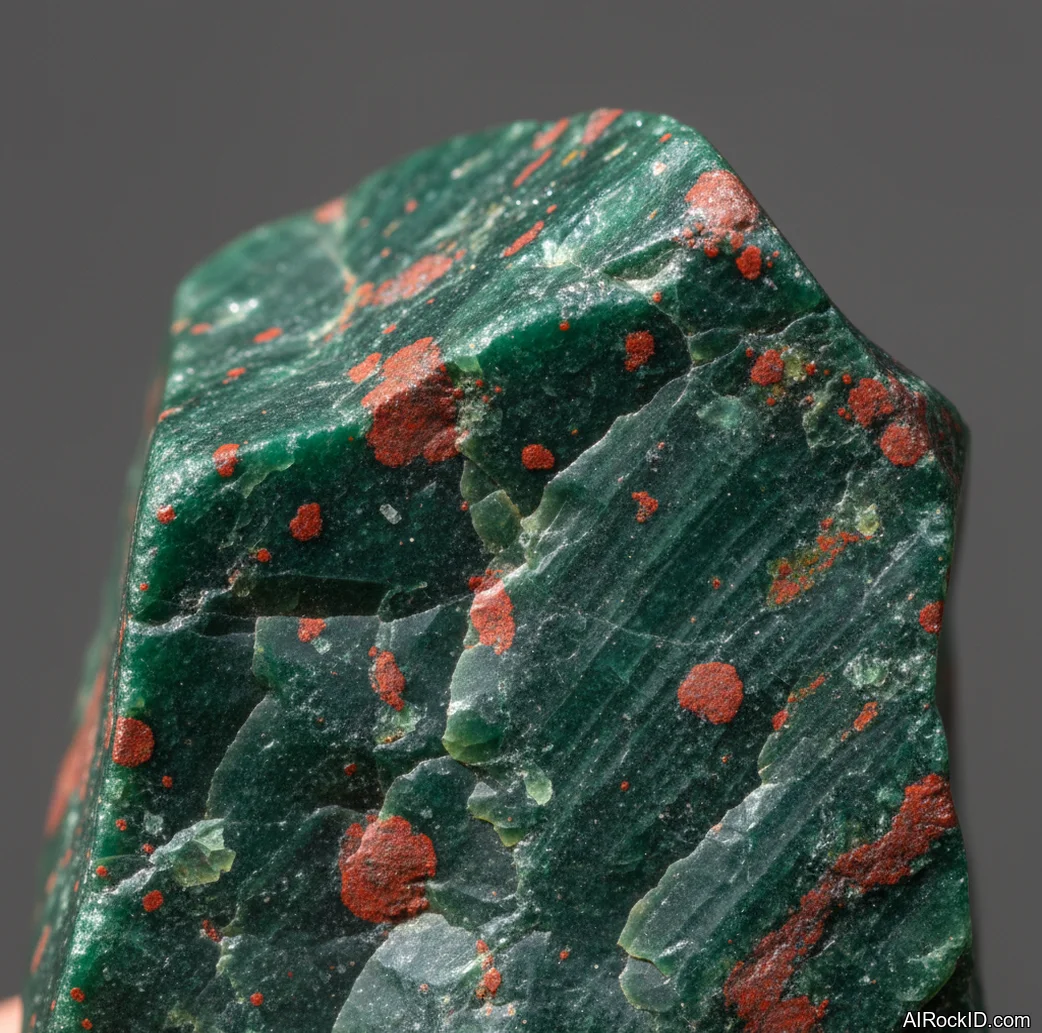
Green stones dominate here. There’s an earthy vibe, a sense of quiet protection. Bloodstone sits in this category too, with its deep green base and red flecks. It’s tougher than it looks. When you run your thumb across the surface, you can feel the slight grit where the red inclusions poke through. These are not showy crystals. They’re meant for daily carry, for the kinds of days where you need something solid in your palm to get by.
Safety and Care: Handling Physical Healing Crystals
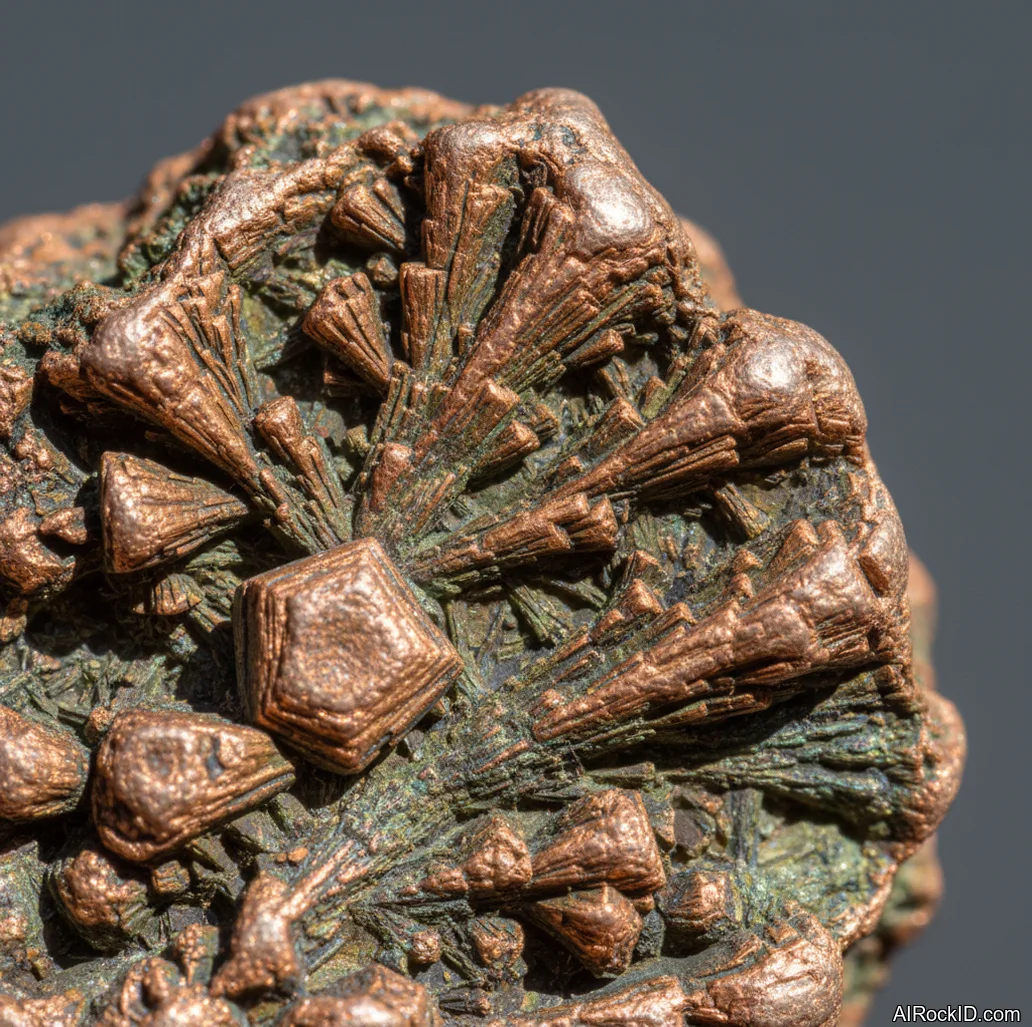
Malachite comes up all the time in Physical Healing circles, but it’s got some quirks. Raw malachite is soft—run your nail across it and you’ll leave a scratch or pick up green dust. That dust isn’t safe to breathe or get on your hands. Polished pieces are better, but even then, look for tiny pits or cracks that can collect residue. If you ever see bright green on your fingers after touching malachite, go wash up. I’ve seen poorly cut pieces leave streaks on a white cloth. For Physical Healing work, just hold or look at polished malachite—don’t use it in elixirs or grind it up.
Other stones, like hematite, can rust if left wet. Jade can handle a lot, but avoid harsh cleaners. Bloodstone’s surface can dull if you toss it with keys or coins. The best bet is to wash with lukewarm water and dry by hand. Most of these stones will outlast you if you keep things simple.
Choosing and Using Physical Healing Crystals for Real Life
Picking a Physical Healing stone is personal, but there are a few basics. If you want something gentle for everyday handling, nephrite jade is tough and forgiving. For a more serious, weighty feel, hematite can’t be beat. Bloodstone is good if you want a green stone with a bit of grit and visual interest—those red flecks are a dead giveaway for the real thing. Malachite attracts people who want bold color and don’t mind a little extra care.
Most people carry these as palm stones, pocket pieces, or worry stones. Some keep a chunk by the bed or at a work desk. When you’re run down, there’s something steadying about picking up a cool, heavy stone and just holding it. I keep a smoothed jade pebble in my jeans most days. To get the most out of it, skip the hype and use the stone as a reminder to slow down, check in with your body, and actually do the things that help—rest, water, stretching, real care. That’s what Physical Healing crystals do best.
Best Physical Healing Crystals to Start With
| Level | Crystal | Note |
| Gentle / Beginner | Nephrite Jade | Tough, waxy, won’t chip in a pocket, safe for handling and easy to tell from fakes by sound and weight. |
| Balanced / Everyday | Bloodstone | Dense, slightly gritty surface, holds up well to daily carry, classic green with red flecks for body support themes. |
| Intense / Advanced | Malachite | Strong color, visually striking, but needs careful handling because raw and dust are unsafe—suits collectors who know stone care. |
| Best for Carrying | Hematite | Heavy, cool, and smooth—anchors you during stress; polished stones don’t nick easily in pockets. |
| Best for Display | Polished Malachite Slab | Bands of bright green catch light on a shelf, but always display out of reach of small kids or pets. |
Physical Healing Crystal Comparison
| Crystal | Common Use | Feel / Use Style | Care Caution |
| Hematite | Grounding, stamina, pain routines | Heavy, cool, almost oily-smooth | Can rust if left wet; avoid water |
| Nephrite Jade | Long-term wellness, body steadiness | Waxy, dense, taps with a dull sound | Safe and tough, but avoid acidic cleaners |
| Malachite | Body support, transformation themes | Cool, banded, often pitted or cracked | Raw or dust is toxic; keep polished and dry |
| Bloodstone | Physical endurance, immune support | Smooth but gritty, dark green with red | Surface scratches if stored with metal |
How to Identify Physical Healing Crystals with AI Rock ID
To identify Physical Healing crystals with an AI Rock ID app, take photos in bright, natural light and include both a full stone shot and a close-up of texture or banding. Upload images showing color zoning, streaks, or polish luster—these details help the app compare against known crystals like hematite or jade. For tougher IDs, note the stone’s weight and test hardness if possible, then check the app’s results against those tactile clues. AI tools help match visual features, but hands-on checks like coolness or heft can confirm the guess.
All Physical Healing Crystals (9)