Best Crystals for Business
- Introduction
- Recommended Crystals
- What “business crystals” actually do in a workday
- Choosing desk stones vs carry stones (and why it matters)
- Money, sales, and negotiation: matching stones to the moment
- Sourcing and spotting fakes without becoming paranoid
- How to Use These Crystals
- Common Mistakes
- FAQ
The best crystals for business are the ones that help you stay calm when things get hot, speak clearly when it matters, and actually finish what you said you’d do. I’m not talking about magic money rocks. I mean stones that work like little physical reminders: you pick one up, you feel it, and it snaps you back into the headspace you need to run a company.
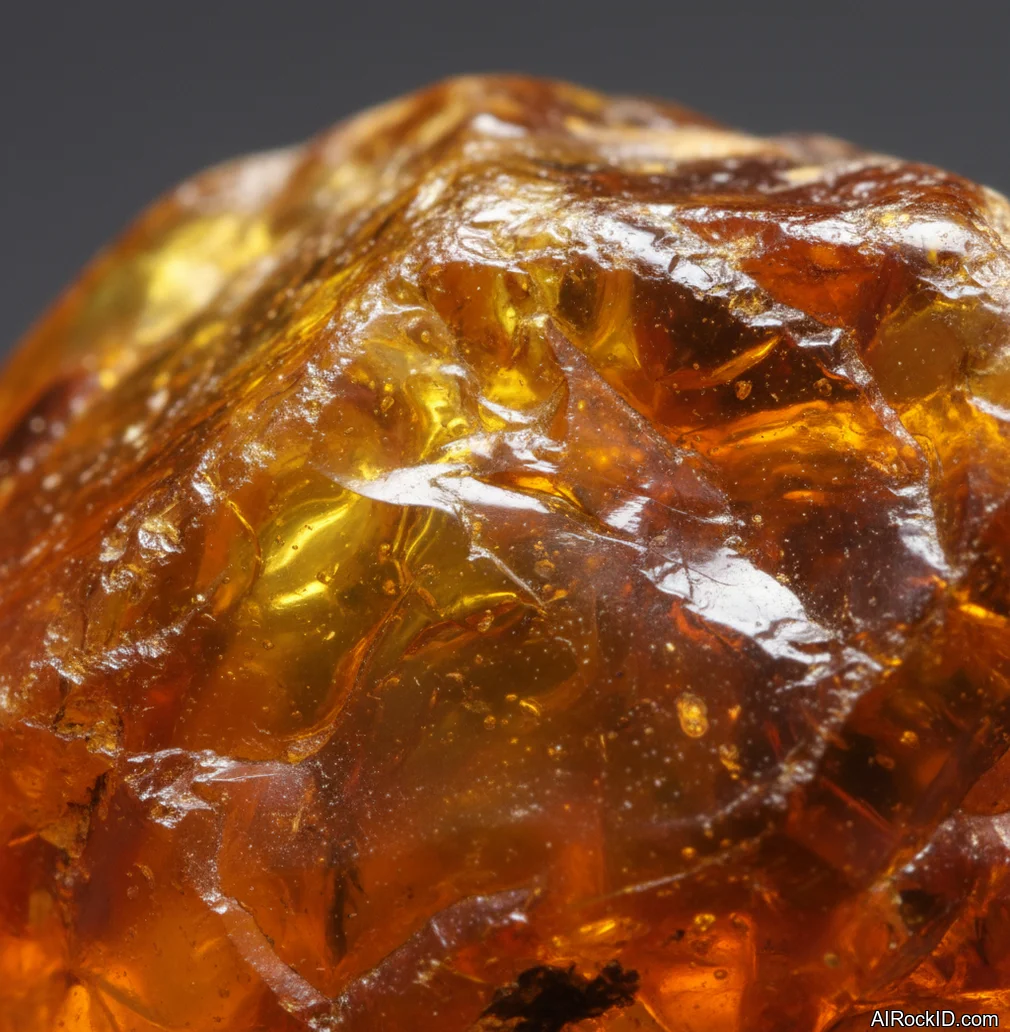
Pick up a piece of amber and the first thing you notice is how oddly light it is, like your brain keeps insisting it shouldn’t count as a “real” stone. That tiny sensory jolt is a big part of why I bother with crystals for business in the first place. They break the autopilot. I’ve been on plenty of sales calls where my mind wanted to sprint ahead and I could feel myself speeding up, talking over people, filling every quiet second. Then I’d rub a cool stone between two fingers (thumb and forefinger, usually) and it slowed me down just enough to breathe and listen. Simple. Kinda stupid. Works.
Here’s the straight truth: crystals won’t fix a bad offer, a messy spreadsheet, or a broken pricing model. They won’t replace therapy, meds, or a competent accountant either. But they can help you lock in habits, put some boundaries around work, and stay grounded when the day turns into three meetings, fifteen messages, and that one surprise invoice that makes your stomach drop. The ones below are picked because they’re common enough to find, easy to carry or keep on a desk, and they feel good in your hand so you’ll actually use them, not just stare at them.
Recommended Crystals
Amazonite
Amber
Amethyst
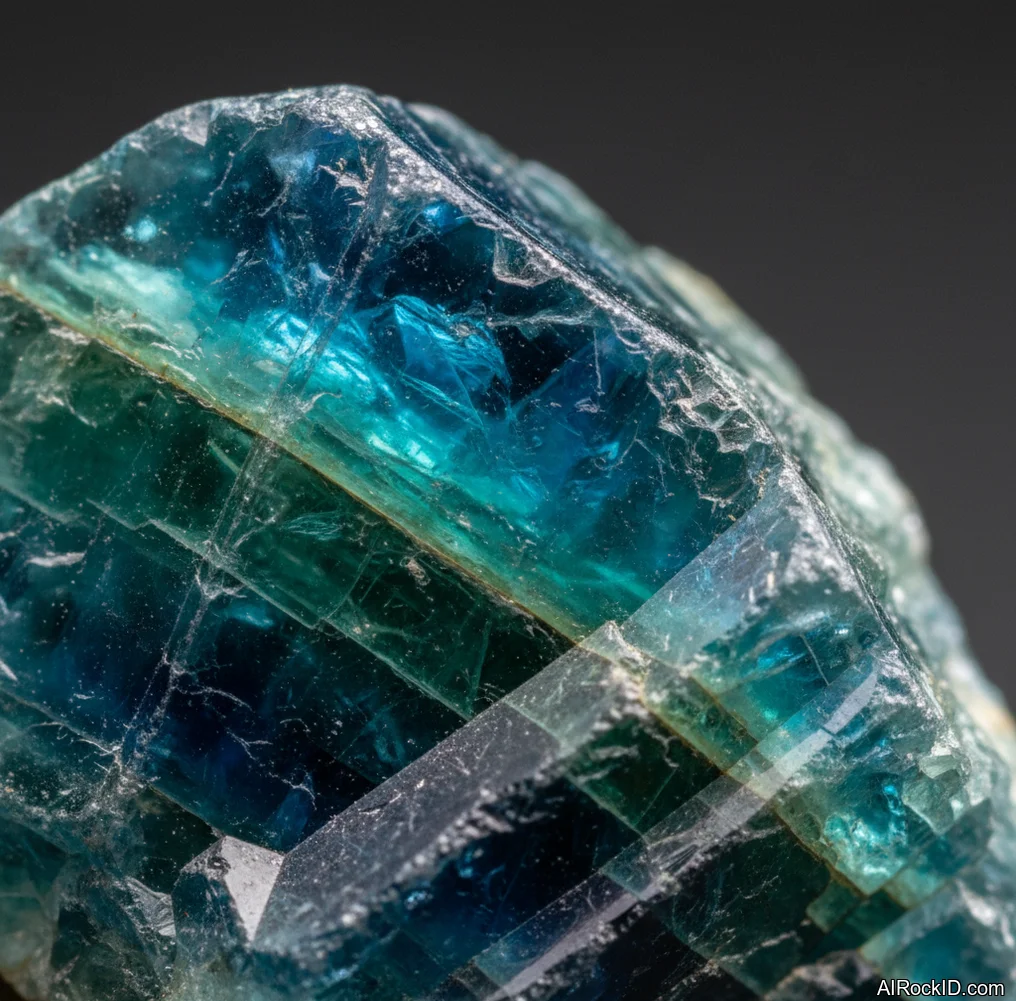
Apatite
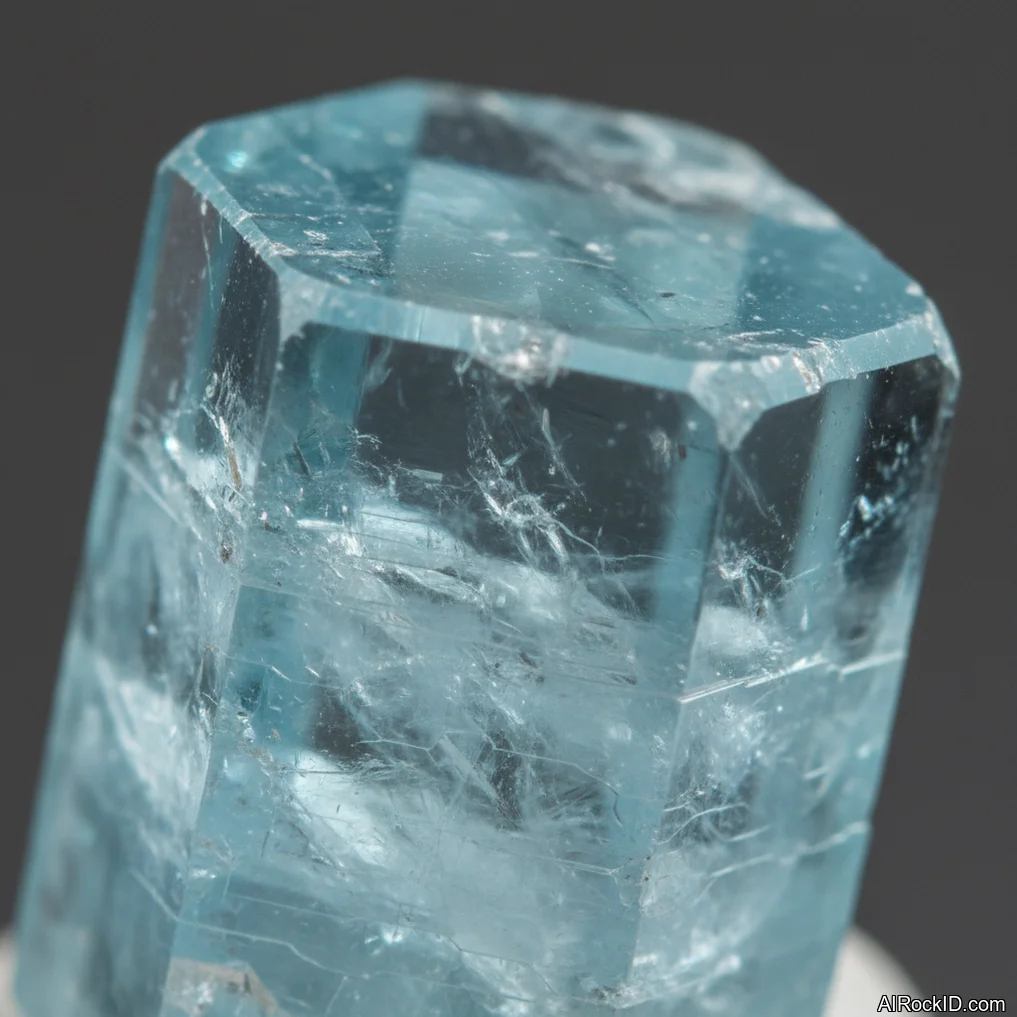
Aquamarine
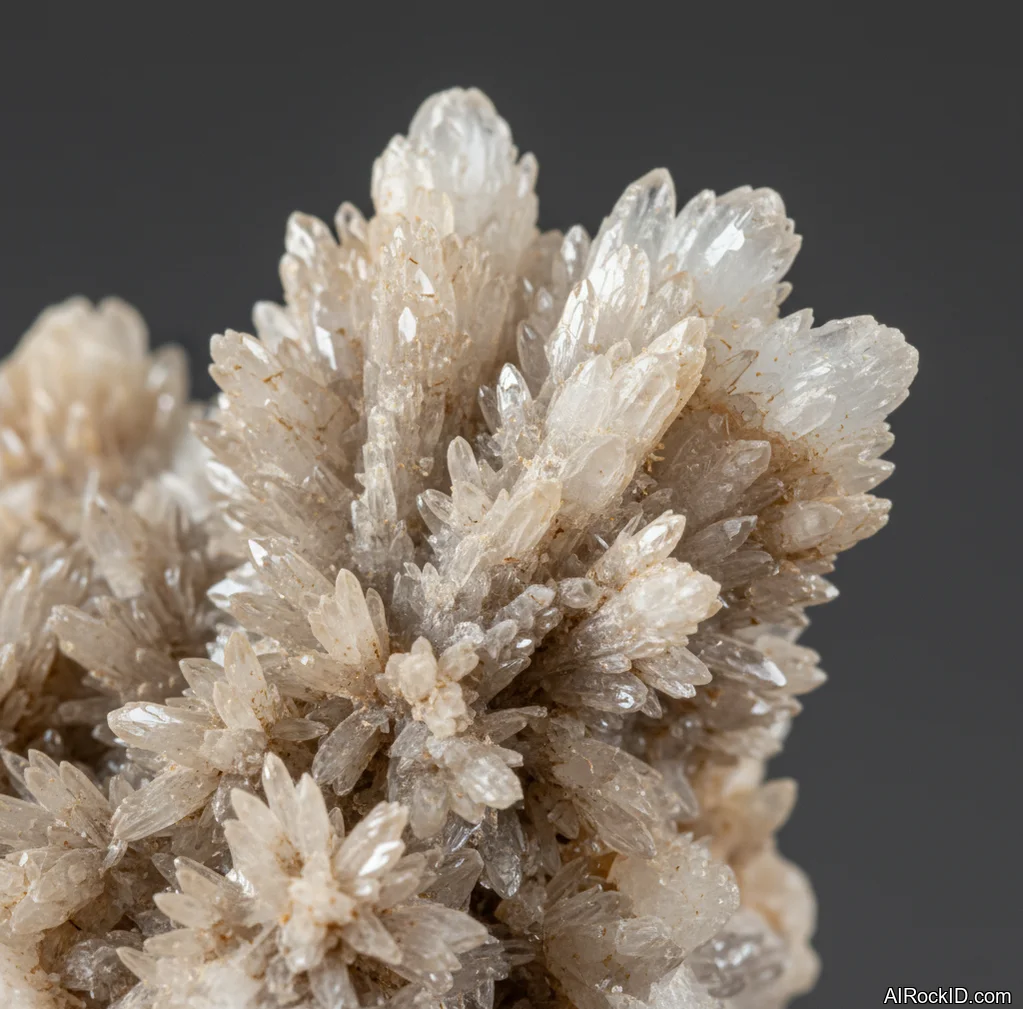
Aragonite
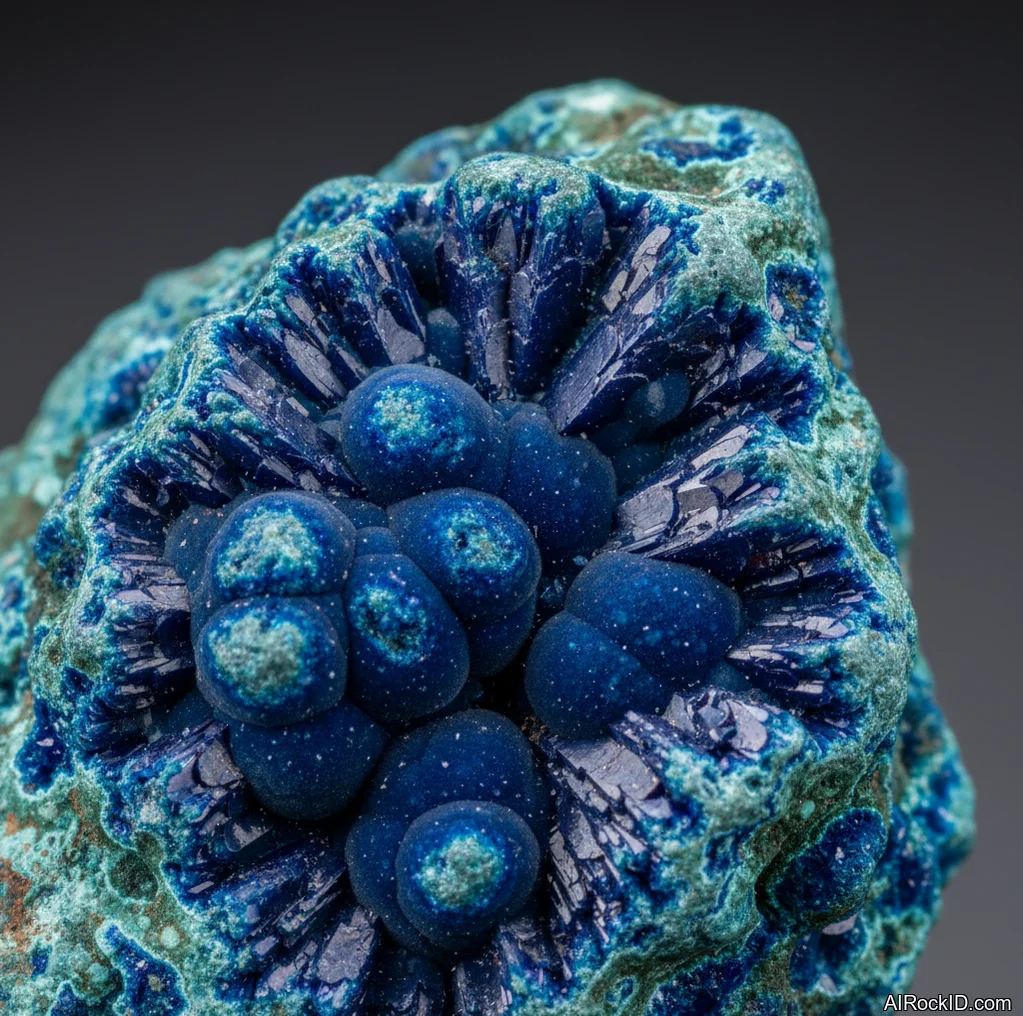
Azurite
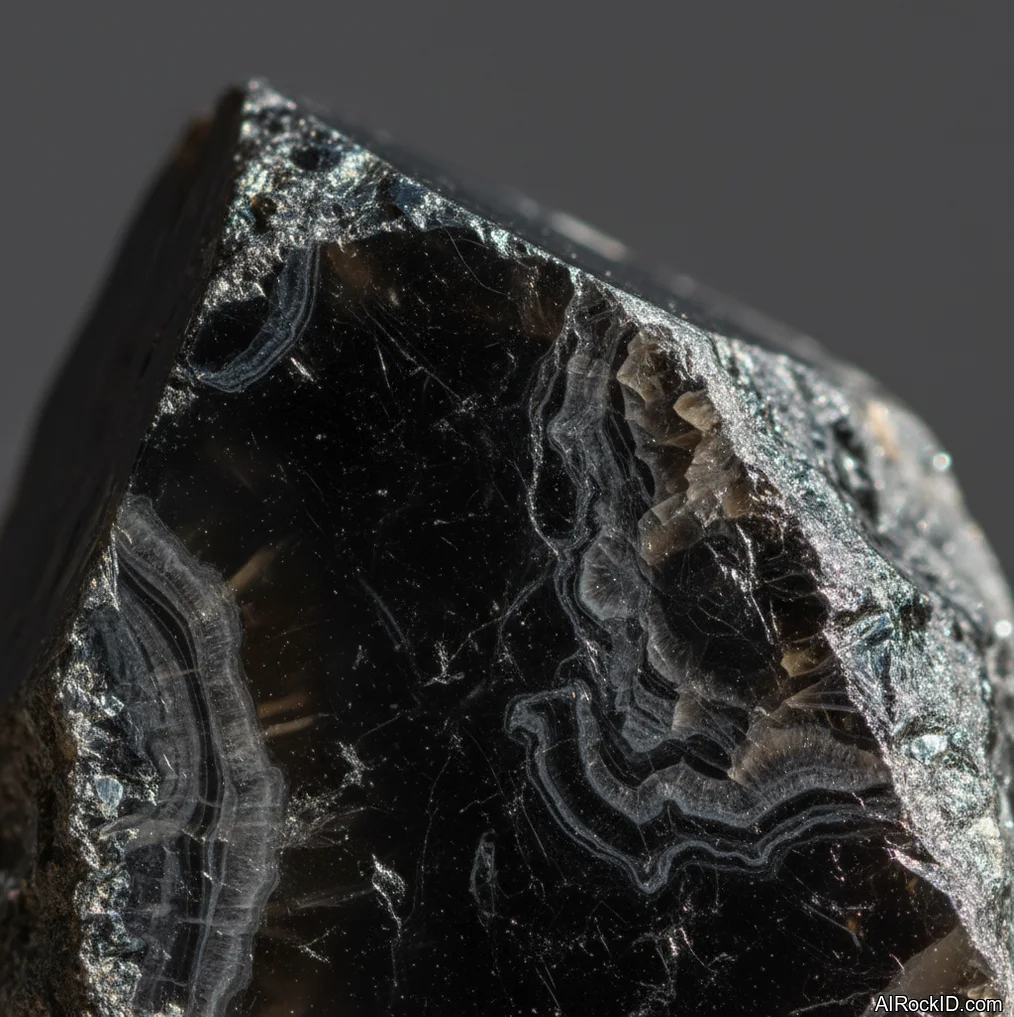
Black Onyx
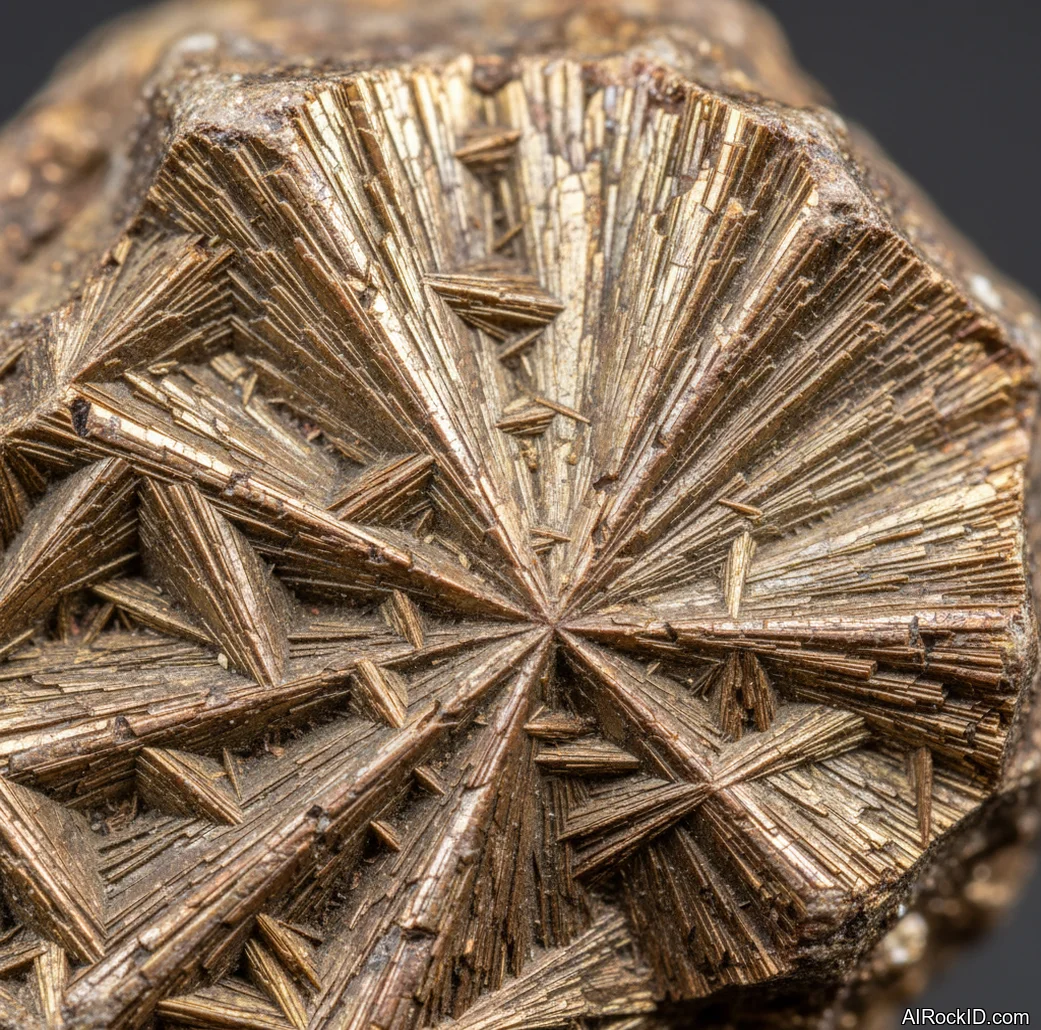
Astrophyllite
What “business crystals” actually do in a workday
Thing is, the real value here is behavioral. A stone sitting on your desk is a cue you can’t really ignore, especially when it has that heavy, committed feel in your hand like black onyx, or that weird feather-flash shimmer astrophyllite throws when you tilt it under a lamp and it catches the light just right.
So if you grab the same crystal every time you start a task, your brain starts wiring it to the state you’re trying to get into. Focused. Calm. Direct. Whatever you’re practicing. It’s the same basic idea as lighting one specific candle when you study, or only putting on that one playlist when you need deep work. The crystal isn’t doing the spreadsheet for you, obviously, but it can be enough to snap you out of doomscrolling and nudge you into the next action.
And here’s something I’ve noticed that’s honestly just practical, after years of talking with shop regulars and clients: the stones that “work” are usually the ones you actually touch. A gorgeous specimen that lives up on a high shelf turns into decor. But a palm stone that’s a little cool at first and settles into your grip like it belongs there becomes a tool. Keep it simple. Make it repeatable. Why make it harder than it needs to be?
Choosing desk stones vs carry stones (and why it matters)
Desk stones can be fragile, dusty, or honestly just too precious to knock around. Azurite’s the perfect example. It’s gorgeous to have nearby during strategy sessions, but raw pieces can shed blue powder, and you really don’t want that floating around in your pocket next to your phone.
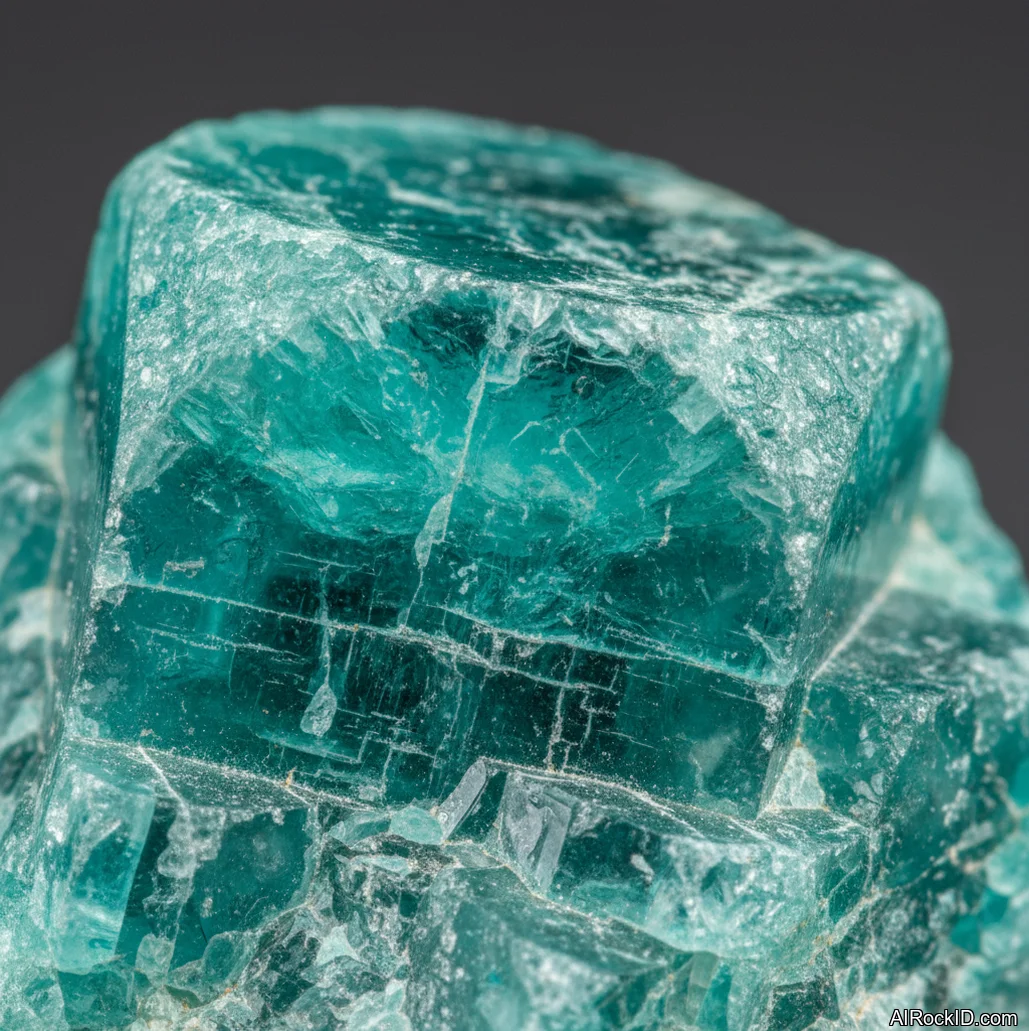
Carry stones need to be tough, smooth, and kind of boring in the best way. Black-onyx and amazonite hold up well, and amber is great for travel because it weighs almost nothing (seriously, you can forget it’s even in there). The real test is your routine. If you’re the type who dumps everything into one bag, grab something that can take scratches and keep going.
Look closely at the polish and the edges. A well-finished palm stone won’t have sharp little lips that snag on fabric, and it won’t have fractures that feel like tiny knives when you squeeze it during a stressful call. Comfort matters if you’re actually going to use the thing. Why carry it if it’s annoying?
Money, sales, and negotiation: matching stones to the moment
Sales work comes in phases. Prospecting is all about energy and showing up every day, discovery is straight listening, negotiation is keeping your emotions in check, and delivery is systems and follow-through. So you’ll do better if you quit hunting for one magic rock that’s supposed to handle everything.
When it’s negotiation time, I reach for cooler, cleaner stones, the kind that make you slow down and actually taste your words before you spit them out. Aquamarine is perfect for that. Amazonite’s the one I grab when I need to say something firm but I don’t want it to turn into a whole thing. And if my problem is overpromising (yeah, that one), black-onyx is the blunt little reminder to stop writing checks I don’t want to cash.
For planning and execution, aragonite and apatite push you toward structure and measurable steps. Pick up apatite and you can almost feel your brain trying to outline and categorize, like it wants to sort everything into neat little buckets. But look, if you’re already rigid, don’t go hard on the “structure stones,” or you’ll end up polishing the process instead of shipping the work.
Sourcing and spotting fakes without becoming paranoid
Most dealers are honest. But the market’s still a bit of a mess. Amber gets faked all the time, and a lot of “onyx” out there is really dyed calcite or straight-up glass. So the move is learning a couple easy tells, then buying from people who’ll answer basic questions without getting prickly.
Pick up the amber and pay attention to temperature and weight. Plastic warms up fast in your hand and has that slightly grabby feel against your skin, like it wants to stick. Real amber stays cooler for longer and feels almost silky when you rub it between your fingers (especially along a rounded edge).
For black stones, hit the edge with a flashlight. Dyed glass can glow in a weird, unnatural way, and some dyed material will show color pooling down in cracks and little pits. Look, once you’ve seen that “ink in the creases” effect, it’s hard to unsee.
Ask about origin and treatment when it actually matters. Heat and dye aren’t moral failures, but you should know what you’re paying for, right? And if the seller can’t tell you anything beyond metaphysical keywords, just move on.
How to Use These Crystals for Business
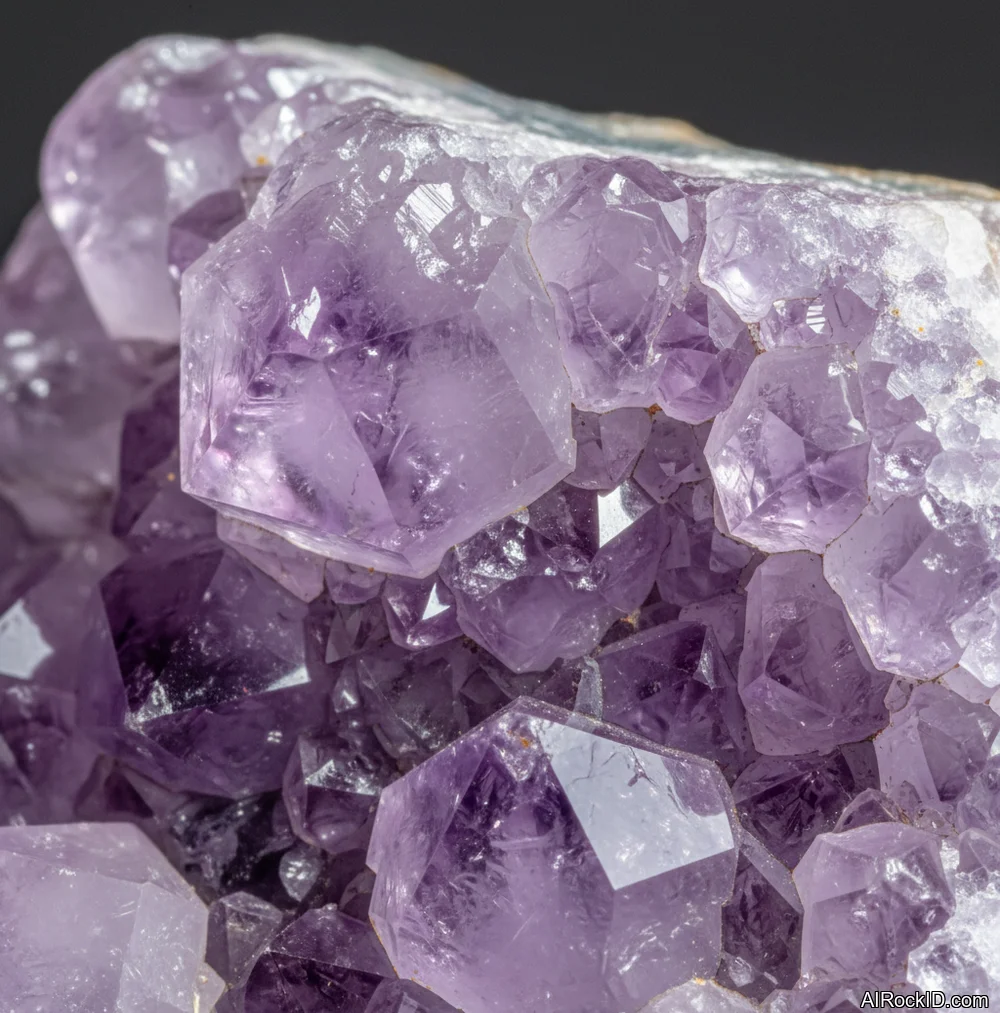
Start with one business goal. Just one. Then grab a stone that fits the job: aquamarine for negotiation days, apatite for planning, black-onyx for boundaries, amethyst for shutting down the mental noise so you can finish what’s already on your plate.
Set up two stations. First is a little desk dish, the kind that clinks when you drop something in it, where you keep 2 to 3 stones and rotate them based on the week. Second is a carry stone you actually commit to for at least a month (not the one you keep swapping because you got bored). Pick up that carry stone at the same times every day: before the first message you send, before a call, and when you close the laptop. Sounds almost too basic, right? But repetition is what makes this useful.
If you want a simple practice that doesn’t get weird, do this. Hold the stone. Read your top three priorities out loud. Then write the first next action for each. That’s it. Crystals work best when you pair them with concrete moves. Without that, you’re just collecting pretty objects and hoping your calendar fixes itself.
Common Mistakes to Avoid
Buying a dozen stones and using exactly none of them is the big one. People turn this into shopping instead of a habit. And honestly, one palm stone you actually pick up, feel warm up in your hand, and fidget with while you’re thinking will beat a shelf full of untouchable specimens every time.
Another mistake is grabbing fragile pieces for everyday carry. I’ve seen azurite crumble in a pocket and scratch a phone screen, and I’ve watched soft stones get chewed up by keys in a week (that gritty dust gets everywhere, too). So if it’s soft, crumbly, or dusty, keep it on the desk.
Last one: treating crystals like a substitute for boring business basics. If your cash flow is tight, you need a budget and maybe a pricing change, not just amber sitting on the invoice pile. Use stones as cues for behavior, then do the work that actually moves numbers. Sounds obvious, right? But people skip it.
Identify Any Crystal Instantly
Snap a photo and get properties, value, care instructions, and healing meanings in seconds.