Apatite
What Is Apatite?
Apatite isn’t just one mineral. It’s a whole group of phosphate minerals, and the general formula is Ca5(PO4)3(F,Cl,OH). In your hand it usually feels lighter than you’d expect for something that looks that glassy, and if you’ve got a clean crystal edge it’ll nip at your skin a bit, the same way sharp quartz does, just not as hard.
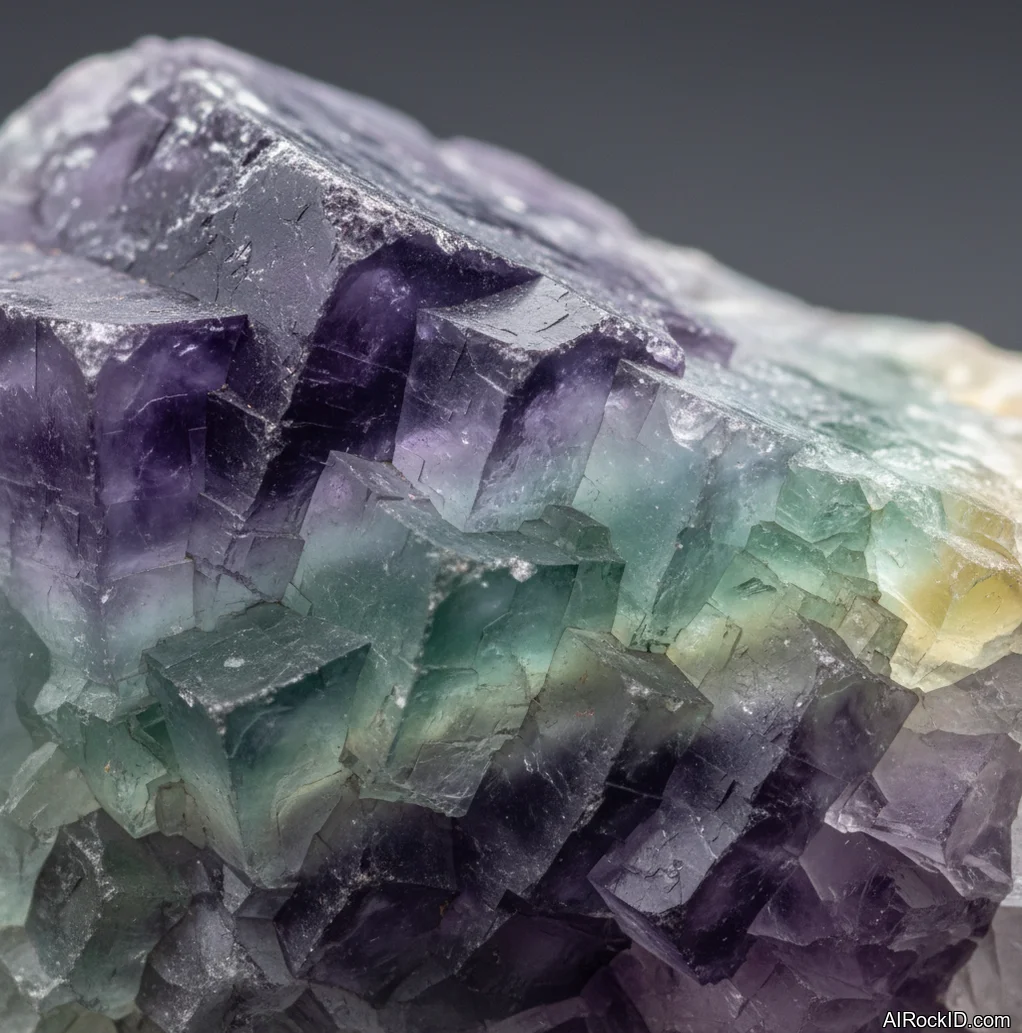
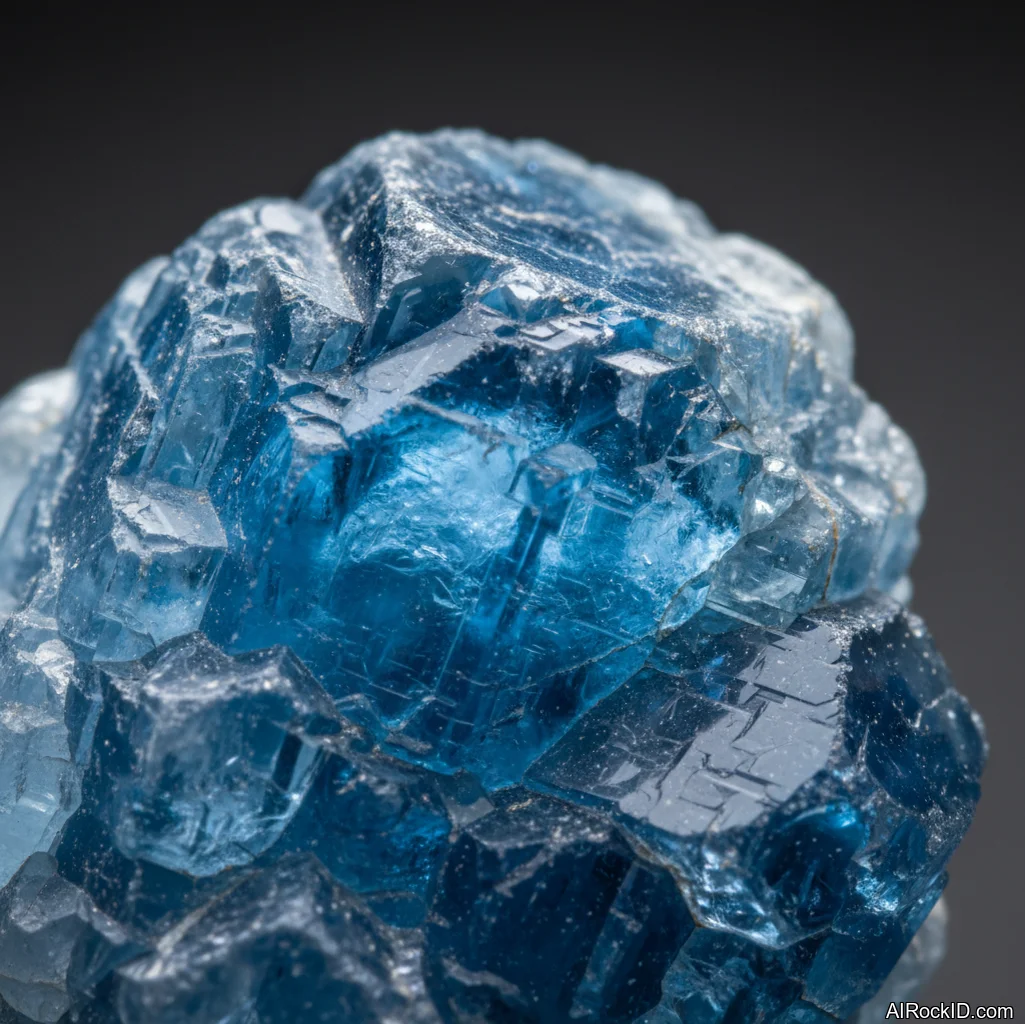
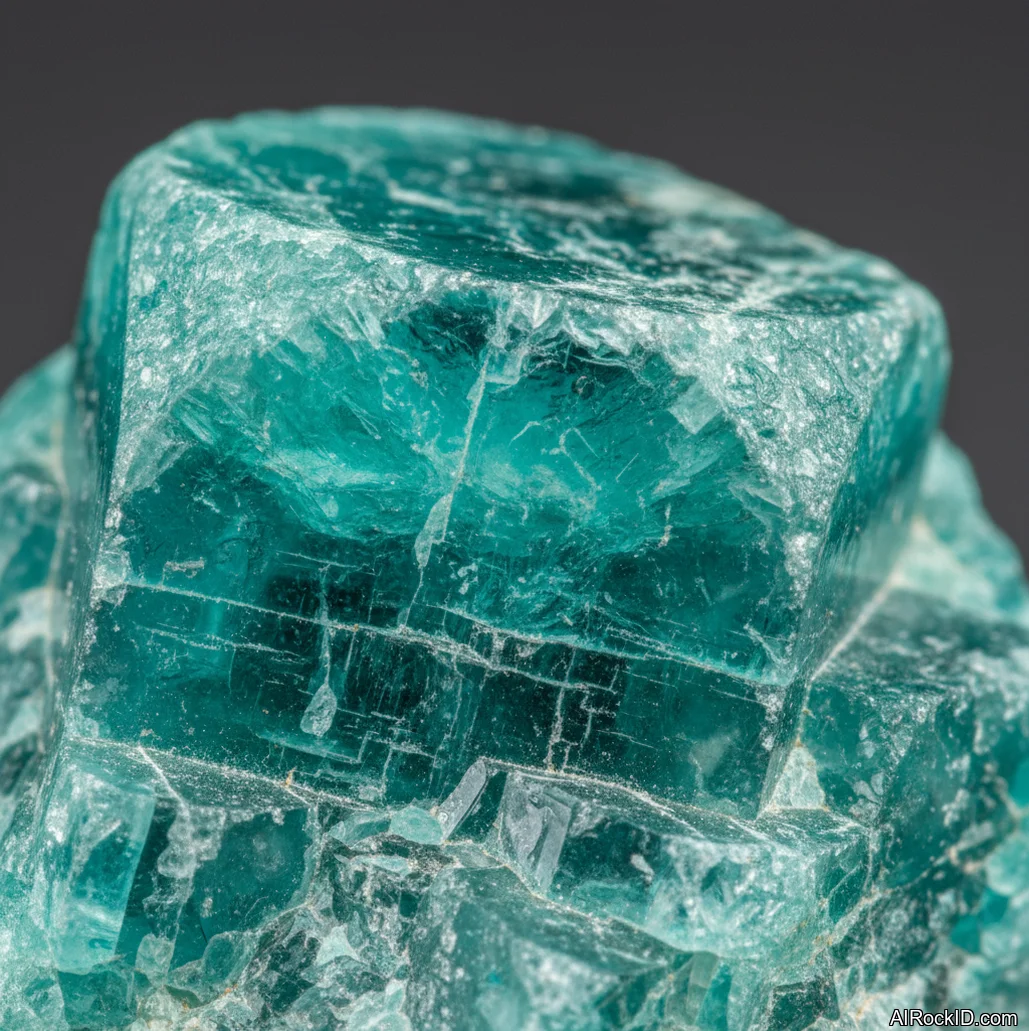
A lot of apatite gets written off at first glance as “cheap tourmaline” or even straight-up glass, mostly because the colors can get kind of loud. The material that really grabs collectors is that electric blue to blue-green stuff, especially when it grows into those chunky hexagonal prisms with a bright, wet-looking shine. But apatite can be sneaky. I’ve had pale green pieces sitting in a tray looking flat and boring, then I tipped them under a shop spotlight and boom, there’s that internal glow (where was that hiding a second ago?).
Grab a tumbled blue apatite and rub it with your thumb. It warms up quicker than quartz, and it’ll take on tiny scratches if it’s been bouncing around with harder stones. So yeah, a lot of “new” tumbles at shows already look a little tired around the edges.
Origin & History
Most collectors bump into apatite way before they ever learn what it’s called, since it shows up all over the place in geology, fossils, even your teeth. The mineral species got its formal description in 1786 from the German geologist Abraham Gottlob Werner, and he borrowed the name from the Greek apate, meaning “deception.” Honestly, that fits. For ages, people have mixed apatite up with beryl, tourmaline, olivine, and plenty of other gems.
And the best part is the name stuck for a really practical reason: it messes with you out in the field. I’ve seen brand-new rockhounds swear a green crystal is “peridot” right up until somebody digs a hardness pick out of a dusty pouch (the kind with the little numbered tips) and suddenly the confidence evaporates. So yeah, apatite’s the one that makes you stop, squint, and check twice.
Where Is Apatite Found?
Apatite shows up worldwide in igneous, metamorphic, and sedimentary settings, but the bright gemmy crystals most people buy often come from Brazil, Madagascar, and Mexico.
Formation
Look at where apatite tends to show up and the pattern’s pretty hard to miss: it’s a phosphate that turns up as an accessory mineral in a lot of rocks. In igneous environments, it can crystallize in granites and syenites, but you really see it in pegmatites, where it sometimes grows as those chunky hexagonal prisms wedged between feldspar and quartz (the kind that feel slick on the faces and a little gritty where the pocket clay still clings).
And it’s not only an igneous story. Apatite can form during metamorphism, too, and it’s a major player in sedimentary phosphate deposits. Then there’s the biological side: apatite group minerals are tied to bones and teeth (bioapatite), which is kind of a head trip when you’re holding a crystal that grew in a pegmatite pocket, right?
But in some carbonatites and alkaline complexes, it can also show up as big, showy crystals, and that’s where some of the collector-grade material comes from.
How to Identify Apatite
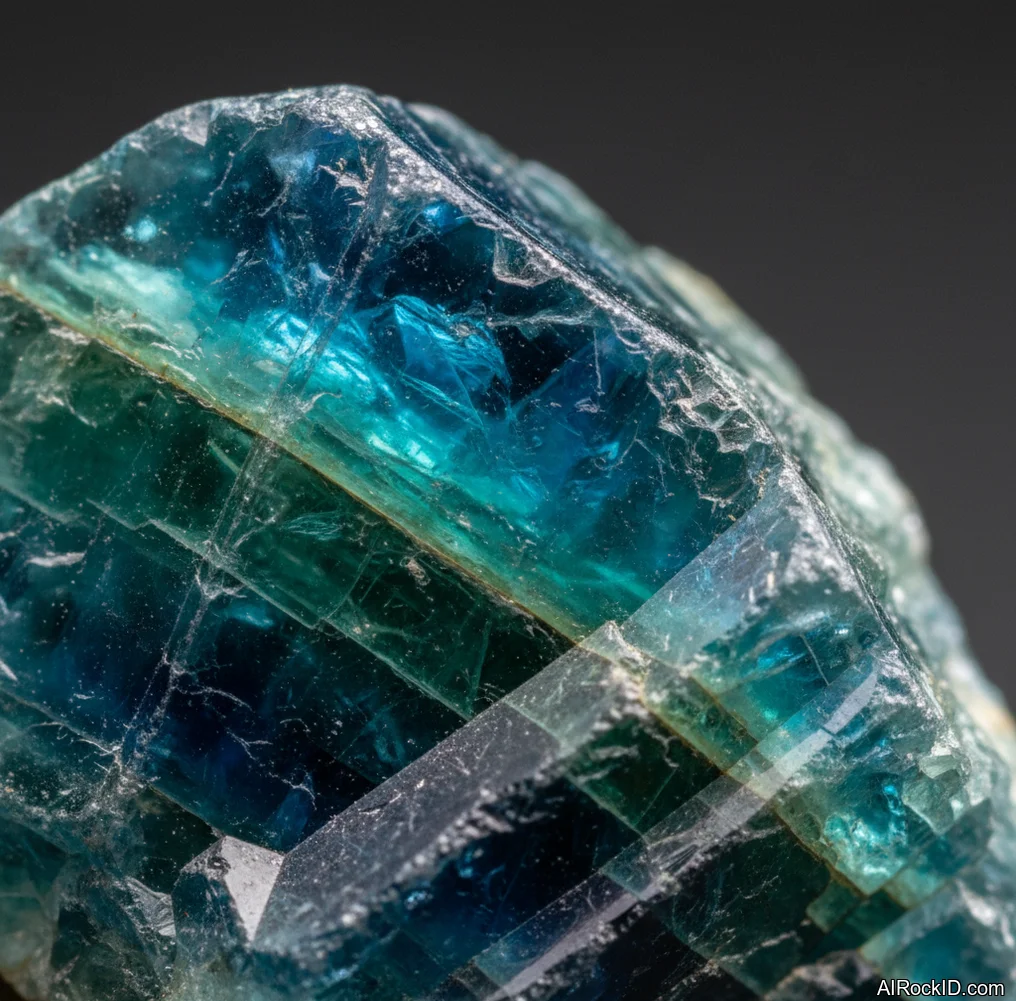
Color: Apatite ranges from blue and blue green to green, yellow, violet, and colorless, and the brighter blues can look almost neon under strong light. Color zoning is common, so you’ll see bands or a darker core in some crystals.
Luster: Vitreous luster is typical, and clean faces can look slick like freshly broken glass.
If you scratch it with a steel nail, it may mark faintly because apatite is Mohs 5, so it’s softer than glass and much softer than quartz. The real test is comparing it to fluorite and feldspar: apatite is usually a hair harder than fluorite (4) but not as tough as common feldspar (6). And in a tray, apatite chips and edge-wears easily, so sharp crystals with crisp terminations usually haven’t been carried loose in pockets for long.
Properties of Apatite
Physical Properties
| Crystal System | Hexagonal |
| Hardness (Mohs) | 5 (Medium (4-6)) |
| Density | 3.1 - 3.2 g/cm3 |
| Luster | Vitreous |
| Diaphaneity | Transparent to translucent |
| Fracture | Conchoidal |
| Streak | White |
| Magnetism | Non-magnetic |
| Colors | Blue, Blue-green, Green, Yellow, Violet, Colorless, Brown |
Chemical Properties
| Classification | Phosphates |
| Formula | Ca5(PO4)3(F,Cl,OH) |
| Elements | Ca, P, O, F, Cl, H |
| Common Impurities | Mn, Fe, REE |
Optical Properties
| Refractive Index | 1.632 - 1.646 |
| Birefringence | 0.003 - 0.005 |
| Pleochroism | Weak |
| Optical Character | Uniaxial |
Apatite Health & Safety
For most people, it’s safe to handle in normal day-to-day use, and a quick splash of water usually isn’t a problem. But if you’re cutting, grinding, or drilling it, don’t breathe in the dust (that fine, floaty stuff that hangs in the air and ends up in your nose).
Safety Tips
Wear safety glasses and a respirator when you’re doing lapidary work. And if you’ve been handling rough from some mystery spot with no clear locality, go wash your hands right after (that grit gets everywhere, and you don’t want it on your sandwich later).
Apatite Value & Price
Price Range
Rough/Tumbled: $5 - $150 per piece
Cut/Polished: $10 - $80 per carat
Price jumps when the piece is clean, that blue is really saturated, and the terminations are still sharp. But if there’s any edge chipping, most dealers knock it down, because apatite gets bruised in transit (you’ll see those little whitish scuffs right on the corners).
Durability
Nondurable — Scratch resistance: Fair, Toughness: Fair
Apatite can scratch and chip easily and some colors may fade with long sun exposure, so it’s better for display than daily-wear jewelry.
How to Care for Apatite
Use & Storage
Store apatite separately from harder stones like quartz, topaz, and corundum, or it’ll pick up scuffs fast. I keep mine in small perky boxes or a lined drawer with dividers.
Cleaning
1) Rinse quickly in lukewarm water with a drop of mild soap. 2) Use a soft toothbrush around creases and matrix, then rinse again. 3) Pat dry and let it air-dry fully before putting it back in a closed box.
Cleanse & Charge
If you do energetic cleansing, stick to gentle options like smoke, sound, or leaving it on a selenite plate. Skip long sunbaths if your piece is a bright blue, because fading happens.
Placement
Put it where it won’t get knocked around, like a shelf away from doorways and sink edges. Under a focused lamp, blue apatite can throw a really nice internal glow.
Caution
Skip ultrasonic cleaners and harsh chemicals, and don’t just chuck it into a mixed tumble bowl where it’ll bang around against harder stuff. For jewelry, handle it like you would opal-lite, not like sapphire (big difference, right?).
Works Well With
Apatite Meaning & Healing Properties
Next to a lot of “feel-good” stones, apatite usually gets grabbed when someone’s after something sharper. More heady. People link it with motivation, learning, and that getting-unstuck feeling, especially with the blue stuff. And yeah, I buy that. When I’m back from a show, hunched over the table sorting flats and my brain’s basically static, I’ll leave a little blue apatite on the desk. I catch that glassy blue flash out of the corner of my eye and my attention doesn’t wander as much.
But here’s the real collector reality: apatite’s soft, and that changes how you live with it. A bracelet sounds great until you’ve worn it for a few weeks and the edges start looking scuffed, like someone hit it with super fine sandpaper (because, honestly, that’s kind of what daily wear does). So most people end up keeping it as a pocket piece they baby, a desk stone, or a display crystal they pick up during journaling or study time.
If you’re coming at it from the metaphysical angle, keep your feet on the floor. It’s not medical care. It won’t replace sleep, food, or therapy. What it can do, at least in my experience and from a lot of conversations across the shop counter, is work like a physical cue. You see that blue, you remember what you meant to focus on, and you take the next small step. Simple as that.
Identify Any Crystal Instantly
Snap a photo and get properties, value, care instructions, and healing meanings in seconds.