Aquamarine
What Is Aquamarine?
Aquamarine is the blue to blue-green variety of the mineral beryl (Be3Al2Si6O18), and that color comes mostly from iron. Pick up a clean crystal and you notice how gemmy it feels right away, even before the color really hits, because the faces look like glass and the edges stay sharp.
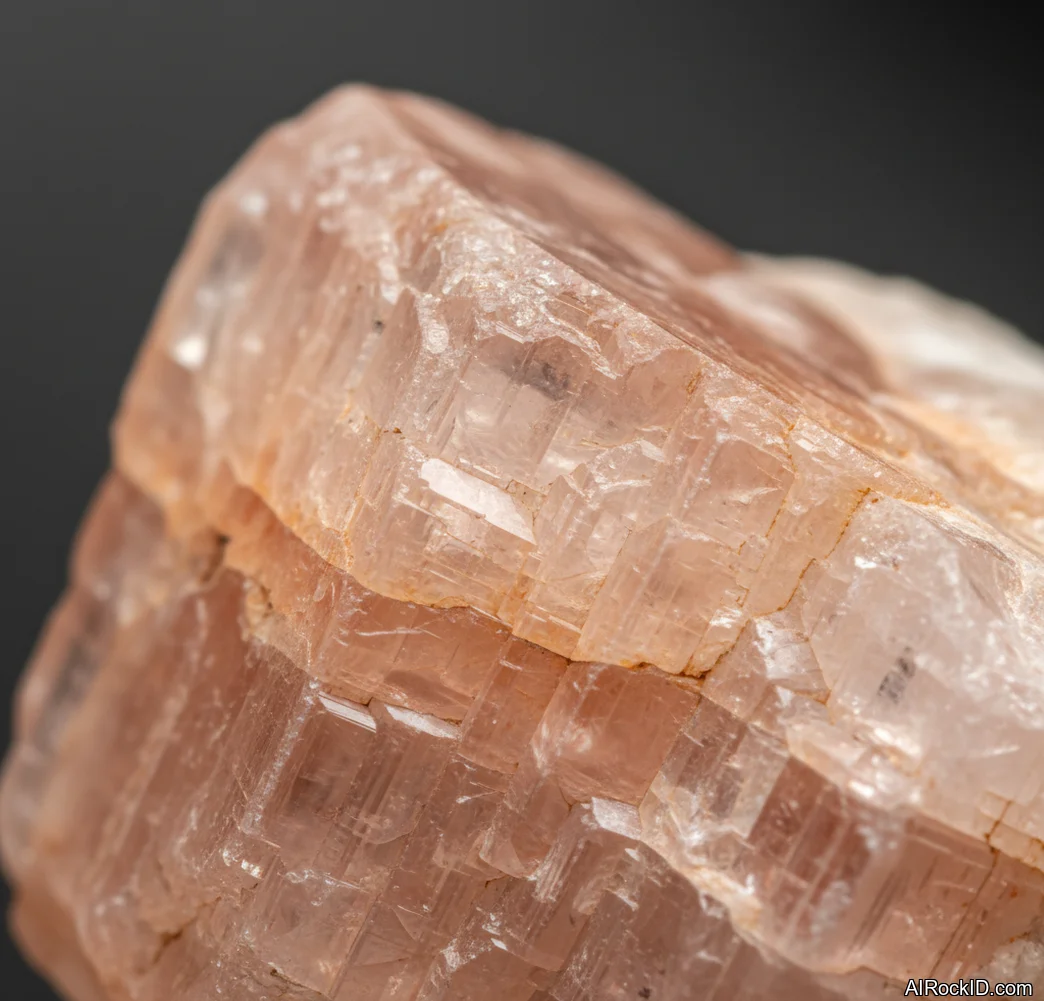
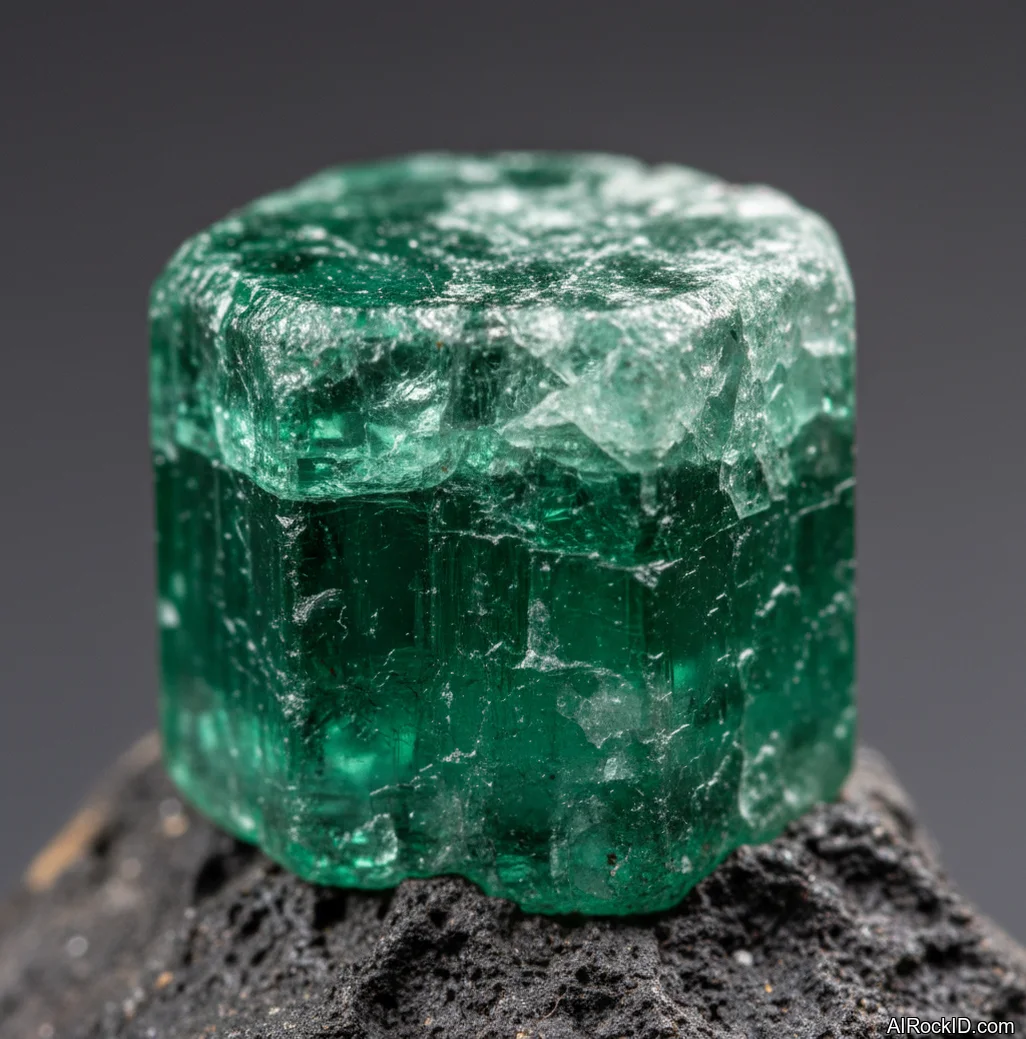
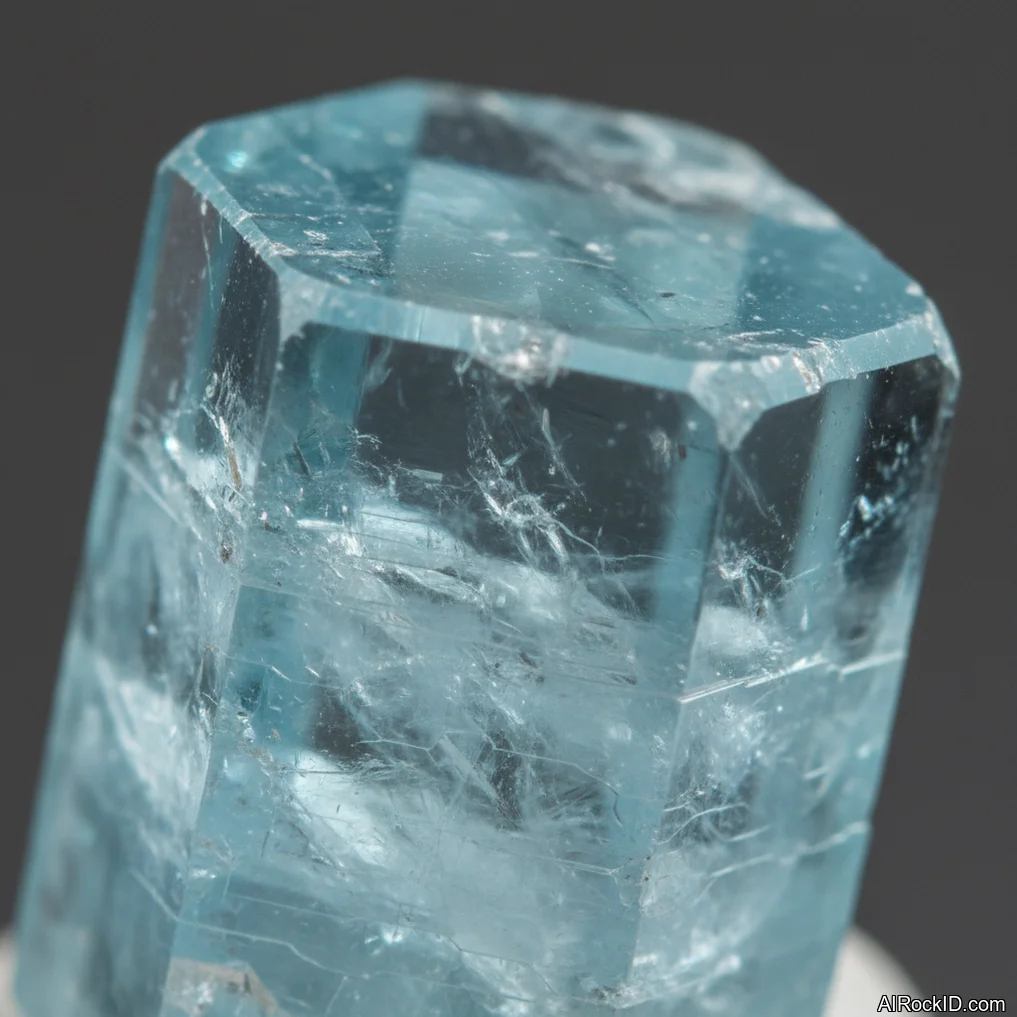
A lot of aquamarine, at first glance, looks kind of washed out. Like a hint of sea-water trapped in clear ice. But tip it under a shop spotlight and there it is, that watery blue flash that photos never quite nail. I’ve handled plenty of tumbled pieces that look fine sitting in a bowl (smooth, a little dull from all the rolling), but the real magic is a natural hexagonal prism with a flat termination and those little growth lines running lengthwise. You can actually catch them with a fingernail if you turn it just right.
Compared to blue topaz, aquamarine usually reads softer and more airy, not that electric neon look. And it’s tougher than people assume. It’ll scratch glass easily, and it doesn’t feel fragile in your hand, but it can still chip along the edges if you smack a sharp corner on a countertop. Thing is, that’s the part that always surprises people.
Origin & History
Aquamarine gets its name from the Latin *aqua marina*, which literally means “sea water.” And honestly, when you’ve got a good stone in your hand and you tilt it under a lamp, that watery blue-green makes the name feel almost too perfect.
Beryl as a species was known way before anyone had modern mineralogy textbooks, but “aquamarine” as a specific gem name has been floating around in old lapidary and trade writing for centuries.
Scientifically speaking, beryl was formally described in 1798 in the literature by René Just Haüy. But in the gem trade, aquamarine really earned its reputation through European cutting houses and major pegmatite discoveries, especially once Brazil started producing cleaner, larger crystals in the 1800s and 1900s.
Where Is Aquamarine Found?
Aquamarine turns up in granite pegmatites and related veins on a bunch of continents. Brazil and Pakistan are the names you’ll hear most at shows, but the USA and Russia have classic collector localities too.
Formation
Most aquamarine turns up in granitic pegmatites. That’s basically what you get at the tail end of a granite body cooling down: the last, water-heavy leftovers sloshing around in little pockets. Those late-stage fluids are packed with elements that wouldn’t slot cleanly into the earlier minerals, so beryl finally gets its window. Put beryllium with aluminum and silica, and then a bit of iron creeps in and nudges the color toward blue.
Raw pegmatite chunks usually come out messy, with feldspar and quartz still glued on. And sometimes there’s muscovite too, flashing like thin silver pages when you tilt it. I’ve split open pocket material where the aquamarine is sitting up in a vug next to smoky quartz, and the difference in feel is obvious: the aquamarine faces are slick and glassy, but the quartz has that frosty, almost draggy texture. You can literally feel the contrast with a fingertip (it’s hard not to).
How to Identify Aquamarine
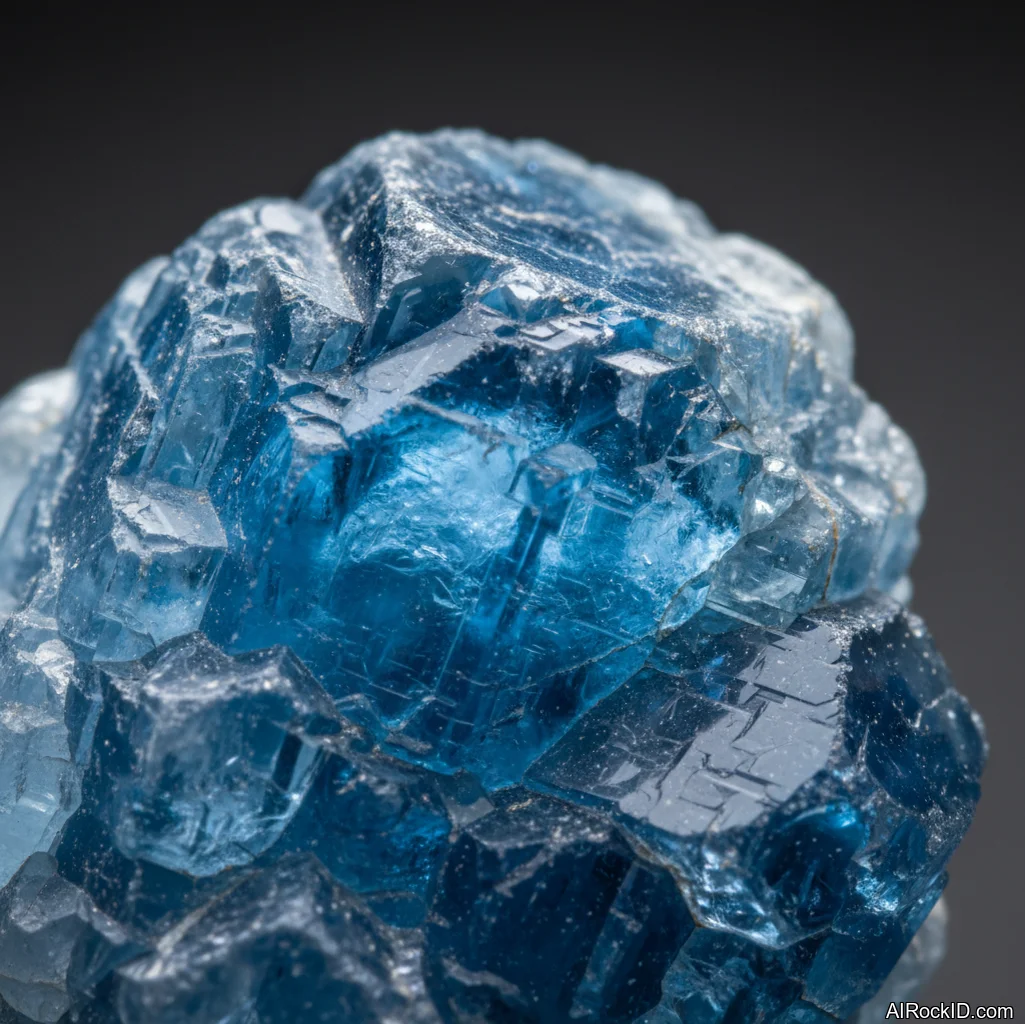
Color: Aquamarine ranges from very light blue to blue-green, usually with a watery, slightly gray tone rather than an intense neon blue. Deeper colors exist, but most real-world rough is pale and looks stronger once it’s cut.
Luster: Vitreous, like clean window glass on a fresh face.
Look closely for the classic beryl habit: a hexagonal prism, often with vertical striations you can catch with side lighting. If you scratch it with a steel knife, it shouldn’t take a mark easily, but the knife can leave a gray smear that wipes off. The real test is temperature and feel: aquamarine stays cool in your hand longer than glass, and the edges on a broken chip feel sharper than most dyed quartz you see sold as “aqua.”
Properties of Aquamarine
Physical Properties
| Crystal System | Hexagonal |
| Hardness (Mohs) | 7.5-8 (Very Hard (7.5-10)) |
| Density | 2.68-2.74 |
| Luster | Vitreous |
| Diaphaneity | Transparent to translucent |
| Fracture | Conchoidal |
| Streak | White |
| Magnetism | Non-magnetic |
| Colors | Pale blue, Sky blue, Blue-green, Greenish blue |
Chemical Properties
| Classification | Silicates (cyclosilicate) |
| Formula | Be3Al2Si6O18 |
| Elements | Be, Al, Si, O |
| Common Impurities | Fe, Na, K, Li, Cs, Mn |
Optical Properties
| Refractive Index | 1.577-1.583 |
| Birefringence | 0.005-0.009 |
| Pleochroism | Weak |
| Optical Character | Uniaxial |
Aquamarine Health & Safety
Aquamarine is usually safe to handle and put on display. But if you’re cutting, grinding, or drilling it, don’t breathe in the dust. It’s the kind of fine, powdery stuff that hangs in the air and ends up in your nose and throat before you even notice, so keep it out of your lungs.
Safety Tips
Use wet cutting when you’re doing lapidary work, and wear a proper respirator too. That dust is no joke, and you can actually feel the grit on your fingers afterward (kind of like fine sand that won’t rinse off right away). And wash your hands once you’ve been handling grit or slurry, even if they don’t look dirty. Why take the chance?
Aquamarine Value & Price
Price Range
Rough/Tumbled: $10 - $300 per piece
Cut/Polished: $30 - $500 per carat
Most of what you’re paying for comes down to how saturated the color is and how clean the stone looks, and the price climbs in a hurry once you step into larger pieces that are still clear and that deeper blue. But size is a sneaky multiplier. You feel it fast. And if it’s a natural, well-formed terminated crystal with crisp faces (the kind that catches a sharp line of light when you tilt it), it’ll usually outprice a tumbled stone even when the color’s a bit lighter. Why? That natural shape and those intact faces count for a lot.
Durability
Durable — Scratch resistance: Excellent, Toughness: Good
Aquamarine is stable in normal wear, but sharp blows can chip facet edges and crystal terminations.
How to Care for Aquamarine
Use & Storage
Store aquamarine so it can’t rub against softer gems or get knocked around by harder stuff like corundum or diamond. I keep crystals in little boxes or wrap them because terminations love to chip when they clack together.
Cleaning
1) Rinse with lukewarm water and a drop of mild soap. 2) Use a soft toothbrush to get into growth lines and creases. 3) Rinse well and pat dry; skip harsh chemicals and avoid ultrasonic cleaners for included or fractured pieces.
Cleanse & Charge
If you do ritual cleansing, running water and a quick dry works fine, or set it on a windowsill for indirect light. But don’t bake it in full sun for days if the color is very light and you’re picky about keeping it that way.
Placement
On a shelf, aquamarine looks best with side lighting so the prism faces throw flashes. In jewelry, protective settings help if the stone has sharp corners.
Caution
Don’t hit it with high heat. Skip the aggressive steam cleaning, too. And be really careful with knocks on the edges and corners because that’s where it’ll chip (and it happens way easier than people think for a Mohs 7.5–8 gem).
Works Well With
Aquamarine Meaning & Healing Properties
Pick up aquamarine and the first thing you notice is the temperature. It’s got that cool, clean feel, like a glass of water that’s been sitting on the counter with a little condensation on it, and people sort of start breathing slower without meaning to.
I’ve sold a lot of it across the counter, and I can tell you what happens. Folks reach for it when they want a “less is more” stone, something that doesn’t feel heavy or intense. They’ll roll it between their fingers, look at it under the lights, and say they want calmer speech and calmer nerves. That’s the whole idea. Simple.
But there’s a catch. A lot of aquamarine out there is so pale it can read like clear beryl with just a whisper of blue, and some people walk in expecting that deep ocean color, then feel let down. That doesn’t mean it’s fake. It just means aquamarine is often subtle, and subtle stones don’t always hit the same itch as a saturated gem. Fair?
If you’re using it in a personal practice, I’d put it like this: aquamarine is associated with clear communication, cooling down emotional spikes, staying steady when you’re trying to say the hard thing out loud (even when your throat tightens up a bit). It’s not medicine, and it won’t replace actual support. But it can be a decent physical reminder since it stays cool in your hand and it’s easy to carry without it getting beat up.
Identify Any Crystal Instantly
Snap a photo and get properties, value, care instructions, and healing meanings in seconds.