spiritual

Best Crystals for Chakra Healing
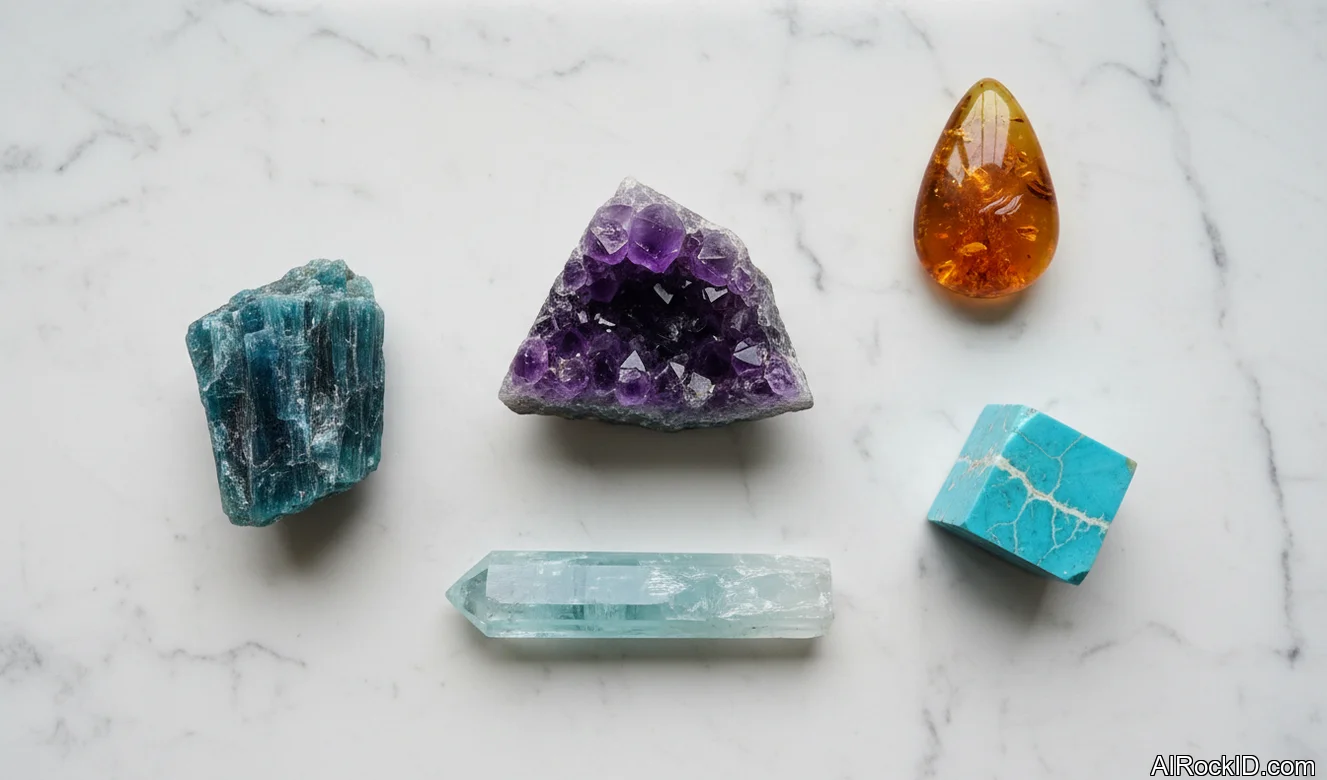
Hand holding a small set of tumbled chakra stones and one raw amethyst point on a wooden table

The “best” crystals for chakra work are the ones you’ll actually pick up and use, the ones that feel good in your hand, and the ones that line up cleanly with what you’re trying to focus on for each chakra. I’ve seen people buy a full rainbow set and then never touch it again because the stones feel like slick glass marbles and the whole routine starts to feel kind of forced. So start smaller. Grab a few pieces you genuinely like holding, that you can spot instantly without squinting, and that don’t leave you anxious about fakes or a surface that’ll chip if you look at it wrong.

Thing is, the grounded version of chakra work is mostly attention training. Crystals are basically props that help you aim that attention. When a stone is cool in your palm, has a little heft, and shows a color your brain immediately links to a chakra, it’s easier to stay with what you’re doing. That’s the actual payoff. And cuts matter more than people expect. A chunky palm stone tends to slow you down (you feel it sitting there, steady); a point often nudges people into “doing” mode, like they’re trying to direct something, and they relax less. Different vibe. Same stone.

But the market side is real, too. Some stones get mislabeled or treated all the time, and that can mess with your confidence mid-practice. I’d rather watch someone use a plain, honest piece of amethyst every night than chase rare material and spend the whole session wondering if they got scammed. Keep it simple. Keep it tactile. And treat the chakra map like a framework, not a rulebook.

Recommended Crystals
Amethyst
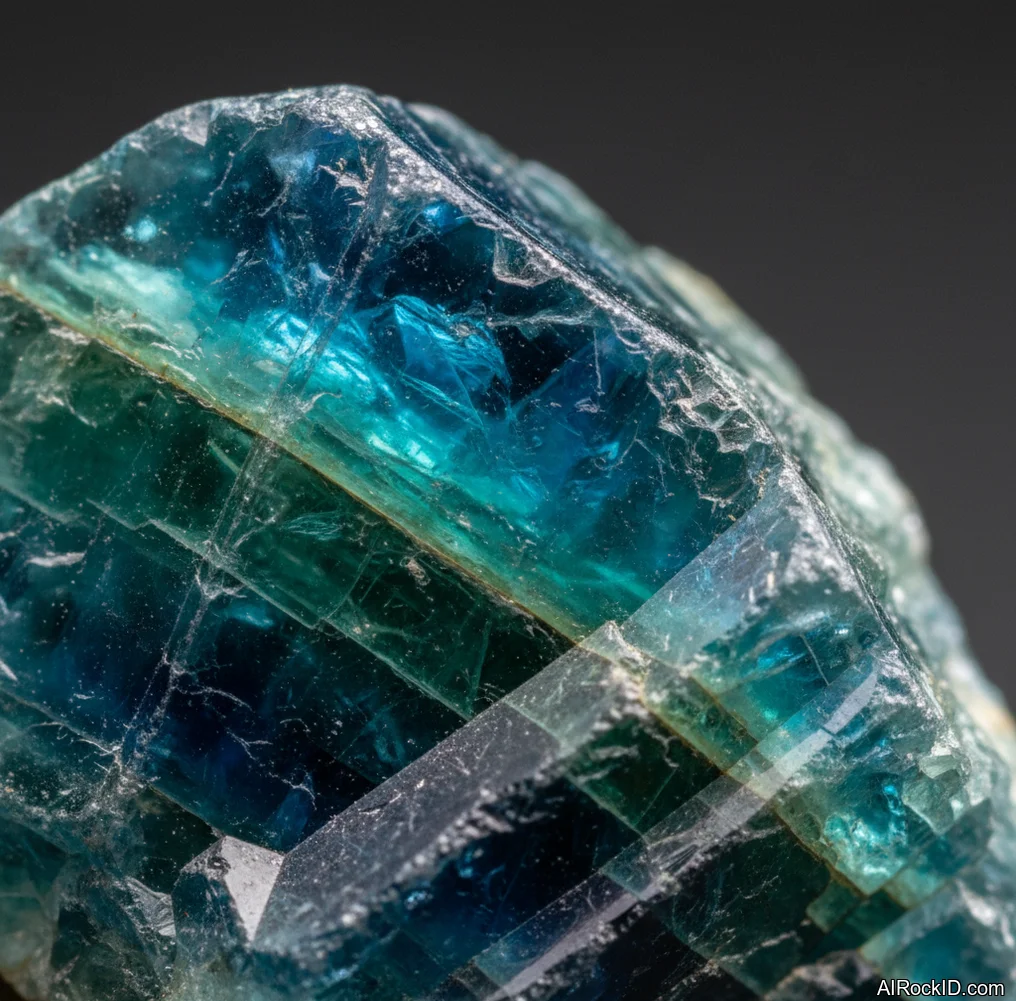
Amethyst

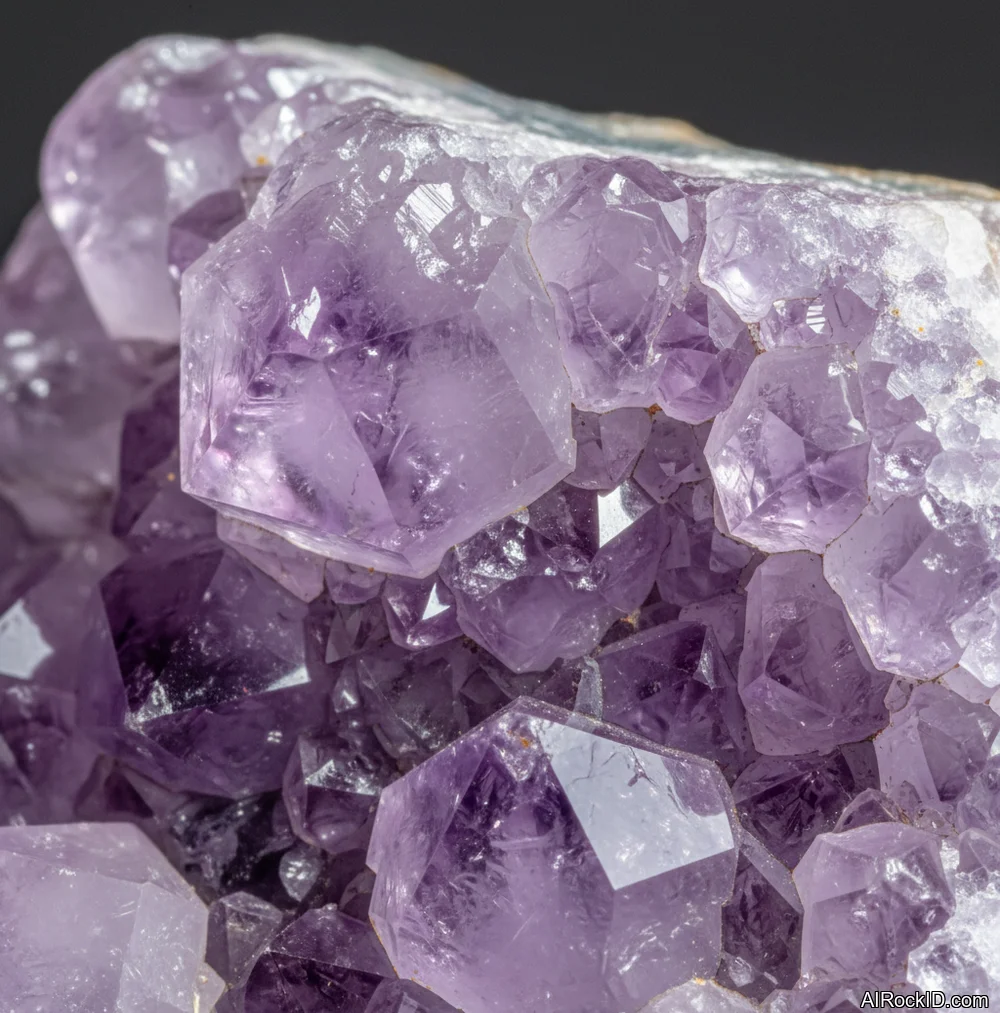
Uruguay amethyst usually shows up in those tight, dark clusters, and a lot of Brazilian stuff leans more toward a lighter lavender. That color shift really changes the vibe people bring into crown and third-eye work. Pick up a raw point and you’ll notice it stays cool longer than glass. And the little sharp edges and ridges give your fingers something to fuss with when your brain starts drifting. Handy. In chakra sessions, it’s a pretty practical “quieting” stone. It doesn’t ask for big, dramatic intensity, it just helps you hold steady focus without making a fuss. Thing is, I’ve had pieces fade a bit after sitting in hard sun on a windowsill, so I treat amethyst like it prefers shade (or at least not direct blast-all-day light).
How to use: Set a single point above your head on a folded cloth for crown work, or place a tumbled piece between the brows for 5 to 10 minutes while you breathe slowly. If you’re sensitive to pressure, don’t strap it on with a tight headband; just rest it lightly and keep your jaw unclenched.
Apatite

Apatite

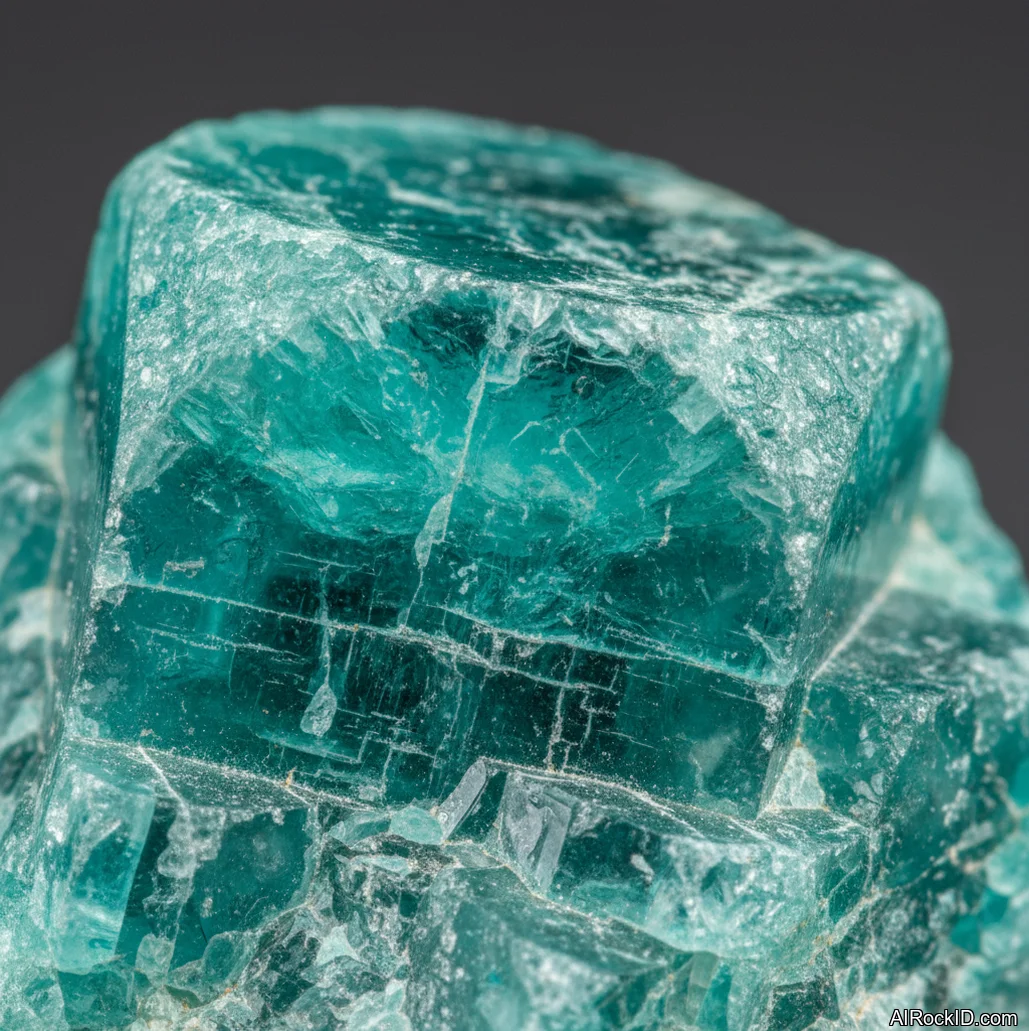
Apatite’s got this glassy, tropical blue-green look that yanks your attention straight to throat and upper-heart themes. But it’s softer than most people expect. The first time you pick up a raw piece, you’ll feel it right away: those grainy specks, the tiny surface pits that grab at your fingertips, especially on etched chunks. Kind of imperfect. And that texture actually helps when you’re aiming for honest speech, not the slick, polished version. Thing is, it scratches easily. So if you drop it in a pocket with keys, don’t expect it to stay pretty.
How to use: Use a smooth tumbled apatite at the throat for short sessions, then put it away in a soft pouch. If you want it on your desk, keep it separate from harder quartz pieces so it doesn’t get scuffed to death.
Aquamarine

Aquamarine

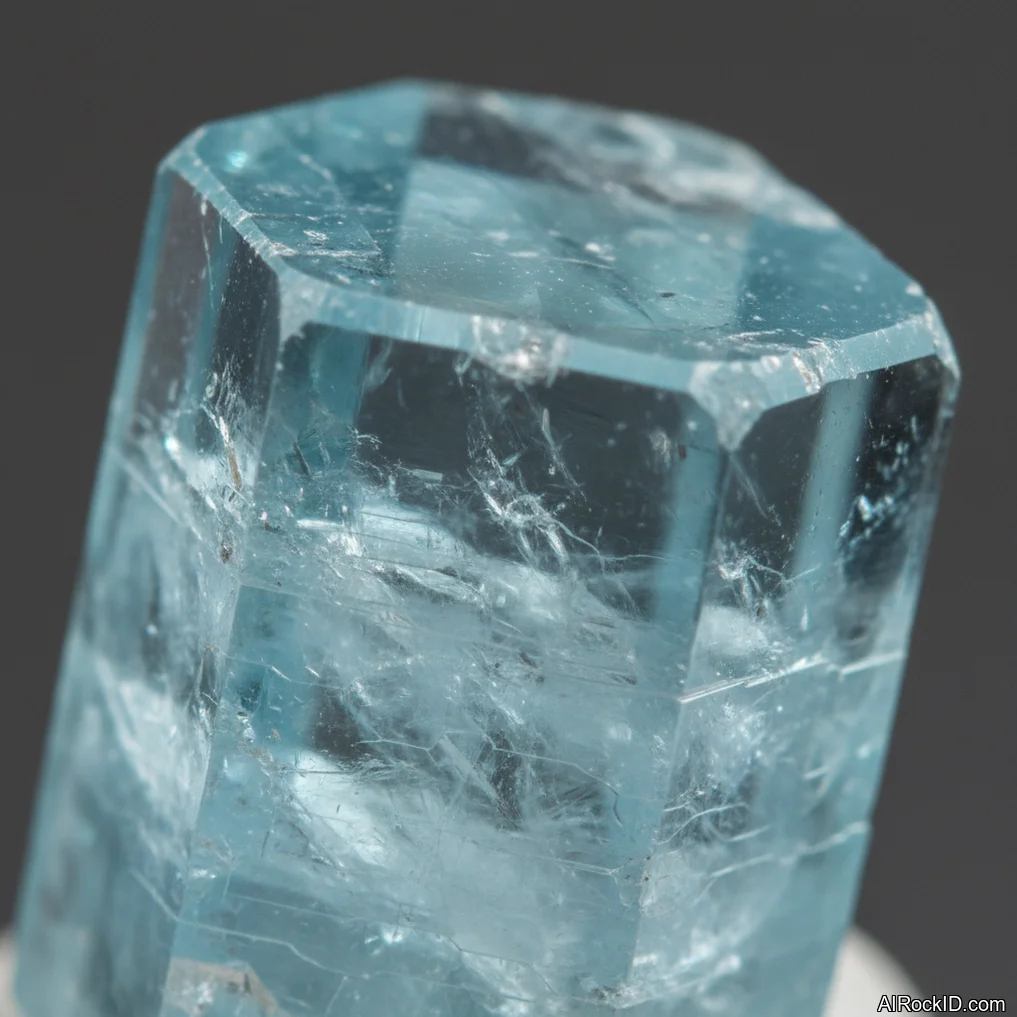
Real aquamarine has this calm-water look to it. You see it right away, especially with pale blue beryl. Hold it under a lamp and those clean internal lines pop (the kind you only catch when the light hits just right). Most retail pieces are tiny, and yeah, they’re expensive for what you’re actually holding. So people tend to baby them. And funny enough, that makes consistent practice easier, because you’re already treating it like something you don’t want to bang up. For throat chakra work, it’s a clean match. It nudges you into a slower pace, not some big emotional dump. But watch for dyed or overly saturated “aqua” that looks almost electric. Natural material usually sits in that gentle, airy blue instead.
How to use: Hold it in your non-dominant hand while you rehearse a hard conversation out loud, keeping your tone even. If you place it on the throat, use a small piece and a thin cloth layer so you’re not pressing a sharp edge into your neck.
Amazonite

Amazonite

Amazonite usually comes with those white streaks running through it and that blocky feldspar build, and the whole “imperfect turquoise” vibe fits nicely for heart and throat crossover work. Grab a palm stone and you can tell right away when it’s been polished well: it gets this waxy-smooth feel, almost like a river rock that’s been tumbled forever (your thumb kind of glides over it). That slick finish makes it easier to hold through longer meditations, because it doesn’t snag or feel gritty. Compared to aquamarine, amazonite reads more everyday and blunt. But that’s the point, honestly, if you’re trying to say what you mean without dressing it up. The catch? The color’s all over the place. Some batches are gorgeous and saturated, and some look washed out or chalky, so if you can, pick it in person. Why gamble on a photo?
How to use: Place it on the center of the chest when you’re doing breathwork focused on forgiveness or boundaries, then move it to the throat for the last few minutes. If you journal, set it next to the notebook so the practice stays anchored to real words.
Amber

Amber

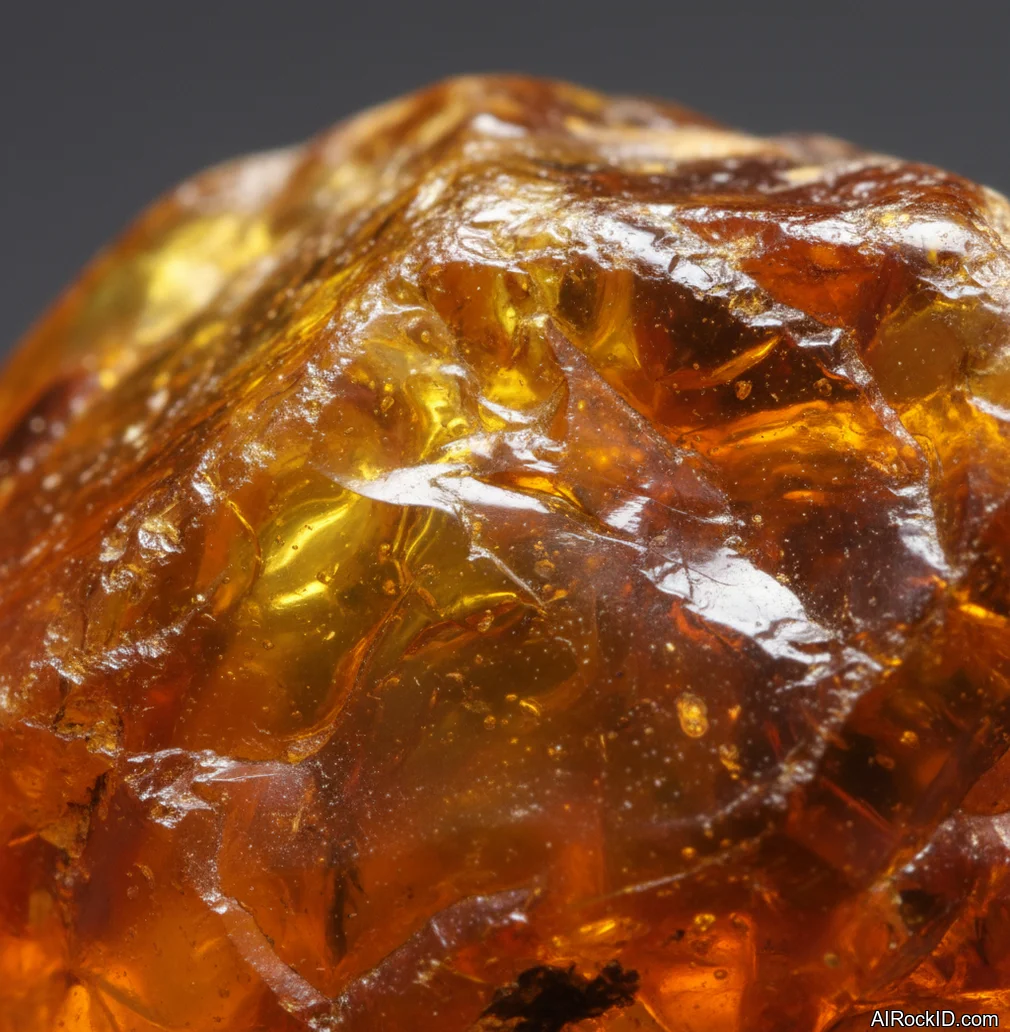
Amber isn’t a mineral. You notice it right away because it heats up in your palm almost instantly, instead of hanging onto that cool, glassy feel quartz has. And that quick warmth is why people treat it like a practical solar plexus ally when they’re working on steadiness, confidence, or that tight, digestion-related stress that likes to camp out in your gut. Real amber is light for its size, like weirdly light, and once you’ve held it, you can’t un-feel it. A lot of fakes feel plasticky, and some even give off this odd smell if you rub them hard enough (why does that happen?). But be careful with it. I’ve watched amber crack after someone got sloppy with heat, and it wasn’t subtle. It’s a gentle tool. Not the rugged kind.
How to use: Rest a piece on the upper belly while lying down and keep your breathing slow and low, 5 to 10 minutes. Don’t cleanse it with salt water or leave it on a radiator; wipe it with a soft dry cloth and store it away from sunlight.
Black Tourmaline (substitute not available in list, use Black Onyx instead)
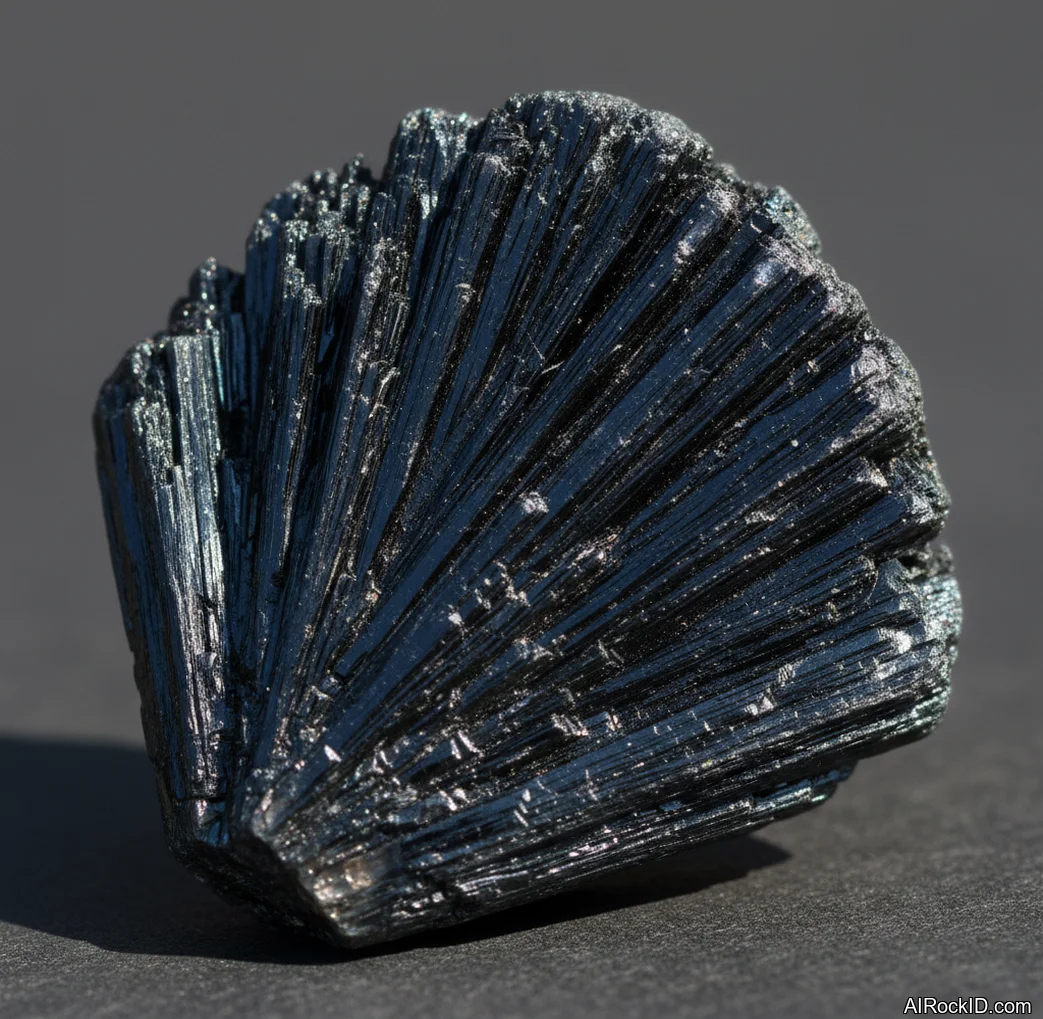
Black Tourmaline (substitute not available in list, use Black Onyx instead)

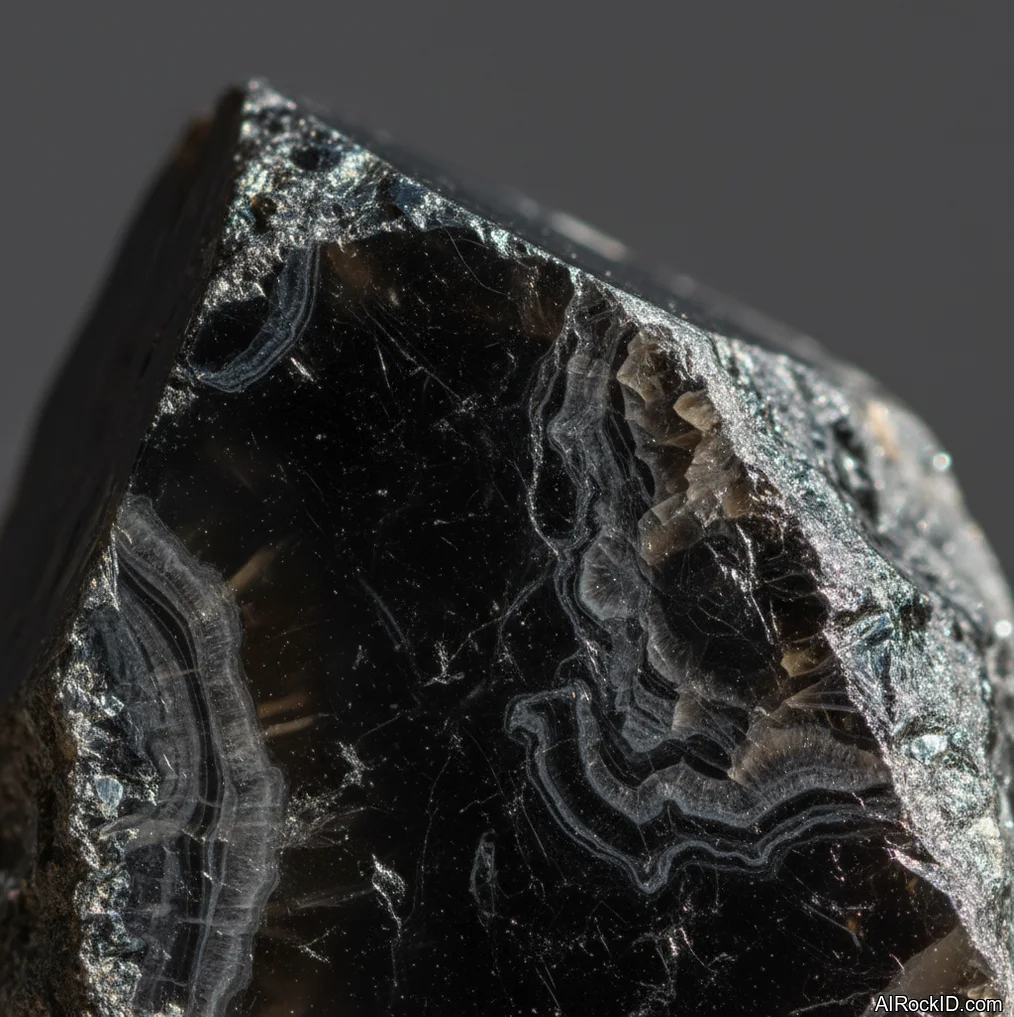
Black onyx is one of those stones that feels serious in your hand. Pick up a solid piece and the first thing you register is the weight, like it’s quietly pulling your palm downward. And that’s exactly why it works so well in root chakra sessions: your nervous system gets a blunt, easy message, down, grounded, here. Polished onyx can get almost mirror-slick, the kind of surface that makes your fingers slide if your hands are even a little sweaty. Some folks love that glassy finish. But when you’re anxious, it can also feel weirdly “too perfect” and a bit slippery, like you can’t quite get a grip (literally). Thing is, there’s a practical catch: dye. Some of the black stones out there are treated, so it’s worth buying from a dealer who’ll tell you straight what you’re getting instead of dodging the question.
How to use: Put it at the base of the spine or between the ankles while you do slow box breathing. If you carry it, use a pouch so it doesn’t scratch softer stones like apatite.
Black Kyanite

Black Kyanite

Black kyanite honestly looks like a tiny broom head or a handheld fan, and those bladed crystals will grab at fabric if you’re not paying attention. I’ve had it catch on a sweater cuff and you feel it right away. And that scratchy, snaggy texture is kind of the point in chakra work, because it keeps you alert; you don’t forget it’s sitting there. People tend to pick it up when they want that “clear the gunk” feeling through the lower centers, but on a practical level it’s really just a strong tactile reminder for boundaries and a reset. But it’s brittle. I’ve seen the thin blades shed little splinters after a drop onto tile (that sharp clink is hard to miss).
How to use: Use it beside the body rather than directly on skin, especially if the edges are sharp. After a session, tap it gently to knock off dust and store it in a box so the blades don’t chip.
Angelite

Angelite

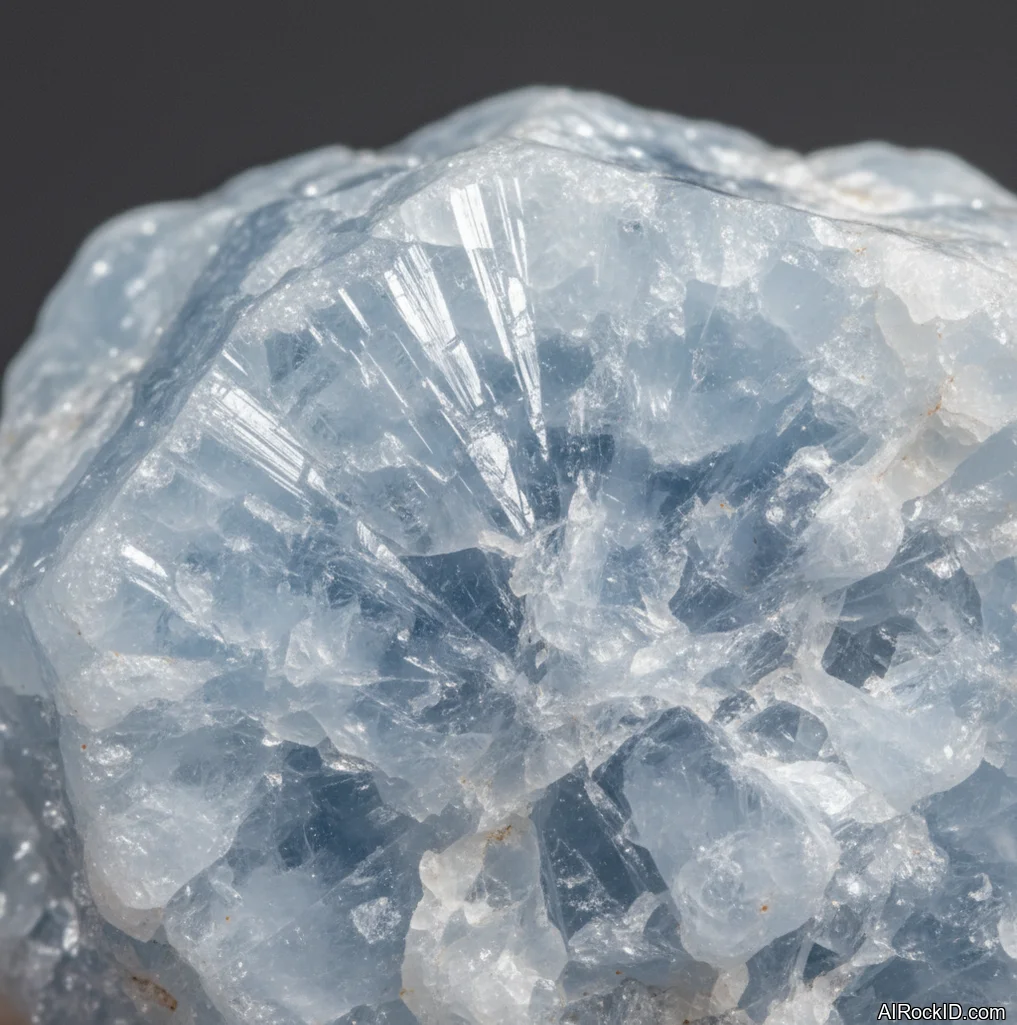
Angelite’s got this soft, cloudy blue that just screams gentle communication. It doesn’t feel slick like a polished agate either. It’s more of a dry, almost chalky touch. Thing is, the first time you pick it up, you’ll see it pretty fast: it loves grabbing skin oils. Little darker patches show up where your fingers were, and that’s basically the stone telling you, “Hey, be gentle with me.” For throat and upper chakras, it’s a good fit when you’re after softness, not some big, intense energy blast. But yeah, it’s water-sensitive, so if you’re the type who rinses every crystal under the tap, this one’s not going to be your friend.
How to use: Set it near your throat or on your nightstand for wind-down practice, then wipe it with a dry cloth. Keep it out of bathrooms and don’t soak it, even briefly.
Azurite

Azurite

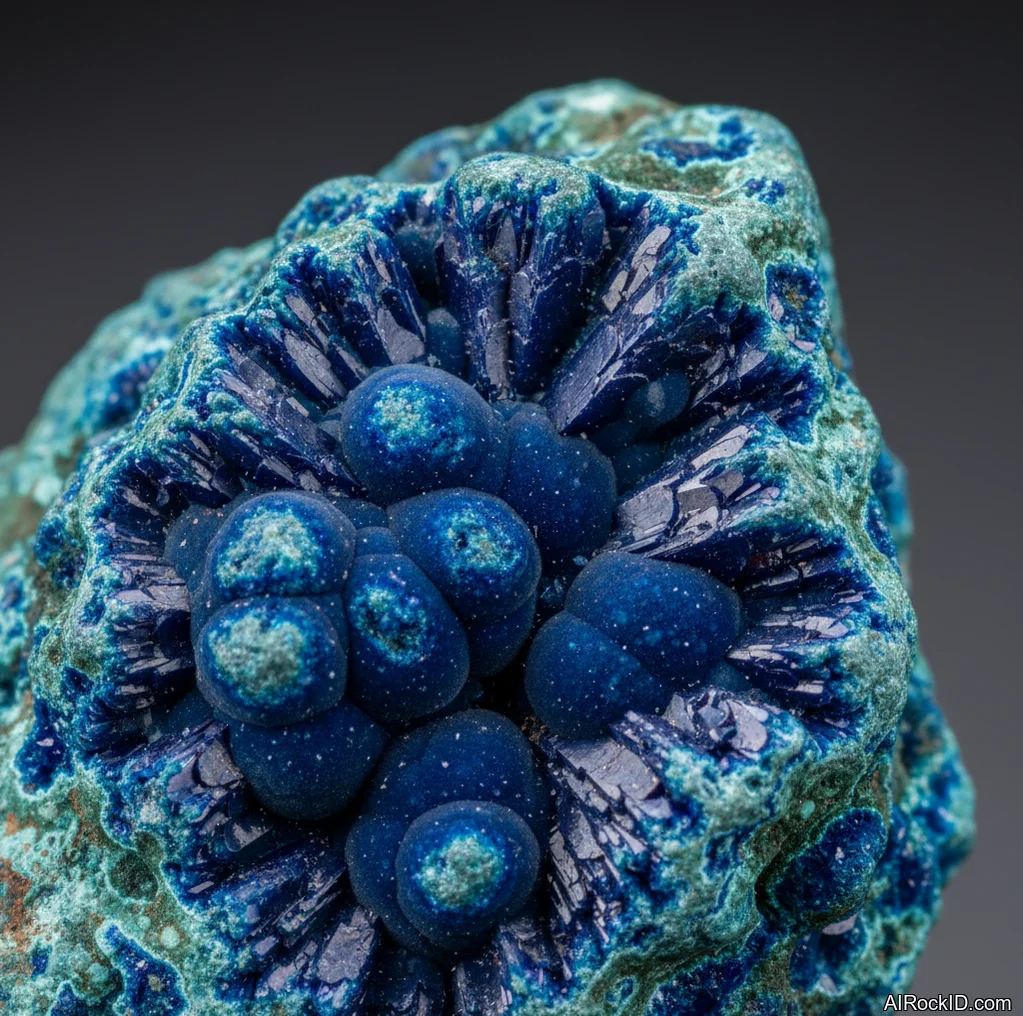
Azurite’s deep blue can look almost unreal under warm indoor light. A good piece doesn’t read like flat, paint-like color either, it has these velvety patches that shift as you tilt it in your hand. And yeah, it’s a classic third-eye pick because it pulls your attention upward fast. But if your mind’s already running hot, it can leave you feeling a little spun up. Ever had a stone make your head feel “too on” all of a sudden? I’ve handled azurite that left a faint blue smear on a cloth (just a light streak, like pastel dust). So yes, it can be messy. Thing is, it’s also a copper carbonate, so treat it with respect and wash your hands after long handling.
How to use: Use it off-body: place it above the forehead on a cloth, not directly on skin, and keep sessions short at first. Don’t put it in water or salt, and don’t use it as an “elixir” stone.

How to match a crystal to a chakra without overthinking it

Color’s the obvious hook, and yeah, it works. Red and black usually pull attention down toward root themes, yellow toward solar plexus, green and pink toward heart, blue toward throat, indigo toward third eye, and clear or purple toward crown. But don’t ignore how it feels in your hand. A heavy stone changes your posture and your breathing way more than a light one, and that matters when you’re trying to settle the lower chakras.

Look, get picky about the finish and the shape. A glossy, perfectly tumbled piece gives this “smooth” cue that can be great for calming, but it can also make you drift off a bit. Raw pieces push back. They grab the light weird, they snag your fingertips, and they keep you right there in your body.

Thing is, the real test is consistency. If you pick azurite for third eye and it makes you tense, swap to amethyst for a week and see if you actually practice more often. Chakra work isn’t a one-time purchase. It’s repetition. And the stone is just the handle you reach for to get started (nothing more mystical than that, honestly).

Placement: what actually works in real life

Body placement sounds easy right up until you’re actually lying there trying to balance a stone. Stuff slides. Your neck ends up cranked at a goofy angle. And suddenly you’re thinking about not dropping the rock instead of just breathing. I usually tell people: grab a folded cloth, and pick smaller pieces for throat and brow spots, especially if the stone has sharp edges (because you’ll feel every corner).

For root and sacral work, honestly, it can be way simpler to use a heavier stone between your ankles or tucked under your knees than to perch it on your lower belly. You still get that “downward” cue. You’re just not doing the constant micro-adjusting every time you exhale.

With amber, I’m big on upper belly placement since it warms up fast and feels genuinely comforting, like it’s holding heat against you. But don’t jam it under a tight waistband. That pinchy, trapped feeling ruins the whole thing.

Off-body placement counts too. Holding a crystal a few inches above the forehead can be way less distracting than having something pressing into your skin. And for messy stones like azurite, keeping it off-body is cleaner and safer. So, if you’re doing a longer session, comfort wins. Every time.

Cleansing and care, minus the ritual pressure

Most dealers won’t come right out and say it, but water and salt wreck a lot of stones. Angelite can get those weird little spots, then start crumbling at the edges. Azurite can shed pigment and it really doesn’t like moisture. And even softer polished pieces like apatite? Treat them like river pebbles and they’ll look scratched up fast, especially around the corners where your fingers keep rubbing.

So pick up your stone and actually look at the surface after a week of use. Tilt it under a lamp. If it’s going dull, that’s not “bad energy.” It’s plain old wear. A soft cloth wipe is enough for most pieces. For a reset, I use smoke or sound, or I’ll just leave it overnight in a dry bowl away from other stones so nothing gets dinged up (because yeah, they can chip each other).

Sunlight is another sneaky problem. Amethyst can fade if you leave it baking on a bright sill for months. Amber can darken or crack if it’s overheated. If you want to display them, pick a spot with indirect light, and accept that some materials honestly belong in a drawer.

Building a small chakra kit that you’ll stick with

A seven-stone rainbow set looks cool on a shelf, sure. But it’s not always the smartest starter kit. Most people don’t actually work all seven chakras evenly. They’ll hang out with the same two themes for months, bump into the same feelings again and again, then suddenly switch lanes. So, honestly, build around what you keep coming back to.

I usually start with a simple three-piece base. One for grounding (black onyx). One for calming focus (amethyst). And one for communication (amazonite or aquamarine). Then, if you need it, toss in a “spark” stone: azurite when you’re doing intense mental work, or amber when you want that solar plexus steadiness. And don’t ignore how the stones feel in your hand. You want pieces you can actually hold without babying them because of chips, staining, or some annoying sharp corner that catches your skin.

Most dealers sell those tumbled mixes, and they’re fine. But you’ll usually do better picking each piece yourself. Tilt it under a lamp and watch what the surface does. Feel the weight in your palm, the way it sits against your fingers (some just feel weirdly “dry,” you know?). If your first instinct is to put it down right away, it’s probably not going to turn into your daily tool.

How to Use These Crystals for Chakra Healing

Pick up one stone. One chakra. That’s it. It sounds almost too simple, but it’s the difference between an actual practice and a craft project you abandon halfway through. Start with 5 minutes. Set a timer so you’re not sneaking peeks at the clock, and keep the stone in your hand or placed somewhere stable so it doesn’t turn into a weird balancing act on your body.

For a basic session, I do it like this: breath first. Then placement. Then one single prompt. For the throat, for example, I’ll hold aquamarine or amazonite and ask, “What am I avoiding saying this week?” Then I just breathe and notice what comes up, without grabbing at it or trying to force an answer. Mind starts sprinting? Swap to amethyst for two minutes to settle down, then go back.

If you want to use more than one stone, keep it to two or three and give them jobs. Something heavy for grounding. A soft blue one for communication. Purple for quieting the mind (simple, right?). And keep the fragile or messy ones off your body. Azurite on a cloth above the brow works fine, and you won’t end the session with that chalky blue dust smeared on your face.

Common Mistakes to Avoid

The trouble with chakra crystal work is people treat it like a shopping list. They grab seven stones, line them up in a neat little row like they’re setting the table, and expect something to kick in right on schedule. Then nothing “big” happens, they get annoyed, and they quit. Thing is, consistency beats complexity. One stone you come back to ten times will teach you more than a full set you touched once and then tossed back in the pouch.

Cheap stones create a different mess. Those dyed black pieces that leave a faint smudge on your fingers, and the overly saturated blues that look like they came out of a marker, can make you second-guess the whole session. And once you’re thinking “is this even real,” that doubt takes the wheel. Also, a lot of people cleanse everything with water or salt because they saw it online. That’s how angelite gets wrecked, and azurite turns into a blue mess.

Last thing is comfort. I’ve watched people strap stones to their forehead and just power through a headache like that proves something. Don’t. If placement hurts, it’s not “working harder,” it’s just pain, and it teaches your body to dread the practice next time. Why set yourself up to avoid it?

Important: Crystals can’t diagnose, treat, or cure medical or mental health conditions. And chakra work shouldn’t be a stand-in for therapy, medication, or actual medical care. So what *can* they do? They can give you a repeatable, sensory anchor for meditation, breathwork, and self-reflection. Something you can hold in your palm, feel warm up a little, notice the weight, even that tiny edge that catches on your thumb when you fidget with it. But results aren’t guaranteed, because the biggest variable is you: your attention and your follow-through. If you’re wiped out, dehydrated, or stuck in an unsafe situation, no stone is going to override that reality. That’s just the truth.

Identify Any Crystal Instantly

Snap a photo and get properties, value, care instructions, and healing meanings in seconds.

Frequently Asked Questions

What are the best crystals for chakra healing overall?
Common picks are amethyst (crown/third eye), azurite (third eye), amazonite (heart/throat), aquamarine (throat), angelite (throat), amber (solar plexus), black onyx (root), black kyanite (root).
How many crystals should I use in one chakra healing session?
One to three crystals is a practical range for most sessions. Using more can reduce focus and increase distraction.
Do chakra crystals need to match chakra colors to work?
Color matching is a common organizing method and is associated with chakra-focused practice. It is not a requirement for meditation or mindfulness benefits.
Which crystal is associated with the crown chakra?
Amethyst is associated with the crown chakra. Clear and purple stones are commonly associated with crown-focused practice.
Which crystal is associated with the throat chakra?
Aquamarine, amazonite, and angelite are associated with the throat chakra. Blue stones are commonly associated with throat-focused work.
Which crystal is associated with the third eye chakra?
Azurite and amethyst are associated with the third eye chakra. Deep blue and purple stones are commonly used for this focus.
Which crystal is associated with the solar plexus chakra?
Amber is associated with the solar plexus chakra. Yellow and golden stones are commonly associated with solar plexus themes.
Which crystal is associated with the root chakra?
Black onyx and black kyanite are associated with the root chakra. Dark and heavy stones are commonly used for grounding routines.
Can I cleanse all chakra crystals with water?
No, water can damage certain materials such as angelite and azurite. Dry methods like cloth wiping, smoke, or sound are used when water is not appropriate.
Do crystals cure chakra imbalances?
Crystals do not cure medical or psychological conditions. Chakra practices are used as spiritual or mindfulness frameworks rather than medical treatment.
The information provided is for educational and spiritual exploration purposes. Crystals are not a substitute for professional medical, psychological, or financial advice.