Best Crystals for Energy Healing
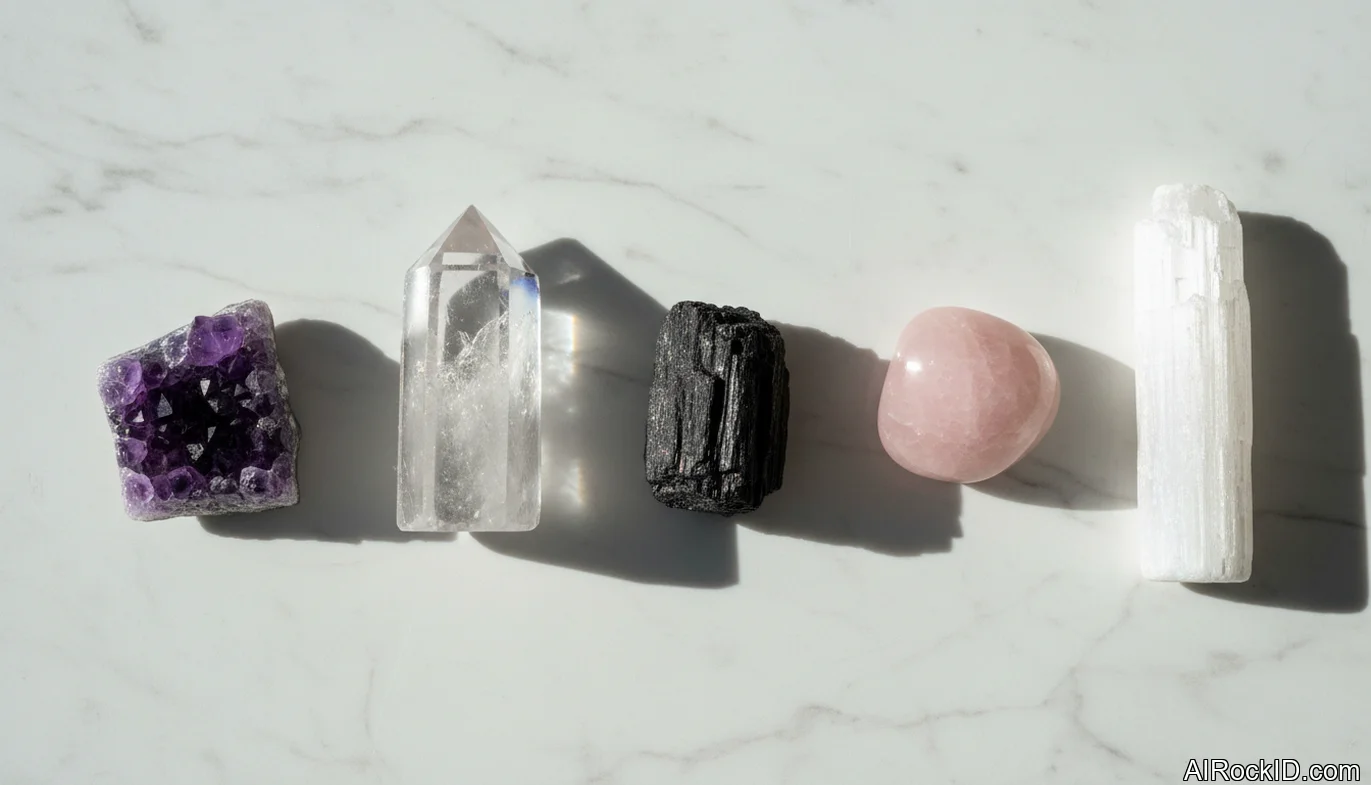
The best crystals for energy healing are the ones you’ll actually reach for. The ones that feel right in your hand. And the ones that match what you’re trying to build, like calm, grounding, clarity, or better sleep. I’ve handled thousands of pieces pulled straight from shop trays and private collections, and I keep seeing the same thing: people get more out of a small, repeatable set than a huge bowl of random tumbles that just sits there.
In real life, using stones for energy healing is basically about anchors. Grab a piece of clear quartz and you’ll notice it stays cold compared to glass, even after it’s been riding around in your pocket. It has that steady, almost stubborn chill to it, the kind you feel right away when you wrap your fingers around the point. So it becomes a physical cue for your nervous system. You pick it up, you breathe, you slow down, you check in. Magic? No. But it can work.
But there’s also the market side of this. A lot of what gets sold as “healing crystals” is dyed, coated, glued, or just plain mislabeled. If your amethyst is so purple it looks like grape soda, it might be treated. If your “aura quartz” has that rainbow film and it scratches off, that’s a coating. Thing is, you don’t have to turn this into a scavenger hunt. Keep it grounded: choose stones that are easy to source, easy to work with, hard to mess up, then use them in ways that actually fit into daily life (not just a one-off ritual you forget about).
Recommended Crystals
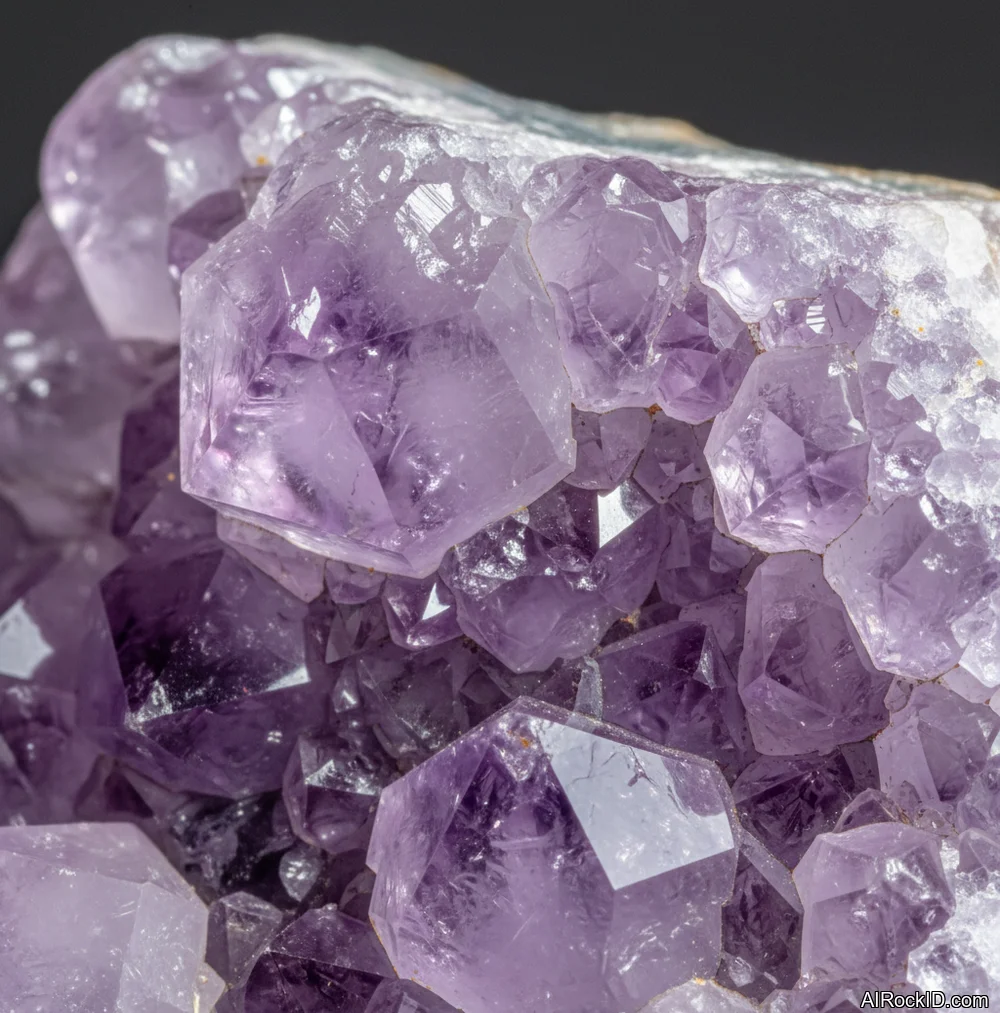
Amethyst
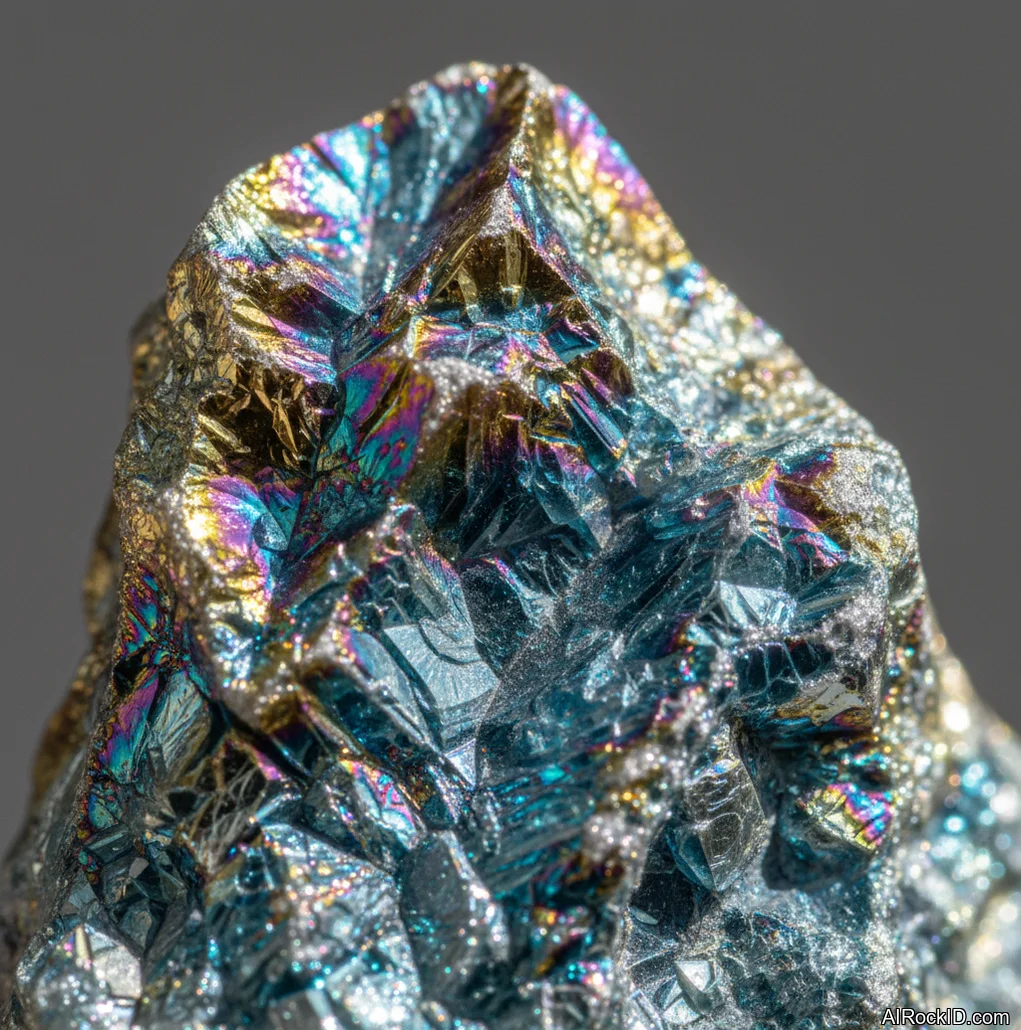
Clear Quartz
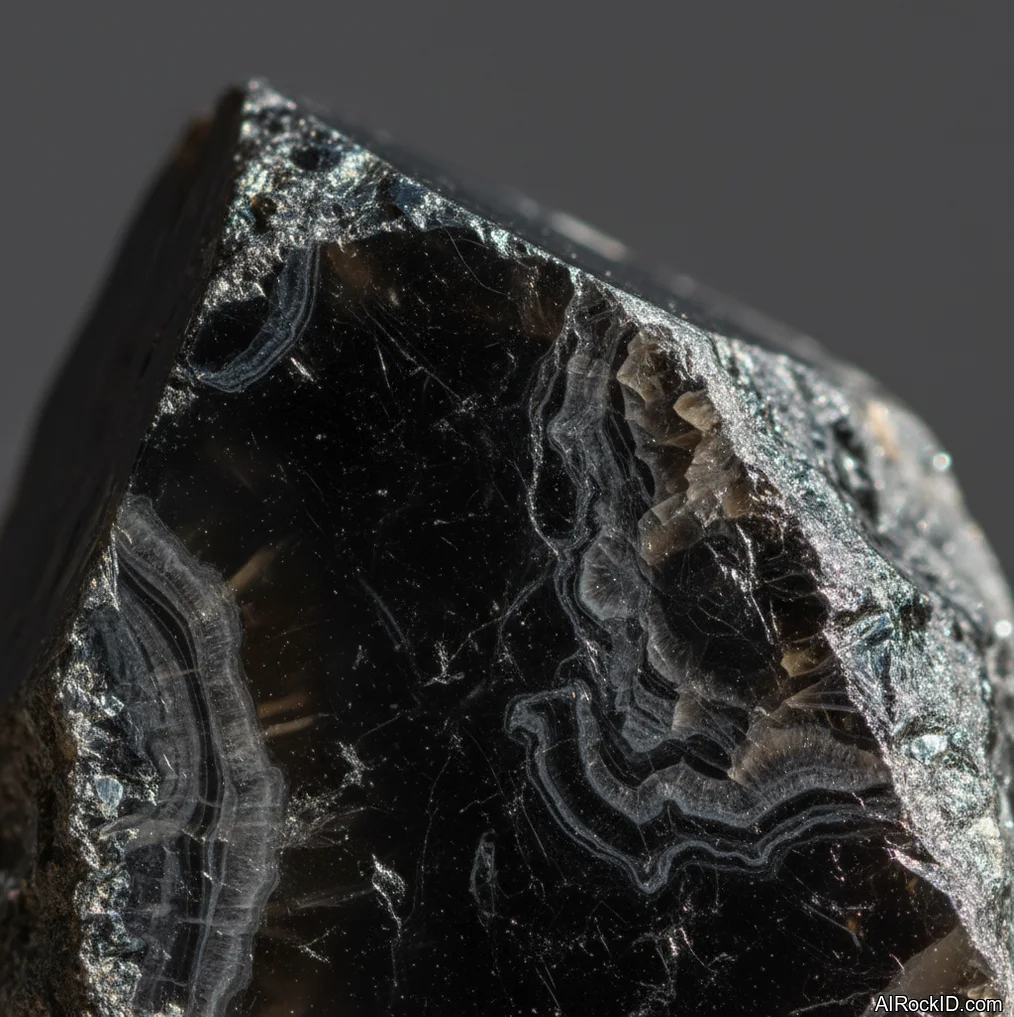
Black Tourmaline
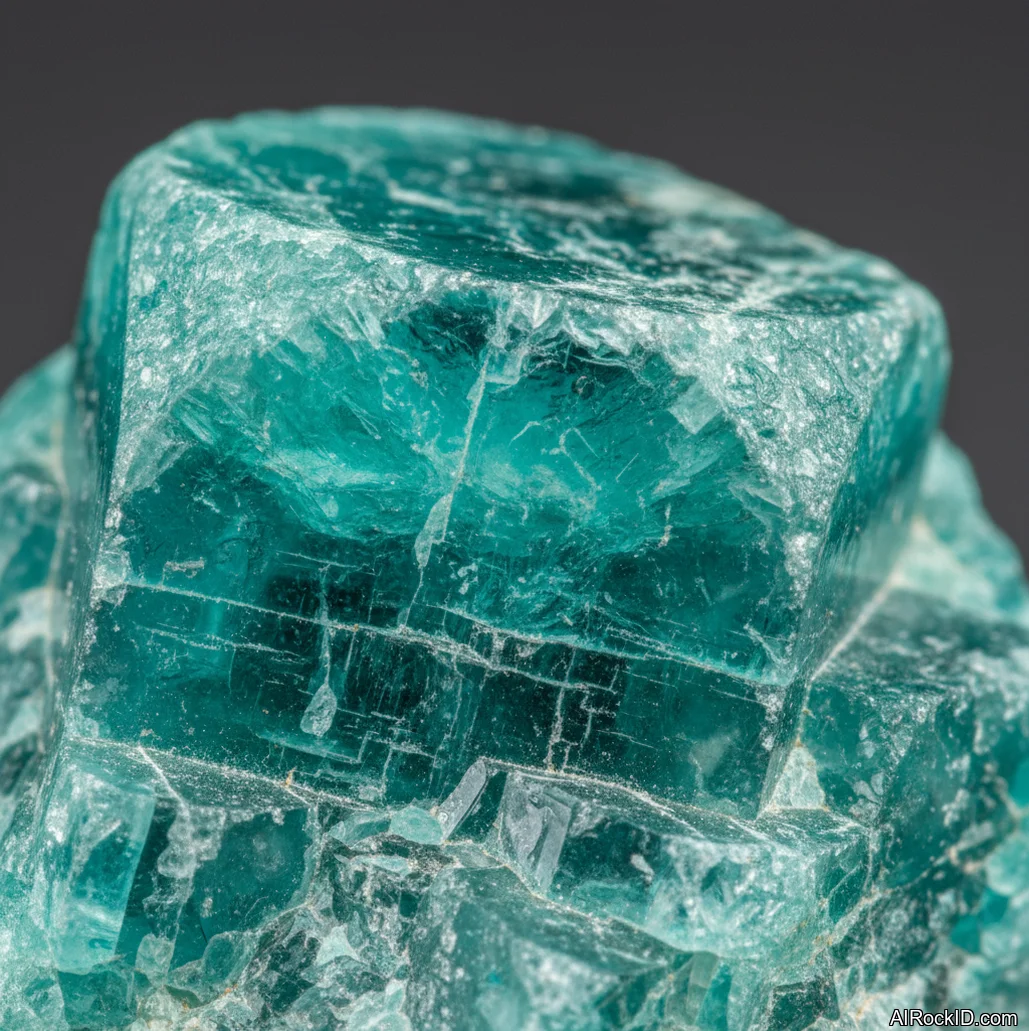
Rose Quartz
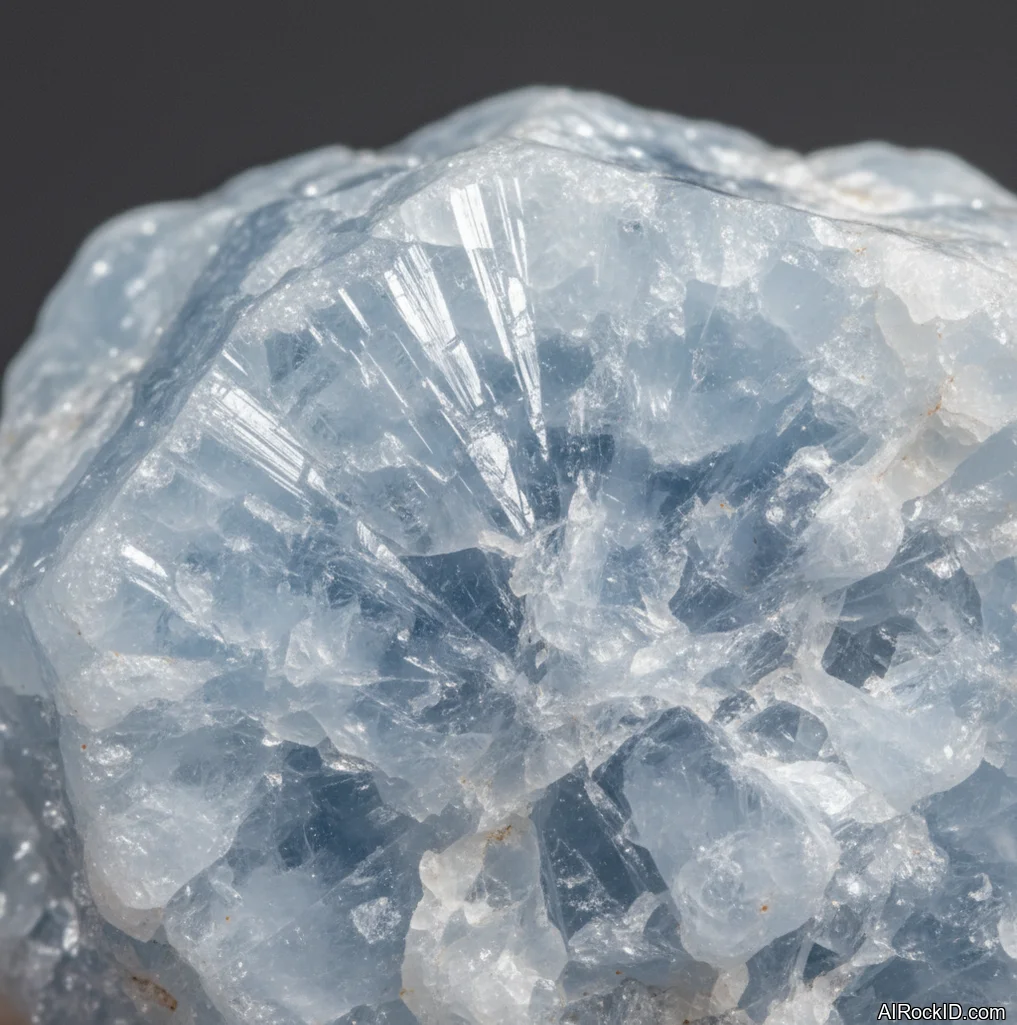
Selenite
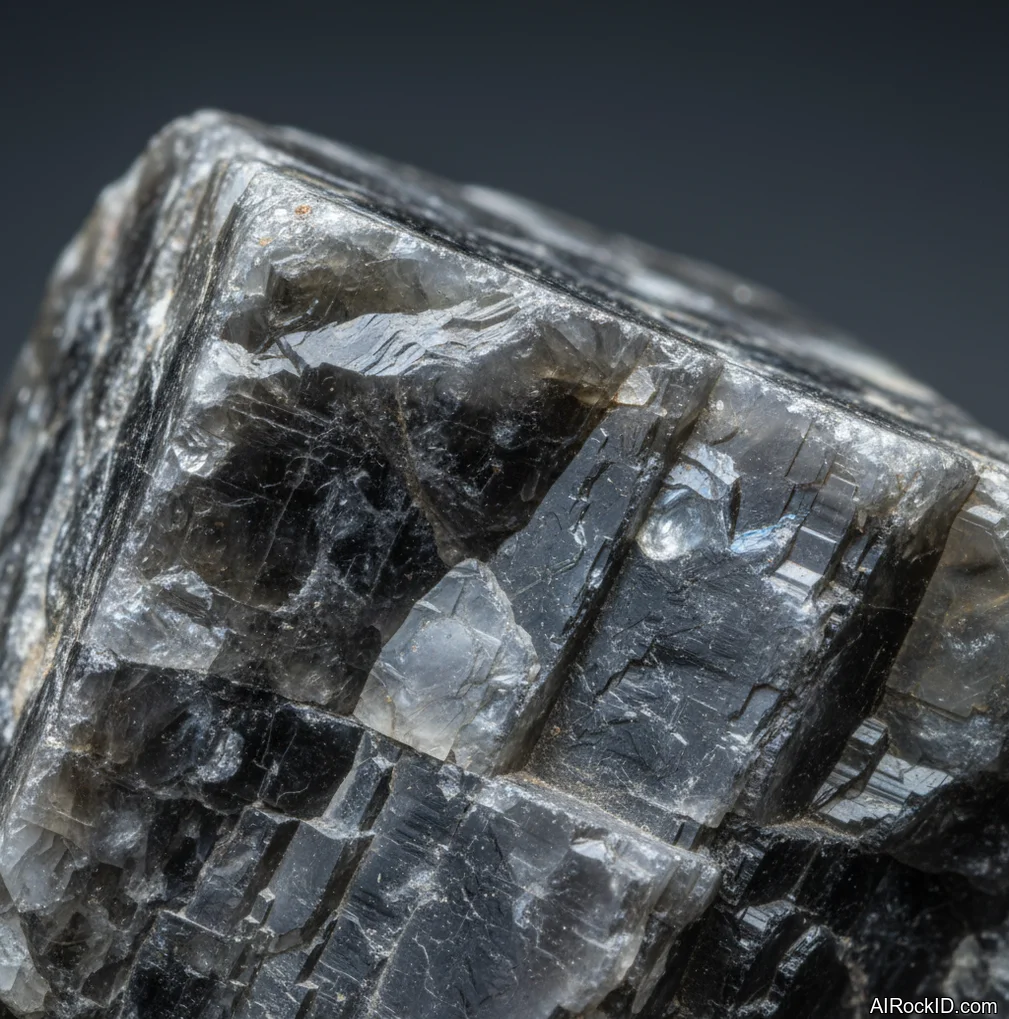
Labradorite
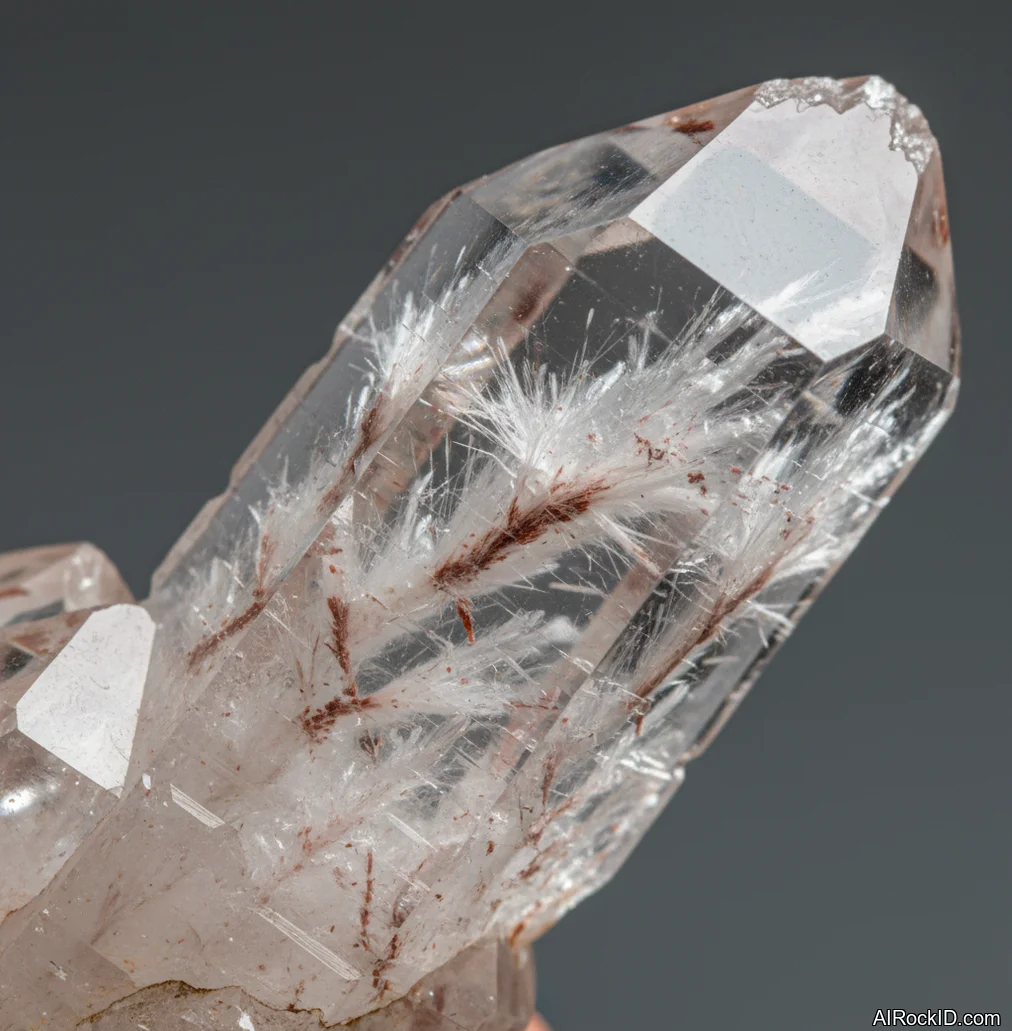
Smoky Quartz
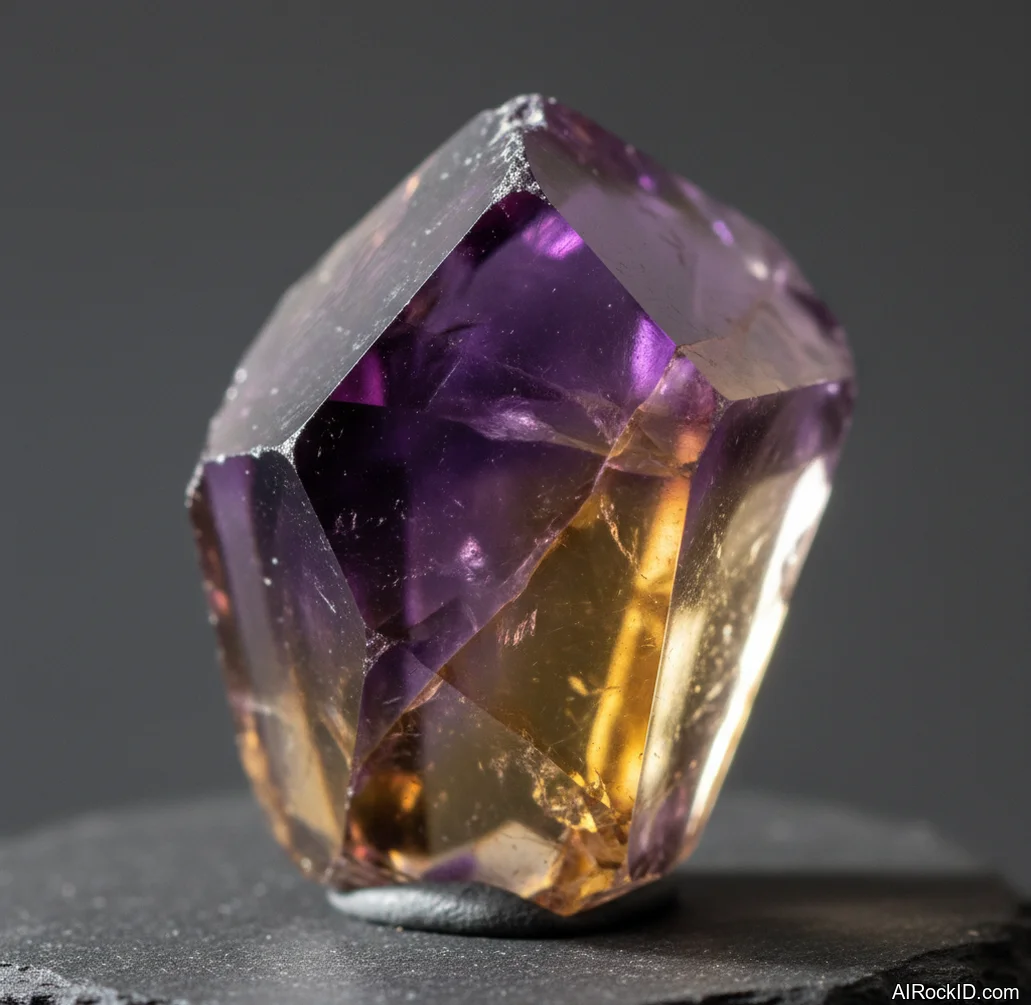
Citrine
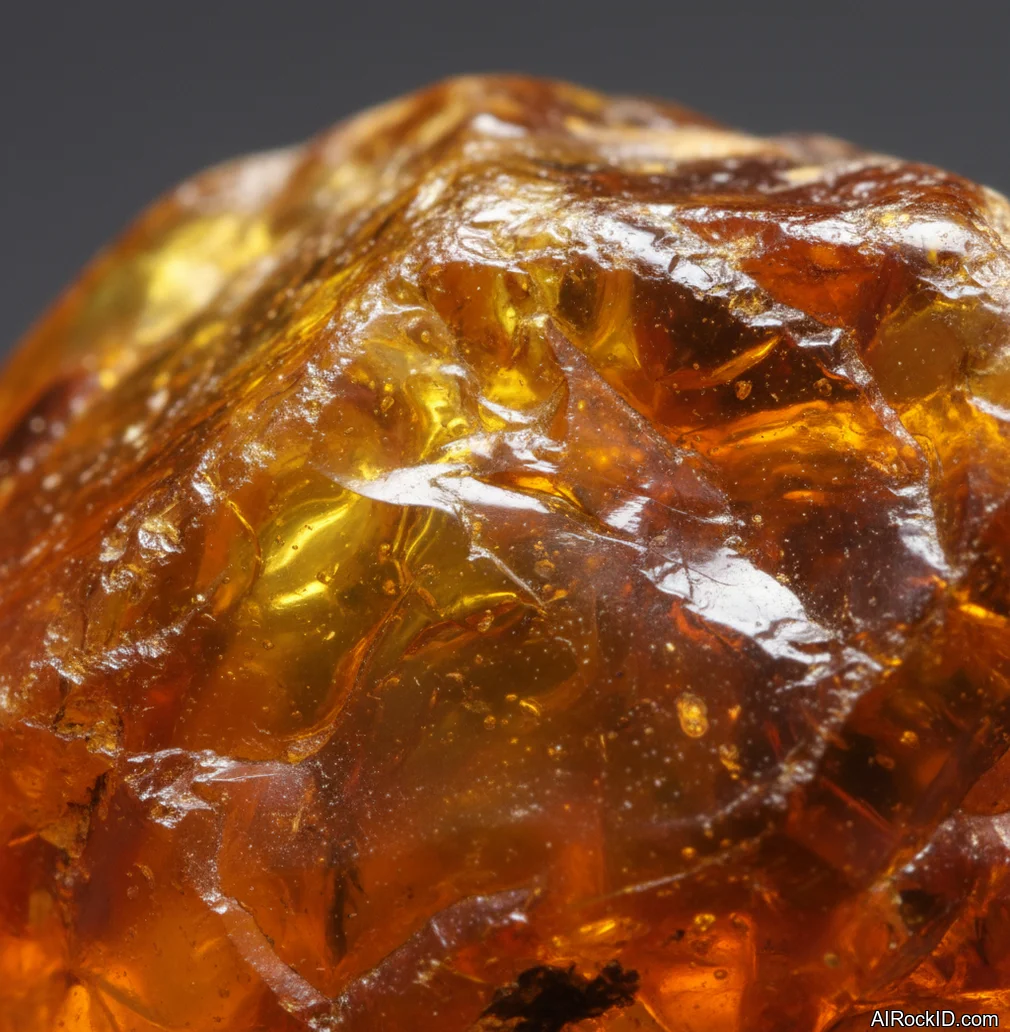
Amber
What “energy healing” looks like when you keep it practical
Energy healing with crystals works best if you treat it like a skill, not a scratch-off ticket. You’re trying to create a repeatable shift: breathing slows down, your jaw unclenches, your shoulders drop, and your attention stops skating all over the place. The stone is basically a handle you can grab when your mind wants to run. Hold one for a minute and you can’t miss the little stuff, like how cold it feels at first, the way it warms in your palm, the tiny ridges or polished slickness, and the heft that makes it hard to forget it’s there.
Most dealers will try to sell you a story. Don’t buy the story first. Start with what you can actually see in your day-to-day: do you sleep better when amethyst is part of your bedtime routine? Do you stop doom-scrolling faster when smoky quartz is on your desk and you actually reach over and touch it the moment you notice that tight, buzzy tension? If yes, cool. That’s enough proof to work with.
And the other practical piece is consistency. Five minutes every day beats one big ceremony once a month. Stick with one or two stones for two weeks, then switch if you need to. Because if you’re changing crystals every single day, how would you ever learn what any of them really does for you?
How to choose quality stones without getting scammed
At the counter, I do the same quick checks every time. First thing: temperature. Real stones usually hit your skin cool for a second, then slowly come up to room temp, while plastic and glass get warm almost right away. Then I get my face close to it (yes, I’m that person) and hunt for little natural “tells” like tiny fractures, veils, zoning, or color that’s a bit uneven. Too perfect? That can be a red flag.
Thing is, the market’s messy because treatments aren’t always disclosed. “Citrine” is the classic headache, since heat-treated amethyst is all over the place. And “aura quartz” is another one, with those metallic coatings that look gorgeous in the case but can scratch, and they change how the piece feels in your hand. None of that automatically makes a stone useless for ritual. But you should know what you’re buying so you can make consistent choices.
If you’re buying online, ask for a short video under a single light source, plus a photo of the back and the edges. Flashy stones like labradorite can get photographed at that one magic angle, and then a gray tile shows up in the mail. And for softer materials like selenite and amber, ask straight up about scratches and chips before you pay (because you will feel them the second you run a thumb over the surface).
Body placement basics that don’t get weird
You don’t need some fancy grid setup to get results. Keep it simple: three zones. Head (busy mind), chest (emotional load), belly (stress response). One stone per zone, because if you’re juggling more than that your attention gets scattered fast. And if lying on your back makes you tense, don’t force it. Sit up, rest the stone on your lap, and use it like a hand anchor, something to come back to with your fingers when your mind starts wandering.
Pick up a point and actually decide which way it’s facing. With quartz, a lot of people aim the point away from the body for “clearing,” and toward the body for “drawing in.” I don’t treat that like some hard rule (who can prove that, really?), but choosing a direction makes you intentional. That’s the real point.
Keep sessions short. Ten minutes is plenty. If you notice a headache coming on or you feel kind of spun up, stop. Get some water. Then do grounding stuff: feet flat on the floor, longer exhale than inhale, and maybe swap in something heavier like smoky quartz, or a dark stone you personally link with steadiness.
Cleansing and charging: what matters and what’s just busywork
The real test is simple: does your cleansing routine make you reach for your stones more, or does it make you dodge them? If it’s so fussy you end up leaving your crystals on a shelf because you don’t feel like dealing with it, it’s not doing you any favors. Simple works. Wipe them down, rinse them (only when it’s safe), or smoke cleanse if you’re into the ritual and like the smell clinging to your fingers after.
And honestly, I’ve met plenty of solid practitioners who never “charge” anything at all and still get good results, because their practice is consistent. That’s the part people skip.
Physical care matters more than folks want to admit. Selenite and water don’t mix. Full stop. Amber scratches if you toss it in a bowl with quartz points, especially the kind with sharp tips that leave little scuffs you only notice when the light hits just right. Soft stones get cloudy and sad-looking, and then people stop using them. So, store delicate pieces separately. A tiny pouch. A little divider. Anything.
For charging, stick with what’s reliable. Moonlight is gentle and low-risk. Sunlight can fade amethyst and heat up amber (and yeah, you can feel that warmth fast if it’s sitting on a windowsill). If you want a no-drama method, set stones on a dry selenite slab overnight. Or just hold them and reset your intention before a session. That’s it. Why make it harder?
How to Use These Crystals for Energy Healing
Pick one crystal and stick with it for a week. Seriously. That’s the bit most people bail on.
Morning is great for “upshift” stones like citrine. Night tends to fit better with calming ones like amethyst or rose quartz. And don’t tuck it away in a drawer. Put it where the habit already lives: on your nightstand where your hand lands half-asleep, by the kettle where you wait for the click, or right next to your charger so you literally bump it when you plug in.
For a basic energy healing session, set a timer for 8 to 12 minutes. Sit or lie down. Place one stone on your chest (rose quartz or amethyst are easy starters), and hold a second stone in your hand (clear quartz or smoky quartz). Breathe in through your nose for a slow count, then let the exhale run longer. Your mind will wander. When it does, come back to what’s right there: that cool, almost slick surface, the little heft in your palm, the edge of a point that’s sharper than you expect.
Want a quick “clear and reset”? Grab a selenite wand or a quartz point and sweep from crown to feet a few times, then finish by placing a grounding stone near your feet for one minute. Keep it practical. You’re training your body to notice the shift, and the crystal is just the physical cue (a little anchor) that tells you, hey, we’re doing the reset now.
Common Mistakes to Avoid
The biggest screw-up? Buying ten stones and using exactly none of them. People get hyped, grab a bunch all at once, then feel bad later because nothing “worked.” So start with two or three pieces you actually enjoy holding. Like, really enjoy. If a stone feels sharp on your palm, kind of sticky, or just plain irritating between your fingers, you’re not going to reach for it every day.
And yeah, the cheap stuff muddies the water. Heat-treated “citrine,” coated aura quartz, dyed pink stones, plastic “amber” all over the place. If you’re sitting there thinking a crystal isn’t doing anything, it might be because you don’t trust what you bought, or it feels gross to handle, or you can’t stop thinking about the money you spent and regretting it (been there). That’s real.
But another common mess is how people take care of them. Folks soak selenite, toss amber in salt, or leave amethyst in full sun for weeks, then act shocked when it looks washed out. Treat them like materials with quirks, not indestructible talismans. They’re pretty. They’re also finicky.
Identify Any Crystal Instantly
Snap a photo and get properties, value, care instructions, and healing meanings in seconds.