Best Crystals for Friendship
- Introduction
- Recommended Crystals
- What friendship crystals are actually good for (and what they’re not)
- Picking stones that won’t fall apart in real-life use
- Using crystals for group dynamics and not just one-on-one bonds
- Gifting friendship stones without making it weird
- How to Use These Crystals
- Common Mistakes
- FAQ
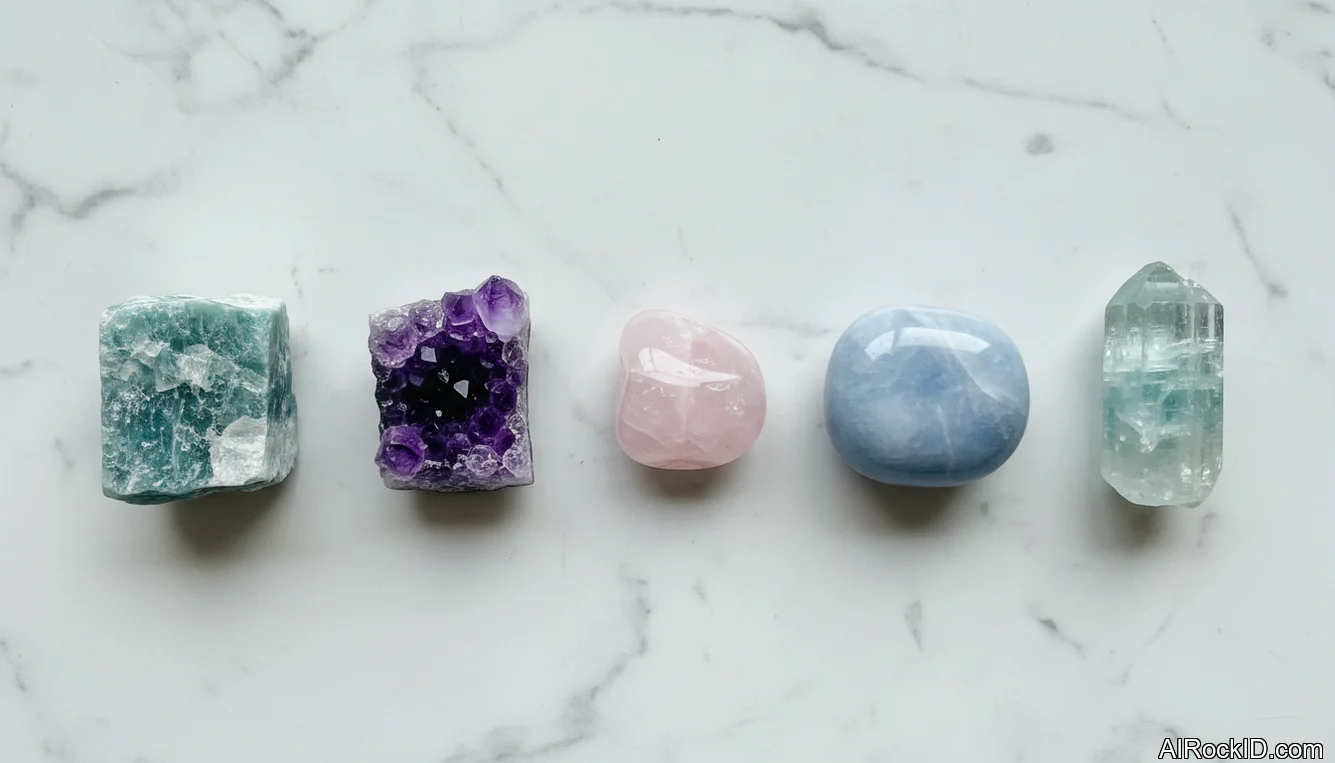
The best crystals for friendship are the ones that nudge you into steadier communication, less knee-jerk defensiveness, and a bit more patience when people get messy. I’m not saying rocks replace effort. They don’t. But I’ve seen a few stones work like training wheels for the hard parts of friendship most of us trip over: speaking honestly, not spiraling, staying open when you’d rather clamp down.
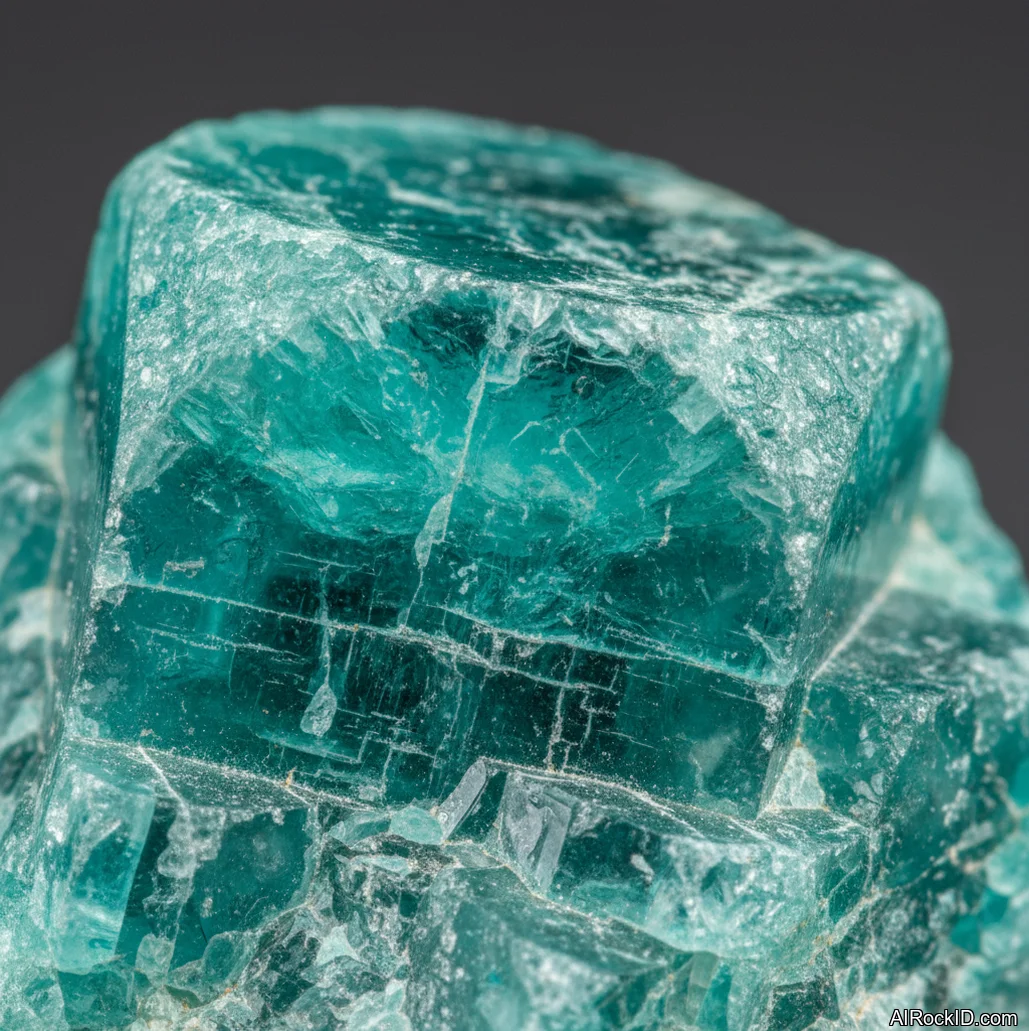
Grab a solid piece of amazonite and you’ll get it fast. It’s cool and a little slick in your palm, the kind of stone that almost always feels like it’s been sitting in shade. And that watery blue-green color basically whispers, “say the thing, just don’t bite.” When I carry it, I’m less likely to fire off a reactive text. Not in a magical way. More like I catch myself two seconds earlier, thumb hovering over send, and I choose a different tone. That’s the only kind of crystal use I actually trust: it shifts what you notice, and then your behavior follows.
Thing is, friendship is also a logistics problem. Schedules. Misunderstandings. Old baggage. And the weird social static that lives inside group chats. Some stones help with calm (amethyst). Some lean into warmth (rose quartz). Some are good for clean boundaries (black-onyx). And some help you actually enjoy people again after you’ve been burned (amber). I’ll give you a tight list, how I’ve used them, and where people tend to mess it up.
Recommended Crystals
Amazonite
Amethyst
Rose Quartz
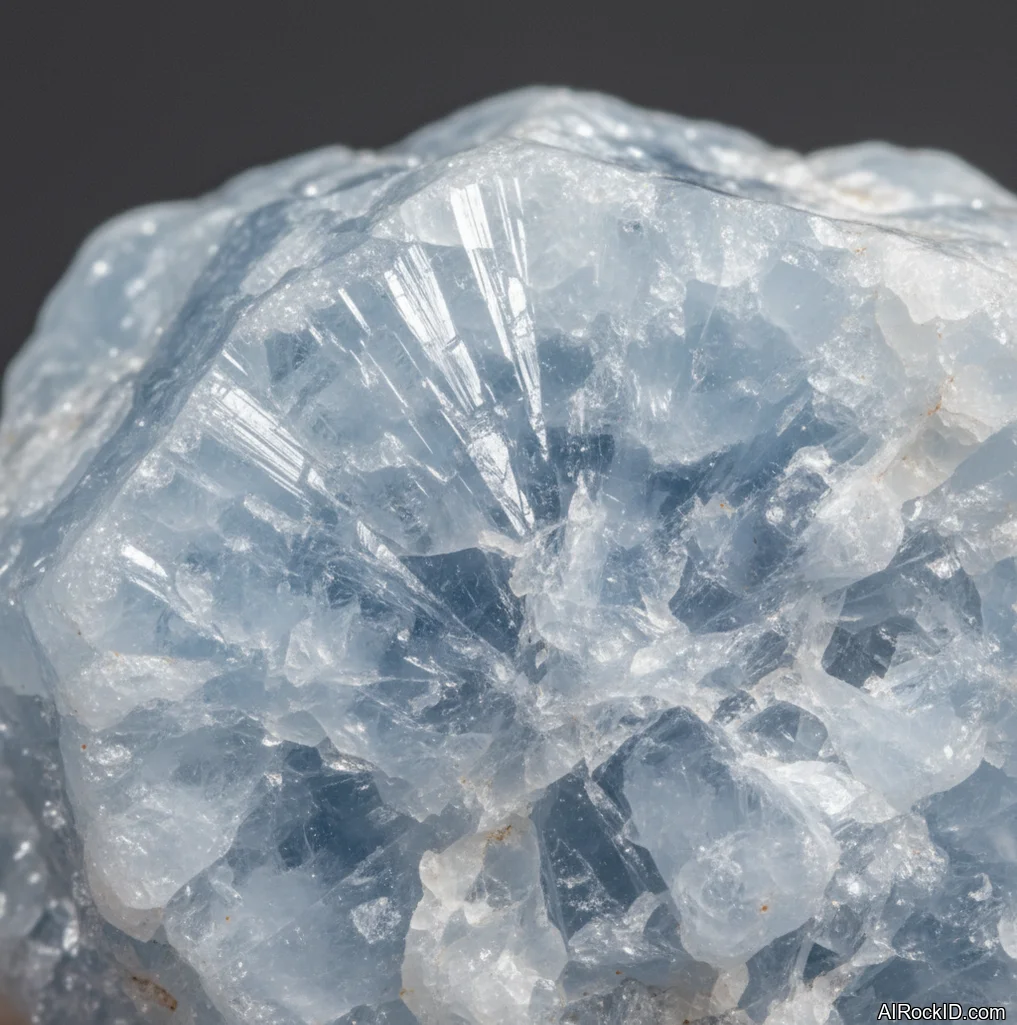
Angelite
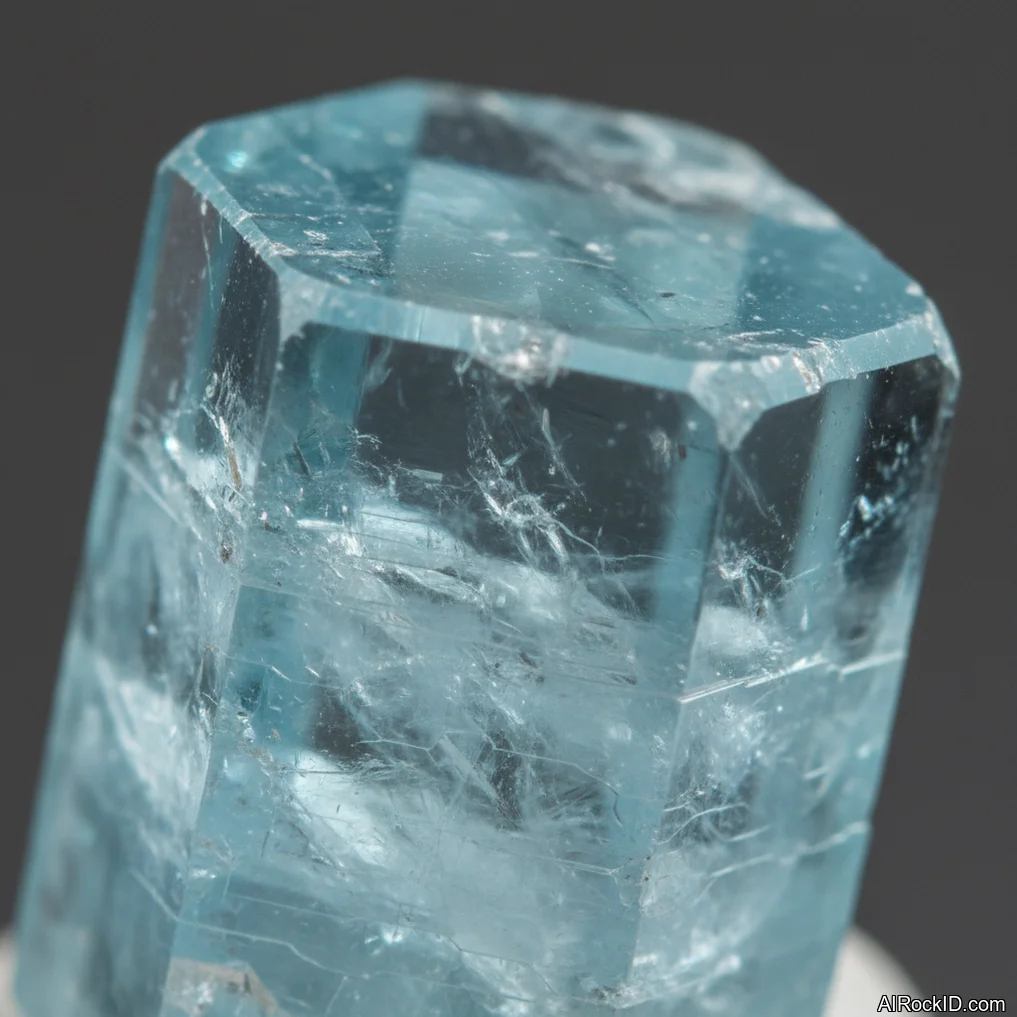
Aquamarine
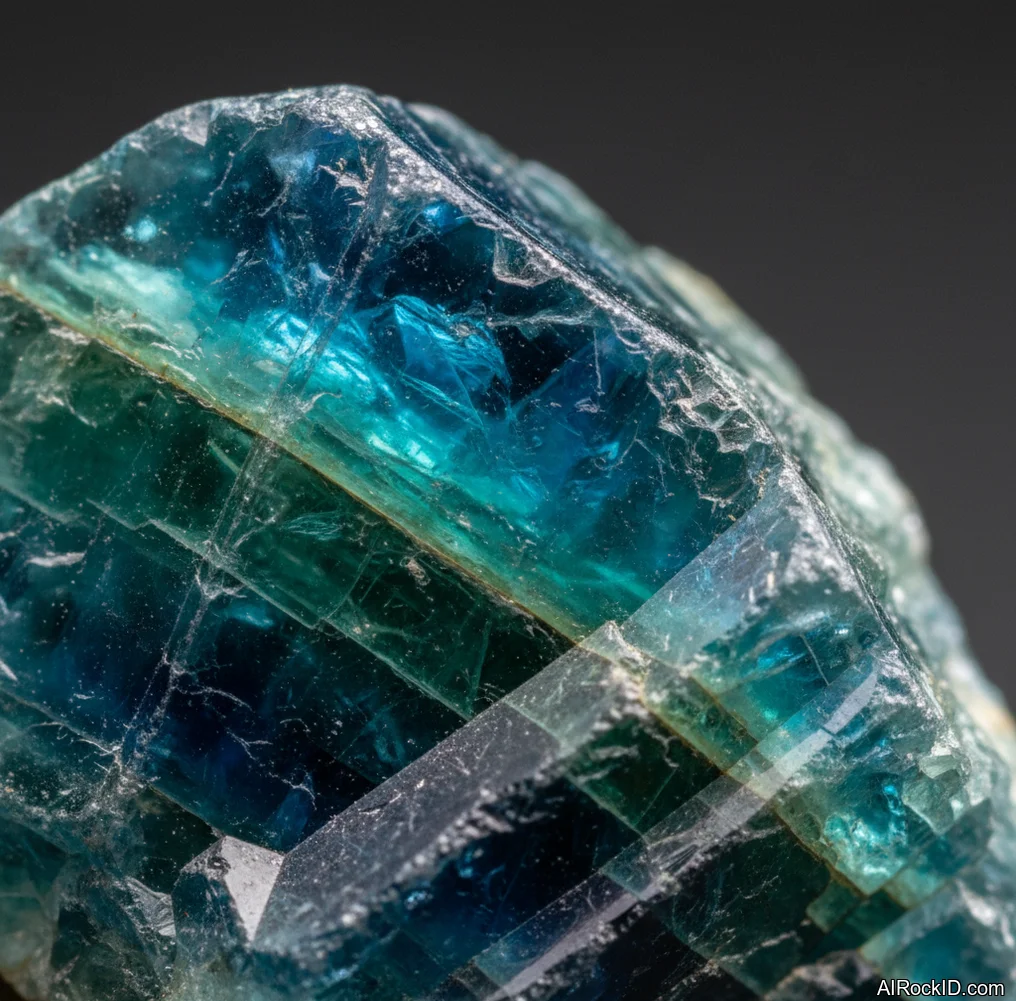
Apatite
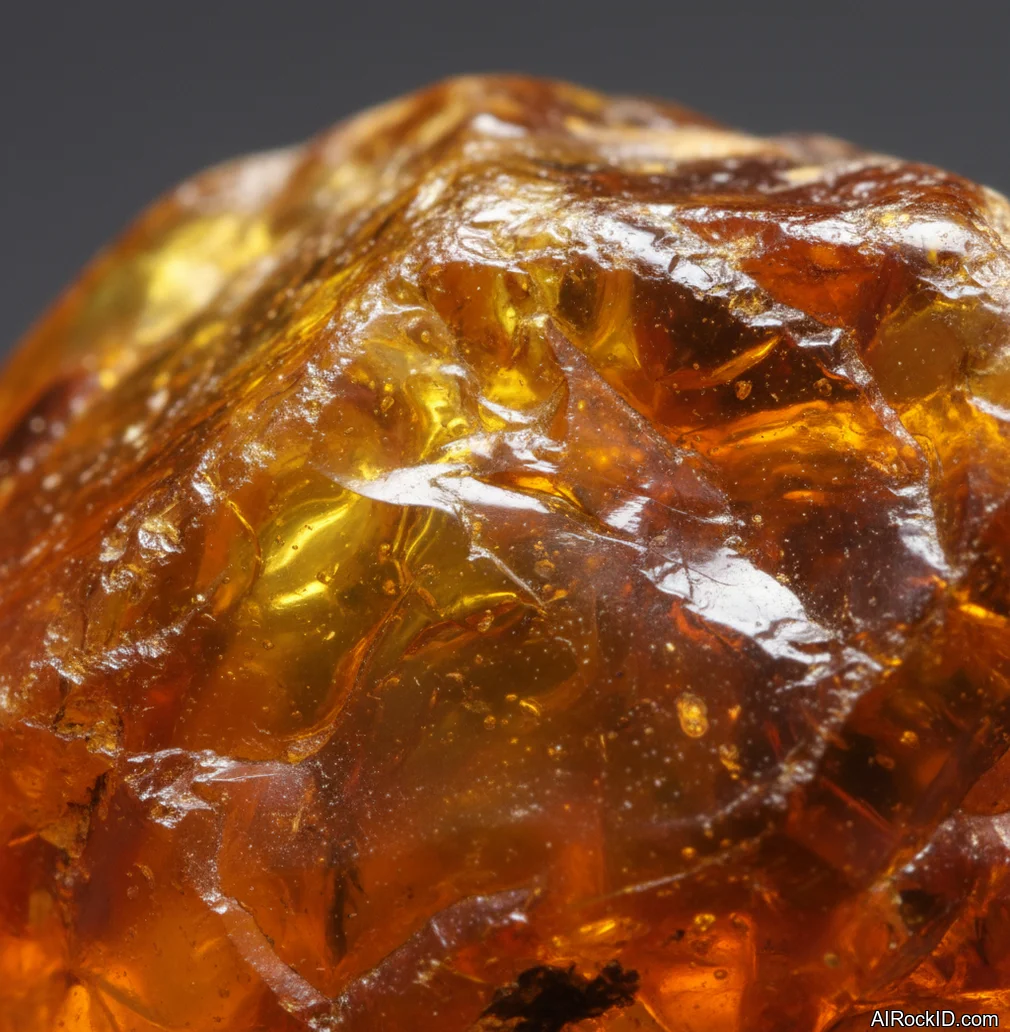
Amber
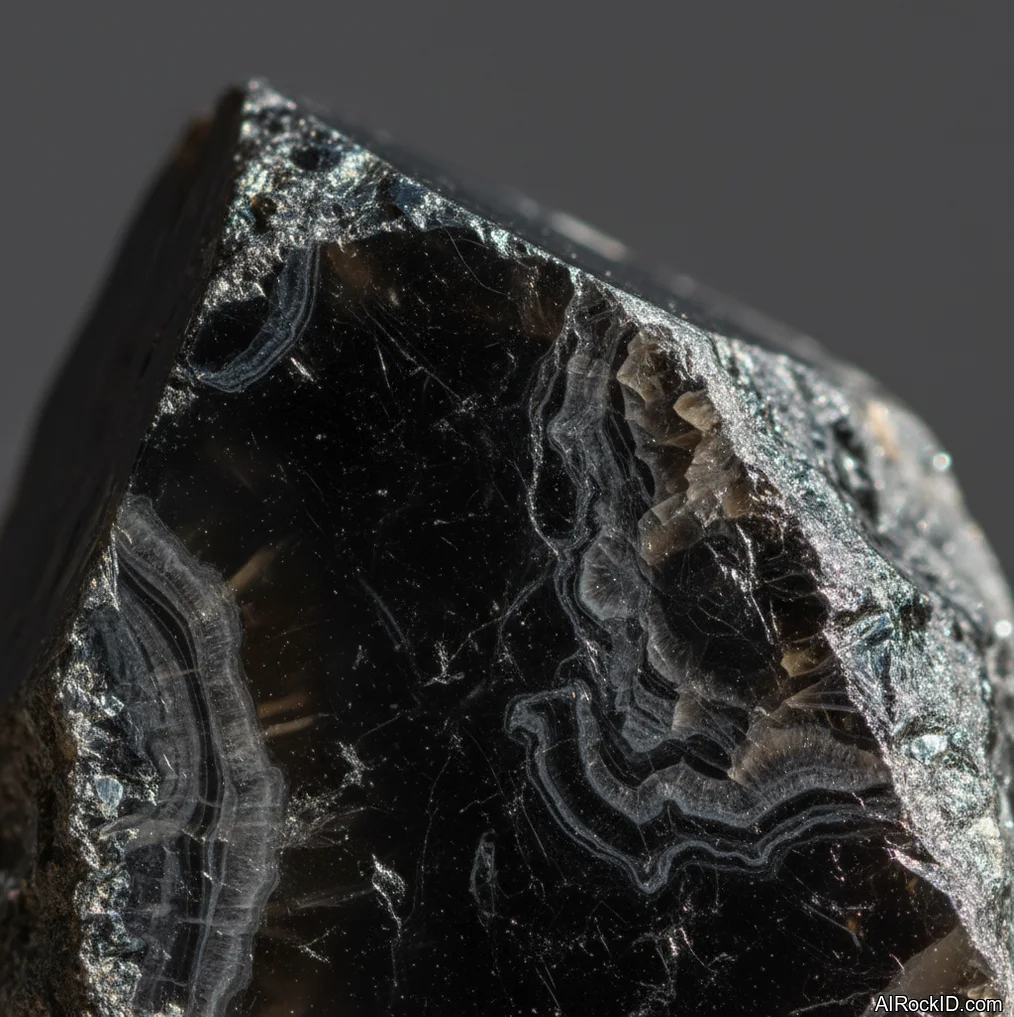
Black Onyx
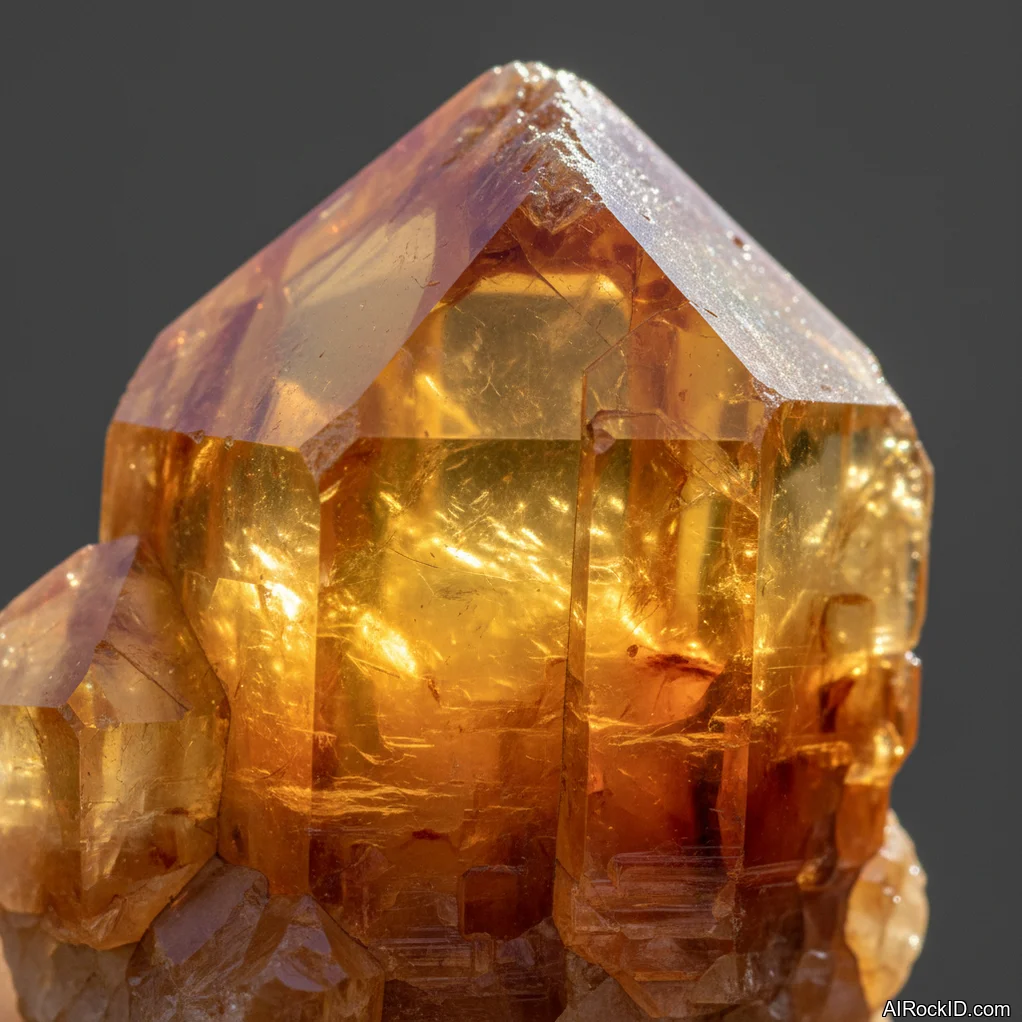
Amber Calcite
What friendship crystals are actually good for (and what they’re not)
Most friendship blowups don’t come from a lack of love. It’s timing. Tone. Stress, the kind that makes your shoulders creep up to your ears before you even notice. That’s where crystals can actually help in a practical, un-mystical way: they’re physical cues that snap you out of autopilot. You pick up a stone before you text, feel that cool weight in your palm (mine’s smooth on one side and a little rough on the other), and you buy yourself a tiny pause. And that pause is where your better choices live.
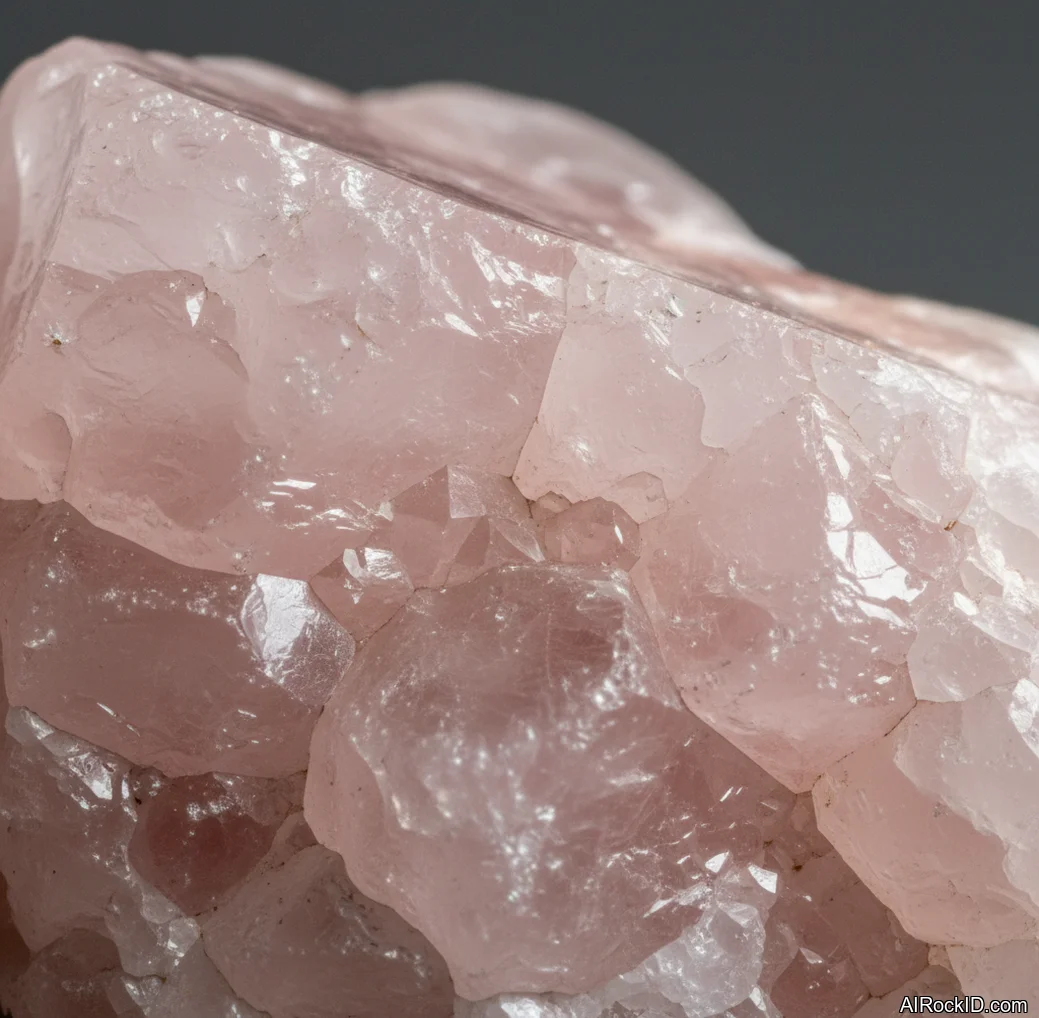
Compared to the whole “manifest a best friend” vibe, I’ve had more luck using stones to nudge specific behaviors. Listening without interrupting. Saying no without guilt. Not reading hostility into a totally neutral message. I keep a black-onyx piece by my keyboard, right next to the space bar where my wrist usually lands, and it’s stopped me from firing off a snarky reply more times than I want to admit. Rose quartz is different. Softer. Warmer-looking in the light. It helps most when I’m already spiraling and inventing stories about being unwanted (you know the ones).
But treating crystals like a friendship hack is where people get stuck. You skip the boring parts. You still have to show up. You still have to apologize cleanly, even when your stomach drops and you’d rather do anything else. So use the stones to support the work, not to replace it.
Picking stones that won’t fall apart in real-life use
Friendship stones get passed around nonstop. They end up in pockets, bags, cupholders, or that messy little drop spot by the front door where everything lands. So yeah, durability matters.
Amethyst and rose quartz can take a beating. Angelite and calcite can’t. I’ve literally seen angelite go from glossy to this sad, chalky matte in a single weekend because somebody tossed it in a pocket with their keys.
Look at the polish. Check the edges. A good tumbled stone feels like a smooth river rock in your hand, no sharp bits, no weird gritty patches that catch on your thumb. And if you can scratch it with a fingernail and it leaves a mark? That’s your sign it’s not going to love daily carry. With softer pieces, I treat them like “place stones” and leave them at home (on a shelf, a table, wherever), so they can do their thing without getting wrecked.
Most dealers will slap “pocket-friendly” on everything. They’re not exactly lying, they’re just simplifying it. If you want one stone that can survive real life and still look good, go with a harder quartz-family piece, and keep the softer ones for shelves and tables.
Using crystals for group dynamics and not just one-on-one bonds
One-on-one friendship is close. Like, you can feel it in your chest. Group friendship, though? That’s logistics, vibes, plus a pile of old history that somehow shows up the second someone brings up “that one trip.” And that’s exactly when table stones come in handy.
I’ve actually set a chunk of amber calcite right in the center of a packed table during a tense get-together, and I swear the conversation stopped snapping at the edges. People’s voices softened. Forks clinked less aggressively. Was it the stone, or was it me deciding, on purpose, that the night was going to go better? Probably both. Either way, it worked.
With groups, I stick to two stones. One for warmth, one for clarity. Amber or amber calcite for ease, aquamarine for honest talk. Keep it simple. Once you start sprinkling ten stones around the place, it just looks like decor and nobody clocks what you’re doing.
If you’re hosting, the real test hits right after the first awkward moment. You know the one. So touch the stone, take a breath, and ask a question that pulls the quiet person in. Not a spotlight question, just a real one. That’s friendship magic in real life.
Gifting friendship stones without making it weird
Giving someone a crystal can either feel oddly perfect or like you handed them a weird little rock and now they have to nod politely. Context is the whole thing. Attach one plain sentence about what it means between you two, not a long metaphysical spiel. “I thought of you because you’re the friend I can be honest with” lands way better than a printed list of properties.
And format matters. A small palm stone is easy. Jewelry is personal and can miss (fast). Raw pieces look cool, but some are sharp, and some are crumbly depending on what you pick. I once gave a friend a soft calcite chunk and they tossed it in their backpack with their keys and charger, and within a month it had basically turned into gravel.
So if you want the gift to actually stick, add one simple way to use it: keep it by the bed, hold it before tough talks, or leave it at the work desk. People remember instructions they can actually do. Who’s going to remember a paragraph? Not most of us.
How to Use These Crystals for Friendship
Start small. Tie the stone to one friendship habit, just one. If you grab amazonite, maybe your habit is “answer texts in a calm tone.” If it’s black-onyx, maybe it’s “pause before you say yes.” The stone’s only there as a reminder. Doing it over and over is what actually changes you.
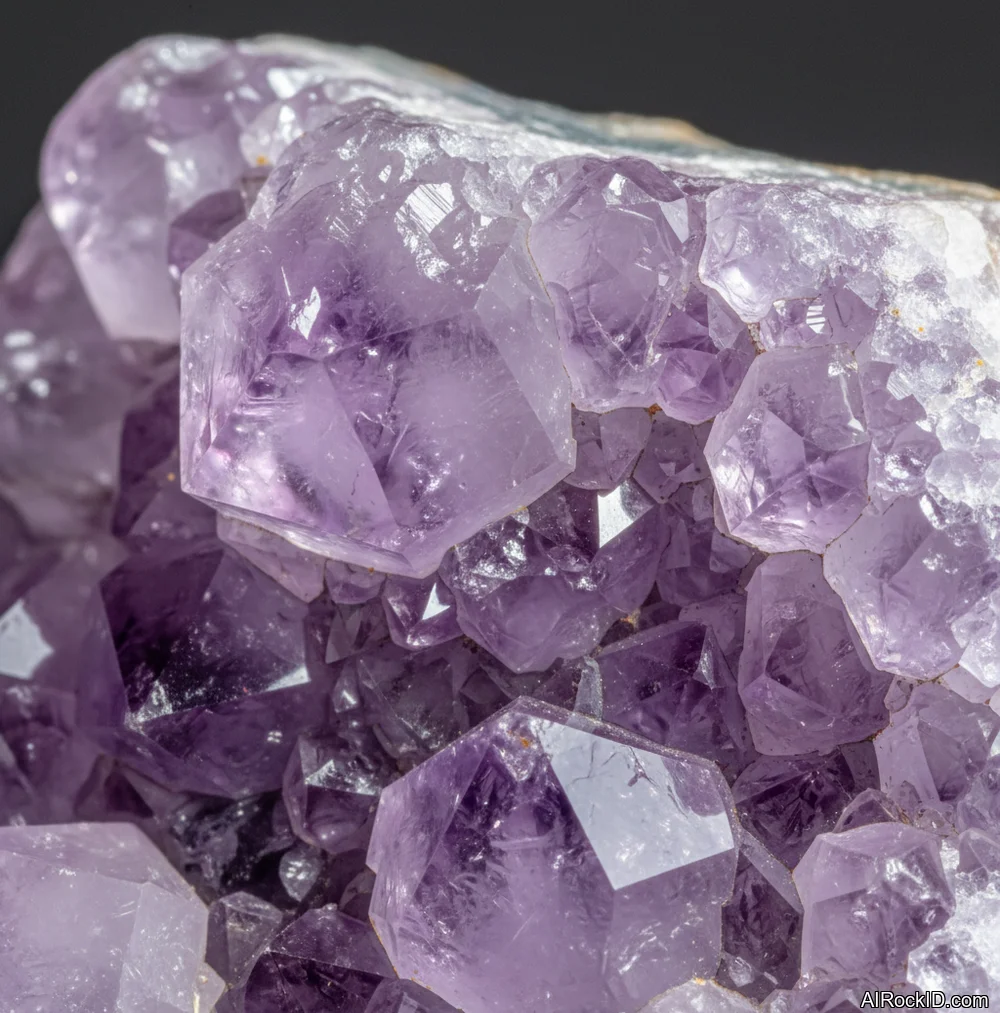
Pick it up and pay attention for a few seconds. Is it cool from sitting on the table? Is it slick, or does it have that slightly gritty feel along an edge? That isn’t woo. That’s just sensory grounding. Then do the practical part: type the message, wait 60 seconds, read it again, and ask yourself if you’d say it out loud to someone you care about. I keep an amethyst cluster on my desk for this, mostly because those little spiky points (you know, the ones that catch on your sleeve if you’re not careful) make me slow down and stop padding hard truths with passive-aggressive fluff.
For in-person friendship, I’ve found table placement works better than carrying it in your pocket. Put rose quartz or amber calcite where you can actually see it during dinner or a hangout. And when the conversation starts to get sharp, touch the stone and ask one plain question: “What do I want them to understand?” Funny how often that turns a fight into a real moment. But don’t rinse soft stones to “cleanse” them. I’ve watched calcite get etched and turn cloudy from well-meaning water rituals. Why risk it?
Common Mistakes to Avoid
People grab stones off internet lists and totally skip what their own hands are trying to tell them. If a piece is annoying to hold, too sharp, too light, too slippery, you won’t stick with it. Simple as that. I’ve watched people buy five “friendship crystals,” toss them in a drawer, carry none of them, and then blame the stones when nothing changes.
Another common mess? Treating every friendship problem like the answer is “be more open.” Sometimes you don’t need softer feelings. You need clearer boundaries. If you’re always the one initiating, always the one apologizing, rose quartz can slide into self-abandonment fast if you use it as an excuse to accept crumbs (been there, seen that). That’s when black-onyx actually earns its keep.
Last one. People don’t care for the material. Angelite and calcite don’t like water. Amber doesn’t like heat or chemicals. And when you trash the stone, you lose the habit you were building, and then you’re right back to square one.
Identify Any Crystal Instantly
Snap a photo and get properties, value, care instructions, and healing meanings in seconds.