emotional

Best Crystals for Love
Hand holding a mix of rose-toned and green heart stones, polished and raw pieces on a wooden table

The best crystals for love are the ones that help you soften up, say what you mean, and stay steady enough to actually show up. Consistently. I’m not talking about some stone that “summons your soulmate.” I mean the kind of quiet support that nudges you toward warmer choices, cleaner boundaries, and fewer spirals when you feel rejected.

Look, pick up a heart-shaped stone in a shop and your body usually answers before your brain catches up. Some pieces feel calming the second they hit your palm, cool and a little heavy, like that smooth, chilled weight you notice when you’ve been gripping too hard. And then, without thinking, your jaw unclenches. Others are gorgeous and… nothing. No shift. That’s normal. With love work, the goal is usually to settle your nervous system first, then point the “love” part toward connection, repair, and honest self-respect.

Quick reality check: crystals don’t replace therapy. They don’t fix a partner who lies. And they don’t erase attachment wounds overnight, either. What they *can* do is act like a physical cue. You touch it and you remember the practice you’re trying to build. You keep it by your bed and you remember to check in with your own needs before you go chasing someone else’s. That’s where they actually earn their keep, honestly.

Recommended Crystals
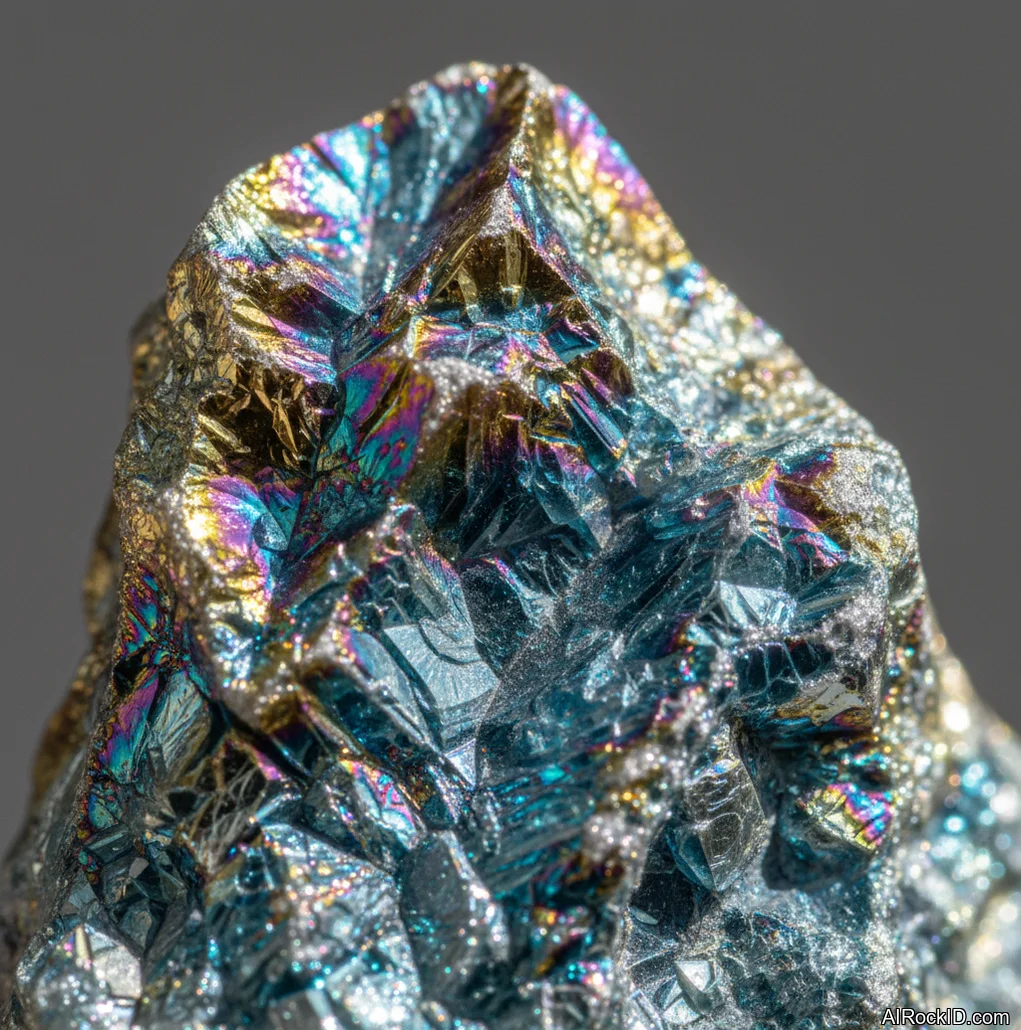
Rose Quartz
Rose Quartz

Most folks show up hunting for rose quartz, but I’ll be blunt: a big chunk of what gets sold as “rose quartz energy” is just marketing with a pink label slapped on it. But when you’ve got a good, pale pink piece, the kind with that cloudy, milky haze inside, it feels gentle and steady in your palm, like it softens emotional tightness instead of winding you up. Thing is, I’ve found it hits best when you’re aiming for self-kindness and some repair after a breakup, not trying to pull a specific person back in. So take a second and really look at it under light. See those tiny internal fractures that catch and flicker when you tilt it? That little sparkle tends to show up more in higher grade material. And the cheaper stuff can feel weirdly warm, almost plastic-like. Why would a stone feel like that? (Exactly.)
How to use: Keep one by your bed and touch it before you check your phone in the morning. If you’re doing relationship repair, hold it during a calm conversation, not during a fight. Wash it with mild soap and water if it’s been handled a lot, then let it dry fully.
Rhodonite

Rhodonite

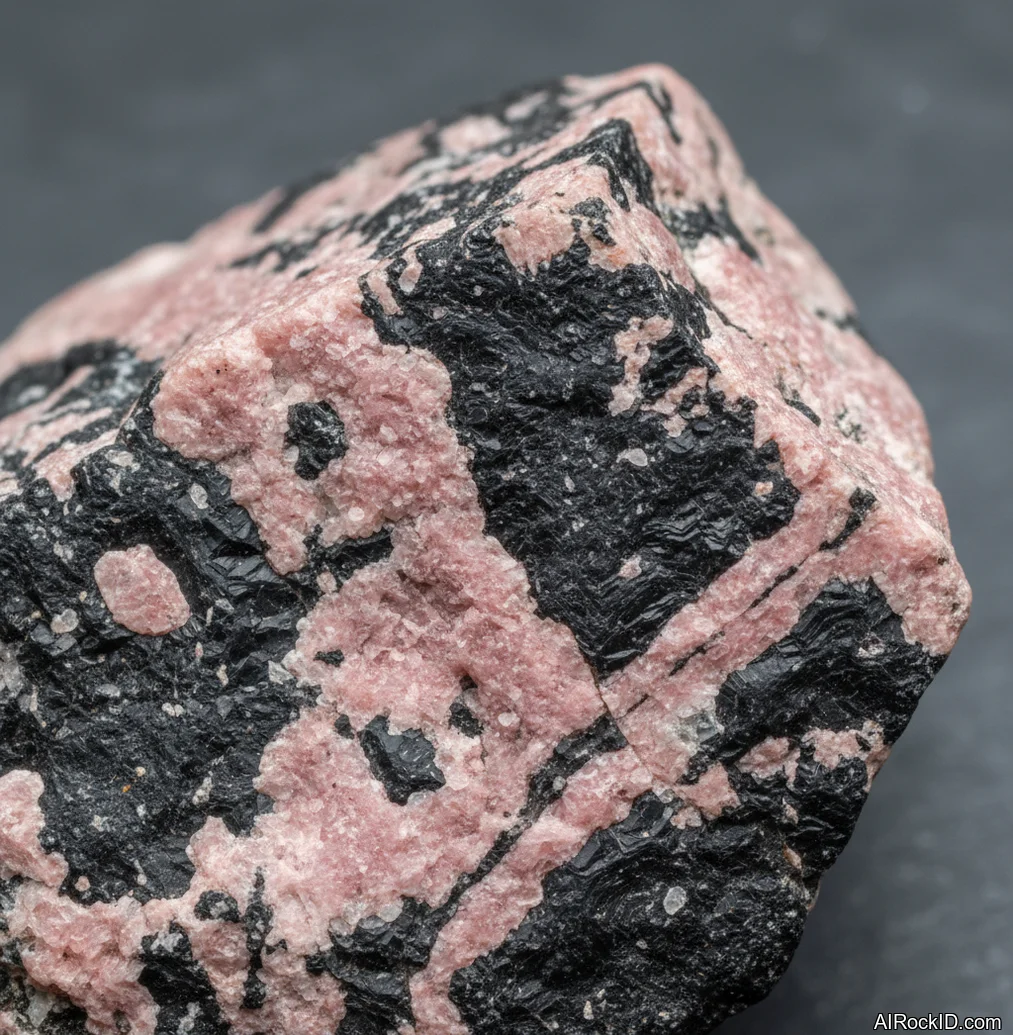
Rhodonite’s the friend you ring up when you need to say sorry but don’t want to fold in on yourself from shame. In your hand, it feels steady and kind of firm, especially the chunks with those dark veins that look like ink scribbled through bubblegum pink. And yeah, I’ve tucked one in my pocket for tough conversations, the kind where you’ve gotta admit your part without groveling. But here’s the catch: sellers mix it up with other pink stones all the time. Real rhodonite usually shows clear black manganese patterns, not that flat, uniform cotton-candy color.
How to use: Put it in your pocket for a day you know you’ll need emotional restraint. During journaling, rest it on your chest and write one honest sentence you’ve been avoiding. If the stone is polished, wipe it after use because skin oils dull the shine fast.
Amazonite

Amazonite

Amazonite doesn’t get much love in the love-stone conversation, probably because it isn’t pink. But love without clear speech just turns into one long guessing game, doesn’t it? A good piece has that blue-green feldspar look with those milky white streaks running through it, and when you pick it up it stays cool against your skin longer than those glassy fakes that warm up fast in your palm. I’ve watched it nudge people out of “hinting” mode and into saying the actual sentence out loud, and honestly that’s usually the moment a relationship either tightens up or ends cleanly. Compared to softer stones, it feels more like hitting reset on overthinking. Thing is, if you’re already sharp-tongued, it can push you into being a bit too blunt (not always cute).
How to use: Wear it near your throat if you’re doing a talk that needs honesty and kindness at the same time. If jewelry isn’t your thing, set a tumbled piece on your desk and touch it before you send a loaded text. Don’t soak it in salt water; feldspars can get dull and pitted.
Amethyst

Amethyst

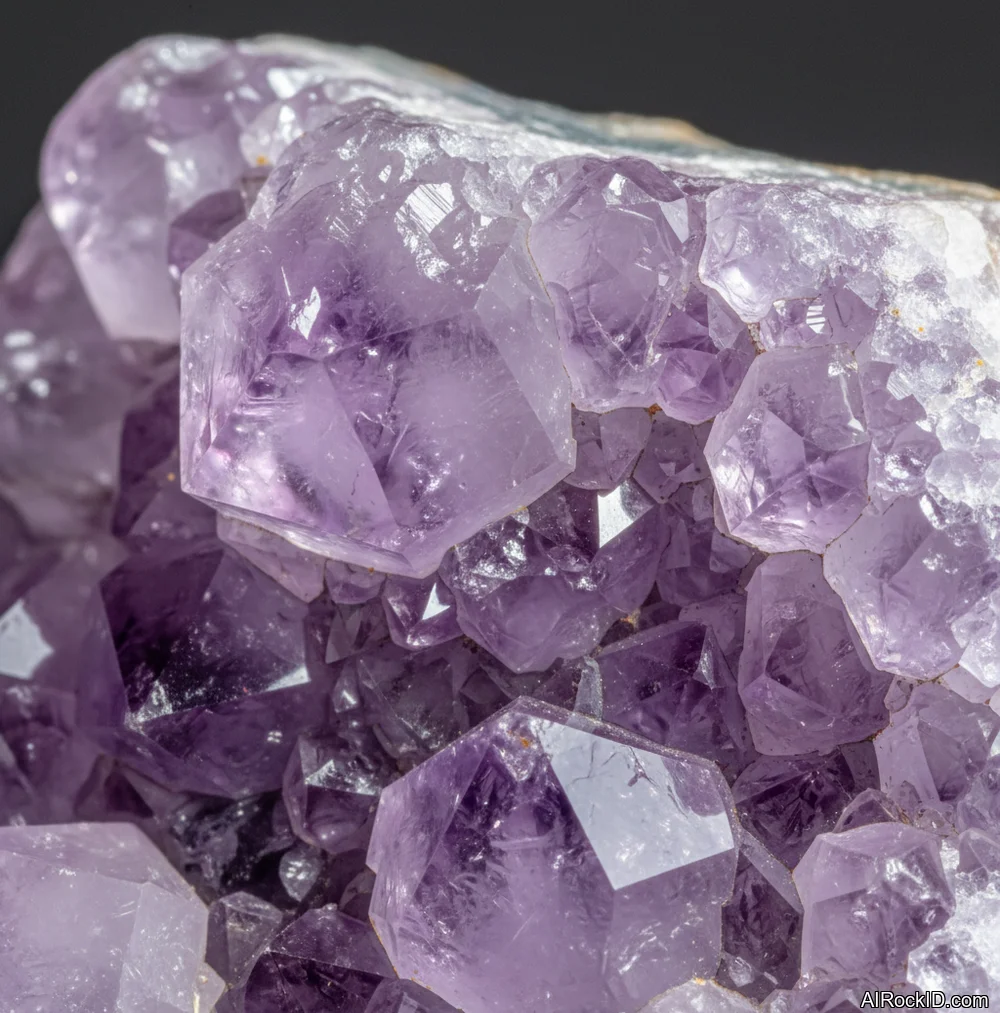
Amethyst does a better job with love stuff than people give it credit for, mostly because it can help with impulse control and that late-night emotional doom-scrolling spiral. Grab an Uruguayan piece in your hand and you’ll notice the weight and density right away, and the purple usually runs deeper than the lighter Brazilian material. I’ve leaned on it when I needed to stop chasing clarity from someone who wasn’t giving any (you know the type), and just get quiet and sleep. Heat-treated pieces are out there, but with amethyst it’s less of a drama than with citrine. The bigger headache? Dyed quartz getting sold as “super dark amethyst.”
How to use: Keep a cluster on a nightstand and use it as a cue to put your phone down. For anxious attachment spirals, hold it in your non-dominant hand and breathe slower than you want to. Dust clusters often; they lose that “clean” feel when they’re grimy.
Amber

Amber

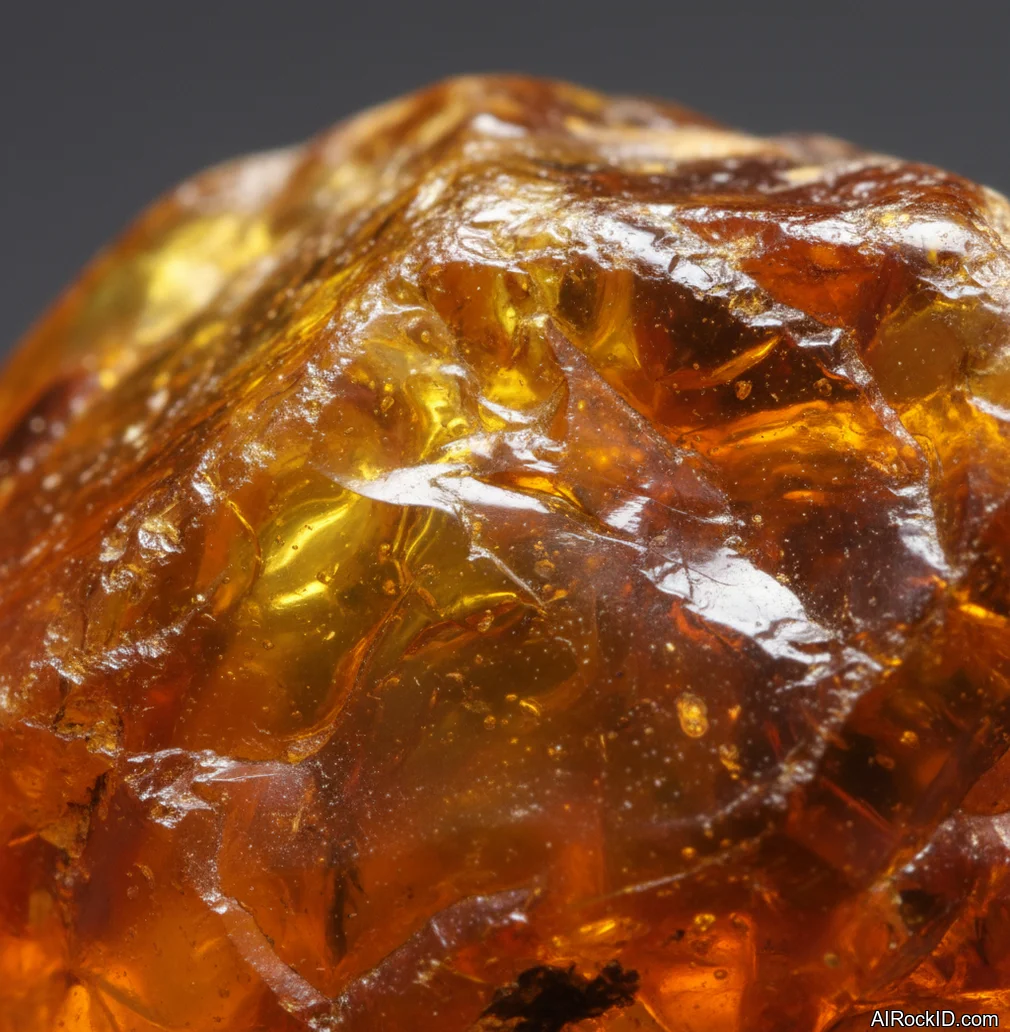
Amber isn’t a crystal in the strict mineral sense, but I still count it, because it feels warm in your hand and it’s weirdly honest about your mood. Real amber is lighter than you expect for its size, and if you rub it a bit you can build static and it gets just a touch tacky, like it’s got a little grab to it. Plastic fakes? They feel too uniform. Too dead. And I’ve literally watched people unclench just from holding a good honey-colored piece, especially when grief is tangled up in love. But it’s not perfect. Amber scratches easily, and if you chip it, that rough edge can bug you nonstop if you’re sensitive to texture (you know the feeling).
How to use: Carry it when you’re doing heart work that involves loss, family stuff, or old memories. Keep it out of hot cars and direct sun; it can craze or darken over time. Clean it with a soft cloth only, no harsh chemicals.
Angelite

Angelite

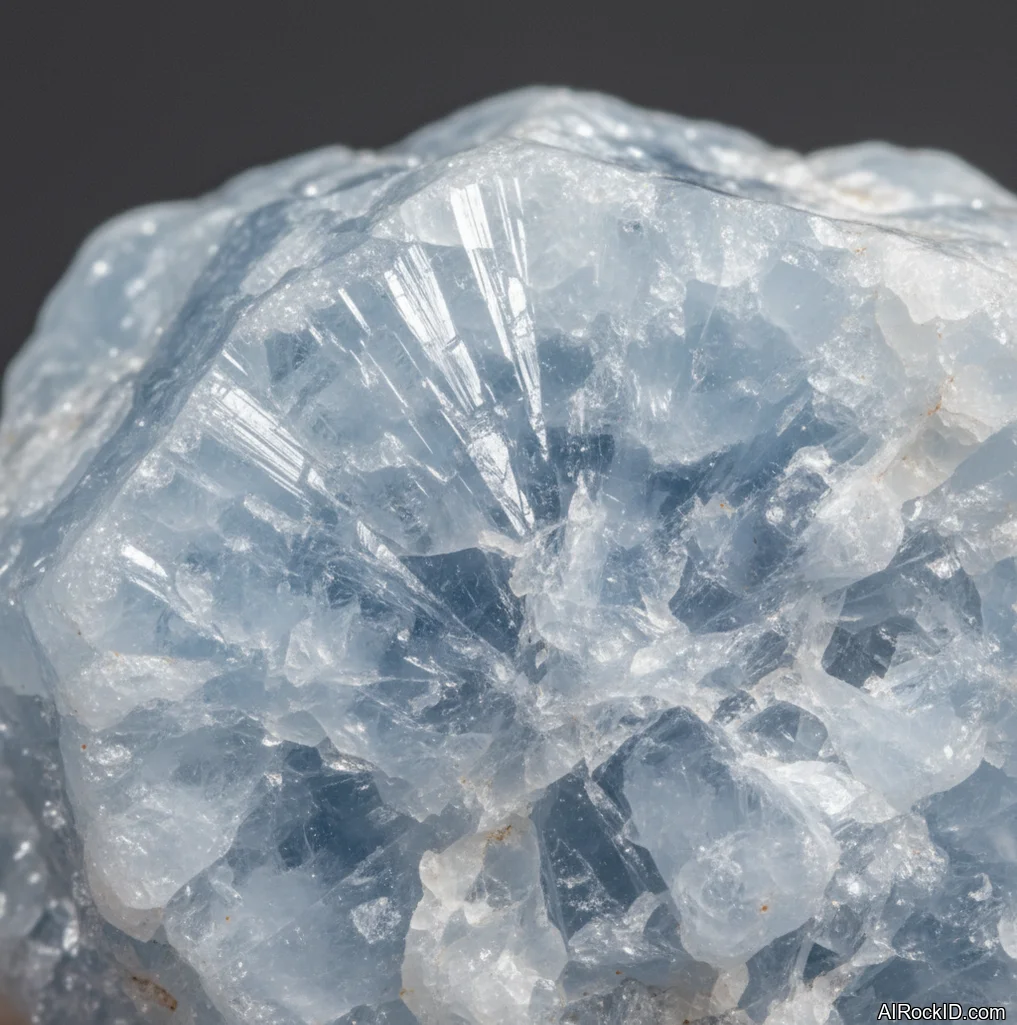
Angelite shows up real quiet. Powdery, almost. The first thing I always notice is that matte surface, kind of like smooth chalk in your hand, except it’s got weight to it, not flimsy at all. For love work, I reach for it when someone’s jammed up in resentment and you can feel them bracing for a fight before anyone’s even spoken. It helps bring the whole vibe down into something softer, where repair can actually happen. But look, it’s not a “make them love me” stone. It’s more about being gentle, actually listening, and not sitting there building your rebuttal in your head. Harder than it sounds, right? Thing is, it’s soft and it hates water, so you can’t just rinse it off and call it good. You’ll end up babying it a bit if you want it to stay nice. (Worth it, but still.)
How to use: Set it near where you have hard conversations, like a kitchen table or couch area, but don’t bring it into the bathroom. Hold it for five minutes before you talk and decide your one goal: understand, not win. Store it in a cloth bag so it doesn’t get scuffed.
Aquamarine

Aquamarine

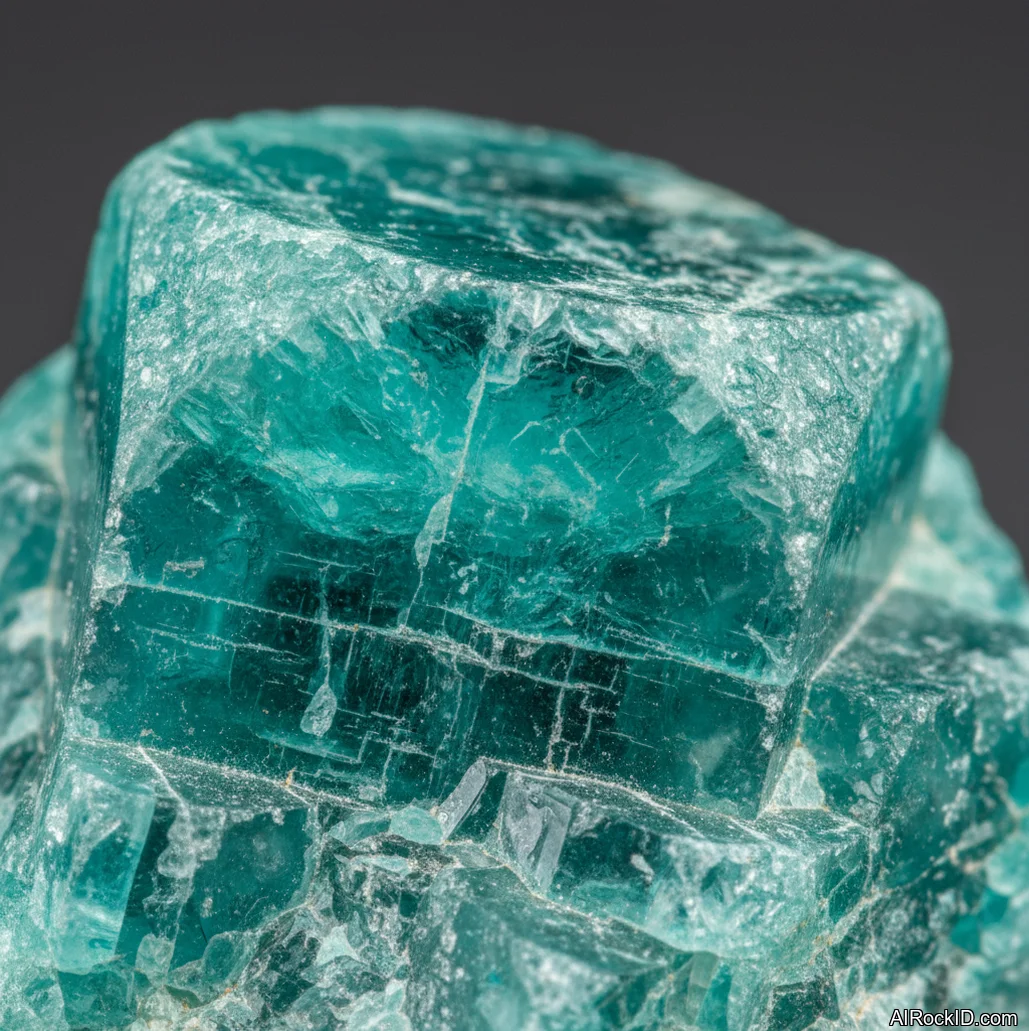
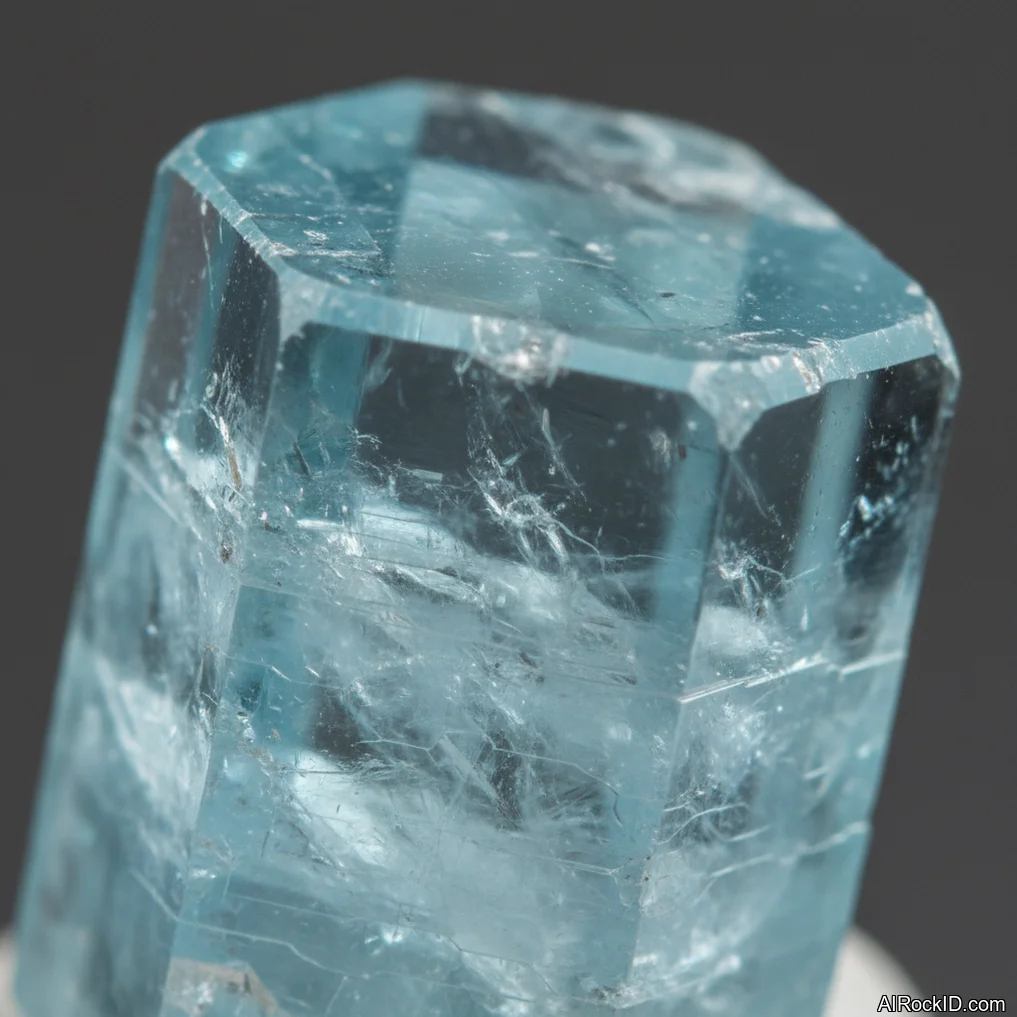
Aquamarine’s what I reach for when feelings are running hot and you’re trying not to say something you’ll wish you could take back later. The good pieces have that watery blue that kind of slides around when the light changes, and the crystal itself feels slick and glassy but still stays cool in your hand, even after you’ve been holding it for a bit. And yeah, I’ve watched it help people talk with more steadiness, especially with couples therapy homework where you’re naming needs instead of tossing accusations. But watch out for the cheap pale-blue glass that gets sold as aquamarine. Glass warms up fast and the edges look too perfect, almost too clean. How many times have I seen that? Too many.
How to use: Wear it as a necklace for important talks so it sits close to the throat area. If you’re meditating, place it on a notebook and write the clearest version of what you want, one paragraph only. Rinse quickly under water and dry right away; don’t soak it for long periods.
Black Moonstone

Black Moonstone

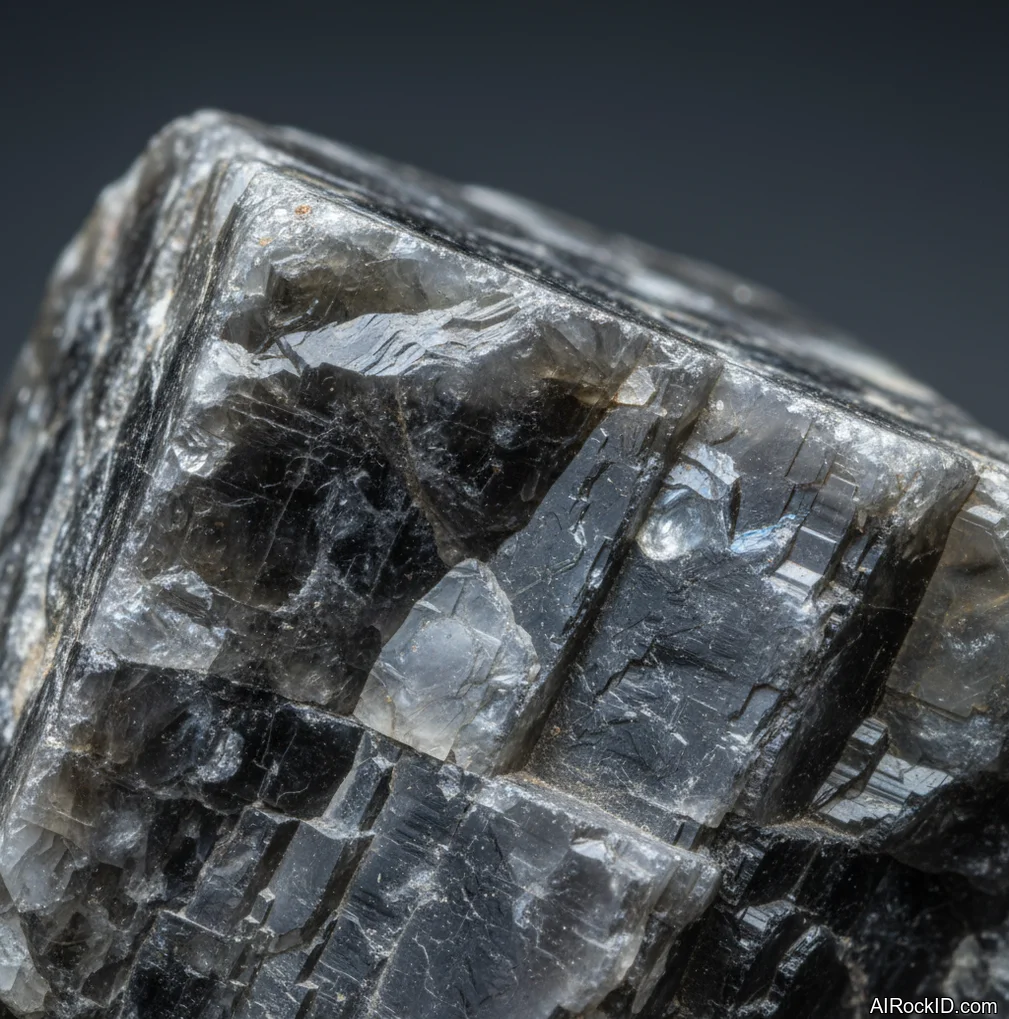
Black moonstone feels like the point where love runs into pattern recognition, especially with cycles, attachment, and the habits you keep replaying without even noticing. If you’ve got a good piece in your hand and you tilt it under a lamp, you’ll see that shy little flash, there and then gone again depending on the angle (almost like it’s dodging you). That flicker’s a handy reminder that your mood isn’t the whole truth. And I reach for it when someone won’t stop romanticizing a person who’s inconsistent, because it helps you sit with the facts a little longer instead of sliding right back into the story you want. But fair warning: it can kick up dreams and make sleep feel more vivid, so it isn’t always a bedtime stone for everyone. Who needs a 3 a.m. emotional movie reel?
How to use: Keep it by your journal and use it while you track patterns: what triggers you, what soothes you, what you keep excusing. If dreams get intense, move it to another room at night. Don’t bang it around with harder stones; moonstone can chip on edges.
Black Banded Onyx

Black Banded Onyx

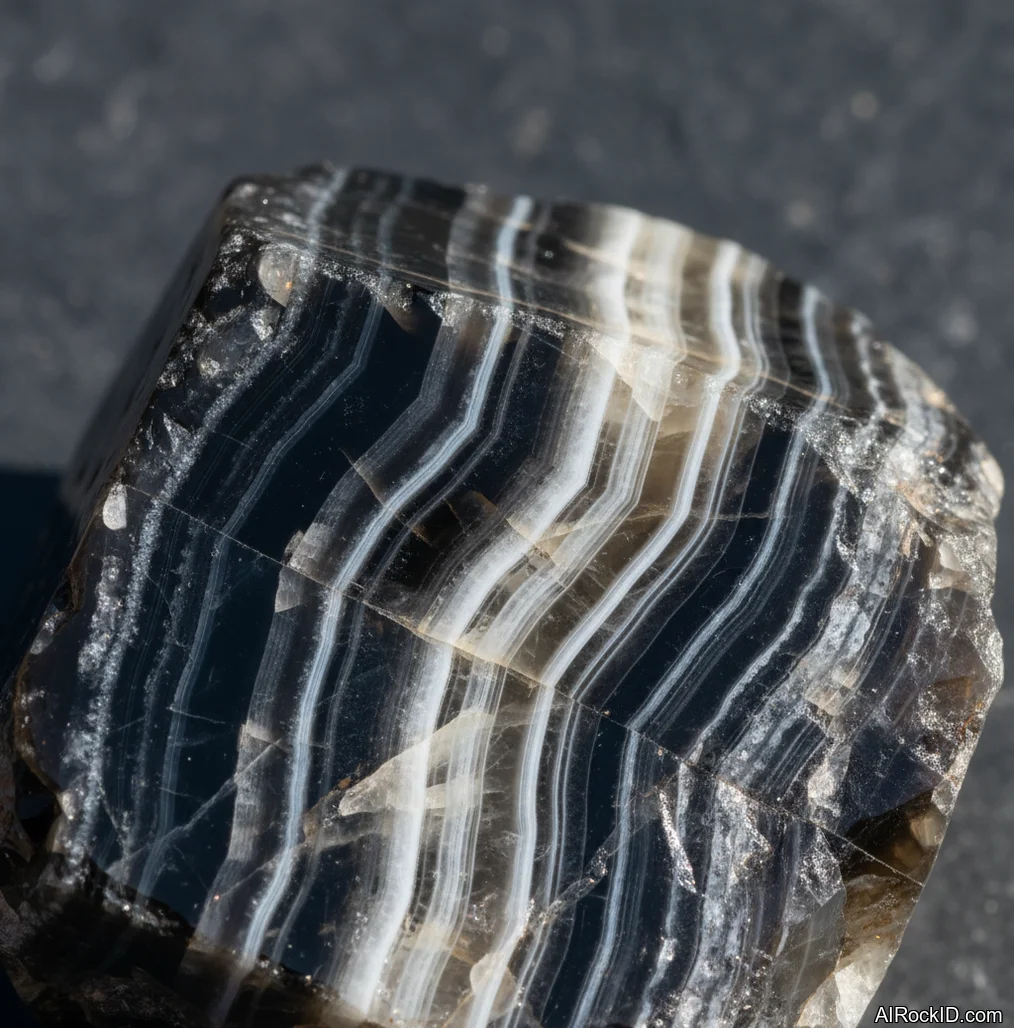
Love needs boundaries, or you end up ditching yourself to keep someone else comfortable. And black banded onyx is one of the clearest “no” stones I’ve actually held. The banding can look shy at first, but put it under a bright lamp and those layers show up like smoke that got trapped and went still. It’s got that heavy, no-nonsense feel in your palm too, cool to the touch, almost stern. Hard to ignore. I reach for it when my fingers are already hovering over the keyboard and I’m about to fire off an instant reply or start over-explaining (again). It nudges me to pause. To wait until I’m calm. Simple, but it works. But here’s the catch: some dyed agate gets sold as onyx. You can usually tell because the color’s weirdly uniform, and the “bands” look painted on instead of sitting down inside the stone. Like someone drew them there.
How to use: Put it near your phone charger as a cue to pause before you respond. If you’re setting boundaries in a relationship, hold it and practice the exact sentence out loud twice. Clean with water and a soft cloth, then dry it so it doesn’t get water spots.

Picking a love stone that actually matches your situation

Breakups, new dating, long-term partnership, and self-love aren’t the same job. So yeah, your stone choice shouldn’t be the same either.

At first, everyone grabs the pink stuff. Rose quartz, all that. But sometimes what you actually need is a communication stone, or a boundary stone, not something sweet and floaty. If you’re chasing someone who’s inconsistent, black banded onyx or black moonstone can be more useful than anything sugary.

Put two pieces next to each other in your hands and check in with your body. Literally. If your shoulders drop, that’s a clue. If you get buzzy, pressured, or weirdly obsessive, set that stone down and don’t overthink it. I’ve had customers swear a “love” stone made them anxious, and once they swapped to aquamarine or amethyst, their whole vibe settled.

Most dealers will let you hold a piece for a few seconds. Use that time. Feel the temperature on your palm (some stones stay cool longer than you expect). Notice the weight. A real stone that supports love work usually makes you more honest with yourself, not more dreamy about someone who hasn’t earned it.

Self-love first: the unsexy part that changes everything

The issue with love work is people do it in reverse. They’re hunting for a crystal that’ll yank affection out of somebody else while they’re basically running on fumes. And that’s how you end up accepting crumbs and calling it fate.

So start with regulation. Amethyst at night. Amber when you’re feeling raw. Then a gentle pink stone when you’re trying to stitch your sense of worth back together (slowly, because that’s usually how it goes). I’ve literally seen people hold amber and stop tearing at their cuticles without thinking, like their nervous system finally got the message: okay, we’re safe for five minutes.

Try this, for real: pick one stone and match it with one habit for two weeks. Touch the stone. Drink water. Eat something decent. Take the walk. Send the honest message. The crystal is the cue. The habit is the change. Simple. Not easy, but simple.

Love in real life means communication, not telepathy

If you can’t just say the thing, you’ll start poking and prodding people to get a reaction. And that isn’t romance. It’s stress. Amazonite and aquamarine are good for this because they push you toward cleaner sentences and less of the little mind games.

Thing is, watch what happens to your voice when you’re scared. Do you go sharp? Do you go quiet. Or do you get weirdly sweet (the kind that feels pasted on)? A stone sitting up near your throat isn’t going to fix your habits overnight, but it can break the loop for a second.

I’ve used amazonite like an actual pause button. I keep it on my desk, cool and slightly slick, and I’ll press my thumb into the edge before I hit send. The weight in my hand is enough to slow me down. It’s saved me from firing off a few texts I absolutely would’ve regretted.

So try this. Write the message on paper with the stone nearby, then read it out loud once. If it sounds like a threat or a plea, rewrite it. Keep the request. Drop the performance. Really. Why make it a whole thing?

Repair and forgiveness without becoming a doormat

Repair is where people mix up being soft with giving in. Angelite can help you walk in gently, and rhodonite can help you admit your part, but neither one is a free pass to tolerate disrespect. If someone keeps cracking trust over and over, the kind move might be stepping back.

Next to the “sweet” stones, black banded onyx is the backbone. It’s the one you reach for when you’re about to bargain away your boundaries just because you miss them. Look, I like stones that have some actual heft for this, and onyx usually does, like a smooth, cool weight that sits heavy in your palm.

A simple way to pair them: keep onyx in your pocket during the day, then set angelite on the table when you’re having a calm talk. One keeps you steady. The other keeps your tone human.

How to Use These Crystals for Love

Use love crystals like tools. Not as cute little decorations that are supposed to magically fix things while you’re still drowning.

I keep one “daily touch” stone where my hand already lands without thinking. By the phone charger. Next to my keys. On the nightstand with the dust ring from last week’s water glass (you know the one). And when you touch it, tie it to one clear action. Breathe slower. Drink water. Write the text you’re avoiding. Or just stop and ask, “What do I actually need right now?”

For relationship work, timing matters. Don’t snatch a stone in the middle of a fight and expect it to save the moment. Use it before the conversation to get your body to chill out, then keep it close as a little nudge to stay on topic (because it’s so easy to spiral, right?).

If you’re doing self-love after a breakup, you can put a stone in the shower area only if it’s water-safe. Angelite is not, and it’ll look rough fast.

Rotation helps. Two weeks with one stone is usually enough to figure out what it does for you, if anything. If a piece makes you feel activated or obsessive, that’s data. Swap it out. Love work should feel steadier over time, not more desperate.

Common Mistakes to Avoid

The biggest screw-up is treating a “love crystal” like it’s a remote control for somebody else. People slide a stone under their pillow, then go right back to sending mixed signals, dodging the hard conversation, or brushing past obvious red flags. And the crystal turns into this handy excuse to not take responsibility.

Another one I see all the time: grabbing the prettiest piece online and never stopping to ask if it’s fake or treated. Amber is the classic trap. Plastic copies are everywhere, and once you’ve handled real resin you notice it right away. It feels weirdly warm and too light in your hand, in a suspicious way. Aquamarine gets it too: pale-blue glass is constantly passed off as the real thing, and the edges look almost too perfect. Too clean.

And then there’s over-cleansing. People scrub soft stones like they’re cleaning a frying pan, or they soak feldspars in salt water, and that’s a fast way to trash them. If you’re not sure, keep it simple: dry cloth, quick rinse, then store them with a little common sense so they don’t smack into harder pieces and chip. Why risk it?

Important: Crystals aren’t going to make someone pick you, stay loyal, or suddenly open up emotionally. And they don’t take the place of therapy, medication, or a safety plan if a relationship’s abusive. Full stop. What they *can* do, in my experience, is give you something solid to hang your intention on. Like a little weight in your palm, cool at first and then warming up as you hold it, a reminder you can’t really ignore. But if your behavior doesn’t change, the stone won’t magically change things for you either. So keep it real. Use crystals as a nudge toward better choices, not as a way to dodge what’s actually happening.

Identify Any Crystal Instantly

Snap a photo and get properties, value, care instructions, and healing meanings in seconds.

Frequently Asked Questions

What is the best crystal for attracting love?
Rose quartz is associated with gentleness and openness to connection. Attraction outcomes depend on behavior and context, not the stone alone.
What crystal is best for self-love after a breakup?
Rose quartz and amber are associated with comfort and emotional softness. Amethyst is associated with calming and better sleep routines.
Which crystal helps with communication in relationships?
Amazonite and aquamarine are associated with clear communication. They are commonly used as reminders to speak directly and calmly.
What crystal helps with boundaries in love?
Black banded onyx is associated with grounding and boundary-setting. It is often used as a cue to pause before reacting.
Can crystals make a specific person love me?
No, crystals do not control another person’s choices or feelings. They are used for personal focus and emotional support practices.
How long does it take for love crystals to work?
There is no fixed timeframe because results are not guaranteed and depend on actions and circumstances. Many people evaluate effect over 1 to 4 weeks of consistent use.
Can I sleep with love crystals under my pillow?
Yes for many stones, but comfort and sleep quality vary by person. If sleep becomes restless, the stone should be moved away from the bed.
How do I cleanse crystals used for love work?
Common methods include wiping with a dry cloth, brief water rinsing for water-safe stones, and smoke cleansing. Water-sensitive stones like angelite should not be soaked.
Are heart-shaped stones more effective than raw stones?
Shape does not change mineral composition. Heart shapes can be more effective as behavioral cues because they are visually associated with the intention.
How can I tell if amber is real?
Real amber is very light for its size and can build static when rubbed. Many fakes are plastic or copal and may feel warmer or look overly uniform.
The information provided is for educational and spiritual exploration purposes. Crystals are not a substitute for professional medical, psychological, or financial advice.