Best Crystals for Office
- Introduction
- Recommended Crystals
- Desk placement that actually makes sense
- Picking office-friendly pieces (durable, clean, and not distracting)
- Using crystals for meetings, email, and focus without getting weird about it
- Shared offices, sensitive coworkers, and keeping it low-key
- How to Use These Crystals
- Common Mistakes
- FAQ
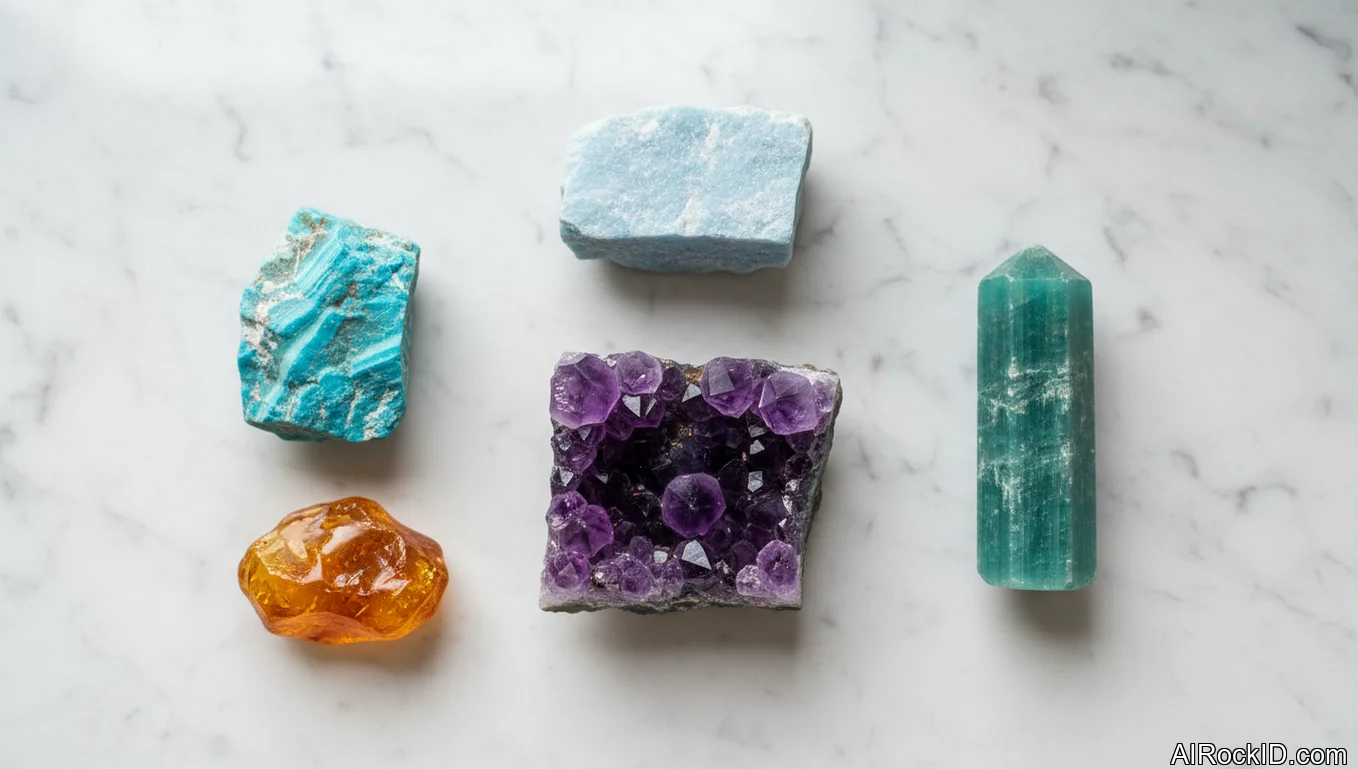
The best crystals for an office are the ones that actually behave on a desk. They sit there without wobbling, they don’t leave gritty dust behind, and they give you something steady to come back to when the room gets loud or your inbox starts snapping at you. I’m not pitching magic. I mean simple, repeatable cues: a stone you rub with your thumb before a meeting, something you glance at right as you’re about to send a spicy email, or a heavier piece that just quietly tells you, “Slow down.”
Office life has a particular feel to it. Fluorescent lights. Screens. Other people’s moods. Stale air. And that weird pressure of being “on” for eight hours straight. I’ve literally seen someone buy a gorgeous, delicate specimen, park it under their monitor, then look confused two weeks later when it’s gone dull and dusty. Thing is, the smarter move is to pick stones that can handle being handled. Tumbled pieces work. Polished points work. Chunkier raw minerals that don’t crumble when you bump them with a coffee mug are the ones you’ll still like a month from now.
A practical setup also respects the space you’re in. Some workplaces won’t love a full-on crystal shrine on the corner of your desk, and honestly, fair. A single palm stone in a drawer can still act like an anchor. So pick pieces that feel good in your hand, stay cool to the touch, and don’t have that fake-plastic look. If it feels warm and kind of waxy right away, that’s often resin or glass. Keep it simple. Keep it clean (a quick wipe goes a long way). And treat the stones like attention tools, not a replacement for sleep, boundaries, or a decent chair.
Recommended Crystals
Amethyst
Amazonite
Amber
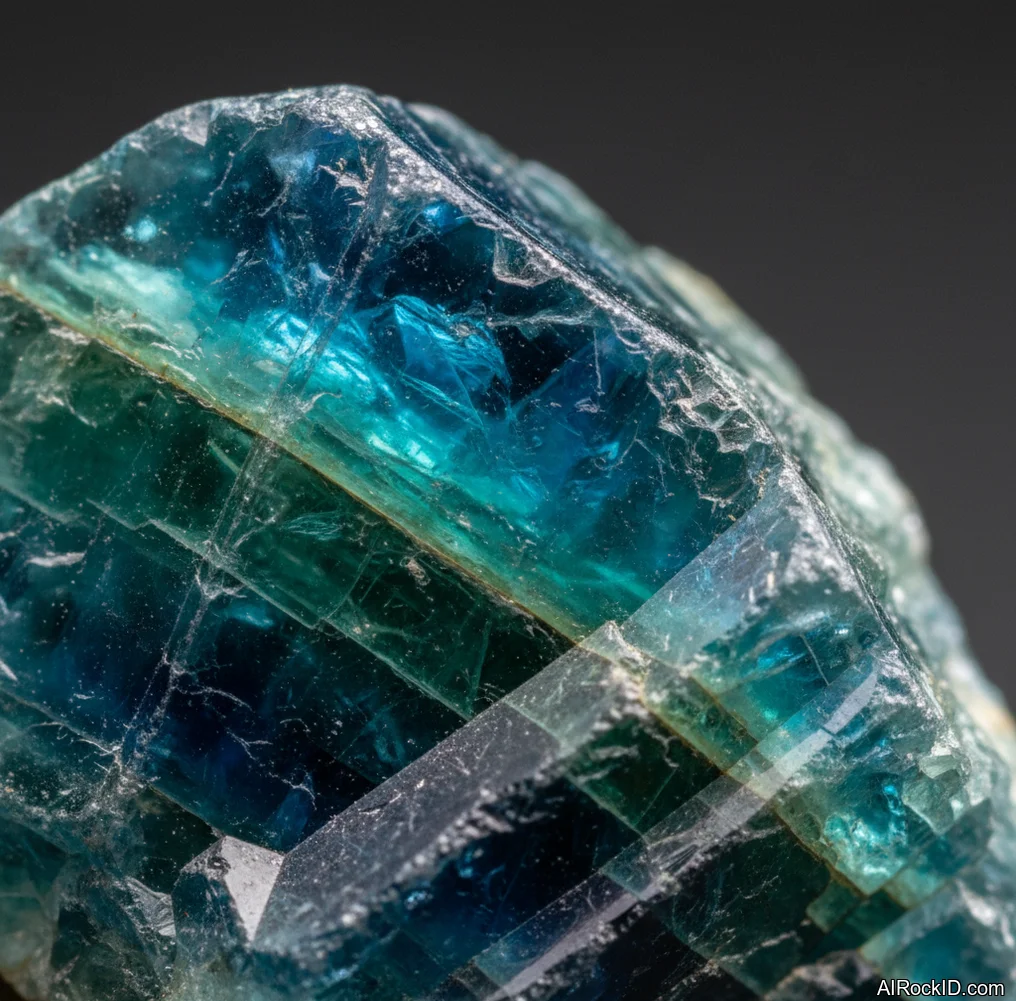
Apatite
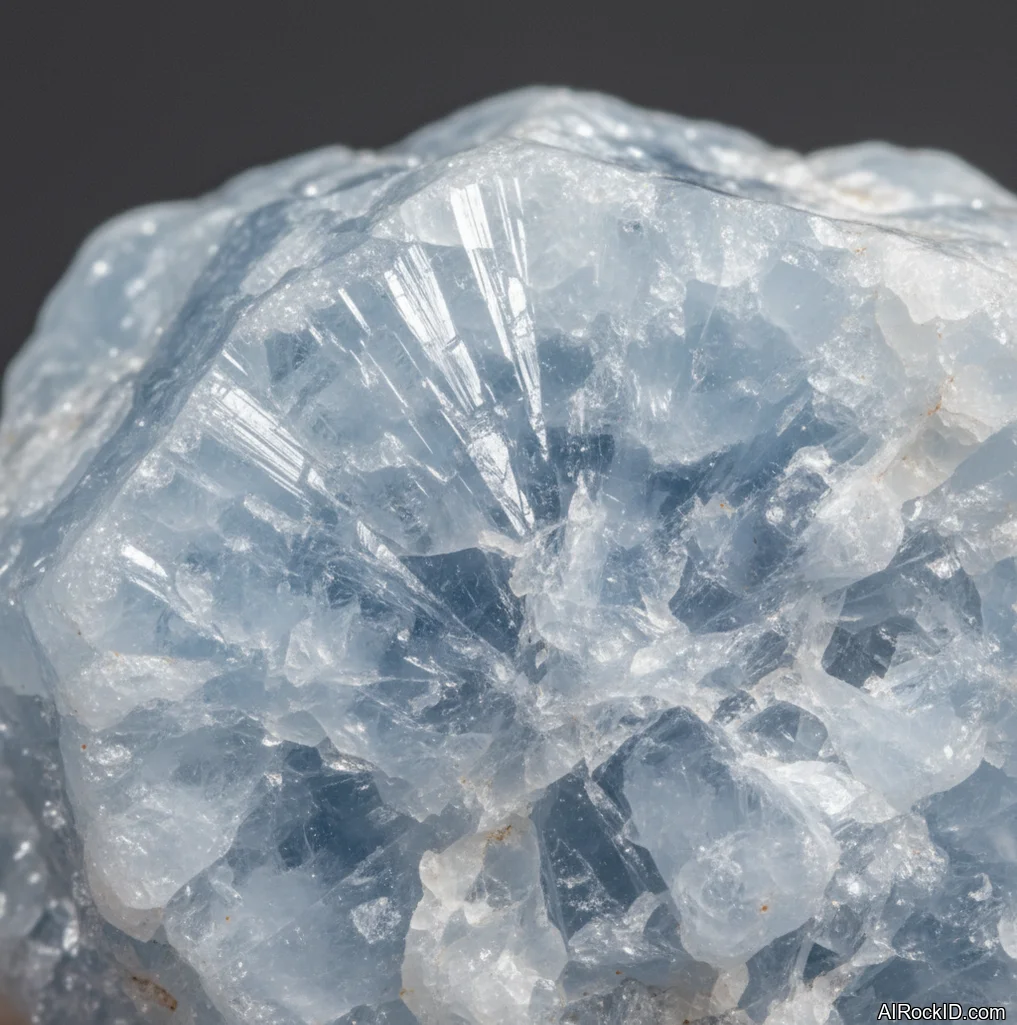
Angelite
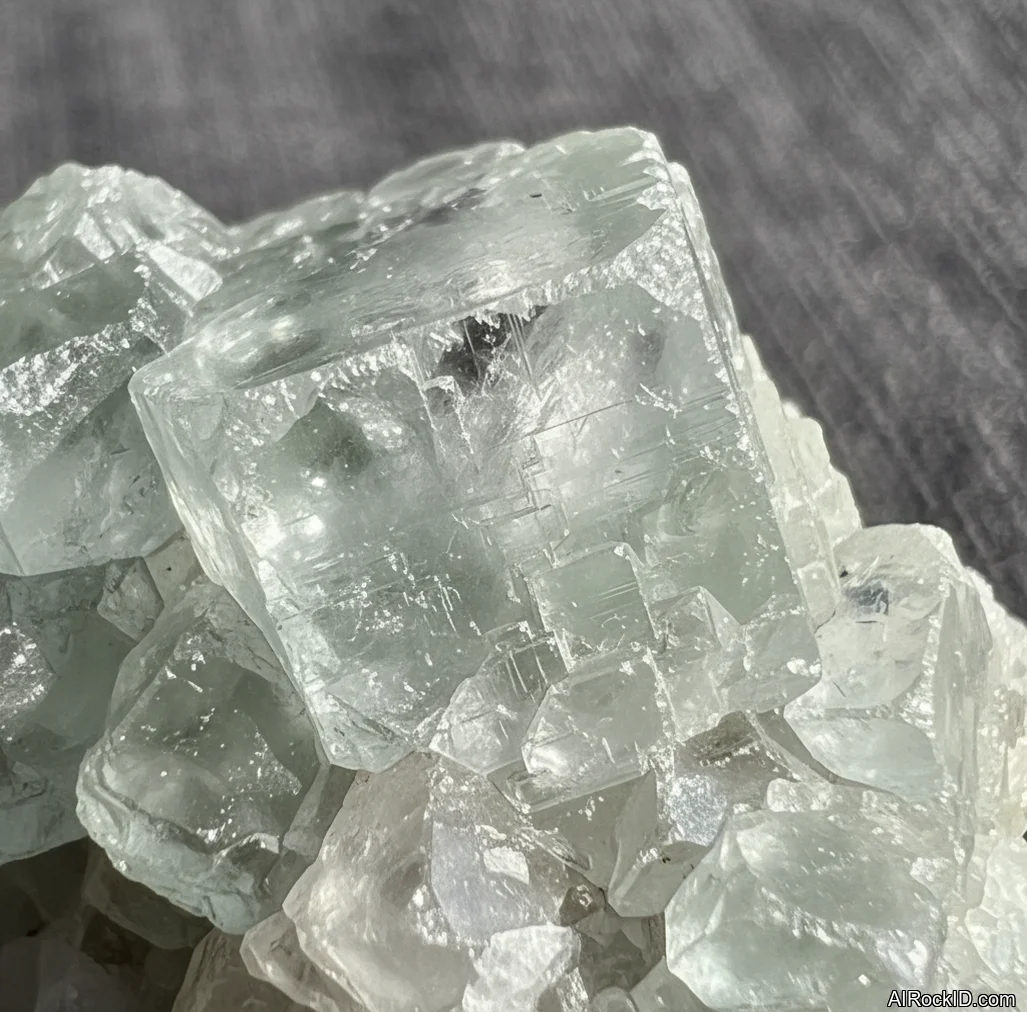
Apophyllite
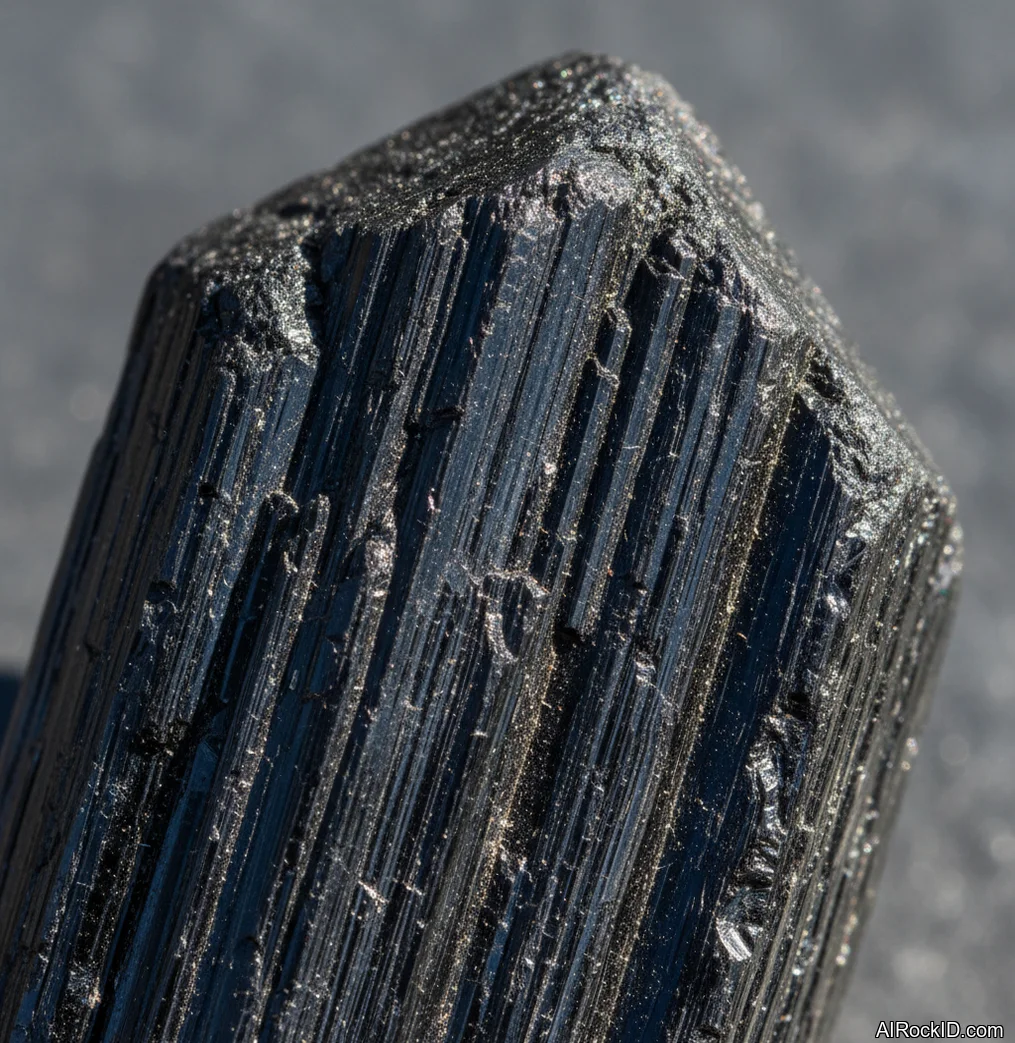
Black Tourmaline
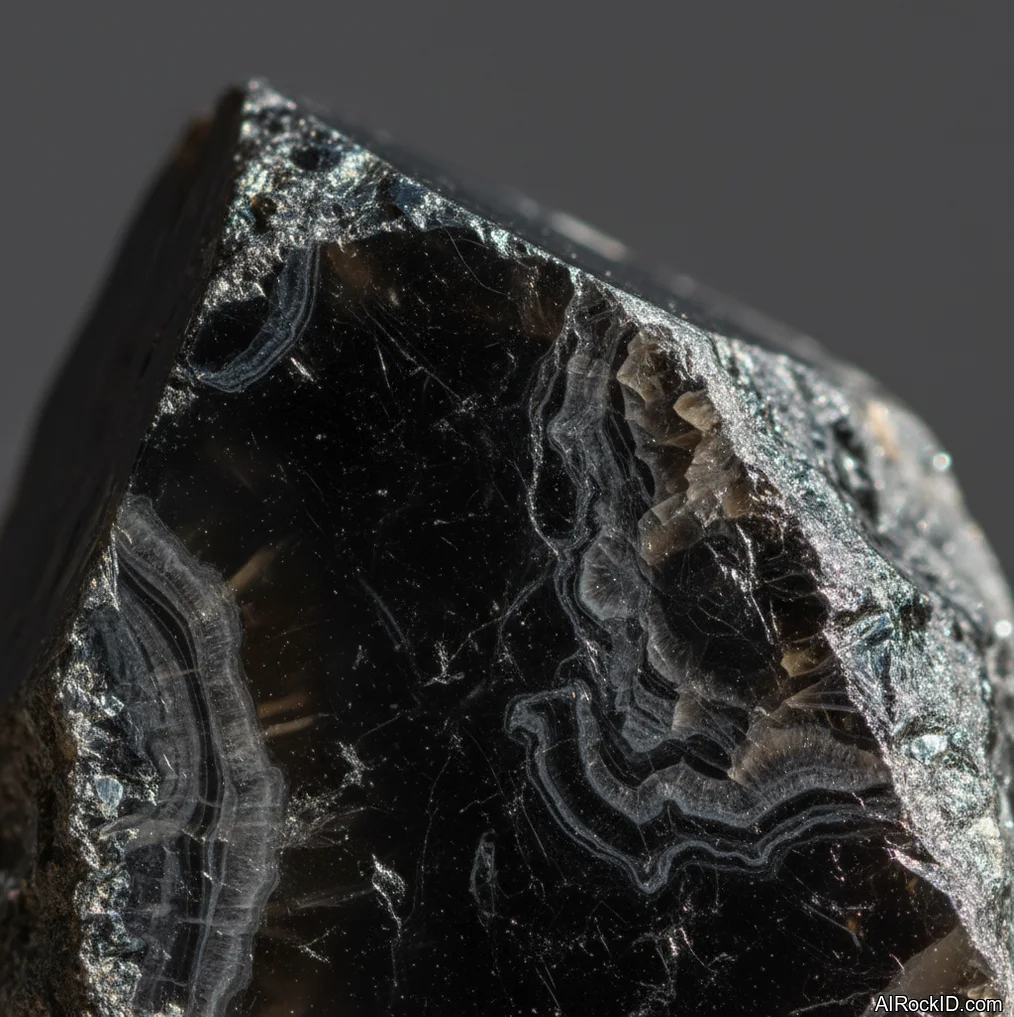
Black Onyx
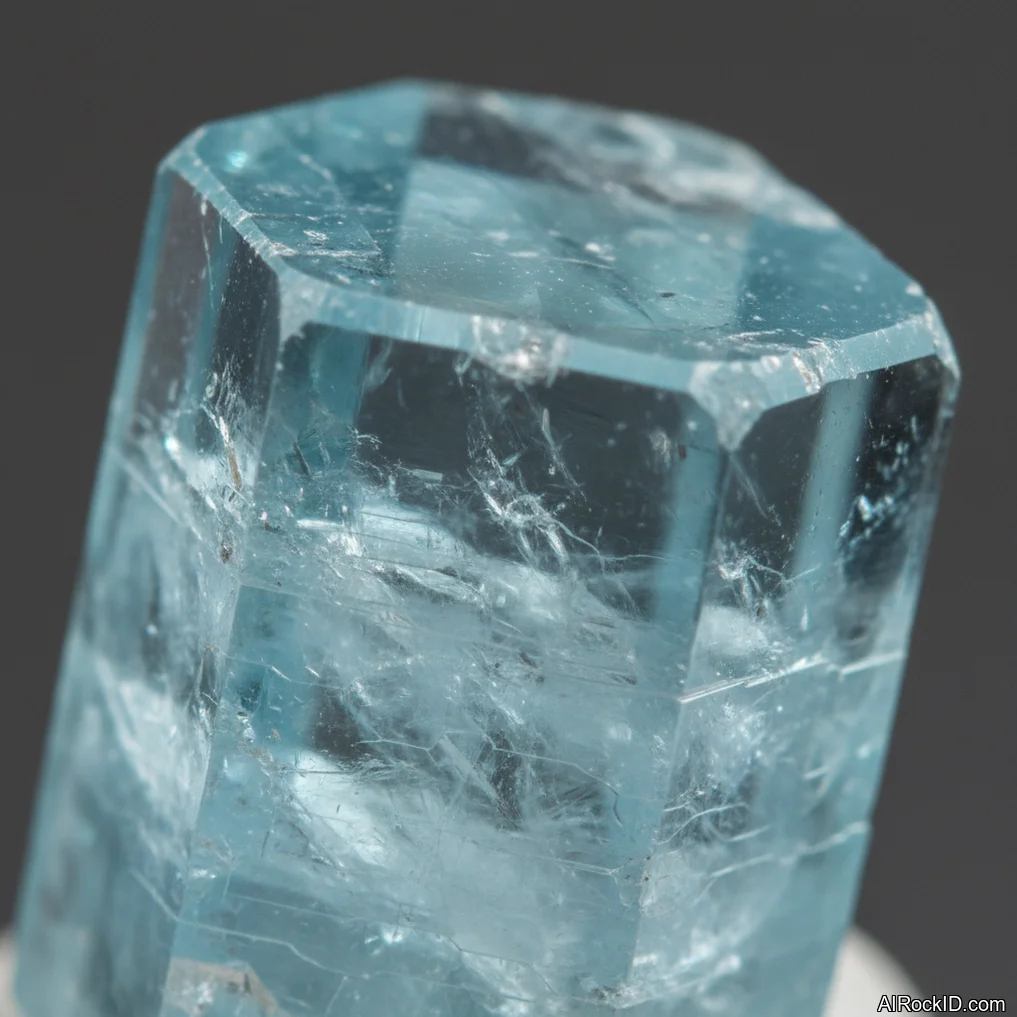
Aquamarine
Desk placement that actually makes sense
Start with traffic flow. If people are always walking past the left side of your desk and it keeps you a little keyed up, park your heavier, darker stone there so it’s the first thing you see when someone’s coming in. I’ve done this with black tourmaline and onyx in busy shops, tucked right along the edge where your elbow would brush it if you shifted your chair. It’s quiet, but it reads like a boundary even if you don’t say a thing.
Next is the monitor zone. Anything sparkly or super high-contrast turns into visual static after eight hours, especially with those flat, bright LED panels overhead. Apophyllite can work here, but only if it’s off to the side and not kicking little knife-bright reflections back into your eyes when you move your head. I’ve watched people set a cluster directly under their screen, then start griping about headaches by mid-afternoon. That isn’t “energy.” That’s glare.
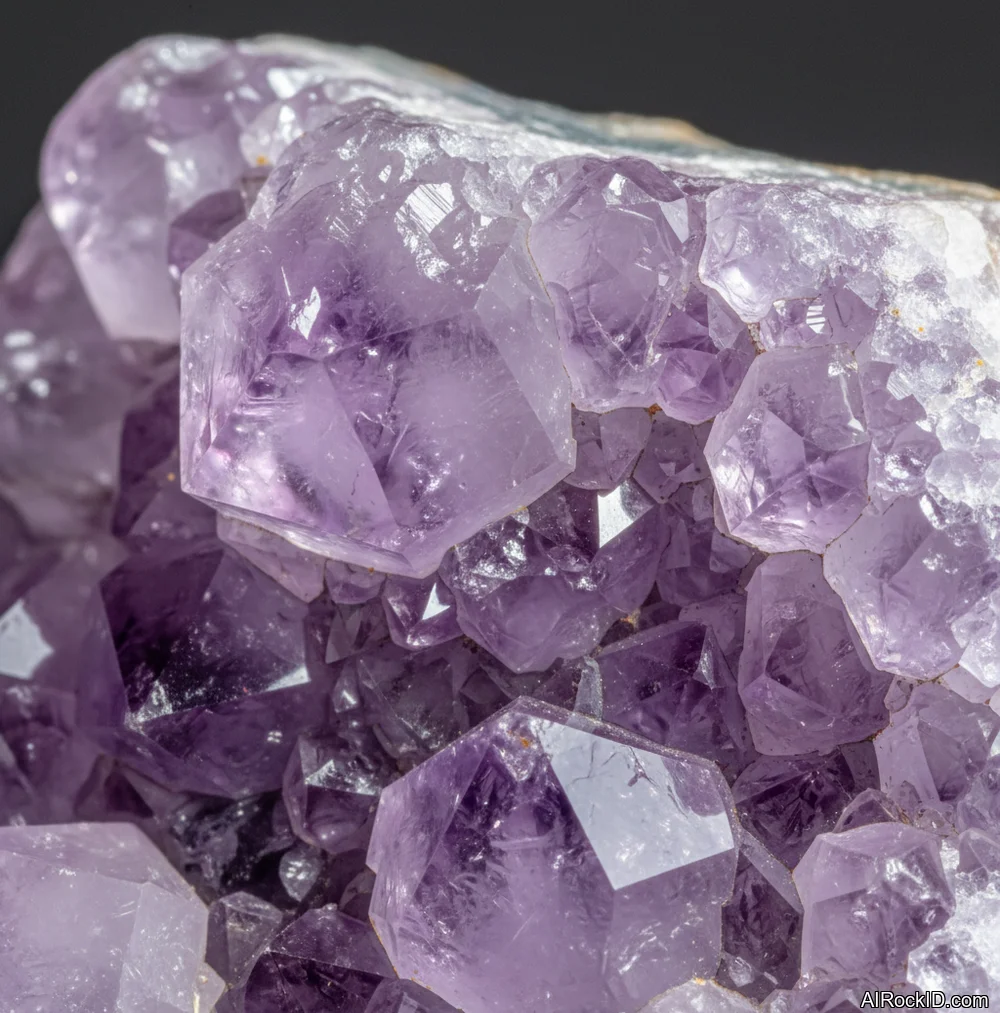
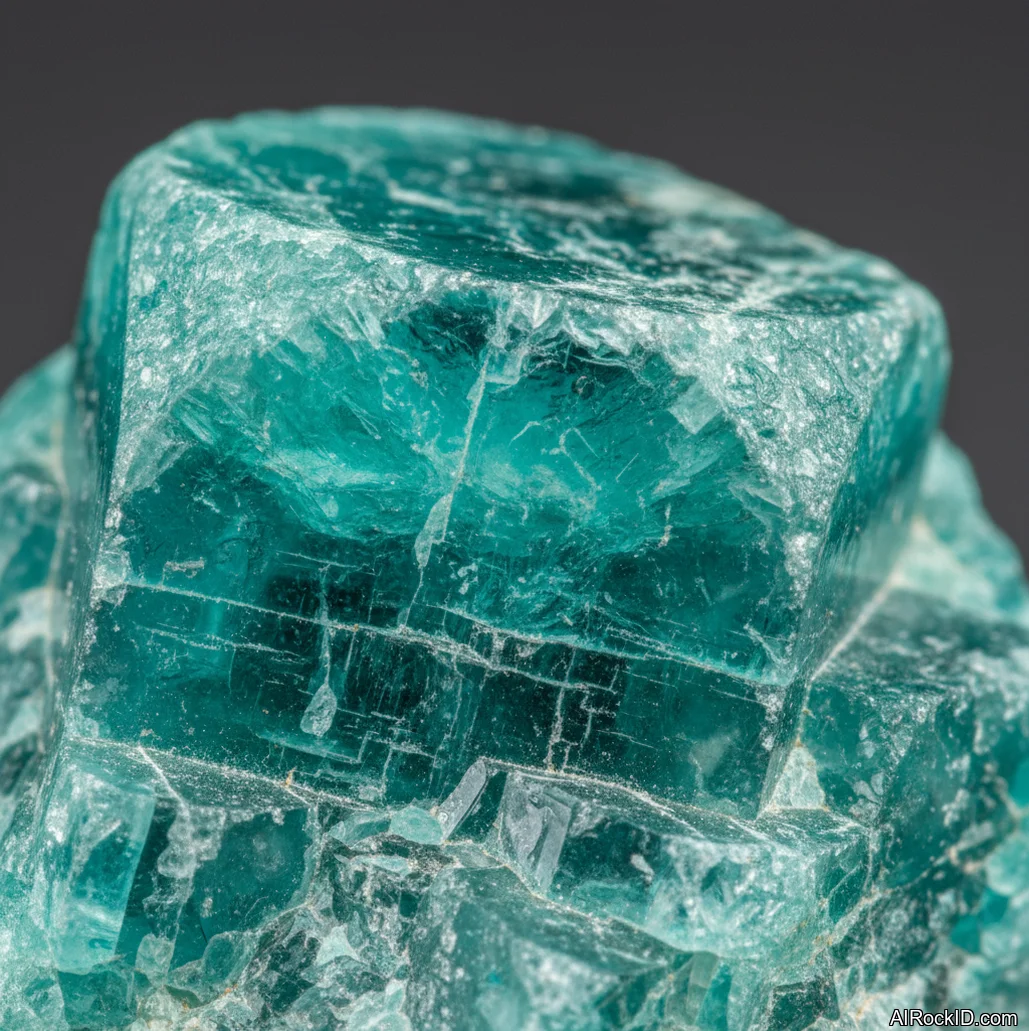
So keep one piece in a drawer. Seriously. A pocket-size amethyst or amazonite that you only grab when you’re stressed stays “fresh” in your head because it never becomes part of the constant desktop mess (pens, sticky notes, the coffee ring you swear you’ll wipe up later). When everything’s out all the time, nothing stands out, and the whole setup stops working as a cue. Why would your brain flag it as special if it’s just… always there?
Picking office-friendly pieces (durable, clean, and not distracting)
Most offices are tougher than folks like to admit. Coffee sloshes, hand sanitizer mist, paper dust that gets into everything, and yeah, the occasional clumsy drop onto a hard floor. So I usually go for tumbled stones or solid raw chunks that won’t shed flakes all over your desk. Angelite and apatite can be fine, but only if you’re cool with the fact that they’re softer and you handle them the way you’d handle a nice fountain pen (set it down, don’t toss it).
Look at the surface, really look. If it’s so glossy it looks wet, there’s a decent chance it’s resin-coated. That coating can get kind of tacky with time, especially when it’s been sitting next to a warm laptop that’s been running all afternoon. Real stone feels cool the second you pick it up, then it warms up slowly in your hand. Glass and plastic? They tend to feel “room temp” almost right away. Weirdly fast.
And think about how it looks at a glance. That perfect rainbow aura coating might be fun on a shelf at home, but in an office it can come off a little toy-like and yank your attention off what you’re doing. Something simple like a black onyx sphere, a deep amethyst point, or a grounded piece of tourmaline blends in, and it still works as a tactile anchor when your brain needs something steady to come back to.
Using crystals for meetings, email, and focus without getting weird about it
The whole trick is pairing one stone with one behavior. That’s it. One stone, one job. If you try to get a single piece to cover confidence, protection, focus, charisma, plus manifesting your promotion, you’re going to feel let down, and you’ll probably keep buying more stuff to “fix” it.
For email, I reach for amazonite or onyx. They’re usually smooth, kind of cool at first touch, and easy to grip in one hand while your other hand’s on the mouse (or trackpad). So, touch the stone, read the message once, then choose: reply now or schedule it. That tiny pause is the entire benefit.
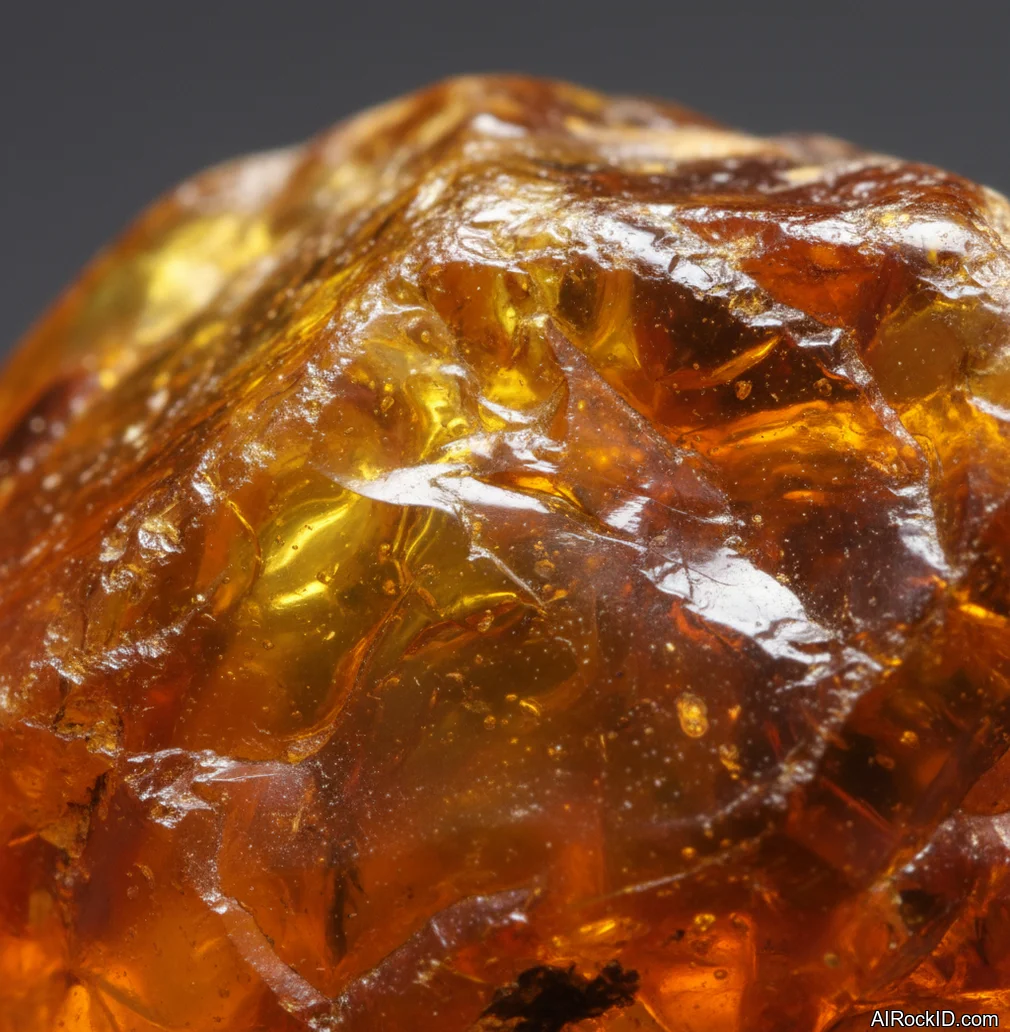
For meetings, pick something you can hold without making a scene, like a palm stone or a small amber piece in a pouch. Look, the real win here is nervous-system regulation. When your hand feels steady, your voice usually follows. And if you’re on video, keep the stone off-camera so you don’t get sucked into performing the ritual instead of doing the work.
Shared offices, sensitive coworkers, and keeping it low-key
Not everyone wants crystals at work. Thing is, some folks read it as unprofessional. Others have religious concerns. And some people just can’t stand clutter.
You don’t have to win them over. Just keep your setup clean, minimal, and out of the way, and most of the tension disappears.
If you share a desk or you’re stuck in a cubicle farm, go for pieces that pass as plain minerals. A small amethyst. Black onyx. One piece of aquamarine. Sitting on a corner of the desk, they look like simple decor, not a big statement.
But skip anything that sheds, smells, or leaves residue. Seriously. I’ve handled crumbly matrix material that drops grit like sand, and it ends up on paperwork and under your wrist where you feel it every time you move the mouse. That’s a quick route to getting crystals banned.
So here’s the easy fix: a drawer stone. Keep one piece you like in a pouch with a note card listing your top three priorities. When you’re spiraling, open the drawer, touch the stone, read the card, close the drawer. Private. Fast. And it keeps your workspace from turning into a conversation you never asked for (who needs that at 2:30 on a Tuesday?).
How to Use These Crystals for Office
Pick one main stone for your desk, then grab one backup for your pocket or a drawer. That’s it. Once you lay out ten pieces, your eyes glaze over and none of them register, and the desk starts looking like a gift shop shelf. I’ve done it too. It’s fun for a day. Then it’s just clutter you have to dust (and bump with your coffee mug).
For focus blocks, do a timed touch. Hold your stone for 15 to 30 seconds, notice the temperature difference against your fingers, and exhale slowly. So then you start one single task with a clear finish line, like “draft the first paragraph,” not “work on the report.” Apatite and apophyllite are great here, but keep them stable and away from the edge of the desk since they chip easier than quartz (ask me how I know).
For stress and boundaries, go heavier and darker. A chunk of black tourmaline or a polished black onyx can sit near the front edge of your desk, right where your hands naturally land. The habit is simple: when you feel your shoulders creeping up, touch the stone and drop your shoulders on purpose. And if you want a piece for communication days, amazonite near the keyboard is a solid cue to reread before you hit send.
Common Mistakes to Avoid
The biggest mistake? Buying fragile specimens for a workspace that’s basically a hazard zone. Delicate apophyllite points get snapped, angelite gets dinged, and soft stones end up looking tired because they’re handled like paperweights. And yeah, you’ll notice it fast: little chips along the edges, scuffs that won’t buff out, that “why does this look cloudy now?” moment after it’s been shoved aside by your mouse. If you want a specimen-quality piece, keep it on a shelf behind you, not next to your coffee.
Second mistake is chasing “sets” instead of fixing an actual problem. If your issue is getting interrupted, a single black tourmaline as a boundary cue plus a sticky note that says “headphones on” will beat a dozen stones every time. Thing is, crystals work best when they’re tied to a behavior you repeat. Otherwise they’re just… desk clutter. Pretty desk clutter, sure.
Last one is ignoring fakes and treatments. Dyed black “onyx” is everywhere, and some dyed stones can leave color on a cloth when cleaned (I’ve seen that faint gray streak show up on a damp paper towel, and it’s not subtle). So if a deal looks too good, it usually is. Buy from a shop that will say “dyed agate” out loud instead of dressing it up.
Identify Any Crystal Instantly
Snap a photo and get properties, value, care instructions, and healing meanings in seconds.