healing

Best Crystals for Physical Healing
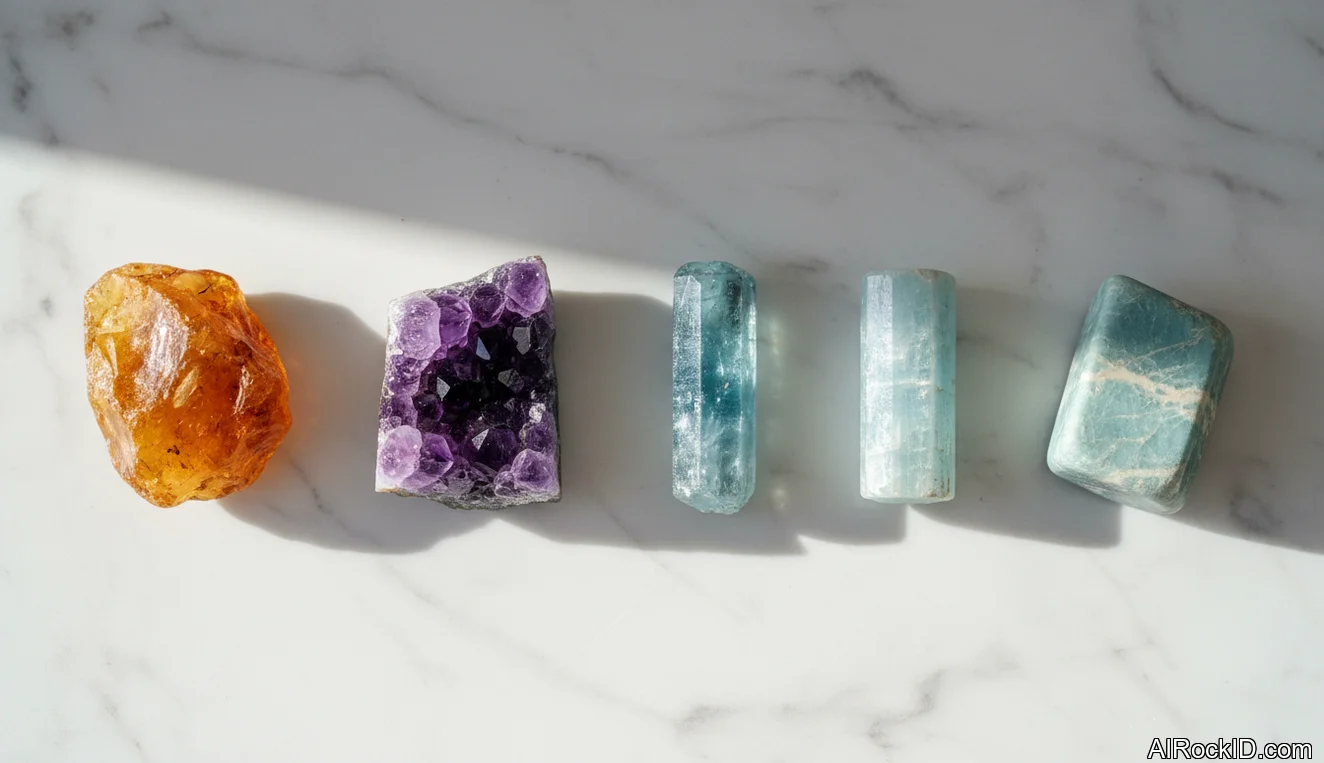
Assorted tumbled and rough crystals for physical healing laid out on a wooden table with a small cloth pouch

The “best” crystals for physical healing are the ones you’ll actually reach for every day, the ones that sit right in your palm, and the ones that back up your recovery habits without trying to replace real medical care.

I’ve had stones on me through colds, flare-ups, post-workout soreness, and those strange in-between days where you’re not sick… but you’re definitely not right either. And the pattern I keep bumping into is pretty simple: crystals work best as a body-awareness tool. They quietly push you to drink water, rest, stretch, breathe, and take your meds on time. Pick up a piece of amber and you’ll notice the warmth fast, almost like it’s been sitting in a pocket already, while a clean quartz stays cool and makes you slow down for a second. That little pause? It matters.

Thing is, physical healing is messy. Some days you want something gentle and steady. Other days you want a stone that feels like a sharp reset in your hand. But the market side of this matters too. A lot of what’s out there is tumbled, dyed, heat-treated, or sold under loose trade names, and that can change how a piece feels to work with before we even get into anything metaphysical. So what follows is a practical short list, plus ways to use them that don’t slide into magical thinking.

Recommended Crystals
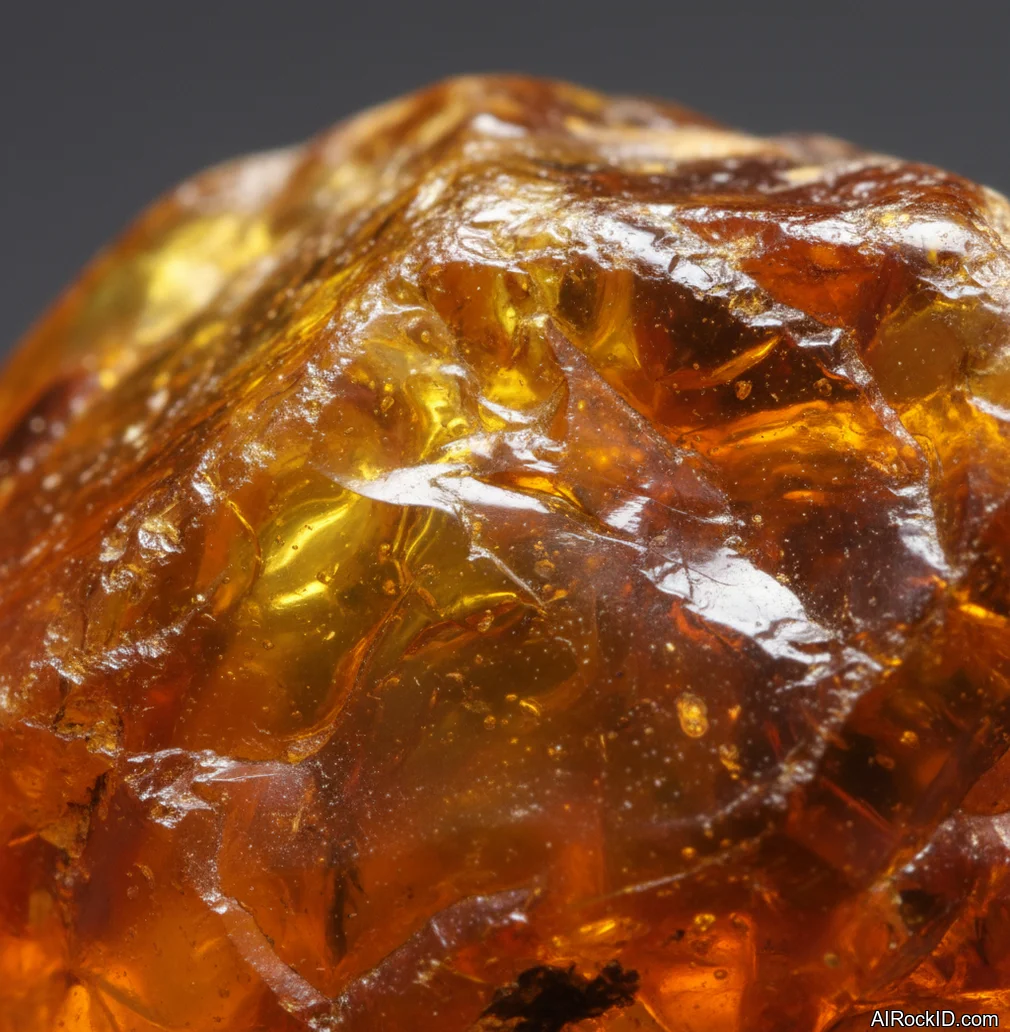
Amber
Amber

Pick up a piece of amber and the first thing that hits you is how light it feels for its size, like it’s half air and might slip right up and out of your palm. And that lightness is honestly a relief for recovery work, because it doesn’t feel heavy or demanding when you’re already wiped out. I’ve had the easiest time using it for everyday aches and inflammation routines since it sits comfortably on skin, and it doesn’t go ice-cold the way quartz does in winter (you know that shock when it touches you?). But the market’s crawling with plastic. Fake amber usually feels warm almost immediately, and under a phone flashlight it looks weirdly uniform, like it was poured from the same mold.
How to use: Wear it as a bead bracelet or keep a smooth piece in a pocket and rub it during rest breaks. If you’re using it on the body, keep it outside clothing for short sessions and treat it like a reminder to check posture, hydration, and breathing.
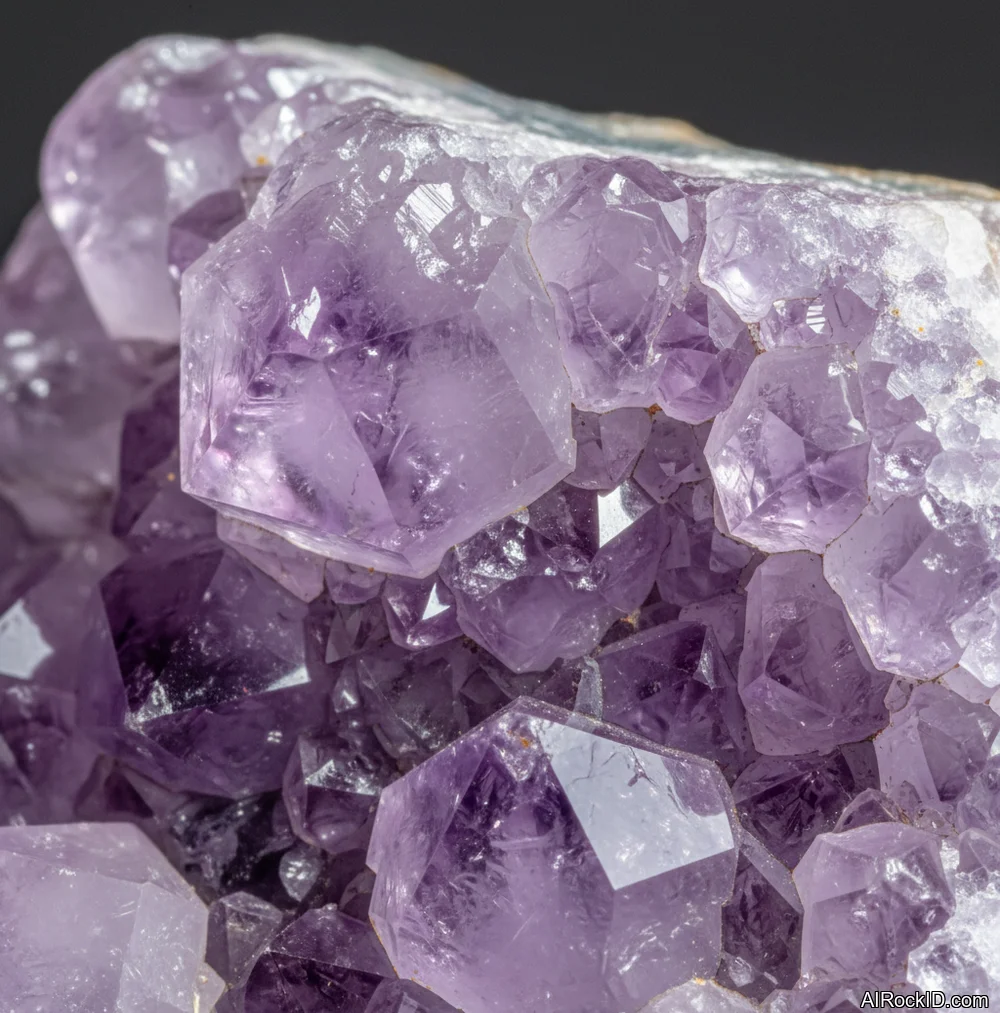
Amethyst

Amethyst

Most purple stones feel kind of jumpy to me, but amethyst is steadier, especially on those days when you’re wiped out and sleep has gone sideways. Raw points from Uruguay tend to come in that deep grape shade, and if you tip one under a lamp you can actually catch the zoning, like bands that shift as the light hits. For physical healing work, I grab it when pain and stress are knotted up together, because it’s better at turning the volume down than it is at cranking energy up. But don’t stick it in a sunny window. The color can fade over time, which is honestly annoying if you like keeping it by the bed.
How to use: Put a piece on the nightstand and pair it with a specific sleep habit: lights out time, no scrolling, or a quick body scan. For headaches or jaw tension, hold it at the temple for 5 minutes while you unclench your teeth and slow your breathing.
Apatite

Apatite

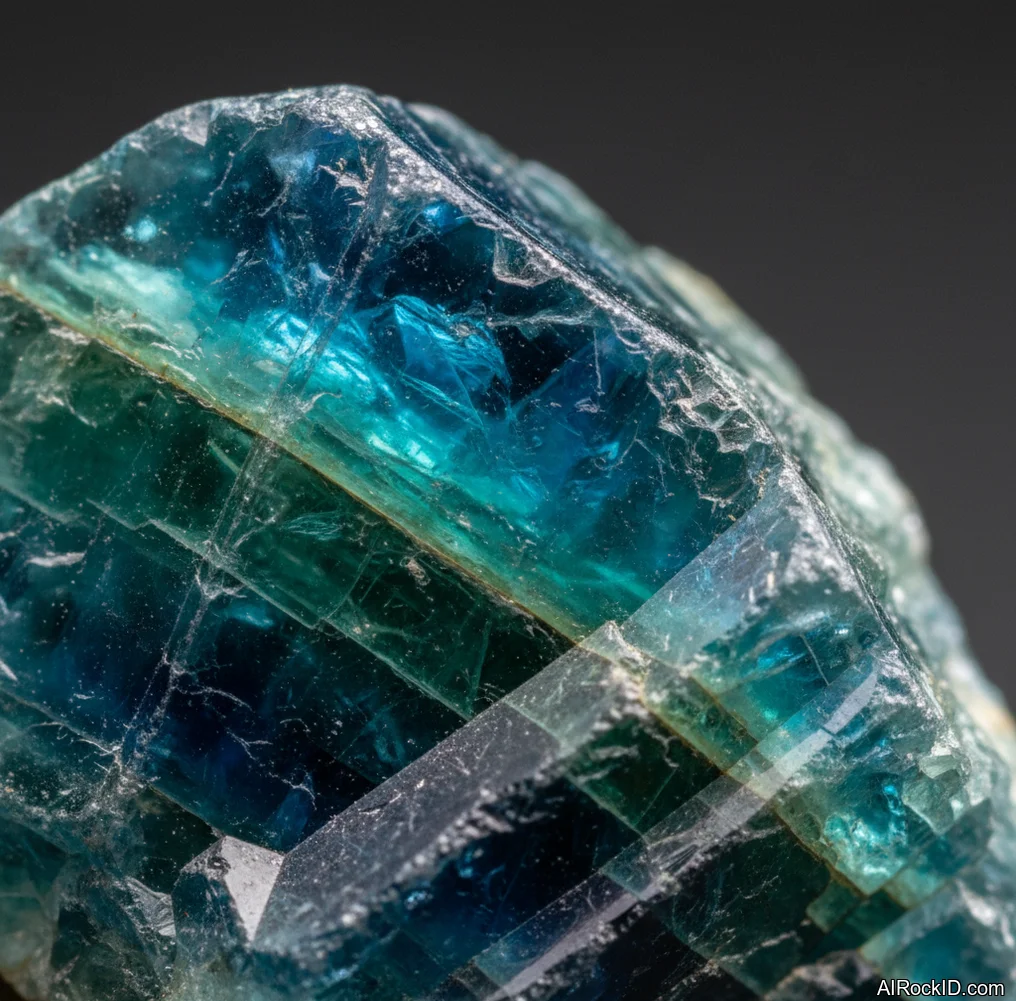
Look at blue apatite up close and you’ll usually catch these tiny internal fractures, plus that glassy shine that makes it look kind of wet under a strong overhead light. And yeah, it’s brittle in that crackly way, which honestly tracks with how I reach for it: when I need motivation because my body feels sluggish and I’m skipping the basics like protein, movement, and sunlight. It doesn’t soothe me. It nudges. But most dealers don’t really warn beginners how soft it is, and it’ll scratch way faster than you’d think if you toss it in a pocket with your keys (you can almost feel that gritty little scrape when you pull it back out).
How to use: Use it as a short-session stone: hold it during meal prep, a supplement routine, or a 10-minute walk, then put it back. Keep it wrapped in cloth if you carry it, because chips and surface scratches happen fast.
Aquamarine

Aquamarine

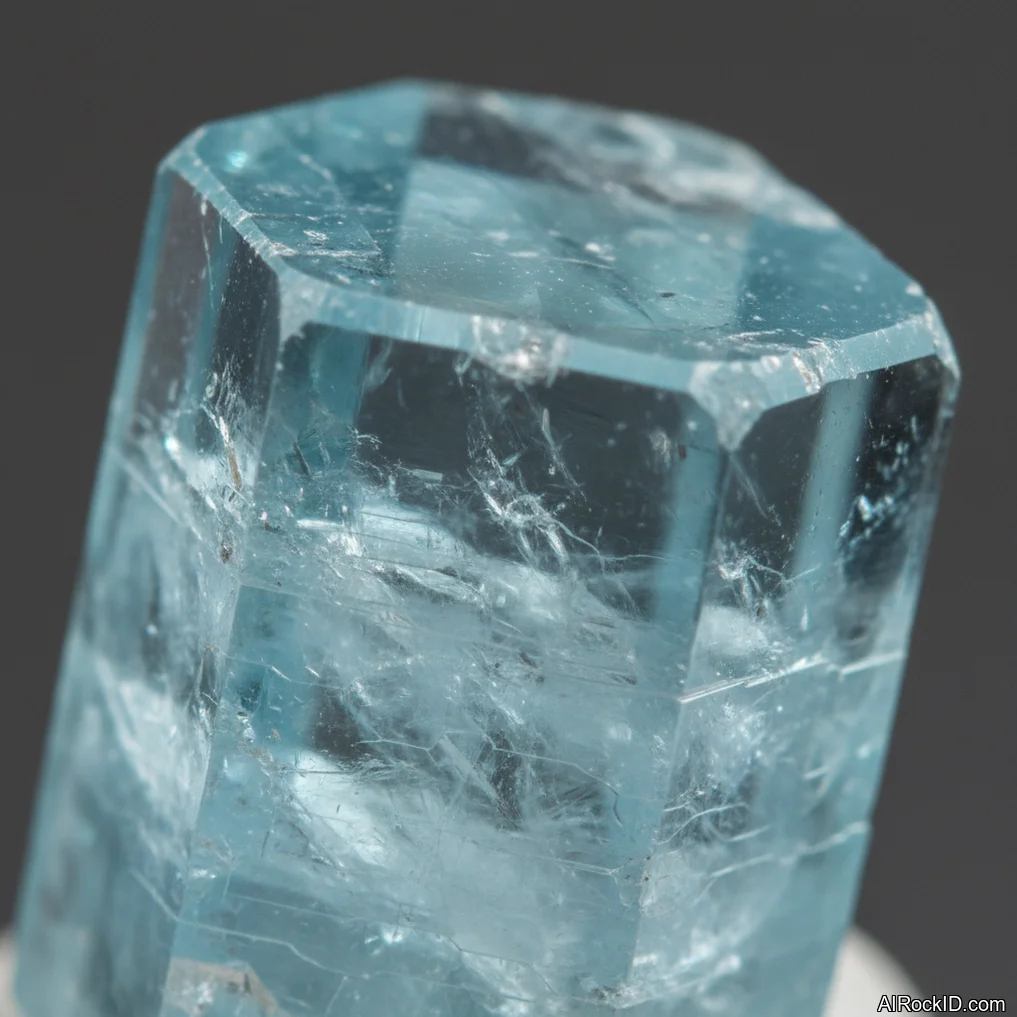
Aquamarine looks mellow the second you see it. And when you actually pick it up, it usually stays cool in your palm, like it’s been tucked in the shade, even when it hasn’t. I reach for it in physical healing work when someone’s dealing with throat issues, breathing trouble, or that tight-chest-from-stress feeling, because it kind of nudges you to keep your exhale slow and steady. The super clear pieces can feel almost clinical, like holding something sterile and precise. But the cloudier stuff feels gentler, less sharp around the edges. Thing is, real aquamarine isn’t cheap. So you’ll see pale blue glass sold as “aquamarine” all the time in tourist shops, especially when it’s sitting in a little tray under bright lights (and who’s going to question it on vacation?).
How to use: Hold it at the base of the throat for a few minutes while you do slow breathing, longer exhale than inhale. If you’re working with hydration goals, pair it with a water bottle and treat the stone as a visual cue, not an ingredient.
Amazonite

Amazonite

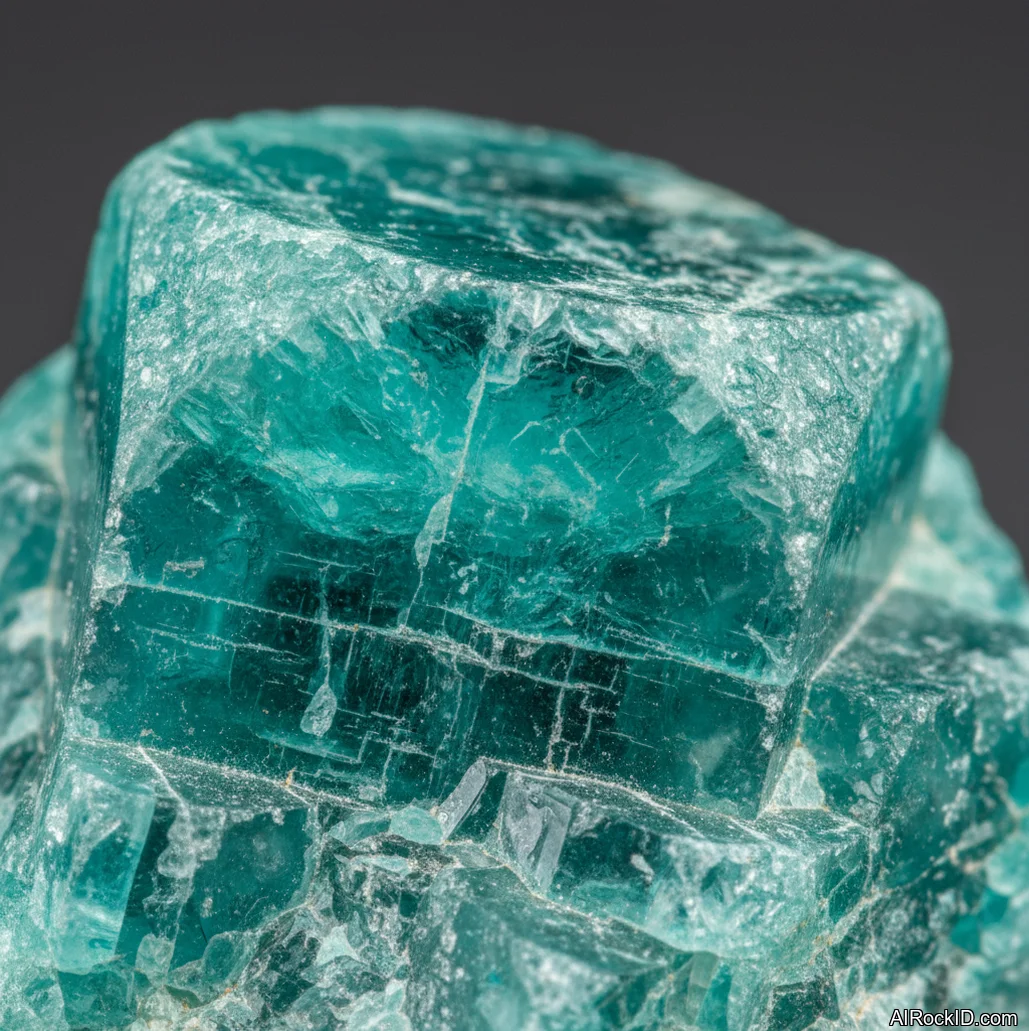
Most amazonite has those chalky white streaks and a slightly blocky shape because it’s feldspar, and it gives the stone a grounded, hefty feel in your hand, not something airy or floaty. And when someone’s healing plan keeps getting knocked off course by anxiety, I’ve watched amazonite help them stay steady enough to actually stick with physical therapy and keep a real sleep routine. Grab a polished palm stone and you’ll notice the surface right away: silky, almost waxy, the kind that slides under your thumb and sits in your palm without making you fidget. But the color is all over the place, and dyed pieces can go weirdly neon and look kind of flat under bright light.
How to use: Carry it during appointments, workouts, or PT sessions so you remember to relax your shoulders and unclench your jaw. Place it on the upper chest for short sessions when you’re trying to calm a stress response that’s aggravating symptoms.
Angelite

Angelite

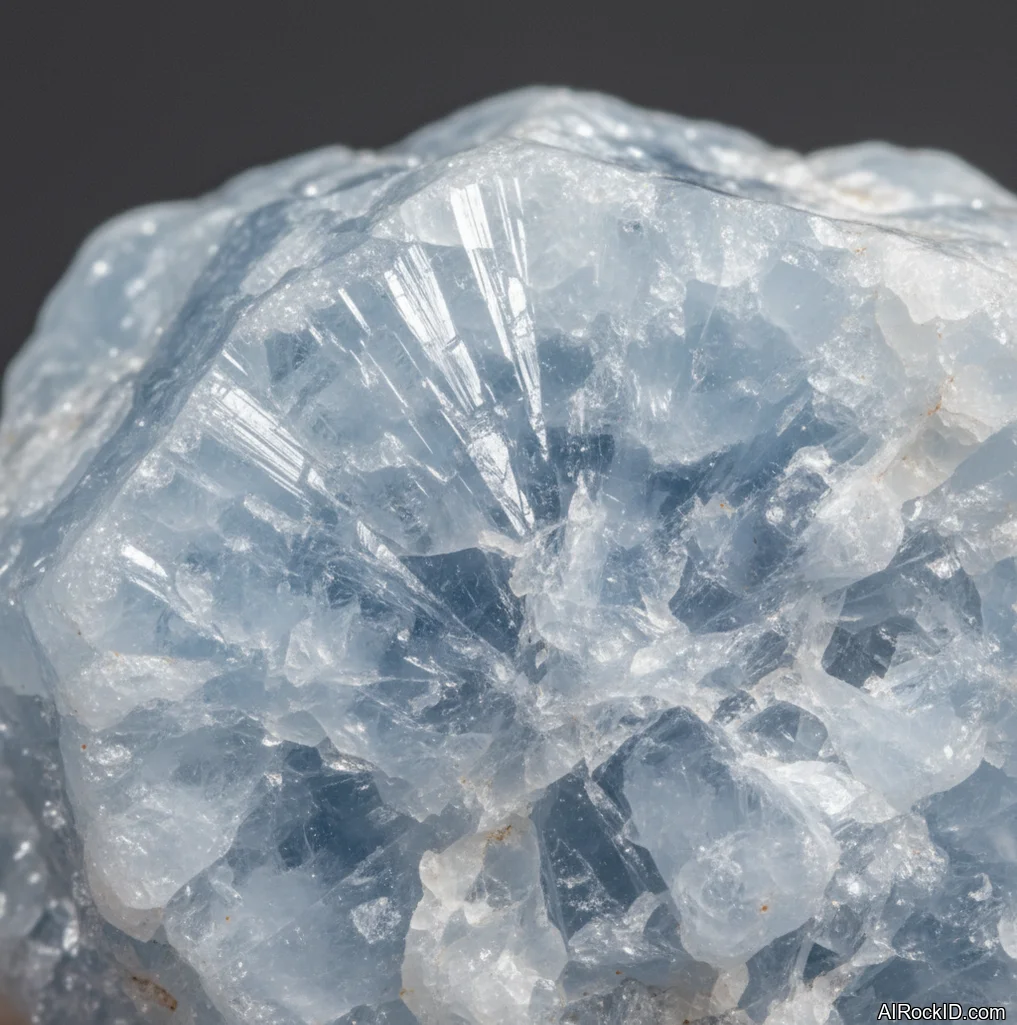
With angelite, the giveaway is always the feel. It’s got this chalky, soft finish compared to quartz, and it heats up fast once it’s been sitting in your palm for a minute. I reach for it on recovery days, when you’re sore or just plain overstimulated, because it’s gentle and doesn’t feel like it’s trying to push anything. And honestly, it’s one of the only stones I’ve seen people stick with even when they’re cranky and sick. That says plenty, right? But look, it’s soft. It can stain or pick up scuffs, so it’s not the kind of stone you toss in your bag and forget about.
How to use: Use it at home, clean hands, short sessions on the chest or held in both palms while you rest. Keep it away from water and lotions, and store it in a pouch so it doesn’t get scraped up.
Aragonite

Aragonite

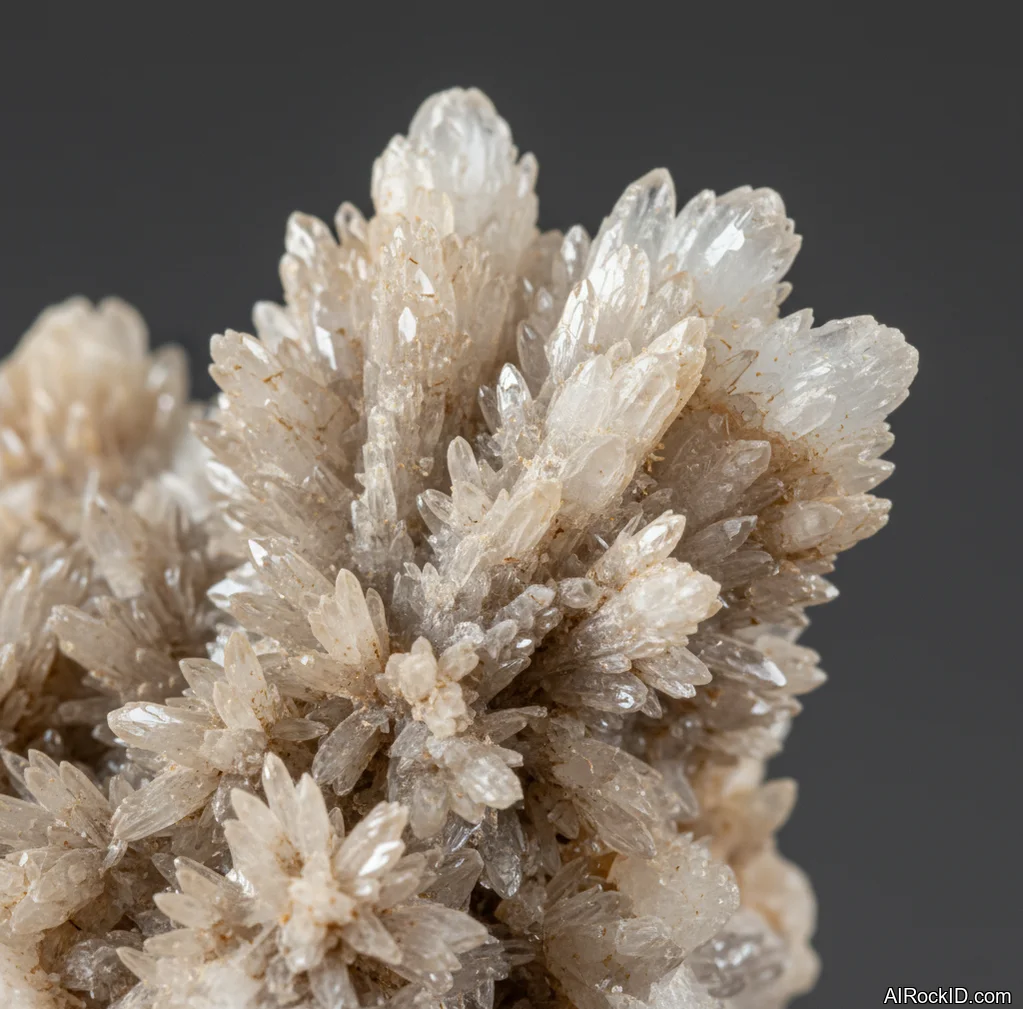
Raw aragonite clusters look spiky, almost like a tiny bit of coral. Pick one up and you’ll feel it right away. Every little point presses back when you turn it in your fingers, like a textured grip you can’t ignore. And that’s why I reach for it when I’m wiped out or getting impatient about recovery. The sensation keeps pulling me back into my body instead of letting my brain run laps. I’ve used it on days when I need to slow down and stick to the boring plan: gentle movement, consistent meals, early bedtime. Not glamorous. Still works. But the downside hits the second you actually handle the thing. It’s fragile. Those points chip if you knock it against anything hard.
How to use: Keep it on a desk or bedside table and use it as a “stop and check in” object before you push through pain. If you hold it, do it seated and over a soft surface so you don’t drop and shatter the tips.
Barite

Barite

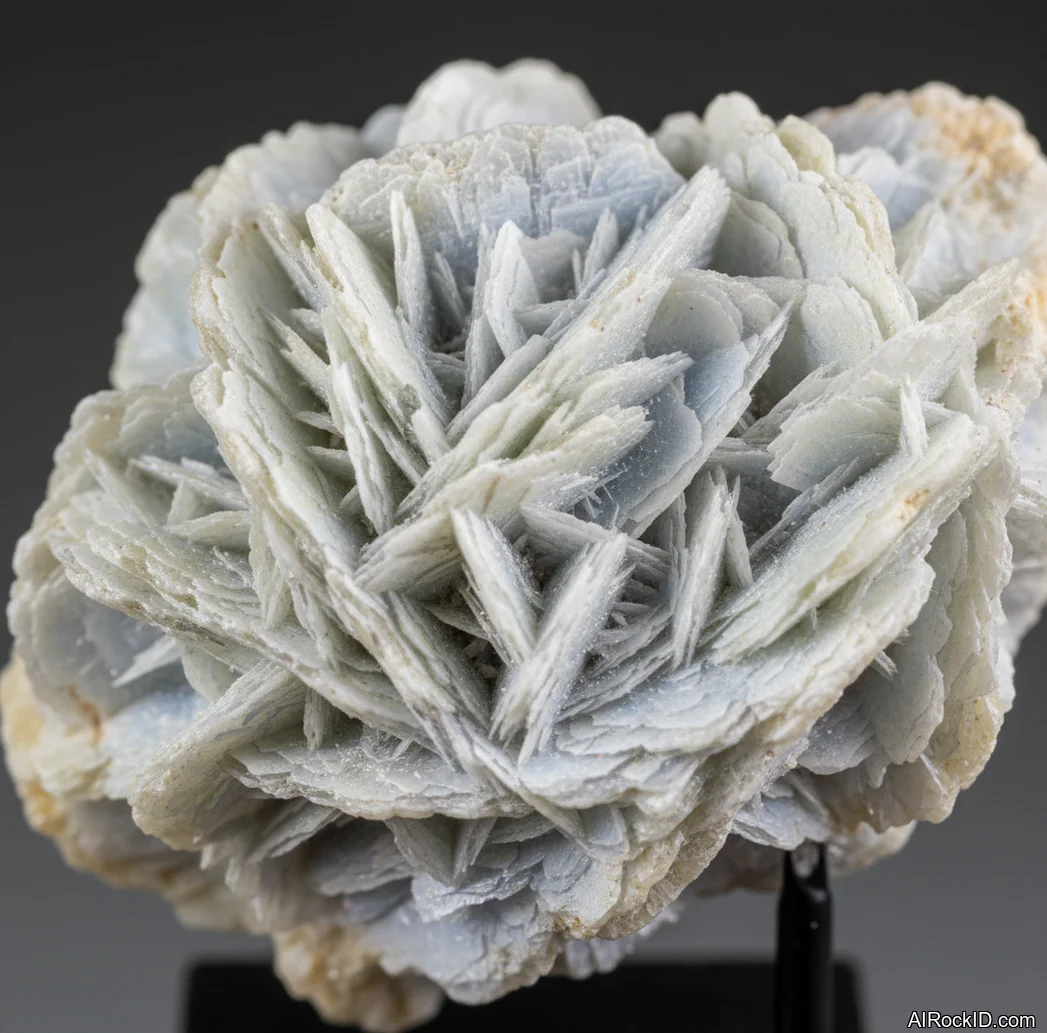
Pick up barite and the first thing you clock is the weight. It drops into your palm like a little paperweight, way heavier than you’d guess from a pale, bladed crystal. And if you’re doing physical healing work, that heft can come in handy when you’re dissociated from your body or stuck in an anxious symptom loop, because it yanks your attention back fast. I’ve handled honey barite that honestly feels like a tiny stack of pages (no joke), with thin edges that flash for a second and then vanish when you tilt it. But a lot of barite is fragile, with crumbly edges and bits that want to flake off, so it’s not great for pockets or placing directly on the body.
How to use: Use it as a grounding stone during seated rest: hold it for 3 to 5 minutes and focus on slow belly breathing. Keep it on a stable shelf away from pets and kids, because a fall can ruin the crystal faces.
Black tourmaline (Black schorl)

Black tourmaline (Black schorl)

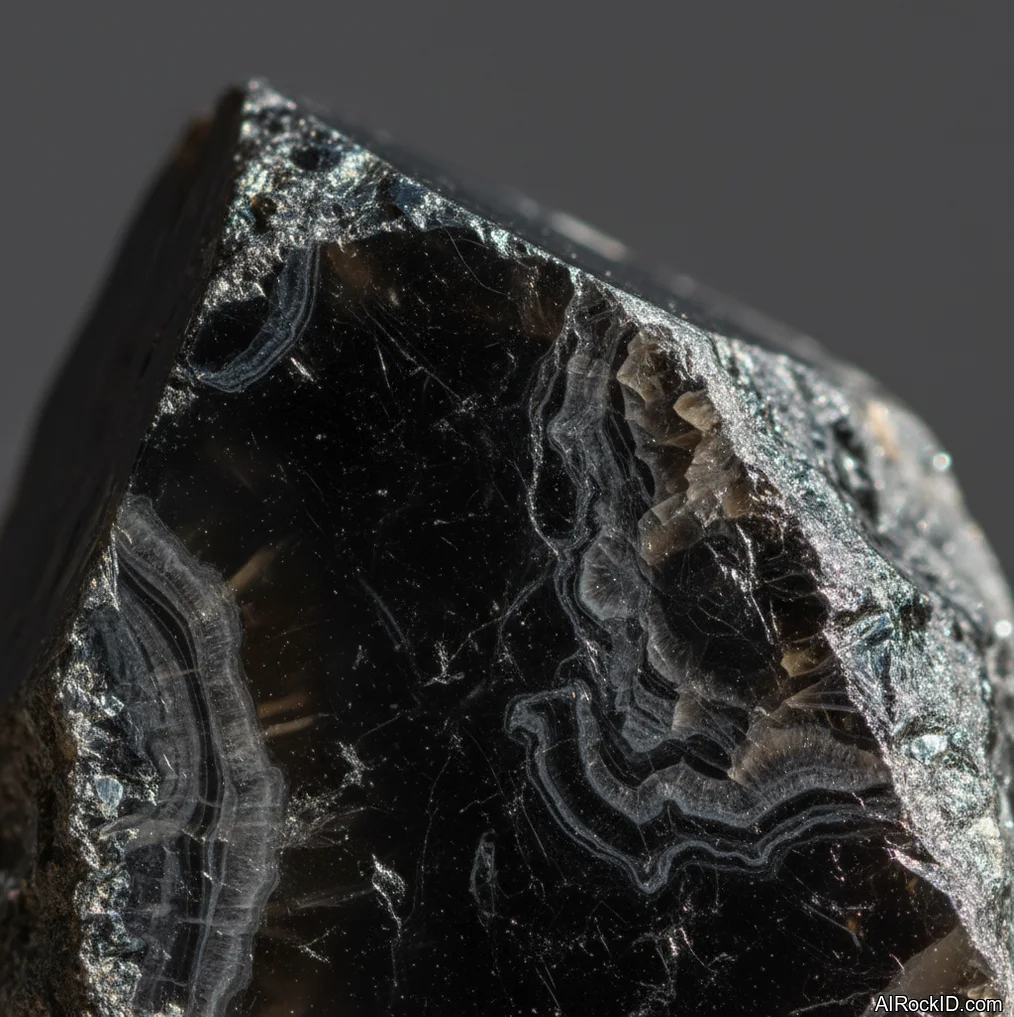
Most folks come in asking for black tourmaline. But what a lot of shops actually have stacked up in bowls is black onyx, and in day-to-day physical healing routines it ends up doing a pretty similar thing: containment and steadiness. A solid piece of onyx just feels heavy for its size, cool in your palm at first, then it warms up slow. Smooth, too. And if it’s been finished right, the surface has that near mirror shine you can catch the overhead lights in. I reach for it on pain-management days, when I need boundaries, not inspiration. Not the poetic kind. The practical kind. Thing is, the messy part is labeling. Dyed chalcedony and cheap glass get passed off as onyx all the time, and the fake stuff usually gives itself away because it’s almost too perfect: a flat, pitch-black look with no depth. You know that “printed” black? That.
How to use: Carry a small tumbled stone during stressful medical days as a tactile anchor, then put it down when you’re home so you’re not clenching it all night. Pair it with a single boundary: no doom-scrolling symptoms, or a firm stop time for work.

How to pick a physical-healing crystal that you’ll actually stick with

Most dealers will shove ten stones in your hands and tell you to “feel the energy.” I keep it way simpler. Grab three pieces, one at a time, and notice what your body does, not what your brain starts narrating. Does your breath sink down into your belly? Do your shoulders finally let go? Or do you get that buzzy, itchy, impatient feeling that makes you want to drop it back on the table.

Thing is, texture matters way more than people admit. A sharp aragonite cluster has those pokey little points that catch on your fingertips, so you end up holding it carefully without even thinking about it, and that can help when the whole goal is to stop rushing your recovery. A polished amazonite palm stone is smooth and a little slippery, like it wants to scoot around in your hand, and it almost begs to be rubbed. That’s great if you’re trying to swap out a nervous habit like skin picking. But if a stone feels too precious, or it’s so fragile you’re scared to actually carry it, you won’t use it. Simple as that. The best physical-healing stone is the one that can take daily life (keys, pockets, the occasional drop) and still keeps pulling you back to the basics.

Placement on the body: what’s practical and what’s just awkward

Body placement sounds easy right up until you actually do it. Stones slide around. Corners jab. And the second you start thinking, “Don’t move, don’t move,” your whole body tightens up, which is the exact opposite of what you’re after when you’re trying to calm pain or inflammation. Go with shapes that cooperate: flat palm stones on your chest or belly, rounded tumbles in your hands, and skip spiky clusters anywhere you might shift even a little.

I’ve gotten the best results when I treat placement like a quick, timed drill. Five to ten minutes. Then you’re done. Amethyst on the temple is fine if you’re lying down and your neck’s actually supported (like on a folded towel that keeps your head from rolling). Barite on the body usually feels lousy, because it’s heavy and bladed, so I keep it in my hands instead. And if you’re working near an injury, keep the pressure light, and don’t stack stones like you’re building a tiny cairn on your knee. Why tempt gravity?

Pairing crystals with real recovery habits (the part that actually moves the needle)

Crystals don’t replace meds, PT, surgery, or getting an actual diagnosis. They’re not that. But they *can* make it easier to kick off a habit loop you already know you should do.

I tend to give each stone one job, and only one. Amber, for me, is “anti-inflammatory routine day.” That means a big bottle of water I can feel sweating on the outside, a short walk (even if it’s just to the corner and back), and dinner earlier than I want. Apatite is my “do the boring motivation thing” cue, like setting up a high-protein snack before you crash and suddenly everything feels ten times harder.

Thing is, the physical-healing crystal trap is trying to make one rock do everything at once. So you end up disappointed. Or you use it as an excuse to avoid doing anything (been there). Keep it tight: one stone, one goal, one tiny action you can still pull off when you feel awful. If you can’t say what the action is, out loud, in a plain sentence, what are you even doing? You’re drifting into wishful thinking.

Spotting fakes and look-alikes that mess with your results

Handle enough of this stuff and you start catching the little tells. Fake amber is the one I see most. Plastic tends to feel warm the second it hits your skin, but real amber usually starts off a bit cool, then slowly warms up as you roll it around in your fingers. And if you look close, you’ll sometimes spot tiny natural inclusions that don’t look neatly “set in there” on purpose (more like little specks and wispy bits frozen mid-mess).

Onyx is another easy trap. Watch out for pieces that read like a flat, featureless black hole. Real stone usually has some depth, and under a strong light you can pick up subtle banding or faint structure instead of pure nothingness.

Thing is, I’m not precious about “perfect specimens.” But I am strict about honesty. A dyed stone isn’t automatically bad for practice, it’s just not what you think it is, and that can mess with your confidence in your own process. So ask dealers straight up: what’s the locality? Is it treated? Can I see it under bright light? A good shop won’t get defensive.

How to Use These Crystals for Physical Healing

Start with one stone for two weeks. Seriously. This kind of physical-healing practice scatters fast, and next thing you know you’ve got a bowl of crystals and zero routine.

Pick a piece that actually feels good in your hand. Smooth, not scratchy. And it needs to be tough enough that if you fumble it onto the bathroom tile at 2 a.m., it won’t chip. I usually suggest amber, amazonite, or a sturdy tumbled amethyst for exactly that reason (I’ve heard the little clink on the floor too many times).

Use a timer. Five minutes is plenty. Any longer and it starts to feel like you’re putting on a show for yourself, which is weirdly easy to do. Hold the stone in your non-dominant hand. Slow your breathing down more than you think you need to. Then scan your body for the spots where you’re bracing. Jaw? Shoulders? Belly? When you find it, soften it a little. Not all the way. The win here is noticing.

So tie it to something physical and measurable. Take the meds. Drink the water. Do the two stretches your PT gave you. If you’re using aquamarine for breath support, pair it with an actual pattern: 4 seconds in, 6 seconds out, for ten rounds. And when the stone goes back in its pouch, you’re done. The habit ends there too. Clean boundaries keep this grounded.

Common Mistakes to Avoid

The biggest screw-up I see is people acting like the crystal is supposed to do the healing for them, then getting mad when… nothing happens. If your sleep is wrecked, your nutrition’s all over the place, and you’re ignoring medical advice, a stone isn’t going to magically haul that weight for you. Use crystals as a cue, like a little nudge to do the next right thing, not as a substitute for the plan.

Another common mess? Buying stones that are too fragile or too “special” to actually handle. Angelite, aragonite, and a lot of barite pieces get dinged up fast. You bump one on a countertop, see that tiny fresh chip in the edge (that chalky-looking nick), and suddenly you’re babying it so much you stop using it at all. So grab a workhorse piece for daily use, and let the delicate specimens be shelf allies.

And people go overboard with placement. Stacking stones on an injury site so there’s pressure, falling asleep with sharp crystals, or literally taping rocks to your body is just asking for trouble. Comfort and safety come first. Always.

Important: Crystals can’t diagnose, treat, cure, or prevent disease. And they’re not a stand-in for antibiotics, surgery, physical therapy, mental health care, or emergency medicine. If you’ve got new or worsening symptoms, fever, chest pain, shortness of breath, a severe headache, numbness, or any signs of infection, get medical attention. Seriously. Use crystals as a little extra support for coping and staying consistent (like something you keep in your pocket and rub with your thumb when you’re stressed), not as an excuse to put off care.

Identify Any Crystal Instantly

Snap a photo and get properties, value, care instructions, and healing meanings in seconds.

Frequently Asked Questions

What are the best crystals for physical healing routines?
Common choices include amber, amethyst, amazonite, aquamarine, apatite, angelite, aragonite, barite, and black onyx. Selection is based on personal comfort, durability, and how consistently the stone is used.
Can crystals replace medical treatment for pain or illness?
Crystals do not replace medical treatment. They are used as complementary tools for relaxation, focus, and habit support.
How long should I use a crystal each day for physical healing?
A typical session ranges from 5 to 15 minutes. Consistency matters more than long sessions.
Where should I place crystals on the body for physical discomfort?
Common placements include the chest, belly, and holding in the hands. Avoid uncomfortable pressure or sharp specimens on sensitive areas.
Is amber safe to wear for aches and inflammation support?
Amber is generally safe to wear as jewelry for adults. It should not be used in a way that creates choking or strangulation risks.
How can I tell if amber is fake?
Fake amber is often plastic or resin and can look overly uniform. Real amber is very light and may contain natural inclusions and irregularities.
Are soft stones like angelite safe to cleanse with water?
Angelite is not recommended for water cleansing because it can weaken or stain. Dry methods like a soft cloth are safer.
What is the most durable crystal on this list for daily carry?
Black onyx and many tumbled amethyst pieces are typically durable for daily carry. Fragile options like aragonite clusters and many barite specimens are better for shelf use.
Do crystals need to be cleaned or cleansed to work?
Physical cleaning removes dirt and oils and is useful for hygiene and handling. “Cleansing” is a personal practice and is not required for mineral stability.
Can I sleep with crystals for physical healing support?
Sleeping with crystals is optional and should be done safely. Avoid sharp, heavy, or fragile stones that can cause discomfort or break.
The information provided is for educational and spiritual exploration purposes. Crystals are not a substitute for professional medical, psychological, or financial advice.