zodiac

Best Crystals for Sagittarius
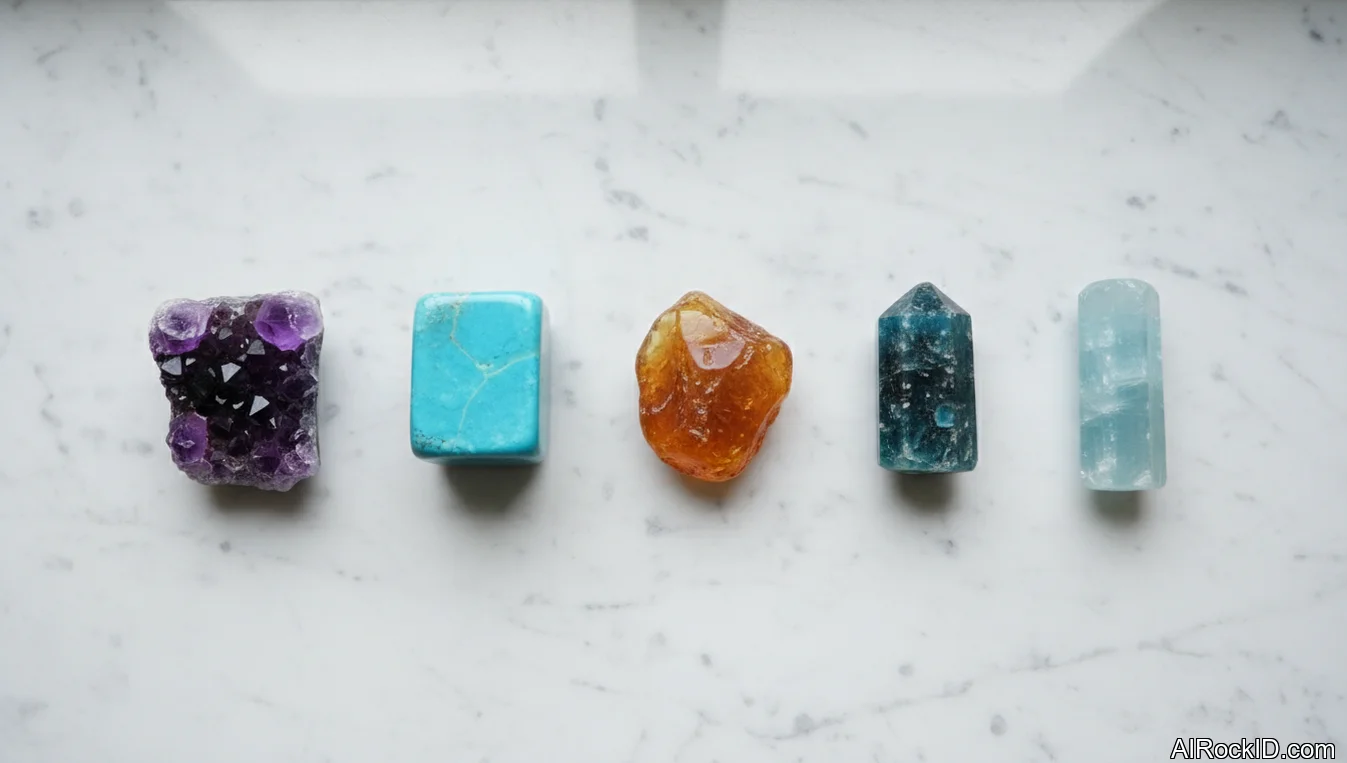
Hand holding a small set of crystals commonly used for Sagittarius, including amethyst, amazonite, and amber in natural light

The best crystals for Sagittarius are the ones that keep your fire aimed somewhere useful, without clipping your wings. Sag energy runs hot and fast. On a good day, it’s brave, curious, and straight-up honest. On a messy day, it’s half-finished projects, “oops, that came out sharper than I meant,” and a nervous system that won’t really shut off. I’ve literally watched Sag friends pick a stone, carry it around for three days, then leave it on a café table because a new idea walked in the door and stole their attention.

Get the right piece in your hand and you’ll notice it right away. Not in a woo-woo, lightning-bolt way. More like a physical cue you’ll actually use. A heavy amber palm stone, the kind that warms up fast and feels almost tacky for a second when your hand’s a little sweaty, can turn into your “pause before you speak” anchor. And a cool amethyst point on the nightstand, cold enough that it wakes your fingers up when you touch it, can be the thing you reach for before bed instead of doomscrolling. Is it a replacement for therapy or sleep? No. But it can nudge you into a repeatable habit, which is half the battle.

I’m keeping this practical. Each crystal below has a specific job that lines up with common Sagittarius patterns: steadier follow-through, cleaner communication, travel grounding, cooling down without killing your optimism (because who wants that?). And I’m also going to flag the market nonsense, like dyed amazonite and fake amber, since if you’re buying a tool, you should know what you’re actually holding.

Recommended Crystals
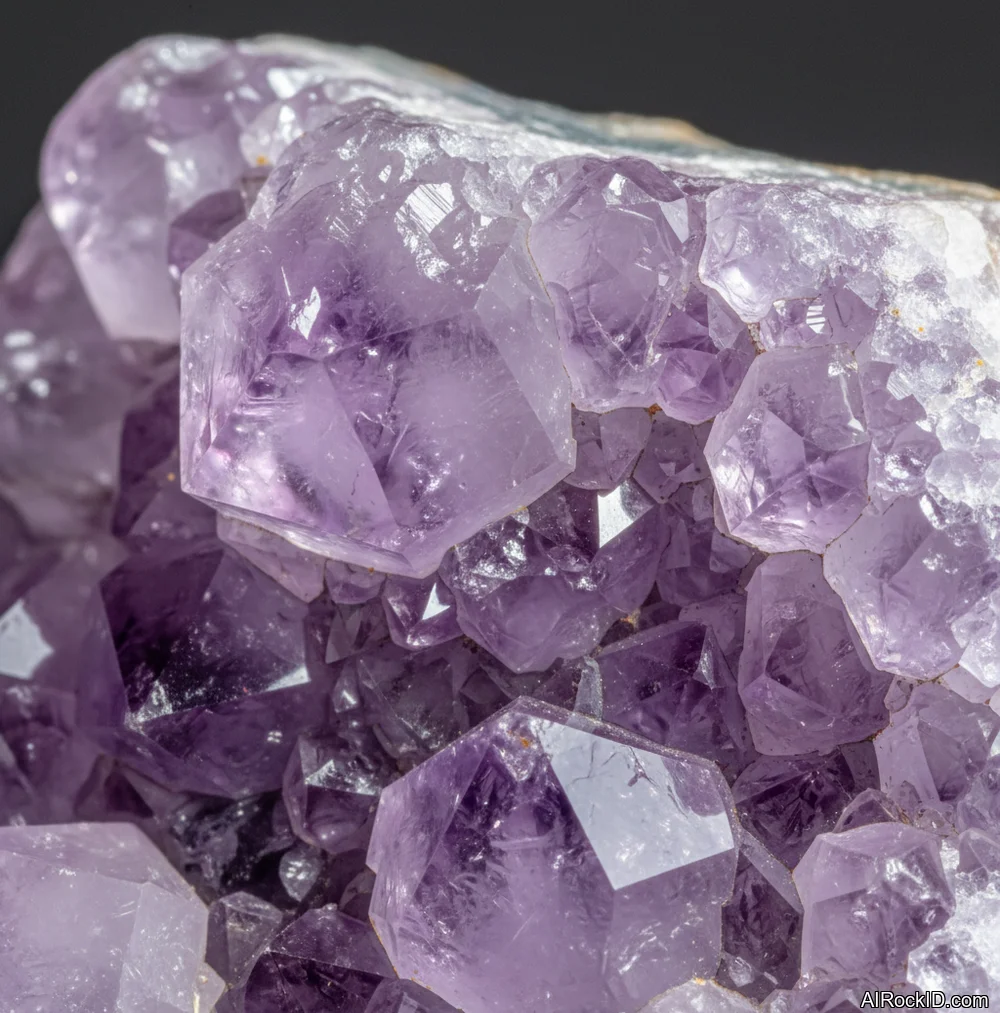
Amethyst
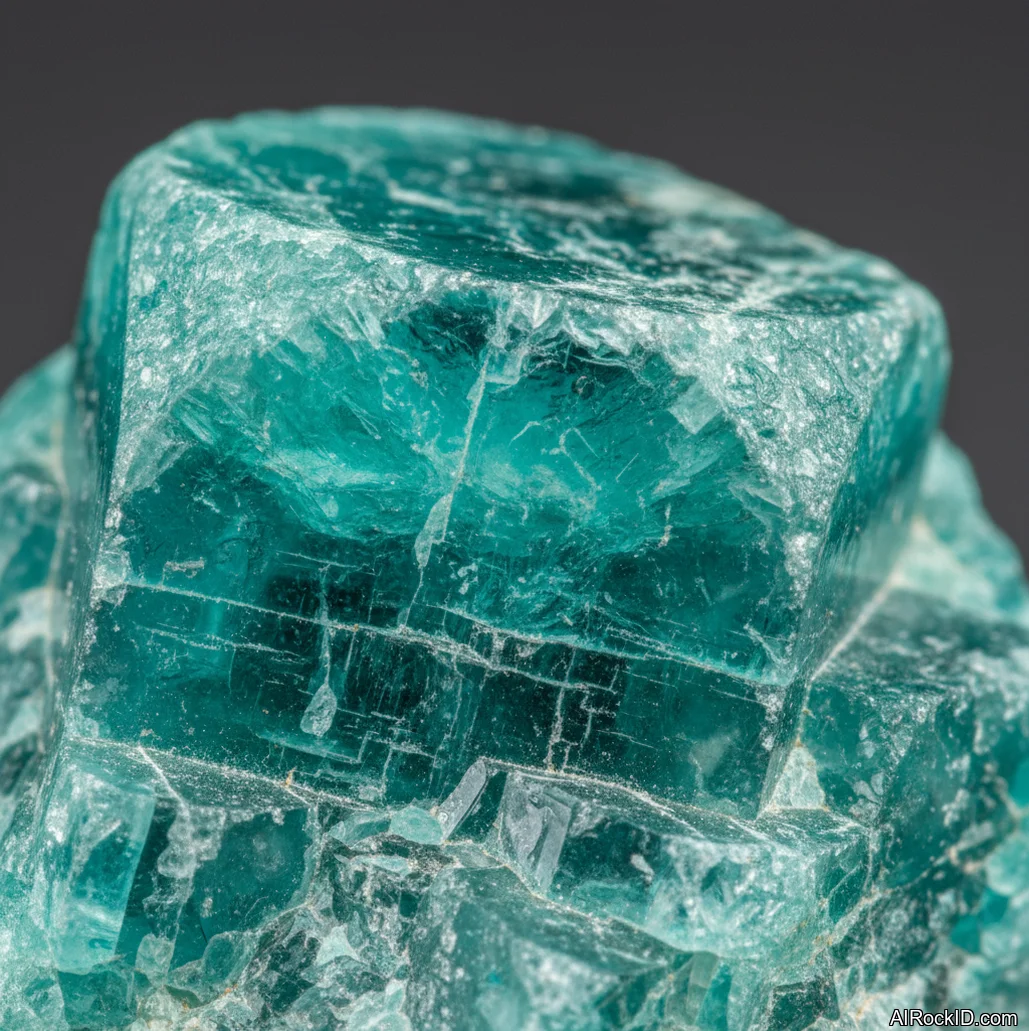
Amethyst

Uruguayan amethyst usually comes through a deeper purple than most Brazilian pieces. And for my over-revved Sag brain, that darker stone feels like a cleaner off switch. When I pick up a point, it stays cool longer than glass. Sounds like a tiny detail, right? But that lingering chill, the kind you notice in your fingertips after a few seconds, is the cue I use to slow down. This is what I reach for when Sagittarius optimism turns into those late-night planning spirals that steal sleep. It works especially well with journaling, because it gently pushes you toward reflection instead of the next big leap.
How to use: Keep a small point on your nightstand and touch it before lights out, same time every night. If you’re working, set a tumbled piece beside your keyboard and use it as a “two breaths before replying” reminder. Don’t leave purple amethyst in harsh window sun for weeks, some pieces fade.
Amazonite

Amazonite

Amazonite is hands-down one of the best “truth with tact” stones I’ve ever worked with, which, honestly, is a whole Sagittarius lesson in itself. Look, if you really study a good piece, you’ll catch those white streaks and that slightly blocky feldspar structure, not that flat, painted-looking color some stuff has. And when I’m sitting in a meeting with it in my palm, I can feel my jaw let go a little (wild how obvious that is once you notice it), and that’s usually the exact moment my words come out cleaner. It helps with decision fatigue too. Not in a magic “it chooses for you” way, but by getting you to quit stacking option on top of option. Why do we do that?
How to use: Carry it in a pocket on days you know you’ll have tough conversations and touch it right before you speak. A flat palm stone works well for this because you can press your thumb into it. Avoid heavily dyed pieces, the color can rub off on cloth if you get a bad one.
Amber

Amber

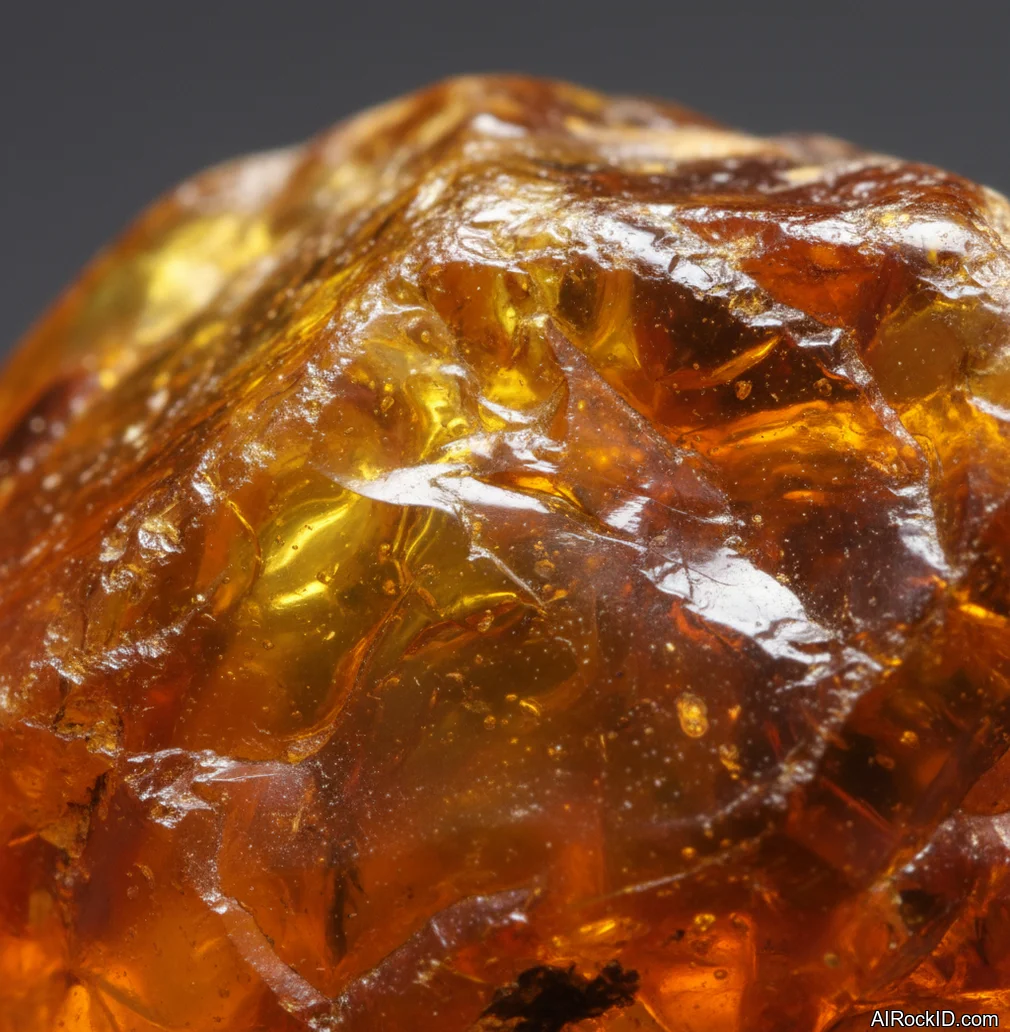
Real amber warms up in your hand fast, way quicker than most stones. And that little bit of heat is a weirdly useful cue for Sagittarius restlessness, like it gives your nervous system something to latch onto when you’re buzzing. The good pieces also feel kind of light for their size. Not flimsy, just… lighter than you expect. If you’ve ever handled a plastic fake, you know what I mean. The fake tends to feel too uniform, almost “dead,” and it doesn’t pick up that cozy warmth the same way. I reach for amber when a Sag is running on adrenaline, especially during travel weeks. Thing is, it’s also one of the only materials I’ll suggest to people who can’t stand that cold-stone feeling against their skin. Why force it?
How to use: Wear it as a necklace or keep a small polished piece in your palm during commuting. If you want to test a questionable piece, a tiny rub on wool can build static and attract paper bits, but don’t go melting it with hot needles. Keep it out of high heat, amber can crack or cloud.
Apatite

Apatite

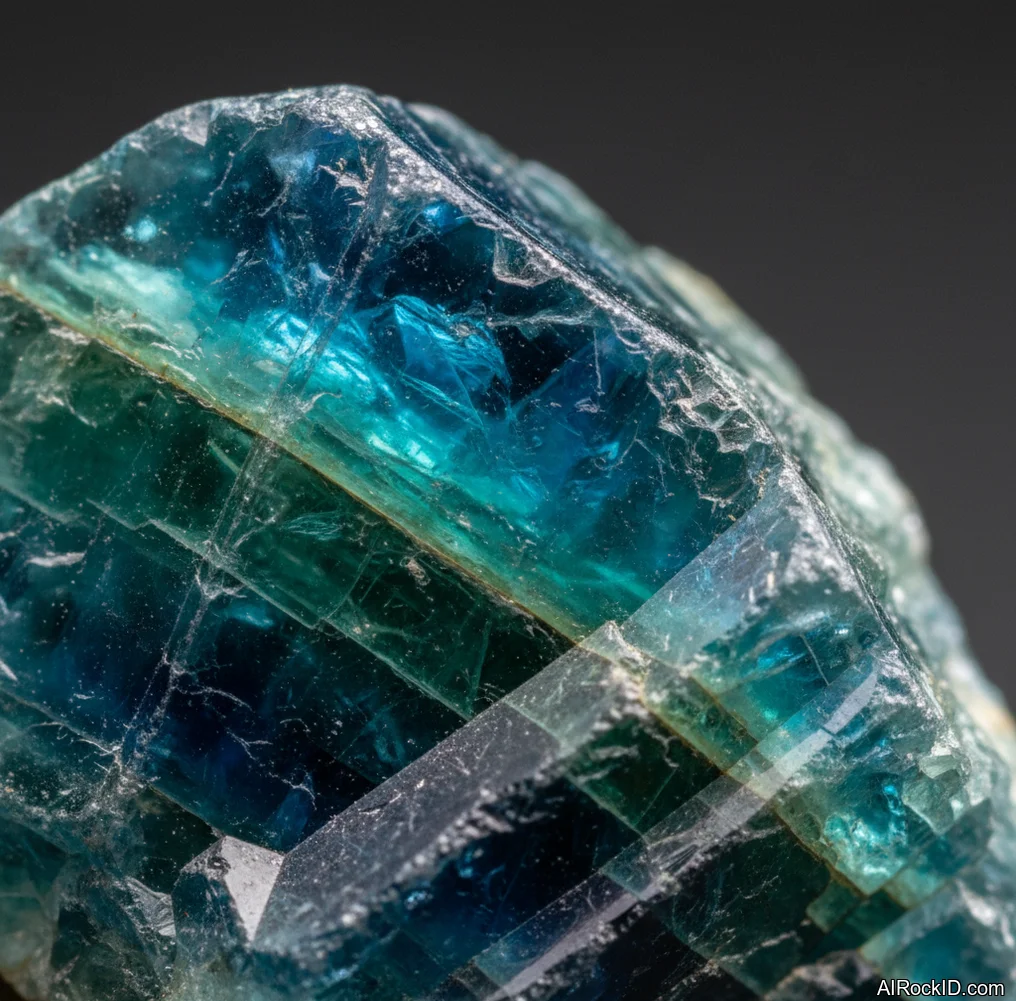
Apatite has that bright, electric look Sagittarius tends to go for. But it’s also a little reality check, because it scratches way more easily than you’d think. If you’ve ever tossed one loose in a pocket, you’ve seen it: that quick surface haze, like a faint foggy film that shows up fast. For me, it clicks with Sag learning energy, studying, language practice, and that whole “I want to understand everything” phase. And it kind of keeps your curiosity pointed in one direction when you’re tempted to bail the second it stops feeling new. Why do that to yourself, right?
How to use: Use it as a desk stone during focused study blocks, then put it away, don’t treat it like a daily pocket rock. If you carry it, use a small pouch so keys don’t chew it up. Clean with a soft cloth, skip harsh salt or abrasive cleanses.
Aquamarine

Aquamarine

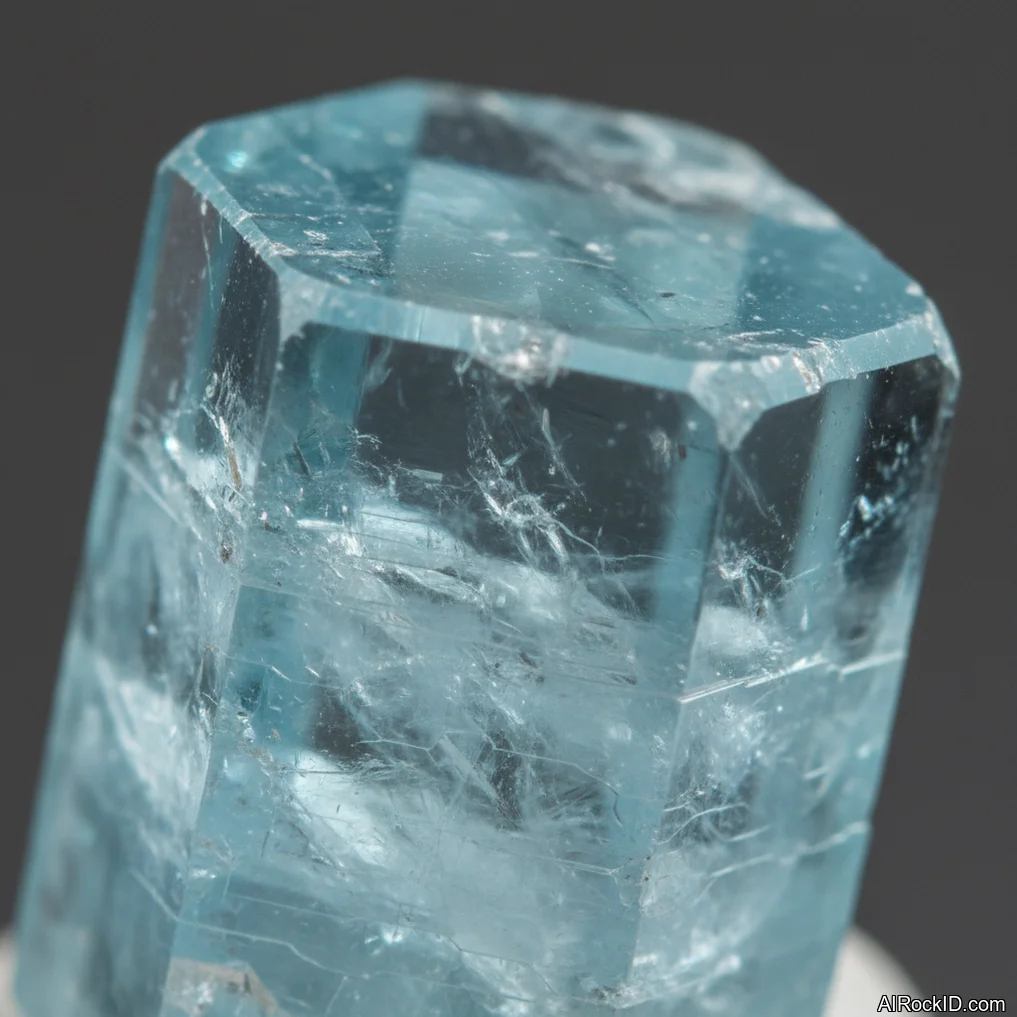
Good aquamarine hits my system like a splash of cold water, and Sagittarius really needs that when the fire in my chest gets too loud. A lot of tumbled pieces look almost washed-out at first. But if you roll one under a lamp, you’ll catch that watery blue flashing through, the kind that’s weirdly hard to fake. I grab it when I want honesty without the heat, especially if I owe someone an apology or I need a hard reset after I’ve talked too fast. And it’s a solid “travel stone” in a grounded way because it nudges calmer breathing in airports and unfamiliar places.
How to use: Wear it near the throat as a simple pendant if you’re working on calmer communication. For travel, keep a small tumbled piece in your carry-on and hold it during boarding or delays. Don’t store it where it gets scratched by harder stones like quartz.
Azurite

Azurite

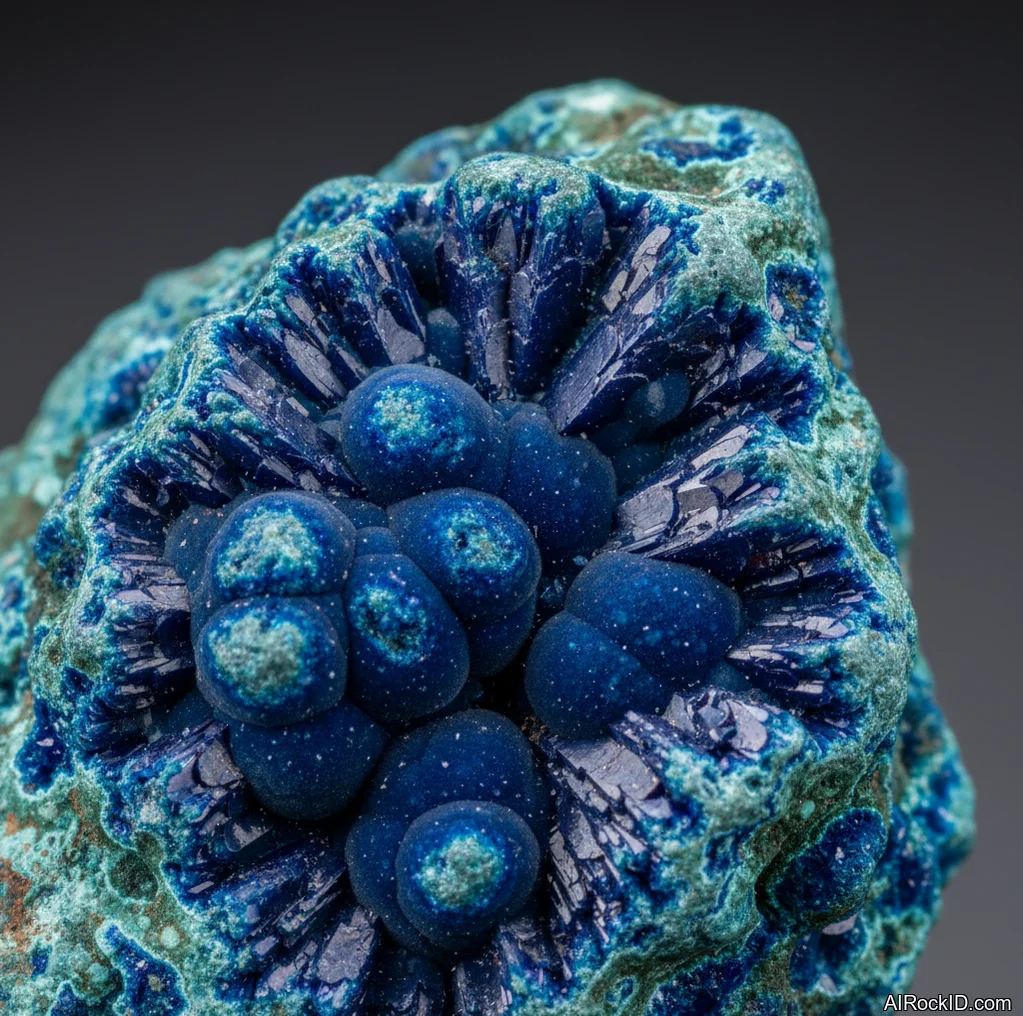
Azurite’s a serious stone. It won’t tolerate sloppy handling, and honestly that’s the whole point for Sagittarius. That deep blue can look almost velvety in decent light, and if you tilt a raw chunk you’ll catch those tiny sparkly faces right along the break lines. Little flashes. Hard to miss once you’ve seen them. I use it for “aim the arrow” work: strategy and long-term planning (the stuff you can’t fake), plus that uncomfortable moment when you realize you’ve been lying to yourself about time and effort. And yeah, it’s usually not a pocket stone. It’s soft, it can be messy, and you don’t want blue dust all over your fingers. But on a shelf? Perfect, because you’ll actually see it.
How to use: Place it where you do planning: calendar, budget, study space. Wash hands after handling raw azurite and don’t make elixirs with it. Keep it dry and away from soaking water, it can degrade.
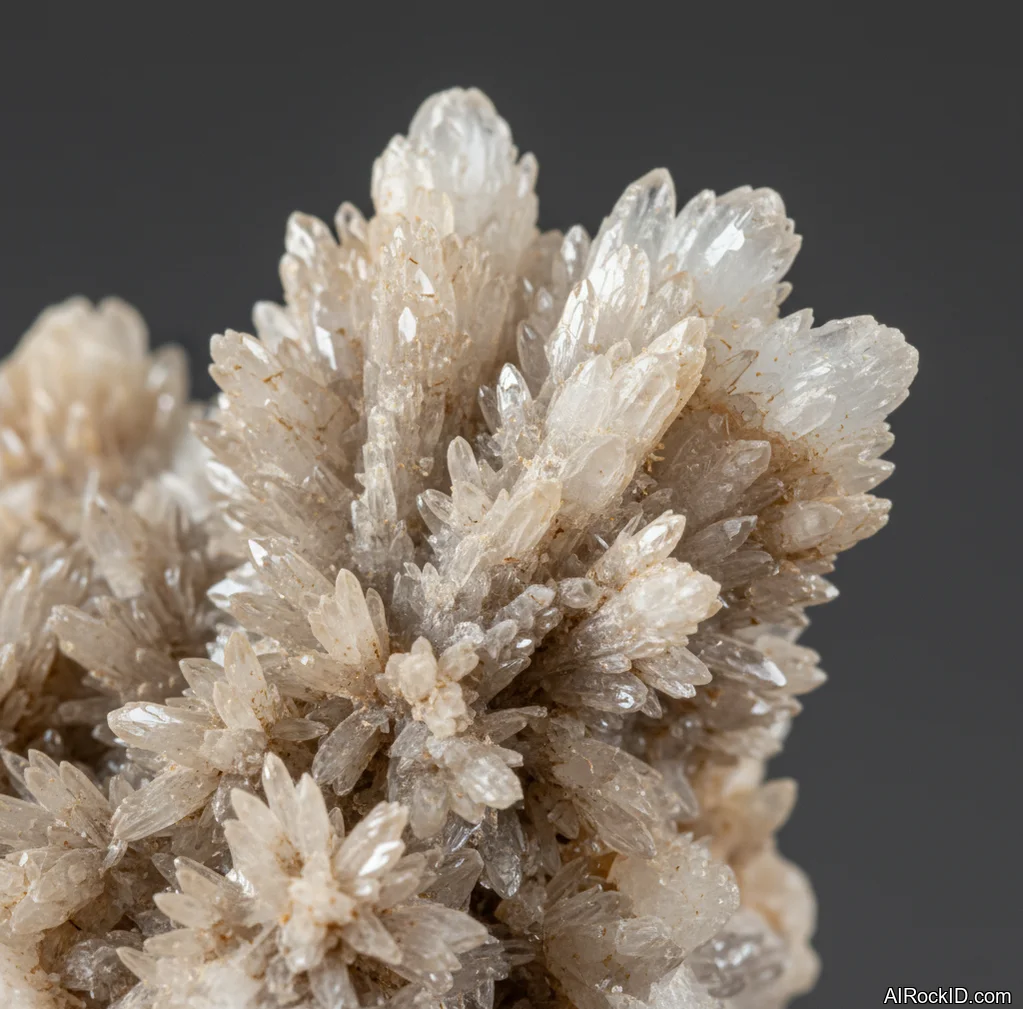
Aragonite

Aragonite

Aragonite has this no-nonsense weight to it, the kind that screams structure, which is exactly what scattered Sagittarius energy tends to be missing. Grab a chunky piece and you’ll clock the heft right away, then your thumb catches that slightly gritty feel on the ones that still have those sharp, natural edges (the kind that don’t look tumbled at all). I’ve reached for it when I’m hyped about five projects and somehow finish none of them. Why does that happen so fast? Thing is, it’s a plain reminder to stick with the boring middle. And it clicks with body-based routines like stretching or strength training, where Sag needs consistency more than inspiration.
How to use: Keep a piece by your front door and touch it before you leave, as a “today has a plan” cue. Use it during a short grounding routine: feet on the floor, slow breaths, stone in hand. If your piece is fragile or has spiky clusters, store it so it doesn’t chip.
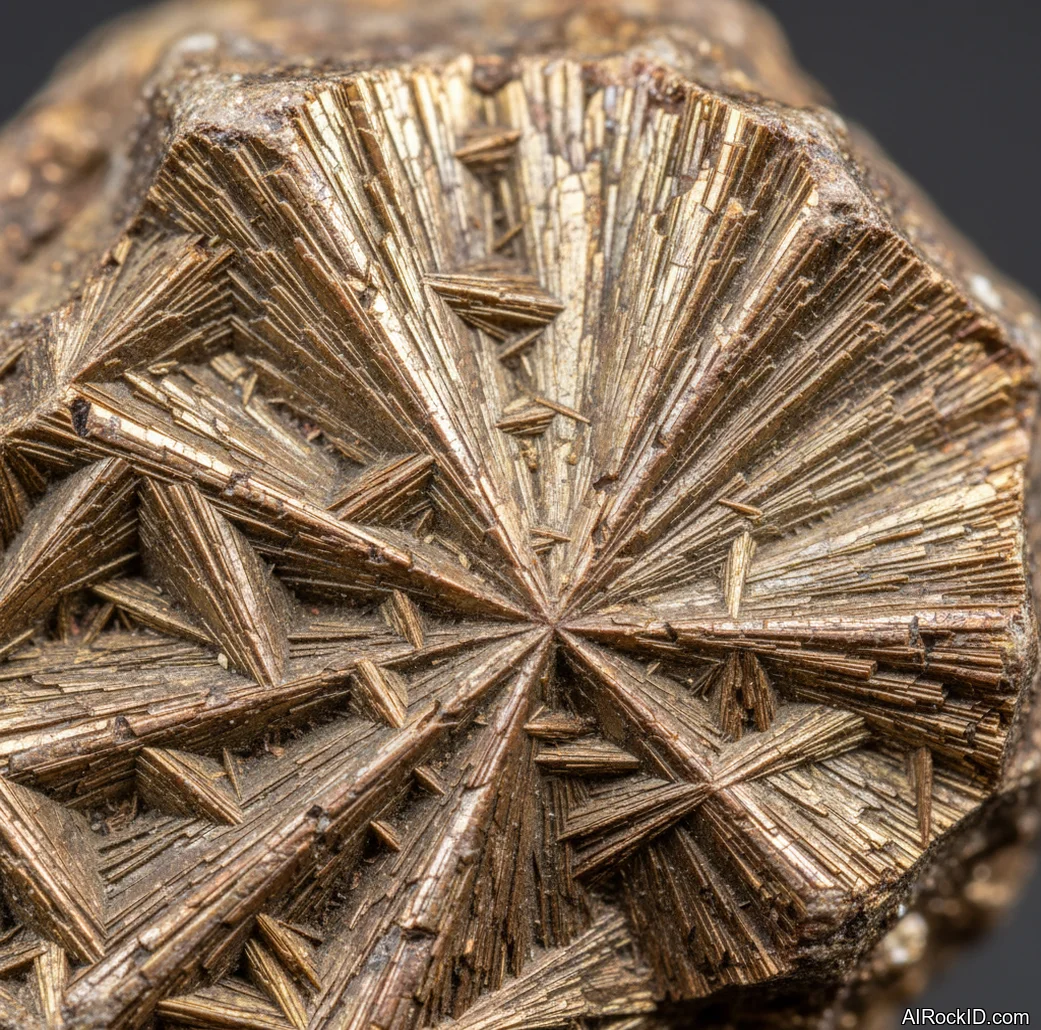
Astrophyllite

Astrophyllite

Astrophyllite has this starburst flash that basically grabs a Sagittarius by the collar, and it’s one of those rare stones that makes people literally stop talking just to tip it toward the light. Look, the real test is turning it slowly under a lamp, watching those bronze-gold blades flare up and then vanish again, like a little map that won’t sit still. I reach for it when I need big-picture reflection, especially when Sag energy is sprinting after meaning and blowing past the quiet moment where the meaning actually shows up. It’s not about “manifesting.” It’s about sitting still long enough to hear what your priorities are (and yeah, that can be the hard part).
How to use: Use it during weekly review: goals, commitments, what you’re dropping, what you’re keeping. A polished slab works best because you can actually see the flash without crumbs. Keep it away from water and store it so the surface doesn’t get scratched.
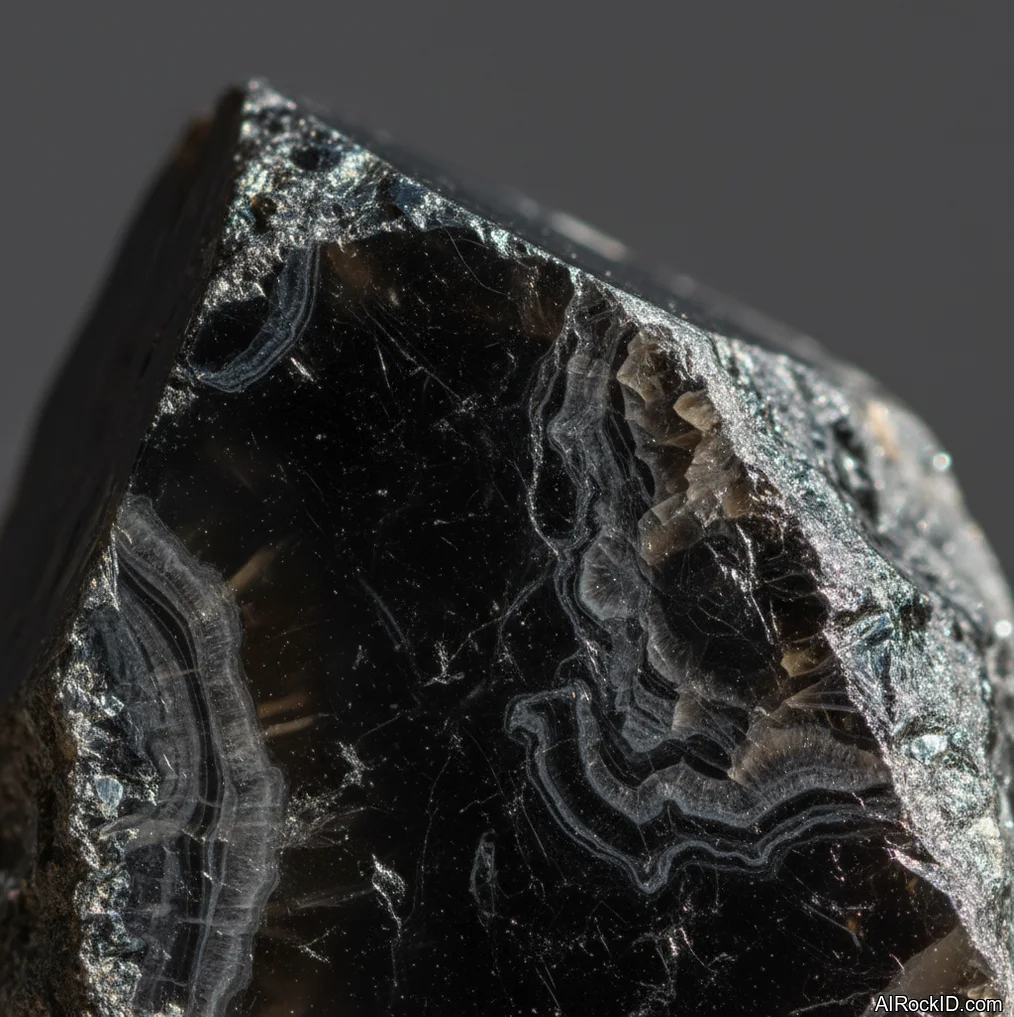
Black-onyx

Black-onyx

Black onyx is boring, and honestly? Sagittarius needs boring sometimes. A well-polished piece feels like one of those river stones you keep rubbing with your thumb without thinking, cool to the touch, heavy for its size, steady in your palm. It doesn’t beg for attention like the flashy crystals do. I’ve used it for impulse control. Spending. Overcommitting. Saying yes just because it sounds fun (and then wondering why my calendar hates me). And it’s a solid pick when you want to stay grounded in a crowd, without flipping the switch into emotionally numb.
How to use: Carry it on days you need boundaries and follow-through, like deadlines or travel days with a packed schedule. If you fidget, a thumb stone is perfect because it gives your hands something to do. Clean it with mild soap and water, then dry it well.

Sagittarius strengths to support (and the parts that trip you up)

Sagittarius is the sign of the long road. Always curious. Always laughing at something. You learn fast, you bounce back fast, and you don’t stay stuck for long. You can walk into a new city and be chatting with strangers in ten minutes, and I mean that as a real skill.

But yeah, that same spark can get messy. You sign up for a course, buy the gear, tell everyone you’re doing it, and then your attention snaps to something else. Suddenly there’s a half-finished project sitting in the corner like a guilt magnet. I’ve seen the exact same thing happen with crystals, too. People grab a stone for “focus,” set it down, and then it basically collects dust because there’s no system and no habit to hook it onto.

So look, the point isn’t to “fix” Sagittarius. It’s not broken. The point is to make a few small anchors that keep the fire pointed in one direction. Cooling stones like amethyst and aquamarine can help you pause for a second and actually digest what you’re learning instead of sprinting to the next thing. And heavier, steadier pieces like aragonite and black-onyx give your body that little signal: commit now, don’t just daydream. If a crystal doesn’t change your behavior, it’s just a pretty rock, and that’s totally fine (seriously). Just call it what it is.

Picking stones that match Sagittarius: feel matters more than lore

Most dealers can spin a story about any stone. But that’s not what you’re after. You need something you’ll actually reach for when you’re stressed, excited, or just plain scattered.

So grab two stones that are the same type and pay attention to what your hand does without you thinking about it. Some pieces feel grippy and grounding, the way rough aragonite catches slightly on your fingertips. Others feel slick and quick, like polished amazonite that almost wants to slide out of your palm. And weight matters. Amber feels weirdly light, which can be calming if you hate heavy jewelry, but it can also disappear into the bottom of a bag. Black onyx, on the other hand, sits heavy and stays put.

Look, check for quality tells while you’re at it. Amazonite should have natural mottling and those white streaks, not a perfectly even color that reads like a dyed bead. Amber should show tiny internal features and a kind of warmth, not that dead-uniform plastic look. Shopping online? Ask for a video with moving light. A still photo can hide a lot.

Travel and Sagittarius: grounding without killing the adventure

Sagittarius and travel fit together, sure. But travel is also where your nervous system gets put through the wringer. Airports. Delays. That weird new bed that’s somehow too soft and too loud at the same time. Too much coffee, not enough water.

A stone won’t stop a flight cancellation. It won’t magically speed up TSA. But it can give you a reset you can repeat on command, even when you’re stuck under those harsh terminal lights with your bag half-open.

I’m into a two-stone setup. One calming piece you can handle in public, like amber or black-onyx, the kind you can rub with your thumb without looking like you’re doing anything. And then one “quiet” piece for the hotel room, like amethyst sitting on the nightstand next to the room key and that paper-thin water cup (you know the one).

Thing is, the trick is consistency. Same pocket. Same pouch. Same little routine. Touch the stone, inhale slowly, then exhale longer than you inhaled. Do that three times. It sounds almost too simple, but your body starts to recognize the pattern and goes, oh, we’re doing this now.

If you travel rough, skip the fragile crystals. Apatite and azurite can get banged up fast. A scratched stone still works as a habit tool, but it’s just annoying watching a pretty piece get chewed up by keys and coins.

Sagittarius communication: bluntness, honesty, and timing

A lot of Sagittarius people love to say they’re “just honest.” Sure. But the real issue is when you say the thing, and how it lands. You can be correct and still leave a mess behind.

Amazonite and aquamarine are my go-to picks for this, mostly because they mess with your pacing in a good way. I’ve literally kept a smooth chunk of amazonite in my pocket during a tense talk, thumb rubbing that cool, slightly waxy surface through the fabric, and I noticed I stopped cutting people off mid-sentence. That’s not magic. It’s just a physical cue that reminds me to slow down and say it clean.

Aquamarine hits a little differently. It feels colder in the hand, almost like it’s been sitting on a windowsill out of the sun, and it sort of takes the heat out of your delivery. Same truth, less bite. Isn’t that the goal?

So, pair the stone with a simple rule. Like: “Ask one question before giving advice.” Touch the stone, then ask the question. And look, Sagittarius learns fast when there’s a game or a challenge baked in, so make communication a practice you train, not some personality badge you wear.

How to Use These Crystals for Sagittarius

Keep it simple at first: grab one crystal and stick with it for a week. Sagittarius folks have a habit of buying a bunch, getting excited, and then none of it really lands. Put the stone somewhere you’ll actually put your hand on it, not where it looks cute. Nightstand. Desk. Jacket pocket. By the front door, right where your keys clack down. If you’ve got to “remember” it, you won’t.

Pick one tiny thing you can repeat without thinking. Tap amethyst before you pass out. Hold black-onyx while you scribble the day’s top three tasks (pen in one hand, stone in the other). Press your thumb into amazonite before you answer a text you’re tempted to shoot back too fast. I’m not asking for an hour-long meditation session. Make it so easy you can still do it on your worst day. The messy one.

For a Sagittarius reset, here’s what I like: sit down, plant your feet flat, put the stone in your non-dominant hand, and take six slow breaths while you stare at one fixed point in the room. The corner of a picture frame works. A screw on a shelf. If your mind takes off, fine. Let it run. Just keep breathing. Then write one sentence: “Today I will finish ____.” Aragonite is great for this because it literally feels like a paperweight for your attention (that steady, grounded heft).

Common Mistakes to Avoid

Buying ten stones and using none is the big one. I see it constantly. Sagittarius gets hyped, orders a bundle, and then the crystals wind up shoved in a drawer next to old phone chargers and a lonely coin or two. One stone you actually touch every day beats a whole shelf you never even look at.

Another mistake: treating fragile stuff like it can take a beating. It can’t. Apatite scratches fast, azurite can flake, and that pretty specimen turns into a sad, chipped little pebble the second it rides around with your keys. Use a pouch. Or just leave the delicate pieces at home so they can do their job without getting wrecked.

And the last common issue is getting tricked by fakes or treatments. Dyed amazonite and plastic “amber” are everywhere, like so common you start noticing the same too-perfect color from table to table. Most dealers aren’t out to scam you, but the supply chain’s a mess and a lot of shops just repeat whatever label they were handed. So ask questions. Request photos in natural light. And trust your hands, seriously, because real stones have texture, they feel cool before they warm up, and they’ve got tiny imperfections that look alive (not stamped out of a mold).

Important: Crystals aren’t going to swoop in and overrule your decisions. They won’t fix addiction, cure anxiety disorders, patch up a relationship you keep brushing off, or stand in for medical care. If you’re clutching a stone to dodge a hard conversation or skip a needed diagnosis, that’s not spirituality. It’s avoidance. What crystals can do, on a good day, is back you up on habits: pausing, breathing, focusing, reflecting. They’re basically physical reminders (the kind you can feel in your palm, cool and a little heavier than you expect), with some emotional resonance. But the work? That’s still on you.

Identify Any Crystal Instantly

Snap a photo and get properties, value, care instructions, and healing meanings in seconds.

Frequently Asked Questions

What are the best crystals for Sagittarius energy?
Commonly associated crystals for Sagittarius include amethyst, amazonite, amber, aquamarine, apatite, azurite, aragonite, astrophyllite, and black-onyx. Choices are typically based on goals like focus, calmer communication, grounding, and sleep support.
What crystal supports Sagittarius focus and follow-through?
Aragonite and black-onyx are associated with grounding, structure, and persistence. Apatite is associated with study focus but is softer and needs careful handling.
Which Sagittarius crystal is best for calm and sleep?
Amethyst is associated with calming the mind and supporting sleep routines. It is commonly placed on a nightstand rather than carried.
What crystal helps Sagittarius communication and honesty?
Amazonite and aquamarine are associated with clear communication and calmer expression. They are often worn near the throat or carried during conversations.
What is a good Sagittarius crystal for travel?
Amber and black-onyx are commonly used as travel carry stones because they are durable and easy to handle. Aquamarine is also used for calming during transit.
Can Sagittarius wear amber every day?
Amber can be worn daily if it is protected from heat, chemicals, and impact. It is lightweight and can scratch, so storage and care matter.
Is apatite durable enough for everyday wear?
Apatite is relatively soft compared to quartz and can scratch easily. It is better suited for occasional wear or desk use.
Is azurite safe to put in water or make crystal water with?
Azurite should not be soaked in water and is not used for crystal-infused drinking water. It can degrade and may contain copper compounds.
How can you tell real amber from plastic?
Real amber often feels warm quickly and is very light for its size, with natural internal inclusions. Many plastics look too uniform and may lack natural internal features.
How many crystals should a Sagittarius use at once?
Using 1 to 3 crystals at a time is usually enough for a focused routine. Too many stones at once can reduce consistency and make habits harder to maintain.
The information provided is for educational and spiritual exploration purposes. Crystals are not a substitute for professional medical, psychological, or financial advice.