chakra

Best Crystals for Solar Plexus Chakra
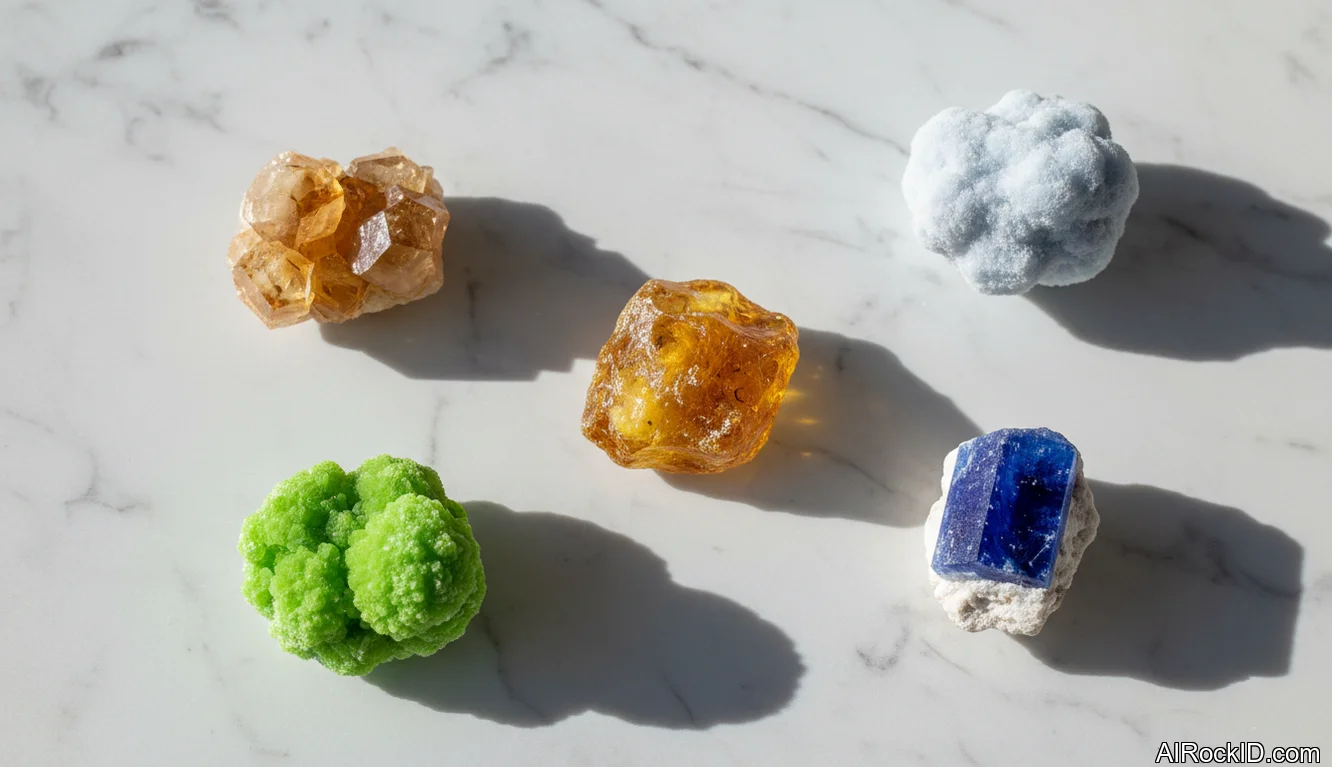
Yellow and golden crystals laid on a wooden tray with a small solar plexus chakra symbol card

The best crystals for the solar plexus chakra aren’t the ones that just photograph yellow for Instagram. They’re the ones that feel steady in your hand. Warm. Like they’ve got some backbone.

Solar plexus work is will and boundaries. It’s digestion, too, in the literal sense and the “can I actually process what just happened?” sense. And it’s that plain, unsexy skill of backing yourself up when you said you’d do the thing. So when I’m picking stones for this chakra, I get weirdly picky about the physical feel, not just the color. Does it sit heavy in your palm, like a smooth river pebble you can’t quite stop turning over? Or does it feel papery and too light, like it wants to skate out of your fingers? Does it stay cool forever, or does it warm up fast the way polished stone does once it’s been against your skin for a minute? Those little details matter, because you’ll reach for the stone that feels good to hold. The one that doesn’t, you’ll “forget” about (every time).

Look, here’s the market reality. A lot of “solar plexus” stones online are heat-treated or dyed, and they can come out looking almost weirdly perfect, like someone set the saturation slider to max. Natural material usually has tiny color zoning, cloudy bits, little fractures, uneven saturation. Messy. Real. That doesn’t make it worse. It makes it believable.

And if what you want is grounded practice, start with stones you can actually identify, afford, and keep close to your body without stressing that you’ll chip some museum-grade piece. Because then you’ll use it. Which is the whole point, right?

Recommended Crystals
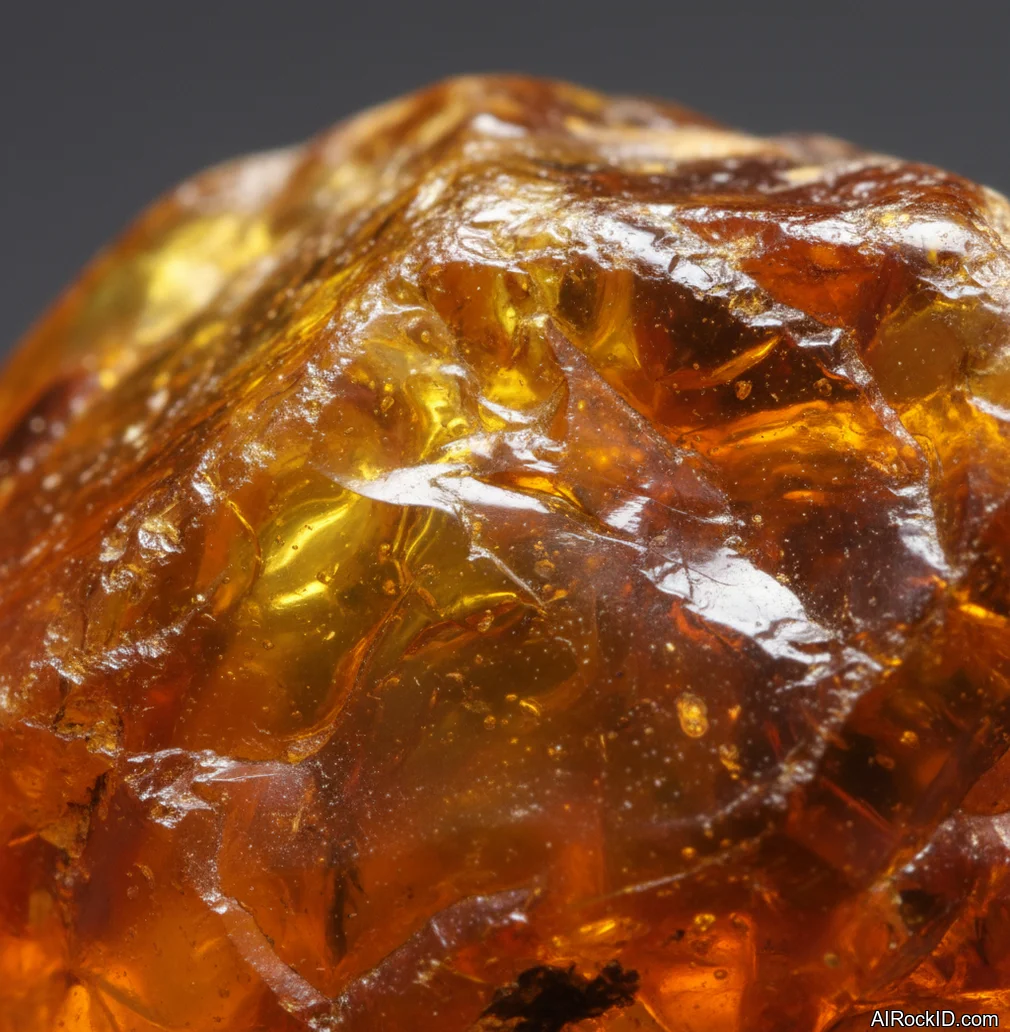
Amber
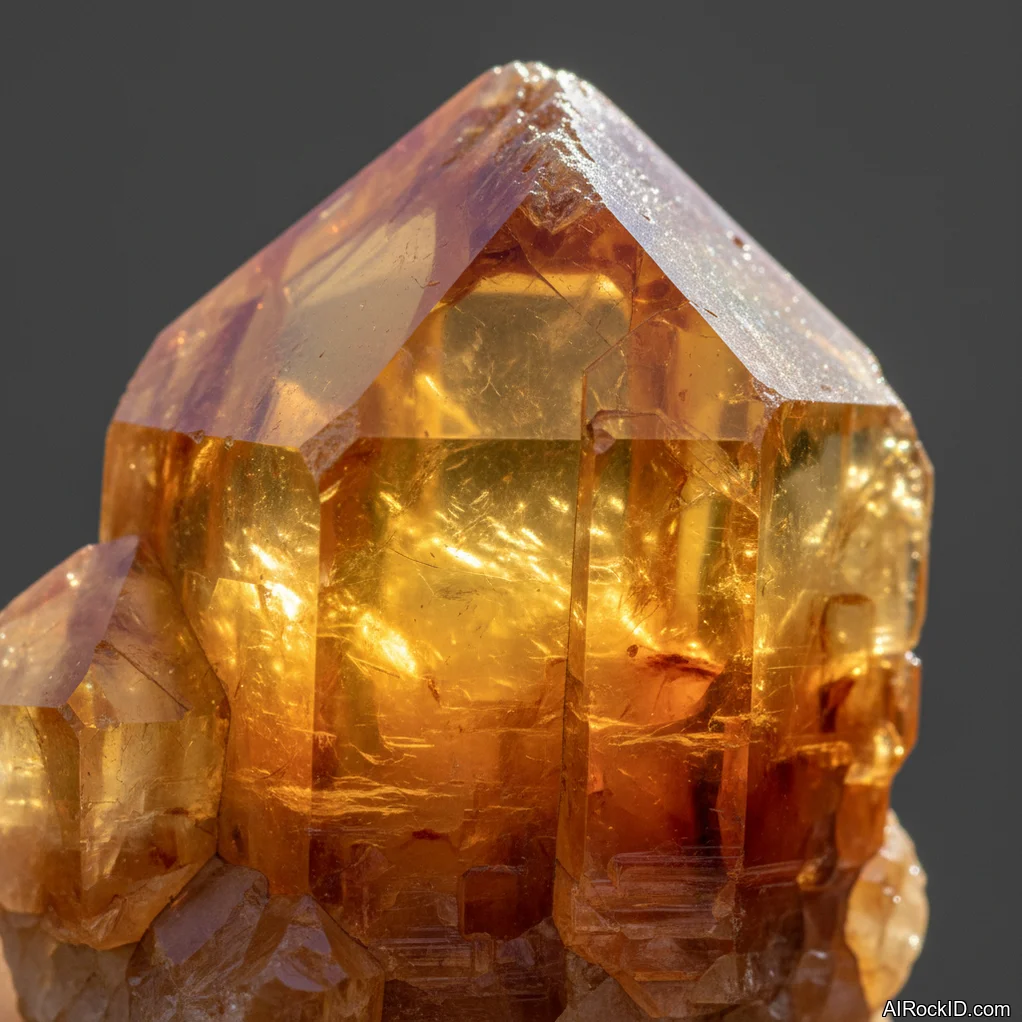
Amber

Pick up a real piece of amber and the first thing you clock is how light it is. Like, oddly light for its size. And it warms up in your palm crazy fast, which is part of why it works so nicely with solar plexus work. I grab amber when I want that “sun in the ribs” vibe, but gentle. Not the kind that shoves you forward. But here’s the thing: the cheap stuff can be plastic or pressed resin. Those pieces tend to feel warm right away, and if you rub them hard (like really work your thumb over it), you’ll catch that chemical smell. You know the one?
How to use: Wear amber as a short necklace or keep a piece in a pocket that sits near the upper abdomen. For a quick reset, hold it over the solar plexus while breathing out longer than you breathe in for 2 to 3 minutes.
Amber Calcite

Amber Calcite

Compared to amber, amber calcite just feels heftier, and kind of chalky in your palm, even after it’s been polished up. I reach for it on solar plexus days when the motivation is there but it’s all over the place, because in practice it has this neat, organizing vibe that helps things click back into line. Look, if you hold it under a lamp and tilt it around, you’ll usually catch that cloudy banding plus these quick little internal cleavage flashes. And thing is, it’s softer than most people expect. So yeah, it’ll scratch and chip pretty easily if you chuck it in a bag with your keys.
How to use: Place a palm stone on your upper abdomen for 10 minutes while you plan one concrete next step for the day. Keep it on your desk, but don’t leave it in direct sun for long stretches if the color seems to fade in your piece.
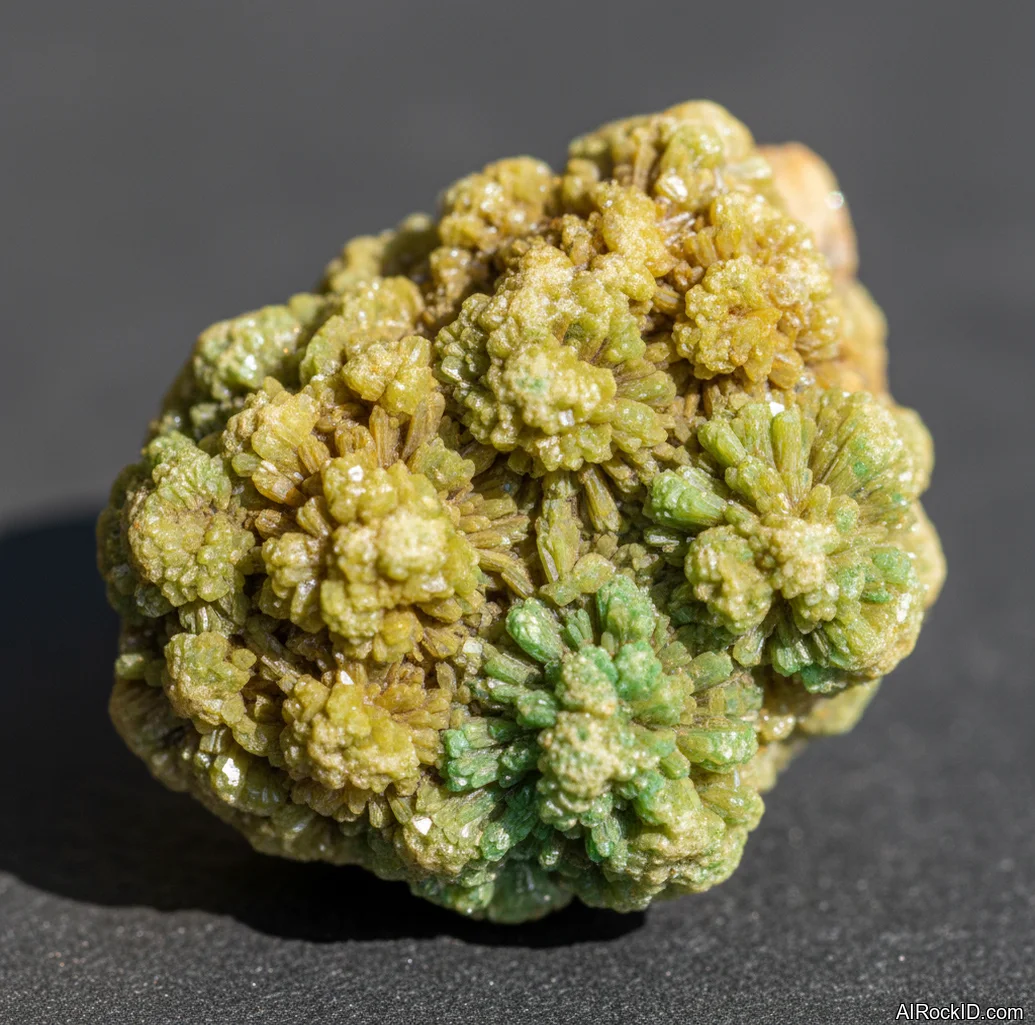
Adamite

Adamite

At first glance, adamite can look like neon candy, especially that bright yellow-green stuff. But in your hand it doesn’t read as plastic at all. It’s got that mineral bite, the kind you notice when the surface catches the light and the edges look a little sharp instead of smooth. Hit it with UV and a lot of pieces fluoresce. And that little pop is honestly a blast, like a quick reminder you’re dealing with something real, not resin. For solar plexus work, I reach for adamite when I need clean, sharp clarity and a bit of courage. Like when there’s a hard phone call I keep putting off. Thing is, it’s also a collector stone, and it can be fragile. So no, I wouldn’t toss a spiky cluster into daily pocket rotation (unless you like chipped points and surprise scratches).
How to use: Use a small cabinet-size piece on a shelf where you’ll see it while doing uncomfortable tasks, like paperwork or budgeting. If you do body placement, use a smooth piece or a protected mount and keep it short, 3 to 5 minutes, so you don’t jab yourself or knock crystals loose.
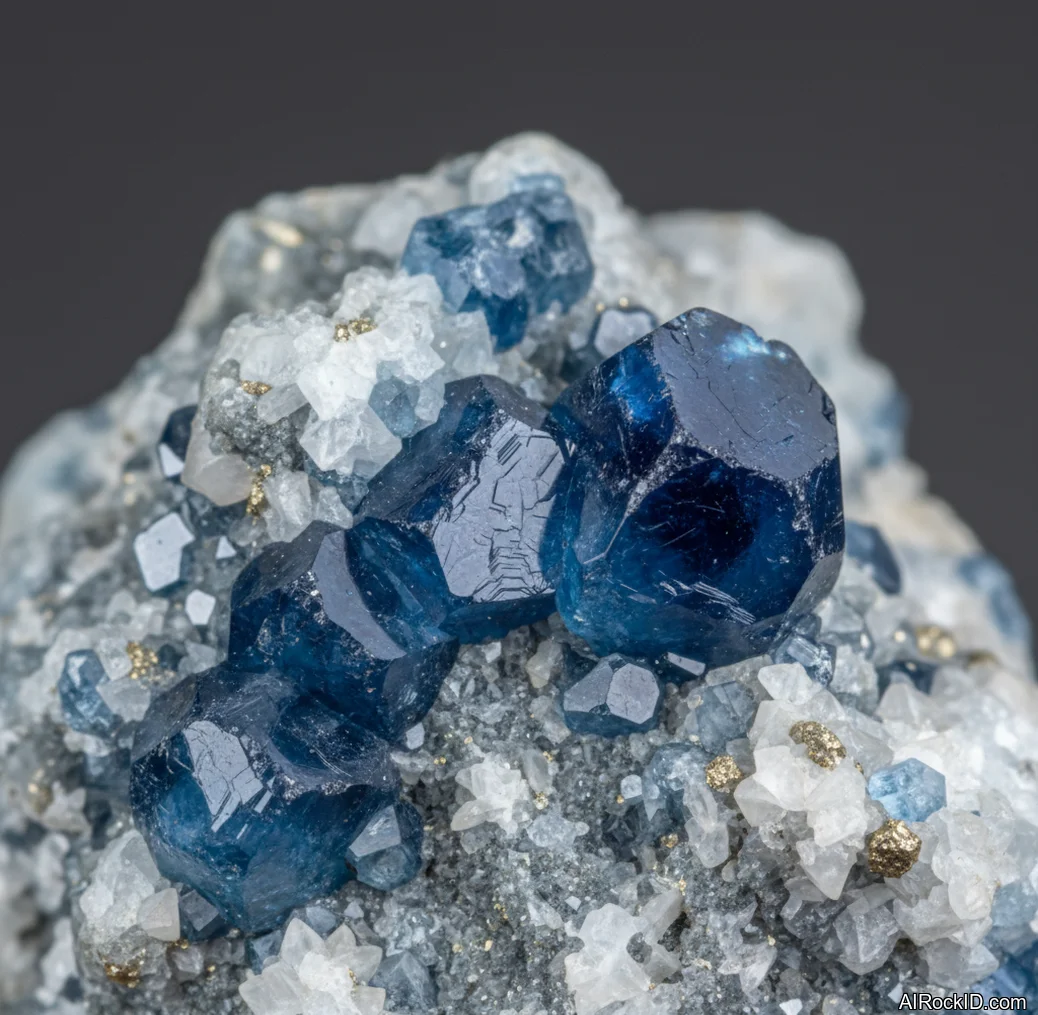
Afghanite

Afghanite

Most folks don’t hear “solar plexus” and think afghanite, since it usually skews blue. But every so often you’ll pick up a piece with those creamy white swirls and little warm yellow patches, and it lands in that sweet spot of confidence without the chest-puffing. In your hand, it feels solid. Like stoneware. Not slick or glassy. It’s the kind of stone that sits there and behaves, not the kind that shouts from across the room. And I’ve found it works well for people who get anxious the second they try to “power up” their solar plexus and end up clenching instead. You know the type of effort where your stomach tightens and your jaw locks (why do we do that)? But sourcing’s the annoying part. Some listings are fuzzy on details, and you really want a seller who can tell you exactly where it came from and who’ll show tight, close-up photos.
How to use: Meditate with it at the solar plexus when you’re working on calm boundaries, not hype. Pair it with journaling: one page on what you will say no to this week, then put the stone on top of the notebook overnight.
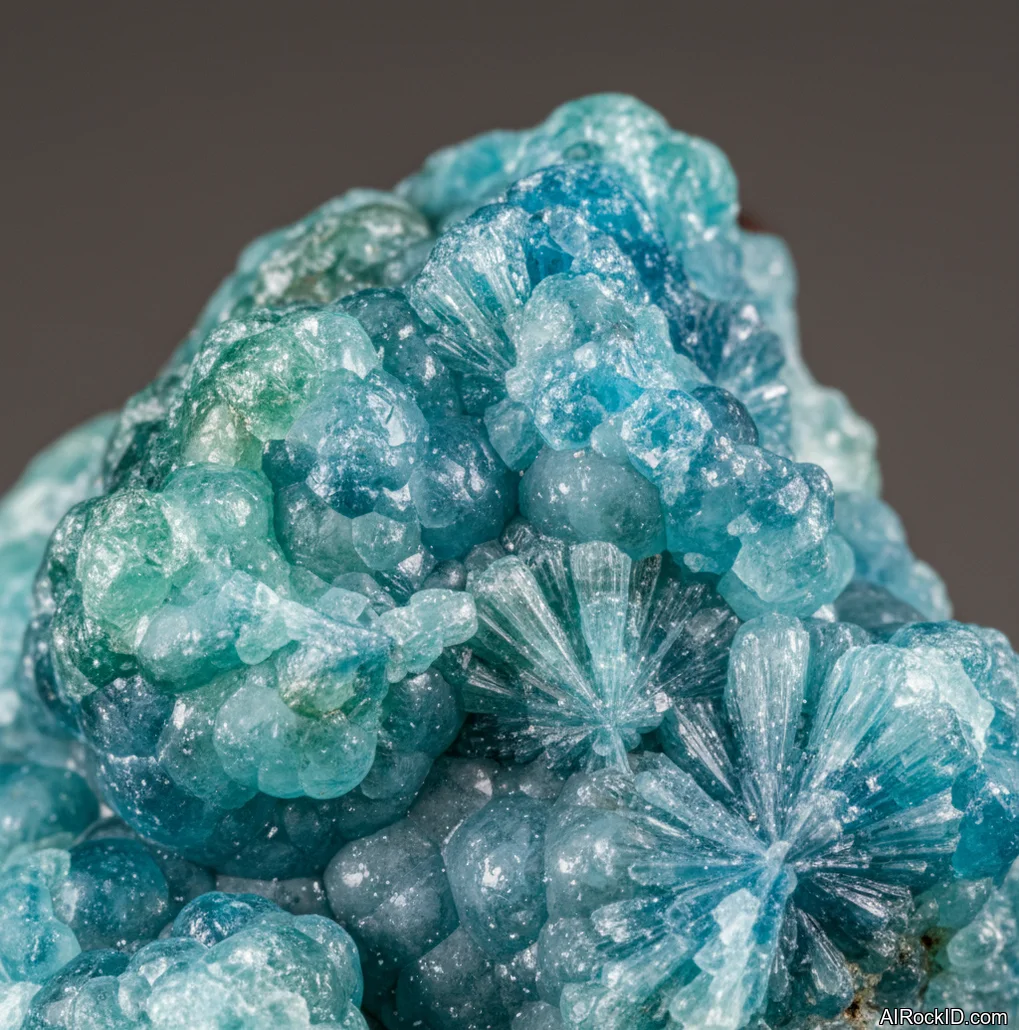
Allophane

Allophane

Allophane is kind of an oddball. It’s usually pale blue or sort of milky white, and it has this soft, thirsty-looking surface that I tend to grab when solar plexus stuff shows up as “I’m overwhelmed,” not “I’m unmotivated.” Pick up a piece and you’ll notice it feels surprisingly light in the hand, with an earthy, almost chalky vibe, like it wants you to be careful with it. And in practice, I’ve found it’s useful for taking the edge off that stomach-flutter feeling you get when you’re fried from making too many decisions. But don’t count on it being tough. A lot of pieces are fragile and can literally crumble if you handle them the way you’d handle quartz.
How to use: Keep it near your workspace and hold it before you choose your top three tasks. Avoid water cleansing and rough handling; use smoke, sound, or a quick pass through cool air instead.
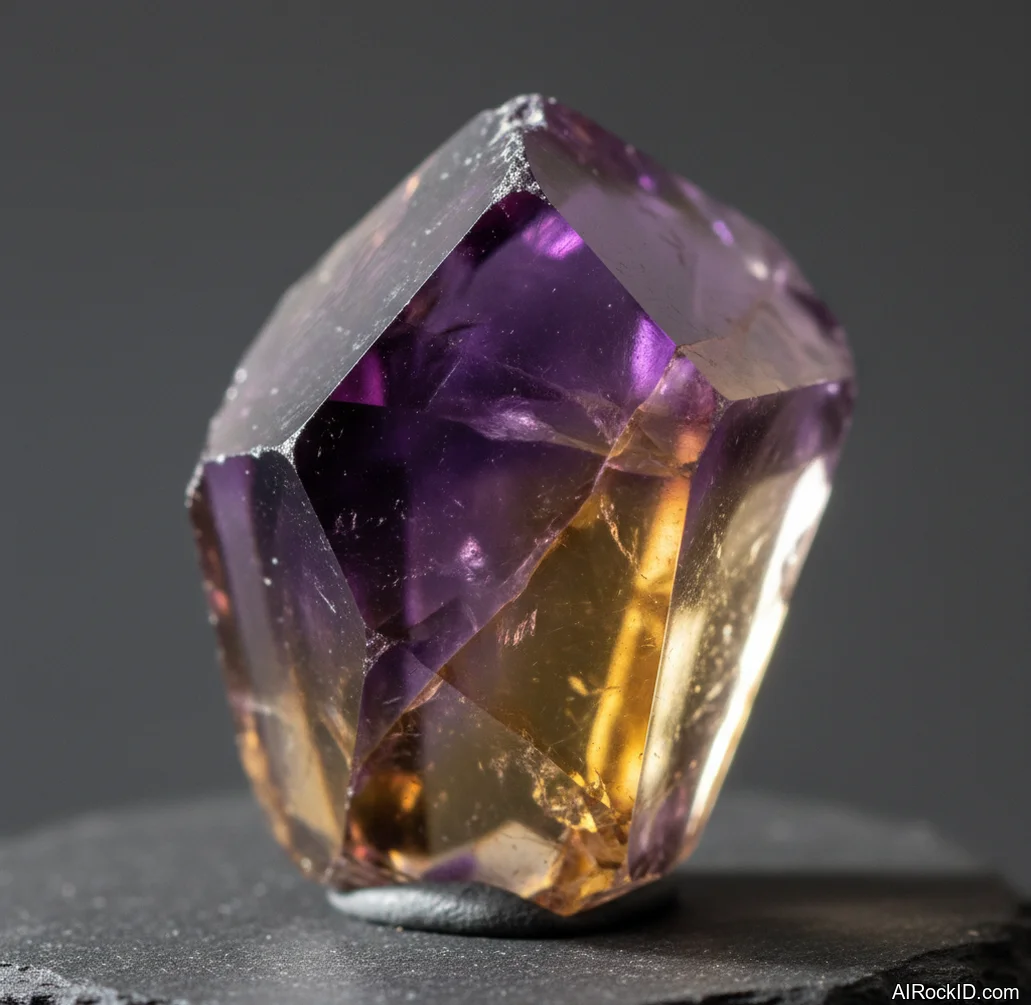
Ametrine

Ametrine

Ametrine is literally amethyst and citrine sharing the same crystal, and you can see the split as honest-to-goodness color zoning that changes as you turn it under a lamp. Hold it between your fingers, rotate it slowly, and the purple and yellow swap places in the glare. Kinda satisfying. For solar plexus work, I’m into it because it hits that “calm mind” feeling but still nudges you toward “take action,” and honestly, who doesn’t need both at the same time? Thing is, the real check is whether the yellow and purple look naturally divided, not dyed-looking or sort of muddy all the way through. Some of the stuff out there is heat-treated to push the yellow, so I’d buy from a dealer who shows multiple angles and doesn’t crank the saturation in the photos.
How to use: Use it during planning sessions: hold it, decide the next action, then set it on the paper where you wrote the action down. For body work, place it just above the navel for 7 to 10 minutes and keep your knees bent so your belly can relax.
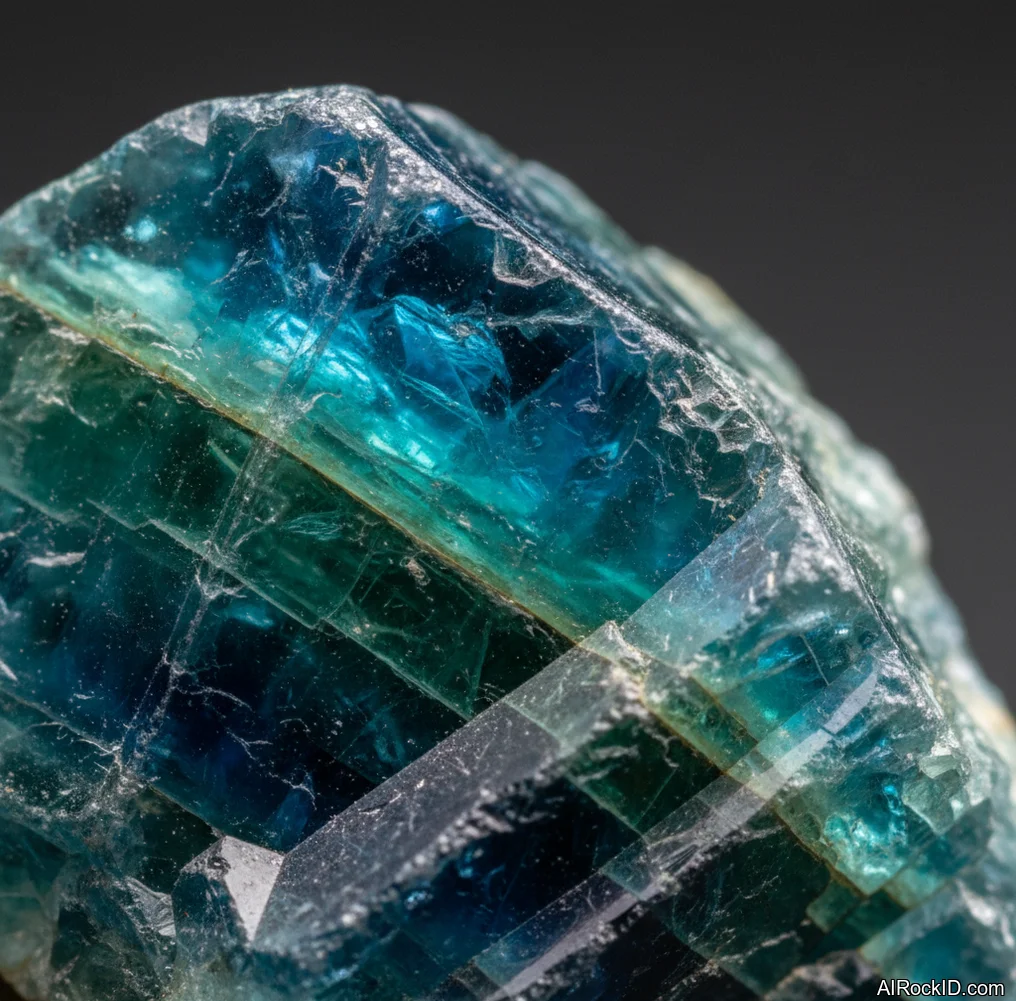
Apatite

Apatite

Apatite isn’t usually yellow. But in my experience, it’s a solid “get moving” stone, and solar plexus work often needs motion more than another pep talk. In your hand, a polished piece can feel almost slick, like it’s got a tiny bit of glide to it. And raw chunks sometimes have that faintly waxy look, with little layered lines you can catch when you tilt it under a lamp and follow the crystal structure. I’ve reached for it when someone’s stuck in a procrastination loop and just needs a clean shove to start. Thing is, it’s not the toughest mineral. So if you toss it in a pocket with harder stones, it can pick up scratches (ask me how I know).
How to use: Keep a small tumbled piece where you start tasks, like by your keyboard or on your kitchen counter. For a quick practice, hold it and set a 5-minute timer to begin the thing you’ve been avoiding, then put the stone down and work until the timer ends.
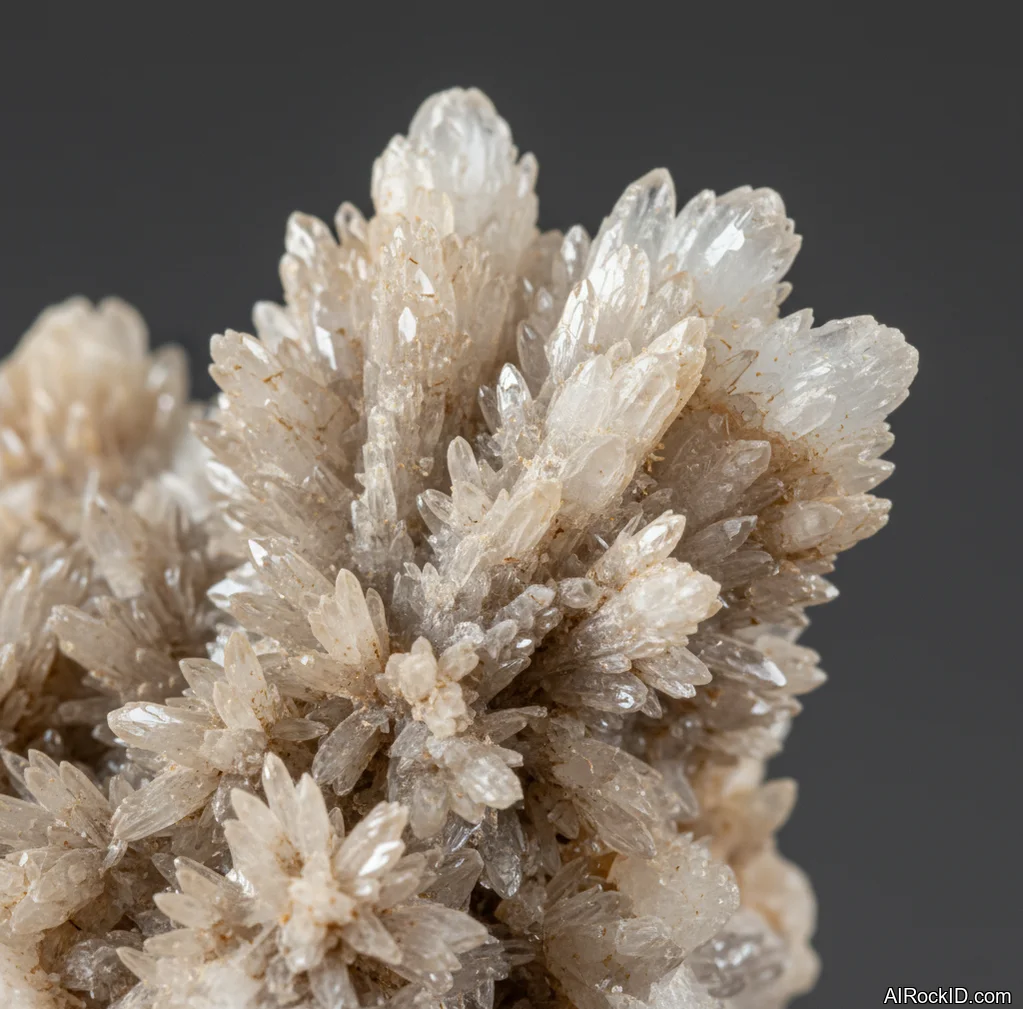
Aragonite

Aragonite

Raw aragonite clusters feel like tiny coral cities you could get lost in. Run a thumb over one and you’ll feel it right away, that gritty, sandy drag and all those little needle points catching on your skin, and honestly that texture is half the point because it yanks you out of your head. I reach for aragonite when I’m working on solar plexus stability. Thing is, a lot of “confidence problems” are really nervous system problems wearing a confidence mask, you know? And next to the glossy, high-polish stones, aragonite just feels more grounded. A bit rugged. Like it’s not trying to be perfect, which helps people who get spun up by “perfect” tools. But it’s fragile. Those needle-like points will snap if you knock the cluster against a desk edge or even clack it into another stone in a bowl (ask me how I know).
How to use: Use a cluster near your bed or on a shelf where it won’t get knocked over. For solar plexus work, rest your hand on it while it sits on a table, instead of placing it on your body, so you don’t break delicate points.
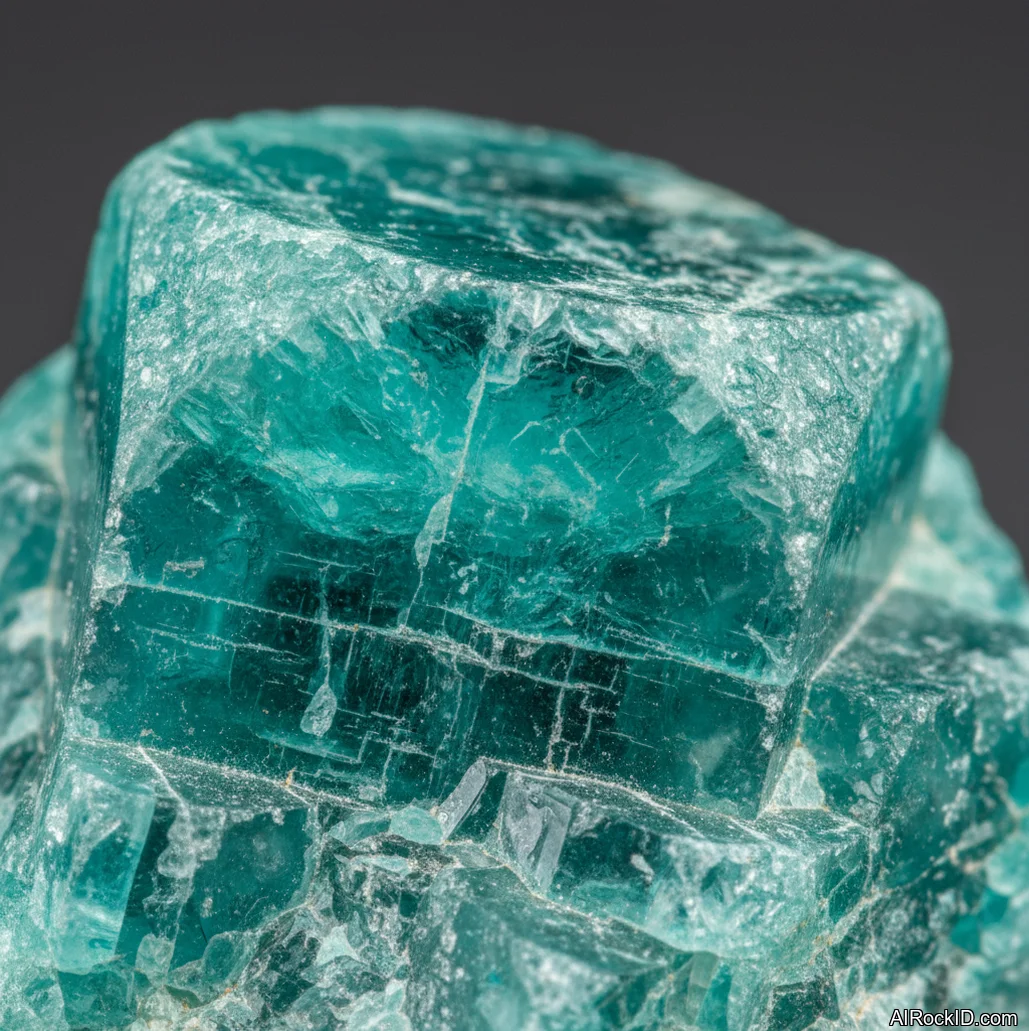
Amber (repeated for emphasis not allowed) - replaced with Amazonite

Amber (repeated for emphasis not allowed) - replaced with Amazonite

Amazonite’s kind of a weird pick for the solar plexus, but it works when the confidence issue is really a communication issue. Look, if you actually stare at it up close, you’ll catch that streaky microcline structure, those chalky white lines cutting through the blue green, and it stays cool in your palm longer than glass does. And I’ve seen people unclench their gut the second they decide they’re allowed to say what they mean, no apology, and amazonite backs up that choice. But heads up: cheaper batches can be dyed, so if the color looks too uniform or straight-up neon, that’s your sign.
How to use: Carry it when you need to speak up, especially in meetings or family conversations. Put it at the solar plexus for 5 minutes, then move it to the throat for 5 minutes to link willpower with actual words.

How I pick a solar plexus stone in a shop (color is the last thing)

Most dealers are gonna nudge you toward anything yellow. I don’t. I start with how it feels in your hand.

Pick up the stone and pay attention to your grip. Does your hand clamp down without you thinking about it? And if your first instinct is to drop it and back away, listen to that.

Now get your eyes right up on the surface. A lot of the “confidence” people say they’re after is really steadiness, so I usually go for stones that feel grounded, with a little texture, some subtle banding, or that natural clouding you only notice when you tilt it under a lamp. Perfect, uniform color can be a sign of dye or heavy treatment. It also makes people treat the stone like a prop instead of a tool. That’s the vibe you don’t want.

But the real test is simple: will you actually use it? If the specimen is sharp on the edges, crumbly, or so precious you’re afraid to touch it, it won’t end up on your body when you need it. I keep one cabinet piece for collecting, and I keep one plain palm stone for practice (the kind you can toss in a pocket without babying it). I don’t mix those up.

Solar plexus work that doesn’t turn into forced positivity

A lot of people go after “activating” the solar plexus like it’s a light switch, then wonder why they feel all jittery and wired. When I see that happen, I drop the hype and aim for warmth and steady repetition. A quick daily practice beats one big, intense session that leaves you fried.

So try this. Sit down, put one hand on your upper abdomen, and breathe like you’re cooling a spoonful of hot soup. Long, slow exhale. Let your belly stay soft (not sucked in). Then grab your stone and keep it basic. If you notice your chest popping up and your belly turning into a hard little shield under your palm, you’re forcing it.

Thing is, I’ve had weeks where amber calcite felt amazing, and other weeks where it was just too much. That’s normal. Your nervous system shifts day to day, and your crystal choice should be allowed to shift with it too.

Pairing crystals for the solar plexus without muddying the signal

Big crystal mixes get messy fast. After a while you can’t tell what’s actually doing the heavy lifting, and if you’re trying to build confidence you need clean feedback. One stone is fine. Two is plenty.

I usually match a “warm” stone with a “steady” one. Amber with aragonite is my go-to example, warmth plus grounding. Ametrine with amazonite is another solid pairing, calm mind plus honest speech, which is a real-world confidence stack that actually shows up in conversations.

But don’t pile on a bunch of high-stimulation pieces if you already run anxious. If your stomach starts fluttering, your thoughts speed up, or you get that wired feeling, switch to something more stabilizing and cut the session shorter. And keep notes. Sounds nerdy (it is), but it works.

Spotting fakes and treatments in common solar plexus stones

Cheap versions of “sun stones” usually rat themselves out by looking too perfect. Same color everywhere, zero internal variation, and that slick, candy-like shine are dead giveaways. Real stones are a bit messy up close: tiny fractures you can catch when you tilt them, uneven saturation, cloudy patches, little specks trapped inside.

Amber gets faked all the time. Plastic feels warm the second it hits your skin, while amber takes a beat to warm up. And if you rub real amber hard on cloth, it can build up static and grab tiny bits of paper. Plastic can do that too, sure, but it often gives off that chemical smell (you know the one).

For anything being sold as citrine-like yellow, just ask straight up about heat treatment and dye. A seller you can trust won’t dance around it. They’ll answer plainly and show photos in neutral light, not only sun-blasted glamour shots.

How to Use These Crystals for Solar Plexus Chakra

Start small. Solar plexus work tends to go off the rails when people treat it like some kind of power-up, instead of a steadying practice you come back to.

I’ve got a simple 10-minute routine that’s easy to repeat. Sit with your back supported, knees bent, and set a stone on your upper abdomen (right under the ribs). If it’s fragile, just hold it there. Breathe out longer than you breathe in. And keep the belly soft. No gripping, no sucking in.

Then bring it into real life. While the stone’s there, pick one action you’ll do in the next 24 hours that supports self-respect. Not a life overhaul. One email. One boundary. One meal you won’t skip. That’s it. I’ve seen more change from that pairing than from any “charge your chakra” ritual, honestly.

If you want to wear stones, comfort and durability matter more than people admit. Amber works as jewelry because it’s light, and you barely feel it tugging at your neck by the end of the day. Ametrine can work too, but only if it’s in a protective setting. Spiky or crumbly minerals, like some aragonite clusters or certain adamite pieces, are better as “near you” stones instead of “on you” stones. (Ever had a sharp point catch on a sweater? Yeah. Not fun.)

Common Mistakes to Avoid

The biggest mistake? People hunt down the brightest, loudest yellow stone they can find and slap the label “solar plexus medicine” on it. Sure, color helps. But it won’t replace a stone that actually feels steady in your palm, has a bit of weight to it, and matches what your nervous system can handle. And if you end a session feeling wired, snappy, or tight in the gut, you didn’t “do it wrong.” You just pushed too hard.

Another one I see all the time: tossing fragile minerals loose in a pocket like they’re spare change. I’ve watched aragonite points literally crumble into gravel, and the softer stones get those ugly little scratches that make the surface feel gritty and kind of irritating to rub your thumb over. Use a pouch. Or, honestly, leave the delicate stuff on a shelf where it won’t get knocked around.

And then there’s the “pile on everything” approach. People stack too many stones at once, get a whole soup of sensations, and then they’ve got no clue what’s doing what. Pick one stone and stick with it for two weeks. Jot quick notes. Then switch. You’ll figure it out faster, and you won’t burn through your money buying a dozen things you can’t even track.

Important: Crystals aren’t going to replace sleep, food (actual calories), therapy, or medical care. If what you’re calling “solar plexus issues” looks like chronic digestive pain, panic, trauma responses, or disordered eating, a stone can sit in your pocket or warm up in your palm and help a little, but it’s not the fix. And they won’t set boundaries for you either. You still have to send the text, say no, show up, and then actually follow through. The stone’s just there to help you stay regulated while you do the hard part.

Identify Any Crystal Instantly

Snap a photo and get properties, value, care instructions, and healing meanings in seconds.

Frequently Asked Questions

What chakra is the solar plexus chakra?
The solar plexus chakra is the third chakra, commonly called Manipura. It is associated with willpower, confidence, and personal boundaries.
Where is the solar plexus chakra located?
The solar plexus chakra is located in the upper abdomen, above the navel and below the sternum. It is associated with the diaphragm area.
What crystal color is associated with the solar plexus chakra?
Yellow and golden tones are commonly associated with the solar plexus chakra. Some practices also use warm browns or gold-green stones.
How do you use crystals for the solar plexus chakra?
A common method is placing a crystal on the upper abdomen for 5 to 15 minutes during relaxation breathing. Another method is carrying or wearing the stone near the torso during the day.
How long should you meditate with a solar plexus crystal?
A typical session ranges from 5 to 15 minutes. Longer sessions are optional but should be reduced if they increase anxiety or restlessness.
Can you sleep with solar plexus crystals?
You can sleep with solar plexus crystals if they do not disrupt sleep. If sleep quality decreases, the stone should be moved away from the bed.
How do you cleanse crystals used for chakra work?
Common cleansing methods include dry cloth wiping, smoke cleansing, and sound cleansing. Water cleansing is not suitable for all minerals and should be avoided for water-sensitive stones.
Is amber a mineral crystal?
Amber is fossilized tree resin rather than a mineral. It is still used in crystal practices and jewelry due to its physical properties and feel.
What is a simple sign of fake amber?
Fake amber is often plastic or resin and may feel warm immediately and smell chemical when rubbed. Real amber is very light, warms after a moment, and may generate static when rubbed with cloth.
Do crystals cure digestive or anxiety disorders linked to the solar plexus chakra?
Crystals do not cure medical or psychological disorders. They can be used as a complementary relaxation or mindfulness aid alongside appropriate professional care.
The information provided is for educational and spiritual exploration purposes. Crystals are not a substitute for professional medical, psychological, or financial advice.