Best Crystals for Stress Relief
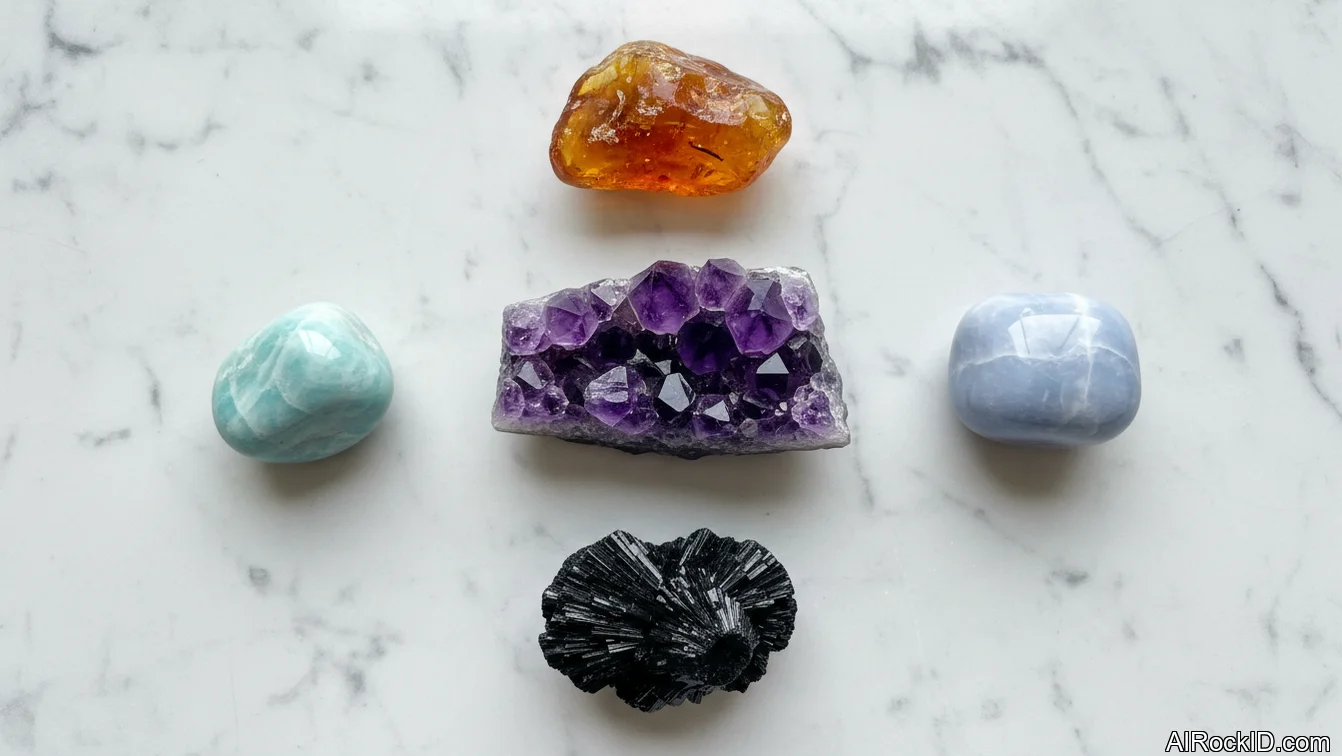
The best crystals for stress relief are the ones that consistently nudge your nervous system to slow down when you touch them, look at them, or keep one in your pocket. That’s it. No magic. More like a physical cue you can use on purpose, the same way some people reach for a worry coin or put on one specific playlist.
Pick up a solid palm stone and the first thing you clock is the temperature. Real stone stays cool for a second, then it starts to warm up against your skin, and that tiny shift alone can feel like a reset (it’s weirdly effective). I’ve watched customers come into the shop with their shoulders basically glued up by their ears, then start breathing lower just from holding a few pieces and choosing the one that feels “right” in their hand. The trick is treating the crystal like a tool you practice with, not some decoration that’s supposed to fix you from across the room. Look, if you never touch it, what’s it even doing?
Stress is messy, so keep your crystal kit simple. One stone for grounding. One for taking the edge off the mental loop. One for sleep, if that’s where you get stuck. And I’m going to be blunt: a lot of what’s out there is dyed, resin-bonded, or flat-out mislabeled, and honestly the disappointment alone can spike your stress. So I’m keeping this list to stones I’ve handled a lot, that are easy to use, and that have a consistent feel and decent availability without needing a museum-grade specimen.
Recommended Crystals
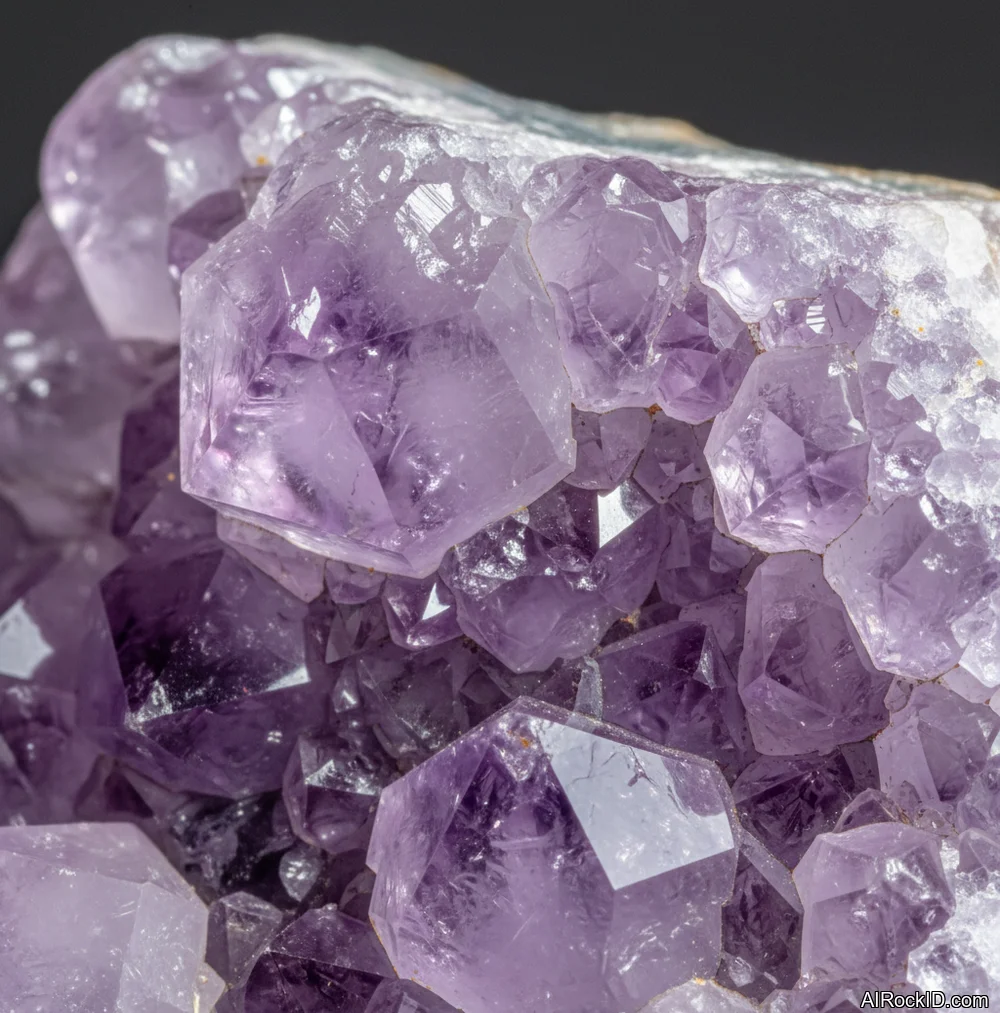
Amethyst
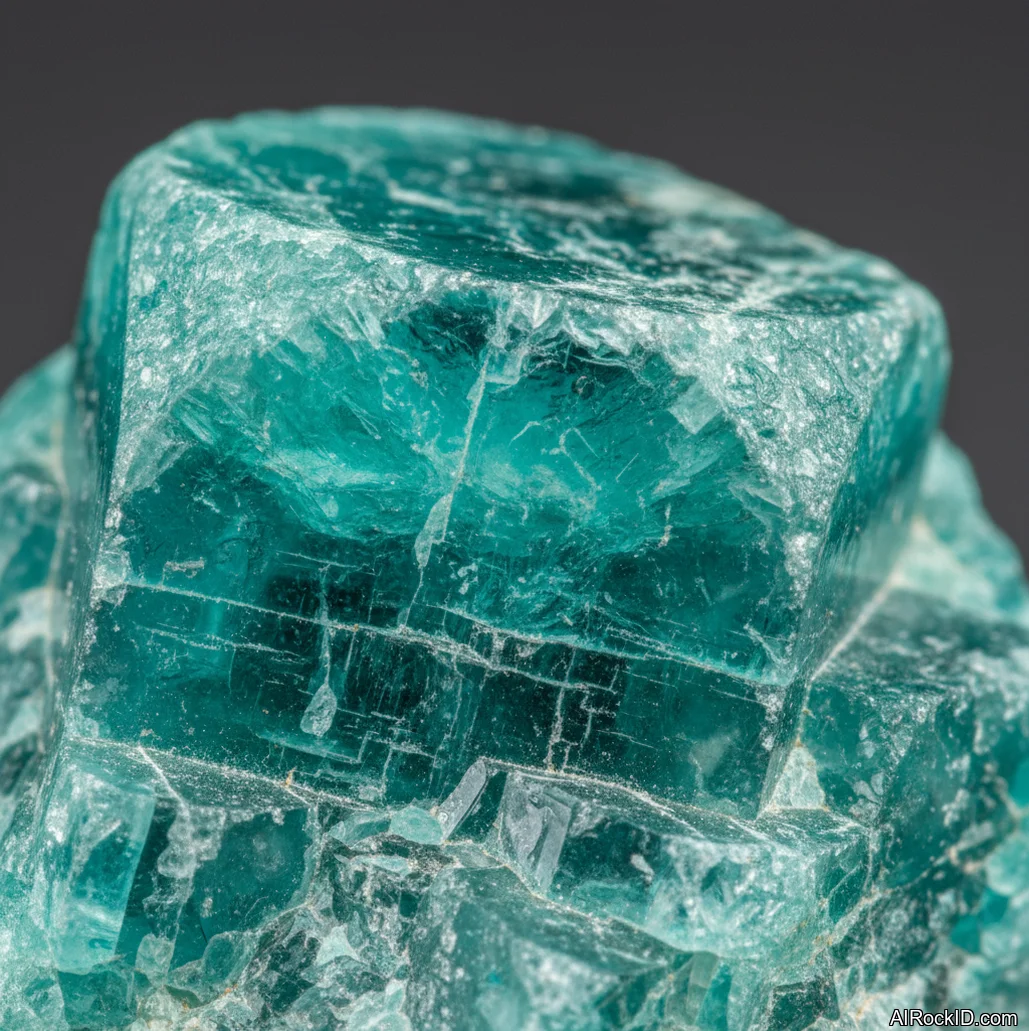
Amazonite
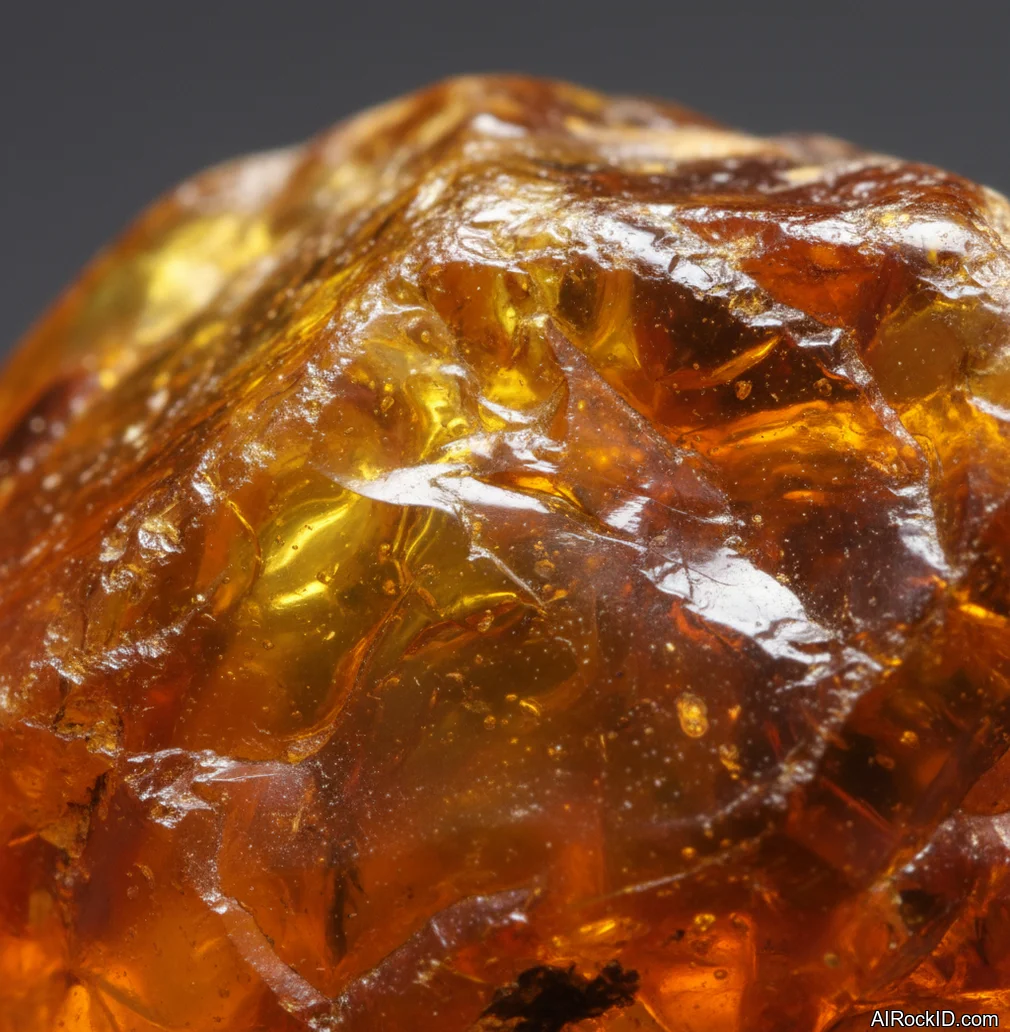
Amber
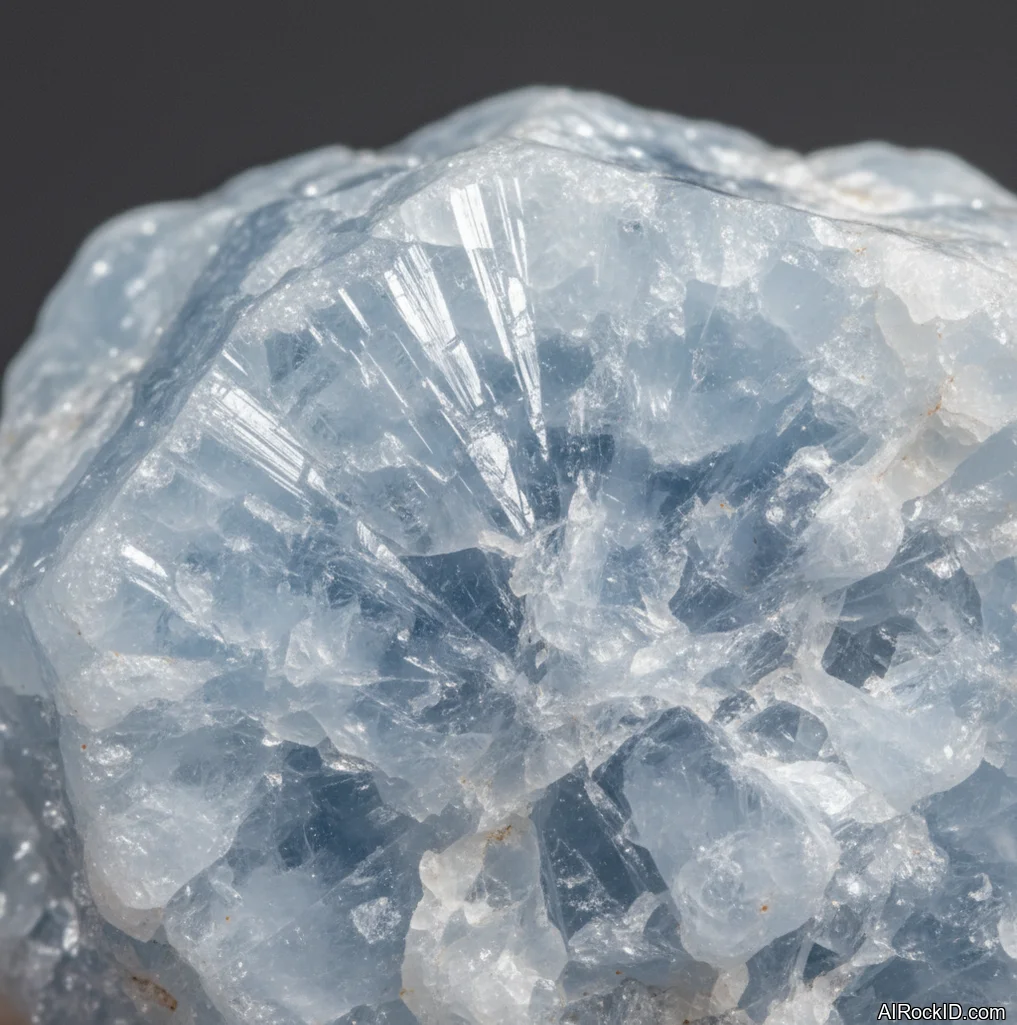
Angelite
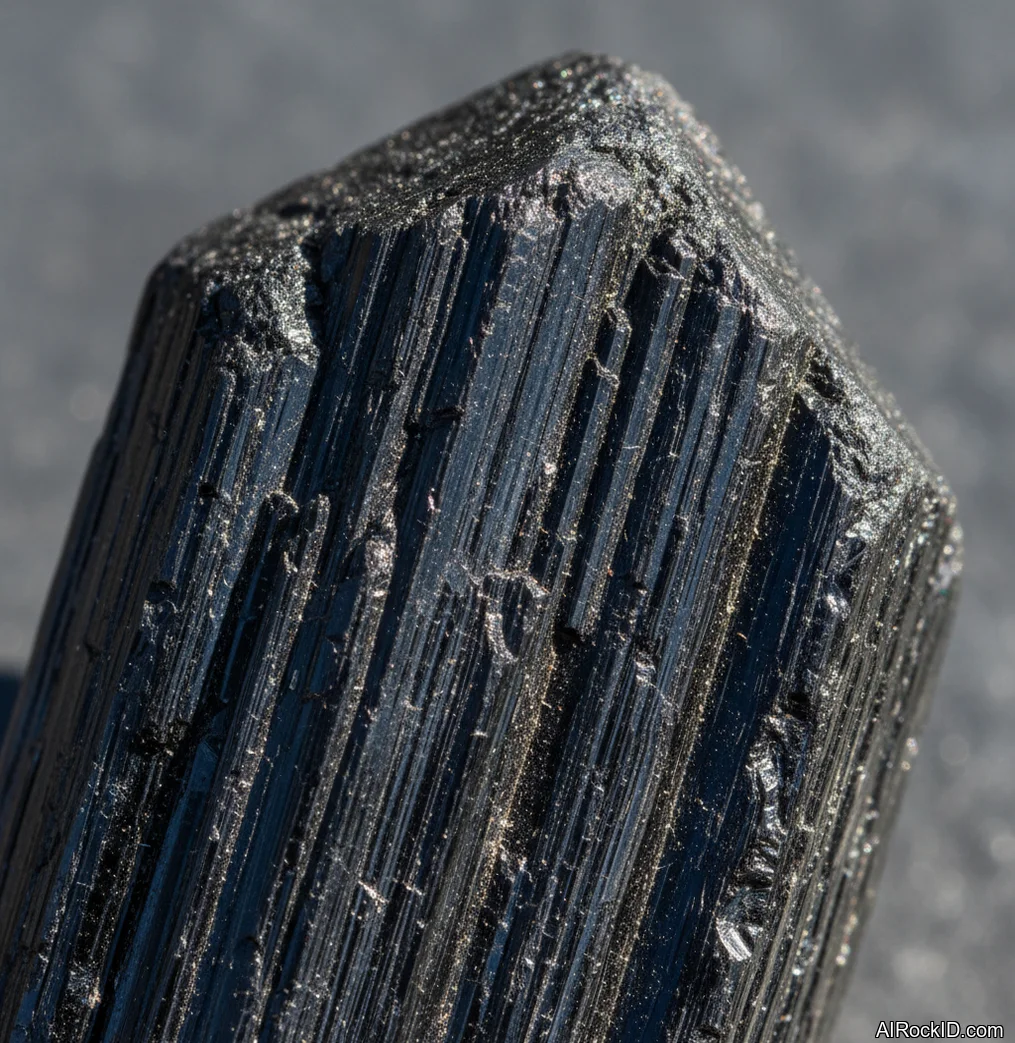
Black Tourmaline
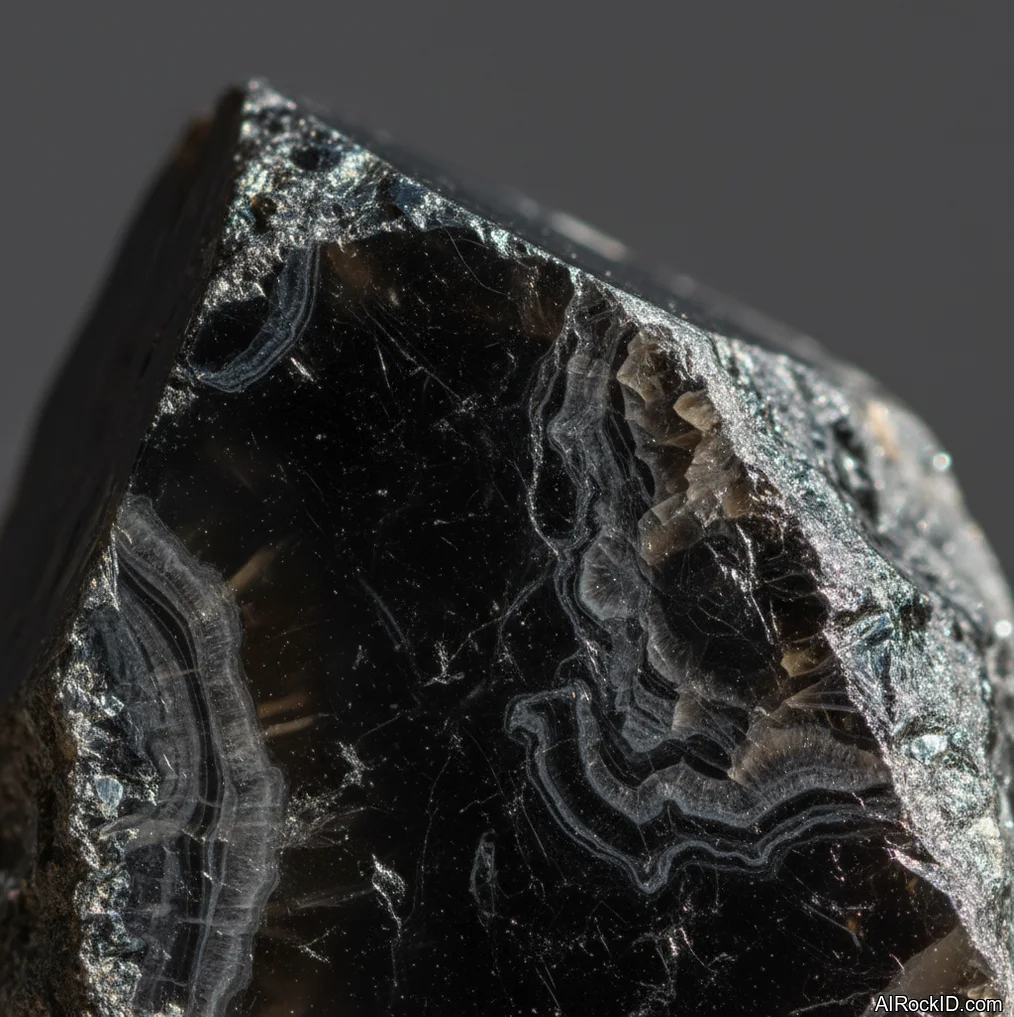
Black Onyx
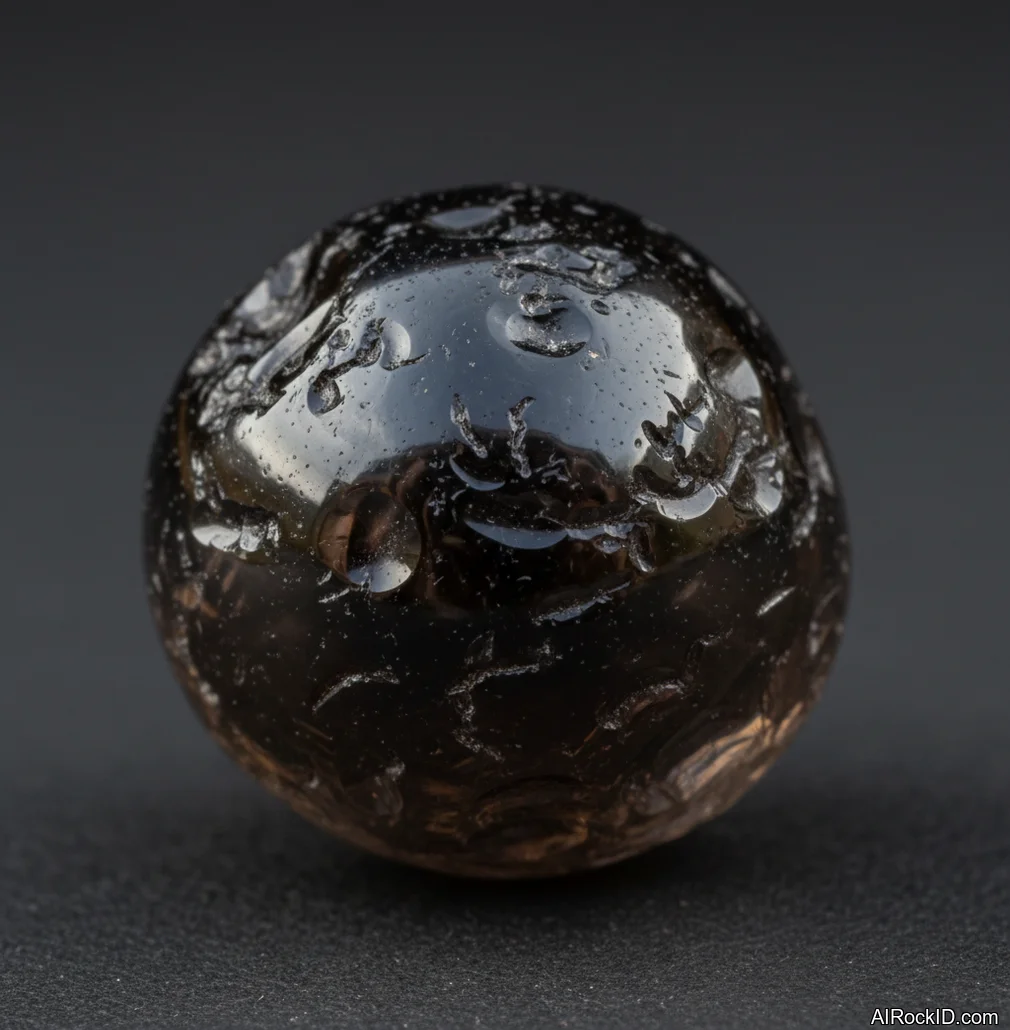
Apache Tears
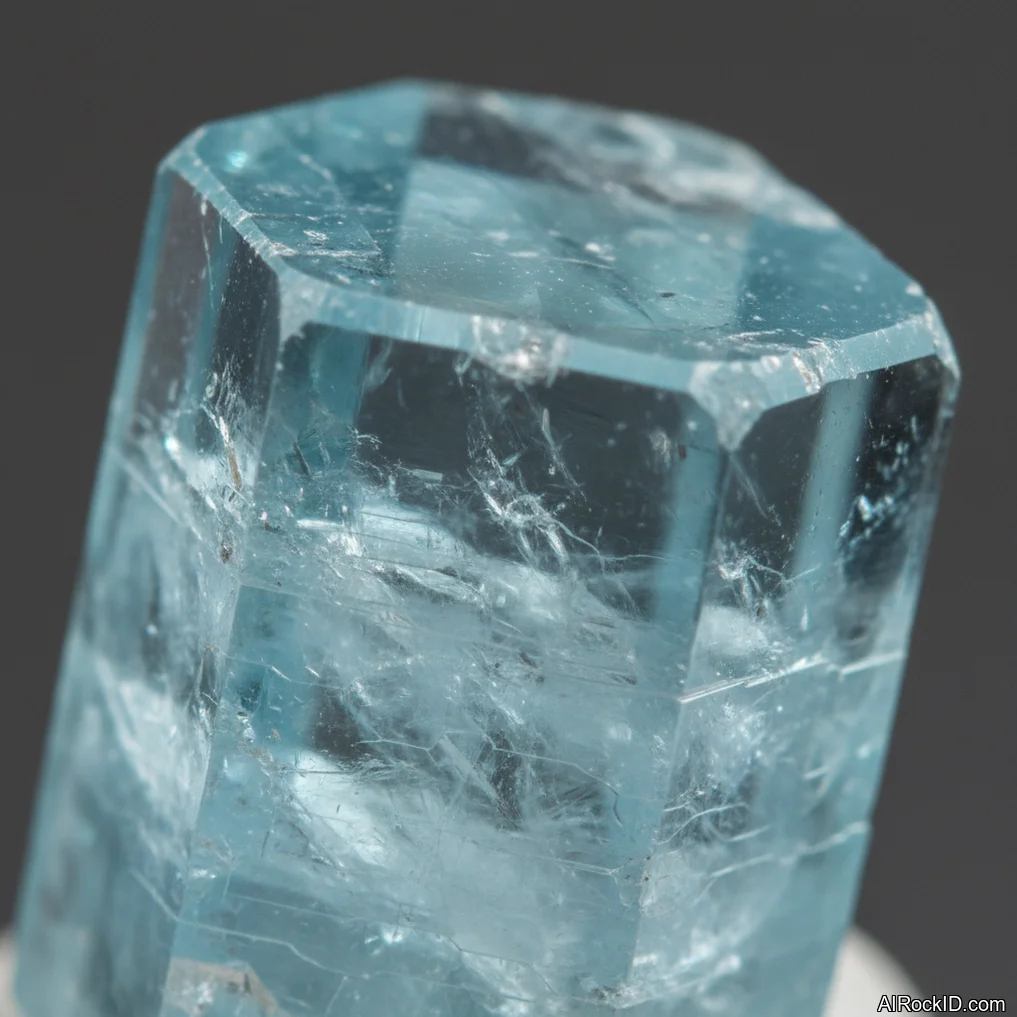
Aquamarine
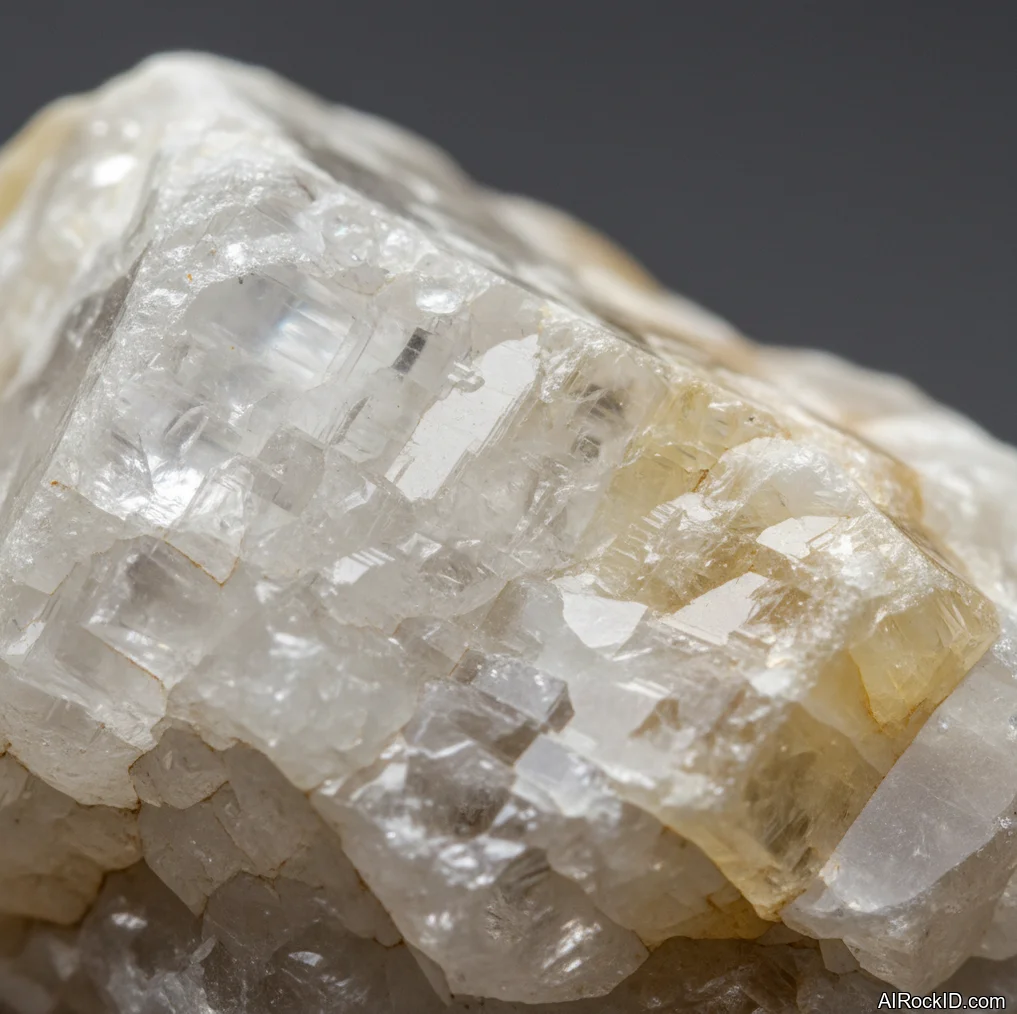
Amblygonite
Pick the stress type first, then pick the stone
Stress isn’t just one thing. For one person, it’s a brain that won’t shut up. For someone else, it’s sensory overload. And for a lot of us, it starts with sleep getting trashed, then everything else piles on top of that. If you don’t call out the pattern, you can walk out with a handful of pretty rocks, the little paper bags crinkling in your pocket, and still feel stuck.
I’ve had way better luck when a crystal has an actual job, not some vague “general calming” promise. Black stones like black onyx or black tourmaline tend to work as a boundary cue, especially when your stress is coming from being yanked in ten directions all day. Blue stones like aquamarine or angelite tend to match up well with breath and voice, and I’ve literally watched people’s breathing drop lower while they stare at a pale blue palm stone under harsh shop lights, turning it slowly so the surface catches and then loses the shine.
Grab a few candidates and do a fast test. Hold one. Close your eyes. Then notice what your shoulders do: do they creep up, or do they drop? It sounds almost too simple, but that’s real feedback from your body. If a stone makes you feel impatient, restless, or just “meh,” don’t bully yourself into liking it, okay? Stress relief is about taking friction away, not piling on another self-improvement project.
Touch beats intention when you’re stressed
When you’re actually stressed, you’re not doing some 20-minute ritual. You grab whatever’s closest, whatever you can use without thinking. So yeah, shape and finish matter way more than people like to admit.
Tumbled stones aren’t exciting. But they’re useful. They slide in and out of a pocket without catching on the lining. They won’t jab your palm when you squeeze down. A raw black tourmaline can be awesome, sure, but I’ve watched people get annoyed because the edges scratch their skin, or the piece crumbles a bit and leaves those tiny black crumbs in the bottom of a bag (gross). That’s not exactly calming.
Thing is, you should really look at the surface and pick something you’ll actually want to touch. A glossy onyx feels great for that slow thumb rub when you’re trying to come back to earth. Striated tourmaline is better if you want texture under your fingers. Amber is great when you want warmth fast. If you’re buying online, ask for a photo in someone’s hand, or at least next to a ruler. And size is everything for stress work. A stone that disappears in your palm just won’t anchor you like a proper palm stone will.
Where you place crystals in a room matters more than a grid
Most stress doesn’t float around your whole house. It camps out in a few spots: the bed, your desk, the doorway, that couch cushion that’s basically molded to your doomscrolling posture. Put the stone where the stress actually shows up. Otherwise it’s just another thing you’ll have to dust.
At a desk, I stick with one stone that looks clean and feels smooth in your hand, like something you can absentmindedly rub with your thumb while you read an email you didn’t want. Amazonite works because the streaking is calming without being busy, and onyx works because it’s visually quiet. And keep it in the exact same spot every day. Same corner, same little patch of space. So your brain starts linking “my eyes land here” with “drop your shoulders.” That’s conditioning, not mysticism.
For sleep, don’t overcomplicate it. Amethyst on the nightstand, not a pile of ten stones shoved under your pillow. If you wake up anxious, you want to reach out in the dark and know exactly what you’re touching (no guesswork, no fumbling around). I’ve also found that a stone at the front door, like black tourmaline, can create a clean transition between outside stress and home mode, but only if you actually touch it when you walk in. Otherwise it’s just sitting there. Like a paperweight.
Buying stress-relief stones without getting scammed
The thing about stress shopping is you’re not exactly in your sharpest, most skeptical headspace, and some sellers absolutely count on that. You don’t need some rare, pricey material to calm down. You need honest labels and a piece you’ll actually reach for.
Cheap “amber” is the big trap. Plastic can look weirdly convincing in photos, and that’s how people get burned. Real amber usually has tiny little bits inside, a bit of cloudiness, or natural variation, and it feels light in your hand when you pick it up. If a seller gets vague about whether it’s “natural,” don’t dance around it, ask straight up: is it pressed, reconstructed, or plastic?
Onyx is another one. Ask if it’s chalcedony onyx or calcite onyx. Both are real things, but they’re not the same.
And if something’s being sold as raw, keep an eye out for dye. If the color looks too even, too saturated, or it stains a paper towel when you wipe it with a bit of alcohol, just walk away. Stress relief shouldn’t kick off with buyer’s remorse.
How to Use These Crystals for Stress Relief
Start with one stone and one habit. Seriously. Buy nine stones and leave them sitting on a shelf, and you’ll swear crystals “don’t work,” when the real problem is you never built the cue.
Pick up the same stone at the same time every day. Morning coffee works. So does the moment you shut your laptop and your shoulders finally drop. Hold it and do one simple thing: make your exhale longer than your inhale. I do 4 seconds in, 6 seconds out, for five rounds. And while you breathe, keep your hands busy, like tracing that slightly flat edge on a tumbled amethyst or rubbing the little grooves on black tourmaline (you can feel them catch under your thumb). That tiny bit of tactile focus keeps your brain from taking off.
But when stress hits like a slap, do a 30-second emergency reset. Plant both feet on the floor, grab your onyx or apache tear, and name three textures you can feel right now: the smooth stone, the fabric on your leg, the cool air right at the tip of your nose. Then take one slow breath and let your tongue fall away from the roof of your mouth. Small? Yeah. Repeatable? That’s the whole point, because repeatable is what makes these tools useful.
Common Mistakes to Avoid
Buying a crystal that looks great online and then shows up feeling weird in your hand? That’s mistake number one. Stress relief is tactile. If it’s too sharp, too tiny, or has that plastic-y gloss that screams “fake,” you won’t grab it when you’re tense. You’ll leave it sitting there.
Second mistake: treating crystals like background decor. If the stone’s across the room, it’s not doing anything for you in the moment you actually need it. So put it where your stress happens. Next to your laptop, by the couch arm, on the nightstand where your hand lands without thinking. And make it part of a micro-routine you can stick to, not some perfect little ritual you forget after two days.
Third mistake: ignoring durability and care. Angelite gets scratched up easily. Apache tears chip. Amber hates heat. I’ve watched someone bake their favorite piece on a sunny windowsill until it looked dull and tired, then they felt worse because the “one thing helping” was suddenly ruined. Keep your stress tools low-maintenance (and out of the sun) so they stay available.
Identify Any Crystal Instantly
Snap a photo and get properties, value, care instructions, and healing meanings in seconds.