Amblygonite
What Is Amblygonite?
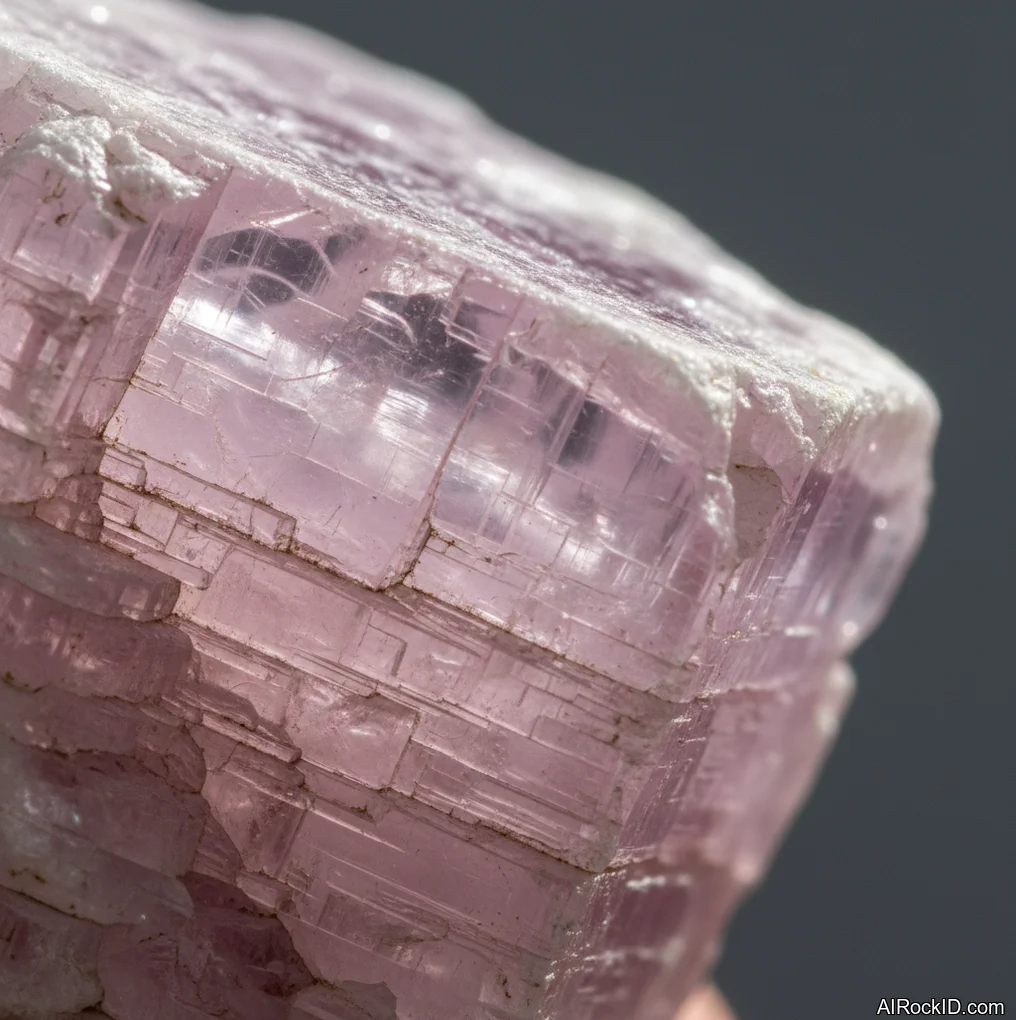
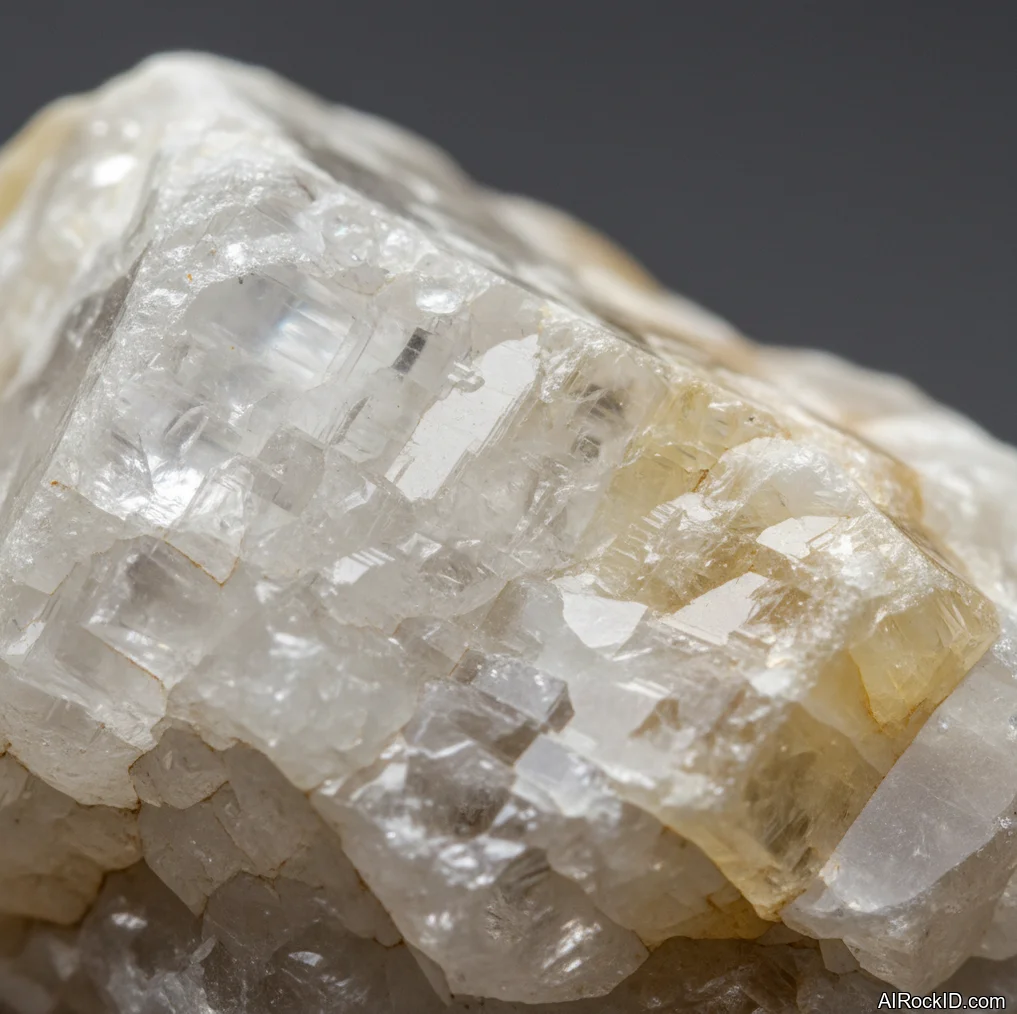
Amblygonite is a lithium aluminum phosphate mineral in the amblygonite–montebrasite series. In your hand it’s got this slightly chunky feel, even when the color looks super light, and the first thing that jumps out at me is the cleavage. Tip a fresh break under a shop light and it throws back a flat, glassy flash, then it dies off fast the second you change the angle.
People often confuse it with pale spodumene, or sometimes a washed-out beryl, especially if you’ve got a clean, light yellow piece. But amblygonite tends to read more blocky, and it doesn’t give that long prismatic vibe spodumene so often has. And I’ve handled a few bits where the edges seem almost too sharp, like it’s ready to split right along those planes if you breathe on it wrong (you know what I mean?). That’s just how it is.
Most of what you’ll find for sale shows up as rough chunks, cleavage pieces, or small cabinet crystals out of pegmatites. Faceted stones are out there, and yeah, some of them are seriously pretty, but they’re very much “look, don’t knock” gems. I once watched a pale yellow faceted amblygonite pick up a tiny bruise just from being set down next to corundum in a tray. So yeah. Lesson learned.
Origin & History
The name “amblygonite” showed up in 1817, thanks to August Breithaupt. He pulled it from the Greek for “blunt angle,” and honestly, once you’ve had a piece in your hand and you’re tilting it under a lamp, the cleavage gives it away. The angles just aren’t sharp or nicely balanced like you see on some other pegmatite minerals.
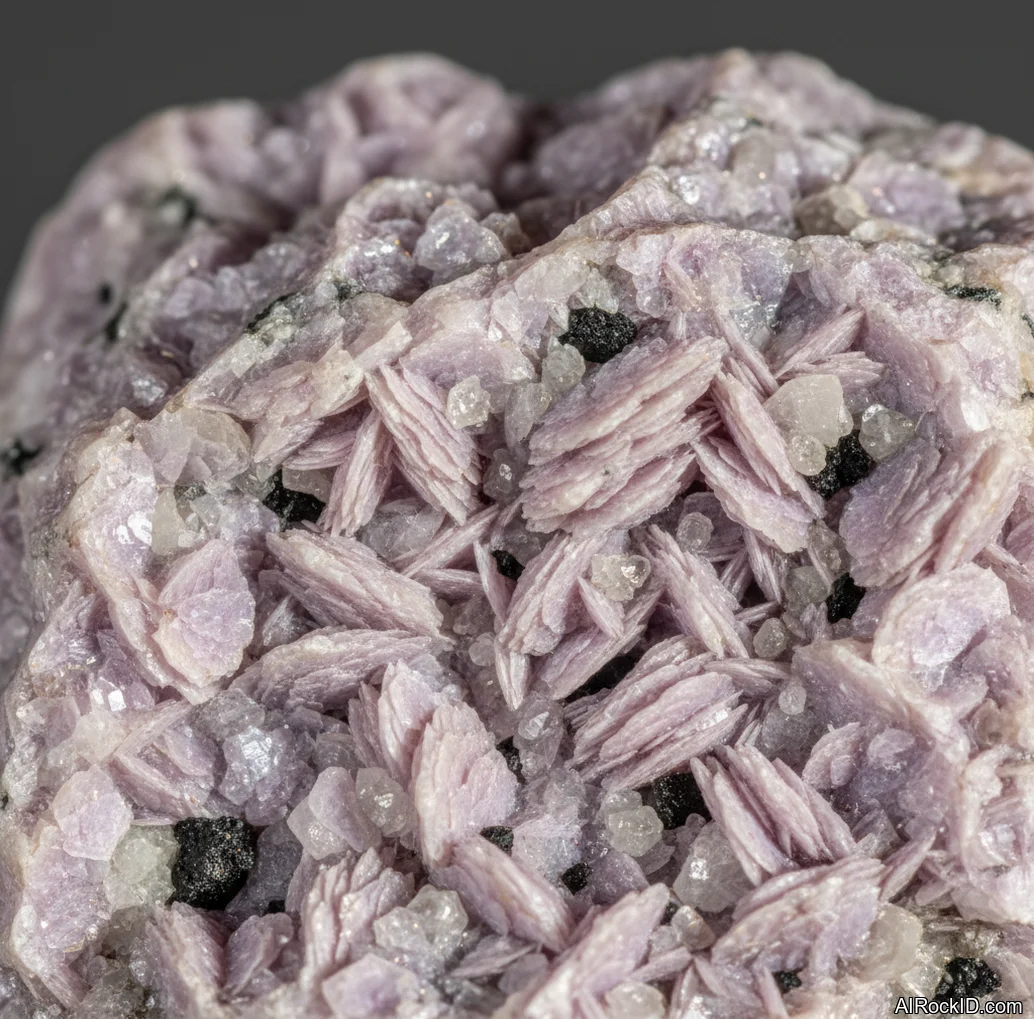
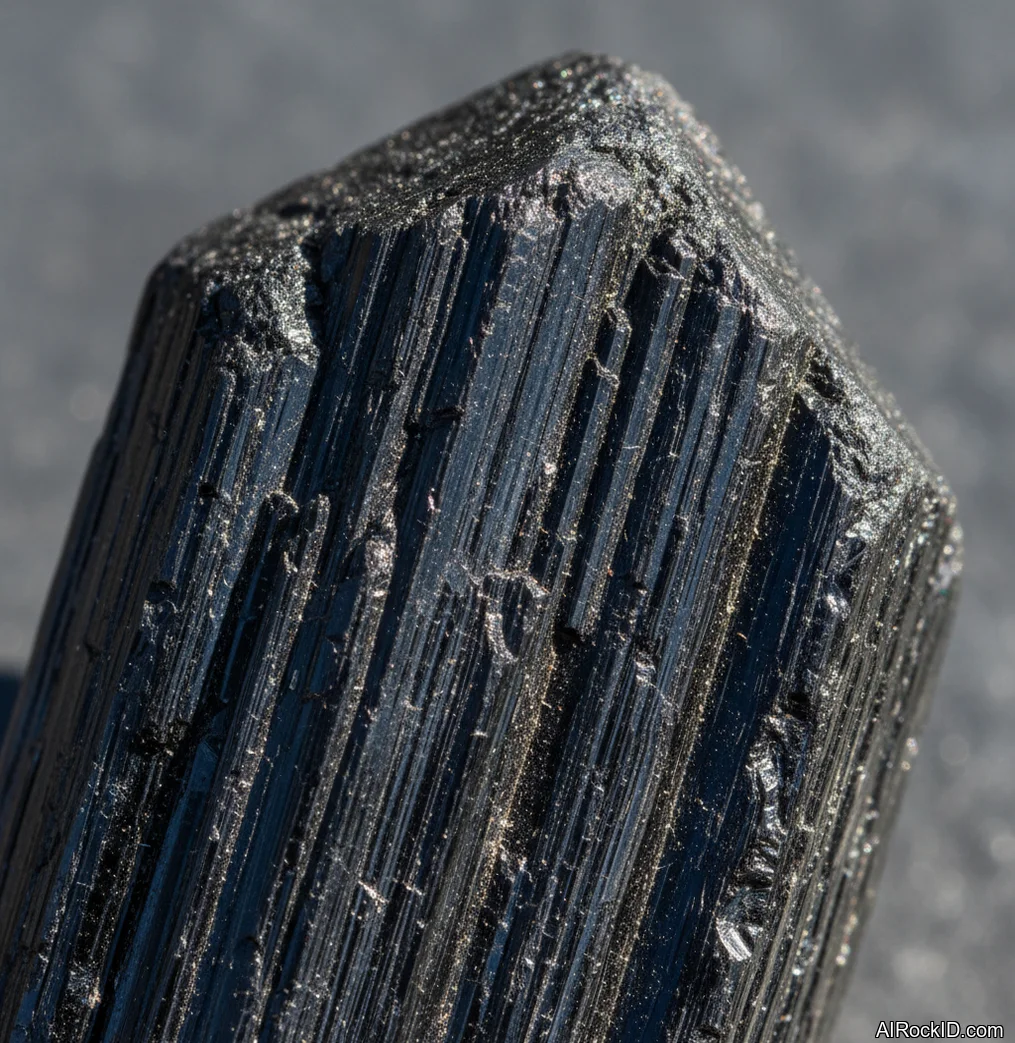
And yeah, it’s long been linked with lithium pegmatites, the same sort of pockets that cough up tourmaline, spodumene, lepidolite, plus the other collector bait people can’t resist. But amblygonite also sits in the amblygonite–montebrasite series. So if the fluorine content drops, you’ll see older labels (and a few dealers) calling it “montebrasite” instead. That whole naming tangle is real. I’ve literally re-labeled more than one box in my own cabinet after digging back through references and realizing the tag didn’t match what the series rules actually say.
Where Is Amblygonite Found?
It turns up in lithium-rich granitic pegmatites worldwide, with collectible material coming from classic pegmatite districts and a few alpine-type pockets.
Formation
Raw chunks out of pegmatites give the whole thing away fast. Amblygonite shows up late in the crystallization of granitic pegmatites, when the last bit of melt is basically stuffed with lithium, phosphorus, fluorine, and water. And that’s the same window when you start running into lepidolite books you can literally flip through, gemmy tourmaline, and sometimes those big spodumene blades parked right beside it.
But compared to quartz or feldspar, this one’s a “special conditions” mineral, no question. You won’t find amblygonite in just any granite. You need that evolved, chemically weird pegmatite juice, plus enough open space for it to actually grow. So when it does have room, it tends to show up as massive to granular material or thick, blocky crystals, and it’ll be hanging out with albite, microcline, quartz, apatite, and a whole cast of lithium minerals.
How to Identify Amblygonite
Color: Colors run from colorless to white, pale yellow, cream, and light green, sometimes with a faint gray cast. Some pieces look almost like candle wax in color, but they still read as “glassy” on a fresh break.
Luster: Vitreous to pearly, especially on cleavage surfaces.
Pick up a piece and roll it in your fingers under a single light source. Those cleavage faces flash hard, and the mineral wants to split into flat slabs if it’s already cracked. If you scratch it with a steel nail, you might get a mark, but it won’t behave as softly as calcite or gypsum. And if someone is calling a pale yellow chunk “citrine rough,” the real test is the cleavage: quartz won’t peel into plates the way amblygonite can.
Properties of Amblygonite
Physical Properties
| Crystal System | Triclinic |
| Hardness (Mohs) | 5.5-6 (Medium (4-6)) |
| Density | 2.98-3.11 g/cm3 |
| Luster | Vitreous |
| Diaphaneity | Transparent to translucent |
| Fracture | Uneven |
| Streak | White |
| Magnetism | Non-magnetic |
| Colors | Colorless, White, Cream, Pale yellow, Light green, Grayish white |
Chemical Properties
| Classification | Phosphates |
| Formula | LiAlPO4(F,OH) |
| Elements | Li, Al, P, O, F, H |
| Common Impurities | Fe, Mn, Na, K |
Optical Properties
| Refractive Index | 1.577-1.648 |
| Birefringence | 0.014-0.023 |
| Pleochroism | Weak |
| Optical Character | Biaxial |
Amblygonite Health & Safety
Amblygonite is pretty safe to handle, and it isn’t considered toxic. The real concern is mechanical stuff: it can chip easily, and those fresh cleavage edges can be surprisingly sharp (like the kind that’ll snag a fingertip if you run it along the break).
Safety Tips
If you’re going to cut or grind it, do it wet and wear eye protection. That watery slurry and the gritty dust get everywhere fast, and you really don’t want that stuff in your eyes or your lungs, right?
Amblygonite Value & Price
Price Range
Rough/Tumbled: $10 - $150 per specimen
Cut/Polished: $50 - $300 per carat
Clean transparency, that nice pale wash of color (yellow drifting into green), and a bigger crystal size can jack the price up in a hurry. But the real challenge is finding pieces that are actually sharp and damage-free, because once you’ve seen how easy these are to cleave or pick up little edge chips, you get why the value drops instantly.
Durability
Nondurable — Scratch resistance: Fair, Toughness: Poor
It’s stable in normal room conditions, but the perfect cleavage makes it easy to chip or split during setting, cleaning, or even careless storage.
How to Care for Amblygonite
Use & Storage
Store it in its own box or wrap it so harder stones don’t tap it in a drawer. I keep mine away from quartz points because one little bump can leave a crescent chip.
Cleaning
1) Rinse briefly in lukewarm water with a drop of mild soap. 2) Use a soft brush around dirt pockets, not across sharp edges. 3) Rinse and pat dry, then let it air-dry fully before putting it back in a closed container.
Cleanse & Charge
For non-water methods, I stick to smoke, sound, or setting it on a clean piece of quartz for a short time. If you’re using sunlight, keep it brief since pale stones can look washed out when left in a bright window for weeks.
Placement
Best spot is a stable shelf where it won’t get bumped. If it’s a cleavage chunk, lay it flat so the weight isn’t sitting on a thin edge.
Caution
Skip ultrasonic and steam cleaners on any amblygonite jewelry. And don’t just chuck it loose in your pocket or drop it into one of those mixed “crystal bowls” where everything clacks together, because its cleavage and low toughness mean it’ll bruise and chip fast.
Works Well With
Amblygonite Meaning & Healing Properties
Look at amblygonite up close and you’ll see why people talk about it as a “quiet the noise” kind of stone. The color tends to be soft, and when light catches those cleavage planes it throws back this calm, tidy sheen that just sits nicely on a desk. I keep a pale yellow chunk by my keyboard during long study weeks, mostly because it’s just… nice to glance at when my brain’s ricocheting all over the place.
But here’s the real deal: it’s fragile, and that changes how you use it in everyday life. If you love tossing a stone in your pocket and rubbing it with your thumb all day, amblygonite isn’t the one. I’ve literally seen a friend’s piece flake down into little plates after a few weeks of pocket time. Mine does better as a “don’t move it” stone. On a shelf. Next to a notebook. In a tray where it won’t get bumped.
On the metaphysical side, people link it with gentle clarity, smoothing out stress, and helping you get unstuck when you’re spiraling in your own thoughts. I treat that as a personal practice, not medicine. So if I’m using it on purpose, I’ll hold it for a minute, feel those cool flat faces (they’ve got this slightly slick, tile-like feel), then set it down and do the actual work: journaling, planning, or honestly just resting. Because what’s the point if you don’t follow through, right?
Identify Any Crystal Instantly
Snap a photo and get properties, value, care instructions, and healing meanings in seconds.