The best crystals for studying are the ones that keep you grounded, knock down distractions, and just feel right in your hand while you’re working. I’m not talking about “magic grades.” I mean small, repeatable cues that push your brain into study mode, the same way one specific playlist or that one clean corner of your desk does.
Pick up a solid piece and you’ll feel how physical the whole thing is. A dense stone has that satisfying weight in your palm and it kind of pulls your attention back into your body. And a glassy crystal stays cool longer than you’d think, especially after you’ve had it sitting against your skin while you read. That sensory stuff matters when you’re trying to stay locked in for 40 minutes instead of grabbing your phone every five. Seriously, who hasn’t done that?
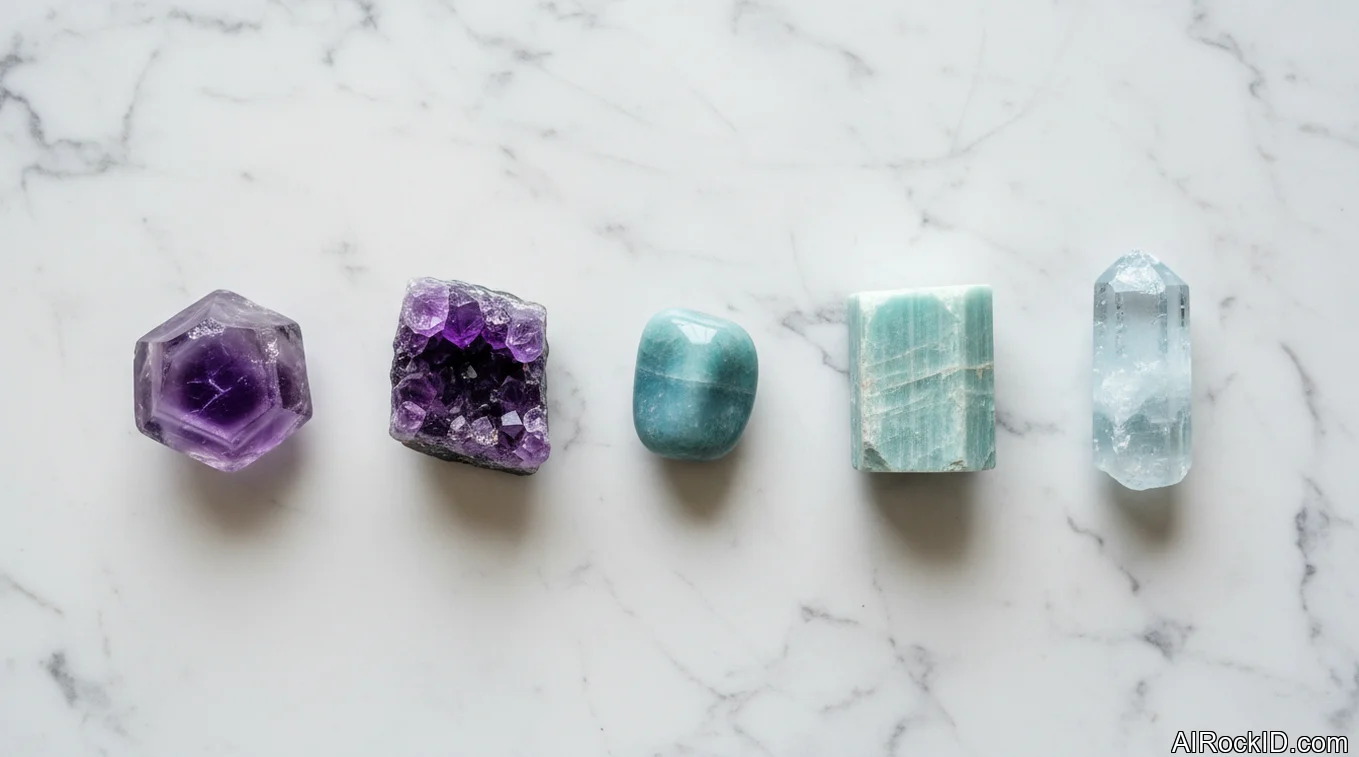
I’ve tested a lot of “study stones” on my own desk, and I’ve watched customers do the same thing. The ones people actually keep using are usually pretty straightforward: calming without making you drowsy, clear without making you feel wired, and sturdy enough to get knocked around in a backpack (keys and chargers included). So you’ll see a mix here, from classic amethyst to more niche picks like arfvedsonite, because different brains click with different textures and vibes. Use them like tools. Pair them with a timer, water, decent lighting, and you’ll get the best results.
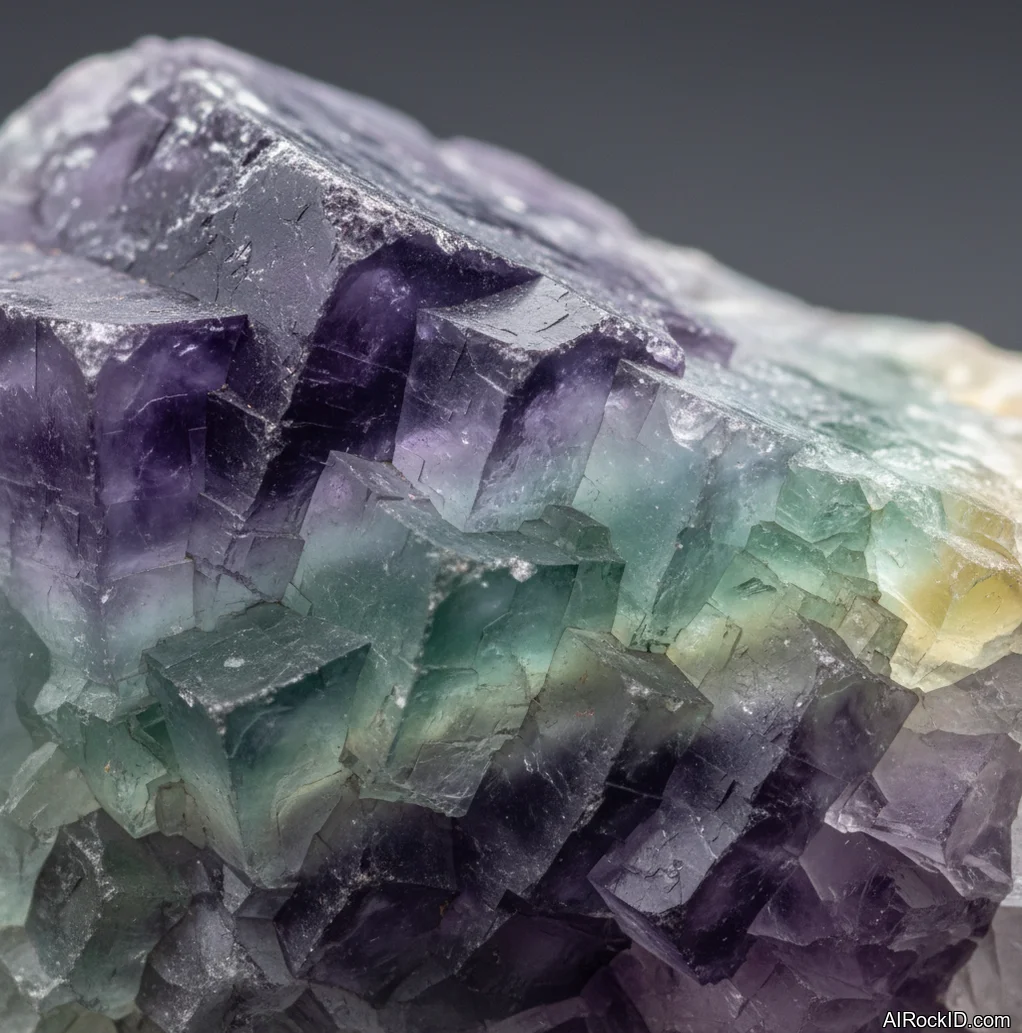
Fluorite is one of the rare stones I’ve watched people leave on their desk for years, mostly because it makes the whole area look kind of “sorted” without you doing anything. And if you stare at a banded piece for a second, your eyes start following the stripes on their own, which sounds silly but it’s steadying when your brain’s hopping around. Grab a cube and you can feel it settle flat, like it wants to sit perfectly square (no wobble), nudging you to keep the next step clean and straightforward. But yeah, it chips fast, so it’s awesome as a desk stone and not what I’d pick for something rattling around loose in a pocket.
How to use: Set a chunk or a cube at the top-left of your desk and don’t move it during a study block. If you’re reviewing notes, touch it at the start of each new section as a physical reset. Keep it out of direct sun if the color is strong, because some pieces fade over time.
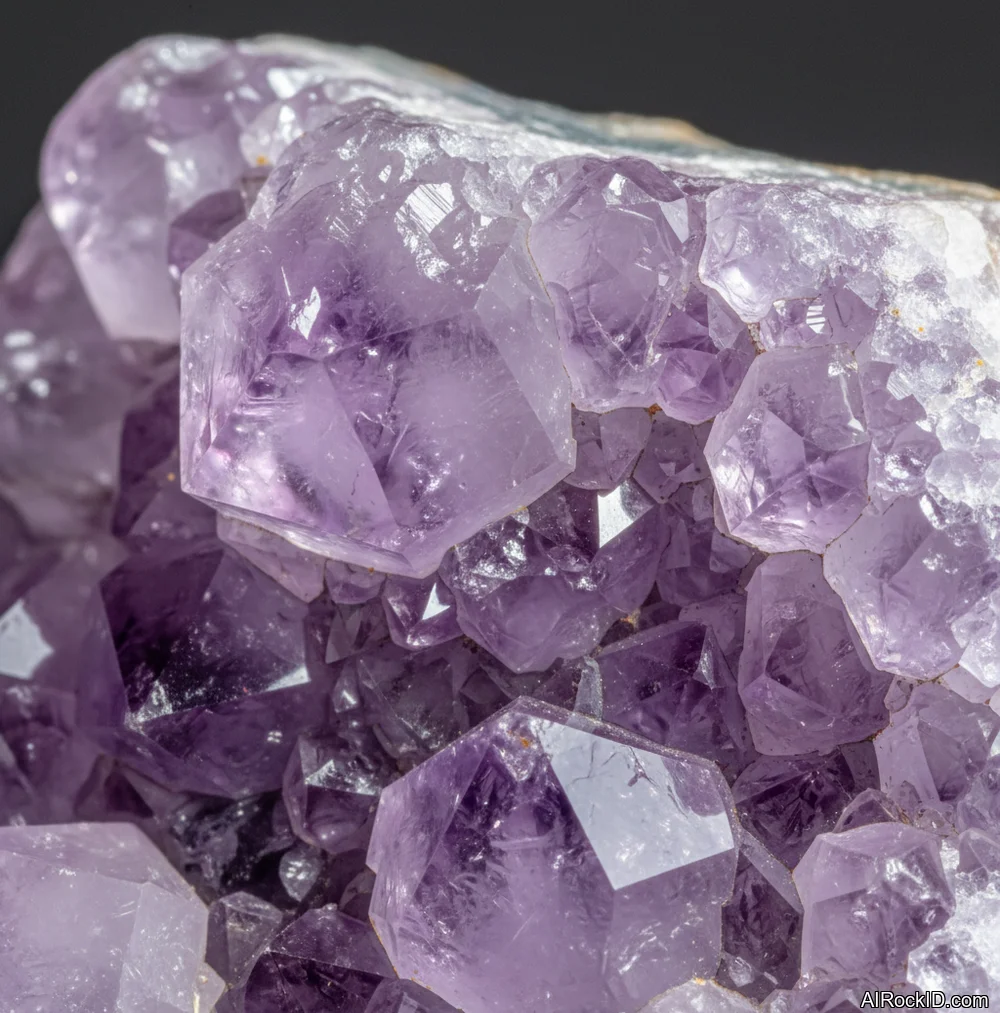
Amethyst is what I grab when I’m overstimulated, not when I’m just being lazy. The darker Uruguayan stuff has this inky purple that almost reads black until you tip it under a lamp and catch that flash of color, and it feels weirdly “quiet” in a way that makes reading-heavy work easier. And yeah, lots of people lean on it to take the edge off caffeine jitters so they can actually sit still. But if you already deal with drowsiness, a big amethyst cluster can nudge you straight into nap mode.
How to use: Use a small tumbled piece in your non-dominant hand during practice questions, then set it down when you switch to writing. If you’re studying at night, place it near the lamp but not where it’ll heat up. Rinse it quickly after a stressful week and let it dry in a drawer, not a sunny windowsill.
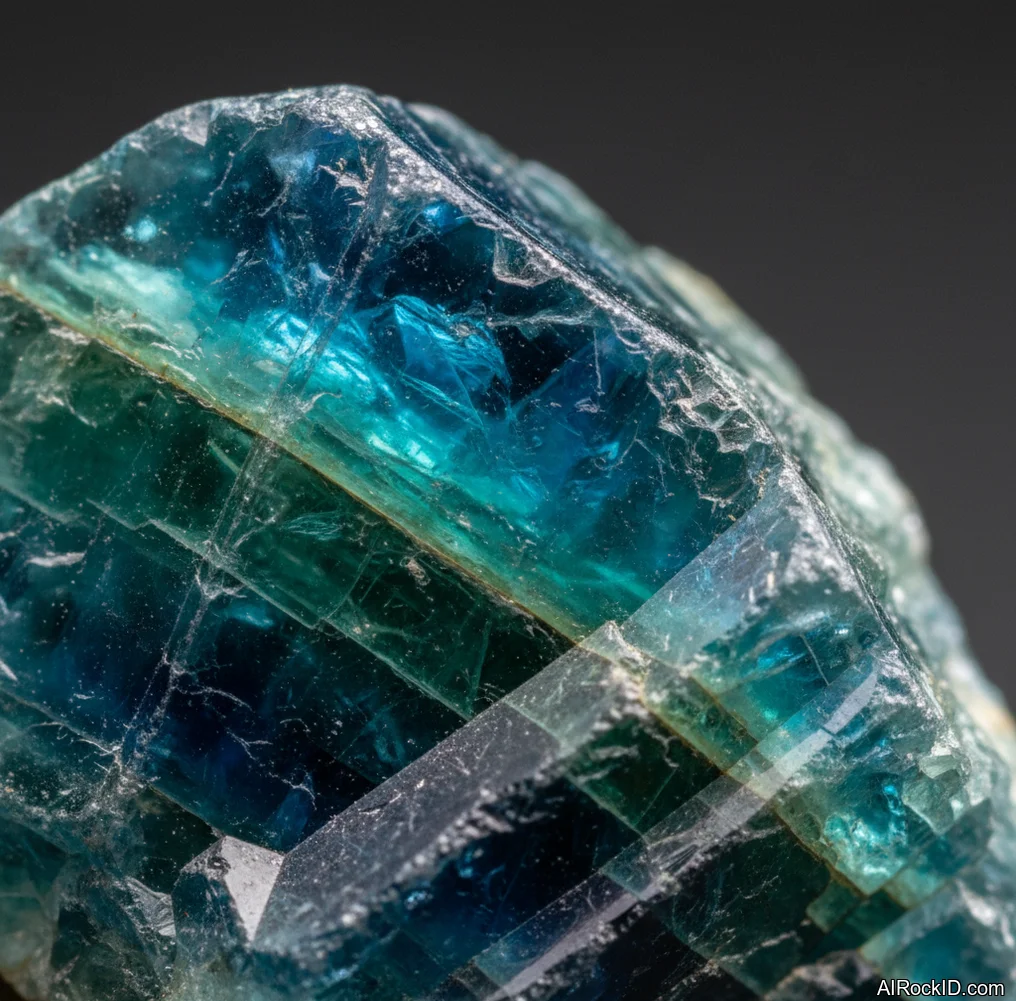
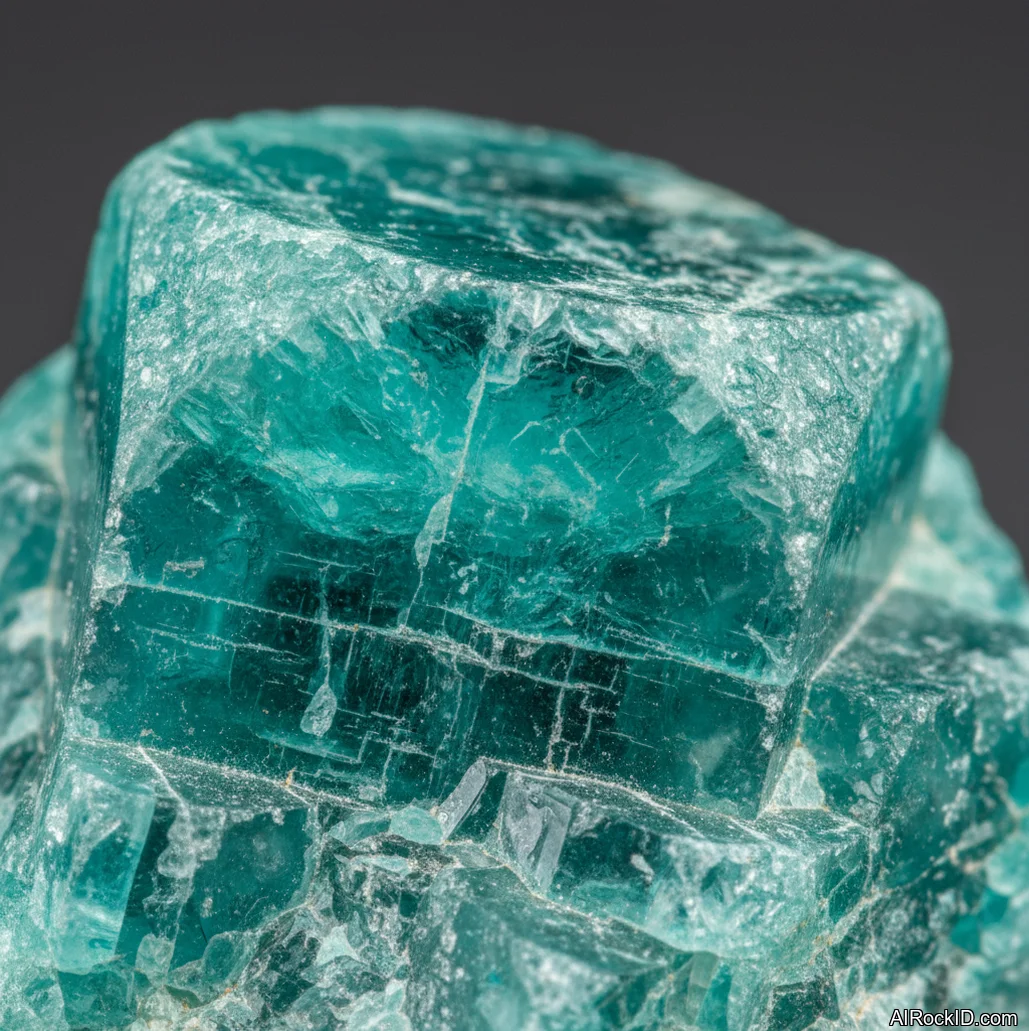
Apatite hits a lot of people with this instant “wake up” jolt, and it’s strongest with the blue-green pieces that, under bright light, honestly look like tropical water. Put it next to amethyst and the vibe flips. Not calm. More like mental appetite, like you suddenly want to lean in and actually engage with the material.
Raw apatite has this slightly waxy feel, and the edges read soft when you roll it between your fingers. Hard to ignore, even just sitting in your palm. But yeah, durability is the catch. It scratches way easier than you’d expect, so toss it in a pocket with keys or coins and they’ll chew it up.
How to use: Keep apatite as a desk stone or in a soft pouch if it goes in your bag. Touch it right before you start flashcards or active recall, because it pairs well with effort-based study. If it looks dull, wash it with mild soap and water and dry it immediately.
Amazonite is the one I reach for when someone’s locked up in perfectionism or that looping, mean self-talk that hits mid-study session. The good stuff has that blue-green body color with white streaks, and if you roll a polished palm stone under a lamp, you can actually watch the feldspar structure shift a little as it catches the light. Kind of a subtle change, but it’s there.
Thing is, it reads like a gentle nudge: say it out loud. Keep going. I’ve found it especially helpful for presentations, language learning, or any situation where you’ve gotta speak and your brain wants to bail.
But watch out. Cheap dyed material is out there, and it tends to feel warm and plasticky in your hand instead of that cool, slightly gritty real-feldspar feel. (Once you’ve held both, it’s hard to un-notice.)
How to use: Put it near your throat level, like on a monitor stand, when you’re rehearsing or reading aloud. If you’re writing essays, keep it by the keyboard and squeeze it when you want to delete a paragraph out of frustration. Don’t soak it for long periods, especially if it has natural fractures.
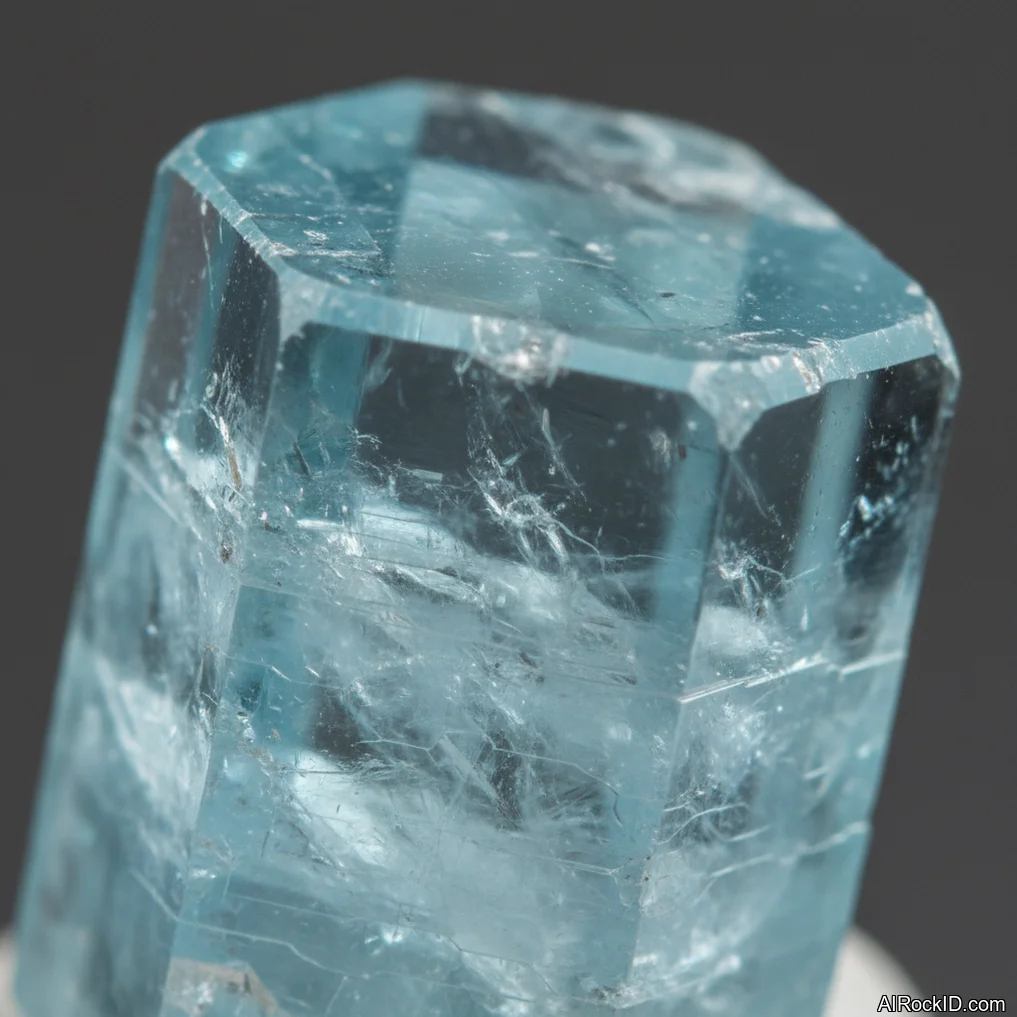
Aquamarine’s the kind of stone I reach for when studying gets intense, like exam week when your nervous system is basically buzzing from morning to night. A good piece feels glassy and cold in your hand, and even the tumbled ones have that clean, watery look that makes your eyes chill out for a beat. And I’ve noticed it can help people keep their voice steady when they’re trying to explain something complicated, which, honestly, is half of studying. But if the stone’s really pale, it can come off as too subtle (you know?) if you’re looking for something that hits like a strong cue.
How to use: Use a small tumbled aquamarine during timed practice to keep breathing smooth. Place it next to a water bottle as a reminder to drink, because dehydration wrecks focus faster than most people admit. Store it away from harder stones to avoid surface scratches.
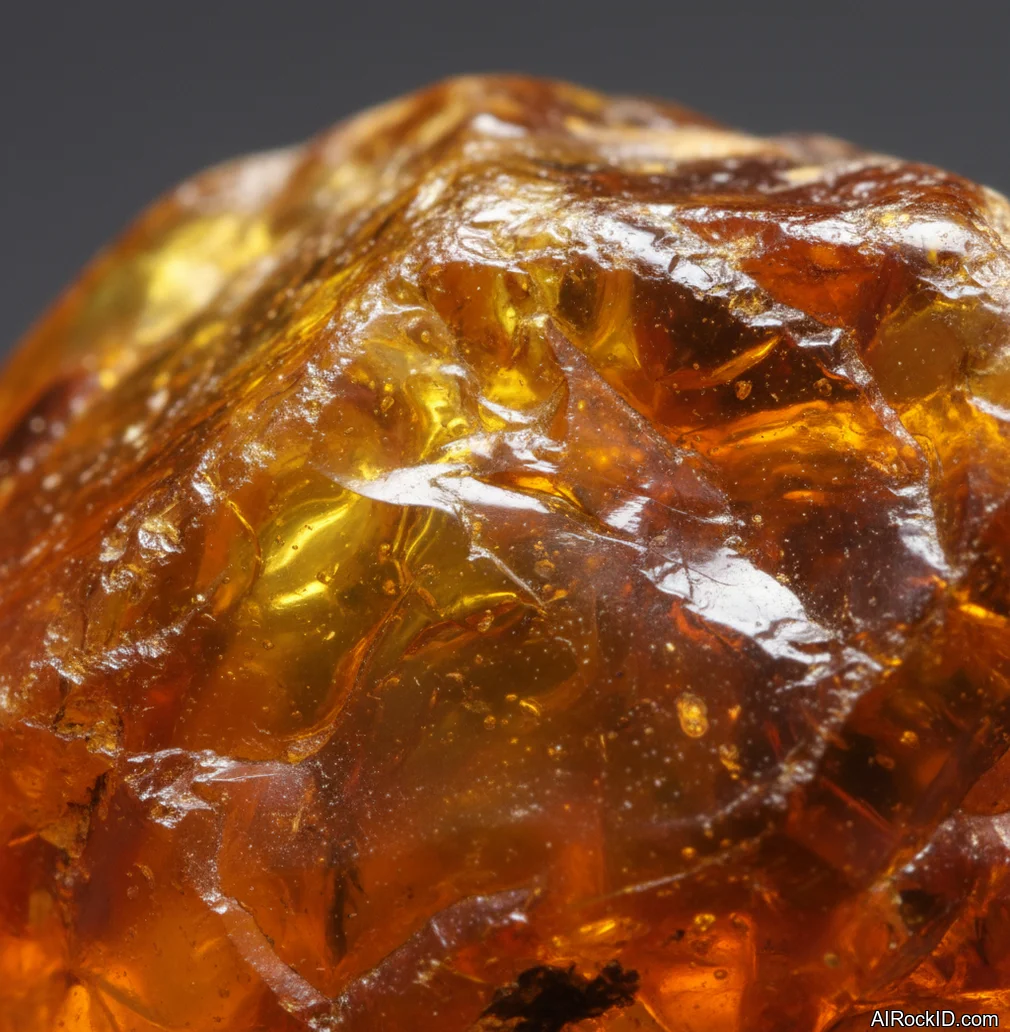
Amber isn’t a crystal in the strict mineral sense, but I still think it belongs on your desk because it’s warm, light, and genuinely mood-lifting in a practical, everyday way. Pick a piece up and it almost disappears in your hand, weight-wise, then it comes up to body temperature crazy fast, which feels oddly comforting when you’ve been stuck at the keyboard for hours. And if you hit real amber with UV light, it often fluoresces, and that little “okay, yeah, it’s legit” moment matters since fake amber is everywhere.
But there’s a catch. Amber’s soft, so it scratches easily, and it really doesn’t like heat (learned that the annoying way). So don’t park it near a laptop vent.
How to use: Keep amber as a worry stone for reading sessions or when you’re doing repetitive memorization. If you want to confirm authenticity, a quick UV check is safer than hot-needle tests. Wipe it with a soft cloth and avoid alcohol-based cleaners.
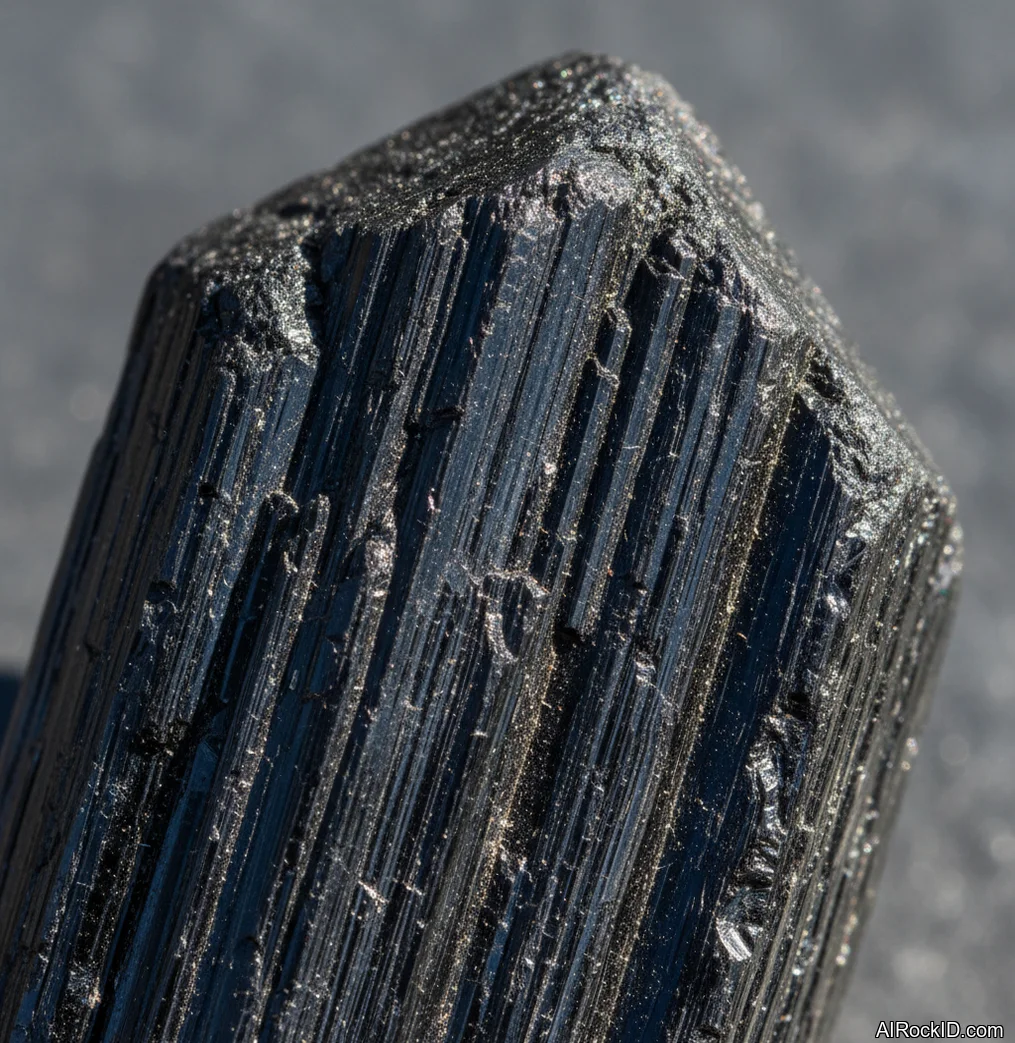
Black tourmaline is my go-to when I’m not stuck, I’m just getting blasted by noise. It’s heavy. Dense. And it’s got those straight striations, so if you drag a fingernail across a raw chunk, you feel the grooves like tiny railroad tracks. Weirdly grounding, right? That little bit of texture helps when my attention wants to wander.
And in shared spaces, it works like a boundary marker. Libraries. Dorm rooms. Anywhere other people’s energy and chaos starts bleeding into your head and you can’t tune it out. But fair warning: raw points can get crumbly at the tips, so you’ll end up with a little grit over time (I’ve had it collect in the bottom of a pocket).
How to use: Put a chunk between you and whatever distracts you most, like the door or a busy hallway. If you fidget, hold it low in your palm so the ridges give your fingers something to do. Brush off crumbs and don’t rinse it aggressively if it’s fragile.
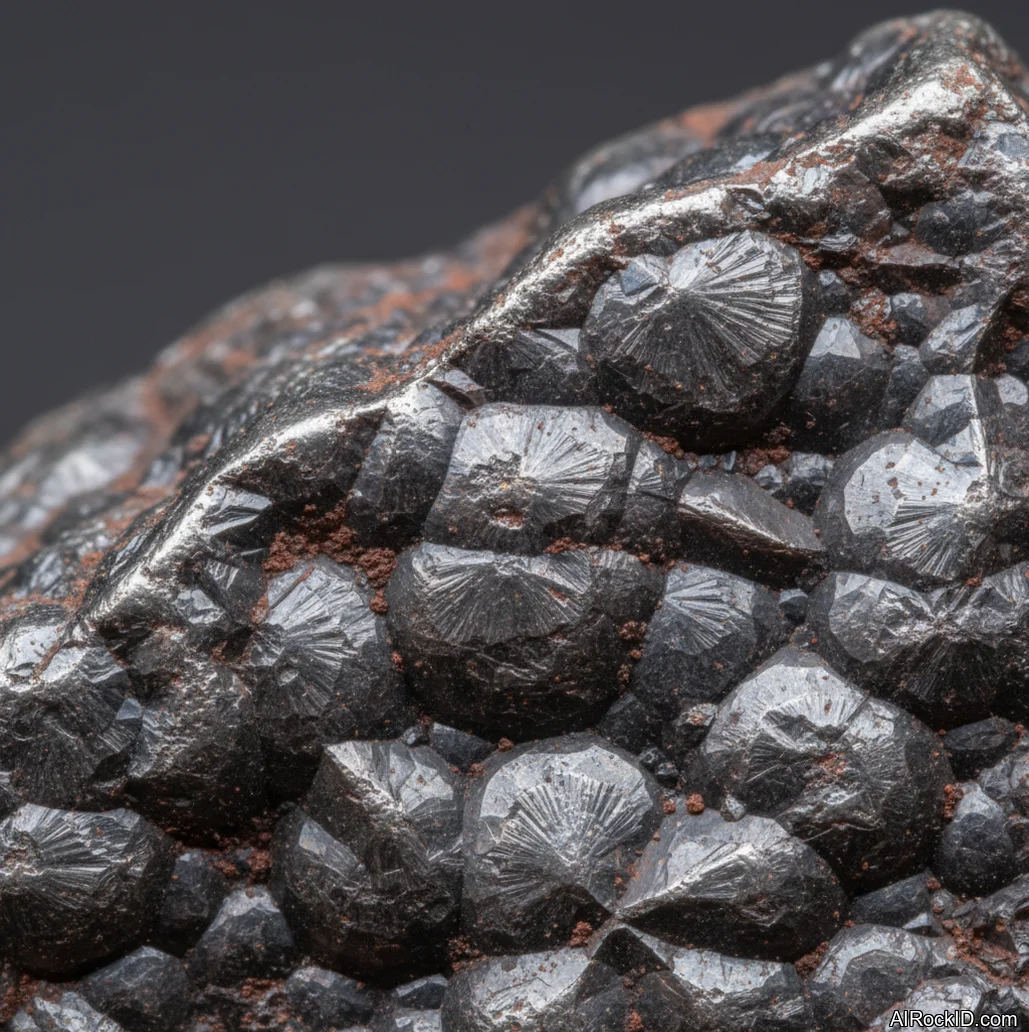
Hematite is basically “get back in your body” energy for studying. Pick up a real chunk and it feels weirdly heavy for its size, like it’s got more heft than it has any right to, and that weight works as a plain little anchor when your attention keeps drifting off. And yeah, polished hematite gets that almost mirror-level shine, but it smudges the second you touch it, with fingerprints showing up right away. Oddly, that’s useful. It’s a tiny nudge that you’re here, in the chair, doing the work (not floating somewhere else).
But heads up: a lot of the super shiny “hematite” being sold is actually magnetic hematite, which is man-made, and it just doesn’t have the same feel in your hand. Like, you can tell.
How to use: Use a hematite palm stone during math, coding, or anything where you need steady, step-by-step thinking. Set it on your paper as a placeholder so you don’t lose your line while reading dense text. Keep it dry and wipe it after use to prevent dulling.
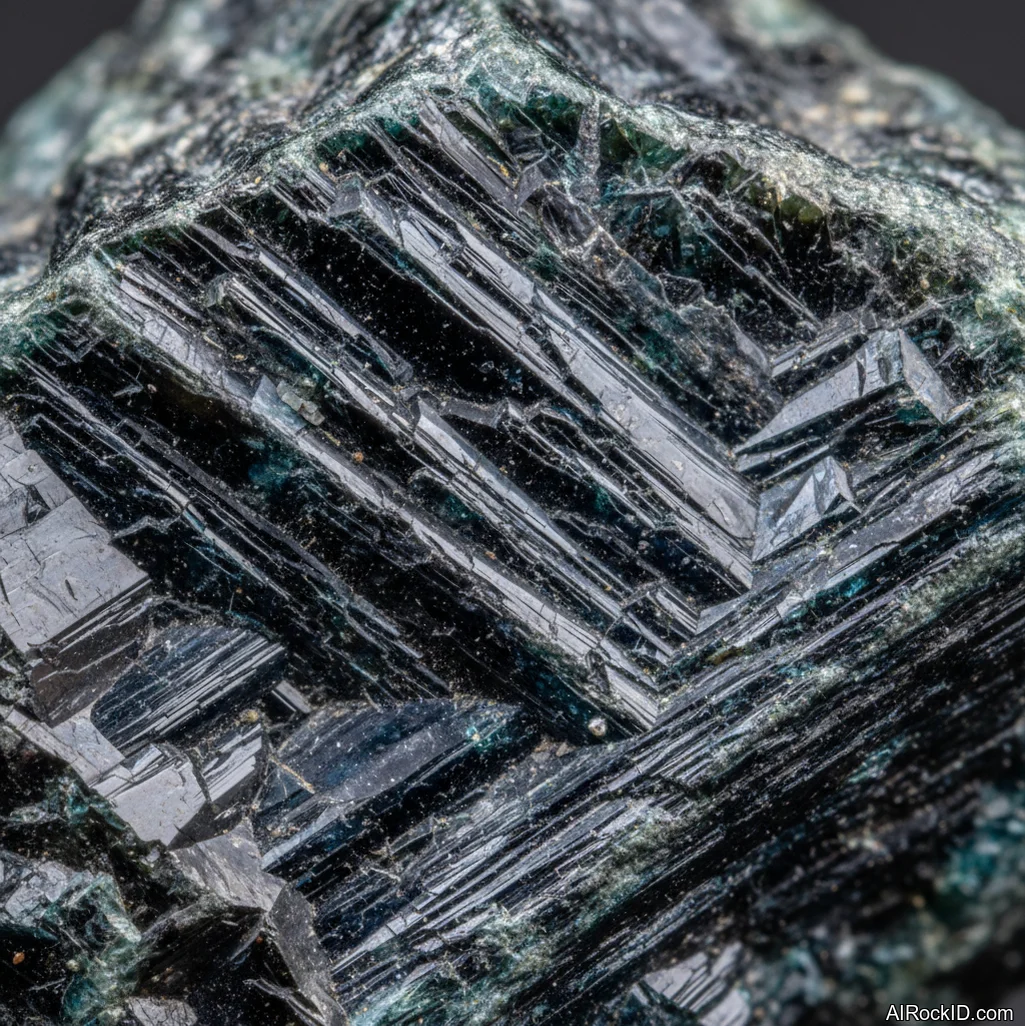
Arfvedsonite’s kind of a sleeper pick for staying focused, mostly because it manages to be dark and still a little flashy. First time you see it, it just reads as a plain black stone. But tip it under a desk lamp, and these blue-silver streaks slide across the surface, almost like the way cat fur changes when you brush it the other direction.
And that shifting sheen is perfect for quick micro-breaks. Ten seconds. Eyes reset. Back to the page.
Thing is, the market friction is real. It gets mislabeled as other black stones all the time, so don’t buy it from someone who can’t tell you what mine it came from, or at least can’t show you the shimmer actually moving in the light (because it should).
How to use: Keep it on the desk and use it as your “break timer” object: stare at the flash for a few breaths, then return to work. If you’re journaling study plans, place it on top of your planner to keep you honest about what you’ll actually do. Avoid banging it around with harder stones.
Pick a study crystal like you’d pick a pen
Drop the idea that there’s one stone that works for every brain. Studying has modes. Reading. Problem sets. Memorizing. Speaking. Test-taking. Different stones nudge you into different modes, mostly because of how they feel in your hand, how heavy they are, and the tiny routines you end up doing with them without even thinking.
Grab hematite and you notice the weight immediately. It’s got that cold, dense feel, like a little chunk of metal that wants to sit still in your palm. That’s perfect for grounding and slow, careful work where you don’t want to rush.
Amber is the total opposite. It’s light, warm fast, almost soft-feeling once it’s been in your hand for a minute (and yeah, it can pick up skin oils and get that slight smudge if you don’t wipe it). It’s better on the days you’re dragging and you want comfort without more stimulation.
Fluorite is visual. Even just sitting on the desk it looks organized, with those clean bands and that “sorted” vibe. So your workspace feels less chaotic, which is half the battle. Funny how that works, right?
Most dealers will happily sell you a “focus crystal.” But the real test is whether you’ll actually reach for it when you’re tired. If it’s fragile and you’re rough on your backpack, you’ll quit bringing it. If it’s so pretty you’re scared to scratch it, it’ll end up in a drawer. Pick something you can touch a hundred times a week without babying it. That’s the one you’ll use.
Desk placement matters more than people admit
Where you park the stone decides how you actually end up using it. I’ve seen people pick up a really nice piece, drop it into a bowl with ten others (half of them clicking together like spare change), and then ask why it didn’t “do anything.” Well yeah. It disappeared. Just more visual noise.
So do this instead. If it’s a fidget stone like tourmaline or hematite, keep one on your dominant-hand side where your fingers naturally wander. If it’s more of a visual stone like fluorite, set it in your line of sight, but not right in front of your screen where it’s in the way. And if you’re using aquamarine or amazonite for speaking, move it higher, closer to face level, so you actually catch it out of the corner of your eye when you start rehearsing. Otherwise, what’s the point?
But here’s the real trick. Compared to random placement, putting it in the same spot every time turns it into a cue. Same chair, same lamp, same stone sitting in the same place, and your brain flips on quicker. That’s not mystical. That’s conditioning.
Study blocks, not marathon sessions
Crystals tend to work best when you anchor them to a routine you can actually repeat. That two-hour “I’ll do everything tonight” marathon? It’s basically where focus goes to die. So use blocks instead. Do 25 to 50 minutes, take a short break, then go again. Keep it boring on purpose.
And here’s where a stone can help: it gives your hands something to do right at those transition points, when you’re most likely to drift. Touch apatite at the start of active recall. Hold amethyst for the first five minutes of reading so you don’t pop up and start wandering around (you know the move). Use arfvedsonite as a quick eye reset during breaks, just tilting it under the lamp and watching that flash slide around, instead of grabbing your phone and scrolling.
But don’t expect a crystal to brute-force motivation. It won’t. Your setup still needs to be decent. Water nearby. Notifications off. And a plan that matches the time you actually have.
If you’re stressed, start with the nervous system
A lot of “I can’t focus” is really anxiety mixed with lousy recovery. You sit down, crack open the laptop, and your brain immediately jumps to worst-case stuff, so five minutes later you’re wiping dust off a shelf (why is there always dust?) instead of studying. That’s where calming stones can help, not as some magic cure, but as a quick way to snap the loop.
Amethyst and aquamarine are my go-to pair for this. Amethyst takes the edge off that mental static. Aquamarine keeps your breathing steady so you can actually stay in the chair and do the work. And black tourmaline is the one I reach for when the stress is coming from the room itself, like loud roommates, fluorescent lights humming, or being wedged at a crowded library table with elbows bumping.
But don’t skip the basics. If you’re running on four hours of sleep, no stone is going to turn you into a focus machine. So use the crystal as a little cue to slow down, take three breaths, and then do the next tiny step. Just that.
How to Use These Crystals for Studying
Start with one stone for each study goal. One for calm. One for focus. One for speaking, if that’s what your week needs. If you dump five stones on your desk, you’ll barely touch any of them and they basically turn into little paperweights.
Pick the stone up at the exact same moment every time. Like right after you hit start on your timer. My loop is boring but it works: I sit down, water goes on the right, phone goes face down, timer on, then I touch the stone for two slow breaths and get moving. During the session, I only reach for it when I switch tasks, like going from reading to practice questions. Otherwise it turns into mindless fidgeting (and then what’s the point?).
If you’re hauling stones to campus or the library, toughness matters. Hematite, black tourmaline, and most tumbled amazonite are fine as long as they’re in a pouch. Apatite and fluorite need a gentler touch because they scratch and chip, and you can feel those little rough spots under your thumb, which is weirdly distracting once you notice it.
And if a stone starts feeling “off,” just wash it with mild soap and water, dry it, and toss it in a drawer for a day. Sometimes you just need a reset.
Common Mistakes to Avoid
The biggest screw-up is acting like a crystal can replace an actual study system. If you aren’t doing active recall, spaced repetition, practice problems, or at least some kind of testing, you’re basically just rereading and hoping it sticks. A stone might help you get started and stay steady, sure. But it won’t build the skills for you.
Another easy way to end up annoyed is buying delicate pieces for a rough, everyday life. Fluorite cubes are gorgeous right up until they get knocked around in a backpack and the corners come back looking bruised and chalky. Apatite scratches fast, amber goes hazy if it rubs against harder stones, and people quit carrying them because they look “ruined.” They’re not ruined. They’re just not pocket stones. Simple as that.
And the last one is fakes or stuff that’s mislabeled. That shiny “hematite” that’s magnetic is often man-made. “Amazonite” can be dyed. So if the price is too good and the color looks weirdly uniform, assume you’re being sold a story, and ask for better photos, hardness info, or at least a return policy. Why gamble?
Important: Crystals aren’t a substitute for sleep, decent nutrition, medication, therapy, tutoring, or plain old time-on-task. They can’t diagnose ADHD, anxiety, or learning disorders, and they won’t magically repair a busted course plan.
But they can work as little anchors and cues. Like, I’ve had a smooth stone in my pocket that warmed up from my hand and reminded me, “Okay, start now.” If you fold them into a routine, they can help you settle, get going, and switch gears between tasks. Thing is, if you’re expecting a rock to haul you through everything while nothing else changes, you’re going to be disappointed.
Identify Any Crystal Instantly
Snap a photo and get properties, value, care instructions, and healing meanings in seconds.
Fluorite is associated with mental organization and focus cues during study sessions. Hematite is associated with grounding and steady attention for step-by-step work.
Which crystal is best for memorization?
Apatite is associated with mental drive and engagement, which pairs well with active recall. Fluorite is associated with structured review and reducing mental clutter.
What crystal helps with test anxiety?
Amethyst is associated with calming and reducing overstimulation. Aquamarine is associated with steadying nerves and supporting clear communication.
What crystal helps with procrastination while studying?
Apatite is associated with motivation and mental “start” energy. Hematite is associated with grounding and sticking to a single task.
Can I study with crystals in my pocket?
Yes, pocket use works best with tougher stones like hematite or black tourmaline. Softer stones like apatite and amber can scratch or wear down in a pocket.
How many crystals should I use for studying at once?
One to three crystals is usually enough for a clear routine. Using too many can become visual clutter and reduce consistency.
Where should I place crystals on my desk for studying?
A fidget stone can be placed on the dominant-hand side for easy access. A visual anchor stone can be placed in the line of sight without blocking reading or screen space.
Do crystals need to be cleansed after studying?
Cleansing is optional and is used as a reset ritual by many people. A simple method is rinsing with water and drying fully if the stone is water-safe.
Are there crystals I should avoid bringing to the library or school?
Fragile or soft materials like fluorite, apatite, and amber can chip or scratch during transport. Small tumbled stones in a pouch reduce damage risk.
Do crystals improve grades?
Crystals do not directly improve grades. Study outcomes are primarily driven by effective methods, consistent practice, sleep, and time spent learning.
The information provided is for educational and spiritual exploration purposes. Crystals are not a substitute for professional medical, psychological, or financial advice.