Best Crystals for Wealth
- Introduction
- Recommended Crystals
- What “wealth crystals” actually help with (and what they don’t)
- Picking real material: fakes, treatments, and what to look for
- Placement that actually fits real financial routines
- Pairing crystals with money habits: the simple stacks
- How to Use These Crystals
- Common Mistakes
- FAQ
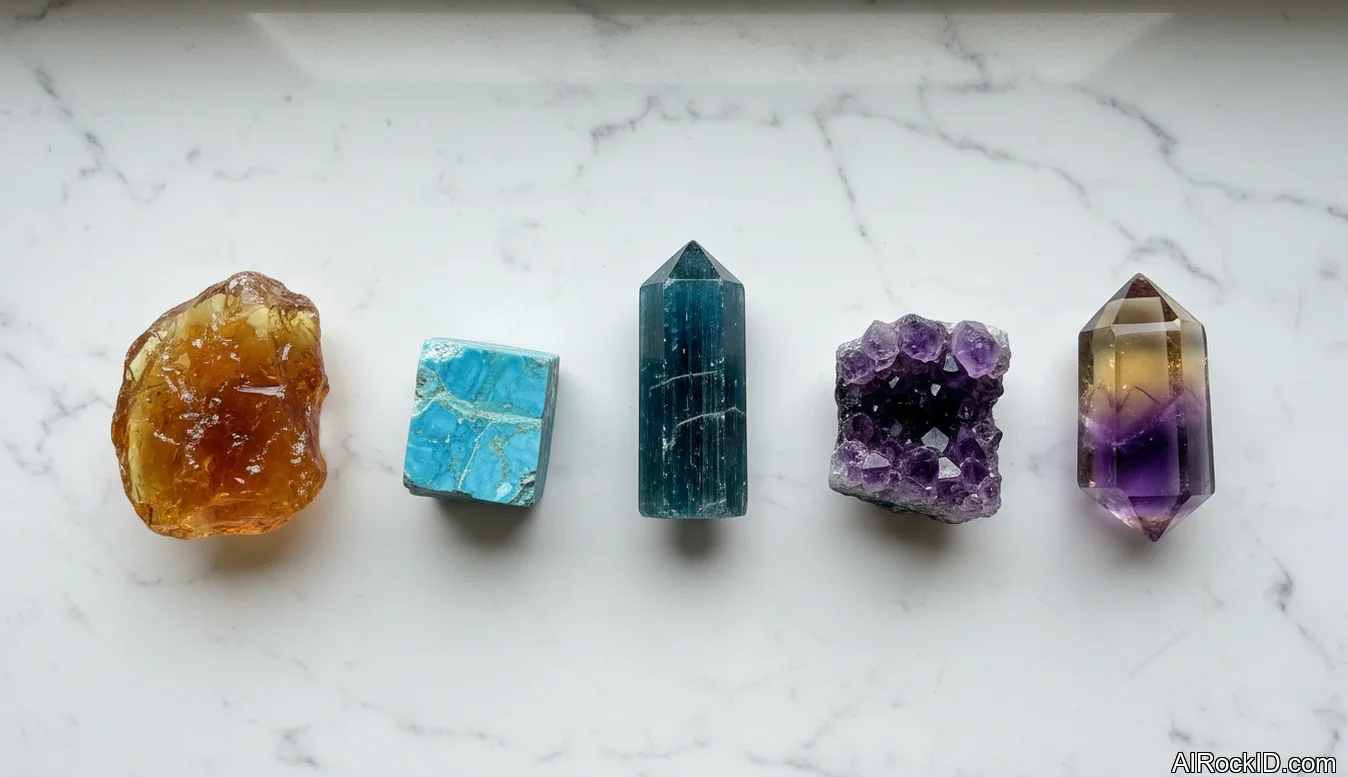
The best crystals for wealth aren’t the ones that swear you’ll hit the lottery. They’re the ones that keep you calm, decisive, and steady with money. I’ve hauled stones into meetings, taped one to my budgeting notebook, and left a couple on the front corner of my desk where my eyes land every time I reach for my coffee. When they actually help, it’s not magic. It’s the fact they’re physical cues, like a little weight in your pocket that yanks your brain back to the plan, or a cool stone in your palm that makes you stop before a dumb impulse buy.
Thing is, real wealth comes from the boring stuff done over and over: tracking, negotiating, saving, investing, saying no. That’s it. So I’m sticking with crystals that match those habits instead of fighting them. Some are the old “money” standbys like amber and amazonite. Others are more about execution, like black onyx for boundaries, and amethyst when your head’s loud and you can’t focus. And yeah, I’m picky about how they look and feel, because there’s a lot of dyed, baked, or straight-up mislabeled material out there that won’t even hold up on your desk without looking weird (or chipping if you toss it in a bag).
Grab a real piece and you’ll notice the temperature first. Genuine stones tend to stay cool in your hand longer than glass or resin, and that little sensory jolt is honestly why people keep reaching for them. But look, don’t use any of this as a substitute for a spreadsheet or a hard conversation about debt. Use the stones as anchors and reminders. Then let your choices do the heavy lifting.
Recommended Crystals
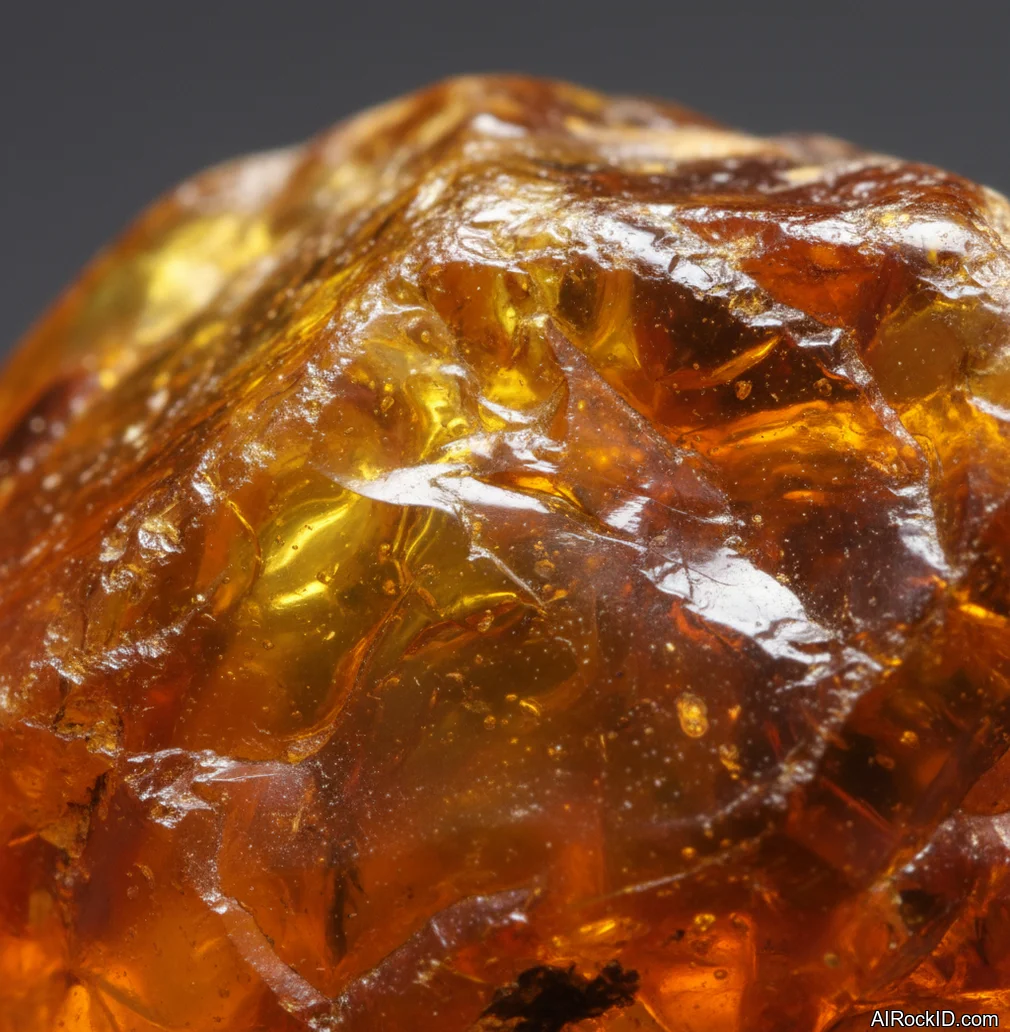
Amber
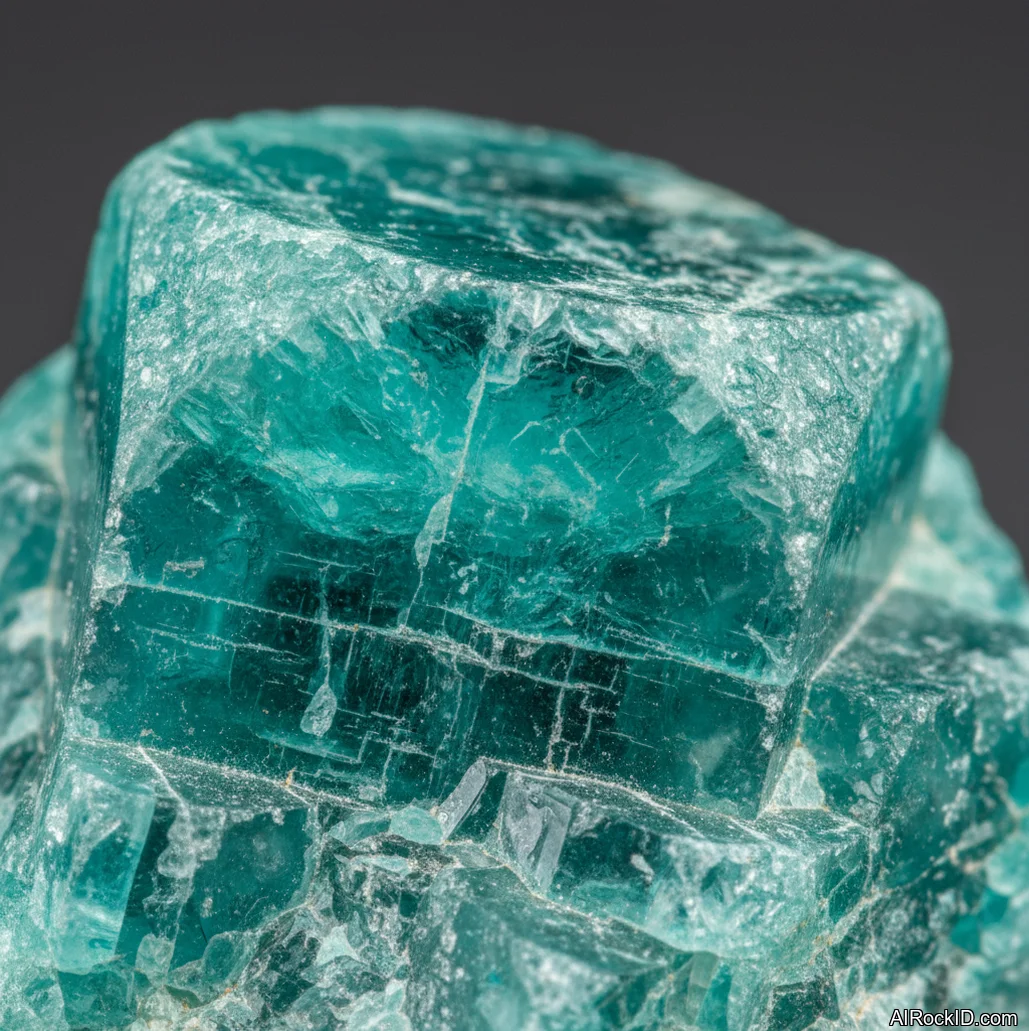
Amazonite
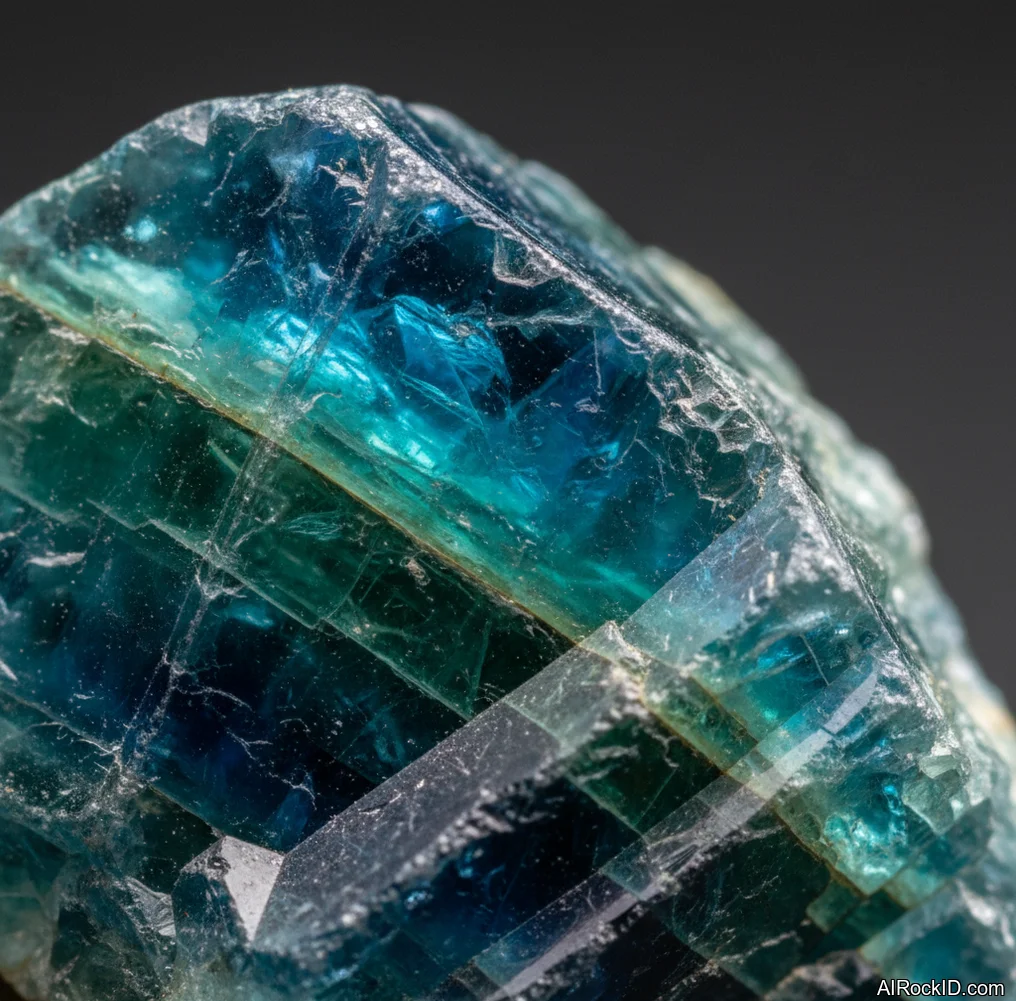
Apatite
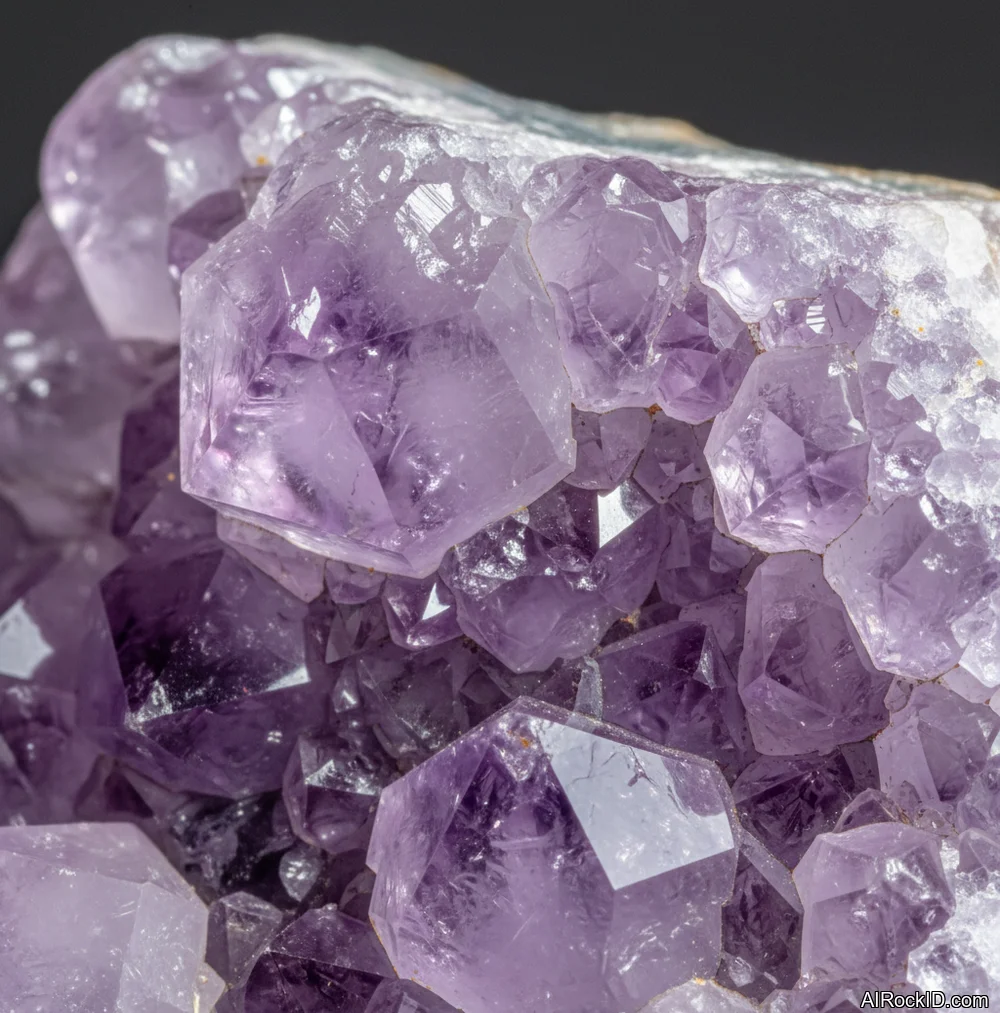
Amethyst
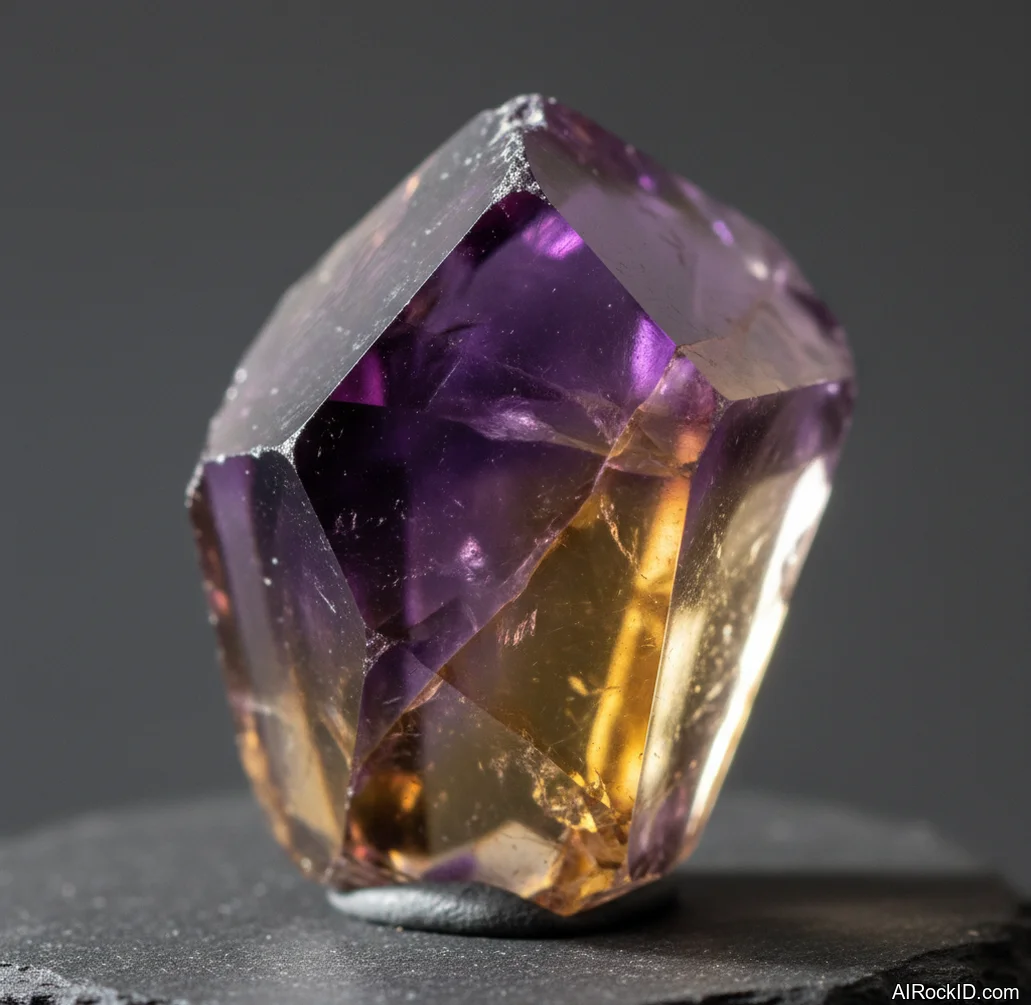
Ametrinee
Ametrine
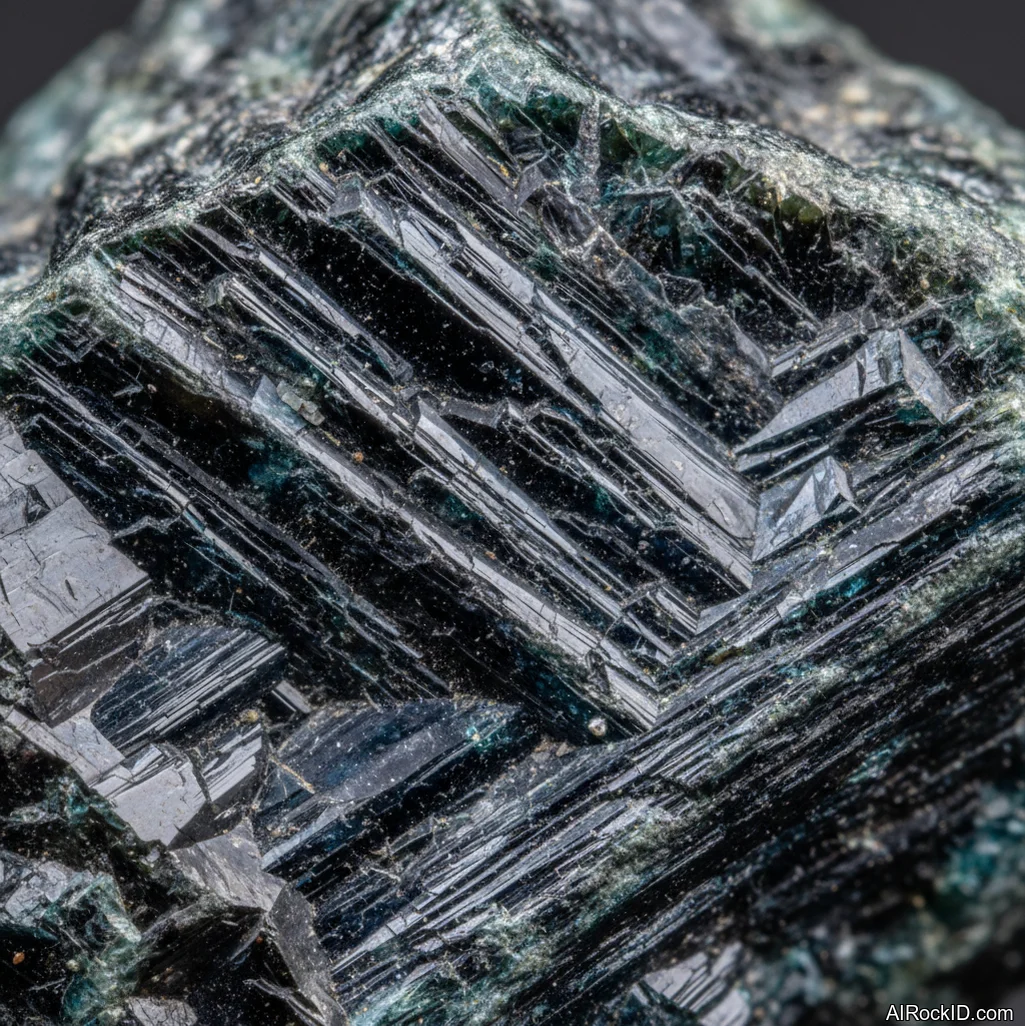
Arfvedsonite
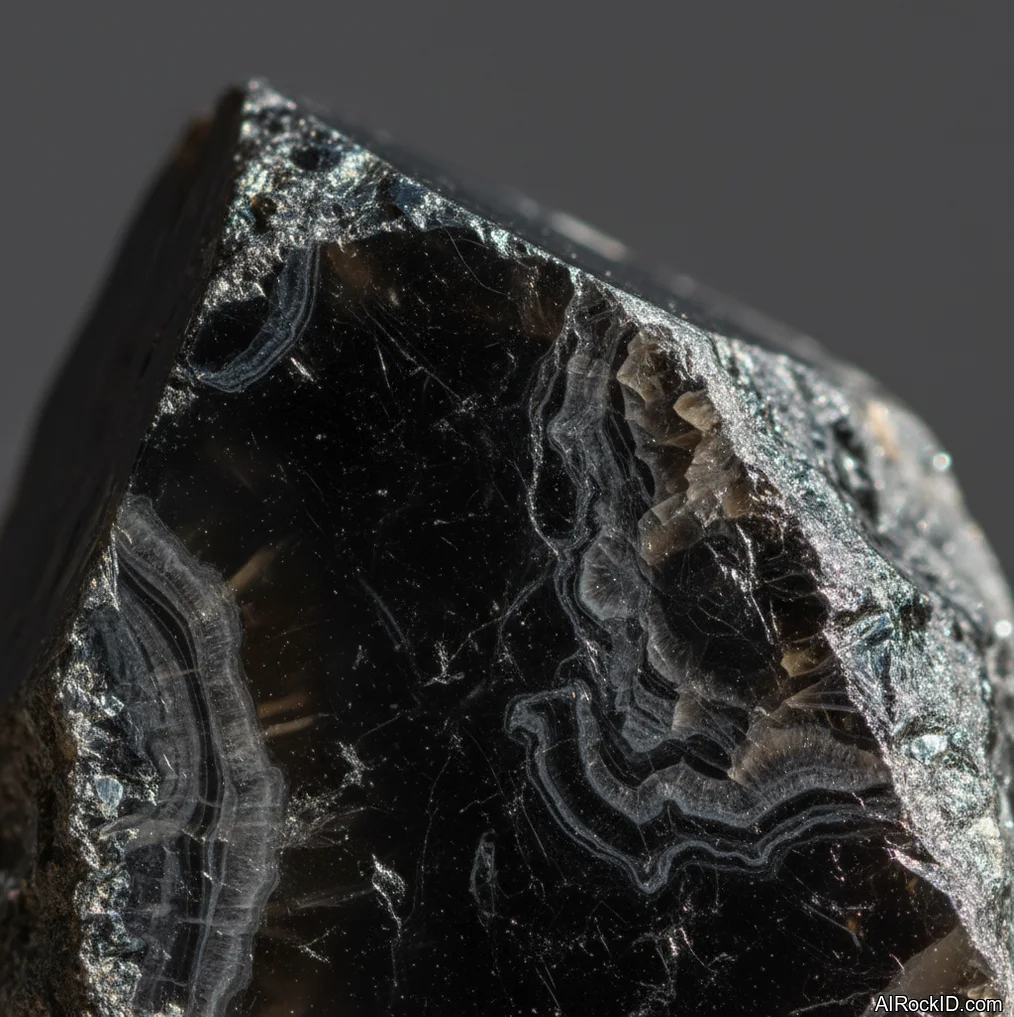
Black Onyx
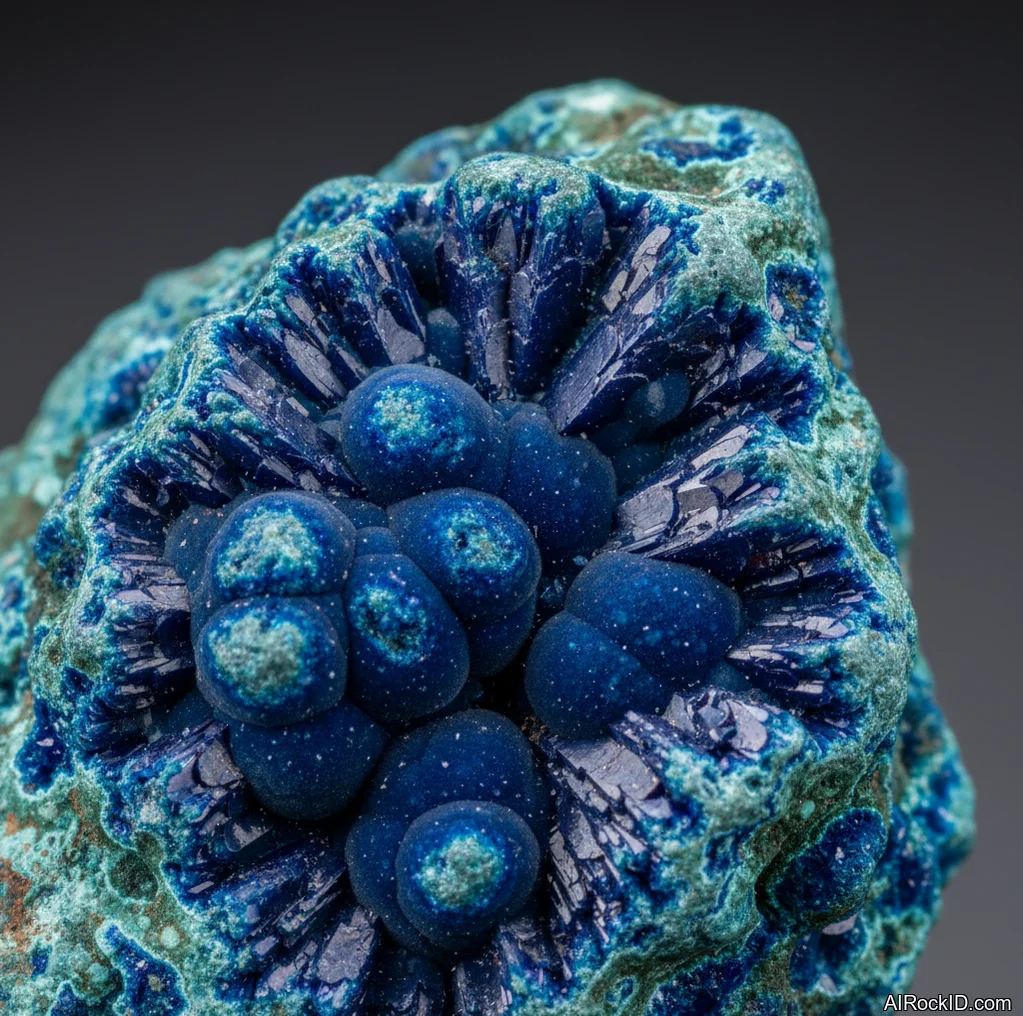
Azurite
What “wealth crystals” actually help with (and what they don’t)
Money is behavior. That’s the lens I use so this doesn’t get weird. Crystals can help with attention, consistency, and emotional regulation, and honestly those are the quiet little gears behind budgeting, sales, investing, and career growth.
Pick up a stone before you open your banking app and you’ve bought yourself a tiny pause. Cold at first, then it warms in your palm, and you can feel the little edges or smooth spots while your thumb stops doing that mindless tap-tap. And that pause is where better choices live. I’ve seen people spend less just because a physical object cut in on the automatic scroll-and-buy loop. Same idea as snapping a rubber band on your wrist to interrupt a habit.
But it goes off the rails when someone expects a rock to override math, contracts, or a low income problem. A stone won’t negotiate for you. It won’t erase late fees. It won’t turn a bad business model into a good one. So treat your crystal like a prompt, not a vending machine for cash, and you’ll actually get something usable out of it.
Picking real material: fakes, treatments, and what to look for
Most dealers are honest. But the supply chain’s messy, and stones get passed around a lot before they land in a display tray. Heat-treated and dyed stones are common, especially in the “money stone” category, because people want that saturated color that hits you from across the room.
Thing is, the real test is texture and inconsistency. Natural material usually has tiny flaws, zoning, or those subtle little shifts that only show up when you tilt it under a lamp and move it a few inches in your fingers. Up close, it looks human.
With amber, weight is your first clue. Real amber is weirdly light in the hand, almost like you’re holding something hollow the first time you pick it up. And it can carry static if you rub it with cloth, the kind where it’ll tug at a little bit of lint or a hair if you get it just right (sounds goofy, but it works). Plastic copies often look too clean, and they feel wrong, kind of sticky-warm instead of softly warm.
For black onyx, check for dye. Take a cotton swab with a little rubbing alcohol and hit a hidden spot, like the back edge or near a drill hole; if the swab picks up black, you’ve got dyed material. So what? That doesn’t make it useless. It just means you should pay dyed-stone prices, not premium prices.
Placement that actually fits real financial routines
If your crystal’s shoved in a drawer, it’s basically just décor. But if it sits where you actually make choices, it starts acting like a tool. I’m big on putting one on the desk, because that’s where the dull money stuff happens: invoices, job applications, bank transfers, and squinting at the fine print with your coffee going cold.
A giant shelf display is easy to tune out. A small stone parked right next to your mouse? You can’t pretend it’s not there. And a chunky amethyst cluster by the monitor can be a straight-up speed bump for impulse buys, just because it hogs space and keeps snagging your attention every time your hand drifts toward “checkout.” The points catch the light, too (and yeah, you notice).
Pocket stones can work, sure. Thing is, only if the stone can take a beating. Amber’s great in a pocket. Azurite is not. And if it’s soft or chips easily, wrap it up, or you’ll end up pulling out a scratched-up stone and feeling annoyed for no good reason.
Pairing crystals with money habits: the simple stacks
Stacks don’t have to get fancy. Half the time, two stones is plenty, because the heavy lifting is really the habit you hook onto them. When I’m trying to push income, I reach for amazonite and black onyx. Amazonite has that smooth, cool, almost “river-stone” feel in your hand, and onyx is heavier than it looks, like it wants to sit still. Speak clearly. Hold boundaries. Send the invoice. Name the price.
When I’m in planning mode, apatite with arfvedsonite is my go-to. Apatite keeps the goal clean and sharp, like it’s been wiped down so you can actually see it. And arfvedsonite nudges you into thinking strategically instead of emotionally. You can feel it when you’re comparing two offers and, for once, you don’t lunge at the shiny one just because it sparkles. Nice change, right?
For impulse control, amethyst and amber make a strong pair. Amethyst cools the nervous system, that steadying, quieter kind of calm. Amber’s warmer, almost tacky when it’s been in a pocket for a while, and it helps you keep moving forward without getting all grim about it. But look, if you’ve got five stones on your wrist and you’re still not checking your accounts, the stack isn’t the problem.
How to Use These Crystals for Wealth
Start with one money habit you can actually repeat, because that’s where this starts to stick. Pick a stone that fits the habit. If you’re doing boundary work and plugging leaks, grab black onyx. If you’re negotiating or sending proposals, reach for amazonite. If you’re studying or building a new skill, azurite belongs on the desk, not rattling around in your pocket.
So make the crystal a tiny ritual that ends with something real. Touch the stone, open the app, do the transfer. Hold the stone, draft the email, hit send. Keep it quick. Two minutes is plenty. The whole idea is to tie the object to a real step, so your brain starts treating the stone like a cue to follow through. Simple. Repeatable.
Clean and reset without getting precious about it. A fast rinse and dry works for a lot of tumbled stones, but don’t soak softer or dusty pieces like azurite, and don’t leave amber baking in hot sun because it can craze over time. Look, I usually just wipe most of mine with a damp cloth (you can feel that slightly gritty film come off sometimes), then set them back where the money decisions happen. Consistency beats ceremony every time.
Common Mistakes to Avoid
People get hung up on “rare” instead of useful. I’ve literally watched someone drop stupid money on a shiny showpiece, then baby it like a glass ornament and never touch it because they’re afraid the first scratch will ruin it. And honestly? A pocket stone you actually carry, that ends up with little scuffs and that slightly oily shine from your fingers, will do more for your wealth habits than some museum chunk you keep avoiding.
Another headache is buying mislabeled material. Heat-treated, dyed, resin-stabilized stones are everywhere, and yeah, it turns into this annoying loop where you feel let down and then you buy again to “fix” it. Look hard at how uniform the color is, ask questions, and don’t be afraid to walk away if the seller gets weirdly defensive. Why argue with somebody who won’t answer simple stuff?
But the biggest mistake is skipping the money work. Crystals won’t replace tracking spending, setting up auto-transfers, learning what your interest rate really means, or doing the boring basics. So if the stone isn’t tied to an action, it’s just a pretty object with a hope pinned on it. That’s it.
Identify Any Crystal Instantly
Snap a photo and get properties, value, care instructions, and healing meanings in seconds.