advanced

Crystals That Glow Under UV
Hand holding a UV flashlight over fluorescent mineral specimens glowing green, orange, and blue in a dark room

Yeah, some crystals really do glow under UV. And the effect can run anywhere from a faint, milky haze to a full-on neon punch, depending on the mineral and the wavelength you’re hitting it with.

Grab a UV torch and you’ll figure out fast that “glow” isn’t one single thing. Longwave (365 nm) tends to pull out those creamy blues and soft greens. But shortwave (254 nm) can totally flip the script and make a specimen light up like a sign, and it also comes with more safety baggage. I keep both. Thing is, I still get caught off guard when a stone that looks completely dead under room light suddenly throws color out of tiny seams, healed fractures, or even a thin surface coating you’d never notice until you’re holding the light at just the right angle.

Here’s the grounded part: fluorescence is mostly chemistry plus defects in the crystal lattice, not “energy.” So yeah, two pieces of the same mineral can act totally different. I’ve had calcite that seemed boring until I raked the beam across it and caught these patchy orange islands hiding in the texture (you know that slightly chalky, cold-to-the-touch feel calcite gets). And I’ve bought “guaranteed fluorescent” lots that barely did anything because the dealer was using the wrong wavelength for that material. Treat UV like a diagnostic tool and a collecting skill, not just a party trick, and the glow starts to mean something.

Recommended Crystals
Amber
Amber

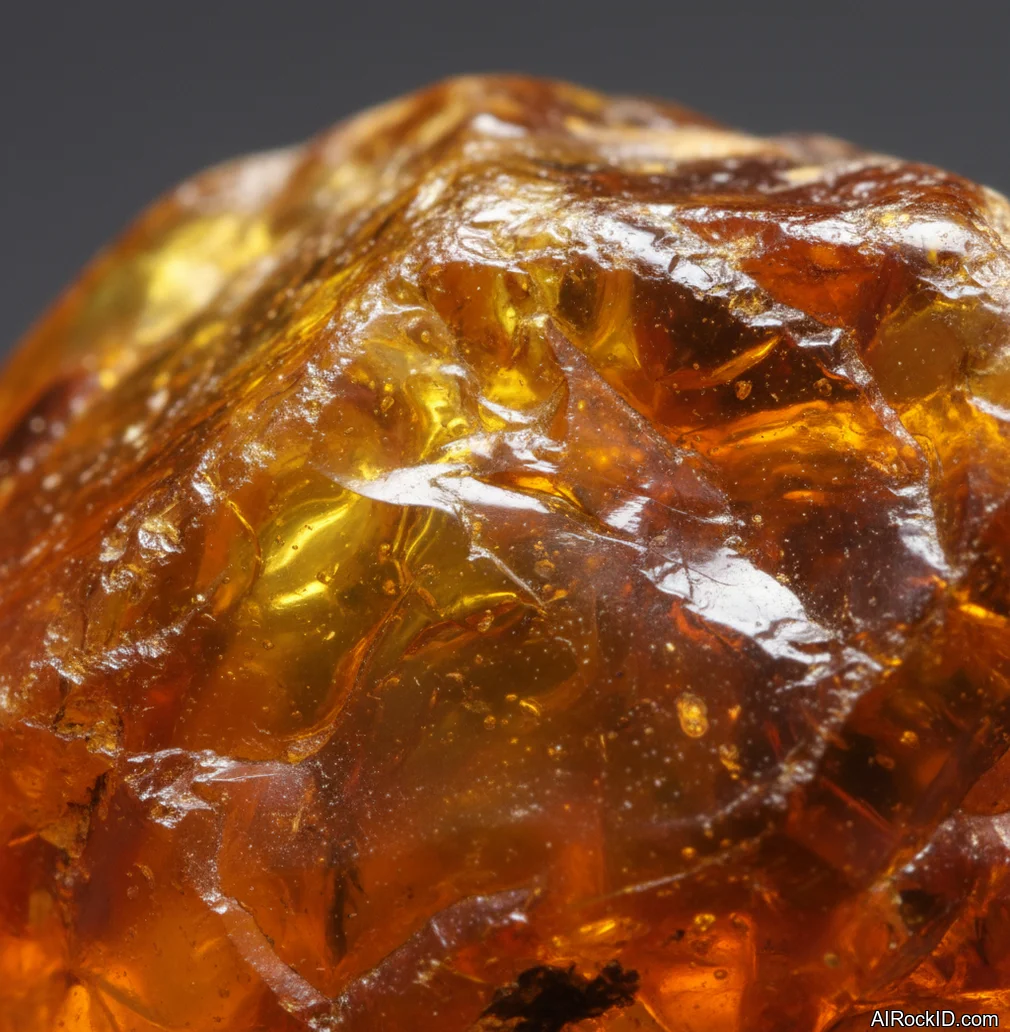
Under a UV lamp, real amber usually kicks back this chalky blue to blue-white glow, and you’ll see it strongest along the edges and those wavy internal flow lines. Thing is, before you even flip the light on, the first tell (at least for me) is how warm a chunk feels in your hand compared to glass or quartz. It doesn’t have that cold, slick bite. And in my experience, pressed or reconstituted stuff can light up in this really flat, even way. Almost too consistent. Like someone airbrushed the glow on. Set a few pieces next to each other and it jumps out pretty fast, doesn’t it? That UV glow’s handy for another reason, too. It can bring out stress cracks and repairs that basically disappear in normal room light.
How to use: Look closely with longwave UV first, and move the beam slowly across the surface so you can see changes along layers and bubbles. If you’re checking authenticity, compare the fluorescence to how the piece feels in hand and how it smells when gently warmed, since UV alone isn’t a full proof test. Don’t leave amber under strong UV for long sessions; keep it short and let it cool.
Adamite

Adamite

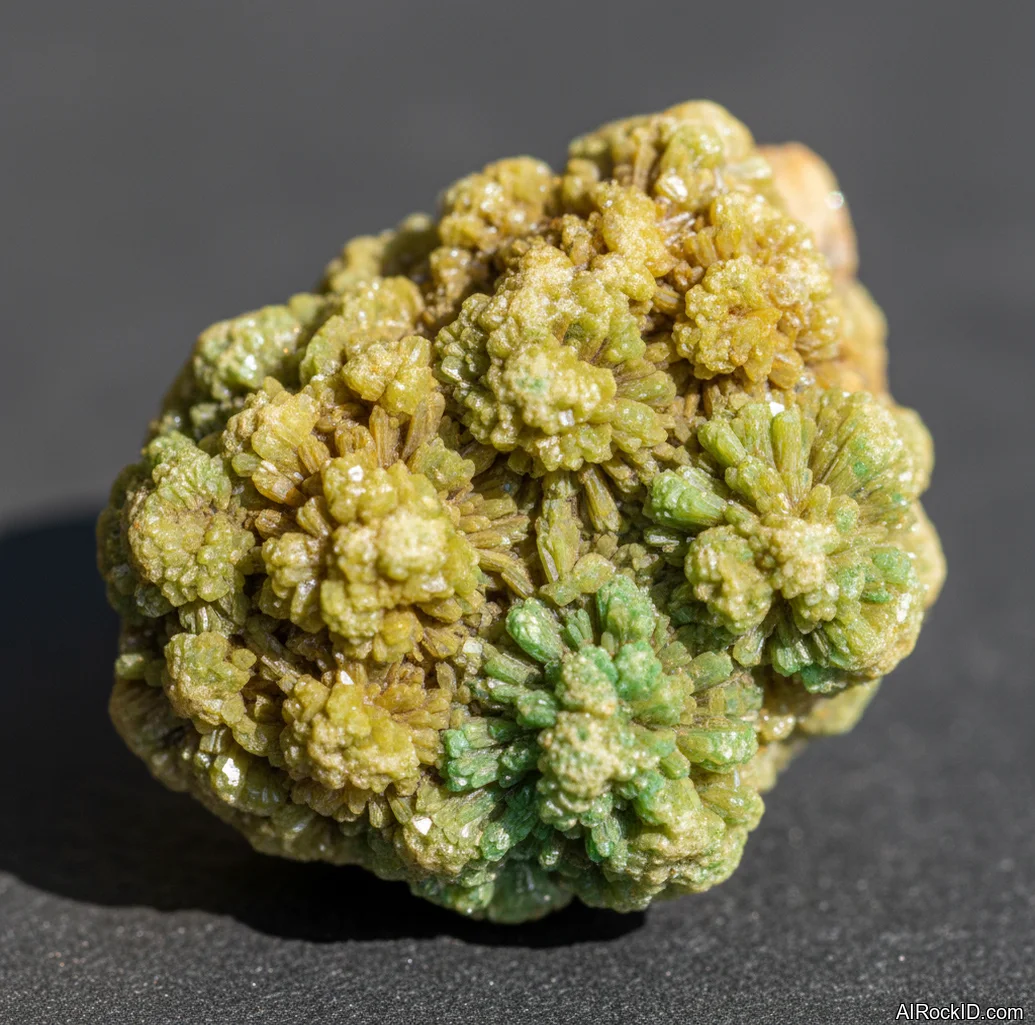
Under UV, some adamite just snaps to this electric green glow, the kind that’ll actually make you laugh the first time you hit it with a light in a dark room. But in daylight, the real test is the texture and luster, because the hardest-hitting glow pieces are often sitting on matrix and those crystal sprays can be crazy delicate. I’ve handled Ojuela material where the fluorescence was brightest right on the tiny crystal tips, while the base looked almost dull, kind of chalky by comparison (which surprised me). So yeah, it’s a textbook case for why you scan the whole specimen, not just the “pretty” face.
How to use: Use longwave UV for most adamite you’ll run into, then try shortwave only if you’re set up safely and want to check for a stronger response. Keep the light moving and don’t touch the crystal sprays with your fingers after, since oils dull the sparkle. Store it in a box so the fragile needles don’t get snapped in a drawer.
Afghanite

Afghanite

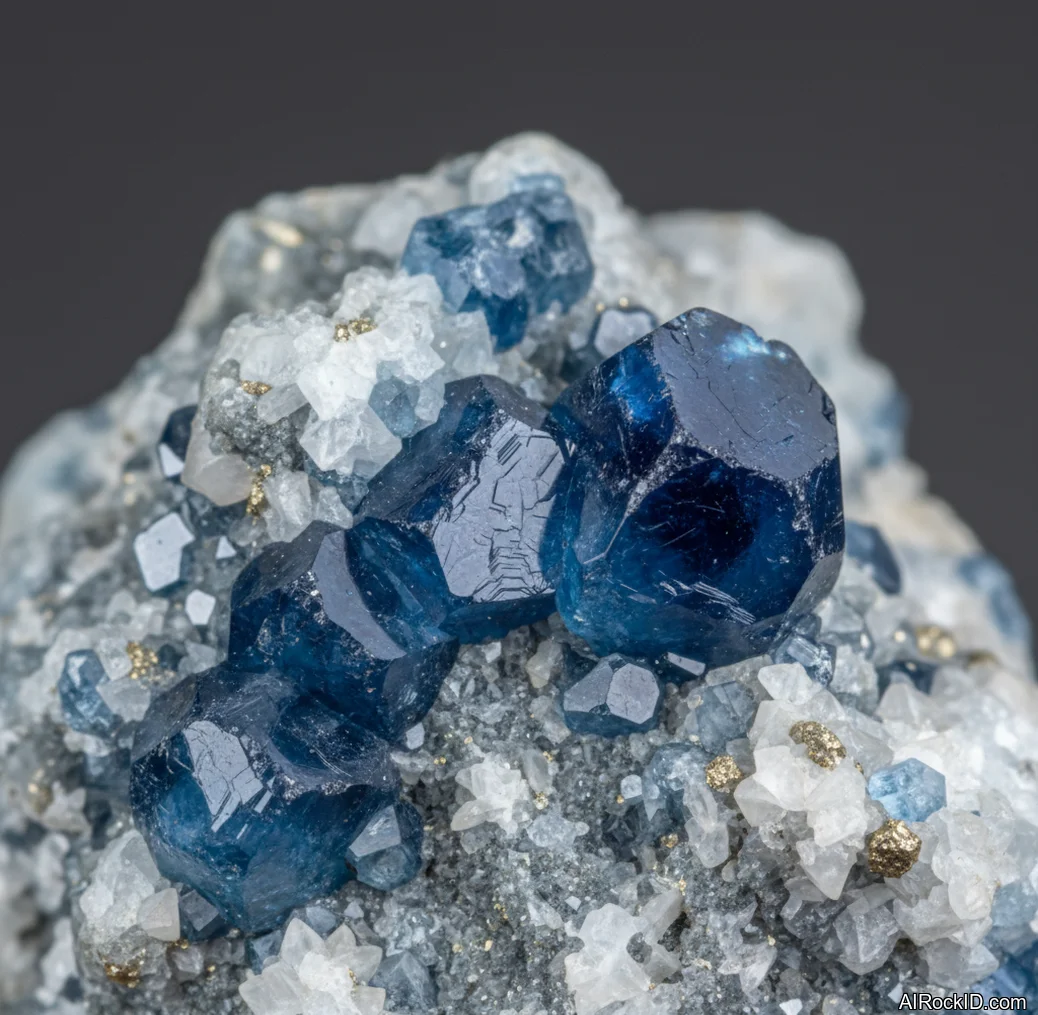
Afghanite can throw off this clean, bright fluorescence that comes across blue-white to just plain whitish, and what really makes it pop is that the host rock can stay stubbornly dark. Pick up a piece and the first thing you clock is the weight; it’s got that solid heft in the hand, not that airy feel you get with some porous lapis-type stuff. I’ve handled specimens where only a few zones actually light up, and that usually lines up with tiny color changes you can barely see in daylight (you almost have to tilt it and squint). And that spotty, uneven glow? It’s a pretty handy tell when you’re trying to sort afghanite from lookalikes in a mixed blue rock pile.
How to use: Scan it under longwave UV in a dark room, then rotate the specimen because the glow can be directional depending on surface texture. If you’re photographing, lock your camera white balance, or the glow will shift between shots and look fake. Handle gently since many pieces come as rough chunks with crumbly edges.
Allophane

Allophane

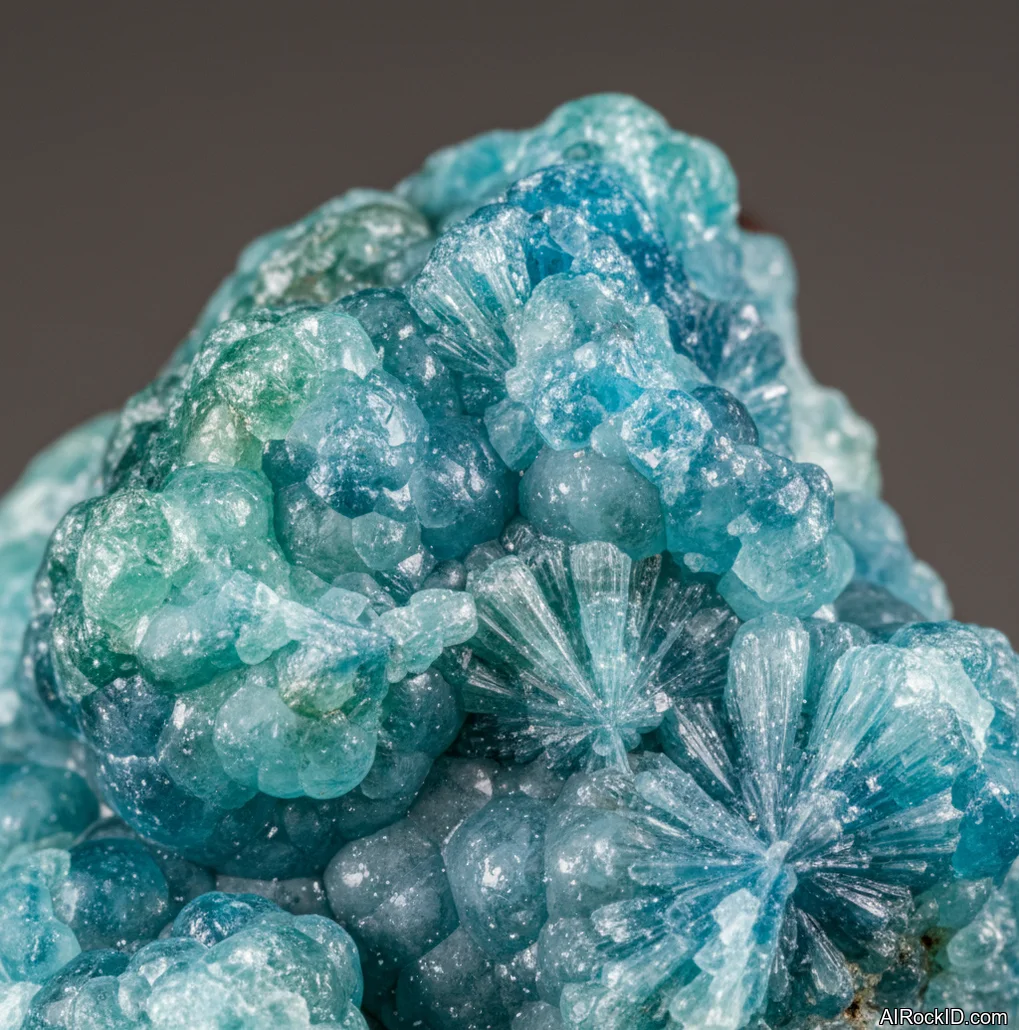
Allophane isn’t usually loud-looking in daylight, but hit it with a UV light and it can throw off this eerie blue to blue-white glow that makes the botryoidal surface look like it’s been freshly misted. And yeah, at first it can read as “just another pale blue blob.” But under UV you can actually pick out where the coating’s thickest and where the substrate’s still showing through. I’ve handled a few pieces that felt strangely light for their size, and on a humid day the skin got a little tacky to the touch (not sticky like glue, more like that faint grab you feel on damp glass). That lines up with how fragile this material can be. So if I see a perfectly even glow across a super glossy surface? I get suspicious. That’s when I start hunting for resin.
How to use: Use a gentle longwave UV and keep the session short, since allophane can be sensitive and you don’t want heat buildup from a powerful light. Don’t wash it; just dust with a soft brush if you must. Store it dry and padded because the botryoidal crust chips easily.
Apatite

Apatite

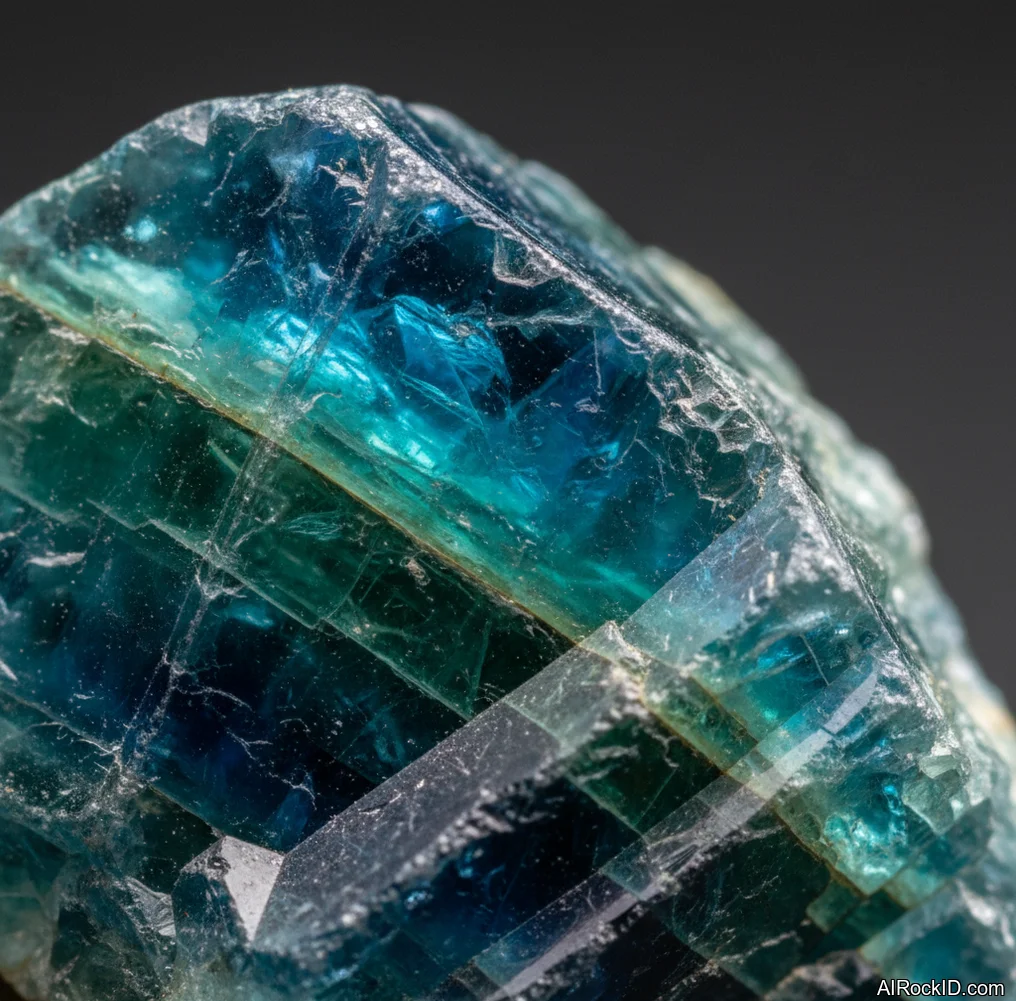
Apatite *can* fluoresce, depending on the material, and the weird part is how inconsistent it is, even inside the same lot. Fluorite’s way more predictable by comparison, so I look at any UV reaction as a nice extra, not something you can count on. In your hand, apatite often gets that slightly greasy sheen on a fresh break, the kind you notice when you tilt it and the surface looks a little slick instead of glassy. And it scratches easier than most folks expect, which matters if you’re rubbing it around during testing (it’ll pick up little scuffs fast). Under UV, sometimes the glow will pop growth zoning you just won’t catch with a phone flashlight. Pretty cool when it happens. When it doesn’t? Yep, that’s apatite.
How to use: Test apatite with longwave UV and rotate it slowly, watching for bands or spots that flare brighter. Keep it separate from harder stones in storage because it nicks and bruises. If it’s a polished piece, wipe fingerprints before UV checks since smudges can mask weak fluorescence.
Apophyllite

Apophyllite

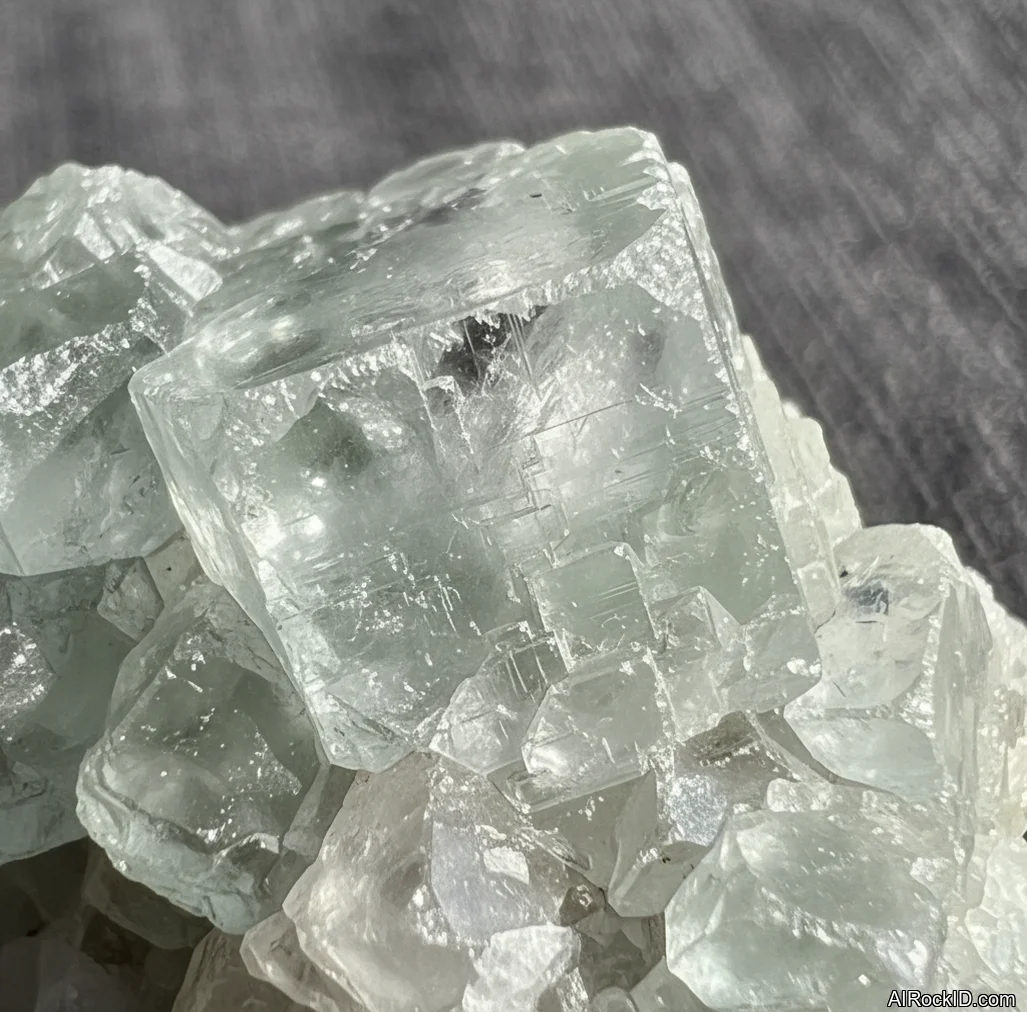
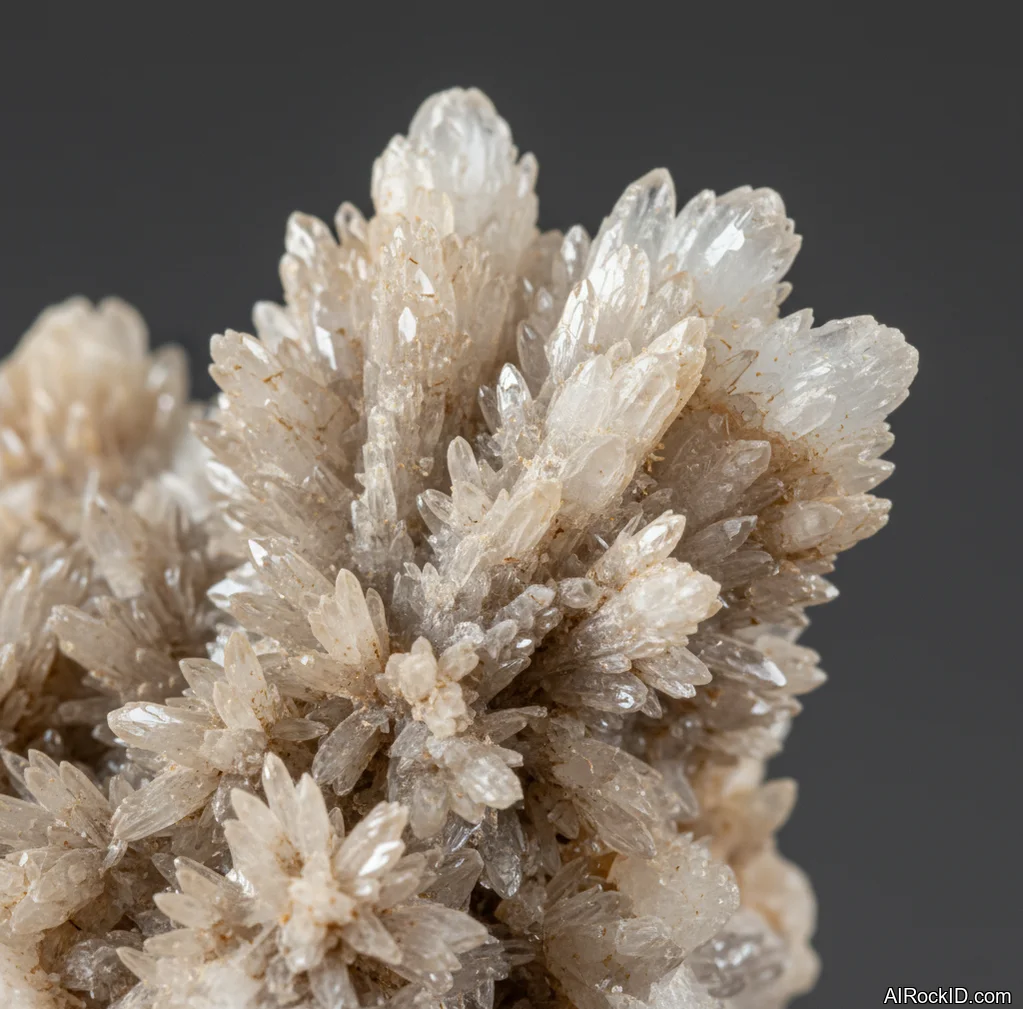
Some apophyllite has this really clean fluorescence that can skew a little blue, and it honestly looks best when the faces are crisp and glassy, the kind that feel slick when you turn the piece under a lamp. Look, get your eyes right up on the cleavage and the edges. Under UV, those tiny chips and little bruised spots don’t light up the same, so handling damage jumps out fast. I’ve had pieces in my hands where the glow was strongest right on the terminations, like the tips had been painted on. But it wasn’t pigment or anything. It was just the UV catching a web of microfractures at the ends (you can usually find them where a corner got knocked). And it’s a good reminder: UV “glow” can be coming from the structure, not just chemistry. Pretty wild, right?
How to use: Use longwave UV and keep the beam at a shallow angle to bring out surface texture. Don’t soak apophyllite or clean it aggressively; water can get into cracks and leave residue that shows under UV. For display, a dust cover helps because the faces show every speck.
Aragonite

Aragonite

Aragonite will fluoresce sometimes, but it depends on what trace elements are in there, and it usually comes through in blotchy spots instead of a clean, whole-piece glow. And yeah, raw Morocco pieces still catch me off guard: the little needle sprays can stay kind of dead and dark under UV while the thicker base lights up, which feels backwards until you’ve handled a handful and know what “normal” looks like. The weight gives it away too. A lot of aragonite clusters feel weirdly light for how chunky they look, and those points are brittle, so if you grab it wrong once, you’ll hear that tiny snap (and then you’re annoyed at yourself). So UV’s handy for another reason: it can show repairs, because glued seams often fluoresce a different color or intensity than the actual mineral.
How to use: Scan with longwave UV, and check the specimen from multiple sides because the glow can hide on the back. If you suspect repairs, hold the light close and watch for a sharp fluorescent line at a break. Store aragonite so the points don’t rub against other pieces.
Azurite

Azurite

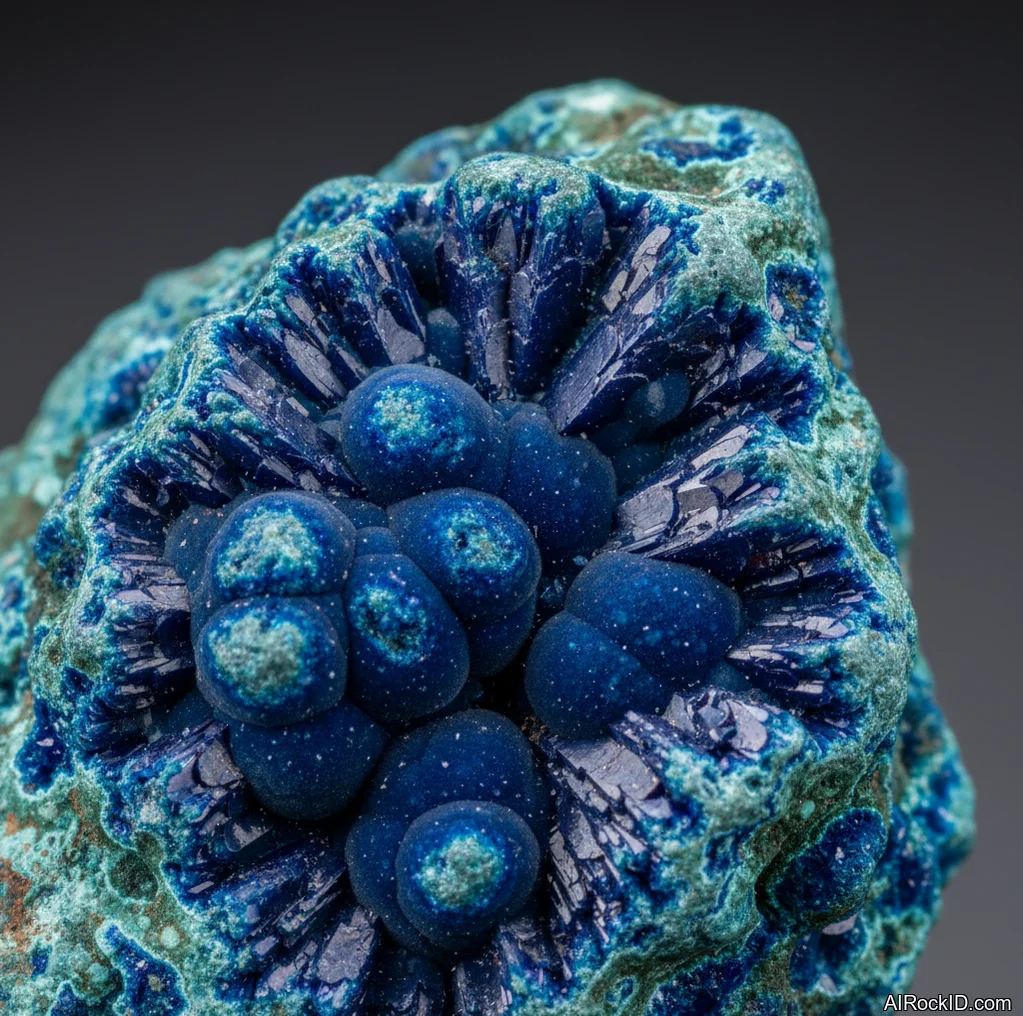
Azurite won’t always do anything under UV, but once in a while you’ll get a piece that gives a quiet little reaction, and that’s handy for picking out azurite-heavy spots from mixed copper minerals. Under a UV lamp, I’ve seen a few specimens show faint, patchy fluorescence right along those altered edges, the kind you get where azurite is starting to turn into malachite or some other secondary crust. And in your hand, azurite can leave a smear of blue dust if it’s crumbly, the sort that gets under your fingernails and lightly coats your fingertips (messy, but familiar). That loose powder can fluoresce a bit differently than the intact crystal faces, which sometimes just sit there looking the same as they did in normal light. Thing is, the goal isn’t some neon glow. It’s just using UV as another way to read what the rock’s up to.
How to use: Use longwave UV and keep expectations realistic; you’re looking for small changes, not a light show. Wear gloves if the piece is dusty, and don’t rub your eyes after handling. If you’re documenting a specimen, take a normal-light photo first, then a UV photo from the same angle for comparison.
Barite

Barite

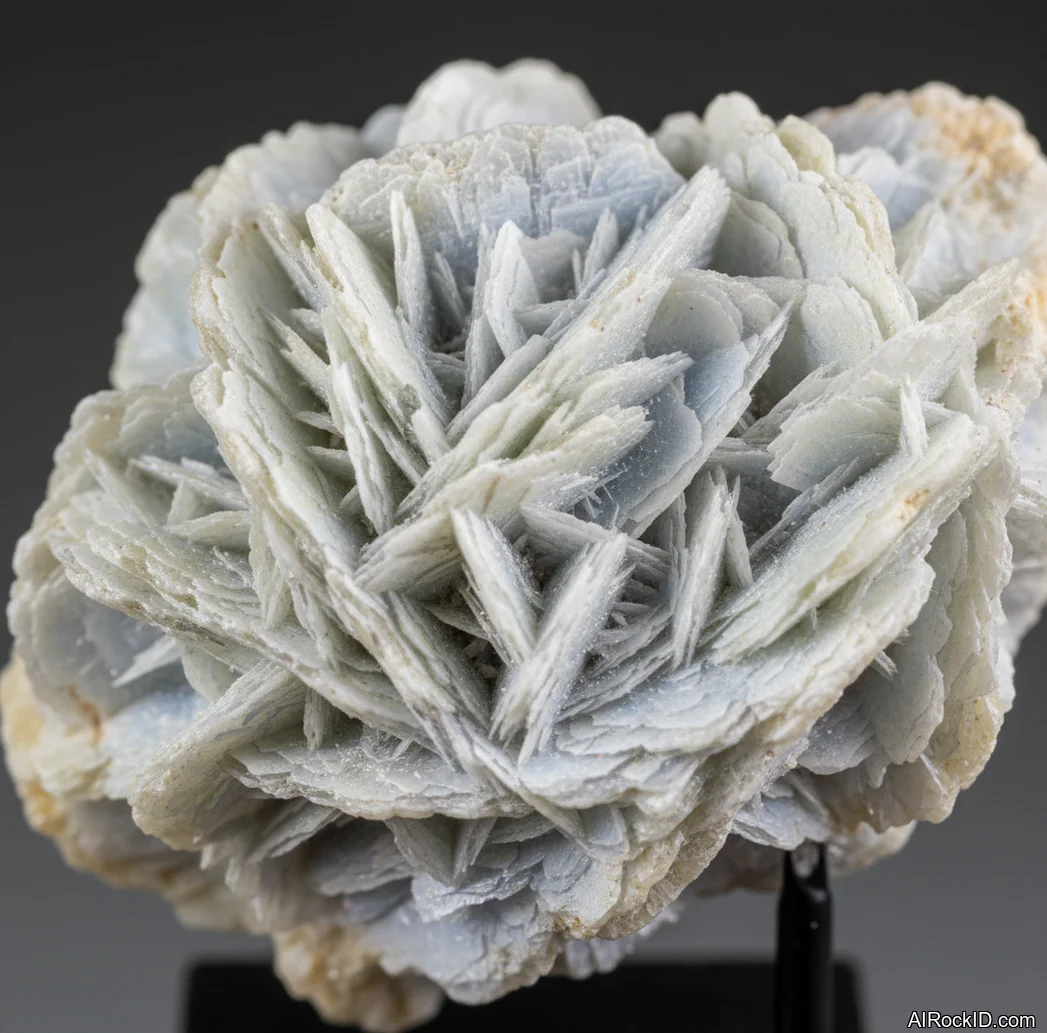
Barite will fluoresce in some deposits, but when it does, the glow usually follows the zoning and the inclusions instead of lighting up the whole crystal evenly. Grab a chunky piece and the weight hits you right away. One of those “how is this so heavy?” moments. Under UV, I’ve seen bright patches that match up perfectly with those cloudy bands you’d probably ignore in normal light, and that’s handy for picking out what’s going on inside. But barite’s also kind of fragile. It chips and cleaves easy, and a fresh break, sharp and a little chalky at the edge (you can feel it with a fingernail), can fluoresce differently than the older crystal faces.
How to use: Test barite under longwave UV and tilt it to catch response changes across flat faces. Don’t toss it loose in a box; wrap it, because edges flake fast. If you’re buying online, ask for both normal and UV photos, since sellers sometimes overexpose UV shots to fake intensity.

Longwave vs shortwave UV: why your crystal “doesn’t glow”

Under UV, wavelength is the whole game. Longwave, usually 365 nm, is what most handheld flashlights put out, and it’s the safer, easier route for normal collecting. Shortwave, 254 nm, can light up different fluorescence in certain minerals (sometimes way stronger), but it’s a pain to do responsibly because that light is brutal on eyes and skin, and it can chew up plastics and paper labels.

Most dealers I’ve dealt with only test under longwave, then scribble “fluorescent” on the tag and call it done. And honestly, that works right up until you buy a piece that mostly reacts to shortwave and it looks totally dead when you get it home. Online photos don’t help either. Cameras and exposure settings can make a faint glow look like it’s radioactive, which is… not great.

I ended up re-testing a whole tray of specimens once I realized my cheap torch was actually closer to 395 nm. It’ll still pop some material, sure, but it completely misses others.

So if you’re serious, grab a proper 365 nm light first. Then if you still want shortwave, do it the right way: proper shielding, real UV glasses, and a closed box setup. Why risk your eyes? Keep your eyesight, and your collection, intact.

Setting up a UV test station that doesn’t wreck your eyes

A “UV station” doesn’t have to be fancy. Mine is basically a cardboard box lined with matte black paper and a 365 nm flashlight. The dark walls are the whole point. They kill reflections, so that faint fluorescence doesn’t get washed out. And I leave a little tray in there because, yeah, dropping specimens while you’re feeling around in the dark is easy to do.

Thing is, the real test is repeatability. Same distance. Same angle. Same light. If you switch between a flood-style UV and a tight beam, the stone can look like it suddenly changed, but it didn’t. The light did. And UV makes dust and lint glow (annoyingly bright, sometimes), so you can end up thinking a specimen is fluorescent when it’s just dirty.

Use proper UV-blocking glasses that match the wavelength you’re using. Regular sunglasses don’t count. And don’t aim the beam at glossy white surfaces. Your pupils are wide open in a dark room, and that’s when people get careless. Why risk it?

Reading fluorescence like a collector: patches, seams, and “glue lines”

At first, most people just go hunting for the biggest glow in the room. Then you realize you’re really hunting for information. Fluorescence can reveal healed fractures, contact zones, and coatings that vanish in normal light. It’s basically the blacklight-in-a-hotel trick, except this time you’re actually glad you checked.

Look for sharp, straight bright lines. Those usually point to a repaired break or a glued seam, especially on clusters that look almost too perfect, like they were assembled on purpose. I’ve watched adhesives kick off a harsh blue-white flare while the mineral itself stayed pretty quiet. Fillers and resins can glow in their own way too, and with a narrow beam you can trace exactly where a repair begins (and where it stops). Weirdly satisfying.

Natural fluorescence is usually a lot sloppier. It tends to follow growth zoning, inclusions, or irregular patches that don’t respect straight edges. If the glow looks evenly “painted on,” pause. And inspect the surface with a loupe under normal light as well.

Photography tips: making UV glow look real, not like a filter

Under UV light, your phone’s going to try to “fix” what it thinks is a bad photo, and you’ll end up with something that’s basically a lie. Auto white balance goes nuts. Auto exposure nukes the bright spots and wipes out the faint, interesting bits. If you’ve seen a UV shot where the whole rock glows perfectly evenly, there’s a decent chance the camera did that (not the stone).

So use manual controls if you can. Lock your white balance. Dial the exposure down. And don’t handhold it unless you like blurry mush. Set the phone on a tripod or even just prop it on a stable surface, like a book or the edge of a box. I also snap a quick normal light photo from the same angle first, because otherwise the UV pic can look like a random floating blob in a black void. What are you even looking at, right?

One more practical thing: clean the specimen gently before you shoot. Fingerprints can fluoresce. Dust can fluoresce. Even a tiny greasy smear on a polished face (you’ll see it as a dull streak when you tilt it) can look like “mysterious energy” in UV when it’s really just skin oil grabbing the light.

How to Use These Crystals for Crystals That Glow Under UV

Under UV, I’m not chasing some pretty glow. I’m trying to do the same test the same way every time. I start with longwave 365 nm inside a dark box, scan the specimen slowly from a few inches away, then move the light in close when I want to see tiny details. Distance really matters. If you jam a strong flashlight right up on the stone, it can blow out the color and everything just turns into this flat white glare.

Between scans, I actually pick the piece up. It tells you stuff. Weight, temperature, and the way the surface feels in your fingers give you context you can’t get from a photo. Amber feels warm and light, like it’s been sitting in your pocket (even when it hasn’t). Barite feels heavy and kind of blocky in the hand, and if you’re not careful you’ll chip an edge, the sort of crisp corner that flakes off a little too easily. I keep a loupe right next to me, too, because UV will flag the exact spot that’s worth checking for a repair, a coating, or a different mineral phase.

If UV is part of buying, ask for two photos: one in normal light and one in UV, same angle, no weird saturation. And ask what wavelength they used. Seriously, why guess? A seller who knows what they’re doing will say 365 nm or 395 nm, and if they used shortwave they should say that, too. That one detail saves a lot of disappointment.

Common Mistakes to Avoid

The biggest screw-up? Using a 395 nm “party blacklight,” waving it over a rock, and deciding nothing fluoresces. A lot of minerals really want 365 nm, and some that pop at 365 are basically dead-looking at 395. I found that out the annoying way after grabbing a cheap little torch, clicking it on, and thinking my whole box of fluorescent pieces had somehow gone dead overnight.

Second mistake: letting stray UV hit your eyes. People do it all the time without noticing because the room’s dark and the beam doesn’t look that bright. But UV will bounce. White labels, glossy cabinet doors, even a polished stone with a slick face can throw it right back at you. Wear proper glasses, and keep the setup tight and controlled.

And the last one is calling dirt “fluorescence.” Detergent residue from laundry soap on your hands, plain dust, and even some paper fibers will glow under UV. So wipe the specimen, wash your hands (seriously), then test again before you write “fluorescent” next to a stone in your own notes.

Important: UV fluorescence is just a physical reaction, nothing more. It doesn’t automatically mean a specimen is high quality, rare, or valuable. I’ve seen rocks that look totally boring in normal light suddenly glow like crazy under UV, and I’ve also put genuinely high-end pieces under the lamp and gotten… nothing. Blank. And UV won’t tell you the whole story about a crystal anyway. Fluorescence by itself won’t reliably prove authenticity, origin, or whether it’s been treated, and it definitely doesn’t replace the basics: hardness testing, streak, cleavage, and taking a close look with a loupe (the kind that makes tiny scratches and little surface pits jump right out). So, use it as one clue. Not the answer.

Identify Any Crystal Instantly

Snap a photo and get properties, value, care instructions, and healing meanings in seconds.

Frequently Asked Questions

What does it mean when a crystal glows under UV light?
UV fluorescence is visible light emitted by a material after it absorbs ultraviolet radiation. The color and intensity depend on trace elements, defects, and impurities in the crystal.
Is 365 nm or 395 nm better for testing fluorescent minerals?
365 nm (longwave UV-A) is better for most mineral fluorescence tests. 395 nm often produces weaker fluorescence and more visible purple spill that can mask true color.
What is the difference between fluorescence and phosphorescence?
Fluorescence stops quickly when the UV light is removed. Phosphorescence continues glowing for a short time after the UV source is turned off.
Do all specimens of the same crystal fluoresce the same way?
No, fluorescence varies by locality, chemistry, and internal defects. Two specimens of the same mineral can show different colors or no reaction at all.
Can UV light damage crystals or minerals?
Some materials can fade, heat, or degrade under prolonged UV exposure. Damage risk depends on the mineral, lamp strength, exposure time, and distance.
Is shortwave UV (254 nm) safe to use at home?
Shortwave UV is hazardous to eyes and skin and should be used only with proper shielding and UV-rated protective eyewear. Open-beam shortwave use in a room is not considered safe.
Why do some repaired or glued minerals look brighter under UV?
Many adhesives, resins, and fillers fluoresce strongly under UV. This can create bright lines or patches that do not match the mineral’s natural fluorescence pattern.
Can UV fluorescence confirm a crystal is real and not fake?
No, fluorescence alone cannot confirm authenticity. Some fakes fluoresce and some genuine specimens do not, so UV results must be combined with other tests.
What is the best way to photograph UV fluorescence accurately?
Use a dark setup, stabilize the camera, and lock exposure and white balance. Take a normal-light reference photo from the same angle for context.
Does UV fluorescence increase a mineral’s value?
Fluorescence can increase value when it is strong, attractive, and documented, especially for collector material. Value impact varies by mineral type, specimen aesthetics, and market demand.
The information provided is for educational and spiritual exploration purposes. Crystals are not a substitute for professional medical, psychological, or financial advice.