advanced

Most Expensive Crystals
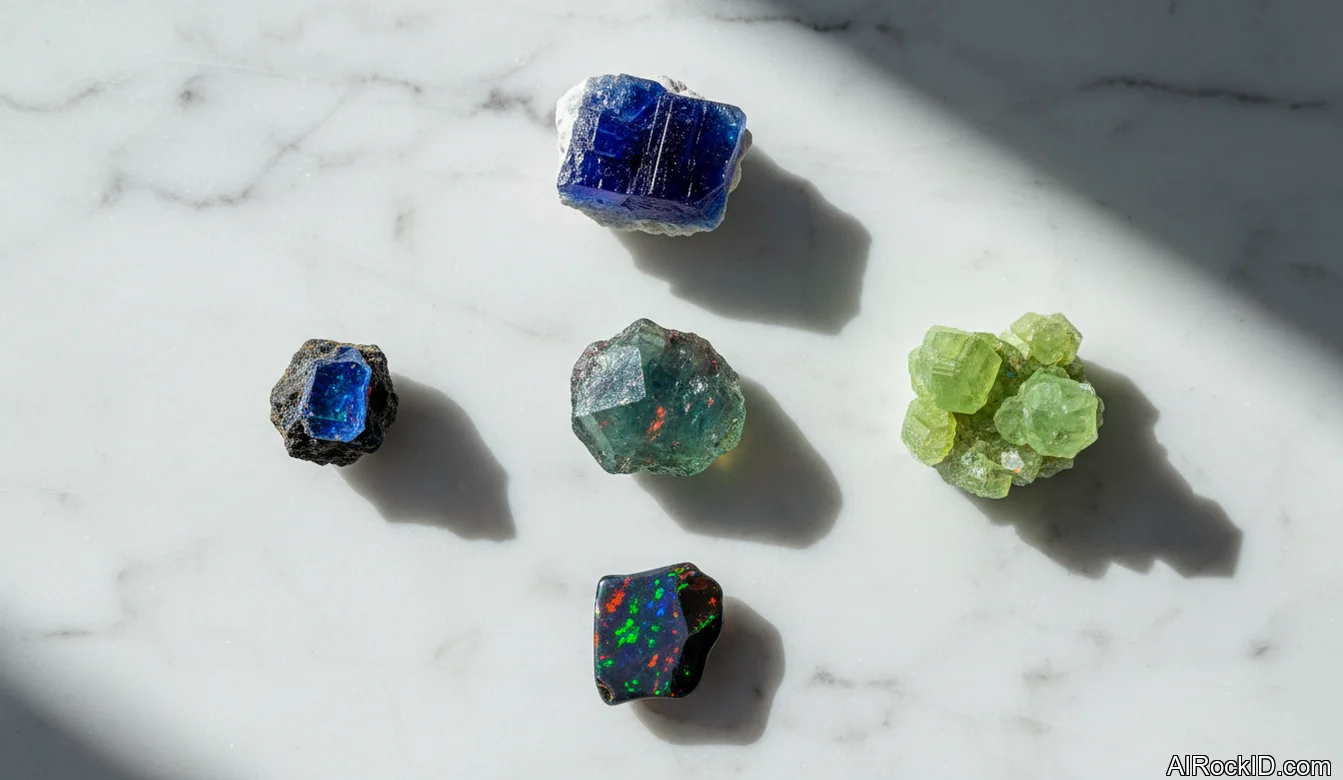
A small tray of high-value mineral specimens including alexandrite, benitoite, and red beryl under neutral lighting

The priciest crystals are the ones that are truly rare, a pain to get in clean shape, and weirdly easy to fake once serious money is on the table.

Hold a high-end piece in your hand and you notice stuff you just don’t with a $10 tumble. The heft. The way the edges still feel crisp instead of softened over. And the light, too, it snaps across flat crystal faces in little flashes, not that uniform shine you get from a rounded polish. At the expensive end, the price usually follows a mash-up of scarcity, size, transparency, color, and how “finished” the specimen looks right out of the ground. A thumbnail-sized, gemmy crystal sitting on matrix can run higher than a fist-sized chunk of common material, and that’s not hype. It’s supply.

But the market’s messy. Labels get lazy, localities get “rounded up,” and treatments get tucked into fine print like you’re not supposed to notice. I’ve handled alexandrite that shifted like a traffic light, and I’ve handled “alexandrite” that was basically purple glass that got a little warmer in my fingers. So if you’re paying real money, you need a different mindset: buy the specimen first, the story second. This guide sticks to what actually moves the needle on price, what you can check with your own eyes and a loupe, and what you should leave to a lab report.

Recommended Crystals
Alexandrite
Alexandrite

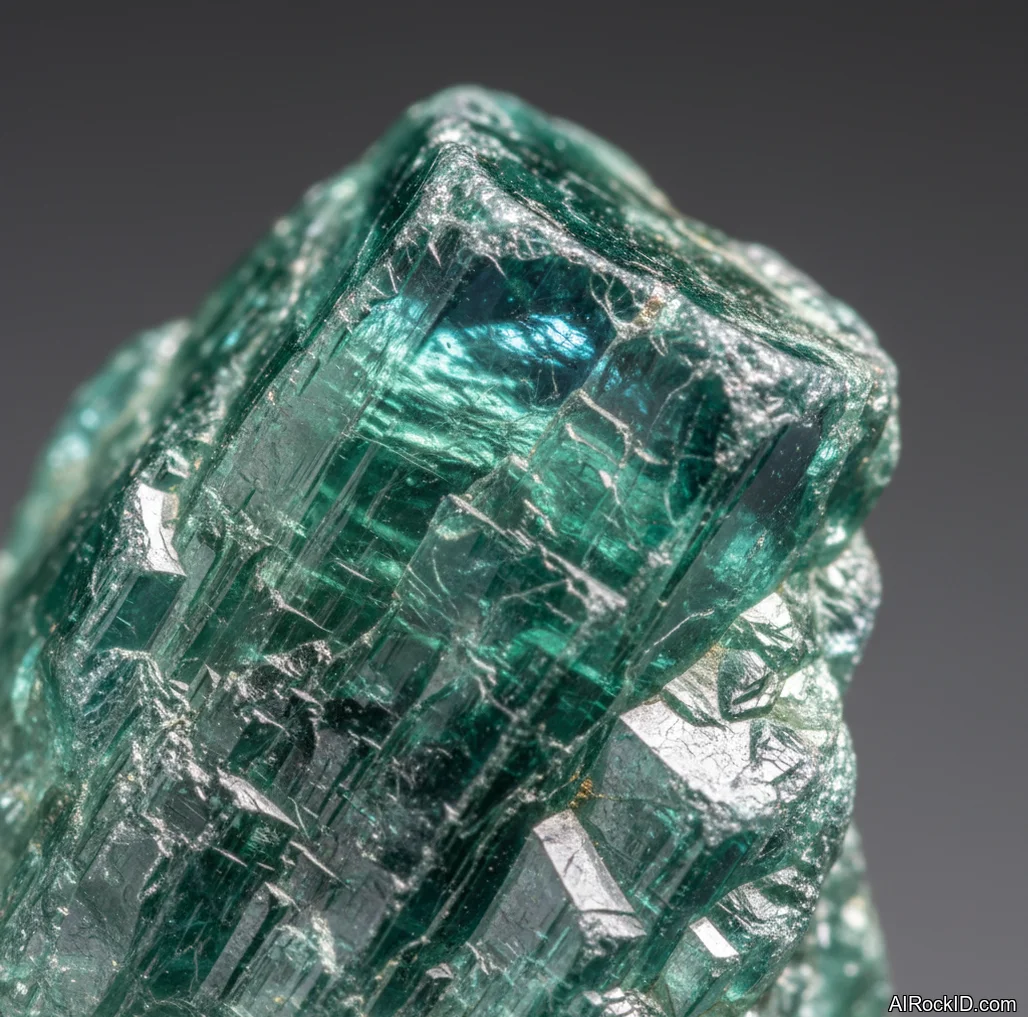
Most gems have a pretty steady price climb. Alexandrite doesn’t. Once the color change is strong and the stone’s clean, the price line basically shoots straight up. Under warm indoor light, the good stuff snaps from green to red and doesn’t get that weird, muddy in-between. I’ve handled real stones where you just tip it a couple degrees in your fingers and, boom, the red turns on like someone hit a switch. And then there are the weak changers that just sit there looking brownish no matter how you angle them. Big, clean alexandrite is scarce, and that’s exactly why collectors and jewelers end up chasing the same handful of stones.
How to use: Look closely under two light sources: daylight or a 5000K lamp, then a warm incandescent or 2700K bulb. Store it separately because it can scratch softer stones, and keep any paperwork with it because resale value depends on documentation.
Benitoite

Benitoite

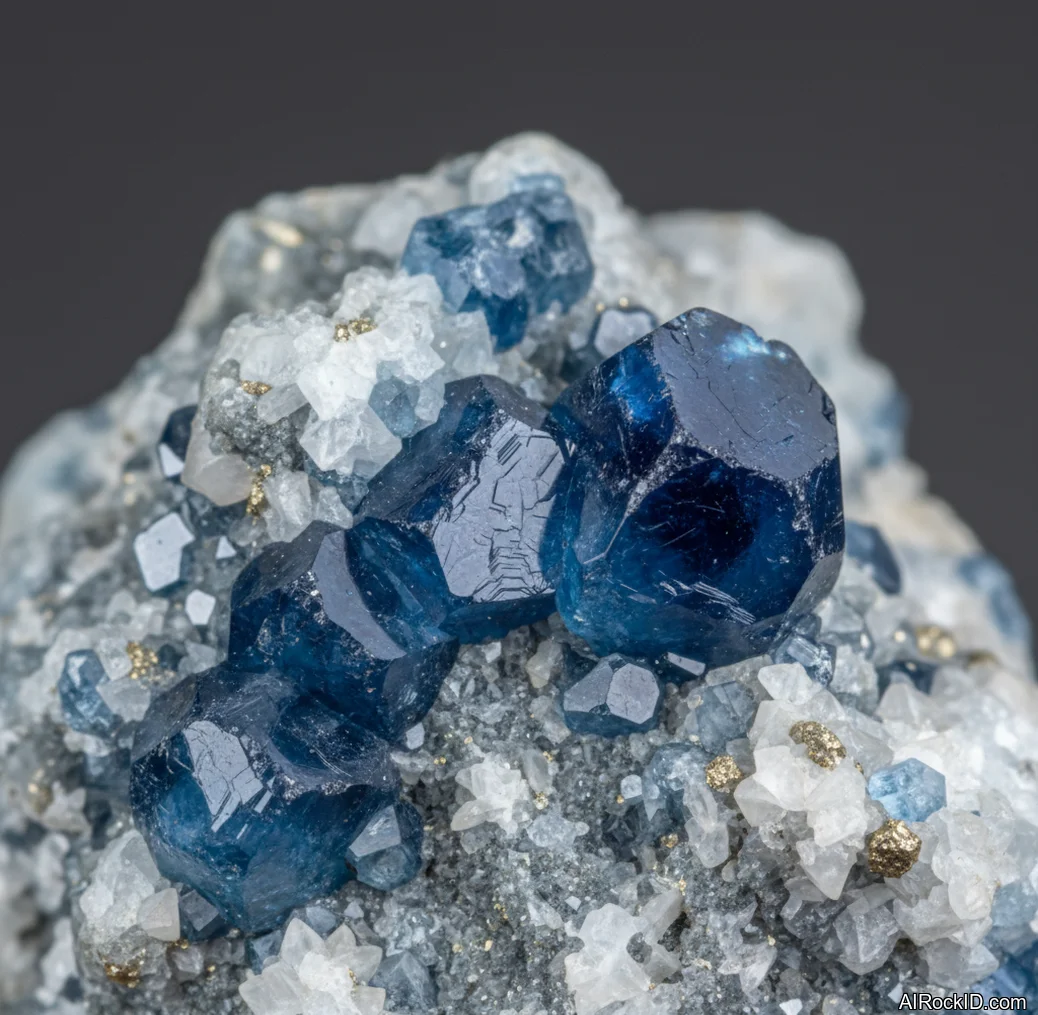
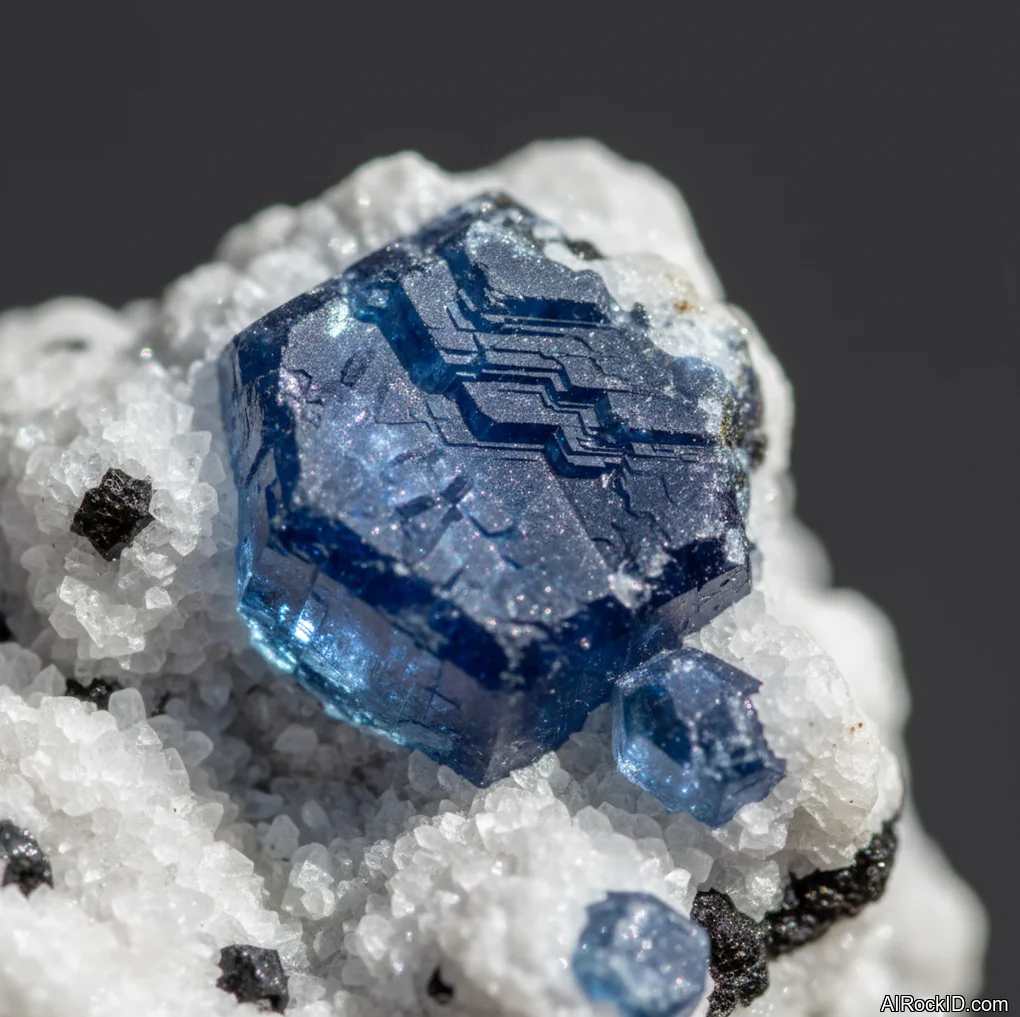
Benitoite gets pricey in a hurry, mostly because the really fine crystals are tiny and the original California supply is limited. Under UV light, a good one just lights up this bright blue fluorescence, the kind that sticks in your head after you’ve actually seen it with your own eyes. And when you’ve got a top cut stone in your hand, it can read like an electric blue sapphire, but there’s a thin line between “wow” and “okay, now it’s too dark” once it’s set and you’re looking at it straight on. Clean crystals on matrix pull collectors in fast, too. But clean is the word that matters, because a lot of pieces have little edge chips you only notice when you tilt them and catch that tiny, sharp glint.
How to use: Use a small UV flashlight as a quick check and photograph it under neutral light for your records. Don’t toss it in a pouch with quartz points because crisp edges and small crystals chip easier than people expect.
Black Opal

Black Opal

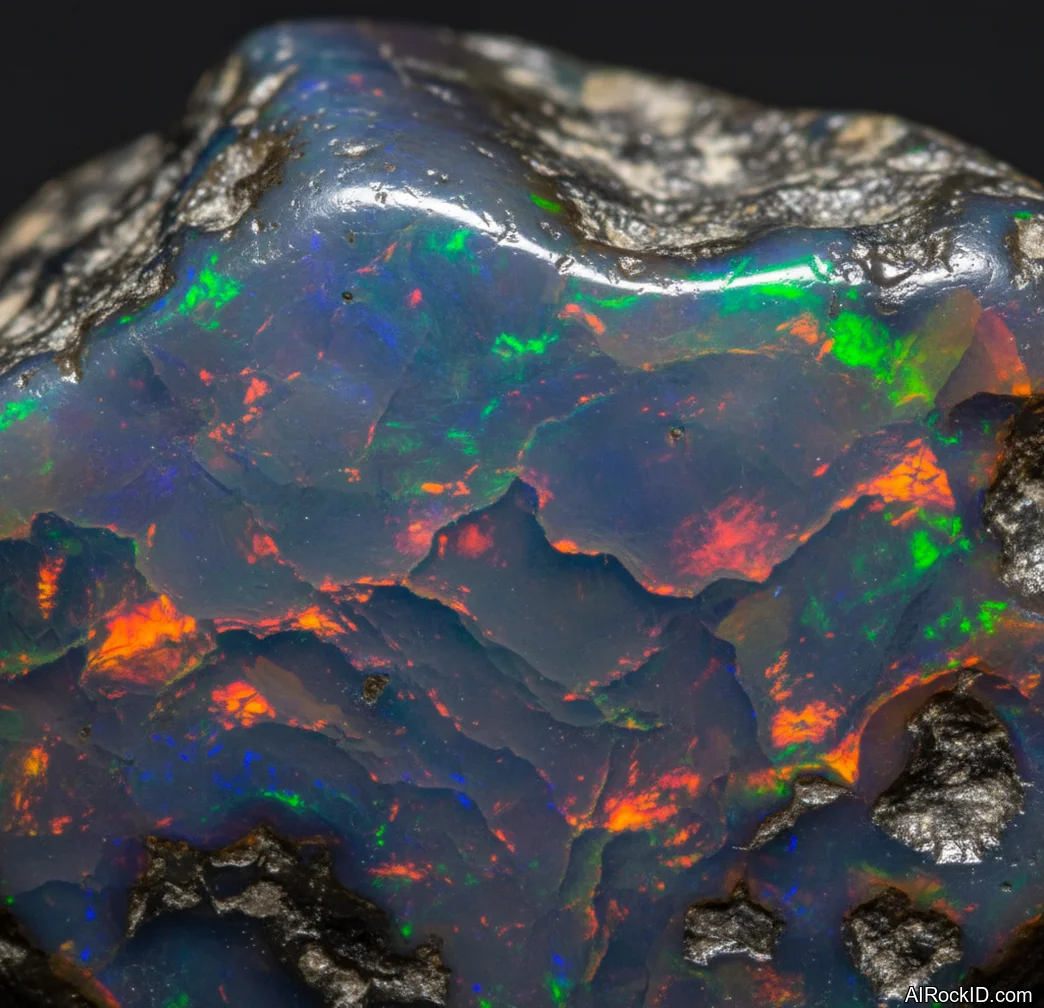
Black opal pricing really comes down to play of color, body tone, and pattern, and the best stones don’t just sparkle on top, they look like there’s depth sitting under the surface. If you’ve ever held a good one between your fingers and tipped it under a light, you’ll see the color slide and roll as you move it, kind of like oil on water, only crisper and more defined. But opal has a headache: stability. Some material will craze or dry out over time, and buyers know it, so that risk is baked into the price. And when you get into Lightning Ridge grade, with strong red flashes and a clean polish you can feel is glass-smooth, the numbers can get serious fast. Who wouldn’t pause before paying for that?
How to use: Keep it away from heat vents and long, dry sun exposure, and don’t store it in a hot car. If it’s a doublet or triplet, treat it like a delicate laminate and avoid soaking it in water.
Adamite

Adamite

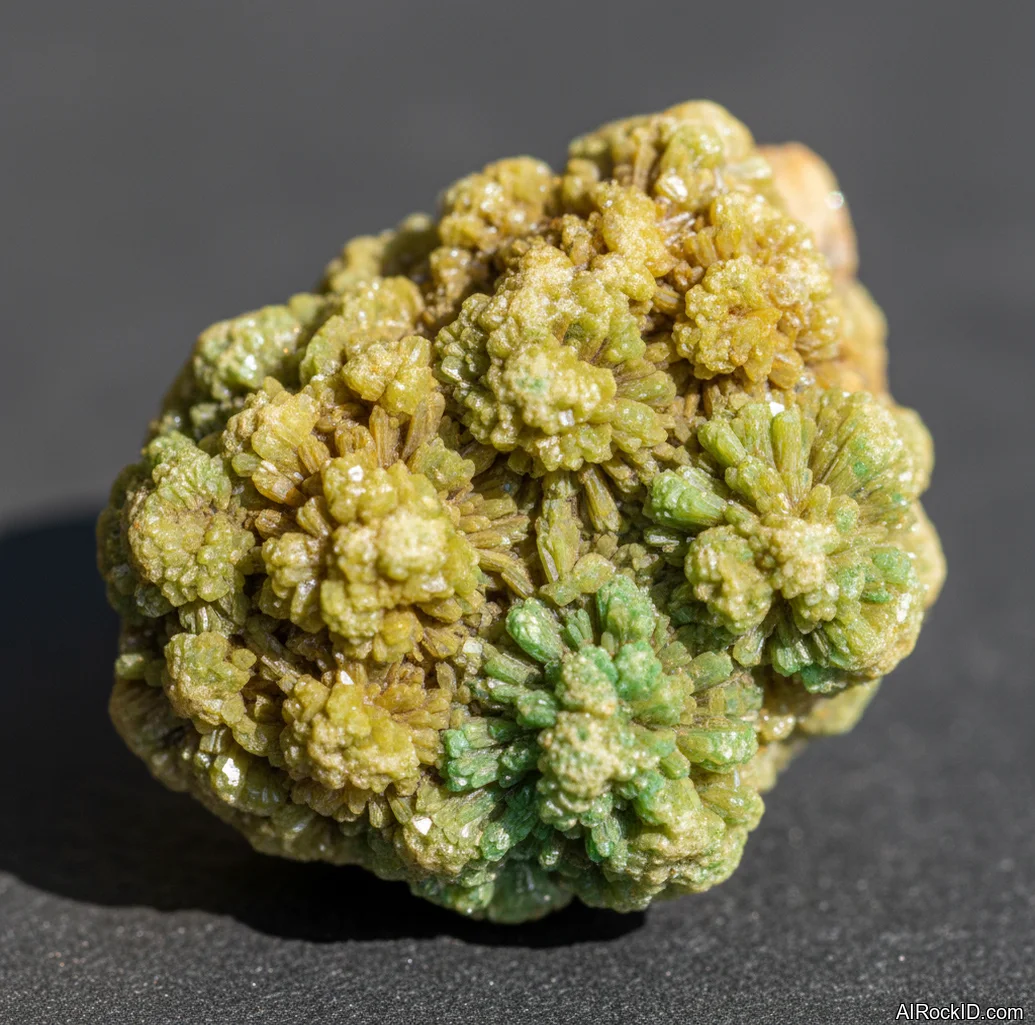
Adamite can look like candy the first time you see it, and yeah, that’s a big reason it sells. But the pricey pieces come down to color, crystal shape, locality, and just how clean the specimen is. The neon green stuff from the classic localities can look straight-up unreal in daylight. And if you put a loupe on it, you’ll usually spot those tiny terminations that chip if you so much as breathe on them wrong. I’ve handled adamite that felt almost dusty (no joke) because the microcrystals are that fine, and one careless wipe dulled the sparkle fast. Really clean, good-looking clusters with strong color and minimal damage just don’t show up that often. So when they do, the price jumps.
How to use: Handle clusters over a soft towel and avoid rubbing the crystal faces. Display it in a closed case if you can, because dusting and humidity swings are rough on delicate microcrystal surfaces.
Afghanite

Afghanite

Gem-quality, correctly ID’d afghanite gets pricey. Why? People mix it up with other blue stones all the time, and clean material that’s actually big enough to cut just doesn’t show up much. The color range is all over the place, from that soft denim blue to a punchier, brighter blue. The top stuff holds its color indoors too, instead of washing out and going kind of gray under shop lights. Most dealers are going to hand you little bits of rough because that’s basically what’s out there, and a big, transparent chunk is the weird exception. I’ve handled pieces where one face looked amazing, then you turn it in your fingers and the rest is cloudy (annoying, honestly). So the price usually comes down to how much usable material you can really get out of it.
How to use: If you’re buying rough, use a bright penlight and check for internal zoning and cloudiness before you pay “gem” pricing. Keep it away from harsh cleaners and store it wrapped so edges don’t knock against harder stones.
Aegirine

Aegirine

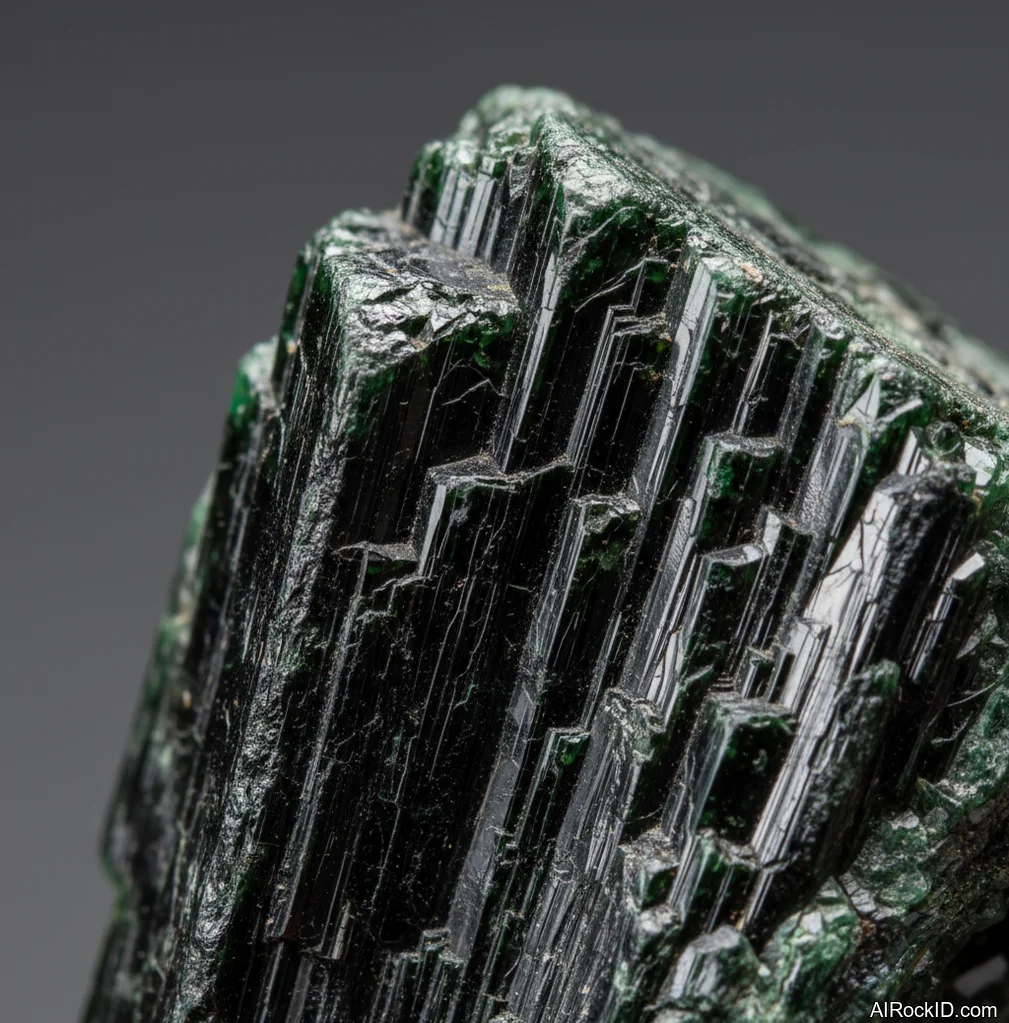
Aegirine starts getting expensive once the crystals are long, needle-sharp, and glassy, especially when they’re sitting on a clean matrix that really makes the black pop. Grab a genuinely good piece in your hand and the luster can look almost metallic, even though it isn’t, and that slick, mirror-like sheen is exactly what collectors are hunting for. But here’s the annoying part. Those tips snap. Easy. And a lot of “mint” specimens have had a repair or a tiny re-glue that nobody mentions. I’ve looked over “perfect” sprays where everything seemed fine until I tilted it under a side lamp and, there it was, that faint glue line catching the light. Sneaky, right?
How to use: Use raking light from the side to spot repairs, and ask for photos of the back and base. Transport it in a hard box with padding because long prisms don’t forgive bumps.
Actinolite

Actinolite

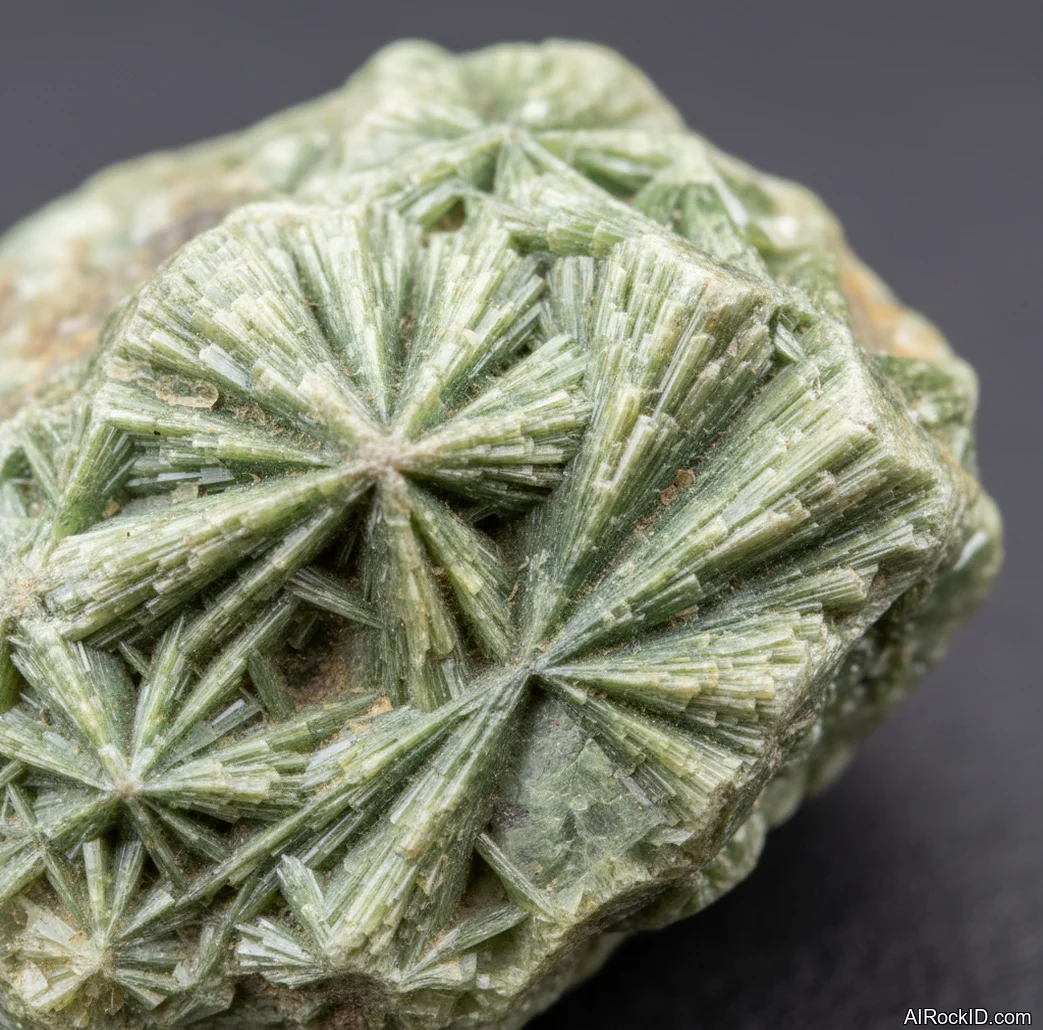
Actinolite can run the gamut, price-wise, but the expensive stuff is all about crisp crystal form, those pretty spray-like clusters, and clean, dramatic specimens that aren’t just fibrous rough chunks. Some pieces even look almost silky from a few inches away, like they’ve got a soft sheen sitting on the surface. And the really top-tier ones have needle-like crystals that throw light back in bands when you turn them in your fingers, kind of like the shine slides instead of flashing. But there’s a safety piece here, too, because some actinolite habits overlap with asbestos-like fibers. So careful collectors will pay more for well-formed, display-grade material that’s been handled responsibly (because who wants to wonder about dust?). In your hand, the heavy, dark green chunks can feel tougher than they look, but those thin crystals? Still easy to snap if you bump an edge. Fragile, even when the whole thing feels solid.
How to use: Don’t grind or sand it, and don’t make dust. Keep it as a display specimen, and if it’s fibrous, store it sealed or in a case and wash hands after handling.
Arsenopyrite

Arsenopyrite

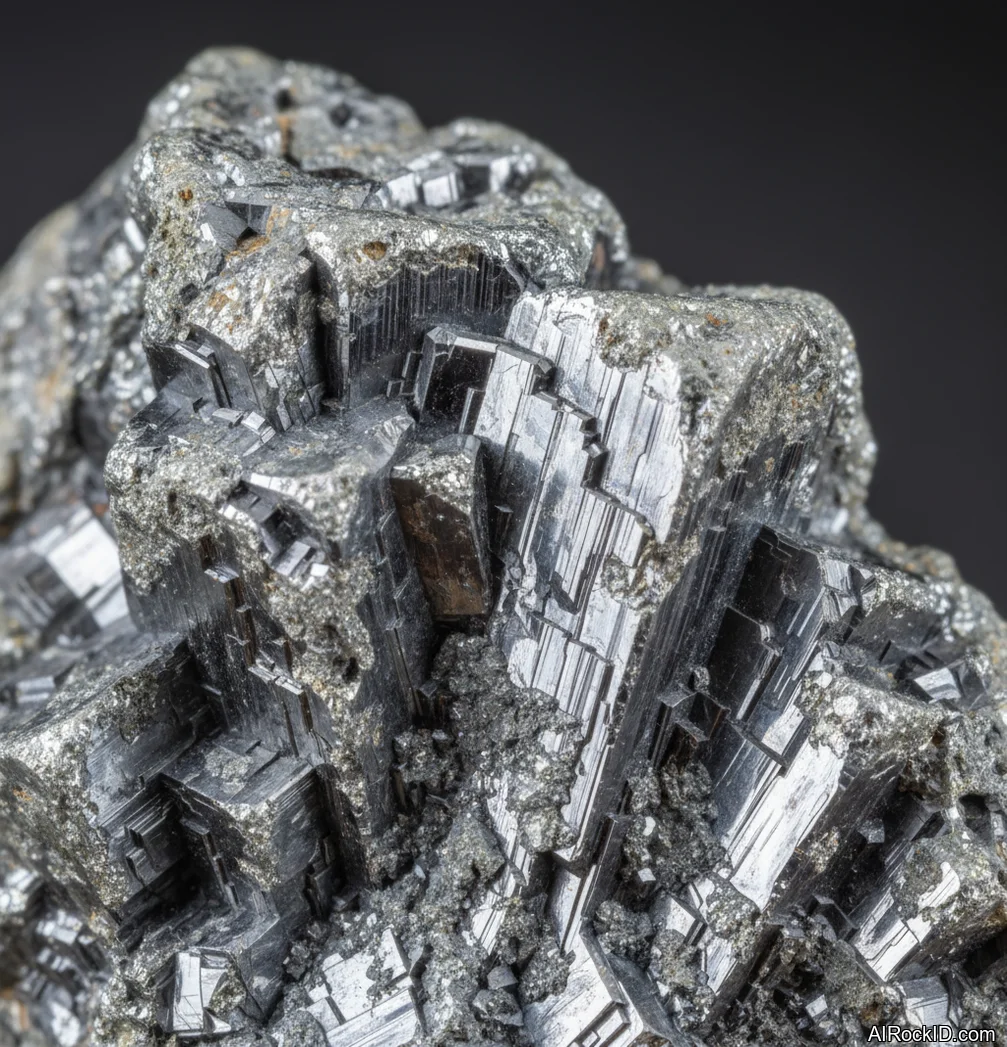
Arsenopyrite can sell for real money when it shows up as sharp, bright metallic crystals with clean geometry, especially when the faces are so flat they act like mirrors. And if you tilt the piece under a lamp, you’ll catch that quick flash off the crystal faces, like a tiny signal mirror in your hand. But the catch is baked into the name: it contains arsenic. So serious collectors handle it carefully (gloves, sealed boxes, that sort of thing), which trims the casual “impulse buy” crowd while pushing up the price of the best, well-kept specimens. I’ve popped open older specimen boxes and gotten that immediate sulfur-arsenic stink in the nose, and that’s your warning sign, right there, that you don’t want it parked in a humid room.
How to use: Keep it dry, keep it contained, and don’t store it where kids or pets can reach it. Wash hands after handling and avoid putting it in a pocket or on a bedside table.
Black Opal (high-grade rough and finished stones)

Black Opal (high-grade rough and finished stones)

Raw black opal can cost a fortune when the color bar is thick and the pattern is stable, because cutters can actually finish a stone without having to chase the color until there’s basically nothing left. The real test? You look at it wet and dry, since some rough flashes like crazy with a bit of water on it and then falls flat once it’s dry and set. I’ve watched buyers at shows do the whole routine: phone light held low, almost skimming the surface, then a quick tilt in their fingers. And they’ll still toss aside pieces that looked great straight-on because the color just dies when you move off-angle. But when the color hangs on from multiple angles and the body stays dark, yeah, the price jumps right along with it.
How to use: If you buy rough, keep notes on how it behaves dry versus wet and don’t rush into cutting without experience. Store it away from heat and rapid humidity swings to reduce cracking risk.

What actually makes a crystal expensive (beyond hype)

Most dealers aren’t slapping a price tag on “energy.” They’re looking at supply, condition, and how many people are actually chasing that exact look. A clean, well-terminated crystal with crisp edges will beat the same mineral with bruised tips every time, even if the color’s dead-on. That’s why a tiny benitoite crystal on matrix can sit at a higher price than a bigger piece that’s been knocked around.

Look, focus on what’s hard to replace. Locality starts to matter a lot when a mine’s closed or production is tiny, and it matters even more when that locality has a consistent look collectors can spot from across a room. Treatments matter too. And a lab report, a known cutter, or a long paper trail can bump the price because it lowers the risk for the next buyer. Nobody wants surprises.

Then there’s the unsexy part: prep. I’ve handled matrix pieces where the crystal was perfect, but the base had those fresh, flat saw cuts and little chatter marks (you can feel them if you run a fingernail across it), and it just wrecked the aesthetic. High-end specimens usually have clean trimming, stable mounting if it’s needed, and no surprise repairs. Boring? Sure. But that’s exactly why two “same mineral” pieces can land at $300 and $3,000.

Fakes, treatments, and the tells I check first

The tough thing about pricey crystals? The temptation to cheat is massive. Lab-grown alexandrite is real. Glass “opal” is real. Reconstituted material, dyed fractures, and repaired clusters are all out there, too. None of that is automatically shady if it’s disclosed, but a lot of the time it isn’t.

So grab the piece and actually handle it for a minute. Pay attention to temperature and how the surface feels against your skin. Glass usually warms up quicker in your palm, and you’ll often see tiny rounded wear on the edges, like it’s been softly tumbled, where a natural crystal might keep sharper edges or have that slightly ridged growth texture you can feel with a fingernail (especially on points and along natural faces).

Look, a loupe tells you the rest. Check for bubbles, dye pooling down in cracks, and color that looks a little too even, like it was “filled in.” Natural stones are messy. They’ll have zoning, tiny inclusions, and that uneven randomness that doesn’t look printed or perfectly consistent.

And dealers will usually show you the stone under their best lighting, which is fair. But ask to see it in plain shade and under a neutral white light too. If the entire value is “color,” make sure that color isn’t just a lighting trick. I also ask one blunt question: is anything here treated, stabilized, repaired, or lab-grown? The answer tells you a lot.

Buying expensive crystals without getting burned

If you’re about to drop real money, slow down. Get the exact weight, dimensions, locality, and find out if it’s natural, treated, stabilized, or composite. If the seller won’t put that in writing (in the invoice or even a message you can save), that’s your sign.

Budget stones can get away with pretty pictures. High-end pieces can’t. You want straight-on shots, side shots, and raking light, the kind where the glare skims across the surface and suddenly every tiny chip or repair pops out. I’ve only pulled the trigger on a specimen after asking for a 20-second video of the seller rotating it slowly under a desk lamp. That one clip can show glue lines and dead angles that still photos just don’t catch.

Payment and return terms matter. Use a method that gives you some protection, and keep the packaging until you’re sure you’re keeping it. When it arrives, check it right away under a loupe, under UV if that’s relevant, and side by side against the listing. Take photos, save messages, jot down what you see. Not because you’re paranoid. Because expensive stones turn into a paperwork hobby almost as much as they’re a mineral hobby.

Care, storage, and insurance for high-value specimens

Expensive crystals usually don’t get ruined in some epic, movie-style disaster. They get wrecked in the dumbest ways. Aegirine tips snap in transit. Opal cracks after it’s been sitting too close to a heater. Microcrystal pieces lose their sparkle because someone went at them with a dry cloth. I’ve even seen a gorgeous cluster sprinkle tiny crystals everywhere just because it got set down a little too hard on a glass shelf (that sharp little clink is hard to forget).

So, start with plain physical protection. Give pieces their own boxes. Use foam cutouts. Gem jars work too, especially when you can feel the lid bite down and you know it won’t rattle. And keep harder minerals away from softer ones, because one careless bump is all it takes.

But light matters too. Some colors fade after long sun exposure, and even when they don’t, sunlight still heats up display cases and puts stress on sensitive material. Ever touched the inside of a sunny cabinet and noticed it’s warmer than the room? That heat adds up.

If the value is significant, treat it like any other collectible. Photograph it well. Keep receipts, plus any lab reports you’ve got. And consider an insurance rider if your collection has crossed into that “this would hurt to replace” territory. You don’t have to make a big scene about it. Just stay organized.

How to Use These Crystals for Most Expensive Crystals

If you’re actually using pricey crystals in a hands-on way, the first “use” is plain old handling. Attention. Seriously. Pick the specimen up over a towel, not over tile. I learned that one the hard way when a corner kissed the floor and my stomach dropped. Use a loupe. Use neutral light. The high-end stuff doesn’t forgive sloppy habits, and the damage usually happens in the first week, when you’re excited and keep taking it out to look at it again (and again).

For display, think like a museum that’s watching its budget. You want a stable base with zero wobble, and you don’t want direct sun hitting it all day. And if it’s something delicate like adamite microcrystals, a closed acrylic case saves you from the slow grind of dusting and those accidental “just one touch” moments. For opal, keep it away from heat sources. Don’t leave it baking under a lamp, either. Why tempt it?

For personal practice, keep it simple. Keep it honest. I’ll sometimes use a high-value stone as a focus object on my desk while I work because it makes me slow down and stay intentional, but I don’t carry most of these around. Too risky. A photo of the specimen on your phone can do the job if what you want is a reminder, and the real stone can stay safe where it belongs.

Common Mistakes to Avoid

Chasing the name instead of the actual specimen is the big trap. People hear “benitoite” or “alexandrite” and they grab the first thing with that tag, even when the quality’s meh or the ID feels a little wobbly. If you don’t like it with your own eyes, you’re not going to suddenly love it just because it’s rare. That’s not how it works.

Another one: trusting a single lighting setup. Show lights are basically cheat codes. They’ll make a tired stone look like it’s throwing sparks, and under UV some minerals just go nuts and look unreal, but you still have to judge them in normal light because that’s the light you’ll actually see them in day to day. And look, people skip the loupe check all the time, then later they’re shocked when they spot a glue repair, or they realize that “natural termination” they thought they were buying is actually a polished face (yep, you can usually feel that slickness when you tilt it).

Last thing is storage. Throwing high-end pieces into a bowl or a pouch is basically asking for chips and scratches. Get a simple system going early: labeled boxes, a few gem jars, photos, and maybe a little padding so pieces don’t clack together when you set the container down. Not glamorous. But it’ll save you money.

Important: Expensive crystals won’t buy you certainty. They can’t replace lab identification, they can’t fix bad sourcing, and if you’re treating minerals like an investment, they won’t protect you from market swings. And they won’t do your personal work, either. Sure, a beautiful specimen can help you focus or mark a ritual moment, like the cool weight of it in your palm or the way it catches light on a windowsill (you know the look). But it still won’t substitute for sleep. Or therapy. Or training. Or a real financial plan.

Identify Any Crystal Instantly

Snap a photo and get properties, value, care instructions, and healing meanings in seconds.

Frequently Asked Questions

What makes a crystal one of the most expensive?
Price is driven by rarity, quality (color, clarity, size, crystal form), provenance, and demand. Verified documentation and untreated status can increase value.
Is alexandrite more expensive than diamond?
Fine natural alexandrite can be more expensive per carat than many diamonds. Pricing depends on strength of color change, clarity, and size.
How can you tell if black opal is real?
Real black opal shows play-of-color that shifts with angle and has a natural body tone. Composite opals (doublets/triplets) show layer lines at the side under magnification.
Do lab-grown alexandrites have the same value as natural?
Lab-grown alexandrite has significantly lower market value than natural alexandrite. It can still be visually attractive but is priced as synthetic.
Why is benitoite so expensive?
Benitoite is scarce in fine gem quality and historically tied to limited production localities. High dispersion, strong blue color, and collectible crystals increase demand.
Are expensive crystals a good investment?
Crystals are not guaranteed investments and resale value varies widely. Liquidity depends on documentation, condition, and buyer demand.
What paperwork increases the value of a high-end crystal?
Lab reports, invoices, provenance notes, and clear locality information can increase value. High-quality photos and prior ownership history can support resale.
What’s the most common scam with pricey crystals?
Common issues include undisclosed treatments, composite construction, misidentified material, and repaired specimens sold as natural. Poor or missing provenance is also a risk factor.
Does UV fluorescence affect crystal value?
UV fluorescence can increase value when it is strong, consistent, and desirable for that mineral. It rarely replaces core value factors like clarity, color, and condition.
How should expensive crystals be stored long-term?
They should be stored individually with padding, away from heat and direct sunlight, and protected from dust and impact. Documentation should be stored with the specimen’s ID and photos.
The information provided is for educational and spiritual exploration purposes. Crystals are not a substitute for professional medical, psychological, or financial advice.