Alexandrite
What Is Alexandrite?
Alexandrite is just chrysoberyl that does the color-change trick, and chrysoberyl is a beryllium aluminum oxide with the formula BeAl2O4.
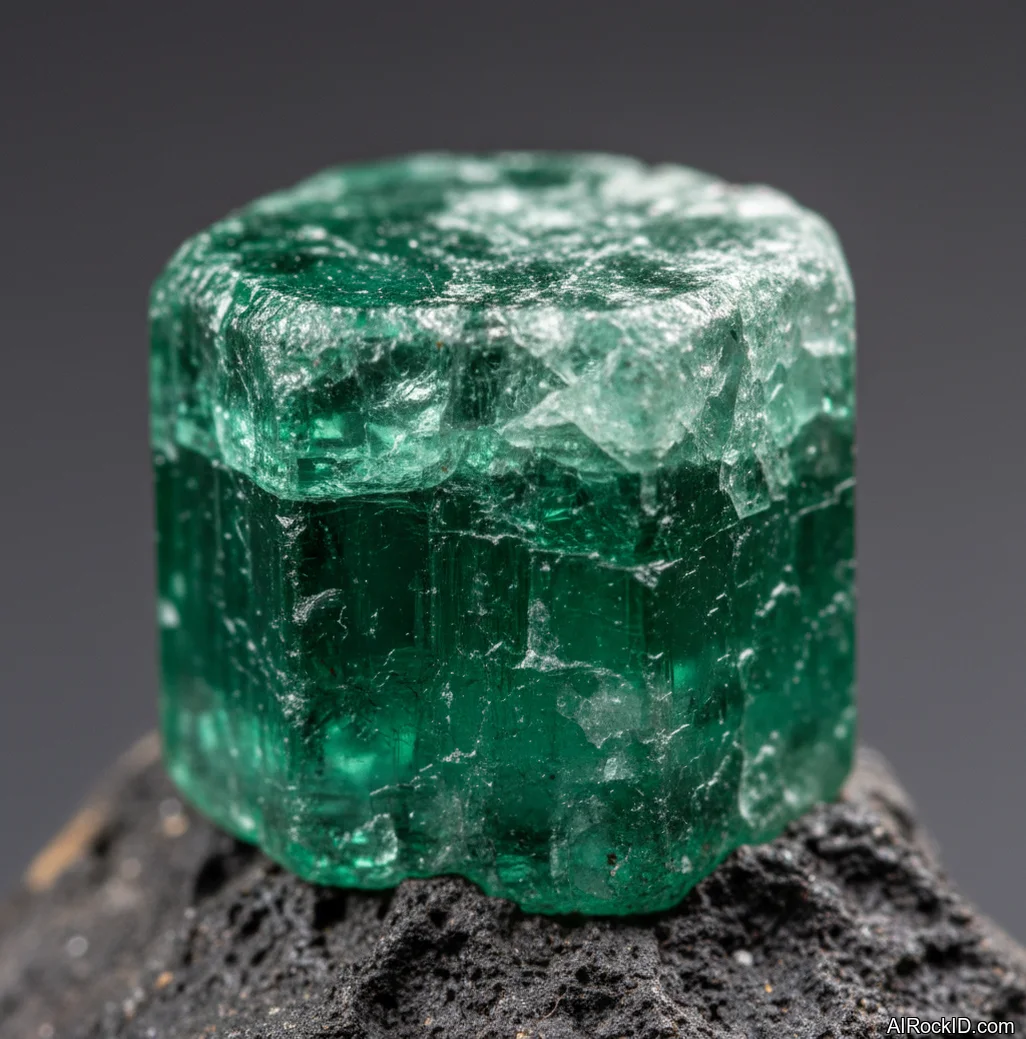
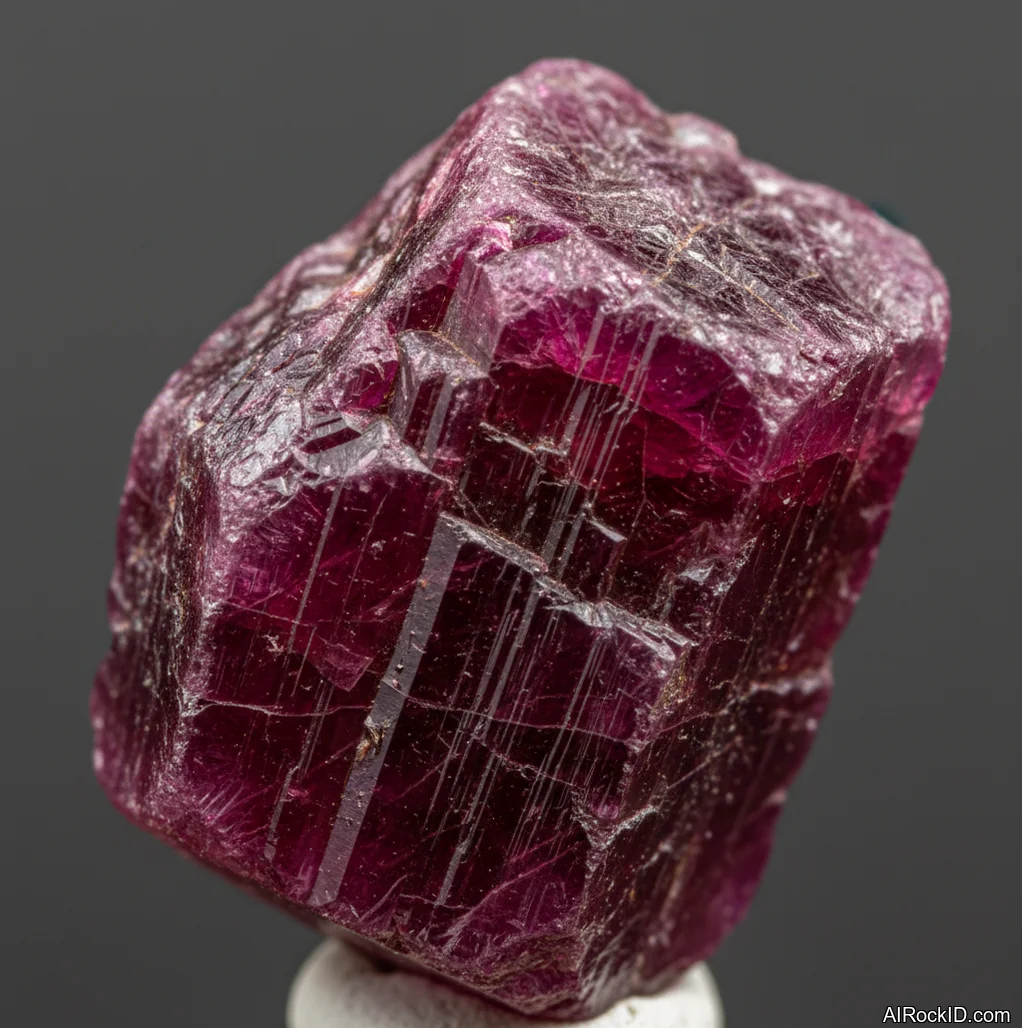
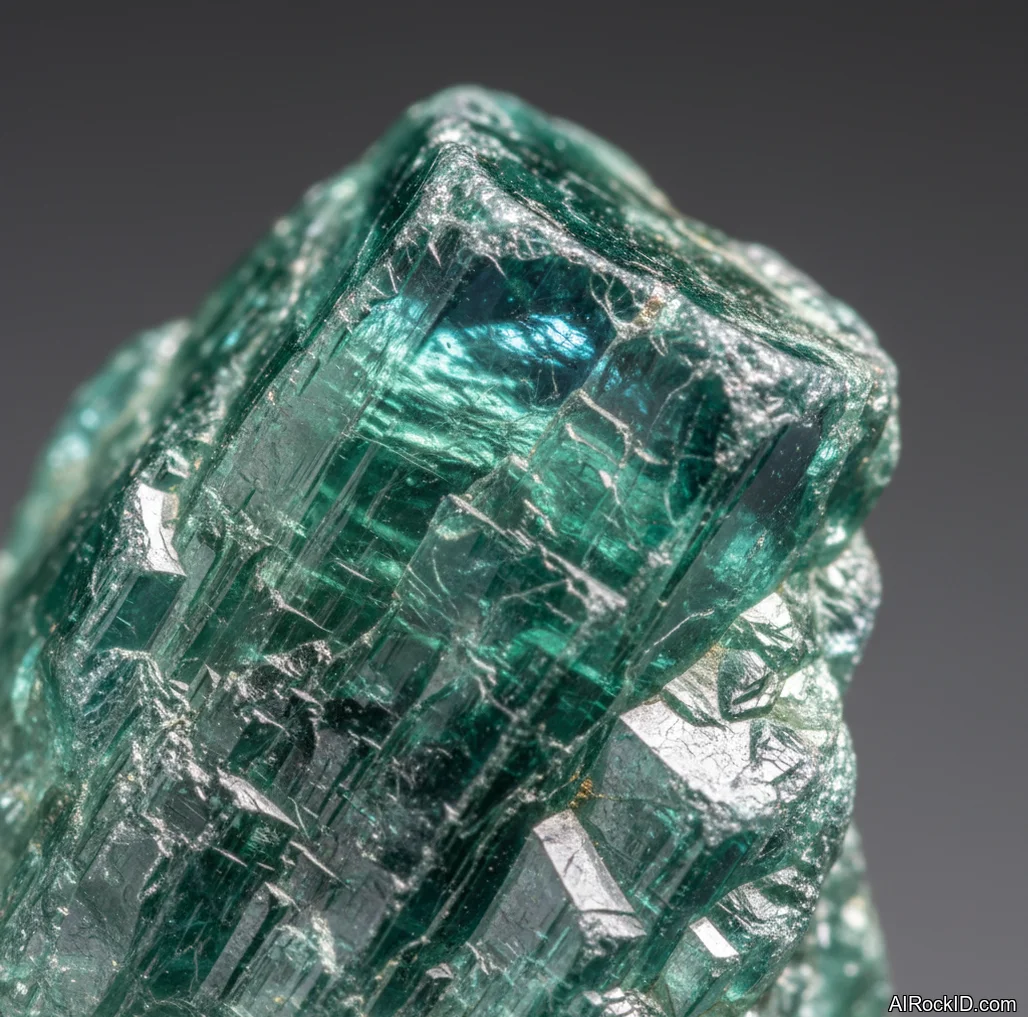
In daylight it can read as a solid green, kind of like a quiet emerald or a deeper peridot. But then you carry it over to a warm lamp and it swings hard to red, raspberry, or that purplish-red shade. That swing is the whole reason anyone cares. Hold a clean stone up and you can see the little “snap” when it catches light, like it’s got crisp edges to the sparkle. It doesn’t have that soft, floaty glow opal has. This looks sharper. Glassier. And yeah, it feels serious in the hand.
Thing is, there’s a catch. Tons of what gets sold as “alexandrite” is lab-grown, or it’s color-change sapphire, or it’s straight-up glass with some gimmick coating on it (you can sometimes spot it by how the surface reflection looks a bit too slick). Real alexandrite usually doesn’t jump cleanly from one pure color to the other, either. In mixed lighting you’ll get a messy in-between blend. And if you hit it with a phone flashlight, it often goes more purple than a true ruby-red, which throws people the first time they try it.
Origin & History
Russia is where the legend kicks off. Alexandrite was first described in 1830 out of the emerald mines near the Tokovaya River in the Ural Mountains, and it got its name from the future Tsar Alexander II. The version you’ll hear at shows? It was supposedly found on the day he came of age, and that green to red flip lined up nicely with military colors. Do the dates get told a few different ways depending on who’s talking? Yep. But the Ural find and the 1830 naming are the pieces that don’t really move.
Old Russian stones set the bar. Big color change, darker body tone, and a daylight look that reads kind of “inky” compared to some brighter modern material. I’ve handled a couple tiny Ural chips that were sitting in those old dealer boxes that smell faintly like paper and dust, and even as little crumbs they snapped from green to red the second you put them under a warm bulb.
Where Is Alexandrite Found?
Fine alexandrite comes from the Urals historically, with important modern sources in Brazil, Sri Lanka, Tanzania, India, and Madagascar. Small occurrences are also reported in the USA.
Formation
Compared to quartz, alexandrite’s kind of a diva about where it’ll actually grow. For chrysoberyl to form, you’ve got to have beryllium and aluminum in the neighborhood, and then you need chromium in a really narrow “sweet spot” to kick off that color change. Miss any part of that recipe and, well, no alexandrite. That combo just doesn’t show up in many places, which is why true alexandrite is so scarce.
Most of the stuff you run into for sale came out of metamorphic environments, or out of gem gravels downstream from those rocks. In Sri Lanka and parts of Tanzania, the crystals weather out, get carried along, and end up in alluvial deposits where they come out rounded, a little bruised, and nicked around the edges (like they’ve been rattling in a pocket full of pebbles). And Brazil? Same story a lot of the time. Raw pieces often have that river-tumbled feel, with worn corners and that dull “skin” on the outside that keeps the real color hidden until you grind and polish a little window into it.
How to Identify Alexandrite
Color: In daylight or cool LED, alexandrite ranges from green to bluish-green; under incandescent or warm light it shifts to red, purplish-red, or reddish-brown. Many stones show in-between tones in mixed lighting.
Luster: Vitreous luster, especially obvious on clean facet junctions or a fresh broken surface in rough.
Pick up the stone and test it under two light sources: indirect daylight and a warm incandescent bulb, not just a phone screen. Look closely at the shift across the whole stone; cheap versions can “flash” one color at angles but don’t fully change body color. The real test is weight and feel too: chrysoberyl stays cool to the touch longer than glass, and it doesn’t feel greasy or soft when you rub it against your fingertip.
Properties of Alexandrite
Physical Properties
| Crystal System | Orthorhombic |
| Hardness (Mohs) | 8.5 (Very Hard (7.5-10)) |
| Density | 3.68-3.78 g/cm3 |
| Luster | Vitreous |
| Diaphaneity | Transparent to translucent |
| Fracture | Conchoidal |
| Streak | White |
| Magnetism | Non-magnetic |
| Colors | Green, Bluish-green, Teal, Red, Purplish-red, Reddish-brown |
Chemical Properties
| Classification | Oxides |
| Formula | BeAl2O4 |
| Elements | Be, Al, O |
| Common Impurities | Cr, Fe, Ti, V |
Optical Properties
| Refractive Index | 1.746-1.755 |
| Birefringence | 0.008-0.010 |
| Pleochroism | Strong |
| Optical Character | Biaxial |
Alexandrite Health & Safety
Under normal handling, the risk is low. But if you’re cutting or grinding it, stick to basic lapidary precautions so you don’t end up breathing in that super-fine dust (the stuff that clings to your clothes and leaves a gritty film on the bench).
Safety Tips
If you’re sanding or polishing anything, put on a real respirator (not one of those flimsy paper masks) and use wet sanding or other wet methods so the dust doesn’t get kicked up everywhere.
Alexandrite Value & Price
Price Range
Rough/Tumbled: $50 - $2,000+ per piece (small rough or specimen fragments)
Cut/Polished: $1,000 - $50,000+ per carat
Price mostly comes down to how strong that color change hits, how saturated it looks, and whether the body tone reads light or dark when you tilt it under the shop lights. Origin can matter, sure, but when you’re standing at the counter actually moving it back and forth, clarity, cut, and a clean green-to-red shift are what count more.
Durability
Very Durable — Scratch resistance: Excellent, Toughness: Good
Alexandrite is stable in normal wear, but it can chip along facet edges if it takes a hard knock.
How to Care for Alexandrite
Use & Storage
Store it in a separate pouch or a compartmented box so it doesn’t rub against softer gems or get its facet edges banged up. I keep mine away from diamonds in the case, because diamonds don’t care what they scratch.
Cleaning
1) Rinse with lukewarm water and a drop of mild soap. 2) Use a soft toothbrush to gently clean around the setting or surface. 3) Rinse well and pat dry with a clean microfiber cloth.
Cleanse & Charge
If you do energetic cleansing, stick to gentle options like smoke, sound, or a quick rinse and dry. I wouldn’t leave fine alexandrite baking in direct sun for “charging” just because there’s no upside to risking heat or accidental drops.
Placement
Keep it where you can actually see the color change, like near a window and also near a warm lamp for comparison. A small display stand helps because you’ll end up picking it up a lot.
Caution
Skip ultrasonic cleaners and steamers, especially if the stones are set, because the vibration and heat can loosen the settings or make any existing fractures worse. And don’t just toss it in a drawer loose next to corundum or diamond.
Works Well With
Alexandrite Meaning & Healing Properties
Look at alexandrite for more than a second and you get why people peg it to change and doing a quick gut-check. You can literally watch it swap moods when the light shifts. When I’m sorting stones on my desk, it’s the one that makes me stop mid-reach, squint a little, and ask myself, “Wait, what am I actually seeing here?” Flip it. Different story.
In metaphysical circles, alexandrite gets tied to adapting on the fly, keeping your head when things get tense, and getting through transitions without spiraling. I take that as a personal-practice kind of thing, not a medical claim. So if you want to use it for focus, try this: hold it under a cool light while you map out your plan, then look at it again under warmer light and see if your priorities still feel like they line up.
But don’t let the vibe talk pull you away from the real-world hassle. A lot of “healing alexandrite” listings are lab-grown, and some sellers get weirdly vague about that. Lab-grown is still chrysoberyl chemically, and it can still show a strong color change. If natural origin matters to you, ask for clear disclosure and, if it’s an expensive stone, get a reputable lab report.
Identify Any Crystal Instantly
Snap a photo and get properties, value, care instructions, and healing meanings in seconds.