Arsenopyrite
What Is Arsenopyrite?
Arsenopyrite is an iron arsenic sulfide mineral with the chemical formula FeAsS.
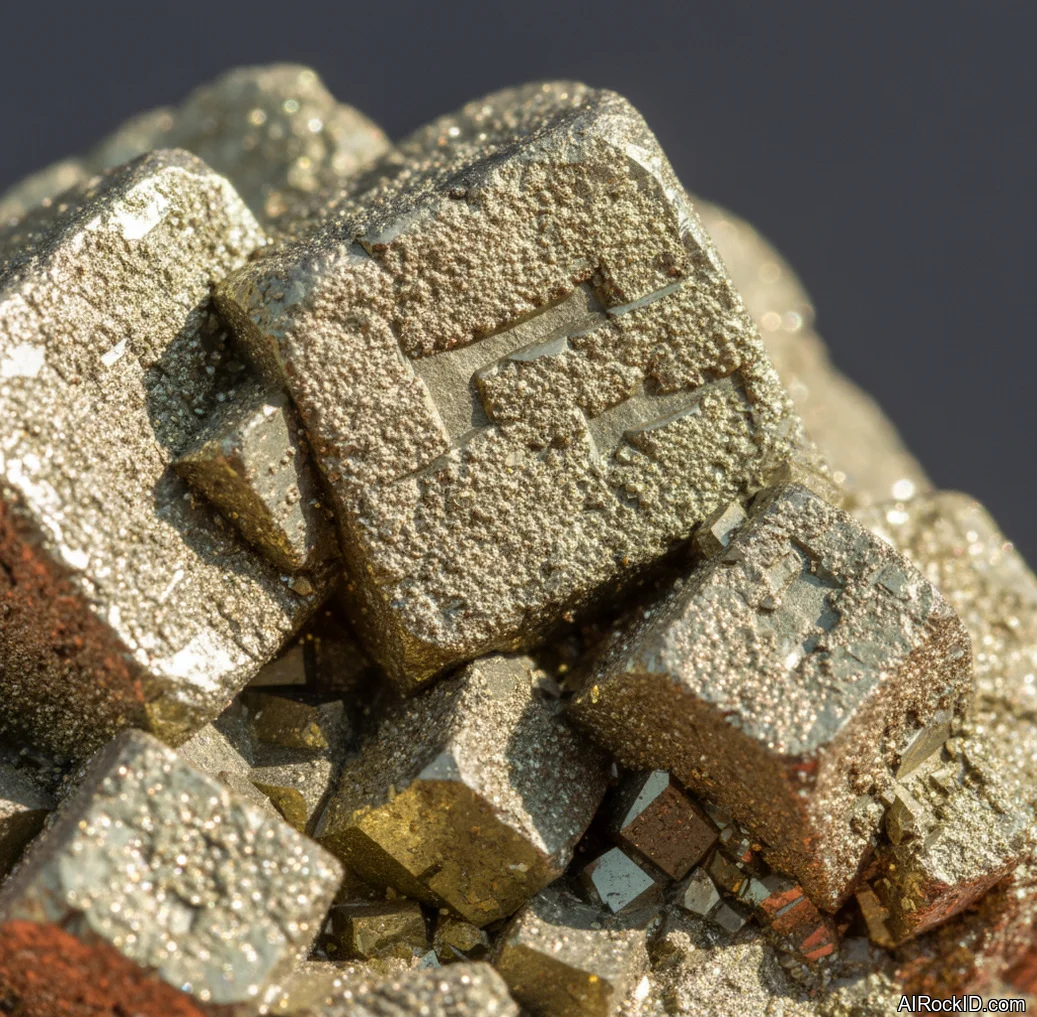
Grab a decent cabinet specimen and the first thing that hits you is the heft. It’s got that pyrite-like weight, but the tone usually reads more silver-gray than brassy, and the faces catch light with this sharper, almost knife-edge look.
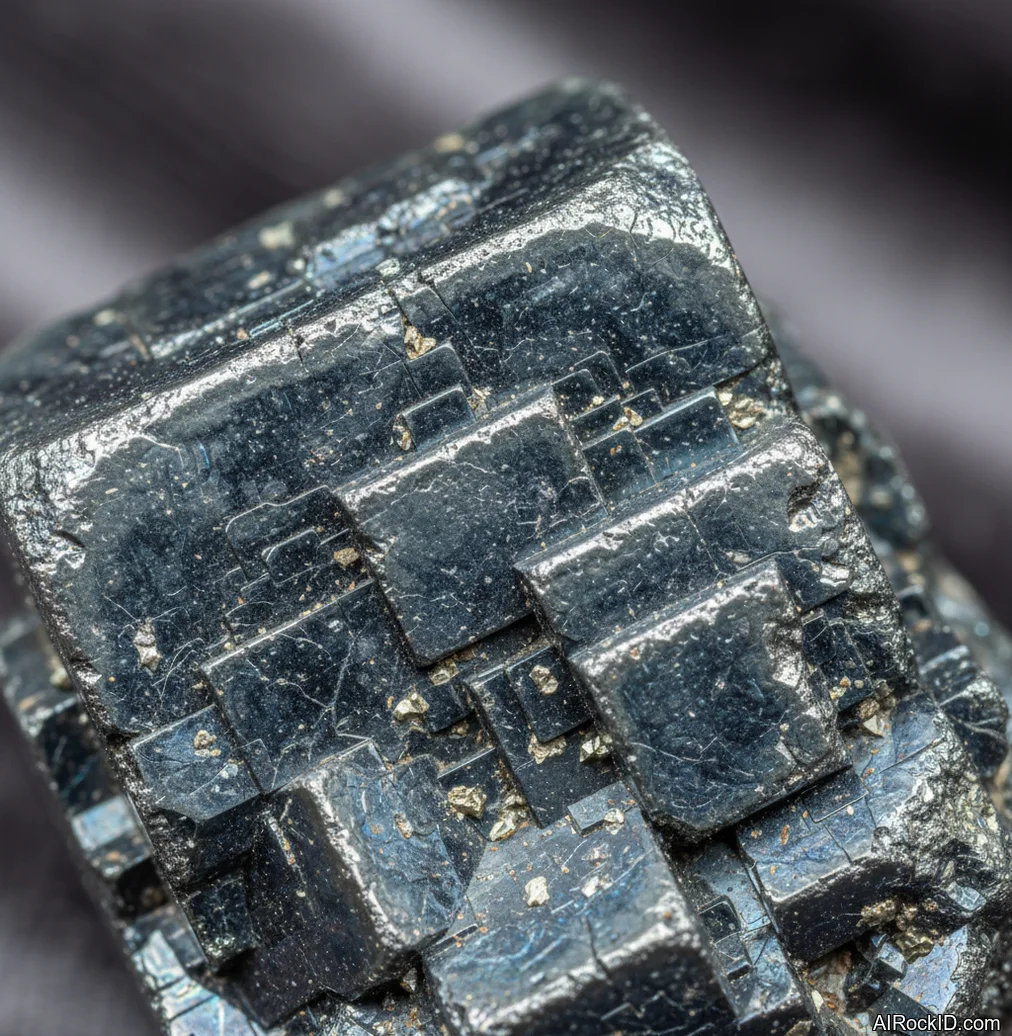
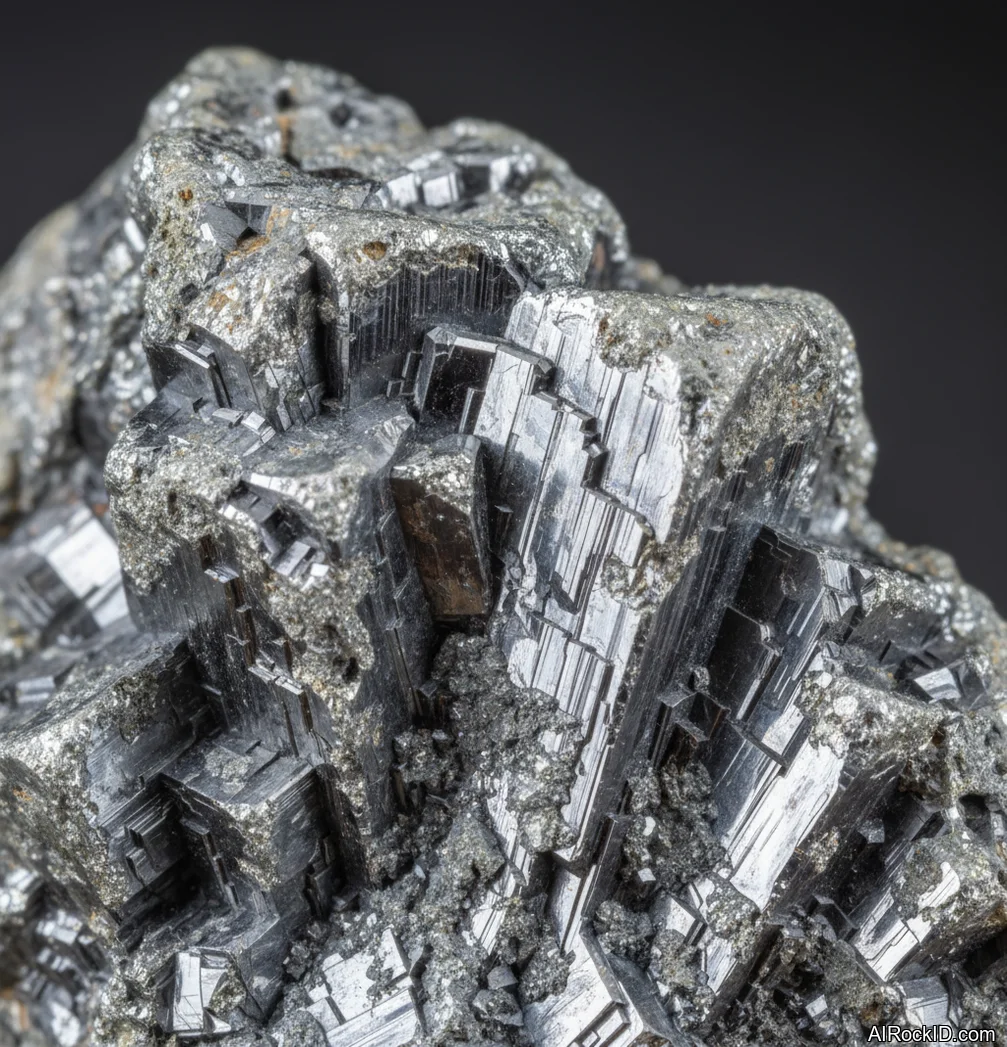
Look closer and the crystal habits give it away. You’ll often see wedgey, prismatic crystals, and if you tilt it just right you can pick out fine striations running along the faces.
And here’s the collector detail people remember because it’s so weird: if you tap it or scratch it (seriously, don’t do that to a display piece), it can throw off a sulfur-and-garlic smell. That’s the arsenic chemistry showing itself, not your brain making things up. Who forgets that once they’ve smelled it?
Origin & History
“Arsenopyrite” gets its name from the Greek *arsenikon* (arsenic) and *pyrites*. And that tracks, because the first time you see a fresh face of it in the light, it really can pass for pyrite for a second, right up until you remember it doesn’t behave the same and it’s carrying arsenic. Older mining and mineral books called it “mispickel” too, especially in Europe.
It got described as a distinct species in the 1800s, back when mineralogy was getting a lot more systematic. So it ended up being a big indicator mineral in ore districts. If you’ve ever pored over paper maps of gold veins or picked through old mine dumps with that gritty gray dust sticking to your fingers, you’ve seen arsenopyrite show up in the same breath as quartz, sulfides, and “auriferous” whatever.
Where Is Arsenopyrite Found?
It turns up in a lot of hard-rock districts worldwide, especially where hydrothermal veins and metamorphic rocks intersect ore-forming fluids. Classic material comes from parts of Europe (including the Alps) and from Brazilian and Russian ore provinces.
Formation
Most arsenopyrite shows up in hydrothermal systems. Hot, mineral-loaded fluids snake through fractures, chew on iron-bearing host rock, and drop minerals as they cool. You’ll spot it in quartz veins. And in sulfide-heavy pockets. It also turns up in skarn and metamorphic settings, where heat and fluid flow push the chemistry hard enough that the rock feels kind of “cooked” when you’re handling fresh pieces.
Compared to pyrite, arsenopyrite stays in a tighter chemical comfort zone. It really wants iron, sulfur, and arsenic available at the same time, and it commonly grows right alongside pyrite, pyrrhotite, chalcopyrite, sphalerite, and galena. Thing is, in some gold districts it’s a serious hint mineral, because the gold can be locked up with arsenopyrite or sitting right next to it in the same vein set. How often do you get a mineral that basically points at the prize like that?
How to Identify Arsenopyrite
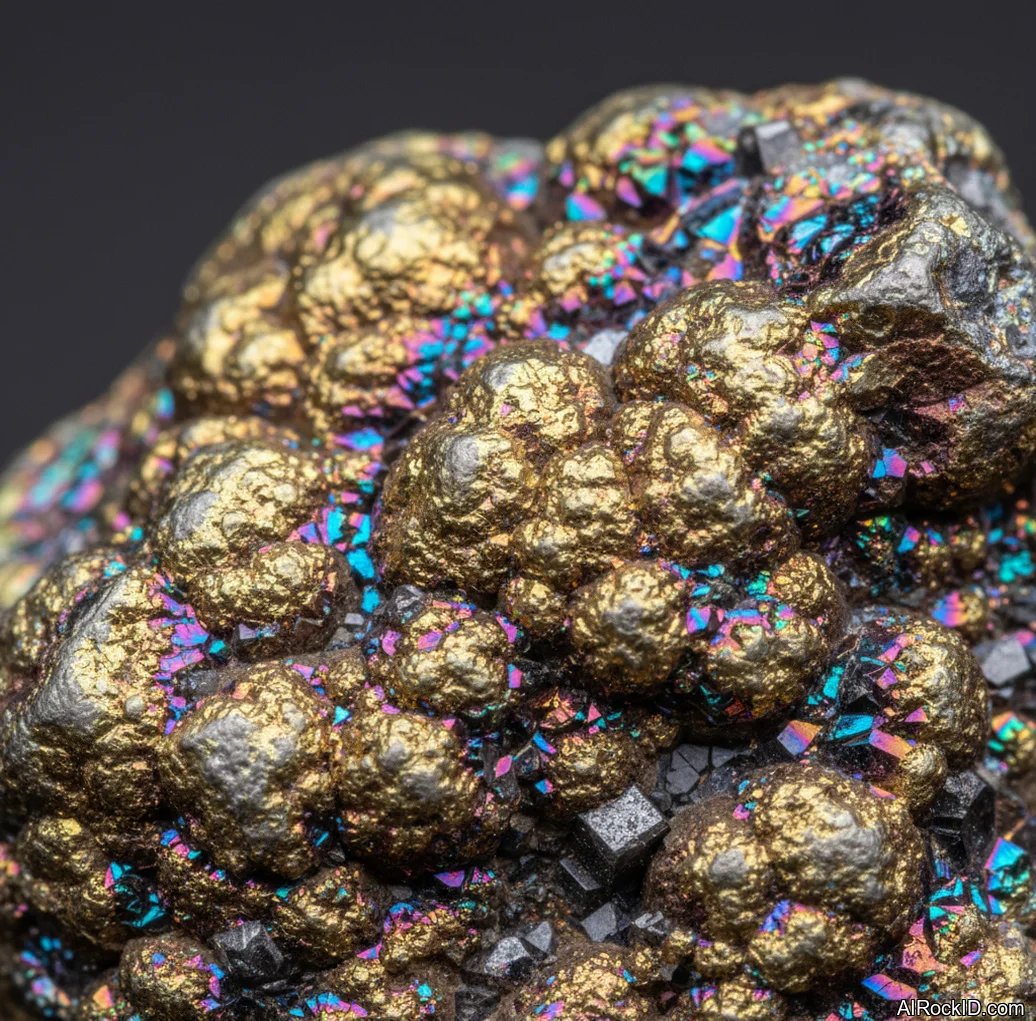
Color: Silvery gray to steel gray, sometimes with a faint brassy tint that can fool you for a second if you’re expecting bright pyrite. Tarnish can push it darker or slightly iridescent on old surfaces.
Luster: Metallic, with crisp flashes on fresh crystal faces.
At first glance it can look like pyrite, but arsenopyrite usually reads cooler and more silver than gold. If you scratch it with a steel point on a rough edge, it often gives off that garlic-like odor from arsenic compounds, but don’t do this indoors and don’t make dust. The real test is pairing look with heft and habit: wedgey prismatic crystals and a hard, metallic “click” when pieces touch in a tray.
Properties of Arsenopyrite
Physical Properties
| Crystal System | Monoclinic |
| Hardness (Mohs) | 5.5-6 (Medium (4-6)) |
| Density | 5.9-6.2 g/cm3 |
| Luster | Metallic |
| Diaphaneity | Opaque |
| Fracture | Uneven |
| Streak | grayish black |
| Magnetism | Non-magnetic |
| Colors | silver-gray, steel-gray, tin-white, gray-black (tarnished) |
Chemical Properties
| Classification | Sulfides |
| Formula | FeAsS |
| Elements | Fe, As, S |
| Common Impurities | Co, Ni, Sb |
Optical Properties
| Refractive Index | 2.66-2.78 |
| Birefringence | None |
| Pleochroism | None |
| Optical Character | Isotropic |
Arsenopyrite Health & Safety
You can pick it up as a solid specimen if your hands are clean, sure. But treat it like a “look, don’t lick” kind of mineral, and don’t do anything that makes dust (seriously, no sanding or scraping). And don’t soak it in water. That’s a bad move because it can promote oxidation and kick loose contaminants.
Safety Tips
Wash your hands after you handle it. Keep it out of the kitchen and away from anywhere you prep food. And don’t cut it or sand it unless you’ve got real ventilation, a proper respirator that seals on your face (the kind with snug straps, not a flimsy dust mask), and you’re using wet methods meant for toxic minerals, so you don’t end up with that fine grit floating around and sticking to everything.
Arsenopyrite Value & Price
Price Range
Rough/Tumbled: $10 - $200 per specimen
Prices jump when the crystals are sharp, clean, and not nicked up, and when they pop against the matrix. But if there’s heavy tarnish, edges that crumble when you barely touch them, or that weird “powdery” breakdown you sometimes see when you brush a fingertip across it (why does it always get on your skin?), most dealers will knock the price down.
Durability
Moderate — Scratch resistance: Good, Toughness: Fair
It’s fairly hard for a sulfide, but it can tarnish and it’s not the mineral you want bouncing loose in a pocket or tool bag.
How to Care for Arsenopyrite
Use & Storage
Store it in a closed box or display case, ideally in its own compartment so it doesn’t rub and shed tiny metallic grit onto other specimens. If you’ve got kids or pets around, a case with a latch is just smart.
Cleaning
1) Dust with a soft, dry brush (makeup brush works) over a trash can. 2) If needed, wipe gently with a barely damp microfiber cloth, then dry right away. 3) Skip soaking, acids, salt, and ultrasonic cleaners.
Cleanse & Charge
For non-water methods, use smoke, sound, or a dry selenite charging plate nearby rather than direct contact if the specimen is crumbly. Keep it practical and keep it dry.
Placement
A shelf with steady temperature is best, out of humid bathrooms and away from sunny windows that bake display cases. I like it in a glass case where you can enjoy the metallic flash without handling it every day.
Caution
Don’t ingest this. Don’t put it in elixirs. And don’t grind it, drill it, or tumble it either. Arsenic-bearing dust is hazardous (you don’t want that stuff in the air), and the tarnish products can leave ugly stains on your skin and on whatever surface it touches.
Works Well With
Arsenopyrite Meaning & Healing Properties
Most dealers over in the metaphysical aisle talk about arsenopyrite like it’s a “serious” stone. And honestly, I kind of see why. It feels intense in your palm, almost sharp around the edges, and that matches what you’re staring at: metallic sheen, angular faces, that tight, focused look.
But it’s still a sulfide with arsenic in it, so I keep the woo in one box and the safety rules in another.
Grab a chunky crystal cluster and you’ll notice the weight right away, that heavy, grounding heft that makes your shoulders drop a tiny bit without you meaning to. The one I’ve kept in my drawer has that cold, slick metal feel at first touch, and the points can catch a little if you slide your thumb the wrong way. I’ve used it like a reminder to cut through noise and get specific, like when I’m sorting paperwork or labeling flats after a show. Short sessions. Then it goes back in the case.
If you’re into chakras and all that language, most people tie it to the root, and sometimes the third eye for “clear seeing” and boundaries. Thing is, keep your feet on the ground. None of this is medical care, and you really shouldn’t be carrying it in a pocket, sleeping with it, or dunking it in water rituals. Treat it like a collector first, mystic second. Why gamble with the basics?
Identify Any Crystal Instantly
Snap a photo and get properties, value, care instructions, and healing meanings in seconds.