Most Powerful Crystals
- Introduction
- Recommended Crystals
- What “powerful” actually means in advanced practice
- Quality, fakes, and why the specimen matters more than the name
- Pairing high-intensity stones without frying your nervous system
- Care, safety, and the unglamorous side of powerful minerals
- How to Use These Crystals
- Common Mistakes
- FAQ
The “most powerful” crystals are the ones that flip your state quickly and refuse to let you drift around on autopilot. In real life, that usually means the stones that feel sharp, clearing, heavy, or weirdly loud the second you pick them up, not the ones with the cutest sales pitch.
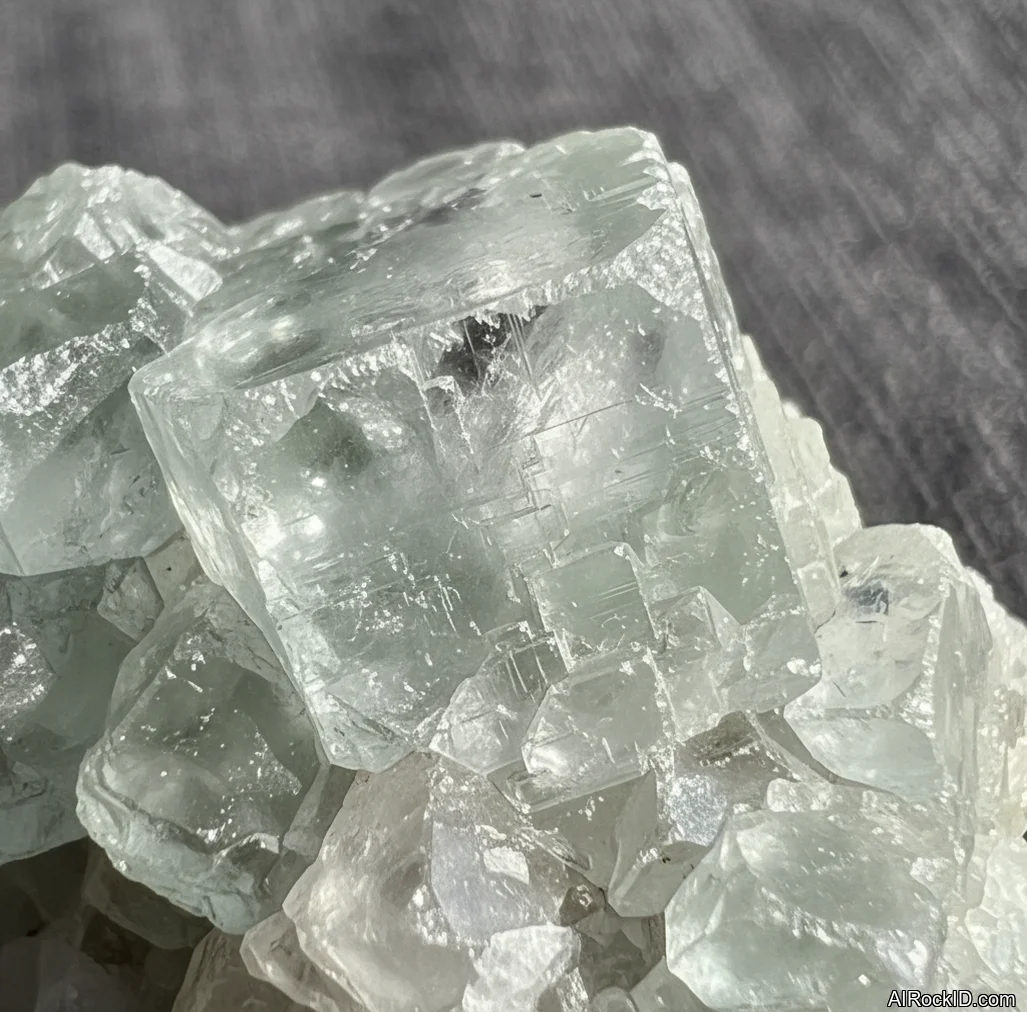
Look, I’ve handled enough pieces at shop counters and leaned over enough show tables to say it straight: power isn’t always comfortable. Some stones are calm and steady, like a solid black onyx that sits cool in your palm and makes your thoughts feel less all over the place. But others come on like someone turned a flashlight on in your face, like a clean apophyllite point that has you noticing your breath and your posture within seconds. And yeah, some pieces just feel like “too much” for daily wear, especially if you’re already stressed, not sleeping, or doing a lot of inner work. That’s a thing.
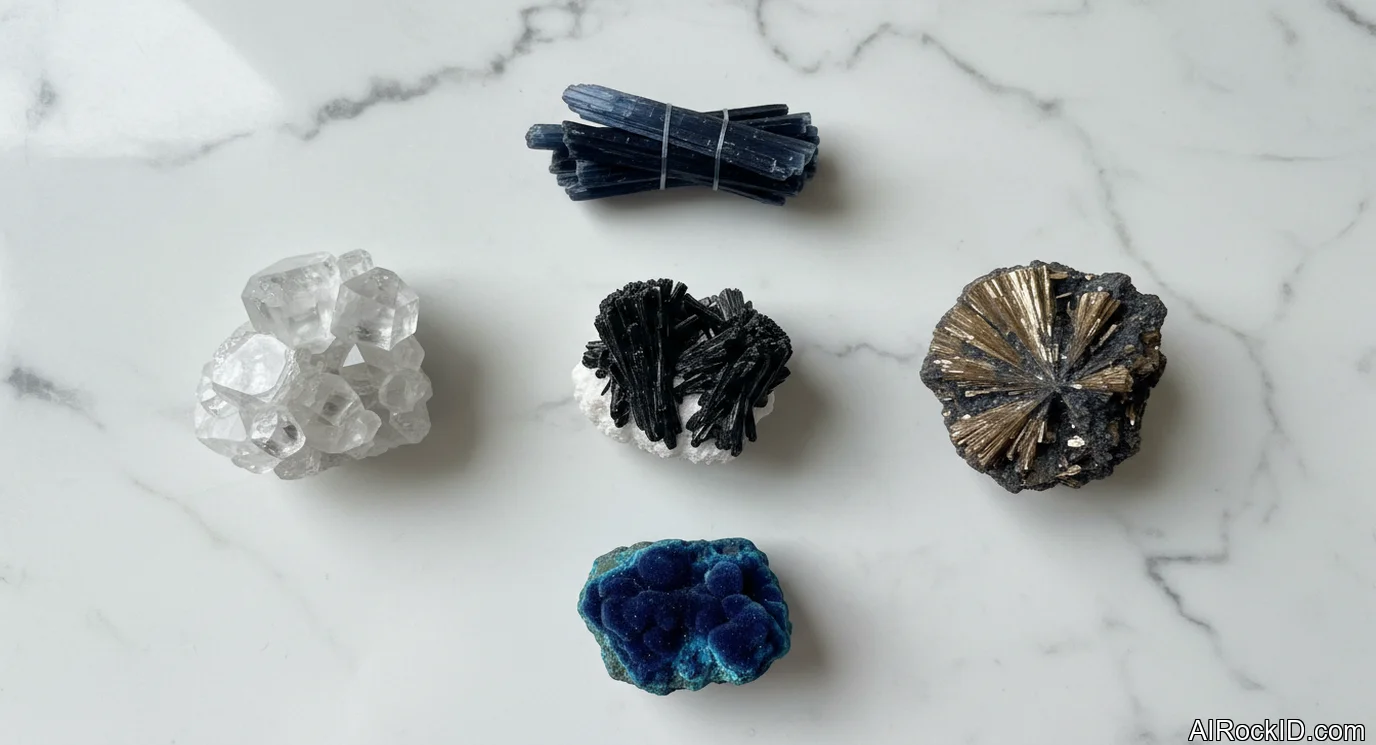
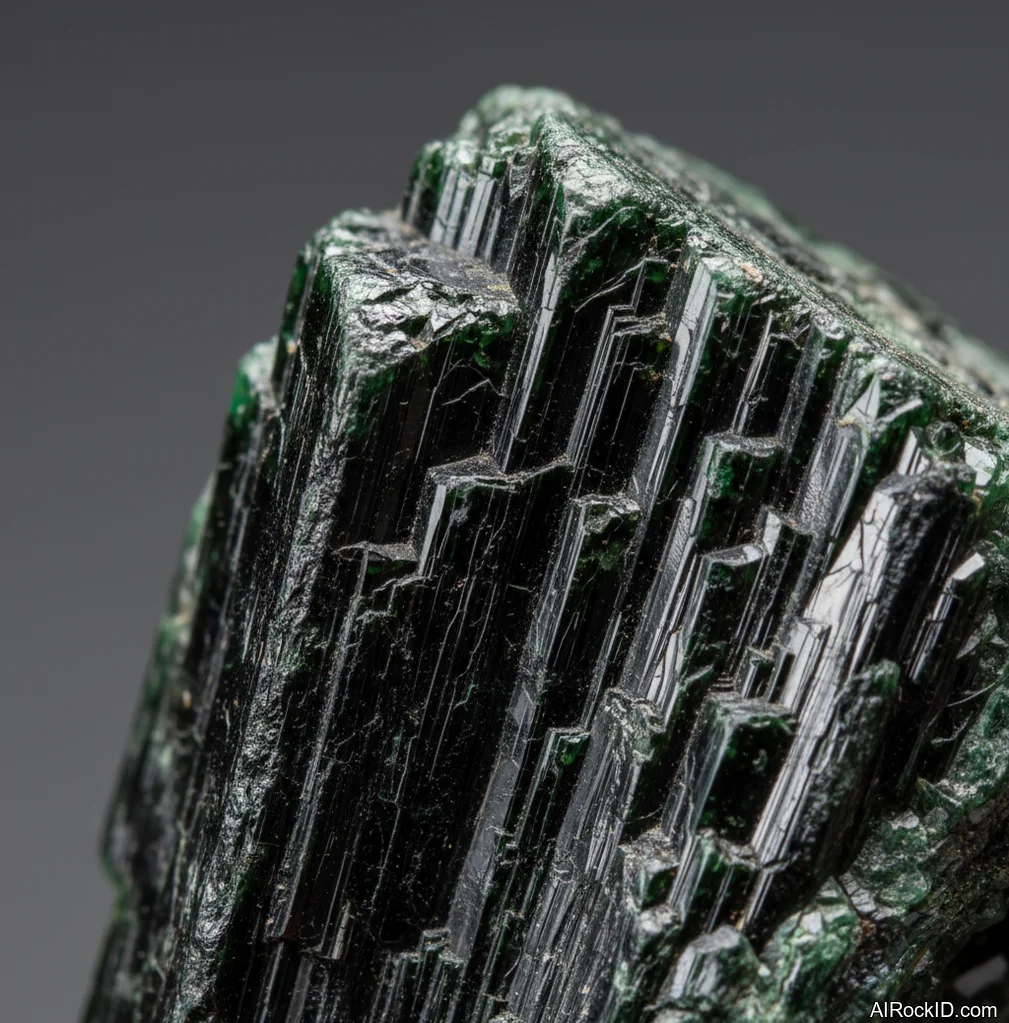
And the rock still matters as a rock. Aegirine can be needle-sharp and brittle (you can feel those little spikes if you run a finger along it), azurite can leave blue dust behind if it’s crumbly, and amber is soft enough to scratch if you toss it in a bag with quartz. So if you want results you can actually repeat, you need decent material, good boundaries, and some way to track what’s changing. Otherwise you’re just collecting vibes and calling it progress.
Recommended Crystals
Aegirine
Apophyllite
Astrophyllite
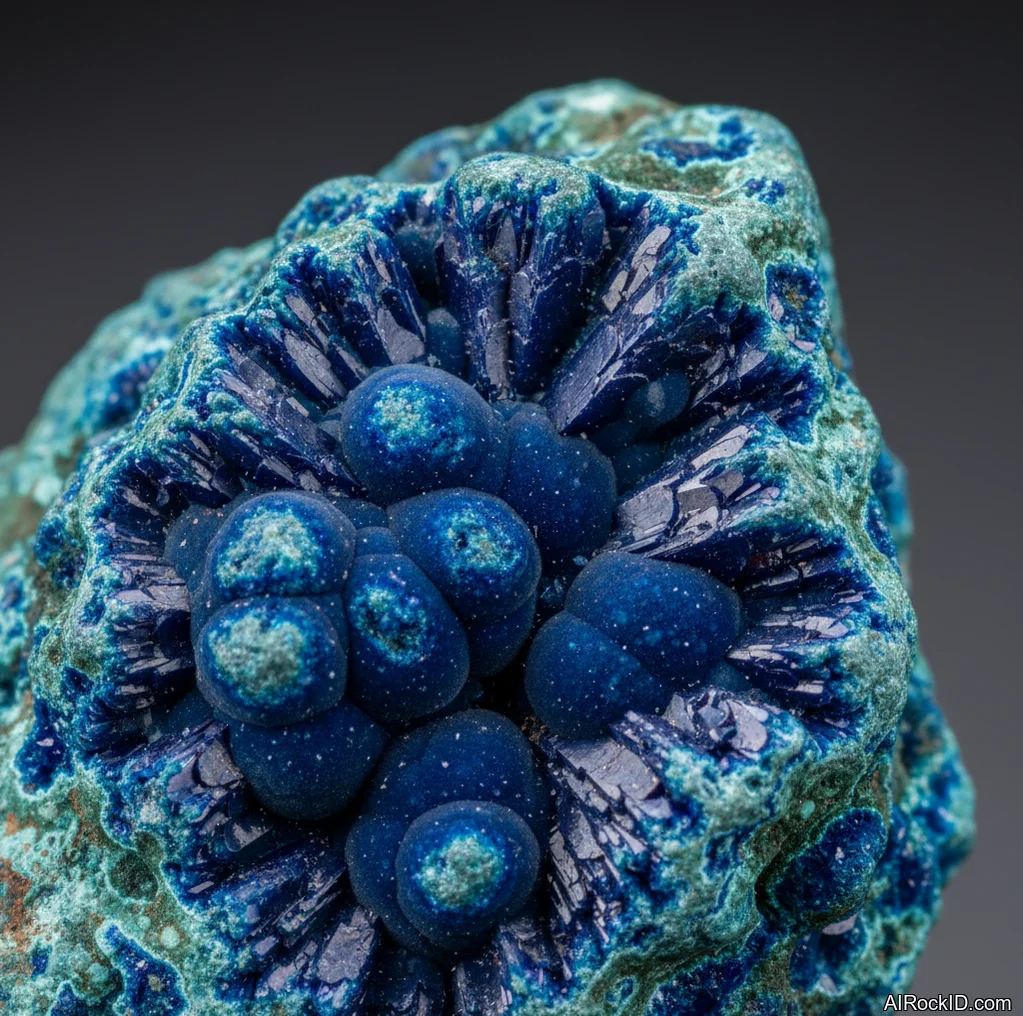
Azurite
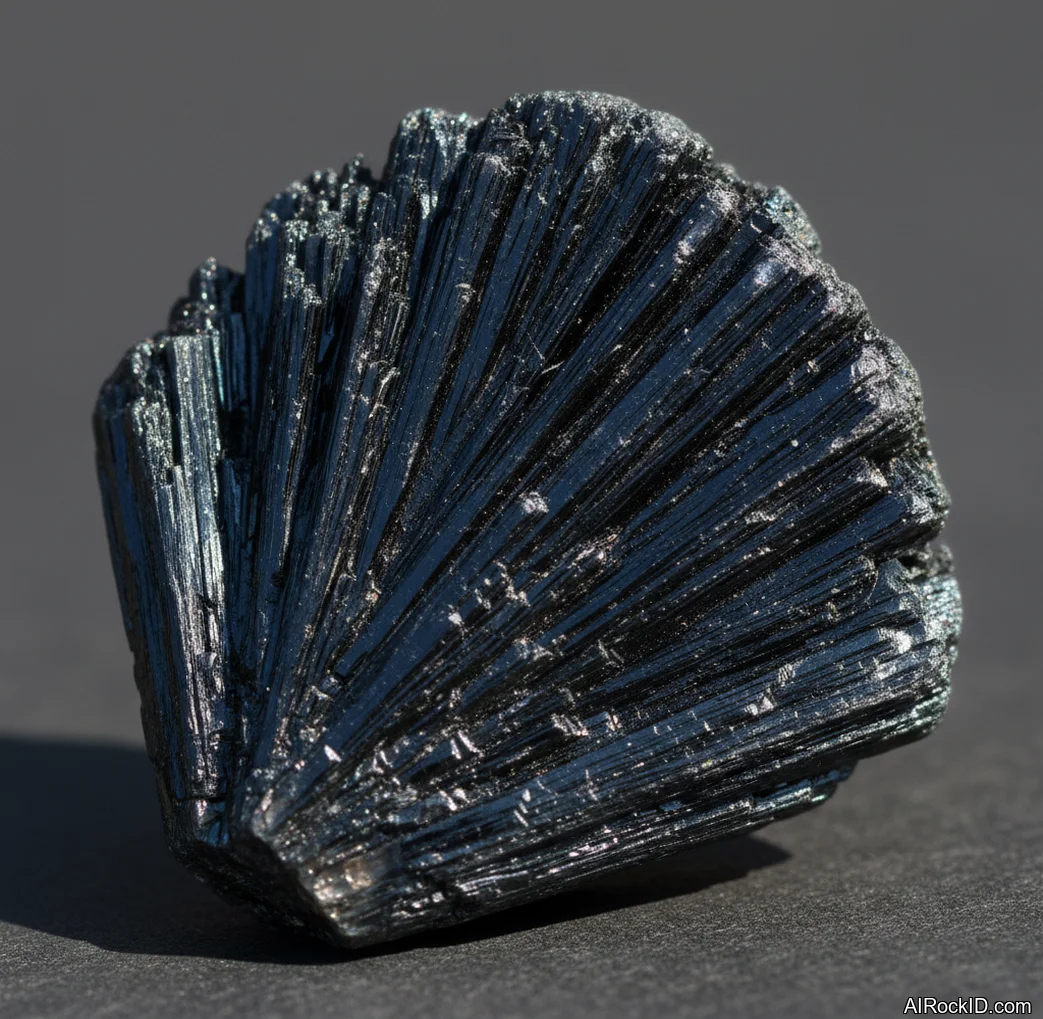
Black kyanite
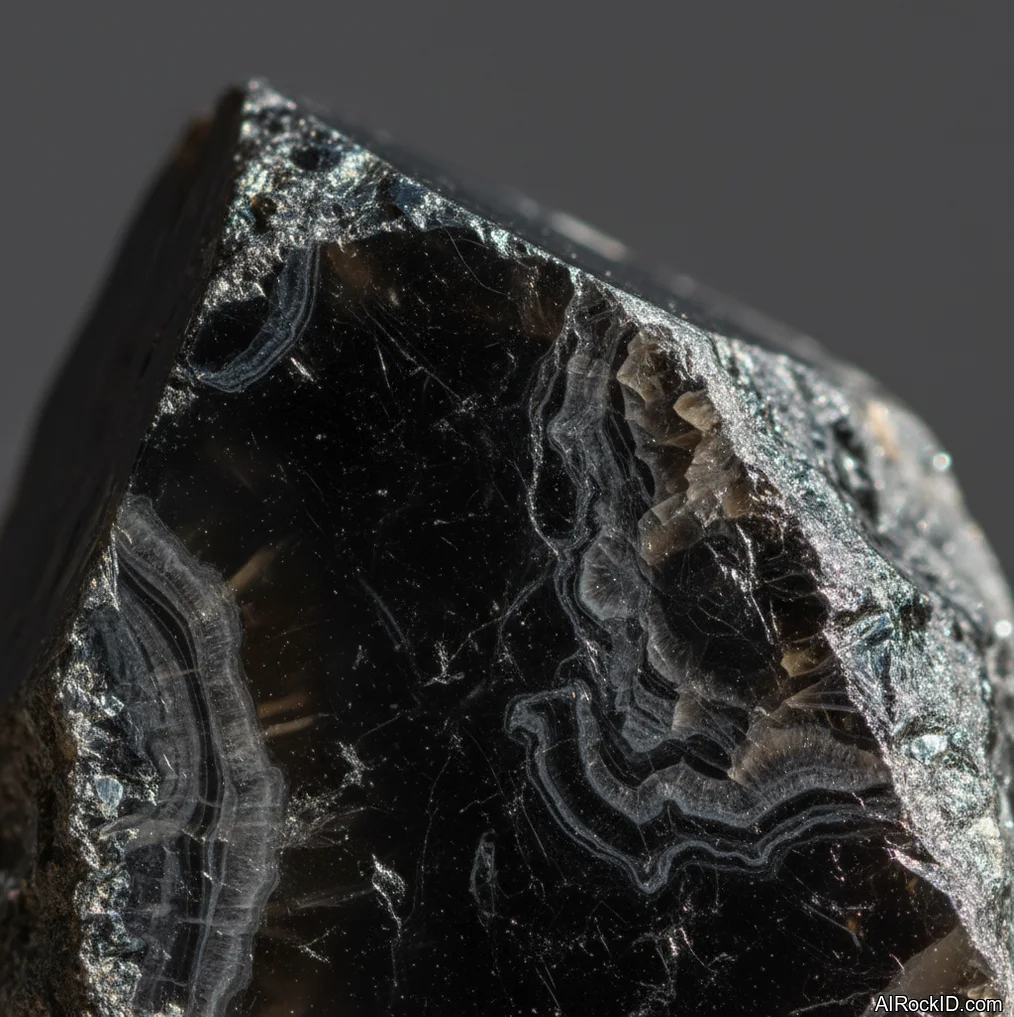
Black onyx
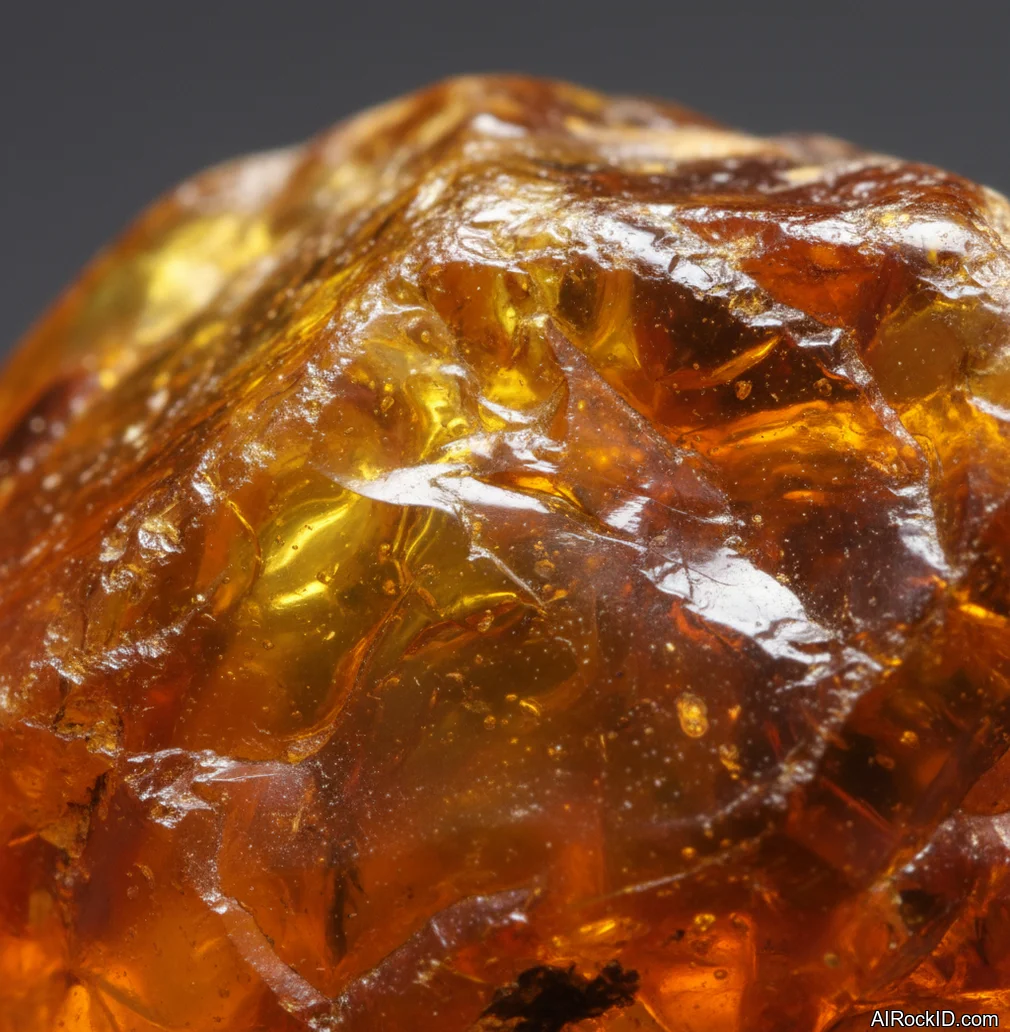
Amber
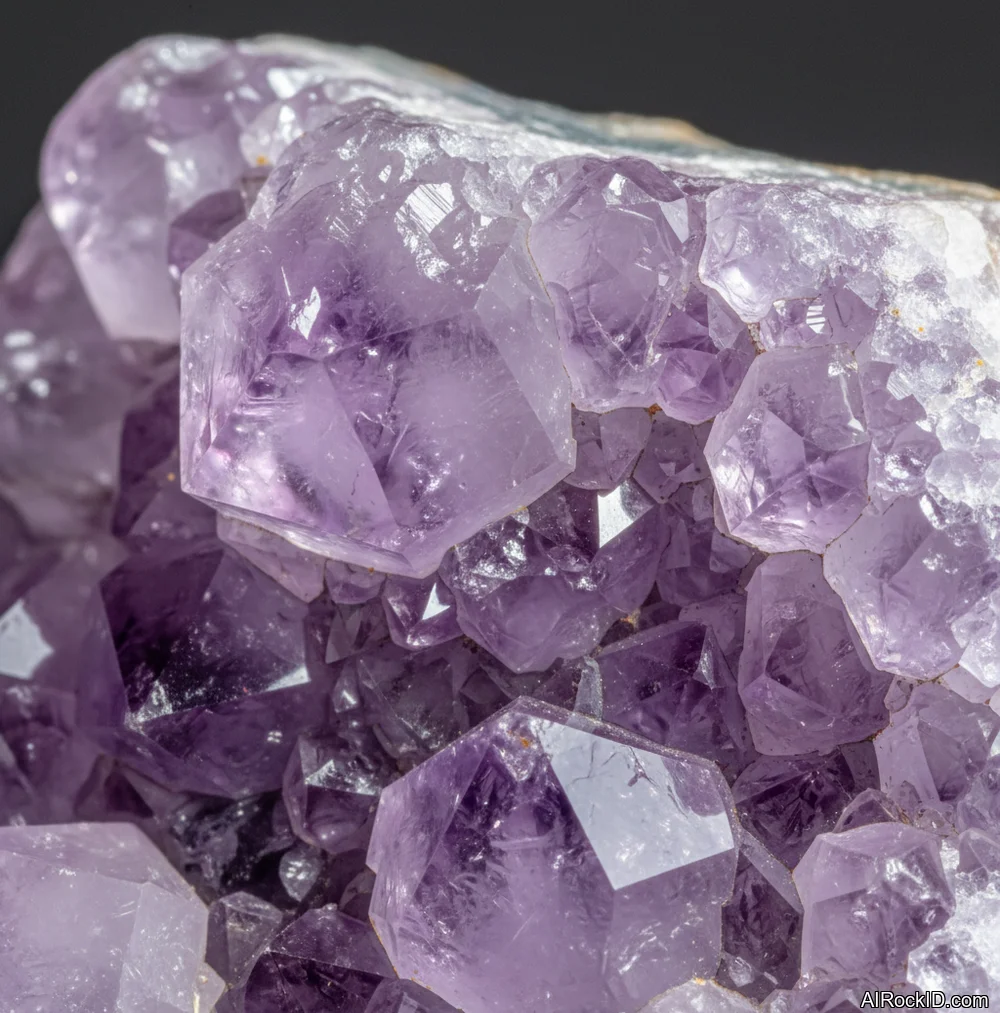
Amethyst
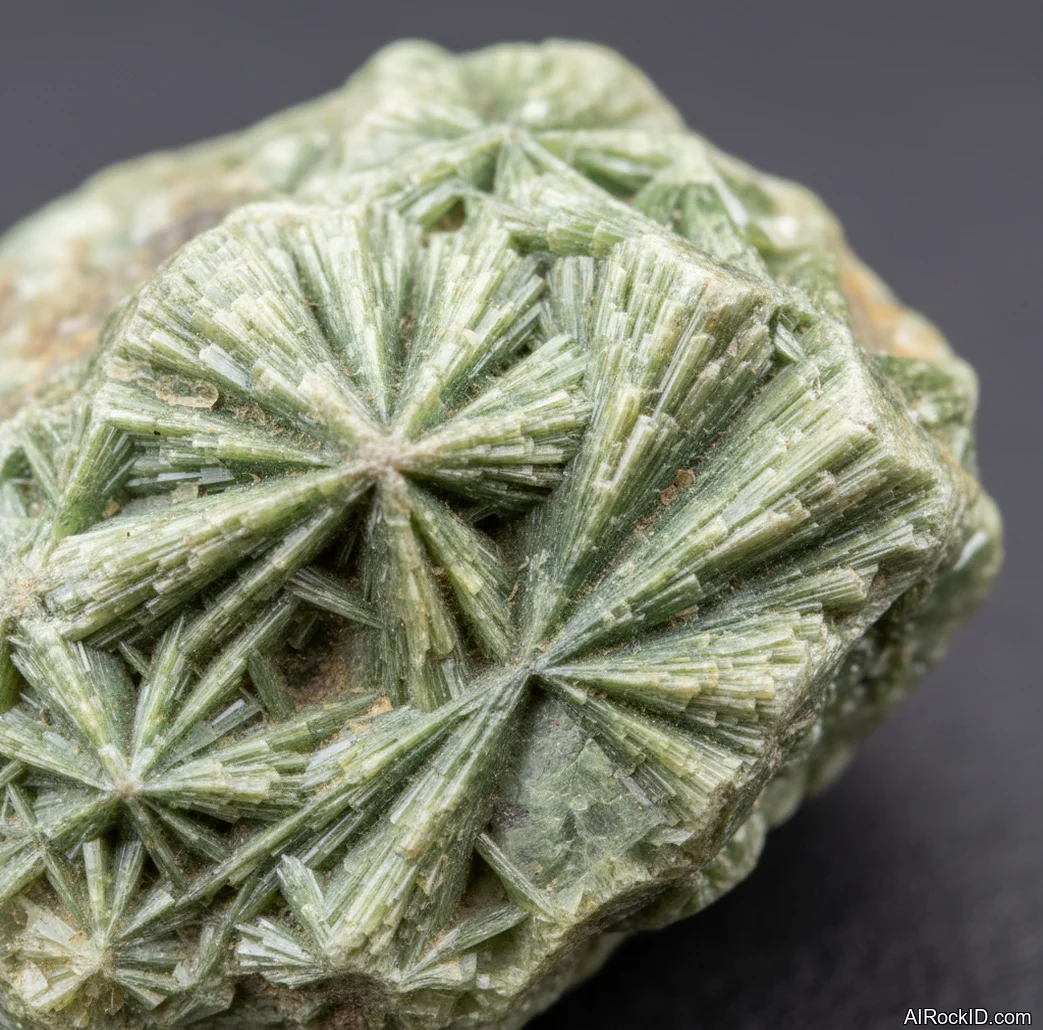
Actinolite
What “powerful” actually means in advanced practice
Power isn’t the same thing as “this feels nice.” Some stones come in hot because they snap everything into focus, and yeah, that kind of clarity can sting when you’ve been coasting on coping mechanisms for months.
Pick up a sharp-feeling piece like aegirine or a bright apophyllite point and you’ll get it fast. Your attention pinches inward. Your shoulders shift without you meaning to. You quit tab-hopping. It’s almost annoying (in a useful way).
Compared to beginner-friendly stones, the heavy hitters usually do a few repeat moves. They clear mental clutter fast. They drop you into your body so hard you can’t float off. Or they drag up stuff you’ve been avoiding, like it or not. That last one is why people call a stone “too intense” when, honestly, it’s doing exactly what it does. But don’t confuse intensity with proof. A headache. A sudden panic spike. A sleepless night. None of that is a badge of honor, and it doesn’t automatically mean “wow, it’s working.”
If you want a practical way to judge power, look at repeatability. Same stone, same setup, and you get a similar effect three times in a row. If it’s all over the place, it might just be your day. So keep notes. Keep sessions short. And when life is already loud, it’s fine to step down to something steadier like black onyx or amber. Why make it harder than it needs to be?
Quality, fakes, and why the specimen matters more than the name
Most people don’t realize how much the actual chunk in your hand changes everything. Two stones can both be tagged “amethyst,” and still feel like they came from different planets if one’s washed-out, heat-stressed, or coated, while the other is a heavy, natural cluster with crisp, clean points that don’t look rounded over.
Look, check the surface up close. Tilt it under a lamp. Aura coatings can look pretty for about five seconds, but they tend to feel buzzy and fake, and yeah, the coating scratches. You’ll see it first on the edges and high spots (the parts that rub on a shelf or in a pocket).
Cheap stuff is usually easiest to catch with your fingers and a little light. Dyed black onyx often looks way too even, with color pooling in tiny pits, and it can feel slightly tacky once it warms up in your palm. Amber’s different. Real pieces stay light and they warm up fast, and you’ll often notice little internal textures that look organic, not those perfect, tidy bubbles you see in imitations. Shine UV on it and lots of ambers fluoresce, but don’t treat that like gospel, because treatments exist.
So buy from someone who’ll admit what they don’t know. Ask if azurite is stabilized. Ask if actinolite is fibrous. If the seller gets defensive, walk. Because a “powerful” crystal that’s cracked, coated, or flaking apart? That’s a maintenance project, not a tool.
Pairing high-intensity stones without frying your nervous system
Stacking crystals is usually where the “advanced” stuff starts to go off the rails. People grab three “strong” stones, pile them together, then act surprised when they feel totally spun out. The real check is how your body feels afterward, not how wild the session felt in the moment. If your jaw’s locked up and you can’t even eat dinner, yeah, you overdid it.
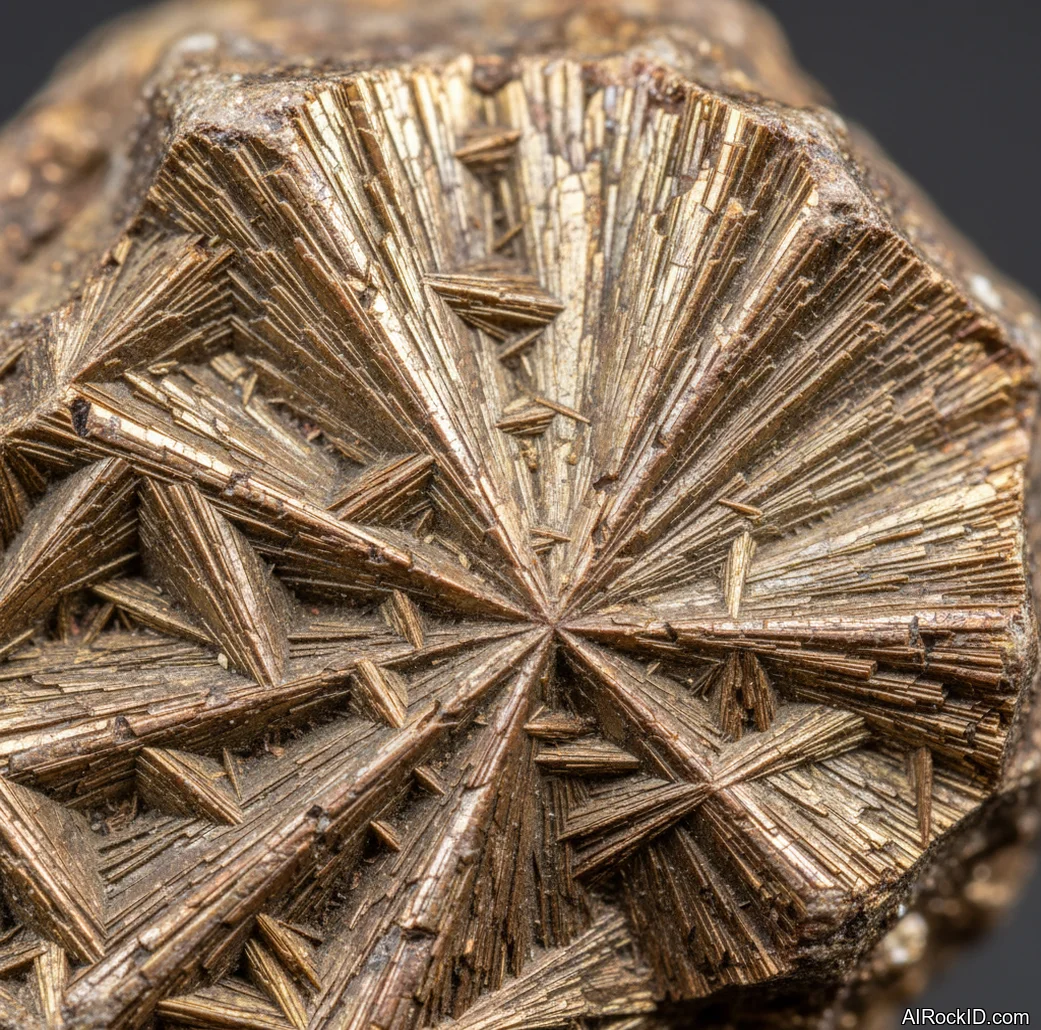
Start simple. One driver stone, one stabilizer. Apophyllite for clarity with black onyx for containment works well. Or try astrophyllite for honest introspection, with amber nearby so your system doesn’t slide into threat mode. Keep them a few inches apart at first. Let them “breathe.” When you push them right up against each other, it can hit a lot harder, especially if you’re working with sharp, prismatic minerals that feel kind of edgy in your hand (you know that glassy, pointy vibe).
Timing matters, too. Azurite at 9 pm is a bad idea for a lot of people. Aegirine right before a social event can make you blunt in a way that’s not cute. So do the intense work earlier in the day, and then switch to something quieter at night. You’re not trying to live in “power” 24/7. You’re trying to function.
Care, safety, and the unglamorous side of powerful minerals
Some of the most intense-feeling stones are also the ones you really can’t handle like loose change. Azurite and other copper minerals will leave that blue-green smear on your fingers (and on fabric, which is worse). And if you’ve got a crumbly specimen, it belongs sitting still on a shelf, not riding around in your pocket all day.
Actinolite is the big one. If it’s fibrous, treat it like a do-not-make-dust material. No drilling. No sanding. Don’t grind it. And please don’t rub it on your face during a “clearing” ritual. Why risk it?
Pick up black kyanite and you can feel how it wants to snap along the blades. It’s got that flaky, knife-edge thing going on, like it’s already decided where it’ll break. That fragility is why people say theirs “stopped working” after it cracks. It didn’t. It just broke. Store it so it isn’t clattering around in a drawer.
Water’s another problem. Amber doesn’t like heat or harsh cleaners (it can get cloudy and gross fast). Azurite doesn’t like water at all. So, if you want one simple rule: stick to a dry cloth, handle it gently, and keep stones in separate storage pouches. Power is just easier to work with when the specimen stays in one piece.
How to Use These Crystals for Most Powerful Crystals
Start with one crystal, and stick with it for two weeks. Sounds slow. It isn’t. It’s the quickest way to figure out what’s actually happening in your own head instead of chasing vibes. Pick one clean, specific goal like “less mental noise at work” or “stop ruminating after conversations,” then grab a stone that points in that direction: black onyx for containment, apophyllite for clarity, or amber for steadiness when your system is already cooked.
Now set a dead-simple routine. Same time of day. Same spot. Same duration. I’m into 10 minutes, sitting in a regular chair with both feet flat on the floor (you can feel the chair legs press into the tile, and that helps). Hold the stone, or just set it on the desk where you can see it, then do something you can track: breath counting, one journaling prompt, or planning your next three actions. Then stop. Put the stone away in a drawer or a pouch. Don’t leave high-intensity pieces sitting out all day, because the effect can get smeared out and, honestly, you can end up kind of prickly.
After the two weeks, add one stabilizer stone if you need it. Keep the combo boring and useful. If you’re using something sharp and clearing like aegirine, pair it with something grounding like black onyx. If you’re working with something that drags up shadowy stuff like astrophyllite, keep amber nearby and plan a normal-life thing right after, like a walk or cooking dinner, so you don’t just sit there marinating in it. Why make it harder than it has to be?
Common Mistakes to Avoid
Chasing intensity is the big one. People stack azurite, aegirine, and apophyllite all at the same time, then turn around and blame the stones for feeling totally frazzled. That’s like slamming three espressos and acting shocked you can’t take a nap.
But another mistake is pretending rocks don’t have bodies. Fibrous actinolite isn’t something you knead like a worry stone (those little hairs can catch on your skin, and it just feels wrong in the hand). Crumbly azurite shouldn’t be rubbed or carried around in your pocket where it can turn into blue dust on your fingers. And black kyanite breaks because, structurally speaking, that’s what it does, so quit “testing” it by stuffing it into pockets and then getting mad when it flakes.
So yeah, people also skip the boring part: tracking. If you can’t say what changed, when it changed, and what else changed that week, you honestly don’t know if the crystal helped or if life just did its thing. Keep a tiny log. Two lines a day is enough. Why make it harder than that?
Identify Any Crystal Instantly
Snap a photo and get properties, value, care instructions, and healing meanings in seconds.