Chrysoberyl


Quick answer: Chrysoberyl is a hard beryllium aluminum oxide mineral best known for yellow to greenish-yellow gems, color-change alexandrite, and chatoyant cat's-eye chrysoberyl. Its high hardness, bright luster, and distinct optical varieties make identification more reliable when appearance is combined with gemological testing.
AI Rock ID can help compare a chrysoberyl photo with visually similar yellow, green, or chatoyant gemstones, but results should be treated as a visual starting point. RockIdentifier.io can support preliminary identification before confirming valuable stones with refractive index, specific gravity, or a qualified gemologist.
Good fit
- Collectors comparing yellow-green gemstones with high hardness
- Buyers researching alexandrite or cat's-eye chrysoberyl before purchase
- Jewelry owners checking whether a durable transparent stone could be chrysoberyl
- Students learning differences among beryl, chrysoberyl, garnet, and quartz lookalikes
Not a good fit
- Confirming alexandrite origin or treatment from photos alone
- Separating natural cat's-eye chrysoberyl from imitation glass without testing
- Evaluating high-value gemstones without professional documentation
Most commonly confused with
- Citrine: Citrine is quartz with lower hardness and a lower refractive index than chrysoberyl.
- Peridot: Peridot is typically olive green and softer, with different optical behavior and chemistry.
- Yellow Sapphire: Yellow sapphire is corundum, harder than chrysoberyl and usually lacks chrysoberyl's characteristic birefringence pattern.
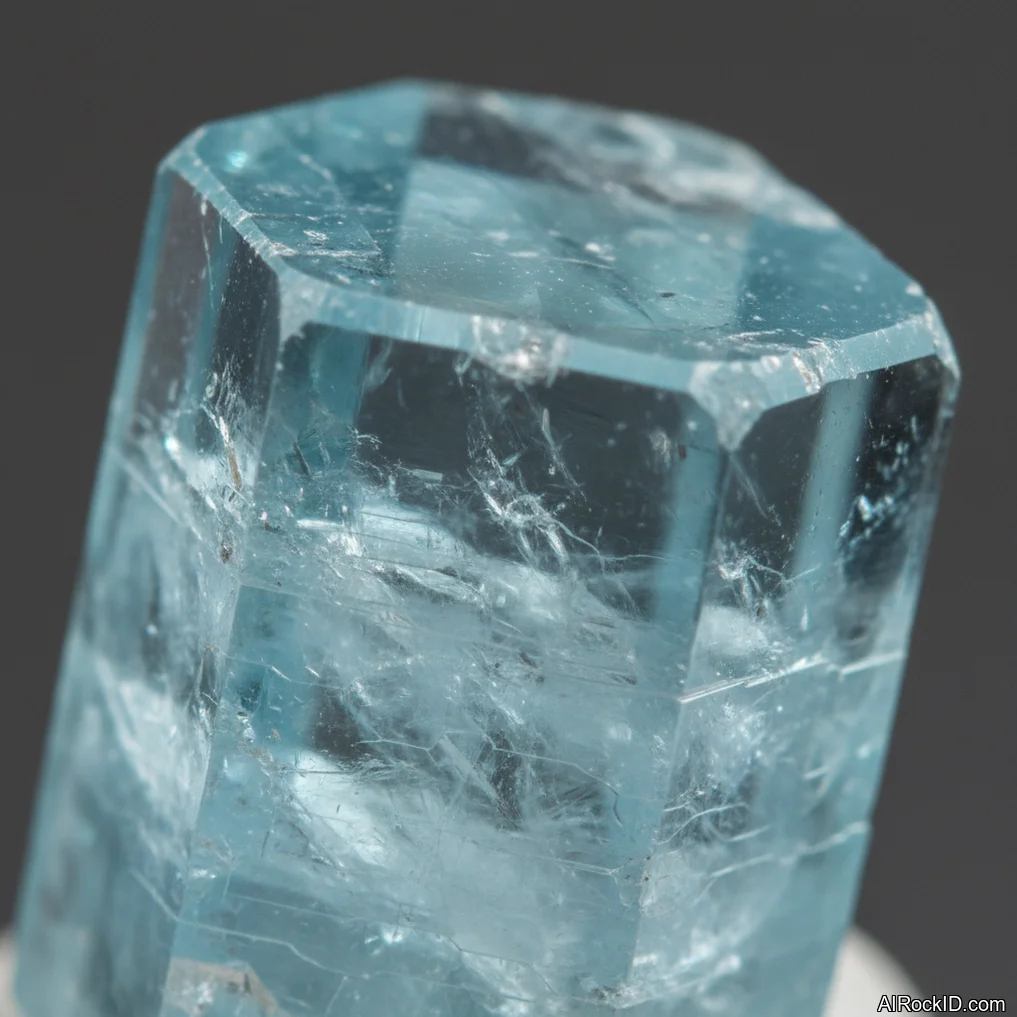
- Beryl: Beryl contains beryllium like chrysoberyl but has a different crystal structure, lower hardness, and different refractive index.
Chrysoberyl vs Common Lookalikes
| Stone | Typical clue | Hardness | Key separation |
|---|---|---|---|
| Chrysoberyl | Yellow-green, golden, or cat's-eye; alexandrite changes color | 8.5 | High luster with RI about 1.746-1.755 |
| Citrine | Yellow to orange quartz | 7 | Lower RI and less dense |
| Peridot | Olive to yellow-green tone | 6.5-7 | Softer and usually more oily-looking luster |
| Yellow sapphire | Bright yellow corundum | 9 | Harder with different RI and optic character |
| Cat's eye quartz | Chatoyant gray, green, or yellowish quartz | 7 | Softer with lower RI and generally softer eye |
AI identification confidence
AI identification confidence for chrysoberyl is usually moderate from a clear photo because color and luster overlap with citrine, peridot, sapphire, and glass. Confidence improves when the image shows crystal habit, a sharp cat's-eye band, color-change behavior under different lighting, or accompanying test data.
When AI gets it wrong
- A yellow faceted stone is photographed without scale, lighting context, or test results
- Alexandrite-like color change is caused by lighting or camera white balance rather than the stone
- A cat's-eye effect appears from surface reflections instead of internal inclusions
- A synthetic, imitation, or treated gem has the same general color as natural chrysoberyl
Final recommendation
For casual identification, compare chrysoberyl against quartz, peridot, beryl, and sapphire using color, luster, hardness, and optical clues. For buying alexandrite or cat's-eye chrysoberyl, request a reputable gem report because small differences in origin, treatment, and optical quality can strongly affect identity and value.
How to Check Chrysoberyl Authenticity
Authenticating chrysoberyl usually requires more than color inspection. Useful checks include refractive index, specific gravity, magnification, and observation under different lighting for alexandrite. For cat's-eye chrysoberyl, a single sharp band that moves cleanly across a cabochon is an important clue, but it does not replace gemological testing.
Natural, Synthetic, and Imitation Chrysoberyl
Natural chrysoberyl forms geologically, while synthetic alexandrite or chrysoberyl can be grown in laboratories. Imitations may include glass, synthetic corundum, synthetic spinel, or other stones sold with color-change or cat's-eye descriptions. A seller's name for a stone should be checked against a gemological report when the item is expensive.
Photo Tips for Identifying Chrysoberyl
Use daylight-balanced lighting and include a neutral background, scale, and multiple angles when photographing chrysoberyl for identification. For alexandrite, photograph the same stone in daylight-equivalent light and warm incandescent light. For cat's-eye chrysoberyl, use a single direct light source to show whether the eye is sharp, centered, and mobile.
What Is Chrysoberyl?
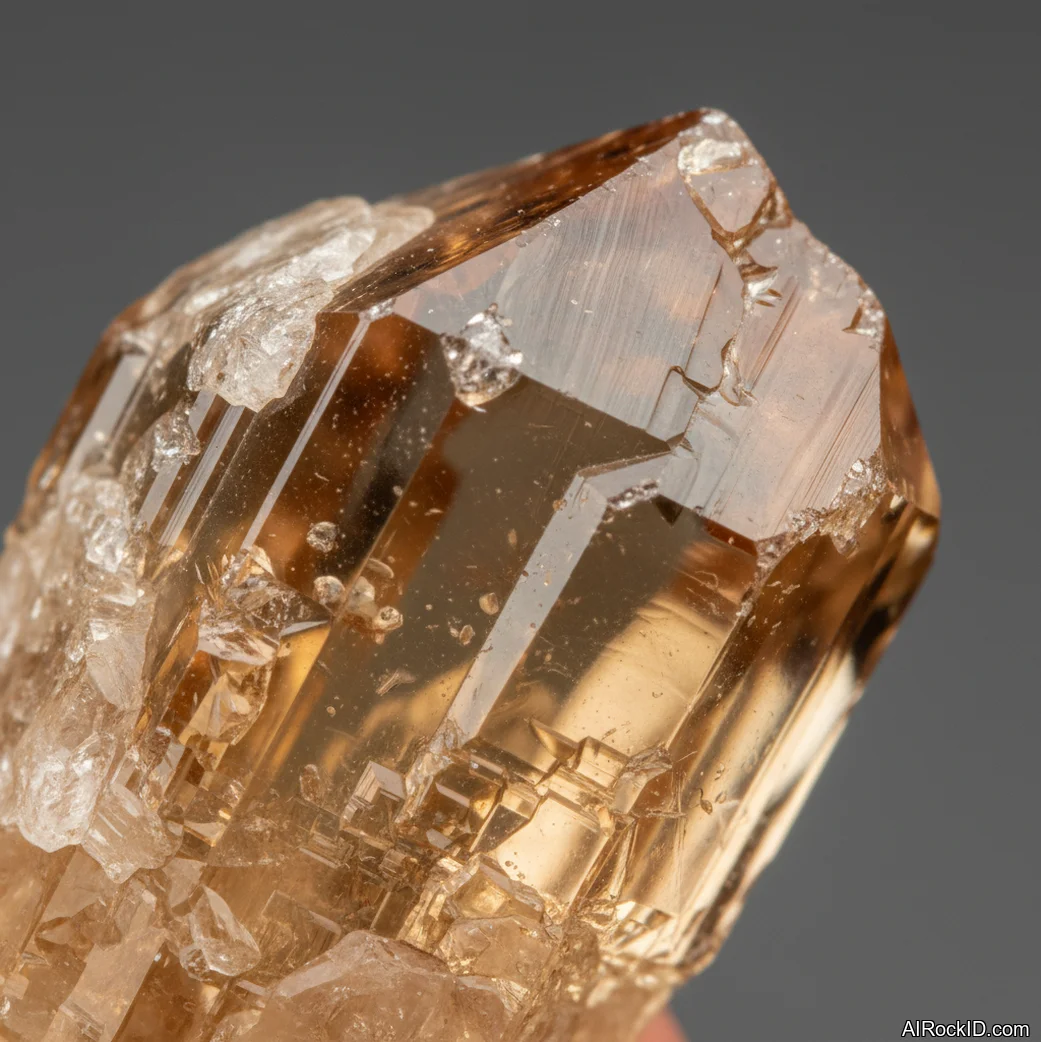
Chrysoberyl is a very hard beryllium aluminum oxide gemstone, valued for its bright yellow to greenish-yellow body color, vitreous luster, and clean gem appearance. In the hand, a good crystal or cut stone can feel surprisingly substantial for its size because its density is 3.70-3.78 g/cm3, and its polished faces throw back a crisp, glassy shine.
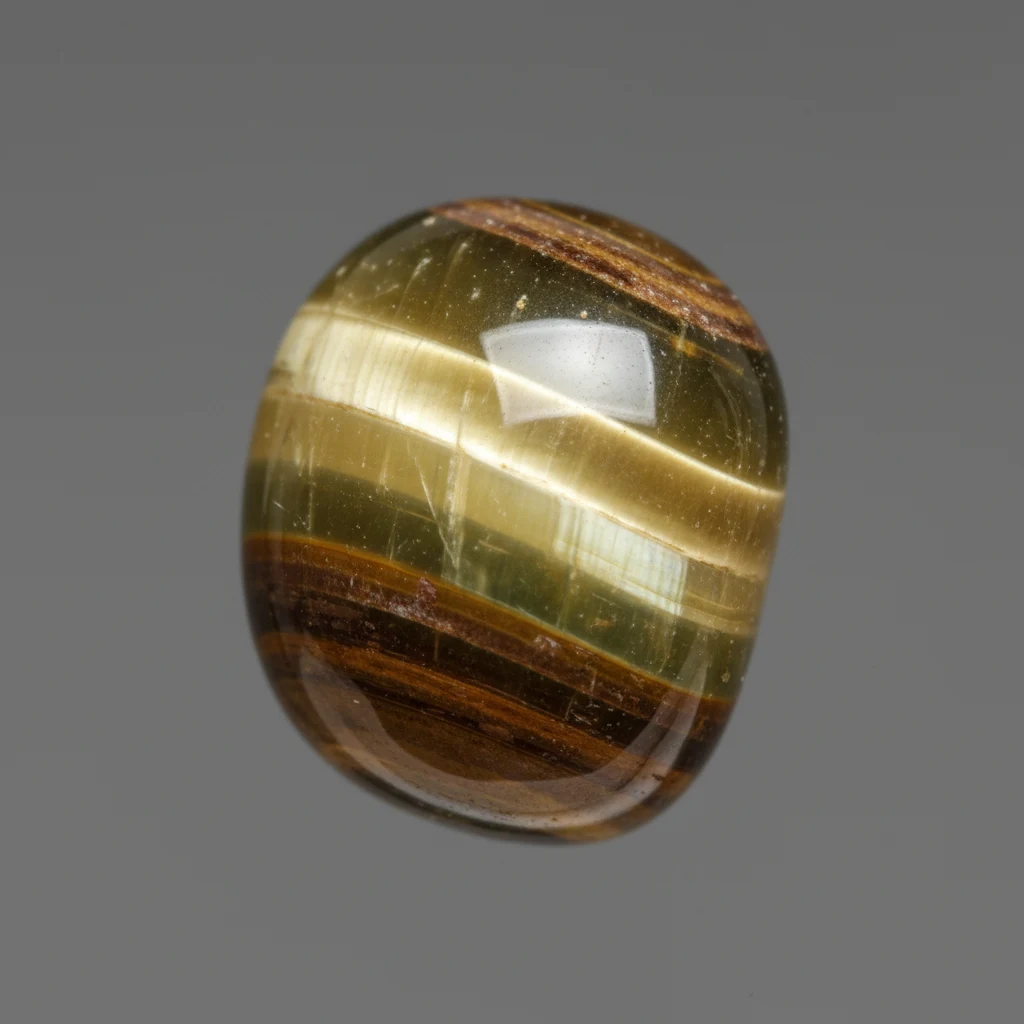
This mineral species includes ordinary chrysoberyl, alexandrite, and cat's-eye chrysoberyl. Ordinary faceted stones are usually transparent yellow, greenish yellow, brownish yellow, or yellow-green, while alexandrite is known for color change and cat's-eye chrysoberyl for a sharp moving chatoyant band. With Mohs hardness 8.5, chrysoberyl is an excellent jewelry stone, though edges can still chip if struck sharply.
Origin & History
The name chrysoberyl comes from the Greek words “chrysos,” meaning gold, and “beryllos,” meaning beryl-like gem, a nod to the mineral’s common golden-yellow color. The name can mislead new collectors: chrysoberyl is not beryl, but a separate oxide mineral with the formula BeAl2O4.
Sri Lanka and Brazil have long been important sources of gem chrysoberyl, while Russia’s Ural Mountains became historically important for alexandrite in the 19th century. For locality checking and specimen research, mindat.org is a useful plain-text reference alongside a stone’s label, especially when comparing classic sources such as Ratnapura, Minas Gerais, Mogok, and Russian alexandrite deposits.
Where Is Chrysoberyl Found?
Chrysoberyl is found in Brazil, Sri Lanka, Madagascar, Russia, Tanzania, Myanmar, India, Zimbabwe, and the United States. Classic and notable localities include Minas Gerais in Brazil, the Ratnapura District of Sri Lanka, the Mogok Stone Tract in Myanmar, the Malysheva emerald-alexandrite deposit in Russia, Tunduru and Lake Manyara in Tanzania, the Ilakaka area of Madagascar, and Hart’s Range in Australia.
Formation
Chrysoberyl forms in beryllium-rich and aluminum-rich geological settings, especially granitic pegmatites, mica schists, gneisses, and some contact-metamorphic rocks. It crystallizes where beryllium-bearing fluids interact with aluminum-rich rocks under suitable pressure and temperature conditions.
Because chrysoberyl is chemically stable, hard, and dense, it can outlast many surrounding minerals after erosion. That durability is why placer recovery matters: stream action can free crystals from their host rocks and concentrate them with other resistant gem minerals in gravels.
How to Identify Chrysoberyl
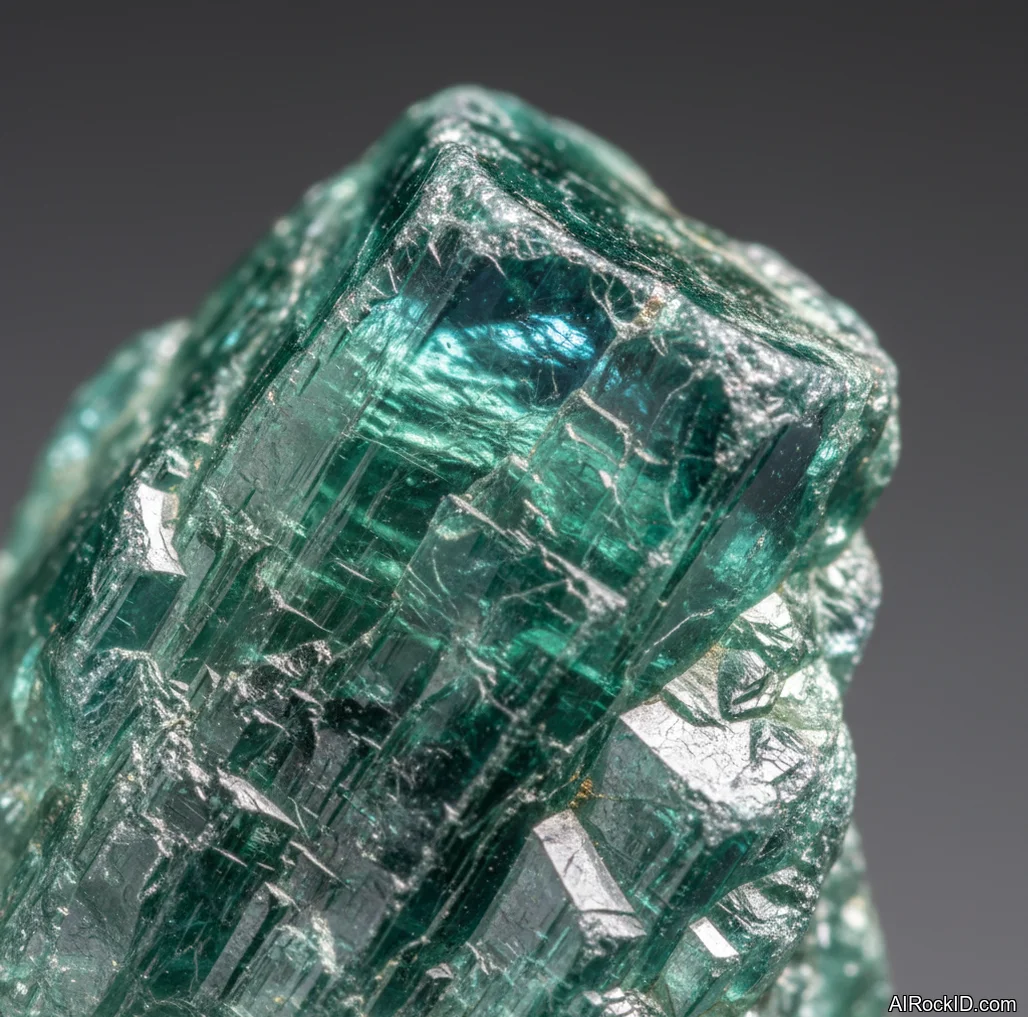
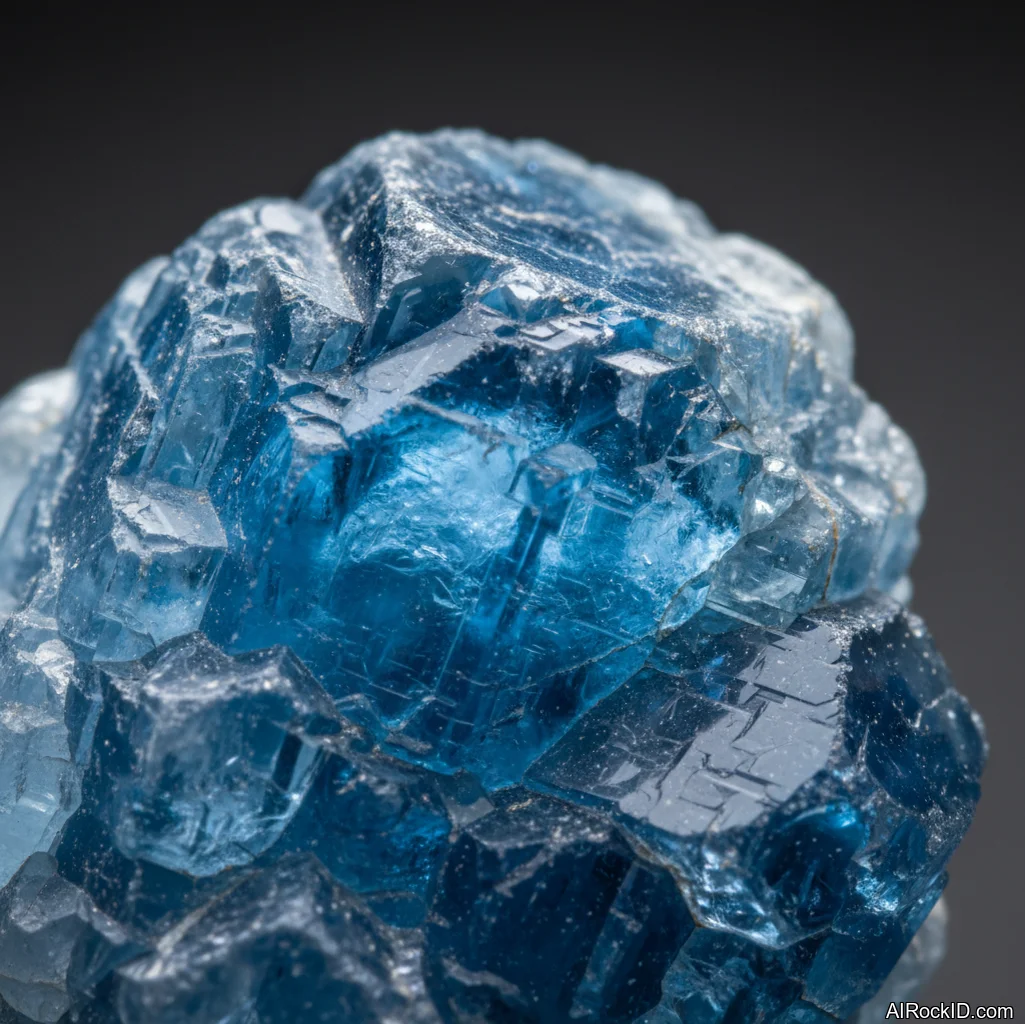
To identify chrysoberyl, start with the feel and finish: it is a very hard, bright, vitreous gemstone with a white streak and noticeable heft for its size. Common colors include yellow, greenish yellow, golden yellow, brownish yellow, yellow-green, pale green, and near colorless; special varieties add the color-change of alexandrite or the moving eye of cat's-eye chrysoberyl.
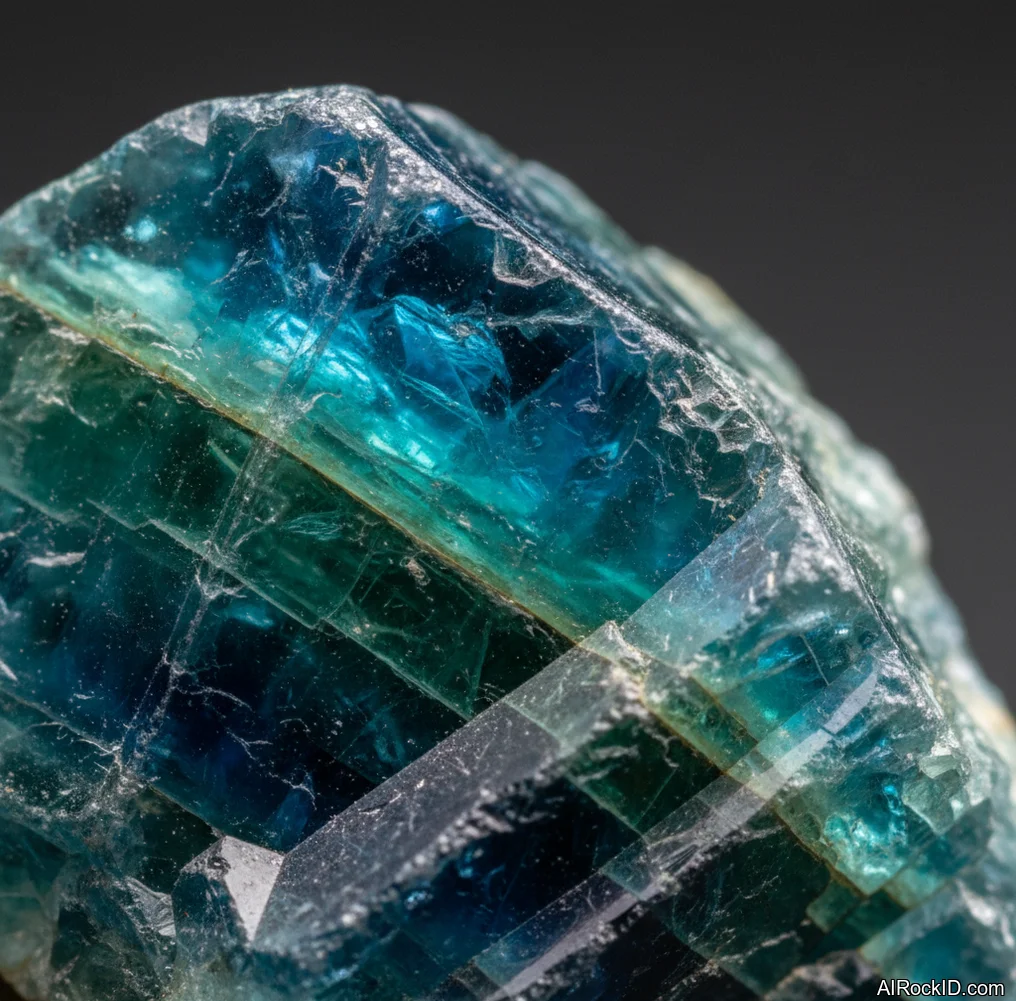
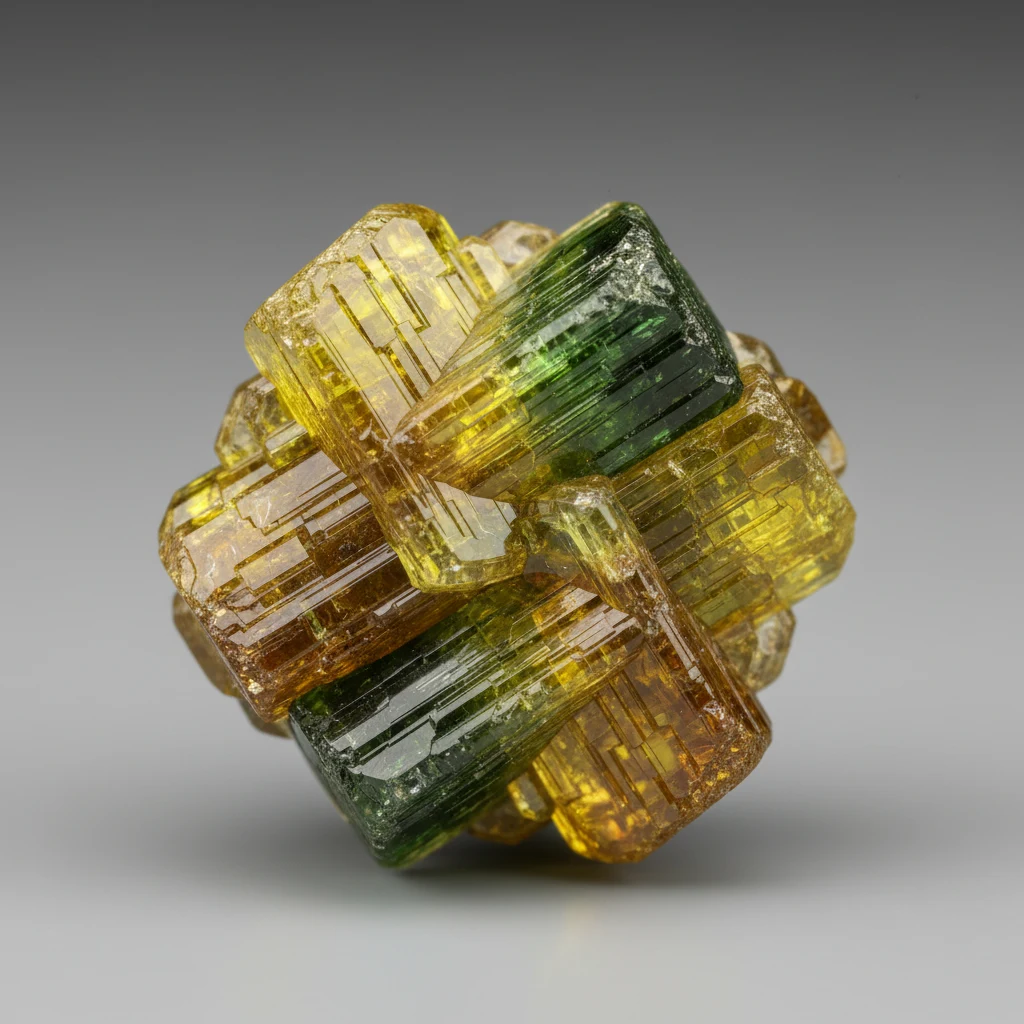
Key tests include Mohs hardness 8.5, orthorhombic crystal structure, tabular crystals, cyclic twins, density of 3.70-3.78 g/cm3, and refractive indices around nα 1.746-1.755, nβ 1.748-1.758, and nγ 1.754-1.766. These measurements help separate it from beryl, quartz, topaz, and corundum; fine cat's-eye stones should show a sharp centered band, while alexandrite should show a genuine light-source color change.
Properties of Chrysoberyl
Physical Properties
| Crystal System | Orthorhombic |
| Hardness (Mohs) | 8.5 on the Mohs scale (Very hard) |
| Density | 3.70-3.78 g/cm3 |
| Luster | Vitreous |
| Diaphaneity | Transparent to translucent |
| Fracture | Conchoidal to uneven |
| Streak | White |
| Magnetism | Non-magnetic to weakly magnetic depending on iron and chromium content |
| Colors | Yellow, Greenish yellow, Golden yellow, Yellow-green, Brownish yellow, Green, Colorless |
Chemical Properties
| Classification | Oxide |
| Formula | BeAl2O4 |
| Elements | Beryllium, Aluminum, Oxygen |
| Common Impurities | Iron, Chromium, Titanium |
Optical Properties
| Refractive Index | nα 1.746-1.755, nβ 1.748-1.758, nγ 1.754-1.766 |
| Birefringence | 0.007-0.011 |
| Pleochroism | Weak to moderate; commonly yellow, greenish, and brownish tones, stronger in chromium-bearing alexandrite |
| Optical Character | Biaxial positive |
Chrysoberyl Health & Safety
Finished chrysoberyl gems and specimens are safe to handle. The main precaution is to avoid inhaling dust when cutting, grinding, or polishing because chrysoberyl contains beryllium in a bound mineral structure and fine mineral dust should not be breathed.
Chrysoberyl Value & Price
Price Range
Rough/Tumbled: Common small rough pieces may sell for a few dollars to tens of dollars per gram, while clean gem rough with good yellow-green color can be much higher. Fine alexandrite and sharp cat's-eye chrysoberyl rough are significantly more valuable and may reach hundreds to thousands of dollars per carat depending on quality.
Cut/Polished:
Value depends on variety, transparency, color saturation, size, clarity, origin, and optical phenomena. Ordinary faceted chrysoberyl is valued for bright yellow to greenish-yellow color, high clarity, and good cutting. Cat's-eye chrysoberyl is valued for a sharp, centered eye, honey to greenish body color, and high dome cabochon cutting. Alexandrite is valued for a strong green-to-red or bluish-green-to-purplish-red color change, fine clarity, and larger carat size.
Durability
Excellent for jewelry — Scratch resistance: Very high; Mohs 8.5 makes chrysoberyl more scratch resistant than quartz, feldspar, and topaz, though it can still be scratched by corundum and diamond., Toughness: Good to very good for normal jewelry wear, but faceted stones can chip if struck sharply on edges.
Chrysoberyl is generally stable to light and normal household conditions. Avoid sudden temperature changes, strong acids, and harsh mechanical impact, especially in fractured or included stones.
How to Care for Chrysoberyl
Use & Storage
Store chrysoberyl separately from softer gemstones because its high hardness can scratch quartz, feldspar, opal, apatite, and many decorative stones. Use a padded gem box or individual pouch.
Cleaning
Clean with warm water, mild soap, and a soft brush. Rinse well and dry with a soft cloth. Ultrasonic cleaning is usually safe for clean, untreated chrysoberyl but should be avoided for heavily included, fractured, or antique-set stones.
Cleanse & Charge
For non-scientific cleansing traditions, chrysoberyl can be rinsed briefly in clean water and placed in indirect sunlight or moonlight. Avoid prolonged heat or harsh chemical soaking.
Placement
Suitable for rings, pendants, earrings, and collector display. In rings, protective settings are recommended for valuable alexandrite or cat's-eye chrysoberyl.
Caution
Do not confuse ordinary chrysoberyl with beryl; they are different minerals. Avoid hard knocks, steam cleaning of included stones, and exposure to aggressive chemicals.
Works Well With
Chrysoberyl Meaning & Healing Properties
In modern crystal-healing traditions, chrysoberyl is associated with confidence, clear perception, personal discipline, resilience, prosperity, and focused decision-making. These meanings are cultural and spiritual beliefs rather than medically proven effects, but many collectors choose the stone for its bright, alert look and its steady, durable feel.
Chrysoberyl is linked with the Solar Plexus and Heart chakras, the zodiac signs Leo and Gemini, the planets Sun and Mercury, and the elements Fire and Air. For ritual care, it may be briefly rinsed in clean water and placed in indirect sunlight or moonlight; avoid prolonged heat, harsh chemical soaking, and hard knocks, especially with included or valuable stones.
Identify Chrysoberyl from a photo
Compare Chrysoberyl traits, care tips, value clues, and common lookalikes with a clear photo.
Common mistakes
- Assuming every yellow-green transparent gemstone is chrysoberyl
- Calling any color-change stone alexandrite without laboratory confirmation
- Confusing cat's-eye quartz or glass with cat's-eye chrysoberyl
- Judging authenticity from hardness claims without proper scratch-safe testing
- Relying on seller terms such as “Brazilian alexandrite” or “cat's eye” without a report
- Using a single photo to separate natural, synthetic, and imitation stones