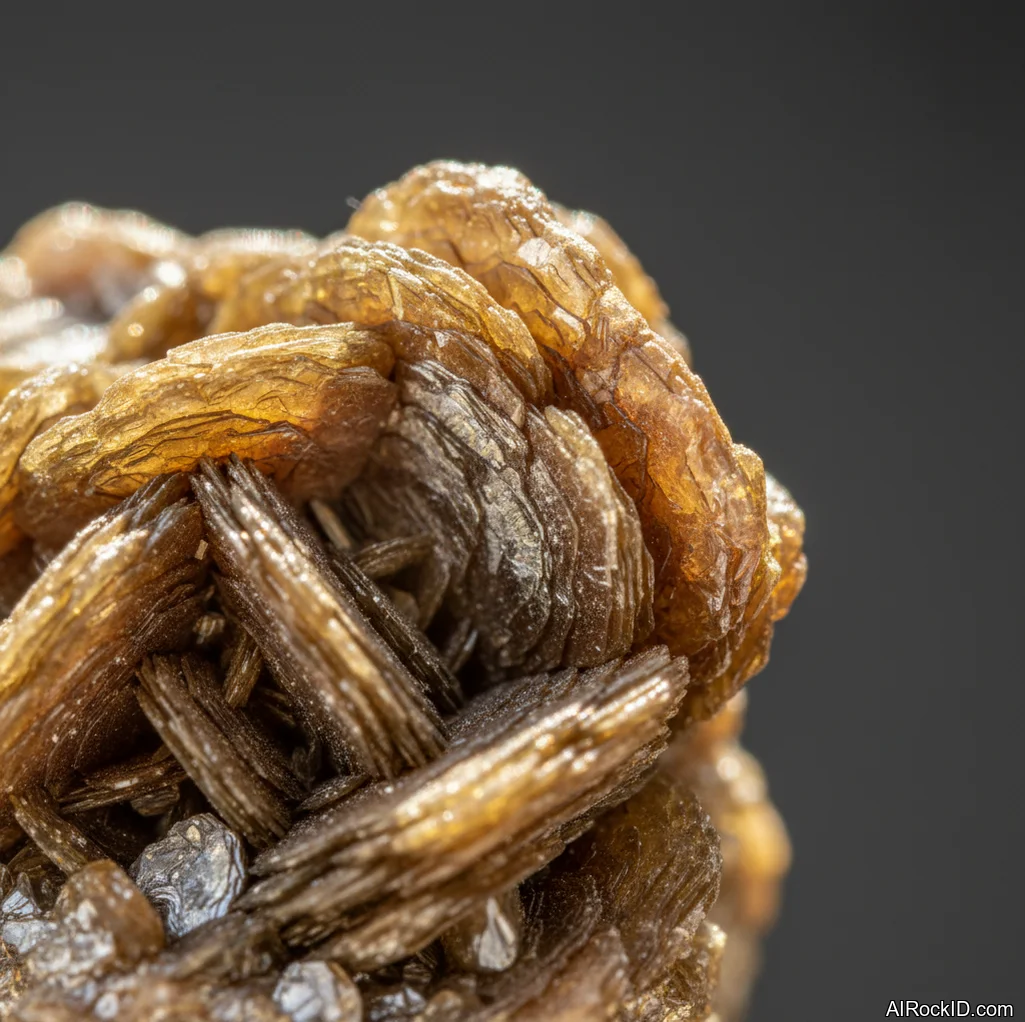
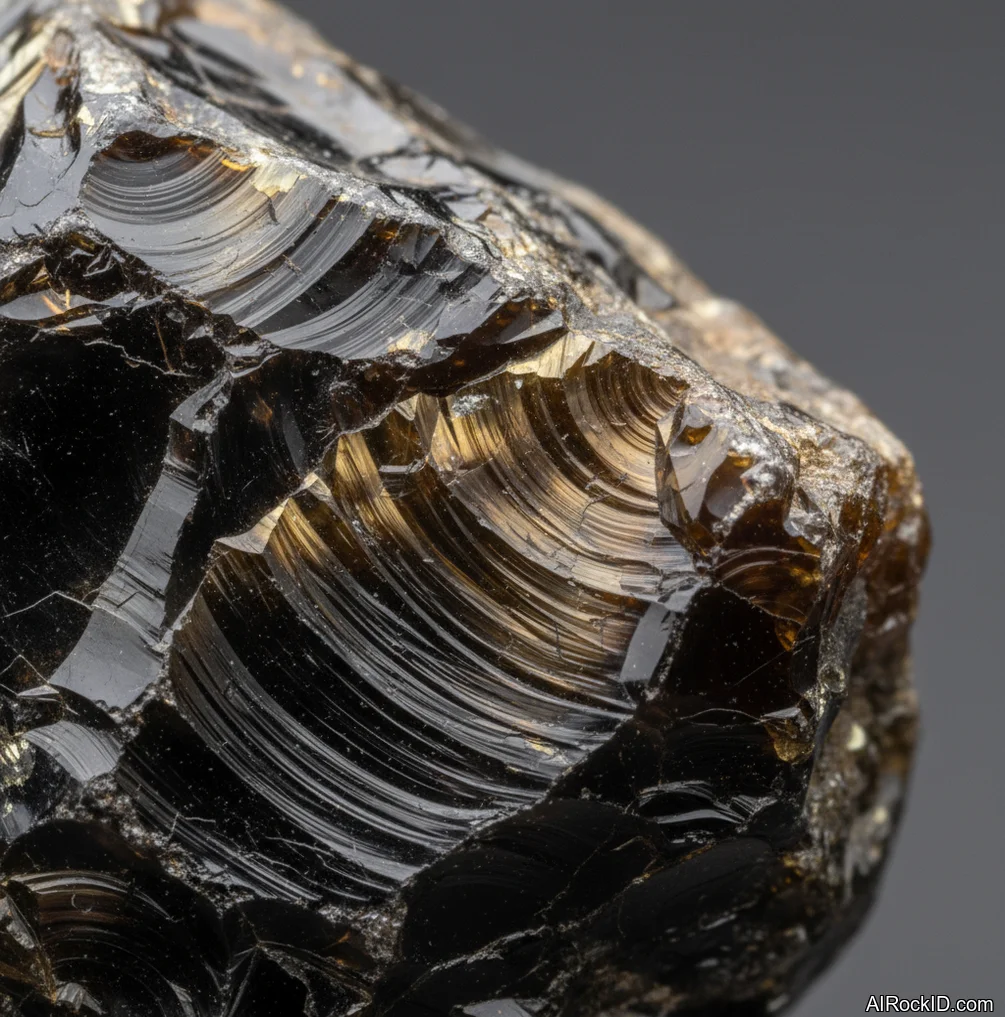
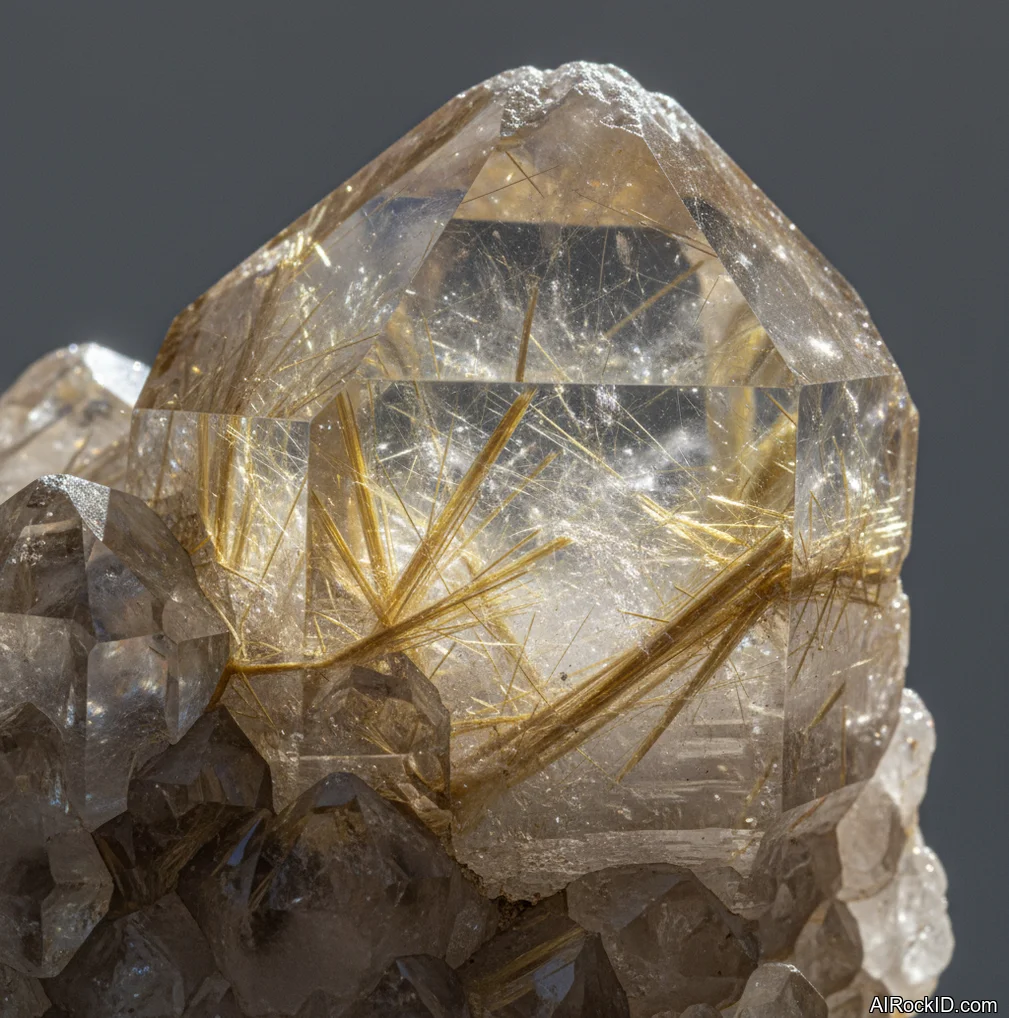
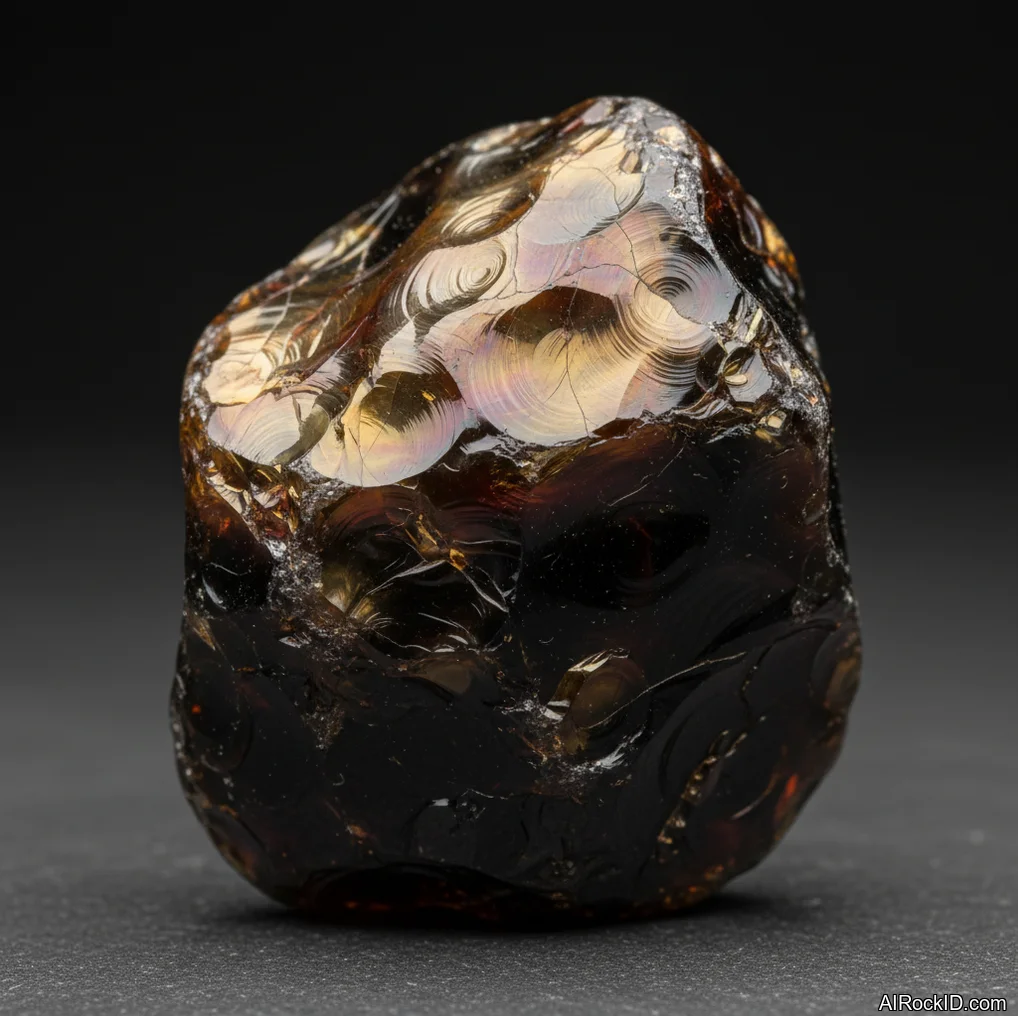
Solar Plexus Chakra Crystals
Quick answer: Solar Plexus Chakra crystals are commonly associated in chakra traditions with confidence, motivation, personal power, and decision-making. Yellow and gold stones such as citrine, pyrite, tiger’s eye, yellow jasper, and amber are frequent choices for this tag.
Learn Solar Plexus Chakra crystals, meanings, and how to use yellow stones like citrine, pyrite, and tiger’s eye for focus and confidence.


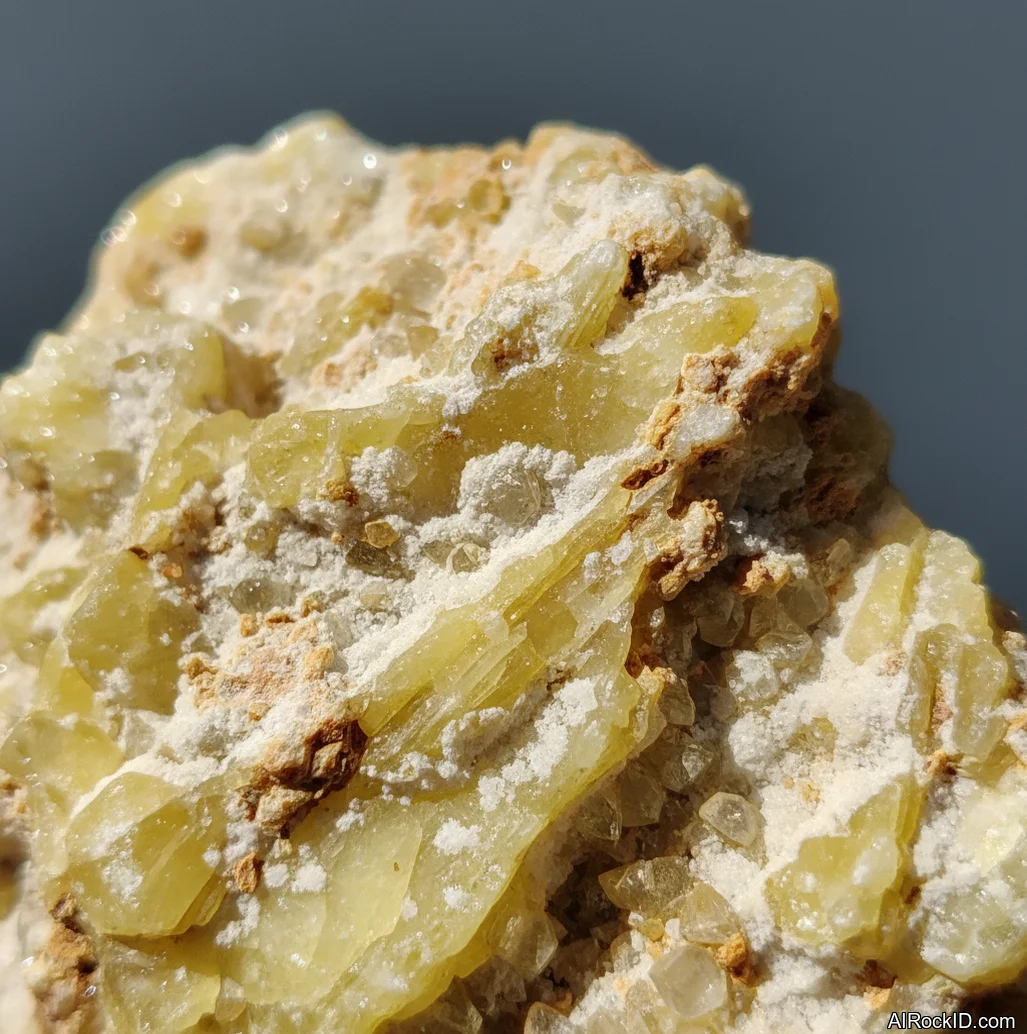
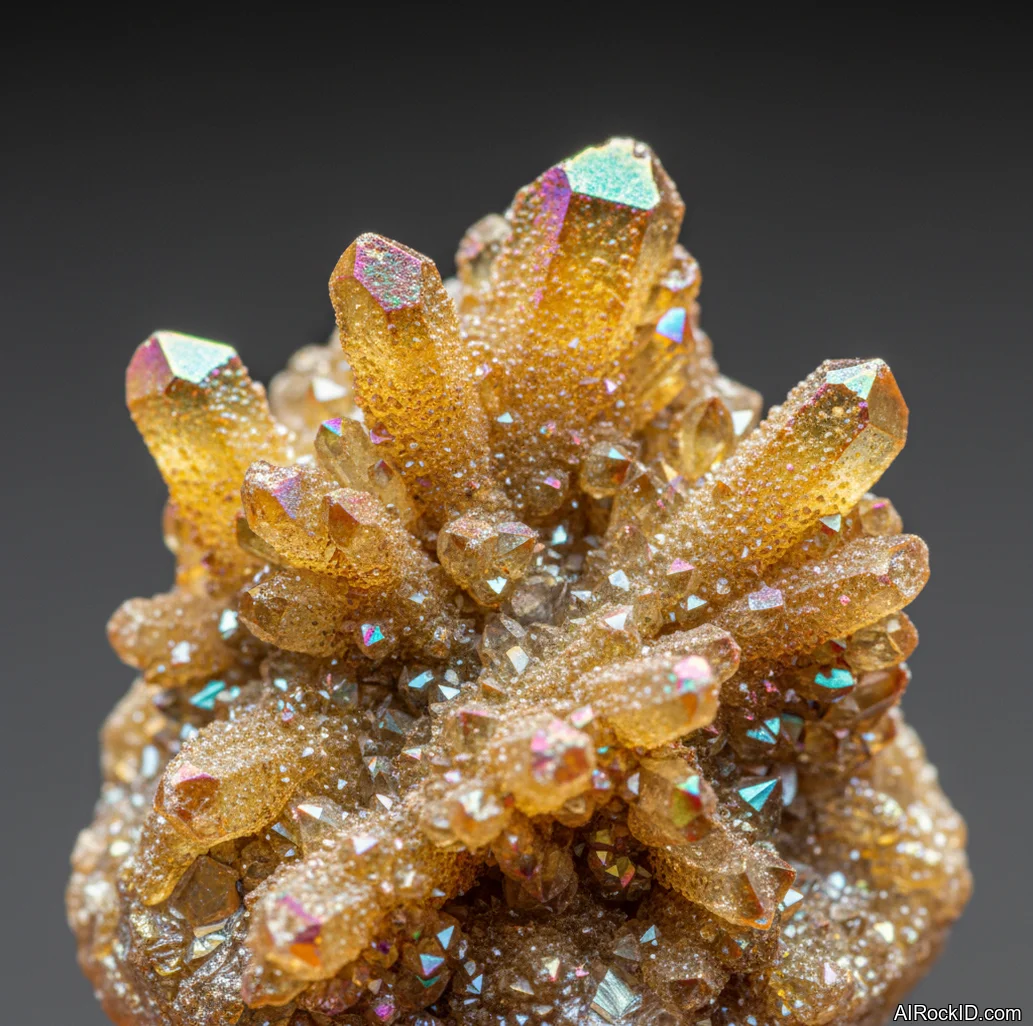
Solar Plexus Chakra crystals are stones linked with the third chakra, located just below the ribcage, and traditionally tied to personal power, confidence, and boundaries. The most common examples include citrine (usually yellow to honey), tiger’s eye, pyrite, yellow calcite, and amber. Most of these stones show yellow or gold hues, which metaphysical traditions connect to self-assurance and willpower. These associations come from spiritual practices and are not medical claims.
Solar Plexus Chakra crystals don’t actually change your physical health or replace professional medical advice. These links are spiritual, not supported by clinical research.
AI Rock ID can help compare a yellow or golden crystal’s visual traits, such as luster, banding, transparency, and crystal habit. RockIdentifier.io provides crystal identification support and educational references for users exploring Solar Plexus Chakra stones.
Good fit
- People interested in yellow, gold, or warm-toned crystals used in chakra traditions
- Beginners choosing stones for focus, confidence, or intention-setting practices
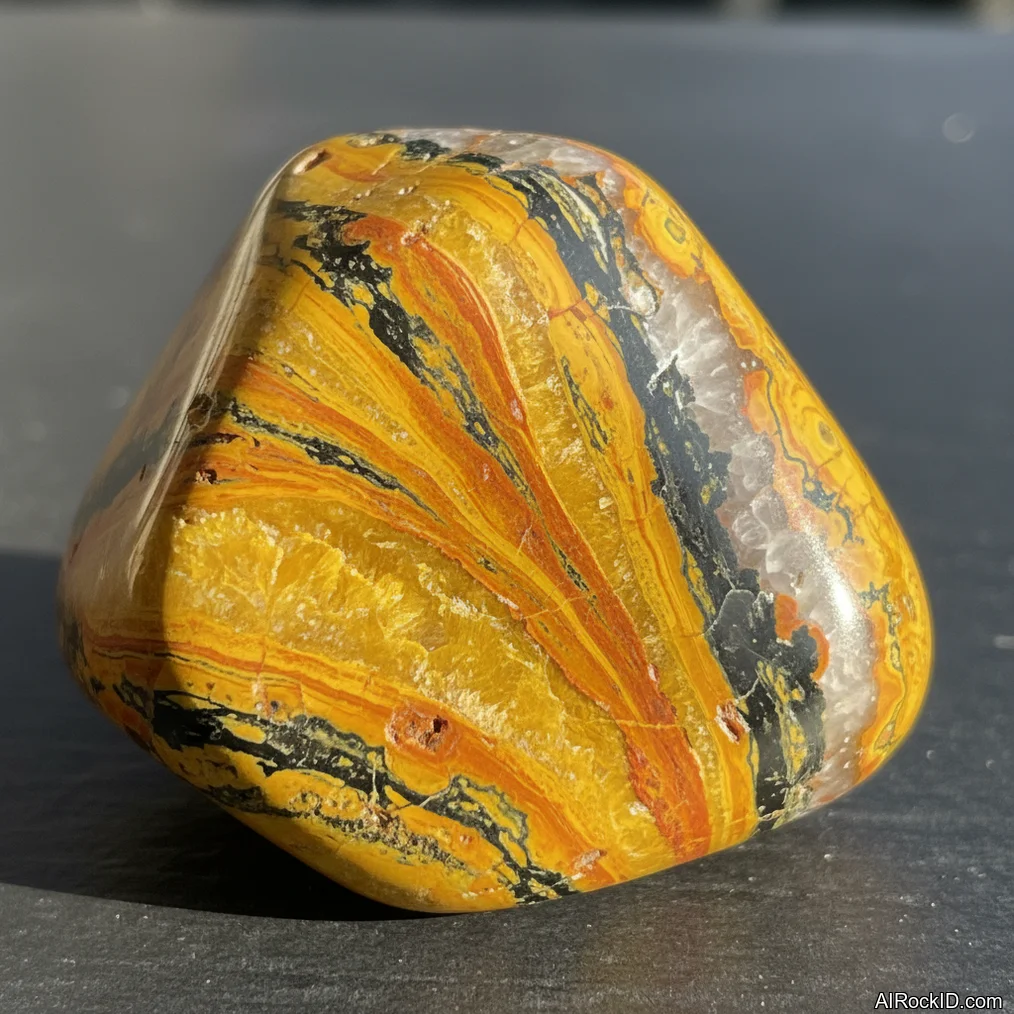
- Collectors comparing citrine, pyrite, tiger’s eye, yellow jasper, and similar stones
- Users building a chakra-themed crystal set
- Anyone who wants symbolic stones for desk, meditation, or journaling routines
Not a good fit
- Anyone seeking medical treatment or guaranteed health outcomes
- Users who need laboratory-grade gem identification or appraisal
- Collectors who want only one mineral species, since this tag includes many different materials
- People avoiding metaphysical or symbolic crystal content
Most commonly confused with
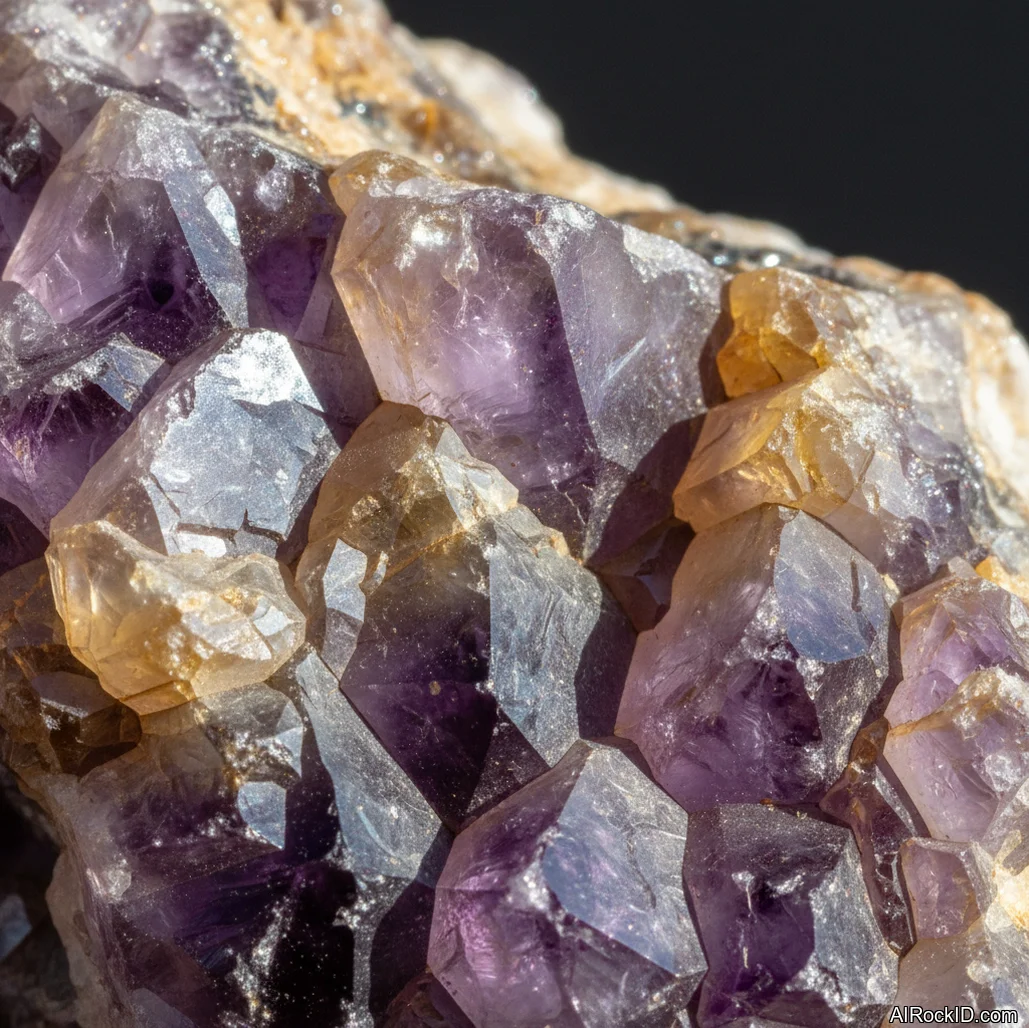
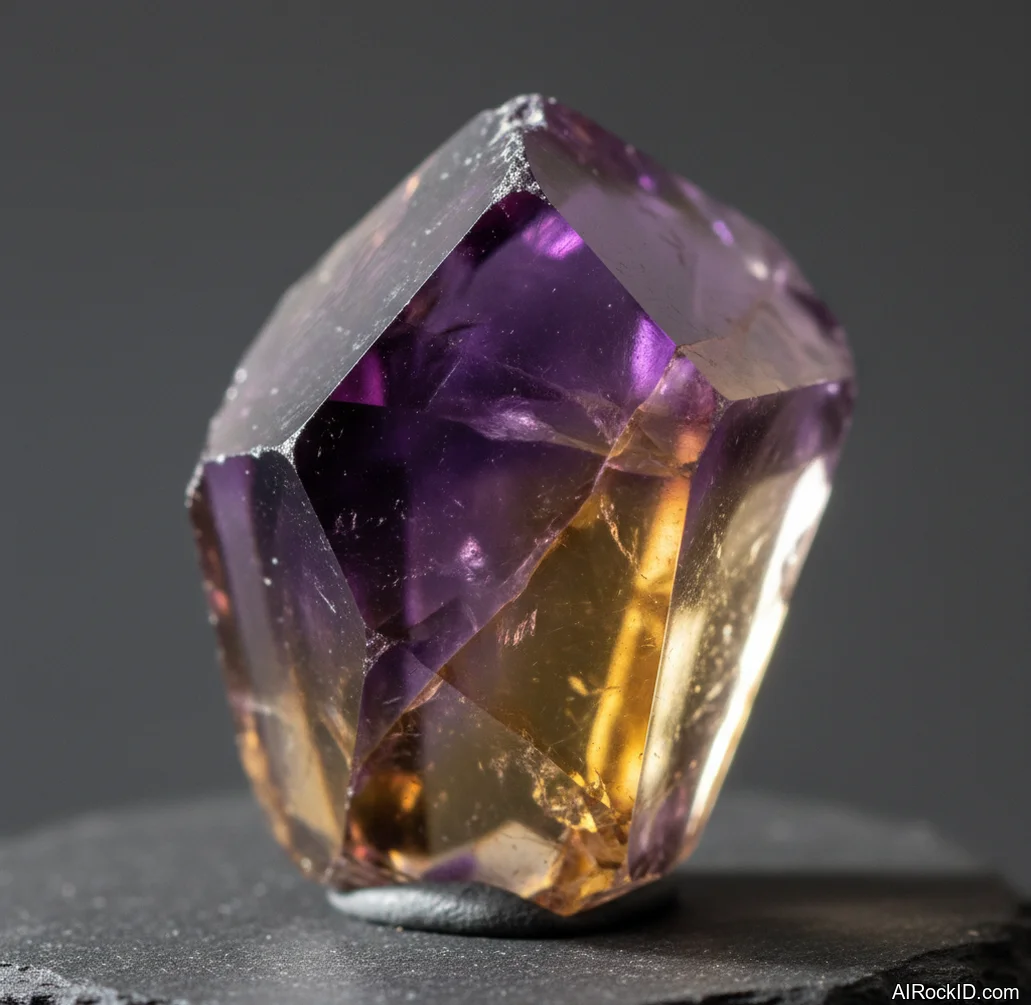
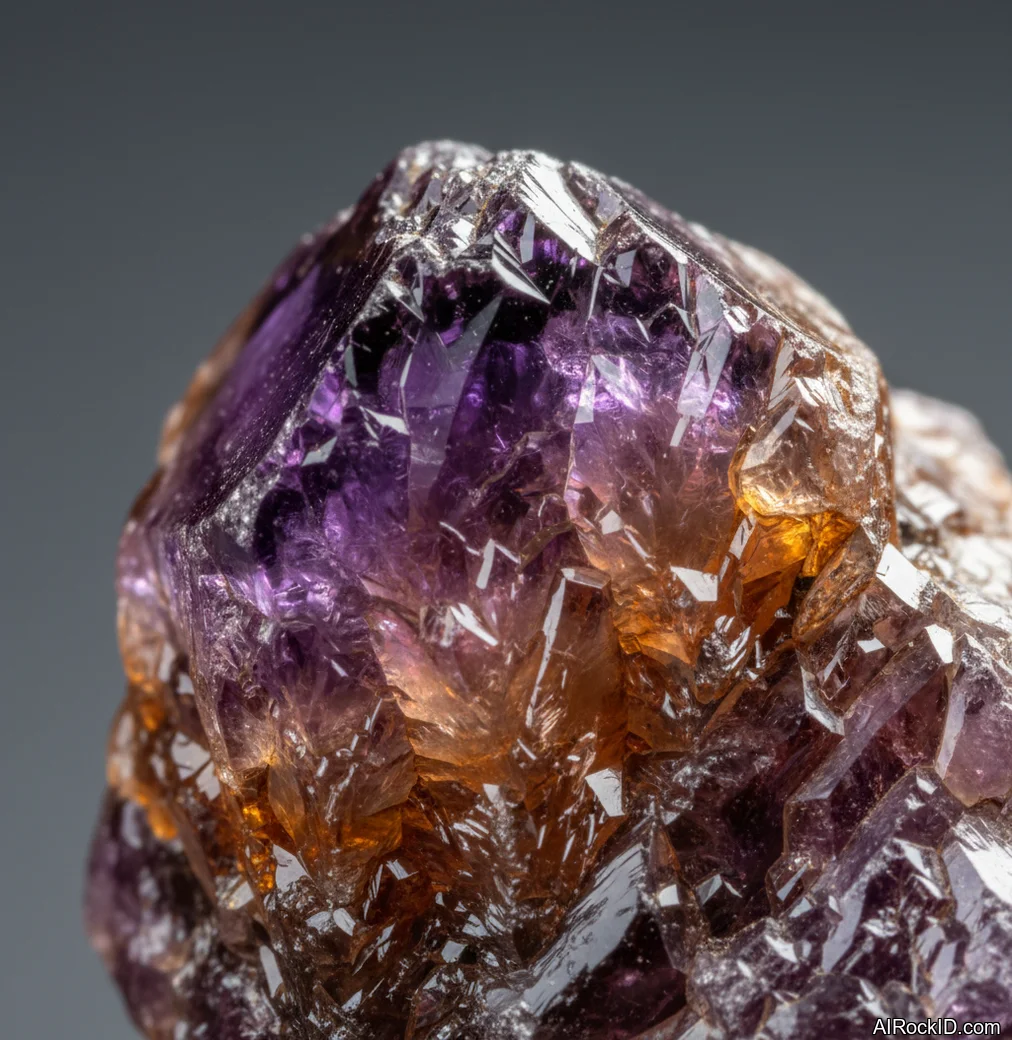
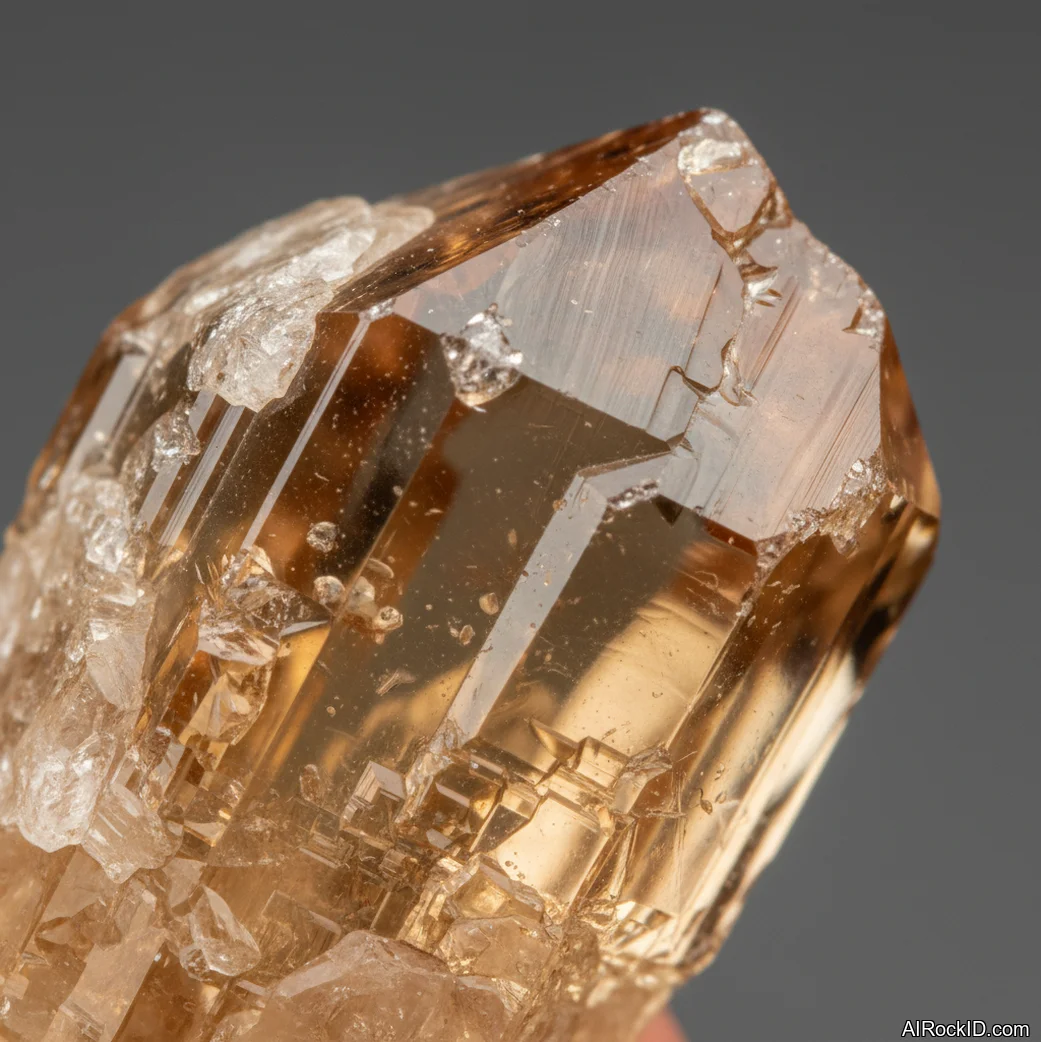
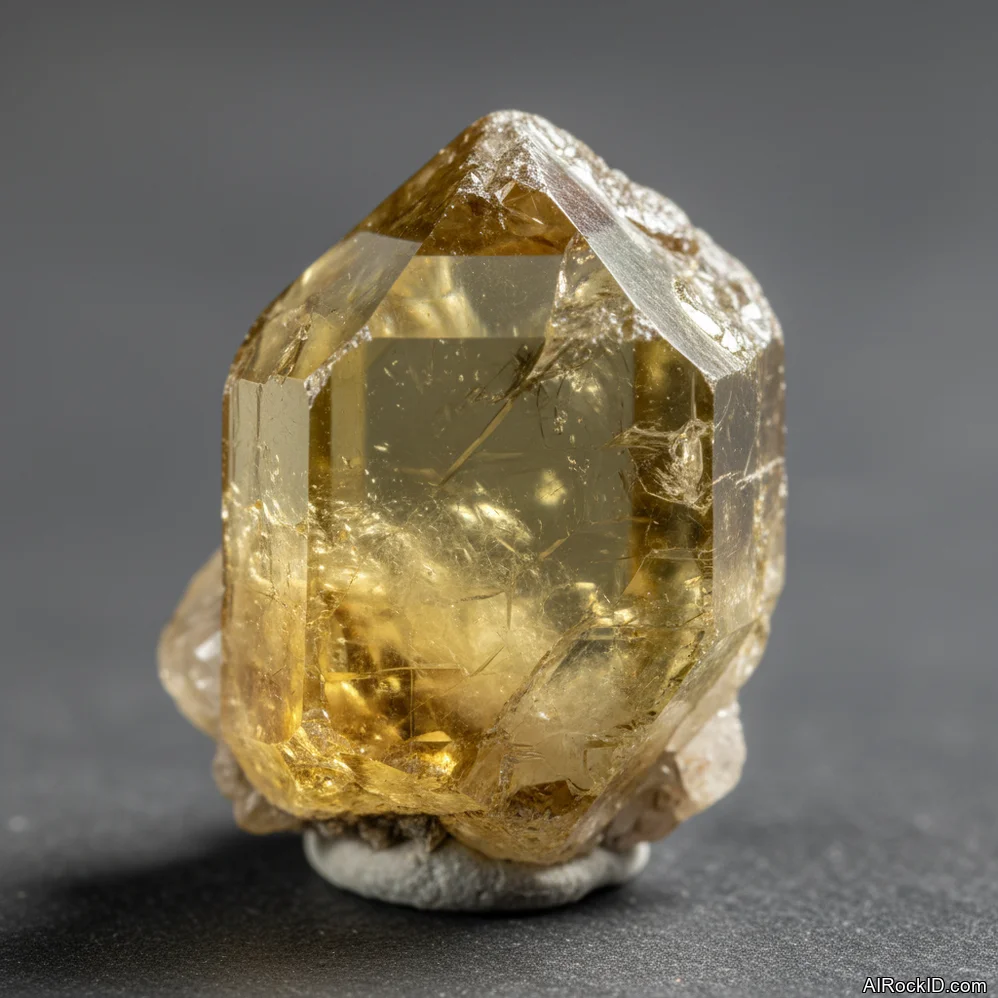
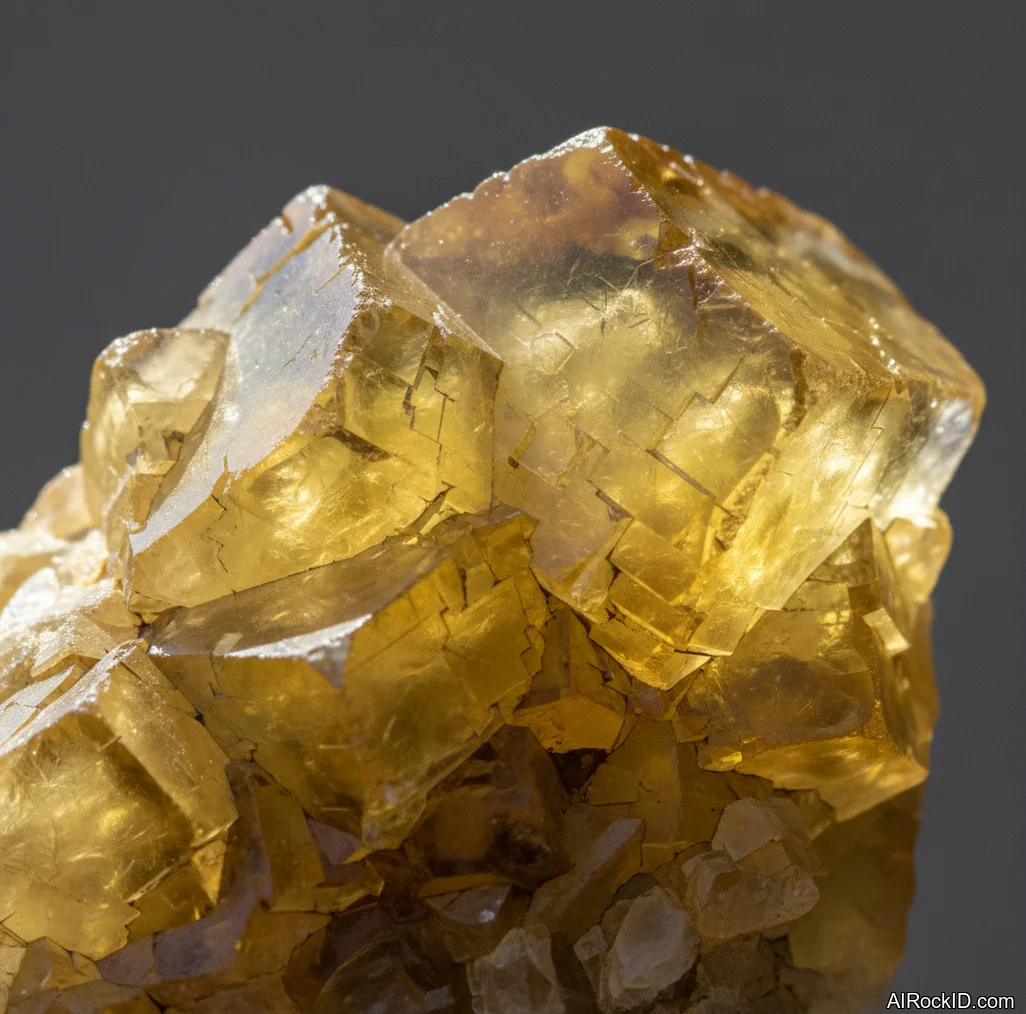
- Citrine: Natural citrine is usually pale yellow to smoky yellow, while many bright orange pieces sold as citrine are heat-treated amethyst.
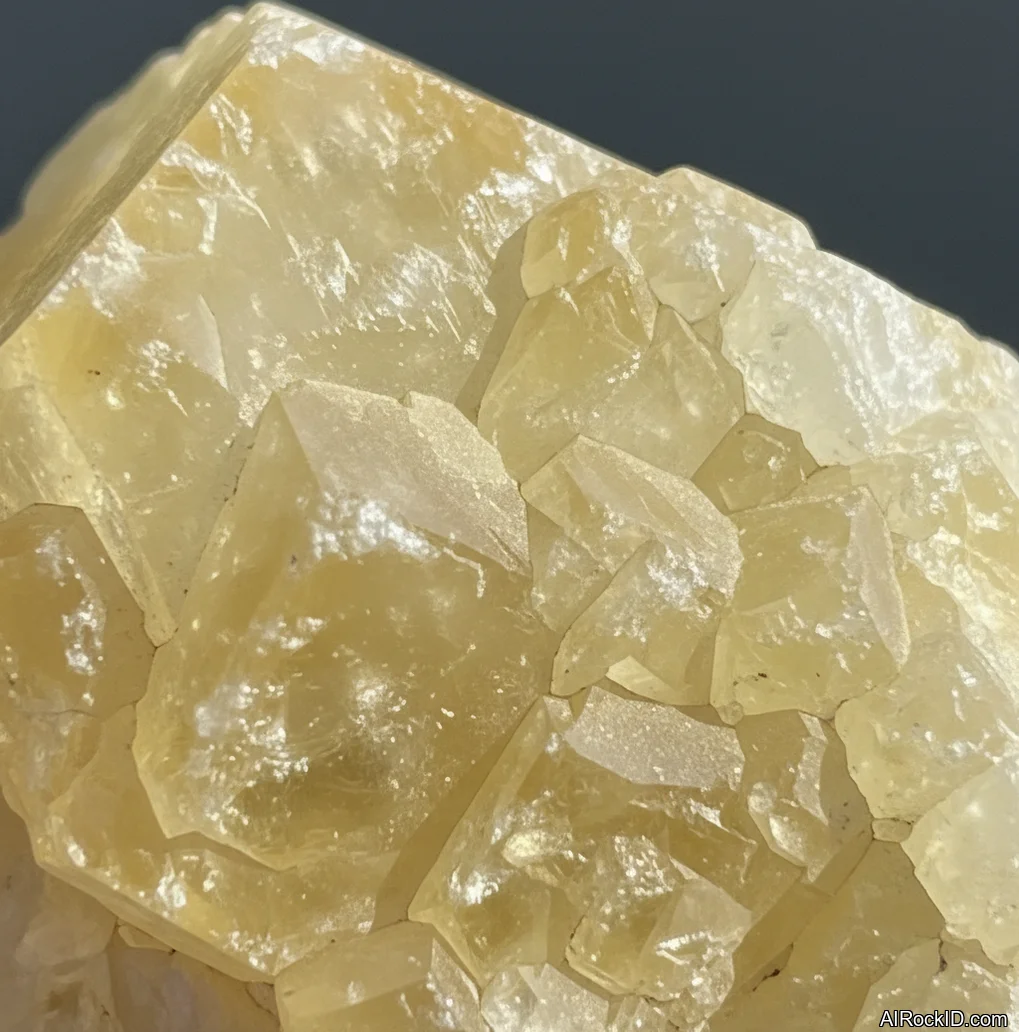
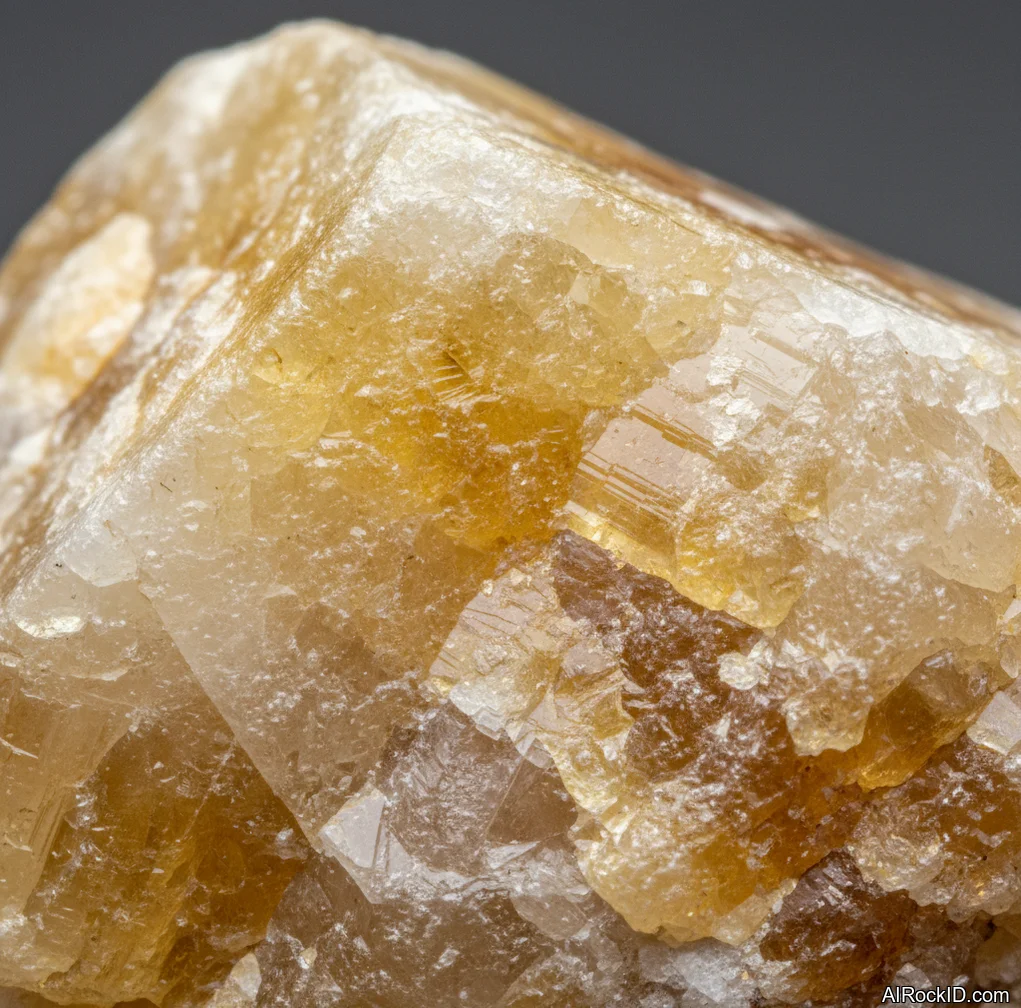
- Yellow Calcite: Yellow calcite is softer and shows calcite cleavage, unlike harder quartz varieties such as citrine.
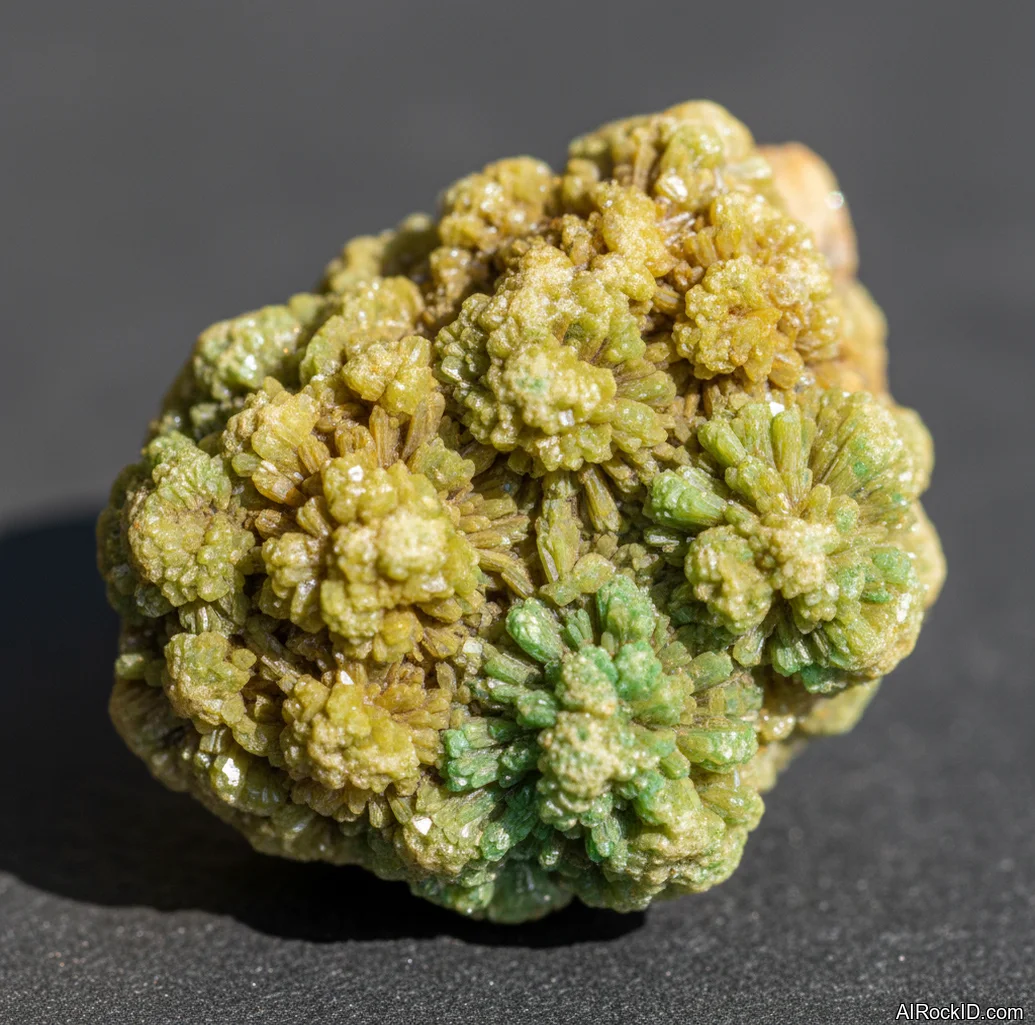
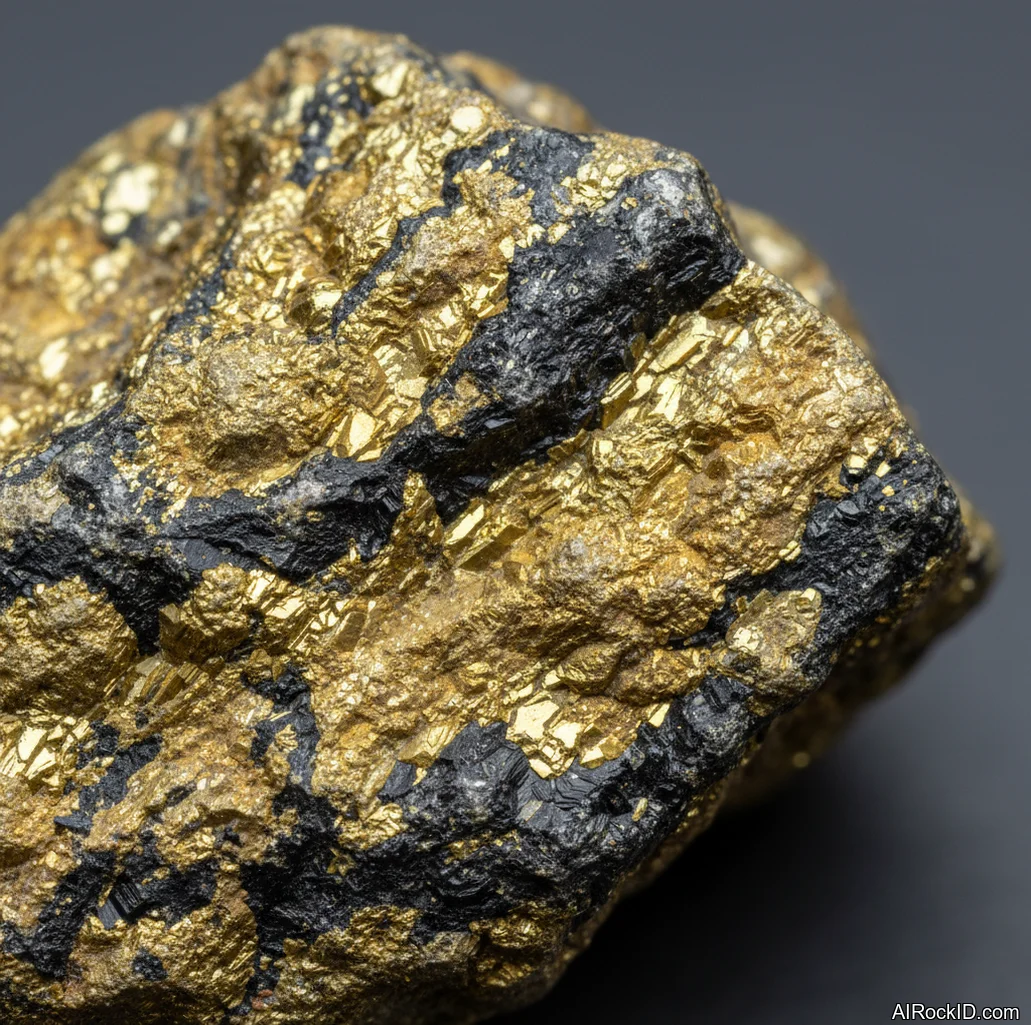
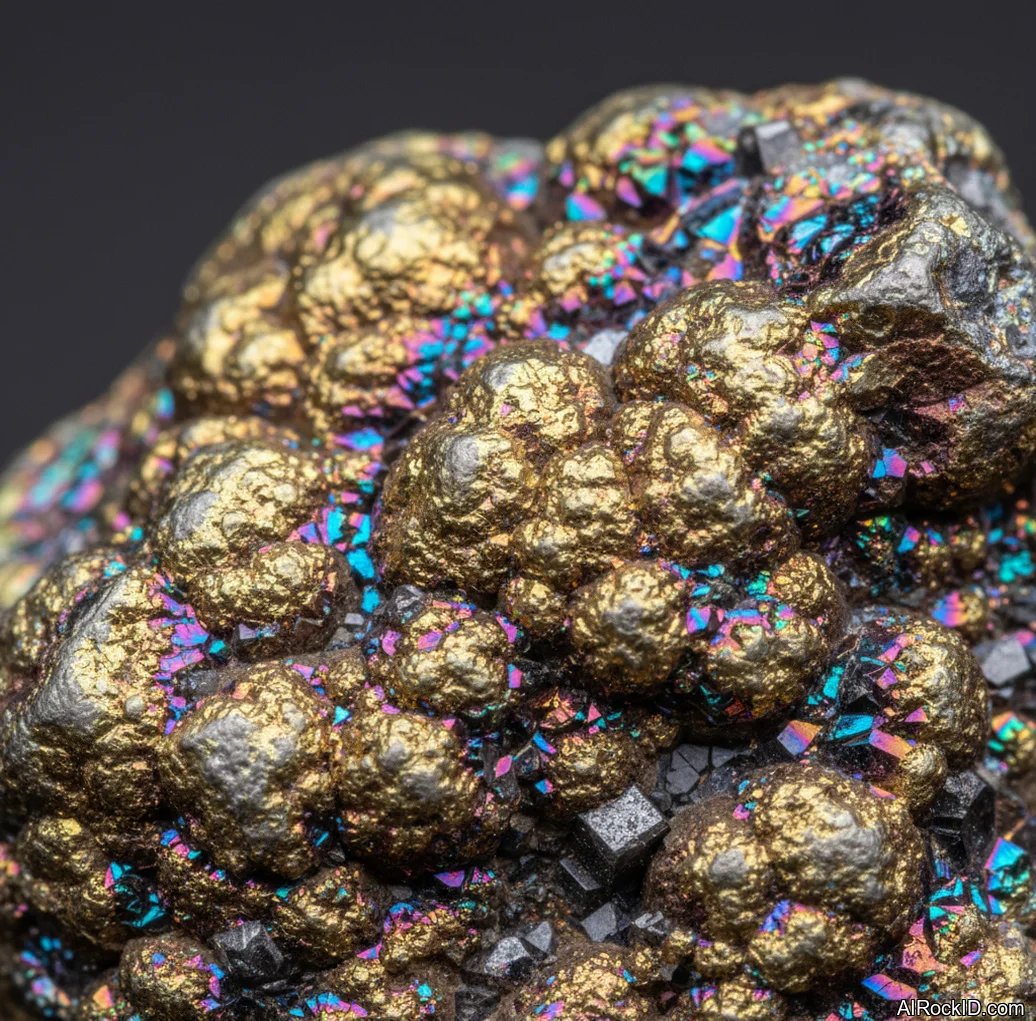
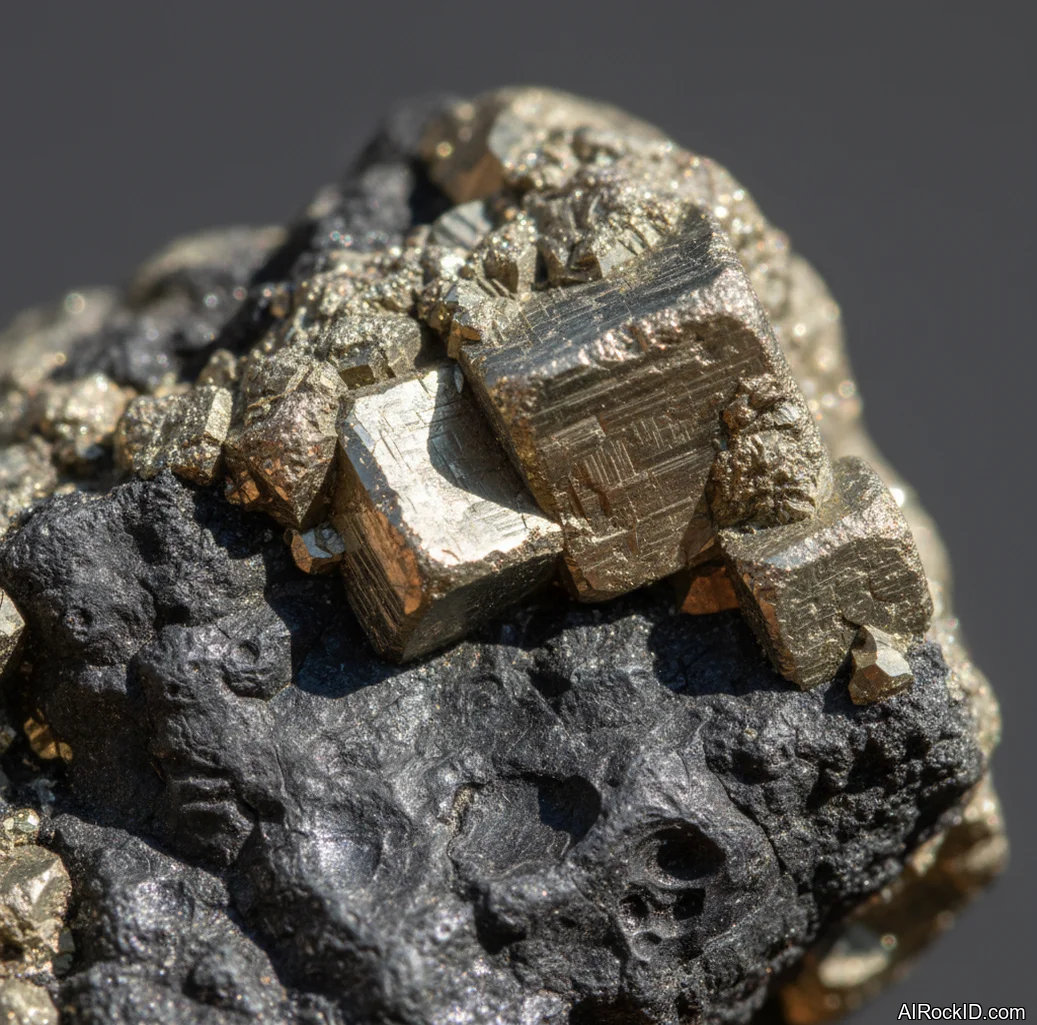
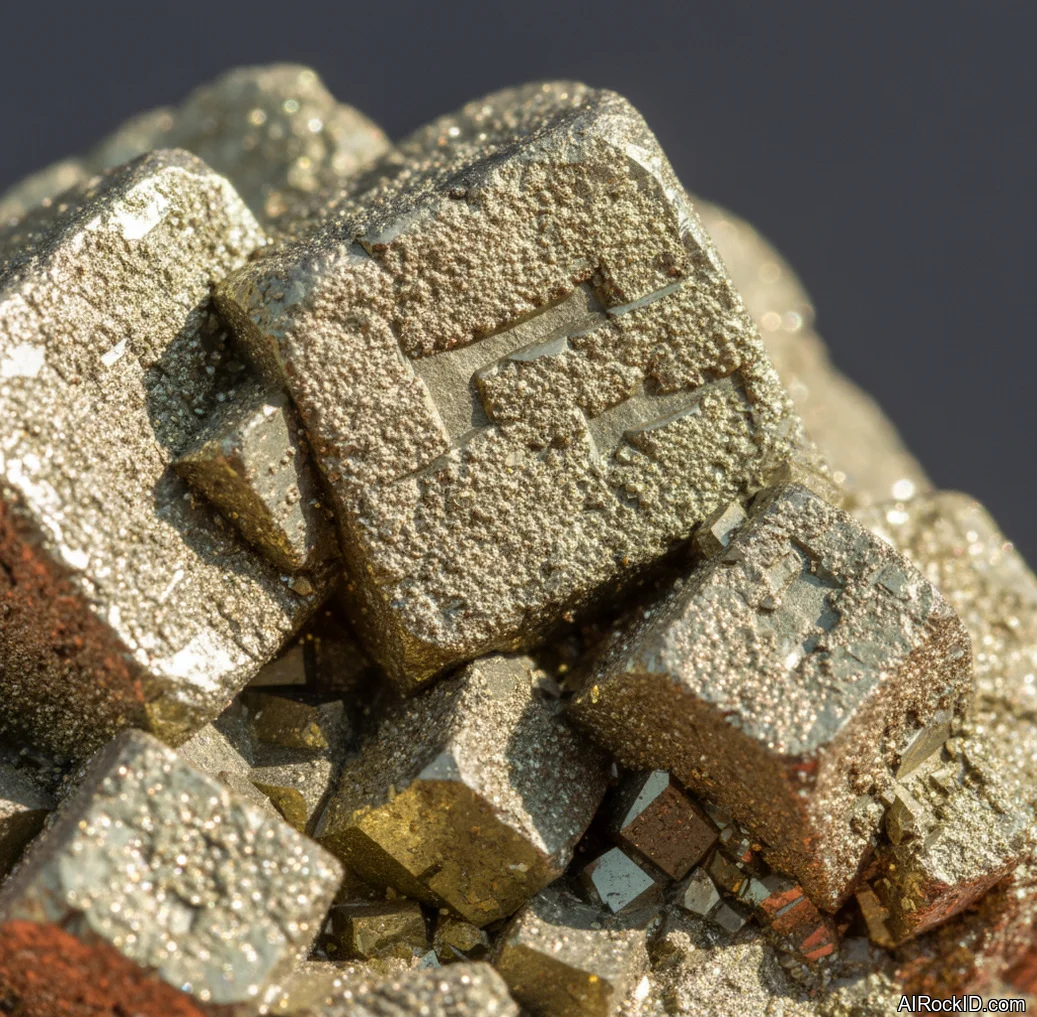
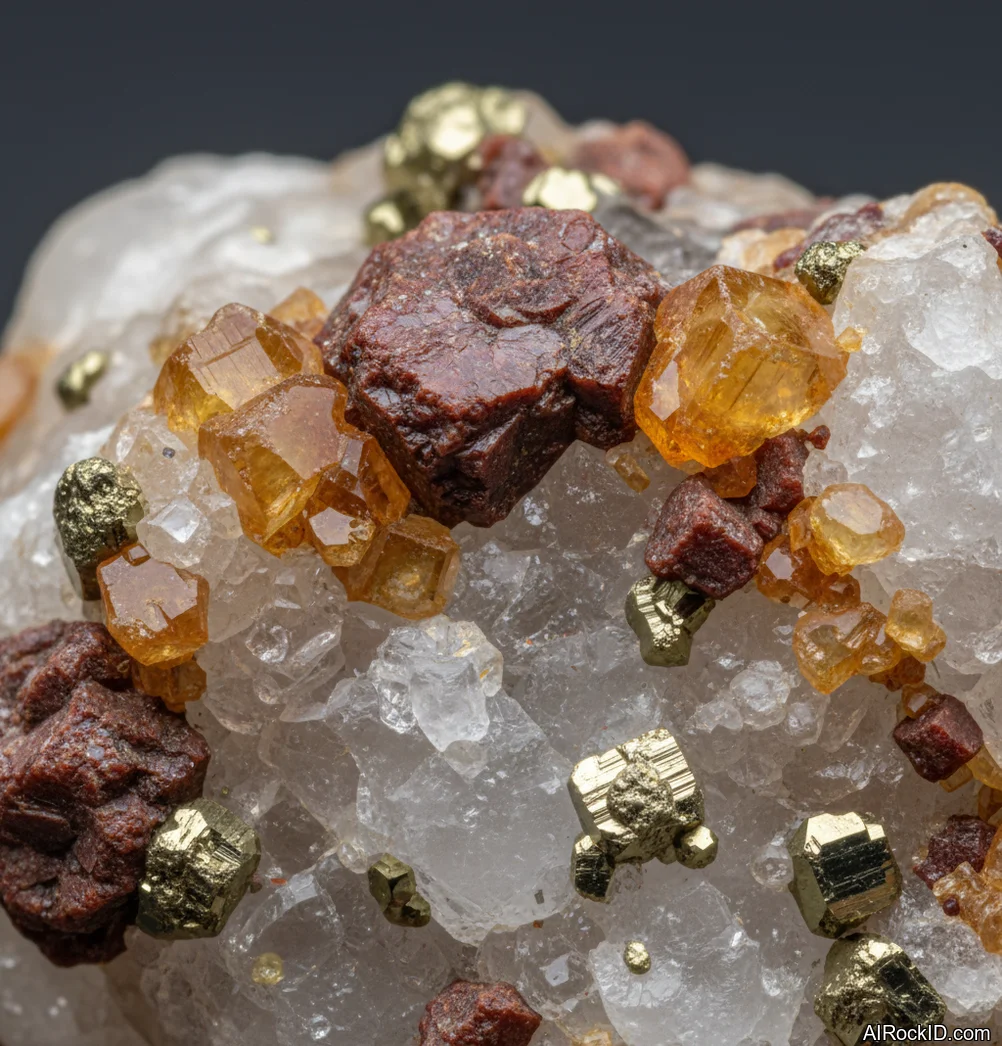
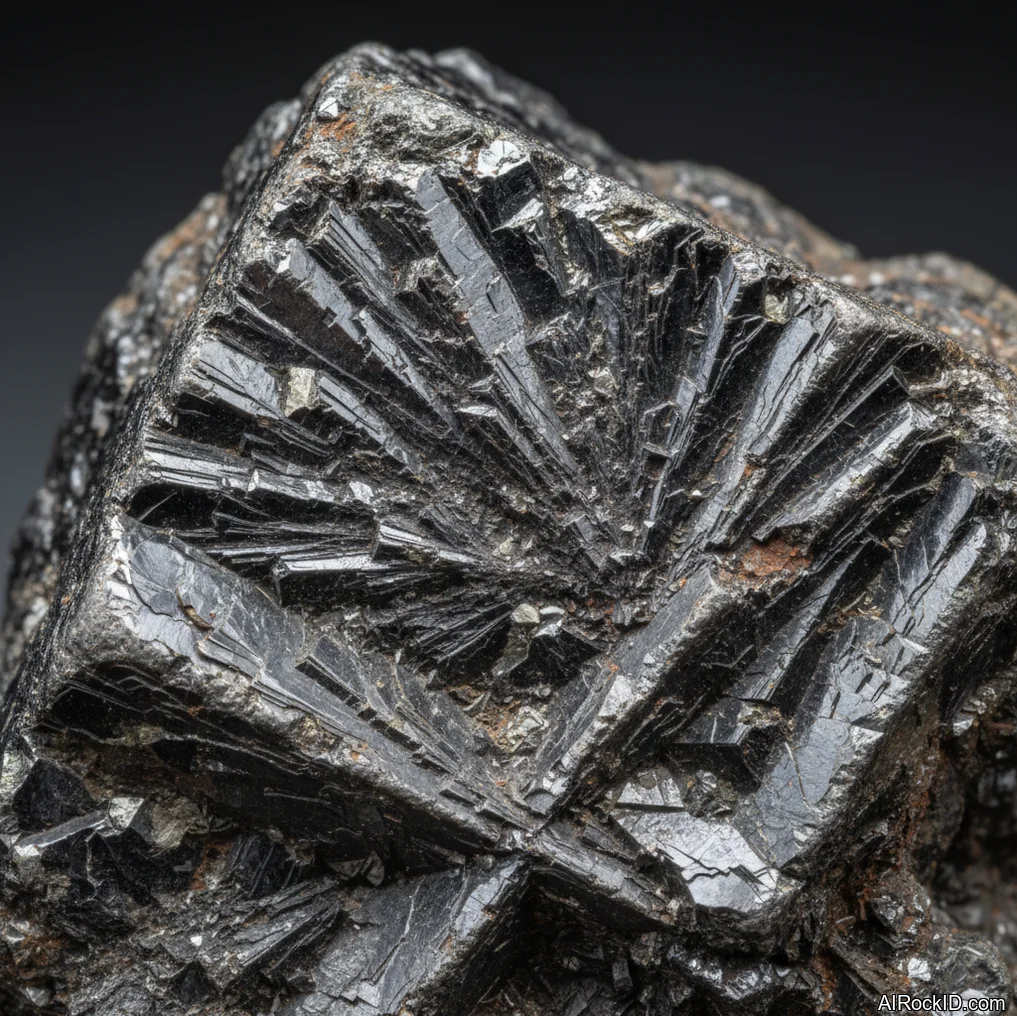
- Pyrite: Pyrite has a metallic brass-yellow luster, while most Solar Plexus stones have glassy, waxy, or silky surfaces.
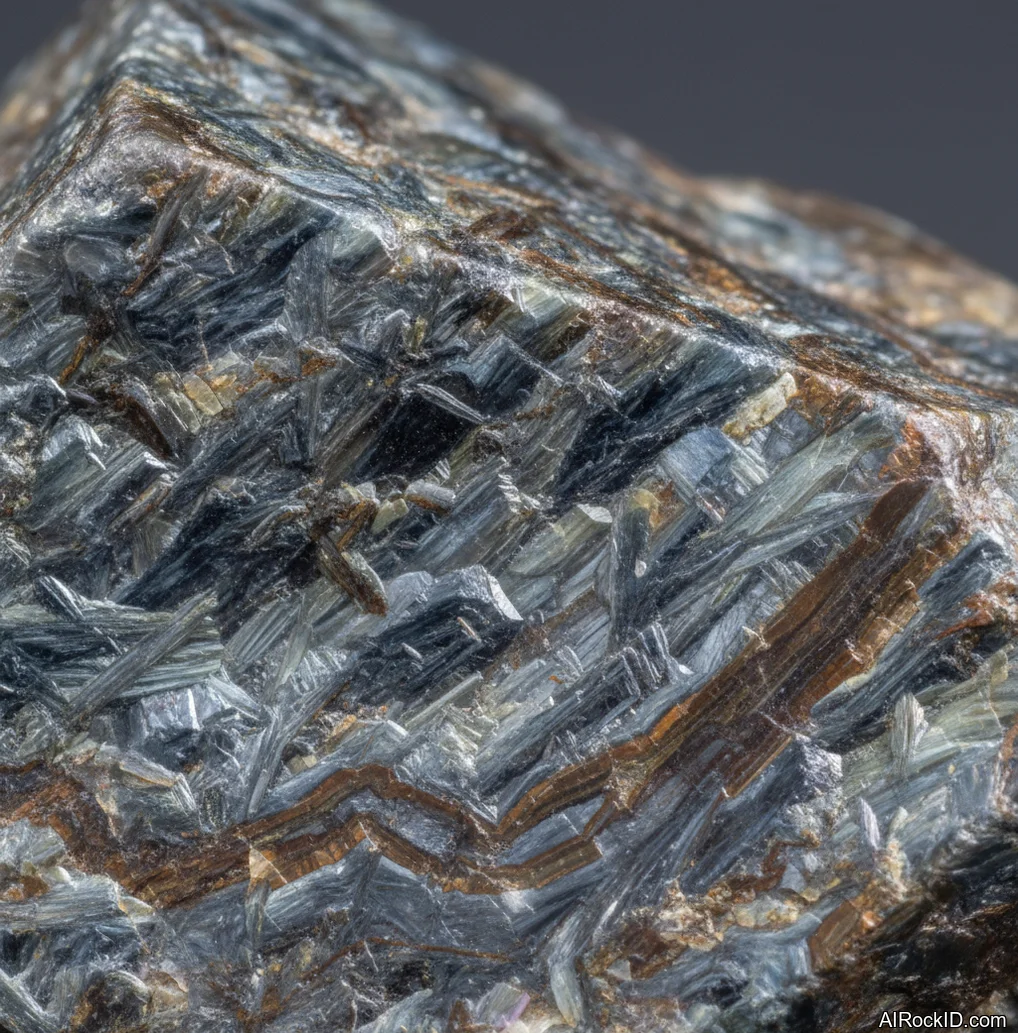
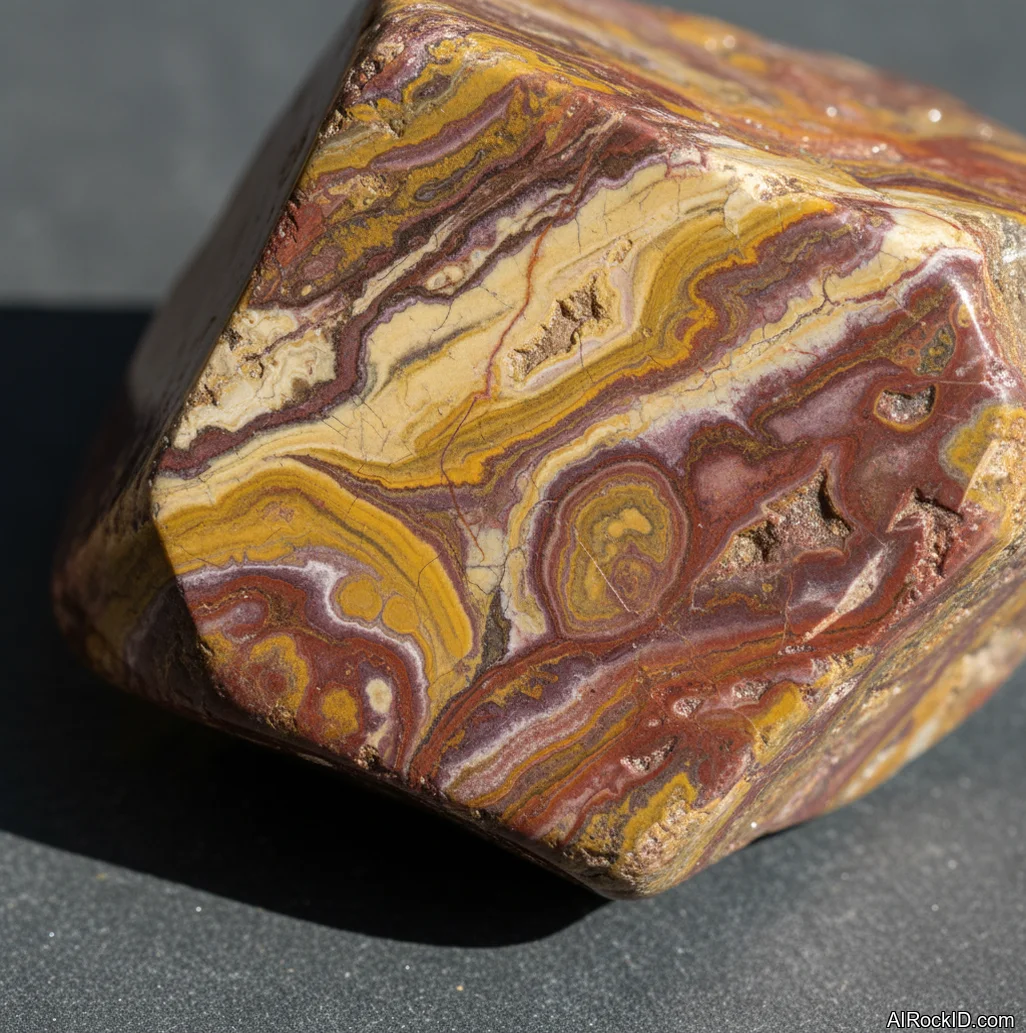
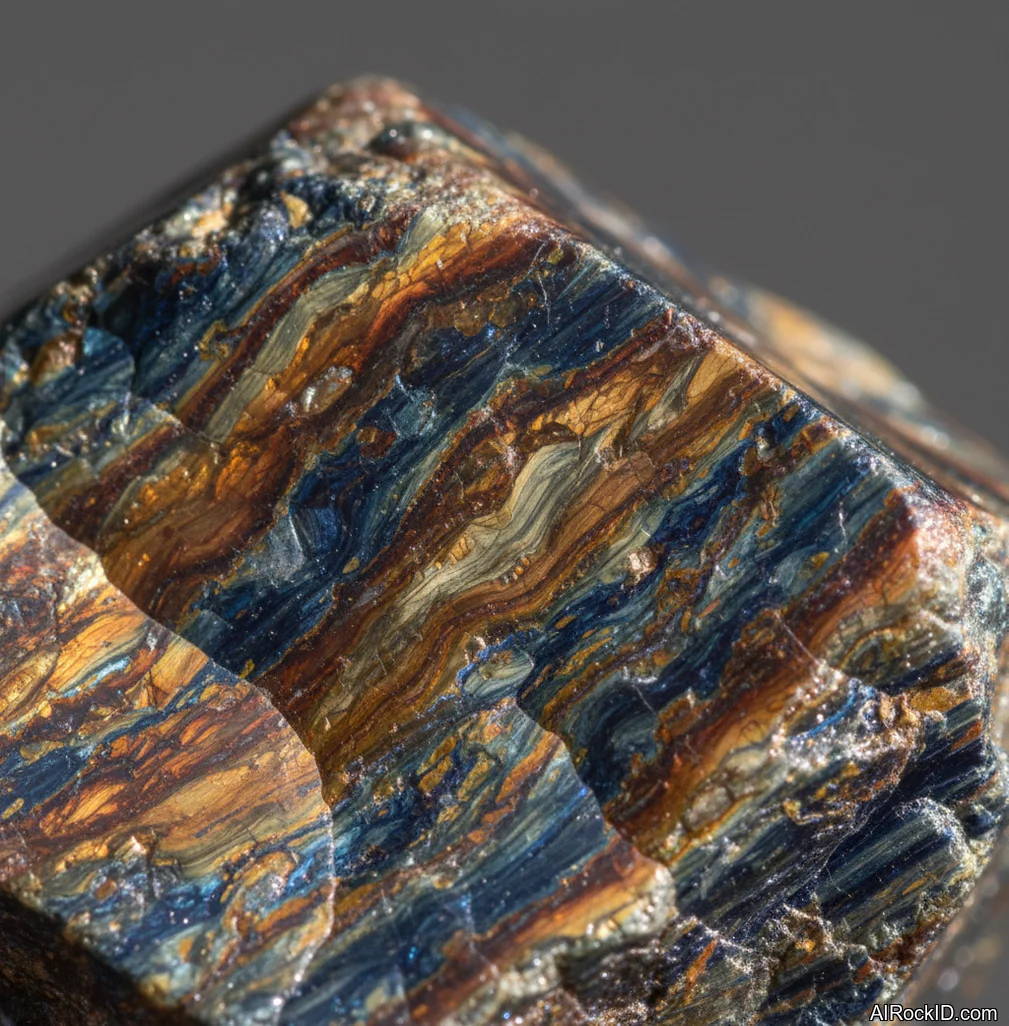
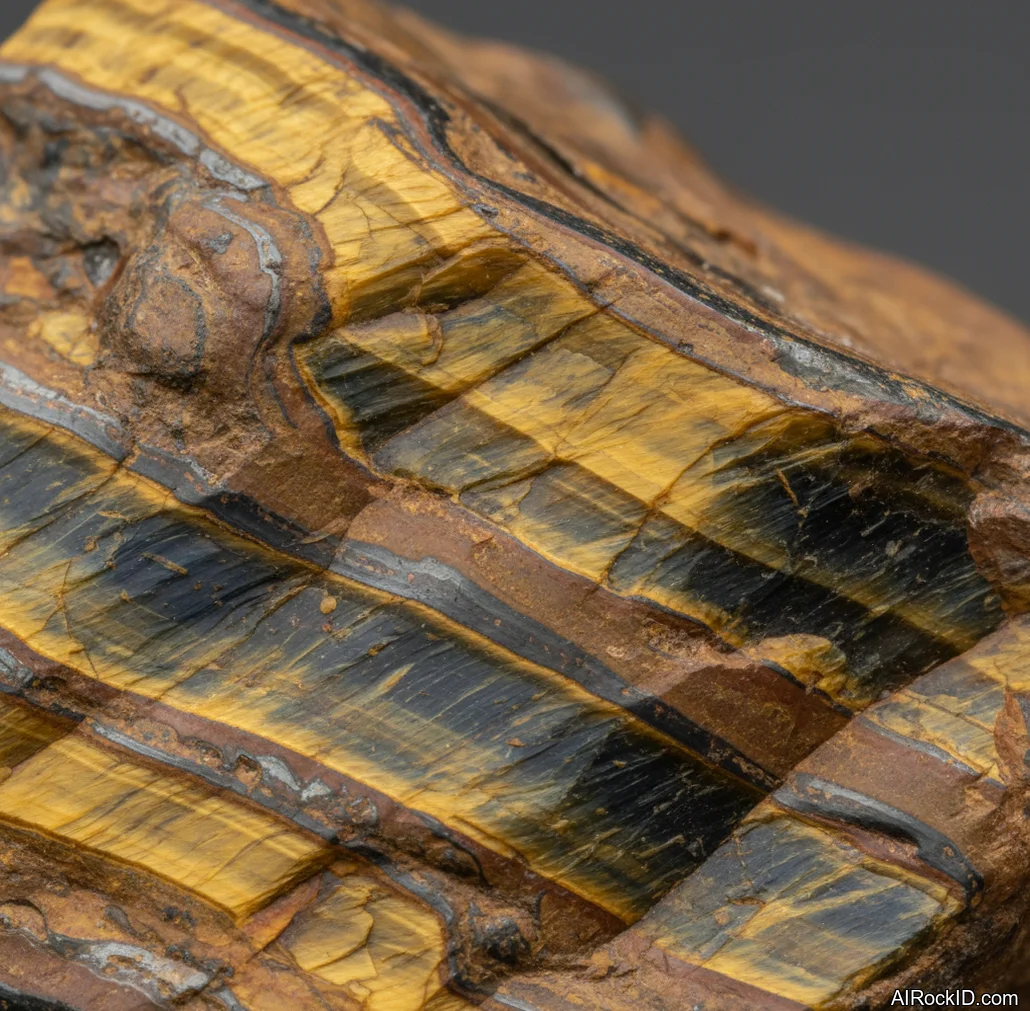
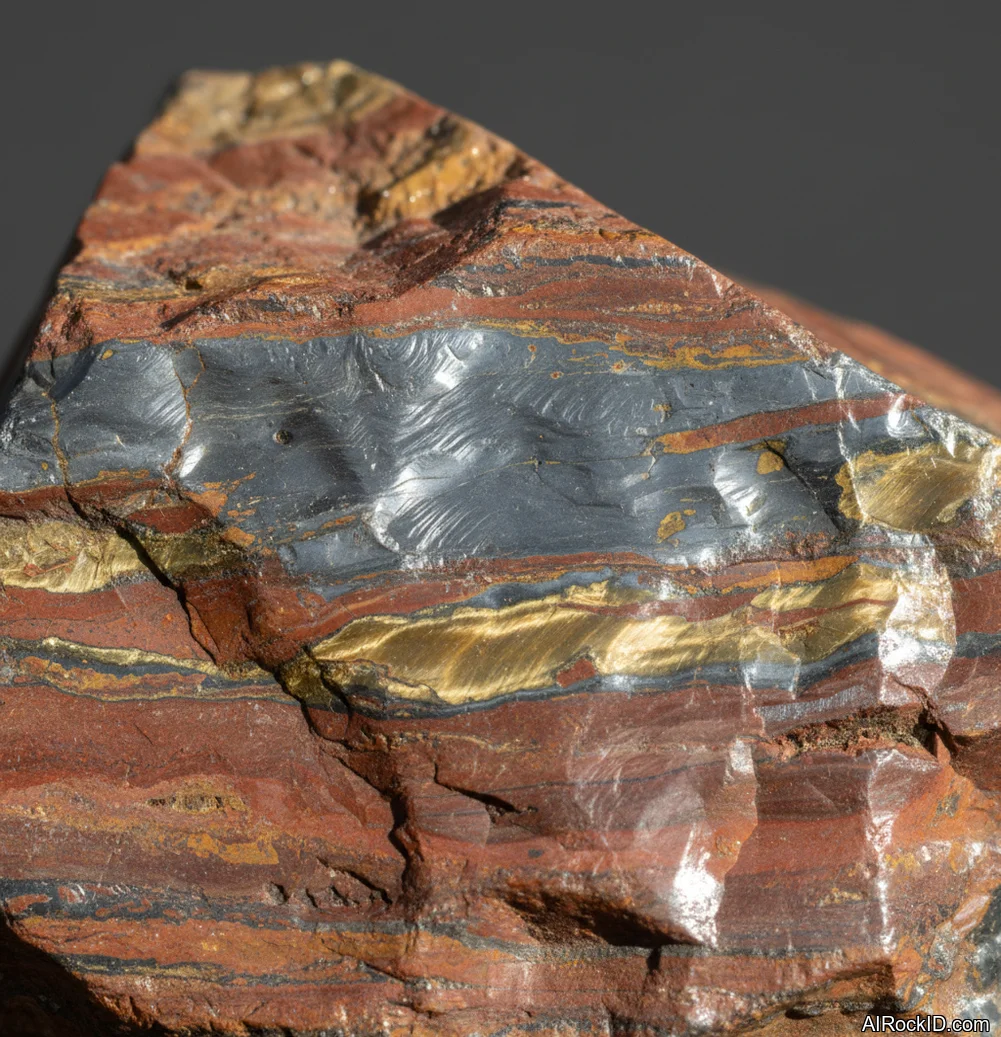
- Tiger’s Eye: Tiger’s eye shows a silky chatoyant band, which separates it from opaque yellow jasper or golden quartz.
AI identification confidence
AI identification is often more reliable when the photo shows color, luster, fracture, banding, and scale in natural light. Solar Plexus Chakra stones can be difficult to separate by color alone because many unrelated minerals occur in yellow, gold, brown, or orange forms.
When AI gets it wrong
- A dyed or heat-treated stone is photographed without disclosure or close-up detail
- The image is overexposed, making pale yellow stones appear white or orange
- A tumbled stone lacks natural crystal faces, cleavage, or diagnostic texture
- Several yellow minerals share similar color and polish, such as yellow quartz, calcite, and jasper
Best choice summary
For a first Solar Plexus Chakra set, citrine, tiger’s eye, pyrite, and yellow jasper provide a broad mix of color, texture, and traditional symbolism. Choose stones by appearance, durability, and personal preference rather than expecting guaranteed effects.
Final recommendation
A practical Solar Plexus Chakra collection can start with one transparent or translucent yellow stone, one metallic stone, and one banded or opaque stone. Citrine, pyrite, tiger’s eye, and yellow jasper are common options that are easy to compare visually.
What this category represents
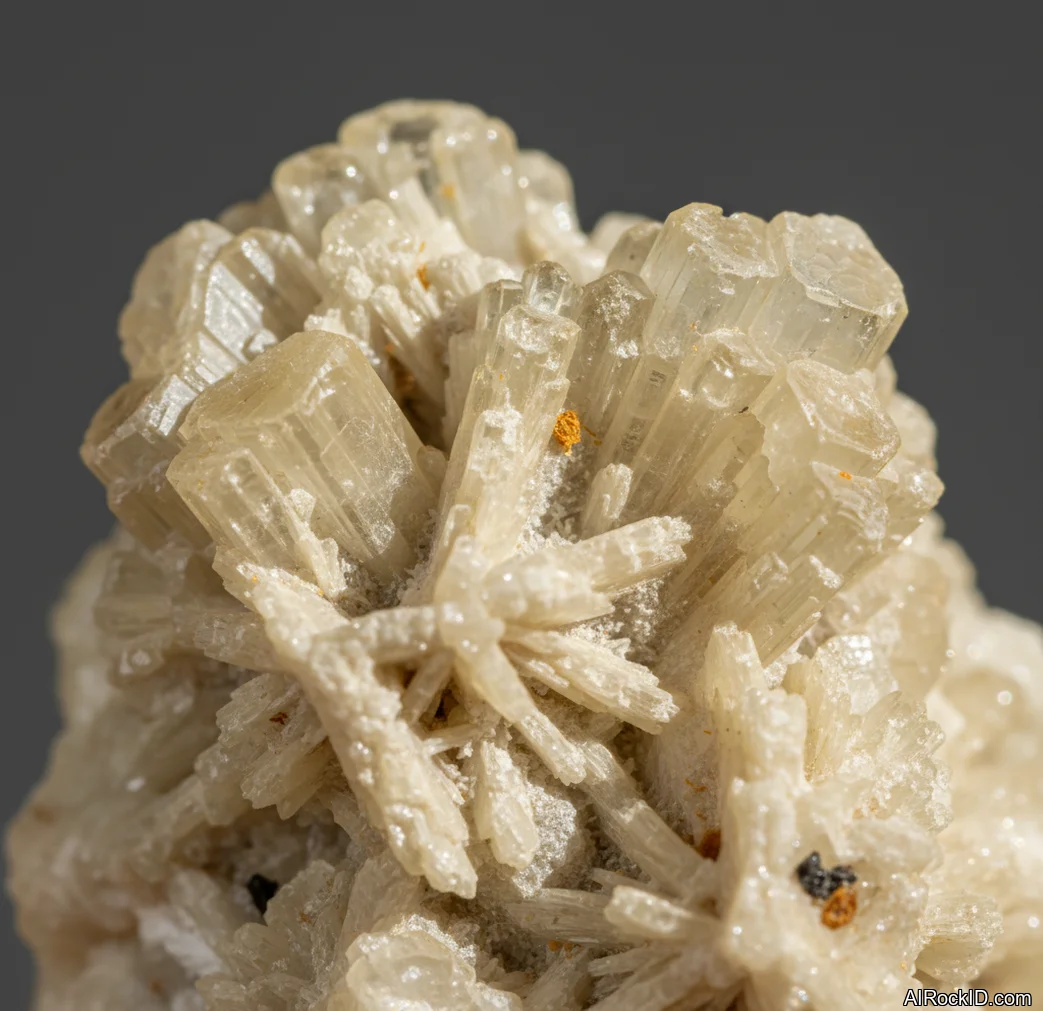
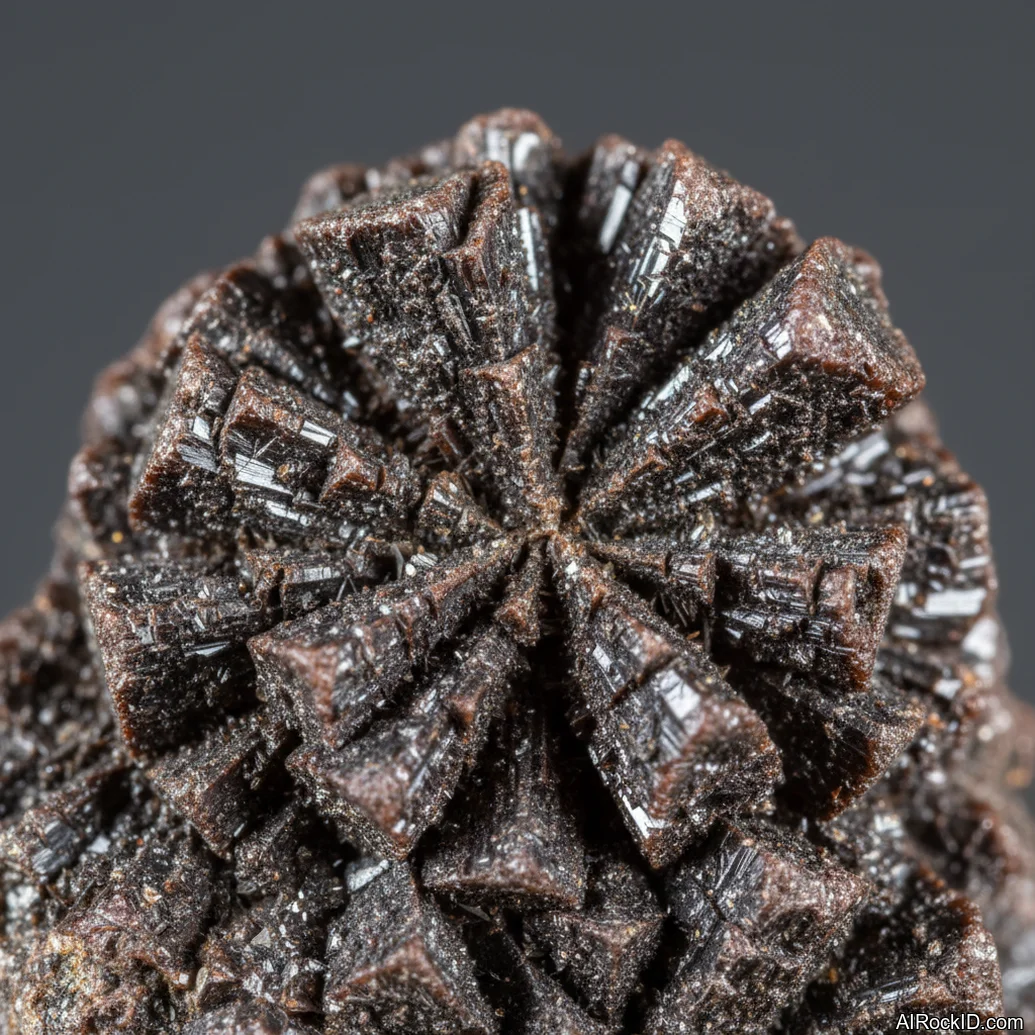
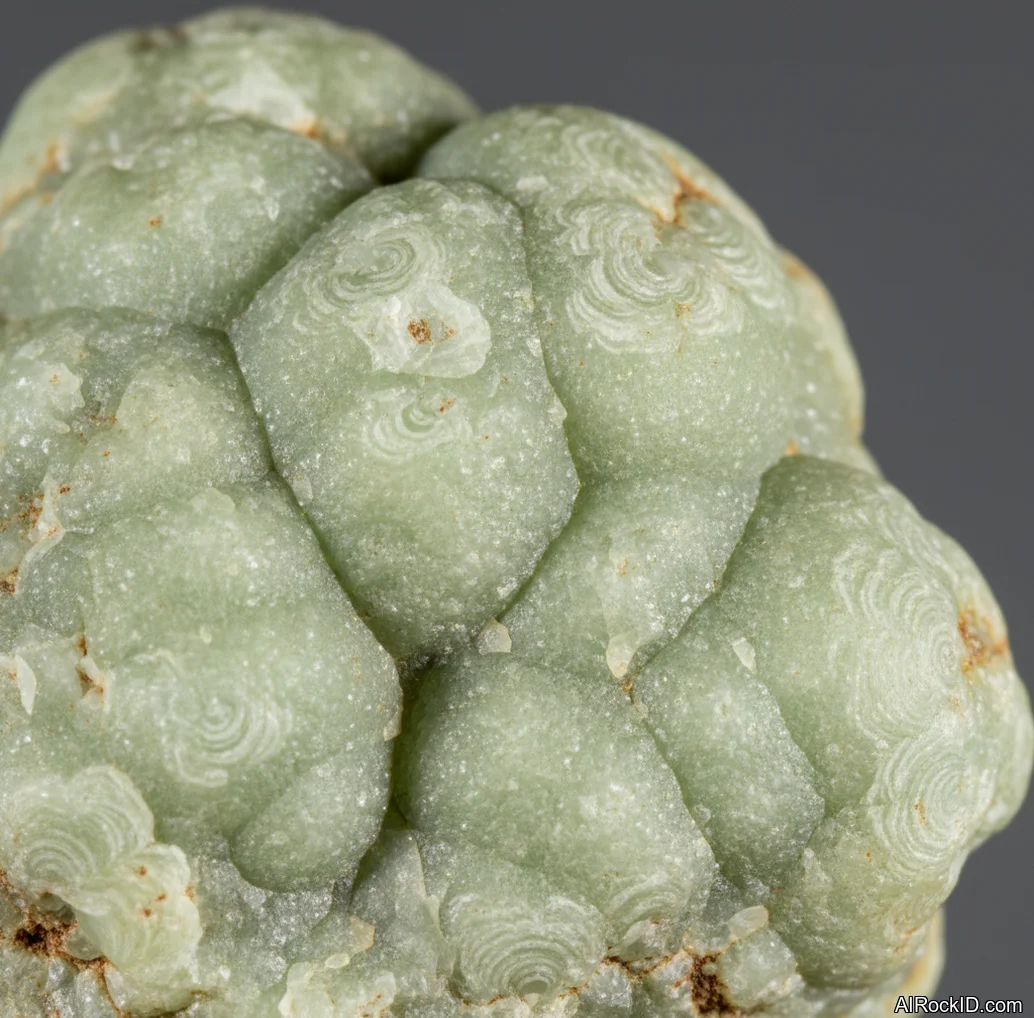
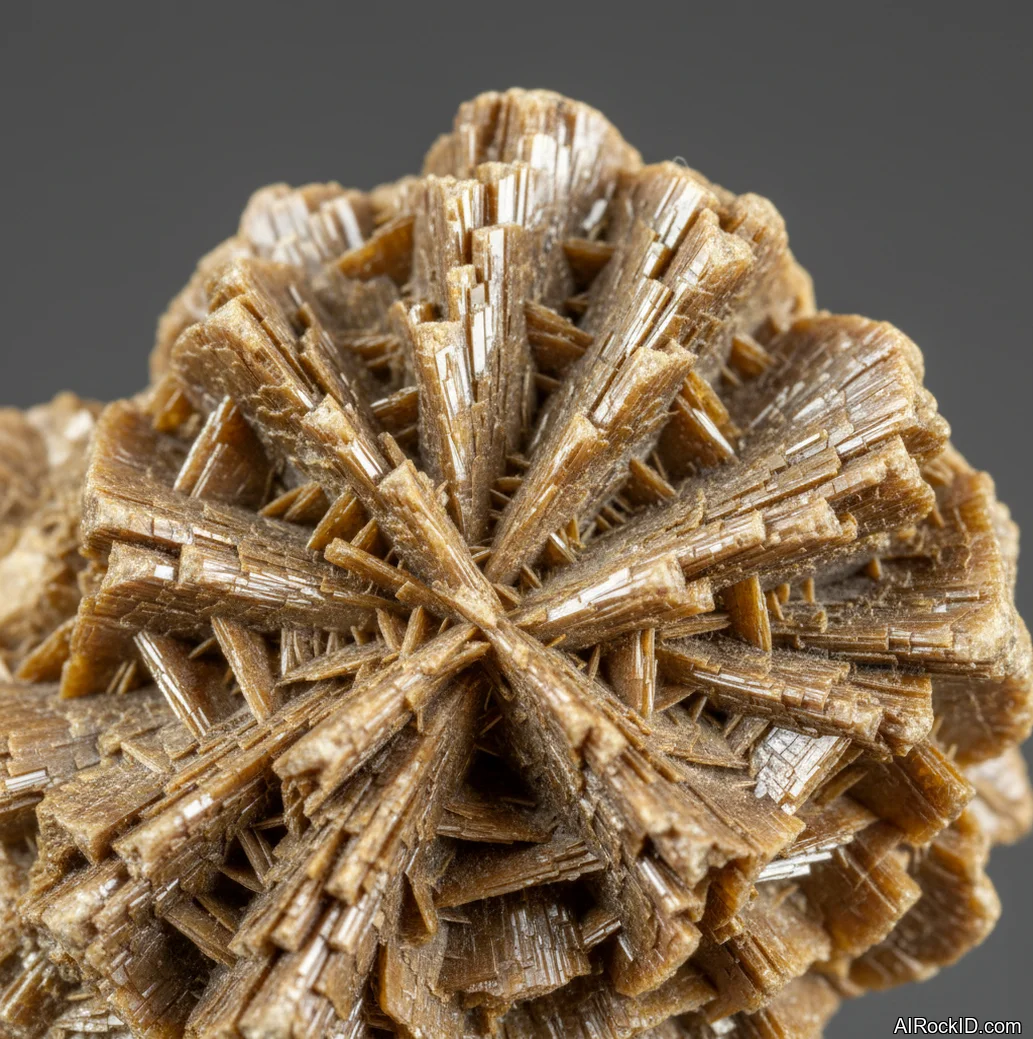
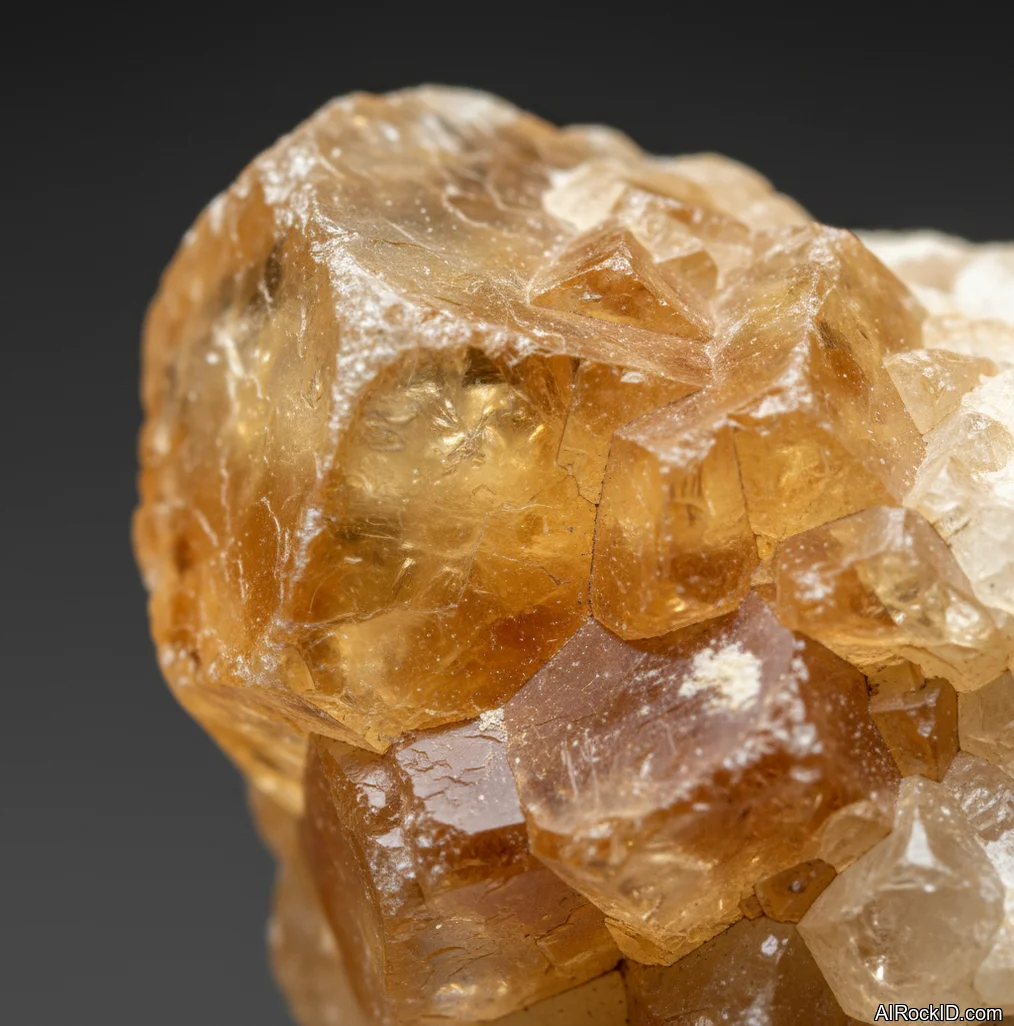
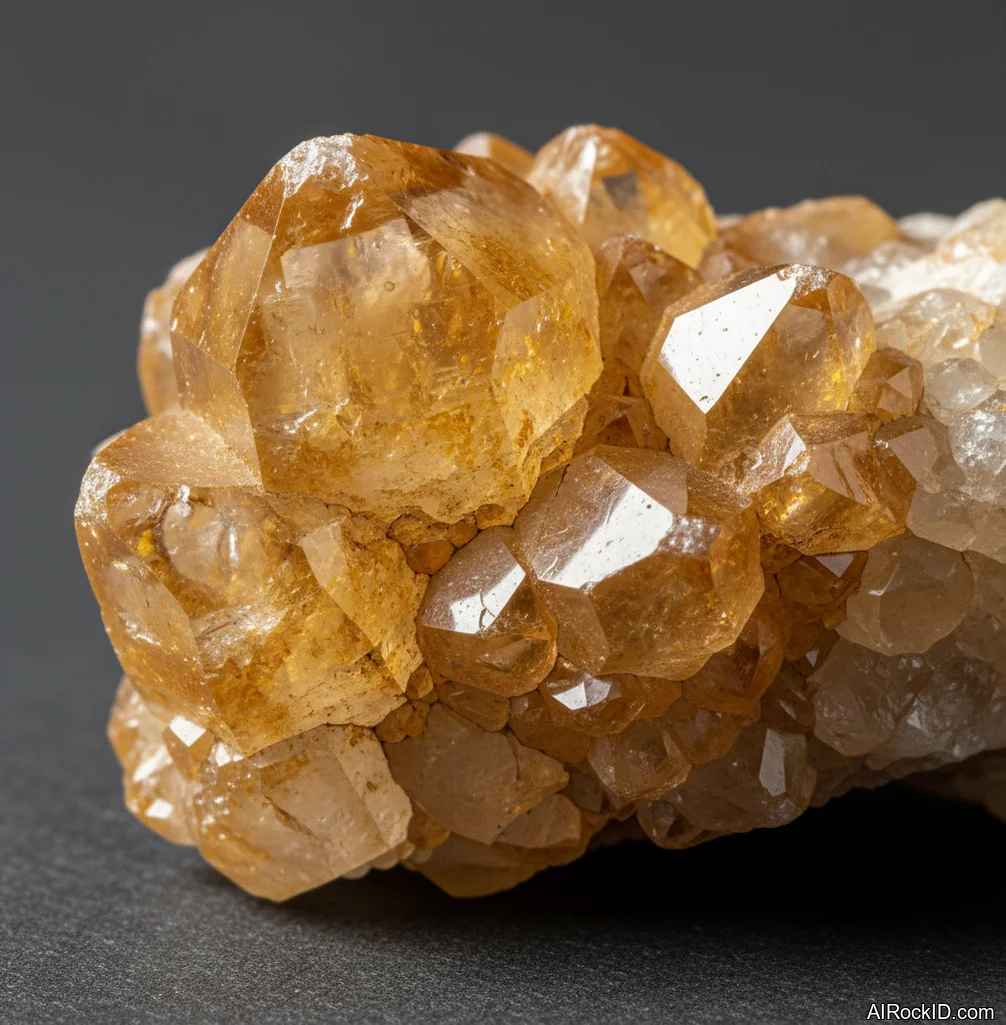
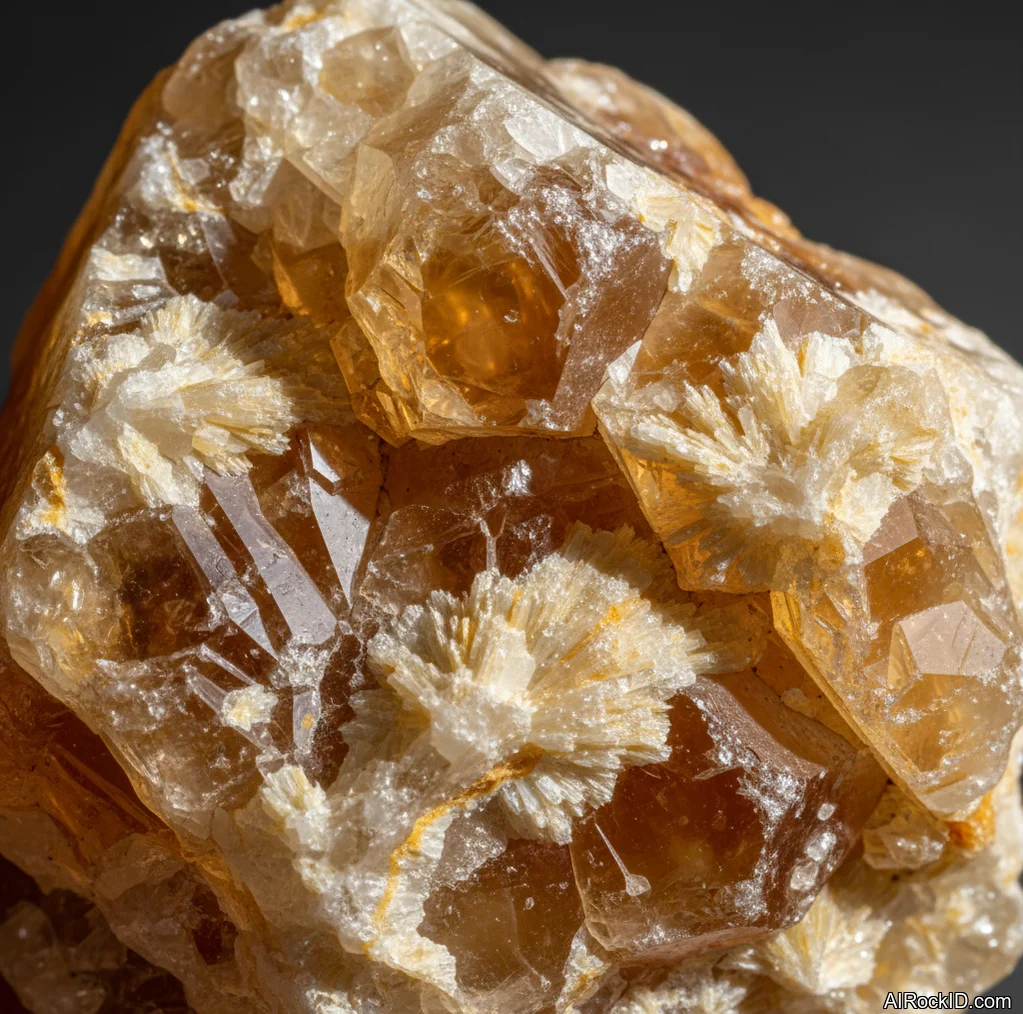
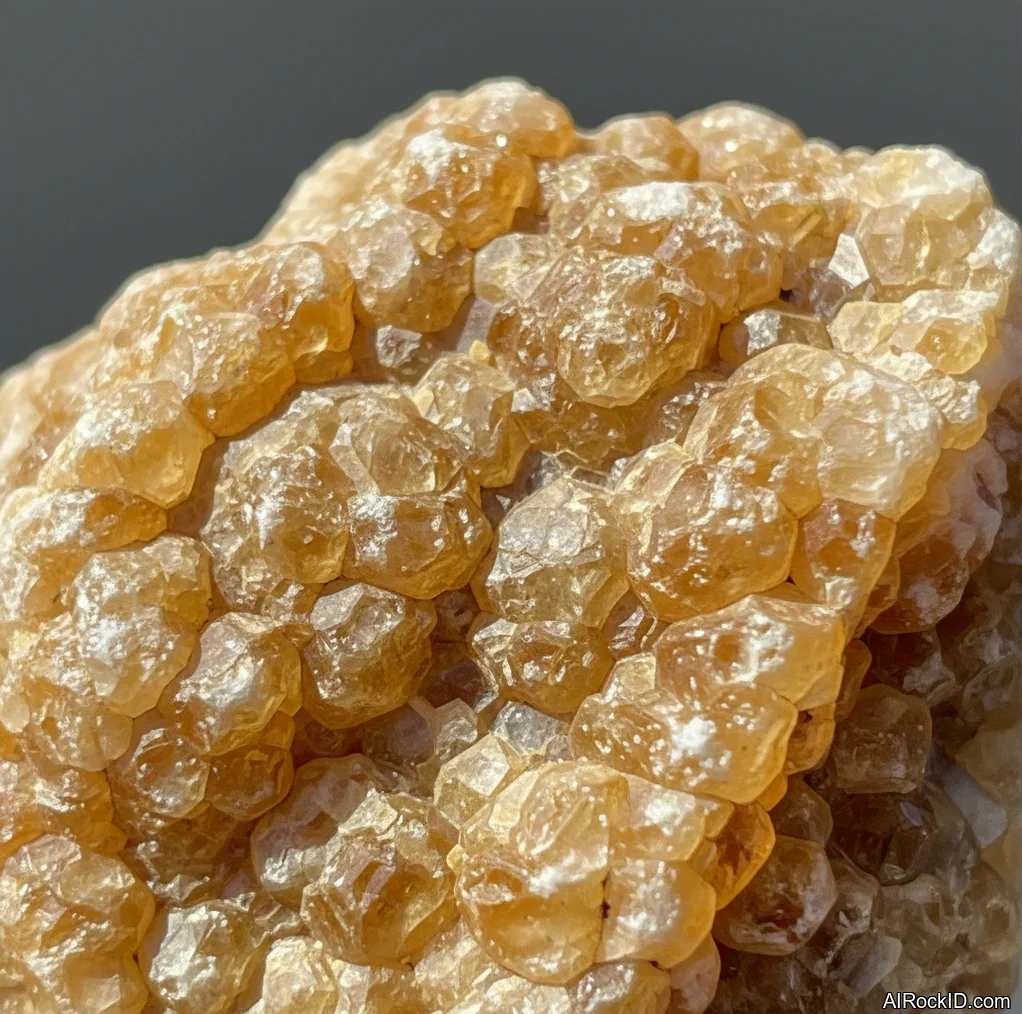
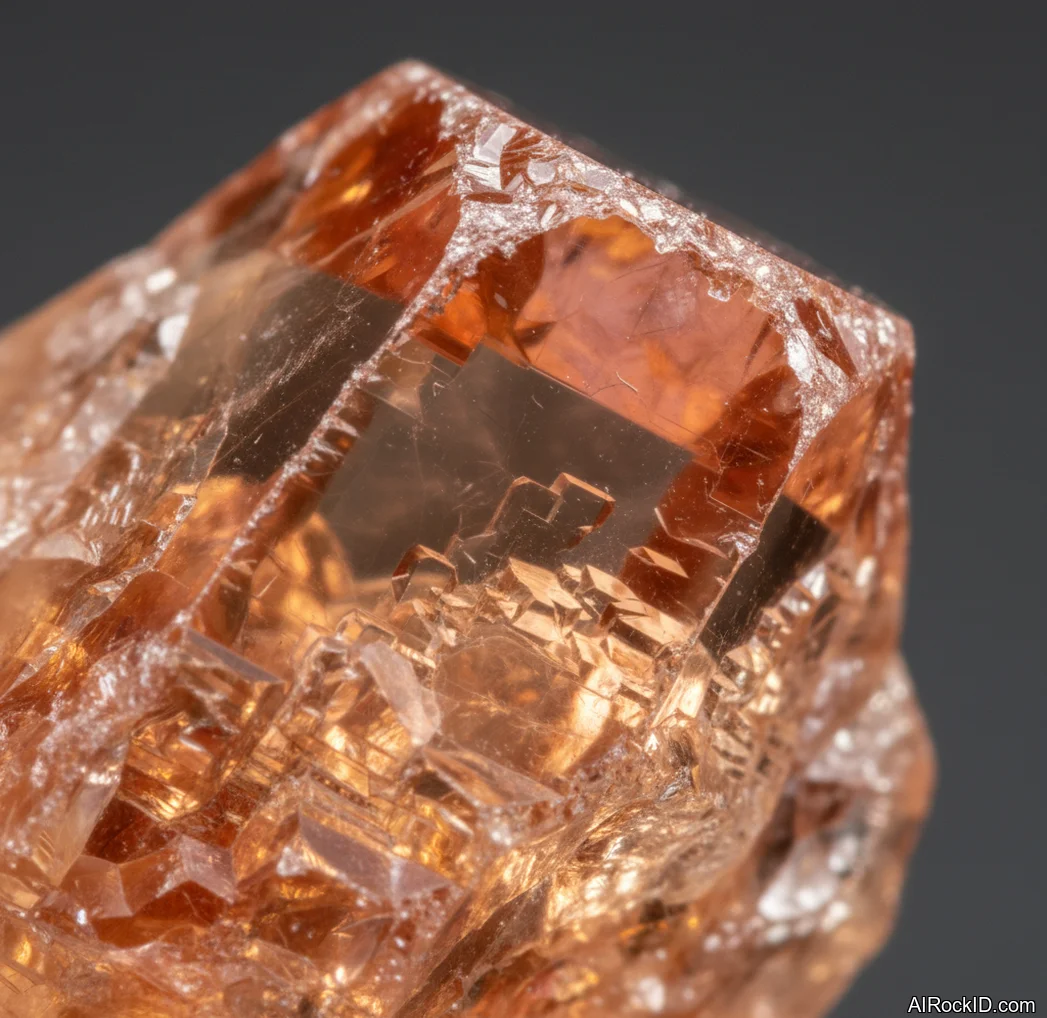
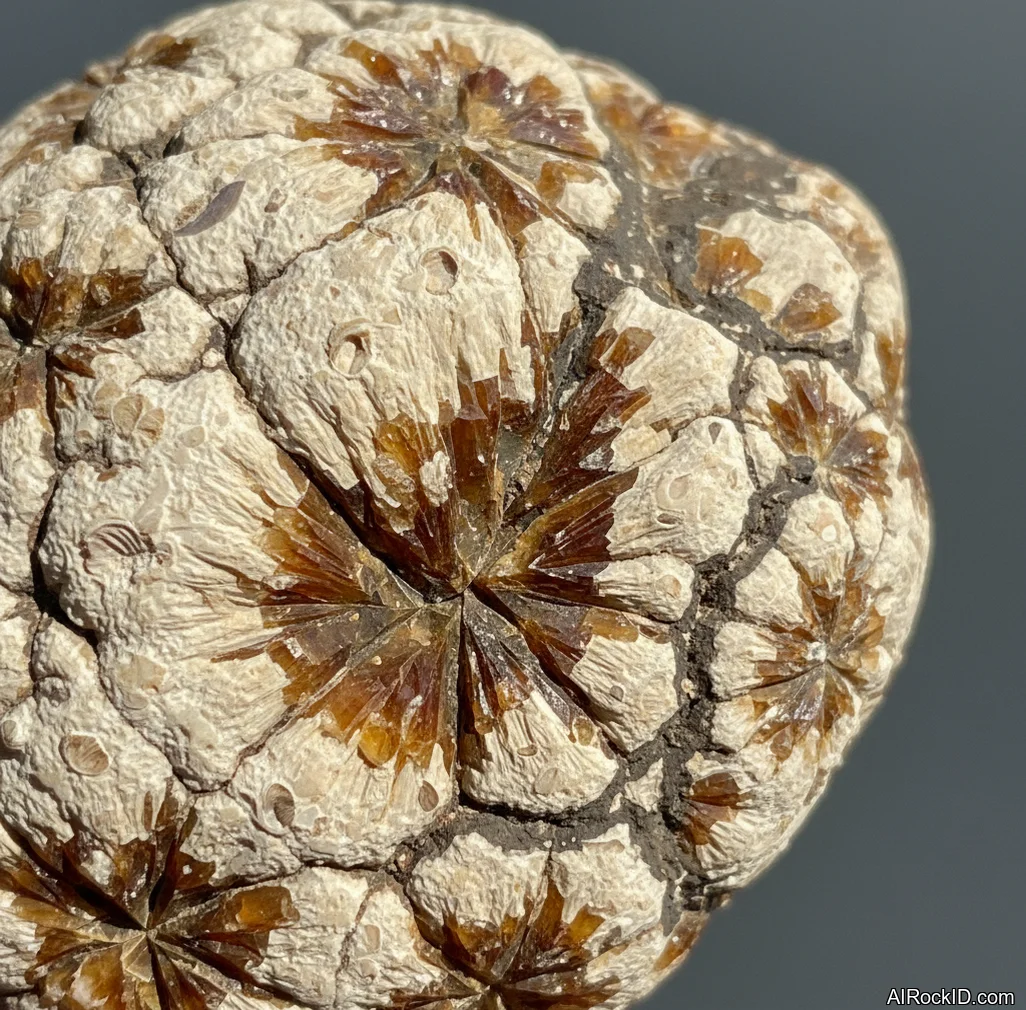
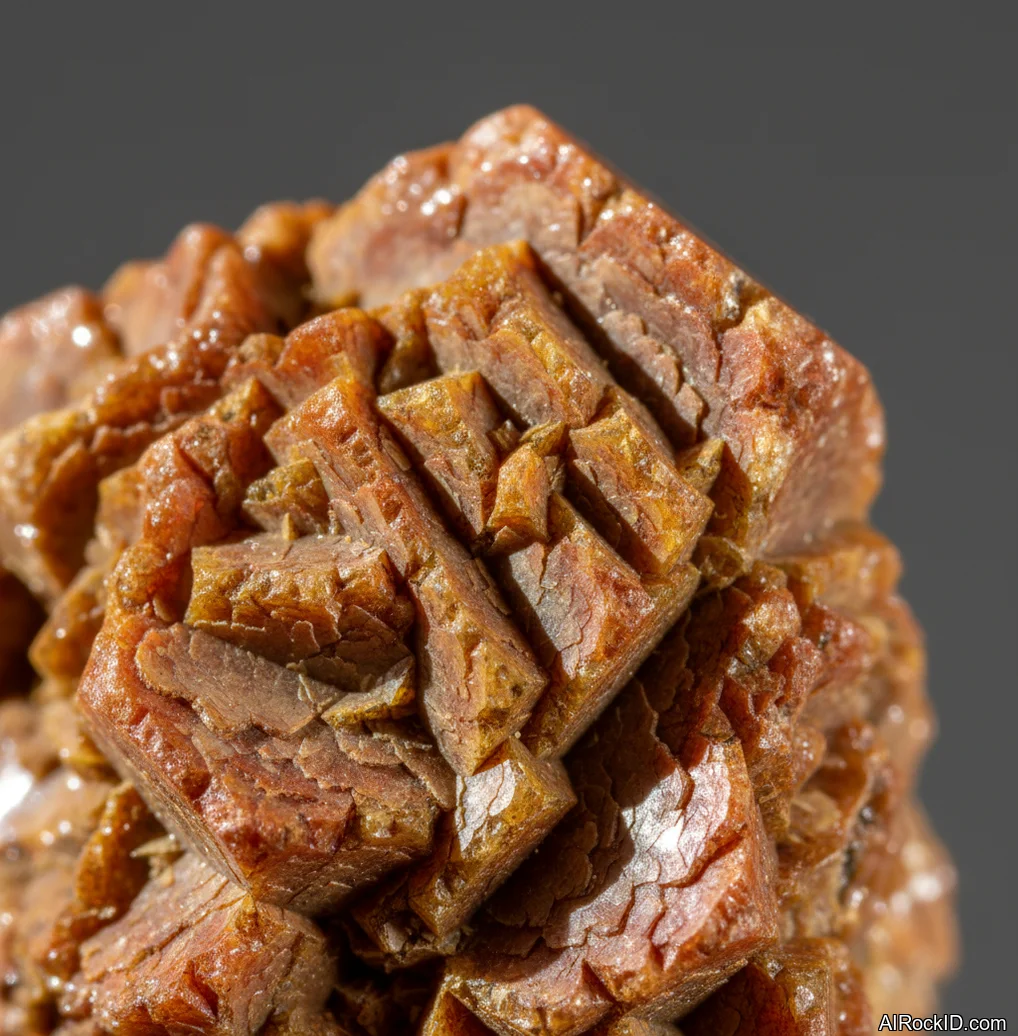
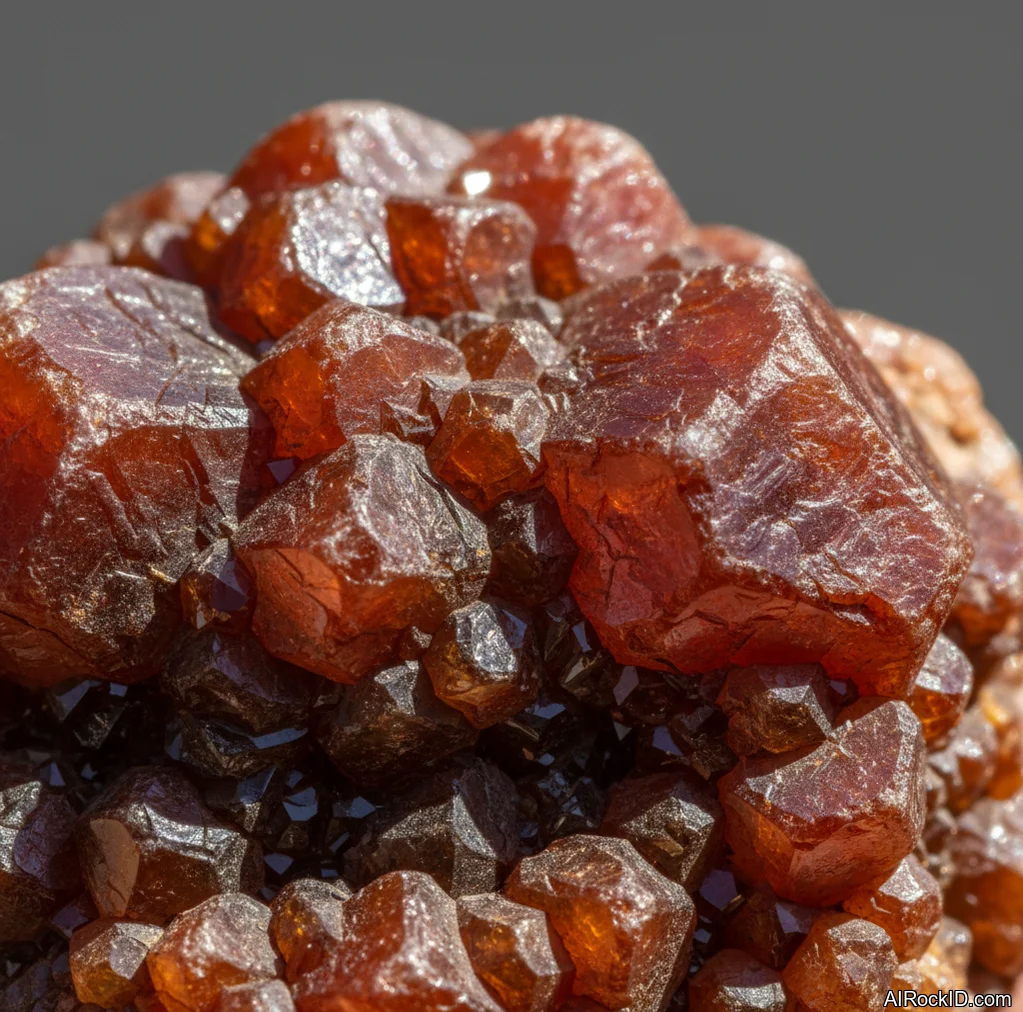
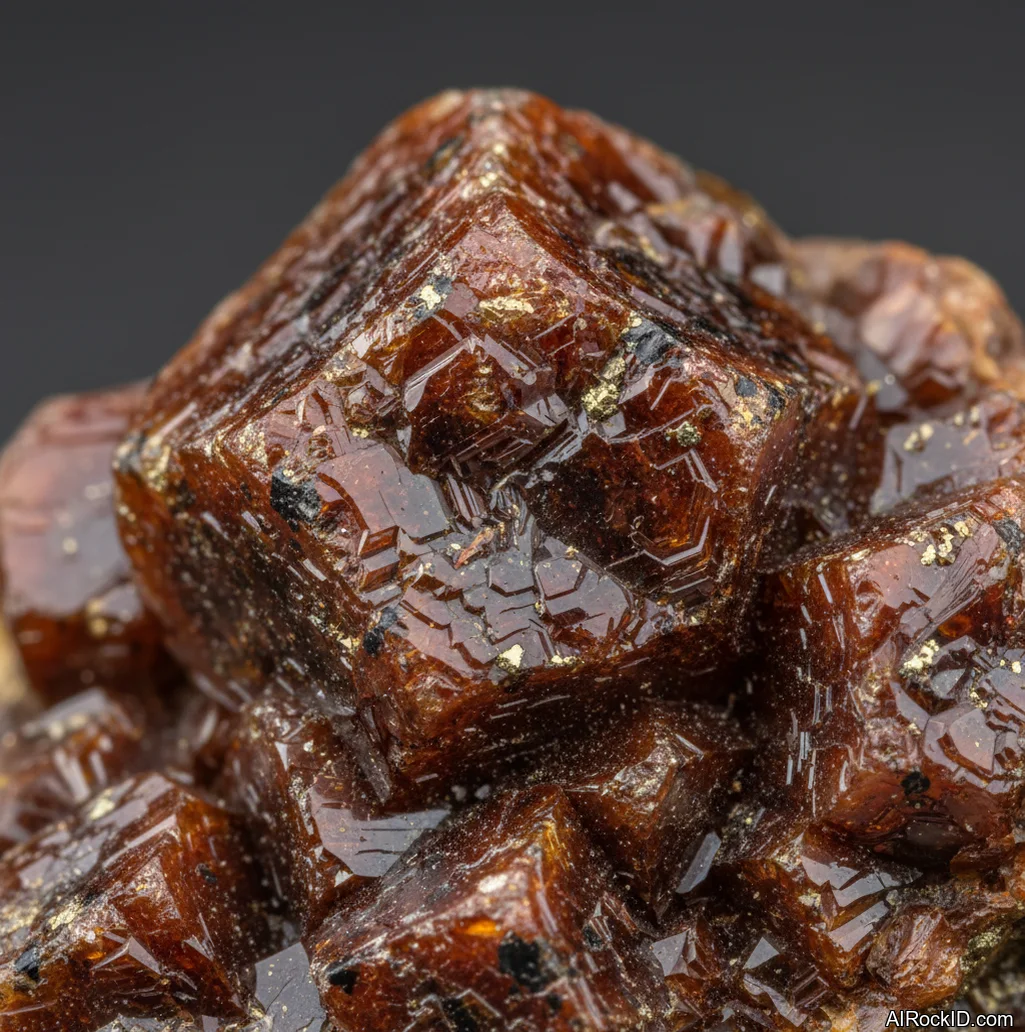
This tag groups crystals and mineraloids that are commonly linked with the Solar Plexus Chakra, also called Manipura, in modern chakra and crystal traditions. The category includes yellow, gold, honey, and warm brown stones associated symbolically with confidence, willpower, identity, and focused action.
Beginner recommendations
Advanced recommendations
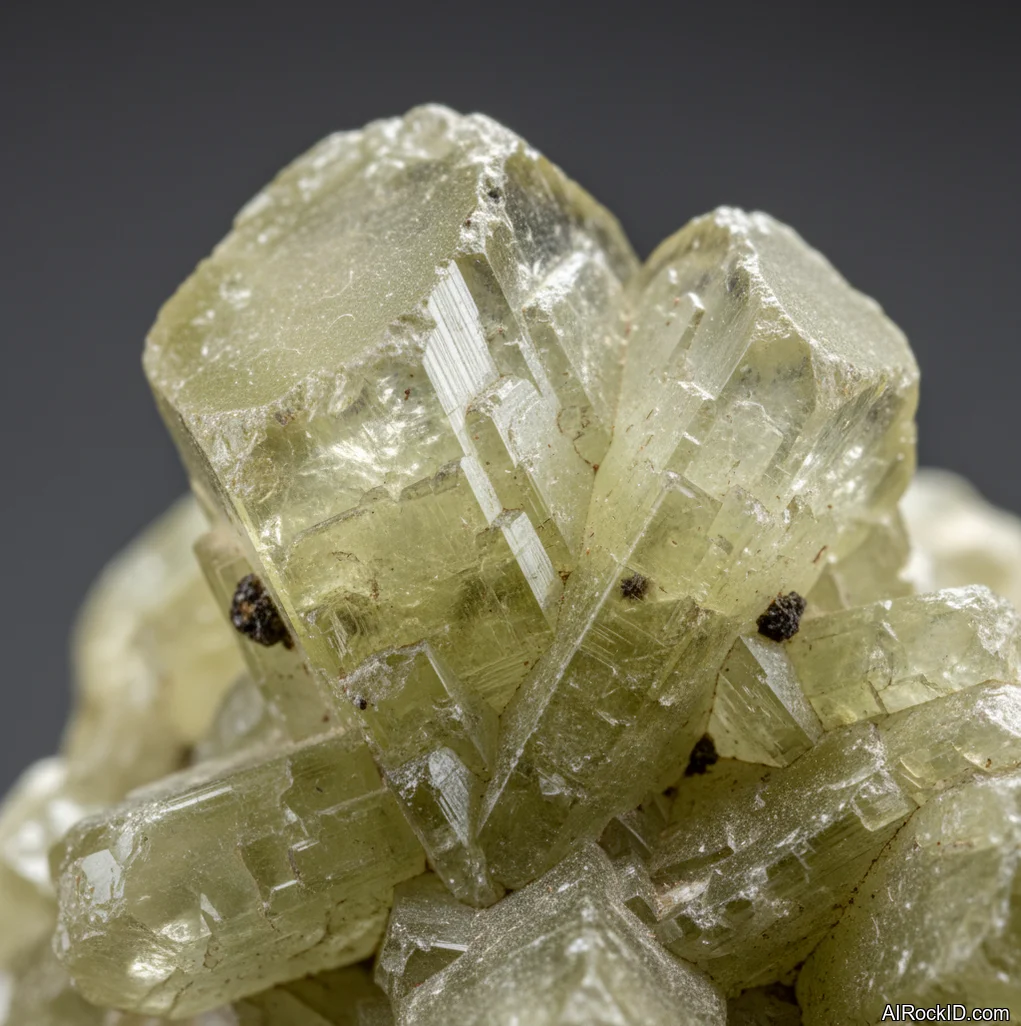
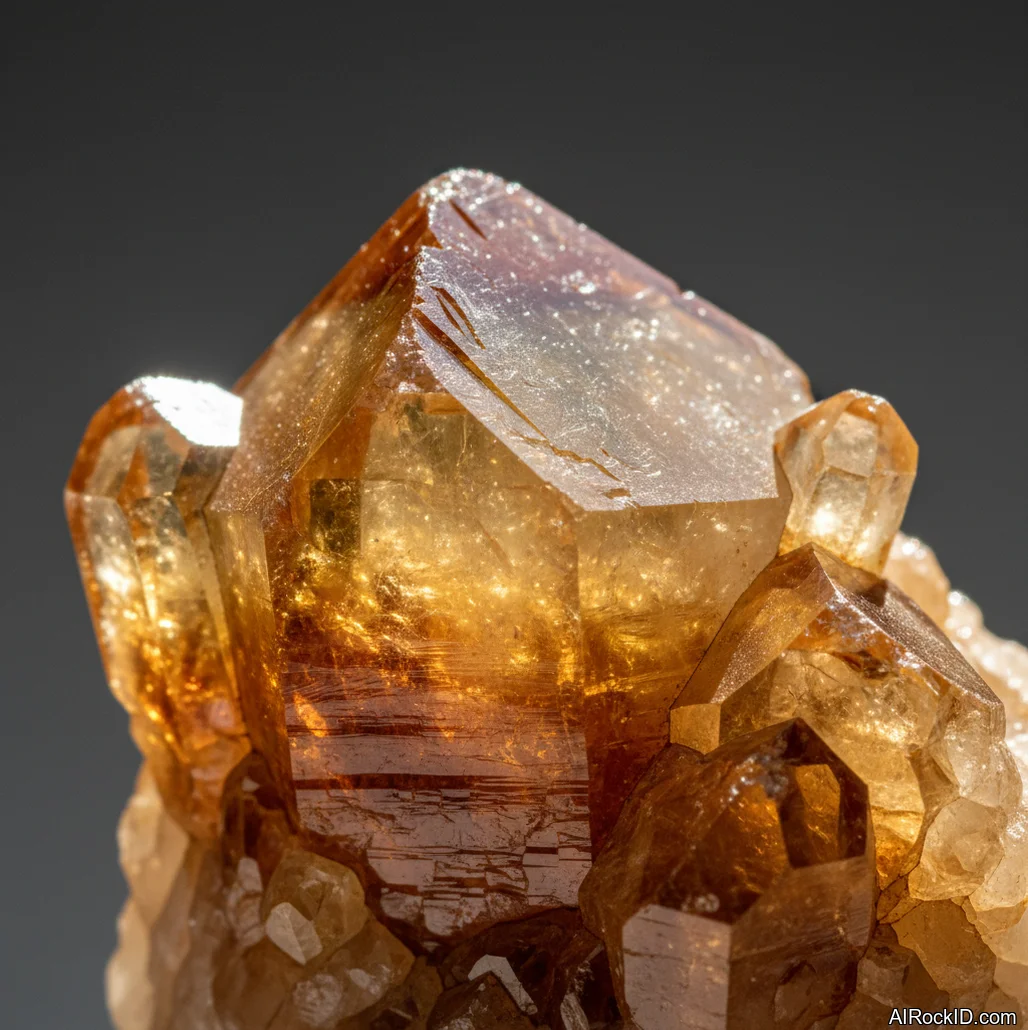
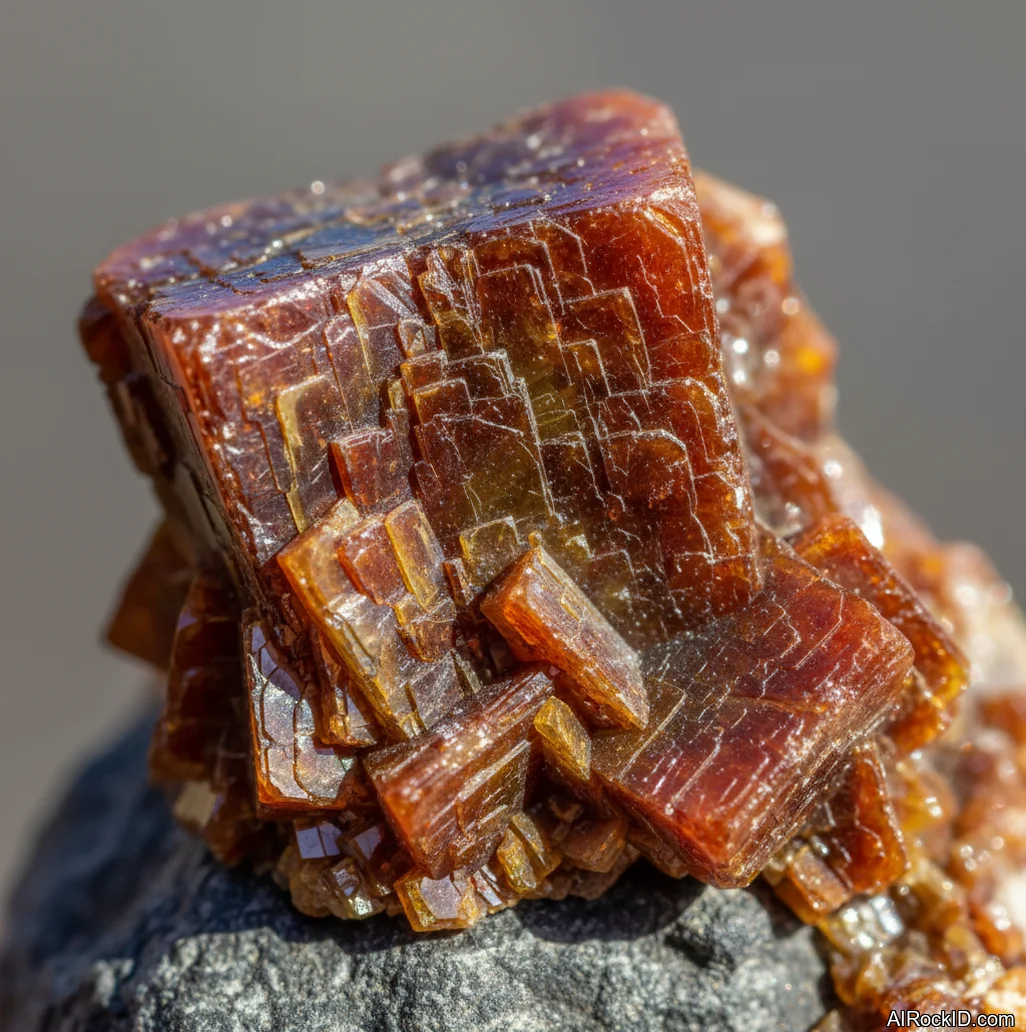
- Heliodor
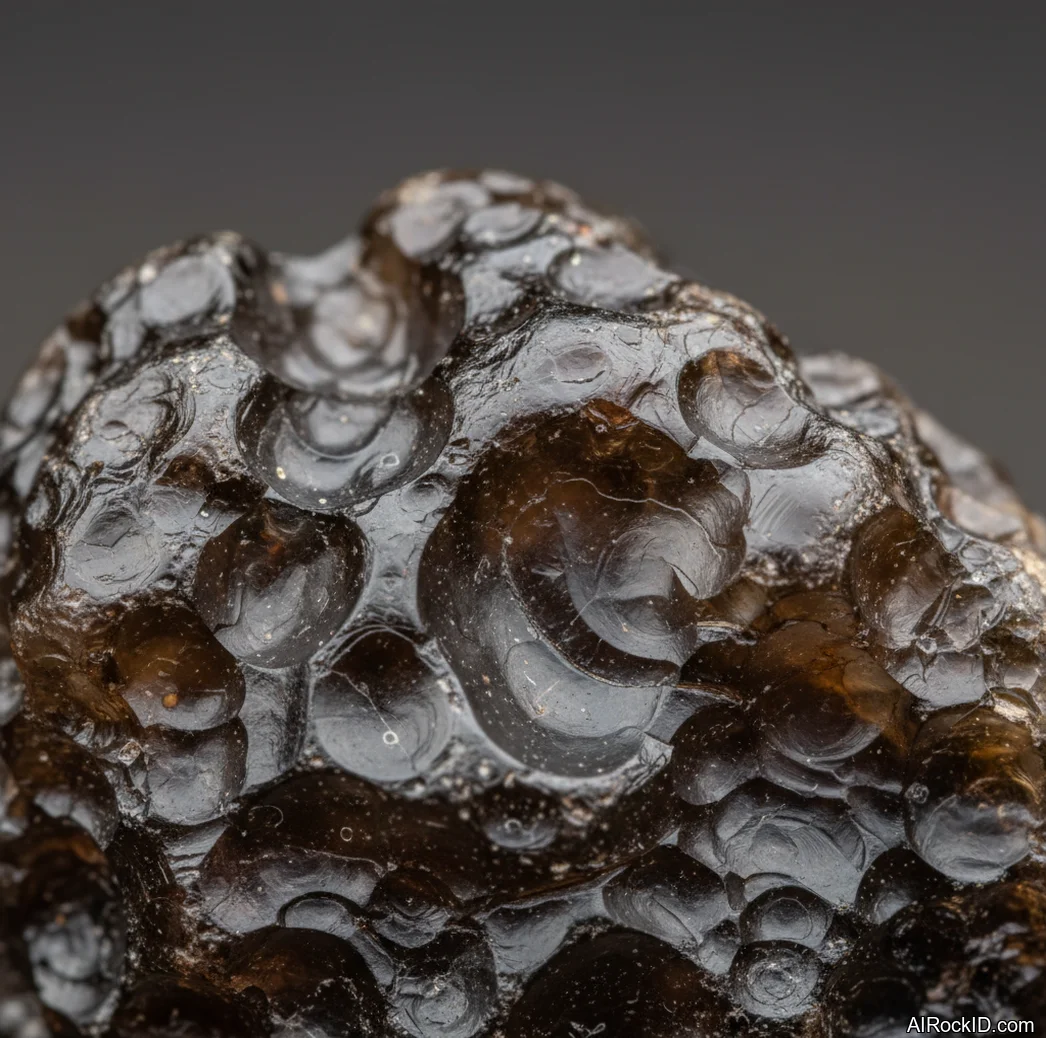
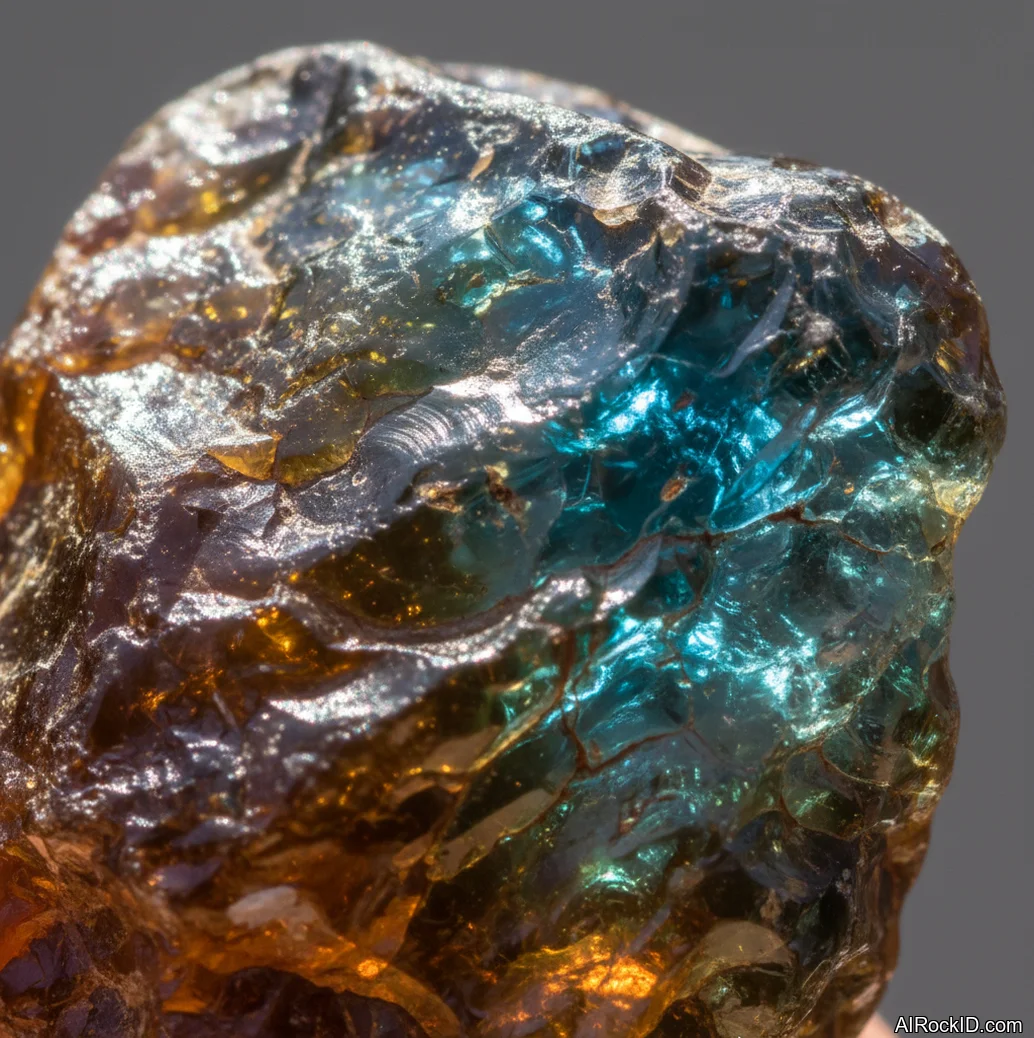
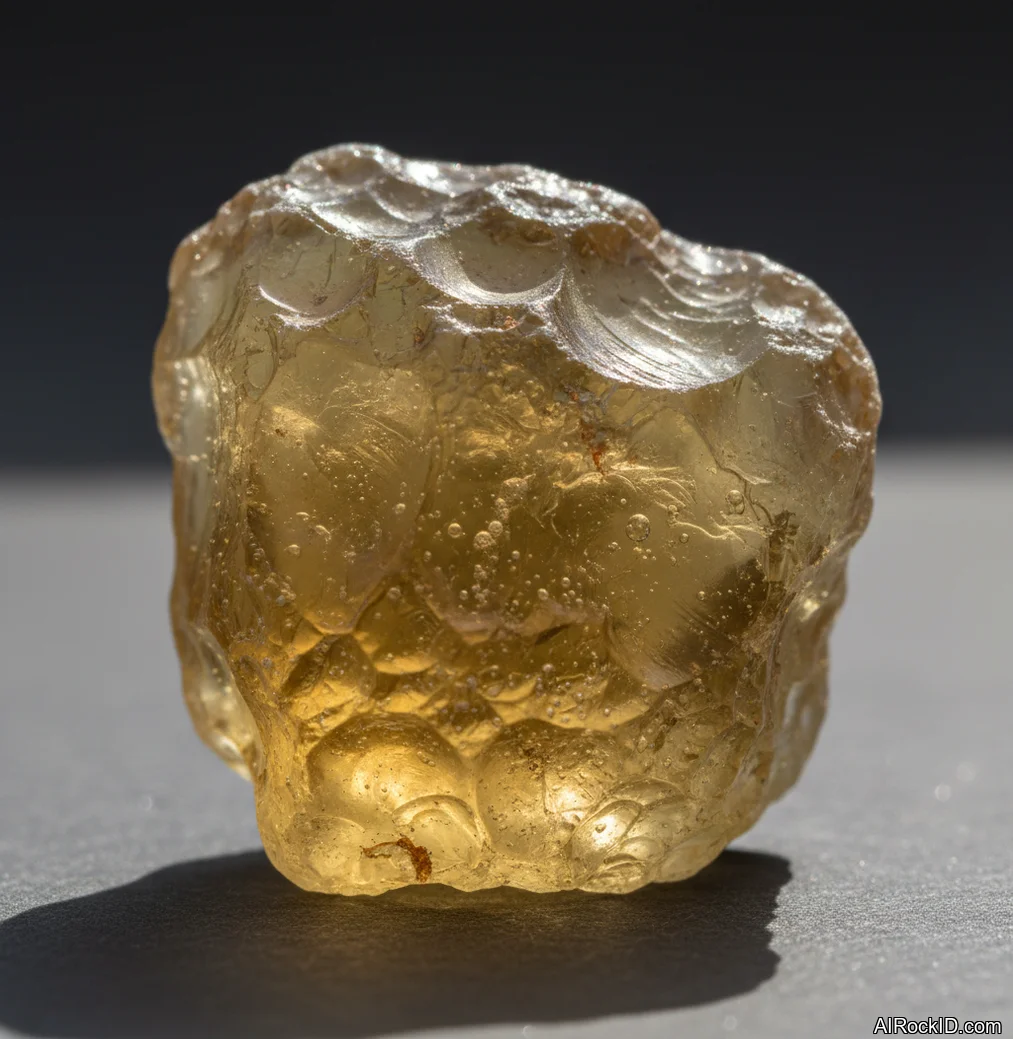
- Libyan Desert Glass
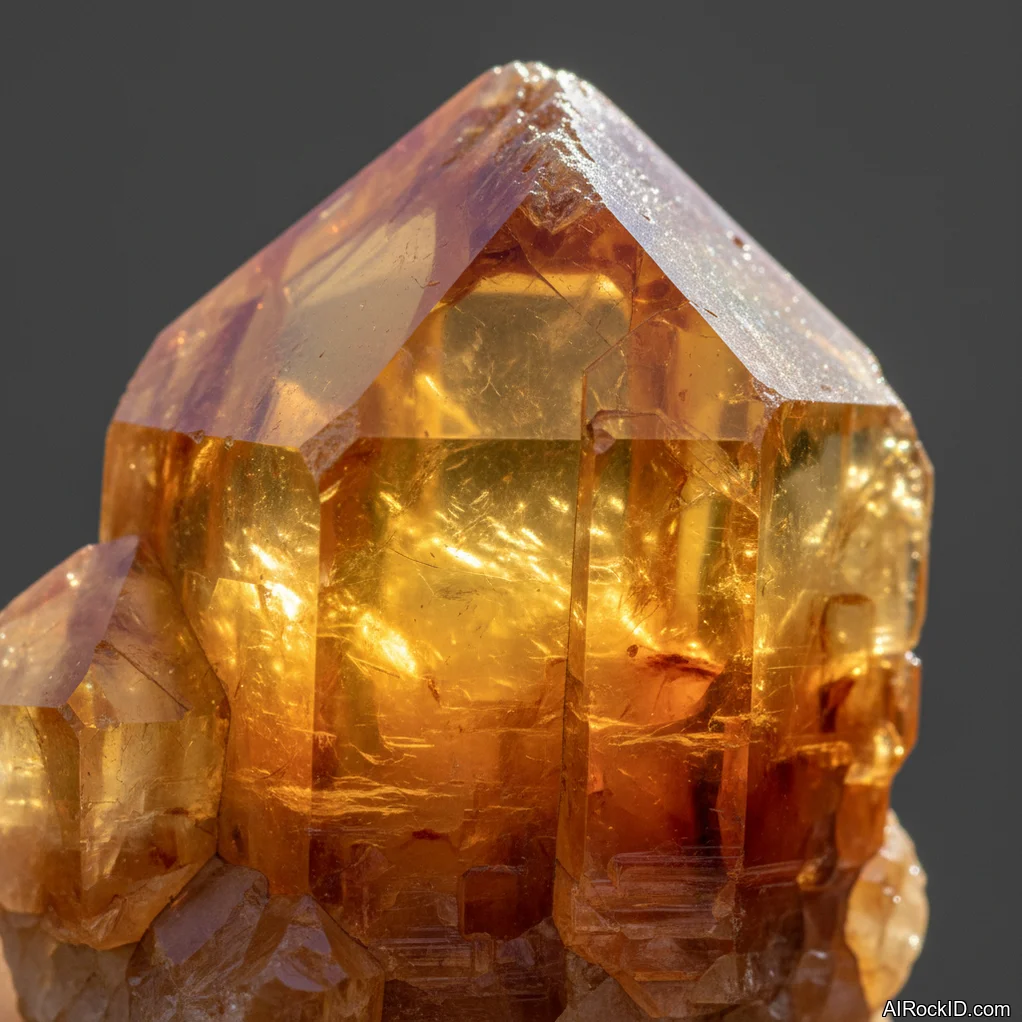
- Golden Topaz
Color Range in Solar Plexus Chakra Stones
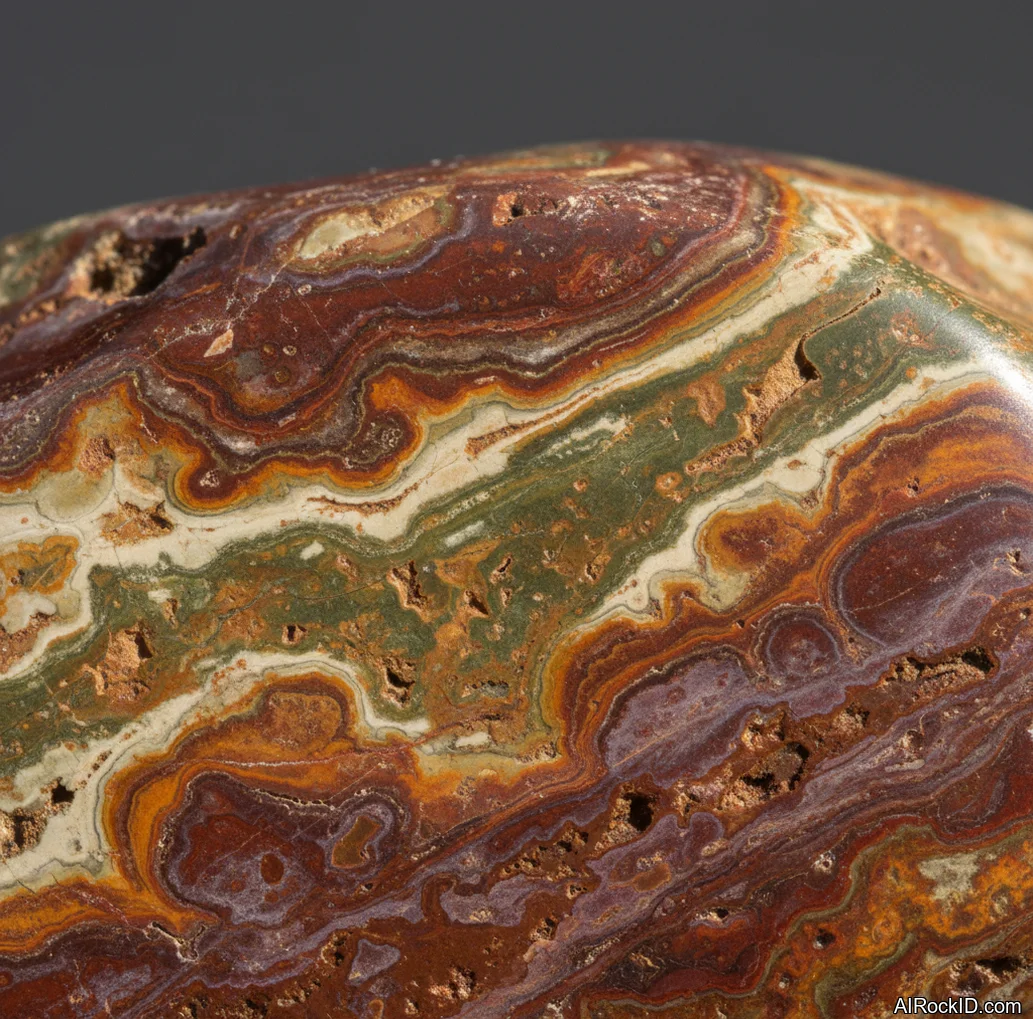
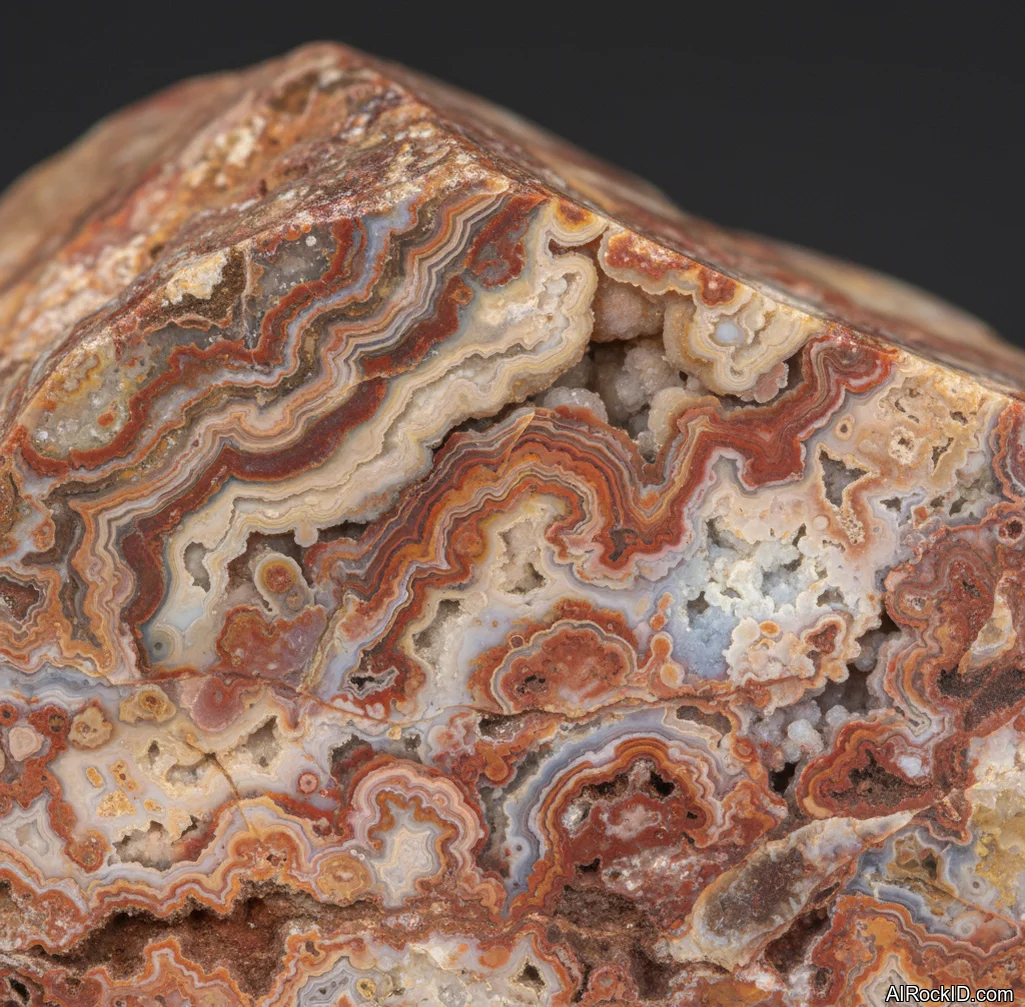
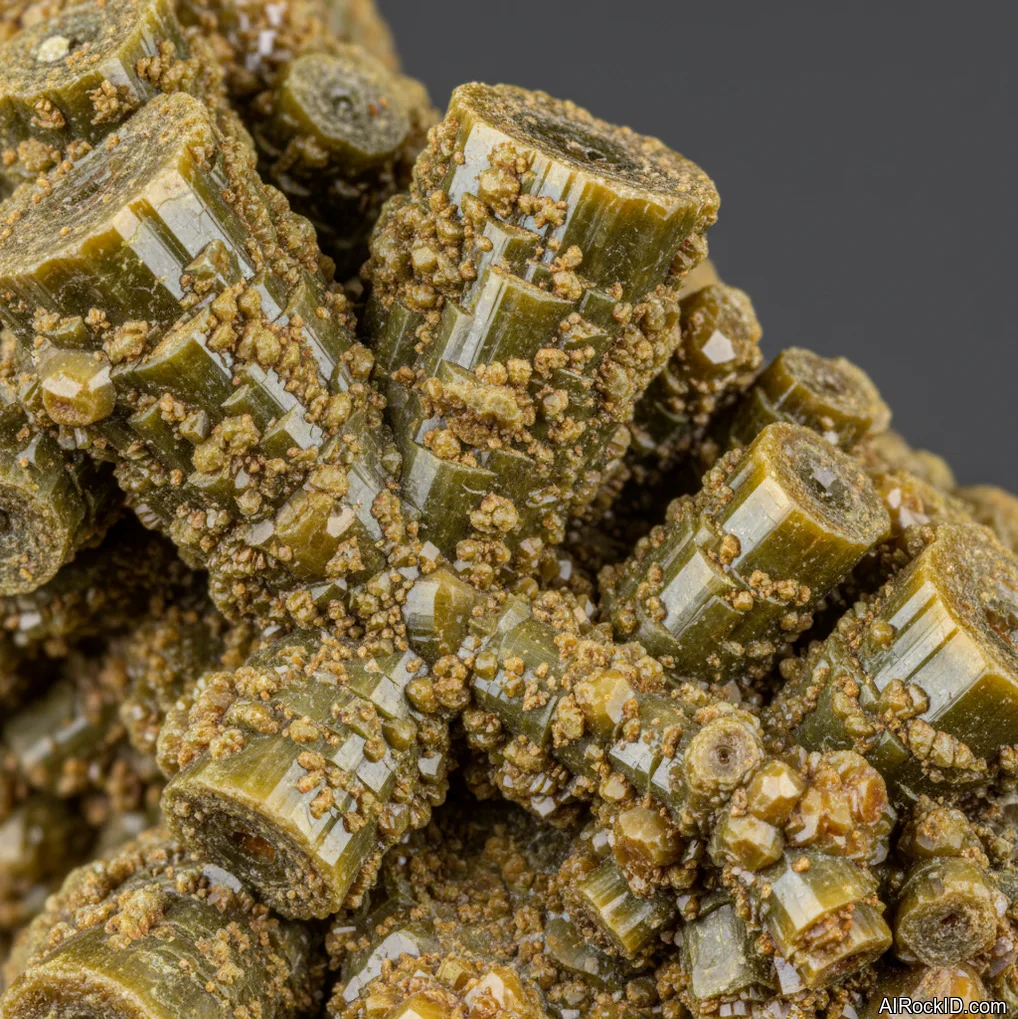
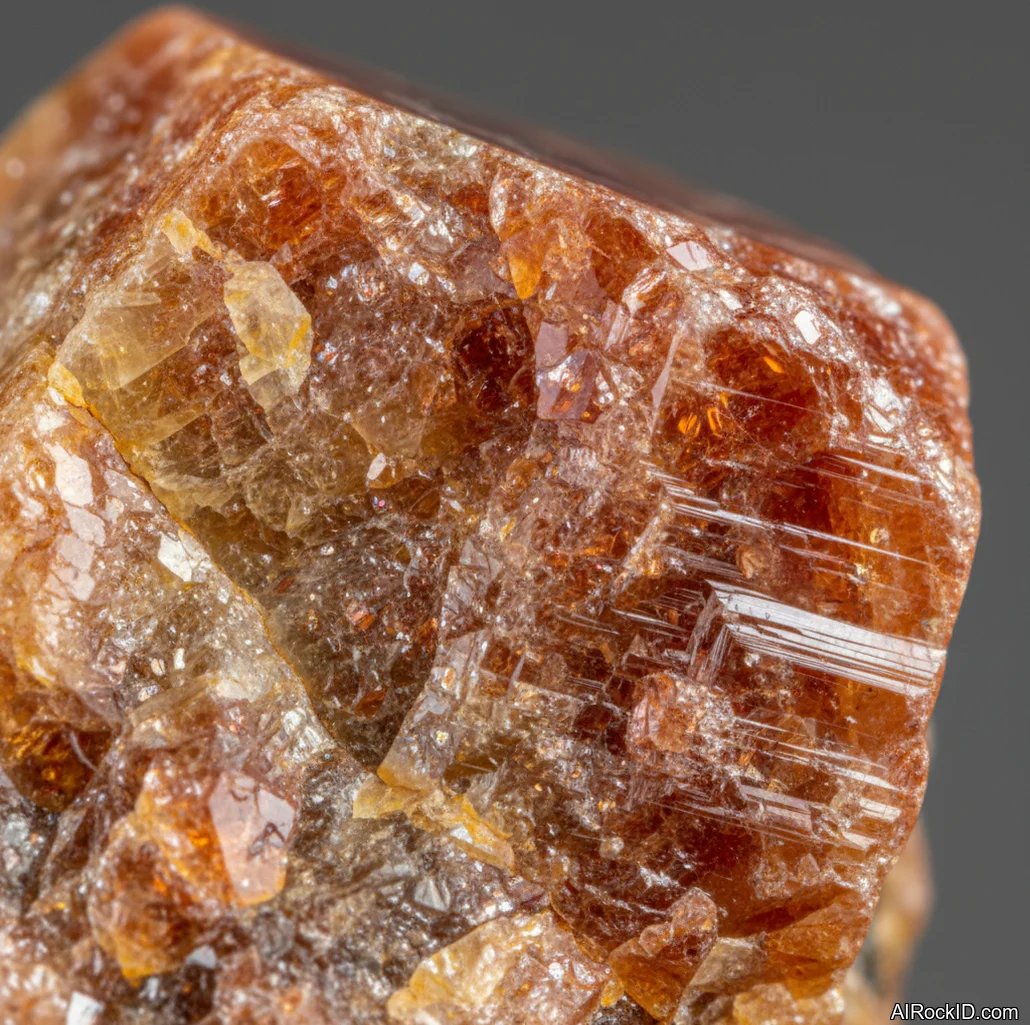
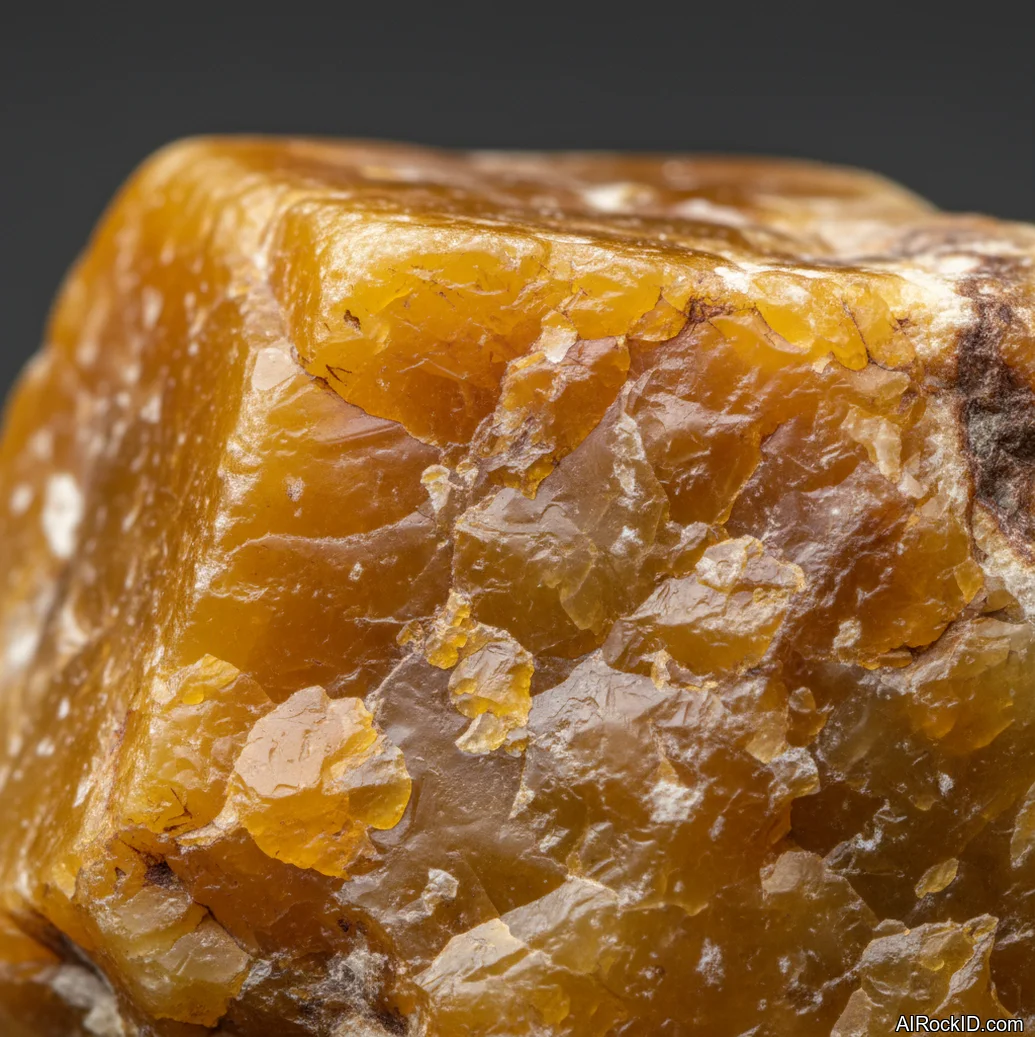
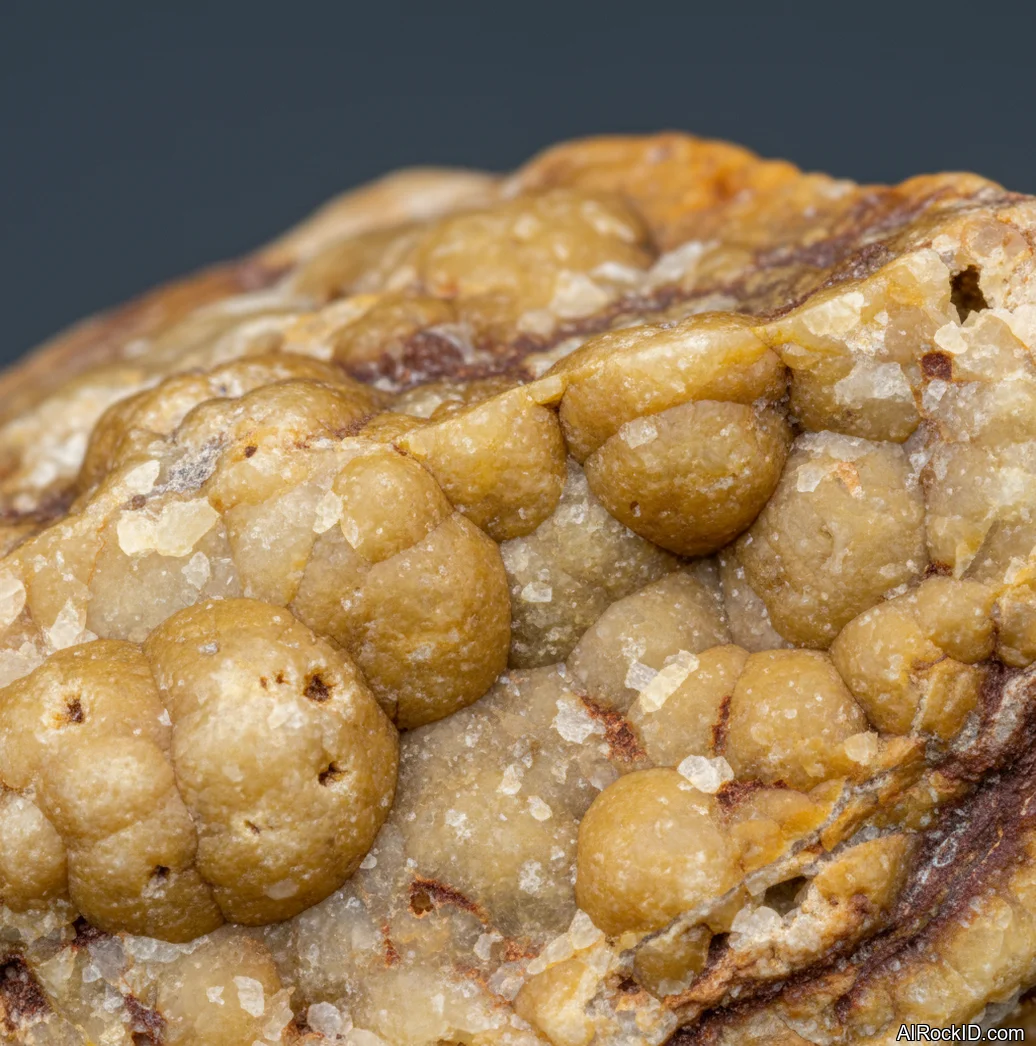
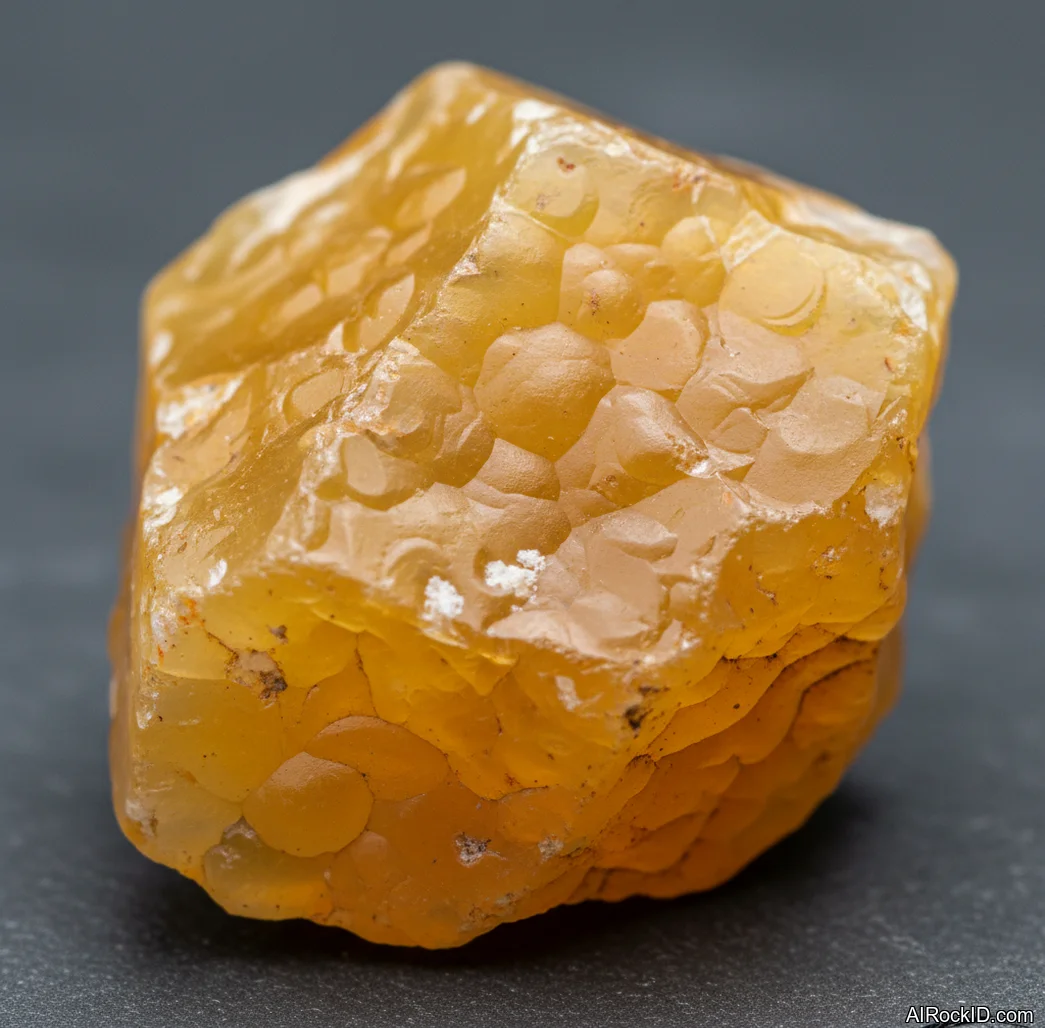
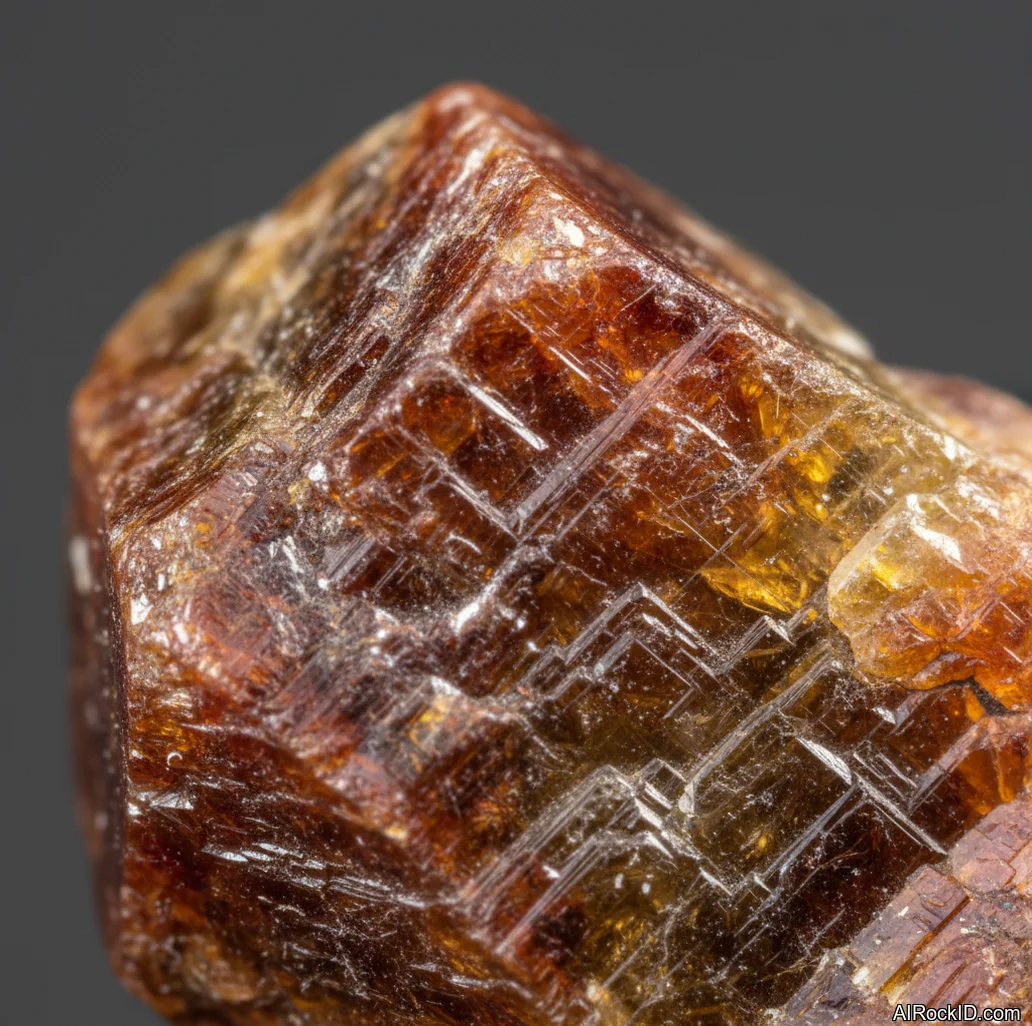
Solar Plexus Chakra stones are often yellow, gold, honey, amber, or warm brown, but color alone does not identify the mineral. Quartz, calcite, jasper, beryl, topaz, garnet, resin, and glassy natural materials can all appear in this palette.
Natural, Treated, and Man-Made Lookalikes
Some stones sold for Solar Plexus Chakra use may be natural, heat-treated, dyed, coated, or man-made. Heat-treated amethyst is commonly sold as citrine, and dyed agate or glass may be marketed with broad yellow-crystal labels.
Choosing Stones by Setting or Use
Durable stones such as quartz, tiger’s eye, jasper, and topaz are better suited for jewelry or frequent handling. Softer or more sensitive materials such as calcite, amber, and some metallic minerals are usually better kept as display pieces or used gently.
What Is the Solar Plexus Chakra and Where Do Crystals Come In?
Right under your ribcage, there's a spot where nerves gather and tension seems to collect. That's the solar plexus area. Crystal collectors and energy workers call it the 'gut' center—drive, motivation, boundaries, that sense of 'I can handle this.' This is the third chakra in most popular systems. The color yellow shows up again and again in stones linked here, but it's not about magic color energy. It's a tradition that connects the heat and light of yellow and gold crystals to will and personal fire. Pyrite goes straight to the point. When you pick up a good chunk, you'll notice the unexpected heft, and the metallic faces throw back bright glints when you tilt them under direct light. That's a physical kind of confidence. Citrine is another go-to, but you have to watch for fakes. Most 'citrine' sold cheaply is just heat-treated amethyst. It doesn't automatically make it useless, but you shouldn't pay natural prices for a baked version. People tend to reach for solar plexus stones when they're second-guessing themselves or need a tangible anchor for confidence.
Popular Solar Plexus Chakra Crystals: Physical Details and Variations
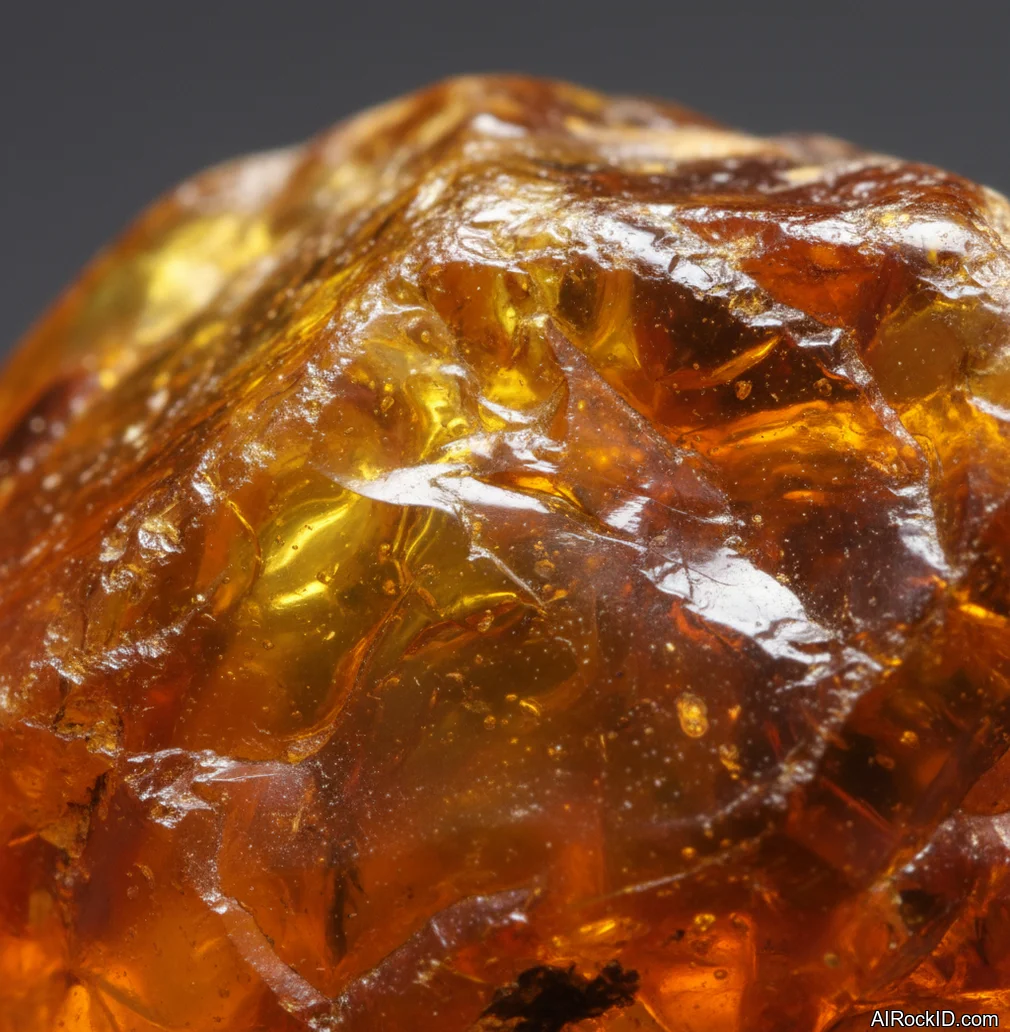
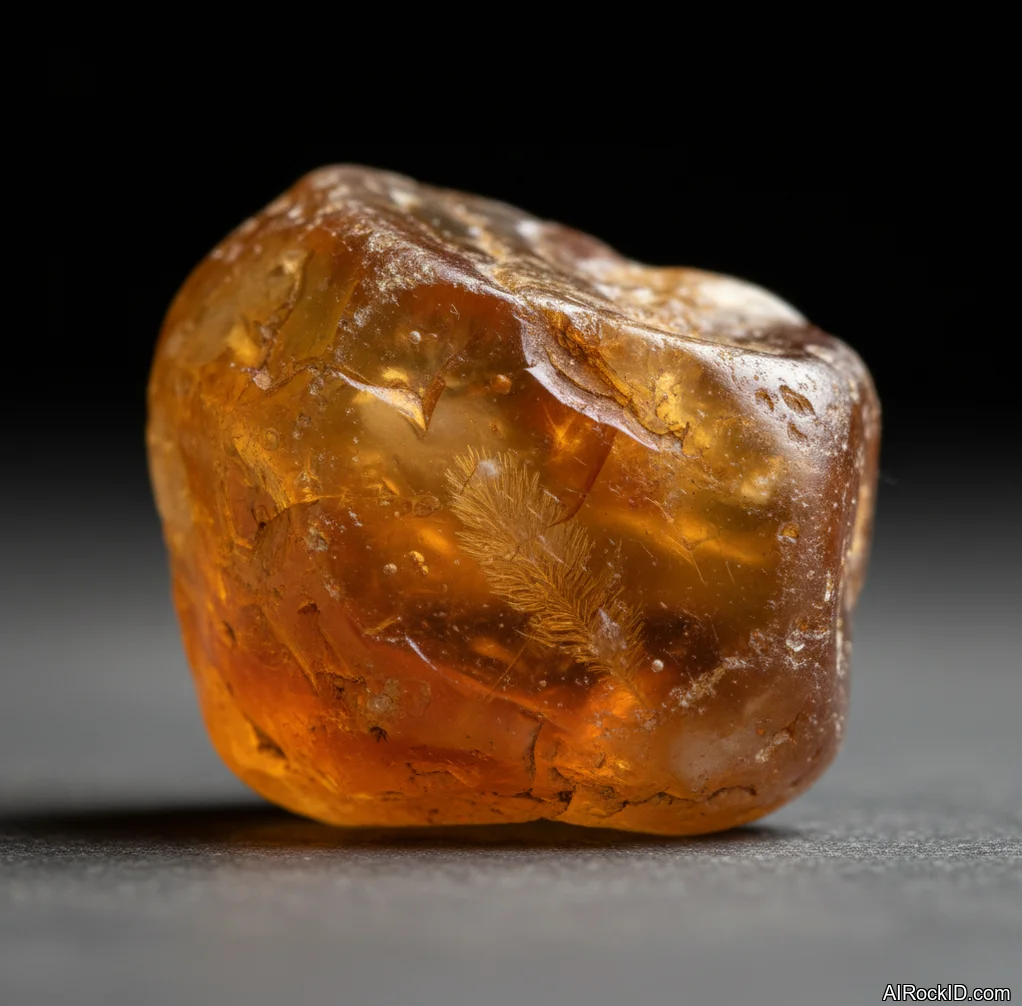
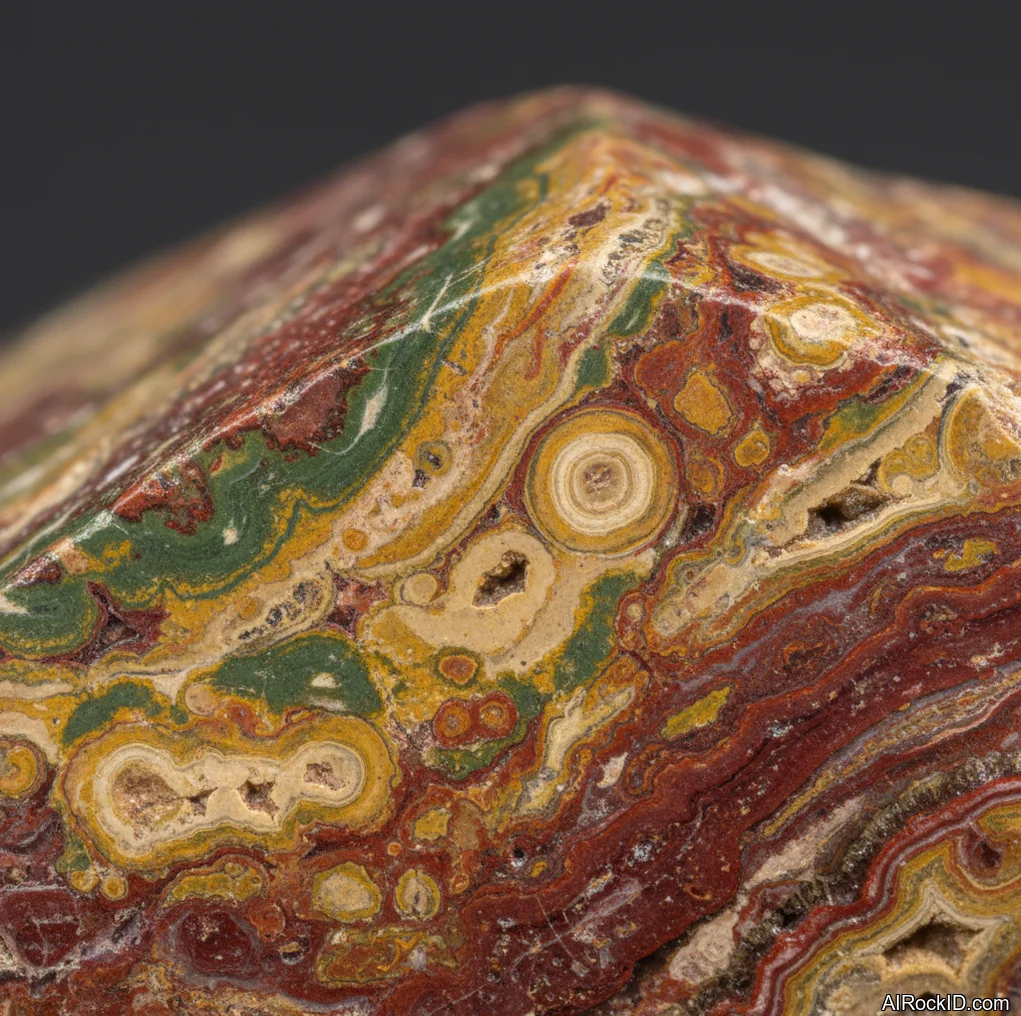
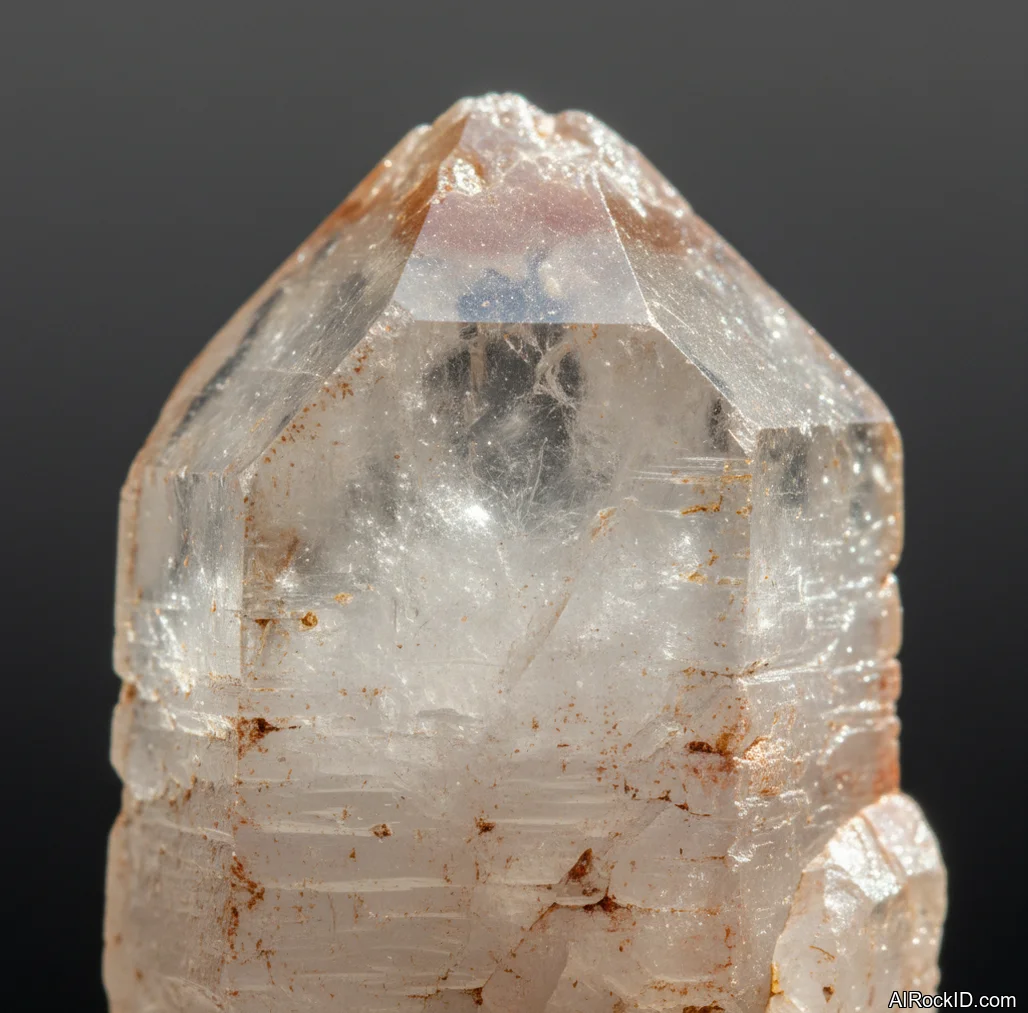
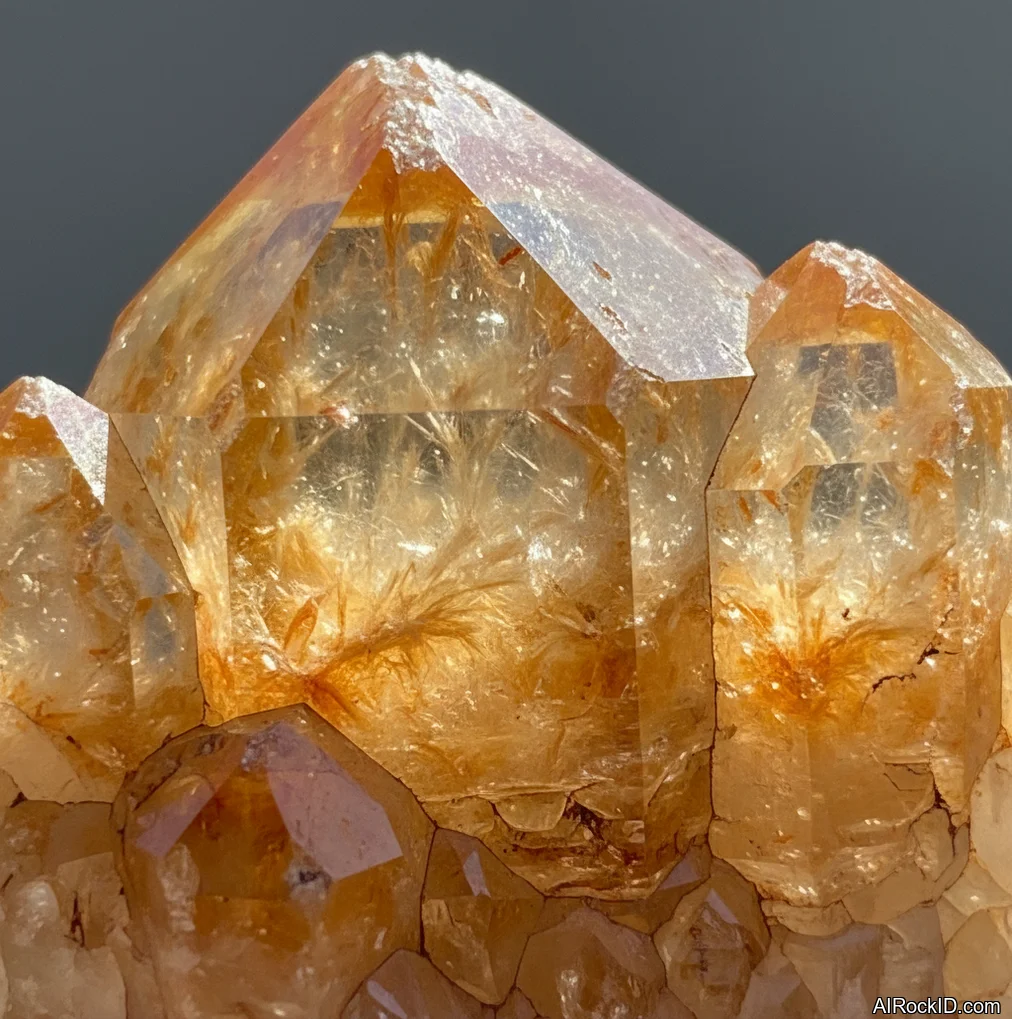
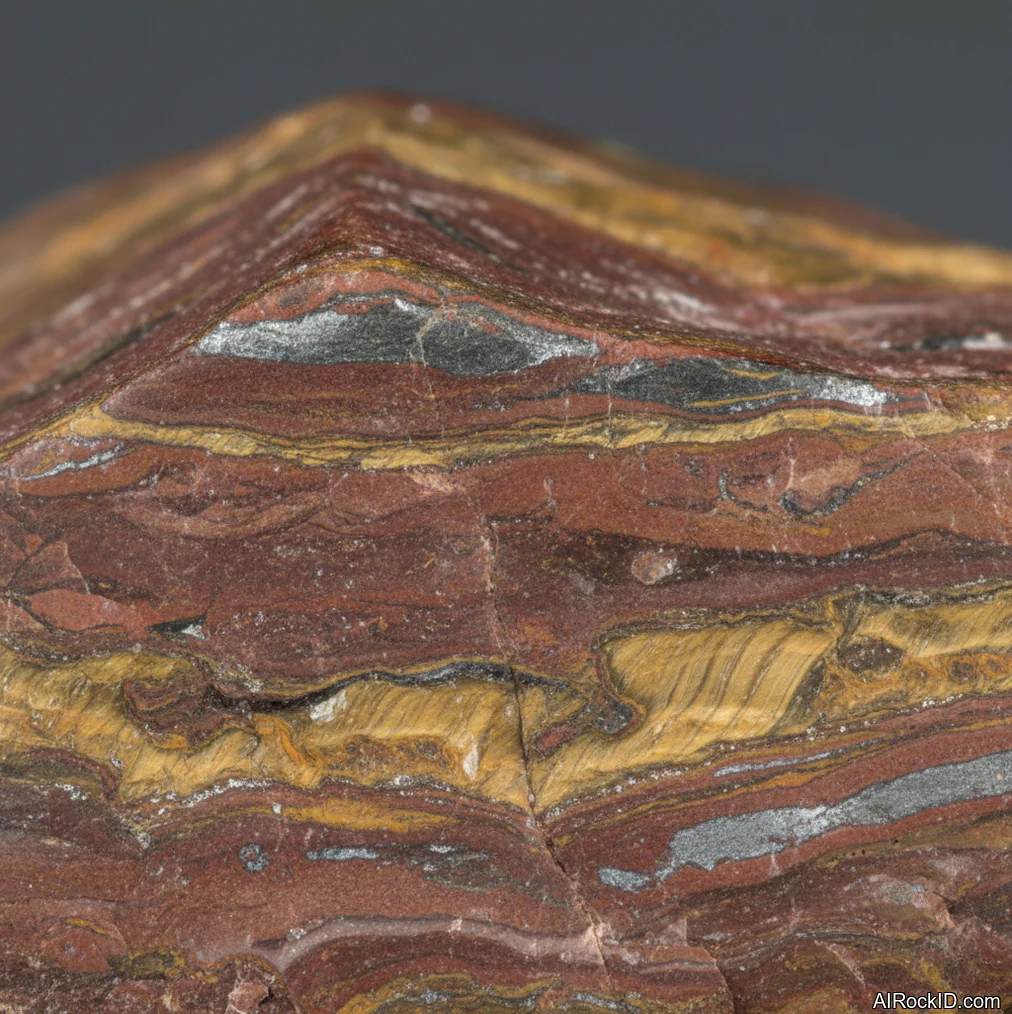
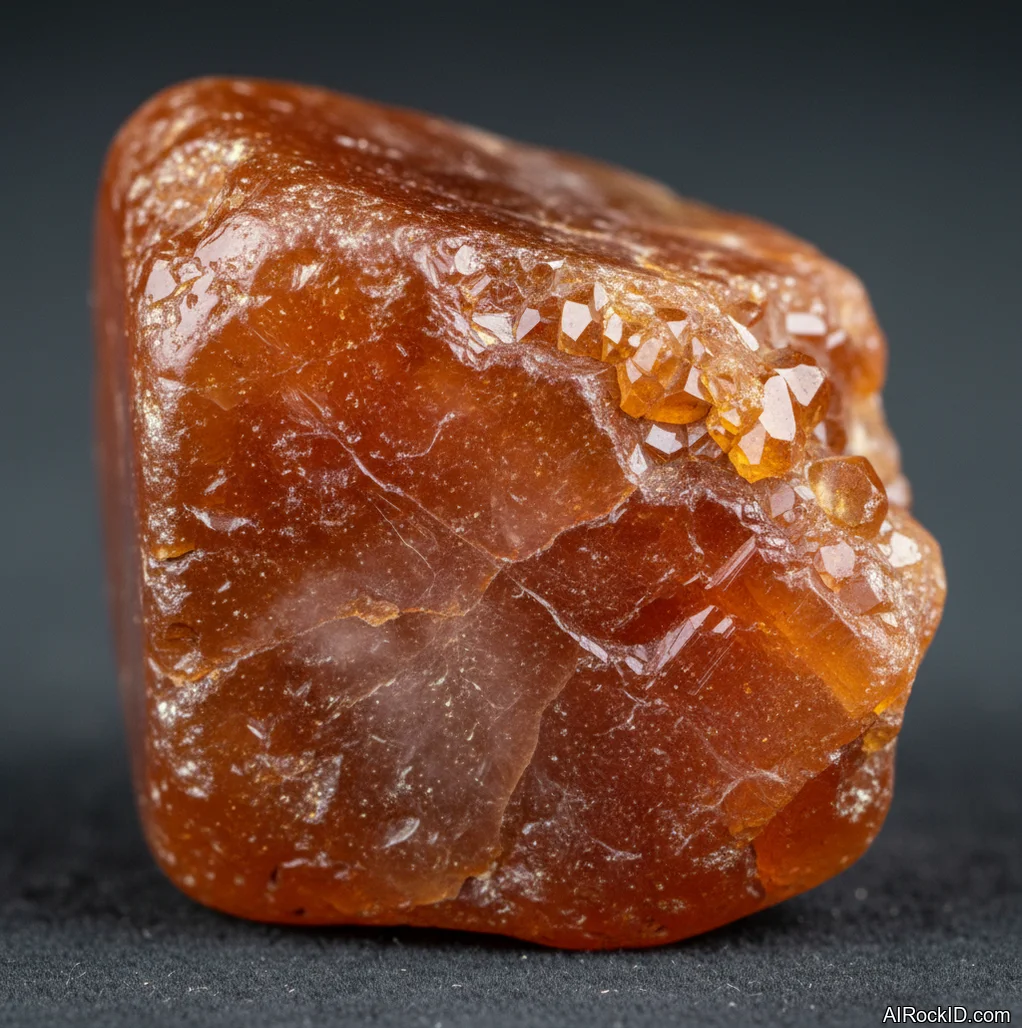
Most solar plexus crystal lists repeat the same few names: citrine, tiger’s eye, pyrite, yellow calcite, golden healer quartz, lemon quartz, heliodor (yellow beryl), amber, and sometimes yellow and ochre jaspers. Each has its quirks. Tiger’s eye feels hard, takes a high shine, and shows that signature silky band—chatoyancy—when you catch it in sunlight or a beam from your phone. Yellow calcite feels lighter and softer, and it scratches with just a steel nail. Pocket stones of calcite get cloudy and scuffed after a few months rattling around with your keys. Pyrite is the opposite—dense, cold, and those sharp edges can leave faint lines if you press. Amber feels almost warm and barely weighs anything. The first time you handle a piece, you’ll do a double take because it’s so different from actual minerals. Some sellers try to pass off glass or plastic as amber, but glass feels colder and heavier, and usually has mold lines from casting.
Everyday Uses for Solar Plexus Chakra Crystals: From Confidence to Boundaries
People grab solar plexus chakra stones for simple, everyday reasons. Prepping for a job interview. Wanting backup before a tough conversation. Even just to keep focus during a long day. Some folks say these crystals help with digestion or appetite, but that's more about tradition than proof. There's a common thread—wanting to feel steadier, like you have your own engine running. Pyrite cubes tend to sit on desks as a kind of visual anchor. Tiger’s eye ends up in pockets, worn smooth until the chatoyant band gets muted. Amber pendants are light enough to wear all day, though the string can get sticky if you sweat. People who like raw stones often prefer golden healer quartz clusters, which don’t really fit in your pocket, but make a striking centerpiece on a shelf. In shops, I’ve seen people test the weight and temperature instinctively—looking for that solid, grounding feel.
Tips for Identifying and Caring for Solar Plexus Chakra Stones
Look closely at any yellow or gold stone before you buy. Real citrine doesn’t have the burnt orange color or the swirled, glassy look of heat-treated amethyst. Pyrite sometimes leaves faint black marks on your fingertips if handled too long, especially if the surface has started to oxidize. Tiger’s eye can fade if left in sunlight for months, so keep it in a drawer when not in use. Amber scratches easily—try not to keep it with keys or coins. If you’re not sure what you’ve got, a simple streak test can help: pyrite gives a black streak, while genuine amber won’t scratch glass at all. Most collectors keep their solar plexus stones in small pouches to avoid scuffs. Over time, even tough materials like tiger’s eye will lose their high polish if carried loose in a bag with other rocks.
Best Solar Plexus Chakra Crystals to Start With
| Level | Crystal | Note |
| Gentle / Beginner | Yellow Calcite | It's soft, easy to find, and the color is usually a friendly pale yellow. Great for carrying or holding during meditation, but not so tough that you'll worry about dropping it. |
| Balanced / Everyday | Tiger’s Eye | Durable enough for pocket carry, polishes up with a strong chatoyant band, and isn't expensive. The silky shimmer is easy to spot and makes it feel special in the hand. |
| Intense / Advanced | Pyrite | Dense, sharp-edged, and heavy. Its metallic faces give a real physical punch, but raw cubes can oxidize and leave black marks, so it's best for those who don't mind a little mess. |
| Best for Carrying | Citrine (heat-treated or natural) | A tumbled citrine stone is hard, doesn't scratch easily, and feels smooth in the pocket. Just double-check if you're getting natural or heat-treated. |
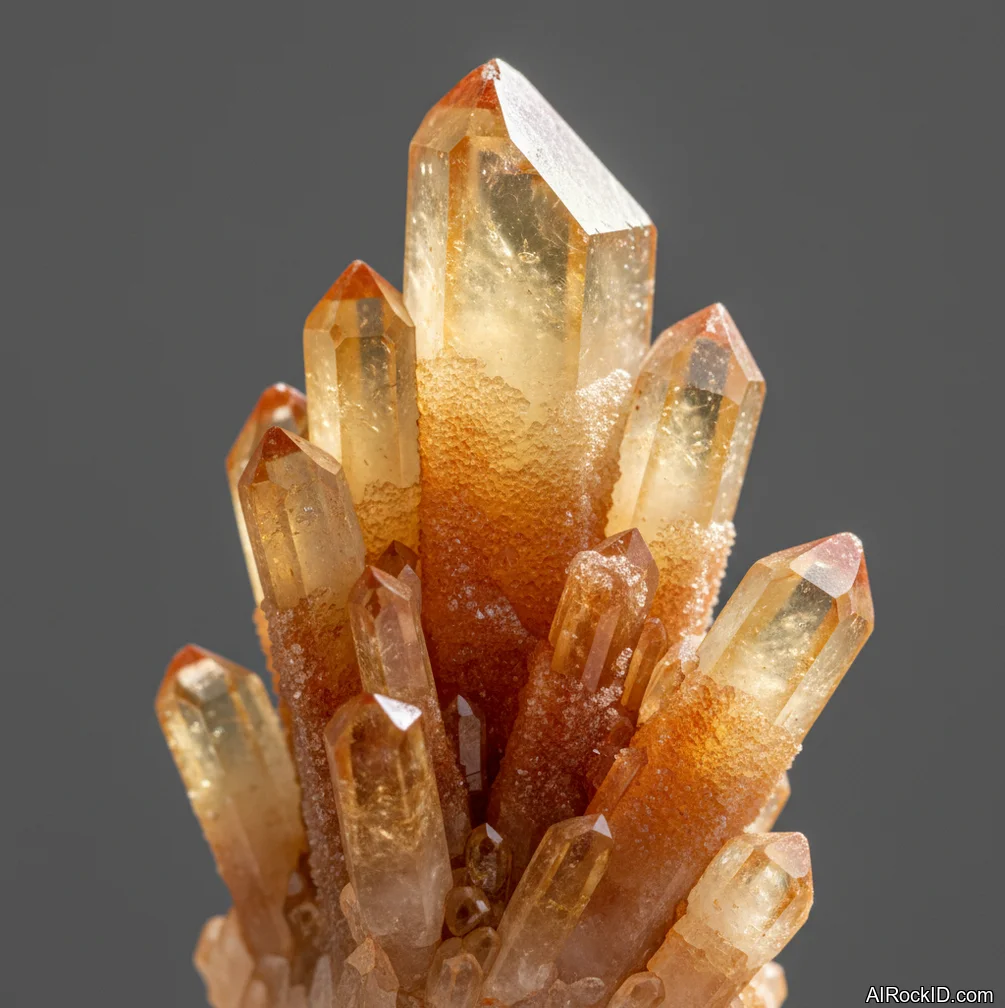
| Best for Display | Golden Healer Quartz | Raw clusters with iron staining are visually striking, often full of points and color zones. Not ideal for carrying, but they catch sunlight beautifully on a shelf. |
Solar Plexus Chakra Crystal Comparison
| Crystal | Common Use | Feel / Use Style | Care Caution |
| Tiger’s Eye | Pocket stone for confidence and stress | Silky, hard, and chatoyant band of light | Color can fade in strong sunlight |
| Pyrite | Desk stone or grounding anchor | Heavy, metallic, cold with sharp edges | Can oxidize, may leave black residue |
| Yellow Calcite | Gentle support, meditation aid | Light, soft, easily scratched and cloudy | Avoid dropping, protect from hard objects |
| Amber | Worn as pendant, light energy support | Feather-light, warm to touch, resinous | Scratches easily, keep away from keys and rough surfaces |
How to Identify Solar Plexus Chakra Crystals with AI Rock ID
To use the AI Rock ID app for Solar Plexus Chakra crystals, take a photo in natural daylight with the whole specimen clearly visible. Upload both a full-view and a close-up of any interesting features, like chatoyancy in tiger’s eye or the iron staining in golden healer quartz. Compare results against known properties, such as hardness (pyrite scratches glass, amber doesn't) or luster (pyrite metallic, calcite waxy). The app can help sort out fakes, especially for citrine and amber, by matching physical traits.
All Solar Plexus Chakra Crystals (88)